


Patient Medication Information: uses, side effects, how to take - Ocphyl
ABOUT THIS MEDICATION
What OCPHYL is used for:
OCPHYL (octreotide acetate) is used:
- to control symptoms in patients with gastroenteropancreatic (GEP) endocrine tumors or with acromegaly.
- for the prevention of complications following pancreatic surgery.
- for the emergency treatment of bleeding varices (stretched veins) in the esophagus and stomach in patients with liver disease and as protection from rebleeding.
What is a Gastroenteropancreatic (GEP) Endocrine Tumor?
GEP endocrine tumors are growths that have developed from endocrine cells in the gastrointestinal tract (the stomach, intestines, appendix) or the pancreas.
Some symptoms come about because GEP endocrine tumors produce and secrete chemical substances called peptides, i.e. small proteins in excess – overloading the system.
The over-secretion of peptides causes diarrhea and flushing.
Carcinoid tumors (generally occurring in the esophagus, stomach, intestines, appendix, and lungs) and VIPomas (almost always occurring in the pancreas) are the most common type of GEP endocrine tumor.
Diarrhea can cause dehydration, it is therefore very important to control it and replace the loss of water and electrolytes as quickly as possible.
What is Acromegaly?
Acromegaly is a life-time, uncommon, debilitating disease characterized by changes in facial bone structure and specific hormonal abnormalities.
Acromegaly is the result of an overproduction of growth hormone by the pituitary gland (a pea-sized gland located at the base of the brain). Uncontrolled disease may lead to arthritis, cardiac and neurologic problems. Approximately 20% to 30% of acromegalic patients also demonstrate high blood pressure.
What OCPHYL (octreotide acetate) does:
GEP Endocrine Tumors:
OCPHYL works to help slow down the release of the peptides that cause diarrhea and flushing. It also stimulates water absorption.
Acromegaly:
Octreotide acetate has been shown to lower the overproduction of growth hormone by the pituitary gland.
When it should not be used:
OCPHYL should not be used if you are allergic to the active ingredient octreotide or to any other ingredient of the formulation.
What the medicinal ingredient is:
Octreotide acetate
What the important nonmedicinal ingredients are:
The single dose syringes contain: lactic acid, sodium chloride, sodium hydroxide and water for injection.
What dosage forms it comes in:
OCPHYL (octreotide acetate) is a solution supplied in:
- 1 mL single dose syringes, each containing 50 g, 100 g or 500 g of octreotide (as octreotide acetate). OCPHYL is available in boxes of 5 syringes.
- Each syringe plunger is colour coded according to the dose: red (50 μg), yellow (100 μg), and blue (500 μg).
WARNINGS AND PRECAUTIONS
BEFORE you use OCPHYL talk to your doctor or pharmacist if you:
- have high blood pressure (hypertension),
- have problems with your blood sugar levels, either too high or too low (hypoglycaemia),
- have gallstones or have had gallstones in the past, as prolonged use of OCPHYL may result in gallstone formation,
- have problems with your liver (e.g. liver cirrhosis),
- have problems with your kidneys and require dialysis,
are pregnant, suspect that you may be pregnant,
- are breast feeding,
- have heart problems.
If you receive long treatment with OCPHYL your doctor may wish to check your thyroid function periodically.
There is very little experience with the use of octreotide acetate in children.
Women of child-bearing potential should use an effective contraceptive method during treatment.
INTERACTIONS WITH THIS MEDICATION
Drugs that may interact with OCPHYL include:
- drugs to control blood pressure (e.g. beta blockers, calcium channel blockers),
- drugs to control blood sugar (e.g. sulfonylureas, insulin, and diazoxide),
- cimetidine,
- cyclosporine,
- bromocriptine.
- anti-diarrheal agents (affect fluid and electrolytes)
Please inform your doctor or pharmacist if you are taking or have recently taken any other drugs or herbal products, even those without a prescription.
OCPHYL is best injected between meals or on retiring to bed. This may reduce the gastrointestinal side effects of OCPHYL.
PROPER USE OF THIS MEDICATION
Usual dose:
Your doctor will tell you how much OCPHYL to take each day. OCPHYL is to be injected under your skin (subcutaneous injection). Your doctor will also tell you how to divide your dosage throughout the day.
Directions for use
YOUR DOCTOR WILL SHOW YOU HOW TO INJECT YOURSELF WITH OCPHYL. IT IS VERY IMPORTANT THAT YOU FOLLOW THESE INSTRUCTIONS CAREFULLY. IF THERE IS ANYTHING YOU DO NOT UNDERSTAND OR WOULD LIKE CLARIFIED, ASK YOUR DOCTOR OR NURSE FOR MORE INFORMATION SO YOU ARE COMFORTABLE SELF-ADMINISTERING OCPHYL AT HOME.
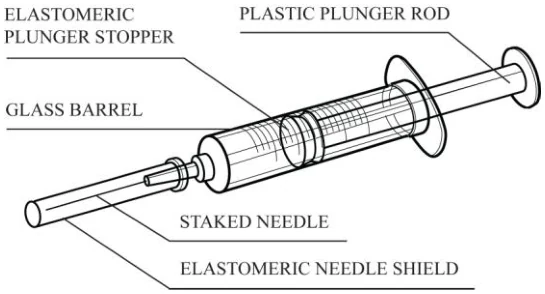
OCPHYL is available in ready-to-use, single-dose, pre-filled syringes.
Each pre-filled syringe contains enough octreotide (as octreotide acetate) for one injection. Avoid pressing on the syringe plunger rod before use not to lose any contents of the syringe.
Caution
|
- 1.
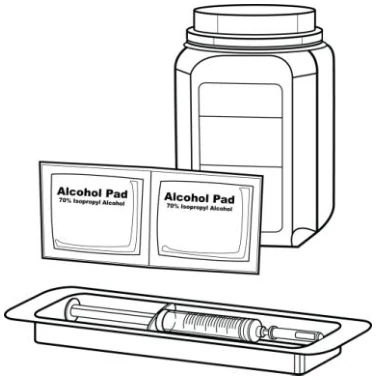
Gather everything you need on a clean work surface:
- One OCPHYL pre-filled syringe in its wrapping
- Alcohol pads (not supplied with the product)
- A puncture-proof container for disposal of used needles (ask your pharmacist for a proper sharps container)
- 2. Wash your hands with soap and warm water.
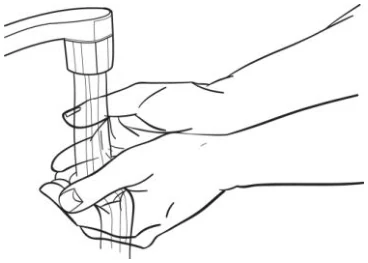
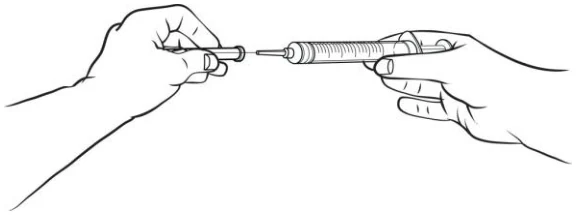
- 3.
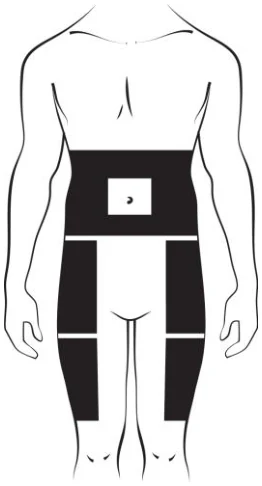
Choose the area of your hip, thigh, or abdomen (at least 5 cm away from your belly button) where you want to inject. Make sure you change sites each time you inject OCPHYL. The diagram below shows the recommended subcutaneous injection sites.
- 4. Using an alcohol pad, clean an area of skin approximately 5 cm x 5 cm at the injection site and allow the alcohol to dry. DO NOT touch this area again before giving the injection.
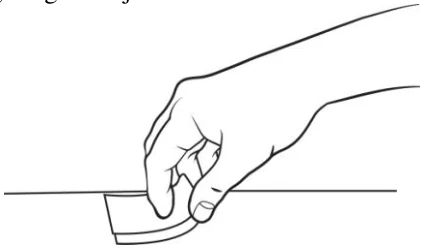
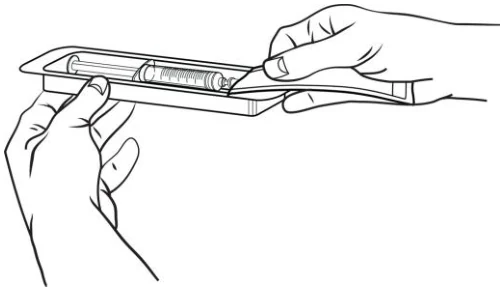
- 5. Remove the OCPHYL syringe from its wrapping by completely peeling off the backing from the blister packaging and then pick up the syringe by its glass barrel.
- 6. Holding the syringe like a pencil, carefully pull the needle cover straight off.
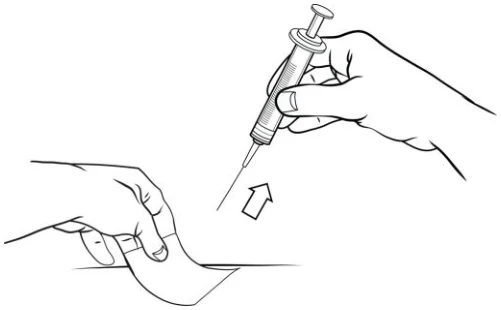
- 7. Invert the syringe and hold it like a dart. Use the thumb and forefinger of your other hand to gently pinch a fold of cleaned skin at the injection site. This will lift the subcutaneous tissue away from the muscle underneath. Hold the syringe at a 45- or 90-degree angle, and, in one quick motion, insert the entire length of the needle into the fold of skin.
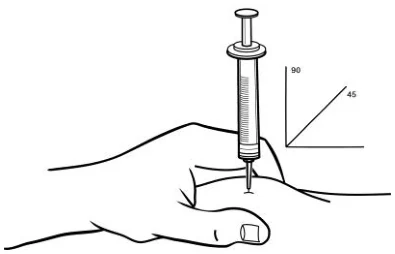
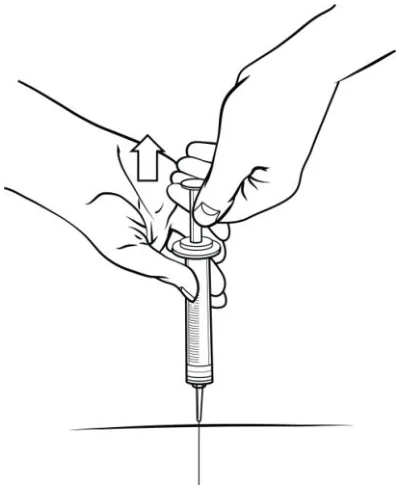
- 8. Once the needle is inserted, let go of the skin. Using your free hand, slightly pull back on the plunger to check whether you have placed the needle in a blood vessel. If any blood appears in the syringe, this is not a proper injection site. You will have to remove the needle, discard the syringe and start over at step 3 using a new syringe.
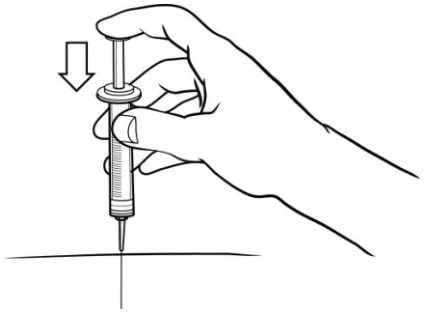
- 9. When the needle is inserted in a proper injection site, slowly inject the entire contents of the pre-filled syringe.
- 10.
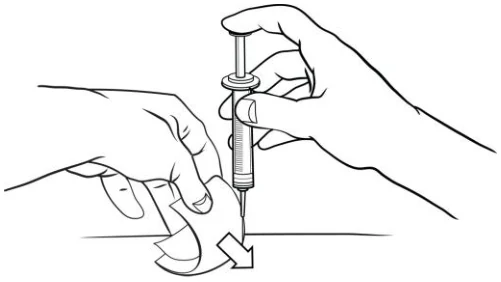
When you are finished injecting OCPHYL, place cotton swab where the needle enters the skin and press lightly.
- 11. Withdraw the needle at the same angle that it was inserted.
- 12. Gently hold the cotton swab on the injection site for a minimum of 5 to 10 seconds.
- 13.
If you have a puncture-proof container (preferred):
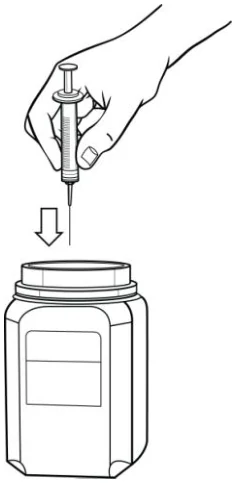
Do not reuse the pre-filled syringe. Do not try to put the safety cap back onto the needle. Dispose of the syringe in your puncture-proof container immediately after use. When the needle disposal container is full, take the container to a clinic or pharmacy for proper disposal.
If you do not have a puncture-proof container:
Do not reuse the pre-filled syringe. Put the safety cap back onto the needle very carefully, and dispose of the syringe safely. Collect your used syringes in a metal container. When the container is full, close it tightly, and take it to a clinic or pharmacy for proper disposal.
Missed Dose:
If you forget to take a scheduled injection, check with your doctor. Do not double your dose at the next injection.
Overdose:
| In case of drug overdose, contact a health care practitioner, hospital emergency department or regional Poison Control Centre immediately, even if there are no symptoms. |
No life-threatening reactions have been reported after overdosage of octreotide acetate.
SIDE EFFECTS AND WHAT TO DO ABOUT THEM
Like all medicines OCPHYL may cause some side effects. If you experience any of these, tell your doctor.
Some patients have experienced a burning sensation at the injection site. For most people, the burning lasts only a few moments. Injecting the drug at room temperature rather than cold from the refrigerator may alleviate the burning sensation.
Serious side effects
- Gallstones, leading to sudden back pain.
- Too much or too little sugar in the blood.
- Underactive thyroid gland (hypothyroidism) causing changes in heart rate, appetite or weight; tiredness, feeling cold, or swelling at the front of the neck.
- Changes in thyroid function tests.
- Inflammation of the gallbladder (cholecystitis).
- Impaired glucose tolerance.
- Irregular heart beat (slow or fast).
- Thirst, low urine output, dark urine, dry flushed skin.
- Hypersensitivity (allergic) reactions including skin rash.
- A type of an allergic reaction (anaphylaxis) which causes difficulty in breathing, swelling of the face or dizziness.
- Acute inflammation of the pancreas gland causing severe stomach pain (pancreatitis).
- Liver inflammation (hepatitis); symptoms may include yellowing of the skin and eyes (jaundice), nausea, vomiting, loss of appetite, generally feeling unwell, itching, light-coloured urine.
Other side effects
The side effects listed below are usually mild and tend to disappear as treatment progresses.
- nausea
- vomiting
- stomach pain
- diarrhea
- feeling of fullness in the stomach
- flatulence (wind)
loss of appetite
- constipation
- headache
stomach discomfort after meal
- fatty stools
- loose stools
- discoloration of faeces
- dizziness
- change in liver function tests
- hair loss
- shortness of breath.
Since gallstones may occasionally form during prolonged use of OCPHYL, your doctor may wish to check your gallbladder periodically.
| SERIOUS SIDE EFFECTS, HOW OFTEN THEY HAPPEN AND WHAT TO DO ABOUT THEM | ||||
|---|---|---|---|---|
| Symptom / effect | Talk with your doctor or pharmacist | Stop taking drug and call your doctor or pharmacist | ||
| Only if severe | In all cases | |||
| Common |
| |||
| Uncommon |
| |||
| ||||
(symptoms include unusual thirst, frequent urination, extreme fatigue or lack of energy, tingling or numbness in the hands or feet) | ||||
| SERIOUS SIDE EFFECTS, HOW OFTEN THEY HAPPEN AND WHAT TO DO ABOUT THEM |
|---|
| Symptom / effect | Talk with your doctor or pharmacist | Stop taking drug and call your doctor or pharmacist |
|---|
| Only if severe | In all cases | ||
|---|---|---|---|
| |||
| |||
|
This is not a complete list of side effects. For any unexpected effects while taking OCPHYL, contact your doctor or pharmacist.
HOW TO STORE IT
OCPHYL pre-filled syringes must be stored at 2°C to 8°C (in a refrigerator). Keep container in the outer carton in order to protect from light. Do not freeze.
When OCPHYL is used daily by patients, the pre-filled syringes may be stored at room temperature for up to 2 weeks, protected from light. The pre-filled syringes should be opened just prior to administration.
Do not use OCPHYL after the expiry date.
Keep in a safe place out of reach of children and pets.
REPORTING SUSPECTED SIDE EFFECTS
You can report any suspected adverse reactions associated with the use of health products to the Canada Vigilance Program by one of the following 3 ways: --------------------------------------------------------------------
Postage paid labels, Canada Vigilance Reporting Form and the adverse reaction reporting guidelines are available on the MedEffect™ Canada Web site at www.healthcanada.gc.ca/medeffect. NOTE: Should you require information related to the management of side effects, contact your health professional. The Canada Vigilance Program does not provide medical advice. |
MORE INFORMATION
This document plus the full product monograph, prepared for health professionals can be found by contacting the sponsor, PENDOPHARM, Division of Pharmascience Inc., at:
1 888 550-6060.
PENDOPHARM, Division of Pharmascience Inc.
6111 Royalmount Ave., Suite 100
Montreal, QC, Canada
H4P 2T4
Last prepared: May 22, 2014.