


Product Monograph - Ofirmev
INDICATIONS AND CLINICAL USE
Adults
OFIRMEV (acetaminophen) injection is indicated for:
- the short term management of mild to moderate pain when administration by IV route is deemed clinically necessary.
- the management of moderate to severe pain with adjunctive opioid analgesics
- the treatment of fever
OFIRMEV may be given in single or repeated doses when an intravenous route of administration is considered clinically appropriate.
Pediatrics (>2 years of age)
OFIRMEV is indicated for:
- the short term management of mild to moderate pain when administration by IV route is deemed clinically necessary.
- the management of moderate to severe pain with adjunctive opioid analgesics
- the treatment of fever
OFIRMEV may be given in single or repeated doses when an intravenous route of administration is considered clinically appropriate.
Pediatrics (< 2 years of age)
There is limited data on the use of OFIRMEV in pediatric patients < 2 years of age. OFIRMEV is not recommended for this age group unless the benefit outweighs the risk and the IV route of administration is the preferred option.
Geriatrics (> 65 years of age)
As with other drugs, caution should be used in the treatment of elderly patients who are more likely to be suffering from impaired renal, hepatic or cardiac function.
CONTRAINDICATIONS
- OFIRMEV is contraindicated in patients who have previously demonstrated hypersensitivity to acetaminophen, to any ingredient in the formulation, or component of the container (see DOSAGE FORMS, COMPOSITION, AND PACKAGING).
- OFIRMEV is contraindicated in patients with severe hepatic impairment or severe active liver disease.
WARNINGS AND PRECAUTIONS
Serious Warnings and Precautions
Medication Errors
Caution is recommended when prescribing, preparing, and administering OFIRMEV Injection to avoid dosing errors which could result in accidental overdose and death. In particular, ensure that:
- the dose in milligrams (mg) and milliliters (mL) is not confused;
- the dosing is based on weight for patients under 50 kg;
- infusion pumps are properly programmed; and
- the total daily dose of acetaminophen from all routes of administration (intravenous, oral and rectal) and all products containing acetaminophen (oral solutions/drops, syrup, pills, capsules, suppositories, etc.) does not exceed maximum daily limits.
Hepatotoxicity
OFIRMEV contains acetaminophen. Acetaminophen has been associated with cases of acute liver failure, at times resulting in liver transplant and death. Most of the cases of liver injury are associated with the use of acetaminophen at doses that exceed the maximum daily limits, and often involve more than one acetaminophen-containing product.
Cardiovascular
Use caution when administering acetaminophen in patients with severe hypovolemia (e.g., due to dehydration or blood loss).
Hepatic
Administration of acetaminophen in doses higher than recommended may result in hepatic injury, including the risk of severe hepatotoxicity and death. The maximum daily dose of acetaminophen includes all routes of administration (intravenous, oral and rectal) and all products containing acetaminophen (oral solutions/drops, syrup, pills, capsules, suppositories, etc.). Do not exceed the maximum recommended daily dose of acetaminophen (see DOSAGE AND ADMINISTRATION).
Use caution when administering acetaminophen in patients with the following conditions: hepatic impairment or active hepatic disease, alcoholism, and chronic malnutrition (low reserves of hepatic gluthatione). Acetylcysteine (chemical name N-acetyl-L-cysteine or NAC), the antidote for acetaminophen, may be considered in cases of overdose.
Hematologic
Chronic oral acetaminophen use at a dose of 4000 mg/day has been shown to cause an increase in international normalized ratio (INR) in some patients who have been stabilized on sodium warfarin as an anticoagulant. As no studies have been performed evaluating the short-term use of OFIRMEV in patients on warfarin, more frequent assessment of INR may be appropriate.
Single doses of OFIRMEV up to 3000 mg and repeated doses of 1000 mg every 6 hours for 48 hours have not been shown to cause a significant effect on platelet aggregation. Acetaminophen does not have any immediate or delayed effects on small-vessel hemostasis. Clinical studies on both healthy subjects and patients with hemophilia showed no significant changes in bleeding time after receiving multiple doses of oral acetaminophen.
Hypersensitivity Reactions
There have been postmarketing reports of hypersensitivity and anaphylaxis associated with the use of acetaminophen. Clinical signs included swelling of the face, mouth, and throat, respiratory distress, urticaria, rash, and pruritus. There were infrequent reports of life-threatening anaphylaxis requiring emergent medical attention. OFIRMEV should be immediately discontinued if symptoms associated with allergy or hypersensitivity occur (see CONTRAINDICATIONS).
Serious skin reactions: Rarely, acetaminophen can cause serious skin reactions such as acute generalized exanthematous pustulosis (AGEP), Stevens-Johnson syndrome (SJS), and toxic epidermal necrolysis (TEN), which can be fatal. It is important to recognize and react quickly to the initial symptoms of these reactions which may occur without warning but may be manifested by any serious skin reactions. Patients should be informed about the signs of serious skin reactions, and use of the drug should be discontinued at their first appearance.
Renal
Use caution when administering acetaminophen in patients with severe renal impairment (creatinine clearance ≤ 30 mL/min). Longer dosing intervals and/or a reduced total daily dose of acetaminophen may be warranted in these patients.
Special Populations
Pregnant Women There are no studies of intravenous acetaminophen in pregnant women and it is therefore not known whether OFIRMEV can cause fetal harm when administered to a pregnant woman. However, data on oral acetaminophen use in pregnant women show no increased risk of major congenital malformations. OFIRMEV should be given to a pregnant woman only if the benefit to the mother clearly outweighs the risk to the fetus.
Nursing Women While dedicated studies with OFIRMEV (acetaminophen) injection in nursing women have not been conducted, acetaminophen is secreted in human milk after oral administration. Based on data from 32 nursing mothers, less than 2% of the weight-based dose given orally to the mother transfers through breast milk to the nursing child. There is one well-documented report of a rash in a breast-fed infant that resolved when the mother stopped acetaminophen use and recurred when she resumed acetaminophen use. The benefits of breast feeding while on OFIRMEV should therefore be weighed against the risks to the infant.
Pediatrics
In pediatrics younger than 2 years of age, the safety and efficacy of OFIRMEV for the treatment of acute pain and fever has not been established. OFIRMEV is not recommended for this age group unless the benefit outweighs the risk and the IV route of administration is the preferred option. In addition, the presence of hyperbilirubinaemia is associated with acetaminophen clearance reduction in neonates. The dose should be reduced if OFIRMEV is used in this age group (see Pharmacokinetics).
In pediatrics older than 2 years of age, the safety and efficacy of OFIRMEV for the treatment of acute pain and fever is supported by evidence from adequate and well-controlled studies of OFIRMEV in adults and from pharmacokinetic and controlled studies in pediatrics.
Geriatrics (≥ 65 years of age) Of the total number of subjects in clinical studies with OFIRMEV, 16% percent were aged 65 and over. No overall differences in safety or efficacy were observed between these subjects and younger subjects, and other reported clinical experience has not identified differences in responses between the elderly and younger patients. As with other drugs, caution should be used in the treatment of elderly patients who are more likely to be suffering from impaired renal, hepatic or cardiac function.
ADVERSE REACTIONS
Adverse Drug Reaction Overview
A total of 1020 adult patients have received OFIRMEV in clinical trials, including 37.3% (n = 380) who received 5 or more doses, and 17.0% (n = 173) who received more than 10 doses. Most patients were treated with OFIRMEV 1000 mg every 6 hours following surgery. A total of 13.1% (n = 134) received OFIRMEV 650 mg every 4 hours. Approximately 69% of OFIRMEV-treated and 71% of placebo-treated patients experienced adverse events (AEs). These AEs were predominantly of mild and moderate severity. The most common adverse events (incidence ≥ 5%) in adult patients treated with OFIRMEV were nausea, vomiting, headache, and insomnia.
A total of 355 pediatric patients (47 neonates, 64 infants, 171 children, and 73 adolescents) have received OFIRMEV in active-controlled (n = 250) and open-label clinical trials (n = 225), including 59.7% (n = 212) who received 5 or more doses and 43.1% (n = 153) who received more than 10 doses. Pediatric patients received OFIRMEV doses up to 15 mg/kg on an every 4 hour, every 6 hour, or every 8 hour schedule. The maximum exposure was 7.7, 6.4, 6.8, and 7.1 days in neonates, infants, children, and adolescents, respectively. Approximately 48% of OFIRMEV-treated patients experienced adverse events which were predominantly of mild and moderate severity. The most common adverse events (incidence ≥ 5%) in pediatric patients treated with OFIRMEV were nausea, vomiting, constipation, pruritus, agitation, and atelectasis.
Clinical Trial Adverse Drug Reactions
Because clinical trials are conducted under very specific conditions, the adverse reaction rates observed in the clinical trials may not reflect the rates observed in practice and should not be compared to the rates in the clinical trials of another drug. Adverse drug reaction information from clinical trials is useful for identifying drug-related adverse events and for approximating rates.
Adult Population:
Treatment-emergent adverse events (TEAEs) reported in ≥ 1% of OFIRMEV-treated post-operative patients in placebo-controlled, repeat-dose clinical trials are summarized in Table 1 if they occurred at a numerically higher rate with OFIRMEV than with placebo. These adverse events were included regardless of any causal relationship to OFIRMEV.
Table 1: Treatment-emergent Adverse Events in Placebo-controlled, Repeat Dose Clinical Studies Reported by ≥ 1% of OFIRMEV-treated Adult Patients and at a Numerically Higher Frequency than Placebo
| System Organ Class – Preferred Term | OFIRMEV (N = 402) n (%) | Placebo (N = 379) n (%) |
|---|---|---|
Gastrointestinal Disorders Nausea Vomiting Abdominal distension Abdominal pain Dyspepsia | 138 (34.3) 62 (15.4) 18 (4.5) 10 (2.5) 8 (2.0) | 119 (31.4) 42 (11.1) 14 (3.7) 7 (1.8) 6 (1.6) |
General Disorders and Administration Site Conditions Injection site extravasation Infusion site pain Peripheral oedema Chills | 11 (2.7) 9 (2.2) 5 (1.2) 5 (1.2) | 9 (2.4) 4 (1.1) 3 (0.8) 1 (0.3) |
Injury, Poisoning, and Procedural Complications Incision site pain | 7 (1.7) | 1 (0.3) |
Investigations Increased Aspartate aminotransferase (AST) Increased Gamma-glutamyl transferase (GGT) | 6 (1.5) 5 (1.2) | 3 (0.8) 1 (0.3) |
Musculoskeletal and Connective Tissue Disorders Muscle spasms Pain in extremity | 6 (1.5) 5 (1.2) | 5 (1.3) 3 (0.8) |
Nervous System Disorders Headache | 39 (9.7) | 33 (8.7) |
Psychiatric Disorders Insomnia | 30 (7.5) | 21 (5.5) |
Renal and Urinary Disorders Dysuria | 8 (2.0) | 7 (1.8) |
Vascular Disorders Hypotension | 7 (1.7) | 1 (0.3) |
These spontaneously reported TEAEs in adults, particularly the frequent gastrointestinal TEAEs such as nausea and vomiting, should be considered in the context of the patient population (post-operative patients) where numerous adverse events are expected.
Less Common Clinical Trial Adverse Drug Reactions (> 0.3% and < 1%) in Adults
The following TEAEs, which have been included regardless of any causal relationship to acetaminophen, were reported by adult subjects treated with OFIRMEV in placebo-controlled clinical studies (n = 402) and occurred with an incidence of > 0.3% to < 1% and were observed at a numerically higher incidence with OFIRMEV than with placebo (n = 379).
- Cardiac disorders: palpitations
- Gastrointestinal disorders: gastroesophageal reflux disease, abnormal bowel sounds, abdominal tenderness, haemorrhoids, rectal spasm, small intestinal obstruction
- General disorders and administration site conditions: injection site pain
- Infections and infestations: pneumonia, wound infection, vulvovaginal mycotic infection
- Injury, poisoning and procedural complications: incision site hemorrhage, seroma
- Investigations: increased alanine aminotransferase (ALT), decreased blood magnesium, decreased blood potassium
- Metabolism and nutrition disorders: hypoglycaemia
- Renal and urinary disorders: pollakiuria
- Respiratory, thoracic, and mediastinal disorders: dyspnoea, cough, productive cough
- Skin and subcutaneous tissue disorders: erythema, night sweats
- Vascular disorders: hypertension
Pediatric Population:
Treatment-emergent adverse events reported in ≥ 1% of OFIRMEV-treated post-operative hospitalized pediatric patients with pain or fever (n = 355) in active and/or open-label studies are summarized below. These adverse events were included regardless of any causal relationship to OFIRMEV.
- Blood and lymphatic system disorders: anaemia (3.1%)
- Cardiac disorders: tachycardia (1.1%)
- Gastrointestinal disorders: nausea (15.2%), vomiting (10.4%), constipation (8.2%), diarrhoea (2.3%), abdominal pain (1.1%)
- General disorders and administration site conditions: pyrexia (4.2%), injection site pain (3.4%), peripheral oedema (1.1%)
- Infections and infestations: wound infection (1.1%)
- Investigations: increased hepatic enzyme (1.1%)
- Metabolism and nutrition disorders: hypokalaemia (3.9%), hypomagnesaemia (3.9%), hypoalbuminaemia (1.7%), hypophosphataemia (1.4%), hypervolaemia (1.1%)
- Musculoskeletal and connective tissue disorders: muscle spasm (2.0%), pain in extremity (1.1%)
- Nervous system disorders: headache (2.5%)
- Psychiatric disorders: agitation (5.6%), insomnia (1.1%)
- Renal and urinary disorders: oliguria (1.4%)
- Respiratory, thoracic and mediastinal disorders: atelectasis (5.4%), pleural effusion (3.7%), pulmonary oedema (2.5%), wheezing (2.3%), stridor (2.0%), hypoxia (1.1%)
- Skin and subcutaneous tissue disorders: pruritus (7.9%), periorbital oedema (1.1%), rash (1.1%)
- Vascular disorders: hypotension (2.5%), hypertension (1.1%)
Less Common Clinical Trial Adverse Drug Reactions (> 0.3% and < 1%) in Pediatrics
The following TEAEs, which have been included regardless of any causal relationship to acetaminophen, occurred with an incidence of > 0.3% to < 1% among OFIRMEV-treated pediatric patients in active and open-label clinical studies:
- Blood and lymphatic system disorders: thrombocytopenia
- Eye disorders: dry eye
- Gastrointestinal disorders: abdominal distension, upper abdominal pain
- General disorders and administration site conditions: catheter related complication, catheter site discharge, face oedema, generalized oedema, injection site extravasation, oedema
- Hepatobiliary disorders: hepatotoxicity
- Infections and infestations: abdominal abscess, incision site infection, laryngotracheitis, upper respiratory tract infection
- Investigations: decreased haemoglobin, decreased oxygen saturation, increased platelet count
- Metabolism and nutrition disorders: hypocalcaemia
- Musculoskeletal and connective tissue disorders: back pain, muscular weakness
- Nervous system disorders: brain oedema, burning sensation, dizziness
- Psychiatric disorders: anxiety, depression
- Renal and urinary disorders: polyuria
- Respiratory, thoracic and mediastinal disorders: chylothorax, obstructive airways disorder, pharyngolaryngeal pain, respiratory failure
- Skin and subcutaneous tissue disorders: blister, skin disorder
Post-Market Adverse Drug Reactions
Because post-market adverse events are reported voluntarily from a population of uncertain size, it is generally not possible to reliably estimate their frequency or establish a causal relationship to drug exposure. The following adverse events have been reported:
Acute hepatitis, hepatic failure, hepatitis fulminant, anaphylactic shock, anaphylactic/anaphylactoid reactions, hypotension, angioedema, urticaria, cardiac arrest, acute renal failure, bronchospasm, respiratory distress, agranulocytosis, neutropenia, and thrombocytopenia.
DRUG INTERACTIONS
Overview
Acetaminophen is metabolized by the liver via three major pathways: glucuronidation, sulfation, and oxidation.
Acetaminophen, regardless of route of administration, appears to have only limited potential for drug-drug interactions. The drug interactions described below are those which have been generally reported with oral acetaminophen.
Drug-Drug Interactions
Effects of other Substances on Acetaminophen
Substances that induce or regulate hepatic cytochrome enzyme CYP2E1 may alter the metabolism of acetaminophen and increase its hepatotoxic potential. The clinical consequences of these effects have not been established.
Caution is advised when concomitant intake of enzyme-inducing drugs is considered. These drugs include, but are not limited to, barbiturates; isoniazid; zidovudine; and carbamazepine.
The effects of ethanol are complex, because excessive alcohol usage can induce hepatic cytochromes, but ethanol also acts as a competitive inhibitor of the metabolism of acetaminophen.
Probenecid causes an almost 2-fold reduction in clearance of acetaminophen by inhibiting its conjugation with glucuronic acid. A reduction of the acetaminophen dose should be considered for concomitant treatment with probenecid.
Anticoagulants
Chronic oral acetaminophen use at a dose of 4000 mg/day has been shown to cause an increase in international normalized ratio (INR) in some patients who have been stabilized on sodium warfarin as an anticoagulant. As no studies have been performed evaluating the short-term use of OFIRMEV in patients on warfarin, more frequent assessment of INR may be appropriate in such circumstances.
Drug-Food Interactions
As an intravenous medication, studies evaluating interactions with food are not relevant.
Drug-Herb Interactions
As an intravenous medication, studies evaluating interactions with herbs are not relevant.
Drug-Laboratory Interactions
Interactions with laboratory tests have not been studied.
Drug-Lifestyle Interactions
Effects of alcohol are complex, because excessive alcohol usage can induce hepatic cytochromes, but alcohol also acts as a competitive inhibitor of the metabolism of acetaminophen.
DOSAGE AND ADMINISTRATION
Dosing Considerations
The maximum daily dose of acetaminophen includes all routes of administration (intravenous, oral and rectal) and all products containing acetaminophen (oral solutions/drops, syrup, pills, capsules, suppositories, etc.). Do not exceed the maximum recommended single/daily doses of acetaminophen described in Tables 2 and 3.
- OFIRMEV reduces the febrile temperature set-point. Appropriate measures should be taken to allow adequate body heat dissipation.
Recommended Dose and Dosage Adjustment
No dose adjustment is required when converting between oral acetaminophen and OFIRMEV dosing in adults and adolescents weighing 50kg and above. The maximum daily dose of acetaminophen is based on all routes of administration (i.e., intravenous, oral, and rectal) and all products containing acetaminophen.
Dosing recommendations for different age groups are summarized in Table 2 and 3.
Table 2: Dosing Recommendations for Adults and Adolescents 13 years and older
| Age group | Dose given every 4 hours | Dose given every 6 hours | Maximum total daily dose of acetaminophen (by any routes) |
| Adults and adolescents weighing ≥ 50 kg | 650 mg | 1000 mg | 4000 mg in 24 hours |
| Adults and adolescents weighing < 50 kg | 12.5 mg/kg | 15 mg/kg | 75 mg/kg in 24 hours (up to 3750 mg) |
Table 3: Dosing Recommendations for Children 2 to 12 years of age
| Age group | Dose given every 4 hours | Dose given every 6 hours | Maximum total daily dose of acetaminophen (by any routes) |
| Children 2 years – 12 years | 12.5 mg/kg | 15 mg/kg | 75 mg/kg in 24 hours |
Administration
For adult and adolescent patients weighing ≥ 50 kg requiring 1000 mg doses of OFIRMEV, administer the dose by inserting a vented IV set through the septum of the vial. OFIRMEV may be administered without further dilution. The solution is clear and colorless. Examine the vial contents before dose preparation or administering. DO NOT USE if particulate matter, cloudiness or a change in color of solution is observed. Administer the contents of the vial intravenously over 15-minutes. Use aseptic technique when preparing OFIRMEV for intravenous infusion. Do not add other medications to the OFIRMEV vial.
The entire 100 mL vial of OFIRMEV is not intended for use in patients weighing less than 50 kg. For doses less than 1000 mg, the appropriate dose must be withdrawn from the vial and placed into a separate container prior to administration. Using aseptic technique, withdraw the appropriate dose (650 mg or weight-based) from an intact sealed OFIRMEV vial and place the measured dose in a separate empty, sterile container (e.g. glass bottle, plastic intravenous container, or syringe) for intravenous infusion to avoid the inadvertent delivery and administration of the total volume of the commercially available container.
As with all infusions from a rigid container, monitor the end of the infusion to ensure that air does not enter the system at the end of the infusion.
OFIRMEV is a single-use vial and the unused portion must be discarded.
Table 4 lists commonly administered supportive care drugs and intravenous infusion solutions that are physically compatible for up to four hours at room temperature with OFIRMEV and can therefore be administered in the same IV line.
Diazepam and chlorpromazine hydrochloride are physically incompatible with OFIRMEV in solution and should not be simultaneously administered in intravenous solution.
Table 4: Supportive Care Drugs and Intravenous Infusion Solutions Compatible with OFIRMEV
| Drug | |
|---|---|
|
|
| Infusion Solution | |
|
|
OVERDOSAGE
| For management of a suspected drug overdose, contact your regional Poison Control Centre. |
Signs and Symptoms
In acute acetaminophen overdosage, dose-dependent potentially fatal hepatic necrosis is the most serious adverse event. Renal tubular necrosis, hypoglycemic coma, and thrombocytopenia may also occur. Plasma acetaminophen levels > 300 mcg/mL at 4 hours after oral ingestion were associated with hepatic damage in 90% of patients; minimal hepatic damage is anticipated if plasma levels at 4 hours are < 150 mcg/mL or < 37.5 mcg/mL at 12 hours after ingestion. Early symptoms following a potentially hepatotoxic overdose may include: nausea, vomiting, diaphoresis, and general malaise. Clinical and laboratory evidence of hepatic toxicity may not be apparent until 48 to 72 hours post-ingestion.
Treatment
Acetylcysteine (chemical name N-acetyl-L-cysteine or NAC) is the antidote for acetaminophen. If an acetaminophen overdose is evident, administer the entire course of NAC treatment. If an acetaminophen overdose is suspected, obtain a serum acetaminophen assay at approximately 4 hours following acetaminophen administration. Obtain liver function studies initially and repeat at 24-hour intervals. As a guide to the treatment of overdose, the acetaminophen level can be plotted against time on a nomogram (Rumack-Matthew) which can be used to predict acetaminophen toxicity, and therefore the need for NAC treatment. The lower toxic line on the nomogram is equivalent to 150 mcg/mL at 4 hours and 37.5 mcg/mL at 12 hours. If serum level is above the lower line, administer the entire course of NAC treatment. Withhold NAC therapy if the acetaminophen level is below the lower line.
ACTION AND CLINICAL PHARMACOLOGY
Mechanism of Action
Acetaminophen is a non-opiate, non-salicylate analgesic and antipyretic. The precise mechanism of the analgesic and antipyretic properties of acetaminophen is not established but is thought to primarily involve central actions.
Pharmacodynamics
Acetaminophen has been shown to have analgesic and antipyretic activities in animal and human studies.
Pharmacokinetics
The pharmacokinetics of OFIRMEV have been studied in patients and healthy subjects from premature neonates up to adults 60 years old. The pharmacokinetic profile of OFIRMEV in children and adolescents is comparable to that in adults, but the pharmacokinetic exposure is higher in neonates and infants (0-2 years of age). OFIRMEV is not recommended for this age group unless the benefit outweighs the risk and the IV route of administration is the preferred option. In addition, the presence of hyperbilirubinaemia is associated with acetaminophen clearance reduction in neonates. In addition, the presence of hyperbilirubinaemia is associated with acetaminophen clearance reduction in neonates.
Absorption and Distribution
In adults, the pharmacokinetic profile of OFIRMEV has been demonstrated to be dose proportional in adults following administration of single 500, 650 and 1000 mg doses.
The maximum concentration (Cmax) of acetaminophen in plasma occurs at the end of the 15 minute intravenous infusion of OFIRMEV. Compared to the same dose of oral acetaminophen elixir, the plasma Cmax following administration of OFIRMEV is up to 70% higher and the Tmax approximately 30 minutes sooner (45 minutes sooner compared to caplets), while overall systemic exposure (area under the concentration-time curve [AUC]) is very similar.
The pharmacokinetic parameters of OFIRMEV (pharmacokinetic exposure [AUC0-τ], Cmax, terminal elimination half-life [T½], systemic clearance [CL], and volume of distribution at steady state [Vss]) following administration of a single intravenous dose of 15 mg/kg for the pediatric population and 1000 mg in adults are summarized in Table 5. The AUC0-τ observed in children and adolescents is similar to adults, but higher in neonates and infants (see Table 5).
Table 5: OFIRMEV Pharmacokinetic Parameters
| Subpopulations | Mean (SD) | ||||||||||
AUC0-τ∗ (µg × h/mL) | Cmax (µg/mL) | T½ (h) | CL (L/h/kg) | Vss** (L/kg) | |||||||
| Neonates (≤ 28 days old) | 62 (11) | 25 (4) | 7.0 (2.7) | 0.12 (0.04) | 1.1 (0.2) | ||||||
| Infants (29 days to < 2 years old) | 57 (54) | 29 (24) | 4.2 ( 2.9) | 0.29 (0.15) | 1.1 (0.3) | ||||||
| Children (2 years to < 12 years old) | 38 (8) | 29 (7) | 3.0 (1.5) | 0.34 (0.10) | 1.2 (0.3) | ||||||
| Adolescents (12 years to ≤ 16 years old) | 41 (7) | 31 (9) | 2.9 (0.7) | 0.29 (0.08) | 1.1 (0.3) | ||||||
| Adults ( > 16 years old) | 43 (11) | 28 (21) | 2.4 (0.6) | 0.27 (0.08) |
| ||||||
* AUC0-τ was calculated after the first dose from 0 to 8 hours for neonates and 0 to 6 hours for infants, children, adolescents, and adults;
** Vss (Volume of distribution at steady sate) determined using non-compartmental method
Dosing simulations from pharmacokinetic data in infants and neonates suggest that dose reductions of 33% in infants 1 month to < 2 years of age, and 50% in neonates up to 28 days, with a minimum dosing interval of 6 hours, will produce a pharmacokinetic exposure similar to that observed in children age 2 years and older.
At therapeutic levels, binding of acetaminophen to plasma proteins is low (ranging from 10% to 25%). Acetaminophen appears to be widely distributed throughout most body tissues except fat.
Metabolism
Acetaminophen is primarily metabolized in the liver by first-order kinetics and involves three principal separate pathways: conjugation with glucuronide, conjugation with sulfate, and oxidation via the cytochrome P450 enzyme pathway, primarily CYP2E1, to form a reactive intermediate metabolite (N-acetyl-p-benzoquinone imine or NAPQI). With therapeutic doses, NAPQI undergoes rapid conjugation (and deactivation) with glutathione and is then further metabolized to form cysteine and mercapturic acid conjugates which are excreted in the urine.
In adults, the majority of acetaminophen is conjugated with glucuronic acid and, to a lesser extent, with sulfate. These glucuronide- and sulfate-derived metabolites lack biologic activity. In premature infants, newborns, and young infants, the sulfate conjugate predominates.
Elimination
Acetaminophen metabolites are mainly excreted in the urine. Less than 5% is excreted in the urine as unconjugated (free) acetaminophen in adults and more than 90% of the administered dose is excreted within 24 hours.
STORAGE AND STABILITY
OFIRMEV should be stored at 15 °C to 30 °C: do not refrigerate or freeze.
OFIRMEV is for single use only: discard unused portion.
DOSAGE FORMS, COMPOSITION, AND PACKAGING
OFIRMEV is a sterile, clear, colorless, non pyrogenic, preservative free, isotonic formulation of acetaminophen intended for intravenous infusion. It has a pH of approximately 5.5.
OFIRMEV is available in cartons of 24 glass vials of 100 mL. Each 100 mL glass vial contains 1000 mg acetaminophen USP (10 mg/mL), 3850 mg mannitol USP, 25 mg cysteine hydrochloride monohydrate USP, and 13 mg dibasic sodium phosphate USP. The pH is adjusted with hydrochloric acid and/or sodium hydroxide.
PART II: SCIENTIFIC INFORMATION
PHARMACEUTICAL INFORMATION
Drug Substance
Proper name: acetaminophen
Chemical name: N-acetyl-p-aminophenol
Molecular formula and weight: C8H9NO2 and 151.16
Structural formula:
Physicochemical properties: Acetaminophen occurs as a white, odorless powder with a melting point between 168-172 ºC.
CLINICAL TRIALS
The efficacy of OFIRMEV was evaluated for the treatment of acute pain in adults in two pivotal, randomized, double-blind, placebo-controlled clinical trials in patients with postoperative pain and in one pivotal, randomized, double-blind, controlled clinical trial for the treatment of fever in adult.
Study Demographics and Trial Design
Table 6: Summary of Patient Demographics for Clinical Trials in Specific Indications
| Study | Trial Design | Dosage, Route of Administration and Duration | Study Subjects Treated (n = number) | Mean age (Range) | % Gender |
|---|---|---|---|---|---|
| RC210 3 002 Postoperative pain following total hip or knee replacement | Randomized, double-blind, 3-parallel-group, active- and placebo-controlled | 4 doses q6h over 24 hours. Treatment Groups: 1 g IV acetaminophen, 2 g IV propacetamol, or IV placebo | n = 151 | 60.1 years (22 – 87) | M: 51% F: 49% |
| CPI-APA-304 Postoperative pain following abdominal laparoscopic surgery | Randomized, double-blind, placebo-controlled with optional open-label extension up to 5 days | 4 doses q6h (1 g IV acetaminophen or placebo) or 6 doses q4h (650 mg IV acetaminophen or placebo) over 24 hours | n = 244 | 46.2 years (18 – 78) | M: 19% F: 81% |
| CPI-APF-302 Antipyretic in an endotoxin-induced fever model | Randomized, double-blind, parallel-group, placebo-controlled | 1 dose of 1 g IV acetaminophen or placebo | n = 60 | 29.9 years (18 – 55) | M: 100% F: 0% |
Adult Acute Pain
The study RC 210 30 02 was a phase III, randomised, double-blind, placebo controlled study to assess the analgesic efficacy and safety of single and repeated doses (q6h for 24 hours) of OFIRMEV 1000 mg for the treatment of postoperative pain in 101 patients with moderate to severe pain following total hip or knee replacement. Throughout the study, subjects had access to rescue medication (morphine) at all times to treat pain.
Following a single dose, a statistically significant difference favoring OFIRMEV compared to placebo was observed for pain relief (PR) at 15 minutes (p = 0.017, Figure 1). Key secondary efficacy endpoints related to PR and pain intensity (PI) in single and repeated doses were also supportive in favor of OFIRMEV.
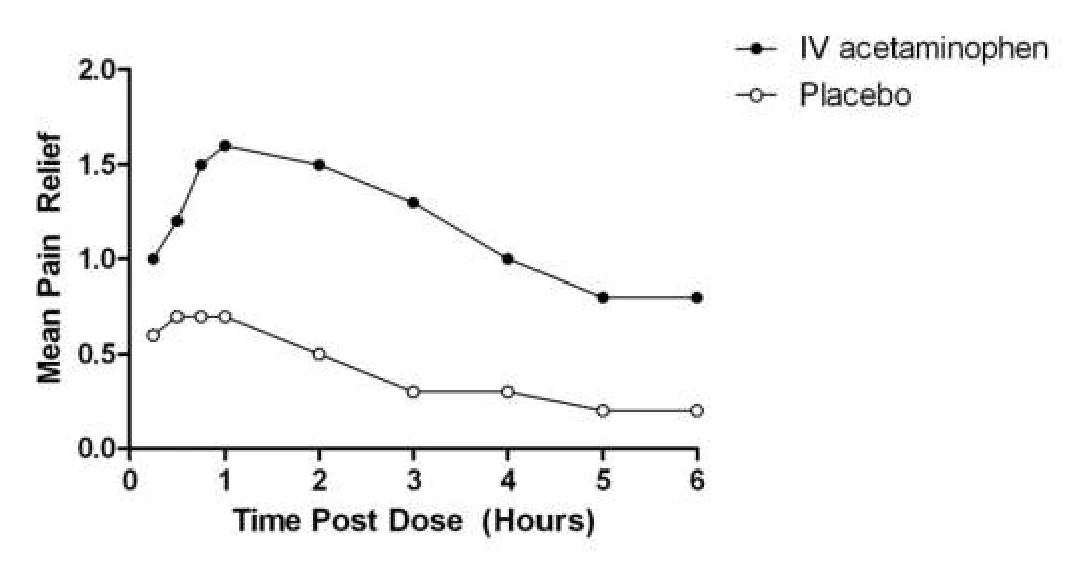
Figure 1: Protocol-defined Primary Efficacy Analysis: Mean Pain Relief
The study CPI-APA-304 was a phase III, randomized, double-blind, placebo-controlled, multi-center, parallel-group, repeated-dose study to assess the analgesic efficacy and safety of OFIRMEV 1000 mg q6h, or 650 mg q4h, for 24 hours versus the combined placebo group in the treatment of 244 patients with moderate to severe postoperative pain after abdominal laparoscopic surgery. Throughout the study, subjects had access to rescue medication (various opioids) at all times to treat pain.
A statistically significant difference of p = 0.0068 (1000 mg group) and p = 0.0183 (650 mg group) favoring OFIRMEV compared to placebo was observed for the sum of PI differences over 24 hours (SPID24). The key secondary efficacy endpoints were also statistically significant in favor supportive of OFIRMEV (650 mg and 1000 mg) over placebo.
Adult Fever
The study CPI-APF-302 was a phase III, randomized, double-blind, placebo-controlled, single-dose study to assess the antipyretic efficacy and safety of OFIRMEV versus placebo for the treatment of endotoxin-induced fever in 60 healthy adult males over 6 hour.
A statistically significant antipyretic effect of OFIRMEV was observed compared to placebo (p = 0.0001) by measurement of the weighted sum of the temperature differences through 6 hours (WSTD6). Treatment with OFIRMEV reduced the peak temperature compared to placebo, and caused a more rapid decline in temperature (Figure 3).
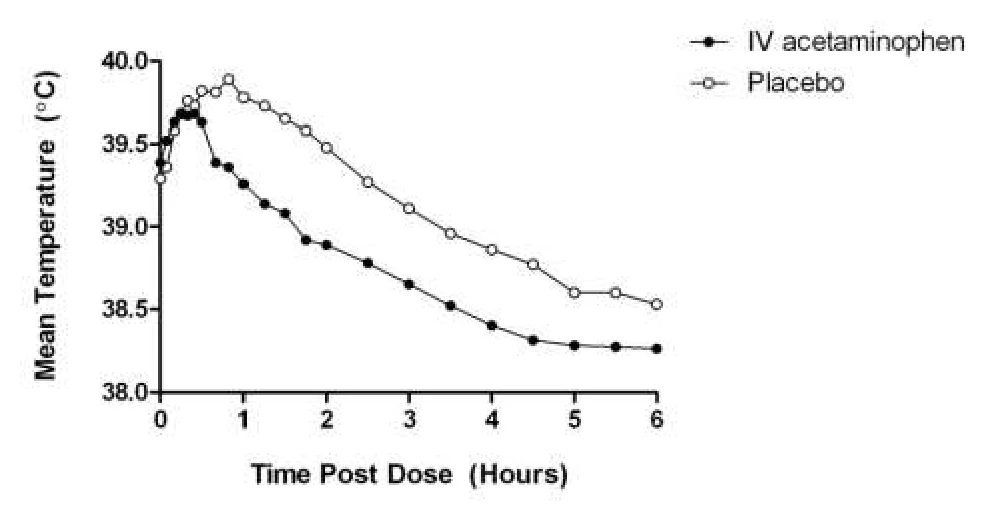
Figure 3: Mean Temperature (°C) Over Time
In a single-dose endotoxin-induced fever supporting study conducted in 81 healthy adult males, OFIRMEV was more efficacious than oral acetaminophen in reducing fever within 2 hours after administration and demonstrated a more rapid onset of action compared to oral acetaminophen at 30 minutes.
Pediatric Acute Pain and Fever
OFIRMEV was studied in 355 patients across the full pediatric age strata, from premature neonates (≥ 32 weeks post menstrual age) to adolescents, in two active-controlled and three open-label safety and pharmacokinetic trials:
In pediatrics older than 2 years of age, the safety and efficacy results of the studies for the treatment of acute pain and fever suggest that OFIRMEV can be used in this age group. This is also supported by the similarity of the PK profile of children, adolescents, and adults (see Table 5).
In pediatrics younger than 2 years of age, the efficacy for the treatment of acute pain and fever has not been established. OFIRMEV is not recommended for this age group unless the benefit outweighs the risk and the IV route of administration is the preferred option.
DETAILED PHARMACOLOGY
Acetaminophen is a centrally acting analgesic and antipyretic agent. Although the exact site and mechanism of action of acetaminophen are not clearly defined, its effectiveness as an antipyretic agent has been attributed to its effect on the hypothalamic heat-regulating center, while its analgesic effect is due to raising the pain threshold. Potential mechanisms of action include central effects upon prostaglandin synthesis, the cannabinoid receptor system, the serotonergic system, and the neurons expressing receptors for transient receptor potential ankyrin-1 (TRPA1) and vanilloid-1 (TRPV1). There are no reliable pharmacodynamic markers of activity. Peripheral actions appear to be minimal.
IV acetaminophen was equally or more potent than oral or intraperitoneal administered acetaminophen, as demonstrated by its activity in the mouse writhing test.
TOXICOLOGY
Overview
The toxicity associated with acetaminophen is dose-dependent with a threshold effect. The main target organ is the liver. Toxicity usually results from much higher than therapeutic doses and depends on the formation of the toxic metabolite N-acetyl-p-benzoquinone imine (NAPQI). This metabolite is formed by cytochrome P450 (CYP450) isoforms, particularly CYP2E1 in most species including humans. With therapeutic dosing, NAPQI reacts rapidly with the reduced form of glutathione to produce non-toxic conjugates that are then excreted by the kidneys. The detoxification reaction requires hepatic reduced form of glutathione. With toxic doses of acetaminophen, physiological glutathione concentration is not sufficient, allowing NAPQI to react covalently with essential hepatic proteins and other macromolecules. Subsequent damage to mitochondria, cell membranes, and nuclei, as well as the disruption of cell death- and survival-related signaling pathways, leads to apoptosis and/or necrosis.
Repeat-Dose Toxicity Studies
IV acetaminophen was evaluated in repeat-dose toxicity studies in rats up to 28 days. IV formulations of acetaminophen were well tolerated systemically, with all adverse events being attributed to the infusion system or to the high volumes infused.
Mutagenesis
Acetaminophen was not mutagenic in the bacterial reverse mutation assay (Ames test). In contrast, acetaminophen tested positive in the in vitro mouse lymphoma assay and the in vitro chromosomal aberration assay using human lymphocytes. In the published literature, acetaminophen has been reported to be clastogenic when administered a dose of 1500 mg/kg/day to the rat model (3.6-times the MHDD, based on a body surface area comparison). In contrast, no clastogenicity was noted at a dose of 750 mg/kg/day (1.8-times the MHDD, based on a body surface area comparison), suggesting a threshold effect.
Impairment of Fertility
In studies conducted by the US National Toxicology Program, fertility assessments have been completed in Swiss mice via a continuous breeding study. There were no effects on fertility parameters in mice consuming up to 1.7 times the MHDD of acetaminophen, based on a body surface area comparison. Although there was no effect on sperm motility or sperm density in the epididymis, there was a significant increase in the percentage of abnormal sperm in mice consuming 1.7 times the MHDD (based on a body surface area comparison) and there was a reduction in the number of mating pairs producing a fifth litter at this dose, suggesting the potential for cumulative toxicity with chronic administration of acetaminophen near the upper limit of daily dosing.
Published studies in rodents report that oral acetaminophen treatment of male animals at doses that are 1.2 times the MHDD and greater (based on a body surface area comparison) result in decreased testicular weights, reduced spermatogenesis, reduced fertility, and reduced implantation sites in females given the same doses. These effects appear to increase with the duration of treatment. The clinical significance of these findings is not known.
Development Studies
While animal reproduction studies have not been conducted with intravenous acetaminophen, studies in pregnant rats that received oral acetaminophen during organogenesis at doses up to 0.85 times the maximum human daily dose (MHDD = 4 grams/day, based on a body surface area comparison) showed evidence of fetotoxicity (reduced fetal weight and length) and a dose-related increase in bone variations (reduced ossification and rudimentary rib changes). Offspring had no evidence of external, visceral, or skeletal malformations.
When pregnant rats received oral acetaminophen throughout gestation at doses of 1.2-times the MHDD (based on a body surface area comparison), areas of necrosis occurred in both the liver and kidney of pregnant rats and fetuses. These effects did not occur in animals that received oral acetaminophen at doses 0.3-times the MHDD, based on a body surface area comparison.
In a continuous breeding study, pregnant mice received 0.25, 0.5, or 1.0% acetaminophen via the diet (357, 715, or 1430 mg/kg/day). These doses are approximately 0.43, 0.87, and 1.7 times the MHDD, respectively, based on a body surface area comparison. A dose-related reduction in body weights of fourth and fifth litter offspring of the treated mating pair occurred during lactation and post-weaning at all doses. Animals in the high dose group had a reduced number of litters per mating pair, male offspring with an increased percentage of abnormal sperm, and reduced birth weights in the next generation pups.
Carcinogenesis
Long-term studies in mice and rats have been completed by the National Toxicology Program to evaluate the carcinogenic potential of acetaminophen. In 2-year feeding studies, F344/N rats and B6C3F1 mice were fed a diet containing acetaminophen up to 6000 ppm. Female rats demonstrated equivocal evidence of carcinogenic activity based on increased incidences of mononuclear cell leukemia at 0.8 times the MHDD of 4 grams/day, based on a body surface area comparison. In contrast, there was no evidence of carcinogenic activity in male rats (0.7 times) or mice (1.2-1.4 times the MHDD, based on a body surface area comparison).
Local Tolerance Studies
Nonclinical studies showed that acetaminophen infusions were well tolerated locally in rabbits and that acetaminophen did not cause hypersensitivity reactions in the guinea pig.
Dependence and Tolerance
IV acetaminophen did not cause any opiate-like withdrawal symptoms in mice.
REFERENCES
- 1. Arici S, Gurbet A, Turker G, Yavascaoglu B, Sahin S. Preemptive analgesic effects of intravenous paracetamol in total abdominal hysterectomy. Agri 2009; 21(2):54-61.
- 2. Atef A, Fawaz AA. Intravenous paracetamol is highly effective in pain treatment after tonsillectomy in adults. Eur Arch Otorhinolaryngol 2008; 265(3):351-355.
- 3. Bektas F, Eken C, Karadeniz O, Goksu E, Cubuk M, Cete Y. Intravenous paracetamol or morphine for the treatment of renal colic: A randomized, placebo-controlled trial. Ann Emer Med 2009;54:568-574.
- 4. Cattabriga I, Pacini D, Lamazza G, Talarico F, Di Bartolomeo R, Grillone G, et al. Intravenous paracetamol as adjunctive treatment for postoperative pain after cardiac surgery: A double blind randomized controlled trial. Eur J Cardiothorac Surg 2007; 32(3):527-531.
- 5. Celik M, Saricaoglu F, Canbay O, Dal D, Uzumcigil A, Leblebicioglu G, Aypar U. The analgesic effect of paracetamol when added to lidocaine for intravenous regional anesthesia. Minerva Anestesiol 2009; 75:1-6.
- 6. Craig M, Jeavons R, Probert J, Benger J. Randomised comparison of intravenous paracetamol and intravenous morphine for acute traumatic limb pain in the emergency department. Emerg Med J 2012; 29(1): 37-9.
- 7. Durak P, Yağar S, Uzuner A, Kılıç M, Dilber E, Ozgök A. Postoperative pain therapy after laparoscopic cholecystectomy: paracetamol versus diclofenac. Agri 2010; 22(3): 117-20.
- 8. Grissa MH, Claessens YE, Bouida W, Boubaker H, Boudhib L, Kerkeni W, Boukef R, Nouira S. Paracetamol vs piroxicam to relieve pain in renal colic. Results of a randomized controlled trial. Am J Emerg Med 2011; 29(2):203-206.
- 9. Hong JY, Kim WO, Chung WY, Yun JS, Kil HK. Paracetamol reduces postoperative pain and rescue analgesic demand after robot-assisted endoscopic thyroidectomy by the transaxillary approach. World J Surg 2010a; 34(3):521-526.
- 10. Jokela R, Ahonen J, Seitsonen E, Marjakangas P, Korttila K. The influence of ondansetron on the analgesic effect of acetaminophen after laparoscopic hysterectomy. Clin Pharmacol Ther 2010; 87(6):672-678.
- 11. Kemppainen T, Kokki H, Tuomilehto H, Seppa J, Nuutinen J. Acetaminophen is highly effective in pain treatment after endoscopic sinus surgery. Laryngoscope 2006; 116:2125-2128.
- 12. Ko MJ, Lee JH, Cheong SH, Shin CM, Kim YJ, Choe YK, Lee KM, Lim SH, Kim YH, Cho KR, Lee SE. Comparison of the effects of acetaminophen to ketorolac when added to lidocaine for intravenous regional anesthesia. Korean Journal Anesthesiol. 2010 Apr; 58(4):357-61.
- 13. Koppert W, Frötsch K, Huzurudin H, Böswald W, Griessinger N, Weisbach V, et al. The effects of paracetamol and parecoxib on kidney function in elderly patients undergoing orthopedic surgery. Anesth Analg 2006; 103(5):1170-1176.
- 14. Landwehr S, Kiencke P, Giesecke T, Eggert D, Thumann G, Kampe S. A comparison between IV paracetamol and IV metamizol for postoperative analgesia after retinal surgery. Curr Med Res Opin 2005; 21(10):1569-1575.
- 15. Memis D, Inal MT, Kavalci G, Sezer A, Sut N. Intravenous paracetamol reduced the use of opioids, extubation time, and opioid-related adverse effects after major surgery in intensive care unit. J Crit Care 2010; 25(3):458-462.
- 16. Moller PL, Sindet-Pedersen S, Petersen CT, Juhl GI, Dillenschneider A, Skoglund LA. Onset of acetaminophen analgesia: Comparison of oral and intravenous routes after third molar surgery. Br J Anaesth 2005; 94(5):642-648.
- 17. Pettersson PH, Jakobsson J, Owall A. Intravenous acetaminophen reduced the use of opioids compared with oral administration after coronary artery bypass grafting. J Cardiothorac Vasc Anesth 2005; 19(3):306-309.
- 18. Sen H, Kulahci Y, Bicerer E, Ozkan S, Dagli G, Turan A. The analgesic effect of paracetamol when added to lidocaine for intravenous regional anesthesia. Anesth Analg 2009; 109:1327-1330.
- 19. Singla NK, Parulan C, Samson R, Hutchinson J, Bushnell R, Beja EG, Ang R, Royal MA. Plasma and Cerebrospinal Fluid Pharmacokinetic Parameters After Single-Dose Administration of Intravenous, Oral, or Rectal Acetaminophen. Pain Pract. 2012; 12(7):523-32.