


Product Monograph - Pantoprazole for Injection (Eugia Pharma)
RECENT MAJOR LABEL CHANGES
| 7 WARNINGS AND PRECAUTIONS, Gastrointestinal | 11/2025 |
|---|---|
| 7 WARNINGS AND PRECAUTIONS, Immune | 11/2025 |
| 7 WARNINGS AND PRECAUTIONS, Skin | 11/2025 |
TABLE OF CONTENTS
Certain sections or subsections that are not applicable at the time of the preparation of the most recent authorized product monograph are not listed.
RECENT MAJOR LABEL CHANGES ........................................................................................... 2
TABLE OF CONTENTS ............................................................................................................. 2
PART I: HEALTH PROFESSIONAL INFORMATION ..................................................................... 4
1 INDICATIONS ...................................................................................................................... 4
1.1 Pediatrics ....................................................................................................................... 4
1.2 Geriatrics ........................................................................................................................ 4
2 CONTRAINDICATIONS ......................................................................................................... 4
4 DOSAGE AND ADMINISTRATION ......................................................................................... 4
4.1 Dosing Considerations ................................................................................................... 4
4.2 Recommended Dose and Dosage Adjustment .............................................................. 4
4.3 Reconstitution ............................................................................................................... 5
4.4 Administration ............................................................................................................... 6
5 OVERDOSAGE ..................................................................................................................... 7
6 DOSAGE FORMS, STRENGTHS, COMPOSITION AND PACKAGING .......................................... 8
7 WARNINGS AND PRECAUTIONS .......................................................................................... 8
7.1 Special Populations ...................................................................................................... 12
7.1.1 Pregnant Women...................................................................................................... 12
7.1.2 Breast-feeding .......................................................................................................... 12
7.1.3 Pediatrics .................................................................................................................. 12
7.1.4 Geriatrics ................................................................................................................... 12
8 ADVERSE REACTIONS ........................................................................................................ 12
8.1 Adverse Reaction Overview ......................................................................................... 12
8.2 Clinical Trial Adverse Reactions ................................................................................... 12
8.5 Post-Market Adverse Reactions .................................................................................. 14
9 DRUG INTERACTIONS ........................................................................................................ 15
9.2 Drug Interactions Overview ......................................................................................... 15
9.3 Drug-Behavioural Interactions .................................................................................... 15
9.4 Drug-Drug Interactions ................................................................................................ 15
9.5 Drug-Food Interactions ................................................................................................ 16
9.6 Drug-Herb Interactions ................................................................................................ 16
9.7 Drug-Laboratory Interactions ...................................................................................... 17
10 CLINICAL PHARMACOLOGY ............................................................................................. 17
10.1 Mechanism of Action ................................................................................................. 17
10.2 Pharmacodynamics.................................................................................................... 17
10.3 Pharmacokinetics ...................................................................................................... 18
11 STORAGE, STABILITY AND DISPOSAL ............................................................................... 19
12 SPECIAL HANDLING INSTRUCTIONS ................................................................................. 19
PART II: SCIENTIFIC INFORMATION ..................................................................................... 20
13 PHARMACEUTICAL INFORMATION .................................................................................. 20
14 CLINICAL TRIALS .............................................................................................................. 20
14.1 Clinical Trials by Indication ........................................................................................ 20
15 MICROBIOLOGY .............................................................................................................. 21
16 NON-CLINICAL TOXICOLOGY ........................................................................................... 21
17 SUPPORTING PRODUCT MONOGRAPHS .......................................................................... 26
PATIENT MEDICATION INFORMATION ................................................................................. 28
PART I: HEALTH PROFESSIONAL INFORMATION
1 INDICATIONS
Pantoprazole for Injection is indicated for the short-term treatment (up to 7 days) of conditions where a rapid reduction of gastric acid secretion is required, such as the following:
- Reflux esophagitis, in hospitalized patients who cannot tolerate oral medication
- Pathological hypersecretion associated with Zollinger-Ellison Syndrome, in hospitalized patients who cannot tolerate oral medication
1.1 Pediatrics
The safety and effectiveness of pantoprazole sodium in children have not yet been established.
Therefore, Health Canada has not authorized an indication for pediatric use.
1.2 Geriatrics
No dosage adjustment is recommended based on age. The daily dose used in elderly patients, as a rule, should not exceed the recommended dosage regimens.
2 CONTRAINDICATIONS
Pantoprazole for Injection is contraindicated in patients who are hypersensitive to pantoprazole, substituted benzimidazoles, or to any ingredient in the formulation, including non-medicinal ingredients, or component of container. For a complete listing of ingredients, see the 6 DOSAGE FORMS, STRENGTHS, COMPOSITION AND PACKAGING section of the product monograph.
Co-administration with rilpivirine is contraindicated.
4 DOSAGE AND ADMINISTRATION
4.1 Dosing Considerations
Patients should be switched to pantoprazole sodium tablets when feasible. In switching, the same dose mg per mg should be administered. Daily doses of up to 272 mg pantoprazole intravenous were administered and were well tolerated. Pantoprazole sodium for injection has been administered for up to 7 days in clinical trials. Tolerance effects are not associated with the use of pantoprazole sodium for injection as demonstrated in clinical trials.
4.2 Recommended Dose and Dosage Adjustment
Health Canada has not authorized an indication for pediatric use.
Reflux Esophagitis:
The recommended adult dose of Pantoprazole for Injection in patients with reflux esophagitis is 40 mg pantoprazole per day, administered either by slow intravenous injection over 2 to 5 minutes, or by intravenous infusion over 15 minutes.
Pathological Hypersecretion Associated with Zollinger-Ellison Syndrome:
For patients with pathological hypersecretion associated with Zollinger-Ellison syndrome, the recommended adult dose is 80 mg every 12 hours, administered by intravenous infusion over 15 minutes. Doses of 120 mg twice daily and 80 mg three times per day were also used to control acid output to below 10 mEq/h.
Patients should use the lowest dose and shortest duration of PPI therapy, appropriate to the condition being treated.
4.3 Reconstitution
Parenteral Products:
Pantoprazole for Injection should not be simultaneously administered through the same line with other intravenous solutions, and it is recommended that a dedicated line or a flushed line be used for administration. When a flushed intravenous line is used, it should be flushed before and after administration of Pantoprazole for Injection with either 0.9% Sodium Chloride Injection, USP, or 5% Dextrose Injection, USP.
40 mg Intravenous Injection
0.9% Sodium Chloride Injection, USP
| Vial Size (mL) | Volume of Diluent (mL) to be added to the vial | Approximate Available Volume (mL) | Nominal Concentration per mL |
| 12 | 10 | 10 | 4 mg |
40 mg Intravenous Infusion
Prepare as above; then,
- 1) 0.9% Sodium Chloride Injection, USP
| Volume of ready-to-use solution (mL) | Volume of Diluent (mL) | Approximate Available Volume (mL) | Nominal Concentration per mL |
| 10 | 90 | 100 | 0.4 mg |
- 2) 5% Dextrose Injection, USP
| Volume of ready-to-use solution (mL) | Volume of Diluent (mL) | Approximate Available Volume (mL) | Nominal Concentration per mL |
| 10 | 90 | 100 | 0.4 mg |
For intravenous infusion of 40 mg: the solution is prepared by injecting 10 mL of physiological sodium chloride solution into the vial containing the dry substance. The ready-to-use solution should then be further diluted with 90 mL of 0.9% Sodium Chloride Injection, USP, or 90 mL of 5% Dextrose Injection, USP.
80 mg Intravenous Infusion
Two vials of Pantoprazole for Injection are required. Each vial should be reconstituted with 10 mL of physiological sodium solution.
- 1) 0.9% Sodium Chloride Injection, USP
| Volume of ready-to-use solution (mL) | Volume of Diluent (mL) | Approximate Available Volume (mL) | Nominal Concentration per mL |
|---|---|---|---|
| 20 | 80 | 100 | 0.8 mg |
- 2) 5% Dextrose Injection, USP
| Volume of ready-to-use solution (mL) | Volume of Diluent (mL) | Approximate Available Volume (mL) | Nominal Concentration per mL |
|---|---|---|---|
| 20 | 80 | 100 | 0.8 mg |
For intravenous infusion of 80 mg: The two ready-to-use solutions should then be further diluted together with 80 mL of 0.9% Sodium Chloride Injection, USP, or 80 mL of 5% Dextrose Injection, USP.
4.4 Administration
When preparing the intravenous infusion, polyvinyl chloride (PVC) and copolymer of ethylene and propylene (PAB) infusion bags, can be used.
40 mg intravenous injection: Inject 10 mL of physiological sodium chloride solution into the vial containing the dry substance. The resulting potency of the solution is 4 mg/mL of pantoprazole, and can be administered by slow injection over 2 to 5 minutes.
After preparation, the reconstituted (ready-to-use) solution for intravenous injection must be used within 24 hours of initial puncture of the stopper.
| Reconstitution Medium | Administer within: |
| 0.9% Sodium Chloride Injection, USP | 24 hours |
40 mg intravenous infusion: Prepare the 40 mg intravenous injection as described above. The ready-to-use solution should then be further diluted with 90 mL 0.9% Sodium Chloride Injection, USP, or 90 mL of 5% Dextrose Injection, USP. The resulting potency of the diluted solution is 0.4 mg/mL of pantoprazole, and can be administered by infusion over 15 minutes.
80 mg intravenous infusion: Two vials of Pantoprazole for Injection are required. Each vial should be reconstituted with 10 mL of physiological sodium chloride solution. The contents of the two vials should be further diluted together with 80 mL 0.9% Sodium Chloride Injection, USP, or 80 mL 5% Dextrose Injection, USP. The resulting potency of the diluted solution is 0.8 mg/mL of pantoprazole, and can be administered by infusion over 15 minutes.
When further diluting, the reconstituted solution in the vial must be diluted within 3 hours of the initial puncture of the stopper. When further diluting with 0.9% Sodium Chloride Injection, USP for intravenous infusion, the solution must be administered within 21 hours. When further diluting with 5% Dextrose Injection, USP for intravenous infusion, the solution must be administered within 12 hours.
| Diluent | Further dilute within: | Administer within: |
| 0.9% Sodium Chloride Injection, USP | 3 hours | 21 hours following dilution |
| 5% Dextrose Injection, USP | 3 hours | 12 hours following dilution |
As with all parenteral admixtures, the reconstituted or further diluted solution should be examined for change in colour, precipitation, haziness or leakage. Discard unused portion.
5 OVERDOSAGE
For the most recent information in the management of a suspected drug overdose, contact your regional poison control centre or Health Canada’s toll-free number, 1-844 POISON-X (1-844-764-7669).
Some reports of overdosage with pantoprazole sodium have been received. No consistent symptom profile was observed after ingestion of high doses of pantoprazole sodium. Daily doses of up to 272 mg pantoprazole sodium intravenous, and single doses of 240 mg administered over 2 minutes, have been administered and were well tolerated.
As pantoprazole is extensively protein bound, it is not readily dialyzable. In the case of overdosage with clinical signs of intoxication, apart from symptomatic and supportive treatment, no specific therapeutic recommendations can be made.
6 DOSAGE FORMS, STRENGTHS, COMPOSITION AND PACKAGING
Table 1-Dosage Forms, Strengths, and Composition
| Route of Administration | Dosage Form / Strength/Composition | Non-medicinal Ingredients |
|---|---|---|
| intravenous | Lyophilized powder for solution / 40 mg pantoprazole (as pantoprazole sodium sesquihydrate) | Disodium edetate, Sodium Hydroxide, Nitrogen and water for injection |
Each vial contains Pantoprazole Sodium Sesquihydrate Ph.Eur equivalent to 40 mg of Pantoprazole.
Before Reconstitution: Freeze dried, white to off-white, porous cake or powder in a clear glass vial stoppered with grey slotted rubber stopper and sealed with aluminium seals having Sky blue color PP disc.
After reconstitution: Clear and colorless to very slightly yellow solution.
Packaging: 10 mL Type-I tubular clear glass vial. The available pack sizes are 10 Vials of 10 mL each.
7 WARNINGS AND PRECAUTIONS
General
In the presence of any alarm symptom (e.g. significant unintentional weight loss, recurrent vomiting, dysphagia, hematemesis, anemia, or melena) and when gastric ulcer is suspected, the possibility of malignancy should be excluded before therapy with Pantoprazole for Injection is instituted since treatment with pantoprazole sodium may alleviate symptoms and delay diagnosis. Further investigation should be considered if symptoms persist despite adequate treatment.
As with any other intravenous product containing edetate disodium (the salt form of EDTA), which is a potent chelator of metal ions including zinc, zinc supplementation should be considered in patients treated with Pantoprazole for Injection who are prone to zinc deficiency. Caution should be used when other EDTA containing products are also co-administered intravenously.
Bone Fracture
Several published observational studies suggest that PPI therapy may be associated with an increased risk for osteoporosis-related fractures of the hip, wrist, or spine. The risk of fracture was increased in patients who received high-dose, defined as multiple daily doses, and long-term PPI therapy (a year or longer). Patients should use the lowest dose and shortest duration of PPI therapy appropriate to the condition being treated. Patients at risk for osteoporosis-related fractures should be managed according to established treatment guidelines (see 4 DOSAGE AND ADMINISTRATION and 8 ADVERSE REACTIONS).
Clostridium Difficile-Associated Diarrhea
Decreased gastric acidity due to any means, including proton pump inhibitors (PPIs), increases gastric counts of bacteria normally present in the gastrointestinal tract. Treatment with PPIs can lead to an increased risk of gastrointestinal infections such as Salmonella, Campylobacter and Clostridium difficile.
An increased risk for Clostridium difficile infection (CDI) and Clostridium difficile-associated diarrhea (CDAD) has been observed in association with PPI use in several observational studies. CDI/CDAD should be considered in the differential diagnosis for diarrhea that does not improve. Additional risk factors for CDI and CDAD include recent hospitalization, the use of antibiotics, old age and the presence of co-morbidities.
Patients should be prescribed PPIs at the lowest dose and for the shortest duration required for the condition being treated and be reassessed to ascertain whether continued PPI therapy remains beneficial.
Concomitant Use with Methotrexate
Literature suggests that concomitant use of PPIs with methotrexate (primarily at high dose) may elevate and prolong serum levels of methotrexate and/or its metabolite, possibly leading to methotrexate toxicities. A temporary withdrawal of the PPI may be considered in some patients receiving treatments with high dose methotrexate.
Carcinogenesis and Mutagenesis
Effects of long-term treatment include hypergastrinemia, possible enterochromaffin-like (ECL) cell hyperplasia and carcinoid formation in the stomach, adenomas and carcinomas in the liver and neoplastic changes in the thyroid.
In the rat, the mechanism leading to the formation of gastric carcinoids is considered to be due to the elevated gastrin level occurring during chronic treatment. Similar observations have also been made after administration of other acid secretion inhibitors. (For further details, see 16 NON-CLINICAL TOXICOLOGY).
Short-term and long-term treatment with pantoprazole sodium in a limited number of patients up to 6 years have not resulted in any significant pathological changes in gastric oxyntic exocrine cells.
Drug Interactions with Antiretroviral Drugs
PPIs have been reported to interact with some antiretroviral drugs. The clinical importance and the mechanisms behind these interactions are not always known. A change in gastric pH may change the absorption of the antiretroviral drug. Other possible mechanisms are via
CYP 2Cl9.
Rilpivirine
Co-administration is contraindicated due to significant decrease in rilpivirine exposure and loss of therapeutic effect (see 2 CONTRAINDICATIONS).
Atazanavir and Nelfinavir
Co-administration with atazanavir or nelfinavir is not recommended due to decreased atazanavir, nelfinavir and rilpivirine exposure (see the REYATAZ® and VIRACEPT®
Product Monographs).
If the combination of Pantoprazole for Injection with atazanavir is judged unavoidable, close clinical monitoring is recommended in combination with the use of 400 mg atazanavir/100 mg ritonavir dose; the dose of Pantoprazole for Injection should not exceed an equivalent dose of omeprazole of 20 mg daily (see REYATAZ® Product Monograph).
Saquinavir
If Pantoprazole for Injection is co-administered with saquinavir/ritonavir, caution and monitoring for potential saquinavir toxicities, including gastrointestinal symptoms, increased triglycerides, deep vein thrombosis and QT prolongation, are recommended. Dose reduction of saquinavir should be considered from the safety perspective for individual patients (see INVIRASE® Product Monograph).
Endocrine and Metabolism
Hypomagnesemia
Hypomagnesemia, symptomatic and asymptomatic, has been reported in patients treated with PPIs for at least three months, in most cases after a year of therapy. Serious adverse events include tetany, arrhythmias, and seizures. In most patients, treatment of hypomagnesemia required magnesium replacement and discontinuation of the PPI.
For patients expected to be on prolonged treatment or who take PPIs with medications such as digoxin or drugs that may cause hypomagnesemia (e.g., diuretics), healthcare professionals may consider monitoring magnesium levels prior to initiation of PPI treatment and periodically.
The chronic use of PPIs may lead to hypomagnesemia. Moreover, hypokalemia and hypocalcemia have been reported in the literature as accompanying electrolyte disorders.
Cyanocobalamin (Vitamin B12) Deficiency
The prolonged use of proton pump inhibitors may impair the absorption of protein-bound Vitamin B12 and may contribute to the development of cyanocobalamin (Vitamin B12) deficiency.
Interference with Laboratory Tests
During treatment with antisecretory drugs, chromogranin A (CgA) increases due to decreased gastric acidity. Increased CgA levels may interfere with investigations for neuroendocrine tumours. To avoid this interference, Pantoprazole for Injection treatment should be stopped 14 days before CgA measurements (see 9 DRUG INTERACTIONS).
Gastrointestinal
Long-term use of Pantoprazole for Injection is associated with an increased risk of fundic gland polyps, especially beyond one year. See 8.5 Post-Market Adverse Reactions. Most fundic gland polyps are asymptomatic. Use the lowest dose and shortest duration of PPI therapy appropriate to the condition being treated.
Hepatic/Biliary/Pancreatic
The daily dose in patients with severe liver disease should, as a rule, not exceed 20 mg pantoprazole. In severe hepatically impaired patients with Zollinger-Ellison syndrome, doses of pantoprazole should be adjusted according to acid output measurements, and kept at a minimum effective dose. See 10 CLINICAL PHARMACOLOGY, Special Populations and Conditions.
Immune
Severe Cutaneous Adverse Reactions
Severe cutaneous adverse reactions (SCARs), including erythema multiforme, Stevens-Johnson syndrome (SJS), toxic epidermal necrolysis (TEN), drug reaction with eosinophilia and systemic symptoms (DRESS), and acute generalized exanthematous pustulosis (AGEP) have been reported in association with the use of PPIs. Discontinue pantoprazole at the first signs or symptoms of SCARs or other signs of hypersensitivity and consider further evaluation. At the time of prescription, patients should be informed of the signs and symptoms, and advised to monitor closely for skin reactions. See 8.5 Post-Market Adverse Reactions.
Subacute cutaneous lupus erythematosus
Subacute cutaneous lupus erythematosus (SCLE) has been reported with the use of PPIs. If lesions occur, especially in sun-exposed areas of the skin, and if accompanied by arthralgia, the patient should seek medical help promptly and the health care professional should consider stopping Pantoprazole for Injection. The occurrence of SCLE with previous PPI treatment may increase the risk of SCLE with other PPIs (see 8 ADVERSE REACTIONS, 8.5 Post-Market Adverse Reactions).
Monitoring and Laboratory Tests
Critically ill patients should be monitored carefully for any unexpected side effects.
Renal
The daily dose used in renal insufficient patients, as a rule, should not exceed the recommended dosage regimens. See 10 CLINICAL PHARMACOLOGY, Special Populations and Conditions.
Skin
See 7 WARNINGS AND PRECAUTIONS – Immune
7.1 Special Populations
7.1.1 Pregnant Women
There are no adequate or well-controlled studies in pregnant women. Studies in animals have shown reproductive toxicity, the potential risk for humans is unknown. Pantoprazole for Injection should not be administered to pregnant women unless the expected benefits outweigh the potential risks to the fetus. See 16 NON-CLINICAL TOXICOLOGY, Reproduction and Teratology.
7.1.2 Breast-feeding
Animal studies have shown excretion of pantoprazole in breast milk. Excretion into human milk has been reported. Pantoprazole sodium should not be given to nursing mothers unless its use is believed to outweigh the potential risks to the infant.
7.1.3 Pediatrics
The safety and effectiveness of pantoprazole sodium in children have not yet been established, therefore, Health Canada has not authorized an indication for pediatric use.
7.1.4 Geriatrics
No dose adjustment is recommended based on age. The daily dose used in elderly patients, as a rule, should not exceed the recommended dosage regimens. See 10 CLINICAL PHARMACOLOGY.
Benefits of use of PPIs should be weighed against the increased risk of fractures as patients in this category (> 71 years of age) may already be at high risk for osteoporosis-related fractures. If the use of PPIs is required, they should be managed carefully according to established treatment guidelines (see 4 DOSAGE AND ADMINISTRATION and 8 ADVERSE REACTIONS).
8 ADVERSE REACTIONS
8.1 Adverse Reaction Overview
Pantoprazole sodium is well tolerated. Most adverse events have been mild and transient showing no consistent relationship with treatment.
8.2 Clinical Trial Adverse Reactions
Because clinical trials are conducted under very specific conditions the adverse reaction rates observed in the clinical trials may not reflect the rates observed in practice and should not be compared to the rates in the clinical trials of another drug. Adverse drug reaction information from clinical trials is useful for identifying drug-related adverse events and for approximating rates.
In four controlled clinical trials involving 407 reflux esophagitis patients receiving pantoprazole sodium intravenous therapy (40 mg daily for 5-7 days, followed by oral administration up to a maximum of 7 weeks), the following adverse events were reported with a >1% frequency during the intravenous administration phase, and relation to drug administration could not be ruled out:
Table 2: Adverse reactions [>1% frequency; relation to administration of pantoprazole sodium intravenous 40 mg daily (5-7 days) could not be ruled out] reported in 4 controlled clinical trials (n=407)
| Gastrointestinal disorders | |
General complaints like abdominal pain, cramps, bloating and discomfort | 1.97% |
| Constipation | 1.22% |
| Diarrhea | 1.97% |
| Loose/soft/mushy stools | 1.72% |
| Nausea/nauseated | 1.72% |
| Vomiting/retching | 1.97% |
| Nervous system disorders | |
| Headache/headache dull | 3.2% |
| General disorders and administration site conditions | |
| Injection site reactions (inflammation, bruises) | 1.22% |
| Skin and subcutaneous tissue disorders | |
| Allergic skin reactions including pruritus and exanthema | 1.22% |
In two pantoprazole sodium intravenous studies in patients with Zollinger-Ellison syndrome, the following adverse events were reported most frequently and relation to drug administration (divided doses between 160 – 240 mg) could not be ruled out: Abdominal Pain, Cough Increased, Constipation, Diarrhea, Headache, Injection Site Reactions, Tachycardia, Taste Perversion, and Twitching.
In one tolerability study (n=61) comparing 40 mg pantoprazole sodium intravenous without EDTA to 40 mg pantoprazole sodium intravenous with EDTA in healthy volunteers, the following treatment emergent adverse events were reported most frequently (i.e. ≥1% and < 10%) in the EDTA group: Abdominal Pain, Chest Pain, Face Edema, Headache, Pain, Vasodilation, Nausea, Vomiting, Peripheral Edema, Dizziness, Pruritus, Rash, Increased Triglycerides, Increased Glucose, Decreased Hematocrit, Decreased Neutrophils, and Creatinine Clearance Decreased. Increased Potassium, Decreased Potassium, and Increased ALT/SGPT were reported in the non-EDTA group only. Constipation was reported at a frequency of ≥ 10%. Increased triglycerides was reported at a frequency of ≥ 10% in the non-EDTA group only. All of the adverse events were mild or moderate and no significant differences were seen between treatment groups. The EDTA formulation was well tolerated and has a similar tolerability profile to the non-EDTA formulation.
Eight subjects experienced increases in serum eosinophils (3 subjects in the non-EDTA group, 5 in the EDTA group) all of whom were noted to have elevated eosinophils before administration of the first dose. Of these 8 subjects, during the course of the study, serum eosinophils decreased in 3 subjects (all in the EDTA group), stayed approximately the same in 2 subjects (1 EDTA, 1 non-EDTA), and increased slightly in 3 subjects (1 EDTA, and 2 non-EDTA).
8.5 Post-Market Adverse Reactions
The following events were reported in post-marketing use, and causal relation to intravenous pantoprazole sodium treatment could not be ruled out. As the events were reported spontaneously, no exact incidences can be provided, yet most of them occurred very rarely:
Tubulointerstitial Nephritis (TIN; with possible progression to renal failure); Stevens-Johnson Syndrome; Erythema Multiforme; Toxic Epidermal Necrolysis (TEN; Lyell Syndrome); Drug Reaction with Eosinophilia and Systemic Symptoms (DRESS); Acute Generalized Exanthematous Pustulosis (AGEP); Photosensitivity; Hypernatremia; Hypomagnesemia; Hepatocellular Injury; Jaundice; Hepatocellular Failure; Hallucination; Confusion (especially in pre-disposed patients, as well as the aggravation of these symptoms in the case of pre-existence). Hypokinesia, Anterior Ischemic Optic Neuropathy; Pancreatitis; Increased Salivation; Microscopic Colitis; Speech Disorder; Elevated Creatine Phosphokinase; Rhabdomyolysis; Tinnitus; Osteoporosis and osteoporosis-related fractures.
There have been post-marketing reports of severe cutaneous adverse reactions (SCARs) and subacute cutaneous lupus erythematosus (SCLE) (see 7 WARNINGS AND PRECAUTIONS, Immune).
There have been post-marketing reports of fundic gland polyps (FGPs). See 7 WARNINGS AND PRECAUTIONS, Gastrointestinal.
In addition the following identified adverse drug reactions have been reported in pantoprazole sodium clinical trials in any indication and in any dosage:
Common: Injection site thrombophlebitis.
Uncommon: headache; dizziness; diarrhea; nausea/vomiting; abdominal distension and bloating; constipation; dry mouth; abdominal pain and discomfort; rash/exanthema/eruption; pruritus; asthenia, fatigue and malaise; liver enzymes increased (transaminases, γ-GT); sleep disorders.
Rare: agranulocytosis; disturbances in vision/blurred vision; urticaria; angioedema; arthralgia; myalgia; hyperlipidemias and lipid Increases (triglycerides, cholesterol); weight changes; body temperature increased; edema peripheral; gynecomastia; hypersensitivity (including anaphylactic reactions and anaphylactic shock); bilirubin increased; depression (and all aggravations); taste disorder.
Very rare: thrombocytopenia; leukopenia; pancytopenia; disorientation (and all aggravations).
Withdrawal of long-term PPI therapy can lead to aggravation of acid related symptoms and may result in rebound acid hypersecretion.
9 DRUG INTERACTIONS
9.2 Drug Interactions Overview
Pantoprazole undergoes extensive hepatic metabolism via cytochrome P450-mediated oxidation. The main metabolic pathway is demethylation by CYP2C19 and other metabolic pathways which include oxidation by CYP3A4. This is followed by sulphate conjugation via a Phase II reaction (non-saturable, non-cytochrome P450 dependent). No induction of the CYP 450 system by pantoprazole was observed during chronic administration with antipyrine as a marker. Because of the profound and long lasting inhibition of gastric acid secretion, pantoprazole sodium may interfere with the absorption of drugs where gastric pH is an important determinant of their bioavailability (e.g., ketoconazole, itraconazole, posaconazole, erlotinib).
9.3 Drug-Behavioural Interactions
Interactions with individual behaviour have not been established.
9.4 Drug-Drug Interactions
Pantoprazole sodium does not interact with carbamazepine, caffeine, diclofenac, naproxen, piroxicam, ethanol, glibenclamide, metoprolol, antipyrine, diazepam, phenytoin, nifedipine, theophylline, digoxin, oral contraceptives (levonorgestrel and ethinyl estradiol), or cyclosporine. Concomitant use of antacids does not affect the pharmacokinetics of pantoprazole sodium.
Clinical studies have shown that there is no pharmacokinetic interaction between pantoprazole sodium and the following antibiotic combinations: metronidazole plus clarithromycin, metronidazole plus amoxicillin, amoxicillin plus clarithromycin.
Although no interaction during concomitant administration of warfarin has been observed in clinical pharmacokinetic studies, a few isolated cases of changes in INR have been reported during concomitant treatment in the post-marketing period. Therefore, in patients being treated with coumarin anticoagulants, monitoring of prothrombin time/ INR is recommended after initiation, termination or during irregular use of pantoprazole.
Case reports, published population pharmacokinetic studies, and retrospective analyses suggest that concomitant administration of PPIs and methotrexate (primarily at high dose) may elevate and prolong serum levels of methotrexate and/or its metabolite hydroxymethotrexate. However, no formal drug interaction studies of methotrexate with PPIs have been conducted.
Rilpivirine
Co-administration is contraindicated due to significant decreases in rilpivirine exposure and loss of therapeutic effect (see 2 CONTRAINDICATIONS).
Atazanavir
Co-administration of Pantoprazole for Injection with atazanavir is not recommended. Concomitant administration of omeprazole (20 or 40 mg once daily) substantially reduced plasma Cmax and AUC of atazanavir in healthy volunteers administered atazanavir or atazanavir/ritonavir. (see REYATAZ® Product Monograph).
Nelfinavir
Co-administration of Pantoprazole for Injection with nelfinavir is not recommended. Concomitant administration of omeprazole (40 mg daily) with nelfinavir (1250 mg twice daily) markedly reduced the AUC and Cmax for nelfinavir (by 36% and 37%, respectively) and its active metabolite M8 (by 92% and 89%, respectively) (see VIRACEPT® Product Monograph).
Saquinavir
Co-administration of saquinavir requires caution and monitoring, along with potential dose reduction of saquinavir, due to increased saquinavir exposure and thus the risk of saquinavir-related toxicities (see the INVIRASE® Product Monograph).
Concomitant administration of omeprazole (40 mg daily) with saquinavir/ritonavir (1000/100 mg twice daily) increased saquinavir AUC by 82% and Cmax by 75%.
9.5 Drug-Food Interactions
Consumption of food does not affect the pharmacokinetics (AUC and Cmax) of pantoprazole sodium.
9.6 Drug-Herb Interactions
Interactions with herbal products have not been established.
9.7 Drug-Laboratory Interactions
There have been reports of false-positive results in urine screening tests for tetrahydrocannabinol (THC) in patients receiving most proton pump inhibitors, including pantoprazole. To some extent, a cross-reactivity of proton pump inhibitors to the THC assay in the OnTrak TesTcard™ 9 has been seen, though this may not be limited to this screening test. In order to verify positive urine screening results, a confirmatory method should be considered.
During treatment with antisecretory drugs, chromogranin A (CgA) increases due to decreased gastric acidity. Increased Chromogranin A (CgA) level may interfere with investigations for neuroendocrine tumours. To avoid this interference, pantoprazole treatment should be stopped 14 days before CgA measurements (see 10 CLINICAL PHARMACOLOGY, Pharmacodynamics, Pharmacodynamic Properties).
10 CLINICAL PHARMACOLOGY
10.1 Mechanism of Action
Pantoprazole sodium for injection is a specific inhibitor of the gastric H+, K+-ATPase enzyme (the proton pump) that is responsible for acid secretion by the parietal cells of the stomach.
Pantoprazole sodium is a substituted benzimidazole that accumulates in the acidic environment of the parietal cells after absorption. Pantoprazole sodium is then converted into the active form, a cyclic sulphenamide, which binds selectively to the proton translocating region of the H+, K+-ATPase, thus inhibiting both the basal and stimulated gastric acid secretion, in a dose dependent manner. Pantoprazole sodium exerts its effect in an acidic environment (pH < 3), and it is mostly inactive at higher pH. Its pharmacological and therapeutic effect is achieved in the acid-secretory parietal cells. As pantoprazole action is distal to the receptor levels, it can inhibit gastric acid secretion irrespective of the nature of the stimulus (acetylcholine, histamine, gastrin).
Fasting gastrin values increased during pantoprazole treatment, but in most cases the increase was only moderate. An extensive evaluation of clinical laboratory results has not revealed any clinically important changes during pantoprazole sodium treatment (except for gastrin which increased to 1.5-fold after 4 to 8 weeks).
10.2 Pharmacodynamics
In clinical studies investigating intravenous and oral administration, pantoprazole sodium inhibited pentagastrin-stimulated gastric acid secretion. With a daily oral dose of 40 mg, inhibition was 51% on Day 1 and 85% on Day 7. Basal 24-hour acidity was reduced by 37% and 98% on Days 1 and 7, respectively.
Pharmacodynamic Properties
During treatment with antisecretory medicinal products, serum gastrin increases in response to the decreased acid secretion. Also CgA increases due to decreased gastric acidity. The increased CgA level may interfere with investigations for neuroendocrine tumours.
Available published evidence suggests that proton pump inhibitors should be discontinued 14 days prior to CgA measurements. This is to allow CgA levels that might be spuriously elevated following PPI treatment to return to reference range (see 7 WARNINGS AND PRECAUTIONS, Endocrine and Metabolism, Interference with Laboratory Tests).
10.3 Pharmacokinetics
Absorption: Pantoprazole is absorbed rapidly following administration of a 40 mg enteric coated tablet. Its oral bioavailability compared to the intravenous dosage form is 77% and does not change upon multiple dosing. Following an oral dose of 40 mg, Cmax is approximately 2.5 mcg/mL with a tmax of 2 to 3 hours. The AUC is approximately 5 mcg.h/mL. There is no food effect on AUC (bioavailability) and Cmax.
Distribution: Pantoprazole is 98% bound to serum proteins. Elimination half-life, clearance and volume of distribution are independent of the dose.
Metabolism: Pantoprazole is almost completely metabolized in the liver. Pantoprazole sodium is mainly metabolized by CYP2C19 and to a minor extent CYPs 3A4. Studies with pantoprazole in humans reveal no inhibition or activation of the cytochrome P450 (CYP 450) system of the liver.
Elimination: Renal elimination represents the major route of excretion (about 82%) for the metabolites of pantoprazole; the remaining metabolites are excreted in feces. The main metabolite in both the serum and urine is desmethylpantoprazole as a sulphate conjugate. The half-life of the main metabolite (about 1.5 hours) is not much longer than that of pantoprazole (approximately 1 hour).
Pantoprazole shows linear pharmacokinetics, i.e., AUC and Cmax increase in proportion with the dose within the dose-range of 10 to 80 mg after both intravenous and oral administration. Elimination half-life, clearance and volume of distribution are considered to be dose-independent. Following repeated intravenous or oral administration, the AUC of pantoprazole was similar to a single dose.
Special Populations and Conditions
Pediatrics: The safety and effectiveness of pantoprazole in children have not yet been established.
Geriatrics: After repeated intravenous administration in healthy elderly subjects, total serum clearance of pantoprazole sodium was similar to that observed in healthy younger subjects. No dosage adjustment is recommended based on age. The daily dose used in elderly patients, as a rule, should not exceed the recommended dosage regimens.
Hepatic Insufficiency: The half-life increased to between 7 and 9 h, the AUC increased by a factor of 5 to 7, and the Cmax increased by a factor of 1.5 in patients with liver cirrhosis compared with healthy subjects following administration of 40 mg pantoprazole. Similarly, following administration of a 20 mg dose, the AUC increased by a factor of 5.5 and the Cmax increased by a factor of 1.3 in patients with severe liver cirrhosis compared with healthy subjects. Considering the linear pharmacokinetics of pantoprazole, there is an increase in AUC by a factor of 2.75 in patients with severe liver cirrhosis following administration of a 20 mg dose compared to healthy volunteers following administration of a 40 mg dose. Thus, the daily dose in patients with severe liver disease should, as a rule, not exceed 20 mg pantoprazole.
In severe hepatically impaired patients with Zollinger-Ellison syndrome, doses of pantoprazole should be adjusted according to acid output measurements, and kept at a minimum effective dose.
Renal Insufficiency: In patients with severe renal impairment, pharmacokinetic parameters for pantoprazole sodium were similar to those of healthy subjects. No dosage adjustment is necessary in patients with renal impairment or in patients undergoing hemodialysis.
11 STORAGE, STABILITY AND DISPOSAL
Store at room temperature (15°C to 25°C). Protect from light.
12 SPECIAL HANDLING INSTRUCTIONS
This information is not available for this drug product.
PART II: SCIENTIFIC INFORMATION
13 PHARMACEUTICAL INFORMATION
Drug Substance
Proper name:
Pantoprazole Sodium Sesquihydrate
Chemical name:
Sodium 5-(difluoromethoxy)-2-[(RS)-[(3,4-dimethoxypyridin-2-yl) methyl] sulfinyl]benzimidazol-1-ide sesquihydrate
Molecular formula:
C16H14F2N3NaO4 S, 1.5 H2O
Relative molecular mass:
432.4 g/mol
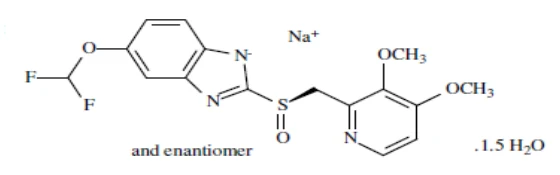
Structural formula:
Physicochemical properties:
Physical description:
A white to off white, crystalline powder
Solubility:
Freely soluble in water, soluble in methanol, practically insoluble in Methylene chloride
14 CLINICAL TRIALS
14.1 Clinical Trials by Indication
Studies in patients with GERD
Endoscopically diagnosed patients with moderate or severe gastro-esophageal reflux disease (GERD stage II and III, respectively, Savary-Miller classification) were studied in an open label-historical control trial design to investigate the efficacy and safety of an intravenous-oral regimen of pantoprazole sodium. Patients were treated once daily with 40 mg pantoprazole sodium, which was administered as an intravenous injection for the initial 5-7 consecutive days, then as a tablet for up to 8 weeks. The efficacy parameters were complete healing of lesions evaluated endoscopically after 4 and 8 weeks of treatment, and relief of symptoms assessed after 2 and 4 weeks of treatment. Table 2 shows the results of this study. Pantoprazole sodium applied as an intravenous-oral regimen to patients with GERD led to fast resolution of symptoms and high healing rates.
For patients, unable to take oral medications, this regimen offers safe and reliable gastric acid suppression and allows the possibility of changing between the oral and intravenous administration without the need for dose adjustment.
Table 3: Efficacy results in patients with moderate or severe GERD (stage II or III)
| Efficacy parameter | 2 weeks | 4 weeks | 8 weeks |
Healing of esophageal lesions, per protocol (n=98) | Not evaluated | 87% | 95% |
Healing of esophageal lesions, ITT (n=110) | Not evaluated | 77% | 85% |
Relief of heartburn, per protocol (n=95) | 97% | 99% | Not evaluated |
Relief of acid regurgitation, per protocol (n=93) | 98% | 98% | Not evaluated |
Relief of pain on swallowing, per protocol (n=37) | 100% | 100% | Not evaluated |
Studies in patients with ZES
Two studies measured the pharmacodynamic effects of 6 days treatment with pantoprazole sodium in patients with Zollinger-Ellison syndrome (with and without multiple endocrine neoplasia type I). In one of these studies in 21 patients, an initial treatment with pantoprazole sodium reduced acid output to the target level (≤10 mEq/h or ≤5 mEq/h in patients who have undergone surgery) in all 21 patients, and significantly reduced acid concentration and the volume of gastric secretions. Target levels were achieved within 1 hour of drug administration.
In the other study of 14 patients with Zollinger-Ellison syndrome, treatment was switched from an oral proton pump inhibitor to pantoprazole sodium. Pantoprazole sodium maintained or improved control of gastric acid secretion. Therefore patients can be switched from oral PPI therapy to pantoprazole intravenous without losing control of acid output.
In both studies, basal acid secretion was maintained well below target levels (≤10 mEq/h or ≤5 mEq/h in patients who have undergone surgery) in 34 of 35 patients with a daily dose of 160 mg (80 mg q12h) or 240 mg (120 mg q12h or 80 mg q8h) pantoprazole sodium. Once gastric acid secretion was controlled, there was no evidence of tolerance. In both studies, doses were adjusted to the individual patient need, but gastric acid secretion was controlled in greater than 80% of patients with a starting regimen of 80 mg every 12 hours. In these clinical studies, pantoprazole sodium was well-tolerated at all doses.
15 MICROBIOLOGY
No microbiological information is required for this drug product.
16 NON-CLINICAL TOXICOLOGY
Acute Toxicity
In acute toxicity studies in mice the mean lethal dose (LD50) values for pantoprazole were found to be around 390 mg/kg bodyweight for intravenous administration and around 700 mg/kg bodyweight for oral administration.
In the rat the corresponding values were around 250 mg/kg for intravenous administration and > 1000 mg/kg for oral administration.
Acute toxicity studies were conducted on B8810-044, the major degradation product of pantoprazole. The approximate LD50 values for mice (119-167 mg/kg) and rats (73-82 mg/kg) were lower than those for pantoprazole itself, after intravenous injection, but the toxic symptoms were similar to those noted for the drug. A 4-week repeat dose study was also conducted using this degradation product using the intravenous route in rats. Rats received 5 and 25 mg of B8810-044/kg, while a comparison group received 25 mg/kg of pantoprazole. Muscle twitches were observed immediately after injection in rats receiving 25 mg/kg of the degradation product, but not in the pantoprazole-treated animals. Otherwise the compounds were comparable.
Table 4: Acute toxicity studies of Pantoprazole
| SPECIES | SEX | ROUTE | ca, LD50* (mg/kg) |
| Mouse | M | orally | >1000 |
| F | orally | 747 | |
| Mouse | M | intravenous | 399 |
| F | intravenous | 395 | |
| Rat | M | orally | 1343 |
| F | orally | 1037 | |
| Rat | M | intravenous | 330 |
| F | intravenous | 343 | |
| Dog | M/F | orally | 300-1000** |
| M/F | intravenous | 150-300 |
* Doses refer to the sodium salt administered in solution
** sodium salt as dry powder in gelatine capsules
The symptoms seen after lethal oral or intravenous doses were similar in rats and mice: the animals displayed ataxia, reduced activity, hypothermia and prostration. Surviving animals recovered uneventfully. Salivation, tremor, lethargy, prostration and coma were seen in dogs at lethal oral doses, with death occurring on the following day. Ataxia, tremor and a prone position were noted at sublethal oral and intravenous doses, but the survivors recovered quickly and appeared fully normal after the 2-week observation period.
Local Tolerance
Local tolerance studies of pantoprazole lyophilisate after a single intravenous, paravenous or intra-arterial injection in the rabbit or a single intramuscular injection in the rat showed no evidence of toxicity. Single dose irritation studies in rabbits showed comparable results between intravenous formulations with and without edetate disodium dihydrate.
Chronic Toxicity
Daily oral doses of pantoprazole in the 1- and 6-month SD rat repeated-dose studies were 1, 5, 20, and 500 mg/kg and 0.8, 4, 16 and 320 mg/kg, respectively; doses for the 1 month rat pantoprazole intravenous study were 1, 5, and 30 mg/kg.
A 12-month toxicity study in SD rats was conducted using daily oral doses of 5, 50, and 300 mg/kg. Daily oral doses in the 1- and 6 month (beagle) dog studies were 7.5, 15, 30, and 100 mg/kg and 5, 15, 30, and 60 mg/kg respectively. In the 12-month oral study in dogs, 2.5, 15, and 60 mg/kg were administered daily.
Hypergastrinemia was dose-related and was observed at all doses investigated in the studies mentioned above, but was reversible upon cessation of treatment. Drug-related effects on the stomach included increased stomach weights and morphologic changes of the mucosal. After intravenous administration, the only morphologic change seen in the rat stomach was an increased incidence of eosinophilic chief cells in the glandular stomach. In the 6-month rat study, increased stomach weight and some cellular changes were detected at all doses. In the 1-month rat study, gastric changes were detected at 5 mg/kg but not at 1 mg/kg. In dogs, increased stomach weight was observed at all doses studied. There were no gastric cellular changes detected at oral doses of 7.5 or 5 mg/kg in the 1- and 6-month dog studies, respectively. In both species, most gastric effects were reversible after a 4- or 8-week recovery period. Hypergastrinemia and gastric changes were considered to be the consequence of the pharmacological action of the compound, namely prolonged and profound inhibition of acid secretion.
Increased liver weight in the rat experiments was considered to be a consequence of the induction of hepatic drug metabolizing systems and was found to be associated with centrilobular hepatocellular hypertrophy at 320 mg/kg in the 6-month study and at 50 and 300 mg/kg after 12 months of treatment. Increased liver weights were also detected at a dose of 16 mg/kg in male rats in the 6-month study and at 500 mg/kg, but not 20 mg/kg, in the 1-month study. Increased liver weight was noted in male dogs of all dose groups in the 1-month study, though only at 100 mg/kg in females on the same study. Both males and females had increased liver weights after 6 months administration of 30 or 60 mg/kg, but not as 15 mg/kg. In the 12-month study, liver weights were increased only in the female dogs dosed with 60 mg/kg. There were no hepatic lesions that correlated with increased liver weight in the dog studies. In dogs, the increase in liver weight was attributed to an activation of hepatic drug metabolizing systems as mentioned for rats.
Thyroid activation in animal experiments is due to the rapid metabolization of thyroid hormones in the liver and has been described in a similar form for other drugs. Thyroid weights were increased in both sexes at 500 mg/kg in the 1-month rat study and at 320 mg/kg in the rat 6-month study. Thyroid follicular cell hypertrophy was noted in females at these doses, in rats treated with 50 and 300 mg/kg in the 12 month study and also in a few females at 16 mg/kg in the 6 month study. There were no thyroid effects in rats at or below an oral dose of 5 mg/kg even after 1 year. In the dog, no effects were seen on the thyroid after 4 weeks. Only slight, but not dose-dependent, increases in thyroid weights were seen after 6 months, but no changes were observed histologically. In the 12 month study, the relative thyroid weights in the 60 mg/kg group were only slightly higher than those of the control dogs, and changes were detected histologically in only a few animals under 15 and 60 mg/kg. In both species, changes were reversible.
Increased serum cholesterol values were noted in all groups in the 6- and 12 month dog studies and in all groups in the 12 month rat study. The increases were slight and were reversible after cessation of treatment.
In dog studies, oral doses of pantoprazole of 15 mg/kg or above caused a transient pulmonary edema in a proportion of naive dogs during the first week of drug administration. Pulmonary edema caused death in a few dogs after repeated oral doses of 15 mg/kg or above. There is strong evidence that the pulmonary toxicity is due to a thiol metabolite which does not occur in man. No evidence of pulmonary edema was detected in dogs at an oral dose of 7.5 mg/kg nor at 60 mg/kg when administered daily for 6 or 12 months after a 1 week dose escalation phase.
Carcinogenicity
Three carcinogenicity studies have been conducted:
- A 24 month oral study was conducted at doses of 0.5, 5, 50 and 200 mg/kg/day in SD rat.
- A 24 month oral study was conducted at doses of 5, 15 and 50 mg/kg/day in Fischer-344 rats.
- A 24 month oral study was conducted at doses of 5, 25 and 150 mg/kg/day in B6C3F1 mouse.
Pantoprazole, dissolved in distilled water, was administered once a day by oral gavage to groups of 50 male and 50 female B6C3F1 mice at doses of 5, 25, or 150 mg/kg. An identical control group was dosed with distilled water (pH 10), while a second identical control group received no treatment at all. In the first rat study, pantoprazole was administered once a day by oral gavage to groups of 70 male and 70 female SD rats at doses of 0.5, 5, 50, and 200 mg/kg. A control group of 70 males and 70 females received the vehicle. In the second rat study, pantoprazole was administered once a day by oral gavage to groups of 50 male and 50 female Fischer-344 rats at doses of 5, 15, and 50 mg/kg. A control group of 50 males and 50 females received the vehicle, while another group remained untreated.
In the first 2 year carcinogenicity study in rats, which corresponds to a lifetime treatment for rats, neuroendocrine neoplasms were found in the stomach at doses of 50 mg/kg/day and above in males and at 0.5 mg/kg/day and above in females. Tumor formation occurred late in the life of the animals (only after 17 months treatment), whereas no tumors were found in rats treated with an even higher dose for 1 year. The mechanism leading to the formation of gastric carcinoids by substituted benzimidazoles has been carefully investigated, and it is considered to be due to high levels of serum gastrin observed in the rat during chronic treatment. In the second rat carcinogenicity study, neuroendocrine cell tumors in the stomach were found in all treated female groups and in the male 15 and 50 mg/kg groups.
ECL-cell neoplasms were not observed in either the carcinogenicity study in the mouse (24 months) or in the chronic studies in the dog. In clinical studies, where pantoprazole was administered at doses up to 80 mg, ECL-cell density remained almost unchanged.
Microscopy of the rat (first carcinogenicity study) and mouse tissues gave evidence for an increase in liver tumors. In the rat experiment, the incidence of benign liver tumors in the 50 and 200 mg/kg groups and the incidence of hepatocellular carcinoma was increased in the males and females of the 200 mg/kg group. There was a slightly higher incidence of hepatocellular adenomas and carcinomas in the female mice of the 150 mg/kg group than in either of the 2 control groups. Other changes in the liver morphology were present as well. Centrilobular hepatocellular hypertrophy increased in incidence and severity with increasing dose, and hepatocellular necrosis was increased in the highest dose in the rat and mouse studies. Hepatocellular tumors are common in mice, and the incidence found for the female 150 mg/kg group was within historical control ranges for this strain. The liver tumor incidences in rats treated with 50 mg/kg and in the male rats treated with 200 mg/kg were also within historical control incidences for the rat. These tumors occurred late in the life of the animals and were primarily benign. The nongenotoxic mechanism of rodent liver tumor formation after prolonged treatment with pantoprazole is associated with enzyme induction leading to hepatomegaly and centrilobular hypertrophy and is characterized by tumor induction in low incidences at high doses only. As pantoprazole acts in a similar fashion to phenobarbital, causing reversible centrilobular hepatocellular hypertrophy and enzyme induction in short-term studies, it is probable that the mechanism of action for induction of the liver tumors seen in long-term rodent studies is also the same. Hepatocellular tumors at high doses in rodents are not indicative of human carcinogenic risk.
A slight increase in neoplastic changes of the thyroid was observed in rats receiving pantoprazole at 200 mg/kg/day. The incidences of these tumors were within the historical control ranges for this rat strain. No thyroid neoplasms were observed in the 12-month study. The no-effect dose for both male and female rats is 50 mg/kg, which is 100 times the most commonly used human dose (i.e. 40 mg). The effect of pantoprazole on the thyroid is secondary to the effects on liver enzyme induction, which lead to enhanced metabolism of thyroid hormones in the liver. As a consequence, increased TSH is produced, which has a trophic effect on the thyroid gland. Clinical studies have demonstrated that neither liver enzyme induction nor changes in thyroid hormonal parameters occur in man after therapeutic doses of pantoprazole.
Tumors induced in rats and mice by pantoprazole were the result of nongenotoxic mechanisms which are not relevant to humans. Tumors were induced in rodents at dosages that provide higher exposure than with human therapeutic use. Based on kinetic data, the exposure to pantoprazole in rats receiving 200 mg/kg was 22.5 times higher than that found in humans receiving 40 mg oral doses. In mice receiving 150 mg/kg, exposure to pantoprazole was 2.5 times higher than that in humans.
Mutagenicity
Pantoprazole was studied in several mutagenicity studies: Pantoprazole was found negative in the Ames test, an in vivo chromosome aberration assay in rat bone marrow, a mouse lymphoma test, two gene mutation tests in Chinese hamster ovary cells in vitro, and two micronucleus tests in mice in vivo. Pantoprazole was found positive in three of four chromosome aberration assays in human lymphocytes in vitro. The in vitro tests were conducted both in the presence and absence of metabolic activation. The potential of pantoprazole to induce DNA repair synthesis was tested negative in an in vitro assay using rat hepatocytes. In addition, a rat liver DNA covalent binding assay showed no biologically relevant binding of pantoprazole to DNA.
In addition, two in vitro cell transformation assays using different cell types were performed to aid in the interpretation of the rodent carcinogenicity studies; in neither test did pantoprazole enhance the morphologic transformation of the cell types used.
A bacterial mutation assay conducted with the degradation product B8810-044, gave no indication of a mutagenic potential.
Reproduction and Teratology
Pantoprazole was not teratogenic to rats or rabbits at doses up to 450 and 40 mg/kg/day (gavage), 20 and 15 mg/kg/day (intravenous injection), respectively.
Treatment of male rats with pantoprazole up to 500 mg/kg orally for 127 days did not affect fertility. Treatment of pregnant rats induced dose-dependent fetotoxic effects: increased pre- and postnatal deaths (450 mg/kg/day), reduced fetal weight and delayed skeletal ossification (150 mg/kg/day), and reduced pup weight (15 mg/kg/day). These results may be explained by maternal toxicity of pantoprazole at high dose and/or placental transfer of pantoprazole.
Penetration of the placenta was investigated in the rat and was found to increase with advanced gestation. As a result, concentration of pantoprazole in the fetus is increased shortly before birth regardless of the route of administration.
In humans, there are no adequate or well-controlled studies with the use of pantoprazole during pregnancy.
17 SUPPORTING PRODUCT MONOGRAPHS
- 1. PANTO® IV, Lyophilized powder 40mg / vial, submission control Number: 213785, Product Monograph, Takeda Canada Inc. March 26, 2018..
- 2. Pr PANTOPRAZOLE FOR INJECTION, lyophilized powder for Injection, 40 mg / vial, submission control Number :292119, Product Monograph, Fresenius Kabi Canada Ltd. April 29, 2025.