


Product Monograph - Pegasys (Pharmaand)
SUMMARY PRODUCT INFORMATION
Information as set forth in this label only applies to PEGASYS.
| Route of Administration | Dosage Form / Strength | Clinically Relevant Non-medicinal Ingredients |
| Subcutaneous | Solution in vial: 180 mcg/1.0 mL | Benzyl alcohol For a complete listing see Dosage Forms, Composition and Packaging section. |
| Subcutaneous | Solution in pre-filled syringe: 180 mcg/0.5 mL Solution in ProClick® autoinjector: 180 mcg/0.5 mL | Benzyl alcohol For a complete listing see Dosage Forms, Composition and Packaging section. |
DESCRIPTION
PEGASYS: Peginterferon alfa-2a is a covalent conjugate of recombinant alfa-2a interferon (approximate molecular weight [MW] 20 kD) with a single branched bis-monomethoxy polyethylene glycol (PEG) chain (approximate MW 40 kD). Interferon alfa-2a is produced biosynthetically using recombinant DNA technology, and is the product of a cloned human leukocyte interferon gene inserted into and expressed in E. coli.
INDICATIONS AND CLINICAL USE
Chronic Hepatitis C (CHC)
PEGASYS (peginterferon alfa-2a) is indicated for the treatment of Chronic Hepatitis C in:
- Adult patients without cirrhosis
- Adult patients with compensated cirrhosis,
including HCV/HIV co-infection patients with stable HIV disease with or without antiretroviral therapy.
Chronic Hepatitis B (CHB)
PEGASYS is indicated for the treatment of both HBeAg-positive and HBeAg-negative chronic hepatitis B in:
- Patients with compensated liver disease, liver inflammation and evidence of viral replication (both cirrhotic and non-cirrhotic disease).
Geriatrics (> 65 years of age): Clinical studies of PEGASYS alone or in combination with COPEGUS did not include sufficient numbers of subjects aged 65 or over to determine whether they respond differently from younger subjects.
Pediatrics (< 18 years of age): PEGASYS is not authorized for use in children and adolescents under the age of 18 years (see WARNINGS AND PRECAUTIONS: Special Populations, Pediatrics).
CONTRAINDICATIONS
PEGASYS (peginterferon alfa-2a) is contraindicated in:
- Patients with known hypersensitivity to alpha interferons, to E. coli-derived products, to polyethyleneglycol or to any component of the product (see DOSAGE FORMS, COMPOSITION AND PACKAGING),
- Patients with autoimmune hepatitis,
- Patients with decompensated cirrhosis,
- HIV-HCV patients with cirrhosis and a base-line Child-Pugh score ≥ 6, except if only the high score (≥ 6) is induced by drugs known to cause indirect hyperbilirubinemia and without evidence of clinical hepatic decomposition (see WARNINGS AND PRECAUTIONS: Hepatic/Biliary/Pancreas and DOSAGE AND ADMINISTRATION: Special Populations).
- Patients with a history of autoimmune disease.
- Neonates and infants because PEGASYS contains benzyl alcohol. There have been rare reports of death in neonates and infants associated with excessive exposure to benzyl alcohol. The amount of benzyl alcohol at which toxicity or adverse effects may occur in neonates or infants is not known.
- Patients who have a pre-existing severe psychiatric condition or a history of a severe psychiatric disorder, who have pre-existing thyroid abnormalities for which thyroid function cannot be maintained in the normal range by medication, and in women who are breast feeding.
WARNINGS AND PRECAUTIONS
Serious Warnings and Precautions Alpha interferons, including PEGASYS (peginterferon alfa-2a), cause or aggravate fatal or life-threatening neuropsychiatric, autoimmune, ischemic, and infectious disorders. Patients should be monitored closely with periodic clinical and laboratory evaluations. Patients with persistently severe or worsening signs or symptoms of these conditions should be withdrawn from therapy. In many cases, but not all cases, these disorders resolve after stopping interferon therapy (see WARNINGS AND PRECAUTIONS). |
|---|
General
In order to improve traceability of biological medicinal products, the trade name of the administered product should be clearly recorded (or stated) in the patient file.
The safety and efficacy of PEGASYS have not been established in patients who have failed other alpha interferon treatments.
Treatment with PEGASYS should be administered under the guidance of a qualified physician and may lead to moderate to severe adverse experiences requiring dose reduction, temporary dose cessation or discontinuation of therapy.
Patients should be informed regarding the potential benefits and risks attendant to the use of PEGASYS. If home use is determined to be desirable by the physician, instructions on appropriate use should be given, including review of the contents of the Consumer Information, which does not disclose all possible adverse effects of PEGASYS (see PART III: CONSUMER INFORMATION).
If home use is prescribed, patients should be thoroughly instructed in the importance of proper disposal of, and cautioned against, reuse of any needles and syringes.
Patients should be cautioned not to change to other pegylated interferons or switch to other alpha interferons without a medical consultation; changing from one interferon to another may require dosage change or adjustment.
Patients who develop dizziness, confusion, somnolence, or fatigue should be cautioned to avoid driving or operating machinery.
Cardiovascular
Cardiovascular events such as hypertension, supraventricular arrhythmias, congestive heart failure, chest pain and myocardial infarction have been associated with interferon therapies, including PEGASYS. Therefore, PEGASYS should be administered with caution to patients with pre existing cardiac disease. Patients should be assessed before initiation of therapy and should be appropriately monitored during therapy. It is recommended that patients who have pre existing cardiac abnormalities have an electrocardiogram prior to initiation of PEGASYS. As with other alpha interferons, treatment with PEGASYS is not recommended in patients with pre existing severe, unstable or uncontrolled cardiac disease; if there is any deterioration of cardiovascular status, PEGASYS therapy should be suspended or discontinued.
Cerebrovascular
Ischemic and hemorrhagic cerebrovascular events have been observed in patients treated with interferon alfa-based therapies, including PEGASYS. Events occurred in patients with few or no reported risk factors for stroke, including patients less than 45 years of age. Because these are spontaneous reports, estimates of frequency cannot be made and a causal relationship between interferon alfa-based therapies and these events is difficult to establish.
Endocrine and Metabolism
Endocrine
As with other interferons, PEGASYS may cause or aggravate hypothyroidism and hyperthyroidism. Hypoglycemia, hyperglycemia, and diabetes mellitus have been observed in patients treated with PEGASYS. Patients with these conditions at baseline who cannot be effectively controlled by medication should not be started on PEGASYS therapy. Patients who develop these conditions during treatment and cannot be controlled with medication should not continue PEGASYS therapy.
Gastrointestinal
Colitis
Hemorrhagic/ischemic colitis, sometimes fatal, has been observed within 12 weeks of starting alpha interferon treatment. Abdominal pain, bloody diarrhea, and fever are the typical manifestations of colitis. PEGASYS treatment should be discontinued immediately if these symptoms develop. The colitis usually resolves within 1 to 3 weeks following discontinuation of alpha interferon. Ulcerative colitis has also been observed in patients treated with alpha interferon.
Growth and Development (Pediatric Patients)
During the course of PEGASYS plus ribavirin therapy lasting up to 48 weeks in patients aged 5 to 17 years, weight loss and growth inhibition were common (see ADVERSE REACTIONS). At 2 years post-treatment, 16% of pediatric patients were more than 15 percentiles below their baseline weight curve and 11% were more than 15 percentiles below their baseline height curve. The available longer term data on subjects who were followed up to 6 years post-treatment is too limited to determine the risk of reduced adult height in some patients. Safety and effectiveness have not been established in patients below the age of 18 (see INDICATIONS AND CLINICAL USE and Special Populations, Pediatrics).
Hematologic
Alpha interferons, including PEGASYS, may suppress bone marrow function which may result in severe cytopenias. Very rarely alpha interferons may be associated with pancytopenia including aplastic anemia. Therefore, caution should be exercised when administering PEGASYS in combination with other potentially myelosuppressive agents. It is advised that complete blood counts (CBC) be obtained pre-treatment and monitored routinely during therapy (see WARNINGS AND PRECAUTIONS: Monitoring and Laboratory Tests).
PEGASYS should be used with caution in patients with baseline absolute neutrophil counts (ANC) < 1.5 x 10⁹/L, with baseline platelets < 90 x 109/L or baseline hemoglobin < 100 g/L. PEGASYS should be discontinued, at least temporarily, in patients who develop severe decreases in ANC (< 0.5 x 10⁹/L) and/or platelet (< 25 x 109/L) counts (see DOSAGE AND ADMINISTRATION: Dose Adjustments).
Hepatic/Biliary/Pancreas
Hepatic
In patients who develop evidence of hepatic decompensation during treatment, PEGASYS treatment should be discontinued. HIV-HCV co-infected patients with advanced cirrhosis receiving concomitant HAART may be at an increased risk of hepatic decompensation and possibly death when treated with ribavirin in combination with alpha interferons, including PEGASYS. During treatment, co-infected patients should be closely monitored for signs and symptoms of hepatic decompensation (including ascites, encephalopathy, variceal bleeding, impaired hepatic synthetic function; (e.g. Child-Pugh score ≥ 6). The Child-Pugh scoring may be affected by factors related to treatment (i.e. indirect hyperbilirubinemia, decreased albumin) and not necessarily attributable to hepatic decompensation. Treatment with PEGASYS should be discontinued immediately in patients with hepatic decompensation (see DOSAGE AND ADMINISTRATION).
CHC: As with other alpha interferons, increases in ALT levels above baseline have been observed in patients treated with PEGASYS, including those patients who exhibit a virological response. When the increase in ALT levels is progressive despite dose reduction or is accompanied by increased bilirubin, therapy should be discontinued (see DOSAGE AND ADMINISTRATION).
CHB: Unlike CHC, disease exacerbations during therapy are not uncommon and are characterized by transient and potentially significant increases in serum ALT. Transient ALT elevations are common during CHB therapy with PEGASYS. Flares have been accompanied by elevations of total bilirubin and alkaline phosphatase and less commonly with prolongation of PT and reduced albumin levels. In clinical trials with PEGASYS in HBV, marked transaminase flares have been accompanied by mild changes in other measures of hepatic function and without evidence of hepatic decompensation. In approximately half the case of flares exceeding 10 times the upper limit of normal, PEGASYS dosing was reduced or withheld until the transaminase elevations subsided, while in the rest therapy was continued unchanged. More frequent monitoring of hepatic function was recommended in all instances (see ADVERSE REACTIONS and DOSAGE AND ADMINISTRATION).
Pancreatitis Pancreatitis, sometimes fatal, has occurred during alpha interferon treatment. PEGASYS treatment should be suspended if symptoms or signs suggestive of pancreatitis are observed. PEGASYS should be discontinued in patients diagnosed with pancreatitis.
Hydration
Adequate hydration must be maintained in patients undergoing therapy with PEGASYS, since hypotension related to fluid depletion has been seen in some patients treated with alpha interferons. Fluid replacement may be necessary.
Hypersensitivity
Serious, acute hypersensitivity reactions (e.g. urticaria, angioedema, bronchoconstriction, anaphylaxis) have been rarely observed during alpha interferon therapy and cutaneous eruptions (Stevens Johnson syndrome, toxic epidermal necrolysis) have been very rarely reported. If such a reaction develops during treatment with PEGASYS, treatment should be discontinued and appropriate medical therapy should be instituted immediately. Transient rashes do not necessitate interruption of treatment.
Immune
Exacerbation of autoimmune disease including myositis, hepatitis, immune thrombocytopenic purpura (ITP), rheumatoid arthritis, interstitial nephritis, thyroiditis and systemic lupus erythematosus has been reported in patients receiving alpha interferon therapy. PEGASYS is contraindicated in patients with a history of autoimmune disease. Use of alpha interferons has been associated with exacerbation or provocation of psoriasis. In case of appearance of psoriatic lesions, discontinuation of therapy should be considered.
Infections
While fever may be associated with the flu-like syndrome reported commonly during interferon therapy, other causes of persistent fever must be ruled out, particularly in patients with neutropenia. Serious infections (bacterial, viral, fungal) have been reported during treatment with alpha interferons including PEGASYS. Appropriate anti-infective therapy should be started immediately and discontinuation of therapy should be considered.
Ophthalmologic
As with other interferons, retinopathy including retinal hemorrhages, cotton wool spots, papilledema, retinal artery or vein obstruction and serous retinal detachment have been reported in rare instances after treatment with PEGASYS. As with other interferons, decrease or loss of vision, macular edema and optic neuritis may be induced or aggravated by PEGASYS treatment. All patients should receive an eye examination at baseline. Patients with preexisting ophthalmologic disorders (e.g. diabetic or hypertensive retinopathy) should receive periodic ophthalmologic exams during PEGASYS treatment. Any patient complaining of decreased or loss of vision must have a prompt and complete eye examination. PEGASYS treatment should be discontinued in patients who develop new or worsening ophthalmologic disorders.
Psychiatric
Severe psychiatric adverse reactions may manifest in patients receiving therapy with interferons, including PEGASYS. Depression, suicidal ideation, and suicidal attempt may occur in patients with and without previous psychiatric illness. Other CNS effects including aggressive behavior, confusion and other alterations of mental status have been observed with alpha interferon. PEGASYS should be used with extreme caution in patients who report a history of depression and physicians should monitor all patients (adults and pediatrics) for evidence of depression.
Physicians should inform patients of the possible development of depression prior to initiation of PEGASYS therapy, and patients should report any sign or symptom of depression immediately. If severe symptoms persist, therapy should be stopped and psychiatric intervention sought (see ADVERSE REACTIONS). Safety and effectiveness have not been established in patients below the age of 18 (see INDICATIONS AND CLINICAL USE and Special Populations, Pediatrics).
Patients with Substance Use/Abuse
HCV infected patients having a co-occurring substance use disorder (alcohol, cannabis, etc.) are at an increased risk of developing psychiatric disorders or exacerbation of already existing psychiatric disorders when treated with alfa interferon. If treatment with alfa interferon is judged necessary in these patients, the presence of psychiatric co-morbidities and the potential for other substance use should be carefully assessed and adequately managed before initiating therapy. If necessary, an inter-disciplinary approach including a mental health care provider or addiction specialist should be considered to evaluate, treat and follow the patient. Patients should be closely monitored during therapy and even after treatment discontinuation. Early intervention for re-emergence or development of psychiatric disorders and substance use is recommended.
Renal
Renal impairment is associated with decreased total apparent clearance and prolonged half life. In subjects with a creatinine clearance between 0.33 and 0.67 mL/sec, the average total apparent clearance is reduced by approximately 30% compared with subjects with normal renal function following single doses of PEGASYS. There is no information available following multiple doses of drug, in patients with creatinine clearance < 0.83 mL/sec. As with all patients treated with PEGASYS, patients with renal impairment may require dose modification for moderate to severe adverse reactions (clinical and/or laboratory) occurring during therapy (see DOSAGE AND ADMINISTRATION: Dose Adjustments and ACTION AND CLINICAL PHARMACOLOGY: Pharmacokinetics of PEGASYS in Special Populations and Conditions).
Respiratory
As with other alpha interferons, pulmonary symptoms, including dyspnea, pulmonary infiltrates, pneumonia, pneumonitis, including fatality, and pulmonary hypertension have been reported during therapy with PEGASYS. Any patient developing fever, cough, and dyspnea or other respiratory symptoms must have a chest X ray taken. If there is evidence of persistent or unexplained pulmonary infiltrates or pulmonary function impairment, treatment should be discontinued. PEGASYS RBV should not be administered to patients with chronic obstructive pulmonary disease (COPD).
Sexual Function/Reproduction
Reproduction
Peginterferon alfa-2a has not been studied for its teratogenic effect. Treatment with interferon alfa-2a resulted in a statistically significant increase in abortifacient activity in rhesus monkeys; no teratogenic effects were seen in the offspring delivered at term (see Special Populations: Pregnant Women).
Transplantation
The safety and efficacy of PEGASYS treatment have not been established in patients with liver or other transplantations. As with other alpha interferons, liver and renal graft rejections have been reported on PEGASYS, alone or in combination with COPEGUS.
Special Populations
Pregnant Women: The safety of PEGASYS during pregnancy has not been established. Therefore, PEGASYS should be used during pregnancy only if the potential benefit justifies the potential risk to the fetus.
As with other alpha interferons, women of childbearing potential receiving PEGASYS therapy should be advised to use effective contraception during therapy (see Sexual Function/ Reproduction).
Nursing Women: It is not known whether PEGASYS or its components are excreted in human milk. The effect of orally ingested PEGASYS from breast milk on the nursing infant has not been evaluated. Because of the potential for adverse reactions from the drug in nursing infants, a decision should be made to discontinue nursing or PEGASYS, based on the importance of the therapy to the mother.
Pediatrics (< 18 years of age): Safety and effectiveness have not been established in patients below the age of 18. In addition, PEGASYS injection solutions contain benzyl alcohol. Therefore, PEGASYS should not be used in neonates or infants (see also INDICATIONS AND CLINICAL USE and WARNINGS AND PRECAUTIONS: Growth and Development (Pediatric Patients)).
Geriatrics (> 65 years of age): Clinical studies of PEGASYS alone or in combination with COPEGUS did not include sufficient numbers of subjects aged 65 or over to determine whether they respond differently from younger subjects.
Monitoring and Laboratory Tests
Before beginning PEGASYS therapy, standard hematological and biochemical profiles should be obtained for all patients. After initiation of therapy, hematological tests should be performed at 2 and 4 weeks and biochemical tests should be performed at 4 weeks. Additional testing should be performed periodically during therapy.
The enrolment criteria used for the clinical studies of PEGASYS may be considered as a guideline to acceptable baseline values for initiation of treatment:
- Platelet count ≥ 90 x 109/L (75 x 109/L in patients with cirrhosis or transition to cirrhosis)
- ANC ≥ 1.5 x 10⁹/L
- Serum creatinine concentration < 1.5 x upper limit of normal
- TSH and T4 within normal limits or adequately controlled thyroid function
HIV-HCV co-infection: CD4+ ≥ 200/µl or CD4+ ≥ 100/µl - < 200/µl and HIV-1 RNA
- -1 Monitor Test, v 1.5.
PEGASYS treatment was associated with decreases in both total white blood cell (WBC) count and ANC, usually starting within the first 2 weeks of treatment (see ADVERSE REACTIONS). In clinical studies, progressive decreases thereafter were infrequent. Dose reduction is recommended when ANC decreases to levels below 0.75 x 10⁹/L (see DOSAGE AND ADMINISTRATION: Dose Adjustments). For patients with ANC values below 0.5 x 10⁹/L treatment should be suspended until ANC values return to more than 1.0 x 10⁹/L. In clinical trials with PEGASYS, the decrease in ANC was reversible upon dose reduction or cessation of therapy.
PEGASYS treatment was associated with decreases in platelet count, which returned to pre treatment (baseline) levels during the post treatment observation period (see ADVERSE REACTIONS). Dose reduction is recommended when platelet count decreases to levels below 50 x 109/L, and discontinuation of therapy is recommended when platelet count decreases to levels below 25 x 109/L (see DOSAGE AND ADMINISTRATION: Dose Adjustments).
Thyroid Changes: The occurrence of thyroid function abnormalities or the worsening of pre-existing thyroid disorders has been reported with the use of alpha interferon therapies, including PEGASYS RBV. Discontinuation of therapy should be considered in patients whose thyroid abnormalities cannot be adequately treated.
ADVERSE REACTIONS
Adverse Drug Reaction Overview
The frequency and severity of the most commonly reported adverse reactions are similar in patients treated with PEGASYS (peginterferon alfa-2a) and interferon alfa-2a.
The most frequently reported adverse reactions with 180 mcg PEGASYS were mostly mild to moderate in severity and were manageable without the need for modification of dosage or discontinuation of therapy.
Clinical Trial Adverse Drug Reactions
Chronic Hepatitis C Mono-infection
In mono-infection clinical trials, the incidence of withdrawal from treatment for all patients due to adverse events and laboratory abnormalities was 10%, 9% and 13% for interferon alfa-2a (IFN), PEGASYS or for PEGASYS RBV (peginterferon alfa-2a and ribavirin) combination therapy, respectively. Only 1% or 3% of patients required discontinuation of either PEGASYS or PEGASYS RBV combination therapy for laboratory abnormalities. The withdrawal rates for patients with cirrhosis were similar to those of the overall population.
HIV-HCV Co-infection
In HIV-HCV co-infected patients, the clinical adverse events reported on PEGASYS, PEGASYS RBV and interferon alfa-2a plus ribavirin were similar to that observed in HCV mono-infected patients.
In the co-infection study, the incidence of withdrawal from treatment for clinical adverse events, laboratory abnormalities or AIDS-defining events was 16% for PEGASYS monotherapy and 15% for both PEGASYS RBV and interferon alfa-2a plus ribavirin given for 48 weeks. Respectively, 4%, 3% or 1% of patients required discontinuation of PEGASYS or PEGASYS RBV or interferon alfa-2a plus ribavirin for laboratory abnormalities. In PEGASYS RBV combination therapy, the PEGASYS dose modification occurred in 39%, and the COPEGUS dose modification occurred in 37%, of the co-infected patients. In interferon alfa-2a plus ribavirin therapy, the interferon alfa-2a dose modification occurred in 16%, and the COPEGUS dose modification occurred in 28%, of the co-infected patients. In PEGASYS monotherapy, PEGASYS dose modification occurred in 38% of the co-infected patients. Serious adverse events were reported in 21%, 17% and 15% of those receiving PEGASYS monotherapy, PEGASYS RBV or interferon alfa-2a plus ribavirin, respectively.
Limited safety data (N= 31) is available in co-infected patients with CD4+ cell counts <200/µl treated with PEGASYS and PEGASYS RBV. PEGASYS containing treatment was associated with an on-treatment reduction in absolute CD4+ cell count without a reduction in CD4+ cell percentage. CD4+ cell count indices returned to baseline values during the follow-up period of the study. PEGASYS containing treatment had no apparent negative impact on the control of HIV viremia during therapy or follow-up.
Chronic Hepatitis B
In clinical trials of 48 week treatment and 24 weeks follow-up, the safety profile for PEGASYS in chronic hepatitis B (CHB) was similar to that seen in chronic hepatitis C, (see Table 1). 88% of patients treated with PEGASYS experienced adverse events, as compared to 53% of patients in the lamivudine comparator group, while 6% of the PEGASYS treated and 4% of the lamivudine treated patients experienced serious adverse events during the studies. Five percent of patients withdrew from treatment with PEGASYS due to adverse events or laboratory abnormalities, while less than 1% withdrew from lamivudine treatment for safety reasons. The withdrawal rates for patients with cirrhosis were similar to those of the overall population in each treatment group. The addition of lamivudine had no effect on the safety profile of PEGASYS.
Because clinical trials are conducted under very specific conditions the adverse drug reaction rates observed in the clinical trials may not reflect the rates observed in practice and should not be compared to the rates in the clinical trials of another drug. Adverse drug reaction information from clinical trials is useful for identifying drug-related adverse events and for approximating rates.
Table 1 a Adverse Reactions (≥10% of Incidence in Any Treatment Group).
| HBV | HCV | HIV-HCV | ||||||||||||
PEGASYS 180 mcg* N=448 | Interferon alfa-2a 3 MIU N = 323 | Interferon alfa-2a 6/3 MIU N = 261 | PEGASYS 180 mcg N=827 | INF alfa-2a 3 MIU + ribavirin 800 mg N=285 | PEGASYS 180 mcg N=286 | |||||||||
| N (%) | N (%) | N (%) | N (%) | N (%) | N (%) | |||||||||
| Gastrointestinal | ||||||||||||||
| Nausea | 29 (6) | 101 (31) | 80 (31) | 199 (24) | 54 (19) | 54 (19) | ||||||||
| Diarrhea | 28 (6) | 44 (14) | 48 (18) | 132 (16) | 29 (10) | 35 (12) | ||||||||
| Abdominal pain | 19 (4) | 50 (15) | 35 (13) | 120 (15) | 17 (6) | 18 (6) | ||||||||
| Nausea and vomiting | 9 (2) | 19 (6) | 25 (10) | 43 (5) | 22 (8) | 18 (6) | ||||||||
| General | ||||||||||||||
| Fatigue | 93 (21) | 147 (46) | 152 (58) | 405 (49) | 102 (36) | 104 (36) | ||||||||
| Rigors | 28 (6) | 134 (41) | 112 (43) | 219 (30) | 49 (17) | 41 (14) | ||||||||
| Pyrexia | 233 (52) | 94 (29) | 141 (54) | 249 (35) | 92 (32) | 101 (35) | ||||||||
| Injection site reaction | 33 (7) | 71 (22) | 40 (15) | 178 (22) | 24 (8) | 23 (8) | ||||||||
Pain Asthenia | 6 (1) 50 (11) | 46 (14) 27 (8) | 27 (10) 9 (3) | 89 (11) 56 (7) | 11 (4) 65 (23) | 14 (5) 56 (20) | ||||||||
| Metabolic and Nutritional | ||||||||||||||
Anorexia Weight decreased | 59 (13) 18 (4) | 37 (11) 11 (3) |
7 (3) | 131 (16) 44 (5) | 71 (25) 36 (13) | 59 (21) 44 (15) | ||||||||
| Musculoskeletal, Connective Tissue and Bone | ||||||||||||||
| Myalgia | 114 (25) | 115 (36) | 108 (41) | 307 (37) | 77 (27) | 82 (29) | ||||||||
| Arthralgia | 43 (10) | 87 (27) | 82 (31) | 211 (26) | 36 (13) | 43 (15) | ||||||||
| Back pain | 8 (2) | 31 (10) | 27 (10) | 67 (8) | 8 (3) | 18 (6) | ||||||||
| Neurological | ||||||||||||||
| Headache | 103 (23) | 174 (54) | 165 (63) | 428 (52) | 97 (34) | 84 (29) | ||||||||
| Insomnia | 25 (6) | 78 (24) | 57 (22) | 167 (20) | 66 (23) | 46 (16) | ||||||||
| Dizziness (excluding vertigo) | 28 (6) | 33 (10) | 39 (15) | 120 (15) | 26 (9) | 7 (2) | ||||||||
| Concentration impairment | 9 (2) | 31 (10) | 26 (10) | 76 (9) | 7 (2) | 7 (2) | ||||||||
| Psychiatric | ||||||||||||||
| Depression | 17 (4) | 51 (16) | 57 (22) | 148 (18) | 57 (20) | 45 (16) | ||||||||
| Irritability | 14 (3) | 67 (21) | 29 (11) | 141 (17) | 48 (17) | 45 (16) | ||||||||
| Skin and Subcutaneous Tissue | ||||||||||||||
| Alopecia | 78 (17) | 78 (24) | 92 (35) | 187 (23) | 13 (5) | 19 (7) | ||||||||
| Pruritus | 25 (6) | 20 (6) | 24 (9) | 104 (13) | 11 (4) | 12 (4) | ||||||||
* In clinical trials, 450 patients received PEGASYS in combination with lamivudine. The addition of lamivudine had no effect on the safety profile of PEGASYS.
Table 1b Adverse reactions reported in ≥1% to <10% on PEGASYS RBV combination or PEGASYS monotherapy in patients in clinical trials were:
| Any Treatment Group | HIV-HCV Only | ||||
| Body system | Common ≥ 5% to < 10% | Common ≥ 1% to < 5% | Other adverse reactions ≥ 1% to ≤ 3% | ||
| Blood and lymphatic system disorders | lymphadenopathy, thrombocytopenia | ||||
| Cardiac disorders | palpitations,oedema peripheral, tachycardia | ||||
| Ear and labyrinth disorders | vertigo, earache, tinnitus | ||||
| Endocrine disorders | hypothyroidism , hyperthyroidism | ||||
| Eye disorders | vision blurred, eye inflammation, xerophthalmia, eye pain | ||||
| Gastrointestinal disorders | dry mouth, dyspepsia | mouth ulceration, flatulence, gingival bleeding, stomatitis, constipation, dysphagia, glossitis | cheilitis | ||
| General disorders and administration site conditions | malaise | lethargy, chest pain, hot flushes, thirst, influenza-like illness | |||
| Infections and infestations | herpes simplex, URI infection bronchitis, oral candidiasis | influenza, pneumonia | |||
| Injury and poisoning | substance abuse | ||||
| Metabolism and nutrition disorders | dehydration | hyperlactacidemia /lactic acidosis | |||
| Musculoskeletal, connective tissue and bone disorders | back pain | muscle cramps, neck pain, musculoskeletal pain, bone pain, arthritis, muscle weakness | |||
| Nervous system disorders | memory impairment | taste disturbance, weakness, paraesthesia, hypoaesthesia, tremor , migraine, somnolence, hyperaesthesia, nightmares, syncope | |||
| Psychiatric disorders | anxiety, mood alteration, emotional disorders | nervousness, libido decreased, aggression, suicidal ideation, confusional state | affect lability, apathy | ||
| Renal and urinary disorders | chromaturia | ||||
| Reproductive system and breast disorders | impotence | ||||
| Respiratory, thoracic and mediastinal disorders | dyspnoea, cough | sore throat, pharyngolaryngeal pain, dyspnoea exertional, epistaxis, nasopharyngitis, sinus congestion, rhinitis, nasal congestion | |||
| Skin and subcutaneous tissue disorders | rash, sweating increased | eczema, night sweats, psoriasis, photosensitivity reaction, urticaria, skin disorder | aquired lipodystrophy | ||
| Vascular disorders | flushing, hypertension | ||||
As with other alpha interferon therapies, uncommon to rare cases (< 1%) of the following serious adverse events have been reported in patients receiving PEGASYS RBV combination or PEGASYS monotherapy during clinical trials:
Blood and the lymphatic system disorders: thrombotic thrombocytopenic purpura (TTP)
Cardiac disorders: arrhythmia, atrial fibrillation, pericarditis
Eye disorders: corneal ulcer
Gastrointestinal disorders: peptic ulcer, gastrointestinal bleeding, pancreatitis, abdominal distention
Immune system disorders: autoimmune phenomena (e.g. ITP, thyroiditis, psoriasis, rheumatoid arthritis, SLE), sarcoidosis
Infections and Infestations: skin infection, otitis externa, endocarditis
Hepato-biliary: hepatic dysfunction, fatty liver, cholangitis, malignant hepatic neoplasm
Nervous system disorders: myositis, peripheral neuropathy*, coma
Psychiatric disorders: suicide, panic attack, psychotic disorder, hallucination
Respiratory, thoracic and mediastinal disorders: interstitial pneumonitis with fatal outcome, pulmonary embolism
Vascular disorders: cerebral hemorrhage
Rarely, alpha interferon including PEGASYS RBV or PEGASYS monotherapy may be associated with pancytopenia, and very rarely, aplastic anemia has been reported.
Uncommon to very rare cases of hearing impairment (deafness) have been reported.
The adverse reactions observed with other alpha interferons may be expected with PEGASYS, including colitis and pancreatitis.
*In protocol NR15961 (HIV-HCV) the frequency was reported as 2% in the PEGASYS monotherapy arm.
Chronic Hepatitis C Pediatric Patients
In a clinical study, pediatric subjects treated with PEGASYS plus ribavirin combination therapy showed a delay in weight and height increases after 48 weeks of therapy compared with baseline. Both weight and height for age z-scores as well as the percentiles of the normative population for subject weight and height decreased during treatment. At the end of 2 years follow-up after treatment, most subjects had returned to baseline normative curve percentiles for weight (64th mean percentile at baseline, 60th mean percentile at 2 years post-treatment) and height (54th mean percentile at baseline, 56th mean percentile at 2 years post-treatment). At the end of treatment, 43% (23 of 53) of subjects experienced a weight percentile decrease of more than 15 percentiles, and 25% (13 of 53) experienced a height percentile decrease of more than 15 percentiles on the normative growth curves. At 2 years post-treatment, 16% (6 of 38) of subjects were more than 15 percentiles below their baseline weight curve and 11% (4 of 38) were more than 15 percentiles below their baseline height curve.
55% (21 of 38) of subjects who completed the original study enrolled in the long-term follow up extending up to 6 years post-treatment. The study demonstrated that the post-treatment recovery in growth at 2 years post-treatment was maintained to 6 years post-treatment.Of the 4 subjects who were more than 15 percentiles below their baseline height curve at 2 years post-treatment, 2 entered the long-term follow-up study. They either returned to baseline comparable height percentiles at 6 years post-treatment (n=1) or a non-treatment related causative factor has been identified (n=1). The available longer term data on subjects who were followed up to 6 years post-treatment is limited to determine the risk of reduced adult height in some patients Safety and effectiveness have not been established in patients below the age of 18 (see INDICATIONS AND CLINICAL USE and Special Populations, Pediatrics).
Abnormal Hematologic and Clinical Chemistry Findings
Hematology
As with other interferons, treatment with 180 mcg PEGASYS and PEGASYS RBV combination therapy was associated with decreases in hematological values, which generally improved with dosage modification and returned to pretreatment levels within 4 to 8 weeks upon cessation of therapy (see WARNINGS AND PRECAUTIONS and DOSAGE AND ADMINISTRATION).
Although hematological toxicities of neutropenia, thrombocytopenia and anemia occurred more frequently in HIV-HCV patients, the majority could be managed by dose modification and the use of growth factors and infrequently required premature discontinuation of treatment.
Hemoglobin and Hematocrit: Treatment with 180 mcg PEGASYS and 3 MIU and 6/3 MIU interferon alfa-2a for HCV were associated with small gradual decreases in hemoglobin and hematocrit. Less than 1% of all patients treated with PEGASYS including those with cirrhosis, required dose modification for anemia (hemoglobin < 100 g/L). No patients receiving interferon alfa-2a required anemia-related dose modifications, due to drops in hemoglobin levels. Anemia due to hemolysis is the most significant toxicity of ribavirin therapy. Anemia (hemoglobin < 100 g/L) was observed in 13% of PEGASYS RBV combination-treated patients in clinical trials. The maximum drop in hemoglobin occurred during the first 8 weeks of initiation of ribavirin therapy (see DOSAGE AND ADMINISTRATION: Dose Adjustments).
Approximately 10% of patients on PEGASYS RBV combination therapy required COPEGUS dose modification for anemia. Patients receiving 800 mg of COPEGUS for 24 weeks had the lowest frequency of decrease in hemoglobin levels to < 100 g/L; hemoglobin levels did not fall to < 85 g/L in any of these patients.
Anemia (hemoglobin < 100g/L) was reported in 8% and 14% of HIV-HCV co-infected patients treated with PEGASYS monotherapy or PEGASYS RBV combination therapy, respectively.
White Blood Cells: Treatment with PEGASYS for HCV was associated with decreases in values for both total WBC and ANC. Transient decreases in ANC to levels below 0.5 x 10⁹/L at some time during therapy, were observed in 3.8% and 5% of patients treated with PEGASYS and PEGASYS RBV versus 1.2% and 1.5% of patients treated with 3 MIU and 6/3 MIU interferon alfa-2a, respectively.
In HIV-HCV co-infected patients, 13% and 11% of those receiving PEGASYS monotherapy and PEGASYS RBV combination therapy, respectively, had decreases in ANC levels below 0.5 x 10⁹/L.
Platelet Count: Treatment with PEGASYS was associated with decreases in values for platelet counts. In HCV clinical trials for chronic hepatitis C, approximately 5% of patients had decreases in platelet counts to levels below 50 x 109/L versus 2.5% and 1.5% of patients in the 3 MIU and 3/6 MIU interferon alfa-2a treatment groups, respectively. Most of these patients were cirrhotic at baseline and/or entered the study with a baseline platelet count as low as 75 x 109/L.
In HIV-HCV patients, 10% and 8% of those receiving PEGASYS monotherapy and PEGASYS RBV combination therapy, respectively, had decreases in platelets below 50 x 109/L.
In clinical trials for hepatitis B, 14% of patients had decreases in platelet counts to below 50 x 109/L, mostly in patients who entered the study with low baseline platelet counts.
Clinical Chemistry
ALT: In clinical trials in CHB, 25% and 27% of patients experienced ALT elevations of 5 to 10 x the ULN and 12% and 18% exhibited elevations of >10 x ULN during treatment of HBeAg negative and HBeAg positive disease respectively. Overall, 11% of patients had dose modifications due to ALT flares and <1% of patients were withdrawn from treatment for this reason. ALT flares of 5-10 x ULN occurred in 13% and 16% of patients, while ALT flares of >10 x ULN occurred in 7% and 12% of patients in the HBeAG negative and HBeAG positive patients respectively, after discontinuation of PEGASYS therapy (see WARNINGS AND PRECAUTIONS and DOSAGE AND ADMINISTRATION).
Thyroid Function: PEGASYS treatment was associated with clinically significant abnormalities in thyroid laboratory values requiring clinical intervention (see WARNINGS AND PRECAUTIONS: Monitoring and Laboratory Tests). The frequencies observed with PEGASYS were similar to those observed with other interferons.
Triglycerides: Triglyceride levels are found to be elevated in patients receiving alpha interferon therapy, including PEGASYS.
For a full listing of PEGASYS RBV combination adverse reactions, please refer to the current PEGASYS RBV product monograph.
Post-marketing
During the post-marketing period, erythema multiforme, Stevens-Johnson Syndrome, toxic epidermal necrolysis, pure red cell aplasia (PRCA) and homicidal ideation have been reported very rarely with PEGASYS RBV combination therapy.
Dehydration has been reported rarely with PEGASYS RBV combination therapy.
As with other alpha interferons, serous retinal detachment has been reported with PEGASYS RBV combination therapy.
As with other alpha interferons, liver and renal graft rejections have been reported on PEGASYS, alone or in combination with COPEGUS.
Adverse reactions reported in a post-marketing setting are: tongue pigmentation and seizures.
DRUG INTERACTIONS
Overview
No pharmacokinetic interactions between PEGASYS (peginterferon alfa-2a) and ribavirin have been observed in HCV clinical trials in which PEGASYS was used in combination with ribavirin. Similarly, lamivudine had no effect on PEGASYS pharmacokinetics in HBV clinical trials in which PEGASYS was used in combination with lamivudine.
Treatment with 180 mcg PEGASYS once weekly for 4 weeks had no effect on the pharmacokinetic profiles of tolbutamide (CYP 2C9), mephenytoin (CYP 2C19), debrisoquine (CYP 2D6), and dapsone (CYP 3A4) in healthy male subjects.
Drug-Drug Interactions
Table 2 Established or Potential Drug-Drug Interactions
| Proper Name | Ref | Effect | Clinical comment |
|---|---|---|---|
Peginterferon alfa-2a and Methadone | CT | In a pharmacokinetic study of 24 HCV patients concomitantly receiving methadone maintenance therapy (median dose 95mg; range 30mg to 150mg), treatment with PEGASYS 180μg sc once weekly for 4 weeks was associated with mean methadone levels that were 10% to 15% higher than at baseline | The clinical significance of this finding is unknown; nonetheless, patients should be monitored for the signs and symptoms of methadone toxicity. |
| Peginterferon alfa-2a and Theophylline | T | PEGASYS is a modest inhibitor of cytochrome P450 1A2: a 25% increase in theophylline’s AUC was observed in the same study. Comparable effects on the pharmacokinetics of theophylline have been seen after treatment with standard alpha interferons. Alpha interferons have been shown to affect the oxidative metabolism of some drugs by reducing the activity of hepatic microsomal cytochrome P450 enzymes. | Theophylline serum concentrations should be monitored and appropriate dose adjustments of theophylline made for patients taking theophylline and PEGASYS concomitantly. |
Legend: C=Case Study; CT =Clinical Trial; T=Theoretical
Peginterferon alfa-2a and telbivudine
A non-Roche sponsored pilot clinical trial in Hepatitis B investigating the combination of telbivudine 600 mg daily, with pegylated interferon alfa -2a, 180 micrograms once weekly by subcutaneous administration, indicated that this combination is associated with an increased risk for developing serious peripheral neuropathy at a rate of 10%. An increased risk can not be ruled out for combination treatment with other interferon products (pegylated or standard). The benefit of telbivudine in combination with interferon alfa (pegylated or standard) is not currently established in patients. It is not recommended that telbivudine be given in combination with PEGASYS.
Drug-Herb Interactions
Pulmonary symptoms have been reported more frequently when sho-saiko-to, a Chinese herbal medicine, also known as Xiao-Chai-Hu was given with interferon alfa-2a. This herb should not be taken by patients receiving interferon.
Drug-Laboratory Interactions
Interactions with laboratory tests have not been established.
DOSAGE AND ADMINISTRATION
Dosing Considerations
Substitution by any other biological medicinal product requires the consent of the prescribing physician.
Treatment should be individualized to the patient depending on response to therapy and tolerability of the regimen.
Because the autoinjector is designed to deliver the full content, the autoinjector should only be used for patients who need the full dose. If the required dose is not available in an autoinjector, pre-filled syringes or vials should be used to administer the required dose.
Recommended Dose and Dosage Adjustment
Recommended Dose
Chronic Hepatitis C Mono-infection
The recommended dose of PEGASYS (peginterferon alfa-2a) is 180 mcg once-weekly for 48 weeks by subcutaneous administration in the abdomen or thigh.
HIV-HCV Co-infection
The recommended dosage of PEGASYS is 180 mcg once weekly subcutaneously for 48 weeks, regardless of genotype. The safety and efficacy of a duration of therapy less than 48 weeks has not been studied.
Early Predictability of Response: After 12 weeks of treatment, virologic response should be assessed. Treatment discontinuation should be considered in any HCV (including HIV-HCV) patient who has not achieved viral clearance or an HCV-RNA reduction from baseline of at least 99% by week 12 (see CLINICAL TRIALS).
Chronic Hepatitis B
The recommended dose of PEGASYS (peginterferon alfa-2a) is 180 mcg once-weekly for 48 weeks by subcutaneous administration in the abdomen or thigh.
Dose Adjustments
General:
When dose modification is required for moderate to severe adverse reactions (clinical and/or laboratory), initial dose reduction to 135 mcg is generally adequate. However, in some cases, dose reduction to 90 mcg is necessary. Following improvement of the adverse reaction, dose increases to or toward the original dose may be considered (see WARNINGS AND PRECAUTIONS and ADVERSE REACTIONS).
Hematological:
Dose reduction to 135 mcg PEGASYS is recommended if the ANC is less than 7.5 x 10⁹/L. For patients with ANC values below 0.5 x 10⁹/L, treatment should be suspended until ANC values return to over 1.0 x 10⁹/L. Therapy should initially be reinstituted at 90 mcg PEGASYS, and the ANC monitored.
Dose reduction to 90 mcg PEGASYS is recommended if the platelet count is less than 50 x 109/L. Cessation of therapy is recommended when platelet count decreases to levels below 25 x 109/L.
Liver Function:
Fluctuations in abnormalities of liver function tests are common in patients with chronic hepatitis C. However, as with other alpha interferons, increases in ALT levels above baseline have been observed in patients treated with PEGASYS, including patients with a virological response.
For CHC patients, the dose should be reduced initially to 90 mcg in the presence of progressive ALT increases above baseline values. When increase in ALT levels is progressive despite dose reduction, or is accompanied by increased bilirubin or evidence of hepatic decompensation, therapy should be discontinued.
For CHB patients, transient flares of ALT levels sometimes exceeding 10 times the upper limit of normal are not uncommon, and may reflect immune clearance. Consideration should be given to continuing treatment with more frequent monitoring of liver function during ALT flares. If the PEGASYS dose is reduced or withheld, therapy can be restored once the flare is subsiding (see WARNINGS AND PRECAUTIONS)
Depression:
PEGASYS should be used with extreme caution in patients who report a history of depression and physicians should monitor all patients for evidence of depression. For mild depression, no dose adjustment is necessary. For moderate depression, an initial dose reduction to 135 mcg is recommended; however, dose reduction to 90 mcg may be needed. Patients should be closely monitored. The frequency and nature of the monitoring should be based on the clinical judgment of the physician. If severe symptoms persist, therapy should be stopped and psychiatric intervention sought (see WARNINGS AND PRECAUTIONS).
Special Populations
Renal Impairment: No dose adjustments in the recommended starting dose of PEGASYS 180 mcg once weekly is required in patients with creatinine clearance > 0.33 mL/sec. In patients with impaired renal function, signs and symptoms of interferon toxicity should be closely monitored.
In subjects with end-stage renal disease requiring hemodialysis, a starting dose of 135 mcg should be used. Regardless of the starting dose or degree of renal impairment, patients should be monitored and appropriate dose reductions of PEGASYS during the course of therapy should be made in the event of adverse reactions (see WARNINGS AND PRECAUTIONS and ACTION AND CLINICAL PHARMACOLOGY: Pharmacokinetics: Special Populations and Conditions).
Geriatric Use: No special dosage modification is required for geriatric patients with normal renal function, based upon pharmacokinetic, pharmacodynamic, tolerability, and safety data from clinical trials.
Hepatic Impairment:
PEGASYS has been shown to be effective and safe in patients with compensated cirrhosis (e.g. Child-Pugh A). PEGASYS has not been studied in patients with decompensated liver disease (e.g. Child-Pugh B/C or bleeding esophageal varices) (see CONTRAINDICATIONS and WARNINGS AND PRECAUTIONS).
The Child-Pugh classification divides patients into groups A, B, and C, or "Mild", "Moderate" and "Severe" corresponding to scores of 5-6, 7-9 and 10-15, respectively.
Table 3 Modified Assessment
| Assessment | Degree of abnormality | Score |
| Encephalopathy | None Grade 1-2 Grade 3-4* | 1 2 3 |
| Ascites | Absent Slight Moderate | 1 2 3 |
S-Bilirubin (mg/dL) SI unit = μmol/l) | <2 2-3 >3 <34 34-51 >51 | 1 2 3 1 2 3 |
| S-Albumin (g/L) | >35 35-28 <28 | 1 2 3 |
| INR | <1.7 1.7-2.3 >2.3 | 1 2 3 |
Grading according to Trey, Burns and Saunders (1966)
Missed Dose
If the PEGASYS dose is missed and remembered within 2 days of the scheduled dose, the PEGASYS dose should be administered as soon as possible. The next scheduled PEGASYS dose should be given on the usual day. If more than 2 days have elapsed, the dosage schedule should be based on the clinical judgment of the physician.
Administration
Use a sterile needle and syringe to prepare PEGASYS. PEGASYS (peginterferon alfa-2a) is administered subcutaneously in the abdomen or thigh once -weekly (see DOSAGE AND ADMINISTRATION, Recommended Dose). Visually inspect the solution prior to administration. Do not use if discoloured or if particles are present.
OVERDOSAGE
There is limited experience with overdosage. The maximum dose received by any patient was 7 times the intended dose of PEGASYS (peginterferon alfa-2a), (180 mcg/day for 7 days). There were no serious reactions attributed to overdosages. Weekly doses of up to 630 mcg have been administered to patients with cancer. Dose limiting toxicities were fatigue, elevated liver enzymes, neutropenia and thrombocytopenia. There is no specific antidote for PEGASYS. Hemodialysis and peritoneal dialysis are not effective.
| For management of a suspected drug overdose, contact your regional Poison Control Centre. |
|---|
ACTION AND CLINICAL PHARMACOLOGY
Mechanism of Action
PEGASYS (peginterferon alfa-2a) possesses the in vitro antiviral and antiproliferative activities of interferon alfa-2a. Interferons bind to specific receptors on the cell surface initiating a complex intracellular signalling pathway and rapid activation of gene transcription. Interferon-stimulated genes modulate many biological effects including the inhibition of viral replication in infected cells, inhibition of cell proliferation, and immunomodulation. The clinical relevance of these in vitro activities is not known.
Pharmacodynamics
HCV RNA levels decline in a biphasic manner in responding patients with hepatitis C with and without compensated cirrhosis who have received treatment with 180 mcg PEGASYS. The first phase of decline occurs within 24 to 36 hours after the first PEGASYS dose in sustained responders and in some patients that do not achieve a sustained virological response. In those individuals who are sustained responders, the second phase of decline occurs over the next 4 to 16 weeks. Treatment with 180 mcg PEGASYS per week enhances the virion clearance and improves the virological end of treatment responses compared to treatment with interferon alfa-2a.
PEGASYS stimulates the production of effector proteins such as serum neopterin, 2’, 5’-oligoadenylate synthetase (2’,5’-OAS), raises body temperature and causes reversible decreases in leukocyte and platelet counts. The stimulation of 2’,5’-OAS is maximal after single doses of 135 to 180 mcg PEGASYS and stays maximal throughout the one week dosing interval. The magnitude and duration of 2’,5’-OAS activity induced by PEGASYS were reduced in subjects older than 62 years and in subjects with significant renal impairment (creatinine clearances of 0.33 to 0.67 mL/sec) compared to that seen in healthy subjects. The correlation between the in vitro and in vivo pharmacology and pharmacodynamic and clinical effects is unknown.
Pharmacokinetics
The structure of the PEG moiety directly affects the clinical pharmacology of PEGASYS. Specifically, the size, branching and location of attachment of the 40 kD PEG moiety contribute to defining the absorption, distribution and elimination characteristics of PEGASYS. The pharmacokinetics of PEGASYS were studied in healthy volunteers and hepatitis C virus (HCV) -infected patients. The results for patients with chronic hepatitis B were similar to those for patients with chronic hepatitis C.
Absorption: The absorption of PEGASYS is sustained with peak serum concentrations reached 72 to 96 hours after dosing. Serum concentrations are measurable within 3 to 6 hours of a single dose. Dose proportional increases in AUC and Cmax are seen in patients that received once weekly doses of PEGASYS.
The absolute bioavailability of PEGASYS following sc administration in the abdomen is 84% and is similar to that seen with interferon alfa-2a.
Distribution: The volume of distribution at steady-state (Vss) of 6 to 14 liters after intravenous dosing suggests that the drug is found mainly in the bloodstream and extracellular fluid.
Metabolism: The metabolic profile of PEGASYS is not fully characterized. See also PHARMACOLOGY, Nonclincal Pharmacokinetics.
Excretion: The systemic clearance of PEGASYS is about 100 mL/h, which is 100-fold lower than that of interferon alfa-2a. After an intravenous dose, the terminal half-life of PEGASYS in healthy subjects is about 60 hours compared to 3 to 4 hours for standard interferon. The terminal half-life after subcutaneous administration in patients is longer with a mean value of 160 hours (84 to 353 hours). The terminal half-life after subcutaneous dosing may be reflecting the sustained absorption of PEGASYS and not the elimination of the drug.
The kidneys eliminate less than 10% of a dose as the intact peginterferon alfa-2a. The rest is broken down metabolically.
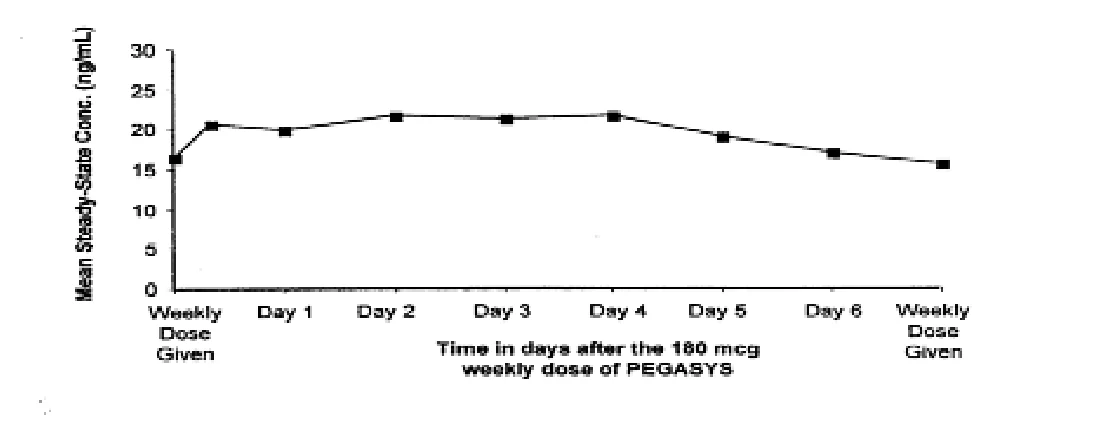
Steady state serum levels are reached within 5 to 8 weeks of once-weekly dosing. Once steady state has been achieved, there is no accumulation of peginterferon alfa-2a. The peak to trough ratio after 48 weeks of treatment is about 1.5 to 2.0. Peginterferon alfa-2a serum concentrations are sustained throughout the 1 week dosing interval (168 hours) [Table 5 and Figure 1].
Table 4 Pharmacokinetic parameters of PEGASYS after single and multiple dose of 180 mcg
PEGASYS Pharmacokinetic Parameter | Healthy Subjects 180 mcg sc (N=50) | CHC Patients 180 mcg sc (N=16) | ||||||||
Single Dose Mean±SD [Range] | Single Dose Mean±SD [Range] | Week 48 Dose Mean±SD [Range] | ||||||||
| Cmax (ng/mL) | 14±5 [6-26] | 15±4 [7-23] | 26±9 [10-40] | |||||||
| Tmax (h) | 92±27 [48-168] | 80±28 [23-119] | 45±36 [0-97] | |||||||
| AUC1-168h (ng∙h/mL) | 1725±586 [524-3013] | 1820±586 [846-2609] | 3334±994 [1265-4824] | |||||||
| Clearance/F (mL/h) | 94±56 [34-337] | 83±50 [33-186] | 60±25 [37-142] | |||||||
| Week 48 trough concentration (ng/mL) | Not applicable | Not applicable | 16±6 [4-28] | |||||||
| Peak to trough ratio for week 48 | Not applicable | Not applicable | 1.7±0.4 [1.1-2.5] | |||||||
Accumulation (AUCWeek 48/AUCSingle Dose) | Not applicable | Not applicable | 2.3±1.0 [1.1-4.0] | |||||||
Figure 1. Mean steady-state PEGASYS concentrations in patients with CHC
Special Populations and Conditions
Pediatrics (<18 years of age): The pharmacokinetics of PEGASYS have not been adequately studied in pediatric patients.
Geriatrics: In subjects older than 62 years, the AUC was modestly increased (1663 vs 1295 ng∙h/mL, older than 62 years vs younger, respectively), but peak concentrations (9.1 vs 10.3 ng/mL) were similar in the two age groups (see DOSAGE AND ADMINISTRATION).
Gender: The pharmacokinetics of PEGASYS after single subcutaneous injections were comparable between male and female healthy subjects.
Race: In a pharmacokinetic study in 40 CHC patients, no ethnicity-based differences in PEGASYS pharmacokinetic parameters were observed between Black (n=13) and Caucasian (n=15) patients or Hispanic (n=12) and Caucasian patients.
Hepatic Insufficiency: The pharmacokinetics of PEGASYS were similar between healthy subjects and patients with chronic hepatitis B or chronic hepatitis C. Comparable pharmacokinetic profiles were seen in cirrhotic patients with compensated liver disease and patients without cirrhosis.
Renal Insufficiency: Renal impairment is associated with decreased total apparent clearance and prolonged half-life. In subjects with a creatinine clearance between 0.33 and 0.67 mL/sec, the average total apparent clearance is reduced by approximately 30% compared with subjects with normal renal function following single doses of PEGASYS.
In subjects with end-stage renal disease undergoing hemodialysis, there is a 25% to 45% reduction in the clearance of peginterferon alfa-2a and doses of 135 mcg provide exposure similar to those observed in subjects with normal renal function receiving 180 mcg doses. Regardless of the starting dose or degree of renal impairment, patients should be monitored and appropriate dose reductions of PEGASYS during the course of therapy should be made in the event of adverse reactions (see WARNINGS AND PRECAUTIONS and DOSAGE AND ADMINISTRATION: Dose Adjustments).
Genetic Polymorphism: Different HCV genotypes display considerable clinical variability in their response to PEGASYS and COPEGUS. Viral genetic determinants associated with the variable response have not been definitively identified.
STORAGE AND STABILITY
Stability and Storage Recommendations:
Store in refrigerator at 2-8°C. Protect from light. Do not freeze or shake. Do not use PEGASYS (peginterferon alfa-2a) beyond the date of expiry.
Parenteral drug products such as PEGASYS should be inspected visually for particulate matter and discolouration before administration. Do not use PEGASYS if it contains particulate matter or it appears discoloured.
SPECIAL HANDLING INSTRUCTIONS
PEGASYS (peginterferon alfa-2a)
Disposal of syringes/sharps:
The following points should be strictly adhered to regarding the use and disposal of syringes and other medicinal sharps:
- Needles and syringes should never be reused.
- Place all used needles, autoinjectors and syringes into a sharps container (puncture-proof disposable container).
- Keep this container out of the reach of children.
- Placing used sharps containers in the household waste should be avoided.
- Dispose of the full container according to local requirements or as instructed by your healthcare provider
For home use, a puncture resistant container for the disposal of used syringes, autoinjectors and needles should be supplied to the patients.
Disposal of unused/expired medicines:
The release of pharmaceuticals in the environment should be minimized. Medicines should not be disposed of via wastewater and disposal through household waste should be avoided. Use established “collection systems” if available in your location.
DOSAGE FORMS, COMPOSITION AND PACKAGING
Dosage forms:
PEGASYS (peginterferon alfa-2a) is a sterile, ready-to-use solution for subcutaneous injection.
Composition:
PEGASYS Pre-filled Syringe: Each 0.5 mL contains 180 mcg of peginterferon alfa-2a (expressed as the amount of interferon alfa-2a), 4.0 mg sodium chloride, 0.025 mg polysorbate 80, 5.0 mg benzyl alcohol, 1.3085 mg sodium acetate trihydrate, 0.0231 mg acetic acid and water for injection, at pH 6 ± 0.2.
PEGASYS Vial: Each 1 mL vial contains 180 mcg of peginterferon alfa-2a (expressed as the amount of interferon alfa-2a), 8.0 mg sodium chloride, 0.05 mg polysorbate 80, 10.0 mg benzyl alcohol, 2.617 mg sodium acetate trihydrate, 0.0462 mg acetic acid and water for injection, at pH 6 ± 0.2.
PEGASYS ProClick® Autoinjector: Each 0.5 mL contains 180 mcg of peginterferon alfa-2a (expressed as the amount of interferon alfa-2a), 4.0 mg sodium chloride, 0.025 mg polysorbate 80, 5.0 mg benzyl alcohol, 1.3085 mg sodium acetate trihydrate, 0.0231 mg acetic acid and water for injection, at pH 6 ± 0.2.
The ready to use autoinjector includes a post-injection needle shield that was designed to help prevent needle-stick injuries and keeps the needle non-visible.
Packaging:
PEGASYS is supplied as 180 mcg/0.5 mL in single-use, graduated, clear glass pre-filled syringes in packages of 1 and 4.
PEGASYS is also supplied as 180 mcg/mL in single-use, clear glass vials in packages of 1 and 4.
PEGASYS ProClick® is supplied as 180 mcg/0.5 mL in single-use, disposable autoinjectors in packages of 1 and 4.
PART II: SCIENTIFIC INFORMATION
PHARMACEUTICAL INFORMATION
Drug Substance
| Proper Name | Peginterferon alfa-2a (INN) |
| Chemical Name | Bis-(N-monomethoxypolyethyleneglycol-urethanyl) lysyl interferon alfa-2a. |
| Molecular formula and molecular mass | Peginterferon alfa-2a is made by conjugating a single branched polyethylene glycol chain (PEG), of approximate molecular weight of 40,000 dalton, to interferon alfa-2a (20,000 dalton) via a stable amide bond. Interferon alfa-2a is a monomeric protein containing 165 amino acids with a molecular formula C860H1349N227O255S9. |
| Structural Formula | 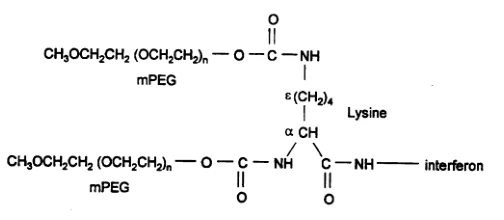 |
| Physicochemical properties: | Colourless to light yellow solution |
| Other Properties | - |
CLINICAL TRIALS
Chronic Hepatitis C Mono-infection
The safety and effectiveness of PEGASYS (peginterferon alfa-2a) for the treatment of hepatitis C mono-infection were assessed in three randomized, open label, active controlled clinical studies. All patients were adults and had compensated liver disease and detectable hepatitis C virus (HCV), and were previously untreated with interferon. All patients received therapy by sc injection for 48 weeks, and were followed for an additional 24 weeks to assess the durability of response. In studies 1 and 2, approximately 20% of subjects had cirrhosis or transition to cirrhosis. Study 3 was designed to enrol only patients with a histological diagnosis of cirrhosis or transition to cirrhosis.
Table 5 Summary of patient demographics for clinical trials for the treatment of Chronic
Hepatitis C
| Study # | Trial Design | Dosage, route of administration and duration | Number | Gender | Mean age (Range) | % HCV Genotype Type 1 | ||
|---|---|---|---|---|---|---|---|---|
| Study 1 | Randomized, open-label, parallel-group, multicenter | IFN 3 MIU, sc, three times a week for 48-wk trt period followed by 24 wks untreated follow-up; | 214 | Male/Female (131/83) | 42.8 years (20 - 69) | 64% | ||
| PEGASYS 135 mcg, sc, once each week for 48-wk trt period followed by 24 wks untreated follow-up; | 215 | Male/Female (157/58) | 41.5 years (18 – 72) | 64% | ||||
| PEGASYS 180 mcg, sc, once each week for 48-wk trt period followed by 24 wks untreated follow-up. | 210 | Male/Female (149/61) | 42.7 years (28 - 71) | 70% | ||||
| Study 2 | Randomized, open-label, parallel-group, multicenter | IFN 6 MIU, sc three times/week for 12 weeks followed by 3 MIU, sc, three times/week for 36 weeks for 48-wk trt period followed by 24 wks untreated follow-up; | 264 | Male/Female (176/88) | 41 years (21 – 70) | 61% | ||
| PEGASYS 180 mcg, sc, once each week for 48-wk trt period followed by 24 wks untreated follow-up. | 267 | Male/Female (178/89) | 40.6 years (19 – 72) | 63% | ||||
| Study 3 | Randomized, open-label, parallel-group, multicenter | IFN 3 MIU, sc, three times/week, for 48-wk trt period followed by 24 wks untreated follow-up; | 88 | Male/Female (62/26) | 46.9 years (28 - 76) | 53% | ||
| PEGASYS 90 mcg, sc, once each week for 48-wk trt period followed by 24 wks untreated follow-up; | 96 | Male/Female (71/25) | 47.2 years (28 - 76) | 61% | ||||
| PEGASYS 180 mcg, sc, once each week for 48-wk trt period followed by 24 wks untreated follow-up. | 87 | Male/Female (63/24) | 47.1 years (29-76) | 55% | ||||
In study 1, 639 patients were enrolled and received either interferon alfa-2a 3 MIU three times/week, PEGASYS 135 mcg once each week, or PEGASYS 180 mcg once each week. In study 2, 531 patients were enrolled and received either interferon alfa-2a 6 MIU three times/week for 12 weeks followed by 3 MIU three times/week for 36 weeks or PEGASYS 180 mcg once each week.
In study 3, 271 patients were enrolled and received interferon alfa-2a 3 MIU three times/week, PEGASYS 90 mcg once each week, or PEGASYS 180 mcg once each week.
Response to treatment was defined as undetectable HCV RNA and normalization of ALT on or after 20 weeks post-treatment. The virological and biochemical responses of the 180 mcg PEGASYS and comparator arms are summarized in Table 6.
Table 6 Rates of Response to Treatment*
| Study 1 | Study 2 | Pooled Data Studies 1 and 2 | Study 3 (with Cirrhosis) | |||||||||||||
| Interferon alfa-2a | PEGASYS | Interferon alfa-2a | PEGASYS | Interferon alfa-2a | PEGASYS | Interferon alfa-2a | PEGASYS | |||||||||
| 3 MIU (N=214) | 180 mcg (N=210) | 6 MIU/3 MIU (N=264) | 180 mcg (N=267) | 3 MIU or 6/3 MIU (N=505) | 180 mcg (N=477) | 3 MIU (N=88) | 180 mcg (N=87) | |||||||||
| Combined Sustained Responder (wk 72) | 23 (11%) | 55 (26%) p=0.001 | 46 (17%) | 101 (38%) p=0.001 | 69 (14%) | 156 (33%) p=-0.001 | 7 (8%) | 26 (30%) p=0.001 | ||||||||
| Biochemical Sustained Responder (wk 72) | 38 (18%) | 66 (31%) p=0.001 | 65 (25%) | 120 (45%) p=0.001 | 103 (22%) | 186 (39%) p=0.001 | 13 (15%) | 30 (34%) p=0.004 | ||||||||
| Virological Sustained Responder (wk 72) | 23 (11%) | 58 (28%) p=0.001 | 50 (19%) | 103 (39%) p=0.001 | 73 (15%) | 161 (34%) p=0.001 | 7 (8%) | 26 (30%) p=0.001 | ||||||||
| Genotype 1** | (N=138) 9 (7%) | (N=148) 32 (22%) | (N=161) 12 (7%) | (N=168) 47 (28%) | (N=299) 21 (7%) | (N=316) 79 (25%) | (N=47) 1 (2%) | (N=48) 6 (13%) | ||||||||
Genotype non-1** Genotype 2/3** | (N=74) 14 (19%) | (N=61) 25 (41%) | (N=101) 37 (37%) | (N=98) 55 (56%) | (N=175) 51 (29%) | (N=159) 80 (50%) | (N=40) 6 (15%) | (N=36) 19 (53%) | ||||||||
| Virological Response End of Treatment (wk 48) | 47 (22%) | 115 (55%) p=0.001 | 73 (28%) | 185 (69%) p=0.001 | 120 (25%) | 300 (63%) p=0.001 | 12 (14%) | 38 (44%) p=0.001 | ||||||||
*Virological response at any time point was defined as undetectable HCV RNA as measured by the Amplicor HCV MonitorJ, version 2 (limit of detection 100 copies/mL equivalent to 50 International Units/mL).
**Patients in the ITT population of unknown genotype are not included.
Note: p values assessed by Cochran-Mantel-Haenszel Test stratified by center.
Patients treated with 180 mcg PEGASYS had overall sustained virological responses of 30% in patients with cirrhosis or developing cirrhosis and 35% in patients without cirrhosis.
Matched pre- and post-treatment liver biopsies were obtained in approximately 70% of patients. Similar modest reductions in inflammation and fibrosis compared to baseline were observed in all treatment groups.
Of patients who did not demonstrate by 12 weeks of PEGASYS 180 mcg therapy, either undetectable HCV RNA or at least a 2-log10 drop in HCV RNA titer from baseline, 2% achieved a sustained virological response (see DOSAGE AND ADMINISTRATION). Of note, only 3% of patients treated with 180 mcg PEGASYS in clinical trials required premature withdrawal through 12 weeks of therapy because of adverse experiences.
The treatment response rates were similar in men and women and in non-Caucasians compared to Caucasians. However, the total number of non-Caucasian patients was too small to rule out substantial differences.
In all studies, most patients treated with PEGASYS have normalization or improvement of serum ALT during therapy. However, ALT may not normalize, even in patients in whom HCV RNA has become undetectable, until after PEGASYS treatment has been completed. Whether or not ALT normalizes, virological determination provides a more reliable means of determining the effectiveness of PEGASYS treatment.
Anti-Interferon Antibodies: Only 1% and 2% of patients treated with 180 mcg PEGASYS developed neutralizing anti-interferon antibodies in studies 1 and 2, respectively.
A phase III randomized, multicenter, placebo-controlled study (study 4) was conducted in chronic hepatitis C patients (N= 1121). Patients received treatment with the combination of peginterferon alfa-2a and ribavirin, the combination of interferon alfa-2b and ribavirin or peginterferon alfa-2a monotherapy. The safety profile observed was consistent with the expected effects of the individual compounds. There was no evidence that the co-administration of ribavirin influenced the pharmacokinetics of peginterferon alfa-2a.
Table 7 Summary of patient demographics for clinical trials for the treatment of Chronic
Hepatitis C mono-infection
| Study # | Trial Design | Dosage, route of administration and duration | Number | Gender | Mean age (Range) | % HCV Genotype 1 | |||
|---|---|---|---|---|---|---|---|---|---|
| Study 4 | Randomized, multicentre, partially blinded, active-controlled and placebo-controlled study. | PEGASYS 180 mcg sc once weekly with placebo, oral for 48 weeks of therapy followed by 24 weeks of treatment-free follow-up. | 224 | Male/Female (151/73) | 42.4 years (19 – 64) | 65% | |||
| PEGASYS 180 mcg sc once weekly with COPEGUS 1000 mg, oral (body weight <75 kg) or 1200 mg (body weight ≥ 75 kg) for 48 weeks of therapy followed by 24 weeks of treatment-free follow-up. | 453 | Male/Female (324/129) | 42.8 years (19 – 76) | 66% | |||||
| Interferon alfa-2b plus ribavirin (active control), oral for 48 weeks of therapy followed by 24 weeks of treatment-free follow-up. | 444 | Male/Female (325/119) | 42.3 years (20 – 71) | 64% | |||||
HIV-HCV Co-Infection
In the co-infection clinical trial, study 5, 859 HIV-HCV co-infected patients were randomized and treated with PEGASYS, PEGASYS RBV or interferon alfa-2a 3 MIU three times weekly and ribavirin 800 mg/day for 48 weeks followed by a 24 week treatment free follow-up. The sustained virologic responses for the three treatment groups are summarized for all patients and by genotype in Table 9.
Table 8 Summary of patient demographics for clinical trials in HCV-HIV co-infection
| Study # | Trial Design | Dosage, route of administration and duration | Number | Gender | Mean age (Range) | % HCV Genotype 1 |
|---|---|---|---|---|---|---|
| Study 5 | randomized, multicentre, partially blinded, active-controlled and placebo-controlled study and drug interaction nested trial between PEG-IFN alfa-2a and protease inhibitors. | PEGASYS 180 mcg/week and placebo for 8 weeks followed by a 24 week treatment free follow-up. | 286 | Male/Female (234/52) | 40.0 years (22 – 66) | 61% |
| PEGASYS 180 mcg/week and COPEGUS 800 mg/day for 48 weeks followed by a 24 week treatment free follow-up. | 288 | Male/Female (232/57) | 39.7 years (20 – 64) | 61% | ||
| Interferon alfa-2a 3 MIU three times weekly and ribavirin 800 mg/day for 48 weeks followed by a 24 week treatment free follow-up. | 285 | Male/Female (231/54) | 40.1 years (18 – 74) | 60% |
Table 9 Sustained Virologic Response in HIV-HCV Co-infected Patients
PEGASYS 180mcg + Placebo 48 weeks | PEGASYS 180mcg + COPEGUS 800 mg 48 weeks | Interferon alfa-2a 3MIU + COPEGUS 800 mg 48 weeks | |
| All patients | 20% (58/286)* | 40% (116/289)* | 12% (33/285)* |
| Genotype 1 | 14% (24/175) | 29% (51/176) | 7% (12/171) |
| Genotype 2/3 | 36% (32/90) | 62% (59/95) | 20% (18/89) |
* PEGASYS 180mcg COPEGUS 800mg vs. Interferon alfa-2a 3MIU COPEGUS 800mg: Odds Ratio (95% CI ) = 5.40 (3.42 to 8.54)
p-value (stratified Cochran-Mantel-Haenszel test) = < 0.0001
* PEGASYS 180mcg COPEGUS 800mg vs. PEGASYS 180mcg: Odds Ratio (95% CI ): 2.89 (1.93 to 4.32), p-value (stratified Cochran-Mantel-Haenszel test) = < 0.0001
* Interferon alfa-2a 3 MIU COPEGUS 800 mg vs. PEGASYS 180mcg: Odds Ratio (95% CI ): 0.53 (0.33 to 0.85), p-value (stratified Cochran-Mantel-Haenszel test) = < 0.0084
Predictability of Response
Patients who do not demonstrate an early virological response (defined as achieving undetectable levels of HCV RNA or at least a 99% reduction in viral titer from baseline by the end of 12 weeks of treatment) to PEGASYS monotherapy therapy are unlikely to achieve a SVR at week 72 with continuation of treatment. In co-infection clinical study 5, the negative predictive value that has been observed in HIV-HCV co-infected patients treated with PEGASYS was (100%). Positive predictive value of 33% and 41% were observed for genotype 1 and genotype 2/3 HIV-HCV co-infected patients receiving PEGASYS monotherapy, respectively.
Chronic Hepatitis B
Clinical studies have demonstrated that PEGASYS monotherapy is effective in the treatment of patients with chronic hepatitis B, both in patients who are HBeAg-positive and in patients who are HBeAg-negative/anti-HBe-positive.
All clinical trials recruited patients with chronic hepatitis B who had active viral replication measured by HBV DNA, elevated levels of ALT and a liver biopsy consistent with chronic hepatitis. Study 6 recruited patients who were positive for HBeAg, while study 7 recruited patients who were negative for HBeAg and positive for anti-HBe. In both studies the treatment duration was 48 weeks, with 24 weeks of treatment-free follow-up. Both studies compared PEGASYS plus placebo vs PEGASYS plus lamivudine vs lamivudine alone. No HBV-HIV co-infected patients were included in these clinical trials.
Table 10 Summary of patient demographics for clinical trials in CHB
| Study # | Trial Design | Dosage, route of administration and duration | Number | Gender | Mean age (Range) | |
|---|---|---|---|---|---|---|
Study 6 (HBeAg-positive CHB) | Multicenter, randomized, open-label lamivudine monotherapy and open-label PEGASYS, partially-blinded with respect to lamivudine or placebo in combination with PEGASYS. | PEGASYS 180 μg sc 1 qw + placebo, 48 weeks of treatment plus 24 weeks of untreated follow-up. | 271 | Male/Female (214/57) | 32.5 years (18 – 77) | |
| PEGASYS180 μg sc 1 qw + lamivudine 100 mg daily po, 48 weeks of treatment plus 24 weeks of untreated follow-up. | 271 | Male/Female (208/63) | 31.7 years (18 – 66) | |||
| Lamivudine 100 mg daily po., 48 weeks of treatment plus 24 weeks of untreated follow-up. | 272 | Male/Female (215/57) | 31.6 years (17 – 65) | |||
Study 7 (HBeAg-negative CHB) | Multicenter, randomized, open-label lamivudine monotherapy and open-label PEGASYS, partially-blinded with respect to lamivudine or placebo in combination with PEGASYS | PEGASYS 180 μg sc 1 qw + placebo , 48 weeks of treatment plus 24 weeks of untreated follow-up. | 177 | Male/Female (151/26) | 40.1 years (18 – 71) | |
| PEGASYS 180 μg sc 1 qw + lamivudine 100 mg po daily , 48 weeks of treatment plus 24 weeks of untreated follow-up. | 179 | Male/Female (147/32) | 40.5 years (18 – 70) | |||
| Lamivudine 100 mg daily po., 48 weeks of treatment plus 24 weeks of untreated follow-up. | 180 | Male/Female (156/25) | 39.8 years (18 – 66) | |||
Response rates at the end of follow-up for the two studies are presented in Table 11. HBV DNA was measured by the COBAS AMPLICOR HBV MONITOR Assay (limit of detection 200 copies/mL).
Table 11 Serological, Virological and Biochemical Responses in Chronic Hepatitis B
| HBeAg positive Study 6 | HBeAg negative / anti-HBe positive Study 7 | |||||
| Pegasys 180 mcg & Placebo | Pegasys 180 mcg & Lamivudine 100 mg | Lamivudine 100 mg | Pegasys 180 mcg & Placebo | Pegasys 180 mcg & Lamivudine 100 mg | Lamivudine 100 mg | |
| (N=271) | (N=271) | (N=272) | (N=177) | (N=179) | (N=181) | |
| HBeAg Sero-conversion | 32% 1 | 27% | 19% | N/A | N/A | N/A |
| HBV DNA* | 32% 2 | 34% | 22% | 43%5 | 44% | 29% |
| ALT Normal-ization | 41% 3 | 39% | 28% | 59%6 | 60% | 44% |
| HBsAg Sero-conversion | 3% 4 | 3% | 0% | 3% | 2% | 0% |
* For HBeAg-positive patients: HBV DNA < 105 copies/ml
For HBeAg-negative /anti-HBe-positive patients: HBV DNA < 2 x 10⁴ copies/ml
1 Odds Ratio (95% CI) vs lamivudine = 2.00 (1.34 – 2.97) p-value (stratified Cochran-Mantel-Haenszel test) < 0.001
2 Odds Ratio (95% CI) vs lamivudine = 1.64 (1.12 – 2.42) p-value (stratified Cochran-Mantel-Haenszel test) = 0.012
3 Odds Ratio (95% CI) vs lamivudine = 1.77 (1.23 – 2.54) p-value (stratified Cochran-Mantel-Haenszel test) = 0.002
4 Odds Ratio not definable p-value (stratified Cochran-Mantel-Haenszel test) = 0.004
5 Odds Ratio (95% CI) vs lamivudine = 1.84 (1.17 – 2.89) p-value (stratified Cochran-Mantel-Haenszel test) = 0.007
6 Odds Ratio (95% CI) vs lamivudine = 1.86 (1.22 – 2.85) p-value (stratified Cochran-Mantel-Haenszel test) = 0.004
The overall incidence of neutralizing anti-interferon antibodies was 7.6% and 4.5% for study 6 and study 7 respectively.
PEGASYS coadministered with Lamivudine did not result in any additional sustained response when compared to PEGASYS monotherapy.
DETAILED PHARMACOLOGY
PEGASYS (peginterferon alfa-2a)
Nonclinical Pharmacology
The preclinical studies have demonstrated that peginterferon alfa-2a (PEG-IFN) retains the ability to bind to the alpha interferon receptor, to activate interferon-induced signaling pathways, and to stimulate the expression of a known interferon-inducible human gene in vitro. PEG-IFN has also been shown to retain antiviral and antiproliferative properties typical of an alpha interferon. These in vitro data support the hypothesis that the biological activity of interferon alfa-2a (IFN) is retained following the pegylation process and is mediated by the IFN portion of the PEG-IFN molecule, acting via a classical alpha interferon pathway.
The in vivo studies demonstrate that PEG-IFN retains biological activity as shown by induction of 2,5-OAS activity in the monkey and by reduction of tumor xenograft growth and regression in the mouse. The comparison of once weekly administration of PEG-IFN with three times weekly administration of IFN in the mouse model demonstrates that the in vivo biological activity of PEG-IFN is enhanced compared with IFN.
Safety pharmacology studies were conducted to evaluate the effects of PEG-IFN on the cardiovascular, respiratory, renal, gastrointestinal and central nervous systems. Decreases in urine volume accompanied by decreases in urinary potassium levels were noted after sc administration of PEG-IFN to saline-loaded rats. In cynomolgus monkeys a slight tachycardia was observed following iv administration of PEG-IFN.
Studies designed to investigate the apparent neutropenia observed in clinical studies following PEG-IFN administration, and to show the effect of administration of G-CSF (filgrastim) on neutrophil counts, were conducted in female mice. Due to the species specificity of IFN, a pegylated form of hybrid human IFN (PEG-IFNαA/D), which is active on murine cells was used.
Treatment of female mice with PEG-IFNαA/D resulted in lymphopenia in the peripheral blood and to a lesser extent in the bone marrow. In addition, neutropenia, reticulocytopenia and thrombocytopenia were observed in the peripheral blood. Treatment with filgrastim on days 2 and 3 ameliorated the neutropenia caused by a single dose of PEG-IFNαA/D.
TOXICOLOGY
PEGASYS (Peginterferon alfa-2a)
The preclinical toxicology data demonstrate that the modification of the interferon alfa-2a (IFN) molecule by pegylation (PEG-IFN) does not induce additional or unexpected toxicity beyond that previously observed with interferons. The following were the main findings:
A 4-week toxicity study was performed in cynomologus monkeys using twice weekly sc dosing to give dose levels of 30, 375, and 1125 mcg/kg/week. Only mild effects were observed and these were limited to transient clinical pathology changes at the mid and high doses. Toxicological findings were limited to the following: slight transient hematological changes (i.e., decreased platelet and WBC counts) and slight transient clinical chemistry changes, including decreases in protein, calcium, and, in a few animals, elevated ALT and/or AST (1.4 to 2.3 times baseline) values. In a 13-week study of similar design, comparable results for the decreases in platelets, WBC and protein were seen at all three dose levels (30, 100 and 300 mcg/kg/week).
The toxicity profile of PEG-IFN was further characterized in a 4-week daily dose study employing sc doses of 15, 100, and 600 mcg/kg/day. Changes similar to those described above but with more pronounced effects were observed. In one female monkey receiving 600 mcg/kg/day, pronounced adverse effects, clinical signs, and clinical pathology changes (regenerative anemia, leukopenia, thrombocytopenia, and increases in liver function chemistry) were seen that required dosing to be discontinued. Upon resumption of dosing, these effects did not reappear. No histopathologic findings occurred in any multiple-dose toxicity study.
PEG-IFN is less immunogenic than IFN in mice. PEG-IFN and IFN were comparably immunogenic in monkeys. As a consequence of an immunogenic response to PEG-IFN by monkeys, which results in a marked reduction in serum exposure to PEG-IFN, a resolution of adverse effects was observed during the treatment period in all multiple-dose studies. The immunogenic response of monkeys to PEG-IFN was expected, as human interferons are known to be immunogenic in other animal species. Effects of treatment beyond 4 weeks could not be accurately assessed in the animal models as a result of their immunogenic response.
Despite the marked reduction in serum exposure with time, the exposure in animals (AUC, Cmax) remained considerably higher than that seen in patients.
During all toxicity studies, a mild subcutaneous inflammatory reaction occurred at the injection sites of both PEG-IFN and placebo-control animals. No histopathological findings are observed in any of the multiple-dose toxicity studies, with the exception of subcutaneous inflammation at the injection sites.
Carcinogenesis: Peginterferon alfa-2a has not been tested for its carcinogenic potential.
Mutagenesis: Peginterferon alfa-2a was neither mutagenic nor clastogenic when tested in the Ames bacterial mutagenicity assay and in the in vitro chromosomal aberration assay in human lymphocytes, either in the presence or absence of metabolic activation.
Impairment of Fertility: As with other alpha interferons, prolongation of the menstrual cycle accompanied by both a decrease and delay in the peak of 17ß-estradiol and progesterone levels have been observed following administration of peginterferon alfa-2a to female cynomolgus monkeys. A return to normal menstrual rhythm followed discontinuation of treatment. Similar effects in the monkey have previously been associated with the occurrence of spontaneous abortions in addition to impaired female fertility. Peginterferon alfa-2a has not been studied for its effect on male fertility. However, treatment with interferon alfa-2a did not affect fertility of male rhesus monkeys treated for 5 months at doses up to 25 x 106 IU/kg/day.
The toxicology studies performed with PEG-IFN are summarized in the tables provided on the following pages.
Table 12 Summary of Acute (Single-Dose) Toxicity Studies
| Title | Species/ Strain | No./ Sex/ Dose | Dose (μg/kg) | Duration of Observations/ Route of Administration | Maximum Non-Lethal Dose | Target Organs/ Systems of Toxicity |
| Acute Study | Monkeys/ Cynomolgus | One | 6750 | 14 days after final dosing Subcutaneous | > 6750 μg/kg (technical limit dose) | Clinical signs: piloerection in the male and unsteady gait in the female. Clinical Pathology: transient mild anemia and decrease in WBC. Elevated ALT and decrease in protein and albumin. Mild subcutaneous hemorrhage at one injection site |
| Acute Study | Monkeys/ Cynomolgus | One | 0, 15, 70, 300 | 14 days after final dosing Intravenous | > 300 μg/kg | Adverse effects were limited to bruising at the injection sites and transient elevation of AST in one monkey at the high dose |
Table 13 Summary of Multiple-Dose Toxicity and Toxicokinetic Studies in Monkeys: 4-Week Twice Weekly Subcutaneous Dosing Study
| Species/ Strain & No. Animals | Dose (μg/kg dose) | Day Sampled | Dose sampled | Mean [Serum] (ng/mL) | Mean Cmax ±SD (ng/mL) | Mean AUC0-72h (ng∙h/mL) | Treatment-Related Effects | Neutralizing Antibody Titerb |
Monkeys Cynomolgus 3/sex/group | 15 | 1 | 1 | 98 ±21 | 6000 | No toxicity was observed. Total antibodies to IFN were present in 1 female on day 15 and in all monkeys at the end of the study. | Median: 22.5 Range: 17.5-400 | |
| 15 | 4a | 46 | ||||||
| 26 | 8 | 184 ±320 | 9770 | |||||
| 187.5 | 1 | 1 | 2050 ±263 | 130000 | After 2 weeks of treatment, transient changes included: ↓mean protein (albumin, globulin fractions) and calcium level compared to pre-study. ↑ ALT in 2 males and AST in 1 male. No histopathologic findings were noted. Total antibodies to IFN were present in 1 male and 2 females on day 15 and in all monkeys at the end of the study. | Median: 60 Range: 30-400 | ||
| 5 | 4a | 1818 | ||||||
| 26 | 8 | 203 ±178 | 13200 | |||||
| 562.5 | 1 | 1 | 6565 ±1403 | 392000 | Transient changes noted included: ↓ mean platelets prior to doses 3 and 5 in 1 male and 1 female; ↓ in WBC and neutrophil prior to dose 3; ↓mean protein and calcium prior to dose 5; ↑ ALT and AST in 1 male and 1 female, and ↑ absolute and relative liver and spleen weights. No histopathologic findings were noted. Total antibodies to IFN were present in all monkeys on day 15 and at the end of the study. | Median: 280 Range: 60-560 | ||
| 15 | 4a | 113 | ||||||
| 26 | 8 | 328 ±169 | 22400 | |||||
a Samples 72 hours after dose 4 only.
b Samples 72 hours after last dose (dose 8). Neutralizing antibody titer is the reciprocal of the last dilution of serum that reduces the effective concentration of IFN alfa-2a from 10 U/mL to 1 U/mL.
Table 14 Summary of Multiple-Dose Toxicity and Toxicokinetic Studies in Monkeys: 4-Week Daily Subcutaneous Study with 4-Week Recovery Period
| Species/ Strain No. Animals | Dose (μg/kg/ day) | Dose sampled (day) | Meana [Serum] (ng/mL) | Meanb Cmax (ng/mL) | Meanb AUC0-24h (ng∙h/mL) | Treatment-Related Effects | Total Antibody Titer (IFN binding Units/mL) | Neutralizing Antibody Titerb |
Monkeys Cynomolgus 5/sex/ group | 15 | 1 2 4 8 9 11 16 18 23 25 29c | 133 419 1072 948 270 331 50 46 70 | 133 - - 1070 | 1970 - - 23700 | Transient changes that peaked at days 8 and/or 15 included: ↓ mean platelets that were significant only in males; ↓ WBC (neutrophils ); ↓ reticulocytes. ↑ APTT in some males and females. No histopathologic findings were noted. | Day 16 (Treatment) 1 of 10 monkeys = 1110 Day 29 (Treatment)c Median: 1632 Range: 0 - 8196 Day 16 (Recovery) Median: 795 Range: 580 - 2391 Day 29 (Recovery) Median: 753 Range: 0 - 1125 | Day 16 (Recovery) Median: 298 Range: 75 to 520 Day 29 (Recovery) Median: 210 Range: 130 to 480 |
| 100 | 1 2 4 8 9 11 16 18 23 25 29c | 1250 4776 8280 8693 778 390 251 169 199 | 1250 - - 9240 | 18800 - - 209000 | Transient changes that peaked at days 8 and/or 15 included: ↓ mean platelets that were significant only in males; ↓ WBC (neutrophils); ↓ reticulocytes; ↓ fibrinogen in males. ↑ APTT in some males and females. ↓ total protein. No histopathologic findings were noted. | Day 16 (Treatment) Median: 573 Range: 0 - 2228 Day 29 (Treatment)c Median: 3880 Range: 0 - 20475 Day 16 (Recovery) Median: 2657 Range: 608 - 4050 Day 29 (Recovery) Median: 2069 Range: 0 - 3833 | Day 16 (Recovery) Median: 800 Range: 640 to 960 Day 29 (Recovery) Median: 1880 Range: 1200 to 2560 | |
| 600 | 1 2 4 8 9 11 16 18 23 25 29c | 6674 21445 48270 37113 684 365 329 631 572 | 6670 48900 | 102000 1120000 | Transient changes that peaked at days 8 and/or 15 included: ↓ mean platelets that was significant only in males; ↓ WBC (neutrophils); ↓ reticulocytes; ↓ fibrinogen in males; significant ↑ APTT. There was ↑ RDW on days 22 and at end of treatment period. At most time points minimal ↓ HCT, HGB, and RBC were seen in males. ↓ total protein. ↓ calcium and BUN in females. No histo-pathologic findings were noted. | Day 16 (Treatment) Median: 3678 Range: 0 – 9736 Day 29 (Treatment)c Median: 14031 Range: 486-54694 Day 16 (Recovery) Median: 9397 Range: 2601-18225 Day 29 (Recovery) Median: 5931 Range: 1145-11328 | Day 16 (Recovery) Median: 1840 Range: 400-4267 Day 29 (Recovery) Median: 880 Range: 760 to 8320 | |
a Mean serum concentrations from samples obtained on specified days, prior to dosing. b Cmax and AUC0-24hr were calculated for sample days 1 and 8 of the treatment period. c Sampled 24 hours after the last dose (dose 28). d The neutralizing antibody titer is the reciprocal of the last dilution of serum that reduces the effective concentration of IFN alfa-2a from 20 units/mL to 1 unit/mL. | ||||||||
Table 15 Summary of Multiple-Dose Toxicity and Toxicokinetic Studies in Monkeys: 13-Week Twice Weekly Subcutaneous Study with 4-Week Recovery Period
| Species/ Strain & No. Animals | Dose (μg/kg/dose) | Day Sampled | Dose sampled | Mean Cmax (ng/mL) | Mean AUC0-96h (ng∙h/mL) | Treatment-Related Effects | Day Sampled | Median Total Antibody Titera (IBU/mL) | Median Neutralizing Antibody Titera,b |
Monkeys Cynomolgus 5/sex/ group | 15 | 0 - 14 - 28 - 56 - 84 | 1 - 5 - 9 - 17 - 25 | 161 110 86 196 426 | 11837 3679 7642 15182 36947 | Slight transient ↓ leukocytes, neutrophils, total protein & albumin. Slight hemorrhage and inflammation at injection sites | 33 - 61 - 92 - 103 - 117 | 543 (154-972) 391 (0-783) 428 (0-823) 426 (225-528) 202 (144-323) | 80 (40-320) 800 (0-800) 1600 (0-6400) 2400 (1600-3200) 6400 (1600-12800) |
| 50 | 0 - 14 - 28 - 56 - 84 | 1 - 5 - 9 - 17 - 25 | 515 425 114 455 819 | 40643 23508 9819 36135 69168 | Slight transient ↓ platelets, leucocytes, neutrophils, total protein & albumin. Slight transient ↑fibrinogen. Slight hemorrhage and inflammation at injection sites | 33 - 61 - 92 - 103 - 117 | 814 (367-1350) 692 (204-1070) 740 (223-1330) 535 (187-1270) 245 (0-980) | 200 (80-800) 1600 (400-12800) 2400 (1600-12800) 6400 (3200-12800) 9600 (1600-12800) | |
| 150 | 0 - 14 - 28 - 56 - 84 | 1 - 5 - 9 - 17 - 25 | 1445 423 228 1284 2545 | 117626 36424 17798 104849 226566 | Slight transient ↓ platelets, leukocytes, neutrophils, prothrombin time, total protein & albumin. Slight transient ↑ APTT & fibrinogen. Slight transient ↑ ALT (2 animals), Slight hemorrhage and inflammation at injection sites | 33 - 61 - 92 - 103 - 117 | 959 (702-1130) 919 (663-1270) 1270 (982-5010) 1010 664 (358-812) | 180 (0-3200) 2400 (100-12800) 8000 (200-12800) 6400 (1600-12800) 12800 (3200-12800) | |
| a Range of observed values appears in brackets b The neutralizing antibody titers are reported as the reciprocal of the last dilution of antiserum that neutralizes IFN alfa-2a from 10 lab units/mL to 1 lab unit/mL. | |||||||||
Table 16 Summary of Pilot Study on the Effects of PEG-IFN on Sex Steroid Hormones in Female Monkeys
| Species/ Strain No. of Animal | Dose (μg/kg/dose) Regimen | Duration/ Route of Administration | Treatment-Related Effects |
| Cynomolgus Monkeys 2 females/ group | 100, 300, 600 3 times/week Roferon-A (positive control): 25 MIU/kg, daily | Subcutaneous administration over 1 menstrual cycle or maximum of 6 weeks Roferon-A (positive control): intramuscular | Low Dose: no adverse effects |
| Mid Dose: prolonged menstrual cycle (1 of 2), with delayed peak of 17β-estradiol and progesterone levels. | |||
| High Dose: menstruation not observed (amenorrhea) in one of 2 females, with delayed peak of 17β-estradiol and progesterone levels. Interferon alfa-2a: prolonged menstrual cycle (2 of 2), with delayed peak of 17β-estradiol and progesterone levels. |
Table 17 Summary of Study on the Effects of PEG-IFN on Sex Steroid Hormones in Female Monkeys with a Recovery Period
| Species/ Strain & No. Animals | Dose (μg/kg/ dose) | Duration/ Route/ Regimen | Dose sampled | Mean Cmax ±SD (ng/mL) | Mean AUC0-48h±SD (ng∙h/mL) | Median Neutralizing Antibody Titerb | Treatment-Related Effects | |
Monkeys Cynomolgus 5 females/ group | Interferon alfa-2a: 25 MIU/kg/day | Daily IM administered over 1 menstrual cycle or maximum of 6 weeks. Recovery period of 1 menstrual cycle. | 96 hr after last dose: Median: 2000 Range: 1000-32000 20 days after last dose: Median: 4000 Range: 1000-32000 | Prolonged menstrual cycle (4 of 5 monkeys), with a decrease and a delay in the peak of 17β-estratidiol and progesterone levels. Changes were reversible. Mean cycle lengthc: Dosing period: 39.2 d Recovery period: 32.6 d | ||||
| 100 | 3 time/week SC administration over 1 menstrual cycle or maximum of 6 weeks. Recovery period of 1 menstrual cycle. | 1 4 7 Last Dose | 1650±284 3540±743 1410±3020 2000±2280 | 53400±13800 159000±30200 43000±91100 98600±104000a | 96 hr after last dose: Median: 1600 Range: 400-51200 20 days after last dose: Median: 3200 Range: 200-51200 | Prolonged menstrual cycle (2 of 5 monkeys), with a decrease and a delay in the peak of 17β- estradiol and progesterone levels. Changes were reversible. Mean cycle lengthc: Dosing period: 41.0 d Recovery period: 31.2 d | ||
| 600 | 3 time/ week SC administration over 1 menstrual cycle or maximum of 6 weeks. Recovery period of 1 menstrual cycle. | 1 4 7 Last Dose | 8870±2560 24400±7910 197±178 2050±1230 | 298000±79700 1060000±318000 5410±3190 138000±105000a | 96 hr after last dose: Median: 6400 Range: 3200-12800 20 days after last dose: Median: 12800 Range: 3200- 12800 | Prolonged menstrual cycle (5 of 5 monkeys), with a decrease and a delay in the peak of 17β- estradiol and progesterone levels. Changes were reversible. Mean cycle lengthc: Dosing period: 61.8 d Recovery period: 28.8 d | ||
| a Last dose values represent from mean AUC0-96 h. b The neutralizing antibody titers are reported as the reciprocal of the last dilution of antiserum that neutralizes IFN alfa-2a from 10 lab units/mL to 1 lab unit/mL. c Mean cycle length (Vehicle control): Dosing period:27.8 d; Recovery period:28.0 d | ||||||||
REFERENCES
- 1. Bonkovsky HL, Woolley JM. Reduction of health-related quality of life in chronic hepatitis C and improvement with interferon therapy. Hepatology. 1999;29:264-70
- 2. Canadian Liver Foundation. You’re better off knowing –Hep. B: A Liver Disease. Retrieved September 17, 2004 from http://www.liver.ca/english/docs/hep_B.pdf.
- 3. Charles SA, Harris JM, Pedder S, Kumar S. Improving hepatitis C therapy. Attaching a polyethylene glycol “tail” to interferon for better clinical properties. Modern Drug Discovery 2000:59-67
- 4. Cooksley E et al. Peginterferon alfa-2a (40 kDa): an advance in the treatment of hepatitis B e antigen-positive chronic hepatitis B. J Viral Hepatitis 2003;10:298-305
- 5. Doglio A. Second generation of the automated Cobas Amplicor HCV assay improves sensitivity of hepatitis C virus RNA detection and yields that are more clinically relevant. J Clin Microbiol 1999;37:1567-69
- 6. Fattovich G. A survey of adverse events in 11 241 patients with chronic viral hepatitis treated with alfa interferon. Journal of Hepatology 1996;24:38-47
- 7. Frye RF. Validation of the five drug “Pittsburgh cocktail” approach for assessment of selective regulation of drug-metabolizing enzymes. Clin Pharmacol Ther 1997;62:365-76
- 8. Heathcote EJ. Multinational evaluation of the efficacy and safety of once-weekly peginterferon alfa-2a (PEG-IFN) in patients with chronic hepatitis C (CHC) with compensated cirrhosis. Hepatology 1999;30(Suppl):316A
- 9. Heathcote EJ, Shiffman ML, Cooksley E. Peginterferon alfa-2a in patients with chronic hepatitis C and cirrhosis. N Eng J Med 2000;343(23):1673-724
- 10. Heathcote EJ. The pharmacokinetics of pegylated-40K interferon alfa-2a (PEG-IFN) in chronic hepatitis C (CHC) patients with cirrhosis. Gastroenterology 1999;116(Suppl);A735
- 11. Knodell RG, Ishak KG, Black WC, et al. Formulation and applications of numerical scoring system for assessing histological activity in asymptomatic chronic active hepatitis. Hepatology 1981;1:431-35
- 12. Lau G, et al. Peginterferon Alfa-2a, Lamivudine, and the Combination for HbeAg-Positive Chronic Hepatitis B. N Eng J Med 2005;352(26):2682-2695
- 13. Marcellin P, et al. Peginterferon alfa-2a Alone, Lamivudine Alone, and the Two in Combination in Patients with HBeAg-Negative Chronic Hepatitis B. N Eng J Med 2004;351(12):1206-1217
- 14. Mauss S, Valenti W, et al. Risk factors for hepatic decompensation in patients with HIV/HCV coinfection and liver cirrhosis during interferon-based therapy. AIDS 2004 (18) No.13 F21-25.
- 15. McHutchinson JG, et al. Interferon alfa-2b alone or in combination with ribavirin as initial treatment for chronic hepatitis C. N Engl J Med 1998;339:1485-92
- 16. Product Monograph. Roferon-A7 (Interferon alfa-2a, recombinant). Hoffmann-La Roche Limited. Date of Revision: January 8, 1999.
- 17. Peck-Radosavljevic M, Blunted thrombopoietin response to interferon alfa-induced thrombocytopenia during treatment for hepatitis C. Hepatology 1998;28(5):1424-29
- 18. Reddy R et al. Controlled-release, pegylation, liposomal formulations: new mechanisms in the delivery of injectable drugs. Annals of Pharmacotherapy 2000;24:948-23
- 19. Reddy KR et al. Efficacy and safety of pegylated (40-kd) interferon alfa-2a compared with interferon alfa-2a in noncirrhotic patients with chronic hepatitis C. Hepatology 2001;33:433-438
- 20. Sata M. Mechanisms of thrombocytopenia induced by interferon therapy for chronic hepatitis Br J Gastroenterology 1997;32:206-10
- 21. Sherman M, Bain V, Villeneuve JP, et al. Management of Viral Hepatitis: A Canadian Consensus Conference 2004. Available from: URL: www.hepatology.ca. Accessed August 16, 2004.
- 22. Stremlo D. Antiproliferative activity of pegylated interferon alpha (Ro 25-8310). Roche Research Report No. N-181539, February 2000
- 23. Torriani FJ, Rodriguez-Torres M, Rockstroh JK, et al. Peginterferon alfa-2a plus ribavirin for chronic hepatitis C virus infection in HIV infected patients. N Eng J Med 2004; 351 (5): 438-450.
- 24. Trepo C. Genotype and viral load as prognostic indicators in the treatment of hepatitis C. J Viral Hepatitis 2000;7(4):250-7
- 25. Trey C, Burns DG, Saunders SJ. Treatment of hepatic coma by exchange blood transfusion. N. Eng J Med. 274: 473-481, 1966.
- 26. Ware J. Health-related quality of life in chronic hepatitis C: impact of disease and treatment response. The Interventional Therapy Group. Hepatology 1999;30(2):550-5
- 27. Zeuzem S. Treatment of chronic hepatitis C virus infection in patients with cirrhosis. J Viral Hepatitis 2000;7(5):327-34
- 28. Zeuzem S. Feinman SV, Rasenack J et al. Peginterferon alfa-2a in patients with chronic hepatitis C. N Eng J Med 2000;343(23):1666-72
- 29. Zeuzem S. Quantification of the initial decline of serum hepatitis C virus RNA and response to interferon alfa. Hepatology 1998;27:1149-56
- 30. IM