


Product Monograph - Pentasa
Recent Major Label Changes
| 7 Warnings and Precautions | 2024-06 |
|---|---|
| 7 Warnings and Precautions, Renal | TBD |
Table of Contents
Certain sections or subsections that are not applicable at the time of the preparation of the most recent authorized product monograph are not listed.
Recent Major Label Changes ................................................................................................... 2
Table of Contents ................................................................................................................... 2
Part 1: Healthcare Professional Information ........................................................................... 5
- 1.
Indications ....................................................................................................................... 5
1.1. Pediatrics ....................................................................................................................... 5
1.2. Geriatrics ....................................................................................................................... 5
- 2. Contraindications ............................................................................................................ 5
- 4.
Dosage and Administration ............................................................................................. 6
4.2. Recommended Dose and Dosage Adjustment .............................................................. 6
4.4. Administration ............................................................................................................... 6
4.5. Missed Dose .................................................................................................................. 6
- 5. Overdose ......................................................................................................................... 6
- 6. Dosage Forms, Strengths, Composition and Packaging .................................................... 7
- 7.
Warnings and Precautions ............................................................................................... 8
General ................................................................................................................................. 8
Cardiovascular ...................................................................................................................... 8
Gastrointestinal .................................................................................................................... 8
Hematologic ......................................................................................................................... 9
Hepatic/Biliary/Pancreatic .................................................................................................... 9
Renal ................................................................................................................................... 9
Reproductive Health ............................................................................................................. 9
Fertility ............................................................................................................................ 9
Respiratory ......................................................................................................................... 10
Skin ................................................................................................................................. 10
7.1. Special Populations ..................................................................................................... 10
7.1.1. Pregnancy ...................................................................................................... 10
7.1.2. Breastfeeding ................................................................................................ 10
7.1.3. Pediatrics ....................................................................................................... 10
7.1.4. Geriatrics ....................................................................................................... 10
- 8.
Adverse Reactions ......................................................................................................... 11
8.1. Adverse Reaction Overview ......................................................................................... 11
8.2. Clinical Trial Adverse Reactions ................................................................................... 11
8.3. Less Common Clinical Trial Adverse Reactions ............................................................ 15
8.5. Post-Market Adverse Reactions .................................................................................. 17
- 9.
Drug Interactions ........................................................................................................... 17
9.2. Drug Interactions Overview ......................................................................................... 17
9.3. Drug-Behaviour Interactions ....................................................................................... 17
9.4. Drug-Drug Interactions ................................................................................................ 17
9.5. Drug-Food Interactions ............................................................................................... 18
9.6. Drug-Herb Interactions ................................................................................................ 18
9.7. Drug-Laboratory Test Interactions .............................................................................. 18
- 10.
Clinical Pharmacology ................................................................................................... 18
10.1. Mechanism of Action ............................................................................................... 18
10.2. Pharmacodynamics .................................................................................................. 19
10.3. Pharmacokinetics ..................................................................................................... 19
- 11. Storage, Stability, and Disposal ..................................................................................... 22
Part 2: Scientific Information ................................................................................................ 23
- 13. Pharmaceutical Information .......................................................................................... 23
- 14.
Clinical Trials ................................................................................................................. 24
14.1. Clinical Trials by Indication ....................................................................................... 24
Active Ulcerative Colitis and Ulcerative Colitis in Remission ......................................... 24
Crohn’s Disease ............................................................................................................. 26
Active Proctitis and Distal Ulcerative Colitis .................................................................. 27
14.2. Comparative Bioavailability Studies ......................................................................... 29
- 15. Microbiology ................................................................................................................. 30
- 16. Non-Clinical Toxicology ................................................................................................. 30
Patient Medication Information ........................................................................................... 31
Patient Medication Information ........................................................................................... 38
Patient Medication Information ........................................................................................... 47
Part 1: Healthcare Professional Information
1. Indications
PENTASA (mesalazine) extended-release tablets are indicated for:
- Treatment of mild to moderate active ulcerative colitis and for long-term maintenance therapy in order to maintain remission and prevent relapse of active disease.
- Management of mild to moderate Crohn’s Disease and maintenance of Crohn’s Disease in remission induced by surgery or medication
PENTASA (mesalazine) rectal suspension is indicated for:
- Treatment of acute distal ulcerative colitis extending to the splenic flexure and for long-term maintenance therapy in order to maintain remission and prevent relapse of active disease. Clinical experience has shown that topical PENTASA (i.e. enemas/suppositories) is superior to oral PENTASA (i.e. tablets) with regard to therapeutic efficacy in distal ulcerative colitis (Table 3 - Clinical experience from pivotal trials).
PENTASA (mesalazine) suppositories are indicated for:
- Treatment of acute ulcerative proctitis and for long-term maintenance therapy in order to maintain remission and prevent relapse of active disease.
1.1. Pediatrics
Pediatrics (<18 years of age): No data are available to Health Canada; therefore, Health Canada has not authorized an indication for pediatric use.
1.2. Geriatrics
Geriatrics (≥65 years of age): No data are available to Health Canada; therefore, Health Canada has not authorized an indication for geriatric use.
2. Contraindications
PENTASA is contraindicated in:
- Patients with existing gastric or duodenal ulcer;
- Patients with urinary tract obstruction, renal parenchymal disease or severe renal impairment. Very rarely, mesalazine may induce nephrotoxicity which would be additive in these patients. Renal function should be determined prior to beginning therapy (e.g. serum creatinine), and the benefits of therapy versus the increased risk of nephrotoxicity carefully assessed. See 7 Warnings and Precautions.
- PENTASA is contraindicated in patients who are hypersensitive to any salicylates (including mesalamine/mesalazine) or to any ingredient in the formulation, including any non-medicinal ingredient, or component of the container. For a complete listing, see 6 Dosage Forms, Strengths, Composition and Packaging.
- Patients with severe hepatic impairment. See 7 Warnings and Precautions.
- Infants under 2 years of age.
4. Dosage and Administration
4.2. Recommended Dose and Dosage Adjustment
Extended-release tablets (500 mg and 1g): Management of mild to moderate active ulcerative colitis and maintenance therapy: Therapy should be initiated at 0.5 g four times daily (2 g daily dose). The dose may be increased to 1 g four times daily (4 g daily dose) if additional therapeutic benefit is needed.
Management of mild to moderate Crohn’s disease: The optimal dose is 1 g four times daily (4 g daily dose). For patients with Crohn’s Disease in remission, a dose of 3 g daily in divided doses is recommended.
- Rectal suspension: The recommended dose ranges from 1 g to 4 g of mesalazine, depending on disease activity. PENTASA may be self-administered once daily at bedtime. Dosage may be adjusted according to the individual patient's needs consistent with therapeutic goals. Prolonged retention is expected to achieve the best therapeutic response.
- Suppositories: The usual dose of PENTASA suppositories is one suppository containing 1 g of mesalazine, self-administered once daily at bedtime. Prolonged retention is expected to achieve the best therapeutic response. The frequency of dosage may be adjusted according to the individual patient's needs consistent with therapeutic goals.
4.4. Administration
- PENTASA extended-release tablets should not be chewed, broken or crushed but should be swallowed whole.
- PENTASA extended-release tablets should be taken with meals.
4.5. Missed Dose
- Extended-release tablets (500 mg and 1g): If you forget to take your tablets, then take them as usual the next day. Do not take a double dose to make up for a forgotten tablet.
- Rectal suspension: If you forget to take your dose before bedtime, take the medication as soon as you remember IF you will be able to retain the enema. If this is not possible administer the next bedtime dose, the next evening.
- Suppositories: If you forget to take your dose before bedtime, take the medication as soon as you remember IF you will be able to retain the suppository. If this is not possible administer the next bedtime dose, the next evening.
5. Overdose
There is no clinical experience with PENTASA overdosage. Single oral doses of mesalazine up to 5 g/kg in pigs and a single intravenous dose of mesalazine at 920 mg/kg in rats were not lethal.
Since PENTASA is an amino salicylate, symptoms of salicylate toxicity such as acid-base balance disorder, hyperventilation, pulmonary edema, vomiting, dehydration and hypoglycaemia may occur.
There is no specific antidote and the management of overdose is supportive and symptomatic. In cases of suspected overdose, symptomatic treatment at hospital is required. Fluid and electrolyte, as well as acid/base imbalances, should be corrected by the administration of appropriate intravenous therapy. Close monitoring of renal function is required in order to maintain adequate renal function. No cases of overdose have been reported.
For the most recent information in the management of a suspected drug overdose, contact your regional poison control centre or Health Canada’s toll-free number, 1-844 POISON-X (1-844-764-7669).
6. Dosage Forms, Strengths, Composition and Packaging
Table 1 – Dosage Forms, Strengths, and Composition
Note: All Pentasa products are Phthalate Free.
Description
Extended-release Tablets:
- PENTASA tablets do not contain gluten, phthalates, or lactose.
- PENTASA 500 mg Extended Release Tablets are round, white-grey to pale brown speckled tablets with a scoreline on one side and embossed “500 mg” on one side and “PENTASA” on the other. They are available in unit dose blister strips of 10 tablets, in packages of 10 strips.
- PENTASA 1g Extended Release Tablets are oblong, white-grey to pale brown speckled tablets embossed PENTASA on both sides. They are available in unit dose blister strips of 10 tablets, in packages of 6 strips.
Rectal Suspension:
- Each carton contains 7 enemas together with 7 hygienic bags.
- PENTASA rectal suspension is supplied in a low density polyethylene (LDPE) bottle.
Suppositories:
- Suppositories are packaged in blister cards of 7 suppositories per card. Each carton contains 4 cards of 7 suppositories for a total of 28 suppositories.
- PENTASA suppositories are sealed in aluminium blisters made of double aluminium push through foils.
| Route of Administration | Dosage Form / Strength/Composition | Non-medicinal Ingredients |
| Oral | Tablet/ 500 mg, 1 g | Ethylcellulose, magnesium stearate, Microcrystalline cellulose, povidone and talc. |
| Rectal | Suspension(enema)/ 1 g and 4 g/100 mL | Purified water, sodium acetate, sodium edetate, sodium metabisulfite, with hydrochloric acid to adjust the pH to 4.8. |
| Rectal | Suppository/ 1 g | Magnesium stearate, polyethylene glycol, povidone, talc |
7. Warnings and Precautions
General
Some patients who have experienced a hypersensitivity reaction to sulfasalazine may have a similar reaction to PENTASA or other compounds that contain or are converted to mesalazine. Therefore, caution should be exercised when treating patients allergic to sulfasalazine due to the potential risk of cross sensitivity reactions between sulfasalazine and mesalazine.
Hypersensitivity reactions include:
- Severe cutaneous adverse reactions (SCARs), including Drug reaction with eosinophilia and systemic symptoms (DRESS), Stevens-Johnson syndrome (SJS) and toxic epidermal necrolysis (TEN) (see 7 Warnings and Precautions – Skin).
- Mesalazine has been associated with an acute intolerance syndrome that may be difficult to distinguish from a flare of inflammatory bowel disease. Although the exact frequency of occurrence has not been determined, it has occurred in 3% of patients in controlled clinical trials of mesalazine or sulfasalazine. Symptoms include abdominal cramping, acute abdominal pain and bloody diarrhea, sometimes fever, severe headache and rash. If acute intolerance syndrome is suspected, prompt withdrawal is required.
In patients with mild to moderate renal impairment, mesalazine products should be used only if the benefits outweigh the risks. Therefore, caution should be exercised, and it is recommended that all patients have an evaluation of renal function prior to initiation of therapy, and periodically while on treatment. (see 7 Warnings and Precautions – Renal).
In patients with mild to moderate impaired liver function, mesalazine products should be used only if the expected benefits outweigh the risks to the patient. Caution should be exercised. (see 7 Warnings and Precautions – Hepatic/Biliary/Pancreatic).
PENTASA extended-release tablets should not be chewed, broken or crushed but should be swallowed whole.
Cardiovascular
Mesalazine induced cardiac hypersensitivity reactions (myocarditis and pericarditis) have been reported rarely with mesalazine and other mesalazine-containing preparations. Caution should be taken in prescribing this medication to patients with conditions predisposing to the development of myocarditis or pericarditis.
Gastrointestinal
Organic or functional obstruction in the upper gastrointestinal tract may delay onset of action of the product.
Mesalazine has also been associated with an acute intolerance syndrome, which may be difficult to distinguish from a flare of inflammatory bowel disease (see 7 Warnings and Precautions).
Hematologic
Following mesalazine treatment, serious blood dyscrasias (including myelosuppression) have been reported rarely. The risk is further increased when mesalazine products are used concomitantly with 6-mercaptopurine or azathioprine (see 9.4 Drug-Drug Interactions). Blood test for differential blood count is recommended prior to and during treatment, at the discretion of the treating physician. If the patient develops unexplained bleeding, bruising, purpura, anaemia, fever or sore throat, haematological investigations should be performed. If there is suspicion of blood dyscrasia, mesalazine treatment should be discontinued.
Hepatic/Biliary/Pancreatic
There have been reports of hepatic failure and increased liver enzymes in patients with pre-existing liver disease when treated with mesalazine products. Therefore, mesalazine is contraindicated in patients with severe hepatic impairment (see 2 Contraindications). In patients with mild to moderate liver function impairment, caution should be exercised and mesalazine products should only be used if the expected benefit clearly outweighs the risks to the patients. Appropriate assessment and monitoring of liver function parameters like ALT or AST should be performed prior to and during treatment, at the discretion of the treating physician.
Renal
Reports of renal impairment, including minimal change nephropathy, and acute or chronic interstitial nephritis have been associated with mesalazine products and pro-drugs of mesalazine. Cases of nephrolithiasis have been reported with the use of mesalazine including stones with a 100% mesalazine content. It is recommended to ensure adequate fluid intake during treatment. Mesalazine is contraindicated in patients with severe renal impairment (see 2 Contraindications). In patients with mild to moderate renal dysfunction, caution should be exercised and mesalazine products should be used only if the benefits outweigh the risks. It is recommended that all patients have an evaluation of renal function (e.g. serum creatinine), prior to initiation of therapy and periodically while on treatment, especially during the initial phase of treatment. Mesalazine induced nephrotoxicity should be suspected in patients developing renal dysfunction during treatment. Mesalazine treatment should be discontinued immediately if renal function deteriorates. The concurrent use of other known nephrotoxic agents may increase the risk of renal reactions, thus requiring increased monitoring frequency of renal function.
Reproductive Health
Fertility
Semen abnormalities and infertility in men, which are associated with sulfasalazine, have not been reported with PENTASA during controlled clinical trials. Semen quality significantly may improve when patients are transferred from sulfasalazine to PENTASA.
Decreased sperm count and impaired sperm motility have been only rarely reported with mesalazine. This effect may be reversible when treatment is discontinued.
Respiratory
Patients with chronic lung function impairment, especially asthma, are at risk of hypersensitivity reactions with mesalazine products and should be closely monitored.
Skin
SCARs, including DRESS, SJS and TEN have been reported in association with mesalazine treatment. Mesalazine should be discontinued, at the first appearance of signs and symptoms of severe skin reactions, such as skin rash, mucosal lesions, or any other sign of hypersensitivity.
7.1. Special Populations
7.1.1. Pregnancy
There are no adequate and well controlled studies of mesalazine in pregnant women. Mesalazine is known to cross the placental barrier.
PENTASA should be used during pregnancy only if benefits outweigh the risks. The underlying condition itself (Inflammatory bowel disease/IBD) may increase risks for the pregnancy outcome.
Limited published human data on mesalazine show no increase in the overall rate of congenital malformations. Limited published data on the class of mesalamine products show an increased rate of preterm birth, stillbirth, and low birth weight. These adverse pregnancy outcomes are also associated with active inflammatory bowel disease.
Blood disorders (pancytopenia, leucopenia, thrombocytopenia, anemia) have been reported in new-borns of mothers being treated with PENTASA.
7.1.2. Breastfeeding
In nursing mothers, mesalazine is excreted in breast milk at concentration much lower than in maternal blood, but the metabolite N-acetyl-5-ASA appears in similar concentrations. Caution should be exercised, and PENTASA should be used in nursing mothers only if the benefits outweigh the risks. Hypersensitivity reactions like diarrhea in the infants cannot be excluded. No controlled studies with PENTASA during breast feeding have been carried out.
When Pentasa is used in nursing women, infants should be monitored for changes in stool consistency. If the infant develops diarrhea, breastfeeding should be discontinued. Cases of diarrhea in breastfed infants exposed to mesalazine have been reported.
7.1.3. Pediatrics
Pediatrics (<18 years of age): No data are available to Health Canada; therefore, Health Canada has not authorized an indication for pediatric use.
7.1.4. Geriatrics
Geriatrics (≥65 years of age): There are no clinical efficacy studies of mesalazine in geriatrics patients.
Results of a single-dose pharmacokinetic study indicate that following the administration of a mesalamine-containing product, the systemic exposure to mesalamine may be increased by up 2-fold in elderly subjects (> 65 year), as compared with younger adult subjects (18-35 years). Systemic exposures were inversely correlated with renal function. Therefore, dose selection for elderly patients should be cautious, usually starting at the low end of the dosing range, reflecting the greater frequency of decreased hepatic, renal, or cardiac function, and of concurrent disease or other drug therapy.
8. Adverse Reactions
8.1. Adverse Reaction Overview
The most frequent adverse reactions seen in clinical trials are diarrhoea, nausea, abdominal pain, headache, vomiting, and rash. Hypersensitivity reactions and drug fever may occasionally occur, and severe cutaneous adverse reactions, including Drug reaction with eosinophilia and systemic symptoms (DRESS) Stevens-Johnson Syndrome (SJS) and Toxic epidermal necrolysis (TEN), have been reported in association with mesalazine treatment.
8.2. Clinical Trial Adverse Reactions
Clinical trials are conducted under very specific conditions. Therefore, the frequencies of adverse reactions observed in the clinical trials may not reflect frequencies observed in clinical practice and should not be compared to frequencies reported in clinical trials of another drug.
The following adverse events (AEs) were reported in the CAMMP clinical study (Table 2) using the PENTASA extended release tablets in adult patients with mild to moderate ulcerative colitis. A total of 143 patients received PENTASA Extended-release tablets of which 93 patients received PENTASA 4g /day for 8-week (induction phase) and 70 went on to a 24-week maintenance phase at 2 g/day.
Table 2 - Adverse events, occurring in ≥ 2% of patients treated with PENTASA Extended-release tablets formulation (CAMMP Study 2011)
| System organ class/preferred term | Mesalazine n =143 (%) | Placebo n = 144 (%) |
|---|---|---|
| Patients with any adverse event | 52.4% | 45.1% |
| Nasopharyngitis | 8.4% | 4.2% |
| Headache | 7.7% | 9.0% |
| Nausea | 4.2% | 4.2% |
| Influenza | 3.5% | 3.5% |
| Gastroenteritis | 3.5% | 3.5% |
| Colitis ulcerative | 2.8% | 6.3% |
| Abdominal pain | 2.8% | 2.8% |
| Fatigue | 2.8% | 2.8% |
| Cough | 2.8% | 2.8% |
| Pyrexia | 2.1% | 2.1% |
| Flatulence | 2.1% | 2.1% |
| Back pain | 2.1% | 2.1% |
| Dizziness | 2.1% | 2.1% |
| Pharyngolaryngeal pain | 2.1% | 2.1% |
In this clinical trial, other AEs occurring in less than 2% of patients included rash & pruritus, dyspepsia, vomiting, diarrhoea, haemorrhoids, rectal haemorrhage, hepatic enzyme increased, myalgia/arthralgia, pain in extremity, otitis media, and pneumonia.
Table 3 - Frequency of adverse effects, based on other clinical trials reports with other PENTASA formulations, and from post-marketing surveillance data with all PENTASA formulations
| Frequency of adverse effect | Organ system affected | Symptom |
|---|---|---|
| Frequency of adverse effect | Organ system affected | Symptom |
| Frequency of adverse effect | Organ system affected | Symptom |
| Common (> 1% and < 10%) | General disorders and administration site conditions | Only with rectal formulations: Anal discomfort Irritation at the application site Pruritus (anal) Tenesmus (rectal) |
| Nervous system disorders | Headache Idiopathic intracranial hypertension Anxiety Hypoesthesia | |
| Cardiovascular System | Hypertension | |
| Gastro-intestinal disorders | Diarrhea Abdominal pain Nausea Vomiting Gastroenteritis viral Flatulence | |
Skin and subcutaneous tissue disorders/infections | Rash including urticaria, erythematous rash Exanthema Varicella | |
| Renal | Urinary Tract Infection | |
| Rare (> 0.01% and < 0.1%) | Nervous system disorders | Dizziness |
| Cardiac disorders | Myocarditis* Pericarditis* | |
| Gastro-intestinal disorders | Increased amylase Acute pancreatitis* | |
Skin and subcutaneous tissue disorders/infections | Photosensitivity** | |
| Very rare (< 0.01%) | General disorders and administration site conditions | Drug fever |
| Skin and subcutaneous tissue | Reversible alopecia Dermatitis allergic Erythema multiforme, and Stevens-Johnson Syndrome (SJS) Drug Reaction with Eosinophilia and Systemic Symptoms (DRESS) | |
| Hepato-biliary disorders | Increase in transaminases Cholestasis parameters (e.g. alkaline phosphatase, gamma-glutamyltransferase and bilirubin) | |
| Hepato-biliary disorders | Increase in transaminases Cholestasis parameters (e.g. alkaline phosphatase, gamma-glutamyltransferase and bilirubin) Hepatotoxicity (including hepatitis, cholestatic hepatitis*, cirrhosis, hepatic failure) | |
| Renal and urinary disorders | Nephropathy (renal function impairment, including interstitial nephritis*) Nephrotic syndrome Renal insufficiency Urine discoloration | |
| Reproductive system disorders | Oligospermia reversible | |
| Respiratory, thoracic and mediastinal disorders | Allergic and fibrotic lung reactions (including dyspnoea, coughing, bronchospasm, allergic alveolitis) Pulmonary eosinophilia Interstitial lung disease Pulmonary infiltration Pneumonitis /Bronchitis Pleurisy | |
| Musculo-skeletal, connective tissue and bone disorders | Myalgia Arthralgia Isolated reports of lupus-erythematosus-like syndrome (systemic lupus erythematosus) | |
| Blood and lymphatic system disorders | Altered blood counts (anaemia, aplastic anaemia, agranulocytosis, neutropenia, leukopenia, including granulocytopenia, pancytopenia, thrombocytopenia and eosinophilia as part of an allergic reaction). | |
| Nervous system disorders | Peripheral neuropathy | |
| Immune system disorders | Hypersensitivity reaction including anaphylactic reaction | |
| Gastro-intestinal disorders | Pancolitis |
* The mechanism of 5-ASA-induced myocarditis and pericarditis, pancreatitis, nephritis and hepatitis is unknown but may be of allergic origin. It is important to note that several of these disorders may also be attributable to the underlying inflammatory bowel disease itself.
** More severe reactions are reported in patients with pre-existing skin conditions such as atopic dermatitis and atopic eczema.
8.3. Less Common Clinical Trial Adverse Reactions
Cardiovascular:
Postural hypotension, tachycardia.
Dermatological:
Acne, alopecia, dry skin, eczema, erythema nodosum, erythematous rash, hirsutism, nail disorder, photosensitivity, pruritus, skin discoloration, sweating, Stevens-Johnson Syndrome (SJS), Toxic epidermal necrolysis (TEN).
Reversible alopecia has been reported in mesalazine-treated patients, as well as in placebo-treated patients, indicating that hair loss could be part of the underlying disease. Two cases of alopecia in patients on treatment with mesalazine at a dose of 4 g/day were confirmed by positive rechallenge. In one of the cases, the hair loss improved after dosage reduction to 2 g/day. However, the available data are insufficient to establish a dose relationship with mesalazine treatment generally.
Three cases of erythema nodosum have been reported in connection with PENTASA therapy. The causality was assessed as probable (1 case), possible (1 case) and not related (1 case) due to negative dechallenge. Erythema nodosum is a well-known extra-intestinal manifestation of inflammatory bowel disease.
Gastrointestinal:
Abdominal distension, anorexia, duodenal ulcer, eructation, esophageal ulcer, fecal incontinence, bloody stools or diarrhea, intestinal obstruction, melena, dysphagia, mouth ulcer, oral moniliasis, pancreatitis, rectal bleeding, rectal urgency, thirst.
Diarrhea is a commonly reported adverse event (about 3% frequency in clinical trials; somewhat less from spontaneous post-market surveillance reports), which is not dose-related. Diarrhea is also a symptom of the underlying disease and may indeed be indicative of inadequate dosage with PENTASA in some patients. Rarely mesalazine may exacerbate the inflammatory bowel disease itself.
It may be noted that melena has been reported as an adverse event rarely during mesalazine therapy, but it has not been definitely linked to treatment. Gastrointestinal bleeding has been assumed from observations of bloody diarrhea or stools. Again, blood in fecal matter may be a symptom of the underlying disease and has not been definitely linked to treatment.
Hematologic:
Agranulocytosis.
Immunological:
Anaphylactic reaction, Drug Reaction with Eosinophilia and Systemic Symptoms (DRESS).
Metabolic:
Alkaline phosphatase increase, amylase increase, C reactive protein increase, creatinine increase, GGTP increase, LDH increase, proteinuria, SGOT increase, SGPT increase, weight decrease, weight increase.
Rise in liver enzymes by 3 to 5 times the normal range may be expected in a small percentage of patients treated with PENTASA. This variable and transient occurrence is difficult to relate definitely to drug treatment due to the concomitant drug therapy usual with patients, and due to enzyme fluctuations caused by the disease itself. In many cases, the enzyme increases resolve without drug discontinuation or reduction. In most cases, enzyme abnormalities are reversed on discontinuation of therapy. Rarely, increase in liver enzymes is indicative of developing hepatitis.
Similarly, increases in serum amylase and lipase levels by 3 to 5 times the normal range may occur, and are usually reversible upon dosage reduction or discontinuation. Very rarely, patients develop pancreatitis.
Weight loss is an expected consequence of inflammatory bowel disease. Weight gain is usually indicative of a positive clinical response to PENTASA therapy.
Nervous System:
Anxiety, abnormal dreams, dizziness, insomnia, somnolence, paraesthesia.
Renal/genitourinary:
Albuminuria, urinary frequency, urinary infection, urination disorder, vaginitis, isolated cases of nephrotic syndrome and interstitial nephritis. Cases of nephrolithiasis have been reported, however frequency cannot be estimated from the available data (see 7 Warnings and Precautions – Renal).
Respiratory:
Dyspnea, increased coughing, pharyngitis.
Other:
Anemia, appetite decrease, arthralgia, breast pain, chest pain/pressure, chills, conjunctivitis, dry eyes, eye pain, ecchymosis, edema, eosinophilia, ESR increase, fatigue, fever, flu syndrome, leg cramps, malaise, menorrhagia, myalgia, scotoma, sore throat.
8.5. Post-Market Adverse Reactions
The following Post-Market Adverse Reactions have been seen with PENTASA and other mesalazine products.
Immune System Disorder: Anaphylactic reaction, drug reaction with eosinophilia and systemic symptoms (DRESS), Stevens-Johnson syndrome (SJS), toxic epidermal necrolysis (TEN).
Nervous System Disorders: nephrolithiasis
Skin and Subcutaneous Tissue Disorders: photosensitivity, erythema multiforme
9. Drug Interactions
9.2. Drug Interactions Overview
There is a potential risk of myelosuppression, particularly leucopenia when aminosalicylates are co-administered with azathioprine or 6-mercaptopurine. Regular monitoring of white blood cells is recommended and dosage regime of thiopurines should be adjusted accordingly.
There is a potential risk of renal failure when aminosalicylates are co-administered with other nephrotoxic agents such as NSAIDs and azathioprine.
9.3. Drug-Behaviour Interactions
The interaction of PENTASA with individual behavioural risks (e.g. cigarette smoking, cannabis use, and/or alcohol consumption) has not been studied.
9.4. Drug-Drug Interactions
No investigations of interaction between PENTASA and other drugs have been performed. However, there have been reports of interactions between products containing mesalazine and other drugs. The concurrent use of mesalazine with known nephrotoxic agents, including non-steroidal anti-inflammatory drugs (NSAIDS) and azathioprine may increase the risk of renal reactions. In patients receiving azathioprine or 6-mercaptopurine, concurrent use of mesalazine can increase the potential for blood disorders, especially leucopenia.
Combination therapy with PENTASA and azathioprine, or 6-mercaptopurine or thioguanine have in several studies shown a higher frequency of myelosuppressive effects, and
an interaction seems to exist, however, the mechanism behind the interaction is not fully established. Regular monitoring of white blood cells is recommended and dosage regime of thiopurines should be adjusted accordingly.
Caution should be exercised when mesalazine and sulfonyl ureas are prescribed concomitantly since the blood-sugar reducing effect of sulfonyl ureas may be enhanced. Interactions with coumarin, probenecid, sulfinpyrazone, spironolactone, furosemide and rifampicin cannot be excluded. Mesalazine may delay the excretion of methotrexate.
There is weak evidence that mesalazine might decrease the anticoagulant effect of warfarin.
9.5. Drug-Food Interactions
The effect of food on the new formulation of PENTASA 500 mg extended release tablets has not been established. The new formulation was only administered under fed conditions (after a high fat meal) in a comparative bioavailability study comparing the new and former PENTASA extended release tablet formulations for safety purposes [for results see 14 Clinical Trials]. In addition, PENTASA 500 mg extended release tablets were administered mainly with food, as part of an unrestricted diet in the pivotal phase 3 trial that was submitted for approval of the new PENTASA 500 mg extended release tablet formulation.
For this reason, PENTASA 500 mg extended release tablets should be taken with food. See 4 Dosage and Administration.
9.6. Drug-Herb Interactions
Interactions with herbal products have not been established.
9.7. Drug-Laboratory Test Interactions
Several reports of possible interference with measurement, by liquid chromatography, of urinary normetanephrine causing a false-positive test result have been observed in patients exposed to sulfasalazine or its metabolite, mesalazine/mesalamine/5-ASA.
10. Clinical Pharmacology
10.1. Mechanism of Action
Mesalazine is an aminosalicylate, gastrointestinal anti-inflammatory agent. Aminosalicylates are considered to be one of the first line therapy(s) for inflammatory bowel diseases.
Mesalazine is the active component of sulfasalazine, which has been used for a long time in the treatment of ulcerative colitis and Crohn’s disease.
The therapeutic value of mesalazine appears to be due to local effect on the inflamed intestinal tissue, rather than to systemic effect.
Increased leukocyte migration, abnormal cytokine production, increased production of arachidonic acid metabolites, particularly leukotriene B4, and increased free radical formation in the inflamed intestinal tissue are all present in patients with inflammatory bowel disease. Mesalazine has in-vitro and in-vivo pharmacological effects that inhibit leukocyte chemotaxis, decrease cytokine and leukotriene production and scavenge for free radicals. The mechanism of action of mesalazine is, however, still not understood.
10.2. Pharmacodynamics
Regardless of its mode of action, mesalazine appears to exert its therapeutic effect by topical action on the affected areas of inflammation.
PENTASA tablets are composed of mesalazine extended-release granules that allows for a predictable, uniform, and continuous release of drug throughout the small (duodenum, jejunum and ileum) and large bowel (colon), at all enteral pH conditions. The release is not significantly compromised by diarrhea or increased bowel acidity, conditions which accompany active inflammatory bowel disease.
The PENTASA dosage forms designed for rectal administration, enemas and suppositories, are well suited to deliver the active ingredient, mesalazine, directly to affected areas along the mucosal lumen of the rectum, sigmoid and distal large bowel.
10.3. Pharmacokinetics
Oral Dosage Forms
Table 4 - Summary of Mesalazine Pharmacokinetic Parameters
| Single Dose | Steady State | |||
| Cmax (ng/mL) | AUC0-24 (h·ng/mL) | Cmax (ng/mL) | AUC0-24 (h·ng/mL) | |
Mesalazine 2 g BID | 5103.51 | 36,456 | 6803.70 | 57,519 |
Molecular weight of mesalazine: 153.13 g/moL; Ac-mesalzmine: 195.17 g/moL
Absorption
Based on urinary excretion data, 20% to 30% of the mesalazine in PENTASA is absorbed. In contrast, when mesalazine is administered orally as an unformulated 1 g aqueous suspension, mesalazine is approximately 80% absorbed. Plasma mesalazine concentration peaked at approximately 1 μg/mL, three hours after a 1 g dose of PENTASA, and declined in a biphasic manner.
N-acetyl-5-ASA, the major metabolite of 5-ASA, peaked at approximately 3 hours at 1.8 μg/mL and its concentration followed a biphasic decline. Pharmacological activities of N-acetyl-5-ASA are unknown and other metabolites have not been identified.
Oral mesalazine pharmacokinetics were non-linear when PENTASA capsules were dosed from 250 mg to 1 g four times daily, with steady-state mesalazine plasma concentrations increasing about nine times, from 0.14 μg/mL to 1.21 μg/mL, suggesting saturable first-pass metabolism. N-acetyl-5-ASA pharmacokinetics was linear.
Co-administration of mesalazine tablets and a high fat meal was found to inhibit mesalazine and N-acetyl-5-ASA systemic absorption. Bioavailability of mesalazine decreased by about 70% and peak concentration decreased by about 60% as compared to the fasting state. N-acetyl-5-ASA pharmacokinetics was affected to a lesser extent, i.e., a 24% decrease in bioavailability and peak concentration. When food was present, less free mesalazine was eliminated in the feces (33%), although 15.2% more salicylates were eliminated in the feces than under fasting conditions. The same effect was observed after administration of mesalazine in a suspension, indicating that the interaction involves mesalazine, not the PENTASA delivery system.
The effect of food on the new formulation of PENTASA 500 mg extended release tablets has not been established.
Distribution
Scintigraphic studies have shown that in the stomach, PENTASA extended release tablets disintegrate immediately into discrete extended release microgranules which are spread throughout the entire gastro-intestinal tract. The microgranules are emptied from the stomach within 17 + 5 minutes under fasted conditions and within about 30 minutes when a breakfast meal is served 5 minutes post-dose. Therefore, the residence time in the stomach is not affected by post-dose food intake. The transit time through the small intestine has been shown to be 213 + 45 minutes after which the microgranules arrive in the caecum. The small intestinal transit is not affected by post-dose food intake since no statistically significant difference could be detected between conditions in which subjects were fasted and those in which a meal was administered 5 minutes post-dose. The small intestinal transit time was 3.7 hours in fasted subjects and 3.1 hours in a fasted subject that had a breakfast meal 5 minutes post-dose. The microgranules reside in the colon for about 8 hours. The independence of food intake and intestinal transit has also been shown in another study, where the gastric emptying and small intestinal transit mesalazine microgranules occurred within the digestive period and synchronous with the meal.
Metabolism
Mesalazine is rapidly acetylated to N-acetyl-5-ASA. Pharmacological activities of N-acetyl-5-ASA are unknown and other metabolites have not been identified.
Elimination
In published single dose studies of PENTASA tablets, Rasmussen (1982) and Rijk (1988), both reported total combined fecal and urinary excretion to be 77% of total dose. Total fecal recovery varied slightly between reports. About 130 mg of free mesalazine was recovered in the feces following a single 1 g PENTASA dose. Forty-six percent of the dose was eliminated in the feces as mesalazine and N-acetyl-5-ASA. Elimination of free mesalazine and salicylates in feces increased proportionately with the dose of PENTASA. N-acetyl-5-ASA was the primary compound excreted in the urine (19% - 30%) following PENTASA dosing.
The literature describes a mean terminal half-life of 42 minutes for mesalazine following intravenous administration. Because of the continuous release and absorption of mesalazine from PENTASA throughout the gastrointestinal tract, the true elimination half-life cannot be determined after oral administration.
Rectal Dosage Forms
Absorption
The local and systemic bioavailability of PENTASA enema and PENTASA suppositories were assessed in 12 healthy volunteers under steady-state conditions. Systemic absorption of mesalazine was low. 15% of the 2 g daily dose was recovered in the urine (mostly as the acetylated metabolite) after administration of the enema, with 10% urinary recovery observed after administration of the suppositories. This compares to 20% to 30% of the mesalazine dose being absorbed systemically following oral administration.
Maximum plasma concentrations of mesalazine and of N-acetyl-5-ASA (approximately 0.7 μg/mL and 1.2 μg/mL respectively for the enema; 0.3 μg/mL and 0.8 μg/mL respectively for the suppositories) were reached 2 hours following administration of the enema and 5 to 6 hours following administration of the suppositories.
Local availability, as shown by recovery of free mesalazine in the feces, was higher for both the enema (mean 30%) and the suppositories (mean 45%) than for the oral dosage forms of mesalazine.
Bondesen et al. demonstrated that systemic absorption from mesalazine enemas was pH dependent, showing a significantly greater absorption at pH 7.4 (mean Cmax in plasma 1.18 μg/mL for mesalazine, 0.55 μg/mL for N-acetyl-5-ASA) than at pH 4.8 (Cmax 0.35 μg/mL for mesalazine, 0.55 μg/mL for N-acetyl-5-ASA). In another study, Bondesen et al demonstrated that systemic absorption of 5-ASA occurred to a similar degree in the right and the left parts of the colon, both being significantly lower than the absorption from the small intestine.
Systemic absorption of mesalazine was shown to be dose and volume dependent. Using a concentration of 4 g of mesalazine in 100 mL enema, Campieri et al. observed mean plasma levels of approximately 4 μg/mL for total (free and acetylated) mesalazine, which was approximately double of the level observed with 2 g of mesalazine enema. Systemic absorption was also increased when the volume of the enema was doubled, as shown by significant increase in urinary recovery. These same authors also showed that systemic absorption of mesalazine was significantly decreased in patients with active disease as compared to those in remission. They found no evidence of accumulation of total mesalazine in plasma after repeated daily administration of 2 g or 4 g enemas for 15 days to patients with active disease. This was also confirmed by Almer and collaborators with patients in remission, given 4 g enemas once a day for 7 days. Low systemic absorption of mesalazine from the suppository dosage form was also confirmed by Norlander et al. who found mean peak plasma levels of 0.2 μg/mL for mesalazine, 0.6 μg/mL for N-acetyl-5-ASA and urinary excretion of 10.8% (almost all as N-acetyl-5-ASA) following a single 500 mg dose of mesalazine given as a suppository to 12 healthy, fasting volunteers.
Distribution
The extent of colonic distribution of mesalazine was studied in patients with active left-sided ulcerative colitis, using scintigraphic imaging of 99mTc-labelled enemas and suppositories. These studies showed that the retrograde spread of mesalazine from 100 mL enemas, containing either 1 g or 4 g of the active compound, usually extended beyond the rectosigmoid, reliably reaching the areas of inflammation up to and including the splenic flexure. With the suppositories, the spread of 99mTc-labelled mesalazine was confined to the rectum and adjacent sigmoid colon, thereby acting on the inflamed mucosa in patients whose disease was localized in those areas.
Elimination
With regard to the clinically important local availability of free mesalazine, the values, measured in terms of fecal excretion, ranged from 26% (48-hour recovery) to 29.4% (24-hour recovery) and 30% (48-hour recovery), following administration of the enema and from 45% (48-hour recovery) to a high of 64.8% (72-hour recovery) following administration of suppositories. This compares to approximately 13% of the orally administrated dose of mesalazine being excreted in the feces as free mesalazine.
- 11. Storage, Stability, and Disposal
Storage and Stability Information
PENTASA extended-release tablets (500 mg and 1 g) should be stored between 15oC and 30oC. Protect from light.
PENTASA rectal suspension (enema) and PENTASA suppositories should be stored at controlled room temperature, preferably below 25°C.
Disposal
They should be dispensed in their respective containers.
Keep out of the reach of children.
Part 2: Scientific Information
13. Pharmaceutical Information
Drug Substance
Non-proprietary name of the drug substance(s): 5-aminosalicylic acid (5-ASA)
mesalazine (INN)
mesalamine (USAN)
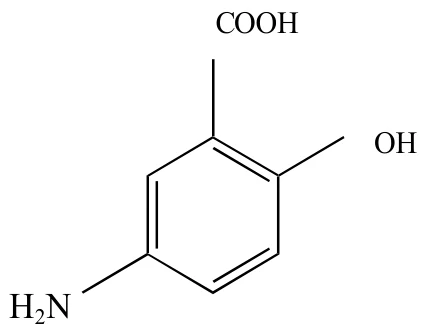
Chemical name: 2-hydroxy-5-aminobenzoic acid
Molecular formula and molecular mass: C7H7O3N, 153.14 g/mol
Structural formula:
Product Characteristics:
Chemically, the medicinal ingredient of PENTASA (mesalazine) is 2-hydroxy-5-aminobenzoic acid. It is a white to tan coloured powder with a melting range of 283oC - 287oC. It is slightly soluble in cold water and alcohol, more soluble in hot water and soluble in hydrochloric acid. A saturated aqueous solution has a pH of 3.0 - 4.5 and a pKa of 2.74.
14. Clinical Trials
14.1. Clinical Trials by Indication
Active Ulcerative Colitis and Ulcerative Colitis in Remission
Table 5 – Summary of Patient Demographics for Clinical Trials in Active Ulcerative Colitis and Ulcerative Colitis in Remission
| Study # | Study design | Dosage, route of administration and duration | Study subjects (n) | Mean age (Range) | Sex | ||||
| CAMMP Study 2011 | A multicentre, randomised, double-blind, non-inferiority trial comparing the efficacy and safety of a new modified oral extended release PENTASA® (mesalamine) 500 mg tablet to the currently marketed PENTASA® (mesalamine) 500 mg tablet. | Oral Tablets 4 g/day for 8 weeks (active) | N = 190 (active) | 44.4 (18-68) | M = 59% F = 41% | ||||
Oral Tablets 2g/day for 24 weeks (maintenance) | N = 153 (maintenance) | 46.1 (20-76) | M = 56% F = 44% | ||||||
| Hanauer et al, 1993 | Efficacy and Safety of PENTASA in the treatment of Acute exacerbations of Ulcerative Colitis | Oral Capsules 1g/day, 2g/day, 4g/day for 8 weeks | N = 374 | 40.1 (18+) | M = 51 % F = 49% | ||||
In an active-controlled, double-blind, non-inferiority, randomized trial (CAMMP study) patients with active mild to moderate ulcerative colitis were treated with PENTASA tablets 4 g/day for 8 weeks (active phase) and 2 g/ day for 24 weeks (maintenance phase).
Table 6 - Results of study CAMMP in Ulcerative Colitis (Induction and Maintenance of Remission)
| Primary Endpoints | Associated value and statistical significance for Drug at specific dosages | Associated value and statistical significance for Placebo or active control |
Active Phase Overall improvement at week 8: n/N (%) Maintenance Phase Relapse before week 24: n/N (%) | 50/78 (64.1%) 15/61 (24.6%) | 54/78 (69.2%) 8/68 (11.8%) |
Overall improvement is a complete remission or a clinical response to therapy as measured by the UCDAI. A relapse of UC is defined as a UCDAI score of ≥ 3 and an endoscopy score of ≥1. The control arm using a former tablet formulation is not shown here. In the same CAMMP trial, at the end of the active phase (week 8), mucosal healing (endoscopic score =0) was observed in 47% of patients. However, this was one of many secondary endpoints, therefore, the interpretation of the results should be cautious.
In a placebo-controlled, double-blind, randomized trial of 374 patients with active mild to moderate ulcerative colitis, PENTASA, when given alone at total daily doses of 2 g to 4 g, improved the macroscopic appearance of the colonic mucosa and improved the physician’s overall clinical assessment of disease activity. The 4 g dose significantly improved the appearance of the colonic mucosa as assessed by histologic scoring. In addition, doses of 2 g or more relieved the predominant clinical symptoms that accompanied the active phase of ulcerative colitis by reducing the number of trips to the toilet, improving stool consistency, decreasing rectal bleeding, lessening rectal urgency, and reducing abdominal/rectal pain.
In a pivotal study of the PENTASA extended-release 5-ASA formulation compared to sulfasalazine therapy in patients with an established diagnosis of ulcerative colitis, but who had been in remission for between 1 month and 5 years, extended-release 5-ASA was demonstrated to be a safe and effective drug and equivalent to sulfasalazine in the maintenance of remission states. The ongoing remission rates after 6 and 12 months of treatment were 63% and 54% for the extended-release 5-ASA formulation, and 72% and 46% for sulfasalazine, respectively.
Crohn’s Disease
Table 7 - Summary of Patient Demographics for Clinical Trials in Crohn’s Disease
| Study # | Study design | Dosage, route of administration and duration | Study subjects (n) | Mean age (Range) | Sex |
| Singleton et al, 1993 | Efficacy and Safety of Oral PENTASA in the treatment of Active Crohn’s Disease | Oral Capsules 1g/day, 2g/day, 4g/day for 16 weeks | N = 310 | 37 (16-76) | M = 36% F = 64% |
| Gendre et al, 1993 | Oral Mesalamine (PENTASA) as Maintenance Treatment in Crohn’s Disease: A Multicenter Placebo-Controlled Study | Oral-delayed release tablets 2g/day for 24 months | N = 161 | 33* | M = 47% F = 53% |
*Patients older than 15 years were allowed to participate in this study
Results from two randomized, double-blind, placebo-controlled clinical trials involving 542 patients with Crohn’s Disease, indicated that a daily dose of 4 g significantly reduced Crohn’s Disease Activity Index (CDAI) compared to placebo. The mean (S.E.M.) decrease in CDAI from pre-treatment to study end was 53 (9) for the 4 g group compared to 22 (9) for the placebo group, a difference that was highly significant (p=0.0114).
In a randomized, double-blind, placebo-controlled trial conducted in 293 patients with Crohn’s Disease in remission, a daily 3 g dose of PENTASA administered for a period of up to 48 weeks reduced the relapse rate (21% versus 41%; p=0.018) and increased the median time to relapse when compared with placebo.
Results from a meta-analysis (Messori et al, 1994) of nine randomized clinical trials (3 with the PENTASA formulation) also indicated that 5-ASA significantly reduced the frequency of relapse in patients with Crohn’s Disease in remission. Pooled relapse-free rates in the treatment group were 84% and 72% at 1 and 2 years respectively; corresponding rates in the control group were 60% and 52%.
Active Proctitis and Distal Ulcerative Colitis
Table 8 - Summary of Patient Demographics for Clinical Trials in Active Proctitis and Distal Ulcerative Colitis*
| Study # | Study design | Dosage, route of administration and duration | Study subjects (n) | Mean age (Range) | Sex |
Data on file at Ferring Pharmaceuticals PAPR0010 | Efficacy and Safety of PENTASA Enema in the Treatment of Acute Exacerbations of Ulcerative Proctosigmoiditis | Rectal enema 1g, 2g, 4g nightly for 8 weeks | N = 287 | 40** | M = 25% F = 75% |
Data on file at Ferring Pharmaceuticals PENSUP-90/01 | A study of the efficacy of 1 g mesalazine suppositories in the treatment of mild to moderate ulcerative proctitis | Rectal suppository 1g nightly for 2 weeks | N = 50 | 44 (23-81) | M = 52% F = 48% |
**Patients 18 years of age or greater were allowed to participate in this study.
The efficacy and safety of PENTASA enema were assessed in two multicentre, double-blind, randomized, controlled trials.
One of these trials compared the efficacy and safety of 1 g, 2 g and 4 g 5-ASA enemas against placebo during an 8-week period in patients with acute exacerbation of ulcerative proctosigmoiditis. This US study involved 287 randomized patients (70-73 per group). Efficacy was assessed in terms of clinical symptoms (including stool frequency, consistency, urgency, rectal bleeding and rectal/abdominal pain), macroscopic appearance of the affected mucosa (determined by sigmoidoscopy, scored from 0 to 15 according to vascular pattern, friability, presence of erythema, mucus/pus, granularity/ulcerations) and microscopic grading (0 for normal mucosa, 3 for high-grade, active, ulcerative inflammatory bowel disease) of the rectal biopsy specimens.
PENTASA enema was shown to be significantly (p<0.01) superior to placebo in all efficacy parameters for each of the three doses. No dose-response relationship was demonstrated across the three PENTASA enema doses. All three doses were effective in inducing remission by at least one of the three remission parameters (physician's global assessment, sigmoidoscopic index, biopsy score): thus, 66% of the patients in the 1 g PENTASA enema group, 69% in the 2 g PENTASA enemas group and 74% in the 4 g PENTASA enema group achieved remission on this basis.
Safety in this multicentre trial was assessed by documenting all adverse events during treatment and from the results of laboratory tests. The type and frequency of adverse events reported for placebo and the three PENTASA enema doses were comparable (See 8 Adverse Reactions).
PENTASA was discontinued in 4.6% of patients due to treatment-related adverse events, as compared to 5.7% of patients discontinued for the same reason in the placebo group. In addition, no significant changes in laboratory parameters were observed and there was no apparent cross-sensitivity in patients with known allergy to sulfasalazine.
In another multicentre, double-blind trial, conducted in Europe and involving 123 randomized patients with active mild to moderate proctosigmoiditis, PENTASA enema (1 g 5-ASA/100 mL) was tested against prednisolone enema (25 mg/100 mL) as active control for up to four-weeks duration of treatment. The criteria for evaluation of efficacy included grading of clinical symptoms (i.e. number of daily bowel movements, blood in stool, pus in stool, abdominal pain) and sigmoidoscopic scores. Remission was defined in terms of physician's assessments of clinical and sigmoidoscopic disease activities. Safety was assessed by documentation of adverse events and by the results of laboratory tests. At the end of the 28-day treatment period, overall favourable outcome, in terms of remission or improvement, was achieved by 77% of patients in the PENTASA group and by 72% of patients in the prednisolone group, the difference not being statistically significant. These results include 53% and 43% of patients in the PENTASA and prednisolone groups respectively, who showed both clinical and sigmoidoscopic remission. The adverse events observed were all mild and reversible and there was no statistically significant difference in their frequency between the two groups. No significant changes or abnormalities were observed in the following laboratory values: hemoglobin, reticulocytes, neutrophils, platelets, erythrocyte sedimentation rate, plasma orosomucoid, serum creatinine, urinary sediment and protein.
The clinical efficacy and safety of PENTASA 1 g suppositories were demonstrated in a multicentre, double-blind, randomized, placebo-controlled trial, involving 50 patients with active, mild to moderate ulcerative proctitis, for a two-week duration of treatment. Efficacy was assessed in terms of clinical symptoms (including daily stool frequency, presence of blood, discharge of mucus, rectal/abdominal pain) and proctoscopic scores. Clinical remission (defined as <4 stool frequency, absence of blood, mucus, rectal/abdominal pain) was achieved by 65.4% of patients in the PENTASA suppositories group vs. 25% in the placebo group (p=0.005). Proctoscopic remission, defined as absence of ulcerations or of bleeding either spontaneously or on contact, was reached by 69.2% of patients on PENTASA suppositories vs. 33.4% of patients on placebo (p=0.05). In this study, one patient in the PENTASA group experienced diarrhea on the first day of treatment only, whereas one patient in the placebo group experienced an increased frequency of bowel movements necessitating discontinuation of treatment.
The usefulness of PENTASA enema and suppositories for maintenance treatment and for preventing relapse of patients in remission from ulcerative colitis was also demonstrated by several investigators.
In one long-term study of up to 15 months duration, patients in remission received a 4 g PENTASA enema every other day, at bedtime. The dose could be tapered (i.e. the dosing frequency reduced) with the approval of both investigators and patient. On this regimen, 12 of 15 patients (80.0%), who were treated for 12 months, were maintained in remission.
In another, randomized, double-blind, placebo-controlled study, nine of twelve (75.0%) patients randomized to receive 1 g mesalazine enema/day remained in remission for one year. The difference between relapse rate on 1 g 5-ASA enema (25.0%) versus placebo (84.6%) was significant (p<0.005).
In their study, Guarino and collaborators examined the role of 4 g mesalazine enema in the long-term management of patients with previously refractory distal ulcerative colitis. Of 20 such patients treated with nightly mesalazine enemas, 16 improved symptomatically, with 15 achieving clinical remission and 14 achieving sigmoidoscopic remission within 3 to 5 weeks. These authors showed, by following up patients for up to 16 months, that, once remission is achieved, patients can be well managed with continued use of 4 g mesalazine enemas at less-than-nightly intervals and prompt reinstitution of nightly enemas in case of disease flare-ups.
Using 1 g mesalazine suppositories in a once-a-day regimen, Campieri and co-workers succeeded in maintaining 10 of 19 patients (53%) in remission from distal ulcerative colitis for 6 months.
14.2. Comparative Bioavailability Studies
Oral Dosage Form:
One single-dose, randomized, double-blinded, two-way crossover comparative bioavailability study, conducted under fed conditions, was performed on healthy male and female volunteers. The rate and extent of absorption of 5-acetylsalicylic acid was measured and compared following a single oral dose (1 x 500 mg) of PENTASA 500 mg extended-release tablets (new formulation) and PENTASA 500 mg extended-release tablets (former formulation). The results from a total of sixty-three (63) volunteers are summarized in Table 9.
Table 9 - Summary of the Comparative Bioavailability Data
5-aminosalicylic acid (1 x 500 mg extended-release tablet) From measured data Least Squares Mean Arithmetic Mean (CV %) | ||||
|---|---|---|---|---|
| Parameter | Test1 | Reference2 | % Ratio of Least Squares Mean | 90% Confidence Interval |
| AUCT (ng h/mL) | 858.97 1166.17 (97.33) | 798.10 973.32 (60.91) | 107.6 | 90.9 – 127.4 |
| AUC∞3 (ng h/mL) | 923.99 1260.17 (95.99) | 853.39 1049.42 (55.83) | 108.3 | 87.4 – 134.2 |
| CMAX (ng/mL) | 348.19 535.33 (107.58) | 305.24 421.29 (81.94) | 114.1 | 92.3 – 141.1 |
| TMAX4 (h) | 4.50 (2.00 – 12.00) | 4.50 (2.50 – 13.00) | ||
| T½3,5 (h) | 1.28 (59.78) | 1.81 (109.15) | ||
1PENTASA (5-ASA) 500 mg extended release tablets (New formulation)
2PENTASA (5-ASA) 500 mg extended release tablets (Old formulation)
3Calculated for 48/63 subjects (Test) and 47/63 subjects (Reference) only
4Expressed as the median (range) only
5Expressed as the arithmetic mean (CV%) only
15. Microbiology
No microbiological information is required for this drug product.
16. Non-Clinical Toxicology
General toxicology
The kidney appears to be the major target organ for mesalazine toxicity in animal studies. No significant toxicities associated with the gastrointestinal tract, liver, or hematopoietic system in animals have been observed.
In the acute toxicity study in pigs, using single oral doses of up to 5 g/kg body weight, no deaths were observed. Single intravenous doses of 920 mg/kg in rats were not fatal.
In 13-week oral studies, no toxic effects were seen at 2400 mg/kg/day in the mouse and 480 mg/kg/day in the rat. Renal lesions including granular and hyaline casts, tubular degeneration, tubular dilation, renal infarct, papillary necrosis, and renal tubular necrosis, were observed in mice at 4000 mg/kg/day and rats at 2770 mg/kg/day. Minimal degrees of papillary necrosis and tubular degeneration were found in male rats at 1150 mg/kg/day. Chronic (1-year) administration to rats at doses greater than or equal to 1200 mg/kg/day resulted in papillary necrosis and interstitial nephritis; 800 mg/kg/day was a “no observable effect” dose.
A 13-week study in monkeys demonstrated renal toxicity at doses of 500 mg/kg/day. Renal lesions included interstitial fibrosis and corticomedullary edema without evidence of active nephritis. Monkeys treated with doses of 125 and 250 mg/kg/day experienced no adverse renal effects. A 1-year chronic study in monkeys produced nephrosis with doses of 250 mg/kg/day and 500 mg/kg/day.
Genotoxicity
No evidence of mutagenicity was observed in a microbial mutagen test using mutant strains of Salmonella typhimurium with and without metabolic activation. A micronucleus test in mice also indicated that PENTASA was not mutagenic.
Reproductive and developmental toxicology
No effects on fertility or reproductive performance were observed in male or female rats at doses up to 400 mg/kg/day (seven times the maximum human dose). Reproduction studies have been performed in rats and rabbits at doses up to seventeen times the human dose and have revealed no evidence of impaired fertility or harm to the fetus due to mesalazine.
Preclinical toxicology studies used unformulated mesalazine, which, when administered orally, has a greater systemic absorption than formulated PENTASA. The therapeutic dose of mesalazine in humans is approximately 30 mg/kg/day to 60 mg/kg/day.