


Product Monograph - Octasa (Tillotts Pharma, 1600 mg)
Recent Major Label Changes
| 2023-10 |
|---|---|
| 2023-10 |
| 2025-10 |
Table of Contents
Certain sections or subsections that are not applicable at the time of the preparation of the most recent authorized product monograph are not listed.
Recent Major Label Changes ................................................................................................. 2
Table of Contents ................................................................................................................. 2
Part 1: Healthcare Professional Information.......................................................................... 5
- 1.
Indications..................................................................................................................... 5
1.1. Pediatrics .................................................................................................................... 5
1.2. Geriatrics .................................................................................................................... 5
- 2. Contraindications .......................................................................................................... 5
- 3. Serious Warnings and Precautions Box ........................................................................... 5
- 4.
Dosage and Administration ............................................................................................ 6
4.1. Dosing Considerations ............................................................................................... 6
4.2. Recommended Dose and Dosage Adjustment .......................................................... 6
4.4. Administration ........................................................................................................... 6
4.5. Missed Dose ............................................................................................................... 6
- 5. Overdose ....................................................................................................................... 6
- 6. Dosage Forms, Strengths, Composition, and Packaging .................................................. 7
- 7.
Warnings and Precautions ............................................................................................. 7
General ................................................................................................................................... 7
Carcinogenesis and Genotoxicity ........................................................................................... 8
Cardiovascular ........................................................................................................................ 8
Gastrointestinal ...................................................................................................................... 8
Hepatic/biliary/pancreatic ..................................................................................................... 8
Immune .................................................................................................................................. 8
Monitoring and laboratory tests ............................................................................................ 8
Neurologic .............................................................................................................................. 8
Renal ....................................................................................................................................... 8
Reproductive health ............................................................................................................... 9
Skin ......................................................................................................................................... 9
7.1. Special Populations .................................................................................................... 9
7.1.1. Pregnant Women ............................................................................................... 9
7.1.2. Breastfeeding ..................................................................................................... 9
7.1.3. Pediatrics .......................................................................................................... 10
7.1.4. Geriatrics .......................................................................................................... 10
- 8.
Adverse Reactions ....................................................................................................... 10
8.1. Adverse Reaction Overview ..................................................................................... 10
8.2. Clinical Trial Adverse Reactions ............................................................................... 10
8.3. Less Common Clinical Trial Adverse Reactions ........................................................ 11
8.5. Post-Market Adverse Reactions ............................................................................... 11
- 9.
Drug Interactions ......................................................................................................... 13
9.1. Serious Drug Interactions ........................................................................................ 13
9.2. Drug Interactions Overview ..................................................................................... 13
9.3. Drug-Behaviour Interactions .................................................................................... 14
9.4. Drug-Drug Interactions ............................................................................................ 14
9.5. Drug-Food Interactions ............................................................................................ 14
9.6. Drug-Herb Interactions ............................................................................................ 14
9.7. Drug-Laboratory Test Interactions........................................................................... 14
- 10.
Clinical Pharmacology .................................................................................................. 14
10.1. Mechanism of Action ............................................................................................... 14
10.2. Pharmacodynamics .................................................................................................. 15
10.3. Pharmacokinetics ..................................................................................................... 15
- 11. Storage, Stability, and Disposal .................................................................................... 16
Part 2: Scientific Information .............................................................................................. 17
- 13. Pharmaceutical Information ........................................................................................ 17
- 14.
Clinical Trials ............................................................................................................... 17
14.1. Clinical Trials by Indication ...................................................................................... 17
Induction of Remission of Moderate Active Ulcerative Colitis .............................................. 17
- 15. Microbiology ............................................................................................................... 19
- 16. Non-Clinical Toxicology ................................................................................................ 20
Patient Medication Information ......................................................................................... 22
Part 1: Healthcare Professional Information
1. Indications
Octasa (1600 mg; mesalazine [also known as 5-aminosalicylic acid or mesalamine]) is indicated for:
- the induction of remission of moderate active ulcerative colitis
1.1. Pediatrics
Pediatrics (< 18 years of age): No data are available to Health Canada; therefore, Health Canada has not authorized an indication for pediatric use.
1.2. Geriatrics
No clinical trials specifically designed for elderly patients have been performed. In clinical studies that included a number of patients over the age of 65, no overall differences in effectiveness were observed between geriatric patients and younger patients.
2. Contraindications
Octasa (1600 mg tablet) is contraindicated in patients who:
- Are hypersensitive to this drug or to any ingredient in the formulation, including any non-medicinal ingredient, or component of the container. For a complete listing, see 6. Dosage Forms, Strengths, Composition, and Packaging.
- Have a history of sensitivity to salicylates
- Have severe hepatic impairment (see 7. Warnings and Precautions)
- Have severe renal impairment (GFR < 30 mL/min/1.73 m2); see 7. Warnings and Precautions
- Have urinary tract obstruction
- Are unable to swallow the intact tablet
3. Serious Warnings and Precautions Box
- History of adverse drug reactions to sulfasalazine: Patients with a history of adverse drug reactions to sulfasalazine therapy should be kept under close medical supervision. Treatment must be stopped immediately if acute symptoms of intolerance occur such as abdominal cramps, acute abdominal pain, fever, severe headache and rash.
- Blood system: Serious blood dyscrasia has very rarely been reported. Octasa therapy should be stopped immediately if there is a suspicion or evidence of blood dyscrasia (signs of unexplained bleeding, bruising, purpura, anemia, persistent fever or sore throat), and patients should seek immediate medical advice. It is recommended that hematological investigations (differential blood count) are performed prior to initiation of Octasa and whilst on therapy, at the discretion of the treating physician. As a guideline, follow-up tests are recommended 14 days after commencement of treatment, then a further two to three tests at intervals of 4 weeks. If the findings are normal, follow-up tests should be carried out every 3 months. If additional symptoms occur, these tests should be performed immediately.
- Renal: Renal impairment, including minimal change nephropathy and acute and chronic interstitial nephritis, and renal failure has been reported in patients taking mesalazine products. Urinary status (dip sticks) should be determined prior to and during treatment, at the discretion of the treating physician. Caution should be exercised in patients with raised serum creatinine or proteinuria. The possibility of mesalazine-induced nephrotoxicity should be suspected in patients developing impairment of renal function during treatment. It is recommended that all patients have an evaluation of their renal function prior to initiation of Octasa therapy and repeatedly whilst on therapy. As a guideline, follow-up tests are recommended 14 days after commencement of treatment and then every 4 weeks for the following 12 weeks. Short monitoring intervals early after the start of Octasa therapy will discover rare acute renal reactions. In the absence of an acute renal reaction monitoring intervals can be extended to every 3 months and then annually after 5 years. If additional laboratory or clinical signs of renal impairment appear, these tests should be performed immediately. Treatment with Octasa should be stopped immediately if there is evidence of renal impairment and patients should seek immediate medical advice. Octasa (1600 mg tablet) is contraindicated in patients with severe renal impairment (see 2. Contraindications).
- Pulmonary: Patients with pulmonary disease, in particular asthma, should be very carefully monitored during treatment with Octasa.
4. Dosage and Administration
4.1. Dosing Considerations
The dose should be adjusted according to the severity of the disease and tolerance.
4.2. Recommended Dose and Dosage Adjustment
- Induction of remission: 3.2 g/day once daily or in divided doses. 4.8 g/day could induce remission in UC patients not responding to 3.2 g/day.
Continued therapy should be carefully considered in subjects not responding by Week 8.
Health Canada has not authorized an indication for pediatric use.
4.4. Administration
The tablets must be swallowed whole with a glass of water. They must not be chewed, crushed or broken before swallowing. The tablets can be taken with or without food.
4.5. Missed Dose
If a dose of this medication has been missed, it should be taken as soon as possible. However, if it is almost time for the next dose, skip the missed dose and go back to the regular dosing schedule. Do not take double the dose.
5. Overdose
There is little data on overdose (e.g. intended suicide with high oral doses of mesalazine). The available data do not indicate renal or hepatic toxicity. There is no specific antidote for mesalazine overdose, and treatment is symptomatic and supportive.
For the most recent information in the management of a suspected drug overdose, contact your regional poison control centre or Health Canada’s toll-free number, 1-844 POISON-X (1-844-764-7669).
- 6. Dosage Forms, Strengths, Composition, and Packaging
Table 1 – Dosage Forms, Strengths, and Composition
Description
Octasa 1600 mg is supplied as a film-coated, red/brown oblong tablet.
PVC/aluminium blister. Pack sizes: 30, 60 or 90 tablets. Some pack sizes may not be marketed.
Octasa contains a core of 1600 mg mesalazine covered by a multi-layer coating system. This system consists of a layer of methacrylic acid - methyl methacrylate copolymer (Eudragit S) combined with starch particles on top of a middle alkaline buffer layer (which accelerates drug release). The coating is designed to delay release of mesalazine until intestinal fluids reach a pH of 7. The starch can be digested by colonic bacteria which also provide a second trigger for release of mesalazine from the coated tablet in the colon.
7. Warnings and Precautions
See 3. Serious Warnings and Precautions Box.
General
Octasa and other mesalazine-containing products have differences in formulation and release characteristics that may lead to differences in concentrations of mesalazine delivered to the colon. If it is deemed necessary to switch from one mesalazine -containing product to another mesalazine-containing product, the prescriber should carefully assess the overall benefit-risk analysis based on the patient’s clinical conditions and on all available information for the various mesalazine-containing products.
Mesalazine may produce red-brown urine discoloration after contact with sodium hypochlorite bleach (e.g. in toilets cleaned with sodium hypochlorite contained in certain bleaches).
| Route of Administration | Dosage Form/ Strength/Composition | Non-Medicinal Ingredients |
| Oral use | Tablet (delayed-release) 1600 mg mesalazine | Ferric oxide yellow, ferric oxide red, glyceryl monostearate, hypromellose, macrogol, magnesium stearate, methacrylic acid - methyl methacrylate copolymer (1:2), microcrystalline cellulose, polysorbate 80, potassium phosphate monobasic, silicon dioxide, sodium starch glycolate (type A), starch, corn, triethyl citrate |
Carcinogenesis and Genotoxicity
Preclinical animal data are provided in 16. Non-Clinical Toxicology.
Cardiovascular
Mesalazine-induced cardiac hypersensitivity reactions (myo- and pericarditis) have rarely been reported with Octasa. In case of a suspected mesalazine-induced cardiac hypersensitivity, Octasa must not be reintroduced. Caution should be taken in patients with previous myo- or pericarditis of allergic background regardless of its origin.
Gastrointestinal
Caution is recommended when treating patients with active gastric or duodenal ulcer.
Hepatic/biliary/pancreatic
Caution should be exercised when using Octasa (or other compounds that contain or are converted to mesalazine or its metabolites) in patients with hepatic dysfunction.
In assessing liver complications, it should be kept in mind that these are frequently associated with ulcerative colitis.
There have been reports of hepatic failure and increased liver enzymes in patients with pre-existing liver disease when treated with mesalazine (also known as 5-ASA or mesalamine) products. Therefore, Octasa is contraindicated in patients with severe hepatic impairment (see 2. Contraindications). In patients with mild to moderate liver function impairment, caution should be exercised and Octasa should only be used if the expected benefit clearly outweighs the risks to the patients. Blood tests (liver function parameters such as ALT or AST) should be performed prior to and during treatment, at the discretion of the treating physician. As a guideline, follow-up tests are recommended 14 days after commencement of treatment, then a further two to three tests at intervals of 4 weeks. If the findings are normal, follow-up tests should be carried out every 3 months. If additional symptoms occur, these tests should be performed immediately.
Immune
Some patients who have experienced a hypersensitivity reaction to sulfasalazine may have a similar reaction to Octasa or to other compounds that contain, or are converted to, mesalazine.
Monitoring and laboratory tests
It is recommended that all patients have an evaluation of their renal function (urinary status via dip sticks); hepatic function (blood tests such as ALT or AST) as well as hematological investigations (differential blood count) prior to initiation of Octasa therapy and repeatedly whilst on therapy.
Neurologic
Idiopathic intracranial hypertension (pseudotumor cerebri) has been reported in patients receiving mesalazine. Patients should be warned for signs and symptoms of idiopathic intracranial hypertension, including severe or recurrent headache, visual disturbances or tinnitus. If idiopathic intracranial hypertension occurs, discontinuation of mesalazine should be considered.
Renal
Reports of renal impairment, including minimal change nephropathy, and acute or chronic interstitial nephritis have been associated with mesalazine products and pro-drugs of mesalazine. Octasa is contraindicated in patients with severe renal impairment (see 2. Contraindications). In patients with mild to moderate renal dysfunction, caution should be exercised and Octasa should be used only if the benefits outweigh the risks. It is recommended that all patients have an evaluation of renal function prior to initiation of therapy and periodically while on treatment.
Cases of nephrolithiasis have been reported with the use of mesalazine including stones with a 100% mesalazine content. It is recommended to ensure adequate fluid intake during treatment.
Reproductive health
Fertility
No effects on fertility have been observed.
Skin
Serious Skin Reactions:
Use of mesalazine has been associated with the following serious and life-threatening skin reactions:
- Severe cutaneous adverse reactions (SCARs),
- Drug reaction with eosinophilia and systemic symptoms (DRESS),
- Stevens-Johnson syndrome (SJS),
- toxic epidermal necrolysis (TEN).
7.1. Special Populations
7.1.1. Pregnant Women
There are no adequate and well controlled studies of Octasa use in pregnant women. Limited published data on the class of mesalazine products show an increased rate of preterm birth, stillbirth and low birth weight. These adverse pregnancy outcomes are also associated with active inflammatory bowel disease. Mesalazine crosses the placenta. Animal reproduction studies of mesalazine found no evidence of fetal harm.
Octasa should only be used during pregnancy if the potential benefit outweighs the possible risk.
7.1.2. Breastfeeding
Literature reports indicate that, following oral or rectal administration of mesalazine-containing products to lactating women, small amounts of mesalazine (also known as 5-ASA or mesalamine) and higher concentrations of the metabolite N-acetyl-5-ASA are found in breast milk. The clinical significance of this has not been determined. Only limited experience during lactation in women is available to date.
When Octasa is used in nursing women, infants should be monitored for changes in stool consistency. If the infant develops diarrhea, breastfeeding should be discontinued. Cases of diarrhea in breastfed infants exposed to mesalazine have been reported.
7.1.3. Pediatrics
The safety and efficacy of Octasa have not been studied in pediatric populations. Octasa should not be used in children and adolescents under the age of 18 years.
7.1.4. Geriatrics
Use in elderly people should be handled with caution and Octasa should only be prescribed to elderly patients having a normal or non-severely impaired hepatic or renal function, see 2. Contraindications.
8. Adverse Reactions
8.1. Adverse Reaction Overview
Octasa is generally well tolerated. Organ specific adverse drug reactions affecting the heart, lungs, liver, kidneys, pancreas, skin and subcutaneous tissue have been reported. Treatment must be stopped immediately if acute symptoms of intolerance occur such as abdominal cramps, acute abdominal pain, fever, severe headache and rash. Severe cutaneous adverse reactions (SCARs), including Drug reaction with eosinophilia and systemic symptoms (DRESS), Stevens-Johnson syndrome (SJS) and toxic epidermal necrolysis (TEN), have been reported in association with mesalazine treatment (see 7. Warnings and Precautions).
8.2. Clinical Trial Adverse Reactions
Clinical trials are conducted under very specific conditions. Therefore, the frequencies of adverse reactions observed in the clinical trials may not reflect frequencies observed in clinical practice and should not be compared to frequencies reported in clinical trials of another drug.
Treatment related adverse events that occurred at a frequency of ≥ 1% in the 8 week study period (double-blind, randomised induction) are presented in Table 2. Most of the adverse reactions associated with the use of Octasa were of mild to moderate severity. 10.3% of subjects reported a TEAE considered related to study drug. Discontinuations due to adverse events occurred in 6.6% of patients in the Octasa group and in 5.6% of patients in the Asacol group.
Table 2 – Treatment-Emergent Adverse Events Related to Study Drug occurring in ≥1% of Subjects versus Asacol, 8 week study (double-blind, randomised induction)
| System organ class/preferred term | Octasa 1600 mg n = 409 n (%) | Asacol 400 mg* n = 408 n (%) | ||
| System organ class/preferred term | Octasa 1600 mg n = 409 n (%) | Asacol 400 mg* n = 408 n (%) | ||
| Gastrointestinal disorders | ||||
| Abdominal pain | 6 (1.5%) | 3 (0.7%) | ||
| Investigations | ||||
| Alanine aminotransferase increased | 5 (1.2%) | 2 (0.5%) | ||
| Renal and urinary disorders | ||||
| Hematuria | 5 (1.2%) | 2 (0.5%) | ||
| Leukocyturia | 5 (1.2%) | 2 (0.5%) | ||
| Proteinuria | 4 (1.0%) | 2 (0.5%) | ||
* Asacol (4 x 400 mg tablets)
8.3. Less Common Clinical Trial Adverse Reactions
Adverse events occurring in <1% of patients with a greater frequency in Octasa 1600 mg than in Asacol 400mg in the 8 week study (double-blind, randomised induction) are presented below.
Blood and lymphatic disorders: anemia
Cardiac disorders: tachycardia
Gastrointestinal disorders: abdominal discomfort, flatulence, food poisoning, hemorrhoids, pancreatitis acute, vomiting
General disorders and administration site conditions: pyrexia
Immune system disorders: drug hypersensitivity
Infections and infestations: enterobiasis, oral herpes, pharyngitis, sinusitis, urinary tract infection
Investigations: blood bicarbonate decreased, blood lactate dehydrogenase increased, hematocrit decreased, platelet count decreased
Metabolism and nutrition disorders: hypoalbuminemia, hypoproteinemia, iron deficiency
Musculoskeletal and connective tissue disorders: arthralgia, back pain
Nervous system disorders: cervical radiculopathy, migraine, somnolence
Psychiatric disorders: anxiety
Renal and urinary disorders: ketonuria, nephrolithiasis
Reproductive system and breast disorders: perineal pain
Respiratory, thoracic and mediastinal disorders: cough, dyspnoea exertional, epistaxis
Skin and subcutaneous tissue disorders: rash, rash erythematous, skin hypertrophy
Vascular disorders: hypertension, hypotension
8.5. Post-Market Adverse Reactions
In addition to the adverse events reported above in the clinical trial involving Octasa, the following adverse events have been reported in literature reports, or foreign and domestic marketing experience with Octasa or other products that contain or are metabolized to mesalazine. Because many of these events were reported voluntarily from a population of unknown size, estimates of frequency cannot be made. The relationship of the reported events to Octasa is unclear in many cases, and some may be part of the clinical presentation of ulcerative colitis.
Blood and lymphatic system disorders:
Immune system disorders:
Nervous system disorders:
Cardiac disorders:
Respiratory, thoracic and mediastinal disorders:
Gastrointestinal disorders:
Hepato-biliary disorders:
Skin and subcutaneous tissue disorders:
Musculoskeletal, connective tissue and bone disorders:
Renal and urinary disorders:
Reproductive system and breast disorders:
Eosinophilia (as part of an allergic reaction), altered blood counts (aplastic anemia, agranulocytosis, pancytopenia, neutropenia, leucopenia)
Lupus erythematosus syndrome, pancolitis
Paresthesia, dizziness, peripheral neuropathy, idiopathic intracranial hypertension
Myocarditis, pericarditis
Allergic and fibrotic lung reactions (including bronchospasm, alveolitis, pulmonary eosinophilia, lung infiltration, pneumonitis), interstitial pneumonia, eosinophilic pneumonia, pleurisy, lung disorder
Dyspepsia, diarrhea, nausea
Changes in liver function parameters (cholestasis parameters), hepatitis, cholestatic hepatitis
Urticaria, pruritus, alopecia, drug reaction with eosinophilia and systemic symptoms (DRESS), photosensitivity, Stevens-Johnson syndrome (SJS), toxic epidermal necrolysis (TEN)
Myalgia, lupus-like syndrome with pericarditis and pleuropericarditis as prominent symptoms as well as rash and arthralgia
Impairment of renal function including acute and chronic interstitial nephritis and renal insufficiency, nephrotic syndrome, renal failure which may be reversible on early withdrawal
Oligospermia (reversible)
General disorders and
administration site conditions:
Intolerance to mesalazine with C-reactive protein increased and/or exacerbation of symptoms of underlying disease, pyrexia, chest pain
Investigations:
Blood creatinine increased, weight decreased, creatinine clearance decreased, amylase increased, red blood cell sedimentation rate increased, lipase increased, BUN increased
An unknown number of the above-mentioned undesirable effects are probably associated to the underlying inflammatory bowel disease (IBD) rather than mesalazine medication. This holds true especially for gastrointestinal undesirable effects, arthralgia, and alopecia.
To avoid blood dyscrasia resulting from developing bone marrow depression patients should be monitored with care, see 7. Warnings and Precautions.
Under co-administration of mesalazine with immunosuppressive drugs, such as azathioprine, 6-MP or thioguanine, life-threatening infections can occur, see 9. Drug Interactions.
Photosensitivity
More severe reactions are reported in patients with pre-existing skin conditions such as atopic dermatitis and atopic eczema.
Pediatric population
There is no safety experience with the use of Octasa in the pediatric population. It is expected that the target organs of possible adverse reactions in the pediatric population are the same as for adults (heart, lungs, liver, kidneys, pancreas, skin and subcutaneous tissue).
9. Drug Interactions
9.1. Serious Drug Interactions
- In patients who are concomitantly treated with azathioprine, or 6-mercaptopurine or thioguanine, a possible increase in the myelosuppressive effects of azathioprine, or 6-mercaptopurine or thioguanine should be taken into account see 9.4. Drug-Drug Interactions. As a result, life-threatening infection can occur. Patients should be closely observed for signs of infection and myelosuppression. Haematological parameters, especially the leucocyte, thrombocyte, and lymphocyte cell counts should be monitored regularly (weekly), especially at initiation of such combination therapy, see 7. Warnings and Precautions. If white blood cells are stable after 1 month, testing every 4 weeks for the following 12 weeks followed by 3 monthly monitoring intervals appears to be justified.
9.2. Drug Interactions Overview
No drug interaction studies have been performed with Octasa. There is weak evidence that mesalazine might decrease the anticoagulant effect of warfarin.
9.3. Drug-Behaviour Interactions
Interactions with behaviour have not been established.
9.4. Drug-Drug Interactions
The drugs listed in this table are based on either drug interaction case reports or studies, or potential interactions due to the expected magnitude and seriousness of the interaction (i.e., those identified as contraindicated).
Table 3 – Established or Potential Drug-Drug Interactions
| Non-proprietary name(s) of the drug product(s) | Source of evidence | Effect | Clinical comment |
Azathioprine 6-Mercaptopurine | CT | Significant increases in mean whole blood 6-thioguanine nucleotide concentrations from baseline at most time points | Caution is warranted and therapeutic concentration monitoring is recommended |
Legend: CT = Clinical Trial
9.5. Drug-Food Interactions
The bioavailability of a single 1600 mg Octasa delayed-release tablet is not comparable when administered under fasting and high fat, high calorie fed conditions. Following administration under high fat, high calorie fed conditions, there was a delay in Tmax of approximately 17.5 hours, decreases in AUC0-T and Cmax and a high variability in AUC8-48 when compared to administration under fasting conditions (see 10.3. Pharmacokinetics, Absorption).
9.6. Drug-Herb Interactions
Interactions with herbal products have not been established.
9.7. Drug-Laboratory Test Interactions
Several reports of possible interference with measurements, by liquid chromatography, of urinary normetanephrine causing false-positive test result have been observed in patients exposed to sulfasalazine or its metabolite, mesalazine/mesalamine/5-ASA.
10. Clinical Pharmacology
10.1. Mechanism of Action
Octasa contains mesalazine (also known as 5-aminosalicylic acid or mesalamine), which has a topical anti-inflammatory effect on the colonic mucosal cells through mechanisms that have not yet been fully clarified. Mesalazine has been shown to inhibit leukotriene B4 (LTB4)-stimulated migration of intestinal macrophages and thus may reduce intestinal inflammation by restricting migration of macrophages to inflamed areas. The production of pro-inflammatory leukotrienes (LTB4 and 5-hydroxy-6,8,11,14-eicosatetrenoic acid [5-HETE]) in macrophages of the intestinal wall is thereby inhibited. Mesalazine has been shown to activate peroxisome proliferator-activated receptor gamma (PPAR-γ) receptors which counteract nuclear activation of intestinal inflammatory responses.
10.2. Pharmacodynamics
Under trial conditions mesalazine inhibited the cyclooxygenase and thus, the release of thromboxane B2 and prostaglandin E2, but the clinical meaning of this effect is still unclear. Mesalazine inhibits the formation of platelet activating factor. Mesalazine is also an antioxidant; it has been shown to decrease formation of reactive oxygen products and to capture free radicals.
10.3. Pharmacokinetics
Absorption
Octasa has a modified release of mesalazine starting only at pH above 7, i.e. within the terminal ileum and colon. Approximately 31% of an oral dose (fasted state) is absorbed based on urinary excretion data for 60 hours.
Effect of Food
The bioavailability of a single 1600 mg Octasa delayed-release tablet is not comparable when administered under fasting and high fat, high calorie fed conditions. Following administration of a single dose of Octasa 1600 mg delayed-release tablets in healthy subjects under high fat, high calorie fed conditions, there was a delay in Tmax by approximately 17.5 hours and, decreases in AUC0-T and Cmax by 32% and 35%, respectively, and a high variability in AUC8-48 when compared to administration under fasting condition.
Distribution
About 43% mesalazine and 78% N-acetyl-5-aminosalicylic acid are bound to plasma proteins. Approximately 75% of the administered dose remains in the gut lumen and the mucosal tissue.
The geometric mean apparent volume of distribution per kg of body weight (Vdw) was 12.1 L/kg.
Low concentrations of mesalazine and N-acetyl-5-aminosalicylic acid have been detected in human breast milk. The clinical significance of this has not been determined.
Metabolism
Mesalazine is metabolised both by the intestinal mucosa and the liver to the inactive metabolite N-acetyl-5-aminosalicylic acid. Based on urinary excretion data, the absorbed dose is excreted to >90% as metabolites.
Elimination
The elimination of mesalazine is essentially urinary and fecal in the form of mesalazine and its N-acetyl metabolite.
About 23% of the dose administered was recovered in the urine within 60 h after fed and 31% under fasted administration (single dose of Octasa 1600 mg). The median elimination half-life of mesalazine was 20 hours (range: 5 to 77 hours).
Special populations and conditions
- Pregnancy and breastfeeding Low concentrations of mesalazine and N-acetyl-5-aminosalicylic acid have been detected in human breast milk. The clinical significance of this has not been determined.
- Storage, Stability, and Disposal
Do not store above 30°C. Store in the original package.
Keep out of reach and sight of children.
Part 2: Scientific Information
13. Pharmaceutical Information
Drug Substance
Non-proprietary name of the drug substance(s): Mesalazine (INN, Ph. Eur., BP)
Mesalamine (USAN)
Chemical name: 5-amino-2-hydroxybenzoic acid [also known as 5-aminosalicylic acid (5-ASA)]
Molecular formula and molecular mass: C7H7NO3; 153.1
Structural formula:
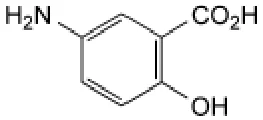
Physicochemical properties: Mesalazine is an almost white to light pink/grey/brown powder or crystals that decomposes at 280°C and is very slightly soluble in water. The pH of 2.5% aqueous suspension is 3.5-4.5. pKa value: 5.8.
Pharmaceutical standard: Mfr. Std.
14. Clinical Trials
14.1. Clinical Trials by Indication
Induction of Remission of Moderate Active Ulcerative Colitis
The induction of remission in mild to moderate UC patients was investigated in a Phase 3, randomised, double-blind, active-controlled, multi-centre, non-inferiority trial (TP0503) that compared the safety and efficacy of 3.2 g of Octasa 1600 mg/day to 3.2 g/day of ASACOL 400 mg with an open label extension to assess the long-term safety and tolerability of Octasa 1600 mg administered over a 26 week period.
A total of 817 subjects with active mild to moderate UC were evaluated. Eligible subjects were randomly assigned in a 1:1 ratio and received 3.2 g/day of Octasa 1600 mg (two 1600 mg tablets administered once daily) or 3.2 g/day of ASACOL 400 mg (four 400 mg tablets administered in the morning and four 400 mg tablets in the evening). The primary efficacy outcome was assessed at week 8. All subjects who responded to ASACOL 400 mg or Octasa 1600 mg (response or remission) continued receiving blinded study treatment for up to 12 weeks.
Table 4 – Summary of Patient Demographics for Clinical Trials in Mild to Moderate Ulcerative Colitis (UC) Patients
| Study # | Study design | Dosage, route of administration and duration | Study subjects (n) | Mean age (range) | Sex |
TP0503 Induction of remission | Randomised, double-blind, active-controlled, multicentre non-inferiority trial | Group 1: 3200 mg per day of ASACOL 400 mg orally for 8 weeks Group 2: 3200 mg per day of Octasa 1600 mg orally for 8 weeks | Group 1: 408 UC patients Group 2: 409 UC patients 94.7% of the study subjects had a moderate UC disease and 5.3% had mild UC with a mean Mayo Score of 7.7 | Group 1: 43.31 (14.11) Group 2: 43.97 (14.54) | Group 1: Male 56.4% Group 2: Male 58.2% |
TP0503 Maintenance of remission OLE (open label extension) | 3 groups open label extension study with a total follow-up of 38 weeks | Group 1: 1.6 g/day orally Group 2: 3.2 g/day orally Group 3: 4.8 g/day orally | Group 1: Remitters after 12 weeks of induction Group 2: Responders but non-remitters after 12 weeks of induction Group 3: Non-responders after 8 weeks of induction at 3.2 g/day | Group 1: 41.74 (13.66) Group 2: 45.43 (14.69) Group 3: 43.23 (14.24) | Group 1: Male 55.9% Group 2: Male 53.6% Group 3: Male 62.8% |
The mean (SD) age, at inclusion, was 43.97 (14.54) and 43.31 (14.11) years for the Octasa 1600 mg and ASACOL 400 mg treatment groups, respectively and ranged from 18.1 to 82.1 years.
The majority of subjects (93.5%) were white and 57.3% were male. The mean (SD) body mass index (BMI) for this group of subjects was 25.16 (4.59). A total of 58 subjects (7.1%) were current smokers. At baseline, the mean (SD) Mayo score was 7.7 (1.3) and 7.6 (1.3) for Octasa 1600 mg and ASACOL 400 mg treatment groups, respectively.
Table 5 – Results of study TP0503 in induction of remission of Mild to Moderate Ulcerative Colitis (UC)
| Primary Endpoints | Associated value and statistical significance for Drug at specific dosages | Associated value and statistical significance for Placebo or active control |
| Clinical and Endoscopic Remission at Week 8 (PP analysis) | 22.4% (non-inferiority p-value = 0.005) | 24.6% |
Primary Endpoints for the double-blind controlled induction phase:
The clinical and endoscopic remission rates for the PP analysis data set were 22.4% and 24.6% in the Octasa 1600 mg and ASACOL 400 mg groups, respectively, with a difference of -2.2%. The 95% two-sided confidence interval about this difference was -8.1% to 3.8% and the associated non-inferiority p value was 0.005.
The clinical and endoscopic remission rates for the PP analysis data set of subjects with histopathology-confirmed disease were 21.5% and 22.6% in the Octasa 1600 mg and ASACOL 400 mg groups, respectively, with a difference of -1.1%. The 95% two-sided confidence interval about this difference was -7.3% to 5.1% and the associated non-inferiority p value was 0.002.
Table 6 – Results of study TP0503 in maintenance of remission of Ulcerative Colitis (UC) in the Open Label Extension (OLE)
| Primary Endpoints | Group 1: Remitters after 12 weeks of induction | Group 2: Responders but non remitters after 12 weeks of induction | Group 3: Non responders after 8 weeks of induction at 3.2 g/day |
| Clinical remission at Week 38 | 70.3% (95% CI: 63.5% to 76.5%) | 33.9% (95% CI: 28.4% to 39.9%) | 30.7% (95% CI: 24.3% to 37.6%) |
Primary Endpoints for the open label maintenance phase:
At Week 38, 43.9% (95% CI: 40.1% to 47.7%) of all study subjects were in clinical remission. For each dose group, the percentage of subjects in clinical remission were 70.3% (95% CI: 63.5% to 76.5%) in the 1.6 g/day dose group, 33.9% (95% CI: 28.4% to 39.9%) in the 3.2 g/day dose group and 30.7% (95% CI: 24.3% to 37.6%) in the 4.8 g/day dose group.
Secondary endpoints for the open label maintenance phase:
For all dose groups combined (n=675), 85.3% (95% CI: 82.4% to 87.9%) of subjects exhibited a clinical response at Week 38, 79.0% (95% CI: 75.7% to 82.0%) a clinical and endoscopic response and 61.6% (95% CI: 57.8% to 65.3%) an endoscopic response. Of the 675 subjects, 44.4% (95% CI: 40.7% to 48.3%) of subjects were in clinical and endoscopic remission and 24.7% (95% CI: 21.5% to 28.2%) in endoscopic remission. Furthermore, 79.4% (95% CI: 76.2% to 82.4%) had a rectal bleeding sub-score of 0 and 46.7% (95% CI: 42.9% to 50.5%) had a stool frequency sub-score of 0 at Week 38.
15. Microbiology
No microbiological information is required for this drug product.
16. Non-Clinical Toxicology
General toxicology
Acute Toxicity:
Mesalazine has low acute oral toxicity, as tested in rats and dogs. The oral median lethal dose (LD50) of mesalazine in rats was determined to be 4594 mg/kg.
In dogs, the minimum dose causing emesis was 577 mg/kg. No dogs died or were sacrificed moribund up to the maximum dose tested (6000 mg/dog, equivalent to 750 mg/kg), and thus, the oral LD50 in dogs was considered to be >750 mg/kg.
Repeat-Dose Toxicity:
The principal target organs of mesalazine toxicity are the kidneys and gastrointestinal (GI) tract as determined in studies conducted in rats. In a 2-week oral toxicity study in rats, necrosis, ulceration, and inflammation in the glandular stomach were observed at doses of 360 and 1080 mg/kg/day. Renal papillary necrosis accompanied by pyelonephritis of the adjacent parenchyma was also observed at a dose of 1080 mg/kg/day. At this dose, one female animal died as a result of renal failure complicated by gastric mucosal injury. Renal papillary necrosis and gastric ulceration and inflammation have also been observed at oral doses of 360 and 480 mg/kg/day in other studies in rats, including a 4-week toxicity study, a two-year carcinogenicity study, and two reproductive toxicity studies. The no-observed-adverse-effect level (NOAEL) for the oral toxicity of mesalazine in rats was considered to be 120 mg/kg/day.
In rabbits, oral administration of mesalazine for 2 weeks at a dose of 1080 mg/kg/day resulted in reduced food consumption (females), diarrhea (males), and slight increases in urinary measurements of protein, bilirubin, acetone, and urobilinogen. No histological changes were observed in any organs at any dose level. The NOAEL for the oral toxicity of mesalazine in rabbits was determined to be 360 mg/kg/day.
In dogs, no compound-related adverse effects were observed at doses up to 2000 mg/day (175 to 200 mg/kg/day) in a 1-year oral toxicity study. In a second 1-year oral toxicity study, mucoid conjunctivitis was observed at doses of 106 mg/kg/day (1 male and 1 female) and 175 mg/kg/day (1 female), but which was considered to be a species-specific effect. No other compound-related adverse effects were observed at doses up to 2000 mg/day (175 mg/kg/day). The NOAEL for the oral toxicity of mesalazine in dogs was determined to be 175 mg/kg/day.
Genotoxicity
Mesalazine was negative for genotoxicity in in vitro genotoxicity tests, consisting of two bacterial reverse mutation tests, chromosomal aberration tests in Chinese Hamster ovary (CHO) cells and in Chinese Hamster lung fibroblast cells, a mutagenicity assay in Klebsiella pneumoniae, sister chromatid exchange assays in human lymphocytes and in CHO cells, and a micronucleus test in human lymphocytes. Mesalazine was also negative for genotoxicity in two in vivo mouse erythrocyte micronucleus tests.
Carcinogenicity
Two well-conducted carcinogenicity studies did not reveal evidence of a tumorigenic response in mice or rats, when tested at maximum tolerated dose levels of 2000 and 480 mg/kg/day, respectively.
Reproductive and developmental toxicology
In a general reproduction study in rats, oral mesalazine doses up to 480 mg/kg/day were given. No effect on fertility, gestation, viability or lactation indices, litter size, pup weight, or pup survival was seen. No mesalazine-related external or internal anomalies were noted in pups at weaning. There were also no effects on the number of viable foetuses or resorptions in dams examined on gestation day (GD) 13.
In embryo-foetal developmental studies in rats and rabbits, animals were given oral mesalazine doses up to 480 mg/kg/day. There were no compound-related effects in the total number of implantation sites, corpora lutea, pre- or post-implantation losses, resorptions, foetal viability indices, and foetal sex distribution. Mean foetal body weights were statistically significantly reduced in rats in the 480 mg/kg/day group, which was a dose that caused maternal toxicity; as such, the decrease in foetal body weights was not considered to represent a direct effect of mesalazine. Similar findings were not observed in rabbits. No compound-related teratogenicity was observed in either species.
The NOAEL for maternal toxicity was determined to be 240 mg/kg/day in rats and 480 mg/kg/day in rabbits. The NOAEL for embryo-foetal developmental toxicity (teratogenicity) was determined to be 480 mg/kg/day in rats and rabbits.
In a peri-/post-natal study in rats, animals were given oral mesalazine at doses up to 480 mg/kg/day on GD 14 through post-partum Day 21. No compound-related effects on gestation, parturition, lactation, or neonatal viability were observed. There were also no mesalazine-related external or internal anomalies observed in pups. The NOAEL for maternal toxicity was determined to be 240 mg/kg/day. The NOAEL for offspring development was considered to be 120 mg/kg/day based on the transient and minor effects on body weight observed at higher doses, which may have reflected maternal toxicity.