


Product Monograph - PHL-Doxycycline
INDICATIONS AND CLINICAL USE
phl-DOXYCYCLINE (doxycycline hyclate) may be indicated for the treatment of:
Pneumonia: Single and multilobe pneumonia and bronchopneumonia due to susceptible strains of
Streptococcus pneumoniae (formerly Diplococcus pneumoniae) and other Streptococci,
Staphylococcus, H. influenzae and Klebsiella pneumoniae.
Other Respiratory Tract Infections: Pharyngitis, tonsillitis, sinusitis, otitis media, bronchitis caused by susceptible strains of beta-hemolytic Streptococcus, Staphylococcus, Streptococcus pneumoniae (formerly Diplococcus pneumoniae) and H. influenzae.
Genitourinary Tract Infections: Pyelonephritis, cystitis, urethritis, gonococcal urethritis caused by susceptible strains of Klebsiella species, Enterobacter aerogenes, E. coli, Enterococcus,
Staphylococcus, Streptococcus and Neisseria gonorrhoeae.
Clinical resolution and absence of detectable organisms have been observed at the completion of oral doxycycline hyclate therapy in adult patients with urethritis, cervicitis and vaginitis and having positive tests for Chlamydia trachomatis and/or Ureaplasma urealyticum.
Relapses or reinfection can occur. In these cases, limited data suggest that some patients may derive clinical benefit from oral administration of doxycycline hyclate or an alternative therapy. The effect on long-term morbidity has not been established.
Skin and Soft Tissue Infections: Impetigo, furunculosis, cellulitis, abscess, wound sepsis, paronychia, caused by susceptible strains of Staphylococcus aureus and epidermidis (formerly albus), Streptococcus, E. coli, Klebsiella species and Enterobacter aerogenes.
Gastro-intestinal Infections: Caused by susceptible strains of Shigella, Salmonella and E. coli.
Resistance to tetracyclines is common with up to 44% of strains of Streptococcus pyogenes and 74% of strains of Streptococcus faecalis.
Prior to initiation of therapy with phl-DOXYCYCLINE and if clinically indicated during treatment, appropriate culture and susceptibility studies should be carried out. Although consideration may be given to the initiation of therapy before obtaining results of these tests, modification of such treatment may be required once the results become available.
CONTRAINDICATIONS
phl-DOXYCYCLINE (doxycycline hyclate) is contraindicated in persons who have shown hypersensitivity to tetracyclines and in patients with myasthenia gravis.
WARNINGS
phl-DOXYCYCLINE (doxycycline hyclate), may form a stable calcium complex in any bone forming tissue, although in vitro it binds calcium less strongly than other tetracyclines.5 If used during tooth development which includes the last trimester of pregnancy, during lactation, neonatal period and early childhood to the age of eight years, doxycycline hyclate may cause permanent discolouration of the teeth (yellow-grey-brown). Although more commonly associated with long-term use of tetracycines, this effect has also been known to occur after short courses. Enamel hypoplasia has also been reported. phl-DOXYCYCLINE should therefore not be used in these age groups unless other drugs are unlikely to be effective or are contraindicated.42
In some individuals taking tetracyclines, photosensitivity manifested by an exaggerated sunburn reaction has been observed. Patients who will be exposed to direct sunlight or ultraviolet light should be advised that this reaction can occur with phl-DOXYCYCLINE and treatment should be discontinued at the first evidence of skin erythema.7,42
Use in Pregnancy and During Lactation:
phl-DOXYCYCLINE should not be administered to pregnant women, unless in the judgment of the physician the potential benefit to the mother outweighs the risk to the foetus. Tetracyclines are excreted in the milk of lactating women. Therefore, the use of phl-DOXYCYCLINE is not recommended in women while they are breast feeding.42 (See WARNINGS section about use during tooth development.)
Use in Newborns, Infants and Children:
Until safe conditions for use are established, phl-DOXYCYCLINE should not be administered to children under 8 years of age.42 (See WARNINGS section about use during tooth development.) As with other tetracyclines, doxycycline hyclate forms a stable complex in any bone forming tissue. In premature infants given oral tetracycline in doses of 25 mg/kg every six hours, decreased fibula growth rate has been observed. The reaction was shown to be reversible when the drug was discontinued.42
PRECAUTIONS
In clinical studies to date, doxycycline hyclate administered to patients with impaired renal function did not lead to increased serum levels or an increase in the serum half-life of doxycycline.13,15,16 Normal dosage of phl-DOXYCYCLINE (doxycycline hyclate) may be used to treat these patients. No evidence of increased toxicity has been observed in these patients, however the potential for increased hepatic or other toxicity should be considered until further data on the metabolic fate of doxycycline under these conditions becomes available.
Concurrent administration of phl-DOXYCYCLINE and agents known to be hepatotoxic should be avoided.
As with other antibiotics, the possibility of overgrowth of non-susceptible organisms may occur; thus, observation of the patient is essential. There is evidence that suggests that doxycycline may have less effect on the gut flora than other tetracyclines (see MICROBIOLOGY); however, it is important to consider the possibility of pseudomembranous colitis due to toxins produced by the overgrowth of Clostridium difficile. Mild cases of pseudomembranous colitis may respond to drug discontinuation alone. Moderate to severe cases should be managed with fluid, electrolyte and protein supplementation as indicated. If the colitis is not relieved by the discontinuation of phl-
DOXYCYCLINE or if it is severe, consideration should be given to the administration of oral vancomycin.9,28
In infants receiving therapeutic doses of tetracycline, increased intra-cranial pressure with bulging fontanelles has been observed. The mechanism of this phenomenon is unknown and the signs and symptoms have disappeared rapidly upon cessation of treatment with no sequelae.42
Esophageal injury, such as esophagitis and esophageal ulceration, have rarely been reported in patients treated with doxycycline hyclate orally. Most of these patients took medication immediately before going to bed and/or without adequate amount of fluid (see DOSAGE AND
ADMINISTRATION). Should this occur, phl-DOXYCYCLINE should be discontinued until healing occurs. The administration of antacids and/or cimetidine has been shown to provide relief in such cases. Patients should be advised to take phl-DOXYCYCLINE with an adequate amount of fluid while standing or sitting upright, in order to decrease the risk of esophageal injury.42
Periodic laboratory evaluation of organ systems, including hematopoietic, renal and hepatic studies should be performed in patients under long-term therapy with phl-DOXYCYCLINE. Liver function tests should be carried out at regular intervals in patients receiving high doses for prolonged periods of time.42
Drug Interactions:32
Anticoagulants: Tetracyclines have been shown to depress plasma prothrombin activity and patients who are on anticoagulant therapy may require downward adjustment of their anticoagulant dosage.
phl-DOXYCYCLINE should therefore be given with caution to patients receiving oral anticoagulants.
Antacids: Aluminium, calcium or magnesium containing antacids impair absorption and should not be given to patients taking phl-DOXYCYCLINE.
Hepatic Enzyme Inducers: Barbiturates, phenytoin and carbamazepine have been reported to reduce doxycycline plasma half-life when used concurrently with doxycycline hyclate, thereby reducing the antimicrobial effectiveness of doxycycline. Consideration should be given readjustment of the daily dose of phl-DOXYCYCLINE when administered concomitantly with drugs known to be enzyme inducers since this effect may last for several days after discontinuation of therapy with the inducing agent.
Iron Salts: Concomitant administration of ferrous sulphate has reportedly lowered serum concentrations of doxycycline given orally and shortened the serum half-life after a single intravenous injection. If iron has to be given during treatment with phl-DOXYCYCLINE, the interval between administrations of each drug should be as wide as possible.
Bacteriostatic drugs may interfere with the bactericidal action of penicillin and it is therefore advisable to avoid giving phl-DOXYCYCLINE or any other tetracycline in conjunction with penicillin.
ADVERSE REACTIONS
Gastro-intestinal:
Gastro-intestinal disturbances such as anorexia, diarrhea, nausea, vomiting, dysphagia, glossitis, proctitis, stomatitis and enterocolitis may occur with phl-DOXYCYCLINE (doxycycline hyclate) as with other broad spectrum antibiotics administered orally but have rarely been sufficiently troublesome to warrant discontinuation of therapy.42
Isolated cases of esophagitis and esophageal ulcerations have been reported in patients receiving the capsule and tablet forms of doxycycline hyclate (see PRECAUTIONS and DOSAGE
AND ADMINISTRATION).
Hypersensitivity:
There have been reports of hypersensitivity reactions consisting of urticaria, angioneurotic edema, anaphylaxis, anaphylactoid purpura, pericarditis and exacerbation of systemic lupus erythematosus. Maculopapular and erythematous rashes have been reported. Exfoliative dermatitis has also been reported but is uncommon.42
Photosensitivity:
Photosensitivity reactions can occur and this possibility is discussed under the WARNINGS section.7,42
Central Nervous System:
In patients receiving full therapeutic dosages, bulging fontanels in infants and benign intracranial hypertension in adults have been reported. When the drug was discontinued, these conditions disappeared rapidly.42
Hepatic and Renal:
Elevation of SGOT or SGPT values, or elevated BUN (apparently dose related) have been reported as with other tetracyclines, the significance of which is unknown.42
Haematologic:
Anemia, thrombocytopenia, neutropenia, leukopenia, eosinophilia.42
SYMPTOMS AND TREATMENT OF OVERDOSAGE
There is no specific information available on symptoms or treatment of overdosage with phl-DOXYCYCLINE (doxycycline hyclate). Treatment should therefore be symptomatic and gastric lavage may be considered.
DOSAGE AND ADMINISTRATION
phl-DOXYCYCLINE (doxycycline hyclate) should be given with or after a meal to minimize the possibility of gastric upset. Antacids containing aluminium, calcium or magnesium and iron preparations impair absorption and should not be given concomitantly to patients taking oral phl-
DOXYCYCLINE.
phl-DOXYCYCLINE (doxycycline hyclate) should be given to patients with adequate amounts of fluid while standing or sitting upright to reduce the risk of esophageal injury.
Adults: The recommended dosage of phl-DOXYCYCLINE for the majority of susceptible infections is a single loading dose of 200 mg on the first day of treatment followed by a maintenance dose of 100 mg once daily at the same time each day thereafter.
In severe infections, a single daily dose of 200mg may be used throughout.
Therapy should be continued for at least 24-48 hours after symptoms and fever have subsided. It should be noted, however, that effective antibacterial levels are usually present 24 to 36 hours following discontinuance of phl-DOXYCYCLINE therapy.
When used in streptococcal infections, phl-DOXYCYCLINE therapy should be continued for
10 days to prevent the development of rheumatic fever or glomerulonephritis.
For treatment of uncomplicated acute gonococcal infections, the recommended dosage is 200 mg as a single loading dose and 100 mg at bedtime, the first day, followed by 100 mg BID for 3 days.
For the treatment of uncomplicated urethral, endocervical or vaginal infections in adults associated with Chlamydia trachomatis and Ureaplasma urealyticum: 100 mg by mouth, twice a day for at least 10 days.
No alteration in recommended dosage schedule needs to be made when treating patients with impaired renal function.
Children: There is no recommended dosage for children (see WARNINGS).
PHARMACEUTICAL INFORMATION
DRUG SUBSTANCE
Proper Name: Doxycycline hyclate
Chemical Name: 4-(Dimethylamino)-1,4,4a,5,5a,6,11,12a-octahydro-
3,5,10,12,12a-pentahydroxy-6-methyl-1.11-dioxo-
2-naphthacenecarboxamide monohydrochloride, compound with ethyl alcohol. (2:1), monohydrate.
Structural Formula: 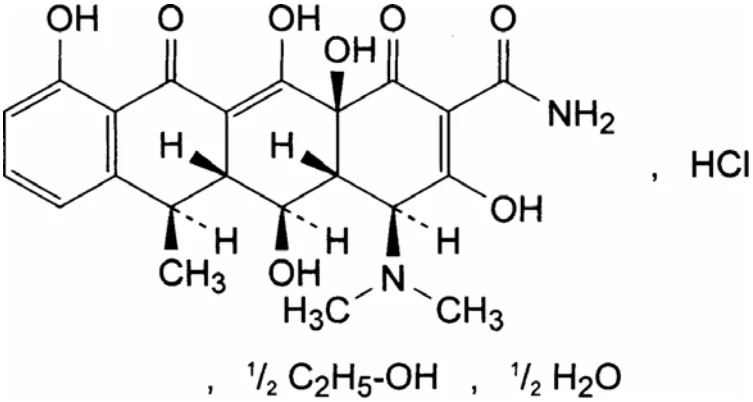
Molecular Formula: (C22H24N2O8 - HCl)2 . C2H6O.H2O
Molecular Weight: 1025.89
Description: Doxycycline Hyclate is a light yellow crystalline powder essentially free of solvent odor.
It is soluble in water: pH (1%, H2O) between 2.0 and 3.0. It decomposes without melting at 201°C.
It is soluble in water and in solutions of alkali hydroxides and carbonates, slightly soluble in alcohol and practically insoluble in chloroform and ether.
| Composition: | |
phl-DOXYCYCLINE 100 mg TABLETS: The active ingredient is Doxycycline Hyclate equivalent to 100 mg of doxycycline. It also contains as non-medicinal ingredients: Cellulose, Starch, Sodium Starch Glycolate, Stearic Acid, Magnesium Stearate, Colloidal silicon dioxide, Hydroxypropyl methylcellulose, Titanium dioxide, Polyethylene glycol, FD&C Yellow No. 6, Polysorbate, FD&C Red No. 40, D&C Yellow No. 10, FD&C Blue No. 2, Carnauba Wax. | |
phl-DOXYCYCLINE 100 mg CAPSULES: The active ingredient is Doxycycline Hyclate equivalent to 100 mg of doxycycline. It also contains as non-medicinal ingredients: Cellulose, Lactose, Stearic Acid, Magnesium Stearate, Colloidal silicon dioxide, Capsules (Gelatin, FD&C Blue No. 1, Titanium Doxide). | |
Stability and Storage Recommendations: Bottles of phl-DOXYCYCLINE TABLETS AND CAPSULES (doxycycline hyclate) 100 mg should be stored at controlled room temperature (15-30°C) protected from light and dispensed in light resistant containers. | |
AVAILABILITY OF DOSAGE FORMS
phl-DOXYCYCLINE tablets (doxycycline hyclate) are available as orange, round, convex tablets, scored on one side and embossed DOXYCIN 100 on the other side, containing doxycycline hyclate equivalent to 100 mg doxycycline. Supplied in bottles of 100 and 300 tablets.
phl-DOXYCYCLINE capsules (doxycycline hyclate) are available as aqua colored hard gelatin capsules, having an H imprint on the male side and 539 on the female side, containing doxycycline hyclate equivalent to 100 mg doxycycline. Supplied in bottles 100 and 300 capsules.
MICROBIOLOGY
Doxycycline hyclate is a broad spectrum antibiotic and has been shown to be active in vitro against the following Gram-negative, Gram-positive and other micro-organism:5,32,34,35,39,41,42
Staphylococcus aureus Klebsiella pneumoniae
Staphylococcus epidermidis (albus) Salmonella typhi
Streptococcus pyogenes Salmonella Typhimurium
Streptococcus faecalis Salmonella enteriditis
Streptococcus pneumoniae Shigella sonnei
Streptococcus viridans Shigella flexneri
Listeria monocytogenes Pseudomonas aeruginosa
Corynebacterium diphtheriae Haemophilus influenzae
Bacillus anthracis Serratia spp.
Bacillus subtilis Brucella spp.
Neisseria gonorrhoeae Proteus spp.
Neisseria catarrhalis Pasteurella spp.
Escherichia coli Mycoplasma pneumoniae
Enterobacter aerogenes Chlamydia trachomatis
Ureaplasma urealyticum
ACTIVITY OF DOXYCYCLINE AGAINST ISOLATES
PATHOGENS
No. Of
isolates
Cummulative Percentage susceptible to indicated concentration (mg/l)
0.06-0.125
0.25
0.5
Ref.
Gram Positive:
Streptococcus faecalis
Group A, B, C and F
Streptococci (including
S. pneunomiae)
Staphylococcus
Listeria monocytogens
Corynebacterium
Gram Negative
Escherichia coli
Klebsiella pneumoniae
Pseudomonas aeroginosa
Haemophilus ingluenzae
Proteus vulgaris
Proteus mirabilis
Neisseria gonorrhoeae
Shigella
Serratia sp.
Other:
Chlamydia trachomatis
Mycoplasma pneumoniae
Ureaplasma urealyticum
There is evidence suggesting that oral doxycycline because of the rapid and almost complete absorption may have less effect on the gut flora than other tetracyclines. It has been reported
(Hinton, 1970) that the normal dosage regimen of tetracycline HCl administered to 17 volunteers was associated with important effects on the intestinal flora in terms of both changes in total population, and emergence of resistant strains. Large doses of oral doxycycline (i.e. doubling the maximum recommended dosage) had to be adminitered to produce an equivalent effect.9
In a similar number of volunteers however, administration of the normal dosage regimen of oral doxycycline was associated with substantially less effect on gut flora. It is reported (Barteaux,
1968) that the gut flora of patients on various doses of oral doxycycline for 10 to 80 days showed no significant deviation from the normal flora or from the flora of a control group of patients. These data suggest that microbiological intestinal complications such as diarrhoea associated with tetracycline therapy may be less frequent when ordinary therapeutic doses of doxycycline are used.2
The drugs in the tetracycline class have closely similar antimicrobial spectra and cross-resistance among them is common.
Susceptibility Testing:
Results from the Kirby-Bauer method of disc susceptibility testing (using the 30 mcg doxycycline disc) and dilution susceptibbility should be interpreted according to the criteria in the following table: TABLE OF SUSCEPTIBILITY TEST RESULTS
ZONE DIAMETER M.I.C.
(30 mcg doxycycline disc)
mm mg/l
Susceptible > 16 ≤ 4
Intermediate 13-15 8
Resistant ≤ 12 > 16
PHARMACOLOGY
A comparative four-way crossover, single-dose bioavailability study was carried out in twenty four adult volunteers on one 100 mg phl-DOXYCYCLINE capsule and tablet products, and
Vibramycin 100 mg Capsules. The pharmacokinetic data (mean " standard deviation) calculated for the Doxycin capsule and tablet and Vibramycin Capsule formulations is tabulated below:
Pharmacokinetic Indices for Doxycycline:
Vibramycin pms-DOXYCYCLINE pms-DOXYCYCLINE
Tablets Capsules
1 X 100 mg 1 X 100mg 1 X 100 mg
Area Under the Curve:
(mcg-hours/ml);
0-24 hours 21,36 " 3,38 21,82 " 4,77 22,27 " 5,10
Peak Plasma Concentration:
Cmax (mcg/mL) 1,85 " 0,27 1,82 " 0,41 1,86 " 0,46
Time to Peak Plasma Level:
Tmax (hours) 1,85 " 0,84 2,15 " 0,95 2,33 " 1,06
Elimimation Rate Constant:
Kel (hours -1) 0,053 " 0,01 0,071 " 0,09 0,049 " 0,01
Doxycycline was rapidly and completely absorbed following oral administration. The ingestion of food or milk does not significantly influence the aborption of doxycycline: 5,41
STATES
DOXYCYCLINE (100mg orally)
Time to Peak Tmax
(hours)
Peak Concentration Cmax (mcg/ml)
Fasting
Non dairy, food alone
Skim milk alone
Food and homogenized milk
1.5 - 2.1
1.5 - 2.1
1.45
1.18
Hemodialysis does not alter the serum half-life.5
In patients with impaired renal function, neither increased serum half-life, nor accumulated serum levels have been observed.13,15,16
Doxycycline is highly protein bound (80-95%).5
TOXICOLOGY
Acute Toxicity:
The following table shows oral and parenteral toxicity of doxycycline hyclate in mice, rats and dogs:
Doxycycline LD50 (95% Confidence Limits)
Species Oral Route (mg/kg) I.V. Route (mg/kg)
Mouse 1900 (1696-2128) 241 (230-253)
Rat 2,000 228 (202-258)
Dog 500 100
The intraperitoneal LD50's of doxycycline in weanling and newborn rats are 262 (range 222-
309) and 300 (range 275-327) mg/kg, respectively.
Subacute Toxicity:5,40,43
Doxycycline administered to hamsters at dosages of 500 or 250 mg/kg/day for periods of one to 2 1/2- months produced weight loss and early death. Hamsters receiving 50 mg/kg/day of doxycycline for 30 days showed no toxic effects or gross or histopathologic changes in tissues.
In dogs, dosages of doxycycline 250 mg/kg/day given for one month produced discolouration of the thyroid gland with the presence of intracytoplasmic granules in follicular acini and occasional amorphous body formation within follicular colloid. In another study, male and female dogs were given doxycycline at a dose of 125 mg/kg b.i.d. for 5 days followed by 83 mg/kg t.i.d. for 6 days.
All (N = 4) animals on doxycycline lost weight and death occurred in one animal after day 11.
Certain biochemical, functional, and histologic changes of the liver occurred in dogs (but no in rats, hansters, or monkeys) receiving doxycycline at dosage levels of 250 and 50 mg/kg/day for 30 days. The histologic changes found were bile ductular proliferation with glycogen depletion in cells in the periportal region, hepatocellular intracytoplasmic inclusion bodies and Kupffer cells, which were swollen with PAS-positive granular material. These changes were not seen at the 25 mg/kg/day level. The hepatic changes in dogs did not progress upon continuation of the drug for 1 year, and the changes were reversible after drug withdrawal.
At 100 mg/kg/day, gastro-intestinal toxicity occurred in monkeys and dogs. The antibiotic had to be withdrawn after only 2 days of testing in monkeys due to the extensive development of melena.
As with other tetracyclines, fluorescence of the kidney, liver, teeth and bones under ultra violet light was observed in monkeys, rats and dogs.
Discolouration of the thyroid gland occurred in all monkeys, dogs and rats tested. In the dog, thyroid toxicity consisted of an acinar cell hyperplasia with acinar cell granules, amorphous bodies in the colloid and a slight diminution of follicular colloid. In the monkey, thyroid discolouration consisted of a golden granular material in the colloid.
Monkeys receiving 25 and 50 mg/kg/day of doxycycline for 1 1/2- to 2 1/2- months showed mild yellow ultraviolet fluorescence of liver, kidney and bone, and the presence of small amounts of intracytoplasmic granular material in the thyroid gland.
Chronic Toxicity5,40,43
In an 18-month chronic toxicity study, rats were fed doxycycline at levels of 500, 250, and 50 mg/kg/day. Except for slight depression of weight gains in some rats receiving the 500 mg/kg/dose for 1 year, doxycycline had no adverse effects on growth, food consumption, survival, or hemogram and urinalysis values. Yellow ultraviolet fluorescence of bone, teeth and/or kidneys was seen in rats receiving all levels of doxycycline for 6, 12 or 18 months. Discolouration of the thyroid gland was also noted in rats receiving doxycycline for 12 months at levels of 500 and 250 mg/kg/day, and at 18 months at all levels. There was depletion of hepatic glycogen in 4 of 40 rats receiving the highest dose level for 1 year.
During the course of a 1-year comparative oral toxicology and pathology study in dogs, doxycycline did not produce any toxic effect at the 10 mg/kg/day dosage level. Moderate to marked elevations of alkaline phosphatase and SGPT (occasionally SGOT) were observed in animals receiving doxycycline, 100 mg/kg/day. One of two dogs receiving 100 mg/kg/day displayed mild bile ductular proliferation and hepatocellular inclusion bodies after 5 months (biopsy sample) and 12 months (necropsy sample). Doxycycline doses of 100 mg/kg/day for 5 months and 10 mg/kg/day for 12 months caused black and brownish discolouration of the thyroid gland, respectively with intracytoplasmic granules. There were no significant changes in the thyroid function as measured by the PBI, T3, and131I uptake, and serum cholesterol levels in dogs receiving doxycycline. Dogs receiving 100 mg/kg/day of doxycycline for 1 year showed vasodilation and focal areas of necrosis of the mucosa of the pyloric and fundic stomach, and yellow ultraviolet fluorescence of teeth and bones.
| Monkeys receiving 100 mg/kg of doxycycline orally exhibited severe vomiting and diarrhea, and dosage was discontinued. One of four monkeys receiving 50 mg/kg/day of doxycycline for 6 months had occasional anorexia and diarrhea. Changes occurring after 1 year at this dose level included: | |
| |
| |
In another study, two monkeys receiving the 25 mg/kg/day dosage for 6 and 8 months, respectively were found to have slight yellow ultraviolet fluorescence of the endosteum and periosteum of bone, and microscopic appearance of small amounts of granular intracytoplasmic material in the acinar cells of thyroid follicles.
No adverse effects on blood or kidneys appeared in the species of animals employed in these toxicity studies.
Reproduction and Teratogenic Studies:
Doxycycline has no teratologic effects in rats, rabbits or monkeys.
In rats, a 2-litter test was performed with breeding groups (20 females and 10 males per group) receiving doses of 50 and 250 mg/kg/day before and throughout 2 consecutive litters. There was no evidence that doxycycline interfered with the reproductive processes in rats. In the first litter of the high-dose group, there was 1 pup with a supernumerary thoracic rib - this is considered a spontaneous occurrence.
In an additional rat study, drug administration was restricted to the period of organogenesis - days 7 through 15 of gestation. Doses of doxycycline administered were 25 and 5 mg/kg/day. The progeny were delivered by cesarean section on day 20, examined for external malformation, and randomly selected for either sectioning by the method of Wilson or alizarin skeletal staining. In the low-dose group, 2 littermates had diaphraghmatic hernias and other anomalies; except for this, the condition of the 60 dosed rats and their 441 progeny resembled that of the 20 control rats and their
123 progeny. Therefore, it was concluded that compound-related teratogenic effects were not evident for the dosed rats.
In rabbits, groups of 10 pregnant females received 8 or 40 mg/kg/day of doxycycline from day 8 to day 16 of pregnancy. One pup each in the control and low-dose group had spina bifida and other anomalies. These effects are believed to be spontaneous and not drug induced.
In monkeys, a limited number of animals receiving from 1 to 50 mg/kg/day in chronic toxicity studies reproduced without any teratologic effects.
REFERENCES
- 1. Allestig, K.: Studies on doxycycline during intravenous and oral treatment with reference to renal function. Scand. J. Infect. Dis.5:193, 1973.
- 2. Barteaux, J.W.: Clinical experience with doxycycline - A new tetracycline. Paper presented at the Canadian Society of Chemotherapy, Montreal, Jan. 19, 1968. Int. J. Clin. Pharmacol. 1:5:404,
1968.
- 3. Barza, M. and Schieffe, R.T.: Antimicrobial spectrum, pharmacology and therapeutic use of antibiotics. Part 1: Tetracyclines. Am. J. Hosp. Pharm. 34:49, 1977.
- 4. Bennion-Pedley, J.: Treatment of acute exacerbations of chronicbronchitis in general ractice.
Br. J. Clin. Pract. 23:280, 1969.
- 5. Edwards, Colin. Doxycycline. In: Goldberg, M.E., ed., Pharmacological and biochemical properties of durg substances. Vol. 2, Washington, American Pharmaceutical Association Academy of Pharmaceutical Sciences, 1979, p. 305-332.
- 6. Ferguson, G.C.: A comparison of oxytetracycline with doxycycline in the winter chemoprophylaxis of chronic bronchitis. Br. J. Clin. Pract. 28:131, 1974.
- 7. Frost, P., Weinstein, G.D. and Gomez, E.C.: Phototoxic potential of minocycline and doxycycline. Arch. Derm. 105:681, 1972.
- 8. Hansson, H.B., Walder, M. and Juhlin, I.: Susceptibility of Shigellae to mecillinam, nalidixic acid, trimethoprim and five other antimicrobial agents. Antimicrob. Ag. Chemother, 19:271, 981.
- 9. Hinton, N.A.: The effect of oral tetracycline HCl and doxycycline on the intestinal flora. Curr.
Ther. Res. 12:341-352, 1970.
- 10. Jaffe, J.M., Poust, R.I., Feld, S.L. and Colaizzi, J.L.: Influence of repetitive dosing and altered urinary pH on doxycycline excretion in humans. J. Pharm. Sci. 63:1256, 1974.
- 11. Kasanen, A., Raines, T., Sundqvist, H. and Tikkanen, R.: Doxycycline in renal insufficiency.
Curr. Therap. Res. 16:243, 1974.
- 12. Lassus, A., Perko, R.L., Stubb, S., Mattila, R. and Jansson, E.: Doxycycline treatment of nongonococcal urethritis with special reference to T. strain mycoplasmas. Brit. J. Vener. Dis.,
47:126, 1971.
- 13. Lee, P., Crutch, E.R. and Morrison, R.B.I.: Doxycycline: Studies in normal subjects and patients with renal failure. N. Z. Med. J. 75:355, 1972.
- 14. Leibowitz, B.J., Hakes, J.L., Cahn, M.M. and Levy, E.J.: Doxycycline blood levels in normal subjects after intravenous and oral administration. Curr. Therap. Res. 14:820, 1972.
- 15. Little, P.J. and Bailey, R.R.: Tetracyclines and renal failure. N.Z. Med. J. 72:183, 1974.
- 16. Mahon, W.A., Wittenberg, J.V.P. and Tuffnel, P.G.: Studies on the absorption and distribution of doxycycline in normal patients and in patients with severely impaired renal function. C.M.A.J.
103:1031, 1970.
- 17. Masterton, G. and Schofield, C.B.S.: Doxycycline HCl (Vibramycin) as a single dose oral treatment of gonococcal and non specific urethritis in men. Brit. J. Vener. Dis. 48:121, 1972.
- 18. Moffett, M., McGill, M.I., Masterton, G. and Schofield, C.B.S.: Doxycycline HCl (Vibramycin)
as a single dose oral treatment in women. Brit. J. Vener. Dis. 48:126, 1972.
- 19. Morgan, T. and Ribush, N.: The effect of oxytetracycline and doxycycline on protein metabolism. Med. J. Aust. 1:55, 1972.
- 20. Mutchnick, M.G.: Treatment of gonococcal urethritis with a single dose of doxycycline monohydrate. Brit. J. Vener. Dis. 48:381, 1972.
- 21. Napgal, V.P. and Harries, J.R.: Single-dose doxycycline in the treatment of lobar pneumonia:
Comparative trial against procaine penicillin. E. Afr. Med. J. 51:778, 1974.
- 22. Neuvonen, P.J. and Penttila, O.: Effect or oral ferrous sulphate on the half-life of doxycycline in man. Europ. J. Clin. Pharmacol. 7:361, 1974.
- 23. Neuvonen, P.J. and Penttila, O,: Interaction between doxycycline and barbiturates. Br. Med. J.
1:535, 1974.
- 24. Nielson, M.L., Laursen, H., Gauguin, J. and Rosenkast, P.: Doxycyclinum NFN: A pharmacological and bacteriological investigation. Acta. Pharmacol. et Toxicol. 29:314, 197.
- 25. Oller, L.Z., Edwards, J.C. and Lumb, K.M.: Single and double doses of doxycycline for the treatment of gonorrhoea. Brit. J. Vener. Dis. 49:291, 1973.
- 26. Penttila, O., Neuvonen, P.J., Aho, K. and Lehtovaara, R.: Interaction between doxycycline and some antiepileptic drugs. Br. Med. J. 2:470, 1974.
- 27. Robinson, D.H. and Shepherd, D.A.: Single session, two dose therapy with doxycycline for gonorrhea. Curr. Therap. Res. 16:214, 1974.
- 28. Sande, M.A. and Mandell, G.L.: Antinicrobial agents, tetracycline and chloramphenicol,
Chapter 52, In: Goodman Gilman, A., Goodman, L.S. and Gilman A., eds. Goodman and Gilmans
The Pharmacological Basis of Therapeutics, 6th ed., Toronto, Collier MacMillan Canada Ltd.,
1980,1181-1199.
- 29. Schofield, C.B.S. and Masterton, G.: Doxycycline HCl (Vibramycin) syrup as a single-dose oral treatment for uncomplicated urethritis in men. Brit. J. Vener. Dis. 50:303, 1974.
- 30. Wiesner, P.J., Holmes, K.K., Sparling, P.F., Maness, M.J., Bear, D.M., Gutman, L.T. and
Karney, W.W.: Single doses of methacycline and doxycycline for gonnorhea: A cooperative study of the frequency and cause of treatment failure. J. Infect. Dis. 127:461, 1973.
- 31. USPDI 1988, 8th Edition. United States Pharmacopeial Convention, Inc., Rockville, MD,
U.S.A., 2045-57.
- 32. Bowie, W.R., Shaw, C.E., Chan, D.G.W. and Black, W.A.: In vitro activity of Ro 15-8074, Ro
19-5247, A-56268, and Roxithromycin (RU 28965) against Neisseria gonorrhoeae and Chlamydia trachomatis. Antimicrob. Ag. Chemother. 31:470, 1987.
- 33. Focht, J., Klietmann, W. and Nosner, K.: In vitro activity of the combination trimethoprim plus sulfamethozazole compared with that of other chemotherapeutic agents. Arnzeim-Forsch/Drug Res.
38:1085, 1988.
- 34. Freney, J., Husson, M.O., Gavini, F., Madier, S., Martra, A., Izard, D., Leclerc, H. and Fleurette,
J.: Susceptibilities to antibiotics and antiseptics of new species of the family Enterobacteriaceae.
Antimicrob. Ag. Chemother. 32:873, 1988.
- 35. Larsson, S., Walder, M.H., Cronberg, S.N., Forsgren, A.B. and Moestrup, T.: Antimicrobial susceptibilities of Listeria monocytogenes strains isolated from 1958 to 1982 in Sweden.
Antimicrob. Ag. Chemother. 28:12, 1985.
- 36. Liebowitz, L.D., Ballard, R.C. and Koornhof H.J.: In vitro susceptibility and cross-resistance of
South African isolates of Neisseria gonorrhoeae to 14 antimicrobial agents. Antimicrob. Ag.
Chemother. 22:598, 1982.
- 37. Rylander, M. and Hallander, H.O.: In vitro comparison of the activity of doxycycline, tetracycline, erythromycin and a new macrolide, CP 62993, against Mycoplasma pneumoniae,
Mycoplasma hominis and Ureaplasma urealyticum. Scand. J. Infect. Dis. 53:12, 1988.
- 38. Smith, R.P., Baltch, A.L., Hammer, M.C. and Conroy, J.V.: In vitro activity of CI-934 and other antimicrobial agents against gram-positive and gram negative bacteria. Clin. Ther. 9:106,
1986.
- 39. United States FDA Summary Basis for Approval Documents for doxycycline. NDA's 50-
006/50-007, Rockville, Maryland, February 15, 1967.
- 40.
AHFS Drug Information 1988. American Society of Hospital Pharmacists
Inc., Bethesda, MD, U.S.A., 327-329, 1988.
- 41. Physicians' Desk Reference, 42nd Edition, Oradell, NJ., U.S.A., 1624-5, 1988.
- 42. Vibramycin Product Monograph, Pfizer Canada Inc., July 10, 1987.
- 43. Novo-Doxylin Product Monograph, Novopharm Limited, December 21, 1988.
- 44. Doxycin Product Monograph, Laboratoire Riva Ltee, March 15, 1989.