


Product Monograph - Prefesta
SUMMARY PRODUCT INFORMATION
| Route of Administration | Dosage Form / Strength | Clinically Relevant Nonmedicinal Ingredients |
| oral | Tablet: 1.0 mg 17β-estradiol or 1.0 mg 17β-estradiol and 90 µg norgestimate | For a complete listing see Dosage Forms, Composition and Packaging section. |
INDICATIONS AND CLINICAL USE
PREFESTA is indicated:
- in women with an intact uterus for the relief of symptoms of menopause associated with estradiol deficiency.
- for the treatment of vulvar and vaginal atrophy.
PREFESTA 17β-estradiol and norgestimate therapy should be prescribed only to women with intact uteri.
Pediatrics:
PREFESTA tablets are not indicated in children.
CONTRAINDICATIONS
- Patients who are hypersensitive to this drug or to any ingredient in the formulation or component of the container. For a complete listing, see the Dosage Forms, Composition and Packaging section of the product monograph.
- Active hepatic dysfunction or disease, especially of the obstructive type.
- Personal history of known or suspected estrogen/progestin-dependent neoplasia such as breast or endometrial cancer.
- Endometrial hyperplasia
- Undiagnosed abnormal genital bleeding
- Known or suspected pregnancy
- Active or past history of confirmed venous thromboembolism (such as deep venous thrombosis or pulmonary embolism) or active thrombophlebitis
- Active or past history of arterial thromboembolic disease (e.g. stroke, myocardial infarction, coronary heart disease)
- Partial or complete loss of vision due to ophthalmic vascular disease
- Classical migraine
WARNINGS AND PRECAUTIONS
General
- Abnormal vaginal bleeding, due to its prolongation, irregularity or heaviness, occurring during therapy should prompt diagnostic measures like hysteroscopy, endometrial biopsy or curettage to rule out the possibility of uterine malignancy and the treatment should be re-evaluated.
- Pre-existing uterine leiomyoma may increase in size during estrogen use. Growth, pain or tenderness of uterine leiomyoma requires discontinuation of medication.
- Symptoms and physical findings associated with a previous diagnosis of endometriosis
Serious Warnings and Precautions
The Women’s Health Initiative (WHI) trial examined the health benefits and risks of oral combined estrogen plus progestin therapy (n=16,608) and oral estrogen-alone therapy (n=10,739) in postmenopausal women aged 50 to 79 years.1-3
The estrogen plus progestin arm of the WHI trial (mean age 63.3 years) indicated an increased risk of myocardial infarction (MI), stroke, invasive breast cancer, pulmonary emboli and deep vein thrombosis in postmenopausal women receiving treatment with combined conjugated equine estrogens (CEE, 0.625 mg/day) and medroxyprogesterone acetate (MPA, 2.5 mg/day) for 5.2 years compared to those receiving placebo.1
The estrogen-alone arm of the WHI trial (mean age 63.6 years) indicated an increased risk of stroke and deep vein thrombosis in hysterectomized women treated with CEE-alone (0.625 mg/day) for 6.8 years compared to those receiving placebo.2
Therefore, the following should be given serious consideration at the time of prescribing:
- Estrogens with or without progestins should not be prescribed for primary or secondary prevention of cardiovascular diseases.
- Estrogens with or without progestins should be prescribed at the lowest effective dose for the approved indication.
Estrogens with or without progestins should be prescribed for the shortest period possible for the approved indication.
- may reappear or become aggravated with estrogen use.
- Caution is advised in patients with a history of estrogen-related jaundice and pruritus. If cholestatic jaundice develops during treatment, the treatment should be discontinued and appropriate investigations carried out.
- Patients who develop visual disturbances, classical migraine, transient aphasia, paralysis, or loss of consciousness should discontinue medication.
- If feasible, HRT should be discontinued at least 4 weeks before major surgery which may be associated with an increased risk of thromboembolism, or during periods of prolonged immobilization.
- Women using hormonal replacement therapy (HRT) sometimes experience increased blood pressure. Blood pressure should be monitored with HRT use. Elevation of blood pressure in previously normotensive or hypertensive patients should be investigated and HRT therapy may have to be discontinued. An elevation of blood pressure was not observed in clinical studies with PREFESTA tablets.
- Estrogens may cause fluid retention. Therefore, particular caution is indicated in cardiac or renal dysfunction, epilepsy or asthma. Treatment should be stopped if there is an increase in epileptic seizures. If, in any of the above-mentioned conditions, a worsening of the underlying disease is diagnosed or suspected during treatment, the benefits and risks of treatment should be reassessed based on the individual case.
- Because the prolonged use of estrogens influences the metabolism of calcium and phosphorus, estrogens should be used with caution in patients with metabolic and malignant bone diseases associated with hypercalcemia and in patients with renal insufficiency.
- A worsening of glucose tolerance and lipid metabolism have been observed in a significant percentage of peri- and post-menopausal patients. Therefore, diabetic patients or those with a predisposition to diabetes should be observed closely to detect any alterations in carbohydrate or lipid metabolism, especially in triglyceride blood levels.
- Women with familial hypertriglyceridemia or porphyria need special surveillance. Lipid- lowering measures are recommended additionally, before treatment is started.
- Liver function tests should be done periodically in subjects who are suspected of having hepatic disease. For information on endocrine and liver function tests, see the section under Laboratory Tests.
- The use of progestin in estrogen replacement regimens has a possible enhancement of mitotic activity in breast epithelial tissue, although few epidemiological data are available to address this point.
Addition of a Progestin When a Woman Has Not Had a Hysterectomy
Studies of the addition of a progestin for 10 or more days of a cycle of estrogen administration, or daily with estrogen in a continuous regimen, have reported a lowered incidence of endometrial hyperplasia than would be induced by estrogen treatment alone.
The choice of progestin, its dose, and its regimen may be important in minimizing these adverse effects.
Carcinogenesis and Mutagenesis
Breast Cancer
Available epidemiological data indicate that the use of combined estrogen plus progestin by postmenopausal women is associated with an increased risk of invasive breast cancer.
In the estrogen plus progestin arm of the WHI trial, among 10,000 women over a one-year period, there were:
- 8 more cases of invasive breast cancer (38 on combined HRT versus 30 on placebo).21
The WHI study also reported that the invasive breast cancers diagnosed in the estrogen plus progestin group were similar in histology but were larger (mean [SD], 1.7 cm [1.1] vs 1.5 cm [0.9], respectively; P=0.04) and were at a more advanced stage compared with those diagnosed in the placebo group. The percentage of women with abnormal mammograms (recommendations for short-interval follow-up, a suspicious abnormality, or highly suggestive of malignancy) was significantly higher in the estrogen plus progestin group versus the placebo group. This difference appeared at year one and persisted in each year thereafter.24
In the estrogen-alone arm of the WHI trial, there was no statistically significant difference in the rate of invasive breast cancer in hysterectomized women treated with conjugated equine estrogens versus women treated with placebo.26
It is recommended that estrogens not be given to women with existing breast cancer or those with a previous history of the disease (see Contraindications).
There is a need for caution in prescribing estrogens for women with known risk factors associated with the development of breast cancer, such as strong family history of breast cancer (first degree relative) or who present a breast condition with an increased risk (abnormal mammograms and/ or atypical hyperplasia at breast biopsy).
Other known risk factors for the development of breast cancer such as nulliparity, obesity, early menarche, late age at first full term pregnancy and at menopause should also be evaluated.
It is recommended that women undergo a mammography prior to the start of HRT treatment and at regular intervals during treatment, as deemed appropriate by the treating physician and according to the perceived risks for each patient.
The overall benefits and possible risks of hormone replacement therapy should be fully considered and discussed with patients. It is important that the modest increased risk of being diagnosed with breast cancer after 4 years of treatment with HRT (as reported in the results of WHI-trial) be discussed with the patient and weighed against its known benefits.
Instructions for regular self-examination of the breasts should be included in this counselling.
Endometrial hyperplasia & endometrial carcinoma
Estrogen-only HRT increases the risk of endometrial hyperplasia (if taken by women with intact uteri).
The reported endometrial cancer risk among unopposed estrogen users is about 2- to 12-fold greater than in non-users, and appears dependent on duration of treatment and on estrogen dose. Most studies show no significant increased risk associated with the use of estrogens for less than one year. The greatest risk appears associated with prolonged use, with increased risks of 15- to 24-fold for 5 to 10 years or more, and this risk has been shown to persist for at least 8 to 15 years after estrogen therapy is discontinued. Using progestin therapy together with estrogen therapy significantly reduces but does not eliminate this risk.
Pulsed addition of norgestimate to 1 mg estradiol reduced the observed hyperplasia incidence to <1% with PREFESTA therapy. Over the duration of one year, the upper limit of the 95% confidence interval in the “intent-to-treat” population was 0.46.
Appropriate diagnostic measures should be undertaken to rule out malignancy in all cases of undiagnosed, persistent, or recurring abnormal vaginal bleeding.
Ovarian cancer
Some recent epidemiologic studies have found that the use of hormone replacement therapy (estrogen-alone and estrogen plus progestin therapies), in particular for five or more years, has been associated with an increased risk of ovarian cancer.
Cardiovascular
The results of the Heart and Estrogen/progestin Replacement Studies (HERS and HERS II) and the Women’s Health Initiative (WHI) trial indicate that the use of estrogen plus progestin is associated with an increased risk of coronary heart disease (CHD) in postmenopausal women.21,22,23 The results of the WHI trial indicate that the use of estrogen-alone and estrogen plus progestin is associated with an increased risk of stroke in postmenopausal women.21, 26
WHI trial findings
In the combined estrogen plus progestin arm of the WHI trial, among 10,000 women over a one-year period, there were:
- 8 more cases of stroke (29 on combined HRT versus 21 on placebo)
- 7 more cases of CHD (37 on combined HRT versus 30 on placebo).21
In the estrogen-alone arm of the WHI trial of women with prior hysterectomy, among 10,000 women over a one-year period, there were/was:
- 12 more cases of stroke (44 on estrogen-alone therapy versus 32 on placebo)
- no statistically significant difference in the rate of CHD.26
HERS and HERS II findings
In the Heart and Estrogen/progestin Replacement Study (HERS) of postmenopausal women with documented heart disease (n=2763, average age 66.7 years), a randomized placebo-controlled clinical trial of secondary prevention of coronary heart disease (CHD), treatment with 0.625 mg/day oral conjugated equine estrogen (CEE) plus 2.5 mg medroxyprogesterone acetate (MPA) demonstrated no cardiovascular benefit. Specifically, during an average follow-up of 4.1 years, treatment with CEE plus MPA did not reduce the overall rate of CHD events in postmenopausal women with established coronary heart disease. There were more CHD events in the hormone-treated group than in the placebo group in year 1, but not during the subsequent years.22
From the original HERS trial, 2321 women consented to participate in an open label extension of
HERS, HERS II. Average follow-up in HERS II was an additional 2.7 years, for a total of 6.8 years overall. After 6.8 years, hormone therapy did not reduce the risk of cardiovascular events in women with CHD.23
Blood pressure
Women using hormone replacement therapy sometimes experience increased blood pressure. Blood pressure should be monitored with HRT use. Elevation of blood pressure in previously normotensive or hypertensive patients should be investigated and HRT may have to be discontinued.
Ear/Nose/Throat
Otosclerosis
Estrogens should be used with caution in patients with otosclerosis.
Endocrine and Metabolism
Heme metabolism
Women with porphyria need special surveillance.
Glucose and lipid metabolism
A worsening of glucose tolerance and lipid metabolism have been observed in a significant percentage of peri- and post-menopausal patients. Therefore, diabetic patients or those with a predisposition to diabetes should be observed closely to detect any alterations in carbohydrate or lipid metabolism, especially in triglyceride blood levels.
Women with familial hyperlipidemias need special surveillance. Lipid lowering measures are recommended additionally, before treatment is started.
Calcium and phosphorus metabolism
Because the prolonged use of estrogens with or without progestins influences the metabolism of calcium and phosphorus, estrogens with or without progestins should be used with caution in patients with metabolic and malignant bone diseases associated with hypercalcemia and in patients with renal insufficiency.
Hypothyroidism
Patients who require thyroid hormone replacement therapy and who are also taking estrogen should have their thyroid function monitored regularly to assure that thyroid hormone levels remain in an acceptable range (see Drug-Laboratory Test Interactions).
Other conditions
PREFESTA contains lactose. In patients with rare hereditary galactose intolerance, lactase deficiency or glucose-galactose malabsorption, the severity of the condition should be taken into careful consideration before prescribing PREFESTA. The patients should be closely monitored.
Genitourinary
Vaginal bleeding
Abnormal vaginal bleeding, due to its prolongation, irregularity or heaviness, occurring during therapy should prompt appropriate diagnostic measures to rule out the possibility of uterine malignancy and the treatment should be re-evaluated.
Uterine leiomyomata
Pre-existing uterine leiomyomata may increase in size during estrogen use. Growth, pain or tenderness of uterine leiomyomata requires discontinuation of medication and appropriate investigation.
Endometriosis
Symptoms and physical findings associated with a previous diagnosis of endometriosis may reappear or become aggravated with estrogen use.
Hematologic
Venous thromboembolism
Recent epidemiological data indicate that use of estrogen with or without progestin is associated with an increased risk of developing venous thromboembolism (VTE). WHI-trial’s results concluded that there are more risks than benefits among women using combined HRT (conjugated equine estrogens/medroxyprogesterone acetate), compared to the group using placebo. In 10,000 women on combined HRT over a period of one year, there were eighteen more cases of total blood clots in the lungs and legs (34 on combined HRT versus 16 on placebo).
Generally recognized risk factors for VTE include a personal history, a family history (the occurrence of VTE in a direct relative at a relatively early age may indicate genetic predisposition), severe obesity (body mass index > 30 kg/m2) and systemic lupus erythematosus. The risk of VTE also increases with age and smoking.
The risk of VTE may be temporarily increased with prolonged immobilization, major elective surgery or post-traumatic surgery, or major trauma (if feasible, HRT should be discontinued at least 4 weeks before major surgery which may be associated with an increased risk of thromboembolism, or during periods of prolonged immobilization). In women on HRT, attention should be given to prophylactic measures to prevent VTE following surgery. Also, patients with varicose veins should be closely supervised. The physician should be alert to the earliest manifestations of thrombotic disorders (thrombophlebitis, retinal thrombosis, cerebral embolism and pulmonary embolism). If these occur or are suspected, hormone therapy should be discontinued immediately.
If feasible, estrogens with or without progestins should be discontinued at least 4 weeks before major surgery which may be associated with an increased risk of thromboembolism, or during periods of prolonged immobilization.
Hepatic/Biliary/Pancreatic
Gallbladder disease
A 2- to 4-fold increase in the risk of gallbladder disease requiring surgery in women receiving postmenopausal estrogens has been reported.
Hepatic hemangioma
Particular caution is indicated in women with hepatic hemangiomas as estrogens may cause an exacerbation of this condition.
Jaundice
Caution is advised in patients with a history of liver and/or biliary disorders. If cholestatic jaundice develops during treatment, the treatment should be discontinued and appropriate investigations carried out.
Liver function tests
Liver function tests should be done periodically in subjects who are suspected of having hepatic disease. For information on endocrine and liver function tests, see the section under Monitoring and Laboratory Tests.
Immune
Angioedema
Estrogens may induce or exacerbate symptoms of angioedema, in particular in women with hereditary angioedema.
Systemic lupus erythematosus
Particular caution is indicated in women with systemic lupus erythematosus.
Neurologic
Cerebrovascular insufficiency
Patients who develop visual disturbances, classical migraine, transient aphasia, paralysis or loss of consciousness should discontinue medication. Patients with a previous history of classical migraine and who develop a recurrence or worsening of migraine symptoms should be reevaluated.
Dementia
Available epidemiological data indicate that the use of combined estrogen plus progestin in women age 65 and over may increase the risk of developing probable dementia.
The Women’s Health Initiative Memory Study (WHIMS), a clinical substudy of the WHI, was designed to assess whether postmenopausal hormone replacement therapy (oral estrogen plus progestin or oral estrogen-alone) reduces the risk of dementia in women aged 65 and over (age range 65-79 years) and free of dementia at baseline.25,27
In the estrogen plus progestin arm of the WHIMS (n=4532), women with intact uteri were treated with daily 0.625 mg conjugated equine estrogens (CEE) plus 2.5 mg medroxyprogesterone acetate (MPA) or placebo for an average of 4.05 years. The results, when extrapolated to 10,000 women treated over a one-year period showed:
- 23 more cases of probable dementia (45 on combined HRT versus 22 on placebo).25
In the estrogen-alone arm of the WHIMS (n=2947), women with prior hysterectomy were treated with daily 0.625 mg CEE or placebo for an average of 5.21 years. The results, when extrapolated to 10,000 women treated over a one-year period showed:
- 12 more cases of probable dementia (37 on estrogen-alone versus 25 on placebo), although this difference did not reach statistical significance.27
When data from the estrogen plus progestin arm of the WHIMS and the estrogen-alone arm of the WHIMS were combined, as per the original WHIMS protocol, in 10,000 women over a one-year period, there were:
- 18 more cases of probable dementia (41 on estrogen plus progestin or estrogen-alone versus 23 on placebo).27
Epilepsy
Particular caution is indicated in women with epilepsy, as estrogens with or without progestins may cause an exacerbation of this condition
Renal
Fluid retention
Estrogens with or without progestins may cause fluid retention. Therefore, particular caution is indicated in cardiac or renal dysfunction, or asthma. If, in any of the above-mentioned conditions, a worsening of the underlying disease is diagnosed or suspected during treatment, the benefits and risks of treatment should be reassessed based on the individual case.
Special Populations
Pregnant Women:
PREFESTA tablets should not be used during pregnancy (see CONTRAINDICATIONS).
Nursing Women:
As a general principle, the administration of any drug to nursing mothers should be done only when clearly necessary since many drugs are excreted in human milk. Estrogen administration to nursing mothers has been shown to decrease the quantity and quality of the milk. Estrogens are not indicated for the prevention of postpartum breast engorgement.
Pediatrics:
PREFESTA tablets are not indicated in children.
Geriatrics:
PREFESTA tablets have not been studied in geriatric patients. Therefore, no dosing adjustment recommendation can be made.
Monitoring and Laboratory Tests
Before PREFESTA 17β-estradiol and norgestimate is administered, the patient should have a complete physical examination including a blood pressure determination. Breasts and pelvic organs should be appropriately examined and a Papanicolaou smear should be performed. Endometrial biopsy should be done only when indicated. Baseline tests should include mammography, measurements of blood glucose, calcium, triglycerides and cholesterol, and liver function tests.
The first follow-up examination should be done within 3-6 months after initiation of treatment to assess response to treatment. Thereafter, examinations should be made at intervals at least once a year and should include at least those procedures outlined above. It is important that patients are encouraged to practice frequent self-examination of the breasts.
ADVERSE REACTIONS
Adverse Drug Reaction Overview
See Warnings and Precautions regarding potential induction of malignant neoplasms and adverse effects similar to those of oral contraceptives.
Cardiovascular/Hematologic:
Palpitations; isolated cases of: thrombophlebitis; thromboembolic disorders; exacerbations of varicose veins; increase in blood pressure (see Warnings and Precautions). Coronary thrombosis; altered coagulation tests (see Warnings and Precautions, Drug-Laboratory Tests Interactions).
Central Nervous System:
Aggravation of migraine episodes; nervousness; irritability; neuro-ocular lesions (e.g. retinal thrombosis, optic neuritis).
Endocrine:
Breast swelling and tenderness; increased blood sugar levels; decreased glucose tolerance; sodium retention.
Gastrointestinal:
Vomiting; abdominal discomfort (cramps, pressure); bloating; gallbladder disorder; asymptomatic impaired liver function; cholestatic jaundice.
Genitourinary:
Spotting; change in menstrual flow; vaginal itching/discharge; dyspareunia; dysuria; endometrial hyperplasia; pre-menstrual-like syndrome; reactivation of endometriosis; cystitis; changes in cervical erosion and amount of cervical secretion.
Hepatobiliary disorders:
Gallbladder disorder; asymptomatic impaired liver function; cholestatic jaundice.
Miscellaneous:
Fatigue, changes in appetite; changes in body weight; edema; neuritis; change in libido; musculoskeletal pain including leg pain not related to thromboembolic disease (usually transient, lasting 3-6 weeks) may occur.
Musculoskeletal and connective tissue disorders:
Musculoskeletal pain including leg pain not related to thromboembolic disease (usually transient, lasting 3-6 weeks) may occur.
Ophthalmic:
Visual disturbances; steepening of the corneal curvature; intolerance to contact lenses; neuro- ocular lesions (see CNS above).
Psychiatric disorders:
Mental depression; nervousness; irritability.
Renal and urinary disorders:
Cystitis; dysuria; sodium retention; edema.
Skin:
Chloasma or melasma; which may persist when drug is discontinued; erythema multiform; erythema nodosum; haemorrhagic eruption; loss of scalp hair; hirsutism and acne.
If adverse symptoms persist, the prescription of HRT should be re-considered.
Clinical Trial Adverse Drug Reactions
Because clinical trials are conducted under very specific conditions the adverse reaction rates observed in the clinical trials may not reflect the rates observed in practice and should not be compared to the rates in the clinical trials of another drug. Adverse drug reaction information from clinical trials is useful for identifying drug-related adverse events and for approximating rates.
In four 12-month trials that included 579 healthy postmenopausal women treated with PREFESTA 17β-estradiol and norgestimate tablets, the following treatment-emergent adverse events occurred at a rate ≥ 5% (Table 1).
Table 1: All Treatment-Emergent Adverse Events Regardless of Drug Relationship Reported at a Frequency of ≥ 5% With PREFESTA Tablets
Four 12-Month Clinical Trials
PREFESTA
(estradiol and NGM)
(n = 579)
Body as a Whole
Back pain 12%
Fatigue 6%
Influenza-like symptoms 11%
Pain 6%
Digestive System
Abdominal pain 12%
Flatulence 5%
Nausea 6%
Tooth disorder 5%
Musculoskeletal System
Arthralgia 9%
Myalgia 5%
Nervous System
Dizziness 5%
Headache 23%
Psychiatric Disorders
Depression 5%
Reproductive System
Breast pain 16%
Dysmenorrhea 8%
Vaginal bleeding (all) 9%
Vaginitis 7%
Resistance Mechanism Disorders
Viral infection 6%
Respiratory System
Coughing 5%
Pharyngitis 7%
Sinusitis 8%
Upper respiratory tract infection 21%
In two 12-month trials conducted in healthy postmenopausal women treated with PREFESTA tablets, mean body weight increased by 0.3 kg (10.5 oz) from baseline to the end of treatment. This was not a statistically significant change in body weight.
DRUG INTERACTIONS
Overview
Estradiol, norgestimate, and their metabolites inhibit a variety of P450 enzymes in human liver microsomes. However, the clinical and toxicological consequences of such interactions are likely to be insignificant because, under the recommended dosing regimen, the in vivo concentrations of these steroids (even at the peak serum levels) are relatively low compared to the inhibitory constant (Ki). A clinical study conducted in 36 healthy menopausal women demonstrated that norgestimate and its metabolites did not affect the pharmacokinetics of estradiol and its metabolites.
Estrogens may diminish the effectiveness of anticoagulant, antidiabetic and antihypertensive agents.
Preparations inducing liver enzymes (e.g., barbiturates, hydantoins, carbamazepine, meprobamates, phenylbutazone or rifampicin) may interfere with the activity of orally administered estrogens.
Drug-Drug Interactions
The following section contains information on drug interactions with ethinyl estradiol-containing products (specifically, oral contraceptives) that have been reported in the public literature. It is unknown whether such interactions occur with drug products containing other types of estrogens:
- 1.
The metabolism of ethinyl estradiol is increased by rifampin and anticonvulsants such as phenobarbital, phenytoin and carbamazepine. Coadministration of troglitazone and certain ethinyl estradiol containing drug products (e.g., oral contraceptives containing ethinyl estradiol) reduce the plasma concentrations of ethinyl estradiol by 30 percent.
Ascorbic acid and acetaminophen may increase AUC and/or plasma concentrations of ethinyl estradiol. Coadministration of atorvastatin and certain ethinyl estradiol-containing drug products (e.g., oral contraceptives containing ethinyl estradiol) increase AUC values for ethinyl estradiol by 20 percent.
Clinical pharmacokinetic studies have not demonstrated any consistent effect of antibiotics (other than rifampin) on plasma concentrations of synthetic steroids.
- 2.
Drug products containing ethinyl estradiol may inhibit the metabolism of other compounds. Increased plasma concentrations of cyclosporine, prednisolone, and theophylline have been reported with concomitant administration of certain drugs containing ethinyl estradiol (e.g., oral contraceptives containing ethinyl estradiol). In addition, these drugs containing ethinyl estradiol may induce the conjugation of other compounds.
Decreased plasma concentrations of acetaminophen and increased clearance of temazepam, salicylic acid, morphine and clofibric acid have been noted when these drugs were administered with certain ethinyl estradiol containing drug products (e.g., oral contraceptives containing ethinyl estradiol).
Concomitant administration of aminoglutethimide with medroxyprogesterone acetate (MPA), may significantly reduce the bioavailability of MPA.
Drug-Herb Interactions
It was found that some herbal products (e.g. St. John’s wort) which are available as OTC products might affect metabolism, and therefore, efficacy and safety of estrogen/progestin products.
Physicians and other healthcare providers should be aware of other non-prescription products concomitantly used by the patient, including herbal and natural products, obtained from the widely spread Health Stores.
Drug-Laboratory Interactions
The results of certain endocrine and liver function tests may be affected by estrogen-containing products:
- increased sulfobromophthalein retention;
- increased prothrombin time and partial thromboplastin time; increased levels of fibrinogen and fibrinogen activity; increased coagulation factors VII, VIII, IX, X; increased norepinephrine-induced platelet aggregability; decreased antithrombin III.
- increased thyroxine-binding globulin (TBG), leading to increased circulating total thyroid hormone (T4) as measured by column or radioimmunoassay; free T3 resin uptake is decreased, reflecting the elevated TBG; free T4 concentration is unaltered;
- other binding proteins may be elevated in serum, i.e., corticosteroid binding globulin (CBG), sex hormone-binding globulin (SHBG), leading to increased circulating corticosteroids and sex steroids, respectively; free or biologically active hormone concentrations are unchanged;
- reduced response to the METOPIRONE test;
- impaired glucose tolerance;
- reduced serum folate concentration;
- increased serum triglycerides and phospholipids concentration.
The results of the above laboratory tests should not be considered reliable unless therapy has been discontinued for two to four weeks. The pathologist should be informed that the patient is receiving HRT therapy when relevant specimens are submitted.
DOSAGE AND ADMINISTRATION
Dosing Considerations
Patients should be re-evaluated at 3- to 6-month intervals to determine if treatment for symptoms is still necessary.
Recommended Dose and Dosage Adjustment
Therapy consists of one single tablet taken daily without interruption. The patient should start with the first tablet in the first row, and place the weekday schedule sticker (which starts with the weekday of first tablet intake) in the appropriate space. Upon exhaustion of a blister, the first tablet from a new blister should be taken on the following day.
Missed Dose
If a tablet is missed for one or more days, therapy should be resumed with the next available tablet without skipping any tablets. The patient should continue to take only one tablet each day in sequence.
Administration
The PREFESTA 17β-estradiol and norgestimate regimen consists of the daily administration of a single tablet containing 1 mg estradiol (pink colour) for 3 days followed by a single tablet of 1 mg estradiol combined with 90 µg norgestimate (white to off-white colour) for 3 days. This unique regimen is repeated continuously throughout therapy.
OVERDOSAGE
Symptoms
Numerous reports of ingestion of large doses of estrogen products and estrogen-containing oral contraceptives by young children have not revealed acute serious ill effects. Overdosage with estrogen may cause nausea, breast discomfort, fluid retention, bloating or vaginal bleeding in women.
Progestin (e.g. norethindrone acetate) overdosage has been characterized by depressed mood, tiredness, acne and hirsutism.
Treatment
Symptomatic treatment should be given.
| For management of a suspected drug overdose, contact your regional Poison Control Centre. |
ACTION AND CLINICAL PHARMACOLOGY
Mechanism of Action
Estrogens are important in the development and maintenance of the female reproductive system and secondary sex characteristics. By a direct action, they cause growth and development of the uterus, fallopian tubes, and vagina. With other hormones, such as pituitary hormones and progesterone, they cause enlargement of the breasts through promotion of ductal growth, stromal development, and the accretion of fat. Estrogens are intricately involved with other hormones, especially progesterone, in the processes of the ovulatory menstrual cycle and pregnancy, and affect the release of pituitary gonadotropins. They also contribute to the shaping of the skeleton, maintenance of tone and elasticity of urogenital structures, changes in the epiphyses of the long bones that allow for the pubertal growth spurt and its termination, and pigmentation of the nipples and genitals.
Norgestimate is a progestin with low androgenicity and is used, in combination with ethinyl estradiol, in two safe and effective oral contraceptives. The total number of cycles of norgestimate-containing contraceptives so far distributed is about 300 million, equating to 25 million woman-years. Norgestimate has been found to have favourable effects on important clinical chemistry parameters (lipids, carbohydrates, coagulation) compared with other commonly used progestins.
Pharmacodynamics
Although circulating estrogens exist in a dynamic equilibrium of metabolic interconversions, estradiol is the principal intracellular human estrogen and is substantially more potent than its metabolites, estrone and estriol, at the receptor level. The primary source of estrogen in normally cycling adult women is the ovarian follicle, which secretes 70 to 500 micrograms of estradiol daily, depending on the phase of the menstrual cycle. After menopause, most endogenous estrogens are produced by conversion of androstenedione, secreted by the adrenal cortex, to estrone by the peripheral tissues. Thus, estrone and the sulfate conjugated form, estrone sulfate, are the most abundant circulating estrogens in postmenopausal women.
Circulating estrogens modulate the pituitary secretion of the gonadotropins, luteinizing hormone (LH), and follicle stimulating hormone (FSH) through a negative feedback mechanism. Estrogen replacement therapy acts to reduce the elevated levels of these hormones seen in postmenopausal women.
The use of unopposed estrogen therapy has been associated with an increased risk of endometrial hyperplasia, a possible precursor of endometrial adenocarcinoma. The addition of progestin, in adequate doses and appropriate duration, to an estrogen replacement regimen reduces the incidence of endometrial hyperplasia, and the attendant risk of carcinoma in women with an intact uterus. Continuous administration of estrogen and pulsed administration of a progestin is based on the hypothesis that pulsed progestins resensitize endometrial tissue to both estrogen and progestin. As a result, symptom control is achieved and the risk of endometrial hyperplasia is significantly reduced with a lower dose of progestin. This regimen is designed for hormone replacement therapy free of withdrawal bleeding, unlike sequential combined regimens, without having to increase the progestin dose, as with continuous combined hormone replacement therapy.
Estrogens and progestins regulate target tissue functions by interaction with specific receptors. Both estrogen and progesterone receptor synthesis are stimulated by estrogen and inhibited by progestin. Continuous progestin administration can therefore be expected to result in sub-optimal receptor levels associated with sub-optimal responses to estrogen and progestin. Estrogen replacement therapy decreases the rate of bone loss in menopausal women; evidence of estrogen receptors on bone cells suggests there is a direct effect of estrogen on bone.
Pharmacokinetics
Table 2 - Pharmacokinetic Parameters of E2, E1, E1S, and 17d-NGM1 Following Single and Multiple Dosing of PREFESTA Tablets
Analyte Parameter2 Units First First Dose Multiple Dose E2 Multiple Dose
Dose E2 E2/NGM E2/NGM
E2 Cmax pg/mL 24.2 36.1 46.5 43.0 tmax h 7 7 7 7
AUC(0-24 h) pg.h/mL 347 604 787 702
AUC(0- ) pg.h/mL NA3 NA NA 1179
t½ h NA NA NA 16
CL/F mL/min NA NA NA 30329
E1 Cmax pg/mL 196 271 327 311 tmax h 6 6 7 6
AUC(0-24 h) pg.h/mL 2443 3821 5098 4625
AUC(0- ) pg.h/mL NA NA NA 7292
t½ h NA NA NA 15.1
E1S Cmax ng/mL 10.7 13.5 14.5 14.1 tmax h 5 4 6 5
AUC(0-24 h) ng.h/mL 125 170 188 188
17d-NGM Cmax pg/mL NA 515 NA 643 tmax h NA 2 NA 2
AUC(0-24 h) pg.h/mL NA 2146 NA 5322 t½ h NA 37 NA NA
- 1. E2 = 17β-Estradiol, E1 = Estrone, E1S = Estrone Sulfate, 17d-NGM = 17-deacetylnorgestimate. Baseline adjusted data are reported for E2, E1, and E1S.
- 2. Cmax= peak serum concentration, tmax = time to reach peak serum concentration, AUC(0-24 h) = area under serum plasma concentration vs. time curve from 0 to 24 hours after dose, AUC(0- )= area under serum plasma concentration vs. time curve from the time of dosing to infinity, t½ = half-life
- 3. NA = Not available or not applicable
Absorption:
Estradiol reaches its peak serum concentration (Cmax) at approximately 7 hours in postmenopausal women receiving PREFESTA 17β-estradiol and norgestimate tablets (Table 2). Norgestimate is completely metabolized; its primary active metabolite, 17-deacetylnorgestimate, reaches Cmax at approximately 2 hours after dose (Table 2). Food has no clinically significant effect on the pharmacokinetics of estradiol, norgestimate, and their metabolites. PREFESTA tablets can be given without regard to food.
Distribution:
The distribution of exogenous estrogens is similar to that of endogenous estrogens. Estrogens are widely distributed in the body and are generally found in higher concentrations in the sex hormone target organs. Animal studies indicate that norgestimate and/or metabolite(s) are distributed to skin, muscles, liver, adrenals, and adipose tissue. There is no significant retention, of either estradiol or norgestimate and/or metabolites(s), in these tissues. Estradiol and other naturally occurring estrogens are bound mainly to sex hormone binding globulin (SHBG), and to a lesser degree to albumin. 17-deacetylnorgestimate, the primary active metabolite of norgestimate, does not bind to SHBG but to other serum proteins such as albumin. The percent protein binding of 17-deacetylnorgestimate is approximately 99%.
Metabolism:
Exogenous estrogens are metabolized in the same manner as endogenous estrogens. Circulating estrogens exist in a dynamic equilibrium of metabolic interconversions. These transformations take place mainly in the liver. Estradiol is converted reversibly to estrone, and both can be converted to estriol, which is the major urinary metabolite. Estrogens also undergo enterohepatic recirculation via sulfate and glucuronide conjugation in the liver, biliary secretion of conjugates into the intestine, and hydrolysis in the gut followed by reabsorption. In postmenopausal women, a significant portion of the circulating estrogens exist as sulfate conjugates, especially estrone sulfate, which serves as a circulating reservoir for the formation of more active estrogens. Norgestimate is extensively metabolized by first-pass mechanisms in the gastrointestinal tract and/or liver. Norgestimate’s primary active metabolite is 17-deacetylnorgestimate.
Excretion:
Estradiol, estrone, and estriol are excreted in the urine along with glucuronide and sulfate conjugates. Norgestimate metabolites are eliminated in the urine and feces. The half-life (t1/2) of estradiol and 17-deacetylnorgestimate in postmenopausal women receiving PREFESTA tablets is approximately 16 and 37 hours, respectively (Table 2).
Special Populations and Conditions
Pediatrics:
PREFESTA tablets are not indicated in children.
Geriatrics:
PREFESTA tablets have not been studied in geriatric patients. Therefore, no dosing adjustment recommendation can be made.
Gender:
PREFESTA tablets are indicated in women only.
Race:
The effects of race, age, and body weight on the pharmacokinetics of 17β-estradiol, norgestimate, and their metabolites were evaluated in 164 healthy postmenopausal women (100 Caucasians, 61 Hispanics, 2 Blacks, and 1 Asian). No significant pharmacokinetic difference was observed between the Caucasian and the Hispanic postmenopausal women. No significant difference due to age (40-66 years) was observed. No significant difference due to body weight (60-80 kg) was observed. Women with body weight higher than 80 kg, however, had approximately 40% lower peak serum levels of 17-deacetylnorgestimate. This difference, however, is not considered clinically significant.
Hepatic Insufficiency:
No pharmacokinetic study has been conducted in postmenopausal women with hepatic impairment.
Renal Insufficiency:
It has been reported in the literature that, at both baseline and after estradiol ingestion, postmenopausal women with end-stage renal disease (ESRD) had higher free serum estradiol levels than the control subjects.
STORAGE AND STABILITY
This product is stable when protected from light and stored at controlled room temperature (15°C-30°C).
DOSAGE FORMS, COMPOSITION AND PACKAGING
Dosage forms and packaging
PREFESTA 17β-estradiol and norgestimate tablets are available in blister cards of 30 tablets. Each blister card contains 15 pink tablets (containing 1 mg 17β-estradiol; embossed with “1” and “J-C” on one side, and “E2" and “O-M” on the other side) and 15 white to off-white tablets (containing 1 mg 17β-estradiol and 90 µg norgestimate; embossed with “1/90” and “J-C” on one side and “E2/N” and “O-M” on the other side). Each blister card is configured in 5 rows of 6 tablets each with space allotted for placement of a “start day” reminder sticker.
Composition
Each tablet for oral administration contains:
Medicinal ingredients: 1.0 mg micronized 17β-estradiol alone (pink tablets) or 1.0 mg micronized 17β-estradiol and 90 µg of norgestimate (white to off-white tablets).
Non-medicinal ingredients: croscarmellose sodium, microcrystalline cellulose, magnesium stearate, ferric oxide red, and lactose monohydrate.
progestational component norgestimate
18, 19-Dinor-17-pregn-4-en-20-yn-3-one, 17- (acetyloxy)-13-ethyl-,oxime,(17α)-(+)-
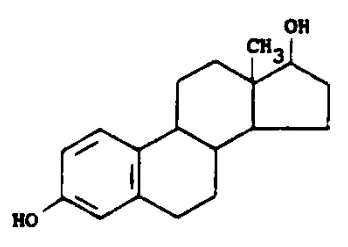
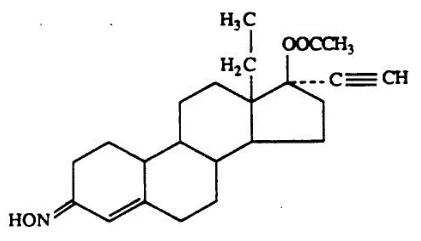
C23H31NO3
369.5
PART II: SCIENTIFIC INFORMATION
PHARMACEUTICAL INFORMATION
Drug Substance
Proper Name:
Chemical Name:
Structural Formula:
Molecular Formula:
Molecular Weight
CLINICAL TRIALS
Data from large clinical trials indicate that pulsed norgestimate administered in the recommended dose to women receiving continuous estradiol in the recommended dose reduces the incidence of endometrial hyperplastic changes and therefore reduces the increased risk of developing endometrial adenocarcinoma. The addition of pulsed norgestimate to estradiol replacement therapy has been shown not to interfere with the blood level of estrogen.
Efficacy in Relief of Postmenopausal Symptoms
In a 12-week placebo-controlled trial conducted in healthy postmenopausal women (145 randomized, 122 completed study) with frequent vasomotor symptoms (eight or more hot flushes per day), the 1 mg estradiol arm (n = 46) was shown to be significantly more effective than placebo (n = 48) in relieving vasomotor symptoms. A mean reduction in the number of hot flushes of 83.2% was observed at the end of treatment with 1 mg estradiol. The same dose of estradiol was also shown to have a beneficial influence on the lower genital tract: an increase in the proportion of mature vaginal cells and a decrease in the proportion of subjects with vaginal dryness were observed.
The effect of PREFESTA tablets on vasomotor symptoms was confirmed in two 12-month trials involving healthy postmenopausal women (1895 randomized, 937 completed the studies) (mean age = 54.5 years in the PREFESTA group). In these studies, all regimens containing 1 mg
estrogenic component
17β-estradiol
Estra-1,3,5(10)-triene-3,17-diol,
(17β)-
C18H24O2
272.39
estradiol (n=1212) produced a significant decrease in the mean number of hot flushes, the median time to reach the first symptom-free day being 5 days in the PREFESTA group. This improvement was maintained up to the completion of the study.
PREFESTA treatment was also shown to effectively influence the cytological changes associated with postmenopausal atrophy.
There is no observed negative influence from norgestimate on the postmenopausal symptom relief seen with PREFESTA tablets.
Endometrial Hyperplasia
The effect of PREFESTA on the endometrium was evaluated in 432 healthy postmenopausal women in three 12-month trials. In these studies, no subject had a diagnosis of endometrial hyperplasia at the end of treatment (Table 3). Some subjects had insufficient tissue obtained for diagnosis. For these subjects, the risk of hyperplasia was imputed, yielding an estimated incidence of hyperplasia of 0.0005% (95% confidence interval, 0%–0.46%) for the intent-to-treat population at the end of treatment with PREFESTA tablets.
Table 3: Incidence of Endometrial Hyperplasia at End of Treatment in Three 12-Month
Clinical Trials of PREFESTA Tablets
Intent-to-Treat Population*
Continuous PREFESTA
1 mg estradiol tablets
(n = 265) (n = 432)
Insufficient tissue, n (%) 9 (3) 23 (5)
Simple hyperplasia, n (%) 64 (24) 0 (0)
Complex hyperplasia, n (%) 2 (0.8) 0 (0)
Hyperplasia with cytological atypia, n (%) 8 (3) 0 (0)
* All subjects who had endometrial biopsy data after the start of treatment.
Vulvar and Vaginal Atrophy
The effect of the estrogen component of PREFESTA on vulvovaginal atrophy was confirmed in a 12-week placebo-controlled trial of healthy postmenopausal women with moderate-to-severe vasomotor symptoms (MSVS). The addition of norgestimate to estrogen (i.e., the PREFESTA regimen) was studied in a 12-month trial in healthy postmenopausal women for endometrial protection. Results from a subset population (n=69) with paired tests for maturation index of the vaginal mucosa are shown in Table 4.
Table 4: Summary of Maturation Index Results in Subjects with Paired Tests Following
7 Months Treatment with PREFESTA or Estradiol
Pretreatment Month7 Mean
Mean Mean Change
1 mg Estradiol (n=37)
Parabasal Cells (%) 25.1 2.7 -22.4
Intermediate Cells (%) 69.2 76.4 7.2
Superficial Cells (%) 5.7 20.9 15.3
PREFESTA (n=32)
Parabasal Cells (%) 31.9 0 -31.9
Intermediate Cells (%) 64.2 80.9 16.7
Superficial Cells (%) 3.9 19.1 15.2
Control of Uterine Bleeding
The results of clinical trials revealed that for most patients treated with PREFESTA tablets, the duration and severity of bleeding or spotting tended to decrease over time, and the proportion of subjects who were bleed-free tended to increase with the duration of treatment.
In two 12-month trials involving healthy postmenopausal women, bleeding control increased each month during treatment with PREFESTA tablets (n = 307). Vaginal bleeding was rarely reported as an adverse event for subjects who received PREFESTA tablets in these studies (3%). No cases of serious vaginal bleeding occurred, and vaginal bleeding was treatment-limiting in only 1% of patients.
Metabolic Parameters
Lipids
Data obtained from a 12-month metabolic trial showed that, in healthy postmenopausal women, PREFESTA therapy was associated with the following favourable changes in blood lipoproteins: mean percent increases in HDL-cholesterol, HDL2, HDL3, apolipoprotein A-1, and mean percent decreases in apolipoprotein B, lipoprotein (a), and LDL/HDL ratio (Table 5). The increase in triglycerides was less than that observed with continuous 1 mg estradiol only.
Table 5: Mean Percentage Change from Baseline of Blood Lipoproteins at Month 12
| Lipid Parameter % | PREFESTA Tablets | 1 mg E2 |
| Total Cholesterol | -1,9 (n = 31) | +1,2 (n = 36) |
| HDL Cholesterol | +9,7 (n = 31) | +12,0 (n = 36) |
| LDL/HDL Ratio | -8,9 (n = 30) | -5,9 (n = 31) |
| Triglycerides | +9,4 (n = 31) | +29,0 (n = 36) |
Taken together, these results indicate that PREFESTA therapy preserves the beneficial lipoprotein profile associated with estrogen treatment while markedly reducing estrogen-induced increases in triglycerides.
Carbohydrates
PREFESTA therapy had no clinically meaningful or statistically significant effect on tests of glucose metabolism, including fasting glucose concentrations and the oral glucose tolerance test, in a 12-month metabolic trial of healthy postmenopausal women.
Coagulation Factors
In tests conducted to evaluate blood coagulability in healthy postmenopausal women, none of the observed changes in clotting, anti-clotting, or fibrinolytic factors with PREFESTA therapy resulted in mean values that were outside the normal ranges.
TOXICOLOGY
Acute and chronic toxicological effects of estradiol have been reported in the literature: they mainly reflect or result from an exaggeration of pharmacological effects at higher than therapeutic doses. Estradiol can be considered safe for human use when given at therapeutic dosages.
The potential toxicity of norgestimate (NGM) alone and in combination with ethinyl estradiol (EE) by the oral route has been extensively investigated during the development of NGM plus EE combinations for hormonal contraception. This evaluation included single and multidose studies in various laboratory animals for periods ranging from 2 weeks to 10 years. An overview of these studies indicated that NGM plus EE was well tolerated.
Long-term Toxicity Studies
Estradiol
Studies evaluated in a 1980 review of the toxicology of estrogens indicated that long-term administration of high doses of estrogen to female rats is primarily associated with exaggerated pharmacological effects on the reproductive organs. There was an absence of active corpora lutea and a reduction in the size of ovarian follicles, resulting in a decrease in ovarian weight compared to control values. Uterine weights were elevated and cystic hyperplasia, squamous metaplasia, and pyometra were evident. These reproductive organ alterations were accompanied by such secondary hormonal changes as bilateral alopecia, reduction in food intake and body weight gain, and an increased frequency of pituitary enlargement. In a study specifically designed to examine the non-neoplastic effects of E2 administered orally to mice for 2 years, the principal drug-related alterations also occurred in the reproductive organs and consisted of stromal mucoidal changes in the vagina and cervix, cervical adenosis, and fibrosis and glandular hyperplasia in the uterus. Proliferation of bony trabeculae in the sternal marrow was also apparent.
Only limited information is available in the literature on the toxicity of E2 in the dog following multiple dosing. Estradiol administration has been shown to result in stromal and ductal proliferation of the mammary gland in this species and enlargement of the pituitary and adrenal glands. High doses of E2 and E2 benzoate have also been associated with anemia, thrombocytopenia, and leukocytosis. Estrogens appear to have a direct effect on the bone marrow of dogs. Although long-term studies in the Beagle dog have not been reported with E2, various long-term studies of other steroid hormone combinations in this species have revealed both non-neoplastic (i.e., cystic endometrial hyperplasia, endometritis, and pyometra of the uterus; adrenal cortical atrophy; mammary gland hyperplasia; anemia; liver nodules and; gallbladder mucinous hyperplasia) and neoplastic changes (leiomyomas and leiomyosarcomas) in the uterus and vagina.
A few additional mechanistic studies have been conducted to more fully examine specific adverse effects associated with the estrogens. Female sex hormone steroids are intrinsic hepatotoxins which are associated with intrahepatic cholestasis caused by inhibition of the basic process of fluid secretion. The clinical condition resulting from this is characterized by icterus and pruritus due to the accumulation in the blood and tissues of substances normally excreted into the bile. A study in female rats which investigated the mechanism of cholestasis of three estrogens (E2, EE, and E2 sulfamate) concluded that the most likely cause of cholestasis was impairment of the bile-acid independent fraction of bile flow.
Results in rats suggest that estrogens may have an effect on the immune system. Treatment with estrogens for periods of up to 4 weeks resulted in involution of the thymus, with reductions in the cortex and medulla and depletion of lymphocytes, at doses as low as 10 µg. However, it is not known whether these effects can lead to a significant impairment of the immune system or whether these findings have any significance for humans. The doses used in this study were much higher (on a per weight basis) than those used for HRT.
Norgestimate
The potential toxicity of NGM alone or in combination with EE or MEE was examined in female Long-Evans rats, Beagle dogs, and Rhesus monkeys following oral administration for periods ranging from 3 months up to 10 years. Most of the changes associated with the multidose studies represented the normal or exaggerated pharmacological action of norgestimate on the genitourinary system; e.g., reduction of estrus cycles or menstruation, decreased uterine and ovarian weights, and decreased serum cholesterol levels and erythrocytic parameters. Species-specific changes such as occurred in the liver of rats (i.e., liver cell hyperplasia/hypertrophy, telangiectasis, and hematocyst formation) and gallbladder (i.e., hyperplasia of the epithelium) and uterus (i.e., cystic endometrial hyperplasia) of dogs were also consistent with the known actions of contraceptive steroids in these species. Mammary tumours, encountered in rats after 2 years, and leiomyomas, which occurred in high-dose dogs administered NGM + EE for 7 years, are also commonly associated with estrogens.
A 6-month study in female cynomolgus monkeys dosed cyclically with NGM alone, EE alone, or NGM + EE (7:1 ratio) looked particularly at the effects on the genital tract and reproductive hormones. No clinical effects were seen except for the expected effects on the menstrual cycle in all but the EE alone group. A decrease in progesterone was also suggestive of suppression of ovulation in all but the EE alone group. A single case of endometrial epithelial plaque was seen in one animal in the high-dose NGM + EE group. The etiology of this was not clear but since the lesion does not occur in the human female, it was not considered meaningful. No drug-related histomorphological changes were observed in the liver of any animal.
Carcinogenicity
Estradiol
The carcinogenic potential of the estradiols was reviewed in 1979. This review examined the results of 26 studies in which E2 and its esters were tested in mice, rats, hamsters, guinea pigs, and monkeys by subcutaneous injection and in mice by oral administration. Subcutaneous injection or implantation was associated with mammary, pituitary, uterine, cervical, vaginal, testicular, lymphoid, and bone tumours in mice; mammary and/or pituitary tumours in rats; and a high incidence of malignant kidney tumours in intact and castrated male and ovariectomized female hamsters. Rhesus monkeys implanted with 575 to 825 mg of E2 at 5- to 6-week intervals over 24 to 28 months developed cystic hyperplasia of the mammary gland but no evidence of tumours. Oral administration of 0.5 mg/L of E2 in the drinking water of mice resulted in a significant increase in mammary tumor incidence compared to control values. C3H/Hel mice administered 100 to 5000 µg/kg of E2 in the diet exhibited an increased incidence of cervical adenosis and of mammary hyperplastic nodules, and a decrease in the time to development of mammary adenocarcinomas. Other tumours observed included cervical and endometrial adenocarcinomas, cervical granular cell myoblastomas, cervical and vaginal squamous cell carcinomas, ovarian teratomas, osteosarcomas, pheochromocytomas, and thyroid carcinomas.
Norgestimate in Combination with EE
The two most significant findings in an initial rat carcinogenicity study conducted with NGM+EE (5:1), at dosages ranging from 0.15 to 3.0 mg/kg, were a high incidence of lenticular opacities and a significant increase in the incidence of mammary adenocarcinomas in the high dose group. In a second rat carcinogenicity study conducted with NGM+EE (5:1), utilizing dosages ranging from 0.01875 to 0.15 mg/kg, there were no significant differences in the incidence of lenticular opacities, although the mean onset of opacities was earlier in the drug-treated groups compared to controls. The incidence of mammary tumours in the second study was comparable among all groups.
Reproduction Studies
Estradiol
The 1979 IARC review looked at six studies conducted in mice, rats, and rabbits and concluded that E2 has teratogenic effects on the genital tract, and possibly on other organs, and impairs fertility.
Norgestimate
A fertility and general reproductive performance study was conducted in female Long-Evans rats using NGM + EE (5:1 ratio) at combined NGM + EE dosages of 0.030, 0.050, 0.060, 0.0833, and 0.120 mg/kg administered orally. A dose-related suppression of fertility, decreased implantation efficiency and litter size, and increased fetal resorption in the F0 females at all dosage levels were observed. Ovulation did not appear to be affected. Slight increases in the incidence of stillbirths were noted in all the treated females, as well as a decrease in neonatal survival at 0.060, 0.0833, and 0.120 mg/kg/day.
Minimal reductions in body weight occurred in all treated groups during the first week of premating dosing only. Weight losses seen during the gestational period were considered to be due to reduced litter size and increased resorptions.
Similar dose-related findings were observed for the F1 females but to a lesser degree than for the F0 generation. Trends toward decreased fertility, decreased implantation and F2 litter size, and increased resorptions were noted in all dosage groups. Dystocia and an increased number of stillbirths occurred at the 0.060 mg/kg level along with reduced survival of offspring at the 0.060 and 0.0833 mg/kg dosage levels.
Teratogenic effects were investigated in Long-Evans rats and New Zealand White rabbits given combined NGM + EE (5:1 ratio) dosages of 0.012, 0.06, and 0.30 mg/kg/day orally on Days 6 to 15 and 7 to 19, respectively, of gestation. No teratogenic effects were noted in either species. An increase in the variant “wavy ribs” was noted in rats given ≥0.06 mg/kg of NGM + EE. In rabbits, the only drug-related effect was a high rate of fetal resorption which occurred in high- and mid-dose animals (i.e., 100 and 65.5%, respectively).
A perinatal/postnatal study was performed in Long-Evans rats orally administered NGM + EE at doses of 0.03, 0.18, 0.30, and 0.60 mg/kg/day. In the maternal generation, no significant adverse effects were seen on growth, behaviour, and reproductive performance at any dosage level. However, there was some evidence of lactational insufficiency at the high-dose level.
In the F1 generation, viability, growth, and reproductive performance were unaffected in the 0.03 mg/kg/day group. At 0.18, 0.30, and 0.60 mg/kg/day, there was a dosage-related reduction in female fertility. The remaining drug effects were limited to the high-dosage level which showed significantly decreased offspring viability from birth to weaning and depressed pup weight during the midlactation period.
There was no significant drug effect on F2 generation development at any dosage level.
Carcinogenesis, Mutagenesis, and Impairment of Fertility
Long-term continuous administration of natural and synthetic estrogens in certain animal species increases the frequency of carcinomas of the breasts, uterus, cervix, vagina, testes, and liver (see CONTRAINDICATIONS and WARNINGS).
REFERENCES
Preclinical
- 1. Attia MA. Thirteen weeks subcutaneous treatment with oestradiol or an oestradiol/progesterone combination in beagles bitches. Dtsch Tierarztl Wschr 1989; 96:399-408.
- 2. Attia MA, Zayed I. Thirteen weeks subcutaneous treatment with high dose of natural sex hormones in rats with special reference to their effect on the pituitary-gonadal axis. I Estradiol Dtsch Tierarztl Wschr 1989; 96:438-445.
- 3. Barth A, Elger W, Schneider B, Schwarz S. Influence of subchronic administration of oestradiol, ethinyloestradiol, and oestradiol sulphamate on bile flow, bile acid excretion, and liver and biliary glutathione status in rats. Arch Toxicol 1997; 71:443-449.
- 4. Greenman DL, Highmann B, Farmer J, et al. Non-neoplastic changes induced in female C3H mice bychronic exposure to diethylstilbestrol or 17 Beta-Estradiol. J Toxicol Environ Health 1983; 11:843-856.
- 5. Heywood R, Wadsworth PF. The experimental toxicology of estrogens. Pharmacol Ther 1980; 8:125-142.
- 6. Highman B, Greenman DL, Norvell MJ, Farmer J, Shellenberger TE. Neoplastic and preneoplastic lesions induced in female C3H mice by diets containing diethylstilbestrol or 17β-estradiol. J Environ Pathol Toxicol 1980; 4:81-95.
- 7. IARC monographs on the evaluation of the carcinogenic risk of chemicals to humans. 1979; 21:279-326.
- 8. Johnson AN. Comparative aspects of contraceptive steroids - effects observed in beagle dogs. Toxicol Pathol 1989; 17:389-395.
- 9. Kuhl H, Gross M, Schneider M, et al. The effect of sex steroids and hormonal contraceptives upon thymus and spleen of intact female rats. Contraception 1983; 28(6):587-601.
- 10. Miura N, Sasaki N, Ogawa H, Takeuchi A. Bone marrow hyperplasia induced by administration of estradiol benzoate in male beagle dogs. Jpn J Vet Sci 1985; 47(5):731-739.
- 11. Vanin CM et al. Lumbar vertebral density and mechanical properties in aged ovariectomized rats treated with estrogen and norethindrone or norgestimate. Am J Obstet Gynecol 1995; 173(5): 1491-1498.
Clinical
- 1. Abdalla HI, Hart DM, Lindsay R, Leggate I, Hooke A. Prevention of bone mineral loss in postmenopausal women by norethisterone. Obstet Gynecol 1985;66:789-792.
- 2. Alexandersen P, Hassager C, Sandholdt I, Riis B, Christiansen C. The effect of cyclophasic hormone replacement therapy on postmenopausal bone mass and bone turnover. J Bone Min Res 1997;12 (Suppl.1) S351.
- 3. Barret-Connor E. Risks and benefits of replacement estrogen. Annu Rev Med 1992;43:239-251.
- 4. Christiansen C. Does oestriol add to the beneficial effect of combined hormonal prophylaxis against early postmenopausal osteoporosis? Brit J Obstet Gynaecol 1984;91:489-493.
- 5. Eiken P, Nielsen SP, Kolthoff N. Effects on bone mass after eight years of hormonal replacement therapy. Br J Obstet Gynaecol 1997;104:702-707.
- 6. Ettinger B, Genant HK, Cann CE. Long-term estrogen replacement therapy prevents bone loss and fractures. Ann Intern Med 1985;102:319-324.
- 7. Ettinger B, Genant HK, Steiger P, Madvig P. Low-
 -estradiol prevents bone loss in postmenopausal women. J Obstet Gynecol 1992; 166:479-488.
- 8. Gambrel RD. Clinical use of progestins in the menopausal patient, dosage and duration. J Reprod Med 1982;27 (Suppl.8) 531-538.
- 9. Genant HK, Lucas J, Weiss S, Akin M et al. Low-dose esterified estrogen therapy. Effects on bone, plasma estradiol concentrations, endometrium, and lipid levels. Arch Intern Med 1997;157:2609-2615.
- 10. Grodstein F, Stampfer MJ, Colditz GA, Willett WC, Manson JE, Joffe M et al. Postmenopausal hormone replacement therapy and mortality. N Engl J Med 1997;336:1769-1775.
- 11. Lobo RA, Brenner P, Mishell D. Metabolic parameters and steroid levels in postmenopausal women receiving lower doses of natural estrogen replacement. Obstet Gynecol 1983;62(1):94-98.
- 12. Lobo R, Cassidenti DL. Pharmacokinetics of oral 17ß-estradiol. J Reprod Med 1992;37:77-84.
- 13. Prior JC. Progesterone as a bone-trophic hormone. Endocr Rev 1990;11(2):386-398.
- 14. Rowe TC. Continuous-combined hormone replacement therapy. J Soc Obstet Gynaecol Can 1998; Nov Suppl:10-15.
- 15. Schneider DL, Barrett-Connor EL, Morton DF. Timing of postmenopausal estrogen for optimal bone mineral density: The Rancho Bernardo Study. JAMA 1997;277:543-547.
- 16. Society of Obstetricians and Gynaecologists of Canada. Canadian Menopause Consensus Conference. J Soc Obstet Gynaecol Can 1994;16(5):15-16.
- 17. Society of Obstetricians and Gynaecologists of Canada. The Canadian Consensus Conference on Menopause and Osteoporosis (Part 1). J Soc Obstet Gynaecol Can 1998;20(13):1264-1272.
- 18. Society of Obstetricians and Gynaecologists of Canada. The Canadian Consensus Conference on Menopause and Osteoporosis (Part 1). J Soc Obstet Gynaecol Can 1998;20(14):1365-1372.
- 19. The Writing Group for the PEPI Trial: Effects of hormone therapy on bone mineral density: results from the postmenopausal estrogen/progestin interventions (PEPI) trial. JAMA 1996;276:1389-96.
- 20. Thijsen JHH. Progestins and bone. Zentralblatt für Gynäkologie 1997.
- 21. Writing Group for the Women’s Health Initiative Investigators. Risks and benefits of estrogen plus progestin in healthy postmenopausal women. JAMA. 2002; 288(3): 321- 333.
- 22. Hulley S, Grady D. Bush T, et al for the Heart and Estrogen/progestin Replacement Study (HERS) Research Group. Randomized trial of estrogen plus progestin for secondary prevention of coronary heart disease in postmenopausal women. JAMA. 1998; 280(7): 605-613.
- 23. Grady S, Herrington D, Bittner V, et al for the HERS Research Group. Cardiovascular disease outcomes during 6.8 years of hormone therapy. Heart and Estrogen/progestin replacement study follow-up (HERS II). JAMA. 2002; 288(1): 49- 57.
- 24. Chlebowski RT, Hendrix SL. Langer RD, el at. The Women's Health Initiative Randomized Trial. Influence of estrogen plus progestin on breast cancer and mammography in healthy postmenopausal women. JAMA. 2003; 289(24): 3243- 3253.
- 25. Shumaker SA, Legault C, Rapp SR, et al. The Women's Health Initiative Memory Study: A Randomized Controlled Trial. Estrogen plus progestin and the incidence of dementia and mild cognitive impairment in postmenopausal women. JAMA. 2003; 289 (20): 2651- 2662.
- 26. The Women’s Health Initiative Steering Committee. Effects of conjugated equine estrogen in postmenopausal women with hysterectomy. The Women’s Health Initiative randomized controlled trial. JAMA. 2004; 291(14):1701 – 1712.
- 27. Shumaker SA, Legault C, Kuller L, Rapp SR, Thal L, Lane DS, et al. Conjugated Equine Estrogens and Incidence of Probable Dementia and Mild Cognitive Impairment in Postmenopausal Women. Women’s Health Initiative Memory Study. JAMA. 2004; 291(24):2947-2958.