


Product Monograph - Qnasl
SUMMARY PRODUCT INFORMATION
| Route of Administration | Dosage Form / Strength | Non-medicinal Ingredients |
| Intranasal | Nasal Aerosol / 40 mcg per actuation, 80 mcg per actuation | Propellant hydrofluoroalkane-134a (HFA-134a), dehydrated ethanol |
INDICATIONS AND CLINICAL USE
QNASL (beclomethasone dipropionate) Nasal Aerosol is indicated for the treatment of seasonal and perennial allergic rhinitis in patients 4 years of age and older.
Geriatrics (> 65 years of age): Clinical trials of QNASL Nasal Aerosol did not include sufficient numbers of subjects aged 65 years and older to determine whether they responded differently than younger subjects. In general, administration to elderly patients should be cautious, reflecting the greater frequency of decreased hepatic, renal, or cardiac function, and of concomitant disease or other drug therapy.
Pediatrics (< 4 years of age): The efficacy and safety of QNASL Nasal Aerosol has not been established in children < 4 years of age.
CONTRAINDICATIONS
QNASL Nasal Aerosol is contraindicated in patients with a history of hypersensitivity to beclomethasone dipropionate and/or any other QNASL ingredients. For a complete listing, see the DOSAGE FORMS, COMPOSITION AND PACKAGING section of the product monograph.
WARNINGS AND PRECAUTIONS
Ear/Nose/Throat
Local Nasal Effects
Epistaxis and Nasal Ulceration: In clinical trials of 2 to 52 weeks duration, epistaxis and nasal ulcerations were observed more frequently and some epistaxis events were more severe in patients treated with QNASL Nasal Aerosol than those who received placebo. In the 52-week safety trial in patients with perennial allergic rhinitis, nasal erosions were identified in 4 of 415 patients and a nasal ulceration was identified in 1 patient treated with QNASL. No nasal erosions or ulcerations were reported for patients who received placebo. Patients using QNASL over several months or longer should be examined periodically for possible changes in the nasal mucosa. If an adverse reaction (e.g., erosion, ulceration) is noted, discontinue QNASL.
Candida Infection: Localized infections of the nose and pharynx with Candida albicans have been reported in clinical trials with an intranasal aqueous formulation of beclomethasone dipropionate. There were no instances of similar infections observed in clinical trials with QNASL. If such an infection develops, it may require treatment with appropriate local therapy and discontinuation of QNASL. Patients using QNASL over several months or longer should be examined periodically for evidence of Candida infection (see ADVERSE REACTIONS).
Nasal Septal Perforation: Instances of nasal septal perforation have been reported following intranasal administration of beclomethasone dipropionate. Although there were no nasal septal perforations reported during clinical trials in the indicated dose of QNASL 80 mcg Nasal Aerosol administered as 320 mcg once daily in adults and adolescents, there was one report of nasal septal perforation observed in the dose-ranging pediatric clinical trial.
Impaired Wound Healing: Because of the inhibitory effect of corticosteroids on wound healing, patients who have recent nasal septal ulcers, nasal surgery, or nasal trauma should not use QNASL until healing has occurred.
Endocrine and Metabolism
Hypothalamic-Pituitary-Adrenal (HPA) Axis Effect
When intranasal steroids are used at higher-than-recommended dosages or in susceptible individuals at recommended dosages, systemic corticosteroid effects such as hypercorticism and adrenal suppression may appear. If such changes occur, the dosage of QNASL Nasal Aerosol should be discontinued slowly, consistent with accepted procedures for discontinuing oral corticosteroid therapy.
In patients on systemic steroids for prolonged periods or on high doses, the replacement of a systemic steroid with an inhaled corticosteroid can be accompanied by symptoms of withdrawal (e.g., joint and/or muscular pain, lassitude, and depression) and, in severe cases adrenal insufficiency may occur, necessitating temporary resumption of systemic steroid therapy. These patients should be carefully monitored for acute adrenal insufficiency in response to stress. In patients who have asthma or other clinical conditions requiring long-term systemic steroid treatment, rapid decreases in systemic steroid dosages may cause a severe exacerbation of their symptoms.
Effect on Growth
Controlled clinical trials have shown that intranasal corticosteroids may cause a reduction in growth velocity in pediatric patients. This effect has been observed in the absence of laboratory evidence of HPA axis suppression, suggesting that growth velocity is a more sensitive indicator of systemic corticosteroid exposure in pediatric patients than some commonly used tests of HPA-axis function. In a 12-month randomized, controlled clinical trial completed in children ages 5 to 11 years with asthma, the mean growth velocity at month 12 compared to baseline in children treated with orally inhaled HFA-beclomethasone dipropionate without spacer was approximately 0.5 cm/year less than that noted with children treated with orally inhaled chlorofluorocarbon-propelled (CFC) -beclomethasone dipropionate via large volume spacer.
The long-term effects of reduction in growth velocity associated with intranasal corticosteroids, including the impact on final adult height, are unknown. The potential for “catch-up” growth following discontinuation of treatment with intranasal corticosteroids has not been adequately studied. The growth of pediatric and adolescent patients receiving intranasal corticosteroids, including QNASL, should be monitored routinely (e.g., via stadiometry). The potential growth effects of prolonged treatment should be weighed against the clinical benefits obtained and the risks/benefits of treatment alternatives.
Immune
Corticosteroids may mask some signs of infection and new infections may appear. A decreased resistance to localized infections has been observed during corticosteroid therapy; this may require treatment with appropriate therapy or stopping the administration of QNASL Nasal Aerosol.
Persons who are using drugs that suppress the immune system (e.g., corticosteroids) are more susceptible to infections than healthy individuals. Chickenpox and measles, for example, can have a more serious or even fatal course in susceptible children or adults using corticosteroids. In children or adults who have not had these diseases or been properly immunized, particular care should be taken to avoid exposure. How the dose, route, and duration of corticosteroid administration affect the risk of developing a disseminated infection is not known. The contribution of the underlying disease and/or prior corticosteroid treatment to the risk is also not known. If a patient is exposed to chickenpox, prophylaxis with varicella zoster immune globulin (VZIG) may be indicated. If a patient is exposed to measles, prophylaxis with pooled intramuscular immunoglobulin (IG) may be indicated. If chickenpox develops, treatment with antiviral agents may be considered.
Corticosteroids should be used with caution, and only if necessary in patients with active or quiescent tuberculous infections of the respiratory tract, untreated local or systemic fungal or bacterial infections, systemic viral or parasitic infections, or ocular herpes simplex because of the potential for worsening of these infections.
Ophthalmologic
Use of intranasal and inhaled corticosteroids may result in the development of glaucoma and/or cataracts. Therefore, close monitoring is warranted in patients with a change in vision or with a history of increased intraocular pressure, glaucoma, and/or cataracts.
Glaucoma and cataract formation were evaluated with ocular assessments in adolescent and adult patients (12 years of age and older) with perennial allergic rhinitis who were treated with QNASL Nasal Aerosol (N=197) or placebo (N=48) for up to 52 weeks. In 94% of patients, intraocular pressure (IOP) remained within the normal range (<21 mmHg) during the treatment portion of the trial. There were 10 patients (5%) treated with QNASL and 1 patient (2%) treated with placebo that had intraocular pressure that increased above normal levels (≥21 mmHg) and greater than baseline during the treatment portion of the trial. Two of these occurrences in patients treated with QNASL were reported as adverse reactions, one serious. No instances of cataract formation or other clinically significant ocular incidents were reported in this 52-week safety trial (see ADVERSE REACTIONS).
Hypersensitivity
Hypersensitivity reactions including anaphylaxis, angioedema, urticaria, and rash have been reported following intranasal and inhalation administration of beclomethasone dipropionate. Angioedema, urticaria, and rash have been reported following administration of QNASL Nasal Aerosol.
Special Populations
Pregnant Women:
Teratogenic Effects:
There are no adequate and well-controlled clinical trials in pregnant women treated with QNASL Nasal Aerosol. Beclomethasone dipropionate was teratogenic and embryocidal in the mouse and rabbit although these effects were not observed in rats (see TOXICOLOGY). QNASL should be used during pregnancy only if the potential benefit justifies the potential risk to the fetus.
Non-teratogenic Effects: Hypoadrenalism may occur in infants born of mothers receiving corticosteroids during pregnancy. Such infants should be carefully monitored.
Nursing Women:
It is not known whether beclomethasone dipropionate is excreted in human breast milk. However, other corticosteroids have been detected in human breast milk and thus caution should be exercised when QNASL Nasal Aerosol is administered to a nursing mother. The benefits of QNASL Nasal Aerosol to the nursing woman should be weighed against the potential hazards to the infant.
Pediatrics (4-17 years of age):
Controlled pediatric clinical trials with QNASL Nasal Aerosol included 909 children 4 to 11 years of age and 188 adolescent patients 12 to 17 years of age (see CLINICAL TRIALS). Corticosteroids may cause a reduction in growth velocity when administered to pediatric patients (See WARNINGS AND PRECAUTIONS, Endocrine and Metabolism).
Pediatrics (<4 years of age):
The safety and efficacy of QNASL Nasal Aerosol in children younger than 4 years of age have not been established.
Geriatrics (≥ 65 years of age):
Clinical trials of QNASL Nasal Aerosol did not include sufficient numbers of subjects aged 65 years and older to determine whether they responded differently than younger subjects. Other reported clinical experience has not identified differences in responses between the elderly and younger patients. In general, dose selection for elderly patients should be cautious, reflecting the greater frequency of decreased hepatic, renal, or cardiac function, and of concomitant disease or other drug therapy.
ADVERSE REACTIONS
Adverse Drug Reaction Overview
In general, systemic and local corticosteroid use may result in the following:
- Epistaxis, nasal discomfort, nasal ulcerations, Candida albicans infection, and impaired wound healing (see WARNINGS AND PRECAUTIONS)
- Glaucoma and cataracts (see WARNINGS AND PRECAUTIONS)
- Hypercorticism, adrenal suppression, and growth reduction (see WARNINGS AND PRECAUTIONS)
- Immunosuppression (see WARNINGS AND PRECAUTIONS)
Clinical Trial Adverse Drug Reactions
Because clinical trials are conducted under very specific conditions the adverse reaction rates observed in the clinical trials may not reflect the rates observed in practice and should not be compared to the rates in the clinical trials of another drug. Adverse drug reaction information from clinical trials is useful for identifying drug-related adverse events and for approximating rates.
Adults and Adolescents 12 Years of Age and Older
The safety data described below for QNASL Nasal Aerosol in adults and adolescents 12 years of age and older with seasonal or perennial allergic rhinitis are based on 4 placebo-controlled clinical trials of 2 to 6 weeks duration evaluating doses of beclomethasone nasal aerosol from 80 to 320 mcg once daily. These short-term trials included a total of 1394 patients with either seasonal or perennial allergic rhinitis. Of these, 575 (378 female and 197 male) received at least one dose of QNASL, 320 mcg once daily and 578 (360 female and 218 male) received placebo.
Short-Term (2–6 Weeks) Trials: Less than 2% of patients in the clinical trials discontinued treatment because of adverse events with the rate of withdrawal among patients who received QNASL similar to or lower than the rate among patients who received placebo. Table 1 displays the treatment-emergent adverse events with an incidence of ≥ 1% in QNASL treated patients and greater than in placebo-treated patients.
Table 1. Treatment-Emergent Adverse Events with ≥ 1% Incidence and Greater than Placebo in QNASL -Treated Adult and Adolescent Patients 12 Years of Age and Older with Seasonal or Perennial Allergic Rhinitis in Controlled Clinical Trials of 2 to 6 Weeks Duration (Safety Population)
Adverse Events
QNASL 320 mcg QD (N = 575) n (%) | Placebo (N = 578) n (%) | |
|---|---|---|
| Nasal Discomfort | 30 (5) | 28 (5) |
| Epistaxis | 11 (2) | 7 (1) |
| Headache | 13 (2) | 9 (2) |
QD=once daily
Nasal ulcerations occurred in 2 patients treated with placebo and in 1 patient treated with QNASL. There were no differences in the incidence of adverse events based on gender or race. Clinical trials did not have sufficient numbers of patients aged 65 years and older to determine whether they respond differently than younger patients.
Long-Term 52-Week Safety Trial: In a 52-week placebo-controlled long-term safety trial in patients with perennial allergic rhinitis, 415 patients (128 males and 287 females, aged 12 to 74 years) were treated with QNASL at a dose of 320 mcg once daily and 111 patients (44 males and 67 females, aged 12 to 67 years) were treated with placebo. Of the 415 patients treated with QNASL, 219 patients were treated for 52 weeks and 196 patients were treated for 30 weeks. While most adverse events were similar in type and rate between the treatment groups, epistaxis occurred more frequently in patients who received QNASL (11%) than in patients who received placebo (2%). Epistaxis also tended to be more severe in patients treated with QNASL. In 45 reports of epistaxis in patients who received QNASL, 27, 13, and 5 cases were of mild, moderate, and severe intensity, respectively, while the reports of epistaxis in patients who received placebo were of mild (1) and moderate (1) intensity. Seventeen patients (4%) treated with QNASL experienced adverse events that led to withdrawal from the trial compared to 3 patients (3%) treated with placebo. There were 4 nasal erosions and 1 nasal septum ulceration which occurred in patients who received QNASL, and no erosions or ulcerations noted in patients who received placebo. No patient experienced a nasal septum perforation during the trial.
Less Common Clinical Trial Adverse Events (<1%)
The following additional treatment-emergent adverse events occurred in the short-term (2–6 weeks) clinical trials in patients using QNASL Nasal Aerosol with an incidence of <1% and greater than placebo:
Blood and Lymphatic System Disorders: Anemia
Cardiac Disorders: Angina pectoris, Arrhythmia, Mitral valve prolapse
Ear and Labyrinth Disorders: Vertigo positional
Gastrointestinal Disorders: Abdominal pain, Dysphagia, Nausea
General Disorders and Administration Site Conditions: Pyrexia
Hepatobiliary Disorders: Cholecystitis
Infections and Infestations: Oral candidiasis, Oral herpes, Otitis media
Injury, Poisoning and Procedural Complications: Joint injury, Joint sprain, Muscle strain, Patella fracture, Procedural pain, Wound
Investigations: Blood glucose increased, Blood pressure systolic increased
Musculoskeletal and Connective Tissue Disorders: Neck pain, Tendonitis
Neoplasms Benign, Malignant and Unspecified (Incl. Cysts and Polyps): Basal cell carcinoma, Uterine leiomyoma
Nervous System Disorders: Drug withdrawal headache, Dysgeusia, Lethargy, Migraine, Paraesthesia, Presyncope, Sinus headache
Psychiatric Disorders: Insomnia, Restlessness
Reproductive System and Breast Disorders: Dysmenorrhoea
Respiratory, Thoracic and Mediastinal Disorders: Cough, Dysphonia, Dyspnoea, Nasal polyps, Nasal polyps, Respiratory tract congestion, Rhinitis perennial, rhinorrhea, throat irritation
Skin and Subcutaneous Tissue Disorders: Dermatitis
Vascular Disorders: Hypertensive crisis
Pediatric Patients Aged 4 to 11 Years:
The safety data for QNASL Nasal Aerosol in pediatric patients 4 to 11 years of age with seasonal or perennial allergic rhinitis are based on 3 placebo-controlled clinical trials. These trials were 2 to 12 weeks in duration, evaluated doses of beclomethasone nasal aerosol 80 mcg to 160 mcg once daily and included a total of 1360 patients with either seasonal or perennial allergic rhinitis. Of these, 668 (312 female and 356 male) received at least one dose of QNASL, 80 mcg once daily, 241 (116 female and 125 male) received QNASL 160 mcg once daily, and 451 (203 female and 248 male) received placebo. Based on the results from the dose ranging trial, 80 mcg once daily was chosen as the dose in pediatric patients.
Less than 1.5% of patients in the clinical trials discontinued treatment because of adverse reactions with the rate of withdrawal among patients who received QNASL 80 mcg once daily similar to or lower than the rate among patients who received placebo. Table 2 displays the common treatment-emergent adverse events with an incidence of ≥ 1 and greater than with placebo.
Table 2. Treatment-Emergent Adverse Events with ≥ 1% Incidence and Greater than Placebo in QNASL -Treated Pediatric Patients (4 to 11 years of age) with Seasonal or Perennial Allergic Rhinitis in Controlled Clinical Trials of 2 to 12 weeks Duration (Safety Population)
QNASL 80 mcg QD (N=668) n (%) | Placebo (N=451) n (%) | |
| Epistaxis | 27 (4) | 19 (4) |
| Headache | 23 (3) | 15 (3) |
| Pyrexia | 19 (3) | 7 (2) |
| Upper respiratory tract infection | 17 (3) | 8 (2) |
| Vomiting | 15 (2) | 7 (2) |
| Nasopharyngitis | 15 (2) | 6 (1) |
| Cough | 12 (2) | 4 (<1) |
| Pharyngitis streptococcal | 12 (2) | 3 (<1) |
| Oropharyngeal pain | 10 (1) | 2 (<1) |
| Otitis media | 8 (1) | 3 (<1) |
| Nasal discomfort | 7 (1) | 3 (<1) |
| Asthma | 7 (1) | 3 (<1) |
| Urticaria | 7 (1) | 0 |
Less Common Clinical Trial Adverse Events (<1%)
The following additional treatment-emergent adverse events occurred in the clinical trials in pediatric patients using QNASL Nasal Aerosol with an incidence of <1% and greater than placebo:
Cardiac disorders: Supraventricular extrasystoles
Ear and labyrinth disorders: Auricular swelling, Ear pain
Eye disorders: Conjunctivitis, Conjunctivitis allergic, Eye pain, Eyelid oedema, Visual impairment
Gastrointestinal disorders: Constipation, Anal fissure, Diarrhoea, Gingival bleeding, Nausea, Toothache, Tooth crowding, Tooth disorder
General disorders and administration site conditions: Chest pain, Feeling hot, Mucosal inflammation, vaccination site pain
Immune system disorders: Perennial allergy
Infections and infestations: Bronchitis, Cellulitis, Conjunctivitis infective, Eye infection, Gastroenteritis viral, Gastrointestinal viral infection, Herpes simplex, Hordeolum, Infection, Influenza, Laryngitis, Lobar pneumonia, Otitis externa, Otitis media acute, Sinusitis, Staphylococcal infection, Tonsillitis, Viral infection, Vulvovaginal mycotic infection
Injury, poisoning and procedural complications: Arthropod bite, Burns second degree, Clavicle fracture, Craniocerebral injury, Ear canal abrasion, Excoriation, Eye injury, Fall, Foot fracture, Laceration, Tibia fracture, Tooth injury, Torus fracture, Upper limb fracture, Vaccination complication
Musculoskeletal and connective tissue disorders: Back pain
Nervous system disorders: Dizziness, Psychomotor hyperactivity, Tension headache
Psychiatric disorders: Anxiety, Tic
Renal and urinary disorders: Micturition urgency
Respiratory, thoracic and mediastinal disorders: Rhinitis allergic, Upper-airway cough syndrome, Wheezing
Skin and subcutaneous tissue disorders: Dermatitis allergic, Ingrowing nail, Macule, Pityriasis rosea, Pruritus, Rash erythematous, Scab
Vascular disorders: Vasodilatation
Post-Market Adverse Drug Reactions
The following reactions have been reported from world-wide post-marketing surveillance of QNASL Nasal Aerosol.
Nasal septal perforation, sneezing, burning sensation, glaucoma, cataracts, loss of taste and smell, and hypersensitivity reactions including anaphylaxis, angioedema, rash, and urticaria have been reported following intranasal administration of beclomethasone dipropionate.
Because these reactions are reported voluntarily from a population of uncertain size, it is not always possible to reliably estimate their frequency or establish a causal relationship to drug exposure.
DRUG INTERACTIONS
Overview
Similar to other corticosteroids, beclomethasone dipropionate undergoes extensive first pass metabolism mediated by cytochrome P450 isozyme 3A (CYP 3A4). There have been reports concerning potentially clinically significant drug interactions with a number of inhaled corticosteroids and potent inhibitors of CYP3A4 isozymes (e.g., ketoconazole, itraconazole, ritonavir). Due to the low systemic exposure following intranasal administration of QNASL Nasal Aerosol, clinically significant drug interactions are unlikely.
No drug interaction studies have been performed with QNASL.
DOSAGE AND ADMINISTRATION
Dosing Considerations
QNASL Nasal Aerosol is not recommended for children under 4 years of age.
Patients should use QNASL on a regular, once daily basis for optimal effect. QNASL may not have an immediate effect on rhinitis symptoms. It may take several days of treatment to achieve maximum benefit. The patient should not increase the prescribed dosage but should contact their physician if symptoms do not improve or if the condition worsens.
Recommended Dose and Dosage Adjustment
Adults and Adolescents (12 Years of Age and Older): The recommended dose of QNASL Nasal Aerosol is 320 mcg per day administered as 2 actuations in each nostril (QNASL 80 mcg Nasal Aerosol) once daily (maximum total daily dose of 4 actuations per day).
Children (4 to 11 Years of Age): The recommended dose of QNASL Nasal Aerosol is 80 mcg per day administered as 1 actuation in each nostril (QNASL 40 mcg Nasal Aerosol) once daily (maximum total daily dose of 2 actuations per day).
Missed Dose
If a single dose is missed, instruct the patient to take the next dose when it is due. Do not instruct the patient to take an extra dose.
Administration
QNASL Nasal Aerosol should be administered by the intranasal route only. QNASL must be primed prior to initial use by actuating four times. To do this, remove the protective dust cap from the device, hold the device upright between your thumb and forefinger (index finger) (the canister should be on top, pointing down), and spray 4 times into the air, away from your eyes and face. After the initial priming, the dose counter should read 120 for QNASL 40 mcg Nasal Aerosol and QNASL 80 mcg Nasal Aerosol 120-actuation products and 60 for QNASL 40 mcg Nasal Aerosol 60-actuation product. If QNASL is not used for 7 consecutive days it should be primed by spraying 2 times. See Part III: PATIENT MEDICATION INFORMATION for illustrated instructions for proper use.
Keep Spray Out of Eyes or Mouth
Patients should be informed to avoid spraying QNASL in their eyes or mouth.
OVERDOSAGE
Chronic overdosage may result in signs/symptoms of hypercorticism and adrenal suppression (see WARNINGS AND PRECAUTIONS). There are no data available on the effects of acute or chronic overdosage with QNASL Nasal Aerosol. Because of low systemic bioavailability with the intranasal use of QNASL, overdose is unlikely to require any therapy other than observation.
| For management of a suspected drug overdose, contact your regional Poison Control Centre. |
ACTION AND CLINICAL PHARMACOLOGY
Mechanism of Action
Beclomethasone dipropionate is a prodrug that is extensively converted to the active metabolite, beclomethasone-17-monopropionate. The precise mechanism through which beclomethasone dipropionate affects rhinitis symptoms is unknown. Corticosteroids have been shown to have multiple anti-inflammatory effects, inhibiting both inflammatory cells (e.g., mast cells, eosinophils, basophils, lymphocytes, macrophages, and neutrophils) and the release of inflammatory mediators (e.g., histamine, eicosanoids, leukotrienes, and cytokines).
Beclomethasone-17-monopropionate has been shown in vitro to exhibit a binding affinity for the human glucocorticoid receptor which is approximately 13 times that of dexamethasone, 6 times that of triamcinolone acetonide, 1.5 times that of budesonide and 25 times that of beclomethasone dipropionate. The clinical significance of these findings is unknown.
Pharmacodynamics
Adrenal Function: The effects of QNASL Nasal Aerosol on the HPA axis were evaluated in two 6-week, randomized, double-blind, parallel-group perennial allergic rhinitis trials – one in adult and adolescent patients 12 to 45 years of age and another in children 6 to 11 years of age. In the first study with adolescent and adult patients aged 12 to 45, QNASL 320 mcg, once daily, was compared with both placebo nasal aerosol and a positive control (a placebo/prednisone group that received prednisone 10 mg orally once daily for the final 7 days of the treatment period). In the second study with pediatric patients aged 6 to 11, QNASL 80 mcg once daily, was compared to placebo. HPA-axis function was assessed by 24-hour serial serum cortisol levels prior to the first dose and after 6 weeks of treatment. In the adult and adolescent HPA –axis study, the geometric mean ratio for QNASL 320 mcg/day to placebo was 0.96 (95% CI: 0.87, 1.06). For comparison, in the positive-control (prednisone) treatment group, the geometric mean ratio for placebo to placebo/prednisone 10 mg/day was 3.17 (95% CI: 2.68, 3.74). In the pediatric HPA-axis study, the geometric mean ratio for QNASL 80 mcg once daily to placebo was 0.91 (95% CI; 0.81, 1.03).
Pharmacokinetics
Absorption
Following intranasal administration, most of the beclomethasone dipropionate undergoes extensive conversion to its active metabolite, beclomethasone-17-monopropionate, during absorption. In healthy adult volunteers, the systemic bioavailability of QNASL 320 mcg was approximately 27.5% (approximately 4-fold lower) of that of orally inhaled beclomethasone dipropionate HFA 320 mcg/day based on the plasma concentrations of beclomethasone-17-monopropionate. The peak exposure to QNASL 320 mcg/day was approximately 19.5% (approximately 5-fold lower) of that of orally inhaled beclomethasone dipropionate HFA 320 mcg/day as measured by beclomethasone-17-monopropionate.
Absorption is relatively rapid following nasal inhalation with QNASL Nasal Aerosol. Mean Cmax of beclomethasone was 181.95 pg/mL approximately 5 minutes after intranasal administration of QNASL 320 mcg in healthy volunteers. The mean peak plasma concentration of beclomethasone-17-monopropionate was 262.7 pg/mL and was achieved at 1.0 hour after intranasal administration.
Following repeated once-daily administration of QNASL, there was no accumulation or increase in plasma exposure to beclomethasone-17-monopropionate or beclomethasone dipropionate, most likely due to the short plasma half-life relative to the dosing frequency.
Distribution
The in vitro protein binding for beclomethasone-17-monopropionate was reported to be 94% to 96% over the concentration range of 1000 to 5000 pg/mL. The volume of distribution at steady state for beclomethasone dipropionate is moderate (20 L) but more extensive for beclomethasone-17-monopropionate (424 L).
Metabolism
Beclomethasone dipropionate undergoes extensive first-pass metabolism, forming three metabolites via CYP3A4, beclomethasone-17-monopropionate, beclomethasone-21-monopropionate, and beclomethasone. More than 90% of inhaled beclomethasone dipropionate is found as beclomethasone-17-monopropionate in the systemic circulation. Beclomethasone-17-monopropionate is the major and most active metabolite.
Elimination
The mean elimination half-life of beclomethasone-17-monopropionate is 2.8 hours. The terminal elimination half-lives of beclomethasone dipropionate and beclomethasone-17-monopropionate following intranasal dosing with QNASL (320 mcg) were approximately 0.3 hours and 4.5 hours, respectively. Irrespective of the route of administration (injection, oral, or inhalation), beclomethasone dipropionate and its metabolites are mainly excreted in the feces. Less than 10% of the drug and its metabolites are excreted in the urine.
Special Populations and Conditions
Pediatric: In a Phase 3, 6-week, randomized, placebo-controlled, double-blind, parallel-group study in patients 6 to 11 years of age with perennial allergic rhinitis receiving QNASL 80 mcg once daily compared to placebo nasal aerosol, for beclomethasone-17-monopropionate, the mean AUC0-t was 573.81 h*pg/mL, the mean AUC0-24 was 619.06 h*pg/mL, and the mean Cmax was 142.68 pg/mL. For beclomethasone dipropionate the results were lower for the mean AUC0-t (44.60 h*pg/mL), the mean AUC0-24 (200.80 h*pg/mL) and the mean Cmax (44.65 pg/mL). Following repeated once-daily administration of QNASL, there was no apparent accumulation of beclomethasone-17-monopropionate or beclomethasone, primarily due to the short plasma elimination half-lives relative to the dosing frequency.
STORAGE AND STABILITY
CONTENTS UNDER PRESSURE
Do not puncture. Do not store near heat or open flame. Do not expose to temperatures higher than 49°C (120°F) as this may cause bursting of the canister. Never throw the device into a fire or an incinerator.
Store at 25°C; excursions are permitted between 15 and 30°C.
Keep out of reach of children.
DOSAGE FORMS, COMPOSITION AND PACKAGING
QNASL Nasal Aerosol is a pressurized, nonaqueous solution in a metered-dose aerosol device intended ONLY for intranasal use. It contains a solution of the active ingredient beclomethasone dipropionate in propellant HFA-134a (1,1,1,2-tetrafluoroethane) and dehydrated ethanol.
QNASL Nasal Aerosol is available in 2 strengths as follows:
QNASL 80 mcg Nasal Aerosol: Each actuation delivers 100 mcg of beclomethasone dipropionate in 59 mg of solution from the valve and delivers 80 mcg of beclomethasone dipropionate from the nasal actuator.
QNASL 40 mcg Nasal Aerosol: Each actuation delivers 50 mcg of beclomethasone dipropionate in 59 mg of solution from the valve and delivers 40 mcg of beclomethasone dipropionate from the nasal actuator.
QNASL has a built-in spray counter, which starts at 124 for QNASL 80 mcg Nasal Aerosol and 64 or 124 QNASL 40 mcg Nasal Aerosol. The spray counter counts down each time an aerosol spray is released.
The correct amount of medication in each intranasal dose cannot be assured after the counter reads 0; therefore, the device should be discarded after the labelled amount of sprays are used, even though the device is not completely empty.
How Supplied
QNASL 80 mcg Nasal Aerosol: Each canister contains a net fill weight of 4.5 g or 8.7 g and provides 50 or 120 actuations respectively after initial priming.
The 50-actuation products are designated as professional samples only.
QNASL 40 mcg Nasal Aerosol: Each canister contains a net fill weight of 4.9 g or 8.7 g provides 60 or 120 actuations respectively after initial priming.
The 60-actuation products are designated as both trade and professional samples.
PART II: SCIENTIFIC INFORMATION
PHARMACEUTICAL INFORMATION
Drug Substance
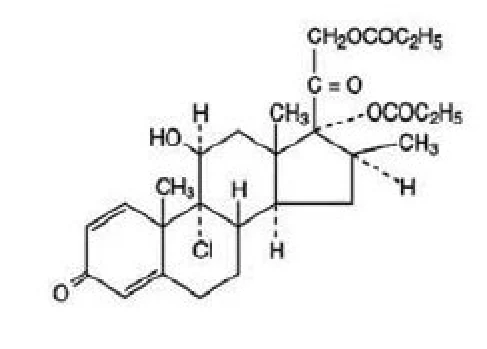
Proper name: beclomethasone dipropionate
Chemical name: 9-chloro-11β,17,21-trihydroxy-16βmethylpregna-1,4-diene-3,20-dione 17, 21-dipropionate
Molecular formula: C28H37ClO7
Molecular mass: 521.1
Structural formula:
Physicochemical properties: Beclomethasone dipropionate is a white to almost white, crystalline powder. It is practically insoluble in water, very soluble in chloroform, and soluble in acetone and in dehydrated alcohol.
CLINICAL TRIALS
Seasonal Allergic Rhinitis and Perennial Allergic Rhinitis
Adult and Adolescent Patients Aged 12 Years and Older
Patient Demographics and Trial Design
The efficacy and safety of QNASL Nasal Aerosol have been evaluated in 3 randomized, double-blind, parallel-group, multicenter, placebo-controlled clinical trials of 2 to 6 weeks duration in adult and adolescent patients 12 years and older with symptoms of seasonal or perennial allergic rhinitis.
The 3 clinical trials included one 2-week dose-ranging trial in patients with seasonal allergic rhinitis, one 2-week efficacy trial in patients with seasonal allergic rhinitis, and one 6-week efficacy trial in patients with perennial allergic rhinitis (Table 3). The trials included a total of 1049 patients (366 males and 683 females) treated with QNASL 320 mcg/day or placebo. About 81% of patients were Caucasian and 17% African American, the mean age was approximately 38 years. Of these patients 521 received QNASL 320 mcg once daily administered as 2 actuations in each nostril.
Table 3 Summary of the Design and Patient Demographics in Short-Term Clinical Trials of QNASL in Patients with Seasonal Allergic Rhinitis and Perennial Allergic Rhinitis
| Study # | Trial design | Dosage, route of administration and duration | Study subjects ITT N | Mean age (range) Years | Gender |
| BDP-AR-201 | Phase II: Randomized, double-blind, placebo controlled, parallel group, multicentre SAR | QNASL 80 mcg QD QNASL 160 mcg QD QNASL 320 mcg QD Placebo Nasal Aerosol 2 weeks | 118 123 122 123 | 38.5 (12-78) | 35% male 65% female |
| BDP-AR-301 | Phase III: Randomized, double-blind, placebo controlled, Parallel group, multicentre Pivotal SAR | QNASL 320 mcg QD Placebo Nasal Aerosol 2 weeks | 167 171 | 38.6 (12-73) | 38% male 62% female |
| BDP-AR-302 | Phase III: Randomized, double-blind, placebo controlled, parallel group, multicentre Pivotal PAR | QNASL 320 mcg QD Placebo Nasal Aerosol 6 weeks | 232 234 | 37 (12-82) | 32% male 68% female |
ITT=intent-to-treat; PAR=Perennial Allergic Rhinitis; QD=once daily; SAR=Seasonal Allergic Rhinitis
Assessment of efficacy in clinical trials was based on the total nasal symptom score (TNSS). TNSS is calculated as the sum of the patients’ scoring of the 4 individual nasal symptoms (rhinorrhea, sneezing, nasal congestion, and nasal itching) on a 0 to 3 categorical severity scale (0 = absent, 1 = mild, 2 = moderate, 3 = severe) as reflective (rTNSS) or instantaneous (iTNSS). rTNSS required the patients to record symptom severity over the previous 12 hours; iTNSS required the patients to record symptom severity over the previous 10 minutes. The primary efficacy endpoint was the difference from placebo in the change from baseline in morning (AM)
and evening (PM) TNSS scores averaged over the treatment period.
Secondary endpoints in the clinical trials included the change from baseline in average AM and PM iTNSS) and an assessment of quality of life (change from baseline in the Rhinoconjunctivitis Quality of Life Questionnaire [RQLQ] score). The RQLQ assessed 7 domains (activities, sleep, non-nose/eye symptoms, practical problems, nasal symptoms, eye symptoms, and emotional) on a 7-point scale where 0 = Not troubled to 6 = extremely troubled for the domains of activities, sleep, non-nose/eye symptoms, practical problems, nasal symptoms, and eye symptoms. The emotional domain utilized a separate 7-point scale (0 = none of the time to 6 = all of the time). In the SAR study (BDP-AR-301), the change from baseline in average AM and PM reflective ocular symptom score was another secondary endpoint. In the dose-ranging SAR study (BDP-AR-201), the change from baseline in AM reflective ocular symptom score and reflective non-nasal symptom score were secondary endpoints.
Study Results
Phase II Dose-Ranging Seasonal Allergic Rhinitis (2-week) Trial (BDP-AR-201)
The dose-ranging study was a 2-week trial that evaluated the efficacy of 3 doses of beclomethasone dipropionate nasal aerosol (80, 160, and 320 mcg, once daily) in patients with seasonal allergic rhinitis. In this study, only treatment with beclomethasone dipropionate nasal aerosol at the dose of 320 mcg/day resulted in statistically significant and clinically meaningful improvements compared with placebo in the primary efficacy endpoint, the average AM and PM subject-reported rTNSS (Least Square [LS] mean treatment difference -0.63, 95% CI: -1.13, -0.13; p=0.013). The 320 mcg dose also demonstrated a statistically significant decrease in morning iTNSS compared to placebo, indicating that the effect was maintained over the 24-hour dosing interval.
Phase III Seasonal Allergic Rhinitis (2-week) Trial (BDP-AR-301) & Perennial Allergic Rhinitis (6-week) Trial (BDP-AR-302)
Nasal Symptoms
Primary Efficacy Endpoint: Reflective Total Nasal Symptom Score (rTNSS)
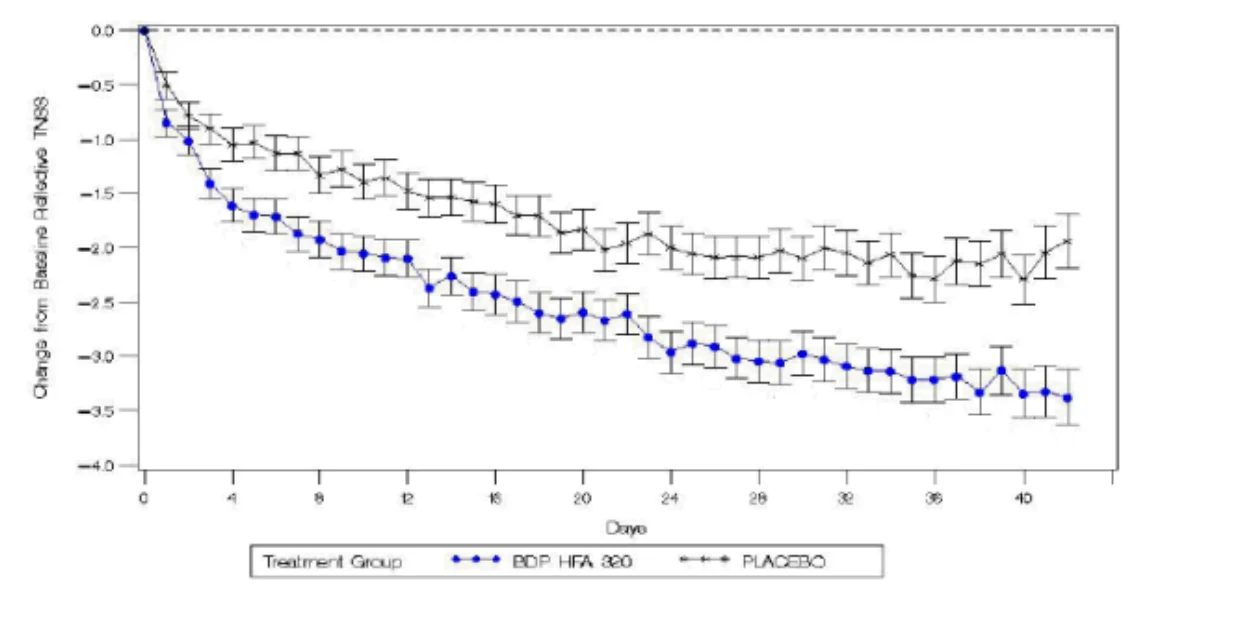
In studies BDP-AR-301 and BDP-AR-302, QNASL 320 mcg once daily resulted in statistically significant and clinically meaningful (difference greater than 0.55 units) improvements in the average AM and PM subject-reported rTNSS compared to placebo (Table 4, Figures 1 and 2).
Table 4 Study BDP-AR-301 and Study BDP-AR-302: Mean Changes from Baseline in Average AM and PM rTNSS (ITT Population)
| Study | Treatment | N | Baseline Mean (SD) | LS Mean (SE) Change from Baseline | Difference From Placebo | ||
| LS Mean | 95% CI | p Value | |||||
| Seasonal Allergic Rhinitis | |||||||
| BDP-AR-301 | QNASL 320 mcg QD | 167 | 9.6 (1.51) | -2.0 (0.16) | -0.91 | (-1.3, -0.5) | <0.001 |
| Placebo | 171 | 9.5 (1.54) | -1.0 (0.15) | ||||
| Perennial Allergic Rhinitis | |||||||
| BDP-AR-302 | QNASL 320 mcg QD | 232 | 8.9 (1.70) | -2.5 (0.14) | -0.84 | (-1.2, -0.5) | <0.001 |
| Placebo | 234 | 9.0 (1.73) | -1.6 (0.14) | ||||
CI=Confidence Interval; LS=Least Square; QD=once daily; SD=Standard Deviation; SE=Standard Error
Figure 1 Study BDP-AR-301: Change from Baseline in Average AM and PM Subject-Reported rTNSS Over Treatment Period (ITT Population)
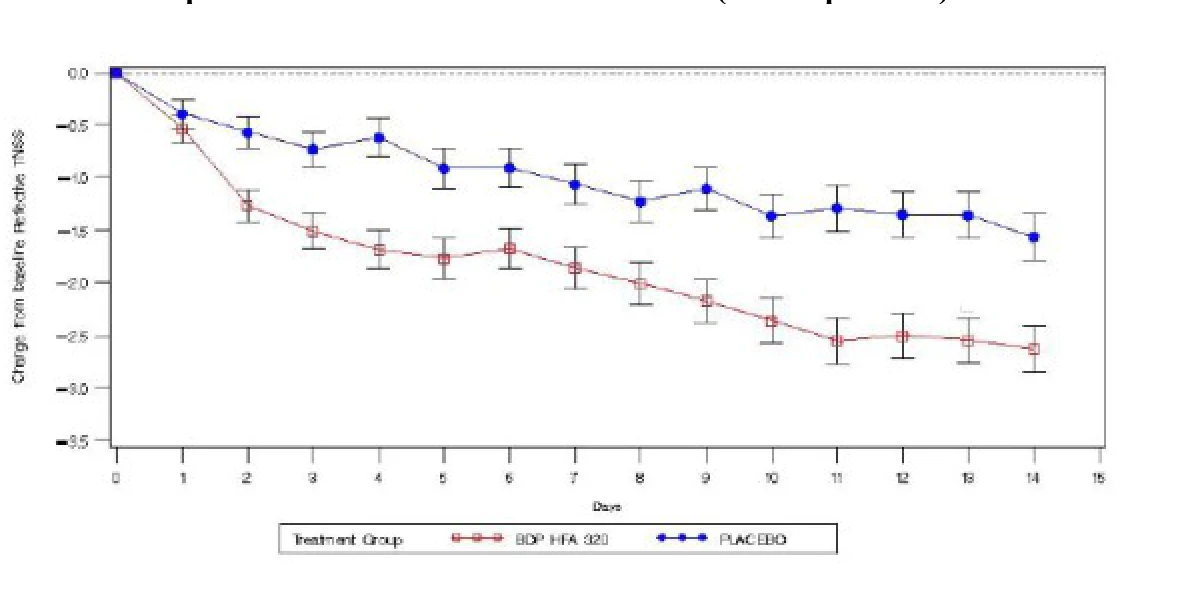
Figure 2 Perennial Allergic Rhinitis Study BDP-AR-302: Change from Baseline in Average AM and PM rTNSS Over Treatment Period (ITT Population) )
Instantaneous Total Nasal Symptom Score (iTNSS)
Results for the average AM and PM instantaneous nasal symptoms score (iTNSS) were consistent with those seen for reflective nasal symptoms. QNASL 320 mcg once daily resulted in statistically significant and clinically meaningful (difference greater than 0.55 units) improvements in the average AM and PM subject-reported iTNSS compared to placebo over the 2-week treatment period (LS mean treatment difference: -0.92, 95% CI: -1.3, -0.5 for BDP-AR-301 and LS mean treatment difference: -0.78, 95% CI: -1.1, -0.4 for BDP-AR-302) (Table 5).
Table 5 Study BDP-AR-301 and Study BDP-AR-302: Mean Changes from Baseline in iTNSS (ITT Population)
CI=Confidence Interval; iTNSS= Instantaneous Total Nasal Symptom Score; LS=Least Square; QD=once daily; SE=Standard Error
| Study | Treatment | N | Baseline Mean (SD) | LS Mean (SE) Change from Baseline | Difference From Placebo | ||
| LS Mea n | 95% CI | p Value | |||||
| Seasonal Allergic Rhinitis | |||||||
| BDP-AR-301 | QNASL 320 mcg QD | 167 | 9.6 (1.51) | -1.7 (0.15) | -0.92 | (-1.3, -0.5) | <0.001 |
| Placebo | 171 | 9.5 (1.54) | -0.8 (0.15) | ||||
| Perennial Allergic Rhinitis | |||||||
| BDP-AR-302 | QNASL 320 mcg QD | 232 | 8.9 (1.70) | -2.1 (0.13) | -0.78 | (-1.1, -0.4) | <0.001 |
| Placebo | 234 | 9.0 (1.73) | -1.4 (0.13) | ||||
Ocular Symptoms
QNASL 320 mcg per day resulted in statistically significant and clinically meaningful improvements in the average AM and PM subject-reported reflective ocular symptom scores compared to placebo (LS mean treatment difference : -0.56, 95% CI: -0.9, -0.2) ) in subjects with seasonal allergic rhinitis (Study BDP-AR-301).
Rhinoconjunctivitis Quality of Life Questionnaire (RQLQ)
RQLQ, a disease specific quality of life questionnaire, was evaluated in adult subjects only with impaired quality of life at baseline (RQLQ score ≥ 3.0 at randomization). Improvements in RQLQ in adults subjects in the phase III trials patients who received QNASL 320 mcg per day were significantly greater than that seen with placebo (LS mean treatment difference: -0.48, 95% CI: -0.8, -0.1; p=0.005 for BDP-AR-301 and LS mean treatment difference: -0.58; 95% CI: -0.9, -0.2; p=0.001 for BDP-AR-302).
Onset of Effect
With respect to onset of effect, appreciable improvements in the average AM and PM subject-reported rTNSS were seen as early as Day 2 in subjects with seasonal allergic rhinitis (SAR BDP-AR-301) and as early as Day 1 in subjects with perennial allergic rhinitis (PAR BDP-AR-302). Similarly, appreciable improvements in the average AM and PM subject-reported iTNSS were seen as early as Day 1 in subjects with seasonal allergic rhinitis (SAR BDP-AR-301) and as early as Day 3 in subjects with perennial allergic rhinitis(PAR BDP-AR-302). Most subjects, therefore, start to experience the benefits of treatment within approximately 24 hours of QNASL Nasal Aerosol administration.
Effect of Gender, Race or Age
There was no effect of gender (male, female), race (white, black, other) or age (12-17 years, 18-64 years, ≥65 years) on the efficacy of QNASL Nasal Aerosol 320 mcg/day compared with placebo in the 3 studies.
Pediatric Patients 4 to 11 Years of Age
Patient Demographics and Trial Design
The efficacy and safety of QNASL Nasal Aerosol have been evaluated in 2 randomized, double-blind, parallel-group, multicenter, placebo-controlled clinical trials of 2 to 12 weeks duration in pediatric patients 4 to 11 years of age with symptoms of seasonal or perennial allergic rhinitis (Table 6).
The 2 clinical trials included one 2-week dose-ranging trial in patients with seasonal allergic rhinitis (6 - 11 years of age), and one 12-week efficacy trial in patients with perennial allergic rhinitis (4 - 11 years of age).
The trials included a total of 1255 patients (680 males and 575 females). About 73% of patients were Caucasian and 20% African American. Of these patients 596 received QNASL Nasal Aerosol 80 mcg once daily administered as 1 actuation of QNASL 40 mcg Nasal Aerosol in each nostril.
Table 6 Summary of the Design and Patient Demographics in Clinical Trials of QNASL in Pediatric Patients with Seasonal Allergic Rhinitis and Perennial Allergic Rhinitis
| Study # | Trial design | Dosage, route of administration and duration | Study subjects ITT/FASa N | Mean age (range) Years | Gender |
| BDP-AR-305 | Phase III: Randomized, double-blind, parallel group, dose finding Placebo control SAR | QNASL 80 mcg QD QNASL 160 mcg QD Placebo Nasal Aerosol 2 weeks | 238 241 234 | 9 (6-11) | 53% male 47% female |
| BDP-AR-306 | Phase III: Randomized, double-blind, placebo controlled, Parallel group, multicentre PAR | QNASL 80 mcg QD Placebo Nasal Aerosol 12 weeks | 358 184 | 8 (4-11) | 55% male 45% female |
ITT=intent-to-treat; FAS= Full Analysis Set; PAR=Perennial Allergic Rhinitis; QD=once daily; SAR=Seasonal Allergic Rhinitis a All randomized subjects who received at least 1 dose of study medication and had at least 1 post baseline assessment.
Assessment of efficacy was based on the TNSS as described in adult and adolescents efficacy studies. In both pediatric clinical studies, the primary efficacy endpoint was the change from baseline in average AM and PM subject-reported daily rTNSS for subjects 6-11 years of age. The secondary endpoint in both clinical studies was the change from baseline over the treatment period in average AM and PM subject-reported daily iTNSS. For Study BDP-AR-306, rTNSS and iTNSS secondary endpoints were analyzed for subjects 6 to 11 years of age and for subjects 4 to 11 years of age.
Study Results
Phase III Dose-Ranging Seasonal Allergic Rhinitis (2-week) Trial (BDP-AR-305)
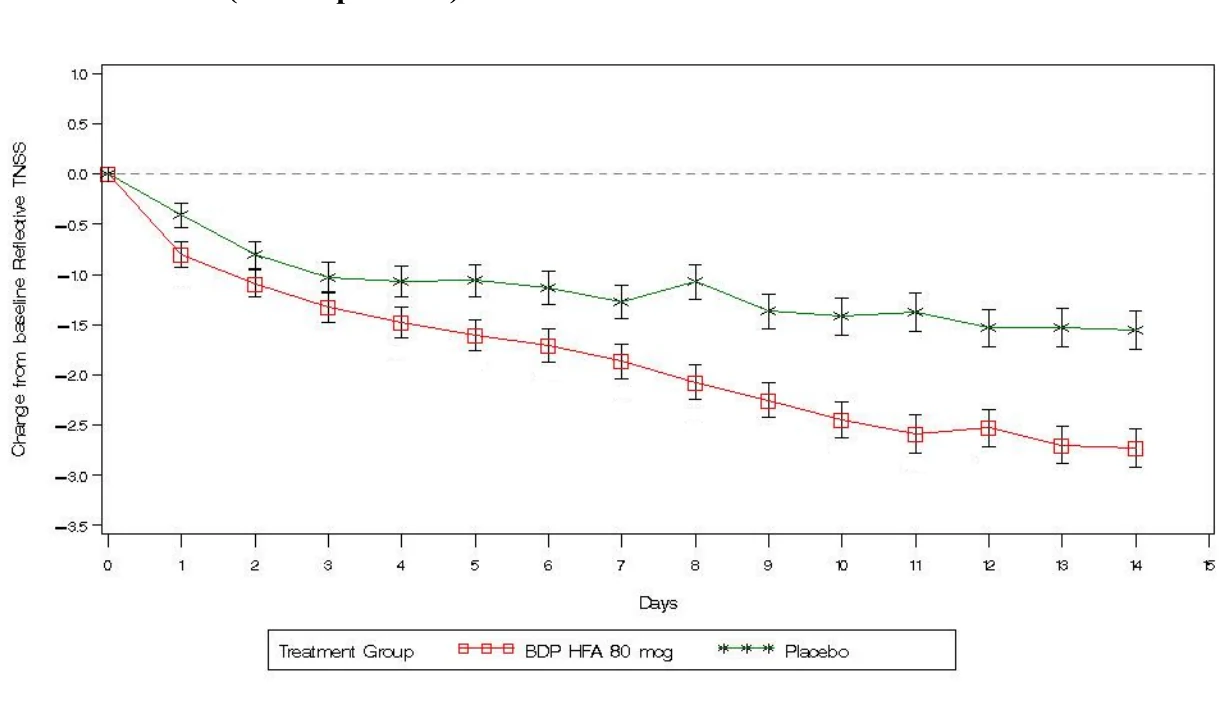
The dose-ranging trial was a 2-week trial that evaluated the efficacy of 2 doses of QNASL (80 and 160 mcg, once daily) in patients 6 to 11 years of age with seasonal allergic rhinitis. In this trial, treatment with QNASL at the dose of 80 mcg/day resulted in statistically significant improvements compared with placebo in the primary efficacy endpoint, rTNSS (Least Square [LS] mean treatment difference -0.71, (95% CI: -1.1, -0.3; p<0.001).
Similarly, the improvement seen with QNASL80 mcg/day in average AM and PM subject-reported iTNSS was significantly greater compared with that seen with placebo (LS mean treatment difference [95% CI]: -0.63 [-1.0, -0.3]; p<0.001).
The statistically significant LS mean differences in average AM and PM subject-reported rTNSS and iTNSS are also considered to be clinically meaningful because the treatment differences were greater than or closely approximated -0.55.
Based on the results from the dose ranging trial, 80 mcg once daily was chosen as dose in pediatric patients.
Figure 3. Seasonal Allergic Rhinitis Study BDP-AR-305 (Subjects 6 to 11 years of age): Change from Baseline in Average AM and PM Subject-Reported rTNSS Over Time (ITT Population)
Phase III Perennial Allergic Rhinitis (12-week) Trial (BDP-AR-306)
Primary Efficacy Endpoint: Reflective Total Nasal Symptom Score (rTNSS)
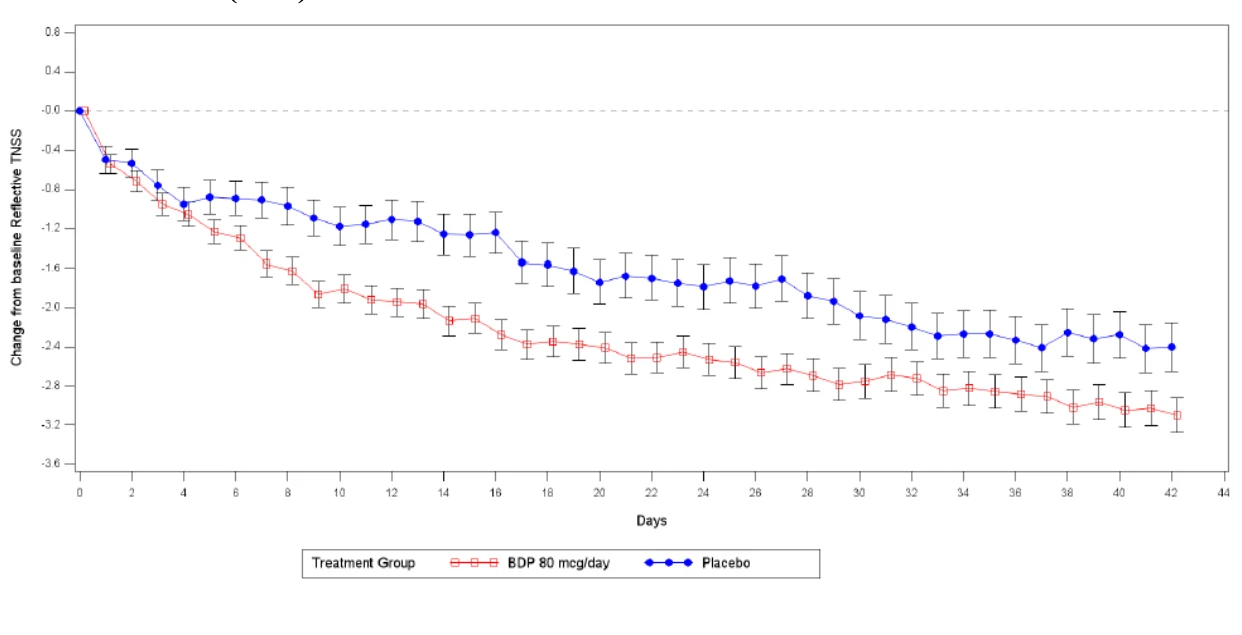
In the phase III perennial allergic rhinitis 12-week trial, treatment with QNASL Nasal Aerosol 80 mcg once daily for 12 weeks in patients with perennial allergic rhinitis resulted in statistically significant greater decreases from baseline in the rTNSS than placebo during the first six weeks of treatment for subjects 6 to 11 years of age which was defined as the primary efficacy measure (Table 7, Figure 4).
For the average AM and PM patient-reported rTNSS over the first 6 weeks of treatment for pediatric patients 6 to 11 years of age, improvements in rTNSS were significantly greater for
QNASL Nasal Aerosol 80 mcg per day compared with placebo (p=0.002) with the treatment difference of 0.66. This improvement was maintained over the 12 weeks of study treatment.
Table 7. Perennial Allergic Rhinitis Study BDP-AR-306: Mean Changes from Baseline in rTNSS Over 6 Weeks in Pediatric Patients 6 to 11 Years of Age (FAS)
| Treatment | N | Baseline (SD) | LS Mean (SE) Change from Baseline | Difference From Placebo | ||||||||
| LS Mean | 95% CI | p Value | ||||||||||
| Beclomethasone dipropionate 80 mcg/day | 296 | 8.6 (1.56) | -2.26 (0.12) | -0.66 | -1.08, -0.24 | 0.002 | ||||||
| Placebo | 153 | 8.6 (1.60) | -1.60 (0.17) | - | ||||||||
Figure 4. Perennial Allergic Rhinitis Study BDP-AR-306 (Subjects 6 to 11 years of age): Change from Baseline in Average AM and PM Subject-Reported rTNSS Over Time (FAS)
Instantaneous Total Nasal Symptom Score (iTNSS)
The improvement in average AM and PM subject-reported iTNSS over the first 6 weeks with QNASL nasal aerosol 80 mcg/day was also greater than for placebo in subjects 6 to 11 years of age (Table 8). The statistically significant LS mean differences in average AM and PM subject-reported rTNSS and iTNSS are also considered to be clinically meaningful because the treatment differences were greater than or closely approximated -0.55.
Table 8. Perennial Allergic Rhinitis Study BDP-AR-306: Mean Changes from Baseline in iTNSS Over 6 Weeks in Pediatric Patients 6 to 11 Years of Age (FAS)
| Treatment | N | Baseline (SD) | LS Mean (SE) Change from Baseline | Difference From Placebo | Treatment | p Value | ||||||
| LS Mean | ||||||||||||
| Beclomethasone dipropionate 80 mcg/day | 296 | 7.9 (2.05) | -1.98 (0.12) | -0.58 | -0.99 - 0.18 | 0.004 | ||||||
| Placebo | 153 | 7.8 (2.12) | -1.39 (0.17) | - | - | - | ||||||
For pediatric patients 4-11 years of age with perennial allergic rhinitis (Study BDP-AR-306), improvements in average patient-reported rTNSS and iTNSS were also significantly greater in QNASL Nasal Aerosol 80 mcg per day treated patients compared with placebo.
Onset of Effect
During the 2-week Study BDP-AR-305, conducted in children aged 6 to 11 years with seasonal allergic rhinitis, beneficial effects of QNASL nasal aerosol 160 mcg/day and 80 mcg/day were apparent soon after starting treatment. Change in average AM and PM rTNSS, appreciable differences (improvements) were observed between QNASL nasal aerosol 80 mcg/day and placebo on day 1 and from day 4 onwards.
During the 12-week Study BDP-AR-306, conducted in children with perennial allergic rhinitis, the beneficial effects of treatment with QNASL nasal aerosol 80 mcg/day were apparent by the end of the first week of administration. For the average AM and PM subject-reported rTNSS in subjects 6 to 11 years of age, appreciable differences were observed between QNASL nasal aerosol 80 mcg/day and placebo from day 7 onwards.
DETAILED PHARMACOLOGY
Pharmacodynamics
Animal studies demonstrate that beclomethasone dipropionate has potent local anti-inflammatory activity but little systemic action. When administered systemically to mice, the anti-inflammatory activity was accompanied by other typical features of glucocorticoid action related to their metabolic and immuno-suppressant actions, including thymic involution, liver glycogen deposition, and pituitary-adrenal suppression.
Beclomethasone dipropionate is a pro-drug that is converted to its active metabolite beclomethasone-17-monopropionate via hydrolysis by esterase’s in vivo. The metabolite beclomethasone-17-monopropionate is approximately 25 times more potent than beclomethasone itself and has glucocorticoid receptor binding affinity 13 times that of dexamethasone.
The precise mechanism of beclomethasone dipropionate’s anti-inflammatory action in humans is not fully known, but recent in vitro studies suggest that beclomethasone-17-monopropionate acts by both genomic and non-genomic mechanisms.
The genomic effects are characterized by transcription factor repression that leads to reduced synthesis of pro-inflammatory cytokines, inhibition of expression of adhesion molecules and apoptosis of T cells; while the non-genomic effects result from immune suppression and apoptosis of T cells.
Pharmacokinetics
HFA-134a
Studies conducted with liver microsomes from human, rat and rabbit showed that HFA-134a is metabolized to a limited extent primarily by cytochrome P-450 2E1. The relative amount of metabolism was less than 0.01% of the exposure amount indicating that carbon-fluorine bonds in HFA-134a are apparently very stable. Certain chemicals and drugs, such as pyridine, ethanol, and isoniazid are known inducers of cytochrome P-450 isozyme. Increases in HFA-134a metabolism of up to 10-fold were reported with induced rat microsomes.
The extent of HFA-134a metabolism observed has been even less in vivo than in in vitro. The metabolite trifluoroacetic acid has been identified in urine from mouse, rat, and human. An additional metabolite trifluoroacetaldehyde has been identified only in mouse urine. The amounts of these two metabolites accounted for less than 0.001% of the presented dose in each species. No metabolite of HFA-134a could be identified in dog urine.
TOXICOLOGY
Beclomethasone dipropionate
Acute Toxicity: Acute toxicology studies in three species revealed no mortality at 3 g/kg (mouse – subcutaneous [SC], intraperitoneal [IP] and oral [PO]), 1-3 g/kg (rat – SC, IP and PO) and 0.75 g/kg (rabbit –SC). Splenitis, fatty liver degeneration, slight kidney nephritis and swelling of thymic reticular cells were demonstrated in animals dosed subcutaneously.
An inhalation LD50 of >56 mcg/L air was observed in rats.]
Repeat-dose Toxicity: Findings published for repeat dose studies embraced the known range of metabolic and physiological effects of glucocorticoids. These included reduction in body weight gains, Cushingoid syndrome in dogs, reduction in the number of lymphocytes and the weights of the tissues connected with the immune system, and hepatic glycogen deposition and fatty liver changes.
Genotoxicity: Beclomethasone dipropionate did not induce gene mutation in the bacterial cells or mammalian Chinese Hamster ovary (CHO) cells in vitro. No significant clastogenic effect was seen in cultured CHO cells in vitro or in the mouse micronucleus test in vivo.
Carcinogenicity: The carcinogenicity of beclomethasone dipropionate was evaluated in rats that were exposed for a total of 95 weeks: 13 weeks at inhalation doses up to 0.4 mg/kg and the remaining 82 weeks at combined oral and inhalation doses up to 2.4 mg/kg. In this trial, there was no evidence of carcinogenicity at the highest dose: approximately 70 times the maximum recommended human daily intranasal dose (MRHDID) in adults on a mg/m2 basis.
Reproductive and Developmental Toxicity: In rats, beclomethasone dipropionate caused decreased conception rates at an oral dose of 16 mg/kg (approximately 490 times the MRHDID in adults on a mg/m2 basis). There was no significant effect of beclomethasone dipropionate on fertility in rats at oral doses of 1.6 mg/kg (approximately 50 times the MRHDID in adults on a mg/m2 basis). Inhibition of the estrous cycle in dogs was observed following oral doses of 0.5 mg/kg (approximately 50 times the MRHDID in adults on a mg/m2 basis). No inhibition of the estrous cycle in dogs was seen following 12 months exposure at an estimated inhalation dose of 0.33 mg/kg (approximately 35 times the MRHDID in adults on a mg/m2 basis).
In reproductive studies, there was an increase in the prevalence of cleft palate in mice and rabbits and in the number of dead foetuses, and ossification was retarded. The teratogenic sensitivity of mice and rabbits differed from that of rats in which certain effects, including cleft palate were absent.
HFA-134a
Acute Toxicity: Rats and mice exposed to HFA-134a at a concentration of 810,000 ppm (81% v/v), with oxygen supplementation, showed no evidence of acute toxicity. No deaths or clinical reactions occurred, showing the low acute toxicity of HFA-134a.
Dogs were essentially unaffected when exposed to HFA-134a at concentrations of up to 80,000 ppm. However, at extremely high concentrations of 160,000 and 320,000 ppm, without oxygen supplementation, intolerance and minor motor disturbances were observed.
Repeat-dose Toxicity: Repeat dose inhalation toxicity studies in rats and dogs exposed to concentrations of up to 50,000 or 120,000 ppm respectively, for periods of up to one year showed no toxic effects.
No oncologic potential was seen in rats or mice exposed for one hour daily to HFA-134a, at concentrations of 50,000 or 75,000 ppm respectively, for periods of two years.
Reproductive and Developmental Toxicity: No effects were observed on the rat fertility or general reproductive performance of a treated parental (F0) generation, or on the development of two successive generations.
REFERENCES
- 1. Barnes ML, Vaidyanathan S, Williamson PA, Lipworth BJ. The minimal clinically important difference in allergic rhinitis. Clin Exp Allergy 2010; 40(2):242 250.
- 2. Foe K, Cheung HTA, Tattam BN, Brown KF, Seale JP. Degradation products of beclomethasone dipropionate in human plasma. Drug Metab Dispos 1998;26(2):132-7.
- 3. Libretto SE. Review of the Toxicology of Beclomethasone Dipropionate. Arch Toxicol.1995;69: 509-25.
- 4. Meltzer EO, Jacobs RL, LaForce CF, Kelley L, Dunbar SA, Tantry SK. Safety and Efficacy of Once-Daily Treatment with Beclomethasone Dipropionate Nasal Aerosol in Subjects with Perennial Allergic Rhinitis. Allergy Asthma Proc 2012;33:249-57.
- 5. Ratner PH, Melchior A, Dunbar SA, Tantry SK, Dorinsky PM. Pharmacokinetic Profile of Beclomethasone Dipropionate Hydrofluoroalkane After Intranasal Administration Versus Oral Inhalation in Healthy Subjects: Results of a Single-Dose, Randomized, Open-Label, 3-Period Crossover Study. Clin Ther 2012;34(6): 1422-31.
- 6. Segall N, Mansfield L, Amar N, Dorinsky P. M, Kelley L, Ding Y, et al. Once Daily Treatment with Beclomethasone Dipropionate Hydrofluoroalkane Nasal Aerosol is Safe and Effective In Children (6-11 Years Of Age) with Seasonal Allergic Rhinitis. J Allergy Clin Immunol; Volume 129:2, Feb 2012.
- 7. Pedersen S, Warner J, W Ulrich, Staab D, Le Bourgeois M, Van Essen-Zandvliet E, Arora S, Szefler SJ. Growth, Systemic Safety, and Efficacy During 1 Year of Asthma Treatment With Different Beclomethasone Dipropionate Formulations: An Open-Label, Randomized Comparison of Extrafine and Conventional Aerosols in Children. Pediatrics 2002;109;e92.
- 8. Storms WW, Segall N, Mansfield LE, Amar NJ, Kelley L, Ding Y, Tantry SK. Efficacy and safety of beclomethasone dipropionate nasal aerosol in pediatric patients with seasonal allergic rhinitis. Ann Allergy Asthma Immunol 2013;111:408-414.
- 9. van Bavel JH, Ratner PH, Amar NJ, Hampel FC Jr., Melchior A, Dunbar SA, et al. Efficacy and Safety of Once-Daily Treatment with Beclomethasone Dipropionate Nasal Aerosol in Subjects with Seasonal Allergic Rhinitis. Allergy Asthma Proc 2012;33: 386-96.