


Product Monograph - Quinsair
SUMMARY PRODUCT INFORMATION
Route of Administration | Dosage Form / Strength | Clinically Relevant Non-medicinal Ingredients |
| Inhalation | Inhalation solution 240 mg/2.4 mL (100 mg/mL) | Magnesium chloride hexahydrate For a complete listing see DOSAGE FORMS, COMPOSITION AND PACKAGING section. |
INDICATIONS AND CLINICAL USE
QUINSAIR® (Levofloxacin Inhalation Solution) is indicated for the management of cystic fibrosis (CF) in patients aged 18 years or older with chronic pulmonary Pseudomonas aeruginosa (P. aeruginosa) infections.
Safety and efficacy have not been demonstrated in patients with Forced Expiratory Volume in one second (FEV1) <25% or >85% predicted, or patients colonized with Burkholderia cepacia.
Culture and susceptibility testing performed periodically will provide information on changing microbial flora and the possible emergence of bacterial resistance.
To reduce the development of drug-resistant bacteria and maintain the effectiveness of QUINSAIR and other antibacterial drugs, QUINSAIR should be used only to treat infections that are proven or strongly suspected to be caused by bacteria.
Geriatrics (≥65 years old):
The safety and efficacy of QUINSAIR in patients ≥65 years old with CF have not been studied (see WARNINGS AND PRECAUTIONS, Special Populations).
Pediatrics (<18 years old):
The safety and efficacy of QUINSAIR in pediatric patients (<18 years old) with CF have not yet been established (see WARNINGS AND PRECAUTIONS, Special Populations and ACTION AND CLINICAL PHARMACOLOGY, Special Populations and Conditions).
CONTRAINDICATIONS
QUINSAIR is contraindicated in persons with a history of hypersensitivity to levofloxacin, quinolone antimicrobial agents, or any other components of this product. For a complete listing, see the DOSAGE FORMS, COMPOSITION AND PACKAGING section.
QUINSAIR is also contraindicated in persons with a history of tendinitis or tendon rupture associated with the use of any member of the quinolone group of antimicrobial agents.
WARNINGS AND PRECAUTIONS
Serious Warnings and Precautions
- Fluoroquinolones, including QUINSAIR, have been associated with disabling and potentially persistent adverse reactions which to date include, but are not limited to: tendinitis, tendon rupture, peripheral neuropathy and neuropsychiatric effects.
- Levofloxacin has been shown to prolong the QT interval of the electrocardiogram in some patients (see WARNINGS AND PRECAUTIONS, Cardiovascular).
- Serious hypersensitivity and/or anaphylactic reactions have been reported in patients receiving quinolone therapy, including levofloxacin (see WARNINGS AND PRECAUTIONS, Immune).
- Seizures may occur with quinolone therapy. QUINSAIR should be used with extreme caution in patients with known or suspected CNS disorders which may predispose to seizures or lower the seizure threshold (see WARNINGS AND PRECAUTIONS, Neurologic).
- Fluoroquinolones, including levofloxacin, may exacerbate muscle weakness in persons with myasthenia gravis. Avoid QUINSAIR in patients with a known history of myasthenia gravis (see WARNINGS AND PRECAUTIONS, Musculoskeletal).
- Fluoroquinolones, including levofloxacin, are associated with an increased risk of tendinitis and tendon rupture in all ages. This risk is further increased in older patients usually over 60 years of age, in patients taking corticosteroid drugs, and in patients with kidney, heart or lung transplants (see WARNINGS AND PRECAUTIONS, Musculoskeletal).
- There are limited data on the use of levofloxacin in pregnant women and levofloxacin may be excreted in breast milk. Non-clinical studies suggest a risk of damage by fluoroquinolones to the weight-bearing cartilage of the growing organism. Consider alternate inhalation therapy to QUINSAIR during pregnancy (see WARNINGS AND PRECAUTIONS, Special Populations).
General
QUINSAIR (Levofloxacin Inhalation Solution) produces systemic exposure to levofloxacin. Thus Warnings and Precautions associated with systemic (IV or oral) administration of levofloxacin or other fluoroquinolones may be relevant to patients receiving QUINSAIR. QUINSAIR should only be administered by the inhalation route and only be used with the ZIRELA® Nebulizer System manufactured by PARI Respiratory Equipment, Inc. Do not use other liquid formulations of levofloxacin in the ZIRELA® Nebulizer System as they have not been formulated for inhalation use.
QUINSAIR is not for ocular, oral, intravenous, subcutaneous, intramuscular or intrathecal administration and should not be used with any other device.
Safety and efficacy of QUINSAIR have not yet been established beyond 3 consecutive cycles (6 months) of therapy (see DOSAGE AND ADMINISTRATION, Dosing Considerations and CLINICAL TRIALS).
Prescribing QUINSAIR in the absence of known Pseudomonas aeruginosa infection in patients with CF is unlikely to provide benefit and increases the risk of development of drug-resistant bacteria.
The administration of levofloxacin increased the incidence and severity of osteochondrosis in immature rats and dogs. Other quinolones also produce similar erosions in the weight-bearing joints and other signs of arthropathy in immature animals of various species. Consequently, levofloxacin should not be used in pre-pubertal patients (see Part II: TOXICOLOGY).
Although levofloxacin is soluble, adequate hydration of patients receiving levofloxacin should be maintained to prevent the formation of highly concentrated urine. Crystalluria has been observed rarely in patients receiving other quinolones, when associated with high doses and an alkaline urine. Although crystalluria was not observed in clinical trials with levofloxacin, patients are encouraged to remain adequately hydrated.
As with any antimicrobial drug, periodic assessment of organ system functions, including renal, hepatic, and hematopoietic, is advisable during levofloxacin therapy.
Use of levofloxacin with other drugs may lead to interactions. Due to possible increases in coagulation tests (PT/INR) and/or bleeding in patients treated with levofloxacin in combination with a vitamin K antagonist (e.g., warfarin), coagulation tests should be monitored when these drugs are given concomitantly (see DRUG INTERACTIONS, Drug-Drug Interactions).
Cardiovascular
QT Prolongation
Some quinolones, including levofloxacin, have been associated with prolongation of the QT interval on the electrocardiogram and infrequent cases of arrhythmia. During post-marketing surveillance, very rare cases of torsades de pointes have been reported in patients taking systemically administered levofloxacin. These reports generally involved patients with concurrent medical conditions or concomitant medications that may have been contributory. The risk of arrhythmias may be reduced by avoiding concurrent use with other drugs that prolong the QT interval including macrolide antibiotics, antipsychotics, tricyclic antidepressants, Class IA (e.g., quinidine, procainamide) or Class III (e.g., amiodarone, sotalol) antiarrhythmic agents, and cisapride. Elderly patients may be more susceptible to drug-associated effects on the QT interval. In addition, use of levofloxacin in the presence of risk factors for torsades de pointes such as hypokalemia, significant bradycardia, cardiomyopathy, patients with myocardial ischemia, and patients with congenital prolongation of the QT interval should be avoided (see DRUG INTERACTIONS, Drug-Drug Interactions).
Aortic Aneurysm and Aortic Dissection
Epidemiologic studies report an increased risk of aortic aneurysm and dissection after intake of fluoroquinolones, particularly in the older population.
Therefore, fluoroquinolones should only be used after careful benefit-risk assessment and after consideration of other therapeutic options in patients with positive family history of aneurysm disease, or in patients diagnosed with pre-existing aortic aneurysm and/or aortic dissection, or in presence of other risk factors for aortic aneurysm and dissection (e.g., Marfan syndrome, vascular Ehlers-Danlos syndrome, Takayasu arteritis, giant cell arteritis, Behcet’s disease, hypertension, atherosclerosis).
In case of sudden severe abdominal, chest or back pain, patients should be advised to immediately consult a physician in an emergency department.
Endocrine and Metabolism
Blood Glucose Disturbances
Fluoroquinolones, including QUINSAIR, have been associated with disturbances of blood glucose, including symptomatic hyperglycemia and hypoglycemia, usually in diabetic patients receiving concomitant treatment with an oral hypoglycemic agent (e.g., glyburide) or with insulin. In these patients, careful monitoring of blood glucose is recommended. SEVERE CASES OF HYPOGLYCEMIA RESULTING IN COMA OR DEATH HAVE BEEN REPORTED. If a hypoglycemic reaction occurs, discontinue QUINSAIR immediately and initiate appropriate therapy.
Gastrointestinal
Clostridium difficile-associated Disease
Clostridium difficile-associated disease (CDAD) has been reported with use of many antibacterial agents, including levofloxacin. CDAD may range in severity from mild diarrhea to fatal colitis. It is important to consider this diagnosis in patients who present with diarrhea or symptoms of colitis, pseudomembranous colitis, toxic megacolon, or perforation of the colon subsequent to the administration of any antibacterial agent. CDAD has been reported to occur over 2 months after the administration of antibacterial agents.
Treatment with antibacterial agents may alter the normal flora of the colon and may permit overgrowth of Clostridium difficile. C. difficile produces toxins A and B, which contribute to the development of CDAD. CDAD may cause significant morbidity and mortality. CDAD can be refractory to antimicrobial therapy.
If the diagnosis of CDAD is suspected or confirmed, appropriate therapeutic measures should be initiated. Mild cases of CDAD usually respond to discontinuation of antibacterial agents not directed against Clostridium difficile. In moderate to severe cases, consideration should be given to management with fluids and electrolytes, protein supplementation, and treatment with an antibacterial agent clinically effective against Clostridium difficile. Surgical evaluation should be instituted as clinically indicated since surgical intervention may be required in certain severe cases.
Hematologic
Patients with Glucose-6-phosphate Dehydrogenase Deficiency
Patients with latent or actual defects in glucose-6-phosphate dehydrogenase activity may be prone to hemolytic reactions when treated with quinolone antibacterial agents. Therefore, if QUINSAIR has to be used in these patients, potential occurrence of hemolysis should be monitored.
Hepatic/Biliary/Pancreatic
Very rare post-marketing reports of severe hepatotoxicity (including acute hepatitis and fatal events) have been received for patients treated with systemically administered levofloxacin. No evidence of serious drug-associated hepatotoxicity was detected in clinical trials of over 7,000 patients. Severe hepatotoxicity generally occurred within 14 days of initiation of systemic therapy and most cases occurred within 6 days. Most cases of severe hepatotoxicity were not associated with hypersensitivity. The majority of fatal hepatotoxicity reports occurred in patients 65 years of age or older and most were not associated with hypersensitivity. QUINSAIR should be discontinued immediately if the patient develops signs and symptoms of hepatitis (see WARNINGS AND PRECAUTIONS, Immune and ADVERSE REACTIONS).
Immune
Hypersensitivity
Serious and occasionally fatal hypersensitivity and/or anaphylactic reactions have been reported in patients receiving systemic therapy with quinolones, including levofloxacin. These reactions often occurred following the first dose. Some reactions have been accompanied by cardiovascular collapse, hypotension/shock, seizure, loss of consciousness, tingling, angioedema (including tongue, laryngeal, throat or facial edema/swelling), airway obstruction (including bronchospasm, shortness of breath, and acute respiratory distress), dyspnea, urticaria, itching, and other serious skin reactions. Levofloxacin should be discontinued immediately at the first appearance of a skin rash or any other sign of hypersensitivity. Serious acute hypersensitivity reactions may require treatment with epinephrine and other resuscitative measures, including oxygen, intravenous fluids, antihistamines, corticosteroids, pressor, amines and airway management, as clinically indicated.
Serious and sometimes fatal events, some due to hypersensitivity and some due to uncertain etiology, have rarely been reported in patients receiving systemic therapy with quinolones, including levofloxacin. These events may be severe, and generally occur following the administration of multiple doses. Clinical manifestations may include one or more of the following: fever; rash or severe dermatologic reactions (e.g., toxic epidermal necrolysis, Stevens-Johnson syndrome); vasculitis; arthralgia; myalgia; serum sickness; allergic pneumonitis; interstitial nephritis; acute renal insufficiency or failure; hepatitis, including acute hepatitis; jaundice; acute hepatic necrosis or failure; anemia, including hemolytic and aplastic; thrombocytopenia, including thrombotic thrombocytopenic purpura; leukopenia; agranulocytosis; pancytopenia; and/or other hematologic abnormalities. The administration of QUINSAIR should be discontinued immediately, at the first appearance of a skin rash or any other sign of hypersensitivity, and supportive measures instituted.
Musculoskeletal
Tendinitis
Musculoskeletal effects (including tendinitis) were reported in patients with CF receiving QUINSAIR as adverse reaction during clinical trials (see ADVERSE REACTIONS).
Rupture of the shoulder, hand and Achilles tendons that required surgical repair or resulted in prolonged disability have been reported in patients receiving quinolones, including levofloxacin. QUINSAIR should be discontinued if the patient experiences pain, inflammation or rupture of a tendon. Patients should rest and refrain from exercise until the diagnosis of tendinitis or tendon rupture has been confidently excluded. The risk of developing fluoroquinolone-associated tendinitis and tendon rupture is further increased in older patients usually over 60 years of age, in patients taking corticosteroid drugs, and in patients with kidney, heart or lung transplants. Factors, in addition to age and corticosteroid use, that may independently increase the risk of tendon rupture include strenuous physical activity, renal failure, and previous tendon disorders such as rheumatoid arthritis. Tendinitis and tendon rupture have also occurred in patients taking fluoroquinolones who do not have the above risk factors. Tendon rupture can occur during or after completion of therapy; cases occurring up to several months after completion of therapy have been reported. QUINSAIR should be discontinued if the patient experiences pain, swelling, inflammation or rupture of a tendon. Patients should be advised to rest at the first sign of tendinitis or tendon rupture, and to contact their healthcare provider regarding changing to a non-quinolone antimicrobial drug (see ADVERSE REACTIONS).
QUINSAIR should not be used in patients with a history of tendon disease/disorder related to previous quinolone treatment (see CONTRAINDICATIONS).
Myasthenia Gravis
Fluoroquinolones have neuromuscular blocking activity and may exacerbate muscle weakness in persons with myasthenia gravis. Post-marketing serious adverse events, including deaths and requirement for ventilatory support, have been associated with fluoroquinolone use (including levofloxacin) in persons with myasthenia gravis. Avoid QUINSAIR in patients with a known history of myasthenia gravis.
Neurologic
Central Nervous System Effects
Psychiatric Adverse Reactions
Fluoroquinolones, including QUINSAIR, have been associated with an increased risk of psychiatric adverse reactions, including: toxic psychoses, hallucinations, or paranoia; depression, or suicidal thoughts; anxiety, agitation, restlessness, or nervousness; confusion, delirium, disorientation, or disturbances in attention; insomnia or nightmares; and memory impairment. Cases of attempted or completed suicide have been reported, especially in patients with a medical history of depression, or an underlying risk factor for depression. These reactions may occur following the first dose. If these reactions occur in patients receiving QUINSAIR, discontinue QUINSAIR and institute appropriate measures.
Central Nervous System Adverse Reactions
Fluoroquinolones, including QUINSAIR, have been associated with an increased risk of seizures (convulsions), increased intracranial pressure (including pseudotumor cerebri), tremors, and light-headedness. As with other fluoroquinolones, QUINSAIR should be used with caution in patients with a known or suspected central nervous system (CNS) disorder that may predispose them to seizures or lower the seizure threshold (e.g., severe cerebral arteriosclerosis, epilepsy) or in the presence of other risk factors that may predispose them to seizures or lower the seizure threshold (e.g., certain drug therapy, renal dysfunction). If these reactions occur in patients receiving QUINSAIR, discontinue QUINSAIR immediately and institute appropriate measures.
Peripheral Neuropathy
Peripheral neuropathy has been reported in patients with CF receiving QUINSAIR during clinical trials.
Rare cases of sensory or sensorimotor axonal polyneuropathy affecting small and/or large axons resulting in paresthesias, hypoesthesias, dysesthesias and weakness have been reported in patients receiving quinolones, including levofloxacin. Symptoms may occur soon after initiation of treatment and may be irreversible. QUINSAIR should be discontinued immediately if the patient experiences symptoms of neuropathy including pain, burning, tingling, numbness, and/or weakness or other alterations of sensation including light touch, pain, temperature, position sense, and vibratory sensation in order to prevent the development of an irreversible condition (see ADVERSE REACTIONS).
Ophthalmologic
If vision becomes impaired or any effects on the eyes are experienced, an eye specialist should be consulted immediately (see ADVERSE REACTIONS).
Renal
QUINSAIR doses do not need to be adjusted in patients with mild to moderate renal impairment (estimated creatinine clearance ≥20 mL/min using the Cockcroft-Gault formula). QUINSAIR is not recommended for use in patients with severe renal impairment (creatinine clearance <20 mL/min) (see DOSAGE AND ADMINISTRATION, Dosing in Special Populations and ACTION AND CLINICAL PHARMACOLOGY, Special Populations and Conditions).
Safety and efficacy of levofloxacin in patients with impaired renal function have not been studied. Since levofloxacin is known to be substantially excreted by the kidney, the risk of toxic reactions to this drug may be greater in patients with impaired renal function. The potential effects of levofloxacin associated with possible increased serum/tissue levels in renal impaired patients, such as effect on QTc interval, have not been studied. Careful clinical observation and appropriate laboratory studies should be performed prior to and during therapy, since elimination of levofloxacin may be reduced. Because elderly patients are more likely to have decreased renal function, it may be useful to monitor renal function. As with systemic use of levofloxacin, administer QUINSAIR with caution in the presence of renal insufficiency.
Respiratory
Bronchospasm
Bronchospasm is a complication associated with inhaled therapies including QUINSAIR (see ADVERSE REACTIONS). Bronchospasm should be treated as medically appropriate.
If acute, symptomatic bronchospasm occurs after receiving QUINSAIR, patients may benefit from the use of a short-acting inhaled bronchodilator prior to subsequent doses (see DOSAGE AND ADMINISTRATION). If there is evidence of therapy-induced bronchospasm, the physician should carefully evaluate whether the benefits of continued use of QUINSAIR outweigh the risks to the patient. If an allergic response is suspected, QUINSAIR should be discontinued.
Cough
Cough can occur with the use of inhaled medication and was reported with use of QUINSAIR in clinical trials (see ADVERSE REACTIONS).
If there is evidence of continued therapy-induced cough with QUINSAIR, the physician should consider the use of alternative therapeutic options.
Hemoptysis
Hemoptysis can occur with the use of inhaled medication and was reported with use of QUINSAIR in clinical trials (see ADVERSE REACTIONS).
Administration of QUINSAIR in patients with clinically significant hemoptysis should be undertaken or continued only if the benefits of treatment are considered to outweigh the risks of inducing further hemorrhage.
Susceptibility/Resistance
Development of Drug-Resistant Bacteria
Prescribing QUINSAIR in the absence of a proven or strongly suspected bacterial infection is unlikely to provide benefit to the patient and risks the development of drug-resistant bacteria.
Potential for Microbial Overgrowth
Treatment with antibacterial agents may result in fungal or bacterial superinfections, including Clostridium difficile (see WARNINGS AND PRECAUTIONS, Gastrointestinal and MICROBIOLOGY).
Skin
Phototoxicity
Moderate to severe phototoxicity reactions have been observed in patients exposed to direct sunlight or ultraviolet (UV) light while receiving drugs in this class. Excessive exposure to sunlight or UV light should be avoided. Therapy should be discontinued if phototoxicity (e.g., skin eruption) occurs.
Special Populations
The safety and efficacy of levofloxacin in children (under the age of 18 years), pregnant women, and nursing mothers have not been established.
Pregnant Women: The use of levofloxacin administered by inhalation in pregnant women has not been studied. There are no adequate and well-controlled studies of systemically administered levofloxacin in pregnant women.
In the absence of human data and findings in non-clinical studies suggesting a risk of damage by fluoroquinolones to the weight-bearing cartilage of the growing organism, QUINSAIR should not be used during pregnancy unless the potential benefits to the mother clearly outweigh the potential risks to the fetus. Patients who use QUINSAIR during pregnancy, or become pregnant while taking QUINSAIR, should be appraised of the potential hazard to the fetus (see Part II: TOXICOLOGY).
Nursing Women: There is insufficient information on the excretion of levofloxacin in human milk; however, other fluoroquinolones are excreted in breast milk.
In the absence of human data and findings in non-clinical studies suggesting a risk of damage by fluoroquinolones to the weight-bearing cartilage of the growing organism, a decision should be made whether to discontinue nursing or discontinue treatment with QUINSAIR, taking into account the importance of the drug to the mother and the potential risk to the nursing infant (see Part II: TOXICOLOGY).
Pediatrics (<18 years of age): The safety and efficacy of QUINSAIR in pediatric patients aged <18 years old have not yet been established. In clinical trials, 51 adolescents with CF (≥12 to <18 years old) received QUINSAIR 240 mg twice daily. Two cases of arthralgia have been observed in children in clinical studies with QUINSAIR and long-term safety data are missing, which are particularly relevant considering the effects on cartilage observed in animals. Therefore, QUINSAIR is not recommended in pediatric patients aged <18 years old.
Levofloxacin is not indicated for the treatment of patients younger than 18 years of age. Quinolones, including levofloxacin, cause arthropathy in juvenile animals of several species (see Part II: TOXICOLOGY). The incidence of protocol-defined musculoskeletal disorders in a prospective long-term surveillance study was higher in children treated for approximately 10 days with systemically administered levofloxacin than in children treated with non-fluoroquinolone antibiotics for approximately 10 days.
Geriatrics (≥65 years of age): The safety and efficacy of QUINSAIR in patients ≥65 years old with CF have not been studied (see WARNINGS AND PRECAUTIONS, Cardiovascular, Endocrine and Metabolism, Hepatic/Biliary/Pancreatic, Musculoskeletal, and Renal and ACTION AND CLINICAL PHARMACOLOGY, Special Populations and Conditions).
Effects on Ability to Drive and Use Machines: Some adverse reactions (e.g., fatigue, asthenia, visual disturbances, dizziness) may impair a patient’s ability to concentrate and react. Therefore, patients should know how they react to QUINSAIR before operating an automobile or machinery or engaging in other activities requiring mental alertness and coordination. Patients who experience such symptoms should be advised not to drive or use machines (see WARNINGS AND PRECAUTIONS, Ophthalmologic and ADVERSE REACTIONS).
ADVERSE REACTIONS
Adverse Drug Reaction Overview
The safety of the recommended dose of QUINSAIR was evaluated in 472 patients with CF from an open-label active-comparator study with an optional uncontrolled extension and from two double-blind, single-cycle, placebo-controlled trials.
The most frequently reported adverse reactions (considered related to QUINSAIR by the Study Investigator) were dysgeusia (31%), cough/productive cough (10%) and sputum increased (5%).
Multiple dose administration of QUINSAIR 240 mg twice daily by inhalation results in levofloxacin systemic exposure approximately 50% lower than that observed following systemic administration of 500 mg levofloxacin or approximately equal to that observed following oral administration of 250 mg levofloxacin (lowest recommended dose). Therefore, adverse event which are known to be associated with systemic administration of levofloxacin are presented in Table 2.
Clinical Trial Adverse Drug Reactions
Because clinical trials are conducted under very specific conditions the adverse reaction rates observed in the clinical trials may not reflect the rates observed in practice and should not be compared to the rates in the clinical trials of another drug. Adverse drug reaction information from clinical trials is useful for identifying drug-related adverse events and for approximating rates.
The data described below reflect exposure to QUINSAIR in 472 patients with CF from an open-label, active-comparator trial (Study 209 Core Phase, 3 treatment cycles) with 182 patients exposed to QUINSAIR, an optional open-label uncontrolled extension (Study 209 Extension Phase, up to 3 additional cycles) with 88 patients exposed to QUINSAIR (32 of whom were new patients exposed to QUINSAIR) and from two double-blind, single-cycle, placebo-controlled trials: Study 204 and Study 207. In these trials, 39 and 219 patients, respectively, received QUINSAIR 240 mg twice daily.
QUINSAIR adverse drug reactions (considered related to QUINSAIR by the Study Investigator) are presented according to the MedDRA System Organ Classification.
Table 1 Adverse Reactions Occurring in ≥1% of Patients Treated with QUINSAIR
240 mg BID Over Single Course Therapy in Double-Blind Trials (Studies 204 and 207) and Multiple Course Therapy in the Open-Label Active-Comparator Trial (Study 209 Core Phase) and its Open-Label Uncontrolled Extension Phase (Study 209 Extension Phase)
MedDRA Primary System Organ Class / Adverse Reactions | Placebo n=147 (%) | QUINSAIR 240 mg BID n=472 (%) | Comparator n=90 (%) |
| Gastrointestinal disorders | |||
| Nausea | 1 (0.7%) | 13 (2.8%) | 0 (0.0%) |
| Vomiting | 0 (0.0%) | 6 (1.3%) | 0 (0.0%) |
| General disorders and administration site conditions | |||
| Disease progression | 3 (2.0%) | 9 (1.9%) | 3 (3.3%) |
| Fatigue / Asthenia | 1 (0.7%) | 8 (1.7%) | 1 (1.1%) |
| Chest discomfort | 1 (0.7%) | 8 (1.7%) | 0 (0.0%) |
| Investigations | |||
| Forced expiratory volume decreased | 0 (0.0%) | 5 (1.1%) | 0 (0.0%) |
| Musculoskeletal and connective tissue disorders | |||
| Arthralgia | 2 (1.4%) | 6 (1.3%) | 0 (0.0%) |
| Nervous system disorders | |||
| Dysgeusia | 1 (0.7%) | 147 (31.1%) | 0 (0.0%) |
| Headache | 0 (0.0%) | 6 (1.3%) | 0 (0.0%) |
| Respiratory, thoracic and mediastinal disorders | |||
| Cough / Productive cough | 8 (5.4%) | 46 (9.7%) | 6 (6.7%) |
| Sputum increased | 6 (4.1%) | 23 (4.9%) | 3 (3.3%) |
| Hemoptysis | 2 (1.4%) | 14 (3.0%) | 0 (0.0%) |
| Increased viscosity of bronchial secretions | 2 (1.4%) | 11 (2.3%) | 2 (2.2%) |
| Respiratory tract congestion | 1 (0.7%) | 10 (2.1%) | 2 (2.2%) |
| Dyspnea / Dyspnea exertional | 0 (0.0%) | 6 (1.3%) | 0 (0.0%) |
| Paranasal sinus hypersecretion | 0 (0.0%) | 6 (1.3%) | 0 (0.0%) |
| Sputum discoloured | 1 (0.7%) | 5 (1.1%) | 0 (0.0%) |
| Dysphonia | 1 (0.7%) | 5 (1.1%) | 0 (0.0%) |
| Skin and subcutaneous tissue disorders | |||
| Rash | 0 (0.0%) | 5 (1.1%) | 1 (1.1%) |
BID = Twice daily; Adverse reactions appearing in this table are based on the Investigator’s determination of relatedness.
Less Common Clinical Trial Adverse Drug Reactions (<1%)
Less common adverse drug reactions (considered related to QUINSAIR by the Study Investigator) occurring during the three controlled trials (Studies 204, 207 and 209 Core Phase) and uncontrolled extension phase (Study 209 Extension Phase) with QUINSAIR in patients with CF were1:
Eye disorders: Vision blurred.
Gastrointestinal disorders: Retching, Diarrhea, Abdominal pain upper, Gastroesophageal reflux disease, Dysphagia, Oral discomfort.
General disorders and administration site conditions: Exercise tolerance decreased, Pyrexia, Chest pain, Influenza like illness, Feeling hot, Feeling jittery.
Infections and infestations: Vulvovaginal mycotic infection, Lower respiratory tract infection, Oral fungal infection, Onychomycosis, Nasopharyngitis, Oral candidiasis.
Injury, poisoning and procedural complications: Muscle strain, Joint sprain, Sunburn.
Investigations: Alanine aminotransferase increased, Weight decreased, Blood creatinine increased, Aspartate aminotransferase increased, pulmonary function test decreased, QRS axis abnormal, Liver function test abnormal.
Metabolism and nutrition disorders: Increased appetite, Decreased appetite.
Musculoskeletal and connective tissue disorders: Tendinitis, Arthropathy, Joint stiffness, Costochondritis, Muscle fatigue, Pain in extremity, Plantar fasciitis.
Nervous System Disorders: Dizziness, Sinus headache, Migraine, Cluster headache, Tunnel vision, Aphonia, Neuralgia.
Renal and urinary disorders: Chromaturia.
Respiratory, thoracic and mediastinal disorders: Oropharyngeal pain, Dyspnea exertional, Dyspnea, Rales, Nasal congestion, Obstructive airways disorder, Wheezing, Pharyngeal erythema, Epistaxis, Nasal mucosal disorder, Rhinorrhea, Increased upper airway secretion, Sneezing, Throat irritation, Bronchospasm.
Skin and subcutaneous tissue disorders: Skin burning sensation, Blister, Pruritus.
If acute, symptomatic bronchoconstriction occurs after receiving QUINSAIR, patients may benefit from the use of a short-acting inhaled bronchodilator prior to subsequent doses of QUINSAIR (see DOSAGE AND ADMINISTRATION).
1 This includes only those reported at higher incidence than placebo.
Adverse Events with Uncertain Relatedness to QUINSAIR
Adverse events with uncertain relatedness to QUINSAIR but which are known to be associated with systemic administration of levofloxacin and/or are plausibly associated with QUINSAIR and were reported more frequently than with placebo in clinical studies are listed below:
- Blood and lymphatic system disorders: Anemia, neutropenia
- Cardiac disorders: Tachycardia
- Ear and labyrinth disorders: Tinnitus, hearing loss
- Eye disorders: Visual disturbances
- Gastrointestinal disorders: Abdominal pain, constipation, dyspepsia, flatulence
- Hepatobiliary disorders: Hepatitis, hyperbilirubinemia
- Immune system disorders: Hypersensitivity
- Investigations: Blood glucose decreased, blood glucose increased, breath sounds abnormal, blood alkaline phosphatase increased, electrocardiogram QT prolonged, eosinophil count increased, platelet count decreased
- Metabolism and nutrition disorders: Anorexia
- Musculoskeletal and connective tissue disorders: Myalgia
- Nervous system disorders: Hyposmia, somnolence
- Psychiatric disorders: Insomnia, anxiety, depression
- Renal and urinary disorders: renal failure acute
- Respiratory, thoracic and mediastinal disorders: Bronchial hyper-reactivity
- Skin and subcutaneous tissue disorders: Urticaria
Clinical Trial and Post-Market Additional Adverse Drug Reactions With Systemic Administration of Levofloxacin
Additional common adverse reactions (characterized as likely related to drug therapy) occurring in >1% of patients and additional less common adverse reactions occurring in 0.1 to <1% of patients treated with systemic levofloxacin are shown in Table 2. In addition, additional adverse reactions that have been identified during post-approval use of systemic levofloxacin are presented in Table 2. However, because these reactions are reported voluntarily from a population of uncertain size, reliably estimating their frequency or establishing a causal relationship to drug exposure is not always possible.
Table 2 Additional Adverse Reactions Reported in Clinical Trials and Post-Market with
Systemic Levofloxacin
Additional Adverse Reactions Reported in Clinical Trials Oral Levofloxacin n=7537 | Additional Adverse Reactions Reported Post-Market IV / Oral Levofloxacin |
| Blood and lymphatic system disorders | |
| Less Common: Thrombocytopenia, granulocytopenia | Pancytopenia, aplastic anemia, leucopenia, hemolytic anemia, thrombocytopenia including thrombotic thrombocytopenic purpura, agranulocytosis |
| Cardiac disorders | |
| Less common: Cardiac arrest, palpitation, ventricular tachycardia, ventricular arrhythmia | Isolated reports of torsades de pointes |
| Eye disorders | |
| Uveitis, visual acuity reduced, scotoma | |
| Ear and labyrinth disorders | |
| Hypoacusis | |
| Gastrointestinal disorders | |
| Less Common: Gastritis, stomatitis, pancreatitis, esophagitis, gastroenteritis, glossitis, pseudomembraneous/C. difficile colitis | |
| General disorders and administration site conditions | |
| Common: Edema | Multi-organ failure |
| Hepatobiliary disorders | |
| Hepatic failure (including fatal cases), jaundice, hepatic necrosis | |
| Immune system disorders | |
| Less Common: Allergic reaction | Hypersensitivity reactions, sometimes fatal including: anaphylactic/anaphylactoid reactions, anaphylactic shock, angioneurotic edema, serum sickness |
| Investigations | |
| Prothrombin time prolonged, international normalized ratio (INR) prolonged, muscle enzymes increased (CPK) | |
| Metabolism and nutrition disorders | |
| Less Common: Hyperglycemia, hypoglycemia, Hyperkalemia | |
| Musculoskeletal and connective tissue disorders | |
| Less Common: Skeletal pain | Tendon rupture, Muscle injury (including rupture), rhabdomyolysis, myositis |
| Nervous system disorders | |
| Less Common: Tremor, convulsions, paresthesia, vertigo, hypertonia, hyperkinesias, abnormal gait, syncope | Anosmia, ageusia, parosmia, peripheral neuropathy (may be irreversible), isolated reports of encephalopathy, abnormal EEG, exacerbation of myasthenia gravis, amnesia, pseudotumor cerebri |
| Psychiatric disorders | |
Common: Insomniaa Less Common: Agitation, confusion, hallucination, nightmarea, sleep disordera, abnormal dreaminga | Psychosis, paranoia, isolated reports of suicide attempt and suicidal ideation |
| Renal and urinary disorders | |
| Less Common: Abnormal renal function | Interstitial nephritis, nephrosis, glomerulonephritis |
| Respiratory, thoracic and mediastinal disorders | |
| Isolated reports of allergic pneumonitis, interstitial pneumonia, laryngeal edema, apnea | |
Additional Adverse Reactions Reported in Clinical Trials Oral Levofloxacin n=7537 | Additional Adverse Reactions Reported Post-Market IV / Oral Levofloxacin |
| Skin and subcutaneous tissue disorders | |
| Rare: Rash maculo-papular | Bullous eruptions to include: Stevens-Johnson Syndrome, toxic epidermal necrolysis, erythema multiforme, photosensitivity/photo-toxicity reaction, leukocytoclastic vasculitis |
| Reproductive system and breast disorders | |
| Common: Vaginitisb | |
| Vascular disorders | |
| Less Common: Phlebitis | Vasodilation, vasculitis, DIC |
| aN=7274; bN=3758 (women). Common = >1%; Less Common = 0.1 to <1%; Rare = <0.1% | |
In clinical trials using multiple-dose therapy, ophthalmologic abnormalities, including cataracts and multiple punctate lenticular opacities, have been noted in patients undergoing treatment with other quinolones. The relationship of the drugs to these events is not presently established.
Crystalluria and cylindruria have also been reported with other quinolones used systemically.
Abnormal Hematologic and Clinical Chemistry Findings
The incidences of potentially clinically significant laboratory values in studies appeared, in general, comparable between patients treated with QUINSAIR and those treated with active comparators or placebo.
DRUG INTERACTIONS
Overview
No specific interaction studies have been conducted with QUINSAIR.
Levofloxacin undergoes limited metabolism in humans and is primarily excreted as unchanged drug in the urine. The P450 system is not involved in levofloxacin metabolism and is not affected by levofloxacin. Levofloxacin is unlikely to alter the pharmacokinetics of drugs metabolized by these enzymes. Disturbances of blood glucose have been reported in patients treated concomitantly with levofloxacin and an antidiabetic agent. Therefore, careful monitoring of blood glucose is recommended when these agents, are co-administered (see WARNINGS AND PRECAUTIONS, Endocrine and Metabolism, Disturbances in Blood Glucose). As with all other quinolones, oral iron and some oral antacids can significantly reduce the oral bioavailability of levofloxacin.
Drug-Drug Interactions
No specific drug interaction studies have been conducted with QUINSAIR. In clinical studies, patients receiving QUINSAIR concomitantly used dornase alfa, inhaled selective ß2-adrenoreceptor agonists, inhaled corticosteroids, inhaled saline or oral azithromycin.
Effect of other medicinal products on levofloxacin
Theophylline, fenbufen or similar non-steroidal anti-inflammatory drugs No pharmacokinetic interactions of levofloxacin were found with theophylline in a clinical study. However a pronounced lowering of the cerebral seizure threshold may occur when quinolones are given concurrently with theophylline, non-steroidal anti-inflammatory drugs, or other substances that lower the seizure threshold. Levofloxacin concentrations following oral administration were about 13% higher in the presence of fenbufen than when administered alone.
Probenecid and cimetidine
The renal clearance of levofloxacin was reduced by cimetidine (24%) and probenecid (34%). This is because both active substances are capable of blocking the renal tubular secretion of levofloxacin. However, at the tested doses in the study, the statistically significant kinetic differences are unlikely to be of clinical relevance. Caution should be exercised when QUINSAIR is co-administered with active substances that affect the tubular renal secretion such as probenecid and cimetidine, especially in patients with renal impairment.
Other relevant information
Clinical pharmacology studies have shown that the pharmacokinetics of levofloxacin were not affected to any clinically relevant extent when levofloxacin was administered together with the following active substances: calcium carbonate, digoxin, glibenclamide and ranitidine.
Effect of levofloxacin on other medicinal products
CYP1A2 substrates
In a pharmacokinetic interaction study, levofloxacin did not affect the pharmacokinetics of theophylline (which is a probe substrate for CYP1A2) indicating that levofloxacin is not a CYP1A2 inhibitor.
CYP2C9 substrates
An in vitro study indicated a low potential for interaction between levofloxacin and CYP2C9 substrates.
Interactions mediated by effects on transporters
In vitro studies demonstrated that inhibition of the key transporters associated with drug disposition in the kidney (organic anion-transporting polypeptide-1B1 (OATP1B1), OATP1B3, organic anion transporter-1 (OAT1), OAT3 and organic cationic transporter-2 (OCT2)) at exposures following inhalation of 240 mg levofloxacin twice daily is low.
Furthermore, clinical data do not suggest interaction with P-glycoprotein (P-gp) substrates such as digoxin.
Cyclosporine
The half-life of cyclosporine was increased by 33% when co-administered with levofloxacin.
Vitamin K antagonists
Increased coagulation tests (PT/INR) and/or bleeding, which may be severe, have been reported in patients treated with levofloxacin in combination with a vitamin K antagonist (e.g., warfarin). Coagulation tests, therefore, should be monitored in patients treated with vitamin K antagonists.
Active substances known to prolong the QT interval
Levofloxacin, like other fluoroquinolones, should be used with caution in patients receiving active substances known to prolong the QT interval (e.g., Class IA and III antiarrhythmics, tricyclic antidepressants, macrolides, antipsychotics).
Drug-Food Interactions
QUINSAIR may be taken with or without food.
Drug-Herb Interactions
Interactions with herbal products have not been established.
Drug-Laboratory Interactions
Some quinolones, including levofloxacin, may produce false-positive urine screening results for opiates using commercially available immunoassay kits. Confirmation of positive opiate screens by more specific methods may be necessary.
Levofloxacin may inhibit the growth of Mycobacterium tuberculosis and, therefore, may give false-negative results in the bacteriological diagnosis of tuberculosis.
Drug-Lifestyle Interactions
Interactions with lifestyle have not been established.
DOSAGE AND ADMINISTRATION
QUINSAIR is for inhalation use only.
QUINSAIR is administered by inhalation over a 5 minute period using a QUINSAIR specific ZIRELA® Nebulizer Handset (including a ZIRELA® Aerosol Head) provided in the pack connected to an eBase Controller or an eFlow rapid Control Unit . QUINSAIR should not be used with any other type of handset or aerosol head. The Manufacturer’s Instructions for Use of the ZIRELA® Nebulizer System should be reviewed prior to the first use of QUINSAIR.
QUINSAIR must not be mixed with other medicinal products. Do not put other medicinal products into the ZIRELA® Nebulizer Handset.
Dosing Considerations
QUINSAIR is taken in alternating cycles of 28 days on treatment followed by 28 days off treatment. Safety and efficacy of QUINSAIR has not yet been established beyond 3 consecutive cycles (6 months) of therapy (see WARNING AND PRECAUTIONS, General and CLINICAL TRIALS).
The doses should be inhaled as close as possible to 12 hours apart.
If acute symptomatic bronchospasm occurs after receiving QUINSAIR, patients may benefit from the use of a short-acting inhaled bronchodilator at least 15 minutes to 4 hours prior to subsequent doses (see WARNINGS AND PRECAUTIONS and ADVERSE REACTIONS).
For patients taking multiple inhaled therapies, the recommended order of administration is as follows:
- 1. Bronchodilators;
- 2. Dornase alfa;
- 3. Airway clearance techniques;
- 4. QUINSAIR;
- 5. Inhaled steroids.
Safety and efficacy have not been demonstrated in patients under the age of 18 years, patients with FEV1 <25% or >85% predicted, or patients colonized with Burkholderia cepacia.
Recommended Dose and Dosage Adjustment
Adults (≥18 years old): The recommended dosage is 240 mg administered by inhalation twice daily.
Dosing in Special Populations
Pediatrics (<18 years old): The safety and efficacy of QUINSAIR in pediatric patients aged <18 years old have not yet been established.
Geriatrics (≥65 years old): The safety and efficacy of QUINSAIR in patients ≥65 years old with CF have not been studied.
Renal Impairment: QUINSAIR doses do not need to be adjusted in patients with mild to moderate renal impairment (estimated creatinine clearance ≥20 mL/min using the Cockroft-Gault formula). QUINSAIR is not recommended for use in patients with severe renal impairment (creatinine clearance <20 mL/min) (see WARNINGS AND PRECAUTIONS, Renal and ACTION AND CLINICAL PHARMACOLOGY, Special Populations and Conditions).
Hepatic Impairment: No dose adjustment is required since levofloxacin is not metabolised to any relevant extent by the liver and is mainly excreted by the kidneys (see ACTION AND CLINICAL PHARMACOLOGY, Special Populations and Conditions).
Missed Dose
If a dose is missed, it should be taken as soon as the patient remembers providing that as close as possible to a 12 hour interval (at least an 8 hour interval) is allowed before inhaling the next dose. Patients should not inhale the contents of more than one ampoule to compensate for the missed dose.
Administration
QUINSAIR is administered only by the inhalation route and only using the QUINSAIR specific ZIRELA® Nebulizer System. It must not be administered by any other route or using any other device.
To administer QUINSAIR, patients should:
- 1.
Squeeze all of the contents of one ampoule into the medication reservoir of the ZIRELA®
Nebulizer Handset.
- 2. Close the medication cap by aligning the tabs of the medicine cap with the slots of the medication reservoir.
- 3. Sit in a relaxed, upright position.
- 4. Holding the handset level, press and hold the on/off button on the controller for a few seconds. The controller will ‘beep’ once and the status light will turn green. After a few seconds, an aerosol mist will begin to flow into the aerosol chamber of the ZIRELA® Nebulizer Handset.
- 5. Keeping the handset level, place the mouthpiece of the handset in their mouth making sure their lips are closed around it.
- 6. Keep the nebulizer in horizontal position during nebulization.
- 7.
Inhale and exhale normally through the mouthpiece until the treatment is finished.
Administration takes approximately 5 to 7 minutes. When the treatment is complete, the controller will ‘beep’ twice.
- 8. Disconnect the controller and dismantle the ZIRELA® Nebulizer Handset for cleaning and disinfection.
Further instructions for patients on how to administer QUINSAIR is provided in Part III, CONSUMER INFORMATION. Instructions for testing nebulizer functionality, cleaning and disinfecting the handset are provided in the device Manufacturer’s Instructions for Use included with the ZIRELA® Nebulizer System.
OVERDOSAGE
General supportive measures are recommended. Symptomatic treatment should be implemented. The patient should be observed and appropriate hydration maintained. ECG monitoring should be undertaken because of the possibility of QT interval prolongation. Hemodialysis, including peritoneal dialysis and continuous ambulatory peritoneal dialysis (CAPD), are not effective in removing levofloxacin from the body. No specific antidote exists.
In the event of an overdose and suspected oral ingestion, activated charcoal may be administered to aid in the removal of unabsorbed drug.
For management of a suspected drug overdose, contact your regional Poison Control Centre.
ACTION AND CLINICAL PHARMACOLOGY
Mechanism of Action
The mechanism of action of levofloxacin and other fluoroquinolone antimicrobials involves inhibition of bacterial DNA gyrase and topoisomerase IV enzymes (both of which are type II topoisomerases) required for DNA replication, transcription, repair and recombination.
Pharmacodynamics
No studies evaluating the potential for QT prolongation have been conducted with QUINSAIR.
Two studies have been conducted to assess specifically the effect of systemic levofloxacin on QT and corrected QT (QTc) intervals in healthy adult volunteers. The mean increase compared to baseline of QTc at Cmax in these two trials was 7.82 msec and 5.32 msec after a single 1000 mg dose. In these trials, no effect on QT intervals compared to placebo was evident at the doses studied. The clinical relevance of the results of these studies is not known.
Pharmacokinetics
Absorption: The maximal plasma concentration (Cmax) of levofloxacin following administration by inhalation occurred at approximately 0.5-1 hour post-dose.
Multiple-dose administration of QUINSAIR 240 mg twice daily by inhalation results in levofloxacin systemic exposure approximately 50% lower than that observed following systemic administration of 500 mg levofloxacin or approximately equal to that observed following oral administration of 250 mg levofloxacin (lowest recommended dose). However, there is variability in the systemic exposures observed which means that serum levels of levofloxacin following inhalation of QUINSAIR may sometimes fall within the range of levels observed following systemic administration of 500 mg levofloxacin.
Table 3 Comparison of Levofloxacin Serum Pharmacokinetic Parameters Following
QUINSAIR Administration by Inhalation to Patients with CF and Following Oral Administration of Levofloxacin to Healthy Adult Volunteers
| Pharmacokinetic Parameter | QUINSAIR | Systemic Levofloxacin | |
240 mg Inhalation BID* | 250 mg Oral QD** Single Dose | 500 mg Oral QD** | |
| Cmax (μg/mL) | 3.4 (1.6) | 2.8 (0.4) | 5.7 (1.4) |
| AUC(0-24) (µg•h/mL) | 17.9 (13.8) | 27.2 (3.9)*** | 47.5 (6.7) |
QD = Once a day; BID = Twice a day.
* Predicted value from population PK analysis of CF patients in Study 209. Values in parentheses are standard deviation.
** Healthy males 18-53 years old. Values in parentheses are standard deviation.
*** AUC(0-∞).
High levofloxacin concentrations were observed in sputum following QUINSAIR 240 mg twice daily dosing in patients with CF. In Study 209, the mean (SD) post-dose sputum Cmax was 5681 (1358) µg/mL and AUC(0-24) was 6872 (6570) µg·h/mL. Overall, the mean post-dose sputum concentrations were approximately 500-1900 µg/mL and were approximately 400-1700 times higher than those observed in serum.
Distribution: Approximately 30 to 40% of levofloxacin is bound to serum protein. The mean apparent volume of distribution of levofloxacin in serum is approximately 250 L following inhalation of QUINSAIR 240 mg twice a day.
Metabolism: Levofloxacin is metabolised to a very small extent, the metabolites being desmethyl-levofloxacin and levofloxacin N-oxide. These metabolites account for <5% of the dose following systemic administration and are excreted in urine. Levofloxacin is stereochemically stable and does not undergo chiral inversion.
Excretion: Levofloxacin is systemically absorbed following inhalation of QUINSAIR and eliminated similarly to levofloxacin following systemic administration. Following oral and intravenous administration, levofloxacin is eliminated relatively slowly from the plasma ((t½) : 6 to 8 hours). The half-life of levofloxacin following inhalation of QUINSAIR is approximately 5 to 7 hours. Excretion is primarily by the renal route (>85% of the dose following oral or intravenous administration). The mean apparent total body clearance of levofloxacin following systemic administration of a 500 mg single dose was 175 +/- 29.2 mL/min. The apparent clearance (CL/F) of levofloxacin following inhalation of QUINSAIR 240 mg twice daily is 31.8 ± 22.4 L/hour.
Special Populations and Conditions
Pediatrics: The safety and efficacy of QUINSAIR in pediatric patients aged <18 years old have not yet been established.
The pharmacokinetics of levofloxacin following inhalation of QUINSAIR 240 mg twice daily were investigated in pediatric patients with CF aged 12 years and older and weighing ≥30 kg. A population PK model based on sparse sampling determined that levofloxacin serum concentrations were comparable between pediatric and adult patients following 28 days of treatment. Higher sputum concentrations were observed in adults compared to pediatric patients in Study 207; similar sputum concentrations were observed in adult and pediatric patients in Study 209.
In addition, the pharmacokinetics of weight-based doses of levofloxacin administered by inhalation once daily for 14 days in pediatric patients with CF (≥6 to <12 years old, n = 14 and ≥12 to <17 years old, n = 13) were evaluated in Study 206. Patients weighing 22 to 30 kg received 180 mg levofloxacin/day and patients weighing >30 kg received 240 mg levofloxacin/day. The weight-based dosing scheme resulted in consistent serum and sputum PK exposure across the range of ages (7 to 16 years old) and weights (22 to 61 kg) observed in the study. Serum PK exposures were similar when comparing children receiving the weight-based regimen and adults receiving QUINSAIR 240 mg once daily. Sputum PK exposure in children aged 7 to 16 years old was approximately one-third of adult exposure (see INDICATIONS AND CLINICAL USE, Pediatrics, WARNINGS AND PRECAUTIONS, Special Populations, DOSAGE AND ADMINISTRATION, Dosing in Special Populations).
Geriatrics: The pharmacokinetics of levofloxacin administered by inhalation have not been studied in the elderly. Following systemic administration, there are no significant differences in levofloxacin pharmacokinetics between young and elderly subjects except those associated with age-related decreases in creatinine clearance (see INDICATIONS AND CLINICAL USE, Geriatrics, WARNINGS AND PRECAUTIONS, Special Populations, DOSAGE AND ADMINISTRATION, Dosing in Special Populations).
Gender: Population pharmacokinetic analysis results indicate no significant differences in systemic exposure of levofloxacin due to gender following administration of QUINSAIR.
Race: The effects of race on the pharmacokinetics of levofloxacin administered by inhalation have not been studied. Following systemic administration, the effect of race on levofloxacin pharmacokinetics was examined through a covariate analysis performed on data from 72 subjects: 48 white and 24 non-white. The apparent total body clearance and apparent volume of distribution were not affected by the race of the subjects.
Hepatic Insufficiency: Pharmacokinetic studies with QUINSAIR in patients with hepatic impairment have not been conducted. Due to the limited extent of levofloxacin metabolism in the liver, the pharmacokinetics of levofloxacin are not expected to be affected by hepatic impairment (see WARNINGS AND PRECAUTIONS, Hepatic/Biliary/Pancreatic, DOSAGE AND ADMINISTRATION, Dosing in Special Populations).
Renal Insufficiency: The effects of renal impairment on the pharmacokinetics of levofloxacin administered by inhalation have not been studied. Studies using systemic administration of levofloxacin show that the pharmacokinetics of levofloxacin are affected by renal impairment; with decreasing renal function, renal elimination and clearance are decreased, and elimination half-life increased. Dose adjustments were not employed in clinical studies of QUINSAIR which allowed for the inclusion of patients with mild to moderate renal impairment (estimated creatinine clearance ≥20 mL/min using the Cockroft-Gault formula) (see WARNINGS AND PRECAUTIONS, Renal, DOSAGE AND ADMINISTRATION, Dosing in Special Populations).
Doses of QUINSAIR do not need to be adjusted in patients with mild to moderate renal impairment. However, QUINSAIR is not recommended for use in patients with severe renal impairment (creatinine clearance <20 mL/min).
STORAGE AND STABILITY
QUINSAIR should be stored at controlled room temperature (15°C to 30°C). Store in the original package in order to protect from light. Do not use QUINSAIR beyond the expiration date embossed on the ampoule. Ampoules should be used within 4 days after the opening of the sachet.
SPECIAL HANDLING INSTRUCTIONS
QUINSAIR should be a clear, pale yellow solution.
The ampoules are for single use only. Once opened, use immediately. Any unused product must be discarded.
Replace any unused, unopened ampoules from the strip back into the sachet to protect them from light and store at controlled room temperature (15°C to 30°C).
DOSAGE FORMS, COMPOSITION AND PACKAGING
QUINSAIR is filled into 3 mL (delivering 2.4 mL solution), single use, ready-to-use, low density polyethylene (LDPE) ampoules.
Each 28-day pack of QUINSAIR contains 56 ampoules (14 foil laminate sachets each containing 4 ampoules) packaged in a box with a Consumer Information Leaflet plus one ZIRELA®
Nebulizer Handset packaged in its own box with the Manufacturer's Instruction for Use.
QUINSAIR is a sterile solution which contains levofloxacin hemihydrate, and the non-medicinal ingredients magnesium chloride hexahydrate and water for injections. During manufacturing of QUINSAIR levofloxacin forms a complex with magnesium. Each mL of QUINSAIR contains levofloxacin hemihydrate equivalent to 100 mg of levofloxacin. Each ampoule contains 240 mg of levofloxacin.
PART II: SCIENTIFIC INFORMATION
PHARMACEUTICAL INFORMATION
Drug Substance
Proper name: Levofloxacin (as hemihydrate)
Chemical name: (–)-(S)-9-fluoro-2,3-dihydro-3-methyl-10-(4-methyl-1-piperazinyl)-7-oxo-7H-pyrido[1,2,3-de]-1,4-benzoxazine-6-carboxylic acid hemihydrate
Molecular formula and molecular mass: C18H20FN3O4 • ½ H2O; 370.37
Structural formula:
Physicochemical properties:
Levofloxacin is a light yellowish white to yellow-white crystal or crystalline powder with a melting point of 222 to 230oC. The pKa values for levofloxacin are 5.33 and 8.07 for pKa1 and pKa2, respectively. The molecule exists as a zwitterion at the pH conditions in the small intestine.
The data demonstrate that, from pH 0.6 to 5.8, the solubility of levofloxacin is essentially constant (approximately 100 mg/mL). Levofloxacin is considered soluble to freely soluble in this pH range, as defined by USP nomenclature. Above pH 5.8, the solubility increases rapidly to its maximum at pH 6.7 (272 mg/mL), and is considered freely soluble in this range.
Above pH 6.7, the solubility decreases and reaches a minimum value (about 50 mg/mL) at a pH of approximately 6.9. Levofloxacin is considered freely soluble to soluble at the pH range of 6.7 to 7.7, beyond which the solubility begins to increase again.
Levofloxacin has the potential to form stable co-ordination compounds with many metal ions. This in vitro chelation potential has the following formation order:
Al+3 >Cu+2 >Zn+2 >Mg+2 >Ca+2.
During manufacturing of QUINSAIR® levofloxacin forms a complex with magnesium. 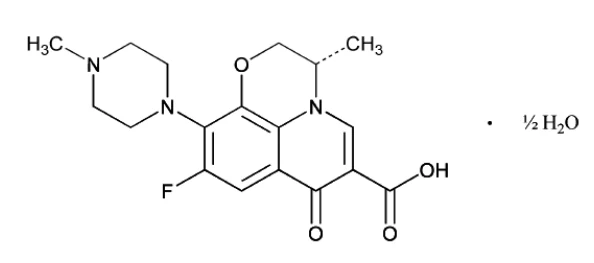
CLINICAL TRIALS
Study Demographics and Trial Design
Clinical efficacy was evaluated in one active-comparator study and two placebo-controlled studies in 448 patients randomised to receive QUINSAIR 240 mg twice daily.
Study 209 (Core Phase) was a randomised, open-label, parallel group, active-controlled, non-inferiority study comparing QUINSAIR to tobramycin inhalation solution (TIS) over 3 treatment cycles. Each treatment cycle included 28 days of treatment with QUINSAIR 240 mg twice daily or TIS 300 mg twice daily followed by 28 days without inhaled antibiotics. Patients who completed Study 209 (Core Phase) could continue in an optional open-label uncontrolled Extension Phase for up to 3 additional cycles (i.e., 28 days of treatment with QUINSAIR 240 mg twice daily followed by 28 days off treatment). Additionally, two randomized, double-blind, single-cycle, placebo-controlled clinical trials (Studies 204 and 207) in patients with CF chronically infected with P. aeruginosa were conducted (see Table 4).
Table 4 Summary of Patient Demographics for Efficacy and Safety Clinical Trials In
Cystic Fibrosis
| Study # | Trial design | Dosage, route of administration and duration | Study subjects (n=number) | Mean age (Range) | Gender |
Study 209 Core Phase | Phase 3, multi-cycle, multicenter, randomized, open-label, active- controlled, parallel group study | 240 mg QUINSAIR twice daily 300 mg Tobramycin Inhalation Solution (TIS) twice daily Inhalation Duration was 3 repeated cycles of 28 days on and 28 days off study treatment (i.e., 3 cycles) | Total 282; QUINSAIR: 189 TIS: 93 CF patients aged ≥12 years, weighing ≥30 kg, chronically infected with P. aeruginosa, with FEV1 ≥25.0%, but ≤85.0% predicted value at Screening. | QUINSAIR: 28.1 years (12-55) TIS: 28.8 years (12-63) | Males 159 (56.4%) Females 123 (43.6%) |
Study 209 Extension Phase | Phase 3, multi-cycle, multicenter, open-label, uncontrolled extension study | 240 mg QUINSAIR twice daily Inhalation Duration was 3 repeated cycles of 28 days on and 28 days off study treatment (i.e., 3 cycles) | Total 88; QUINSAIR in both core and extension phase: 56 TIS in core phase and QUINSAIR in extension phase: 32 CF patients who completed Study 209 up to Day 168 and were clinically stable. | 28.4 years (12-63) | Males 48 (54.5%) Females 40 (45.5%) |
| Study # | Trial design | Dosage, route of administration and duration | Study subjects (n=number) | Mean age (Range) | Gender |
| Study 207 | Phase 3, single-cycle, multicenter, randomized, placebo- controlled, double-blind parallel group study | 240 mg QUINSAIR twice daily Placebo twice daily Inhalation Duration was 28 days on and 28 days off study treatment (i.e., single-cycle) | Total 330; QUINSAIR: 220 Placebo: 110 CF patients aged ≥12 years, weighing ≥30 kg, chronically infected with P. aeruginosa, with FEV1 ≥25.0%, but ≤85.0% predicted value at Screening. | QUINSAIR: 29.4 years (12-62) Placebo: 28.8 years (12-62) | Males 178 (53.9%) Females 152 (46.1%) |
| Study 204 | Phase 2, single-cycle, multicenter, randomized, placebo- controlled, double-blind parallel group study | QUINSAIR:
Placebo Inhalation Duration was 28 days on and 28 days off study treatment (i.e., single-cycle) | Total 151; QUINSAIR 240 mg twice daily: 39 QUINSAIR 240 mg once daily: 37 QUINSAIR 120 mg once daily: 38 Combined (once or twice daily) Placebo: 37 CF patients aged ≥16 years, weighing ≥30 kg, chronically infected with P. aeruginosa, with FEV1 ≥25.0%, but ≤85.0% predicted value at Screening. | QUINSAIR 240 mg twice daily: 29.2 years (16-56) QUINSAIR 240 mg once daily: 27.5 years (16-51) QUINSAIR 120 mg once daily: 28.0 years (16-45) Placebo: 30.1 years (16-55) | Males 85 (56.3%) Females 66 (43.7%) |
The entry criteria specified the inclusion of patients who were clinically stable, chronically infected with P. aeruginosa, and who were experienced with the use of cycled inhaled antibiotics, particularly TIS. Patients were not to have used any nebulized or systemic antimicrobials active against P. aeruginosa within 28 days prior to Day 1, yet they were to have received a minimum of 3 courses of inhaled anti-pseudomonal antimicrobial therapy over the preceding 12 months. In addition to study drug, patients remained on standard of care treatment for chronic pulmonary infection. For instance, patients receiving QUINSAIR might also have concomitantly used dornase alfa, inhaled selective ß2-adrenoreceptor agonists, inhaled corticosteroids, inhaled saline or oral azithromycin.
Study Results
Results obtained for the primary and key secondary endpoints for Study 209 are provided in Table 5. For instance, in the primary endpoint, the LS Mean change for FEV1 percent predicted from baseline to Day 28 was 2.24% and 0.38% in the QUINSAIR and TIS groups, respectively, demonstrating non-inferiority of QUINSAIR 240 mg twice daily versus TIS 300 mg twice daily.
Table 5 Results for the Primary and Key Secondary Endpoints in the Active-
Controlled Efficacy and Safety Study of QUINSAIR in Patients with Cystic Fibrosis
| Parameter | Pivotal Study – Study 209 (Core Phase; ITT) | ||
TIS 300 mg BID N = 93 | QUINSAIR 240 mg BID N = 189 | Treatment Differencea | |
| FEV1 Percent Predicted Baseline Mean (SD) | 53.20 (15.700) | 54.78 (17.022) | |
| Primary Endpoint: | |||
| FEV1 Relative Change from Baseline to Day 28 (Cycle 1) | N = 93 0.38 (1.262)b | N = 189 2.24 (1.019)b | LS Mean [95% CI]: 1.86 [-0.66, 4.39]c |
| Secondary Endpoints: | |||
| FEV1 Relative Change from Baseline to Day 84 (Cycle 2) | N = 84 -0.62 (1.352)b | N = 170 2.35 (1.025)b | LS Mean [95% CI]: 2.96 [-0.03, 5.95] |
| FEV1 Relative Change from Baseline to Day 140 (Cycle 3) | N = 83 -0.09 (1.385)b | N = 166 1.98 (1.049)b | LS Mean [95% CI]: 2.07 [-1.01, 5.15] |
| Respiratory Domain of Cystic Fibrosis Questionnaire - Revised (CFQ-R) Change from Baseline to Day 28 (Cycle 1) | N = 91 -1.31 (1.576)b | N = 186 1.88 (1.278)b | LS Mean [95% CI]: 3.19 [0.05, 6.32] p = 0.046e |
| Median Time to Administration of Anti-pseudomonal Antimicrobials | N = 93 110 days | N = 189 141 days | Hazard Ratio [95% CI]d: 0.73 [0.53, 1.01] p = 0.040e |
| Median Time to Pulmonary Exacerbation | N = 93 90.5 days | N = 189 131 days | Hazard Ratio [95% CI]d: 0.78 [0.57, 1.07] p = 0.154e |
CI = Confidence interval; FEV1 = Forced expiratory volume in 1 second; ITT = Intent-to-treat (all patients randomised); p = p-value; SD = Standard deviation; SE = Standard error; TIS = Tobramycin inhalation solution. a Treatment difference for QUINSAIR minus TIS, or Hazard ratio for QUINSAIR/TIS. b LS Mean (SE).
c Non-inferiority was tested using a pre-specified, fixed non-inferiority margin of 4% at Day 28 of Cycle 1. d Estimates were obtained from a Cox proportional hazards regression model.
e P-value determined using a log-rank test.
A total of 88 patients received at least 1 dose of QUINSAIR in Study 209 (Extension Phase), 32 of these had received TIS and 56 of these had received QUINSAIR in the Core Phase. Given the limited data, the safety and efficacy of QUINSAIR is not considered to have been established beyond 3 consecutive cycles (6 months) of therapy.
The two placebo-controlled studies showed that 28 days treatment with QUINSAIR 240 mg twice daily resulted in significant improvement in relative change from baseline in FEV1 percent predicted compared to placebo (see Table 6). Study 204 also included two other dosages, 240 mg once daily and 120 mg once daily. These additional dose levels also provided a benefit in FEV1 percent predicted over placebo.
Table 6 FEV1 Percent Predicted Relative Change from Baseline to Day 28 in Placebo-
Controlled Efficacy and Safety Studies of QUINSAIR in Patients with Cystic Fibrosis
| FEV1 Percent Predicted | Supportive Studies | |||
| Study 207 (ITT) | Study 204 (ITT) a | |||
| Placebo | QUINSAIR 240 mg BID | Placebo | QUINSAIR 240 mg BID | |
| N = 110 | N = 220 | N = 37 | N = 39 | |
| Baseline Mean (SD) | 56.32 (15.906) | 56.53 (15.748) | 52.4 (13.42) | 48.8 (15.15) |
| Relative Change from Baseline to Day 28 LS Mean (SE) | 1.24 (1.041) | 3.66 (0.866) | -3.46 (2.828) | 6.11 (2.929) |
| Treatment Difference at Day 28 [95% CI] b | 2.42 [0.53, 4.31]; p = 0.012 c | 9.57 [3.39, 15.75]; p = 0.0026 c | ||
CI = Confidence interval; FEV1 = Forced expiratory volume in 1 second; ITT = Intent to treat (all patients randomised); p = p value; SD = Standard deviation; SE = Standard error; ANCOVA = Analysis of covariance. a ANCOVA with terms for treatment, region, age (16 to 18 years, >18 years), and baseline FEV1 percent predicted as quartiles.
b LS Mean difference for QUINSAIR minus placebo.
c Tested using alpha of 0.05.
DETAILED PHARMACOLOGY
Animal Pharmacology
Pharmacodynamics
GLP inhalation safety pharmacology studies were conducted with levofloxacin formulated in 0.9% saline and levofloxacin formulated with magnesium chloride in rats and dogs, respectively, to evaluate the effects on the respiratory system (both species) and cardiovascular system (dogs).
There were no treatment-related effects on respiratory function (respiratory rate, tidal volume and minute volume) at presented levofloxacin doses as high as 184 and 288 mg/kg (high-dose males and females, respectively) in rats and no treatment-related effects at presented doses of levofloxacin as high as 99 mg/kg (high-dose) in dogs.
In the 28-day GLP repeat-dose inhalation toxicity study in dogs, no cardiovascular effects (as measured by electrocardiograms) or respiratory effects (respiratory rate, tidal volume and minute volume) were observed at presented levofloxacin doses as high as 69 mg/kg/day (high-dose). The exposure level in the study was the same as compared to human exposure at clinical doses.
Pharmacokinetics
The following tables summarize the steady state plasma pharmacokinetics of levofloxacin (formulated with magnesium chloride) in the rat and dog following inhalation for 26 weeks and 28 days, respectively, in GLP repeat-dose toxicity studies.
Table 7 Mean Plasma Toxicokinetic Parameters at Steady State (Week 26) for Rats
Following Inhalation of Levofloxacin Formulated with Magnesium Chloride (6-Month Study)
| Parameter | Males | Females | ||||
| Target Dose (mg/kg) | 50 | 100 | 200 | 50 | 100 | 200 |
| Presented Dose (mg/kg) | 48 | 98 | 195 | 48 | 98 | 195 |
| Cmax (μg/mL) | 3.41 | 5.87 | 11.00 | 6.88 | 11.00 | 17.00 |
| AUC(0-T) (μg·h/mL) | 8.84 | 14.60 | 23.60 | 14.20 | 17.70 | 33.30 |
| T½ (h) | 1.78 | 1.99 | 1.90 | 2.08 | 2.02 | 2.04 |
| Tmax (h) | 0.08 | 0.50 | 0.17 | 0.17 | 0.17 | 0.50 |
AUC(0-T)=area under the concentration time curve from time 0 to the last quantifiable concentration time point following dosing.
In rats plasma levofloxacin exposure increased in a dose-proportional manner between presented doses of 48 to 195 mg/kg/day after single or repeat doses (Day 1, Week 13 and Week 26). Levofloxacin exposure tended to increase with repeat doses, reaching steady state by Week 13. A gender effect was also observed with females having higher exposures at all doses tested.
Table 8 Mean (± Standard Deviation) Toxicokinetic Parameters at Steady State
(Week 4) for Dogs Following Inhalation of Levofloxacin Formulated with Magnesium Chloride (4-Week Study)
| Parameter | Males | Females | ||||
| Target Dose (mg/kg) | 20 | 40 | 60 | 20 | 40 | 60 |
| Presented Dose (mg/kg) | 21 | 43 | 69 | 21 | 43 | 69 |
| Cmax (μg/mL) | 3.26±0.253 | 6.41±1.04 | 12.89±2.83 | 2.79±0.278 | 5.55±0.790 | 9.83±1.52 |
| Tmax (h) | 5.0 | 4.5 | 4.5 | 5.0 | 4.5 | 4.5 |
| AUC(0-24h) (μg·h/mL) | 30.59±6.13 | 72.36±6.21 | 123.5±39.24 | 28.48±4.35 | 68.55±12.60 | 109.0±17.64 |
| T½ (h) | 5.7±1.8 | 10.4±1.8 | 5.8±0.9 | 6.6±0.6 | 10.0±0.3 | 6.6±2.5 |
AUC(0-24h) = Area under the concentration time curve from time 0 to 24 hours.
In dogs increases in plasma levofloxacin exposure were dose-proportional across a presented dose range of 21 to 69 mg/kg/day and did not accumulate with repeat doses or show differences with gender.
Distribution of levofloxacin into lung, bronchial-alveolar lavage (BAL) and epithelial lining fluid (ELF) following inhalation (aerosol) administration of levofloxacin in saline and formulated with magnesium chloride was assessed.
In mice administered a single inhalation (aerosol) dose of levofloxacin formulated with magnesium chloride or an intraperitoneal (IP) dose of levofloxacin in saline, levofloxacin Cmax and AUC values that were 30- and 9-fold higher in lung homogenate than that achieved by the dose-normalized IP administration of levofloxacin.
In rats levofloxacin concentrations in lung tissue, BAL and ELF were similar following inhalation (aerosol) dosing compared to IV dosing of levofloxacin in saline. Following administration of levofloxacin formulated with magnesium chloride, absorption was slower and BAL concentrations were higher as compared to an inhalation (aerosol) dose of levofloxacin in saline. The systemic bioavailability of levofloxacin was similar when administered as solution in saline or as MP-376.
MICROBIOLOGY
Mechanism of Action
Levofloxacin is the L-isomer of the racemate, ofloxacin, a quinolone antibacterial agent. The antibacterial activity of ofloxacin resides primarily in the L-isomer. The mechanism of action of levofloxacin and other quinolone antibacterials involves inhibition of bacterial topoisomerase II (DNA gyrase) and topoisomerase IV, enzymes required for DNA replication, transcription, repair, and recombination. In this regard, the L-isomer produces more hydrogen bonds and therefore, more stable complexes with DNA gyrase than does the D-isomer. Microbiologically, this translates into a 25- to 40-fold greater antibacterial activity for the L-isomer, levofloxacin, over the D-isomer. Quinolones rapidly and specifically inhibit bacterial DNA synthesis.
PK/PD relationship
The parameters associated with the antibacterial effects of levofloxacin are the Cmax/MIC and AUC/MIC ratios (Cmax = maximum concentration at the site of infection, AUC = area under the curve and MIC = minimal inhibitory concentration).
Mechanism of Resistance
Resistance to levofloxacin is most often acquired through a stepwise process by target site mutations in DNA gyrase and topoisomerase IV. Reduced susceptibility to levofloxacin can also result from acquisition of plasmids encoding proteins that protect these targets from inhibition. Reduced bacterial permeability (common in P. aeruginosa) and efflux mechanisms may also confer or contribute to resistance.
Cross-resistance between levofloxacin and other fluoroquinolones is observed.
Susceptibility
Levofloxacin has in vitro activity against a broad spectrum of gram-positive and gram-negative aerobic and anaerobic bacteria, including P. aeruginosa.
A single sputum sample from a cystic fibrosis patient may contain multiple isolates of P. aeruginosa and each isolate may have a different level of in vitro susceptibility to levofloxacin. The standard in vitro antimicrobial susceptibility test methods used for parenteral levofloxacin therapy can be used to monitor the susceptibility of P. aeruginosa isolated from cystic fibrosis patients.
There is a risk that patients treated with QUINSAIR may develop P. aeruginosa infection with susceptibilities to levofloxacin and other fluoroquinolone antibiotics that exceed parenteral breakpoints. Established susceptibility breakpoints for systemic (oral or intravenous) administration of levofloxacin are not applicable to delivery by inhalation. In the absence of conventional susceptibility breakpoints for the inhaled route of administration, caution must be exercised in defining organisms as susceptible or insusceptible to inhaled levofloxacin.
The development of fluoroquinolone-resistant P. aeruginosa and superinfection with fluoroquinolone-insusceptible microorganisms represent potential risks associated with the use of QUINSAIR. Development of resistance during inhaled levofloxacin therapy could limit treatment options during acute exacerbations.
P. aeruginosa Susceptibilities in Clinical Studies
Across Studies 204, 207 and 209, MIC of levofloxacin for P. aeruginosa Baseline isolates had MIC50 and MIC90 values of 4 μg/mL and 16 μg/mL, respectively, suggesting substantial prior exposure to fluoroquinolones.
Cyclic treatment with 28 days QUINSAIR 240 mg BID followed by 28 days off treatment was not associated with significant increases in P. aeruginosa isolate levofloxacin MICs.
In Study 209 (Core Phase), the proportions of P. aeruginosa isolates with levofloxacin MICs exceeding 1 μg/mL and 2 μg/mL at Baseline (Day 1) were 66.4% and 47.3% among QUINSAIR patients. At the end of 3 cycles (Day 168), 75.9% of isolates had a levofloxacin MIC exceeding 1 μg/mL and 53.1% had an MIC exceeding 2 μg/mL.
TOXICOLOGY
The potential toxicity of levofloxacin formulated in 0.9% saline and levofloxacin formulated with magnesium chloride administered by inhalation has been evaluated in repeat-dose toxicity studies.
Repeat-Dose Toxicity
Repeat-dose inhalation toxicity studies of levofloxacin formulated in 0.9% saline were conducted in rats (dose range: presented doses of 12.5 to 69.6 mg/kg/day; study duration: 4-days (non-GLP), 4-days (GLP) and 28-days (GLP)).
The nonclinical inhalation toxicity of levofloxacin formulated with magnesium chloride has been evaluated in repeat-dose inhalation toxicity studies in rats (dose range: presented doses of 33 to 195 mg/kg/day; study duration: 7-days (non-GLP) and 28-days (GLP) and 6-months (GLP)) and in repeat-dose inhalation toxicity studies in dogs (dose range: presented doses of 21 to 83 mg/kg/day; study duration: 7-days and 28-days (GLP)).
The primary target organ was the respiratory tract (larynx, nasal turbinates) in the rat with arthropathy observed in the dog. Table 9 provides a more in depth summary of the observed treatment-related findings from inhalation toxicity studies in rats and dogs.
Table 9 Summary of Inhalation Toxicity Studies in Rats and Dogs
| Species Strain | Duration | Formulation Exposure Duration (minutes/day) | No. of Animals / Group (M=male, F=female) | Presented Levofloxacin Dose (mg/kg/day) | Treatment Related Findings |
Rat Crl:CD® (SD) IGS BR | Treatment: 28-days Recovery: 28-days | Levofloxacin formulated with vehicle Vehicle: magnesium chloride and lactose in water for injections Inhalation: Saline: 240 Vehicle: 240 Low: 60 Mid: 120 High: 240 | Treatment: 10M, 10F Recovery: 5M, 5F Toxicokinetics: 9M, 9F | 0 (saline), 0 (vehicle), 48, 98, 192 | Clinical signs: hunched posture at 192 mg/kg on Day 1 and intermittently thereafter in 2 males. Hematology: decreased neutrophils in treated female animals. Clinical chemistry: decreased ALT, triglycerides, potassium and chloride at 192 mg/kg in males. Decreased BUN and glucose were observed in males in control (vehicle) and all dose groups. Decreased potassium was still present in control (vehicle) and 150 mg/kg male animals at end of recovery. Histopathology End of treatment phase Squamous/squamoid metaplasia of the larynx occurred in control (vehicle) and 150 mg/kg dose groups. Goblet cell hyperplasia of the respiratory epithelium (nasal turbinates) was observed in all groups, including saline, with increased incidence and severity in control (vehicle) animals. End of recovery phase Changes in the larynx resolved and findings in nasal turbinates showed signs of recovery. One male in control (vehicle) group still had moderate goblet cell hyperplasia compared to minimal/slight hyperplasia seen in the control (saline). |
Rat Crl:CD® (SD) IGS BR | Treatment: 6-months Recovery: 4-weeks | Levofloxacin formulated with vehicle Vehicle: magnesium chloride in water for injections Inhalation: 0 (saline): 240/270 Low: 60/70 Mid: 120/135 High: 240/270 | Treatment: Interim 10M, 10F Treatment: Terminal 15M, 15F Recovery: 5M, 5F Toxicokinetics: 12M, 12F | 0 (saline), 48, 98, 195 | Hematology: decreased neutrophils and monocytes in all treated females and decreased PT and APTT at 195 mg/kg in males. Clinical chemistry: decreased globulin and total protein in all dose groups. Increased phosphorus was observed at 98 and 195 mg/kg in males. At the end of the recovery period increased phosphorus was observed in all treated females with decreased APTT at 98 and 195 mg/kg in males. Histopathology End of treatment phase Squamous/squamoid metaplasia of the respiratory epithelium of the base of the epiglottis in the larynx was present in all treatment-groups with a dose-related severity. Hyperkeratosis occurred at 195 mg/kg in 2 males and 2 females. End of recovery phase Squamous/squamoid metaplasia of the respiratory epithelium of the base of the epiglottis was still present in 2 males at 98 and 195 mg/kg, but the severity was reduced compared with the end of dosing. |
| Species Strain | Duration | Formulation Exposure Duration (minutes/day) | No. of Animals / Group (M=male, F=female) | Presented Levofloxacin Dose (mg/kg/day) | Treatment Related Findings |
| Dog Beagle | Treatment: 7-days | Levofloxacin formulated with vehicle Vehicle: magnesium chloride and lactose in water for injections Inhalation: 240 | Treatment: 2M, 2F | 0 (saline), 0 (vehicle), 23, 43, 83 | Clinical signs indicative of histamine release on Day 1 at 83 mg/kg and sporadically thereafter. Favoring of the right leg was observed in 2 animals at 83 mg/kg. Increased serum fibrinogen and synovial fluid. The tibiofemoral joint of one high-dose female also contained slight amounts of fibrillar eosinophilic material suggestive of fibrin deposition. Histopathology Synovial intimal hyperplasia was observed at 83 mg/kg Degeneration and atrophy of the olfactory epithelium in control (vehicle) and the 43 and 83 mg/kg groups as well as foci of interstitial edema of the nasal turbinates in control (vehicle) and 83 mg/kg groups. |
| Dog Beagle | Treatment: 28-days Recovery: 28-days | Levofloxacin formulated with vehicle Vehicle: magnesium chloride and lactose in water for injections Inhalation: 240 | Treatment: 3M, 3F Recovery: 2M, 2F | 0 (saline), 0 (vehicle), 21, 43, 69 | Clinical signs of lameness, decreased activity, and decreased food consumption in 2 males at 69 mg/kg. One male animal in the 20 mg/kg dose group favored limbs from Day 14 onwards. Clinical signs indicative of histamine release on Day 1 and/or Day 2 at 69 mg/kg and sporadically thereafter. Decreased monocytes observed in females of all treatment groups. Increased serum fibrinogen observed in one male at 69 mg/kg. Increased synovial fluid, discoloration of synovial fluid or surrounding tissue, thickened synovial tissue in 2 males at 69 mg/kg. Histopathology End of treatment phase Multifocal fissures and erosions of the articular cartilage, foci of cartilage necrosis and slight synovial intimal hyperplasia in males at 69 mg/kg. Eosinophilic (proteinaceous) material present within the joint space of 2 animals with fissures or erosions In females at 69 mg/kg/day, tibiofemoral joint changes included (cartilaginous) fissure or erosion formation and minimal synovial intimal hyperplasia. Degeneration observed in one male at 43 mg/kg. End of recovery phase Tibiofemoral changes mostly resolved following recovery period except for a focus of degeneration within the articular cartilage in one female at 69 mg/kg/day. |
The findings in the rat larynx (hyperplasia or squamous metaplasia) and nasal turbinates (goblet cell hyperplasia of the epithelium) in the inhalation studies in both the magnesium chloride vehicle control and levofloxacin formulated in magnesium chloride groups is considered to be an adaptive response and is a common finding in rat inhalation studies. These findings are not considered adverse and are not considered relevant to humans.
Arthropathy is a recognized finding in toxicity studies with fluoroquinolones in general and has also been observed in reported studies with levofloxacin. It is particularly notable in studies in juvenile rats and dogs and was seen in the repeat-dose inhalation studies in dogs with levofloxacin formulated with magnesium chloride, where the animals were approximately 7-months old at the start of treatment. The systemic exposure to levofloxacin in patients after inhalation (240 mg BID) is 20.8 µg·h/mL (highest AUC value selected for determination of safety margins) which gives a 2.3 to 2.6-fold and 3.5 to 4.4-fold margin of safety compared to the currently approved dosage regimens of Levaquin® (500 mg and 750 mg, respectively). Administration of levofloxacin by inhalation, formulated either in saline or with magnesium chloride did not reveal any adverse events in addition to those already recognized from intravenous or oral studies, apart from a direct effect in the lungs of rats associated with the impact of particles in the nose and larynx. This is a recognized feature of inhalation toxicity studies in rats.
Mutagenicity
No mutagenicity studies have been conducted with levofloxacin administered by inhalation.
Levofloxacin was not mutagenic in the following assays: Ames bacterial mutation assays (S. typhimurium and E. coli), CHO/HGRPT forward mutation assay, mouse micronucleus test (IV, IP), mouse dominant lethal test (IP), rat unscheduled DNA synthesis (PO) and the mouse sister chromatid exchange (SCE) (IP) assays. It was positive in the in vitro chromosomal aberration (CHL cell line) and SCE assays (CHL/IU cell line).
Carcinogenicity
No carcinogenicity studies have been conducted with levofloxacin administered by inhalation.
Levofloxacin exhibited no carcinogenic or tumorigenic potential after dietary administration of 10, 30 or 100 mg/kg/day for 2 years in a rat carcinogenicity study. The highest dose was 1.4 or 6.7 times the highest recommended human dose (750 mg) based on surface area or body weight, respectively. The mean levofloxacin plasma concentration in the 2-year rat bioassay (at 100 mg/kg/day) was 34% of the human steady-state concentration after 500 mg BID dosing.
In a 2- stage multiple organ carcinogenesis model in rats, levofloxacin at a dosage level of approximately 668 mg/kg/day in diet for 16 weeks did not promote the development of preneoplastic or neoplastic lesions after pre-treatment with a number of wide spectrum carcinogens.
Reproductive Toxicology
No reproduction toxicology studies have been conducted with levofloxacin administered by inhalation.
Levofloxacin has been investigated using both oral and IV administration in fertility and embryofetal studies with oral dosing in the peri/post-natal study.
Levofloxacin caused no impairment of fertility or reproductive performance in rats at doses up to 360 mg/kg/day PO and 100 mg/kg/day IV. Parenteral toxicity was observed in both sexes at 60 and 360 mg/kg/day PO. Following IV administration the NOAELs were 10 and 30 mg/kg/day in male and female animals, respectively.
There was no evidence of a teratogenic effect in rats (doses up to 810 mg/kg/day PO and 160 mg/kg/day IV); the only effect on fetuses was delayed maturation as a result of maternal toxicity. In common with antibiotics in general, levofloxacin was less well tolerated in rabbits and the doses tested were lower than in rats. In the rat the NOAELs were 10 mg/kg/day by both routes of administration for dams. No teratogenicity was observed after oral administration up to 50 mg/kg/day or intravenous dosing up to 25 mg/kg/day: however, maternal toxicity (decreased body weight and decreased food consumption) was observed with NOAELs of 5 and 12.5 mg/kg/day for dams after PO and IV administration, respectively.
In an oral peri- and post-natal toxicity study in rats, there were no treatment-related effects on the F1 or F2 generations at the highest tested dose of 360 mg/kg/day. Maternal toxicity was observed at 60 and 360 mg/kg/day with the NOAEL of 10 mg/kg/day.
REFERENCES
- 1. Geller DE, Flume PA, Griffith DC, Morgan E, White D, Loutit JS et al. Pharmacokinetics and Safety of MP-376 (Levofloxacin Inhalation Solution) in cystic fibrosis subjects. Antimicrobial Agents and Chemotherapy, 2011; 55(6): 2636–40.
- 2.
Geller DE, Flume PA, Staab D, Fischer R, Loutit JS, Conrad DJ; for the Mpex 204 Study
Group. Levofloxacin inhalation solution (MP-376) in patients with cystic fibrosis with Pseudomonas aeruginosa. Am J Respir Crit Care. 2011; 183: 1510-16.
- 3.
Lee CK, Boyle MP, Diener-West M, Brass-Ernst L, Noschese M, Zeitlin PL.
Levofloxacin pharmacokinetics in adult cystic fibrosis. Chest. 2007; 131(3): 796-802.
- 4. Levaquin Product Monograph, August 13, 2014.
- 5.
Liu HH. Safety profile of the fluoroquinolones: Focus on levofloxacin. Drug Safety 2010;
33(5): 353-69.
- 6. Stockmann C, Hillyard B, Ampofo K, et al. Levofloxacin inhalation solution for the treatment of chronic Pseudomonas aeruginosa infection among patients with cystic fibrosis. Expert Rev Respir Med 2015;9:13-22.
- 7. Stockmann C, Sherwin CM, Ampofo K, Spigarelli MG. Development of levofloxacin inhalation solution to treat Pseudomonas aeruginosa in patients with cystic fibrosis. Ther Adv Respir Dis 2014;8:13-21.
- 8. Stuart Elborn J, Geller DE, Conrad D, et al. A phase 3, open-label, randomized trial to evaluate the safety and efficacy of levofloxacin inhalation solution (APT-1026) versus tobramycin inhalation solution in stable cystic fibrosis patients. J Cyst Fibros 2015;S1569-993:310-5.