


Product Monograph - Rhapsido
1. Indications
RHAPSIDO (remibrutinib tablets) is indicated for:
the treatment of chronic spontaneous urticaria (CSU) in adult patients who remain symptomatic despite H1 antihistamine treatment.
1.1. Pediatrics
Pediatrics (< 18 years of age): The safety and efficacy of RHAPSIDO in pediatric patients have not been established; therefore, Health Canada has not authorized an indication for pediatric use.
1.2. Geriatrics
Geriatrics (≥ 65 years of age): RHAPSIDO may be administered to patients aged 65 years and over. Limited evidence from clinical studies suggests that use in the geriatric population is not associated with differences in safety or effectiveness.
2. Contraindications
Hypersensitivity to the active substance or to any of the excipients (see section 6 Dosage Forms, Strengths, Composition, and Packaging).
4. Dosage and Administration
4.1. Dosing Considerations
Dose interruption
It is recommended to interrupt treatment with RHAPSIDO for 3 to 7 days before surgery and for 3 to 7 days after surgery, depending upon the type of surgery and the risk of bleeding (see sections 8 Adverse Reactions and 9 Drug Interactions).
4.2. Recommended Dose and Dosage Adjustment
The recommended dose of RHAPSIDO is 25 mg taken orally twice daily.
Special populations
Renal impairment: No dose adjustment of RHAPSIDO is required in patients with renal impairment. Elimination of unchanged remibrutinib via the kidney is minimal. There are limited data available in patients with severe renal impairment (see section 10.3 Pharmacokinetics).
Hepatic impairment: No dose adjustment of RHAPSIDO is required for patients with mild or moderate hepatic impairment. Remibrutinib exposure is increased in patients with hepatic impairment relative to patients with normal hepatic function (see section 10 Clinical Pharmacology). RHAPSIDO should be used with caution in patients with moderate hepatic impairment and avoided in patients with severe hepatic impairment (see 7 Warnings and Precautions, Hematologic).
Pediatric patients (below 18 years): The safety and efficacy of RHAPSIDO in pediatric patients have not been established.
4.4. Administration
RHAPSIDO is administered orally. RHAPSIDO can be taken with or without food. Patients should be instructed to swallow the tablet whole with water. RHAPSIDO should not be split, crushed, or chewed.
4.5. Missed Dose
If a patient misses a dose or doses of RHAPSIDO, the patient should be instructed to take the next dose at its regularly scheduled time. Extra doses of RHAPSIDO should not be taken to make up for the missed dose or doses.
5. Overdose
There was no experience with overdose in the pivotal Phase III clinical studies with RHAPSIDO. Doses up to 600 mg per day were well tolerated in the Phase I clinical studies with no evidence of dose-limiting adverse events.
In the event of an overdose, the patient should be treated symptomatically, and supportive measures should be instituted as required.
| For the most recent information in the management of a suspected drug overdose, contact your regional poison control centre or Health Canada’s toll-free number, 1-844 POISON-X (1-844-764-7669). |
|---|
- 6. Dosage Forms, Strengths, Composition, and Packaging
Table 1 – Dosage Forms, Strengths, and Composition
| Route of Administration | Dosage Form/ Strength/Composition | Non-Medicinal Ingredients |
| oral | Tablet, 25 mg remibrutinib | Tablet core: copovidone, croscarmellose sodium, mannitol, microcrystalline cellulose, sodium lauryl sulfate, sodium stearyl fumarate. |
Description
25 mg tablets: light yellow, round, curved, unscored tablet with diameter 7 mm, debossed with “LV” on one side and “Novartis” Logo on the other side.
RHAPSIDO is supplied in PA/AL/PVC blister packs.
The following pack size is available:
- Packs containing 60 tablets (6 x 10).
7. Warnings and Precautions
Hematologic
- Risk of bleeding
In placebo-controlled Phase III studies, mild to moderate mucocutaneous bleeding events occurred in patients treated with RHAPSIDO. The most frequently reported events were bruising-related, such as petechiae and contusion (see 8 Adverse Reactions).
Instruct patients to seek medical advice if signs and symptoms suggestive of significant bleeding occur. If significant bleeding is suspected, interrupt RHAPSIDO and resume if the benefit is expected to outweigh the risk.
Interrupt treatment with RHAPSIDO for 3 to 7 days pre- and post-surgery or invasive procedures.
- Antithrombotic agents
No data are available on co- administration of RHAPSIDO with anticoagulants. Co-administration of RHAPSIDO with anticoagulants was not allowed in clinical studies. Use of antiplatelet agents, acetylsalicylic acid (up to 100 mg daily) or clopidogrel (up to 75 mg daily) was allowed in the RHAPSIDO clinical studies. The risks and benefits of co-administration of antithrombotic agents with RHAPSIDO must be considered (see sections 4 Dosage and Administration and 8 Adverse Reactions).
Immune
- Immune response to vaccines
No data are available on the effects of live or live-attenuated vaccines in patients receiving RHAPSIDO; these vaccines should not be administered during treatment with RHAPSIDO.
Non-live vaccines can be given during RHAPSIDO treatment. To optimize the immune response with non-live vaccines, benefit-risk of treatment interruption of RHAPSIDO (1 week prior to a planned vaccination until 2 weeks after the vaccination) should be considered (see section 10 Clinical Pharmacology).
| Tablet coating: polyethylene glycol, polyvinyl alcohol, talc, titanium dioxide (E171), yellow iron oxide (E172), red iron oxide (E172). |
Reproductive Health
Sexually active females of reproductive potential must use effective contraception (methods that result in less than 1% pregnancy rates) during RHAPSIDO treatment and for at least 1 week after the last dose. Females of reproductive potential should be advised that animal studies have shown remibrutinib to be harmful to the developing fetus.
Fertility
There is no data on the effect of RHAPSIDO on human fertility. In a fertility study in rats, remibrutinib did not impact fertility in female or male rats at doses up to 1000 mg/kg/day. Maximum achievable exposure of remibrutinib was observed at 300 mg/kg/day which is equivalent to 79 times for females and 15 times for males the MRHD of 25 mg twice daily based on AUC.
7.1. Special Populations
7.1.1. Pregnancy
There are no adequate and well-controlled studies in pregnant women to inform a RHAPSIDO-associated risk. Based on findings in animal studies, advise patients that remibrutinib may cause fetal harm when RHAPSIDO is administered during pregnancy or if the patient becomes pregnant while taking RHAPSIDO.
In an embryo-fetal development study, oral administration of remibrutinib in rabbits during organogenesis induced teratogenicity and maternal toxicity. Increased incidences of open/opaque eyes, small jaws, and hyperflexion of the forelimbs were observed in rabbits following prenatal exposure to remibrutinib at 141 times the maximum recommended human dose (MRHD) of 25 mg twice daily based on area under curve (AUC), with a no observed adverse effect level (NOAEL) based safety margin of 23 times. The fetal findings were considered unlikely to be secondary to maternal toxicity. In an embryofetal development study in pregnant rats, no adverse effects were observed up to the highest tested dose of 1000 mg/kg/day, which is equivalent to 126 times the MRHD based on AUC (see section 16 Non-Clinical Toxicology).
7.1.2. Breastfeeding
It is unknown whether RHAPSIDO or its metabolites are transferred into human milk. There are no data on the effects of remibrutinib or its metabolites on the breastfed child or on milk production. Because of the potential for adverse drug reactions in the breastfed child, advise women not to breastfeed during treatment with RHAPSIDO and for 1 week after the last dose.
7.1.3. Pediatrics
Pediatrics (< 18 years of age): The safety and efficacy of RHAPSIDO in pediatric patients below 18 years of age have not been established; therefore, Health Canada has not authorized an indication for pediatric use.
7.1.4. Geriatrics
RHAPSIDO may be administered to patients aged 65 years and over. Limited evidence from clinical studies suggests that use in the geriatric population is not associated with differences in safety or effectiveness.
8. Adverse Reactions
8.1. Adverse Reaction Overview
The safety profile of RHAPSIDO is based on the pooled data set (N=912) of two Phase III studies, REMIX-1 and REMIX-2 in adult patients with CSU. Patients were treated with RHAPSIDO 25 mg twice daily (N=606) or placebo (N=306) for 24 weeks during the double-blind treatment period and continued in a 28-week open-label treatment period where all patients received RHAPSIDO 25 mg twice daily.
During the double-blind placebo-controlled period of the Phase III studies in adult patients with CSU, the most frequently reported adverse drug reaction (ADR) with RHAPSIDO (reported at a frequency ≥5%) was upper respiratory tract infections (14.7%). The severity of all the ADRs in these clinical studies was mild to moderate.
8.2. Clinical Trial Adverse Reactions
Clinical trials are conducted under very specific conditions. Therefore, the frequencies of adverse reactions observed in the clinical trials may not reflect frequencies observed in clinical practice and should not be compared to frequencies reported in clinical trials of another drug.
The data described below reflect the exposure in adult patients with CSU who received RHAPSIDO 25mg twice daily (n = 606) or placebo (n=306) in REMIX-1 and REMIX-2 for 24 weeks at the recommended dosing regimens for 24 weeks.
Table 2 – Adverse drug reactions in patients with CSU at Week 24 (N=912) in pooled REMIX-1 and REMIX-2 clinical studies
| Adverse drug reactions | RHAPSIDO 25 mg twice daily N = 606 n (%) | Placebo N = 306 n (%) | |||
| Adverse drug reactions | RHAPSIDO 25 mg twice daily N = 606 n (%) | Placebo N = 306 n (%) | |||
| Upper respiratory tract infections1 | 89 (14.7%) | 36 (11.8%) | |||
| Bleeding2 | 55 (9.1%) | 6 (2.0%) | |||
| Headache3 | 41 (7%) | 19 (6) | |||
| Nausea | 18 (3%) | 5 (2%) | |||
| Abdominal Pain4 | 18 (3%) | 6 (2%) | |||
1)Includes upper respiratory tract infection, acute sinusitis, chronic sinusitis, H1N1 influenza, influenza, laryngitis, nasopharyngitis, pharyngitis, pharyngitis streptococcal, pharyngotonsillitis, rhinitis, sinusitis, tonsillitis, tonsillitis bacterial, upper respiratory tract infection bacterial, upper respiratory tract infection viral. 2)Includes conjunctival bleeding, contusion, ecchymosis, epistaxis, gingival bleeding, hematoma, hematuria, hemorrhagic ovarian cyst, intermenstrual bleeding, petechiae, purpura, and urinary occult blood 3)Includes headache and migraine. 4)Includes abdominal discomfort, abdominal distention, abdominal pain and abdominal pain upper. | |||||
The safety profile of RHAPSIDO in patients treated for up to 52 weeks remained consistent with that observed up to 24 weeks in the pooled REMIX-1 and REMIX-2 studies.
Description of selected adverse drug reactions
Mucocutaneous bleeding events
In the 24-week placebo-controlled double-blind treatment period of the pooled REMIX-1 and REMIX-2 Phase III studies, mucocutaneous bleeding events occurred in 9.1% of patients treated with RHAPSIDO compared to 2.0% in the placebo group. The most common events were petechiae (3.8%) and contusion (2.3%). In patients treated with RHAPSIDO, 88.4% of these events were mild and 11.6% were moderate in severity, compared to 66.7% and 33.3% in the placebo group, respectively; none were severe. No association between mucocutaneous bleeding events and low platelet counts was observed. In patients treated with RHAPSIDO, 0.5% (3/606) experienced mucocutaneous bleeding events that led to RHAPSIDO discontinuation and 1.3% (8/606) experienced events that led to RHAPSIDO interruption, while none of these events occurred in the placebo group (see sections 4 Dosage and Administration and 9 Drug Interactions).
During the entire study period of up to 52 weeks, mucocutaneous bleeding events occurred in 9.2% of patients treated with RHAPSIDO. The severity of the mucocutaneous bleeding events up to 52 weeks were mild and moderate; none were severe. No additional RHAPSIDO interruptions and only one treatment discontinuation was reported with RHAPSIDO after the 24-week placebo-controlled double-blind treatment period.
9. Drug Interactions
9.2. Drug Interactions Overview
Effect of other drugs on RHAPSIDO
CYP3A4 inhibitors
Caution is required when using RHAPSIDO with strong CYP3A4 inhibitors. Co- administration of ritonavir, a strong CYP3A4 inhibitor, led to a 4.3- fold increase in the area under the curve (AUC) and a 3.3- fold increase in the Cmax of remibrutinib.
No clinically relevant effect is expected with co-administration of moderate CYP3A4 inhibitors during RHAPSIDO treatment. Grapefruit juice, a moderate to strong inhibitor of intestinal CYP3A4, led to a minor 1.29-fold increase in AUC and a 1.24-fold increase in Cmax of remibrutinib.
CYP3A4 inducers
Avoid co-administration of RHAPSIDO with strong or moderate CYP3A4 inducers. Co-administration of carbamazepine (strong to moderate CYP3A4 inducer) decreased the remibrutinib blood exposure by 74% (Cmax) and 77% (AUC).
Effect of RHAPSIDO on other drugs
P-gp or BCRP substrates
Caution is required when using RHAPSIDO with P-gp substrates with a narrow therapeutic index such as digoxin, as this led to a 1.4-fold increase in AUC and a 2.1-fold increase in the Cmax of digoxin.
Caution is required when using RHAPSIDO with breast cancer resistance protein (BCRP) substrates with a narrow therapeutic index. Co-administration of rosuvastatin (a BCRP substrate without a narrow therapeutic index) and remibrutinib led to a 1.7-fold increase in AUC and a 1.6-fold increase in Cmax of rosuvastatin.
Oral contraceptives
Co-administration of RHAPSIDO is not expected to have an adverse impact on the efficacy of oral contraceptives containing ethinylestradiol and levonorgestrel (CYP3A4 substrates) as their exposure was not decreased in the presence of remibrutinib (1.28 and 1.36-fold increase in Cmax and 1.16 and 1.39-fold increase in AUC, respectively).
9.4. Drug-Drug Interactions
The drugs listed in this table are based on either drug interaction case reports or studies, or potential interactions due to the expected magnitude and seriousness of the interaction (i.e., those identified as contraindicated).
Table 3 – Established or Potential Drug-Drug Interactions
| Non-proprietary name(s) of the drug product(s) | Source of evidence | Effect | Clinical comment |
| Effect of other drugs on RHAPSIDO | |||
CYP3A4 inhibitors (e.g. ritonavir) | CT | Remibrutinib is predominately metabolized by CYP3A4 but is not considered a sensitive CYP3A4 substrate, since the AUC ratio is ˂ 5-fold in the presence of strong CYP3A4 inhibitors. | Caution is required when using RHAPSIDO with strong CYP3A4 inhibitors. No clinically relevant effect is expected with co-administration of moderate CYP3A4 inhibitors during RHAPSIDO treatment. |
CYP3A4 inducers (e.g. carbamazepine) | CT | The concomitant use of strong CYP3A4 inducers with remibrutinib is expected to result in decreased remibrutinib blood exposure. | Avoid co-administration of RHAPSIDO with strong or moderate CYP3A4 inducers. |
| Effect of RHAPSIDO on other drugs | |||
P-gp or BCRP substrates (e.g. digoxin, rosuvastatin) | CT | Remibrutinib inhibits P-gp and BCRP thus, remibrutinib may result in increased exposure to BCRP or Pg-p substrates. | Caution is required when using RHAPSIDO with P-gp substrates with a narrow therapeutic index. Caution is required when using RHAPSIDO with breast cancer resistance protein (BCRP) substrates with a narrow therapeutic index. |
| Oral contraceptives | CT | Co-administration of RHAPSIDO is not expected to have an adverse impact on the efficacy of oral contraceptives containing ethinylestradiol and levonorgestrel (CYP3A4 substrates) as their exposure was not decreased in the presence of remibrutinib. | Oral contraceptives can be administered with RHAPSIDO without the risk of losing efficacy. |
Legend: CT = Clinical Trial
In vitro evaluation of drug interaction potential
In vitro, remibrutinib was characterized as a weak reversible inhibitor of CYP1A2, CYP2B6, CYP2C8, CYP2C9, CYP2C19, CYP2D6 and CYP3A4/5, a time-dependent inhibitor of CYP3A4/5 and an inducer of CYP1A2, CYP2B6, CYP2C9 and CYP3A4/5.
In vitro, remibrutinib was characterized as an inhibitor of P-gp, BCRP, BSEP, OATP1B1, OATP1B3, OAT1, OAT3, OCT1, OCT2 and MATE1.
In vitro data showed that remibrutinib is a P-gp substrate. The in vitro CYP metabolism is predominantly driven by CYP3A4.
9.5. Drug-Food Interactions
Under steady-state conditions in healthy subjects, co-administration of remibrutinib with a high-fat, high-calorie meal resulted in a 33% increase in AUC and no impact on the Cmax of remibrutinib relative to fasted conditions. RHAPSIDO can be taken with or without food.
9.6. Drug-Herb Interactions
Interactions with herbal products have not been established.
9.7. Drug-Laboratory Test Interactions
Interactions with laboratory tests have not been established.
10. Clinical Pharmacology
10.1. Mechanism of Action
Bruton’s tyrosine kinase (BTK) is an intracellular protein selectively expressed in mast cells, basophils, B cells, macrophages and thrombocytes. BTK is a key node of the intracellular signaling via Fc epsilon receptor-1 (FcεRI), Fc gamma receptors (FcγR) and the B cell antigen receptor (BCR).
Remibrutinib is an oral, highly selective BTK inhibitor. It inhibits mast cell and basophil degranulation mediated by pathogenic IgE, and/or by IgG directed against the FcεRI or IgE, that produce FcεRI activation. In patients with CSU, remibrutinib prevents the release of histamine and other proinflammatory mediators that cause itch, hives, or angioedema.
Remibrutinib has a >200-fold selectivity for BTK relative to the BTK-related kinases tec protein tyrosine kinase (TEC) and BMX non-receptor tyrosine kinase (BMX); however some inhibition of these related kinases with the clinical use of RHAPSIDO cannot be excluded.
10.2. Pharmacodynamics
Clinical pharmacokinetic and pharmacodynamic (PK/PD) data estimated a BTK occupancy ≥96% in blood maintained throughout the entire day with remibrutinib 25 mg twice daily; this estimate is extrapolated from data obtained with a different formulation and dosing regimen than the recommended dose.
Immunoglobulins
As mature plasma cells are the main source of IgG and as they do not express BTK, an effect of remibrutinib on total levels of circulating IgG is not expected.
In the 24-week double-blind placebo-controlled treatment period of the pooled REMIX-1 and REMIX-2 Phase III studies, the mean change from baseline to minimum post-baseline value for IgG levels in remibrutinib was -0.80 g/L for remibrutinib and -0.59 g/L for placebo; the mean change from baseline to minimum post-baseline value for IgM levels was -0.22 g/L for remibrutinib and 0.08 g/L for placebo during the controlled period. The mean values of both IgG and IgM remained within the normal reference range in both arms and continued throughout the 52 weeks.
Cardiac electrophysiology
The effects of remibrutinib on QTc interval prolongation were predicted using concentration-QTc analysis. The upper bound of the 90% confidence interval for the predicted mean change in QTcF was below 10 msec at the expected Cmax at supratherapeutic exposures. Therefore, no clinically significant prolongation of QTcF interval is expected with therapeutic dosing of remibrutinib.
Effect on blood pressure
The effect of remibrutinib treatment on blood pressure was assessed in CSU patients using a 24-hour blood pressure measurement by ambulatory blood pressure monitoring at steady state (Week 4) compared to baseline in a multi-center, open-label study. The study enrolled 144 patients with CSU inadequately controlled by H1 antihistamines, who were administered remibrutinib 25 mg twice daily. Remibrutinib 25 mg twice daily was not associated with clinically significant changes in blood pressure.
10.3. Pharmacokinetics
The PK of remibrutinib at steady state was approximately linear in the total daily dose range of 10 to 200 mg, with no evidence of time and concentration dependency. Steady state is achieved as soon as after 2 to 3 days of treatment, with minor accumulation (<1.5-fold for doses below 100 mg b.i.d.). Based on population PK modeling, following administration of remibrutinib 25 mg twice daily, the mean (standard deviation) Cmax is 57 (27) ng/mL and AUCtau is 193 (136) ng*h/mL at steady state.
Absorption
Remibrutinib is rapidly absorbed and reaches Cmax in the blood around 1-hour post-dose across all doses studied (0.5 mg to 600 mg). Absorption is considered to be almost complete. The absolute oral bioavailability is 33.8%.
Effect of food
Under steady-state conditions in healthy subjects, co-administration of remibrutinib with a high-fat, high-calorie meal resulted in a 33% increase in AUC and no impact on the Cmax of remibrutinib relative to fasted conditions. RHAPSIDO may be taken with or without food.
Distribution
Remibrutinib is readily distributed to blood cells with a blood-to-plasma ratio of 0.813. Plasma protein binding amounts to 95.4% with no concentration dependence. Based on pooled data from population PK analysis, the volume of distribution at steady state was 58 liters (central compartment) and 1180 liters (peripheral compartment).
Metabolism
Remibrutinib is metabolized primarily by CYP3A4, leading to the formation of 18 inactive metabolites, all in low amounts in circulation. Remibrutinib was more abundant than the related compounds in blood (16.7%) after oral dosing.
Elimination
Remibrutinib had a mean elimination half-life ranging between 1 and 2 hours at steady state. Following IV administration of [14C] remibrutinib, excretion of radioactivity (remibrutinib and metabolites) was approximately 70% of the administered dose in feces and 30% in urine. Renal excretion of unchanged remibrutinib after oral administration was minimal.
Special populations and conditions
A population PK (pop-PK) analysis conducted on remibrutinib data from 1152 patients showed that there was no clinically relevant effect in the PK of remibrutinib based on age (18 to 80 years), sex (63.5% females and 36.5% males), race/ethnicity (59.3% Non-Asian, 8.8% Mainland Chinese, 12.2% Japanese, and 19.7% Other Asian) and body weight (range 39 to 162 kg).
- Geriatrics: Of the 912 patients with CSU in the pivotal clinical studies, a total of 77 (8.4%) patients were 65 to 85 years of age, with no patients over 85 years of age. Based on pop-PK analysis in the clinical studies, no significant differences in the PK of remibrutinib were observed in patients ≥65 years of age versus younger adult patients.
- Ethnic origin: Based on the data from clinical studies (including REMIX-1 and REMIX-2 Phase III studies), as well as pop-PK and exposure-response analyses), race/ethnicity had no clinically relevant effect on remibrutinib PK. Therefore, no dose adjustment is required.
- Hepatic Insufficiency: The Cmax and AUC of remibrutinib at steady state increased 1.85-fold and 2.15-fold in subjects with mild hepatic impairment (Child-Pugh class A), 1.65-fold and 2.07-fold in subjects with moderate hepatic impairment (Child-Pugh class B), and 1.99-fold and 3.12-fold in subjects with severe hepatic impairment (Child-Pugh class C), respectively, relative to subjects with normal hepatic function following an oral dose of 25 mg remibrutinib twice daily. There was no change in protein binding of remibrutinib in subjects with hepatic impairment as compared to subjects with normal hepatic function.
- Renal Insufficiency: Following an oral dose of 25 mg remibrutinib twice daily, the pop-PK analysis in patients with mild or moderate renal impairment and PK modeling data in patients with severe renal impairment revealed no clinically relevant differences in the PK of remibrutinib in patients with mild (estimated glomerular filtration rate (eGFR) 60 to <90 mL/min/1.73 m2), moderate (eGFR 45 to <60 mL/min/1.73 m2) or severe (eGFR 15 to <45 mL/min/1.73 m2) renal impairment when compared to patients with normal renal function.
- Vaccination immune response study: In a placebo-controlled study in healthy volunteers using remibrutinib 100 mg twice daily, the immune response to non-live vaccines was not significantly impacted when remibrutinib was interrupted for 1 week before until 2 weeks after vaccination. However, in comparison to placebo, concomitant remibrutinib treatment was associated with a 60% reduction of responders to the T cell-independent polysaccharide PPV23 vaccine. With T cell-dependent vaccines, smaller differences compared to placebo were observed. There was a 21% reduction in IgG response to keyhole limpet haemocyanin (KLH) vaccine (T cell-dependent neoantigen) as well as comparable response rates (1 to 14% reduction) for 3 out of 4 of the antigens in influenza vaccine (T cell-dependent) and a slightly more pronounced reduction (27%) for 1 out of 4 of the influenza antigens.
- Storage, Stability, and Disposal
Do not store above 30°C.
RHAPSIDO must be kept out of the sight and reach of children.
Part 2: Scientific Information
13. Pharmaceutical Information
Drug Substance
Non-proprietary name of the drug substance(s): remibrutinib
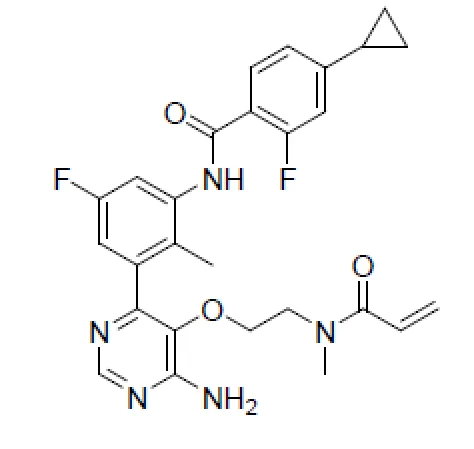
Chemical name: N-[3-[6-Amino-5-[2-[methyl(1-oxo-2-propen-1-yl)amino]ethoxy]-4-pyrimidinyl]-5-fluoro-2- methylphenyl]-4-cyclopropyl-2-fluorobenzamide
Molecular formula: C27H27F2N5O3
Relative molecular mass: 507.54
Structural formula:
Physicochemical properties:
White to pale yellow powder.
The pH of a 1.0% (m/V) solution of remibrutinib in water/ethanol (20:80 V/V) is in the range of 7.01 - 7.58 (~25°C).
Practically insoluble in water at 25 ±0.2 °C and at 37 ±0.5 °C.
Modification A is the most thermodynamically stable form.
14. Clinical Trials
14.1. Clinical Trials by Indication
Chronic Spontaneous Urticaria
Table 4 – Summary of Patient Demographics for Clinical Trials in Chronic Spontaneous Urticaria
| Study name # | Study design | Dosage, route of administration and duration | Study subjects (n) | Mean Age (range) | Sex |
| REMIX-1 | Phase III, randomized multicenter, double-blind, placebo-controlled | Double-blind treatment period (24 weeks): RHAPSIDO 25 mg or placebo, orally, twice daily Open-label treatment period (28 weeks): RHAPSIDO 25 mg, orally, twice daily | RHAPSIDO n=313 Placebo: n=157 | RHAPSIDO 44.6 years (18-79) Placebo 45.9 years (18-79) | RHAPSIDO Female 212 (67.7%) Male 101 (32.3%) Placebo Female 109 (69.4%) Male 48 (30.6%) |
| REMIX-2 | Phase III, randomized multicenter, double-blind, placebo-controlled | Double-blind treatment period (24 weeks): RHAPSIDO 25 mg or placebo, orally, twice daily Open-label treatment period (28 weeks): RHAPSIDO 25 mg, orally, twice daily | RHAPSIDO n=297 Placebo: n=153 | RHAPSIDO 41.9 years (18-80) Placebo 41.3 years (18-81) | RHAPSIDO Female 197 (65.7%) Male 103 (34.3%) Placebo Female 100 (64.5%) Male 55 (35.5%) |
The efficacy and safety of RHAPSIDO were evaluated in two identical, multicenter, randomized, double-blind, placebo-controlled Phase III studies (REMIX-1 and REMIX-2) in adult patients with CSU who remained symptomatic despite treatment with second generation H1 antihistamines. Patients who completed the open-label treatment period on treatment (Week 52) had an option to enter an extension study.
REMIX-1 and REMIX-2, patients were randomized in a 2:1 ratio to receive either RHAPSIDO 25 mg or placebo, respectively, twice daily via the oral route for 24 weeks during the double-blind treatment period.
REMIX-1 and REMIX-2 enrolled a total of 925 adult patients, diagnosed with CSU, that was inadequately controlled despite treatment with second generation H1 antihistamines as defined by the presence of itch and hives for ≥6 consecutive weeks. All patients were required to have a weekly urticaria activity score (UAS7) ≥16 (range 0 to 42), a weekly itch severity score (ISS7) ≥6 (range 0 to 21) and a weekly hives severity score (HSS7) ≥6 (range 0 to 21) for 7 days prior to randomization.
During the placebo-controlled period, the cumulative exposure was 261.57 patient-years for the remibrutinib 25 mg b.i.d. group and 129.55 patient-years for the placebo group.
Over the entire study period, for the remibrutinib 25 mg b.i.d. group, the median duration of exposure was 52.14 weeks (range 0.1 to 60.6 weeks), with a cumulative exposure of 537.06 patient-years. For patients who transitioned to remibrutinib, the median duration of remibrutinib exposure was 28.14 weeks (range 1.1 to 32.9 weeks), with a cumulative remibrutinib exposure of 134.48 patient-years.
Demographics and baseline characteristics were generally well balanced across all groups. In REMIX-1 and REMIX-2, the median age was 45 years (range: 18-79 years) and 41 years (range: 18-81 years), with 9.6% and 7.7% ≥65 years of age and 68.3% and 65.3% female patients, respectively. Patients had a mean UAS7 of 30.28 and 29.99, a mean ISS7 of 14.59 and 14.15, and a mean HSS7 of 15.69 and 15.84, respectively. At baseline, 63.4% and 59.1% of the patients had severe disease (UAS7 ≥28) and 35.1% and 38.7% had moderate disease (UAS7 16 and <28), respectively. 51.7% and 46.6% of patients had previous experience of angioedema in REMIX-1 and REMIX-2, respectively. 68.1% and 69.2% of patients were anti-IgE biologic naive in REMIX-1 and REMIX-2, respectively. The most common prior anti-IgE biologic used was omalizumab (19.5% and 19.0% in REMIX-1 and REMIX-2, respectively).
The reported mean duration of CSU at enrollment across treatment groups was 6.6 and 5.2 years in REMIX-1 and REMIX-2, respectively, with 39.4% and 29.5% of patients having had a duration of CSU >5 years.
The primary endpoint for the pivotal studies was:
- absolute change from baseline in UAS7 at Week 12.
The secondary endpoints for the pivotal studies were:
- absolute change from baseline in ISS7 and HSS7 at Week 12
- proportion of patients who achieved well-controlled disease (UAS7 ≤6) at Weeks 2 and 12
- proportion of patients who achieved complete absence of itch and hives (UAS7=0) at Week 12
- proportion of patients who achieved Dermatology Life Quality Index (DLQI) score = 0-1 (yes/no) at Week 12
- number of weeks with sustained disease activity control (UAS7 ≤6) up to Week 12
- number of angioedema-free weeks (weekly angioedema activity score [AAS7] = 0) up to Week 12.
Clinical response
In both REMIX-1 and REMIX-2, the primary and all secondary endpoints were met and showed statistically significant improvement in itch and hives symptoms in patients treated with remibrutinib compared to patients given placebo. Results are presented in Table 5.
Table 5 – Efficacy results in REMIX-1 and REMIX-2 at Week 12a,b
| REMIX-1 | REMIX-2 | |||||||||||||||||||
|---|---|---|---|---|---|---|---|---|---|---|---|---|---|---|---|---|---|---|---|---|
| REMIX-1 | REMIX-2 | |||||||||||||||||||
RHAPSIDO (N=309)c | Placebo (N=153)c | RHAPSIDO (N=297)c | Placebo (N=153)c | |||||||||||||||||
RHAPSIDO (N=309)c | Placebo (N=153)c | RHAPSIDO (N=297)c | Placebo (N=153)c | |||||||||||||||||
| Change from baseline in UAS7 at Week 12 | ||||||||||||||||||||
| LS mean (SE) CFB | -20.02 (0.716) | -13.79 (0.980) | -19.41 (0.702) | -11.73 (0.948) | ||||||||||||||||
| Difference in LS mean (SE) vs placebo | -6.22 (1.136) | -7.68 (1.136) | ||||||||||||||||||
| 95% CI for difference | -8.45, -4.00 | -9.91, -5.46 | ||||||||||||||||||
| Change from baseline in ISS7 at Week 12 | ||||||||||||||||||||
| LS mean (SE) CFB | -9.52 (0.343) | -6.89 (0.470) | -8.95 (0.335) | -5.72 (0.454) | ||||||||||||||||
| Difference in LS mean (SE) vs placebo | -2.63 (0.544) | -3.23 (0.545) | ||||||||||||||||||
| 95% CI for difference | -3.70, -1.56 | -4.29, -2.16 | ||||||||||||||||||
| Change from baseline in HSS7 at Week 12 | ||||||||||||||||||||
| LS mean (SE) CFB | -10.47 (0.401) | -6.86 (0.548) | -10.47 (0.394) | -6.00 (0.531) | ||||||||||||||||
| Difference in LS mean (SE) vs placebo | -3.61 (0.635) | -4.47 (0.634) | ||||||||||||||||||
| 95% CI for difference | -4.85, -2.36 | -5.71, -3.23 | ||||||||||||||||||
| Proportion of patients with UAS7 ≤6 at Week 2 | ||||||||||||||||||||
| n (%) | 104 (33.7) | 5 (3.3) | 89 (30.0) | 9 (5.9) | ||||||||||||||||
| Treatment difference | 30.20 | 24.55 | ||||||||||||||||||
| (95% CI) | 24.30, 36.10 | 18.31, 30.80 | ||||||||||||||||||
| Proportion of patients with UAS7 ≤6 at Week 12 | ||||||||||||||||||||
| n (%) | 154 (49.8) | 38 (24.8) | 139 (46.8) | 30 (19.6) | ||||||||||||||||
| Treatment difference | 25.44 | 27.61 | ||||||||||||||||||
| (95% CI) | 16.48, 34.39 | 19.14, 36.08 | ||||||||||||||||||
| Proportion of patients with UAS7 = 0 at Week 12 | ||||||||||||||||||||
| n (%) | 96 (31.1) | 16 (10.5) | 83 (27.9) | 10 (6.5) | ||||||||||||||||
| Treatment difference | 20.55 | 21.60 | ||||||||||||||||||
| (95% CI) | 13.35, 27.75 | 15.10, 28.10 | ||||||||||||||||||
| Proportion of patients with DLQI = 0-1 response at Week 12 | ||||||||||||||||||||
| n (%) | 120 (39.0) | 34 (22.2) | 106 (35.7) | 28 (18.3) | ||||||||||||||||
| Treatment difference | 17.65 | 18.21 | ||||||||||||||||||
| (95% CI) | 9.14, 26.16 | 9.96, 26.45 | ||||||||||||||||||
| Cumulative number of weeks with AAS7 = 0 between baseline and Week 12 | ||||||||||||||||||||
| LS mean (SE) | 8.43 (0.274) | 6.72 (0.330) | 8.81 (0.308) | 6.68 (0.343) | ||||||||||||||||
| Rate ratio | 1.25 | 1.32 | ||||||||||||||||||
| (95% CI) | (1.12, 1.41) | (1.17, 1.49) | ||||||||||||||||||
| Cumulative number of weeks with UAS7 ≤6 between baseline and Week 12 | ||||||||||||||||||||
| LS mean (SE) | 5.17 (0.414) | 1.92 (0.241) | 4.50 (0.464) | 1.38 (0.216) | ||||||||||||||||
| Rate ratio | 2.69 | 3.26 | ||||||||||||||||||
| (95% CI) | (2.01, 3.61) | (2.26, 4.71) | ||||||||||||||||||
| LS mean: Least squares mean, SE: standard error, CFB: change from baseline, CI: confidence interval, UAS7: weekly urticaria activity score, ISS7 score: weekly itch severity score, HSS7: weekly hive severity score, DLQI: dermatology life quality index, AAS7: weekly angioedema activity score. aAll endpoints with nominal one-sided p<0.001 bOne endpoint from Week 2 (all other endpoints are from Week 12) cMultiple imputation techniques were implemented for missing data | ||||||||||||||||||||
Data from Table 5 demonstrates the superior efficacy of RHAPSIDO over placebo across all primary and secondary endpoints in adult patients with CSU who remain symptomatic despite H1-AH treatment. RHAPSIDO showed greater reduction from baseline in UAS7, ISS7, and HSS7 scores at Week 12.
These results indicated that RHAPSIDO provided statistically significant and clinically meaningful improvement in signs and symptoms of CSU (itch and hives) and patients’ dermatology-related QoL.
Exploratory data in Figures 1 and 2 indicate an improvement in mean change from baseline in UAS7, observed as early as week 1 in the 24-week double-blind treatment period.
Figure 1 Mean change from baseline in UAS7 up to Week 24 in REMIX-1 (observed data)
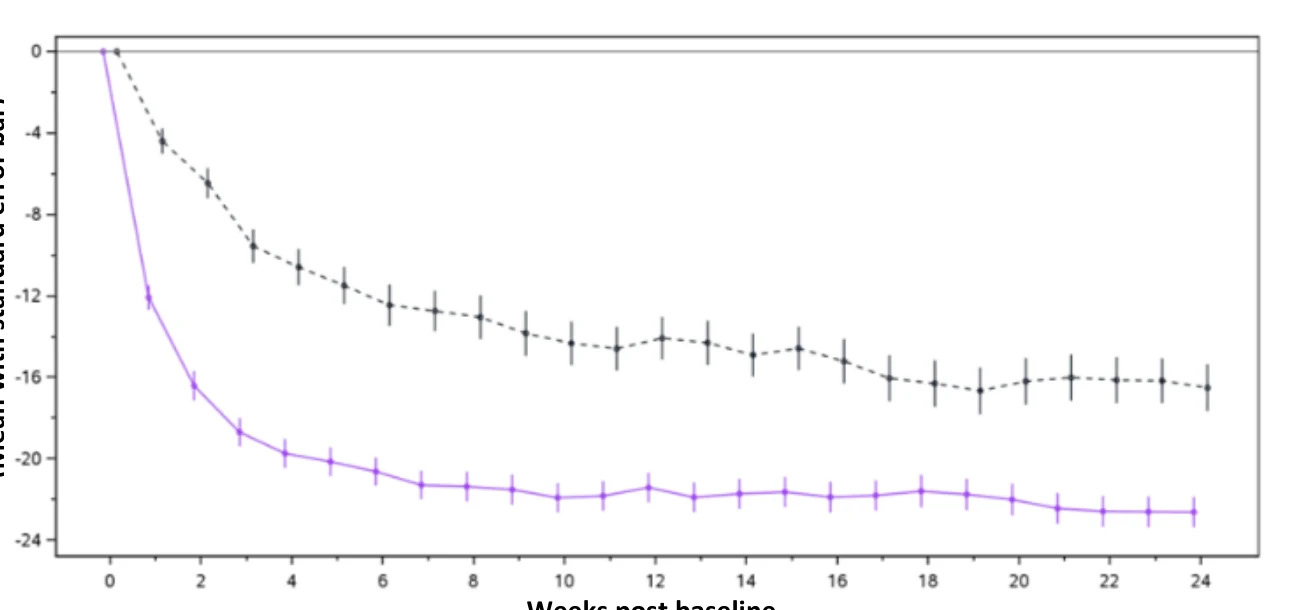
Figure 2 Mean change from baseline in UAS7 up to Week 24 in REMIX-2 (observed data)
Change fr om baseli ne i n U AS7
(Mean with standar d erro r ba r)
Weeks post baseline
RHAPSIDO 25 mg b.i.d. (N=309)
Placebo (N=153)
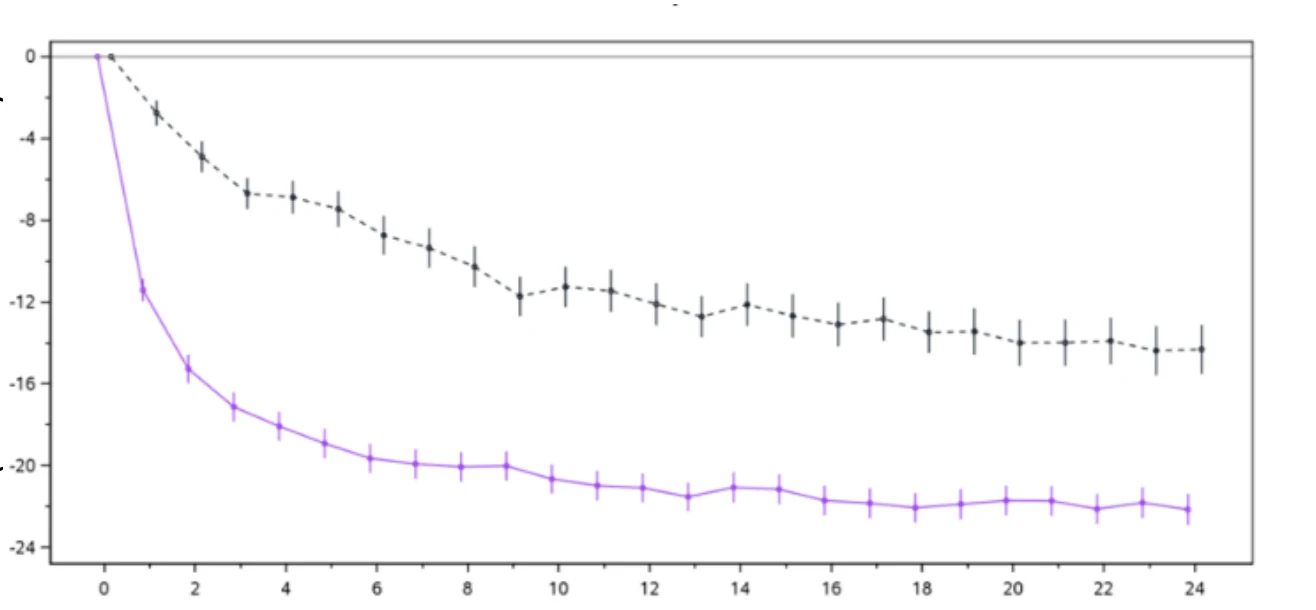
Placebo (N=153)
RHAPSIDO 25 mg b.i.d. (N=297)
Weeks post baseline
Change fr om baseli ne i n U AS7
(Mean with standar d erro r ba r)
An exploratory analysis demonstrated a consistent treatment benefit with RHAPSIDO over placebo across subgroups including prior exposure to anti-IgE biologics and total IgE level.
During the 24-week placebo-controlled period of the pooled REMIX-1 and REMIX-2 clinical studies, the overall incidence of adverse events was comparable between the remibrutinib 25 mg b.i.d. and placebo groups. Treatment discontinuations due to adverse events were infrequent and comparable, with 2.8% vs. 2.9% of patients in the remibrutinib 25 mg b.i.d. and placebo groups discontinuing treatment due to adverse events, respectively.
16. Non-Clinical Toxicology
General toxicology:
Non-clinical data reveal no special hazard for humans based on conventional studies of safety pharmacology, repeat dose toxicity, genotoxicity, carcinogenic potential, and phototoxicity. However, the non-clinical safety data demonstrated effects on immune cells (inhibition of primary antibody responses) and hemostasis (inhibition of specific platelet functions).
Safety pharmacology and repeat dose toxicity
No effects on respiratory or CNS function were identified in a safety pharmacology study in rats up to the highest tested dose of 1000 mg/kg. Assessment of cardiovascular safety pharmacology showed inhibition of hERG in vitro with an IC50 of 1.4 µM (exposure multiple of 222-fold compared to unbound plasma Cmax at the MRHD of 25 mg twice daily). Furthermore, remibrutinib induced small increases in QTc interval at high exposure (Cmax-based exposure multiple of 28-fold [total blood] or 53-fold [unbound plasma] compared to the MRHD of 25 mg twice daily) in a non-GLP cardiovascular assessment study in dogs but not in any pivotal dog study.
In the 26-week rat study, adverse pancreas effects were observed across dose levels, and considered to represent a rat-specific change unlikely to translate to humans. In the 39-week dog study, a NOAEL was established at the highest tested dose of 300 mg/kg/day. Exposure multiples in rats and dogs ranged from approximately 15- to 146-fold (AUC0-24h) or 8- to 100-fold (Cmax) relative to the MRHD of 25 mg twice daily. The multiples are defined by maximal achievable exposures.
Remibrutinib inhibited primary antibody responses in rodent pharmacology studies and increased rat tail bleeding time in hemostasis assessments. These observations were considered related to effects of remibrutinib on specific B cell and platelet functions, respectively.
Genotoxicity: Remibrutinib did not show any genotoxic potential in a standard battery of assays.
Carcinogenicity: Remibrutinib did not show evidence of carcinogenic potential in mouse and rat carcinogenicity studies.
Reproductive and developmental toxicology:
In embryo-fetal development (EFD) studies in pregnant animals, remibrutinib was administered orally to rats at doses up to 1000 mg/kg/day and to rabbits at doses of 100, 300 and 450 mg/kg/day during the period of organogenesis. In rats and rabbits, both maternal and embryo-fetal NOAEL were established at 1000 mg/kg/day and 100 mg/kg/day respectively, which is equivalent to 126 and
23 times the MRHD of 25 mg twice daily based on AUC. Increased fetal external malformations (e.g., open/opaque eyes, small jaws, hyperflexion of forelimbs) and maternal toxicity (transiently reduced food consumption and adverse clinical signs) occurred in rabbits at 300 mg/kg/day (141 times the MRHD based on AUC). The fetal findings were considered unlikely to be secondary to the maternal toxicity. The dose of 450 mg/kg/day was not tolerated by the pregnant rabbits.
In the pre- and postnatal development (PPND) study, remibrutinib was administered orally to maternal rats at doses up to 1000 mg/kg/day from gestation day 6 to lactation day (LD) 21. Remibrutinib induced adverse effects at 1000 mg/kg/day, affected maternal animals (moribundity and clinical signs of toxicity, slightly longer gestation lengths) and offspring up to LD1 (slightly higher mean number of stillborn, dead, or missing pups, and smaller mean litter size). No adverse effects at doses up to 1000 mg/kg/day were noted in the surviving offspring developing into adulthood. NOAEL for maternal animals and offspring was established at 300 mg/kg/day which is equivalent to 67 times the MRHD of 25 mg twice daily based on AUC.