


Product Monograph - Riva-Tadalafil
SUMMARY PRODUCT INFORMATION
Route of Administration | Dosage Form / Strength | All Nonmedicinal Ingredients |
| Oral | Tablets 2.5 mg, 5mg, 10 mg, and 20 mg | Anhydrous lactose, Croscarmellose sodium, Sodium lauryl sulphate, Hydroxyl propyl cellulose, Polysorbate 80, Magnesium Stearate, Hypromellose, lactose monohydrate, titanium dioxide, triacetin, talc, iron oxide yellow; additionally 2.5 mg tablets contain iron oxide red and 10mg tablets contain iron oxide black. |
INDICATIONS AND CLINICAL USE
RIVA-TADALAFIL (tadalafil) is indicated for the treatment of erectile dysfunction (ED) in men.
Geriatrics (> 65 years of age):
No dose adjustment is warranted based on age alone. However, a greater sensitivity to medications in some older individuals should be considered. (See WARNINGS AND PRECAUTIONS, Use in the Elderly, and DOSAGE AND ADMINISTRATION).
Pediatrics (< 18 years of age):
Tadalafil has not been evaluated in individuals less than 18 years old. Tadalafil is not indicated for use in pediatric patients.
CONTRAINDICATIONS
Nitrates
Tadalafil has been shown to potentiate the hypotensive effects of nitrates. This is thought to result from the combined effects of nitrates and tadalafil on the nitric oxide/ cGMP pathway. Therefore, administration of RIVA-TADALAFIL to patients who are using any form of organic nitrate (e.g., oral, sublingual, transdermal, by inhalation), either regularly and/or intermittently, is contraindicated, due to the risk of developing potentially life-threatening hypotension.
RIVA-TADALAFIL should not be prescribed to patients for whom nitrates are prescribed, even though the patient may not have actually used the nitrate therapy.
In a patient prescribed RIVA-TADALAFIL, where nitrate administration is deemed medically necessary in a life-threatening situation, at least 48 hours should have elapsed after the last dose of RIVA-TADALAFIL before nitrate administration is considered. In such circumstances, nitrates should only be administered under close medical supervision with appropriate hemodynamic monitoring.
Hypersensitivity Reactions
RIVA-TADALAFIL should not be used in patients with a known hypersensitivity to tadalafil or any component of the tablet (see Dosage Forms, Composition and Packaging section).
Non-Arteritic Anterior Ischaemic Optic Neuropathy
RIVA-TADALAFIL is contraindicated in patients with previous episode of non-arteritic anterior ischaemic optic neuropathy (NAION) (see WARNINGS AND PRECAUTIONS).
Co-administration with Guanylate Cyclase Stimulators
The co-administration of PDE5 inhibitors, including tadalafil, with guanylate cyclase stimulators, such as riociguat, is contraindicated because it could lead to potentially life-threatening episodes of symptomatic hypotension or syncope.
WARNINGS AND PRECAUTIONS
General
The evaluation of erectile dysfunction and lower urinary tract symptoms should include a determination of potential underlying causes and the identification of appropriate treatment following an appropriate medical assessment.
Counselling Patients About Sexually Transmitted Diseases
The use of RIVA-TADALAFIL offers no protection against sexually transmitted diseases. Counselling patients about the protective measures necessary to guard against sexually transmitted diseases, including Human Immunodeficiency Virus (HIV) should be considered.
Cardiovascular
Sexual activity carries a potential cardiac risk for patients with pre-existing cardiovascular disease. Therefore, treatments for erectile dysfunction, including tadalafil, should not be used in men with cardiac disease for whom sexual activity is inadvisable. The following groups of patients with cardiovascular disease were not included in clinical trials:
- patients with a myocardial infarction within the last 90 days
- patients with unstable angina or angina occurring during sexual intercourse
- patients with New York Heart Association Class 2 or greater heart failure in the last 6 months
- patients with uncontrolled arrhythmias, hypotension (< 90/50 mm Hg), or uncontrolled hypertension
- patients with a stroke within the last 6 months.
- Patients with left ventricular outflow obstruction, (e.g., aortic stenosis and idiopathic hypertrophic subaortic stenosis) can be sensitive to the action of vasodilators, including PDE5 inhibitors.
Potential for Drug Interaction when taking tadalafil for Once-a-Day use:
Physicians should be aware that tadalafil for once daily use provides continuous plasma tadalafil levels and should consider this when evaluating the potential for interactions with medications (e.g., nitrates, alpha-blockers, antihypertensives and potent inhibitors of CYP3A4).
Sexual Function/Prolonged Erection
Priapism was not reported in clinical trials with tadalafil. However, priapism has been reported rarely in post-marketing surveillance with PDE5 inhibitors, including tadalafil. The incidence of priapism may increase when PDE5 inhibitors are used in combination with intrapenile injections containing vasoactive agents. Patients who experience erections lasting 4 hours or more should be instructed to seek immediate medical assistance. If priapism is not treated immediately, penile tissue damage and permanent loss of potency may result.
Tadalafil should be used with caution in patients who have conditions that might predispose them to priapism (such as sickle cell anemia, multiple myeloma, or leukemia), or in patients with anatomical deformation of the penis (such as angulation, cavernosal fibrosis or Peyronie’s disease).
Long-term human studies with subjects 45 years or older have shown that tadalafil therapy may decrease sperm concentration in some patients, but the clinical relevance of this to human fertility is unknown.
Ophthalmology/Eye
Postmarketing reports of sudden loss of vision have occurred rarely, in temporal association with the use of PDE5 inhibitors, including RIVA-TADALAFIL (see ADVERSE REACTIONS, Post-Market Experience). An approximate 2 to 4-fold increased risk of acute Non-Arteritic Ischemic Optic Neuropathy (NAION) has been suggested from analyses of observational data in men with ED within 1 to 4 days (5 half-lives) of episodic PDE5 inhibitor use, including RIVA-TADALAFIL. There is an increased risk of NAION in patients who have already experienced NAION. The use of PDE5 inhibitors, including RIVA-TADALAFIL, is contraindicated in patients with a previous episode of NAION (see CONTRAINDICATIONS). Physicians should instruct patients to stop taking RIVA-TADALAFIL and immediately seek medical attention if they experience changes in, sudden decrease or loss of vision in one or both eyes.
Ear/Sudden Hearing Loss
Sudden decrease or loss of hearing has been reported in a few number of postmarketing and clinical trials with the use of PDE5 inhibitors, including tadalafil. These events, which may be accompanied by tinnitus and dizziness, have been reported in temporal association to the
intake of PDE5 inhibitors, including tadalafil. It is not possible to determine whether these events are related directly to the use of PDE5 inhibitors or other factors (see ADVERSE REACTIONS – Post Market Experience). Physicians should advise patients to stop taking tadalafil and seek prompt medical attention in case of sudden decrease or loss of hearing.
Alpha-blockers and Antihypertensives
Caution is advised when PDE5 inhibitors are coadministered with alpha blockers. PDE5 inhibitors, including RIVA-TADALAFIL, and alpha-adrenergic blocking agents are both vasodilators with blood pressure lowering effects. When vasodilators are used in combination, an additive effect on blood pressure may be anticipated. In some patients, concomitant use of these two drug classes can lower blood pressure significantly (see DRUG INTERACTIONS, and ACTION AND CLINICAL PHARMACOLOGY), which may lead to symptomatic hypotension (e.g., fainting). Consideration should be given to the following:
ED:
Patients should be stable on alpha-blocker therapy prior to initiating a PDE5 inhibitor.
Patients who demonstrate hemodynamic instability on alpha-blocker therapy alone are at increased risk of symptomatic hypotension with concomitant use of PDE5 inhibitors.
- In those patients already taking an optimized dose of PDE5 inhibitor, alpha-blocker therapy should be initiated at the lowest dose. Stepwise increase in alpha-blocker dose may be associated with further lowering of blood pressure when taking a PDE5 inhibitor.
- Safety of combined use of PDE5 inhibitors and alpha blockers may be affected by other variables, including intravascular volume depletion and other antihypertensive drugs.
Concomitant Use of Potent Inhibitors of Cytochrome P450 3A4 (CYP3A4)
Daily use of tadalafil 10 or 20 mg should be avoided in patients taking protease inhibitors (e.g., ritonavir) or other potent CYP3A4 inhibitors (e.g., ketoconazole). A starting dose of 10 mg prior to anticipated sexual activity should be considered for these patients, but no more frequently than on alternate days, and not exceeding 3 times a week. If the 10 mg dose is tolerated but insufficiently effective, the dose may be increased to 20 mg. If the 10 mg dose is not tolerated, RIVA-TADALAFIL On -Demand dosing for treatment of ED should be discontinued (see DOSAGE AND ADMINISTRATION).
RIVA-TADALAFIL 5 mg Once-a-Day for treatment of ED may be considered for patients taking protease inhibitors or other potent CYP3A4 inhibitors. The dosage may be decreased to 2.5 mg Once-a-Day, based on individual tolerability.
Combination With Other PDE5 Inhibitors or Erectile Dysfunction Therapies
The safety and efficacy of RIVA-TADALAFIL in conjunction with other PDE5 inhibitors used for the treatment of ED or pulmonary arterial hypertension (PAH) has not been studied. Thus the use of such combinations is not recommended.
Effects on Bleeding
In humans, tadalafil has no effect on bleeding time when taken alone or with acetylsalicylic acid (ASA).
There is no safety information on the administration of tadalafil to patients with bleeding disorders or active peptic ulceration. Therefore, tadalafil should be administered with caution to these patients.
Special Populations
Use in the Elderly
Of the total number of subjects in ED clinical studies of tadalafil, approximately 19 percent were 65 and over, while approximately 2 percent were 75 and over. Of the total number of subjects in BPH clinical studies of tadalafil (including the ED/BPH study), approximately 40 percent were over 65, while approximately 10 percent were 75 and over. In these clinical trials, no overall differences in efficacy or safety were observed between older (> 65 and ≥ 75 years of age) and younger subjects (≤ 65 years of age). However, in placebo-controlled studies with tadalafil for use as needed for ED, diarrhea was reported more frequently in patients 65 years of age and older who were treated with tadalafil (2.5% of patients).
Therefore no dose adjustment is warranted based on age alone. However, a greater sensitivity to medications in some older individuals should be considered.
Use in Patients with Renal Impairment
In a clinical pharmacology study, administration of tadalafil 10 mg to patients with moderate renal failure (creatinine clearance = 31 to 50 mL/min) was less well tolerated, with more back pain experienced, than in patients with mild renal failure (creatinine clearance = 51 to 80 mL/min) and healthy subjects. However, when tadalafil 20 mg was administered to patients undergoing hemodialysis there were no complaints of back pain. Hemodialysis contributed negligibly to tadalafil elimination. Daily use of tadalafil 10 or 20 mg should be avoided in patients with renal impairment. A starting dose of 10 mg prior to anticipated sexual activity should be considered for these patients, but no more frequently than on alternate days, and not exceeding 3 times a week. If the 10 mg dose is tolerated but insufficiently effective, the dose may be increased to 20 mg. If the 10 mg dose is not tolerated, tadalafil On -Demand dosing for treatment of ED should be discontinued (see DOSAGE AND ADMINISTRATION).
Additionally, there are no controlled clinical data on the safety or efficacy of tadalafil in patients with severe renal insufficiency (creatinine clearance < 30 mL/min); if prescribed, this should be done with caution.
RIVA-TADALAFIL 5 mg Once-a-Day for treatment of ED may be considered for patients with mild to moderate renal impairment. The dosage may be decreased to 2.5 mg Once-a-Day, based on individual tolerability. tadalafil for Once-a-Day use is not recommended for patients with severe renal impairment.
Use in Patients with Hepatic Impairment
In a clinical pharmacology study, administration of tadalafil 10 mg to patients with mild and moderate hepatic impairment (Child-Pugh Class A and B) did not result in increased exposure (AUC) to tadalafil, in comparison to healthy subjects. Daily use of tadalafil 10 or 20 mg should be avoided in patients with hepatic impairment. A starting dose of 10 mg prior to anticipated sexual activity should be considered for these patients, but no more frequently than on alternate days, and not exceeding 3 times a week. If the 10 mg dose is tolerated but insufficiently effective, the dose may be increased to 20 mg. If the 10 mg dose is not tolerated, tadalafil On--Demand dosing should be discontinued (see DOSAGE AND ADMINISTRATION).
Additionally, there are no controlled clinical data on the safety or efficacy of tadalafil in patients with severe hepatic insufficiency (Child-Pugh Class C); if prescribed, this should be done with caution.
Tadalafil 5 mg Once-a-Day for treatment of ED may be considered for patients with hepatic impairment. The dosage may be decreased to 2.5 mg Once-a-Day, based on individual tolerability. Use of tadalafil Once-a-Day is not recommended in patients with severe hepatic impairment.
Pregnancy, Nursing Mothers
Tadalafil is not indicated for use in women. There are no studies of tadalafil in pregnant women.
Pediatrics (< 18 years of age)
Tadalafil is not indicated for use in individuals less than 18 years old.
ADVERSE REACTIONS
Tadalafil was administered to over 9000 subjects (aged 19 to 86 years) during clinical trials worldwide. In trials of tadalafil for Once-a-Day use, a total of 1434, 905, and 115 subjects were treated for at least 6 months, 1 year, and 2 years, respectively. For tadalafil On-Demand, over 1300 and 1000 subjects were treated for at least 6 months and 1 year, respectively.
In these studies, the adverse events reported with tadalafil were generally mild or moderate, transient, and decreased with continued dosing.
A. Patients with ED
In controlled Phase 2/3 clinical trials for On-Demand dosing, the discontinuation rate due to adverse events in tadalafil -treated patients (1.7%) was not significantly different from that in placebo-treated patients (1.1%). The discontinuation rate due to adverse events in clinical trials with tadalafil for Once-a-Day use was also not significantly different between tadalafil - and placebo-treated patients (3.2% versus 2.8%).
In controlled Phase 2/3 clinical trials, the following adverse events were reported:
Table 1. Adverse Events Reported by >2% of Patients with ED Treated with
Tadalafil, and More Frequent on Drug than Placebo, in Phase 2/3 Clinical Trials.
| Tadalafil Dosing Regimen (Patients with ED): | |||||||
| Event | On-Demand (10, 20 mg) | Once-a-Day (2.5, 5 mg) | |||||
| % Patients | % Patients | ||||||
| TADALAFIL (N=1561) | Placebo (N=758) | TADALAFIL (N=500) | Placebo (N=248) | ||||
| Headache | 11 | 4 | 4 | 5 | |||
| Dyspepsia | 7 | 1 | 4 | 2 | |||
| Back Pain | 4 | 3 | 3 | 1 | |||
| Myalgia | 4 | 1 | 2 | 1 | |||
| Nasal congestion | 4 | 2 | 2 | 0 | |||
| Flushing | 4 | 1 | 2 | 1 | |||
Additional reported adverse events where a causal relationship is uncertain (but plausible) and which occurred in < 2% of patients receiving tadalafil included dizziness (1.7%), swelling of eyelids (0.3%), sensations described as eye pain (0.3%), and conjunctival hyperemia (0.3%). Across all clinical studies, reports of changes in colour vision were rare (< 0.1%). Sudden decrease or loss of hearing was reported rarely (< 0.1%) in clinical trials.
Adverse events reported over a 24 week treatment duration in one placebo-controlled clinical study were generally similar to those reported in the 12 week clinical studies. Additional common (≥ 2%) adverse events included nasopharyngitis, gastroenteritis, upper respiratory tract infection, gastroesophageal reflux disease and hypertension.
The following section identifies additional, less frequent events (< 2%) reported in controlled clinical trials of Tadalafil for once daily use or use as needed. A causal relationship of these events to RIVA-TADALAFIL is uncertain. Excluded from this list are those events that were minor, those with no plausible relation to drug use, and reports too imprecise to be meaningful:
Body as a Whole — asthenia, face edema, fatigue, pain, peripheral edema. Cardiovascular — angina pectoris, chest pain, hypotension, myocardial infarction, postural hypotension, palpitations, syncope, tachycardia.
Digestive — abnormal liver function tests, dry mouth, dysphagia, esophagitis, gastritis, GGTP increased, loose stools, nausea, upper abdominal pain, vomiting, gastroesophageal reflux disease, hemorrhoidal hemorrhage, rectal hemorrhage.
Musculoskeletal — arthralgia, neck pain.
Nervous — dizziness, hypesthesia, insomnia, paresthesia, somnolence, vertigo. Renal and Urinary — renal impairment.
Respiratory — dyspnea, epistaxis, pharyngitis.
Skin and Appendages — pruritus, rash, sweating.
Ophthalmologic — blurred vision, changes in color vision, conjunctivitis (including conjunctival hyperemia), eye pain, lacrimation increase, swelling of eyelids.
Otologic — sudden decrease or loss of hearing, tinnitus.
Urogenital — erection increased, spontaneous penile erection.
Post-Market Experience
In postmarketing surveillance, adverse events that have been reported very rarely in temporal association in patients taking tadalafil include:
Body as a whole: hypersensitivity reactions including rash, urticaria, facial edema, Stevens-Johnson syndrome, and exfoliative dermatitis.
Cardiovascular and cerebrovascular: Serious cardiovascular events, including myocardial infarction, sudden cardiac death, unstable angina pectoris, ventricular arrhythmia, stroke, transient ischemic attacks, chest pain, palpitations, and tachycardia, have been reported either post marketing and/or in clinical trials. Most of the patients in whom these events have been reported had pre-existing cardiovascular risk factors. However, it is not possible to definitively determine whether these events are related directly to these risk factors, to RIVA-TADALAFIL, to sexual activity, or to a combination of these or other factors.
Hypotension (more commonly reported when tadalafil is given to patients who are already taking antihypertensive agents), hypertension, and syncope.
Skin and subcutaneous tissues: hyperhidrosis (sweating).
Gastrointestinal: abdominal pain and gastroesophageal reflux.
Nervous system: migraine, transient global amnesia
Respiratory system: epistaxis (nose bleed)
Special senses: blurred vision, nonarteritic anterior ischemic optic neuropathy, retinal vein occlusion, visual field defect.
Otologic: Cases of sudden decrease or loss of hearing have been reported postmarketing in temporal association with the use of PDE5 inhibitors, including tadalafil. In some of the cases, medical conditions and other factors were reported that may have also played a role in the otologic adverse events. In many cases, medical follow-up information was limited. It is not possible to determine whether these reported events are related directly to the use of tadalafil, to the patient’s underlying risk factors for hearing loss, a combination of these factors, or to other factors (see WARNINGS AND PRECAUTIONS).
Urogenital: priapism, prolonged erection, spontaneous penile erection.
DRUG INTERACTIONS
Potential for Pharmacodynamic Interactions with tadalafil
Nitrates: Administration of tadalafil to patients who are using any form of organic nitrate, is contraindicated. In clinical pharmacology studies, tadalafil was shown to potentiate the hypotensive effect of nitrates.
In a patient who has taken tadalafil, where nitrate administration is deemed medically necessary in a life-threatening situation, at least 48 hours should elapse after the last dose of tadalafil before nitrate administration is considered. In such circumstances, nitrates should still only be
administered under close medical supervision with appropriate hemodynamic monitoring (see CONTRAINDICATIONS).
Alpha-Blockers: Consistent with the vasodilatory effects of alpha-blockers and PDE5 inhibitors, the concomitant use of tadalafil with non-selective alpha-blockers may lead to symptomatic hypotension in some patients. Patients should be stable on alpha-blocker therapy prior to initiating a PDE5 inhibitor (see WARNINGS AND PRECAUTIONS, ACTION AND CLINICAL PHARMACOLOGY).
No significant decreases in blood pressure were observed when tadalafil 10 or 20 mg doses were administered to subjects taking the selective alpha[1]-adrenergic blocker, alfuzosin, or the selective alpha[1A]-adrenergic blocker, tamsulosin. Tadalafil may be administered with selective alpha[1 or 1A] blockers such as alfuzosin or tamsulosin.
When tadalafil 20 mg was administered to healthy subjects taking the recommended dose (4 mg or 8 mg daily) of the alpha[1]-adrenergic blocker, doxazosin, there was an augmentation of the blood-pressure-lowering effect of doxazosin. Caution should be exercised when prescribing tadalafil to patients who are taking alpha[1] blockers such as doxazosin, as simultaneous administration may lead to symptomatic hypotension in some patients.
Antihypertensive Agents: In clinical pharmacology studies, the potential for tadalafil 10 or 20 mg to augment the hypotensive effects of antihypertensive agents was examined. Major classes of antihypertensive agents were studied, including calcium channel blockers (amlodipine), angiotensin converting enzyme (ACE) inhibitors (enalapril), beta-adrenergic receptor blockers (metoprolol), thiazide diuretics (bendrofluazide), and angiotensin II receptor blockers (various types and doses, alone or in combination with thiazides, calcium channel blockers, beta-blockers, and/or alpha-blockers). Tadalafil had no clinically significant interaction with any of these classes. Analysis of Phase 3 clinical trial data also showed no difference in adverse events in patients taking tadalafil with or without antihypertensive medications.
Prior to prescribing tadalafil, physicians should carefully consider whether their patients with certain underlying conditions could be adversely affected by vasodilatory effects, especially in combination with sexual activity. Patients with increased susceptibility to vasodilators include those with left ventricular outflow obstruction (e.g., aortic stenosis, hypertrophic obstructive cardiomyopathy), or those with the rare syndrome of multiple system atrophy, manifesting as severely impaired autonomic control of blood pressure.
Alcohol: Tadalafil did not affect alcohol concentrations, and alcohol did not affect tadalafil concentrations. At high doses of alcohol (0.7 g/kg, mean maximum blood concentration 0.08%), the addition of tadalafil 10 or 20 mg did not induce statistically significant mean blood pressure decreases. In some subjects, postural dizziness and orthostatic hypotension were observed. When tadalafil was administered with lower doses of alcohol (0.6 g/kg), hypotension was not observed and dizziness occurred with similar frequency to alcohol alone.
Alcohol consumption may decrease the ability to attain an erection and may also temporarily decrease blood pressure. PDE5 inhibitors, including tadalafil, are vasodilators and may augment the blood-pressure-lowering effect of alcohol.
Potential for Other Drugs to Affect tadalafil
Antacids: Simultaneous administration of an antacid (magnesium hydroxide/aluminum hydroxide) and tadalafil 10 mg reduced the apparent rate of absorption of tadalafil without altering exposure (AUC) to tadalafil.
H2 Antagonists: An increase in gastric pH resulting from administration of H2 antagonists, e.g., nizatidine, had no significant effect on the pharmacokinetics of tadalafil 10 mg dose.
Cytochrome P450 Inhibitors: tadalafil is a substrate of and principally metabolized by CYP3A4. Studies have shown that drugs that inhibit or induce CYP3A4 can alter tadalafil exposure.
CYP3A4 inhibitor – Ketoconazole (400 mg daily), a selective and potent inhibitor of CYP3A4, increased tadalafil AUC by 312% and Cmax by 22% following a tadalafil 20 mg dose. Ketoconazole (200 mg daily) increased tadalafil AUC by 107% and Cmax by 15% following a tadalafil 10 mg dose.
HIV protease inhibitor – Ritonavir (200 mg twice daily), an inhibitor of CYP3A4, CYP2C9, CYP2C19, and CYP2D6, increased tadalafil AUC by 124%, with no change in Cmax, following a tadalafil 20 mg dose.
Daily use of tadalafil 10 or 20 mg should be avoided in patients taking protease inhibitors (e.g., ritonavir) or other potent CYP3A4 inhibitors (e.g., ketoconazole). A starting dose of 10 mg prior to anticipated sexual activity should be considered for these patients, but no more frequently than on alternate days, and not exceeding 3 times a week. If the 10 mg dose is tolerated but insufficiently effective, the dose may be increased to 20 mg. If the 10 mg dose is not tolerated, tadalafil On-Demand dosing should be discontinued (see DOSAGE AND ADMINISTRATION).
Tadalafil 5 mg for Once-a-Day use may be considered for these patients. The dosage may be decreased to 2.5 mg Once-a-Day, based on individual tolerability.
Grapefruit juice being a weak inhibitor of CYP3A4 gut wall metabolism, may give rise to modest increases in plasma levels of tadalafil.
Cytochrome P450 Inducers: Studies have shown that drugs that induce CYP3A4 can decrease tadalafil exposure.
CYP3A4 inducer – Rifampin (600 mg daily), a selective CYP3A4 inducer, reduced tadalafil AUC by 88% and Cmax by 46%, following a tadalafil 10 mg dose.
Although specific interactions have not been studied, other CYP3A4 inducers, such as carbamazepine, phenytoin, and phenobarbital, would likely decrease tadalafil exposure. No dose adjustment is warranted. The reduced exposure of tadalafil with the coadministration of rifampin
or other CYP3A4 inducers can be anticipated to decrease the efficacy of tadalafil for once daily use; the magnitude of decreased efficacy is unknown.
Potential for tadalafil to Affect Other Drugs
Acetylsalicylic Acid (ASA): Tadalafil 20 mg did not potentiate the increase in bleeding time caused by ASA.
Cytochrome P450 Substrates: Tadalafil is not expected to cause clinically significant inhibition or induction of the clearance of drugs metabolized by CYP450 isoforms. Studies have confirmed that tadalafil does not inhibit or induce CYP450 isoforms, including CYP1A2, CYP3A4, CYP2C9, CYP2C19, CYP2D6, and CYP2E1.
CYP1A2 substrate (e.g. Theophylline) – tadalafil 10 mg had no clinically significant effect on the pharmacokinetics of theophylline. When tadalafil 10 mg was administered to subjects taking theophylline, a small augmentation (3 beats per minute) of the increase in heart rate associated with theophylline was observed.
CYP2C9 substrate (e.g. Warfarin) – tadalafil 10 and 20 mg doses had no clinically significant effect on exposure (AUC) to S-warfarin or R-warfarin, nor did tadalafil affect changes in prothrombin time induced by warfarin.
CYP3A4 substrates (e.g. Midazolam or Lovastatin) – tadalafil 10 or 20 mg had no clinically significant effect on exposure (AUC) to midazolam or lovastatin.
DOSAGE AND ADMINISTRATION
Treatment of ED
Dosage Consideration:
The management of erectile dysfunction should be individualized. Dosage and regimen should be discussed between the physician and the patient based on effectiveness and tolerability. tadalafil for treatment of ED works only in the presence of sexual stimulation.
Tadalafil On -Demand Dosing:
The recommended dose of tadalafil On-Demand for treatment of ED is 20 mg taken prior to anticipated sexual activity, without regard to food. The dose may be adjusted based on individual tolerability and effectiveness. The maximum recommended dosing frequency is once per day. tadalafil doses of 10 mg and 20 mg are intended for use prior to anticipated sexual activity and are not recommended for continuous daily use.
Tadalafil has been shown to be effective within 30 minutes of taking the tablet, and up to 36 hours later. Patients may initiate sexual activity at varying time points relative to dosing, in order to determine their own optimal window of responsiveness.
For On-Demand dosing, tadalafil may be administered with selective alpha-[1 or 1A] blockers such as alfuzosin or tamsulosin, and no dosage adjustment of tadalafil is required. However,
when prescribing tadalafil to patients who are taking non-selective alpha-blockers such as doxazosin, the recommended starting dose is 10 mg.
Daily use of tadalafil 10 or 20 mg should be avoided in patients with renal or hepatic impairment and those taking protease inhibitors (e.g., ritonavir) or other potent CYP3A4 inhibitors (e.g., ketoconazole). A starting dose of 10 mg prior to anticipated sexual activity should be considered for these patients, but no more frequently than on alternate days, and not exceeding 3 times a week. If the 10 mg dose is tolerated but insufficiently effective, the dose may be increased to 20 mg. If the 10 mg dose is not tolerated, tadalafil On -Demand dosing should be discontinued (see ACTION AND CLINICAL PHARMACOLOGY – Pharmacokinetics in Special Populations, WARNINGS AND PRECAUTIONS, and DRUG INTERACTIONS). See also CONTRAINDICATIONS – Nitrates, and WARNINGS AND PRECAUTIONS – Alpha-blockers and Antihypertensives.
There are no controlled clinical data on the safety or efficacy of tadalafil in the following groups; if prescribed, this should be done with caution:
- patients with severe renal insufficiency (creatinine clearance < 30 mL/min)
- patients with severe hepatic insufficiency (Child-Pugh Class C).
Tadalafil Once-a-Day Dosing:
The recommended dose of tadalafil Once-a-Day for treatment of ED is 5 mg per day, taken at approximately the same time each day, without regard to food and without regard to timing of sexual activity. The dosage may be decreased to 2.5 mg once a day, based on individual tolerability.
No dose adjustment is required when tadalafil Once-a-Day is used in combination with alpha-blockers.
No dose adjustment is required in patients with mild to moderate renal or hepatic impairment, and those taking protease inhibitors (e.g., ritonavir) or other potent CYP3A4 inhibitors (e.g., ketoconazole).
Tadalafil for Once-a-Day use is not recommended for patients with severe renal or hepatic impairment. See also CONTRAINDICATIONS – Nitrates, and WARNINGS AND PRECAUTIONS – Alpha-blockers and Antihypertensives.
OVERDOSAGE
For the management of suspected drug overdose, contact your regional Poison Control Centre immediately
Symptoms And Treatment Of Overdosage
Single doses of up to 500 mg tadalafil have been given to healthy subjects, and multiple doses of 100 mg/day for 21 days have been given to patients. Adverse events (e.g., headache, dyspepsia) were similar to those seen at lower doses.
In cases of overdose, standard supportive measures should be adopted as required. Renal dialysis is not expected to accelerate clearance, as tadalafil is highly bound to plasma proteins.
Treatment Of Priapism
All patients should be counselled to contact a physician if they experience any erection persisting for more than 4 hours. Priapism should be treated according to established medical practice. One algorithm aimed primarily at treating priapism secondary to pharmacological agents is presented below:
Procedure 1 – External Perineal Compression: Although frequently unsuccessful, the use of prolonged external perineal compression, including ice, may be applied as a temporizing measure. If procedure 1 is unsuccessful, proceed to procedure 2.
Procedure 2 – Penile Aspiration: Place the patient in the supine position and assure local anesthesia of the penis. The penile shaft should be punctured at either the 2 o’clock or the 10 o’clock position, and 20-30 mL of blood aspirated from the corpus cavernosum. If
detumescence has occurred, the penis should be dressed with an elasticized bandage to ensure continued emptying of the corpora and to compress the puncture site(s). If procedure 2 is unsuccessful, proceed to procedure 3.
Procedure 3 – Intracavernous Injection of an Alpha-Adrenergic Agonist: If aspiration alone fails to achieve detumescence, the corpus cavernosum can be injected with a solution of phenylephrine (10 mg in 19 mL of 0.9% saline = 500 µg/mL, and inject 0.1-0.2 mL every 2-5 minutes, for up to 10 doses). Clinicians should refer to the prescribing information for phenylephrine prior to its use.
If the above algorithm fails to achieve detumescence in the patient, a urologist should be consulted immediately. Penile tissue damage and/or permanent loss of potency may result if priapism is not treated immediately.
ACTION AND CLINICAL PHARMACOLOGY
Tadalafil is a potent, selective, reversible inhibitor of cyclic guanosine monophosphate (cGMP)-specific phosphodiesterase type 5 (PDE5).
Mechanism of Action
When sexual stimulation causes the local release of nitric oxide in the corpus cavernosum, nitric oxide then activates the enzyme guanylyl cyclase, which results in increased levels of cGMP. The increased levels of cGMP in the corpus cavernosum produce smooth muscle relaxation and inflow of blood into the penile tissues, thereby producing an erection. PDE5 degrades cGMP in the corpus cavernosum, and the inhibition of PDE5 by tadalafil maintains increased levels of cGMP in the corpus cavernosum. tadalafil has no effect on penile blood flow in the absence of sexual stimulation.
Studies in vitro have shown that tadalafil is a potent inhibitor of PDE5. PDE5 is an enzyme found in smooth muscle of the corpus cavernosum, prostate and bladder, as well as in vascular and visceral smooth muscle, skeletal muscle, platelets, kidney, lung, and cerebellum. The effect of tadalafil is more selective on PDE5 than on other phosphodiesterases. Tadalafil is > 10,000-fold more selective for PDE5 than for PDE1, PDE2, PDE4, and PDE7 enzymes, which are found in the heart, brain, blood vessels, liver, and other organs. Tadalafil is > 10,000-fold more selective for PDE5 than for PDE3, an enzyme found in the heart and blood vessels. This selectivity for PDE5 over PDE3 is important because PDE3 is an enzyme involved in cardiac contractility. Additionally, tadalafil is approximately 700-fold more potent for PDE5 than for PDE6, an enzyme which is found in the retina and is responsible for phototransduction. Tadalafil is also > 9000-fold more potent for PDE5 than for PDE8 through PDE10. Tadalafil is 14-fold more potent for PDE5 than for PDE11A1 and 40-fold more potent for PDE5 than for PDE11A4, two of the four known forms of PDE11. PDE11 is an enzyme found in human prostate, testes, skeletal muscle and in other tissues. In vitro, tadalafil inhibits human recombinant PDE11A1 and, to a lesser degree, PDE11A4 activities at concentrations within the therapeutic range. The physiological role and clinical consequence of PDE11 inhibition in humans have not been defined.
Pharmacodynamics
Studies of tadalafil on Blood Pressure and Heart Rate
Tadalafil 10 or 20 mg doses administered to healthy subjects produced no significant difference compared to placebo in supine systolic and diastolic blood pressure (difference in the mean maximal decrease of 1.6/0.8 mm Hg, respectively), and in standing systolic and diastolic blood pressure (difference in the mean maximal decrease of 0.2/4.6 mm Hg, respectively). In addition, there was no significant effect on heart rate.
When tadalafil and certain oral antihypertensive medications (amlodipine, enalapril, metoprolol, bendrofluazide, angiotensin II receptor blockers) were assessed in drug interaction studies, tadalafil 10 or 20 mg doses did not result in clinically significant augmentation of the antihypertensive effects of those medications (see DRUG INTERACTIONS). Analysis of Phase 3 clinical trial data also showed no difference in adverse events in patients taking tadalafil with or without antihypertensive medications.
Larger effects were recorded among subjects receiving concomitant nitrates (see CONTRAINDICATIONS).
The potential hemodynamic interactions of tadalafil with a non-selective alpha-blocker (doxazosin 4, 8 mg), a selective [1A] alpha-blocker (tamsulosin 0.4 mg) and a selective [1] alpha-blocker (alfuzosin 10 mg) were investigated in randomized, double-blind, crossover design studies. Blood pressure (BP) and heart rate were recorded before dosing and for 24 hours after dosing.
Tadalafil 20 mg augmented the hypotensive effect of 8 mg doxazosin by producing a mean maximal decrease in standing systolic BP (SBP) that was significantly greater than placebo (a mean difference of 9.8 mm Hg). Analysis of BP outliers showed that the number of subjects with a standing SBP < 85 mm Hg was greater after doxazosin plus tadalafil (28%) versus doxazosin
plus placebo (6%). A further clinical pharmacology study was performed in order to investigate the lower dose of 4 mg doxazosin. The changes produced in that study were comparable to those observed in the earlier study.
In subjects on tamsulosin, tadalafil 10 and 20 mg produced mean maximal decreases in standing SBP that were similar to placebo (mean difference of 1.7 and 2.3 mm Hg, respectively). No subject taking tamsulosin had a decrease in standing SBP < 85 mm Hg. In subjects receiving alfuzosin, tadalafil 20 mg also produced a maximal decrease in SBP that was not significantly different from that after placebo (mean difference of 4.35 mm Hg). One subject taking alfuzosin had an asymptomatic SBP < 85 mm Hg.
No vasodilatory adverse events were observed when tadalafil was administered with tamsulosin or alfuzosin. Two such events (dizziness, vertigo) were reported following administration of tadalafil with doxazosin. No syncope was reported in these studies.
Studies of tadalafil on Other Cardiac/Hemodynamic Parameters
In patients with stable coronary artery disease (CAD) and demonstrable ischemia with exercise, tadalafil 10 mg was non-inferior to placebo with respect to effect on time to ischemia. In a separate double-blind, placebo-controlled study to evaluate the effects of tadalafil on myocardial perfusion in patients with CAD, tadalafil 20 mg had no significant effect on myocardial blood flow, both at rest and during pharmacological stress with dobutamine.
Tadalafil at doses up to 500 mg did not significantly change cardiac output and did not significantly impact patients’ hemodynamic response to exercise. The effect of tadalafil has not been evaluated in cardiac catheterization studies.
No tadalafil-related changes in electrocardiographic measures, including QTc interval, were observed following administration of tadalafil single doses up to 500 mg and multiple doses of up to 100 mg once-daily for 21 days, to healthy subjects or patients. ECGs were obtained pre- and post-dose, spanning the period from the expected Tmax of tadalafil (2 hours) to the expected Tmax of the primary metabolite (methylcatechol glucuronide, 24 hours).
In clinical pharmacology studies, tadalafil 10 and 20 mg had no clinically significant effect on acetylsalicylic acid-induced prolongation of bleeding time or warfarin-induced changes in prothrombin time (See PRECAUTIONS, DRUG INTERACTIONS). Also, in clinical studies there was no evidence of bleeding-related adverse events associated with tadalafil treatment.
Studies of tadalafil on Vision
In a study to assess the effects of a single dose of tadalafil 40 mg on vision, no impairment of colour discrimination (blue/green) was detected using the Farnsworth-Munsell 100-hue test. This finding is consistent with the low affinity of tadalafil for PDE6 compared to PDE5 (see CLINICAL PHARMACOLOGY, Mechanism of Action). In addition, no effects were observed on visual acuity, electroretinograms, intraocular pressure, or pupillometry. Across all clinical studies with tadalafil 10 or 20 mg, reports of changes in colour vision were rare (< 0.1% of patients).
Studies of tadalafil on Sperm Characteristics
Three studies were conducted in men, ages 45-70 years, to assess the potential effect on spermatogenesis of tadalafil 10 mg (one 6-month study) and 20 mg (one 6-month and one 9-month study) administered once daily. In all 3 studies, there were no adverse effects on sperm morphology or sperm motility. There were also no significant changes in mean concentrations of the reproductive hormones, testosterone, luteinizing hormone or follicle-stimulating hormone with either 10 or 20 mg of tadalafil compared to placebo. No decrease in sperm concentration was observed in the study of 20 mg tadalafil taken for 6 months. In the study of 10 mg tadalafil for 6 months and the study of 20 mg tadalafil for 9 months, results showed a statistically significant decrease in mean sperm concentration relative to placebo. The clinical relevance of this to human fertility is unknown. In the 9-month study (n=125 [tadalafil 20 mg], n=128 [placebo]), decreases in sperm concentration were in a few patients (but not all) associated with higher ejaculatory frequency, which may have resulted from tadalafil-related improvement in sexual function.
The amount of tadalafil found in the ejaculate of most subjects on repeated tadalafil dosing was negligible; however, a few subjects showed unexplained higher levels of tadalafil in their ejaculate.
Studies of tadalafil on Erectile Function
The efficacy and safety of tadalafil at doses of 2 to 100 mg have been evaluated in clinical trials up to 24 weeks duration, involving over 4000 patients. tadalafil 10 mg or 20 mg On-Demand or tadalafil 2.5 mg or 5 mg for Once-a-Day use, is effective in improving erectile function in men with ED. Erectile function effects of tadalafil were dose-related. In clinical studies assessing patients’ ability to engage in successful and satisfying sexual intercourse, tadalafil demonstrated highly statistically significant improvement compared with placebo. Additionally, partners of patients on tadalafil had statistically significant greater satisfaction with sexual intercourse compared with partners of patients on placebo.
Overall, tadalafil consistently showed efficacy in a broad and representative population that included patients with ED of various severities (Mild, Moderate, Severe), etiologies (including patients with diabetes), ages (21 to 86 years), and ethnicities. Patients on tadalafil therapy demonstrated consistent and statistically significant improvement in erectile function, compared to patients on placebo. The period of responsiveness to tadalafil was evaluated in an “at-home” setting and by office-based RIGISCAN. These studies demonstrated that tadalafil 20 mg significantly improved patients’ ability to have successful sexual intercourse as early as 16 minutes after dose administration and up to 36 hours after dose administration. The treatment effect did not diminish over time.
Pharmacokinetics
Absorption – Tadalafil is rapidly absorbed after oral administration and the mean maximum observed plasma concentration (Cmax of 189 µg/L at 10 mg and 378 µg/L at 20 mg) is achieved at a median time of 2 hours after dosing. The absolute bioavailability of tadalafil has not been determined.
The rate and extent of absorption of tadalafil are not influenced by food, thus tadalafil may be taken with or without food. The time of dosing (morning versus evening) had no clinically relevant effects on the rate and extent of absorption.
Distribution – The mean volume of distribution is approximately 64 L at steady-state, indicating that tadalafil is distributed into tissues. At therapeutic concentrations, 94% of tadalafil in plasma is bound to proteins. Protein binding is not affected by impaired renal function.
Less than 0.0005% of the administered dose appeared in the semen of healthy subjects.
Metabolism – Tadalafil is predominantly metabolized by the cytochrome P450 (CYP) 3A4 isoform. The major circulating metabolite is the methylcatechol glucuronide. This metabolite is at least 13,000-fold less potent than tadalafil for PDE5. Consequently, it is not expected to be clinically active at observed metabolite concentrations.
Elimination – The mean oral clearance for tadalafil is 2.5 L/hr, and the mean half-life is 17.5 hours in healthy subjects. Tadalafil is excreted predominantly as inactive metabolites, mainly in the feces (approximately 61% of the dose) and to a lesser extent in the urine (approximately 36% of the dose).
Tadalafil pharmacokinetics in healthy subjects are linear with respect to time and dose. Over a dose range of 2.5 to 20 mg, exposure (AUC) increases proportionally with dose. Steady-state plasma concentrations are attained within 5 days of once-daily dosing.
Pharmacokinetics determined with a population approach in patients with erectile dysfunction are similar to pharmacokinetics in subjects without erectile dysfunction.
Special Populations and Conditions
Geriatric – Healthy male elderly subjects (65 years or over) had a lower oral clearance of tadalafil, resulting in 25% higher exposure (AUC) with no effect on Cmax relative to that observed in healthy subjects 19 to 45 years of age. No dose adjustment is warranted based on age alone. However, greater sensitivity to medications in some older individuals should be considered. (See WARNINGS AND PRECAUTIONS, Use in the Elderly).
Children – Tadalafil has not been evaluated in individuals less than 18 years old.
Hepatic Insufficiency – In a clinical pharmacology study using tadalafil 10 mg, tadalafil exposure (AUC) in subjects with mild and moderate hepatic impairment (Child-Pugh Class A and B) was comparable to exposure in healthy subjects. Daily use of tadalafil 10 or 20 mg should be avoided in patients with hepatic impairment. A starting dose of 10 mg prior to anticipated sexual activity should be considered for these patients, but no more frequently than on alternate days, and not exceeding 3 times a week. If the 10 mg dose is tolerated but insufficiently effective, the dose may be increased to 20 mg. If the 10 mg dose is not tolerated, tadalafil On-Demand dosing should be discontinued (see PRECAUTIONS: Use in Patients with Hepatic Impairment, and DOSAGE AND ADMINISTRATION).
RIVA-TADALAFIL 5 mg Once-a-Day for treatment of ED may be considered for patients with hepatic impairment. The dosage may be decreased to 2.5 mg Once-a-Day, based on individual tolerability. Use of tadalafil Once-a-Day is not recommended in patients with severe hepatic impairment.
Renal Insufficiency – In clinical pharmacology studies using single-dose tadalafil 5 to 20 mg, tadalafil exposure (AUC) approximately doubled in subjects with mild (creatinine clearance 51 to 80 mL/min) or moderate (creatinine clearance 31 to 50 mL/min) renal insufficiency, and in subjects with end-stage renal disease on dialysis. In dialysis patients, Cmax was 41% higher than that observed in healthy subjects. Hemodialysis contributed negligibly to tadalafil elimination. Daily use of tadalafil 10 or 20 mg should be avoided in patients with renal impairment. A starting dose of 10 mg prior to anticipated sexual activity should be considered for these patients, but no more frequently than on alternate days, and not exceeding 3 times a week. If the 10 mg dose is tolerated but insufficiently effective, the dose may be increased to 20 mg. If the 10 mg dose is not tolerated, tadalafil On-Demand dosing for treatment of ED should be discontinued (see WARNINGS AND PRECAUTIONS: Use in Patients with Renal Impairment, and DOSAGE AND ADMINISTRATION).
RIVA-TADALAFIL 5 mg Once-a-Day for treatment of ED may be considered for patients with mild to moderate renal impairment. The dosage may be decreased to 2.5 mg Once-a-Day, based on individual tolerability. RIVA-TADALAFIL for Once-a-Day use is not recommended for patients with severe renal impairment.
Patients with Diabetes Mellitus – In male patients with diabetes mellitus after a 10 mg tadalafil dose, exposure (AUC) was reduced approximately 19% and Cmax was 5% lower than that observed in healthy subjects. No dose adjustment is warranted.
STORAGE AND STABILITY
Store at controlled room temperature, 15 oC-30oC.
DOSAGE FORMS, COMPOSITION AND PACKAGING
RIVA-TADALAFIL (Tadalafil) is available as film coated tablets for oral administration.
RIVA-TADALAFIL 2.5 mg tablets are yellow-orange colored, almond shaped, biconvex, film coated tablet, debossed with “14” on one side and other side plain.
RIVA-TADALAFIL 5 mg tablets are yellow colored, almond shaped, biconvex, film coated tablet, debossed with “13” on one side and other side plain.
RIVA-TADALAFIL 10 mg tablets are yellow colored, almond shaped, biconvex, film coated tablet, debossed with “12” on one side and other side plain.
RIVA-TADALAFIL 20 mg tablets are yellow colored, almond shaped, biconvex, film coated tablet, debossed with “11” on one side and other side plain.
Each tablet contains 2.5, 5, 10 or 20 mg of tadalafil and the following inactive ingredients: Anhydrous lactose, Croscarmellose sodium, Sodium lauryl sulphate, Hydroxyl propyl cellulose, Polysorbate 80, Magnesium Stearate, Hypromellose, lactose monohydrate, Titanium dioxide, Triacetin, Talc and Iron oxide Yellow. Additionally 2.5 mg tablet contains Iron oxide red and 10 mg tablet contains Iron oxide Black.
Availability:
2.5 mg tablets: (for Once-a-Day use): Blisters of 4’s (4x1), 28’s (4x7)
5 mg tablets: (for Once-a-Day use): Blisters of 4’s (4x1), 28’s (4x7)
10 mg tablets: (for On-Demand dosing): Blisters of 4’s (4x1)
20 mg tablets: (for On-Demand dosing): Blisters of 4’s (4x1)
PART II: SCIENTIFIC INFORMATION
PHARMACEUTICAL INFORMATION
Drug Substance
Proper Name: Tadalafil
Chemical Name:
IUPAC Name: (6R-trans)-6-(1,3-benzodioxol-5-yl)-2,3,6,7,12,12a-hexahydro-2-methylpyrazino [1’,2’:1,6]pyrido [3,4-b]indole-1,4-dione
Chemical Abstract Service:
(6R,12aR)-6-(1,3-Benzodioxol-5-yl)-2,3,6,7,12,12a-hexahydro-2-methylpyrazino[1’,2’:1,6]pyrido [3,4-b]indole-1,4-dione
(6R,12aR)-2,3,6,7,12,12a-hexahydro-2-methyl-6-[3,4-
(methylenedioxy)phenyl]pyrazino[1’,2’:1,6] pyrido[3,4-b]indole-1,4-dione
Other name (s):
FDA label:
Pyrazino [1’,2’: I ,6]pyrido[3,4-b ]indole-1,4-dione, 6-(l,3-benzodioxol-5-yl)- 2,3,6,7,12,12ahexahydro-2-methyl-, (6R. 12aR)-
EMEA label:
Pyrazino[1’,2’:1,6]pyrido[3,4-b]indole-1,4-dione,6-(1,3-benzodioxol-5-yl)-2,3,6,7,12,12a-hexahydro-2-methyl-,(6R-trans)-
(6R,12aR)-2,3,6,7,12,12ahexahydro-2-methyl-6-[3,4-(methylenedioxy) phenyl]-pyrazino[1’,2’:1,6] pyrido [3,4-b]indole-1,4-dione.
Structural Formula:
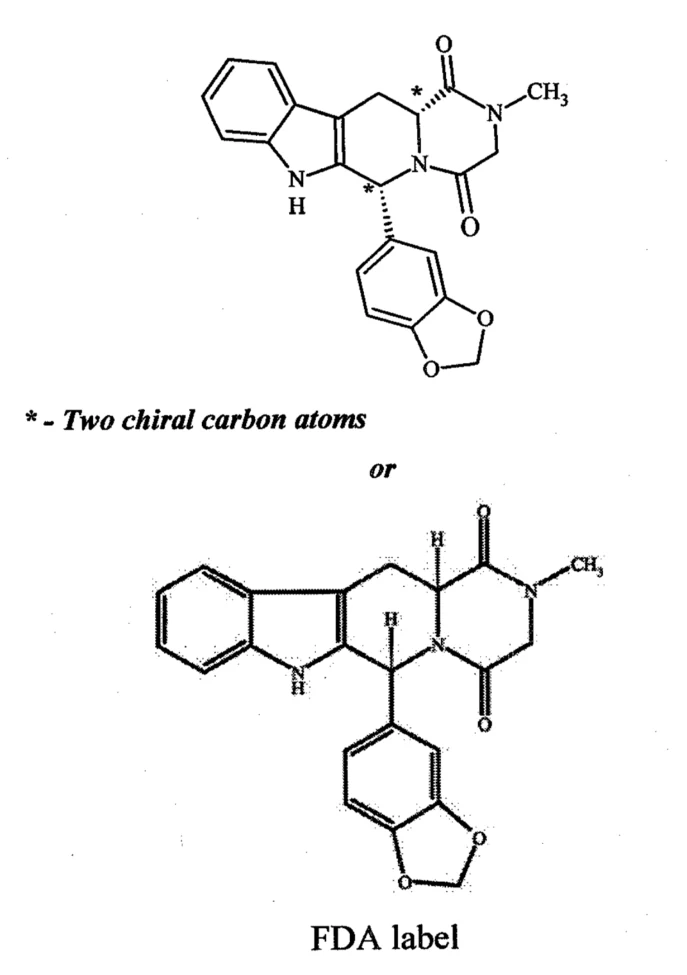
Empirical Formula: C22H19N3O4
Molecular Weight: 389.40g/mol
Description: White or almost white powder. Freely soluble in diethyl sulfoxide, and slightly soluble in methylene chloride, practically insoluble in water
CLINICAL TRIALS
Comparative Bioavailablity Studies
A randomized, double blinded, balanced, two treatment, two period, two sequence, single dose, two way crossover, bioequivalence study of 1 x 20 mg Tadalafil USP Tablets by Laboratoire Riva Inc. with 1 x 20 mg CIALIS® (tadalafil) Tablets manufactured by Eli Lilly Canada Inc. was conducted in 27 healthy human adult male subjects under fasting conditions.
SUMMARY TABLE OF THE COMPARATIVE BIOAVAILABILITY DATA
Tadalafil (1 x 20 mg) From measured data Geometric Mean¥ Arithmetic Mean (CV %) | ||||||||
| Parameter | Test* | Reference† | % Ratio of Geometric Means | 90% Confidence Interval | ||||
AUCT‡ (ng.h/mL) | 9166.61 9495.43 (27.42) | 10277.25 10724.40 (28.14) | 89.28 | 83.60-95.34 | ||||
AUCI (ng.h/mL) | 12333.25 13115.50 (38.21) | 13386.66 14335.21 (37.60) | 91.56 | 84.53-99.18 | ||||
Cmax (ng/mL) | 276.94 283.49 (23.44) | 337.73 343.05 (17.74) | 82.11 | 76.56-88.05 | ||||
Tmax‡ (h) | 2.000 (1.00-4.67) | 2.00 (1.00-6.00) | ||||||
| T1/2§ (h) | 33.26 (33.40) | 32.32 (31.22) | ||||||
* RIVA-TADALAFIL (Tadalafil Tablets USP) by Laboratoire Riva Inc. † Cialis® 20mg tablets (tadalafil) by Eli Lilly Canada Inc. were purchased in Canada ¥Based on least square means estimates
‡ Expressed as the median (range) only
§ Expressed as either the arithmetic mean (CV%) only
Tadalafil On-Demand for Treatment of ED – Pivotal Clinical Trials
Study Design – Tadalafil has been studied in the ED population in 5 randomized, double-blind, placebo-controlled, primary efficacy studies of 12 to 24 weeks duration (N=1112). Tadalafil was taken as needed, up to once daily. These studies included patients 21 to 82 years of age with ED of various severities (mild, moderate, severe), etiologies (organic, psychogenic, mixed) and with co-morbid conditions such as diabetes mellitus and cardiovascular disease, including hypertension. An additional primary efficacy study was performed in ED patients with diabetes mellitus.
Patients were required to have a history of erectile dysfunction (defined as a consistent change in the quality of erection that adversely affected the patient’s satisfaction with sexual intercourse) of at least 3 months. Most (90%) patients reported ED of more than 1 year in duration. Patients had a clinical diagnosis of ED, as assessed by the investigator. About 5% of participants in the pivotal trials had pre-treatment IIEF-EF scores in the “No ED” range (defined as IIEF EF ≥ 26) distributed across all treatment arms: placebo: 5.3%, Tadalafil 10 mg: 5.1%, and Tadalafil 20 mg: 4.2%. See WARNINGS, for patients with specific cardiovascular disease who were not included in the clinical trials. In addition, patients with significant renal insufficiency were excluded from these pivotal studies.
Several assessment tools were used to evaluate the effect of Tadalafil on erectile function, including the International Index of Erectile Function (IIEF, including MAPI© version), Sexual Encounter Profile (SEP), and Global Assessment Question (GAQ). The primary endpoints of these studies included the Erectile Function Domain of the IIEF, and SEP Questions 2 and 3.
The IIEF is a recall questionnaire that was administered at the end of a treatment-free baseline period and subsequently at follow-up visits after randomization. The severity categories used in the studies of Tadalafil were assigned based on an aggregated modification of the Cappelleri scale, i.e., No ED (26-30), mild ED (17-25), moderate ED (11-16), and severe ED (1-10). (See Bibliography: Cappelleri JC, Rosen RC, et al. 1999).
The Sexual Encounter Profile (SEP) is a diary in which patients recorded each sexual attempt made throughout the study. SEP Question 2 asked, “Were you able to insert your penis into your partner’s vagina?” SEP Question 3 asked, “Did your erection last long enough for you to have successful intercourse?”
The secondary outcome measures assessed the patient’s satisfaction with sexual intercourse and his satisfaction with his overall sex life/relationship. The measures included the Global Assessment Question (GAQ) and SEP Questions 4 and 5. GAQ asked “Has the treatment you have been taking during this study improved your erections?” SEP Question 4 asked “Were you satisfied with the hardness of your erection?” SEP Question 5 asked “Were you satisfied overall with this sexual experience?” In 3 of the 5 primary studies, partners completed a separate SEP diary that included a question assessing the partner’s satisfaction with the sexual experience.
Study Results – In an integrated analysis of 5 studies, the mean improvement from baseline in the IIEF EF domain score was statistically significantly greater for tadalafil 10 and 20 mg, compared to placebo. At completion of studies, patients receiving tadalafil 10 or 20 mg or placebo had 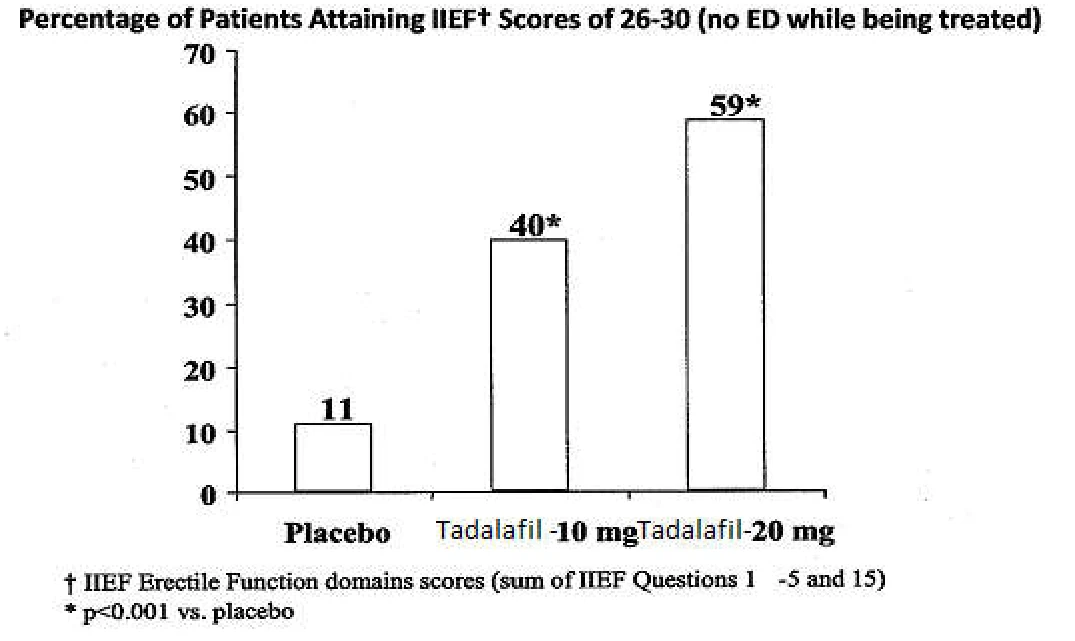
mean IIEF EF domain endpoint scores of 21.1, 23.9, and 15.1, corresponding to mean changes from baseline of 6.5, 7.9, and 0.6, respectively (Table 2).
Table 2. Summary of Efficacy Variables in Tadalafil Pivotal Clinical Trials.
| Placebo | TADALAFIL 10 mg | TADALAFIL 20 mg | ||||
| Efficacy Variables | (N=308) | (N=321) | (N=258) | |||
| Endpoint | Change | Endpoint | Change | Endpoint | Change | |
IIEF, mean
Erectile Function domain score
| 15.1 | 0.6 | 21.1 | 6.5* | 23.9 |
7.9*
Overall Satisfaction domain score
| 5.2 | 0.5 | 6.7 | 1.8* | 7.4 |
2.4*
SEP diary, mean per-patient % “Yes” response
Question 2 (Vaginal Penetration)
| 48% | 2.0% | 73% | 24%* | 80% |
27%*
Question 3 (Successful intercourse)
| 31% | 6.0% | 58% | 34%* | 70% |
39%*
* p <0.001 (Pairwise comparisons between placebo and each treatment were adjusted by the method of Dunnett). IIEF: International Index of Erectile Function; SEP: Sexual Encounter Profile.
Maximum domain scores achievable for the Erectile Function and Overall Satisfaction domains of the IIEF are 30 and 10, respectively.
Tadalafil also demonstrated statistically significant improvement in erectile function as measured by the percentage of patients attaining a normal score (EF 26) at endpoint on the IIEF EF domain. In the 5 primary efficacy studies in patients who had baseline IIEF EF domain scores of < 26, a significantly greater percentage of patients taking tadalafil 10 or 20 mg attained normal Percentage of Patients Attaining IIEF-EF† Scores of 26-30 (no ED while being treated) erectile function during treatment, compared to patients on placebo (Figure 1).
Figure 1. Percent Patients Attaining Normal Erectile Function in tadalafil Pivotal
Clinical Trials.
Patient Confidence and Sexual Satisfaction – The IIEF also measures patients’ confidence that they can attain and keep an erection sufficient for sexual intercourse (IIEF Question 15). In each study, tadalafil statistically significantly improved patient confidence. Analysis of the Intercourse Satisfaction and Overall Satisfaction domains of the IIEF showed that in each study tadalafil treatment provided statistically significant improvement in sexual satisfaction, as measured by both domains. Additionally, tadalafil improved the percentage of sexual encounters that were satisfying for the patient and his partner.
For each of the five domains of the IIEF, the mean scores at baseline and endpoint for patients treated with tadalafil 20 mg in the primary efficacy trials, along with the mean scores for a similarly aged control group without ED, are presented in Table 3 and Figure 2.
Table 3. Summary of IIEF Domain Scores in tadalafil Placebo-Controlled Studies.
| Maximum | TADALAFIL 20mg | Mean Scores, | ||||||||||||
| IIEF Domain | Domain | Mean Value | Mean Value | Untreated Men | ||||||||||
| Score | Without ED* | |||||||||||||
| at Baseline | at Endpoint | |||||||||||||
Erectile Function
| 30 | 16.0 | 23.9 |
25.8
Orgasmic Function
| 10 | 5.8 | 7.6 |
8.8
Sexual Desire
| 10 | 6.5 | 6.9 |
7.0
Intercourse Satisfaction
| 15 | 7.1 | 10.5 |
10.6
Overall Satisfaction
| 10 | 5.0 | 7.4 |
8.6
* Source of control group data: Rosen RC, et al. Urology 1997;49(6):822-830.
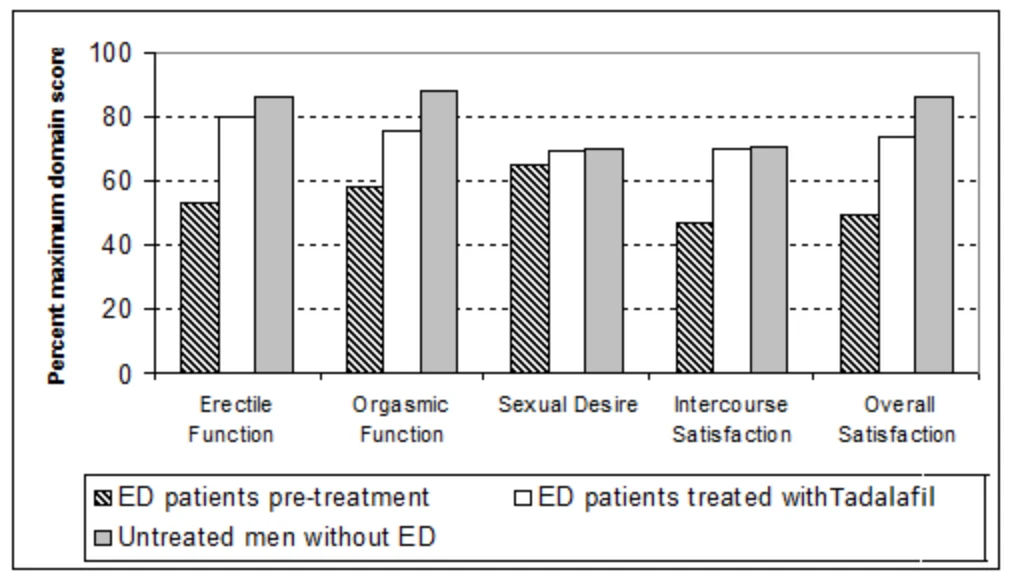
Source of control group data: Rosen, RC, et al. Urology 1997; 49(6):822-830
Figure 2. Effect of tadalafil 20 mg on Male Sexual Function Domains of the IIEF
A similar pattern of improvements over placebo was observed for the other 2 primary outcome measures (SEP Questions 2 and 3, see Table 2, above).
Tadalafil showed statistically significant improvement in patients’ ability to achieve an erection sufficient for vaginal penetration and maintain the erection for successful intercourse as measured by the sexual encounter profile (SEP) diaries. In the primary efficacy studies, 75% of intercourse attempts were successful in tadalafil 20 mg-treated patients, and 61% in tadalafil 10 mg-treated patients, compared to 32% of intercourse attempts for patients on placebo (p < 0.001). This finding was confirmed by partner SEP responses. tadalafil also significantly improved satisfaction with the hardness of erection, as measured by SEP-Q4 (mean change: placebo, 10%; tadalafil 10 mg, 37%; tadalafil 20 mg, 49%; p < 0.001 versus placebo for both tadalafil doses).
In the primary efficacy studies, patients taking tadalafil 10 or 20 mg reported improved erections based on the GAQ compared to patients taking placebo (Figure 3).
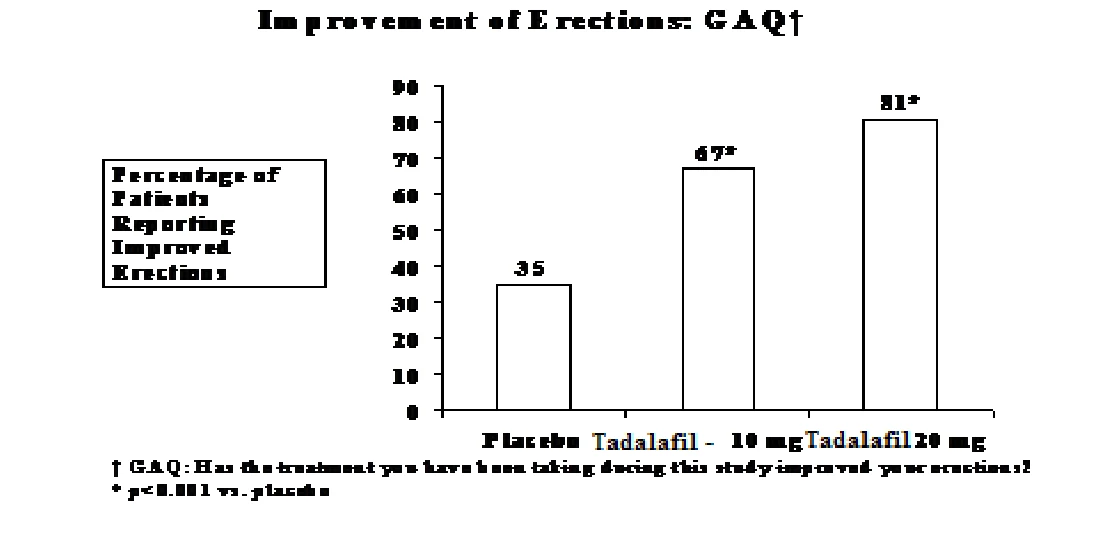
Figure 3. Percent Patients with Improvement of Erections, in Tadalafil Pivotal
Clinical Trials.
In addition, patients with ED of all degrees of disease severity reported improved erections while taking tadalafil 10 or 20 mg, compared to patients on placebo (Figure 4).
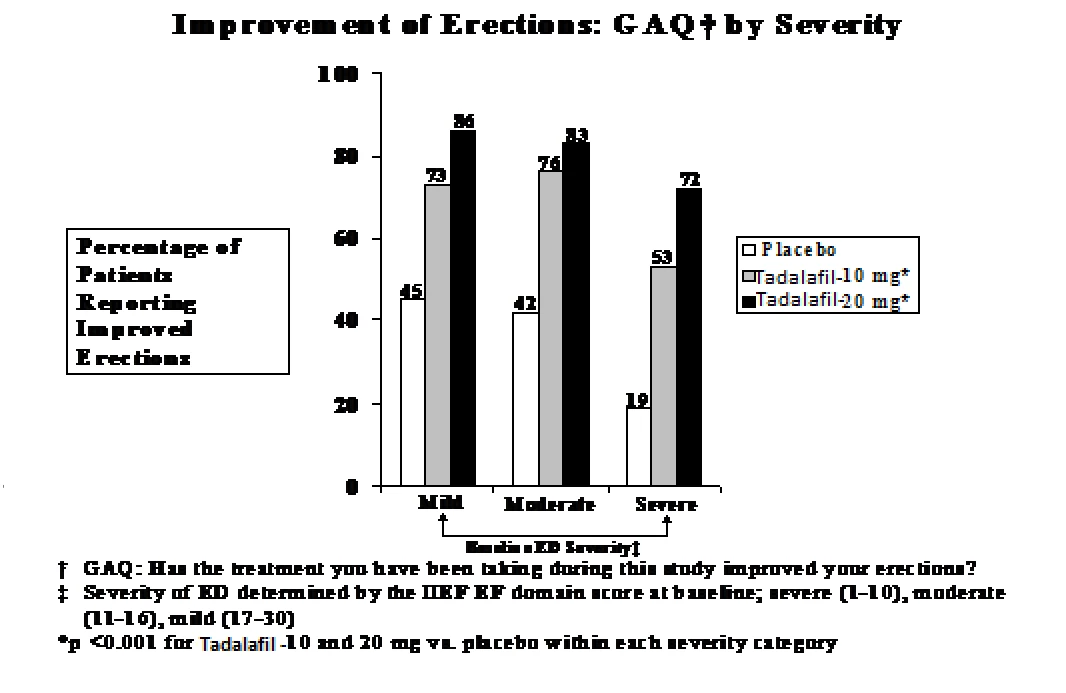
Figure 4. Percent Patients with Improvement of Erections, by Severity of ED at
Baseline, in Tadalafil Pivotal Clinical Trials.
Efficacy in ED Patients with Diabetes Mellitus
Tadalafil is effective in treating ED in patients with diabetes mellitus. Patients with diabetes (N=451) were included in all 5 primary efficacy studies in patients with ED, and in one study that specifically assessed tadalafil in ED patients with type 1 or type 2 diabetes.
Tadalafil produced statistically significant improvement in erectile function, ability to achieve successful intercourse, and sexual satisfaction. In these studies, 68% of 20-mg and 59% of 10-mg tadalafil -treated patients with diabetes reported improved erections based on the GAQ, compared to 29% of placebo-treated patients (p <0.001 for each dose versus placebo). The mean improvement from baseline in the IIEF EF domain score, and percentage of “Yes” responses to SEP Questions 2 and 3 were statistically significantly greater compared to placebo for tadalafil 10 and 20 mg (Table 4).
Table 4. Summary of Primary Efficacy Variables in Diabetic Patients - TADALAFIL
Pivotal Clinical Trials.
| Placebo | Tadalafil 10 mg | TADALAFIL 20 mg | ||||
| Efficacy Variables | (N=141) | (N=142) | (N=119) | |||
| Endpoint | Change | Endpoint | Change | Endpoint | Change | |
IIEF, mean
Erectile Function domain score
| 12.6 | 0.4 | 19.1 | 6.1* | 19.6 |
7.4* Overall Satisfaction domain score
| 4.9 | 0.3 | 6.2 | 1.6* | 6.2 |
1.8* SEP diary, mean per-patient % “Yes” response
Question 2 (Vaginal Penetration)
| 30% | -3.0% | 60% | 23%* | 59% |
26%* Question 3 (Successful intercourse)
| 19% | 1.0% | 48% | 30%* | 48% |
32%* * p < 0.001 (Pairwise comparisons between placebo and each treatment were adjusted by the method of Dunnett) IIEF: International Index of Erectile Function; SEP: Sexual Encounter Profile.
Maximum domain scores achievable for the Erectile Function and Overall Satisfaction domains of the IIEF are 30 and 10, respectively.
Efficacy in ED Patients Following Radical Prostatectomy
Tadalafil was effective in treating patients who developed ED following bilateral nerve-sparing radical prostatectomy. In a double-blind, placebo-controlled study in this population (N=303), tadalafil 20 mg demonstrated clinically meaningful and statistically significant improvement in erectile function (p < 0.001), as measured by the EF domain of the IIEF questionnaire and Questions 2 and 3 of the SEP diary. The efficacy of doses lower than 20 mg were not evaluated in this population.
Period of Effectiveness
A study was conducted to evaluate the time of onset of effectiveness of tadalafil 10 or 20 mg. The primary endpoint of the study was the earliest time point after dosing at which there was a statistically significant difference in the percentage of successful intercourse attempts between tadalafil and placebo. For patients taking tadalafil 20 mg compared to placebo, a statistically significant difference was noted at 16 minutes.
In a clinical trial conducted to determine the duration of effectiveness of tadalafil, patients reported a statistically significantly greater percentage of successful intercourse attempts at approximately 24 hours (22 to 26 hours) following administration of tadalafil 10 or 20 mg when compared to placebo (56% and 67% vs. 42%, respectively). In addition, patients reported a statistically significantly greater percentage of successful intercourse attempts at approximately 36 hours (33 to 39 hours) following administration of tadalafil 10 or 20 mg when compared to placebo (56% and 62% vs. 33%, respectively). In this trial patients made up to four eligible attempts. Eighty-two percent of 20 mg tadalafil-treated patients who made at least one eligible attempt (from a maximum of four) at 24 hours post-dose, and 76% of 20 mg tadalafil-treated patients who made one or more eligible attempts at 36 hours post-dose, had at least one intercourse attempt that was successful.
Analyses of SEP Question 3 data from the placebo-controlled efficacy studies in patients with ED support the efficacy of tadalafil 10 and 20 mg from 30 minutes to 36 hours after dosing. During 12 weeks of treatment with tadalafil 10 or 20 mg, 50% of men attempted intercourse at 12–24 hours after dose on one or more occasions, and 33% of men attempted intercourse at 24–
36 hours after dose. The mean percentage of ‘yes’ responses to SEP-Q3 for attempts made at both 12–24 and 24–36 hours after dosing was significantly greater (p < 0.001) for both tadalafil 10 and 20 mg groups than in the placebo group.
Further supportive data for onset and duration are provided by a placebo-controlled trial that employed penile plethysmography to evaluate the effectiveness of tadalafil 10 mg within
60 minutes of dosing and at 24 hours after dosing in men with erectile dysfunction. The proportion of patients who achieved 55% rigidity (the rigidity required for vaginal penetration) for at least 3 consecutive minutes was evaluated at 15-minute increments up to 60 minutes following dosing (Table 5). The proportion of patients who achieved this endpoint was significantly greater than placebo at 45 minutes (p=0.034). tadalafil 10 mg dose also significantly improved the proportion of responders 24 hours postdose (58.5% for tadalafil 10 mg versus 7.3% for placebo, p < 0.001).
Table 5. Penile Plethysmography Study with TADALAFIL 10 mg: Subjects with
Response ≥ 55% Penile Rigidity for at least 3 Consecutive Minutes
| Time postdose (minutes) | Proportion of Responders | |||||
| Placebo (N = 41) | 10 mg TADALAFIL (N=41) | |||||
| n (%) | n (%) | |||||
15 4 (9.8) 8 (19.5) 30 6 (14.6) 12 (29.3) 45 8 (19.5) 17 (41.5)* 60 8 (19.5) 20 (48.8)*
* p value < 0.05 versus placebo
Cardiovascular Safety
An overview of the five phase 3 placebo-controlled studies that included an electrocardiogram at endpoint found no clinically important effects of tadalafil on the QT interval. Furthermore, morbidity and mortality rates from serious cardiovascular adverse events were no greater in patients with ED taking tadalafil than in the general population of men with ED. In a retrospective analysis of data from placebo-controlled and open-label clinical trials involving 12,487 patients treated with tadalafil (5771 patient-years of exposure) and 2047 patients on placebo (460 patient-years of exposure), the incidence rates of myocardial infarction and other cardiovascular treatment-emergent adverse events were no higher than expected in men treated with tadalafil than for a similar matched population of men. However, as with all PDE5 Inhibitors, tadalafil should not be used in combination with nitrates (See CONTRAINDICATIONS).
Efficacy of tadalafil 2.5 mg and 5 mg Once-a-Day in Patients with ED
Tadalafil administered Once-a-Day was evaluated in 3 placebo-controlled clinical trials involving 853 patients of various ages (range 21-82 years) and ethnicities, with erectile dysfunction of various severities (mild, moderate, severe), etiologies, and with multiple comorbid conditions, including diabetes mellitus, hypertension, and other cardiovascular disease. Two of these studies were in the general ED population and one study was performed in ED patients with type 1 or type 2 diabetes.
In all 3 studies, tadalafil demonstrated clinically meaningful and statistically significant improvement in erectile function, as measured by the EF domain of the IIEF and Questions 2 and 3 of the SEP diary. In the two primary efficacy studies of general populations, 81% of patients reported that tadalafil 5 mg taken Once-a-Day improved their erections as compared to 29% with placebo. The percentage of successful intercourse attempts was 66% in tadalafil 5-mg-treated patients as compared to 36% with placebo. Patients with ED in all severity categories reported improved erectile function with tadalafil for Once-a-Day use over the 24-hour period between doses. The treatment effect of tadalafil did not diminish over time.
Table 6. Primary Efficacy Variables in TADALAFIL for Once-a- Day Use: General
Population Trials.
| Placebo | TADALAFIL 2.5 mg | TADALAFIL 5 mg | ||||
| Efficacy Variables | (N=148) | (N=96) | (N=206) | |||
| Endpoint | Change | Endpoint | Change | Endpoint | Change | |
IIEF, mean
Erectile Function domain score
| 14.9 | 1.3 | 19.2 | 6.2* | 21.9 |
8.6*
SEP diary, mean per-patient % “Yes” response
Question 2 (Vaginal Penetration)
| 50.4% | 6.5% | 64.9% | 23.9%* | 75.4% |
31.7%*
Question 3 (Successful intercourse)
| 32.9% | 10.5% | 50.2% | 31.4%* | 62.4% |
40.6%*
* p <0.001 versus placebo by ANCOVA model. (Pairwise comparisons between placebo and each treatment were adjusted by the method of Dunnett).
IIEF: International Index of Erectile Function; SEP: Sexual Encounter Profile. Maximum domain score achievable for the Erectile Function domain of the IIEF is 30.
Table 7. Primary Efficacy Variables in TADALAFIL for Once-a-Day Use: Diabetic
Trial.
| Placebo | TADALAFIL 2.5 mg | TADALAFIL 5 mg | ||||
| Efficacy Variables | (N=100) | (N=100) | (N=98) | |||
| Endpoint | Change | Endpoint | Change | Endpoint | Change | |
IIEF, mean
Erectile Function domain score
| 14.7 | 1.3 | 18.3 | 4.8* | 17.2 |
4.5*
SEP diary, mean per-patient % “Yes” response
Question 2 (Vaginal Penetration)
| 43.0% | 5.3% | 62.3% | 20.5%* | 61.1% |
28.9%*
Question 3 (Successful intercourse)
| 28.2% | 8.2% | 46.0% | 25.9%* | 41.1% |
25.0%*
* p < 0.001 versus placebo by ANCOVA model. (Pairwise comparisons between placebo and each treatment were adjusted by the method of Dunnett).
IIEF: International Index of Erectile Function; SEP: Sexual Encounter Profile. Maximum domain score achievable for the Erectile Function domain of the IIEF is 30.
DETAILED PHARMACOLOGY
General
Phosphodiesterases (PDEs) are a diverse family of enzymes having different tissue distributions and functions, but which all ultimately act to hydrolyze cyclic nucleotides, thereby terminating their actions. There are eleven known phosphodiesterase classes, many with subtypes identified by structure and function. Phosphodiesterase type 5 (PDE5) is a major cGMP-hydrolyzing enzyme in vascular smooth muscle of the penis.
Pharmacokinetics
Tadalafil has a mean half-life of 17.5 hours and the mean maximum observed plasma concentration (Cmax) is achieved at a median time of 2 hours after dosing. Evaluation of elimination and metabolism radiotracer data in humans indicates tadalafil is well absorbed (approximately 36% based on urinary elimination data alone to an upper limit of approximately 81% based on urinary and biliary/fecal elimination of metabolites). The half-life of 17.5 hours provides an extended period of responsiveness to tadalafil for patients.
Pharmacokinetics of tadalafil for Once-a-Day use: The absorption, distribution, metabolism and excretion of tadalafil are similar, irrespective of On-Demand or Once-a-Day use. Steady-state plasma concentrations are attained within 5 days of tadalafil for Once-a-Day use, and exposure (AUC) is approximately 1.6-fold greater than after a single dose.
TOXICOLOGY
Tadalafil has been evaluated in a comprehensive series of toxicology studies, including in vitro and in vivo genetic toxicology assays; single-dose studies in mice and rats using both oral and intravenous routes of administration; repeated-dose studies in mice, rats, and dogs; reproductive and developmental studies in rats and mice; and oncogenicity studies in rats and mice.
Tadalafil demonstrated low acute oral toxicity in both mice and rats, as doses up to 2000 mg/kg did not cause death and produced only minimal clinical observations (see Table 8). Daily oral administration of tadalafil to mice for 3 months at doses up to 800 mg/kg/day produced no deaths or treatment-related findings (see Table 9). In rats, oral toxicity studies of 1 and 6 months duration, with doses up to 400 mg/kg/day, and a 3 month study with doses up to 800 mg/kg/day, produced no treatment-related deaths or substantive clinical observations. These studies yielded no gross or histopathologic findings that were considered toxicologically important.
Tadalafil was not carcinogenic to rats or mice when administered for 24 months (see Table 16). Tadalafil was not mutagenic or genotoxic in in-vitro bacterial and mammalian cell assays, and in vitro human lymphocytes and in vivo rat micronucleus assays (see Table 11).
There was no evidence of teratogenicity, embryotoxicity or fetotoxicity in rats or mice that received tadalafil up to 1000 mg/kg/day (see Table 12). In a rat pre- and postnatal development study, the no-observed effect dose was 30 mg/kg/day. In the pregnant rat the AUC for calculated free drug at this dose was approximately 18 times the human AUC at a 20 mg dose.
There was no impairment of fertility in male and female rats (Table 12). In dogs given tadalafil daily for 6 to 12 months at doses of 25 mg/kg/day and above, there were alterations to the seminiferous tubular epithelium that resulted in a decrease in spermatogenesis in some dogs. However, in placebo-controlled studies in men who received tadalafil 10 or 20 mg daily for 6 months, there were no treatment-related effects on sperm concentration, sperm count, motility, or morphology.
ACUTE TOXICITY
Table 8. Results of Acute Single-Dose Toxicity Studies with Tadalafil
| Species, Strain | Doses (mg/kg) | Important Findings | ||||
| Number/Sex/Group | Route | |||||
| Age | Duration of Observations |
Mouse, B6C3F1 3/sex
8 Weeks
400, 650, 1000, 1600, 2000 Gavage
2 weeks
Males, 2000 mg/kg: failure to gain weight.
Median lethal dose >2000 mg/kg.
Mouse, B6C3F1 10/sex
8-9 Weeks
Mouse, B6C3F1 10/sex
8-9 Weeks
No effects.
Median lethal dose >2000 mg/kg.
Mouse, B6C3F1 3/sex
8 Weeks
0, 37.5, 62.5, 100 Intravenous
2 weeks
100 mg/kg: mortality (2 males, 2 females), moribundity, low posture, extreme subdued behaviour, convulsions, laboured or shallow respiration, tremors, jerky movements, prostrate.
62.5 mg/kg: low posture, subdued behaviour, laboured or rapid respiration, tremors, jerky movements. All mice were normal within 6 minutes after dosing.
Control: mortality (1 male), prostrate, low posture, jerky movements. Median lethal dose >62.5 mg/kg, <100 mg/kg.
Mouse, B6C3F1 10/sex
8-9 Weeks
0, 62.5
Intravenous
2 weeks
62.5 mg/kg: low posture, subdued behaviour, tremors, unsteady gait, laboured respiration (believed to be vehicle-related). Effects limited to the day of dosing.
Median lethal dose >62.5 mg/kg.
Rat, Han Wistar 3/sex
8 Weeks
400, 650, 1000, 1600, 2000 Gavage
2 weeks
Females, 2000 mg/kg: vocalization, tense behaviour. Effects were limited to the day of dosing.
Median lethal dose >2000 mg/kg.
Rat, Han Wistar 10/sex
8-9 Weeks
0, 2000
Gavage
2 weeks
No effects.
Median lethal dose >2000 mg/kg.
Rat, Han Wistar 3/sex
8 Weeks
0, 37.5, 62.5
Intravenous
2 weeks
62.5 mg/kg: convulsions, tremors, moribundity.
All groups including control: unsteady gait and increased incidence of vehicle-related signs (subdued behaviour, laboured or rapid respiration, jerking movements, low posture, prostrate, and/or piloerection). Effects were limited to the day of dosing. Signs were more severe at 62.5 mg/kg.
Median lethal dose >62.5 mg/kg.
| Species, Strain | Doses (mg/kg) | Important Findings | ||||
| Number/Sex/Group | Route | |||||
| Age | Duration of Observations |
Rat, Han Wistar
10/sex
8-9 Weeks
0, 37.5
Intravenous 2 weeks
37.5 mg/kg: Death (1), low posture, subdued behaviour, tremors, piloerection, jerky movements, laboured respiration (believed to be vehicle-related). Effects were limited to the day of dosing.
Median lethal dose >37.5 mg/kg.
LONG-TERM TOXICITY
Table 9. Results of Long-Term Repeated-Dose Toxicity Studies with Tadalafil
| Species, Strain | Doses (mg/kg/day) | Important Findings | ||||
| Number/Sex/Group | Route | |||||
| Age | Duration of Treatment |
Mouse, CD-1
12/sex (6 necropsied after 1.5 month) 7 Weeks
0, 60, 200, 400
Gavage
1.5 months and 3 months
No-Observed-Effect-Level = 400 mg/kg/day.
Mouse, CD-1
20/sex (10 necropsied after 1 month) 6 Weeks
0, 60, 200, 400, 800
Gavage
1 month and 3 months
≥ 200 mg/kg: increased benzphetamine N-demethylase activity and minimal increase in relative liver weight.
Males, ≥ 400 mg/kg: decreased erythromycin N-demethylase activity. Females, 800 mg/kg: increased 7-ethoxyresorufin O-deethylase activity and total P450 content.
No-Observed-Effect-Level = 800 mg/kg/day.
Rat
Han Wistar
6/sex
7-10 Weeks
100, 200, 400, 800, 1400, 2000 (dose escalation)
2000 (7 daily doses)
Gavage
No-Observed-Effect-Level = 2000 mg/kg/day.
Maximum systemic exposure achieved at 400 mg/kg.
Rat, Han Wistar
12/sex, with additional 8 in 0 and 400 groups, for reversibility
7-8 Weeks
0, 10, 60, 400
Gavage
1 month and 3 week reversibility
Males, females, 400 mg/kg: minimal clinical chemistry changes, increased lung weight, and decreased kidney weight with no histopathologic correlates. Males, 400 mg/kg: increased heart weight with no histopathologic correlate. Females, 400 mg/kg: increased body weight.
No-Observed-Effect-Level = 60 mg/kg/day.
Rat, Han Wistar
20/sex, with additional 12 in 0 and 400 groups, for reversibility
7-8 Weeks
0, 10, 60, 400
Gavage
6 months and 1 month reversibility
400 mg/kg: increase in water consumption and urine volume (reversible). Females, 400 mg/kg: minimal to marked pigment deposition in the cytoplasm of periportal hepatocytes with focal accumulations of Kupffer cells containing brown pigments in 4 rats. At the end of the reversibility period 1 rat had minimal hepatocellular pigment deposition.
No-Observed-Adverse-Effect-Level = 60 mg/kg/day.
Rat
Fischer 344
20/sex (10 necropsied at 1 month)
7-8 Weeks
0, 60, 100, 400, 800
Gavage
1 month and 3 months
≥ 60 mg/kg: increased 7-ethoxyresorufin O-deethylase and minimal increase in relative liver weight.
≥ 100 mg/kg: increased food consumption.
Females, ≥ 100 mg/kg: increased benzphetamine N-demethylase. Males, 800 mg/kg: increased benzphetamine N-demethylase. No-Observed-Effect-Level = 800 mg/kg/day.
| Species, Strain | Doses (mg/kg/day) | Important Findings | ||||
| Number/Sex/Group | Route | |||||
| Age | Duration of Treatment |
Dog
Beagle
2/sex
4-6 months
50, 100, 200, 400, 800 (dose escalation)
200 (14 daily doses)
Gavage
200 mg/kg: loose feces, subdued behaviour, thin appearance, decreased body weight, decreased thymus weight with slight atrophy.
Maximum systemic exposure achieved at 200 mg/kg.
Dog
Beagle
3/sex, with additional 2 in 0 and 200 groups, for reversibility
4-6 months
0, 10, 45, 200
Gavage
1 month with 3 week reversibility
≥ 45 mg/kg: thin appearance, subdued behaviour, loose feces. 200 mg/kg: decreased body weight, decreased food consumption, hepatic clinical chemistry changes.
Vascular inflammation consistent with Beagle Pain Syndrome occurred in control and 200 mg/kg dogs.
No-Observed-Adverse-Effect-Level = 45 mg/kg/day.
Dog, Beagle
4/sex with additional 2 in 0 and 400 groups, for reversibility
3-5 months
0, 10, 60, 400
Oral Gavage
6 month with 1 month reversibility
Study confounded by presence of Beagle Pain Syndrome (BPS) and the use of immature dogs.
Effects related to BPS included euthanasia of 2 male and 2 female 400-mg/kg dogs, increased white blood cell counts, decreased plasma albumin and calcium, and vascular inflammation.
≥ 10 mg/kg: decreased testes weight, testicular alterations. ≥ 60 mg/kg: decreased body weight gain during the first 3 months of the study.
No-Observed-Adverse-Effect-Level: Males <10 mg/kg/day; Females 10 mg/kg/day.
Dog, Beagle
4 Males with additional 2 Males in 0 and 200 groups, for reversibility 13-17 months
0, 10, 60, 200
Oral Capsule
3 month with 3 month reversibility
≥ 60 mg/kg: pigment accumulation in the gallbladder (reversible). No vascular inflammation or testicular alterations occurred. No-Observed-Adverse-Effect-Level = 200 mg/kg/day.
Dog, Beagle
4/sex, with additional 2 in 0 and 400 groups, for reversibility
13-15 months
0, 10, 60, 200, 400
Oral Capsule
6 month with 3 month reversibility
≥ 60 mg/kg: Oligo/aspermia in the epididymides and regression, vacuolation and atrophy of the testicular seminiferous epithelium. This appeared to partially reverse in the 1 male in the reversibility group.
No-Observed-Effect-Level: Males: 10 mg/kg/day; Females: 400 mg/kg/day.
| Species, Strain | Doses (mg/kg/day) | Important Findings | ||||
| Number/Sex/Group | Route | |||||
| Age | Duration of Treatment |
Dog, Beagle
5/sex
14-15 months
0, 25, 100, 400 Oral Capsule 1 year
Males, ≥ 25 mg/kg; bilateral degeneration and atrophy of the testicular seminiferous epithelium.
Females, ≥ 100 mg/kg; decreased body weight.
Males, 400 mg/kg; increased liver weight, decreased testes weight. Cytopenia occurred in one 100-mg/kg female and one 400-mg/kg female. These were considered idiosyncratic, reversible, and not due to a direct effect on bone marrow hematopoietic precursors.
No-Observed-Adverse-Effect-Level: Males <25 mg/kg/day; Females 25 mg/kg/day.
CARCINOGENICITY
Table 10. Results of Carcinogenicity Studies with Tadalafil
| Species, Strain | Doses (mg/kg/day) | Important Findings | ||||
| Number/Sex/Group | Route | |||||
| Age | Duration of Treatment |
Mouse, CD-1
50/sex
6 Weeks
0, 0, 10, 60, 400 Gavage
2 years
No-Observed-Effect-Level = 400 mg/kg/day. No statistically significant increase in neoplasms.
Rat, Han Wistar
50/sex
6 Weeks
0, 0, 10, 60, 400 Gavage
2 years
No-Observed-Effect-Level = 400 mg/kg/day. No statistically significant increase in neoplasms.
MUTAGENICITY
Table 11. Results of Mutagenicity/Genotoxicity Studies with Tadalafil
| Study Type | Species or Cell Type | Dose Levels | Important Findings |
WHO Nitrosation Assay Procedure S. typhimurium 10 mM Negative Bacterial mutation S. typhimurium
E. coli
15, 50, 150, 1500, 2500 µg/plate Negative
Mouse Lymphoma
L5178Y mouse lymphoma cells
Without activation: 25, 50, 75
µg/mL
With activation: 10, 25, 50, 75
µg/mL
Negative
Chromosome aberration Human Peripheral Lymphocytes Without activation: 10, 20, 40 µg/mL
With activation: 1, 5, 10 µg/mL Micronucleus Male Han Wistar rats 0, 1000, 1500, 2000 mg/kg Negative
REPRODUCTION AND TERATOLOGY
Table 12. Results of Reproduction and Developmental Toxicity Studies with Tadalafil.
| Study Type | Species, Strain Number/Sex/Group Age | Doses (mg/kg/day) | Important Findings | ||
| Route | |||||
| Duration of Treatment |
Fertility and early embryonic development
(Segment I)
Rat, CD
22/sex
12 Weeks at breeding
0, 10, 60, 400
Gavage
Male: 4 weeks prior to and during mating;
Female: 2 weeks prior to mating through
Gestation Day 7
Females, 400 mg/kg: decreased body weight gain, decreased food consumption.
Reproductive No-Observed-Effect-Level = 400 mg/kg.
Embryo-fetal development (Segment II)
Mouse, CD-1
30 Female
12 Weeks at breeding
0, 60, 200, 1000
Gavage
Gestation Days 6-15
No effects.
Maternal and embryo-fetal
developmental No-Observed-Adverse-Effect-Level
= 1000 mg/kg.
Embryo-fetal development
(Segment II)
Rat, CD
25 Female
12 Weeks at breeding
0, 60, 200, 1000
Gavage
Gestation Days 6-17
1000 mg/kg: decreased maternal body weight gain, decreased food consumption.
Maternal No-Observed-Adverse-Effect-Level = 200 mg/kg.
Embryo-fetal developmental No-Observed-Adverse-Effect-Level = Pre- and postnatal development (Segment II/III)
Rat, CD
25 Female
12 Weeks at breeding
0, 60, 200, 1000
0, 3, 10, 30, 200
Gavage
Gestation Day 6-Postnatal Day 21
1000 mg/kg: decreased maternal body weight gain, decreased food consumption.
≥ 200 mg/kg: decreased pup survival birth to Postnatal Day 4. This effect was not repeated in the follow-up study.
Maternal No-Observed-Effect-Level = 200 mg/kg. F1 Developmental No-Observed-Effect-Level = 30 mg/kg
REFERENCES
- 1. Althof S, Eid J, Talley D, Brock G, et al. Through the eyes of women: the partners’ perspective on tadalafil. Urology 2006;68:631-635.
- 2. Brock G, Chan J, Carrier S, et al. The Treatment of Erectile Dysfunction study: focus on treatment satisfaction of patients and partners. BJU Intl 2007;99:376-382.
- 3. Brock G, McMahon C, Chen K, et al. Efficacy and safety of tadalafil in the treatment of erectile dysfunction: results of integrated analyses. J Urol 2002;168:1332B1336.
- 4. Cappelleri J, Rosen R, Smith M, et al. Diagnostic evaluation of the erectile function domain of the International Index of Erectile Function. Urology 1999;54:346-351.
- 5.
Carson C, Rajfer J, Eardley I, et al. The Efficacy and Safety of tadalafil: an update. BJU
International 2004;93:1276-1281.
- 6. Drory Y. Sexual activity and cardiovascular risk. Eur Heart J Suppl 2002;4(suppl H): 13-18.
- 7.
Emmick J, Stuewe S, Mitchell M. Overview of the cardiovascular effects of tadalafil.
Eur Heart J Suppl 2002;4(suppl H):32-47.
- 8. Eardley I, Montorsi F, Jackson G, et al. Factors associated with preference for sildenafil citrate and tadalafil for treating erectile dysfunction in men naïve to phosphodiesterase 5 inhibitor therapy: post hoc analysis of data from a multicentre, randomized, open-label, crossover study. BJU International 2007;100:122–129.
- 9. Eardley I, Mirone V, Montorsi F, et al. An open label, multicentre, randomized, crossover study comparing sildenafil citrate and tadalafil for treating erectile dysfunction in men naïve to phosphodiesterase 5 inhibitor therapy. BJU Intl 2005;96:1323-1332.
- 10. Egerdie R, Auerbach S, Roehrborn C, et al. Tadalafil 2.5 or 5 mg administered once daily for 12 weeks in men with both erectile dysfunction and signs and symptoms of benign prostatic hyperplasia: results of a randomized, placebo-controlled, double-blind study. J Sex Med 2012;9(1):271-281.
- 11. Fonseca V, Seftel A, Denne J, Fredlund P. Impact of diabetes mellitus on the severity of erectile dysfunction and response to treatment: Analysis of data from tadalafil clinical trials. Diabetologia 2004;47:1914-1923.
- 12. Giuliano F, Kaplan S, Cabanis M, et al. Hemodynamic interaction study between the alpha1-blocker alfuzosin and the phosphodiesterase-5 inhibitor tadalafil in middle-aged healthy male subjects. Urology 2006;67:1199–1204.
- 13. Hellstrom W, Overstreet J, Yu A, et al. Tadalafil has no detrimental effect on human spermatogenesis or reproductive hormones. J Urol 2003;170:887-891.
- 14. Herschorn S, Mitchell M, Bedding A, Emmick J. Pharmacodynamic interactions between tadalafil and nitrates compared with sildenafil. Can J Urol 2002;9:1538.
- 15.
Jackson G, Kloner R, Costigan T, et al. Update on Clinical Trials of Tadalafil Demonstrates
No Increased Risk of Cardiovascular Adverse Events. Journal of Sexual Medicine 2004;1:161-167.
- 16. Kloner R, Jackson G, Emmick J, et al. Interaction between the phosphodiesterase 5 inhibitor, tadalafil and 2α -blockers, doxazosin and tamsulosin in healthy normotensive men. J Urology 2004;172:1935-1940.
- 17.
Kloner R, Jackson G, Hutter A, et al. Cardiovascular safety update of tadalafil:
Retrospective analysis of data from placebo-controlled and open-label clinical trials of tadalafil with as needed, three times-per-week, or Once a Day dosing. Am J Cardiol 2006;97:1778 –1784.
- 18.
Kloner R, Mitchell M, Emmick J. Cardiovascular effects of tadalafil. Amer J Cardiology
2003;92:37-46.
- 19. Kloner R, Mitchell M, Emmick J. Cardiovascular effects of tadalafil in patients on common antihypertensive therapies. Amer J Cardiology 2003;92:47-57.
- 20. Kloner R, Hutter A, Emmick J, et al. Time course of the interaction between tadalafil and nitrates. J Amer College Cardiology 2003;42:1-6.
- 21. Lee J, Pommerville P, Brock G, et al. Physician-rated patient preference and patient- and partner-rated preference for tadalafil or sildenafil citrate: results from the Canadian ‘Treatment of Erectile Dysfunction’ observational study. BJU Intl 2006;98:623-629.
- 22. Mitchell M, Sanderson B, Payne C, Bedding A. Pharmacodynamic interaction between alcohol and tadalafil in healthy volunteers. Int J Impot Res 2002;14(suppl 4):S64.
- 23. Montorsi F, Verheyden B, Meuleman E, et al. Long-term safety and tolerability of tadalafil in the treatment of erectile dysfunction. Eur Urol 2004;45:339-345.
- 24. Montorsi F, Brock G, et al. Tadalafil in the treatment of erectile dysfunction following bilateral nerve-sparing radical retropubic prostatectomy: A randomized, double-blind, placebo-controlled trial. J Urol 2004;172:1036-1041.
- 25. Padma-Nathan H, Brock G, McMahon C, et al. Efficacy and safety of tadalafil in men with erectile dysfunction with and without hypertension. Am J Hypertens 2002;15:143A.
- 26.
Patterson B, Bedding A, Jewell H, et al. Dose-normalized pharmacokinetics of tadalafil
(IC351) administered as a single dose to healthy volunteers. Int J Impot Res 2001; 13(suppl 5):S62.
- 27. Patterson D, McDonald T, Effron M, et al. Tadalafil does not affect time to ischemia during exercise stress testing in patients with coronary artery disease. Int J Impot Res 2002;14(suppl 3):S102.
- 28. Porst H, McVary K, Montorsi F, et al. Effects of once-daily tadalafil on erectile function in men with erectile dysfunction and signs and symptoms of benign prostatic hyperplasia. European Urology 2009;56:727-736.
- 29. Porst H, Giuliano F, Glina S, et al. Evaluation of the efficacy and safety of once-a-day dosing of tadalafil 5mg and 10 mg in the treatment of erectile dysfunction: results of a multicenter, randomized, double-blind, placebo-controlled trial. European Urology 2006;50:351-359.
- 30. Porst H, Padma-Nathan H, Giuliano F, et al. Efficacy of tadalafil for the treatment of erectile dysfunction at 24 and 36 hours after dosing: a randomized controlled trial. Urology 2003;62:121-126.
- 31. Rajfer J, Aliotta P, Steidle C, et al. Tadalafil dosed once a day in men with erectile dysfunction: a randomized, double-blind, placebo-controlled study in the US. Intl J Impot Res 2006;19:95-103.
- 32. Rosen R, Riley A, Wagner G, et al. The international index of erectile function (IIEF): a multidimensional scale for assessment of erectile dysfunction. Urology 1997; 49(6):822-830.
- 33. Sáenz de Tejada I, Anglin G, Knight J, Emmick J. Effects of tadalafil on erectile dysfunction in men with diabetes. Diabetes Care 2002;25:2159-2164.
- 34. Sáenz de Tejada I, Angulo Frutos J, Gadau M, Fiorio V. Comparative selectivity profiles of tadalafil, sildenafil, and vardenafil using an in vitro phosphodiesterase activity assay. Int J Impot Res 2002;14(suppl 4):S20.
- 35. Shabsigh R, Seftel A, Rosen R, et al. A review of the time of onset and duration of clinical efficacy of phosphodiesterase type-5 inhibitors in the treatment of erectile dysfunction. Urology 2006;68:689-696.
- 36. Shabsigh R, Burnett A, Eardley I, et al. Time from dosing to sexual intercourse attempts in men taking tadalafil in clinical trials, BJU Int 2005; 96:857-863.
- 37. Stroberg P, Murphy A, Costigan T. Switching patients with erectile dysfunction from sildenafil citrate to tadalafil: Results of a Euorpean multicenter, open-label study of patient preference. Clin Therapeutics 2003;25:2724-2737.
- 38. Von Keitz A, Rajfer J, Segal S, et al. A multicenter, randomized, double-blind, crossover study to evaluate patient preference between tadalafil and sildenafil. European Urol 2004;45:499-509.
- 39. Wrishko R, Sorsaburu S, Wong D, et al. Safety, efficacy, and pharmacokinetic overview of low-dose daily administration of tadalafil. J Sex Med 2009;6:2039–2048.
- 40.
Cialis® Product monograph submission control#,197461, Date of Revision. November 22,
2016.