


Product Monograph - Semglee
RECENT MAJOR LABEL CHANGES
| [Section number and heading], [Subsection number and heading] | [MM/YYYY] |
|---|---|
| [Section number and heading], [Subsection number and heading] | [MM/YYYY] |
TABLE OF CONTENTS
Sections or subsections that are not applicable at the time of authorization are not listed.
RECENT MAJOR LABEL CHANGES ............................................................................................. 2
TABLE OF CONTENTS ............................................................................................................... 2
PART I: HEALTH PROFESSIONAL INFORMATION ....................................................................... 4
1 INDICATIONS ................................................................................................................ 4
1.1 Pediatrics (> 6 years of age) ..................................................................................... 4
1.2 Geriatrics (> 65 years of age) ................................................................................... 4
2 CONTRAINDICATIONS .................................................................................................. 4
3 SERIOUS WARNINGS AND PRECAUTIONS BOX ............................................................. 4
4 DOSAGE AND ADMINISTRATION .................................................................................. 5
4.1 Dosing Considerations ............................................................................................. 5
4.2 Recommended Dose and Dosage Adjustment ........................................................ 5
4.4 Administration ......................................................................................................... 6
4.5 Missed Dose ............................................................................................................ 7
5 OVERDOSAGE ............................................................................................................... 7
6 DOSAGE FORMS, STRENGTHS, COMPOSITION AND PACKAGING .................................. 8
7 WARNINGS AND PRECAUTIONS ................................................................................... 8
7.1 Special Populations................................................................................................ 12
7.1.1 Pregnant Women ............................................................................................ 12
7.1.2 Breast-feeding ................................................................................................. 12
7.1.3 Pediatrics (> 6 years of age) ............................................................................. 12
7.1.4 Geriatrics (> 65 years of age) ........................................................................... 12
8 ADVERSE REACTIONS ................................................................................................. 13
8.1 Adverse Reaction Overview ................................................................................... 13
8.2 Clinical Trial Adverse Reactions ............................................................................. 15
8.2.1 Clinical Trial Adverse Reactions - Pediatrics ..................................................... 17
8.5 Post-Market Adverse Reactions ............................................................................ 19
9 DRUG INTERACTIONS ................................................................................................. 19
9.2 Drug Interactions Overview ................................................................................... 19
9.3 Drug Behavioural Interactions ............................................................................... 19
9.4 Drug-Drug Interactions .......................................................................................... 19
9.5 Drug-Food Interactions .......................................................................................... 20
9.6 Drug-Herb Interactions .......................................................................................... 20
9.7 Drug-Laboratory Test Interactions ......................................................................... 20
10 CLINICAL PHARMACOLOGY ........................................................................................ 20
10.1 Mechanism of Action ....................................................................................... 20
10.2 Pharmacodynamics ......................................................................................... 20
10.3 Pharmacokinetics ............................................................................................ 21
11 STORAGE, STABILITY AND DISPOSAL .......................................................................... 22
12 SPECIAL HANDLING INSTRUCTIONS ............................................................................ 23
PART II: SCIENTIFIC INFORMATION ........................................................................................ 23
13 PHARMACEUTICAL INFORMATION ............................................................................. 23
14 CLINICAL TRIALS ......................................................................................................... 24
14.1 Trial Design and Study Demographics ............................................................. 24
14.2 Study Results ................................................................................................... 25
14.3 Comparative Bioavailability Studies ................................................................. 25
14.4 Immunogenicity ............................................................................................... 26
14.5 Clinical Trials - Reference Biologic Drug ........................................................... 26
15 MICROBIOLOGY ......................................................................................................... 32
16 NON-CLINICAL TOXICOLOGY ...................................................................................... 32
16.1 Comparative Non-Clinical Pharmacology and Toxicology ................................ 33
16.1.1 Comparative Non-Clinical Pharmacodynamics ................................................ 33
16.1.2 Comparative Toxicology .................................................................................. 34
17 SUPPORTING PRODUCT MONOGRAPHS ..................................................................... 34
PATIENT MEDICATION INFORMATION ................................................................................... 35
Semglee [Insulin Glargine Injection (rDNA Origin)] is a biosimilar biologic drug (biosimilar) to Lantus®.
PART I: HEALTH PROFESSIONAL INFORMATION
1 INDICATIONS
Indications have been granted on the basis of similarity between Semglee and the reference biologic drug Lantus®.
Semglee [Insulin Glargine Injection (rDNA Origin)] is a recombinant human insulin analog indicated:
- for once-daily subcutaneous administration in the treatment of patients over 17 years of age with Type 1 or Type 2 diabetes mellitus who require basal (long-acting) insulin for the control of hyperglycemia.
- in the treatment of pediatric patients (˃6 years old) with Type 1 diabetes mellitus who require basal (long-acting) insulin for the control of hyperglycemia.
1.1 Pediatrics (> 6 years of age)
Pediatrics (> 6 years of age): Based on the data submitted and reviewed by Health Canada, the safety and efficacy of Semglee in pediatric patients over 6 years of age with Type 1 diabetes mellitus has been established. Therefore, Health Canada has authorized an indication for pediatric use.
1.2 Geriatrics (> 65 years of age)
Geriatrics: Evidence from clinical studies and experience suggests that use in the geriatric population is associated with differences in safety or effectiveness. In elderly patients with diabetes, the initial dosing, dose increments, and maintenance dosage should be conservative to avoid hypoglycemic reactions.
2 CONTRAINDICATIONS
- Semglee [Insulin Glargine Injection (rDNA Origin)] is contraindicated during episodes of hypoglycemia (see 5 OVERDOSAGE) and in patients who are hypersensitive to this drug or to any ingredient in the formulation, including any non-medicinal ingredient, or component of the container. For a complete listing, see 6 DOSAGE FORMS, STRENGTHS, COMPOSITION AND PACKAGING.
3 SERIOUS WARNINGS AND PRECAUTIONS BOX
Serious Warnings and Precautions
|
|---|
|
|---|
4 DOSAGE AND ADMINISTRATION
4.1 Dosing Considerations
Semglee [Insulin Glargine Injection (rDNA Origin)] is a novel recombinant human insulin analogue. Its potency is approximately the same as human insulin. It exhibits a glucose-lowering profile with no pronounced peak with a prolonged duration of action that permits once-daily basal dosing. Semglee is administered subcutaneously once a day. It may be administered at any time during the day as long as it is administered at the same time every day.
The desired blood glucose levels as well as the doses and timing of antidiabetic medications must be determined and adjusted individually.
Dose adjustment may be required, for example, if the patient's timing of administration, weight or lifestyle changes or other circumstances arise that increase susceptibility to hypoglycemia or hyperglycemia (see 7 WARNINGS AND PRECAUTIONS, Endocrine and Metabolism, Hypoglycemia and Hyperglycemia). The dose may also have to be adjusted during intercurrent illness (see 7 WARNINGS AND PRECAUTIONS, Intercurrent Conditions). Any change in insulin dose should be made under medical supervision.
The prolonged duration of activity of Semglee is dependent on injection into subcutaneous space. Semglee is not intended for intravenous or intramuscular administration. Intravenous administration of the usual subcutaneous dose could result in severe hypoglycemia (see 7 WARNINGS AND PRECAUTIONS).
In cases of insufficient glucose control or a tendency to hyper- or hypoglycemic episodes, patient’s compliance with the prescribed insulin regimen, injections sites and proper injection techniques, the handling of injection devices and all other relevant factors must be reviewed before dose adjustment is considered.
Blood glucose monitoring is recommended for all patients with diabetes.
Semglee must not be used for the treatment of diabetic ketoacidosis. Intravenous short-acting insulin should be the preferred treatment.
4.2 Recommended Dose and Dosage Adjustment
Initiation of Semglee therapy
In clinical studies with insulin naïve patients with type 2 diabetes, Insulin Glargine Injection (rDNA Origin) was started at a dose of 10 U once daily, and subsequently adjusted according to the patient’s need (see 14 CLINICAL TRIALS).
Changeover to Semglee
When changing from a treatment regimen with an intermediate or long-acting insulin to a regimen with Semglee, the amount and timing of short-acting insulin or fast-acting insulin analogue or the dose of any oral antidiabetic drug may need to be adjusted secondary to the risk of hypoglycemia. In clinical studies when patients were transferred from once-daily NPH human insulin or ultralente human insulin to once-daily Insulin Glargine Injection (rDNA Origin), the initial dose was usually not changed.
However, in studies when patients were transferred from twice-daily NPH human insulin to Insulin Glargine Injection (rDNA Origin) once daily, the initial dose (U) was usually reduced by approximately 20% (compared to total daily IU of NPH human insulin) and then adjusted based on patient response.
To reduce the risk of hypoglycaemia, when patients are transferred from once daily insulin glargine 300 Units/mL to once daily Semglee, the recommended initial Semglee dose is 80% of the insulin glargine 300 Units/mL dose that is being discontinued.
A program of close metabolic monitoring under medical supervision is recommended during transfer and in the initial weeks thereafter. The amount and timing of short-acting insulin or fast-acting insulin analogue may need to be adjusted. This is particularly true for patients with acquired antibodies to human insulin needing high-insulin doses and occurs with all insulin analogues. Such patients may experience a greater insulin response to Semglee.
With improved metabolic control and resulting increase in insulin sensitivity, adjustment of the dose(s) of antidiabetic treatments may become necessary.
4.4 Administration
Semglee is administered by subcutaneous injection. The injection area must not be rubbed.
As with all insulins, injection sites within an injection area (abdomen, thigh, buttock or deltoid) must be rotated so that the same site is not used more than approximately once a month to reduce the risk of lipodystrophy and localized cutaneous amyloidosis. Do not inject into areas of lipodystrophy or localized cutaneous amyloidosis (see 7 WARNINGS AND PRECAUTIONS and 8 ADVERSE REACTIONS).
Patients should be rigorous with site rotation secondary to prolonged deposition. In clinical studies, there was no relevant difference in insulin glargine absorption after abdominal, thigh, or deltoid subcutaneous administration. As for all insulins, the rate of absorption, and consequently the onset and duration of action, may be affected by exercise and other variables.
Preparation and handling:
Semglee is a clear solution, not a suspension.
Parenteral drug products should be inspected visually prior to administration whenever the solution and the container permit. Semglee must only be used if the solution is clear and colourless with no particles visible. To minimize local irritation at the injection site, it is recommended to allow the insulin to reach room temperature before injection.
Patient must be instructed to not re-use needles. INJECTION PENS, CARTRIDGES, NEEDLES, AND SYRINGES MUST NOT BE SHARED. To prevent the possible transmission of disease, never share an injection pen or cartridge between patients, even if the needle on the injection pen is changed.
Mixing and diluting:
Semglee must not be mixed with any other insulin. Mixing can change the time/action profile of
Semglee and cause precipitation.
When Insulin Glargine Injection (rDNA Origin) and regular human insulin were mixed immediately before injection in dogs, a delayed onset of action and time to maximum effect for regular human insulin was observed. The total bioavailability of the mixture was also slightly decreased compared to separate injections of Insulin Glargine Injection (rDNA Origin) and regular human insulin. The relevance of these observations in dogs to humans is not known.
Semglee must not be diluted. Diluting can change the time/action profile of Semglee.
4.5 Missed Dose
If you have missed a dose of Semglee or if you have not injected enough insulin, your blood sugar level may become too high (hyperglycemia). Check your blood sugar frequently. For information on the treatment of hyperglycemia, see “What are possible side effects from using Semglee?” in the PATIENT MEDICATION INFORMATION.
Do not take a double dose to make up for a forgotten dose.
5 OVERDOSAGE
Symptoms: An excess of insulin relative to food intake, energy expenditure or both may lead to severe and sometimes prolonged and life-threatening hypoglycemia (see 7 WARNINGS AND PRECAUTIONS).
Symptoms of hypoglycemia may occur suddenly. They may include cold sweat, cool pale skin, fatigue, drowsiness, excessive hunger, vision changes, headache, nausea and palpitation. Nocturnal hypoglycemia is common in people taking insulin and symptoms can include restlessness, making unusual noises, attempting to get out of bed or accidentally rolling out of bed, sleepwalking, nightmares and sweating. Patients may wake with a headache in the morning if their blood sugar was low during the night.
Severe hypoglycemia may lead to unconsciousness and/or convulsions and may be fatal. In some cases, the first sign of hypoglycemia may be confusion or loss of consciousness (hypoglycemia unawareness). Severe hypoglycemia, resulting in seizures, is more likely to occur at nighttime (nocturnal hypoglycemia) than during the day.
Management: Mild episodes of hypoglycemia can usually be treated with oral carbohydrates. Adjustments in drug dosage, meal patterns, or exercise may be needed. It is therefore recommended that patients with diabetes carry sugar-containing products.
Severe hypoglycemic episodes, where the patient has become unconscious, can be treated by glucagon (for adult: 1 mg; for children weighing less than 20 kg: 0.5 mg) given intramuscularly or subcutaneously by a trained person, or by glucose given intravenously by a medical professional. Upon regaining consciousness, administration of oral carbohydrates is recommended for the patient in order to prevent a relapse.
After apparent clinical recovery from hypoglycemia, continued observation and additional carbohydrate intake may be necessary to avoid reoccurrence of hypoglycemia.
| For management of a suspected drug overdose, contact your regional poison control centre. |
|---|
6 DOSAGE FORMS, STRENGTHS, COMPOSITION AND PACKAGING
To help ensure the traceability of biologic products, including biosimilars, health professionals should recognise the importance of recording both the brand name and the non-proprietary (active ingredient) name as well as other product-specific identifiers such as the Drug Identification Number (DIN) and the batch/lot number of the product supplied.
Table 1 – Dosage Forms, Strengths, Composition and Packaging
| Route of Administration | Dosage Form / Strength/Composition | Non-medicinal Ingredients |
|---|---|---|
| Subcutaneous | Solution for injection 100 units/mL | Glycerol 85%, m-cresol, water for injection and zinc. Hydrochloric acid and sodium hydroxide for pH adjustment. |
The pre-filled disposable pen contains a sterile solution of insulin glargine for use as an injection. Semglee [Insulin Glargine Injection (rDNA Origin)] consists of insulin glargine dissolved in a clear aqueous fluid.
Each milliliter of Semglee [Insulin Glargine Injection (rDNA Origin)] contains insulin glargine 100 units. Each milliliter also contains excipients: glycerol 85%, m-cresol, water for injection and zinc. Semglee has a pH of approximately 4. The pH is adjusted by addition of aqueous solutions of hydrochloric acid and sodium hydroxide.
Semglee [Insulin Glargine Injection (rDNA Origin)] 100 units per mL (U 100) is available in 3-mL pre-filled disposable pens, in packages of 1, 3 or 5.
Pen, Plunger stoppers, cartridge, lined seals are not made with natural rubber latex.
Description
Semglee [Insulin Glargine Injection (rDNA Origin)] is a recombinant human insulin analogue that is a long-acting, parenteral blood-glucose-lowering agent. Semglee is produced by recombinant DNA technology utilizing a non-pathogenic laboratory strain of Pichia pastoris GS115 as the production organism.
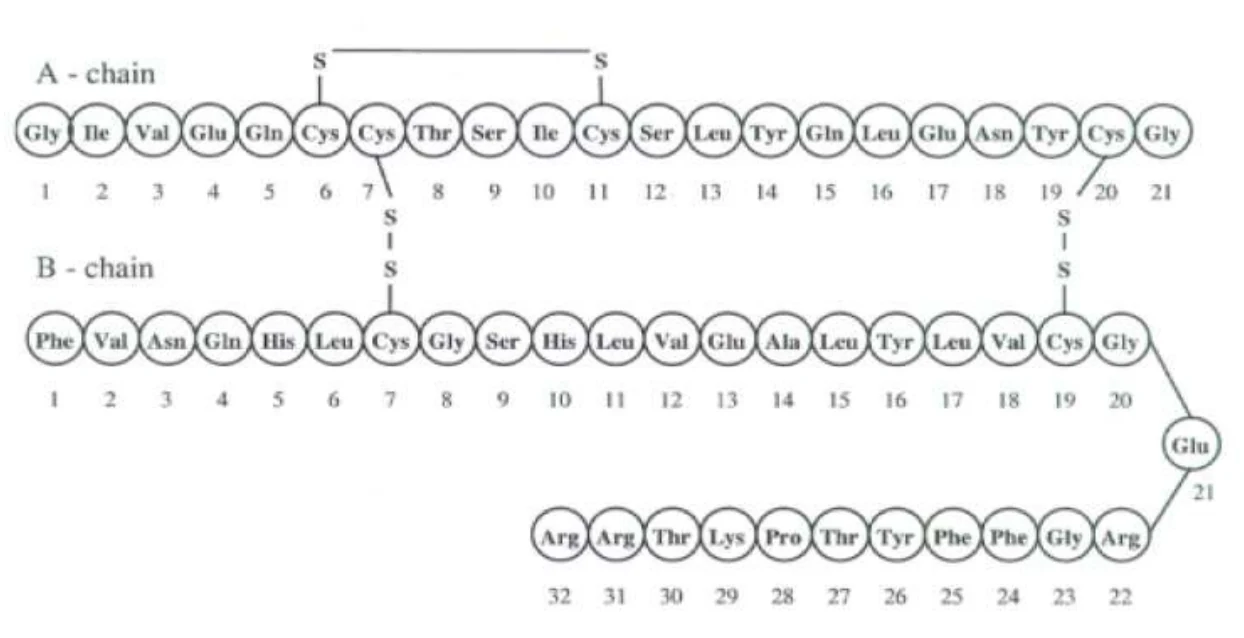
Insulin glargine differs from natural human insulin in that the amino acid asparagine at position 21 of the A-chain is replaced by glycine and two arginines are added to the C-terminus of the B-chain (see 13 PHARMACEUTICAL INFORMATION, Drug Substance).
7 WARNINGS AND PRECAUTIONS
Please see 3 SERIOUS WARNINGS AND PRECAUTIONS BOX.
General
As with all insulin preparations, the time course of Semglee action may vary in different individuals or at different times in the same individual and the rate of absorption is dependent on blood supply, temperature, and physical activity.
Hypokalemia is among the potential clinical adverse effect associated with the use of all insulin therapies, particularly when given intravenously. However, Semglee should not be given intravenously (see 4 DOSAGE AND ADMINISTRATION, Administration). If left untreated, hypokalemia may cause respiratory paralysis, ventricular arrhythmia, and death. This potential clinical adverse effect may be more relevant in patients who are at risk for hypokalemia (e.g., patient using potassium lowering drugs), patients taking medications sensitive to serum potassium concentrations, or patients losing potassium through other means (e.g. diarrhea).
Stress or concomitant illness, especially infectious and febrile conditions may change insulin requirements.
Insulin may cause sodium retention and edema, particularly if previously poor metabolic control is improved by intensified insulin therapy.
Patients with human insulin antibodies may be hypersensitive to other insulins, with a risk of hypoglycemia and/or cross-reactivity.
Thiazolidinediones (TZDs), alone or in combination with other antidiabetic agents (including insulin), can cause heart failure and edema. The combination of TZD with insulin is not indicated for the treatment of Type 2 Diabetes Mellitus. Please refer to the respective TZD product monograph 7 WARNINGS AND PRECAUTIONS information when the use of these drugs in combination with any insulin, including Semglee, is contemplated.
To avoid transmission of disease, cartridge or a prefilled pen shall not be used by more than one person.
Accidental mix-ups between insulin glargine and other insulins, particularly short-acting insulins, have been reported. To avoid medication errors between insulin glargine and other insulins, patients should be instructed to always check the insulin label before each injection (see 8 ADVERSE REACTIONS).
Driving and Operating Machinery
The patient’s ability to concentrate and react may be impaired as a result of hypoglycemia or hyperglycemia or, for example, as a result of visual impairment. This may constitute a risk in situations where these abilities are of special importance (e.g. driving a car or operating machinery).
Patients should be advised to take precautions to avoid hypoglycemia whilst driving. This is particularly important in those who have reduced or absent awareness of the warning symptoms of hypoglycemia or have frequent episodes of hypoglycemia. It should be considered whether it is advisable to drive or operate machinery in these circumstances.
Endocrine and Metabolism
Hypoglycemia:
As with all insulin preparations, hypoglycemic reactions, especially during initiation of therapy, may be associated with the administration of Semglee. Hypoglycemia is the most common adverse effect of insulins (see 8 ADVERSE REACTIONS). Hypoglycemia may occur if the insulin dose is too high in relation to the insulin requirement (see 5 OVERDOSAGE). Early warning symptoms of hypoglycemia may be different, be less pronounced or absent under certain conditions, as for example, in patients whose glycemic control is markedly improved, in elderly patients, in patients where an autonomic neuropathy is present, in patients whose hypoglycemia is developing gradually, in patients with a long history of diabetes, in patients with psychiatric illness, or in patients receiving concurrent treatment with certain other drugs such as beta-blockers. Hypoglycemia may occur with other substances including alcohol and psychiatric medications, street drugs, birth control pills, injections and patches (see 9 DRUG INTERACTIONS: Drug-Drug Interactions).
Such situations may result in severe hypoglycemia (and possibly, loss of consciousness) prior to patients’ awareness of hypoglycemia.
The time of occurrence of hypoglycemia depends on the action profile of the insulins used and may, therefore, change when the treatment regimen or timing of administration is changed.
As with all insulins, prolonged or severe hypoglycemic attacks, especially if recurrent, may lead to neurological damage, loss of consciousness, coma or death (see 8 ADVERSE REACTIONS). Severe hypoglycemia has been observed in clinical trials with insulin, including clinical trials with insulin glargine
As with all insulins, additional caution (including intensified blood glucose monitoring) should be exercised in patient populations who are at greater risk for clinically significant sequelae from hypoglycemic episodes.
In a clinical study, symptoms of hypoglycemia or counter regulatory hormone responses were similar after intravenous insulin glargine and regular human insulin both in healthy subjects and adult patients with type 1 diabetes.
Hypoglycemic reactions following treatment with insulin products such as Insulin Glargine Injection (rDNA Origin) are mostly mild. Changes in insulin therapy or changes in lifestyle (i.e. diet, omission of a meal, exercise/ physical activity) may require a change in dosage to avoid hypoglycemia. Glucose monitoring is recommended for all patients with diabetes.
Diabetic patients should be instructed to carry a few lumps of sugar, candies or biscuits to prevent the progression of a hypoglycemic reaction, should one occur (see PATIENT MEDICATION INFORMATION).
Hyperglycemia:
The use of too low insulin dosages or discontinuation of treatment, especially in Type 1 diabetes, may lead to hyperglycemia and diabetic ketoacidosis. Uncorrected hyperglycemic reactions can cause loss of consciousness, coma, or death.
Immune
Injection Site and Local Allergic Reactions:
Injection site reactions with insulin therapy include redness, pain, itching at the injection site, hives, swelling, and inflammation. Continuous rotation of the injection site within a given area may help to reduce or prevent these reactions.
Most minor reactions to insulins usually resolve in a few days to a few weeks. They may occur if the injection is not properly made (irritants in the skin cleansing agent or poor injection technique), or if the patient is allergic to the insulin or any excipients.
Reports of injection site pain were more frequent with Insulin Glargine Injection (rDNA Origin) than NPH human insulin (2.7% insulin glargine versus 0.7% human NPH). The reports of pain at the injection site were usually mild and did not result in discontinuation of therapy. Other possibly related treatment-emergent injection site reactions occurred at similar incidences with both insulin glargine and NPH human insulin.
Lipodystrophy and Cutaneous Amyloidosis
Subcutaneous administration of insulin products can result in lipoatrophy (depression in the skin) or lipohypertrophy (enlargement or thickening of tissue) or localized cutaneous amyloidosis (skin lumps). Patients must be instructed to perform continuous rotation of the injection site to reduce the risk of developing lipodystrophy and localized cutaneous amyloidosis. Patients should be advised to consult their health professional if they notice any of these conditions and before changing the injection site. There is a potential risk of delayed insulin absorption and worsened glycemic control following insulin injections at sites with these reactions. A sudden change in the injection site to an unaffected area has been reported to result in hypoglycemia. Blood glucose monitoring is recommended after the change in the injection site, and dose adjustment of antidiabetic medications may be considered. (see 8 ADVERSE REACTIONS)
Systemic allergic reactions:
Immediate-type allergic reactions are rare. Such reactions to insulin (including insulin glargine) or the excipients may, for example, be associated with generalized skin reactions, angioedema, bronchospasm, hypotension, anaphylactic reaction or shock and may be life threatening (see 2 CONTRAINDICATIONS and 8 ADVERSE REACTIONS).
Antibody Production:
Insulin administration may cause insulin antibodies to form. In clinical studies, antibodies that cross-react with human insulin and insulin glargine were observed in both NPH human insulin and insulin glargine treatment groups with similar percents of increased and decreased titers. There was no correlation in either treatment group between increases or decreases in these antibody titers and changes in either A1C or total insulin requirements. In theory, the presence of such insulin antibodies may necessitate adjustment of the insulin dose in order to correct a tendency to hyperglycemia or hypoglycemia, but has not been found on review of Insulin Glargine Injection (rDNA Origin) clinical trials and available post-marketing data.
Intercurrent conditions:
Insulin requirements may be altered during intercurrent conditions such as infection or illness, emotional disturbances, or stress.
Renal / Hepatic / Biliary / Pancreatic impairment
Although studies have not been performed in patients with diabetes and hepatic or renal impairment, Semglee requirements may be diminished due to reduced capacity for gluconeogenesis and reduced insulin metabolism (see 10 CLINICAL PHARMACOLOGY, Special Populations and Conditions). Careful glucose monitoring and dose adjustments of insulin or insulin analogues including Semglee may be necessary in patients with hepatic or renal dysfunction.
Ophthalmologic
Retinopathy
A marked change in glycemic control may cause temporary visual impairment, due to temporary alteration in the turgidity and refractive index of the lens.
Long-term improved glycemic control decreases the risk of progression of diabetic retinopathy. However, as for all insulin regimens, intensification of insulin therapy with abrupt improvement in glycemic control may be associated with temporary worsening of diabetic retinopathy.
In patients with proliferative retinopathy, particularly if not treated with photocoagulation, severe hypoglycemic episodes may result in transient amaurosis (see 8 ADVERSE REACTIONS, Eye disorders).
Transferring Patients from Other Insulins
Any change of insulin should be made cautiously and only under medical supervision. Changes in insulin strength, timing of administration, manufacturer, type (e.g., regular, NPH, or insulin analogs), species (animal, human), or method of manufacture (recombinant DNA versus animal-source insulin) may result in the need for a change in dosage. Concomitant oral antidiabetic treatment may need to be adjusted. As with all insulins, when transferring to Semglee, the early warning symptoms of hypoglycemia may be changed, be less pronounced, or absent. The prolonged effect of subcutaneous Semglee may delay recovery from hypoglycemia (see 4 DOSAGE AND ADMINISTRATION).
7.1 Special Populations
7.1.1 Pregnant Women
Teratogenic effects
For insulin glargine no clinical data on exposed pregnancies from controlled clinical studies are available. Post Marketing data on pregnant women (more than 1000 pregnancy outcomes) indicate no reports of specific adverse effects of insulin glargine on maternal and fetal/neonatal outcomes.
Animal data do not indicate reproductive toxicity (see 16 NON-CLINICAL TOXICOLOGY, Reproductive and Developmental Toxicology).
It is essential for patients with diabetes or a history of gestational diabetes to maintain good metabolic control throughout pregnancy to prevent adverse outcomes associated with hyperglycemia.
Insulin requirements may decrease during the first trimester and generally increase during the second and third trimesters. Immediately after delivery, insulin requirements decline rapidly (increased risk of hypoglycemia). Careful monitoring of glucose control is essential.
Patients with diabetes should be advised to inform their doctor if they are pregnant or are contemplating pregnancy.
7.1.2 Breast-feeding
It is unknown whether insulin glargine is excreted in significant amounts in human milk. Many drugs, including human insulin, are excreted in human milk. There are no adequate and well-controlled studies in nursing women. For this reason, caution should be exercised when Semglee is administered to a nursing woman. Lactating women may require adjustments in insulin dose and diet.
7.1.3 Pediatrics (> 6 years of age)
Safety and effectiveness of Insulin Glargine Injection (rDNA Origin) has been established in children over 6 years of age with Type 1 diabetes mellitus (see 10 CLINICAL PHARMACOLOGY, Special Populations and Conditions, and 1 INDICATIONS).
7.1.4 Geriatrics (> 65 years of age)
In controlled clinical studies comparing insulin glargine to NPH human insulin, 593 of 3890 patients with type 1 and type 2 diabetes were 65 years and older. The only difference in safety or effectiveness in this subpopulation compared to the entire study population was an expected higher incidence of cardiovascular events in both insulin glargine and NPH human insulin treated patients.
In elderly patients with diabetes, the initial dosing, dose increments, and maintenance dosage should be conservative to avoid hypoglycemic reactions.
Hypoglycemia may be difficult to recognize in the elderly (see 7 WARNINGS AND PRECAUTIONS, Endocrine and Metabolism, Hypoglycemia). In the elderly, progressive deterioration of renal function may lead to steady decrease in insulin requirements. Careful glucose monitoring and dose adjustments of insulin or insulin analogues including Semglee may be necessary (see 7 WARNINGS AND PRECAUTIONS, Renal / Hepatic / Biliary / Pancreatic impairment).
Other:
The presence of diseases such as Acromegaly, Cushing's Syndrome, Hyperthyroidism, and Pheochromocytoma can complicate the control of Diabetes Mellitus.
8 ADVERSE REACTIONS
The adverse drug reaction profiles reported in clinical studies that compared Semglee to the reference biologic drug were comparable. The description of adverse reactions in this section is based on clinical experience with the reference biologic drug.
8.1 Adverse Reaction Overview
Type 1 and type 2 diabetes in adults:
The adverse events most associated with the reference product Lantus® [Insulin Glargine Injection (rDNA Origin)] include the following:
Eye disorders
Retinopathy was evaluated in the clinical studies by means of retinal adverse events reported and fundus photography. The numbers of retinal adverse events reported for Insulin Glargine Injection (rDNA Origin) and human NPH treatment groups were similar for patients with type 1 and type 2 diabetes.
Effects of Insulin Glargine Injection (rDNA Origin) on diabetic retinopathy were evaluated in a large 5-year NPH-controlled study in patients with type 2 diabetes in which progression of retinopathy was investigated by fundus photography using a grading protocol derived from the Early Treatment Diabetic Retinopathy Study (ETDRS). The primary outcome in this study was progression by 3 or more steps on the ETDRS scale at study endpoint. The results of this analysis are shown in the table below for the per-protocol (primary analysis) population and indicate non-inferiority of Insulin Glargine Injection (rDNA Origin) to NPH in the progression of diabetic retinopathy as assessed by this outcome. The per-protocol population, which comprised 72.0% of randomized patients, were patients treated with study drug for at least 4 years and had fundus photographs at baseline and after at least 4.5 years post-baseline. The results in the Intent to Treat (ITT) population are similar to the results in the per-protocol population.
Table 2 - Number (%) of subjects with 3-step or greater progression in ETDRS at endpoint – per-protocol population
Insulin Glargine Injection (rDNA Origin) (N=374) | NPH (N=363) | |
|---|---|---|
| Subjects with 3-step or greater progression (progression rate) | 53/374 (14.2%) | 57/363 (15.7%) |
| Difference in progression rate (SE) versus NPH | -1.98% (2.57%) | |
| 95% CI versus NPH | (-7.02% to 3.06%) |
Note: % Calculated using number of PP subjects with non-missing data as denominator. ETDRS = early treatment diabetic retinopathy scale. Adjusted for baseline A1C stratum. Margin of non-inferiority = 10%.
Figure 1 - Plot of 3-step or greater progression rate over time - PP population
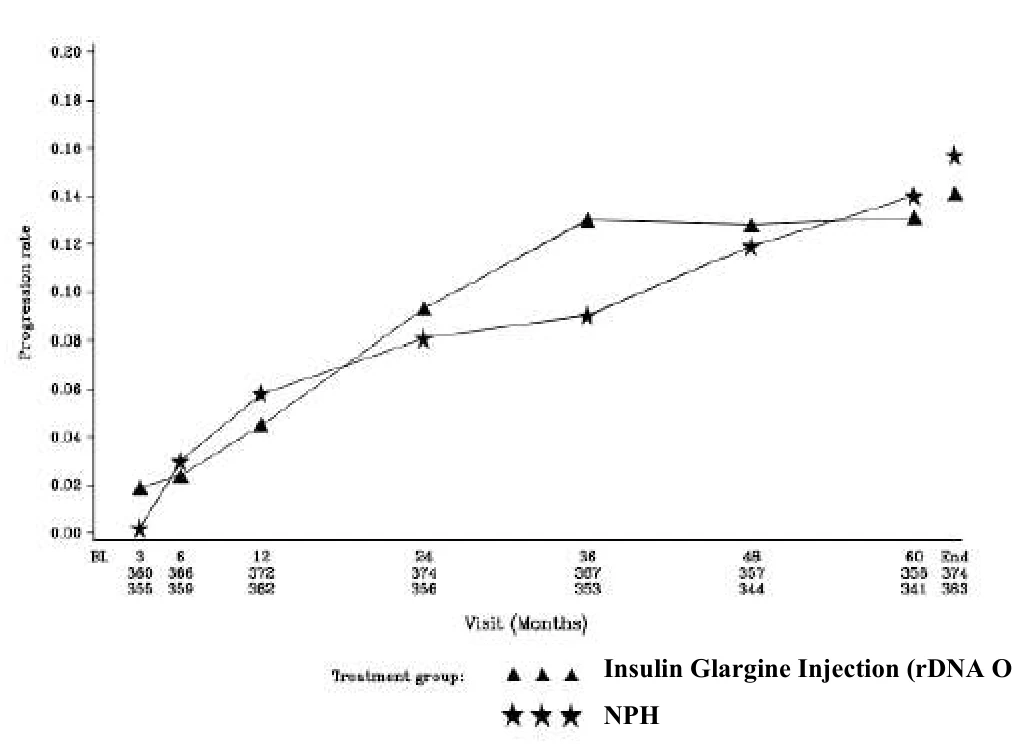
Two pre-specified secondary outcomes were the development of “clinically significant macular edema” (CSME) and “proliferative diabetic retinopathy” (PDR), both based on fundus photograph assessment. CSME developed in 15.6% of the Insulin Glargine Injection (rDNA Origin) group and 14.6% of the NPH group and PDR developed in 5.4% of the Insulin Glargine Injection (rDNA Origin) group and 3.9% of the NPH group. Cataracts were reported more commonly in the Insulin Glargine Injection (rDNA Origin) group, in particular cortical (but not nuclear) cataracts. There was a baseline imbalance in cataracts with a greater incidence in the Insulin Glargine Injection (rDNA Origin) treatment group. Diabetic retinopathy adverse events were reported in 4.9% of Insulin Glargine Injection (rDNA Origin) treated patients vs. 3.8% of NPH treated patients.
Insulin Glargine Injection (rDNA Origin)
NPH
Benign prostatic hyperplasia (BPH) was reported as an Adverse Event by 2.7% of the Insulin Glargine Injection (rDNA Origin) group compared to 0.6% of the NPH group; urinary retention was reported by 1.2% vs. none, respectively. Neoplasms benign or malignant were seen in 11.1% of Insulin Glargine Injection (rDNA Origin) patients, vs. 12.3% of NPH patients.
Immune system disorders
- allergic reaction (see 7 WARNINGS AND PRECAUTIONS).
- injection site reaction
Investigations
- antibodies formation (see 7 WARNINGS AND PRECAUTIONS).
Metabolism and nutrition disorders
Hypoglycemia: Hypoglycemia, a frequent adverse reaction to insulin therapy, may occur if the insulin dose is too high in relation to the insulin requirement.
As with all insulins, prolonged or severe hypoglycemic attacks, especially if recurrent, may lead to neurological damage, loss of consciousness, coma or death (see 7 WARNINGS and PRECAUTIONS).
In the multinational ORIGIN trial conducted in 12,537 participants, the rates of severe hypoglycemia (affected participants per 100 participant years of exposure) were 1.05 for insulin glargine and 0.30 for Standard Care group and the rates of confirmed non severe hypoglycemia were 7.71 for insulin glargine and 2.44 for Standard Care group. Over the course of this study (median follow-up: 6.2 years), 42% of the patients in the insulin glargine group did not experience any hypoglycemia.
Skin and subcutaneous tissue disorders
- Lipodystrophy, pruritus, and rash (see 7 WARNINGS AND PRECAUTIONS).
8.2 Clinical Trial Adverse Reactions
Clinical trials are conducted under very specific conditions. The adverse reaction rates observed in the clinical trials; therefore, may not reflect the rates observed in practice and should not be compared to the rates in the clinical trials of another drug. Adverse reaction information from clinical trials may be useful in identifying and approximating rates of adverse drug reactions in real-world use.
Cardiovascular Safety
Study 4032 (ORIGIN Trial): randomized, 2x2 factorial design study: 12,537 participants. Participants were randomized to receive Insulin Glargine Injection (rDNA Origin) (n=6264), titrated to a Fasting Plasma Glucose (FPG) of 5.3 mmol/L or less, or Standard Care (n=6273). Overall, the incidence of major adverse cardiovascular outcomes was similar between groups. All-cause mortality was also similar between groups (see Table 4).
The objective of the trial was to demonstrate that Insulin Glargine Injection (rDNA Origin) use could significantly lower the risk of major cardiovascular outcomes compared to standard care. Two co-primary composite cardiovascular endpoints were used in ORIGIN. The first co-primary endpoint was the time to first occurrence of a major adverse cardiovascular event defined as the composite of CV death, nonfatal myocardial infarction and nonfatal stroke. The second co-primary endpoint was the time to the first occurrence of CV death or nonfatal myocardial infarction or nonfatal stroke or revascularization procedure or hospitalization for heart failure.
Anthropometric and disease characteristics were balanced at baseline. The mean age was 64 years and 8% of participants were 75 years of age or older. The majority of participants were male (65%). Fifty nine percent were Caucasian, 25% were Latin, 10% were Asian and 3% were Black. The median baseline BMI was 29 kg/m2 and 88% had type 2 diabetes. For patients with type 2 diabetes, 59% were treated with a single oral antidiabetic drug, 23% had known diabetes but were on no antidiabetic drug and 6% were newly diagnosed during the screening procedure. The mean A1C (SD) at baseline was 6.5% (1.0). Fifty nine percent of participants had had a prior cardiovascular event and 39% had documented coronary artery disease or other cardiovascular risk factors.
Vital status was available for 99.9% and 99.8% of participants randomized to Insulin Glargine Injection (rDNA Origin) and standard care respectively at end of trial. The median duration of follow-up was 6.2 years [range: 8 days to 7.9 years]. The mean A1C (SD) at the end of the trial was 6.5% (1.1) and 6.8% (1.2) in the Insulin Glargine Injection (rDNA Origin) and standard care group respectively. The median dose of Insulin Glargine Injection (rDNA Origin) at end of trial was 0.45 U/kg. Eighty-one percent of patients randomized to Insulin Glargine Injection (rDNA Origin) were using Insulin Glargine Injection (rDNA Origin) at end of the study.
Table 4 - ORIGIN: Time to Onset of each Primary and Secondary Endpoint
Insulin Glargine Injection (rDNA Origin) N=6264 | Standard care N=6273 | Insulin Glargine Injection (rDNA Origin) vs Standard care | |||||||||
|---|---|---|---|---|---|---|---|---|---|---|---|
Participants with Events N (%) n | No./100 patient-yr | Participants with Events N (%) n | No./100 patient-yr | Hazard Ratio (95% CI) | |||||||
| Primary endpoints | |||||||||||
| CV death, nonfatal myocardial infarction (MI), or nonfatal stroke | 1041 (16.6) | (2.94) | 1013 (16.1) | (2.85) | 1.02 (0.94, 1.11) | ||||||
| CV death, nonfatal myocardial infarction (MI), or nonfatal stroke, or hospitalization for heart failure or revascularization procedure | 1792 (28.6) | (5.52) | 1727 (27.5) | (5.28) | 1.04 (0.97, 1.11) | ||||||
| Secondary endpoints | |||||||||||
| All-cause mortality | 951 (15.2) | (2.57) | 965 (15.4) | (2.60) | 0.98 (0.90, 1.08) | ||||||
| Composite microvascular outcome* | 1323 (21.1) | (3.87) | 1363 (21.7) | (3.99) | 0.97 (0.90, 1.05) | ||||||
| Components of coprimary endpoint | |||||||||||
| CV death | 580 (9.3) | (1.57) | 576 (9.2) | (1.55) | 1.00 (0.89, 1.13) | ||||||
| MI (fatal or non-fatal) | 336 (5.4) | (0.93) | 326 (5.2) | (0.90) | 1.03 (0.88, 1.19) | ||||||
| Stroke (fatal or non-fatal) | 331 (5.3) | (0.91) | 319 (5.1) | (0.88) | 1.03 (0.89, 1.21) | ||||||
Insulin Glargine Injection (rDNA Origin) N=6264 | Standard care N=6273 | Insulin Glargine Injection (rDNA Origin) vs Standard care | ||||||||
|---|---|---|---|---|---|---|---|---|---|---|
Participants with Events N (%) n | No./100 patient-yr | Participants with Events N (%) n | No./100 patient-yr | Hazard Ratio (95% CI) | ||||||
| Revascularizations | 908 (14.5) | (2.69) | 860 (13.7) | (2.52) | 1.06 (0.96, 1.16) | |||||
| Hospitalization for heart failure | 310 (4.9) | (0.85) | 343 (5.56) | (0.95) | 0.90 (0.77, 1.05) | |||||
*with components of: laser photocoagulation or vitrectomy or blindness for diabetic retinopathy; progression in albuminuria; or doubling of serum creatinine or development of the need for renal replacement therapy
Insulin Glargine Injection (rDNA Origin) did not alter the relative risk for CV disease and CV mortality when compared to standard care. There were no differences between Insulin Glargine Injection (rDNA Origin) and Standard Care groups for the two co-primary outcomes; for any component endpoint comprising these outcomes; for all mortality; or for the composite microvascular outcome.
Malignancies
In the ORIGIN trial, the overall incidence of cancer (all types combined) or death from cancer was similar between treatment groups. The time to first event of any cancer or new cancer during the study was similar between the two treatment groups with respective hazard ratios of 0.99 (95% CI: 0.88, 1.11) and 0.96 (95% CI: 0.85, 1.09).
Body Weight
At the last on-treatment visit (median follow-up: 6.2 years), there was a mean increase in body weight from baseline of 1.4 kg in the Insulin Glargine Injection (rDNA Origin) group and a mean decrease of 0.8 kg in the Standard Care group.
8.2.1 Clinical Trial Adverse Reactions - Pediatrics
Type 1 diabetes in children and adolescents:
Adverse events that occurred in a pediatric controlled trial in at least 1% of patients treated with Insulin Glargine Injection (rDNA Origin) are shown below.
Table 3 - Adverse Events by Body System ≥1% reported in Study 3003. (Percent Incidence)
| Adverse event (diagnosis) | Number (%) of subjects | |||||||
|---|---|---|---|---|---|---|---|---|
| Body System/Coded Term | Insulin Glargine Injection (rDNA Origin) n= 174 | Human NPH n=175 | ||||||
| Body as a whole | ||||||||
| Infection | 24 (13.8) | 31 (17.7) | ||||||
| Accidental injury | 5 (2.9) | 4 (2.3) | ||||||
| Abdominal pain | 2 (1.1) | 2 (1.1) | ||||||
| Adverse event (diagnosis) | Number (%) of subjects | |||||||
|---|---|---|---|---|---|---|---|---|
| Body System/Coded Term | Insulin Glargine Injection (rDNA Origin) n= 174 | Human NPH n=175 | ||||||
| Allergic reaction | 2 (1.1) |
| ||||||
| Flu syndrome |
| 3 (1.7) | ||||||
| Pain in extremity | 2 (1.1) |
| ||||||
| Digestive system | ||||||||
| Gastroenteritis | 8 (4.6) | 10 (5.7) | ||||||
| Diarrhea | 2 (1.1) | 2 (1.1) | ||||||
| Sore throat | 2 (1.1) |
| ||||||
| Endocrine system | ||||||||
| Diabetes mellitus | 1 (0.6) | 4 (2.3) | ||||||
| Injection site reactions | ||||||||
| Injection site mass | 8 (4.6) | 6 (3.4) | ||||||
| Injection site reaction | 5 (2.9) | 6 (3.4) | ||||||
| Injection site hemorrhage | 2 (1.1) | 2 (1.1) | ||||||
| Metabolic and nutritional disorders | ||||||||
| Hypoglycemic reaction* | 3 (1.7) | 7 (4.0) | ||||||
| Hyperglycemia | 1 (0.6) | 3 (1.7) | ||||||
| Ketosis | 1 (0.6) | 5 (2.9) | ||||||
| Lipodystrophy | 3 (1.7) | 2 (1.1) | ||||||
| Musculo-skeletal system | ||||||||
| Bone fracture (not spontaneous) | 3 (1.7) | 3 (1.7) | ||||||
| Bone disorder | 2 (1.1) |
| ||||||
| Nervous system | ||||||||
| Headache | 6 (3.4) | 5 (2.9) | ||||||
| Respiratory system | ||||||||
| Upper respiratory infection | 24 (13.8) | 28 (16.0) | ||||||
| Pharyngitis | 13 (7.5) | 15 (8.6) | ||||||
| Rhinitis | 9 (5.2) | 9 (5.1) | ||||||
| Bronchitis | 6 (3.4) | 7 (4.0) | ||||||
| Sinusitis | 5 (2.9) | 5 (2.9) | ||||||
| Asthma | 1 (0.6) | 2 (1.1) | ||||||
| Cough increased | 3 (1.7) |
| ||||||
| Skin and appendages | ||||||||
| Fungal dermatitis | 1 (0.6) | 2 (1.1) | ||||||
| Skin benign neoplasm | 1 (0.6) | 2 (1.1) | ||||||
| Eczema | 2 (1.1) | 1 (0.6) | ||||||
| Herpes zoster | 2 (1.1) | 1 (0.6) | ||||||
| Urticaria | 2 (1.1) |
| ||||||
*Non-serious hypoglycemia episodes are reported separately.
Study 3003: The most commonly reported event was lipodystrophy, a known consequence of insulin injections. The intensity was mostly mild. Injection site events were assessed as possibly related in 9
(5.2%) Insulin Glargine Injection (rDNA Origin) subjects and 5 (2.9%) human NPH subjects however none of these subjects discontinued due to these events.
Study 3013: extension of Study 3003, uncontrolled long-term follow-up study of 143 patients who were well-controlled on Insulin Glargine Injection (rDNA Origin) from 3003, for 201-1159 days. The most common adverse events were upper respiratory infections, infection, and rhinitis. Note that when comparing safety findings between studies, the difference in length of exposure needs to be kept in mind.
Study 4005: controlled, randomized, double-cross-over: 26 subjects (age range 12 - 20), regimen of Insulin Glargine Injection (rDNA Origin) + lispro vs. human NPH + human regular. Adverse events were equally distributed between the two treatment regimens. The most common adverse events were upper respiratory tract infection and gastroenteritis.
Patients in the pediatric clinical trials of Insulin Glargine Injection (rDNA Origin) were treated with a human NPH-based regimen pre-study, and patients assigned to receive human NPH during the study began study treatment on the same human NPH regimen they had taken pre-study. This may have been a factor in the increased incidence of hypoglycemia seen in Insulin Glargine Injection (rDNA Origin)-treated patients during (but not following) initial titration in these trials, as an increase in hypoglycemia may be expected when switching from one insulin to another and titrating the dose of the new insulin.
8.5 Post-Market Adverse Reactions
Other:
Medication errors have been reported in which other insulins, particularly short-acting insulins, have been accidentally administered instead of Insulin Glargine Injection (rDNA Origin).
9 DRUG INTERACTIONS
9.2 Drug Interactions Overview
A number of substances affect glucose metabolism and may require insulin dose adjustment and particularly close monitoring.
9.3 Drug Behavioural Interactions
Patients should be offered continued education and advice on insulin therapies, life-style management, self-monitoring, complications of insulin therapy, timing of dosage, instruction for use of injection devices and storage of insulin.
The need for regular blood glucose self-monitoring should be considered when using Semglee to obtain optimal glycemic control.
Alcohol may intensify or reduce the hypoglycemic effect of insulin.
9.4 Drug-Drug Interactions
Substances that may increase the blood-glucose-lowering effect and susceptibility to hypoglycemia, for example: oral antidiabetic products, ACE inhibitors, disopyramide, fibrates, fluoxetine, MAO inhibitors, pentoxifylline, propoxyphene, salicylates, somatostatin analog (e.g. octreotide), sulfonamide antibiotics.
Substances that may reduce the blood-glucose-lowering effect, for example: corticosteroids, danazol, diazoxide, diuretics, sympathomimetic agents (e.g., epinephrine, salbutamol, terbutaline), glucagon, isoniazid, phenothiazine derivatives, somatropin, thyroid hormones, estrogens, progestogens (e.g., in oral contraceptives), protease inhibitors and atypical antipsychotic medications (e.g., olanzapine and clozapine).
Beta-blockers, clonidine, lithium salts, and alcohol may either potentiate or weaken the blood-glucose-lowering effect of insulin. Pentamidine may cause hypoglycemia, which may sometimes be followed by hyperglycemia. In addition, under the influence of sympatholytic medicinal products such as beta-blockers, clonidine, guanethidine, and reserpine, the signs of hypoglycemia may be reduced or absent.
Other:
To avoid the risk of developing new or worsening heart failure, the use of TZDs in combination therapy with insulin is not indicated (see WARNINGS AND PRECAUTIONS).
9.5 Drug-Food Interactions
Interactions with food have not been established.
9.6 Drug-Herb Interactions
Interactions with herbal products have not been established.
9.7 Drug-Laboratory Test Interactions
Interactions with laboratory tests have not been established.
10 CLINICAL PHARMACOLOGY
10.1 Mechanism of Action
The primary activity of insulin, including insulin glargine, is regulation of glucose metabolism. Insulin and its analogues lower blood glucose levels by stimulating peripheral glucose uptake, especially by skeletal muscle and fat, and by inhibiting hepatic glucose production. Insulin inhibits lipolysis in the adipocyte, inhibits proteolysis, and enhances protein synthesis.
10.2 Pharmacodynamics
Insulin glargine is a human insulin analogue designed to have low solubility at neutral pH. At pH 4, as in the Insulin Glargine Injection (rDNA Origin) Solution, it is completely soluble. After injection into the subcutaneous tissue, the acidic solution is neutralized, leading to formation of microprecipitates from which small amounts of insulin glargine are slowly released, resulting in a relatively constant concentration/time profile over 24 hours with no pronounced peak. This allows once-daily dosing to meet a patient’s basal insulin needs.
Insulin glargine and human insulin have been shown to be equipotent in glucose-lowering effect on a molar basis (when administered intravenously at the same doses). In euglycemic clamp studies in healthy subjects or in patients with type 1 diabetes, the onset of action of subcutaneous insulin glargine was slower than NPH human insulin. The effect profile of insulin glargine was relatively constant with no pronounced peak, and the duration of its effect was prolonged compared to NPH human insulin.
Figure 2 shows results from a study in patients with type 1 diabetes conducted for a maximum of 24 hours after the injection. The median time between injection and the end of pharmacological effect was
14.5 hours (range: 9.5 to 19.3 hours) for NPH human insulin, and 24 hours (range: 10.8 to >24.0 hours) (24 hours was the end of the observation period) for insulin glargine.
Figure 2 – Activity Profile in Patients with Type 1 Diabetes
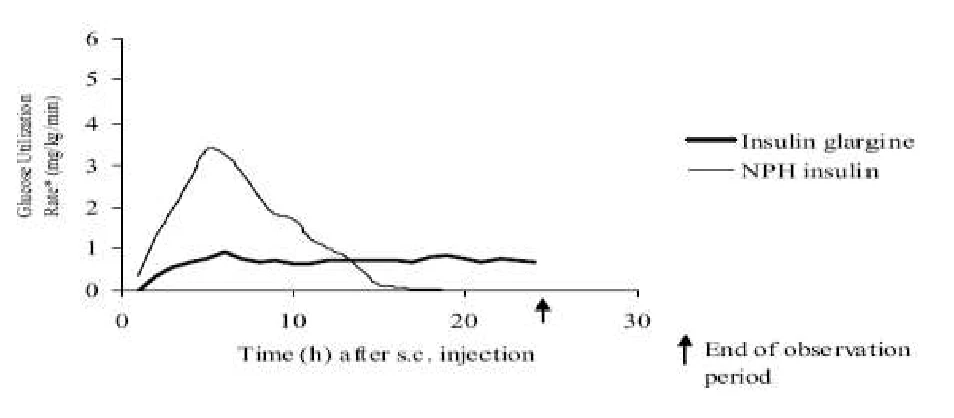
*Determined as amount of glucose infused to maintain constant plasma glucose levels (hourly mean values). Indicative of insulin activity. Between-patient variability (CV, coefficient of variation), insulin glargine, 84% and human NPH, 78%
10.3 Pharmacokinetics
Absorption
After subcutaneous injection of insulin glargine (rDNA Origin) in healthy subjects, and patients with diabetes, the insulin serum concentrations indicated a slower, more prolonged absorption and a relatively constant concentration/time profile over 24 hours with no pronounced peak in comparison to NPH human insulin. Serum insulin concentrations were thus consistent with the time profile of the pharmacodynamic activity of insulin glargine.
After subcutaneous injection of 0.3 U/kg insulin glargine in patients with type 1 diabetes, a relatively constant concentration-time profile has been demonstrated. The duration of action after abdominal, thigh, or deltoid subcutaneous administration was similar.
Metabolism
After subcutaneous injection of Insulin Glargine Injection (rDNA Origin) in healthy subjects and diabetic patients, insulin glargine is rapidly metabolized at the carboxyl terminus of the Beta chain with formation of two active metabolites M1 (21A-Gly-insulin) and M2 (21A-Gly-des-30B-Thr-insulin). In plasma, the principal circulating compound is the metabolite M1. The exposure to M1 increases with the administered dose of Insulin Glargine Injection (rDNA Origin). The pharmacokinetic and pharmacodynamic findings indicate that the effect of the subcutaneous injection with Insulin Glargine Injection (rDNA Origin) is principally based on exposure to M1. Insulin glargine and the metabolite M2 were not detectable in the vast majority of subjects and, when they were detectable their concentration was independent of the administered dose of Insulin Glargine Injection (rDNA Origin).
Duration of Effect
The longer duration of action (up to 24 hours) of Insulin Glargine Injection (rDNA Origin) is directly related to its slower rate of absorption and supports once-daily subcutaneous administration. The time course of action of insulins including Semglee may vary between individuals and/or within the same individual. The doses and timing of antidiabetic medications must be determined and adjusted individually, to achieve the desired blood glucose levels.
Special Populations and Conditions
- Age, Race, and Gender: Information on the effect of age, race, and gender on the pharmacokinetics of Insulin Glargine Injection (rDNA Origin) is unavailable. However, in controlled clinical trials in adults (n=3890, Studies 3001, 3002, 3004, 3005, and 3006), and a controlled clinical trial in pediatric patients (n=349, Study 3003) subgroup analyses based on age, race (white, black, Asian /oriental, multiracial and Hispanic) and gender did not show differences in safety and efficacy between insulin glargine and NPH human insulin.
- Pregnancy and Breast-feeding: The effect of pregnancy on the pharmacokinetics and pharmacodynamics of Insulin Glargine Injection (rDNA Origin) has not been studied (see 7 WARNINGS AND PRECAUTIONS, Special Populations).
- Hepatic Insufficiency: No studies were performed in patients with hepatic insufficiency. However, some studies with human insulin have shown increased circulating levels of insulin in patients with liver failure. Careful glucose monitoring and dose adjustments of insulin or insulin analogues including Semglee may be necessary in patients with hepatic dysfunction (see 7 WARNINGS AND PRECAUTIONS, Hepatic / Biliary / Pancreatic /Renal).
- Renal Insufficiency: No studies were performed in patients with renal insufficiency. However, some studies with human insulin have shown increased circulating levels of insulin in patients with renal failure. Careful glucose monitoring and dose adjustments of insulin or insulin analogues including Semglee may be necessary in patients with renal dysfunction (see 7 WARNINGS AND PRECAUTIONS, Hepatic / Biliary / Pancreatic / Renal).
- Obesity: In controlled clinical trials, which included patients with Body Mass Index (BMI) up to and including 49.6 kg/m2, subgroup analyses based on BMI did not show any differences in safety and efficacy between insulin glargine and NPH human insulin.
- Smoking: Information on the effect of smoking on the pharmacokinetics of Semglee is unavailable.
11 STORAGE, STABILITY AND DISPOSAL
Before first using the pen, store the cartons containing the pen in the refrigerator (2°C to 8°C).
Do not freeze the pen.
After you take a pen out of the refrigerator, rest it on a flat surface and wait for it to reach room temperature between 15°C to 30°C before you use it.
After first use of the pen, store it at room temperature (15°C to 30°C). Do not put the pen back in the refrigerator after using it.
Always store the pen with the cap on, to prevent contamination.
The pen that you are using should be thrown away after 28 days of first use, even if it still has insulin left.
Do not leave the needle attached to the pen during storage or reuse needles.
Always use a new sterile needle for each injection as this helps stop blocked needles and prevents infections.
Keep out of reach and sight of children.
12 SPECIAL HANDLING INSTRUCTIONS
Information to be provided to the Patient
Semglee must only be used if the solution is clear and colourless with no particles visible (see DOSAGE and ADMINISTRATION: Administration). Semglee is a clear solution, not a suspension. Long-acting insulins are known to be confused with other insulin types such as short-acting insulins. The insulin label must always be checked before each injection to avoid medication errors between Semglee and other insulins. It is not necessary to shake or rotate the pre-filled disposable pens before use. Patients must be advised that Semglee must not be mixed with any other insulin or diluted with any other solution (see 7 WARNINGS AND PRECAUTIONS).
Patients should be instructed on self-management procedures including glucose monitoring, proper injection technique, and hypoglycemia and hyperglycemia management. Patients must be instructed on handling of special situations such as intercurrent conditions (illness, stress, or emotional disturbances), an inadequate or skipped insulin dose, inadvertent administration of an increased insulin dose, inadequate food intake or skipped meals. The extent of patient participation in his/her diabetes management is variable and is generally determined by the physician.
Insulin treatment requires constant alertness to the possibility of hyper- and hypoglycemia. Patients and their relatives must know what steps to take if hyperglycemia or hypoglycemia occurs or is suspected, and they must know when to inform a physician.
Patients with diabetes should be advised to inform their doctor if they are pregnant or are contemplating pregnancy.
See also PATIENT MEDICATION INFORMATION for Semglee for additional information. Refer patients to “How to take Semglee” for additional information on use of the pens.
PART II: SCIENTIFIC INFORMATION
13 PHARMACEUTICAL INFORMATION
Drug Substance
Proper name: insulin glargine (rDNA origin)
Chemical name: 21A-Glycine-30Ba-L-arginine 30Bb-L-arginine-insulin (human)
Molecular formula and molecular mass: C267H404N72O78S6 and 6063 Daltons
Structural formula:
Physicochemical properties, solubility:
| Physical Form | Insulin glargine drug substance is a white or almost white, hygroscopic powder. |
|---|---|
| Solubility | Insulin glargine is practically insoluble in water and in anhydrous ethanol. It is soluble in dilute mineral acid solution: 3 to 7 µg/mL at pH 7, at least 10 mg/mL at pH 5, and greater than 100 mg/mL at pH 2. |
| Isoelectric Point | Isoelectric point of insulin glargine is close to 7.0. |
14 CLINICAL TRIALS
14.1 Trial Design and Study Demographics
Clinical studies conducted to support similarity between Semglee and the reference biologic drug included:
Study MYL-1501D-1003
This was a Phase 1 randomized, double-blind, single-dose, three-treatment, six period, six sequence, fully replicated, euglycemic glucose clamp study in healthy subjects. The pharmacokinetic (PK), pharmacodynamic (PD), and safety profile of the long-acting insulin glargine analog MYL-1501D produced using two different manufacturing processes (Process V and Process VI) were compared to the reference long-acting insulin analog, Lantus®-US (insulin glargine injection). The study consisted of eight study visits: a Screening Visit (Visit 1), six Dosing Periods (Visits 2-7) during the Treatment Period, and a Follow-up Visit (Visit 8). There was a 5-14 day Washout Period between each of the Dosing Periods.
Table 5 - Summary of patient demographics for clinical trials
| Study # | Study design | Dosage, route of administration and duration | Study subjects (n) | Mean age (Range) | Sex |
| MYL-1501D-1003 | double-blind, randomized, single-dose, 3- treatments, 6 periods, 6 sequences, fully replicated, euglycemic glucose clamp study | 0.5 U/kg, subcutaneous doses, up to 105 days | Normal healthy volunteers; 95 randomized | 40.1 (± 11.07) | 65 male 30 female |
MYL-1501D-1003 Demographics and Baseline Characteristics
A total of 95 subjects were randomized, and 74 subjects completed the study.
The demographic and baseline characteristics of the subjects were well balanced between the treatment sequences.
The mean (± SD) age for the subjects was 40.1 (± 11.07) years, most subjects were male (n=65, 68.4%). The subjects identified predominantly as White (n=58, 61.1%) and Black or African American (n=26, 27.4%), and Hispanic or Latino (n=34, 35.8%). Mean (± SD) BMI at Screening was 26.23 (± 2.562) kg/m2.
14.2 Study Results
See 14.3 Comparative Bioavailability Studies.
14.3 Comparative Bioavailability Studies
| Primary Pharmacokinetic Parameters of Plasma Insulin Glargine M1 Concentrations and Primary Pharmacodynamic Parameters§ derived from Study MYL-1501D-1003 : | ||||
| Parameter1 | Test2 | Reference3 | % Ratio of Geometric Means | Confidence Interval |
AUC0-24h (hr*ng/mL) | 7.42 (0.222) | 7.48 (0.225) | 99.33% | 95.11%, 103.22%4 |
CMAX (ng/mL) | 0.44 (0.014) | 0.44 (0.014) | 99.99% | 95.30%, 104.33%4 |
| AUCGIR0-24h | 1396.32 (109.817)4 | 1471.04 (103.524) | 94.90% | 85.46%, 105.39%5 |
| GIRMAX | 1.84 (0.120)4 | 1.91 (0.115) | 97.59% | 89.32%, 106.63%5 |
§ Area under the glucose infusion rate curve from 0 to 24 hours (AUCGIR0-24h) and Maximum glucose infusion rate (GIRMAX) were derived from euglycemic clamp technique over a 24-hr duration
1 Geometric LS Mean (SE)
2 MYL-1501D (Process VI) (n=86 for PK and n=85 for PD)
3 Lantus®-US (n=86 for PK and n=85 for PD)
4 90% Confidence Interval
5 95% Confidence Interval with expanded confidence limits due to Highly Variable Drug Product.
14.4 Immunogenicity
As with all therapeutic proteins, there is potential for immunogenicity. The detection of antibody formation is highly dependent on the sensitivity and specificity of the assay. Additionally, the observed incidence of antibody (including neutralizing antibody) positivity in an assay may be influenced by several factors, including assay methodology, sample handling, timing of sample collection, concomitant medications, and underlying disease. For these reasons, comparison of the incidence of antibodies in the studies described below with the incidence of antibodies in other studies or to other insulin glargine products may be misleading.
The immunogenicity reported in clinical studies that compared Semglee to the reference biologic drug were comparable. The description of immunogenicity in this section is based on clinical experience with the reference biologic drug.
Insulin administration may cause insulin antibodies to form. In clinical studies, antibodies that cross-react with human insulin and insulin glargine were observed in both NPH human insulin and insulin glargine treatment groups with similar percentages of increased and decreased titers. There was no correlation in either treatment group between increases or decreases in these antibody titers and changes in either A1C or total insulin requirements. In theory, the presence of such insulin antibodies may necessitate adjustment of the insulin dose in order to correct a tendency to hyperglycemia or hypoglycemia but has not been found on review of Insulin Glargine Injection (rDNA Origin) clinical trials and available post-marketing data.
14.5 Clinical Trials - Reference Biologic Drug
The safety and efficacy of once-daily insulin glargine at bedtime was compared to that of once-daily and twice-daily NPH human insulin in open-label, randomized, active-control, parallel studies of 2327 adult patients and 518 pediatric patients with type 1 diabetes mellitus and 1563 adult patients with type 2 diabetes mellitus.
In general, insulin glargine maintained the level of glycemic control as measured by glycohemoglobin and fasting glucose.
Type 1 diabetes in adults (see Table 7). In two large, randomized, controlled Phase III studies (Studies 3001 and 3004), patients with type 1 diabetes (n=1119) were randomized to basal-bolus treatment with Insulin Glargine Injection (rDNA Origin) (insulin glargine) once daily or with NPH human insulin once or twice daily and treated for 28 weeks. Regular human insulin was administered before each meal. Insulin Glargine Injection (rDNA Origin) was administered at bedtime. NPH human insulin was administered once daily at bedtime or in the morning and at bedtime when used twice daily. In these studies, Insulin Glargine Injection (rDNA Origin) and human NPH had a similar effect on glycohemoglobin with a similar overall rate of hypoglycemia.
In another large, randomized, controlled Phase III study, patients with type 1 diabetes (Study 3005, n=619) were treated for 16 weeks with a basal-bolus insulin regimen where insulin lispro was used before each meal. Insulin Glargine Injection (rDNA Origin) was administered once daily at bedtime and NPH human insulin was administered once or twice daily. In this study, Insulin Glargine Injection (rDNA Origin) and NPH human insulin had a similar effect on glycohemoglobin with a similar overall rate of hypoglycemia.
Type 2 diabetes in adults (see Table 7). In one large, randomized, controlled Phase III study (Study 3002, n=570), Insulin Glargine Injection (rDNA Origin) was evaluated for 52 weeks as part of a regimen of combination therapy with insulin and oral antidiabetic agents (93.9% sulfonylureas, 51.1% biguanides,
12.3% acarbose, or 2.8% other, percentages add up to greater than 100% due to combination therapy). Insulin Glargine Injection (rDNA Origin) administered once daily at bedtime was as effective as NPH human insulin administered once daily at bedtime in reducing glycohemoglobin and fasting glucose. There was a low rate of hypoglycemia that was similar in Insulin Glargine Injection (rDNA Origin) and NPH human insulin treated patients.
In another large, randomized, controlled Phase III study in patients with type 2 diabetes not using oral antidiabetic agents (Study 3006, n=518), a basal-bolus regimen of Insulin Glargine Injection (rDNA Origin) once daily at bedtime or NPH human insulin administered once or twice daily was evaluated for 28 weeks. Regular human insulin was used before meals as needed.
Insulin Glargine Injection (rDNA Origin) had similar effectiveness as either once- or twice-daily NPH human insulin in reducing glycohemoglobin and fasting glucose with a similar incidence of hypoglycemia.
Type 2 Diabetes - Adults (see Table 6). In a randomized, open-label, parallel, 24-week clinical study in adult patients with type 2 diabetes (Study 4002, n=756) with an A1C>7.5% (mean 8.6%) on one or two oral antidiabetes agents (88.5% sulfonylureas, 82.8% biguanides, or 9.0% TZDs, percentages add up to greater than 100% due to combination therapy), Insulin Glargine Injection (rDNA Origin) or NPH human insulin, once daily at bedtime, was added to their prior regimen. In order to reach the target fasting plasma glucose ≤5.5 mmol/L, the dose of Insulin Glargine Injection (rDNA Origin) and NPH human insulin was adjusted according to the structured dose-titration regimen as described in Table 6.
Table 6 – Dose titration schedule
| Period | Dose or dose adjustment | |
|---|---|---|
| Start of treatment | 10 U/day | |
| Then adjustment every 7 days based on FPG (Fasting Plasma Glucose) as follows: | ||
| Mean FPG ≥10 mmol/L for the last 2 consecutive days and no episodes of severe hypoglycemia or no PG <4.0 mmol/L | Increase daily dose by 8 U | |
| Mean FPG ≥7.8 mmol/L and <10 mmol/L for the last 2 consecutive days and no episodes of severe hypoglycemia or no PG <4.0 mmol/L | Increase daily dose by 6 U | |
| Mean FPG ≥6.7 mmol/L and <7.8 mmol/L for the last 2 consecutive days and no episodes of severe hypoglycemia or no PG <4.0 mmol/L | Increase daily dose by 4 U | |
| Mean FPG >5.5 mmol/L and <6.7 mmol/L for the last 2 consecutive days and no episodes of severe hypoglycemia or no PG <4.0 mmol/L | Increase daily dose by 2 U | |
| Then maintain target FPG ≤5.5 mmol/L | ||
PG = Plasma Glucose
Using this dose-titration schedule, A1C was reduced to a mean of 6.96% for Insulin Glargine Injection (rDNA Origin) and 6.97% for NPH human insulin. More than half of the subjects in each group achieved an A1C value of ≤7.0% Insulin Glargine Injection (rDNA Origin), 58.0%; NPH human insulin, 57.3%; mean dose at study endpoint was 47.2 U for Insulin Glargine Injection (rDNA Origin) and 41.8 IU for NPH human insulin). In the Insulin Glargine Injection (rDNA Origin)-treated group, 33.2% of the patients reached the primary efficacy endpoint (A1C value of ≤ 7.0% in the absence of plasma glucose-confirmed nocturnal hypoglycemia ≤ 4.0 mmol/L, compared to 26.7% in the NPH human insulin-treated group (p=0.0486).
In this study, fewer patients with type 2 diabetes treated with Insulin Glargine Injection (rDNA Origin) experienced nocturnal hypoglycemia compared with patients treated with NPH human insulin. Other clinical trials in type 2 diabetes showed similar results with less nocturnal hypoglycemia with patients treated with Insulin Glargine Injection (rDNA Origin) compared to patients treated with NPH human insulin.
Type 1 and type 2 diabetes in adults. Table 7 compares regimens of Insulin Glargine Injection (rDNA Origin) once daily to NPH human insulin either once or twice daily in subgroups of patients from Phase III studies based upon prior basal insulin regimens.
Summary of main therapeutic outcomes of the clinical studies
Table 7 - Adult Patients
| Type 1 diabetes mellitus | |||||||
|---|---|---|---|---|---|---|---|
| Diabetes population | Treatment | n a | n b | Endstudy mean (mean change from baseline) | |||
| Glycated hemoglobin (%)c | Fasting blood glucose (mmol/L)c | ||||||
| Previous use of once-daily basal injection regimen | |||||||
| with regular human insulin | Insulin Glargine Injection (rDNA Origin) | 222 | 206 | 7.98 (0.01) | 8.51 (-0.93) | ||
| NPH human insulin | 218 | 205 | 7.95 (-0.05) | 8.16 (-1.21) | |||
| with insulin lispro | Insulin Glargine Injection (rDNA Origin) | 73 | 71 | 7.11 (-0.25) | 8.01 (-1.26) | ||
| NPH human insulin | 69 | 64 | 7.46 (-0.23) | 8.65 (-1.17) | |||
| Previous use of more than once-daily basal injection regimen | |||||||
| with regular human insulin | Insulin Glargine Injection (rDNA Origin) | 334 | 303 | 7.77 (0.06) | 7.83 (-1.31)d | ||
| NPH human insulin (x2) | 345 | 315 | 7.69 (-0.05) | 8.78 (-0.72) | |||
| with insulin lispro | Insulin Glargine Injection (rDNA Origin) | 237 | 224 | 7.66 (-0.03) | 8.0 (-1.42)d | ||
| NPH human insulin (x2) | 240 | 229 | 7.64 (-0.05) | 8.57 (-0.81) | |||
| Type 2 diabetes mellitus | |||||||
| Diabetes population | Treatment | n a | n b | Endstudy mean (mean change from baseline) | |||
|---|---|---|---|---|---|---|---|
| Glycated hemoglobin (%)c | Fasting blood glucose (mmol/L)c | ||||||
| Insulin in combination with oral antidiabetic agents | |||||||
| No previous insulin use | Insulin Glargine Injection (rDNA Origin) | 222 | 218 | 8.07 (-1.00) | 7.22 (-3.14) | ||
| NPH human insulin | 204 | 194 | 7.92 (-1.00) | 7.29 (-3.19) | |||
| Previous insulin use | Insulin Glargine Injection (rDNA Origin) | 67 | 61 | 8.71 (-0.14) | 7.43 (-0.82) | ||
| NPH human insulin | 77 | 68 | 8.75 (-0.05) | 7.72 (-0.79) | |||
| Insulin without oral antidiabetic agents | |||||||
| Previous use of once-daily basal insulin | Insulin Glargine Injection (rDNA Origin) | 52 | 47 | 8.07 (-0.34) | 8.49 (-0.95) | ||
| NPH human insulin | 48 | 46 | 7.92 (-0.45) | 7.94 (-1.13) | |||
| Previous use of more than once-daily basal insulin | Insulin Glargine Injection (rDNA Origin) | 207 | 184 | 8.15 (-0.44) | 7.71 (-1.34) | ||
| NPH human insulin (x2) | 211 | 192 | 7.96 (-0.61) | 8.05 (-1.19) | |||
a Number of patients randomized and treated. b Number of patients randomized, treated, and completed study (without early endpoint) c Intention to treat population d p<0.05; Insulin Glargine Injection (rDNA Origin) compared with NPH human insulin | |||||||
Type 1 diabetes in children and adolescents (see Table 8)
Study 3003: pivotal study: randomized, open-label, parallel study of 349 Type 1 diabetic children aged 6 to 15 years: treated for 28 weeks with Insulin Glargine Injection (rDNA Origin) once daily versus the most commonly used insulin in children, human NPH once or twice daily. Insulin Glargine Injection (rDNA Origin) had a significant reduction in FBG and similar A1C and 24-hour BG profile when compared to human NPH once or twice daily. The results of this study show that the overall level of glycemic control as measured by A1C and incidence of hypoglycemia achieved after initial titration following switching to Insulin Glargine Injection (rDNA Origin) from pre-study human NPH is similar to that achieved by once or twice daily NPH human insulin.
Table 8 - Pediatric Patients (Study 3003)
Type 1 Diabetes Mellitus
| Treatment duration | 28 weeks | ||||||||
|---|---|---|---|---|---|---|---|---|---|
| Treatment in combination with | Regular insulin | ||||||||
| Insulin Glargine Injection (rDNA Origin) | Human NPH | ||||||||
| Number of subjects treated | 174 | 175 | |||||||
| GHb | |||||||||
| Endstudy mean | 8.91 | 9.18 | |||||||
| Adjusted mean change from baseline | +0.28 | +0.27 | |||||||
| Basal insulin dose | |||||||||
| Endstudy mean | 18.2 | 21.1 | |||||||
| Mean change from baseline | -1.3 | +2.4 | |||||||
| Total insulin dose | |||||||||
| Endstudy mean | 45.0 | 46.0 | |||||||
| Mean change from baseline | +1.9 | +3.4 | |||||||
| Fasting blood glucose (mmol/L) | |||||||||
| Endstudy mean | 9.48 | 10.15 | |||||||
| Adjusted mean change from baseline | -1.29 | -0.68 | |||||||
Study 3013: pivotal study: extension of Study 3003: open-labelled, uncontrolled long-term follow-up study of 143 patients who were well-controlled on Insulin Glargine Injection (rDNA Origin) from 3003, for 201-1159 days, 26 subjects did not continue for administrative and unknown reasons. The level of glycemic control established in Study 3003 was maintained in this study, despite an increase of 0.35% in A1C from baseline in Study 3003. This increase can be attributed to many factors; the deterioration of control with time; puberty, which often has a detrimental impact on glycemic control and is associated with increased insulin resistance and increased insulin requirements; although less common in a post-pubescent population, lack of aggressive titration could be another factor, since pediatricians and parents are often afraid of the deleterious effects of hypoglycemia on children.
Study 4005: open-label, controlled, randomized, double-cross-over: 26 subjects (age range 12 - 20), Tanner B2G2 (puberty stages) or greater were on 16 weeks of each regimen of Insulin Glargine Injection (rDNA Origin) + lispro vs. human NPH + human regular. This non-pivotal trial lacked the necessary power to demonstrate significance for the primary outcome.
The higher episodes of all symptomatic hypoglycemia with Insulin Glargine Injection (rDNA Origin) (308 vs. 237) were only observed in the second period and were associated with a lower A1C for Insulin Glargine Injection (rDNA Origin) (8.6% vs. 9.9%).
The combination of Insulin Glargine Injection (rDNA Origin) and lispro was chosen to best approximate a normal physiologic insulin response during the day. Insulin Glargine Injection (rDNA Origin)’s peakless 24-hour duration better resembles true basal pancreatic insulin secretion than NPH human insulin, and lispro insulin has a more rapid appearance and disappearance from the plasma than regular human insulin, resulting in lower prandial glucose excursions and a lower incidence of postprandial hypoglycemia, compared to regular human insulin.
Compared to human NPH, Insulin Glargine Injection (rDNA Origin) had similar 24-hour BG profile and A1C in Study 3003. In the uncontrolled extension study, Study 3013, the level of glycemic control established in Study 3003 was maintained, despite an increase of 0.35% in A1C from baseline in Study 3003.
During initiation of treatment (and consequent dose titration) with any insulin, the risk of hypoglycemia is higher than after the dose has stabilized following titration. In pediatric clinical trials comparing Insulin Glargine Injection (rDNA Origin) to NPH human insulin, all patients were on human NPH-based regimens prior to the study, which were not changed for patients entering treatment in the human NPH arm. Patients beginning treatment with Insulin Glargine Injection (rDNA Origin), however, all required dose titration on the new insulin, which may have been in large measure responsible for the increase in hypoglycemia seen in Insulin Glargine Injection (rDNA Origin)-treated patients during titration. In addition, in some studies (Study 4005) A1C and glucose levels were lower in the Insulin Glargine Injection (rDNA Origin) group than in the human NPH group during the titration phase, which would also tend to foster more episodes of hypoglycemia. Post-initiation in Study 3003, Insulin Glargine Injection (rDNA Origin) treatment was associated with a significantly greater reduction in mean FBG and no significant difference in A1C, 24-hr BG profile, and hypoglycemia incidence compared to NPH human insulin given once or twice daily. Post-initiation in crossover Study 4005, Insulin Glargine Injection (rDNA Origin) treatment was associated with no significant difference in FBG, 24-hr BG profile or hypoglycemia incidence compared to NPH human insulin. During the first treatment phase of Study 4005, A1C decreased in both treatment groups. In the second treatment phase, improvement in A1C was maintained in patients on Insulin Glargine Injection (rDNA Origin) + lispro, while A1C increased in subjects who switched to human NPH + human regular.
Insulin Glargine Injection (rDNA Origin) Flexible Daily Administration
The safety and efficacy of Insulin Glargine Injection (rDNA Origin) administered pre-breakfast, pre-dinner or at bedtime were evaluated in a large, randomized, controlled clinical study (Study 4007). In this study in patients with type 1 diabetes (n=378), who were also treated with insulin lispro at meals, Insulin Glargine Injection (rDNA Origin) administered at different times of the day resulted in equivalent glycemic control to that at bedtime (see Table 9).
The safety and efficacy of Insulin Glargine Injection (rDNA Origin) administered pre-breakfast or at bedtime were also evaluated in a large, randomized, active-controlled clinical study (Study 4001, n=697) in type 2 diabetic patients no longer adequately controlled on oral agent therapy. All patients in this study also received AMARYL® (glimepiride) 3 mg daily. Insulin Glargine Injection (rDNA Origin) given before breakfast was as effective in lowering glycated hemoglobin A1C as Insulin Glargine Injection (rDNA Origin) given at bedtime or NPH human insulin given at bedtime (see Table 9).
Table 9 - Flexible Insulin Glargine Injection (rDNA Origin) Daily Administration in Type 1 and Type 2 Diabetes Mellitus
Diabetes population Treatment duration Treatment in combination with: | Type 1 diabetes mellitus 24 weeks Insulin lispro | Type 2 diabetes mellitus 24 weeks AMARYL® (glimepiride) | ||||||||||||
|---|---|---|---|---|---|---|---|---|---|---|---|---|---|---|
| Insulin Glargine Injection (rDNA Origin) | Insulin Glargine Injection (rDNA Origin) | NPH | ||||||||||||
| Breakfast | Dinner | Bedtime | Breakfast | Dinner | Bedtime | |||||||||
| na | 112 | 124 | 128 | 234 | 226 | 227 | ||||||||
| nb | 104 | 123 | 125 | 226 | 211 | 205 | ||||||||
| Glycated Hemoglobin A1c c | ||||||||||||||
| Baseline mean | 7.56 | 7.53 | 7.61 | 9.13 | 9.07 | 9.09 | ||||||||
| Endstudy mean | 7.39 | 7.42 | 7.57 | 7.87 | 8.12 | 8.27 | ||||||||
| Mean change from baseline | -0.17 | -0.11 | -0.04 | -1.26 | -0.95 | -0.83 | ||||||||
| Basal insulin dose (U) c | ||||||
|---|---|---|---|---|---|---|
| Endstudy mean | 27.3 | 24.6 | 22.8 | 40.4 | 38.5 | 36.8 |
| Mean change from baseline | 5 | 1.8 | 1.5 | |||
| Total insulin dose (U) c | NA | NA | NA | |||
| Endstudy mean | 53.3 | 54.7 | 51.5 | |||
| Mean change from baseline | 1.6 | 3 | 2.3 |
a Number of patients randomized and treated
b Number of patients randomized, treated, and completed study (without early endpoint)
c Intention to treat population
All data collected during study treatment are included in the calculations whenever possible, unless specified for a particular purpose (such as per-protocol population which may exclude patients with very early withdrawal), regardless if patients withdrew or not during the study.
15 MICROBIOLOGY
No microbiological information is required for this drug product.
16 NON-CLINICAL TOXICOLOGY
General toxicology:
The acute toxicity of intravenous (i.v.) and subcutaneous (s.c.) administration of insulin glargine was tested in mice and rats. The LD50 in each species was in the range of greater than or equal to 1000 U/kg.
Single dose acute toxicity studies with insulin glargine alone were performed in mice and rats at s.c. doses up to 27.9 U/kg (1.0 mg/kg) and 50.2 U/kg (1.8 mg/kg), respectively. For all tested doses, there were no toxicological findings of significance aside from expected pharmacodynamic observations (reduction in blood glucose).
In repeated subcutaneous dose toxicity studies of insulin glargine in mice, rats, and dogs only expected pharmacodynamic results were observed.
A 90-day repeat dose toxicity study with insulin glargine alone was performed in rabbits at doses up to 1.25 U/kg/day (s.c.), approximately four times the starting human dose of 10 U/day in a 60-kg person based on body surface area. One female rabbit at the 1.25 U/kg/day dose exhibited low blood glucose and hypoglycemic convulsions on day 32 post dosing. While hypoglycemia was initially correctable with oral glucose on day 32, the rabbit showed similar signs post dose on day 33 and died 4 hours post dose. NOAEL was concluded to be 1.25 U/kg/day (~2.4 times the recommended starting human dose based on surface area). No other deaths occurred in the study. No toxicological findings of concern beyond expected pharmacodynamic effects occurred in the study.
Carcinogenicity: The carcinogenic potential of insulin glargine was evaluated in mice and rats at three different dose levels. These two-year carcinogenicity studies were performed in mice and rats. The results do not suggest a cancer risk to humans.
In mice and rats, standard two-year carcinogenicity studies with insulin glargine were performed at doses up to 0.455 mg/kg, which is for the rat approximately 10 times and for the mouse approximately 5 times the recommended human subcutaneous starting dose of 10 U (0.008 mg/kg/day), based on mg/m2. The findings in female mice were not conclusive due to excessive mortality in all dose groups during the study. No clear explanation was found for the excessive mortalities. A similar effect was seen in the female mice control groups: the saline controls mortality (34%) was comparable to the mortality of high dosed female mice (28%) whereas in the vehicle controls mortality reached 42% which is in the same range as the mortality of low dosed female mice (46%). In contrast, the mortality was the same in the male mice saline and vehicle control groups (both 16%). Therefore, these findings are considered as an accidental one due to biological variability. Histiocytomas were found at injection sites in male rats (statistically significant) and male mice (not statistically significant) in acid vehicle containing groups. These tumors were not found in female animals, in saline control, or insulin comparator groups using a different vehicle. The relevance of these findings to humans is unknown.
Genotoxicity: Insulin glargine was not mutagenic in tests for detection of gene mutations in bacteria and mammalian cells (Ames- and HGPRT-test) and in tests for detection of chromosomal aberrations (cytogenetics in vitro in V79 cells and in vivo in Chinese hamsters)
Reproductive and Developmental Toxicology: In an embryotoxicity study in rats, hypoglycemia, but no maternal toxicity, occurred. Insulin glargine was not embryotoxic and not teratogenic. In an embryotoxicity study in rabbits, maternal (hypoglycemic shock, intrauterine deaths) and embryo-fetal hypoglycemia-induced toxicity, including single anomalies in the middle- and high-dose groups, were observed. Similar effects were observed with NPH human insulin.
In a combined fertility and prenatal and postnatal study in male and female rats administered insulin glargine at subcutaneous doses up to 0.36 mg/kg/day (approximately 7 times the recommended human subcutaneous starting dose of 10 U [0.008 mg/kg/day], based on mg/m2), maternal toxicity due to dose-dependent hypoglycemia, including some deaths, was observed. Consequently, a reduction of the rearing rate occurred in the high-dose group only. Similar effects were observed with NPH human insulin.
Studies in rats with doses up to 40 times the average daily basal human dose (0.5 U/kg) and a study in rabbits at two times the human dose (0.5 U/kg) do not indicate direct harmful effects on the pregnancy during the different stages of pregnancy. The effects of insulin glargine did not generally differ from those observed with regular human insulin; however, in rabbits, five foetuses from 2 litters of the high dose group exhibited dilation of the cerebral ventricles.
Juvenile Toxicity: Juvenile Toxicity studies have not been conducted with insulin glargine.
Local tolerance: Insulin glargine was administered intradermally to guinea pigs as three pairs of injections as 0.1mL of 100 U/mL solution. Following topical application as a booster and challenge, there were no treatment-related clinical signs for either sex in any group.
16.1 Comparative Non-Clinical Pharmacology and Toxicology
16.1.1 Comparative Non-Clinical Pharmacodynamics
Comparative in vitro and in vivo pharmacological studies were performed to compare the primary and secondary pharmacodynamics between Semglee insulin glargine (MYL-1501D) and reference insulin glargine (Lantus®) where the pharmacodynamic and pharmacokinetic properties have already been demonstrated. MYL-1501D was compared against reference insulin glargine sourced from India, the United States, and Europe (Lantus®-IN, Lantus®-US, and Lantus®-EU, respectively).
In vitro Studies
The in vitro pharmacodynamic parameters of MYL-1501D and the reference insulin glargine (Lantus®-US and Lantus®-EU) were compared for binding affinity to Insulin Receptor A (IR-A), Insulin Receptor B (IR-
B) and Insulin Growth Factor 1 Receptor (IGF1R), potency for promoting insulin receptor phosphorylation, and cell based mitogenic and metabolic potency. In terms of comparability, results from all the in vitro studies with MYL-1501D were within the comparability range and demonstrated that MYL-1501D and the reference insulin glargine exhibit similar in vitro pharmacodynamic profiles.
16.1.2 Comparative Toxicology
A comparative 28-day repeat-dose toxicity study was performed in rats to compare the pharmacodynamics and toxicity potential of MYL-1501D (produced by two different processes) with reference insulin glargine (Lantus®-US) at s.c. doses of 0.08, 0.16 or 0.38 mg/kg/day (2.2, 4.4, or 10.45 IU/kg/day). Two deaths were observed in males administered high-dose MYL-1501D, which were attributed to treatment-related hypoglycaemia. Animals developed tremor, lateral recumbency, sternal recumbency, and were cold to the touch prior to death. No other treatment-related toxicological findings were observed. No difference in glucose response or toxicological findings were noted between MYL-1501D and reference insulin glargine.
17 SUPPORTING PRODUCT MONOGRAPHS
- 1. LANTUS® solution, 100 U/mL, submission control 254078, Product Monograph, sanofi-aventis Canada Inc. (DEC, 01, 2021)