


Product Monograph - Soliqua
Recent Major Label Changes
| 7 Warnings and Precautions, Perioperative Considerations | 2025-12 |
|---|
Table of Contents
Certain sections or subsections that are not applicable at the time of the preparation of the most recent authorized product monograph are not listed.
Recent Major Label Changes .................................................................................................... 2
Table of Contents .................................................................................................................... 2
Part 1: Healthcare Professional Information ............................................................................ 5
- 1.
Indications ................................................................................................................... 5
1.1. Pediatrics ............................................................................................................... 5
1.2. Geriatrics ............................................................................................................... 5
- 2. Contraindications ......................................................................................................... 5
- 3. Serious Warnings and Precautions Box ........................................................................ 6
- 4.
Dosage and Administration .......................................................................................... 6
4.1. Dosing Considerations ........................................................................................... 6
4.2. Recommended Dose and Dosage Adjustment ...................................................... 7
4.4. Administration ..................................................................................................... 10
4.5. Missed Dose ........................................................................................................ 10
- 5. Overdose.................................................................................................................... 10
- 6. Dosage Forms, Strengths, Composition, and Packaging .............................................. 11
- 7.
Warnings and Precautions .......................................................................................... 12
General ............................................................................................................................ 12
Carcinogenesis and Genotoxicity .................................................................................... 13
Cardiovascular ................................................................................................................. 13
Driving and Operating Machinery ................................................................................... 13
Endocrine and Metabolism ............................................................................................. 14
Gastrointestinal ............................................................................................................... 15
Hepatic/Biliary/Pancreatic .............................................................................................. 15
Immune ........................................................................................................................... 16
Monitoring and Laboratory Tests .................................................................................... 17
Ophthalmologic ............................................................................................................... 17
Perioperative Considerations .......................................................................................... 17
Renal ............................................................................................................................... 18
Reproductive Health: Female and Male Potential ........................................................... 18
7.1. Special Populations .............................................................................................. 18
7.1.1. Pregnancy ........................................................................................................ 18
7.1.2. Breastfeeding .................................................................................................. 19
7.1.3. Pediatrics ......................................................................................................... 19
7.1.4. Geriatrics ......................................................................................................... 19
- 8.
Adverse Reactions ...................................................................................................... 19
8.1. Adverse Reaction Overview ................................................................................. 19
8.2. Clinical Trial Adverse Reactions ........................................................................... 19
8.3. Less Common Clinical Trial Adverse Reactions .................................................... 23
8.4. Abnormal Laboratory Findings: Hematologic, Clinical Chemistry and Other Quantitative Data ............................................................................................................ 23
8.5. Post-Market Adverse Reactions .......................................................................... 24
- 9.
Drug Interactions ....................................................................................................... 24
9.2. Drug Interactions Overview ................................................................................. 24
9.3. Drug-Behaviour Interactions ............................................................................... 25
9.4. Drug-Drug Interactions ........................................................................................ 25
9.5. Drug-Food Interactions ........................................................................................ 29
9.6. Drug-Herb Interactions ........................................................................................ 29
9.7. Drug-Laboratory Test Interactions ....................................................................... 29
- 10.
Clinical Pharmacology ................................................................................................ 29
10.1. Mechanism of Action ....................................................................................... 29
10.2. Pharmacodynamics ......................................................................................... 29
10.3. Pharmacokinetics ............................................................................................ 31
- 11. Storage, Stability and Disposal ................................................................................... 32
- 12. Special Handling Instructions ..................................................................................... 33
Part 2: Scientific Information ................................................................................................. 34
- 13. Pharmaceutical Information ....................................................................................... 34
- 14.
Clinical Trials .............................................................................................................. 36
14.1. Trial Design and Study Demographics ............................................................. 36
14.2. Study Results ................................................................................................... 39
- 15. Microbiology .............................................................................................................. 44
- 16. Non-Clinical Toxicology .............................................................................................. 44
- 17. Supporting Product Monographs ............................................................................... 47
Patient Medication Information ............................................................................................ 48
INSTRUCTIONS FOR USE ........................................................................................................ 59
Part 1: Healthcare Professional Information
1. Indications
SOLIQUA, a fixed ratio combination of insulin glargine and lixisenatide, once daily injection, is indicated in combination with metformin as an adjunct to diet and exercise to improve glycemic control in adults with type 2 diabetes mellitus inadequately controlled on:
- basal insulin (less than 60 units daily) alone or in combination with metformin
- a glucagon-like peptide-1 receptor agonist (GLP-1RA) in combination with metformin
Use alternative antidiabetic products if patients require basal insulin below 15 units or over 60 units. See 4 Dosage and Administration
Therapy with basal insulin or a GLP-1RA should be discontinued prior to initiation of SOLIQUA, since SOLIQUA contains both basal insulin and a GLP-1RA (lixisenatide).
Limitations of Use
- SOLIQUA has not been studied with short acting insulin.
- SOLIQUA should not be used in patients with type 1 diabetes mellitus or for the treatment of diabetic ketoacidosis.
- SOLIQUA is not recommended for use in combination with any other product containing lixisenatide or another GLP-1RA.
- SOLIQUA has not been studied in patients with a history of pancreatitis. Consider other antidiabetic therapies in patients with a history of pancreatitis. See 7 Warnings and Precautions
SOLIQUA is not recommended for use in patients with gastroparesis.
1.1. Pediatrics
The safety and efficacy of SOLIQUA in pediatric patients (<18 years of age) have not been established. Therefore, Health Canada has not authorized an indication for pediatric use.
1.2. Geriatrics
The therapeutic experience in patients ≥75 years of age is limited. SOLIQUA should be used with caution in patients 65 years and older, since a greater sensitivity of some older individuals cannot be ruled out. See 7.1.4 Geriatrics
The dose should be adjusted on an individual basis, based on glucose monitoring. See 4 Dosage and Administration
2. Contraindications
- SOLIQUA is contraindicated in patients who are hypersensitive to this drug or to any ingredient in the formulation, including any non-medicinal ingredient, or component of the container. For a complete listing, see 6 Dosage Forms, Strengths, Composition, and Packaging.
- Patients with a personal or family history of medullary thyroid carcinoma or in patients with Multiple Endocrine Neoplasia syndrome type 2 (MEN 2). See 7 Warnings and Precautions
- Pregnant or breastfeeding women.
- During episodes of hypoglycemia. See 5 Overdose
3. Serious Warnings and Precautions Box
SOLIQUA contains insulin glargine. The following warnings pertain to the use of insulin.
Hypoglycemia is the most common adverse effect of insulin products, including SOLIQUA. See 7 Warnings and Precautions
As with all insulin products, the timing of hypoglycemia may differ among various insulin formulations. Glucose monitoring is recommended for all patients with diabetes mellitus treated with insulins.
- Uncorrected hypoglycemic or hyperglycemic reactions can cause loss of consciousness, coma, or death.
Any change of insulin should be made cautiously and only under medical supervision.
- SOLIQUA is not intended for intravenous or intramuscular administration. The prolonged duration of activity of insulin glargine is dependent on injection into subcutaneous tissue. Intravenous administration of the usual subcutaneous dose could result in severe hypoglycemia.
- SOLIQUA must not be mixed with any other insulin or diluted with any other solution. If SOLIQUA is diluted or mixed, the solution may become cloudy, and the pharmacokinetic / pharmacodynamic profile (e.g., onset of action, time to peak effect) of SOLIQUA and/or the other mixed product may be altered in an unpredictable manner. See 6 Dosage and Administration, and 12 Special Handling Instructions
SOLIQUA shall not be used if it is not water-clear and colourless or if it has formed a deposit of solid particles on the wall of the cartridge. See 12 Special Handling Instructions
4. Dosage and Administration
4.1. Dosing Considerations
SOLIQUA is titratable and available in a pre-filled SoloSTAR pen:
- 1 unit of SOLIQUA contains 1 unit of insulin glargine and 0.33 mcg lixisenatide
- allows daily doses between 15 and 60 units of SOLIQUA (15 to 60 units insulin glargine/5 to 20 mcg lixisenatide)
The maximum daily dose of SOLIQUA is 60 units of SOLIQUA (60 units insulin glargine and 20 mcg lixisenatide).
SOLIQUA should be administered subcutaneously once a day within 1 hour prior to the first meal. If a dose of SOLIQUA is missed, it should be injected within the hour prior to the next meal. An extra dose should not be taken to make up for the missed dose.
The dose of SOLIQUA must be individualized based on clinical response and gradually titrated based on the patient’s need for insulin. The lixisenatide dose is increased or decreased along with insulin glargine dose.
Patients adjusting the amount or timing of dosing with SOLIQUA should only do so under medical guidance with appropriate glucose monitoring. See 7 Warnings and Precautions
4.2. Recommended Dose and Dosage Adjustment
Initiation of SOLIQUA
Starting dose of SOLIQUA:
Therapy with basal insulin or GLP-1RA should be discontinued prior to initiation of SOLIQUA.
The starting dose of SOLIQUA is selected based on prior basal insulin dose in the previous treatment and in order not to exceed the recommended lixisenatide starting dose of 10 mcg:
- In patients inadequately controlled with GLP-1RA or inadequately controlled on less than 30 units of basal insulin, the recommended starting dosage of SOLIQUA is 15 units (15 units insulin glargine/5 mcg lixisenatide) given subcutaneously once daily.
- In patients inadequately controlled on 30 to 60 units of basal insulin, the recommended starting dosage of SOLIQUA is 30 units (30 units insulin glargine/10 mcg lixisenatide) given subcutaneously once daily.
| Starting dose of SOLIQUA | ||||||
|---|---|---|---|---|---|---|
| Previous treatment | ||||||
| GLP-1RA | Basal insulin <30 units | Basal insulin ≥30 units to <60 units | ||||
| SOLIQUA starting dose | 15 Units (15 Units/5 mcg)* | 30 Units (30 Units/10 mcg)* | ||||
| *Units Insulin Glargine (100 Units/mL) / mcg Lixisenatide | ||||||
Dosage titration of SOLIQUA
After starting with the recommended dosage of SOLIQUA, based upon prior insulin dose, the dosage is titrated upwards or downwards; by two to four units every week, based on self-monitored fasting plasma glucose results, patient’s metabolic needs and until the target fasting plasma glucose is achieved. See 14 Clinical Trials
To minimize the risk of hypoglycemia or hyperglycemia, additional titration may be needed with changes in physical activity, meal patterns (i.e., macronutrient content or timing of food intake), or renal or hepatic function; during acute illness; or when used with other medications. See 7 Warnings and Precautions and 9 Drug Interactions
Close glucose monitoring is recommended during the initiation and in the following weeks.
Use alternative antidiabetic products if patients require SOLIQUA daily dosage:
- below 15 units, or
- over 60 units
| Table 1 - Units of Insulin Glargine and Micrograms of Lixisenatide in Each Dosage of SOLIQUA | |||||||||||||
| Table 1 - Units of Insulin Glargine and Micrograms of Lixisenatide in Each Dosage of SOLIQUA | |||||||||||||
SOLIQUA (dose window display)* | Insulin glargine component dose | Lixisenatide component dose | Comment | ||||||||||
SOLIQUA (dose window display)* | Insulin glargine component dose | Lixisenatide component dose | Comment | ||||||||||
| 2 | --- | --- | Safety test dose – not for injection | ||||||||||
| 15 | 15 units | 5 mcg | Recommended starting dosage for patients previously treated with GLP-1RA or currently on less than 30 units of basal insulin daily | ||||||||||
| 16 | 16 units | 5.3 mcg | |||||||||||
| 17 | 17 units | 5.7 mcg | |||||||||||
| 18 | 18 units | 6 mcg | |||||||||||
| 19 | 19 units | 6.3 mcg | |||||||||||
| 20 | 20 units | 6.7 mcg | |||||||||||
| 21 | 21 units | 7 mcg | |||||||||||
| 22 | 22 units | 7.3 mcg | |||||||||||
| 23 | 23 units | 7.7 mcg | |||||||||||
| 24 | 24 units | 8 mcg | |||||||||||
| 25 | 25 units | 8.3 mcg | |||||||||||
| 26 | 26 units | 8.7 mcg | |||||||||||
| 27 | 27 units | 9 mcg | |||||||||||
| 28 | 28 units | 9.3 mcg | |||||||||||
| 29 | 29 units | 9.7 mcg | |||||||||||
| 30 | 30 units | 10 mcg | Recommended starting dosage for patients previously treated with 30 to 60 units of basal insulin daily | ||||||||||
| 31 | 31 units | 10.3 mcg | |||||||||||
| 32 | 32 units | 10.7 mcg | |||||||||||
| 33 | 33 units | 11 mcg | |||||||||||
| 34 | 34 units | 11.3 mcg | |||||||||||
| 35 | 35 units | 11.7 mcg | |||||||||||
| 36 | 36 units | 12 mcg | |||||||||||
| 37 | 37 units | 12.3 mcg | |||||||||||
| 38 | 38 units | 12.7 mcg | |||||||||||
| 39 | 39 units | 13 mcg | |||||||||||
| 40 | 40 units | 13.3 mcg | |||||||||||
| 41 | 41 units | 13.7 mcg | |||||||||||
| 42 | 42 units | 14 mcg | |||||||||||
| 43 | 43 units | 14.3 mcg | |||||||||||
| 44 | 44 units | 14.7 mcg | |||||||||||
| 45 | 45 units | 15 mcg | |||||||||||
| 46 | 46 units | 15.3 mcg | |||||||||||
| 47 | 47 units | 15.7 mcg | |||||||||||
| 48 | 48 units | 16 mcg | |||||||||||
| 49 | 49 units | 16.3 mcg | |||||||||||
| 50 | 50 units | 16.7 mcg | |||||||||||
| 51 | 51 units | 17 mcg | |||||||||||
| 52 | 52 units | 17.3 mcg | |||||||||||
| 53 | 53 units | 17.7 mcg | |||||||||||
| 54 | 54 units | 18 mcg | |||||||||||
| 55 | 55 units | 18.3 mcg | |||||||||||
| 56 | 56 units | 18.7 mcg | |||||||||||
| 57 | 57 units | 19 mcg | |||||||||||
| 58 | 58 units | 19.3 mcg | |||||||||||
| 59 | 59 units | 19.7 mcg | |||||||||||
| 60 | 60 units | 20 mcg | Maximum daily dosage | ||||||||||
* The dose window on the SOLIQUA 100/33 pen displays numbers for the even units and displays lines for the odd units.
Special Populations
Pediatrics (<18 years of age):
The safety and effectiveness of SOLIQUA in pediatric patients below the age of 18 years have not been established. Health Canada has not authorized an indication for pediatric use.
Geriatrics (≥65 years of age):
The therapeutic experience in patients ≥75 years of age is limited. SOLIQUA should be used with caution in patients 65 years and older. See 7.1.4 Geriatrics
In elderly, progressive deterioration of renal function may lead to a steady decrease in insulin requirements. Hypoglycemia may be difficult to recognize in the elderly. See 7 Warnings and Precautions
Careful glucose monitoring and dose adjustments of SOLIQUA on an individual basis are necessary in elderly patients. The initial dosing with SOLIQUA, dose increments, and maintenance dosage should be conservative to avoid hypoglycemic reactions.
Hepatic impairment:
The effect of hepatic impairment on the pharmacokinetics of SOLIQUA has not been studied.
Lixisenatide is cleared primarily by the kidney; hepatic dysfunction is not expected to affect the pharmacokinetics of lixisenatide. In patients with hepatic impairment, insulin requirements may be diminished due to reduced capacity for gluconeogenesis and reduced insulin metabolism. Frequent glucose monitoring and dose adjustment may be necessary for SOLIQUA in patients with hepatic impairment. See 7 Warnings and Precautions
Renal impairment:
No dosage adjustment is necessary for patients with mild (creatinine clearance: 60-90 mL/min) and moderate (creatinine clearance: 30-60 mL/min) renal impairment.
In patients with renal impairment, insulin requirements may be diminished due to reduced insulin metabolism. Frequent glucose monitoring and dose adjustment may be necessary for SOLIQUA in patients with renal impairment. Close monitoring for lixisenatide related adverse reactions and for changes in renal function is recommended in these patients. Therapeutic experience with lixisenatide in patients with severe renal impairment is very limited, and there is no experience in patients with end stage renal disease or on dialysis. Therefore, use in these patients is not recommended.
4.4. Administration
Patients and caregivers should receive proper training prior to first use of SOLIQUA. See 11 Storage, Stability and Disposal and 12 Special Handling Instructions
Administration is a subcutaneous injection either in the abdomen, deltoid, or thigh. The rate of absorption, and consequently the onset and duration of action, may be affected by exercise and other variables, such as stress, intercurrent illness, or changes in co-administered drugs or meal patterns.
The injection sites should be rotated within the same region (abdomen, thigh, or deltoid) from one injection to the next to reduce the risk of lipodystrophy and localized cutaneous amyloidosis. Do not inject into areas of lipodystrophy or localized cutaneous amyloidosis. See 7 Warnings and Precautions and 8 Adverse Reactions
To avoid dosing errors and potential for overdose, neither the patient nor healthcare professionals should use a syringe to draw the medicinal product from the cartridge in the pre-filled pen into a syringe.
4.5. Missed Dose
If a dose of SOLIQUA is missed, it should be injected within the hour prior to the next meal. Do not administer an extra dose or increase the dose to make up for the missed dose.
5. Overdose
Signs and Symptoms
Limited clinical data are available with regard to overdose of SOLIQUA. Hypoglycemia and gastrointestinal adverse reactions may develop if a patient is dosed with more SOLIQUA than required.
Insulin glargine:
An excess of insulin, relative to food intake, energy expenditure or both, may lead to severe and sometimes prolonged and life-threatening hypoglycemia.
Symptoms of hypoglycemia may occur suddenly. They may include cold sweat, cool pale skin, fatigue, drowsiness, excessive hunger, vision changes, headache, nausea and palpitation. Nocturnal hypoglycemia is common in people taking insulin and symptoms can include restlessness, making unusual noises, attempting to get out of bed or accidentally rolling out of bed, sleepwalking, nightmares and sweating. Patients may wake up with a headache in the morning if their blood sugar was low during the night.
Severe hypoglycemia may lead to unconsciousness and/or convulsions and may be fatal. In some cases, the first sign of hypoglycemia may be confusion or loss of consciousness (hypoglycemia unawareness). Severe hypoglycemia, resulting in seizures, is more likely to occur at nighttime (nocturnal hypoglycemia) than during the day.
Lixisenatide:
During clinical trials, short term exposure of patients to lixisenatide at doses of up to 30 mcg twice a day resulted in an increased incidence of gastrointestinal adverse reactions.
Management
Insulin glargine:
Mild episodes of hypoglycemia can usually be treated with oral carbohydrates. Adjustments in drug dosage, meal patterns, or exercise may be needed. It is therefore recommended that patients with diabetes carry sugar-containing products.
More severe episodes culminating in coma, seizure, or neurologic impairment may be treated with intramuscular/subcutaneous glucagon (1 mg for adult) by a trained person or concentrated intravenous glucose by a medical professional. Sustained carbohydrate intake and observation may be necessary because hypoglycemia may recur after apparent clinical recovery.
Appropriate supportive treatment should be initiated according to the patient’s clinical signs and symptoms and the SOLIQUA dose should be reduced to the prescribed dose.
Lixisenatide:
In case of overdose, appropriate supportive treatment should be initiated according to the patient’s clinical signs and symptoms and should include close monitoring of plasma glucose, hydration status and renal function. If SOLIQUA is to be continued, the SOLIQUA dose should be reduced to the prescribed dose.
For the most recent information in the management of a suspected drug overdose, contact your regional poison control centre or Health Canada’s toll-free number, 1-844 POISON-X (1-844-764-7669).
- 6. Dosage Forms, Strengths, Composition, and Packaging
| Table 2 - Dosage Forms, Strengths, and Composition | |||||
| Route of Administration | Dosage Form / Strength/Composition | Non-medicinal Ingredients | |||
| Subcutaneous | Solution for injection in a prefilled pen:
| Glycerol, methionine, metacresol (2.7 mg/mL), zinc chloride, hydrochloric acid/ sodium hydroxide (for pH adjustment), water for injection. | |||
Dosage form:
SOLIQUA is available as a sterile solution for injection in prefilled SoloSTAR pen:
- Each mL of solution contains 100 units insulin glargine and 33 mcg lixisenatide.
- One pre-filled pen contains 3 mL equivalent to 300 units insulin glargine and 100 mcg lixisenatide.
- One unit of SOLIQUA contains 1 unit of insulin glargine and 0.33 mcg of lixisenatide.
The product is administered by subcutaneous injection.
Composition:
Active ingredient: Insulin glargine and lixisenatide
Excipients: Glycerol, methionine, metacresol (2.7 mg/mL), zinc chloride, hydrochloric acid/sodium hydroxide (for pH adjustment), water for injection.
Packaging: SOLIQUA is supplied in a disposable SoloSTAR pen, olive colored, containing a sterile solution for subcutaneous administration. Each prefilled pen contains 3 mL solution.
Description
SOLIQUA:
SOLIQUA is a fixed ratio combination of insulin glargine and lixisenatide.
Insulin glargine:
Insulin glargine (rDNA origin) is a recombinant human insulin analogue that is a long-acting, parenteral blood-glucose-lowering agent. It is produced by recombinant DNA technology utilizing a non-pathogenic laboratory strain of Escherichia coli (K12 strain) as the production organism.
Insulin glargine differs from natural human insulin in that the amino acid asparagine at position 21 of the A-chain is replaced by glycine and two arginines are added to the C-terminus of the B-chain. See 13 Pharmaceutical Information
Lixisenatide:
Lixisenatide is a human GLP1-RA for the treatment of type 2 diabetes mellitus. The structure of lixisenatide was based on exendin-4 (1-39), which was modified by adding six lysine residues C-terminally. These modifications enable the product to withstand physiological degradation by dipeptidyl peptidase IV.
7. Warnings and Precautions
See 3 Serious Warnings and Precautions Box
General
SOLIQUA must not be administered by intravenous or intramuscular injection. SOLIQUA pens should never be shared between patients, even if the needle is changed. Pen-sharing poses a risk for transmission of blood-borne pathogens.
To avoid medication errors between SOLIQUA and other injectable products, patients should be instructed to always check the pen label before each injection. See 8 Adverse Reactions
Insulin glargine:
As with all insulin preparations, the time course of SOLIQUA action may vary in different individuals or at different times in the same individual and the rate of absorption is dependent on blood supply, temperature, and physical activity.
Hypokalemia is among the potential clinical adverse effect associated with the use of all insulin therapies, particularly when given intravenously. However, SOLIQUA should not be given intravenously or intramuscularly, or via an insulin pump. See 4 Dosage and Administration
If left untreated, hypokalemia may cause respiratory paralysis, ventricular arrhythmia, and death. This potential clinical adverse effect may be more relevant in patients who are at risk for hypokalemia (e.g., patient using potassium lowering drugs), patients taking medications sensitive to serum potassium concentrations, or patients losing potassium through other means (e.g. diarrhea).
Stress or concomitant illness, especially infectious and febrile conditions may change insulin requirements.
Insulin may cause sodium retention and edema, particularly if previously poor metabolic control is improved by intensified insulin therapy.
Patients with human insulin antibodies may be hypersensitive to other insulins, with a risk of hypoglycemia and/or cross-reactivity.
Thiazolidinediones (TZDs), alone or in combination with other antidiabetic agents (including insulin), can cause heart failure and edema. The combination of TZD with insulin is not indicated for the treatment of type 2 diabetes mellitus. SOLIQUA should not be used in combination with TZDs.
Carcinogenesis and Genotoxicity
Risk of thyroid C-cell tumours
Lixisenatide:
Lixisenatide administration to mice and rats for 2 years resulted in thyroid C-cell neoplasia. C-cell carcinomas were confined to rats at human systemic lixisenatide exposure ratios ≥35-fold, while increased incidences of C-cell hyperplasia and adenoma occurred at exposure ratios of >128-fold in mice and ≥9-fold in rats, with a no-effect level not identified in rats. See 16 Non-Clinical Toxicology
Other GLP-1RAs have been shown to cause thyroid C-cell tumours (adenomas and/or carcinomas) at clinically relevant exposures in rats and mice. The relevance of these results to humans has not yet been determined. Until further long-term data in humans are available, caution is advised when prescribing SOLIQUA in patients with a personal or family history of medullary thyroid carcinoma or in patients with Multiple Endocrine Neoplasia syndrome type 2 (MEN 2).
Cardiovascular
Heart Rate Increase
Lixisenatide:
Lixisenatide causes an increase in heart rate in clinical trials in healthy subjects undergoing serial electrocardiogram (ECG) monitoring and in patients with type 2 diabetes mellitus undergoing 24 hour ambulatory heart rate monitoring. Caution should be observed in patients who have cardiac conditions that might be worsened by an increase in heart rate, such as tachyarrhythmias. See 9 Drug Interactions
PR Interval Prolongation
Lixisenatide causes a prolongation of the PR interval of the ECG. See 10 Clinical Pharmacology
Caution should be observed in patients with pre-existing conduction system abnormalities (e.g. marked first-degree AV block or second- or third-degree AV block) or a history of rhythm disturbances (e.g. tachyarrhythmias).
Physicians should counsel their patients concerning the nature and implications of the ECG changes, underlying diseases and disorders that are considered to represent risk factors, demonstrated and predicted drug-drug interactions, symptoms suggestive of arrhythmia, risk management strategies, and other information relevant to the use of the drug. See 9 Drug Interactions
Driving and Operating Machinery
The patient's ability to concentrate and react may be impaired as a result of, for example, hypoglycemia or hyperglycemia or, for example, as a result of visual impairment. This may constitute a risk in situations where these abilities are of special importance (e.g. driving or operating a vehicle or potentially dangerous machinery).
Patients should be advised to take precautions to avoid hypoglycemia whilst driving. This is particularly important in those who have reduced or absent awareness of the warning symptoms of hypoglycemia or have frequent episodes of hypoglycemia. The advisability of driving should be considered in these circumstances.
Endocrine and Metabolism
Hypoglycemia
Hypoglycemia was the most frequently reported observed undesirable adverse reactions during treatment with SOLIQUA. Hypoglycemia may occur if the dose of SOLIQUA is higher than required. Early warning symptoms of hypoglycemia may be different, be less pronounced or absent under certain conditions, as for example, in patients whose glycemic control is markedly improved, in elderly patients, in patients where an autonomic neuropathy is present, in patients whose hypoglycemia is developing gradually, in patients with a long history of diabetes, in patients with psychiatric illness, or in patients receiving concurrent treatment with certain other drugs such as beta-blockers.
Factors increasing the susceptibility to hypoglycemia require particularly close monitoring and may necessitate dose adjustment. These factors include:
- change in the injection area
- improved insulin sensitivity (e.g. by removal of stress factors)
- unaccustomed, increased or prolonged physical activity
- intercurrent illness (e.g. vomiting, diarrhea)
- inadequate food intake
- missed meals
- alcohol consumption
- certain uncompensated endocrine disorders, (e.g. in hypothyroidism and in anterior pituitary or adrenocortical insufficiency)
- concomitant treatment with certain other medicinal products. See 9 Drug Interactions
Such situations may result in severe hypoglycemia (and possibly, loss of consciousness) prior to patients’ awareness of hypoglycemia.
The time of occurrence of hypoglycemia depends on the action profile of the insulins used and may, therefore, change when the treatment regimen or timing of administration is changed.
As with all insulins, prolonged or severe hypoglycemic attacks, especially if recurrent, may lead to neurological damage, loss of consciousness, coma or death. See 8 Adverse Reactions
As with all insulins, additional caution (including intensified blood glucose monitoring) should be exercised in patient populations who are at greater risk for clinically significant sequelae from hypoglycemic episodes.
The dose of SOLIQUA must be individualized based on clinical response and gradually titrated based on the patient’s need for insulin. See 4 Dosage and Administration
The prolonged effect of subcutaneous insulin glargine may delay recovery from hypoglycemia.
Hypoglycemic reactions following treatment with insulin products such as SOLIQUA are mostly mild and easily managed. Changes in insulin therapy or changes in lifestyle (i.e. diet, omission of a meal, exercise/physical activity) may require a change in dosage to avoid hypoglycemia. Glucose monitoring is recommended for all patients with diabetes.
Diabetic patients should be instructed to carry a few lumps of sugar, candies or biscuits to prevent the progression of a hypoglycemic reaction, should one occur. See Patient Medication Information.
Hyperglycemia
The use of too low insulin dosages or discontinuation of treatment may lead to hyperglycemia and diabetic ketoacidosis. Uncorrected hyperglycemic reactions can cause loss of consciousness, coma, or death.
Repeated insulin injections into areas of localized cutaneous amyloidosis have been reported to result in hyperglycemia. See 8.5 Post-Market Adverse Reactions
Gastrointestinal
Patients with Severe Gastrointestinal Disease
Lixisenatide:
Use of GLP-1RAs, including lixisenatide, is commonly associated with gastrointestinal adverse reactions, including nausea, vomiting and diarrhea. Lixisenatide has not been studied in patients with severe gastrointestinal disease, including gastroparesis, a history of stomach/gastric surgery, or inflammatory bowel disease, and therefore, the use of SOLIQUA is not recommended in these patients.
Lixisenatide slows gastric emptying, and thereby reduces the rate of absorption of orally administered drugs. See 9 Drug Interactions
Concomitant Medicinal Products
The delay of gastric emptying with lixisenatide may reduce the rate of absorption of orally administered medicinal products. SOLIQUA should be used with caution in patients receiving oral medicinal products that require rapid gastrointestinal absorption, require careful clinical monitoring or have a narrow therapeutic ratio. See 9 Drug Interactions
Dehydration
Patients treated with SOLIQUA should be advised of the potential risk of dehydration in relation to gastrointestinal adverse reactions and take precautions to avoid fluid depletion.
Acute gallbladder disease The use of GLP-1 receptor agonists has been associated with acute gallbladder disease. Acute gallbladder events such as cholelithiasis or cholecystitis have been reported in patients treated with lixisenatide. Patients should be informed of the characteristic symptoms of acute gallbladder disease: upper abdominal pain, fever, nausea, vomiting, and jaundice. If cholelithiasis is suspected, gallbladder exams and follow up are indicated.
Hepatic/Biliary/Pancreatic
Pancreatitis
Lixisenatide:
Acute pancreatitis, including fatal and non-fatal hemorrhagic or necrotizing pancreatitis, has been reported in patients treated with GLP-1RAs, and cases of pancreatitis have occurred in patients treated with lixisenatide during clinical trials. Patients should be informed of the characteristic symptoms of acute pancreatitis, such as persistent, severe abdominal pain, sometimes radiating to the back, and which may or may not be accompanied by vomiting. If pancreatitis is suspected, SOLIQUA should be discontinued and appropriate management initiated promptly. If pancreatitis is confirmed, SOLIQUA should not be restarted. Consider other antidiabetic therapies in patients with a history of pancreatitis or in patients with other risk factors for pancreatitis (e.g. gallstones, alcoholism, or hypertriglyceridemia).
Use of GLP-1 receptor agonists may be associated with acute gallbladder disease, see Warnings and Precautions, Gastrointestinal; Acute gallbladder disease).
Immune
Anaphylaxis and Serious Hypersensitivity Reactions
SOLIQUA is contraindicated in patients with known hypersensitivity to this drug or its contents. See 2 Contraindications
If a hypersensitivity reaction is suspected, the patient should discontinue SOLIQUA and seek immediate medical attention.
In lixisenatide clinical trials, there have been cases of anaphylaxis determined to be related to lixisenatide. Other serious hypersensitivity reactions, including angioedema also occurred.
Patients with a history of anaphylaxis or angioedema with another GLP-1RA should be informed of and carefully monitored for allergic reactions, since it is unknown whether such patients will be predisposed to anaphylaxis with SOLIQUA.
Immunogenicity
Administration of SOLIQUA may cause formation of antibodies against insulin glargine and/or lixisenatide. See 8 Adverse Reactions
If a patient receiving SOLIQUA displays worsening glycemic control or failure to achieve targeted glycemic control, or if significant injection site reactions or allergic reactions occur, alternative antidiabetic therapy should be considered.
Lixisenatide:
A pooled analysis of studies of lixisenatide-treated patients showed that 70% were antibody positive at Week 24. A higher incidence of allergic reactions and injection site reactions occurred in antibody positive patients. In the subset of patients (2.4%) with the highest antibody concentrations (>100 nmol/L), an attenuated glycemic response observed.
Injection Site and Local Allergic Reactions
Injection site reactions with insulin therapy include redness, pain, itching at the injection site, hives, swelling, and inflammation. Continuous rotation of the injection site within a given area may help to reduce or prevent these reactions. Most minor reactions to insulins usually resolve in a few days to a few weeks. They may occur if the injection is not properly made (irritants in the skin cleansing agent or poor injection technique), or if the patient is allergic to the insulin or any excipients.
Rarely, subcutaneous administration of insulin products can result in lipoatrophy (depression in the skin) or lipohypertrophy (enlargement or thickening of tissue). Patients should be advised to consult their healthcare professional if they notice any of these conditions.
Lipodystrophy and Cutaneous Amyloidosis
As with any insulin therapy, lipodystrophy may occur at the injection site. Patients must be instructed to perform continuous rotation of the injection site to reduce the risk of developing lipodystrophy and localized cutaneous amyloidosis. There is a potential risk of delayed insulin absorption and worsened glycemic control following insulin injections at sites with these reactions. A sudden change in the injection site to an unaffected area has been reported to result in hypoglycemia. Blood glucose monitoring is recommended after the change in the injection site, and dose adjustment of antidiabetic medications may be considered. See 8 Adverse Reactions and 8.5 Post-Market Adverse Reactions
Monitoring and Laboratory Tests
Anticoagulation
International normalized ratio (INR) should be monitored frequently when initiating or discontinuing SOLIQUA when co-administered with warfarin. See 9 Drug Interactions
Renal Function
Assessment of renal function is recommended prior to initiation of SOLIQUA and periodically thereafter, as appropriate. See 7 Warnings and Precautions
Blood Glucose Monitoring
Patients and caregivers must be educated to recognize and manage hypoglycemia. Self-monitoring of blood glucose plays an essential role in the prevention and management of hypoglycemia. In elderly patients at higher risk for hypoglycemia and patients who have reduced symptomatic awareness of hypoglycemia, increased frequency of blood glucose monitoring and dose adjustments of SOLIQUA as necessary are recommended.
Ophthalmologic
Retinopathy
A marked change in glycemic control may cause temporary visual impairment, due to temporary alteration in the turgidity and refractive index of the lens.
Long-term improved glycemic control decreases the risk of progression of diabetic retinopathy. However, as for all insulin regimens, intensification of insulin therapy with abrupt improvement in glycemic control may be associated with temporary worsening of diabetic retinopathy.
In patients with proliferative retinopathy, particularly if not treated with photocoagulation, severe hypoglycemic episodes may result in transient amaurosis.
Perioperative Considerations
Pulmonary Aspiration During General Anesthesia or Deep Sedation
SOLIQUA delays gastric emptying [see mechanism of action (10.1)]. Cases of pulmonary aspiration have been reported in patients receiving GLP-1 receptor agonists undergoing elective surgeries or procedures requiring general anesthesia or deep sedation who had residual gastric contents despite reported adherence to preoperative fasting recommendations.
Available data are insufficient to inform recommendations to mitigate the risk of pulmonary aspiration during general anesthesia or deep sedation in patients taking SOLIQUA, including modifying preoperative fasting recommendations or temporarily discontinuing SOLIQUA.
Therefore, the increased risk of residual gastric content due to delayed gastric emptying should be considered prior to performing surgeries or procedures with general anesthesia or deep sedation.
Instruct patients, who are using SOLIQUA, to inform healthcare providers prior to any planned surgeries or procedures requiring anesthesia.
Renal
Renal Impairment
There is no therapeutic experience with SOLIQUA in patients with severe renal impairment (creatinine clearance less than 30 mL/min) or end-stage renal disease. SOLIQUA is not recommended in patients with severe renal impairment or end-stage renal disease. See 4.2 Recommended Dose and Dosage Adjustment
Acute kidney injury and worsening of chronic renal failure, sometimes requiring hemodialysis or kidney transplantation, has been reported post-marketing in patients treated with GLP-1RA. See 8.5 Post-Market Adverse Reactions
Some of these events were reported in patients without known underlying renal disease. Some events occurred in patients who had been experiencing nausea, vomiting, or diarrhea, with or without dehydration.
Since treatment with SOLIQUA may induce nausea, vomiting and diarrhoea with transient hypovolemia, which may worsen renal function, monitor renal function when initiating or escalating doses of SOLIQUA in patients with renal impairment and in patients reporting severe gastrointestinal reactions. Advise patients of the potential risk of dehydration due to gastrointestinal adverse reactions and take precautions to avoid fluid depletion.
Reproductive Health: Female and Male Potential
Fertility
Animal studies with lixisenatide or insulin glargine do not indicate direct harmful effects with respect to fertility.
7.1. Special Populations
7.1.1. Pregnancy
There is no clinical data on exposed pregnancies from controlled clinical studies with use of SOLIQUA, insulin glargine, or lixisenatide.
The potential risk for humans is unknown. SOLIQUA should not be used during pregnancy. See 2 Contraindications
If a patient wishes to become pregnant, or pregnancy occurs, treatment with SOLIQUA should be discontinued.
Insulin glargine:
Post-marketing data on pregnant women (more than 1000 pregnancy outcomes) with insulin glargine indicate no specific adverse effects of insulin glargine on maternal and fetal/neonatal outcomes. Animal data do not indicate reproductive toxicity with insulin glargine.
Lixisenatide:
Studies in animals have shown reproductive toxicity.
7.1.2. Breastfeeding
SOLIQUA should not be used during breast-feeding, there are no clinical data in nursing women. See 2 Contraindications
It is unknown if SOLIQUA is excreted in human milk. Lixisenatide was excreted in rat milk.
7.1.3. Pediatrics
Pediatrics (<18 years of age)
No data are available in pediatric patients (<18 years of age); therefore, Health Canada has not authorized an indication for pediatric use.
7.1.4. Geriatrics
The therapeutic experience in patients ≥75 years of age is limited. SOLIQUA should be used with caution in patients 65 years and older, since a greater sensitivity of some older individuals cannot be ruled out. See 4 Dosage and Administration
The dose should be adjusted on an individual basis, based on glucose monitoring. The initial dosing, dose increments, and maintenance dosage should be conservative to avoid hypoglycemic reactions.
Hypoglycemia may be difficult to recognize in the elderly. In the elderly, progressive deterioration of renal function may lead to steady decrease in insulin requirements. Careful glucose monitoring and dose adjustments of SOLIQUA may be necessary.
8. Adverse Reactions
8.1. Adverse Reaction Overview
The SOLIQUA Phase 3 clinical studies (EFC 12404 and EFC 12405) included 834 patients treated with SOLIQUA.
The most frequently reported undesirable adverse reactions during treatment with SOLIQUA were hypoglycemia and gastrointestinal adverse reactions (see Table 3, Table 4 and Table 5).
The incidence of treatment discontinuation due to treatment-emergent adverse events was 2.6% for SOLIQUA compared to placebo and 1.4% in the insulin glargine arm during the main treatment period of the 2 pooled placebo-controlled efficacy/safety studies. The most common treatment-emergent adverse events which led to treatment discontinuation in the SOLIQUA group were nausea (0.7%) and urticaria (0.4%).
8.2. Clinical Trial Adverse Reactions
Clinical trials are conducted under very specific conditions. The adverse reaction rates observed in the clinical trials; therefore, may not reflect the rates observed in practice and should not be compared to the rates in the clinical trials of another drug. Adverse reaction information from clinical trials may be useful in identifying and approximating rates of adverse drug reactions in real-world use.
The safety of SOLIQUA has been evaluated in two clinical studies (30 weeks duration) in type 2 diabetes patients (n=834) with a mean treatment duration of 203 days. The studies had the following characteristics: mean age was approximately 59 years; approximately 50% were male, 90% were Caucasian, 6% were Black or African American and 18 % were Hispanic. The mean duration of diabetes was 10.3 years; mean HbA1c at screening was 8.32. The mean BMI at baseline was 32 kg/m2. Baseline eGFR was ≥60 mL/min in 87.2% of the pooled study population and mean baseline eGFR was 83.0 mL/min/1.73 m².
In a clinical study (EFC13794), the safety of SOLIQUA, was studied after 26 weeks of treatment in type 2 diabetes patients (n=255) with a mean treatment duration of 174 days. The demographics and patient characteristics at screening or baseline were similar between the treatment groups. The median age of this population was 59.6 years, 52.5% were male, 94.4% were Caucasian, 3.7% of patients were Black or African American, 1.4% were Asians, and 10.3% were Hispanic. The mean duration of diabetes was 11 years, the mean duration of previous GLP-1RA treatment was 1.9 years. The mean HbA1c at screening was 7.87%. The mean eGFR was ≥60 mL/min in 90.7% of patients and mean eGFR was 87.3 mL/min/1.73 m²
| Table 3 - Adverse reactions reported in ≥2% of SOLIQUA-treated patients and occurring more frequently compared to either insulin glargine or lixisenatide groups | |||||||
|---|---|---|---|---|---|---|---|
| Adverse Reaction | SOLIQUA* (insulin glargine / lixisenatide) (n=834) | Insulin glargine* (n=832) | Lixisenatide** (n=233) | ||||
| GASTROINTESTINAL DISORDERS | |||||||
| Nausea | 83 (10.0%) | 19 (2.3%) | 56 (24.0%) | ||||
| Diarrhea | 58 (7.0%) | 30 (3.6%) | 21 (9.0%) | ||||
| Vomiting | 28 (3.4%) | 9 (1.1%) | 15 (6.4%) | ||||
| INFECTIONS AND INFESTATIONS | |||||||
| Nasopharyngitis | 58 (7.0%) | 57 (6.9%) | 15 (6.4%) | ||||
| Upper respiratory tract infection | 46 (5.5%) | 34 (4.1%) | 12 (5.2%) | ||||
| Influenza | 30 (3.6%) | 22 (2.6%) | 4 (1.7%) | ||||
| Urinary tract infection | 19 (2.3%) | 12 (1.4%) | 4 (1.7%) | ||||
| MUSCULOSKELETAL AND CONNECTIVE TISSUE DISORDERS | |||||||
| Back pain | 22 (2.6%) | 15 (1.8%) | 8 (3.4%) | ||||
| NERVOUS SYSTEM DISORDERS | |||||||
| Headache | 45 (5.4%) | 25 (3.0%) | 18 (7.7%) | ||||
| Dizziness | 24 (2.9%) | 12 (1.4%) | 7 (3.0%) | ||||
*Pool of studies: ECF12404 and EFC12405 **EFC12404 | |||||||
| Table 4 - Adverse reactions reported in ≥2% of SOLIQUA-treated patients and occurring more frequently compared to GLP-1RA-treated patients | |||||||
|---|---|---|---|---|---|---|---|
Adverse Reaction Primary System Organ Class Preferred Term n (%) | SOLIQUA* (insulin glargine / lixisenatide) (n=255) | GLP-1RA (n=256) | |||||
| Any TEAE | 163 (63.9%) | 121 (47.3%) | |||||
| INFECTIONS AND INFESTATIONS | 78 (30.6%) | 68 (26.6%) | |||||
| Nasopharyngitis | 25 (9.8%) | 23 (9.0%) | |||||
| Influenza | 11 (4.3%) | 6 (2.3%) | |||||
| Urinary tract infection | 7 (2.7%) | 3 (1.2%) | |||||
| Bronchitis | 6 (2.4%) | 5 (2.0%) | |||||
| Pneumonia | 6 (2.4%) | 3 (1.2%) | |||||
| Gastroenteritis | 5 (2.0%) | 1 (0.4%) | |||||
| NERVOUS SYSTEM DISORDERS | 30 (11.8%) | 13 (5.1%) | |||||
| Headache | 10 (3.9%) | 6 (2.3%) | |||||
| Dizziness | 6 (2.4%) | 2 (0.8%) | |||||
| GASTROINTESTINAL DISORDERS | 55 (21.6%) | 26 (10.2%) | |||||
| Nausea | 22 (8.6%) | 6 (2.3%) | |||||
| Diarrhea | 14 (5.5%) | 6 (2.3%) | |||||
| Vomiting | 8 (3.1%) | 2 (0.8%) | |||||
| Toothache | 6 (2.4%) | 3 (1.2%) | |||||
| INJURY, POISONING AND PROCEDURAL COMPLICATIONS | 11 (4.3%) | 5 (2.0%) | |||||
| Fall | 5 (2.0%) | 3 (1.2%) | |||||
| INVESTIGATION | 15 (5.9%) | 4 (1.6%) | |||||
| Weight increase | 7 (2.7%) | 0 | |||||
| * EFC13794 | |||||||
Hypoglycemia
Hypoglycemia is the most commonly observed adverse reaction in patients using insulin, and insulin containing products including SOLIQUA. See 7 Warnings and Precautions
| Table 5 - Documented symptomatic or severe hypoglycemic adverse reactions | ||||||||||
|---|---|---|---|---|---|---|---|---|---|---|
| Table 5 - Documented symptomatic or severe hypoglycemic adverse reactions | ||||||||||
| Documented symptomatic hypoglycemia* | Severe hypoglycemia** | |||||||||
| Documented symptomatic hypoglycemia* | Severe hypoglycemia** | |||||||||
Patients with event, n (%) | Events per patient-year, n | Events per patient-year, n | ||||||||
Patients with event, n (%) | Events per patient-year, n | Events per patient-year, n | ||||||||
| Pooled Phase 3 controlled studies | ||||||||||
| Soliqua (n=834) | 266 (31.9%) | 2.13 | 0.01 | |||||||
| Insulin glargine (n=832) | 265 (31.9%) | 2.55 | <0.01 | |||||||
| Lixisenatide (n=233) | 15 (6.4%) | 0.34 | 0 | |||||||
| EFC12405 | ||||||||||
| Soliqua (n=365) | 146 (40.0%) | 3.03 | 0.02 | |||||||
| Insulin glargine (n=365) | 155 (42.5%) | 4.22 | <0.01 | |||||||
| EFC12404 | ||||||||||
| Soliqua (n=469) | 120 (25.6%) | 1.44 | 0 | |||||||
| Insulin glargine (n=467) | 110 (23.6%) | 1.22 | <0.01 | |||||||
| Lixisenatide (n=233) | 15 (6.4%) | 0.34 | 0 | |||||||
| EFC13794 | ||||||||||
| Soliqua (n=255) | 71 (27.8%) | 1.54 | <0.01 | |||||||
| GLP-1RA (n=256) | 6 (2.3%) | 0.08 | 0 | |||||||
*Documented symptomatic hypoglycemia was an event during which typical symptoms of hypoglycemia were accompanied by a measured plasma glucose concentration of ≤3.9 mmol/L. **Severe symptomatic hypoglycemia was an event requiring assistance of another person to actively administer carbohydrate, glucagon, or other resuscitative actions. | ||||||||||
Severe hypoglycemic attacks, especially if recurrent, may lead to neurological damage. Prolonged or severe hypoglycemic episodes may be life-threatening.
In many patients, the signs and symptoms of neuroglycopenia are preceded by signs of adrenergic counter-regulation. Generally, the greater and more rapid the decline in blood glucose, the more marked is the phenomenon of counter-regulation and its symptoms.
Gastrointestinal Disorders
Gastrointestinal adverse reactions (nausea, vomiting and diarrhea) were frequently reported adverse reactions during the treatment period. In pooled data from Phase 3 studies (EFC 12404 and EFC 12405) in patients treated with SOLIQUA, the incidence of related nausea, diarrhea and vomiting was 8.4%, 2.2% and 2.2%, respectively. Gastrointestinal adverse reactions were mostly mild and transient in nature. In patients treated with lixisenatide (in study EFC12404), the incidence of related nausea, diarrhea and vomiting was 22.3%, 3% and 3.9%, respectively.
Lipodystrophy
Subcutaneous administration of injectable products containing insulin could result in lipoatrophy (depression in the skin) or lipohypertrophy (enlargement or thickening of tissue) at the injection site.
To reduce the risk of lipodystrophy, rotate the injection site between regions (abdomen, thigh, or deltoid) or within regions, from one injection to the next. See 7 Warnings and Precautions
Immune System Disorders
Allergic reactions (urticaria) possibly related with SOLIQUA has been reported in 0.3% of patients. Cases of generalised allergic reaction including anaphylactic reaction and angioedema have been reported during marketed use of insulin glargine and lixisenatide.
Immunogenicity
As with all therapeutic proteins, there is potential for immunogenicity. Administration of SOLIQUA may cause formation of antibodies against insulin glargine and/or lixisenatide.
In Phase 3 trials (EFC12404 and EFC12405), the incidence of formation of anti-insulin glargine antibodies was 21.0% and 26.2%. In approximately 93% of the patients, anti-insulin glargine antibodies showed cross-reactivity to human insulin. The incidence of formation of anti-lixisenatide antibodies was approximately 43%.
Injection Site Reactions
Some patients taking insulin containing therapy, including SOLIQUA have experienced erythema, local edema, and pruritus at the site of injection. These conditions were usually self-limiting.
Peripheral Edema
Some patients taking insulin glargine, a component of SOLIQUA, have experienced sodium retention and edema, particularly if previously poor metabolic control is improved by intensified insulin therapy.
8.3. Less Common Clinical Trial Adverse Reactions
The following is a list of less common treatment-emergent adverse events reported in the Phase 3 clinical trials. Adverse events reported in <2% and reported in greater frequency in SOLIQUA-treated patients than in either insulin glargine- or lixisenatide- or GLP-1RA treated patients are included in the listing.
Cardiac disorders: palpitations, atrial fibrillation
Gastrointestinal disorders: abdominal pain upper, dyspepsia, diverticulum intestinal, large intestine polyp
Hepatobiliary disorders: acute gallbladder disease
Infections and infestations: acute sinusitis, acute tonsillitis, cystitis, gastroenteritis, infectious diarrhea, lower respiratory tract infections, pharyngitis, pharyngotonsillitis, rhinitis, sinusitis, tonsillitis, urethritis, viral gastroenteritis, viral infection, viral upper respiratory tract infection, viral sinusitis
Nervous system disorders: head discomfort, post-traumatic headache
Musculoskeletal and connective tissue disorders: pain in extremity, neck pain, muscle spasms, arthralgia
Psychiatric disorders: anxiety
Respiratory, thoracic and mediastinal disorders: cough, catarrh
Vascular disorders: hypertension
General disorders and administration site conditions: asthenia, injection site discomfort, injection site irritation, injection site nodule, injection site bruising, injection site papule, injection site rash
8.4. Abnormal Laboratory Findings: Hematologic, Clinical Chemistry and Other Quantitative Data
Increases in Serum Calcitonin
In the lixisenatide long-term cardiovascular outcomes trial, levels of serum calcitonin, a marker for thyroid C-cell proliferation, were elevated to ≥50 ng/L in 12 patients in the lixisenatide group (0.4%) and 2 patients in the placebo group (<0.1%). Similar elevations were seen a pool of Phase 2/3 studies, however reporting of calcitonin elevations in these trials was less consistently implemented. The clinical significance of these elevations is unclear.
8.5. Post-Market Adverse Reactions
Renal
Lixisenatide:
In patients treated with GLP-1RAs, there have been post-marketing reports of acute renal failure and worsening of chronic kidney failure, which may sometimes require hemodialysis. Some of these events were reported in patients without known underlying renal disease. A majority of the reported events occurred in patients who had experienced nausea, vomiting, diarrhea, or dehydration.
Respiratory :
Pulmonary aspiration has occurred in patients receiving GLP-1 receptor agonists undergoing elective surgeries or procedures requiring general anesthesia or deep sedation.
Skin and Subcutaneous Tissue Disorders
Insulin glargine:
Localized cutaneous amyloidosis at the injection site has occurred with insulins. Hyperglycemia has been reported with repeated insulin injections into areas of cutaneous amyloidosis; hypoglycemia has been reported with a sudden change to an unaffected injection site.
Other
Accidental mix-ups between insulin products have been reported. To avoid medication errors between SOLIQUA and other insulin products, instruct patients to always check the label before each injection.
9. Drug Interactions
9.2. Drug Interactions Overview
Interaction studies with SOLIQUA have not been performed.
A number of substances affect glucose metabolism and may require dose adjustment of SOLIQUA.
Lixisenatide:
When lixisenatide is co-administered with sulfonylurea or basal insulin, there is a potential risk of hypoglycemia. A reduction of the concomitantly administered sulfonylurea or basal insulin may be necessary based on clinical experience.
Co-administration of lixisenatide with drugs that increase heart rate or prolong the PR interval should be undertaken with caution.
Effect of Gastric Emptying on Oral Medications
Lixisenatide delays gastric emptying which may reduce the rate of absorption of orally administered medications. Use caution when co administering oral medications with a narrow therapeutic ratio or that requires careful clinical monitoring. If such medications are to be administered with food, patients should be advised to take them with a meal or snack when lixisenatide is not administered.
Oral medications that are particularly dependent on threshold concentrations for efficacy, such as antibiotics, or medications for which a delay in effect is undesirable, such as acetaminophen, should be administered at least 1 hour before SOLIQUA injection.
Patients taking oral contraceptives should be advised to take them at least 1 hour before SOLIQUA administration or at least 11 hours after the dose of SOLIQUA.
Insulin glargine:
A number of substances affect glucose metabolism and may require insulin dose adjustment and particularly close monitoring.
The following are examples of substances that may increase the blood glucose lowering effect and susceptibility to hypoglycemia: oral antidiabetic products, ACE inhibitors, salicylates, disopyramide, fibrates, fluoxetine, MAO inhibitors, pentoxifylline, propoxyphene, somatostatin analog (e.g. octreotide), sulfonamide antibiotics. Dose reductions and increased frequency of glucose monitoring may be required when SOLIQUA is co-administered with these drugs.
The following are examples of substances that may reduce the blood glucose lowering effect:
- Corticosteroids, danazol, diazoxide, diuretics, sympathomimetic agents (such as epinephrine, salbutamol, terbutaline), glucagon, isoniazid, phenothiazine derivates, somatropin, thyroid hormones, estrogens, progestogens (e.g. in oral contraceptives), protease inhibitors and atypical antipsychotic medications (e.g. olanzapine and clozapine). Dose increases and increased frequency of glucose monitoring may be required when SOLIQUA is co-administered with these drugs.
- Beta-blockers, clonidine, lithium salts and alcohol may either potentiate or weaken the blood glucose lowering effect of insulin. Pentamidine may cause hypoglycemia, which may sometimes be followed by hyperglycemia. Increased frequency of glucose monitoring and dose adjustment may be required when SOLIQUA is co-administered with these drugs.
In addition, under the influence of sympatholytic medicinal products such as beta-blockers, clonidine, guanethidine and reserpine, the signs of adrenergic counter-regulation may be reduced or absent. Increased frequency of glucose monitoring may be required when SOLIQUA is co-administered with these drugs.
Other
The use of TZDs in combination therapy with insulin is not indicated to avoid the risk of developing new or worsening heart failure. See 7 Warnings and Precautions
9.3. Drug-Behaviour Interactions
No studies on the effects on the ability to drive and use machines have been performed.
The patient’s ability to concentrate and react may be impaired as a result of hypoglycemia or hyperglycemia or, for example, as a result of visual impairment. This may constitute a risk in situations where these abilities are of special importance (e.g. driving a car or operating machinery).
Patients should be advised to take precautions to avoid hypoglycemia whilst driving. This is particularly important in those who have reduced or absent awareness of the warning symptoms of hypoglycemia or have frequent episodes of hypoglycemia. It should be considered whether it is advisable to drive or operate machinery in these circumstances.
9.4. Drug-Drug Interactions
The drugs listed in this table are based on either drug interaction case reports or studies, or potential interactions due to the expected magnitude and seriousness of the interaction (i.e., those identified as contraindicated).
| Table 6 - Established or Potential Drug-Drug Interactions with lixisenatide | ||||||||
| Table 6 - Established or Potential Drug-Drug Interactions with lixisenatide | ||||||||
| Table 6 - Established or Potential Drug-Drug Interactions with lixisenatide | ||||||||
| Co-administered drug | Lixisenatide | Ref | Effect | Clinical comment and alteration of dosing | ||||
| Co-administered drug | Lixisenatide | Ref | Effect | Clinical comment and alteration of dosing | ||||
| Co-administered drug | Lixisenatide | Ref | Effect | Clinical comment and alteration of dosing | ||||
Acetaminophen 1000 mg, single dose | 10 mcg, single dose | CT | No change in AUClast and AUCinf of acetaminophen whether administered before or after lixisenatide. Cmax decreased by 29% and 31% and median tmax was delayed by approximately 2 and 1.75 hours if acetaminophen was administered 1 or 4 hours after lixisenatide. | No dose adjustment of acetaminophen is required when co-administered with SOLIQUA. Recommended to take acetaminophen 1 hour before SOLIQUA injection. | ||||
Oral contraceptive 0.03 mg EE and 0.15 mg levonorgestrel, single dose | 10 mcg, single dose | CT | Administration of oral contraceptives (ethinyl estradiol 0.03 mg/levonorgestrel 0.15 mg) 1 hour before or 11 hours after subcutaneous injection of lixisenatide 10 mcg, did not change the Cmax, AUClast, AUCinf, t1/2 and tmax of ethinyl estradiol and levonorgestrel. No change in AUClast and AUCinf, t1/2 of EE or levonorgestrel if oral contraceptive was administered 1-4 hours after lixisenatide. Cmax of ethinyl estradiol and levonorgestrel decreased by 52% and 46% and tmax was delayed by 2 and 3 hours if oral contraceptive was administered 1 hour after lixisenatide. Cmax of ethinyl estradiol and levonorgestrel decreased by 39% and 20% and tmax was delayed by 1 hour each if oral contraceptive was administered 4 hours after lixisenatide. | No dose adjustment of oral contraceptive is required when co-administered with SOLIQUA. It is recommended that oral contraceptives be administered at least 1 hour before or at least 11 hours after SOLIQUA administration. | ||||
Atorvastatin 40 mg, repeated dosing | 20 mcg, repeated dosing | CT | Co-administration with atorvastatin in the morning had no effect on AUC0-24h whereas Cmax decreased by 31% and median tmax was delayed by 3.25 hours. If atorvastatin was administered in the evening, no such effect on tmax was observed while AUC0-24h and Cmax were increased by 27% and 66%, respectively. | No dose adjustment of atorvastatin is required when co-administered with SOLIQUA. Recommended to take atorvastatin 1 hour before SOLIQUA injection. | ||||
Warfarin 25 mg, repeated dosing | 20 mcg, repeated dosing | CT | No effects on S-warfarin AUClast and AUCinf or INR (International Normalized Ratio) while Cmax was reduced by 19% and tmax was delayed by 7 hours. | No dose adjustment of warfarin is required when co-administered with SOLIQUA, but frequent INR monitoring is recommended at start or end of SOLIQUA treatment. See7 Warnings and Precautions | ||||
Digoxin 0.25 mg, repeated dosing | 20 mcg, repeated dosing | CT | No change in AUC0-24h of digoxin whereas Cmax was reduced by 26% and tmax of digoxin was delayed by 1.5 hours. | No dose adjustment of digoxin is required when co-administered with SOLIQUA. | ||||
Ramipril 5 mg, repeated dosing | 20 mcg, repeated dosing | CT | Increase in the AUC0-24h of ramipril by 21% while the Cmax was decreased by 63%. The AUC0-24h and Cmax of the active metabolite (ramiprilat) were not affected. Tmax of ramipril and ramiprilat was delayed by 2.3 hours for Ramipril and 3 hours for Ramiprilat. | No dose adjustment of ramipril is required when co-administered with SOLIQUA. | ||||
| Legend: C = Case Study; CT = Clinical Trial; T = Theoretical | ||||||||
Drugs that Increase Heart Rate
Lixisenatide causes an increase in heart rate. The impact on heart rate of co-administration of lixisenatide with other drugs that increase heart rate (e.g. sympathomimetic drugs) has not been evaluated in drug-drug interaction studies. As a result, co-administration of SOLIQUA with these drugs should be undertaken with caution.
Drugs that Cause PR Interval Prolongation
Lixisenatide causes an increase in the PR interval. The impact on the PR interval of co-administration of lixisenatide with other drugs that prolong the PR interval (including, but not limited to, antiarrhythmics, calcium channel blockers, beta-adrenoceptor blockers, digitalis glycosides, HIV protease inhibitors) has not been evaluated. As a result, co-administration of SOLIQUA with these drugs should be undertaken with caution.
9.5. Drug-Food Interactions
Interactions with food have not been established.
9.6. Drug-Herb Interactions
Interactions with herbal products have not been established.
9.7. Drug-Laboratory Test Interactions
Interactions with laboratory tests have not been established.
10. Clinical Pharmacology
10.1. Mechanism of Action
SOLIQUA is a combination of insulin glargine, a basal insulin analog, and lixisenatide, a GLP-1RA.
Insulin glargine:
The primary activity of insulin, including insulin glargine, is regulation of glucose metabolism. Insulin lowers blood glucose by stimulating peripheral glucose uptake, especially by skeletal muscle and fat, and by inhibiting hepatic glucose production. Insulin inhibits lipolysis and proteolysis, and enhances protein synthesis.
Lixisenatide:
Lixisenatide is a GLP-1RA. Lixisenatide increases glucose-dependent insulin release, decreases glucagon secretion, and slows gastric emptying.
10.2. Pharmacodynamics
Insulin glargine:
The combination of insulin glargine and lixisenatide has no impact on the pharmacodynamics of insulin glargine. The impact of the combination of insulin glargine and lixisenatide on the pharmacodynamics of lixisenatide has not been studied in Phase 1 studies.
Insulin glargine is a human insulin analogue designed to have low solubility at neutral pH. At pH 4, as in the insulin glargine 100UI/mL injection solution, it is completely soluble. After injection into the subcutaneous tissue, the acidic solution is neutralized, leading to formation of microprecipitates from which small amounts of insulin glargine are slowly released, resulting in a relatively constant concentration/time profile over 24 hours with no pronounced peak. This allows once-daily dosing to meet a patient’s basal insulin needs.
Lixisenatide:
In a clinical pharmacology study in adults with type 2 diabetes mellitus, 20 mcg once daily administration of lixisenatide given before the first meal, reduced fasting plasma glucose level and postprandial blood glucose AUC0-300min compared to placebo (-1.88 mmol/L and -21.5 h∙mmol/L, respectively) following a standardized test meal. The effect on postprandial blood glucose AUC was most notable with the first meal, and the effect was attenuated with later meals in the day.
Glucagon Secretion
Treatment with lixisenatide 20 mcg once daily reduced postprandial glucagon levels (AUC0-300min) compared to placebo by -15.6 h∙pmol/L after a standardized test meal in patients with type 2 diabetes.
Insulin Secretion
Lixisenatide restores the first-phase insulin response in patients with type 2 diabetes in a glucose-dependent manner by 6.6-fold (90% CI: 5.0, 8.7) and increases the second-phase insulin response by 3.0-fold (90% CI: 2.7, 3.3) compared with placebo as measured by AUC.
Gastric Emptying
Following a standardized labelled test meal, lixisenatide slows gastric emptying, thereby reducing the rate at which postprandial glucose appears in the circulation. The delay of gastric emptying with lixisenatide was maintained in an 8-week study in patients with type 2 diabetes mellitus.
Gallbladder Motility
In a randomised, double-blind, placebo-controlled, crossover study, gallbladder motility was assessed in 24 healthy subjects who received single subcutaneous injections of 20 mcg lixisenatide and placebo. Lixisenatide treatment caused statistically significant reductions in gall bladder ejection fraction (GBEF) in response to cholecystokinin-8, with mean differences from placebo in GBEF of 41.4% (95% CI: 28.6, 54.2) at 30 minutes and 45.8% (95% CI: 29.9, 61.7) at 60 minutes.
Cardiac Electrophysiology
A randomised, double-blind, double-dummy, repeated-dose, placebo-controlled, parallel group ECG assessment study was performed to assess the effect of lixisenatide at subcutaneous doses of 20 mcg once daily and a supratherapeutic dose of 30 mcg twice daily for 28 days in healthy subjects (N=60-62/treatment group). ECG assessments were performed at baseline and on day 28 of treatment.
Heart rate: Lixisenatide was associated with increases in heart rate. In the lixisenatide 20 mcg once daily group, the maximum difference from placebo in mean change from baseline heart rate was 7.3 bpm (90% CI: 5.6, 9.0) at the 4 h time point. In the lixisenatide 30 mcg twice daily (supratherapeutic dose) group, the maximum difference from placebo in mean change from baseline heart rate was 8.6 bpm (90% CI: 7.0, 10.3) at 4 h. The 24 h time-averaged increase in mean heart rate was 3.9 (20 mcg once daily group), 5.8 bpm (30 mcg twice daily group), and 2.6 bpm (placebo).
PR interval: Lixisenatide resulted in PR interval prolongation. In the lixisenatide 20 mcg once daily group, the maximum difference from placebo in the mean change from baseline PR interval was 3.7 ms (90% CI: 0.6, 6.7) at the 1 h time point. In the lixisenatide 30 mcg twice daily (supratherapeutic dose) group, the maximum difference from placebo in mean change from baseline PR interval was 5.0 ms (90% CI: 2.0, 8.0) at 1 h.
QTcF interval: In the lixisenatide 20 mcg once daily group, the maximum difference from placebo in the mean change from baseline in QTcF interval (QTcF = QT/RR0.33) was 4.6 ms (90% CI: 2.3, 6.9) at the 3 h time point. In the lixisenatide 30 mcg twice daily (supratherapeutic dose) group, the maximum difference from placebo in mean change from baseline QTcF was 5.5 ms (90% CI: 3.2, 7.8) at 3 h. Caution should be observed in patients with risk factors for torsade de pointes (e.g. congenital long QT syndrome, cardiac disease, electrolyte abnormalities).
Ambulatory heart rate monitoring: In an open-label, randomised, active-controlled, parallel group study of lixisenatide in patients with type 2 diabetes not adequately controlled with insulin glargine, with or without metformin, lixisenatide 20 mcg was administered for 8 weeks (N=46). Ambulatory heart rate monitoring performed on day 57/58 showed a mean change from baseline in daytime mean heart rate of 3.67 bpm (95% CI: 0.86, 6.48) and a mean change from baseline in nighttime mean heart rate of 2.20 bpm (95% CI: -0.72, 5.11).
10.3. Pharmacokinetics
SOLIQUA:
The insulin glargine/lixisenatide ratio has no relevant impact on the PK of insulin glargine in SOLIQUA.
Compared to administration of lixisenatide alone, the Cmax is lower whereas the AUC is generally comparable when administered as SOLIQUA. The observed differences in the PK of lixisenatide when given as SOLIQUA or alone are not considered to be clinically relevant.
Absorption
After subcutaneous administration of insulin glargine/lixisenatide combinations to patients with type 1 diabetes, insulin glargine showed no pronounced peak. Exposure to insulin glargine ranged from 86% to 101% compared to administration of insulin glargine (100 units/mL) alone.
After subcutaneous administration of insulin glargine/lixisenatide combinations to patients with type 1 diabetes, the median tmax of lixisenatide was in the range of 2.5 to 3.0 hours. There was a small decrease in Cmax of lixisenatide of 22-34% compared with separate simultaneous administration of insulin glargine and lixisenatide, which is not likely to be clinically significant.
There are no clinically relevant differences in the rate of absorption when lixisenatide is administered subcutaneously in the abdomen, thigh, or arm.
Distribution
Lixisenatide has a moderate level of binding (55%) to human proteins.
Metabolism
A metabolism study in humans who received insulin glargine alone indicates that insulin glargine is partly metabolized at the carboxyl terminus of the B chain in the subcutaneous depot to form two active metabolites with in vitro activity similar to that of human insulin, M1 (21A-Gly-insulin) and M2 (21A-Gly-des-30B-Thr-insulin). Unchanged drug and these degradation products are also present in the circulation.
Elimination
Lixisenatide is assumed to be eliminated through glomerular filtration, followed by tubular reabsorption and subsequent metabolic degradation.
After multiple dose administration of lixisenatide in patients with type 2 diabetes, mean terminal half-life was approximately 3 hours and the mean apparent clearance (CL/F) about 35 L/h.
Special Populations and Conditions
Age, ethnic origin, sex
Insulin glargine:
Effect of age, race, and gender on the pharmacokinetics of insulin glargine has not been evaluated. In controlled clinical trials in adults with insulin glargine (100 units/mL), subgroup analyses based on age, race, and gender did not show differences in safety and efficacy.
Lixisenatide:
Based on the population PK analysis, age, gender, and race do not have a clinically meaningful effect on pharmacokinetics of lixisenatide.
Pediatrics
SOLIQUA should not be used in pediatric patients. The safety and effectiveness of SOLIQUA in patients below the age of 18 years have not been established.
Geriatrics
SOLIQUA should be used with caution in patients 65 years and older, since a greater sensitivity of some older individuals to lixisenatide cannot be ruled out.
Hepatic insufficiency
No pharmacokinetic studies were performed for lixisenatide or insulin glargine in patients with hepatic insufficiency.
Renal insufficiency
Lixisenatide:
Compared to healthy subjects (N=4; CLcr greater than or equal to 90 mL/min), plasma Cmax of lixisenatide was increased by approximately 60%, 42%, and 83% in subjects with mild (N=9), moderate (N=11), and severe (N=8) renal impairment (CLcr 60-89, 30-59 and 15-29 mL/min), respectively; plasma AUCinf was increased by approximately 46%, 51% and 87% with mild, moderate and severe renal impairment, respectively.
Insulin glargine:
No pharmacokinetic studies were performed in patients with renal insufficiency.
Body weight
Effect of Body Mass Index (BMI) on the pharmacokinetics of SOLIQUA has not been evaluated.
Lixisenatide:
The population pharmacokinetic analysis showed that lixisenatide exposure decreased with increasing body weight in a nonlinear manner, with greater changes for low body weights.
11. Storage, Stability and Disposal
Unopened (Not in-use) pens
Store in a refrigerator (2°C - 8°C). Do not freeze or place next to the freezer compartment or a freezer pack.
Keep the pre-filled pen in the outer carton in order to protect from light.
Opened (In-use) pens
Store up to 25 °C. Do not refrigerate.
Do not freeze.
Do not store with attached needle.
Store pen away from direct heat or direct light. The pen cap must be put back on the pen after each injection in order to protect from light.
Discard the pen 28 days after first use, or if exposed to excessive heat or freezing.
12. Special Handling Instructions
Inspect SOLIQUA before each use. SOLIQUA must only be used if the solution is clear, colourless, with no particles visible. Since SOLIQUA is a solution, it does not require resuspension before use.
Before first use, the pen must be stored at room temperature for 1 to 2 hours.
SOLIQUA must not be mixed with any other insulin or diluted. Mixing or diluting can change its time/action profile and mixing can cause precipitation.
A new needle must always be attached before each use. Needles must not be re-used. The patient should discard the needle after each injection.
In the event of blocked needles patients must follow the instructions described in the Instructions for Use accompanying the package leaflet.
Empty pens must never be reused and must be properly discarded.
To prevent the possible transmission of disease, each pen must be used by one patient only.
The label must always be checked before each injection to avoid medication errors between SOLIQUA and other injectable antidiabetic medicinal products.
Before using SOLIQUA, the instructions for use included in the package leaflet must be read carefully.
Part 2: Scientific Information
13. Pharmaceutical Information
Drug Substance
| Proper name: | Insulin glargine Recombinant human insulin analogue | lixisenatide | ||
|---|---|---|---|---|
| Proper name: | Insulin glargine Recombinant human insulin analogue | lixisenatide | ||
| Chemical name: | 21A-Gly-30Ba-L-Arg-30Bb-L-Arg-human insulin | H-His-Gly-Glu-Gly-Thr-Phe-Thr-Ser-Asp-Leu-Ser-Lys-Gln-Met-Glu-Glu-Glu-Ala-Val-Arg-Leu-Phe-Ile-Glu-Trp-Leu-Lys-Asn-Gly-Gly-Pro-Ser-Ser-Gly-Ala-Pro-Pro-Ser-Lys-Lys-Lys-Lys-Lys-Lys-NH2 | ||
| Molecular formula and molecular mass: | C267H404N72O78S6 6063 Daltons | C215H347N61O65S 4858.5 | ||
| Physicochemical properties: | fine white powder | Amorphous, hygroscopic, white to off-white powder. | ||
| Solubility at 25°C | 3 to 7 mcg/mL at pH 7 at least 10 mg/mL at pH 5, greater than 100 mg/mL at pH 2 | Citrate buffer, pH from 2 to 10: ~6 mg/mL, at all pH values Phosphate buffer, pH from 2 to 9: ~6 mg/mL, at all pH | ||
| Structural formula: | Insulin glargine: 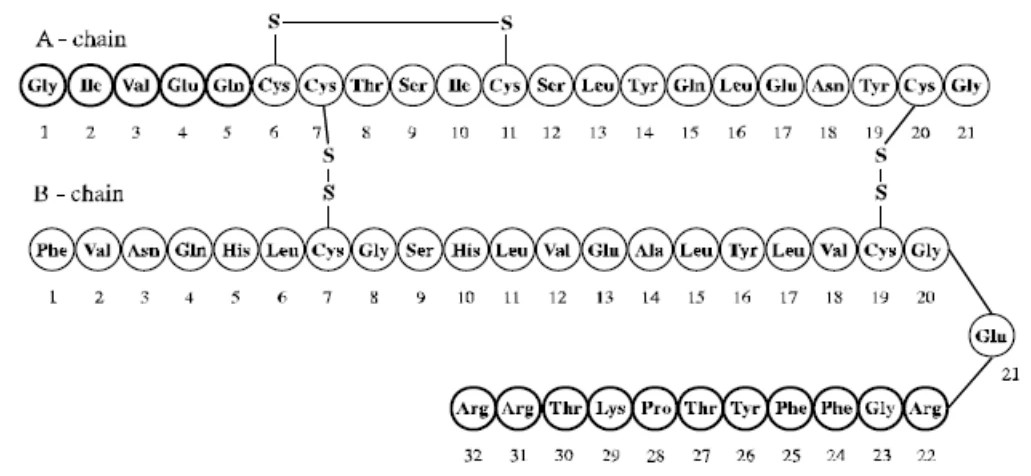 | |||
Lixisenatide: 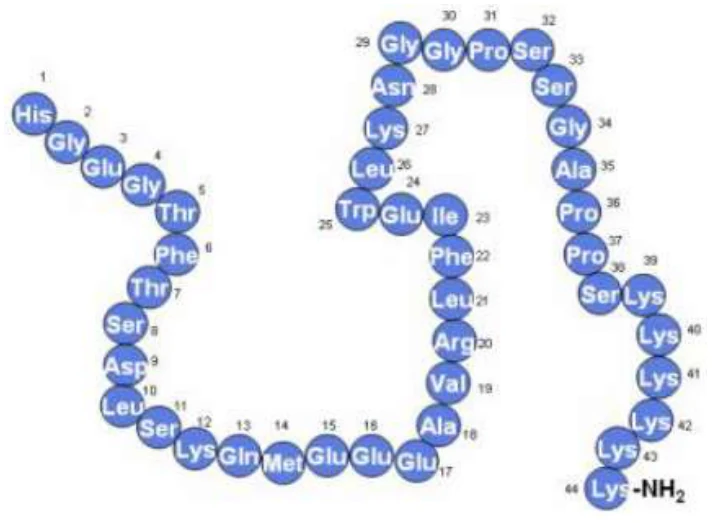 | ||||
14. Clinical Trials
14.1. Trial Design and Study Demographics
| Table 7 - Summary of patient demographics for clinical trials | ||||||||||
| Table 7 - Summary of patient demographics for clinical trials | ||||||||||
| Table 7 - Summary of patient demographics for clinical trials | ||||||||||
| Study # | Trial design | Dosage, route of administration and duration | Study subjects (n) | Mean age (Range) | Gender (M/F) | |||||
| Study # | Trial design | Dosage, route of administration and duration | Study subjects (n) | Mean age (Range) | Gender (M/F) | |||||
| Study # | Trial design | Dosage, route of administration and duration | Study subjects (n) | Mean age (Range) | Gender (M/F) | |||||
| EFC12404* | Open-label, randomized, 3-arm parallel group Active-controlled (insulin glargine and lixisenatide) | Test product(s): FRC: Starting dose
Reference
SOLIQUA: SC injection using the SoloSTAR® pen 30 weeks | 1170 469 467 234 | 58.4 (18-82) | 592/578 | |||||
| EFC12405 | Open-label, randomized, 2-arm parallel group Active-controlled (insulin glargine) | Test product(s): FRC: Starting dose
Reference Starting dose
SOLIQUA and Insulin glargine were adjusted once weekly. SOLIQUA: SC injection using the SoloSTAR® pen 30 weeks | 736 367 369 | 60.0 (32-85) | 344/392 | |||||
| EFC13794 | Open-label, randomized, 2-arm parallel group Active-controlled (GLP-1 RA) | Test product(s): FRC: Starting dose
SOLIQUA: SC injection using the SoloSTAR® pen Reference GLP-1 RA:
GLP-1 RA: SC injection using pen-injector 26-week | Total:511 255 256 | 59.6 (25-84) | 268/243 | |||||
| * Non-approved indication, Supportive study (safety and PK/PD). | ||||||||||
Overview of Clinical Studies
The safety and effectiveness of SOLIQUA on glycemic control were evaluated in three active controlled, open label, randomized clinical studies in patients with type 2 diabetes mellitus:
In studies EFC 12404 and EFC 12405 the dose was titrated once weekly, based on median fasting self-measured plasma glucose values from the preceding 3 days according to Table 8 below. In Study EFC 13794, the dose adjusted twice a week based on the insulin glargine dose during the first 8 weeks and afterwards at least once a week. Twice a week titration could be continued if deemed appropriate by the Investigator.
| Table 8 - Dose adjustment algorithm SOLIQUA | |||||||
|---|---|---|---|---|---|---|---|
| Fasting self-measured plasma glucose (mmol/L) | Dose change (units/day) | ||||||
| >7.8 | +4 | ||||||
| >5.6 and ≤7.8 | +2 | ||||||
| 4.4 to 5.6 | No change | ||||||
| <4.4 | -2 | ||||||
14.2. Study Results
Clinical studies in patients with type 2 diabetes uncontrolled on basal insulin alone or in combination with metformin
A total of 736 patients with type 2 diabetes participated in a randomized, 30-week, active-controlled, open-label, 2-treatment arm, parallel-group, multicenter study to evaluate the efficacy and safety of SOLIQUA compared to insulin glargine (100 units/mL).
Patients screened were treated with basal insulin for at least 6 months, receiving a stable daily dose of between 15 and 40 units alone or combined with 1 or 2 OADs (metformin or a sulfonylurea or a glinide or a SGLT-2 inhibitor or a DPP-4 inhibitor) and had an HbA1c between 7.5% and 10%.
Eligible patients (n=1018) entered a 6-week run-in phase where patients remained on or were switched to insulin glargine, in case they took another basal insulin, and had their insulin dose titrated/stabilized while continuing metformin (if previously taken). Any other OADs were discontinued.
At the end of the run-in period, patients with an HbA1c between 7 and 10% , FPG ≤7.8 mmol/L and insulin glargine daily dose of 20 to 50 units, were randomized to either SOLIQUA (n=367) or insulin glargine (n=369).
This type 2 diabetes population had the following characteristics: Mean age was 60 years, 46.7 percent were male, 91.7% were Caucasian, 5.2% were Black or African American and 17.9% were Hispanic. The mean BMI at screening was approximately 31 g/m2.
The mean duration of diabetes was approximately 12 years.
At Week 30, SOLIQUA provided statistically significant improvement in HbA1c (p-value <0.0001compared to insulin glargine. (See Table 9 and Figure 1).
This trial was designed to show the contribution of the GLP-1 component to glycemic lowering. The insulin glargine dose in this trial was capped at a maximum dose of 60 units and the dosing algorithm was selected to isolate the effect of the GLP-1 component. At the end of the trial, the doses of insulin glargine were equivalent between treatment groups. The mean final dose of SOLIQUA and insulin glargine at week 30 was 46.7 units (for SOLIQUA: 46.7 units insulin glargine/15.6 mcg lixisenatide). The difference in effect observed in the trial may not necessarily reflect the effect that will be observed in the care setting where alternative insulin glargine dosage can be used.
| Table 9 - Results at 30 weeks - study type 2 diabetes uncontrolled on basal insulin, mITT population | ||||||||||
|---|---|---|---|---|---|---|---|---|---|---|
| SOLIQUA | Insulin glargine | |||||||||
| Number of subjects (mITT) | 366 | 365 | ||||||||
| HbA1c (%) | ||||||||||
| At screening (mean) | 8.5 | 8.5 | ||||||||
| Baseline (mean; post run-in phase) | 8.1 | 8.1 | ||||||||
| End of treatment (mean) | 6.9 | 7.5 | ||||||||
| LS change from baseline (mean) | -1.1 | -0.6 | ||||||||
Difference versus insulin glargine [95% confidence interval] (p-value) | -0.5 [-0.6, -0.4] (<0.0001) | |||||||||
| Patients [n (%)] reaching HbA1c <7% at week 30 | 201 (54.9%) | 108 (29.6%) | ||||||||
| Proportion difference (95% CI) vs. insulin glargine | 25.52% (18.94% to 32.10%) | |||||||||
| p-value | (<0.0001) | |||||||||
| Mean body weight (kg) | ||||||||||
| Baseline (mean) | 87.8 | 87.1 | ||||||||
| LS change from baseline (mean) | -0.7 | 0.7 | ||||||||
Comparison versus insulin glargine [95% confidence interval] (p-value) | -1.4 [-1.8 to -0.9] (<0.0001) | |||||||||
There was a statistical significant difference between the SOLIQUA-treated patients vs the insulin glargine-treated patients in the percentage of patients reaching HbA1C <7% with no body weight gain at week 30 (p<0.0001).
Figure 1 - Mean HbA1c (%) by visit during 30 week randomized treatment period - mITT population
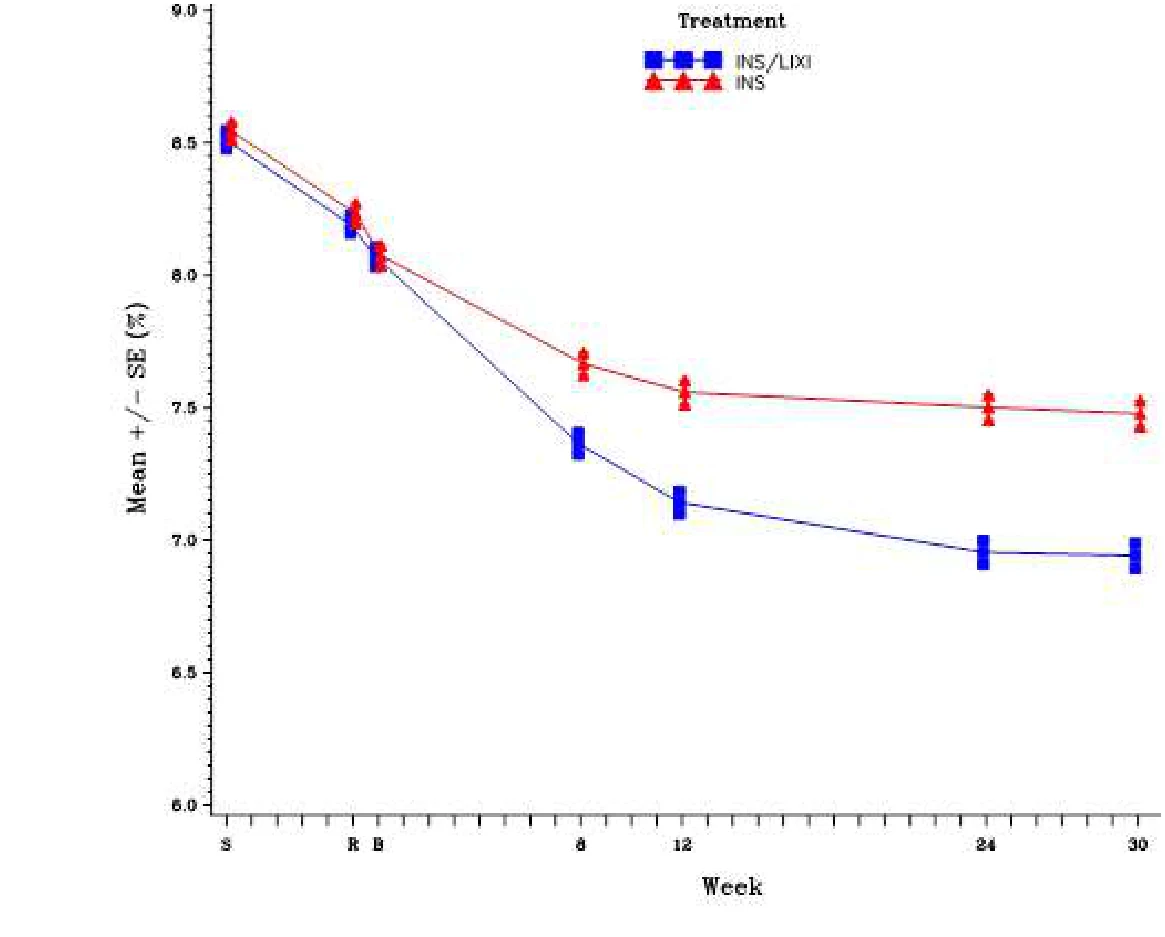
Clinical study in patients with type 2 diabetes insufficiently controlled on GLP-1RA
The efficacy and safety of SOLIQUA compared to GLP-1RA treatment were studied in a 26-week, randomized, open-label trial. The trial included 514 patients with type 2 diabetes mellitus inadequately controlled (HbA1c level of 7% to 9%) while treated for at least 4 months with liraglutide or exenatide or for at least 6 months with dulaglutide, albiglutide or exenatide extended release in combination with metformin, all at maximal tolerated dose. Eligible patients were randomized to either receive SOLIQUA or to continue their previous GLP-1RA both on top of their previous oral anti-diabetic treatment.
At screening, 59.7% of the subjects received a once or twice-daily GLP-1RA and 40.3% received a once weekly GLP-1RA. The most common GLP-1RA received were liraglutide (54.5%) and dulaglutide (20.4%). At screening, a small number of patients were using other oral anti diabetics in combination with metformin (pioglitazone (6.6%) or SGLT-2 inhibitors (10.1%). Of these patients, 12 patients using pioglitazone and 26 patients using SGLT-2 inhibitors, as a background therapy, were randomized to receive SOLIQUA. The study population had the following characteristics: mean age was 59.6 years, 52.5% of the subjects were male, 94.4% were Caucasian, 3.7% were Black or African American, 1.4% were Asians, and 10.3% were Hispanic. The mean duration of diabetes was 11 years, the mean duration of previous GLP-1RA treatment was 1.9 years, the mean BMI was approximately 32.9 kg/m2, mean eGFR was 87.3 mL/min/1.73 m2 and 90.7% of patients had an eGFR ≥60 mL/min.
The starting dose of SOLIQUA was 10 units (10 units insulin glargine/5 mcg lixisenatide). The mean dose at baseline was 1.7 mg for liraglutide, 18.2 mcg for exenatide, 1.4 mg for dulaglutide, 2 mg for exenatide extended release, and 47.8 mg for albiglutide. The mean daily dose of insulin glargine at Week 26 was 43.5 U.
The primary endpoint, change in HbA1c at week 26, was tested for superiority of SOLIQUA to GLP-1RA therapy. At week 26, there was a reduction in HbA1c from baseline of -1.0% for SOLIQUA and -0.4% for GLP-1RA. The mean difference (95% CI) in HbA1c reduction between SOLIQUA and GLP-1RA was -0.6 [-0.80, -0.5] and was statistically significant (Table 10 and Figure 2). A pre-specified analysis by GLP-1RA subtype (once/twice daily or weekly formulation) used at screening showed that HbA1c change at week 26 was similar for each subgroup and consistent with the primary analysis for the overall population.
| Table 10 - Results at 26 weeks - study type 2 diabetes uncontrolled on GLP-1RA mITT population | |||||||||||||
|---|---|---|---|---|---|---|---|---|---|---|---|---|---|
| SOLIQUA | GLP-1RA | ||||||||||||
| Number of subjects (mITT) | 252 | 253 | |||||||||||
| HbA1c (%) | |||||||||||||
| Baseline (mean; post run-in phase) | 7.8 | 7.8 | |||||||||||
| End of treatment (mean) | 6.7 | 7.4 | |||||||||||
| LS change from baseline (mean) | -1.0 | -0.4 | |||||||||||
Difference versus GLP-1RA [95% confidence interval] (p-value) | -0.6 [-0.8, -0.5] (<0.0001) | ||||||||||||
| Patients [n (%)] reaching HbA1c <7% at week 26 | 156 (61.9%) | 65 (25.7%) | |||||||||||
Proportion difference (95% confidence interval) vs GLP-1RA | 36.1% (28.1% to 44.0%) | ||||||||||||
| p-value | <.0001 | ||||||||||||
| Fasting plasma glucose (mmol/L) | |||||||||||||
| Baseline (mean) | 9.06 | 9.45 | |||||||||||
| End of study (mean) | 6.86 | 8.66 | |||||||||||
| LS change from baseline (mean) | -2.28 | -0.60 | |||||||||||
Difference versus GLP-1RA [95% confidence interval] (p-value) | -1.67 (-2.00 to -1.34) (<0.0001) | ||||||||||||
| Mean body weight (kg) | |||||||||||||
| Baseline (mean) | 93.01 | 95.49 | |||||||||||
| LS change from baseline (mean) | 1.9 | -1.1 | |||||||||||
Comparison versus GLP-1RA [95% confidence interval] | 3.0 [2.4 to 3.6] | ||||||||||||
| **Not included in the pre-specified step-down testing procedure | |||||||||||||
Figure 2 - Mean HbA1c (%) by visit during 26-week randomization treatment period-mITT population
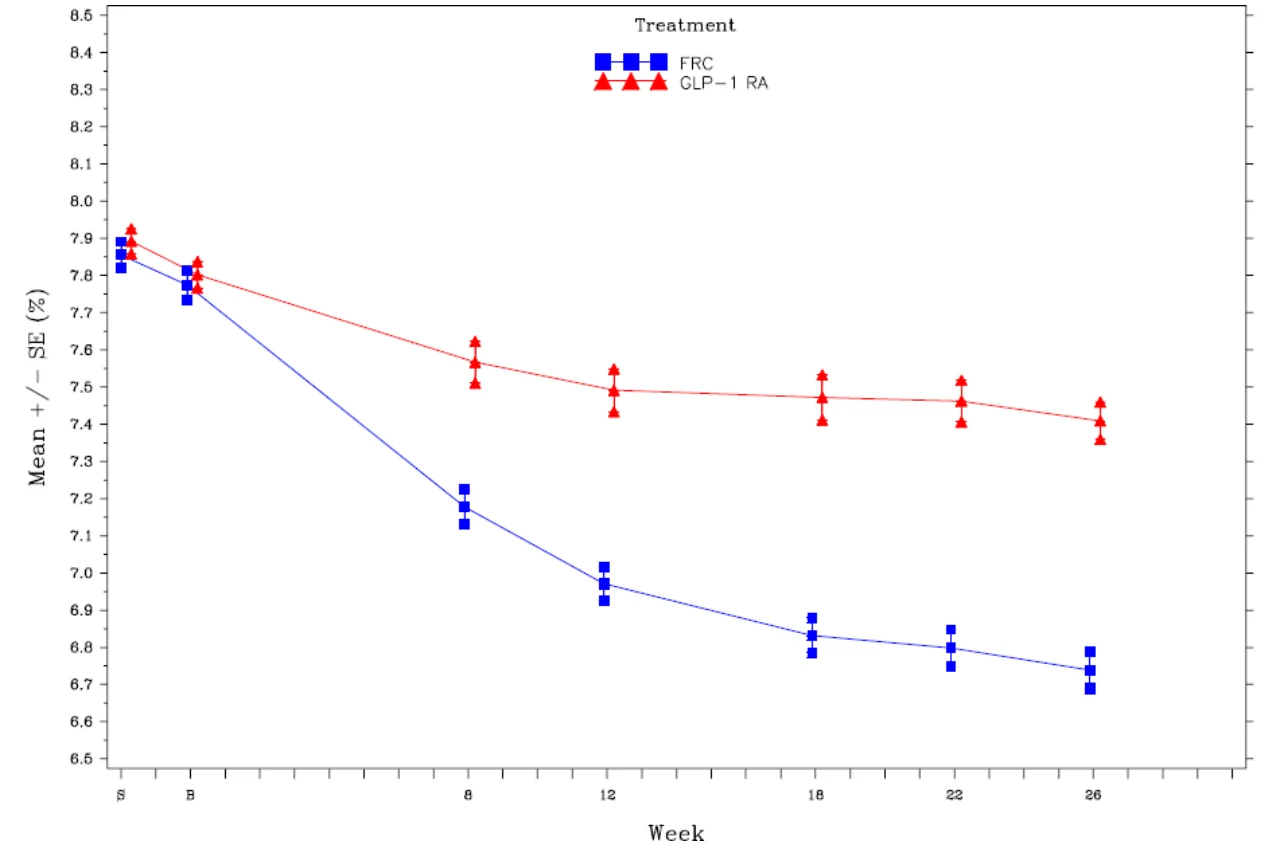
Cardiovascular outcome studies
The cardiovascular safety of insulin glargine and lixisenatide has been established in the ORIGIN and ELIXA clinical trials, respectively. No dedicated cardiovascular outcome trial has been conducted with SOLIQUA.
Lixisenatide:
The ELIXA study was a randomized, double-blind, placebo-controlled, multinational study that evaluated cardiovascular (CV) outcomes during treatment with lixisenatide in patients (n=6068) with type 2 diabetes mellitus after a recent Acute Coronary Syndrome. The primary composite efficacy endpoint was the time to the first occurrence of any of the following events positively adjudicated by the Cardiovascular Events Adjudication Committee: Cardiovascular death, non-fatal myocardial infarction, non-fatal stroke, or hospitalization for unstable angina. Median treatment duration was 22.4 months in the lixisenatide group and 23.3 months in the placebo group, and the median duration of study follow-up was 25.8 and 25.7 months, respectively.
The incidence of the primary endpoint was similar in the lixisenatide and placebo groups: the hazard ratio (HR) for lixisenatide versus placebo was 1.02, with an associated 2-sided 95% confidence interval (CI) of 0.89 to 1.17. The upper bound of this confidence interval excluded a risk margin larger than 1.3, thus demonstrating non-inferiority to placebo. Superiority to placebo was not demonstrated. Hazard ratios for the other adjudicated endpoints were not statistically significant.
Insulin glargine:
The Outcome Reduction with Initial Glargine Intervention trial (i.e., ORIGIN) was an open-label, randomized, 12,537 patients study that compared insulin glargine 100 Units/mL to standard care on the time to first occurrence of a major adverse cardiovascular event (MACE). MACE was defined as the composite of CV death, nonfatal myocardial infarction and nonfatal stroke. The incidence of MACE was similar between LANTUS and standard care in ORIGIN [Hazard Ratio (95% CI) for MACE; 1.02 (0.94, 1.11)].
In the ORIGIN trial, the overall incidence of cancer (all types combined) [Hazard Ratio (95% CI); 0.99 (0.88, 1.11)] or death from cancer [Hazard Ratio (95% CI); 0.94 (0.77, 1.15)] was also similar between treatment groups.
15. Microbiology
No microbiological information is required for this drug product.
16. Non-Clinical Toxicology
SOLIQUA:
No animal studies have been conducted with the combination of insulin glargine and lixisenatide to evaluate carcinogenesis, mutagenesis, or impairment of fertility.
General Toxicology
Insulin glargine:
Acute toxicity: The acute toxicity of i.v. and s.c. administration of insulin glargine was tested in mice and rats. The LD50 in each species was in the range of greater than or equal to 1000 U/kg.
Chronic toxicity: In repeated subcutaneous dose toxicity studies of insulin glargine in mice, rats, and dogs only expected pharmacodynamic results were observed.
Lixisenatide:
Acute toxicity: A single dose of 500, 5000, and 100 mcg/kg iv or 500, 5000, and 200 mcg/kg s.c. was tolerated without mortality in mice, rats, and dogs, respectively.
Repeat dose toxicity: The repeated dose toxicity of lixisenatide after s.c. twice daily (8 h apart) administration was evaluated in mice, rats, and dogs for up to 13, 26, and 52 weeks, respectively.
Changes in body weight/body weight gain in mice and rats and clinical signs were generally mild. No target organs relevant to human safety were identified and lixisenatide was tolerated in mice and rats at doses up to 4000 mcg/kg/day (lixisenatide AUC values >47 times the mean clinical exposure of 7.25 ng∙h/mL).
In dogs, reductions in food consumption and body weight loss were dose limiting. Initial dose escalation attenuated the effects of lixisenatide on body weight and food consumption. Using dose escalation, administration of doses up to 2000 mcg/kg/day for 52 weeks was possible. There were no target organs in females. In males, microscopic changes were noted in testes and epididymes in the 13 week study at 200 and 500 mcg/kg/day and in the 52 week study at 400 and 2000 mcg/kg/day. The changes in the testes included moderate to severe hypospermatogenesis in seminiferous tubules and epididymal dilation, degeneration, and oligospermia, or aspermia and were not present after 4 weeks without treatment at the end of the 13 week study. The changes in testes and epididymes occurred at very high multiples of human exposure (>140 times). The large margins to clinical exposure for effects on testes/epididymes in the dogs, as well as a mechanistic study showing species difference in GLP-1 receptor expressions, indicate a very low risk for effects to male patients with the clinical use of lixisenatide.
Carcinogenicity
Insulin glargine:
The carcinogenic potential of insulin glargine was evaluated in mice and rats at three different dose levels. These two-year carcinogenicity studies were performed in mice and rats. The results do not suggest a cancer risk to humans.
In mice and rats, standard two-year carcinogenicity studies with insulin glargine were performed at doses up to 0.455 mg/kg, which is for the rat approximately 10 times and for the mouse approximately 5 times the recommended human subcutaneous starting dose of 10 U (0.008 mg/kg/day), based on mg/m2. The findings in female mice were not conclusive due to excessive mortality in all dose groups during the study. No clear explanation was found for the excessive mortalities. A similar effect was seen in the female mice control groups: the saline controls mortality (34%) was comparable to the mortality of high dosed female mice (28%) whereas in the vehicle controls mortality reached 42% which is in the same range as the mortality of low dosed female mice (46%). In contrast, the mortality was the same in the male mice saline and vehicle control groups (both 16%). Therefore, these findings are considered as an accidental one due to biological variability. Histiocytomas were found at injection sites in male rats (statistically significant) and male mice (not statistically significant) in acid vehicle containing groups. These tumors were not found in female animals, in saline control, or insulin comparator groups using a different vehicle. The relevance of these findings to humans is unknown.
Lixisenatide:
Carcinogenicity studies were conducted in mice and rats given s.c. lixisenatide doses of 40, 200, and 1000 mcg/kg BID for 2 years. In mice, lixisenatide resulted in thyroid gland C-cell adenomas in males at 1000 mcg/kg BID and increased incidences of thyroid focal C-cell hyperplasia in males at 200 mcg/kg BID and males and females given 1000 mcg/kg BID. In rats, there were non dose-dependent increased incidences of thyroid C-cell focal hyperplasia and adenomas at all dose levels and C-cell carcinomas at 200 and 1000 mcg/kg BID in both sexes.
A no-effect dose level for increased thyroid hyperplasia and C-cell adenomas was not identified in rats. Systemic exposure at the low dose in rats was >9 fold when comparing mean AUC values in rats to clinical exposure, while that at the higher doses where C-cell carcinomas were observed was ≥35-fold. In mice, lixisenatide-related thyroid C-cell adenomas were confined to the high dose males given 1000 mcg/kg BID, at which exposure was 128 times that in patients. The exposure margin at the 200 mcg/kg no effect dose level for tumors was 26-fold. Increased incidences of thyroid C-cell hyperplasia were seen at 200 (males only) and 1000 mcg/kg BID, with mouse/human margins at the no effect dose level of 40 mcg/kg BID calculated as 4-fold.
Genotoxicity
Insulin glargine:
Insulin glargine was not mutagenic in tests for detection of gene mutations in bacteria and mammalian cells (Ames- and HGPRT-test) and in tests for detection of chromosomal aberrations (cytogenetics in vitro in V79 cells and in vivo in Chinese hamsters).
Lixisenatide:
Lixisenatide was not mutagenic or clastogenic in a standard battery of genotoxicity tests (bacterial mutagenicity [Ames], human lymphocyte chromosome aberration, mouse bone marrow micronucleus).
Studies in which male and female rats received twice daily subcutaneous doses lixisenatide of 2, 29, or 414 mcg/kg prior to pairing through gestation day 6 did not indicate any adverse effects on male or female fertility in rats up to the highest dose tested, 414 mcg/kg, or approximately 300 times the clinical systemic exposure at 20 mcg/day based on mcg/m2.
Reproductive and Developmental Toxicology
Insulin glargine:
Impairment of fertility: In a combined fertility and prenatal and postnatal study in male and female rats at subcutaneous doses up to 0.36 mg/kg/day, which is approximately 7 times the recommended human subcutaneous starting dose of 10 U (0.008 mg/kg/day), based on mg/m2, maternal toxicity due to dose-dependent hypoglycemia, including some deaths, was observed. Consequently, a reduction of the rearing rate occurred in the high-dose group only. Similar effects were observed with NPH human insulin.
Embryo fetal development: In an embryotoxicity study in rats, hypoglycemia, but no maternal toxicity, occurred. Insulin glargine was not embryotoxic and not teratogenic. In an embryotoxicity study in rabbits, maternal (hypoglycemic shock, intrauterine deaths) and embryo-fetal hypoglycemia-induced toxicity, including single anomalies in the middle- and high-dose groups, were observed. Similar effects were observed with NPH human insulin.
Studies in rats with doses up to 40 times the average daily basal human dose (0.5 U/kg) and a study in rabbits at two times the human dose (0.5 U/kg) do not indicate direct harmful effects on the pregnancy during the different stages of pregnancy. The effects of insulin glargine did not generally differ from those observed with regular human insulin; however, in rabbits, five fetuses from 2 litters of the high dose group exhibited dilation of the cerebral ventricles.
Lixisenatide:
Embryo fetal development: Lixisenatide transfer across the placenta was limited and effects on embryo fetal development in rats and rabbits were noted in the presence of maternal toxicity. Body weight loss and reduced food consumption may have contributed to the embryo fetal toxicity, but a direct effect cannot be excluded. A relationship of toxicity to the dams on skeletal ossification and fetal growth is generally accepted; however, the correlation to visceral and external malformations is less well supported.
In pregnant rats receiving twice daily subcutaneous doses of 2.5, 35, or 500 mcg/kg (5, 70, or 1000 mcg/kg/day) from gestation day (GD) 6 to 17 (organogenesis), maternal toxicity was noted at all doses, which consisted of clinical signs and initially dose-dependent decreases in body weight and reduced food consumption. Fetuses showed a dose related trend of retarded growth and retarded ossification. All doses led to single cases of fetal malformations: one microphthalmia (5 mcg/kg/day), one anophthalmia and one diaphragmatic hernia (one fetus each at 70 mcg/kg/day), and similar multiple skeletal malformations in one retarded fetus of each dose group. Thus, the NOAEL for embryo fetal toxicity was less than 5 mcg/kg/day (AUC < clinical exposure).
In rabbits, there were two embryo fetal development studies. In the high dose study, lixisenatide was administered SC at 5, 50, and 500 mcg/kg/day twice daily (approximately 8 h apart) from GD 6 to 18, while in the follow up study, doses were 0.3, 2, and 5 mcg/kg/day. Lixisenatide treatment at ≥2 mcg/kg/day resulted in decreased motor activity, piloerection, decreased food and water consumption, and initial decreases body weight followed by decreased body weight gain. There was a slight increase in postimplantation loss with a related decrease in the number of live fetuses at 500 mcg/kg/day. There was an increase at fetal malformations at ≥5 mcg/kg/day (4-times clinical exposure). In the high dose study, there were 5 cases of multiple malformations (2 at 5 mcg/kg/day, 2 at 50 mcg/kg/day, and 1 at 500 mcg/kg/day), as well as single malformations at all doses. There was also a tendency to dose dependent increases in fetuses showing anomalies of the sternebrae, as well as retarded ossification. The NOAEL for maternal toxicity in rabbit was 0.3 mcg/kg/day and for embryo-fetal development was 2 mcg/kg/day, and at these doses, AUC values were < clinical exposure and 2 times clinical exposure, respectively.
Peri and postnatal development: Lixisenatide was administered to time mated female rats (F0 generation) SC at 4, 40, and 400 mcg/kg/day (2, 20, and 200 mcg/kg/day BID) from GD 6 to lactation day 21. Clinical signs in dams, initial body weight loss with reduced body weight throughout dosing and reduced food consumption, were seen at all dose levels. Pup mortality was slightly increased and there were severely growth delayed pups with multiple skeletal malformations at 400 mcg/kg/day. The number of pups/litter that showed insufficient suckling increased slightly and coat growth showed a slight delay at 40 and 400 mcg/kg/day, but there were no other effects on developmental landmarks, sensory function, motor development, memory, learning, and reproductive function of the F1 generation. The NOAEL for effects in the F0 dams was not identified (<4 mcg/kg/day), while the NOAEL for toxicity in F1 animals was 4 mcg/kg/day. Based on systemic exposure values in pregnant rats extrapolated from toxicokinetic data in the pivotal embryo-fetal development study, exposure at the 400 mcg/kg/day dose where malformations were seen was >32 times that in patients while exposure at 4 mcg/kg/day was likely sub-therapeutic.
Juvenile Toxicity
Lixisenatide:
Juvenile toxicity studies were conducted in rats and dogs. There were no findings in these studies that were not identified in studies conducted with adult animals or were considered related to reduced body weight and food consumption.
17. Supporting Product Monographs
- 1. ADLYXINE Solution for injection, 10 mcg/dose and 20 mcg/dose, submission control no. 240740, Product Monograph, sanofi-aventis Canada Inc. (November 17, 2020)
- 2. LANTUS Solution for injection 100 U/mL, submission control no. 254078, Product Monograph, sanofi-aventis Canada Inc. (December 01, 2021)