


Product Monograph - Sildenafil (Methapharm)
SUMMARY PRODUCT INFORMATION
| Route of Administration | Dosage Form / Strength | Clinically Relevant Nonmedicinal Ingredients |
| Oral | Tablets 25 mg, 50 mg and 100 mg | The tablets also contain the following non-medicinal ingredients: microcrystalline cellulose, anhydrous dibasic calcium phosphate, croscarmellose sodium, magnesium stearate, hypromellose, purified water, polyvinyl alcohol-part (hydrolyzed), titanium dioxide, macrogol/PEG (MW3350), talc, and FD & C Blue #2 indigo carmine aluminum lake. |
INDICATIONS AND CLINICAL USE
Sildenafil (sildenafil citrate) is indicated for:
- the treatment of erectile dysfunction, which is the inability to achieve or maintain a penile erection sufficient for satisfactory sexual performance.
CONTRAINDICATIONS
Sildenafil citrate has been shown to potentiate the hypotensive effects of nitrates in healthy volunteers and in patients, and is therefore contraindicated in patients who are taking any type of nitrate drug therapy, or who utilize short-acting nitrate-containing medications, due to the risk of developing potentially life-threatening hypotension. The use of organic nitrates, either regularly and/or intermittently, in any form (e.g. oral, sublingual, transdermal, by inhalation) is absolutely contraindicated (see ACTION AND CLINICAL PHARMACOLOGY, DOSAGE AND ADMINISTRATION).
After patients have taken Sildenafil, it is unknown when nitrates, if necessary, can be safely administered. Plasma levels of sildenafil at 24 hours post-dose are much lower (2 ng/mL) than at peak concentration (440 ng/mL). In the following patients: age >65, hepatic impairment (e.g. cirrhosis), severe renal impairment (e.g. CLcr <30 mL/min), and concomitant use of potent cytochrome P-450 3A4 inhibitors (erythromycin), plasma levels of sildenafil at 24 hours post-dose have been found to be 3 to 8 times higher than those seen in healthy volunteers. Although plasma levels of sildenafil at 24 hours post-dose are much lower than at peak concentration, it is unknown whether nitrates can be safely coadministered at this time point (see DETAILED PHARMACOLOGY, Pharmacodynamic Studies).
Treatments for erectile dysfunction should not be generally used in men for whom sexual activity is inadvisable (see also WARNINGS AND PRECAUTIONS).
Sildenafil is contraindicated in patients with a known hypersensitivity to any component of the tablet (see PHARMACEUTICAL INFORMATION).
Sildenafil is contraindicated in patients with erectile dysfunction with previous episode of non-arteritic anterior ischaemic optic neuropathy (NAION) (see WARNINGS AND PRECAUTIONS).
The co-administration of PDE5 inhibitors, including Sildenafil, with guanylate cyclase stimulators, such as riociguat, is contraindicated as it may lead to potentially life-threatening episodes of symptomatic hypotension or syncope
WARNINGS AND PRECAUTIONS
General
The evaluation of erectile dysfunction should include a determination of potential underlying causes and the identification of appropriate treatment following a complete medical assessment.
Cardiovascular
As with all treatments for erectile dysfunction, there is a potential cardiac risk of sexual activity in patients with pre-existing cardiovascular disease, including hypertension (BP>140/90). Therefore, treatments for erectile dysfunction, including Sildenafil (sildenafil citrate), should not be generally administered in men for whom sexual activity is inadvisable because of their underlying cardiovascular status.
There are no controlled clinical data on the safety or efficacy of Sildenafil in the following groups; prescribing should be done with caution.
- Patients who have suffered a myocardial infarction, stroke, or life-threatening arrhythmia within the last 6 months
- Patients with resting hypotension (BP <90/50 at rest) or hypertension (BP >170/110 at rest)
- Patients with cardiac failure or coronary artery disease causing unstable angina
(see ACTION AND CLINICAL PHARMACOLOGY)
Caution is advised when sildenafil is administered to patients taking an alpha-blocker, as the coadministration may lead to symptomatic hypotension in a few susceptible individuals (see DRUG INTERACTIONS). In order to minimize the potential for developing postural hypotension, patients should be hemodynamically stable on alpha-blocker therapy prior to initiating sildenafil treatment. Initiation of sildenafil at lower doses should be considered. In addition, physicians should advise patients what to do in the event of postural hypotensive symptoms.
Hematologic
In clinical trials, sildenafil has been shown to have systemic vasodilatory properties that result in transient decreases in blood pressure (see DETAILED PHARMACOLOGY). This is of little or no consequence in most patients. However, prior to prescribing sildenafil, physicians should carefully consider whether their patients with certain underlying conditions could be adversely affected by such vasodilatory effects, especially in combination with sexual activity. Patients with increased susceptibility to vasodilators include those with left ventricular outflow obstruction (e.g., aortic stenosis, hypertrophic obstructive cardiomyopathy), or those with the rare syndrome of multiple system atrophy manifesting as severely impaired autonomic control of blood pressure.
In humans, sildenafil citrate has no effect on bleeding time when taken alone or with acetylsalicylic acid. In vitro studies with human platelets indicate that sildenafil potentiates the antiaggregatory effect of sodium nitroprusside (a nitric oxide donor). The combination of heparin and sildenafil citrate had an additive effect on bleeding time in the anesthetized rabbit, but this interaction has not been studied in humans (see ACTION AND CLINICAL PHARMACOLOGY).
There is no safety information on the administration of Sildenafil to patients with bleeding disorders or active peptic ulceration. Therefore, Sildenafil should be administered with caution to these patients.
Hepatic/Biliary/Pancreatic
In volunteers with hepatic cirrhosis (Child-Pugh A and B), sildenafil clearance was reduced, resulting in increases in AUC (84%) and Cmax (47%) compared to age-matched volunteers with no hepatic impairment.
A starting dose of 25 mg should be considered in patients with hepatic impairment (see ACTION AND CLINICAL PHARMACOLOGY, DOSAGE AND ADMINISTRATION).
Ophthalmologic
Patients should stop taking PDE5 inhibitors, including Sildenafil, and consult their physician immediately if they experience a decrease in, or sudden loss of, vision in one or both eyes. Postmarketing reports of sudden loss of vision have occurred rarely, in temporal association with the use of PDE5 inhibitors. An observational study evaluated whether recent use of PDE5 inhibitors, as a class, was associated with acute onset of NAION. The results suggest an approximate 2-fold increase in the risk of NAION within 5 half-lives of PDE5 inhibitor use.
Individuals who have already experienced NAION are at increased risk of NAION recurrence. PDE 5 inhibitors, including Sildenafil, are not recommended in patients with male erectile dysfunction with a previous episode of NAION (see CONTRAINDICATIONS).
There are no controlled clinical data on the safety or efficacy of Sildenafil in patients with retinitis pigmentosa (a minority of these patients have genetic disorders of retinal phosphodiesterases). If prescribed, this should be done with caution (see ACTION AND CLINICAL PHARMACOLOGY).
A small percentage of patients experience visual effects (e.g. impairment of colour discrimination, increased perception to light, blurred vision, eye pain, ocular redness) after taking sildenafil citrate. If this happens, then the patient should not operate a motor vehicle or any heavy machinery until the adverse effects disappear (see ACTION AND CLINICAL PHARMACOLOGY).
Rare cases of central serous chorioretinopathy have been reported during the post-marketing period in temporal association with the use of sildenafil citrate. It is not known if medical and other facts were reported that may have also played a role in the development of the condition. It is not possible to determine whether the development of the condition was related directly to the use of sildenafil, to the patient’s possible underlying risk factors, a combination of these factors, or to other factors. These cases of central serous chorioretinopathy in patients receiving sildenafil did not provide evidence of serious or permanent alteration in visual function. (See POST-MARKET ADVERSE DRUG REACTIONS).
Otologic
Sudden decrease or loss of hearing has been reported in a few number of postmarketing and clinical trials cases with the use of PDE5 inhibitors, including sildenafil citrate. These events, which may be accompanied by tinnitus and dizziness, have been reported in temporal association to the intake of PDE5 inhibitors, including sildenafil citrate. In some of the cases, medical conditions and other factors were reported that may have also played a role in the otologic adverse events. In many cases, medical follow-up information was limited. It is not possible to determine whether these events are related directly to the use of PDE5 inhibitors or to other factors (see ADVERSE REACTIONS, POST-MARKET ADVERSE DRUG REACTIONS and PART III CONSUMER INFORMATION). Physicians should advise patients to stop taking Sildenafil and seek prompt medical attention in case of sudden decrease or loss of hearing.
Renal
In volunteers with mild (CLcr = 50-80 mL/min) and moderate (CLcr = 30-49 mL/min) renal impairment, the pharmacokinetics of a single oral dose of sildenafil citrate (50 mg) was not altered. In volunteers with severe (CLcr <30 mL/min) renal impairment, sildenafil clearance was reduced, resulting in increases in AUC (100%) and Cmax (88%) compared to age-matched volunteers with no renal impairment.
A starting dose of 25 mg should be considered in patients with severe renal impairment (see ACTION AND CLINICAL PHARMACOLOGY, DOSAGE AND ADMINISTRATION).
Sexual Function/Reproduction
Although priapism had not been reported during clinical trials, prolonged erection greater than 4 hours and priapism (painful erections greater than 6 hours in duration) have been reported infrequently during the post-marketing surveillance of sildenafil citrate. In the event of an erection that persists longer than 4 hours, the patient should seek immediate medical assistance. If priapism is not treated immediately, penile tissue damage and permanent loss of potency could result (see ADVERSE REACTIONS).
Agents for the treatment of erectile dysfunction should be used with caution in patients with anatomical deformation of the penis (such as angulation, cavernosal fibrosis or Peyronie’s disease) or in patients who have conditions which may predispose them to priapism (such as sickle cell anemia, multiple myeloma or leukemia).
The safety and efficacy of combinations of Sildenafil with other PDE5 inhibitors, or other pulmonary arterial hypertension (PAH) treatments containing sildenafil, or other agents for the treatment of erectile dysfunction have not been studied. Therefore, the use of such combinations is not recommended.
Skin/Appendages
Rare cases of Stevens-Johnson’s Syndrome (SJS) and Toxic Epidermal Necrolysis (TEN) have been reported during the post-marketing period.
Special Populations
Women, Nursing Mothers, Pregnancy: Sildenafil is not indicated for use in women. There are no adequate and well-controlled studies in pregnant or lactating women
Pediatrics: Sildenafil is not indicated for use in children.
Geriatrics (> 65 years of age): Healthy elderly volunteers had a reduced clearance of sildenafil, with free plasma concentrations approximately 40% greater than those seen in younger volunteers (18 to 45 years). Since higher plasma levels may increase both the pharmacological action and incidence of some adverse events, a starting dose of 25 mg should be considered (see ACTION AND CLINICAL PHARMACOLOGY, DOSAGE AND ADMINISTRATION).
ADVERSE REACTIONS
Adverse Drug Reaction Overview
Pre-Marketing Experience:
Sildenafil citrate was administered to over 3700 patients (aged 19-87 years) during clinical trials worldwide. Over 550 patients were treated for longer than one year.
In placebo-controlled clinical studies, the discontinuation rate due to adverse events for sildenafil citrate (2.5%) was not significantly different from placebo (2.3%). The adverse events were generally transient and mild to moderate in nature.
Clinical Trial Adverse Drug Reactions
Because clinical trials are conducted under very specific conditions the adverse reaction rates observed in the clinical trials may not reflect the rates observed in practice and should not be compared to the rates in the clinical trials of another drug. Adverse drug reaction information from clinical trials is useful for identifying drug-related adverse events and for approximating rates.
In trials of all designs, adverse events reported by patients receiving sildenafil citrate were generally similar. In fixed-dose studies, the incidence of some adverse events increased with dose. The nature of the adverse events in flexible-dose studies, which more closely reflect the recommended dosage regimen, was similar to that for fixed-dose studies.
When sildenafil citrate was taken as recommended (on an as-needed basis) in flexible-dose, placebo-controlled clinical trials, the following adverse events were reported:
Table 1. Adverse Events Reported by ≥ 2% of Patients Treated with sildenafil citrate
or Placebo in PRN Flexible-Dose Phase II/III Studies
| Adverse Event | Percentage of Patients Reporting Event | |
| sildenafil citrate (n=734) | PLACEBO (n=725) | |
| Headache | 15.8% | 3.9% |
| Flushing | 10.5% | 0.7% |
| Dyspepsia | 6.5% | 1.7% |
| Nasal Congestion | 4.2% | 1.5% |
| Respiratory Tract Infection | 4.2% | 5.4% |
| Flu Syndrome | 3.3% | 2.9% |
| Urinary Tract Infection | 3.1% | 1.5% |
| Abnormal Vision* | 2.7% | 0.4% |
| Diarrhea | 2.6% | 1.0% |
| Dizziness | 2.2% | 1.2% |
| Rash | 2.2% | 1.4% |
| Back Pain | 2.2% | 1.7% |
| Arthralgia | 2.0% | 1.5% |
* Abnormal Vision: Mild and transient changes, predominantly impairment of colour discrimination
(blue/green), but also increased perception to light or blurred vision.
At doses above the recommended dose range, adverse events were similar to those detailed above but generally were reported more frequently.
Less Common Clinical Trial Adverse Drug Reactions (<2%)
The following events occurred in <2% of patients in controlled clinical trials where a causal relationship is uncertain:
| Autonomic | sweating, dry mouth; |
| Cardiovascular: | abnormal electrocardiogram, angina pectoris, arrhythmia, AV block, cardiac arrest, cardiomyopathy, heart failure, hypertension, hypotension, palpitation, postural hypotension, myocardial ischemia, syncope, tachycardia, varicose vein, vascular anomaly; |
| Central and Peripheral Nervous System | tremor, abnormal dreams, anxiety, agitation, ataxia, depression, insomnia, nervousness, somnolence, paresthesia, vertigo, speech disorder, reflexes decreased, hyperesthesia, neuropathy, migraine, myasthenia, oculogyric crisis, neuralgia, hypertonia; |
| Gastrointestinal: | vomiting, gastritis, gastrointestinal disorder, flatulence, increased appetite, gastroenteritis, stomatitis, eructation, dysphagia, colitis, glossitis, constipation, rectal hemorrhage, mouth ulceration, esophagitis, rectal disorder, gingivitis, tooth disorder; |
| Hematopoietic | anemia and leukopenia; |
| Liver/Biliary: | liver function tests abnormal, ALT increased; |
| Metabolic/Nutritional | edema, thirst, gout, hyperuricemia, hypoglycemic reaction, unstable diabetes, hyperglycemia, hyperlipidemia, hypernatremia; |
| Musculoskeletal: | myalgia, bone disorder, arthrosis, arthritis, tendon rupture, tenosynovitis, bone pain, joint disorder, synovitis; |
| Respiratory: | asthma, dyspnea, laryngitis, pharyngitis, sinusitis, bronchitis, respiratory disorder, carcinoma of lung, sputum increased, cough increased; |
| Skin/Appendages: | skin carcinoma, skin disorder, skin hypertrophy, skin ulcer, contact dermatitis, exfoliative dermatitis, pruritus, urticaria, photosensitivity reaction, nail disorder, acne, herpes simplex, furunculosis; |
| Special Senses: | Sudden decrease or loss of hearing, mydriasis, conjunctivitis, photophobia, eye pain, tinnitus, ear pain, lacrimation disorder, eye disorder, eye hemorrhage, ear disorder, cataract, dry eyes; |
| Urogenital | penile erection, other sexual dysfunction, cystitis, nocturia, balanitis, urinary frequency, breast enlargement, prostatic disorder, testis disorder, urinary incontinence, urinary tract disorder, urine abnormality, abnormal ejaculation, genital edema and anorgasmia; |
| Vascular Disorders | cerebrovascular disorder, cerebral thrombosis; |
| General: | face edema, peripheral edema, chills, allergic reaction, asthenia, pain, infection, shock, hernia, accidental fall, abdominal pain, chest pain, accidental injury, intentional overdose. |
Myocardial Infarction and Cardiovascular Mortality
In an analysis of double blind placebo controlled clinical trials encompassing over 700 person-years of observation on placebo and over 1300 person-years on sildenafil, there were no differences in the incidence rate of myocardial infarction (MI) or in the rate of cardiovascular mortality for patients receiving sildenafil compared to those receiving placebo. The rates of MI were 1.1 per 100 person-years for men receiving sildenafil and for those receiving placebo. The rates of cardiovascular mortality were 0.3 per 100 person-years for men receiving sildenafil and those receiving placebo.
Clinical Trial Adverse Drug Reactions Reported in 74 Double-Blind Placebo-Controlled Phase II/III/IV Studies
When Sildenafil was taken as recommended in 74 randomized double-blind, placebo-controlled (DBPC) Phase II/III/IV studies, adverse reactions reported by ≥ 2% of patients treated with Sildenafil (n=9,570)
and more frequently than placebo (n=7,237) were headache, flushing, dyspepsia, nasal congestion and dizziness. The nature and frequency of adverse reactions reported by ≥ 2% of patients in this pooled dataset of 74 DBPC studies was consistent with the adverse reactions reported in the 6 flexible-dose studies detailed above in Table 1.
The following adverse reactions occurred in < 2% of patients in the 74 DBPC clinical trials.
| Cardiac disorders: | palpitations, tachycardia; |
| Eye disorders: | vision blurred, chromatopsia, cyanopsia, photophobia, visual disturbance, photopsia, ocular hyperaemia, eye pain, visual brightness, abnormal sensation in eye, asthenopia, conjunctival hyperaemia, dry eye, erythropsia, eye disorder, eye irritation, eye edema, eyelid edema, eye swelling, halo vision, xanthopsia ; |
| Gastrointestinal disorders: | nausea, dry mouth, abdominal pain upper, vomiting, gastroesophageal reflux disease, oral hypoaesthesia; |
| General Conditions and administration site conditions: | feeling hot, irritability; |
| Immune system disorders: | hypersensitivity; |
| Infections and infestations: | rhinitis; |
| Investigations: | heart rate increased; |
| Musculoskeletal and connective tissue disorders: | pain in extremity, myalgia; |
| Nervous system disorders: | syncope, somnolence; |
| Reproductive system disorders: | erection increased; |
| Respiratory, thoracic and mediastinal disorders: | epistaxis, sinus congestion, nasal oedema, nasal dryness, throat tightness; |
| Skin and subcutaneous tissue disorders: | rash; |
| Vascular disorders: | hot flush, hypotension; |
Post-Market Adverse Drug Reactions
Reports of adverse events temporally associated with sildenafil citrate during post-marketing surveillance that are not listed above and for which the causal relationship is unknown, include the following:
Cardiovascular:
Epistaxis; serious cardiovascular events - including myocardial infarction, sudden cardiac death, ventricular arrhythmia, cerebrovascular hemorrhage, and transient ischemic attack - have been reported. Most of these patients had pre-existing cardiovascular risk factors. Many of these events were reported to occur during or shortly after sexual activity, and a few were reported to occur shortly after the use of sildenafil citrate without sexual activity. Others were reported to have occurred hours to days after the use of sildenafil citrate with sexual activity. It is not possible to determine whether these events are related directly to sildenafil citrate, to sexual activity, to the patient's underlying cardiovascular disease, to combination of these factors, or to other factors (see WARNINGS AND PRECAUTIONS).
| Central and Peripheral Nervous System: | seizure, seizure recurrence, transient global amnesia; |
| Gastrointestinal: | vomiting; |
| Urogenital: | prolonged erection, priapism (see WARNINGS AND PRECAUTIONS) and hematuria; |
| Skin/Appendages: | Stevens-Johnson Syndrome (SJS) and Toxic Epidermal Necrolysis (TEN) |
| Special Senses: | diplopia, temporary vision loss/decreased vision, blurred vision, Non-Arteritic Anterior Ischemic Optic Neuropathy (NAION) , retinal vein occlusion, visual field defect, eye pain, ocular redness or bloodshot appearance, ocular burning, ocular swelling/pressure, increased intraocular pressure, retinal vascular disease of bleeding, vitreous detachment/traction and paramacular edema. |
Cases of sudden decrease or loss of hearing have been reported post-marketing in temporal association with the use of PDE5 inhibitors, including sildenafil citrate. In some of the cases, medical conditions and other factors were reported that may have also played a role in the otologic adverse events. In many cases, medical follow-up information was limited. It is not possible to determine whether these events are related directly to the use of sildenafil citrate, to the patient’s underlying risk factors for hearing loss, a combination of these factors, or to other factors (see WARNINGS AND PRECAUTIONS, ADVERSE REACTIONS and PART III CONSUMER INFORMATION).
Rare cases of central serous chorioretinopathy have been reported during the post-marketing period in temporal association with the use of sildenafil citrate. It is not known if medical and other facts were reported that may have also played a role in the development of the condition. It is not possible to determine whether the development of the condition was related directly to the use of sildenafil, to the patient’s possible underlying risk factors, a combination of these factors, or to other factors. These cases of central serous chorioretinopathy in patients receiving sildenafil did not provide evidence of serious or permanent alteration in visual function. (See WARNINGS AND PRECAUTIONS).
DRUG INTERACTIONS
Serious Drug Interactions
|
Overview
In vitro studies:
Sildenafil metabolism is principally mediated by the cytochrome P-450 (CYP) isoforms 3A4 (major route) and 2C9 (minor route) (see ACTION AND CLINICAL PHARMACOLOGY).
Therefore, inhibitors of these isoenzymes may reduce sildenafil clearance and inducers of these isoenzymes may increase sildenafil clearance.
Sildenafil is a weak inhibitor of the cytochrome P-450 isoforms 1A2, 2C9, 2C19, 2D6, 2E1 and 3A4 (IC50>150 μM). Given sildenafil peak plasma concentrations of approximately 1 μM after recommended doses, it is unlikely that Sildenafil will alter the clearance of the substrates of these isoenzymes.
In vivo studies:
Sildenafil (50 mg) did not potentiate the hypotensive effect of alcohol in healthy volunteers with mean maximum blood alcohol levels of 0.08%.
Drug-Drug Interactions
Effects of Other Drugs on Sildenafil
Pharmacokinetic data from patients in clinical trials showed no effect on sildenafil pharmacokinetics of CYP2C9 inhibitors (such as tolbutamide, warfarin), CYP2D6 inhibitors (such as selective serotonin reuptake inhibitors, tricyclic antidepressants), thiazide and related diuretics, angiotensin converting enzyme (ACE) inhibitors, and calcium channel blockers. The AUC of the active metabolite, N-desmethyl sildenafil, was increased 62% by loop and potassium-sparing diuretics and 102% by nonspecific beta-blockers. These effects on the metabolite are not expected to be of clinical consequence.
In healthy male volunteers, there was no evidence of an effect of azithromycin (500 mg daily for 3 days) on the AUC, Cmax, Tmax, elimination rate constant, or subsequent half-life of sildenafil or its principle circulating metabolite.
CYP3A4 Inhibitors
The concomitant use of potent cytochrome P-450 3A4 inhibitors (e.g. erythromycin, saquinavir, ritonavir, ketoconazole, itraconazole) as well as the non-specific CYP inhibitor, cimetidine, is associated with increased plasma levels of sildenafil (see DOSAGE AND ADMINISTRATION, DETAILED PHARMACOLOGY).
When a single 100 mg dose of sildenafil citrate was administered with erythromycin, a moderate CYP3A4 inhibitor, at steady state (500 mg b.i.d. for 5 days), there was a 182% increase in sildenafil systemic exposure (AUC).
When the dose of sildenafil for subjects receiving potent CYP3A4 inhibitors was administered as recommended, the maximum free plasma sildenafil concentration did not exceed 200 nM for any individual and was consistently well tolerated.
In a study of healthy male volunteers, co-administration of the endothelin antagonist bosentan, (an inducer of CYP3A4 [moderate], CYP2C9 and possibly of CYP2C19) at steady state (125 mg twice a day) with sildenafil at steady state (80 mg three times a day) resulted in 62.6% and 55.4% decrease in sildenafil AUC and Cmax, respectively. Sildenafil increased bosentan AUC and Cmax by 49.8% and 42%, respectively. Concomitant administration of strong CYP3A4 inducers such as rifampin, is expected to cause greater decrease in plasma concentrations of sildenafil.
Cimetidine (800 mg), a cytochrome P450 inhibitor and a non-specific CYP3A4 inhibitor, caused a 56% increase in plasma sildenafil concentrations when co-administered with sildenafil citrate (50 mg) to healthy volunteers.
Population pharmacokinetic analysis of clinical trial data indicated a reduction in sildenafil clearance when co-administered with CYP3A4 inhibitors (such as ketoconazole, erythromycin, cimetidine). However, there was no increased incidence of adverse events in these patients.
HIV Protease Inhibitor
In addition, coadministration of the HIV protease inhibitor saquinavir, also CYP3A4 inhibitor, at steady state (1200 mg t.i.d) with sildenafil (100 mg single dose) resulted in a 140 % increase in sildenafil Cmax and a 210% increase in sildenafil AUC. Sildenafil had no effect on saquinavir pharmacokinetics. Stronger CYP3A4 inhibitors such as ketoconazole, itraconazole would be expected to have still greater effects (see DOSAGE AND ADMINISTRATION).
Coadministration with the HIV protease inhibitor ritonavir, which is a highly potent P-450 inhibitor, at steady state (500 mg b.i.d) with sildenafil (100 mg single dose) resulted in a 300% (4-fold) increase in sildenafil Cmax and a 1000% (11-fold) increase in sildenafil plasma AUC. At 24 hours the plasma levels of sildenafil were still approximately 200 ng/mL, compared to approximately 5 ng/mL when sildenafil was dosed alone. This is consistent with the marked effects of ritonavir on a broad range of P-450 substrates. Sildenafil had no effect on ritonavir pharmacokinetics (see DOSAGE AND ADMINISTRATION).
CYP3A4 Inducers
It can be expected that concomitant administration of CYP3A4 inducers, such as rifampin, will decrease plasma levels of sildenafil.
CYP2C9 Substrate
No significant interactions were shown with tolbutamide (single 250 mg dose) or warfarin (single 40 mg dose), both of which are metabolized by CYP2C9, when co-administered with 50 mg sildenafil.
Antacids
In normal healthy male volunteers, co-administration of single doses of antacid (magnesium hydroxide/aluminium hydroxide) with sildenafil did not affect the AUC, Cmax, elimination rate constant, or subsequent half-life of sildenafil. The Tmax was reduced by 0.42 hours.
Effect of Sildenafil on Other Drugs
Alpha-blockers
In three specific drug-drug interaction studies, the alpha-blocker doxazosin (4 mg and 8 mg) and sildenafil (25 mg, 50 mg, or 100 mg) were administered simultaneously to patients with benign prostatic hyperplasia (BPH) stabilized on doxazosin therapy. In these study populations, mean additional reductions of supine blood pressure of 7/7 mmHg, 9/5 mmHg, and 8/4 mmHg, and mean additional reductions of standing blood pressure of 6/6 mmHg, 11/4 mmHg, and 4/5 mmHg, for 25 mg, 50 mg, or 100 mg respectively, were observed. When sildenafil and doxazosin were administered simultaneously to patients stabilized on doxazosin therapy, there were infrequent reports of patients who experienced symptomatic postural hypotension. These reports included dizziness and lightheadedness, but not syncope. Concomitant administration of sildenafil to patients taking alpha-blocker therapy may lead to symptomatic hypotension in a few susceptible individuals (see WARNINGS AND PRECAUTIONS).
Some alpha-blockers and antidepressants have reported priapism or prolonged/painful erections in their labels.
Bleeding Time
Sildenafil citrate (50 mg) did not potentiate the increase in bleeding time, measured using a standard simplate method, caused by acetylsalicylic acid (150 mg).
Use with Other Concomitant Therapies:
Antihypertensives
When sildenafil citrate (100 mg) was co-administered with amlodipine, 5 mg or 10 mg, in hypertensive patients, the mean additional reduction of supine blood pressure was 8 mm Hg systolic and 7 mm Hg diastolic (see ACTION AND CLINICAL PHARMACOLOGY).
Patients on multiple antihypertensive medications were included in the pivotal clinical trials for sildenafil citrate. Analysis of the safety database was carried out after pooling of the following classes of antihypertensive medication: diuretics, beta-blockers, ACE inhibitors, angiotensin II antagonists, antihypertensive medicinal products (vasodilator and centrally-acting), adrenergic neurone blockers, calcium channel blockers and alpha-adrenoceptor blockers. The analysis showed no differences in the adverse effect profile of patients taking sildenafil citrate with and without antihypertensive medication.
A large controlled study was performed in men with erectile dysfunction and arterial hypertension who were taking combinations of diuretics, beta blockers, ACE inhibitors and calcium channel blockers. The incidence rate of all adverse events, including those possibly related to hypotensive episodes, was consistent with observations in other patient populations. Also, there was no evidence of an increased incidence rate of any adverse event in the subgroups taking 2 antihypertensive agents and 3 or more antihypertensive agents. There was no indication of additional safety risk of sildenafil use in this subject population (see DETAILED PHARMACOLOGY).
Bosentan
Sildenafil at steady state (80 mg three times a day) resulted in 49.8% increase in bosentan AUC and a 42% increase in bosentan Cmax (125 mg twice a day) (see DRUGS INTERACTIONS).
Drug-Food Interactions
Grapefruit juice being a weak inhibitor of CYP3A4 gut wall metabolism may give rise to modest increases in plasma levels of sildenafil.
Sildenafil (sildenafil citrate) can be taken with or without food. However, when Sildenafil is taken with a high-fat meal, the rate of absorption is reduced with a mean delay in Tmax of 60 minutes and a mean reduction in Cmax of 29%. AUC is decreased by 11%. The patient may find that it takes longer to work if taken with a high-fat meal (see ACTION AND CLINICAL PHARMACOLOGY).
DOSAGE AND ADMINISTRATION
Dosing Considerations
The following factors are associated with increased plasma levels (AUC) of sildenafil:
- age 65 years or over (40%)
- hepatic impairment (e.g. cirrhosis: 84%)
- severe renal impairment (e.g. creatinine clearance <30 mL/min: 100%)
- concomitant use of potent cytochrome P-450 3A4 inhibitors (e.g. erythromycin: 182%; saquinavir: 210%; ritonavir: 1000%). It can also be expected that more potent cytochrome P-450 3A4 inhibitors such as ketoconazole and intraconazole would result in increased levels of sildenafil.
(see Recommended Dose and Dose Adjustment, ACTION AND CLINICAL PHARMACOLOGY, WARNINGS AND PRECAUTIONS).
Sildenafil citrate has been shown to potentiate the hypotensive effects of nitrates in healthy volunteers and in patients, and is therefore contraindicated in patients who are taking any type of nitrate drug therapy, or who utilize short-acting nitrate-containing medications, due to the risk of developing potentially life-threatening hypotension. The use of organic nitrates, either regularly and/or intermittently, in any form (e.g. oral, sublingual, transdermal, by inhalation) is absolutely contraindicated (see ACTION AND CLINICAL PHARMACOLOGY, CONTRAINDICATIONS).
Recommended Dose and Dosage Adjustment
For most patients, the recommended dose of Sildenafil is 50 mg taken as needed. The maximum recommended dose is 100 mg. Dosage may be decreased to 25 mg if necessary.
Since higher plasma levels may increase both efficacy and the incidence of adverse events, a starting dose of 25 mg should be considered in patients, age 65 years or over, on concomitant CYPA4 inhibitors, with severe renal impairment, with hepatic impairment and on ritonavir (see Dosing Considerations above, ACTION AND CLINICAL PHARMACOLOGY, WARNINGS AND PRECAUTIONS).
The concomitant use of the potent cytochrome P-450 3A4 inhibitor, ritonavir is associated with a 1000% (11-fold) increase in plasma levels (AUC) of sildenafil. Given the extent of the interaction with patients receiving concomitant therapy with ritonavir, it is recommended not to exceed a maximum single dose of 25 mg of sildenafil in a 48-hour period (see WARNINGS AND PRECAUTIONS).
Administration
To be taken as needed approximately 30 – 60 minutes before sexual activity. However, Sildenafil may be taken anywhere from 0.5 hour to 4 hours before sexual activity. The maximum recommended dosing frequency is once per day.
OVERDOSAGE
| For management of a suspected drug overdose, contact your regional Poison Control Centre immediately. |
In studies with healthy volunteers of single doses of up to 800 mg, adverse events were similar to those seen at lower doses but incidence rates and severities were increased. In cases of overdose, standard supportive measures should be adopted as required. Renal dialysis is not expected to accelerate clearance as sildenafil is highly bound to plasma proteins and not eliminated in the urine.
Treatment of Priapism
Patients should be instructed to report any erections persisting for more than 4 hours to a physician. The treatment of priapism/prolonged erection should be according to established medical practice. Physicians may refer to two suggested protocols for detumescence presented below.
Detumescence Protocols
- 1) Aspirate 40 to 60 mL blood from either left or right corpora using vacutainer and holder for drawing blood. Patient will often detumesce while aspirating. Apply ice for 20 minutes post aspiration if erection remains.
If procedure 1) is unsuccessful, then try procedure 2).
- 2) Put patient in supine position. Dilute 10 mg phenylephrine into 20 mL distilled water for injection (0.05%). With an insulin syringe, inject 0.1 to 0.2 mL (50-100 µg) into the corpora every 2 to 5 minutes, until the detumescence occurs. The occasional patient may experience transient bradycardia and hypertension when given phenylephrine injections, therefore monitor patient’s blood pressure and pulse every 10 minutes. Patients at risk include those with cardiac arrhythmias and diabetes. Refer to the prescribing information for phenylephrine before use. Do not give phenylephrine to patients on MAO inhibitors. When phenylephrine is used within the first 12 hours of erection, the majority of patients will respond.
If procedure 2) is unsuccessful, then try procedure 3).
- 3) If the above measures fail to detumesce the patient, a urologist should be consulted as soon as possible, especially if the erection has been present for many hours. If priapism is not treated immediately, penile tissue damage and/or permanent loss of potency may result.
ACTION AND CLINICAL PHARMACOLOGY
Mechanism of Action
Sildenafil (sildenafil citrate) is a cGMP-specific phosphodiesterase type 5 (PDE5) inhibitor, used for the treatment of male erectile dysfunction.
The physiological mechanism responsible for erection of the penis involves the release of nitric oxide (NO) in the corpus cavernosum in response to sexual stimulation. Nitric oxide then activates the enzyme guanylate cyclase, which results in increased levels of cyclic guanosine monophosphate (cGMP), producing smooth muscle relaxation in the corpus cavernosum and allowing inflow of blood.
Sildenafil has no direct relaxant effect on isolated human corpus cavernosum, but enhances the effect of NO by inhibiting PDE5, which is responsible for the biodegradation of cGMP in the corpus cavernosum. When sexual stimulation causes local release of NO, inhibition of PDE5 by sildenafil produces increased levels of cGMP in the corpus cavernosum, resulting in smooth muscle relaxation and increased inflow of blood to the corpus cavernosum. Sildenafil, at recommended doses, has no effect in the absence of sexual stimulation.
Studies in vitro have shown that sildenafil has between 10 and 10,000-fold greater selectivity for PDE5 than for other phosphodiesterase isoforms namely PDEs 1, 2, 3, 4, and 6 and greater than 700-fold effect on PDE7-PDE11. In particular, sildenafil has greater than 4,000-fold selectivity for PDE5 over PDE3, the cAMP-specific phosphodiesterase isoform involved in the control of cardiac contractility. Sildenafil is about 10-fold as potent for PDE5 compared to PDE6, an isoenzyme found in the retina; this lower selectivity is thought to be the basis for colour vision abnormalities observed with higher doses or plasma levels of sildenafil (see WARNINGS AND PRECAUTIONS, DETAILED PHARMACOLOGY).
PDE5 is also found in lower concentrations in platelets, vascular and visceral smooth muscles, and skeletal muscle. The sildenafil-induced inhibition of PDE5 in these tissues appears to be the basis for the enhanced platelet antiaggregatory activity of nitric oxide observed in vitro, and inhibition of platelet thrombus formation in vivo, and peripheral arterial-venous dilation in vivo (see WARNINGS AND PRECAUTIONS).
Pharmacodynamics
Effects of Sildenafil on Blood Pressure (BP):
Single oral doses of sildenafil (100 mg) administered to healthy volunteers produced decreases in supine blood pressure (mean maximum decrease of 8.3/5.3 mm Hg). The decrease in blood pressure was most notable approximately 1-2 hours after dosing. The effects are not related to dose or plasma levels. Larger effects were recorded among patients receiving concomitant nitrates (see CONTRAINDICATIONS).
Effects of Sildenafil on Cardiac Parameters:
Single oral doses of sildenafil citrate up to 100 mg in healthy volunteers produced no clinically relevant effects on ECG.
Effects of Sildenafil on Erectile Response:
Sildenafil citrate was studied in clinical trials of various designs. In fixed-dose clinical trials, 62%, 74%, and 82% of patients on 25 mg, 50 mg and 100 mg of sildenafil citrate, respectively, reported an improvement in their erections, compared to 25% on placebo (p <0.0001, see CLINICAL TRIALS).
In eight double-blind, placebo-controlled, cross-over studies using RigiScan® (a device used to objectively measure penile rigidity and duration of erections), erections during sexual stimulation improved significantly on sildenafil citrate compared to placebo. These studies included patients with organic etiologies (such as spinal cord injury and diabetes mellitus), and patients without an established organic cause. Most studies assessed the efficacy of sildenafil citrate approximately 60 minutes post-dose.
All eight studies investigating the effects of sildenafil on penile plethysmography (RigiScan®) after visual sexual stimulation (VSS) under laboratory conditions, consistently showed that doses of up to 100 mg resulted in statistically significant improvements in duration of erections of 60% rigidity (considered hard enough for penetrative sexual intercourse), compared with placebo. In patients who respond, the median time to onset of erections (60% rigidity) in response to VSS, was 25 minutes after an oral dose of 50 mg sildenafil. The mean total duration of erections 60% rigidity at the base of the penis was 3, 24 and 32 minutes for subjects receiving placebo, 25 mg and 50 mg doses, respectively, when exposed to VSS for 2 hours.
Sildenafil increases couples’ ability to have sexual intercourse (see CLINICAL TRIALS).
Pharmacokinetics
Absorption: Sildenafil is rapidly absorbed. Maximum observed plasma concentrations are reached within 30 to 120 minutes (median 60 minutes) of oral dosing in the fasted state. The mean absolute bioavailability is 41% (range 25%-63%). The oral pharmacokinetics of Sildenafil is proportional over the recommended dose range studied (25 mg to 100 mg).
Sildenafil inhibits the human PDE5 enzyme in vitro by 50% at a concentration of 3.5 nM. In man, the mean maximum free plasma concentration of sildenafil following a single oral dose of 100 mg is approximately 18 ng/mL, or 38 nM.
When sildenafil citrate was administered with a high-fat meal, the rate of absorption was significantly decreased, with a 29% reduction in Cmax and a 60-minute delay in Tmax. The patient may find that it takes longer to work if taken with a high-fat meal. However, although it was statistically significant (AUC decreased by 11%), the decrease in the extent of absorption was not clinically relevant. The relative bioavailability fed/fasted was 89% (90% CI; 84-94%) (see DRUG INTERACTIONS).
Distribution: The mean steady state volume of distribution (Vss) for sildenafil is 105 litres, indicating distribution into the tissues. Sildenafil and its major circulating N-desmethyl metabolite are both approximately 96% bound to plasma proteins. Protein binding is independent of total drug concentrations.
Based upon measurements of sildenafil in the semen of healthy volunteers, less than 0.001% of the ingested dose may appear in the semen of patients 90 minutes after drug intake.
Metabolism: Sildenafil is cleared predominantly by the CYP3A4 (major route) and CYP2C9 (minor route) hepatic microsomal isoenzymes. The major circulating metabolite results from N-demethylation of sildenafil at the N-methyl piperazine moiety. This metabolite has a PDE selectivity profile similar to sildenafil and an in vitro potency against PDE5 approximately 50% that of the parent drug. Plasma concentrations of this metabolite are approximately 40% of those seen for sildenafil. The N-desmethyl metabolite is further metabolised, with a terminal half-life of approximately 4 hours.
Excretion: The total body clearance of sildenafil is 41 L/h with a resultant terminal phase half-life of 3-5 hours. After either oral or intravenous administration, sildenafil is excreted as metabolites predominantly in the feces (approximately 80% of administered dose) and to a lesser extent in the urine (approximately 13% of the administered dose).
Special Populations and Conditions
Geriatrics: Healthy elderly subjects (65 years or older) had a reduced clearance of sildenafil, resulting in approximately 90 % higher plasma concentrations of sildenafil and the active N-desmethyl metabolite compared to those seen in healthy younger volunteers (18-45 years). Due to age-differences in plasma protein binding, the corresponding increase in free sildenafil plasma concentration was approximately 40 %.
Hepatic Insufficiency: In volunteers with hepatic cirrhosis (Child-Pugh A and B), sildenafil clearance was reduced, resulting in increases in AUC (85%) and Cmax (47%) compared to age-matched volunteers with no hepatic impairment. The pharmacokinetics of sildenafil in patients with severe hepatic impairment (Child-Pugh class C) have not been studied.
Since sildenafil clearance is reduced in geriatric patients (65 years or older), patients with renal impairment or patients with hepatic impairment, a starting dose of 25 mg should be considered. Based on efficacy and toleration, the dose may be increased to 50 mg or 100 mg (see WARNINGS AND PRECAUTIONS, DOSAGE AND ADMINISTRATION).
Renal Insufficiency: In volunteers with mild (CLcr = 50-80 mL/min) and moderate (CLcr = 30-49 mL/min) renal impairment, the pharmacokinetics of a single oral dose of sildenafil citrate (50 mg) were not altered. In volunteers with severe (CLcr <30 mL/min) renal impairment, sildenafil clearance was reduced, resulting in increases in AUC (100%) and Cmax (88%) compared to age-matched volunteers with no renal impairment. In addition, N-desmethyl metabolite AUC and Cmax values were significantly increased by 200 % and 79 % respectively in subjects with severe renal impairment compared to subjects with normal renal function.
STORAGE AND STABILITY
Store at controlled room temperature between 15 and 30°C
SPECIAL HANDLING INSTRUCTIONS
Not Applicable.
DOSAGE FORMS, COMPOSITION AND PACKAGING
Sildenafil (sildenafil citrate) - 25 mg Tablets (sildenafil citrate equivalent to 25 mg of sildenafil per tablet) are supplied as light blue to blue, oval-shaped film coated tablets marked 'AN 1019’ on one side and plain on the other side and supplied as follows:
- Blister pack 4 tablets
- Blister pack 3x10’s
- Bottles 100’s
Sildenafil - 50 mg Tablets (sildenafil citrate equivalent to 50 mg of sildenafil per tablet) are supplied as light blue to blue, oval-shaped film coated tablets marked ‘AN 1020’ on one side and plain on the other side, and supplied as follows:
- Blister pack 4 and 8 tablets
- Blister pack 3x10’s
- Bottles 100’s
Sildenafil - 100 mg Tablets (sildenafil citrate equivalent to 100 mg of sildenafil per tablet) are supplied as light blue to blue, oval-shaped film coated tablets marked ‘AN 1021’ on one side and plain on the other side, and supplied as follows:
- Blister pack 4 and 8 tablets
- Blister pack 3x10’s
- Bottles 100’s
The tablet core contains anhydrous dibasic calcium phosphate, microcrystalline cellulose, croscarmellose sodium, hypromellose, magnesium stearate. The film coat contains polyvinyl alcohol, titanium dioxide, PEG, talc and FD&C Blue # 2.
PART II: SCIENTIFIC INFORMATION
PHARMACEUTICAL INFORMATION
Drug Substance
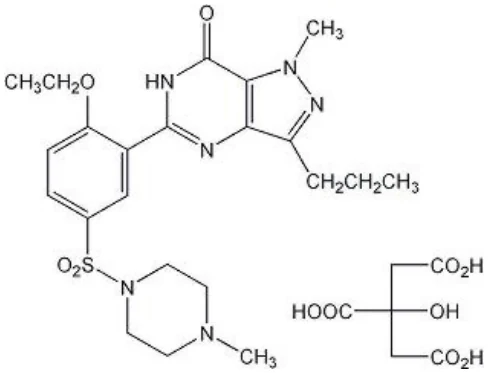
Proper name: sildenafil citrate
Chemical name:
Piperazine,1-[[3-(6,7-dihydro-1-methyl-7-oxo-3-propyl-1H- pyrazolo[4,3-d]pyrimidin-5-yl)-4- ethoxyphenyl]sulphonyl]-4-methyl-,2-hydroxy-1,2,3- propanetricarboxylate
Molecular formula and molecular mass: C22H30N6O4S·C6H8O7; 666.7 g/mol
Structural formula:
Physicochemical properties: Sildenafil citrate is a white to off-white crystalline powder.
pka: protonation of tertiary amine 6.53
deprotonation of pyrimidirone moiety 9.17
Partition coefficient: octanol/water 2.7
Solubility (23 ºC): water 3.5 mg/mL
1M HCl 5.8 mg/mL
1M NaOH 42.3 mg/mL
CLINICAL TRIALS
Comparative Bioavailability Studies
A single-dose, randomized, blinded, crossover, pivotal, comparative bioavailability study of Sildenafil tablets, 100 mg (Methapharm Inc.) and VIAGRA® 100 mg tablets (Pfizer Canada Inc.) was conducted in healthy male volunteers under fasting conditions. Bioavailability data were measured and results were summarized:
| Sildenafil (1 x 100 mg) From measured data Geometric Mean Arithmetic Mean (CV %) | ||||
| Parameter | Test* | Reference** | % Ratio of Geometric Means | 90% Confidence Interval |
| AUCT (ng.h/mL) | 1568.08 1681.06 (36.22) | 1677.08 1810.85 (37.56) | 93.50 | 87.41 – 100.02 |
| AUCI (ng.h/mL) | 1624.84 1737.69 (35.22) | 1697.77 1834.99 (37.77) | 95.70 | 89.80 – 102.00 |
| Cmax (ng/mL) | 489.96 558.02 (52.30) | 533.37 608.58 (54.13) | 91.86 | 78.51 – 107.49 |
| Tmax§ (h) | 1.00 (0.250 – 4.00) | 1.00 (0.33 – 4.00) | ||
| T1/2† (h) | 4.17 (16.66) | 4.28 (18.11) | ||
* Sildenafil tablets, 100 mg (Methapharm Inc.)
** Viagra ® 100 mg tablets (Pfizer Canada Inc.) were purchased in Canada
§ Expressed as median (range) only
† Expressed as the arithmetic mean (CV%) only
Bioequivalence Results:
The calculated 90% confidence interval for the ratio of geometric means for AUCt and the ratio of geometric means for Cmax for sildenafil were entirely contained within 80.0% to 125.0%.
Therefore, in this study, bioequivalence was demonstrated between Sildenafil Citrate Tablets, 100 mg (Methapharm Inc.) and Viagra Tablets, 100 mg (Pfizer Canada Inc.) when administered in normal, healthy, male volunteers under fasting conditions.
Study demographics and trial design
Sildenafil citrate was evaluated at doses including 25 mg, 50 mg and 100 mg in 21 randomized, double-blind, placebo-controlled trials of up to 6 months duration. In these studies, sildenafil citrate was administered to more than 3000 patients aged 19 to 87 years, with ED of various etiologies (organic, psychogenic, mixed) with a mean duration of 5 years.
This patient population included men with the following concomitant conditions: angina, benign prostatic hyperplasia (BPH), depression, type I and type II diabetes mellitus, hypertension, previous myocardial infarction, radical prostatectomy, spinal cord injury, transurethral resection of the prostate (TURP), and vasculogenic disease.
Efficacy was demonstrated in all 21 studies and results were consistent regardless of baseline severity, etiology and age. Efficacy was maintained over the long-term (1 year). Sildenafil citrate was effective in a broad range of ED patients, including those with a history of coronary artery disease (myocardial infarction, angina), hypertension, other cardiac disease (arrhythmias, congestive heart failure), peripheral vascular disease, diabetes mellitus, depression, coronary artery bypass graft (CABG), radical prostatectomy and TURP, and in patients taking antidepressants, antihypertensives, antipsychotics, and diuretics.
Study results
Sildenafil citrate was studied in clinical trials of various designs. In fixed-dose clinical trials, 62%, 74%, and 82% of patients on 25 mg, 50 mg and 100 mg of sildenafil citrate, respectively, reported an improvement in their erections, compared to 25% on placebo (see Figure 1).
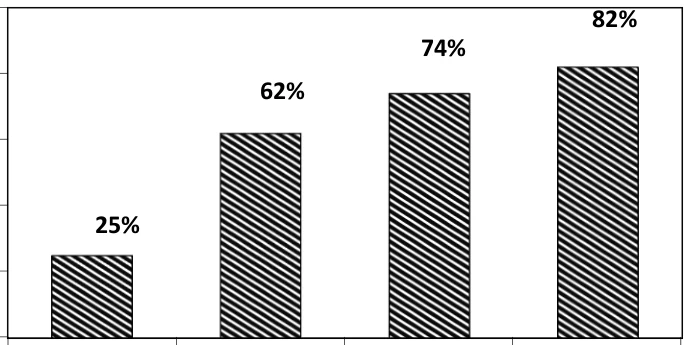
Overall treatment p<0.0001 Figure 1 - Percentage of Patients reporting an Improvement in Erections
The primary efficacy endpoints were the ability to both achieve and maintain an erection sufficient for sexual intercourse, as measured by patient responses to the International Index of Erectile Function (IIEF), a sexual function questionnaire. The results from the partner questionnaire corroborated the data from the study subjects, with analyses showing clear treatment related improvements in the ability to achieve and maintain erections.
Responses to the IIEF are scored on a five-point scale ranging from ‘almost never/never’ (1) to ‘almost always/always’ (5), with a score of (0) assigned for no attempts at sexual intercourse. During IIEF validation, scores for the primary efficacy endpoints for men without erectile dysfunction were 4.38 and 4.34, respectively. Compared to baseline treatment over 12 weeks, sildenafil citrate patients reported the following statistically significant changes (see Figure 2).
0
20
40
60
80
100
Placebo
(n=537)
VIAGRA
25mg
n=294
VIAGRA
50mg
n=470
VIAGRA
100mg
n=455
25%
62%
74%
82%
Treatment group
Sildenafil citrate 50mg n=470
Percentage patients reporting improvement
Sildenafil citrate 100mg n=455
Sildenafil citrate 25mg n=294
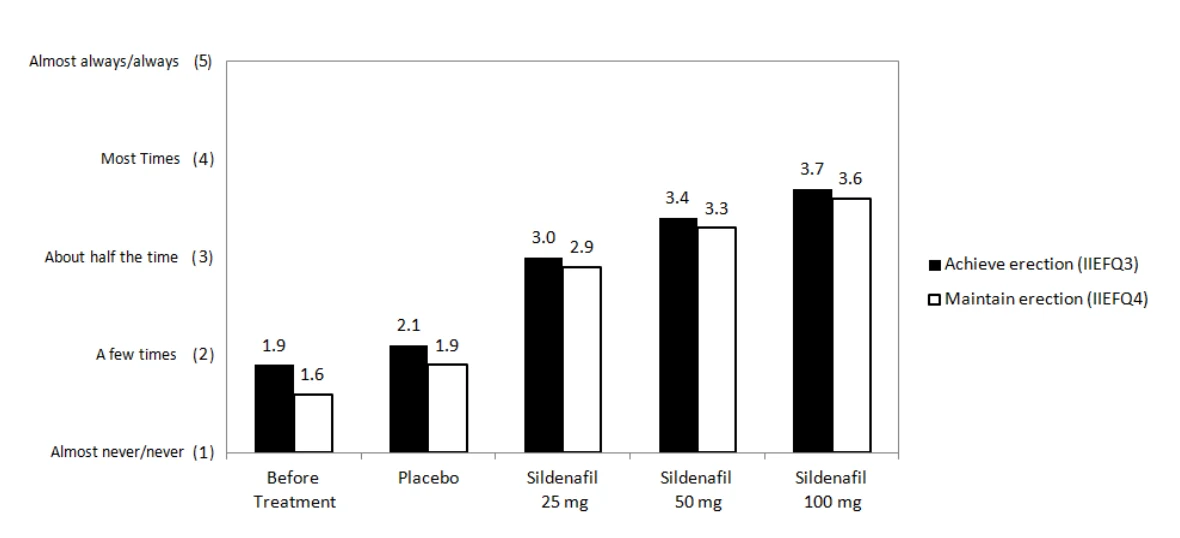
Figure 2 - Effect of VIAGRA on Ability to Achieve and Maintain an Erection Sufficient for Sexual Intercourse
Men with untreated ED have lower scores (Figure 3, Bar 1) for all sexual function domains of the IIEF (erection, orgasm, desire, overall satisfaction, intercourse satisfaction). In these men, sildenafil citrate restores the values of the domains (Figure 3, Bar 2) towards the values of age matched controls without ED (Figure 3, Bar 3).
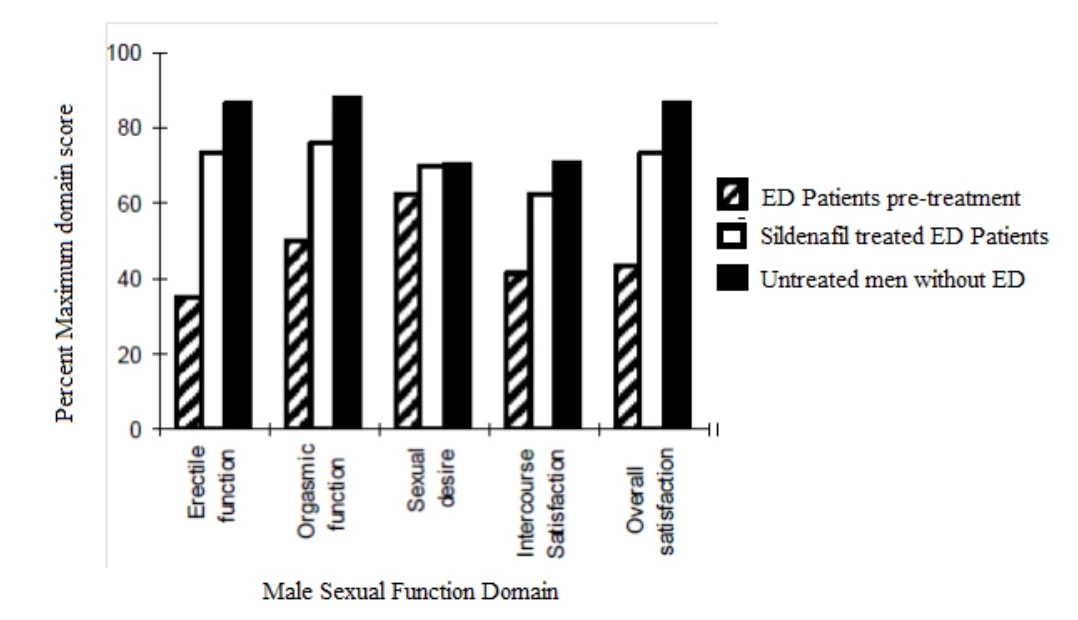
Sildenafil increases couples’ ability to have sexual intercourse. With sildenafil citrate, 64%, 67% and 72% of attempts resulted in successful sexual intercourse on doses of 25 mg, 50 mg, and 100 mg, respectively, compared to 23% on placebo. Of sildenafil citrate patients with one or more successful attempt at intercourse, 81% of attempts were successful.
The efficacy of sildenafil citrate was maintained over time. In a long-term, open-label trial of 12-month duration, 88% (256/292) of patients reported that sildenafil citrate treatment improved their erections.
Eighty-seven percent (87%) of patients completed the one-year study. When these patients were followed for an additional year (total exposure of 24-months), oral sildenafil was an effective, well tolerated treatment for erectile dysfunction of organic, pyschogenic or mixed aetiology.
In a controlled clinical study which reflects the recommended dosage regimen, 74% of patients were taking sildenafil citrate 100 mg after 12 weeks of treatment, compared to 23% and 3% taking sildenafil citrate 50 mg and 25 mg, respectively.
Other Patient Populations:
Across all trials, sildenafil citrate improved the erections of 59% of diabetic patients, and 43% of radical prostatectomy patients (versus 16% and 15% on placebo, respectively). This was assessed using the GAQ.
In a study of patients with spinal cord injury, sildenafil citrate improved the ability to have sexual intercourse in 80% of patients versus 10% on placebo.
Subgroup analyses of responses to a global improvement question in patients with psychogenic etiology in two fixed-dose studies and two titrations studies showed 84% of sildenafil citrate patients reported improvement in erections compared with 26% of placebo patients.
These studies confirm that sildenafil enhances the erectile response to sexual stimulation in subjects with erectile dysfunction (ED) of psychogenic and broad-spectrum etiology, including patients with diabetes mellitus and with spinal cord injury.
Use with Other Concomitant Therapies:
Antihypertensives
A large (n=568) randomized, double-blind, placebo-controlled, parallel group, multicenter, flexible-dose study (sildenafil citrate up to 100 mg) in males with erectile dysfunction and arterial hypertension taking 2 or more antihypertensive agents was conducted (the majority of these were diuretics, beta blockers, ACE inhibitors and calcium channel blockers). Fifty-eight percent of the patients were taking 2 antihypertensive agents and 42% were taking 3 or more antihypertensive agents composed of similar groups of drugs for blood pressure control. Sildenafil citrate improved the erections in 71% of men compared to 18% in the placebo group, and 62% of attempts at sexual intercourse were successful with Sildenafil citrate compared to 26% on placebo. The incidence rate of all adverse events, including those possibly related to hypotensive episodes, was consistent with observations in other patient populations. Also, there was no evidence of an increased incidence rate of any adverse event in the subgroups taking 2 antihypertensive agents and 3 or more antihypertensive agents. There was no indication of additional safety risk of sildenafil use in this subject population (see WARNINGS AND PRECAUTIONS).
DETAILED PHARMACOLOGY
Human
Pharmacodynamic Studies
Oral doses of sildenafil of 50 mg, 100 mg and 200 mg produced statistically significant decreases in supine systolic and diastolic blood pressure (a mean maximum decrease of approximately 8 mm Hg and 5 mm Hg, respectively) compared with placebo, with no effect on pulse rate. The mean maximum fall in systolic and diastolic blood pressure occurred at peak plasma levels (approximately 1 hour post-dose), and there was a tendency for blood pressure to return to baseline values by 4 hours post-dose.
In healthy volunteers, there were no clinically significant changes in cardiac index (derived from bio-impedence measures of cardiac output) up to 12 hours post-dose for sildenafil administered orally (100 mg, 150 mg and 200 mg), nor intravenously (20-80 mg), compared with placebo. Sildenafil has both arteriodilator and venodilator effects on the peripheral vasculature.
In a study of the hemodynamic effects of a single oral 100 mg dose of sildenafil in 14 patients with severe coronary artery disease (CAD) (>70% stenosis of at least one coronary artery), the mean resting systolic and diastolic blood pressures decreased by 7% and 6%, respectively compared to baseline. Mean pulmonary systolic blood pressure decreased by 9%. Sildenafil had no effect on cardiac output, and did not impair blood flow through the stenosed coronary arteries, and resulted in improvement (approximately 13%) in adenosine-induced coronary flow reserve (in both stenosed and reference arteries).
In a double-blind study, 144 patients with erectile dysfunction and chronic stable angina limited by exercise, not receiving chronic oral nitrates, were randomized to a single dose of placebo or sildenafil citrate 100 mg 1 hour prior to exercise testing. The primary endpoint was time to limiting angina in the evaluable cohort. The mean times (adjusted for baseline) to onset of limiting angina were 423.6 and 403.7 seconds for sildenafil (N=70) and placebo, respectively. These results demonstrated that the effect of sildenafil citrate on the primary endpoint was statistically non-inferior to placebo. It should be noted that the results presented were from a controlled clinical research trial in which selected patients were carefully screened and monitored.
After patients have taken sildenafil citrate, it is unknown when nitrates, if necessary, can be safely administered. Based on the pharmacokinetic profile of a single 100 mg oral dose given to healthy normal volunteers, the plasma levels of sildenafil at 24 hours post-dose are approximately 2 ng/mL (compared to peak plasma levels of approximately 440 ng/mL). In the following patients: age >65, hepatic impairment (e.g. cirrhosis), severe renal impairment (e.g. creatine clearance <30 mL/min), and concomitant use of potent cytochrome P-450 3A4 inhibitors (erythromycin), plasma levels of sildenafil at 24 hours post-dose have been found to be 3 to 8 times higher than those seen in healthy volunteers. Although plasma levels of sildenafil at 24 hours post-dose are much lower than at peak concentration, it is unknown whether nitrates can be safely coadministered at this time point (see CONTRAINDICATIONS).
Single oral doses of sildenafil above 15 mg were generally associated with a potentiation of the antiaggregatory effects of sodium nitroprusside (SNP) on ADP aggregation of ex vivo platelets. Sildenafil had no effect on other ex vivo tests (ADP-induced platelet aggregation of whole blood and ADP-induced aggregation of platelet-rich plasma in the absence of SNP). Sildenafil therefore has no direct effect on platelet function ex vivo, but potentiates the action of a nitric oxide (NO) donor, SNP. This confirms the need for an NO drive before sildenafil will produce its pharmacological effects. These modest effects on platelet activity, ex vivo, did not result in a clinically significant effect on bleeding time in healthy volunteers.
Effect of Sildenafil on Sperm Motility:
Sildenafil had no effect on sperm motility, morphology, count, density, vitality, ejaculate volume or viscosity. The concentrations of sildenafil in the ejaculate, 1.5 hours and 4 hours post-dose, were 18% and 17%, respectively, of the concentrations in plasma at the same time points. The concentrations of the metabolite, at the same time points were 5% and 15%, respectively.
There was no effect on sperm motility or morphology after single 100 mg oral doses of sildenafil citrate in healthy volunteers.
Effects of Sildenafil on Vision:
At single oral doses of 100 mg and 200 mg, transient dose-related impairment of colour discrimination (blue/green) was detected using the Farnsworth-Munsell 100-hue test, with peak effects near the time of peak plasma levels. This finding is consistent with the inhibition of PDE6, which is involved in phototransduction in the retina. An evaluation of visual function at doses up to twice the maximum recommended dose revealed no effects of sildenafil citrate on visual acuity, contrast sensitivity, ERGs, intraocular pressure, or pupillometry. In flexible titration studies of 4 to 26 weeks, 3% of patients on sildenafil reported visual disturbances: mild and transient impairment of colour discrimination (predominantly blue/green), and also increased perception to light or blurred vision (see WARNINGS AND PRECAUTIONS).
In healthy volunteers aged 40-65 years, single doses of sildenafil up to 200 mg had no clinically relevant effect on visual acuity, contrast sensitivity, pupil diameter and constriction velocity, visual fields, recovery time following dazzle, electroretinogram or intraocular pressure. Modest, transient changes in colour discrimination were observed (Farnsworth-Munsell 100 Hue test) after 100 mg and 200 mg doses, but not at 50 mg. At 100 mg, this effect was apparent only at one hour after dose and at 200 mg, up to two hours after dose.
In a placebo-controlled, crossover study of patients with documented early age-related macular degeneration (n=9), sildenafil (single dose, 100mg) was well-tolerated and demonstrated no clinically significant changes in the visual tests conducted (visual acuity, Amsler grid, color discrimination, simulated traffic light, Humphrey perimeter and photostress).
Pharmacokinetic Studies
When administered orally to healthy male volunteers in the fasted state, sildenafil was rapidly absorbed, with maximum observed plasma concentrations (Cmax) occurring 0.5-2 hours after dosing in most subjects. Cmax and areas under the plasma concentration time curve to infinite time (AUC) increased in a proportional manner with dose over the clinical dose range 25-100 mg.
Sildenafil has an apparent volume of distribution at steady state (Vss) of 105 litres and a mean plasma clearance (CL) of 41 L/h. Both Vss and CL were shown to be significantly correlated to body weight. The absolute oral bioavailability was 41%. Sildenafil has a terminal half-life of approximately 4 hours (range 2-8 hours). Approximately 96% of sildenafil is bound to plasma proteins.
Metabolism and Elimination
The major circulating metabolite of sildenafil, results from N-demethylation of sildenafil at the N-methyl piperazine moiety. It has a similar selectivity for PDE isozymes as sildenafil, but exhibits around 50% of the potency of sildenafil. The metabolism of sildenafil occurs in human hepatic microsomes and is mediated by two cytochrome P-450 isoforms [CYP2C9 (minor route) and CYP3A4 (major route)].
The concomitant use of potent cytochrome P-450 3A4 inhibitors (e.g. erythromycin, saquinavir, ritonavir, ketoconazole, itraconazole) as well as the non-specific CYP inhibitor, cimetidine, is associated with increased plasma levels of sildenafil (see WARNINGS AND PRECAUTIONS, DOSAGE AND ADMINISTRATION).
TOXICOLOGY
Acute Toxicity Mice and Rats:
| Species | Route | Dose mg/kg/ day | #Animals/ dose level | Duration | Findings | |||
| Single dose oral toxicity in mice and rats (90155/56) | ||||||||
Sprague- Dawley rat CD1 mice | Oral (gavage) | rat: 300 500 1000 mice: 500 1000 | 5/sex | 1 day | At 1000 mg/kg one male mouse died within 24 hours after drug administration. In rats, mortality occurred in three females at 1000 mg/kg and in one female at 500 mg/kg. The dose of 1000 mg/kg induced clinical signs in both species, generally within 24 hours following the administration, which persisted less than 24-48 hours. Some of these signs were similar in mice and rats and consisted of partially-closed eyes, hunched posture, tremours, depression, coldness to the touch (with pallor of ears and paws in rats) and prostration. Female rats were more affected than male rats. Dyspnea was limited to one mouse, and chromodacryorrhea to four female rats. Clinical signs at 500 mg/kg included partially-closed eyes in one mouse and subdued behaviour in the female rat which died. No clinical signs were observed in rats at 300 mg/kg. In both species, the doses administered induced no changes in body weight gain and there were no treatment-related macroscopical changes at gross necropsy. These results indicate that the no observed adverse effect level (NOAEL) was 500 mg/kg in mice and 300 mg/kg in rats. | |||
| Single dose intravenous toxicity in mice and rats (91045/046) | ||||||||
Sprague- Dawley rat CD1 mice | I.V. | rat: 10 mice:20 | 5/sex | 1 day | AII animals survived the treatment and gained weight over the 14-day study period. There were no clinical signs during the study and no abnormalities at necropsy. Under the conditions of this study, the no observed effect level (NOEL) after intravenous administration was 20 mg/kg in mice and 10 mg/kg in rats. | |||
Long-Term Toxicity - Mice:
| Species | Route | Dose mg/kg/ day | #Animals/ dose level | Duration | Findings | |||
| 3-Month oral (gavage) prechronic toxicity study in mice (94049) | ||||||||
| CD1 | Oral (gavage) | 10 50 100 200 | 10/sex | 3 months | The exposure to sildenafil and its metabolite UK-103,320 was similar in males and females and approximately dose-related. Treatment-related mortality occurred in 3/20 animals in each group given 50, 100 or 200 mg/kg. A marked gastrointestinal dilation was the cause of the death and was associated with a number of clinical signs, in particular dyspnea and/or swollen abdomen. This dilation resulted in gastrointestinal inflammation, fatty changes and focal/multifocal necrosis in the liver, atrophy of adipose tissues and hemoconcentration. There was also a mild gastrointestinal dilation in a few survivors of these groups. In males treated with 50, 100 or 200 mg/kg, there was an apparent decrease in body weight gain. However, in the absence of dose relationship and consistent statistical significance, the association with treatment is questionable. Plasma cholesterol was slightly increased in females treated with 50, 100 or 200 mg/kg and plasma triglycerides were slightly decreased in males treated with 100 or 200 mg/kg. However we consider these changes to be of minor toxicological importance. The NOAEL in this study was 10 mg/kg, given the mortality and gastrointestinal dilation at higher doses. | |||
| Single dose intravenous toxicity in mice and rats (91045/046) | ||||||||
| CD1 | Oral (gavage) | 20 40 100 | 10/sex | 3 months | The exposure to sildenafil and its metabolite UK-103,320 was similar in males and females and increased superproportionally with dose level. Treatment-related mortality occurred in 1/20 animals in each group given 40 or 100 mg/kg. A marked gastrointestinal dilation was the cause of the death and was associated with a number of clinical signs, in particular dyspnea and/or swollen abdomen. There was also a transient abdominal swelling in a few survivors of these groups. The NOAEL in this study was 20 mg/kg, given the mortality and gastrointestinal dilation at higher doses. | |||
Long-Term Toxicity - Rats:
| Species | Route | Dose mg/kg/ day | #Animals/ dose level | Duration | Findings | |||
| 10-Day oral range-finding toxicity in rats (90080) | ||||||||
| Sprague Dawley | Oral (gavage) | 50 150 500 | 5/sex | 10 days | Measurement of plasma concentrations of sildenafil and UK-103,320 showed that females were exposed predominantly to the drug while males were exposed mainly to the metabolite, UK-103,320, and a lower level of unchanged compound. Concentrations of UK-95,340 were generally below the limit of determination (30 ng/mL). Exposure increased with dose but not in linear manner. At 500 mg/kg, 1/5 females died after the second dose with no apparent cause of death. Of the animals used for plasma drug determination, 1/10 rats at 150 mg/kg and 2/10 rats at 500 mg/kg died after the first or second dose. As these animals died after taking blood samples, they were not considered in the analysis of mortality. Food consumption was decreased between day 1 and 4 in mid- and high-dose males and in all treated female groups. A dose-related decrease of plasma triglycerides occurred in males, and an increase of plasma cholesterol was seen in high-dose females. Blood urea increased in mid- and high-dose males and in the 3 treated female groups. Relative heart weight was slightly increased in high-dose males. Kidney and liver weights were increased in mid- and high-dose females, and in high-dose males. The increase of liver weight was associated with centrilobular hypertrophy. Changes in red blood cell parameters were seen in females. They indicate a decrease of circulating red blood cells at the 3 dose levels, with some evidence of regenerative response at the high dose. An increase of white blood cell counts was recorded at the mid dose in females and at the high dose in both sexes. Changes at the dose of 50 mg/kg were considered minor. The NOAEL in this study was 150 mg/kg, based on the mortality at 500 mg/kg. | |||
| 1-Month oral toxicity in rats (90143) | ||||||||
| Sprague Dawley | Oral (gavage) | 10 45 200 | 10/sex | 1 month | Plasma concentrations of sildenafil were higher in females than in males, while concentrations of the metabolite, UK-103,320, were higher in males than in females. As a result, females were exposed predominantly to the unchanged drug and males to an almost equal balance of drug and metabolite. These data indicate that N-demethylation of sildenafil to UK-103,320 is an important route of sildenafil biotransformation in male rats. Concentrations of UK-95,340 were generally below the limit of determination (30 ng/mL). One of the high-dose females used for plasma drug level determination died after the first dose, before blood samples had been taken. Clinical signs were limited to a few high-dose animals and consisted of chromodacryorrhea and palpebral closure. Slight increases in water and food intake were seen generally in mid- and high-dose animals. A mild dose-related decrease in circulating red blood cells with evidence of a regenerative response was found in mid- and high-dose females and, to a smaller extent, in high-dose males. A moderate neutrophilia was seen in high-dose males, while a moderate lymphocytosis occurred in mid- and high-dose females. Plasma chemistry changes at the high dose consisted of increases in urea, decreases in triglycerides (males) and increases in cholesterol (females), but remained within our normal range of values. Doses of 45 and/or 200 mg/kg were associated with an increase in liver weight and centrilobular hypertrophy in both sexes. Hypertrophy of the zona glomerulosa of the adrenal glands was seen in the high-dose males and in the mid- and high-dose females. Thyroid follicular hypertrophy occurred at the high dose in both sexes. In addition, mesenteric arteritis was found in two mid-dose and one high-dose males, but was not considered to be related to the treatment. The NOAEL was 45 mg/kg in this study. | |||
| 28-Day oral exploratory toxicity study in rats (94085) | ||||||||
| Sprague-Dawley | Oral (gavage) | 0 60 120 | 10 males/ group | 28 days | A 2-year rat carcinogenicity study with sildenafil citrate at a contract laboratory (Study No. 911/002), at doses of 1.5, 5 and 60 mg/kg, was terminated after unexpectedly high mortality and severe toxic effects in high-dose males during weeks 3 and 4. An exploratory study was performed to confirm that the batch of sildenafil used at the contract laboratory did not induce severe toxicity. The only treatment-related effects were a mild dose-related increase in liver and kidney weights and possibly a slight decrease in body weight gain. Importantly, the absence of death in this study confirms the results of previous studies up to 200 mg/kg, and contrasts with the results of the study at the contract laboratory. Subsequently, it was shown that the mortality in the carcinogenicity study (Study No. 911/002) was due to dosing with a cytotoxic compound from another company and not sildenafil. Consequently, the contracted carcinogenicity study was invalid. | |||
| Species | Route | Dose mg/kg/ day | #Animals/ dose level | Duration | Findings | |||
| Investigation of the relationship between liver enzyme induction and thyroxine clearance in rats (96010) | ||||||||
| Sprague-Dawley | Oral (gavage) | 200 | 10 females | 1 month | Following the appearance of thyroid follicular hypertrophy in rats, an investigative study was conducted to examine the relationship between liver enzyme induction and thyroid hypertrophy in rats. Two groups of 10 female rats were treated orally with sildenafil citrate at 200 mg/kg for 29 days, and two control groups received the vehicle alone. One treated group and one control group were used for assessment of exogenous thyroxine clearance. The other treated group and the other control group were used for measurement of plasma TSH and thyroid hormones, for histopathological examination of the liver and thyroid, and for determination of UDP-glucuronyl transferase (UDPGT) activity in the liver. The treatment caused the deaths of 2/20 rats on days 2 or 3. In the treated group, there was an increase in the weight of liver and thyroid, associated with minimal centrilobular hypertrophy of the liver and thyroid follicular cell hypertrophy. There was also an increase in hepatic UDPGT activity, an increase in TSH, and a decrease in T3 and T4 hormones. In addition, the clearance of exogenous thyroxine was increased in treated animals. These results are consistent with the view that the thyroid hypertrophy associated with treatment of rats with sildenafil was due to induction of hepatic UDPGT which increased the clearance of thyroid hormone and consequently caused a compensatory increase in plasma TSH which stimulated the thyroid gland. | |||
| 6-Month oral toxicity study in rats (91098) | ||||||||
| Sprague-Dawley | Oral (gavage) | 3 12 60 | 20/sex | 6 months | Drug and metabolite plasma level determinations showed that females were exposed predominantly to sildenafil while males were exposed almost exclusively to the metabolite. No treatment-related deaths were recorded. Chromodacryorrhea was seen in the 3 treated groups. Body weight gain and food consumption were increased at the low dose and, to a lesser extent, at the mid dose. A trend towards a reduced body weight gain was seen at the high dose; however, the relationship to compound administration cannot be ascertained. Decreases of plasma bilirubin and triglycerides, and increases in plasma urea, total proteins and cholesterol were seen at the high dose. These changes suggest compound-induced metabolic changes in the liver. Increase in liver weight associated with mild centrilobular hypertrophy indicate an adaptive response. Thyroid hypertrophy occurred at the high dose in both sexes and at a lower incidence in mid-dose males. This change was considered to be a secondary phenomenon related to increased hepatic clearance of thyroid hormone. Although thyroid hormones and hepatic clearance were not measured in this study, changes in these parameters were demonstrated in an exploratory study (Study No. 96010). Hypertrophy of the zona glomerulosa of the adrenal gland occurred with a dose-related incidence at the mid and high doses and was associated with an increase in the weight of the organ at 60 mg/kg. The NOAEL in this study was 60 mg/kg. | |||
| 13-Day intravenous range-finding in rats (90139) | ||||||||
| Sprague-Dawley | I.V. | 2.5 5 10 | 5/sex | 13 days | No deaths occurred during the treatment period. The only clinical sign noted was a transient redness of the ears in a few treated animals, notably in the high-dose male group. The NOAEL in this study was 10 mg/kg. | |||
| 1-Month intravenous toxicity study in rats (91044) | ||||||||
| Sprague-Dawley | I.V. | 0.5 2 4 | 10/sex | 1 month | No compound-related changes were seen at the doses of 0.5 and 2 mg/kg. At the dose of 4 mg/kg, the incidence and severity of mild myocardial inflammation was slightly increased compared to the control group; the relationship to treatment cannot be ascertained. The NOAEL in this study was 2 mg/kg. | |||
Long-Term Toxicity - Dogs:
| Species | Route | Dose mg/kg/ day | #Animals/ dose level | Duration | Findings | |||
| 10-Day oral range-finding toxicity in dogs (90081) | ||||||||
| Beagle | Oral (gavage) | 10 30 100 | 1 male 2 females | 10 days | Plasma concentrations of sildenafil and UK-103,320 were similar in males and females and increased with dose, although subproportionally at the high dose. The proportion of UK-103,320 relative to sildenafil varied minimally (18-24%) over the dose range examined and indicates no detectable saturation of this metabolic pathway. Concentrations of UK-95,340 were generally below the limit of determination (30 ng/mL). Emesis and salivation occurred at the dose of 100 mg/kg, and lacrimation, conjunctival redness and a transient decrease in amplitude of the pupillary reflex were seen at all dose levels. There was no evidence of a convincing change in blood pressure, given the spontaneous variation in this parameter. Heart rate was increased at 30 and 100 mg/kg, and probably represents a reflex response to the vasodilating properties of the compound. Decreases in PQ and QT intervals of the ECG at these doses were secondary to the heart rate changes. Two high-dose animals showed a moderate increase of plasma cholesterol which was not considered to be toxicologically important. An arteritis of an extramural branch of a coronary artery was found in one high-dose female. This is considered to be a spontaneous finding considering the morphological features and the background incidence in Beagle dogs in our laboratories. The NOAEL in this study was therefore 100 mg/kg. | |||
| 1-Month oral toxicity in dogs (90125) | ||||||||
| Beagle | Oral (gavage) | 5 20 80 | 3/sex | 1 month | The dogs were exposed to concentrations of sildenafil and UK-103,320, which increased with dose, although subproportionally at the high dose. The proportion of UK-103,320 relative to sildenafil varied minimally (15-19%) over the dose range examined and indicates no detectable saturation of this metabolic pathway. Concentrations of UK-95,340 were generally below the limit of determination (30 ng/mL). At the mid and high doses, the compound induced a low incidence of emesis and transient salivation. A moderate incidence of soft and liquid feces was noted at all doses. There was no evidence of consistent changes in blood pressure, although there were increases in heart rate at 20 and 80 mg/kg. Changes in the ECG (increased P-wave amplitude and decreases in PQ and QT intervals) were expected from the increases in heart rate. There was a moderate increase in plasma cholesterol at the high dose. A mild coronary arteritis was seen in one high-dose animal, but considering the morphological features of this finding, and the high background incidence in Beagle dogs in our laboratories, this was not thought to be treatment-related. The NOAEL was 80 mg/kg in this study. | |||
| 6-Month oral toxicity in dogs (91099) | ||||||||
| Beagle | Oral (gavage) | 3 15 50 | 4/sex | 6 months | Analyses of plasma sildenafil and UK-103,320 showed dose-related concentrations in the dog. The proportion of UK-103,320 relative to sildenafil varied minimally (15-23%) as the dose increased, indicating no saturation of this process. Salivation, emesis and resistance to compound administration were seen when the animals were treated with an initial high dose of 80 mg/kg, and reflected gastric intolerance to the compound at this dose level. These signs were rare after reducing the high dose to 50 mg/kg. A moderate increase in heart rate, associated with decreases in PQ and QT intervals, occurred at the high dose and is considered to be a reflex response to the vasodilatory properties of the drug. Increases in plasma cholesterol and in liver weight were seen in animals treated with 15 and 50 mg/kg. A high-dose male showed a number of clinical signs and changes in hematological parameters and plasma chemistry associated with a disseminated arteritis. These changes correspond to Idiopathic Juvenile Arteritis Syndrome (Beagle Pain Syndrome) which occurs sporadically in Beagle dogs. Another high-dose male showed arteritis in the thymus which indicated a less severe expression of the same disease. It is probable that the high dose precipitated the expression of this latent spontaneous disorder. The NOAEL in this study was 15 mg/kg, given the appearance of Idiopathic Juvenile Arteritis Syndrome at higher doses. | |||
| Species | Route | Dose mg/kg/ day | #Animals/ dose level | Duration | Findings | |||
| 12-Month oral toxicity study in dogs (95039) | ||||||||
| Sprague-Dawley | Oral (gavage) | 3 10 50 | 4/sex | 12 months | The dogs were exposed to approximately dose-related concentrations of sildenafil and its N-demethylated metabolite, UK-103,320. The proportion of UK-103,320 relative to sildenafil varied minimally as the dose increased. Features typical of a syndrome of Idiopathic Juvenile Arteritis occurred in all high-dose males. In 3/4 high-dose males, there was arteritis which affected several organs. In one of these dogs, arteritis was associated with a number of clinical signs, body weight loss and hematological changes. In the other two animals, there were no clinical or hematological correlates to arteritis. In addition, the fourth high-dose male presented clinical signs and clinical pathology changes typical of the syndrome though no vascular lesion was found at histopathology. Focal coronary arteritis occurred in one low-dose and one high-dose female; neither finding was considered treatment-related. The treatment produced an increase in the amount of lipogenic pigments in renal tubular epithelium in 1/8 animals at the mid dose and 7/8 animals at the high dose, a dose-related decrease in plasma creatine kinase, mainly in males, and a decrease in plasma myosin in high-dose animals. However, these changes were considered of no toxicological importance. A dose-related increase in heart rate occurred at the high and mid doses, and was considered to be due to compensatory mechanisms occurring in response to the vasodilatory properties of the compound. The NOAEL in this study was 10 mg/kg, given the appearance of Idiopathic Juvenile Arteritis Syndrome at higher doses. | |||
| 14-Day intravenous range-finding toxicity in dogs (90142) | ||||||||
| Beagle | I.V. | 3 12 60 | 20/sex | 6 mon | The doses of 5 and 10 mg/kg were associated with liquid feces and an inhibition of the pupillary reflex. An increase in heart rate was observed at the high dose and, to a lesser extent, at the mid dose. This change was probably related to the vasodilator effect of the compound. Evidence of vasodilatation was provided by the peripheral redness seen in two high-dose animals. An increase in plasma cholesterol occurred in 2/3 high-dose animals but was not considered to be toxicologically important. At the dose of 2.5 mg/kg, there were no treatment-related changes. The NOAEL was 10 mg/kg in this study. | |||
| 1-Month intravenous toxicity in dogs (91041) | ||||||||
| Beagle | I.V. | 0 0.5 2 4 | 3/sex | 1 month | The treatment induced no adverse effects. The NOAEL is therefore 4 mg/kg in this study. | |||
Bioequivalence - Dogs:
| Species | Route | Dose mg/kg/ day | #Animals/ dose level | Duration | Findings | |||
| Bioequivalence between base and citrate in dogs (91058) | ||||||||
| Beagle | Oral | 300 | 1 male 1 female | N/A | The aim of the current study was to assess, in the dog, the oral bioequivalence of a suspension of the base, and of capsules of the citrate. The base was suspended in a 5% aqueous solution of methylcellulose 4000 cps containing 0.1% Tween 80 and acidified with hydrochloric acid 0.1M (final concentration). The citrate salt was administered in gelatin capsules. On day 1, a first group of one male and one female beagle dogs was treated with the base and the second group of one male and one female was treated with the citrate. On day 8, the first group received the citrate, and the second group the base. The animals were regularly examined for clinical signs and weighed before each administration. Blood was sampled 0.25,0.5,1,1.5,2,3,4,6,8,11 and 24 hours after each administration. Plasma levels of UK-92,480 and two metabolites, UK-95-340 and UK-103,320, were measured. One male dog vomited after each administration and its drug and metabolite plasma concentrations were therefore considered not to be relevant. In other dogs, maximal plasma concentrations and AUCs of UK-92,480 and of UK-103,320, observed after administration of the citrate in capsules were similar to or higher than those seen after administration of the base in a suspension. All the plasma concentration of UK-95,340 were below the limit of detection of the assay. These data indicate that bioavailability of the citrate in the dog is identical to or better than that of the base. | |||
Carcinogenesis and Mutagenesis
Sildenafil was not carcinogenic when administered to rats for 24 months at a dose resulting in systemic drug exposure (AUC) of 110- and 146-times, respectively, for male (unbound sildenafil and its major metabolite) and female (unbound sildenafil) rats. The exposures observed in humans given the Recommended Human Dose (RHD) of 20 mg t.i.d. sildenafil was not carcinogenic when administered to mice for 18-21 months at dosages up to the Maximum Tolerated Dose (MTD) of 10 mg/kg/day, approximately 1.1 times the RHD on a mg/m2 basis.
Sildenafil has been studied in a comprehensive battery of tests designed to detect genotoxic activity. Sildenafil did not display mutagenic activity in bacterial or mammalian cells in vitro, or clastogenic activity in vitro or in vivo.
As the clinical dose is administered three times daily, the clinical free AUC used to calculate exposure multiples was 19 ng-h/mx3, and compared with the AUC 0-24 hours in the preclinical species
| Species | Route | Dose mg/kg/ day | #Animals/ dose level | Duration | Findings | |||
| Pharmacokinetic study in rats (94067) | ||||||||
| Sprague-Dawley | Oral (gavage) | 60 | 5/sex | 14 days | This study was conducted to provide an estimate of the pharmacokinetic exposure of rats over 24 hours. Plasma concentrations of sildenafil were higher in females than in males, while concentrations of the metabolite, UK-103,320, were higher in males than in females. | |||
| Oral toxicity and carcinogenicity study in mice (95007) | ||||||||
| CD1 | Oral (gavage) | 3 10 30 | 55/sex | 3 & 10 mg: males 649 days females 558 days 30 mg: males 453 days females 404 days | The exposure to the parent compound and the demethylated metabolite, UK-103,320 was dose-related. The compound produced an increase in mortality rate with consequent decreases in survival times and percent of survival. The effect was marked at the mid dose in females and at the high dose in both sexes. In addition, the percent of survival was also slightly decreased in mid-dose males, at the end of the study. Because of the lower survival in mid- and high-dose animals interim sacrifices were decided. When the survival in the high-dose group reached about 20%, the survivors were sacrificed, on day 405 (females) or 454 (males). Control, low- and mid-dose groups were sacrificed on day 559 (females) or 650 (males), when the survival at the mid dose was about 20%. In a number of animals, especially high-dose males (40%), unscheduled death was preceded by abdominal swelling and/or dyspnea. Gastrointestinal dilation and gavage accident were identified as causes of unscheduled death related to treatment. Additionally, the number of deaths without explanatory macroscopic or histopathological changes was higher in mid- and high-dose groups than in the control groups. In high-dose males and females, there was also a trend to body weight decrease compared to controls (10 and 18%, respectively). In addition, there was an abrupt body weight loss in most animals dying prematurely which was more marked in mid- and high-dose females. The treatment produced no increase in the incidence of neoplastic lesions. Furthermore, in the animals sacrificed at the various interim and final sacrifices, there were no differences in the incidence of non-neoplastic lesions between control and treated groups. In conclusion, the doses of 10 and 30 mg/kg produced signs of toxicity consisting mainly of a dose-related increase in mortality. At the dose of 3 mg/kg, although there was no compound effect on group mortality, 2 animals died from gastrointestinal dilation. There were no carcinogenic effects at any dose. | |||
| Species | Route | Dose mg/kg/ day | #Animals/ dose level | Duration | Findings | |||
| 24-Month oral toxicity and carcinogenicity study in rats study (94092) | ||||||||
| Sprague-Dawley | Oral (gavage) | 1.5 5 60 | 60/sex | 24 month | The rats were exposed to plasma concentrations of sildenafil and UK-103,320 that increased with dose levels. Male rats were exposed predominantly to UK-103,320, whereas unchanged drug was the major circulating form in females. Overall, the total exposure to drug and metabolite was higher in females than in males. The treatment produced no mortality. Survival at the end of the study ranged between 18 and 42% in males and between 15 and 25% in females. The body weight was decreased in high-dose animals, compared to controls. A transient decrease in body weight occurred also in mid-dose females. There was a dose-related decrease in plasma bilirubin which, in our view, is related to the enzyme-inducing properties of the compound. In high-dose males there was an increased incidence of proliferative changes in the thyroid which was mainly related to an increase in follicular cell hyperplasia. We consider that these changes are the consequence of an increased turnover of thyroid hormones due to hepatic enzyme induction and bear no relevance to man. To conclude, the dose of 60 mg/kg was associated with a toxicologically significant decrease in body weight and with an increase in follicular proliferative changes in the thyroid in males. At 5 mg/kg there was only an inconsistent decrease in the body weight of females. There were no compound effects at 1.5 mg/kg. There were no indications of a carcinogenic potential of sildenafil. | |||
| Mutagenicity studies (90817-01/02) | ||||
| Study Type | Strain | Dose | Results | |
| in vitro bacterial mutagenicity | S. typhimurium TA 1535, 1537, 98, 100 | 0.002 - 1 mg/plate | negative | |
| in vitro mammalian cell mutagenicity | Chinese Hamster Ovary / HGPRT | 65-240 g/mL | negative | |
| in vitro clastogenicity | Human lymphocytes | 10, 20, 25 g/mL -S9 100, 125, 250 g/mL + S9 | negative | |
| in vivo clastogenicity | Mouse bone marrow | 0, 500, 1000, 2000 mg/kg | negative | |
Reproduction and Teratology
No evidence of teratogenicity, embryotoxicity or fetotoxicity was observed in rats and rabbits which received up to 200 mg/kg/day during organogenesis. These doses represent, respectively, about 32 and 68 times the RHD on a mg/m2 basis in a 50 kg subject. In the rat pre- and postnatal development study, the no observed adverse effect dose was 30 mg/kg/day given for 36 days. In the non-pregnant rat the AUC at this dose was about 24 times unbound human AUC.
| Species | Route | Dose mg/kg/ day | #Animals/ dose level | Duration | Findings | |||
| Maternal toxicity study in rats by the oral route (92020) | ||||||||
| Sprague Dawley | Oral (gavage) | 10 50 200 | 7 females | Gestation days 6-17 | Hematological, biochemical (plasma) and pathological changes were recorded only at 200 mg/kg. Hematological changes consisted of a moderate decrease in hemoglobin, red blood cell count and packed cell volume accompanied by an increase in the mean red blood cell distribution width. The only variation observed in plasma chemistry was a decrease in mean plasma triglycerides. Finally, a mild hepatic weight increase with hepatic centrilobular hypertrophy was noted after pathological examination. With regard to the fetuses, there was a decrease in the mean male body weight at 200 mg/kg. In male fetuses at 10 and 50 mg/kg and in female fetuses at all dose levels, the mean body weights were similar to those of the control group. The NOAEL was 50 mg/kg in dams and fetuses given the changes in plasma chemistry and fetal weight of males at 200 mg/kg. | |||
| Study of fertility and early embryonic development to implantation in rats by the oral route (94081) | ||||||||
| Sprague Dawley | Oral (gavage) | 3 12 60 | 20/sex | Males: from 9 weeks before mating to gestion day 20 Females: from 2 weeks before mating to gestation day 6 | The treatment produced no adverse effects on the fertility of either sex. In addition, there was no evidence of maternal, embryo- or fetotoxicity. The only finding was a moderate reduction in plasma triglycerides in females treated with 60 mg/kg. Therefore the NOAEL in this study was 60 mg/kg. | |||
| Study for effects on pre- and post-natal development, including maternal function, in rats by the oral route (95068/95095) | ||||||||
| Sprague-Dawley | Oral (gavage) | 10 30 60 | 20 females | from gestation day 6 until 20 days after birth | The only noteworthy finding was a toxicologically significant decrease in the ratio of viable pups at birth, with consequently a decreased litter size of viable pups, at 60 mg/kg. At this high-dose level, there was a toxicologically significant decrease in the 4-day survival index, in the F1 pups body weight on day 1 p.p. and some delay in a developmental landmark, the appearance of upper incisors. There were no findings in the reproductive function of the F1 generation, and in the F2 generation. The NOAEL was 30 mg/kg for F0 females and F1 pups, given the minimal maternal toxicity and the effect on pup development during the first 2 weeks of life. The NOAEL for the F2 generation is 60 mg/kg. | |||
| Study for effects on embryo-foetal development in rats by the oral route (95058/95059) | ||||||||
| Sprague-Dawley | Oral (gavage) | 10 50 200 | 20 females | Gestation days 6-17 | There were detectable levels of sildenafil and UK-103,320 in maternal plasma, amniotic fluid and fetal homogenates at all dose levels. Treatment at 200 mg/kg produced salivation and a reduction in mean body weight gain between days 6 and 9 p.c., accompanied by a decrease in food intake on day 9 p.c. On day 18 p.c., the mean food consumption increased. Hematological changes consisted of a slight decrease in hemoglobin, red blood cell count and hematocrit accompanied by an increase in the mean red blood cell distribution width at 200 mg/kg. A dose-related increase in the reticulocyte count was present, reaching statistical significance at the high-dose only. The only variation in plasma chemistry was a dose-related decrease in mean plasma triglycerides, at most moderate and statistically significant at the high-dose only. The body weight of male fetuses was reduced at 200 mg/kg. There were no treatment-related external, skeletal or visceral anomalies. Treatment with 200 mg/kg produced a slight maternal toxicity without embryotoxicity but a slight toxicity in male fetuses only. There was no maternal, fetal or embryotoxicity after treatment with 10 or 50 mg/kg. There were no teratological effects at any dose. The NOAEL in this study was 50 mg/kg in dams and fetuses, given the slight toxicity at 200 mg/kg. | |||
Rabbits:
| Species | Route | Dose mg/kg/ day | #Animals/ dose level | Duration | Findings | |||
| Maternal toxicity study in rabbits by the oral route (95003/95004) | ||||||||
| New Zealand White | Oral (gavage) | 50 100 200 | 7 females | Gestation days 6-18 | Pregnant females and fetuses were exposed to the drug. The only noteworthy findings in dams were an increase in plasma glucose and a decrease in plasma cholesterol at the high dose. This is indicative of a minimal toxicity in dams. There were no adverse effects on embryo or fetal development. The NOAEL was 100 mg/kg in dams given the changes in plasma chemistry values at 200 mg/kg. The NOEL was 200 mg/kg in the developing embryos and fetuses. | |||
| Study for effects on embryo-foetal development in rabbits by the oral route (95043/44) | ||||||||
| New Zealand White | Oral (gavage) | 10 50 200 | 20 females | Gestation days 6-18 | Sildenafil and UK-103,320 were found in the plasma of pregnant females. The presence of sildenafil was also detected in amniotic fluid. At the high-dose, there were reductions in body weight and body weight gain late in gestation, compared to the control group, which are indicative of minimal maternal toxicity. A reduction in food intake in high-dose females during the same period may have contributed to the body weight changes. The plasma chemistry changes, encountered in the preliminary study, were not found in this study. The treatment had no adverse effects on the developing conceptus. The NOAEL in this study was 50 mg/kg for dams, given the effect on body weight at 100 mg/kg. The NOEL was 100 mg/kg in the developing embryos and fetuses. | |||
Special Studies:
| Species | Route | Dose mg/kg/ day | #Animals/ dose level | Duration | Findings | |||
| Antigenicity study in guinea pigs (95-29-81) | ||||||||
| Hartley Guinea Pigs | Oral ------------ sub-cutaneous (with Freund’s complete adjuvant) | 4 mg/mL 20 mg/mL ----------- 2 mg/mL 10 mg/mL | 5/group | N/A | In the active systemic anaphylaxis test, male guinea pigs that received daily doses of 4 or 20 mg/kg sildenafil orally 5 days a week for 3 weeks showed no signs of systemic anaphylaxis reactions after intravenous injection of sildenafil 19 days later as challenge antigen. Similarly, when male guinea pigs sensitized subcutaneously with 2 or 10 mg sildenafil/guinea pig (given on 4 occasions at 1 week intervals) were challenged 16 days later with intravenous injection of sildenafil, they showed no signs of systemic anaphylaxis. In the passive cutaneous anaphylaxis test, guinea pigs were challenged with sildenafil (30 mg/guinea pig). No positive PCA reactions were observed against anti-sera obtained from guinea pigs immunized orally or subcutaneously with sildenafil. | |||
| Intra-arterial irritation in rabbits (91073) | ||||||||
| New Zealand White | Intra- arterial | 1 mg/ animal | 4 females | 1 day | Sildenafil (1 mg/animal) was administered into the central ear artery of rabbits in a volume of 0.5 mL to examine the potential irritant reactions. The single injection produced no arterial irritation over a 21-day observation period. | |||
REFERENCES
- 1. Agelink MW, Schmitz T, Rembrink K, et al. Cardiovascular effects of sildenafil citrate (Viagra®): A naturalistic cross-over study. Eur J Med Res 2001;6(11):459-64.
- 2. Arruda-Olson AM, Mahoney DW, Nehra A, et al. Cardiovascular effects of sildenafil during exercise in men with known or probable coronary artery disease. JAMA 2002;287(6):719-25.
- 3. Ballard SA, Burslem FMF, Gingell CJC, et al. In vitro profile of UK-92,480, an inhibitor of cyclic GMP-specific phosphodiesterase 5 for the treatment of male erectile dysfunction. J Urol 1996;155(No 5, Suppl):1462.
- 4. Ballard SA, Gingell, CJ, Tang K, et al. Effects of sildenafil on the relaxation of human corpus cavernosum tissue in vitro and on the activities of cyclic nucleotide phosphodiesterase isozymes. J Urol 1998;159(6):2164-71.
- 5. Bernard F, Carrier S, Lee JC, Talwar V, Defoy I. Men with Mild Erectile Dysfunction Benefit from Sildenafil Treatment. J Sex Med 2010; 7: 3725-3735.
- 6. Boolell M, Allen MJ, Ballard SA, et al. Sildenafil: an orally active type 5 cyclic GMP-specific phosphodiesterase inhibitor for the treatment of penile erectile dysfunction. Int J Impot Res 1996;8(2):47-52.
- 7. Boshier A, Wilton LV, Shakir SA. Evaluation of the safety of sildenafil for male erectile dysfunction: experience gained in general practice use in England in 1999. BJU Int. 2004; 93(6): 796-801.
- 8. Bush, HS. Safe use of sildenafil in patients with coronary artery disease. Cleve Clin J Med, 2001; 68(4):349-52.
- 9. Buvat J, Gingell CJ, Jardin A, et al. Sildenafil (Viagra™), an oral treatment for erectile dysfunction: a 1-year, open-label, extension study. J Urol 1997;157(4 Suppl):204.
- 10. Carson C, Burnett A, Levine L, et al. The efficacy of sildenafil citrate (Viagra®) clinical populations: an update. Urology 2002; 60 (2B Suppl): 12-27.
- 11. Carter AJ, Ballard SA and Naylor AM. Effect of selective phosphodiesterase type 5 inhibitor sildenafil on erectile function in the anesthetized dog. J Urol 1998;160(1):242-6.
- 12. Chang G, Hermann HC. Issues and recommendations for treating erectile dysfunction in men with ischemic heart disease. Cardiovasc Rev Rep 2001;22(5):285-91.
- 13. Chuang AT, Strauss JD, Murphy RA, et al. Sildenafil, a type-5 GMP phosphodiesterase inhibitor, spefically amplifies endogenous cGMP-dependent relaxation in rabbit corpus cavernosum smooth muscle in vitro. J Urol 1998;160(1):257-61.
- 14. DeBusk RF, Pepine CJ, Glasser DB, et al. Efficacy and safety of sildenafil citrate in men with erectile dysfunction and stable coronary artery disease. Am J Cardiol 2004;93:147-53.
- 15. Derry F, Gardner BP, Glass C, et al. Sildenafil (Viagra™): a double-blind, placebo-controlled, single-dose, two-way crossover study in men with erectile dysfunction caused by traumatic spinal cord injury. J Urol 1997;157(4 Suppl):181.
- 16. Derry F, Glass C, Dinsmore WW, et al. Sildenafil (Viagra™): An oral treatment for men with erectile dysfunction caused by traumatic spinal cord injury - A 28-day, double-blind, placebo-controlled, parallel-group, dose-response study. 49th Annual Meeting of the American Academy of Neurology. April 12-19, 1997; Boston, Massachusetts, USA. Neurology 1997;48(3 Suppl.2):A215.
- 17. Dogterom P, Zbinden G. Cardiotoxicity of Vasodilators and Positive Inotropic/Vasodilating Drugs in Dogs: An Overview. Critical Reviews in Toxicology, 22:203-241(1992).
- 18. Eardley I, Morgan RJ, Dinsmore WW, et al. UK-92,480, a new oral therapy for erectile dysfunction, a double-blind, placebo controlled trial with treatment taken as required. J Urol 1996; 155(No 5, Suppl):495A.
- 19. Eardley I, Ellis P, Boolel M, et al. Onset and duration of action of sildenafil citrate for the treatment of erectile dysunction. Br J Clin Pharmacol 2002;53:61S-65S.
- 20. Fox KM, Thadani U, Ma PTS, et al. Sildenafil citrate does not reduce exercise tolerance in men with erectile dysfunction and chronic stable angina. Eur Heart J 2003;24:2206-12.
- 21. Gingell C, Jardin A, Olsson A, et al. UK-92,480, a new oral treatment for erectile dysfunction: a double-blind, placebo-controlled, once daily dose response study. J Urol 1996;155(No 5,Suppl):495A.
- 22. Gingell C, Sultana S, Wulff M, et al. Duration of action sildenafil citrate in men with erectile dysfunction. J Sex Med 2004; 1: 179-84.
- 23. Glass C, Derry F, Dinsmore WW, et al. Sildenafil (VIAGRATM): an oral treatment for men with erectile dysfunction caused by traumatic spinal cord injury - a double-blind, placebo-controlled, single-dose, two-way crossover study using RigiScan. J Spinal Cord Med 1997;20:145. American Spinal Injury Association Annual Meeting; March 24-26, 1997; Houston, TX.
- 24. Goldstein I, Lue TF, Padma-Nathan H, et al. Oral sildenafil in the treatment of erectile dysfunction. N Engl J Med 1998;338(20):1397-404.
- 25. Guay AT, Perez JB, Jacobson J, et al. Efficacy and safety of sildenafil citrate for treatment of erectile sysfunction in a population with associated organic risk factors. J Androl 2001;22(5):793-7.
- 26. Hatzichristrou DG. Sildenafil citrate: lessons learned from 3 years of clinical experience. Int J Impot Res 2002;14(Suppl 1):S43-S52.
- 27. Hayes TJ, Roberts GKS, Halliwell WH. An Idiopathic Febrile Necrotizing Arteritis Syndrome in the Dog: Beagle Pain Syndrome. Toxicologic Pathology 1989;17:129-37.
- 28. Herrmann HC, Chang G, Klugherz BD, et al. Hemodynamic effects of sildenafil in men with severe coronary artery disease. N Engl J Med 2000;342:1622-6.
- 29. Jackson, G. Sildenafil (Viagra™): new data, new confidence in treating erectile dysfunction in the cardiovascular patient. IJCP 2002;56(2);75.
- 30. Jetter A, Kinzing-Schippers M, Walchner-Bonjean M, et al. Sildenafil bioavailability is moderately increased by grapefruit juice. Eur J Clin Pharmacol 2001;57(8):A35 (abstract).
- 31. Jetter A, Kinzing-Schippers M, Walchner-Bonjean M, et al. Effects of grapefruit juice on the pharmacokinetics of sildenafil. Clin Pharmacol Ther 2002;71(1):21-9.
- 32. Kloner, RA, Zusman RM. Cardiovascular effects of sildenafil citrate and recommendations for its use. Am J Cardiol 1999;84 (5B):11N-17N.
- 33. Kloner RA. Cardiovascular risk and sildenafil. Am J Cardiol 2000;86(2A): 57F-61F.
- 34. Kloner RA, Morris B, Prisant LM, et al. Effect of sildenafil in patients with erectile dysfunction taking antihypertensive therapy. Am J Hyperten 2001;14:70-3.
- 35. Krenzelok, EP. Sildenafil: clinical toxicology profile. J Clin Toxicol 2000;38(6):645-51.
- 36. Langtry, HD, Markham A. Sildenafil: a review of its use in erectile dysfunction. Drugs 1999;57(6):967-89.
- 37. Laties AM, Fraunfelder FT. Ocular safety of Viagra. Trans Am Ophtalmol Soc 1999;97:115-25.
- 38. Lee JC, Bernard F, Carrier S, Talwar V, Defoy I. Do Men with Mild Erectile Dysfunction have the Same Risk Factors as the General Erectile Dysfunction Clinical Trial Population? BJU International 2010 Oct. 15 [Epub ahead of print].
- 39. Lue TF, Sildenafil Study Group. A study of Sildenafil (Viagra™), a new oral agent for the treatment of male erectile dysfunction. 92nd Annual Meeting of the American Urological Association. April 12-17, 1997; New Orleans, Louisiana, USA. J Urol 1997; 157(4 Suppl):181.
- 40. McCullough A, Barada J, Fawzy A, et al. Achieving treatment optimisation with sildenafil citrate (Viagra®) in patients with erectile dysfunction. Urology 2002; 60 (2B Suppl): 28-38.
- 41. Morales A, Gingell, C, Collins M, et al. Clinical safety of oral sildenafil citrate (VIAGRA™) in the treatment of erectile dysfunction. Int J Impot Res 1998;10:69-74.
- 42. Morales A, Gajewski JB, Pommerville PJ, et al. 3-year efficacy and safety of Viagra® in men with erectile dysfunction: results of Canadian long-term extension study. Can J Urol 2003; 10(3):1826 [abstract].
- 43. Moreland RB, Goldstein I, Traish A. Sildenafil, a novel inhibitor of phosphodiesterase type 5 in human corpus cavernosum smooth muscle cells. Life Sci 1998;62(20):309-18.
- 44. Muirhead GJ, Allen MJ, James GC, et al. Pharmacokinetics of sildenafil (Viagra™), a selective cGMP PDE5 inhibitor, after single oral doses in fasted and fed healthy volunteers. Br J Clin Pharmacol 1996;42(No 2):268P.
- 45. Muirhead GJ, Faulkner S, Harness JA, et al. The effects of steady-state erythromycin and azithromycin on the pharmacokinetics of sildenafil citrate in healthy volunteers. Br J Clin Pharmacol 2002;53:37S-43S.
- 46. Muller, JE. Triggering of Cardiac events by sexual activity: findings from crossover analysis. Am J Cardiol 2000;86(2A):14F-18F.
- 47. Olson, AM, Persson CA. Efficacy and safety of sildenafil citrate for the treatment of erectile dysfunction in men with cardiovascular disease. Int J Clin Pract 2001;55(3):171-6.
- 48. Osterloh, I, Eardley, I, Carson, C, et al. Sildenafil: A selective phosphodiesterase (PDE)5 inhibitor in the treatment of erectile dysfunction (ED). In: Carson, C., Kirby, R., Goldstein, I., eds. Textbook of Erectile Dysfunction. Oxford, UK: Isis Media LTD; 1999: 285-307.
- 49. Padma-Nathan H, Steers WD, Wicker PA. Efficacy and safety of oral sildenafil in the treatment of erectile dysfunction: a double-blind, placebo-controlled study of 329 patients. Int J Clin Prac 1998;52(6):1-5.
- 50. Padma-Nathan H, Eardley I, Kloner R, et al. A 4-year update on the safety of sildenafil citrate (Viagra®). Urology 2002; 60 (2B Suppl): 67-90.
- 51. Partizi R, Leonardo F, Pelliccia F, et al. Effect of sildenafil citrate upon myocardial ischemia in patients with chronic stable angina in therapy with beta-blockers. Ital Heart J 2001;2(11):841-4.
- 52. Pfizer Dept. of Medicine. Sildenafil (Viagra®): A new drug in trial for the treatment of erectile dysfunction. Urologe [B] 1997;37:51.
- 53. Piccirillo G, Nocco M, Lionetti M, et al. Effects of sildenafil citrate (Viagra) on cardiac repolarization and on automatic control in subjects with chronic heart failure. Am Heart J 2002;143(4):703-10.
- 54. Pickering T, Shepard A, Puddey I, et al. Sildenafil citrate for erectile dysfunction in men receiving multiple antihypertensive agents - a randomized controlled trial. Am J Hypertens 2004; 17:1135-42.
- 55. Price D, Wareham K, Gingell CJ, et al. Sildenafil (Pfizer UK-92,480), a novel oral treatment for erectile dysfunction (ED) in patients with diabetes. Diabetes 1996; 45(Suppl 2):6A.
- 56. Rosen RC, Riley A, Wagner G, et al. The International Index of Erectile Function (IIEF): A multidimensional scale for assessment of erectile dysfunction. Urology 1997;49(6):822-30.
- 57. Shakir SAW, Wilton LV, Boshier A, et al. Cardiovascular events in users of sildenafil: results from first phase of prescription event monitoring in England. B Med J 2001; 322:651-2.
- 58. Steers W, Guay AT, Leriche A, et al. Assessment of the efficacy and safety of Viagra® (sildenafil citrate) in men with erectile dysfunction during long-term treatment. Int J Impot Res 2001;13:261-7.
- 59. Steif CG, Ückert S, Becker AJ, et al. The effect of the specific phosphodiesterase (PDE) inhibitors on human and rabbit cavernous tissue in vitro and in vivo. J Urol 1998;159(4):1390-3.
- 60. Terrett NK, Bell AS, Brown D, et al. UK-92,480, a potent and selective inhibitor of type VA cGMP phosphodiesterase with utility for the treatment of male erectile dysfunction. Abstr Papers Am Chem Soc 1995; 210 Meet(Pt 2):MED 229.
- 61. Terrett NK, Bell AS, Brown D, et al. Sildenafil (Viagra™), a potent and selective inhibitor of type 5 GMP phosphodiesterase with utility for the treatment of male erectile dysfunction. Bioorganic & Medicinal Chemistry Letters 1996; 6(15): 1819-24.
- 62. Vitezic, D. A risk-benefit assessment of sildenafil in the treatment of erectile dysfunction. Drug Safety 2001; 24(4): 255-65.
- 63. Warrington, JS, Shader, RI, von-Moltke, LL, et al. In vitro biotransformation of sildenafil (Viagra): identification of human cytochromes and potential drug interactions. Drug Metab Dispos 2000; 28(4):392-7.
- 64. VIAGRA® Product Monograph (Pfizer Canada Inc.) Revision date: May 26, 2015. Control Number: 180624.