


Product Monograph - Sublocade
RECENT MAJOR LABEL CHANGES
| 1 Indication | 12/2025 |
|---|---|
| 3 Serious Warnings and Precautions | 12/2025 |
| 4 Dosage and Administration, 4.1 Dosing Considerations | 12/2025 |
| 4 Dosage and Administration, 4.2 Recommended Dose and Dosage Adjustment | 12/2025 |
| 4 Dosage and Administration, 4.4 Administration | 12/2025 |
| 4 Dosage and Administration, 4.6 Removal of the Depot | 12/2025 |
| 7 Warnings and precautions | 12/2025 |
| 11 Storage Stability and Disposal | 12/2025 |
| 14 Clinical Trials,14.1Trial Design and Study Demographics | 12/2025 |
| 14 Clinical Trials,14.2 Study Results | 12/2025 |
| PATIENT MEDICATION INFORMATION | 12/2025 |
TABLE OF CONTENTS
Sections or subsections that are not applicable at the time of authorization are not listed.
RECENT MAJOR LABEL CHANGES ......................................................................................... 2
PART I: HEALTH PROFESSIONAL INFORMATION .................................................................. 4
1 INDICATIONS ................................................................................................................... 4
1.1 Pediatrics ............................................................................................................... 4
1.2 Geriatrics ............................................................................................................... 4
2 CONTRAINDICATIONS ................................................................................................... 4
3 SERIOUS WARNINGS AND PRECAUTIONS BOX ........................................................ 5
4 DOSAGE AND ADMINISTRATION .................................................................................. 6
4.1 Dosing Considerations .......................................................................................... 6
4.1.1 Patient Selection ................................................................................................ 6
4.2 Recommended Dose and Dosage Adjustment ..................................................... 7
4.3 Reconstitution ........................................................................................................ 9
4.4 Administration ........................................................................................................ 9
4.5 Missed Dose ........................................................................................................ 14
4.6 Removal of the Depot .......................................................................................... 14
5 OVERDOSAGE .............................................................................................................. 15
6 DOSAGE FORMS, STRENGTHS, COMPOSITION AND PACKAGING ....................... 15
7 WARNINGS AND PRECAUTIONS ................................................................................ 16
7.1 Special Populations ............................................................................................. 24
7.1.1 Pregnant Women ............................................................................................. 24
7.1.2 Breast-feeding ................................................................................................. 25
7.1.3 Pediatrics ......................................................................................................... 26
7.1.4 Geriatrics ......................................................................................................... 26
8 ADVERSE REACTIONS ................................................................................................. 26
8.1 Adverse Reaction Overview ................................................................................ 26
8.2 Clinical Trial Adverse Reactions .......................................................................... 26
8.2.1 Clinical Trial Adverse Reactions – Pediatrics .................................................. 27
8.3 Less Common Clinical Trial Adverse Reactions .................................................. 27
8.3.1 Less Common Clinical Trial Adverse Reactions – Pediatrics .......................... 28
8.4 Abnormal Laboratory Findings: Hematologic, Clinical Chemistry and Other Quantitative Data ............................................................................................................ 28
8.5 Injection Site Reactions ....................................................................................... 28
8.6 Post-Market Adverse Reactions .......................................................................... 30
9 DRUG INTERACTIONS .................................................................................................. 31
9.1 Serious Drug Interactions .................................................................................... 31
9.2 Drug Interaction Overview ................................................................................... 31
9.3 Drug-Behavioural Interactions ............................................................................. 32
9.4 Drug-Drug Interactions ........................................................................................ 32
9.5 Drug-Food Interactions ........................................................................................ 37
9.6 Drug-Herb Interactions ........................................................................................ 37
9.7 Drug-Laboratory Test Interactions ....................................................................... 37
10 CLINICAL PHARMACOLOGY ....................................................................................... 37
10.1 Mechanism of Action ........................................................................................... 37
10.2 Pharmacodynamics ............................................................................................. 37
10.3 Pharmacokinetics ................................................................................................ 39
11 STORAGE, STABILITY AND DISPOSAL ...................................................................... 42
12 SPECIAL HANDLING INSTRUCTIONS ......................................................................... 42
PART II: SCIENTIFIC INFORMATION ....................................................................................... 43
13 PHARMACEUTICAL INFORMATION ............................................................................ 43
14 CLINICAL TRIALS ......................................................................................................... 44
14.1 Trial Design and Study Demographics ................................................................ 44
14.2 Study Results ...................................................................................................... 45
14.3 Comparative Bioavailability Studies .................................................................... 48
15 MICROBIOLOGY ............................................................................................................ 48
16 NON-CLINICAL TOXICOLOGY ..................................................................................... 48
17 SUPPORTING PRODUCT MONOGRAPHS .................................................................. 53
PATIENT MEDICATION INFORMATION .................................................................................. 54
PART I: HEALTH PROFESSIONAL INFORMATION
1 INDICATIONS
SUBLOCADE (buprenorphine solution (extended-release) for injection) is indicated for the management of moderate to severe opioid use disorder in adult patients.
SUBLOCADE should be used as part of a complete treatment plan that includes counselling and psychosocial support.
SUBLOCADE must only be administered subcutaneously by a healthcare professional (see 4 DOSAGE AND ADMINISTRATION).
1.1 Pediatrics
Pediatrics (˂18 years of age): No data are available in patients under 18 years of age. SUBLOCADE is not indicated in pediatric patients.
1.2 Geriatrics
Geriatrics (≥ 65 years of age): There were no patients ≥ 65 years of age in the controlled clinical trial of SUBLOCADE. In general, drug use for an elderly patient should be cautious, reflecting the greater frequency of decreased hepatic, renal, respiratory and/or cardiac function, concomitant disease or other drug therapies. If the decision is made to prescribe SUBLOCADE to individuals 65 years of age or older, patients should be monitored for signs and symptoms of toxicity or overdose.
2 CONTRAINDICATIONS
SUBLOCADE is contraindicated in patients:
- who are hypersensitive to this drug or any ingredient in the formulation, including any non-medicinal ingredient, or any component of Indivior’s proprietary delivery system. For a complete listing, see 6 DOSAGE FORMS, STRENGTHS, COMPOSITION AND PACKAGING.
- with severe respiratory insufficiency: e.g. acute or severe bronchial asthma, chronic obstructive airway, status asthmaticus, acute respiratory depression and/or cor pulmonale.
- with severe hepatic impairment.
- with acute alcoholism or delirium tremens.
- with known or suspected mechanical gastrointestinal obstruction (e.g. bowel obstruction or strictures) or any diseases/conditions that affect bowel transit (e.g. ileus of any type).
- with suspected surgical abdomen (e.g. acute appendicitis or pancreatitis). Patients with severe central nervous system (CNS) depression, increased cerebrospinal or intracranial pressure, and head injury.
- taking monoamine oxidase (MAO) inhibitors (or within 14 days of such therapy).
- with convulsive or seizure disorders.
- with congenital Long QT Syndrome or QT prolongation at baseline.
- with uncorrected hypokalemia, hypomagnesemia, or hypocalcemia.
3 SERIOUS WARNINGS AND PRECAUTIONS BOX
Serious Warnings and Precautions
Incorrect Administration
Do not administer intravenously, intramuscularly OR intradermally. SUBLOCADE forms a solid mass following subcutaneous administration. Serious harm or death could result if administered intravenously (see 7 WARNINGS AND PRECAUTIONS).
Limitations of Use
SUBLOCADE should never be handed to patients and should only be administered by a healthcare professional.
Addiction, Abuse, and Misuse
Abuse and diversion of buprenorphine component of SUBLOCADE is possible. All patients should be monitored regularly for the development of these behaviours or conditions (see 7 WARNINGS AND PRECAUTIONS).
Use During Pregnancy
- Women of childbearing potential should use reliable and effective birth control
- Inform patients to tell their physician immediately should they become pregnant.
- Consider alternative treatments to SUBLOCADE during pregnancy
- If a decision is made to use SUBLOCADE during pregnancy, or if the patient becomes pregnant while taking SUBLOCADE, inform the patient of the potential hazard to the fetus (see 4.1 Dosing Considerations, 7.1 Special Populations, 16 NON-CLINICAL TOXICOLOGY).
Life-threatening Respiratory Depression: OVERDOSE
Serious, life-threatening, or fatal respiratory depression may occur with use of SUBLOCADE. Infants exposed in-utero or through breast milk are at risk of life-threatening respiratory depression upon delivery or when nursed. Patients should be monitored for respiratory depression, especially immediately after SUBLOCADE injection and following a dose increase. Misuse or abuse of SUBLOCADE may pose a significant risk of overdose and death (see 7 WARNINGS AND PRECAUTIONS). Further instruct patients of the hazards related to taking opioids including fatal overdose.
Accidental Exposure
Accidental exposure to even one dose of SUBLOCADE by individuals not physically dependent on opioids, especially children, can result in a fatal overdose of buprenorphine (see 4 DOSAGE AND ADMINISTRATION, 12 SPECIAL HANDLING INSTRUCTIONS for instructions on proper disposal).
Interaction with Alcohol
The co-ingestion of alcohol with SUBLOCADE should be avoided as it may result in dangerous additive effects, causing serious injury or death (see 7 WARNINGS AND PRECAUTIONS and 9 DRUG INTERACTIONS).
Neonatal Opioid Withdrawal Syndrome
Prolonged maternal use of SUBLOCADE during pregnancy can result in a neonatal opioid withdrawal syndrome, which may be life threatening (see 7 WARNINGS AND PRECAUTIONS). Prolonged maternal use of opioids during pregnancy can also result in neonatal respiratory depression (see 7.1.1 Pregnant Women, Labor or Delivery; 7.1.2 Breast-feeding).
Interaction with other Central Nervous System Depressants
Risks from concomitant use of opioids with benzodiazepines or other central nervous system (CNS) depressants, including alcohol, may result in profound sedation, respiratory depression, coma, and death (see 7 WARNINGS AND PRECAUTIONS, Neurologic and DRUG INTERACTIONS).
- Reserve concomitant prescribing of SUBLOCADE and benzodiazepines or other CNS depressants for use in patients for whom alternative treatment options are inadequate.
- Consider dose reduction of CNS depressants in situations of concomitant prescribing.
- Follow patients for signs and symptoms of respiratory depression and sedation.
Cardiac
QTc prolongation (see 2 CONTRAINDICATIONS, 7 WARNINGS AND PRECAUTIONS, 9 DRUG INTERACTIONS, 10 CLINICAL PHARMACOLOGY).
4 DOSAGE AND ADMINISTRATION
4.1 Dosing Considerations
- FOR SUBCUTANEOUS INJECTION ONLY. SUBLOCADE must NOT be administered intravenously, intramuscularly OR intradermally.
- SUBLOCADE should never be handed to patients and should only be administered by a healthcare professional.
- SUBLOCADE is available only through a controlled distribution process and should only be prescribed by healthcare professionals who have completed the SUBLOCADE Certification Program. This program is accessible to healthcare professionals only at this link: http://www.sublocadecertification.ca/. More information is available by calling this toll-free phone number: 1-877-782-6966.
- Women of childbearing potential should use reliable and effective birth control. Patients should tell their physician immediately should they become pregnant. The use of a formulation allowing for dosage adjustment may be considered during pregnancy. If a decision is made to use SUBLOCADE during pregnancy, or if the patient becomes pregnant while taking SUBLOCADE, inform the patient of the potential hazard to the fetus (see 3 SERIOUS WARNINGS AND PRECAUTIONS BOX, 4.1 Dosing Considerations, 7.1 Special Populations, 16 NON-CLINICAL TOXICOLOGY).
- SUBLOCADE should be administered monthly only by subcutaneous injection in the abdomen, thigh, buttock, or back of the upper arm (see 4 DOSAGE AND ADMINISTRATION). Each injection should be administered only using the syringe and safety needle included with the product.
4.1.1 Patient Selection
Patients appropriate for SUBLOCADE are adults who have agreed to be treated for opioid use disorder (See below and 1 INDICATIONS).
Periodic assessment is necessary to determine effectiveness of the treatment plan and overall patient progress. When evaluating the patient, examine the injection site for signs of infection or evidence of tampering or attempts to remove the depot (see 7 WARNINGS AND PRECAUTIONS, Addiction, Abuse and Misuse).
Due to the chronic nature of opioid use disorder, the need for continuing medication-assisted treatment plan should be re-evaluated periodically. If considering stopping treatment plan, the clinical status of the patient should be considered.
If SUBLOCADE is discontinued, patient should be monitored for several months for signs and symptoms of withdrawal and treated appropriately. After steady-state has been achieved (4-6 months), patients discontinuing SUBLOCADE may have detectable plasma and urine levels of buprenorphine for twelve months or longer (see 10.3 Pharmacokinetics).
4.2 Recommended Dose and Dosage Adjustment
Induction in patients not already receiving buprenorphine:
Treatment with buprenorphine should be initiated when objective and clear signs of opioid withdrawal are evident in order to minimize the risk of precipitating withdrawal. SUBLOCADE may be initiated through either Rapid Induction or after a 7-day induction and stabilization period with transmucosal buprenorphine [see Table 1]. The method of induction should be selected based on medical judgment and considering the history of the patient (see 14 CLINICAL TRIALS).
Rapid Induction
Patients should receive an initial dose (e.g., 4 mg) of transmucosal buprenorphine and be observed for one hour to confirm tolerability before administering the first injection of SUBLOCADE. In patients with suspected use of fentanyl or other highly potent opioids, monitor patients in a healthcare setting after injection with SUBLOCADE to assess for symptoms of worsening withdrawal or sedation.
On induction day, additional transmucosal buprenorphine may be administered as needed to manage withdrawal symptoms (see 10 CLINICAL PHARMACOLOGY and 0
CLINICAL TRIALS).
7-day induction and stabilization
Patients should undergo induction and stabilization by initiating a transmucosal buprenorphine-containing product, delivering the equivalent of 8-24 mg/day of buprenorphine for a minimum of 7 days (see 10 CLINICAL PHARMACOLOGY and 14 CLINICAL TRIALS). Induction with transmucosal buprenorphine-containing products should be based on instructions in the specific product label.
For both induction methods, the recommended starting dose of SUBLOCADE is 300 mg. The recommended dose for the second injection is 300 mg. The second dose may be administered as early as 1 week and up to 1 month after the initial injection, based on patient need. Healthcare professionals should follow up with patients who miss or decide not to receive their second injection and provide appropriate support during the period when buprenorphine from the initial SUBLOCADE dose is gradually eliminated from the body.
Transition of patients already receiving buprenorphine:
Patients maintained on 8-24 mg/day transmucosal buprenorphine may be transitioned directly to the recommended starting dose of 300 mg of SUBLOCADE [see Table 1]. The recommended dose for the second injection is 300 mg (see Table 1, 10 CLINICAL PHARMACOLOGY and 0
CLINICAL TRIALS).
The second injection may be administered as early as 1 week and up to 1 month after the initial injection, based on patient need.
For patients established on long-term maintenance treatment and whose symptoms are controlled with 8-18 mg/day transmucosal buprenorphine, the dose for the second injection may be reduced to 100 mg unless patients experience craving or withdrawal symptoms after the first 300 mg dose.
Maintenance dosage:
After the first two injections, the recommended maintenance dose is 100 mg/month. A monthly maintenance dosage of 300 mg may be considered in patients who tolerate SUBLOCADE but do not demonstrate a satisfactory clinical response. In clinical trials, the 300 mg/month maintenance dose did not provide additional efficacy as compared to the 100 mg/month dose and was associated with a higher incidence of adverse events and study discontinuations.
Maintenance doses should be administered with at least 26 days between injections.
Table 1 Recommended Dosing Schedule
| TM BUP dose before initiating SUBLOCADE | SUBLOCADE | |||||||||||
|---|---|---|---|---|---|---|---|---|---|---|---|---|
| Injection #1 | Injection #2a | Maintenance Doseb | ||||||||||
| Patients not already receiving buprenorphine | ||||||||||||
| Rapid Induction | 4 mgc | 300 mg | 300 mg | 100 mg | ||||||||
| 7-day Induction and Stabilization | 8-24 mg/day | |||||||||||
| Patients already receiving buprenorphine | ||||||||||||
| Transition from TM BUP | 8-24 mg/day | 300 mg | 300 mgd | 100 mg | ||||||||
TM BUP, transmucosal buprenorphine; NA, not applicable a The second injection may be administered as early as 1 week and up to 1 month after the initial injection based on patient need. b A monthly maintenance dosage of 300 mg may be considered in patients who tolerate SUBLOCADE, but do not demonstrate a satisfactory clinical response with a 100 mg monthly maintenance dosage. c On induction day, additional transmucosal buprenorphine may be administered as needed to manage withdrawal symptoms. Monitor patients for 1 hour to confirm tolerability before administering the first injection of SUBLOCADE. d Patients established on long-term treatment and whose symptoms are controlled with 8-18 mg daily of transmucosal buprenorphine may receive 100 mg of SUBLOCADE as their second dose if symptoms remain controlled following the initial dose of 300 mg. | ||||||||||||
4.3 Reconstitution
Not Applicable
4.4 Administration
IMPORTANT INFORMATION:
- For subcutaneous injection only in the abdomen, thigh, buttock, or back of the upper arm regions. Do not inject intravenously, intramuscularly or intradermally.
- To be administered by a healthcare professional only.
- Please read the instructions carefully before handling the product.
- As a universal precaution, always wear gloves.
- Remove SUBLOCADE from the refrigerator prior to administration. The product requires at least 15 minutes to reach room temperature. Do not open the foil pouch until the patient has arrived for his or her injection.
- Discard SUBLOCADE if left at room temperature for longer than 28 days.
- Do not attach the needle until the time of administration.
Important Information About the TERUMO SurGuard3® Safety Hypodermic Needle
Non-toxic. Non-pyrogenic. The device has no components made of natural rubber latex.
The TERUMO SurGuard3 Safety Hypodermic Needle is packaged with SUBLOCADE. No other needle should be used with SUBLOCADE. After withdrawal of the needle from the body, the attached needle safety sheath can be manually activated to cover the needle immediately after use to minimize risk of accidental needle stick.
WARNINGS
- Handle with Care to avoid needle sticks.
- Use once and discard immediately in accordance with local safety standards.
CAUTIONS
- If needle is bent or damaged, do not attempt to straighten needle. Do not use the product.
- Do not attempt to deactivate the safety device by forcing the needle out of the safety sheath.
- For single use only. Do not reuse. Do not resterilize.
PRECAUTIONS
- Keep hands behind needle at all times during use and disposal.
- Observe universal precautions on all patients.
- Do not use if the unit package or product has been damaged or contaminated.
- Do not store at extreme temperature and humidity. Avoid direct sunlight.
STEP 1 GETTING READY
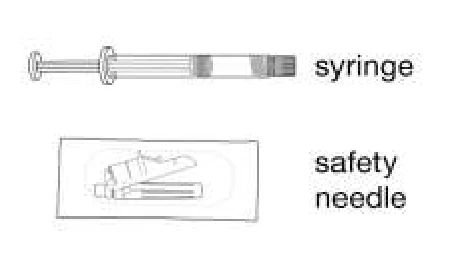
Remove the foil pouch and safety needle from the carton. Open the pouch and remove the syringe.
Discard the oxygen absorber pack. It is not needed.
Figure 1
STEP 2 CHECK THE LIQUID CLARITY
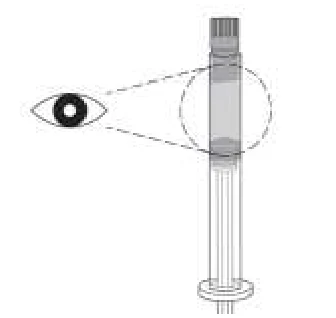
Inspect the medication visually to make sure it does not contain contaminants or particles. SUBLOCADE ranges from colourless to yellow to amber. Variations of colour within this range do not affect the potency of the product.
Figure 2
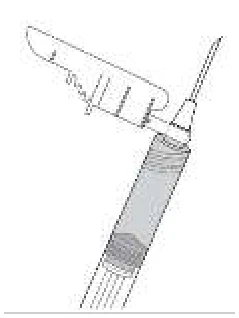
STEP 3 ATTACH THE SAFETY NEEDLE
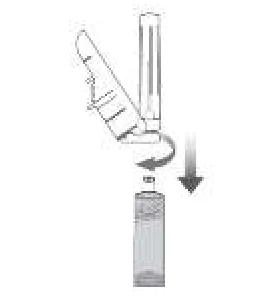
Remove the cap from the syringe and the safety needle supplied in the carton from its sterile package.
Gently twist the needle clockwise until it is tight and firmly attached.
Do not remove the plastic cover from the needle.
Figure 3
STEP 4 PREPARE THE INJECTION SITE
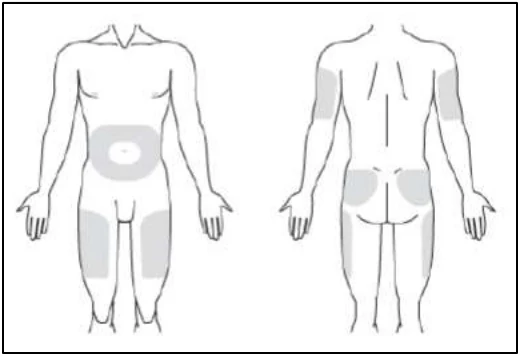
Choose one of the following body regions for injection (see Figure 4)
- an injection site on the Abdomen between the transpyloric and transtubercular planes
- Back of the upper arm
- Buttock
- Thigh
Ensure that the selected injection site has adequate subcutaneous tissue that is free of skin conditions (e.g., nodules, lesions, excessive pigment). It is recommended that the patient is in the supine position.
Do not inject into an area where the skin is irritated, reddened, bruised, infected or scarred in any way.
If injecting in the same body region as the last injection, use a different injection site to avoid irritation.
Clean the injection site well with an alcohol swab.
To avoid irritation, rotate body regions following a pattern similar to the illustration in Figure 4. Record the location of the injection to ensure that a different site is used at the time of the next injection.
Figure 4
STEP 5 REMOVE EXCESS AIR FROM SYRINGE
Hold the syringe upright for several seconds to allow air bubbles to rise. Due to the viscous nature of the medication, bubbles will not rise as quickly as those in an aqueous solution.
Remove needle cover and slowly depress the plunger to push out the excess air from the syringe.
- Small bubbles may remain in the medication. Large air gaps, however, can be minimized by pulling back on the plunger rod to pop air bubbles prior to expelling the air very slowly. Air should be expelled very carefully to avoid loss of medication.
If medication is seen at the needle tip, pull back slightly on the plunger to prevent medication spillage.
Figure 5
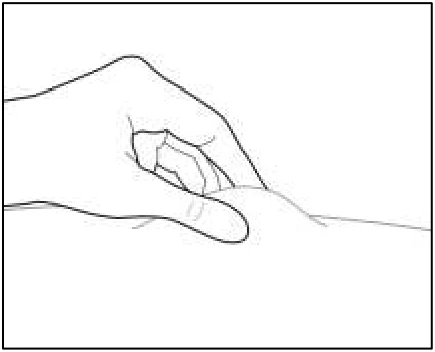
STEP 6 PINCH THE INJECTION SITE
Pinch the skin around the injection area. Be sure to pinch enough skin to accommodate the size of the needle. Lift the adipose tissue from the underlying muscle to prevent accidental intramuscular injection.
Figure 6
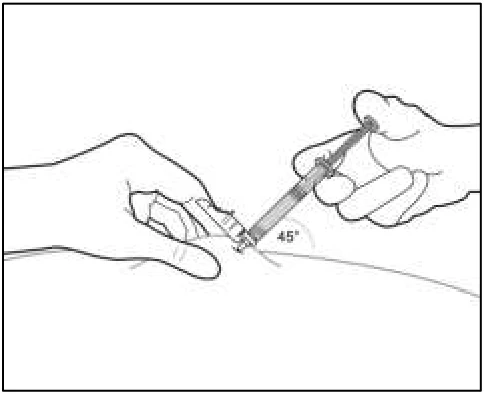
STEP 7 INJECT THE MEDICATION
SUBLOCADE is for subcutaneous injection only. Do not inject intravenously, intramuscularly OR intradermally.
Insert needle fully into the subcutaneous tissue. Actual angle of injection will depend on the amount of subcutaneous tissue.
Use a slow, steady push to inject the medication. Continue pushing until all the medication is given. The entire contents of the sterile prefilled syringe should be administered.
Figure 7
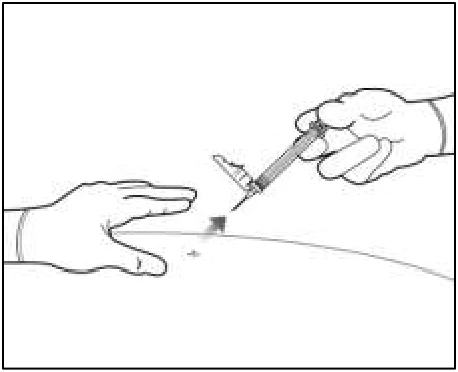
STEP 8 WITHDRAW THE NEEDLE
Withdraw the needle at the same angle used for insertion and release the pinched skin. A small amount (approximately 0.1 mL) of SUBLOCADE will remain in the needle and syringe and should be disposed of in an appropriate manner (see 11 STORAGE, STABILITY AND DISPOSAL).
Do not rub the injection area after the injection. If there is bleeding or fluid at the injection site, wipe with a cotton ball or a gauze before applying a gauze pad or bandage using minimal pressure.
Figure 8
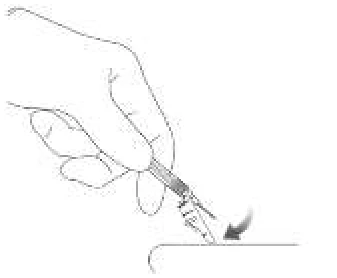
STEP 9 LOCK THE NEEDLE GUARD AND DISCARD THE SYRINGE
Lock the needle guard into place by pushing it against a hard surface such as a table.
Dispose of all syringe components in a secure sharps disposal container.
Figure 9
STEP 10 INSTRUCT THE PATIENT
Advise the patient that they may have a lump for several weeks that will decrease in size over time. Instruct the patient not to rub or massage the injection site and to be aware of the placement of any restrictive clothing, such as belts or, waistbands or sleeves that could cause irritation of the injection site.
4.5 Missed Dose
A patient who misses a maintenance dose should receive the next dose as soon as possible, with the following dose given at least 26 days later. Unavoidable occasional delays in dosing up to 2 weeks are not expected to have a clinically significant impact on treatment effect.
4.6 Removal of the Depot
In the event a depot must be removed, it can be surgically excised under local anesthesia within 14 days of injection.
The removed depot should be handled with adequate security, accountability, and proper disposal. The residual plasma concentrations from previous injections will decrease gradually over subsequent months (see 10 CLINICAL PHARMACOLOGY). Patients who have a depot removed should be monitored for signs and symptoms of withdrawal and treated appropriately (see 7 WARNINGS AND PRECAUTIONS).
To avoid overdose, patients should be informed that reducing and/or discontinuing opioids including SUBLOCADE decreases their tolerance to these drugs.
5 OVERDOSAGE
The manifestations of acute overdose include pinpoint pupils, blue or purple lips, sedation, slow heart rate, hypotension, toxic leukoencephalopathy, delayed post-hypoxic leukoencephalopathy, respiratory depression, and death. Nausea and vomiting may also be observed.
In the event of overdose, the respiratory and cardiac status of the patient should be monitored carefully. When respiratory or cardiac functions are depressed, primary attention should be given to the re-establishment of adequate respiratory exchange through provision of a patent airway and institution of assisted or controlled ventilation. Oxygen, IV fluids, vasopressors, and other supportive measures should be considered as indicated. Naloxone may be of value for the management of buprenorphine overdose. Higher than normal doses of naloxone and repeated administration may be necessary.
Clinicians should consider the potential role and contribution of buprenorphine, other opioids, and other CNS depressant drugs in a patient’s clinical presentation.
In an individual physically dependent on opioids, administration of naloxone may precipitate an acute opioid withdrawal syndrome. The severity of the withdrawal will depend on the degree of physical dependence and the dose of the naloxone administered. If a serious respiratory depression in the physically dependent patient is treated, naloxone should be administered with caution.
Acute neonatal opioid withdrawal syndrome (acute NOWS), unlike acute opioid withdrawal syndrome in adults, may be life threatening in the neonate. Infants exposed in-utero or through breast milk are at risk of life-threatening respiratory depression upon delivery or when nursed (see Special Populations). Naloxone dosing should be very cautious to avoid triggering iatrogenic acute NOWS in the neonate (see 7 WARNINGS AND PRECAUTIONS, Neonatal Opioid Withdrawal Syndrome).
For management of a suspected drug overdose, contact your regional poison control centre.
6 DOSAGE FORMS, STRENGTHS, COMPOSITION AND PACKAGING
Table 1 Dosage Forms, Strengths, Composition and Packaging.
Description
SUBLOCADE is a clear, viscous, colourless to yellow to amber sterile solution for subcutaneous injection only. It is designed to deliver buprenorphine at a controlled rate over a one-month period. The active ingredient in SUBLOCADE is buprenorphine free base, a mu-opioid receptor partial agonist and a kappa-opioid receptor antagonist (see 10.1 Mechanism of Action).
Buprenorphine is dissolved in the delivery system at 18% by weight. The delivery system is a biodegradable 50:50 poly(DL-lactide-co-glycolide) polymer and a biocompatible solvent, N-
| Route of Administration | Dosage Form/Strength/ Composition | Non-medicinal Ingredients |
| Subcutaneous | Extended-release solution for injection, 100 mg / 0.5 mL and 300 mg / 1.5 mL | N-methyl-2-pyrrolidone (NMP) 50:50 Poly(DL-lactide-co-glycolide) (PLGH) |
methyl-2-pyrrolidone (NMP). SUBLOCADE is provided in dosage strengths of 100 mg and 300 mg. Each dose is provided in a sterile prefilled syringe with a 19 G 5/8-inch (16 mm) needle.
Table 2 presents the delivered amounts of the raw materials and the approximate delivered volume for the two dosage strengths.
Table 2 Amounts of Raw Materials and Delivered Volume for the Dosage Strengths
| Raw Materials in SUBLOCADE | 100 mg Dosage | 300 mg Dosage |
|---|---|---|
| Buprenorphine | 100 mg | 300 mg |
| 50:50 Poly(DL-lactide-co-glycolide) | 178 mg | 533 mg |
| N-methyl-2-pyrrolidone | 278 mg | 833 mg |
| Approximate Delivered Volume | 0.5 mL | 1.5 mL |
| Size of Syringe | 1 mL | 2.25 mL |
7 WARNINGS AND PRECAUTIONS
Please see 3 Serious Warnings and Precautions Box.
General
SUBLOCADE is indicated for the management of moderate to severe opioid use disorder and should be used as part of a complete treatment plan that includes counselling and psychosocial support (For the full wording, see 1 INDICATIONS).
As with other opioids, SUBLOCADE should be administered with caution in debilitated patients and those with myxedema or hypothyroidism; adrenal cortical insufficiency (e.g., Addison’s disease); CNS depression or coma; toxic psychoses; prostatic hypertrophy or urethral stricture; acute alcoholism; delirium tremens; or kyphoscoliosis.
Administration
Risk of Serious Harm or Death with Intravenous Administration
Intravenous injection presents significant risk of serious harm or death as SUBLOCADE forms a solid mass upon contact with body fluids. Occlusion, local tissue damage, and thrombo-embolic events, including life threatening pulmonary emboli, could result if administered intravenously.
Incorrect Administration
Inadvertent intramuscular or intradermal administration may increase the likelihood of serious injection site reactions. In some post-marketing case reports injection site reactions have involved abscess, ulceration, and necrosis. Some cases resulted in surgical depot removal, debridement, antibiotic administration, and SUBLOCADE discontinuation. Evaluate and treat serious injection site reactions as appropriate. Carefully review injection techniques (see 4 DOSAGE AND ADMINISTRATION).
Do not administer intravenously, intramuscularly OR intradermally.
Addiction, Abuse and Misuse
SUBLOCADE contains buprenorphine, a schedule I controlled substance that can be abused similar to other opioids. Buprenorphine is sought by people with opioid use disorders and is subject to criminal diversion. This should be considered when prescribing buprenorphine in situations when the clinician is concerned about an increased risk of misuse, abuse, or diversion. This risk is increased with the abuse of buprenorphine and alcohol and other substances, especially benzodiazepines. Consider these risks and the patient’s stability in treatment for opioid use disorder when determining whether SUBLOCADE is appropriate for the patient.
Proper assessment of the patient, periodic re-evaluation of therapy, and proper handling and storage of SUBLOCADE are appropriate measures that help to limit misuse, abuse, and diversion of opioid drugs.
Monitor all patients receiving SUBLOCADE and refer patients who have conditions indicative of diversion or progression of opioid dependence and addictive behaviours to more intensive and structured treatment plans for substance use.
SUBLOCADE is injected as a solution, and the subsequent precipitation of the poly (DL-lactide-co-glycolide) polymer creates a mass which contains buprenorphine. After initial formation of the depot, buprenorphine is released via diffusion from, and the biodegradation of, the mass. Clinical monitoring for evidence at the injection site of tampering or attempting to remove the mass should be ongoing throughout treatment. No accounts of subjects removing or attempting to remove the depot after administration of SUBLOCADE were reported in premarketing studies.
Abuse Deterrence Studies
SUBLOCADE has physiochemical properties designed for extended-release after the subcutaneous injection. It utilizes a drug delivery system that forms a mass after subcutaneous injection.
In Vitro Testing
Results of in vitro testing suggest that it would be difficult to prepare a powder suitable for insufflation or inhalation from either SUBLOCADE or the excised depot. However, in vitro testing showed that buprenorphine can be extracted from SUBLOCADE at levels that could potentially be abused.
In vitro testing also suggests attempts to abuse either SUBLOCADE or the excised depots via intravenous injection without manipulation would not be successful. SUBLOCADE forms a solid mass upon contact with body fluids. Therefore, intravenous injection presents significant risk of serious harm or death. Intramuscular injection presents risk of tissue damage (see 7 WARNINGS AND PRECAUTIONS, 4 DOSAGE AND ADMINISTRATION).
Carcinogenesis and Mutagenesis
See 16 NON-CLINICAL TOXICOLOGY, Long-term Toxicity/Carcinogenicity, Mutagenicity, Reproductive Toxicity and Teratogenicity.
Cardiovascular
Like other opioids, SUBLOCADE may produce orthostatic hypotension in ambulatory patients.
QTc prolongation
Products containing buprenorphine have been shown to be associated with QTc prolongation (see 10 CLINICAL PHARMACOLOGY, Cardiac Electrophysiology). SUBLOCADE has been observed to prolong the QTc interval in some subjects participating in clinical trials.
SUBLOCADE should not be used in patients with a history of Long QT Syndrome or an immediate family member with this condition, or those taking Class IA antiarrhythmic medications (e.g., quinidine, procainamide, disopyramide), Class IC antiarrhythmic medications (e.g., flecainide, propafenone) or Class III antiarrhythmic medications (e.g., amiodarone).
QTc prolongation may lead to an increased risk of ventricular arrhythmias including torsade de pointes. Torsade de pointes is a polymorphic ventricular tachyarrhythmia. Generally, the risk of torsade de pointes increases with the magnitude of QTc prolongation produced by the drug. Torsade de pointes may be asymptomatic or experienced by the patient as dizziness, palpitations, syncope, or seizures. If sustained, torsade de pointes can progress to ventricular fibrillation and sudden cardiac death. Particular care should be exercised when administering SUBLOCADE to patients who are suspected to be at an increased risk of experiencing torsade de pointes during treatment with a QTc-prolonging drug (see 9 DRUG INTERACTIONS).
Risk factors for torsade de pointes in the general population include, but are not limited to, the following: female gender; age ≥65 years; baseline prolongation of the QTc interval; presence of pathological genetic variants affecting cardiac ion channels or regulatory proteins, especially congenital long QT syndromes; family history of sudden cardiac death at <50 years of age; cardiac disease (e.g., myocardial ischemia or infarction, congestive heart failure, cardiomyopathy, conduction system disease); history of arrhythmias; electrolyte disturbances (e.g., hypokalemia, hypomagnesemia, hypocalcemia) or conditions leading to electrolyte disturbances (e.g., persistent vomiting, eating disorders); bradycardia; acute neurological events (e.g., intracranial or subarachnoid haemorrhage, stroke, intracranial trauma); diabetes mellitus; and autonomic neuropathy.
When drugs that prolong the QTc interval are prescribed, healthcare professionals should counsel their patients concerning the nature and implications of the ECG changes, underlying diseases and disorders that are considered to represent risk factors, demonstrated and predicted drug-drug interactions, symptoms suggestive of arrhythmia, risk management strategies, and other information relevant to the use of the drug. Patients should be advised to contact their healthcare professional immediately to report any new chest pain or discomfort, changes in heartbeat, palpitations, dizziness, light-headedness, fainting, or changes in or new use of other medications.
The use of SUBLOCADE in patients with circulatory shock should be avoided as it may cause vasodilation that can further reduce cardiac output and blood pressure.
Dependence
Dependence and Risk of Opioid Withdrawal with Discontinuation of SUBLOCADE
Buprenorphine is a partial agonist at the mu-opioid receptor and chronic administration produces physical dependence with or without psychological dependence, characterized by withdrawal upon discontinuation. Withdrawal (abstinence) symptoms may include body aches, diarrhea, gooseflesh, loss of appetite, nausea, nervousness or restlessness, runny nose, sneezing, tremors or shivering, stomach cramps, tachycardia, trouble with sleeping, unusual increase in sweating, palpitations, unexplained fever, weakness and yawning. The withdrawal syndrome is typically milder than seen with full agonists and may be delayed in onset.
Due to the long-acting nature of SUBLOCADE, withdrawal signs and symptoms may not be evident immediately following the discontinuation of treatment.
Withdrawal signs and symptoms were not observed in the month following discontinuation of SUBLOCADE. Considering the long half-life, any withdrawal signs and symptoms that may occur would be expected to be delayed (see 10 CLINICAL PHARMACOLOGY). Based on observed plasma levels at steady-state and given the long plasma terminal half-life of SUBLOCADE (43-60 days), therapeutic levels are expected to remain for approximately 2 to 5 months depending on the dosage administered (100 or 300 mg, respectively).
Patients who elect to discontinue SUBLOCADE should be monitored for withdrawal signs and symptoms.
Neonatal opioid withdrawal syndrome (NOWS) is an expected and treatable outcome of prolonged use of opioids during pregnancy (see 7 WARNINGS AND PRECAUTIONS).
Driving and Operating Machinery
Buprenorphine may impair the mental or physical abilities required for the performance of potentially dangerous tasks such as driving a car or operating machinery, especially during the first few days following treatment and dose adjustment. Patients should be cautioned about driving or operating hazardous machinery until they are reasonably certain that SUBLOCADE therapy does not adversely affect their ability to engage in such activities.
Elevation of Cerebrospinal Fluid Pressure
Buprenorphine, like other opioids, may elevate cerebrospinal fluid pressure and should be used with caution in patients with head injury, intracranial lesions, and other circumstances when cerebrospinal pressure may be increased.
Buprenorphine can produce miosis and changes in the level of consciousness, or changes in the perception of pain as a symptom of disease and may interfere with patient evaluation or obscure the diagnosis or clinical course of concomitant disease. As buprenorphine is an opioid, pain as a symptom of disease may be attenuated.
Endocrine and Metabolism
Adrenal Insufficiency
Cases of adrenal insufficiency have been reported with opioid use, more often following greater than one month of use. Presentation of adrenal insufficiency may include non-specific symptoms and signs including nausea, vomiting, anorexia, fatigue, weakness, dizziness, and low blood pressure. If adrenal insufficiency is suspected, confirm the diagnosis with diagnostic testing as soon as possible. If adrenal insufficiency is diagnosed, treat with physiologic replacement doses of corticosteroids. Wean the patient off the opioid to allow adrenal function to recover and continue corticosteroid treatment until adrenal function recovers. Other opioids may be tried as some cases reported use of a different opioid without recurrence of adrenal insufficiency. The information available does not identify any particular opioids as being more likely to be associated with adrenal insufficiency.
Gastrointestinal
Cases of opioid-induced esophageal dysfunction (OIED) in patients taking opioids long-term have been reported in the post-marketing setting with onset within weeks to months after opioid initiation. The most common esophageal symptoms appear to be dysphagia, gastroesophageal reflux and chest pain. Patients with OIED had high resolution manometry results showing spastic and/or obstructive abnormalities.
Effects in Acute Abdominal Conditions
As with other opioids, buprenorphine may obscure the diagnosis or clinical course of patients with acute abdominal conditions.
Elevation of Intracholedochal Pressure
Buprenorphine has been shown to increase intracholedochal pressure, as do other opioids, and thus should be administered with caution to patients with dysfunction of the biliary tract.
Hepatic/Biliary/Pancreatic
Hepatitis, Hepatic Events
Cases of cytolytic hepatitis and hepatitis with jaundice have been observed in individuals receiving buprenorphine in clinical trials and through post-marketing adverse event reports. The spectrum of abnormalities ranges from transient asymptomatic elevations in hepatic transaminases to case reports of death, hepatic failure, hepatic necrosis, hepatorenal syndrome, and hepatic encephalopathy. In many cases, the presence of pre-existing liver enzyme abnormalities, infection with hepatitis B or hepatitis C virus, concomitant usage of other potentially hepatotoxic drugs, and ongoing injecting drug use may have played a causative or contributory role. In other cases, insufficient data were available to determine the etiology of the abnormality. Withdrawal of buprenorphine has resulted in amelioration of acute hepatitis in some cases; however, in other cases no dose reduction was necessary. The possibility exists that buprenorphine had a causative or contributory role in the development of the hepatic abnormality in some cases.
In the controlled clinical trial of SUBLOCADE, frequency of adverse events associated with hepatic disorders was 7.1% in SUBLOCADE arms vs 1% in placebo. A total of 9 patients (4.5%) in 300/100 mg arm and 16 patients (7.9%) in SUBLOCADE 300/300 mg arm experienced ALT and AST levels ≥3 X ULN (Placebo: 3 patients or 3%). In the same study, 3 patients (1.5%) in SUBLOCADE 300/300 mg arm discontinued the trial due to adverse event of hepatic injury vs 0% in SUBLOCADE 300/100 mg or placebo (see 8 ADVERSE REACTIONS, Clinical Trial Findings, Liver Enzyme Abnormalities).
Prior to initiation of SUBLOCADE, liver function tests should be conducted to establish a baseline. Periodic monitoring of liver function during treatment is also recommended. An etiological evaluation should be performed when a hepatic event is suspected.
Use in Patients with Impaired Hepatic Function
The effect of hepatic impairment on the pharmacokinetics of SUBLOCADE has not been studied. In a pharmacokinetic study with sublingual buprenorphine, compared to control subjects, buprenorphine plasma levels were found to be notably higher and the half-life was found to be notably longer in subjects with moderate and severe hepatic impairment, but not in subjects with mild hepatic impairment.
Because of the long-acting nature of the product, adjustments to SUBLOCADE dosing are not rapidly reflected in plasma buprenorphine levels. Because buprenorphine levels cannot be rapidly decreased, caution should be exercised in treating patients with pre-existing moderate hepatic impairment with SUBLOCADE. SUBLOCADE should not be given to patients with pre-existing severe hepatic impairment (see 2 CONTRAINDICATIONS).
Patients with moderate hepatic impairment or those who develop moderate hepatic impairment while being treated with SUBLOCADE should be monitored for several months for signs and symptoms of toxicity or overdose caused by increased levels of buprenorphine. Patients who develop severe hepatic impairment while receiving SUBLOCADE should be discontinued and additional doses should not be administered (see 10.3 Pharmacokinetics, Special Populations and Conditions).
Immune
Allergic Reactions
Cases of hypersensitivity to buprenorphine-containing products have been reported both in clinical trials and in the post-marketing experience. Cases of bronchospasm, angioneurotic oedema, and anaphylactic shock have been reported. The most common signs and symptoms include rashes, hives, and pruritus. A history of hypersensitivity to buprenorphine is a contraindication to the use of SUBLOCADE (see 2 CONTRAINDICATIONS).
Monitoring and Laboratory Tests
Baseline liver function tests and documentation of viral hepatitis status should be performed prior to commencing therapy. Regular monitoring of liver function is also recommended. Patients who are positive for viral hepatitis, on concomitant medicinal products and/or have existing liver dysfunction are at greater risk of liver injury.
Neonatal Opioid Withdrawal Syndrome
Neonatal opioid withdrawal syndrome (NOWS) is an expected and treatable outcome of prolonged use of opioids during pregnancy, whether that use is medically-authorized or illicit. Unlike opioid withdrawal syndrome in adults, NOWS may be life threatening if not recognized and treated in the neonate. Healthcare professionals should observe newborns for signs of NOWS and manage accordingly (see 7.1.1 Pregnant Women).
NOWS may present as irritability, hyperactivity and abnormal sleep pattern, high pitched cry, tremor, vomiting, diarrhea, and/or failure to gain weight. Signs of neonatal withdrawal usually occur in the first days after birth. The duration and severity of NOWS may vary. Due to the long half-life of buprenorphine, neonatal monitoring for several days should be considered to minimize the risk of respiratory depression or withdrawal syndrome in neonates. Based on the currently available data, the incidence of NOWS is not clear and there does not appear to be a dose-response relationship.
Advise pregnant women receiving SUBLOCADE of the risk of NOWS and ensure that appropriate treatment for the newborn will be available (see 7.1.1 Pregnant Women). This risk of NOWS and the risk of exposure to SUBLOCADE during pregnancy must be balanced against the risk of untreated opioid addiction. The decision to discontinue SUBLOCADE therapy during pregnancy should be made as part of a comprehensive treatment plan (see 7.1.1 Pregnant Women).
Neurologic
Interactions with Central Nervous System Depressants (including benzodiazepines and alcohol)
Buprenorphine should be used with caution during concomitant administration of other opioids, general anesthetics, phenothiazines and other tranquilizers, sedative-hypnotics, tricyclic antidepressants, antipsychotics, antihistamines, benzodiazepines, gabapentin, pregabalin, baclofen, centrally active antiemetics and other CNS depressants. Respiratory depression, hypotension and profound sedation, coma or death may result.
Alcohol should not be consumed with SUBLOCADE as it may increase the chance of experiencing dangerous side effects, including death (see 2 CONTRAINDICATIONS, 8 ADVERSE REACTIONS and 9 DRUG INTERACTIONS).
Peri-Operative Considerations
Pain Management
While on SUBLOCADE, situations may arise where patients need acute pain management, or may require anesthesia. Treat patients receiving SUBLOCADE with a non-opioid analgesic whenever possible. Patients requiring opioid therapy for analgesia may be treated with a high-affinity full opioid analgesic under the supervision of a physician, with particular attention to respiratory function. Higher doses may be required for analgesic effect. Therefore, a higher potential for toxicity exists with opioid administration. If opioid therapy is required as part of anesthesia, patients should be continuously monitored in an anesthesia care setting by persons not involved in the conduct of the surgical or diagnostic procedure. The opioid therapy should be provided by individuals specifically trained in the use of anesthetic drugs and the management of the respiratory effects of potent opioids, specifically the establishment and maintenance of a patent airway and assisted ventilation.
Advise patients of the importance of instructing their family members, in the event of emergency, to inform the treating healthcare professional or emergency room staff that the patient is physically dependent on an opioid and that the patient is being treated with SUBLOCADE.
The above guidance should also be considered for any patient who has been treated with SUBLOCADE within the last 6 months.
Renal
Use in Patients with Impaired Renal Function
Clinical studies of SUBLOCADE did not include patients with severe renal impairment. Following intravenous administration, less than 1% of buprenorphine is excreted in urine as unchanged drug. No differences in buprenorphine pharmacokinetics were observed between 9 dialysis-dependent and 6 normal patients following intravenous administration of 0.3 mg buprenorphine (see 10.3 Pharmacokinetics, Special Populations and Conditions, Renal Impairment).
Reproductive Health: Female and Male Potential
- Fertility
Chronic use of opioids may also cause reduced fertility in females and males of reproductive potential. It is not known whether these effects on fertility are reversible (see 8 ADVERSE REACTIONS).
- Function
Long-term use of opioids may be associated with decreased sex hormone levels and symptoms such as low libido, erectile dysfunction, or infertility (see 8.3 Less Common Clinical Trial Adverse Reactions).
Respiratory
Risk of Respiratory and Central Nervous System (CNS) Depression
Buprenorphine, particularly when taken by the intravenous route, in combination with benzodiazepines or other CNS depressants (including alcohol), has been associated with significant respiratory depression and death. Many, but not all, post-marketing reports regarding coma and death associated with the concomitant use of buprenorphine and benzodiazepines involved misuse by self-injection. Deaths have also been reported in association with concomitant administration of buprenorphine with other depressants such as alcohol or other CNS depressant drugs.
SUBLOCADE should be prescribed with caution to patients taking benzodiazepines or other drugs that act on the CNS, regardless of whether these drugs are taken on the advice of a healthcare professional or are being abused/misused. If it is anticipated that patients will begin taking benzodiazepines or other drugs after beginning treatment with SUBLOCADE, healthcare professional should assess the risks and benefits of initiating SUBLOCADE for those patients and should consider starting treatment with a lower dose of benzodiazepines or CNS depressants. Patients should be warned of the potential danger of self-administration of benzodiazepines or other depressants while under treatment with SUBLOCADE (see 9 DRUG INTERACTIONS).
SUBLOCADE should be used with caution in patients with compromised respiratory function (e.g., decreased respiratory reserve, hypoxia, hypercapnia).
Patients receiving buprenorphine in the presence of opioid analgesics, general anesthetics, benzodiazepines, phenothiazines, other tranquilizers, sedative/hypnotics, or other CNS depressants (including alcohol) may exhibit increased CNS depression.
Infants exposed in-utero or through breast milk are at risk of life-threatening respiratory depression upon delivery or when nursed (see 7.1 Special Populations). SUBLOCADE may cause severe, possibly fatal, respiratory depression in children who are accidentally exposed to it. Protect children against exposure and access (see 12 SPECIAL HANDLING INSTRUCTIONS).
If SUBLOCADE is discontinued, its extended-release characteristics should be considered, and the patient should be monitored for several months.
Sleep Apnea
Opioids can cause sleep-related breathing disorders such as sleep apnea syndromes (including central sleep apnea) and hypoxia (including sleep-related hypoxia). Opioid use increases the risk of CSA in a dose-dependent fashion. Evaluate patients on an ongoing basis for the onset of a new sleep apnea, or a worsening of an existing sleep apnea. In patients who present with central sleep apnea, SUBLOCADE discontinuation may be required.
Serotonin Syndrome
Buprenorphine could cause a rare but potentially life-threatening condition resulting from concomitant administration of serotonergic drugs (e.g., antidepressants, migraine medications). Treatment with the serotoninergic drug should be discontinued if such events (characterized by clusters of symptoms such as hyperthermia, rigidity, myoclonus, autonomic instability with possible rapid fluctuations of vital signs, mental status changes including confusion, irritability, extreme agitation progressing to delirium and coma) occur and supportive symptomatic treatment should be initiated. Buprenorphine should not be used in combination with MAO inhibitors or serotonin-precursors (such as L-tryptophan, oxitriptan) and should be used with caution in combination with other serotonergic drugs (triptans, certain tricyclic antidepressants, lithium, tramadol, St. John’s Wort) due to the risk of serotonergic syndrome (see 9 DRUG INTERACTIONS).
Unintentional Pediatric Exposure
Buprenorphine can cause severe, possibly fatal, respiratory depression in children who are accidentally exposed to it.
Use in Opioid Naïve Patients
There have been reported deaths of opioid naïve individuals who received a 2 mg dose of buprenorphine as a sublingual tablet. SUBLOCADE should not be administered to opioid naïve patients.
7.1 Special Populations
7.1.1 Pregnant Women
Reproductive and developmental toxicity studies in animals have demonstrated a range of adverse effects on embryo-fetal, fetal, pre- and postnatal development with SUBLOCADE, buprenorphine, and most notably with the excipient N-methyl-2-pyrrolidone (NMP). Studies with animals exposed to NMP via inhalation have demonstrated fetotoxic effects at equivalent doses of NMP delivered by SUBLOCADE. Fetal malformations and resorptions have also been reported following oral administration of 3 times the human maximum daily dose (MDD) of NMP via SUBLOCADE based on body surface area comparison. In humans, it has not been established whether SUBLOCADE or its active or inactive components can affect reproductive capacity or cause developmental toxicity as there are no adequate and well-controlled studies of use in pregnant women. (see 16 NON-CLINICAL TOXICOLOGY).
Buprenorphine can cross the placental barrier and be life threatening to the fetus if administered to the mother. In addition, there is evidence from animal studies that NMP may also cross the placental barrier.
Women of childbearing potential should use reliable and effective birth control. Patients should tell their physician immediately should they become pregnant. If a decision is made to use SUBLOCADE during pregnancy, or if the patient becomes pregnant while taking SUBLOCADE, the patient should be informed of the potential hazard to the fetus (see 3 SERIOUS WARNINGS AND PRECAUTIONS BOX, 4.1 Dosing Considerations, 7.1 Special Populations).
Pregnant women using SUBLOCADE should not discontinue their medication abruptly as this can cause pregnancy complication such as miscarriage or still-birth. If SUBLOCADE is discontinued, it should be under medical supervision to avoid serious adverse events to the fetus, withdrawal symptoms in the pregnant woman and potential relapse to illicit drug use. The decision to discontinue SUBLOCADE therapy during pregnancy should be made by the prescriber, patient, and counsellor/support staff as part of a comprehensive treatment plan. The risk of relapse following withdrawal of treatment should be considered (see 7 WARNINGS AND PRECAUTIONS). Healthcare professionals should continue to meet with patients throughout their pregnancy to monitor the management of the opioid addiction, to minimize the risk of reintroducing opioids and to reinstate SUBLOCADE if applicable (see 4 DOSAGE AND ADMINISTRATION).
Prolonged maternal use of opioids during pregnancy can result in withdrawal signs in the neonate. Neonatal Opioid Withdrawal Syndrome (NOWS), unlike opioid withdrawal syndrome in adults, may be life threatening (see 7 WARNINGS AND PRECAUTIONS, Neonatal Opioid Withdrawal Syndrome). NOWS may occur in newborn infants of mothers who are receiving treatment with SUBLOCADE.
Studies have been conducted to evaluate neonatal outcomes in women exposed to buprenorphine during pregnancy. Limited data on malformations from trials, observational studies, case series, and case reports on buprenorphine use in pregnancy do not indicate an increased risk of major malformations specifically due to buprenorphine. Pregnancy in an opioid dependent woman poses challenges to treating physicians and potential hazards for the fetus including control of illicit drug, nicotine and alcohol use, infections, premature birth, abortion, low birth weight, toxaemia, third trimester bleeding, malpresentation, puerperal morbidity, fetal distress, meconium aspiration, narcotic withdrawal, postnatal growth deficiency, microcephaly, (neuro-) developmental disorders and increased neonatal mortality.
Labour or Delivery
Since opioids can cross the placental barrier and are excreted in breast milk, SUBLOCADE is not recommended to be used in nursing women and during labour and delivery unless, in the judgement of the physician, the potential benefits outweigh the risks. Life threatening respiratory depression may occur in the newborn if any opioid is administered to the mother during pregnancy. This risk is further increased if another opioid is administered during labour and delivery. Closely monitor neonates for signs of respiratory depression. An opioid antagonist such as naloxone should be available for reversal of opioid induced respiratory depression in the neonate. Naloxone dosing in neonates should be conducted with caution to avoid triggering an iatrogenic acute NOWS (see 7 WARNINGS AND PRECAUTIONS). In addition, the effect of NMP exposure to the mother or neonate during labour or delivery has not been established. Therefore, the benefits to the mother and/or neonate of SUBLOCADE use during labour and delivery should be weighed carefully against the risk of potential NMP-mediated adverse effects.
7.1.2 Breast-feeding
Buprenorphine and its metabolite norbuprenorphine are excreted in human milk and infant urine. Life threatening respiratory depression may occur in the neonate if opioids are administered to the nursing mother.
It is not known whether NMP is transferred to the neonate via breastfeeding. However, several studies in rats have demonstrated that daily maternal exposure to NMP during the post-natal period may contribute to decreased pup weight and survival. In a pre‐and postnatal development study in rats, SUBLOCADE was administered subcutaneously to pregnant animals once during implantation (on Gestation Day 7) and once during weaning (on Lactation Day 7). There were no major adverse effects in terms of offspring survival, sexual maturation, behavioral assessment, or reproductive performance at up to 300 mg/kg (approximately 10 times the buprenorphine MHRD by mg/m2). A reduction in F1 body weights was observed in the two groups administered higher doses of buprenorphine (150 and 300 mg/kg buprenorphine) throughout the lactation and early post-weaning periods, however, body weights returned to saline control levels during the F1 growth phase.
It is therefore advised that serious caution be exercised when SUBLOCADE is administered to a nursing woman. The developmental and health benefits of breastfeeding should be considered along with the mother’s clinical need for SUBLOCADE and any potential adverse effects on the breastfed child from the drug; including the excipient NMP, or from the underlying maternal condition. Limited data from published literature have not reported adverse reactions in breastfed infants exposed to buprenorphine through breast milk, however nursing mothers taking SUBLOCADE should be advised to monitor the infant for increased drowsiness and breathing difficulties and infants should be regularly monitored by a healthcare professional.
7.1.3 Pediatrics
Pediatrics (˂18 years of age): No data are available to Health Canada; therefore, Health Canada has not authorized an indication for pediatric use.
7.1.4 Geriatrics
Geriatrics (≥65 years of age): There were no patients ≥ 65 years of age in the controlled clinical trial of SUBLOCADE. In general, drug use for an elderly patient should be cautious, reflecting the greater frequency of decreased hepatic, renal, respiratory and/or cardiac function, concomitant disease or other drug therapies. If the decision is made to prescribe SUBLOCADE to individuals 65 years of age or older, patients should be monitored for signs and symptoms of toxicity or overdose.
8 ADVERSE REACTIONS
8.1 Adverse Reaction Overview
Clinically significant respiratory depression and death may occur in patients receiving SUBLOCADE, particularly when used in combination with benzodiazepines and other CNS depressants such as other opioids or alcohol (see 7 WARNINGS AND PRECAUTIONS).
The most commonly reported treatment related adverse reactions reported during the pivotal clinical studies (≥5% of subjects) were constipation, nausea, vomiting, headache, fatigue, hepatic enzymes increased, and injection site pain and pruritus.
8.2 Clinical Trial Adverse Reactions
Clinical trials are conducted under very specific conditions. The adverse reaction rates observed in the clinical trials; therefore, may not reflect the rates observed in practice and should not be compared to the rates in the clinical trials of another drug. Adverse reaction information from clinical trials may be useful in identifying and approximating rates of adverse drug reactions in real-world use.
The safety of SUBLOCADE was evaluated in a total of 1083 opioid dependent subjects who received at least 1 dose of SUBLOCADE (948 of whom received at least 1 dose of 300 mg) during the clinical development program, with 404 subjects in the pivotal Phase 3 study and 679 in the Phase 1, Phase 2 and Phase 3 long-term safety studies. In these studies, there were a total of 570 subjects who received at least 6 injections of SUBLOCADE and 395 subjects who received 12 injections.
Table 3 shows the adverse drug reactions (ADRs) reported for the groups receiving SUBLOCADE and placebo following administration in the 6-month, double-blind, placebo-controlled study. Both dosing regimens of SUBLOCADE (300 mg for 2 months then either 100 mg or 300 mg for 4 months) were combined because there were no clinically important differences in ADRs between these groups. The safety profile for SUBLOCADE is consistent with the known safety profile of transmucosal buprenorphine.
Adverse drug reactions (by MedDRA Preferred Terms) reported in at least 1% of subjects receiving SUBLOCADE are grouped by System Organ Class.
Table 3 Adverse Drug Reactions for Phase 3 Double-Blind Study: ≥1% of Subjects Receiving SUBLOCADE
| System Organ Class Preferred Term | Placebo (N=100) n (%) | SUBLOCADE (N=404) n (%) | ||||
|---|---|---|---|---|---|---|
| Gastrointestinal disorders | ||||||
| Constipation | 0 | 35 (8.7) | ||||
| Nausea | 5 (5.0) | 34 (8.4) | ||||
| Vomiting | 4 (4.0) | 30 (7.4) | ||||
| Abdominal pain upper | 1 (1.0) | 7 (1.7) | ||||
| General disorders and administration site conditions | ||||||
| Injection site pruritus | 4 (4.0) | 32 (7.9) | ||||
| Injection site pain | 3 (3.0) | 22 (5.4) | ||||
| Fatigue | 3 (3.0) | 20 (5.0) | ||||
| Injection site erythema | 0 | 15 (3.7) | ||||
| Injection site bruising | 0 | 4 (1.0) | ||||
| Injection site induration/nodule | 0 | 4 (1.0) | ||||
| Injection site swelling/oedema | 0 | 4 (1.0) | ||||
| Investigations / Hepatobiliary disorders | ||||||
| Hepatic enzyme increased* | 1 (1.0) | 29 (7.2) | ||||
| Nervous system disorders | ||||||
| Headache | 6 (6.0) | 36 (8.9) | ||||
| Somnolence | 0 | 14 (3.5) | ||||
| Sedation | 0 | 10 (2.5) | ||||
| Dizziness | 2 (2.0) | 8 (2.0) | ||||
| Lethargy | 1 (1.0) | 4 (1.0) | ||||
| Skin and subcutaneous tissue disorders | ||||||
| Pruritus | 0 | 7 (1.7) | ||||
| Rash | 0 | 7 (1.7) | ||||
*Includes Hepatic enzyme increased, Liver function test abnormal, and elevations of ALT, AST, GGT, Alkaline phosphatase and/or bilirubin. There were no cases of severe drug-induced liver injury (Hy’s Law).
Similar ADRs and frequencies were reported in subjects treated with SUBLOCADE in the 12-month long-term safety study and other Phase 1 and 2 studies, with the exception of constipation reported in greater than 10% of subjects and abdominal pain reported in greater than 1% of subjects.
8.2.1 Clinical Trial Adverse Reactions – Pediatrics
Not applicable.
8.3 Less Common Clinical Trial Adverse Reactions
Treatment-emergent adverse reactions reported as less common (<1%) during the pivotal Phase 3 double-blind study and the Phase 3 long-term safety study of SUBLOCADE included:
Eye disorders: Vision blurred
General disorders and administration site conditions: Injection site discomfort, injection site reaction, injection site ulcer
Hepatobiliary disorders: Hepatic function abnormal
Infections and infestations: Injection site cellulitis, injection site infection
Nervous system disorders: Dizziness postural, syncope
Psychiatric disorders: Euphoric mood, libido decreased
Reproductive system and breast disorders: Erectile dysfunction
Vascular disorders: Hypotension
8.3.1 Less Common Clinical Trial Adverse Reactions – Pediatrics
Not applicable.
8.4 Abnormal Laboratory Findings: Hematologic, Clinical Chemistry and Other Quantitative Data
Clinical Trial Findings
Liver Enzyme Abnormalities
In the pooled Phase 3 study data, 7 subjects (0.8%) had total bilirubin elevated above 2 x upper limits of normal (ULN) post-baseline: 6 subjects had maximal total bilirubin > 2 x ULN to < 5 x ULN and 1 had an elevation ≥ 5 x ULN. A total of 98 subjects (11.6%) had alanine aminotransaminase (ALT) > 3 x ULN and 98 subjects (11.6%) had aspartate aminotransferase (AST) > 3 x ULN. The large majority of these cases had confounding factors for liver enzyme elevation such as hepatitis C, chronic alcohol use or history of alcoholic hepatitis/pancreatitis, or elevated liver enzymes at screening and/or baseline. No subject in any treatment group met the criteria for severe drug-induced liver injury or Hy’s Law (see 7 WARNINGS AND PRECAUTIONS, Hepatic/Biliary/Pancreatic).
Post-Market Findings
Not applicable.
8.5 Injection Site Reactions
In the pivotal phase 3 study, 16% of SUBLOCADE-treated patients reported an injection site reaction (Placebo: 9%). Most reactions were mild to moderate except one case of severe injection site pruritus. None of the cases were serious. There was one case of discontinuation due to injection site ulcer (Table 4).
Table 4 Injection Site Adverse Drug Reactions Reported by ≥2 Subjects in the Phase 3 Double-Blind Study
| Preferred term, n (%) | 13-0001 (Ph3DB) | 13-0003 (Ph3OL) | All Phase 3* | |||||
|---|---|---|---|---|---|---|---|---|
| Roll–over | De-novo | |||||||
SUBLOCADE 300/300 (N = 201) | SUBLOCADE 300/100 (N = 203) | Placebo (N = 100) | SUBLOCADE 300 → SUBLOCADE 300/Flex (N = 113) | SUBLOCADE 100 → SUBLOCADE 300/Flex (N = 112) | Placebo → SUBLOCADE 300/Flex (N = 32) | SUBLOCADE 300/Flex (N = 412) | Total SUBLOCADE (N = 848) | |
| Subjects with any injection site reactions | 38 (18.9%) | 28 (13.8%) | 9 (9.0%) | 6 (5.3%) | 13 (11.6%) | 2 (6.3%) | 61 (14.8%) | 140 (16.5%) |
| Injection site pain | 12 (6.0%) | 10 (4.9%) | 3 (3.0%) | 4 (3.5%) | 2 (1.8%) | 2 (6.3%) | 33 (8.0%) | 61 (7.2%) |
| Injection site pruritus | 19 (9.5%) | 13 (6.4%) | 4 (4.0%) | 2 (1.8%) | 6 (5.4%) | 1 (3.1%) | 17 (4.1%) | 56 (6.6%) |
| Injection site erythema | 6 (3.0%) | 9 (4.4%) | 0 | 1 (0.9%) | 4 (3.6%) | 0 | 21 (5.1%) | 40 (4.7%) |
| Injection site induration | 2 (1.0%) | 2 (1.0%) | 0 | 0 | 1 (0.9%) | 0 | 7 (1.7%) | 12 (1.4%) |
| Injection site bruising | 2 (1.0%) | 2 (1.0%) | 0 | 0 | 0 | 0 | 2 (0.5%) | 6 (0.7%) |
| Injection site swelling | 1 (0.5%) | 2 (1.0%) | 0 | 1 (0.9%) | 1 (0.9%) | 0 | 1 (0.2%) | 6 (0.7%) |
| Injection site discomfort | 1 (0.5%) | 1 (0.5%) | 0 | 0 | 0 | 0 | 3 (0.7%) | 5 (0.6%) |
| Injection site reaction | 1 (0.5%) | 0 | 0 | 0 | 3 (2.7%) | 0 | 1 (0.2%) | 5 (0.6%) |
| Injection site cellulitis | 0 | 1 (0.5%) | 0 | 0 | 0 | 0 | 2 (0.5%) | 3 (0.4%) |
| Injection site infection | 1 (0.5%) | 0 | 1 (1.0%) | 0 | 0 | 0 | 2 (0.5%) | 3 (0.4%) |
8.6 Post-Market Adverse Reactions
The following post-marketing events were seen with other buprenorphine-containing products.
Nausea: Nausea is a common side effect with opioids and is thought to occur by activation of the chemoreceptor trigger zone, stimulation of the vestibular apparatus and through delayed gastric emptying. The prevalence of nausea declines following continued treatment.
Constipation: Constipation is a known and common side effect of opioids, including buprenorphine. In some patients, particularly the elderly or bedridden, faecal impaction may result. Stimulant laxatives, stool softeners, and other appropriate measures should be used as required. As faecal impaction may present as overflow diarrhoea, the presence of constipation should be excluded in patients on opioid therapy prior to initiating treatment for diarrhoea.
Androgen deficiency: Chronic use of opioids may influence the hypothalamic-pituitary-gonadal axis, leading to androgen deficiency that may manifest as low libido, impotence, erectile dysfunction, amenorrhea, or infertility. The causal role of opioids in the clinical syndrome of hypogonadism is unknown because the various medical, physical, lifestyle, and psychological stressors that may influence gonadal hormone levels have not been adequately controlled for in studies conducted to date. Patients presenting with symptoms of androgen deficiency should undergo laboratory evaluation.
Buprenorphine used alone: Buprenorphine used alone for treatment of opioid dependence has been associated with the following signs and symptoms (> 1 %): constipation, headache, insomnia, asthenia, drowsiness, nausea and vomiting, fainting and dizziness, orthostatic hypotension, and sweating. Other adverse events (< 0.1 %) have been reported in association with buprenorphine alone. These are:
- respiratory depression (see 7 WARNINGS AND PRECAUTIONS and 9 DRUG INTERACTIONS);
- hepatic necrosis and hepatitis (see 7 WARNINGS AND PRECAUTIONS); and
- hallucinations.
Cases of bronchospasm, angioneurotic oedema and anaphylactic shock have also been reported.
In cases of drug abuse or intentional drug misuse, some adverse experiences attributed to the act of misuse rather than the medicinal product have included: local reactions, such as cellulitis or abscess that are sometimes septic, potentially serious acute hepatitis, pneumonia, endocarditis, and other serious infections (ee 7 WARNINGS AND PRECAUTIONS).
In patients presenting with marked drug dependence, initial administration of buprenorphine can produce a withdrawal effect similar to that associated with naloxone.
NOWS has been reported among newborns of women who have received buprenorphine products during pregnancy. The syndrome may be milder and more protracted than that from short acting full mu-opioid agonists. The nature of the syndrome may vary depending upon the mother’s drug use history (see 7 WARNINGS AND PRECAUTIONS).
9 DRUG INTERACTIONS
9.1 Serious Drug Interactions
Serious Drug Interactions
Risks from concomitant use of opioids with benzodiazepines or other central nervous system (CNS) depressants, including alcohol, may result in profound sedation, respiratory depression, coma, and death (see 7 WARNINGS AND PRECAUTIONS).
- Reserve concomitant prescribing of SUBLOCADE and benzodiazepines or other CNS depressants for use in patients for whom alternative treatment options are inadequate.
- Consider dose reduction of CNS depressants in situations of concomitant prescribing.
- Follow patients for signs and symptoms of respiratory depression and sedation.
Do not use with monoamine oxidase (MAO) inhibitors or within 14 days of such therapy.
9.2 Drug Interaction Overview
Interaction with Benzodiazepines and Other Central Nervous System (CNS) Depressants:
Due to additive pharmacologic effect, the concomitant use of benzodiazepines or other CNS depressants (e.g., other opioids, sedatives/hypnotics, antidepressants, anxiolytics, tranquilizers, muscle relaxants, general anesthetics, antipsychotics, phenothiazines, neuroleptics, antihistamines, antiemetics, gabapentin, pregabalin, baclofen, and alcohol) and beta blockers increases the risk of respiratory depression, profound sedation, coma, and death. Reserve concomitant prescribing of these drugs for use in patients for whom alternative treatment options are inadequate. Limit dosages and durations to the minimum required. Follow patients closely for signs of respiratory depression and sedation (see 7 WARNINGS AND PRECAUTIONS). SUBLOCADE should not be consumed with alcohol as it may increase the chance of experiencing dangerous side effects.
QTc Interval-Prolonging Drugs
The concomitant use of SUBLOCADE with other QTc interval-prolonging drugs should be avoided (see 7 WARNINGS AND PRECAUTIONS, Cardiovascular; 10 CLINICAL PHARMACOLOGY, Cardiac Electrophysiology). Drugs that have been associated with QTc interval prolongation and/or torsade de pointes include, but are not limited to, the examples in the following list. Chemical/pharmacological classes are listed if some, although not necessarily all, class members have been implicated in QTc interval prolongation and/or torsade de pointes: Class IA antiarrhythmics (e.g., quinidine, procainamide, disopyramide), Class III antiarrhythmics (e.g., amiodarone, sotalol, ibutilide, dronedarone), Class 1C antiarrhythmics (e.g., flecainide, propafenone), antipsychotics (e.g., chlorpromazine, pimozide, haloperidol, droperidol, ziprasidone, risperidone), antidepressants (e.g., fluoxetine, citalopram, tricyclic/tetracyclic antidepressants [e.g., amitriptyline, imipramine, maprotiline]), opioids (e.g., methadone), macrolide antibiotics and analogues (e.g., erythromycin, clarithromycin, azithromycin, tacrolimus), quinolone antibiotics (e.g., moxifloxacin, levofloxacin, ciprofloxacin), pentamidine, antimalarials (e.g., quinine, chloroquine), azole antifungals (e.g., ketoconazole, fluconazole, voriconazole), domperidone, angrelide, ivabradine, 5-hydroxytryptamine (5-HT)3 receptor antagonists (e.g., ondansetron), tyrosine kinase inhibitors (e.g., sunitinib, nilotinib, ceritinib, vandetanib), arsenic trioxide, histone deacetylase inhibitors (e.g., vorinostat), beta-2 adrenoceptor agonists (e.g., salmeterol, formoterol).
Drugs That Affect Electrolytes: The use of SUBLOCADE with drugs that can disrupt electrolyte levels should be avoided. Drugs that can disrupt electrolyte levels include, but are not limited to, the following: loop, thiazide, and related diuretics; laxatives and enemas; amphotericin B; high-dose corticosteroids; proton pump inhibitors (see 9 DRUG INTERACTIONS, Table 5).
9.3 Drug-Behavioural Interactions
Alcohol can increase the sedative effect of opioids. Alcoholic beverages should be avoided while taking SUBLOCADE.
9.4 Drug-Drug Interactions
The drugs listed in this table are based on either drug interaction case reports or studies, or potential interactions due to the expected magnitude and seriousness of the interaction (i.e., those identified as contraindicated).
Table 5 Established or Potential Drug-Drug Interactions
| Proper/Common name | Source of Evidence | Effect | Clinical comment |
| Proper/Common name | Source of Evidence | Effect | Clinical comment |
| Proper/Common name | Source of Evidence | Effect | Clinical comment |
| Proper/Common name | Source of Evidence | Effect | Clinical comment |
| Benzodiazepines | C, CT | There have been a number of reports regarding coma and death associated with the misuse and abuse of the combination of buprenorphine and benzodiazepines. In many, but not all of these cases, buprenorphine was misused by self-injection of crushed buprenorphine tablets. Preclinical studies have shown that the combination of benzodiazepines and buprenorphine altered the usual ceiling effect on buprenorphine-induced respiratory depression, making the respiratory effects of buprenorphine appear similar to those of full opioid agonists. | Closely monitor patients with concurrent use of SUBLOCADE and benzodiazepines. Warn patients that it is extremely dangerous to self-administer benzodiazepines while taking SUBLOCADE and warn patients to use benzodiazepines concurrently with SUBLOCADE only as directed by their healthcare professional. |
Non-Benzodiazepine Central Nervous System (CNS) Depressants Alcohol, non-benzodiazepine sedatives/hypnotics, anxiolytics, tranquilizers, muscle relaxants, general anesthetics, antipsychotics, and other opioids. | C, CT | Due to additive pharmacologic effects, the concomitant use of non-benzodiazepine CNS depressants, including alcohol, can increase the risk of hypotension, respiratory depression, profound sedation, coma, and death. | Reserve concomitant prescribing of these drugs for use in patients for whom alternative treatment options are inadequate. Limit dosages and durations to the minimum required. Follow patients closely for signs of respiratory depression and sedation (see 7 WARNINGS AND PRECAUTIONS). |
| Naltrexone | CT, T | Naltrexone is an opioid antagonist that can block the pharmacological effects of buprenorphine. | For opioid dependent patients currently receiving SUBLOCADE, the antagonist naltrexone may precipitate a sudden onset of prolonged and intense opioid withdrawal symptoms. For patients currently receiving naltrexone, the intended |
| therapeutic effects of SUBLOCADE administration may be blocked by the naltrexone antagonist. | |||
Inhibitors of CYP3A4 Macrolide antibiotics (e.g., erythromycin), azole-antifungal agents (e.g., ketoconazole), protease inhibitors (e.g., ritonavir) | CT, T | The effects of co-administered CYP3A4 inhibitors on buprenorphine exposure in subjects treated with SUBLOCADE have not been studied; however, such interactions have been established in studies using sublingual buprenorphine. The concomitant use of sublingual buprenorphine and CYP3A4 inhibitors (e.g., ketoconazole) can increase the plasma concentration of buprenorphine, resulting in increased or prolonged opioid effects, particularly when an inhibitor is added after a stable dose of sublingual buprenorphine is achieved. The increase in exposure seen with sublingual buprenorphine is mainly attributed to the inhibition of first-pass metabolism as a fraction of the sublingually administered drug is swallowed. Buprenorphine does not undergo first-pass metabolism following subcutaneous injection of SUBLOCADE, resulting in a much lower norbuprenorphine-to-buprenorphine AUC ratio (0.20 to 0.40) compared to sublingual buprenorphine (0.70 to 2.11). | Monitor patients for respiratory depression and sedation at frequent intervals. |
CYP3A4 Inducers Rifampin, carbamazepine, phenytoin, phenobarbital | T | The effects of co-administered CYP3A4 inducers on buprenorphine exposure in subjects treated with SUBLOCADE have not been studied. CYP3A4 inducers may induce the metabolism of buprenorphine and, therefore, may cause increased clearance of the drug which could lead to a decrease in buprenorphine plasma concentrations, lack of efficacy or, possibly, development of an abstinence syndrome. Thus, monitor patients starting or ending the use of | If patients stabilized on SUBLOCADE require treatment with CYP3A4 inducers, they should be monitored for opioid withdrawal signs and symptoms. |
| CYP3A4 inducers for potential under-dosing of SUBLOCADE. | |||
Serotonergic Drugs Selective serotonin reuptake inhibitors, serotonin and norepinephrine reuptake inhibitors, tricyclic antidepressants (TCAs), triptans, 5-HT3 receptor antagonists, drugs that affect the serotonin neurotransmitter system (e.g., mirtazapine, trazodone, tramadol, lithium, St. John’s Wort and tapentadol), monoamine oxidase (MAO) inhibitors (those intended to treat psychiatric disorders and also others, such as linezolid and intravenous methylene blue). | C, CT | The concomitant use of opioids with other drugs that affect the serotonergic neurotransmitter system has resulted in serotonin syndrome, a potentially life-threatening condition. | If concomitant use is warranted, carefully monitor the patient for signs and symptoms of serotonin syndrome, particularly during treatment initiation, and during dose adjustment of the serotonergic drug. |
Monoamine Oxidase Inhibitors (MAOIs) Phenelzine, tranylcypromine, linezolid | C, CT | MAOI interactions with opioids may manifest as serotonin syndrome or opioid toxicity (e.g., respiratory depression, coma). | The use of SUBLOCADE is not recommended for patients taking MAOIs or within 14 days of stopping such treatment. |
| Diuretics | T | Opioids can reduce the efficacy of diuretics by inducing the release of antidiuretic hormone. | Monitor patients for signs of diminished diuretics and/or effects on blood pressure and increase the dosage of the diuretic, as needed. |
| Anticholinergics | T | Concomitant use of anticholinergic drugs may increase the risk of urinary retention and/or severe constipation, which may lead to paralytic ileus. | Monitor patients for signs of urinary retention or reduced gastric motility. |
| Antiretrovirals | CT | Non-nucleoside reverse transcriptase inhibitors (NNRTIs) are metabolized principally by CYP3A4. Efavirenz, nevirapine, and etravirine are known CYP3A4 inducers, whereas delaviridine is a CYP3A4 inhibitor. Significant pharmacokinetic interactions between NNRTIs and buprenorphine have been shown in clinical studies, but these pharmacokinetic interactions did not result in any significant pharmacodynamic effects. | Exercise caution. Therapeutic concentration monitoring is recommended. |
Legend: C = Case Study; CT = Clinical Trial; T = Theoretical
9.5 Drug-Food Interactions
Interactions with food have not been studied.
9.6 Drug-Herb Interactions
Interactions with herbal products have not been studied.
9.7 Drug-Laboratory Test Interactions
Interactions with laboratory tests have not been established.
10 CLINICAL PHARMACOLOGY
10.1 Mechanism of Action
SUBLOCADE injection contains buprenorphine. Buprenorphine is a partial agonist at the mu- opioid receptor and the ORL-1 (nociceptin) receptor. It is also an antagonist at the kappa and delta-opioid receptors. Buprenorphine’s activity in opioid maintenance treatment is attributed to its slowly reversible link with the mu-opioid receptors in the brain, which prolongs activity at the receptor, leading to reduced opioid withdrawal symptoms.
10.2 Pharmacodynamics
Mu-Opioid Receptor Occupancy and Association with Opioid Blockade
As demonstrated previously with sublingual administration of buprenorphine in opioid dependent individuals, at least 70% brain mu-opioid receptor occupancy by buprenorphine is required to block the subjective effects (opioid blockade) of full agonist-induced responses. An analysis of brain mu-opioid receptor occupancy and buprenorphine plasma concentrations demonstrated that opioid blockade requires buprenorphine plasma concentrations of >2 ng/mL on average.
Mu-Opioid Receptor Occupancy Study
In a Positron Emission Tomography study with SUBLOCADE in 2 patients with opioid use disorder, one patient received four 200 mg subcutaneous SUBLOCADE injections and the other received six 300 mg subcutaneous injections of SUBLOCADE. Results show that, in these two patients, 75 to 92% occupancy of the mu-opioid receptors in the brain was maintained for 28 days following the last dose under steady-state conditions.
Opioid Receptor Blockade Study (RB-US-13-0002)
This study assessed the ability of SUBLOCADE to block the subjective drug-liking effects of 6 and 18 mg hydromorphone versus placebo in non-treatment-seeking patients with moderate to severe opioid use disorder. A total of 39 subjects were inducted and stabilized over 13-14 days on a sublingual buprenorphine product to reach a final buprenorphine dose between 8 and 24 mg/day. Subjects then received a subcutaneous injection of SUBLOCADE 300 mg on Day 1 (N=39) and a second injection on Day 29 (N=30). Using the Drug-Liking Visual Analog Scale (VAS), challenges with placebo, 6 mg hydromorphone, or 18 mg hydromorphone were evaluated prior to the first injection of SUBLOCADE and then weekly for 4 weeks each after the first injection and for 8 weeks after the second injection.
Results indicate that SUBLOCADE blocked the subjective drug-liking effects of both 6 mg and 18 mg hydromorphone doses for most VAS parameters over the 12-week course of the trial.
Buprenorphine-Fentanyl Interaction Study
Population pharmacokinetic/pharmacodynamic modelling of the interaction between buprenorphine and fentanyl was conducted using data from a cross-over study of opioid-naive subjects (N =14) and opioid-tolerant patients (N = 8). This study assessed the effect of buprenorphine versus placebo intravenous infusion on respiratory depression induced by escalating intravenous fentanyl doses of 0.075, 0.15, 0.25 and 0.35 mg/70 kg in opioid-naïve subjects and 0.25, 0.35, 0.50 and 0.70 mg/70 kg in opioid-tolerant patients. Buprenorphine effects were concentration-dependent over the investigated range. In opioid-tolerant patients, sustained buprenorphine plasma concentrations of approximately 2 ng/mL and 6 ng/mL (equivalent to buprenorphine concentrations achieved by 100 mg and 300 mg SUBLOCADE monthly injection, respectively) appear to be effective in reducing the frequency and magnitude of respiratory depression induced by fentanyl at doses that caused apnea during placebo infusion. Data from the model suggest that sustained buprenorphine plasma concentrations at or above 2 ng/mL may reduce the probability of apnea corresponding to a smaller decrease in ventilation.
Cardiac Electrophysiology
Serial ECGs were collected following a single dose and at steady-state to evaluate the effect of SUBLOCADE on the QT interval in five clinical studies including the Phase 3 study. In a Phase 3 study, seven subjects had an increase from baseline QTc greater than 60 msec at any time [2/203 subjects (1.0%) in the 300 mg/100 mg group and 5/201 subjects (2.0%) in the 300 mg/300 mg group] and one subject in the 300 mg/300 mg group was found to have a QTc greater than 500 msec.
Physiological Effects
Buprenorphine in intravenous (2, 4, 8, 12 and 16 mg) and sublingual (12 mg) doses have been administered to opioid-experienced subjects who were not physically dependent to examine cardiovascular, respiratory, and subjective effects at doses comparable to those used for treatment of opioid dependence. In these studies, compared to placebo, there were no statistically significant differences among any of the treatment conditions for blood pressure, heart rate, respiratory rate, O2 saturation, or skin temperature across time. Systolic BP was higher in the 8-mg group than placebo (3-hour AUC values). Minimum and maximum effects were similar across all treatments. Subjects remained responsive to low voice and responded to computer prompts. Some subjects showed irritability, but no other changes were observed. The respiratory effects of sublingual buprenorphine were compared with the effects of methadone in a double-blind, parallel group, dose ranging comparison of single doses of buprenorphine sublingual solution (1, 2, 4, 8, 16, or 32 mg) and oral methadone (15, 30, 45, or 60 mg) in non-dependent, opioid-experienced volunteers. In this study, hypoventilation not requiring medical intervention was reported more frequently after buprenorphine doses of 4 mg and higher than after methadone. Both drugs decreased O2 saturation to the same degree.
Limited data from clinical studies conducted with SUBLOCADE (50 to 300 mg) showed no incidences of temperature elevations, or clinically significant lowering of oxygen saturation.
Androgen Deficiency
Chronic use of opioids may influence the hypothalamic-pituitary-gonadal axis, leading to androgen deficiency that may manifest as low libido, impotence, erectile dysfunction, amenorrhea, or infertility. The causal role of opioids in the clinical syndrome of hypogonadism is unknown because the various medical, physical, lifestyle, and psychological stressors that may influence gonadal hormone levels have not been adequately controlled for in studies conducted to date. Patients presenting with symptoms of androgen deficiency should undergo laboratory evaluation.
Cardiovascular System
Opioids may induce the release of histamine with or without associated peripheral vasodilation. Manifestations of histamine release and/or peripheral vasodilatation may include pruritus, flushing, red eyes, hyperhidrosis and/or orthostatic hypotension.
Central Nervous System
Opioids produce respiratory depression by direct action on brain stem respiratory centres. The respiratory depression involves both a reduction in the responsiveness of the brain stem centres to increases in CO2 tension and to electrical stimulation.
Opioids depress the cough reflex by direct effect on the cough centre in the medulla. Antitussive effects may occur with doses lower than those usually required for analgesia.
Opioids cause miosis, even in total darkness. Pinpoint pupils are a sign of opioid overdose but are not pathognomonic (e.g., pontine lesions of hemorrhagic or ischemic origin may produce similar findings). Marked mydriasis rather than miosis may be seen with hypoxia in the setting of oxycodone overdose.
Gastrointestinal Tract and Other Smooth Muscle
Opioids cause a reduction in motility associated with an increase in smooth muscle tone in the antrum of the stomach and duodenum. Digestion of food in the small intestine is delayed and propulsive contractions are decreased. Propulsive peristaltic waves in the colon are decreased, while tone may be increased to the point of spasm resulting in constipation. Other opioid induced effects may include a reduction in gastric, biliary and pancreatic secretions, spasm of the sphincter of Oddi, and transient elevations in serum amylase.
Endocrine System
Opioids may influence the hypothalamic-pituitary-adreno or -gonadal axes. Some changes that can be seen include an increase in serum prolactin and decreases in plasma cortisol and testosterone. Clinical signs and symptoms may be manifest from these hormonal changes.
Immune System
In vitro and animal studies indicate that opioids have a variety of effects on immune functions, depending on the context in which they are used. The clinical significance of these findings is unknown.
10.3 Pharmacokinetics
Absorption
The pharmacokinetics (PK) of buprenorphine following subcutaneous injection of SUBLOCADE was evaluated in subjects with opioid use disorder after single doses (50 mg to 200 mg) and repeated doses (50 to 300 mg) separated by 28 days for up to 12 injections.
After SUBLOCADE injection, an initial buprenorphine peak was observed and the median Tmax occurred at 24 hours after injection. After the initial buprenorphine peak, the plasma buprenorphine concentrations decreased slowly to a plateau. Steady-state was achieved at 4-6 months (see Table 6).
At steady-state, buprenorphine plasma concentrations achieved with 100 mg/month dosing are contained within the range obtained with transmucosal treatment (8-24 mg/day buprenorphine); peak concentrations with SUBLOCADE may be lower, while average and trough concentrations may be higher.
Table 6 Mean Pharmacokinetic Parameters of SUBLOCADE
| Pharmacokinetic parameters | SUBLOCADE | ||||||
|---|---|---|---|---|---|---|---|
| Mean | 300 mg* (1st injection) | 100 mg† (steady-state) | 300 mg† (steady-state) | ||||
| Cavg (ng/mL) | 2.19 | 3.21 | 6.54 | ||||
| Cmax (ng/mL) | 5.37 | 4.88 | 10.12 | ||||
| Cmin(ng/mL) | 1.42# | 2.48 | 5.01 | ||||
| AUC7-28 days (ng.hr/mL) | -- | 1478 | 3006 | ||||
*Exposure after 1 injection of 300 mg SUBLOCADE following 24 mg transmucosal buprenorphine stabilization
#Mean plasma concentration of 1.86 ng/mL was observed on last day of the dosing interval (Day 29)
†Steady-state exposure after 4 injections of 100 mg or 300 mg SUBLOCADE, following 2 injections of 300 mg SUBLOCADE. AUC7-28 days is a partial area under the plasma concentration-time curve from day 7 to day 28 post-injection.
Distribution
Buprenorphine is approximately 96% protein bound, primarily to alpha and beta globulin. Once absorbed, it distributes extensively into the body, as evidenced by a large apparent volume of distribution.
Metabolism
Buprenorphine is metabolized to its major metabolite, norbuprenorphine, primarily by CYP3A4 and to a lesser extent by CYP2C8. Norbuprenorphine can further undergo glucuronidation. Norbuprenorphine has been found to bind opioid receptors in vitro; however, it has not been studied clinically for opioid-like activity. Norbuprenorphine steady-state plasma concentrations in humans after subcutaneous injection of SUBLOCADE are very low compared to buprenorphine (AUC norbuprenorphine/buprenorphine ratio of 0.20 to 0.40).
Elimination
Buprenorphine is eliminated in urine and feces. The apparent terminal plasma half-life of buprenorphine following subcutaneous injection of SUBLOCADE ranged between 43 to 60 days as a result of the slow release of buprenorphine from the subcutaneous depot. The apparent clearance of buprenorphine was between 80 to 103 L/h over the dose range of 50-300 mg.
A pharmacokinetic study assessing buprenorphine exposure 22 to 37 months following the last SUBLOCADE injection indicated that approximately 55% to 63% of patients had detectable levels of buprenorphine in urine over that time period. When detected, buprenorphine concentrations in plasma were below levels known to control disease symptoms with 95% of concentrations ≤ 0.72 ng/mL. Buprenorphine concentrations in urine were more variable than in plasma and were significantly higher depending on hydration status of the patient and the test used. Hence, it is expected that patients will likely test positive for buprenorphine several months after discontinuation of SUBLOCADE and for a longer time in urine than in plasma.
Excretion
A mass balance study of buprenorphine administered by intravenous infusion in humans showed complete recovery of radiolabel in urine (30%) and feces (69%) collected up to 11 days after dosing. Almost all of the dose was accounted for in terms of buprenorphine, norbuprenorphine, and two unidentified buprenorphine metabolites. In urine, most of buprenorphine and norbuprenorphine were conjugated (buprenorphine: 1% free and 9.4% conjugated; norbuprenorphine: 2.7% free and 11% conjugated). In feces, almost all of the buprenorphine and norbuprenorphine were free (buprenorphine: 33% free and 5% conjugated; norbuprenorphine: 21% free and 2% conjugated).
Special Populations and Conditions
Based on population pharmacokinetic analyses, age, sex and race do not have a clinically meaningful effect on pharmacokinetics of SUBLOCADE. Clinical trials of SUBLOCADE included patients aged 18 to 63 years.
- Pediatrics (˂18 years of age): No data are available in pediatrics. SUBLOCADE is not indicated in pediatrics.
- Geriatrics (≥65 years of age): There were no patients ≥65 years of age in the controlled clinical trial of SUBLOCADE. In general, drug use for an elderly patient should be cautious, reflecting the greater frequency of decreased hepatic, renal, respiratory and/or cardiac function, concomitant disease or other drug therapies. If the decision is made to prescribe SUBLOCADE to individuals 65 years of age or older, patients should be monitored for signs and symptoms of toxicity or overdose.
Hepatic Impairment: Buprenorphine does not undergo first-pass metabolism following subcutaneous injection of SUBLOCADE.
The effect of hepatic impairment on the PK of SUBLOCADE has not been evaluated in a dedicated Phase I study. However, the effect of hepatic impairment on the PK of buprenorphine has been evaluated in a study using 2 mg/0.5 mg buprenorphine/naloxone sublingual tablet in subjects with various degrees of hepatic impairment as indicated by Child-Pugh score. Compared to healthy subjects, no clinically relevant changes in plasma buprenorphine levels were observed in subjects with mild hepatic impairment. However, buprenorphine plasma exposure was increased by 64% and 181% in subjects with moderate and severe hepatic impairment, respectively.
Therefore, SUBLOCADE should not be used in subjects with severe hepatic impairment (see 2 CONTRAINDICATIONS). Caution should be exercised when SUBLOCADE is administered to patients with moderate hepatic impairment. Patients who develop moderate hepatic impairment while being treated with SUBLOCADE should be monitored for signs and symptoms of toxicity or overdose caused by the increased levels of buprenorphine. Patients who develop severe hepatic impairment during SUBLOCADE treatment should be discontinued (see 2 CONTRAINDICATIONS, 7 WARNINGS AND PRECAUTIONS, Hepatic/Biliary/Pancreatic, Use in Patients with Impaired Hepatic Function).
- Renal Impairment: Clinical studies of SUBLOCADE did not include subjects with severe renal impairment. Systemic clearance of buprenorphine is not significantly related to renal function, as buprenorphine clearance occurs primarily by hepatic extraction and metabolism. Less than 1% is excreted as unchanged buprenorphine in urine following intravenous buprenorphine administration. No differences in buprenorphine pharmacokinetics were observed between 9 dialysis-dependent and 6 normal patients following intravenous administration of 0.3 mg buprenorphine.
11 STORAGE, STABILITY AND DISPOSAL
SUBLOCADE is available as a sterile, clear, viscous, colourless to yellow to amber solution in a single dose, prefilled syringe with safety needle.
Store at 2 - 8°C (35.6 - 46.4°F).
Once outside the refrigerator this product may be stored in its original packaging at room temperature, 15 - 30°C (59 - 86°F), for up to 28 days prior to administration.
Discard SUBLOCADE if left at room temperature for longer than 28 days.
12 SPECIAL HANDLING INSTRUCTIONS
Handle SUBLOCADE with adequate security and accountability. After administration, syringes should be properly disposed of per facility procedure.
PART II: SCIENTIFIC INFORMATION
13 PHARMACEUTICAL INFORMATION
Drug Substance
Proper name: buprenorphine
Chemical name: (2S)-2-[17-(Cyclopropylmethyl)-4,5α-epoxy-3-hydroxy-6-methoxy-6α,14-ethano-14α-morphinan-7α-yl]-3,3-dimethylbutan-2-ol
Molecular formula and molecular mass: C29H41NO4; 467.6
Structural formula:
HO CH3O C(CH3)3 CH3 HO N O
Physicochemical properties:
| Physical Form: | Powder |
|---|---|
| Solubility: | 6.95 µg/mL intrinsic (aqueous) |
| pKa: | 9.8 and 8.6 |
| Partition: Coefficient: | 5.38 |
| Melting Point: | 218°C |
14 CLINICAL TRIALS
14.1 Trial Design and Study Demographics
The key studies from the SUBLOCADE clinical development program that support its use in moderate to severe OUD are a Phase 3 double-blind efficacy and safety study (RB-US-13-0001), an opioid blockade study (RB-US-13-0002 see 10.2 Pharmacodynamics), and a study evaluating rapid induction of SUBLOCADE after an initial dose of transmucosal buprenorphine (Rapid Induction Substudy INDV-6000-401).
Study RB-US-13-0001
This was a 24-week, randomized, double-blind, placebo-controlled, multicentre trial in treatment-seeking subjects who met the DSM-5 criteria for moderate or severe opioid use disorder. Subjects were randomized to one of following dosing regimens: 6 once-monthly 300 mg doses, 2 once-monthly 300 mg doses followed by 4 once-monthly 100 mg doses, or 6 once-monthly subcutaneous injections of placebo. All doses were administered in-clinic by a physician or suitably-qualified designee and were separated by 28 ± 2 days.
Prior to the first dose of SUBLOCADE, subjects were inducted and dose-stabilized on a transmucosal buprenorphine-containing product for a minimum of 7 days. Subjects were considered dose-stabilized when cravings and withdrawal symptoms were clinically controlled (≤20 on a 100-point Opioid Craving VAS and ≤12 on a 48-point COWS scale) for a minimum of 24 hours. In addition to study medication, all subjects received manual-guided psychosocial support at least once a week (Individual Drug Counselling = IDC). After randomization, supplemental dosing with the transmucosal buprenorphine-containing product was not permitted during SUBLOCADE use.
The primary endpoint was the cumulative distribution function of the percentage of urine samples negative for illicit opioids combined with self-reports negative for illicit opioid use collected weekly from Week 5 through Week 24 (% abstinence). A “grace period” was applied for Weeks 1 through 4 to allow subjects to stabilize on SUBLOCADE treatment. Missing urine drug screen samples and/or self-reports were counted as positive for illicit opioids.
The key secondary endpoint was treatment success (% responders), defined as any subject with ≥80% of urine samples negative for opioids combined with self-reports negative for illicit opioid use (opioid-free weeks) from Week 5 through Week 24.
A total of 504 subjects were randomized into treatment arms, as follows: 203 subjects in the 300 mg/100 mg group, 201 subjects in the 300 mg/300 mg group and 100 subjects in the placebo group (2 groups of volume-matched placebo). Nearly two-thirds of the patients were between 30 and 44 years of age. There were no elderly patients in this trial. Some subject demographics and baseline characteristics are provided in Table 7.
Table 7 Summary of patient demographics for clinical trials
Placebo % (N = 100) | SUBLOCADE 300/100 mg % (N = 203) | SUBLOCADE 300/300 mg % (N = 201) | ||
|---|---|---|---|---|
| Mean Age (years) | 39.2 | 40.4 | 39.3 | |
| Median Age (range) in years | 38 (20-63) | 39 (20–64) | 38 (20–63) | |
| Sex | ||||
| Male | 64.6 | 66.0 | 67.3 | |
| Female | 35.4 | 34.0 | 32.7 | |
| Substance Use at Screening | ||||
| Opioid Use - Injectable Route | 50.5 | 43.3 | 40.8 | |
| Tobacco | 92.9 | 91.8 | 92.3 | |
| Alcohol | 80.8 | 78.4 | 79.1 | |
| Drug Use History | ||||
| Cannabinoids | 52.5 | 54.6 | 47.4 | |
| Cocaine | 42.4 | 47.4 | 39.8 | |
| Amphetamine/Methamphetamine | 19.2 | 25.3 | 14.8 | |
Induction Sub-study of INDV-6000-401
In an open label, randomized, multicenter study, rapid induction onto SUBLOCADE with a single dose of 4 mg transmucosal buprenorphine compared to standard induction (minimum of 7 days of transmucosal buprenorphine), was evaluated based on data from 723 treatment-seeking patients with moderate to severe OUD and high-risk opioid use. High-risk opioid use was defined as using opioids via intravenous injection, using very high doses of opioids, and/or using highly potent synthetic opioids (fentanyl), 5 or more days per week. Participants were advised to abstain from short-acting opioids for at least 6 hours, and long-acting opioids for at least 24 hours, before buprenorphine induction.
Once participants had objective and clear signs of opioid withdrawal (COWS score ≥8), they were randomized at a 2:1 ratio to SUBLOCADE rapid induction or standard induction and stratified according to the same-day urine drug screen result for fentanyl due to the potential for fentanyl use to impact the response to induction. For rapid induction, patients were observed for a minimum of 1 hour after receiving a single dose of 4 mg transmucosal buprenorphine to confirm tolerability before administering the first injection of 300 mg SUBLOCADE. On induction day, up to an additional 8 mg of transmucosal buprenorphine could be administered to manage withdrawal symptoms. In both treatment groups, the second 300 mg injection was administered at 1 week after the first SUBLOCADE injection and subsequent injections were scheduled every 4 weeks.
14.2 Study Results
Study RB-US-13-0001
Based on the primary efficacy endpoint, both doses of SUBLOCADE were significantly better than placebo (Table 8).
The key secondary endpoint, proportion of patients achieving treatment success (defined as patients with ≥80% opioid-free weeks) was also statistically significantly higher in both SUBLOCADE arms versus placebo (Table 8).
Table 8 Percentage Abstinence and Treatment Success/Responder Rate (Full Analysis Set).
| Placebo | SUBLOCADE 300 mg/100 mg | SUBLOCADE 300 mg/300 mg | |
|---|---|---|---|
% Abstinence (Opioid-free Weeks) | |||
| Mean (SD) | 5 (17) | 43 (39) | 41(40) |
| p-value | - | < 0.0001 | < 0.0001 |
| Median | 0 | 33 | 30 |
| Treatment Success (%) | 2 | 28 | 29 |
100% Abstinence n (%) | 1 (1) | 25 (13) | 23 (12) |
| p-value | - | < 0.0001 | < 0.0001 |
*Treatment success/Responder rate or % responders was defined as any subject with ≥80% of urine samples negative for opioids combined with self-reports negative for illicit opioid use between Week 5 and Week 24.
Weekly assessments of other markers of clinical efficacy were also collected, including Opioid Craving VAS and Clinical Opiate Withdrawal Scale (COWS). Results were supportive of both primary and key secondary endpoints.
In addition, 125/194 patients [64.4%, 300/100 arm)], 129/196 patients [65.8%, (300/300 arm)], and 34/99 patients [34.3% (placebo arm)] completed the study (Figure 10); among the study completers 75 patients [60%, 300/100 arm)], 83 patients [64.3%, (300/300 arm)] and 2 patients [5.9%,placebo arm] were negative on both urine drug screen and self-report of illicit opioid use.
Figure 10 Time from Randomization to Study Discontinuation in Each Arm of the Study
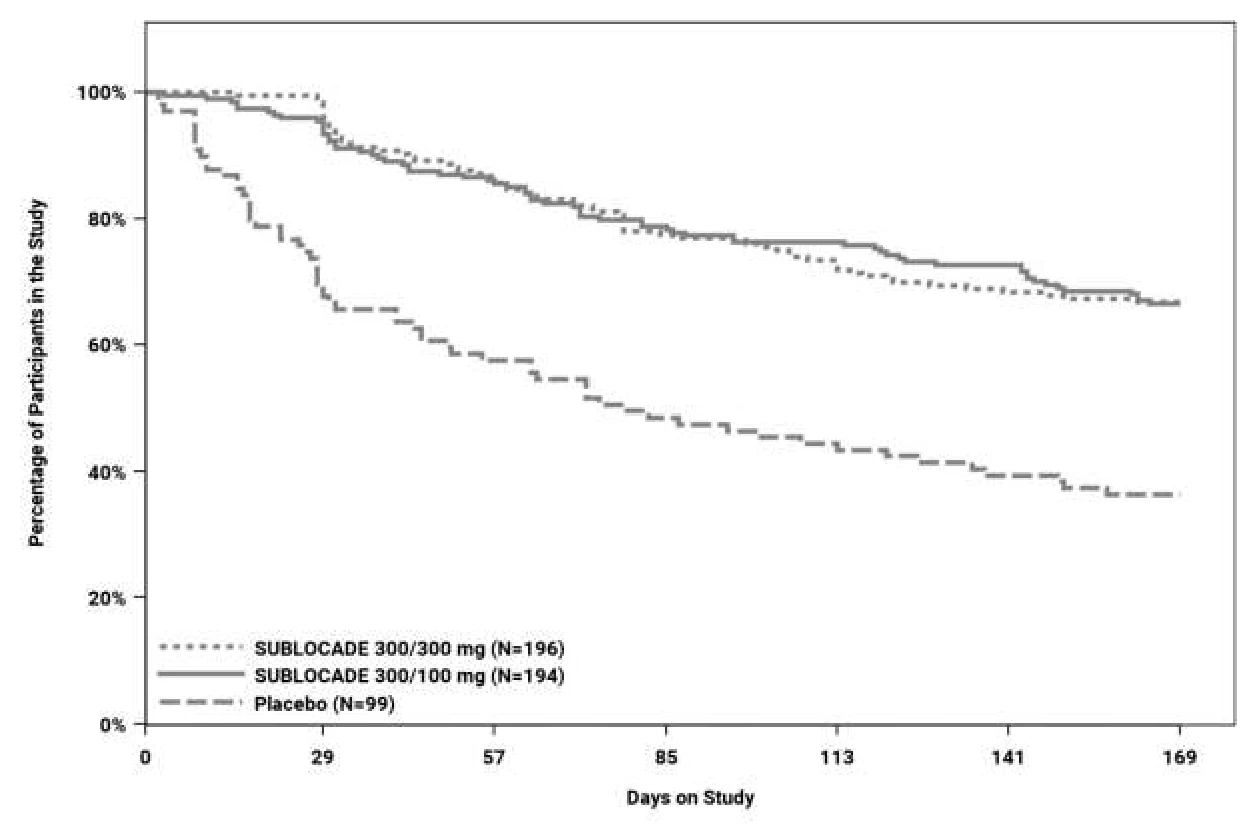
Participants without study discontinuation were censored at their last observed timepoint if earlier than or on Day 169; participants were censored at Day 169 if the last observed timepoint was later than Day 169.
Induction Sub-study of INDV-6000-401
The effectiveness of rapid induction was supported by the results for the primary endpoint of participant retention at the second injection of SUBLOCADE. The proportion of participants who received the second injection was higher in the rapid induction arm (66.4%) compared with the standard induction arm (54.5%).
At induction, 77.5% of patients were fentanyl positive by urine drug screen (mean usage, 7 days a week). The incidence of precipitated withdrawal was higher in patients positive for fentanyl (26.8%) than in patients negative for fentanyl (5.4 %); of all events 2.2% were severe and < 1% led to the discontinuation from the study. The proportion of fentanyl positive participants that received the second injection was 62.8% in the rapid induction arm compared with 47.9% in the standard induction arm. The reported or suspected use of fentanyl or other highly potent opioids should be considered when counselling patients and selecting the induction method.
14.3 Comparative Bioavailability Studies
Not Applicable
15 MICROBIOLOGY
Not Applicable
16 NON-CLINICAL TOXICOLOGY
General Toxicology
SUBLOCADE: Repeat dose toxicity studies were carried out with SUBLOCADE and the vehicle (the delivery system). Notable findings in rats included increased severity and incidence of injection site granulomas, pancreatic acinar cell apoptosis and alveolar macrophage infiltrates in the lungs of rats administered the two higher doses of SUBLOCADE (25 and 100 mg buprenorphine). The safety margins at the rat NOAEL (10 mg/kg) based on Cmax and AUC0-24 were 7-15 and 3-4-fold, respectively over exposure at the maximum SUBLOCADE dose in humans (300 mg buprenorphine). Additionally, the rat 28-day exposure (AUC0-672h) was compared to the 28-day exposure in humans; the NOAEL demonstrated a 2.5- to 4.3-fold safety margin following the first dose and 1.4- to 1.8-fold for the last dose.
Injection site reactions were confirmed at both the macroscopic and microscopic level in dogs when SUBLOCADE was administered subcutaneously once a month for 9 months. These effects were also observed in animals receiving the delivery system alone. The local reaction observed in these groups persisted over time and included oedema/swelling, raised areas, masses, erythema/reddening, abrasion, eschar formation, ulceration, desquamation and blanching. Histopathological findings at the injection site included subcutaneous granulomas, degenerate/necrotic cell debris, mononuclear cell infiltrates, fibroplasias, and/or haemorrhage.
The safety margin at the dog NOAEL (>40 mg/kg) was 8- to 13-fold based on Cmax over exposure at the maximum SUBLOCADE dose in humans; the exposure margin based on AUC0-24h was 6-fold. Additionally, the dog 28-day exposure (AUC0-672h) was compared to the 28-day exposure in humans; the NOAEL demonstrated a 12- to 13-fold safety margin following the first dose and 6.4- to 7.8-fold for the last dose (see also 16 NON-CLINICAL TOXICOLOGY, Local Irritation).
Buprenorphine: No consistent target organ toxicity was identified in animals following a 28-day exposure period to buprenorphine, which included high oral doses.
No consistent pattern of undesirable effects was apparent in the subacute studies conducted, aside from a sedative effect which is consistent with the pharmacological action of buprenorphine.
Minimal to moderate hyperplasia of the bile duct with associated peribiliary fibrosis occurred in dogs following 52 weeks oral dosing of buprenorphine at 75 mg/kg/day.
NMP: There is no clear toxicity profile of NMP after repeat-dose administration. In a 28-day dietary study in rats, a decrease in body weight gain was observed in males at 1234 mg/kg body weight and in females at 2268 mg/kg body weight. Testicular degeneration and atrophy in males and thymic atrophy in females were also observed at these dose levels. The NOAEL was 429 mg/kg body weight in males and 1548 mg/kg body weight in females. In a 28-day intubation study in rats, a dose-dependent increase in relative liver and kidney weights was observed along with a decrease in lymphocyte count in both sexes at 1028 mg/kg body weight. The NOAEL was 514 mg/kg body weight. In another rat study, daily dietary administration for 90 days caused decreased body weight in males and females at doses of 433 and 565 mg/kg body weight, respectively. Neurobehavioral effects were also detected at these dose levels. NOAELs based on body weight changes and neurobehavioral parameters in males and females were established as 169 and 217 mg/kg body weight, respectively.
Long-term Toxicity/Carcinogenicity
SUBLOCADE: No longterm carcinogenicity studies have been performed in animals to evaluate the carcinogenic potential of SUBLOCADE.
Buprenorphine: The carcinogenic potential of buprenorphine has been evaluated in Sprague-Dawley rats and CD-1 mice.
In the carcinogenicity study conducted in Sprague-Dawley rats, buprenorphine was administered in the diet at doses of 0.6, 5.5, and 56 mg/kg/day (approximately 0.5, 5, and 50 times the recommended human monthly subcutaneous dose of 300 mg of buprenorphine) for 27 months. A statistically significant dose-related increase in Leydig cell tumours occurred. In an 86-week study in CD-1 mice, buprenorphine was not carcinogenic at dietary doses up to 100 mg/kg/day (approximately 45 times the recommended human monthly subcutaneous dose of 300 mg of buprenorphine).
NMP: Long-term toxicity of NMP has been investigated in two studies with rats and one with mice. No evidence of carcinogenicity was identified in 2-year inhalation and dietary studies in rats. The primary toxic effect observed in rats was chronic nephropathy, most notably in males. The dietary study in mice demonstrated an increase in hepatocellular adenomas and carcinomas in both males and females at 6 and 8 times the maximum daily dose (MDD) of NMP via SUBLOCADE. The clinical significance of these findings is unclear. No tumours were noted at 1 and 1.3 times the MDD.
Given the paucity of data, very little is known in terms of the effects of chronic, subcutaneous administration of NMP in animals.
Mutagenicity
SUBLOCADE: No evidence of mutagenic potential for subcutaneous SUBLOCADE was found in an in vivo subcutaneous micronucleus test using rats’ bone marrow erythrocytes when tested to the maximum tolerated dose equivalent to 500 mg buprenorphine/kg (or approximately 16 times the recommended human monthly subcutaneous dose of 300 mg of buprenorphine). No evidence of mutagenic potential for subcutaneous doses of the delivery system was found in this in vivo subcutaneous micronucleus test in rats, when tested at 2000 mg/kg which represents approximately 14 times the maximum dose of buprenorphine in SUBLOCADE at the recommended human monthly subcutaneous dose (300 mg).
Buprenorphine: Mutagenic potential for buprenorphine was studied in a series of tests utilizing gene, chromosome, and DNA interactions in both prokaryotic and eukaryotic systems. Results were negative in yeast (Saccharomyces cerevisiae) for recombinant, gene convertant, or forward mutations; negative in Bacillus subtilis “rec” assay, negative for clastogenicity in CHO cells, Chinese hamster bone marrow and spermatogonia cells, and negative in the mouse lymphoma L5178Y assay.
Results were equivocal in the Ames test: negative in studies in two laboratories, but positive for frame shift mutation at a high dose (5 mg/plate) in a third study. Results were positive in the Green-Tweets (E. coli) survival test, positive in a DNA synthesis inhibition test with testicular tissue from mice, for both in vivo and in vitro incorporation of [3H] thymidine, and positive in unscheduled DNA synthesis test using testicular cells from mice.
NMP: Evidence supporting mutagenic potential of NMP is weak. A slight increase in the number of revertants was observed when NMP was tested in a Salmonella assay with base-pair substitution strains. NMP has been shown to induce aneuploidy in yeast S. cerevisiae cells, without any genetic effects. However, an in vivo micronucleus test in yeast was negative and Chinese hamsters exposed to six weeks of NMP inhalation did not display any chromosome damage in the bone marrow.
Reproductive Toxicity and Teratogenicity
SUBLOCADE: Reproductive and developmental toxicity studies were conducted in rats and/or rabbits with subcutaneously administered SUBLOCADE, the delivery system alone or NMP in a polyethylene glycol solution (see 16 NON-CLINICAL TOXICOLOGY, Reproductive Toxicity and Teratogenicity, NMP). Collectively, these studies demonstrated adverse non-reproductive as well as reproductive effects on the maternal and paternal generation, as well as toxic effects on the fetus at high doses. The majority of toxicity observed was attributed to NMP exposure and correlates with published NMP studies in rodents (see 16 NON-CLINICAL TOXICOLOGY, Reproductive Toxicity and Teratogenicity, NMP).
Maternal Toxicity/Fertility
Fertility and fecundity indices were unaffected by subcutaneous administration of SUBLOCADE (up to 900 mg/kg buprenorphine) or the delivery system alone (up to 4244 mg/kg of the delivery system) in rats. However, maternal toxicity was observed in the highest dose SUBLOCADE (38 times the maximum human buprenorphine exposure (AUC)) and the delivery system groups and included lower body weight, body weight gain and food consumption. This was attributed to exposure to high levels of the delivery system, and likely NMP (29 times the recommended human monthly subcutaneous dose of 300 mg buprenorphine). Similar results were confirmed in a study with rabbits, along with high numbers of abortions and total litter resorptions. Higher mean post-implantation loss was observed in rabbits at the highest dose of SUBLOCADE and the delivery system, which correlated with a higher mean number of resorptions, and accordingly, a reduction in the mean number of viable fetuses/litter size (approximately 15 times the maximum human buprenorphine exposure (AUC)). Lower fetal body weights were also observed in these groups. In rats, the NOAEL for female fertility and reproductive parameters was the mid dose of 600 mg/kg buprenorphine however the maternal and developmental toxicity NOAEL was 300 mg/kg buprenorphine which is approximately 15 times the maximum human buprenorphine exposure. In rabbits, the NOAEL for maternal and developmental toxicity was the lowest dose of 78 mg/kg buprenorphine or approximately 2 times the maximum human buprenorphine exposure (based on AUC).
Paternal Toxicity
Male toxicity was observed in rats at all doses of SUBLOCADE following three once-monthly subcutaneous doses, including moribundity/mortality in the highest dose group (900 mg/kg buprenorphine), and lower body weight, body weight gain and food consumption at all doses of buprenorphine. The NOAEL for male general toxicity could not be determined as effects were observed in all doses. Decreases in male fertility and reproduction indices observed in both SUBLOCADE and the delivery system high dose groups included abnormal sperm parameters (low motility, low mean number of sperm, and higher percentage of abnormal sperm). Abnormal sperm parameters were also observed in the mid-delivery system and SUBLOCADE dose groups. These differences were attributed to high NMP exposure. The NOAEL for male reproductive and fertility parameters, including sperm analysis, was 300 mg/kg buprenorphine in SUBLOCADE or approximately 15 times the maximum human monthly subcutaneous dose of 300 mg buprenorphine (based on AUC). The NOAEL for male reproductive and fertility parameters was the mid dose of 2829 mg/kg of the delivery system. However, the NOAEL for sperm parameters was 1415 mg/kg of the delivery system, which is 10 times the maximum human monthly subcutaneous dose of SUBLOCADE (mg/m2).
Fetal Toxicity
SUBLOCADE administered subcutaneously to pregnant rats and rabbits during the period of organogenesis at a buprenorphine dose equivalent to 38 and 15 times (based on AUC), respectively, the maximum recommended human dose (MRHD) of 300 mg caused embryolethality.
In rabbits, exposure to the highest doses of SUBLOCADE and the delivery system resulted in a significant reduction in mean number of viable fetuses/litter size and a statistical reduction in mean fetal body weight. In addition, a statistically increased litter incidence of total external malformations, visceral malformations and variations and skeletal variations were also observed in both of these groups. The NOAEL for maternal and developmental toxicity was established as the low dose of SUBLOCADE, corresponding to a dose of 78 mg/kg buprenorphine or approximately 2 times the maximum human buprenorphine exposure. However, the NOAEL for the delivery system was the mid dose of 713 mg/kg, containing 435 mg/kg NMP or twice the amount of NMP as the SUBLOCADE NOAEL.
Fetotoxic effects such as reduction in mean fetal body weight and malformations were also confirmed in rat studies in the mid and/or high dose groups of SUBLOCADE (600 and 900 mg/kg buprenorphine) and the delivery system alone. These consisted predominantly of malformations of the head which also correlated with skeletal malformations of the skull in these same dose groups. Adverse visceral malformations were also observed in the high dose groups. These effects were attributed to high levels of buprenorphine and/or NMP exposure.
Postnatal Development
Postnatal development was assessed in a single SUBLOCADE study in rats, in which dams were administered SUBLOCADE or the delivery system on Gestation Day 7 and again on Lactation Day 7 and the pups were evaluated through sexual maturity and mating. No significant effects were observed at 300 mg/kg buprenorphine, the high dose (10 times the MHRD based on mg/m2) beyond a transient effect on body weight during the weaning and post-weaning periods which is consistent with the pharmacological action of buprenorphine.
Buprenorphine: Reproductive and developmental studies in rats and rabbits identified adverse events at clinically relevant doses following intramuscular or subcutaneous administration. Embryo-fetal death was observed in both rats and rabbits administered buprenorphine during the period of organogenesis at doses approximately 6 and 0.3 times, respectively, the human sublingual dose of 16 mg/day of buprenorphine. Pre- and postnatal development studies in rats demonstrated increased neonatal deaths and dystocia, at approximately 0.3 and 3 times greater the human sublingual dose at 16 mg/day of buprenorphine. Increases in skeletal abnormalities were noted in rats and rabbits administered buprenorphine daily during organogenesis at a dose of approximately 0.6 and 6 times the human sublingual dose of 16 mg/day of buprenorphine, respectively. In a few studies, some events such as acephalous and omphalocele were observed but these findings were not clearly treatment-related. Embryo-fetal death was also observed in both rats and rabbits.
Dietary administration of buprenorphine in the rat at dose levels equivalent to approximately 47 mg/kg/day or greater produced a reduction in fertility demonstrated by reduced female conception rates. A dietary dose equivalent to approximately 10 mg/kg/day had no adverse effect on fertility. Reproduction studies of buprenorphine in rats demonstrated no evidence of impaired fertility at daily oral doses up to 80 mg/kg/day or up to 5 mg/kg/day intramuscularly or subcutaneously.
NMP: A series of fertility, reproductive and developmental toxicity studies were conducted with NMP in a polyethylene glycol solution administered subcutaneously daily or every other day with rats or rabbits.
In a fertility and early embryo development study in rats, every other day administration of NMP was given subcutaneously to males for 4 weeks and for 2 weeks to females prior to mating, then daily during mating and early gestation. At a dose of 288 mg/kg (3.4 times the maximum human single monthly dose (based on mg/m2)) there were no adverse NMP-related effects observed on reproductive and fertility indices and Gestation Day 13 uterine examination data.
Daily subcutaneous NMP injections in pregnant rats and rabbits during organogenesis resulted in fetotoxicity in the absence of maternal toxicity. In a rat embryo fetal development study, fetuses with lower mean body weights and external and skeletal malformations were noted at the mid dose of 288 mg/kg NMP (≥ 71 times the maximum monthly human NMP exposure (based on AUC)). In rabbits, at the dose of 133 mg/kg (15 times the maximum human monthly NMP exposure (AUC)), there were skeletal malformations/variations noted in some fetuses. At the 356 mg/kg dose (89 times the maximum human monthly NMP exposure (AUC)), there was lower fetal mean body weights, external malformation of the digits (brachydactyly) and small gallbladder observed.
In a separate pre/postnatal development study, daily SC of 144 mg/kg NMP to pregnant rats from organogenesis to the end of lactation had no adverse effects. At daily doses of 288 mg/kg (3.4 times the maximum human single monthly dose by mg/m2), in the absence of maternal toxicity, the offspring had lower bodyweight, lower fertility and fecundity indices in males and females, and decreased motor activity.
Oral daily exposure of male rats to NMP for 10 weeks resulted in adverse effects on testes and male fertility at greater than 11.6 times the MDD. Male‐mediated toxicity on offspring (decreased pup weight and survival) was also observed at daily doses 3.5 times the MDD of NMP delivered by SUBLOCADE on a mg/m2 basis.
Local Irritation
SUBLOCADE: Single-dose toxicity, repeat-dose toxicity and local tolerance studies carried out in rats, dogs and rabbits, demonstrated injection site reactions such as swelling, abrasion, reddening and raised areas or masses, and dermal observations including oedema, superficial/dermal irritation and erythema. Gross findings at injection sites in animals treated with SUBLOCADE or the delivery system alone consisted of firm, dark or pale area/foci in the subcutaneous tissue, which correlated histologically in the single and repeat-dose toxicity studies with subcutaneous granulomas, degenerate/necrotic cell debris, mononuclear cell infiltrates, fibroplasia and/or haemorrhage. Generally, the duration, frequency and severity of clinical signs and injection site observations correlated with increasing volume of the delivery system administered.