


Product Monograph - Taro-Dipyridamole/ ASA
SUMMARY PRODUCT INFORMATION
Route of Administration | Dosage Form / Strength | Clinically Relevant Non-medicinal Ingredients |
| Oral | Capsules, 200 mg / 25 mg | Non-medicinal ingredients (in alphabetical order): Acacia, Colloidal Silicon Dioxide, Ethyl Cellulose, Hypromellose phthalate, Hypromellose, Methacrylic acid copolymer type B, Microcrystalline Cellulose, Starch, Stearic acid, Talc, Tartaric acid, Titanium Dioxide, Triacetin and Triethyl citrate. The capsule shell contains: gelatine, sodium lauryl sulphate, Titanium dioxide, Iron Oxide Red, Iron Oxide Yellow, Water. Non-volatile components of black ink: shellac, propylene glycol, black iron oxide and potassium hydroxide. |
INDICATIONS AND CLINICAL USE
TARO-DIPYRIDAMOLE/ASA is indicated for:
the prevention of stroke in patients who have had a previous stroke or a transient ischemic attack
(TIA).
Pediatrics (< 18 years of age): Safety and effectiveness of TARO-DIPYRIDAMOLE/ASA in pediatric patients has not been studied. Therefore, TARO-DIPYRIDAMOLE/ASA should not be used in pediatric patients.
ASA should not be used in children or teenagers for viral infections, with or without fever, because of the risk of Reye’s syndrome with concomitant use of ASA in certain viral illnesses.
CONTRAINDICATIONS
- Patients who are hypersensitive to this drug or to any ingredient in the formulation or component of the container. For a complete listing, see the Dosage Forms, Composition and Packaging section of the product monograph.
- Due to the ASA component, TARO-DIPYRIDAMOLE/ASA is contraindicated in patients with known allergy to non-steroidal anti-inflammatory drugs (NSAIDs) and in patients with the syndrome of asthma, rhinitis and nasal polyps.
- Patients with active gastrointestinal ulcer or bleeding disorders.
- Patients in the last trimester of pregnancy.
WARNINGS AND PRECAUTIONS
The concomitant use of TARO-DIPYRIDAMOLE/ASA with some NSAIDs for analgesic and /or anti-inflammatory effects is NOT recommended because of the absence of any evidence demonstrating synergistic benefits and the potential for additive reactions. The use of some NSAIDs in patients who take TARO-DIPYRIDAMOLE/ASA may increase the risk of serious cardiovascular adverse events as well as gastrointestinal side effects (see Drug-Drug Interactions, NSAIDs).
Ibuprofen can interfere with the anti-platelet effect of low dose acetylsalicylic acid. Long-term daily use of ibuprofen may render ASA less effective when used for stroke prevention and thus is not recommended while taking TARO-DIPYRIDAMOLE/ASA (see Drug-Drug Interactions, Ibuprofen). Healthcare professionals should advise patients of the appropriate occasional use of ibuprofen and TARO-DIPYRIDAMOLE/ASA.
General
ALCOHOL WARNING
Patients who consume three or more alcoholic drinks every day should be counselled about the bleeding risks involved with chronic, heavy alcohol use while taking TARO-DIPYRIDAMOLE/ASA, due to the ASA component.
If a patient is to undergo elective surgery, consideration should be given to discontinue TARO-DIPYRIDAMOLE/ASA 10 days prior to surgery to allow for the reversal of the effect.
Headache or migraine-like headache which may occur especially at the beginning of TARO-DIPYRIDAMOLE/ASA therapy should not be treated with analgesic doses of acetylsalicylic acid (see DOSAGE AND ADMINISTRATION; Alternative regimen in case of intolerable headaches).
MAJOR HEMORRHAGIC EVENTS
As any antiplatelet agents, which cause bleeding, the use of TARO-DIPYRIDAMOLE/ASA may increase the risk of bleeding such as skin haemorrhage, gastrointestinal bleeding and intracerebral haemorrhage.
Caution should be advised in patients receiving concomitant medication which may increase the risk of bleeding, such as anticoagulants, antiplatelet agents, selective serotonin reuptake inhibitors (SSRIs) or anagrelide (see DRUG INTERACTIONS).
Due to the risk of bleeding, as with other antiplatelet agents, TARO-DIPYRIDAMOLE/ASA should be used with caution in patients at increased bleeding risk and patients should be followed carefully for any signs of bleeding, including occult bleeding. In patients with recent transient ischaemic attack (TIA) or strokes who are at high risk of recurrent ischemic events, dipyridamole/acetylsalicylic acid (ASA) has been shown to increase major hemorrhagic events and hemorrhagic strokes (see ADVERSE REACTION).
Due to the ASA component, the concomitant use of TARO-DIPYRIDAMOLE/ASA with corticosteroids can increase the gastrointestinal bleeding.
Carcinogenesis and Mutagenesis
CARCINOGENESIS
In carcinogenicity studies in rats and mice with the combination of dipyridamole and ASA at the ratio of 1:6 over a period of 125 and 105 weeks respectively, no significant tumorigenic effect was observed at
maximum doses of 450 mg/kg (corresponding to a share of 75 mg/kg of dipyridamole, 9 times the maximum recommended daily human dose for a 50 kg person on a mg/kg basis [or 1.5-2.1 times on a mg/m2 basis]), and 375 mg/kg ASA, 375 times the maximum recommended daily human dose for a 50 kg person on a mg/kg basis (or 58-83 times on a mg/m2 basis).
Cardiovascular
TARO-DIPYRIDAMOLE/ASA should be used with caution in patients with severe coronary artery disease (e.g. including unstable angina or recently sustained myocardial infarction) due to the vasodilatory effect of the dipyridamole component. Chest pain may be aggravated in patients with underlying coronary artery disease who are receiving dipyridamole. Patients being treated with TARO-DIPYRIDAMOLE/ASA should not receive additional intravenous dipyridamole. If pharmacological stress testing with intravenous dipyridamole for coronary artery disease is considered necessary, then TARO-DIPYRIDAMOLE/ASA should be discontinued twenty-four (24) hours prior to testing, otherwise the sensitivity of the intravenous stress test could be limited.
For stroke or TIA patients for whom ASA is indicated to prevent recurrent myocardial infarction (MI) or angina pectoris, the dose of ASA in dipyridamole/acetylsalicylic acid (ASA) has not been proven to provide adequate treatment for these cardiac indications.
Gastrointestinal
PEPTIC ULCER DISEASE
Patients with a history of active peptic ulcer disease should avoid using TARO-DIPYRIDAMOLE/ASA, which can cause gastric mucosal irritation, and bleeding, due to the ASA component.
GI side effects include stomach pain, heartburn, nausea, vomiting, diarrhoea, and gross GI bleeding. Although minor upper GI symptoms, such as dyspepsia, are common and can occur anytime during therapy, physicians should remain alert for signs of ulceration and bleeding, even in the absence of previous GI symptoms. Physicians should inform patients about the signs and symptoms of GI side effects and what steps to take if they occur.
Hematologic
TARO-DIPYRIDAMOLE/ASA should be used with caution in patients with inherited (haemophilia) or acquired (liver disease or vitamin K deficiency) bleeding disorders, due to the fact that even low doses of ASA can inhibit platelet function leading to an increase in bleeding time.
Hepatic/Biliary/Pancreatic
Due to the ASA component, TARO-DIPYRIDAMOLE/ASA should be avoided in patients with severe hepatic insufficiency.
A small number of cases have been reported in which unconjugated dipyridamole was shown to be incorporated into gallstones to a variable extent (up to 70% by dry weight of stone). These patients were all elderly, had evidence of ascending cholangitis, and had been treated with oral dipyridamole for a number of years. There is no evidence that dipyridamole was the initiating factor in causing gallstones to form in these patients. It is possible that bacterial deglucuronidation of conjugated dipyridamole in bile may be the mechanism responsible for the presence of dipyridamole in gallstones.
MYASTHENIA GRAVIS
The dipyridamole component may counteract the anticholinesterase effect of cholinesterase inhibitors. In patients with myasthenia gravis, adjustment of cholinesterase inhibitors therapy may be necessary after dose administration regimen of TARO-DIPYRIDAMOLE/ASA changes (see DRUG INTERACTIONS).
Renal
Due to the ASA component, TARO-DIPYRIDAMOLE/ASA should be avoided in patients with severe renal failure (glomerular filtration rate less than 10 mL/min).
Sexual Function/Reproduction
No studies on the effects on human fertility have been conducted. In preclinical studies with dipyridamole no impairment of fertility was observed. ASA inhibits ovulation in rats (see TOXICOLOGY).
Special Populations
Pregnant Women: There are no adequate and well-controlled studies of dipyridamole/acetylsalicylic acid (ASA) in pregnant women. Because animal reproduction studies are not always predictive of human response, TARO-DIPYRIDAMOLE/ASA should be given during the first two trimesters of pregnancy only if the potential benefit to the mother justifies the potential risk to the fetus. Due to the ASA component, TARO-DIPYRIDAMOLE/ASA should not be prescribed during the third trimester of pregnancy.
Nursing Women: Dipyridamole and ASA are excreted in human breast milk. Therefore, caution should be exercised when TARO-DIPYRIDAMOLE/ASA is administered to a nursing woman. TARO-DIPYRIDAMOLE/ASA should only be administered in breast-feeding mothers when the potential benefits for the mother outweigh the possible risks for the newborn.
Pediatrics (< 18 years of age): Safety and effectiveness of dipyridamole/acetylsalicylic acid (ASA) in pediatric patients has not been studied. Therefore, TARO-DIPYRIDAMOLE/ASA should not be used in pediatric patients.
ASA should not be used in children or teenagers for viral infections, with or without fever, because of the risk of Reye’s syndrome with concomitant use of ASA in certain viral illnesses.
Monitoring and Laboratory Tests
ASA has been associated with elevated hepatic enzymes, blood urea nitrogen and serum creatinine, hyperkalemia, proteinuria and prolonged bleeding time. Over the course of the 24- month study (ESPS2), patients treated with Dipyridamole/Acetylsalicylic Acid Capsulesshowed a decline (mean change from baseline) in hemoglobin of 0.25 g/dl, hematocrit of 0.75%, and erythrocyte count of 0.13x10⁶/m 3.
ADVERSE REACTIONS
Adverse Drug Reaction Overview
Two large scale trials (ESPS-2, PRoFESS) enrolling a total of 26,934 patients, thereof 11,831 patients treated with Dipyridamole/Acetylsalicylic Acid Capsules, were used to define the safety profile. The duration of the trials were 24-months and 2.5 years for ESPS-2 and PRoFESS respectively. These data are supplemented with the Dipyridamole/Acetylsalicylic Acid Capsulespost-marketing experience.
Serious adverse events from controlled clinical trials were bleeding disorders, clotting disorders, gastrointestinal disorders, syncope, headache, and hypotension. Bleeding events (major bleeding, hemorrhage intracranial and gastrointestinal hemorrhage) were reported in patients treated with Dipyridamole/Acetylsalicylic Acid Capsulesin both of these trials. In the PRoFESS trial, major hemorrhagic events were reported in 4.1% and 3.6% of patients in the Dipyridamole/Acetylsalicylic Acid Capsules treatment group and the clopidogrel treatment group respectively. Any intracranial hemorrhage was reported in 1.4% (Dipyridamole/Acetylsalicylic Acid Capsules) and 1.0% (clopidogrel) of patients
(See WARNINGS AND PRECAUTIONS).
The most common adverse reactions were dizziness, dyspepsia, abdominal pain, anaemia, hypersensitivity, worsening of symptoms of CAD, epistaxis, gastrointestinal hemorrhage, headache, myalgia, vomiting, and nausea. Events that most commonly lead to discontinuation of Dipyridamole/Acetylsalicylic Acid Capsules were headache, vomiting and nausea.
Clinical Trial Adverse Drug Reactions
Because clinical trials are conducted under very specific conditions the adverse reaction rates observed in the clinical trials may not reflect the rates observed in practice and should not be compared to the rates in the clinical trials of another drug. Adverse drug reaction information from clinical trials is useful for identifying drug-related adverse events and for approximating rates.
ESPS2
A 24-month, multicenter, double-blind, randomized study (ESPS2) was conducted to compare the efficacy and safety of Dipyridamole/Acetylsalicylic Acid Capsules with placebo, extended release dipyridamole alone and ASA alone. The study was conducted in a total of 6602 male and female patients who had experienced a previous ischemic stroke or transient ischemia of the brain within three months prior to randomization. Discontinuation due to adverse events in ESPS2 was 27.8% for Dipyridamole/Acetylsalicylic Acid Capsules, 28.2% for extended release dipyridamole, 23.2% for ASA, and 23.7% for placebo.
Table 1 presents the incidence of adverse events that occurred in 1% or more of patients treated with Dipyridamole/Acetylsalicylic Acid Capsules where the incidence was also greater than those patients treated with placebo.
Table 1: INCIDENCE OF ADVERSE EVENTS IN ESPS2 REPORTED BY > 1% OF PATIENTS DURING DIPYRIDAMOLE/ACETYLSALICYLIC ACID CAPSULESTREATMENT WHERE THE INCIDENCE WAS GREATER THAN THOSE TREATED WITH PLACEBO
| Individual Treatment Group | ||||
| Dipyridamole/ Acetylsalicylic Acid Capsules | ER-DP Alone | ASA Alone | placebo | |
| Total Number of Patients | N= 1650 | N= 1654 | N = 1649 | N = 1649 |
| Total Number (%) of Patients With at Least One On- Treatment Adverse Event | 1319 (79.9%) | 1305 (78.9%) | 1323 (80.2%) | 1304 (79.1%) |
| Body System/Preferred Term | ||||
| Any Bleeding** Severity of bleeding:*** | ||||
| Mild | 84 (5.1%) | 53 (3.2%) | 82 (5.0%) | 52 (3.2%) |
| Moderate | 33 (2.0%) | 18 (1.1%) | 33 (2.0%) | 15 (0.9%) |
| Severe | 23 (1.4%) | 4 (0.2%) | 19 (1.2%) | 5 (0.3%) |
| Fatal | 4 (0.2%) | 2 (0.1%) | 1 (0.1%) | 2 (0.1%) |
| Body as a Whole – General Disorders | ||||
| Individual Treatment Group | ||||
| Dipyridamole/ Acetylsalicylic Acid Capsules | ER-DP Alone | ASA Alone | placebo | |
| Total Number of Patients | N= 1650 | N= 1654 | N = 1649 | N = 1649 |
| Total Number (%) of Patients With at Least One On- Treatment Adverse Event | 1319 (79.9%) | 1305 (78.9%) | 1323 (80.2%) | 1304 (79.1%) |
| Pain | 105 (6.4%) | 88 (5.3%) | 103 (6.2%) | 99 (6.0%) |
| Fatigue | 95 (5.8%) | 93 (5.6%) | 97 (5.9%) | 90 (5.5%) |
| Back Pain | 76 (4.6%) | 77 (4.7%) | 74 (4.5%) | 65 (3.9%) |
| Accidental Injury | 42 (2.5%) | 24 (1.5%) | 51 (3.1%) | 37 (2.2%) |
| Malaise | 27 (1.6%) | 23 (1.4%) | 26 (1.6%) | 22 (1.3%) |
| Asthenia | 29 (1.8%) | 19 (1.1%) | 17 (1.0%) | 18 (1.1%) |
| Syncope | 17 (1.0%) | 13 (0.8%) | 16 (1.0%) | 8 (0.5%) |
| Cardiovascular Disorders, General | ||||
| Cardiac Failure | 26 (1.6%) | 17 (1.0%) | 30 (1.8%) | 25 (1.5%) |
| Central & Peripheral Nervous System Disorders | ||||
| Headache | 647 (39.2%) | 634 (38.3%) | 558 (33.8%) | 543 (32.9%) |
| Convulsions | 28 (1.7%) | 15 (0.9%) | 28 (1.7%) | 26 (1.6%) |
| Gastro-Intestinal System Disorders | ||||
| Dyspepsia | 303 (18.4%) | 288 (17.4%) | 299 (18.1%) | 275 (16.7%) |
| Abdominal Pain | 289 (17.5%) | 255 (15.4%) | 262 (15.9%) | 239 (14.5%) |
| Nausea | 264 (16.0%) | 254 (15.4%) | 210 (12.7%) | 232 (14.1%) |
| Diarrhoea | 210 (12.7%) | 257 (15.5%) | 112 (6.8%) | 161 (9.8%) |
| Vomiting | 138 (8.4%) | 129 (7.8%) | 101 (6.1) | 118 (7.2%) |
| Hemorrhage Rectum | 26 (1.6%) | 22 (1.3%) | 16 (1.0%) | 13 (0.8%) |
| Melena | 31 (1.9%) | 10 (0.6%) | 20 (1.2%) | 13 (0.8%) |
| Haemorrhoids | 16 (1.0%) | 13 (0.8%) | 10 (0.6%) | 10 (0.6%) |
| GI Hemorrhage | 20 (1.2%) | 5 (0.3%) | 15 (0.9%) | 7 (0.4%) |
| Individual Treatment Group | ||||
| Dipyridamole/ Acetylsalicylic Acid Capsules | ER-DP Alone | ASA Alone | placebo | |
| Total Number of Patients | N= 1650 | N= 1654 | N = 1649 | N = 1649 |
| Total Number (%) of Patients With at Least One On- Treatment Adverse Event | 1319 (79.9%) | 1305 (78.9%) | 1323 (80.2%) | 1304 (79.1%) |
| Musculo-Skeletal System Disorders | ||||
| Arthralgia | 91 (5.5%) | 75 (4.5%) | 91 (5.5%) | 76 (4.6%) |
| Arthritis | 34 (2.1%) | 25 (1.5%) | 17 (1.0%) | 19 (1.2%) |
| Arthrosis | 18 (1.1%) | 22 (1.3%) | 13 (0.8%) | 14 (0.8%) |
| Myalgia | 20 (1.2%) | 16 (1.0%) | 11 (0.7%) | 11 (0.7%) |
| Neoplasm | ||||
| Neoplasm NOS | 28 (1.7%) | 16 (1.0%) | 23 (1.4%) | 20 (1.2%) |
| Platelet, Bleeding & Clotting Disorders | ||||
| Hemorrhage NOS | 52 (3.2%) | 24 (1.5%) | 46 (2.8%) | 24 (1.5%) |
| Epistaxis | 39 (2.4%) | 16 (1.0%) | 45 (2.7%) | 25 (1.5%) |
| Purpura | 23 (1.4%) | 8 (0.5%) | 9 (0.5%) | 7 (0.4%) |
| Psychiatric Disorders | ||||
| Amnesia | 39 (2.4%) | 40 (2.4%) | 57 (3.5%) | 34 (2.1%) |
| Confusion | 18 (1.1%) | 9 (0.5%) | 22 (1.3%) | 15 (0.9%) |
| Anorexia | 19 (1.2%) | 17 (1.0%) | 10 (0.6%) | 15 (0.9%) |
| Somnolence | 20 (1.2%) | 13 (0.8%) | 18 (1.1%) | 9 (0.5%) |
| Red Blood Cell Disorders | ||||
| Anaemia | 27 (1.6%) | 16 (1.0%) | 19 (1.2%) | 9 (0.5%) |
| Respiratory System Disorders | ||||
| Coughing | 25 (1.5%) | 18 (1.1%) | 32 (1.9%) | 21 (1.3%) |
| Upper Respiratory Tract Infection | 16 (1.0%) | 9 (0.5%) | 16 (1.0%) | 14 (0.8%) |
Note: ER-DP = Extended Release Dipyridamole 400 mg/day; ASA = Acetylsalicylic Acid 50
mg/day. Note: The dosage regimen for all treatment groups is b.i.d.
** Bleeding at any site, reported during follow-up and within 15 days after eventual stroke or treatment cessation. ***Severity of bleeding: mild = requiring no special treatment; moderate = requiring specific treatment but no blood transfusion; severe = requiring blood transfusion.
Note: NOS = not otherwise specified
Less Common Clinical Trial Adverse Drug Reactions (<1%)
Adverse reactions that occurred in less than 1% of patients treated with Dipyridamole/Acetylsalicylic Acid Capsules in the ESPS2 study and that were medically judged to be possibly related to either dipyridamole or ASA are listed below.
Body as a Whole: allergic reaction, fever
Cardiovascular: hypotension, flushing
Central Nervous System: coma, paraesthesia
Gastrointestinal: gastritis, ulceration and perforation
Hearing & Vestibular Disorders: tinnitus, and deafness. Patients with high frequency hearing loss may have difficulty perceiving tinnitus. In these patients, tinnitus cannot be used as a clinical indicator of salicylism
Heart Rate and Rhythm Disorders: tachycardia, palpitation, arrhythmia, supraventricular tachycardia Liver and Biliary System Disorders: cholelithiasis, jaundice, abnormal hepatic function Metabolic & Nutritional Disorders: hyperglycemia, thirst
Platelet, Bleeding and Clotting Disorders: haematoma, gingival bleeding, cerebral hemorrhage, intracranial hemorrhage, subarachnoid hemorrhage
Note: There was one case of pancytopenia recorded in a patient within the Dipyridamole/Acetylsalicylic Acid Capsules treatment group, from which the patient recovered without discontinuation of Dipyridamole/Acetylsalicylic Acid Capsules.
Psychiatric Disorders: agitation
Reproductive: uterine hemorrhage
Respiratory: hypernea, asthma, bronchospasm, haemoptysis, pulmonary edema Special Senses: taste loss
Skin and Appendages Disorders: pruritus, urticaria
Urogenital: renal insufficiency and failure, hematuria
Abnormal Hematologic and Clinical Chemistry Findings
Over the course of the 24-month study (ESPS2), patients treated with Dipyridamole/Acetylsalicylic Acid Capsules showed a decline (mean change from baseline) in hemoglobin of 0.25 g/dl, hematocrit of 0.75%, and erythrocyte count of 0.13x10⁶/mm3.
Post-Market Adverse Drug Reactions
The following is a list of additional adverse reactions that have been reported either in the literature or are from post-marketing spontaneous reports for either dipyridamole or ASA.
Body as a Whole: hypothermia, migraine-like headache (especially at the beginning of treatment), pyrexia
Cardiovascular: angina pectoris, worsening of symptoms of coronary heart disease, tachycardia, syncope, hypotension, hot flush, arrhythmia
Central Nervous System: cerebral edema, dizziness, headache, also migraine-like headache (especially at the beginning of treatment), agitation, brain oedema, lethargy, convulsion Eye disorders: eye haemorrhage
Fluid and Electrolyte: hyperkalemia, metabolic acidosis, respiratory alkalosis Gastrointestinal: pancreatitis, vomiting, nausea, diarrhoea, dyspepsia, gastric ulcer, duodenal ulcer, gastritis erosive, gastrointestinal haemorrhage , abdominal pain, gastric ulcer perforation, duodenal ulcer perforation, melaena, haematemesis
Hearing and Vestibular Disorders: hearing loss, tinnitus, deafness
Hypersensitivity: acute anaphylaxis, laryngeal edema, hypersensitivity reactions including rash, urticaria, severe bronchospasm and angio-oedema, anaphylactic reactions (especially in patients with asthma)
Investigations: Liver function test abnormal, blood uric acid increased (may lead to gout attacks), prothrombin time prolonged
Liver and Biliary System Disorders: hepatitis, incorporated into gallstones, Reye’s Syndrome Musculoskeletal: rhabdomyolysis, myalgia
Metabolic & Nutritional Disorders: hypoglycaemia (children), dehydration, hyperglycaemia, thirst, hyperkaleamia, metabolic acidosis, respiratory alkalosis
Psychiatric disorders: confusional state
Blood, Platelet, Bleeding and Clotting Disorders: prolongation of the prothrombin time, prolongation of bleeding time, procedural haemorrhage (increased bleeding during surgery), post- procedural haemorrhage (increased bleeding after surgery), , disseminated intravascular coagulation, coagulopathy, thrombocytopenia (reduction of platelet count), anaemia, iron deficiency anaemia due to occult gastrointestinal bleeding
Reproductive: prolonged pregnancy and labour, stillbirths, lower birth weight infants, haemorrhage in pregnancy, postpartum bleeding, small for dates baby
Respiratory: tachypnea, epistaxis, dyspnoea, gingival bleeding, laryngeal oedema, hyperventilation, pulmonary oedema, tachypnoea
Skin and Appendages Disorders: rash, alopecia, angioedema, skin haemorrhages (such as contusion, ecchymosis and haematoma), erythema exsudativum multiforme
Urogenital: renal failure, renal papillary necrosis, nephritis interstitial, proteinuria
Listed adverse events of Dipyridamole/Acetylsalicylic Acid Capsules reported from clinical trials and from post-marketing reports, by frequencies:
| Adverse events | Frequencies |
Headache Dizziness Dyspepsia Diarrhea Nausea Abdominal pain | Very Common ≥ 1/10 |
| Hypersensitivity reactions: (rash, urticaria, severe bronchospasm, | Common |
angioedema) Anaemia Haemorrhage intracranial Migraine like headache Worsening of symptoms of coronary heart disease (coronary artery disease) Syncope Epistaxis Vomiting (severe) Gastrointestinal Haemorrhage Myalgia | ≥1/100 < 1/10 |
Eye haemorrhage (intraocular haemorrhage) Tachycardia Hypotension Hot flush Gastric ulcer Duodenal ulcer | Uncommon ≥ 1/1000 < 1/100 |
| Thrombocytopenia (reduction of platelet count) Iron deficiency anaemia due to occult gastrointestinal bleeding Gastritis erosive | Rare ≥ 1/10 000 < 1/1000 |
Skin haemorrhage (contusion, ecchymosis, hematoma) Bleeding time prolonged Post procedural haemorrhage Operative haemorrhage | Not known* These ADRs were not reported in clinical trials: therefore, a |
DRUG INTERACTIONS
Drug-Drug Interactions
Overview
When TARO-DIPYRIDAMOLE/ASA is used in combination with any substances impacting coagulation such as anticoagulants and antiplatelets, the safety profile for these medications must be observed.
Because of the increased risk of bleeding, the concomitant administration of heparin, or warfarin with TARO-DIPYRIDAMOLE/ASA should be undertaken with caution.
The dipyridamole component of TARO-DIPYRIDAMOLE/ASA may increase the hypotensive effect of drugs, which reduces blood pressure. The drugs listed in this table are based on either drug interaction case reports or studies, or potential interactions due to the expected magnitude and seriousness of the interaction (i.e., those identified as contraindicated).
Table 2: ESTABLISHED OR POTENTIAL DRUG-DRUG INTERACTIONS
| Effect | Clinical comment | |
| The following drug interactions are associated with the dipyridamole component of TARO-DIPYRIDAMOLE/ASA: | ||
| ADENOSINE | Dipyridamole has been reported to increase the plasma levels and cardiovascular effects of adenosine. | Adjustment of adenosine dosage may be necessary. |
| CHOLINESTERASE INHIBITORS | The dipyridamole component of TARO-DIPYRIDAMOLE/ASA may counteract the | Patients should be advised to consult a |
| anticholinesterase effect of cholinesterase inhibitors, thereby potentially aggravating myasthenia gravis. | physician if any worsening of the disease occurs. | |
| The following drug interactions are associated with the ASA component of TARO-DIPYRIDAMOLE/ASA: | ||
| ACETAZOLAMIDE | Due to the ASA component, concurrent use of TARO-DIPYRIDAMOLE/ASA and acetazolamide can lead to high serum concentrations of acetazolamide (and toxicity) due to competition at the renal tubule for secretion. | Adjustment of acetazolamide dosage may be necessary. |
| ANAGRELIDE | Due to the ASA component, concurrent use of TARO-DIPYRIDAMOLE/ASA with anagrelide may result in an increased risk of bleeding. | Patients should be advised to consult a physician if any signs or symptoms of bleeding occur. |
| ALCOHOL USE (CHRONIC) | Gastro-intestinal bleeding may increase when acetylsalicylic acid is administered concomitantly during chronic alcohol use. | Patients should be advised to consult a physician if any signs or symptoms of bleeding occur. |
ANGIOTENSIN CONVERTING ENZYME (ACE) INHIBITORS | Due to the indirect effect of the ASA component on the renin-angiotensin conversion pathway, the hyponatremic and hypotensive effects of ACE inhibitors may be diminished by concomitant administration of TARO-DIPYRIDAMOLE/ASA. | Patients should be advised to consult a physician if any signs or symptoms of decreased renal function such as oedema, or increase in |
| ANTICOAGULANTS | Patients on anticoagulation therapy are at increased risk for bleeding because of drug- drug interactions and effects on platelets. ASA can displace warfarin from protein binding sites, leading to prolongation of both the prothrombin time and the bleeding time. The ASA component of TARO- DIPYRIDAMOLE/ASA can increase the anticoagulant activity of heparin, increasing bleeding risk. Acetylsalicylic acid has been shown to enhance the effect of anticoagulants which may result in an increased risk of bleeding. | Patients should be advised to consult a physician if any signs or symptoms of bleeding occur. |
| ANTIPLATELET AGENTS | Acetylsalicylic acid has been shown to enhance the effect of antiplatelet agents (e.g. clopidogrel, ticlopidine) which may result in an increased risk of bleeding. | Patients should be advised to consult a physician if any signs or symptoms of bleeding occur. |
| ANTICONVULSANTS | The ASA component of TARO- DIPYRIDAMOLE/ASA can displace protein-bound phenytoin and valproic acid, leading to a decrease in the total concentration of phenytoin and an increase in serum valproic acid levels. Acetylsalicylic acid has been shown to enhance the effect of valproic acid which may | Adjustment of phenytoin or valproic acid dosage may be necessary. |
| result in an increased risk of rare, but often fatal hepatotoxicity. | ||
| BETA BLOCKERS | The hypotensive effects of beta blockers may be diminished by the concomitant administration of TARO- DIPYRIDAMOLE/ASA due to inhibition of renal prostaglandins by ASA, leading to decreased renal blood flow, and salt and fluid retention. | Patient should be advised to consult a physician if any signs or symptoms of decreased renal function such as oedema, or increase in blood pressure |
| CORTICOSTEROIDS | Gastro-intestinal bleeding increase when acetylsalicylic acid is administered concomitantly with corticosteroids. | Patient should be advised to consult a physician if any signs or symptoms of bleeding occur. |
| DIURETICS | The effectiveness of diuretics in patients with underlying renal or cardiovascular disease may be diminished by the concomitant administration of TARO- DIPYRIDAMOLE/ASA due to inhibition of renal prostaglandins by ASA, leading to decreased renal blood flow and salt and fluid retention. | Patient should be advised to consult a physician if any signs or symptoms of decreased renal function such as oedema occur. |
| IBUPROFEN | Ibuprofen can interfere with the antiplatelet effect of low dose acetylsalicylic acid. Long- term daily use of ibuprofen may render ASA less effective when used for stroke prevention. | Long term daily use of ibuprofen is not recommended when taking TARO- DIPYRIDAMOLE/ASA. Doctors should advise patients about the |
| METHOTREXATE | The ASA component of TARO- DIPYRIDAMOLE/ASA can inhibit renal clearance of methotrexate, leading to bone marrow toxicity, especially in the elderly or renally impaired. | Adjustment of methotrexate dosage may be necessary. |
NON-STEROIDAL ANTI- INFLAMMATORY DRUGS (NSAIDS) | Due to the ASA component, the concurrent use of TARO-DIPYRIDAMOLE/ASA with other NSAIDs may increase the risk of cardiovascular adverse events or lead to decreased renal function. Gastro-intestinal bleeding increases when acetylsalicylic acid is administered concomitantly with NSAIDs. | Patient should be advised to consult a physician if any signs or symptoms of bleeding occur. |
ORAL HYPOGLYCAEMICS | TARO-DIPYRIDAMOLE/ASA may increase the effectiveness of oral hypoglycemic drugs, leading to hypoglycaemia. | Patient should be advised to consult a physician if any signs or symptoms of hypoglycaemia occur. |
| SELECTIVE SEROTONIN REUPTAKE INHIBITORS (SSRIs) | SSRIs may increase the risk of bleeding. | Patient should be advised to consult a physician if any signs or symptoms of bleeding occur. |
| URICOSURIC AGENTS | The ASA component of TARO- | Patient should be advised |
| (PROBENECID AND SULFINPYRAZONE) AND NATRIURETIC AGENTS | DIPYRIDAMOLE/ASA antagonizes the uricosuric action of uricosuric agents. ASA decreased the natriuretic effect of spironolactone in healthy volunteers. | to consult a physician if any signs or symptoms of decreased renal function such as oedema occur. |
Drug-Herb interaction
Pharmacokinetic studies to determine the effect of herb or food have not been conducted with dipyridamole/acetylsalicylic acid (ASA).
Drug-laboratory interactions
Pharmacokinetic studies to determine the effect of laboratory interactions have not been conducted with dipyridamole/acetylsalicylic acid (ASA).
Drug-lifestyle interactions
Pharmacokinetic studies to determine the effect of lifestyle have not been conducted with dipyridamole/acetylsalicylic acid (ASA).
No studies on the effect of the ability to drive and use machines have been performed.
Patients should be advised that symptoms such as dizziness and confusional state have been reported in clinical trials. Therefore, caution should be recommended when driving a car or operating machinery. If patients experience such symptoms they should avoid potentially hazardous tasks such as driving or operating machinery.
DOSAGE AND ADMINISTRATION
Dosing Considerations
For oral administration.
Recommended Dose and Dosage Adjustment
The recommended dose of TARO-DIPYRIDAMOLE/ASA is one capsule twice daily, one in the morning and one in the evening, with or without food.
Alternative regimen in case of intolerable headaches
In the event of intolerable headaches during treatment initiation, a regimen of one capsule of TARO-DIPYRIDAMOLE/ASA at bedtime, along with low-dose (not 500 – 1,000 mg) acetylsalicylic acid (ASA) alone in the morning may be used.
Since it is expected that headaches related to the vasodilatory properties of dipyridamole will subside over time, the standard twice-daily regimen of TARO-DIPYRIDAMOLE/ASA may generally be resumed within a week or so.
Administration
The capsules should be swallowed whole without chewing.
OVERDOSAGE
For management of a suspected drug overdose, contact your regional Poison Control Centre.
Because of the dose ratio of dipyridamole to ASA, overdosage of TARO-DIPYRIDAMOLE/ASA is likely to be dominated by signs and symptoms of dipyridamole overdose. For real or suspected overdose, a Poison Control Center should be contacted immediately. Careful medical management is essential.
DIPYRIDAMOLE
SYMPTOMS
Experience with dipyridamole overdose is limited. Based upon the known hemodynamic effects of dipyridamole, symptoms such as feeling warm, flushes, sweating, accelerated pulse, restlessness, feeling of weakness, dizziness, and anginal complaints can be expected. A drop in blood pressure and tachycardia might also be observed.
TREATMENT
Symptomatic treatment is recommended, possibly including a vasopressor drug. Gastric lavage should be considered. Since dipyridamole is highly protein bound, dialysis is not likely to be of benefit. Administration of xanthine derivatives (e.g. aminophylline) may reverse the haemodynamic effects of dipyridamole overdose.
ASA
SYMPTOMS
Symptoms of ASA overdosage may include hyperventilation (rapid and deep breathing), nausea, vomiting, vertigo, tinnitus, flushing, sweating, thirst, tachycardia, impairment of vision and hearing, dizziness and confusional states. Tinnitus can, particularly in elderly patients, be a symptom of overdose. In more severe cases acid base disturbances including respiratory alkalosis and metabolic acidosis can occur. Severe cases may show fever, hemorrhage, excitement, confusion, convulsion or coma, and respiratory failure.
TREATMENT
It consists of prevention and management of acid-base and fluid and electrolyte disturbances. Renal clearance is increased by increasing urine flow and by alkaline diuresis but care must be taken in this approach not to aggravate further the metabolic acidosis that develops and the hypokalemia. Acidemia should be prevented by administration of adequate sodium containing fluids and sodium bicarbonate. Hypoglycemia is an occasional accompaniment of salicylate overdosage and can be managed by administration of glucose solutions. If a hemorrhagic diathesis is evident, give vitamin K. Haemodialysis may be useful in complex acid base disturbances particularly in the presence of abnormal renal function.
ACTION AND CLINICAL PHARMACOLOGY
Mechanism of Action
Blood platelets participate actively in the pathogenesis of atherosclerotic lesions and thrombosis which is the principle cause of most strokes and transient ischemic attacks (TIAs). Platelets are believed to adhere to denuded, dysfunctional endothelium and to release mitogenic substances, such as platelet- derived growth factor (PDGF), that foster the lesion’s progression to rupture and thrombosis. The antithrombotic action of TARO-DIPYRIDAMOLE/ASA is the result of the additive antiplatelet effects of dipyridamole and acetylsalicylic acid (ASA).
DIPYRIDAMOLE
Dipyridamole inhibits the uptake of adenosine into platelets, endothelial cells and erythrocytes in vitro and in vivo; the inhibition amounts to approximately 80% at Cmax and occurs in a dose dependent manner at therapeutic plasma concentrations (0.5-1.9 μg/mL). This inhibition results in an increase in local concentrations of adenosine which acts on the platelet A2-receptor thereby stimulating platelet
adenylate cyclase and increasing platelet cyclic-3’, 5’-adenosine monophosphate (cAMP) levels. Via this mechanism, platelet aggregation is inhibited in response to various stimuli such as platelet activating factor (PAF), collagen and adenosine diphosphate (ADP). Reduced platelet aggregation reduces platelet consumption towards normal levels.
Dipyridamole also inhibits phosphodiesterase (PDE) in various tissues. While the inhibition of cAMP-PDE is weak, therapeutic levels of dipyridamole inhibit cyclic-3’, 5’-guanosine monophosphate-PDE (cGMP-PDE), thereby augmenting the increase in cGMP produced by EDRF (endothelium-derived relaxing factor, now identified as nitric oxide).
ASA
ASA inhibits platelet aggregation by irreversible inhibition of platelet cyclo-oxygenase and thus inhibits the generation of thromboxane A2, a powerful inducer of platelet aggregation and vasoconstriction. In studies of platelet activity inhibition, 25 mg ASA was administered b.i.d. to 5 subjects for 2.5 days. Complete inhibition of collagen-induced aggregation was achieved by the 5th dose of ASA, and maximal effect persisted up to 2-3 days following stoppage of drug.
Pharmacodynamics
There are no significant interactions between ASA and dipyridamole. The kinetics of the components are unchanged by their co-administration as TARO-DIPYRIDAMOLE/ASA. TARO-DIPYRIDAMOLE/ASA is not interchangeable with the individual components of ASA and dipyridamole.
DIPYRIDAMOLE
Absorption: The dissolution and absorption of dipyridamole from TARO-DIPYRIDAMOLE/ASA capsules is independent of the pH of the gastrointestinal tract. Peak plasma levels are achieved in 1.5 - 2 hours after administration. The absolute bioavailability of dipyridamole from Dipyridamole/Acetylsalicylic Acid Capsules is about 70%. With a daily maintenance dose of 400 mg of the extended release formulation, peak plasma levels at steady state are between 1.5 - 3 μg/mL and trough levels are between 0.4 - 0.8 μg/mL.
Pharmacokinetic studies to determine the effect of food have not been conducted with dipyridamole/acetylsalicylic acid (ASA).
Distribution: Due to its high lipophilicity, dipyridamole distributes to many organs; however it has been shown that the drug does not cross the blood brain barrier to any significant extent.
Metabolism: Dipyridamole is metabolized in the liver. In plasma, about 80% of the total amount is present as parent compound and 20% as monoglucuronide.
Excretion: Most of the glucuronide metabolite (about 95%) is excreted via bile into the feces, with some evidence of enterohepatic circulation. Renal excretion of parent compound is negligible and urinary excretion of the glucuronide metabolite is low (about 5%). The dominant half-life for elimination after oral or intravenous administration is about 40 minutes.
Special Populations and Conditions
Geriatrics: Plasma concentrations (determined as area under the curve, AUC) of dipyridamole in healthy elderly subjects (> 65 years) are about 30-50% higher than in subjects younger than 55 years, on treatment with Dipyridamole/Acetylsalicylic Acid Capsules. The difference is caused mainly by reduced clearance.
Hepatic Insufficiency: Patients with mild to severe hepatic insufficiency show no change in plasma concentrations of dipyridamole compared to healthy volunteers, but show an increase in the pharmacologically inactive monoglucuronide metabolite. Dipyridamole can be dosed without restriction as long as there is no evidence of liver failure.
Renal Insufficiency: Renal excretion of dipyridamole is very low (about 5%). In patients with creatinine clearances ranging from about 15 mL/min to > 100 mL/min, no changes were observed in the pharmacokinetics of dipyridamole or its glucuronide metabolite.
ASA
Absorption: The rate of absorption of ASA from the gastrointestinal tract is dependent on the dosage form, the presence or absence of food, gastric pH, and other physiologic factors. Since ASA produces its pharmacodynamic effect via the irreversible acetylating of platelets, the time course of its pharmacodynamic activity is not dependent on the pharmacokinetics of ASA but rather on the lifespan of the platelets (approximately 8-10 days). Therefore, small differences in the pharmacokinetics of ASA, such as variations in its absorption rate or in elimination, are largely irrelevant to its pharmacologic activity with chronic administration. ASA undergoes moderate hydrolysis to salicylic acid in the liver and the gastrointestinal wall, with 50% - 75% of an administered dose reaching the systemic circulation as intact ASA. Peak plasma levels of ASA are achieved 0.5 - 1 hour after administration of a 50 mg ASA daily dose from Dipyridamole/Acetylsalicylic Acid Capsules (given as 25 mg b.i.d.). Peak mean plasma concentration at steady state is 319 ng/mL(175-463 ng/mL).
Distribution: ASA is poorly bound to plasma proteins and its apparent volume of distribution is low (10 L). At low plasma concentrations (< 100 μg/mL), approximately 90% of salicylic acid is bound to albumin. Salicylic acid is widely distributed to all tissues and fluids in the body including the central nervous system, breast milk, and fetal tissues. Early signs of salicylate overdose (salicylism), including tinnitus (ringing in the ears), occur at plasma concentrations approximating 200 μg/mL. (See ADVERSE REACTIONS; OVERDOSAGE)
Metabolism: ASA is rapidly hydrolyzed in plasma to salicylic acid, with a half-life of 15-30 minutes. Plasma levels of ASA are essentially undetectable 1-2 hours after dosing and peak salicylic acid concentrations occur within 1-2 hours of administration of ASA. Salicylate metabolism is saturable and total body clearance decreases at higher serum concentrations due to the limited ability of the liver to form both salicyluric acid and phenolic glucuronide. Following toxic doses (10-20 g), the plasma half-life may be increased to over 20 hours.
Excretion: The elimination of salicylic acid follows first order kinetics at lower doses, with a resultant half-life of approximately 2-3 hours, which may rise to 30 hours at higher doses because of nonlinearity in metabolism and plasma protein binding. Renal excretion of unchanged drug depends upon urinary pH. As urinary pH rises above 6.5, the renal clearance of free salicylate increases from < 5% to > 80%. Alkalinization of the urine is a key concept in the management of salicylate overdose. (See OVERDOSAGE) Following therapeutic doses, about 10% is excreted as salicylic acid and 75% as salicyluric acid, in urine.
Special Populations and Conditions
Hepatic Insufficiency: Due to the ASA component, TARO-DIPYRIDAMOLE/ASA is to be avoided in patients with severe hepatic insufficiency.
Renal Insufficiency: Due to the ASA component, TARO-DIPYRIDAMOLE/ASA is to be avoided in patients with severe renal failure (glomerular filtration rate less than 10 mL/min).
STORAGE AND STABILITY
Store at 15 to 30°C.
SPECIAL HANDLING INSTRUCTIONS
Protect from excessive moisture.
DOSAGE FORMS, COMPOSITION AND PACKAGING
Each hard gelatine capsule contains 200 mg dipyridamole as extended release pellets and 25 mg ASA as an immediate release tablet. TARO-DIPYRIDAMOLE/ASA is available as hard gelatin capsules, Size "00", red/ivory opaque capsule shell imprinted with "927" on cap and body in black ink containing white to off white colored tablets and yellow colored pellets.
Non-medicinal ingredients (in alphabetical order): Acacia, Colloidal Silicon Dioxide, Ethyl Cellulose, Hypromellose phthalate, Hypromellose, Methacrylic acid copolymer type B, Microcrystalline Cellulose, Starch, Stearic acid, Talc, Tartaric acid, Titanium Dioxide, Triacetin, and Triethyl citrate.
The capsule shell contains: gelatine, Sodium Lauryl Sulphate, Titanium dioxide, Iron Oxide Red, Iron Oxide Yellow, Water and Imprinting ink (TEK print SW-9008 Black Ink). Non-volatile components of black ink: shellac, propylene glycol, black iron oxide and potassium hydroxide.
TARO-DIPYRIDAMOLE/ASA is supplied in HDPE bottles containing 30 and 60 capsules. 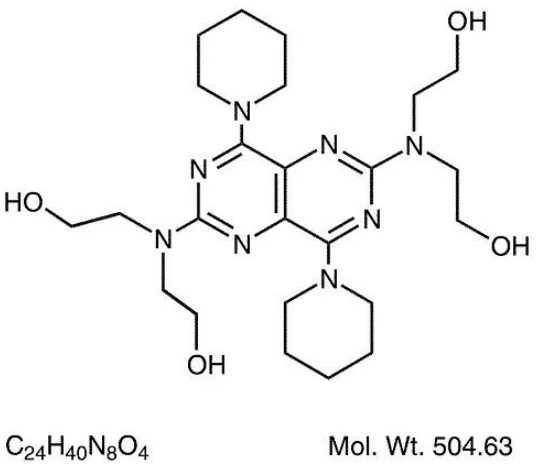
PART II: SCIENTIFIC INFORMATION
PHARMACEUTICAL INFORMATION
Drug Substance
Proper name: Dipyridamole
Chemical name: 2,6-bis(diethanolamino)-4,8-dipiperidino-pyrimido
(5,4-d) pyrimidine (= dipyridamole)
Molecular formula and molecular mass: C24H40N8O4, (504.63)
Structural formula:
Physicochemical properties: Dipyridamole is an odourless yellow crystalline substance, having a bitter taste. It is soluble in dilute acids, methanol and chloroform, and is practically insoluble in water.
Melting point: 162-168°C
Drug Substance
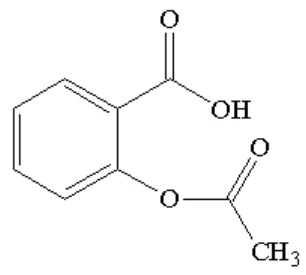
Proper name: Acetylsalicylic acid (ASA)
Chemical name: benzoic acid, 2-(acetyloxy)-
Molecular formula and molecular mass: C9H8O4, (180.16)
Structural formula:
Physicochemical properties: ASA is an odourless white, needle-like crystalline or powdery substance.
When exposed to moisture, ASA hydrolyzes into salicylic and acetic acids, and gives off a vinegary-odour. It is highly lipid soluble and slightly soluble in water.
CLINICAL TRIALS
COMPARATIVE BIOAVAILABILITY STUDY
Fasting study:
A blinded, randomized, two treatment, two period, two sequence, single dose, crossover bioequivalence study of Aspirin and Extended Release Dipyridamole 25 mg + 200 mg Capsules of Taro
Pharmaceuticals Inc. Canada. and PrAggrenox® [200 mg Extended Release Dipyridamole + 25 mg
Immediate Release Acetylsalicylic Acid (ASA)] Capsules of Boehringer Ingelheim (Canada) Ltd, in 48 healthy adult male subjects under fasting condition.
Number of male subjects completed both the periods of studies: 41
Number of male subjects whose data were used in calculating pharmacokinetic parameters: 41
(Aspirin and Dipyridamole)
Number of male subjects whose data were used in calculating statistical parameters : 41 for Aspirin and 40 for Dipyridamole
SUMMARY TABLE OF THE COMPARATIVE BIOAVAILABILITY DATA
Aspirin and ER Dipyridamole (1 X (25 mg + 200 mg) Capsule) Acetylsalicylic Acid (Aspirin) #(N = 41) From measured data Geometric Mean Arithmetic Mean (CV %) | ||||
| Parameter | Test* | Reference† | % Ratio of Geometric Means | 90% Confidence Interval |
AUCT (ng.h/ml) | 284.9 291.8 (22.1) | 285.1 290.8 (19.4) | 99.9 | 95.9 to 104.0 |
AUCI (ng.h/ml) | 288.5 295.3 (21.9) | 288.3 294.0 (19.2) | 99.9 | 95.9 to 104.1 |
Cmax (ng/ml) | 425.4 436.8 (22.4) | 486.7 502.1 (23.2) | 87.3 | 80.6 to 94.7 |
Tmax§ (h) | 0.5 (31.6) | 0.5 (43.3) | ||
T½§ (h) | 0.3 (16.2) | 0.3 (16.2) | ||
* Aspirin and Extended Release Dipyridamole 25 mg + 200 mg Capsules of Taro Pharmaceuticals Inc. Canada.
† PrAggrenox® [200 mg Extended Release Dipyridamole + 25 mg Immediate Release Acetylsalicylic Acid (ASA)] Capsules of Boehringer Ingelheim (Canada)
§ Expressed as arithmetic mean (CV%)
#N=40 for reference treatment
Aspirin and ER Dipyridamole (1 X (25 mg + 200 mg) Capsule) Dipyridamole (N = 40) From measured data Geometric Mean Arithmetic Mean (CV %) | ||||
| Parameter | Test* | Reference† | % Ratio of Geometric Means | 90% Confidence Interval |
AUCT (ng.h/ml) | 10,617 11,817 (44.8) | 11,414 12,885 (41.5) | 93.0 | 83.8-103.2 |
AUCI (ng.h/ml) | 11,521 12,769 (45.3) | 12,247 13,819 (41.5) | 94.1 | 84.4-104.8 |
Cmax (ng/ml) | 1673.4 1795 (42.9) | 1732.6 1905 (38.0) | 96.6 | 88.4-105.5 |
Tmax§ (h) | 2.45 (22.1) | 2.30 (24.3) | ||
T½§ (h) | 8.55 (40.4) | 8.56 (41.2) | ||
* Aspirin and Extended Release Dipyridamole 25 mg + 200 mg Capsules of Taro Pharmaceuticals Inc. Canada.
† PrAggrenox® [200 mg Extended Release Dipyridamole + 25 mg Immediate Release Acetylsalicylic Acid (ASA)] Capsules of Boehringer Ingelheim (Canada)
§ Expressed as arithmetic mean (CV%)
Fed study:
A blinded, randomized, two treatment, two period, two sequence, single dose, crossover bioequivalence study of Aspirin and Extended Release Dipyridamole 25 mg + 200 mg Capsules of Taro
Pharmaceuticals Inc. Canada. and PrAggrenox® [200 mg Extended Release Dipyridamole + 25 mg
Immediate Release Acetylsalicylic Acid (ASA)] Capsules of Boehringer Ingelheim (Canada) Ltd, in 44 healthy adult male subjects under fed condition.
Number of male subjects completed both the periods of studies: 38
Number of male subjects whose data were used in calculating pharmacokinetic and Statistical parameters: 38 (Aspirin and Dipyridamole)
SUMMARY TABLE OF THE COMPARATIVE BIOAVAILABILITY DATA
Aspirin and ER Dipyridamole (1 X (25 mg + 200 mg) Capsule) Acetylsalicylic Acid (Aspirin) (N = 38) From measured data Geometric Mean Arithmetic Mean (CV %) | ||||
| Parameter | Test* | Reference† | % Ratio of Geometric Means | 90% Confidence Interval |
AUCT (ng.h/ml) | 293.4 299.9 (20.9) | 296.3 303.4 (22.4) | 99.0 | 94.2 to 104.1 |
AUCI (ng.h/ml) | 299.2 305.5 (20.6) | 301.9 309.1 (22.3) | 99.1 | 94.3 to 104.2 |
Cmax (ng/ml) | 201.2 223.8 (46.7) | 210.9 232.2 (44.9) | 95.4 | 82.9 to 109.8 |
Tmax§ (h) | 1.1 (76.5) | 0.8 (62.8) | ||
T½§ (h) | 0.6 (38.8) | 0.6 (38.3) | ||
* Aspirin and Extended Release Dipyridamole 25 mg + 200 mg Capsules of Taro Pharmaceuticals Inc. Canada.
† PrAggrenox® [200 mg Extended Release Dipyridamole + 25 mg Immediate Release Acetylsalicylic Acid (ASA)] Capsules of Boehringer Ingelheim (Canada)
§ Expressed as arithmetic mean (CV%)
Aspirin and ER Dipyridamole (1 X (25 mg + 200 mg) Capsule) Dipyridamole (N = 38) From measured data Geometric Mean Arithmetic Mean (CV %) | ||||
| Parameter | Test* | Reference† | % Ratio of Geometric Means | 90% Confidence Interval |
AUCT (ng.h/ml) | 13581.8 14558.3 (40.7) | 12628.8 13319.1 (35.1) | 107.5 | 101.4 to 114.0 |
AUCI (ng.h/ml) | 14588.3 15656.6 (41.0) | 13313.6 14024.7 (34.5) | 109.6 | 103.3 to 116.2 |
Cmax (ng/ml) | 1751.5 1820.9 (28.1) | 1566.4 1613.9 (24.6) | 111.8 | 106.4 to 117.6 |
Tmax§ (h) | 4.3 (19.6) | 3.9 (23.6) | ||
T½§ (h) | 8.6 (37.0) | 7.9 (33.7) | ||
* Aspirin and Extended Release Dipyridamole 25 mg + 200 mg Capsules of Taro Pharmaceuticals Inc. Canada.
† PrAggrenox® [200 mg Extended Release Dipyridamole + 25 mg Immediate Release Acetylsalicylic Acid (ASA)] Capsules of Boehringer Ingelheim (Canada)
§ Expressed as arithmetic mean (CV%)
Study demographics and trial design
Table 3: SUMMARY OF PATIENT DEMOGRAPHICS FOR CLINICAL TRIALS IN SPECIFIC INDICATION
| Study # | Trial design | Dosage, route of administration and duration | Study subjects | Mean age | Gender |
| ESPS2 | double- blind, placebo- controlled |
Oral, 24-month study, patients received one capsule twice daily (morning and evening). | 6602 patients participated 76% had an ischemic stroke and 24% had a transient ischemic attack within three months prior to entry. | 66.7 years | 58.0% male and 42.0% female |
Dipyridamole/Acetylsalicylic Acid Capsules was studied in a double-blind, placebo-controlled, 24-month study (European Stroke Prevention Study 2 - ESPS2)* in which 6602 patients participated. Seventy six percent (76%) had an ischemic stroke and 24% had a transient ischemic attack within three months prior to entry. Mean age of the patients was 66.7 years. The gender disposition was 58.0% male and 42.0% female. Patients were randomized to one of four treatment groups using a 2- by-2 factorial design: extended release dipyridamole 200 mg/ASA 25 mg; extended release dipyridamole (ER-DP) 200 mg alone; ASA 25 mg alone; or placebo. Patients received one capsule twice daily (morning and evening). Efficacy assessments included analyses of stroke (fatal or non-fatal) as confirmed by a blinded assessment group, as well as analyses of the combined endpoint of stroke or death. Secondary endpoints were transient ischemic attack (TIA), other vascular events (OVE), myocardial infarction (MI) and ischemic events. OVE was defined as a composite of deep venous thrombosis, peripheral arterial occlusion, pulmonary embolism, and retinal vascular occlusion. Ischemic events comprised stroke, MI, and sudden death.
Study results
Table 4: RESULTS OF STUDY ESPS2 IN SPECIFIC INDICATION
| Primary Endpoints | Associated value and statistical significance for Drug at specific dosages | Associated value and statistical significance for Placebo or active control |
| analyses of stroke (fatal or non-fatal) | Dipyridamole/Acetylsalicylic Acid Capsules significantly reduces the risk of stroke by 36.8% compared with placebo (p < .001). Dipyridamole/Acetylsalicyl ic Acid Capsules reduces the risk of stroke by a further 22.1% when compared with | ER-DP reduces the risk of stroke by 18.9% (p = .001) ASA reduces the risk of stroke by 21.2% (p < .001) |
Stroke Endpoint
Dipyridamole/Acetylsalicylic Acid Capsules significantly reduces the risk of stroke by 36.8% compared with placebo (p < .001). Factorial analysis demonstrates that ER-DP reduces the risk of stroke by 18.9% (p = .001) and ASA reduces the risk of stroke by 21.2% (p < .001) when compared to placebo. Therefore, Dipyridamole/Acetylsalicylic Acid Capsules reduces the risk of stroke by a further 22.1% when compared with ASA (p = .008). The factorial analysis shows that the effect of DP and ASA in Dipyridamole/Acetylsalicylic Acid Capsules are additive. Nearly twice as many events are avoided with dipyridamole/acetylsalicylic acid (ASA) therapy than with ASA or ER-DP given alone, as compared with placebo.
Primary survival analysis found no significant reduction in death either by ASA, DP, or Dipyridamole/Acetylsalicylic Acid Capsules in patients with a recent ischemic stroke or TIA.
*After publication of ESPS2, the data was re-analyzed for use with regulatory authorities in North America. The results presented here reflect the results of this re-analysis, which will explain some minor discrepancies between the numerical values reported here and those reported in the publications of this study. The re-analysis did not affect the significance of any of the results.
Table 5: SUMMARY OF FIRST STROKE (FATAL OR NON-FATAL): STUDY ESPS2
Total Number
of Patients
(N)
Number of Patients with Stroke within 2 Years n (%)
Kaplan-Meier Stroke-Free Survival at 2 Years % (95% C.I.)
Factorial Analysis Groups
ER-DP (Dipyridamole/Acetylsalicylic
Acid Capsules) alone
3304 368 (11.1) 88.3 (87.2, 89.4)
No ER-DP (ASA alone, placebo) 3298 456 (13.8) 85.6 (84.3, 86.8) ASA (Dipyridamole/Acetylsalicylic
Acid Capsules, ASA alone)
3299 363 (11.0) 88.5 (87.4, 89.6)
No ASA (ER-DP alone, placebo) 3303 461 (14.0) 85.4 (84.1, 86.6) Individual Treatment Groups (b.i.d.)
Dipyridamole/Acetyls
alicylic Acid
Capsules
1650 157 (9.5) 89.9 (88.4, 91.4)
ER-DP 1654 211 (12.8) 86.7 (85.0, 88.4) ASA 1649 206 (12.5) 87.1 (85.4, 88.7) Placebo 1649 250 (15.2) 84.1 (82.2, 85.9)
P-Value* Risk Reduction (%)
at 2 Years
Odds Reduction (%)
(95% C.I.)
Factorial Analysis Groups
ER-DP vs. No ER-DP .001 18.9 22 (9, 32) ASA vs. No ASA <.001 21.2 24 (12, 34) ER-DP x ASA Interaction .850 - - Pairwise Treatment Groups
Dipyridamole/Acetylsalicyli
c Acid Capsules vs. placebo
<.001 36.8 41 (27, 52)
ER-DP vs. placebo .036 16.5 18 (0, 33) ASA vs. placebo .009 18.9 20 (3, 34)
* P-values from planned Gehan-Wilcoxon survival analysis.
Note: ER-DP = Extended Release Dipyridamole 400 mg/day; ASA = Acetylsalicylic Acid 50 mg/day
The stroke-free survivor outcome for Dipyridamole/Acetylsalicylic Acid Capsules was superior to those for placebo, ER-DP alone, and ASA alone throughout the follow-up period (Figure 1).
Figure 1: FIRST STROKE (FATAL OR NON-FATAL): STUDY ESPS2 KAPLAN-MEIER SURVIVOR FUNCTION FOR EACH TREATMENT GROUP
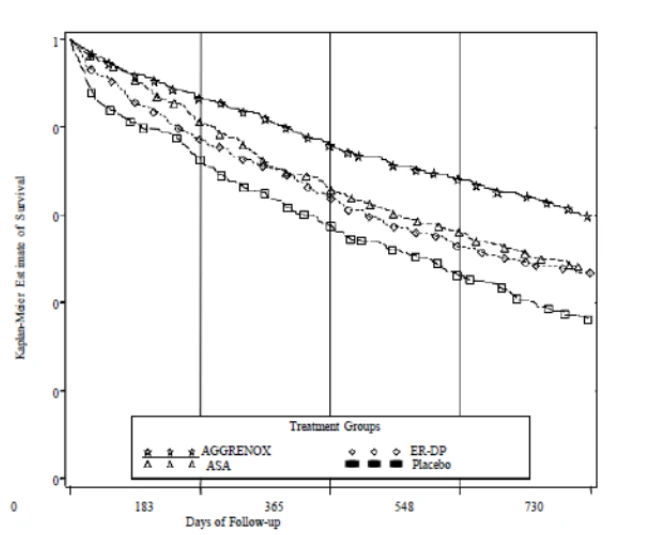
Note: ER-DP = Extended Release Dipyridamole 200 mg b.i.d.; ASA = Acetylsalicylic Acid 25 mg b.i.d. Note: The dosage regimen for all treatment groups is b.i.d.
Secondary Endpoints
Two separate secondary endpoints -- TIA and OVE -- strongly substantiated the individual and additive effectiveness of DP and ASA, as previously demonstrated by the primary analyses of stroke. Although the patient number with OVE was very small in all treatment groups, it was demonstrated that both DP and ASA produced significant reductions in TIA and OVE, and had additive effects in combination. Compared with placebo, Dipyridamole/Acetylsalicylic Acid Capsules reduced the (adjusted) odds of 1 TIA by 40% and reduced the odds of OVE by 62%.
DP and ASA also produced significant reductions in the protocol-specified secondary ischemic events endpoint, and these effects were additive in Dipyridamole/Acetylsalicylic Acid Capsules. The results were primarily driven by the dominant stroke component. For acute MI, the only suggested effect was a 21% (95% C.I. -8% to 42%) odds reduction on ASA vs. No ASA.
Safety
The overall incidence of on-treatment adverse events in the safety population are summarized under ADVERSE REACTIONS. The adverse event profile for the DP+ASA group was consistent with the known adverse events of dipyridamole and ASA alone. Overall incidence and severity of side effects were not increased in the Dipyridamole/Acetylsalicylic Acid Capsules group.
Headache
Headache was particularly evident in the DP and ASA-DP group during the very first month of treatment. Treatment cessation because of headache accounted for 8.9% of patients in the DP and DP- ASA group and only 2.8% and 2.1% in the placebo and ASA group respectively. Sixty- five percent (65%) and 66% of patients that discontinued treatment due to headache in the DP and DP-ASA group respectively terminated the treatment within the first month.
GI Adverse Events
None of the GI adverse events seemed to be related to study drugs except diarrhoea which was significantly more common in patients treated with DP alone or DP-ASA. In the DP and DP- ASA groups’ treatment cessation was 7.2% and 8.1% respectively, compared to 4.35% in the placebo and ASA group. Fifty percent (50%) of treatment cessation due to diarrhoea occurred before the first month follow-up in the DP and DP-ASA group, while in the placebo and ASA groups it was 35% and 32%, respectively.
Bleeding
Bleeding from any site was a less common but a more serious adverse event than headache or GI complaints, causing death in 9 patients (4 on DP-ASA, 2 on DP, 1 on ASA, and 2 on placebo).
DETAILED PHARMACOLOGY
PHARMACODYNAMICS
PRIMARY PHARMACOLOGICAL ACTIVITY IN VITRO
ASA can inhibit platelet aggregation induced by the collagen induced generation of thromboxane A2. However, this blockade can be overcome by increasing the prothrombotic stimulus, e.g. by increasing the concentration of collagen or by applying a mixture of stimuli. Violo et al demonstrated that ASA 100 μM was capable of inhibiting the effect of a threshold concentration of collagen but not when this was
increased to the fourfold concentration. Moreover, ASA could not blunt the response to a mixture of PAF and noradrenaline. Adding dipyridamole at concentrations of 10 and 30 μM, which by themselves were not active, restored the effect of ASA both in PRP as well as in full blood.
No such clear additive effect of ASA and dipyridamole was found in collagen stimulated whole blood aggregation from human volunteers ex vivo. Whereas oral ASA (25 mg b.i.d. for 8 days) totally inhibited cyclo-oxygenase activity and prostacyclin production and decreased platelet aggregation by 95.5%, additional treatment with dipyridamole (200 mg b.i.d.) did not add to this antiplatelet activity which was close to its maximum already.
Employing a more complex ex vivo model encompassing human subendothelial matrix, mimicking arterial wall damage, continuous shaking, mimicking blood flow and full blood observed a 19.8% inhibition of formation of platelet aggregates by pretreatment with dipyridamole (2 x 200 mg/d for 3.5 days), a 53.7 % inhibition by ASA (2 x 25 mg/d) and a 71.4 % reduction by the combination of both. Interestingly, in this study the combination of both drugs predominantly reduced the formation of large aggregates. A somewhat related study was performed by Lauri et al, who superfused blood of volunteers, pretreated with 150 mg dipyridamole or 25 mg of ASA or the combination of both b.i.d. for 3 days, over rat aortic subendothelium. In those experiments ASA slightly inhibited platelet adherence to the thrombogenic surface and only marginally added to the strong effect of dipyridamole.
PRIMARY PHARMACOLOGICAL ACTIVITY IN VIVO
Tendon collagen resembles the thrombogenic subendothelial matrix. Superfusion of rabbit tendon directly from the circulatory system results in the accretion of thrombotic material. Adding prostacyclin (0.05 to 0.5 ng/ml) caused disaggregation of this material. This effect is potentiated by coadministration of dipyridamole (0.1 μg/ml). Dipyridamole without PGI2 (1 to 50 μg/ml) also disaggregated these thrombi.
Interestingly, this disaggregatory effect of dipyridamole could almost be abolished by antibodies directed against prostacyclin. Also i.v. dipyridamole (3 and 10 mg/kg) decreased thrombus weight.
Whereas i.v. ASA at 5 and 150 mg/kg had no effect on thrombus size, 10 mg/kg caused a slight disaggregation of the thrombus.
A combination of dipyridamole (3 mg/kg i.v.) with 5 and 10 mg ASA resulted in a marked enhancement of the ‘antithrombotic’ effect while a high dose of ASA (150 mg/kg) totally abolished it.
Laser induced endothelial damage in venules of small rodents (hamsters and rats) causes the formation of small thrombi, the growth and size of which can be traced by intravital microscopy.
In a study in rats, different oral doses of ASA were combined with 2 to 5 mg of dipyridamole, orally. In this study dose ratios of 100:1 (5 mg/kg dipyridamole + 0.05 mg/kg ASA) and 40:1 (2 mg/kg dipyridamole + 0.05 mg/kg ASA) caused the strongest antithrombotic effect. Smaller dose ratios up to 1:1 were less effective. Similar observations were made in a comparable study in hamsters. In this model dose ratios of 40:1 and 8:1 were clearly superior to 4:1 and 1:1.
In a third model the effects of various combinations of dipyridamole and ASA following injection into the mesentrial vein were studied in rabbits. Thrombus formation was induced by stenosing the abdominal aorta and damaging the endothelium. Whereas in this model both pure ASA and pure dipyridamole were unable to inhibit thrombus formation and a combination of e.g. 5 mg/kg ASA and 1 mg/kg dipyridamole was minimally effective, dipyridamole 5 mg/kg plus ASA 0.1 mg/kg (50:1) reduced thrombus formation by 80%.
The group of L.A. Harker employs a totally different model for the detection of antithrombotic effects. In conscious baboons carrying femoral A V-shunts the consumption of 51Cr labeled platelets that were irreversibly damaged by the foreign surface was measured. Whereas such a shunt reduced mean platelet survival time from 5.5 to 2.1 days, dipyridamole, (5 and 10 mg/kg/day dose), dependently increased platelet survival time at 10 mg/kg. This parameter is almost normal, i.e. 5.41 days. In contrast no effect of ASA was observed.
In a second study performed by this group dipyridamole 2.5 and 5.0 mg/kg/day reduced graft platelet consumption by 28 and 87 %, respectively, whereas ASA (10 to 20 mg/kg/day) was devoid of such an action. However, the combination of the lower dose of dipyridamole with 10, 15 and 20 mg/kg ASA reduced platelet consumption by 41 to 86% indicating a positive interaction between both compounds in this model.
Hansen et al determined the patency of an arterial graft in dogs. Treatment with a combination of dipyridamole (5 mg/kg/d) with ASA (2 mg/kg/d) reduced platelet accumulation within the graft by 75 % and improved the patency of grafts from 20 % to 70 %, as compared to placebo treatment.
Silver et al studied the effect of dipyridamole, ASA and the combination of both on platelet accumulation in a damaged artery in rabbits. While single dose administration of dipyridamole (1.5 mg/kg i.p.) had no significant effect on platelet deposition in the ear artery, pretreatment with dipyridamole for 5 days resulted in a 61 % reduction of platelet deposition. Single dose ASA (8 mg/kg i.p.) reduced thrombus size by 48 %. Combined single doses of dipyridamole (0.7 mg/kg i.p.) plus ASA (8 mg/kg i.p.) reduced platelet deposition more effectively, i.e. by 67 %.
PHARMACOKINETICS
DIPYRIDAMOLE
Absorption: The dissolution and absorption of dipyridamole from Dipyridamole/Acetylsalicylic Acid Capsules is independent of the pH of the gastrointestinal tract. Peak plasma levels are achieved in 1.5 - 2 hours after administration. With a daily maintenance dose of 400 mg, peak concentrations at steady-state conditions of the extended release formulation given as geometric mean (10 – 90% quantiles) are 1.9 μg/mL (1.2 – 3.2 μg/mL) and trough concentrations are 0.5 μg/mL (0.3 – 0.8 μg/mL). The absolute bioavailability of dipyridamole from Dipyridamole/Acetylsalicylic Acid Capsules is about 70%.
No studies to evaluate bioavailability of the components of Dipyridamole/Acetylsalicylic Acid Capsules when administered with or without food were conducted. However, in studies with immediate and extended release formulations of dipyridamole by itself, a modest increase in bioavailability is observed with single as well as multiple- dose administration. The modest changes seen are similar regardless of formulation, and are therefore not likely to be formulation related. In the European Stroke Prevention Study 2 (ESPS2), patients were dosed without regard to the timing or content of meals and Dipyridamole/Acetylsalicylic Acid Capsules was shown to be efficacious under these conditions.
Distribution: Due to its high lipophilicity, dipyridamole distributes to many organs; however it has been shown that the drug does not cross the blood brain barrier to any significant extent. The volume of distribution of dipyridamole is about 100 L. Approximately 99% of dipyridamole is bound to plasma proteins, predominantly to alpha 1-acid glycoprotein and albumin.
Metabolism and Elimination: Dipyridamole is metabolized in the liver, primarily by conjugation with glucuronic acid, of which monoglucuronide which has low pharmacodynamic activity is the primary metabolite. In plasma, about 80% of the total amount is present as parent compound and 20% as monoglucuronide. Most of the glucuronide metabolite (about 95%) is excreted via bile into the feces, with
some evidence of enterohepatic circulation. Renal excretion of parent compound is negligible and urinary excretion of the glucuronide metabolite is low (about 5%). The dominant half-life for elimination after oral or intravenous administration is about 40 minutes.
ASA
Absorption: ASA is rapidly absorbed and achieves peak concentrations within approximately 30 minutes. The rate of absorption of ASA from the gastrointestinal tract is dependent on the dosage form, the presence or absence of food, gastric pH, and other physiologic factors. ASA undergoes moderate hydrolysis to salicylic acid in the liver and the gastrointestinal wall, with 50
- 75% of an administered dose reaching the systemic circulation as intact ASA.
Distribution: ASA is poorly bound to plasma proteins and its apparent volume of distribution is low (10 L). Its metabolite, salicylic acid, is highly bound to plasma proteins, but its binding is concentration-dependent (non-linear). At low concentrations (< 100 μg/mL), approximately 90% of salicylic acid is bound to albumin. Salicylic acid is widely distributed to all tissues and fluids in the body including the central nervous system, breast milk, and fetal tissues. Early signs of salicylate overdose (salicylism), including tinnitus (ringing in the ears), occur at plasma concentrations approximating 200 μg/mL. (See ADVERSE REACTIONS; OVERDOSAGE)
Metabolism: ASA is rapidly hydrolyzed in plasma to salicylic acid, with a half-life of 15-30 minutes. Plasma levels of ASA are essentially undetectable 1-2 hours after dosing and peak salicylic acid concentrations occur within 1-2 hours of administration of ASA. Salicylic acid is primarily conjugated in the liver to form salicyluric acid, a phenolic glucuronide, an acyl glucuronide, and a number of minor metabolites. Salicylate metabolism is saturable and total body clearance decreases at higher serum concentrations due to the limited ability of the liver to form both salicyluric acid and phenolic glucuronide. Following toxic doses (10-20 g), the plasma half-life may be increased to over 20 hours.
Elimination: The elimination of salicylic acid follows first order kinetics at lower doses, with a resultant half-life of approximately 2-3 hours. At higher doses, the elimination of salicylic acid follows zero order kinetics (i.e. the rate of elimination is constant in relation to plasma concentration), with an apparent half-life of 6 hours or higher (may rise to 30 hours). Renal excretion of unchanged drug depends upon urinary pH. As urinary pH rises above 6.5, the renal clearance of free salicylate increases from < 5% to > 80%. Alkalinization of the urine is a key concept in the management of salicylate overdose. (See OVERDOSAGE) Following therapeutic doses, about 10% is excreted as salicylic acid and 75% as salicyluric acid, as the phenolic and acyl glucuronides, in urine.
PHARMACOKINETICS IN SPECIAL POPULATIONS
Since pharmacokinetic studies demonstrate the lack of significant interaction between dipyridamole and ASA, potential interactions of Dipyridamole/Acetylsalicylic Acid Capsules components would be limited to those of the individual component drugs (dipyridamole and ASA).
Geriatric Patients
Plasma concentrations (determined as area under the curve, AUC) of dipyridamole in healthy elderly subjects (> 65 years) are about 30-50% higher than in subjects younger than 55 years, on treatment with Dipyridamole/Acetylsalicylic Acid Capsules. A similar increase in plasma concentrations in elderly patients was observed in the ESPS2 study. The difference is caused mainly by reduced clearance.
Hepatic Dysfunction
Patients with mild to severe hepatic insufficiency show no change in plasma concentrations of dipyridamole, but show an increase in the pharmacologically inactive monoglucuronide metabolite. In
patients with alcoholic liver disease, no notable differences were observed in ASA or SA (salicylic acid) pharmacokinetic parameters after administration of a high dose of ASA (1.2 g), though unbound SA concentrations were increased as a result of a decrease in plasma protein binding and unbound clearance of SA.
Renal Dysfunction
Renal excretion of dipyridamole is very low (about 5%). In patients with creatinine clearances ranging from about 15 mL/min to > 100 mL/min, no changes were observed in the pharmacokinetics of dipyridamole or its glucuronide metabolite. At high doses of SA, the free fraction of SA has been shown to be increased in patients with renal failure, but other SA pharmacokinetic parameters are not significantly affected. While SA accumulation and toxicity might be expected at high doses of ASA or SA, this would unlikely occur at low doses.
TOXICOLOGY
ACUTE TOXICITY
The single dose toxicity of the combination DPD/ASA was assessed after either oral or parenteral administration to mice, rats and dogs. Calculated LD50 values in mice and rats were comparable, while the dog proved to be more sensitive. Approximate values for LD50, maximum non-lethal and minimum lethal doses of DPD/ASA were as follows:
Table 6: SINGLE DOSE TOXICITY STUDY RESULTS
| Route | Species | Ratio DPD: ASA | ALD50 (mg/kg) | Maximum non- lethal (mg/kg) | Minimum lethal dose (mg/kg) |
| P.O. | Mouse | 1 : 5 | 3000 - 5000 2148 | 750 - | 1000 1500 |
| Rat | 1 : 5 1 : 5 8 + 1 | 2410 4000 - 5000 >6750 | 1600 3000 6750 | 2000 4000 - | |
| Dog | 1 : 5 | 875 - 937.5 | 875 | 937.5 | |
| I.P. | Mouse | 1 : 5 | 910 -1200 | 500 | 750 |
| Rat | 1 : 5 | 1050 - 1230 | 500 | 750 |
P.O. = Per Oral (gavage)
I.P. = Intraperitoneal
a = One animal per sex per dose was used in this experiment
The data confirmed the low acute oral toxicity of DPD/ASA between 1000 to 6000 mg/kg in rodents and about 1000 mg/kg in dogs. After intraperitoneal administration toxicity in rodents was also low with values around 1000 mg/kg. Lower LD50 values were obtained in rat studies with a higher ASA portion (DPD/ASA 1:5) as compared with a lower ASA portion (DPD/ASA 8:1), which was equivalent to the ratio in Dipyridamole/Acetylsalicylic Acid Capsules. The studies demonstrate that higher ratios of ASA to dipyridamole result in greater toxicity as compared to lower ratios of ASA to dipyridamole. Moreover, there were no striking differences between animals dosed with 750 mg/kg ASA and rats given 6000 / 750 mg/kg DPD/ASA except for a prolonged recovery time period following drug administration.
From the results it can be concluded that the acute toxicity of DPD/ASA is determined by the ASA moiety within the combination. The dipyridamole portion remained without any recognizable additive or
synergistic effect. As the pharmacokinetic profile of both components of the combination (see pharmacokinetic part), DPD and ASA, is not influenced by their concomitant administration, older experiments using a different ratio (1:4-6) of the components can be considered relevant for the assessment of possible toxic effects of the combination product Dipyridamole/Acetylsalicylic Acid Capsules with a ratio of DPD/ASA of 8:1.
Autopsy results identify the gastric mucosa, kidneys and to a lesser extent the heart and vessels as target organs for toxicity in dogs. The rat was much less sensitive and histopathological evaluation did not reveal unequivocally drug-related lesions. These sites are well known target organs for acetylsalicylic acid and phosphodiesterase inhibitors.
LONG TERM TOXICITY
Determinations were made of the ability of DPD/ASA to produce toxicity during repeated dose regimens following daily administrations of the drug for 13 to 27 weeks in rats and dogs.
Table 7: REPEATED DOSE TOXICITY STUDIES AFTER ORAL ADMINISTRATION
| Species | Dose DPD/ASA 1: 4-5 (mg/kg) | Duration (Weeks) | NOTEL (mg/kg) |
| Rat Rat | 0, 25, 100, 400 0, 25, 100, 400 | 13 weeks 24 weeks | 400 100 |
Dog Dog | 0, 25, 100, 200, 400 0, 100, 200 ASA: 80, 160 | 24 weeks 27 weeks | 25 <100 <80 |
The results of the repeated dose toxicity studies with the combination DPD + ASA in the ratio 1:4-5 indicated that DPD/ASA was well-tolerated in rats up to a dose of 100 mg/kg. The dose of 400 mg/kg induced only mild changes. Body weights and clinical pathology parameters (BUN, creatinine) were the parameters affected most significantly. Some histopathological lesions of the gastrointestinal tract and the kidneys were only observed in a few individuals and the relation to treatment remained equivocal.
The dog proved to be more sensitive, the high dose of 400 mg/kg being lethal after repeated administration. The gastric mucosa, kidneys, heart and vessels proved to be the target organs. Histopathological examinations revealed gastrointestinal irritation and/or ulceration, renal tubular atrophy with tubular inflammatory reaction and nephritis, myocardial lesions known as ‘jet lesions’, and panarteritis.
The more serious changes, gastrointestinal and renal lesions, were consistent with findings observed following administration of ASA. The safety margins achieved in the repeated dose toxicity studies are listed below. They are calculated for a 50 kg person on a mg/kg and mg/m2 basis.
Table 8: NOTELS AND SAFETY FACTORS IN REPEATED DOSE TOXICITY STUDIES
Safety Factor (Exposure Animal:Human) | |||||||
| Species | NOTEL | DPD | ASA | DPD | ASA | ||
| mg/kg | mg/kg | mg/kg | mg/kg | mg/m2 | mg/kg | mg/m2 | |
| Rat | 100 | 20 | 80 | 2.5 | 0.6 | 80 | 18 |
| Dog | 25 | 5 | 20 | 0.6 | 0.5 | 20 | 15 |
REPRODUCTION AND TERATOLOGY
The embryo/fetal toxicity of DPD/ASA 1:5.4 were assessed in rats and rabbits. Only maternotoxic doses caused embryo-fetal toxicity as evidenced by increased resorption rates/postimplantation losses. The results of teratology studies in rats and rabbits indicate that DPD/ASA does not induce malformations at the doses applied and that it does not enhance the teratogenic effect of acetylsalicylic acid.
Fertility studies with dipyridamole revealed no evidence of impaired fertility in rats at oral dosages of up to 1250 mg/kg, 156 times the maximum recommended human dose on a mg/kg basis for a 50 kg person (or 35 times on a mg/m2 basis). ASA inhibits ovulation in rats.
The safety margins achieved in the reproduction toxicity studies are listed below. They are calculated for a 50 kg person on a mg/kg and mg/m2 basis.
Table 9: NOTELS AND SAFETY FACTORS IN REPRODUCTION TOXICITY STUDIES
| Safety Factors (Exposure Animal:Human) | |||||||
| Species | NOTEL | DPD | ASA | DPD | ASA | ||
| mg/kg | mg/kg | mg/kg | mg/kg | mg/m2 | mg/kg | mg/m2 | |
| Rat | 202.5 | 37.5 | 165 | 4.7 | 1.0 | 165 | 36 |
| Rabbit | 81 | 15 | 66 | 1.9 | 0.8 | 66 | 28 |
Teratology studies have been performed in rats and rabbits using a dose ratio of dipyridamole: ASA of 1:5.4. An increased resorption rate, which reached 100% in the rat, and a reduced litter weight were observed in both species at doses of 405 mg/kg in rats (75 mg/kg dipyridamole and 330 mg/kg ASA) and at doses of 135 mg/kg in rabbits (25 mg/kg dipyridamole and 110 mg/kg ASA). Malformations were observed exclusively in ASA groups running concurrently but not in the dipyridamole/ASA groups. Placental transfer of dipyridamole is very low.
MUTAGENICITY
In vivo and in vitro mutagenicity testing of the combination of dipyridamole and ASA at a ratio of 1:5 revealed no signs to suggest a mutagenic risk, both in the presence and in the absence of appropriate metabolic activating systems. Studies were performed to assess the potential of the drug to induce;
- a) reverse mutations in bacteria,
- b) chromosomal aberrations in mice and Chinese hamsters,
- c) the production of micronucleated erythrocytes in mice and Chinese hamsters,
- d) dominant lethal mutations in mice.
A combined mammalian/bacterial test (host mediated assay) was used to investigate the induction of reverse mutations in bacteria which were inoculated in mice. Positive control agents consistently exhibited the anticipated mutagenic activity. DPD/ASA, on the other hand, was consistently devoid of mutagenic potential. These findings lead to the conclusion that DPD/ASA does not pose a mutagenic hazard. Further, these findings are consistent with the conclusion that the drug does not possess carcinogenic potential in mice and rats.
CARCINOGENICITY
The tumorigenic potential of DPD/ASA was assessed in mice and rats through the conduct of chronic feeding studies. Maximum doses for both studies were 450 mg/kg, corresponding to a fraction of 75 mg/kg DPD and 375 mg/kg ASA. The studies were performed although the individual components
dipyridamole and acetylsalicylic acid proved to be non-tumorigenic.
Localization, incidence, type of the tumors, and time of occurrence corresponded well within the groups in both studies and were typical for old mice and rats of the strains employed. Therefore, under the test conditions employed the combination DPD/ASA showed no tumorigenic potential at any dose level investigated.
The spectrum and incidence of microscopically determined non-neoplastic lesions were of a broad spectrum which is typical for old rats and mice of the strains employed.
The safety margins achieved in the carcinogenicity studies are listed below. They are calculated for a 50 kg person on a mg/kg and mg/m2 basis.
Table 10: NOTELS AND SAFETY FACTORS IN CARCINOGENICITY STUDIES
| Safety Factors (exposure Animal:Human) | |||||||
| Species | NOTEL | DPD | ASA | DPD | ASA | ||
| mg/kg | Mg/kg | mg/kg | mg/kg | mg/m2 | mg/kg | mg/m2 | |
| Mouse | 450 | 75 | 375 | 9 | 1.5 | 375 | 58 |
| Rat | 450 | 75 | 375 | 9 | 2.1 | 375 | 83 |
REFERENCES
- 1. 21 CFR Part 343 - FDA guidance and general monograph on Aspirin (ASA) for use in secondary stroke prevention.
- 2. Capelleri JC, Lau J, Kupelnick B, Chalmers TC. Efficacy and safety of different aspirin dosages on vascular diseases in high-risk patients: a metaregression analysis. Online J Curr Clin Trials 1995;4 (Doc No 174).
- 3.
Collins R., Peto R., Baigent C., Sandercock P., Dunbabin D., Warlow C. Antiplatelet Trialists’
Collaboration. Collaborative overview of randomized trials of antiplatelet therapy-I: Prevention of death, myocardial infarction, and stroke by prolonged antiplatelet therapy in various categories of patients. BMJ 1994; 308:81-106.
- 4.
Diener HC, Cunha L, Forbes C, Sivenius J, Smets P, Lowenthal A. European Stroke
Prevention Study 2. Dipyridamole and acetylsalicylic acid in the secondary prevention of stroke. J Neurol Sci 1996;143:1-13.
- 5.
Dutch TIA Trial Study Group. A comparison of two doses of aspirin (30 mg vs 283 mg a day)
in patients after a transient ischemic attack or minor ischemic stroke. N Engl J Med 1991;325:1261-6.
- 6. ESPS2 Group. European stroke prevention study 2: a study of low-dose acetylsalicylic acid and of high dose dipyridamole in secondary prevention of cerebrovascular accidents. Eur J Neurol 1995; 2:416-24.
- 7.
ESPS2 Group. European stroke prevention study 2. Efficacy and safety data. J Neurol Sci
1997;(151 (Suppl):S1-S77.
- 8.
Fifth American College of Chest Physicians Consensus Conference on Antithrombotic
Therapy – CHEST 1998; 114:470S-488S.
- 9. Haddad M, Zelikovski A, Reiss R. Dipyridamole counteracting distigmine in a myasthenic patient. IRCS J Med Sci 1986;14:297.
- 10. Pedersen AK, FitzGerald GA. Dose-related kinetics of aspirin: presystemic acetylation of platelet cyclooxygenase. N Eng J Med 1984:311(19):1206-11.
- 11.
Roth GJ, Stanford N, Majerus PW. Acetylation of prostaglandin synthase by aspirin. Proc Natl
Acad Sci USA 1975b;72(8):3073-6.
- 12. Sakuma I, Akaishi Y, Fukao M, Makita Y, Makita M-A, Kobayashi T, et al. Dipyridamole potentiates the anti-aggregating effect of endothelian-derived relaxing factor. Thrombos Res 1991;60 Suppl XII:87-90.
- 13. SALT Collaborative Group. Swedish aspirin low-dose trial (SALT) of 75 mg aspirin as secondary prophylaxis after cerebrovascular ischemic events. Lancet 1991;338:1345-9.
- 14. Sinzinger H, Silberbauer. Dose-dependent increase of prostacyclin synthesis from various vascular tissues by dipyridamole. Wien Klin Wochenschr 1982;94(23):630-2.
- 15. UK-TIA Study Group. The United Kingdom Transient Ischaemic Attack (UK-TIA) aspirin trial: final results. J Neurol Neurosurg Psychiatry 1991;54:1044-54.
- 16.
Keltz TN, Innerfield M, Gitler B, Cooper JA. Dipyridamole-induced myocardial ischemia.
JAMA 1987;257:1515-1516. (P87-26640/ MF-Nr. PERS0458)
- 17. Cunningham RJ, Brouhard BH, Travis LB, Berger M, Petrusick T. Haemorrhage as a complication of dipyridamole therapy. South Med J 1979;72:498-499. (P79-0517/ MF-Nr. PERS0037)
- 18.
Moesch C, Sautereau D, Gainant A, Pillegand B. Biliary drug lithiasis: dipyridamole gallstones.
Lancet 1992;340:1352-1353. (P92-72835/ MF-Nr. 5493)
- 19.
Catella-Lawson F, Reilly MP, Kapoor SC, Cucchiara AJ, DeMarco S,Tournier B, Vyas SN,
FitzGerald GA. Cyclooxygenase inhibitors and the antiplatelet effects of aspirin. N Engl J Med 2001;345(25):1809-1817; (R02-0135)
- 20. Tweeddale MG & Ogilvie RI: Antagonism of spironolactone-induced natriuresis by aspirin in man. N Engl J Med 1973; 289:198-200.
- 21. Rao GHR, Johnson GG, Reddy KR et al: Ibuprofen protects platelet cyclooxygenase from irreversible inhibition by aspirin. Arteriosclerosis 1983; 3:383-388.
- 22.
Albers GW. Amarenco P. Combination Therapy with clopidogrel and Aspirin; Stroke 32; pp
2948- 2949; 2001. (P05-08953)
- 23. Yusuf S. Zhao F. Mehta S. et al. Effects of clopidogrel in addition to aspirin in patients with acute coronary syndromes without ST-segment elevation; N Engl J Med Vol 345 (7); pp 494-502, 2001. (R02-1059)
- 24. Diener HC. Boousslavsky J. Brass LM et al. Aspirin and clopidogrel compared with clopidogrel alone after recent ischaemic stroke or transient ischaemic attack in high-risk patients (MATCH): randomised, double-blind, placebo-controlled trial; lancet 364; pp 331-337, 2004. (R04-2635)
- 25. Buresly K. Eisenberg MJ. Zhang X. Pilote L. Bleeding complications associated with combinations of aspirin, thienopyridine derivatives, and warfarin in elderly patients following acute myocardial infarction. Archives of Internal Medicine. Vol. 165(7); pp 784-789, 2005. (P05-05008)
- 26.
Abbott FS. Kassan J. Orr JM. The effect of aspirin on valproic acid metabolism; Clin
Pharmacol Ther 40; pp 94-100, 1986. (R04-4298)
- 27. Orr JM. Abbott FS. Farrell K. Ferguson S et al. Interaction between valproic acid and aspirin in epileptic children: Serum protein binding and metabolic effects. (R04-4297)
- 28. British Society of Gasteroenterology. Aspirin, alcohol and acute gastrointestinal haemorrhage – an endoscopic study; GUT 20; p A433, 1979. (R04-4307)
- 29.
Needham CD. Kyle J. Jones PF et al. Aspirin and alcohol in gastrointestinal haemorrhage;
GUT 12; pp 819-821, 1971. (R04-4308)
- 30. Tata LJ, Fortun PJ, Hubbard RB, Smeeth L, Hawkey CJ, Smith CJP, et al. Does concurrent prescription of selective serotonin reuptake inhibitors and non-steroidal anti- inflammatory drugs substantially increase the risk of upper gastrointestinal bleeding? Aliment Pharmacol Ther 2005; 22 (3):175-181. (P05-10458)
- 31.
Dresse A, Chevolet C, Delapierre D, Masset H, Weisenberger H, Bozler G, Heinzel G.
Pharmacokinetics of oral dipyridamole (Persantine) and its effect on platelet adenosine uptake in man. Eur J Clin Pharmacol 1982;23:229-234. (P83-0943).
- 32.
Product monograph: AGGRENOX (200 mg Extended Release Dipyridamole/25 mg
Immediate Release Acetylsalicylic Acid). Boehringer Ingelheim (Canada) Ltd. 5180 South Service Road Burlington, Ontario L7L 5H4. Submission Control No: 184412. Date of Revision: August 11, 2015.