


Product Monograph - Uptravi
RECENT MAJOR LABEL CHANGES
| 4 DOSAGE AND ADMINISTRATION, 4.2 Recommended Dose and Dosage Adjustment, Dosage adjustment with co-administration of moderate CYP2C8 inhibitors | 06/2020 |
| 7 WARNINGS AND PRECAUTIONS | 11/2021 |
TABLE OF CONTENTS
Sections or subsections that are not applicable at the time of authorization are not listed.
RECENT MAJOR LABEL CHANGES ..................................................................................... 2
TABLE OF CONTENTS .......................................................................................................... 2
PART I: HEALTH PROFESSIONAL INFORMATION............................................................... 4
1 INDICATIONS.............................................................................................................. 4
1.1 Pediatrics ........................................................................................................... 4
1.2 Geriatrics............................................................................................................ 4
2 CONTRAINDICATIONS ............................................................................................... 4
4 DOSAGE AND ADMINISTRATION .............................................................................. 4
4.2 Recommended Dose and Dosage Adjustment .................................................... 4
4.4 Administration..................................................................................................... 5
4.5 Missed Dose....................................................................................................... 6
5 OVERDOSAGE ........................................................................................................... 6
6 DOSAGE FORMS, STRENGTHS, COMPOSITION AND PACKAGING ........................ 6
7 WARNINGS AND PRECAUTIONS .............................................................................. 7
7.1 Special Populations ............................................................................................ 8
7.1.1 Pregnant Women ............................................................................................ 8
7.1.2 Breast-feeding ................................................................................................. 9
7.1.3 Pediatrics ........................................................................................................ 9
7.1.4 Geriatrics ........................................................................................................ 9
8 ADVERSE REACTIONS .............................................................................................. 9
8.1 Adverse Reaction Overview ................................................................................ 9
8.2 Clinical Trial Adverse Reactions .......................................................................... 9
8.3 Less Common Clinical Trial Adverse Reactions................................................. 11
8.4 Abnormal Laboratory Findings: Hematologic, Clinical Chemistry and Other Quantitative Data .............................................................................................. 11
8.5 Post-Market Adverse Reactions ........................................................................ 12
9 DRUG INTERACTIONS ............................................................................................. 12
9.2 Drug Interactions Overview ............................................................................... 12
9.4 Drug-Drug Interactions...................................................................................... 12
9.5 Drug-Food Interactions ..................................................................................... 15
9.6 Drug-Herb Interactions...................................................................................... 15
9.7 Drug-Laboratory Test Interactions ..................................................................... 15
10 CLINICAL PHARMACOLOGY ................................................................................... 15
10.1 Mechanism of Action ..................................................................................... 15
10.2 Pharmacodynamics ....................................................................................... 16
10.3 Pharmacokinetics .......................................................................................... 16
11 STORAGE, STABILITY AND DISPOSAL .................................................................. 19
12 SPECIAL HANDLING INSTRUCTIONS ..................................................................... 19
PART II: SCIENTIFIC INFORMATION .................................................................................. 20
13 PHARMACEUTICAL INFORMATION ........................................................................ 20
14 CLINICAL TRIALS .................................................................................................... 20
14.1 Trial Design and Study Demographics ........................................................... 20
14.2 Study Results ................................................................................................ 21
15 MICROBIOLOGY....................................................................................................... 29
16 NON-CLINICAL TOXICOLOGY ................................................................................. 29
PATIENT MEDICATION INFORMATION .............................................................................. 32
PART I: HEALTH PROFESSIONAL INFORMATION
1 INDICATIONS
UPTRAVI® (selexipag) is indicated for:
- the long-term treatment of idiopathic pulmonary arterial hypertension (iPAH), heritable pulmonary arterial hypertension (HPAH), PAH associated with connective tissue disorders and PAH associated with congenital heart disease, in adult patients with WHO functional class (FC) II–III to delay disease progression. Disease progression included: hospitalization for PAH, initiation of intravenous or subcutaneous prostanoids, or other disease progression events (decrease of 6-minute walk distance [6MWD] associated with either worsened PAH symptoms or need for additional PAH-specific treatment) (see 10.2 Pharmacodynamics).
UPTRAVI® is effective in combination with an endothelin receptor antagonist (ERA) or a phosphodiesterase-5 (PDE-5) inhibitor, or in triple combination with an ERA and a PDE-5 inhibitor, or as monotherapy.
1.1 Pediatrics
Pediatrics (< 18 years of age): The safety and efficacy of UPTRAVI® in children aged 0 to less than 18 years have not yet been established. No data are available (see 7.1.3 Pediatrics).
1.2 Geriatrics
Geriatrics (≥ 65 years of age): Of the total number of subjects in the clinical study of UPTRAVI® for pulmonary arterial hypertension, 18% were 65 years of age and older. There is limited clinical experience in patients over the age of 75 years; therefore, UPTRAVI® should be used with caution in this population (see 7.1.4 Geriatrics).
2 CONTRAINDICATIONS
- Patients who are hypersensitive to this drug or to any ingredient in the formulation, including any non-medicinal ingredient or component of the container. For a complete listing, see the 6 DOSAGE FORMS, STRENGTHS, COMPOSITION AND PACKAGING section of the product monograph.
- Concomitant use of strong inhibitors of CYP2C8 (e.g., gemfibrozil) (see 9 DRUG INTERACTIONS).
4 DOSAGE AND ADMINISTRATION
4.2 Recommended Dose and Dosage Adjustment
- Individualised dose titration
The goal is to reach the individually appropriate dose for each patient (the individualised maintenance dose).
The recommended starting dose of UPTRAVI® is 200 micrograms given twice daily, approximately 12 hours apart. The dose is increased in increments of 200 micrograms given twice daily, usually at weekly intervals, until adverse pharmacological effects that cannot be tolerated or medically managed are experienced, or until a maximum dose of 1600 micrograms twice daily is reached. During dose titration, it is recommended not to discontinue treatment in the event of expected pharmacological side effects, since they are usually transient or manageable with symptomatic treatment (see 8 ADVERSE REACTIONS). If a patient reaches a dose that cannot be tolerated, the dose should be reduced to the previous dose level.
- Individualised maintenance dose
The highest tolerated dose reached during dose titration should be maintained. If the therapy over time is less tolerated at a given dose, symptomatic treatment or a dose reduction to the next lower dose should be considered.
- Hepatic impairment
No adjustment to the dosing regimen is needed in patients with mild hepatic impairment (i.e., Child-Pugh class A). In patients with moderate hepatic impairment, UPTRAVI® should be dosed once daily (i.e., Child-Pugh class B) (see 7 WARNINGS AND PRECAUTIONS). Do not use the drug in patients with severe hepatic impairment.
- Renal impairment
No adjustment to the dosing regimen is needed in patients with mild or moderate renal impairment. No change in starting dose is required in patients with severe renal impairment; dose titration should be done with caution in these patients (see 7 WARNINGS AND PRECAUTIONS).
- Geriatrics (≥ 65 years)
No adjustment to the dosing regimen is needed in older patients (see 10.3 Pharmacokinetics, Special Populations and Conditions). There is limited clinical experience in patients over the age of 75 years, therefore UPTRAVI® should be used with caution in this population (see 7 WARNINGS AND PRECAUTIONS).
- Pediatric population (< 18 years)
The safety and efficacy of UPTRAVI® in children aged 0 to less than 18 years have not been established. No data are available.
- Dosage adjustment with co-administration of moderate CYP2C8 inhibitors
When co-administered with moderate CYP2C8 inhibitors (e.g., clopidogrel, deferasirox and teriflunomide), reduce the dosing of UPTRAVI® to once daily. If the therapy is not tolerated at a given dose, symptomatic treatment and/or a dose reduction to the next lower dose should be considered. Revert back to twice daily dosing frequency of UPTRAVI® when co-administration of moderate CYP2C8 inhibitor is stopped (see 9.4 Drug-Drug Interactions, In vivo studies).
4.4 Administration
The film-coated tablets are to be taken orally in the morning and in the evening. UPTRAVI® may be taken with or without food. Tolerability may be improved when taken with food.
The tablets should not be split, crushed or chewed, and are to be swallowed with water.
4.5 Missed Dose
If a dose of medication is missed, it should be taken as soon as possible. The missed dose should not be taken if it is almost time for the next scheduled dose (within approximately 6 hours).
If treatment is missed for 3 days or more, UPTRAVI® should be restarted at a lower dose and then titrated.
5 OVERDOSAGE
Isolated cases of overdose up to 3200 micrograms were reported. Mild, transient nausea was the only reported consequence. In the event of overdose, supportive measures must be taken as required.
Dialysis is unlikely to be effective because selexipag and its active metabolite are highly protein bound.
| For management of a suspected drug overdose, contact your regional poison control centre. |
6 DOSAGE FORMS, STRENGTHS, COMPOSITION AND PACKAGING
Table 1: Product Information Summary
| Route of Administration | Dosage Form / Strength/Composition | Non-medicinal Ingredients |
| Oral | Tablet 200 mcg | carnauba wax, corn starch, D-mannitol, hydroxypropyl cellulose, hypromellose, iron oxide yellow (E172), low substituted hydroxypropyl cellulose, magnesium stearate, propylene glycol, titanium dioxide (E171) |
| Tablet 400 mcg | carnauba wax, corn starch, D-mannitol, hydroxypropyl cellulose, hypromellose, iron oxide red (E172), low substituted hydroxypropyl cellulose, magnesium stearate, propylene glycol, titanium dioxide (E171) | |
| Tablet 600 mcg | carnauba wax, corn starch, D-mannitol, hydroxypropyl cellulose, hypromellose, iron oxide black (E172), iron oxide red (E172), low substituted hydroxypropyl cellulose, magnesium stearate, propylene glycol, titanium dioxide (E171) | |
| Tablet 800 mcg | carnauba wax, corn starch, D-mannitol, hydroxypropyl cellulose, hypromellose, iron oxide black (E172), iron oxide yellow (E172), low substituted hydroxypropyl cellulose, magnesium stearate, propylene glycol, titanium dioxide (E171) | |
| Tablet 1000 mcg | carnauba wax, corn starch, D-mannitol, hydroxypropyl cellulose, hypromellose, iron oxide red (E172), iron oxide yellow (E172), low substituted hydroxypropyl cellulose, magnesium stearate, propylene glycol, titanium dioxide (E171) |
| Tablet 1200 mcg | carnauba wax, corn starch, D-mannitol, hydroxypropyl cellulose, hypromellose, iron oxide black (E172), iron oxide red (E172), low substituted hydroxypropyl cellulose, magnesium stearate, propylene glycol, titanium dioxide (E171) | |
| Tablet 1400 mcg | carnauba wax, corn starch, D-mannitol, hydroxypropyl cellulose, hypromellose, iron oxide yellow (E172), low substituted hydroxypropyl cellulose, magnesium stearate, propylene glycol, titanium dioxide (E171) | |
| Tablet 1600 mcg | carnauba wax, corn starch, D-mannitol, hydroxypropyl cellulose, hypromellose, iron oxide black (E172), iron oxide red (E172), iron oxide yellow (E172), low substituted hydroxypropyl cellulose, magnesium stearate, propylene glycol, titanium dioxide (E171) |
UPTRAVI® is available in the following 8 strengths of selexipag:
| 200 mcg | Round, light-yellow, film-coated tablets with “2” debossed on one side. |
| 400 mcg | Round, red, film-coated tablets with “4” debossed on one side. |
| 600 mcg | Round, light-violet, film-coated tablets with “6” debossed on one side. |
| 800 mcg | Round, green, film-coated tablets with “8” debossed on one side. |
| 1000 mcg | Round, orange, film-coated tablets with “10” debossed on one side. |
| 1200 mcg | Round, dark-violet, film-coated tablets with “12” debossed on one side. |
| 1400 mcg | Round, dark-yellow, film-coated tablets with “14” debossed on one side. |
| 1600 mcg | Round, brown, film-coated tablets with “16” debossed on one side. |
Availability
UPTRAVI® 200, 400, 600, 800, 1000, 1200, 1400, and 1600 microgram film-coated tablets
Polyamide / aluminium / high-density polyethylene / polyethylene with an embedded desiccant agent / high-density polyethylene blister sealed with an aluminium foil (Alu/Alu blister with desiccant) in cartons of 60 film-coated tablets.
7 WARNINGS AND PRECAUTIONS
General Concomitant use with moderate inhibitors or strong inducers of CYP2C8 and strong inhibitors of UGT1A3, and UGT2B7: Caution is required when administering drugs that are moderate inhibitors or strong inducers of CYP2C8 and strong inhibitors of UGT1A3, and UGT2B7 concomitantly with UPTRAVI® (see 9 DRUG INTERACTIONS). Cardiovascular
Hypotension Before prescribing UPTRAVI®, physicians should carefully consider whether patients with certain underlying conditions could be adversely affected by vasodilatory effects (e.g., patients on antihypertensive therapy or with resting hypotension, hypovolaemia, severe left ventricular outflow obstruction or autonomic dysfunction).
Pulmonary veno-occlusive disease Should signs of pulmonary oedema occur, the possibility of pulmonary veno-occlusive disease should be considered. If confirmed, UPTRAVI® should be discontinued.
Driving and Operating Machinery No studies on the effect of selexipag on the ability to drive and use machines have been performed. Endocrine and Metabolism Hyperthyroidism has been observed with UPTRAVI® and other prostacyclin receptor agonists. Thyroid function tests are recommended as clinically indicated. Hepatic/Biliary/Pancreatic The exposure to selexipag and its active metabolite is increased in subjects with moderate hepatic impairment (Child-Pugh class B; see 10.3 Pharmacokinetics). A once daily regimen is recommended in patients with moderate hepatic impairment (Child-Pugh class B) due to the increased exposure to selexipag and its active metabolite in this population. In these patients, the starting dose of UPTRAVI® should be 200 micrograms once daily, and increased at weekly intervals by increments of 200 micrograms given once a day until adverse reactions, reflecting the mode of action of selexipag, that cannot be tolerated or medically managed, are experienced. There is no clinical experience with UPTRAVI® in patients with severe hepatic impairment (Child-Pugh class C), therefore UPTRAVI® should not be used in these patients.
Immune
UPTRAVI® is contraindicated in patients with a history of hypersensitivity reaction to this drug or any of the excipients (see 2 Contraindications). Hypersensitivity reactions (including angioedema and urticaria), some serious, have been reported with UPTRAVI® in the post-marketing experience (see 8 ADVERSE REACTIONS). Renal
In patients with severe renal impairment (estimated glomerular filtration rate [eGFR] < 30 mL/min/1.73 m2) caution should be exercised during dose titration. There is no experience with UPTRAVI® in patients undergoing dialysis (see 10.3 Pharmacokinetics); therefore, UPTRAVI® should not be used in these patients.
7.1 Special Populations
7.1.1 Pregnant Women
There are limited data on the use of selexipag in pregnant women. Treatment during organogenesis resulted in reduced maternal as well as fetal body weight gain in rats at 14 times (selexipag) and 47 times (active metabolite) above human exposure, but there were no increases in malformations or variations in rats or rabbits (see 16 NON-CLINICAL TOXICOLOGY). As a precautionary measure, it is preferable – unless clearly needed – to avoid the use of UPTRAVI® during pregnancy.
7.1.2 Breast-feeding
It is unknown whether selexipag or its metabolites are excreted in human milk. In rats, selexipag or its metabolites are excreted in milk. Breastfeeding is not recommended during treatment with UPTRAVI®.
7.1.3 Pediatrics
Pediatrics (<18 years of age): The safety and efficacy of UPTRAVI® in children aged 0 to less than 18 years have not been established.
7.1.4 Geriatrics
Geriatrics (≥ 65 years of age): Of the total number of subjects in the clinical study of UPTRAVI® for pulmonary arterial hypertension, 18% were 65 years of age and older. There is limited clinical experience with selexipag in patients over the age of 75 years; therefore, UPTRAVI® should be used with caution in this population (see 4 DOSAGE AND ADMINISTRATION).
8 ADVERSE REACTIONS
8.1 Adverse Reaction Overview
The most commonly reported adverse drug reactions related to the pharmacological effects of UPTRAVI® are headache, diarrhoea, nausea and vomiting, jaw pain, myalgia, pain in the extremity, flushing, and arthralgia. These reactions are more frequent during the dose titration phase. The majority of these reactions are of mild to moderate intensity.
8.2 Clinical Trial Adverse Reactions
Because clinical trials are conducted under very specific conditions the adverse reaction rates observed in the clinical trials may not reflect the rates observed in practice and should not be compared to the rates in the clinical trials of another drug. Adverse drug reaction information from clinical trials is useful for identifying drug-related adverse events and for approximating rates.
The safety of selexipag has been evaluated in a long-term, Phase 3 placebo-controlled study enrolling 1156 patients with symptomatic PAH (GRIPHON study). The mean treatment duration was 76.4 weeks (median 70.7 weeks) for patients receiving selexipag versus 71.2 weeks (median 63.7 weeks) for patients on placebo. The exposure to selexipag was up to 4.2 years.
Table 2: Adverse Reactions Reported by >3% of Patients on UPTRAVI® and more frequent than on Placebo §
System Organ Class Preferred Term | UPTRAVI® N=575 Subjects n % | Placebo N=577 Subjects n % |
|---|---|---|
| Patients with at least one AE | 565 98.3% | 559 96.9% |
| Blood and Lymphatic Disorders | ||
| Anaemia | 48 8.3% | 31 5.4% |
| Gastrointestinal Disorders | ||
| Abdominal Discomfort | 20 3.5% | 14 2.4% |
| Abdominal Pain | 48 8.3% | 33 5.7% |
| Diarrhoea | 244 42.4% | 106 18.4% |
| Dyspepsia | 25 4.3% | 14 2.4% |
| Nausea | 192 33.4% | 105 18.2% |
| Vomiting | 104 18.1% | 49 8.5% |
| General Disorders and Administration Site Conditions | ||
| Pain | 18 3.1% | 3 0.5% |
| Musculoskeletal and Connective Tissue Disorders | ||
| Arthralgia | 62 10.8% | 44 7.6% |
| Musculoskeletal Pain | 18 3.1% | 12 2.1% |
| Myalgia | 92 16.0% | 34 5.9% |
| Pain In Extremity | 97 16.9% | 44 7.6% |
| Pain In Jaw | 148 25.7% | 33 5.7% |
| Nervous System Disorders | ||
| Headache | 375 65.2% | 182 31.5% |
| Skin and Subcutaneous Tissue Disorders | ||
| Rash | 26 4.5% | 16 2.8% |
| Vascular Disorders | ||
| Flushing | 70 12.2% | 28 4.9% |
| Hypotension | 29 5.0% | 18 3.1% |
§ reported by 3% more in the active group vs placebo and if the adverse event is consistent with the pharmacology of the drug and hence a causal relationship was deemed at least as possible.
Pharmacological effects associated with titration and maintenance treatment: Adverse reactions associated with the pharmacological action of selexipag have been observed frequently, in particular during the phase of individualised dose titration. The placebo-corrected incidence during the titration and maintenance phase, respectively, were: headache (36% and 20%), diarrhoea (24% and 16%), jaw pain (22% and 17%), nausea (16% and 10%), myalgia (10% and 6%), vomiting (10% and 2%), pain in extremity (9% and 7%), flushing (7% and 7%), and arthralgia (2% and 4%). These effects are usually transient or manageable with symptomatic treatment.
Combination treatment of UPTRAVI® with macitentan and tadalafil in newly diagnosed PAH patients
Safety of triple combination treatment (UPTRAVI®, macitentan and tadalafil) versus double combination (macitentan, tadalafil and placebo) in newly diagnosed PAH patients was evaluated in the double-blind, placebo-controlled TRITON clinical study. Treatment was initiated with macitentan 10 mg and tadalafil 20 mg (increased to 40 mg, if tolerated). Treatment with UPTRAVI® (N=119) or placebo (N=120) was initiated on Day 15 and patients were uptitrated per the current UPTRAVI® titration and dosing regimen (see 4.2 Recommended Dose and Dosage Adjustment). The median exposure was 90 weeks for patients receiving UPTRAVI® versus 78 weeks for patients on placebo.
While the safety and tolerability profile of UPTRAVI® was similar in both TRITON and GRIPHON studies, the frequencies for dyspepsia and anemia were higher in TRITON. Dyspepsia was reported in 16.8% of patients in the triple therapy group and 8.3% in the double therapy group, and anemia was reported in 13.4% of patients in the triple therapy group and 8.3% in the double therapy group.
8.3 Less Common Clinical Trial Adverse Reactions
Endocrine disorders: Hyperthyroidism
Eye disorders: Eye pain
Gastrointestinal disorders: Dyspepsia, abdominal discomfort, frequent bowel movements, abdominal pain upper, abdominal pain lower, abdominal tenderness
General disorders and administration site conditions: Asthenia
Infections and infestations: Nasopharyngitis
Investigations: Weight decreased, haematocrit decreased, blood iron decreased
Metabolism and nutrition disorders: Decreased appetite
Musculoskeletal and connective tissue disorders: Neck pain, bone pain, musculoskeletal pain, musculoskeletal stiffness, limb discomfort, temporomandibular joint syndrome, trismus
Nervous system disorders: Burning sensation
Respiratory, thoracic and mediastinal disorders: Nasal congestion, sinus congestion, nasal obstruction, pulmonary oedema, pulmonary veno-occlusive disease Skin and subcutaneous tissue disorders: Erythema, alopecia, pain of skin
Vascular disorders: Hot flush, orthostatic hypotension
8.4 Abnormal Laboratory Findings: Hematologic, Clinical Chemistry and Other Quantitative Data
Haemoglobin
In a Phase 3 placebo-controlled study in patients with PAH, mean absolute changes in haemoglobin at regular visits compared to baseline ranged from -0.34 to -0.02 g/dL in the selexipag group compared to -0.05 to 0.25 g/dL in the placebo group. A decrease from baseline in haemoglobin concentration to below 10 g/dL was reported in 8.6% of patients treated with selexipag and 5.0% of placebo-treated patients.
Thyroid function tests
In a Phase 3 placebo-controlled study in patients with PAH, a reduction (up to -0.3 MU/L from a baseline median of 2.5 MU/L) in median thyroid-stimulating hormone (TSH) was observed at most visits in the selexipag group. In the placebo group, little change in median values was apparent. There were no mean changes in triiodothyronine or thyroxine in either group.
8.5 Post-Market Adverse Reactions
In addition to the adverse reactions reported during clinical studies, the following adverse reactions have been reported during post-marketing experience. Because these reactions are reported voluntarily from a population of uncertain size, it is not always possible to reliably estimate their frequency or establish a causal relationship to drug exposure.
| Immune system disorders | Hypersensitivity reaction |
| Skin and subcutaneous tissue disorders | Urticaria, angioedema |
9 DRUG INTERACTIONS
9.2 Drug Interactions Overview
In vitro studies
Selexipag is hydrolysed to its active metabolite by carboxylesterases (see 10.3 Pharmacokinetics). Selexipag and its active metabolite both undergo oxidative metabolism mainly by CYP2C8 and to a smaller extent by CYP3A4. The glucuronidation of the active metabolite is catalysed by UGT1A3 and UGT2B7. Selexipag and its active metabolite are substrates of OATP1B1 and OATP1B3. Selexipag is a substrate of P-gp, and the active metabolite is a substrate of the transporter breast cancer resistance protein (BCRP).
Selexipag and its active metabolite do not inhibit or induce cytochrome P450 enzymes or transport proteins at clinically relevant concentrations.
9.4 Drug-Drug Interactions
In vivo studies
The drugs listed in this table are based on either drug interaction case reports or studies, or potential interactions due to the expected magnitude and seriousness of the interaction (i.e., those identified as contraindicated).
Table 3: Established or Potential Drug-Drug Interactions
| Proper/Common name | Source of Evidence | Effect | Clinical comment |
|---|---|---|---|
| PAH-specific therapies | CT | In the Phase 3 placebo-controlled study in patients with PAH, no relevant changes in the exposure (area under the plasma concentration-time curve during a dose interval) to selexipag and its active metabolite were observed when administered in combination with an Endothelin Receptor Antagonist (ERA) and/or a Phosphodiesterase-5 (PDE-5) inhibitor. | No dose adjustment is warranted. |
| Anticoagulants or inhibitors of platelet aggregation | CT | Selexipag is an inhibitor of platelet aggregation in vitro. In the Phase 3 placebo-controlled study in patients with PAH, no increased risk of bleeding was detected with selexipag compared to placebo, including when selexipag was administered with anticoagulants (such as heparin, coumadin-type anticoagulants) or inhibitors of platelet aggregation. In a study in healthy subjects, selexipag (400 micrograms twice a day) did not alter the exposure to S-warfarin (CYP2C9 substrate) or R-warfarin (CYP3A4 substrate) after a single dose of 20 mg warfarin. Selexipag did not influence the pharmacodynamic effect of warfarin on the international normalised ratio. The pharmacokinetics of selexipag and its active metabolite were not affected by warfarin. | No dose adjustment is warranted. |
| Lopinavir / ritonavir | CT | In the presence of 400/100 mg lopinavir/ritonavir twice a day, a strong CYP3A4, OATP (OATP1B1 and OATP1B3) and P-gp inhibitor, exposure to selexipag increased approximately 2-fold, whereas the exposure to the active metabolite of selexipag did not change. | No dose adjustment is warranted. |
| Proper/Common name | Source of Evidence | Effect | Clinical comment |
|---|---|---|---|
| Inhibitors of CYP2C8 | CT | In the presence of 600 mg gemfibrozil, twice a day, a strong inhibitor of CYP2C8, exposure to selexipag increased approximately 2-fold whereas exposure to the active metabolite increased approximately 11-fold (see 2 CONTRAINDICATIONS). Concomitant administration of selexipag with clopidogrel, a moderate inhibitor of CYP2C8, had no relevant effect on the exposure to selexipag and increased the exposure to the active metabolite by approximately 2.2-fold following a single loading dose of clopidogrel (300mg) and 2.7-fold after maintenance doses of clopidogrel (75 mg once a day). | Concomitant administration with gemfibrozil is contraindicated. Dosing frequency of selexipag should be reduced to once daily and tolerance should be closely monitored when co-administered with moderate CYP2C8 inhibitors (e.g., clopidogrel, deferasirox, teriflunomide) (see 4 DOSAGE AND ADMINISTRATION). |
| Rifampicin | CT | In the presence of 600 mg rifampicin, once a day, an inducer of CYP2C8 and UGT enzymes, the exposure to selexipag did not change whereas exposure to the active metabolite was reduced by half. | Dose adjustment may be required with concomitant administration of inducers of CYP2C8 (e.g., rifampicin, rifapentine). |
| Midazolam | CT | At steady state after up-titration to 1600 mcg selexipag twice a day, no change in exposure to midazolam, a sensitive intestinal and hepatic CYP3A4 substrate, or its metabolite, 1-hydroxymidazolam, was observed. | No dose adjustment is warranted. |
| Inhibitors of UGT1A3, and UGT2B7 | T | The effect of strong inhibitors of UGT1A3 and UGT2B7 on the exposure to selexipag or its active metabolite has not been studied. Concomitant administration may result in a significant increase in exposure to selexipag or its active metabolite (see 7 WARNINGS AND PRECAUTIONS, General). | Concomitant administration is not recommended with strong inhibitors of UGT1A3 and UGT2B7 (e.g., valproic acid, and fluconazole). Caution is recommended when administering these drugs concomitantly with selexipag if it cannot be avoided. |
| Proper/Common name | Source of Evidence | Effect | Clinical comment |
|---|---|---|---|
| Hormonal contraceptives | T | Specific drug-drug interaction studies with hormonal contraceptives have not been conducted. Since selexipag did not affect the exposure to the CYP3A4 substrates midazolam and R-warfarin or the CYP2C9 substrate S-warfarin, reduced efficacy of hormonal contraceptives is not expected. | No dose adjustment is warranted. |
CT =Clinical Trial; T = Theoretical
9.5 Drug-Food Interactions
Interactions with food have not been established.
9.6 Drug-Herb Interactions
Interactions with herbal products have not been established.
9.7 Drug-Laboratory Test Interactions
Interactions with laboratory tests have not been established.
10 CLINICAL PHARMACOLOGY
10.1 Mechanism of Action
The vasculo-protective effects of prostacyclin (PGI2) are mediated by the prostacyclin receptor (IP receptor). Decreased expression of IP receptors and decreased synthesis of prostacyclin contribute to the pathophysiology of PAH.
Selexipag is an oral, selective, IP receptor agonist, and is structurally and pharmacologically distinct from prostacyclin and its analogues. Selexipag is hydrolysed by carboxilesterases to yield its active metabolite, which is approximately 37-fold more potent than selexipag. Selexipag and the active metabolite are high-affinity IP receptor agonists with a high selectivity for the IP receptor versus other prostanoid receptors (EP1–EP4, DP, FP, and TP).
Stimulation of the IP receptor by selexipag and the active metabolite leads to vasodilatory as well as anti-proliferative and anti-fibrotic effects. Selexipag improves haemodynamic variables and prevents cardiac and pulmonary remodelling in a rat model of PAH. In these PAH rats, pulmonary and peripheral vasodilation in response to selexipag correlate, indicating that peripheral vasodilation reflects pulmonary pharmacodynamic efficacy. Selexipag does not cause IP receptor desensitisation in vitro nor tachyphylaxis in a rat model.
PAH patients have variable degrees of IP receptor expression. Differences in the maintenance dose of selexipag between individuals may be related to differences in IP receptor expression levels.
10.2 Pharmacodynamics
Selexipag and its active metabolite are potent and selective non-prostanoid agonists for the human prostacyclin (PGI2) receptor (IP receptor) in vitro. The active metabolite is up to 37-fold more potent than selexipag in cellular assays, is present at 3–4 fold higher plasma concentration than selexipag, and is the major contributor to pharmacological effects.
Cardiac electrophysiology
In a thorough QT study in healthy subjects, repeated doses of 800 and 1600 micrograms of selexipag twice daily did not show an effect on cardiac repolarisation (QTc interval) or conduction (PR and QRS intervals) and had a mild accelerating effect on heart rate.
Pulmonary haemodynamics
A Phase 2 double-blind, placebo-controlled clinical study assessed haemodynamic variables after 17 weeks of treatment in patients with PAH WHO FC II–III and concomitantly receiving ERAs and/or PDE-5 inhibitors. Patients titrating selexipag to an individually tolerated dose (200 micrograms twice daily increments up to 800 micrograms twice daily; N = 33) achieved a statistically significant mean reduction in pulmonary vascular resistance of 30.3% (95% confidence interval [CI] −44.7%, −12.2%; p = 0.0045) and an increase in cardiac index (mean treatment effect) of 0.48 L/min/m2 (95% CI: 0.13, 0.83) compared to placebo (N = 10).
10.3 Pharmacokinetics
The pharmacokinetics of selexipag and its active metabolite have been studied primarily in healthy subjects. The pharmacokinetics of selexipag and the active metabolite, both after single- and multiple-dose administration, were dose-proportional up to a single dose of 800 micrograms and multiple doses of up to 1800 micrograms twice a day. After multiple-dose administration, steady-state conditions of selexipag and the active metabolite were reached within 3 days. No accumulation in plasma, either of parent compound or active metabolite, occurred after multiple-dose administration.
In healthy subjects, inter-subject variability in exposure (area under the curve over a dosing interval) at steady-state was 43% and 39% for selexipag and the active metabolite, respectively. Intra-subject variability in exposure was 24% and 19% for selexipag and the active metabolite, respectively.
Exposure to selexipag and the active metabolite at steady-state in PAH patients and healthy subjects was similar. The pharmacokinetics of selexipag and the active metabolite in PAH patients were not influenced by the severity of the disease and did not change with time.
The pharmacokinetic profile of selexipag is characterized by rapid absorption with a tmax of approximately 1 h, and t1/2 of approximately 0.8–2.5 h. The active metabolite is formed rapidly and has an apparent elimination half-life of approximately 6.2–13.5 h. In healthy subjects, steady-state conditions of selexipag and its active metabolite are achieved within 3 days and there is no accumulation. The pharmacokinetics of selexipag and its active metabolite are largely dose-proportional. Exposure in PAH patients is comparable to that in healthy subjects.
Selexipag is eliminated after metabolism, primarily via enzymatic hydrolysis by CES1 in the liver to the active metabolite. Additional metabolic steps are catalyzed by CYP3A4, CYP2C8 and CYP1A2, and UGT1A3 and UGT2B7. Drug elimination is mainly fecal, with renal excretion accounting for only approximately 12% of the administered dose.
An acylglucuronide, a potentially reactive metabolite, is formed during the metabolism of selexipag. Given the low exposure to this metabolite in humans, safety concerns are unlikely.
The pharmacokinetics of selexipag and its active metabolite are not relevantly affected by intrinsic factors (age, sex, race), PAH disease severity, mild or moderate hepatic impairment or severe renal impairment, or by food. Selexipag and ACT-333679 are not inhibitors or inducers of CYP enzymes at clinically relevant concentrations and do not interact with P-gp, OATP, or BSEP at such concentrations.
Absorption: Selexipag is rapidly absorbed and is hydrolysed by carboxilesterases to its active metabolite. Maximum observed plasma concentrations of selexipag and its active metabolite after oral administration are reached within 1–3 h and 3–4 h, respectively. The absolute bioavailability of selexipag is approximately 49%. In the presence of food, the exposure to selexipag after a single dose of 400 micrograms was increased by 10% in Caucasian subjects and decreased by 15% in Japanese subjects, whereas exposure to the active metabolite was decreased by 27% (Caucasian subjects) and 12% (Japanese subjects). More subjects reported adverse events after administration in the fasted than in the fed state. Distribution: Selexipag and its active metabolite are highly bound to plasma proteins (approximately 99% in total and to the same extent to albumin and alpha1-acid glycoprotein). The volume of distribution of selexipag at steady state is 11.7 L. Metabolism: Selexipag is hydrolyzed to its active metabolite in the liver and in the intestine by carboxilesterases. Oxidative metabolism catalysed mainly by CYP2C8 and to a smaller extent by CYP3A4 leads to the formation of hydroxylated and dealkylated products. UGT1A3 and UGT2B7 are involved in the glucuronidation of the active metabolite. Except for the active metabolite, none of the circulating metabolites in human plasma exceed 3% of the total drug-related material. Both in healthy subjects and PAH patients, after oral administration, exposure at steady-state to the active metabolite is approximately 3- to 4-fold higher than to the parent compound. Elimination: Elimination of selexipag is predominantly via metabolism with a mean terminal half-life of 0.8–2.5 h. The active metabolite has a half-life of 6.2–13.5 h. The total body clearance of selexipag is 17.9 L/h. Excretion in healthy subjects was complete 5 days after administration and occurred primarily via faeces (accounting for 93% of the administered dose) compared to 12% in urine.
Special Populations and Conditions No clinically relevant effects of sex, race, age, or body weight on the pharmacokinetics of selexipag and its active metabolite have been observed in healthy subjects or PAH patients.
- Pediatrics
The pharmacokinetics of selexipag and its metabolite (ACT-333679) were assessed in 38 pediatric patients (17 were 6 to 11 years old and 21 were adolescents 12 to 17 years old) with pulmonary arterial hypertension (study AC-065A203). Pediatric patients with a body weight ≥9 kg and <25 kg (11 patients) were administered a selexipag starting dose of 100 mcg bid and up-titrated to the individual maximum tolerated dose (iMTD) (maximum of 800 mcg bid). Pediatric patients with a body weight of ≥25 kg and <50 kg (15 patients) were administered a selexipag starting dose of 150 mcg bid and up-titrated to the iMTD (maximum of 1200 mcg bid). Pediatric patients with a body weight of ≥50 kg (12 patients) were administered a selexipag starting dose of 200 mcg bid and up-titrated to the iMTD (maximum of 1600 mcg bid), which is the same dosing regimen as that approved for adult patients. Pediatric patients with moderate or severe hepatic impairment (ie, Child-Pugh Class B or C) and pediatric patients with severe renal insufficiency (estimated creatinine clearance <30 mL/min or serum creatinine >221 μmol/L) were not assessed in the study AC-065A203.
The combined exposure to selexipag and ACT-333679 corrected for the respective potencies (AUCτ,ss,combined) observed in the pediatric population was comparable with that of adult patients at the starting doses (study AC-065A302; GRIPHON), irrespective of the actual age and body weight of the pediatric patients. However, variations including increases in exposure were observed in pediatric PAH patients, especially at the maximum doses of selexipag. Selexipag should be carefully titrated to identify the individual maximum tolerated dose (iMTD).
A pediatric indication for UPTRAVI® has not been authorized by Health Canada.
- Hepatic Insufficiency
In subjects with mild (Child-Pugh class A) or moderate (Child-Pugh class B) hepatic impairment, after a single dose administration of 400 micrograms of selexipag, exposure to selexipag was 2- and 4-fold higher, respectively, when compared to healthy subjects. Exposure to the active metabolite remained almost unchanged in subjects with mild hepatic impairment and was doubled in subjects with moderate hepatic impairment. Only two subjects with severe (Child-Pugh class C) hepatic impairment were dosed with selexipag. Exposure to selexipag and its active metabolite in these two subjects was similar to that in subjects with moderate (Child-Pugh class B) hepatic impairment.
Based on pharmacokinetic modeling of data from a study in subjects with hepatic impairment, exposure to the active metabolite at steady state in subjects with moderate hepatic impairment (Child-Pugh class B) after a once daily regimen is expected to be similar to that in healthy subjects receiving a twice daily regimen. The exposure to selexipag at steady state in subjects with moderate hepatic impairment during a once daily regimen is predicted to be approximately 2-fold that seen in healthy subjects receiving a twice daily regimen.
- Renal Insufficiency
A 1.4- to 1.7-fold increase in exposure (maximum plasma concentration and area under the plasma concentration-time curve) to selexipag and its active metabolite was observed in subjects with severe renal impairment (estimate glomerular filtration rate < 30 mL/min/1.73 m2).
11 STORAGE, STABILITY AND DISPOSAL
UPTRAVI® (selexipag) should be stored at room temperature (15 to 30°C).
12 SPECIAL HANDLING INSTRUCTIONS
This information is not available for this drug product.
PART II: SCIENTIFIC INFORMATION
13 PHARMACEUTICAL INFORMATION
Drug Substance
Proper name: Selexipag
Chemical name: 2-{4-[(5,6-diphenylpyrazin-2-yl)(isopropyl)amino]butoxy}-N-(methylsulfonyl) acetamide
2-[4-[N-(5,6-diphenylpyrazin-2-yl)-N-isopropylamino]butyloxy]-N-(methylsulfonyl) acetamide
Molecular formula and molecular mass: C26H32N4O4S 496.62
Structural formula:
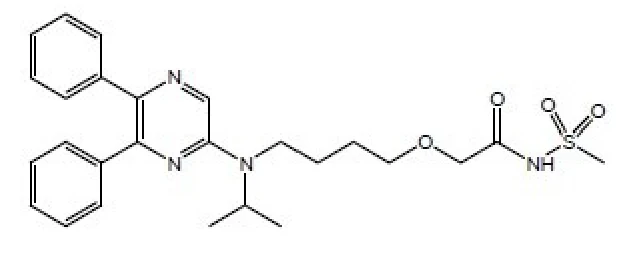
Physicochemical properties: selexipag is a pale yellow crystalline powder that is practically insoluble in water. In the solid state, selexipag is very stable, is not hygroscopic, and is not light sensitive.
14 CLINICAL TRIALS
14.1 Clinical Trials by Indication
Pulmonary Arterial Hypertension
Efficacy in patients with PAH The effect of UPTRAVI® (selexipag) on progression of PAH was demonstrated in a multi-centre, long-term (maximum duration of exposure approximately 4.2 years), double-blind, placebo-controlled, parallel-group, event-driven Phase 3 study in 1156 patients with symptomatic (WHO FC I–IV) PAH. Patients were randomised to either placebo (N=582) or selexipag (N=574) twice a day. The dose was increased at weekly intervals by increments of 200 micrograms given twice a day to determine the individualised maintenance dose (200–1600 micrograms twice a day).
The primary study endpoint was the time to first occurrence of a morbidity or mortality event up to end of treatment, defined as a composite of death (all causes); or hospitalisation for PAH; or progression of PAH resulting in need for lung transplantation or balloon atrial septostomy; or initiation of parenteral prostanoid therapy or chronic oxygen therapy; or other disease-progression events (patients in WHO FC II or III at baseline) confirmed by a decrease in 6-minute walk distance (6MWD) from baseline (≥ 15%) and worsening of WHO FC or (patients in
WHO FC III or IV at baseline) confirmed by a decrease in 6MWD from baseline (≥ 15%) and need for additional PAH-specific therapy.
All events were confirmed by an independent adjudication committee, blinded to treatment allocation.
The mean age was 48.1 years (range 18–80 years of age), with the majority of subjects being Caucasian (65.0%) and female (79.8%). Approximately 1%, 46%, 53% and 1% of patients were in WHO FC I, II, III and IV, respectively, at baseline.
Idiopathic or heritable PAH was the most common aetiology in the study population (58%) followed by PAH due to connective tissue disorders (29%), PAH associated with congenital heart disease with repaired shunts (10%), and PAH associated with other aetiologies (drugs and toxins [2%] and HIV [1%]).
At baseline, the majority of enrolled patients (80%) were being treated with a stable dose of a specific therapy for PAH, either an ERA (15%) or a PDE-5 inhibitor (32%) or both an ERA and a PDE-5 inhibitor (33%).
The overall median double-blind treatment duration was 63.7 weeks for the placebo group and 70.7 weeks for the group on selexipag.
Study Results
Treatment with selexipag 200–1600 micrograms twice a day resulted in a 40% reduction (hazard ratio [HR] 0.60; 99% CI: 0.46, 0.78; one-sided log-rank p value < 0.0001) of the occurrence of morbidity or mortality events up to 7 days after last dose compared to placebo [Figure 1]. The beneficial effect of selexipag was primarily attributable to a reduction in hospitalisation for PAH and a reduction in other disease-progression events [Table 4].
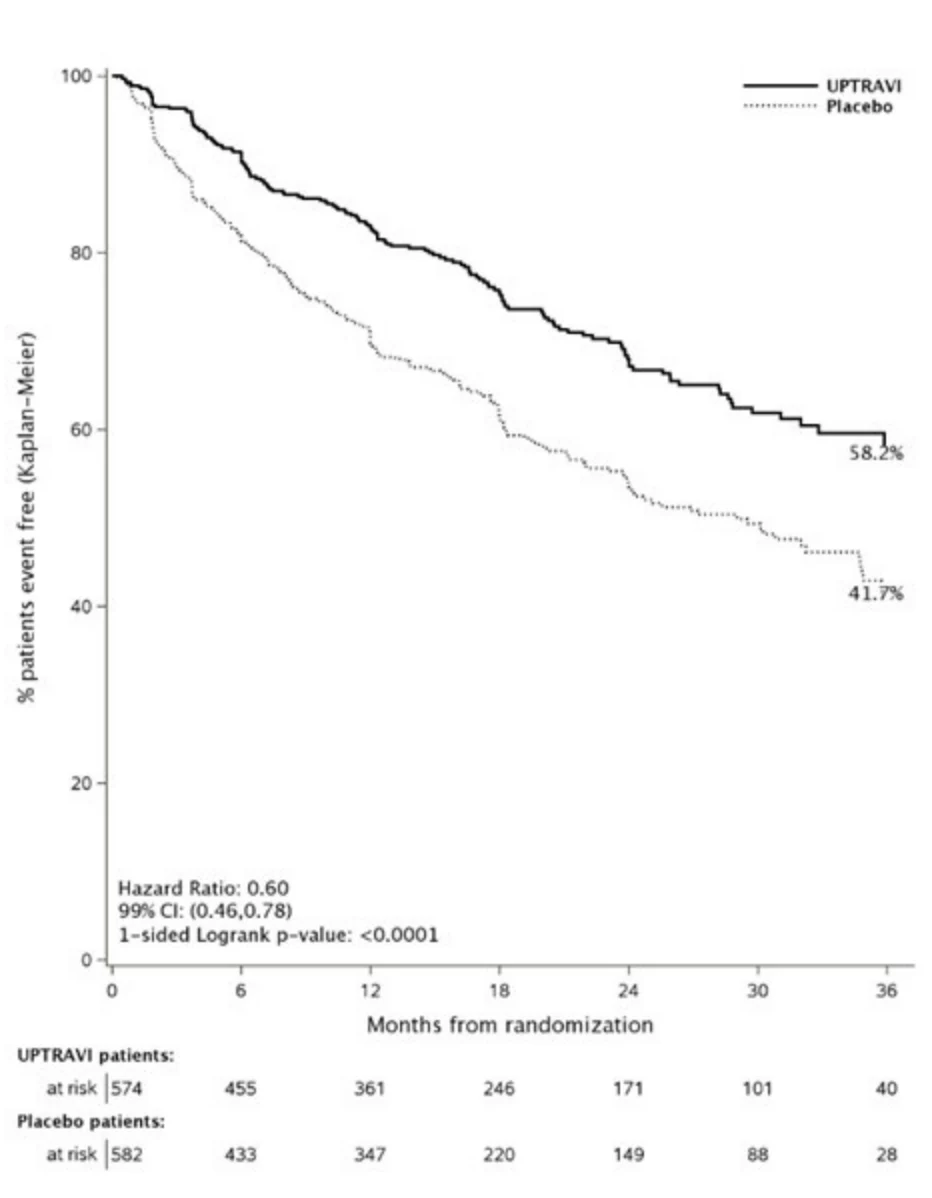
Figure 1: Kaplan-Meier estimates of the first morbidity-mortality event in GRIPHON
Table 4: Type of first event as component of primary endpoint
Selexipag N = 574 n (%) | Placebo N = 582 n (%) | |
| Patients with a primary endpoint event | 155 (27.0) | 242 (41.6) |
Component as first event Hospitalization for PAH Disease progression Death i.v./s.c. prostanoid or chronic oxygen therapy Need for lung transplantation or atrial septostomy | 78 (13.6) 38 (6.6) 28 (4.9) 10 (1.7) 1 (0.2) | 109 (18.7) 100 (17.2) 18 (3.1) 13 (2.2) 2 (0.3) |
i.v. = intravenous; PAH = pulmonary arterial hypertension; s.c. = subcutaneous.
The observed effect of selexipag versus placebo on the primary endpoint was independent of the achieved individualized maintenance dose (IMD) [Figure 2]:
IMD 200–400 mcg twice daily (23.2% of patients): HR 0.60 (95% CI: 0.41, 0.88, one-sided log-rank p = 0.0038)
IMD 600–1000 mcg twice daily (31.4% of patients: HR 0.53 (95% CI: 0.38, 0.72, one-sided log-rank p ˂ 0.0001)
IMD 1200–1600 mcg twice daily (42.9% of patients): HR 0.64 (95% CI: 0.49, 0.82, one-sided log-rank p = 0.0002)
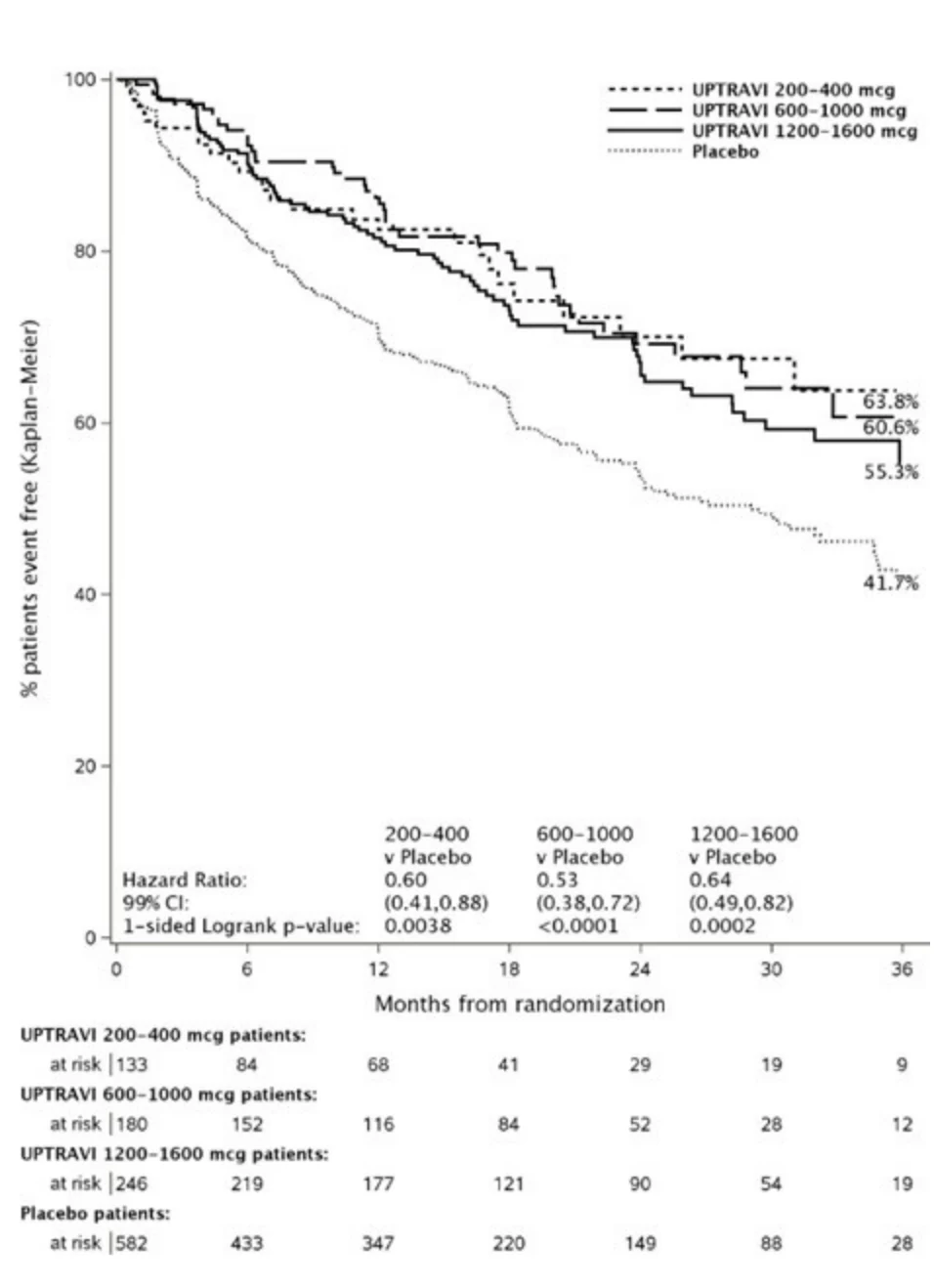
Figure 2: Kaplan-Meier estimates of the first morbidity-mortality event in GRIPHON by individual maintenance dose group
Subgroup analyses were performed across subgroups of age, sex, race, etiology, geographical region, WHO FC, and by monotherapy or in combination with ERA, PDE-5 inhibitors or triple combination with both an ERA and a PDE-5 inhibitor [Figure 3].
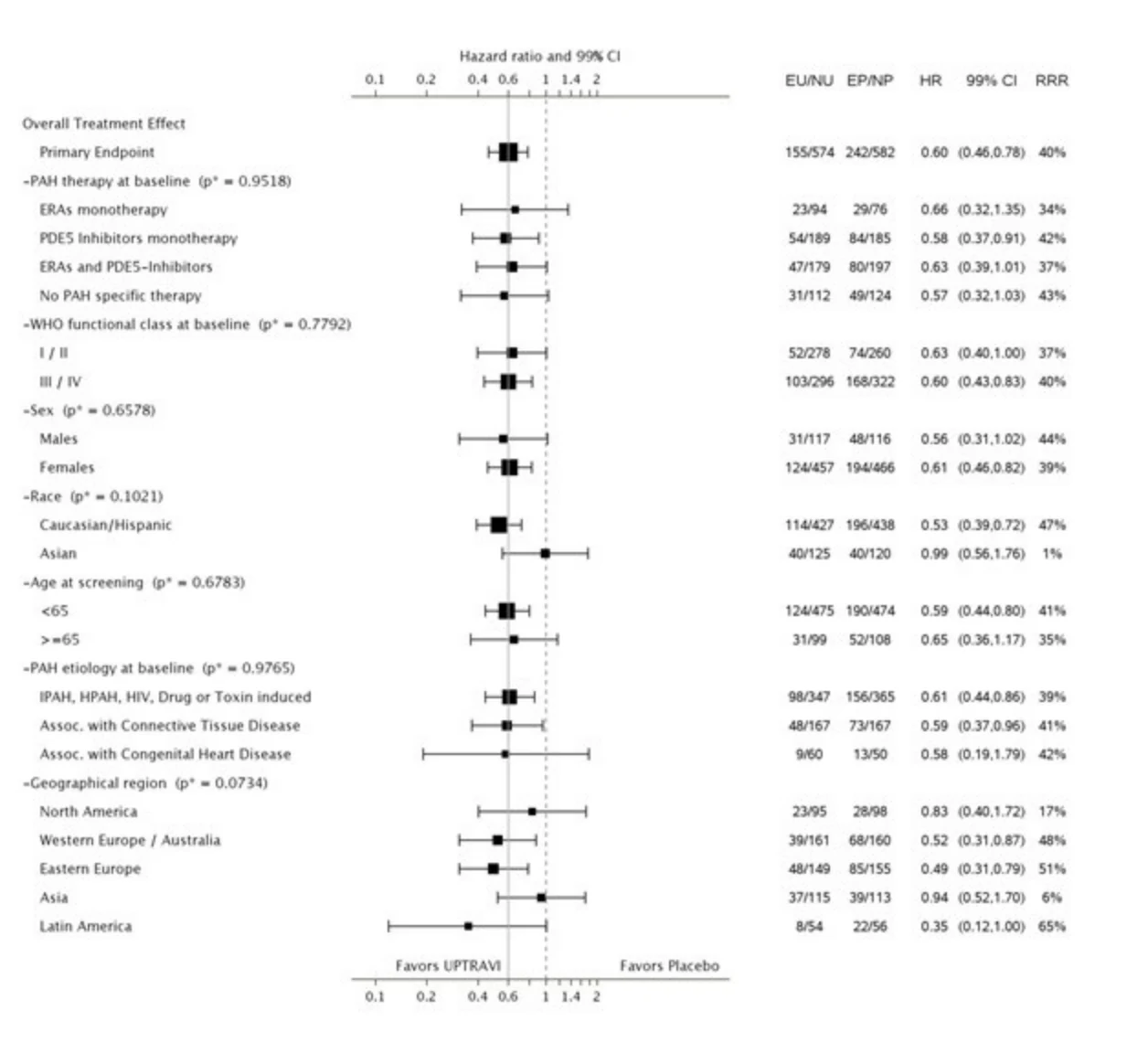
Figure 3: Subgroup analyses of the primary endpoint in the GRIPHON study
CI = confidence interval; EP = number of placebo patients with events; EU = number of UPTRAVI® patients with events; HR = hazard ratio; NP = number of patients randomized to placebo; NU = number of patients randomized to UPTRAVI®; RRR = relative risk reduction.
The size of the square represents the number of patients in the subgroup.
Time to PAH-related death or hospitalization for PAH was assessed as a secondary endpoint. The risk of an event for this endpoint was reduced by 30% in patients receiving UPTRAVI® compared to placebo (HR 0.70, 99% CI: 0.50, 0.98; one-sided log-rank p = 0.0031) [Figure 4].
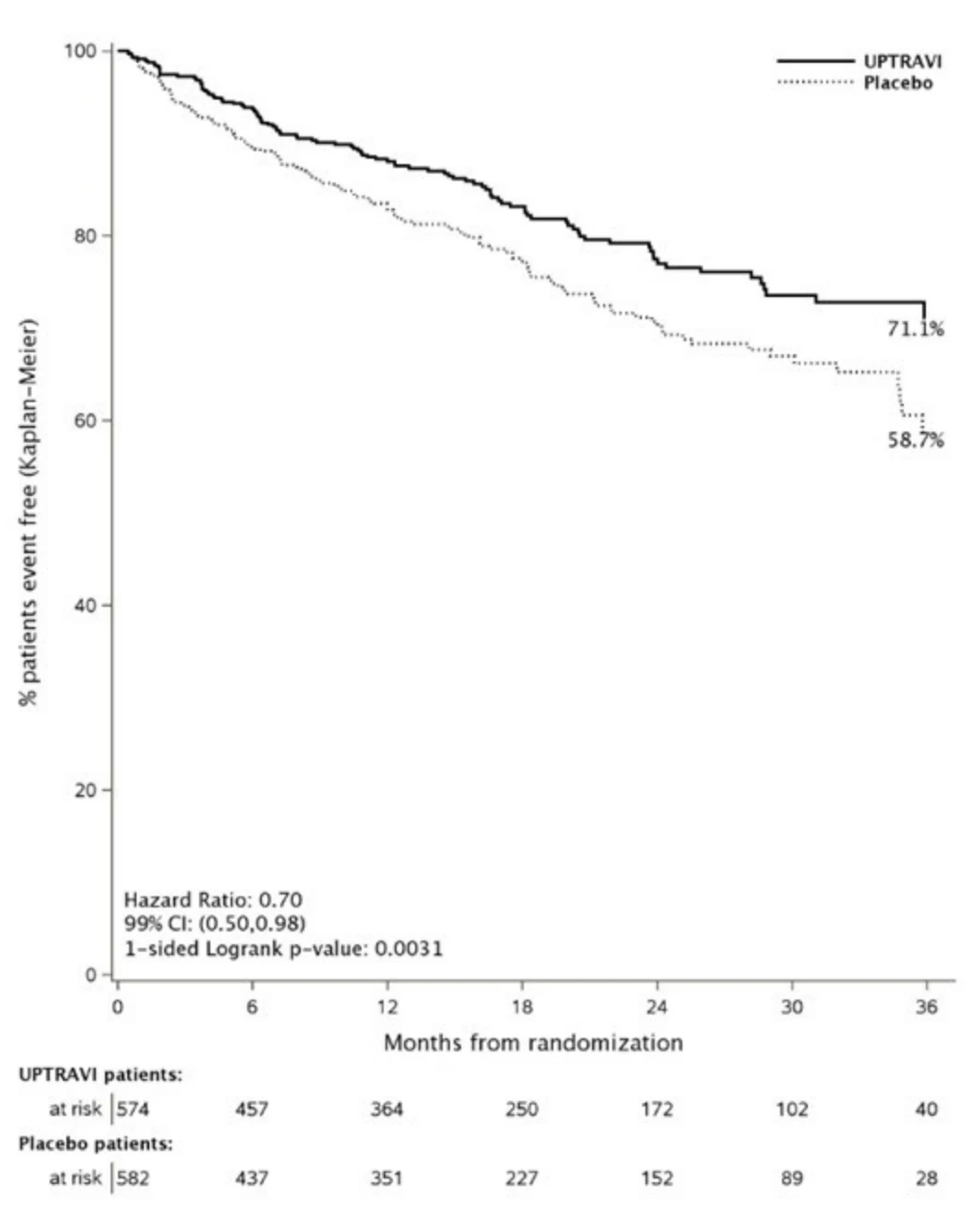
Figure 4: Kaplan-Meier estimates of the occurrence of death due to PAH or first hospitalization for PAH in GRIPHON
The number of patients who experienced as a first event, death due to PAH or hospitalization for PAH up to end of treatment was 102 (17.8%) in the selexipag group, and 137 (23.5%) in the placebo group. Death due to PAH as a component of the endpoint was observed in 16 (2.8%) patients on selexipag and 14 (2.4%) on placebo. Hospitalization for PAH was observed in 86 (15%) of patients on selexipag and 123 (21.1%) of patients on placebo. UPTRAVI® reduced the risk of hospitalization for PAH as first outcome event compared to placebo (HR 0.67, 99% CI: 0.46, 0.98); one-sided log-rank p = 0.04).
The total number of deaths of all causes up to study closure was 100 (17.4%) for the UPTRAVI® group and 105 (18.0%) for the placebo group (HR 0.97, 99% CI: 0.68, 1.39) [Figure 5].
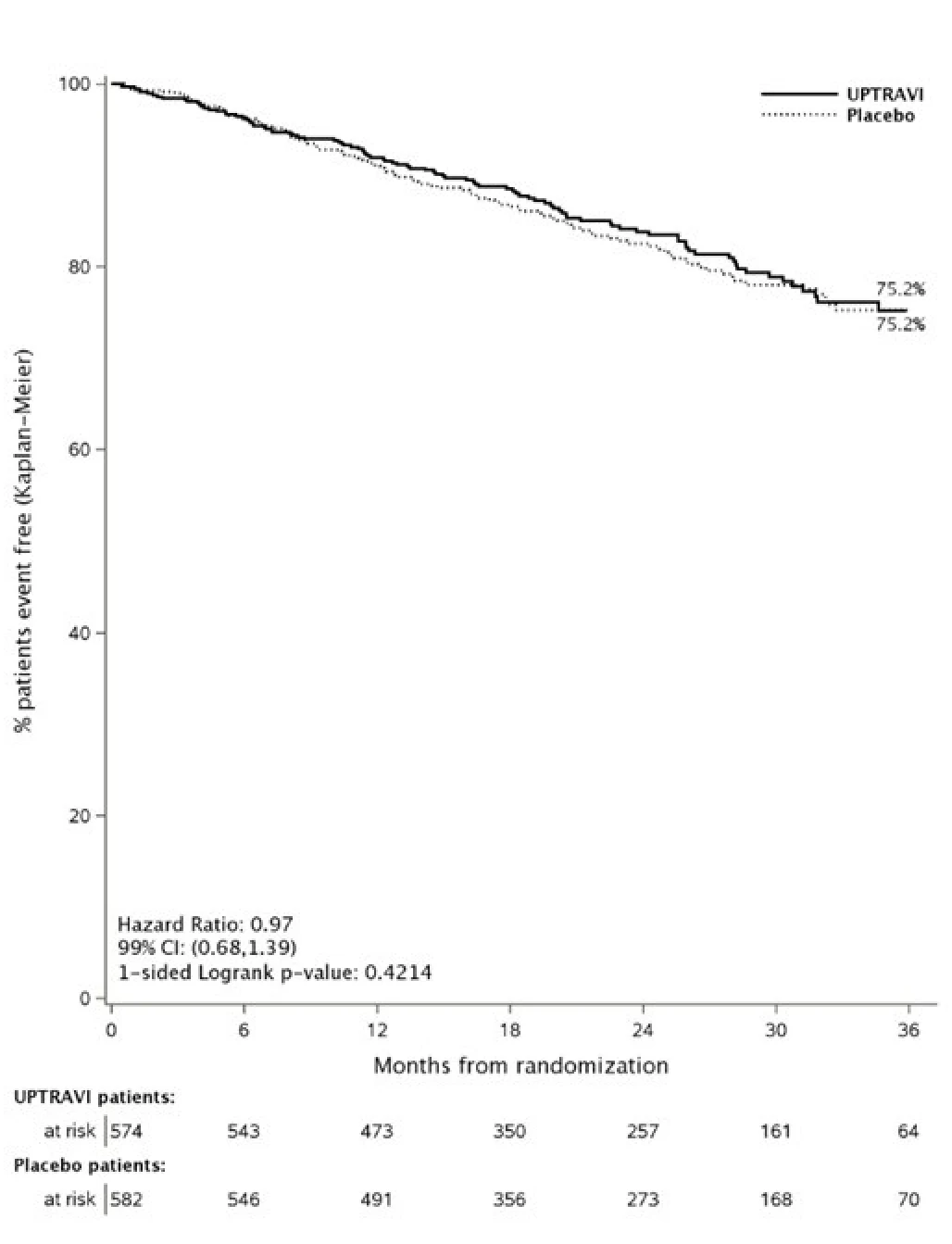
Figure 5: Kaplan-Meier estimates of the occurrence of death up to study closure
The number of deaths due to PAH up to study closure was 70 (12.2%) for the UPTRAVI® group and 83 (14.3%) for the placebo group [Figure 6].
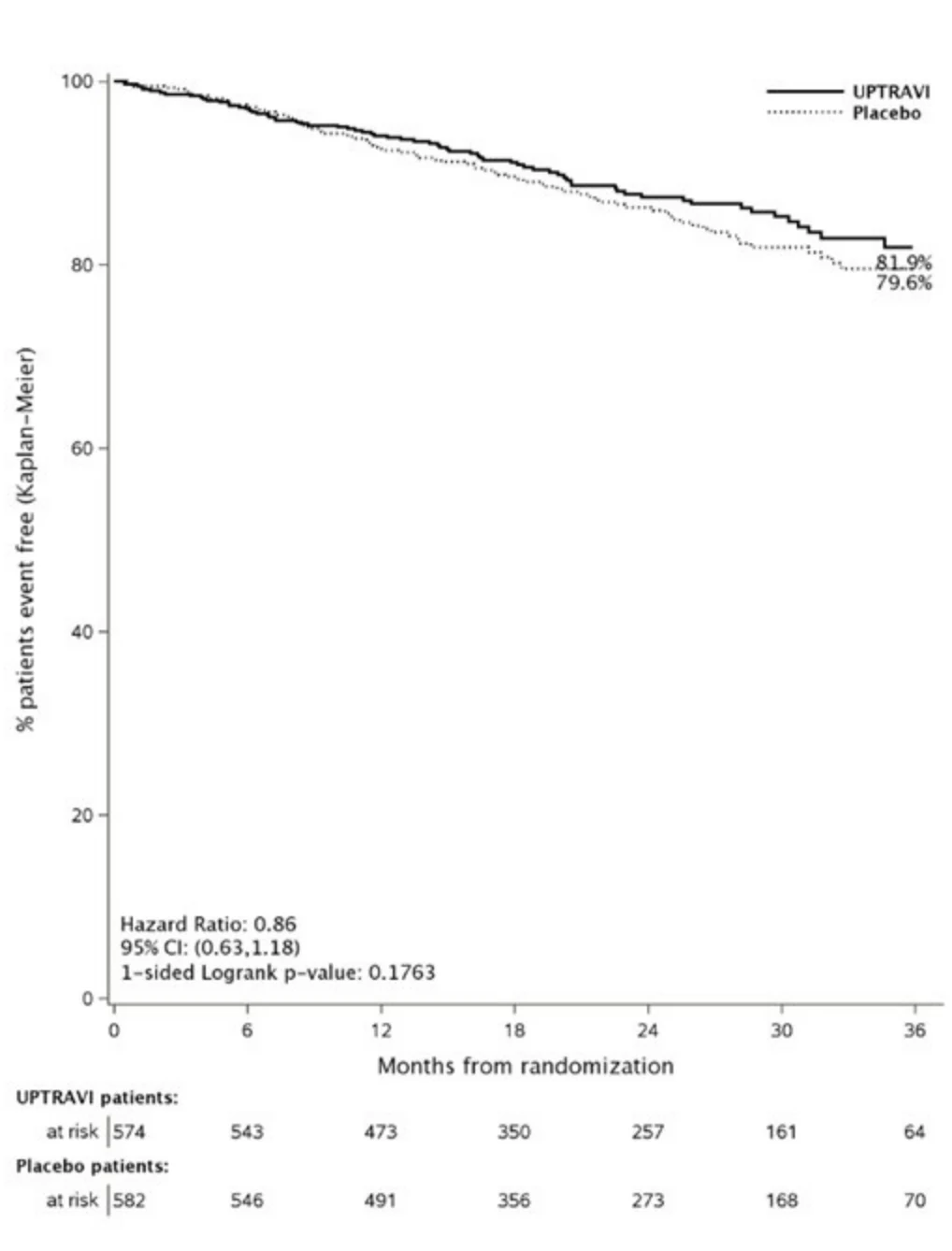
Figure 6: Kaplan-Meier estimates of the occurrence of death due to PAH up to study closure
Symptomatic endpoint
Exercise capacity was evaluated as a secondary endpoint. Treatment with UPTRAVI® resulted in a placebo-corrected median increase in 6MWD measured at trough (i.e., approximately 12 hours post-dose) of 12 meters at Week 26 (99% CI: 1, 24 meters, one-sided p value = 0.0027). In patients without concurrent PAH-specific therapy, the treatment effect measured at trough was 34 meters (99% CI: 10, 63 meters).
Long-Term Treatment of PAH
Patients enrolled into the pivotal study (GRIPHON) were eligible to enter a long-term open-label extension study. A total of 574 patients were treated with UPTRAVI® in the GRIPHON study; of these, 330 patients continued UPTRAVI® treatment in the open-label extension study. Kaplan-Meier estimates of survival of the 574 patients treated with UPTRAVI® across the GRIPHON and the long-term extension studies at 1, 2, 5 and 7 years were 92%, 85%, 71%, and 63%, respectively [Figure 7]. The median follow-up duration was 4.5 years and the median exposure to UPTRAVI® was 3 years. Survival estimates were lower for participants with a more severe PAH (WHO class III/IV) than for those with less severe disease (class I/II). Given the lack of the control group specific to the open-label, extension study, the survival estimates should not be used in determining the long-term effects of UPTRAVI® on mortality.
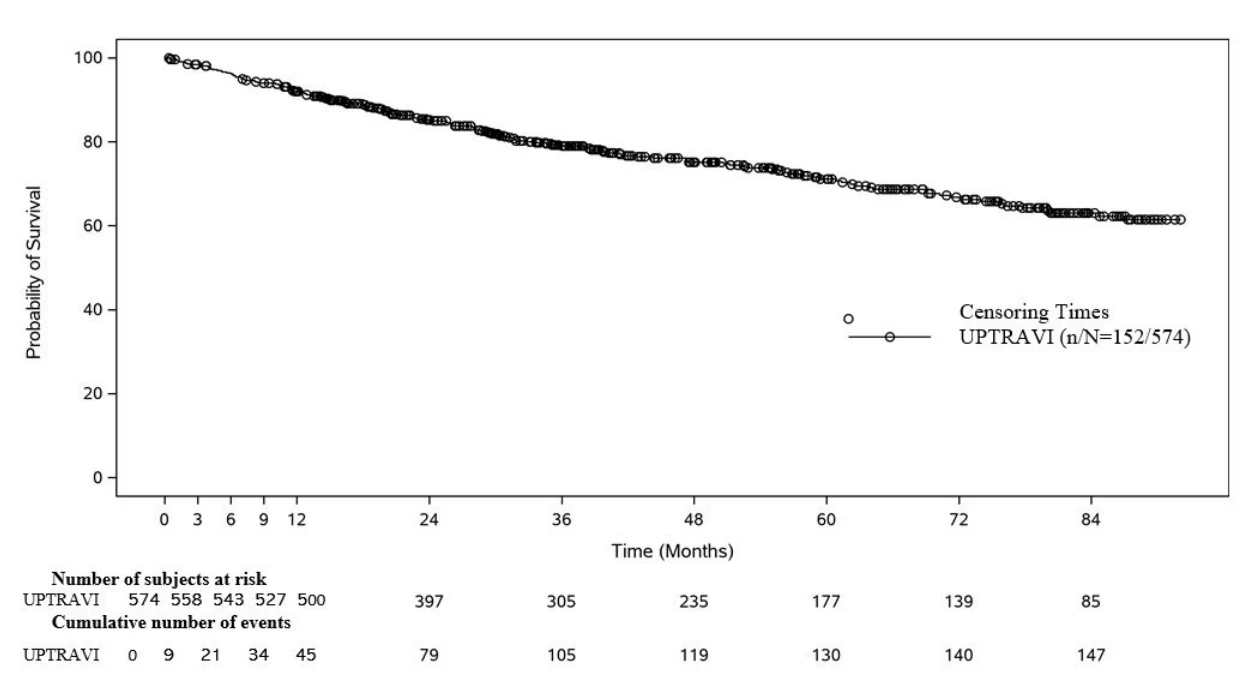
Figure 7: Kaplan-Meier estimates of time to death (all-causes) in long-term follow-up of UPTRAVI® treatment
15 MICROBIOLOGY
No microbiological information is required for this drug product.
16 NON-CLINICAL TOXICOLOGY
General Toxicology: In vitro, the active metabolite ACT-333679, but not selexipag, was a potent IP receptor agonist in the rat and dog. ACT-333679 was selective for the IP receptor in the rat, and equally potent at IP and EP4 receptor of dogs in cellular assays.
Repeated Dose Toxicity
In the repeated-dose toxicity studies in animals, selexipag treatment resulted in effects related to exaggerated pharmacology. In rats and mice, the clinical signs were consistent with peripheral vasodilation. Flush of the limbs and/or pinna and/or flaccidity were noted in mice at ≥125 mg/kg/day and in rats at ≥6 mg/kg/day. The incidence and/or severity of clinical signs decreased with duration of repeated dosing. In dogs less than 1 year of age, intestinal intussusception occurred at doses ≥4 mg/kg, associated with clinical signs, including anal prolapse, bloody diarrhoea, and body weight loss, necessitating euthanasia of affected animals. Intussusception did not occur in dogs at ≤ 2 mg/kg, at which systemic exposure (AUC) to selexipag was 180 times that in humans at the maximum recommended human dose (MRHD) of 1600 micrograms BID.
Dose related minimal to mild hepatocellular hypertrophy was observed in rats and mice. Minimal hyperplasia of thyroid follicular cells (females), minimal to mild adrenal cortical hypertrophy, increased incidence and/or severity of minimal to mild diffuse hyperplasia of the acinar cells in the mammary gland (females), and minimal hypertrophy of the acinar cells in the submandibular salivary gland (females) were noted in the rat. The NOAEL was 100 mg/kg/day in the mouse and 6 mg/kg/day in the rat. In mice, exposure at NOAEL was 130- (selexipag) and 40-fold (ACT-333679) the exposure at MRHD, whereas in rats, exposure at NOAEL was 3- (selexipag) and 20-fold (ACT-333679) the exposure at MRHD, and exposure to selexipag was approximately similar to and 30 times higher than that at the MRHD in rats and mice, respectively. Systemic exposure to ACT-333679 was 50 and 130 times higher than that at the MRHD in rats and mice, respectively. Increased bone ossification and bone marrow hypercellularity were noted in dogs at all dose levels. Similar effects were not seen in rats and mice and the effect is considered related to the action of ACT-333679 on EP4 receptors. As human EP4 receptors are not activated by selexipag or its active metabolite, this effect is most likely species-specific and not relevant to humans.
Carcinogenicity: In the 2-year carcinogenicity studies, selexipag caused an increased incidence of thyroid adenomas and carcinoma in mice at 250 and 500 mg/kg/day and benign Leydig cell tumours in rats at 100 mg/kg/day. The mechanisms are rodent-specific. The increase in tumour incidence was observed at exposures that were more than 25-fold above human exposure at the MHRD and are, therefore, not relevant for humans.
Genotoxicity: Selexipag and the active metabolite are on the basis of the weight of evidence not considered genotoxic.
Reproductive and Developmental Toxicology: There were no effects on fertility in male rats, while there was a tendency towards prolongation of the estrus cycle and an increase in days until copulation in females at 60 mg/kg, but no effects on fertility and early embryonic development. At a NOAEL of 20 mg/kg/day, selexipag exposure was 6 times higher than that at the MRHD and ACT-333679 exposure 31 times higher than at the MRHD.
In the embryo-fetal development studies in rats and rabbits, the only embryo-fetal effect was reduced fetal weight secondary to reduced maternal weight in rats at 20 mg/kg. There were no effects on ossification, evidence of malformations or other treatment-related abnormalities at any dose level (up to 20 mg/kg in rat and 30 mg/kg in rabbit). At the rat NOAEL (6 mg/kg) systemic exposure to selexipag and ACT-333796 was similar to and >10 times higher than that at the MHRD, respectively. At the rabbit NOAEL of 30 mg/kg, systemic exposure to selexipag and ACT-333796 was >10 and >50 times higher than that at the MHRD, respectively.
In a peri- and post-natal development study, oral administration of selexipag to rats at doses up to 20 mg/kg from day 6 of gestation until day 20 of lactation had no effect on peri and post-natal development of the pups. Special Toxicology:
Phototoxicity
Selexipag and its active metabolite were phototoxic in vitro. A dedicated clinical study did not indicate a phototoxic potential of selexipag in humans.
Juvenile Toxicity: In a juvenile (1 month old at study start) dog study, oral selexipag administration at 1, 3, and 6 mg/kg resulted in the death of 2 dogs due to intestinal intussusception at 6 mg/kg. The high dose was lowered to 4 mg/kg and there were no further deaths during the 39 week duration of the study. Dermatitis, as well as decreases in thymic weight with no histological correlates, were considered stress responses. Reduced body weight gain was noted throughout dosing in females. No heat was noted in females given 3 and 4/6 mg/kg/day in the latter part of the study and correlated with delayed sexual maturation in the ovaries, which may in part be related to reduced body weight gain. Similar to treatment of older dogs, increased bone marrow cellularity and bone ossification were noted at all doses (≥1 mg/kg) after 39 weeks of dosing. At Week 39 necropsy, delayed closure of the femoral and/or tibial epiphyseal growth plates was observed at all doses, but there was no effect on bone length. Findings in juvenile animals were generally similar to those in young animals (described above) and a NOAEL was not identified.