


Product Monograph - Ticlopidine (Apotex)
RECENT MAJOR LABEL CHANGES
| None |
TABLE OF CONTENTS
Sections or subsections that are not applicable at the time of authorization are not listed.
RECENT MAJOR LABEL CHANGES............................................................................................ 2
TABLE OF CONTENTS .............................................................................................................. 2
PART I: HEALTH PROFESSIONAL INFORMATION ..................................................................... 4
1 INDICATIONS .............................................................................................................. 4
1.1 Pediatrics .......................................................................................................... 4
1.2 Geriatrics........................................................................................................... 4
2 CONTRAINDICATIONS ................................................................................................. 4
3 SERIOUS WARNINGS AND PRECAUTIONS BOX ............................................................ 5
4 DOSAGE AND ADMINISTRATION................................................................................. 5
4.1 Dosing Considerations ....................................................................................... 5
4.2 Recommended Dose and Dosage Adjustment..................................................... 6
4.4 Administration................................................................................................... 6
4.5 Missed Dose ...................................................................................................... 6
5 OVERDOSAGE ............................................................................................................. 6
6 DOSAGE FORMS, STRENGTHS, COMPOSITION AND PACKAGING ................................. 6
7 WARNINGS AND PRECAUTIONS .................................................................................. 6
7.1 Special Populations .......................................................................................... 10
7.1.1 Pregnant Women ....................................................................................... 10
7.1.2 Breast-feeding............................................................................................ 10
7.1.3 Pediatrics ................................................................................................... 10
7.1.4 Geriatrics ................................................................................................... 10
8 ADVERSE REACTIONS ................................................................................................ 10
8.1 Adverse Reaction Overview.............................................................................. 10
8.2 Clinical Trial Adverse Reactions ........................................................................ 10
8.3 Less Common Clinical Trial Adverse Reactions .................................................. 11
8.4 Abnormal Laboratory Findings: Hematologic, Clinical Chemistry and Other Quantitative Data ...................................................................................................... 12
8.5 Post-Market Adverse Reactions........................................................................ 13
9 DRUG INTERACTIONS................................................................................................ 13
9.2 Drug Interactions Overview.............................................................................. 13
9.3 Drug-Behavioural Interactions.......................................................................... 13
9.4 Drug-Drug Interactions .................................................................................... 13
9.5 Drug-Food Interactions .................................................................................... 15
9.6 Drug-Herb Interactions .................................................................................... 15
9.7 Drug-Laboratory Test Interactions .................................................................... 15
10 CLINICAL PHARMACOLOGY ....................................................................................... 15
10.1 Mechanism of Action.................................................................................. 15
10.2 Pharmacodynamics .................................................................................... 17
10.3 Pharmacokinetics ....................................................................................... 20
11 STORAGE, STABILITY AND DISPOSAL ......................................................................... 21
12 SPECIAL HANDLING INSTRUCTIONS........................................................................... 21
PART II: SCIENTIFIC INFORMATION ...................................................................................... 22
13 PHARMACEUTICAL INFORMATION............................................................................ 22
14 CLINICAL TRIALS........................................................................................................ 22
14.1 Clinical Trials by Indication.......................................................................... 22
14.2 Comparative Bioavailability Studies ............................................................ 22
15 MICROBIOLOGY ........................................................................................................ 23
16 NON-CLINICAL TOXICOLOGY ..................................................................................... 23
PATIENT MEDICATION INFORMATION ................................................................................. 28
PART I: HEALTH PROFESSIONAL INFORMATION
1 INDICATIONS
TICLOPIDINE (Ticlopidine hydrochloride) is indicated for reduction of the risk of the recurrent stroke for patients who have experienced at least one of the following events:
- complete thromboembolic stroke,
- minor stroke,
- reversible ischemic neurological deficit (RIND), or transient ischemic attack (TIA) including transient monocular blindness (TMB).
1.1 Pediatrics
No data are available to Health Canada; therefore, Health Canada has not authorized an indication for pediatric use.
1.2 Geriatrics
No data are available to Health Canada; therefore, HC has not authorized an indication for geriatric use.
2 CONTRAINDICATIONS
TICLOPIDINE (ticlopidine hydrochloride) is contraindicated in the following conditions:
- Known hypersensitivity to this drug or to any ingredient in the formulation, including any non-medicinal ingredient, or component of the container. For a complete listing, see 6 DOSAGE FORMS, STRENGTHS, COMPOSITION AND PACKAGING.
- Presence or history of hematopoietic disorders (such as neutropenia and/or thrombocytopenia) (see 3 SERIOUS WARNINGS AND PRECAUTIONS BOX).
- Presence of hemostatic disorder (see Hematologic).
- Conditions associated with active bleeding, such as bleeding peptic ulcer or intracranial bleeding (see Gastrointestinal, Hematologic).
- Severe liver dysfunction (see Hepatic/Biliary/Pancreatic).
3 SERIOUS WARNINGS AND PRECAUTIONS BOX
Serious Warnings and Precautions
|
4 DOSAGE AND ADMINISTRATION
4.1 Dosing Considerations
Because ticlopidine can cause life threatening thrombotic thrombocytopenic purpura (TTP) and other blood dyscrasias including neutropenia/agranulocytosis, and aplastic anemia (see 3 SERIOUS WARNINGS AND PRECAUTIONS BOX and Hematologic), ticlopidine should be reserved for patients who are intolerant or allergic to acetylsalicylic acid (ASA) therapy, have failed acetylsalicylic acid (ASA) therapy, and who are not suitable candidates for other antiplatelet therapy.
Considerations in the selection of stroke prevention therapy should include the patient's current medical status and history, and their ability to comply with the required blood monitoring instructions concerning the use of ticlopidine.
Blood monitoring should be performed prior to treatment and weekly to the end of the third month of therapy with ticlopidine. For the first three months of therapy, only request or dispense the 14–day supply of tablets (see 3 WARNINGS AND PRECAUTIONS BOX and Hematologic).
Clinical monitoring should be performed prior to treatment to determine whether patients suffer from conditions associated with active bleeding (see Gastrointestinal), are anticipating elective surgery (see Per-Operative Consideration), or have severe liver (see Hepatic/Biliary/Pancreatic) or renal disease (see Renal). Pregnancy should be ruled out prior to drug administration (see 7.1.1 Pregnant Women).
Chronic ticlopidine hydrochloride therapy has been associated with increased serum cholesterol and triglycerides. Monitor patients for elevated serum cholesterol and triglyceride levels prior to and during treatment with ticlopidine (See Monitoring and Laboratory Tests).
Inhibition of platelet aggregation is detected within 2 days of administration with 250 mg b.i.d. Maximum platelet aggregation inhibition is achieved 8 to 11 days following dosing with 250 mg b.i.d.
4.2 Recommended Dose and Dosage Adjustment
The recommended dose of TICLOPIDINE (ticlopidine hydrochloride) is 250 mg twice daily. Health Canada has not authorized an indication for pediatric use.
4.4 Administration
TICLOPIDINE should be taken with meals to minimize gastrointestinal intolerance.
4.5 Missed Dose
In the event that a dose is missed, the missed dose should be taken as soon as possible, unless it is almost time for the next dose. The missed dose should be skipped if it is almost time for the next regular dose. Two doses should not be taken at the same time.
5 OVERDOSAGE
Limited information exists on the effects of overdosage with ticlopidine (see 8.5 Post-Market Adverse Reactions). In the event of an overdose, monitor patient closely for signs and symptoms of adverse reactions, and treat the reactions with supportive care (see 7 WARNINGS AND PRECAUTIONS and 8 ADVERSE REACTIONS).
| For management of a suspected drug overdose, contact your regional poison control centre. |
6 DOSAGE FORMS, STRENGTHS, COMPOSITION AND PACKAGING
Table 1– Dosage Forms, Strengths, Composition and Packaging
Each oval, white, biconvex, film–coated tablet, engraved “250” on one side and plain on the other side, contains ticlopidine hydrochloride 250 mg. Available in bottles of 100 tablets.
7 WARNINGS AND PRECAUTIONS
Please see 3 SERIOUS WARNINGS AND PRECAUTIONS BOX.
Cardiovascular
Rare events of vasculitis and angioedema have been reported and their relationship to ticlopidine is uncertain (see 8.3 Less Common Clinical Trial Adverse Reactions).
| Route of Administration | Dosage Form / Strength/Composition | Non-medicinal Ingredients |
| Oral | tablet 250 mg | carnauba wax, croscarmellose sodium, hydroxypropyl methylcellulose, microcrystalline cellulose, polyethylene glycol, stearic acid and titanium dioxide. |
Ear/Nose/Throat
Ticlopidine hydrochloride has been associated with a number of bleeding complications such as epistaxis (see 8.3 Less Common Clinical Trial Adverse Reactions).
Gastrointestinal
Conditions associated with active bleeding, such as bleeding ulcers, constitute contraindications for ticlopidine hydrochloride (see 2 CONTRAINDICATIONS). Clinical judgement and monitoring of stool for occult blood and for bloody vomit (hematemesis) are required for patients with a history of ulcerative lesions.
Ticlopidine hydrochloride therapy has been associated with a variety of gastrointestinal complaints including diarrhea and nausea (see 8.2 Clinical Trial Adverse Reactions). The majority of cases are mild and transient in nature and occur within 3 months of initiation of therapy. Typically, events are resolved within 1 - 2 weeks without discontinuation of therapy. If the effect is severe or persistent, therapy should be discontinued.
Hematologic
Hematological Complications: All forms of hematological adverse reactions are potentially fatal. Rarely, cases of pancytopenia, aplastic anemia or thrombocytopenia have been reported (see 3 SERIOUS WARNINGS AND PRECAUTIONS BOX). Thrombotic thrombocytopenic purpura (TTP) is characterized by thrombocytopenia, microangiopathic hemolytic anemia (schistocytes [fragmented RBCs] seen on peripheral smear), neurological findings (mental changes, confusion, trouble speaking, paralysis , seizures, dizziness, weakness, tingling or numbness and pain in the hands and feet and paralysis), renal dysfunction and fever. The signs and symptoms can occur in any order; in particular, clinical symptoms may precede laboratory findings by hours or days.
The median time to occurrence was 3-4 weeks from the start of therapy, but a few cases occurred as soon as the day of therapy, or more than 12 weeks after drug administration. Treatment consists of discontinuation of ticlopidine and plasmapheresis. Because platelet transfusions may accelerate thrombosis in patients with TTP on ticlopidine, they should be avoided (see 8.5 Post-Market Adverse Reactions).
Severe neutropenia has been observed in clinical trials and occurred during the first 3-12 weeks of therapy. It may develop quickly over a few days. The bone marrow shows a reduction in myeloid precursors. The condition may be life-threatening. It is usually reversible, and the recovery occurs within 1 - 3 weeks after discontinuation of the drug, but may take longer on occasion (see 8.2 Clinical Trial Adverse Reactions).
Thrombocytopenia has been observed in clinical trials and may occur as an isolated finding or in combination with neutropenia (see 8.3 Less Common Clinical Trial Adverse Reactions). Thrombocytopenia occurs during the first 3-12 weeks of therapy, and recovery usually occurs after drug discontinuation. All patients should have a white blood cell count with a differential and platelet count performed every week starting at baseline, before treatment is initiated, to the end of the third month of therapy with ticlopidine. When the neutrophil count shows a declining trend or the neutrophil numbers have fallen below 30% of the baseline, the values should be confirmed. If the presence of neutropenia (ANC < 1.2 x 10⁹ cells/L) or thrombocytopenia < 0.8 x 10¹¹ cells/L) are confirmed, the drug should be discontinued and CBC with white cell differential and platelet count should be monitored until they return to normal. Because of the long plasma half-life of ticlopidine, it is recommended that any patient who discontinues ticlopidine for any reason within the first 90 days have an additional CBC with white cell differential count obtained two weeks after discontinuation of therapy.
Hemorrhagic Complications: Prolongation of bleeding time occurs in subjects treated with ticlopidine hydrochloride. Purpura and a few cases of more serious hemorrhagic events such as hematemesis, melena, and intracranial bleeding have been reported (see 8.2 Clinical Trial Adverse Reactions and 8.5 Post-Market Adverse Reactions). Patients must be instructed to watch for signs of bleeding disorders and to report any abnormality to their physician immediately (see 3 SERIOUS WARNINGS AND PRECAUTIONS BOX). Ticlopidine hydrochloride therapy has to be stopped by the patient if a physician is not immediately available for consultation.
Ticlopidine hydrochloride should be discontinued temporarily until the danger of abnormal bleeding is eliminated. A single fatal case of intracranial bleeding following head trauma has been reported (see 8.3 Less Common Clinical Trial Adverse Reactions). The extent to which ticlopidine may have contributed to the severity of the bleeding is unknown.
Hepatic/Biliary/Pancreatic
Ticlopidine is metabolized extensively by the liver (see 10.2 Pharmacodynamics).
Ticlopidine hydrochloride is contraindicated in patients with severe liver dysfunction or hepatitis, cholestatic jaundice, colitis, hepatic necrosis, hepatocellular jaundice (see 2 CONTRAINDICATIONS). Mild increase of alkaline phosphatase (ALP) may be seen for the duration of the treatment and is inconsequential in the majority of patients (see 8.4 Abnormal Laboratory Findings).
Immune
Rare events of serum sickness and lupus have been reported and their relationship to ticlopidine is uncertain.
Monitoring and Laboratory Tests
Clinical Monitoring: All patients have to be carefully monitored for clinical signs and symptoms of adverse drug reactions (see 8 ADVERSE REACTIONS). The signs and symptoms possibly related to neutropenia (fever, chills, sore throat, ulcerations in oral cavity), thrombocytopenia and abnormal hemostasis (prolonged or unusual bleeding, bruising, purpura, dark stool), jaundice (including dark urine, light coloured stool) and allergic reactions should be explained to the patients who should be advised to stop medication and consult their physician immediately if any of these occur.
Laboratory Monitoring: All patients should have a white blood cell count with a differential and platelet count performed every week starting at baseline, before treatment is initiated, to the end of the third month of therapy with ticlopidine. When the neutrophil count shows a declining trend or the neutrophil numbers have fallen below 30% of the baseline, the value should be confirmed. If the presence of neutropenia (ANC <1.2 x 10⁹ cells/L) or thrombocytopenia (<0.8 x 10¹¹ cells/L) is confirmed, the drug should be discontinued. Because of the long plasma half–life of ticlopidine, it is recommended that any patient who discontinues ticlopidine for any reason within the first 90 days have an additional CBC with white cell differential obtained 2 weeks after discontinuation of therapy. Thereafter, the WBC counts need only be repeated for symptoms or signs suggestive of neutropenia (see 3 SERIOUS WARNINGS AND PRECAUTIONS BOX).
Liver function tests should be conducted during therapy with TICLOPIDINE (ticlopidine hydrochloride) in response to signs and symptoms suggestive of hepatic dysfunction (see 8.4 Abnormal Laboratory Findings).
Chronic ticlopidine hydrochloride therapy has been associated with increased serum cholesterol and triglycerides (see 8.4 Abnormal Laboratory Findings). Monitor Patients for elevated serum cholesterol and triglyceride levels prior to and during treatment with ticlopidine.
Neurologic
The type of neurological findings to monitor for are fatigue, mental changes, confusion, trouble speaking, seizures, dizziness, weakness, peripheral neuropathy (tingling or numbness, pain in the hands and feet) and paralysis.
Peri-Operative Considerations
Elective Surgery: Ticlopidine hydrochloride should be discontinued 10 to 14 days prior to elective surgery or dental extraction, and bleeding time and thrombocyte count performed before the procedure if clinically indicated.
Emergency Surgery: Prolonged bleeding during surgery may be a problem in ticlopidine hydrochloride–treated patients. Transfusions of fresh platelets would be expected to improve hemostasis in such patients, but there are no data from clinical trials to confirm this expectation. There are data from clinical pharmacology trials that indicate treatment with glucocorticosteroids can normalize bleeding time in ticlopidine hydrochloride subjects, but there is no experience with ticlopidine hydrochloride surgical patients to show that such treatment improves hemostasis.
Renal
Ticlopidine hydrochloride has been well tolerated in patients with moderately decreased renal function. In severe renal disease, caution and close monitoring are recommended for cases of nephrotic syndrome, renal failure and hematuria (see Renal Insufficiency).
Reproductive Health: Female and Male Potential
Fertility: Studies in rodents did not show any effect of ticlopidine on male or female fertility. No data on the effects of ticlopidine on human fertility are available (see Reproductive and Developmental Toxicology).
Teratogenic Risk: Animal studies have shown embryo and feto-toxicity effects of ticlopidine (see Reproductive and Developmental Toxicology). There are no data on the effects of ticlopidine on human teratogenic risk. Advise patients on potential risk to a fetus. Ticlopidine should be used during pregnancy only if the potential benefits outweigh the potential risk to the fetus.
Respiratory
A few cases of more serious hemorrhagic events such as hemothorax have been reported in subjects treated with ticlopidine hydrochloride. Rare events of allergic pneumonitis have been reported and the relationship to ticlopidine is uncertain (see 8.3 Less Common Clinical Trial Adverse Reactions).
Skin
Ticlopidine hydrochloride has been associated with a maculopapular or urticarial rash (often with pruritus). Rash usually occurs within 3 months of initiation of therapy, with a mean time to onset of 11 days. If drug is discontinued, recovery should occur within several days. Many rashes do not recur on drug rechallenge. There have been rare reports of more severe rashes (see 8.2 Clinical Trial Adverse Reactions). Rare events of Stevens-Johnson Syndrome (SJS) have also been reported (see 8.3 Less Common Clinical Trial Reactions).
7.1 Special Populations
7.1.1 Pregnant Women
The safety of ticlopidine hydrochloride in pregnancy has not been established. It should not be used in pregnant patients.
7.1.2 Breast-feeding
It is unknown if TICLOPIDINE (ticlopidine hydrochloride) is excreted in human milk. Precaution should be exercised because many drugs can be excreted in human milk.
7.1.3 Pediatrics
No data are available to Health Canada; therefore Health Canada has not authorized an indication for pediatric use.
7.1.4 Geriatrics
No data are available to Health Canada; therefore, Health Canada has not authorized an indication for geriatric use.
8 ADVERSE REACTIONS
8.1 Adverse Reaction Overview
Most adverse reactions observed during clinical trials are mild, but 21 % of patients discontinued therapy because of an adverse reactions, principally diarrhea, rash, nausea, vomiting, GI pain and neutropenia. Most adverse reactions occur early in the course of treatment, but a new onset of adverse reactions can occur after several months. Serious hematological adverse reactions have been reported (see 3 SERIOUS WARNINGS AND PRECAUTIONS BOX, Hematologic).
8.2 Clinical Trial Adverse Reactions
Clinical trials are conducted under very specific conditions. The adverse reaction rates observed in the clinical trials; therefore, may not reflect the rates observed in practice and should not be compared to the rates in the clinical trials of another drug. Adverse reaction information from clinical trials may be useful in identifying and approximating rates of adverse drug reactions in real-world use.
Most adverse reactions with TICLOPIDINE (ticlopidine hydrochloride) are mild, transient and occur early in the course of treatment. About 2.4% of ticlopidine treated patients in clinical trials developed neutropenia (defined as an absolute neutrophil count (ANC) below 1.2 x 10⁹ cells/L). The incidence of severe neutropenia (ANC< 0.45 x 10⁹ cells/L) was 0.8%. In controlled clinical trials of 1 to 5 years duration, discontinuation of ticlopidine hydrochloride due to one or more adverse reactions was required in 20.9% of patients. In these same trials, ASA and placebo led to discontinuation in 14.5% and
6.7% of patients, respectively. The incidence rates of adverse reactions listed in the following table were derived from multicenter, controlled clinical trials comparing ticlopidine hydrochloride, placebo and ASA over study periods of up to 5 years. The rates are based on adverse reactions considered probably drug–related by the investigator. Adverse reactions occurring in greater than one percent of patients treated with ticlopidine hydrochloride in controlled clinical trials are shown in the following table.
Table 2 Adverse reactions with an incidence of ≥ 1%
Ticlopidine HCl n = 2048 Incidence (% of patients discontinuing clinical trials due to event) | ASA n = 1527 Incidence (% of patients discontinuing clinical trials due to event) | Placebo n = 536 Incidence (%of patients discontinuing clinical trials due to event)) | |
|---|---|---|---|
Blood and lymphatic system disorders Neutropenia | 2.4 (1.3) | 0.8 (0.1) | 1.4 (0.4) |
Gastrointestinal disorders Diarrhea Nausea Dyspepsia GI Pain Vomiting Flatulence Anorexia | 12.5 (6.3) 7.0 (2.6) 7.0 (1.1) 3.7 (1.9) 1.9 (1.4) 1.5 (0.1) 1.0 (0.4) | 5.2 (1.8) 6.2 (1.9) 9.0 (2.0) 5.6 (2.7) 1.4 (0.9) 1.4 (0.3) 0.5 (0.4) | 4.5 (1.7) 1.7 (0.9) 0.9 (0.2) 1.3 (0.4) 0.9 (0.4) 0.0 (0.0) 0.0 (0.0) |
Nervous system disorders Dizziness | 1.1 (0.4) | 0.5 (0.4) | 0.0 (0.0) |
Skin and subcutaneous tissue disorders Rash Purpura Pruritus | 5.1 (3.4) 2.2 (0.2) 1.3 (0.8) | 1.5 (0.8) 1.6 (0.1) 0.3 (0.1) | 0.6 (0.9) 0.0 (0.0) 0.0 (0.0) |
8.3 Less Common Clinical Trial Adverse Reactions
Hematologic
Ticlopidine hydrochloride has been associated with a number of bleeding complications such as ecchymosis, gastrointestinal bleeding and postoperative bleeding. Intracerebral bleeding was rare in clinical trials with ticlopidine hydrochloride, and was no more than that seen with comparator agents (ASA, placebo).
In clinical trials, thrombocytopenia (defined as a platelet count of < 0.8 x 10¹¹ cells/L) has been observed in 0.4% of ticlopidine patients. The incidence of thrombocytopenia in patients on ASA or placebo was 0.3% or 0.4% respectively.
The following rare events have been reported and their relationship to ticlopidine is uncertain:
Blood and lymphatic system disorders: pancytopenia, hemolytic anemia with reticulocytosis, thrombocytopenic thrombotic purpura.
Gastrointestinal disorders: colitis, peptic ulcer.
General disorders and administration site conditions: angioedema, fever.
Hepatobiliary disorders: jaundice, hepatitis, cholestatic jaundice, hepatic necrosis, hepatocellular jaundice.
Immune system disorders: serum sickness.
Infections and infestations: sepsis.
Injury, poisoning and procedural complications: bleeding increased (spontaneous, post–traumatic or postoperative).
Metabolism and nutrition disorders: hyponatremia.
Musculoskeletal and connective tissue disorders: arthropathy, systemic lupus (positive ANA), myositis.
Nervous system disorders: peripheral neuropathy.
Renal and urinary disorders: nephrotic syndrome, renal failure.
Respiratory, thoracic and mediastinal disorders: allergic pneumonitis.
Skin and subcutaneous tissue disorders: Stevens-Johnson Syndrome, erythema multiforme.
Vascular disorders: vasculitis.
8.4 Abnormal Laboratory Findings: Hematologic, Clinical Chemistry and Other Quantitative Data
Clinical Trial Findings
Hematologic: Agranulocytosis, eosinophilia, neutropenia, pancytopenia, thrombocytopenia and thrombocytosis have been associated with ticlopidine hydrochloride administration (see 3 SERIOUS WARNINGS AND PRECAUTIONS BOX).
Hepatic: Ticlopidine hydrochloride therapy has been associated with elevations of ALP (see Hepatic/Biliary/Pancreatic). Maximal changes occur within 1 - 4 months of therapy initiation. No further progressive increases are seen with continuous therapy. Occasionally patients developed deviations in bilirubin, ALT, ALT and GGT.
Most patients receiving ticlopidine hydrochloride showed some increase of their ALP values above their baseline and in one–third the increase exceeded the upper reference range. In 6%, the value was greater than twice the upper reference range. These increases in ALP were nonprogressive and asymptomatic. In clinical trials, two cases (0.1%) of cholestatic jaundice accompanied by elevated transaminases, ALP and bilirubin levels above 43* 10-6: micromole/L have been observed. Both patients recovered promptly upon drug discontinuation.
Metabolism: Chronic ticlopidine hydrochloride therapy has been associated with increased serum cholesterol and triglycerides. Serum levels of HDL–C, LDL–C, VLDL–C, and triglycerides are increased 8 - 10% after 1 - 4 months of therapy. No further progressive elevations are seen with continuous therapy. The ratios of the lipoprotein subfractions are unchanged. The effect is not correlated with age, sex, alcohol use or diabetes.
8.5 Post-Market Adverse Reactions
One case of deliberate overdosage with ticlopidine hydrochloride has been reported in a foreign postmarketing surveillance program. A 38–year–old male took a single 6000 mg dose of ticlopidine hydrochloride (equivalent to 24 standard 250 mg tablets). The only abnormalities reported were increased bleeding time and increased ALT. No special therapy was instituted and the patient recovered without sequelae. Based on animal studies, overdosage may result in severe gastrointestinal intolerance. In the case of excessive bleeding after injury or surgery, standard supportive measures should be carried out if indicated, including gastric lavage, platelet transfusion and use of corticosteroids.
TTP was not seen during clinical trials but a number of cases (with fatal outcomes) have been reported to date through spontaneous worldwide post-marketing reporting. The estimated incidence of TTP in association with the use of ticlopidine for the prevention of stroke and for the prevention of thrombosis following coronary stent placement is one case per 1600 to 5000 patients treated (0.06% to 0.02%), while in the general population TTP is estimated to occur at a frequency of 3.7 cases per year per million persons (0.00037%).
9 DRUG INTERACTIONS
9.2 Drug Interactions Overview
Since ticlopidine is metabolized by the liver, dosing of TICLOPIDINE or other drugs metabolized in the liver may require adjustment upon starting or stopping therapy.
9.3 Drug-Behavioural Interactions
There have been no adequate, well-controlled studies regarding drug-behavioural interactions.
9.4 Drug-Drug Interactions
The following table outlines the agents which have been concomitantly administered with ticlopidine hydrochloride and the observed interaction if any:
Table 3 - Established or Potential Drug-Drug Interactions
| Proper name / Common name | Source of evidence | Effect | Clinical comment |
|---|---|---|---|
| NSAIDs including ASA | Ticlopidine potentiates the effect of ASA or NSAIDs on platelet aggregation. | The safety of use of ticlopidine with ASA or NSAIDs is not established. | |
| Antipyrine and products metabolized by hepatic microsomal enzymes | 30% increase in t½ of antipyrine. | Dose of products metabolized by hepatic microsomal enzymes to be adjusted when starting or stopping concomitant therapy with ticlopidine hydrochloride. | |
| Theophylline | t½ of theophylline increased from 8.6 to 12.2 hours along with a comparable reduction in its total plasma clearance. | ||
| Digoxin | Approximately 15% reduction in digoxin plasma levels. | Little or no change in digoxin’s efficacy expected. | |
| Cimetidine | Chronic administration of cimetidine induced a 50% reduction in clearance of a single dose of ticlopidine hydrochloride. | ||
| Antacids | 20% decrease in ticlopidine plasma level when administered after antacids. | ||
| Phenobarbital | No interaction reported. | ||
| Anticoagulants | Tolerance and safety of simultaneous administration with ticlopidine hydrochloride have not been established. | Anticoagulant drugs should be avoided. | |
| ß–blockers | Although specific interaction studies were not performed, in clinical studies, ticlopidine hydrochloride was used concomitantly with ß–blockers without evidence of clinically significant adverse interactions. | No evidence of clinically significant adverse interactions. | |
| Calcium channel blockers | Although specific interaction studies were not performed, in clinical studies, ticlopidine hydrochloride was used concomitantly with calcium channel blockers without evidence of clinically significant adverse interactions. | No evidence of clinically significant adverse interactions. |
| Proper name / Common name | Source of evidence | Effect | Clinical comment |
|---|---|---|---|
| Diuretics | Although specific interaction studies were not performed, in clinical studies, ticlopidine hydrochloride was used concomitantly with diuretics without evidence of clinically significant adverse interactions. | No evidence of clinically significant adverse interactions. | |
| Antiplatelets | Increased haemorrhagic risk due to combination of anticoagulant and/or platelet antiaggregant activity. | If such drugs are necessary, close clinical and laboratory monitoring is required. | |
| Phenytoin | There have been rare reports of increased phenytoin levels and phenytoin toxicity when ticlopidine is co-prescribed. | Caution should be exercised in co-administering this drug with ticlopidine and it may be useful to remeasure phenytoin blood concentrations. | |
| Cyclosporine | In very rare instances, lowering of cyclosporine blood levels has been reported. | Cyclosporine blood levels should be monitored in case of coadministration with ticlopidine. |
9.5 Drug-Food Interactions
Ticlopidine should be taken with food to minimize gastrointestinal intolerance.
9.6 Drug-Herb Interactions
Interactions with herbal products have not been established.
9.7 Drug-Laboratory Test Interactions
Interactions with laboratory tests have not been established.
10 CLINICAL PHARMACOLOGY
10.1 Mechanism of Action
Ticlopidine is an inhibitor of platelet aggregation. It causes a time and dose–dependent inhibition of platelet aggregation and release of platelet factors, as well as prolongation of bleeding time. The drug has no significant in vitro activity. The exact mechanism of action is not fully characterized, but does not involve inhibition of the prostacyclin/thromboxane pathways or platelet cAMP. Ticlopidine interferes with platelet membrane function by inhibiting ADP–induced platelet–fibrinogen binding and subsequent platelet–platelet interactions. The effect of ticlopidine on platelet function is irreversible.
Template bleeding time is usually prolonged by 2 to 5–fold of baseline values with the therapeutic dose of ticlopidine hydrochloride. Upon discontinuation of ticlopidine hydrochloride dosing, bleeding time and other platelet function tests return to normal within 1 week in the majority of patients.
Ticlopidine does not inhibit the cyclooxygenase enzyme system. Small but significant cAMP elevations have been noted in platelets from ticlopidine hydrochloride–treated animals and humans. However, the lack of an effect of an adenylate cyclase inhibitor on the inhibition by ticlopidine casts doubt on the relevance of cAMP elevation to the mechanism of action of ticlopidine. The above data indicate that ticlopidine does not act via prostaglandin or cAMP dependent pathways. However, there is some evidence that ticlopidine acts by inhibition of the ADP– mediated pathways of platelet aggregation. The initial rate of ADP–induced aggregation is independent of products released from platelet granules and products of the platelet cyclooxygenase pathway. Ticlopidine hydrochloride treatment of human volunteers results in inhibition of the rate of ADP–induced aggregation. Another of the actions of ADP is to promote the binding of fibrinogen to specific receptors on the platelet membrane, which is necessary for platelet–platelet adherence during aggregation. Ticlopidine inhibits the ADP–stimulated binding of fibrinogen to human platelets, providing further evidence for the inhibition of ADP–mediated mechanisms by ticlopidine.
The observation that ticlopidine hydrochloride is essentially inactive when added directly to suspensions of platelets has resulted in speculation that the platelet inhibitory activity of ticlopidine is mediated by a metabolite. However, inhibition of platelet aggregation does not appear to be mediated by circulating metabolites in plasma. Addition of plasma from animals or humans treated with ticlopidine hydrochloride to platelets from untreated individuals do not inhibit platelet aggregation, indicating that circulating levels of ticlopidine or its metabolites does not directly inhibit platelet aggregation. 2–Hydroxy ticlopidine (2– HT) is the only identified metabolite of ticlopidine which significantly inhibits platelet aggregation after oral administration. However, 2–HT is also relatively inactive in vitro against platelets and has not been detected (<0.05 g/mL) in plasma of rats, mice, rhesus monkeys, baboons or humans given oral doses of ticlopidine hydrochloride. The metabolism of ticlopidine to 2–HT may represent an initial step which results in formation of an active metabolite. Although a number of studies have examined the effects of agents which alter drug metabolism on the platelet inhibitory activity of ticlopidine, the results of these studies are equivocal. The role of metabolism of ticlopidine in the development of inhibition of platelet aggregation remains unclear but it is unlikely to be due to a circulating metabolite.
Based on the above, certain characteristics of ticlopidine’s mechanism of action have been established (Table 4).
Table 4 Characteristics of Ticlopidine’s Mechanism of Action |
|---|
|
Table 4 Characteristics of Ticlopidine’s Mechanism of Action |
|---|
|
Although the mechanism by which ticlopidine inhibits the ADP–mediated pathway for platelet aggregation is not yet known, it is clear from the evidence that ticlopidine exerts its inhibition of platelet aggregation induced by a variety of stimulants by inhibiting the ADP component of the aggregation pathway. Ticlopidine therefore, represents an antiplatelet agent with a mechanism of action distinct from that of other available antithrombotic agents.
10.2 Pharmacodynamics
Primary Pharmacology
At the therapeutic dose, ADP-induced platelet aggregation is inhibited by 50 - 70%. Lower total daily doses of 375 and 250 mg result in 30 - 60% and 25 - 50% inhibition of platelet aggregation, respectively.
- 1)
Ex Vivo/In Vivo Studies
The administration of ticlopidine hydrochloride to intact animals results in inhibition of platelet activity that is dose-and time-dependent. For ex vivo aggregation induced by ADP, ID50 values less than 50 mg/kg were found for ticlopidine hydrochloride in humans (ID50 = the dose of ticlopidine hydrochloride needed to produce a 50% inhibition of ex vivo ADP induced platelet aggregation). These data are shown in Table 5 below:
Table 5 Comparison of Platelet Aggregation Inhibition Effects of Ticlopidine Hydrochloride | ||||
|---|---|---|---|---|
| Species | ID50 (mg/kg) | Route | Treatment Duration | Inducer |
| Man | <10 | p.o. | 5-8 days | ADP |
Ticlopidine hydrochloride is effective whether administered orally, intravenously or subcutaneously. Ticlopidine inhibits aggregation stimulated by a variety of inducers. The inhibition of aggregation ex vivo occurs at plasma levels of ticlopidine far below those required for in vitro inhibition. The inhibitory effects of ticlopidine are long–lasting (>24 hours). In order to restore aggregation rapidly, administration of normal platelets is required.
- 2)
In Vitro Studies
In vitro studies have shown that ticlopidine is a relatively weak inhibitor of platelet aggregation, regardless of the species whose platelet–rich plasma (PRP) is used. The concentrations required for inhibition of aggregation in vitro are several hundred-fold higher than the peak plasma levels found in vivo. When ticlopidine hydrochloride was studied in the PRP of humans, the IC50 values for inhibition of aggregation induced by ADP were about 1 mM whereas concentrations of ticlopidine in plasma after therapeutic doses (250 mg b.i.d.) are in the range of 1 to 5 M.
- 3)
Thrombosis Models
Ticlopidine inhibits thrombus formation in several in vivo thrombosis models which are considered to be platelet dependent (Table 6). In the rat, single oral doses of ticlopidine hydrochloride as low as 5 mg/kg inhibit the formation of thrombus in an AV shunt while ASA in doses as high as 300 mg/kg fails to inhibit thrombosis in this model.
Ticlopidine hydrochloride, given for three days, inhibits thrombus formation induced by dental clips inserted in the inferior vena cava, by ligation of the vena cava and by insertion of a silk thread in a shunt between the carotid artery and jugular vein. In rabbits treated with ticlopidine hydrochloride, thrombus formation is inhibited in a glass extracorporeal shunt between the dorsal aorta and inferior vena cava. When given to dogs, ticlopidine prevents thrombus formation during dialysis and reduces thrombus formation after electrical stimulation of the femoral vein. Thrombosis in dogs with implanted Gore-Tex grafts is reduced by prior treatment of the animals with ticlopidine hydrochloride.
Table 6 Ticlopidine Hydrochloride: Minimum Effect Doses (MED) In Vivo Effects: Platelet Stimuli and Thrombosis Models | |||||
|---|---|---|---|---|---|
| Species | MED (mg/kg) | Rte | No. of Doses | Challenge Agent | Endpoint |
| Mouse | <30 | Iv | Single | ADP | Mortality |
| <100 | Po | Single | ADP | Mortality | |
| 30 | Po | Single | Collagen | Mortality | |
| Rat | <125 | Po | Single | ADP | Mortality |
| ~100 | Po | Single | Collagen | Platelet count | |
| 100 | Po | 4 days | Collagen | Lung thrombi | |
| 200 | Po | 4 days | Liquoid | Platelet count | |
| 200 | Po | 4 days | Endotoxin | Platelet count | |
| ~25 | Iv | Single | Lactic acid | Lung emboli | |
| 50 | Po | Single | Lactic acid | Lung emboli | |
| 3 | Po | Single | Laurate | Gangrene | |
| 10 | Po | 7 days | APN | Platelet survival | |
| 200 | Po | 3 days | Clip | Thrombus | |
| 5 | Po | Single | AV shunt | Thrombus | |
| <100 | Po | 3 days | Silk thread | Thrombus | |
| 150 | Po | 3 days | Vena cava ligation | Thrombus | |
| Guinea pig | 100 | Po | 3 days | ADP | Platelet count |
| Rabbit | 50 | Iv | Single | Laurate | Platelet count |
200 100 | po po | Single 5 days | IIa/EPI Glass shunt | Lung thrombi Thrombus | |
| Dog | 100 | Po | Single | Dialyzer | Pressure drop |
| 83 | Po | Single | Electrical | Thrombus | |
| 100 | Po | 3 days prior | Gore-Tex grafts | Graft patency | |
| Baboon | 100 | Po | 4 days prior | Electrical damage | Thrombus morphology |
| 25 | Po | 3 days prior | AV shunt | Platelet survival | |
Thus, ticlopidine is effective in reducing or preventing thrombosis in rats, rabbits, dogs and baboons in several different models. The efficacy of ticlopidine in these thrombosis models supports the concept that the compound possesses utility in the treatment of human thrombotic disorders.
- 4)
Platelet Survival
Beta–aminopropionitrile, when given to rats, decreases the platelet half–life. Treatment with 10 mg/kg/day, p.o. of ticlopidine hydrochloride for 7 days, normalizes platelet half–life in this model. Ticlopidine hydrochloride at 25 mg/kg, p.o. completely normalized platelet survival in baboons fitted with AV cannulae after 3 days of treatment. Thus, ticlopidine hydrochloride treatment decreases the enhanced platelet consumption generated in these models.
- 5)
Platelet Retention and Adherence
Platelet adherence plays an important role in both thrombosis and atherosclerosis. Treatment of animals and humans with ticlopidine hydrochloride resulted in the inhibition of retention of platelets to glass beads. Platelets from rabbits treated with ticlopidine hydrochloride displayed reduced adherence to a subcellular matrix from cultured endothelial cells. When de-endothelialized carotid arteries of rats dosed with ticlopidine hydrochloride were compared with de–endothelialized arteries from control animals, an approximately 50% reduction in adherence of platelets to the de–endothelialized carotid artery was found; this effect was associated with a 50% reduction in myointimal proliferation.
- 6)
Atherosclerosis Models
Ticlopidine hydrochloride was tested in two models of angioplasty in rabbits with mixed results. No difference in intimal hyperplasia between control and ticlopidine hydrochloride treated (50 mg/kg/day, p.o.) Dutch belted rabbits were observed for 14 days after balloon induced endothelial damage of the iliac arteries. However, when the endothelial cells of the aorta were removed by balloon catheterization in New Zealand white rabbits, 30 and 60 days after ballooning, ticlopidine hydrochloride–treated (50 mg/kg/day, p.o.) animals showed 46% and 32% reduction, respectively, in intimal proliferation when compared to controls.
- 7)
Coagulation, Fibrinolysis and Bleeding Time
Ticlopidine has no effect on the classical coagulation or fibrinolytic systems. Analysis of several experiments also indicates that ticlopidine has no effect on PF–3 availability. However, when coagulation is induced by aortic pieces from ticlopidine hydrochloride– treated rats, there is a prolongation of coagulation time and this is observed only in the presence of platelets. As expected for an agent which inhibited platelet aggregation, prolongation of bleeding times is observed in several animal models as well as in humans.
- 8)
Physical Properties of Blood
Ticlopidine was shown in rats to decrease blood viscosity (at doses of 200 mg/kg) under various shear conditions and to increase erythrocyte deformability (at doses of 30 or 300 mg/kg).
- 9)
Fibrinogen Binding
Fibrinogen is required for normal human platelet function in vivo and in vitro. Fibrinogen binds to platelets when they are stimulated. It has been established that the fibrinogen molecules bound to the platelet as a result of platelet stimulation are directly involved in the platelet aggregation response. The primary mediator of fibrinogen binding to platelets is ADP. Studies on the effects of ticlopidine and several other platelet aggregation inhibitors on fibrinogen binding revealed that ticlopidine displays unique effects.
Neither ASA nor the prostaglandins, PG12 and PGE1, when added to PRP, inhibit fibrinogen binding. Ticlopidine hydrochloride when added in vitro is also inactive. However, after dosing to both animals and humans, ticlopidine inhibits fibrinogen binding. The inhibition was irreversible for the life of the platelets.
10.3 Pharmacokinetics
Much of the following data was obtained from older patients corresponding to the age of patients participating in clinical trials (mean age: 63 years).
Absorption
After oral administration of the therapeutic dose of ticlopidine hydrochloride, rapid absorption occurs, with peak plasma levels occurring at approximately 2 hours after dosing. Absorption is at least 80% complete. Administration of ticlopidine hydrochloride after meals results in an increased (20%) level of ticlopidine in plasma.
Distribution
Ticlopidine binds reversibly (98%) to plasma proteins, mainly to serum albumin and lipoproteins in a non–saturable manner.
Approximately 40 - 50% of the radioactive metabolites circulating in plasma are covalently bound to plasma proteins.
Metabolism
Ticlopidine is metabolized extensively by the liver; no intact ticlopidine is detected in the urine. Unmetabolized ticlopidine is a minor component in plasma after a single dose, but at steady–state, ticlopidine is the major component. Impaired hepatic function resulted in higher than normal plasma levels of unchanged ticlopidine after single doses or after multiple doses.
Elimination
Steady–state plasma levels of ticlopidine in plasma are obtained after approximately 14 days of dosing at 250 mg b.i.d. The terminal elimination half–life is 4 to 5 days. However, inhibition of platelet aggregation is not correlated with plasma drug levels. Following an oral dose of radioactive ticlopidine hydrochloride administered in solution, 60% of the radioactivity was recovered in the urine and 23% in the feces.
Special Populations and Conditions
- Pediatrics: No data are available to Health Canada; therefore, Health Canada has not authorized an indication for pediatric use.
- Geriatrics: No data are available to Health Canada; therefore, Health Canada has not authorized an indication for geriatric use.
- Hepatic Insufficiency: The effect of decreased hepatic function on the pharmacokinetics of ticlopidine was studied in 17 patients with advanced cirrhosis. The average plasma concentration of ticlopidine hydrochloride in these subjects was slightly higher than that seen in normal subjects of similar age.
Renal Insufficiency: Patients with normal, mildly or moderately impaired renal function were
- studied for pharmacokinetic and platelet pharmacodynamic effects of ticlopidine given as 250 mg b.i.d. for 11 days. Concentrations of unchanged ticlopidine were measured after a single 250 mg dose and after the final 250 mg dose on Day 11 in subjects with normal (creatinine clearance CrCl = 80 - 150 mL/min.), mildly impaired (CrCl = 50 - 80 mL/min.) and moderately impaired (CrCl = 20 - 50 mL/min.) renal function. There was a pattern of increasing AUC values and decreasing plasma clearance with increasing renal impairment. There were no statistical differences in ADP–induced aggregation. Bleeding times showed significant prolongation only in the moderately impaired patients.
11 STORAGE, STABILITY AND DISPOSAL
Store at room temperature 15˚C - 30°C and protect from exposure to light. Do not use this medicine after the expiry date on the package. Keep out of reach and sight of children.
12 SPECIAL HANDLING INSTRUCTIONS
There are no special handling instructions for this product.
PART II: SCIENTIFIC INFORMATION
13 PHARMACEUTICAL INFORMATION
Drug Substance
Proper name: Ticlopidine Hydrochloride
Chemical name: 1) Thieno[3,2-c]pyridine, 5-[(2-chlorophenyl)methyl]- 4,5,6,7-tetrahydro-, hydrochloride;
- 2) 5-(o-Chlorobenzyl)-4,5,6,7-tetrahydrothieno-[3,2-c] pyridine hydrochloride.
Molecular formula and molecular mass: C14H14ClNS•HCl and 300.25 g/mol
Structural formula:
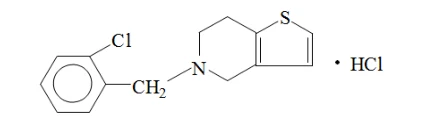
Physicochemical properties: Ticlopidine is a white or almost white crystalline powder. It is freely soluble in methanol and water; slightly soluble in benzene and chloroform; and insoluble in acetone. Ticlopidine hydrochloride has a melting point of 206˚C - 212˚C.
Product Characteristics:
In addition to ticlopidine hydrochloride, each tablet contains the following non-medicinal ingredients (in alphabetical order): carnauba wax, croscarmellose sodium, hydroxypropyl methylcellulose, microcrystalline cellulose, polyethylene glycol, stearic acid and titanium dioxide.
14 CLINICAL TRIALS
14.1 Clinical Trials by Indication
Reduction of the risk of recurrent stroke
The clinical trial data on which the original indication was authorized is not available.
14.2 Comparative Bioavailability Studies
A standard, randomized, two–way crossover study was conducted in 20 healthy, adult, male volunteers to evaluate the relative bioavailability of single oral doses (500 mg) of TICLOPIDINE 250 mg tablets manufactured by AA Pharma Inc. and Ticlid® tablets manufactured by Hoffmann–La Roche Ltd. The mean pharmacokinetic parameters of the 15 subjects completing the study are listed below:
Summary Table of the Comparative Bioavailability Data Ticlopidine (A single 500 mg dose: 2 x 250 mg) From Measured Data/Fed Conditions Geometric Mean Arithmetic Mean (CV%) | ||||
|---|---|---|---|---|
| Parameter | Test1 | Reference2 | Ratio of Geometric Means (%)3 | 90% Confidence Interval (%)3 |
AUC0-72 (ng•h/mL) | 6911.9 7531.9 (44.2) | 6761.5 7502.5 (42.3) | 103.0 | 85.3 – 124.4 |
| AUCinf (ng•h/mL) | 7346.7 7972.5 (42.8) | 7824.4 8347.2 (35.6) | 92.9 | 85.6 – 100.9 |
| Cmax (ng/mL) | 1806.2 1977.4 (41.9) | 1711.3 1872.8 (39.5) | 105.9 | 80.9 – 138.5 |
| Tmax 4 (h) | 2.25 (41.7) | 2.44 (32.3) | Not applicable | Not applicable |
| Thalf4(h) | 22.5 (29.3) | 23.1 (31.6) | Not applicable | Not applicable |
1Ticlopidine (ticlopidine hydrochloride) 250 mg tablets (AA Pharma Inc.) 2 Ticlid® (ticlopidine hydrochloride) 250 mg tablets (Hoffmann-La Roche Ltd.) was purchased in Canada. 3 Based on Least Squares Estimates. 4 Arithmetic means (CV%). | ||||
15 MICROBIOLOGY
No microbiological information is required for this drug product.
16 NON-CLINICAL TOXICOLOGY
At the commonly–used therapeutic dose, ticlopidine hydrochloride has no known significant pharmacological actions in man other than inhibition of platelet function. Ticlopidine has no appreciable cns effects in mice or rats. It does not affect behaviour in the mouse or modify stereotypy or food intake in rats. Ticlopidine is inactive in animal models of inflammation that detect cyclooxygenase activity, in accord with the demonstrated lack of cyclooxygenase inhibition in platelets. Ticlopidine has no known effect on immunologic function in animal models and displays no activity in antiviral screens. Ticlopidine does not inhibit tumour cells in culture but did show occasional ability to reduce metastasis induced by injection of tumour cells in mouse and rat models. Ticlopidine does, however, prolong the time to hyperacute renal xenograft rejection in both rabbits and cats. Ticlopidine produces rapid, transient, dose–related decreases in mean blood pressure of less than 5 minutes duration following intravenous administration to anesthetized rats. Subsequent to oral ticlopidine hydrochloride administration in spontaneously hypertensive rats, non–dose–related decreases in systolic blood pressure are observed and the duration exceeds 24 hours. Intracoronary administration of ticlopidine hydrochloride in the langendorff dog heart preparation produces dose–related increases in coronary blood flow with no increase in heart rate or myocardial oxygen consumption. In the open–chest anesthetized dog, intravenous ticlopidine hydrochloride produces rapid non–dose–related decreases in mean blood pressure and increases in aortic blood flow of 0.5 - 1.0 min. Duration. At the highest dose, coronary blood flow is increased for more than 15 minutes. In tracheal–cannulated, spontaneously breathing dogs, intravenous ticlopidine hydrochloride produces rapid dose–related increases in respiratory rate with no effect on depth of respiration. Non–dose–related decreases in mean blood pressure are accompanied by small but significant increases in heart rate. Renal and femoral arterial blood flow increases of short duration occurred. No cardiac depression or ecg changes were reported.
In rats, diarrhea is seen at doses which produced platelet inhibitory responses. Ticlopidine reduces the gastric ulceration and bleeding which developed after rats were subjected to cold restraint stress. At a high oral dose (500 mg/kg), ticlopidine significantly elevates blood glucose levels in rats. After prolonged dosing at a lower dose (200 mg/kg/ day for 6 weeks), no changes in blood glucose levels are seen. Ticlopidine competitively inhibits hepatic drug–metabolizing enzymes after single doses but induces cytochromes p–450 and b5 after prolonged dosing to rats and mice. The effects of ticlopidine on barbiturate–induced loss–of–righting reflex and sleep prolongation were in keeping with the observed effects on the liver drug–metabolizing enzymes.
The possible role of ticlopidine in the induction of drug metabolizing enzymes in humans is still under investigation.
General Toxicology:
Preclinical toxicity studies were conducted with ticlopidine hydrochloride to evaluate the systemic, reproductive, carcinogenic, immunogenic and the genotoxic effects of ticlopidine.
Acute Toxicity
The estimated oral LD50 values of Ticlopidine in mice were 850 mg/kg (males) and 600 mg/kg (females). The estimated oral LD50 values of Ticlopidine in rats were 1780 mg/kg (males) and 1800 mg/kg (females). In rats, these dose levels are approximately 35 times the maximum recommended human dose (MRHD) of 500 mg/day (assuming a 60 kg body weight); in mice, the dose levels are approximately 6 times the MRHD.
Subchronic Toxicity
Rats: In 4-week studies oral doses of 0, 40, 150, 600 and 1000 mg/kg/day were administered, at highest dose mortalities were noted, at 600 mg/kg/day hemosiderin deposition in spleen, centrilobular hypertrophy with eosinophilic material in hepatocytes, acidophilic droplets in proximal tubular cells, and a slight decrease in thymocytes in thymic cortex was observed. The dose of 150 mg/kg/day was found to be nontoxic, which is approximately 2.9 times the MRHD on a mg/m2 basis.
At oral dose of 200 mg/kg/day, in female a slight increase in blood cholesterol and a decrease in hepatic triglycerides, increase in liver and the adrenal weights were reported in a 6-week study. The non-toxic dose was 50 mg/kg/day which is approximately 0.97 times the MRHD on a mg/m2 basis.
Dogs: At oral dose of 100 mg/kg/day, no treatment-related changes observed in clinical condition, ECG, hematology, and blood chemistry. This dose is approximately 6.5 times the MRHD on a mg/m2 basis.
Chronic Toxicity
In rats: at oral dose of 100 and 300 mg/kg/day, inhibition of platelet aggregation, increased liver weight, centrilobular hepatocytic hypertrophy with eosinophilic material in hepatocytes (proliferation of smooth endoplasmic reticulum), presence of eosinophilic granules/golden-brown pigments in tubular epithelium and casts in the kidney were observed. The extent of hepatic changes was similar at 6 and 18 month sacrifices. These doses were approximately 1.9 and 5.8 times the MRHD on a mg/m2 basis. The non-toxic dose was 30 mg/kg/day which is approximately 0.58 times the MRHD on a mg/m2 basis.
For baboons: at oral doses of 75 and 125 mg/kg/day, inhibition of platelet aggregation, increased liver, kidney, and adrenal weights, elevated levels of hepatic cytochrome P450 and microsomal protein, distension of blood sinusoids in the adrenal medulla were observed. These doses were approximately 4.8 and 8.1 times the MRHD on a mg/m2 basis. The non-toxic dose was 30 mg/kg/day which is approximately 1.9 times the MRHD on a mg/m2 basis.
Carcinogenicity:
Carcinogenicity evaluations in rats and mice revealed no evidence of carcinogenicity or increases in the incidence of background tumors after dietary administration for 18 months in mice and 24 months in rats. The highest tested dose of 275 mg/kg/day in mice and 100 mg/kg/day in rats is approximately 2.7 and 1.9 times the MRHD on mg/m2 basis, respectively. Evidence that the Maximum Tolerated Dose (MTD) was achieved was seen in male rats and in (male & female) mice as reduction in body weights at high doses.
In mice, periacinar hepatocytic hypertrophy in liver and increased incidence of protein-filled tubules and renal pelvic calculi in kidneys was observed in the mid (135 mg/kg) and/or high-dose (275 mg/kg/day) animals. In rats, hepatocytic hypertrophy, hepatocytic vacuolation, thymic involution and nephropathy were observed in the mid (30 mg/kg/day) and/or high-dose (100 mg/kg/day) animals. No other form of toxicity was seen in rats and mice treated with Ticlopidine.
Genotoxicity:
Ticlopidine was not mutagenic in bacterial (Bacillus subtilis, Salmonella typhimurium, Escherichia coli; Ames assay) or mammalian cells (rat hepatocyte primary culture). No evidence of clastogenicity in Chinese Hamster fibroblast chromosomal aberration test or sister chromatid exchange in Chinese Hamster bone marrow cells was seen. These results are consistent with the absence of carcinogenicity in the cancer bioassays conducted with ticlopidine.
Reproductive and Developmental Toxicology:
Ticlopidine does not produce any effect on male or female fertility or male or female reproductive capacity in rats at the highest doses tested in two studies (320 and 400 mg/kg/day) that are estimated to be approximately 6 to 7.8 times the MRHD on a mg/m2 basis. No evidence of teratogenicity was seen, but a slight increase in fetal weight and the degree of ossification was seen in treated groups at dose that is approximately 6 times the MRHD on a mg/m2 basis and increased resorptions, decreased litter size, and decreases in F1 pup survival and body weight was seen at 400 mg/kg/day, a dose that is approximately 7.8 times the MRHD on a mg/m2 basis.
Teratology
Teratology evaluations conducted in mice, rats and rabbits treated with Ticlopidine revealed no evidence of teratogenicity at the highest oral doses administered (mouse: 200 mg/kg/day, rat: 400 mg/kg/day, rabbit: 200 mg/kg/day)that are estimated to be approximately 1.9, 7.7 and 7.7 times the MRHD on a mg/m2 basis, respectively.
Non-teratogenic effects including fetal toxicity, decreased litter size and increased resorptions were reported in mice at 200 mg/kg/day which is approximately 1.9 times the MRHD on a mg/m2 basis; fetal toxicity, increased resorptions and decreased fetal weight were reported in rats at 400 mg/kg/day which is approximately 7.7 times the MRHD on a mg/m2 basis; and decreased weight gain and food intake (maternal toxicity) was noted in rabbits at 100 and 200 mg/kg/day which is approximately 3.8 and 7.7 times the MRHD on a mg/m2 basis.
Perinatal and Post Natal Reproduction:
Slight prolongation of gestation period was seen in a perinatal evaluation in rats treated with Ticlopidine decreased weight gain in dams, decreased live litter size, increased number of pups born dead, and decreases in the postnatal survival and the weight of the pups was noted at the highest dose administered (400 mg/kg/day) which is approximately 7.7 times the MRHD on a mg/m2 basis. There was no evidence of adverse effect on the postnatal developmental/behavioral tests and the reproductive capacity of the offspring.
Special Toxicology:
Antigenicity: In Guinea pig oral/subcutaneous systemic anaphylaxis and Passive Cutaneous Anaphylaxis (PCA) study, ticlopidine hydrochloride did not elicit sensitization.
Myelotoxicity: In oral toxicity study in mice at doses of 75, 150, 300 mg/kg/day, Ticlopidine was not toxic to bone marrow pluripotential stem cells in mice.
Effect on Gastric Mucosa: Effect of Ticlopidine on gastric mucosa was assessed on rat at doses of 100, 200 and 400 mg/kg/day with dosing on 2, 5, and 10th day. After 2 days of treatment, ticlopidine-treated rats had less severe lesions and a lower ulcer index than animals in the phenylbutazone group (100 mg/kg/day). After 5 and 10 days of treatment, the results of ticlopidine-treated rats were similar or close to those found in control animals. Ticlopidine was much better tolerated by the gastric mucosa than phenylbutazone.
Gastric and Hepatic Tolerance: In oral study rats were dosed at 100 and 400 mg/kg/day. In fasted rats given ticlopidine orally for 4 days, elevated blood cholesterol was noted at 100 mg/kg/day, while elevated levels of blood cholesterol and SGPT, increased liver weight, decreased thymus weight and probable hepatic steatosis were present at 400 mg/kg/day.
Hematotoxicity: In baboons (Papio papio), ticlopidine hydrochloride administered orally up to 125 mg/kg for 18 or 32 days, ticlopidine hydrochloride was highly toxic, slight changes were present in hematology and bone marrow at 125 mg/kg dose. In another study, baboons were administered ticlopidine hydrochloride orally for 8-75 days, mortalities and hematologic changes were present at 400/300 mg/kg doses. No significant hematological or bone marrow changes were present at daily oral doses of 200 mg/kg.
Effects on rat liver: In Alderly Park rats, ticlopidine HCl produced phenobarbitone– like pharmacologic effects (which includes decreased hexobarbitone sleeping time, increased cytochrome P450 and b5, and centrilobular hepatocytic changes) and not hepatotoxicity.
Decomposition Product Toxicity: In Sprague Dawley rats, decomposition product of ticlopidine hydrochloride i.e. DE–4160B caused lethalities at oral dose of 800 mg/kg/day. DE–4160B did not produce any adverse effects at 50 and 200 mg/kg/day. Toxicity profile of DE–4160B was similar to ticlopidine hydrochloride.
Juvenile Toxicity:
No studies have been conducted for Juvenile Toxicity.