


Product Monograph - Telzir
SUMMARY PRODUCT INFORMATION
| Route of Administration | Dosage Form / Strength | Clinically Relevant Nonmedicinal Ingredientsa |
|---|---|---|
| Oral | Tablets 700 mg fosamprenavir (as fosamprenavir calcium) Suspension 50 mg/mL fosamprenavir (as fosamprenavir calcium) | None Methyl parahydroxybenzoate, propyl parahydroxybenzoate |
aFor a complete list, see DOSAGE FORMS, COMPOSITION AND PACKAGING section.
INDICATIONS AND CLINICAL USE
TELZIR (fosamprenavir calcium) in combination with low-dose ritonavir is indicated for the treatment of HIV-1 infection in adults and pediatric patients ≥6 years old, in combination with other antiretroviral agents.
The following points should be considered when indicating therapy with TELZIR in combination with low-dose ritonavir in protease inhibitor-experienced adults and in pediatric patients ≥6 years old:
- The study in protease inhibitor-experienced patients was not large enough to reach a definitive conclusion that TELZIR/ritonavir combination is clinically equivalent to lopinavir/ritonavir combination used as a comparator in the study. No comparative studies were conducted in pediatric patients.
- Once-daily administration of TELZIR/ritonavir combination is not recommended in protease inhibitor-experienced patients or in pediatric patients.
- In protease inhibitor-experienced patients the choice of TELZIR should be based on individual viral resistance and treatment therapy.
CONTRAINDICATIONS
- TELZIR is contraindicated in patients with previously demonstrated clinically significant hypersensitivity (e.g. Stevens Johnson Syndrome) to fosamprenavir calcium, amprenavir, ritonavir, or to any of the excipients of the products. For a complete listing, see the DOSAGE FORMS, COMPOSITION AND PACKAGING section of the Product Monograph.
- Co-administration of TELZIR is contraindicated with drugs that are highly dependent on CYP3A (cytochrome P450 3A) for clearance and for which elevated plasma levels may result in serious and/or life-threatening events. These drugs are listed in Table 1.
- Co-administration of TELZIR is contraindicated with potent CYP3A inducers where significantly reduced amprenavir plasma concentrations may be associated with the potential for loss of virologic response and possible resistance and cross-resistance. These drugs are listed in Table 1.
- Ritonavir also inhibits CYP2D6 in vitro and in vivo but to a lesser extent than CYP3A4 (see DRUG INTERACTIONS Overview). TELZIR in combination with ritonavir should not be coadministered with medicinal products that are highly dependent on CYP2D6 metabolism and for which elevated plasma concentrations are associated with serious and/or life-threatening results. These medicinal products include flecainide and propafenone (please refer to the full prescribing information for ritonavir for further details).
Table 1 Drugs that are Contraindicated with TELZIR
| Drug Class | Drugs within Class that are contraindicated with TELZIR | Clinical Comment |
|---|---|---|
| Alpha 1-adrenoreceptor antagonists | e.g. Alfuzosin | CONTRAINDICATED due to potential increase in alfuzosin concentrations which can result in hypotension (see DRUG INTERACTIONS section, Table 4). |
| Antiarrhythmic | e.g. flecainide, propafenone, amiodarone, lidocaine (systemic) | CONTRAINDICATED due to potential for serious and/or life-threatening reactions such as cardiac arrhythmias secondary to increases in plasma concentrations of antiarrythmics (see DRUG INTERACTIONS section, Table 4). |
| Antihistamine | CONTRAINDICATED due to potential for serious and/or life-threatening reactions such as cardiac arrhythmias. | |
| Antimycobacterials | Rifampin | CONTRAINDICATED due to potential loss of virologic response and possible resistance to TELZIR or to the class of protease inhibitors or other co-administered antiretroviral agents. (see DRUG INTERACTIONS section, Table 4 & Table 7) |
| Ergot Derivatives | e.g. Dihydroergotamine, ergonovine, ergotamine | CONTRAINDICATED due to potential for serious and/or life-threatening reactions such as acute ergot toxicity characterized by peripheral vasospasm and ischemia of the extremities and other tissues. |
| GI Motility agents | CONTRAINDICATED due to potential for serious and/or life-threatening reactions such as cardiac arrhythmias. | |
| Herbal Products | St. John’s Wort (Hypericum perforatum) | CONTRAINDICATED due to potential loss of virologic response and possible resistance to TELZIR or to the class of protease inhibitors. See also DRUG INTERACTIONS, Drug-Herb Interactions. |
| HMG-CoA reductase inhibitors | Lovastatin, simvastatin | CONTRAINDICATED due to potential for serious reactions such as risk of myopathy including rhabdomyolysis. See also DRUG INTERACTIONS Table 4) |
| Neuroleptic | e.g. Pimozide | CONTRAINDICATED due to potential for serious and/or life-threatening reactions such as cardiac arrhythmias. |
| Non-nucleoside reverse transcriptase inhibitor | Delavirdine | CONTRAINDICATED due to potential loss of virologic response and possible resistance to delavirdine (see DRUG INTERACTIONS). |
| Drug Class | Drugs within Class that are contraindicated with TELZIR | Clinical Comment |
|---|---|---|
| PDE5 inhibitors | Sildenafil - for treatment of pulmonary arterial hypertension | CONTRAINDICATED given that a safe and effective dose has not been established when used with TELZIR. There is an increased potential for sildenafil associated adverse events (which includes visual disturbances, hypotension, prolonged erection and syncope) (see DRUG INTERACTIONS). |
| Sedatives/Hypnotics/ Antipsychotics | e.g. Midazolam, triazolam, diazepam, flurazepam, quetiapine, lurasidone | CONTRAINDICATED due to potential for serious and/or life-threatening reactions such as prolonged or increased sedation or respiratory depression (see DRUG INTERACTIONS). |
WARNINGS AND PRECAUTIONS
General
Fosamprenavir/ritonavir is an inhibitor of CYP3A and may increase plasma concentrations of agents that are primarily metabolized by CYP3A. Agents that are extensively metabolized by CYP3A and have high first pass metabolism appear to be the most susceptible to large increases in the area under the plasma concentration-time curve (AUC) (> 3-fold) when co-administered with TELZIR Thus, co-administration of TELZIR with drugs highly dependent on CYP3A for clearance and for which elevated plasma concentrations are associated with serious and/or life-threatening events is contraindicated. Co-administration with other CYP3A substrates may require a dose adjustment or additional monitoring (see CONTRAINDlCATIONS and DRUG INTERACTIONS sections).
Allergy
The TELZIR oral suspension contains propyl and methyl parahydroxybenzoate. These products may cause an allergic reaction in some individuals. This reaction may be delayed.
Sulphonamide Allergy
TELZIR should be used with caution in patients with a known sulphonamide allergy. Fosamprenavir calcium contains a sulphonamide moiety. The potential for cross- sensitivity between drugs in the sulphonamide class and TELZIR is unknown. In the clinical studies where patients received TELZIR as the sole protease inhibitor or in combination with low-dose ritonavir, the incidence of rash was similar in patients with a history of sulphonamide allergy as compared to those who did not have a sulphonamide allergy.
Carcinogenesis and Mutagenesis
Data from long-term carcinogenicity studies with amprenavir has revealed histopathological evidence for hepatocellular adenomas in males at the high dose of 500 mg/kg/day in mice or 750 mg/kg/day in rats, and altered hepatocellular foci were seen in male mice only at doses of 275 and 500 mg/kg/day. The clinical relevance of these findings is unknown (see TOXICOLOGY, Carcinogenicity section).
Endocrine and Metabolism
New-onset diabetes mellitus, exacerbation of pre-existing diabetes mellitus and hyperglycemia have been reported during post-marketing surveillance in HIV-infected patients receiving protease inhibitor therapy. Some required either initiation or dose adjustments of insulin or oral hypoglycemic agents for treatment of these events. In some cases diabetic ketoacidosis has occurred. In those patients who discontinued protease inhibitor therapy, hyperglycemia persisted in some cases. Because these events have been reported voluntarily during clinical practice, estimates of frequency cannot be made and causal relationship between protease inhibitor therapy and these events has not been established (see ADVERSE REACTIONS section).
Lipohypertrophy
Lipohypertrophy (an increase in body fat) has been observed in patients receiving antiretroviral therapies containing a protease inhibitor. A causal relationship has not been established (see ADVERSE REACTIONS section).
Lipid Elevations
Treatment with TELZIR plus ritonavir has resulted in increases in the concentration of triglycerides and cholesterol (see ADVERSE REACTIONS section). Triglycerides and cholesterol testing should be performed prior to initiating therapy with TELZIR and at periodic intervals during therapy. Lipid disorders should be managed as clinically appropriate (see DRUG INTERACTIONS section).
Hematologic
Acute hemolytic anemia has been reported in a patient treated with TELZIR.
Patients with Hemophilia
There have been reports of increased bleeding, including spontaneous skin hematomas and hemarthroses, in hemophiliac patients type A and B treated with protease inhibitors. In some patients additional factor VIII was given. In more than half of the reported cases, treatment with protease inhibitors was continued or reintroduced if treatment had been discontinued. A causal relationship has been evoked, although the mechanism of action has not been elucidated. Hemophiliac patients should therefore be made aware of the possibility of increased bleeding (see ADVERSE REACTIONS section).
Hepatic/Biliary/Pancreatic
Amprenavir and ritonavir are principally metabolized by the liver. TELZIR with ritonavir at higher than recommended doses may result in transaminase elevations and should not be used. TELZIR with ritonavir should be used with caution and at reduced doses in adults with mild, moderate or severe hepatic impairment because amprenavir concentrations may be increased (see CLINICAL TRIALS and DOSAGE AND ADMINISTRATION sections).
Patients with underlying hepatitis B or C or marked elevations in transaminases prior to treatment may be at increased risk of developing or worsening of transaminase elevations. Appropriate laboratory testing should be conducted prior to initiating therapy and at periodic intervals during treatment.
Hepatitis C virus (HCV) Direct-Acting Antivirals (DAA)
Co-administration of fosamprenavir/ritonavir is not recommended with HCV DAA drugs that are metabolised by CYP3A4 or are inducers/inhibitors of CYP3A4 because of the potential for an interaction. If co-administered, altered plasma concentrations of medications are expected due to inhibition or induction of CYP3A4 enzyme activity. These interactions may lead to:
- Clinically significant adverse reactions from greater exposures of fosamprenavir/ritonavir or concomitant medications.
- Loss of therapeutic effect of fosamprenavir/ritonavir or concomitant medications and possible development of resistance.
Immune
Immune Reconstitution Inflammatory Syndrome (IRIS)
Immune reconstitution inflammatory syndrome has been reported in HIV-infected patients treated with combination antiretroviral therapy, including TELZIR. During the initial phase of treatment, patients responding to antiretroviral therapy may develop an inflammatory response to indolent or residual opportunistic infections [such as Mycobacterium avium-complex (MAC), cytomegalovirus (CMV), Pneumocystis jirovecii pneumonia (PCP), and tuberculosis (TB)], which may necessitate further evaluation and treatment.
Autoimmune disorders (such as Graves’ disease, polymyositis, autoimmune hepatitis and Guillain-Barre syndrome) have also been reported to occur in the setting of immune reconstitution, however the time to onset is more variable, and can occur many months after initiation of treatment and sometimes can be an atypical presentation.
Renal
The safety and efficacy of TELZIR have not been studied in patients with renal impairment. Since the renal clearance of amprenavir and ritonavir is negligible, increased plasma concentrations are not expected in patients with renal impairment. Because amprenavir and ritonavir are highly protein bound, it is unlikely that hemodialysis or peritoneal dialysis will significantly remove them (see ACTIONS AND CLINICAL PHARMACOLOGY section).
Sensitivity/Resistance
Resistance/Cross-Resistance
Because the potential for HIV cross-resistance among protease inhibitors has not been fully explored, it is unknown what effect therapy with TELZIR will have on the activity of subsequently administered protease inhibitors. TELZIR has been studied in patients who have experienced treatment failure with protease inhibitors (see DETAILED PHARMACOLOGY: Description of Clinical Studies section).
Skin
Severe and life-threatening skin reactions, including Stevens-Johnson Syndrome, were reported in less than 1% of subjects included in the clinical development programme. The TELZIR/ritonavir combination should be permanently discontinued in case of severe rash, or in case of rash of moderate intensity with systemic or mucosal symptoms (see ADVERSE REACTIONS section).
Special Populations
Pregnant Women
There are no adequate and well-controlled studies in pregnant women.
Low to moderate amprenavir placental transfer has been observed following administration of TELZIR/ritonavir 700/100mg twice daily to pregnant women (see ACTION AND CLINICAL PHARMACOLOGY, Special Populations and Conditions, Pregnancy). Limited data on the use of fosamprenavir during pregnancy from the Antiretroviral Pregnancy Registry (APR) and case reports are not sufficient to inform a drug-associated risk of birth defects and miscarriage.
Administration of TELZIR in pregnancy should be considered only if the benefit to the mother outweighs the possible risk to the fetus.
Antiretroviral Pregnancy Registry
To monitor maternal-fetal outcomes of pregnant women exposed to ART (antiretroviral therapy), including TELZIR, an Antiretroviral Pregnancy Registry has been established. Healthcare providers are encouraged to register patients:
http://www.apregistry.com
Telephone: (800) 258-4263
Fax: (800) 800-1052
TELZIR has been evaluated in the Antiretroviral Pregnancy Registry in 162 women during pregnancy and postpartum. There were 146 live births; 125 exposures during the first trimester and 36 exposures during the second/third trimester; with 4 birth defects reported in live born infants.
Nursing Women
HIV-1 infected mothers should not breastfeed their infants to avoid risking postnatal transmission of HIV.
Amprenavir is secreted into the milk of lactating rats and rat pups exposed perinatally to amprenavir showed developmental toxicity. Although it is not known if amprenavir is excreted in human milk or its effects to the breastfed infant, due to both the potential for HIV transmission and possible adverse effects of amprenavir to the breastfed infants, mothers should be instructed not to breastfeed if they are receiving TELZIR.
Pediatrics
No pharmacokinetics, safety or efficacy data are available for pediatric patients < 2 years old (see DOSAGE AND ADMINISTRATION section).
Geriatrics
The pharmacokinetics of TELZIR in combination with ritonavir has not been studied in patients over 65 years of age. When treating elderly patients, consideration should be given to potential hepatic, renal or cardiac dysfunction, concomitant disease or other drug therapy (see DOSAGE AND ADMINISTRATION and ACTIONS AND CLINICAL PHARMACOLOGY sections).
ADVERSE REACTIONS
Adverse Drug Reaction Overview
New onset of diabetes mellitus, hyperglycemia or exacerbations of existing diabetes mellitus has been reported in patients receiving antiretroviral protease inhibitors (see WARNINGS AND PRECAUTIONS section).
An increase in CPK, myalgia, myositis, and rarely, rhabdomyolysis, has been reported with protease inhibitors, more specifically in association with nucleoside analogues.
There have been reports of increased spontaneous bleeding in hemophiliac patients receiving antiretroviral protease inhibitors (see WARNINGS AND PRECAUTIONS section).
Clinical Trial Adverse Drug Reactions
Because clinical trials are conducted under very specific conditions the adverse reaction rates observed in the clinical trials may not reflect the rates observed in practice and should not be compared to the rates in the clinical trials of another drug. Adverse drug reaction information from clinical trials is useful for identifying drug-related adverse events and for approximating rates.
Studies in Adults
The safety of TELZIR in combination with ritonavir has been studied in adults in controlled clinical trials, in combination with various other antiretroviral agents. The most frequently (> 5% of adult subjects treated) reported undesirable effects were gastrointestinal events (nausea, diarrhea, abdominal pain and vomiting), headache and rash. Most undesirable effects associated with TELZIR/ritonavir combination therapies were mild to moderate in severity, early in onset and rarely treatment limiting. For many of these events, it is unclear whether they are related to the TELZIR/ritonavir combination, to concomitant treatment used in the management of HIV disease or to the disease process.
Adverse events are listed by MedDRA system, organ class and frequency category. Frequencies are defined as Common (≥ 1% to < 10%), Uncommon (≥ 0.1% to < 1%) and Rare (≥ 0.01% to < 0.1%).
Frequency categories for the events below have been based on clinical trials.
Most of the adverse events below come from two large clinical trials in adults. The most frequent clinical adverse events related to study drugs, of at least moderate intensity (Grade 2 or more) and occurring in at least 2% of subjects treated with the TELZIR/ritonavir combinations are included.
Table 2 Clinical Trial Adverse Drug Reactions
| Frequency | Body System | Adverse Drug Reaction |
|---|---|---|
| Common | Gastrointestinal disorders | abdominal pain, diarrhea, flatulence, nausea and vomiting |
| General disorders | fatigue | |
| Metabolic and nutrition disorders | hypertriglyceridemia | |
| Nervous system disorders | headache, oral paraesthesia | |
| Skin and subcutaneous tissue disorders | rash | |
| Uncommon | Urogenital disorders | Nephrolithiasis |
| Rare | Skin and subcutaneous tissue disorders | Stevens Johnson syndrome, angioedema |
The adverse event profile was similar across all the respective adult studies: antiretroviral-naïve (APV30002, n = 322) and PI-experienced (once-or twice-daily dosing, APV30003 n = 105 and n = 107 respectively), with the exception of flatulence. This was only reported at a frequency of > 2% in study APV30003 (PI-experienced subjects, TELZIR/ritonavir 700/100 mg twice daily).
In antiretroviral-naïve patients (APV30002) receiving TELZIR/ritonavir in combination with abacavir and lamivudine, drug hypersensitivity was commonly reported. All cases were reported as possibly related to abacavir. In cases of reported drug hypersensitivity, abacavir was discontinued and an alternative antiretroviral drug substituted. Few patients withdrew from the study due to these events.
Erythematous or maculopapular cutaneous eruptions, with or without pruritus, may occur during therapy. The rash generally will resolve spontaneously without the necessity of discontinuing of treatment with the TELZIR/ritonavir combination.
Severe or life threatening rash, including Stevens Johnson syndrome, has been reported in less than 1% of subjects included in the clinical studies of TELZIR. Treatment with TELZIR should be discontinued for severe or life-threatening rashes and for moderate rashes accompanied by systemic symptoms or mucosal signs.
In some patients, lipodystrophy and lipohypertrophy have been reported with antiretroviral regimens containing a protease inhibitor. Metabolic abnormalities including hypertriglyceridemia, hypercholesterolemia, resistance to insulin and hyperglycemia have also been reported with protease inhibitor-containing regimens.
Studies in Pediatric Patients
TELZIR with and without ritonavir was studied in 144 pediatric patients 2 to 18 years of age in 2 open-label studies. Safety information was obtained from 75 pediatric patients receiving TELZIR twice daily with or without ritonavir.
All adverse events, regardless of causality, all drug-related adverse events, and all laboratory events occurred with similar frequency in pediatrics as compared to adults, with the exception of vomiting. Vomiting, regardless of causality, occurred more frequently among pediatric patients receiving TELZIR twice daily with ritonavir (30% in patients between 2 and 18 years old) and without ritonavir (56%, in patients between 2 and 5 years old) as compared to adults receiving TELZIR twice daily with ritonavir (10%) and without ritonavir (16%). The median duration of drug-related vomiting episodes was 1 day (range 1 to 62 days). Vomiting required the permanent discontinuation of treatment in 1 pediatric patient and temporary discontinuation of treatment in 3 pediatric patients, all of whom were receiving TELZIR twice daily with ritonavir.
Abnormal Hematologic and Clinical Chemistry findings
Clinical laboratory abnormalities (Grade 3 or 4) potentially related to treatment with TELZIR in combination with ritonavir and reported in greater than or equal to 2% of adult subjects are summarized in Table 3.
Table 3 Clinical laboratory abnormalities (Grade 3 or 4) potentially related to treatment with TELZIR in combination with ritonavir and reported in greater than or equal to 2% of adult subjects.
Clinical Abnormality (increased levels) | APV30002 (naïve patients) | APV30003 (experienced patients) |
|---|---|---|
| ALT (>5 x ULN) | 8% | 5% |
| AST (>5 x ULN) | 6% | 4% |
| Serum Lipase (>2 x ULN) | 6% | 4% |
| Triglycerides (>750 mg/dL) | 6% | 6% |
Grade 3 /4 neutropenia was documented in a higher proportion of pediatric subjects in Study APV20003 (20%) than in Study APV29005 (4%). The reason for the amount of neutropenia seen in APV20003 is unclear, and confounded by several factors (concomitant medications, compromised sample integrity, and changes in the toxicity grading scale). In APV29005, the rate of neutropenia was comparable to that seen in the adult population.
Post-Market Adverse Drug Reactions
In addition to the adverse events included from clinical trial data, the following adverse events listed below have been identified during post-approval use of TELZIR.
These events have been chosen for inclusion due to either their seriousness, frequency of reporting, potential causal connection to fosamprenavir or a combination of these factors. Because they are reported voluntarily from a population of unknown size, estimates of frequency cannot be made.
Body as a Whole: Lipohypertrophy (see WARNINGS AND PRECAUTIONS: Lipohypertrophy section).
Cardiovascular: Myocardial infarction
Endocrine and Metabolism: New-onset diabetes mellitus, exacerbation of pre-existing diabetes mellitus, hyperglycemia and hypercholesterolemia have been reported during post-marketing surveillance in HIV-infected patients receiving protease inhibitor therapy (see WARNINGS AND PRECAUTIONS: Endocrine and Metabolism section).
Immune System: Immune Reconstitution Inflammatory Syndrome (IRIS) (see WARNINGS AND PRECAUTIONS, Immune)
Urogenital: Nephrolithiasis
Skin and Subcutaneous Tissue Disorders: Stevens Johnson Syndrome and angioedema.
DRUG INTERACTIONS
Serious Drug Interactions
|
|
Overview
When TELZIR and ritonavir are coadministered, the ritonavir metabolic drug interaction profile may predominate because ritonavir is a more potent CYP3A4 inhibitor. The full prescribing information for ritonavir must therefore be consulted prior to initiation of therapy with TELZIR and ritonavir.
Interaction studies have only been performed in adults.
Amprenavir, the active metabolite of TELZIR, is metabolized in the liver by the cytochrome P450 enzyme system. Amprenavir inhibits CYP3A4. Caution should be used when coadministering medications that are substrates, inhibitors, or inducers of CYP3A4. TELZIR should not be administered concurrently with medications with a narrow therapeutic window that are substrates of CYP3A4. Ritonavir also inhibits CYP2D6 and induces CYP3A4, CYP1A2, CYP2C9 and glucuronosyl transferase. Therefore, the combination of ritonavir with TELZIR may result in increased plasma concentrations of medicinal products that are primarily metabolized by CYP2D6. There are also other agents that may result in serious and/or life-threatening drug interactions (see CONTRAINDICATIONS section).
Drug-Drug Interactions
The following drug interaction data was obtained in adults.
Table 4 Established or Potential Drug-Drug Interactions
| Concomitant Class Name: Drug Name | Effect on Concentration of Amprenavir or Concomitant Drug | Clinical Comment | |
|---|---|---|---|
| Antiretroviral Agents | |||
| HIV Protease Inhibitors (see Table 5 and Table 6 ) | |||
| Lopinavir/ritonavir | ↓ Lopinavir ↓ Amprenavir | An increased rate of adverse events has been reported with coadministration of these medications: lopinavir and ritonavir. Appropriate doses of the combinations with respect to safety and efficacy have not been established. | |
| Atazanavir/ritonavir | ↓ Atazanavir | Coadministration of fosamprenavir (700 mg twice daily) plus ritonavir (100 mg twice daily) with atazanavir (300 mg once daily) for 10 days had no effect on steady state plasma amprenavir pharmacokinetics. Atazanavir plasma AUC(0-τ) decreased by 22%, Cmax by 24% and Cτ remained unchanged relative to values obtained from atazanavir (300 mg once daily) plus ritonavir (100 mg once daily). | |
| ↑ Ritonavir | Coadministration of fosamprenavir 700 mg twice daily plus ritonavir 100 mg twice daily with atazanavir 300 mg once daily increased plasma ritonavir AUC (0-τ) by 93%, Cmax by 96%, and Cτ by 37%, compared to coadministration of fosamprenavir 700 mg twice daily plus ritonavir 100 mg twice daily. | ||
| HIV Integrase Inhibitors | |||
| Raltegravir/ritonavir | ↓ Raltegravir ↓ Amprenavir | Reductions in amprenavir Cmin of 19% and raltegravir Cmin of 36% were observed following the co-administration of fosamprenavir/ritonavir 700/100mg twice daily and raltegravir 400 mg twice daily under fasted conditions. The clinical significance of these reductions is not known. | |
| Dolutegravir | ↓ Dolutegravir | The recommended dose of dolutegravir is 50 mg twice daily when coadministered with fosamprenavir/ritonavir. Use an alternative combination where possible in patients with known or suspected integrase inhibitor resistance. | |
| Concomitant Class Name: Drug Name | Effect on Concentration of Amprenavir or Concomitant Drug | Clinical Comment | |
|---|---|---|---|
| HIV CCR5-Receptor Antagonists | |||
| Maraviroc/fosamprenavir/ ritonavir | ↓ Amprenavir ↑ Maraviroc | A decrease in amprenavir C12h of 36% was observed when fosamprenavir 700 mg and ritonavir 100 mg twice daily were co-administered with maraviroc 300 mg twice daily and a decrease in amprenavir C24h of 15% when fosamprenavir 1400 mg and ritonavir 100 mg once daily were co-administered with maraviroc 300 mg once daily. Clinical studies showed comparable efficacy between fosamprenavir/ritonavir with maraviroc 150 mg twice daily and other boosted PIs with maraviroc 150 mg twice daily. Maraviroc exposures are increased by approximately 2-fold when administered with fosamprenavir/ritonavir. If fosamprenavir/ritonavir is co-administered with maraviroc, the recommended dose of maraviroc is 150 mg twice daily. No dosage adjustment is required for fosamprenavir with ritonavir. | |
| Nucleoside analogue reverse transcriptase inhibitors (NRTIs) | |||
Abacavir Tenofovir | No effect | There were no clinically significant effects of amprenavir, administered as AGENERASE on abacavir in subjects receiving both agents based on historical data. In a phase III clinical trial (APV 30003), plasma amprenavir trough concentrations were similar for subjects receiving tenofovir disoproxil fumurate in combination with TELZIR and ritonavir as compared to subjects not receiving tenofovir. | |
| Non-nucleoside reverse transcriptase inhibitors (NNRTIs) | |||
| Efavirenz | ↓ Amprenavir | An additional 100 mg/day (300 mg total) of ritonavir is recommended when efavirenz is administered with TELZIR plus ritonavir once daily. No change in the ritonavir dose is required when efavirenz is administered with TELZIR plus ritonavir twice daily. | |
| Nevirapine | ↓ Amprenavir | The AUC and Cmin of amprenavir were decreased by 11% and 19% respectively, with Cmax unchanged when fosamprenavir (700 mg twice daily) plus ritonavir (100 mg twice daily) was given concomitantly with nevirapine (200 mg twice daily). The AUC, Cmax and Cmin of nevirapine were increased by 14%, 13% and 22% respectively. Therefore, if nevirapine is given in combination with fosamprenavir (700 mg twice daily) plus ritonavir (100 mg twice daily), no dose adjustment is necessary. The fosamprenavir with ritonavir once daily regimen has not been studied. | |
| Delavirdine | ↓ Delavirdine | Coadministration of fosamprenavir calcium and delavirdine is CONTRAINDICATED due to observed significant reductions in delavirdine concentrations (see CONTRAINDICATIONS). | |
| Concomitant Class Name: Drug Name | Effect on Concentration of Amprenavir or Concomitant Drug | Clinical Comment | |
|---|---|---|---|
| Antiarrhythmics | |||
Amiodarone Lidocaine (systemic) | ↑ Antiarrhythmics | Coadministration with fosamprenavir calcium is CONTRAINDICATED due to potential for serious and/or life-threatening reactions such as cardiac arrhythmias secondary to increases in plasma concentrations of antiarrhythmics (see CONTRAINDICATIONS). | |
| Antibiotics/Antifungals | |||
| Clarithromycin | ↑ Clarithromycin | Ritonavir increases plasma concentrations of clarithromycin. A reduction in the clarithromycin dose should be considered when coadministered with fosamprenavir calcium and ritonavir in patients with renal impairment. | |
Dapsone Erythromycin | ↑ Dapsone ↑ Erythromycin | The plasma concentrations of these medicinal products may be increased when coadministered with TELZIR. No pharmacokinetic study has been performed with fosamprenavir calcium in combination with erythromycin or dapsone; however, the plasma concentrations of these medicinal products may be increased when coadministered with TELZIR. Erythromycin may also increase amprenavir serum concentration. | |
Itraconazole Ketoconazole | ↑ Itraconazole ↑ Ketoconazole | Coadministration may increase plasma concentrations of either drug. Amprenavir and ritonavir both increase plasma concentrations of ketoconazole and are expected to increase itraconazole concentrations. Itraconazole can increase amprenavir concentrations. High doses of ketoconazole and itraconazole (> 200 mg/day) should not be used concomitantly with fosamprenavir calcium and ritonavir without assessing the risk/benefit ratio and increased monitoring for adverse events due to ketoconazole and itraconazole. | |
| Rifampin | ↓ Amprenavir | The pharmacokinetic parameters of amprenavir are affected when both drugs are administered in combination. The use of rifampin in combination with fosamprenavir calcium is CONTRAINDICATED since it reduced Cmin of amprenavir by 92% and the AUC by 82% (see CONTRAINDICATIONS). | |
| Rifabutin | ↓ Amprenavir ↑ Rifabutin | The pharmacokinetic parameters of both drugs are affected when administered in combination. Coadministration of amprenavir with rifabutin results in a 15% decrease in amprenavir plasma AUC and a 200% increase in rifabutin plasma AUC. A dosage reduction of rifabutin to at least 75% of the recommended dose is required when fosamprenavir calcium and ritonavir are coadministered with rifabutin. Further dose reduction may be necessary. A complete blood count should be performed weekly and as clinically indicated in order to monitor for neutropenia in patients receiving fosamprenavir calcium, ritonavir, and rifabutin. | |
| Anticoagulants | |||
| Warfarin | Concentrations of warfarin may be affected. It is recommended that INR (international normalized ratio) be monitored. | ||
| Concomitant Class Name: Drug Name | Effect on Concentration of Amprenavir or Concomitant Drug | Clinical Comment | |
|---|---|---|---|
| Anticonvulsants | |||
Carbamazepine Phenobarbital | ↓ Amprenavir | Concomitant administration of anticonvulsant agents known to be enzymatic inducers (e.g., phenobarbital, carbamazepine) has not been studied but may lead to a decrease in the plasma concentrations of amprenavir. | |
| Phenytoin | ↓ Amprenavir ↑ Amprenavir ↓ Phenytoin | Coadministration of TELZIR and phenytoin may result in a decrease in the plasma concentrations of amprenavir. The AUC and Cmin of amprenavir were increased by 20% and 19 % respectively, with Cmax unchanged when TELZIR (700 mg twice daily) plus ritonavir (100 mg twice daily) was given concomitantly with phenytoin (300 mg once daily). The AUC, Cmax and Cmin of phenytoin were decreased by 22 %, 20 % and 29 % respectively. Plasma concentrations of phenytoin should be monitored and phenytoin dose increased as appropriate. No change to the TELZIR/ ritonavir dosage regimen is required. The TELZIR/ritonavir once daily regimen has not been studied. | |
| Antidepressants | |||
| Paroxetine | ↓ Paroxetine | Plasma concentrations of paroxetine may be significantly decreased when coadministered with TELZIR and ritonavir. Any paroxetine dose adjustment should be guided by clinical effect (tolerability and efficacy). | |
| Trazodone | ↑ Trazodone | Concomitant use of trazodone and TELZIR with or without ritonavir may increase plasma concentrations of trazodone. Adverse events of nausea, dizziness, hypotension and syncope have been observed following coadministration of trazodone and ritonavir. If trazodone is used with a CYP3A4 inhibitor such as TELZIR, the combination should be used with caution and a lower dose of trazodone should be considered. | |
| Concomitant Class Name: Drug Name | Effect on Concentration of Amprenavir or Concomitant Drug | Clinical Comment | |
|---|---|---|---|
| Anti-gout | |||
| Colchicine | ↑Colchicine | Patients with renal or hepatic impairment should not be given colchicine with TELZIR. TELZIR and co-administration of colchicine: Treatment of gout flares: 0.6 mg (1 tablet) x 1 dose, followed by 0.3 mg (half tablet) 1 hour later. Dose to be repeated no earlier than 3 days. Prophylaxis of gout flares: If the original colchicine regimen was 0.6 mg twice daily, the regimen should be adjusted to 0.3 mg once a day. If the original colchicine regimen was 0.3 mg twice daily, the regimen should be adjusted to 0.3 mg once every other day. Treatment of familial Mediterranean fever (FMF): Maximum daily dose of 0.6 mg (may be given as 0.3 mg twice a day). | |
| Anti-neoplastic agents: | |||
Dasatinib Nilotinib Ibrutinib Vinblastine Everolimus | ↑Dasatinib ↑Nilotinib ↑Ibrutinib ↑Vinblastine ↑Everolimus | When antineoplastic agents (for example dasatinib, nilotinib, ibrutinib, vinblastine and everolimus) that are metabolised by CYP3A are co-administered with TELZIR with/without ritonavir, plasma concentrations of these antineoplastic medications may be increased and could increase the risk of adverse events usually associated with these antineoplastic agents. Please refer to the relevant product information for these medications and unless specified otherwise, avoid co-administration of fosamprenavir with and without ritonavir with antineoplastic agents metabolized by CYP3A. | |
| Narcotic Analgesic | |||
| Methadone | ↓ Methadone | Co-administration of TELZIR 700 mg and ritonavir 100 mg twice daily with methadone once daily (≤ 200 mg) for 14 days decreased the active (R-) methadone enantiomer AUC(0-τ) and Cmax by 18 % and 21 % respectively. The clinical significance of these alterations is unknown; however patients should be monitored for withdrawal syndrome. The impact of co-administration of a once daily regimen of TELZIR 1200 mg and ritonavir 200 mg on the pharmacokinetics of methadone has not been studied. On the basis of these data no dose adjustment is necessary when TELZIR/ritonavir is co-administered with methadone. | |
| Concomitant Class Name: Drug Name | Effect on Concentration of Amprenavir or Concomitant Drug | Clinical Comment | |
|---|---|---|---|
| Oral contraceptives and Hormone replacement therapies | |||
| Ethinylestradiol/norethi sterone | ↓ Ethinylestradiol ↓ Norethisterone | Co-administration of fosamprenavir with ritonavir and ethinylestradiol/norethisterone resulted in clinically significant hepatic transaminase elevations in some healthy subjects. Co-administration of fosamprenavir 700 mg twice daily + ritonavir 100 mg twice daily with ethinyl estradiol (EE) 0.035 mg/norethisterone (NE) 0.5 mg once daily decreased plasma EE AUC(0-τ) and Cmax by 37% and 28%, respectively, and decreased plasma NE AUC(0-τ), Cmax, and Cτ by 34%, 38%, and 26%, respectively. Steady state plasma amprenavir pharmacokinetic parameters were not significantly affected by co-administration with ethinylestradiol/norethisterone; however, ritonavir AUC(0-τ) and Cmax were 45% and 63% higher, respectively, compared to historical data in female subjects dosed with fosamprenavir / ritonavir alone. Therefore alternative non-hormonal methods of contraception are recommended for women of childbearing potential No data are available on the co-administration of fosamprenavir and ritonavir with estrogens and/or progestogens when used as hormonal replacement therapies. The efficacy and safety of these therapies with fosamprenavir and ritonavir has not been established. | |
| Antacids | |||
| Aluminum hydroxide/ Magnesium hydroxide | ↓ Amprenavir | The pharmacokinetic parameters of amprenavir are affected when administered in combination. The AUC and Cmax of amprenavir were decreased by 18% and 35% respectively, while the Cmin (C12) was increased by 14%, when a single 1400 mg dose of fosamprenavir calcium was coadministered with a single 30 mL dose of antacid suspension (equivalent to 2.75 grams aluminum hydroxide and 1.8 grams magnesium hydroxide). No dose adjustment for any of the respective medicinal products is considered necessary when administered concomitantly. | |
| Benzodiazepines | |||
| Alprazolam Clorazepate Diazepam Flurazepam Midazolam Triazolam | ↑ Benzodiazepines | The use of benzodiazepines in combination with fosamprenavir calcium is CONTRAINDICATED due to a potential for serious and/or life-threatening reactions such as prolonged or increased sedation or respiratory depression secondary to increases in serum concentration of benzodiazepines (see CONTRAINDICATIONS). | |
| Concomitant Class Name: Drug Name | Effect on Concentration of Amprenavir or Concomitant Drug | Clinical Comment | |
|---|---|---|---|
| Calcium Channel Blockers | |||
| Diltiazem Amlodipine Nifedipine Felodipine Verapamil Nimodipine | ↑ Calcium channel blockers | Possible increased calcium channel blocker activity. Diltiazem, amlodipine, nifedipine, felodipine, verapamil, and nimodipine may have their serum concentrations increased by fosamprenavir calcium, which could increase their activity. | |
| Corticosteroids | |||
| Dexamethasone | ↓ Amprenavir | May induce CYP3A4 and decrease plasma concentrations of amprenavir. | |
| Endothelin receptor antagonists | |||
| Bosentan | ↑Bosentan | Coadministration of bosentan in patients already on TELZIR for at least 10 days: Start at 62.5 mg once daily or every other day based upon individual tolerability. Coadministration of TELZIR in patients on bosentan: Discontinue use of bosentan at least 36 hours prior to initiation of TELZIR. After at least 10 days following the initiation of TELZIR, resume bosentan at 62.5 mg once daily or every other day based upon individual tolerability. | |
| PDE5 Inhibitors | |||
| Sildenafil Vardenafil Tadalafil | ↑ Sildenafil ↑ Vardenafil ↑ Tadalafil | Coadministration of TELZIR and ritonavir with PDE5 inhibitors is expected to substantially increase PDE5 inhibitor plasma concentrations and may result in PDE5 inhibitor associated adverse events, including hypotension, syncope, visual changes and priapism. Concomitant use of PDE5 inhibitors (e.g., sildenafil, vardenafil or tadalafil) in patients receiving TELZIR is not recommended. Sildenafil (for treatment of pulmonary arterial hypertension) is CONTRAINDICATED given that a safe and effective dose has not been established when used with TELZIR (see CONTRAINDICATIONS). Tadalafil is metabolized predominantly by CYP3A4. In patients taking potent inhibitors of CYP3A4 such as TELZIR, the use of tadalafil is not recommended. | |
| Glucocorticoids | |||
| Fluticasone propionate | ↑ Fluticasone | Systemic corticosteroid effects including Cushing's syndrome and adrenal suppression have been reported in patients receiving ritonavir and inhaled or intranasally administered fluticasone propionate; this interaction is also expected with other corticosteroids metabolised via the P450 3A pathway. Concomitant use of fluticasone propionate and ritonavir should be avoided, unless the potential benefit to the patient outweighs the risk of systemic corticosteroid side effects. | |
| Concomitant Class Name: Drug Name | Effect on Concentration of Amprenavir or Concomitant Drug | Clinical Comment | |
|---|---|---|---|
| Histamine H2 receptor antagonist | |||
| Cimetidine Ranitidine Famotidine Nizatidine | ↓ Amprenavir | The pharmacokinetic parameters of amprenavir are affected when administered in combination. Serum levels of amprenavir can be reduced by concomitant use of histamine H2 receptor antagonists (for example ranitidine and cimetidine). Concurrent administration of ranitidine (300 mg single dose) with fosamprenavir calcium (1400 mg single dose) decreased plasma amprenavir AUC by 30% and Cmax by 51%. There was, however, no change observed in the amprenavir Cmin (C12). No dose adjustment for any of the respective medicinal products is considered necessary when administered concomitantly. | |
| HMG-CoA reductase inhibitors | |||
| Atorvastatin Lovastatin Simvastatin | ↑ Atorvastatin ↑ Lovastatin ↑ Simvastatin | HMG-CoA reductase inhibitors (statins) may interact with protease inhibitors and increase the risk of myopathy including rhabdomyolysis. The use of lovastatin or simvastatin with TELZIR is CONTRAINDICATED (see CONTRAINDICATIONS). The Cmax, AUC and Cmin of atorvastatin were increased by 184%, 153% and 73% respectively when atorvastatin (10 mg once daily for 4 days) was given with fosamprenavir/ritonavir (700 mg/100 mg BID for two weeks). The Cmax, AUC and Cmin of amprenavir were unchanged. When used with TELZIR, titrate atorvastatin dose carefully and use the lowest necessary dose; do not exceed atorvastatin 20 mg/day. | |
| Immunosuppressants | |||
| Cyclosporin Rapamycin Tacrolimus | ↑ Immunosuppressants | Plasma concentrations of cyclosporin, rapamycin and tacrolimus may be increased when coadministered with fosamprenavir calcium and ritonavir. Therefore, frequent therapeutic concentration monitoring is recommended until levels have stabilized. | |
| Inhaled Beta Agonist | |||
| Salmeterol | ↑salmeterol | TELZIR and salmeterol should not be used concomitantly. The combination may result in increased risk of cardiovascular adverse events associated with salmeterol, including QT prolongation, palpitations, and sinus tachycardia. | |
| Concomitant Class Name: Drug Name | Effect on Concentration of Amprenavir or Concomitant Drug | Clinical Comment | |
|---|---|---|---|
| Proton pump inhibitors (PPIs) | |||
| Esomeprazole Omeprazole Lansoprazole Pantoprazole Rabeprazole | No effect | Coadministration of esomeprazole with fosamprenavir did not alter plasma amprenavir AUC, Cmax, or Cmin; plasma esomeprazole AUC was increased 55% and tmax was delayed 1 hour; while Cmax was unchanged. Coadministration with fosamprenavir in combination with ritonavir for 14 days did not alter plasma amprenavir AUC, Cmax, or Cmin and did not alter plasma esomeprazole AUC or Cmax; esomeprazole tmax was delayed 1 hour. No dose adjustment is considered necessary when administered concomitantly. | |
| Alfuzosin | ↑ Alfuzosin | Alfuzosin in combination with fosamprenavir calcium is CONTRAINDICATED due to a potential increase in alfuzosin serum concentrations and an increased risk of hypotension (see CONTRAINDICATIONS). | |
| Tricyclic antidepressants | |||
Amitriptyline Imipramine | ↑ Tricyclics | Therapeutic concentration monitoring is recommended for tricyclic antidepressants. | |
| Antipsychotics | |||
| Quetiapine | ↑ Quetiapine | Due to CYP3A inhibition by fosamprenavir, concentrations of quetiapine are expected to increase. Concomitant administration of fosamprenavir and quetiapine is CONTRAINDICATED as it may increase quetiapine-related toxicity. Increased plasma concentrations of quetiapine may lead to coma. | |
| Lurasidone | ↑ Lurasidone | If concomitant administration with fosamprenavir is necessary, reduce the lurasidone dose. Refer to the lurasidone prescribing information for concomitant use with moderate CYP3A4 inhibitors. Concomitant administration of fosamprenavir /ritonavir with lurasidone is CONTRAINDICATED due to the potential for serious and/or life-threatening reactions | |
Drug interaction studies were performed with TELZIR tablets and amprenavir formulations. The effects of coadministration of amprenavir on the AUC, Cmax, and Cmin are summarized in Table 5. The effects of TELZIR on the pharmacokinetics of other drugs are summarized in Table 6.
Table 5 Drug Interactions: Pharmacokinetic Parameters for Amprenavir After Administration of TELZIR in the Presence of Coadministered Drug
Coadministered Drug(s) and Dose(s) | Dose of TELZIR* | n | % Change in Amprenavir Pharmacokinetic Parameters (90% CI) | ||
|---|---|---|---|---|---|
| Cmax | AUC | Cmin | |||
Antacid (MAALOX TC®) 30 mL single dose | 1,400 mg single dose | 30 | ↓35 (↓24 to ↓42) | ↓18 (↓9 to ↓26) | ↑14 (↓7 to ↑39) |
Atazanavir 300 mg q.d. for 10 days | 700 mg b.i.d plus ritonavir 100 mg b.i.d. for 10 days | 22 | ↔ | ↔ | ↔ |
Coadministered Drug(s) and Dose(s) | Dose of TELZIR* | n | % Change in Amprenavir Pharmacokinetic Parameters (90% CI) |
|---|
| Cmax | AUC | Cmin | |||
|---|---|---|---|---|---|
Atorvastatin 10 mg q.d. for 4 days | 1,400 mg b.i.d. for 2 weeks | 16 | ↓18 (↓34 to ↑1) | ↓27 (↓41 to ↓12) | ↓12 (↓27 to ↓6) |
Atorvastatin 10 mg q.d. for 4 days | 700 mg b.i.d. plus ritonavir 100 mg b.i.d. for 2 weeks | 16 | ↔ | ↔ | ↔ |
Dolutegravir 50 mg q.d. for 15 days | 700 mg b.i.d plus ritonavir 100 mg b.i.d. for 10 days | 12 | ↔a | ↔a | ↔a |
Efavirenz 600 mg q.d. for 2 weeks | 1,400 mg q.d. plus ritonavir 200 mg q.d. for 2 weeks | 16 | ↔ | ↓13 (↓30 to ↑7) | ↓36 (↓8 to ↓56) |
Efavirenz 600 mg q.d. plus Ritonavir 100 mg q.d. for 2 weeks | 1,400 mg q.d. plus ritonavir 200 mg q.d. for 2 weeks | 16 | ↑18 (↑1 to ↑38) | ↑11 (0 to ↑24) | ↔ |
Efavirenz 600 mg q.d. for 2 weeks | 700 mg b.i.d. plus ritonavir 100 mg b.i.d. for 2 weeks | 16 | ↔ | ↔ | ↓17 (↓4 to ↓29) |
Ethinyl estradiol/norethisterone 0.035 mg/0.5 mg q.d. for 21 days | 700 mg b.i.d. plus ritonavir 100 mg b.i.d. for 21 days | 23 | ↔a | ↔a | ↔a |
Lopinavir/ritonavir 533 mg/133 mg b.i.d. | 1,400 mg b.i.d. for 2 weeks | 18 | ↓13 | ↓26 | ↓42 |
Lopinavir/ritonavir 400 mg/100 mg b.i.d. for 2 weeks | 700 mg b.i.d. plus ritonavir 100 mg b.i.d. for 2 weeks | 18 | ↓58 (↓42 to ↓70) | ↓63 (↓51 to ↓72) | ↓65 (↓54 to ↓73) |
Methadone 70 to 120 mg q.d. for 2 weeks | 700 mg b.i.d. plus ritonavir 100 mg b.i.d. for 2 weeks | 19 | ↔a | ↔a | ↔a |
Phenytoin 300 mg q.d. for 10 days | 700 mg b.i.d. plus ritonavir 100 mg b.i.d. for 10 days | 13 | ↔ | ↑20 (↑8 to ↑34) | ↑19 (↑6 to ↑33) |
Raltegravir 400 mg b.i.d. for 2 weeks | 700 mg b.i.d. plus ritonavir 100 mg b.i.d. for 2 weeks | 14 | Dosed fasting: ↓14 (↓36 to ↑15) | Dosed fasting: ↓16 (↓36 to ↑8) | Dosed fasting: ↓19 (↓42 to ↑13) |
Ranitidine 300 mg single dose | 1,400 mg single dose | 30 | ↓51 (↓43 to ↓58) | ↓30 (↓22 to ↓37) | ↔ (↓19 to ↑21) |
| Nevirapine 200 mg b.i.d for 14 daysb | 700 mg b.i.d plus ritonavir 100 mg b.i.d for 14 days | 17 | ↔ | ↓11 (↓23 to ↑3) | ↓19 (↓32 to ↓4) |
*concomitant medication is also shown in this column where appropriate
↑ = Increase; ↓ = Decrease; ↔ = No change. In the table, no change is defined as ± 10% change in the pharmacokinetic values.
a =compared with historical control.
b=patients were receiving nevirapine for at least 12 weeks prior to study.
Table 6 Drug Interactions: Pharmacokinetic Parameters for Coadministered Drug in the Presence of Amprenavir After Administration of TELZIR
| Coadministered Drugs and Dose(s) | Dose of TELZIR* | n | % Change in Pharmacokinetic Parameters of Coadministered Drug (90% CI) | ||
|---|---|---|---|---|---|
| Cmax | AUC | Cmin | |||
Atazanavir 300 mg q.d. for 10 days | 700 mg b.i.d plus ritonavir 100 mg b.i.d. for 10 days | 21 | ↓24** | ↓22** | ↔** |
Ritonavir 100 mg b.i.d. for 10 days | 700 mg b.i.d plus atazanavir 300 mg q.d. for 10 days | 22 | ↑96§ | ↑93§ | ↑37§ |
Atorvastatin 10 mg q.d. for 4 days | 700 mg b.i.d. plus ritonavir 100 mg b.i.d. for 2 weeks | 16 | ↑184 (↑126 to ↑257) | ↑153 (↑115 to ↑199) | ↑73 (↑45 to ↑108) |
Dolutegravir 50 mg q.d. for 15 days | 700 mg b.i.d. plus ritonavir 100 mg b.i.d. for 10 days | 12 | ↓24 (↓8 to ↓37) | ↓35 (↓22 to ↓46) | ↓49 (↓37 to ↓59) |
Ethinyl estradiol*** 0.035 mg q.d. for 21 days | 700 mg b.i.d. plus ritonavir 100 mg b.i.d. for 21 days | 25 | ↓28 (↓21 to ↓35) | ↓37 (↓30 to ↓42) | ND |
Lopinavir/ritonavir† 533 mg/133 mg b.i.d. for 2 weeks | 1,400 mg b.i.d. for 2 weeks | 18 | ↔ | ↔ | ↔ |
Lopinavir/ritonavir† 400 mg/100 mg b.i.d. for 2 weeks | 700 mg b.i.d. plus ritonavir 100 mg b.i.d. for 2 weeks | 18 | ↑30 (↓15 to ↑47) | ↑37 (↓20 to ↑55) | ↑52 (↓28 to ↑82) |
Methadone 70 to 120 mg q.d. for 2 weeks | 700 mg b.i.d. plus ritonavir 100 mg b.i.d. for 2 weeks | 19 | R-Methadone (active) | ||
↓21a (↓30 to ↓12) | ↓18a (↓27 to ↓8) | ↓11a (↓21 to ↑1) | |||
| S-Methadone (inactive) | |||||
↓43a (↓49 to ↓37) | ↓43a (↓50 to ↓36) | ↓41a (↓49 to ↓31) | |||
Norethisterone*** 0.5 mg q.d. for 21 days | 700 mg b.i.d. plus ritonavir 100 mg b.i.d. for 21 days | 25 | ↓38 (↓32 to ↓44) | ↓34 (↓30 to ↓37) | ↓26 (↓20 to ↓32) |
Nevirapine 200 mg b.i.d for 2 weeks♦ | 700 mg b.i.d. plus ritonavir 100 mg b.i.d. for 2 weeks | 17 | ↑13 (↑3 to ↑24) | ↑14 (↑5 to ↑24) | ↑22 (↑9 to ↑35) |
Phenytoin 300 mg q.d. for 10 days | 700 mg b.i.d. plus ritonavir 100 mg b.i.d. for 10 days | 14 | ↓20 (↓12 to ↓27) | ↓22 (↓17 to ↓27) | ↓29 (↓23 to ↓34) |
Raltegravir 400 mg b.i.d. for 2 weeks | 700 mg b.i.d. plus ritonavir 100 mg b.i.d. for 2 weeks | 14 | Dosed fasting: ↓51 (↓3 to ↓75) | Dosed fasting: ↓45 (↓16 to ↓76) | Dosed fasting: ↓36 (↓3 to ↓57) |
*concomitant medication is also shown in this column where appropriate
**relative to values obtained from atazanavir (300 mg once daily) plus ritonavir (100 mg once daily)
† data represent lopinavir concentrations
***administered as a combination oral contraceptive tablet: ethinyl estradiol 0.035 mg/norethisterone 0.5 mg.
↑ = Increase; ↓ = Decrease; ↔ = No change. In the table, no change is defined as ± 10% change in the pharmacokinetic values.
ND=interaction cannot be determined as Cmin was below the lower limit of quantification.
a = dose normalized to 100 mg methadone. The unbound concentration of the active moiety, R-methadone, was unchanged.
§ compared to coadministration of fosamprenavir 700 mg twice daily plus 100 mg twice daily.
♦ patients were receiving nevirapine for at least 12 weeks prior to study.
Although interactions with TELZIR to the following drugs have not been studied, since fosamprenavir calcium is metabolized to the active moiety, amprenavir, the information is included for reference in Table 7.
Table 7 Drug Interactions: Pharmacokinetic Parameters after Administration of Amprenavir
| Pharmacokinetic Parameters for Amprenavir in the Presence of the Coadmininstered Drug | Coadmininstered Drug | Pharmacokinetic Parameters for Coadministered Drug in the Presence of Amprenavir | ||||||||||||||
| Cmax | AUC | Cmin | Cmax | AUC | Cmin | |||||||||||
| ↑47% | ↑29% | ↑27% | Abacavir | ↔ | ↔ | ↔ | ||||||||||
| ↑15% | ↑18% | ↑39% | Clarithromycin | ↓10% | ↔ | ↔ | ||||||||||
| ↑18% | ↑33 | ↑25% | Indinavir | ↓22% | ↓38 | ↓27% | ||||||||||
| ↓16% | ↑31 | NA | Ketoconazole (sd) | ↑19% | ↑44% | NA | ||||||||||
| ↔ | ↔ | NA | Lamivudine (sd) | ↔ | ↔ | NA | ||||||||||
| ↓14% | ↔ | ↑189% | Nelfinavir | ↑12% | ↑15% | ↑14% | ||||||||||
| ↔ | ↓15% | ↓15% | Rifabutin | ↑119% | ↑193% | ↑271% | ||||||||||
| ↓70% | ↓82% | ↓92% | Rifampin | ↔ | ↔ | ND | ||||||||||
| ↓37% | ↓32% | ↓14% | Saquinavir* | ↑21% | ↓19% | ↓48% | ||||||||||
| ↔ | ↑13% | NA | Zidovudine (sd) | ↑40% | ↑31% | NA | ||||||||||
| NA(1) | NA(1) | NA(1) | R-methadone (active) | ↓25% | ↓13% | ↔ | ||||||||||
| NA(1) | NA(1) | NA(1) | S-methadone (inactive) | ↓48% | ↓40% | ↓23% | ||||||||||
| ↔ | ↓22% | ↓20% | Ethinyl estradiol | ↔ | ↔ | ↑32% | ||||||||||
| norethindrone | ↔ | ↑18% | ↑45% | |||||||||||||
↑ = Increase; ↓ = Decrease; ↔ = no significant change; NA = Not applicable; sd = Single-dose study
ND = Interaction cannot be determined as Cmin was below lower limit of quantitation
(1) = see Other Possible Interactions, Methadone
* = (soft gelatine capsules)
Drug-Food Interactions
Interactions with food have not been established.
Drug-Herb Interactions
Concomitant use of TELZIR and St. John's Wort (Hypericum perforatum), or products containing St. John's Wort, is contraindicated (see CONTRAINDICATIONS). Co-administration of protease inhibitors, including TELZIR, with St. John's Wort is expected to substantially decrease protease inhibitor concentrations and may result in sub-optimal levels of amprenavir and lead to loss of virologic response and possible resistance to amprenavir or to the class of protease inhibitors.
Drug-Laboratory Test Interactions
Interactions with laboratory tests have not been established.
DOSAGE AND ADMINISTRATION
A physician experienced in the management of HIV infection should initiate therapy.
Higher than approved dose combinations of TELZIR with ritonavir is not recommended for use (see WARNINGS AND PRECAUTIONS section) due to risk of transaminase elevations.
Recommended Dose and Dosage Adjustment
Once-daily administration of TELZIR/ritonavir combination is not recommended in protease inhibitor-experienced patients or any pediatric patients.
When TELZIR is used in combination with ritonavir, prescribers should consult the full prescribing information for ritonavir.
Adults (≥ 18 years of age)
Low doses of ritonavir may be used to enhance the pharmacokinetic profile of amprenavir. Higher than approved dose combinations of fosamprenavir with ritonavir is not recommended for use.
TELZIR tablets can be taken with or without food.
TELZIR oral suspension should be taken without food and on an empty stomach. Shake the bottle vigorously before use.
The recommended oral dose of fosamprenavir, in combination with ritonavir is outlined in Table 8.
Pediatric Patients (≥ 6 years old)
The recommended dosage of TELZIR in patients ≥ 6 years of age should be calculated based on body weight (kg) and should not exceed the recommended adult dose. The data in pediatrics are insufficient to recommend: (1) once daily dosing or (2) any dosing in patients < 6 years old.
TELZIR oral suspension is the recommended option for the most accurate dosing based on body weight. Pediatric patients should take oral suspension with food to aid palatability and assist adherence. The dose recommendations for this population are based on studies where the TELZIR oral suspension was administered with ritonavir and with food, and therefore take into account the observed food effect (see DETAILED PHARMACOLOGY). Should vomiting occur within 30 minutes after dosing, the oral suspension should be re-dosed.
The recommended oral dose of TELZIR/ritonavir is outlined in Table 8.
Table 8 Recommended Oral dose of TELZIR, in combination with ritonavir for Adults (≥ 18 years of age) and Pediatric Patients (≥ 6 years old)
| Patient Population | Age | Dosage Form | Dosage Regimen | |||||
|---|---|---|---|---|---|---|---|---|
| QD | BID | |||||||
| Therapy Naïve Patients | Adults (≥ 18 years of age) | Tablets | 1400 mg TELZIR and 200 mg ritonavir | 700 mg TELZIR and 100 mg ritonavir | ||||
| Oral Suspension | 1400 mg TELZIR and 200 mg ritonavir | 700 mg TELZIR and 100 mg ritonavir | ||||||
| Pediatric Patients (≥ 6 years old) | Tablets | - | not to exceed 700 mg TELZIR plus ritonavir 100 mg* | |||||
| Oral Suspension | - | 18 mg/kg TELZIR plus ritonavir 3 mg/kg, not to exceed the adult dose of 700 mg TELZIR plus ritonavir 100 mg. | ||||||
| Protease Inhibitor-Experienced Patients | Adults (≥ 18 years of age) | Tablets | - | 700 mg TELZIR and 100 mg ritonavir | ||||
| Oral Suspension | - | 700 mg TELZIR and 100 mg ritonavir | ||||||
| Pediatric Patients (≥ 6 years old) | Tablets | - | not to exceed 700 mg TELZIR plus ritonavir 100 mg* | |||||
| Oral Suspension | - | 18 mg/kg TELZIR plus ritonavir 3 mg/kg, not to exceed the adult dose of 700 mg TELZIR plus ritonavir 100 mg. | ||||||
* TELZIR/ ritonavir may be used in pediatric patients who weigh at least 39 kg (ritonavir tablets may be used in patients who weigh at least 33kg) and can swallow the tablets whole
Special Populations
Pediatrics (< 2 years of age)
The safety and efficacy of TELZIR in combination with ritonavir have not yet been established in this patient population.
Geriatrics (≥ 65 years of age)
The safety and efficacy of TELZIR in combination with ritonavir have not yet been established in this patient population.
Patients with Hepatic Impairment
TELZIR and ritonavir should be used with caution and at reduced doses in adults with mild, moderate or severe hepatic impairment (see WARNINGS AND PRECAUTIONS and CLINICAL TRIALS). There are no data on the use of TELZIR with ritonavir in pediatric patients with any degree of hepatic impairment; no dose recommendation can be made in this patient population.
Adults with Mild Hepatic Impairment (Child-Pugh score 5-6)
TELZIR 700 mg twice daily plus ritonavir 100 mg once daily
Adults with Moderate Hepatic Impairment (Child-Pugh score 7-9)
TELZIR 450 mg twice daily plus ritonavir 100 mg once daily
Adults with Severe Hepatic Impairment (Child-Pugh score: 10-15)
TELZIR 300 mg twice daily plus ritonavir 100 mg once daily.
Even with these dose adjustments for adults with hepatic impairment, some subjects may have higher than anticipated amprenavir and ritonavir plasma concentrations due to inter-patient variability. Therefore, appropriate laboratory tests for liver function should be conducted prior to initiating therapy and at periodic intervals during treatment (see WARNINGS AND PRECAUTIONS section).
Although it is not possible to achieve the 300 mg and 450 mg dose using the tablet formulation, they can be obtained with the TELZIR oral suspension.
Patients with Renal Impairment
No initial dose adjustment is considered necessary in patients with renal impairment.
OVERDOSAGE
| For management of a suspected drug overdose, please contact your regional Poison Control Centre. |
There is no known antidote for TELZIR. It is not known whether amprenavir can be removed by peritoneal dialysis or hemodialysis. If overdosage occurs, the patient should be monitored for evidence of toxicity and standard supportive treatment applied as necessary.
ACTION AND CLINICAL PHARMACOLOGY
Mechanism of Action
Fosamprenavir calcium is a pro-drug of amprenavir, a non-peptidic competitive inhibitor of HIV-1 protease. It blocks the ability of viral protease to process gag and gag-pol polyproteins necessary for viral replication.
Fosamprenavir calcium is rapidly hydrolyzed to amprenavir by enzymes in the gut epithelium as it is absorbed.
Pharmacokinetics
Absorption and Bioavailability
After multiple-dose oral administration of fosamprenavir calcium 1400 mg once daily and ritonavir 200 mg once daily, amprenavir was rapidly absorbed with a geometric mean (95% CI) steady-state peak plasma amprenavir concentration (Cmax) of 7.24 (6.32-8.28) μg/mL occurring approximately 2 (0.8-5.0) hours after dosing (tmax). The geometric mean steady-state plasma amprenavir trough concentration (Cmin) was 1.45 (1.16-1.81) μg/mL and AUC24,ss was 69.4 (59.7-80.8) μg⋅h/mL.
After multiple-dose oral administration of fosamprenavir calcium 700 mg twice daily and ritonavir 100 mg twice daily, amprenavir was rapidly absorbed with a geometric mean (95% CI) steady-state peak plasma amprenavir concentration (Cmax) of 6.08 (5.38-6.86) μg/mL occurring approximately 1.5 (0.75-5.0) hours after dosing (tmax). The mean steady-state plasma amprenavir trough concentration (Cmin) was 2.12 (1.77-2.54) μg/mL and AUC24,ss was 79.2 (69.0-90.6) μg⋅h/mL. The absolute oral bioavailability of amprenavir in humans has not been established.
Fosamprenavir calcium tablet and oral suspension formulations, both given fasted, delivered equivalent plasma amprenavir AUC∞ values and the TELZIR oral suspension formulation delivered a 14% higher plasma amprenavir Cmax as compared to the oral tablet formulation.
Effects of Food on Oral Absorption
Tablets
The relative bioavailability of fosamprenavir calcium tablets was assessed in the fasted and fed states in healthy volunteers (standardized high-fat meal: 967 kcal, 67 grams fat, 33 grams protein, 58 grams carbohydrate). Administration of a single 1400 mg dose of TELZIR in the fed state compared to the fasted state was associated with no changes in Cmax, Tmax or AUC0-∞. TELZIR tablets may be taken with or without food.
Suspension
The administration of fosamprenavir calcium oral suspension formulation with a high-fat meal reduced plasma amprenavir AUC by approximately 28% and Cmax by approximately 46% as compared to the administration of this formulation in the fasted state. The TELZIR oral suspension should be taken without food and on an empty stomach at the same dose as the tablets in the adult population; however, with food in the children and adolescent population (see DOSAGE AND ADMINISTRATION section).
Special Populations and Conditions
Pediatrics (≥ 6 years old)
The pharmacokinetics parameters of amprenavir were evaluated in 47 pediatric patients (6 to 18 years old) following administration of TELZIR (oral suspension or tablets), with ritonavir and with food (see Table 9 below).
Table 9 Geometric Mean (95% CI) Steady-State Plasma Amprenavir Pharmacokinetic Parameters in Pediatric Patients ( ≥ 6 years old) Receiving TELZIR Plus Ritonavir Twice Daily
| Parameter | 6 to 11 Years | 12 to 18 Years | ||
| n | Fosamprenavir 18 mg/kg plus Ritonavir 3 mg/kg b.i.d. | n | Fosamprenavir 700 mg plus Ritonavir 100 mg b.i.d. | |
| AUC(0-24) (mcg•hr/mL) | 9 | 93.4 (67.8, 129) | 8 | 58.8 (38.8, 89.0) |
| Cmax (mcg/mL) | 9 | 6.07 (4.40, 8.38) | 8 | 4.33 (2.82, 6.65) |
| Cmin (mcg/mL) | 17 | 2.69 (2.15, 3.36) | 24 | 1.61 (1.21, 2.15) |
Geriatrics
The pharmacokinetics of fosamprenavir calcium have not been studied in patients over 65 years of age.
Gender
The pharmacokinetics of fosamprenavir calcium does not differ between males and females.
Pregnancy
Amprenavir (APV) pharmacokinetics were studied in pregnant women receiving TELZIR/ritonavir 700/100 mg twice daily during the second trimester (n=6) or third trimester (n=9) and postpartum. APV exposure was 25-35% lower during pregnancy. APV geometric mean (95% CI) and Ctau values were 1.31 (0.97, 1.77), 1.34 (0.95, 1.89), and 2.03 (1.46, 2.83) µg/mL for the second trimester, third trimester, and postpartum, respectively and within the range of values in non-pregnant patients on various FPV/RTV containing regimens. Low to moderate placental transfer has been observed based on the APV geometric least square mean ratio (95% CI) of fetal cord to maternal peripheral plasma concentration of 0.27 (0.24, 0.30).
Hepatic Insufficiency
The pharmacokinetics of amprenavir were studied following the administration of TELZIR and ritonavir for 14 days to HIV-1-infected adults with hepatic impairment and to matched controls with normal hepatic function. Following 2 weeks of dosing with TELZIR plus ritonavir, the AUC of amprenavir was increased by approximately 22% in patients with mild hepatic impairment and by approximately 70% in patients with moderate hepatic impairment compared with HIV-1-infected patients with normal hepatic function. Protein binding of amprenavir was decreased in both mild and moderate hepatic impairment, with the unbound fraction at 2 hours (approximate Cmax) increasing by 18% to 57% and the unbound fraction at the end of the dosing interval (Cmin) increasing 50% to 102%. In patients with severe hepatic impairment (Child-Pugh score of 10-13), a reduced dose of TELZIR 300 mg twice daily with a reduced dosing frequency of ritonavir 100 mg once daily delivered 19% lower plasma amprenavir Cmax,
23% lower AUC (0-τ), and 38% lower Cτ values, but similar unbound plasma amprenavir Cτ values than achieved in patients with normal hepatic function receiving the standard TELZIR with ritonavir 700 mg/100 mg twice daily regimen. Despite reducing the dosing frequency of ritonavir, patients with severe hepatic impairment had 64% higher ritonavir Cmax, 40% higher ritonavir Cavg, and 38% higher ritonavir Cτ than achieved in patients with normal hepatic function receiving the standard TELZIR with ritonavir 700 mg/100 mg twice daily regimen. The pharmacokinetic parameters for amprenavir are summarized in Table 10 below.
Table 10 Pharmacokinetics of Amprenavir (APV) following the administration of TELZIR and ritonavir for 14 days to HIV-1-infected adults with hepatic impairment vs. adults with normal hepatic function
Normal Hepatic Functiona (FPV 700 mg BID + RTV 100 mg BID) n=10 | Mild Hepatic Impairment (Child Pugh 5-6) (FPV 700 mg BID +RTV 100 mg BID) n=9 | Moderate Hepatic Impairment (Child Pugh 7-9) (FPV 300 mg BID + RTV 100 mg QD) n=10 | Normal Hepatic Functionb (FPV 700 mg BID + RTV 100 mg BID) n=7 | Severe Hepatic Impairment (Child Pugh 10-15) (FPV 300 mg BID + RTV 100 mg QD) n=8 | ||||||
| APV Parameter | Parameter Estimate Geometric Mean [95% CI] (CV%) | Parameter Estimate Geometric Mean [95% CI] (CV%) | Mild vs Normala GLS Mean Ratio [90% CI] | Parameter Estimate Geometric Mean [95% CI] (CV%) | Moderate vs Normala GLS Mean Ratio [90% CI] | Parameter Estimate Geometric Mean [95% CI] (CV%) | Parameter Estimate Geometric Mean [95% CI] (CV%) | Severe vs Normalb GLS Mean Ratio [90% CI] | ||
| AUC (0-τ) (μg.h/mL) | 38.1[31.6, 46.0] (27) | 46.6[39.0, 55.5] (25) | 1.22 [0.94, 1.59] | 27.8 [19.9, 38.7] (49) | 0.73 [0.56, 0.95] | 39.4 [34.5, 45.0] (14) | 30.3 [22.6, 40.7] (36) | 0.77 [0.60, 0.99] | ||
Cmax (μg/mL) | 6.00 [4.97, 7.25] (27) | 7.04 [5.72, 8.66] (30) | 1.17 [0.90, 1.53] | 4.38 [3.08, 6.22] (52) | 0.73 [0.56, 0.95] | 5.94 [5.05, 6.99] (18) | 4.80 [3.52, 6.54] (38) | 0.81 [0.62, 1.06] | ||
| Free Fraction (%) unbound at ∼Cmax | 7.53c [6.10, 9.29] (28) | 8.92 [7.68, 10.4] (21) |
[0.94, 1.50] | 10.1c [7.49, 13.5] (40) | 1.33 [1.05, 1.69] | 8.97e [5.14, 15.7] (57) | 8.37f [6.57, 10.7] (27) | 0.93 [0.62, 1.40] | ||
Cτ (μg/mL) | 2.62 [2.14, 3.21] (29) | 2.38 [1.80, 3.15] (40) | 0.91 [0.63, 1.32] | 1.13 [0.74, 1.71] (64) | 0.43 [0.30, 0.62] | 2.19 [1.82, 2.64] (20) | 1.36 [0.85, 2.16] (60) | 0.62 [0.42, 0.92] | ||
| Free Fraction (%) unbound at Cτ | 6.16c [4.52, 8.38] (42) | 10.9d [8.88, 13.3] (25) | 1.77 [1.37, 2.27] | 12.5c [9.98, 15.5] (29) | 2.02 [1.58, 2.58] | 5.69g [3.72, 8.69] (35) | 9.37 [6.24, 14.1] (52) | 1.65 [1.05, 2.58] | ||
| ||||||||||
Renal Insufficiency
Adults with Impaired Renal Function
The safety and efficacy of TELZIR have not been studied in patients with renal impairment. The renal elimination of unchanged amprenavir represents < 1% of the administered dose. Renal elimination of ritonavir is also negligible; therefore, the impact of renal impairment on amprenavir elimination should be minimal.
STORAGE AND STABILITY
Tablets
TELZIR tablets should be stored between 15°C and 30°C.
Suspension
TELZIR suspension should be stored between 2°C and 30°C. Do not freeze. The suspension should be discarded 28 days after first opening.
SPECIAL HANDLING INSTRUCTIONS
Not applicable.
DOSAGE FORMS, COMPOSITION AND PACKAGING
TELZIR tablets, 700 mg, are pink in colour and are capsule-shaped, with the letters “GX LL7" printed on one side of the tablet. TELZIR tablets are available in bottles of 60 tablets per bottle with child-resistant closures.
TELZIR suspension is available in a bottle of 225 mL of 50 mg/mL fosamprenavir calcium oral suspension. The oral suspension is white to off-white in color with grape bubblegum and peppermint flavoring. A 10 mL dosing syringe is provided in the pack.
Composition
Tablets
TELZIR tablets are available for oral administration in a strength of 700 mg of fosamprenavir as fosamprenavir calcium (equivalent to approximately 600 mg of amprenavir). Each 700 mg tablet contains the inactive ingredients colloidal silicon dioxide, croscarmellose sodium, magnesium stearate, microcrystalline cellulose, and povidone K30. The tablet film-coating contains the inactive ingredients hypromellose, iron oxide red, titanium dioxide, and triacetin.
Suspension
TELZIR oral suspension contains 50 mg/mL fosamprenavir as calcium salt (equivalent to approximately 43 mg/mL amprenavir). The oral suspension contains hypromellose, sucralose, propylene glycol, methyl parahydroxybenzoate, propyl parahydroxybenzoate, polysorbate 80, calcium chloride dihydrate, artificial grape bubblegum flavour, natural peppermint flavour, purified water.
PART II: SCIENTIFIC INFORMATION
PHARMACEUTICAL INFORMATION
Drug Substance
Proper name: fosamprenavir calcium
Chemical name: (3S)-tetrahydrofuran-3-yl (1S,2R)-3-[[(4-aminophenyl) sulphony](isobutyl)amino]-1-benzyl-2-(phosphonooxy) propylcarbamate monocalcium salt
Molecular formula and molecular mass: C25H34CaN3O9PS 623.7
Structural formula: 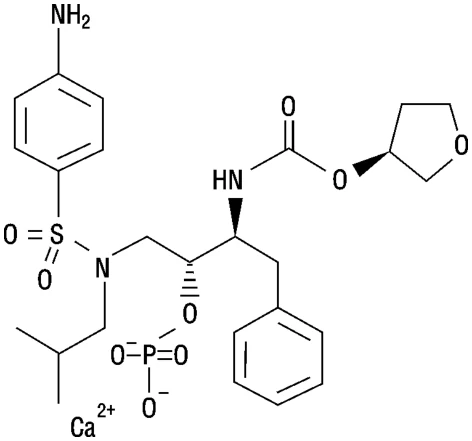 |
Physicochemical properties:
Description: Fosamprenavir calcium is a white to cream-coloured solid with a solubility of approximately 0.31 mg/mL in water at 25°C. Fosamprenavir calcium does not melt but decomposes at a temperature of 160°C.
pH The pH of an aqueous solution of amprenavir at 0.31 mg/mL was determined to be 8.1 at 25°C.
CLINICAL TRIALS
Antiretroviral-Naïve Adult patients
In antiretroviral-naïve patients in APV30002, TELZIR (1400 mg) given once daily in combination with low-dose ritonavir (200 mg) as part of a triple regimen including abacavir (300 mg twice daily) and lamivudine (150 mg twice daily) showed similar efficacy over 48 weeks compared to nelfinavir (1250 mg) given twice daily in combination with abacavir/lamivudine (300 and 150 mg twice daily respectively). In the ITT (Missing or Discontinuation =Failure (MD =F)) analysis, 68% of subjects receiving TELZIR/ritonavir had plasma HIV-1 RNA below 400 copies/mL at week 48 compared to 65% (95% CI [-4 to 10% ]) in the nelfinavir arm. In the per protocol analysis the proportion of subjects was respectively 95% and 91% (95% CI [0 to 9%]).
The majority of subjects who had reductions in viral load to < 400 copies/mL also had reductions to < 50 copies/mL (ITT (MD=F): 56% in the TELZIR/ritonavir group vs. 52% in the nelfinavir group (95% CI [-5 to 11%]).
Table 11 Study APV 30002
TELZIR/ritonavir once daily % (n/N) | Nelfinavir twice daily % (n/N) | Stratified Difference | 95% CI | |
|---|---|---|---|---|
| Proportions of subjects with HIV-1 RNA < 400 copies/ml | ||||
| ITT(E) MD=F | 68 (220/322) | 65 (213/327) | 3% | -4%, 10% |
| Per Protocol | 95 (215/226) | 91 (215/237) | 4% | -0%, 9% |
| Proportions of subjects with HIV-1 RNA < 50 copies/ml | ||||
| ITT(E) MD=F | 56 (179/322) | 52 (171/327) | 3% | -5%, 11% |
| Per Protocol | 78 (176/226) | 72 (171/237) | 6% | -2%, 13% |
The median plasma HIV-1 RNA had decreased by 3.1 log10 copies/ml at week 48 in both TELZIR/ritonavir and nelfinavir arms.
The median baseline CD4 cell count was low (170 cells/mm3) in both groups. CD4+ cell counts increased in both the TELZIR/ritonavir and nelfinavir groups, with median increases above baseline being similar in magnitude at Week 48 (+203 and +207 cells/mm3, respectively).
The number of subjects that prematurely discontinued due to virological failure was greater in the nelfinavir arm (15%) of the study as compared to the TELZIR/ritonavir- treated group (4%). In patients experiencing therapy failure from the latter group there was no evidence of the selection by the TELZIR/ritonavir combination of any primary or secondary protease resistance mutations, including those associated with development of resistance to amprenavir or ritonavir. This was in contrast to a high incidence (56%) of the development of primary or secondary protease mutations in the nelfinavir arm.
The frequency of acquisition of mutations associated with resistance to the concomitantly administered NRTI (abacavir, lamivudine) in the TELZIR/ritonavir-treated subjects was low (4/32 (13%)). For the nelfinavir-treated subjects, the incidence of acquisition of mutation was significantly more frequent (31/54 (57%)), p < 0.001.
The absence of resistance development and any cross-resistance to other PIs indicates that the failure of a regimen containing TELZIR/ritonavir should not impact susceptibility or response to a subsequent PI-containing regimen.
Protease Inhibitor-Experienced Adult Patients
APV30003 is a randomized open-label study comparing two different regimens of the TELZIR/ritonavir combination with lopinavir/ritonavir in protease inhibitor-experienced patients with virological failure (less than or equal to two PI's). TELZIR given in combination with low-dose ritonavir both once daily (1400 mg/200 mg) or twice daily (700 mg/100 mg) in combination with two active reverse transcriptase inhibitors (NRTIs) showed similar efficacy over 24 weeks compared to the fixed-dose combination of lopinavir/ritonavir (400 mg/100 mg twice daily). All patients in this study had failed treatment with a previous protease inhibitor regimen (defined as plasma HIV-1 RNA that never went below 1,000 copies/ml after at least 12 consecutive weeks of therapy, or initial suppression of HIV-1 RNA which subsequently rebounded to > 1,000 copies/mL).
Each treatment group demonstrated viral suppression as measured by the average area under the curve minus baseline (AAUCMB) for plasma HIV-1 RNA viral load over 24 weeks. Mean AAUCMB values (log10 copies/mL) for each group were: -1.48 for once-daily TELZIR/ritonavir, -1.50 for twice-daily TELZIR/ritonavir, and -1.66 for lopinavir/ritonavir. The 2 regimens of TELZIR/ritonavir were comparable to the lopinavir/ritonavir regimen based on AAUCMB.
The TELZIR/ritonavir regimens (once and twice daily) and the lopinavir/ritonavir twice-daily regimen showed similar immunological improvements through 24 weeks of treatment as measured by median change from baseline in CD4+ cell count (TELZIR/ritonavir once daily: 72 cells/mm3; TELZIR/ritonavir twice daily: 62 cells/mm3; lopinavir/ritonavir twice daily: 63 cells/mm3).
Pediatrics
There is no data available in pediatric patients under 2 years old.
Two open label studies were conducted in pediatric patients 2 to 18 years of age. One study (APV29005) evaluated twice daily dosing regimens of TELZIR with ritonavir while the other (APV20003) evaluated once daily dosing of TELZIR with ritonavir; both studies in combination with other antiretroviral agents. Doses and formulations (TELZIR tablets or oral suspension, ritonavir capsules or oral solution) were determined by patient weight and age. There was insufficient data to support once daily dosing in any pediatric patient population.
Twenty seven protease inhibitor naive and 30 protease inhibitor experienced pediatric patients received either the TELZIR Oral Suspension or Tablets with ritonavir twice daily. At Week 24, 70% of protease inhibitor naive (19/27) and 57% of protease inhibitor experienced (17/30) patients achieved HIV 1 RNA < 400 copies/mL; median increases from baseline in CD4+ cell counts were 131 cells/mm3 and 149 cells/mm3 in protease inhibitor naive and experienced patients, respectively.
DETAILED PHARMACOLOGY
Pharmacokinetics in Adults
Absorption
After multiple-dose oral administration of fosamprenavir calcium 1400 mg once daily and ritonavir 200 mg once daily, amprenavir was rapidly absorbed with a geometric mean (95% CI) steady-state peak plasma amprenavir concentration (Cmax) of 7.24 (6.32-8.28) micrograms/ml occurring approximately 2 (0.8-5.0) hours after dosing (Tmax). The mean steady-state plasma amprenavir trough concentration (Cmin) was 1.45 (1.16-1.81) µg/ml and AUC24,ss was 69.4 (59.7-80.8) µg⋅h/mL.
After multiple-dose oral administration of fosamprenavir calcium 700 mg twice daily and ritonavir 100 mg twice daily, amprenavir was rapidly absorbed with a geometric mean (95% CI) steady-state peak plasma amprenavir concentration (Cmax) of 6.08 (5.38-6.86) g/mL occurring approximately 1.5 (0.75-5.0) hours after dosing (Tmax). The mean steady-state plasma amprenavir trough concentration (Cmin) was 2.12 (1.77-2.54) µg/mL and AUC24,ss was 79.2 (69.0-90.6) µg⋅h/mL.
Fosamprenavir calcium tablet and oral suspension formulations, both given fasted, delivered an equivalent plasma amprenavir AUC values and the fosamprenavir calcium oral suspension formulation delivered a 14% higher plasma amprenavir Cmax as compared to the oral tablet formulation.
The absolute bioavailability of fosamprenavir calcium in humans has not been established.
Tablet
Administration of the fosamprenavir calcium oral tablet formulation (1400 mg) with a high-fat meal did not alter plasma amprenavir pharmacokinetics as compared to the administration of this formulation in the fasted state.
Oral Suspension
Administration of fosamprenavir calcium oral suspension formulation with a high-fat meal reduced plasma amprenavir AUC by approximately 25% and Cmax by approximately 40% as compared to the administration of this formulation in the fasted state. The fosamprenavir calcium oral suspension should be taken without food at the same dose as the tablets (see DOSAGE AND ADMINISTRATION section).
To aid palatability and assist compliance, the dosing recommendations are to administer the fosamprenavir calcium oral suspension with food in children and adolescents. The dose recommendations for this population were based on the pediatric studies where the TELZIR oral suspension was administered with food, and therefore take into account the observed food effect (see DOSAGE and ADMINISTRATION section).
Table 12 Geometric Mean (95% CI) Steady-State Plasma Amprenavir Pharmacokinetic Parameters
| Regimen | Cmax (µg/mL) | Tmax (hours)1 | AUC24 (µg *hr/mL) | Cmin (µg /mL) |
|---|---|---|---|---|
| TELZIR 1400 mg QD plus ritonavir 200 mg QD | 7.24 (6.32-8.28) | 2.1 (0.8-5.0) | 69.4 (59.7-80.8) | 1.45 (1.16-1.81) |
| TELZIR 700 mg BID plus ritonavir 100 mg BID | 6.08 (5.38-6.86) | 1.5 (0.75-5.0) | 79.2 (69.0-90.6) | 2.12 (1.77-2.54) |
- 1. Data shown are median (range)
Distribution
The apparent volume of distribution (Vz/F) of amprenavir following administration of TELZIR is approximately 430 litres (6 l/kg assuming a 70 kg body weight), suggesting a large volume of distribution, with penetration of amprenavir freely into tissues beyond the systemic circulation. This value is decreased by approximately 40% when TELZIR is coadministered with ritonavir, most likely due to an increase in amprenavir bioavailability.
Amprenavir is approximately 90% protein bound. It is bound to the alpha-1 acid glycoprotein (AAG) and albumin, but has a higher affinity for AAG.
Metabolism
Fosamprenavir calcium is rapidly and almost completely hydrolyzed to amprenavir and inorganic phosphate as it is absorbed through the gut epithelium, following oral administration. Amprenavir is primarily metabolized by the liver with less than 1% excreted unchanged in the urine. The primary route of metabolism is via the cytochrome P450 3A4 enzyme. Amprenavir metabolism is inhibited by ritonavir, via inhibition of CYP3A4, resulting in increased plasma concentrations of amprenavir. Therefore drugs that are inducers, inhibitors or substrates of CYP3A4 must be used with caution when administered concurrently with TELZIR and ritonavir (see CONTRAINDICATIONS and DRUG INTERACTIONS sections).
Elimination
Following administration of TELZIR the half-life of amprenavir is 7.7 hours. The plasma amprenavir half-life is increased when TELZIR is coadministered with ritonavir.
The primary route of elimination of amprenavir is via hepatic metabolism with less than 1% excreted unchanged in the urine. The metabolites account for approximately 14% of the administered amprenavir dose in the urine, and approximately 75% in the feces.
Special populations
Pediatrics (≥ 6 years old)
The pharmacokinetics parameters of amprenavir were evaluated in 47 pediatric patients (6 to 18 years old) following administration of TELZIR (oral suspension or tablets) with ritonavir and with food.
Table 13 Pharmacokinetic parameters in pediatric and adolescent patients receiving fosamprenavir with ritonavir twice daily
| Parameter | 6 to 11 Years | 12 to 18 Years | ||
|---|---|---|---|---|
| n | Fosamprenavir 18 mg/kg plus Ritonavir 3 mg/kg Twice daily | n | Fosamprenavir 700 mg plus Ritonavir 100 mg Twice daily | |
| AUC(0-24) (µg⋅h/mL) | 9 | 93.4 (67.8, 129) | 8 | 58.8 (38.8, 89.0) |
| Cmax (µg/mL) | 9 | 6.07 (4.40, 8.38) | 8 | 4.33 (2.82, 6.65) |
| Cτ (µg/mL) | 17 | 2.69 (2.15, 3.36) | 24 | 1.61 (1.21, 2.15) |
Effects of Food on Oral Absorption
After oral administration, fosamprenavir calcium is rapidly and almost completely hydrolyzed to amprenavir and inorganic phosphate prior to reaching the systemic circulation. The conversion of fosamprenavir calcium to amprenavir appears to primarily occur in the gut epithelium.
The pharmacokinetic properties of amprenavir following co administration of TELZIR and ritonavir have been evaluated in healthy adult subjects and HIV-infected patients and no substantial differences were observed between these two groups.
Coadministration of ritonavir with TELZIR enhances plasma amprenavir pharmacokinetics primarily through inhibition of amprenavir metabolism, thus achieving plasma amprenavir concentrations above the IC50 values for amprenavir against HIV from patients with various levels of HIV protease inhibitor experience, including PI-naïve and multiple-PI-experienced patients.
TELZIR tablet and oral suspension formulations, both given fasted, delivered equivalent plasma amprenavir AUC∞ values and the TELZIR oral suspension formulation delivered a 14% higher plasma amprenavir Cmax as compared to the oral tablet formulation.
MICROBIOLOGY
Mechanism of Action
TELZIR requires metabolism in vivo to generate the active moiety, amprenavir. In the absence of in vivo metabolism, fosamprenavir calcium has negligible activity in in vitro enzymatic and antiviral assays, and therefore such assays are performed using amprenavir. Amprenavir is a competitive inhibitor of the HIV protease. It blocks the ability of the viral protease to cleave the precursor polyproteins necessary for viral replication.
Coadministration of ritonavir with TELZIR increases plasma amprenavir AUC by approximately 2times and plasma Cτ,ss by 4 to 6times, compared to values obtained when TELZIR is administered alone. Administration of TELZIR/ritonavir combination regimens (700/100 mg twice daily and 1400/200 mg once daily) result in plasma amprenavir concentrations above the mean IC50 values for amprenavir against HIV for patients spanning the range from PI-naïve (mean protein-binding adjusted IC50 = 0.146 μg/mL) to heavily PI-experienced (mean protein-binding adjusted IC50 = 0.90 μg/mL).
Resistance
HIV-1 isolates with a decreased susceptibility to amprenavir have been selected in vitro and obtained from patients treated with fosamprenavir calcium. Genotypic analyses of isolates from amprenavir-treated patients showed mutations in the HIV-1 protease gene resulting in amino acid mutations in the p7/p1 and p1/p6 gag and gag-pol polyprotein precursor cleavage sites. Some of these amprenavir resistance-associated mutations have also been detected in HIV-1 isolates from antiretroviral-naïve patients treated with TELZIR. Of these 488 antiretroviral-naïve patients treated with TELZIR or TELZIR/ritonavir, 61 patients (29 receiving TELZIR and 32 receiving TELZIR/ritonavir) with virological failure (plasma HIV-1 RNA > 1,000 copies/mL on 2 occasions on or after Week 12) were genotyped. Five of the 29 antiretroviral-naïve patients (17%) receiving TELZIR without ritonavir in Study APV30001 had evidence of genotypic resistance to amprenavir: I54L/M (n =2), I54L + L33F (n =1), V32I + I47V (n=1), and M46I + I47V (n=1). No amprenavir-associated mutations were detected in antiretroviral-naïve patients treated with TELZIR/ritonavir in Study APV 30002.
Cross-Resistance
Varying degrees of HIV-1 cross-resistance among protease inhibitors have been observed.
An association between virologic response at 48 weeks (HIV-1 RNA level
< 400 copies/mL) and PI-resistant mutations detected in baseline HIV-1 isolates from PI-experienced patients receiving TELZIR/ritonavir twice daily (n= 88), or lopinavir/ritonavir twice daily (n= 85) in Study APV 30003 is shown in Table 14. The majority of subjects have previously received either one (47%) or 2 PIs (36%), most commonly nelfinavir (57%) and indinavir (53%). Out of 102 subjects with baseline phenotypes receiving twice-daily TELZIR/ritonavir, 54% (55) had resistance to at least one PI with 98% (54) of those having resistance to nelfinavir. Out of 97 subjects with baseline phenotypes in the lopinavir/ritonavir arm, 60% (58) had resistance to at least one PI with 97% (56) of those having resistance to nelfinavir.
Table 14 Responders at Study Week 48 by Presence of Baseline PI Resistance-Associated Mutations*
| PI-mutations+ | TELZIR/ritonavir b.i.d. (n= 88) | Lopinavir/ritonavir b.i.d. (n= 85) |
|---|---|---|
| D30N | 21/22 (95%) | 17/19 (89%) |
| N88D/S | 20/22 (91%) | 12/12 (100%) |
| L90M | 16/31 (52%) | 17/29 (59%) |
| M46I/L | 11/22 (50%) | 12/24 (50%) |
| V82A/F/T/S | 2/9 (22%) | 6/17 (35%) |
| I54V | 2/11 (18%) | 6/11 (55%) |
| I84V | 1/6 (17%) | 2/5 (40%) |
* Results should be interpreted with caution because sub groups were small
+ Most patients had >1 PI resistance -associated mutations at baseline
The virologic response based upon baseline phenotype was assessed. Baseline isolates from PI-experienced patients responding to TELZIR/ritonavir twice daily had a median shift in susceptibility to amprenavir relative to a standard wild-type reference strain of 0.7 (range: 0.1 to 5.4, n= 62), and baseline isolates from individuals failing therapy had a median shift in susceptibility of 1.9 (range: 0.2 to 14, n= 29). Because this was a select patient population, these data do not constitute definitive clinical susceptibility break points. Additional data are needed to determine clinically relevant break points for TELZIR.
Isolates from 15 of the 20 patients receiving twice-daily TELZIR/ritonavir and experiencing virologic failure/ongoing replication were subjected to genotypic analysis. The following amprenavir resistance-associated mutations were found either alone or in combination: V32I, M46I/L, I47V, I50V, I54L/M and 184V.
TOXICOLOGY
Acute Toxicity
Fosamprenavir (as the calcium salt) has a very low order of acute oral toxicity in mice and rats. The oral maximum non-lethal doses were greater than 71 times the proposed therapeutic dose of 1400 mg (equivalent to 28 mg/kg/day based on a 50 kg human). Fosamprenavir (as the disodium salt) also has a low order of intravenous toxicity.
Microscopic findings following acute intravenous administration were similar in both species and consisted of myocardial changes (fibre degeneration and/or necrosis) and liver changes (hepatocellular hypertrophy, reduced glycogen vacuolation and periportal hepatocellular vacuolation). The myocardial changes were not observed during acute- or repeat-dose toxicity studies with amprenavir, or during oral acute- and repeat-dose studies with TELZIR. Since fosamprenavir calcium is indicated for oral dosing at relatively lower dosages, it is considered unlikely that these findings would be of significance for the clinical use of fosamprenavir (as the calcium salt).
Long-Term Toxicity
Fosamprenavir calcium has been administered to rats at dose levels of up to 2240 mg/kg/day for 6 months and to dogs at dose levels of up to 337 mg/kg/day for 9 months.
Gastrointestinal effects were seen in both rats (salivation only) and dogs (salivation, vomiting and fecal alterations), throughout all of the repeat-dose studies with fosamprenavir calcium. In dogs, these effects led to dehydration, electrolyte loss and deterioration to moribund condition in a number of animals.
Liver was the primary target organ for fosamprenavir calcium toxicity in laboratory animals. This organ toxicity consisted of increases in serum alanine aminotransferase, aspartate aminotransferase, glutamate dehydrogenase, γ-glutamyltransferase or alkaline phosphatase activity, increased liver weights and microscopic findings, including hepatocyte necrosis. Some of the liver findings may be the result of induction of drug metabolizing enzymes, which in turn contributed to changes in the thyroid gland that were noted in the 4-week rat study.
The No Observable Adverse Effect Level (NOAEL) was generally determined to be equivalent to or lower than the low dose level in the longest duration repeat-dose studies in rats and dogs due to clinical signs (salivation and fecal alterations), clinical pathology changes and microscopic organ changes. Most of these changes were reversible after cessation of dosing. Systemic exposure to fosamprenavir calcium (prodrug) and amprenavir (active form) at the high dose level at the end of the 6-month rat study is equivalent to 61 times and 1.0 times, respectively, the exposure seen in humans at the proposed therapeutic fosamprenavir calcium dose (1400 mg/day with 200 mg/day ritonavir, AUC in humans 0.024 and 83.2 μg.h/mL, respectively). In dogs, exposure to fosamprenavir calcium and amprenavir at the high dose level at the end of the 9-month study is equivalent to 46 times and 2.5 times the exposure seen in humans.
Carcinogenicity
In long-term carcinogenicity studies, fosamprenavir was administered orally for up to 104 weeks at doses of 250, 400, or 600 mg/kg/day in mice and at doses of 300, 825, or 2250 mg/kg/day in rats. Exposures at these doses were 0.2 to 0.3-fold (mice) and 0.3 to 0.7-fold (rats) those in humans given 1400 mg once daily of fosamprenavir plus 200 mg ritonavir once daily. Exposures in the carcinogenicity studies were 0.1 to 0.3-fold (mice) and 0.3 to 0.6-fold (rats) those in humans given 700 mg of fosamprenavir plus 100 mg ritonavir twice daily. There was an increase in hepatocellular adenomas and hepatocellular carcinomas at all doses in male mice, and in hepatocellular adenomas and thyroid follicular cell adenomas at all doses in male rats and at 825 and 2250 mg/kg/day in female rats. The relevance of the hepatocellular findings in the rodents for humans is uncertain. Repeat dose studies with fosamprenavir in rats produced effects consistent with enzyme induction, which predisposes rats, but not humans, to thyroid neoplasms. In addition, in rats only there was an increase in interstitial cell hyperplasia at 825 and 2250 mg/kg/day, and an increase in uterine endometrial adenocarcinoma at 2250 mg/kg/day. The incidence of endometrial findings was slightly increased over concurrent controls, but within background range for female rats. The relevance of the uterine endometrial adenocarcinoma findings in rats for humans is uncertain.
Fosamprenavir was not mutagenic or genotoxic in a battery of in vitro and in vivo assays. These assays included bacterial reverse mutation (Ames), mouse lymphoma, rat micronucleus, and chromosome aberrations in human lymphocytes.
The significance of the observed effects for humans is uncertain. Amprenavir was not mutagenic or genotoxic in a battery of in vivo and in vitro genetic toxicity assays, including bacterial reverse mutation (Ames Test), mouse lymphoma, rat micronucleus, and chromosome aberration in human peripheral lymphocytes (see TOXICOLOGY, Mutagenicity section).
Mutagenicity
Neither fosampreanvir nor amprenavir increased the gene mutation frequency in prokaryotic (using Ames and the Yahagi-modified Ames tests at concentrations up to 5000 μg/plate) or eukaryotic cells (using the mouse lymphoma L5178Y tk+/- assay at concentrations up to 5000 or 546 μg/mL, respectively) in vitro.
There was no evidence that fosamprenavir calcium had any clastogenic activity in an in vivo assay (oral rat micronucleus test at doses up to 2990 μg/kg).
Reproduction and Teratology
In a rat fertility study, there was a reduction in gravid uterine weights following administration of 2240 mg/kg/day fosamprenavir calcium to F0 female rats, likely related to the lower number of ovarian corpora lutea and uterine implantation sites at this dose. There was no effect on pre- and post-implantation loss or mating success, and the incidence of pregnancy was not affected. Relative testes weights were increased at all dose levels but this finding was not accompanied by microscopic changes in the testes or epididymides. Testes weights were unaffected during repeat-dose studies with rats at similar dosages.
In a rat-embryo fetal-development study with fosamprenavir calcium, maternal toxicity (reduced body weight gain and food consumption) was observed at 300 to 2240 mg/kg/day. There was no evidence of adverse effects on embryo fetal development at any dose level.
In a rabbit-embryo fetal-development study, dose-related maternal toxicity (body weight loss, reduced food consumption, mortality and an increased incidence of abortion at 672.8 mg/kg/day) was observed. There was no evidence of adverse effects on embryo fetal development at any dose level.
In a pre- and post-natal development study in rats, reduced body weight in F1 pups was seen at all dose levels. An increase in mortality was observed in F1 male and female pups at 2240 mg/kg/day group between Lactation Days 1 to 21. The reduced F1 body weights were considered at least partly responsible for developmental delays seen at all dose levels, and also were considered contributory to effects on reproductive function in the F1 generation (prolonged precoital interval and gestation period, and a slight reduction in implantation sites) at 2240 mg/kg/day. There were no effects on F2 body weight or survival.
Systemic exposure to amprenavir in the rat-fertility and rat- and rabbit-embryo fetal- development studies with fosamprenavir calcium was low and thus no or very low safety margins over clinical exposure were demonstrated. The doses of fosamprenavir calcium used in these studies were limited by maternal toxicity. The lack of clear safety margins for amprenavir precludes extrapolation to the human situation.
Special Toxicity
In young rats, treatment-related mortality was seen at fosamprenavir calcium dose levels > 553 mg/kg/day. A dose level of 300 mg/kg/day resulted in increased AST and ALT levels and increased liver weights. In males, reversible hyaline droplet accumulation in the cortical tubule epithelial cells was noted in male rats at > 100 mg/kg/day. The finding was considered likely due to male rat specific metabolism of α2u-globulin and is of limited toxicological relevance to humans.
Fosamprenavir calcium was non-toxic in an acute dermal toxicity study in the rat, and was non-irritant to rabbit skin. Fosamprenavir calcium was a slight irritant to the rabbit eye, but showed no potential for antigenicity in the rat or guinea pig, and was not a dermal sensitizer in the guinea pig.
Coadministration of amprenavir with abacavir (a nucleoside reverse transcriptase inhibitor) to rats caused some clinical pathology changes that were most marked at the highest combination dosage, but these were reversible. Ovarian interstitial cell hypertrophy/hyperplasia occurred only in animals dosed with the combination, but this was reversible and follicular maturation was unaffected. Effects on the liver and adrenal cortex were more severe in the combination groups, but showed evidence of reversal once treatment stopped. Other findings were generally consistent with those observed after administration of either drug alone. Coadministration had no apparent effect on systemic exposure to either compound.
REFERENCES
- 1. Adkins JC, Faulds D, Moyle G, Hughes WT. Amprenavir. Drugs 1998; 55(6); 837-44.
- 2. Agenerase (Amprenavir) Product Monograph. Boehringer Ingelheim (Canada) Ltd; Jul 2006.
- 3. Baune B, Furlan A, Taburet AM, Farinotti R. Effects of selected antimalarial drugs and inhibitors of cytochrome P-450 3A4 on halofantrine metabolism by human liver microsomes. Drug Metab Dispos 1999 May; 2795): 565-8.
- 4. Bendele AM. Urologic Syndrome Mouse. In: Jones TC, Mohr U, Hunt RD, editors. Urinary System. New York (NY): Springer-Verlag; 1998. p. 456-62.
- 5. Brown HR, Leininger JR. Alterations of the Uterus. In: Mohr U, Dungworth DL, Capen CC, editors. Pathobiology of the Aging Rat. Washington (DC): International Life Sciences Institute; 1992. vol 1p. 377-88.
- 6. Capen CC. Mechanistic data and risk assessment of selected toxic end points of the thyroid gland. Toxicol Pathol 1997 Jan; 25(1): 39-48.
- 7. Cato A, III, Cavanaugh J, Shi H, Hsu A, Leonard J, Granneman R. The effect of multiple doses of ritonavir on the pharmacokinetics of rifabutin. Clin Pharmacol Ther 1998 Apr; 63(4): 414-21.
- 8. Charbit B, Becquemont L, Lepere B, Peytavin G, Funck-Brentano C. Pharmacokinetic and pharmacodynamic interaction between grapefruit juice and halofantrine. Clin Pharmacol Ther 2002 Nov; 72(5): 514-23
- 9. Davies TF. Interchangeability of levothyroxine preparations. Am J Med 1996 Feb; 100(2): 245-7.
- 10. Decker CJ, Laitinen LM, Bridson GW, Raybuck SA, Tung RD, Chaturvedi PR. Metabolism of amprenavir in liver microsomes: role of CYP3A4 inhibition for drug interactions. J Pharm Sci 1998 Jul; 87(7): 803-7.
- 11. DeSimone JA, Pomerantz RJ, Babinchak TJ. Inflammatory reactions in HIV-1-infected persons after initiation of highly active antiretroviral therapy. Ann Intern Med 2000 Sep 19; 133(6): 447-54.
- 12. Dresser GK, Spence JD, Bailey DG. Pharmacokinetic-pharmacodynamic consequences and clinical relevance of cytochrome P450 3A4 inhibition. Clin Pharmacokinet 2000 Jan; 38(1): 41-57.
- 13. EuroHIV (2006) HIV/AIDS Surveillance in Europe: Mid-year report 2005. European Commission. [Online] [cited ] Saint-Maurice, France. Report 72. Available from: URL: http://www.eurohiv.org/reports/index_reports_eng.htm.
- 14. Fung HB, Kirschenbaum HL, Hameed R. Amprenavir: a new human immunodeficiency virus type 1 protease inhibitor. Clin Ther 2000 May; 22(5): 549-72.
- 15. Gortmaker SL, Hughes M, Cervia J, Brady M, Johnson GM, Seage GR, III, et al. Effect of combination therapy including protease inhibitors on mortality among children and adolescents infected with HIV-1. N Engl J Med 2001 Nov 22; 345(21): 1522-8.
- 16. Hirsch HH, Kaufmann G, Sendi P, Battegay M. Immune reconstitution in HIV-infected patients. Clin Infect Dis 2004 Apr 15; 38(8): 1159-66..
- 17. UNAIDS. 2006 report on the global AIDS epidemic: Executive summary. UNAIDS 10th anniversary special ed. United Nations Programme on HIV/AIDS, Switzerland; 2006.
- 18. Kaletra (Lopinavir/Ritonavir) Product Monograph. Abbott Laboratories, Ltd; Aug 2006.
- 19. Livington DJ, Pazhanisamy S, Porter DJ, Partaledis JA, Tung RD, Painter GR. Weak binding of VX-478 to human plasma proteins and implications for anti-human immunodeficiency virus therapy. J Infect Dis 1995 Nov; 172(5): 1238-45.
- 20. Mirmirani P, Maurer TA, Herndier B, McGrath M, Weinstein MD, Berger TG. Sarcoidosis in a patient with AIDS: a manifestation of immune restoration syndrome. J Am Acad Dermatol 1999 Aug; 41(2 Pt 2): 285-6.
- 21. Nachman SA, Stanley K, Yogev R, Pelton S, Wiznia A, Lee S, et al. Nucleoside analogs plus ritonavir in stable antiretroviral therapy-experienced HIV-infected children: a randomized controlled trial. Pediatric AIDS Clinical Trials Group 338 Study Team. JAMA 2000 Jan 26; 283(4): 492-8.
- 22. Nagaoka T, Onodera H, Matsushima Y, Todate A, Shibutani M, Ogasawara H, et al. Spontaneous uterine adenocarcinomas in aged rats and their relation to endocrine imbalance. J Cancer Res Clin Oncol 1990; 116(6): 623-8.
- 23. Norvir (Ritonavir) Product Monograph. Abbott Laboratories, Ltd; Aug 2006.
- 24. Painter GR, Ching S, Reynolds D, St. Clair B, Elkins M, Blum R, et al. 141W94. Anti-HIV. Drugs Future 1996; 21(4): 347-50.
- 25. Pazhanisamy S, Partaledis JA, Rao BG, Livingston DJ. In vitro selection and characterization of VX-478 resistant HIV-1 variants. Adv Exp Med Biol 1998; 436: 75-83.
- 26. Perez-Elias MJ, Larousse Morellon M, Ortega E, Hernandez-Quero J, Rodriques-Torres M, Clotet B, et al. Pharmacokinetics of Fosamprenavir plus Ritonavir in HIV-1 infected Adult Subjects with Hepatic Impairment. [Manuscript submitted for publication, May 11, 2009].
- 27. Physician’s Desk Reference. 60th ed. Montvale (NJ): Thomson Healthcare; 2006. VIRACEPT® (nelfinavir mesylate) Product Information; p. 2556-7.
- 28. Polk RE, Brophy DF, Israel DS, Patron R, Sadler BM, Chittick GE, et al. Pharmacokinetic Interaction between amprenavir and rifabutin or rifampin in healthy males. Antimicrob Agents Chemother 2001 Feb; 45(2): 502-8.
- 29. Ramos A, Asensio A, Perales I, Montero MC, Martin T. Prolonged paradoxical reaction of tuberculosis in an HIV-infected patient after initiation of highly active antiretroviral therapy. Eur J Clin Microbiol Infect Dis 2003 Jun; 22(6): 374-6.
- 30. Saez-Llorens X, Violari A, Deetz CO, Rode RA, Gomez P, Handelsman E, et al. Forty-eight-week evaluation of lopinavir/ritonavir, a new protease inhibitor, in human immunodeficiency virus-infected children. Pediatr Infect Dis J 2003 Mar; 22(3): 216-24.
- 31. Safdar A, Rubocki RJ, Horvath JA, Narayan KK, Waldron RL. Fatal immune restoration disease in human immunodeficiency virus type 1-infected patients with progressive multifocal leukoencephalopathy: impact of antiretroviral therapy-associated immune reconstitution. Clin Infect Dis 2002 Nov 15; 35(10): 1250-7.
- 32. Salama C, Policar M, Venkataraman M. Isolated pulmonary Mycobacterium avium complex infection in patients with human immunodeficiency virus infection: case reports and literature review. Clin Infect Dis 2003 Aug 1; 37(3): 374-76.
- 33. Sharland M, Blanche S, Castelli G, Ramos J, Gibb DM. PENTA guidelines for the use of antiretroviral therapy, 2004. HIV Med 2004 Jul; 5 Suppl 2: 61-86.
- 34. Shelburne SA, III, Hamill RJ, Rodriguez-Barradas MC, Greenberg SB, Atmar RL, Musher DW, et al. Immune reconstitution inflammatory syndrome: emergence of a unique syndrome during highly active antiretroviral therapy. Medicine (Baltimore) 2002 May; 81(3): 213-27.
- 35. Singh R, Chang SY, Taylor LC. In vitro metabolism of a potent HIV-protease inhibitor (141W94) using rat, monkey and human liver S9. Rapid Commun Mass Spectrom 1996; 10(9): 1019-26.
- 36. St Clair MH, Millard J, Rooney J, Tisdale M, Parry N, Sadler BM, et al. In vitro antiviral activity of 141W94 (VX-478) in combination with other antiretroviral agents. Antiviral Res 1996 Jan; 29(1): 53-6.
- 37. Sustive (Efavirenz) Product Monograph. Bristol-Myers Squibb; Sept 2006.
- 38. Thaker H, Ong EL. Localized Mycobacterium avium complex infection in a patient on HAART. Clin Microbiol Infect 2000 Oct; 6(10): 564-6.
- 39. The French ANRS (National Agency for AIDS Research) AC11 Resistance Group, HIV-1 genotypic drug resistance interpretation algorithms, Tables of rules, 2006, Protease inhibitors. [Online] [cited 2006 Sep 3] Available from: URL: http://www.hivfrenchresistance.org/2006/tab2.html (Available upon request).
- 40. The Monogram Team, PhenosenseGT™ HIV, PhenosenseGT™ HIV Report Form. [Online] [cited 2006 Sep 3] Available from: URL: http://www.monogramhiv.com/pdf/PSGT-Sample-Report-2006.pdf (Available upon request).
- 41. Tisdale M, Myers RE, Maschera B, Parry NR, Oliver NM, Blair ED. Cross-resistance analysis of human immunodeficiency virus type 1 variants individually selected for resistance to five different protease inhibitors. Antimicrob Agents Chemother 1995 Aug; 39(8): 1704-10.
- 42. Tisdale M, Myers R, Randall S, Maguire M, Ait-Khaled M, Elston R, et al. Resistance to the HIV protease inhibitor amprenavir in vitro and in clinical studies. A review. Clin Drug Invest 2000 Oct; 20(4): 267-85.
- 43. Trevenzoli M, Cattelan AM, Marino F, Marchioro U, Cadrobbi P. Sarcoidosis and HIV infection: a case report and a review of the literature. Postgrad Med J 2003 Sep; 79(935): 535-8.
- 44. Viramune (Nevirapine) Product Monograph. Boehringer Ingelheim (Canada) Ltd; Sept 2006.
- 45. Walsh KM, Poteracki J. Spontaneous neoplasms in control Wistar rats. Fundam Appl Toxicol 1994 Jan; 22(1): 65-72.