


Product Monograph - Yescarta
Recent Major Label Changes
Warnings and Precautions, Secondary Malignancies (7)
06/2025
Warnings and Precautions, Immune (7)
07/2026
Warnings and Precautions, Neurologic (7)
07/2026
Table of Contents
Certain sections or subsections that are not applicable at the time of the preparation of the most recent authorized product monograph are not listed.
Recent Major Label Changes .................................................................................................... 2
Part 1: Healthcare Professional Information ............................................................................ 4
1 Indications ................................................................................................................... 4
1.1. Pediatrics ............................................................................................................... 4
1.2. Geriatrics ............................................................................................................... 4
2 Contraindications ......................................................................................................... 4
3 Serious Warnings and Precautions Box ........................................................................ 5
4 Dosage and Administration .......................................................................................... 5
4.1. Dosing Considerations ................................................................................................ 5
4.2. Recommended Dose and Dosage Adjustment ........................................................... 5
4.3. Reconstitution ............................................................................................................ 6
4.4. Administration ............................................................................................................ 6
4.5. Missed Dose ............................................................................................................... 7
5 Overdose...................................................................................................................... 7
6 Dosage Forms, Strengths, Composition, and Packaging ................................................ 8
7 Warnings and Precautions ............................................................................................ 8
General .............................................................................................................................. 8
Carcinogenesis and Mutagenesis ...................................................................................... 8
Secondary Malignancies .................................................................................................... 8
Driving and Operating Machinery ..................................................................................... 9
Endocrine and Metabolism ............................................................................................... 9
Immune ............................................................................................................................. 9
Monitoring and Laboratory Tests .................................................................................... 12
Neurologic ....................................................................................................................... 13
Reproductive Health: Female and Male Potential ........................................................... 16
Special Populations ......................................................................................................... 17
7.1.1 Pregnant Women ............................................................................................... 17
7.1.2 Breast-feeding ................................................................................................... 17
7.1.3 Pediatrics ........................................................................................................... 17
7.1.4 Geriatrics ........................................................................................................... 17
8 Adverse Reactions ...................................................................................................... 18
8.1. Adverse Reaction Overview ...................................................................................... 18
8.2. Clinical Trial Adverse Reactions ................................................................................ 18
8.3. Less Common Clinical Trial Adverse Reactions ......................................................... 26
8.4. Abnormal Laboratory Findings: Hematologic, Clinical Chemistry and Other Quantitative Data ............................................................................................................ 28
8.5. Post-Market Adverse Reactions ............................................................................... 29
9 Drug Interactions ....................................................................................................... 30
9.2. Drug Interactions Overview ...................................................................................... 30
9.4. Drug-Drug Interactions ............................................................................................. 30
9.5. Drug-Food Interactions............................................................................................. 30
9.6. Drug-Herb Interactions ............................................................................................. 31
9.7. Drug-Laboratory Test Interactions ........................................................................... 31
10 Clinical Pharmacology ................................................................................................ 31
10.1. Mechanism of Action .............................................................................................. 31
10.2. Pharmacodynamics ................................................................................................ 31
10.3. Pharmacokinetics ................................................................................................... 31
Special Populations and Conditions ................................................................................ 33
10.4. Immunogenicity ...................................................................................................... 33
11 Storage, Stability and Disposal ................................................................................... 34
12 Special Handling Instructions ..................................................................................... 34
PART 2: Scientific Information ............................................................................................... 35
13 Pharmaceutical Information ....................................................................................... 35
14 Clinical Trials .............................................................................................................. 36
14.1. Clinical Trials by Indication ..................................................................................... 36
15 Microbiology .............................................................................................................. 45
16 Non-Clinical Toxicology .............................................................................................. 45
17 Supporting Product Monographs ............................................................................... 45
Patient Medication Information ............................................................................................ 47
Part 1: Healthcare Professional Information
1 Indications
YESCARTA (axicabtagene ciloleucel) is a CD19-directed genetically modified autologous T cell immunotherapy indicated for:
- the treatment of adult patients with diffuse large B-cell lymphoma (DLBCL) or high-grade B-cell lymphoma (HGBL) that is refractory to first-line chemoimmunotherapy or that relapses within 12 months of first-line chemoimmunotherapy.
- the treatment of adult patients with relapsed or refractory large B-cell lymphoma (LBCL) after two or more lines of systemic therapy, including DLBCL not otherwise specified, primary mediastinal large B-cell lymphoma (PMBCL), HGBL, and DLBCL arising from follicular lymphoma.
- the treatment of adult patients with relapsed or refractory grade 1, 2 or 3a follicular lymphoma (FL) after two or more lines of systemic therapy.
1.1. Pediatrics
No data are available to Health Canada; therefore, Health Canada has not authorized an indication for pediatric use.
1.2. Geriatrics
No clinically important differences in safety or effectiveness were observed between patients aged 65 years and older compared to patients overall.
2 Contraindications
YESCARTA is contraindicated in patients who are hypersensitive to any ingredient in the formulation, including any non-medicinal ingredient, or component of the container. For a complete listing, see 6 Dosage Forms, Strengths, Composition, and Packaging.
3 Serious Warnings and Precautions Box
4 Dosage and Administration
YESCARTA should be administered by experienced health professionals at specialized treatment centres (see 7 Warnings and Precautions).
4.1. Dosing Considerations
- For autologous use only; do NOT infuse YESCARTA if the information on the patient-specific label on the infusion bag does not match the intended patient.
- For intravenous (IV) use only; do NOT use a leukodepleting filter.
- Single infusion product.
- Do NOT irradiate YESCARTA.
- Consider delaying lymphodepleting chemotherapy and YESCARTA treatment if the patient has one or more of the following conditions: clinically significant cardiac dysfunction, pulmonary dysfunction, renal insufficiency, acute neurologic toxicity, active uncontrolled infection or inflammation, and active graft-versus host disease (see 14 Clinical trials).
4.2. Recommended Dose and Dosage Adjustment
Adults
YESCARTA is provided as a single-dose, one-time treatment in a patient-specific infusion bag.
Each single infusion bag of YESCARTA contains a suspension of anti-CD19 chimeric antigen receptor (CAR)-positive T cells in approximately 68 mL. The target dose is 2 x 10⁶ CAR-positive
Serious Warnings and Precautions
- Cytokine Release Syndrome (CRS), including fatal or life-threatening reactions, occurred in patients receiving YESCARTA. Delay YESCARTA treatment if a patient has active uncontrolled infection or inflammatory disorders, active graft-versus-host disease (GVHD) or unresolved serious adverse reactions from prior therapies. Monitor for CRS after treatment with YESCARTA. Provide supportive care, tocilizumab, or tocilizumab and corticosteroids, as needed (see 7 Warnings and Precautions).
- Neurologic adverse reactions, including fatal or life-threatening reactions, occurred in patients receiving YESCARTA, including concurrently with CRS or independently of CRS. Monitor for neurologic adverse reactions after treatment with YESCARTA. Provide supportive care, tocilizumab (if with concurrent CRS), or corticosteroids, as needed (see 7 Warnings and Precautions).
- YESCARTA should be administered by experienced health professionals at specialized treatment centres (see 7 Warnings and Precautions).
viable T cells per kg body weight (range: 1 x 10⁶ – 2.4 x 10⁶ cells/kg), with a maximum of 2 x 10⁸ CAR-positive viable T cells for patients 100 kg and above.
Pediatrics (< 18 years of age)
Health Canada has not authorized an indication for pediatric use.
Geriatrics (≥ 65 years of age)
No dose adjustments are required for patients 65 years of age or older.
4.3. Reconstitution
Not applicable.
4.4. Administration
YESCARTA is for autologous use only. The patient’s identity must match the patient identifiers on the YESCARTA cassette and infusion bag. Do not infuse YESCARTA if the information on the patient-specific label does not match the intended patient.
Confirm that 4 doses of tocilizumab and access to emergency equipment are available prior to infusion and during the recovery period (see 7 Warnings and Precautions).
Preparing Patient for YESCARTA Infusion
Confirm availability of YESCARTA prior to starting the lymphodepleting regimen.
Pre-treatment (lymphodepleting chemotherapy)
- Administer a lymphodepleting chemotherapy regimen of cyclophosphamide 500 mg/m2 IV and fludarabine 30 mg/m2 intravenously on the 5th, 4th, and 3rd day before infusion of YESCARTA.
Premedication
- Administer acetaminophen 650 mg orally and diphenhydramine 12.5 to 25 mg intravenously or 25 mg orally approximately 1 hour before YESCARTA infusion.
- AVOID prophylactic use of systemic corticosteroids, as it may interfere with the activity of YESCARTA.
Preparation of YESCARTA for Infusion
- Coordinate the timing of YESCARTA thaw and infusion. Confirm the infusion time in advance, and adjust the start time of YESCARTA thaw such that it will be available for infusion when the patient is ready.
- Confirm that the patient’s identity matches the patient identifiers on the YESCARTA cassette.
- Do NOT remove the YESCARTA product bag from the cassette if the information on the patient-specific label does not match the intended patient. Instead, immediately contact Kite Konnect at 1-833-236-5483.
- Once the patient’s identity is confirmed, remove the YESCARTA product bag from the cassette and check that the patient information on the cassette label matches the bag label.
- Inspect the product bag for any breaches of container integrity such as breaks or cracks before thawing. If the bag is compromised, follow the local guidelines (or call Kite Konnect at 1-833-236-5483).
- Place the infusion bag inside a second sterile bag or per local guidelines.
- Thaw YESCARTA at approximately 37°C using either a water bath or dry thaw method until there is no visible ice in the infusion bag. Gently mix the contents of the bag to disperse clumps of cellular material. If visible cell clumps remain, continue to gently mix the contents of the bag. Small clumps of cellular material should disperse with gentle manual mixing. Do NOT wash, spin down, and/or re-suspend YESCARTA in new medium prior to infusion. Thawing should take approximately 3-5 minutes.
- Once thawed, YESCARTA may be stored at room temperature (20°C to 25°C) for up to 3 hours. Do NOT refreeze.
Administration
- For autologous use only.
- Confirm that 4 doses of tocilizumab and access to emergency equipment are available prior to infusion and during the recovery period.
- Do NOT use a leukodepleting filter.
- Central venous access is recommended for the infusion of YESCARTA.
- Confirm the patient’s identity matches the patient identifiers on the YESCARTA product bag.
- Prime the tubing with 0.9% sodium chloride solution prior to infusion.
- Infuse the entire content of the YESCARTA bag within 30 minutes by either gravity or a peristaltic pump. YESCARTA is stable at room temperature (20°C to 25°C) for up to 3 hours after thaw. Do NOT refreeze.
- Gently agitate the product bag during YESCARTA infusion to prevent cell clumping.
- After the entire content of the product bag is infused, rinse the tubing with 0.9% sodium chloride solution at the same infusion rate to ensure all YESCARTA is delivered.
4.5. Missed Dose
Not Applicable.
5 Overdose
No data are available regarding overdose of YESCARTA.
| For the most recent information in the management of a suspected drug overdose, contact your regional poison control centre or Health Canada’s toll-free number, 1-844 POISON-X (1-844-764-7669). |
|---|
6 Dosage Forms, Strengths, Composition, and Packaging
Table 1 Dosage Forms, Strengths, Composition and Packaging
| Route of Administration | Dosage Form / Strength/Composition | Non-medicinal Ingredients |
| Intravenous Infusion | Each patient-specific, single infusion bag of YESCARTA contains a suspension of anti-CD19 CAR-positive viable T cells in approximately 68 mL for a target dose of 2 × 10⁶ anti-CD19 CAR-positive viable T cells/kg body weight (range: 1 x 10⁶ – 2.4 x 10⁶ cells/kg), with a maximum of 2 x 10⁸ anti-CD19 CAR T cells. | Cryostor® CS10, sodium chloride; human serum albumin |
7 Warnings and Precautions
Please see the Serious Warnings and Precautions Box at the beginning of Part I: Health Professional Information.
General
YESCARTA should be administered in a qualified treatment facility with personnel trained in handling and administering YESCARTA. The management of patients treated with YESCARTA should occur at a healthcare facility with personnel trained in monitoring and managing CRS and neurotoxicity. The facility should have immediate access to appropriate emergency equipment and intensive care unit, and must have on-site, immediate access to tocilizumab
.
YESCARTA is intended solely for autologous use and must under no circumstances be administered to other patients. Before infusion, the patient’s identity must match the patient identifiers on the YESCARTA infusion bag and cassette. Do NOT infuse YESCARTA if the information on the patient-specific label does not match the intended patient (see 4 Dosage and Administration).
Patients with central nervous system (CNS) lymphoma were excluded from the pivotal studies. Therefore, the safety and efficacy of YESCARTA have not been established in this population. For other patient selection criteria, see 14 Clinical trials.
Patients treated with YESCARTA should not donate blood, organs, tissues and cells for transplantation.
Carcinogenesis and Mutagenesis
Secondary Malignancies
Patients treated with YESCARTA may develop secondary hematological malignancies. T-cell malignancies have occurred following treatment with genetically modified autologous T-cell immunotherapies and may present as soon as weeks following infusion. There have been fatal outcomes.
Monitor life-long for secondary malignancies. In the event that a secondary malignancy occurs, contact the company for reporting and to obtain instructions on collection of patient samples for testing of secondary malignancies of T-cell origin.
Driving and Operating Machinery
Due to the potential for neurologic events, including altered mental status or seizures, patients receiving YESCARTA are at risk for altered or decreased consciousness or coordination in the 8 weeks following YESCARTA infusion. Advise patients to refrain from driving and engaging in hazardous occupations or activities, such as operating heavy or potentially dangerous machinery, during this initial period.
Endocrine and Metabolism
Tumour lysis syndrome (TLS)
TLS may occur in patients treated with conditioning chemotherapy and YESCARTA. To minimize the risk of TLS, patients with elevated uric acid or high tumour burden should receive prophylactic treatment (allopurinol, or an alternative prophylaxis) prior to YESCARTA treatment.
Immune
Cytokine release syndrome (CRS)
CRS, including fatal or life-threatening reactions, occurred following treatment with YESCARTA. CRS occurred in 92% of patients with LBCL and 78% of patients with FL (82% of patients with indolent non-Hodgkin lymphoma [iNHL] overall), including ≥ Grade 3 (Lee grading system1) CRS in 8% of patients with LBCL and 6% of patients with FL (7% of patients with iNHL overall). The median time to onset of CRS was 3 days (range: 1 to 12 days) for patients with LBCL and 4 days (range: 1 to 15 days) for patients with FL/iNHL overall and the median duration of CRS was 7 days (range: 2 to 58 days) for patients with LBCL and 6 days (range: 1 to 27 days) for patients with FL/iNHL overall. The most common manifestations of CRS (>10%) include fever (94%), hypotension (43%), tachycardia (37%), chills (24%), hypoxia (22%), and headache (15%). CRS can cause end organ dysfunctions. Serious events that may be associated with CRS include: fever; hypotension; hypoxia; tachycardia; tachypnea; cardiac arrhythmias (including atrial fibrillation/flutter and ventricular tachycardia); renal insufficiency; headache; ejection fraction decreased; cardiac failure; dyspnea; cardiac arrest; metabolic acidosis; aspartate aminotransferase increased; alanine aminotransferase increased; blood bilirubin increased; coagulopathy; capillary leak syndrome; and hemophagocytic lymphohistiocytosis/macrophage activation syndrome (HLH/MAS) (see 8 Adverse Reactions).
In a subsequent cohort of LBCL patients (ZUMA-1, Cohort 4), tocilizumab and/or corticosteroids were administered for ongoing Grade 1 events (see Table 2). CRS occurred in 93% of patients and 2% had Grade 3 CRS, with no patients experiencing a Grade 4 or 5 event. The median time to onset of CRS was 2 days (range: 1 to 8 days) and the median duration of CRS was 6.5 days (range: 2 to 16 days). Key manifestations of CRS (> 5%) included pyrexia, hypotension, chills, headache, nausea, tachycardia, C-reactive protein increased, fatigue, hypoxia, and vomiting.
Confirm that 4 doses of tocilizumab are available prior to infusion of YESCARTA. Monitor patients at least daily for 7 days at the specialized healthcare facility following infusion for signs and symptoms of CRS. Healthcare professionals can consider hospitalization for the first 7 days or at the first signs or symptoms of CRS and/or neurologic events. Monitor patients for signs or symptoms of CRS for 4 weeks after infusion. Counsel patients to remain within proximity of a specialized clinical facility for at least 4 weeks and to seek immediate medical attention, should signs or symptoms of CRS occur at any time (see 7 Warnings and Precautions, Monitoring and Laboratory Tests). An algorithm has been developed to guide the management of CRS in patients treated with YESCARTA (Table 2). At the first sign of CRS, institute treatment with supportive care, tocilizumab or tocilizumab and corticosteroids as indicated.
Management of CRS
Identify CRS based on clinical presentation. Evaluate for and treat other causes of fever, hypoxia, and hypotension. Manage CRS according to the recommendations in Table 2. Patients with Grade 1 CRS should be managed with vigilant supportive care and monitored for infection and fluid balance. Patients who experience Grade 2 or higher CRS (e.g., hypotension, not responsive to fluids, or hypoxia requiring supplemental oxygenation) should be monitored with continuous cardiac telemetry and pulse oximetry. For patients experiencing severe CRS, consider performing an echocardiogram to assess cardiac function. Patients with medically significant cardiac dysfunction should be managed by standards of critical care. For severe or life-threatening CRS, consider intensive care supportive therapy.
Table 2 CRS Grading and Management Guidance
| CRS Gradea | Tocilizumab | Corticosteroids |
| CRS Gradea | Tocilizumab | Corticosteroids |
Grade 1 Symptoms require symptomatic treatment only (e.g., fever, nausea, fatigue, headache, myalgia, malaise). | If not improving after 24 hours, administer tocilizumab per Grade 2 below. | If not improving after 3 days, administer one dose of dexamethasone 10 mg intravenously. |
Grade 2 Symptoms require and respond to moderate intervention. Oxygen requirement less than 40% FiO2 or hypotension responsive to fluids or low-dose of one vasopressor or Grade 2 organ toxicityb. | Administer tocilizumabc 8 mg/kg intravenously over 1 hour (not to exceed 800 mg). Repeat tocilizumab every 8 hours as needed if not responsive to intravenous fluids or increasing supplemental oxygen. Limit to a maximum of 3 doses in a 24-hour period; Maximum total of 4 doses if no clinical improvement in the signs and symptoms of CRS. If improving, manage as Grade 1 above. | Administer dexamethasone 10 mg intravenously once daily. If improving, manage as Grade 1 above and continue corticosteroids until the severity is Grade 1 or less, then quickly taper as clinically appropriate. If not improving, manage as appropriate grade below. |
Grade 3 Symptoms require and respond to aggressive intervention. Oxygen requirement greater than or equal to 40% FiO2 or hypotension requiring high-dose or multiple vasopressors or Grade 3 organ toxicity or Grade 4 transaminitis. | Per Grade 2 If improving, manage as appropriate grade above. | Dexamethasone 10 mg intravenously 3 times a day. If improving, manage as appropriate grade above and continue corticosteroids until the severity is Grade 1 or less, then quickly taper as clinically appropriate. If not improving, manage as Grade 4. |
Grade 4 Life-threatening symptoms. Requirements for ventilator support, continuous veno-venous hemodialysis (CVVHD) or Grade 4 organ toxicity (excluding transaminitis). | Per Grade 2 If improving, manage as appropriate grade above. | Administer methylprednisolone 1000 mg intravenously once per day for 3 days; If improving, manage as appropriate grade above and continue corticosteroids until the severity is Grade 1 or less, then taper as clinically appropriate. If not improving, consider methylprednisolone 1000 mg 2-3 times a day or alternate therapyd |
- a. Lee D, Gardner R, Porter D, et al. How I treat: current concepts in the diagnosis and management of cytokine release syndrome. Blood 2014;124(2):188-195
- b. Refer to Table 3 for management of neurologic adverse reactions.
- c. Refer to tocilizumab Product Monograph for details.
- d. Alternate therapy includes (but is not limited to): anakinra, siltuximab, ruxolitinib, cyclophosphamide, intravenous immunoglobulin (IVIG) and anti-thymocyte globulin (ATG)
Hypogammaglobulinemia
B-cell aplasia and hypogammaglobulinemia can occur in patients receiving treatment with YESCARTA. Hypogammaglobulinemia was reported in 15% of patients with LBCL and 19% of patients with FL (20% of patients with iNHL overall). In ZUMA-1, B-cell aplasia was observed in 60% and 77% of a subset of patients with LBCL who had evaluable blood samples at baseline and at 3 months, respectively. Among 141 patients in ZUMA-7 with evaluable samples at baseline, 57% had detectable B-cells. Three months after YESCARTA treatment, the proportion of patients with detectable B-cells decreased to 38%, B-cell aplasia was observed in 24% and 54% of FL patients with evaluable blood samples at baseline and at 3 months, respectively. Monitor immunoglobulin levels after treatment with YESCARTA and manage using infection precautions, antibiotic prophylaxis and immunoglobulin replacement in case of recurrent infections.
Due to prolonged hypogammaglobulinemia and B-cell aplasia, it is not known if patients will respond to vaccination following treatment with YESCARTA. The safety of immunization with live viral vaccines during or following YESCARTA treatment has not been studied. Vaccination with live viral vaccines is not recommended for at least 6 weeks prior to the start of lymphodepleting chemotherapy, during YESCARTA treatment, and until immune recovery following treatment with YESCARTA (see 9 Drug interactions).
Hypersensitivity reactions
Allergic reactions may occur with the infusion of YESCARTA (see 8 Adverse Reactions). Serious hypersensitivity reactions including anaphylaxis, may be due to dimethyl sulfoxide (DMSO; a component of Cryostor* CS10) or residual gentamicin in YESCARTA. All patients should be monitored closely during the infusion period.
Prolonged cytopenias
Patients may exhibit cytopenias for several weeks following lymphodepleting chemotherapy and YESCARTA infusion. In LBCL patients, Grade 3 or higher prolonged cytopenias (still present at Day 30 or with an onset at Day 30 or beyond) included neutropenia (26%), thrombocytopenia (13%), and anemia (6%). In FL/overall iNHL patients, Grade 3 or higher prolonged cytopenias included neutropenia (FL: 27%; iNHL: 28%), thrombocytopenia (FL: 10%; iNHL: 9%), and anemia (FL: 6%; iNHL: 7%). Monitor blood counts after YESCARTA infusion.
Serious infections
Severe or life-threatening infections occurred in patients after YESCARTA infusion. Infections (all grades) occurred in 41% of patients with LBCL and 52 % of patients with FL (53% of patients with iNHL overall). Grade 3 or higher infections occurred in 19% of patients with LBCL and 15% of patients with FL (18% of patients with iNHL overall), including infections with an unspecified pathogen, bacterial infections, and viral infections. YESCARTA should not be administered to patients with clinically significant active infections. Monitor patients for signs and symptoms of infection before and after YESCARTA infusion and treat appropriately. Administer prophylactic anti-microbials according to local guidelines.
Febrile neutropenia was observed in 15% of patients with LBCL and 2% of patients with FL/iNHL overall after YESCARTA infusion and may be concurrent with CRS. Differences observed between populations may be in part due to changes in reporting of febrile neutropenia between studies. In the event of febrile neutropenia, evaluate for infection and manage with broad spectrum antibiotics, fluids and other supportive care as medically indicated.
In immunosuppressed patients, life-threatening and fatal opportunistic infections including disseminated fungal infections and viral reactivation have been reported. The possibility of these infections should be considered in patients with neurologic events and appropriate diagnostic evaluations should be performed.
Viral reactivation
Reactivation of viruses, including hepatitis B virus (HBV), human polyomavirus 2 (JC virus; the cause of progressive multifocal leukoencephalopathy [PML]) and human herpesvirus 6 (HHV-6) can occur in patients treated with drugs directed against B cells. Perform screening for HBV, HCV, and HIV in accordance with clinical guidelines before collection of cells for manufacturing.
Monitoring and Laboratory Tests
Monitor patients at least daily for 7 days following infusion at the specialized healthcare/clinical facility where the infusion was administered for signs and symptoms of CRS and neurologic adverse reactions (Table 2 and Table 3). Healthcare
- professionals can consider hospitalization for the first 7 days or at the first signs or symptoms of CRS and/or neurologic events.
- CRS and neurologic adverse reactions can occur more than 7 days after the infusion. Instruct patients to remain within proximity of a specialized treatment centre or appropriately trained healthcare facility for at least 4 weeks following infusion. If the post-infusion monitoring of patients takes place in a healthcare facility that is not the treatment centre, it must meet the same requirements as the specialized treatment centre regarding the availability of emergency equipment and tocilizumab, the capacity to manage CAR T adverse reactions, as well as appropriately trained staff with expertise in CAR T therapy adverse reaction recognition and management. Educate patients and their caregivers for signs and symptoms of CRS and neurologic adverse reactions. Advise patients and their caregivers to immediately contact the designated health professional if CRS or neurologic adverse reactions are suspected.
Neurologic
Neurologic adverse reactions
Severe neurologic adverse reactions (including immune effector cell-associated neurotoxicity syndrome [ICANS]), have been very commonly observed in patients treated with YESCARTA, which could be life-threatening or fatal. Neurologic adverse reactions occurred in 62% of patients with LBCL and 56% of patients with FL (59% of patients with iNHL overall), with 25% of patients with LBCL and 15% of patients with FL (19% of patients with iNHL overall) experiencing Grade 3 or higher (severe or life threatening) adverse reactions. The median time to onset was 6 days (range 1 to 133 days) for patients with LBCL and 7 days (1 to 177 days) for patients with FL/iNHL overall. The median duration was 10 days for patients with LBCL and 14 days for patients with FL/iNHL overall, with resolution occurring within 3 weeks for 66% of patients with LBCL (range: 1 – 191 days) and 59% of patients with FL/iNHL overall (range: 1 -177 days). The most common signs or symptoms (>10%) associated with neurologic adverse reactions include: tremor (29%); confusional state (24%); encephalopathy (23%); aphasia (18%); and somnolence (12%).
In a subsequent cohort of LBCL patients (ZUMA-1 Cohort 4), corticosteroids were administered at the onset of Grade 1 toxicities (see Table 3). Neurologic adverse reactions occurred in 61% of patients and 17% had Grade 3 neurologic adverse reactions with no patients experiencing a Grade 4 or 5 event. The median time to onset of neurologic adverse reactions was 6 days with a median duration of 8 days (range: 1 to 144 days). The most common neurologic adverse reactions were consistent with the overall LBCL population treated with YESCARTA.
Serious adverse reactions including: encephalopathy; aphasia; delirium; seizures; spinal cord edema; myelitis; quadriplegia; and dysphagia have been reported in patients administered YESCARTA.
Fatal and serious cases of cerebral edema have been reported in patients treated with YESCARTA, with the highest rate of cerebral edema and fatal cerebral edema reported in patients with PMBCL. In post-authorization safety studies for YESCARTA, the cerebral edema reporting rate in PMBCL was 1.7% overall (0.8% fatal) compared with 0.7% overall (0.2% fatal) in DLBCL and other B-cell lymphomas.
Patients with a history of CNS disorders such as seizures or cerebrovascular ischemia may be at increased risk of developing serious and life-threatening neurologic events and were not enrolled in clinical studies with YESCARTA.
Management of neurologic adverse reactions
Monitor patients for signs and symptoms of neurologic adverse reactions/ICANS (Table 3). Rule out other causes of neurologic symptoms. Patients who experience Grade 2 or higher neurologic adverse reactions should be monitored with continuous cardiac telemetry and pulse oximetry. An algorithm has been developed to guide the management of neurologic adverse reactions in patients treated with YESCARTA (Table 3). Treat moderate, severe or life-threatening neurologic adverse reactions with tocilizumab (if with concurrent CRS) and/or corticosteroids. Provide intensive care supportive therapy for severe or life threatening neurologic adverse reactions. Consider levetiracetam for seizure prophylaxis for any grade of neurologic adverse reactions. Patients should be monitored at least daily for 7 days at the specialized healthcare facility following infusion for signs and symptoms of neurologic toxicity. In patients with PMBCL, consider daily monitoring beyond 7 days and closely monitor for signs and symptoms of cerebral edema, as increasing intracranial pressure can develop rapidly following mild neurological symptoms. Physicians can consider hospitalization for the first 7 days or at the first signs or symptoms of CRS and/or neurologic events. Counsel patients to remain within proximity of a specialized clinical facility for at least 4 weeks following infusion, and to seek immediate medical attention should signs or symptoms of neurologic toxicity/ICANS occur at any time.
Table 3 Neurologic Adverse Reaction/ICANS Grading and Management Guidance
| Grading Assessmenta | Concurrent CRS | No concurrent CRS |
| Grading Assessmenta | Concurrent CRS | No concurrent CRS |
| Grading Assessmenta | Concurrent CRS | No concurrent CRS |
Grade 1 Examples include: Somnolence-mild drowsiness or sleepiness Confusion-mild disorientation Encephalopathy-mild limiting of ADLs Dysphasia-not impairing ability to communicate | If CRS symptoms not improving after 24 hours, administer tocilizumab per Grade 2 below. Administer one dose of dexamethasone 10 mg intravenously. If not improving after 2 days, repeat dexamethasone 10 mg intravenously. | Administer one dose of dexamethasone 10 mg intravenously. If not improving after 2 days, repeat dexamethasone 10 mg intravenously. |
| Consider levetiracetam for seizure prophylaxis. | ||
Grade 2 Examples include: Somnolence—moderate, limiting instrumental Activities of daily living (ADL) Confusion—moderate disorientation Encephalopathy—limiting instrumental ADLs Dysphasia—moderate impairing ability to communicate spontaneously Seizure(s) | Administer tocilizumabb 8 mg/kg intravenously over 1 hour (not to exceed 800 mg). Repeat tocilizumab every 8 hours as needed if not responsive to intravenous fluids or increasing supplemental oxygen. Limit to a maximum of 3 doses in a 24-hour period; Maximum total of 4 doses if no clinical improvement in the signs and symptoms of CRS. In addition, administer dexamethasone 10 mg intravenously four times a day. If improving, continue corticosteroids until the severity is Grade 1 or less, then quickly taper as clinically appropriate. If still not improving, manage as appropriate grade below. | Administer dexamethasone 10 mg intravenously four times a day. If improving, continue dexamethasone use until the severity is Grade 1 or less, then quickly taper as clinically appropriate. If still not improving, manage as appropriate grade below. |
| Consider levetiracetam for seizure prophylaxis. | ||
Grade 3 Examples include: Somnolence—obtundation or stupor Confusion—severe disorientation Encephalopathy—limiting self-care ADLs Dysphasia—severe receptive or expressive characteristics, impairing ability to read, write, or communicate intelligibly | Administer tocilizumab per Grade 2 above. In addition, administer methylprednisolone 1000 mg intravenously once daily. If improving, manage as appropriate grade above and continue corticosteroids until the severity is Grade 1 or less, then taper as clinically appropriate. If not improving, manage as Grade 4. | Administer methylprednisolone 1000 mg once daily. If improving, manage as appropriate grade above and continue corticosteroids until the severity is Grade 1 or less, then taper as clinically appropriate. If not improving, manage as Grade 4. |
| Consider levetiracetam for seizure prophylaxis. Consider the possibility of cerebral edema. | ||
Grade 4 Life-threatening consequences Urgent intervention indicated Requirement for mechanical ventilation | Administer tocilizumab per Grade 2 above. Administer methylprednisolone 1000 mg intravenously twice per day If improving, manage as appropriate grade above and continue corticosteroids until the severity is Grade 1 or less, then taper as clinically appropriate. If not improving, consider 1000 mg of methylprednisolone intravenously 3 times a day or, alternate therapy.c | Administer methylprednisolone 1000 mg intravenously twice per day. If improving, manage as appropriate grade above and continue corticosteroids until the severity is Grade 1 or less, then taper as clinically appropriate. If not improving, consider 1000 mg of methylprednisolone intravenously 3 times a day or alternate therapy.c |
| Consider levetiracetam for seizure prophylaxis. Consider the possibility of cerebral edema. | ||
Abbreviation: ADLs, activities of daily living.
- (a) Severity based on Common Terminology Criteria for Adverse Events
- (b) Refer to tocilizumab Product Monograph for details
- (c) Alternate therapy includes (but is not limited to): anakinra, siltuximab, ruxolitinib, cyclophosphamide, IVIG and ATG
Reproductive Health: Female and Male Potential
Pregnancy status of females with reproductive potential should be verified. Sexually-active females of reproductive potential should have a pregnancy test prior to starting treatment with YESCARTA. Sexually active females of reproductive potential should use effective contraception (methods that result in less than 1% pregnancy rates) after YESCARTA administration.
Sexually active males who have received YESCARTA should use a condom during intercourse with females of reproductive potential or pregnant women.
If either partner has received YESCARTA, pregnancy should be discussed with the treating physician.
See the Product Monographs for fludarabine and cyclophosphamide for information on the need for effective contraception in patients who receive the lymphodepleting chemotherapy.
There are insufficient exposure data to provide a recommendation concerning duration of contraception following treatment with YESCARTA.
Fertility
No clinical data on the effect of YESCARTA on fertility are available. Effects on male and female fertility have not been evaluated in animal studies.
Special Populations
7.1.1 Pregnant Women
There are no available data with YESCARTA use in pregnant women. No animal reproductive and developmental toxicity studies have been conducted with YESCARTA to assess whether it can cause fetal harm when administered to a pregnant woman. It is not known if YESCARTA has the potential to be transferred to the fetus. Based on the mechanism of action, if the transduced cells cross the placenta, they may cause fetal toxicity, including B-cell lymphocytopenia. Therefore, YESCARTA is not recommended for women who are pregnant, and pregnancy after YESCARTA infusion should be discussed with the treating physician.
7.1.2 Breast-feeding
It is unknown if YESCARTA is excreted in human milk. Because many drugs are excreted in human milk, precaution should be exercised for breast-feeding. The developmental and health benefits of breast-feeding should be considered along with the mother’s clinical need for YESCARTA and any potential adverse effects on the breastfed infant from YESCARTA or from the underlying maternal condition.
7.1.3 Pediatrics
Pediatrics (< 18 years of age): No data are available to Health Canada; therefore, Health Canada has not authorized an indication for pediatric use.
7.1.4 Geriatrics
Geriatrics (≥ 65 years of age): Generally, safety and efficacy were similar between patients ≥ 65 years and patients overall treated with YESCARTA. No dose adjustment is required in patients ≥ 65 years of age.
8 Adverse Reactions
8.1. Adverse Reaction Overview
The following adverse reactions are described under 7 Warnings and Precautions:
- Cytokine Release Syndrome
- Neurologic Adverse Reactions
- Hypersensitivity Reactions
- Serious Infections
- Prolonged Cytopenias
- Hypogammaglobulinemia
8.2. Clinical Trial Adverse Reactions
Clinical trials are conducted under very specific conditions. Therefore, the frequencies of adverse reactions observed in the clinical trials may not reflect frequencies observed in clinical practice and should not be compared to frequencies reported in clinical trials of another drug.
The adverse reactions described in this section reflect exposure to YESCARTA in one randomized, open-label study (ZUMA-7) and one open-label, single-arm study (ZUMA-1) in which 170 and 108 adult patients, respectively, with relapsed or refractory LBCL, and 148 patients with relapsed/refractory iNHL (including FL [n = 124]), who received CAR-positive T cells based on the recommended dose which was weight-based (see 14 Clinical Trials). The median duration of follow-up for patients treated with YESCARTA was 19.6 months in ZUMA-7, 15.4 months in ZUMA-1 and 19.7 months in iNHL patients.
Relapsed or Refractory LBCL
ZUMA-7
The safety of YESCARTA was evaluated in ZUMA-7, a study in which patients with primary refractory or first relapsed LBCL (predominantly DLBCL or HGBL), after first line chemoimmunotherapy, received YESCARTA (N=170) or standard of care therapy (SOCT, n=168). SOCT was defined as 2 to 3 cycles of second-line chemoimmunotherapy (R-ICE, R-DHAP, R-ESHAP, or R-GDP), with responders being eligible to receive high-dose therapy (HDT, n=64) followed by an autologous stem cell transplant (ASCT, n=62) (see 14 Clinical Trials). Only patients who intended to proceed to HDT and ASCT (if a response to second-line therapy was attained) were eligible. Patients with a history of central nervous system (CNS) disorders (such as seizures or cerebrovascular ischemia), serious or uncontrolled infection, or autoimmune disease requiring systemic immunosuppression were ineligible. The study required ANC ≥ 1000/mm3, platelet count ≥ 75,000/mm3, creatinine clearance ≥ 60 mL/min, AST/ALT ≤ 2.5 x ULN, and total bilirubin ≤ 1.5 mg/dL.
The median age of the study population was 59 years (range: 21 to 81 years); 66% were male. The baseline Eastern Cooperative Oncology Group (ECOG) performance status was 0 in 54% of patients and 1 in 46% of patients.
The most common non-laboratory adverse reactions (incidence ≥ 20%) occurring in the YESCARTA treatment arm include fever, CRS, fatigue, encephalopathy, hypotension, tachycardia, diarrhea, headache, nausea, musculoskeletal pain, chills, cough, tremor, transaminases increased, unspecified pathogen infections, dizziness, decreased appetite, hypoxia, edema, abdominal pain, and constipation. Serious adverse reactions occurred in 51% of patients. The most common serious adverse reactions (> 2%) included CRS, fever, encephalopathy (including aphasia, confusional state, somnolence), hypotension, unspecified pathogen infections (including pneumonia), B-cell lymphoma, viral infection, neutropenia, tremor, and arrhythmia.
The most common (≥ 10%) Grade 3 or higher reactions included leukopenia, neutropenia, lymphopenia, anemia, thrombocytopenia, encephalopathy, hyponatremia, hyperglycemia, and hypotension.
Fatal treatment emergent adverse events occurred in 4% of YESCARTA treated patients and 1% of SOCT patients (reporting until day 150 post-randomization or until the initiation of new lymphoma therapy, whichever occurred first). Deaths due to adverse events in the YESCARTA treatment arm, without regard for relationship to treatment, were due to myocardial infarction, progressive multifocal leukoencephalopathy, hepatitis B reactivation, sepsis, and COVID-19; and in the SOCT arm were due to cardiac arrest and acute respiratory distress syndrome.
Sixty-six percent (112/170) of patients received tocilizumab after infusion of YESCARTA.
Table 4 summarizes the adverse reactions that occurred in at least 10% of patients treated with YESCARTA and Table 7 describes the laboratory abnormalities of Grade 3 or 4 that occurred in at least 10% of patients.
Table 4 Summary of Adverse Reactions Observed in at Least 10% of Patients Treated with YESCARTA in ZUMA-7
| System organ class/preferred term | YESCARTA N=170 | Standard of Care Therapy N=168 | ||||||||||
| System organ class/preferred term | YESCARTA N=170 | Standard of Care Therapy N=168 | ||||||||||
Any Grade n (%) | Grade 3 or Higher n (%) | Any Grade n (%) | Grade 3 or Higher n (%) | |||||||||
Any Grade n (%) | Grade 3 or Higher n (%) | Any Grade n (%) | Grade 3 or Higher n (%) | |||||||||
| Cardiac Disorders | ||||||||||||
| Tachycardia a | 74 (44) | 4 (2) | 25 (15) | 1 (1) | ||||||||
| Arrhythmia b | 25 (15) | 5 (3) | 10 (6) | 0 (0) | ||||||||
| Gastrointestinal Disorders | ||||||||||||
| Diarrhea c | 71 (42) | 5 (3) | 68 (40) | 11 (7) | ||||||||
| Nausea | 69 (41) | 3 (2) | 116 (69) | 9 (5) | ||||||||
| Abdominal pain d | 34 (20) | 6 (4) | 45 (27) | 2 (1) | ||||||||
| Constipation | 34 (20) | 0 (0) | 58 (35) | 0 (0) | ||||||||
| Vomiting | 33 (19) | 0 (0) | 55 (33) | 1 (1) | ||||||||
| General Disorders and Administration Site Conditions | ||||||||||||
| Fever e | 158 (93) | 15 (9) | 43 (26) | 1 (1) | ||||||||
| Fatigue f | 88 (52) | 11 (6) | 95 (57) | 5 (3) | ||||||||
| Chills | 47 (28) | 1 (1) | 14 (8) | 0 (0) | ||||||||
| Edema g | 38 (22) | 2 (1) | 41 (24) | 2 (1) | ||||||||
| Hepatobiliary Disorders | ||||||||||||
| Transaminases increased h | 44 (26) | 3 (2) | 19 (11) | 4 (2) | ||||||||
| Immune System Disorders | ||||||||||||
| Cytokine release syndrome | 157 (92) | 11 (6) | 0 (0) | 0 (0) | ||||||||
| Immunoglobulins decreased i | 19 (11) | 0 (0 | 1 (1) | 0 (0) | ||||||||
| Infections and Infestations | ||||||||||||
| Infections with pathogen unspecified | 44 (26) | 13 (8) | 36 (21) | 11 (7) | ||||||||
| Viral infections | 25 (15) | 6 (4) | 8 (5) | 1 (1) | ||||||||
| Bacterial infections | 17 (10) | 8 (5) | 18 (11) | 11 (7) | ||||||||
| Fungal infections | 17 (10) | 1 (1) | 7 (4) | 1 (1) | ||||||||
| Metabolism and Nutrition Disorders | ||||||||||||
| Decreased appetite | 42 (25) | 7 (4) | 42 (25) | 6 (4) | ||||||||
| Hypoalbuminemia | 23 (14) | 1 (1) | 12 (7) | 0 (0) | ||||||||
| Musculoskeletal and Connective Tissue Disorders | ||||||||||||
| Musculoskeletal pain j | 67 (39) | 2 (1) | 64 (38) | 7 (4) | ||||||||
| Motor dysfunction k | 26 (15) | 6 (4) | 13 (8) | 0 (0) | ||||||||
| Nervous System Disorders | ||||||||||||
| Encephalopathy l | 83 (49) | 33 (19) | 13 (8) | 0 (0) | ||||||||
| Headache | 70 (41) | 5 (3) | 43 (26) | 2 (1) | ||||||||
| Tremor | 44 (26) | 2 (1) | 1 (1) | 0 (0) | ||||||||
| Dizziness m | 43 (25) | 6 (4) | 31 (18) | 11 (7) | ||||||||
| Neuropathy peripheral n | 18 (11) | 4 (2) | 27 (16) | 0 (0) | ||||||||
| Psychiatric Disorders | ||||||||||||
| Insomnia | 21 (12) | 0 (0) | 26 (15) | 1 (1) | ||||||||
| Delirium o | 18 (11) | 7 (4) | 10 (6) | 1 (1) | ||||||||
| Renal and Urinary Disorders | ||||||||||||
| Renal impairment p | 19 (11) | 4 (2) | 32 (19) | 4 (2) | ||||||||
| Respiratory, Thoracic and Mediastinal Disorders | ||||||||||||
| Cough q | 46 (27) | 1 (1) | 19 (11) | 0 (0) | ||||||||
| Hypoxia r | 37 (22) | 16 (9) | 13 (8) | 7 (4) | ||||||||
| Skin and Subcutaneous Tissue Disorders | ||||||||||||
| Rash s | 27 (16) | 1 (1) | 26 (15) | 3 (2) | ||||||||
| Vascular Disorders | ||||||||||||
| Hypotension t | 80 (47) | 19 (11) | 29 (17) | 5 (3) | ||||||||
The following events were also counted in the incidence of CRS: coagulopathy, tachycardia, arrhythmia, cardiac failure, diarrhea, nausea, vomiting, fever, fatigue, chills, edema, transaminases increased, decreased appetite, hyponatremia, musculoskeletal pain, headache, tremor, dizziness, renal impairment, cough, hypoxia, dyspnea, pleural effusion, respiratory failure, rash, hypotension, and hypertension.
- a. Tachycardia includes tachycardia, postural orthostatic tachycardia syndrome, sinus tachycardia.
- b. Arrhythmia includes arrhythmia, atrial fibrillation, atrial flutter, atrioventricular block , bradycardia, bundle branch block right, electrocardiogram QT prolonged, extra systoles, heart rate increased, heart rate irregular, sinus bradycardia, supraventricular extra systoles, supraventricular tachycardia, ventricular arrhythmia, ventricular extra systoles, ventricular tachycardia.
- c. Diarrhea includes diarrhea, colitis, enteritis.
- d. Abdominal pain includes abdominal pain, abdominal discomfort, abdominal pain lower, abdominal pain upper, dyspepsia.
- e. Fever includes pyrexia.
- f. Fatigue includes fatigue, asthenia, malaise.
- g. Edema includes edema, face edema, generalized edema, localized edema, edema peripheral, swelling, peripheral swelling, pulmonary edema, swelling, fluid overload, hypervolemia, edema genital.
- h. Transaminases increased includes transaminases increased, hepatic enzyme increased, alanine aminotransferase increased, aspartate aminotransferase increased.
- i. Immunoglobulins decreased includes hypogammaglobulinemia, blood immunoglobulin G decreased.
- j. Musculoskeletal pain includes musculoskeletal pain, arthralgia, arthritis, back pain, bone pain, flank pain, groin pain, musculoskeletal chest pain, myalgia, neck pain, pain in extremity.
- k. Motor dysfunction includes muscle contractions involuntary, muscle spasms, muscle spasticity, muscle tightness, muscle twitching, muscular weakness.
- l. Encephalopathy includes encephalopathy, altered state of consciousness, amnesia, aphasia, apraxia, cognitive disorder, confusional state, depressed level of consciousness, disturbance in attention, dysarthria, dysgraphia, dyskinesia, dyspraxia, hypersomnia, lethargy, leukoencephalopathy, loss of consciousness, memory impairment, mental impairment, mental status changes, metabolic encephalopathy, slow speech, somnolence, stupor, toxic encephalopathy.
- m. Dizziness includes dizziness, dizziness postural, presyncope, syncope, vertigo.
- n. Neuropathy peripheral includes hyperesthesia, hypoesthesia, lumbar radiculopathy, neuropathy peripheral, paresthesia, peripheral motor neuropathy, peripheral sensory neuropathy, peroneal nerve palsy.
- o. Delirium includes delirium, agitation, delusion, disorientation, hallucination, restlessness.
- p. Renal impairment includes blood creatinine increased, acute kidney injury.
- q. Cough includes cough, productive cough, upper-airway cough syndrome.
- r. Hypoxia includes hypoxia, oxygen saturation decreased.
- s. Rash includes rash, application site rash, dermatitis, dermatitis allergic, dermatitis bullous, erythema, pruritus, rash erythematous, rash macular, rash maculo-papular, rash pruritic.
- t. Hypotension includes hypotension, capillary leak syndrome, diastolic hypotension, orthostatic hypotension.
ZUMA-1
The most common non-hematological adverse reactions (in ≥ 20%) include: CRS (93%); fever (87%); encephalopathy (58%); hypotension (57%); tachycardia (57%); fatigue (45%); headache (44%); decreased appetite (43%); chills (37%); diarrhea (37%); hypoxia (32%); nausea (32%); tremor (31%); cough (30%); unspecified pathogen infection (28%); vomiting (26%); arrhythmia (22%); dizziness (22%); edema (21%); and constipation (20%).
Serious adverse reactions occurred in 55% of patients. The most common serious adverse reactions (≥ 2%) include: encephalopathy (19%); lung infection (7%); pyrexia (7%); pneumonia (6%); confusional state (5%); febrile neutropenia (5%); aphasia (4%); atrial fibrillation (4%); cardiac arrest (4%); urinary tract infection (4%); acute kidney injury (3%); agitation (3%); ejection fraction decreased (3%); hypotension (3%); hypoxia (3%); neutropenia (3%); somnolence (3%); atrial flutter (2%); and delirium (2%). Seventeen (16%) patients required intensive care unit admission.
The most common Grade 3 or higher adverse reactions include: encephalopathy (30%); unspecified pathogen infection (19%); hypotension (15%); fever (14%); CRS (12%); hypoxia (10%); bacterial infection (8%); aphasia (7%); arrhythmia (6%); viral infection (6%); delirium (6%); and hypertension (6%). Grade 5 (fatal) adverse events were reported in 4 patients: (anoxic brain injury [secondary to cardiac arrest which occurred in the setting of CRS]; histiocytosis haematophagic (HLH); intracranial hemorrhage in the setting of thrombocytopenia; and pulmonary embolism.
In ZUMA-1, 68% of patients received prophylactic allopurinol for TLS and 46% of patients received tocilizumab and/or corticosteroids for the treatment of adverse reactions (including CRS and neurologic adverse reactions), including 32% who required 2 or more doses of tocilizumab.
Table 5 summarizes the adverse reactions that occurred in at least 10% of patients treated with YESCARTA.
Table 5 Summary of Adverse Reactions Observed in at Least 10% of the Patients Treated with YESCARTA in ZUMA-1
| System organ class/preferred term | Any Grade n (%) N = 108 | Grade 3 or Higher n (%) N = 108 |
| System organ class/preferred term | Any Grade n (%) N = 108 | Grade 3 or Higher n (%) N = 108 |
| Cardiac Disorders | ||
| Tachycardiaa | 62 (57) | 2 (2) |
| Arrhythmiab | 24 (22) | 6 (6) |
| Gastrointestinal Disorders | ||
| Diarrhea | 40 (37) | 5 (5) |
| Nausea | 35 (32) | 0 (0) |
| Vomiting | 28 (26) | 1 (1) |
| Constipation | 22 (20) | 0 (0) |
| Abdominal painc | 16 (15) | 2 (2) |
| Dry mouth | 12 (11) | 0 (0) |
| General Disorders and Administration Site Conditions | ||
| Fever | 94 (87) | 15 (14) |
| Fatigued | 49 (45) | 3 (3) |
| Chills | 40 (37) | 0 (0) |
| Edemae | 23 (21) | 1 (1) |
| Immune System Disorders | ||
| Cytokine release syndrome | 100 (93) | 13 (12) |
| Hypogammaglobulinemiaf | 18 (17) | 0 (0) |
| Infections and Infestations | ||
| Infections-pathogen unspecified | 30 (28) | 20 (19) |
| Viral infections | 21 (19) | 6 (6) |
| Bacterial Infections | 15 (14) | 9 (8) |
| Metabolism and Nutrition Disorders | ||
Hypoalbunemia Decreased appetite | 106 (98) 46 (43) | 8 (7) 2 (2) |
| Weight decreased | 16 (15) | 0 (0) |
| Dehydration | 12 (11) | 3 (3) |
| Musculoskelatal and Connective Tissue Disorders | ||
| Motor dysfunctiong | 18 (17) | 1 (1) |
| Pain in extremityh | 18 (17) | 1 (1) |
| Back pain | 15 (14) | 1 (1) |
| Muscle pain | 15 (14) | 1 (1) |
| Arthralgia | 11 (10) | 0 (0) |
| Nervous System Disorders | ||
| Encephalopathyi | 63 (58) | 32 (30) |
| Headachej | 48 (44) | 1 (1) |
| Tremor | 33 (31) | 2 (2) |
| Dizzinessk | 24 (22) | 1 (1) |
| Aphasial | 19 (18) | 8 (7) |
| Psychiatric Disorders | ||
Deliriumm Anxiety | 18 (17) 11 (10) | 7 (6) 1 (1) |
| Renal and Urinary Disorders | ||
| Renal Insufficiency | 13 (12) | 5 (5) |
| Respiratory, Thoracic and Mediastinal Disorders | ||
| Hypoxiap | 35 (32) | 11 (10) |
| Coughn | 32 (30) | 0 (0) |
| Dyspneao | 21 (19) | 3 (3) |
| Pleural effusion | 14 (13) | 2 (2) |
| Vascular Disorders | ||
| Hypotensionq | 62 (57) | 16 (15) |
| Hypertension | 16 (15) | 6 (6) |
The following events were also counted in the incidence of CRS: tachycardia, arrhythmia, fever, chills, hypoxia, renal insufficiency, and hypotension. MedDRA version 19.0, CTCAE version 4.03.
- a. Tachycardia includes tachycardia, sinus tachycardia.
- b. Arrhythmia includes arrhythmia, atrial fibrillation, atrial flutter, atrioventricular block, bundle branch block right, electrocardiogram QT prolonged, extra-systoles, heart rate irregular, supraventricular extra systoles, supraventricular tachycardia, ventricular arrhythmia, ventricular tachycardia.
- c. Abdominal pain includes abdominal pain, abdominal pain lower, abdominal pain upper.
- d. Fatigue includes fatigue, malaise.
- e. Edema includes face edema, generalized edema, localized swelling, localized edema, edema, edema genital, edema peripheral, periorbital edema, peripheral swelling, scrotal edema.
- f. Hypogammaglobulinemia includes hypogammaglobulinemia, blood immunoglobulin D decreased, blood immunoglobulin G decreased.
- g. Motor dysfunction includes muscle spasms, muscular weakness.
- h. Pain in extremity includes pain not otherwise specified, pain in extremity.
- i. Encephalopathy includes cognitive disorder, confusional state, depressed level of consciousness, disturbance in attention, encephalopathy, hypersomnia, leukoencephalopathy, memory impairment, mental status changes, paranoia, somnolence, stupor.
- j. Headache includes headache, head discomfort, sinus headache, procedural headache.
- k. Dizziness includes dizziness, presyncope, syncope.
- l. Aphasia includes aphasia, dysphasia.
- m. Delirium includes agitation, delirium, delusion, disorientation, hallucination, hyperactivity, irritability, restlessness.
- n. Cough includes cough, productive cough, upper-airway cough syndrome.
- o. Dyspnea includes acute respiratory failure, dyspnea, orthopnea, respiratory distress.
- p. Hypoxia includes hypoxia, oxygen saturation decreased.
- q. Hypotension includes diastolic hypotension, hypotension, orthostatic hypotension.
No new safety concerns were identified in the 24-month analysis, which included a median duration of follow-up of 27.4 months.
Relapsed or Refractory iNHL, including FL: ZUMA-5
Assessment of adverse reactions reflects exposure to YESCARTA in ZUMA-5, a Phase 2 study that included 148 patients with iNHL (124 FL patients)) who received CAR-positive T cells based on a recommended dose which was weight-based. The median duration of follow up was 20.3 months for patients with FL and 19.7 months for all patients with iNHL.
The most common adverse reactions (incidence ≥ 20%) included fever (85%), CRS (82%), hypotension (52%), fatigue (50%), encephalopathy (49%), unspecified pathogen infections (46%), headache (45), tachycardia (44%), musculoskeletal pain (41%), nausea (41%), tremor (30%), chills (29%), diarrhea (29%), constipation (28%), vomiting (26%), decreased appetite (26%), cough (25%), hypoxia (24%), arrhythmia (22%), dizziness (21%), immunoglobulins decreased (20%) and rash (20%). Serious adverse reactions occurred in 50% of patients. The most common serious adverse reactions (> 2%) included encephalopathy (17%), fever (14%), unspecified pathogen infections (14%), CRS (14%), bacterial infection (4%), febrile neutropenia (3%), hypoxia (3%), hypotension (3%), and viral infection (3%).
The most common (≥ 10%) Grade 3 or higher reactions included, neutropenia (93%), leukopenia (93%), thrombocytopenia (35%), anemia (31%), hypophosphatemia (25%), lymphopenia (22%), encephalopathy (16%), unspecified pathogen infections (12%), hyperglycemia (10%) and hyponatremia (10%).
Table 6 summarizes the adverse reactions, excluding laboratory terms, that occurred in at least 10% of patients treated with YESCARTA and Table 9 describes Grade 3 or 4 laboratory abnormalities that developed or worsened in at least 10% of patients.
Table 6 Summary of Adverse Reactions Observed in at Least 10% of iNHL Patients Treated with YESCARTA in ZUMA-5
| System organ class/preferred term | Any Grade n (%) N = 148 | Grade 3 or Higher n (%) N = 148 |
| System organ class/preferred term | Any Grade n (%) N = 148 | Grade 3 or Higher n (%) N = 148 |
| Cardiac Disorders | ||
| Tachycardia a | 65 (44) | 2 (1) |
| Arrhythmia b | 32 (22) | 3 (2) |
| Gastrointestinal Disorders | ||
| Nausea | 60 (41) | 0 |
| Diarrhea | 43 (29) | 1 (1) |
| Constipation | 41 (28) | 0 |
| Vomiting | 38 (26) | 1 (1) |
| Abdominal pain c | 25 (17) | 0 |
| General Disorders and Administration Site Conditions | ||
| Feverd | 126 (85) | 11 (7) |
| Fatigue e | 74 (50) | 1 (1) |
| Chills | 43 (29) | 0 |
| Edema f | 20 (14) | 2 (1) |
| Pain | 20 (14) | 1 (1) |
| Hepatobiliary Disorders | ||
| Transaminases increased | 20 (14) | 7 (5) |
| Immune System Disorders | ||
| Cytokine release syndrome | 121 (82) | 10 (7) |
| Immunoglobulins decreased g | 29 (20) | 1 (1) |
| Infections and Infestations | ||
| Unspecified pathogen infections | 68 (46) | 21 (14) |
| Viral Infection | 26 (18) | 4 (3) |
| Fungal infection | 17 (11) | 3 (2) |
| Metabolism and Nutrition Disorders | ||
| Decreased appetite h | 39 (26) | 2 (1) |
| Musculoskeletal and Connective Tissue Disorders | ||
| Musculoskeletal pain i | 61 (41) | 2 (1) |
| Motor dysfunction j | 26 (18) | 3 (2) |
| Nervous System Disorders | ||
| Encephalopathy k | 72 (49) | 24 (16) |
| Headache | 67 (45) | 2 (1) |
| Tremor | 45 (30) | 1 (1) |
| Dizziness l | 31 (21) | 0 |
| Aphasia | 20 (14) | 6 (4) |
| Neuropathy peripheral m | 18 (12) | 0 |
| Ataxia n | 16 (11) | 0 |
| Psychiatric Disorders | ||
| Insomnia | 25 (17) | 0 |
| Delirium o | 23 (16) | 8 (5) |
| Affective disorder p | 15 (10) | 1 (1) |
| Respiratory, Thoracic and Mediastinal Disorders | ||
| Cough q | 37 (25) | 0 |
| Hypoxia | 36 (24) | 12 (8) |
| Nasal inflammation | 22 (15) | 0 |
| Dyspnea r | 17 (11) | 2 (1) |
| Skin and Subcutaneous Tissue Disorders | ||
| Rash s | 29 (20) | 4 (3) |
| Vascular Disorders | ||
| Hypotension t | 77 (52) | 6 (4) |
| Hypertension | 19 (13) | 9 (6) |
| Thrombosis u | 19 (13) | 7 (5) |
| ||
- j. Motor dysfunction includes motor dysfunction, muscle rigidity, muscle spasms, muscle strain, muscular weakness.
- k. Encephalopathy includes agraphia, amnesia, aphasia, aphonia, apraxia, CAR T-cell-related encephalopathy syndrome, cognitive disorder, disturbance in attention, dysarthria, dysgraphia, dyskinesia, encephalopathy, lethargy, loss of consciousness, memory impairment, somnolence, speech disorder, confusional state, mental status changes, immune effector cell-associated neurotoxicity, neurotoxicity, toxic encephalopathy.
- l. Dizziness includes dizziness, presyncope, syncope, vertigo.
- m. Neuropathy peripheral includes allodynia, cervical radiculopathy, hyperesthesia, hypoesthesia, neuralgia, neuropathy peripheral, paresthesia, parosmia, peripheral sensory neuropathy.
- n. Ataxia includes ataxia, balance disorder, gait disturbance, vestibular disorder.
- o. Delirium includes agitation, delirium, hallucination, restlessness.
- p. Affective disorder includes anxiety, depression, impulsive behavior, mania, panic attack.
- q. Cough includes cough, productive cough, upper-airway cough syndrome.
- r. Dyspnea includes dyspnea, dyspnea exertional.
- s. Rash includes dermatitis bullous, erythema, pruritus, rash, rash macular, rash maculo-papular, Stevens-Johnson syndrome, urticaria, rash erythematous, rash pustular, blister, dermatitis, dermatitis acneiform.
- t. Hypotension includes capillary leak syndrome, hypotension, hypoperfusion, orthostatic hypotension.
- u. Thrombosis includes deep vein thrombosis, embolism, peripheral embolism, peripheral ischemia, pulmonary embolism, thrombosis in device, vascular occlusion, jugular vein thrombosis.
8.3. Less Common Clinical Trial Adverse Reactions
Other clinically important adverse reactions (any grade) that occurred in less than 10% of patients treated with YESCARTA include the following:
Relapsed or Refractory LBCL:
ZUMA-7
Other clinically important adverse reactions that occurred in less than 10% of patients treated with YESCARTA include the following:
- Blood and lymphatic system disorders: Coagulopathy (9%)
- Cardiac disorders: Cardiac failure (1%)a; cardiac arrest (1%)
- Immune system disorders: Hypersensitivity (1%)
- Infections and infestations: Sepsis (4%), pneumonia (8%); hepatitis B reactivation (1%)
- Nervous system disorders: Ataxia (5%), seizure (3%), myoclonus (2%), facial paralysis (1%)
- Respiratory, thoracic and mediastinal disorders: Dyspnea (8%), pleural effusion (6%), respiratory failure (2%)
Vascular disorders: Hypertension (9%), thrombosis (8%)
- a. Cardiac failure includes cardiac failure, acute left ventricular failure, ejection fraction decreased.
ZUMA-1
- Blood and lymphatic system disorders: Coagulopathy (2%);
- Cardiac disorders: Cardiac failure (6%) and cardiac arrest (4%); ejection fraction decreased (4%);
- Immune system disorders: Hemophagocytic lymphohistiocytosis/macrophage activation syndrome (HLH/MAS) (1%), hypersensitivity (1%);
- Infections and infestations disorders: Fungal infections (6%); human herpesvirus 6 infection (1%);
- Metabolism and nutrition disorders: metabolic acidosis (5%);
- Nervous system disorders: Ataxia (6%); neuropathy (4%); seizure (4%); dyscalculia (2%); and myoclonus (2%);
- Respiratory, thoracic and mediastinal disorders: Pulmonary edema (9%);
- Skin and subcutaneous tissue disorders: Rash (3%); and
- Vascular disorders: Thrombosis (6%); capillary leak syndrome (3%)
Relapsed or Refractory iNHL, including FL and MZL subtypes: ZUMA-5:
- Blood and lymphatic system disorders: Coagulopathy a (6%), febrile neutropenia (3%)
- Cardiac disorders: Cardiac failure b (2%)
- Eye disorders: Visual impairment c (5%)
- Gastrointestinal disorders: Dysphagia (5%)
- General disorders and administration site conditions: Multiple organ dysfunction syndrome (1%)
- Infections and infestations: Bacterial infection (9%)
- Musculoskeletal and connective tissue disorders: Rhabdomyolsis (1%)
- Nervous system disorders: Seizure (2%), hemiparesis (2%)
- Renal and urinary disorders: Renal insufficiencyd (7%)
Respiratory, thoracic and mediastinal disorders: Respiratory failure (1%)
- a. Coagulopathy includes coagulopathy, blood fibrinogen decreased, international normalized ratio increased, activated partial thromboplastin time prolonged.
- b. Cardiac failure includes cardiac failure, ejection fraction decreased, stress cardiomyopathy.
- c. Visual impairment includes vision blurred, visual acuity reduced.
- d. Renal insufficiency includes blood creatinine increased, acute kidney injury, renal failure.
8.4. Abnormal Laboratory Findings: Hematologic, Clinical Chemistry and Other Quantitative Data
Clinical Trial Findings
Table 7, Table 8, and Table 9 describe the laboratory abnormalities of Grade 3 or 4 that occurred in at least 10% of patients in ZUMA-7, ZUMA-1, and ZUMA-5, respectively.
Relapsed or Refractory LBCL
ZUMA-7
Table 7 Grade 3 or 4 Laboratory Abnormalities Occurring in ≥ 10% of Patients in ZUMA-7 Following Treatment with YESCARTA (N = 170)
YESCARTA N=170 | Standard of Care Therapy N=168 | ||||||
|---|---|---|---|---|---|---|---|
Grades 3 or 4 n (%) | Grades 3 or 4 n (%) | ||||||
| Leukopenia | 159 (94) | 94 (56) | |||||
| Neutropenia | 156 (92) | 85 (51) | |||||
| Lymphopenia | 144 (85) | 101 (60) | |||||
| Anemia | 64 (38) | 73 (43) | |||||
| Thrombocytopenia | 43 (25) | 105 (63) | |||||
| Hyponatremia | 20 (12) | 3 (2) | |||||
| Hyperglycemia | 19 (11) | 7 (4) | |||||
ZUMA-1
Table 8 Grade 3 or 4 Laboratory Abnormalities Occurring in ≥ 10% of Patients in ZUMA-1 Following Treatment with YESCARTA based on CTCAE (N=108)
| Lab Abnormality | Grades 3 or 4 n (%) |
| Lymphopenia | 107 (99) |
| Leukopenia | 104 (96) |
| Neutropenia | 100 (93) |
| Anemia | 68 (63) |
| Thrombocytopenia | 61 (56) |
| Hypophosphatemia | 56 (52) |
| Hypokalemia | 34 (32) |
| Hyponatremia | 25 (23) |
| Uric Acid increased | 16 (15) |
| Direct bilirubin increased | 14 (13) |
| Alanine Aminotransferase increased | 13 (12) |
| Aspartate aminotransferase increased | 11 (10) |
Relapsed or Refractory iNHL, including FL and MZL subtypes: ZUMA-5
Table 9 Grade 3 or 4 Laboratory Abnormalities Occurring in ≥ 10% of Patients in ZUMA-5 Following Treatment with YESCARTA (N = 148)
| Lab Abnormality | Grades 3 or 4 n (%) |
|---|---|
| Leukopenia | 137 (93) |
| Neutropenia | 137 (93) |
| Thrombocytopenia | 52 (35) |
| Anemia | 46 (31) |
| Hypophosphatemia | 37 (25) |
| Lymphopenia | 33 (22) |
| Hyponatremia | 15 (10) |
| Hyperglycemia | 15 (10) |
| Hypocalcemia* | 14 (9) |
| Hypokalemia* | 7 (5) |
| Hypoalbuminemia* | 2 (1) |
* Other clinically important Grade 3 or Grade 4 laboratory abnormalities that occurred in less than 10% of patients in ZUMA-5 following treatment with YESCARTA.
8.5. Post-Market Adverse Reactions
In addition to adverse reactions from clinical studies, the following adverse reactions were identified during post-marketing use of YESCARTA. Because these reactions were reported voluntarily from a population of unknown size, estimates of frequency cannot be made.
Immune System Disorders
Infusion related reaction. One Grade 5 event possibly related to an IRR was reported during routine surveillance.
Nervous System Disorders
Spinal cord edema, myelitis, quadriplegia, dysphagia (see 7 Warnings and Precautions), and status epilepticus.
Vascular Disorders
Hemorrhage - gastrointestinal hemorrhage, cerebral hemorrhage, pulmonary hemorrhage, hemorrhage intracranial, shock hemorrhagic, hemorrhage, cystitis hemorrhagic and subarachnoid hemorrhage.
One hundred twenty cases of serious hemorrhage were reported in the post-marketing setting. Of the 120 cases, 39 cases included hemorrhage events with fatal outcomes.
9 Drug Interactions
9.2. Drug Interactions Overview
No formal interaction studies have been performed with YESCARTA.
9.3. Drug-Behaviour Interactions
The interaction of YESCARTA with individual behavioural risks (e.g. cigarette smoking, cannabis use, and/or alcohol consumption) has not been studied.
9.4. Drug-Drug Interactions
Pharmacokinetic Interactions
No pharmacokinetic drug interaction studies have been performed with YESCARTA. T-cells are known to be susceptible to immune-suppressive agents. The benefit/risk of immuno-suppressive agents including but not limited to corticosteroids, cytotoxic chemotherapy, immunophilins, mTOR inhibitors, should be considered as these can be lymphotoxic and may reduce the effectiveness of YESCARTA (see 10 Clinical Pharmacology- Pharmacokinetics).
Pharmacodynamic Interactions
The immunization with vaccines during or following YESCARTA treatment has not been studied. The effectiveness of vaccines may be affected by prolonged B-cell aplasia and hypogammaglobulinemia (see 7 Warnings and Precautions). The safety of live viral vaccines has not been investigated in patients treated with YESCARTA; vaccination with live viral vaccines is not recommended for at least 6 weeks prior to the start of lymphodepleting chemotherapy, during YESCARTA treatment, and until immune recovery following treatment with YESCARTA.
9.5. Drug-Food Interactions
Interactions with food have not been established.
9.6. Drug-Herb Interactions
Interactions with herbal products have not been established.
9.7. Drug-Laboratory Test Interactions
Interactions with laboratory tests have not been established.
10 Clinical Pharmacology
10.1. Mechanism of Action
YESCARTA, a CD19-directed genetically modified autologous T-cell immunotherapy, binds to CD19 expressing cancer cells and normal B cells. Studies demonstrated that following anti-CD19 CAR T-cell engagement with CD19-expressing target cells, the CD28 and CD3-zeta co-stimulatory domains activate downstream signaling cascades that lead to T-cell activation, proliferation, acquisition of effector functions and secretion of inflammatory cytokines and chemokines. This sequence of events leads to elimination of CD19-expressing cells.
10.2. Pharmacodynamics
After YESCARTA infusion, pharmacodynamic responses were evaluated over a 4-week interval by measuring transient elevation of cytokines, chemokines and other molecules in blood. Levels of cytokines and chemokines such as IL-6, IL-8, IL-10, IL-15, TNF-α, IFN-γ, and sIL2Rα were analyzed. Peak elevation was observed within the first 14 days after infusion, and levels generally returned to baseline within 28 days.
Due to the on-target effect of YESCARTA, YESCARTA treatment can result in a period of B-cell aplasia and hypogammaglobulinemia, as described in WARNINGS AND PRECAUTIONS.
LBCL
Among patients with LBCL with an ongoing response at primary analysis data cutoff in ZUMA-7, 21 of 61 evaluable patients (34%) had no detectable B cells at baseline, and the majority of patients at Month 3 (43 of 69 evaluable patients [62%]) and Month 6 (8 of 13 evaluable patients [62%]) had no detectable B cells. At Month 24, 20 of 24 evaluable patients (83%) with an ongoing response had detectable B cells.
Among patients with LBCL with an ongoing response at 24 months in ZUMA-1, 13 of 29 (45%) had no detectable B cells at baseline, and the majority of patients at Month 3 (28 of 35 evaluable patients [80%]) and Month 6 (25 of 32 evaluable patients [78%]) had no detectable B cells. At Month 24, 24 of 32 evaluable patients (75%) had detectable B cells.
10.3. Pharmacokinetics
Following infusion of YESCARTA in adult patients with LBCL, anti-CD19 CAR T cells exhibited an initial rapid expansion followed by a decline to near baseline levels by 3 months. Peak levels of anti-CD19 CAR T cells occurred within the first 7-14 days after YESCARTA infusion.
LBCL
Among patients with LBCL in ZUMA-7 (n=162 evaluable), the number of anti-CD19 CAR T cells in blood was positively associated with objective response [complete remission (CR) or partial remission (PR)]. The median anti-CD19 CAR T-cell peak levels in responders (n=142) were 275% higher compared to the corresponding level in nonresponders (n=20) (28.9 cells/μL vs 10.5 cells/μL). Median AUC Day 0 - 28 in responding patients (n=142) was 418% of the corresponding level in nonresponders (n=20) (292.9 days × cells/μL vs. 70.1 days × cells/μL).
Among patients with LBCL in ZUMA-1, the number of anti-CD19 CAR T cells in blood was positively associated with objective response, CR or PR. The median anti-CD19 CAR T-cell peak levels in responders (n=71) were 216% of the corresponding level in nonresponders (n=27) (43.6 cells/μL vs 20.2 cells/μL). Median AUC Day 0-28 in responding patients (n=71) was 253% of the corresponding level in nonresponders (n=27) (561.96 days × cells/μL vs. 222.04 days × cells/μL).
Table 10 Cellular Kinetic parameters of YESCARTA in adult patients with relapsed or refractory large B-cell lymphoma
| ZUMA-7 | ZUMA-1 | |||||||||||||||
|---|---|---|---|---|---|---|---|---|---|---|---|---|---|---|---|---|
Parameter n, Median (Min, Max) | Responding Patients N =149 | Non-Responding Patients N = 21 | Responding Patients N = 73 | Non-Responding Patients N = 28 | ||||||||||||
| Peak (cells/μL) | n=142, 28.9 (0.04 to 1173.25) | n=20, 10.5 (0.09 to 622.50) | n=71, 43.55 (0.84, 1513.69) | n=27, 20.2 (1.25, 167.42) | ||||||||||||
| Tpeak (day) | n=142, 8 (2, 233) | n=20, 8 (8, 106) | n=71, 8 (8, 29) | n=27, 8 (8, 78) | ||||||||||||
Median AUC0-28d (days x cells/ μL) | n=142, 292.9 (0.00 to 1.65 × 10⁴) | n=20, 70.1 (0.00 to 8541.63) | n=71, 561.96 (14.44, 14329.29) | n=27, 222.04 (5.09, 2112.82) | ||||||||||||
N is equal to the total number of patients and n is the number of patients with evaluable PK parameter.
Response data are based on central read per Cheson 2007.
Peak is defined as the maximum number of CAR T cells measured post infusion.
Area under curve (AUC) is defined as the area under curve in a plot of number of CAR T cells against scheduled visit from Day 0 to Day 28.
Time-to-peak is defined as number of days from YESCARTA infusion to the date when the CAR T cells in blood firstly reached the maximum post-baseline level.
Relapsed or Refractory iNHL, including FL: ZUMA-5
Among patients with FL, the median peak anti-CD19 CAR T-cell levels in responders (n=79) versus nonresponders (n=3) were 37.62 cells/μL and 35.31 cells/μL, respectively. The median AUC0-28 in responders versus nonresponders were 451.17 cells/μL•days and 247.14 cells/μL•days, respectively.
Table 11 Cellular Kinetic parameters of YESCARTA in adult patients with relapsed or refractory follicular lymphoma
Parameter n, Median (Min, Max) | Responding Patients | Non-Responding Patients |
|---|---|---|
| Peak (cells/μL) | N=79, 37.62 (0.49, 1415.40) | n=3, 35.31 (1.80, 60.24) |
Median AUC0-28d (days x cells/ μL) | n=79, 451.17 (5.93, 1.99E+04) | n=3, 247.14 (23.61, 804.42) |
N is equal to the total number of patients and n is the number of patients with evaluable PK parameter.
Response data are based on central read per Cheson 2014.
Peak is defined as the maximum number of CAR T cells measured post infusion.
Area under curve (AUC) is defined as the area under curve in a plot of number of CAR T cells against scheduled visit from Day 0 to Day 28 (or from Day 0 to Day 90).
Time-to-peak is defined as the number of days from YESCARTA infusion to the date when the CAR T cells in blood first reached the maximum post-baseline level.
Special Populations and Conditions
Geriatrics
The anti-CD19 CAR T cell peak level and AUC Day0 - 28 were not significantly influenced by age in LBCL patients or FL patients.
Sex
The anti-CD19 CAR T cell peak level and AUC Day0 - 28 were not significantly influenced by sex in LBCL patients or FL patients.
Hepatic Insufficiency
No specific studies have been conducted to determine the effect of hepatic impairment on the pharmacokinetics of YESCARTA.
Renal Insufficiency
No specific studies have been conducted to determine the effect of renal impairment on the pharmacokinetics of YESCARTA.
10.4. Immunogenicity
There is a potential for immunogenicity with YESCARTA. The detection of antibody formation is highly dependent on the sensitivity and specificity of the assay. The screening assay is an enzyme-linked immunosorbent assay (ELISA) for the detection of binding antibodies against FMC63, the originating antibody of the anti-CD19 CAR. This ELISA was employed to rapidly identify positive samples. Eleven patients (4%) tested positive for pre-dose anti-FMC63 antibodies at baseline in ZUMA-7 and ZUMA-1, and one patient (1%) who had a negative test result at baseline had a positive test result after Day 0 in the screening ELISA in ZUMA-7. In ZUMA-5, 20 patients (14%) were antibody-positive at baseline, and 4 patients (3%) who had negative test results at baseline had positive test results after Day 0 in the screening ELISA. The YESCARTA treated patients who tested antibody-positive from the screening ELISA were tested negative by a confirmatory cell-based assay, which leverages a properly folded and expressed extracellular portion of the CAR (ScFv, hinge and linker). There is no evidence that the kinetics of initial expansion and persistence of YESCARTA, or the safety or effectiveness of YESCARTA, were altered in these patients in the clinical studies.
11 Storage, Stability and Disposal
Storage
- YESCARTA must be stored long term at ≤ −120°C and it must remain frozen until the patient is ready for treatment to assure viable live autologous cells are available for patient administration. Product should be used within the labeled expiration date or discarded after its labeled expiration date. Product may be stored for a single time at -80°C (±10°C), for up to 90 days. After storage at -80°C, the product must be used or discarded within 90 days or within the labeled expiration date (if occurring before the 90 days).
- Thawed product should NOT be refrozen.
Stability
- Final product is stable for 12 months when stored frozen at ≤ −120°C.
- Product may be stored for a single time at -80°C (±10°C), for up to 90 days. After storage at -80°C, the product must be used or discarded within 90 days or within the labeled expiration date (if occurring before the 90 days).
- Final product is stable for up to 3 hours after thawing.
Disposal
- Unused medicine must be disposed of in compliance with local guidelines for the disposal of medicinal products containing blood borne pathogens and genetically modified cells.
12 Special Handling Instructions
YESCARTA contains human blood cells that are genetically modified with a replication incompetent retroviral vector. Follow universal/standard precautions for blood borne pathogens and genetically modified cells to avoid potential transmission of infectious diseases, and regional and local biosafety guidelines for handling and disposal of YESCARTA.
PART 2: Scientific Information
13 Pharmaceutical Information
Drug Substance
Non-proprietary name of the drug substance: axicabtagene ciloleucel
Physicochemical properties: axicabtagene ciloleucel is a clear to opaque, white to red suspension of cells for infusion.
Product Characteristics
YESCARTA is prepared from the patient’s peripheral blood cells, which are obtained via a standard leukapheresis procedure. The mononuclear cells, which are enriched for T cells, are activated with anti-CD3 antibody in the presence of IL-2, then transduced with the replication incompetent retroviral vector containing the anti-CD19 CAR transgene. The transduced T cells are expanded in cell culture, washed, formulated into a suspension, and cryopreserved. The product must pass a sterility test before release for shipping as a frozen suspension in a patient-specific infusion bag. The product is thawed prior to infusion (see 4 Dosage and Administration, 11 Storage, Stability and Disposal, 12 Special Handling Instructions).
In addition to T cells, YESCARTA may contain NK and NK-T cells. The formulation contains 5% dimethylsulfoxide (DMSO; a component of Cryostor* CS10) and 2.5% albumin (human). YESCARTA is manufactured with gentamicin.
14 Clinical Trials
14.1. Clinical Trials by Indication
Relapsed or Refractory Large B-Cell Lymphoma
Table 12 Summary of Patient Demographics for the Clinical Trial in Relapsed or Refractory Large B-Cell Lymphoma
| Study # | Trial design | Dosage, route of administration and duration | Study subjects (n) | Mean age (Range) | Sex n (%) |
| ZUMA-7 (Phase 3) | Randomized, open-label, multicenter trial | Single intravenous infusion of YESCARTA at a target dose of 2 × 10⁶ CAR-positive viable T cells/kg (maximum permitted dose: 2 × 10⁸ cells) or SOCT (defined as 2 to 3 cycles of standard of care chemo-immunotherapy followed by high-dose therapy (HDT) and autologous stem cell transplant (ASCT) in those with disease response) | Total randomized: 359 YESCARTA: 180 randomized; 178 patients underwent leukapheresis; 172 patients treated with conditioning chemotherapy; 170 received YESCARTA SOCT: 179 randomized; 168 received at least 1 dose of salvage chemotherapy; 62 received HDT and ASCT | Overall study population: 59 years (range: 21 to 81) | Overall study population: 237 (66%) males 122 (34%) females |
| ZUMA-1 (Phase 2) | Single-arm, open-label, multicenter trial | Single intravenous infusion of YESCARTA at a target dose of 2 × 10⁶ CAR-positive viable T cells/kg (maximum permitted dose: 2 × 10⁸ cells) | 111 patients underwent leukapheresis; 103 patients treated with conditioning chemotherapy; 101 received YESCARTA | Leukapheres ed and Treated groups: 56 years (range: 23 to 76) | Leukapherese d: 77 (69%) males 34 (31%) females Treated: 68 (67%) males 33 (33%) females |
ZUMA-7: Axicabtagene ciloleucel vs. Standard of care treatment in patients with DLBCL or HGBL that is refractory to, or relapsed within 12 months of, first-line chemoimmunotherapy
A Phase 3 randomized, open-label, multicenter trial evaluated the efficacy of YESCARTA compared to standard of care treatment (SOCT) in adult patients with large B-cell lymphoma (LBCL) (predominantly diffuse large B-cell lymphoma [DLBCL] or high-grade B-cell lymphoma [HGBL]), that was refractory to, or relapsed within 12 months following first-line rituximab and anthracycline-based chemotherapy. Only patients who intended to proceed to HDT and ASCT (if response to second-line therapy was achieved) were eligible. Patients with PMBCL were not eligible. Other exclusions were patients with history or presence of central nervous system (CNS) lymphoma or other CNS disorders (such as seizures or cerebrovascular ischemia), disease requiring urgent therapy due to tumour mass effects, active or serious infections, prior hematopoietic stem cell transplantation (HSCT), and/or ECOG performance status of 2 or greater.
In total, 359 patients were randomized in a 1:1 ratio to receive a single infusion of YESCARTA, or SOCT defined as 2 to 3 cycles of standard of care chemoimmunotherapy. Patients who achieved complete or partial response were then eligible to undergo HDT and ASCT. Randomization was stratified by response to first-line therapy (primary refractory, vs relapse ≤ 6 months of first-line therapy vs relapse > 6 and ≤ 12 months of first-line therapy) and second-line age-adjusted International Prognostic Index (IPI) (0 to 1 vs 2 to 3) as assessed at the time of screening.
Following lymphodepleting chemotherapy, YESCARTA was administered as a single intravenous infusion at a target dose of 2 × 10⁶ CAR-positive viable T cells/kg (maximum permitted dose: 2 × 10⁸ cells). The lymphodepleting regimen consisted of cyclophosphamide 500 mg/m2 intravenously and fludarabine 30 mg/m2 intravenously, both were administered on the fifth, fourth, and third day before YESCARTA. Bridging therapy, limited to non-disease modifying corticosteroid treatment, administered between leukapheresis and lymphodepleting chemotherapy was permitted for patients at the discretion of the investigator.
In the overall study population, the median age was 59 years (range: 21 to 81 years), 66% were male, and 83% were white. Diagnoses per investigator were: DLBCL not otherwise specified (NOS) (63%), double expressor lymphoma (22%), high grade B-cell lymphoma (HGBL) with or without MYC and BCL-2 and/or BCL-6 gene rearrangement (including double/triple hit) (19%), and large cell transformation from FL (13%). Seventy-four percent of patients had primary refractory disease and 26% of patients had relapsed within 12 months of first-line therapy. Patients had a second-line age-adjusted IPI score of 0-1 (55%) or 2-3 (45%) and an ECOG performance status of 0 (54%) or 1 (46%).
Of the 180 patients randomized to receive YESCARTA, 178 underwent leukapheresis and 170 were treated with YESCARTA. Of the patients treated, 60 (33%) received bridging corticosteroid therapy. YESCARTA was successfully manufactured for all 178 patients who underwent leukapheresis. Eight patients (4%) were not treated following leukapheresis, primarily due to progressive disease, serious adverse events, or death. Among infused patients, the median time from leukapheresis to product release was 13 days (range 10 to 24 days), leukapheresis to product delivery was 18 days (range: 13 to 49 days), and leukapheresis to YESCARTA infusion was 26 days (range: 16 to 52 days). Among the 170 patients who received YESCARTA, 166 (98%) received within 10% of the planned dose (for patients weighing ≤ 100 kg: target dose of 2.0 x 10⁶ anti-CD19 CAR-positive viable T cells/kg; for patients weighing >100 kg: target flat dose of 2 x 10⁸ anti-CD19 CAR T cells). All 170 patients who received YESCARTA were monitored at a healthcare facility for a minimum of 7 days post-infusion.
Of the 179 patients randomized to receive SOCT, 168 received any SOCT treatment, and 62 patients (37%) received HDT and on-protocol ASCT. Lack of response to salvage chemotherapy was the most common reason for not proceeding with HDT and ASCT.
The primary endpoint for efficacy was event-free survival (EFS) as determined by a blinded independent review committee. At the time of the primary EFS analysis, the median follow-up time was 24.9 months. Key secondary endpoints included objective response rate (ORR) and overall survival (OS). The primary analysis of OS was performed at a protocol-specified timepoint of five years from the first subject enrolled. The summary of efficacy results demonstrating a statistically significant benefit of YESCARTA over SOCT is shown in Table 13, and the Kaplan-Meier curves for EFS and OS are shown in Figure 1 and Figure 2, respectively.
Table 13 Summary of Efficacy Results for ZUMA-7
| Outcomea | YESCARTA N = 180 | SOCT N = 179 | ||||||||
|---|---|---|---|---|---|---|---|---|---|---|
| Event-Free Survival | ||||||||||
| Number of events (%) | 108 (60) | 144 (80) | ||||||||
| Median, months [95% CI]b | 8.3 [4.5, 15.8] | 2.0 [1.6, 2.8] | ||||||||
| Stratified hazard ratio [95% CI] | 0.40 [0.31, 0.51] | |||||||||
| Stratified log-rank p-valuec | <0.0001 | |||||||||
| Overall Survival | ||||||||||
| Number of events (%) | 82 (46) | 95 (53) | ||||||||
| Median OS, months [95% CI]b | NR (28.6, NE) | 31.1 (17.1, NE) | ||||||||
| Stratified hazard ratio [95% CI] | 0.73 (0.54, 0.98) | |||||||||
| Stratified log-rank p-valuec,d | 0.017 | |||||||||
| Objective Response Rate (%) [95% CI] | 83 [77.1, 88.5] | 50 [42.7, 57.8] | ||||||||
| Difference in ORR (95% CI) | 33.1 (23.2, 42.1) | |||||||||
| Stratified CMH test p-valuec, e | <0.0001 | |||||||||
| Complete Response Rate (%) [95% CI] | 65 [57.6, 71.9] | 32 [25.6, 39.8] | ||||||||
| Partial Response Rate (%) [95% CI] | 18 [13.0, 24.8] | 18 [12.6, 24.3] | ||||||||
CI, confidence interval; NE, not estimable; NR, not reached; SOCT = Standard of Care Therapy; CMH, Cochran-Mantel-Haenszel.
- a. Per the International Working Group Lugano Classification (Cheson 2014), as assessed by the independent review committee.
- b. Kaplan-Meier method.
- c. The p values obtained from the stratified log-rank test or the stratified CMH test were one-sided. The stratification factors were response to first-line therapy (primary refractory, vs relapse within 6 months of first-line therapy vs relapse within > 6 but ≤ 12 months) and second-line age-adjusted International Prognostic Index (0 to 1 vs 2 to 3).
- d. P-value was compared with the one-sided efficacy boundary 0.0249 for the primary OS analysis.
- e. To control for type I error, statistical testing of the primary and key secondary efficacy endpoints followed a hierarchical scheme: first, EFS was tested, followed by ORR if EFS was significant, then OS if both EFS and ORR were significant.
Based on the primary OS analysis after five years (median follow-up time 47.2 months), 72% and 49% of patients received subsequent therapy after no response or relapse in the SOCT arm and the YESCARTA arm, respectively.
Figure 1. Kaplan-Meier Plot of Event-Free Survival in ZUMA-7
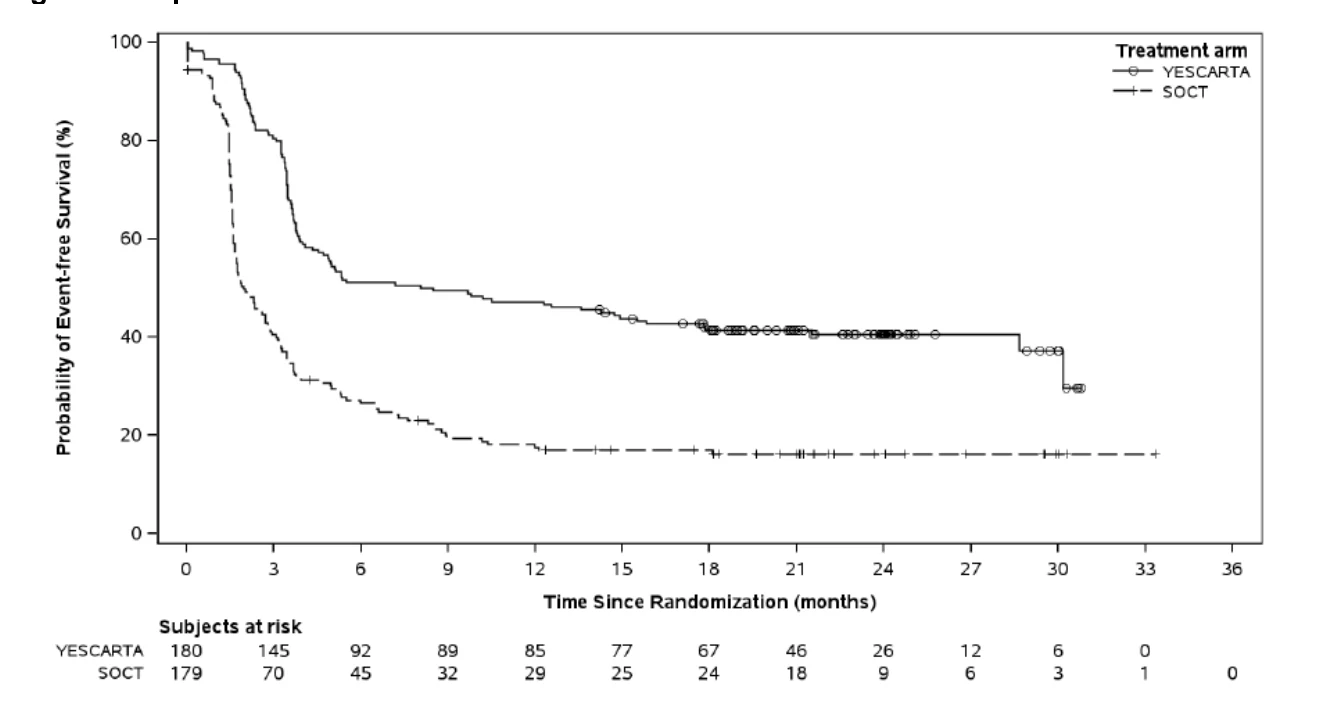
Figure 2. Kaplan-Meier Plot of Overall Survival in ZUMA-7
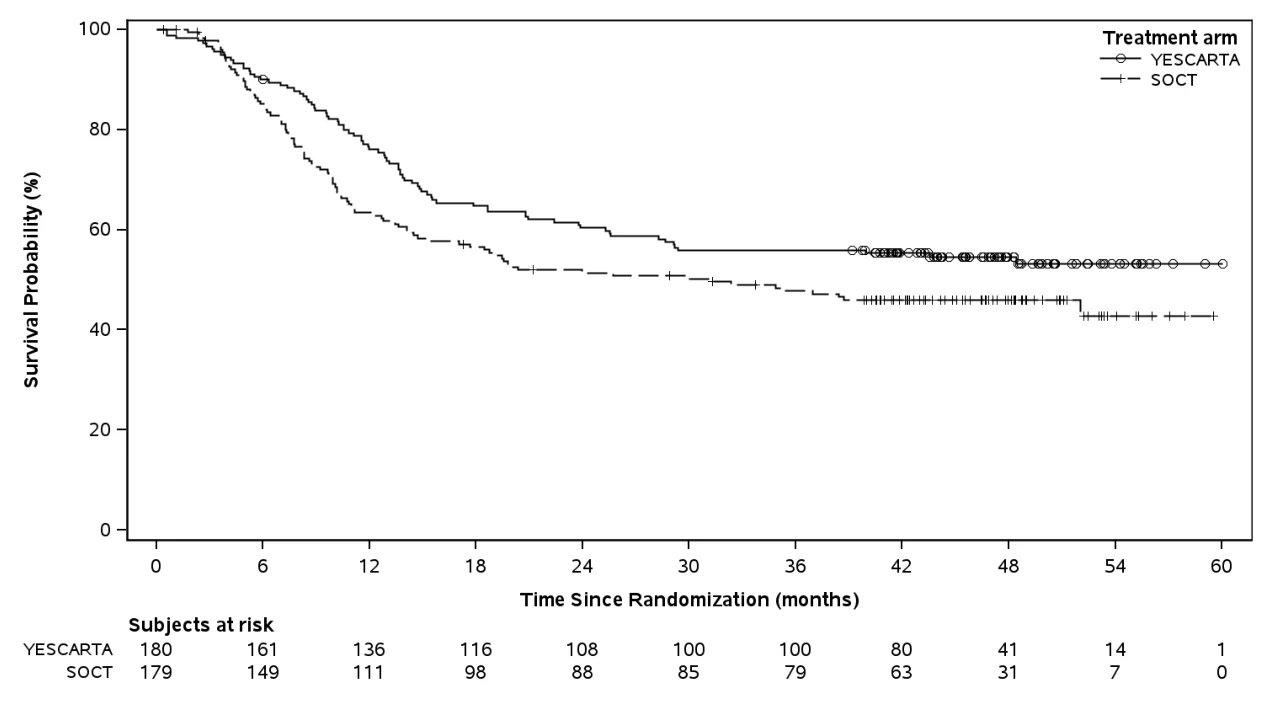
ZUMA-1 – single-arm trial of axicabtagene ciloleucel in patients with relapsed or refractory large B-cell lymphoma who received at least 2 prior systemic regimens
ZUMA-1 is a single-arm, open-label, Phase I/II, multicenter trial that evaluated the efficacy and safety of a single infusion of YESCARTA in adult patients with relapsed or refractory aggressive B-cell non-Hodgkin lymphoma (large B-cell lymphoma) after two or more lines of systemic therapies. Eligible patients had refractory disease to the most recent therapy or relapse within 1 year after HSCT. Prior therapies must include anti-CD20 antibody therapy and an anthracycline-containing regimen.
The study excluded patients with prior allogeneic HSCT or CD19-targeting CAR therapy, CNS lymphoma or a history of other CNS disorders (such as seizures or cerebrovascular ischemia), thrombolic events in the last 6 months, ECOG performance status of 2 or greater, absolute lymphocyte count less than 100/µL, creatinine clearance less than 60 mL/min, hepatic transaminases more than 2.5 times the upper limit of normal, cardiac ejection fraction less than 50% or room air oxygen saturation of less than 92%, active serious infection or active autoimmune disease requiring systemic immunosuppression.
Following lymphodepleting chemotherapy, YESCARTA was administered as a single intravenous infusion at a target dose of 2 × 10⁶ CAR-positive viable T cells/kg (maximum dose: 2 × 10⁸ cells). The lymphodepleting regimen consisted of cyclophosphamide 500 mg/m2 intravenously and fludarabine 30 mg/m2 intravenously, both given on the 5th, 4th, and 3rd day before YESCARTA. No bridging chemotherapy was permitted in the study. All patients were hospitalized for YESCARTA infusion and for a minimum of 7 days afterward.
Of the 111 patients who underwent leukapheresis, 103 patients received conditioning chemotherapy and 101 received YESCARTA (Table 12). Of the 10 patients who underwent leukapheresis but did not receive YESCARTA, 1 was due to manufacturing failure and 9 were due to progressive disease or serious adverse events prior to YESCARTA infusion. The median time from leukapheresis to product delivery was 17 days (range: 14 to 51 days), and the median time from leukapheresis to infusion was 24 days (range: 16 to 73 days). The median dose was 2.0 × 10⁶ CAR-positive viable T cells/kg (range: 1.1 to 2.2 × 10⁶ cells/kg).
Of the 101 patients treated with YESCARTA, the median age was 58 years (range: 23 to 76), 67% were male, and 86% were white. The baseline ECOG performance status was 42% with ECOG 0, and 58% with ECOG 1. The median number or prior therapies was 3 (range: 1 to 10), 76% of patients had refractory disease to 2 or more lines of therapy, and 21% had relapsed within 1 year of autologous HSCT. There were 46% of patients with International Prognostic Index 3/4 and 85% with disease stage III/IV. Seventy-seven patients had histologically confirmed DLBCL, 8 had PMBCL and 16 had DLBCL arising from follicular lymphoma, based on the 2008 WHO classification. DLBCL in ZUMA-1 included patients with DLBCL not otherwise specified (NOS), other DLBCL subtypes, and high-grade B-cell lymphoma (HGBL) based on the 2016 WHO classification. Forty patients were evaluable for myelocytomatosis viral oncogene homolog (MYC), B-cell lymphoma-2 (BCL-2), and BCL-6 status. Twenty-seven were found to have double expressor DLBCL (overexpression of both MYC and BCL-2 protein); 4 were found to have HGBL with MYC, BCL-2, or BCL-6 gene rearrangement (double- and triple-hit); and 2 were found to have HGBL not otherwise specified. Sixty-six patients were evaluable for cell-of-origin classifications (germinal center B-cell type [GCB] or activated B-cell type [ABC]). Of these, 49 patients had GCB-type and 17 patients had ABC-type.
The efficacy of YESCARTA was evaluated in the modified intent-to-treat (mITT) population defined as all patients who received YESCARTA (Table 14). The primary efficacy endpoint was objective response rate (ORR).
Table 14 Summary of Efficacy Results for ZUMA-1 Phase 2 (Primary Analysis; 6 months; independent review) in relapsed or refractory large B-cell lymphoma (mITT population)
| Efficacy Endpoints | N =101 |
|---|---|
Objective Response Rate a, n (%) (95% CI) | 73 (72%) (62, 81) |
Complete Remission Rate, n (%) (95% CI) | 52 (51%) (41, 62) |
Partial Remission Rate, n (%) (95% CI) | 21 (21%) (13, 30) |
DOR (months)b Medianc (95% CI) Ranged Probability at 6 monthsc (95% CI) | 9.2 (5.4, NE) 0.0+, 14.4+ 62.0% (48.9%, 72.7%) |
DOR if Best Response is CR (months) Medianc (95% CI) Ranged | NE (8.1, NE) 0.4, 14.4+ |
DOR if Best Response is PR (months) Medianc (95% CI) Ranged | 2.1 (1.3, 5.3) 0.03+, 8.4+ |
Median Follow-up for DOR (Months)b,c (95% CI) | 7.9 (6.2, 9.6) |
CI, confidence interval; CR, complete remission; DOR, duration of response; NE, not estimable; PR, partial remission; SCT, stem cell transplant.
aThe objective response was assessed per the revised International Working Group response criteria, Cheson BD et al. Revised response criteria for malignant lymphoma. J Clin Oncol. 2007 Feb 10;25(5).
bAmong all responders. DOR is measured from the date of first objective response to the date of progression or death from relapse or toxicity. DOR was censored for 60% of patients who achieved a CR or PR, including those who received a new therapy, had SCT, or had an ongoing response. DOR was censored at the time of SCT for patients who received SCT while in response.
cKaplan-Meier estimate.
dA + sign indicates a censored value.
Among the 101 patients included in the primary analysis, the best ORR was 72% (73/101) (95% confidence interval [CI]: 62, 81). Fifty-two patients (51%) achieved a CR and 21 patients (21%) achieved PR. The median DOR was 9.2 months (95%CI: 5.4, NE). The median time to response was 0.9 months (range: 0.8 to 6.2 months). The DOR was longer in patients who achieved CR, as compared to patients with a best response of PR (Table 14).
Table 15 Summary of Efficacy Results for ZUMA-1 Phase 2 (12-month Analysis; independent review) in relapsed or refractory large B-cell lymphoma (mITT population)
| Efficacy Endpoints | N =101 |
|---|---|
| Efficacy Endpoints | N =101 |
Objective Response Rate a, n (%) (95% CI) | 73 (72%) (62, 81) |
Complete Remission Rate, n (%) (95% CI) | 52 (51%) (41, 62) |
Partial Remission Rate, n (%) (95% CI) | 21 (21%) (13, 30) |
DOR (months)b Medianc (95% CI) Range Probability at 12 monthsc (95% CI) | 14.0 (8.3, NE) 0.0+, 17.3+ 52.7% (38.6%, 65.0%) |
DOR if Best Response is CR (months) Medianc (95% CI) Range | NE (11.3, NE) 0.4, 17.3+ |
DOR if Best Response is PR (months) Medianc (95% CI) Range | 2.1 (1.3, 5.3) 0.0+, 12.1+ |
Median Follow-up for DOR (Months)b,c (95% CI) | 11.1 (10.8, 13.6) |
CI, confidence interval; CR, complete remission; DOR, duration of response; NE, not estimable; PR, partial remission; SCT, stem cell transplant.
aThe objective response was assessed per the revised International Working Group response criteria, Cheson BD et al. Revised response criteria for malignant lymphoma. J Clin Oncol. 2007 Feb 10;25(5).
bAmong all responders. DOR is measured from the date of first objective response to the date of progression or death from relapse or toxicity. DOR was censored for 59% of patients who achieved a CR or PR, including those who received a new therapy, had SCT, or had an ongoing response. DOR was censored at the time of SCT for patients who received SCT while in response.
cKaplan-Meier estimate.
dA + sign indicates a censored value.
In the 12-month follow-up analysis, the ORR was 72% (73/101) (95% CI: 62, 81). Fifty-two patients (51%) achieved a CR and 21 patients (21%) achieved a PR. The median DOR was 14 months (95% CI: 8.3, NE). The median time to response was 1.0 months (range: 0.8 to 6.3 months). The DOR was longer in patients who achieved CR, as compared to patients with a best response of PR (Table 15).
In the 24-month follow-up analysis of ZUMA-1 Phase 2 (independent review; mITT population), the ORR was 74% (75/101) with a median follow-up time of 27.1 months. Fifty-five patients (54%) achieved a CR and 20 patients (20%) achieved a PR. The median DOR was not reached (median follow-up for DOR was 22.9 months). The median time to response was 1.0 month (range: 0.8 to 12.2 months). The DOR was longer in patients who achieved CR, as compared to patients with a best response of PR. Of the 55 patients who achieved CR, 7 patients had stable disease (SD) and 10 had PR at their initial tumour assessment and converted to CR as late as 15.3 months after YESCARTA infusion.
In a subsequent, open label, safety management cohort in ZUMA-1 that evaluated the safety and efficacy of YESCARTA with the use of corticosteroids and/or tocilizumab for Grade 1 CRS or neurologic events (see Table 2 and Table 3), a total of 46 patients with relapsed or refractory LBCL were enrolled and 41 patients were treated with YESCARTA. The efficacy outcomes observed in this cohort were comparable to the efficacy outcomes of the ZUMA-1 pivotal cohorts.
Relapsed or Refractory Follicular Lymphoma
Table 16 Summary of Patient Demographics for the Clinical Trial in Relapsed or Refractory Follicular Lymphoma
| Study # | Trial design | Dosage, route of administration and duration | Study subjects (n) | Mean age (Range) | Sex n (%) |
| ZUMA-5 (Phase 2) | Single-arm, open-label, multicenter trial in adult patients with relapsed or refractory iNHL including follicular lymphoma | Single intravenous infusion of YESCARTA at a target dose of 2 × 10⁶ CAR-positive viable T cells/kg (maximum permitted dose: 2 × 10⁸ cells) | 153 patients underwent leukapheresis; 148 patients treated with conditioning chemotherapy; 148 received YESCARTA; 124 patients had follicular lymphoma | Treated: 59.9 years (range: 34 to 79) | Treated: 84 (57%) males 64 (43%) females |
The efficacy and safety of YESCARTA in adult patients were evaluated in a phase 2 single-arm, open-label, multicentre study that enrolled patients with r/r indolent B-cell NHL, the majority of whom had r/r FL (n=124/148). Patients with FL grade 3b, transformed lymphoma, lymphoma involving the CNS, or other aggressive lymphomas were not eligible for participation.
Eligible patients were ≥ 18 years of age with relapsed or refractory disease after 2 or more prior lines of systemic therapy and maintained an ECOG status of 0 or 1. Prior therapy must have included an anti-CD20 monoclonal antibody combined with an alkylating agent (single-agent anti-CD20 antibody did not count as line of therapy for eligibility). Patients with stable disease (SD) (without relapse) > 1 year from completion of last therapy were not considered eligible. Patients with a history of allogeneic stem cell transplantation (SCT) or prior anti-CD19 CAR or other genetically modified T-cell therapy were excluded. Patients with a history of CNS disorders (such as seizures or cerebrovascular ischemia), cardiac ejection fraction of less than 50% or room air oxygen saturation of less than 92%, or autoimmune disease requiring systemic immunosuppression were ineligible. The study excluded patients with active or serious infections. At the time of the primary analysis, 84 patients with FL in the inferential analysis set (IAS) had an actual median duration of follow up of 17.3 months (range:0.3 to 30.4 months). In the updated 18-month follow-up analysis, the 86 patients with FL in the IAS had an actual median duration of follow-up of 23.26 months (range: 0.3 to 37.7+ months).
At the time of the primary analysis, a total of 151 iNHL patients were enrolled, and 146 patients were treated with YESCARTA including 124 relapsed or refractory FL patients who had received 2 or more lines of prior systemic therapy. YESCARTA was administered as a single intravenous infusion at a target dose of 2 × 10⁶ anti-CD19 CAR T cells/kg after lymphodepleting chemotherapy regimen of cyclophosphamide 500 mg/m2 intravenously and fludarabine 30 mg/m2 intravenously, both given on the 5th, 4th, and 3rd day before YESCARTA. All patients were hospitalized for YESCARTA infusion and for a minimum of 7 days afterward.
The primary analysis was pre-specified to occur when at least 80 FL patients who met the eligibility criteria had a minimum follow-up of 12 months from their first response assessment (termed the Inferential Analysis Set (IAS)). The IAS was a subset of the full analysis set (FAS), which included all FL patients who were enrolled in ZUMA-5. The primary endpoint was the Objective Response Rate (ORR). Secondary endpoints included the CR rate, DOR, and incidence of adverse events. An 18-month follow-up analysis was performed, when at least 80 FL patients had a minimum follow-up of 18 months after infusion.
As of the 18-month follow-up analysis, of 153 iNHL patients (124 r/r FL patients) who underwent leukapheresis, 5 patients were not treated, primarily due to ineligibility or experiencing CR or death prior to the lymphodepleting chemotherapy. No manufacturing failures occurred. The median time from leukapheresis to product release was 12 days (range: 10 to 37 days), leukapheresis to product delivery was 17 days (range: 13 to 72 days) and leukapheresis to YESCARTA infusion was 28 days (range: 19 to 330 days). The median dose was 2.0 × 10⁶ anti-CD19 CAR T cells/kg.
The primary analysis was based on the IAS, which included 84 efficacy evaluable r/r FL patients who received YESCARTA and had the potential to be followed-up for at least 12 months after the first response assessment. Among these 84 r/r FL patients, the ORR was 94% (95%CI: 87, 98) and the CR rate was 79% (95%CI: 68, 87). Among responders, the median time to response was 1 month (range 0.8 to 3.1 months) and the median DOR was not reached (range: 0.0, 25.0+ months). Among the 25 patients with FL who initially achieved a PR, 13 of whom later achieved CR. Subgroup analyses included ORR in patients who were refractory (94%), FLIPI score ≥3 (95%), high tumour burden (95%), progression of disease within 24 months of first immunotherapy (94%) and prior treatment with PI3K inhibitor (96%) (see Table 17).
The efficacy results of the primary analysis, which considered the IAS, were consistent with the ORR and the CR rate observed among the FAS, which included all r/r FL patients without regard for the cut-off date (i.e., patients did not necessarily have the opportunity to be followed for 12 months after the first disease response assessment). The FAS also included patients who were enrolled, but did not receive YESCARTA (n=3). The ORR in the FAS, which included 127 r/r FL patients, was 91% (95%CI: 85, 96), and the CR rate was 75% (95%CI: 66, 82).
Table 17 Primary analysis of efficacy for relapsed/refractory FL patients who received 2 or more prior systemic therapies and had the opportunity to be followed for at least 12 months in study ZUMA-5 (Inferential Analysis Set, IASd)
| Efficacy Endpoints | N =84 | ||
|---|---|---|---|
| Efficacy Endpoints | N =84 | ||
Objective Response Rate a, n (%) (95% CI) | 79 (94%) (87%, 98%) | ||
Complete Remission Rate, n (%) (95% CI) | 66 (79%) (68%, 87%) | ||
Partial Remission Rate, n (%) (95% CI) | 13 (15%) (9%, 25%) | ||
DOR (months)b Medianc (95% CI) Range Event-free rate at 12 monthsc (95% CI) | NE (20.8, NE) 0.0 +, 25.0 + 77.0% (65.6%, 85.1%) | ||
Median Follow-up for DOR (Months)b,c (95% CI) | 14.1 | ||
| (13.6, 16.7) | |||
CI, confidence interval; CR, complete remission; DOR, duration of response; NE, not estimable; PR, partial remission.
aThe objective response was assessed per the revised International Working Group response criteria, Cheson BD et al. Recommendations for initial evaluation, staging, and response assessment of Hodgkin and non-Hodgkin lymphoma: the Lugano classification. J Clin Oncol. 2014; 32 (27): 3059-68.
b DOR is defined as the time from the first objective response to disease progression per Lugano Classification (Cheson et al, 2014) or death from any cause. Subjects not meeting the criteria by the analysis data cutoff date will be censored at their last evaluable disease assessment date prior to the data cutoff date or new anticancer therapy start date (including stem cell transplant or retreatment of axicabtagene ciloleucel) whichever is earlier.
cKaplan-Meier estimate.
d Inferential Analysis Set [IAS]: defined as having received YESCARTA, met all eligibility criteria, and had the opportunity to be followed at least 12-months d
eA + sign indicates a censored value.
A descriptive 18-month follow-up analysis that considered the IAS (defined as having received YESCARTA, met all eligibility criteria, and had the opportunity to be followed at least 18-months) included 86 efficacy evaluable r/r FL patients. Among the IAS, the ORR was 94% and the CR rate was 79%. The median DOR was not reached (range: 0.0 + to 25.0 + months) and the proportion of responders who remained in response was 65% at Month 18.
15 Microbiology
Not applicable.
16 Non-Clinical Toxicology
YESCARTA comprises engineered human T-cells, therefore there are no representative in vitro assays, ex vivo models, or in vivo models that can accurately address the toxicological characteristics of the human product. Hence, traditional toxicology studies used for drug development were not performed.
No carcinogenicity or genotoxicity studies have been conducted with YESCARTA.
No studies evaluating the effects of YESCARTA on fertility, reproduction and development have been conducted.
17 Supporting Product Monographs
- 1) PrACTEMRA (tocilizumab, 20 mg/mL [Concentrate Solution for Infusion]; 162 mg/0.9 mL [Solution for Injection], Hoffmann-La Roche Limited, Submission Control 198824, Product Monograph, Aug. 30, 2017.
- 2) PrFludarabine Phosphate, Teva Canada Limited. Fludarabine Phosphate Sterile Solution for Injection 25 mg/mL (2 mL per vial). Product Monograph. Toronto, Canada. Date of Revision: 01 March. 2016.
- 3) PrPROCYTOX Cyclophosphamide, Baxter Corporation. PrPROCYTOX Cyclophosphamide Tablets USP: 25 mg, 50 mg Cyclophosphamide for injection: 200 mg, 500 mg, 1000 mg, 2000 mg (powder for injection) per vial. Product Monograph. Mississauga, Ontario. Date of Revision: 07 September. 2012.
- 4) PrAPO-PREDNISONE, Apotex Inc. PrAPO-PREDNISONE Prednisone Tablets USP 1 mg, 5 mg and 50 mg. Canadian Prescribing Information. Toronto, Canada. Date of Revision: 28 May. 2015.
- 5) PrDEXAMETHASONE OMEGA UNIDOSE, Omega Laboratories Limited. PrDEXAMETHASONE OMEGA UNIDOSE (Dexamethasone Sodium Phosphate Injection USP) (10 mg/mL). Montreal, Quebec, Canada. Date of Preparation: 12 June. 2012.
- 6) Pr ZYLOPRIM®, AA Pharma Inc. Allopurinol tablets, 100, 200, and 300 mg. Product Monograph. Vaughan, Ontario Canada. Date of Preparation: 15 September 2010.
- 7) PrKINERET® (anakinra, solution for injection, 150 mg/mL). Swedish Orphan Biovitrum AB. Product Monograph. Stockholm, Sweden. Date of Approval : March 28, 2018.
- 8) PrSYLVANT® (siltuximab for injection; 100 mg/vial and 400 mg/vial). Janssen Inc. Product Monograph. Toronto, Ontario, Canada. Date of Approval: 16 March 2018.
- 9) PrJAKAVI® (ruxolitinib tablets; 5 mg, 10 mg, 15 mg and 20 mg). Novartis Pharmaceuticals Canada Inc. Product Monograph. Dorval, Quebec, Canada. Date of Revision: September 28, 2018.
- 10) GAMMAGARD LIQUID (Immune Globulin Intravenous [IVIG] 10% Solution for Infusion), Shire Pharma Canada ULC. Toronto, Ontario, Canada. Product Monograph. Date of Approval: May 4, 2018.
- 11) PrATGAM® (anti-thymocyte globulin [equine]). Pfizer Canada Inc. Concentrate for solution for infusion / sterile solution - 50 mg/mL). Product Monograph. Kirkland, Quebec, Canada. Date of Revision: 28 May 2014.