


Product Monograph - Zejula (Glaxosmithkline, Tablet)
Recent Major Label Changes
| 4 Dosage and Administration, 4.1 Dosing Considerations | 2026-04 |
|---|---|
| 4 Dosage and Administration, 4.2 Recommended Dose and Dosage Adjustment | 2026-04 |
| 7 Warnings and Precautions, Skin | 2026-04 |
Table of Contents
Certain sections or subsections that are not applicable at the time of the preparation of the most recent authorized product monograph are not listed.
Recent Major Label Changes ................................................................................................... 2
Table of Contents ................................................................................................................... 2
Part 1: Healthcare Professional Information ........................................................................... 5
- 1.
Indications .................................................................................................................. 5
1.1. Pediatrics .............................................................................................................. 5
1.2. Geriatrics .............................................................................................................. 5
- 2. Contraindications ........................................................................................................ 5
- 3. Serious Warnings and Precautions Box ....................................................................... 6
- 4.
Dosage and Administration ......................................................................................... 6
4.1. Dosing Considerations .......................................................................................... 6
4.2. Recommended Dose and Dosage Adjustment ..................................................... 6
4.4. Administration ...................................................................................................... 9
4.5. Missed Dose ......................................................................................................... 9
- 5. Overdose..................................................................................................................... 9
- 6. Dosage Forms, Strengths, Composition, and Packaging ............................................... 9
- 7.
Warnings and Precautions ......................................................................................... 10
Carcinogenesis and Genotoxicity ................................................................................... 10
Cardiovascular ................................................................................................................ 10
Driving and Operating Machinery .................................................................................. 10
Hematologic ................................................................................................................... 11
Immune .......................................................................................................................... 11
Monitoring and Laboratory Tests ................................................................................... 11
Neurologic ...................................................................................................................... 11
Reproductive Health ...................................................................................................... 12
Skin ................................................................................................................................. 12
7.1. Special Populations ............................................................................................. 12
7.1.1. Pregnancy .............................................................................................. 12
7.1.2. Breast-feeding ....................................................................................... 12
7.1.3. Pediatrics ............................................................................................... 12
7.1.4. Geriatrics ............................................................................................... 13
- 8.
Adverse Reactions ..................................................................................................... 13
8.1. Adverse Reaction Overview ................................................................................ 13
8.2. Clinical Trial Adverse Reactions .......................................................................... 14
8.3. Less Common Clinical Trial Adverse Reactions ................................................... 21
8.4. Abnormal Laboratory Findings: Hematologic, Clinical Chemistry and Other Quantitative Data ........................................................................................................... 21
8.5. Post-Market Adverse Reactions ......................................................................... 24
- 9.
Drug Interactions ...................................................................................................... 24
9.2. Drug Interactions Overview ................................................................................ 24
9.3. Drug-Behaviour Interactions .............................................................................. 24
9.4. Drug-Drug Interactions ....................................................................................... 24
9.5. Drug-Food Interactions ....................................................................................... 25
9.6. Drug-Herb Interactions ....................................................................................... 25
9.7. Drug-Laboratory Test Interactions ...................................................................... 25
- 10.
Clinical Pharmacology ............................................................................................... 25
10.1. Mechanism of Action ...................................................................................... 25
10.2. Pharmacodynamics ........................................................................................ 26
10.3. Pharmacokinetics ........................................................................................... 26
- 11. Storage, Stability, and Disposal ................................................................................. 28
Part 2: Scientific Information ................................................................................................ 29
- 13. Pharmaceutical Information ...................................................................................... 29
- 14.
Clinical Trials ............................................................................................................. 30
14.1. Clinical Trials by Indication ............................................................................. 30
First-Line Maintenance Treatment of Advanced Ovarian Cancer ....................... 30
Maintenance Treatment of Recurrent Ovarian Cancer ...................................... 36
14.2. Comparative Bioavailability Studies ................................................................ 40
- 15. Microbiology ............................................................................................................. 41
- 16. Non-Clinical Toxicology ............................................................................................. 41
Patient Medication Information ........................................................................................... 43
Part 1: Healthcare Professional Information
1. Indications
ZEJULA (niraparib capsules and tablets) is indicated:
- as monotherapy for the maintenance treatment of female adult patients with advanced epithelial ovarian, fallopian tube, or primary peritoneal cancer who are in a complete or partial response to first-line platinum-based chemotherapy.
- as monotherapy for the maintenance treatment of female adult patients with recurrent epithelial ovarian, fallopian tube, or primary peritoneal cancer who are in a complete or partial response to platinum-based chemotherapy.
1.1. Pediatrics
Pediatrics (<18 years of age): No data are available to Health Canada; therefore, Health Canada has not authorized an indication for pediatric use.
1.2. Geriatrics
Geriatrics (> 65 years of age): No overall differences in safety and effectiveness of ZEJULA were observed between these patients and younger patients but greater sensitivity of some older individuals cannot be ruled out.
2. Contraindications
ZEJULA is contraindicated in patients who are:
- Hypersensitive to this drug or to any ingredient in the formulation, including any non-medicinal ingredient, or component of the container. For a complete listing, see 6 Dosage Forms, Strengths, Composition and Packaging.
- Breast-feeding (see 7.1.2 Breast-feeding).
3. Serious Warnings and Precautions Box
4. Dosage and Administration
4.1. Dosing Considerations
Treatment with ZEJULA should be initiated and supervised by a health professional experienced in the use of anti-cancer medicinal products.
Patients should have recovered from prior hematologic toxicities prior to starting ZEJULA (≤ Grade 1) (see 7 Warnings and Precautions, Hematologic and 7 Warnings and Precautions, Monitoring and Laboratory Tests, Hematologic Testing).
Dose adjustments may be required for patients with hepatic insufficiency (see 4.2 Recommended Dose and Dose Adjustment).
4.2. Recommended Dose and Dosage Adjustment
First-Line Maintenance Treatment of Advanced Ovarian Cancer
- For patients weighing less than 77 kg or with a platelet count of less than 150,000/μL, the recommended dose of ZEJULA is 200 mg (two 100-mg capsules or tablets) taken orally once daily.
- For patients weighing greater than or equal to 77 kg and who have a platelet count greater than or equal to 150,000/μL, the recommended dose of ZEJULA is 300 mg (three 100-mg capsules or tablets) taken orally once daily.
For the first-line maintenance treatment of advanced ovarian cancer, patients should start treatment with ZEJULA no later than 12 weeks after their most recent platinum-containing regimen.
ZEJULA treatment should be continued until disease progression or unacceptable toxicity.
Maintenance Treatment of Recurrent Ovarian Cancer
The recommended dose of ZEJULA as monotherapy is 300 mg (three 100 mg capsules or tablets) taken orally once daily.
- Myelodysplastic Syndrome/Acute Myeloid Leukaemia (MDS/AML) has been reported in patients exposed to ZEJULA. Some cases have been fatal (see 7 Warnings and Precautions, Carcinogenesis and Mutagenesis).
- ZEJULA can cause bone marrow suppression (see 4.2 Recommended Dose and Dosage Adjustment, Table 3).
- Hypertension, including hypertensive crisis, has been reported with the use of ZEJULA (see 7 Warnings and Precautions, Cardiovascular, and 7 Warnings and Precautions, Monitoring and Laboratory Tests).
- ZEJULA can cause foetal harm when administered to a pregnant woman (see 7.1.1 Pregnancy).
Patients with low body weight: Approximately 25% of patients in the Phase III Trial (NOVA) weighed less than 58 kg, and approximately 25% of patients weighed more than 77 kg. The incidence of Grade 3 or 4 ADRs was greater among low body weight patients (78%) than high body weight patients (53%). Only 13% of low body weight patients remained at a dose of 300 mg beyond Cycle 3. A starting dose of 200 mg for patients weighing less than 58 kg may be considered.
For the maintenance treatment of recurrent ovarian cancer, patients should start treatment with ZEJULA no later than 8 weeks after their most recent platinum-containing regimen.
ZEJULA treatment should be continued until disease progression or unacceptable toxicity.
Dose Adjustments for Adverse Reactions To manage adverse reactions, consider interrupting the treatment, reducing the dose, or discontinuing the dose. The recommended dose modifications in the case of adverse reactions are found in
Table 1,
Table 2 and Table 3.
Table 1 – Recommended Dose Modifications for Adverse Reactions
| Starting dose level | 200 mg/day | 300 mg/day |
|---|---|---|
| First dose reduction | 100 mg/day* (one 100 mg capsule or tablet) | 200 mg/day (two 100 mg capsules or tablets) |
| Second dose reduction | Discontinue medication | 100 mg/day* (one 100 mg capsule or tablet) |
*If further dose reduction below 100 mg/day is required, discontinue ZEJULA.
Table 2 – Dose Modifications for Non-hematologic Adverse Reactions
| Non-hematologic CTCAE* ≥ Grade 3 adverse reaction that persists despite treatment/prophylaxis** |
|
|---|---|
| CTCAE ≥ Grade 3 treatment-related adverse reaction lasting more than 28 days while patient is administered ZEJULA 100 mg/day | Discontinue medication. |
*CTCAE=Common Terminology Criteria for Adverse Events
**Prophylaxis includes, but is not limited to, medications to prevent nausea, vomiting, diarrhoea, constipation, headache, back pain, myalgia, arthralgia, insomnia, decreased appetite, or dry mouth.
Table 3 – Dose Modifications for Hematologic Adverse Reactions
| Monitor complete blood counts weekly for the first month, monthly for the next 11 months of treatment and periodically after this time (see 7 Warnings and Precautions, Hematologic). | ||
|---|---|---|
| Platelet count <100,000/µL | First occurrence:
| |
Second occurrence:
| ||
| Neutrophil <1,000/µL or Hemoglobin <8 g/dL |
| |
| Hematologic adverse reaction requiring transfusion or hematopoietic growth factor support |
| |
| Myelodysplastic syndrome or acute myeloid leukemia (MDS/AML) |
| |
Hepatic Insufficiency
No dose adjustment is needed in patients with mild hepatic impairment (total bilirubin ≤1.5 x upper limit of normal [ULN] and any aspartate transaminase [AST] level, or bilirubin ≤ ULN and AST > ULN). For patients with moderate hepatic impairment (total bilirubin >1.5–3.0 x ULN and any AST), the recommended starting dose of niraparib is 200 mg once daily (see 10.3 Pharmacokinetics). Monitor patients for hematologic toxicity and reduce the dose further, if needed. The safety of ZEJULA in patients with severe hepatic impairment (total bilirubin >3.0 x ULN and any AST) is unknown.
Renal Insufficiency
No dose adjustment is necessary for patients with mild to moderate renal impairment. The safety of ZEJULA in patients with severe renal impairment or end stage renal disease undergoing hemodialysis is unknown.
Pediatrics (<18 years of age)
Health Canada has not authorized an indication for pediatric use.
4.4. Administration
Instruct patients to take their dose of ZEJULA at approximately the same time each day. Each capsule or tablet should be swallowed whole. ZEJULA may be taken with or without food (see 10.3 Pharmacokinetics). Bedtime administration may be a potential method for managing nausea.
4.5. Missed Dose
In the case of a missed dose of ZEJULA, instruct patients to take their next dose at its regularly scheduled time. If a patient vomits or misses a dose of ZEJULA, an additional dose should not be taken.
5. Overdose
There is no specific treatment in the event of ZEJULA overdose, and symptoms of overdose are not established. In the event of an overdose, health professionals should follow general supportive measures and should treat symptomatically.
For the most recent information in the management of a suspected drug overdose, contact your regional poison control centre or Health Canada’s toll-free number, 1-844 POISON-X (1-844-764-7669).
- 6. Dosage Forms, Strengths, Composition, and Packaging
Table 4 – Dosage Forms, Strengths, and Composition
| Route of Administration | Dosage Form / Strength/Composition | Non-Medicinal Ingredients |
| oral | capsule 100 mg | FD&C Blue #1, FD&C Red #3, FD&C Yellow #5 (tartrazine), gelatin, lactose monohydrate, magnesium stearate, pharmaceutical grade printing ink, and titanium dioxide. |
| oral | tablet 100 mg | Crospovidone, ferrosoferric oxide, lactose monohydrate, magnesium stearate, microcrystalline cellulose, polyethylene glycol, polyvinyl alcohol, povidone, silicon dioxide, talc, |
ZEJULA capsules are packaged as unit dose blister in cartons of 56 × 1 and 84 × 1 capsules.
100 mg capsule having a white body with “100 mg” printed in black ink, and a purple cap with “Niraparib” printed in white ink.
ZEJULA tablets are packaged as unit dose blister in cartons of 28 × 1, 56 × 1, and 84 × 1 tablets.
100 mg tablets are immediate release, gray, oval-shaped, film coated tablets, debossed with “100” on one side and “Zejula” on the other side.
7. Warnings and Precautions
Please see 3Serious Warnings and Precautions Box.
Carcinogenesis and Genotoxicity
Myelodysplastic Syndrome/Acute Myeloid Leukemia (MDS/AML) have been reported in patients who received ZEJULA. In the monotherapy and combination therapy clinical studies, MDS/AML occurred in 1% of patients treated with niraparib (N=2,244), with 41% of cases having a fatal outcome (see 8.1 Adverse Reaction Overview, Myelodysplastic syndrome/Acute myeloid leukaemia).
The duration of ZEJULA treatment in patients prior to developing MDS/AML varied from 0.5 months to 4.9 years. All patients had received previous chemotherapy with platinum and some had also received other DNA damaging agents and radiotherapy. For suspected MDS/AML or prolonged hematological toxicities, refer the patient to a hematologist for further evaluation. Discontinue ZEJULA if MDS/AML is confirmed.
Cardiovascular
Hypertension and hypertensive crisis have been reported in patients treated with ZEJULA. Pre-existing hypertension should be adequately controlled before starting ZEJULA treatment.
In PRIMA, Grade 3 to 4 hypertension occurred in 6% of patients treated with ZEJULA compared with 1% of placebo-treated patients with a median time from first dose to first onset of 43 days (range: 1 to 531 days) and with a median duration of 12 days (range: 1 to 61 days). Discontinuation due to hypertension occurred in 0% of patients.
In NOVA, Grade 3 to 4 hypertension occurred in 9% of patients treated with ZEJULA compared with 2% of placebo-treated patients with a median time from first dose to first onset of 76.5 days (range: 4 to 504 days). Discontinuation due to hypertension occurred in <1% of patients.
Monitor blood pressure and heart rate (see 7 Warnings and Precautions, Monitoring and Laboratory Tests, Cardiovascular Monitoring). Medically manage hypertension with antihypertensive medications and adjustment of the dose of ZEJULA, if necessary (see 4.2 Recommended Dose and Dosage Adjustment). ZEJULA should be discontinued in case of hypertensive crisis or if medically significant hypertension cannot be adequately controlled with antihypertensive therapy.
Driving and Operating Machinery
ZEJULA has moderate influence on the ability to drive or use machines. Patients who take ZEJULA may experience asthenia, fatigue, difficulty concentrating and dizziness. For patients who experience these
| and titanium dioxide. |
symptoms, due caution should be exercised when driving or operating a vehicle or potentially dangerous machinery.
Hematologic
Hematologic adverse reactions (thrombocytopenia, anemia and neutropenia) have been reported in patients treated with ZEJULA.
In the PRIMA clinical study, the overall incidence of Grade ≥3 thrombocytopenia, anemia, and neutropenia were reported, respectively, in 39%, 31%, and 21% of patients receiving ZEJULA. Discontinuation due to thrombocytopenia, anemia, and neutropenia occurred in 4%, 2%, and 2% of patients, respectively. In patients who were administered a starting dose of niraparib based on baseline weight or platelet count, Grade ≥3 thrombocytopenia, anemia and neutropenia were reported, respectively, in 21%, 23%, and 15% of patients receiving ZEJULA. Discontinuation due to thrombocytopenia, anemia, and neutropenia occurred in 3%, 3%, and 2% of patients, respectively.
In the NOVA clinical study, Grade ≥3 thrombocytopenia, anemia and neutropenia were reported, respectively, in 29%, 25%, and 20% of patients receiving ZEJULA. Discontinuation due to thrombocytopenia, anemia, and neutropenia occurred in 3%, 1%, and 2% of patients, respectively.
Pancytopenia has been observed in patients receiving niraparib in both PRIMA (1 patient, 0.2%) and NOVA (3 patients, 0.8%).
Careful monitoring of hematological parameters is required (see 4.2 Recommended Dose and Dosage Adjustment, Table 3 and 7 Warnings and Precautions, Monitoring and Laboratory Tests, Hematologic Testing).
Immune
ZEJULA capsules contain tartrazine (FD&C Yellow #5), which may cause allergic-type reactions.
Monitoring and Laboratory Tests
Cardiovascular Monitoring: Monitor blood pressure and heart rate at least weekly for the first 2 months, then monthly for the first year and periodically thereafter during treatment with ZEJULA. Closely monitor patients with cardiovascular disorders, especially coronary insufficiency, cardiac arrhythmias, and hypertension.
Hematologic Testing: Monitor complete blood counts weekly for the first month, monthly for the next 11 months of treatment, and periodically after this time. If hematological toxicities occur, dose interruption, dose reduction, and additional hematological monitoring is required (see 4.2 Recommended Dose and Dosage Adjustment, Table 3). If hematologic toxicity does not resolve within 28 days following interruption, discontinue ZEJULA, and refer the patient to a hematologist for further investigations, including bone marrow analysis and blood sample for cytogenetics.
Pregnancy Testing: A pregnancy test should be performed on all women of childbearing potential prior to treatment, and pregnancy tests should be performed at regular intervals during treatment and at one month after receiving the last dose of ZEJULA (see 7.1.1 Pregnancy).
Neurologic
There have been rare reports (0.09% of clinical trial patients) of ZEJULA-treated patients developing signs and symptoms that are consistent with Posterior Reversible Encephalopathy Syndrome (PRES) (see 8.5 Post-Market Adverse Reactions). PRES is a rare neurologic disorder that can present with the following signs and symptoms: seizures, headache, altered mental status, visual disturbance, or cortical blindness, with or without associated hypertension. A diagnosis of PRES requires confirmation by brain imaging, preferably magnetic resonance imaging (MRI).
In patients developing PRES, treatment of specific symptoms including control of hypertension is recommended, along with discontinuation of ZEJULA. The safety of reinitiating ZEJULA therapy in patients previously experiencing PRES is not known.
Reproductive Health
Women of childbearing potential should not become pregnant while on treatment and should not be pregnant at the beginning of treatment. A pregnancy test should be performed on all women of childbearing potential prior to treatment. Women of childbearing potential must use highly effective contraception during therapy and for 6 months after receiving the last dose of ZEJULA.
Fertility
There are no clinical data on fertility. A reversible reduction of spermatogenesis was observed in male rats and dogs (see 16 Non-Clinical Toxicology).
Skin
Photosensitivity has been observed in patients exposed to ZEJULA in the NOVA study (0.12 with niraparib vs 0.01 with placebo; adjusted for patient years of exposure) and in the PRIMA study (0.07 with niraparib vs 0.01 with placebo; adjusted for patient years of exposure), and also in the post-market setting. Patients should be counselled to avoid sun exposure when possible while on treatment.
7.1. Special Populations
7.1.1. Pregnancy
There are no clinical data regarding the use of ZEJULA in pregnant women. Based on its mechanism of action, ZEJULA has the potential to cause teratogenicity and/or embryo-foetal death since niraparib is genotoxic and targets actively dividing cells in animals and patients (e.g., bone marrow) and therefore should not be used during pregnancy (see 7 Warnings and Precautions, Reproductive Health, 10 Clinical Pharmacology and 16 Non-Clinical Toxicology). Apprise pregnant women of the potential risk to a foetus.
If a woman becomes pregnant while receiving ZEJULA, she should be apprised of the potential hazard to the foetus and the potential risk for loss of pregnancy.
7.1.2. Breast-feeding
It is unknown if niraparib or its metabolites are excreted in human milk.
Because of the potential for serious adverse reactions in breastfed infants from ZEJULA, advise a lactating woman not to breastfeed during treatment with ZEJULA and for 1 month after receiving the final dose (see 2 Contraindications).
7.1.3. Pediatrics
Pediatrics (<18 years of age): No data are available to Health Canada; therefore, Health Canada has not authorized an indication for pediatric use.
7.1.4. Geriatrics
Geriatrics (>65 years of age): In PRIMA, 39% of patients were aged ≥65 years and 10% were aged ≥75 years. In NOVA, 35% of patients were aged ≥65 years and 8% were ≥75 years. No overall differences in safety and effectiveness of ZEJULA were observed between these patients and younger patients but greater sensitivity of some older individuals cannot be ruled out.
8. Adverse Reactions
8.1. Adverse Reaction Overview
The monotherapy pooled dataset includes 851 patients with platinum-sensitive ovarian, fallopian tube, and primary peritoneal cancer in the Phase 3 randomized, double-blind, placebo-controlled international studies NOVA and PRIMA. In PRIMA safety population, the median overall treatment duration was 11.1 months in the ZEJULA group and 8.3 months for placebo. Among those patients in PRIMA who were administered a starting dose of ZEJULA based on baseline weight or platelet count, the median duration of treatment was 11.0 months in the ZEJULA group and 8.3 months for placebo. In NOVA, the median total treatment duration in all patients was 250 days in the ZEJULA group and 163 days for placebo.
The adverse reactions of all grades occurring in >10% of the patients who received ZEJULA in the monotherapy pooled dataset were nausea, anemia, thrombocytopenia, fatigue, constipation, vomiting, headache, insomnia, platelet count decreased, neutropenia, abdominal pain, decreased appetite, diarrhea, dyspnea, hypertension, asthenia, dizziness, neutrophil count decreased, cough, arthralgia, back pain, white blood cell count decreased, and hot flashes.
In the PRIMA study, serious adverse reactions occurred in 32% of patients receiving ZEJULA. Serious adverse reactions in >2% of patients were thrombocytopenia (16%), anemia (6%), and small intestinal obstruction (2.9%). Among those patients who were administered a starting dose of ZEJULA based on baseline weight or platelet count, serious adverse reactions occurred in 27% of patients receiving ZEJULA. Serious adverse reactions in >2% of patients were anemia (8%), and thrombocytopenia (7%).
In the NOVA study, serious adverse reactions occurred in 34% of patients receiving ZEJULA. Serious adverse reactions in >2% of patients were thrombocytopenia (11%), anemia (4%), and small intestinal obstruction (2.5%).
In the PRIMA study, 385 (80%) of the 484 patients who received ZEJULA had dose interruptions due to adverse reactions. Fifty-two percent of patients had a dose interruption in Cycle 1 of treatment. The most common adverse reactions leading to study drug interruption in ZEJULA treated patients were thrombocytopenia (37%), anemia (31%), and platelet count decreased (23%). Dose reductions due to adverse reactions were reported in 343 (71%) of the 484 patients who received ZEJULA. Nine percent of patients had a dose reduction in Cycle 1 and 47% of patients in Cycle 2. The permanent discontinuation rate due to adverse reactions in the study was 12%. Discontinuation due thrombocytopenia, anemia, nausea and neutropenia occurred in 4%, 2%, 1% and 1% of patients, respectively. Among those patients who were administered a starting dose of ZEJULA based on baseline weight or platelet count, adverse reactions led to dose reduction or interruption in 72% of patients, most frequently from thrombocytopenia (40%), anemia (23%), and neutropenia (15%). Permanent discontinuation due to adverse reactions occurred in 14% of these patients and the most common ones (>2%) were thrombocytopenia and anemia (3% each), and nausea (2.4%).
Adverse reactions in the NOVA study led to dose reduction or interruption in 69% of patients, most frequently from thrombocytopenia (41%) and anemia (20%). The permanent discontinuation rate due to adverse reactions in the study was 15%. Discontinuation due to thrombocytopenia, anemia, and neutropenia occurred in 3%, 1%, and 2% of patients, respectively.
Myelodysplastic syndrome/Acute myeloid leukaemia
In the monotherapy and combination therapy clinical studies, MDS/AML occurred in 1% of patients treated with ZEJULA (N=2,244), with 41% of cases having a fatal outcome. The incidence was higher in patients with relapsed ovarian cancer who had received 2 or more lines of prior platinum chemotherapy and with gBRCAmut following 5.6 years survival follow-up. All patients had potential contributing factors for the development of MDS/AML, having received previous chemotherapy with platinum agents. Many had also received other DNA damaging agents and radiotherapy. Some of the patients had a history of other previous cancer in addition to ovarian cancer or of bone marrow suppression.
In the PRIMA study, the overall incidence of MDS/AML was 2.3% in patients receiving ZEJULA and 1.6% in patients receiving placebo with a follow-up of 6.2 years.
In the NOVA study in patients with relapsed ovarian cancer who had received at least two prior lines of platinum chemotherapy, the overall incidence of MDS/AML was 3.5% in patients receiving ZEJULA and 1.7% in patients receiving placebo at a follow-up of 5.6 years. In gBRCAmut and non-gBRCAmut cohorts, the incidence of MDS/AML was 6.6% and 1.7% in patients receiving ZEJULA and 3.1% and 0.9% in patients receiving placebo, respectively.
Thrombocytopenia
In the PRIMA study, 39% of ZEJULA-treated patients experienced Grade 3-4 thrombocytopenia compared to 0.4% of placebo-treated patients with a median time from first dose to first onset of 22 days (range: 15 to 335 days) and with a median duration of 6 days (range: 1 to 374 days). Discontinuation due to thrombocytopenia occurred in 4% of patients.
In the NOVA study, thrombocytopenia of any grade was reported in about 60% of the patients receiving ZEJULA and about 29% of the patients experienced Grade 3/4 thrombocytopenia. The median time to onset of thrombocytopenia regardless of grade and Grade 3/4 thrombocytopenia was 22 and 23 days, respectively. The rate of new incidences of thrombocytopenia after dose modifications were performed during the first two months of treatment from Cycle 4 was 1.2 %. The median duration of thrombocytopenia events of any grade was 23 days, and the median duration of Grade 3/4 thrombocytopenia was 10 days.
Pneumonitis
There were a total of 7 cases (0.8 %) of pneumonitis in the patients treated with ZEJULA compared to only 1 case (0.24 %) in the patients given the placebo from the pooled dataset of NOVA and PRIMA. These were of Grade 1/2 in severity. Of these 7 patients, 1 had discontinued and 3 had interrupted or/and reduced niraparib dose due to pneumonitis. In 3 of these 7 cases therapeutic measures for pneumonitis were taken.
8.2. Clinical Trial Adverse Reactions
Clinical trials are conducted under very specific conditions. Therefore, the frequencies of adverse reactions observed in the clinical trials may not reflect frequencies observed in clinical practice and should not be compared to frequencies reported in clinical trials of another drug.
First-Line Maintenance Treatment of Advanced Ovarian Cancer
The safety of ZEJULA for the treatment of patients with advanced ovarian cancer following first-line treatment with platinum-based chemotherapy was studied in the PRIMA study.
All Patients Receiving ZEJULA in PRIMA
Table 5 summarizes the common adverse reactions observed in all patients treated with ZEJULA in the PRIMA study.
Table 5 – Adverse Drug Reactions Reported in ≥10% of Patients Receiving ZEJULA in Overall Population in PRIMA
| Overall Population | ||||||||||||
|---|---|---|---|---|---|---|---|---|---|---|---|---|
| Grades 1-4a | Grades 3-4a | |||||||||||
ZEJULA n = 484 % | Placebo n = 244 % | ZEJULA n = 484 % | Placebo n = 244 % | |||||||||
| Blood and Lymphatic System Disorders | ||||||||||||
| Anemia | 64 | 18 | 31 | 2 | ||||||||
| Thrombocytopenia | 66 | 5 | 39 | 0.4 | ||||||||
| Neutropeniab | 42 | 8 | 21 | 1 | ||||||||
| Leukopeniac | 28 | 9 | 5 | 0.4 | ||||||||
| Gastrointestinal Disorders | ||||||||||||
| Nausea | 57 | 28 | 1 | 1 | ||||||||
| Vomiting | 22 | 12 | 1 | 1 | ||||||||
| Constipationd | 40 | 20 | 1 | 0.4 | ||||||||
| Abdominal pain | 35 | 44 | 2 | 1 | ||||||||
| Diarrhea | 19 | 23 | 1 | 0.4 | ||||||||
| General Disorders and Administration Site Conditions | ||||||||||||
| Fatiguee | 51 | 41 | 3 | 1 | ||||||||
| Investigations | ||||||||||||
| AST/ALT elevation | 11 | 7 | 2 | 0.4 | ||||||||
| Metabolism and Nutrition Disorders | ||||||||||||
| Decreased appetite | 19 | 8 | 1 | 0 | ||||||||
| Musculoskeletal and Connective Tissue Disorders | ||||||||||||
| Musculoskeletal painf | 39 | 38 | 1 | 0 | ||||||||
| Nervous System Disorders | ||||||||||||
| Headache | 26 | 15 | 0.4 | 0 | ||||||||
| Dizziness | 15 | 11 | 0 | 0.4 | ||||||||
| Psychiatric Disorders | ||||||||||||
| Insomnia | 25 | 14 | 1 | 0.4 | ||||||||
| Renal and Urinary Disorders | ||||||||||||
aCTCAE=Common Terminology Criteria for Adverse Events version 4.02
bNeutropenia includes preferred terms of neutropenic infection, neutropenic sepsis, and febrile neutropenia.
cIncludes leukopenia, lymphocyte count decreased, lymphopenia, white blood cell count decreased.
dIncludes constipation, intestinal obstruction, and large intestinal obstruction.
eIncludes fatigue, asthenia, muscular weakness, malaise, and somnolence.
fIncludes arthralgia, back pain, pain in extremity, myalgia and other related terms.
gAcute kidney injury includes preferred terms of blood creatine increased, blood creatinine increased, blood urea increased, renal failure, and acute kidney injury.
hIncludes dyspnea, painful respiration, pleuritic pain, and wheezing.
Patients Receiving ZEJULA with Dose Based on Baseline Weight or Platelet Count in PRIMA
Table 6 summarizes the common adverse reactions observed in patients who received ZEJULA with the starting dose based on weight and platelet count in the PRIMA study.
Table 6 – Adverse Drug Reactions Reported in ≥10% of Patients Receiving ZEJULA Based on Baseline Weight and Platelet Count (Individualized Starting Dose) in PRIMA
| Individualized Dosing | ||||||||||
|---|---|---|---|---|---|---|---|---|---|---|
| Grades 1-4a | Grades 3-4a | |||||||||
ZEJULA n = 169 % | Placebo n = 86 % | ZEJULA n = 169 % | Placebo n = 86 % | |||||||
| Blood and Lymphatic System Disorders | ||||||||||
| Anemia | 50 | 28 | 23 | 1 | ||||||
| Thrombocytopenia | 54 | 5 | 21 | 1 | ||||||
| Neutropeniab | 36 | 8 | 15 | 1 | ||||||
| Leukopeniac | 28 | 11 | 5 | 0 | ||||||
| Gastrointestinal Disorders | ||||||||||
| Nausea | 53 | 21 | 1 | 0 | ||||||
| Vomiting | 17 | 9 | 0 | 1 | ||||||
| Acute kidney injuryg | 12 | 5 | 0.2 | 0 | ||
|---|---|---|---|---|---|---|
| Respiratory, Thoracic and Mediastinal Disorders | ||||||
| Dyspneah | 22 | 13 | 0.4 | 1 | ||
| Cough | 18 | 15 | 0 | 0.4 | ||
| Vascular Disorders | ||||||
| Hypertension | 18 | 7 | 6 | 1 | ||
| Individualized Dosing | ||||||||||||
|---|---|---|---|---|---|---|---|---|---|---|---|---|
| Grades 1-4a | Grades 3-4a | |||||||||||
ZEJULA n = 169 % | Placebo n = 86 % | ZEJULA n = 169 % | Placebo n = 86 % | |||||||||
| Constipationd | 33 | 16 | 1 | 1 | ||||||||
| Abdominal pain | 28 | 37 | 2 | 2 | ||||||||
| Diarrhea | 14 | 23 | 1 | 0 | ||||||||
| General Disorders and Administration Site Conditions | ||||||||||||
| Fatiguee | 48 | 36 | 3 | 0 | ||||||||
| Investigations | ||||||||||||
| AST/ALT elevation | 8 | 7 | 1.8 | 1.2 | ||||||||
| Metabolism and Nutrition Disorders | ||||||||||||
| Decreased appetite | 19 | 5 | 1 | 0 | ||||||||
| Musculoskeletal and Connective Tissue Disorders | ||||||||||||
| Musculoskeletal painf | 37 | 41 | 1 | 0 | ||||||||
| Nervous System Disorders | ||||||||||||
| Headache | 22 | 17 | 1 | 0 | ||||||||
| Dizziness | 11 | 11 | 0 | 0 | ||||||||
| Psychiatric Disorders | ||||||||||||
| Insomnia | 21 | 14 | 0 | 0 | ||||||||
| Renal and Urinary Disorders | ||||||||||||
| Acute kidney injuryg | 12 | 5 | 1 | 0 | ||||||||
| Respiratory, Thoracic and Mediastinal Disorders | ||||||||||||
| Dyspneah | 19 | 12 | 0 | 1 | ||||||||
| Cough | 15 | 21 | 0 | 0 | ||||||||
| Vascular Disorders | ||||||||||||
| Hypertension | 17 | 9 | 5 | 2 | ||||||||
aCTCAE=Common Terminology Criteria for Adverse Events version 4.02
bNeutropenia includes preferred terms of neutropenic infection, neutropenic sepsis, and febrile neutropenia.
cIncludes leukopenia, lymphocyte count decreased, lymphopenia, white blood cell count decreased.
dIncludes constipation, intestinal obstruction, and large intestinal obstruction.
eIncludes fatigue, asthenia, muscular weakness, malaise, and somnolence.
fIncludes arthralgia, back pain, pain in extremity, myalgia and other related terms.
gAcute kidney injury includes preferred terms of blood creatine increased, blood creatinine increased, blood urea increased, renal failure, and acute kidney injury.
hIncludes dyspnea, painful respiration, pleuritic pain, and wheezing.
Maintenance Treatment of Recurrent Ovarian Cancer
Table 7 summarizes the common adverse reactions observed in patients treated with ZEJULA in NOVA.
Table 7 – Adverse Reactions reported in ≥10% of Patients Receiving ZEJULA in NOVA
| Grades 1-4* | Grades 3-4* | |||||||||||
|---|---|---|---|---|---|---|---|---|---|---|---|---|
| Grades 1-4* | Grades 3-4* | |||||||||||
ZEJULA n = 367 % | Placebo n = 179 % | ZEJULA n = 367 % | Placebo n = 179 % | |||||||||
ZEJULA n = 367 % | Placebo n = 179 % | ZEJULA n = 367 % | Placebo n = 179 % | |||||||||
| Blood and Lymphatic System Disorders | ||||||||||||
| Thrombocytopenia | 61 | 5 | 29 | 0.6 | ||||||||
| Anemia | 50 | 7 | 25 | 0 | ||||||||
| Neutropenia† | 30 | 6 | 20 | 2 | ||||||||
| Leukopenia | 17 | 8 | 5 | 0 | ||||||||
| Cardiac Disorders | ||||||||||||
| Palpitations | 10 | 2 | 0 | 0 | ||||||||
| Gastrointestinal Disorders | ||||||||||||
| Nausea | 74 | 35 | 3 | 1 | ||||||||
| Constipation | 40 | 20 | 0.8 | 2 | ||||||||
| Vomiting | 34 | 16 | 2 | 0.6 | ||||||||
| Abdominal pain/distention | 33 | 39 | 2 | 2 | ||||||||
| Mucositis/stomatitis | 20 | 6 | 0.5 | 0 | ||||||||
| Diarrhea | 20 | 21 | 0.3 | 1 | ||||||||
| Dyspepsia | 18 | 12 | 0 | 0 | ||||||||
| Dry mouth | 10 | 4 | 0.3 | 0 | ||||||||
| General Disorders and Administration Site Conditions | ||||||||||||
| Fatigue/Asthenia | 57 | 41 | 8 | 0.6 | ||||||||
| Metabolism and Nutrition Disorders | ||||||||||||
| Decreased appetite | 25 | 15 | 0.3 | 0.6 | ||||||||
| Infections and Infestations | ||||||||||||
| Urinary tract infection | 13 | 8 | 0.8 | 1 | ||||||||
| Investigations | ||||||||||||
| AST/ ALT elevation | 10 | 5 | 4 | 2 | ||||||||
| Musculoskeletal and Connective Tissue Disorders | ||||||||||||
| Myalgia | 19 | 20 | 0.8 | 0.6 | ||||||||
| Back pain | 18 | 12 | 0.8 | 0 | ||||||||
| Arthralgia | 13 | 15 | 0.3 | 0.6 | ||||||||
| Nervous System Disorders | ||||||||||||
| Headache | 26 | 11 | 0.3 | 0 | ||||||||
| Dizziness | 18 | 8 | 0 | 0 | ||||||||
| Dysgeusia | 10 | 4 | 0 | 0 | ||||||||
| Psychiatric Disorders | ||||||||||||
| Insomnia | 27 | 8 | 0.3 | 0 | ||||||||
| Anxiety | 11 | 7 | 0.3 | 0.6 | ||||||||
| Respiratory, Thoracic, and Mediastinal Disorders | ||||||||||||
| Nasopharyngitis | 23 | 14 | 0 | 0 | ||||||||
| Dyspnea | 20 | 8 | 1 | 1 | ||||||||
| Cough | 16 | 5 | 0 | 0 | ||||||||
| Skin and Subcutaneous Tissue Disorders | ||||||||||||
| Rash | 21 | 9 | 0.5 | 0 | ||||||||
| Vascular Disorders | ||||||||||||
| Hypertension | 20 | 5 | 9 | 2 | ||||||||
*CTCAE=Common Terminology Criteria for Adverse Events version 4.02
†Neutropenia includes preferred terms of neutropenic infection, neutropenic sepsis, and febrile neutropenia.
8.3. Less Common Clinical Trial Adverse Reactions
The following adverse reactions and laboratory abnormalities have been identified in <10% of the 851 patients receiving ZEJULA in the NOVA study and the PRIMA study and not included in Table 5 or Table 7.
Blood and Lymphatic System Disorders: Pancytopenia
Cardiac disorders: Tachycardia
Infections and infestations: Conjunctivitis
General disorders and administration site conditions: Peripheral edema
Investigations: Blood alkaline phosphatase increased, blood creatinine increased, gamma-glutamyl transferase increased, weight decreased
Immune system disorders: Hypersensitivity (including anaphylaxis)
Metabolism and nutrition disorders: Hypokalemia
Neoplasms benign, malignant, and unspecified (including cysts and polyps): Acute myeloid leukemia, myelodysplastic syndrome
Psychiatric disorders: Depression, cognitive impairment (e.g., memory impairment, concentration impairment), confusional state/disorientation, hallucination
Respiratory, thoracic and mediastinal disorders: Bronchitis, epistaxis, non-infectious pneumonitis
Skin and Subcutaneous Tissue Disorders: Photosensitivity
Vascular Disorders: Hypertensive crisis
8.4. Abnormal Laboratory Findings: Hematologic, Clinical Chemistry and Other Quantitative Data
First-Line Maintenance Treatment of Advanced Ovarian Cancer
All Patients Receiving ZEJULA in PRIMA
Table 8 summarizes the abnormal laboratory findings observed in all patients treated with ZEJULA in the PRIMA study.
Table 8 – Abnormal Laboratory Findings in ≥25% of Patients Receiving ZEJULA Overall Population in PRIMA
| Overall Population | |||||||||||
|---|---|---|---|---|---|---|---|---|---|---|---|
| Overall Population | |||||||||||
| Grades 1-4 | Grades 3-4 | ||||||||||
| Grades 1-4 | Grades 3-4 | ||||||||||
ZEJULA N = 484 % | Placebo N = 244 % | ZEJULA N = 484 % | Placebo N = 244 % | ||||||||
ZEJULA N = 484 % | Placebo N = 244 % | ZEJULA N = 484 % | Placebo N = 244 % | ||||||||
| Decreased hemoglobin | 87 | 66 | 29 | 1 | |||||||
| Decreased platelets | 74 | 13 | 37 | 0 | |||||||
| Decreased leukocytes | 71 | 36 | 9 | 0 | |||||||
| Increased glucose | 66 | 57 | 3 | 3 | |||||||
| Decreased neutrophils | 66 | 25 | 23 | 1 | |||||||
| Decreased lymphocytes | 51 | 29 | 7 | 3 | |||||||
| Increased alkaline phosphatase | 46 | 21 | 1 | 0.4 | |||||||
| Increased creatinine | 40 | 23 | 0 | 0 | |||||||
| Decreased magnesium | 36 | 34 | 1 | 0 | |||||||
| Increased aspartate aminotransferase | 35 | 17 | 1 | 0.4 | |||||||
| Increased alanine aminotransferase | 29 | 17 | 2 | 1 | |||||||
Patients Receiving ZEJULA with Dose Based on Baseline Weight or Platelet Count in PRIMA
Table 9 summarizes the abnormal laboratory findings observed in patients who received ZEJULA with the starting dose based on weight and platelet count in the PRIMA study.
Table 9 – Abnormal Laboratory Findings in ≥25% of Patients Receiving ZEJULA Overall and Based on Baseline Weight and Platelet Count (Individualized Starting Dose) in PRIMA
| Individualized Dosing | |||||||||||
|---|---|---|---|---|---|---|---|---|---|---|---|
| Individualized Dosing | |||||||||||
| Grades 1-4 | Grades 3-4 | ||||||||||
| Grades 1-4 | Grades 3-4 | ||||||||||
ZEJULA N = 169 % | Placebo N = 86 % | ZEJULA N = 169 % | Placebo N = 86 % | ||||||||
ZEJULA N = 169 % | Placebo N = 86 % | ZEJULA N = 169 % | Placebo N = 86 % | ||||||||
| Decreased hemoglobin | 81 | 70 | 21 | 0 | |||||||
| Decreased platelets | 63 | 15 | 18 | 0 | |||||||
| Decreased leukocytes | 70 | 36 | 6 | 0 | |||||||
| Increased glucose | 63 | 56 | 2 | 1 | |||||||
| Decreased neutrophils | 60 | 27 | 15 | 0 | |||||||
| Decreased lymphocytes | 52 | 30 | 5 | 4 | |||||||
| Increased alkaline phosphatase | 43 | 17 | 1 | 0 | |||||||
| Increased creatinine | 41 | 22 | 0 | 0 | |||||||
| Decreased magnesium | 44 | 30 | 0 | 0 | |||||||
| Increased aspartate aminotransferase | 31 | 19 | 1 | 0 | |||||||
| Increased alanine aminotransferase | 28 | 15 | 2 | 2 | |||||||
Maintenance Treatment of Recurrent Ovarian Cancer
Table 10 summarizes the abnormal laboratory findings observed in patients treated with ZEJULA in NOVA.
Table 10 – Abnormal Laboratory Findings in ≥25% of Patients Receiving ZEJULA in NOVA
| Grades 1-4 | Grades 3-4 | ||||||||||
|---|---|---|---|---|---|---|---|---|---|---|---|
ZEJULA N = 367 % | Placebo N = 179 % | ZEJULA N = 367 % | Placebo N = 179 % | ||||||||
| Decrease in hemoglobin | 85 | 56 | 25 | 0.5 | |||||||
| Decrease in platelet count | 72 | 21 | 35 | 0.5 | |||||||
| Decrease in WBC count | 66 | 37 | 7 | 0.7 | |||||||
| Decrease in absolute neutrophil count | 53 | 25 | 21 | 2 | |||||||
| Increase in AST | 36 | 23 | 1 | 0 | |||||||
| Increase in ALT | 28 | 15 | 1 | 2 | |||||||
N=number of patients; WBC=white blood cells; ALT=Alanine aminotransferase; AST=Aspartate aminotransferase
8.5. Post-Market Adverse Reactions
The following adverse reactions have been identified during post-approval use of ZEJULA. Because these reactions are reported voluntarily from a population of uncertain size, it is not always possible to reliably estimate their frequency or establish a causal relationship to drug exposure.
Nervous system disorders: posterior reversible encephalopathy syndrome (PRES)
9. Drug Interactions
9.2. Drug Interactions Overview
Niraparib is metabolized via carboxylesterases and conjugation (UGT). Caution should be exercised if niraparib is to be co-administered with known inhibitors or inducers of these pathways (see Section 9.4 Drug-Drug Interactions).
Niraparib may weakly induce CYP1A2. Caution is advised when niraparib is combined with narrow therapeutic index CYP1A2 substrates (e.g. clozapine, theophylline, and ropinirole) (see section 9.4 Drug-Drug Interactions).
Niraparib is an inhibitor of MATE1/2K. Niraparib can increase plasma concentrations of co-administered medicinal products that are substrates of these transporters (e.g. metformin). Close monitoring of glycaemia and adverse events of metformin is recommended when starting or stopping niraparib in patients receiving metformin. A dose adjustment of metformin may be necessary (see Section 9.4 Drug-Drug Interactions).
9.3. Drug-Behaviour Interactions
The interaction of ZEJULA with individual behavioural risks (e.g. cigarette smoking, cannabis use, and/or alcohol consumption) has not been studied.
9.4. Drug-Drug Interactions
Niraparib is metabolized via carboxylesterases and conjugation (UGT). Caution should be exercised if niraparib is to be co-administered with known inhibitors or inducers of these pathways.
No clinical drug interaction studies have been performed with ZEJULA.
Non-Clinical Studies
Inhibition of CYPs: Neither niraparib nor its inactive major metabolite M1 is a clinically relevant inhibitor of CYP1A1/2, CYP2B6, CYP2C8, CYP2C9, CYP2C19, CYP2D6, and CYP3A4.
Induction of CYPs: Neither niraparib nor M1 is a clinically relevant CYP3A4 inducer in vitro. In vitro and PBPK model assessments indicate that niraparib may weakly induce CYP1A2. Caution is advised when niraparib is combined with narrow therapeutic index CYP1A2 substrates (e.g. clozapine, theophylline, and ropinirole). M1 is not a CYP1A2 inducer.
Substrate of CYPs: Niraparib is a substrate of carboxylesterases (CEs) and UDP-glucuronosyltransferases (UGTs) in vivo.
Inhibition of UGTs: Niraparib did not exhibit inhibitory effect against the UGT isoforms (UGT1A1, UGT1A4, UGT1A9, and UGT2B7) up to 200 μM in vitro. Therefore, the potential for a clinically relevant inhibition of UGTs by niraparib is minimal.
Inhibition of transporter systems: Niraparib is not an inhibitor of Bile Salt Export Pump (BSEP) or Multidrug Resistance-associated Protein 2 (MRP2), but may be a weak inhibitor of Breast Cancer Resistance Protein (BCRP) based on physiologically based pharmacokinetic (PBPK) modelling and a weak inhibitor of P-glycoprotein (P-gp) based on in vitro data. The M1 metabolite is not an inhibitor of P-gp, BCRP, BSEP, or MRP2.
Neither niraparib nor M1 is an inhibitor of hepatic uptake transporters organic anion transport polypeptide 1B1 (OATP1B1), 1B3 (OATP1B3), or renal uptake transporters organic anion transporter 1 (OAT1), 3 (OAT3), or organic cation transporter 2 (OCT2) in vitro.
Niraparib is an inhibitor of MATE1/2K. M1 does not inhibit MATE1/2K. Niraparib can increase plasma concentrations of co-administered medicinal products that are substrates of these transporters (e.g. metformin). Simulations using PBPK modelling indicate an expected >2-fold increase in exposure of metformin when administered at 200 mg or 300 mg daily. Close monitoring of glycaemia and adverse events of metformin is recommended when starting or stopping niraparib in patients receiving metformin. A dose adjustment of metformin may be necessary.
In vitro, niraparib inhibits hepatic uptake transporter OCT1 but this is not expected to be clinically relevant based on simulations using PBPK modelling.
Substrate of transporter systems: Niraparib is a substrate of P-gp and BCRP. Niraparib is not a substrate of BSEP, MRP2, or MATE1 or 2. The metabolite M1 is not a substrate of P-gp, BCRP, BSEP, or MATE-1 and -2. Neither niraparib nor M1 is a substrate of organic anion transport polypeptide 1B1 (OATP1B1), 1B3 (OATP1B3), or organic cation transporter 1 (OCT1), organic anion transporter 1 (OAT1), 3 (OAT3), or organic cation transporter 2 (OCT2).
9.5. Drug-Food Interactions
ZEJULA may be taken with or without food (See 4.4 Administration and 10.3 Pharmacokinetics).
9.6. Drug-Herb Interactions
Interactions with herbal products have not been established.
9.7. Drug-Laboratory Test Interactions
Interactions with laboratory tests have not been established.
10. Clinical Pharmacology
10.1. Mechanism of Action
Niraparib is an inhibitor of poly (ADP-ribose) polymerase (PARP) enzymes, PARP-1 and PARP-2, which play a role in DNA repair. In vitro studies have shown that niraparib-induced cytotoxicity may involve inhibition of PARP enzymatic activity and increased formation of PARP-DNA complexes resulting in DNA damage, apoptosis and cell death. Increased niraparib-induced cytotoxicity was observed in tumour cell lines with or without deficiencies in BRCA1/2. Niraparib reduced tumour growth in mouse xenograft models of human cancer cell lines with defective BRCA1/2 function and in patient-derived xenograft tumour models with homologous recombination deficiency that had either mutated or wild type BRCA1/2, and in tumours that are BRCA wild-type and without detectable homologous recombination deficiency. Niraparib concentrated in tumour tissue and, despite being a P-gp substrate, crossed the blood-brain barrier in pre-clinical models.
10.2. Pharmacodynamics
Cardiovascular Effects
Niraparib has the potential to cause effects on pulse rate and blood pressure in patients receiving the recommended dose, which may be related to pharmacological inhibition of the dopamine transporter (DAT), norepinephrine transporter (NET) and serotonin transporter (SERT) (see 16 Non-Clinical Toxicology).
In the PRIMA study, mean pulse rate and blood pressure increased over baseline in the niraparib arm relative to the placebo arm at most on-study assessments. Mean greatest increases from baseline in pulse rate on treatment were 22.4 and 14.0 beats/min in the niraparib and placebo arms, respectively. Mean greatest increases from baseline in systolic blood pressure on treatment were 24.4 and 19.6 mmHg in the niraparib and placebo arms, respectively. Mean greatest increases from baseline in diastolic blood pressure on treatment were 15.9 and 13.9 mmHg in the niraparib and placebo arms, respectively.
In the NOVA study, mean pulse rate and blood pressure increased over baseline in the niraparib arm relative to the placebo arm at all on-study assessments. Mean greatest increases from baseline in pulse rate on treatment were 24.1 and 15.8 beats/min in the niraparib and placebo arms, respectively. Mean greatest increases from baseline in systolic blood pressure on treatment were 24.5 and 18.3 mmHg in the niraparib and placebo arms, respectively. Mean greatest increases from baseline in diastolic blood pressure on treatment were 16.5 and 11.6 mmHg in the niraparib and placebo arms, respectively.
Cardiac Electrophysiology
The potential for QTc prolongation with niraparib was evaluated in a randomized, placebo-controlled study in cancer patients (367 patients on niraparib and 179 patients on placebo). No large changes in the mean QTc interval (>20 ms) were detected in the study following the treatment of niraparib 300 mg once daily.
10.3. Pharmacokinetics
Table 11 – Summary of Niraparib Pharmacokinetic Parameters in Platinum Sensitive Ovarian Cancer Following Administration of 300 mg Niraparib
| Cmax | Tmax | t1/2 (h) | AUC0-∞ | |
|---|---|---|---|---|
| Single Dose Mean | 603 ng/mL (57% CV) | 5.0 h1 | 50.0 h (31% CV) | 22560 ng·h/mL (66% CV) |
1Tmax given as median
Niraparib exhibits linear pharmacokinetics. The systemic exposures (Cmax and AUC) of niraparib increased in a dose-proportional manner with daily doses ranging from 30 mg (0.1 times the approved recommended dosage) to 400 mg (1.3 times the approved recommended dosage). The accumulation ratio of niraparib exposure following 21 days of repeated daily doses was approximately 2-fold for doses ranging from 30 mg to 400 mg.
Absorption
The absolute bioavailability of niraparib is approximately 73%.
Concomitant intake of a high-fat meal (800-1,000 calories with approximately 50% of total caloric content of the meal from fat) did not significantly affect the exposure of niraparib capsule.
Following a high-fat meal in patients with solid tumours, the AUCT, AUCI, and Cmax of niraparib tablets increased by 31%, 28%, and 11%, respectively, as compared with fasting conditions. These changes in exposure were not clinically meaningful.
Distribution
Niraparib is 83% bound to human plasma proteins, mainly with serum albumin. In a population pharmacokinetic analysis, the total volume of distribution (Vss/F) of niraparib was 1206 L in cancer patients.
Metabolism
Niraparib is metabolized by carboxylesterases to form a major inactive metabolite M1. In a mass balance study, M1 and M10 (the subsequently formed M1 glucuronides) were the major circulating metabolites.
Elimination
Niraparib is eliminated via multiple pathways, including liver metabolism, hepatobiliary excretion, and renal elimination, with a relatively long elimination half-life. In a population pharmacokinetic analysis, the apparent clearance (CL/F) of niraparib was 15.9 L/h in cancer patients. Following administration of single oral 300mg dose of [14C]-niraparib, radioactive recovery in the urine accounted for 47.5% (range 33.4% to 60.2%) and in the faeces for 38.8% (range 28.3% to 47.0%) of the dose. In pooled samples collected over 6 days, 40.0% of the dose was recovered in the urine primarily as metabolites (8.8% as parent and 23% as M1) and 31.6% of the dose was recovered in the faeces primarily as unchanged niraparib (18.7%).
Special populations and conditions
- Pediatrics: Health Canada has not authorized an indication for pediatric use. No studies have been conducted to investigate the pharmacokinetics of niraparib in pediatric patients.
- Geriatrics: Population pharmacokinetic analyses suggested that age had no significant impact on the pharmacokinetics of niraparib.
- Ethnic origin: Analyses suggested that race/ethnicity had no clinically significant effect on the pharmacokinetics of niraparib.
Hepatic insufficiency: Mild hepatic impairment had no clinically significant effect on the pharmacokinetics of niraparib.
In a clinical study of cancer patients using NCI-ODWG criteria to classify the degree of hepatic impairment, niraparib AUCinf in patients with moderate hepatic impairment (n=8) was 1.56 (90% CI: 1.06 to 2.30) times the niraparib AUCinf in patients with normal hepatic function (n=9) following administration of a single 300 mg dose. ZEJULA dose adjustment is recommended for patients with moderate hepatic impairment (see 4.2 Recommended Dose and Dosage Adjustment, Hepatic Insufficiency). Moderate hepatic impairment did not have an effect on niraparib Cmax or on niraparib protein binding. The effect of severe hepatic impairment on the pharmacokinetics of niraparib is unknown.
Renal insufficiency: Analyses suggested that mild to moderate renal impairment had no
- clinically significant effect on the pharmacokinetics of niraparib. The effect of severe renal impairment or end-stage renal disease undergoing hemodialysis on the pharmacokinetics of niraparib is unknown.
- Obesity: The effect of obesity on the pharmacokinetics of niraparib is not studied.
- Storage, Stability, and Disposal
Store ZEJULA capsules up to 25°C.
Store ZEJULA tablets between 15°C and 30°C in the original container.
Keep out of reach and sight of children.
Health professionals should recommend that their patients return all unused medications to a pharmacy for proper disposal.
Part 2: Scientific Information
13. Pharmaceutical Information
Drug Substance
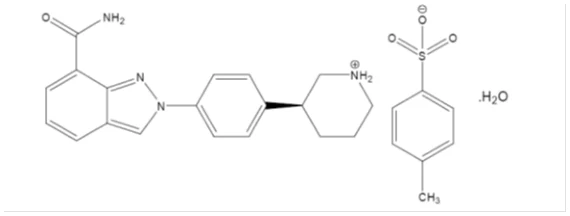
Common name: niraparib tosylate
Chemical name: The chemical name for niraparib tosylate monohydrate is 2-{4-[(3S)-piperidin-3-yl]phenyl}-2H-indazole 7-carboxamide 4-methylbenzenesulfonate hydrate (1:1:1).
Molecular formula and molecular mass: The molecular formula is C19H20N4O • C7H8O3S • H2O and it has a molecular weight of 510.61 amu (320.4 amu for niraparib free base).
Structure:
Physicochemical properties: Niraparib tosylate monohydrate is a white to off-white, non-hygroscopic crystalline solid. Niraparib solubility is pH independent below the pKa of 9.95, with an aqueous free base solubility of 0.7 mg/mL to 1.1 mg/mL across the physiological pH range.
Each ZEJULA capsule contains 159.4 mg niraparib tosylate monohydrate equivalent to 100 mg niraparib free base as the active ingredient.
Each ZEJULA tablet contains 159.3 mg niraparib tosylate monohydrate equivalent to 100 mg niraparib free base as the active ingredient.
14. Clinical Trials
14.1. Clinical Trials by Indication
First-Line Maintenance Treatment of Advanced Ovarian Cancer
Table 12 – Summary of Patient Demographics for Clinical Trials in First-Line Maintenance Treatment of Advanced Ovarian Cancer
| Study # | Study design | Dosage, route of administration and duration | Study subjects (n) | Mean age (range) | Sex |
| PRIMA/P R-30-5017-C | Double-blind, 2:1 randomized, placebo-controlled | 200 mg or 300 mg niraparib orally once daily in continuous 28-day cycles Matching placebo orally once daily | 733 | ZEJULA: 61.1 years (32 – 85 years) Placebo: 61.3 years (33 – 88 years) | Females |
PRIMA was a double-blind, placebo-controlled study in which patients (n=733) in complete or partial response to first-line platinum-based chemotherapy were randomized 2:1 to ZEJULA or matched placebo. The study was initiated with a starting dose of 300 mg QD in continuous 28-day cycles regardless of baseline body weight or platelet count (henceforth referred to as a fixed starting dose). The starting dose in PRIMA was changed with Amendment 2 of the Protocol. From that point forward, patients with a baseline body weight ≥77 kg and baseline platelet count ≥150,000/μL were administered ZEJULA 300 mg (3×100 mg capsules) or placebo (3 capsules) daily and patients with a baseline body weight <77 kg or baseline platelet count <150,000/μL were administered ZEJULA 200 mg (2×100 mg capsules) or placebo (2 capsules) daily (henceforth referred to as an individualized starting dose).
Patients were randomized post completion of first-line platinum-based chemotherapy plus/minus surgery. Patients who had neoadjuvant chemotherapy followed by interval debulking surgery could have visible residual or no residual disease. Randomization was stratified by best response during the front-line platinum regimen (complete response vs partial response), neoadjuvant chemotherapy (NACT) (Yes vs No); and homologous recombination deficiency (HRD) status [positive vs negative or not determined]. Testing for HRD was performed using the HRD test (myChoice CDx assay) on tumour tissue obtained at the time of initial diagnosis. HRD positive status included either tumor BRCA mutant (tBRCAm) or a genomic instability score (GIS) ≥ 42.
Patients began treatment on Cycle 1/Day 1 (C1/D1) with ZEJULA 200 or 300 mg or matched placebo administered QD in continuous 28-day cycles. Clinic visits occurred each cycle (4 weeks ± 3 days).
Overall, the median dose intensity in subjects who received ZEJULA was 181.3 mg/day and the median relative dose intensity was 63% in subjects who received ZEJULA. In patients who received the individualized starting dose (n = 169; which is 35% of the patients), the median dose intensity was 178.6 mg/day and the median relative dose intensity was 66%. Among these patients, 122 patients received a starting dose of 200 mg. In patients who received the fixed starting dose, the median dose intensity was 181.8 mg/day and the median relative dose intensity was 61%.
The major efficacy outcome measure, PFS, was determined by blinded independent central review (BICR) per RECIST, version 1.1. In some cases, criteria other than RECIST, such as clinical signs and symptoms and increasing CA-125, were also applied. PFS testing was performed hierarchically: first in the HR deficient (HRD positive) population, then in the overall population. Overall survival (OS) was a key secondary endpoint. At a subsequent analysis, OS and the additional secondary endpoints of time to first subsequent therapy (TFST) and PFS after the first subsequent therapy (PFS2) were assessed (Table 14).
The median age of patients in the PRIMA trial was 62, ranging from 32 to 85 years among patients randomized with ZEJULA and 33 to 88 years among patients randomized with placebo. Eighty-nine percent of all patients were white. Sixty-nine percent of patients randomized with ZEJULA and 71% of patients randomized with placebo had an Eastern Cooperative Oncology Group (ECOG) performance status of 0 at study baseline. Approximately 45% of patients were enrolled in the U.S. or Canada. In the overall population, 65% of patients had stage III disease and 35% had stage IV disease. Sixty-seven percent of the patients received NACT. Sixty-nine percent of the patients had a complete response to the first-line platinum-based chemotherapy. Patients who had received bevacizumab with chemotherapy but could not receive bevacizumab as maintenance therapy were not excluded from the study; 1.2% of patients in the niraparib arm and 0.4% in the placebo arm had prior bevacizumab treatment.
Demographic and baseline characteristics in each cohort and are summarized in Table 13.
Table 13 – Patient Demographics and Baseline Characteristics by Cohort (PRIMA, ITT Population)
| Demographic/Baseline Characteristic | HR deficient Population | Overall Population | ||
| Demographic/Baseline Characteristic | HR deficient Population | Overall Population | ||
| Niraparib (N=247) n (%) | Placebo (N=126) n (%) | Niraparib (N=487) n (%) | Placebo (N=246) n (%) | |
| Niraparib (N=247) n (%) | Placebo (N=126) n (%) | Niraparib (N=487) n (%) | Placebo (N=246) n (%) | |
| Age (years), n | ||||
| Median | 58.0 | 58.0 | 62.0 | 62.0 |
| Min, Max | 32, 83 | 33, 82 | 32, 85 | 33, 88 |
| 18 to <65 | 173 (70.0) | 88 (69.8) | 297 (61.0) | 147 (59.8) |
| 65 to <75 | 49 (19.8) | 32 (25.4) | 136 (27.9) | 77 (31.3) |
| ≥65 | 74 (30.0) | 38 (30.2) | 190 (39.0) | 99 (40.2) |
| ≥75 | 25 (10.1) | 6 (4.8) | 54 (11.1) | 22 (8.9) |
| Race | ||||
| White | 218 (88.3) | 108 (85.7) | 436 (89.5) | 219 (89.0) |
| 5 (2.0) | 1 (0.8) | 10 (2.1) | 2 (0.8) | |
| Asian | 10 (4.0) | 8 (6.3) | 14 (2.9) | 11 (4.5) |
| American Indian or Alaska Native | 1 (0.4) | 0 | 1 (0.2) | 0 |
| Native Hawaiian or Other Pacific Islander | 1 (0.4) | 0 | 1 (0.2) | 0 |
| Unknown | 5 (2.0) | 0 | 6 (1.2) | 1 (0.4) |
| Not reported | 7 (2.8) | 9 (7.1) | 19 (3.9) | 13 (5.3) |
| Weight (kg) | ||||
| Median | 65.30 | 65.10 | 66.00 | 65.55 |
| Min, Max | 38.0, 137.0 | 38.5, 136.5 | 38.0, 137.0 | 37.8, 146.5 |
| ECOG PS | ||||
| 0 | 182 (73.7) | 97 (77.0) | 337 (69.2) | 174 (70.7) |
| 1 | 65 (26.3) | 29 (23.0) | 150 (30.8) | 72 (29.3) |
| Geographic Region, n (%) | ||||
| US and Canada | ND | ND | 218 (44.8) | 115 (46.7) |
| Eastern Europe | ND | ND | 61 (12.5) | 27 (11.0) |
| Western Europe | ND | ND | 192 (39.4) | 96 (39.0) |
| Primary tumor site | ||||
| Ovarian | 201 (81.4) | 105 (83.3) | 388 (79.7) | 201 (81.7) |
| Primary peritoneal | 14 (5.7) | 8 (6.3) | 34 (7.0) | 13 (5.3) |
| Fallopian tube | 32 (13.0) | 13 (10.3) | 65 (13.3) | 32 (13.0) |
| Cancer stage (FIGO) at time of diagnosis | ||||
| III, not otherwise specified | 7 (2.8) | 1 (0.8) | 10 (2.1) | 4 (1.6) |
| IIIA | 4 (1.6) | 1 (0.8) | 7 (1.4) | 4 (1.6) |
| IIIB | 10 (4.0) | 9 (7.1) | 16 (3.3) | 12 (4.9) |
| IIIC | 140 (56.7) | 67 (53.2) | 285 (58.5) | 138 (56.1) |
| IV | 86 (34.8) | 48 (38.1) | 169 (34.7) | 88 (35.8) |
ECOG=Eastern Cooperative Oncology Group; HR deficient=homologous recombination deficiency test positive, referring to homologous recombination deficient (HR-deficient) tumors; ITT=intent-to-treat; Max=maximum; Min=minimum; ND=not determined; PS=performance score; US=United States.
Study Results
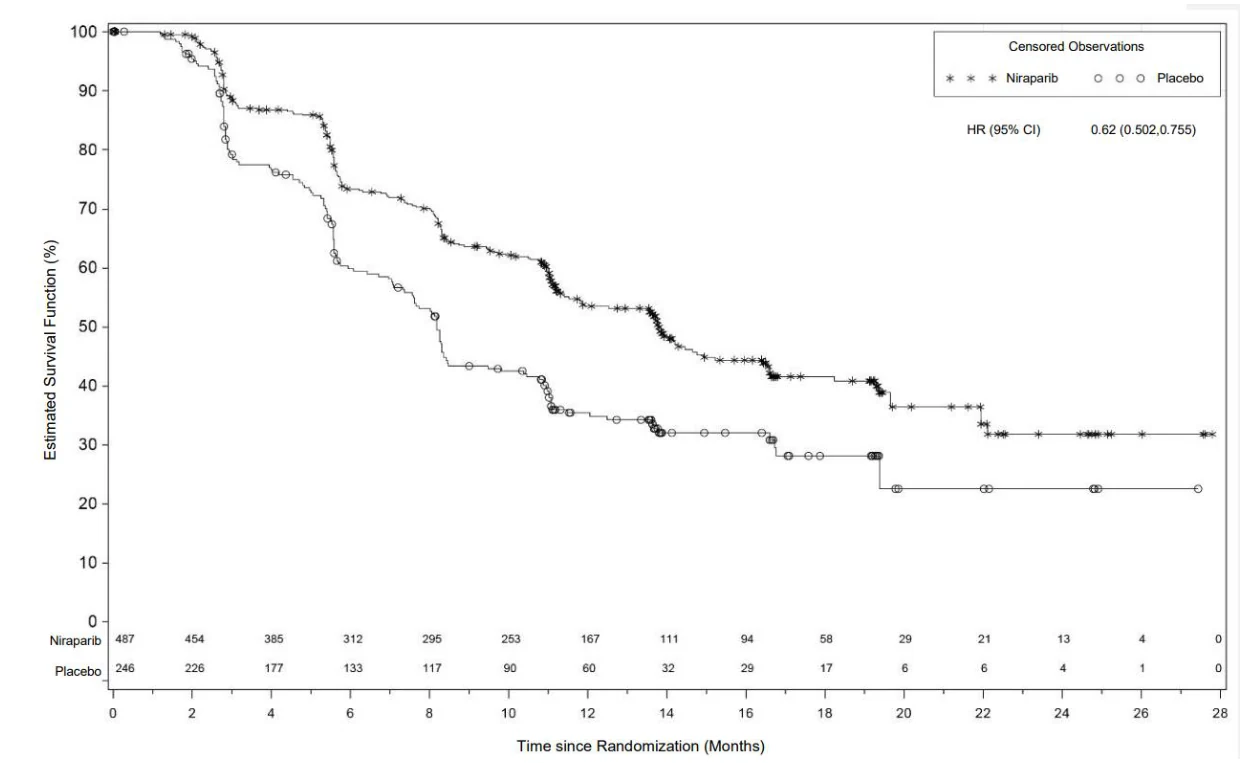
PRIMA demonstrated a statistically significant improvement in PFS for patients randomized to ZEJULA as compared with placebo in the HR deficient and overall population (Table 14, Figure 1, and
Figure 2).
Table 14 – Efficacy Results for PRIMA (determined by BICRa)
| HR deficient Population | Overall Population | |||||||||||||
|---|---|---|---|---|---|---|---|---|---|---|---|---|---|---|
| Niraparib (N=247) | Placebo (N=126) | Niraparib (N=487) | Placebo (N=246) | |||||||||||
| Primary Efficacy Endpoint | ||||||||||||||
| PFS events, n (%) | 81 (33) | 73 (58) | 232 (48) | 155 (63) | ||||||||||
| PFS Median in months (95% CI) | 21.9 (19.3, NE) | 10.4 (8.1, 12.1) | 13.8 (11.5, 14.9) | 8.2 (7.3, 8.5) | ||||||||||
| Hazard ratio (HR)b (95% CI) | 0.43 (0.310, 0.588) | 0.62 (0.502, 0.755) | ||||||||||||
| p-valuec | <0.0001 | <0.0001 | ||||||||||||
| Secondary Efficacy Endpoint | ||||||||||||||
| OS events, n (%) | 120 (49) | 65 (52) | 304 (62) | 154 (63) | ||||||||||
OS Median in months (95% CI) | 71.9 (55.5, NE) | 69.8 (51.6, NE) | 46.6 (43.7, 52.8) | 48.8 (43.1, 61.0) | ||||||||||
Hazard Ratio (HR)b (95% CI) | 0.95 (0.705, 1.290) | 1.01 (0.835, 1.232) | ||||||||||||
CI = confidence interval, NE = not evaluable, PFS = progression free survival
aEfficacy analysis was based on blinded independent central review (BICR)
b Based on a stratified Cox proportional hazards model
c Based on a stratified log-rank test
In exploratory subgroup analyses of patients who were administered a starting dose of ZEJULA based on baseline weight or platelet count (individualized starting dose), the hazard ratio for PFS was 0.39 (95% CI: 0.22, 0.72) in the HR deficient population (n=130), and 0.69 (95% CI: 0.48, 0.98) in the overall population (n=258).
In exploratory subgroup analyses the hazard ratios within the HR deficient population (with or without BRCA mutation) and within the HR proficient population (HRD negative) were consistent with the primary efficacy analysis of HRD and overall population.
Figure 1 –Progression-Free Survival by BICR Assessment in the Homologous Recombination Deficient (HRD) Population (PRIMA, ITT Population, N=373)
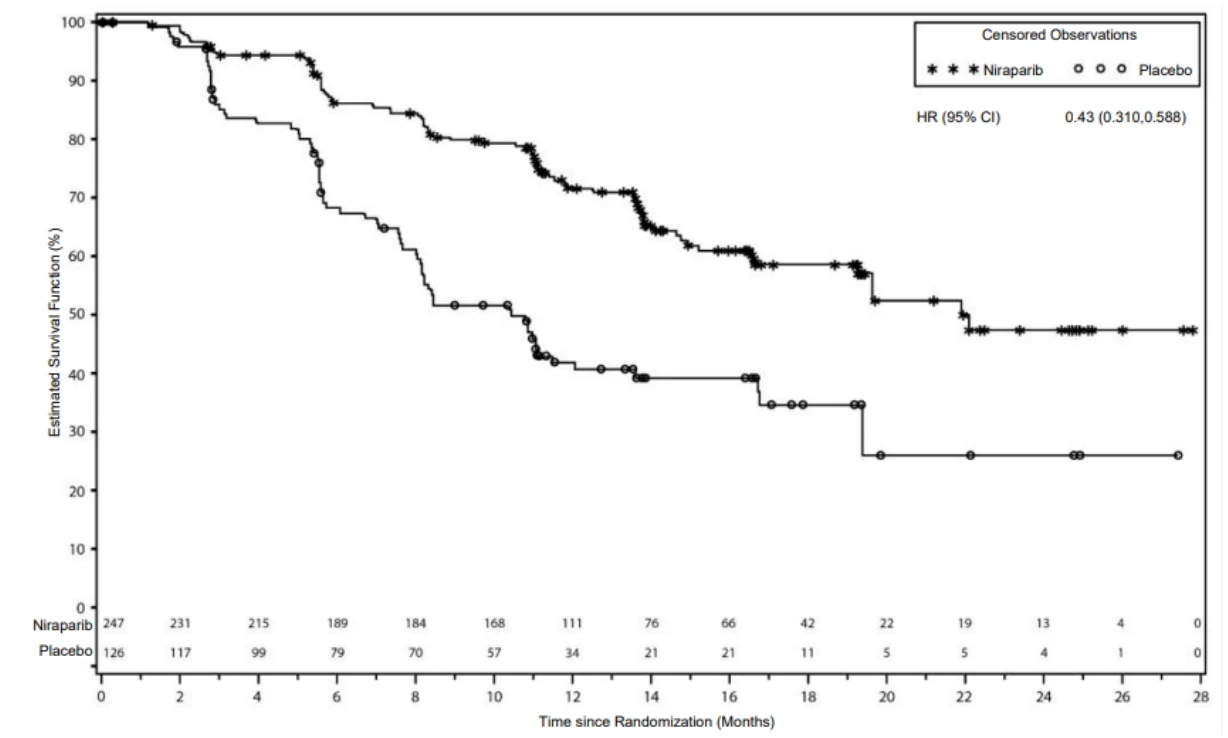
Figure 2 –Progression-Free Survival by BICR Assessment in the Overall Population (PRIMA, ITT Population, N=733)
At the final analysis of OS, in exploratory subgroup analyses of the HR deficient population with (n=223) or without BRCA mutation (n=149), the OS hazard ratios were consistent across subgroups at 0.94 (95% CI: 0.63, 1.41) and 0.97 (95% CI: 0.62, 1.53), respectively. In exploratory subgroup analysis of the HR-proficient population (n = 249), the median OS was 36.6 months (95% CI: 31.7, 43.7) for patients randomised to ZEJULA compared to 32.2 months (95% CI: 26.3, 3.8) in the placebo arm, with a hazard ratio of 0.93 (95% CI: 0.69, 1.26).
Health related outcomes were assessed for FOSI, EQ-5D-5L, EORTC-QLQ-C30 and EORTC-QLQ-OV28. At the final analysis of the study, no differences were observed overall between niraparib and placebo in patient-related symptoms, function (Physical, Role, Emotional, Cognitive, Social) or health-related quality of life (HRQoL) as measured by European Organization for Research and Treatment of Cancer Quality of Life Questionnaires, EORTC-QLQ-C30 and EORTC-QLQ-OV28.
Maintenance Treatment of Recurrent Ovarian Cancer
Table 15 – Summary of Patient Demographics for Clinical Trials in Maintenance Treatment of Recurrent Ovarian Cancer
| Study # | Study design | Dosage, route of administration and duration | Study subjects (n) | Mean age (Range) | Sex |
NOVA /PR-30-5011-C | Double-blind, 2:1 randomized, placebo-controlled | 300 mg orally daily or placebo in continuous 28-day cycles for a median duration of 250 days. | 553 | ZEJULA: 60.3 years (33 – 84 years) Placebo: 59.8 years (34 – 82 years) | Females |
The Phase III NOVA study was a double-blind, placebo-controlled trial in which female patients (n=553) with platinum-sensitive recurrent epithelial ovarian, fallopian tube, or primary peritoneal cancer were randomized 2:1 to ZEJULA 300 mg orally daily or matched placebo within 8 weeks of the last therapy. All patients had received at least two prior platinum-containing regimens and were in response (complete or partial) to their most recent platinum-based regimen.
Randomization was stratified by time to progression after the penultimate platinum therapy (6 to <12 months and ≥12 months); use of bevacizumab in conjunction with the penultimate or last platinum regimen (yes/no); and best response during the most recent platinum regimen (complete response and partial response). Eligible patients were assigned to one of two cohorts based on the results of the BRACAnalysis CDx. Patients with deleterious or suspected deleterious germline BRCA mutations (gBRCAm) were assigned to the germline BRCA mutated (gBRCAmut) cohort (n=203), and those without germline BRCA mutations were assigned to the non-gBRCAmut cohort (n=350).
The most commonly used dose after dose modification in niraparib-treated patients in the NOVA study was 200 mg.
The major efficacy outcome measure, PFS (progression-free survival), was determined primarily by central independent assessment per RECIST (Response Evaluation Criteria in Solid Tumors, version 1.1). In some cases, criteria other than RECIST, such as clinical signs and symptoms and increasing CA-125, were also applied. Secondary efficacy endpoints included chemotherapy-free interval (CFI), time to first subsequent therapy (TFST), PFS after the first subsequent therapy (PFS2), and overall survival (OS).
Demographic and baseline characteristics were well balanced in each cohort and are summarized in Table 16. The ages of patients ranged from 33 to 84 years among patients treated with ZEJULA and 34 and 82 years among patients treated with placebo. Eighty-six percent of all patients were white. Sixty-seven percent of patients receiving ZEJULA and 69% of patients receiving placebo had an ECOG of 0 at study baseline. Approximately 40% of patients were enrolled in the U.S. or Canada and 51% of all patients were in complete response to most recent platinum-based regimen, with 39% on both arms with an interval of 6-12 months since the penultimate platinum regimen. Twenty-six percent of those treated with ZEJULA and 31% treated with placebo had received prior bevacizumab therapy. Of those patients previously treated with bevacizumab, 16% received ZEJULA as switch maintenance after receiving bevacizumab with their last platinum therapy. Approximately 40% of patients had 3 or more lines of treatment.
Table 16 – Patient Demographics and Baseline Characteristics by Cohort (ITT Population) - NOVA
| Demographic/Baseline Characteristic | gBRCAmut Cohort (N=203) | Non-gBRCAmut Cohort (N=350) | |||||||||||||||||||||||
|---|---|---|---|---|---|---|---|---|---|---|---|---|---|---|---|---|---|---|---|---|---|---|---|---|---|
| Demographic/Baseline Characteristic | gBRCAmut Cohort (N=203) | Non-gBRCAmut Cohort (N=350) | |||||||||||||||||||||||
| Niraparib (N=138) | Placebo (N=65) | Niraparib (N=234) | Placebo (N=116) | ||||||||||||||||||||||
| Niraparib (N=138) | Placebo (N=65) | Niraparib (N=234) | Placebo (N=116) | ||||||||||||||||||||||
| Age (years), n | 138 | 65 | 234 | 116 | |||||||||||||||||||||
| Mean (SD) | 56.9 (9.25) | 57.2 (9.24) | 62.3 (9.25) | 61.3 (9.52) | |||||||||||||||||||||
| Median | 57.0 | 58.0 | 63.0 | 60.5 | |||||||||||||||||||||
| Min, Max | 36, 83 | 38, 73 | 33, 84 | 34, 82 | |||||||||||||||||||||
| Age (years), n (%) | |||||||||||||||||||||||||
| 18-64 | 110 (79.7) | 49 (75.4) | 130 (55.6) | 69 (59.5) | |||||||||||||||||||||
| 65-74 | 24 (17.4) | 16 (24.6) | 85 (36.3) | 39 (33.6) | |||||||||||||||||||||
| ≥65 | 28 (20.3) | 16 (24.6) | 104 (44.4) | 47 (40.5) | |||||||||||||||||||||
| ≥75 | 4 (2.9) | 0 | 19 (8.1) | 8 (6.9) | |||||||||||||||||||||
| Race, n (%) | |||||||||||||||||||||||||
| White | 123 (89.1) | 55 (84.6) | 201 (85.9) | 101 (87.1) | |||||||||||||||||||||
| 1 (0.7) | 1 (1.5) | 4 (1.7) | 1 (0.9) | ||||||||||||||||||||||
| Asian | 2 (1.4) | 3 (4.6) | 10 (4.3) | 4 (3.4) | |||||||||||||||||||||
| American Indian/Alaska Native | 1 (0.7) | 0 | 0 | 0 | |||||||||||||||||||||
| Native Hawaiian/Pacific Islander | 0 | 0 | 0 | 0 | |||||||||||||||||||||
| Unknown | 11 (8.0) | 6 (9.2) | 19 (8.1) | 10 (8.6) | |||||||||||||||||||||
| BMI (kg/m2), n | 138 | 64 | 229 | 114 | |||||||||||||||||||||
| Mean (SD) | 26.06 (5.749) | 26.78 (6.003) | 26.29 (5.606) | 26.31 (4.859) | |||||||||||||||||||||
| Median | 24.70 | 25.50 | 25.48 | 25.71 | |||||||||||||||||||||
| Min, Max | 14.0, 44.6 | 19.0, 50.4 | 16.8, 45.6 | 18.1, 45.7 | |||||||||||||||||||||
| ECOG PS, n (%) | |||||||||||||||||||||||||
| 0 | 91 (65.9) | 48 (73.8) | 160 (68.4) | 78 (67.2) | |||||||||||||||||||||
| 1 | 47 (34.1) | 17 (26.2) | 74 (31.6) | 38 (32.8) | |||||||||||||||||||||
| 2 | 0 | 0 | 0 | 0 | |||||||||||||||||||||
| Geographic Region, n (%) | |||||||||||||||||||||||||
| US and Canada | 53 (38.4) | 28 (43.1) | 96 (41.0) | 44 (37.9) | |||||||||||||||||||||
| Europe and Israel | 85 (61.6) | 37 (56.9) | 138 (59.0) | 72 (62.1) | |||||||||||||||||||||
Study Results
The study demonstrated a statistically significant improvement in PFS for patients randomized to ZEJULA as compared with placebo in the gBRCAmut cohort and the non-gBRCAmut cohort (Table 17, Figure 3Error! Reference source not found. and Figure 4).
| Table 17 – Efficacy Results - Study 1 (IRC Assessmenta, Intent-To-Treat Population) | |||||||||||||||
|---|---|---|---|---|---|---|---|---|---|---|---|---|---|---|---|
| gBRCAmut Cohort | non-gBRCAmut Cohort | ||||||||||||||
ZEJULA (N=138) | Placebo (N=65) | ZEJULA (N=234) | Placebo (N=116) | ||||||||||||
| Primary Efficacy Endpoint | |||||||||||||||
PFS Median in months (95% CI) | 21.0 (12.9, NE) | 5.5 (3.8, 7.2) | 9.3 (7.2, 11.2) | 3.9 (3.7, 5.5) | |||||||||||
Hazard Ratio (HR)b (95% CI) | 0.27 (0.17, 0.41) | 0.45 (0.34, 0.61) | |||||||||||||
| p-valuec | <0.0001 | <0.0001 | |||||||||||||
| Secondary Efficacy Endpoint | |||||||||||||||
OS Median in months (95% CI) | 40.9d (34.9, 52.9) | 38.1d (27.6, 47.3) | 31.0e (27.8, 35.6) | 34.8e (27.9, 41.4) | |||||||||||
Hazard Ratio (HR) (95% CI) | 0.85 (0.61, 1.20) | 1.06 (0.81, 1.37) | |||||||||||||
a Efficacy analysis was based on blinded central independent radiologic and clinical oncology review committee (IRC).
b Based on a stratified Cox proportional hazards model
c Based on a stratified log-rank test
d The cohort maturity for the gBRCAmut cohort was 76%
e The cohort maturity for the non-gBRCAmut cohort was 79%
PFS = progression-free survival, OS = overall survival, NE=Not Evaluable
Figure 3 – Progression-Free Survival in the gBRCAmut Cohort Based on IRC Assessment - NOVA (ITT Population, N=203)
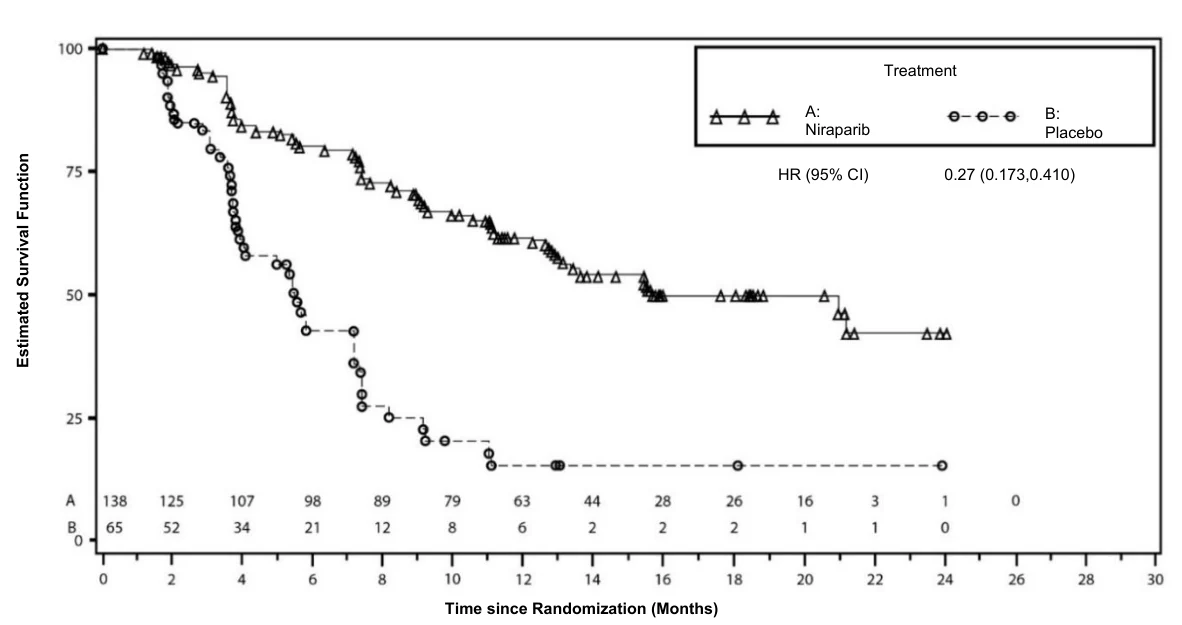
Time since Randomization (Months)
E s tima ted S urv iv a l Function
Treatment
HR (95% CI) 0.27 (0.173,0.410)
A: Niraparib
B: Placebo
Figure 4 – Progression-Free Survival in the Non-gBRCAmut Cohort Overall Based on IRC Assessment -NOVA (ITT Population, N=350)

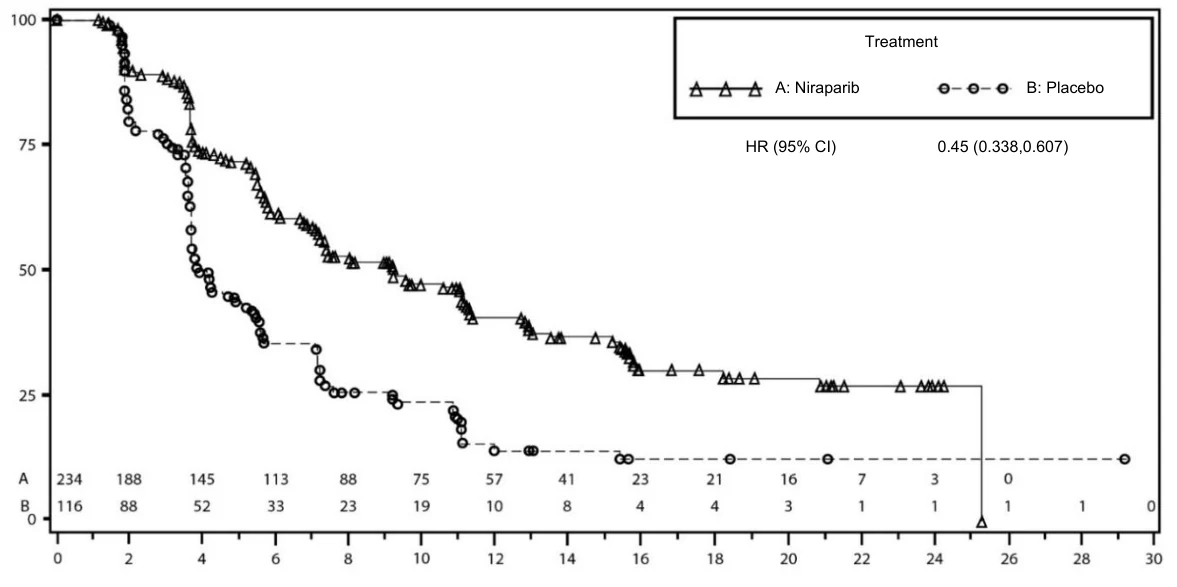
14.2. Comparative Bioavailability Studies
A randomized, single-crossover study in 108 patients with advanced solid tumors was conducted under fasted conditions to evaluate if the tablet dosage form (1 × 300 mg) of niraparib was bioequivalent to the capsule dosage form (3 × 100 mg).
Results:
One niraparib 300 mg tablet was bioequivalent to three niraparib 100 mg capsules. The results are presented below:
Time since Randomization (Months)
E s tima ted S urv iv a l Function
A: Niraparib
B: Placebo
Treatment
HR (95% CI) 0.45 (0.338,0.607)
Table 18 – Summary Table of the Comparative Bioavailability Data
Niraparib 1 x 300 mg From measured data Geometric Mean Arithmetic Mean (CV %) | ||||
| Parameter | Test | Reference | % Ratio of Geometric Means | Confidence Interval |
AUCT (hr•ng/mL) | 17,020 | 17,740 | 0.9594 | 90% CI (0.9199, 1.0006) |
AUCI (hr•ng/mL) | 17,620 | 18,420 | 0.9566 | 90% CI (0.9164, 0.9986) |
Cmax (ng/mL) | 518.1 | 538.6 | 0.9619 | 90% CI (0.9124, 1.0140) |
Tmax (h), median | 5.00 (1.55, 8.00) | 4.97 (0.970, 23.8) | Not applicable | Not applicable |
T½ (h) | 49.64 (28.2) | 51.88 (27.1) | Not applicable | Not applicable |
AUC: Area under concentration-time curve; AUCI : Area under the concentration-time curve from time zero to infinity; AUCT: area under the concentration-time curve from time zero to the last measured concentration; Cmax : Maximum observed concentration; CI : Confidence interval; CV : Coefficient of variance; Tmax : Time to maximum observed concentration; T½ : Terminal phase half-life
15. Microbiology
No microbiological information is required for this drug product.
16. Non-Clinical Toxicology
General toxicology: In vitro, niraparib bound to the dopamine transporter (DAT), norepinephrine transporter (NET) and serotonin transporter (SERT) and inhibited uptake of norepinephrine and dopamine in cells with IC50 values that were lower than the Cmin at steady-state in patients receiving the recommended dose. In mice, a single dose of niraparib increased intracellular levels of dopamine and metabolites in the cortex. Niraparib has the potential to cause effects in patients related to inhibition of these transporters (e.g., cardiovascular or CNS).
In safety pharmacology studies, intravenous administration of niraparib to vagotomized dogs over 30 minutes at 1, 3 and 10 mg/kg resulted in an increased range of arterial pressures of 13-20, 18-27 and 19-25% and increased range of heart rates of 2-11, 4-17 and 12-21% above pre-dose levels, respectively. The unbound plasma concentrations of niraparib in dogs at these dose levels were approximately 0.7, 2 and 8 times the unbound Cmax at steady-state in patients receiving the recommended dose. Reduced locomotor activity was seen in one of two single dose studies in mice.
In repeat-dose oral toxicity studies, niraparib was administered daily for up to 3 months’ duration in rats and dogs. The major primary target organ for toxicity in both species was the bone marrow, with associated changes in peripheral hematology parameters. Additionally, decreased spermatogenesis was seen in both species. These findings occurred at exposure levels below those seen clinically and were reversible within 4 weeks of cessation of dosing.
Genotoxicity: Niraparib was not mutagenic in a bacterial reverse mutation assay (Ames) test, but was clastogenic in an in vitro mammalian chromosomal aberration assay and in an in vivo rat bone marrow micronucleus assay. This clastogenicity is consistent with genomic instability resulting from the primary pharmacology of niraparib and indicates potential for genotoxicity in humans.
Carcinogenicity: Carcinogenicity studies have not been conducted with niraparib.
Reproductive and developmental toxicology: While no direct fertility studies were conducted in animals, repeat dose toxicity studies in rats and dogs showed a reduction in spermatogenesis, small testes and germ cell depletion in the testes and epididymides at niraparib doses of 20 mg/kg/day and 6 mg/kg/day respectively (0.74- and 0.05-times clinical exposure based on AUC, respectively). There was a trend towards reversibility of these findings 4 weeks after dosing was stopped.
Special toxicology: Non-clinical experiments concluded that no direct phototoxicity was seen in rats. Potential niraparib related photosensitivity in humans cannot be excluded.