


Product Monograph - Atectura Breezhaler
RECENT MAJOR LABEL CHANGES
| 7 Warnings and Precautions, Endocrine and Metabolism | 11/2021 |
TABLE OF CONTENTS
Sections or subsections that are not applicable at the time of authorization are not listed.
RECENT MAJOR LABEL CHANGES ........................................................................................... 2
TABLE OF CONTENTS ............................................................................................................. 2
PART I: HEALTH PROFESSIONAL INFORMATION ..................................................................... 4
1 INDICATIONS .............................................................................................................. 4
1.1 Pediatrics ................................................................................................................... 4
1.2 Geriatrics ................................................................................................................... 4
2 CONTRAINDICATIONS ................................................................................................. 4
4 DOSAGE AND ADMINISTRATION ................................................................................. 4
4.1 Dosing Considerations .............................................................................................. 4
4.2 Recommended Dose and Dosage Adjustment ......................................................... 5
4.4 Administration .......................................................................................................... 6
4.5 Missed Dose .............................................................................................................. 6
5 OVERDOSAGE ............................................................................................................. 6
6 DOSAGE FORMS, STRENGTHS, COMPOSITION AND PACKAGING ................................. 6
7 WARNINGS AND PRECAUTIONS .................................................................................. 7
7.1 Special Populations ................................................................................................. 13
7.1.1 Pregnant Women .............................................................................................. 13
7.1.2 Breast-feeding ................................................................................................... 14
7.1.3 Pediatrics ........................................................................................................... 14
7.1.4 Geriatrics ........................................................................................................... 14
8 ADVERSE REACTIONS................................................................................................ 14
8.1 Adverse Reaction Overview .................................................................................... 14
8.2 Clinical Trial Adverse Reactions .............................................................................. 14
8.3 Less Common Clinical Trial Adverse Reactions ....................................................... 15
8.5 Post-Market Adverse Reactions .............................................................................. 15
9 DRUG INTERACTIONS ............................................................................................... 16
9.2 Drug Interactions Overview .................................................................................... 16
9.4 Drug-Drug Interactions ........................................................................................... 17
9.5 Drug-Food Interactions ........................................................................................... 18
9.6 Drug-Herb Interactions ........................................................................................... 18
9.7 Drug-Laboratory Test Interactions.......................................................................... 18
10 CLINICAL PHARMACOLOGY ....................................................................................... 18
10.1 Mechanism of Action ........................................................................................ 18
10.2 Pharmacodynamics ........................................................................................... 19
10.3 Pharmacokinetics .............................................................................................. 19
11 STORAGE, STABILITY AND DISPOSAL ......................................................................... 22
12 SPECIAL HANDLING INSTRUCTIONS ........................................................................... 22
PART II: SCIENTIFIC INFORMATION ...................................................................................... 23
13 PHARMACEUTICAL INFORMATION ........................................................................... 23
14 CLINICAL TRIALS ....................................................................................................... 24
14.1 Clinical Trials by Indication ............................................................................... 24
15 MICROBIOLOGY ....................................................................................................... 27
16 NON-CLINICAL TOXICOLOGY ..................................................................................... 27
17 SUPPORTING PRODUCT MONOGRAPHS .................................................................... 28
PATIENT MEDICATION INFORMATION ................................................................................. 29
PART I: HEALTH PROFESSIONAL INFORMATION
1 INDICATIONS
ATECTURA BREEZHALER (indacaterol/mometasone furoate) is a combination of a long-acting beta2-adrenergic agonist (LABA) and an inhaled corticosteroid (ICS) indicated as a once-daily maintenance treatment of asthma in adults and adolescents 12 years of age and older with reversible obstructive airways disease.
ATECTURA BREEZHALER should be prescribed for patients not adequately controlled on a long-term asthma control medication, such as ICS or whose disease severity clearly warrants treatment with both a LABA and an ICS.
ATECTURA BREEZHALER is not indicated for patients whose asthma can be managed by occasional use of a rapid onset, short duration, inhaled beta2-agonist or for patients whose asthma can be successfully managed by ICS along with occasional use of a rapid onset, short duration, inhaled beta2-agonist.
ATECTURA BREEZHALER is not indicated for the relief of acute bronchospasm (see General).
1.1 Pediatrics
Pediatrics (under 12 years of age): The safety and efficacy of ATECTURA BREEZHALER in pediatric patients less than 12 years of age has not been established, therefore, Health Canada has not authorized an indication for this age group.
1.2 Geriatrics
Geriatrics (> 65 years of age): No dose adjustment is required in elderly patients 65 years of age or older (see 10 CLINICAL PHARMACOLOGY).
2 CONTRAINDICATIONS
- ATECTURA BREEZHALER is contraindicated in patients who are hypersensitive to this drug or to any ingredient in the formulation, including any non-medicinal ingredient, or component of the container. For a complete listing, see 6 Dosage Forms, Strengths, Composition and Packaging.
4 DOSAGE AND ADMINISTRATION
4.1 Dosing Considerations
Patients should be made aware that ATECTURA BREEZHALER should be used regularly, even when asymptomatic.
When treating patients with asthma, physicians should only prescribe ATECTURA BREEZHALER for patients not adequately controlled on a long-term asthma control medication, such as an inhaled corticosteroid or whose disease severity clearly warrants treatment with both a LABA and an inhaled corticosteroid.
Patients should be given the strength of ATECTURA BREEZHALER containing the appropriate mometasone furoate dosage for the severity of their disease and should be regularly reassessed by a healthcare professional. If a previously effective dose of ATECTURA BREEZHALER fails to provide adequate control of asthma symptoms, patients should seek medical advice as this indicates worsening of their underlying condition.
As with other inhaled drugs containing beta2-adrenergic agents, ATECTURA BREEZHALER should not be used more often than recommended, at higher doses than recommended, or in conjunction with other medicines containing LABA, as an overdose may result. When beginning treatment with ATECTURA BREEZHALER patients who have been taking rapid onset, short duration, inhaled beta2-agonists on a regular basis (e.g., q.i.d) should be instructed to discontinue the regular use of these drugs and use them only for symptomatic relief if they develop acute respiratory symptoms while taking ATECTURA BREEZHALER.
It is crucial to inform patients that ATECTURA BREEZHALER should not be used to treat acute symptoms of asthma. Patients should be prescribed a rapid onset, short duration inhaled bronchodilator (e.g., salbutamol) to relieve the acute symptoms such as shortness of breath and advised to have this available for use at all times.
4.2 Recommended Dose and Dosage Adjustment
The recommended dose of ATECTURA BREEZHALER for patients 12 years of age and older is:
- Inhalation of the content of one capsule of ATECTURA BREEZHALER 150/80 micrograms once-daily is recommended in patients who require a combination of a long-acting beta2-agonist and a low dose of inhaled corticosteroid.
- Inhalation of the content of one capsule of ATECTURA BREEZHALER 150/160 micrograms or 150/320 micrograms once-daily is recommended in patients who require a combination of a long-acting beta2-agonist and a medium or high dose of inhaled corticosteroid.
The maximum recommended dose is ATECTURA BREEZHALER 150/320 micrograms once-daily.
Dosing in special populations
Renal impairment
No dose adjustment is required in patients with renal impairment (see Special Populations and Conditions, Renal Insufficiency).
Hepatic impairment
No data are available for ATECTURA BREEZHALER in subjects with hepatic impairment. Based on PK data available for mono components (i.e. indacaterol and mometasone furoate), no dose adjustment is required in patients with mild or moderate hepatic impairment; however, ATECTURA BREEZHALER may be used in patients with severe hepatic impairment only if the expected benefit outweighs the potential risk (see Special Populations and Conditions, Hepatic Insufficiency).
Elderly patients (65 years or above)
No dose adjustment is required in elderly patients 65 years of age or older (see 10 CLINICAL PHARMACOLOGY).
Pediatrics (below 12 years)
The safety and efficacy of ATECTURA BREEZHALER in pediatric patients below 12 years of age have not been established (see Special Populations and Conditions, Pediatrics).
4.4 Administration
For inhalation use only. ATECTURA BREEZHALER capsules must not be swallowed.
Patients should be instructed on how to administer the medicinal product correctly. Patients who do not experience improvement in breathing should be asked if they are swallowing the capsule rather than inhaling it.
The capsules must be administered only using the ATECTURA BREEZHALER inhaler. The inhaler provided with each new prescription should be used.
ATECTURA BREEZHALER should be administered at the same time of the day each day. It can be administered irrespective of the time of the day.
The capsules must always be stored in the blister to protect from moisture and light, and only removed immediately before use (see 12 SPECIAL HANDLING INSTRUCTIONS).
After inhalation, patients should rinse their mouth with water without swallowing.
4.5 Missed Dose
If a dose is missed, it should be taken as soon as possible. Patients should be instructed not to take more than one dose in a day.
5 OVERDOSAGE
There is limited experience with overdose in clinical studies with ATECTURA BREEZHALER. General supportive measures and symptomatic treatment should be initiated in cases of suspected overdose.
An overdose will likely produce signs, symptoms or adverse effects associated with the pharmacological actions of the individual components (e.g. tachycardia, tremor, palpitations, headache, nausea, vomiting, drowsiness, ventricular arrhythmias, metabolic acidosis, hypokalemia, hyperglycemia, suppression of hypothalamic pituitary adrenal axis function). Use of cardioselective beta blockers may be considered for treating beta2-adrenergic effects, but only under the supervision of a physician and with extreme caution since the use of beta-adrenergic blockers may provoke bronchospasm. In serious cases, patients should be hospitalized.
| For management of a suspected drug overdose, contact your regional poison control centre. |
6 DOSAGE FORMS, STRENGTHS, COMPOSITION AND PACKAGING
Table 1 – Dosage Forms, Strengths, Composition and Packaging
| Route of Administration | Dosage Form / Strength/Composition | Non-medicinal Ingredients |
| Oral inhalation | Inhalation powder hard capsules, 150 mcg indacaterol as acetate and 80, 160 and 320 mcg mometasone furoate | Gelatin and lactose (as monohydrate) |
Atectura Breezhaler 150/80 micrograms: Each capsule of Atectura Breezhaler 150/80 micrograms, contains 173 micrograms of indacaterol acetate equivalent to 150 micrograms of indacaterol and 80 micrograms of mometasone furoate. The delivered dose of Atectura Breezhaler 150/80 micrograms (the dose that leaves the mouthpiece of the inhaler) is equivalent to 125 micrograms indacaterol, and 62.5 micrograms mometasone furoate.
Atectura Breezhaler 150/160 micrograms: Each capsule of Atectura Breezhaler 150/160 micrograms, contains 173 micrograms of indacaterol acetate equivalent to 150 micrograms of indacaterol and 160 micrograms of mometasone furoate. The delivered dose of Atectura Breezhaler 150/160 micrograms (the dose that leaves the mouthpiece of the inhaler) is equivalent to 125 micrograms indacaterol, and 127.5 micrograms mometasone furoate.
Atectura Breezhaler 150/320 micrograms: Each capsule of Atectura Breezhaler 150/320 micrograms, contains 173 micrograms of indacaterol acetate equivalent to 150 micrograms of indacaterol and 320 micrograms of mometasone furoate. The delivered dose of Atectura Breezhaler 150/320 micrograms (the dose that leaves the mouthpiece of the inhaler) is equivalent to 125 micrograms indacaterol, and 260 micrograms mometasone furoate.
The following pack types are available:
- Carton of 30 ATECTURA BREEZHALER capsules (3 blister cards of 10 capsules) and one ATECTURA BREEZHALER device.
7 WARNINGS AND PRECAUTIONS
General
Serious Asthma-Related Events – Hospitalizations, Intubations, Death
Use of LABA as monotherapy (without ICS) for asthma is associated with an increased risk of asthma-related death (see Salmeterol Multicenter Asthma Research Trial (SMART)). Available data from controlled clinical trials also suggest that use of LABA as monotherapy increases the risk of asthma-related hospitalization in pediatric and adolescent patients. These findings are considered a class effect of LABA monotherapy.
When LABA are used in fixed-dose combination with ICS, data from large clinical trials do not show a significant increase in the risk of serious asthma-related events (hospitalizations, intubations, death) compared with ICS alone (see Serious Asthma-Related Events with Inhaled Corticosteroid/Long-acting Beta2-adrenergic Agonist Combination Products).
Serious Asthma-Related Events with Inhaled Corticosteroid/Long-acting Beta2-adrenergic Agonist Combination Products
Four (4) large, 26-week, randomized, double-blind, active-controlled clinical safety trials were conducted to evaluate the risk of serious asthma-related events when LABA were used in fixed-dose combination with ICS compared with ICS alone in subjects with asthma. Three (3) trials included adult and adolescent subjects aged 12 years and older: 1 trial compared budesonide/formoterol with budesonide, 1 trial compared fluticasone propionate/salmeterol with fluticasone propionate, and 1 trial compared mometasone furoate/formoterol with mometasone furoate. The fourth trial included pediatric subjects aged 4 to 11 years and compared fluticasone propionate/salmeterol with fluticasone propionate. No safety study was conducted with ATECTURA BREEZHALER. The primary safety endpoint for all 4 trials was serious asthma-related events (hospitalizations, intubations, death). A single, blinded, independent, joint adjudication committee determined whether events were asthma related.
The 3 adult and adolescent trials were designed to rule out a 2.0-fold increase in relative risk for ICS/LABA compared with ICS, and the pediatric trial was designed to rule out a 2.7-fold increase in this relative risk. Each individual trial met its pre-specified objective and demonstrated non-inferiority of ICS/LABA to ICS alone. A meta-analysis of the 3 adult and adolescent trials did not show a significant increase in risk of a serious asthma-related event with ICS/LABA fixed-dose combination compared with ICS alone (Table 2). These trials were not designed to rule out all risk for serious asthma-related events with ICS/LABA compared with ICS.
Table 2 Meta-analysis of Serious Asthma-Related Events in Subjects with Asthma Aged 12 Years and Older
| ICS/LABA (n=17,537)a | ICS (n=17,552)a | ICS/LABA vs. ICS Hazard Ratio (95% CI)b | |
Serious asthma-related eventc Asthma-related death Asthma-related intubation (endotracheal) Asthma-related hospitalization (≥24-hour stay) | 116 2 1 115 | 105 0 2 105 | 1.10 (0.85, 1.44) |
ICS = Inhaled Corticosteroid; LABA = Long-acting Beta2-adrenergic Agonist.
a Randomized subjects who had taken at least 1 dose of study drug. Planned treatment used for analysis.
b Estimated using a Cox proportional hazards model for time to first event with baseline hazards stratified by each of the 3 trials.
c Number of subjects with an event that occurred within 6 months after the first use of study drug or 7 days after the last date of study drug, whichever date was later. Subjects may have had one or more events, but only the first event was counted for analysis. A single, blinded, independent, joint adjudication committee determined whether events were asthma related.
The pediatric safety trial included 6,208 pediatric subjects aged 4 to 11 years who received ICS/LABA (fluticasone propionate/salmeterol inhalation powder) or ICS (fluticasone propionate inhalation powder). In this trial, 27/3,107 (0.9%) subjects randomized to ICS/LABA and 21/3,101 (0.7%) subjects randomized to ICS experienced a serious asthma-related event. There were no asthma-related deaths or intubations. ICS/LABA did not show a significant increase in risk of serious asthma-related events compared with ICS based on the pre-specified risk margin (2.7), with an estimated hazard ratio of time to first event of 1.29 (95% CI: 0.73, 2.27). ATECTURA BREEZHALER is not indicated in children younger than 12 years of age.
Salmeterol Multicenter Asthma Research Trial (SMART)
A 28-week, placebo-controlled, U.S. trial that compared the safety of salmeterol with placebo, each added to usual asthma therapy, showed an increase in asthma-related deaths in subjects receiving salmeterol (13/13,176 in subjects treated with salmeterol versus 3/13,179 in subjects treated with placebo; relative risk: 4.37 [95% CI: 1.25, 15.34]). Use of background ICS was not required in SMART. The increased risk of asthma-related death is considered a class effect of LABA monotherapy.
Not for Acute Use
It is crucial to inform patients that ATECTURA BREEZHALER should not be used for the relief of acute symptoms of asthma (i.e., as rescue therapy for the treatment of acute episodes of bronchospasm). Patients should be prescribed a rapid onset, short duration inhaled bronchodilator (e.g., salbutamol) to relieve acute symptoms such as shortness of breath, and advised to have this available for use at all times.
When beginning treatment with ATECTURA BREEZHALER, patients who have been taking a rapid onset, short duration, inhaled bronchodilator on a regular basis (e.g., q.i.d.) should be instructed to discontinue the regular use of these drugs and use them only for symptomatic relief if they develop acute symptoms while taking ATECTURA BREEZHALER.
Deterioration of Disease
ATECTURA BREEZHALER should not be initiated in patients with acutely deteriorating asthma, which may be a life-threatening condition. The use of ATECTURA BREEZHALER in this setting is inappropriate.
Asthma may deteriorate acutely over a period of hours or chronically over several days or longer. If the patient’s inhaled, short-acting bronchodilator becomes less effective or the patient needs more inhalation of a short-acting bronchodilator than usual, these may be markers of deterioration of disease. In this setting, a re-evaluation of the patient and the treatment regimen should be undertaken at once. Increasing the daily dosage of ATECTURA BREEZHALER beyond the recommended dose is not appropriate in this situation.
Patients should not stop ATECTURA BREEZHALER treatment without physician supervision since symptoms may recur after discontinuation.
Asthma-related adverse events and exacerbations may occur during treatment with ATECTURA BREEZHALER. Patients should be asked to continue treatment but to seek medical advice if asthma symptoms remain uncontrolled or worsen after initiation of treatment with ATECTURA BREEZHALER.
Excessive Use and Use with Other LABA Products
ATECTURA BREEZHALER should not be used more often than recommended, at higher doses than recommended, or in conjunction with other medicines containing LABA, as an overdose may result. Clinically significant cardiovascular effects and fatalities have been reported in association with excessive use of inhaled sympathomimetic drugs. Patients using ATECTURA BREEZHALER should not use another medicine containing a LABA (e.g., salmeterol, formoterol fumarate, vilanterol, olodaterol) for any reason.
Cardiovascular
Like other medicinal products containing beta2-adrenergic agonists, ATECTURA BREEZHALER may produce a clinically significant cardiovascular effect in some patients as measured by increases in pulse rate, blood pressure, or cardiac arrhythmias such as supraventricular tachycardia and extrasystoles. If such effects occur, treatment may need to be discontinued.
Clinically significant cardiovascular effects and fatalities have been reported in association with excessive use of inhaled sympathomimetic drugs. Cardiovascular effects such as tachycardia, arrhythmia, palpitations, myocardial ischemia, angina pectoris, hypertension or hypotension have been associated with use of beta-adrenergic agonists. Like all products containing sympathomimetic agents, ATECTURA BREEZHALER should be used with caution in patients with cardiovascular disorders (coronary artery disease, acute myocardial infarction, cardiac arrhythmias, hypertension).
While beta2-adrenergic agonists have been reported to produce electrocardiographic (ECG) changes, such as flattening of the T wave, prolongation of QT interval, and ST segment depression, the clinical significance of these findings is unknown.
Therefore, long-acting beta2-adrenergic agonists (LABA) or LABA containing combination products should be used with caution in patients with known or suspected prolongation of the QT interval or who are treated with medicinal products affecting the QT interval (see 10 CLINICAL PHARMACOLOGY).
Ear/Nose/Throat
Localized infections of the mouth and pharynx with Candida albicans have been associated with the use of inhaled glucocorticosteroids. Patients should be advised to rinse their mouth with water (without swallowing) after inhalation of ATECTURA BREEZHALER to reduce the risk of oropharyngeal candidiasis.
Endocrine and Metabolism
Systemic effects may occur with inhaled corticosteroids, particularly at high doses prescribed for prolonged periods. These effects are much less likely to occur than with oral corticosteroids and may vary in individual patients and between different corticosteroid preparations. Possible systemic effects include: Cushing’s syndrome, Cushingoid features, hypothalamic-pituitary-adrenal (HPA) axis suppression, growth retardation in children and adolescents, decrease in bone mineral density (BMD), cataracts, glaucoma, and central serous chorioretinopathy.
ATECTURA BREEZHALER should be administered with caution in patients with pulmonary tuberculosis or in patients with chronic or untreated infections.
Effect on Growth
Orally inhaled corticosteroids may cause a reduction in growth velocity when administered to children and adolescents (see Special Populations and Conditions, Pediatrics).
Hypercorticism and Adrenal Suppression
Inhaled mometasone furoate is absorbed into the circulation and can be systemically active (see 10.2 Pharmacodynamics). Exceeding the recommended dosage or co-administration with a strong cytochrome P450 3A4 (CYP3A4) inhibitor may result in hypothalamic-pituitary-adrenal (HPA) dysfunction (see 9.4 Drug-Drug Interactions).
It is possible that systemic corticosteroid effects such as hypercorticism and adrenal suppression (including adrenal crisis) may appear in a small number of patients who are sensitive to these effects. In light of the possibility of systemic absorption of inhaled corticosteroids, patients treated with ATECTURA BREEZHALER should be observed carefully for any evidence of systemic corticosteroid effects. Particular care should be taken in observing patients postoperatively or during periods of stress for evidence of inadequate adrenal response. If such effects occur, ATECTURA BREEZHALER should be reduced slowly, consistent with accepted procedures for reducing systemic corticosteroids, and other treatments for management of asthma symptoms should be considered.
Systemic Steroid Replacement by Inhaled Steroid
Particular care is needed for patients who have been transferred from systemically active corticosteroids to inhaled corticosteroids because deaths due to adrenal insufficiency have occurred in patients with asthma during and after transfer from systemic corticosteroids to less systemically available inhaled corticosteroids. After withdrawal from systemic corticosteroids, a number of months are required for recovery of HPA function.
Reduction in Bone Mineral Density
Decreases in bone mineral density (BMD) have been observed with long-term administration of products containing inhaled corticosteroids. Patients with major risk factors for decreased bone mineral content, such as prolonged immobilization, family history of osteoporosis, postmenopausal status, tobacco use, advanced age, poor nutrition, or chronic use of drugs that can reduce bone mass (e.g., anticonvulsants, oral corticosteroids) should be monitored and treated with established standards of care.
Hyperglycemia
Inhalation of high doses of beta2-adrenergic agonists and corticosteroids may produce increases in plasma glucose. Upon initiation of treatment with ATECTURA BREEZHALER, plasma glucose should be monitored more closely in diabetic patients.
Hypokalemia
Beta2-adrenergic agonists may produce significant hypokalemia in some patients, which has the potential to produce adverse cardiovascular effects. The decrease in serum potassium is usually transient, not requiring supplementation. In patients with severe condition, hypokalemia may be potentiated by hypoxia and concomitant treatment which may increase the susceptibility to cardiac arrhythmias (see 9 DRUG INTERACTIONS).
Clinically relevant hypokalemia has not been observed in clinical studies of ATECTURA BREEZHALER at the recommended therapeutic dose.
Co-existing Conditions
ATECTURA BREEZHALER, like all medications containing sympathomimetic amines, should be used with caution in patients with convulsive disorders or thyrotoxicosis and in those who are unusually responsive to sympathomimetic amines. Doses of the rapid onset, short-duration, beta2-adrenoceptor agonist salbutamol, when administered intravenously, have been reported to aggravate pre-existing diabetes mellitus and ketoacidosis. ATECTURA BREEZHALER has not been investigated in patients with Type I diabetes mellitus or uncontrolled Type II diabetes mellitus.
Hematologic
Eosinophilic Conditions
In rare cases, patients on inhaled corticosteroids may present with systemic eosinophilic conditions, with some patients presenting with clinical features of vasculitis consistent with eosinophilic granulomatosis with polyangiitis (EGPA) (formerly Churg-Strauss syndrome), a condition that is often treated with systemic corticosteroid therapy. These events usually, but not always, have been associated with the reduction and/or withdrawal of oral corticosteroid therapy following the introduction of inhaled corticosteroids. Physicians should be alerted to eosinophilia, vasculitic rash, worsening pulmonary symptoms, cardiac complications, and/or neuropathy presenting in their patients. A causal relationship between inhaled corticosteroids and these underlying conditions has not been established.
Hepatic/Biliary/Pancreatic
No data are available for ATECTURA BREEZHALER in subjects with hepatic impairment. Based on PK data available on mono components (i.e. indacaterol and mometasone furoate), no dose adjustment is required in patients with mild or moderate hepatic impairment; however, ATECTURA BREEZHALER may be used in patients with severe hepatic impairment only if the expected benefit outweighs the potential risk (see 10 CLINICAL PHARMACOLOGY).
Immune
Hypersensitivity
Immediate hypersensitivity reactions have been observed after administration of ATECTURA BREEZHALER. If signs suggesting allergic reactions occur, in particular angioedema (including difficulties in breathing or swallowing, swelling of the tongue, lips, and face), urticaria, or skin rash, ATECTURA BREEZHALER should be discontinued immediately and alternative therapy instituted (see 2 CONTRAINDICATIONS).
Infections
Corticosteroids may mask some signs of infection and new infections may appear. An increased susceptibility to infections has been observed during corticosteroid therapy. This may require treatment with appropriate therapy or stopping the administration of mometasone furoate until the infection is eradicated. Patients who are using drugs that suppress the immune system are more susceptible to infections than healthy individuals. Chickenpox and measles, for example, can have a more serious or even fatal course in susceptible children or adults using corticosteroids. In such patients who have not had these diseases or been properly immunized, particular care should be taken to avoid exposure. How the dose, route and duration of corticosteroid administration affect the risk of developing a disseminated infection is not known. The contribution of the underlying disease and/or prior corticosteroid treatment to the risk is also not known. If a patient is exposed to chickenpox, prophylaxis with varicella-zoster immune globulin (VZIG) may be indicated. If a patient is exposed to measles, prophylaxis with pooled intramuscular immunoglobulin (IG) may be indicated. If chickenpox develops, treatment with antiviral agents may be considered.
Inhaled corticosteroids should be used with caution, if at all, in patients with active or quiescent tuberculosis infections of the respiratory tract; systemic fungal, bacterial, viral or parasitic infections; or ocular herpes simplex.
Monitoring and Laboratory Tests
Potentially serious hypokalemia has been observed with other beta-agonist therapies, which may increase susceptibility to cardiac arrhythmias. It is therefore, recommended that serum potassium levels be monitored in patients predisposed to low levels of serum potassium.
Due to the hyperglycemic effect observed with other beta-agonists, additional blood glucose monitoring is recommended in diabetic patients.
For patients at risk, monitoring of bone and ocular effects (cataract, glaucoma, and central serous chorioretinopathy) should also be considered in patients receiving maintenance therapy with ATECTURA BREEZHALER.
Patients with severe hepatic impairment should be monitored for corticosteroid effects due to potentially increased systemic exposure of inhaled mometasone furoate.
Ophthalmologic
Glaucoma may be exacerbated by inhaled corticosteroid treatment for asthma. In patients with established glaucoma who require long-term inhaled corticosteroid treatment, it is prudent to measure intraocular pressure before commencing the inhaled corticosteroid and to monitor it subsequently. In patients without established glaucoma, but with a potential for developing intraocular hypertension (e.g. the elderly), intraocular pressure should be monitored at appropriate intervals.
In elderly patients treated with inhaled corticosteroids, the prevalence of posterior subcapsular and nuclear cataracts is probably low but increases in relation to the daily and cumulative lifetime dose. Cofactors such as smoking, ultraviolet B exposure, or diabetes may increase the risk. Children may be less susceptible.
Visual disturbance may be reported with systemic and topical (including, intranasal, inhaled and intraocular) corticosteroid use. If a patient presents with symptoms such as blurred vision or other visual disturbances, the patient should be considered for referral to an ophthalmologist for evaluation of possible causes of visual disturbances; this may include cataract, glaucoma or rare diseases such as central serous chorioretinopathy (CSCR) which have been reported after use of systemic and topical corticosteroids.
Renal
No dose adjustment is required in patients with renal impairment.
Respiratory
Paradoxical Bronchospasm
As with other inhalation therapy, administration of ATECTURA BREEZHALER may result in paradoxical bronchospasm which can be life-threatening. If paradoxical bronchospasm occurs, ATECTURA BREEZHALER should be discontinued immediately and alternative therapy instituted.
7.1 Special Populations
7.1.1 Pregnant Women
Pregnant Women: There are insufficient data on the use of ATECTURA BREEZHALER or its individual components (indacaterol and mometasone furoate) in pregnant women to inform a drug-associated risk.
Indacaterol was not teratogenic in rats or rabbits following subcutaneous administration (see 16 NON-CLINICAL TOXICOLOGY). In animal reproduction studies with pregnant mice, rats and rabbits, mometasone furoate caused increased fetal malformations and decreased fetal survival and growth.
ATECTURA BREEZHALER should only be used during pregnancy if the expected benefit to the patient justifies the potential risk to the fetus.
Disease-associated maternal and/or embryo/fetal risk: In women with poorly or moderately controlled asthma, there is an increased risk of several perinatal adverse outcomes such as preeclampsia in the mother and prematurity, low birth weight, and small for gestational age in the neonate. Pregnant women with asthma should be closely monitored and medication adjusted as necessary to maintain optimal asthma control.
Labour and delivery: Like other medicinal products containing beta2-adrenergic agonists, indacaterol may inhibit labor due to a relaxant effect on uterine smooth muscle.
There are no adequate and well-controlled human studies that have investigated the effects of ATECTURA BREEZHALER during labour and delivery. Because beta-agonists may potentially interfere with uterine contractility, ATECTURA BREEZHALER should be used during labour only if the potential benefit justifies the potential risk.
7.1.2 Breast-feeding
There is no information available on the presence of indacaterol or mometasone furoate in human milk, on the effects on a breastfed child, or on the effects on milk production. Other inhaled corticosteroids, similar to mometasone furoate, are transferred into human milk. Indacaterol (including its metabolites) and mometasone furoate have been detected in the milk of lactating rats.
The developmental and health benefits of breastfeeding should be considered along with the mother’s clinical need for ATECTURA BREEZHALER and any potential adverse effects on the breast-fed child from ATECTURA BREEZHALER or from the underlying maternal condition.
7.1.3 Pediatrics
Pediatrics (under 12 years of age): The safety and efficacy of ATECTURA BREEZHALER in pediatric patients under 12 years of age has not been established.
7.1.4 Geriatrics
Based on the available data, there is no need to adjust the dose in elderly patients 65 years of age or older (see 10 CLINICAL PHARMACOLOGY), but greater sensitivity of some older individuals cannot be ruled out.
8 ADVERSE REACTIONS
8.1 Adverse Reaction Overview
Use of LABA monotherapy (without ICS treatment) increases the risk of serious asthma-related events (death, hospitalizations, and intubations) (see General).
Data from Study B2301 were used to determine the frequency of adverse reactions associated with ATECTURA BREEZHALER.
8.2 Clinical Trial Adverse Reactions
Clinical trials are conducted under very specific conditions. The adverse reaction rates observed in the clinical trials; therefore, may not reflect the rates observed in practice and should not be compared to the rates in the clinical trials of another drug. Adverse reaction information from clinical trials may be useful in identifying and approximating rates of adverse drug reactions in real-world use.
The safety of ATECTURA BREEZHALER was evaluated in phase 3 studies with a total of 2497 adult or adolescent patients with asthma treated with ATECTURA BREEZHALER 150/80, 150/160 or 150/320 micrograms once-daily for up to 52 weeks. The most common adverse drug reactions related to ATECTURA BREEZHALER were headache, musculoskeletal pain, oropharyngeal pain, dysphonia, and hypersensitivity.
Adverse drug reactions (Table 3) are listed by MedDRA system organ class. Similar adverse event profile was observed in a 12-week clinical study (B2303).
Table 3 Adverse drug reactions with ≥ 1% estimated cumulative incidence (%) in study B2301 at 52 weeks
| Adverse drug reactions | ATECTURA BREEZHALER | Mometasone furoate | ||
|---|---|---|---|---|
150/160 micrograms once-daily Medium dose Rate N= 437 | 150/320 micrograms once-daily High dose Rate N= 443 | 400 micrograms once-daily Medium dose Rate N= 443 | 400 micrograms twice-daily High dose Rate N= 440 | |
| Infections and infestations | ||||
| Candidiasis*1 | 0.48 | 0.25 | 1.25 | 0.71 |
| Immune system disorders | ||||
| Hypersensitivity*2 | 1.20 | 1.88 | 2.26 | 0 |
| Metabolism and nutrition disorders | ||||
| Hyperglycemia*3 | 0.98 | 0.97 | 1.52 | 0.23 |
| Nervous system disorders | ||||
| Headache*4 | 5.29 | 6.22 | 5.84 | 5.75 |
| Respiratory, thoracic and mediastinal disorders | ||||
| Oropharyngeal Pain*5 | 1.92 | 3.11 | 2.87 | 2.41 |
| Dysphonia | 1.64 | 1.86 | 0.69 | 0.68 |
| Musculoskeletal and connective tissue disorders | ||||
| Musculoskeletal Pain*6 | 4.53 | 2.65 | 2.16 | 2.62 |
* Indicates grouping of preferred terms (PTs) observed in the three Phase 3 studies.
1 oral candidiasis, oropharyngeal candidiasis.
2 drug eruption, drug hypersensitivity, hypersensitivity, rash, rash erythematous, rash pruritic, urticaria.
3 blood glucose increased, hyperglycaemia.
4 headache, tension headache.
5 oral pain, oropharyngeal discomfort, oropharyngeal pain, throat irritation, odynophagia.
6 back pain, musculoskeletal pain, myalgia, neck pain, musculoskeletal chest pain.
8.3 Less Common Clinical Trial Adverse Reactions
Adverse drug reactions with <1% estimated cumulative incidence (%) in study B2301 at 52 weeks: angioedema, tachycardia, rash, pruritus, muscle spasms.
8.5 Post-Market Adverse Reactions
No post marketing Adverse Drug Reactions have been identified to date for ATECTURA BREEZHALER.
9 DRUG INTERACTIONS
9.2 Drug Interactions Overview
Interactions linked to ATECTURA BREEZHALER
A multiple dose study was conducted to assess the pharmacokinetic interaction between ATECTURA BREEZHALER (indacaterol (as acetate)/mometasone furoate inhalation powder hard capsules),150/320 micrograms monotherapy components that are not marketed in Canada.
Following multiple dose administration (14 days) of ATECTURA BREEZHALER 150/320 micrograms, 150 micrograms indacaterol acetate capsules for inhalation administered via a BREEZHALER device, 320 micrograms mometasone furoate capsules for inhalation administered via a BREEZHALER device and concomitant administration of 150 micrograms indacaterol acetate capsules for inhalation and 320 micrograms mometasone furoate capsules for inhalation, administered via separate BREEZHALER devices, AUCtau and Cmax for indacaterol and mometasone furoate were comparable under fasting conditions on the last day of drug administration.
No specific interaction studies were conducted with ATECTURA BREEZHALER. Information on the potential for interactions is based on the potential for each of the mono components.
Medicinal products known to prolong the QTc interval
ATECTURA BREEZHALER, like other medicinal products containing beta2-adrenergic agonists, should be administered with caution to patients being treated with monoamine oxidase inhibitors, tricyclic antidepressants or medicinal products known to prolong the QT interval, as any effect of these on the QT interval may be potentiated. Medicinal products known to prolong the QT interval may increase the risk of ventricular arrhythmia (see 7 WARNINGS AND PRECAUTIONS).
Hypokalemic treatment
Concomitant treatment with methylxanthine derivatives, steroids or non-potassium-sparing diuretics may potentiate the possible hypokalemic effect of beta2-adrenergic agonists (see 7 WARNINGS AND PRECAUTIONS).
Beta-adrenergic blockers
Beta-adrenergic blockers may weaken or antagonize the effect of beta2-adrenergic agonists. Therefore, ATECTURA BREEZHALER should not be given together with beta-adrenergic blockers unless there are compelling reasons for their use. Where required, cardioselective beta-adrenergic blockers should be preferred, although they should be administered with caution.
Interaction with CYP3A4 and P-glycoprotein inhibitors
Inhibition of CYP3A4 and P-glycoprotein (P-gp) has no impact on safety of therapeutic doses of ATECTURA BREEZHALER.
Inhibition of the key contributors of indacaterol clearance (CYP3A4 and P-gp) or mometasone furoate clearance (CYP3A4) raises the systemic exposure of indacaterol or mometasone furoate up to two-fold.
The magnitude of exposure increases for indacaterol due to interactions does not raise any safety concerns given the safety experience of treatment with indacaterol in clinical studies of up to one year at doses of 600 micrograms.
Due to the very low plasma concentration achieved after inhaled dosing, clinically significant drug interactions with mometasone furoate are unlikely. However, there may be a potential for increased systemic exposure to mometasone furoate when strong CYP3A4 inhibitors (e.g. ketoconazole, itraconazole, nelfinavir, ritonavir, cobicistat) are co-administered.
Other long acting beta2-adrenergic agonists
The co-administration of ATECTURA BREEZHALER with other medicinal products containing long-acting beta2-adrenergic agonists has not been studied and is not recommended as it may potentiate adverse reactions (see 8 ADVERSE DRUG REACTIONS and 5 OVERDOSAGE).
9.4 Drug-Drug Interactions
The drugs listed in this table are based on either drug interaction case reports or studies, or potential interactions due to the expected magnitude and seriousness of the interaction (i.e., those identified as contraindicated).
Table 4 Established or Potential Drug-Drug Interactions
| Drug | Source of Evidence | Effect | Clinical comment |
| Beta-adrenergic blockers (including ophthalmic agents) | T | Potential pharmacodynamic interaction (antagonism of pulmonary effects resulting in severe bronchospasm | If concomitant therapy is required, cardioselective beta-blockers could be considered, although they should be administered with caution. |
Methylxanthine derivatives, Corticosteroids, Non-potassium sparing diuretics | T | Potential pharmacodynamic interaction (increased risk of hypokalemia) | Caution is recommended during concomitant use |
Drugs that prolong the QTc interval, including Monoamine Oxidase inhibitors and Tricyclic Antidepressants | T | Potential pharmacodynamic interaction (prolongation of the QTc interval and increased risk of ventricular arrhythmias) | Caution is recommended during concomitant use |
| Other long-acting beta2-adrenergic agonists | T | Potential pharmacodynamic interaction (additive pharmacologic and adverse effects) | Co-administration is not recommended |
| Inhibitors of CYP3A4 and P-gp efflux transporter | CT, T | Inhibition of the key contributors of indacaterol clearance (CYP3A4 and P-gp) or mometasone furoate clearance (CYP3A4) raises the systemic exposure of indacaterol or mometasone furoate up to two-fold. | The potential magnitude of exposure increase for indacaterol does not raise any safety concerns. Clinically significant drug interactions with inhaled mometasone furoate are unlikely. There may be a potential for increased systemic exposure to mometasone furoate when strong CYP3A4 inhibitors are co-administered. |
Legend: C = Case Study; CT = Clinical Trial; T = Theoretical
9.5 Drug-Food Interactions
Interactions with food have not been established. No clinically relevant effect of food would be expected.
9.6 Drug-Herb Interactions
Interactions with herbal products have not been established.
9.7 Drug-Laboratory Test Interactions
Interactions with laboratory tests have not been established.
10 CLINICAL PHARMACOLOGY
10.1 Mechanism of Action
ATECTURA BREEZHALER is a combination of indacaterol, a long-acting beta2-adrenergic agonist (LABA), and mometasone furoate, an inhaled synthetic corticosteroid (ICS). Following oral inhalation, indacaterol acts locally on airways to produce bronchodilation and mometasone furoate reduces pulmonary inflammation.
Indacaterol
Indacaterol is a long-acting beta2-adrenergic agonist for once-daily administration. The pharmacological effects of beta2-adrenoceptor agonists, including indacaterol, are at least in part attributable to stimulation of intracellular adenyl cyclase, the enzyme that catalyzes the conversion of adenosine triphosphate (ATP) to cyclic-3’, 5’-adenosine monophosphate (cyclic AMP). Increased cyclic AMP levels cause relaxation of bronchial smooth muscle. In vitro studies have shown that indacaterol is a weak partial agonist at beta1-receptors with a potency more than 24-fold greater at beta2-receptors compared to beta1-receptors and is a full agonist at beta3-receptors with a potency 20-fold greater at beta2-receptors compared to beta3-receptors.
When inhaled, indacaterol acts locally in the lung as a bronchodilator. Indacaterol is a nearly full agonist at the human beta2-adrenergic receptor with nanomolar potency. In isolated human bronchus, indacaterol has a rapid onset of action and a long duration of action.
Although beta2-adrenergic receptors are the predominant adrenergic receptors in bronchial smooth muscle and beta1-receptors are the predominant receptors in the human heart, there are also beta2-adrenergic receptors in the human heart comprising 10% to 50% of the total adrenergic receptors. The precise function of beta2-adrenergic receptors in the heart is not known, but their presence raises the possibility that even highly selective beta2-adrenergic agonists may have cardiac effects.
Mometasone furoate
Mometasone furoate is a synthetic corticosteroid with high affinity for glucocorticoid receptors and local anti-inflammatory properties. Studies in asthmatic patients have demonstrated that inhaled mometasone furoate provides a favorable ratio of pulmonary to systemic activity. It is likely that much of the mechanism for the effects of mometasone furoate lies in its ability to inhibit the release of mediators of the inflammatory cascade. In vitro, mometasone furoate inhibits the release of leukotrienes (LT) from leukocytes of allergic patients. In cell culture, mometasone furoate demonstrated high potency in inhibition of synthesis and release of IL-1, IL-5, IL-6 and TNF-alpha. It is also a potent inhibitor of LT production and an extremely potent inhibitor of the production of the Th2 cytokines, IL-4 and IL-5, from human CD4+ T-cells.
10.2 Pharmacodynamics
The primary pharmacodynamics of ATECTURA BREEZHALER in obstructive airway disease reflects the complementary mechanisms of action of the individual components of ATECTURA BREEZHALER.
The pharmacodynamic response profile of ATECTURA BREEZHALER is characterized by rapid onset of action within 5 minutes after dosing and sustained effect over the 24 h dosing interval as evidenced by improvements in trough forced expiratory volume in the first second (FEV1) versus comparators (mometasone furoate 400 micrograms once-daily, mometasone furoate 800 micrograms daily and salmeterol xinafoate /fluticasone propionate 50/500 milligrams twice-daily), 24 hours after dosing. On Day 1, the LS mean treatment differences in post dose FEV1 5 min for high and medium doses of ATECTURA BREEZHALER was 144 mL and 156 mL versus the corresponding doses of MF, respectively.
No tachyphylaxis to the lung function benefits of ATECTURA BREEZHALER were observed over time.
Effects on the QTc interval
The effect of ATECTURA BREEZHALER on the QTc interval has not been evaluated in a thorough QT (TQT) study.
For mometasone furoate, no QTc prolonging properties are known.
10.3 Pharmacokinetics
The systemic pharmacokinetics of the components of ATECTURA BREEZHALER were assessed in 59 healthy subjects following oral inhalation of ATECTURA BREEZHALER 150/320 micrograms once-daily for 14 days (see Table 5).
Table 5 Summary of steady state systemic pharmacokinetic parameters of indacaterol and mometasone furoate in healthy subjectsa
| Atectura Breezhaler 150/320 mcg | Cmax,ss [pg/mL] | AUC0-24h,ss [pg.h/mL] | Tmax,ss (h) |
| Indacaterol | 374 (105) | 2180 (511) | 0.25 [0.17;0.50] |
| Mometasone furoate | 217 (45.6) | 1780 (402) | 1.00 [0.25;3.00] |
aPharmacokinetic parameters derived using non-compartmental analysis. Data in healthy subjects (N=59) at steady state on Day 14 following once-daily inhalation of ATECTURA BREEZHALER 150/320 mcg for 14 days. Data represent arithmetic mean (SD), except for Tmax which is presented as median (range).
Population PK analyses for ATECTURA BREEZHALER were conducted phase III studies in asthma patients. Steady state Cmax and AUC values of indacaterol and mometasone furoate following administration of ATECTURA BREEZHALER 150/320 micrograms are presented in Table 6.
Table 6 Summary of steady state systemic pharmacokinetic parameters of indacaterol and mometasone furoate in asthma patientsa
| Atectura Breezhaler 150/320 mcg | Cmax,ss [pg/mL] | AUC0-24h,ss [pg.h/mL] |
| Indacaterol | 343 (126) | 3014 (1395) |
| Mometasone furoate | 151 (53.8) | 1590 (822) |
aPharmacokinetic parameters derived using population pharmacokinetic analysis. Data represent arithmetic mean (SD) simulated steady state systemic exposure parameters for an individual with a body weight of 75 kg following once-daily inhalation of ATECTURA BREEZHALER 150/320 mcg.
Absorption
Following inhalation of ATECTURA BREEZHALER, the median time to reach peak plasma concentrations of indacaterol and mometasone furoate was approximately 15 minutes and 1-2 hours, respectively.
Following inhalation of ATECTURA BREEZHALER, the absolute bioavailability was estimated to be about 45% for indacaterol and less than 10% for mometasone furoate.
Indacaterol
Indacaterol concentrations increased with repeated once-daily administration. Steady state was achieved within 12 to 14 days. The mean accumulation ratio of indacaterol, i.e. AUC over the 24-hour dosing interval on Day 14 compared to Day 1, was in the range of 2.9 to 3.8 for once-daily inhaled doses between 75 and 600 micrograms. Systemic exposure results from a composite of pulmonary and gastrointestinal absorption; about 75% of systemic exposure was from pulmonary absorption and about 25% from gastrointestinal absorption.
Mometasone furoate
Mometasone furoate concentrations increased with repeated once-daily administration via the Breezhaler device. Steady state was achieved after 12 days. The mean accumulation ratio of mometasone furoate, i.e. AUC0-24hr on Day 14 compared to Day 1, was in the range of 1.61 to 1.71 for once-daily inhaled doses of between 80 and 320 micrograms as part of ATECTURA BREEZHALER.
Following oral administration of mometasone furoate, the absolute oral systemic bioavailability of mometasone furoate was estimated to be very low (<2%).
Distribution:
Indacaterol
After intravenous infusion the volume of distribution (Vz) of indacaterol was 2,361 to 2,557L indicating an extensive distribution. The in vitro human serum and plasma protein binding were 94.1 to 95.3% and 95.1 to 96.2%, respectively.
Mometasone furoate
After intravenous bolus administration, the Vd is 332L. The in vitro protein binding for mometasone furoate is high, 98 % to 99 % in concentration range of 5 to 500 ng/ml.
Metabolism:
Indacaterol
After oral administration of radiolabelled indacaterol in a human ADME (absorption, distribution, metabolism, excretion) study, unchanged indacaterol was the main component in serum, accounting for about one third of total drug-related AUC over 24 hours. A hydroxylated derivative was the most prominent metabolite in serum. Phenolic O-glucuronides of indacaterol and hydroxylated indacaterol were further prominent metabolites. A diastereomer of the hydroxylated derivative, an N-glucuronide of indacaterol, and C- and N-dealkylated products were further metabolites identified.
In vitro investigations indicated that UGT1A1 was the only UGT isoform that metabolized indacaterol to the phenolic O-glucuronide. The oxidative metabolites were found in incubations with recombinant CYP1A1, CYP2D6, and CYP3A4. CYP3A4 is concluded to be the predominant isoenzyme responsible for hydroxylation of indacaterol. In vitro investigations further indicated that indacaterol is a low affinity substrate for the efflux pump P-gp.
In vitro the UGT1A1 isoform is a major contributor to the metabolic clearance of indacaterol. However, as shown in a clinical study in populations with different UGT1A1 genotypes, systemic exposure to indacaterol is not significantly affected by the UGT1A1-genotype.
Mometasone furoate
Studies have shown that mometasone furoate is primarily metabolized extensively in the liver of all species investigated and undergoes extensive metabolism to multiple metabolites. In human liver microsomes, mometasone furoate is metabolized by CYP3A4.
Elimination
Indacaterol
In clinical studies which included urine collection, the amount of indacaterol excreted unchanged via urine was generally lower than 2% of the dose. Renal clearance of indacaterol was, on average, between 0.46 and 1.20 L/h. When compared with the serum clearance of indacaterol of 18.8 to 23.3 L/h, it is evident that renal clearance plays a minor role (about 2 to 6% of systemic clearance) in the elimination of systemically available indacaterol.
In a human ADME study where indacaterol was given orally, the fecal route of excretion was dominant over the urinary route. Indacaterol was excreted into human feces primarily as unchanged parent substance (54% of the dose) and, to a lesser extent, hydroxylated indacaterol metabolites (23% of the dose). Mass balance was complete with ≥90% of the dose recovered in the excreta.
Indacaterol serum concentrations declined in a multi-phasic manner with an average terminal half-life ranging from 45.5 to 126 hours. The effective half-life, calculated from the accumulation of indacaterol after repeated dosing, ranged from 40 to 52 hours which is consistent with the observed time to steady state of approximately 12 to 14 days.
Mometasone furoate
After intravenous bolus administration, mometasone furoate has a terminal elimination T1/2 of approximately 4.5 hours. A radiolabelled, orally inhaled dose is excreted mainly in the feces (74%) and to a lesser extent in the urine (8%).
Linearity/non-linearity
Systemic exposure of mometasone furoate increased in a dose proportional manner following single and multiple doses of ATECTURA BREEZHALER 150/80 and 150/320 micrograms in healthy subjects. A less than proportional increase in steady state systemic exposure was noted in patients with asthma over the dose range of 150/80 to 150/320 micrograms. Dose proportionality assessments were not performed for indacaterol as only one dose was used across all dose strengths of ATECTURA BREEZHALER.
Special Populations and Conditions
A population PK analysis in patients with asthma after inhalation of ATECTURA BREEZHALER indicated no significant effect of age, gender, body weight, smoking status, baseline estimated glomerular filtration rate (eGFR) and FEV1 at baseline on the systemic exposure to indacaterol and mometasone furoate.
- Pediatrics (under 12 years of age): The safety and efficacy of ATECTURA BREEZHALER in pediatric patients below 12 years of age have not been established.
Genetic Polymorphism: The pharmacokinetics of indacaterol was investigated in two different UGT1A1 genotypes – the fully functional [(TA)6, (TA)6] genotype and the low activity [(TA)7,
- (TA)7] genotype (Gilbert’s syndrome genotype). The study demonstrated that steady-state AUC and Cmax of indacaterol were 1.2-fold higher in the [(TA)7, (TA)7] genotype, indicating that systemic exposure to indacaterol is only insignificantly affected by this UGT1A1 genotypic variation.
- Ethnic Origin: A PK study showed that the geometric mean ratios (GMRs) (Japanese/Caucasian) of steady-state PK parameters (Cmax and AUC0-24h) for indacaterol on Day 14 were in the range of 1.19 to 1.23; and the GMRs (Japanese/Caucasian) of steady-state PK parameters (Cmax and AUC0-24h) for mometasone furoate on Day 14 were in the range of 1.17 to 1.30. This study showed that there were no major differences in total systemic exposure (AUC) for both compounds between Japanese and Caucasian subjects. Insufficient pharmacokinetic data is available for other ethnicities or races including the African-American populations.
Hepatic Insufficiency: The effect of indacaterol/mometasone furoate delivered via BREEZHALER has not been evaluated in subjects with hepatic impairment. However, studies have been conducted with the mono-components.
Indacaterol: Patients with mild or moderate hepatic impairment showed no relevant changes in Cmax or AUC of indacaterol, nor did protein binding differ between mild and moderate hepatic impaired subjects and their healthy controls. No data are available for subjects with severe hepatic impairment.
Mometasone furoate: A study evaluating the administration of a single inhaled dose of 400 micrograms mometasone furoate by dry powder inhaler to subjects with mild (n=4), moderate (n=4), and severe (n=4) hepatic impairment resulted in only 1 or 2 subjects in each group having detectable peak plasma concentrations of mometasone furoate (ranging from 50 to 105 pcg/mL). The observed peak plasma concentrations appear to increase with severity of hepatic impairment.
- Renal Insufficiency: The contribution of the urinary pathway to total body elimination of indacaterol and mometasone furoate is low; the effects of renal impairment of their systemic exposure have not been investigated. Similarly, systemic exposure of indacaterol/mometasone furoate delivered via BREEZHALER has not been characterized in subjects with renal impairment.
11 STORAGE, STABILITY AND DISPOSAL
Store at room temperature, 15°C to 30°C. Protect from moisture and light.
ATECTURA BREEZHALER must be kept out of the reach and sight of children.
12 SPECIAL HANDLING INSTRUCTIONS
- ATECTURA BREEZHALER capsules should be used with the ATECTURA BREEZHALER inhalation device only. The ATECTURA BREEZHALER inhalation device should not be used with any other capsules.
- Capsules should always be stored in the blister and only removed from the blister immediately before use.
- Always use the new ATECTURA BREEZHALER inhalation device provided with each new prescription and discard the old device.
PART II: SCIENTIFIC INFORMATION
13 PHARMACEUTICAL INFORMATION
Drug Substance
| Proper name: | |
| indacaterol acetate | mometasone furoate |
| Chemical name: | |
5,6-Diethyl-N-[(2R)-2-hydroxy-2-(8-hydroxy-2-oxo-1,2-dihydroquinolin-5-yl)ethyl]- 2,3-dihydro-1H-inden-2-aminium acetate | 9,21-Dichloro-1 1 ß, 1 7-dihydroxy-1 6α-methylpregna-1 ,4-diene-3,20-dione 17- (2- furoate) |
| Molecular formula and molecular mass | |
| (C24H29N2O3)(C2H3O2) - 452.55 | C27H30Cl2O6 - 521.44 |
| Structural formula: | |
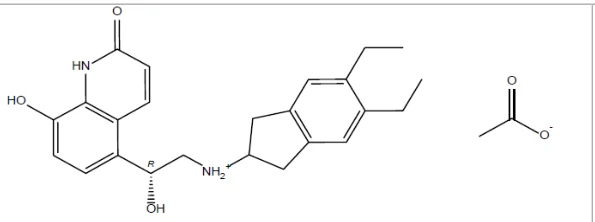 | 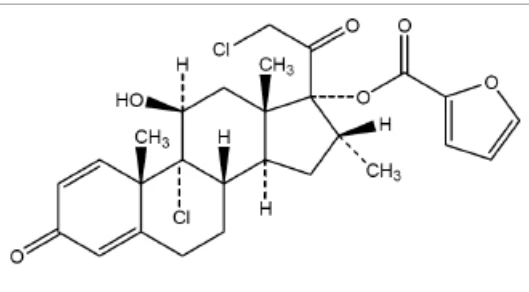 |
| Physicochemical properties: | |
Indacaterol acetate is a single isomer with R-configuration. Indacaterol maleate consists of a single polymorphic form, form A. The pH of a 0.1 % (m/V) suspension of Indacaterol acetate in water at room temperature is found to be 4.8. The melting point of Indacaterol acetate is 160°C. Indacaterol acetate is a white to yellow or beige powder. Indacaterol acetate is practically insoluble in 0.1N Hydrochloric acid and pH 6.8 buffer | White powder; at 23 °C, practically insoluble in water; slightly soluble in ethyl acetate, methanol, ethanol and isopropanol; soluble in acetone. |
ATECTURA BREEZHALER INHALATION DEVICE
The ATECTURA BREEZHALER is a plastic inhalation device used for inhaling the content of ATECTURA
BREEZHALER (indacaterol and mometasone furoate) capsules. The amount of drug delivered to the lung will depend on patient factors, such as inspiratory flow rate and inspiratory time.
Peak inspiratory flow rates (PIFR) achievable through the BREEZHALER inhalation device were evaluated in 26 adult patients with COPD of varying severity. Mean PIFR was 95 L/min (range 52-133 L/min) for adult patients. In 60 pediatric patients with asthma of varying severity, the mean PIFR was 113 L/min (range 78-169 L/min).
14 CLINICAL TRIALS
14.1 Clinical Trials by Indication
Asthma
The efficacy and safety of ATECTURA BREEZHALER in adults and adolescent patients (≥12 years of age and older) with asthma was evaluated in two phase 3 randomized, double-blind, parallel-group studies (B2301 and B2303) (Table 7).
Study B2301 was a 52-week study evaluated two does of ATECTURA BREEZHALER 150/160 micrograms once-daily (N=439) and 150/320 micrograms once-daily (N=445) via BREEZHALER over mometasone furoate (MF) 400 micrograms (N=444) and 800 micrograms (N=442) via Twisthaler, respectively (Table 7). Mometasone furoate (MF) 160 micrograms (medium dose) and 320 micrograms (high dose) in ATECTURA BREEZHALER once-daily are comparable to MF 400 micrograms once-daily (medium dose) and 800 micrograms (given as 400 micrograms twice-daily, high dose) delivered via Twisthaler, respectively. A third active control arm included subjects treated with salmeterol xinafoate /fluticasone propionate (SAL/FP) 50/500 micrograms twice-daily (N=446). The primary purpose of the study was to demonstrate superiority of either ATECTURA BREEZHALER 150/160 micrograms once-daily to MF 400 micrograms daily or ATECTURA BREEZHALER 150/320 micrograms once-daily to MF 800 micrograms daily. The primary efficacy endpoint was trough FEV1 at week 26, the key secondary endpoint was asthma control questionnaire (ACQ-7) after 26 weeks of treatment, and asthma exacerbation was also captured as one of many secondary efficacy endpoints. Patients 12 years of age and older with a documented diagnosis of asthma were eligible for the study. All subjects were required to be asthma symptomatic and on asthma maintenance therapy using an inhaled corticosteroid (ICS) with or without LABA for at least 3 months prior to study entry. At screening, 30% of patients had a history of exacerbation in the previous year. At study entry, the most common asthma medications reported were medium and high dose of ICS (27%) or LABA and low dose of ICS (69%).
Study B2303 was a 12-week study evaluated ATECTURA BREEZHALER 150/80 micrograms once-daily (N=398) via Breezhaler over MF 200 micrograms once-daily (N=404) via Twisthaler (Table 7). MF 80 micrograms (low dose) in ATECTURA BREEZHALER once-daily is comparable to MF 200 micrograms once-daily (low dose) delivered via Twisthaler. The primary purpose of the study was to demonstrate superiority of ATECTURA BREEZHALER 150/80 micrograms once-daily to MF 200 micrograms once-daily via Twisthaler. The primary efficacy endpoint was trough FEV1 at week 12, the key secondary endpoint was asthma control questionnaire (ACQ-7) after 12 weeks of treatment. Patients 12 years of age and older with a documented diagnosis of asthma were eligible for the study. All subjects were required to be symptomatic and on asthma maintenance therapy using a low dose ICS (with or without LABA) for at least 1 month prior to study entry. At study entry, the most common asthma medications reported were low dose of ICS (43%) and LABA/low dose ICS (56%).
Table 7 Summary of patient demographics for clinical trials in Asthma
| Study # | Trial design | Dosage, route of administration and duration | Study subject s (n) | Mean age (Range) | Sex |
| B2301 | ATECTURA BREEZHALER 150/160 mcg o.d. ATECTURA BREEZHALER 150/320 mcg o.d. mometasone furoate 400 mcg o.d. via Twisthaler mometasone furoate 800 mcg (400 mcg b.i.d.) via Twisthaler salmeterol/fluticasone 50/500 mcg b.i.d. placebo | 2216 | 47.9 years (12-75) | Male: 41.7% Female: 58.3% | |
| B2303 | ATECTURA BREEZHALER 150/80 mcg o.d. mometasone furoate 200 mcg o.d. via Twisthaler placebo | 802 | 45.6 years (12-75) | Male: 39.2% Female: 60.8% |
In Study B2301, both ATECTURA BREEZHALER 150/160 micrograms and 150/320 micrograms once-daily demonstrated statistically significant improvements in trough FEV1 and Asthma Control Questionnaire (ACQ-7) score at week 26 compared to MF 400 micrograms daily or MF 800 micrograms daily, respectively (Table 8). After 26 weeks of treatment, the estimated treatment difference in trough FEV1 was 132 mL (95% CI: 88 to 176 mL) for ATECTURA BREEZHALER 150/320 micrograms once-daily vs MF 800 micrograms, and 211 mL (95% CI: 167 to 255 mL) for ATECTURA BREEZHALER 150/160 micrograms once-daily vs MF 400 micrograms. At week 52, the estimated treatment difference in trough FEV1 was 136 mL for ATECTURA BREEZHALER 150/320 micrograms once-daily vs MF 800 micrograms daily, and 209 mL for ATECTURA BREEZHALER 150/160 micrograms once-daily vs MF 400 micrograms daily. The findings at week 52 were consistent with week 26. At week 26, a greater percentage of subjects were ACQ-7 responders (defined as achieving minimal clinical important difference (MCID) from baseline with ACQ-7 ≥ 0.5) for both doses of ATECTURA BREEZHALER combined (76.3%) compared to both MF 400 micrograms and 800 micrograms combined (69.7%). The findings for ACQ-7 responder rates at week 52 were consistent with week 26.
Results of other efficacy endpoints such as mean morning PEF, mean evening PEF, percentage of rescue medication free days, percentage of days with no symptoms, are generally consistent with and support of the results of the primary and key secondary endpoints. Overall, the proportion of patients with asthma exacerbation was lower in high and medium dose ATECTURA BREEZHALER treatment groups than in the corresponding MF treatment groups. ATECTURA BREEZHALER 150/160 micrograms and 150/320 micrograms once-daily demonstrated a reduction in the annual rate of moderate or severe exacerbations, by 53% and 35% respectively, compared to MF 400 micrograms and MF 800 micrograms. ATECTURA BREEZHALER 150/320 micrograms once-daily demonstrated a similar reduction in the annual rate of moderate or severe exacerbations compared to salmeterol/fluticasone 50/500 milligrams twice-daily.
Table 8 Results of primary and key secondary endpoints at week 26 in Study B2301
| Endpoint | ATECTURA BREEZHALER vs MF1 | ATECTURA BREEZHALER vs SAL/FP1 | |
Medium dose (150/160 od) versus medium dose (400 o.d.) | High dose (150/320 od) versus high dose (400 b.i.d.) | High dose (150/320 od) versus high dose (50/500 b.i.d.) | |
| Primary endpoint | |||
| Trough FEV12 | |||
Treatment difference P value (95% CI) | 211 mL <0.001 (167, 255) | 132 mL <0.001 (88, 176) | 36 mL 0.101 (-7, 80) |
| Key Secondary endpoint | |||
| ACQ-7 | |||
Treatment difference P value (95% CI) | -0.248 <0.001 (-0.334, -0.162) | -0.171 <0.001 (-0.257, -0.086) | -0.054 0.214 (-0.140, 0.031) |
1 MF: mometasone furoate; SAL/FP: salmeterol xinafoate /fluticasone propionate;
2 Trough FEV1: the mean of the two FEV1, values measured at 23 hour 15 min and 23 hour 45 min after the evening dose.
In study B2303, ATECTURA BREEZHALER 150/80 micrograms once-daily demonstrated a statistically significant improvement in baseline trough FEV1 at week 12 and Asthma Control Questionnaire (ACQ-7) score compared to MF 200 micrograms once-daily (Table 9). After 12 weeks of treatment, the estimated treatment difference in trough FEV1 was 182 mL (95% CI: 148 to 217 mL) for ATECTURA BREEZHALER 150/80 micrograms once-daily vs MF 200 micrograms. A greater percentage of subjects were ACQ responders (defined as achieving minimal clinical important difference (MCID) from baseline with ACQ ≥ 0.5) for ATECTURA BREEZHALER (74.7%) compared to MF 200 micrograms (64.9%). Results of other efficacy endpoints such as mean morning PEF, mean evening PEF, percentage of rescue medication free days, percentage of days with no symptoms, are generally consistent with and support of the results of the primary and key secondary endpoints.
Table 9 Results of primary and key secondary endpoints in study B2303 at week 12
| Endpoints | ATECTURA BREEZHALER low dose (150/80 od) vs MF* low dose (200 od) P value (95% CI) | ||
| Primary endpoint | |||
| Trough FEV1 at week 12 ** | 182 mL <0.001 (148, 217) | ||
| Key Secondary endpoint | |||
| ACQ-7 | -0.218 <0.001 (-0.293, -0.143) | ||
* MF: mometasone furoate.
** Trough FEV1: the mean of the two FEV1, values measured at 23 hour 15 min and 23 hour 45 min after the evening dose.
15 MICROBIOLOGY
No microbiological information is required for this drug product.
16 NON-CLINICAL TOXICOLOGY
General Toxicology:
Indacaterol and mometasone furoate combination
The findings during the 13-week inhalation toxicity studies in rats and dogs were predominantly attributable to the mometasone furoate and were typical pharmacological effects of glucocorticoids. Increased heart rates associated with indacaterol were apparent in dogs after administration of indacaterol/mometasone furoate or indacaterol alone.
Indacaterol
Effects on the cardiovascular system attributable to the beta2-agonistic properties of indacaterol included tachycardia, arrhythmias and myocardial lesions in dogs. Mild irritation of the nasal cavity and larynx were seen in rodents.
Mometasone furoate
All observed effects are typical of the glucocorticoid class of compounds and are related to exaggerated pharmacologic effects of glucocorticoids. In studies with rats and dogs, effects included lymphoid depletion, adrenal atrophy, and an increase in bone adipose tissue.
Carcinogenicity:
Indacaterol
Carcinogenicity was assessed in a two-year inhalation rat study and a six-month oral-administration transgenic mouse study. Increased incidences of benign ovarian leiomyoma and focal hyperplasia of ovarian smooth muscle in rats were consistent with similar findings reported for other beta2-adrenergic agonists. No evidence of carcinogenicity was seen in mice.
Mometasone furoate
In carcinogenicity studies in mice and rats, inhaled mometasone furoate demonstrated no statistically significant increase in the incidence of tumours that would be relevant to human therapeutic use.
Genotoxicity:
Indacaterol
Genotoxicity studies did not reveal any mutagenic or clastogenic potential.
Mometasone furoate
Mometasone furoate showed no genotoxic activity in a standard battery of in vitro and in vivo tests.
Reproductive and Developmental Toxicology:
The combination of indacaterol and mometasone furoate has not been studied in pregnant animals. The effects of each when administered alone in animal studies were as follows:
Indacaterol
Following subcutaneous administration in a rabbit study, adverse effects of indacaterol with respect to pregnancy and embryonal/fetal development could only be demonstrated at doses more than 500-fold than that achieved following the daily inhalation of 150 micrograms in humans (based on AUC0-24h).
Although indacaterol did not affect general reproductive performance in a rat fertility study, F1 offspring exposed to indacaterol did show an effect on fertility in the peri- and post-natal developmental rat study. Following subcutaneous administration of 1 mg/kg/day indacaterol from post-natal day 4 to day 20, there was a decrease in the number of pregnant F1 offspring observed following mating.
Mometasone furoate
Like other glucocorticoids, mometasone furoate is a teratogen in rodents and rabbits. Effects noted with oral, topical, or subcutaneous administration were umbilical hernia in rats; cleft palate in mice; and gall bladder agenesis, umbilical hernia and flexed front paws in rabbits. There were also reductions in maternal body weight gains and effects on fetal growth (lower fetal body weight and/or delayed ossification) in rats, rabbits and mice; and reduced offspring survival in mice.
In studies of reproductive function, subcutaneous mometasone furoate at 15 micrograms/kg prolonged gestation and difficult labor occurred with a reduction in offspring survival and body weight. Reproduction studies and other data in animals did not indicate a concern regarding fertility in either males or females.
17 SUPPORTING PRODUCT MONOGRAPHS
- 1. ONBREZ® BREEZHALER® 75 mcg indacaterol inhalation powder hard capsules, submission control 178064, Product Monograph, Novartis Pharmaceuticals Canada Inc.. (Jan 02, 2015)
- 2. ASMANEX® Twisthaler® 100 mcg, 200 mcg and 400 mcg mometasone furoate /metered inhalation, submission control 210617, Product Monograph, Merck Canada Inc.. (Jan 24, 2018)