


Product Monograph - Zenhale (Organon Canada, 100 mcg / 5 mcg, 200 mcg / 5 mcg)
Recent Major Label Changes
| 1 Indications | 06/2025 |
|---|---|
| 4 Dosage and Administration, 4.2 Recommended Dose and Dosage Adjustment | 06/2025 |
| 7 Warnings and Precautions, 7.1.3 Pediatrics | 06/2025 |
Table of Contents
Certain sections (as indicated in section 2.1. of the PM Guidance) or subsections that are not applicable at the time of the preparation of the most recent authorized product monograph are not listed.
Recent Major Label Changes .................................................................................................. 2
Table of Contents .................................................................................................................. 2
Part 1: Healthcare Professional Information........................................................................... 4
1 Indications ................................................................................................................. 4
1.1 Pediatrics ................................................................................................................. 4
1.2 Geriatrics ................................................................................................................. 4
2 Contraindications ....................................................................................................... 4
4 Dosage and Administration ........................................................................................ 4
4.1 Dosing Considerations ............................................................................................ 4
4.2 Recommended Dose and Dosage Adjustment ....................................................... 5
4.4 Administration ........................................................................................................ 6
4.5 Missed Dose ............................................................................................................ 6
5 Overdosage ................................................................................................................ 7
6 Dosage Forms, Strengths, Composition and Packaging ................................................ 7
7 Warnings and Precautions .......................................................................................... 8
General ................................................................................................................................ 8
Cardiovascular ................................................................................................................... 11
Ear/Nose/Throat ............................................................................................................... 11
Endocrine and Metabolism ............................................................................................... 11
Hematologic ...................................................................................................................... 12
Hepatic/Biliary/Pancreatic ................................................................................................ 12
Immune ............................................................................................................................. 12
Monitoring and Laboratory Tests ..................................................................................... 12
Ophthalmologic ................................................................................................................. 13
Respiratory ........................................................................................................................ 13
Sensitivity/Resistance ....................................................................................................... 13
7.1 Special Populations ............................................................................................... 14
7.1.1 Pregnancy .......................................................................................................... 14
7.1.2 Breastfeeding .................................................................................................... 14
7.1.3 Pediatrics ........................................................................................................... 14
7.1.4 Geriatrics .................................................................................................................. 14
8 Adverse Reactions .................................................................................................... 14
8.1 Adverse Reaction Overview .................................................................................. 14
8.2 Clinical Trial Adverse Reactions ............................................................................ 15
8.3 Less Common Clinical Trial Adverse Reactions ..................................................... 17
8.5 Post-Market Adverse Reactions ............................................................................ 17
9 Drug Interactions ..................................................................................................... 17
9.2 Drug Interactions Overview .................................................................................. 17
9.4 Drug-Drug Interactions ......................................................................................... 17
9.5 Drug-Food Interactions ......................................................................................... 19
9.6 Drug-Herb Interactions ......................................................................................... 20
9.7 Drug-Laboratory Test Interactions........................................................................ 20
10 Clinical Pharmacology .............................................................................................. 20
10.1 Mechanism of Action ............................................................................................ 20
10.2 Pharmacodynamics ............................................................................................... 20
10.3 Pharmacokinetics .................................................................................................. 22
11 Storage, Stability and Disposal .................................................................................. 24
12 Special Handling Instructions .................................................................................... 24
Part 2: Scientific Information ............................................................................................... 25
13 Pharmaceutical Information ..................................................................................... 25
14 Clinical Trials ............................................................................................................ 26
14.1 Clinical Trials by Indication ................................................................................... 26
16 Non-Clinical Toxicology ............................................................................................ 34
Patient Medication Information .......................................................................................... 37
Part 1: Healthcare Professional Information
1 Indications
ZENHALE® (mometasone furoate / formoterol fumarate dihydrate inhalation aerosol), is a combination of an inhaled corticosteroid (ICS) and a long-acting beta2-adrenergic agonist (LABA) indicated for:
- the treatment of asthma, in patients 12 years of age and older with reversible obstructive airway disease.
ZENHALE should be prescribed for patients not adequately controlled on a long-term asthma control medication, such as an ICS, or whose disease severity clearly warrants treatment with both an ICS and a LABA.
ZENHALE is not indicated for patients whose asthma can be managed by occasional use of a rapid onset, short duration, inhaled beta2-agonist, or for patients whose asthma can be successfully managed by inhaled corticosteroids along with occasional use of a rapid onset, short duration, inhaled beta2-agonist.
Once asthma control has been achieved and maintained, assess the patient at regular intervals.
ZENHALE is not indicated for the relief of acute bronchospasm.
1.1 Pediatrics
Pediatrics (< 12 years of age): The safety and efficacy of the available strengths of ZENHALE have not been established in children under 12 years of age.
1.2 Geriatrics
Geriatrics (≥65 years of age): Based on available data for ZENHALE or its active components, no adjustment of ZENHALE in geriatric patients is warranted.
2 Contraindications
- Patients who are hypersensitive to mometasone furoate, formoterol fumarate, or any ingredient in the formulation or component of the container. For a complete listing, see 6 Dosage Forms, Strengths, Composition and Packaging.
- The primary treatment of status asthmaticus or other acute episodes of asthma where intensive measures are required.
- Patients with untreated systemic fungal, bacterial, viral or parasitic infections, active tuberculous infection of the respiratory tract, or ocular herpes simplex.
- Patients with cardiac tachyarrhythmias.
4 Dosage and Administration
4.1 Dosing Considerations
ZENHALE should not be used in patients whose asthma can be managed by occasional use of short-acting, inhaled beta2-agonists or for patients whose asthma can be successfully managed by inhaled corticosteroids along with occasional use of inhaled short-acting beta2-agonists. Once asthma control has been achieved and maintained, assess the patient at regular intervals and do not use ZENHALE for patients whose asthma can be adequately controlled on low or medium dose inhaled corticosteroids.
Patients should be made aware that for optimum benefit, ZENHALE should be taken regularly, even when they are asymptomatic. Rescue inhalations only need to be taken to relieve acute asthma symptoms (see7 Warnings and Precautions).
A reassessment of asthma therapy should be considered in patients using an increasing number of rescue inhalations for symptom relief without achieving improved asthma control.
ZENHALE therapy should not be initiated to treat an asthma exacerbation.
Patients should be instructed to not use more than two inhalations twice daily of the prescribed strength of ZENHALE as some patients are more likely to experience adverse effects with higher doses of formoterol. If symptoms arise between doses, an inhaled short-acting beta2-agonist should be taken for immediate relief.
4.2 Recommended Dose and Dosage Adjustment
ZENHALE is available in two strengths, 100/5 and 200/5; delivering 100 mcg and 200 mcg of mometasone furoate (MF), respectively and 5 mcg of formoterol fumarate dihydrate (F) per actuation.
Adult and Adolescent Patients aged 12 years and older
ZENHALE should be administered as two inhalations twice daily (morning and evening) by oral inhalation.
When choosing the starting dosage strength of ZENHALE, consider the patient’s disease severity, based on their previous asthma therapy, including the inhaled corticosteroid dosage (Table 1), as well as the patient’s current control of asthma symptoms and risk of future exacerbation.
Table 1 - Recommended dose for ZENHALE treatment based on prior asthma therapy
| Previous Therapy | Recommended Dose | Maximum Recommended Daily Dose |
|---|---|---|
| Inhaled medium dose glucocorticosteroids | ZENHALE 100/5, 2 inhalations twice daily | 400 / 20 mcg |
| Inhaled high dose glucocorticosteroids | ZENHALE 200/5, 2 inhalations twice daily | 800 / 20 mcg |
For patients who have not previously received inhaled corticosteroids, but whose disease severity warrants initiation of treatment with two maintenance therapies, depending upon asthma severity, the recommended starting dose must be decided by the physician.
The maximum daily recommended dose is 800 mcg MF / 20 mcg F (given as two inhalations of ZENHALE 200/5 twice daily) for patients 12 years of age and older. In the event of an acute attack or if symptoms arise between doses, an inhaled short-acting beta2-agonist should be taken for immediate relief.
Patients should be regularly assessed by a doctor.
If a previously effective dosage regimen of ZENHALE fails to provide adequate control of asthma, the therapeutic regimen should be re-evaluated and additional therapeutic options, e.g., replacing the current strength of ZENHALE with a higher strength, adding additional inhaled corticosteroid, or initiating oral corticosteroids, should be considered.
After asthma stability has been achieved, it is desirable to titrate to the lowest effective dosage.
4.4 Administration
ZENHALE should be administered by oral inhalation only.
Patients should be made aware that ZENHALE must be used daily for optimum benefit, even when asymptomatic.
As a general rule, rinsing the mouth and gargling with water after each inhalation can help in preventing the occurrence of candidiasis. Cleansing dentures has the same effect.
Priming and Use
Patients should be instructed to properly use the inhaler, as described in Patient Medication Information and to read the Product Insert contained in their package.
ZENHALE should be administered only by orally inhaled routes. After each dose, the patients should be advised to rinse their mouths out with water and spit out the contents without swallowing.
The cap from the mouthpiece of the actuator should be removed before using ZENHALE.
The inhaler must be shaken prior to each inhalation.
ZENHALE should be primed before using for the first time by removing the cap and releasing 4 test sprays into the air, away from the face, shaking well before each spray. In cases where the inhaler has not been used for more than 5 days, the inhaler should be primed again as described above.
The canister should not be removed from the actuator because the correct amount of medication may not be discharged; the dose counter may not function properly; reinsertion may cause the dose counter to count down by 1 and discharge a puff.
The ZENHALE canister should only be used with the ZENHALE actuator. The ZENHALE actuator should not be used with any other inhalation drug product. Actuators from other products should not be used with the ZENHALE canister.
The correct amount of medication in each inhalation cannot be ensured after the labeled number of actuations from the canister has been used, even though the inhaler may not feel completely empty and may continue to operate. The inhaler should be discarded when the labeled number of actuations has been used (the dose counter will read “0”). The canister should never be immersed into water to determine the amount remaining in the canister (“float test”).
Use with a spacer device
Use of the AeroChamber Plus Anti-Static valved holding chamber is recommended with ZENHALE, in patients who find it difficult to synchronize aerosol actuation with inspiration of breath. Pediatric patients may use ZENHALE with or without a spacer device.
4.5 Missed Dose
If a dose is missed, the patient should be instructed to take the next dose as soon as they remember unless it is near to the time for the next dose, at which time they should wait until the next dose is due. The patient should be instructed not to double the dose.
5 Overdosage
The risks associated with overdosage for the individual components apply to ZENHALE.
- Inhalation or oral administration of excessive doses of corticosteroids may lead to suppression of HPA axis function.
- Excessive formoterol fumarate is likely to lead to effects that are typical of beta2-adrenergic stimulants: nausea, vomiting, headache, tremor, drowsiness, palpitations, tachycardia, ventricular arrhythmias, metabolic acidosis, hypokalaemia, hyperglycaemia, hypertension.
Treatment
Supportive and symptomatic treatment is indicated. In serious cases, patients should be hospitalised. Use of cardioselective beta-blockers may be considered, but only under the supervision of a physician and with extreme caution since the use of beta-adrenergic blocker medication may provoke bronchospasm. Adrenal function monitoring should be included as part of management.
6 Dosage Forms, Strengths, Composition and Packaging
Table 2 - Dosage Forms, Strengths, Composition
Description
ZENHALE is a pressurized metered dosed suspension for inhalation available in two strengths.
- ZENHALE 100 /5 delivers 100 mcg of mometasone furoate and 5 mcg of formoterol fumarate dihydrate per actuation.
- ZENHALE 200 /5 delivers 200 mcg of mometasone furoate and 5 mcg of formoterol fumarate dihydrate per actuation.
The formulation is a white to off-white suspension. The active ingredients; mometasone furoate and formoterol fumarate dihydrate, are suspended in a mixture of ethanol anhydrous, oleic acid and HFA-227 (propellant).
After priming, each actuation of the inhaler delivers 121.0 or 242.0 mcg of mometasone furoate and 6.1 mcg of formoterol fumarate dihydrate from the valve and delivers 100 or 200 mcg of mometasone furoate
| For the most recent information in the management of a suspected drug overdose, contact your regional poison control centre or Health Canada’s toll-free number, 1-844 POISON-X (1-844-764-7669). |
|---|
| Route of Administration | Dosage Form / Strength/Composition | Non-medicinal Ingredients |
| oral | Inhalation aerosol / 100 or 200 mcg mometasone furoate & 5 mcg formoterol fumarate dihydrate per actuation | ethanol anhydrous, HFA-227 (propellant), oleic acid |
and 5 mcg of formoterol fumarate dihydrate from the actuator.
The suspension is contained in an aluminium canister internally coated with fluorinated ethylene/propylene copolymer (FEP) and sealed with a 50 microliter metering valve. A blue polypropylene actuator is provided with the pressurized canister to deliver a dose to the patient. A green polypropylene mouthpiece cover is provided with the actuator. The actuator has an integrated dose counter, which shows how many actuations are left. One pressurized container delivers 60 or 120 actuations to the patient. There is one inhaler in each package.
7 Warnings and Precautions
General
Not for Acute Use
ZENHALE should not be used to treat acute symptoms of asthma. Adequate education should be provided to the patient regarding the use of long-acting beta2-agonists and the acute treatment of asthma, with close-follow up to ensure compliance (see 7 Warnings and Precautions, Respiratory).
Discontinuance: Treatment with inhaled corticosteroids should not be stopped abruptly in patients with asthma due to risk of exacerbation. In this case, therapy should be titrated down gradually, under physician supervision.
Transferring from Systemic Corticosteroid Therapy
Particular care is needed for patients who are transferred from systemically active corticosteroids to ZENHALE, because deaths due to adrenal insufficiency have occurred in asthmatic patients during and after transfer from systemic corticosteroids to less systemically available inhaled corticosteroids. After withdrawal from systemic corticosteroids, a number of months are required for recovery of hypothalamic-pituitary-adrenal (HPA) axis function.
During periods of stress, including trauma, surgery, or infection, or a severe asthma attack, patients transferred from systemic corticosteroids will require supplementary treatment with a short course of systemic corticosteroids, which is gradually tapered as symptoms subside. It is recommended that such patients carry a supply of oral corticosteroids and a warning card indicating their need and recommended dosage of systemic corticosteroids during stressful periods. Periodic testing of adrenocortical function, particularly measurement of early morning plasma cortisol levels, is recommended.
Transfer of patients from systemic corticosteroid therapy to ZENHALE may unmask pre-existing allergic conditions previously suppressed by systemic corticosteroid therapy. If this occurs, symptomatic treatment is recommended.
Systemic Effects of Corticosteroids
Systemic effects of inhaled corticosteroids may occur, particularly at high doses prescribed for prolonged periods. These effects are much less likely to occur than with oral corticosteroids. Possible systemic effects include Cushing’s syndrome, Cushingoid features, adrenal suppression (see 7 Warnings and Precautions, Endocrine and Metabolism), growth retardation in children and adolescents, decrease in bone mineral density, cataracts and glaucoma (see 7 Warnings and Precautions, Ophthalmologic). Therefore, it is important that the dose of ZENHALE is titrated to the lowest dose at which effective control of asthma is maintained.
Serious Asthma-Related Events – Hospitalizations, Intubations, Death
Use of LABA as monotherapy (without ICS) for asthma has been associated with an increased risk of asthma-related death (see 7 Warnings and Precautions, General, Salmeterol Multicenter Asthma Research Trial (SMART)). Available data from controlled clinical trials also suggest that use of LABA as monotherapy increases the risk of asthma-related hospitalization in pediatric and adolescent patients. These findings are considered a class effect of LABA monotherapy.
When LABA are used in fixed-dose combination with ICS, data from large clinical trials do not show a significant increase in the risk of serious asthma-related events (hospitalizations, intubations, death) compared with ICS alone (see 7 Warnings and Precautions, General, Serious Asthma-Related Events with Inhaled Corticosteroid/Long-acting Beta2-adrenergic Agonist Combination Products).
Serious Asthma-Related Events with Inhaled Corticosteroid/Long-acting Beta2-adrenergic Agonist Combination Products
Four (4) large, 26-week, randomized, double-blind, active-controlled clinical safety trials were conducted to evaluate the risk of serious asthma-related events when LABA were used in fixed-dose combination with ICS compared with ICS alone in subjects with asthma. Three (3) trials included adult and adolescent subjects aged 12 years and older: 1 trial compared budesonide/formoterol with budesonide, 1 trial compared fluticasone propionate/salmeterol with fluticasone propionate, and 1 trial compared mometasone furoate/formoterol with mometasone furoate (see 14 Clinical Trials by Indication). The fourth trial included pediatric subjects aged 4 to 11 years and compared fluticasone propionate/salmeterol with fluticasone propionate. The primary safety endpoint for all 4 trials was serious asthma-related events (hospitalizations, intubations, death). A single, blinded, independent, joint adjudication committee determined whether events were asthma related.
The 3 adult and adolescent trials were designed to rule out a 2.0-fold increase in relative risk for ICS/LABA compared with ICS, and the pediatric trial was designed to rule out a 2.7-fold increase in this relative risk. Each individual trial met its pre-specified objective and demonstrated non-inferiority of ICS/LABA to ICS alone. A meta-analysis of the 3 adult and adolescent trials did not show a significant increase in risk of a serious asthma-related event with ICS/LABA fixed-dose combination compared with ICS alone (Table 3). These trials were not designed to rule out all risk for serious asthma-related events with ICS/LABA compared with ICS.
Table 3 - Meta-analysis of Serious Asthma-Related Events in Subjects with Asthma Aged 12 Years and Older
ICS/LABA (n=17,537)a | ICS (n=17,552)a | ICS/LABA vs. ICS Hazard Ratio (95% CI)b | |||
|---|---|---|---|---|---|
Serious asthma-related eventc Asthma-related death Asthma-related intubation (endotracheal) Asthma-related hospitalization (≥24-hour stay) | 116 2 1 115 | 105 0 2 105 | 1.10 (0.85, 1.44) | ||
ICS = Inhaled Corticosteroid; LABA = Long-acting Beta2-adrenergic Agonist. a Randomized subjects who had taken at least 1 dose of study drug. Planned treatment used for analysis. b Estimated using a Cox proportional hazards model for time to first event with baseline hazards stratified by each of the 3 trials. c Number of subjects with an event that occurred within 6 months after the first use of study drug or 7 days after the last date of study drug, whichever date was later. Subjects may have had one or more events, but only the first event was counted for analysis. A single, blinded, independent, joint adjudication committee determined whether events were asthma related. | |||||
The pediatric safety trial included 6,208 pediatric subjects aged 4 to 11 years who received ICS/LABA (fluticasone propionate/salmeterol inhalation powder) or ICS (fluticasone propionate inhalation powder). In this trial, 27/3,107 (0.9%) subjects randomized to ICS/LABA and 21/3,101 (0.7%) subjects randomized to ICS experienced a serious asthma-related event. There were no asthma-related deaths or intubations. ICS/LABA did not show a significant increase in risk of a serious asthma-related event compared with ICS based on the pre-specified risk margin (2.7), with an estimated hazard ratio of time to first event of 1.29 (95% CI: 0.73, 2.27).
Salmeterol Multicenter Asthma Research Trial (SMART)
A 28-week, placebo-controlled, U.S. trial that compared the safety of salmeterol with placebo, each added to usual asthma therapy, showed an increase in asthma-related deaths in subjects receiving salmeterol (13/13,176 in subjects treated with salmeterol versus 3/13,179 in subjects treated with placebo; relative risk: 4.37 [95% CI: 1.25, 15.34]). Use of background ICS was not required in SMART (see 14.1 Clinical Trials by Indication, Salmeterol Multicenter Asthma Research Trial (SMART). The increased risk of asthma-related death is considered a class effect of LABA monotherapy.
Other Long-Acting Beta2-agonist
ZENHALE should not be used in conjunction with another long-acting beta2-agonist.
Exceeding Recommended Dose
Do not exceed recommended dosage with ZENHALE.
The dose of ZENHALE should be individualized to the patient’s needs and should be at the lowest possible dose to fulfill the therapeutic objective. It should not be increased beyond the maximum recommended dose (see 4 Dosage and Administration). No evidence supports that the administration of ZENHALE in amounts greater than recommended doses increases efficacy.
Cardiovascular
A small increase in QTc interval has been reported with therapeutic doses of formoterol. It is not known if this becomes clinically significant when concomitant medications causing similar effects are prescribed and/or in the presence of heart diseases, hypokalemia, or hypoxia.
ZENHALE, like other beta2-agonist containing products, should be used with caution in patients with ischemic heart disease, cardiac arrhythmias (especially third-degree atrioventricular block), severe cardiac decompensation, idiopathic subvalvular aortic stenosis, hypertension, aneurysm, pheochromocytoma, hypertrophic obstructive cardiomyopathy, thyrotoxicosis, known or suspected prolongation of the QT interval (QTc >0.44 sec).
Ear/Nose/Throat
Oropharyngeal Candidiasis
During clinical trials with ZENHALE, oral candidiasis, which is associated with the use of inhaled glucocorticosteroids, occurred in some patients. This infection may require treatment with appropriate antifungal therapy and in some patients discontinuance of ZENHALE may be necessary. After dosing with ZENHALE, patients should be advised to rinse their mouths with water and spit out the contents without swallowing.
Endocrine and Metabolism
Adrenal Suppression
ZENHALE will usually permit control of asthma symptoms with less suppression of HPA axis function than therapeutically equivalent oral doses of prednisone.
When using inhaled corticosteroids, the possibility for clinically significant adrenal suppression may occur, especially after treatment with higher than recommended doses. This must be considered during periods of stress or elective surgery, when additional systemic corticosteroids may be needed.
Bone Metabolism
Osteoporosis and fracture are the major complications of long-term asthma treatment with parenteral or oral steroids. Inhaled corticosteroid therapy is also associated with dose-dependent bone loss although the degree of risk is very much less than with oral steroid. This risk may be offset by estrogen replacement in post-menopausal women, and by titrating the daily dose of inhaled steroid to the minimum required to maintain optimal asthma control. It is not yet known whether the peak bone density achieved during youth is adversely affected if substantial amount of inhaled corticosteroid are administered prior to 30 years of age. Failure to achieve maximal bone density during youth could increase the risk of osteoporotic fracture when those individuals reach 60 years of age and older.
Effect on Growth
Orally inhaled corticosteroids, including ZENHALE, may cause a reduction in growth velocity when administered to pediatric patients. If a child or adolescent on any corticosteroid appears to have growth suppression, the possibility that he/she is particularly sensitive to this effect of corticosteroids should be considered. The potential growth effects of prolonged treatment should be weighed against the clinical benefits obtained. Monitor the growth of pediatric patients receiving ZENHALE routinely (e.g. via stadiometry) (see 7 Warnings and Precautions, Monitoring and Laboratory Tests). To minimize the systemic effects of orally inhaled corticosteroids, including ZENHALE, titrate each patient’s dosage to the lowest dosage that effectively controls his/her symptoms.
Hypokalemia and Hyperglycemia
Potentially serious hypokalemia may occur as a result of beta2-agonist therapy. Hypokalemia may increase susceptibility to cardiac arrhythmias. Particular caution is advised in patients with severe asthma as hypokalemia may be potentiated by hypoxia and concomitant treatment (see 9.4 Drug-Drug Interactions). It is recommended that serum potassium levels be monitored in such situations.
Due to the hyperglycemic effect of beta2-stimulants, including formoterol, additional blood glucose monitoring is recommended in diabetic patients.
There is an enhanced effect of corticosteroids on patients with hypothyroidism.
Hematologic
Eosinophilic Conditions
In rare cases, patients on inhaled corticosteroids may present with systemic eosinophilic conditions, with some patients presenting with clinical features of vasculitis consistent with Churg-Strauss syndrome, a condition that is often treated with systemic corticosteroid therapy.
These events usually, but not always, have been associated with the reduction and/or withdrawal of oral corticosteroid therapy following the introduction of inhaled corticosteroid. Cases of serious eosinophilic conditions have been reported with other inhaled corticosteroids in this clinical setting. Physicians should be alert to eosinophilia, vasculitic rash, worsening pulmonary symptoms, cardiac complications, and/or neuropathy presenting in their patients. A causal relationship between inhaled corticosteroid and these underlying conditions has not been established.
Hepatic/Biliary/Pancreatic
There is an enhanced effect of corticosteroids on patients with cirrhosis.
Immune
Use ZENHALE with caution, if at all, in patients with quiescent tuberculosis infections of the respiratory tract.
Patients who are receiving corticosteroids or other immunosuppressant medicines should be advised of the risk of exposure to certain infections (e.g. chickenpox, measles) and of the importance of obtaining medical advice if such exposure occurs. This is of particular importance in children. If a patient is exposed to chickenpox, prophylaxis with varicella zoster immune globulin (VZIG) may be indicated. If a patient is exposed to measles, prophylaxis with pooled intravenous immunoglobulin (IG) may be indicated. If chickenpox develops, treatment with antiviral agents may be considered.
Monitoring and Laboratory Tests
Monitoring Control of Asthma
ZENHALE should not be introduced in acutely deteriorating asthma, which is a potentially life threatening condition. Increasing use of rapid onset, short duration inhaled bronchodilators to control symptoms indicates deterioration of asthma control. Sudden and progressive deterioration in asthma control is potentially life-threatening and the treatment plan should be re-evaluated. Also, where current dosage of ZENHALE has failed to give adequate control of reversible obstructive airways disease the patient should be reviewed by a physician (see 4 Dosage and Administration).
Before introducing ZENHALE, adequate education should be provided to the patient on how to use the drug and what to do if asthma flares up.
During long-term therapy, HPA axis function and haematological status should be assessed periodically. For patients at risk, monitoring of bone and ocular effects (cataract and glaucoma) should also be considered in patients receiving maintenance therapy with ZENHALE. It is recommended that the height of children and adolescents receiving prolonged treatment with inhaled corticosteroids is regularly monitored.
Ophthalmologic
Cases of cataracts and glaucoma have been reported with use of mometasone furoate. For patients at risk, monitoring of ocular effects (cataract and glaucoma) should be considered in patients receiving maintenance therapy with ZENHALE.
Visual disturbance may be reported with systemic and topical (including, intranasal, inhaled and intraocular) corticosteroid use. If a patient presents with symptoms such as blurred vision or other visual disturbances, the patient should be considered for referral to an ophthalmologist for evaluation of possible causes of visual disturbances; this may include cataract, glaucoma or rare diseases such as central serous chorioretinopathy (CSCR) which have been reported after use of systemic and topical corticosteroids
Respiratory
Acute Asthma Episodes
ZENHALE is not indicated for rapid relief of bronchospasm or other acute episodes of asthma. In the event of an acute attack, a short-acting β2-agonist should be used. A short-acting β2-agonist should be available to the patient at all times. Patients must be informed of the need to seek medical treatment immediately if their asthma deteriorates suddenly.
Asthma Exacerbations
ZENHALE should not be initiated in patients during rapidly deteriorating or potentially-life threatening episodes of asthma. ZENHALE has not been studied in patients with acutely deteriorating asthma.
The prescriber should reassess asthma therapy if symptoms persist. If after dosing has been increased to maintain control, asthmatic episodes are not responsive to bronchodilators, or the patient exhibits decreased lung function (e.g. peak flow), the underlying condition may have deteriorated. In such cases, consideration should be given to the need for additional corticosteroid or alternative therapies.
Paradoxical Bronchospasm
As with other inhalation therapy, the potential for paradoxical bronchospasm should be kept in mind. If it occurs, treatment with ZENHALE should be discontinued immediately and alternative therapy substituted.
Sensitivity/Resistance
Hypersensitivity Reactions
Immediate hypersensitivity reactions including angioedema, urticaria, flushing and bronchospasm may occur after administration of ZENHALE.
7.1 Special Populations
7.1.1 Pregnancy
There are no adequate and well-controlled studies of ZENHALE use in pregnant women. Studies in animals with mometasone furoate, like other glucocorticoids, have shown reproductive toxicity (see 16 Non-Clinical Toxicology); however, the potential risk for humans is unknown. ZENHALE should not be used during pregnancy unless the potential benefit justifies the potential risk to the fetus.
Infants born of mothers who received corticosteroids during pregnancy are to be observed carefully for hypoadrenalism.
Use in Labour and Delivery: Like other beta2-adrenergic stimulants, formoterol may inhibit labour due to a relaxant effect on uterine smooth muscle.
7.1.2 Breastfeeding
There are no data from well-controlled human studies on the use of ZENHALE in nursing mothers. Glucocorticoids are excreted in human milk. The excretion of mometasone furoate into human breast milk has not been investigated. Formoterol has been detected in the milk of rats. Based on data for the individual components, a decision on whether to continue/discontinue therapy with ZENHALE should be made taking into account the benefit of breast-feeding to the child and the benefit of ZENHALE therapy to the woman.
7.1.3 Pediatrics
The available strengths of ZENHALE have not been approved for use in children under 12 years of age.
7.1.4 Geriatrics
No overall differences in safety and effectiveness were observed between these patients and younger patients, in clinical studies. There is no adjustment of dosage of ZENHALE in geriatric patients.
8 Adverse Reactions
8.1 Adverse Reaction Overview
ZENHALE contains both mometasone furoate and formoterol, therefore the type and severity of adverse reactions associated with each individual component of ZENHALE may be expected. Use of LABA monotherapy increases the risk of serious asthma-related events (death, hospitalizations, and intubations) (see 7 Warnings and Precautions, General). There is no evidence of additional adverse events following concurrent administration of the two components.
Tremor, palpitations, electrocardiogram QT prolongation, tachycardia, hypertension and headache have been reported and are associated with pharmacological side effects of beta2-agonist treatment (including ZENHALE). Cardiac arrhythmias (including atrial fibrillation, supraventricular tachycardia and ventricular extrasystoles) may occur in some patients.
Rarely, hypersensitivity reactions, including rash, urticaria, bronchospasm, arthralgia, angioedema, and anaphylactic reaction may occur in some patients.
Due to the mometasone furoate component for oral inhalation, oral candidiasis can occur in some patients. Incidence of oral candidiasis may be reduced by rinsing the mouth with water after using the product. Symptomatic candidiasis can be treated with topical antifungal therapy.
Systemic and local corticosteroid use may also result in the following:
- Immunosuppression
- Hypercorticism and adrenal suppression
- Growth retardation in children
- Glaucoma and cataracts
- Reduced bone density, osteoporosis and fracture
As with other inhalation therapy, paradoxical bronchospasm may occur rarely.
See 7 Warnings and Precautions for more detailed information.
8.2 Clinical Trial Adverse Reactions
Clinical trials are conducted under very specific conditions. Therefore, the frequencies of adverse reactions observed in the clinical trials may not reflect frequencies observed in clinical practice and should not be compared to frequencies reported in clinical trials of another drug.
Adult and Adolescent Patients 12 years and older
Safety data is based on the 3 pivotal clinical trials (P04073, P04334, and P04431) and the long-term safety trial (P04139). The total number of patients (12 years of age and older with asthma) participating in these studies was 2659, of which 1131 were exposed to ZENHALE. Eight hundred and sixty (860) patients were exposed to ZENHALE in the 12 to 26 week studies and 271 patients were exposed to ZENHALE in the 1 year study.
Table 4 demonstrates the incidence of treatment related adverse reactions associated with ZENHALE based upon the pooled data of the three pivotal clinical trials.
Table 4 - Treatment related adverse reactions in ZENHALE groups occurring at an incidence of ≥1% and more commonly than placebo
Adverse Reactions
| ZENHALE* | Mometasone Furoate* | Formoterol * | Placebo * | |||||||||
|---|---|---|---|---|---|---|---|---|---|---|---|---|
50/5 n=18 2 n (%) | 100/5 n=42 4 n (%) | 200/5 n=25 5 n (%) | 50 mc g n=188 n (%) | 100 mc g n=192 n (%) | 200 mc g n=240 n (%) | 5 mcg n=390 n (%) | n=384 n (%) | |||||
| Oral Candidiasis | 3 (1.6) | 4 (0.9) | 4 (1.6) | 1 (0.5) | 1 (0.5) | 2 (0.8) | 3 (0.8) | 3 (0.8) | ||||
| Nausea | 2 (1.1) | 0 | 0 | 0 | 0 | 0 | 0 | 0 | ||||
| Headache | 2 (1.1) | 1 (0.2) | 1 (0.4) | 1 (0.5) | 1 (0.5) | 0 | 2 (0.5) | 2 (0.5) | ||||
| Pharyngolaryngea l pain | 2 (1.1) | 0 | 0 | 1 (0.5) | 0 | 0 | 3 (0.8) | 0 | ||||
| Average Duration of Exposure (days) | 162 | 116 | 81 | 159 | 165 | 79 | 139 | 137 | ||||
These results are based on clinical trials P04073, P04334 & P04431.
*All treatments were administered as two inhalations twice daily.
In a comparator safety study of one year treatment duration, patients 12 years of age and older were treated with medium dose ZENHALE 100/5 (n=141), high dose ZENHALE 200/5 (n=130) or an active comparator (n=133, 68 medium dose and 65 high dose inhaled corticosteroid/LABA combination).
Safety outcomes were similar to those observed in the 12 to 26 week trials and no treatment-related deaths or clinically judged asthma deteriorations or reduction in lung function were observed.
Dysphonia was observed at a higher frequency in the longer term treatment trial at a reported incidence of 7/141 (5%) patients receiving ZENHALE 100/5 and 4/130 (3.1%) patients receiving ZENHALE 200/5. Overall, through 52 weeks of observation, 15 patients demonstrated a ≥1.0 point change in LOCS III score (measured at the Week 26 and Week 52 timepoints using the Lens Opacities Classification System, Version III) from Baseline. At Week 26, in the medium dose group, 2 (1.4%) patients receiving ZENHALE 100/5 and 4 (5.9%) patients receiving an active comparator demonstrated ocular changes. In the high dose group, 3 (2.3%) patients receiving ZENHALE 200/5 demonstrated ocular changes (no patients in the active comparator group). At Week 52, in the medium dose group, 4 (2.8%) patients receiving ZENHALE 100/5 and 1 (1.5%) patient receiving an active comparator demonstrated ocular changes. In the high dose group 3 (2.3%) patients receiving ZENHALE 200/5 and 1 (1.5%) patient receiving an active comparator demonstrated ocular changes. No incidences of appearance of posterior subcapsular cataracts typically associated with chronic use of high dose inhaled corticosteroid were reported in this clinical study. No clinically significant changes in blood chemistry, hematology, or ECG were observed.
8.3 Less Common Clinical Trial Adverse Reactions
The following additional treatment related adverse reactions occurred in these clinical trials (P04073, P04334, P04431, P04139) in patients using ZENHALE with an incidence of <1% and occurred at a greater incidence than placebo:
Cardiac Disorders: tachycardia, palpitations
Gastrointestinal Disorders: dry mouth
Immune System Disorders: hypersensitivity reactions with the following manifestations – bronchospasm, dermatitis allergic, urticaria
Infections and Infestations: pharyngitis
Musculoskeletal and Connective Tissue Disorders: muscle spasms*
Nervous System Disorders: tremor, dizziness*
Psychiatric Disorders: insomnia, nervousness*
Respiratory, Thoracic and Mediastinal Disorders: throat irritation
Vascular disorders: hypertension
*Reported in the 52 week safety study (P04139)
Electrocardiogram QT prolongation occurred at the same incidence as placebo (<1%).
8.5 Post-Market Adverse Reactions
The following additional adverse reactions have been reported in post-marketing use with ZENHALE or post-marketing use with inhaled mometasone furoate or inhaled formoterol fumarate:
Cardiac Disorders: angina pectoris, cardiac arrhythmias, e.g. atrial fibrillation, ventricular extrasystoles, tachyarrhythmia
Eye disorders: vision blurred
Immune System Disorders: hypersensitivity reactions including severe hypotension, pruritus, rash, angioedema and anaphylactic reaction
Investigations: blood pressure increased (including hypertension)
Metabolism and nutrition disorders: hypokalaemia, hyperglycaemia
Nervous system disorders: syncope
Respiratory, Thoracic and Mediastinal Disorders: asthma aggravation which may include cough, dyspnea, wheezing and bronchospasm.
9 Drug Interactions
9.2 Drug Interactions Overview
In clinical studies, concurrent administration of ZENHALE and other drugs, such as short-acting beta2-agonist and intranasal corticosteroids have not resulted in an increased frequency of adverse drug reactions. No formal drug interaction studies have been performed with ZENHALE. The drug interactions of the combination are expected to reflect those of the individual components.
9.4 Drug-Drug Interactions
The drugs listed in this table are based on either drug interaction case reports or studies, or potential interactions due to the expected magnitude and seriousness of the interaction (i.e., those identified as contraindicated).
Table 5 - Established or Potential Drug-Drug Interactions
| [Proper/Common name] | Source of Evidence | Effect | Clinical comment |
| Ketoconazole and other strong CYP3A4 inhibitors | CT, T | Co-administration of inhaled mometasone furoate with the strong CYP3A4 enzyme inhibitor ketoconazole causes an increase in plasma concentration of mometasone furoate, whereas plasma cortisol levels appeared to decrease. Co-treatment with CYP3A inhibitors (e.g., ketoconazole, itraconazole, clarithromycin, atazanavir, indinavir, nelfinavir, saquinavir, ritonavir, cobicistat-containing products), is expected to increase the risk of systemic side-effects. | The combination of mometasone furoate with strong CYP3A4 inhibitors, including cobicistat containing products should be avoided unless the benefit outweighs the increased risk of systemic corticosteroid side-effects, in which case patients should be monitored for systemic corticosteroid side-effects. |
| Acetylsalicylic acid: | T | Use with caution in conjunction with corticosteroids in hypoprothrombinemia. | |
| Adrenergic agents | T | Concomitant administration of other sympathomimetic agents may potentiate the undesirable effects of formoterol. | Apart from the recommended use of short-acting beta2-agonist rescue medication, caution should be exercised when considering the coadministration of ZENHALE with other adrenergic agents. |
| Xanthine derivatives and diuretics | T | Concomitant treatment with xanthine derivatives or non-potassium sparing diuretics may potentiate the possible hypokalaemic effect of beta2-agonists (see 7 Warnings and Precautions, Endocrine and Metabolism). | Caution should be exercised when considering the coadministration of ZENHALE with xanthine derivatives or non-potassium sparing diuretics. |
| Monoamine oxidase inhibitors, macrolides, tricyclic antidepressants and drugs known to prolong the QTc interval | T | Action of adrenergic agonists on the cardiovascular system may be potentiated by these agents. Drugs that are known to prolong the QTc-interval have an increased risk of ventricular arrhythmia (see 7 Warnings and Precautions, Cardiovascular). | Formoterol, as other beta2-agonists, should be administered with caution to patients being treated with these drugs. |
| Beta-adrenergic receptor antagonists | T | Beta-adrenergic blockers may weaken or antagonize the effect of formoterol. | ZENHALE should not be given together with beta-adrenergic blockers (including eye drops) unless there are compelling reasons for their use. |
| Anesthesia with halogenated hydrocarbons | T | There is an elevated risk of arrhythmias in patients receiving concomitant anesthesia with halogenated hydrocarbons. | Caution should be exercised in case of a planned operation with halogenated hydrocarbon anaesthetics. |
Legend: C = Case Study; CT = Clinical Trial; T = Theoretical
9.5 Drug-Food Interactions
Interactions with food have not been established.
9.6 Drug-Herb Interactions
Interactions with herbal products have not been established.
9.7 Drug-Laboratory Test Interactions
Interactions with laboratory tests have not been established.
10 Clinical Pharmacology
10.1 Mechanism of Action
ZENHALE contains both mometasone furoate and formoterol fumarate; therefore, the mechanisms of actions described below for the individual components apply to ZENHALE.
Mometasone furoate
Mometasone furoate is a topical glucocorticosteriod with local anti-inflammatory properties.
Glucocorticoids, like mometasone furoate exert their anti-inflammatory effects through glucocorticoid receptors (GRs). On binding the glucocorticoid, the GR heterocomplex dissociates, and the ligand activated GR translocates from the cytoplasm to the nucleus. The activated GR may then upregulate the transcription of anti-inflammatory genes by binding to specific DNA sequences termed glucocorticoid response elements. However, it is more likely that the primary anti-inflammatory activity of glucocorticoids results from their ability to suppress the transcription of genes. In this case, the activated GR interacts with transcription factors activator protein 1 (AP-1) or nuclear factor kappa B (NF-kB) to down regulate gene expression. In addition, glucocorticoids have been shown to upregulate the expression of an inhibitor of NF-kB.
Formoterol fumarate
Formoterol fumarate is a potent selective beta2-adrenergic stimulant. It exerts a bronchodilator effect in patients with reversible airway obstruction. The effect sets in rapidly and is still significant 12 hours after inhalation. In vitro, formoterol inhibits the release of histamine and leukotrienes from passively sensitized human lung. Some anti-inflammatory properties, such as inhibition of oedema and inflammatory cell accumulation, have been observed in animal experiments.
10.2 Pharmacodynamics
Clinical pharmacokinetic and pharmacodynamic studies for the mometasone furoate/formoterol metered dose inhaler indicate the data for the monocomponent dry powder inhaler formulations are relevant to the understanding of the performance of the combination product, and thus to its safety and efficacy. ZENHALE when administered from the metered dose inhaler (MDI) was safe and well tolerated with no new safety issues or adverse events identified when compared to the monocomponents.
Mometasone furoate
Affinity for binding to the GR corresponds to functional activity. Mometasone furoate binds with very high affinity to the human GR which in cells, results in potent inhibition of the synthesis and release of proinflammatory mediators and cytokines.
Mometasone furoate significantly inhibits the release of leukotrienes from leucocytes of allergic patients. In cell culture, mometasone furoate inhibits synthesis and release of IL-1, IL-5, IL-6, and TNFα with high potency; it is also a potent inhibitor of the production of the TH2 cytokines, IL-4 and IL-5, from human CD4+ T-cells. In mixed leukocytes from atopic patients, mometasone furoate was a more potent inhibitor of leukotriene production than beclomethasone dipropionate.
In preclinical models, mometasone furoate has been shown to reduce the accumulation of inflammatory cells, including eosinophils, infiltrating into the upper and lower airways and improve lung function following allergen provocation. Additionally, mometasone furoate reduces the number of lymphocytes and the levels of messenger RNA for the proallergic cytokines IL-4 and IL-5.
Formoterol fumarate
In vitro studies on guinea pig trachea have indicated that racemic formoterol and its (R,R)- and (S,S)-enantiomers are highly selective beta2-adrenoceptor agonists. The (S,S)-enantiomer was 800 to 1,000 times less potent than the (R,R)-enantiomer and did not affect the activity of the (R,R)-enantiomer on tracheal smooth muscle. No pharmacological basis for the use of one of the two enantiomers in preference to the racemic mixture has been demonstrated.
Clinical Safety
In patients 12 years of age and older with asthma, there was no evidence of significant hypokalemia or hyperglycemia in response to formoterol treatment after doses of formoterol fumarate ranging from 10 mcg to 40 mcg from ZENHALE. No relevant changes in heart rate during the study were observed with ZENHALE. No patients had a QTcB (QTc corrected by Bazett’s formula) ≥500 msec during treatment. There were no other clinically significant abnormalities, including vital signs, or ECG data.
The effects of inhaled mometasone furoate administered via ZENHALE on adrenal function were evaluated in two clinical studies in patients with asthma. HPA-axis function was assessed by 24-hour plasma cortisol AUC. Dose related decreases in plasma cortisol were observed with ZENHALE but these effects are not considered to be clinically significant (see below).
In a single dose, double blind placebo controlled crossover study in 25 patients with asthma, single dose treatment of 10 mcg formoterol fumarate in combination with 100 mcg or 400 mcg of mometasone furoate delivered via ZENHALE 50/5 or 200/5 were compared to formoterol fumarate 10 mcg MDI, formoterol fumarate 12 mcg dry powder inhaler (DPI; nominal dose of formoterol fumarate delivered 10 mcg), or placebo. The degree of bronchodilation at 12 hours after dosing with ZENHALE was similar to formoterol fumarate delivered alone via MDI or DPI.
HPA-axis effects (Adults)
The effects of inhaled mometasone furoate administered via ZENHALE on adrenal function were evaluated in two clinical studies in patients with asthma. HPA-axis function was assessed by 24-hour plasma cortisol AUC. Although both these trials have open-label design and contain a small number of subjects per treatment arm, results from these trials taken together demonstrated suppression of 24-hour plasma cortisol AUC for ZENHALE 200 mcg/5 mcg compared to placebo consistent with the known systemic effects of inhaled corticosteroids.
In a 42-day, open-label, placebo and active-controlled study 60 patients with asthma 18 years of age and older were randomized to receive two inhalations twice daily of 1 of the following treatments: ZENHALE 100/5, ZENHALE 200/5, fluticasone propionate/salmeterol xinafoate 250 mcg/25 mcg, or placebo. At Day 42, the mean change from baseline plasma cortisol AUC(0-24 hr) was 8%, 22% and 34% lower compared to placebo for the ZENHALE 100/5 (n=13), ZENHALE 200/5 (n=15) and fluticasone propionate/salmeterol xinafoate 250 mcg/25 mcg (n=16) treatment groups, respectively.
In a 52-week safety study, primary analysis of the plasma cortisol 24-hour AUC was performed on 57 patients with asthma who received 2 inhalations twice daily of ZENHALE 100/5, ZENHALE 200/5, fluticasone propionate/salmeterol 125/25, or fluticasone propionate/salmeterol 250/25. At Week 52, the mean plasma cortisol AUC(0-24 hr) was 2.2%, 29.6%, 16.7%, and 32.2% lower from baseline for the ZENHALE 100/5 (n=18), ZENHALE 200/5 (n=20), fluticasone propionate/salmeterol 125/25 (n=8), and fluticasone propionate/salmeterol 250/25 (n=11) treatment groups, respectively.
10.3 Pharmacokinetics
In a single-dose cross-over study, there was no evidence of a significant pharmacokinetic interaction between mometasone furoate and formoterol when given as ZENHALE.
Absorption
Mometasone furoate
Following inhalation of single and multiple doses of ZENHALE, mometasone furoate (200 to 800 mcg) was rapidly absorbed with a prolonged absorption phase. Median Tmax values ranged from 0.50 to 4 hours. Exposure to mometasone furoate increased with increasing inhaled dose. Absorbed mometasone furoate is rapidly cleared from plasma at a rate of approximately 12.5 mL/min/kg, independent of dose. The effective t½ for mometasone furoate following inhalation with ZENHALE was 25 hours. Using the steady-state exposure to mometasone furoate when administered by inhalation from ZENHALE and after a single IV dose from different studies, estimates of the absolute bioavailability were approximately 14% in healthy subjects and ranged from 5% to 7% in asthmatic patients.
Formoterol fumarate
Following ZENHALE administration formoterol was rapidly absorbed with median Tmax values ranging from 0.17 to 1.97 hours. Over the dose range of 10 to 40 mcg for formoterol from ZENHALE, the exposure to formoterol was dose proportional. The mean t½ for formoterol in plasma was 9.1 hours.
Distribution:
Mometasone furoate
After intravenous bolus administration, the mean steady-state volume of distribution (Vd) was 152 liters. The in vitro protein binding for mometasone furoate was reported to be 98 to 99% (in a concentration range of 5 to 500 ng/mL).
Formoterol fumarate
The plasma protein binding of formoterol was 61% to 64% and binding to human serum albumin was 34%.
Metabolism:
Mometasone furoate
Mometasone furoate is extensively metabolized in all species investigated. No major metabolites have been identified. The portion of an inhaled mometasone furoate dose that is swallowed and absorbed from the gastrointestinal tract undergoes extensive metabolism to multiple metabolites. In human liver microsomes, mometasone furoate is metabolized to many metabolites, including 6-beta hydroxy mometasone furoate, which is formed by cytochrome P450 3A4.
Formoterol fumarate
Formoterol is eliminated primarily by metabolism, with direct glucuronidation being the major pathway of biotransformation. O-demethylation followed by glucuronidation is another pathway. Minor pathways involve sulphate conjugation of formoterol and deformylation followed by sulphate conjugation. Multiple isozymes catalyse the glucuronidation (UGT1A1, 1A3, 1A6, 1A7, 1A8, 1A9, 1A10, 2B7 and 2B15) and O-demethylation (CYP2D6, 2C19, 2C9 and 2A6) of formoterol, suggesting a low potential for drug-drug interactions through inhibition of a specific isozyme involved in formoterol metabolism. Formoterol did not inhibit cytochrome P450 isozymes at therapeutically relevant concentrations.
Elimination
Mometasone furoate:
A radiolabeled, orally inhaled dose is excreted mainly in the feces (74%) and to a lesser extent in the urine (8%).
Formoterol fumarate:
Following oral administration of 80 mcg of radiolabeled formoterol fumarate to 2 healthy subjects, 59% to 62% of the radioactivity was eliminated in the urine and 32% to 34% in the feces over a period of 104 hours. In an oral inhalation study with ZENHALE, renal clearance of formoterol from the blood was 217 mL/min. Following single inhaled doses of formoterol ranging from 10 to 40 mcg from ZENHALE, 6.2% to 6.8% of the formoterol dose was excreted in urine unchanged.
Special Populations and Conditions
- Pediatrics: The pharmacokinetics of ZENHALE has not been specifically studied in children below 5 years of age.
- Geriatrics: The pharmacokinetics of ZENHALE has not been specifically studied in the elderly population.
Sex: Studies to examine the effects of gender on the pharmacokinetics of ZENHALE have not been specifically conducted.
Based on analysis of single and multiple dose pharmacokinetics studies, no effect of gender on mometasone furoate and formoterol exposure was observed.
- Ethnic Origin: Studies to examine the effects of race on the pharmacokinetics of ZENHALE have not been specifically conducted.
Hepatic Insufficiency: The pharmacokinetics of ZENHALE has not been specifically studied in patients with hepatic impairment. Concentrations of mometasone furoate appear to increase with severity of hepatic impairment. These increases are not considered to be clinically significant.
A study evaluating the administration of a single inhaled dose of 400 mcg mometasone furoate by a dry powder inhaler to subjects with mild (n=4), moderate (n=4), and severe (n=4) hepatic impairment resulted in only 1 or 2 subjects in each group having detectable peak plasma concentrations of mometasone furoate (ranging from 50-105 pg/mL). The observed peak plasma concentrations appear to increase with severity of hepatic impairment; however, the numbers of detectable levels were few.
- Renal Insufficiency: The pharmacokinetics of ZENHALE has not been specifically studied in patients with renal impairment.
11 Storage, Stability and Disposal
Store at controlled room temperature 15°-30°C. Do not freeze. For best results, the inhaler should be warmed to room temperature before use (e.g. by warming in the hands) if it is exposed to low temperatures.
For best results, the canister should be at room temperature before use. Shake well before using. Keep out of reach of children. Avoid spraying in eyes.
The 120-inhalation inhaler does not require specific storage orientation. For the 60-inhalation inhaler, after priming, store the inhaler with the mouthpiece down or in a horizontal position.
Contents under pressure. Do not place in hot water or near radiators, stoves or other sources of heat. Do not puncture or incinerate container or store at temperatures over 50°C.
12 Special Handling Instructions
No special requirements.
Any unused product or waste should be disposed of in accordance with local requirements.
Part 2: Scientific Information
13 Pharmaceutical Information
Drug Substance
Non-proprietary name of the drug substance: Mometasone furoate
Chemical name: 9,21-dichloro-11β,17-dihydroxy-16α-methylpregna-1,4-diene-3,20-dione 17-(2)-furoate
Molecular formula and molecular mass: C27H30Cl2O6 521.44
Structural formula:
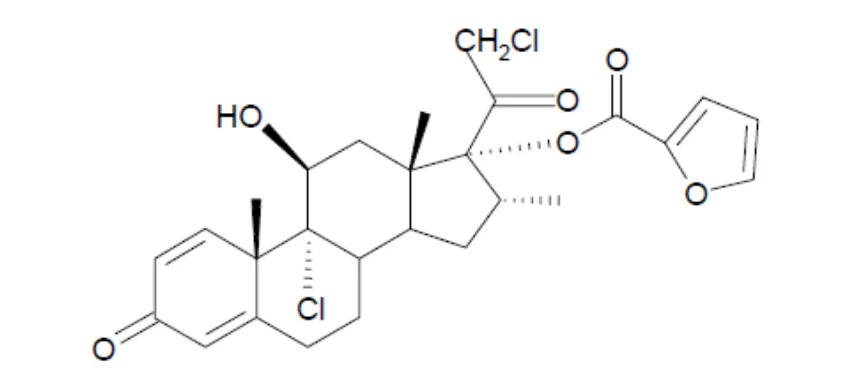
Physicochemical properties: white powder; practically insoluble in water; slightly soluble in methanol, ethanol, and isopropanol; soluble in acetone.
Drug Substance
Non-proprietary name of the drug substance : Formoterol fumarate dihydrate
Chemical name: (±)-2-hydroxy-5-[(1RS)-1-hydroxy-2-[[(1RS)-2-(4-methoxyphenyl)-1-methylethyl]-amino]ethyl]formanilide fumarate dihydrate
Molecular formula and molecular mass: (C19H24N2O4)2•C4H4O4•2H2O 840.92
Structural formula:
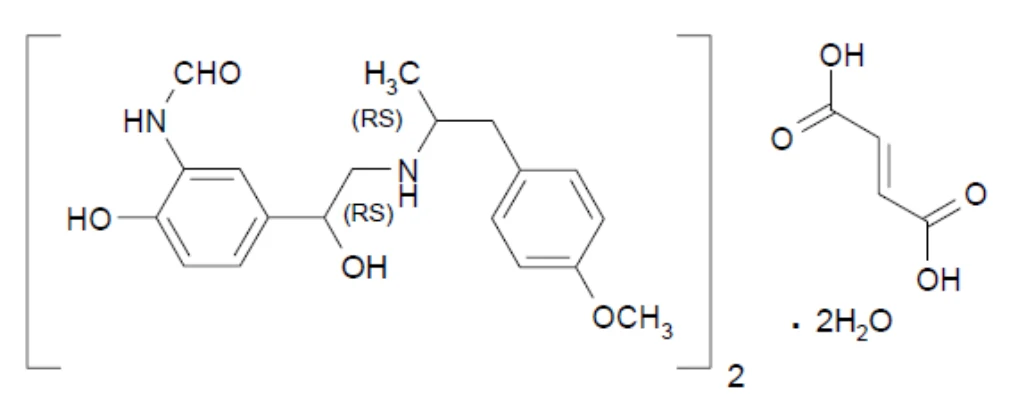
Physicochemical properties: white to yellowish powder, freely soluble in glacial acetic acid, soluble in methanol, sparingly soluble in ethanol and isopropanol, slightly soluble in water, and practically insoluble in acetone, ethyl acetate, and diethyl ether.
14 Clinical Trials
14.1 Clinical Trials by Indication
Asthma
Adult and Adolescent Patients aged 12 years and older
Table 6 - Summary of patient demographics for ZENHALE (MF/F) Safety and Efficacy clinical trials in asthma
| Study # | Trial design
| Dosage | No. of subjects | Subject Population
|
|---|---|---|---|---|
| P04073 | Randomized Multi-center Double-blind Parallel group Placebo controlled
| MF/F 50/5 MDI: 2 inhalations BID MF 50mcg MDI: 2 inhalations BID F 5 mcg: 2 inhalations BID Placebo: 2 inhalations BID | 182 188 188 188 Total = 746 | adult and adolescent subjects with persistent asthma previously treated with low doses of ICS
|
| P04334 | Randomized Multi-center Double-blind Parallel group Placebo controlled
| MF/F 100/5 MDI: 2 inhalations BID MF 100 mcg MDI: 2 inhalations BID F 5mcg MDI: 2 inhalations BID Placebo: 2 inhalations BID | 191 192 202 196 Total = 781 | adult and adolescent subjects with persistent asthma previously treated with medium doses of ICS
|
| P04431 | Randomized Multi-center Double-blind Parallel group Non-placebo controlled
| MF/F 100/5 MDI: 2 inhalations BID MF/F 200/5 MDI: 2 inhalations BID MF 200mcg MDI: 2 inhalations BID | 233 255 240 Total = 728 | adult and adolescent subjects with persistent asthma previously treated with high doses of ICS
|
MF/F = mometasone furoate/formoterol fumarate combination (ZENHALE); MF = mometasone furoate; F = formoterol fumarate; MDI = metered dose inhaler; BID = twice daily; ICS = inhaled corticosteroid. | ||||
The safety and efficacy of ZENHALE® were demonstrated in three randomized, double-blind, parallel group, multicenter clinical studies (P04073, P04334, and P04431) of 12 to 26 weeks in duration involving 2,255 patients 12 years of age and older. Patients with persistent asthma uncontrolled on low, medium or high dose inhaled corticosteroids (baseline FEV1 means of 66% to 75% of predicted normal) were enrolled in ZENHALE 50/5, ZENHALE 100/5, or ZENHALE 200/5 studies, respectively. All of the studies included a 2 to 3-week run-in period with mometasone furoate to establish a level of asthma control consistent with current medical practice. Two clinical trials evaluated ZENHALE compared with its individual components, mometasone furoate and formoterol and one clinical study evaluated two different strengths of ZENHALE compared with mometasone furoate alone. The details of each study design are presented in Table 6.
The safety and efficacy of ZENHALE are further supported by results from a 26-week post-marketing, randomized, double-blind, active-comparator, global study of ZENHALE (100 mcg/5 mcg or 200 mcg/5 mcg) versus mometasone furoate metered dose inhalation (MDI) monotherapy (100 mcg or 200 mcg) patients, 12 years of age and older. Unlike earlier trials, there was no run-in period; at randomization patients had been receiving a stable dose of inhaled corticosteroid or other asthma maintenance therapies for at least 4 weeks, and had a disease severity that warranted treatment with ICS ± LABA.
Study Results
Superior efficacy with ZENHALE vs. mometasone furoate, formoterol fumarate, and placebo was established in all primary endpoints measuring lung function, and asthma deteriorations.
Primary Endpoints
The change from Baseline to Week 12 in FEV1 AUC (0-12 hr) was a co-primary efficacy variable for studies P04073 and P04334 and the primary efficacy variable in study P04431. Clinically judged asthma deteriorations or reduction in lung function was a co-primary endpoint in Studies P04073 and P04334.
In the two 26-week studies, (P04073, P04334) patients who received ZENHALE 50/5 or 100/5 had statistically significant greater improvement from baseline in mean FEV1 AUC compared with mometasone furoate (the primary treatment comparison) and versus placebo at Week 12 (both p≤0.001). This improvement continued through Week 26.
In a 12-week study (P04431) in patients with persistent asthma and prior clinically judged asthma deteriorations or reduction in lung function, patients who received ZENHALE 100/5 and ZENHALE 200/5 had a statistically significant greater improvement from baseline in mean FEV1 AUC compared to mometasone furoate 200 mcg (p<0.001). Patients receiving ZENHALE 200/5 had a greater numerical increase in serial FEV1 from baseline as compared with patients receiving ZENHALE 100/5 across the 12 week treatment period.
Table 7 - FEV1 AUC(0-12 hours) Results of ZENHALE (MF/F) Clinical Efficacy Program [MEAN FEV1 over 12 hours in Litera units and FEV1 AUC in Liter (L) x Hour (hr) units]
| Treatment Group | Nb | Change from Baseline at Week 12 | Significant p-values (MF/F vs. treatment arms) | ||
Mean FEV1 AUC(0-12 hr) in Liters (% change from baseline)a | FEV1 AUC(0-12 hr) in L x hr | ||||
| Change from baseline | diff. from MF/F | ||||
| P04073 | |||||
| MF/F 50/5 MDI: 2 inhalations BID | 155 | 0.33L (13.8%) | 4.00 | _ | _ |
| MF 50 mcg MDI: 2 inhalations BID | 156 | 0.21L (9.0%) | 2.53 | 1.47 | MF/F vs. MF, p=0.001 |
| F 5 mcg MDI: 2 inhalations BID | 146 | 0.32L (12.3%) | 3.83 | 0.17 | NS |
| Placebo: 2 inhalations BID | 129 | 0.09L (4.1%) | 1.11 | 2.89 | MF/F vs. Placebo, p<0.001 |
| P04334 | |||||
| MF/F 100/5 MDI: 2 inhalations BID | 166 | 0.26L (11.7%) | 3.11 | _ | _ |
| MF 100 mcg MDI: 2 inhalations BID | 169 | 0.11L (5.7%) | 1.30 | 1.81 | MF/F vs. MF, p<0.001 |
| F 5 mcg MDI: 2 inhalations BID | 135 | 0.16L (8.5%) | 1.93 | 1.18 | NS |
| Placebo: 2 inhalations BID | 128 | 0.05L (3.9%) | 0.57 | 2.54 | MF/F vs. Placebo, p<0.001 |
| P04431 | |||||
| MF/F 100/5 MDI: 2 inhalations BID | 204 | 0.30L (14.4%) | 3.59 | _ | _ |
| MF/F 200/5 MDI: 2 inhalations BID | 231 | 0.35L (16.8%) | 4.19 | _ | _ |
| MF 200 mcg MDI: 2 inhalations BID | 211 | 0.17L (7.6%) | 2.04 | 1.55 | MF/F 100/5 vs. MF, p<0.001 MF/F 200/5 vs. MF, |
| 2.15 | p<0.001 | ||||
MF/F = mometasone furoate/formoterol fumarate combination (ZENHALE); MF = mometasone furoate; F = formoterol fumarate; MDI = metered dose inhaler; FEV1 = forced expiratory volume (Liters) in one second; AUC = area under the curve a Mean FEV1 over 12 hours in Liters = FEV1 AUC(0-12 hr) in L x hours divided by the 12-hour serial evaluation interval. b N is the number of subjects with Week 12 data | |||||
In studies P04073 and P04334 patients receiving ZENHALE 50/5 or 100/5 had statistically significantly fewer clinically judged asthma deterioration or reduction in lung function compared with patients who received formoterol (the primary treatment comparison) or placebo (p<0.001). Patients who received ZENHALE 50/5 or 100/5 also had a delayed time to first clinically judged asthma deterioration or reduction in lung function compared to patients who received formoterol (the primary treatment comparison) or placebo (p<0.001). The results are detailed in Table 8.
Table 8 - Asthma deteriorations [clinically judged asthma deterioration or reduction in lung function] results
| Study P04073 | ||||
Asthma Deteriorations N (%) | MF/F MDI 100/10 mcg BID n=182 | MF MDI 100 mcg BID n=188 | F MDI 10 mcg BID n=188 | Placebo n=188 |
| All First Asthma Deteriorations* | 30 (16.5%) | 53 (28.2%) | 84 (44.7%) | 86 (45.7%) |
| Decrease in FEV1** | 6 (3.3%) | 14 (7.4%) | 28 (14.9%) | 30 (16.0%) |
| Decrease in PEF++ | 23 (12.6%) | 36 (19.1%) | 46 (24.5%) | 43 (22.9%) |
| Emergency treatment | 0 | 0 | 2 (1.1%) | 1 (0.5%) |
| Hospitalization | 0 | 0 | 0 | 0 |
| Treatment with excluded asthma medication§ | 2 (1.1%) | 4 (2.1%) | 15 (8.0%) | 15 (8.0%) |
| Study P04334 | ||||
Asthma Deteriorations N (%) | MF/F MDI 200/10 mcg BID n=192 | MF MDI 200 mcg BID n=192 | F MDI 10 mcg BID n=202 | Placebo n=196 |
| All First Asthma Deteriorations* | 58 | 65 | 109 | 109 |
| (30%) | (34%) | (54%) | (56%) | |
| Decrease in FEV1** | 18 (9%) | 19 (10%) | 31 (15%) | 41 (21%) |
| Decrease in PEF++ | 37 (19%) | 41 (21%) | 62 (31%) | 61 (31%) |
| Emergency treatment | 0 | 1 (<1%) | 4 (2%) | 1 (<1%) |
| Hospitalization | 1 (<1%) | 0 | 0 | 0 |
| Treatment with excluded asthma medication‡ | 2 (1%) | 4 (2%) | 17 (8%) | 8 (4%) |
*Includes only the first event of clinically judged asthma deterioration or reduction in lung function for each patient. Patients could have experienced more than one event criterion on the day of the event. **Decrease in absolute FEV1 below the treatment period stability limit (defined as 80% of the average of the two predose FEV1 measurements taken 30 minutes and immediately prior to the first dose of randomized trial medication) ++Decrease in AM or PM peak expiratory flow (PEF) on 2 or more consecutive days below the treatment period stability limit (defined as 70% of the AM or PM PEF obtained over the last 7 days of the run-in period) §Thirty-Four patients received systemic glucocorticosteroids; 1 patient in F MDI 10 mcg BID group and 1 patient in Placebo group received medications other than systemic glucocorticosteroids. ‡Thirty patients received systemic glucocorticosteroids; 1 patient in the F MDI 10 mcg BID group received medications other than systemic glucocorticosteroids. | ||||
Secondary Endpoints
P04073 & P04334: Clinically important improvement in asthma specific quality of life (as measured by Asthma Quality of Life Questionnaire [AQLQ(S) 12+]) and asthma control (as measured by Asthma Control Questionnaire [ACQ]) were observed in patients receiving ZENHALE 50/5 or 100/5 as compared with patients receiving placebo. At study endpoint, patients receiving ZENHALE 50/5 or 100/5 had a clinically important improvement in asthma specific quality of life compared to placebo with an observed difference of 0.62 point [95% CI 0.44, 0.81] or 0.50 point [95% CI 0.32, 0.68] respectively in AQLQ(S) 12+ score. Patients receiving ZENHALE 50/5 or 100/5 were more likely to have well-controlled asthma at study endpoint compared with patients receiving placebo (observed difference was 0.60 point [95% CI 0.43, 0.78] or 0.54 point [95% CI 0.39, 0.70] respectively in ACQ score).
Patients receiving ZENHALE 50/5 or 100/5 had statistically significantly greater reduction in proportion of nights with nocturnal awakenings due to asthma that require use of SABA during the 26 weeks treatment duration compared to those on placebo (the primary treatment comparison) and to formoterol fumarate (p≤0.035).
Patients who received ZENHALE 50/5 or 100/5 had a statistically significant improvement in pre-dose morning PEF compared with patients in all other treatment groups at study endpoint (p≤0.007 and p≤0.008, respectively).
Patients who received ZENHALE 50/5 or 100/5 demonstrated a statistically significant decrease in short-acting beta2-agonist rescue use and a decrease in asthma symptom scores versus patients on placebo (the primary treatment comparator), at study endpoint (p≤0.004).
Tachyphylaxis
Following the initial dose of ZENHALE 50/5, 100/5 and 200/5, FEV1 relative to Day 1 baseline improved markedly over the first week of treatment and continued to improve over the 12 and 26 weeks of treatment in all three studies. No reduction in the 12-hour bronchodilator effect was observed with either ZENHALE 50/5, 100/5 or 200/5 as assessed by FEV1 following 12 and 26 weeks of therapy.
Post-marketing Safety Study with ZENHALE 200/5 and 100/5
This 26-week double-blind, randomized control trial evaluated 11,729 patients, 12 years of age and older, who were randomized 1:1 to receive at least one dose of ZENHALE (100 mcg/5 mcg or 200/5 mcg) or mometasone furoate monotherapy (100 mcg or 200 mcg) each administered as 2 inhalations twice daily by metered dose inhalation aerosols. All patients had a diagnosis of persistent asthma for at least one year and had been receiving a stable dose of an asthma maintenance therapy for at least 4 weeks prior to randomization. The assigned dose level of inhaled corticosteroid was based on the patients’ disease severity, considering their prior asthma medication and current level of asthma control. Patients also had a history of one to four asthma exacerbations requiring hospitalization or systemic corticosteroid use between 4 and 52 weeks prior to randomization, suggesting a future risk of asthma exacerbation. Prior asthma maintenance therapies were discontinued upon randomization. A broad range of asthmatics, with varying levels of treatment and incoming asthma control, were represented. All treatment groups were balanced with regard to baseline characteristics; patients ranged from ages 12 to 88 years of age (median age 47 years); and were 66% female and 77% Caucasian.
The primary safety endpoint, a composite of serious asthma-related events, defined as hospitalizations (≥24 hour stay), intubations (endotracheal), and deaths adjudicated by an independent committee as asthma-related, was assessed by time-to-first event. Non-inferiority of ZENHALE to mometasone furoate monotherapy was demonstrated based on the 95% confidence interval upper limit of the hazard ratio less than 2.0 (Table 9), indicating that the addition of formoterol to mometasone furoate (ZENHALE) does not increase the risk of serious asthma-related events. All 71 (0.6%) of the serious asthma outcomes were hospitalizations; no asthma-related intubations (endotracheal); or asthma-related deaths were observed. The serious asthma-related event rate in the adolescent subgroup (ages 12 to 17) was consistent with the overall population. Six (0.6%) serious asthma-related events occurred among the 1037 adolescent patients, with 2 (0.4%) in the ZENHALE arm and 4 (0.7%) in the mometasone furoate monotherapy arm.
Table 9 - Primary Safety Results: Time-to-First Serious Asthma-Related Event and Components
ZENHALE n (%) | Mometasone furoate n (%) | Total n (%) | ZENHALE vs. Mometasone furoate | |
|---|---|---|---|---|
| Subjects in population | 5868 | 5861 | 11,729 | Hazard Ratio† (95% CI) |
16 Non-Clinical Toxicology
Non-clinical pharmacology studies were conducted for both individual active products. The results of the nonclinical studies did not identify any unique toxicities with the ZENHALE combination or any indication of pharmacodynamic interactions. The findings were consistent with the individual components.
General Toxicology:
The toxicity observed in animal studies with mometasone furoate and formoterol fumarate, given in combination as ZENHALE or separately, were effects associated with exaggerated pharmacological activity.
Table 10 - Toxicity Studies
| Species | Route of Administration | ZENHALE Dose Ratio | Duration |
|---|---|---|---|
| Rats | Inhalation | 50:5 and 200:5 | 2 weeks and 13 weeks |
| Dogs | Inhalation | 50:5 and 200:5 | 2 weeks and 13 weeks |
In 2- and 13-week inhalation toxicity studies conducted in rats and dogs using formulations containing ratios of 50:5 and 200:5 mometasone furoate:formoterol fumarate dihydrate, all findings were consistent with toxicities that would be expected with the individual active drugs. No new or additive toxicities were observed. No pharmacokinetic interactions were observed after co-administration of mometasone furoate and formoterol fumarate.
ZENHALE contains both mometasone furoate and formoterol fumarate; therefore, the mutagenicity, carcinogenicity and reproductive toxicity information of the individual components described below apply to ZENHALE.
Specific mutagenicity, carcinogenicity, and reproduction toxicity studies have not been conducted with ZENHALE.
Carcinogenicity:
| Composite of All First Serious Asthma-Related Events* | 39 (0.66) | 32 (0.55) | 71 (0.6) | 1.22 (0.76, 1.94) | |||||
|---|---|---|---|---|---|---|---|---|---|
| Asthma-Related Hospitalizations | 39 (0.66) | 32 (0.55) | 71 (0.6) | -- | |||||
| Asthma-Related Intubations | 0 | 0 | 0 | -- | |||||
| Asthma-Related Deaths | 0 | 0 | 0 | -- | |||||
Results provided for all randomized patients who received at least one dose of ZENHALE (100 mcg/5 mcg and 200 mcg/5 mcg, two inhalations, prescribed twice daily) or mometasone furoate (100 mcg and 200 mcg, two inhalations, prescribed twice daily). * For a given subject, the first serious asthma-related event denotes first adjudicated event per subject. † Based on the Cox proportional hazard model with covariates of treatment (ZENHALE vs. mometasone furoate) and inhaled corticosteroid dose level (100 mcg vs. 200 mcg), as treated. | |||||||||
Mometasone furoate
In a 2-year carcinogenicity study in Sprague Dawley rats, mometasone furoate demonstrated no statistically significant increase in the incidence of tumours at inhalation doses up to 67 mcg/kg (approximately 8 times the maximum recommended daily inhalation dose in adults on an AUC basis and 2 times the maximum recommended daily inhalation dose in pediatric patients based on a mcg/m2 bases). In a 19-month carcinogenicity study in Swiss CD-1 mice, mometasone furoate demonstrated no statistically significant increase in the incidence of tumours at inhalation doses up to 160 mcg/kg (approximately 10 times the maximum recommended daily inhalation dose in adults on an AUC basis and 2 times the maximum recommended daily inhalation dose in pediatrics patients base on a mcg/m2 bases).
On the basis of these findings and the absence of a mutagenic potential, it is concluded that use of mometasone furoate at therapeutic doses does not present a carcinogenic risk.
Formoterol fumarate
Two-year studies in rats and mice did not show any carcinogenic potential.
Male mice treated at very high dose levels showed a slightly higher incidence of benign adrenal subcapsular cell tumours. However, this finding was not seen in a second mouse feeding study, in which pathological changes at high doses consisted of an increased incidence both of benign smooth muscle tumours in the female genital tract, and of liver tumours in both sexes. Smooth muscle tumours are a known effect of beta-agonists given at high doses in rodents.
Two studies in rats, covering different dose ranges, showed an increase in mesovarial leiomyomas. These benign neoplasms are typically associated with long-term treatment of rats at high doses of beta2-adrenergic drugs. Increased incidences of ovarian cysts and benign granulosa/theca cell tumours were also seen; beta-agonists are known to have effects on the ovary in rats which are very likely specific to rodents. A few other tumour types noted in the first study using the higher doses were within the incidences of the historical control population, and were not seen in the lower-dose experiment.
None of the tumor incidences were increased to a statistically significant extent at the lowest dose of the second rat study, a dose leading to a systemic exposure 10 times higher than that expected from the maximum recommended dose of formoterol in humans.
Genotoxicity:
Mometasone furoate
Mometasone furoate was non-mutagenic in the mouse-lymphoma assay and the Salmonella/E. coli/mammalian microsome mutagenicity bioassay. At cytotoxic doses only, mometasone furoate produced an increase in chromosome aberrations in vitro in Chinese hamster ovary cell (CHO) cultures in the non-activation phase, but not in the presence of rat liver S9 fraction. However, mometasone furoate did not induce chromosomal aberrations in vitro in a Chinese hamster lung cell (CHL) chromosomal-aberrations assay, or in vivo in the mouse bone marrow erythrocyte-micronucleus assay, in the rat bone-marrow clastogenicity assay, and the mouse male germ-cell clastogenicity assay. Mometasone furoate also did not induce unscheduled DNA synthesis in vivo in rat hepatocytes. The finding of simple chromosomal aberrations in the non-activation phase of the CHO assay is considered to be related to cytotoxicity and is not considered to be of significance in the risk assessment of mometasone furoate because of the negative results in the S9 phase of this assay, the negative results in a second in vitro chromal aberrations assay (CHL assay), and the negative results in three in vivo chromosomal aberrations assays.
Formoterol fumarate
Mutagenicity tests covering a broad range of experimental endpoints have been conducted. No genotoxic effects were found in any of the in vitro or in vivo tests performed.
Reproductive and Developmental Toxicology:
Mometasone furoate
In studies of reproductive function, subcutaneous mometasone furoate was well tolerated at doses up to 7.5 mcg/kg. At 15 mcg/kg, mometasone furoate caused prolonged gestation and prolonged and difficult labor occurred with a reduction in offspring survival and body weight or body weight gain. There was no effect on fertility.
Formoterol fumarate
Reproduction studies in rats revealed no impairment of fertility at oral doses up to 3 mg/kg (approximately 1000 times the maximum recommended daily inhalation dose in humans on a mg/m2 basis).
Teratogenicity
Like other glucocorticoids, mometasone furoate is a teratogen in rodents and rabbits. Teratology studies were conducted in rats, mice and rabbits by the oral, topical, and/or subcutaneous routes. Effects noted were umbilical hernia in rats, cleft palate in mice, and gall bladder agenesis, umbilical hernia, and flexed front paws in rabbits. There were also reductions in maternal body weight gains, effects on fetal growth (lower fetal body weight and/or delayed ossification) in rats, rabbits and mice, and reduced offspring survival in mice.
In an oral teratology study in rabbits, at 700 mcg/kg, increased incidences of resorption and malformation, including cleft palate and/or malformation (hydrocephaly or domed head) were observed. Pregnancy failure was observed in most rabbits at 2800 mcg /kg.