


Product Monograph - PMS-Fluticasone Propionate/Salmeterol Dpi
SUMMARY PRODUCT INFORMATION
| Route of Administration | Dosage Form / Strength | Nonmedicinal Ingredients |
| Oral Inhalation | Inhalation Powder/ 100, 250, 500 mcg fluticasone propionate/ 50 mcg salmeterol/blister | Lactose and milk protein |
INDICATIONS AND CLINICAL USE
Asthma
pms-FLUTICASONE PROPIONATE / SALMETEROL DPI (fluticasone propionate/salmeterol) is a combination of an inhaled corticosteroid (ICS) and a long-acting beta2-adrenergic agonist (LABA) indicated for the maintenance treatment of asthma, in patients with reversible obstructive airways disease.
pms-FLUTICASONE PROPIONATE / SALMETEROL DPI should be prescribed for patients not adequately controlled on a long-term asthma control medication, such as an ICS, or whose disease severity clearly warrants treatment with both an ICS and a LABA.
pms-FLUTICASONE PROPIONATE / SALMETEROL DPI is not indicated for patients whose asthma can be managed by occasional use of a rapid onset, short duration, inhaled beta2-agonist, or for patients whose asthma can be successfully managed by inhaled corticosteroids along with occasional use of a rapid onset, short duration, inhaled beta2-agonist.
pms-FLUTICASONE PROPIONATE / SALMETEROL DPI should not be used as a rescue medication. To relieve acute asthmatic symptoms, a rapid onset, short duration inhaled bronchodilator (e.g. salbutamol) should be used.
Chronic Obstructive Pulmonary Disease (COPD)
pms-FLUTICASONE PROPIONATE / SALMETEROL DPI 250 mcg and pms-FLUTICASONE PROPIONATE / SALMETEROL DPI 500 mcg are indicated for:
- the maintenance treatment of COPD, including emphysema and chronic bronchitis, in patients where the use of a combination product is considered appropriate.
pms-FLUTICASONE PROPIONATE / SALMETEROL DPI should not be used as a rescue medication.
Physicians should reassess patients several months after the initiation of pms-FLUTICASONE PROPIONATE / SALMETEROL DPI and if symptomatic improvement has not occurred, pms-FLUTICASONE PROPIONATE / SALMETEROL DPI should be discontinued.
Geriatrics:
There is no need to adjust the dose in elderly patients.
Pediatrics (< 4 years of age):
At present, there is insufficient clinical data to recommend the use of pms-FLUTICASONE PROPIONATE / SALMETEROL DPI in children younger than 4 years of age.
CONTRAINDICATIONS
- Patients who are hypersensitive to this drug or to any ingredient in the formulation or component of the container. For a complete listing, see DOSAGE FORMS, COMPOSITION AND PACKAGING.
- Patients with IgE mediated allergic reactions to lactose (which contains milk protein) or milk.
- Patients with cardiac tachyarrhythmias.
- Patients with untreated fungal, bacterial or tuberculous infections of the respiratory tract.
- In the primary treatment of status asthmaticus or other acute episodes of asthma.
WARNINGS AND PRECAUTIONS
General
Serious Asthma-Related Events – Hospitalizations, Intubations, Death
Use of LABA as monotherapy (without ICS) for asthma is associated with an increased risk of asthma-related death (see Salmeterol Multicenter Asthma Research Trial (SMART)). Available data from controlled clinical trials also suggest that use of LABA as monotherapy increases the risk of asthma-related hospitalization in pediatric and adolescent patients. These findings are considered a class effect of LABA monotherapy.
When LABA are used in fixed-dose combination with ICS, data from large clinical trials do not show a significant increase in the risk of serious asthma-related events (hospitalizations, intubations, death) compared with ICS alone (see Serious Asthma- Related Events with Inhaled Corticosteroid/Long-acting Beta2-adrenergic Agonist Combination Products).
Serious Asthma-Related Events with Inhaled Corticosteroid/Long-acting Beta2- adrenergic Agonist Combination Products
Four (4) large, 26-week, randomized, double-blind, active-controlled clinical safety trials were conducted to evaluate the risk of serious asthma-related events when LABA were used in fixed-dose combination with ICS compared with ICS alone in subjects with asthma. Three (3) trials included adult and adolescent subjects aged 12 years and older: 1 trial compared budesonide/formoterol with budesonide, 1 trial compared fluticasone propionate/salmeterol with fluticasone propionate (see CLINICAL TRIALS), and 1 trial compared mometasone furoate/formoterol with mometasone furoate. The fourth trial included pediatric subjects aged 4 to 11 years and compared fluticasone propionate/salmeterol with fluticasone propionate (see CLINICAL TRIALS). The primary safety endpoint for all 4 trials was serious asthma-related events (hospitalizations, intubations, death). A single, blinded, independent, joint adjudication committee determined whether events were asthma related.
The 3 adult and adolescent trials were designed to rule out a 2.0-fold increase in relative risk for ICS/LABA compared with ICS, and the pediatric trial was designed to rule out a 2.7-fold increase in this relative risk. Each individual trial met its pre-specified objective and demonstrated non-inferiority of ICS/LABA to ICS alone. A meta-analysis of the 3 adult and adolescent trials did not show a significant increase in risk of a serious asthma- related event with ICS/LABA fixed-dose combination compared with ICS alone (Table 1). These trials were not designed to rule out all risk for serious asthma-related events with ICS/LABA compared with ICS
Table 1. Meta-analysis of Serious Asthma-Related Events in Subjects with Asthma Aged 12 Years and Older
| ICS/LABA (n=17,537)a | ICS (n=17,552)a | ICS/LABA vs. ICS Hazard Ratio (95% CI)b | |
Serious asthma-related eventc Asthma-related death Asthma-related intubation (endotracheal) Asthma-related hospitalization (≥24-hour stay) | 116 2 1 115 | 105 0 2 105 | 1.10 (0.85, 1.44) |
ICS = Inhaled Corticosteroid; LABA = Long-acting Beta2-adrenergic Agonist.
a Randomized subjects who had taken at least 1 dose of study drug. Planned treatment used for analysis.
b Estimated using a Cox proportional hazards model for time to first event with baseline hazards stratified by each of the 3 trials.
c Number of subjects with an event that occurred within 6 months after the first use of study drug or 7 days after the last date of study drug, whichever date was later. Subjects may have had one or more events, but only the first event was counted for analysis. A single, blinded, independent joint adjudication committee determined whether events were asthma related.
The pediatric safety trial included 6,208 pediatric subjects aged 4 to 11 years who received ICS/LABA (fluticasone propionate/salmeterol inhalation powder) or ICS (fluticasone propionate inhalation powder). In this trial, 27/3,107 (0.9%) subjects randomized to ICS/LABA and 21/3,101 (0.7%) subjects randomized to ICS experienced a serious asthma-related event. There were no asthma-related deaths or intubations. ICS/LABA did not show a significant increase in risk of a serious asthma-related event compared with ICS based on the pre-specified risk margin (2.7), with an estimated hazard ratio of time to first event of 1.29 (95% CI: 0.73, 2.27).
Salmeterol Multicenter Asthma Research Trial (SMART)
A 28-week, placebo-controlled, U.S. trial that compared the safety of salmeterol with placebo, each added to usual asthma therapy, showed an increase in asthma-related deaths in subjects receiving salmeterol (13/13,176 in subjects treated with salmeterol versus 3/13,179 in subjects treated with placebo; relative risk: 4.37 [95% CI: 1.25, 15.34]). Use of background ICS was not required in SMART. The increased risk of asthma-related death is considered a class effect of LABA monotherapy.
Not for Acute Use
pms-FLUTICASONE PROPIONATE / SALMETEROL DPI should not be used to treat acute symptoms of asthma or COPD. It is crucial to inform patients of this and prescribe rapid onset, short duration inhaled bronchodilator (e.g., salbutamol) to relieve the acute symptoms of asthma or COPD. Patients should be clearly instructed to use rapid onset, short duration, inhaled beta2-agonists only for symptomatic relief if they develop asthma or COPD symptoms while taking pms-FLUTICASONE PROPIONATE / SALMETEROL DPI.
When beginning treatment with pms-FLUTICASONE PROPIONATE / SALMETEROL DPI , patients who have been taking rapid onset, short duration, inhaled beta2-agonists on a regular basis (e.g., q.i.d) should be instructed to discontinue the regular use of these drugs and use them only for symptomatic relief if they develop acute symptoms of asthma or COPD while taking pms-FLUTICASONE PROPIONATE / SALMETEROL DPI .
Excessive Use and Use with Other LABA Products
pms-FLUTICASONE PROPIONATE / SALMETEROL DPI should not be used more often than recommended, at higher doses than recommended, or in conjunction with other medicines containing LABA, as an overdose may result. Clinically significant cardiovascular effects and fatalities have been reported in association with excessive use of inhaled sympathomimetic drugs. Patients using pms-FLUTICASONE PROPIONATE / SALMETEROL DPI should not use another medicine containing a LABA (e.g. formoterol fumarate, indacaterol, olodaterol, vilanterol) for any reason.
Discontinuance
Treatment with inhaled corticosteroids should not be stopped abruptly in patients with asthma due to risk of exacerbation. In this case, therapy should be titrated down gradually, under physician supervision. For patients with COPD, cessation of therapy may be associated with symptomatic decompensation and should be supervised by a physician.
Cardiovascular Effects
Pharmacological side-effects of beta-2 agonist treatment, such as palpitations have been reported, but tend to be transient and to reduce with regular therapy (see ADVERSE REACTIONS). A small increase in QTc interval has been reported with therapeutic doses of salmeterol. Cardiovascular effects such as increased blood pressure and heart rate may occasionally be seen with all sympathomimetic drugs, especially at higher than therapeutic doses.
Large doses of inhaled or oral salmeterol (12 to 20 times the recommended dose) have been associated with clinically significant prolongation of the QTc interval, which has the potential for producing ventricular arrhythmias. Fatalities have been reported following excessive use of aerosol preparations containing sympathomimetic amines, the exact cause of which is unknown. Cardiac arrest was reported in several instances.
In individual patients any beta2-adrenergic agonist may have a clinically significant cardiac effect. As has been described with other beta-adrenergic agonist bronchodilators, clinically significant changes in systolic and/or diastolic blood pressure, pulse rate, and electrocardiograms have been seen infrequently in individual patients in controlled clinical studies with salmeterol.
Fluticasone propionate/salmeterol xinafoate, like all products, containing sympathomimetic amines, should be used with caution in patients with cardiovascular disorders, especially coronary insufficiency, cardiac arrhythmias, and hypertension; in patients with convulsive disorders or thyrotoxicosis; and in patients who are unusually responsive to sympathomimetic amines.
Occurrence of cardiovascular effects may require discontinuation of the drug.
Central Nervous System Effects
Central nervous system effects of beta2 agonist treatment such as tremor and headache have been reported, but tend to be transient and to reduce with regular therapy. Other central nervous system effects of beta2-agonist treatment, such as situational disorders, agitation, anxiety, irritability, sleep disorders, syncope, vertigo or dizziness can occur after the use of pms-FLUTICASONE PROPIONATE / SALMETEROL DPI.
Ear/Nose/Throat
Symptoms of laryngeal spasm, irritation, or swelling, such as stridor and choking, have been reported rarely in patients receiving salmeterol.
Also see Immune, Candidiasis.
Endocrine and Metabolism
Systemic Steroid Replacement by Inhaled Steroid
Particular care is needed in patients who are transferred from systemically active corticosteroids to inhaled corticosteroids because deaths due to adrenal insufficiency have occurred in patients with asthma during and after transfer. For the transfer of patients being treated with oral corticosteroids, inhaled corticosteroids should first be added to the existing oral steroid therapy which is then gradually withdrawn.
Patients with adrenocortical suppression should be monitored regularly and the oral steroid reduced cautiously. Some patients transferred from other inhaled steroids or oral steroids remain at risk of impaired adrenal reserve for a considerable time after transferring to inhaled fluticasone propionate.
After withdrawal from systemic corticosteroids, a number of months are required for recovery of hypothalamic-pituitary-adrenal (HPA) function. During this period of HPA suppression, patients may exhibit signs and symptoms of adrenal insufficiency when exposed to trauma, surgery or infections, particularly gastroenteritis. Although inhaled fluticasone propionate may provide control of asthmatic symptoms during these episodes, it does not provide the systemic steroid which is necessary for coping with these emergencies. The physician may consider supplying oral steroids for use in times of stress (e.g. worsening asthma attacks, chest infections, and surgery).
During periods of stress or a severe asthmatic attack, patients who have been withdrawn from systemic corticosteroids should be instructed to resume systemic steroids immediately and to contact their physician for further instruction. These patients should also be instructed to carry a warning card indicating that they may need supplementary systemic steroids during periods of stress or a severe asthma attack. To assess the risk of adrenal insufficiency in emergency situations, routine tests of adrenal cortical function, including measurement of early morning and evening cortisol levels, should be performed periodically in all patients. An early morning resting cortisol level may be accepted as normal only if it falls at or near the normal mean level.
Systemic Effects
Systemic effects may occur with any inhaled corticosteroid, particularly at high doses prescribed for long periods; these effects are much less likely to occur than with oral corticosteroids. Possible systemic effects include Cushing’s syndrome, Cushingoid features, and adrenal suppression, growth retardation in children and adolescents, decrease in bone mineral density (BMD), cataract, glaucoma and central serous chorioretinopathy. It is important therefore, that the dose of inhaled corticosteroid is titrated to the lowest dose at which effective control is maintained (see Monitoring and Laboratory Tests).
Effects on Growth
A reduction of growth velocity in children or teenagers may occur as a result of inadequate control of chronic diseases such as asthma or from use of corticosteroids for treatment. Physicians should closely follow the growth of children and adolescents taking corticosteroids by any route and weigh the benefits of corticosteroid therapy and asthma control against the possibility of growth suppression if any child’s or adolescent’s growth appears slowed.
The long-term effects of fluticasone propionate in human subjects are still unknown. The local effect of the drug on developmental or immunologic processes in the mouth, pharynx, trachea, and lungs is unknown. There is also no information about the possible long-term systemic effects of the agent (see Monitoring and Laboratory Tests).
Bone Metabolism
Long-term use of orally inhaled corticosteroids may affect normal bone metabolism resulting in a loss of bone mineral density. In patients with major risk factors for decreased bone mineral content, such as chronic alcohol use, tobacco use, age, sedentary lifestyle, strong family history of osteoporosis, or chronic use of drugs that can reduce bone mass (e.g., anticonvulsants and corticosteroids), pms-FLUTICASONE PROPIONATE / SALMETEROL DPI may pose an additional risk.
Effects of treatment with fluticasone propionate and salmeterol inhalation powder 500/50 mcg, fluticasone propionate 500 mcg, salmeterol 50 mcg, or placebo on BMD was evaluated in a subset of 658 patients (females and males 40 to 80 years of age) with COPD in a 3-year study (SCO30003). BMD evaluations were conducted at baseline and at 48, 108 and 158 weeks. There were no significant differences between any of the treatment groups at 3 years. A slight reduction in BMD measured at the hip was observed in all treatment groups (fluticasone propionate and salmeterol inhalation powder- 3.2%, fluticasone propionate -2.9%, salmeterol -1.7%, placebo -3.1%). Fracture risk was estimated for the entire population of patients with COPD in study SCO30003 (N = 6,184). There were no significant differences between any of the treatment groups. The probability of a fracture over 3 years was 6.3% for fluticasone propionate and salmeterol inhalation powder, 5.4% for fluticasone propionate, 5.1% for salmeterol, and 5.1% for placebo.
Osteoporosis and fracture are the major complications of long-term treatment with parenteral or oral steroids. Inhaled corticosteroid therapy is also associated with dose- dependent bone loss although the degree of risk is very much less than with oral steroid. This risk may be offset by titrating the daily dose of inhaled steroid to the minimum required to maintain optimal control of respiratory symptoms. It is not yet known whether the peak bone density achieved during youth is adversely affected if substantial amounts of inhaled corticosteroid are administered prior to 30 years of age. Failure to achieve maximal bone density during youth could increase the risk of osteoporotic fracture when those individuals reach 60 years of age and older.
During post-marketing use, there have been reports of clinically significant drug interactions in patients receiving intranasal or inhaled fluticasone propionate and ritonavir, resulting in systemic corticosteroid effects including Cushing’s syndrome and adrenal suppression. Therefore, concomitant use of fluticasone propionate and ritonavir should be avoided, unless the potential benefit to the patient outweighs the risk of systemic corticosteroid side-effects (see DRUG INTERACTIONS).
The results of a drug interaction study conducted in healthy subjects indicated that concomitant use of systemic ketoconazole [a strong cytochrome P450 3A4 (CYP3A4) inhibitor] increased exposure to salmeterol in some subjects. This increase in plasma salmeterol exposure may lead to prolongation in the QTc interval. Due to the potential increased risk of cardiovascular adverse events, the concomitant use of salmeterol with ketoconazole is not recommended (see DRUG INTERACTIONS, and ACTION AND CLINICAL PHARMACOLOGY: Pharmacokinetics). Caution should also be exercised when other CYP3A4 inhibitors are co-administered with salmeterol (e.g. ritonavir, atazanavir, clarithromycin, indinavir, itraconazole, nefazodone, nelfinavir, saquinavir, telithromycin, cobicistat-containing products).
Metabolic Effects
Doses of the related beta2-adrenoceptor agonist salbutamol, when administered intravenously, have been reported to aggravate pre-existing diabetes mellitus and ketoacidosis. Administration of beta2-adrenoceptor agonists may cause a decrease in serum potassium, possibly through intracellular shunting, which has the potential to increase the likelihood of arrhythmias. The effect is usually seen at higher therapeutic doses and the decrease is usually transient, not requiring supplementation. Therefore, fluticasone propionate/salmeterol xinafoate should be used with caution in patients predisposed to low levels of serum potassium.
The possibility of impaired adrenal response should always be borne in mind in emergency and elective situations likely to produce stress and appropriate corticosteroid treatment must be considered.
Certain individuals can show greater susceptibility to the effects of inhaled corticosteroid than do most patients.
Similar to other beta-adrenergic agents, salmeterol can induce reversible metabolic changes (hyperglycemia, hypokalemia). Reports of hyperglycemia have been uncommon, and this should be considered when prescribing to patients with a history of diabetes mellitus.
There is an enhanced effect of corticosteroids on patients with hypothyroidism.
Hematologic
Eosinophilic Conditions
In rare cases, patients on inhaled fluticasone propionate may present with systemic eosinophilic conditions, with some patients presenting with clinical features of vasculitis consistent with eosinophilic granulomatosis with polyangiitis (EGPA) (formerly Churg-Strauss syndrome), a condition that is often treated with systemic corticosteroid therapy. These events usually, but not always, have been associated with the reduction and/or withdrawal of oral corticosteroid therapy following the introduction of fluticasone propionate. Cases of serious eosinophilic conditions have also been reported with other inhaled corticosteroids in this clinical setting. Physicians should be alerted to eosinophilia, vasculitic rash, worsening pulmonary symptoms, cardiac complications, and/or neuropathy presenting in their patients. A causal relationship between fluticasone propionate and these underlying conditions has not been established.
Hepatic/Biliary/Pancreatic
There is an enhanced effect of corticosteroids on patients with cirrhosis.
Hypersensitivity
Immediate hypersensitivity reactions may occur after administration of salmeterol, as demonstrated by rare cases of urticaria, angioedema, rash and bronchospasm, and very rare cases of anaphylactic reactions, anaphylactic shock.
Immune
Candidiasis
Therapeutic dosages of fluticasone propionate frequently cause the appearance of Candida albicans (thrush) in the mouth and throat. The development of pharyngeal and laryngeal candidiasis is a cause for concern because the extent of its penetration into the respiratory tract is unknown. Patients may find it helpful to rinse the mouth and gargle with water after using pms-FLUTICASONE PROPIONATE / SALMETEROL DPI. Symptomatic candidiasis can be treated with topical anti-fungal therapy while continuing to use pms-FLUTICASONE PROPIONATE / SALMETEROL DPI.
Infection
Corticosteroids may mask some signs of infection and new infections may appear. A decreased resistance to localised infection has been observed during corticosteroid therapy. This may require treatment with appropriate therapy or stopping the administration of fluticasone propionate until the infection is eradicated. Patients who are on drugs that suppress the immune system are more susceptible to infections than healthy individuals. Chickenpox and measles, for example, can have a more serious or even fatal course in susceptible children or adults on corticosteroids. In such children or adults who have not had these diseases, particular care should be taken to avoid exposure. How the dose, route, and duration of corticosteroid administration affect the risk of developing a disseminated infection is not known. The contribution of the underlying disease and/or prior corticosteroid treatment to the risk is also not known. If exposed to chickenpox, prophylaxis with varicella zoster immune globulin (VZIG) may be indicated. If exposed to measles, prophylaxis with intramuscular pooled immunoglobulin (IG) may be indicated. If chickenpox develops, treatment with antiviral agents may be considered.
Ophthalmologic
Glaucoma, increased intraocular pressure, and cataracts have been reported in patients following the long-term administration of inhaled corticosteroids. Long-term administration of inhaled corticosteroids may result in central serous chorioretinopathy (CSCR). For patients at risk, monitoring of ocular effects (cataract, glaucoma, and CSCR) should also be considered in patients receiving maintenance therapy with pms-FLUTICASONE PROPIONATE / SALMETEROL DPI.
Reports of glaucoma have been rare but may be exacerbated by inhaled corticosteroid treatment. In patients with established glaucoma who require long-term inhaled corticosteroid treatment, it is prudent to measure intraocular pressure before commencing the inhaled corticosteroid and to monitor it subsequently. In patients without established glaucoma, but with a potential for developing intraocular hypertension (e.g. the elderly), intraocular pressure should be monitored at appropriate intervals.
Reports of cataracts have been uncommon. In elderly patients treated with inhaled corticosteroids, the prevalence of posterior subcapsular and nuclear cataracts is probably low but increases in relation to the daily and cumulative lifetime dose. Cofactors such as smoking, ultraviolet B exposure, or diabetes may increase the risk. Children may be less susceptible.
Effects of treatment with fluticasone propionate and salmeterol inhalation powder 500/50 mcg, fluticasone propionate 500 mcg, salmeterol 50 mcg, or placebo on development of cataracts or glaucoma was evaluated in a subset of 658 patients with COPD in a 3-year (SCO30003) study. Ophthalmic examinations were conducted at baseline and at 48, 108 and 158 weeks. The presence of cataracts and glaucoma at baseline was similar across treatment groups (61% to 71% and 5% to 8%, respectively). New cataracts were diagnosed in all treatment groups (26% on fluticasone propionate and salmeterol inhalation powder 500/50 mcg, 17% on fluticasone propionate, 15% on salmeterol, and 21% on placebo). A few new cases of glaucoma were diagnosed (2% on fluticasone propionate/ and salmeterol inhalation powder 500/50 mcg, 5% on fluticasone propionate, none on salmeterol, and 2% on placebo). There were no significant differences in the development of glaucoma or cataracts between any of the treatment groups.
Respiratory
Paradoxical Bronchospasm
As with other inhalation therapy, paradoxical bronchospasm, characterized by an immediate increase in wheezing after dosing, may occur with pms-FLUTICASONE PROPIONATE / SALMETEROL DPI. This should be treated immediately with a rapid onset, short duration inhaled bronchodilator (e.g. salbutamol) to relieve acute asthmatic symptoms.
pms-FLUTICASONE PROPIONATE / SALMETEROL DPI should be discontinued immediately, the patient assessed, and if necessary, alternative therapy instituted.
Pneumonia (COPD Patients)
In a 3-year study of 6,184 patients with COPD (SCO30003) there was an increased reporting of any adverse event of pneumonia in patients receiving fluticasone propionate and salmeterol inhalation powder 500/50 mcg compared with placebo (16% on fluticasone propionate and salmeterol inhalation powder 500/50 mcg, 14% on fluticasone propionate 500 mcg, 11% on salmeterol 50 mcg and 9% on placebo). Physicians should remain vigilant for the possible development of pneumonia in patients with COPD as the clinical features of pneumonia and exacerbations frequently overlap (see CLINICAL TRIAL ADVERSE DRUG REACTIONS, COPD).
For COPD patients, it is important that even mild chest infections be treated immediately since these patients may be more susceptible to damaging lung infections than healthy individuals. Patients should be instructed to contact their physician as soon as possible if they suspect an infection.
Physicians should recommend that COPD patients receive an annual influenza vaccination.
Special Populations
Use in Women
Fertility
There are no data on human fertility (see TOXICOLOGY, Reproduction).
Pregnant Women
There are no adequate and well-controlled clinical trials with fluticasone propionate and salmeterol inhalation powder in pregnant women and the safety of pms-FLUTICASONE PROPIONATE / SALMETEROL DPI in pregnancy has not been adequately established.
pms-FLUTICASONE PROPIONATE / SALMETEROL DPI should be used during pregnancy only if the potential benefit justifies the potential risk to the fetus.
There are limited data from an observational epidemiological study fluticasone propionate and salmeterol inhalation powder in pregnant women.
Results from a retrospective epidemiological study based on the UK General Practice Research Database (GPRD), did not find an increased risk of major congenital malformations following exposure to fluticasone propionate when compared to other inhaled corticosteroids, during the first trimester of pregnancy (see DETAILED PHARMACOLOGY).
In animal studies, some effects on the fetus, typical for a beta-agonist, occurred at exposure levels substantially higher than those that occur with therapeutic use. Extensive use of other beta-agonists has provided no evidence that effects in animals are relevant to human use.
Like other glucocorticoids, fluticasone propionate is teratogenic to rodent species. Adverse effects typical of potent corticosteroids are only seen at high systemic exposure levels; administration by inhalation ensures minimal systemic exposure. The relevance of these findings to humans has not yet been established since well-controlled trials relating to fetal risk in humans are not available. Infants born of mothers who have received substantial doses of glucocorticoids during pregnancy should be carefully observed for hypoadrenalism.
Use in Labour and Delivery
There are no well-controlled human studies that have investigated effects of salmeterol on preterm labour or labour at term. Because of the potential for beta-agonist interference with uterine contractility, use of pms-FLUTICASONE PROPRIONATE-SALMERTEROL DPI during labour should be restricted to those patients in whom the benefits clearly outweigh the risks.
Nursing Women
Plasma levels of salmeterol after inhaled therapeutic doses are very low (85 to 200 pg/mL) in humans and therefore levels in milk should be correspondingly low. Studies in lactating animals indicate that salmeterol is likely to be secreted in only very small amounts in breast milk.
Glucocorticoids are excreted in human milk. The excretion of fluticasone propionate into human breast milk has not been investigated. When measurable plasma levels were obtained in lactating laboratory rats following subcutaneous administration, there was evidence of fluticasone propionate in the breast milk. However, plasma levels in patients following inhaled fluticasone propionate at recommended doses are likely to be low.
Since there is no experience with use of fluticasone propionate and salmeterol inhalation powder by nursing mothers, a decision should be made whether to discontinue nursing or to discontinue the drug, taking into account the importance of the drug to the mother.
Pediatrics (≥4 years of age): In adolescents and children, the severity of asthma may vary with age and periodic reassessment should be considered to determine if continued maintenance therapy with pms-FLUTICASONE PROPIONATE / SALMETEROL DPI is still indicated.
Also see Monitoring and Laboratory Tests.
The safety and efficacy of pms-FLUTICASONE PROPIONATE / SALMETEROL DPI in children younger than 4 years of age have not been established.
Geriatrics: As with other beta2-agonists, special caution should be observed when using salmeterol in elderly patients who have concomitant cardiovascular disease that could be adversely affected by this class of drug. Based on available data, no adjustment of salmeterol dosage in geriatric patients is warranted.
Monitoring and Laboratory Tests
Monitoring Control of Asthma or COPD
pms-FLUTICASONE PROPIONATE / SALMETEROL DPI should not be introduced in acutely deteriorating asthma or COPD, which is a potentially life-threatening condition. Increasing use of rapid onset, short duration inhaled bronchodilators to control symptoms indicates deterioration of asthma control. Sudden and progressive deterioration in asthma control is potentially life-threatening and the treatment plan should be re-evaluated. Also, where the current dosage of pms-FLUTICASONE PROPIONATE / SALMETEROL DPI has failed to give adequate control of asthma (in patients with reversible obstructive airways disease) the patient should be reviewed by a physician. Before introducing pms-FLUTICASONE PROPIONATE-SALMETEROL DPI, adequate education should be provided to the patient on how to use the drug and what to do if asthma flares up.
During long-term therapy, HPA axis function and haematological status should be assessed periodically. For patients at risk, monitoring of bone and ocular effects (cataract, glaucoma, and central serous chorioretinopathy) should also be considered in patients receiving maintenance therapy with pms-FLUTICASONE PROPIONATE / SALMETEROL DPI. It is recommended that the height of children receiving prolonged treatment with inhaled corticosteroids is regularly monitored.
ADVERSE REACTIONS
Adverse Drug Reaction Overview
The type and severity of adverse reactions associated with fluticasone propionate and salmeterol xinafoate may be expected with pms-FLUTICASONE PROPIONATE / SALMETEROL DPI. There are no additional adverse reactions attributed to the combination product when compared to the adverse event profiles of the individual components.
Adverse drug reactions based on the frequency of reported events from pooled clinical trial data (23 asthma and 7 COPD studies) are listed in Table 2 below. Frequencies are defined as: very common (≥ 1/10), common (≥1/100 to <1/10), uncommon (≥1/1000 to <1/100), rare (≥1/10,000 to <1/1000) and very rare (<1/10,000). The frequency of adverse drug reactions based on spontaneous adverse event reporting data is presented separately (see Post-Market Adverse Drug Reactions).
Table 2. Adverse Drug Reactions Based on the Frequency of Reported Events from Pooled Clinical Trial Data (23 Asthma and 7 COPD Studies)
| MedDRA preferred term | Frequency |
| Cardiac disorders | |
| Atrial fibrillation | uncommon |
| Tachycardia | uncommon |
| Palpitations | uncommon |
| Cardiac arrhythmia | rare |
| Supraventricular tachycardia | rare |
| Supraventricular extrasystoles | rare |
| Ventricular extrasystoles | rare |
| Eye disorders | |
| Cataract | uncommon |
| Glaucoma | rare |
| Infections and Infestations | |
| Oral candidiasis | common |
| Pneumonia | common (COPD patients) |
| Immune system disorders | |
| Cutaneous hypersensitivity reactions | uncommon |
| Dyspnoea | uncommon |
| Anaphylactic reaction | rare |
| Metabolism and nutrition disorders | |
| Hyperglycemia | uncommon |
| Musculoskeletal and connective tissue disorders | |
| Arthralgia | common |
| Muscle spasms | common |
| Nervous system disorders | |
| Headache (see Warnings and Precautions) | very common |
| Tremor (see Warnings and Precautions) | uncommon |
| Psychiatric disorders | |
| Anxiety | uncommon |
| Sleep disorder | uncommon |
| Psychomotor hyperactivity | rare |
| Irritability | rare |
| Abnormal behaviour | rare |
| Respiratory, thoracic and mediastinal disorders | |
| Dysphonia/Hoarseness | common |
| Throat irritation | uncommon |
| Skin and subcutaneous tissue disorders | |
| Contusion | uncommon |
In addition to the pooled data above, symptoms of laryngeal spasm, irritation, or swelling, such as stridor and choking, have been reported rarely in patients receiving salmeterol. Clinically significant hypokalemia has also been seen rarely during long-term administration of salmeterol at recommended doses.
In rare cases, patients on inhaled fluticasone propionate may present with systemic eosinophilic conditions, with some patients presenting with clinical features of vasculitis consistent with
EGPA, a condition that is often treated with systemic corticosteroid therapy (see WARNINGS AND PRECAUTIONS, Hematologic, Eosinophilic Conditions).
Clinical Trial Adverse Drug Reactions
By Indication
Because clinical trials are conducted under very specific conditions the adverse reaction rates observed in the clinical trials may not reflect the rates observed in practice and should not be compared to the rates in the clinical trials of another drug. Adverse drug reaction information from clinical trials is useful for identifying drug-related adverse events and for approximating rates.
Asthma
Use of LABA monotherapy increases the risk of serious asthma-related events (death, hospitalizations, and intubations) (see WARNINGS AND PRECAUTIONS, General).
Fluticasone Propionate and Salmeterol Inhalation Powder
In clinical trials involving 1824 adult and adolescent patients with asthma, the most commonly reported adverse events with the combination fluticasone propionate/salmeterol xinafoate inhalation powder were: hoarseness/dysphonia, throat irritation, headache, candidiasis of mouth and throat and palpitations as detailed in the table below:
Table 3. Number (and Percentage) of Patients with Drug-Related Adverse Events (Incidence ≥ 1%1) (Safety Population)
| Adverse events | Fluticasone propionate/ salmeterol xinafoate combination product | Fluticasone propionate and salmeterol xinafoate concurrent therapy | Fluticasone propionate alone | Salmeterol xinafoate alone | Placebo |
| Number of patients | 644 | 486 | 339 | 180 | 175 |
| Any event | 110 (17%) | 81 (17%) | 50 (15%) | 9 (5%) | 5 (3%) |
| Hoarseness/dysphonia | 15 (2%) | 11 (2%) | 8 (2%) | 1 (<1%) | 0 |
| Throat irritation | 14 (2%) | 10 (2%) | 8 (2%) | 1 (<1%) | 1 (<1%) |
| Candidiasis of mouth and throat | 15 (2%) | 9 (2%) | 5 (1%) | 0 | 0 |
| Headaches | 16 (2%) | 11 (2%) | 3 (<1%) | 0 | 0 |
| Asthma2 | 9 (1%) | 11 (2%) | 3 (<1%) | 0 | 0 |
| Palpitations | 7 (1%) | 4 (<1%) | 2 (<1%) | 1 (<1%) | 0 |
| Cough | 6 (<1%) | 2 (<1%) | 5 (1%) | 1 (<1%) | 0 |
| Breathing disorders | 6 (<1%) | 2 (<1%) | 4 (1%) | 0 | 0 |
| Candidiasis-unspecified site | 6 (<1%) | 3 (<1%) | 4 (1%) | 0 | 2 (1%) |
| Upper respiratory tract infection | 5 (<1%) | 5 (1%) | 2 (<1%) | 0 | 0 |
1 in any integrated treatment group
2 asthma was not recorded as an adverse event in those studies which included treatment with salmeterol xinafoate alone or placebo (unless it was a serious adverse event)
In the fluticasone propionate and salmeterol inhalation powder group, there was no apparent relationship to fluticasone propionate dose for drug-related adverse events (15% with 100/50 mcg, 19% with 250/50 mcg and 17% with 500/50 mcg).
Use in Children
A total of 257 pediatric patients participated in the clinical development programme and received either the combination 100 mcg fluticasone propionate/50 mcg salmeterol xinafoate inhalation powder or concurrent therapy (with fluticasone propionate and salmeterol administered via separate inhalers). Only one drug-related adverse event, candidiasis, was reported with an incidence of 2% or more in the fluticasone propionate/salmeterol inhalation powder group. The combination product was generally well tolerated, and the safety profile was comparable to that observed in the concurrent therapy group.
There have been very rare reports of anxiety, sleep disorders and behavioural changes including hyperactivity and irritability (predominantly in children and adolescents).
COPD
Clinical trial adverse drug reaction data is provided for two 24-week studies, a 52-week study and a 3-year study.
24-Week Studies
In clinical trials involving 2054 adults with COPD, the most commonly reported adverse events with fluticasone propionate and salmeterol inhalation powder after 24 weeks were: upper respiratory tract infection, throat irritation, headache and musculoskeletal pain as detailed in the table below. These adverse reactions were mostly mild to moderate in severity.
The following table includes all events (whether considered drug-related or non-drug- related by the investigator) that occurred at a rate of 3% or greater in either of the groups receiving fluticasone propionate and salmeterol inhalation powder and were more common than in the placebo group.
Table 4 Overall Adverse Experiences with ≥ 3% Incidence in Controlled Clinical Trials with Fluticasone Propionate and Salmeterol Inhalation Powder in Patients with COPD
| Adverse Event | Fluticasone propionate and salmeterol inhalation powder 500/50 mcg (n = 169) % | Fluticasone propionate and salmeterol inhalation powder 250/50 mcg (n = 178) % | Fluticasone propionate 500 mcg (n = 391) % | Fluticasone propionate 250 mcg (n = 399) % | Salmeterol 50 mcg (n = 341) % | Placebo (n = 576) % | ||||||
|---|---|---|---|---|---|---|---|---|---|---|---|---|
| Any event | 78 | 70 | 80 | 74 | 68 | 69 | ||||||
| Infections and Infestations | ||||||||||||
| Upper respiratory tract infection | 17 | 12 | 18 | 16 | 11 | 15 | ||||||
| Sinusitis | 3 | 3 | 3 | 6 | 4 | 2 | ||||||
| Sinusitis/sinus infection | 4 | 2 | 2 | 2 | 1 | 2 | ||||||
| Candidiasis mouth/throat | 7 | 10 | 12 | 6 | 2 | <1 | ||||||
| Viral respiratory infections | 8 | 6 | 9 | 5 | 5 | 4 | ||||||
| Respiratory, thoracic and mediastinal disorders | ||||||||||||
| Nasal congestion/blockage | 4 | 3 | 7 | 4 | 4 | 3 | ||||||
| Throat irritation | 11 | 8 | 9 | 9 | 7 | 6 | ||||||
| Upper respiratory inflammation | 9 | 2 | 7 | 5 | 5 | 5 | ||||||
| Hoarseness/dysphonia | 3 | 5 | 5 | 5 | <1 | 1 | ||||||
| Nervous system disorders | ||||||||||||
| Dizziness | 3 | 4 | 2 | 2 | 4 | 2 | ||||||
| Headaches | 18 | 16 | 17 | 13 | 14 | 11 | ||||||
| General disorders | ||||||||||||
| Fever | 4 | 4 | 3 | 3 | 1 | 3 | ||||||
| Malaise & fatigue | 4 | 3 | 3 | 3 | 2 | 3 | ||||||
| Gastrointestinal disorders | 4 | 2 | 4 | 4 | 3 | 3 | ||||||
| Nausea & vomiting | ||||||||||||
| Musculoskeletal and connective tissue disorders | ||||||||||||
| Muscle cramps & spasms | 8 | 3 | 2 | 2 | 3 | 1 | ||||||
| Muscle pain | 4 | 0 | 3 | 2 | 1 | <1 | ||||||
| Musculoskeletal pain | 12 | 9 | 9 | 10 | 12 | 10 | ||||||
Other COPD Clinical Trial Adverse Drug Reactions (1-3%)
Cardiovascular: arrhythmias, hypertension, palpitations
Drug Interaction, Overdose and Trauma: contusions, fractures, hematomas, lacerations and wounds
Ear/Nose/Throat: ear/nose/throat infections, ear/nose/throat signs and symptoms, ear signs and symptoms, epistaxis, laryngitis, nasal sinus disorders, pharyngitis/throat infections, rhinorrhea/post nasal drip, sputum abnormalities
Endocrine and Metabolism: diabetes mellitus, hypothyroidism
Gastrointestinal: constipation, dental discomfort and pain, diverticulosis, dyspeptic symptoms, gastrointestinal infections, gum signs and symptoms, hyposalivation, oral discomfort and pain; oral lesions, regurgitation and reflux
Hepatic/Biliary/Pancreatic: abnormal liver function tests
Immune: bacterial infections, candidiasis unspecified site, viral infections
Neurologic: anxiety, situational disorders, sleep disorders, syncope, tremors, vertigo
Non-Site Specific: bone and skeletal pain, edema and swelling, non-site specific pain, non-specific condition, soft tissue injuries
Ophthalmologic: dry eyes, eye infections, lacrimal disorders, ocular pressure disorders, visual disturbances
Per-Operative Considerations: postoperative complications
Respiratory: breathing disorders, bronchitis, lower respiratory hemorrhage, lower respiratory signs and symptoms, pneumonia
Skin: fungal skin infections and skin infections
52-Week Study
After 52 weeks of treatment with fluticasone propionate and salmeterol inhalation powder (500/50 mcg), fluticasone propionate 500 mcg, salmeterol 50 mcg and placebo in 1465 patients with COPD, the most commonly reported drug related adverse event was candidiasis of the mouth and throat (fluticasone propionate and salmeterol inhalation powder 500/50 mcg, 6%; fluticasone propionate 500 mcg, 6%; salmeterol 50 mcg, 1%; placebo, 1%).
3-Year Study
Study SCO30003 provided safety data on 6,184 patients with moderate to severe COPD who were randomised and received at least one dose of study medication and treated for up to 3 years;
defined as the Safety population. The safety profile of fluticasone propionate and salmeterol inhalation powder over the three-year treatment period was comparable to that seen in previous studies of shorter duration, confirming the long-term tolerability of fluticasone propionate and salmeterol inhalation powder. All three active treatments were well tolerated, and the adverse events reported were generally those expected based on clinical experience with these treatments, with the exception of pneumonia. The estimated 3-year probability of having pneumonia reported as an adverse event was 12.3% for placebo, 13.3% for salmeterol, 18.3% for fluticasone propionate and 19.6% for fluticasone propionate and salmeterol inhalation powder (Hazard ratio for fluticasone propionate and salmeterol inhalation powder vs placebo: 1.64, 95% CI: 1.33 to 2.01, p < 0.001). There was no increase in pneumonia related deaths for fluticasone propionate and salmeterol inhalation powder; deaths while on treatment that were adjudicated as primarily due to pneumonia were 7 for placebo, 9 for salmeterol, 13 for fluticasone propionate and 8 for fluticasone propionate and salmeterol inhalation powder.
There was no significant difference in probability of bone fracture (5.1% placebo, 5.1% salmeterol, 5.4% fluticasone propionate and 6.3% fluticasone propionate and salmeterol inhalation powder; Hazard ratio for fluticasone propionate and salmeterol inhalation powder versus placebo: 1.22, 95% CI: 0.87 to 1.72, p=0.248). The incidence of adverse events of eye disorders, bone disorders, and HPA axis disorders was low and there was no difference observed between treatments. There was no evidence of an increase in cardiac events for fluticasone propionate and salmeterol inhalation powder, fluticasone propionate, and salmeterol.
Post-Market Adverse Drug Reactions
In addition to adverse events reported from clinical trials, the following events have been identified during worldwide use of any formulation fluticasone propionate and salmeterol inhalation powder, fluticasone propionate, and/or salmeterol regardless of indication. These events have been chosen for inclusion due to either their seriousness, frequency of reporting, or causal connection to fluticasone propionate and salmeterol inhalation powder, fluticasone propionate, and/or salmeterol or a combination of these factors.
Vascular Disorders
Very Rare: Hypertension and arrhythmias (including atrial fibrillation, supraventricular tachycardia, and extrasystoles).
Endocrine Disorders
Rare: Cushing’s syndrome, Cushingoid, adrenal suppression (including suppression of HPA axis responsiveness to stress), growth retardation (in children and adolescents), bone density decreased, cataract, glaucoma
Infections and Infestations
Rare: Esophageal candidiasis
Immune System Disorders
Uncommon: Cutaneous hypersensitivity reactions
Rare: Urticaria, rash, bronchospasm, angioedema (mainly facial and oropharyngeal edema)
Very rare: Anaphylactic shock or anaphylactic reaction.
Musculoskeletal and Connective Tissue Disorders
Very Rare: osteonecrosis (particularly with previous or concurrent use of systemic steroids (e.g., IV or oral))
Respiratory, Thoracic and Mediastinal Disorders
Rare: bronchospasm paradoxical, upper airway symptoms of laryngeal spasm, irritation, or swelling, such as stridor and choking.
Very rare: Oropharyngeal irritation
In extensive worldwide post-marketing experience, serious exacerbations of asthma, including some that have been fatal, have been reported. In most cases, these have occurred in patients with severe asthma and/or in some patients in whom asthma has been acutely deteriorating (see WARNINGS AND PRECAUTIONS - Respiratory), but they have occurred in a few patients with less severe asthma as well. It was not possible from these reports to determine whether fluticasone propionate and salmeterol inhalation powder contributed to these events or simply failed to relieve the deteriorating asthma.
Metabolism and Nutrition Disorders
Very rare: Hyperglycemia.
Psychiatric Disorders
Very rare: Anxiety, sleep disorders and behaviour changes, including hyperactivity and irritability (predominantly in children and adolescents).
DRUG INTERACTIONS
Overview
Use pms-FLUTICASONE PROPIONATE / SALMETEROL DPI with caution in patients receiving other medications causing hypokalemia and/or increased QTc interval (diuretics, high dose steroids, anti-arrhythmics) since cardiac and vascular effects may be potentiated.
Fluticasone Propionate
Under normal circumstances, low plasma concentrations of fluticasone propionate are achieved after inhaled dosing, due to extensive first pass metabolism and high systemic clearance mediated by cytochrome P450 3A4 (CYP3A4) in the gut and liver. Hence, clinically significant drug interactions involving fluticasone propionate are unlikely.
A drug interaction study of intranasal fluticasone propionate in healthy subjects has shown that ritonavir (a highly potent CYP3A4 inhibitor) can greatly increase fluticasone propionate plasma concentrations, resulting in markedly reduced serum cortisol concentrations. During post-marketing use, there have been reports of clinically significant drug interactions in patients receiving intranasal or inhaled fluticasone propionate and ritonavir, resulting in systemic corticosteroid effects including Cushing’s syndrome and adrenal suppression. Therefore, concomitant use of fluticasone propionate and ritonavir should be avoided, unless the potential benefit to the patient outweighs the risk of systemic corticosteroid side-effects.
This study has shown that other inhibitors of CYP3A4 produce negligible (erythromycin) and minor (ketoconazole) increases in systemic exposure to fluticasone propionate without notable reductions in serum cortisol concentrations. However, there have been a few case reports during world-wide post-market use of adrenal cortisol suppression associated with concomitant use of azole anti-fungals and inhaled fluticasone propionate. Therefore, care is advised when co-administering potent CYP3A4 inhibitors (e.g. ketoconazole) as there is potential for increased systemic exposure to fluticasone propionate.
Salmeterol Xinafoate
Co-administration of repeat dose ketoconazole (a CYP3A4 inhibitor) and salmeterol in healthy subjects resulted in a significant increase in plasma salmeterol exposure (1.4-fold increase in Cmax and 15-fold increase in AUC). This increase in plasma salmeterol exposure may cause a prolongation of the QTc interval (See WARNINGS AND PRECAUTIONS and ACTION AND CLINICAL PHARMACOLOGY: Pharmacokinetics)
Drug-Drug Interactions
Table 5. Established or Potential Drug-Drug Interactions
| Drug Type | Ref | Effect | Clinical comment |
|---|---|---|---|
| Sympathomimetic agents | CT | May lead to deleterious cardiovascular effects. | Aerosol bronchodilators of the rapid onset, short duration adrenergic stimulant type may be used for relief of breakthrough symptoms while using salmeterol for asthma. Increasing use of such preparations to control symptoms indicates deterioration of disease control and the patient’s therapy plan should be reassessed. The regular, concomitant use of salmeterol and other sympathomimetic agents is not recommended. |
| Mono amine Oxidase Inhibitors or Tricyclic Antidepressants | CS | Action of salmeterol on vascular system may be potentiated. | Salmeterol should be administered with extreme caution to patients being treated with monoamine oxidase inhibitors or tricyclic antidepressants, or within 2 weeks of discontinuation of such agents. |
| Methylxanthines | CT | Unknown | The concurrent use of intravenously or orally administered methylxanthines (e.g., aminophylline, theophylline) by patients receiving salmeterol has not been completely evaluated. |
| Beta-Blockers | CS | May antagonise the bronchodilating action of salmeterol. | Non-selective beta-blocking drugs should never be prescribed in asthma or COPD. Cardioselective beta-blocking drugs should be used with caution in patients with asthma or COPD. |
| Drug Type | Ref | Effect | Clinical comment |
|---|---|---|---|
| Acetylsalicylic acid | T | Use with caution in conjunction with corticosteroids in hypoprothrombinemia. | |
| Ritonavir | CT & post- marketing | Systemic effects including Cushing’s syndrome and adrenal suppression. | Concomitant use of fluticasone propionate and ritonavir should be avoided. (See DRUG INTERACTIONS, Overview) |
| Other inhibitors of cytochrome P450 3A4 | CT | Increased systemic exposure to fluticasone propionate and salmeterol xinafoate. | Caution is advised when co-administering potent CYP3A4 inhibitors (e.g. ketoconazole, cobicistat-containing products). (See DRUG INTERACTIONS, Overview, WARNINGS AND PRECAUTIONS and ACTION AND CLINICAL PHARMACOLOGY, Pharmacokinetics) |
Legend: C = Case Study; CT = Clinical Trial; T = Theoretical; CS = Class Statements
DOSAGE AND ADMINISTRATION
Dosing Considerations
COPD and Asthma
pms-FLUTICASONE PROPIONATE / SALMETEROL DPI should not be used to treat acute symptoms of asthma or COPD. It is crucial to inform patients of this. Patients should be prescribed a rapid onset, short duration inhaled bronchodilator (e.g., salbutamol) to relieve the acute symptoms such as shortness of breath and advised to have this available for use at all times.
As twice-daily regular treatment, pms-FLUTICASONE PROPIONATE / SALMETEROL DPI provides twenty-four hour bronchodilation and can replace regular use of a rapid onset, short duration (4 hour) inhaled or oral bronchodilator (e.g. salbutamol). Rapid onset, short duration beta2- agonists should be used only to relieve acute symptoms of asthma and COPD (See WARNINGS AND PRECAUTIONS).
Patients should be regularly reassessed so that the strength of pms-FLUTICASONE PROPIONATE / SALMETEROL DPI they are receiving remains optimal and is only changed on medical advice. The dose should be titrated to the lowest dose of fluticasone propionate at which effective control of symptoms is maintained.
There is no need to adjust the dose in the otherwise healthy elderly or in patients with impaired renal function. Because salmeterol is predominantly cleared by hepatic metabolism, patients with hepatic disease should be closely monitored.
Asthma
When treating patients with asthma, physicians should only prescribe pms-FLUTICASONE PROPIONATE / SALMETEROL DPI for patients not adequately controlled on a long-term asthma control medication, such as an inhaled corticosteroid or whose disease severity clearly warrants treatment with both an inhaled corticosteroid and LABA.
Recommended Dose and Dosage Adjustment
pms-FLUTICASONE PROPIONATE / SALMETEROL DPI
| Asthma | COPD | |||
| Children 4-11 years of age | Adults and adolescents ≥12 years of age | Adults ≥ 18 years of age | ||
| pms-FLUTICASONE PROPIONATE / SALMETEROL DPI 100 mcg / 50 mcg | One inhalation twice daily | One inhalation twice daily | -- | OR |
| pms-FLUTICASONE PROPIONATE / SALMETEROL DPI 250 mcg / 50 mcg | -- | One inhalation twice daily | One inhalation twice daily | OR |
| pms-FLUTICASONE PROPIONATE / SALMETEROL DPI 500 mcg / 50 mcg | -- | One inhalation twice daily | One inhalation twice daily | |
The prescribed dose of pms-FLUTICASONE PROPIONATE / SALMETEROL DPI may be given by a single inhalation twice daily.
Missed Dose
If a single dose is missed, instruct the patient to take the next dose when it is due.
Administration
pms-FLUTICASONE PROPIONATE / SALMETEROL DPI is to be administered by oral inhalation only.
The patient should be made aware that for optimum benefit, pms-FLUTICASONE PROPIONATE / SALMETEROL DPI should be taken regularly, even when asymptomatic.
As a general rule, rinsing the mouth and gargling with water after each inhalation can help in preventing the occurrence of candidiasis. Cleansing dentures has the same effect.
OVERDOSAGE
pms-FLUTICASONE PROPIONATE / SALMETEROL DPI should not be used more frequently than twice daily (morning and evening) at the recommended dose. Fatalities have been reported in association with excessive use of inhaled sympathomimetic drugs (See WARNINGS AND PRECAUTIONS - General). Large doses of inhaled or oral salmeterol (12 to 20 times the recommended dose) have been associated with clinically significant prolongation of the QTc interval, which has the potential for producing ventricular arrhythmias.
There are no data available from clinical trials on overdose with pms-FLUTICASONE PROPIONATE / SALMETEROL DPI, however data on overdose with individual drugs is given below.
Acute inhalation of fluticasone propionate doses in excess of those approved may lead to temporary suppression of the hypothalamic-pituitary-adrenal axis. This does not usually require emergency action, as normal adrenal function typically recovers within a few days.
The expected signs and symptoms of salmeterol overdosage are those typical of excessive beta2-adrenergic stimulation, including tremor, headache, tachycardia, increases in systolic blood pressure, cardiac arrhythmias, hypokalemia, hypertension and, in extreme cases, sudden death. There is no specific treatment for an overdose of fluticasone propionate and salmeterol. If overdose occurs, the patient should be treated supportively with appropriate monitoring as necessary. The judicious use of a cardioselective beta-receptor blocker may be considered, bearing in mind that such medication can produce bronchospasm.
If higher than approved doses are continued over prolonged periods, significant adrenocortical suppression is possible. There have been very rare reports of acute adrenal crisis occurring in children exposed to higher than approved dosages (typically 1000 mcg daily and above), over prolonged periods (several months or years); observed features included hypoglycemia and sequelae of decreased consciousness and/or convulsions. Situations which would potentially trigger acute adrenal crisis include exposure to trauma, surgery or infection or any rapid reduction in dosage. Patients receiving higher than approved dosages should be managed closely and the dose reduced gradually.
| For management of a suspected drug overdose, contact your regional Poison Control Centre. |
ACTION AND CLINICAL PHARMACOLOGY
Mechanism of Action
pms-FLUTICASONE PROPIONATE / SALMETEROL DPI contains fluticasone propionate and salmeterol xinafoate which have differing modes of action for the treatment of COPD and asthma (in patients with reversible obstructive airways disease). Fluticasone propionate is an inhaled anti- inflammatory agent that reduces airways irritability; salmeterol is a long-acting bronchodilator that prevents breakthrough symptoms of wheezing and chest tightness. pms-FLUTICASONE PROPIONATE / SALMETEROL DPI can offer a more convenient regime for patients requiring concurrent long-acting beta2-agonists and inhaled corticosteroid therapy. pms-FLUTICASONE PROPIONATE / SALMETEROL DPI is designed to produce a greater improvement in pulmonary function and symptom control than either fluticasone propionate or salmeterol used alone at their recommended dosages. The respective mechanisms of action of both drugs are discussed below:
Salmeterol is a selective, long-acting (12 hours), slow onset (10-20 minutes) beta2- adrenoceptor agonist with a long side-chain which binds to the exo-site of the receptor. Salmeterol offers more effective protection against histamine-induced bronchoconstriction and produces a longer duration of bronchodilation, lasting for at least 12 hours, than recommended doses of conventional rapid onset, short duration beta2- agonists.
In vitro tests on human lung have shown that salmeterol is a potent and long-lasting inhibitor of the release of mast cell mediators, such as histamine, leukotrienes and prostaglandin D2.
In man, salmeterol inhibits the early and late phase response to inhaled allergen. The late phase response is inhibited for over 30 hours after a single dose, when the bronchodilator effect is no longer evident. The full clinical significance of these findings is not yet clear. The mechanism is different from the anti-inflammatory effect of corticosteroids.
Fluticasone propionate is a highly potent glucocorticoid anti-inflammatory steroid. When administered by inhalation at therapeutic dosages, it has a direct potent anti-inflammatory action within the lungs, resulting in reduced symptoms and exacerbations of asthma, and less adverse effects than systemically administered corticosteroids.
In comparisons with beclomethasone dipropionate, fluticasone propionate has demonstrated greater topical potency.
Pharmacodynamics
The pharmacodynamic effects and pharmacokinetics of the combination product in the fluticasone propionate and salmeterol inhalation powder were investigated in healthy adult male and female volunteers after single and repeat-dose administration.
Those studies showed that the systemic pharmacodynamic effects of fluticasone propionate and salmeterol xinafoate are essentially unchanged when the two drugs are administered in combination, when compared with the component drugs given alone or concurrently.
There was no evidence that the systemic exposure to salmeterol was altered by concomitant exposure to fluticasone propionate. In one study, the salmeterol plasma Cmax and Tmax were not significantly different when compared between the groups receiving fluticasone propionate 500 mcg and salmeterol xinafoate 100 mcg twice daily in the combination product (Cmax 0.23 ng/mL) or salmeterol xinafoate 100 mcg twice daily as a single agent (Cmax 0.22 ng/mL).
When fluticasone propionate alone or the fluticasone propionate/salmeterol xinafoate product are administered at the same dosage, there is similar systemic exposure to fluticasone propionate.
Pharmacokinetics
There is no evidence in animal or human subjects that the administration of fluticasone propionate and salmeterol xinafoate together by the inhaled route affects the pharmacokinetics of either component. For pharmacokinetic purposes therefore, each component can be considered separately.
Salmeterol Xinafoate
Salmeterol acts locally in the lung; therefore, plasma levels are not an indication of therapeutic effect. Because of the low therapeutic dose, systemic levels of salmeterol are low or undetectable after inhalation of recommended doses (50 mcg twice daily). Salmeterol is predominantly cleared by hepatic metabolism; liver function impairment may lead to accumulation of salmeterol in plasma. Therefore, patients with hepatic disease should be closely monitored.
An in vitro study showed that salmeterol is extensively metabolised to α- hydroxysalmeterol (aliphatic oxidation) by cytochrome P450 3A4 (CYP3A4). A repeat dose study with salmeterol and erythromycin in healthy volunteers showed no clinically significant changes in pharmacodynamic effects at 500 mg three times daily doses of erythromycin. However, a salmeterol-ketoconazole interaction study resulted in a significant increase in plasma salmeterol exposure (See WARNING AND PRECAUTIONS, and DRUG INTERACTIONS).
In a placebo-controlled, crossover drug interaction study in 15 healthy subjects, co- administration of salmeterol (50 mcg twice daily inhaled) and the CYP3A4 inhibitor, ketoconazole (400 mg once daily orally), for 7 days, resulted in a significant increase in plasma salmeterol exposure (1.4-fold Cmax and 15-fold AUC). There was no increase in salmeterol accumulation with repeat dosing. Three subjects were withdrawn from salmeterol and ketoconazole co-administration due to QTc prolongation or palpitations with sinus tachycardia. In the remaining 12 subjects, co-administration of salmeterol and ketoconazole did not result in a clinically significant effect on heart rate, blood potassium or QTc duration (See WARNINGS AND PRECAUTIONS, and DRUG INTERACTIONS).
Fluticasone Propionate
Following intravenous administration, the pharmacokinetics of fluticasone propionate are proportional to the dose. Fluticasone propionate is extensively distributed within the body. The volume of distribution at steady state is approximately 300 litres and has a very high clearance which is estimated to be 1.1 litre/minute indicating extensive hepatic extraction.
Peak plasma fluticasone propionate concentrations are reduced by approximately 98% within 3-4 hours and only low plasma concentrations are associated with the terminal half-life, which is approximately 8 hours.
Following oral administration of fluticasone propionate, 87-100% of the dose is excreted in the faeces. Following doses of either 1 or 16 mg, up to 20% and 75% respectively, is excreted in the faeces as the parent compound. There is a non-active major metabolite. Absolute oral bioavailability is negligible (< 1%) due to a combination of incomplete absorption from the gastrointestinal tract and extensive first-pass metabolism.
The absolute bioavailability of fluticasone propionate has been estimated from within study comparisons of inhaled and intravenous pharmacokinetic data. In healthy adult subjects the absolute systemic bioavailability of fluticasone propionate from fluticasone propionate-salmeterol pressurised inhalation, suspension and from fluticasone propionate-salmeterol inhalation powder was 5.3% and 5.5% respectively. Systemic absorption of fluticasone propionate occurs mainly through the lungs, and is initially rapid, then prolonged.
The percentage of fluticasone propionate bound to human plasma proteins averages 99%. Fluticasone propionate is extensively metabolised by CYP3A4 enzyme to an inactive carboxylic acid derivative.
STORAGE AND STABILITY
Do not store pms-FLUTICASONE PROPIONATE / SALMETEROL DPI above 25°C. Keep in a dry place, away from direct heat or sunlight.
pms-FLUTICASONE PROPIONATE / SALMETEROL DPI should be safely discarded when the dose counter reads “0” or 1 month after it was removed from the foil pouch, whichever comes first.
SPECIAL HANDLING INSTRUCTIONS
pms-FLUTICASONE PROPIONATE / SALMETEROL DPI should be stored inside the unopened moisture-protective foil pouch and only removed from the pouch immediately before initial use. Discard pms-FLUTICASONE PROPIONATE / SALMETEROL DPI 1 month after opening the foil pouch or when the counter reads “0” (after all blisters have been used), whichever comes first. The inhaler is not reusable. Do not attempt to take the inhaler apart.
DOSAGE FORMS, COMPOSITION AND PACKAGING
pms-FLUTICASONE PROPIONATE / SALMETEROL DPI is an inhalation powder plastic inhaler device containing a foil strip with 60 regularly placed blisters each containing 100, 250 or 500 mcg of fluticasone propionate and 50 mcg of salmeterol (as the xinafoate salt) per inhalation. Each blister also contains lactose (milk sugar), including milk protein, which acts as the “carrier”.
The inhaler is packaged in a plastic-coated, moisture-protective foil pouch.
PART II: SCIENTIFIC INFORMATION
PHARMACEUTICAL INFORMATION
Drug Substance
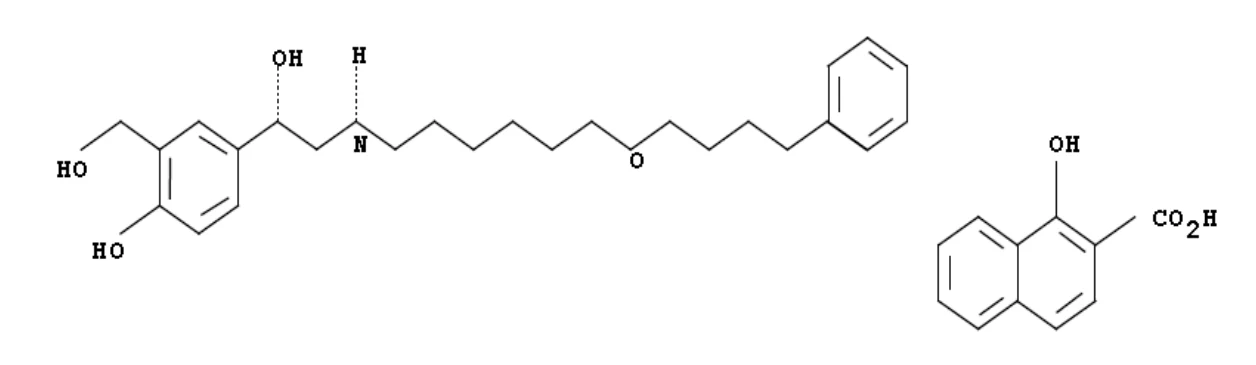
Proper name: salmeterol xinafoate
Chemical name: 4-hydroxy-α1-[[[6-(4-phenylbutoxy) hexyl]amino]-methyl]-1,3 benzenedimethanol, 1-hydroxy-2-naphthoate.
Molecular formula and molecular mass: C25H37NO4.C11H8O3 603.8
Structural formula:
Physicochemical properties:
Description: White to off-white crystalline powder with a melting point ~ 123 °C
Solubility:
In water ~ 0.07 mg/mL (pH = 8)
In saline ~ 0.08 mg/mL (0.9%w/v)
In methanol ~ 40 mg/mL
In ethanol ~ 7 mg/mL
In chloroform ~ 3 mg/mL
In isopropanol ~ 2 mg/mL
pKa and pH:
Salmeterol is amphoteric and is partially ionised in water over the whole pH range. The ionised species have a low solubility, thus accurate determination of the two macro- dissociation constants by potentiometric titration has not been possible. The apparent pKa for dissociation of the phenolic group (as determined by ultraviolet spectrophotometry) is 9.3. The four microconstants lie between 8.9 and 9.7.
The pH of a saturated aqueous solution of salmeterol xinafoate (0.07 mg/mL) is about 8.
Partition Coefficient:
The partition coefficient between n-octanol and water is pH dependent and has been determined by an HPLC procedure.
log D = 3.2 (pH 9.2)
log D = 2.0 (pH 7.4)
log D = 0.6 (pH 4.0)
Drug Substance
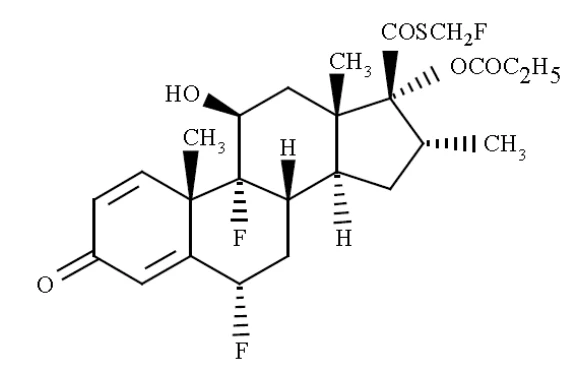
Proper name: fluticasone propionate
Chemical name: s-fluoromethyl 6α ,9α-difluoro-11β-hydroxy-16α-methyl-3-oxo17α- propionyloxyandrosta-1,4-diene-17β-carbothioate
Molecular formula and molecular mass: C25H31F3O5S 500.6
Structural formula:
Physicochemical properties:
Description: Fluticasone propionate is a white to off-white powder. It is freely soluble in dimethyl sulfoxide and dimethylformamide, sparingly soluble in acetone, dichloromethane, ethyl acetate and chloroform, slightly soluble in methanol and 95% ethanol, and practically insoluble in water. Fluticasone propionate decomposes without melting. Onset of decomposition occurs at about 225°C.
CLINICAL TRIALS
Clinical Studies in Asthma
There have been very rare reports of anxiety, sleep disorders and behavioural changes including hyperactivity and irritability (predominantly in children and adolescents).
Fluticasone Propionate and Salmeterol Inhalation Powder
Use in Adolescents and Adults
Clinical studies in patients 12 years of age and older showed that the combination product was significantly more effective than placebo or salmeterol alone in all primary efficacy comparisons. It was significantly more effective than fluticasone propionate alone in all primary efficacy comparisons (p < 0.001) except in one study for probability of remaining in the study (p = 0.084).
In clinical studies comparing the efficacy and safety of the combination product versus concurrent therapy with fluticasone propionate and salmeterol administered via separate inhalers, results for the primary efficacy variable, mean morning PEFR during weeks 1- 12, in the Intent-to-Treat Population met the criterion for clinical equivalence (90% confidence limits for the difference between treatments contained within +15L/min) in two studies. Results were similar when the 95% confidence limits were considered rather than 90%. In the study using the 100/50 mcg dose, equivalence was not demonstrated, with treatment differences indicating a slightly greater efficacy for the combination product.
In randomized, double-blind, placebo-controlled trials involving 700 patients aged 12 years and over, treatment with 100/50 mcg or 250/50 mcg fluticasone propionate and salmeterol inhalation powder produced clinically significant improvements in quality of life as assessed by the Asthma Quality of Life Questionnaire (AQLQ). There were significant differences in quality of life between the combination product and salmeterol xinafoate 50 mcg alone, fluticasone propionate 100 mcg or 250 mcg alone, or placebo. Differences between the combination product and salmeterol or placebo were clinically significant. In these 2 studies, survival analysis revealed that patients treated with 100/50 mcg or 250/50 mcg fluticasone propionate and salmeterol inhalation powder also had a significantly greater probability of remaining in the study over time without being withdrawn because of worsening asthma than did those in the salmeterol or fluticasone treatment groups. (p ≤ 0.020 and p ≤ 0.002 respectively). In both studies, statistically significantly fewer patients receiving the fluticasone/salmeterol combination were withdrawn from the study due to worsening asthma (3% and 4%) compared with fluticasone (11% and 22%), salmeterol (35% and 38%) and placebo (49% and 62%). The combination product significantly reduced symptom scores and supplemental salbutamol use compared with the other treatments. In the first study, regardless of baseline asthma therapy (inhaled corticosteroids or salmeterol), greater improvements in asthma control were observed with the combination as compared to the individual agents. In both studies, the mean change from baseline in pre-dose FEV1 at the Week 12 endpoint was significantly greater in the combination group (p < 0.001 and p = 0.003 respectively) compared to fluticasone propionate alone with no apparent diminution in the 12-hour bronchodilator effect following 12 weeks of therapy.
At the Week 12 endpoint, patients treated with the combination had a 25% and 23% improvement from baseline in FEV1 respectively.
In a randomized, double-blind, active-controlled trial involving 267 patients aged 12 years and over, who were uncontrolled on short-acting beta2-agonist therapy, treatment with 100/50 mcg fluticasone propionate and salmeterol inhalation powder demonstrated superior efficacy and comparable safety compared with salmeterol (50 mcg) or fluticasone propionate (100 mcg) alone. The fluticasone propionate and salmeterol inhalation powder 100/50 mcg was proven to be significantly more efficacious than salmeterol alone for the mean change from baseline in morning pre-dose FEV1 at endpoint (p = 0.036). In addition, fluticasone propionate and salmeterol inhalation powder achieved significantly better results than fluticasone propionate alone for area under the serial FEV1 curve at treatment week 12 relative to baseline (p = 0.021). Lung function parameters, asthma symptoms, and salbutamol use all showed statistically significant and clinically relevant improvements with the combination product compared with its individual components.
Two, randomized, double-dummy, parallel-group, 12-week comparative trials of fluticasone propionate and salmeterol inhalation powder 100/50 mcg versus oral montelukast 10 mg once-daily were conducted. 855 patients 15 years and older with persistent asthma inadequately controlled with scheduled or as needed short-acting beta2-agonists alone were enrolled. In both trials, fluticasone propionate and salmeterol inhalation powder was significantly more efficacious (p < 0.001, morning pre-dose FEV1) and has a similar tolerability and adverse event profile compared to the once-daily montelukast.
Use in Children
The efficacy of fluticasone propionate and salmeterol inhalation powder 100/50 mcg was compared to concurrent therapy with fluticasone propionate and salmeterol xinafoate administered via separate inhalers in children 4-11 years old. The adjusted mean change in morning PEFR from baseline for Weeks 1-12 were 33L/min for the combination product and 28L/min for concurrent therapy. Patients responded similarly in both treatment groups with marked reduction of asthma symptoms and salbutamol use during the study.
Safety Studies in Asthma
Fluticasone Propionate
A 2-year study of patients with asthma receiving CFC-propelled fluticasone propionate pressurised inhalation, suspension (100 and 500 mcg twice daily) demonstrated no statistically significant changes in bone mineral density at any time point (24, 52, 76, and 104 weeks of double blind treatment) as assessed by dual-energy x-ray absorptiometry at lumbar region L1 and L4.
Salmeterol Xinafoate – Serious Asthma-Related Events
Salmeterol Multicenter Asthma Research Trial (SMART)
The Salmeterol Multicenter Asthma Research Trial (SMART) was a 28-week US post- marketing study that evaluated the safety of salmeterol (50 mcg twice daily) compared to placebo each added to usual asthma therapy in adult and adolescent subjects. The study showed a significant increase in asthma-related deaths in patients receiving salmeterol (13 deaths out of 13,176 patients treated with salmeterol versus 3 deaths out of 13,179 patients on placebo; relative risk of 4.37 [95% CI: 1.25, 15.34]). The study was not designed to assess the impact of concurrent inhaled corticosteroid use.
Safety of Fluticasone Propionate and Salmeterol Compared with Inhaled Fluticasone Propionate Alone
Subsequent to the Salmeterol Multicenter Asthma Research Trial, two 26-week, randomized, double-blind, parallel-group, active-controlled, multicenter clinical safety trials, one in 11,679 adult and adolescent subjects aged 12 years and older (NCT01475721) and one in 6,208 pediatric subjects aged 4 to 11 years (NCT01462344) were conducted to evaluate the safety of fluticasone propionate and salmeterol inhalation powder compared with inhaled fluticasone propionate alone.
The primary objective of both trials was to evaluate whether the addition of LABA to inhaled corticosteroid therapy (fluticasone propionate and salmeterol inhalation powder) was non-inferior to inhaled corticosteroid therapy alone (fluticasone propionate) in terms of the risk of a serious asthma-related event (hospitalization, endotracheal intubation, and death). The adult and adolescent trial was designed to rule out a pre-specified risk margin for serious asthma- related events of 2.0 and the pediatric trial was designed to rule out a risk margin of 2.7. A blinded adjudication committee determined whether events were asthma related.
Adult and adolescent subjects enrolled in NCT01475721 had moderate to severe persistent asthma with a history of asthma-related hospitalization or at least 1 asthma exacerbation in the previous year treated with systemic corticosteroid. Subjects were randomized in a 1:1 ratio, within stratification groups based on previous asthma medication and asthma control, to receive fluticasone propionate and salmeterol inhalation powder (100/50 mcg, 250/50 mcg or 500/50 mcg) twice daily or fluticasone propionate inhalation powder (100 mcg, 250 mcg or 500 mcg) twice daily. Pediatric subjects enrolled in NCT01462344 had a diagnosis of asthma and a history of at least 1 asthma exacerbation within the prior 12 months treated with systemic corticosteroid. Subjects were randomized in a 1:1 ratio, within stratification groups based on previous asthma medication, asthma control and number of asthma exacerbations in the prior year, to receive fluticasone propionate and salmeterol inhalation powder (100/50 mcg or 250/50 mcg) twice daily or fluticasone propionate inhalation powder (100 mcg or 250 mcg) twice daily. Patients with life-threatening or unstable asthma were excluded from the 2 clinical trials.
For both trials, fluticasone propionate and salmeterol inhalation powder was non-inferior to fluticasone propionate for time to first serious asthma-related events based on the pre-specified risk margins (Table 6). In the pediatric trial, there was a higher number of asthma-related hospitalizations in the fluticasone propionate and salmeterol inhalation powder group (27) compared to the fluticasone propionate group (21).
Table 6. Serious Asthma-Related Events in the two 26-Week Safety Trials
| NCT01475721 | NCT01462344 | |||||||||||||||||
Adults and adolescents (12 years and older) | Children (4-11 years) | |||||||||||||||||
Fluticasone propionate and salmeterol inhalation powder (n = 5,834) | Fluticasone Propionate (n = 5,845) | Fluticasone propionate and salmeterol inhalation powder (n = 3,107) | Fluticasone Propionate (n = 3,101) | |||||||||||||||
| Serious asthma- related event (hospitalization, endotracheal intubation, or death)a | 34 (0.6%) | 33 (0.6%) | 27 (0.9%) | 21 (0.7%) | ||||||||||||||
| Fluticasone propionate and salmeterol inhalation powder /Fluticasone Propionate Hazard ratio (95% CI) | 1.03 (0.64-1.66)b | 1.29 (0.73-2.27)b | ||||||||||||||||
| Asthma-related death | 0 | 0 | 0 | 0 | ||||||||||||||
| Asthma-related intubation (endotracheal) | 0 | 2 | 0 | 0 | ||||||||||||||
| Asthma-related hospitalization (≥24- hour stay) | 34 | 33 | 27 | 21 | ||||||||||||||
a Number of subjects with an event that occurred within 6 months after the first use of study drug or 7 days after the last date of study drug, whichever date was later. Subjects may have had one or more events, but only the first event was counted for analysis.
b The hazard ratio for time to first event was based on a Cox proportional hazards regression model with randomized treatment as a covariate and baseline hazards stratified by prior asthma medication and asthma control status. If the resulting upper 95% CI estimate for the relative risk was less than 2.0 (NCT01475721) or less than 2.7 (NCT01462344), then non-inferiority was concluded.
Additional Clinical Study in Asthma
Use in Adolescents and Adults
The objective of study SAM40027, also known as the GOAL study (The Gaining Optimal Asthma ControL study), was to determine whether patients could achieve asthma control based upon definitions derived from internationally accepted guidelines (Global Initiative for Asthma/National Institute of Health - GINA/NIH), by comparing the efficacy of an escalated dose of fluticasone propionate alone or in combination with the long acting beta2-agonist salmeterol.
Study Demographics and Trial Design
Table 7. Summary of Patient Demographics for Clinical Trials in Asthma
| Study # | Trial design (Duration) | Dosage (mcg), route of administration | Study subjects (n=number) | Mean age (Range) | Gender |
SAM40027 GOAL (Bateman et. al., 2004) | Stratified, randomized, double blind, parallel group, step-up, multicentre study Phase 1: 12-36 weeks Phase 2: 16-40 weeks Phase 1 & 2: 52- weeks | FP1 and salmeterol inhalation powder 100/50, 250/50, 500/50 BID FP inhalation powder; 100, 250, 500 BID Oral inhalation | 3416 | 40 (9-83) | 1428 M / 1988 F |
1fluticasone propionate
In SAM40027, the two treatment groups were well matched for all demographic characteristics. The study was divided into two phases, Phase1: treatment step-up in which treatment was stepped-up every 12 weeks until “Total Control” was achieved or the highest dose of study drug was reached and Phase 2: treatment at constant dose. A broad range of subjects were included in the study and were stratified into 3 groups according to baseline asthma therapy over the 6 months prior to randomization; Stratum 1: ICS naïve or no ICS in last 6 months; Stratum 2: using low doses of inhaled corticosteroid (ICS) in the previous 6 months (≤ 500mcg BDP daily or equivalent, i.e.≤ 250mcg of FP); Stratum 3: using moderate doses of ICS in the previous 6 months (>500mcg-1000mcg BDP daily or equivalent, i.e. >250-500mcg of FP).
SAM40027 assessed two pre-defined levels of asthma control: “Well-Controlled” (primary efficacy endpoint) and “Total Control”.
“Well-controlled” was defined as two or more of the following 3 criteria:
- Symptom score* of >1 allowed on ≤ 2 days per week only
- ≤ 2 days and ≤ 4 occasions per week of rescue medication use
- ≥80% predicted morning PEF every day
And all of the following criteria:
- no night-time awakenings,
- no exacerbations#,
- no side effects enforcing a change in therapy.
* Symptom score: 1 was defined as “symptoms for one short period during the day”.
Overall scale: 0(none) –5 (severe).
# Exacerbations defined as deterioration in asthma requiring treatment with an oral corticosteroid or an emergency department visit or hospitalization.
“Total Control” was defined as:
- no symptoms, no rescue medication use,
- ≥80% predicted morning PEF every day,
- no night-time awakenings,
- no exacerbations# and
- no side effects enforcing a change in therapy.
Control needed to be sustained, during weeks 5-12, 17-24, or 29-36 in Phase 1, for at least 6 out of the last 7, or 7 out of the last 8 weeks of treatment to reach the composite endpoints defined above. Direct measurements of airway inflammation and/or hyper- responsiveness were not included in these composite endpoints.
Study Results
In each Stratum, more patients receiving the combined FP and salmeterol achieved “Well-Controlled” asthma versus inhaled FP alone at the end of Phase I (see Table 8, below).
Table 8. Proportion of Patients who Achieved “Well-Controlled” Asthma in Study SAM40027
| Primary Endpoint | Associated value and statistical significance for FP and salmeterol vs. FP | Number of Subjects2 |
| Proportion of subjects who achieved “Well- Controlled” asthma with FPand salmeterol inhalation powder compared with FP alone in dose titration phase (Phase I, 12-36 weeks) | Stratum 1: 71% vs. 65% (p=0.039)1 Stratum 2: 69% vs. 52% (p<0.001) Stratum 3: 51% vs. 33% (p<0.001) | 1083 1160 1135 |
1Results for Stratum 1 did not meet the predefined 10% difference between treatments used to indicate a clinically important difference and are presented for completeness only.
2Excludes subjects with missing covariates (baseline FEV1). Subjects whose control status was missing or unevaluable were assessed as “not controlled’
In Stratum 1 (ICS naïve or no ICS in last 6 months) the results for the primary endpoint did not meet the predetermined 10% difference used in the study to indicate a clinically important difference (6% treatment difference was achieved). This observation is consistent with the recommended use of LABA-containing drugs such as FP and salmeterol, which should not be introduced as initial therapy in these patients. FP and salmeterol should be used only in patients whose conditions are not adequately controlled using low- to medium-dose inhaled corticosteroids or the severity of whose disease clearly warrants the initiation of treatment with two maintenance therapies.
Table 9 below displays the observed likelihood of achieving “Well-Controlled” asthma and the absolute difference for achieving “Well-Controlled” asthma, when comparing combined FP and salmeterol with FP alone.
Table 9. Likelihood of Achieving “Well-Controlled” Asthma in Study SAM40027
| Stratum | Likelihood of achieving “Well-Controlled” asthma (FP and salmeterol compared with FP alone) | Absolute difference for achieving “Well-Controlled” asthma (FP and salmeterol compared with FP alone) |
Stratum 1+ Stratum 2 Stratum 3 | 9% (95%CI: 0%-18%) 31% (95%CI: 19%-44%) 51% (95%CI: 31%-74%) | 6% (95%CI: 0%-11%) 16% (95%CI: 10%-22%) 17% (95%CI: 11%-23%) |
+Stratum 1 results did not meet the predetermined 10% difference used to indicate a clinically important difference for the primary endpoint of achieving “Well-Controlled” asthma
Similar results were observed with “Total Control” of asthma, where more patients receiving FP and salmeterol achieved “Total Control” of asthma versus inhaled FP alone at the end of Phase I for each individual Stratum+ (p<0.001). Table 10 below displays the observed likelihood of achieving “Total Control” of asthma and the absolute difference for achieving “Total Control” of asthma, when comparing combined FP and salmeterol with FP alone.
Table 10. Likelihood of Achieving “Total Control” of Asthma in Study SAM40027
| Stratum | Likelihood of achieving “Total Control” of asthma (FP and salmeterol compared with FP alone) | Absolute difference for achieving “Total Control” of asthma (FP and salmeterol compared with FP alone) |
Stratum 1+ Stratum 2 Stratum 3 | 34% (95%CI: 14%-58%) 65% (95%CI: 35%-101%) 124% (95%CI: 63%-209%) | 11% (95%CI: 5%-16%) 13% (95%CI: 8%-18%) 10% (95%CI: 6%-14%) |
+Stratum 1 results did not meet the predetermined 10% difference used to indicate a clinically important difference for the primary endpoint of achieving “Well-Controlled” asthma
In general, these effects were observed earlier with combined FP and salmeterol compared to FP alone and at a lower ICS dose. In those patients achieving ‘Well-controlled” asthma or “Total control” of asthma, across all Strata+, the time to achieve the first “Well-Controlled” or “Total Control” week during Weeks 1-12 was faster with combined FP and salmeterol compared to FP alone (p≤0.002).
Attaining "Well-Controlled" asthma and "Total Control" of asthma resulted in an improved Quality of Life (QoL) as measured by the Asthma Quality of Life Questionnaire (AQLQ). In Stratum 2 (Week 52), 64% and 53% of patients reported minimal or no impairment on QoL after treatment with combined FP and salmeterol and FP alone, respectively, compared to 10% and 8% at baseline. In Stratum 3 (Week 52), 57% and 45% of patients reported minimal or no impairment on QoL after treatment with combined FP and salmeterol and FP alone, respectively, compared to 8% and 9% at baseline. Sustained and continuous treatment for 52 weeks also resulted in significantly greater mean FEV1 at each of the clinic visits in patients receiving combined FP and salmeterol compared to those receiving FP alone (p<0.001). Differences between blinded treatments ranged from 0.13L to 0.16L in Stratum 2, and 0.11L to 0.15L in Stratum 3 in favour of the combined FP and salmeterol.
___________________________________
+ Stratum 1 results did not meet the predetermined 10% difference used to indicate a clinically important difference for the primary endpoint of achieving “Well-Controlled” asthma
In SAM40027, an adverse event was defined as any untoward medical occurrence in a subject and did not necessarily have a causal relationship with any treatment. During the blinded treatment period, the percentage of patients who had an adverse event was similar between treatment groups for each Strata: 56% in the FP group and 55% in the FP and salmeterol group for Stratum 1; 57% FP and 60% in the FP and salmeterol group for Stratum 2, and 67% FP and 69% in the FP and salmeterol group in Stratum 3. Drug-related adverse events that were reported by at least 1% of subjects in either treatment group (all Strata combined) were: hoarseness (2% FP vs. 3% FP and salmeterol), oral candidiasis (2% FP vs. 2% FP and salmeterol) and pharyngolaryngeal pain (1% FP vs. <1% FP and salmeterol). There was a greater number of subjects experiencing myocardial infarction and unstable angina or angina pectoris in the FP and salmeterol group (n=8) compared with FP alone (n=3); however, none of these events were considered by the investigator to be related to the study medication.
Clinical Studies in COPD
Clinical study data is provided for a 52-week study.
52-Week Study
A long term (52 week) clinical study in 1465 COPD patients evaluated the safety and efficacy of fluticasone propionate and salmeterol inhalation powder 500/50 (fluticasone propionate and salmeterol) versus placebo and the individual components fluticasone propionate 500 mcg and salmeterol 50 mcg), all taken twice daily via the powder inhalation device. Patients who had an established clinical history of COPD with a pre-bronchodilator FEV1 of ≥ 25 to ≤ 70% of predicted normal, poor reversibility of airflow obstruction (defined as an increase of < 10% of the predicted normal FEV1 value following the administration of 400 mcg salbutamol), and pre-bronchodilator FEV1/FVC ratio of ≤ 70% were included in the study. Patients who had respiratory disorders other than COPD, those requiring long term oxygen or those who received inhaled or systemic corticosteroids or antibiotic therapy in the 4 weeks prior to study start were excluded.
The primary measure of efficacy was pre-bronchodilator FEV1.
Pre-bronchodilator FEV1 in the fluticasone propionate and salmeterol inhalation powder 500/50 group was 133mL higher than the placebo group (p < 0.001), 73mL higher than the salmeterol 50 mcg group (p < 0.001) and 95 mL higher than the fluticasone 500 mcg group (p < 0.001) throughout the treatment period.
Disease-specific quality of life was assessed with the St. George's Respiratory Questionnaire (SGRQ). With fluticasone propionate and salmeterol inhalation powder 500/50, the raw mean changes in Total Score ranged from -2.4 at Week 2 to -4.5 at Week 52. A clinically meaningful change of > 4.0 was achieved as early as 8 weeks with fluticasone propionate and salmeterol inhalation powder 500/50 but not with placebo, salmeterol 50 mcg or fluticasone 500 mcg.
The overall incidence of adverse events and COPD-related adverse events was similar across the four groups during the treatment period. Most commonly reported drug- related adverse event was candidiasis of the mouth and throat (fluticasone propionate and salmeterol inhalation powder
500/50 mcg, 6%; fluticasone 500 mcg, 6%; salmeterol 50 mcg, 1%; placebo, 1%). Lower respiratory tract infections and pneumonia occurred in 7% of patients in the placebo and salmeterol groups compared to 12% and 14% in the fluticasone propionate 500 mcg and fluticasone propionate and salmeterol inhalation powder 500/50 mcg groups respectively.
No clinically significant effects were observed following any treatment on ECG findings, vital signs or bruise count.
Bone density and fracture rates were not assessed in this study.
DETAILED PHARMACOLOGY
Note: For complete information on the pharmacology of the individual compounds fluticasone propionate and salmeterol xinafoate, please refer to the Product Monographs for SEREVENT (salmeterol xinafoate) and FLOVENT (fluticasone propionate) inhalation products.
Animals
A safety pharmacology study was performed to determine the potential interaction of subcutaneously administered fluticasone propionate with the cardiovascular and respiratory effects of intravenously administered salmeterol xinafoate in anaesthetised guinea-pigs. Fluticasone propionate (10 mg/kg, sc) or vehicle control was administered as two doses at 24 hours and 3 hours prior to dosing with salmeterol xinafoate.
Salmeterol at intravenous doses of 0.01 – 100 mcg/kg (including and exceeding those required for pharmacological effects or amounts likely to be absorbed clinically after inhalation), had no effects other than those consistent with the known pharmacological profile of the compound (decreases in blood pressure and increases in heart rate). These effects were not exacerbated by pre-treatment with fluticasone propionate.
Pharmacokinetics
Plasma concentrations of fluticasone propionate and salmeterol xinafoate administered concomitantly were determined in single dose inhalation studies in the rat and dog.
Plasma levels at the lowest dose levels used in the studies (28/73 mcg/kg in the rat, and 48/50 mcg/animal in the dog) were about 30-fold and 26-fold greater in rat and 13-fold and 3- to 5-fold greater in dog than the peak levels likely to occur in man for fluticasone propionate and salmeterol xinafoate.
Repeat dose pharmacokinetics of fluticasone propionate and salmeterol xinafoate has been obtained by monitoring plasma concentrations in inhalation toxicity studies in the rat and dog.
In both species, plasma levels of fluticasone propionate were not affected by salmeterol administered concurrently and plasma levels of salmeterol were not affected by co- administration with fluticasone propionate.
Human
The pharmacodynamic effects and pharmacokinetics of the combination product in the inhalation powder device were investigated in healthy adult male and female volunteers after single and repeat-dose administration.
Those studies showed that the systemic pharmacodynamic effects of fluticasone propionate and salmeterol xinafoate are essentially unchanged when the two drugs are administered in combination, when compared with the component drugs given alone or concurrently.
There was no evidence that the systemic exposure to salmeterol was altered by concomitant exposure to fluticasone propionate. In one study, the salmeterol plasma Cmax and Tmax were not significantly different when compared between the groups receiving fluticasone propionate 500 mcg and salmeterol xinafoate 100 mcg twice daily in the combination product (Cmax 0.23 ng/mL) or salmeterol xinafoate 100 mcg twice daily as a single agent (Cmax 0.22 ng/mL).
When fluticasone propionate alone or the fluticasone propionate/salmeterol xinafoate product are administered at the same dosage, there is similar systemic exposure to fluticasone propionate.
Long-Term Outcomes in the Management of COPD
SCO30003 was a 3-year study to assess the effect of treatment fluticasone propionate and salmeterol inhalation powder 500/50 mcg twice daily, fluticasone propionate 500 mcg twice daily, salmeterol 50 mcg twice daily or placebo on all-cause mortality in 6,112 patients with COPD; defined as the Intent-to-Treat-Efficacy (ITT) population. The patients were 40 to 80 years of age with moderate to severe COPD, with a baseline (pre-bronchodilator) FEV1 < 60% of predicted at study entry, and < 10% of predicted reversibility and were randomised to double-blind medication. During the study, patients were permitted usual COPD therapy with the exception of other inhaled corticosteroids, long-acting bronchodilators and long-term systemic corticosteroids. Survival status at 3 years was determined for all patients regardless of withdrawal from study medication.
The primary endpoint of study SCO30003 was the effect of fluticasone propionate and salmeterol inhalation powder 500/50 mcg twice daily versus placebo on all-cause mortality at 3 years. After three years, 15.2% and 12.6% of patients died in the placebo and fluticasone propionate and salmeterol inhalation powder 500/50 mcg treatment groups respectively, equating to an absolute risk reduction of 2.6%. Based on the results of this study, the hazard ratio for fluticasone propionate and salmeterol inhalation powder 500/50 mcg versus placebo was 0.825 (95% CI 0.68, 1.00, p = 0.052), all adjusted for two pre-specified interim analyses. There was a trend towards improved survival in patients treated with fluticasone propionate and salmeterol inhalation powder 500/50 mcg compared with placebo over 3 years however this did not achieve the pre-specified statistical significance level of p ≤ 0.05.
In study SCO30003, fluticasone propionate and salmeterol inhalation powder 500/50 mcg reduced the rate of moderate to severe exacerbations by 25% compared with placebo (95% CI: 19% to 31%; p < 0.001). fluticasone propionate and salmeterol inhalation powder reduced the exacerbation rate by 9% compared with fluticasone propionate (95% CI: 1% to 16%; p = 0.024)
and 12% compared with salmeterol (95% CI:5% to 19%; p = 0.002).
Health Related Quality of Life, as measured by the St. George’s Respiratory Questionnaire (SGRQ) was also improved by all active treatments in comparison with placebo in study SCO30003. An adjusted mean change of -4.3 unit decrease was seen at week 48 with fluticasone propionate and salmeterol inhalation powder 500/50 mcg. The average improvement over three years for fluticasone propionate and salmeterol inhalation powder compared with placebo was -3.1 units (95% CI: -4.1 to - 2.1; p < 0.001), compared with salmeterol was -2.2 units (p < 0.001) and compared with fluticasone propionate was -1.2 units (p = 0.017).
Over the 3-year treatment period of study SCO30003, FEV1 values were also higher in patients treated with fluticasone propionate and salmeterol inhalation powder 500/50 mcg than for those treated with placebo (average difference over 3 years 92 mL, 95% CI: 75 to 108 mL; p < 0.001). The fluticasone propionate and salmeterol inhalation powder was also more effective than fluticasone propionate or salmeterol in improving FEV1 (average difference over 3 years 50 mL, p < 0.001 for salmeterol and 44 mL, p < 0.001 for fluticasone propionate). Averaged over the 3 years of the study, patients treated with fluticasone propionate and salmeterol inhalation powder showed a +29-mL increase from baseline in post- bronchodilator FEV1 while the placebo, fluticasone propionate or salmeterol groups demonstrated a decline of -62 mL, -15 mL, and -21 mL, respectively.
Fluticasone Propionate Containing Medications in Asthma During Pregnancy
An observational retrospective epidemiological cohort study utilising electronic health records from the United Kingdom was conducted to evaluate the risk of major congenital malformations following first trimester exposure to inhaled FP alone and FP and salmeterol combination relative to non-FP containing inhaled corticosteroids. No placebo comparator was included in this study given the disease being studied. As an epidemiologic study, biases may not have been controlled to the same extent as in a clinical trial.
Within the asthma cohort of 5362 first trimester inhaled corticosteroid-exposed pregnancies in which major congenital malformations were diagnosed by one year of age, 131 major congenital malformations were identified; in the 1612 (30%) pregnancies which were exposed to FP or FP and salmeterol, 42 diagnosed major congenital malformations were identified. In 3750 (70%) pregnancies which were exposed to non-FP inhaled corticosteroid (ICS), 89 diagnosed major congenital malformations were identified. The adjusted odds ratio for major congenital malformations diagnosed by 1 year was 1.1 (95% CI: 0.5 – 2.3) for FP exposed vs non-FP inhaled corticosteroid exposed women with moderate asthma and 1.2 (95% CI: 0.7 – 2.0) for women with considerable to severe asthma. No difference in the risk of major congenital malformations was identified following first trimester exposure to FP alone versus FP and-salmeterol combination. Absolute risks of major congenital malformations across the asthma severity strata ranged from 2.0 to 2.9 per 100 fluticasone propionate-exposed pregnancies.
TOXICOLOGY
Note: For complete information on the toxicology of the individual compounds fluticasone propionate and salmeterol xinafoate, please refer to the SEREVENT (salmeterol) and FLOVENT (fluticasone propionate) Product Monographs.
Acute Toxicity
The experimental details of single dose studies are presented below:
| Species (strain) | Route of Administration | Nominal Exposure Concentrations (mcg/L) (Salmeterol xinafoate: Fluticasone propionate) | Initial Group M F | Duration of Treatment (Days) |
Rat (Wistar) | Inhalation powder | 0:0 75:40 0:0 10:20 20:40 | 10 10 10 10 5 5 5 5 5 5 | 1 |
Rat (Wistar) | Inhalation powder | 0:0 1:2 2:4 5:10 10:20 20:40 | 7 7 7 7 7 7 7 7 7 7 7 7 | 1 |
Rat (Wistar) | Inhalation powder | 0:0 75:0 75:40 | 10 0 10 0 10 0 | 1 |
High single inhaled doses of combinations of fluticasone propionate and salmeterol xinafoate were well-tolerated by rats. With one exception (mild atrial myocarditis), all findings were expected at the doses of fluticasone propionate and salmeterol xinafoate administered.
Mild atrial myocarditis occurred at combination doses of 28 mcg/kg salmeterol with 73 mcg/kg fluticasone propionate, or higher, at which plasma drug concentrations were at least 30 times (salmeterol) or 26 times (fluticasone propionate) greater than peak levels in man. The change was characterized by degeneration, mononuclear cell infiltration and a predilection for localisation within the left atrium. This change was not observed in earlier studies when the drugs were administered alone.
The lesion was present 48 hours after a single exposure, but had resolved completely and was absent after 14 days. There were no associated rises in plasma enzyme activities (aspartate aminotransferase, lactate dehydrogenase or creatine phosphokinase) 48 hours after exposure. There were no large differences in heart rate or rhythm between rats given salmeterol alone or in combination with fluticasone propionate, although animals exposed to the combination showed slightly larger and more prolonged falls in blood pressure. No atrial lesions occurred in repeat dose studies in rats.
This is considered unlikely to be of relevance to man because it has been reported in rats after co-administration of other commonly used and clinically well-tolerated beta2- agonists and corticosteroids.
Long-Term Toxicity
Findings from repeat dose inhalation toxicity studies of up to 13 weeks duration in rats and dogs were generally as expected for the doses of fluticasone propionate and salmeterol xinafoate administered, most being typical of beta2-agonist or corticosteroid excess. The experimental details of long-term toxicity studies are provided below:
| Species (strain) | Route of Administration | Nominal Exposure Concentrations (mcg/L) (Salmeterol xinafoate: Fluticasone propionate) | Initial Group M F | Duration of Treatment (Weeks) |
|---|---|---|---|---|
| Rat (Wistar) | Inhalation | 0:0 2:0.2 20:2 | 6 6 7 7 7 7 | 2 |
| Rat (Sprague- Dawley and Wistar) | Inhalation | 0:0 0:2 20:0 20:0.02 20:0.2 20:2 | 5 5 5 5 5 5 5 5 5 5 5 5 | 2 |
| Rat (Wistar) | Inhalation | 0:0 2:4 2:10 4:20 10:20 | 26 26 21 21 21 21 26 26 26 26 | 2 or 5 |
| Rat (Wistar) | Inhalation | 0:0 3:0 0:6 0.6:6 3:6 | 41 41 31 31 31 31 31 31 41 41 | 13 |
| Dog (Beagle) | Inhalation | 0:0 15:15 150:150 | 2 2 2 2 2 2 | 2 |
| Dog (Beagle) | Inhalation | 0:0 5:0 15:0 5:10 5:25 15:30 15:75 | 2 2 2 2 2 2 2 2 2 2 2 2 2 2 | 2 |
| Dog (Beagle) | Inhalation | 0:0 15:0 0:30 3:30 15:30 | 6 6 4 4 4 4 4 4 6 6 | 13 |
Focal coronary arteritis was the only finding not reported in earlier studies when fluticasone propionate and salmeterol xinafoate were administered alone.
Focal coronary arteritis occurred transiently and sporadically in Wistar rats exposed daily to fluticasone propionate and salmeterol xinafoate combinations for 2 weeks. The lesion was short-lived, resolving fully even with continued treatment, always being absent in studies of 5 and 13 weeks duration. It showed both species and strain specificity, being absent in dogs and Sprague-Dawley rats.
In 2-week inhalation studies in dogs, salmeterol-related pulse rate increases were slightly more marked in groups given the combination compared with those given salmeterol alone. However, there were no significant effects of the combination on ECG or on cardiac histopathology in this species.
Reproduction
Co-administration of high-doses of subcutaneous fluticasone propionate and oral salmeterol did not alter the incidence of any minor or major abnormality in rats or mice compared with studies in which the drugs were administered alone. The incidence of two variants, transposed (left) umbilical artery and incomplete ossification of the occipital bone, were increased in rats at the highest combination dose (100 mcg/kg: 10 mg/kg fluticasone propionate: salmeterol xinafoate).
Exposure at the no-effect dose for both variants of 30 mcg/kg: 1 mg/kg (fluticasone propionate:salmeterol xinafoate) was approximately 12 times (salmeterol) and 4 times (fluticasone propionate) greater than peak exposure in man after a standard 50:50 mcg dose (fluticasone propionate: salmeterol xinafoate).
Mutagenicity
Mutagenicity studies conducted with fluticasone propionate and salmeterol xinafoate alone did not show evidence of genotoxicity.
Genetic toxicity studies with the combination product were not conducted.
Carcinogenicity
In long-term studies, salmeterol xinafoate induced benign tumours of smooth muscle on the mesovarium of rats and the uterus of mice. These findings in rodents are similar to those reported previously for other beta-adrenergic agonist drugs. The relevance of these findings to human is unknown.
No treatment-related effects were observed on the type or incidence of neoplasia in an 18-month oral (gavage) study in mice administered fluticasone propionate at dose levels of up to 1 mg/kg/day. In a lifetime (2 years) snout-only inhalation study in rats, at dose levels of up to 57 mcg/kg/day, there was an increase in the incidence of tumours in the mammary gland, liver and pancreas. These were not considered as evidence of tumorigenic effect of fluticasone propionate based on the absence of statistical support of an increase in incidence and the historical tumour incidence data.
Fluticasone propionate/salmeterol xinafoate combination product was not tested in carcinogenicity studies.
REFERENCES
- 1. Bateman ED, Britton M, Carrillo J, Almeida J, Wixon C. Salmeterol/fluticasone combination inhaler. A new, effective and well tolerated treatment for asthma. Clin Drug Invest. 1998;16(3):193-201.
- 2. Boulet LP, Cowie R, Johnston P, Krakovsky D, Mark S. Comparison of Diskus inhaler, a new multidose powder inhaler, with Diskhaler inhaler for the delivery of salmeterol to asthmatic patients. Canadian Study Group. J Asthma. 1995;32(6):429-436.
- 3. Calverley MA, Anderson JA, Celli B, Ferguson GT, Jenkins C. Salmeterol and fluticasone propionate and survival in chronic obstructive pulmonary disease. NEJM. 2007;356(8):775-789.
- 4. Chapman KR, Ringdal N, Backer V, Palmqvist M, Saarelainen S, Briggs M. Salmeterol and fluticasone propionate (50/250 microg) administered via combination Diskus inhaler: as effective as when given via separate Diskus inhalers. Can Respir J. 1999;6(1):45-51.
- 5. Dahl R, Lundback B, Malo JL, Mazza JA, Nieminen MM, Saarelainen P et al. A dose-ranging study of fluticasone propionate in adult patients with moderate asthma. International Study Group. Chest. 1993;104(5):1352-1358.
- 6. Falcoz C, Mackie AE, Moss J, Horton J, Ventresca GP, Brown A et al. Pharmacokinetics of fluticasone propionate inhaled from the Diskhaler and the Diskus after repeat doses in healthy subjects and asthmatic patients. J Allergy and Clin Immunol 1999;99(0091-6749):s505.
- 7. Greening AP, Ind PW, Northfield M, Shaw G. Added salmeterol versus higher- dose corticosteroid in asthma patients with symptoms on existing inhaled corticosteroid. Allen & Hanburys Limited UK Study Group. Lancet. 1994;344(8917):219-224.
- 8. Harding SM. The human pharmacology of fluticasone propionate. Respir Med. 1990;84 Suppl A:25-29.
- 9. Kavuru M, Melamed J, Gross G, Laforce C, House K, Prillaman B et al. Salmeterol and fluticasone propionate combined in a new powder inhalation device for the treatment of asthma: a randomized, double-blind, placebo- controlled trial. J Allergy Clin Immunol. 2000;105(6 Pt 1):1108-1116.
- 10. Lundback B, Rawlinson DW, Palmer JB. Twelve month comparison of salmeterol and salbutamol as dry powder formulations in asthmatic patients. European Study Group. Thorax. 1993;48(2):148-153.
- 11. Shapiro G, Lumry W, Wolfe J, Given J, White MV, Woodring A et al. Combined salmeterol 50 microg and fluticasone propionate 250 microg in the diskus device for the treatment of asthma. Am J Respir Crit Care Med. 2000;161(2 Pt 1):527- 534.
- 12. Taylor DR, Town GI, Herbison GP, Boothman-Burrell D, Flannery EM, Hancox B et al. Asthma control during long-term treatment with regular inhaled salbutamol and salmeterol. Thorax. 1998;53(9):744-752.
- 13. Van den Berg NJ, Ossip MS, Hederos CA, Anttila H, Ribeiro BL, Davies PI. Salmeterol/fluticasone propionate (50/100 microg) in combination in a Diskus inhaler (Seretide) is effective and safe in children with asthma. Pediatr Pulmonol. 2000;30(2):97-105.
- 14. Woolcock A, Lundback B, Ringdal N, Jacques LA. Comparison of addition of salmeterol to inhaled steroids with doubling of the dose of inhaled steroids. Am J Respir Crit Care Med. 1996;153(5):1481-1488.
- 15. Advair and Advair Diskus Product Monograph, GlaxoSmithKline Inc., Revision Date June 17, 2020, Control Number: 237271.