


Patient Medication Information: uses, side effects, how to take - Besremi
Serious warnings and precautions box
What BESREMI is used for:
- to treat adults with polycythemia vera (PV), a rare type of cancer in which the bone marrow produces too many red blood cells, and sometimes white blood cells and platelets (cells that help the blood to clot) as well.
How BESREMI works:
No one knows exactly how BESREMI works. BESREMI slows down or stops the abnormal growth of blood cells.
The ingredients in BESREMI are:
Medicinal ingredient(s): ropeginterferon alfa-2b
Non-medicinal ingredients: benzyl alcohol, glacial acetic acid, polysorbate 80, sodium acetate, sodium chloride, water for injection.
BESREMI comes in the following dosage form(s):
Pre-filled syringe containing 500 mcg of ropeginterferon alfa-2b in 1 mL volume.
- Interferons, including BESREMI, cause or aggravate fatal or life-threatening neuropsychiatric (mental illness), autoimmune (where the body’s immune system attacks the body’s own cells), ischemic (conditions in which blood flow, and thus oxygen, is restricted to a part of the body) and infectious disorders. If you have persistently severe or worsening signs or symptoms of these conditions you should contact your doctor. Your doctor will assess you and may discontinue you from therapy. In many cases, but not all cases, these disorders resolve after stopping interferon therapy.
Do not use BESREMI if:
- you are allergic to ropeginterferon alfa-2b or any of the other ingredients of this medicine.
- you have or had severe mental disorders (such as depression or suicidal thoughts or if you tried to kill yourself).
- you have or had an autoimmune disease (such as rheumatoid arthritis, psoriasis or inflammatory bowel disease).
- you had an organ transplantation and you take medicines which suppress your immune system.
- you have advanced, uncontrolled liver disease.
- you have severe kidney disease.
To help avoid side effects and ensure proper use, talk to your healthcare professional before you take BESREMI. Talk about any health conditions or problems you may have, including if you:
- have or ever had any problems with your heart including heart attack or high blood pressure
- are being treated for a mental illness or had treatment in the past for any mental illness, including depression and have had thoughts of hurting yourself or others
- have thyroid disease
- have diabetes or high blood pressure. Your doctor may ask you to have an eye examination.
- have liver problems. You will have blood tests regularly to check how your liver is working if you are on long-term BESREMI therapy.
- have or have had pancreas problems such as inflammation of the pancreas
- have kidney problems
- have a history of intestinal disorders such as colitis (inflammation of the colon)
- have lung (respiratory) problems, such as pneumonia, shortness of breath, and Chronic Obstructive Pulmonary Disease (COPD)
- have vision problems due to diseases such as diabetes or hypertension
are pregnant or plan to become pregnant
- have psoriasis or other skin problems because they may get worse during treatment with BESREMI
Other warnings you should know about:
- Dental and gum disorders, which may lead to loss of teeth, can occur with interferon medicines. In addition, dry mouth could damage teeth and the lining of the mouth during long-term treatment with BESREMI. You should brush your teeth thoroughly twice daily and have regular dental checks.
- Reaching the optimal dose of BESREMI may take time and can be different for different people. Your doctor will decide if it is necessary to treat you with another medicine for an early reduction of your blood cell number to prevent blood clots and bleeding.
Give yourself time after taking BESREMI to see how you feel before driving a vehicle or operating machinery.
Tell your healthcare professional about all the medicines you take, including any drugs, vitamins, minerals, natural supplements or alternative medicines.
How to take BESREMI:
- See the Instructions for Use that comes with BESREMI for detailed instructions on how to prepare and inject a dose of BESREMI.
- Use BESREMI exactly as your healthcare provider tells you to. Your healthcare provider will tell you how much BESREMI to inject and when to inject it. Do not inject more than your prescribed dose.
- BESREMI is given as an injection under your skin (subcutaneous injection). Your healthcare provider should show you how to prepare and measure your dose of BESREMI, and how to inject yourself before you use BESREMI for the first time.
- You should not inject BESREMI until your healthcare provider has shown you how to use BESREMI the right way. Your healthcare provider will prescribe the amount of BESREMI that is right for you.
- Do not inject more than 1 dose of BESREMI every 2 weeks without talking to your healthcare provider. Do not re-use the single-dose pre-filled syringe.
- Your healthcare provider should do blood tests before you start BESREMI, and regularly during treatment to monitor your polycythemia vera, and to check you for side effects.
Usual dose:
The usual starting dose of BESREMI is 50 mcg or 100 mcg every 2 weeks. This depends on whether or not you were already taking other drugs to treat your disease. Your doctor will then increase your dose stepwise and may adjust your dose during treatment. Your dose will be increased gradually until your disease is under control or until you reach the maximum dose.
Overdose:
If you have taken more BESREMI than you should, tell your doctor as soon as possible.
If you think you, or a person you are caring for, have taken too much BESREMI, contact a healthcare professional, hospital emergency department, regional poison control centre or Health Canada’s toll-free number, 1-844 POISON-X (1-844-764-7669) immediately, even if there are no signs or symptoms.
Missed dose:
You should inject the dose as soon as you remember. However, if more than 2 days have passed since you missed a dose, skip that dose and inject the next dose when it is due. Do not inject a double dose to make up for a forgotten dose. Check with your doctor or pharmacist if you are not sure what to do after missing a dose.
Possible side effects from using BESREMI:
These are not all the possible side effects you may have when taking BESREMI. If you experience any side effects not listed here, tell your healthcare professional.
decrease in the number of types of white blood cells (called leukocytes and neutrophils) that may increase your risk of infection, cause fever, chills or unusual fatigue, and in blood clotting cells (called platelets) which can result in bleeding if the number of cells drops too low
feeling anxious, mood changes
runny nose, sneezing, coughing, fever
joint or muscle pain, back pain, bone pain
increase or decrease in thyroid gland activity, increase of thyroid stimulating hormone leading to fatigue, weight gain or loss, rapid heartbeat, cold intolerance, dry skin tiredness, weakness, feeling very sleepy
dry eyes
headache
loss of appetite
dry mouth, constipation
diarrhea, abdominal pain
in blood tests, increases in certain liver enzymes
itchy skin, hair loss, red skin, increased sweating, dry skin
Serious side effects and what to do about them
| Frequency/Side Effect/Symptom | Talk to your healthcare professional | Stop taking this drug and get immediate medical help | |
|---|---|---|---|
| Frequency/Side Effect/Symptom | Talk to your healthcare professional | Stop taking this drug and get immediate medical help | |
| Only if severe | In all cases | ||
| Only if severe | In all cases | ||
| Common | |||
| Anxiety feeling irritable, nervous or panic-stricken | ✓ | ||
| Atrial fibrillation (when the heart beats very fast and uneven): chest discomfort with unpleasant awareness of your heartbeat, fatigue, weakness, dizziness, shortness of breath, feeling faint | ✓ | ||
| Cataracts (clouding of the lens of the eye): blurry vision, seeing double, sensitivity to light or glare | ✓ | ||
| Hypertension (high blood pressure): pounding in the ears, headache, blurred vision | ✓ | ||
| Influenza like illness (flu like symptoms): headache, muscle aches, chills or a fever | ✓ | ||
| Pancreatitis (severe and ongoing pain in the stomach area which could be a sign of inflamed pancreas) | ✓ | ||
| Urinary tract infection (infection in urinary system including kidneys, ureters, bladder and urethra): frequent urination, pain or burning sensation while urinating, blood in the urine, pain in the pelvis, strong smelling urine, cloudy urine | ✓ | ||
| Uncommon | |||
| Liver problems yellowing of the skin or eyes, dark urine, abdominal pain, nausea, vomiting, loss of appetite, itching | ✓ | ||
| Unknown | |||
| Endocrine disorders diabetes, increased thirst, frequent urination, unexplained weight loss, blurred vision, fatigue | ✓ | ||
| Respiratory problems shortness of breath, fatigue, dizziness, chest pain, swelling of the ankles or legs | ✓ | ||
If you have a troublesome symptom or side effect that is not listed here or becomes bad enough to interfere with your daily activities, tell your healthcare professional.
Reporting side effects
You can report any suspected side effects associated with the use of health products to Health Canada by:
- Visiting the Web page on Adverse Reaction Reporting (canada.ca/drug-device-reporting) for information on how to report online, by mail or by fax; or
- Calling toll-free at 1-866-234-2345.
NOTE: Contact your healthcare professional if you need information about how to manage your side effects. The Canada Vigilance Program does not provide medical advice.
Storage:
Store BESREMI in a refrigerator at 2°C to 8°C in the original carton to protect from light. Do not freeze.
Keep out of reach and sight of children.
If you want more information about BESREMI:
- Talk to your healthcare professional
- Find the full product monograph that is prepared for healthcare professionals and includes the Patient Medication Information by visiting the Health Canada Drug Product Database website (Drug Product Database: Access the database); the manufacturer’s website www.forustherapeutics.com; or by calling 1-866-542-7500.
Date of Authorization: 2026-07-02
BESREMI® is a registered trademark of PharmaEssentia Corp used under license by FORUS Therapeutics Inc.
Instructions for Use:
Important Information You Need to Know Before Injecting with the Single-Use BESREMI Pre-filled Syringe
Read these Instructions for Use before using your single-use BESREMI pre-filled syringe and each time you get a new prescription. There may be new information. This leaflet does not take the place of talking with your healthcare provider about your medical condition or your treatment. Ask your healthcare provider about the right way to prepare and give your BESREMI injection.
- Your healthcare provider will tell you the prescribed dose that you should take and the right amount of BESREMI to measure in the pre-filled syringe for your dose. Each time you inject, be sure that you know the prescribed dose of BESREMI to inject. Your dose may change over time.
- BESREMI is for subcutaneous (under the skin) injection only. Do not inject into a vein.
- BESREMI must be injected immediately after preparing the dose.
- BESREMI is for one-time use only. Do not reuse your pre-filled syringe or needle.
- Do not use a pre-filled syringe or needle that is damaged or broken. Contact your healthcare provider for a replacement pre-filled syringe or additional needles.
- Inject BESREMI into the top of the thighs or lower stomach just under the skin. Do not inject BESREMI into any other area of the body.
- Throw away (dispose of) the BESREMI pre-filled syringe with needle attached right away after use.
Guide to Pre-filled Syringe and Needle Parts
Storing BESREMI
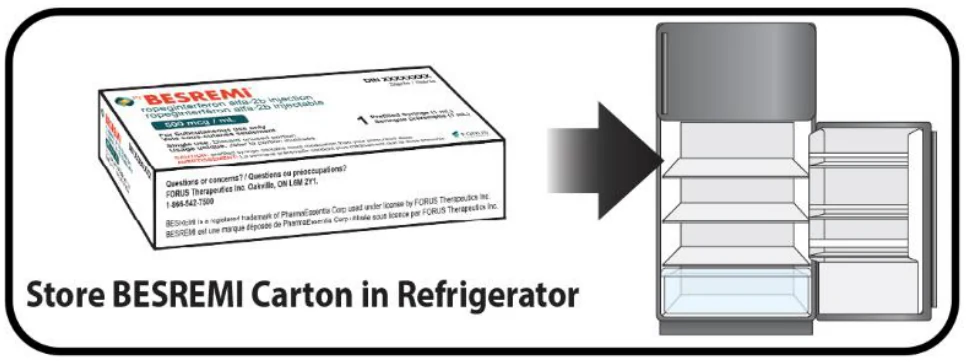
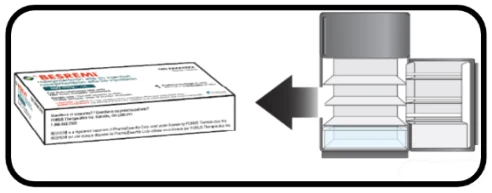
- Store the BESREMI carton in the refrigerator between 2 °C and 8 °C
- Keep your BESREMI pre-filled syringes in their original carton while stored
- Do not freeze the pre-filled syringes
- Do not use a pre-filled syringe that has been frozen or left in direct sunlight
- Keep BESREMI pre-filled syringes, needles, and all medicines out of the reach of children
Gather and Check Supplies
| ||
|---|---|---|
 | ||
 | ||
| Do not warm the pre-filled syringe any other way. | 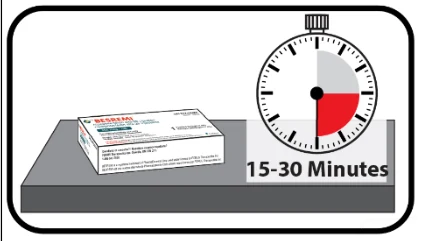 | |
- 2.
Gather Supplies for Injection
- 2.1.
After allowing the carton to come to room temperature for 15 to 30 minutes, gather the following additional supplies.
- a. Alcohol Swab
- b. Sharps Disposal Container
- c. A paper towel, sink, or trash can to minimize mess during dose adjustment
- d. Optional items: Gauze or Cotton Ball and a Small Adhesive Bandage
- 2.1.
a.
b.
c.
d.
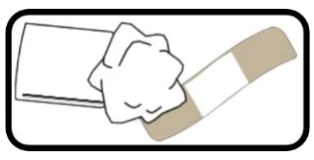
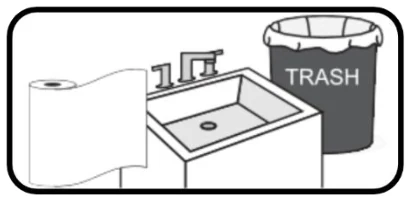
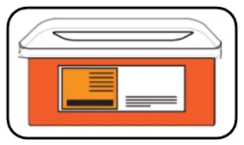
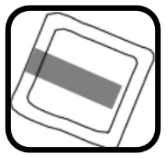
- 3. Wash Hands and Remove Syringe from Tray
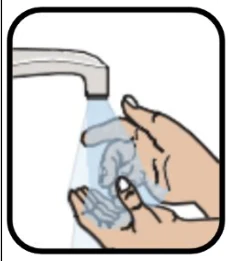
- 3.1. Wash your hands with soap and water, then dry your hands.
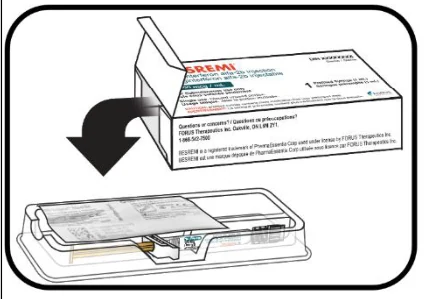
- 3.2. Open the carton and remove the clear plastic tray that holds the BESREMI pre-filled syringe and needle package.
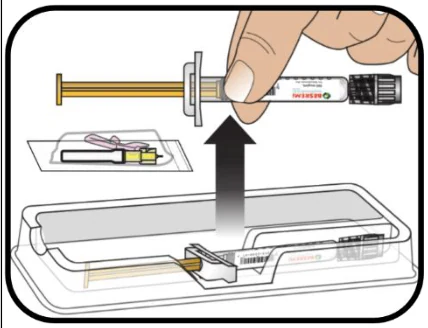
- 3.3. Remove the needle package and BESREMI pre-filled syringe from the plastic tray. Hold the pre-filled syringe by the middle of the syringe body during removal.
| |
|---|---|
| Do not use the pre-filled syringe if the liquid is cloudy, discolored, or contains particles. Contact your healthcare provider or pharmacist. | |
| Do not use the pre-filled syringe if it shows any signs of damage or breakage. Contact your healthcare provider or pharmacist. | |
Prepare Syringe for Injection
| ||||||||
|---|---|---|---|---|---|---|---|---|
| Throw away the packaging into household trash. | 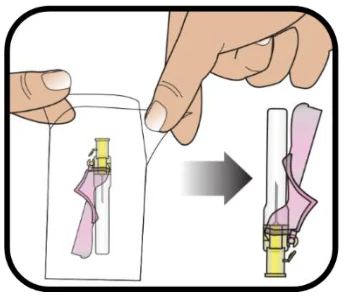 | |||||||
Remove the pre-filled syringe cap by unscrewing it counter- clockwise. Throw away the syringe cap into household trash. Do not allow the tip of the pre-filled syringe to touch anything. | 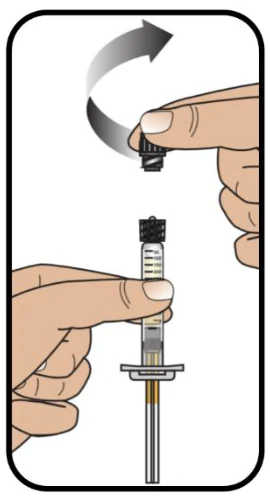 | |||||||
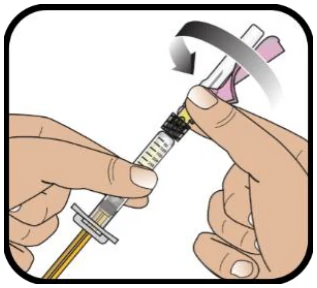 | ||||||||
| The needle should now be assembled to the pre-filled syringe. | 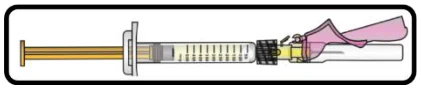 | |||||||
|
Do not inject into skin that is irritated, red, bruised, infected, or scarred. Do not inject into a vein. BESREMI is for subcutaneous (under the skin) injection only. Rotate (change) the injection site for each injection. | 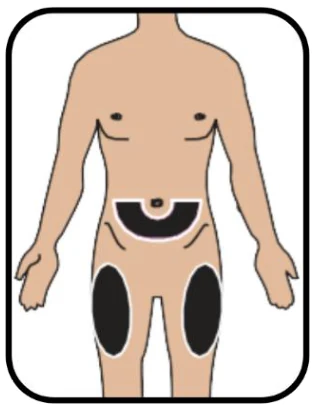 | |||||||
| Do not blow on or touch the injection site after it has been cleaned. | 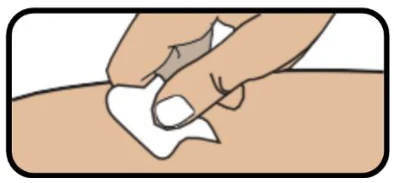 | |||||||
|
| Note: The pink needle shield will be used after the injection to cover the needle and protect from needle-stick injuries. | 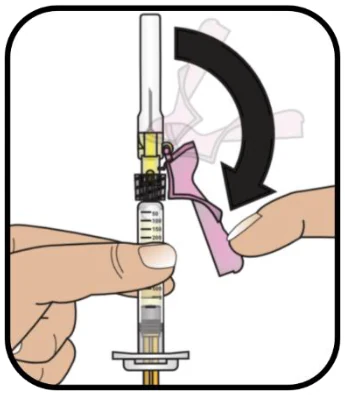 | |||||||
Remove the clear needle cap by pulling it straight off. Throw away the needle cap into household trash. Do not recap needle. | 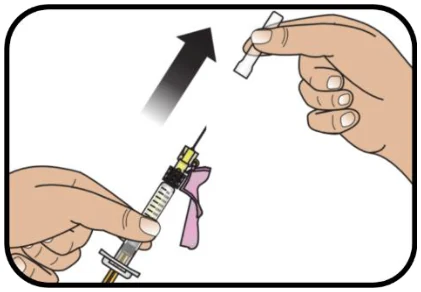 | |||||||
| Tap on the body of the pre-filled syringe to move any air bubbles to the top. | 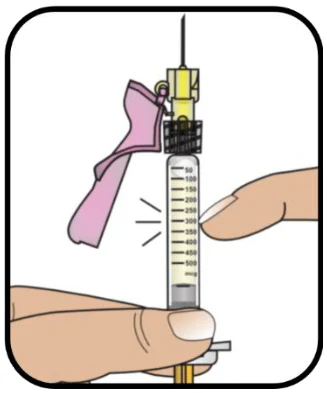 | |||||||
How to Adjust the Medicine Level for Your Prescribed Dose Read Me | ||||||||
| When setting your dose in Step 8, you will need to line up the top outer edge of the gray stopper with the specific dose line and number on the syringe that matches your prescribed dose. | Align Top Outer Edge of Stopper to Dose Line 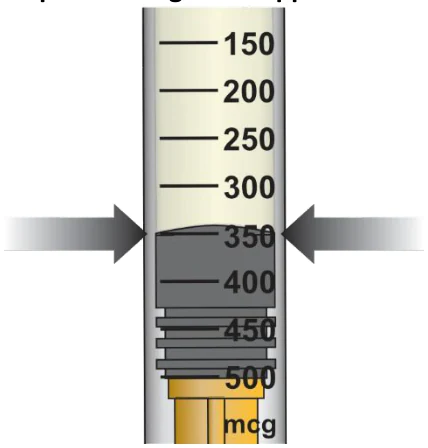 Example of 350 mcg dose | |||||||
| Do not line up the dome (at the top of the stopper) with the dose line. | 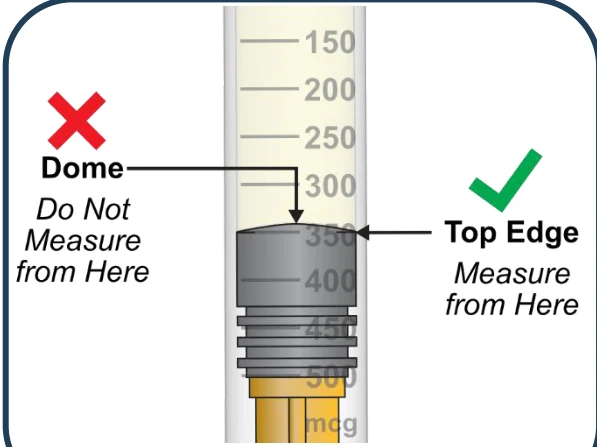 Example of 350 mcg dose | |||||||
| ||||||||
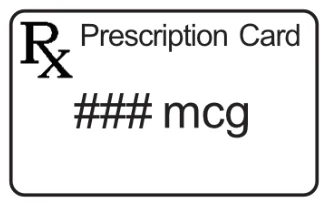 | ||||||||
| 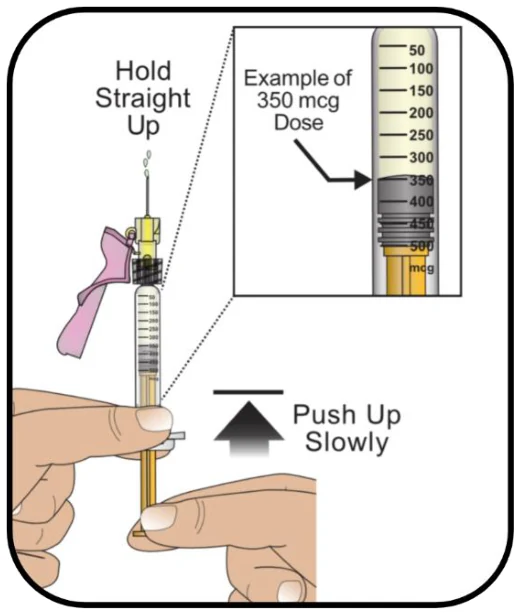 | |||||||
| Important: If you accidentally remove too much liquid medicine, do not inject. Contact your healthcare provider or pharmacist. | Caution: The example shown may not be your prescribed dose. Always adjust the medicine level in the syringe to match your prescribed dose. | |||||||
Inject BESREMI
| ||
|---|---|---|
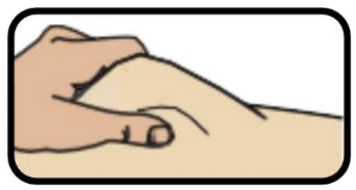 | ||
| Then release the pinched skin. | 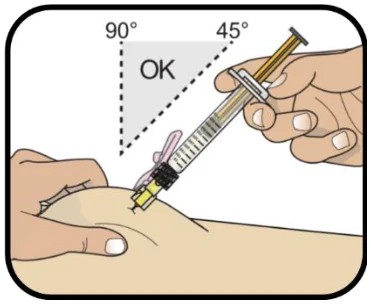 | |
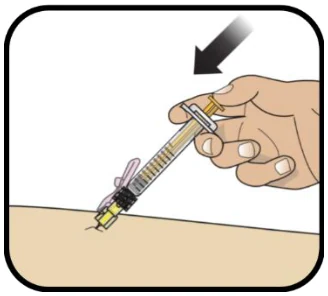 | ||
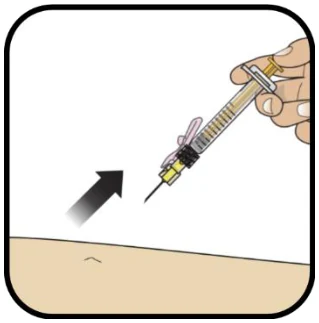 | ||
Dispose of Used Syringe
| |||
|---|---|---|---|
| Do not recap the needle using the needle cap; only use the pink needle shield to cover the needle. | 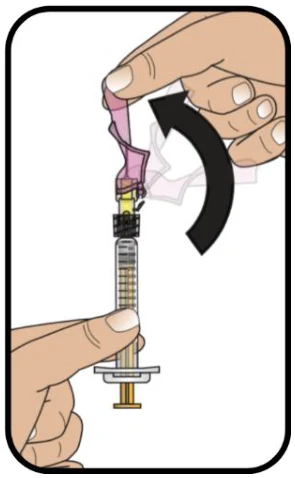 | ||
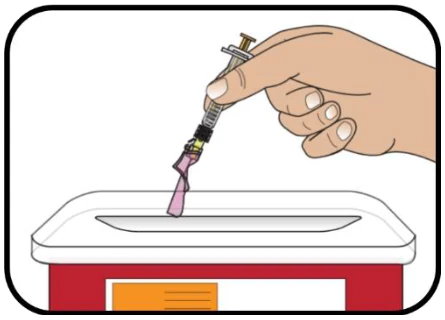 | |||
Do not rub the injection site. If needed, you may apply a small adhesive bandage. | 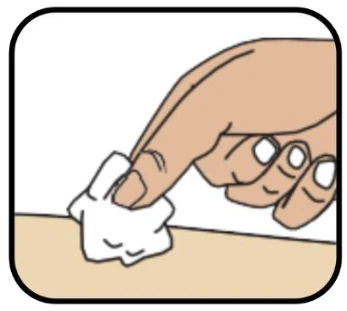 | ||