


Product Monograph - Beyfortus
Recent Major Label Changes
Table of Contents
Certain sections or subsections that are not applicable at the time of the preparation of the most recent authorized product monograph are not listed.
Recent Major Label Changes ................................................................................................... 2
Table of Contents ................................................................................................................... 2
Part 1: Healthcare Professional Information ........................................................................... 4
- 1.
Indications ....................................................................................................................... 4
1.1. Pediatrics .................................................................................................................. 4
1.2. Geriatrics .................................................................................................................. 4
- 2. Contraindications ............................................................................................................ 4
- 4.
Dosage and Administration ............................................................................................. 4
4.2. Recommended Dose and Dosage Adjustment ......................................................... 4
4.4. Administration .......................................................................................................... 5
- 5. Overdose ......................................................................................................................... 6
- 6. Dosage Forms, Strengths, Composition, and Packaging ................................................... 7
- 7.
Warnings and Precautions ............................................................................................... 7
Hematologic ......................................................................................................................... 7
Renal/Hepatic ....................................................................................................................... 8
Sensitivity/Resistance ........................................................................................................... 8
7.1. Special Populations .................................................................................................. 8
7.1.1. Pregnancy ........................................................................................................ 8
7.1.2. Breastfeeding .................................................................................................. 8
7.1.3. Pediatrics ......................................................................................................... 8
7.1.4. Geriatrics ......................................................................................................... 8
- 8.
Adverse Reactions ........................................................................................................... 8
8.1. Adverse Reaction Overview ...................................................................................... 8
8.2. Clinical Trial Adverse Reactions ................................................................................ 9
8.2.1. Clinical Trial Adverse Reactions – Pediatrics .................................................. 10
8.3. Less Common Clinical Trial Adverse Reactions ....................................................... 10
8.3.1. Less Common Clinical Trial Adverse Reactions – Pediatrics ........................... 10
8.5. Post-Market Adverse Reactions ............................................................................. 10
- 9.
Drug Interactions ........................................................................................................... 10
9.2. Drug Interactions Overview .................................................................................... 10
9.3. Drug-Behaviour Interactions .................................................................................. 11
9.4. Drug-Drug Interactions ........................................................................................... 11
9.5. Drug-Food Interactions........................................................................................... 11
9.6. Drug-Herb Interactions ........................................................................................... 11
9.7. Drug-Laboratory Test Interactions ......................................................................... 11
- 10.
Clinical Pharmacology ................................................................................................... 11
10.1. Mechanism of Action .............................................................................................. 11
10.2. Pharmacodynamics ................................................................................................ 11
10.3. Pharmacokinetics ................................................................................................... 12
10.4. Immunogenicity ...................................................................................................... 14
- 11. Storage, Stability, and Disposal ...................................................................................... 15
- 12. Special Handling Instructions ......................................................................................... 15
Part 2: Scientific Information ................................................................................................ 16
- 13. Pharmaceutical Information .......................................................................................... 16
- 14.
Clinical Trials .................................................................................................................. 17
14.1. Clinical Trials by Indication ..................................................................................... 17
- 15. Microbiology ................................................................................................................. 24
- 16. Non-Clinical Toxicology .................................................................................................. 25
Patient Medication Information ........................................................................................... 27
Part 1: Healthcare Professional Information
1. Indications
BEYFORTUS (nirsevimab injection) is indicated for the prevention of Respiratory Syncytial Virus (RSV) lower respiratory tract disease in:
- Neonates and infants during their first RSV season.
Children up to 24 months of age who remain vulnerable to severe RSV disease through their second RSV season, which may include but is not limited to children with:
- Chronic lung disease of prematurity (CLD)
- Hemodynamically significant congenital heart disease (CHD)
- Immunocompromised states
- Down syndrome
- Cystic fibrosis
- Neuromuscular disease
- Congenital airway anomalies.
1.1. Pediatrics
Pediatrics: The safety and efficacy of BEYFORTUS in children older than 24 months of age have not been established. The safety and efficacy of nirsevimab in infants with body weight below 1.6 kg have not been established. Dosing in infants with a body weight from 1.0 kg to <1.6 kg is based on extrapolation. The efficacy of nirsevimab in infants who remain vulnerable to severe RSV disease during their first or second RSV season has not been directly established and is based on extrapolation of exposure only.
There is limited information available in extremely preterm infants (Gestational Age [GA] <29 weeks) less than 8 weeks of age, and no clinical data are available in infants with a postmenstrual age (gestational age at birth plus chronological age) of 32 weeks. Limited data are available in infants with Down syndrome (n=13), Cystic fibrosis (n=5), Congenital airway anomalies (n=9), and Neuromuscular disease (n=0; not evaluated in clinical trials).
1.2. Geriatrics
Geriatrics (≥65 years of age): BEYFORTUS is not indicated in the geriatric population. No data are available in the geriatric population (see 7.1.4 Geriatrics).
2. Contraindications
BEYFORTUS (nirsevimab injection) is contraindicated in individuals with a history of severe hypersensitivity reactions, including anaphylaxis, to this drug or to any ingredient in the formulation, including any non-medicinal ingredient, or component of the container. For a complete listing, see 6 Dosage Forms, Strengths, Composition, and Packaging.
4. Dosage and Administration
4.2. Recommended Dose and Dosage Adjustment
Neonates and Infants entering their first RSV season
The recommended dose of BEYFORTUS is a single fixed dose of 50 mg for infants with body weight <5 kg and a single fixed dose of 100 mg for infants with body weight ≥5 kg, given as a single intramuscular injection. Dosing in infants with a body weight between 1.0 and 1.6 kg is based on extrapolation. BEYFORTUS should be administered from birth for infants born during the RSV season. For infants born outside the season, BEYFORTUS should be administered ideally prior to the RSV season.
Children who remain vulnerable to severe RSV disease entering their second RSV season
The recommended dose of BEYFORTUS is a single dose of 200 mg given as two intramuscular injections (2 x 100 mg).
For individuals undergoing cardiac surgery with cardiopulmonary bypass, it is recommended that an additional dose is administered as soon as the individual is stable after surgery to ensure adequate nirsevimab serum levels. If within 90 days after receiving the first dose of BEYFORTUS, the additional dose during the first RSV season should be 50 mg or 100 mg according to body weight, or 200 mg during the second RSV season. If more than 90 days have elapsed since the first dose, the additional dose should be a single dose of 50 mg regardless of body weight during the first RSV season, or 100 mg during the second RSV season, to cover the remainder of the RSV season.
4.4. Administration
BEYFORTUS is intended for administration by a health professional only.
BEYFORTUS is administered intramuscularly, preferably in the anterolateral aspect of the thigh. The gluteal muscle should not be used routinely as an injection site because of the risk of damage to the sciatic nerve. If two injections are required, different injection sites should be used. For instructions on use and handling and disposal, see section on Instructions for Use, Handling and Disposal below.
Instructions for Use, Handling and Disposal
Each BEYFORTUS pre-filled syringe is for single use only.
Visually inspect BEYFORTUS for particulate matter and discolouration prior to administration. BEYFORTUS is a clear to opalescent, colourless to yellow solution. Do not inject BEYFORTUS if the liquid is cloudy, discoloured, or it contains large particles or foreign particulate matter.
Do not use if the BEYFORTUS pre-filled syringe has been dropped or damaged, the security seal on the carton has been broken, or the expiry date (EXP) has passed.
Instructions for administration
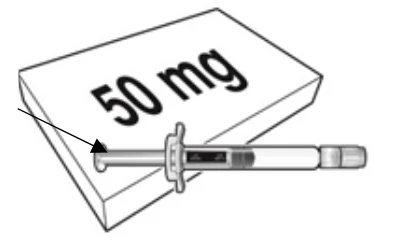
BEYFORTUS is available in a 50 mg and a 100 mg pre-filled syringe. Check the labels on the BEYFORTUS carton and pre-filled syringe to make sure you have selected the correct 50 mg or 100 mg presentation as required.
| BEYFORTUS 50 mg (50 mg/0.5 mL) pre-filled syringe with a purple plunger rod. | BEYFORTUS 100 mg (100 mg/1 mL) prefilled syringe with a light blue plunger rod. |
|---|---|
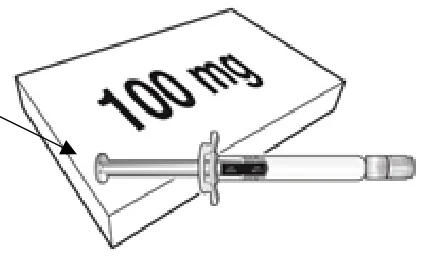 Light Blue |
Refer to Figure 1 for pre-filled syringe components.
Figure 1: Luer lock syringe components
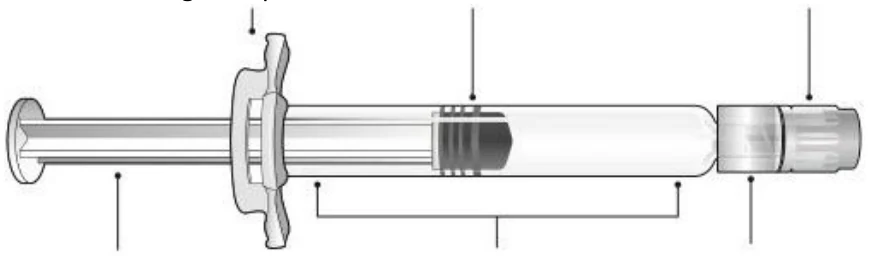
Step 1: Holding the Luer lock in one hand (avoid holding the plunger rod or syringe body), unscrew the syringe cap by twisting it counter clockwise with the other hand.
Step 2: Attach a Luer lock needle to the pre-filled syringe by gently twisting the needle clockwise onto the pre-filled syringe until slight resistance is felt.
Step 3: Hold the syringe body with one hand and carefully pull the needle cover straight off with the other hand. Do not hold the plunger rod while removing the needle cover or the rubber stopper may move. Do not touch the needle or let it touch any surface. Do not recap the needle or detach it from the syringe.
Step 4: Administer the entire contents of the BEYFORTUS pre-filled syringe as an intramuscular injection, preferably in the anterolateral aspect of the thigh. The gluteal muscle should not be used routinely as an injection site because of the risk of damage to the sciatic nerve.
Step 5: Dispose of the used syringe immediately, together with the needle, in a sharps disposal container or in accordance with local requirements.
If two injections are required, repeat steps 1-5 in a different injection site.
5. Overdose
There is very limited experience of overdose with BEYFORTUS (nirsevimab injection).
 |
|---|
Purple
Finger Grip
Rubber Stopper
Syringe Cap
Luer Lock
Syringe Body
Plunger Rod
There is no specific treatment for an overdose with BEYFORTUS. In the event of an overdose, the individual should be monitored for the occurrence of adverse reactions and provided with symptomatic treatment as appropriate.
| For management of a suspected drug overdose, contact your regional poison control centre. |
|---|
- 6. Dosage Forms, Strengths, Composition, and Packaging
To help ensure the traceability of biologic products, including biosimilars, health professionals should recognize the importance of recording both the brand name and the non-proprietary (active ingredient) name as well as other product-specific identifiers such as the Drug Identification Number (DIN) and the batch/lot number of the product supplied.
Table 1 – Dosage Forms, Strengths, and Composition
Dosage Form Description
BEYFORTUS (nirsevimab injection) is a sterile, preservative-free solution intended for intramuscular injection.
Packaging
Pre-filled syringe
BEYFORTUS is available in a pack containing 1 single-use, sterile, pre-filled syringe without needle. Each single-use, pre-filled syringe contains a solution of 50 mg nirsevimab in 0.5 mL (100 mg/mL) or 100 mg nirsevimab in 1 mL (100 mg/mL) consisting of a siliconized Luer lock Type I glass pre-filled syringe with a FluroTec coated plunger stopper.
7. Warnings and Precautions
Hematologic
Use in individuals with clinically significant bleeding disorders
As with any other intramuscular (IM) injections, BEYFORTUS (nirsevimab injection) should be given with caution to individuals with thrombocytopenia, any coagulation disorder or to individuals on anticoagulation therapy.
| Route of Administration | Dosage Form/ Strength/Composition | Non-Medicinal Ingredients |
| Intramuscular use | Solution / 100 mg/mL:
injection or
| L-arginine hydrochloride, L-histidine, L-histidine hydrochloride, Polysorbate 80, Sucrose, and Water for injection |
Renal/Hepatic
Use in individuals with protein-losing conditions
In some individuals with protein-losing conditions, an increased clearance of nirsevimab was observed in clinical trials (see 10.3 Pharmacokinetics, Special Populations and Conditions). Nirsevimab may not provide the same level of protection in individuals with significant protein loss.
Sensitivity/Resistance
Hypersensitivity including anaphylaxis
Serious hypersensitivity reactions have been reported following BEYFORTUS administration. Anaphylaxis has been observed with human immunoglobulin G1 (IgG1) monoclonal antibodies. If signs and symptoms of anaphylaxis or other clinically significant hypersensitivity reaction occur, immediately discontinue administration and initiate appropriate medicinal products and/or supportive therapy.
7.1. Special Populations
7.1.1. Pregnancy
BEYFORTUS is not indicated for adults.
7.1.2. Breastfeeding
BEYFORTUS is not indicated for adults.
7.1.3. Pediatrics
The safety and efficacy of BEYFORTUS in children older than 24 months of age have not been established. The safety and efficacy of nirsevimab in infants with body weight below 1.6 kg have not been established. Dosing in infants with a body weight from 1.0 kg to <1.6 kg is based on extrapolation. The efficacy of nirsevimab in infants who remain vulnerable to severe RSV disease during their first or second RSV season has not been directly established and is based on extrapolation of exposure only.
There is limited information available in extremely preterm infants (Gestational Age [GA] <29 weeks) less than 8 weeks of age, and no clinical data are available in infants with a postmenstrual age (gestational age at birth plus chronological age) of 32 weeks. Limited data are available in infants with Down syndrome (n=13), Cystic fibrosis (n=5), Congenital airway anomalies (n=9), and Neuromuscular disease (n=0; not evaluated in clinical trials).
7.1.4. Geriatrics
Geriatrics (≥65 years of age): BEYFORTUS is not indicated for adults.
8. Adverse Reactions
8.1. Adverse Reaction Overview
The most frequent adverse reaction was rash, reported in 0.7% subjects receiving BEYFORTUS and 0.3% in placebo occurring within 14 days post dose. The majority of cases were mild to moderate in intensity. Additionally, pyrexia and injection site reactions were reported respectively at a rate of 0.5% and 0.3% within 7 days post dose.
8.2. Clinical Trial Adverse Reactions
Clinical trials are conducted under very specific conditions. The adverse reaction rates observed in the clinical trials; therefore, may not reflect the rates observed in practice and should not be compared to the rates in the clinical trials of another drug. Adverse reaction information from clinical trials may be useful in identifying and approximating rates of adverse drug reactions in real-world use.
Pre-term and term infants entering the first RSV season
Overall, 2,570 term and preterm infants (Gestational Age [GA] ≥29 weeks) received BEYFORTUS and 1,284 infants received placebo in two placebo-controlled clinical trials (Study 3 (recommended dose) and MELODY). No adverse reactions were observed above 1% (see 8.3.1 Less Common Clinical Trial Adverse Reactions – Pediatrics).
The safety profile for BEYFORTUS was generally comparable to placebo in term and preterm infants (GA ≥29 weeks) (data pooled from Study 3 and MELODY). The overall rates of adverse events (AEs) irrespective of causality, were comparable between BEYFORTUS and placebo (84.0% and 82.6%), with the most commonly reported adverse events (>10% of subjects in either treatment group) being upper respiratory tract infection (31.8% vs 29.9%), nasopharyngitis (19.0% vs 21.0%), and pyrexia (11.8% vs 10.3%), for nirsevimab vs placebo, respectively through to 360 days post-injection. The majority of AEs were mild or moderate in severity. The rates of serious adverse events (SAEs), irrespective of causality, were comparable between BEYFORTUS and placebo (7.6% and 10.5%), with the most commonly reported SAEs (≥ 0.5% of subjects in either treatment group) being bronchiolitis (1.3% vs 2.6%), pneumonia (0.7% vs 0.9%), gastroenteritis (0.6% vs 0.4%), LRTI (0.6% vs 0.8%), bronchitis (0.5% vs 1.0%), urinary tract infection (0.3% vs 0.5%), RSV bronchiolitis (0.2% vs 0.9%) and inguinal hernia (<0.1% vs 0.5%) for nirsevimab vs placebo, respectively. No SAEs were determined to be related to BEYFORTUS.
Infants and children vulnerable to severe RSV disease
Safety was evaluated in MEDLEY in 918 infants at higher risk for severe RSV disease, including 196 extremely preterm infants (GA <29 weeks) and 306 infants with CLD, or CHD entering their first RSV season, who received BEYFORTUS (n=614) or palivizumab (n=304). The safety profile of BEYFORTUS in infants who received BEYFORTUS in their first RSV season was comparable to the palivizumab comparator and consistent with the safety profile of BEYFORTUS in term and preterm infants GA ≥29 weeks (Study 3 and MELODY). Safety was evaluated in MEDLEY in 220 children with CLD or CHD who received BEYFORTUS or palivizumab in their first RSV season and went on to receive BEYFORTUS entering their second RSV season. The safety profile of BEYFORTUS in children who received BEYFORTUS in their first and second RSV season (n=180) was comparable to that in children who received palivizumab in their first RSV season and then BEYFORTUS in their second RSV season (n=40). The safety profile of BEYFORTUS in these children from both arms was consistent with the safety profile of BEYFORTUS in term and preterm infants GA ≥29 weeks (Study 3 and MELODY) and comparable to children who received palivizumab for both RSV seasons.
Safety was also evaluated in MUSIC, an open label, uncontrolled, single dose trial in 100 immunocompromised infants and children ≤24 months, who received BEYFORTUS in their first or second RSV season. This included subjects with at least one of the following conditions: immunodeficiency (combined, antibody, or other etiology) (n=33); systemic high-dose corticosteroid therapy (n=29); organ or bone marrow transplantation (n=16); receiving immunosuppressive chemotherapy (n=20); other immunosuppressive therapy (n=15), and HIV infection (n=8). The safety profile of BEYFORTUS administered in the first or second RSV season was consistent with that expected for a population of immunocompromised children and with the safety profile of BEYFORTUS in term and preterm infants GA ≥29 weeks (Study 3 and MELODY).
Term and Preterm Infants entering their first RSV season
Safety of BEYFORTUS was also evaluated in HARMONIE, a randomised open-label multicentre trial in 8,034 term and preterm infants (GA ≥29 weeks) entering their first RSV season (not eligible for palivizumab), who received nirsevimab (4,016) or no intervention (4,018) for the prevention of RSV LRTI hospitalisation. Participants were followed for 365 days post-dose (BEYFORTUS arm) or post-randomization (no intervention arm) to assess safety. The safety profile of nirsevimab administered in the first RSV season was consistent with the safety profile of nirsevimab in the placebo-controlled trials (D5290C00003 and MELODY).
8.2.1. Clinical Trial Adverse Reactions – Pediatrics
See 8.2 Clinical Trial Adverse Reactions
8.3. Less Common Clinical Trial Adverse Reactions
Adverse reactions reported in <1% of trial participants for BEYFORTUS from pooled analysis of Study 3 (subjects who received the recommended dose) and MELODY (All Subjects) are summarized in 8.1 Clinical Overview and below:
General disorders and administration site conditions: Injection site reaction (defined by the following grouped preferred terms: injection site reaction, injection site pain, injection site induration, injection site edema, injection site swelling, occurring within 7 days post dose), Pyrexia (occurring within 7 days post dose, with the frequency of pyrexia within 7 days post dose being lower in nirsevimab recipients compared to those who received placebo).
Skin and subcutaneous tissue disorders: Rash (defined by the following grouped preferred terms: rash, rash maculo-papular, rash macular, occurring within 14 days post dose).
8.3.1. Less Common Clinical Trial Adverse Reactions – Pediatrics
See 8.3 Less Common Clinical Trial Adverse Reactions
8.5. Post-Market Adverse Reactions
The following adverse reactions have been identified during post approval use of BEYFORTUS. Because these reactions are reported voluntarily from a population of uncertain size, it is not always possible to reliably estimate their frequency or establish a causal relationship to drug exposure.
Hypersensitivity reactions – not known frequency (see 7 Warnings and Precautions).
9. Drug Interactions
9.2. Drug Interactions Overview
Monoclonal antibodies do not typically have significant drug-drug interaction potential, as they do not directly affect cytochrome P450 enzymes and are not substrates of hepatic or renal transporters. Indirect effects on cytochrome P450 enzymes are unlikely since nirsevimab targets an exogenous virus.
9.3. Drug-Behaviour Interactions
Interactions with behaviour have not been established.
9.4. Drug-Drug Interactions
No formal drug interaction studies have been conducted.
Concomitant administration with vaccines
There is limited experience of co-administration with vaccines. In clinical trials, when nirsevimab was given with routine childhood vaccines, the safety and reactogenicity profile of the co-administered regimen was similar to the childhood vaccines given alone. Nirsevimab can be given concomitantly with childhood vaccines.
Nirsevimab should not be mixed with any vaccine in the same syringe or vial (see 12 Special Handling Instructions). When administered concomitantly with injectable vaccines, they should be given with separate syringes and at different injection sites.
9.5. Drug-Food Interactions
Interactions with food have not been established.
9.6. Drug-Herb Interactions
Interactions with herbal products have not been established.
9.7. Drug-Laboratory Test Interactions
Nirsevimab does not interfere with reverse transcriptase polymerase chain reaction (RT-PCR) or rapid antigen detection RSV diagnostic assays that employ commercially available antibodies targeting antigenic site I, II, or IV on the RSV fusion (F) protein.
10. Clinical Pharmacology
10.1. Mechanism of Action
Nirsevimab, a passive immunization agent, is a recombinant neutralizing human IgG1κ long-acting monoclonal antibody to the prefusion conformation of the RSV F protein which has been modified with a triple amino acid substitution (YTE) in the Fc region to extend serum half life. Nirsevimab binds specifically to a highly conserved epitope in antigenic site Ø on the prefusion protein with dissociation constants KD = 0.12 nM and KD = 1.22 nM for RSV subtype A and B strains, respectively. Based on evaluation in vitro, nirsevimab inhibits the essential membrane fusion step in the viral entry process, neutralizing the virus and blocking cell to cell fusion.
The potential for rapid protection was evaluated in a cotton rat model of RSV infection using a non-YTE version of nirsevimab (1G7). Intramuscular administration 1 day prior to inoculation with RSV A or B provided complete protection from viral replication in the upper and lower respiratory tracts.
10.2. Pharmacodynamics
No formal pharmacodynamic studies have been conducted with nirsevimab.
10.3. Pharmacokinetics
The pharmacokinetic (PK) properties of nirsevimab are based on data from individual studies and population PK analyses. The PK of nirsevimab were approximately dose proportional following administration of IM doses over a dose range of 25 mg to 50 mg in infants and 100 mg to 300 mg in adults.
Table 2 – Nirsevimab pharmacokinetic parameters following a single IM injection
| Pharmacokinetic parameter | Value |
|---|---|
| CL (mL/day) a | 3.42 |
| Vc (mL) a | 216 |
| Vp (mL) a | 261 |
| t½ (days) b | 71 |
| tmax (day) c | 6 |
- a Pharmacokinetic parameters for a typical infant of 5 kg based on population pharmacokinetic analysis; CL=clearance, Vc=central volume of distribution, Vp=peripheral volume of distribution
- b Mean half-life, t½, for late preterm and term infants based on individual population pharmacokinetic parameters
- c Time to maximum observed concentration, tmax, reported as median from observed data in adult Phase 1 study following single IM administration
Table 3 – Nirsevimab single IM dose exposures
| Cmax (µg/mL) | AUC0-365 (mg*day/mL) | |
|---|---|---|
| Season 1, 50/100mga | 120 [82-294] | 12 [8-20] |
| Season 2, 200mgb | 194 | 21.5 |
Mean exposures for late preterm and term infants derived based on individual population pharmacokinetic parameters; [mean exposure range across the body weight range 1 kg to 11 kg predicted based on population pharmacokinetic model]
Mean exposures for children with CHD or CLD receiving a second dose of nirsevimab in Season 2, derived based on individual population pharmacokinetic parameters Cmax=maximum concentration, AUC0-365=area under the concentration time curve from 0-365 days post dose
Absorption: The estimated absorption half-life of nirsevimab following IM administration was 1.7 days, and the estimated absolute bioavailability was 84% based on population PK analysis. The median time to maximum concentration was 6 days (range 1 to 28 days).
Distribution: Based on population PK analysis, the estimated central and peripheral volume of distribution of nirsevimab were 216 mL and 261 mL, respectively, for an infant weighing 5 kg.
Metabolism: Nirsevimab is a human IgG1κ monoclonal antibody that is degraded by proteolytic enzymes widely distributed in the body and not metabolised by hepatic enzymes.
Elimination: As a typical monoclonal antibody, nirsevimab is eliminated by intracellular catabolism and there is no evidence of target mediated clearance at the doses tested clinically.
Based on population PK analysis, the estimated clearance of nirsevimab was 3.42 mL/day for an infant weighing 5 kg and the terminal half life was approximately 71 days.
Duration of Effect: In MELODY and Study 3, infants entering their first RSV season receiving nirsevimab had RSV neutralizing antibody levels more than 50 times higher than baseline levels at day 151 and approximately 7 times higher than baseline, and higher than placebo, at day 360. Based on clinical and PK data, the minimum duration of protection offered by a single dose of BEYFORTUS is at least 5 months.
In adults following IM administration of nirsevimab, RSV neutralizing antibody levels in serum were approximately 4 times higher than baseline at 8 hours after nirsevimab dosing, and maximum levels were reached by day 6.
Pharmacokinetic extrapolation approach
In Study 3 and MELODY (primary cohort) a positive correlation was observed between a serum AUC (based on clearance at baseline; AUCbaselineCL) above 12.8 mg*day/mL and a reduced risk of medically attended RSV lower respiratory tract infection (MA RSV LRTI). The recommended dosing regimen consisting of a 50 mg or 100 mg IM dose for infants in their first RSV season and a 200 mg IM dose for children entering their second RSV season was selected on the basis of these results. Based on population PK analysis, in MEDLEY and MUSIC, >80% of infants/children at higher risk for severe RSV disease, including infants born extremely preterm (GA <29 weeks) entering their first RSV season, and children with CLD or CHD or immunocompromised states entering their first or second RSV season, achieved nirsevimab exposures associated with RSV protection (serum AUCbaselineCL above 12.8 mg*day/mL) following a single dose.
Special Populations and Conditions
Pediatrics (≤ 24 months of age):
Infants and children vulnerable to severe RSV disease: There was no significant influence of CLD or CHD on the PK of nirsevimab based on population PK analysis. Observed serum concentrations at day 151 in infants with CLD or CHD were consistent with those observed in healthy infants.
In infants born extremely preterm (GA <29 weeks) entering their first RSV season and children with CLD or CHD entering their first or second RSV season acceptance criteria for extrapolation were met; >80% of infants/children achieved nirsevimab exposures associated with RSV protection based on population PK analysis.
In MUSIC 75% (72/96) of immunocompromised infants/children entering their first or second RSV season achieved nirsevimab exposures associated with RSV protection based on population PK analysis. When excluding 14 children with protein-losing conditions as evidenced by increased clearance of nirsevimab, 87% (71/82) achieved nirsevimab exposures associated with RSV protection.
- Geriatrics (≥65 years of age): Nirsevimab is not indicated for adult usage.
- Ethnic origin: Based on population PK analysis there was no clinically relevant effect of race and ethnicity on the PK of nirsevimab.
- Hepatic Insufficiency: IgG monoclonal antibodies are not primarily cleared via the hepatic pathway. However, in some individuals with chronic liver disease, which may be associated with protein loss, an increased clearance of nirsevimab was observed in clinical trials.
- Renal Insufficiency: As a typical IgG monoclonal antibody, nirsevimab is not cleared renally due to its large molecular weight, change in renal function is not expected to influence nirsevimab clearance. However, in one individual with nephrotic syndrome, an increased clearance of nirsevimab was observed in clinical trials.
- Body weight: Nirsevimab clearance and volumes of distribution increase with increasing body weight.
10.4. Immunogenicity
As with all therapeutic proteins, there is potential for immunogenicity. The detection of antibody formation is highly dependent on the sensitivity and specificity of the assay. Additionally, the observed incidence of antibody (including neutralizing antibody) positivity in an assay may be influenced by several factors including assay methodology, sample handling, timing of sample collection, concomitant medications, and the pediatric population studied. For these reasons, comparison of the incidence of antibodies to nirsevimab to other products may be misleading.
In Study 3 and MELODY anti-nirsevimab antibodies were detected in 148/2493 (5.9%) infants who received a single dose of nirsevimab at the recommended dosing regimen during the 361 days post dosing period, and 110/2404 (4. 6%) tested positive for anti-drug antibodies (ADA) against the YTE domain. In MELODY 26/1876 (1.4%) of infants tested positive for nirsevimab neutralizing antibodies.
For infants receiving a single dose of nirsevimab in their first RSV season in MEDLEY, anti-nirsevimab antibodies were detected in 32/587 (5.5%) of infants during the 361 days post dosing period. Nirsevimab neutralizing antibodies were detected in 2/564 (0.4%) of infants and 29/564 (5.1%) of infants tested positive for ADA against the YTE domain.
Of 180 infants who received nirsevimab in two consecutive RSV seasons, 8/180 (4.4%) infants and 13/180 infants (7.2%) became ADA positive for the first time in the first and second RSV season respectively. Only one subject was ADA positive in both RSV seasons. In the second RSV season, 8/180 (4.4%) children had anti-YTE ADA and one of the children also had neutralizing antibodies. For infants/children receiving nirsevimab in their first or second RSV season in MUSIC, anti-nirsevimab antibodies were detected in 11/97 (11.3%) of children during the 361 days post dosing period. Nirsevimab neutralizing antibodies were detected in 1/97 (1.0%) of children and 11/97 (11.3%) of children tested positive for ADA against the YTE domain.
The development of ADA against nirsevimab appears to have no clinically relevant effect on its clearance (up to 5 months), efficacy or safety.
- 11. Storage, Stability, and Disposal
Store in a refrigerator (2°C - 8°C). Keep the pre-filled syringe in the outer carton in order to protect from light.
BEYFORTUS may be kept at room temperature (20°C - 25°C) when protected from light for a maximum of 48 hours. After removal from the refrigerator, BEYFORTUS must be used within 48 hours or discarded.
Do not freeze, shake or expose to heat.
For disposal, see 4.4 Administration.
12. Special Handling Instructions
In the absence of compatibility studies, this medicinal product must not be mixed with other medicinal products.
Part 2: Scientific Information
13. Pharmaceutical Information
Drug Substance
Proper name: nirsevimab
Product Characteristics: Nirsevimab is a human IgG1κ monoclonal antibody that is composed of two identical heavy chains and two identical light chains (~150 kDa). The heavy chain CH2 domain of nirsevimab was engineered to contain three amino acid substitutions that are referred to as YTE. Nirsevimab has a predominantly N-linked biantennary complex-type oligosaccharides attached to each heavy chain. The Fab domains of nirsevimab bind specifically to the prefusion conformation of the RSV fusion (F) protein to prevent the infection of human cells by RSV. The Fc domain containing three amino acid substitutions enhances its affinity to the neonatal Fc receptor (FcRn) and, thus, extending serum half-life.
Product Characteristics:
Nirsevimab is a human immunoglobulin G1 kappa (IgG1κ) monoclonal antibody produced in Chinese hamster ovary (CHO) cells by recombinant DNA technology. The drug product is supplied as a sterile, preservative-free solution that is clear to opalescent, colourless to yellow solution, intended for intramuscular injection.
14. Clinical Trials
14.1. Clinical Trials by Indication
Prevention of Respiratory Syncytial Virus Lower Respiratory Tract Disease
Table 4 Summary of participants demographics for clinical trials in Prevention of Respiratory Syncytial Virus Lower Respiratory Tract Disease
| Study # | Study design | Dosage, route of administration and duration | Study subjects (n) | Mean age (Range) | Sex |
| Study # | Study design | Dosage, route of administration and duration | Study subjects (n) | Mean age (Range) | Sex |
| Study # | Study design | Dosage, route of administration and duration | Study subjects (n) | Mean age (Range) | Sex |
| D5290C00003 (Study 3) | Phase IIb, randomized, double-blind, placebo-controlled, study to evaluate safety and efficacy against RSV in healthy preterm infants | BEYFORTUS: 50 mg single IM dose Placebo: single IM dose | Total randomized/dosed: 1453/1447 BEYFORTUS: 969/968a (including 570 [572] infants weighing <5 kg randomized to [received] the recommended dose) Placebo: 484/479 | 3.3 months (range: 0.1 to 11.9 months) | 48% Female |
D5290C00004 (MELODY)b | Phase III, randomized, double-blind, placebo-controlled study to evaluate safety and efficacy against RSV in term and late preterm infants | BEYFORTUS: 50 mg or 100 mg single IM dose Placebo: single IM dose | Total randomized/dosed: All Subjects: 3012/2994 BEYFORTUS, 2009/1998 Placebo, 1003/996 | All Subjects: 2.9 months (range: 0.0 to 14.0 months) | All Subjects: 48% Female |
D5290C00005 (MEDLEY)c | Phase II/III, randomized, double-blind, palivizumab-controlled study to evaluate safety and descriptive efficacy against RSV in individuals at higher risk for severe RSV disease including preterm infants, infants with CLD or prematurity or hemodynamically significant CHD entering their first RSV season, and children at higher risk including those with CLD or CHD in their second RSV season | RSV Season 1: BEYFORTUS: 50 mg or 100 mg single IM dose followed by 4 once-monthly doses of IM placebo Palivizumab: 15 mg/kg IM (5 once-monthly doses) RSV Season 2: BEYFORTUS: 200 mg single IM dose followed by 4 once-monthly doses of IM placebo Palivizumab: 15 mg/kg IM (5 once-monthly doses) | Total randomized/dosed: RSV Season 1: (complete through Day 361): 925/918 BEYFORTUS, 616/614 including Preterm, 407/406 Palivizumab, 309/304, including Preterm, 208/206 RSV Season 2: (complete through at least Day 151): CLD/CHD cohort BEYFORTUS/ BEYFORTUS, 180/180 Palivizumab/BEYFORTUS, 40/40 Palivizumab/palivizumab, 42/42 | RSV Season 1: 3.9 months (range: 0.07 to 12.3 months) RSV Season 2d: 4.8 month (range: 0.2 to 11.1 months) | RSV Season 1: 46.5% Female RSV Season 2: 42.4% Female |
| HARMONIE | Phase IIIb, open-label, randomized, parallel 2-arm, multicenter study to evaluate efficacy and safety of nirsevimab compared to no intervention for prevention of RSV LRTI hospitalizations in healthy infants | BEYFORTUS: 50 mg or 100 mg single IM dose No intervention: no RSV preventive intervention | Total randomized/dosed: 8057/8016 BEYFORTUS: 4038/4015 No intervention: 4019/4001 | All Subjects: 4.51 months (range: 0.0 to 12.0 months) | All Subjects: 47.9% Female |
a Study 3 Final Analysis was conducted on data from all randomized subjects through 360 days post dose, when all subjects had completed the final study visit. Two subjects randomized to placebo incorrectly received BEYFORTUS; both were included in the as-treated population under the BEYFORTUS group.
b Results from the Primary Cohort of MELODY are included through 510 days post dose (DCO 09 August 2021), results from the Safety Cohort of MELODY are included through at least 150 days post dose (DCO 31 March 2022).
c Results from RSV Season 1 of MEDLEY are included through at least 360 days post first dose in Season 1 (DCO 30 April 2022) for the overall population (preterm + CLD/CHD cohorts); results from RSV Season 2 are included through at least 150 days post first dose in Season 2 (DCO 30 April 2022) for the CLD/CHD cohort.
d Mean age at Season 1 randomization for the 262 CLD/CHD subjects who continued to the Season 2 phase of the MEDLEY study
ADA = antidrug antibody; CHD = congenital heart disease; CLD = chronic lung disease; DCO = data cut-off; IM = intramuscular; RSV = respiratory syncytial virus; wGA = weeks gestational age.
Key demographics and baseline characteristics for MELODY, Study 3, and MEDLEY are summarized in Table 5 and Table 6. Across MELODY, Study 3 and MEDLEY, demographic and baseline characteristics were similar between the nirsevimab and comparator groups and the study populations were representative of the intended target population of all infants in their first RSV season and children who remain vulnerable to severe RSV disease in their second RSV season, including extremely preterm infants, and infants and children up to 24 months of age with CLD or CHD.
Table 5 Select Demographic and Baseline Characteristics – MELODY (Primary Cohort), MELODY (All Subjects), Study 3 (Recommended Dose), Study 3
| Statistic | Term and late preterm infants born ≥35 wGA | Very and moderately preterm infants born ≥29 to <35 wGA | ||||||||||||||||
| MELODY (Primary Cohort)b | MELODY (All Subjects) | Study 3 (Recommended Dose)c | Study 3 | |||||||||||||||
| Total (N = 1490) | Total (N = 3012) | Total (N = 860) | Total (N = 1453) | |||||||||||||||
| Race, n (%) a | ||||||||||||||||||
| American Indian or Alaska Native | 83 (5.6) | 144 (4.8) | 0 | 1 (0.1) | ||||||||||||||
| Asian | 54 (3.6) | 159 (5.3) | 9 (1.0) | 15 (1.0) | ||||||||||||||
| Black or African American | 422 (28.4) | 437 (14.5) | 160 (18.6) | 256 (17.6) | ||||||||||||||
| Native Hawaiian or other Pacific Islander | 11 (0.7) | 23 (0.8) | 9 (1.0) | 11 (0.8) | ||||||||||||||
| White | 796 (53.5) | 1593 (52.9) | 601 (70.0) | 1048 (72.2) | ||||||||||||||
| Weight group on Day 1, n (%) | ||||||||||||||||||
| 37 (2.5) | 73 (2.4) | 246 (28.6) | 246 (17.0) | ||||||||||||||
| 595 (40.0) | 1192 (39.6) | 860 (100.0) | 860 (59.5) | ||||||||||||||
| ≥5 kg | 893 (60.0) | 1817 (60.4) | 0 | 585 (40.9) | ||||||||||||||
| Gestational age group, n (%) | ||||||||||||||||||
| <29 weeks | NA | NA | NA | NA | ||||||||||||||
| ≥29 to <32 weeks | NA | NA | 189 (22.2) | 294 (20.3) | ||||||||||||||
| ≥32 to <35 weeks | NA | NA | 664 (77.8) | 1152 (79.7) | ||||||||||||||
| ≥35 weeks to <37 weeks | 208 (14.0) | 361 (12.0) | NA | NA | ||||||||||||||
| ≥37 weeks | 1280 (86.0) | 2649 (88.0) | NA | NA | ||||||||||||||
a Each race category counts subjects who selected only that category.
b MELODY (Primary Cohort): All randomized subjects through 510 days post dose (DCO 09 August 2021)
c Study 3 (Recommended Dose): All randomized subjects who received the recommended dose of nirsevimab (ie, excluding subjects weighting ≥5 kg at the time of dosing)
NA = not applicable; wGA = weeks gestational age.
Table 6 Select Demographic and Baseline Characteristics – MEDLEY (RSV Season 1) and MEDLEY (RSV Season 2)
| Infants and Children at higher risk for severe RSV disease | ||||||||||
| Statistic | MEDLEY RSV Season 1 | MEDLEY RSV Season 2 (CHD/CLD) | ||||||||
| Total (N = 925) | Total (N = 262) | |||||||||
| Race, n (%) a | ||||||||||
| American Indian or Alaska Native | 16 (1.7) | 0 (0.0) | ||||||||
| Asian | 50 (5.4) | 15 (5.7) | ||||||||
| Black or African American | 88 (9.5) | 12 (4.6) | ||||||||
| Native Hawaiian or other Pacific Islander | 5 (0.5) | 1 (0.4) | ||||||||
| White | 732 (79.2) | 225 (85.9) | ||||||||
| Weight group on Day 1, n (%) | ||||||||||
| <5 kg | 518 (56.5) | NE | ||||||||
| ≥5 kg | 399 (43.5) | NE | ||||||||
| <7 kg | NE | 6 (2.3) | ||||||||
| <10 kg | NE | 147 (56.1) | ||||||||
| Gestational age group, n (%) | ||||||||||
| <29 weeks | 200 (21.6) | 103 (39.3) | ||||||||
| ≥29 to <32 weeks | 199 (21.5) | 43 (16.4) | ||||||||
| ≥32 to <35 weeks | 388 (41.9) | 36 (13.7) | ||||||||
| ≥35 weeks | 138 (14.9) | 80 (30.5) | ||||||||
| CLD/CHD Status, n (%) | ||||||||||
| CLD | 217 (23.5) | 189 (72.1) | ||||||||
| CHD | 104 (11.2) | 81 (30.9) | ||||||||
a Each race category counts subjects who selected only that category.
NE = not evaluated; RSV = respiratory syncytial virus
The efficacy and safety of BEYFORTUS were evaluated in Study 3 and MELODY for the prevention of MA RSV LRTI in term and preterm infants (GA ≥29 weeks) entering their first RSV season. Safety and PK of BEYFORTUS were also evaluated in MEDLEY in infants at higher risk for severe RSV disease, including extremely preterm infants (GA <29 weeks) and infants with CLD of prematurity, or hemodynamically significant CHD, entering their first RSV season, and children with CLD or CHD entering their second RSV season.
Safety and PK of BEYFORTUS were also evaluated in an open-label, uncontrolled, single dose multicentre trial (MUSIC) in immunocompromised children ≤24 months of age.
Study 3 randomized a total of 1,453 very and moderately preterm infants (GA ≥29 to <35 weeks) entering their first RSV season (2:1) to receive a single IM dose of 50 mg BEYFORTUS or placebo.
MELODY (primary cohort) randomized a total of 1,490 term and late preterm infants (GA ≥35 weeks) entering their first RSV season (2:1) to receive a single IM dose of BEYFORTUS (50 mg BEYFORTUS if <5 kg weight or 100 mg BEYFORTUS if ≥5 kg weight at the time of dosing) or placebo. MELODY continued to enrol infants following the primary analysis, and overall 3,012 infants (All subjects) were randomized to receive BEYFORTUS (n=2,009) or placebo (n=1,003).
The primary endpoint for Study 3 and MELODY (primary cohort) was the incidence of MA RSV LRTI (inclusive of hospitalization) caused by RT-PCR-confirmed RSV, characterized predominantly as bronchiolitis or pneumonia, through 150 days after dosing. Signs of LRTI were defined by having one of the following findings at physical examination indicating lower respiratory tract involvement (e.g., rhonchi, rales, crackles, or wheeze); and at least one sign of clinical severity (increased respiratory rate, hypoxemia, acute hypoxic or ventilatory failure, new onset apnea, nasal flaring, retractions, grunting, or dehydration due to respiratory distress). The incidence of hospitalization in infants with MA RSV LRTI and very severe MA RSV LRTI were evaluated in both studies. RSV hospitalization was defined as hospitalization for LRTI with a positive RSV test, or worsening of respiratory status and positive RSV test in an already hospitalized patient. Very severe MA RSV LRTI was defined as MA RSV LRTI with hospitalization and requirement for supplemental oxygen or intravenous (IV) fluids.
MEDLEY randomized a total of 925 infants at higher risk for severe RSV disease including infants with CLD or CHD and preterm infants GA <35 weeks, entering their first RSV season. Infants received a single IM dose (2:1) of BEYFORTUS (50 mg BEYFORTUS if <5 kg weight or 100 mg BEYFORTUS if ≥5 kg weight at the time of dosing), followed by 4 once monthly IM doses of placebo, or 5 once monthly IM doses of 15 mg/kg palivizumab.
Children at higher risk with CLD or CHD ≤24 months of age continued in the trial for a second RSV season. Subjects who received BEYFORTUS during their first RSV season received a second single dose of 200 mg BEYFORTUS entering their second RSV season (n=180) followed by 4 once monthly IM doses of placebo. Subjects who received palivizumab during their first RSV season were re-randomized 1:1 to either the BEYFORTUS or the palivizumab group entering their second RSV season. Subjects in the BEYFORTUS group (n=40) received a single fixed dose of 200 mg followed by 4 once monthly IM doses of placebo. Subjects in the palivizumab group (n=42) received 5 once monthly IM doses of 15 mg/kg palivizumab. Demographic and baseline characteristics were comparable between the BEYFORTUS/BEYFORTUS, palivizumab/BEYFORTUS and palivizumab/palivizumab groups.
HARMONIE randomised a total of 8,058 in term and preterm infants (GA ≥29) born during or entering their first RSV season to receive a single IM dose of BEYFORTUS (50 mg if <5 kg weight or 100 mg if ≥5 kg weight at the time of dosing) or no intervention (standard of care at the time). The trial was conducted under real world conditions in the United Kingdom (51% of participants), France (27%), and Germany (22%). At randomisation, the median age was 4 months (range: 0 to 12 months). 48.6% of infants were aged ≤3 months; 23.7% were aged >3 to ≤6 months; and 27.7% were aged >6 months. Of these infants, 52.1% were male and 47.9% were female. Half of the infants were born during the RSV season. Most participants were term infants, with a gestational age at birth of ≥37 weeks (85.2%).
The primary endpoint for HARMONIE was the overall incidence of RSV LRTI hospitalisation through the RSV season in term and preterm infants caused by confirmed RSV infection. The efficacy of nirsevimab in preventing RSV LRTI hospitalisation compared to no RSV intervention was estimated accounting for the follow-up time to emulate use in real world conditions. The median follow-up time of participants for efficacy was 2.3 months (range: 0 to 7.0 months) in the nirsevimab group and 2.0 months (range: 0 to 6.8 months) in the no intervention group.
Study Results
The efficacy of BEYFORTUS in Study 3 and MELODY (Primary Cohort) in term and preterm infants (GA ≥29 weeks) entering their first RSV season for the primary endpoint against MA RSV LRTI are shown in Table 7.
Table 7 Analysis of primary endpoint: Efficacy in term and preterm infants against MA RSV LRTI through 150 days post dose, Study 3 and MELODY (Primary Cohort)
| Group | Treatment | N | Incidence % (n) | Efficacya (95% CI) a |
|---|---|---|---|---|
| Very and moderately preterm GA ≥29 to <35 weeks; Study 3 | BEYFORTUS | 969 | 2.6 (25) | 70.1% (52.3, 81.2) p<0.0001b |
| Placebo | 484 | 9.5 (46) | ||
| Term and late preterm GA ≥35 weeks; MELODY (Primary Cohort) | BEYFORTUS | 994 | 1.2 (12) | 74.5% (49.6, 87.1) p<0.0001b |
| Placebo | 496 | 5.0 (25) | ||
a Based on relative risk reduction versus placebo. The relative risk reduction and 95% CI were calculated using modified Poisson regression with robust variance including stratification factors (hemisphere and age at randomization).
b Statistically significant.
The efficacy of BEYFORTUS in Study 3 and MELODY (All subjects) in term and preterm infants (GA ≥29 weeks) entering their first RSV season for the secondary endpoint against MA RSV LRTI with hospitalization, are shown in Table 8.
Table 8 Analysis of secondary endpoint: Efficacy in term and preterm infants against MA RSV LRTI with hospitalization through 150 days post dose, Study 3 and MELODY (All subjects)
| Group | Treatment | N | Incidence % (n) | Efficacya (95% CI) |
|---|---|---|---|---|
| Very and moderately preterm GA ≥29 to <35 weeks; Study 3 | BEYFORTUS | 969 | 0.8 (8) | 78.4% (51.9, 90.3) |
| Placebo | 484 | 4.1 (20) | ||
| Term and late preterm GA ≥35 weeks; MELODY (All subjects) | BEYFORTUS | 2009 | 0.4 (9) | 76.8% (49.4, 89.4) |
| Placebo | 1003 | 2.0 (20) | ||
a Based on relative risk reduction versus placebo.
Based on an exploratory pooled analysis of Study 3 (recommended dose) and MELODY (primary cohort), the efficacy of BEYFORTUS against MA RSV LRTI, MA RSV LRTI with hospitalization, and very severe MA RSV LRTI through 150 days post dose was 79.5% (95% CI 65.9, 87.7), 77.3% (95% CI 50.3, 89.7) and 86.0% (95% CI 62.5, 94.8), respectively.
In addition, for the predefined exploratory endpoint MA RSV LRTI (very severe), for very and moderately preterm infants born ≥29 to <35 weeks (Study 3), the efficacy of BEYFORTUS was 87.5% (95% CI, 62.9, 95.8), and for term and late preterm infants ≥35 weeks (MELODY (All subjects), the efficacy of BEYFORTUS was 78.6% (95% CI 48.8, 91.0).
Efficacy against MA RSV LRTI in infants and children vulnerable to severe RSV disease (MEDLEY and MUSIC)
The efficacy of BEYFORTUS in infants at higher risk for severe RSV disease, including extremely preterm infants (GA <29 weeks) and infants with CLD or CHD, and in children with CLD or CHD ≤24 months of age entering their second RSV season is established by extrapolation from the efficacy of BEYFORTUS in Study 3 and MELODY based on PK exposure. In MEDLEY, the incidence of MA RSV LRTI through 150 days post dose was 0.6% (4/616) in the BEYFORTUS group and 1.0% (3/309) in the palivizumab group. There were no cases of MA RSV LRTI through 150 days in the second RSV season.
In MUSIC, the efficacy of BEYFORTUS in immunocompromised infants, including those with immunodeficiency, antibody deficiency, HIV infection, history of bone-marrow transplantation, receipt of immunosuppressive chemotherapy, high-dose corticosteroid therapy, and other immunosuppressive therapy and children ≤24 months entering their first or second RSV season, who received the recommended dose of BEYFORTUS is established by extrapolation from the efficacy of BEYFORTUS in Study 3 and MELODY based on PK exposure. There were no cases of MA RSV LRTI through 150 days post dose.
Efficacy against RSV LRTI hospitalisation in term and pre-term infants (HARMONIE)
RSV LRTI hospitalisations occurred in 11 of 4,037 infants in the nirsevimab group (incidence rate = 0.001) and in 60 of 4021 infants in the no intervention group (incidence rate = 0.006, corresponding to an efficacy estimate based on relative risk reduction of 83.2% (95% CI, 67.8 to 92.0; p<0.0001) in preventing RSV LRTI hospitalisations.
15. Microbiology
Antiviral activity
The cell culture neutralization activity of nirsevimab against RSV was measured in a dose response model using cultured Hep-2 cells. Nirsevimab neutralized RSV A and RSV B isolates with median EC50 values of 3.2 ng/mL (range 0.48 to 15 ng/mL) and 2.9 ng/mL (range 0.3 to 59.7 ng/mL), respectively. The clinical RSV isolates (70 RSV A and 49 RSV B) were collected between 2003 and 2017 from subjects across the United States, Australia, Netherlands, Italy, China and Israel and encoded the most common RSV F sequence polymorphisms found among circulating strains.
Nirsevimab demonstrated in vitro binding to immobilized human FcγRs (FcγRI, FcγRIIA, FcγRIIB, and FcγRIII) and equivalent neutralizing activity compared to parental monoclonal antibodies, 1G7 and 1G7 TM (Fc region modified to reduce FcR binding and effector function). In a cotton rat model of RSV infection, 1G7 and 1G7 TM exhibited comparable dose dependent reduction in RSV replication in the lungs and nasal turbinates, strongly suggesting that protection from RSV infection is dependent on nirsevimab neutralization.
Antiviral resistance
In cell culture
Escape variants were selected following three passages in cell culture of RSV A2 and B9320 strains in the presence of nirsevimab. In vitro recombinant RSV A variants that showed reduced susceptibility to nirsevimab included those with identified substitutions N67I:N208Y (103 fold as compared to reference). Recombinant RSV B variants that showed reduced susceptibility to nirsevimab included those with identified substitutions N208D (>90,000 fold), N208S (>24,000 fold), K68N:N201S (>13,000 fold), or K68N:N208S (>90,000 fold). All resistance associated substitutions identified among neutralization escape variants were located in the nirsevimab binding site (amino acids 62 69 and 196 212) and were shown to reduce binding affinity to RSV F protein. Of the in vitro identified resistant substitutions, only K68N and N201S have been identified in global circulation, each with prevalence <1%.
In surveillance trials
In prospective, observational, global molecular epidemiology studies (OUTSMART-RSV and INFORM-RSV) since 2015, most amino acid residues in the nirsevimab binding site have remained highly conserved (>99%) at all positions in RSV A and 22 of the 25 positions in RSV B. Co-occurring mutations I206M:Q209R in the binding site that have become prevalent in RSV B since 2017 retain full susceptibility to nirsevimab (I206M:Q209R, 0.23 fold change in IC50). The S211N substitution which has expanded in prevalence also retains susceptibility to nirsevimab, both individually (1.2 fold change in IC50) and as co-occurring substitutions (I206M:Q209R:S211N, 0.5-fold change in IC50).
In clinical trials
In MELODY, MEDLEY, and MUSIC, no subject with medically attended RSV lower respiratory tract infection (MA RSV LRTI) or any RSV case definition had an RSV isolate containing a consensus nirsevimab resistance associated substitution in any treatment group.
In Study 3 subjects who received a single dose of 50 mg nirsevimab irrespective of weight, 2 of 40 subjects with RSV infections corresponding to any case definition had a variant containing nirsevimab resistance associated substitutions. RSV B variants occurred in two subjects receiving below the recommended nirsevimab dose and harboured the I64T:K68E:I206M:Q209R co-occurring substitutions or the N208S substitution, both of which showed reduced susceptibility to nirsevimab (>447-fold and >386-fold change in IC50 respectively).
Nirsevimab retained activity against recombinant RSV harbouring palivizumab resistance associated substitutions identified in molecular epidemiology studies and in neutralization escape variants of palivizumab. While palivizumab retained full neutralization potency against nirsevimab resistance associated substitutions identified in Study 3, it is possible that variants resistant to nirsevimab could have cross-resistance to other monoclonal antibodies targeting the F protein of RSV.
16. Non-Clinical Toxicology
General Toxicology
No significant findings were observed from a repeat dose toxicity study in cynomolgus monkeys (up to 300 mg/kg IV or 300 mg IM dose levels).
Results from tissue cross reactivity studies against panels of human tissues, including juvenile, neonatal and fetal tissues, showed no staining of any human tissues, as expected.
Carcinogenicity
Nirsevimab is a monoclonal antibody, as such carcinogenicity studies have not been conducted to evaluate the carcinogenic potential of nirsevimab.
Genotoxicity
Nirsevimab is a monoclonal antibody, as such genotoxicity studies have not been conducted to evaluate the genotoxic potential of nirsevimab.
Reproductive and Developmental Toxicology
No studies have been conducted to evaluate the effects of nirsevimab on fertility, embryo fetal, and pre/postnatal development as nirsevimab binds a viral-specific target that is not expressed in nonclinical models or in humans, and the intended clinical population (infants and children) does not include women of childbearing potential.