


Product Monograph - Casirivimab and Imdevimab
1 INDICATIONS
Casirivimab and imdevimab, to be administered together, are indicated for the treatment of mild to moderate coronavirus disease 2019 (COVID-19), confirmed by direct SARS-CoV-2 viral testing, in adults and adolescents (12 years of age and older weighing at least 40 kg) who are at high risk for progressing to hospitalization and/or death.
Casirivimab and imdevimab are not authorized for use in patients:
- who are hospitalized due to COVID-19, OR
- who require oxygen therapy due to COVID-19, OR
- who require an increase in baseline oxygen flow rate due to COVID-19 in those on chronic oxygen therapy due to underlying non-COVID-19 related comorbidity.
Treatment with the combination of casirivimab and imdevimab has not been shown to benefit patients hospitalized due to COVID-19. Monoclonal antibodies, such as casirivimab and imdevimab, may be associated with worse clinical outcomes when administered to hospitalized patients with COVID-19 requiring high flow oxygen or mechanical ventilation.
Circulating SARS-CoV-2 viral variants may be associated with resistance to monoclonal antibodies. Health professionals should routinely review the Antiviral Resistance information in Section 15 MICROBIOLOGY, in conjuction with the literature, for details regarding specific variants and resistance, which may be updated regularly.
1.1 Pediatrics (12 years of age and older weighing at least 40 kg)
The combination of casirivimab and imdevimab is not authorized for use in patients younger than 12 years of age or adolescents weighing less than 40 kg. The safety and efficacy (effectiveness) of the combination of casirivimab and imdevimab has not been directly assessed in pediatric patients (<18 years of age) in clinical trials. The recommended dosing regimen in patients 12-17 years of age, weighing at least 40 kg, is expected to result in comparable serum exposures of casirivimab and imdevimab as those observed in adults based on an allometric scaling approach (which accounted for the effect of body weight changes associated with age on clearance and volume of distribution). Close monitoring in this patient population is highly recommended.
1.2 Geriatrics
No dosage adjustment is required in patients over 65 years of age (see 10.3 Pharmacokinetics – Special Populations and Conditions).
2 CONTRAINDICATIONS
Casirivimab and imdevimab are contraindicated in patients who are hypersensitive to these drugs or to any ingredient in the formulations, including any non-medicinal ingredients or component of the container. For a complete listing, see 6 DOSAGE FORMS, STRENGTHS, COMPOSITION AND PACKAGING.
4 DOSAGE AND ADMINISTRATION
4.1 Dosing Considerations
Casirivimab and imdevimab must be administered together by intravenous (IV) infusion.
The combination of casirivimab and imdevimab should only be administered in settings in which health care providers have immediate access to medications to treat a severe reaction, such as severe infusion reaction or anaphylaxis, and the ability to activate the emergency medical system (EMS), as necessary.
The combination of casirivimab and imdevimab should be administered together to mild/moderate COVID-19 patients as soon as possible after the onset of symptoms and confirmation of COVID-19 by a positive result obtained using a direct SARS-CoV-2 validated testing method.
Patient Selection
Casirivimab and imdevimab are authorized for the treatment of patients with mild-to-moderate COVID-19 at high-risk of hospitalization and/or death. Risk factors for hospitalization or death are rapidly evolving. To aid in determining the risk of hospitalization or death, prescribers should consider national or international guidelines. For example, the Public Health Agency of Canada, at: https://www.canada.ca/en/public-health/services/diseases/2019-novel-coronavirus-infection/guidance-documents/signs-symptoms-severity.html)
In the pivotal trial of casirivimab and imdevimab in mild to moderate, ambulatory COVID-19, high-risk was defined as any patient who met at least one of the following criteria:
- Advanced age (50 years of age or older), irrespective of comorbidities
18 years of age or older AND presence of one or more of the following comorbidities:
- diabetes mellitus (type 1 or type 2)
- obesity (BMI ≥30 kg/m2)
- chronic kidney disease, including those on dialysis
- cardiovascular disease, including hypertension
- chronic lung disease, including asthma
- chronic liver disease
- immunosuppression, based on 'prescriber's assessment. Examples include: cancer treatment, bone marrow or organ transplantation, immune deficiencies, HIV (if poorly controlled or evidence of AIDS), sickle cell anaemia, thalassaemia, and prolonged use of immune-weakening medications
4.2 Recommended Dose and Dosage Adjustment
Adults and adolescents (12 years of age and older weighing at least 40 kg)
The recommended dose of casirivimab and imdevimab is 1200 mg of casirivimab and 1200 mg of imdevimab administered together as a single intravenous infusion.
Pediatrics (younger than 12 years of age or weighing less than 40 kg)
Casirivimab and imdevimab are not recommended for pediatric patients who are younger than 12 years of age or who weigh less than 40 kg.
Geriatrics
The pharmacokinetics of casirivimab and imdevimab have not been quantified in patients aged 65 years or older. However, a dosage adjustment is not expected to be necessary based on experience with other monoclonal antibodies. In clinical trials, no dosage adjustment was made for patients 65 years of age or older (see 10.3 Pharmacokinetics – Special Populations and Conditions).
Pregnant or breast-feeding women
No dosage adjustment is recommended in pregnant or breast-feeding women (see 7.1.1 Pregnant Women and 7.1.2 Breast-feeding).
Renal impairment
No dose adjustment is required in patients with renal impairment (see 10.3 Pharmacokinetics – Special Populations and Conditions).
Hepatic impairment
It is unknown whether a dose adjustment is needed in patients with hepatic impairment (see 10.3 Pharmacokinetics – Special Populations and Conditions).
4.3 Reconstitution
Parenteral Products:
No reconstitution of casirivimab and imdevimab is required. A diluted solution must be prepared using an aseptic technique.
Instructions for Preparation
- 1.
Gather the materials for preparation:
- Polyvinyl chloride (PVC) or polyolefin (PO), sterile prefilled infusion bag containing either 250 mL 0.9% Sodium Chloride Injection.
- 2.
Remove from refrigerated storage:
- one 11.1 ml or four 2.5 ml single-use vials of casirivimab and
- one 11.1 ml or four 2.5 ml single-use vials of imdevimab
- 3. Allow vials to equilibrate to room temperature for approximately 20 minutes before preparation. Do not expose to direct heat. Do not shake the vials.
- 4.
Visually inspect the vials containing casirivimab and imdevimab to ensure they are free from particulate matter, visible damage to the vials and/or discoloration of the solution prior to administration. Should any of the above be observed, the vials and concentrates must be discarded, and new vials used (i.e., a fresh solution prepared).
- The concentrates in each vial should appear clear to slightly opalescent, colorless to pale yellow.
- 5. Obtain a prefilled IV infusion bag containing 250 mL of 0.9% sodium chloride Injection.
- 6. Gently swirl the vial several times before use without creating air bubbles. Do not shake or vigorously agitate the vial.
- 7. Withdraw 10 mL of casirivimab (1200 mg dose) and 10 mL (1200 mg dose) of imdevimab from the respective vials using two separate syringes and inject each syringe (total of 20 mL) into a prefilled infusion bag containing 250 mL 0.9% sodium chloride Injection. For each monoclonal antibody, this will require either one 11.1 mL vial or four 2.5 mL vials.
- 8. Discard any unused portion left in the vial as the product contains no preservative. The vials are single-use only and should only be used for one patient.
- 9. Prior to infusion, gently invert the infusion bag by hand approximately 10 times to mix. Do not shake. Avoid forming air bubbles
- 10.
This product is preservative-free and therefore, the diluted infusion solution should be administered immediately.
- If immediate administration is not possible, store the diluted combined casirivimab and imdevimab infusion solution in the refrigerator between 2°C to 8°C (36°F to 46°F) for no more than 36 hours or at room temperature up to 25°C (77°F) for no more than 4 hours. If refrigerated, allow the infusion solution to equilibrate to room temperature for approximately 30 minutes prior to administration.
Table 1: Recommended Dosing, Dilution and Administration Instructions for 1200 mg Casirivimab with 1200 mg Imdevimab for Intravenous Infusion
| Casirivimab and Imdevimab 2400 mg Dosea | Antibody Dose | Volume to Withdraw from Vial | Number of Vials Neededb | Maximum Infusion Rate | Minimum Infusion Time | |||
| Casirivimab 1200 mg | 10 mL | 1 vial of 11.1 mL OR 4 vials of 2.5 mL | 270 mL/hr | 60 minutes | ||||
| Imdevimab 1200 mg | 10 mL | 1 vial of 11.1 mL OR 4 vials of 2.5 mL | ||||||
a 1200 mg casirivimab and 1200 mg imdevimab are added to the same infusion bag and administered together as a single intravenous infusion.
b After the infusion is complete, flush with 0.9% sodium chloride
Any unused medicinal product or waste material should be disposed of in accordance with local requirements.
4.4 Administration
Casirivimab and imdevimab are only for administration by intravenous (IV) infusion. Casirivimab and imdevimab must be administered together as a single intravenous infusion by a qualified health professional using an aseptic technique
The rate of infusion should be slowed or interrupted if the patient develops any signs of infusion-associated events or other adverse events. Patients should be monitored during the infusion and for at least one hour after the completion of the infusion (see section 7 WARNINGS AND PRECAUTIONS).
The prepared infusion solution should not be administered simultaneously with any other medication. The compatibility of casirivimab and imdevimab injection with IV solutions and medications other than 0.9% sodium chloride Injection is not known.
Gather the recommended materials for infusion:
- Polyvinyl chloride (PVC), polyethylene (PE)-lined PVC, or polyurethane (PU) infusion set
- In-line or add-on 0.2-micron polyethersulfone (PES) filter
- Attach the infusion set to the IV bag using standard bore tubing.
Prime the infusion set with 0.9% sodium chloride solution for injection. Administer the entire infusion solution via pump or gravity through an intravenous line containing a sterile, in-line or
- add-on 0.2-micron polyethersulfone (PES) filter. Due to the potential overfill of prefilled saline bags, the entire infusion solution in the bag should be administered to avoid underdosage. Do not Administer as an IV push or bolus.
- After the infusion is complete, flush the tubing with 0.9% sodium chloride Injection to ensure delivery of the required dose.
- Any unused medicinal product or waste material should be disposed of in accordance with local requirements.
- Clinically monitor patients during administration and observe patients for at least 1 hour after the infusion is complete.
5 OVERDOSAGE
There is no specific antidote for overdose with casirivimab and imdevimab. Treatment of overdose should consist of general supportive measures, including monitoring of vital signs and observation of the clinical status of the patient.
Doses up to 8000 mg (4000 mg each of casirivimab and imdevimab, greater than 3 times the recommended dose) have been administered in clinical trials without dose-limiting toxicity.
| For management of a suspected drug overdose, contact your regional poison control centre. |
6 DOSAGE FORMS, STRENGTHS, COMPOSITION AND PACKAGING
To help ensure the traceability of biologic products, including biosimilars, health professionals should recognise the importance of recording both the brand name and the non-proprietary (active ingredient) name as well as other product-specific identifiers such as the Drug Identification Number (DIN) and the batch/lot number of the product supplied.
Table 2: Dosage Forms, Strengths, Composition and Packaginga
Packaging
Casirivimab and imdevimab for injection are sterile, preservative-free, clear to slightly opalescent and colourless to pale yellow solutions with a pH of 6.0 packaged in clear 20 mL or 6 mL Type 1 glass vials.
| Route of Administration | Dosage Form / Strength/Composition | Non-medicinal Ingredients |
| Intravenous infusion | Concentrate for solution for infusion
|
|
Each carton contains 2 vials per package:
1 vial of 1332 mg/11.1 mL of casirivimab and 1 vial of 1332 mg/11.1 mL imdevimab or
1 vial of 300 mg/2.5 mL of casirivimab and 1 vial of 300 mg/2.5 mL imdevimab.
7 WARNINGS AND PRECAUTIONS
General
The safety and efficacy of casirivimab and imdevimab are based on limited reporting of the ongoing phase II/III master trial protocol, study R10933-10987-COV-2067. Serious and unexpected adverse events that have not been previously reported with the use of the combination (casirivimab and imdevimab) may occur.
Immune Hypersensitivity and Anaphylaxis
Serious hypersensitivity reactions, including anaphylaxis, have been reported with administration of the combination of casirivimab and imdevimab (see 8 ADVERSE REACTIONS). If signs or symptoms of a clinically significant hypersensitivity reaction or anaphylaxis occur, immediately discontinue administration and initiate appropriate medications and/or supportive care.
Infusion-Related Reactions
Infusion-related reactions (IRR) have been observed with IV administration of the combination of casirivimab and imdevimab (see 8 ADVERSE REACTIONS). These reactions may be severe or life-threatening. Signs and symptoms of infusion-related reactions may include but are not limited to the following: fever, difficulty breathing, reduced oxygen saturation, chills, nausea, arrhythmia (e.g. atrial fibrillation, tachycardia, bradycardia), headache, bronchospasm, hypotension, hypertension, angioedema, throat irritation, rash including urticaria, pruritus, myalgia, dizziness, fatigue and diaphoresis. If an infusion-related reaction occurs, consider slowing or stopping the infusion and administer appropriate medications and/or supportive care.
Sensitivity/Resistance
Potential Risk of Treatment Failure due to Antiviral Resistance
Circulating SARS-CoV-2 viral variants may be associated with resistance to monoclonal antibodies such as casirivimab and/or imdevimab. Health care professionals should routinely review the Antiviral Resistance information in Section 15 MICROBIOLOGY for details regarding specific variants and resistance as it may be updated regularly.
7.1 Special Populations
7.1.1 Pregnant Women
There are limited data from the use of casirivimab with imdevimab in pregnant women. Animal reproductive toxicity studies have not been conducted. However, in a tissue cross-reactivity study with casirivimab and imdevimab using human fetal tissues, no binding of clinical concern was detected (see 16 NON-CLINICAL TOXICOLOGY). Human immunoglobulin G1 (IgG1) antibodies are known to cross the placental barrier; therefore, casirivimab and imdevimab have the potential to be transferred from the mother to the developing fetus. It is unknown whether the potential transfer of casirivimab and imdevimab provides any treatment benefit or risk to the developing fetus. Combination casirivimab and imdevimab should be used during pregnancy only if the potential benefit justifies the potential risk for the mother and the fetus considering all associated health factors.
7.1.2 Breast-feeding
There are no available data on the presence of casirivimab and/or imdevimab in human milk or animal milk, the effects on the breast-fed infant, or the effects of the drug on milk production. Maternal IgG is known to be present in human milk. The developmental and health benefits of breast-feeding should be considered along with the 'mother's clinical need for the combination of casirivimab and imdevimab and any potential adverse effects on the breast-fed child from either casirivimab and imdevimab or from the underlying maternal condition. Breast-feeding individuals with COVID-19 should follow practices according to clinical guidelines to avoid exposing the infant to COVID-19.
7.1.3 Pediatrics
The combination of casirivimab and imdevimab is not authorized for use in patients younger than 12 years of age or adolescents weighing less than 40 kg.
The safety of casirivimab and imdevimab administered together is being studied in adolescent patients (12 to 17 years of age) during ongoing clinical trials. Clinical efficacy has not been directly evaluated. As per above (see 1 INDICATIONS), it is reasonable to consider a single intravenous dose of combination casirivimab and imdevimab in adolescents 12 years of age or older who weigh ≥ 40 kg and who are high risk of developing severe COVID-19 symptoms requiring hospitalization.
8 ADVERSE REACTIONS
8.1 Adverse Reaction Overview
R10933-10987-COV-2067 Phase III Data
Only the following adverse events were collected during the study: infusion-related reactions and hypersensitivity reactions of moderate severity or higher, all serious adverse events (SAEs), and any treatment-related adverse event that led to a medically attended visit (i.e., defined as any of the following: hospitalization, emergency room (ER) visit, urgent care visit, 'physician's office visit, or telemedicine visit) up to day 29. Subjects were treated with a single infusion of the 1200 mg combination (600 mg casirivimab and 600 mg imdevimab) (n=827), or the 2400 mg combination (1200 mg casirivimab and 1200 mg imdevimab) (n=1849), or the 8000 mg combination (4000 mg casirivimab and 4000 mg imdevimab) (n=1012), or placebo (n=1843).
Serious adverse events were reported in 9 subjects (1.1%) in the casirivimab and imdevimab 1200 mg group, 24 subjects (1.3%) in the casirivimab and imdevimab 2400 mg group, 17 subjects (1.7%) in the casirivimab and imdevimab 8000 mg group, and 74 subjects (4.0%) in the placebo group. The majority of SAEs were attributed to COVID-19 and/or its complications. A total of 5 patients (0.3%) experienced fatal events in the placebo group and 1 patient (0.1%) in each casirivimab and imdevimab group. None of the fatal events were considered to be related to study treatment.
R10933-10987-COV-2067 Phase I/II Data
Only targeted adverse events were collected including: infusion-related reactions and hypersensitivity reactions of moderate severity or higher through day 29, all serious adverse events (SAEs); and in phase 1 only, all grade 3 and 4 treatment-emergent adverse events. The phase I/II portion of the study included subjects who were treated with a single infusion of the 2400 mg combination (1200 mg casirivimab and 1200 mg imdevimab) (N=258) or the 8000 mg combination (4000 mg casirivimab and 4000 mg imdevimab) (N=260), or placebo (n=262).
Serious adverse events were reported in 4 subjects (1.6%) in the casirivimab and imdevimab 2400 mg group, 2 subjects (0.8%) in the casirivimab and imdevimab 8000 mg group, and 6 subjects (2.3%) in the placebo group. None of the SAEs were considered to be related to the study drug. SAEs that were reported as Grade 3 or 4 adverse events were as follows: pneumonia, hyperglycemia, nausea and vomiting (2400 mg casirivimab and imdevimab), intestinal obstruction and dyspnea (8000 mg casirivimab and imdevimab) and COVID-19, pneumonia and hypoxia (placebo).
8.2 Clinical Trial Adverse Reactions
Clinical trials are conducted under very specific conditions. The adverse reaction rates observed in the clinical trials may not reflect the rates observed in practice and should not be compared to the rates in the clinical trials of another drug. Adverse reaction information from clinical trials may be useful in identifying and approximating rates of adverse drug reactions in real-world use.
Table 3 shows the adverse reactions ranked under headings of system organ class and frequency.
Table 3: Adverse Drug Reactions Identified in R10933-10987-COV-2067 (all Phases)
System Organ Class Preferred Term | Casirivimab and imdevimab (N=4206) | Placebo (N=2105) |
Injury, poisoning and procedural complications Infusion-related reactions1 | 64 (1.5%) <1% | 53 (2.5%) <1% |
1 Symptoms reported as IRRs are described below in 'Hypersensitivity including anaphylaxis and Infusion-related 'reactions'. IRRs from 1200 mg, 2400 mg and 8000 mg doses are included in the frequency calculation. In this study, infusion-related reactions and hypersensitivity reactions were only recorded when they were of moderate severity or higher were. Neither were observed at a frequency ≥1% among participants who received placebo or any dose of casirivimab and imdevimab across the combined study phases.
Description of selected adverse reactions
Hypersensitivity Including Anaphylaxis and Infusion-related Reactions
One anaphylactic reaction was reported in the clinical program. The event began within 1 hour of completion of the infusion and required treatment, including epinephrine. The event was resolved.
In the Phase III portion of the trial, infusion-related reactions of grade 2 or higher severity were reported in 2 subjects (0.2%) in the 1200 mg (600 mg casirivimab and 600 mg imdevimab) arm, 1 subject (0.1%) in the 2400 mg (1200 mg casirivimab and 1200 mg imdevimab) arm, and 3 subjects (0.4%) in the 8000 mg (4000 mg casirivimab and 4000 mg imdevimab) arm. These infusion-related reaction events were moderate in severity; and include nausea, dizziness, headache, hyperhidrosis, hyporesponsive to stimuli, rash, and vomiting. One hypersensitivity reaction (urticaria) was reported in the placebo arm.
In Phase I/II, infusion-related reactions, of grade 2 or higher severity, were reported in 4 subjects (1.5%) in the 8000 mg (4000 mg casirivimab ad 4000 mg imdevimab) arm. These infusion-related reactions events were moderate in severity; and included pyrexia, chills, urticaria, pruritus, abdominal pain, and flushing. One infusion-related reaction (nausea) was reported in the placebo arm, and none were reported in the 2400 mg (1200 mg casirivimab and 1200 mg imdevimab) arm.
Overall, in Phases I/II and III, three subjects receiving the 8000 mg dose of casirivimab and imdevimab, one subject receiving the 2400 mg dose of casirivimab and imdevimab, and 2 subjects receiving the 1200 mg dose of casirivimab and imdevimab, experienced infusion-related reactions: urticaria, pruritus, flushing, pyrexia, shortness of breath, chest tightness, nausea, vomiting. This led to permanent discontinuation of the infusion. All events resolved without sequelae (see 7 WARNINGS AND PRECAUTIONS).
9 DRUG INTERACTIONS
9.1 Serious Drug Interactions
No serious drug interactions have been reported with casirivimab and imdevimab.
9.2 Drug Interactions Overview
No interaction studies have been performed. Casirivimab and imdevimab are monoclonal antibodies that are not renally excreted or metabolized by cytochrome P450 enzymes; therefore, interactions with concomitant medications that are renally excreted or that are substrates, inducers, or inhibitors of cytochrome P450 enzymes are unlikely.
Immune Response
An interaction with COVID-19 vaccinations has not been studied and can therefore not be excluded.
9.3 Drug-Behavioural Interactions
Interactions with behaviour have not been established.
9.4 Drug-Drug Interactions
Interactions with other drugs have not been established. In the absence of compatibility studies, this medicinal product must not be mixed with other medicinal products.
9.5 Drug-Food Interactions
Interactions with food have not been established.
9.6 Drug-Herb Interactions
Interactions with herbal products have not been established.
9.7 Drug-Laboratory Test Interactions
Interactions with laboratory tests have not been established.
10 CLINICAL PHARMACOLOGY
10.1 Mechanism of Action
Casirivimab and imdevimab are a combination of two non-competing, recombinant human IgG1 mAbs, which are unmodified in the Fc regions, where each antibody targets the spike protein of SARS-CoV-2. Casirivimab and imdevimab exhibit neutralization activity with a concentration of 31.0 pM (0.005 μg/mL), providing inhibition of 50% of viral infection in a plaque-reduction assay (PRNT50). Casirivimab and imdevimab bind to non-overlapping epitopes of the spike protein receptor binding domain (RBD). The blockage of the spike protein interaction with angiotensin-converting enzyme 2 (ACE2) leads to inhibition of infection of host cells.
10.2 Pharmacodynamics
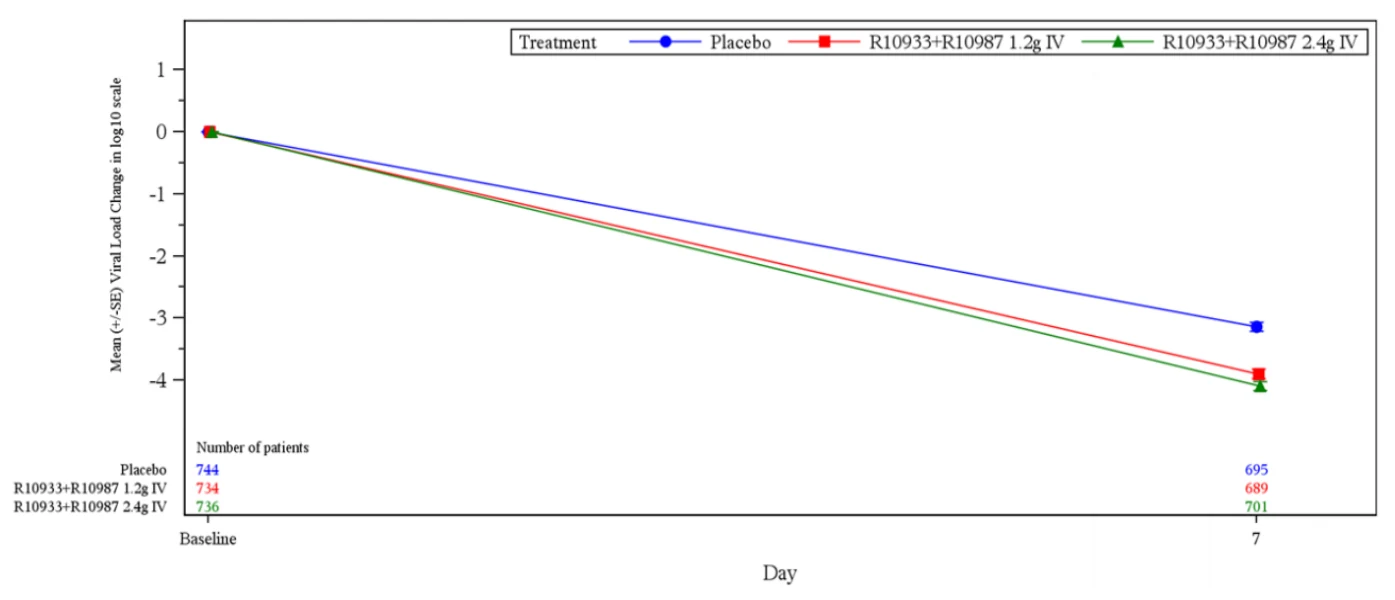
Trial R10933-10987-COV-2067 evaluated casirivimab and imdevimab in ambulatory patients with COVID-19 at doses of 600 mg casirivimab and 600 mg imdevimab (1200 mg combined dose), 1200 mg casirivimab and 1200 mg imdevimab (2400 mg combined dose), and 4000 mg casirivimab and 4000 mg imdevimab (8000 mg combined). Treatment of concurrently enrolled subjects with placebo or casirivimab with imdevimab demonstrated a statistically significant reduction in the LS mean viral load (log10 copies/mL) from baseline to Day 7 compared to placebo (-0.71 log10 copies/mL for 1,200 mg and -0.86 log10 copies/mL for 2,400 mg). Consistent effects were observed for the 1200 mg and 2400 mg treatment groups, indicating the absence of a dose effect. Figure 1 shows the mean change from baseline in SARS-COV-2 viral load at Day 7.
Figure 1: Least Squares Mean Change in Nasopharyngeal Viral Load from Baseline through Day 7 based on sampling from concurrently enrolled Phase 3 (cohort 1) patients administered placebo, 1200 mg casirivimab and imdevimab or 2400 mg casirivimab and imdevimab
10.3 Pharmacokinetics
Mean serum concentrations of casirivimab and imdevimab at the end of the infusion and 28 days after dosing increased in a dose-proportional manner for the single 1200 mg to 8000 mg IV doses, consistent with linear pharmacokinetics (Table 4).
Table 4: Mean (SD) [N] Pharmacokinetic Parameters of casirivimab and imdevimab After a Single IV Dose in Ambulatory Patients with COVID-19 in Phase 3 of Study R10933-10987-COV-2067
| Pharmacokinetic Parameter | REGN10933 (Casirivimab) | REGN10987 (Imdevimab) | ||||||||||||
| 0.6 g | 1.2 g | 4.0 g | 0.6 g | 1.2 g | 4.0 g | |||||||||
Mean (SD) Ceoi (mg/L)1 [N] | 185 (74.5) [158] | 321 (106) [553] | 1049 (317) [388] | 192 (78.9) [171] | 321 (112) [580] | 1049 (308) [400] | ||||||||
Mean (SD) C28 (mg/L)2 [N] | 46.4 (22.5) [127] | 73.2 (27.2) [609] | 238 (86.1) [482] | 38.3 (19.6) [127] | 60.0 (22.9) [610] | 192 (70.2) [469] | ||||||||
1 Mean concentration in serum at the end of infusion (1 hour);
2 Observed mean concentrations in serum 28 days after dosing, i.e., on day 29, as defined in the protocol
The metabolic pathways of casirivimab and imdevimab have not been characterized. As human monoclonal IgG1 antibodies, both casirivimab and imdevimab are expected to be degraded into small peptides and amino acids via catabolic pathways in the same manner as endogenous IgG.
Special Populations and Conditions
The effects of age, renal impairment, or hepatic impairment on the pharmacokinetics of casirivimab and imdevimab are unknown.
- Pediatrics (12 years of age and older weighing at least 40 kg): The recommended dosing regimen is expected to result in comparable serum exposures of casirivimab and imdevimab in patients 12 years of age and older and weighing at least 40 kg as observed in adults, since adults with similar body weight have been included in Trial R10933-10987-COV-2067.
- Geriatrics: There are limited data on the safety and efficacy of patients aged 65 years and above. Of the 4567 patients with SARS-CoV-2 infection randomized in an ambulatory clinical trial (R10933-10987-COV-2067), 14% were 65 years or older, and 4% were 75 years of age or older. The difference in PK of casirivimab and imdevimab in geriatric patients compared to younger patients is unknown.
- Renal Insufficiency: Renal impairment is not expected to impact the pharmacokinetics of casirivimab and imdevimab components, since mAbs with molecular weight >50 kDa are known not to undergo renal elimination. Similarly, dialysis is not expected to impact the pharmacokinetics of casirivimab and imdevimab.
11 STORAGE, STABILITY AND DISPOSAL
Store both products in a refrigerator at 2°C to 8°C in the original carton to protect them from light.
Do not freeze. Do not shake.
Casirivimab and imdevimab are for single use only. Any unused medicinal product or waste material should be disposed of in accordance with local requirements.
12 SPECIAL HANDLING INSTRUCTIONS
Once opened, the medicinal product should be diluted and infused immediately. The diluted solution may be stored for up to 4 hours at room temperature (up to 25°C) or refrigerated between 2°C to 8°C for up to 36 hours.
PART II: SCIENTIFIC INFORMATION
13 PHARMACEUTICAL INFORMATION
Drug Substance
Proper name: casirivimab and imdevimab for injection
Chemical name: casirivimab and imdevimab
Molecular formula and molecular mass:
- Casirivimab: C6454H9976N1704O2024S44, 145.23 kDa
- Imdevimab: C6396H9882N1694O2018S42, 144.14 kDa
Structural formula:
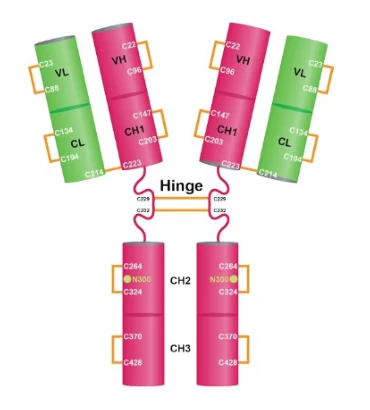
- Casirivimab: There is a single N-linked glycosylation site (Asn300) on each heavy chain, located within the constant region in the Fc domain of the molecule. The complementarity-determining regions (CDRs) within the heavy chain and light chain variable domains of casirivimab combine to form the binding sites for its target, the receptor binding domain of SARS-CoV-2 S protein.
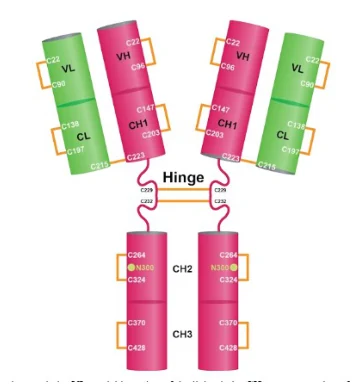
- Imdevimab: There is a single N-linked glycosylation site (Asn300) on each heavy chain, located within the constant region in the Fc domain of the molecule. The complementarity-determining regions (CDRs) within the heavy chain and light chain variable domains of imdevimab combine to form the binding sites for its target, the receptor binding domain of SARS-CoV-2 S protein.
Physicochemical properties: Casirivimab and imdevimab for injection is sterile, preservative-free, clear to slightly opalescent and colourless to pale yellow solution with a pH of 6.0.
Product Characteristics:
Casirivimab and imdevimab are human immunoglobulin G-1 (IgG1) monoclonal antibodies produced by recombinant DNA technology in Chinese hamster ovary cells.
14 CLINICAL TRIALS
14.1 Trial Design and Study Demographics
The efficacy of casirivimab and imdevimab is based on analysis of the phase III (cohort 1) portion of R10933-10987-COV-2067 adaptive trial. R10933-10987-COV-2067 is an ongoing randomized, double-blinded, placebo controlled clinical trial studying the combination of casirivimab and imdevimab for the treatment of adult subjects with mild or moderate COVID-19 subjects with COVID-19 symptoms who are not hospitalized but are at high-risk for hospitalization and/or death from disease progression.
The trial enrolled adult subjects who were 18 years of age or older, had a positive direct SARS-CoV-2 diagnostic test within 72 hrs prior to randomization, were not hospitalized and had at least 1 or more COVID-19 symptoms (asymptomatic patients were ineligible) that were mild or moderate in severity. The onset of symptoms should not have occurred greater than 7 days before randomization, and treatment was initiated within 3 days of obtaining a positive SARS-CoV-2 test result. Key exclusion criteria included: admission to hospital for COVID-19 prior to randomization, or hospitalization for any reason at randomization; prior positive SARS-CoV-2 serology; prior positive SARS-CoV-2 antigen or molecular diagnostic test from a sample collected ≥72 hrs prior to randomization.
The full analysis set (FAS) includes all randomized patients with COVID-19 symptoms, regardless of whether they have risk factors for severe COVID-19. The modified full analysis set (mFAS) includes all patients in the FAS with detectable SARS-CoV-2 RNA by RT-qPCR in nasopharyngeal swabs at randomization and ≥1 risk factor for severe COVID-19. The protocol defined risk factors were: age ≥50 years, obesity ≥30 kg/m2, cardiovascular disease including hypertension, chronic lung disease including asthma, Type 1 or 2 diabetes mellitus, chronic kidney disease including patients on dialysis, chronic liver disease, and patients who, in the opinion of the investigator, were immunosuppressed. The mFAS was used to analyze the primary and key secondary endpoints.
Phase III Data from R10933-10987-COV-2067
In the Phase III (cohort 1) portion of the trial, 4567 subjects were randomized to receive a single intravenous (IV) infusion of 1200 mg dose (600 mg of casirivimab and 600 mg of imdevimab) (n=838), or 2400 mg dose (1200 mg of casirivimab and 1200 mg of imdevimab) (n=1529), or 8000 mg dose (4000 mg of casirivimab and 4000 mg of imdevimab) (n=700), or placebo (n=1500). The two casirivimab with imdevimab doses at the start of Phase III were 8000 mg and 2400 mg; based on Phase I/II analyses of viral load showing that the 8000 mg and 2400 mg doses reduced viral load similarly, the Phase III protocol was amended to compare 2400 mg and 1200 mg vs. placebo, and 8000 mg data were converted to a descriptive analysis. Comparisons were between patients randomized to specific casirivimab with imdevimab doses and patients concurrently randomized to placebo. Subjects with a positive SARS-CoV-2 RT-qPCR result from nasopharyngeal (NP) swab at randomization, and with at least one risk factor for severe COVID-19, i.e., the modified full analysis set (mFAS) were included in the analysis of the primary outcome.
At baseline, the median age was 50 years (with 14% of subjects ages 65 years or older, range 18 - 96), 52% of the subjects were female, 84% were Caucasian, 5% were Black and all subjects had 1 or more risk factors for severe COVID-19 as defined by the study protocol. The median duration of symptoms was 3 days. The baseline demographics and disease characteristics were well balanced across the casirivimab and imdevimab and placebo treatment groups.
Table 5: Demographics and Baseline Characteristics in R10933-10987-COV-2067 Phase 3 (Cohort 1) (mFAS)
| Parameter | 1,200 mg IV N=736 | 2,400 mg IV N=1355 | Placebo IV N=1341 |
| Median age years (range) | 48.5 (18-90) | 50.0 (18-96) | 50.0 (18-92) |
| % over 50 years | 48.5 | 52.8 | 50.6 |
| % over 65 years | 12.6 | 15.8 | 10.7 |
| % Female | 50.5 | 51.6 | 52.8 |
| % White | 80.8 | 85.7 | 84.7 |
| % Black | 5.2 | 4.9 | 4.9 |
| % Asian | 5.2 | 3.8 | 4.2 |
| % Hispanic or Latino ethnicity* | 42.4 | 34.2 | 35.1 |
| % Obese (BMI >= 30 kg/m2) | 55.7 | 58.1 | 57.6 |
| Cardiovascular disease | 38.3 | 38.4 | 35.3 |
| Chronic lung disease | 18.9 | 15.9 | 16.3 |
| Type 1 or 2 diabetes mellitus | 12.8 | 14.9 | 15.7 |
| Chronic kidney disease | 1.1 | 1.4 | 0.7 |
| Chronic liver disease | 0.4 | 1.0 | 0.6 |
| Immunocompromised | 3.3 | 3.4 | 2.5 |
| Median duration of symptoms (days) | 3.0 | 3.0 | 3.0 |
Risk factors defined (per protocol) as follows: age ≥50 years; obesity, defined as BMI ≥ 30kg/m2; cardiovascular disease, including hypertension; chronic lung disease, including asthma; type 1 or type 2 diabetesmellitus; chronic kidney disease, including those on dialysis; chronic liverdisease; immunosuppressed, based on 'investigator's assessment.
*There is overlap between the different race/ethnic categories
14.2 Study Results
Phase III (cohort 1) Data from R10933-10987-COV-2067
The primary endpoint was the proportion of subjects with ≥1 COVID-19-related hospitalization or all-cause death through Day 29, in subjects with a positive SARS-CoV-2 RT-qPCR result from nasopharyngeal (NP) swab at randomization, and with at least one risk factor for severe COVID-19, i.e., the modified full analysis set (mFAS). In the mFAS, events occurred in 7 (1.0%) subjects treated with
1200 mg casirivimab with imdevimab compared to 24 (3.2%) subjects concurrently randomized to placebo, demonstrating a 70.4% reduction in the number of patients with a COVID-19-related hospitalization or all-cause death (p<0.0024); events occurred in 18 (1.3%) subjects treated with 2,400 mg casirivimab with imdevimab compared to 62 (4.6%) subjects randomized to placebo, demonstrating a 71.3% reduction compared to placebo (casirivimab with imdevimab 1.3% vs placebo 4.6%, p<0.0001).
Table 6: Summary of Key Phase 3 (Cohort 1) Results from Study R10933-10987-COV-2067 (mFAS)
| 1,200 mg IV | Placebo | 2,400 mg IV | Placebo | |||||
| n=736 | n=748 | n=1,355 | n=1,341 | |||||
| Patients with ≥1 COVID-19-related hospitalization or death through day 29 | ||||||||
| Percent Risk reduction | 70.4% (95%CI: 31.6% to 87.1%) (p=0.0024) | 71.3% (95%CI: 51.7% to 82.9%) (p<0.0001) | ||||||
| Number (%) of patients with events | 7 (1.0%) | 24 (3.2%) | 18 (1.3%) | 62 (4.6%) | ||||
- 1. Treatment arms (1200 mg, 2400 mg) were compared to concurrently enrolled placebo patients. The 748 subjects in the placebo comparison to the 1200 mg treatment arm are a subset of the 1341 placebo subjects used in the comparison to the 2400 mg treatment arm
- 2. P-value was derived on Cochran-Mantel-Haenszel (CMH) test stratified by country.
Overall, most events were COVID-19-related hospitalization. In the placebo group, there were 3 deaths through Day 29 and 2 additional deaths that occurred after Day 29 for a total of 5 deaths through the end of study follow-up. There was 1 death in each treatment group.
15 MICROBIOLOGY
Antiviral activity
Casirivimab, imdevimab, and the combination of casirivimab and imdevimab were assessed for their ability to neutralize SARS-CoV-2 (USA-WA1/2020 isolate) and prevent infection of Vero E6 cells. Casirivimab, imdevimab and the combination of casirivimab and imdevimab effectively neutralized SARS-CoV-2 with concentrations of 37.4pM (0.006 μg/mL), 42.1pM (0.006 μg/mL), and 31.0pM (0.005 μg/mL) respectively, providing inhibition of 50% of viral infection in a plaque-reduction assay (PRNT50).
In Vivo Efficacy Pharmacology
The in vivo effects of casirivimab and imdevimab have been assessed in rhesus macaques and Syrian golden hamsters. Therapeutic administration of casirivimab and imdevimab at 25 mg/kg or 150 mg/kg in rhesus macaques infected with SARS-CoV-2 (USA-WA1/202 isolate) resulted in accelerated viral clearance based on samples taken from the nasopharynx and the oral cavity, as well as reduced lung pathology, relative to placebo-treated animals. The decrease in viral load observed in the treated animals compared to animals administered a placebo did not appear to be dose-dependent.
Antiviral Resistance
There is a potential risk of treatment failure due to the development of viral variants that are resistant to casirivimab and imdevimab administered together. Prescribing healthcare providers should consider the prevalence of SARS-CoV-2 variants in their area, where data are available, when considering treatment options.
The neutralising activity of casirivimab, imdevimab and casirivimab and imdevimab together was assessed against S protein variants, including known Variants of Concern/Interest, variants identified in in vitro escape studies, and variants from publicly available SARS CoV-2 genome data obtained from the Global Initiative on Sharing All Influenza Data (GISAID). Casirivimab and imdevimab neutralising activity against the Variants of Concern/Interest are shown in (Table 7). Based on in vitro laboratory testing, there is significantly reduced neutralization potency and a high risk of treatment failure with the casirivimab and imdevimab combination against the SARS-CoV-2 BA.1/BA.1.1 variants (Omicron). Testing indicates a potential risk of treatment failure against the Omicron BA.2 variant. The correlation between these data, which were generated using virus like particles pseudotyped with SARS-CoV-2 S-protein variants, and clinical outcomes is unknown.
Table 7: Pseudotyped Virus-like Particle Neutralisation Data for Full Sequence or Key SARS CoV-2 S-protein Variant Substitutions from Variants of Interest/Concern* with Casirivimab and Imdevimab Alone or Together
| Lineage with spike protein substitutions | Key substitutions tested | Fold Reduction in susceptibility to casirivimab and imdevimab together | Fold Reduction in susceptibility to casirivimab alone | Fold Reduction in susceptibility to imdevimab alone |
| B.1.1.7 (Alpha) | Full S proteina | 0.87 | 1.16 | 0.73 |
| B.1.351 (Beta) | Full S proteinb | 0.60 | 45 | 0.18 |
| P.1 (Gamma) | Full S proteinc | 1.16 | 418 | 0.11 |
| B.1.617.2 (Delta) | Full S proteind | 1.06 | 0.55 | 1.26 |
AY.1e (Delta [+K417N]) | K417N+L452R+ T478K | 0.55 | 1.23 | 0.58 |
| B.1.427/B.1.429 (Epsilon) | L452R | 1.23 | 1.29 | 1.07 |
| B.1.526 (Iota)f | E484K | 2.15 | 25 | 1.71 |
| B.1.617.1/B.1.617.3 (Kappa) | L452R+E484Q | 1.42 | 7 | 0.63 |
| C.37 (Lambda) | L452Q+F490S | 1.12 | 0.93 | 3.05 |
B.1.621/B.1.621.1 (Mu) | R346K, E484K, N501Y | 2.62 | 23 | 1.21 |
| BA.1 (Omicron) | Full S proteinf | >1013 | >1732 | >754 |
| BA.1.1 (Omicron) | Full S proteing | >1461 | >1336 | >1109 |
| BA.2 (Omicron) | Full S proteinh | 190 | 462 | 158 |
a Pseudotyped VLP expressing the entire variant spike protein was tested. The following changes from wild-type spike protein are found in the variant: del69-70, del145, N501Y, A570D, D614G, P681H, T716I, S982A, D1118H
b Pseudotyped VLP expressing the entire variant spike protein was tested. The following changes from wild-type spike protein are found in the variant: D80Y, D215Y, del241-243, K417N, E484K, N501Y, D614G, A701V
c Pseudotyped VLP expressing the entire variant spike protein was tested. The following changes from wild-type spike protein are found in the variant: L18F, T20N, P26S, D138Y, R190S, K417T, E484K, N501Y, D614G, H655Y, T1027I, V1176F d Pseudotyped VLP expressing the entire variant spike protein was tested. The following changes from wild-type spike protein are found in the variant:T19R, G142D, E156G, F157del, R158del, L452R, T478K, D614G, P681R, D950N
e Commonly known as "Delta plus”
f Pseudotyped VLP expressing the entire variant spike protein was tested. The following changes from wild-type spike protein are found in the variant: A67V, del69-70, T95I, G142D/del143-145, del211/L212I, ins214EPE, G339D, S371L, S373P, S375F, K417N, N440K, G446S, S477N, T478K, E484A, Q493R, G496S, Q498R, N501Y, Y505H, T547K, D614G, H655Y, N679K, P681H, N764K, D796Y, N856K, Q954H, N969K, L981F.
g Pseudotyped VLP expressing the entire variant spike protein was tested. The following changes from wild-type spike protein are found in the variant: A67V, del69-70, T95I, G142D/del143-145, del211/L212I, ins214EPE, G339D, R346K, S371L, S373P, S375F, K417N, N440K, G446S, S477N, T478K, E484A, Q493R, G496S, Q498R, N501Y, Y505H, T547K, D614G, H655Y, N679K, P681H, N764K, D796Y, N856K, Q954H, N969K, L981F
h Pseudotyped VLP expressing the entire variant spike protein was tested. The following changes from wild-type spike protein are found in the variant: T19I, del24-26, A27S, G142D, V213G, G339D, S371F, S373P, S375F, T376A, D405N, R408S, K417N, N440K, S477N, T478K, E484A, Q493R, Q498R, N501Y, Y505H, D614G, H655Y, N679K, P681H, N764K, D796Y, Q954H, N969K
*Variants of interest/concern as defined by the Centers for Disease Control and Prevention (CDC, 2021) {https://www.cdc.gov/coronavirus/2019-ncov/variants/variant-info.html}
See Table 8 for a comprehensive list of authentic SARS-CoV-2 Variants of Concern/Interest assessed for susceptibility to casirivimab and imdevimab alone and together.
Table 8: Neutralization Data for Authentic SARS-CoV-2 Variants of Concern/Interest with Casirivimab and Imdevimab Alone or Together
| Lineage with Spike Protein Substitution | Fold Reduction in Susceptibility to casirivimab and imdevimab together | Fold Reduction in Susceptibility to casirivimab alone | Reduction in Susceptibility to imdevimab alone |
| B.1.1.7 (Alpha) | 0.12 | 0.18 | 0.25 |
| B.1.351 (Beta) | 0.32 | 5.49 | 0.12 |
| P.1 (Gamma) | 2.19 | >371 | 0.78 |
| B.1.617.2 (Delta) | 1.45 | 0.27 | 2.03 |
| AY.1 (Delta) | 0.23 | 0.26 | 0.58 |
| B.1.617.1 (Kappa) | 0.82 | 5.84 | 0.16 |
| C.37 (Lambda) | 0.66 | 0.13 | 0.87 |
| B.1621 (Mu) | 0.56 | 4.22 | 0.50 |
It is not known how pseudovirus data correlate with clinical outcomes.
In clinical trials, next generation sequencing detected the variants G446V and S477N in the SARS-CoV-2 spike protein receptor binding domain at more than one timepoint in subjects independent of treatment, whereas S494P, K501T, and K537R were only found in subjects treated with casirivimab and imdevimab. In a VSV pseudoparticle neutralization assay, reduced susceptibility to imdevimab alone was found for G446V (135-fold) and S447N (2.3 fold), and reduced susceptibility to casirivimab alone was found for S494P (4.5-fold) and S477N (2.9-fold). All variants retained susceptibility to casirivimab and imdevimab together.
It is possible that resistance-associated variants to casirivimab and imdevimab together could have cross-resistance to other mAbs targeting the receptor binding domain of SARS-CoV-2. The clinical impact is not known.
Immune Response Attenuation
There is a theoretical risk that antibody administration may attenuate the endogenous immune response to SARS-CoV-2 and make patients more susceptible to re-infection.
16 NON-CLINICAL TOXICOLOGY
General Toxicology:
The nonclinical toxicology profiles of casirivimab and imdevimab have been characterized through the conduct of a repeat-dose toxicology study in cynomolgus monkeys. These mAbs were administered weekly, alone (50 mg/kg) via IV bolus injection, and in combination (up to 150 mg/kg/antibody) via IV or SC injection. Once weekly administration of casirivimab, imdevimab, and casirivimab and imdevimab, were well tolerated at all dose levels, with no drug-related or adverse effects evident during the 4-week dosing period or at the time of necropsy. An ex vivo tissue cross-reactivity study was conducted using panels of normal human and cynomolgus monkey tissues. There was no off-target binding of casirivimab or imdevimab in any of the human or monkey tissues evaluated, which was anticipated as both mAbs bind an exogenous protein.
Carcinogenicity, genotoxicity, reproductive toxicology, and fertility studies have not been conducted with casirivimab and imdevimab.
Antibody dependent enhancement (ADE) is thought to occur when binding of antibody to the target viral protein enhances FcyR-mediated host cell entry of the virus. Casirivimab and imdevimab retain the Fc region, as this may play a role in protecting against viral infection. In in vitro ADE studies using pVSV-SARS-CoV-2-S pseudoparticles and 5 FCGR+ cell lines, imdevimab alone or in combination with casirivimab mediated entry of pVSV-SARS-CoV-2-S pseudoparticles into FCGR2+ Raji and FCGR1+/FCGR2+ THP1 cells, but not any of the other tested cell lines, despite expression of FCGR1 or FCGR2. Casirivimab alone did not mediate entry of pVSV-SARS-CoV-2-S pseudoparticles into any of the tested cell lines. No evidence of ADE was observed in the in vivo efficacy studies combining casirivimab and imdevimab in Syrian golden hamster and non-human primate, as evidenced by the lack of increased viral load, more severe lung pathology, or enhanced weight loss. Safety data evaluated from study R10933-10987-COV-2067 do not indicate evidence of ADE.