


Product Monograph - Clindoxyl Adv Gel
SUMMARY PRODUCT INFORMATION
Route of Administration | Dosage Form / Strength | Clinically Relevant Non-medicinal Ingredients |
| Topical | Gel Clindamycin 1% and benzoyl peroxide 3%, w/w (clindamycin as clindamycin phosphate) | None. For a complete listing, see Dosage Forms, Composition and Packaging section. |
Gel Clindamycin 1% and benzoyl peroxide 5%, w/w (clindamycin as clindamycin phosphate) | Methylparaben. For a complete listing, see Dosage Forms, Composition and Packaging section. |
INDICATIONS AND CLINICAL USE
CLINDOXYL ADV (1% clindamycin and 3% benzoyl peroxide) Gel and CLINDOXYL (1% clindamycin and 5% benzoyl peroxide) Gel are indicated in the topical treatment of moderate acne vulgaris characterized by the presence of comedones, papules and pustules.
CLINDOXYL ADV Gel and CLINDOXYL Gel are not indicated for the treatment of cystic acne.
CLINDOXYL ADV Gel and CLINDOXYL Gel contain an antibacterial ingredient, clindamycin. To reduce the development of drug-resistant bacteria and maintain the effectiveness of clindamycin, CLINDOXYL ADV Gel and CLINDOXYL Gel should only be used for the authorized indication and clinical use.
Pediatrics (< 12 years of age): Safety and efficacy of CLINDOXYL ADV Gel and CLINDOXYL Gel have not been established in patients under the age of 12 years.
CONTRAINDICATIONS
CLINDOXYL ADV (1% clindamycin and 3% benzoyl peroxide) Gel and CLINDOXYL (1% clindamycin and 5% benzoyl peroxide) Gel are contraindicated in:
Patients who have a history of hypersensitivity to either of the active ingredients
(clindamycin or benzoyl peroxide), or the excipients. For a complete listing, see the Dosage Forms, Composition and Packaging section of the product monograph.
- Patients who have a history of hypersensitivity to medicines containing lincomycin.
- Patients with, or with a history of regional enteritis, ulcerative colitis, or antibiotic-associated colitis (including pseudomembranous colitis).
WARNINGS AND PRECAUTIONS
General
For external (dermatological) use only. Not for oral, ophthalmic or intravaginal use.
Drug interactions: Concomitant topical acne treatments are not recommended because a possible cumulative irritancy effect may occur, which sometimes may be severe, especially with peeling, desquamating, or abrasive agents. If severe irritation develops, discontinue use and institute appropriate therapy.
Use of clindamycin phosphate or benzoyl peroxide with other drugs may lead to drug-drug interactions (see DRUG INTERACTIONS, Drug-Drug Interactions).
Benzoyl peroxide: Avoid contact with hair, fabrics, carpeting or other materials, as CLINDOXYL ADV Gel or CLINDOXYL Gel may cause bleaching. As benzoyl peroxide may cause increased sensitivity to sunlight, sunlamps should not be used and deliberate or prolonged exposure to sunlight should be avoided or minimized. When exposure to strong sunlight cannot be avoided, patients should be advised to use a sunscreen product and wear protective clothing.
If a patient has sunburn, this should be resolved before using CLINDOXYL ADV Gel or CLINDOXYL Gel.
Clindamycin phosphate: Gram-negative folliculitis has been reported in association with the long term use of clindamycin. Should gram-negative folliculitis occur, discontinue use of CLINDOXYL ADV Gel or CLINDOXYL Gel, and institute appropriate therapy.
Gastrointestinal
Clostridium difficile-Associated Disease: Systemic absorption of clindamycin has been demonstrated following topical use of CLINDOXYL ADV Gel and CLINDOXYL Gel. Clostridium difficile-associated disease (CDAD) has been reported with the use of topical, oral and parenteral administration of clindamycin, including with the use of CLINDOXYL Gel (see ADVERSE REACTIONS). CDAD may range in severity from mild diarrhea to fatal colitis. It is important to consider this diagnosis in patients who present with diarrhea, or symptoms of colitis, pseudomembranous colitis, toxic mega colon, or perforation of the colon subsequent to the administration of any antibacterial agent. CDAD has been reported to occur 2 months after the administration of antibacterial agents (see ADVERSE REACTIONS, Post-Market Adverse Drug Reactions).
Treatment with antibacterial agents may alter the normal flora of the colon and may permit overgrowth of Clostridium difficile. Clostridium difficile produces toxins A and B, which contribute to the development of CDAD. CDAD may cause significant morbidity and mortality.
If the diagnosis of CDAD is suspected or confirmed, appropriate therapeutic measures should be initiated. Mild cases of CDAD usually respond to discontinuation of antibacterial agents not directed against Clostridium difficile. In moderate to severe cases, consideration should be given to management with fluids and electrolytes, protein supplementation, and treatment with an antibacterial agent clinically effective against Clostridium difficile. Surgical evaluation should be instituted as clinically indicated, as surgical intervention may be required in certain severe cases.
Ophthalmologic/Mucosal/Skin
Benzoyl peroxide: Avoid contact with the mouth, eyes, lips, other mucous membranes or areas of irritated or broken skin. In the event of accidental contact with sensitive surfaces (eyes, abraded skin, mucous membranes), rinse with copious amounts of cool tap water. In addition, care should be taken when applying CLINDOXYL ADV Gel or CLINDOXYL Gel to the neck and other sensitive areas.
During the first weeks of treatment, patients may experience peeling and reddening. In these patients, these symptoms will normally subside if treatment is temporarily interrupted and restarted after symptoms have subsided. Depending upon the severity of these side effects, patients can use a moisturizer, temporarily reduce the frequency of application of CLINDOXYL ADV Gel / CLINDOXYL Gel or temporarily discontinue use; however, efficacy has not been established for less than once daily dosing frequencies.
If excessive dryness or peeling occurs, frequency of application should be reduced or application temporarily interrupted.
If severe local irritation (e.g. severe erythema, severe dryness and itching, severe stinging/burning) develops, discontinue use of CLINDOXYL ADV Gel or CLINDOXYL Gel, and institute appropriate therapy.
Patients should be advised that excessive application of CLINDOXYL ADV Gel or CLINDOXYL Gel will not improve efficacy, but may increase the risk of skin irritation.
Susceptibility/Resistance
Development of Drug Resistant Bacteria
Prescribing CLINDOXYL ADV Gel or CLINDOXYL Gel in the absence of the authorized indication is unlikely to provide benefit to the patient and risks the development of drug-resistant bacteria.
Cross-resistance and resistance
Cross-resistance has been demonstrated between clindamycin and lincomycin. Resistance to clindamycin is often associated with inducible resistance to erythromycin (see DRUG INTERACTIONS).
Benzoyl peroxide reduces the potential for emergence of organisms resistant to clindamycin. However, patients with a recent history of systemic or topical clindamycin or erythromycin use are more likely to have pre-existing anti-microbial resistant Propionibacterium acnes and commensal flora (see ACTION AND CLINICAL PHARMACOLOGY, Mechanism of Action and MICROBIOLOGY).
Special Populations
Fertility: There are no data on the effect of topical clindamycin or benzoyl peroxide on fertility in humans.
Pregnant Women: There are no well-controlled studies in pregnant women treated with topical CLINDOXYL ADV Gel or CLINDOXYL Gel. There are limited data on the use of topical clindamycin or benzoyl peroxide in pregnant women. CLINDOXYL ADV Gel or CLINDOXYL Gel should not be administered to a pregnant woman unless the expected benefits to the mother outweigh the potential risks to the fetus.
Nursing Women: Topical CLINDOXYL ADV Gel or CLINDOXYL Gel has not been studied during breast-feeding. It is not known whether benzoyl peroxide or clindamycin are excreted in human milk following the topical use of CLINDOXYL ADV Gel or CLINDOXYL Gel. Orally and parenterally administered clindamycin have been reported to appear in breast milk. CLINDOXYL ADV Gel or CLINDOXYL Gel should not be used during lactation unless the expected benefits to the mother outweigh the potential risks to the infant. If used during lactation, CLINDOXYL ADV Gel or CLINDOXYL Gel should not be applied to the chest so as to avoid accidental ingestion by the infant.
Pediatrics (<12 years of age): Safety and efficacy of CLINDOXYL ADV Gel and CLINDOXYL Gel in patients under the age of 12 have not been established.
Geriatrics (>65 years of age): Safety and efficacy of CLINDOXYL ADV Gel and CLINDOXYL Gel in patients over the age of 65 have not been established.
ADVERSE REACTIONS
Adverse Drug Reaction Overview
CLINDOXYL ADV (1% clindamycin / 3% benzoyl peroxide) Gel: The number of subjects who experienced treatment-related adverse events was low and was similar in each treatment group. No individual treatment-related adverse event was reported by more than 2 subjects (≤ 1%) within any of the treatment groups. The most frequently-reported treatment-related adverse events were mild or moderate application site dermatitis and photosensitivity, with each occurring in 2 subjects (0.6%) in the CLINDOXYL ADV Gel group. One subject (0.3%) discontinued CLINDOXYL ADV Gel due to application site dermatitis.
CLINDOXYL (1% clindamycin / 5% benzoyl peroxide) Gel: Nine of the 113 adverse events were related to CLINDOXYL Gel. These adverse reactions were 1 case of mild application site paraesthesia, 1 case of acne worsening and 7 cases of mild to moderate pruritus and erythema, as well as dryness at the application site that lasted 3 to 48 days. There were no discontinuations due to adverse drug reactions with CLINDOXYL Gel.
Clinical Trial Adverse Drug Reactions
Because clinical trials are conducted under very specific conditions the adverse reaction rates observed in the clinical trials may not reflect the rates observed in practice and should not be compared to the rates in the clinical trials of another drug. Adverse drug reaction information from clinical trials is useful for identifying drug-related adverse events and for approximating rates.
CLINDOXYL ADV (1% clindamycin / 3% benzoyl peroxide) Gel: In a controlled study where a total of 327 subjects (eligible subjects were between 12 and 45 years of age with mild-to-moderate acne vulgaris) applied CLINDOXYL ADV Gel once daily for 12 weeks, subjects were assessed for local cutaneous signs and symptoms of erythema, dryness, peeling, itching, and burning/stinging. The percentage of subjects that had symptoms present before treatment and present at week 12 are shown in Table 1 and Table 2.
Table 1 Percentage of Subjects Treated with CLINDOXYL ADV Gel with
Symptoms of Local Skin Reactions – Burning/Stinging and Itching (N=327)
| Before Treatment (Baseline) | End of Treatment (Week 12) | |||||
| Slight | Moderate | Strong | Slight | Moderate | Strong | |
| Burning/ Stinging | 15% | 4% | 0% | 8% | 2% | <1% |
| Itching | 28% | 6% | 1% | 17% | 2% | 0% |
Table 2 Percentage of Subjects Treated with CLINDOXYL ADV Gel with
Symptoms of Local Skin Reactions - Dryness, Erythema, and Peeling (N=327)
| Before Treatment (Baseline) | End of Treatment (Week 12) | |||||||
| Slight | Mild | Moderate | Severe | Slight | Mild | Moderate | Severe | |
| Dryness | 15% | 2% | 1% | 0% | 9% | 1% | 1% | 0% |
| Erythema | 19% | 11% | 5% | 0% | 19% | 4% | 2% | 0% |
| Peeling | 10% | 2% | 0% | 0% | 4% | <1% | 0% | 0% |
Table 3 shows the most frequent adverse drug reactions determined by the investigator to be possibly, probably, or definitely treatment-related and reported in ≥1% subjects in the CLINDOXYL ADV Gel or comparator groups. No other adverse drug reactions (<1%) were reported for CLINDOXYL ADV Gel.
Table 3 Most Frequent Adverse Drug Reactions Reported in ≥1% of Subjects in the
CLINDOXYL ADV Gel or Comparator Groups
System Organ Class (Preferred Term) | CLINDOXYL ADV Gel (N=327) | Clindamycin 1% Gel (N=328) | Benzoyl Peroxide 3% Gel (N=328) | Vehicle Gel (N=332) |
| General Disorders and Administration Site Conditions, n (%) | ||||
| Application site dermatitis | 2 (1) | 0 | 0 | 0 |
| Application site irritation | 0 | 0 | 2 (1) | 0 |
| Application site photosensitivity | 2 (1) | 1 (<1) | 1 (<1) | 2 (1) |
CLINDOXYL (1% clindamycin / 5% benzoyl peroxide) Gel: In controlled clinical trials where a total of 172 subjects received CLINDOXYL Gel, the reported adverse events considered to have a relationship to CLINDOXYL Gel were comprised mainly of reactions at the site of application such as peeling (16.3%), erythema (7.6%), dryness (7%), burning (2.3%) and pruritus (1.7%). Mild paraesthesia and worsening of acne were noted in one subject each.
Post-Market Adverse Drug Reactions
Because these reactions are reported voluntarily from a population of uncertain size, it is not always possible to reliably estimate their frequency or establish a causal relationship to drug exposure.
Gastrointestinal disorders: Diarrhea, abdominal pain, bloody diarrhea, colitis (including pseudomembranous colitis). (See WARNINGS AND PRECAUTIONS, Clostridium difficile-Associated Disease)
General disorders and administration site conditions: Application site reactions including discolouration.
Immune system disorders: Anaphylaxis, as well as allergic reactions leading to hospitalization, application site hypersensitivity such as urticaria, application site swelling and swelling of the face and tongue including angioedema.
DRUG INTERACTIONS
Drug-Drug Interactions
Table 4 Established or Potential Drug-Drug Interactions
| Drug | Ref | Effect | Clinical comment |
| Neuromuscular blocking agents | CT | Clindamycin has been shown to have neuromuscular blocking properties that may enhance action of other neuromuscular blocking agents. | Use with caution. |
| Erythromycin | In vitro | Clindamycin and erythromycin have been shown to be antagonists. | Should not be used concomitantly. |
| Tretinoin, isotretinoin tazarotene | In vitro | Concomitant application of CLINDOXYL ADV Gel or CLINDOXYL Gel with tretinoin, isotretinoin and tazarotene should be avoided since benzoyl peroxide may reduce their efficacy and may increase irritation. | If combination treatment is required, the products should be applied at different times of the day (e.g., one in the morning and the other in the evening). |
Concomitant topical acne medication (to treat both inflammatory and non-inflammatory lesions) | CT | Possible cumulative irritancy may occur, which sometimes may be severe, especially with the use of peeling, desquamating or abrasive agents. | If severe irritation or dermatitis develops, discontinue use and institute appropriate therapy. |
Topical sulphonamides | CT | When the use of topical benzoyl peroxide-containing preparation is followed by topical sulphonamide-containing products, this may cause skin and facial hair to temporarily change colour (yellow / orange). | Avoid concomitant use. |
CT = Clinical Trial
Drug-Food Interactions
Interactions with food have not been established.
Drug-Herb Interactions
Interactions with herbal products have not been established.
Drug-Laboratory Interactions
Interactions with laboratory tests have not been established.
DOSAGE AND ADMINISTRATION
Dosing Considerations
For external (dermatological) use only. Not for oral, ophthalmic or intravaginal use.
Recommended Dose and Administration
The skin should be thoroughly washed with a mild, non-irritating cleanser, rinsed with warm water and gently patted dry.
Once daily, gently apply CLINDOXYL ADV (1% clindamycin and 3% benzoyl peroxide) Gel or CLINDOXYL (1% clindamycin and 5% benzoyl peroxide) Gel to lightly cover the entire affected areas of the face with a thin layer of gel. A pea-sized amount should be applied for each area of the face (e.g., forehead, chin, each cheek).
Hands should be washed with soap and water after application of CLINDOXYL ADV Gel or CLINDOXYL Gel.
Patients with Renal Impairment
No dosage adjustment is necessary. As percutaneous absorption is low following topical application, renal impairment is not expected to result in systemic exposure of clinical significance.
Patients with Hepatic Impairment
No dosage adjustment is necessary. As percutaneous absorption is low following topical application, hepatic impairment is not expected to result in systemic exposure of clinical significance.
Missed Dose
If patients forget to apply CLINDOXYL ADV Gel or CLINDOXYL Gel, they should be instructed to apply the next dose at the usual time. Patients should be instructed not to apply a double dose to make up for forgotten doses.
OVERDOSAGE
For management of a suspected drug overdose, contact your regional Poison Control Centre.
Symptoms
Topically applied benzoyl peroxide is not generally absorbed in sufficient amounts to produce systemic effects. Excessive application of topically applied clindamycin phosphate formulations can be absorbed in sufficient amounts to produce systemic effects (see WARNINGS AND PRECAUTIONS).
Excessive topical application of CLINDOXYL ADV Gel or CLINDOXYL Gel may cause severe skin irritation from the benzoyl peroxide and gastrointestinal side effects, including abdominal pain, nausea, vomiting and diarrhea, due to systemic absorption of clindamycin phosphate from CLINDOXYL ADV Gel or CLINDOXYL Gel.
In the event of accidental ingestion of CLINDOXYL ADV Gel or CLINDOXYL Gel, the same gastrointestinal side effects as those expected with oral clindamycin are expected (see WARNINGS AND PRECAUTIONS).
Treatment
In the case of symptoms resulting from excessive topical application of CLINDOXYL ADV Gel or CLINDOXYL Gel, it should be discontinued until the skin has recovered before resuming therapy (see WARNINGS AND PRECAUTIONS).
Appropriate symptomatic measures (e.g., cold compresses) should be taken to provide relief from irritation due to excessive topical application. Further management of excessive topical application or accidental ingestion should be as clinically indicated or as recommended by the regional Poison Control Centre or healthcare professional, where available.
ACTION AND CLINICAL PHARMACOLOGY
Mechanism of Action
Clindamycin Phosphate: Clindamycin phosphate is a semi-synthetic antibiotic which is derived from the parent antibiotic, lincomycin. Although clindamycin phosphate is inactive in vitro, rapid in vivo hydrolysis converts this compound to the active antibiotic clindamycin. Like other macrolides, clindamycin inhibits bacterial protein synthesis by binding to the 50S subunit of ribosomes. Clindamycin in vitro inhibits Propionibacterium acnes, an organism that has been associated with acne vulgaris. Clindamycin also reduces inflammation by inhibiting leukocyte chemotaxis.
Benzoyl Peroxide: The effectiveness of benzoyl peroxide in the treatment of acne vulgaris is primarily attributable to its bactericidal activity, especially with respect to Propionibacterium acnes, the predominant organism in sebaceous follicles and comedones. The antibacterial activity of this compound is presumably due to the release of active or free-radical oxygen capable of oxidizing bacterial proteins. This action, combined with a mild keratolytic effect, is believed to be responsible for its usefulness in acne. P. acnes resistance has not been reported with benzoyl peroxide. In acne patients treated topically with benzoyl peroxide, resolution of the acne usually coincides with the reduction in the level of P. acnes and free fatty acids.
Pharmacodynamics
Clinical studies in humans have demonstrated that CLINDOXYL (1% clindamycin / 5% benzoyl peroxide) Gel did not have detectable phototoxic potential or photocontact allergenic potential in human skin. CLINDOXYL Gel was found to possess an insignificant primary irritant potential. No instance of delayed contact sensitization was reported.
Pharmacokinetics
CLINDOXYL ADV (1% clindamycin / 3% benzoyl peroxide) Gel: In an open-label study (24 patients with moderate-to-severe acne vulgaris in each treatment arm), topical administration of approximately 4 grams of CLINDOXYL ADV Gel under maximal-use conditions once daily for 5 days, resulted in systemic clindamycin concentrations that were quantifiable in all 24 patients in each treatment arm starting from 1 hour post dose. Clindamycin was slowly absorbed after topical application, reaching maximal observed plasma concentrations within 6 hours. All plasma clindamycin concentrations were ≤ 5.1 ng/mL on Day 5.
Benzoyl Peroxide: Benzoyl peroxide has been shown to be absorbed by the skin where it is converted to benzoic acid. Less than 5% of the dose enters the systemic circulation as benzoic acid.
STORAGE AND STABILITY
Prior to Dispensing: Store between 2° and 8°C. Do not freeze.
SPECIAL HANDLING INSTRUCTIONS
To the Pharmacist:
CLINDOXYL ADV (1% clindamycin / 3% benzoyl peroxide) Gel:
Dispense with a 60 day expiration date and specify “Store at room temperature (15° - 25°C). Do not freeze. Keep tube tightly closed. Keep out of the reach of children”.
CLINDOXYL (1% clindamycin / 5% benzoyl peroxide) Gel:
Dispense with a 60 day expiration date and specify “Store at room temperature (15° - 25°C). Do not freeze. Keep tube tightly closed. Keep out of the reach of children”.
DOSAGE FORMS, COMPOSITION AND PACKAGING
CLINDOXYL ADV (1% clindamycin / 3% benzoyl peroxide) Gel:
Available in a 45 g tube.
Each gram of CLINDOXYL ADV Gel contains 1% clindamycin (clindamycin as clindamycin phosphate) equivalent to 10 mg clindamycin in combination with 3% (30 mg) benzoyl peroxide in a base consisting of carbomer homopolymer, dimethicone, disodium lauryl sulfosuccinate, edetate disodium, glycerin, silicon dioxide, poloxamer, purified water and sodium hydroxide.
CLINDOXYL (1% clindamycin / 5% benzoyl peroxide) Gel:
Available in a 45 g tube.
Each gram of CLINDOXYL Gel contains 1% clindamycin (clindamycin as clindamycin phosphate) equivalent to 10 mg clindamycin in combination with 5% (50 mg) benzoyl peroxide in a base consisting of carbomer homopolymer, dimethicone, disodium lauryl sulfosuccinate, edetate disodium, glycerin, silicon dioxide, methylparaben, poloxamer, purified water and sodium hydroxide.
PART II: SCIENTIFIC INFORMATION
PHARMACEUTICAL INFORMATION
Drug Substance - Clindamycin Phosphate
Proper name: Clindamycin Phosphate
Chemical name: Methyl 7-chloro-6,7,8-trideoxy-6-(1-methyl-trans-4-propyl-L-
2-pyrrolidinecarboxamido)-1-thio-L-threo-α-D-galacto-octopyranoside 2-(dihydrogen phosphate)
Molecular formula: C18H34ClN2O8PS
Molecular mass: 504.97
Structural formula:
O
CH
OH
OH
OPO3H2
SCH 3
HCCl
HN
CH 3
O
C
N
H
H3CH2CH 2C
H
CH 3
Physicochemical properties: Clindamycin phosphate is a water soluble ester of the semi-synthetic antibiotic produced by a 7(S)-chloro-substitution of the 7(R)-hydroxyl group of the parent antibiotic lincomycin. It occurs as a white to off-white, hygroscopic, crystalline power. It is freely soluble in water, slightly soluble in dehydrated alcohol, very slightly soluble in acetone and practically odourless and has a bitter taste.
Drug Substance - Benzoyl Peroxide
Proper name: Benzoyl Peroxide
Chemical name: Dibenzoyl peroxide
Molecular formula: C14H10O4
Molecular mass: 242.2
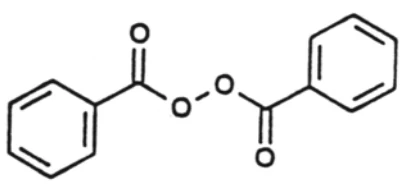
Structural formula:
Physicochemical properties: Benzoyl peroxide is a white amorphous or granular powder. It loses water rapidly on exposure to air. Benzoyl peroxide is sparingly soluble in water or alcohol; soluble in benzene, chloroform and ether.
CLINICAL TRIALS
Pivotal Clinical Study
CLINDOXYL ADV (1% clindamycin / 3% benzoyl peroxide) Gel:
Study Demographics and Trial Design:
Table 5 Summary of Study Design and Demographics
| Study No. | Trial design | Dosage, route of administration and duration | Study subjects (N = number) | Mean age (Range) | Gender |
| W0261-301 (Reference 4) | Multi-centre, blinded, randomized 1:1:1:1 to each study group where CLINDOXYL ADV Gel was compared to clindamycin in vehicle gel, benzoyl peroxide in vehicle gel, and vehicle gel alone | Once-daily topical administration (facial area) for 12 weeks | N = 1,315 subjects with acne vulgaris (79% were Caucasian) | 20.4 (12 – 45 years old) | 60% were females |
Acne severity was evaluated using lesion counts and the 6-point Investigator’s Global Assessment (IGA) scale. The IGA scoring scale used in the clinical trial for CLINDOXYL ADV Gel is as shown in Table 6.
Table 6 Investigator Global Assessment (IGA) Scale
| 0 | Clear | Clear skin with no inflammatory or non-inflammatory lesions. |
| 1 | Almost Clear | Rare non-inflammatory lesions with no more than rare papules. |
| 2 | Mild | Greater than grade 1, some non-inflammatory lesions, with no more than a few inflammatory lesions (papules/pustules only, no nodular lesions). |
| 3 | Moderate | Greater than grade 2, up to many non-inflammatory lesions and may have some inflammatory lesions, but no more than 1 small nodular lesion. |
| 4 | Severe | Greater than grade 3, up to many non-inflammatory and inflammatory lesions, but no more than a few nodular lesions. |
| 5 | Very Severe | Many non-inflammatory and inflammatory lesions and more than a few nodular lesions. May have cystic lesions. |
At baseline, the mean number of acne lesions per subject was 72 total lesions, with 45.3 non-inflammatory lesions and 26.6 inflammatory lesions. The majority of subjects (62%) enrolled with a baseline IGA score of 3 (range 2 to 4).
Study Results:
CLINDOXYL ADV Gel was more effective than clindamycin and vehicle alone in reducing the number of inflammatory, non-inflammatory, and total acne lesions. CLINDOXYL ADV Gel was more effective than benzoyl peroxide in reducing the number of inflammatory and total acne lesions. CLINDOXYL ADV Gel was more effective in decreasing the IGA of acne severity at Week 12, as measured by the proportion of subjects who had a 2 grade improvement from baseline in IGA and the proportion of subjects who had clear or almost clear skin. The efficacy results from baseline to Week 12 are summarized in Table 7.
Table 7 Outcomes for Primary and Key Secondary Endpoints (ITT Population)
| Week 12 | CLINDOXYL ADV Gel (N=327) | Clindamycin 1% Gel (N=328) | Benzoyl Peroxide 3% Gel (N=328) | Vehicle Gel (N=332) |
Inflammatory Lesionsc Mean absolute reductiona Mean percentage reductionb | 18.2 68.9% | 15.6 (p<0.001) 58.1% (p<0.001) | 16.8 (p=0.015) 61.8% (p=0.005) | 13.1 (p<0.001) 48.8% (p<0.001) |
Non-inflammatory Lesionsc Mean absolute reductiona Mean percentage reductionb | 24.8 53.9% | 19.8 (p<0.001) 43.3% (p<0.001) | 22.2 (p=0.102) 50.8% (p=0.199) | 14.8 (p<0.001) 34.0% (p<0.001) |
Total Lesionsc Mean absolute reductiona Mean percentage reductionb | 43.0 59.8% | 35.5 (p<0.001) 49.2% (p<0.001) | 39.0 (p=0.032) 55.5% (p=0.077) | 27.8 (p<0.001) 40.4% (p<0.001) |
Investigator’s Global Assessmentd Percentage of subjects with minimum 2-grade improvement in IGA from baseline to Week 12a Percentage of subjects with IGA of clear or almost clear skin at Week 12b | 39% 45% | 25% (p<0.001) 28% (p<0.001) | 30% (p=0.016) 35% (p=0.008) | 18% (p<0.001) 24% (p<0.001) |
a Primary endpoints. b Secondary endpoints. c P-values based on an analysis of covariance (ANCOVA) with factors of treatment, center, and treatment-by-center interaction. If the treatment-by-center interaction was not significant at the 0.1 level, this interaction was excluded from the model. d P-values based on Cochran-Mantel-Haenszel test stratified by center. Subjects with missing week 12 evaluations were considered failures. Breslow-Day test exceeded the 0.1 significance level, indicating consistency of the results across investigational centers.
CLINDOXYL (1% clindamycin / 5% benzoyl peroxide) Gel:
In three double-blind clinical studies with a total of 673 patients, 188 patients were randomized to CLINDOXYL Gel, benzoyl peroxide and clindamycin, respectively, in addition to 109 patients randomized to vehicle. CLINDOXYL Gel applied once daily for 11 weeks was significantly more effective than vehicle, benzoyl peroxide, and clindamycin in the treatment of inflammatory lesions of moderate to moderately severe facial acne vulgaris in two of the three studies (Studies 1 and 2). CLINDOXYL Gel group showed greater overall improvement in the investigator’s global assessment than the benzoyl peroxide, clindamycin and vehicle groups in two of the three studies (Studies 1 and 2). Patients were instructed to wash and dry the face, and then apply medication to the entire face, once daily, in the evening before retiring. Patients were evaluated and acne lesions counted at each clinical visit: weeks 2, 5, 8, 11. The primary efficacy measures were the lesion counts and the investigator’s global assessment evaluated at week 11. Percent reductions in non-inflammatory lesion counts, inflammatory lesion counts, total inflammatory lesion counts and global improvement scores after treatment for 11 weeks in these three studies are shown in Table 8.
Table 8 Outcomes for Primary Endpoints (Preferred Data Set1)
| Week 11 | Mean Percent Reduction | ||
| Study 1 (n=108) | Study 2 (n=226) | Study 3 (n=250) | |
Non-inflammatory Lesion Counts* CLINDOXYL Gel Clindamycin 1% Gel Benzoyl Peroxide 5% Gel Vehicle Gel | 26.5 -5.2 (p=0.007) 14.2 (p=0.309) -12.6 (p=0.001) | 40.4 15.3 (p=0.003) 34.9 (p=0.456) -9.6 (p<0.001) | 25.7 11.2 (p<0.001) 18.8 (p=0.091) 15.4 (p=0.037) |
| Week 11 | Mean Percent Reduction | ||
| Study 1 (n=108) | Study 2 (n=226) | Study 3 (n=250) | |
Inflammatory Lesion Counts* CLINDOXYL Gel Clindamycin 1% Gel Benzoyl Peroxide 5% Gel Vehicle Gel | 66.5 34.5 (p=0.010) 39.5 (p=0.037) 18.2 (p<0.001) | 58.4 35.9 (p<0.001) 39.4 (p=0.003) -7.6 (p<0.001) | 43.4 39.8 (p=0.517) 33.5 (p=0.107) 28.6 (p=0.051) |
Total Lesion Counts* CLINDOXYL Gel Clindamycin 1% Gel Benzoyl Peroxide 5% Gel Vehicle Gel | 41.5 10.4 (p=0.003) 21.9 (p=0.066) -1.4 (p<0.001) | 47.7 26.5 (p=0.001) 38.3 (p=0.097) -6.0 (p<0.001) | 32.5 23.5 (p=0.021) 25.5 (p=0.076) 20.6 (p=0.015) |
Percentage of patients with Good to Excellent Global Improvement** CLINDOXYL Gel Clindamycin 1% Gel Benzoyl Peroxide 5% Gel Vehicle Gel | 75.0 37.9 (p=0.010) 41.7 (p=0.030) 14.8 (p<0.001) | 62.7 35.0 (p=0.002) 41.2 (p=0.013) 6.5 (p<0.001) | 31.5 44.3 (p=0.197) 32.9 (p=0.745) 35.1 (p=0.577) |
1 Only patients completing the study and compliant with the protocol were considered valid, and their data were included in the preferred data set.
* Comparisons between treatments and CLINDOXYL Gel: p-values were calculated using one-way analysis of variance with treatment as the effect.
**Global improvement was defined on a scale of 0 to 4; 0 = worsening, 1 = poor, 2 = fair, 3 = good and 4 = excellent. Defined as dichotomous variable Success (global improvement scores of 3 or 4) or Failure (scores of 0, 1 or 2). Comparisons between treatments and CLINDOXYL Gel: p-values were calculated using logistic regression with treatment as the effect.
MICROBIOLOGY
No microbiology studies were conducted in the clinical trials with CLINDOXYL ADV Gel or CLINDOXYL Gel.
Clindamycin and benzoyl peroxide individually have been shown to have in vitro activity against Propionibacterium acnes, an organism which has been associated with acne vulgaris; however, the clinical significance of this activity against P. acnes is not known and was not examined in clinical trials with CLINDOXYL ADV Gel or CLINDOXYL Gel.
Bacterial resistance may develop to macrolides, such as clindamycin, especially when used alone. Resistance to clindamycin is often associated with resistance to erythromycin and lincomycin. The use of clindamycin may be associated with the overgrowth of antibiotic-resistant organisms (e.g., Propionibacterium acnes, Staphylococcus aureus, Streptococcus pyogenes). However, the inclusion of benzoyl peroxide in the CLINDOXYL ADV Gel or CLINDOXYL Gel has been shown to reduce the potential for emergence of organisms resistant to clindamycin.
TOXICOLOGY
Acute Animal Toxicity
No single-dose toxicity studies were conducted with CLINDOXYL ADV Gel or CLINDOXYL Gel.
CLINDOXYL (1% clindamycin / 5% benzoyl peroxide) Gel: The ocular irritation index of CLINDOXYL Gel was evaluated in rabbits. Evaluation of the cornea and of the iris showed no positive reactions following a single application (100 mg) of CLINDOXYL Gel. No edema or suppuration of the conjunctiva was reported. Minor erythema of the conjunctiva lasting for a maximum of 24 hours was reported in one animal. With respect to possible ocular irritation, CLINDOXYL Gel is considered very slightly irritant.
Chronic Animal Toxicity
CLINDOXYL (1% clindamycin / 5% benzoyl peroxide) Gel: Chronic toxicity of CLINDOXYL Gel has been studied in rats and minipigs. Results from these studies are summarized in Table 9.
Table 9 Chronic toxicity of CLINDOXYL Gel
| Species | Treatment | Route | Length | Results |
| Rat (Sprague-Dawley) | CLINDOXYL Gel 80, 400, 2000 mg/kg/day; Vehicle gel 2000 mg/kg/day | Topical; 6 hours occluded exposure/day | 28 days | No clinical signs observed, no effect on body weight change or food consumption; compared to controls, average weekly erythema score was increased for high dose females, low dose males showed increase in neutrophils and decrease in lymphocytes, mid dose females had fewer platelets, serum glucose levels were elevated for low and mid dose females, serum AST was elevated for mid dose males, no effect on necropsy, organ weights, relative organ weights, or histopathology; one accidental death in the control group on Day 1. |
| Minipig | CLINDOXYL Gel* 50, 500 mg/kg/day; non-aged CLINDOXYL Gel 500 mg/kg/day; Vehicle gel 500 mg/kg/day * Aged at room temperature for 60 days and subsequently kept at 2° to 8°C until application. | Topical; 6 hours nonoccluded exposure/day | 90 days | No treatment related findings were found at terminal sacrifice for any dose group. Application of CLINDOXYL Gel or its vehicle had no effect upon absolute organ weights, relative organ to body weight ratios or relative organ to brain ratios for any dose groups. Only a few gross lesions were observed in this study, and all were interpreted as incidental findings. No treatment related changes noted upon histopathological evaluation in any tissues. |
Mutagenicity and Carcinogenicity
No genotoxicity or mutagenicity studies have been carried out with CLINDOXYL ADV Gel or CLINDOXYL Gel.
Clindamycin phosphate: Clindamycin phosphate was not genotoxic in the Ames Assay or in a rat micronucleus test.
Benzoyl peroxide: Numerous in vitro studies and an in vivo genotoxicity study of benzoyl peroxide have been conducted and reported in the published literature. While a few in vitro studies have suggested that benzoyl peroxide may be a weak mutagen, the overall genotoxicity profile does not indicate a significant biological relevance.
Benzoyl peroxide has been found to be inactive as a mutagen in the Ames Assay and other assays, including the mouse dominant lethal assay.
CLINDOXYL (1% clindamycin / 5% benzoyl peroxide) Gel: In a 2-year study in mice, topical administration of CLINDOXYL Gel at dose levels up to 8000 mg/kg/day (24000 mg/m2/day) showed no evidence of increased carcinogenic risk. A 52-week photocarcinogenicity study in which hairless mice were exposed to UV radiation and CLINDOXYL Gel at dose levels up to 2500 mg/kg/day (7500 mg/m2/day), demonstrated a slight reduction in the median time to onset of tumours when compared to UV radiation alone.
Reproductive and Developmental Toxicity
Teratological studies were not conducted with CLINDOXYL ADV Gel or CLINDOXYL Gel.
Clindamycin Phosphate: Reproductive studies have been performed in rats and mice using subcutaneous and oral doses of clindamycin ranging from 100 to 600 mg/kg/day and have revealed no evidence of impaired fertility or harm to the fetus due to clindamycin.
Subcutaneous injections of clindamycin phosphate at 100 and 180 mg/kg/day (aqueous solution) on Gestation Days 6 through 15 in ICR and CF-1 mice and Sprague Dawley rats had no detrimental effects on the litter weight, number of live and dead pups per litter and the number of resorptions per litter. Fetuses of rats and CF-1 mice showed no sign of teratogenic activity as evidenced by examination for gross external, visceral and skeletal malformations. In fetus of ICR mice, a low incidence of cleft palate was observed. The incidence of cleft palate in the clindamycin phosphate treated litter was not significantly different from the incidence reported in the control litter.
Benzoyl peroxide: In a combined repeat dose and reproduction/development toxicity study, benzoyl peroxide (250, 500, or 1000 mg/kg/day) was administered orally to male rats for 29 days and female rats for 41-51 days. There were no treatment-related changes observed in the mating period, mating rate, conception rate, delivery rate, birth rate, pregnancy period, luteinization number, implantation number and the rate of losing embryos and fetuses after implantation. In pups, body weight was significantly decreased in the high-dose group. Minor abnormalities were more than tripled in the 1000mg/kg/day group in comparison with the other study groups. The no-observed-adverse-effect level for reproductive toxicities was considered to be 500 mg/kg/day.
REFERENCES
- 1. Bollert JA, et al. Teratogenicity and neonatal toxicity of clindamycin 2-phosphate in laboratory animals. Toxicol Appl Pharmacol. 1974;27:322-339.
- 2. Decker LC, et al. Role of lipids in augmenting the antibacterial activity of benzoyl peroxide against propionobacterium acnes. Antimicrob Agents Chemother 1989;33:326-330.
- 3.
Del Rosso, J. Combination Topical Therapy in the Treatment of Acne. Cutis
2006; 78 (Suppl 2(i): 5-12):5-11.
- 4.
Eichenfield, LF and Alio Saenz, AB. Safety and Efficacy of Clindamycin
Phosphate 1.2% - Benzoyl Peroxide 3% Fixed-Dose Combination Gel for the Treatment of Acne Vulgaris: A Phase III, Multicenter, Randomized, Double-Blind, Active- and Vehicle-Controlled Study. J Drugs Dermatol 2011; 10(12):1382-1396.
- 5. Hoeffler U, et al. Antimicrobial susceptibility of propionibacterium acnes and related microbial species. Antimicrobial Agents and Chemotherapy 1976;10:387-394.
- 6.
Lookingbill DP, et al. Treatment of acne with a combination
clindamycin/benzoyl peroxide gel compared with clindamycin gel, benzoyl peroxide gel and vehicle gel: Combined results of two double-blind investigations. J Am Acad Dermatol 1997;37:590-595.