


Product Monograph - Clolar
RECENT MAJOR LABEL CHANGES
| 3 Serious Warning And Precautions Box | 11/2022 |
| 4 Dose and Administration, 4.2 Recommended dose and dosage adjustment | 11/2022 |
| 7.Warnings and Precautions, 7.1.1 Pregnant Women | 11/2022 |
TABLE OF CONTENTS
RECENT MAJOR LABEL CHANGES ........................................................................................... 2
TABLE OF CONTENTS ............................................................................................................. 2
PART I: HEALTH PROFESSIONAL INFORMATION ..................................................................... 4
1 INDICATIONS .............................................................................................................. 4
1.1 Pediatrics ................................................................................................................... 4
1.2 Adults and Geriatrics ................................................................................................. 4
2 CONTRAINDICATIONS ................................................................................................. 4
3 SERIOUS WARNINGS AND PRECAUTIONS BOX ............................................................ 4
4 DOSAGE AND ADMINISTRATION ................................................................................. 5
4.1 Dosing Considerations .............................................................................................. 5
4.2 Recommended Dose and Dosage Adjustment ......................................................... 5
4.4 Administration .......................................................................................................... 7
5 OVERDOSAGE ............................................................................................................. 7
6 DOSAGE FORMS, STRENGTHS, COMPOSITION AND PACKAGING ................................. 7
7 WARNINGS AND PRECAUTIONS .................................................................................. 7
7.1 Special Populations ................................................................................................. 10
7.1.1 Pregnant Women .............................................................................................. 10
7.1.2 Breast-feeding ................................................................................................... 11
7.1.3 Pediatrics ........................................................................................................... 11
7.1.4 Geriatrics ........................................................................................................... 11
8 ADVERSE REACTIONS................................................................................................ 11
8.1 Adverse Reaction Overview .................................................................................... 11
8.2 Clinical Trial Adverse Reactions .............................................................................. 11
8.3 Less Common Clinical Trial Adverse Reactions ....................................................... 15
8.4 Abnormal Laboratory Findings: Hematologic, Clinical Chemistry and Other Quantitative Data .............................................................................................................. 15
8.5 Post-Market Adverse Reactions .............................................................................. 20
9 DRUG INTERACTIONS ............................................................................................... 21
9.4 Drug-Drug Interactions ........................................................................................... 21
9.5 Drug-Food Interactions ........................................................................................... 21
9.6 Drug-Herb Interactions ........................................................................................... 21
9.7 Drug-Laboratory Test Interactions.......................................................................... 21
10 CLINICAL PHARMACOLOGY ....................................................................................... 21
10.1 Mechanism of Action ........................................................................................ 21
10.2 Pharmacodynamics ........................................................................................... 22
10.3 Pharmacokinetics .............................................................................................. 22
11 STORAGE, STABILITY AND DISPOSAL ......................................................................... 24
12 SPECIAL HANDLING INSTRUCTIONS ........................................................................... 24
PART II: SCIENTIFIC INFORMATION ...................................................................................... 25
13 PHARMACEUTICAL INFORMATION ........................................................................... 25
14 CLINICAL TRIALS ....................................................................................................... 25
14.1 Trial Design and Study Demographics .............................................................. 25
14.2 Study Results ..................................................................................................... 26
15 MICROBIOLOGY ....................................................................................................... 29
16 NON-CLINICAL TOXICOLOGY ..................................................................................... 29
PATIENT MEDICATION INFORMATION ................................................................................. 36
PART I: HEALTH PROFESSIONAL INFORMATION
1 INDICATIONS
CLOLAR® (clofarabine) is indicated for:
- the treatment of pediatric patients 1 to 21 years old with relapsed or refractory acute lymphoblastic leukemia after at least two prior regimens.
This use is based on the induction of complete responses. Approval is based on objective response rates. No survival advantage has been demonstrated and palliative benefit was not evaluated.
1.1 Pediatrics
Pediatrics (1 to 21 years of age): Based on the data submitted and reviewed by Health Canada, the safety and efficacy of CLOLAR in pediatric patients has been established. Therefore, Health Canada has authorized an indication for pediatric use (see 1 INDICATIONS).
1.2 Adults and Geriatrics
No data are available to Health Canada; therefore, Health Canada has not authorized an indication for adult and geriatric use.
2 CONTRAINDICATIONS
- Hypersensitivity to clofarabine or any of the excipients (see 6 DOSAGE FORMS, STRENGTHS, COMPOSITION AND PACKAGING).
- Symptomatic central nervous system involvement (see 14 CLINICAL TRIALS)
- History of serious heart, liver, kidney or pancreas disease (see 8 ADVERSE REACTIONS).
- Severe hepatic impairment (defined as elevated transaminases (AST and/or ALT) > 5 x ULN, and/or elevated bilirubin > 3 x ULN) or severe renal insufficiency (defined as creatinine clearance < 30 mL/min).
3 SERIOUS WARNINGS AND PRECAUTIONS BOX
Serious Warnings and Precautions
CLOLAR (clofarabine) must be administered under the supervision of a physician qualified in the use of antineoplastic agents. CLOLAR is associated with:
|
|
4 DOSAGE AND ADMINISTRATION
4.1 Dosing Considerations
Recommended Concomitant Medications
- Provide IV infusion fluids throughout the 5 days of CLOLAR administration to reduce the effects of tumor lysis and other adverse events. Consider prophylactic anti-emetic medications as CLOLAR is moderately emetogenic. The use of prophylactic steroids (e.g., 100 mg/m2 hydrocortisone on Days 1 through 3) may be of benefit in preventing signs or symptoms of SIRS or capillary leak syndrome (e.g., hypotension, tachycardia, tachypnea, and pulmonary edema).
- The administration of alkalinized intravenous fluids, allopurinol and/or other uric acid-lowering agents may be considered prior to clofarabine administration to prevent tumor lysis syndrome. Institutional guidelines should be followed in regards to the dosing and schedule of administration of these agents.
4.2 Recommended Dose and Dosage Adjustment
Dosing Schedule and Administration
The pediatric (ages 1-21) dose of 52 mg/m2 of body surface area is administered by intravenous infusion over 2 hours daily for 5 consecutive days.
- Longer infusion times should be considered in children weighing < 20 kg (see 10 CLINICAL PHARMACOLOGY, Pharmacokinetics)
- Treatment cycle comprises a 5-day course of CLOLAR followed by the recovery period of 2 to 6 weeks (median 4 weeks) from the starting day of the previous cycle.
- The cycles are repeated following recovery or return to baseline organ function. In clinical trials in pediatric acute leukemias, the median duration of a cycle was 28 days (range of 12-55 days) (see 14 CLINICAL TRIALS).
- The majority of patients who respond to CLOLAR achieve a response after 1 or 2 treatment cycles (see 14 CLINICAL TRIALS). Therefore the potential benefit and risks associated with continued therapy in patients who do not show hematological or clinical improvement after 2 treatment cycles should be assessed by treating physicians.
- Close monitoring of fluid status, and renal and hepatic function during the 5 days of CLOLAR administration is advised (see 7 WARNINGS AND PRECAUTIONS). CLOLAR should not be administered in patients with severe hepatic impairment or severe renal insufficiency (see 2 CONTRAINDICATIONS).
- Close monitoring of patients taking medications known to affect blood pressure or cardiac function during administration of CLOLAR is advised.
Dose Modifications and Reinitiation of Therapy
Hematologic Toxicity
- Administer subsequent cycles no sooner than 14 days from the starting day of the previous cycle provided the patient’s ANC is ≥ 0.75 x 10⁹/L.
- If a patient experiences a Grade 4 neutropenia (ANC < 0.5 x 10⁹/L) lasting ≥ 4 weeks, reduce dose by 25% for the next cycle.
Non-hematologic Toxicity
- Withhold CLOLAR if a patient develops a clinically significant infection, until the infection is clinically resolved and then restart at the full dose.
- Withhold CLOLAR if a Grade 3 non-infectious non-hematologic toxicity (excluding nausea/vomiting that was controlled by antiemetic therapy) occurs. Re-institute CLOLAR administration at a 25% dose reduction when resolution or return to baseline.
- Discontinue CLOLAR administration if ≥ Grade 3 liver enzyme elevations occurs.
- Discontinue CLOLAR administration if a Grade 4 non-infectious non-hematologic toxicity occurs.
- Withhold CLOLAR administration if a patient shows early signs or symptoms of SIRS or capillary leak syndrome (e.g., hypotension, tachycardia, tachypnea, and pulmonary edema) and provide appropriate supportive measures. Re-institute CLOLAR when the patient is stable, generally with a 25% dose reduction.
- CLOLAR administration should be stopped if the patient develops hypotension for any reason during the 5 days of administration. If hypotension is transient and resolves without pharmacological intervention, CLOLAR treatment can be re-instituted generally with a 25% dose reduction.
- Withhold CLOLAR administration if a substantial increase in creatinine is noted. Re-institute CLOLAR when the patient is stable and organ function has returned to baseline, possibly with a 25% dose reduction. If hyperuricemia is anticipated (tumor lysis), prophylactically administer allopurinol or other uric acid lowering medications. Institutional guidelines should be followed in regards to the dosing and schedule of administration of these agents.
- Use in patients with hepatic and renal dysfunction: CLOLAR has not been studied in patients with renal or hepatic dysfunction. Its use in such patients should be undertaken only with the greatest caution.
Renal Impairment
- Reduce the dose by 50% in patients with creatinine clearance (CrCL) between 30 and 60 mL/min. There is insufficient information to make a dosage recommendation in patients with CrCL less than 30 mL/min (see 7 WARNINGS AND PRECAUTIONS)
4.4 Administration
CLOLAR should be filtered through a sterile 0.2 µm syringe filter and then diluted with 5% Dextrose Injection, USP, or 0.9% Sodium Chloride Injection, USP, prior to intravenous (IV) infusion to a final concentration between 0.15 mg/mL and 0.4 mg/mL. Use diluted preparation immediately.
Do not administer any other medications through the same intravenous line.
As with all parenteral drug products, CLOLAR injection and diluted IV infusion should be inspected visually for clarity, haziness, particulate matter or precipitate and leakage prior to administration. Solution showing discoloration, haziness, precipitate, particulate, or leakage should not be used. Discard unused portion.
5 OVERDOSAGE
There were no known overdoses of CLOLAR. The highest daily dose administered to a human to date (on a mg/m2 basis) has been 70 mg/m2/day x 5 days (2 pediatric ALL patients). The toxicities in these 2 patients included grade 4 hyperbilirubinemia, grade 2 and 3 vomiting, and grade 3 maculopapular rash.
| For management of a suspected drug overdose, contact your regional poison control centre. |
6 DOSAGE FORMS, STRENGTHS, COMPOSITION AND PACKAGING
Table 1 – Dosage Forms, Strengths, Composition and Packaging
Description
CLOLAR injection (1 mg/mL) is supplied in a 20 mL, single-use vial. The 20 mL vial contains 20 mg clofarabine formulated in 20 mL unbuffered normal saline (comprised of Water for Injection, USP, and Sodium Chloride, USP).
Available single-pack and four-pack cartons. Not all package sizes may be marketed.
7 WARNINGS AND PRECAUTIONS
General
CLOLAR should be administered under the supervision of a qualified physician experienced in the use of antineoplastic therapy.
Dehydration/Hypotension
As with other chemotherapeutic agents, patients receiving CLOLAR may experience vomiting and diarrhea; they should therefore be advised regarding appropriate measures to avoid dehydration. Patients should be instructed to seek medical advice if they experience symptoms of dizziness, lightheadedness, fainting spells, or decreased urine output. CLOLAR administration should be stopped if the patient develops hypotension for any reason during the 5 days of administration. If hypotension is transient and resolves without pharmacological intervention, CLOLAR treatment can be re-instituted
| Route of Administration | Dosage Form / Strength/Composition | Non-medicinal Ingredients |
| Intravenous infusion | Injection/ 1 mg/mL | unbuffered normal saline (water for injection, USP, and sodium chloride, USP) |
with a dose reduction (see 4 DOSAGE AND ADMINISTRATION).
Systemic Inflammatory Response Syndrome (SIRS) and Capillary Leak Syndrome
Evaluate and monitor patients undergoing treatment with CLOLAR for signs and symptoms of cytokine release (e.g., tachypnea, tachycardia, hypotension, pulmonary edema) that could progress to systemic inflammatory response syndrome (SIRS), capillary leak syndrome and multi-organ dysfunction. Discontinue CLOLAR immediately in the event of clinically significant signs or symptoms of SIRS or capillary leak syndrome, either of which can be fatal, and consider use of steroids, diuretics, and albumin. Re-institute CLOLAR when the patient is stable (see 4 DOSAGE AND ADMINISTRATION). The use of prophylactic steroids may be of benefit in preventing signs and symptoms of cytokine release (see 4 DOSAGE AND ADMINISTRATION).
Carcinogenesis and Mutagenesis
Carcinogenicity studies have not been conducted. Clofarabine was clastogenic in mammalian cells in the in vitro chromosomal aberration assay and in the in vivo micronucleus assay in rats. Clofarabine was not mutagenic in bacteria (Ames assay) (see 16 NON-CLINICAL TOXICOLOGY).
Endocrine and Metabolism
Hyperuricemia (Tumor Lysis Syndrome)
Administration of CLOLAR may result in a rapid destruction of peripheral leukemia cells that may lead to tumor lysis syndrome. Evaluate and monitor patients undergoing treatment for signs and symptoms of tumor lysis syndrome. Provide intravenous infusion fluids throughout the five days of CLOLAR administration to reduce the effects of tumor lysis and other adverse events. The initiation of measures to prevent tumor lysis syndrome (such as the administration of alkalinized intravenous fluids, allopurinol and/or other uric acid-lowering agents) may be considered prior to clofarabine administration. Institutional guidelines should be followed in regards to the dosing and schedule of administration of these agents.
Gastrointestinal
Occurrences of enterocolitis, including neutropenic colitis, cecitis, and C. difficile colitis, have been reported during treatment with clofarabine. This has occurred more frequently within 30 days of treatment, and in the setting of combination chemotherapy. Enterocolitis may lead to necrosis, perforation, hemorrhage or sepsis complications and may be associated with fatal outcome (see 8 ADVERSE REACTIONS). Patients should be monitored for signs and symptoms of enterocolitis.
Hematologic
Obtain complete blood counts and platelet counts at regular intervals during CLOLAR therapy. Suppression of bone marrow function should be anticipated. Severe bone marrow suppression, including neutropenia, anemia, and thrombocytopenia, has been observed in patients treated with CLOLAR. At initiation of treatment, most patients in the clinical studies had hematological impairment as a manifestation of leukemia.
These patients are at risk of prolonged neutropenia when treated with CLOLAR. For all subsequent courses, recovery of absolute neutrophil count (ANC) to > 0.5 × 10⁹/L prior to restarting therapy is recommended. In clinical trials, no dose reductions were permitted for hematological toxicities, including thrombocytopenia, except for neutropenia (≤ 0.5 × 10⁹/L) lasting for more than 28 days (see 4 DOSAGE AND ADMINISTRATION). Patients with prolonged neutropenia (ANC ≤ 0.5 × 10⁹/L for > 28 days) should undergo a bone marrow examination to exclude progressive disease.
Hemorrhage, including cerebral, gastrointestinal and pulmonary hemorrhage, has been reported and may be fatal. The majority of the cases were associated with thrombocytopenia (see 8 ADVERSE REACTIONS).
Hepatic/Biliary/Pancreatic
CLOLAR has not been studied in patients with hepatic impairment (serum billirubin > 1.5 x ULN plus ALT and AST > 5 x ULN). In patients with mild to moderate hepatic impairment CLOLAR should be used with the greatest caution. Avoid concomitant use of medications known to induce hepatic toxicity (see 8 ADVERSE REACTIONS, 4 DOSAGE AND ADMINISTRATION).
Patients who have previously received a hematopoietic stem cell transplant (HSCT) may be at higher risk for hepatotoxicity suggestive of veno-occlusive disease (VOD) following treatment with clofarabine when used in combination (etoposide and cyclophosphamide). Severe hepatotoxic events have been reported in an ongoing Phase 1/2 combination study of clofarabine in pediatric patients with relapsed or refractory acute leukemia.
Severe and fatal hepatotoxicity has occurred with the use of CLOLAR. Cases of hepatitis and hepatic failure, including fatal outcomes, have been reported with CLOLAR treatment. Patients should be monitored for liver functions, and signs and symptoms of hepatitis and hepatic failure. CLOLAR should be discontinued immediately if substantial increases in liver enzymes (≥ Grade 3) and/or bilirubin are observed.
Immune
The use of CLOLAR is likely to increase the risk of infection, including severe sepsis, as a result of bone marrow suppression. Because of the pre-existing immunocompromised condition of these patients and prolonged neutropenia that can result from treatment with CLOLAR, patients are at increased risk for severe opportunistic infections.
Monitoring and Laboratory Tests
The following parameters should be closely monitored in patients undergoing treatment with CLOLAR:
- Complete blood cells and platelets counts on Days 1, 3, and 5 of each cycle. Repeat 1 to 2 times weekly, as clinically indicated (more frequently in patients who develop cytopenia) thereafter.
- Bone marrow aspiration and/or biopsy: prior to each cycle. If the bone marrow has not recovered and there is no evidence of leukemia, a bone marrow aspiration and/or biopsy should be repeated within 14 days.
- Renal and hepatic function daily during the 5 days of CLOLAR administration and at regular intervals throughout the entire treatment cycle.
- Respiratory status, blood pressure, fluid balance and weight at least daily for the 5 days of CLOLAR administration and at regular intervals throughout the entire treatment cycle.
- Uric acid, potassium, phosphate, signs and symptoms of TLS, SIRS/capillary leak syndrome (see 7 WARNINGS AND PRECAUTIONS)
- Serum electrolytes (including sodium)
Close monitoring of patients taking medications known to affect blood pressure or cardiac function during administration of CLOLAR is advised (see 9 DRUG INTERACTIONS).
Renal
CLOLAR has not been studied in patients with renal dysfunction (serum creatinine ≥2 ULN) and it is predominantly excreted via the kidney. Therefore, CLOLAR should be used with caution in patients with mild to moderate renal insufficiency. Avoid drugs with known renal toxicity during the 5 days of CLOLAR administration (see 9 DRUG INTERACTIONS, 4 DOSAGE AND ADMINISTRATION). CLOLAR should not be administered in patients with severe renal insufficiency (see 2 CONTRAINDICATIONS; 10 CLINICAL PHARMACOLOGY, Pharmacokinetics-Elimination).
Cases of renal failure/acute renal failure have been observed as a consequence of infections, sepsis and tumor lysis syndrome; some cases had a fatal outcome (see 8 ADVERSE REACTIONS). Monitor patients for renal toxicity and interrupt or discontinue CLOLAR as necessary.
Reproductive Health: Female and Male Potential
Fertility
Fertility studies with clofarabine have not been performed in animals. Degenerative effects on reproductive organs in the general toxicity studies suggest a potential effect on male and female fertility (see 16 NON-CLINICAL TOXICOLOGY, Reproductive and Developmental Toxicology). The effect of CLOLAR treatment on human fertility is unknown.
Male contraception
Male patients with female partners of childbearing potential should be advised to use effective contraception during treatment with CLOLAR and for at least 3 months after last dose.
Males being treated with CLOLAR must not father a child during and for 3 months after cessation of CLOLAR and to seek advice on conservation of sperm prior to treatment with CLOLAR.
Skin
Stevens-Johnson syndrome (SJS) and toxic epidermal necrolysis (TEN), including fatal cases, have been reported (see 8 ADVERSE REACTIONS). CLOLAR must be discontinued for exfoliative or bullous rash, or if SJS or TEN is suspected.
7.1 Special Populations
Adults (>21 and <65 years of age): Safety and effectiveness have not been established in adults. One study was performed in highly refractory and/or relapsed adult patients with hematologic malignancies. The Phase 2 dose of CLOLAR was determined to be 40 mg/m2/day administered as a 1- to 2-hour IV infusion daily x 5 every 28 days.
7.1.1 Pregnant Women
CLOLAR can cause embryo-fetal harm when administered to a pregnant woman.
Clofarabine was teratogenic in rats and rabbits at doses much lower than recommended human dose (see 16 NON-CLINICAL TOXICOLOGY, Reproductive and Developmental Toxicology).
There are no adequate and well-controlled studies in pregnant women using clofarabine. If this drug is used during pregnancy, or if the patient becomes pregnant while taking this drug, the patient should be apprised of the potential hazard to the fetus.
Due to the genotoxic risk of clofarabine women of childbearing potential must use effective methods of contraception during treatment with clofarabine and for 6 months following completion of treatment.
- Male contraception
Men should use effective methods of contraception and be advised to not father a child while receiving clofarabine, and for 3 months following completion of treatment.
7.1.2 Breast-feeding
It is not known whether clofarabine or its metabolites are excreted in human milk. The excretion of clofarabine in milk has not been studied in animals. Because of the potential for serious adverse reactions in nursing infants, women treated with clofarabine should not nurse. Female patients should be advised to discontinue breast-feeding during treatment with CLOLAR and for at least 2 weeks after the last dose.
7.1.3 Pediatrics
Pediatrics (1-21 years of age): Safety and effectiveness have been established in pediatric patients 1 to 21 years old with relapsed or refractory acute lymphoblastic leukemia.
7.1.4 Geriatrics
Geriatrics (> 65 years of age): Safety and effectiveness of CLOLAR has not been established in geriatric patients aged 65 and older.
8 ADVERSE REACTIONS
8.1 Adverse Reaction Overview
The most common toxicities observed during exposure to CLOLAR were gastrointestinal system adverse events (AEs) (including vomiting, nausea, and diarrhea), adverse hematologic effects (including anemia, leukopenia, thrombocytopenia, neutropenia, and febrile neutropenia), and infection. It should be noted that a large number of the adverse effects were already present in many of the patients at baseline. Other significant groups of AEs observed for CLOLAR are found in the hepatobiliary, renal, and gastrointestinal organ systems. In addition, tumor lysis syndrome, capillary leak syndrome or SIRS have been reported.
The following serious adverse reactions have been reported with CLOLAR (see also 7 WARNINGS AND PRECAUTIONS):
- Enterocolitis
- Severe bone marrow suppression
- Hemorrhage
- Hepatotoxicity
- Hyperuricemia (Tumor Lysis Syndrome)
- Systemic Inflammatory Response Syndrome (SIRS) and Capillary Leak Syndrome
- Infections, including severe sepsis
- Stevens-Johnson syndrome (SJS) and toxic epidermal necrolysis (TEN)
8.2 Clinical Trial Adverse Reactions
Clinical trials are conducted under very specific conditions. The adverse reaction rates observed in the clinical trials; therefore, may not reflect the rates observed in practice and should not be compared to the rates in the clinical trials of another drug. Adverse reaction information from clinical trials may be useful in identifying and approximating rates of adverse drug reactions in real-world use.
Open-label single arm studies: Phase I Study ID99-383 (ALL/AML), Phase II CLO212 (ALL) and CLO222 (AML)
The data described below reflect exposure to CLOLAR in 115 pediatric patients with relapsed or refractory ALL (70) or AML (45).
One hundred and fifteen (115) of the pediatric patients treated in clinical trials received at least 1 infusion of CLOLAR at 52 mg/m2. The data for these patients were combined into an integrated database. The patients in the integrated database participated in the 3 clinical trials presented (CLO-212, N=61 ALL, CLO-222, N=41 AML and ID99-383N=13). Treatment cycle comprised a 5-day course of Clolar 52 mg/m2 /day followed by the recovery period of approximately 2 to 6 weeks from the starting day of the previous cycle (see 4 DOSAGE AND ADMINISTRATION).
The median number of cycles was 2. The median cumulative amount of CLOLAR received by pediatric patients during all cycles was 540 mg.
The most common adverse reactions with CLOLAR are: nausea, vomiting, diarrhea, febrile neutropenia, headache, rash, pruritus, pyrexia, fatigue, palmar-plantar erythrodysesthesia syndrome, anxiety, flushing, and mucosal inflammation. Of 29 deaths on-study within 30 days of the last CLOLAR dose, 19 were disease related 7 were multifactorial (both disease and CLOLAR related) and 3 were possibly CLOLAR -related by investigator.
Table 1 lists adverse reactions by System Organ Class, including severe or life-threatening events (NCI CTC grade 3 or grade 4), reported in ≥ 5% of the 115 patients in the 52 mg/m2/day dose group (pooled analysis of pediatric patients with ALL and AML). More detailed information and follow-up of certain events is given below.
Table 2 lists the incidence of treatment emergent laboratory abnormalities after CLOLAR administration at 52 mg/m2 among pediatric patients with ALL and AML (n=115).
Table 2: Most Commonly Reported (≥ 5% Overall) Adverse Reactions by System Organ Class Regardless of Causality (N=115 pooled analysis)
| System Organ Class¹ | Preferred Term¹ | ALL/AML (N=115) | Worst NCI Common Terminology Criteria Grade¹ | ||||||||||||||||
| 3 | 4 | 5 | |||||||||||||||||
| N | % | N | % | N | % | N | % | ||||||||||||
Blood and Lymphatic System Disorders | Febrile neutropenia | 63 | 54.8 | 59 | 51.3 | 3 | 2.6 | . | . | ||||||||||
| Neutropenia | 11 | 9.6 | 3 | 2.6 | 8 | 7.0 | . | . | |||||||||||
| Cardiac Disorders | Pericardial effusion | 9 | 7.8 | . | . | 1 | 0.9 | . | . | ||||||||||
| Tachycardia | 40 | 34.8 | 6 | 5.2 | . | . | . | . | |||||||||||
| Gastrointestinal Disorders | Abdominal pain | 40 | 34.8 | 8 | 7.0 | . | . | . | . | ||||||||||
| Abdominal pain upper | 9 | 7.8 | 1 | 0.9 | . | . | . | . | |||||||||||
| Diarrhea | 64 | 55.7 | 14 | 12.2 | . | . | . | . | |||||||||||
| Gingival bleeding | 16 | 13.9 | 7 | 6.1 | 1 | 0.9 | . | . | |||||||||||
| Mouth hemorrhage | 6 | 5.2 | 2 | 1.7 | . | . | . | . | |||||||||||
| Nausea | 84 | 73.0 | 16 | 13.9 | 1 | 0.9 | . | . | |||||||||||
| Oral mucosal petechiae | 6 | 5.2 | 4 | 3.5 | . | . | . | . | |||||||||||
| Proctalgia | 9 | 7.8 | 2 | 1.7 | . | . | . | . | |||||||||||
| Stomatitis | 8 | 7.0 | 1 | 0.9 | . | . | . | . | |||||||||||
| Vomiting | 90 | 78.3 | 9 | 7.8 | 1 | 0.9 | . | . | |||||||||||
General Disorders and Administration Site Conditions | Asthenia | 12 | 10.4 | 1 | 0.9 | 1 | 0.9 | . | . | ||||||||||
| Chills | 39 | 33.9 | 3 | 2.6 | . | . | . | . | |||||||||||
| Fatigue | 39 | 33.9 | 3 | 2.6 | 2 | 1.7 | . | . | |||||||||||
| Irritability | 11 | 9.6 | 1 | 0.9 | . | . | . | . | |||||||||||
| Mucosal inflammation | 18 | 15.7 | 2 | 1.7 | . | . | . | . | |||||||||||
| Edema | 14 | 12.2 | 2 | 1.7 | . | . | . | . | |||||||||||
| Pain | 17 | 14.8 | 7 | 6.1 | 1 | 0.9 | . | . | |||||||||||
| Pyrexia | 45 | 39.1 | 16 | 13.9 | . | . | . | . | |||||||||||
| Hepatobiliary Disorder | Jaundice | 9 | 7.8 | 2 | 1.7 | . | . | . | . | ||||||||||
| Infections and Infestations | Bacteremia | 10 | 8.7 | 10 | 8.7 | . | . | . | . | ||||||||||
| Candidiasis | 8 | 7.0 | 1 | 0.9 | . | . | . | . | |||||||||||
| Catheter related infection | 14 | 12.2 | 13 | 11.3 | . | . | . | . | |||||||||||
| Cellulitis | 9 | 7.8 | 7 | 6.1 | . | . | . | . | |||||||||||
| Clostridium colitis | 8 | 7.0 | 6 | 5.2 | . | . | . | . | |||||||||||
| Herpes simplex | 11 | 9.6 | 6 | 5.2 | . | . | . | . | |||||||||||
| Herpes zoster | 8 | 7.0 | 6 | 5.2 | . | . | . | . | |||||||||||
| Oral candidiasis | 13 | 11.3 | 2 | 1.7 | . | . | . | . | |||||||||||
| Pneumonia | 11 | 9.6 | 6 | 5.2 | 1 | 0.9 | 1 | 0.9 | |||||||||||
| ¹Patients with more than one preferred term within a SOC are counted only once in the SOC totals. Patients with more than one occurrence of the same preferred term are counted only once within that term and at the highest severity grade. | |||||||||||||||||||
| System Organ Class¹ | Preferred Term¹ | ALL/AML (N=115) | Worst NCI Common Terminology Criteria Grade¹ | ||||||||||||||||
| 3 | 4 | 5 | |||||||||||||||||
| N | % | N | % | N | % | N | % | ||||||||||||
Infections and Infestations (continued) | Sepsis | 11 | 9.6 | 5 | 4.4 | 2 | 1.7 | 4 | 3.5 | ||||||||||
| Septic shock | 8 | 7.0 | 1 | 0.9 | 2 | 1.7 | 5 | 4.4 | |||||||||||
| Staphylococcal bacteremia | 7 | 6.1 | 5 | 4.4 | 1 | 0.9 | . | . | |||||||||||
| Staphylococcal sepsis | 6 | 5.2 | 5 | 4.4 | 1 | 0.9 | . | . | |||||||||||
| Upper respiratory tract infection | 6 | 5.2 | 1 | 0.9 | . | . | . | . | |||||||||||
Metabolism and Nutrition Disorders | Anorexia | 34 | 29.6 | 6 | 5.2 | 8 | 7.0 | . | . | ||||||||||
Musculoskeletal and Connective Tissue Disorders | Arthralgia | 10 | 8.7 | 3 | 2.6 | . | . | . | . | ||||||||||
| Back pain | 12 | 10.4 | 3 | 2.6 | . | . | . | . | |||||||||||
| Bone pain | 11 | 9.6 | 3 | 2.6 | . | . | . | . | |||||||||||
| Myalgia | 16 | 13.9 | . | . | . | . | . | . | |||||||||||
| Pain in extremity | 34 | 29.6 | 6 | 5.2 | . | . | . | . | |||||||||||
| Neoplasms Benign, Malignant and Unspecified (incl cysts and polyps) | Tumor lysis syndrome | 7 | 6.1 | 7 | 6.1 | . | . | . | . | ||||||||||
| Nervous System Disorders | Headache | 49 | 42.6 | 6 | 5.2 | . | . | . | . | ||||||||||
| Lethargy | 12 | 10.4 | 1 | 0.9 | . | . | . | . | |||||||||||
| Somnolence | 11 | 9.6 | 1 | 0.9 | . | . | . | . | |||||||||||
| Psychiatric Disorders | Agitation | 6 | 5.2 | 1 | 0.9 | . | . | . | . | ||||||||||
| Anxiety | 24 | 20.9 | 2 | 1.7 | . | . | . | . | |||||||||||
| Renal and Urinary Disorders | Hematuria | 15 | 13.0 | 2 | 1.7 | . | . | . | . | ||||||||||
Respiratory, Thoracic and Mediastinal Disorders | Dyspnea | 15 | 13.0 | 6 | 5.2 | 2 | 1.7 | . | . | ||||||||||
| Epistaxis | 31 | 27.0 | 15 | 13.0 | . | . | . | . | |||||||||||
| Pleural effusion | 14 | 12.2 | 4 | 3.5 | 2 | 1.7 | . | . | |||||||||||
| Respiratory distress | 12 | 10.4 | 5 | 4.4 | 4 | 3.5 | 1 | 0.9 | |||||||||||
| Tachypnea | 10 | 8.7 | 4 | 3.5 | 1 | 0.9 | . | . | |||||||||||
| Skin and Subcutaneous Tissue Disorders | Erythema | 13 | 11.3 | . | . | . | . | . | . | ||||||||||
| Palmar-plantar erythrodysaesthesia syndrome | 18 | 15.7 | 8 | 7.0 | . | . | . | . | |||||||||||
| Petechiae | 30 | 26.1 | 7 | 6.1 | . | . | . | . | |||||||||||
| Pruritus | 49 | 42.6 | 1 | 0.9 | . | . | . | . | |||||||||||
| Rash | 44 | 38.3 | 8 | 7.0 | . | . | . | . | |||||||||||
| Rash pruritic | 9 | 7.8 | . | . | . | . | . | . | |||||||||||
| Vascular Disorders | Flushing | 22 | 19.1 | . | . | . | . | . | . | ||||||||||
| Hypertension | 15 | 13.0 | 6 | 5.2 | . | . | . | . | |||||||||||
| Hypotension | 33 | 28.7 | 13 | 11.3 | 9 | 7.8 | . | . | |||||||||||
| ¹Patients with more than one preferred term within a SOC are counted only once in the SOC totals. Patients with more than one occurrence of the same preferred term are counted only once within that term and at the highest severity grade. |
8.3 Less Common Clinical Trial Adverse Reactions
The following less common adverse reactions have been reported in 1-4% of the 115 pediatric patients with ALL or AML:
Gastrointestinal Disorders: cecitis
General Disorders: SIRS
Hepatobiliary Disorders: hyperbilirubinemia, jaundice, VOD
Immune System Disorders: hypersensitivity
Infections and Infestations: bacterial infection, Enterococcal bacteremia, Escherichia bacteremia, Escherichia sepsis, fungal infection, fungal sepsis, gastroenteritis adenovirus, infection, influenza, Parainfluenzae virus infection, pneumonia fungal, pneumonia primary atypical, Respiratory syncytial virus infection, sinusitis, staphylococcal infection
Investigations: blood creatinine increased
Psychiatric Disorders: mental status change
Respiratory, Thoracic and Mediastinal Disorder: pulmonary edema
Vascular Disorders: capillary leak syndrome
Uncommon occurrences of Stevens-Johnson Syndrome (SJS) and toxic epidermal necrolysis (TEN) have been reported in patients who were receiving or had recently been treated with other medications (e.g. allopurinol or antibiotics) known to cause these syndromes.
8.4 Abnormal Laboratory Findings: Hematologic, Clinical Chemistry and Other Quantitative Data
Clinical Trial Findings
Table 3: Incidence of Treatment Emergent Laboratory Abnormalities After CLOLAR Administration
| Parameter | Any Grade | Grade 3 or higher |
| Hematology | ||
| Anemia (N=114) | 95 (83.3%) | 86 (75.4%) |
| Leukopenia (N=114) | 100 (87.7%) | 100 (87.7%) |
| Lymphopenia (N=113) | 93 (82.3%) | 93 (82.3%) |
| Neutropenia (N=113) | 72 (63.7%) | 72 (63.7%) |
| Thrombocytopenia (N=114) | 92 (80.7%) | 91 (79.8%) |
| Elevated Creatinine (N=115) | 57 (49.5%) | 9 (7.8%) |
| Elevated SGOT (N=100) | 74 (74.0%) | 36 (36.0%) |
| Elevated SGPT (N=113) | 91 (80.5%) | 49 (43.4%) |
| Elevated Total Bilirubin (N=114) | 51 (44.7%) | 15 (13.2%) |
Open-label single arm Phase II BIOV-111 Study
In an additional pediatric ALL study, “A phase II, open-label study of clofarabine in pediatric patients with refractory/relapsed acute lymphoblastic leukemia” (BIOV-111 Study), 71 patients received CLOLAR. Of these, 65 patients received at least one full course of CLOLAR and 32 received at least two full courses at the recommended dose of 52 mg/m2 daily × 5 days. Small numbers of patients (6, 4, 1) started third, fourth and sixth courses, respectively.
There were 43/71 (61%) in this study who experienced severe or life-threatening events (NCI CTC grade 3 or grade 4) adverse reactions related to CLOLAR. The most common event was febrile neutropenia (43.7%).
The most frequent AEs (incidence of > 50%) were vomiting in 52 (73.2%) patients, headache in 40 (56.3%) patients, pyrexia in 38 (53.5%) patients, and nausea and febrile neutropenia each in 37 (52.1%) patients. Sixty-two out of 71 (87.3%) patients died during the course of the study; 42 of these deaths occurred > 30 days after the last dose of CLOLAR. Seven (9.9%) deaths were considered to be CLOLAR related in this study.
Table 4 lists adverse reactions by System Organ Class, including severe or life-threatening events (NCI CTC grade 3 or grade 4), reported in ≥ 5% of the 71 patients.
Table 4: BIOV-111 Study Most Commonly Reported (≥ 5% Overall) Adverse Events by System Organ Class Regardless of Causality (N=71)*
| System Organ Class¹ | Preferred Term¹ | ALL/AML (N=71) | Worst NCI Common Terminology Criteria Grade¹ | |||||||||||||||
|---|---|---|---|---|---|---|---|---|---|---|---|---|---|---|---|---|---|---|
| 3 | 4 | 5 | ||||||||||||||||
| N | % | N | % | N | % | N | % | |||||||||||
Blood and lymphatic System disorders | Anemia | 5 | 7.0 | 3 | 4.2 | 1 | 1.4 | . | . | |||||||||
| Febrile neutropenia | 37 | 52.1 | 31 | 43.7 | 5 | 7.0 | . | . | ||||||||||
| Neutropenia | 7 | 9.9 | 3 | 4.2 | 4 | 5.6 | . | . | ||||||||||
| Thrombocytopenia | 6 | 8.5 | . | . | 6 | 8.5 | . | . | ||||||||||
| Cardiac disorders | Tachycardia | 5 | 7.0 | . | . | . | . | 1 | 1.4 | |||||||||
| Ear and labyrinth disorders | Ear pain | 4 | 5.6 | . | . | . | . | . | . | |||||||||
| Gastrointestinal disorders | Abdominal pain | 26 | 36.6 | 6 | 8.5 | . | . | . | . | |||||||||
| Constipation | 10 | 14.1 | . | . | . | . | . | . | ||||||||||
| Diarrhea | 27 | 38.0 | 5 | 7.0 | 1 | 1.4 | . | . | ||||||||||
| Nausea | 37 | 52.1 | 5 | 7.0 | . | . | . | . | ||||||||||
| Vomiting | 52 | 73.2 | 3 | 4.2 | . | . | . | . | ||||||||||
| System Organ Class¹ | Preferred Term¹ | ALL/AML (N=71) | Worst NCI Common Terminology Criteria Grade¹ | |||||||||||||||
|---|---|---|---|---|---|---|---|---|---|---|---|---|---|---|---|---|---|---|
| 3 | 4 | 5 | ||||||||||||||||
| N | % | N | % | N | % | N | % | |||||||||||
General disorders and administration site conditions | Asthenia | 6 | 8.5 | 2 | 2.8 | . | . | . | . | |||||||||
| Chills | 5 | 7.0 | . | . | . | . | . | . | ||||||||||
| Fatigue | 11 | 15.5 | . | . | . | . | . | . | ||||||||||
| Mucosal inflammation | 13 | 18.3 | 4 | 5.6 | . | . | . | . | ||||||||||
| Pain | 7 | 9.9 | 4 | 5.6 | . | . | . | . | ||||||||||
| Pyrexia | 38 | 53.5 | 9 | 12.7 | 1 | 1.4 | . | . | ||||||||||
| Immune system disorders | Hypersensitivity | 7 | 9.9 | 4 | 5.6 | . | . | . | . | |||||||||
| Infections and infestations | Bronchopulmonary aspergillosis | 4 | 5.6 | 2 | 2.8 | 1 | 1.4 | 1 | 1.4 | |||||||||
| Herpes zoster | 5 | 7.0 | 1 | 1.4 | . | . | . | . | ||||||||||
| Sepsis | 7 | 9.9 | 3 | 4.2 | 2 | 2.8 | 1 | 1.4 | ||||||||||
| Investigations | Alanine aminotransferase increased | 5 | 7.0 | 4 | 5.6 | . | . | . | . | |||||||||
| Aspartate aminotransferase increased | 4 | 5.6 | 1 | 1.4 | 1 | 1.4 | . | . | ||||||||||
| Platelet count decreased | 5 | 7.0 | . | . | 4 | 5.6 | . | . | ||||||||||
| Weight decreased | 6 | 8.5 | . | . | . | . | . | . | ||||||||||
| Metabolism and nutrition disorders | Anorexia | 11 | 15.5 | 3 | 4.2 | . | . | . | . | |||||||||
| Musculoskeletal and connective tissue disorders | Arthralgia | 6 | 8.5 | 4 | 5.6 | . | . | . | . | |||||||||
| Back pain | 8 | 11.3 | 1 | 1.4 | . | . | . | . | ||||||||||
| Bone pain | 12 | 16.9 | 6 | 8.5 | . | . | . | . | ||||||||||
| Musculoskeletal pain | 5 | 7.0 | 2 | 2.8 | . | . | . | . | ||||||||||
| Pain in extremity | 18 | 25.4 | 3 | 4.2 | . | . | . | . | ||||||||||
| Neoplasms benign, malignant and unspecified (incl cysts and polyps) | Malignant neoplasm progression | 13 | 18.3 | . | . | . | . | 13 | 18.3 | |||||||||
| Nervous systems disorders | Convulsion | 6 | 8.5 | 2 | 2.8 | . | . | . | . | |||||||||
| Headache | 30 | 42.3 | 7 | 9.9 | . | . | . | . | ||||||||||
| Psychiatric disorders | Anxiety | 7 | 9.9 | 3 | 4.2 | . | . | . | . | |||||||||
| Depression | 6 | 8.5 | 2 | 2.8 | . | . | . | . | ||||||||||
| Mood altered | 7 | 9.9 | 1 | 1.4 | . | . | . | . | ||||||||||
| Respiratory, thoracic and mediastinal disorders | Cough | 13 | 18.3 | . | . | . | . | . | . | |||||||||
| Dyspnea | 4 | 5.6 | 1 | 1.4 | . | . | . | . | ||||||||||
| Epistaxis | 10 | 14.1 | 3 | 4.2 | . | . | . | . | ||||||||||
| Pharyngolaryngeal pain | 5 | 7.0 | . | . | . | . | . | . | ||||||||||
| System Organ Class¹ | Preferred Term¹ | ALL/AML (N=71) | Worst NCI Common Terminology Criteria Grade¹ | |||||||||||||
|---|---|---|---|---|---|---|---|---|---|---|---|---|---|---|---|---|
| 3 | 4 | 5 | ||||||||||||||
| N | % | N | % | N | % | N | % | |||||||||
| Skin and subcutaneous tissue disorders | Erythema | 4 | 5.6 | . | . | . | . | . | . | |||||||
| Palmar-plantar erythrodysesthesia syndrome | 5 | 7.0 | 4 | 5.6 | . | . | . | . | ||||||||
| Petechiae | 4 | 5.6 | . | . | . | . | . | . | ||||||||
| Pruritus | 20 | 28.2 | 1 | 1.4 | . | . | . | . | ||||||||
| Rash | 27 | 38.0 | 4 | 5.6 | . | . | . | . | ||||||||
| Vascular disorders | Flushing | 5 | 7.0 | . | . | . | . | . | . | |||||||
| Hypertension | 8 | 11.3 | 2 | 2.8 | . | . | . | . | ||||||||
| Hypotension | 10 | 14.1 | . | . | . | . | 2 | 2.8 | ||||||||
| ¹Patients with more than one preferred term within a SOC are counted only once in the SOC totals. Patients with more than one occurrence of the same preferred term are counted only once within that term and at the highest severity grade. | ||||||||||||||||
The following sections provide more detailed information regarding the incidence of the most commonly occurring adverse events and/or laboratory abnormalities observed in all the pediatric clinical studies mentioned above:
Hematologic Toxicity
In the integrated safety population (n=115), the most frequently reported hematologic adverse reactions in pediatric patients included febrile neutropenia (55%) and neutropenia (10%). One (1) report of grade 4 bone marrow depression, and 1 report of grade 4 thrombocytopenia were considered related to study drug.
In the BIOV-111 Study more than 90% of patients experienced Grade 3 or 4 leukopenia, lymphopenia, neutropenia or thrombocytopenia.
Infection
In the integrated safety population (n=115), at baseline, 48% of the pediatric ALL and AML patients had 1 or more concurrent infections. A total of 83% of patients experienced at least 1 infection after CLOLAR treatment, including fungal, viral and bacterial infections.
Infections occurred in 25.4% of patients on the BIOV-111 Study.
Hepatic
The liver is a potential target organ of CLOLAR, and in the integrated safety population (n=115), 25% of patients experienced at least one hepato-biliary disorders adverse event. Grade 3 or 4 elevated aspartate aminotransferase (AST) occurred in 36% of patients and grade 3 or 4 elevated alanine aminotransferase (ALT) occurred in 43% of patients. Grade 3 or 4 elevated bilirubin occurred in 13% of patients, with 2 events reported as grade 4 hyperbilirubinemia (2%), one of which resulted in treatment discontinuation, one patient had multi-organ failure and died. One report (1%) of veno-occlusive disease (VOD) was considered related to study drug.
For patients with follow-up data, elevations in AST and ALT were transient and typically ≤ 15 days duration. The majority of AST and ALT elevations occurred within 10 days of CLOLAR administration and returned to ≤ grade 2 within 15 days while the majority of bilirubin elevations returned to ≤ grade 2 within 10 days. Eight patients had grade 3 or 4 elevations in serum bilirubin at the last time point measured, these patients died due to sepsis and/or multi-organ failure.
In the BIOV-111 Study elevated ALT (60.9%) was the most common chemistry abnormality, while other liver function abnormalities (AST increased: 41.1%; total bilirubin increased: 7.6%) also occurred at lower frequencies.
Renal
In the integrated safety population (n=115), a total of 53% (61/115) of patients experienced the onset or worsening of elevated creatinine. Grade 3 or 4 elevated creatinine occurred in 8% of patients. Nephrotoxic medications, tumor lysis, and tumor lysis with hyperuricemia may contribute to renal toxicity. Hematuria was observed in 13% of patients overall. This event likely reflects thrombocytopenia that is a pre-existing condition in these patients.
In the BIOV-111 Study, elevated creatinine occurred in 8.9% of patients. Renal failure and renal impairment were each reported in 2 (2.8%) patients and considered to be CLOLAR -related in 1 (1.4%) patient each.
Systemic Inflammatory Response Syndrome (SIRS)/Capillary Leak Syndrome
In the integrated safety population (n=115), other concurrent medical conditions, including sepsis, disease progression and/or prior therapies may also have contributed to the incidence of capillary leak syndrome.
There were no cases of SIRS or Capillary leak syndrome in the BIOV-111 Study.
Gastrointestinal Disorders
In the integrated safety population (n=115), gastrointestinal disorders were the most frequently affected system organ class with 97% of patients overall experiencing at least one AE in this class. Vomiting (78%) was the most frequent adverse event, followed by nausea (73%), diarrhea (56%), and abdominal pain (35%), constipation (17%), and gingival bleeding (14%).
In the BIOV-111 Study, 78.9% of patients experienced gastrointestinal disorders. Among patients with Gastrointestinal disorders, vomiting, nausea, diarrhea, abdominal pain, and anorexia occurred in 66.2%, 47.9% , 26.8%, 21.1% and 41.1%, respectively.
Cardiovascular
In the integrated safety population (n=115), the most frequently reported cardiac disorder was tachycardia (35%), which was, however, already present in 35% of patients at study entry. Most of the cardiac adverse events were reported in the first 2 cycles of CLOLAR treatment. Pericardial effusion was a finding in these patients on post-treatment studies, [9/115 (8%)]. The effusion was almost always minimal to small and in no cases had hemodynamic significance.
In the BIOV-111 Study, 7/71 patients (9.9%) experienced cardiac disorders. Preferred Terms (PTs) for adverse events in this System Organ Class (SOC) include, tachycardia, LV dysfunction, sinus arrhythmia, and cardiac failure.
8.5 Post-Market Adverse Reactions
The following list of post market adverse reactions is based on one or more of the following factors: (1) seriousness of the reaction, (2) reported frequency of the reaction, or (3) strength of causal connection to CLOLAR.
Blood and lymphatic system disorders: bone marrow failure, cytopenias (thrombocytopenia, anemia, neutropenia and lymphopenia), pancytopenia. Bleeding events have been observed in the setting of thrombocytopenia. Hemorrhage, including cerebral and pulmonary hemorrhage, has been reported and may be fatal.
Cardiac: pericardial effusion and tachycardia.
Gastrointestinal disorders: Gastrointestinal hemorrhage has been observed and may be associated with a fatal outcome. Enterocolitis, including neutropenic colitis, cecitis, and C. difficile colitis; enterocolitis may lead to necrosis, perforation or sepsis complications and may be associated with fatal outcome.
General disorders: mucosal inflammation, SIRS.
Hepatobiliary disorders: hepatic function abnormal, hepatotoxicity, and hyperbilirubinemia. Serious hepatotoxic events of VOD have been reported in patients who had previous HSCT and who received conditioning regimens that included busulfan, melphalan, and/or the combination of cyclophosphamide and total body irradiation. Cases of hepatitis and hepatic failure have been reported, including fatal outcomes (see 7 WARNINGS AND PRECAUTIONS, Hepatic).
Immune system disorders: hypersensitivity.
Infections and infestations:
Systemic:
- sepsis: neutropenic sepsis, due to bacterial (e.g. Streptococcus, Enterococcus, Klebsiella) or fungal infections (e.g.Candida), bacteremia (e.g.Streptococcus).
Respiratory: bronchopulmonary fungal (Aspergillus) infection, lung abscess, bacterial pneumonia (Klebsiella), lower respiratory tract infection, respiratory tract infection fungal.
GI: tonsillitis, hepatosplenic fungal infection (Candida), Clostridium difficile colitis.
Neurological: brain abscess, central nervous system infection.
Musculoskeletal: necrotizing fasciitis.
Skin: bacterial wound infection (Staphylococcus).
Unspecified: CMV, Fusarium, Pseudomonas, central line infection, vaginal cellulitis, Herpes simplex, Herpes zoster.
Metabolism and nutrition disorders: hyponatremia.
Nervous system disorders: syncope.
Psychiatric disorders: confusional state, agitation, mental status changes.
Renal disorders: Cases of renal failure/acute renal failure have been observed as a consequence of infections, sepsis and tumor lysis syndrome; some cases had a fatal outcome.
Skin and subcutaneous disorders: Occurrences of fatal cases of Stevens-Johnson Syndrome (SJS) and toxic epidermal necrolysis (TEN) have been reported in patients who were receiving or had recently been treated with clofarabine and other medications (e.g. allopurinol or antibiotics) known to cause these syndromes. Other exfoliative conditions have also been reported.
Vascular disorders: capillary leak syndrome has been reported and may be fatal.
9 DRUG INTERACTIONS
9.4 Drug-Drug Interactions
Interactions with other drugs have not been established. However, the concomitant use of medicinal products that have been associated with hepatic and /or renal toxicity should be avoided wherever possible. Patients taking medicinal products known to affect blood pressure or cardiac function should be closely monitored during treatment with clofarabine.
Clofarabine is not detectably metabolized by the cytochrome P450 (CYP) enzyme system. In in vitro studies, clofarabine was not a substrate and did not significantly inhibit 5 human CYP isoforms (1A2, 2C9, 2C19, 2D6 and 3A4) or induce 2 of these isoforms (1A2 and 3A4). Thus, clofarabine is not expected to affect the metabolism of active substances which are known substrates for these enzymes.
Clofarabine is predominantly excreted via the kidneys; renal clearance is higher than glomerular filtration rates. Studies of the mechanisms of clearance in isolated rat kidney are consistent with elimination of clofarabine by a combination of filtration, tubular secretion and reabsorption. In this model, co-infusion with cimetidine reduced clearance of clofarabine, an effect that was confirmed in vivo in the rat. Hence, the concomitant use of drugs that have been associated with renal toxicity and those eliminated by tubular secretion or reabsorption should be avoided particularly during the 5 day clofarabine administration period.
9.5 Drug-Food Interactions
Interactions with food have not been established.
9.6 Drug-Herb Interactions
Interactions with herbal products have not been established.
9.7 Drug-Laboratory Test Interactions
There are no known clinically significant interactions of CLOLAR with other medications or laboratory tests. No formal drug/laboratory test interaction studies have been conducted with CLOLAR.
10 CLINICAL PHARMACOLOGY
10.1 Mechanism of Action
Clofarabine is transported into target cells by both diffusion and facilitated diffusion. Intracellular clofarabine is mono-phosphorylated by deoxycytidine kinase (dCK) and then serially phosphorylated by other kinases to form clofarabine triphosphate, the active moiety. Clofarabine has high affinity for the dCK, which is equal or exceeds that of deoxycytidine, the natural substrate. Clofarabine is a prodrug and exerts its activity through active metabolites. Clofarabine triphosphate inhibits DNA synthesis via: (1) reduction of deoxynucleotide triphosphate pools by inhibiting ribonucleotide reductase; (2) by competitive inhibition of DNA polymerase alpha (IC50= 3.9 µM), and (3) by terminating DNA chain elongation. In addition, the triphosphate induces apoptosis through the disruption of mitochondrial membrane integrity with the release of cytochrome C and other pro-apoptotic factors. Clofarabine monophosphate has been shown to inhibit DNA repair through incorporation into the DNA chain during the repair process.
10.2 Pharmacodynamics
Based on its cellular mechanism of action, clofarabine is expected to demonstrate anticancer activity and also produce adverse effects such as damage to rapidly proliferating tissues (e.g. bone marrow, lymphoid tissue and the gastrointestinal tract) (see 16 NON-CLINICAL TOXICOLOGY).
The inhibitory effect of clofarabine on DNA synthesis in leukemia blast cells was observed in 4 pediatric patients who received doses of 11.25, 15, 40, or 52 mg/m2. Generally, DNA synthesis declined rapidly after each infusion with a 10 to 50% recovery 24 hours later. The recovery of DNA synthesis appeared to be inversely related to clofarabine dose. Doses less than 52 mg/m2 MTD) showed breakthrough DNA synthesis prior to the second infusion. At the MTD, the inhibition of DNA synthesis was maintained throughout the therapy cycle. Administration of 52 mg/m2clofarabine resulted in dramatic and rapid reduction in peripheral leukemia cells in 94% (31/33) of pediatric ALL patients (33/61) who had measurable absolute blast count at baseline. No relationship between clofarabine or clofarabine triphosphate exposure and either efficacy or toxicity has been established in this population.
A dose-dependent inhibition of DNA synthesis was also reported in adult patients with acute leukemia treated with clofarabine. The pretreatment capacity of mononuclear cells to synthesize DNA was compared to their capacities after 3 to 4 days of therapy. At a dose of 22.5 mg/m2/day, a 60% decrease in DNA synthesis was observed. At 30 mg/m2/day, the DNA synthesis inhibition was almost complete, but not sustainable. And only at 55 mg/m2/day the complete sustainable DNA synthesis inhibition was achieved. The decrease in DNA synthesis was accompanied by a decrease in white blood cell (WBC) counts. For the 12 adult patients at the MTD of 40 mg/m2/day, the WBC count at pre-treatment ranged from 1000 to 78000/ L with a blast percentage of 80 to 97%. After 5 days of therapy, WBC counts declined a median of 97% (range 68-99%).
The anti-cancer activity of clofarabine appeared to be dose and schedule dependent, and greater antitumor activity was associated with more frequent administration.
10.3 Pharmacokinetics
Population pharmacokinetics of clofarabine were studied in 32 patients (M/F 18/14). Of these, 17 patients had ALL and 15 had AML. Patients aged between 2.9 to 17.8 years old (median 11.8 years old) were predominantly Caucasian (n=15) with an equal number of Blacks and Hispanics (n=6). Of the remaining patients, 1 was Asian and 4 were classified as other. Patient’s average weigh was 45.0 kg (range 15.6 to 129.9 kg). Body surface area averaged 1.32 m2 (range 0.65 to 2.58 m2). All patients received a dose adjusted by BSA of 52 mg/m2. Total doses administered ranged from 12.3 to 134 mg /day. The PK was best described by a 2-compartment model. In this analysis, weight was the most important predictor for all primary pharmacokinetic parameters. Sex, disease type, and race were not predictive of clofarabine pharmacokinetics. Although WBC negatively correlated with Cmax, this effect did not appear clinically relevant to individualize a patient’s dosage regimen based on their WBC count. Cmax was inversely proportional to patient’s weight, and therefore, small children may have a higher Cmax at the end of infusion than a typical 40 kg child given the same dose of clofarabine per m2. Accordingly, longer infusion times should be considered in children weighing < 20 kg.
Pharmacokinetics parameters of clofarabine were estimated in 22 ALL patients (M/F: 12/10) with mean age of 12.3 years old, weight of 48.1 kg, and BSA of 1.38 m2. All patients received 52 mg/m2 clofarabine daily. Clofarabine was administered by IV infusion over 2-hours for 5 consecutive days.
Pharmacokinetic parameters were estimated on Day 1 and on Day 5 of Cycle 1, as well as at steady-state, (Typical*). Plasma clofarabine concentrations were generally maximal by the end of infusion. Little accumulation in plasma was observed by the end of a 5-day cycle.
Table 5. Pharmacokinetics in pediatric patients with relapsed/refractory ALL following IV administration of clofarabine at 52 mg/m2 on Day1, Day 5 and Typical Across Days.
Cmax (ng/mL) | t½ α (h) | t½ β (h) | AUC0-inf (ng.h/mL) | Clearance (L/h) | Volume of distribution (L) | |
|---|---|---|---|---|---|---|
Day1 Mean SD | 452.9 186.7 | 0.434 0.171 | 6.2 3.7 | 2480 1290 | 34.0 15.8 | 195 118.2 |
Day 5 Mean SD | 600.6 280.7 | 0.430 0.186 | 4.3 1.3 | 2379 995 | 33.0 13.4 | 145 80.3 |
Typical* Mean SD | N/A | 0.432 0.172 | 5.3 1.5 | 2451 828 | 31.8 13.3 | 173.4 87.4 |
| * The average of the daily values | ||||||
Distribution:
Only 47% of clofarabine is bound to human plasma proteins, predominantly to albumin. Clofarabine shows high tissue distribution. There is no evidence that intracellular uptake of clofarabine is cell specific.
Metabolism:
Clofarabine is not detectably metabolized by the cytochrome P450 (CYP) enzyme system. Clofarabine undergoes step-wise intracellular phosphorylation. The in vitro studies suggest that once clofarabine triphosphate is formed it remains trapped in the cell until incorporated into DNA. There is very little to no metabolism of the triphosphate. The metabolic pathways of clofarabine in humans were not characterized. The pharmacokinetics of the active metabolite, clofarabine triphosphate, were not estimated in any studies. The triphosphate concentrations were measured in peripheral mononuclear cells of 10 pediatric patients with acute leukemia. Sustainable intracellular clofarabine triphosphate concentrations (mean of 15.7 µM, range 2.9 to 42.3 µM) were rapidly achieved and maintained over 24 hours with no indication that triphosphate concentrations declined.
Elimination
The mean clofarabine renal clearance was 15.1 L/h (90% CI: 11.1 to 20.6 L/h) with an observed minimum and maximum of 1.34 and 55.0 L/h, respectively.
Approximately 60% of clofarabine dose is eliminated by renal excretion as unchanged drug within 24 hours after dosing. Clofarabine renal clearance rates appear to be much higher than glomerular filtration rates suggesting filtration and tubular secretion as kidney elimination mechanism. Studies in the isolated perfused rat model suggest that the human Organic Cation Transporter Type 2 (hOCT2) may be the transporter responsible for tubular secretion. The pathways of non-renal elimination of the 40% of the administered dose remain unknown.
Although the pharmacokinetics of clofarabine have not been studied in patients with severe renal dysfunction, given the percent of dose excreted in urine as unchanged clofarabine, it is recommended that clofarabine should not be administered in this sub-population.
11 STORAGE, STABILITY AND DISPOSAL
Vials containing undiluted CLOLAR should be stored at 25°C (77°F); excursions permitted to 15 - 30°C (59 - 86°F).
Diluted admixtures must be used immediately.
12 SPECIAL HANDLING INSTRUCTIONS
CLOLAR should not be handled by pregnant women.
Caution should be used during handling, preparation and disposal of CLOLAR. Use of gloves and other protective clothing to prevent skin contact is recommended. Proper aseptic technique should be used.
Guidelines on the proper handling and disposal of anticancer drugs should be consulted.
PART II: SCIENTIFIC INFORMATION
13 PHARMACEUTICAL INFORMATION
Drug Substance
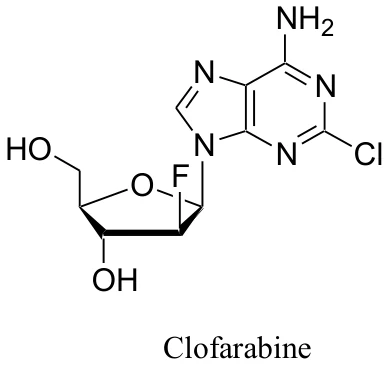
Proper name: Clofarabine
Chemical name: 2-chloro-9-(2-deoxy-2-fluoro-ß-D-arabinofuranosyl)-9H-purin-6 amine
Molecular formula and molecular mass: C10H11ClFN5O3 and 303.68
Structural formula:
Physicochemical properties:
pH: The pH of clofarabine in normal saline at a concentration of 1 mg/mL is about 6.5 to 7.0
Solubility: Soluble in saline up to 1.5 mg/mL at room temperature.
Appearance: Off-white to white solid
Optical Rotation: + 39.93°
Melting Point: 237°C
Thermal Stability: Clofarabine is thermally stable in both the dry state and in aqueous solutions.
14 CLINICAL TRIALS
14.1 Trial Design and Study Demographics
Seventy-eight (78) pediatric patients with ALL were exposed to CLOLAR. Seventy (70) of the patients received the recommended pediatric dose of CLOLAR 52 mg/m2 daily x 5 as an intravenous (IV) infusion.
14.2 Study Results
Phase I Study in Pediatric Patients with Hematologic Malignancies
The safety and efficacy of CLOLAR were evaluated in pediatric patients with refractory or relapsed hematologic malignancies in an open-label, dose-escalation, noncomparative study. The starting dose of CLOLAR was 11.25 mg/m2/day IV infusion daily × 5 and escalated to 70 mg/m2/day IV infusion daily × 5. This dosing schedule was repeated every 2 to 6 weeks depending on toxicity and response. Nine of 17 ALL patients were treated with CLOLAR 52 mg/m2 daily × 5. In the 17 ALL patients there were 2 complete remissions (12%) and 2 partial remissions (12%) at varying doses. Dose-limiting toxicities (DLTs) in this study were reversible hyperbilirubinemia and elevated transaminase levels and skin rash, experienced at 70 mg/m2. As a result of this study, the recommended dose for subsequent study in pediatric patients was determined to be 52 mg/m2/day for 5 days.
Phase II Single Arm Study in Pediatric Patients with Refractory or Relapsed Acute Lymphoblasitc Leukemia (Study CLO-212):
CLOLAR was evaluated in an open-label, single arm study of 61 pediatric patients with relapsed/refractory ALL. Patients received a dose of 52 mg/m2 over 2 hours for 5 consecutive days repeated every 2 to 6 weeks for up to 12 cycles. Responses were seen in both pre-B and T-cell immunophenotypes of ALL. The median cumulative dose was 530 mg (range 29-2815 mg) in 1 (41%), 2 (44%) or 3 or more (15%) cycles. The median number of cycles was 2 (range 1-12). The median duration of one cycle was 28 days with a range of 12 to 55 days. There was no dose escalation in this study.
All patients had disease that had relapsed after and/or was refractory to two or more prior therapies. Most patients, 38/61 (62%), had received > 2 prior regimens and 15/61 (25%) of the patients had undergone at least 1 prior transplant. The median age of the treated patients was 12 years, 61% were male, 39% were female, 44% were Caucasian, 38% were Hispanic, 12% were African-American, 2% were Asian and 5% were Other race.
The overall remission (OR) rate (Complete Remission [CR] + CR in the absence of total platelet recovery [CRp]), defined as no evidence of circulating blasts or extramedullary disease, an M1 bone marrow (≤ 5% blasts), and recovery of peripheral counts [platelets ≥ 100 × 109/L and absolute neutrophil count (ANC) ≥ 1.0 × 10⁹/L] and CRp, defined as meeting all criteria for CR except for recovery of platelet counts to > 100 × 109/L was evaluated. Partial Response (PR) was also determined, defined as complete disappearance of circulating blasts, an M2 bone marrow (≥ 5% and ≤ 25% blasts), and appearance of normal progenitor cells or an M1 marrow that did not qualify for CR or CRp. Duration of remission and overall survival was also evaluated. Transplantation rate was not a study endpoint.
Response rates for these studies were determined by an unblinded Independent Response Review Panel (IRRP).
Of 35 patients who were refractory to their immediately preceding induction regimen, 6 (17.1%) achieved a CR or CRp. Of 18 patients who had at least 1 prior hematopoietic stem cell transplant (HSCT), 5 (27.8%) achieved a CR or CRp.
Among the 18 patients who achieved at least a PR, 13 patients achieved the best response after 1 cycle of clofarabine, 4 patients required 2 courses and 1 patient achieved a CR after 3 cycles of therapy. Of these 18 responding patients, 9 had post-clofarabine bone marrow transplantation (3 CR, 3 CRp, 3 PR). Four of these patients who achieved CR or CRp received HSCT while in continued remission, one patient proceeded to transplant following relapse. One additional patient who achieved a CRp proceeded to transplant following alternative therapy. Duration of response was censored at the time of transplant.
Table 6 lists the efficacy results observed in the CLO-212 study.
Table 6 : Efficacy results from CLO-212 study in patients (≤ 21 years old at initial diagnosis) with relapsed or refractory ALL after at least two prior regimens
| Response category | Best objective response (IRRP) on ITT* patients (n = 61) | Median duration of remission (weeks) (95% CI) | Median time to progression (weeks)** (95% CI) | Median overall survival (weeks) (95% CI) | |||||||||
| Overall remission (CR + CRp) | 12 (20%) | 32.0 (9.7 to 47.9) | 38.2 (15.4 to 56.1) | 69.5 (58.6 to -) | |||||||||
| CR | 7 (12%) | 47.9 (6.1 to -) | 56.1 (13.7 to -) | 72.4 (66.6 to -) | |||||||||
| CRp | 5 (8%) | 28.6 (4.6 to 38.3) | 37.0 (9.1 to 42.0) | 53.7 (9.1 to -) | |||||||||
| PR | 6 (10%) | 11.0 (5.0 to -) | 14.4 (7.0 to -) | 33.0 (18.1 to -) | |||||||||
| CR + CRp + PR | 18 (30%) | 21.5 (7.6 to 47.9) | 28.7 (13.7 to 56.1) | 66.6 (42.0 to -) | |||||||||
| Treatment failure | 33 (54%) | N/A | 4.0 (3.4 to 5.1) | 7.6 (6.7 to 12.6) | |||||||||
| Not evaluable | 10 (16%) | N/A | |||||||||||
| All patients | N/A | N/A | 5.4 (4.0 to 6.1) | 12.9 (7.9 to 18.1) | |||||||||
*ITT = intention to treat. **Patients alive and in remission at the time of last follow up were censored at that time point for the analysis. N/A = Not applicable/available | |||||||||||||
Median overall survival for CR, CR + CRp, or CR + CRp + PR was 72.4, 69.5, 66.6 weeks respectively. Median overall survival for all patients (n=61) was 12.9 weeks.
Among the 6 responders who did not receive a transplant, duration of remission ranged from 4.3 weeks to 58.6 weeks with 2 patients maintaining CR for 47.9 and 58.6 weeks. Three patients with CR were taken from the study: two due to disease progression (CR, CRp duration of 4.3 and 11.7 weeks respectively) and the third (CR duration of 6.1 weeks) due to hyperbillirubinemia. Another patient (CRp duration of 4.6 weeks) died due to multi-organ failure 21 days after the last clofarabine administration.
Phase II Single Arm Study in Pediatric Patients with Refractory or Relapsed Acute Lymphoblastic Leukemia (BIOV-111 Study)
CLOLAR was also evaluated in a second Phase II, open-label, single arm study of 71 pediatric (≤ 21 years of age at initial diagnosis) patients with relapsed/refractory ALL. Patients received a dose of 52 mg/m2 over 2 hours for 5 consecutive days (one course), repeated every 21 ± 7 days, for up to 12 courses (the term course is equivalent to the term cycle as defined in DOSING SCHEDULE AND ADMINISTRATION).
There was no dose escalation in this study. Eligible patients were to have failed to achieve primary response on conventional treatment regimens, or failed to achieve a response at first relapse. Patients were also eligible at second and subsequent relapse. All 71 patients who received any amount of study drug were included in the safety analyses, whereas only the 65 patients who received one full 5-day course of clofarabine were included in the primary efficacy analyses.
The majority of patients (n=69) had received at least two prior therapies, and 20/71 (28%) had undergone at least 1 prior bone marrow transplant. The mean age of the patients was 10.4 years, 63% were male and 37% were female, 85% were Caucasian, 3% were African-American, 6% were Asian, and 7% were classified as Other race.
The primary objective of the study was to determine the overall remission (OR) rate, which was defined as in the CLO-212 study above. Partial Response (PR) was also determined and defined as in the CLO-212 study. Response rates were determined by an Independent Response Review Panel (IRRP). Additional study endpoints included evaluation of the duration of remission and overall survival, as well as the number of patients proceeding to HSCT and the time to bone marrow transplantation.
Of the 9 patients who were refractory to their immediately preceding induction regimen, 1 (11.1%) achieved a CR or CRp. Of 25 patients who had at least 1 prior HSCT, 9 (36%) achieved a CR or CRp.
Of note, among 32 patients who received 2 or more courses, 11 patients achieved a response (CR, CRp or PR) with an OR rate of 31.1%: 2 achieved a CR (6.3%), 8 achieved a CRp (25%) and 1 achieved a PR (3.1%).
Seven patients received an HSCT after the first dose of clofarabine. The median time to transplant was 40 days, and median survival was 358 days.
Table 7 lists the efficacy results observed in the BIOV-111 Study:
Table 7: Efficacy results from the BIOV-111 Study in pediatric patients with relapsed or refractory ALL after at least two prior regimens
| Response category | Best objective response (IRRP) on C1EE* patients (n = 65) | Median duration of remission (days) (95% CI) | Median time to progression (days)** (95% CI) | Median overall survival (days) (95% CI) |
| Overall remission (CR + CRp) | 15 (23%) | 190.0 (92.0 to -) | 240.0 (199.0 to -) | 282.0 (199.0 to -) |
| CR | 3 (5%) | - (- to -) | - (- to -) | - (- to -) |
| CRp | 12 (19%) | 129.0 (65.0 to 191.0) | 199.0 (127.0 to 265.0) | 211.0 (186.0 to -) |
| PR | 1 (2%) | 43.0 (- to -) | 64.0 (- to -) | 192.0 (- to -) |
| CR + CRp + PR | 16 (25%) | 170.0 (65.0 to -) | 211.0 (127.0 to -) | 263.0 (192.0 to -) |
| Treatment failure | 31 (48%) | N/A | 28.0 (21.0 to 31.0) | 67.0 (48.0 to 94.0) |
| Not evaluable | 18 (28%) | N/A | N/A | N/A |
| All patients | N/A | N/A | 33.0 (29.0 to 53.0) | 86.0 (62.0 to 123.0) |
*C1EE = course 1 efficacy-evaluable population. **Patients alive and in remission at the time of last follow up were censored at that time point for the analysis. N/A = Not applicable/available | ||||
All three patients with a CR were alive and free of progressive disease at the time of last follow-up with survival times since first administration of clofarabine of 358, 941 and 954 days. Two of these patients had received a bone marrow transplant between the first dose of clofarabine and the date of last follow-up.
15 MICROBIOLOGY
No microbiological information is required for this drug product.
16 NON-CLINICAL TOXICOLOGY
Toxicology studies of clofarabine in mice, rats and dogs showed the expected effects on rapidly proliferating tissues (e.g. gastrointestinal tract, bone marrow hematopoietic cells; lymphoid tissues; testes) and circulating blood cells. However, target organs of toxicity in rats also included kidney, liver and heart (Table 8).
Significant cardiac toxicity associated with death was identified in rats administered clofarabine at dose levels of equal to or greater than 150 mg/m2 which is approximately 3-times higher than the proposed human dose of 52 mg/m2. Cardiac effects were observed in rats consistent with cardiomyopathy often resulting in signs of cardiac failure. The incidence and severity of cardiac toxicity was dependent on both the dose of clofarabine administered and the duration of treatment. Deaths occurred early in 5-day intravenous studies at 300 and 600 mg/m2 while the majority of deaths attributable to cardiac toxicity commenced just after the end of the third cycle of dosing at 150 mg/m2 in the rat intravenous multicycle study. Overt toxicity was observed at 150 mg/m2 at exposure levels (Cmax) of 6722-14979 ng/mL and AUC of 13461 to22968 ng.h/mL.
Glomerulonephropathy was reported in rats at 75 and 150 mg/m2 in the multicycle intravenous study. Glomerulopathy was characterized by minor thickening of the glomerular basement membrane with only slight tubular damage and was not associated with changes in serum chemistry or applicable proteinuria.
Dose-related hepatic pathologic effects were observed in rats following multicycle intravenous administration at 37.5, 75 and 150 mg/m2. Treatment-related histopathologic findings included hepatocellular eosinophilia, single-cell degeneration/necrosis, periportal vacuolation, diffuse hypertrophy, karyomegaly/cytomegaly, regenerative hyperplasia, as well as liver fibrosis and/or bile duct/oval cell hyperplasia. These likely represent the superimposition of degenerative and regenerative changes on the liver as a result of treatment cycles, and were not associated with consistent changes in serum chemistry markers of hepato-biliary integrity. There was no histopathologic evidence of overt treatment-related liver pathology in dogs administered 0.375 to 1.5 mg/m2 intravenously in the multicycle study, and no liver lesions to corroborate with occasional instances of increases in serum transaminases in treated dogs.
Dose related toxicities on male reproductive organs were observed in mice, rats and dogs. These effects included bilateral degeneration of the seminiferous epithelium with retained spermatids and atrophy of interstitial cells in rats at exaggerated exposure levels (150 mg/m2), and cell degeneration of the epididymis and degeneration of the seminiferous epithelium in dogs at clinically relevant exposure levels (≥7.5 mg/ m2/day clofarabine). Delayed ovarian atrophy or degeneration and uterine mucosal apoptosis were observed in female mice at the only dose used of 225 mg/m2/day clofarabine.
Pathologic changes were present in the eye cornea of rats administered 150 mg/m2 intravenously. These changes (generally minimal single cell necrosis) are considered to reflect the pharmacologic activity of clofarabine on the corneal epithelium.
Pathologic changes were present in the eye cornea of rats administered 150 mg/m2 intravenously. These changes (generally minimal single cell necrosis) are considered to reflect the pharmacologic activity of clofarabine on the corneal epithelium.
Table 8: Summary of Repeat-Dose Toxicology Studies
| Study Title | Species/ No Animals | Dosage/Route | Principal Findings |
|---|---|---|---|
| Clofarabine Mouse Studiesξ | Balb/c mice/2 or 3/group | 9-600 mg/m2 IP once daily for 7 days (male) 225 mg/ m2 IP once daily for 7 days (male and female). | Lethal ≥300 mg/m2 , GI toxicity dose limiting Seminiferous tubule degeneration ≥9 mg/m2 and atrophy ≥30 mg/m2 , ovarian atrophy 225 mg/m2 (not reversible with 28 non dosing days). Degeneration and/or atrophy of bone marrow and lymphoid tissue at the end of dosing, reversible after 7-28 days |
| Clofarabine: A Multicycle (Five Days’ Dosing Plus 23 Days’ Recovery Per Cycle) Intravenous Toxicity and Toxicokinetics Study in Fischer 344 Rats† | Fischer 344 Rats/ 15-30/sex/group | 37.5, 75 or 150 mg/m2 IV once daily for 5 days, 23 non-dosing days, one cycle Phase A: Two cycles and one 5 days dosing (5/sex/group) Phase B: Five cycles and one 5 days dosing (5/sex/group) Phase C: Five cycles and one 5 days with 17 days withdrawal (5/sex/group) TK (15/sex/group) | Lethality at 150 mg/m2 after 3 cycles due to cardiac toxicity Dose-related mild to marked ↓ in WBC and ↓ RBC at all doses, persisted with 17 days withdrawal. Degeneration, atrophy and/or decreased cellularity of spleen and thymus at 37.5 mg/m2 and lymphoid tissue and bone marrow at ≥75 mg/m2 and epithelia of GI tract (premature sacrifice and decedent rats) and testes at 150 mg/m2. Heart changes (degeneration, necrosis, fibrosis, hypertrophy and ventricular dilation of left side) at 150 mg/m2. Liver effects (single cell necrosis and hypertrophy) at all doses and Glomerulonephropathy at 75 mg/m2 after 6 cycles and at 150 mg/m2. |
| Clofarabine: A Multi-Cycle (Five Days’ Dosing Plus 23 Days’ Recovery Per Cycle) Intravenous | Beagle dogs/ 4-9/sex/group | 7.5, 15 or 30 mg/m2 IV once daily for 5 days, 23 non-dosing days, one cycle Phase A: Two cycles and one 5 days dosing | Lethality at 30 mg/m2 after 1 cycle due to GI toxicity. Histological lesions also in adrenals, liver, bone marrow, lymph tissue Dose-related marked ↓ in WBC and moderate ↓ RBC at ≥ 15 mg/m2, evidence of some recovery during non-dosing days |
| Study Title | Species/ No Animals | Dosage/Route | Principal Findings |
|---|---|---|---|
| Toxicity and Toxicokinetics Study in Beagle Dogs† | (2/sex; 15 mg/m2) Phase B: Five cycles and one 5 days dosing (2-3/sex/group) Phase C: Five cycles and one 5 days with 17 days withdrawal (2-3/sex/group) | Decreased cellularity of bone marrow and lymphoid tissue at ≥7.5 mg/m2. Degeneration of seminiferous testicular tubules at ≥15 mg/m2. | |
ξ Non GLP study
† GLP study
TK = toxicokinetic
Genotoxicity:
As summarized in Table 9, clofarabine showed clastogenic activity (structural chromosomal aberrations) in the in vitro chromosomal aberration assay using Chinese hamster ovary cells and in vivo in the rat micronucleus assay. Clofarabine was not mutagenic when tested in the in vitro mutagenicity assay (Ames test).
Table 9 : Summary of Genotoxicity Studies
| Study Title | Species/ Number of Animals | Dosage/Route | Principal Findings |
|---|---|---|---|
| In vitro Mammalian Chromosome Aberration Test † | Chinese Hamster Ovary cell line | 1, 5 and 10 μg/mL | Clofarabine was positive for induction of structural chromosome aberrations ≥ 5 μg/mL |
| In Vivo Mammalian Erythrocyte Micronucleus Test† | Sprague Dawley rats /5/sex/group | Single dose IV at 0, 52.5, 105 and 210 mg/m2 | Clofarabine was clastogenic at ≥ 105 μg/m2. |
| In Vitro Bacterial Reverse Mutation Assay† | Salmonella typlimurium and Escherichia coli | ≤ 5000 μg/plate | Clofarabine was not mutagenic under the test conditions. |
† GLP study
Reproductive and Developmental Toxicology:
Clofarabine was teratogenic in rats and rabbits. Dose-related developmental toxicity (reduced fetal body weight and increased post-implantation loss) and/or increased incidences of malformations and variations (gross external, soft tissue, skeletal and retarded ossification) were observed in rats at 18 mg/m2/day and above (approximately 33% of the recommended clinical dose on a mg/m2 basis), and in rabbits at 3.6 mg/m2/day and above (approximately 6% of the recommended clinical dose on a mg/m2 basis).
Studies in mice, rats, and dogs have demonstrated dose-related adverse effects on male reproductive organs. Seminiferous tubule and testicular degeneration and atrophy were reported in male mice receiving intraperitoneal (IP) doses of 3 mg/kg/day (9 mg/m2/day, approximately 17% of clinical recommended dose on a mg/m2 basis). The testes of rats receiving 25 mg/kg/day (150 mg/m2/day, approximately 3 times the recommended clinical dose on a mg/m2 basis) in a 6-month IV study had bilateral degeneration of the seminiferous epithelium with retained spermatids and atrophy of interstitial cells. In a 6-month IV dog study, cell degeneration of the epididymis and degeneration of the seminiferous epithelium in the testes were observed in dogs receiving 0.375 mg/kg/day (7.5 mg/m2/day, approximately 14% of the clinical recommended dose on a mg/m2 basis). Ovarian atrophy or degeneration and uterine mucosal apoptosis were observed in female mice at 75 mg/kg/day (225 mg/m2/day, approximately 4-fold of recommended human dose on a mg/m2 basis), the only dose administered to female mice. The effect on human fertility is unknown.
There are no dedicated studies to assess effects on fertility but with degenerative effects of the reproductive organs (general toxicology above), reduced fertility is expected. Embryo fetal development studies were conducted in rats and rabbits with daily IV administration during organogenesis (Table 10).
Table 10: Summary of Embryo Fetal Development Studies
| Study Title | Species/ Number of Animals | Dosage/Route | Principal Findings |
|---|---|---|---|
| Intravenous Developmental Toxicity Study of Clofarabine in Rats† | Time-mated Sprague-Dawley Rats/25 females/group | Daily IV from gestation day 6 to 17 inclusive at 0, 6, 18 and 54 mg/m2. | 54 mg/m2: ↑ Post implantation loss. Litter size and fetal weight↓. 19.7 % fetuses with anomalies (other groups 1-2%). Multiple clofarabine-related external, skeletal and soft tissue malformations and variations. 18 mg/m2: One fetus with clofarabine related malformations 6 mg/m2: Threshold for developmental toxicity |
| Intravenous Developmental Toxicity Study of Clofarabine in Rabbits† | Time-mated New Zealand White rabbits/20 females/group | Daily IV administration from gestation Day 7 to 19 inclusive at 0, 1.2, 3.6, and 12 mg/m2. | 12 mg/m2: ↑ Post implantation loss. Litter size and fetal weight↓. 100 % fetuses with anomalies (11-16 %). Multiple clofarabine-related external, skeletal and soft tissue malformations and variations. 3.6 mg/m2: One fetus with clofarabine related malformations 1.2 mg/m2: No effect dose level |
† GLP study
DETAILED PHARMACOLOGY
Non-clinical pharmacology
Clofarabine, is a purine nucleoside anti-metabolite. Its antineoplastic activity has been studied in model systems in vitro and in vivo. Clofarabine has demonstrated in vitro growth inhibitory and cytotoxic activity with IC50 values ranging from 0.028 to 0.29 μM in susceptible leukemia and solid tumor cell lines. Clofarabine was also active against quiescent lymphocytes and macrophages and proliferating lymphoblasts. In animal models, clofarabine administered intraperitoneally showed significant activity against a wide variety of human tumor xenografts implanted subcutaneously into immuno-compromised mice. The characterization of kinetics of clofarabine in these models is limited. In the mouse models the administered dose-effect relationship indicated that more frequent divided doses are more efficacious than less frequent dosing with higher doses.
Non-clinical safety pharmacology
The effects of single dose IV administration on respiratory and renal function and behavioral and physiological effects have been determined in the rat. The effect on heart rate and blood pressure were determined after 5 daily IV injections in instrumented rats. ECGs intervals and morphology were not evaluated in this study. The in vitro data from the hERG assay does not indicate that clofarabine interacts with the IKr channel as there was no effect at concentrations of up to 300 µM (91.1 µg/mL). Study design and results are summarized in Table 11.
Table 11: Safety Pharmacology Studies
| Brief Description | Species/ Number of Animals | Dosing/Route | Principal finding | Plasma concentrations |
| Behavioral effects | Wistar rats/4 males/ group | Single bolus IV dose at 37.5, 150, and 300 mg/m2 (6.25, 25 and 50 mg/kg) | No effects at low and mid dose. At 300 mg/m2, tremor, sedation, marked motor signs and hypothermia, generally, from 0 to 120 minutes after administration. One male died 30 minutes after dosing | Not determined |
| Respiratory function | Wistar rats/8 males/ group | Single bolus IV dose at 37.5, 150, and 300 mg/m2 (6.25, 25 and 50 mg/kg) | No effects at low dose. Findings are suggestive of transient bronchodilatory properties at 150 and 300 mg/m2. One death at 300 mg/m2. | 1 hour post dose 37.5 mg/m2 – 1210 ng/mL 150 mg/m2 – 5101 ng/mL 300 mg/m2 – 13880 ng/mL |
| Renal effect | Wistar rats/12 males/ group | Single bolus IV dose at 37.5, 150, and 300mg/m2 (6.25, 25 and 50 mg/kg) | No significant effects on urinary volume, urinary pH, potassium excretion or creatinine excretion. Decreased sodium excretion at all doses. | Not determined |
| CV effects | Fischer 344 rats/11 males/ group | Daily 2-hour infusion at 60 or 150 mg/m2 (10 or 25 mg/kg) daily for 5 days | At both doses, peak decreases in blood pressure occurred between 1 h following the start of the infusion and 0.5 h following the end of the infusion. Recovery was noted 3 h after the end of the infusion. The decreases in blood pressure was associated with compensatory increases in heart rate The effects on blood pressure were similar over the 5 days of dosing. | 60 mg/mg2 – 699 – 1215 ng/mL at end of infusion 150 mg/mg2 - 65 – 2816 ng/mL at end of infusion |
Non-clinical pharmacokinetics
After IV administration, clofarabine is widely and rapidly distributed in mouse and rat with highest concentrations in well perfused tissues and/or excretory/metabolic organs. The volume of distribution is also high in rat and mouse, as it is in dogs and humans supporting wide distribution in all species. Clofarabine was detectable in the brain but at much lower concentrations than in well perfused tissues and organs. Clofarabine is largely eliminated unchanged (~75%) with the remaining as metabolites. The in vivo metabolism has been characterized in the rat; the most abundant metabolite is a 6-ketoclofarabine, formed via oxidative deamination, a reaction that is not catalyzed by cytochrome
P450. The lack of CYP metabolism of clofarabine in human, rat and dog is supported by a number of in vitro studies. Clofarabine is not a CYP substrate, does not inhibit CYP catalyzed reactions and no CYP mediated metabolites were detected in isolated primary cultures of hepatocytes. In preclinical studies, the active phosphorylated metabolites have only been detected in vivo at very low concentrations and were not formed in the isolated hepatocyte preparations. There may be methodological issues in tissues that relate to detection of phosphorylated metabolites rather than actual lack of phosphorylation but there is no nonclinical information on correlation between plasma clofarabine and the cellular concentrations of the active metabolites. Clofarabine showed triphasic elimination in the radiolabelled study with an alpha half-life of 0.3 h, a beta half-life of 1.4 h, and a gamma half-life of 18.4 h. This did not result in any accumulation and the radiolabelled clearance was complete 30 hours after infusion with no indication of accumulation following daily administration for 5 days. The major route of elimination following IV administration is as unchanged clofarabine in the urine; the renal clearance far exceeds GFR at therapeutic dose levels. The plasma beta half life in mice, rats and dogs ranged from 1 to 2 hours. Mechanistic studies indicate that clofarabine undergoes renal elimination by a combination of filtration, active tubular excretion and reabsorption. Increases in exposure of clofarabine due to decreased clearance were shown with cimetidine. Co-infusion with other nucleosides in the isolated kidney preparation resulted in increased clofarabine clearance possibly due to competition at nucleoside reabsorption transporters in the kidney. The lack of effect on CYP suggests that interactions with drugs metabolized by CYPs would not be expected. Linear plasma pharmacokinetics were observed for mice at doses up to 39.9 mg/m2, rats at doses up to 75 mg/m2, and dogs at doses up to 60 mg/m2. Nonlinear plasma pharmacokinetics (as evidenced by a decrease in clearance and an increase in Cmax) were observed between 75 and 150 mg/m2/day in female rats in the 6-month study (Table 12).
Table 12: Mean kinetic values in mouse, rat and dog
| Cmax ng/mL | AUC(0-inf) ng.h/mL | AUC(0-12 h) ng.h/mL | Clearance (L/h/kg) | ||||||||||||||||||||||||||||
| mg/kg | mg/m2 | Day | Male | Female | Male | Female | Male | Female | Male | Female | |||||||||||||||||||||
| Mouse | |||||||||||||||||||||||||||||||
| 1.3 | 3.9 | 1 | ND | - | 4108.2 | - | - | - | 2.32 | - | |||||||||||||||||||||
| 13.3 | 39.9 | 1 | ND | - | 5091.6 | - | - | - | 2.61 | - | |||||||||||||||||||||
| Rat | |||||||||||||||||||||||||||||||
| 6.25 | 37.5 | 1 | 1277 | 1477 | 3041 | 3600 | - | - | 2.06 | 1.74 | |||||||||||||||||||||
| 12.5 | 75 | 1 | 2348 | 2905 | 6662 | 8565 | - | - | 1.88 | 1.46 | |||||||||||||||||||||
| 25 | 150 | 1 | 6722 | 14979 | 13461 | 22968 | - | - | 1.86 | 1.09 | |||||||||||||||||||||
| 6.25 | 37.5 | 145 | 3688 | 4021 | - | - | |||||||||||||||||||||||||
| 12.5 | 75 | 145 | 6114 | 6409 | - | - | |||||||||||||||||||||||||
| 25 | 150 | 145 | NC | NC | |||||||||||||||||||||||||||
| Dog | |||||||||||||||||||||||||||||||
| 0.375 | 7.5 | 5 | 310 | 286 | - | - | 850 | 703 | 0.45 | 0.54 | |||||||||||||||||||||
| 0.75 | 15 | 5 | 625 | 617 | - | - | 1755 | 1668 | 0.44 | 0.47 | |||||||||||||||||||||
| 1.5 | 30 | 5 | 1206 | 1270 | - | - | 2874 | 3083 | 0.55 | 0.49 | |||||||||||||||||||||
| 3 | 60 | 5 | 2368 | 2329 | - | - | 5331 | 5457 | 0.57 | 0.56 | |||||||||||||||||||||
| 0.375 | 7.5 | 145 | 297 | 301 | - | - | 811 | 899 | |||||||||||||||||||||||
| 0.75 | 15 | 145 | 563 | 563 | - | - | 1484 | 1370 | |||||||||||||||||||||||
| 1.5 | 30 | 145 | 1096 | 1143 | - | - | 2610 | 2621 | |||||||||||||||||||||||
| 3 | 60 | 145 | ND | ND | - | - | ND | ND | |||||||||||||||||||||||
| ND Not determined, NC No sample collected | |||||||||||||||||||||||||||||||