


Product Monograph - Lanvis
RECENT MAJOR LABEL CHANGES
| 7 Warnings and Precautions, Hematologic | 12/2023 |
|---|
TABLE OF CONTENTS
Sections or subsections that are not applicable at the time of authorization are not listed.
RECENT MAJOR LABEL CHANGES ............................................................................................. 2
TABLE OF CONTENTS ............................................................................................................... 2
PART I: HEALTH PROFESSIONAL INFORMATION ....................................................................... 4
1 INDICATIONS ................................................................................................................ 4
1.1 Pediatrics ................................................................................................................. 4
1.2 Geriatrics ................................................................................................................. 4
2 CONTRAINDICATIONS .................................................................................................. 4
3 SERIOUS WARNINGS AND PRECAUTIONS BOX ............................................................. 4
4 DOSAGE AND ADMINISTRATION .................................................................................. 5
4.1 Dosing Considerations ............................................................................................. 5
4.2 Recommended Dose and Dosage Adjustment ........................................................ 5
4.4 Administration ......................................................................................................... 7
4.5 Missed Dose ............................................................................................................ 7
5 OVERDOSAGE ............................................................................................................... 7
6 DOSAGE FORMS, STRENGTHS, COMPOSITION AND PACKAGING .................................. 7
7 WARNINGS AND PRECAUTIONS ................................................................................... 7
7.1 Special Populations................................................................................................ 11
7.1.1 Pregnant Women ............................................................................................... 11
7.1.2 Breast-feeding ................................................................................................... 11
7.1.3 Pediatrics ........................................................................................................... 11
7.1.4 Geriatrics ........................................................................................................... 11
8 ADVERSE REACTIONS ................................................................................................. 11
8.1 Adverse Reaction Overview ................................................................................... 11
8.5 Post-Market Adverse Reactions ............................................................................ 12
9 DRUG INTERACTIONS ................................................................................................. 13
9.1 Serious Drug Interactions ...................................................................................... 13
9.2 Drug Interactions Overview ................................................................................... 13
9.4 Drug-Drug Interactions .......................................................................................... 13
9.5 Drug-Food Interactions .......................................................................................... 14
9.6 Drug-Herb Interactions .......................................................................................... 14
9.7 Drug-Laboratory Test Interactions ......................................................................... 14
10 CLINICAL PHARMACOLOGY ........................................................................................ 15
10.1 Mechanism of Action ............................................................................................. 15
10.2 Pharmacodynamics ............................................................................................... 15
10.3 Pharmacokinetics .................................................................................................. 15
11 STORAGE, STABILITY AND DISPOSAL .......................................................................... 17
12 SPECIAL HANDLING INSTRUCTIONS ............................................................................ 17
PART II: SCIENTIFIC INFORMATION ........................................................................................ 19
13 PHARMACEUTICAL INFORMATION ............................................................................. 19
14 Clinical Trials .............................................................................................................. 19
14.1 Clinical Trials by Indication .................................................................................... 19
15 MICROBIOLOGY ......................................................................................................... 19
16 NON-CLINICAL TOXICOLOGY ...................................................................................... 19
PATIENT MEDICATION INFORMATION ................................................................................... 22
PART I: HEALTH PROFESSIONAL INFORMATION
1 INDICATIONS
LANVIS® (thioguanine) is indicated for:
- the treatment of acute leukaemia.
LANVIS is not recommended for maintenance therapy or similar long-term continuous treatments due to the high risk of liver toxicity.
1.1 Pediatrics
Pediatrics (≤ 18 years of age): Liver toxicity has been observed in a high proportion of children receiving LANVIS as part of maintenance therapy. See 7.1.3 Pediatrics.
1.2 Geriatrics
Geriatrics (≥ 65 years of age): Clinical studies of LANVIS did not include sufficient numbers of subjects aged 65 and over to determine whether they respond differently than younger subjects. See 7.1.4 Geriatrics.
2 CONTRAINDICATIONS
LANVIS is contraindicated in:
- Patients who are hypersensitive to this drug or to any ingredient in the formulation, including any non-medicinal ingredient, or component of the container. For a complete listing, see 6 DOSAGE FORMS, STRENGTHS, COMPOSITION AND PACKAGING.
- Patients whose disease has demonstrated prior resistance to this drug. In animals and man, there is usually complete cross-resistance between mercaptopurine and thioguanine. Therefore, LANVIS should not be used in patients with a disease resistant to mercaptopurine, or vice versa.
3 SERIOUS WARNINGS AND PRECAUTIONS BOX
Serious Warnings and Precautions
LANVIS is a cytotoxic agent and should be used only under the direction of physicians experienced in the administration of such agents. The following are significant adverse drug reactions reported during the treatment with LANVIS.
|
|---|
4 DOSAGE AND ADMINISTRATION
4.1 Dosing Considerations
LANVIS is a cytotoxic drug and should be used only by physicians experienced with cancer chemotherapeutic drugs. Blood counts should be taken weekly. Discontinue or reduce the dosage immediately at the first sign of abnormal depression of the bone marrow.
LANVIS can be used for remission induction and remission consolidation of acute lymphoblastic leukaemia. However, it is not recommended for use during maintenance therapy or similar long term continuous treatments due to the high risk of liver toxicity (see 7 WARNINGS AND PRECAUTIONS and 8 ADVERSE REACTIONS).
4.2 Recommended Dose and Dosage Adjustment
The dosage of LANVIS must be carefully adjusted for each patient to obtain optimum benefit without toxic effects. The usual initial dose is approximately 2 mg/kg body weight/day, orally. If after four weeks on this dosage there is no clinical improvement and no leukocyte depression, the dosage may be cautiously increased to 3 mg/kg/day.
The total daily dose may be given at one time. It is usually calculated to the closest multiple of 20 mg. Although the effect usually occurs slowly over a period of two to four weeks, occasionally there may be a rapid fall in leukocyte count within one or two weeks. This may occur in some adults with acute leukemia and high total leukocyte counts. For this reason it is important to observe such patients closely.
Geriatrics (≥ 65 years)
There are insufficient data to recommend a specific dose in geriatric patients with leukemia. In general, dose selection for an elderly patient should be cautious, usually starting at the low end of the dosing range, reflecting the greater frequency of decreased hepatic, renal, or cardiac function, and of concomitant disease or other drug therapy.
Pediatrics (≤ 18 years)
For children, similar dosages to those used in adults, with appropriate correction for body surface area, have been used.
Thiopurine S-methyltransferase-deficient Patients
Genotypic or phenotypic tests of thiopurine S-methyltransferase (TPMT) are recommended prior to initiating LANVIS to identify high risk patients (see Hematologic and Monitoring and Laboratory Tests). Patients with inherited little or no TPMT activity are at increased risk for severe thioguanine toxicity (e.g., severe myelosuppression) from conventional doses of LANVIS and generally require substantial dose reduction (see Table 1).
Table 1 Recommended Starting Doses of LANVIS by TPMT Genotype and Phenotype
| TPMT Genotype and Phenotype | Dosing Recommendations for LANVIS |
|---|---|
| Homozygous wild-type or normal, high activity (two functional *1 alleles) | Start with normal starting dose. Adjust doses of LANVIS and of other myelosuppressive therapy without any special emphasis on LANVIS. Allow 2 weeks to reach steady state after each dose adjustment. |
| Heterozygote or intermediate activity (one functional allele - *1, plus one of the nonfunctional alleles - *2, *3A, *3B, *3C, or *4) | Reduce the starting dose by 30-50% and adjust doses of LANVIS based on degree of myelosuppression. Allow 2-4 weeks to reach steady state after each dose adjustment. In setting of myelosuppression, and depending on other therapy, emphasis should be on reducing LANVIS over other agents |
| Homozygous variant, mutant, or low/ deficient activity (two nonfunctional alleles - *2, *3A, *3B, *3C, or *4) | Reduce the starting dose of LANVIS by 10-fold and dose thrice weekly instead of daily and adjust doses of LANVIS based on degree of myelosuppression. Allow 4-6 weeks to reach steady state after each dose adjustment. In setting of myelosuppression, emphasis should be on reducing LANVIS over other agents. |
Legend: TPMT = thiopurine S-methyltransferase.
NUDT15 Variant Patients
Genotypic and phenotypic testing of NUDT15 variants should be considered before initiating thiopurine therapy in all patients (including pediatric patients) to reduce the risk of thiopurine-related severe leukocytopenia and alopecia, especially in Asian populations patients (see Hematologic and Monitoring and Laboratory Tests).
Patients with inherited mutated NUDT15 gene are at increased risk for severe thiopurine toxicity, such as early leukopenia and alopecia, from conventional doses of thiopurine therapy and require substantial dose reduction. Patients of Asian ethnicity are particularly at risk, due to the increased frequency of the mutation in this population. The optimal starting dose for heterozygous or homozygous deficient patients has not been established. Therefore, hematological parameters should be monitored during treatment with LANVIS.
The prescribing physician is advised to establish whether dose reduction is required based on patient response to treatment as well as their genetic profile.
Patients with variants in both the NUDT15 and TPMT enzymes are significantly less tolerant of thiopurines than those with risk alleles in only one of these two genes (see 10 CLINICAL PHARMACOLOGY).
Hepatic Impairment
There are no data on the effects of hepatic impairment on thioguanine exposure. Hepatic impairment may increase exposure of thioguanine since it is primarily metabolized in the liver. Consideration should be given to reducing the starting dose of LANVIS in patients with impaired hepatic function (see Special Populations and Conditions).
Renal Impairment
No information is available about thioguanine in patients with renal impairment. Consideration should be given to reducing the starting dose of LANVIS in patients with impaired renal function (see Special Populations and Conditions).
4.4 Administration
LANVIS is for oral use.
4.5 Missed Dose
If a scheduled dose is missed, the dose should be taken as soon as the patient remembers, unless it is almost time for the patient’s next dose. Two doses should not be taken together. If more than two doses are missed, the patient should consult with their doctor.
5 OVERDOSAGE
Signs and symptoms of overdosage may be immediate, such as nausea, vomiting, malaise, hypertension, and diaphoresis; or delayed, such as myelosuppression and azotemia. It is not known whether thioguanine is dialyzable. Hemodialysis is thought to be of marginal use due to the rapid metabolism of thioguanine into active intracellular derivatives with longer persistence than the parent drug.
There is no known pharmacologic antagonist of thioguanine. The drug should be discontinued immediately if unintended toxicity occurs during treatment. Severe hematologic toxicity may require supportive therapy with platelet transfusions for bleeding, and granulocyte transfusions and antibiotics if sepsis is documented. If a patient is seen immediately following an accidental overdosage of the drug, it may be useful to induce emesis.
| For management of a suspected drug overdose, contact your regional poison control centre. |
|---|
6 DOSAGE FORMS, STRENGTHS, COMPOSITION AND PACKAGING
Table 2 Dosage Forms, Strengths, Composition and Packaging
| Route of Administration | Dosage Form / Strength/Composition | Non-medicinal Ingredients |
| oral | tablet/40 mg | gum acacia, lactose, magnesium stearate, potato starch, and stearic acid. For a complete listing see 6 DOSAGE FORMS, STRENGTHS, COMPOSITION AND PACKAGING |
Description
LANVIS 40 mg tablets are pale, greenish-yellow, biconvex tablets, plain on one side and scored on the other side, with Wellcome on the upper half and U3B on the lower half.
LANVIS tablets are available in bottles of 25 tablets.
7 WARNINGS AND PRECAUTIONS
Please see 3 SERIOUS WARNINGS AND PRECAUTIONS BOX.
General
LANVIS (thioguanine or 6-thioguanine) is a cytotoxic drug and should be used only under the direction of physicians experienced with cancer chemotherapeutic drugs. Since 6-thioguanine is strongly myelosuppressive, full blood counts should be taken weekly. Discontinue or reduce the dosage immediately at the first sign of abnormal depression of the bone marrow. During concomitant administration of LANVIS with other myelotoxic substances or radiation therapy, the risk of myelosuppression is increased.
Thioguanine is not recommended for maintenance therapy or similar long term continuous treatments due to the high risk of liver toxicity associated with vascular endothelial damage (see Hepatic/Biliary/Pancreatic).
Carcinogenesis and Mutagenesis
In view of its action on cellular DNA, thioguanine is potentially mutagenic and carcinogenic, and consideration should be given to the theoretical risk of carcinogenesis when thioguanine is administered.
Driving and Operating Machinery
Exercise caution when driving or operating a vehicle or potentially dangerous machinery.
Gastrointestinal
Intestinal necrosis and perforation with fatal outcomes have been reported in patients who received thioguanine in combination with other cytotoxic agents.
Hematologic
The most frequent dose-related toxicity of LANVIS is bone marrow suppression. This may be manifested by anemia, leukopenia, thrombocytopenia, or any combination of these. Any one of these findings may also reflect progression of the underlying disease. Since LANVIS is usually one component of combination chemotherapy that causes myelosuppression, pancytopenia is observed in nearly all patients. Life-threatening infections and bleeding have been observed as consequences of thioguanine-induced granulocytopenia and thrombocytopenia.
Dosages and schedules must be adjusted to prevent life-threatening cytopenias whenever these adverse reactions are observed. Since thioguanine may have a delayed effect, it is important to withdraw the medication temporarily at the first sign of an abnormally large decrease in any of the formed elements of the blood. Since 6-thioguanine is strongly myelosuppressive, full blood counts should be made at least once weekly (see Monitoring and Laboratory Tests).
It is recommended that evaluation of the hemoglobin concentration or hematocrit, total white blood cell count and differential count, and quantitative platelet count be obtained frequently while the patient is on thioguanine therapy. In cases where the cause of fluctuations in the formed elements in the peripheral blood is obscure, bone marrow examination may be useful for the evaluation of marrow status. The decision to increase, decrease, continue, or discontinue a given dosage of thioguanine must be based not only on the absolute hematologic values, but also upon the rapidity with which changes are occurring. In many instances, particularly during the induction phase of acute leukemia, complete blood counts will need to be done more frequently in order to evaluate the effect of the therapy. The dosage of thioguanine may need to be reduced when this agent is combined with other drugs whose primary toxicity is myelosuppression.
Patients treated with thioguanine in combination with other immunosuppressive or chemotherapeutic agents, have shown increased susceptibility to viral, fungal, and bacterial infections, including severe or atypical infection. The infectious disease and complications may be more severe in these patients than in non-treated patients. If the patient is infected during treatment appropriate measures should be taken, which may include antiviral therapy and supportive care.
Thiopurine methyltransferase deficient patients: There are individuals with an inherited deficiency of the enzyme thiopurine methyltransferase (TPMT) who may be unusually sensitive to the myelosuppressive effect of thioguanine and prone to developing rapid and severe bone marrow depression following the initiation of treatment with LANVIS. This toxicity could be exacerbated by coadministration with drugs that inhibit TPMT, such as olsalazine, mesalazine or sulphasalazine.
Genotypic or phenotypic tests of TPMT are recommended prior to initiating LANVIS as patients with TPMT deficiency may need significantly reduced starting dose (see 4 DOSAGE AND ADMINISTRATION). Close monitoring of blood counts is also necessary (see Monitoring and Laboratory Tests).
NUDT15 variant patients: Case series and several published studies indicate that patients with inherited mutated nudix hydrolase 15 (NUDT15) gene are at increased risk for severe thiopurine toxicity, such as early leukopenia and alopecia, from conventional doses of thiopurine therapy and require substantial dose reduction. Patients of Asian ethnicity are particularly at risk, due to the increased frequency of the mutation in this population. The optimal starting dose for heterozygous or homozygous deficient patients has not been established.
Genotypic and phenotypic testing of NUDT15 variants should be considered before initiating thiopurine therapy in all patients (including pediatric patients) to reduce the risk of thiopurine-related severe leukocytopenia and alopecia, especially in Asian populations (see 4 DOSAGE AND ADMINISTRATION and 10 CLINICAL PHARMACOLOGY).
Hepatic/Biliary/Pancreatic
Thioguanine is not recommended for maintenance therapy or similar long term continuous treatments due to the high risk of liver toxicity associated with vascular endothelial damage (see 4 DOSAGE AND ADMINISTRATION and 8 ADVERSE REACTIONS). This liver toxicity has been observed in a high proportion of children receiving thioguanine as part of maintenance therapy for acute lymphoblastic leukemia and in other conditions associated with continuous use of thioguanine. This liver toxicity is particularly prevalent in males. Liver toxicity usually presents as the clinical syndrome of veno-occlusive disease (hyperbilirubinaemia, tender hepatomegaly, weight gain due to fluid retention and ascites) or with signs of portal hypertension (splenomegaly, thrombocytopenia and oesophageal varices). Elevation of liver transaminases, alkaline phosphatase and gamma glutamyl transferase and jaundice may also occur. Histopathological features associated with this toxicity include hepatoportal sclerosis, nodular regenerative hyperplasia, peliosis hepatis and periportal fibrosis. Centrilobular hepatic necrosis has been reported in a few cases.
Thioguanine therapy should be discontinued in patients with evidence of liver toxicity. Although reversal of signs and symptoms of liver toxicity have been reported upon withdrawal, significant portal hypertension persisted in some cases for five to nine years after cessation of thioguanine therapy.
Patients must be carefully monitored (see Monitoring and Laboratory Tests). Early indications of liver toxicity are signs associated with portal hypertension such as thrombocytopenia out of proportion with neutropenia and splenomegaly.
A few cases of jaundice have been reported in patients with leukemia who received thioguanine. Among these were two adult male patients and four children with acute myelogenous leukemia, and an adult male with acute lymphocytic leukemia who developed hepatic veno-occlusive disease while receiving chemotherapy for their leukemia. Six patients had received cytarabine prior to treatment with thioguanine, and some were receiving other chemotherapy in addition to thioguanine when they became symptomatic. While hepatic veno-occlusive disease has not been reported in patients treated with thioguanine alone, it is recommended that thioguanine be withheld if there is evidence of toxic hepatitis or biliary stasis, and that appropriate clinical and laboratory investigations be initiated to establish the etiology of the hepatic dysfunction. Deterioration in liver function studies during thioguanine therapy should prompt discontinuation of treatment and a search for an explanation of the hepatotoxicity.
Consideration should be given to reducing the dosage in patients with impaired hepatic function.
Immune
Immunisation using a live organism vaccine has the potential to cause serious infections in immunocompromised hosts. Therefore, immunisation with live organism vaccines (e.g. measles, mumps, etc.) is not recommended in patients treated with LANVIS. In all cases, patients in remission should not receive live organism vaccines until at least 3 months after their chemotherapy treatment has been completed.
Monitoring and Laboratory Tests
It is advisable to monitor liver function tests (serum transaminases, alkaline phosphatase, bilirubin) at weekly intervals when first beginning therapy and at monthly intervals thereafter. It may be advisable to perform liver function tests more frequently in patients with known pre-existing liver disease or in patients who are receiving thioguanine with other hepatotoxic drugs. Patients should be instructed to discontinue thioguanine immediately if clinical jaundice is detected (see Hepatic/Biliary/Pancreatic).
Genotypic and phenotypic tests of thiopurine methyltransferase (TPMT) and mutated nudix hydrolase 15 (NUDT15) gene are recommended prior to initiating LANVIS to identify patients with higher risk of toxicity.
Full blood counts should be taken at baseline and weekly during LANVIS therapy.
Renal
During remission induction, hyperuricemia and/or hyperuricosuria and uric acid nephropathy frequently occurs in patients receiving thioguanine as a consequence of rapid cell lysis accompanying the antineoplastic effect. These adverse effects can be minimized by increased hydration, urine alkalinization, and prophylactic administration of allopurinol (see 9 DRUG INTERACTIONS).
Consideration should be given to reducing the dosage in patients with impaired renal function.
Sensitivity/Resistance
Since the enzyme hypoxanthine guanine phosphoribosyltransferase is responsible for the conversion of thioguanine to its active metabolite, it is possible that patients deficient in this enzyme, such as those suffering from Lesch-Nyhan syndrome, may be resistant to thioguanine.
Skin
Patients treated with 6-thioguanine are more sensitive to sun exposure, which may lead to an increased risk of skin cancers. Exposure to sunlight and UV light should be limited when taking LANVIS. Patients should be recommended to wear protective clothing and to use a sunscreen with a high protection factor.
7.1 Special Populations
7.1.1 Pregnant Women
Thioguanine, like other cytotoxic agents, is potentially teratogenic. Thioguanine has been shown to be teratogenic in rats when given in doses from 10 to 12 mg/kg (equivalent to 1.6 to 2 mg/kg in humans). When given to the rat on the 4th and 5th days of gestation, 13% of surviving placentas did not contain fetuses, and 19% of offspring were malformed or stunted. The malformations noted included generalized edema, cranial defects, and general skeletal hypoplasia, hydrocephalus, ventral hernia, situs inversus, and incomplete development of the limbs.
There are no adequate and well-controlled studies in pregnant women. Drugs of this type have potential teratogenic activity and the benefits and risks must be weighed before use during pregnancy. If LANVIS is used during pregnancy, or if the patient becomes pregnant while taking LANVIS, the patient should be apprised of the hazard to the fetus. Whenever possible, use of the drug should be deferred until after the first trimester of pregnancy.
As with all cytotoxic chemotherapy, adequate contraceptive precautions should be advised when either partner is receiving thioguanine. Women of childbearing potential should be advised to avoid becoming pregnant.
7.1.2 Breast-feeding
It is unknown if thioguanine is excreted in human milk. Because of the potential for tumorigenicity shown for thioguanine, a decision should be made whether to discontinue nursing or to discontinue the drug, taking into account the importance of the drug to the mother.
7.1.3 Pediatrics
Pediatrics (<18 years of age): Liver toxicity has been observed in a high proportion of children receiving thioguanine as part of maintenance therapy for acute lymphoblastic leukaemia and in other conditions associated with continuous use of thioguanine. LANVIS is not recommended for maintenance therapy or similar long-term continuous treatments due to the high risk of liver toxicity (see 4 DOSAGE AND ADMINISTRATION).
7.1.4 Geriatrics
Geriatrics (> 65 years of age): Clinical studies of thioguanine did not include sufficient numbers of subjects aged 65 and over to determine whether they respond differently from younger subjects. Other reported clinical experience has not identified differences in responses between the elderly and younger patients. In general, dose selection for an elderly patient should be cautious, usually starting at the low end of the dosing range, reflecting the greater frequency of decreased hepatic, renal, or cardiac function, and of concomitant disease or other drug therapy.
8 ADVERSE REACTIONS
8.1 Adverse Reaction Overview
The clinical trial data on which the original indication was authorized is not available.
See 3 SERIOUS WARNINGS AND PRECAUTIONS BOX, 7 WARNINGS AND PRECAUTIONS and 8.5 Post-Market Adverse Reactions.
8.5 Post-Market Adverse Reactions
Gastrointestinal: Common adverse reactions include stomatitis and gastrointestinal disorder. Less frequent adverse reactions include nausea, vomiting, and anorexia. Intestinal necrosis and perforation have been reported in patients who received multiple drug chemotherapy including thioguanine. Esophageal varices have been reported in patients receiving continuous busulfan and thioguanine therapy for treatment of chronic myelogenous leukemia (see 9 DRUG INTERACTIONS). Necrotising colitis has been rarely reported.
Hematologic: The most frequent adverse reaction to thioguanine is myelosuppression. The induction of complete remission of acute myelogenous leukemia usually requires combination chemotherapy in dosages which produce marrow hypoplasia. Since LANVIS is usually used in combination with multiple drug regimens whose component agents cause myelosuppression, pancytopenia is observed in nearly all patients.
Hepatic/Biliary/Pancreatic: Liver toxicity associated with vascular endothelial damage has been reported when thioguanine is used in maintenance or similar long term continuous therapy which is not recommended (see 4 DOSAGE AND ADMINISTRATION, 7 WARNINGS AND PRECAUTIONS). This usually presents as the clinical syndrome of hepatic veno-occlusive disease (hyperbilirubinaemia, tender hepatomegaly, weight gain due to fluid retention and ascites) or signs and symptoms of portal hypertension (splenomegaly, thrombocytopenia and oesophageal varices). Elevation of liver transaminases, alkaline phosphatase and gamma glutamyl transferase and jaundice may also occur.
Histopathological features associated with this toxicity include hepatoportal sclerosis, nodular regenerative hyperplasia, peliosis hepatis and periportal fibrosis.
Liver toxicity during short term cyclical therapy presents as veno-occlusive disease. Reversal of signs and symptoms of this liver toxicity has been reported upon withdrawal of short term or long term continuous therapy.
Centrilobular hepatic necrosis has been reported in a few cases; however, the reports are confounded by the use of high doses of thioguanine, other chemotherapeutic agents, oral contraceptives and chronic alcohol abuse.
Renal: Hyperuricemia frequently occurs in patients receiving thioguanine as a consequence of rapid cell lysis accompanying the antineoplastic effect. During remission induction particularly, when rapid cell lysis is occurring, adequate precautions should be taken to avoid hyperuricemia and/or hyperuricosuria and the risk of uric acid nephropathy..
Skin: Patients treated with 6-thioguanine are more sensitive to the sun.
9 DRUG INTERACTIONS
9.1 Serious Drug Interactions
Serious Drug Interactions
|
|---|
9.2 Drug Interactions Overview
Thiopurine methyltransferase (TPMT) is a major enzyme to convert thioguanine into inactive metabolites (see Action and Clinical Pharmacology). Drugs inhibiting TPMT, such as aminosalicylate derivatives, may increase the exposure of thioguanine and its active metabolites.
Suppressed immune response is experienced in patients with ALL and/or treated with cytotoxic agents including LANVIS. Therefore, immunization using a live organism vaccine has the potential to cause serious infections in those patients.
During concomitant administration of LANVIS with other cytotoxic drugs or radiation therapy, the risk of myelosuppression is increased.
9.4 Drug-Drug Interactions
A drug-drug interaction study with concomitant use of allopurinol (an inhibitor of xanthine oxidase) and LANVIS has not been conducted. It is unclear whether LANVIS dose reduction is needed when used in combination with allopurinol.
The drugs listed in Table 3 are based on either drug interaction case reports or studies, or potential interactions due to the expected magnitude and seriousness of the interaction (i.e., those identified as contraindicated).
Table 3 Established or Potential Drug-Drug Interactions
| Proper/Common name | Source of Evidence | Effect | Clinical Comment |
|---|---|---|---|
| Mercaptopurine | C | Complete cross resistance among thioguanine and mercaptopurine | LANVIS should not be used in patients with a disease resistant to mercaptopurine, and vice versa (see 2 CONTRAINDICATIONS). |
| Busulfan | C | Esophageal varices, liver toxicity | In one study, 12 of approximately 330 patients receiving continuous busulfan and thioguanine therapy for treatment of chronic myelogenous leukemia were found to have esophageal varices associated with abnormal liver function tests. Subsequent liver biopsies were performed in four of these patients, all of which showed evidence of nodular regenerative hyperplasia. Duration of combination therapy prior to the appearance of esophageal varices ranged from 6 to 45 months. With the present analysis of the data, no cases of hepatotoxicity have appeared in the busulfan alone arm of the study. |
| Aminosalicylate derivatives [(e.g. olsalazine, mesalazine or sulphasalazine)] | C | Inhibit Thiopurine methyltransferase (TPMT) | Based on in vitro evidence aminosalicylate derivatives should be administered with caution to patients receiving concurrent thioguanine therapy (See 7 WARNINGS AND PRECAUTIONS). |
| Live viral vaccines | C | Potential to cause serious infections in immunocompro-mised hosts. | Vaccinations with live organism vaccines are not recommended in immunocompromised individuals, e.g. patients treated with LANVIS (see 7 WARNINGS AND PRECAUTIONS). |
Legend: C = Case Study
9.5 Drug-Food Interactions
Interactions with food have not been established.
9.6 Drug-Herb Interactions
Interactions with herbal products have not been established.
9.7 Drug-Laboratory Test Interactions
Interactions with laboratory tests have not been established.
10 CLINICAL PHARMACOLOGY
10.1 Mechanism of Action
Thioguanine is an antimetabolite which blocks purine metabolism. Thioguanine has multiple metabolic effects and its tumor inhibitory properties may be due to one or more of its effects on (a) feedback inhibition of de novo purine synthesis; (b) inhibition of purine nucleotide interconversions; or (c) incorporation into the DNA and the RNA. The net consequence of its actions is a sequential blockade of the synthesis and utilization of the purine nucleotides.
10.2 Pharmacodynamics
Thioguanine is incorporated into the DNA and the RNA of human bone marrow cells. Studies with intravenous 35S-6-thioguanine have shown that the amount of thioguanine incorporated into nucleic acids is more than 100 times higher after five daily doses than after a single dose. With the 5-dose schedule, from one-half to virtually all of the guanine in the residual DNA was replaced by thioguanine.
Monitoring of plasma levels of thioguanine during therapy is of questionable value. The biochemical effects of a single dose of thioguanine are evident long after the parent drug has disappeared from the plasma because of the rapid metabolism of thioguanine to active intracellular derivatives (see Metabolism and Elimination).
In some animal tumors, resistance to the effect of thioguanine correlates with the loss of HGPRTase activity and the resulting inability to convert thioguanine to thioguanylic acid. However, other resistance mechanisms, such as increased catabolism of TGMP by a nonspecific phosphatase, may be operative. Although not invariable, it is usual to find cross-resistance between thioguanine and its close analogue, mercaptopurine.
10.3 Pharmacokinetics
Absorption
Clinical studies have shown that the absorption of an oral dose of thioguanine in man is incomplete and variable, averaging approximately 30% of the administered dose (range: 14% to 46%). Following oral administration of 35S-6-thioguanine, total plasma radioactivity reached a maximum at eight hours and declined slowly thereafter. The parent drug represented only a very small fraction of the total plasma radioactivity at any time, being virtually undetectable throughout the period of measurements.
Distribution
There are limited data on the distribution of thioguanine in humans. A distribution study conducted using IV administration of (35S)-thioguanine in three patients showed that the apparent volume of distribution of (35S)-thioguanine was 148 mL/kg.
The plasma protein binding of thioguanine in humans has not been measured. Plasma protein binding of other thiopurines (azathioprine and mercaptopurine) was in the range of 20 - 30% respectively and therefore, the plasma protein binding of thioguanine is probably in a similar range.
In addition, it has been shown that red blood cells (RBCs) act as a reservoir for the active metabolites, thioguanine nucleotides (6-TGN) after administration of mercaptopurine, which suggests that RBCs may also act as a reservoir for 6-TGN generated after administration of thioguanine.
Thioguanine penetrates into the cerebrospinal fluid (CSF) following constant IV infusion over 24 hours in children with acute lymphoblastic leukemia (ALL). The nature of penetration of thioguanine into the CSF after oral administration of LANVIS is unknown.
Metabolism
Thioguanine is extensively metabolised in vivo. The four enzymes responsible for thioguanine metabolism are as follows: 1) hypoxanthine (guanine) phosphoribosyl transferase (H(G)PRT), which converts thioguanine into thioguanosine monophosphate (6-TGMP), which is further metabolized by protein kinases to the active species, thioguanine nucleotides (6-TGN); 2) thiopurine methyltransferase (TPMT), which converts thioguanine to 2-amino-6-methylthioguanine (6-MTG, inactive metabolite) as well as 6-TGMP to 6-methyl-TGMP (an inactive metabolite); 3) xanthine oxidase (XDH or XO); and 4) aldehyde oxidase (AO), which also convert thioguanine into inactive metabolites. Thioguanine is initially deaminated by guanine deaminase (GDA) to form 6-thioxanthine (6-TX) and this becomes a substrate for the XDH catalysed formation of an inactive metabolite, 6-thiouric acid (6-TUA).
Individuals with an inherited deficiency of TPMT activity (i.e., with homozygous or heterozygous deficient alleles of TPMT) may experience higher exposures of thioguanine and the active thioguanine nucleotides (6-TGN). This could lead to higher sensitivity to standard dose of thioguanine and severe myelosuppression (see Hematologic and Monitoring and Laboratory Tests). Recent studies indicate that a strong association exists between the NUDT15 variant NUDT15 c.415C>T [p. Arg139Cys] (also known as NUDT15 R139C [rs116855232]), which is thought to lead to a loss of function of the NUDT15 enzyme, and thiopurine-mediated toxicity such as leukopenia and alopecia. The frequency of NUDT15 c.415C>T has an ethnic variability of 9.8 % in East Asians, 3.9 % in Hispanics, 0.2 % in Europeans and 0.0 % in Africans, indicating an increased risk for the Asian population. Patients who are NUDT15 variant homozygotes (NUDT15 T risk alleles) are at an excessive risk of thiopurine toxicity compared with the C homozygotes (See Hematologic).
Reduced thiopurine doses for patients who carry the NUDT15 variants may decrease their risk of toxicity (See 4 DOSAGE AND ADMINISTRATION).
The precise mechanism of NUDT15-associated thiopurine-related toxicity is not fully established.
Elimination
Plasma levels of thioguanine decay biexponentially with initial and terminal half-lives of 3 and 5.9 hours respectively. Only trace amount of the parent drug was recovered in the urine following an oral administration of 35S-thioguanine. The methylated metabolite, 2-amino-6-methylthiopurine (MTG), appeared very early, rose to a maximum six to eight hours after drug administration, and was still being excreted after 12 to 22 hours. Radiolabeled sulfate appeared somewhat later than MTG but was the principal metabolite after eight hours. Thiouric acid and some unidentified products were found in the urine in small amounts. It has been demonstrated in three adults after a single oral dose of thioguanine 40 mg that the mean (range) oral clearance (CL/F) was 588 (296 - 880) (mL/min/kg).
Special Populations and Conditions
Pediatrics
Liver toxicity has been observed in a high proportion of children receiving thioguanine as part of maintenance therapy for acute lymphoblastic leukaemia and in other conditions associated with continuous use of thioguanine. LANVIS is not recommended for maintenance therapy or similar long-term continuous treatments due to the high risk of liver toxicity (see 4 DOSAGE AND ADMINISTRATION).
Geriatrics
Clinical studies of thioguanine did not include sufficient numbers of subjects aged 65 and over to determine whether they respond differently from younger subjects. Other reported clinical experience has not identified differences in responses between the elderly and younger patients. In general, dose selection for an elderly patient should be cautious, usually starting at the low end of the dosing range, reflecting the greater frequency of decreased hepatic, renal, or cardiac function, and of concomitant disease or other drug therapy (see 4 DOSAGE AND ADMINISTRATION.
Genetic Polymorphism
NUDT15 Variant Patients
Genotypic and phenotypic testing of NUDT15 variants should be considered before initiating thiopurine therapy in all patients (including pediatric patients) to reduce the risk of thiopurine-related severe leukocytopenia and alopecia, especially in Asian populations patients (see Hematologic and Monitoring and Laboratory Tests).
Patients with inherited mutated NUDT15 gene are at increased risk for severe thiopurine toxicity, such as early leukopenia and alopecia, from conventional doses of thiopurine therapy and require substantial dose reduction. Patients of Asian ethnicity are particularly at risk, due to the increased frequency of the mutation in this population. The optimal starting dose for heterozygous or homozygous deficient patients has not been established. Therefore, hematological parameters should be monitored during treatment with LANVIS.
The prescribing physician is advised to establish whether dose reduction is required based on patient response to treatment as well as their genetic profile.
Patients with variants in both the NUDT15 and TPMT enzymes are significantly less tolerant of thiopurines than those with risk alleles in only one of these two genes (see 7 WARNINGS AND PRECAUTIONS).
Hepatic Insufficiency
There are no data on the effects of hepatic impairment on thioguanine exposure. Hepatic impairment may increase exposure of thioguanine since it is primarily metabolized in the liver. Consideration should be given to reducing the starting dose of LANVIS in patients with impaired hepatic function (see 7 WARNINGS AND PRECAUTIONS).
Renal Insufficiency
No information is available about thioguanine in patients with renal impairment. Consideration should be given to reducing the starting dose of LANVIS in patients with impaired renal function (see 7 WARNINGS AND PRECAUTIONS).
11 STORAGE, STABILITY AND DISPOSAL
LANVIS tablets should be stored between 15° and 25°C, in a dry place, protected from light.
12 SPECIAL HANDLING INSTRUCTIONS
LANVIS is a cytotoxic drug. Care should be taken when handling or halving the tablets so as not to contaminate hands or to inhale the drug.
Tablets should be returned to the manufacturer for destruction. Proper precautions should be taken in packaging these materials for transport. All materials which have come in contact with cytotoxic drugs should be segregated and incinerated at 1000°C or more.
Personnel regularly involved in the preparation and handling of cytotoxic agents should have bi-annual blood examinations.
PART II: SCIENTIFIC INFORMATION
13 PHARMACEUTICAL INFORMATION
Drug Substance
Proper name: thioguanine
Chemical name: 6H-Purine-6-thione, 2-amino-1,7-dihydro-
Molecular formula and molecular mass: C5H5N5S, 167.20
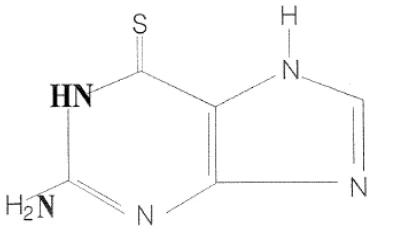
Structural formula:
Physicochemical properties: Pale yellow, crystalline powder; odorless or practically odorless. Insoluble in water, alcohol, chloroform; freely soluble in dilute solutions of alkali hydroxides.
14 CLINICAL TRIALS
14.1 Clinical Trials by Indication
The clinical trial data on which the original indication was authorized is not available.
15 MICROBIOLOGY
No microbiological information is required for this drug product.
16 NON-CLINICAL TOXICOLOGY
General Toxicology
In the mouse, the LD50 is about 100 mg/kg for a single intraperitoneal dose whereas when 5 successive daily doses are given intraperitoneally, the LD50 is about 5 mg/kg/day. The drug is less toxic and less active by the oral route, the LD50 for mice given the drug on five successive days being about 12 mg/kg/day.
Carcinogenicity
This information is not available for this drug product.
Genotoxicity
This information is not available for this drug product.
Reproductive and Developmental Toxicology
Thioguanine has been shown to be teratogenic in rats when given in doses from 10 to 12 mg/kg (equivalent to 1.6 to 2 mg/kg in humans). When given to the rat on the 4th and 5th days of gestation,
13% of surviving placentas did not contain fetuses, and 19% of offspring were malformed or stunted. The malformations noted included generalized edema, cranial defects, and general skeletal hypoplasia, hydrocephalus, ventral hernia, situs inversus, and incomplete development of the limbs.