


Product Monograph - Cotellic
RECENT MAJOR LABEL CHANGES
| 1 INDICATIONS, 1.1 Pediatrics | [03/2023] |
|---|---|
| 4 DOSAGE AND ADMINISTRATION, 4.1 Dosing Considerations, 4.2 Recommended Dose and Dosage adjustment, Special Populations, 4.5 Missed Dose | [03/2023] |
| 7 WARNINGS AND PRECAUTIONS, 7.1.3 Pediatrics | [03/2023] |
TABLE OF CONTENTS
Sections or subsections that are not applicable at the time of authorization are not listed.
RECENT MAJOR LABEL CHANGES ............................................................................................ 2
TABLE OF CONTENTS .............................................................................................................. 2
PART I: HEALTH PROFESSIONAL INFORMATION ...................................................................... 4
1 INDICATIONS ............................................................................................................... 4
1.1 Pediatrics ................................................................................................................ 4
2 CONTRAINDICATIONS ................................................................................................. 4
3 SERIOUS WARNINGS AND PRECAUTIONS BOX ............................................................ 4
4 DOSAGE AND ADMINISTRATION ................................................................................. 5
4.1 Dosing Considerations ............................................................................................ 5
4.2 Recommended Dose and Dosage Adjustment ....................................................... 5
4.4 Administration ........................................................................................................ 8
4.5 Missed Dose ........................................................................................................... 8
5 OVERDOSAGE .............................................................................................................. 8
6 DOSAGE FORMS, STRENGTHS, COMPOSITION AND PACKAGING ................................. 8
7 WARNINGS AND PRECAUTIONS .................................................................................. 8
7.1 Special Populations............................................................................................... 14
7.1.1 Pregnant Women ........................................................................................... 14
7.1.2 Breast-feeding ................................................................................................ 14
7.1.3 Pediatrics ........................................................................................................ 14
7.1.4 Geriatrics ........................................................................................................ 15
8 ADVERSE REACTIONS ................................................................................................ 15
8.1 Adverse Reaction Overview .................................................................................. 15
8.2 Clinical Trial Adverse Reactions ............................................................................ 16
8.4 Abnormal Laboratory Findings: Hematologic, Clinical Chemistry and Other Quantitative Data ........................................................................................................... 18
8.5 Post-Market Adverse Reactions ........................................................................... 19
9 DRUG INTERACTIONS ................................................................................................ 19
9.2 Drug Interactions Overview .................................................................................. 19
9.3 Drug-Behavioural Interactions .............................................................................. 20
9.4 Drug-Drug Interactions ......................................................................................... 20
9.5 Drug-Food Interactions ......................................................................................... 21
9.6 Drug-Herb Interactions ......................................................................................... 21
9.7 Drug-Laboratory Test Interactions ........................................................................ 21
10 CLINICAL PHARMACOLOGY ....................................................................................... 22
10.1 Mechanism of Action ...................................................................................... 22
10.2 Pharmacodynamics ........................................................................................ 22
10.3 Pharmacokinetics ........................................................................................... 22
11 STORAGE, STABILITY AND DISPOSAL ......................................................................... 24
12 SPECIAL HANDLING INSTRUCTIONS ........................................................................... 25
PART II: SCIENTIFIC INFORMATION ....................................................................................... 26
13 PHARMACEUTICAL INFORMATION ............................................................................ 26
14 CLINICAL TRIALS ........................................................................................................ 27
14.1 Clinical Trials by Indication ............................................................................. 27
Unresectable or Metastatic Melanoma – COTELLIC in Combination with Vemurafenib 27
15 MICROBIOLOGY ........................................................................................................ 30
16 NON-CLINICAL TOXICOLOGY ..................................................................................... 30
PATIENT MEDICATION INFORMATION .................................................................................. 33
PART I: HEALTH PROFESSIONAL INFORMATION
1 INDICATIONS
COTELLIC® (cobimetinib) is indicated for use in combination with vemurafenib for the treatment of patients with unresectable or metastatic melanoma with a BRAF V600 mutation.
Prior to initiation of treatment with COTELLIC in combination with vemurafenib, patients must have BRAF V600 mutation-positive melanoma tumour status confirmed by a validated test.
Clinical data supporting the effectiveness of COTELLIC in combination with vemurafenib in patients with a BRAF V600K mutation are limited (see 14 CLINICAL TRIALS). There are no clinical data for other less common BRAF V600 mutations.
There are no clinical data to support the effectiveness of COTELLIC in combination with vemurafenib in patients with non-cutaneous malignant melanoma.
As COTELLIC is used in combination with vemurafenib, refer also to the vemurafenib Product Monograph.
1.1 Pediatrics
Pediatrics (<18 years of age):
Based on the data submitted and reviewed by Health Canada, the safety and efficacy of COTELLIC in pediatric patients has not been established; therefore, Health Canada has not authorized an indication for pediatric use (see 7 WARNINGS AND PRECAUTIONS, 7.1 Special Populations, Pediatrics and 10 CLINICAL PHARMACOLOGY, Pharmacokinetics – Special Populations and Conditions).
2 CONTRAINDICATIONS
Cobimetinib is contraindicated in patients who are hypersensitive to this drug or to any ingredient in the formulation, including any non-medicinal ingredient, or component of the container. For a complete listing, see 6 DOSAGE FORMS, STRENGTHS, COMPOSITION AND PACKAGING.
3 SERIOUS WARNINGS AND PRECAUTIONS BOX
Serious Warnings and Precautions
The following are clinically important adverse drug reactions, some of which were serious or life-threatening, that were identified in clinical trials conducted with COTELLIC in combination with vemurafenib. |
|---|
COTELLIC should not be used concomitantly with a strong or moderate CYP3A inhibitor. (see 9 DRUG INTERACTIONS). COTELLIC in combination with vemurafenib should be prescribed and supervised by a qualified physician experienced in the use of anti-cancer agents. |
|---|
4 DOSAGE AND ADMINISTRATION
4.1 Dosing Considerations
Also refer to the vemurafenib Product Monograph for full dosing instructions.
4.2 Recommended Dose and Dosage Adjustment
Recommended Dose
The recommended dose of COTELLIC is 60 mg (three 20 mg tablets) once daily. COTELLIC is taken on a 28 day cycle. Each COTELLIC dose consists of three 20 mg tablets (60 mg) and should be taken once daily for 21 consecutive days (days 1 to 21 - treatment period); followed by a 7 day break in COTELLIC treatment (days 22 to 28 – treatment break). Each subsequent COTELLIC treatment cycle should start after the 7-day treatment break has elapsed.
Duration of treatment
Treatment with COTELLIC should continue until the patient no longer derives benefit or until the development of unacceptable toxicity.
Dosage Adjustment
COTELLIC dose modification should be based on the physician’s assessment of individual patient safety or tolerability. Dose modification of COTELLIC is independent of vemurafenib dose modification. The decision on whether to dose reduce each drug should be based on clinical assessment.
COTELLIC monotherapy should not be initiated in patients for the treatment of advanced melanoma.
If doses are omitted for toxicity; missed doses should not be replaced.
Once the dose has been reduced, it should not be increased at a later time.
Recommended COTELLIC Dose Modifications for Concomitant Drugs
If concomitant short term (14 days or less) use of a moderate CYP3A inhibitor is unavoidable for patients who are taking COTELLIC 60 mg, patients should be carefully monitored for safety and dose should be reduced to 20 mg for the duration of inhibitor use. After discontinuation of a moderate CYP3A inhibitor, resume previous dose of COTELLIC 60 mg.
Recommended COTELLIC Dose Modifications for Adverse Drug Reactions
Table 1 below gives general COTELLIC dose modification advice, and Table 2 gives COTELLIC dose modification advice for specified Adverse Drug Reactions.
Table 1 Recommended COTELLIC Dose Modifications
| Grade (CTC-AE)* | Recommended COTELLIC dosage |
| Grade 1 or Grade 2 (tolerable) | No dose reduction |
| Grade 2 (intolerable) or Grade 3 and 4 | |
| 1st Appearance | Interrupt treatment until grade ≤1, restart treatment at 40 mg once daily [First dose reduction] |
| 2nd Appearance | Interrupt treatment until grade ≤1, restart treatment at 20 mg once daily [Second dose reduction] |
| 3rd Appearance | Permanently discontinue COTELLIC |
*The intensity of clinical adverse events graded by the Common Terminology Criteria for Adverse Events v4.0 (CTC-AE)
Table 2 Recommended COTELLIC Dose Modifications for Specified Adverse Drug Reactions (ADRs)
| Adverse Drug Reaction | Dose Modification for COTELLIC | |
|---|---|---|
| Rhabdomyolysis or symptomatic CPK elevations | Withhold COTELLIC for up to 4 weeks
| |
| Asymptomatic CPK elevations | Grade ≤ 3 | COTELLIC dosing does not need to be modified or interrupted to manage asymptomatic Grade ≤ 3 creatine phosphokinase (CPK) elevations. |
| Grade 4 | Withhold COTELLIC for up to 4 weeks
If not improved within 4 weeks, permanently discontinue. | |
| Liver Laboratory Abnormalities and Hepatotoxicity | First Occurrence Grade 4 | Withhold COTELLIC for up to 4 weeks.
|
| Recurrent Grade 4 | Permanently discontinue COTELLIC. | |
| Retinal vein occlusion (RVO) | Permanently discontinue COTELLIC. | |
| Serous Retinopathy | Withhold COTELLIC for up to 4 weeks.
| |
| Photosensitivity | Grade ≤ 2 (tolerable) | Managed with supportive care. |
| Grade 2 (intolerable), Grade ≥ 3 | COTELLIC should be interrupted until resolution to Grade ≤ 1. Treatment can be restarted with no change in COTELLIC dose. | |
| Rash | Grade ≤ 2 (tolerable) rash | Managed with supportive care. |
| Adverse Drug Reaction | Dose Modification for COTELLIC | |
|---|---|---|
| Grade 2 (intolerable) or Grade ≥ 3 | Acneiform rash: Follow general dose modification table recommendations in Table 1 for COTELLIC. Non-acneiform or maculopapular rash: COTELLIC dosing can be continued without modification (if clinically indicated). | |
| Asymptomatic, absolute decrease in LVEF from baseline of greater than 10% and less than institutional lower limit of normal (LLN) | Withhold COTELLIC for 2 weeks; repeat LVEF Resume at next lower dose if all of the following are present:
Permanently discontinue if any of the following are present
| |
| Symptomatic LVEF decrease from baseline | Withhold COTELLIC for up to 4 weeks, repeat LVEF. Resume at next lower dose if all of the following are present:
Permanently discontinue if any of the following are present:
| |
| Hemorrhage | Grade 3 | Withhold COTELLIC for up to 4 weeks. Resume COTELLIC at the next lower dose level if improved to Grade 0 or 1 and if clinically appropriate and improved. If not improved within 4 weeks or if clinically indicated, permanently discontinue. |
| Grade 4 or cerebral hemorrhage (all grades) | Permanently discontinue COTELLIC. | |
Pediatrics (<18 years of age): Health Canada has not authorized an indication for pediatric use (see 7 WARNINGS AND PRECAUTIONS, 7.1 Special Populations, Pediatrics and 10 CLINICAL PHARMACOLOGY, Pharmacokinetics – Special Populations and Conditions).
Geriatrics (≥65 years of age): No dose adjustment of COTELLIC is required in patients ≥ 65 years of age.
Renal Impairment: No formal pharmacokinetic study of COTELLIC has been conducted in patients with renal impairment. No dose adjustment is recommended in patients with mild or moderate renal impairment, based on population pharmacokinetic analysis. The safety and efficacy of COTELLIC have not been established in patients with severe renal impairment (see 10 CLINICAL PHARMACOLOGY).
Hepatic Impairment: No dose adjustment is recommended in patients with hepatic impairment, based on a pharmacokinetic study conducted in subjects with hepatic impairment at a dose of 10 mg cobimetinib. Patients with severe hepatic impairment had increased plasma concentrations of unbound cobimetinib compared to patients with normal hepatic function (see 10 CLINICAL PHARMACOLOGY).
Caution should be used in patients with hepatic impairment, as there is a lack of information with the recommended dose regimen of the combination, and because liver laboratory abnormalities can occur when COTELLIC is used in combination with vemurafenib (see 7 WARNINGS AND PRECAUTIONS).
4.4 Administration
Each dose of three 20 mg tablets (60 mg) can be taken with or without food (see 10 CLINICAL PHARMACOLOGY). COTELLIC tablets should be swallowed whole with a glass of water.
4.5 Missed Dose
If a planned dose of COTELLIC is missed, it can be taken up to 12 hours prior to the next dose to maintain the once-daily regimen. Both doses should not be taken at the same time.
In case of vomiting after COTELLIC administration, the patient should not take an additional dose of COTELLIC on that day, and treatment should be continued as prescribed the following day.
5 OVERDOSAGE
There is no experience with overdose in human clinical trials. In case of suspected overdose, COTELLIC should be withheld and supportive care instituted. There is no specific antidote for overdose with COTELLIC.
| For management of a suspected drug overdose, contact your regional poison control centre. |
|---|
6 DOSAGE FORMS, STRENGTHS, COMPOSITION AND PACKAGING
Table 3 Dosage Forms, Strengths, Composition and Packaging
Description
COTELLIC tablets are supplied as white, round, film-coated 20 mg tablets with COB debossed on one side. COTELLIC is available in PVC/PVDC blister packs containing 63 film-coated tablets (21 tablets per blister card and 3 blister cards per carton).
7 WARNINGS AND PRECAUTIONS
Please see 3 SERIOUS WARNINGS AND PRECAUTIONS BOX.
| Route of Administration | Dosage Form / Strength/Composition | Non-medicinal Ingredients |
| Oral | 20 mg cobimetinib (22.2 mg as cobimetinib fumarate salt) tablet | Croscarmellose sodium, lactose monohydrate, magnesium stearate, and microcrystalline cellulose. The film-coating mixture includes (alphabetical order): polyethylene glycol 3350 (macrogol 3350), polyvinyl alcohol, talc, and titanium dioxide. |
General
COTELLIC should not be used in patients with wild-type BRAF melanoma. COTELLIC should not be used in patients with unresectable or metastatic melanoma where the BRAF mutational status is not known.
There are no clinical data to support the effectiveness of COTELLIC for the treatment of brain metastases in patients with a BRAF V600 mutation-positive melanoma. Patients with active CNS lesions were excluded from the Phase III trial, and <1% of enrolled patients had previously treated brain metastases. A tissue distribution study conducted in rats demonstrated low levels of cobimetinib in CNS tissues protected by the blood:brain barrier. COTELLIC is not recommended for patients with BRAF V600 mutation-positive melanoma who have active untreated brain metastases (see 16 NON-CLINICAL TOXICOLOGY).
Carcinogenesis and Mutagenesis
Carcinogenicity studies have not been performed with cobimetinib (see 16 NON-CLINICAL TOXICOLOGY). In the Phase III trial, the incidence of second primary melanoma was 0.8% in the COTELLIC in combination with vemurafenib arm versus 3.3% in the placebo in combination with vemurafenib arm. The incidence of basal cell carcinoma was 6% in the COTELLIC in combination with vemurafenib arm versus 2% in the placebo in combination with vemurafenib arm.
Cardiovascular
Patients with left ventricular ejection fraction (LVEF) either below institutional lower limit of normal or below 50%, symptomatic congestive heart failure of NYHA class 2 or higher, QTcF > 450 msec, or uncontrolled hypertension ≥ Grade 2 were excluded from the Phase III study (see 8 ADVERSE REACTIONS).
Concurrent cardiac conditions, medications that affect heart rate or ECG parameters, and need for monitoring heart rate or ECGs should be considered when prescribing COTELLIC as clinically indicated.
Left Ventricular Dysfunction
The safety of COTELLIC has not been established in patients with decreased LVEF.
In the Phase III study, all patients underwent evaluation of LVEF, either by echocardiography or multiple gated ejection acquisition scan, at regular intervals during treatment. Decrease in LVEF from baseline has been reported in patients receiving COTELLIC (see 8 ADVERSE REACTIONS). Reductions in LVEF of Grade 2 or higher severity were reported in 11% of patients in the COTELLIC in combination with vemurafenib arm versus 5% of patients in the placebo in combination with vemurafenib arm. In the COTELLIC in combination with vemurafenib arm, median time to initial onset of decreased LVEF (all grades) was 4 months (range 1-26 months). Resolution was documented in 86% of patients who experienced an event of decreased LVEF with a median time to resolution of 3 (0.1-10) months.
One patient in the Phase Ib study treated with COTELLIC in combination with vemurafenib at the therapeutic dose developed Grade 3 congestive cardiomyopathy. COTELLIC was permanently discontinued with documented improvement in LVEF from 25% to 36% approximately one month after the event.
COTELLIC is not recommended in patients with decreased LVEF (< 50% or below the institutional lower limit of normal) at baseline. COTELLIC should be used with caution in patients with conditions that could impair left ventricular function (see 7 WARNINGS AND PRECAUTIONS, Monitoring and Laboratory Tests). Decrease in LVEF from baseline can be managed using treatment interruption, dose reduction or with treatment discontinuation (see 4 DOSAGE AND ADMINISTRATION).
Hypertension
In the Phase III study, hypertension was reported in 17% (including hypertensive crisis) of patients receiving COTELLIC in combination with vemurafenib and in 9% of patients receiving placebo in combination with vemurafenib. Hypertension was observed at similar frequencies between patients with and without pre-existing hypertension. Grade ≥3 hypertension events were reported in 7% of patients treated with COTELLIC in combination with vemurafenib compared with 3% of patients who received placebo in combination with vemurafenib. A greater proportion of patients in the COTELLIC in combination with vemurafenib arm compared to the placebo plus vemurafenib arm received treatment for hypertension (12% versus 5%, respectively) (see 7 WARNINGS AND PRECAUTIONS, Monitoring and Laboratory Tests).
Driving and Operating Machinery
No studies on the effects on the ability to drive and to use machines have been performed.
Visual disturbances have been reported in some patients treated with COTELLIC during clinical trials (see 7 WARNINGS AND PRECAUTIONS, Ophthalmologic and 8 ADVERSE REACTIONS). Patients should be advised not to drive or operate machines if they experience visual disturbances or any other adverse effects that may affect their ability.
Hematologic
Hemorrhage
Hemorrhage, including major hemorrhage defined as symptomatic bleeding in a critical area or organ, can occur during treatment with COTELLIC. Severe hemorrhagic cases, including intracranial bleeding and gastrointestinal tract bleeding, have been reported in patients treated with COTELLIC in clinical trials and in the post marketing setting. In most cases, patients had additional risk factors for bleeding.
In the Phase III trial, hemorrhagic events were reported more frequently for the cobimetinib plus vemurafenib arm (14%) compared with the placebo plus vemurafenib arm (9%); of these, 1.2% and 0.8%, respectively, were grade 3. Higher frequencies in the COTELLIC in combination with vemurafenib arm were also observed for cerebral hemorrhage (1% vs. 0%), gastrointestinal tract hemorrhage (4% vs. 2%), reproductive system hemorrhage (2% vs. <1%), and hematuria (3% vs. 1%). Patients should be assessed for signs and symptoms of hemorrhagic events during treatment (see 7 WARNINGS AND PRECAUTIONS, Monitoring and Laboratory Tests).
Hemorrhage can be managed using treatment interruption, dose reduction or with treatment discontinuation (see 4 DOSAGE AND ADMINISTRATION). Caution should be used in patients with additional risk factors for bleeding and/or in patients that use concomitant medications that may increase the risk of bleeding (including antiplatelet or anticoagulant therapy).
Hepatic
Hepatotoxicity can occur with COTELLIC. Liver laboratory test abnormalities Grade ≥ 3 were reported more frequently in the Phase III study in patients who received COTELLIC in combination with vemurafenib than in patients who received placebo in combination with vemurafenib (24% vs. 15%, respectively) (see 8 ADVERSE REACTIONS). One patient (0.4%) treated with COTELLIC in combination with vemurafenib versus none treated with placebo plus vemurafenib, developed concurrent elevations in alanine aminotransferase (ALT) >3 times the upper limit of normal (ULN) and bilirubin >2 X ULN without evidence of cholestasis (significantly elevated serum alkaline phosphatase (ALP)). ALT and bilirubin values returned to normal with discontinuation of both drugs. Monitor liver laboratory tests before initiation of the combination treatment and monthly during treatment (see 7 WARNINGS AND PRECAUTIONS, Monitoring and Laboratory Tests).
Grade 4 liver laboratory test abnormalities can be managed using treatment interruption, dose reduction or with treatment discontinuation (see 4 DOSAGE AND ADMINISTRATION, 4.2 Recommended Dose and Dosage Adjustment).
Immune
Grade 3 hypersensitivity events were reported in 3 patients (1.2%) in the COTELLIC in combination with vemurafenib arm compared with no such events in the placebo plus vemurafenib arm; all events required hospitalization and treatment with steroids.
Monitoring and Laboratory Tests
Prior to initiation of treatment with COTELLIC in combination with vemurafenib, patients must have BRAF V600 mutation-positive melanoma tumour status confirmed by a validated test.
Left ventricular ejection fraction should be evaluated before initiation of treatment to establish baseline values, then after the first month of treatment and at least every 3 months or as clinically indicated until treatment discontinuation (see 4 DOSAGE AND ADMINISTRATION). All patients restarting treatment with a dose reduction of COTELLIC should have LVEF measurements taken at approximately 2 weeks, 4 weeks, 10 weeks and 16 weeks, and then as clinically indicated.
Monitor ECG before initiating treatment and routinely during treatment with COTELLIC, when administered with vemurafenib (see 10 CLINICAL PHARMACOLOGY).
Blood pressure should be monitored at regular intervals during treatment, with control of hypertension as clinically indicated.
Ophthalmological evaluation, including retinal evaluation, should be performed before initiation of treatment and at regular intervals during treatment, if clinically indicated, and at any time that a patient reports new or worsening visual disturbances (see 4 DOSAGE AND ADMINISTRATION).
Dermatologic evaluation should be performed before initiation of treatment and at regular intervals during treatment (see 4 DOSAGE AND ADMINISTRATION). Patients should be instructed to inform their healthcare professionals of the occurrence of any skin changes. Dermatologic monitoring should continue for 6 months following discontinuation of treatment.
Patients should be assessed for signs and symptoms of bleeding events during treatment. Complete blood counts should be determined before initiation of treatment and periodically during treatment, or as clinically indicated (see 8 ADVERSE REACTIONS; 4 DOSAGE AND ADMINISTRATION).
Monitor for liver value abnormalities by liver laboratory tests before initiation of combination treatment and monthly during treatment, or more frequently as clinically indicated (see 8 ADVERSE REACTIONS; 4 DOSAGE AND ADMINISTRATION).
Serum CPK and creatinine levels should be measured before initiation of treatment to establish baseline values, and then monitored monthly during treatment, or as clinically indicated. For CPK elevations, evaluation of causality should include an assessment for rhabdomyolysis and other causes, including cardiac injury (see 8 ADVERSE REACTIONS; 4 DOSAGE AND ADMINISTRATION).
Assess serum chemistry before initiation of treatment and periodically during treatment per institution guidelines or as clinically indicated (see 8 ADVERSE REACTIONS).
Musculoskeletal and connective tissue disorders
Rhabdomyolysis and Serum Creatine Phosphokinase (CPK) Elevations
Rhabdomyolysis and CPK elevations have been reported in patients receiving COTELLIC in clinical trials and post-marketing (see 8 ADVERSE REACTIONS, Post-Market Adverse Drug Reactions).
In the Phase III trial, increases in serum CPK levels were observed with a higher frequency in the COTELLIC in combination with vemurafenib compared with the placebo in combination with vemurafenib arm (all grades: 36% vs. 3%, Grade 3-4: 12% vs. <1%). The median time to first incidence of Grade 3-4 CPK elevations was 0.5 (0.4 to 15) months in patients in the COTELLIC in combination with vemurafenib arm; the median time to complete resolution was 0.5 (0.2 to 27) months.
Elevation of serum CPK of more than 10 times the baseline value with a concurrent increase in serum creatinine of 1.5 times or greater compared to baseline occurred in 3.6% of patients in the COTELLIC plus vemurafenib arm and in 0.4% of patients in the placebo plus vemurafenib arm. One event of rhabdomyolysis, with concurrent increases in blood CPK, was reported in each treatment arm (Grade 4 in the COTELLIC in combination with vemurafenib arm and Grade 3 in the placebo in combination with vemurafenib arm).
Treatment interruption, dose reduction or treatment discontinuation may be required depending on severity of symptoms and grade of CPK elevation. Interrupt treatment with COTELLIC if rhabdomyolysis is diagnosed, and monitor CPK levels and other symptoms until resolution. See 7 WARNINGS AND PRECAUTIONS, Monitoring and Laboratory Tests; 4 DOSAGE AND ADMINISTRATION.
Ophthalmologic
Patients who have a history of or evidence of retinal pathology on ophthalmologic examination that is considered a risk factor for neurosensory retinal detachment, retinal vein occlusion (RVO), or neovascular macular degeneration have not been studied.
Retinal Vein Occlusion
RVO developed in one patient (0.4%) in each arm of the Phase III study. The patient who developed
RVO while on treatment with COTELLIC in combination with vemurafenib experienced blurred vision and was diagnosed with retinal ischemia. The event resolved after interruption of COTELLIC plus vemurafenib and treatment with both drugs was then permanently discontinued. Consider risk factors for RVO, including uncontrolled hypertension, diabetes, hypercholesterolemia, or glaucoma when prescribing COTELLIC.
COTELLIC is not recommended in patients with a history of RVO. If retinal vein occlusion is diagnosed, COTELLIC treatment should be permanently discontinued (see 7 WARNINGS AND PRECAUTIONS, Monitoring and Laboratory Tests; 4 DOSAGE AND ADMINISTRATION).
Serous Retinopathy
Serous retinopathy (fluid accumulation within the layers of the retina) has been observed in patients treated with MEK-inhibitors, including COTELLIC (see 8 ADVERSE REACTIONS). In the Phase III study, serous retinopathy developed in 27% of patients in the COTELLIC in combination with vemurafenib arm compared with 4% of patients in the placebo in combination with vemurafenib arm. The majority of events were reported as chorioretinopathy or retinal detachment. In the COTELLIC in combination with vemurafenib arm, the majority of serous retinopathy events were asymptomatic (52% of events reported were Grade 1). 13% of patients treated with COTELLIC in combination with vemurafenib experienced symptomatic (i.e. ≥ Grade 2) serous retinopathy events.
In the COTELLIC in combination with vemurafenib arm, for serous retinopathy events of all grades, median time to initial onset was 1 month (range 0-9 months), and median time to documented resolution was 3 months. Most symptomatic events were resolved, or improved to asymptomatic Grade 1, within a few months following dose interruption or reduction.
Serous retinopathy can be managed with treatment interruption, dose reduction or with treatment discontinuation (see 7 WARNINGS AND PRECAUTIONS, Monitoring and Laboratory Tests; 4 DOSAGE AND ADMINISTRATION).
Reproductive Health: Female and Male Potential
Fertility: There is no clinical information on the effect of COTELLIC on human fertility. No dedicated fertility studies have been performed with cobimetinib in animals; however, effects on reproductive tissues observed in general toxicology studies conducted in animals suggest that there is potential for cobimetinib to impair fertility.
Based on findings in animals, COTELLIC may reduce fertility in females and males of reproductive potential (see 16 NON-CLINICAL TOXICOLOGY).
Teratogenic Risk: Females of childbearing potential should use two effective forms of contraception during treatment with COTELLIC and for at least three months following treatment discontinuation. If the patient becomes pregnant while taking COTELLIC, the patient should be informed of the potential hazard to the fetus.
Skin
Photosensitivity
Severe photosensitivity has been reported in association with COTELLIC when used with vemurafenib.
In the Phase III trial, Grade ≥ 3 events occurred in 4% of patients in the COTELLIC in combination with vemurafenib arm versus no patients in the placebo in combination with vemurafenib arm (see 8 ADVERSE REACTIONS). There were no apparent trends in the time of onset of Grade ≥ 3 events. Resolution of these events was documented for 9 of 11 patients with dose modifications and/or concomitant medications to treat the adverse events.
During treatment, all patients should be advised to avoid sun exposure, and when outdoors to wear protective clothing and to use a broad spectrum UVA/UVB sun screen and lip balm (SPF ≥ 30). Grade 2 (intolerable) or Grade ≥ 3 photosensitivity can be managed with treatment interruption, dose reduction or with treatment discontinuation (see 7 WARNINGS AND PRECAUTIONS, Monitoring and Laboratory Tests; 4 DOSAGE AND ADMINISTRATION).
Rash
Severe rash has been reported in association with COTELLIC.
In the Phase III study, Grade 3 or 4 rash events were reported in approximately 17% of patients in both treatment arms. Grade 3 or 4 dermatitis acneiform events were reported by 2.4% vs 1.2% of patients receiving COTELLIC in combination with vemurafenib vs placebo in combination with vemurafenib, respectively. Hospitalization for rash was required in 3.2% vs 1.6% of the respective arms. The median time to onset of Grade 3 or 4 rash events in the COTELLIC in combination with vemurafenib arm was 11 days; 93% of patients who reported a rash event experienced complete resolution with a median time to resolution of approximately 23 days.
Grade ≥ 3 rash can be managed using treatment interruption, dose reduction or with treatment discontinuation (see 7 WARNINGS AND PRECAUTIONS, Monitoring and Laboratory Tests; 4 DOSAGE AND ADMINISTRATION).
7.1 Special Populations
7.1.1 Pregnant Women
COTELLIC is not recommended during pregnancy. There are no data regarding the use of COTELLIC in pregnant women. Based on its mechanism of action and findings from nonclinical reproduction studies, COTELLIC may cause fetal harm when administered to a pregnant woman. When administered to pregnant rats, cobimetinib caused embryolethality and fetal malformations of the great vessels and skull at clinically relevant exposures (see 16 NON-CLINICAL TOXICOLOGY).
7.1.2 Breast-feeding
It is not known whether COTELLIC is excreted in human breast milk. Because many drugs are excreted in human breast milk, a risk to the nursing infant cannot be excluded. A decision should be made whether to discontinue nursing or to discontinue COTELLIC therapy, taking into account the benefit of nursing for the infant and the benefit of COTELLIC for the mother.
7.1.3 Pediatrics
Pediatrics (<18 years of age): The safety of COTELLIC was evaluated in a phase I/II, multicentre, open-label, dose-escalation study in 55 pediatric patients aged 2 to 17 years with previously treated solid tumours. The maximum tolerated dose (MTD) for the tablet and oral suspension formulations were 0.8 mg/kg/day and 1.0 mg/kg/day, respectively. The dose-limiting toxicity (DLT) events identified were headache (1 event) and ocular toxicity (5 events). No new safety events were observed in pediatric patients in this study. Based on the data submitted and reviewed by Health Canada, the safety and efficacy of COTELLIC in pediatric patients has not been established; therefore, Health Canada has not authorized an indication for pediatric use (see 10 CLINICAL PHARMACOLOGY, Pharmacokinetics – Special Populations and Conditions).
In a nonclinical toxicology study, at exposures lower than those reported for adult humans administered the recommended dose of 60 mg, mortality was seen in juvenile rats approximately equivalent in age to 1–2 year old humans, the cause of which was not defined (see 10 CLINICAL PHARMACOLOGY; 16 NON-CLINICAL TOXICOLOGY).
7.1.4 Geriatrics
Of the 247 patients with unresectable or metastatic melanoma treated with COTELLIC in combination with vemurafenib in the Phase III study, approximately 74% were < 65, 18% were 65-74, and 8% were ≥ 75 years of age. Compared with patients < 65 years old, more patients ≥ 65 years old experienced AEs that led to discontinuation of the treatment regimen (27% versus 13%) and to dose modification of the treatment regimen (58% versus 43%). Increased sensitivity of some geriatric patients cannot be ruled out (see 8 ADVERSE REACTIONS).
Based on the population pharmacokinetic analysis, clearance of cobimetinib was lower in older patients, however this was not considered clinically significant (see 10 CLINICAL PHARMACOLOGY).
8 ADVERSE REACTIONS
8.1 Adverse Reaction Overview
Study GO28141
The safety of COTELLIC in combination with vemurafenib has been evaluated in a safety population of 247 patients with previously untreated BRAF V600 mutated unresectable locally advanced or metastatic melanoma in the Phase III study GO28141 comparing COTELLIC in combination with vemurafenib to placebo in combination with vemurafenib. For patients in the COTELLIC in combination with vemurafenib arm, the median duration of COTELLIC exposure was 274 days and the median duration of vemurafenib exposure was 281 days.
The frequency of adverse events (AEs) was similar for both arms (approximately 98%). The most common AEs (≥ 20%) that occurred with greater frequency in the COTELLIC in combination with vemurafenib arm were diarrhea, nausea, blood CPK increased, photosensitivity reaction, pyrexia, ALT increased, AST increased, and vomiting (see Table 4). The most common AEs (≥ 20%) that occurred with greater frequency in the placebo in combination with vemurafenib arm compared with the COTELLIC in combination with vemurafenib arm, respectively, were, alopecia (31% vs 17%), and hyperkeratosis (27% vs 9%). In addition, rash (41% vs 38%), arthralgia (38% vs 42%), fatigue (37% vs 33%), decreased appetite (20% vs 20%), and GGT increased (22% vs 18%) were observed at similar frequencies in both arms.
The percentage of patients experiencing Grade ≥ 3 adverse events (AEs) was higher in the COTELLIC plus vemurafenib arm than in the placebo plus vemurafenib arm (75% vs 61%). The median time to onset of first Grade ≥ 3 AEs was 0.6 months in the COTELLIC in combination with vemurafenib arm vs. 0.8 months in the placebo in combination with vemurafenib arm.
Serious adverse events (SAEs) were reported in 37% of patients treated with COTELLIC in combination with vemurafenib compared with 28% of patients treated with placebo in combination with vemurafenib. Serious adverse drug reactions reported in ≥ 1% of patients treated with COTELLIC in combination with vemurafenib included pyrexia, pneumonia, dehydration, rash, rash maculo-papular, ALT increased, AST increased, atrial fibrillation, chorioretinopathy, retinal detachment, diarrhea, small intestinal obstruction, hypersensitivity, seizure, and acute kidney injury.
Adverse events leading to permanent discontinuation of the combination were documented in 17% of patients receiving COTELLIC in combination with vemurafenib compared with 9% of patients receiving placebo in combination with vemurafenib. In patients treated with COTELLIC in combination with vemurafenib, the most common AEs resulting in permanent discontinuation of the combination were increased AST (2.0%), increased GGT (1.6%), increased ALT (1.6%), rash (1.6%), pyrexia (1.2%), and retinal detachment (1.2%).
Adverse events led to dose interruption or reduction of the combination in 47% of patients treated with COTELLIC in combination with vemurafenib versus 38% treated with placebo in combination with vemurafenib. The most common reasons cited for dose interruption or reduction of COTELLIC were diarrhea (8%), pyrexia (6%), vomiting (6%), increased blood CPK (2%), chorioretinopathy (6%), retinal detachment (3%), rash maculo-papular (5%), and rash (5%).
Geriatrics (≥ 65 years of age): Patients ≥ 65 years were more likely to have dose interruption or reduction in the COTELLIC in combination with vemurafenib arm than those < 65 years (58% vs 43%). Specific AEs led to dose modification of the combination in the elder patients were diarrhea (19%), vomiting (14%), asthenia or fatigue (16%), pyrexia (9%), dehydration (8%), blood creatinine increased (6%), AST increased (5%), CPK increased (5%), and retinal detachment (6%).
8.2 Clinical Trial Adverse Reactions
Clinical trials are conducted under very specific conditions. The adverse reaction rates observed in the clinical trials; therefore, may not reflect the rates observed in practice and should not be compared to the rates in the clinical trials of another drug. Adverse reaction information from clinical trials may be useful in identifying and approximating rates of adverse drug reactions in real-world use.
The table below summarizes the adverse drug reactions (ADRs) occurring at a ≥ 5% higher incidence (All Grades) or at a ≥ 2% higher incidence (Grades 3-4) of patients treated with COTELLIC in combination with vemurafenib in the Phase III study.
Table 4 Incidence of Adverse Reactions of All Grades (Incidence ≥ 5% over the control arm) or Grade 3 - 4 (Incidence ≥ 2% over the control arm)
| Phase III Study: GO28141a | |||||||||||
|---|---|---|---|---|---|---|---|---|---|---|---|
COTELLIC + vemurafenib (n = 247) | Placebo + vemurafenib (n = 246) | ||||||||||
| ADRs | All grades (%) | Grade 3-4 (%) | All grades (%) | Grade 3-4 (%) | |||||||
| Blood and Lymphatic System Disorders | |||||||||||
| Anemia | 16 | 2 | 9 | 3 | |||||||
| Eye Disorders | |||||||||||
| Chorioretinopathy | 13 | 1 | <1 | 0 | |||||||
| Vision Blurred | 11 | 0 | 2 | 0 | |||||||
| Retinal Detachment | 9 | 2 | <1 | 0 | |||||||
| Gastrointestinal disorders | |||||||||||
| Diarrhea | 61 | 6 | 33 | 1 | |||||||
| Nausea | 43 | 1 | 26 | 1 | |||||||
| Vomiting | 26 | 2 | 14 | 1 | |||||||
| Stomatitis | 6 | 0 | 1 | 0 | |||||||
| General disorders and administration site conditions | |||||||||||
| Pyrexia | 29 | 1 | 24 | 0 | |||||||
| Chills | 10 | 0 | 5 | 0 | |||||||
| Investigations | |||||||||||
| Decreased Ejection Fraction | 12 | 2 | 5 | 1 | |||||||
| Lipase Increased | 4 | 3 | 2 | 1 | |||||||
| Metabolism and nutrition disorders | |||||||||||
| Dehydration | 4 | 2 | 1 | 0 | |||||||
| Hyponatremia | 5 | 3 | 1 | <1 | |||||||
| Neoplasms benign, malignant and unspecified | |||||||||||
| Basal Cell Carcinoma | 6 | 6 | 2 | 2 | |||||||
| Skin and subcutaneous tissue disorders | |||||||||||
| Photosensitivityb | 48 | 4 | 38 | 0 | |||||||
| Maculo-papular rash | 15 | 7 | 15 | 5 | |||||||
| Acneiform Dermatitis | 14 | 2 | 97 | 1 | |||||||
| Vascular Disorders | |||||||||||
| Hypertension | 16 | 6 | 8 | 3 | |||||||
a Data cut-off date of 30 September 2015
b Combined figure includes reports of photosensitivity reaction, sunburn, solar dermatitis, actinic elastosis
The following ADRs (all grades) were reported with <5% greater incidence in the COTELLIC arm than the control arm in study GO28141:
Cardiac disorders: Atrial fibrillation (4%)
Eye disorders: Visual impairment (3%), Detachment of retinal pigment epithelium (4%), Macular detachment (2%)
Gastrointestinal disorders: Abdominal pain (11%), dry mouth (4%), aphthous ulcer (4%)
General disorders and administration site conditions: Edema peripheral (15%)
Hematologic disorders: Hemorrhage all types and grades (14%)
Immune system disorders: Hypersensitivity (2%)
Infections and infestations: Nasopharyngitis (8%), Folliculitis (7%), Conjunctivitis (6%), Oral herpes (4%), Panniculitis (3%), Candida infection (2%)
Investigations: Blood cholesterol increased (7%), blood lactate dehydrogenase increased (5%)
Metabolism and nutrition disorders: Hyperglycemia (3%), Hypophosphatemia (4%)
Musculoskeletal and connective tissue disorders: Myalgia (15%), Muscular weakness (4%)
Nervous system disorder: Dizziness (6%)
Respiratory, thoracic and mediastinal disorders: Pneumonitis (2%), interstitial lung disease (1%)
Skin and subcutaneous tissue disorders: Rash (41%), Pruritus* (19%), Dry skin* (12%), Palmar-Plantar erythrodysaesthesia syndrome (7%), Urticaria (4%), Erythema nodosum (4%), Dermatitis (3%)
*ADRs identified in a cobimetinib monotherapy study (ML29733; US study). However, these were also reported ADRs for the cobimetinib plus vemurafenib combination in clinical trials conducted in patients with unresectable or metastatic melanoma.
8.4 Abnormal Laboratory Findings: Hematologic, Clinical Chemistry and Other Quantitative Data
Clinical Trial Findings
Table 5 Incidence of Laboratory Abnormalities Occurring in ≥ 10% (All Grades) or ≥ 2% (Grades 3–4) of Patients in Study GO28141*
| Phase III Study: GO28141 | |||
|---|---|---|---|
| Laboratory Test | COTELLIC + vemurafenib | Placebo + vemurafenib | |
All Gradesa (%) | Grades 3-4a (%) | All Gradesa (%) | Grades 3-4a (%) | ||||||
| Chemistry | |||||||||
| Increased creatinine | 99.6 | 3.3 | 99.6 | 0.8 | |||||
| Increased AST | 74 | 8 | 45 | 2.1 | |||||
| Increased ALT | 69 | 11 | 55 | 5 | |||||
| Increased alkaline phosphatase | 72 | 7 | 57 | 3.3 | |||||
| Increased creatine phosphokinaseb | 81 | 15 | 18 | 1.4 | |||||
| Hypophosphatemia | 71 | 14 | 41 | 6 | |||||
| Increased GGT | 68 | 23 | 62 | 18 | |||||
| Decreased albumin | 45 | 1 | 20 | 0.4 | |||||
| Hyperbilirubinemia | 35 | 2 | 45 | 2 | |||||
| Hyponatremia | 39 | 6 | 33 | 2.5 | |||||
| Hypernatremia | 12 | 0.4 | 4 | 0 | |||||
| Hypokalemia | 26 | 4.5 | 17 | 3.3 | |||||
| Hyperkalemia | 28 | 2.9 | 17 | 0.4 | |||||
| Hypocalcemia | 25 | 0.4 | 9 | 0.4 | |||||
|
| Anemia | 73 | 2.9 | 59 | 4.1 |
|---|---|---|---|---|
| Lymphopeniac | 75 | 14 | 56 | 8 |
| Thrombocytopenia | 20 | 0.4 | 10 | 0 |
AST - aspartate aminotransferase, ALT - alanine aminotransferase, GGT - gamma-glutamyltransferase
* All the percentages are based on the number of patients who had a baseline result and at least one on-study laboratory test. The laboratory results are available for a total of 233~244 patients for COTELLIC, and 232~243 for vemurafenib, except where indicated. Data cut-off date of 30 September 2015. .
a NCI CTCAE v4.0
b Increased creatine phosphokinase, n=213 for COTELLIC and 217 for vemurafenib
c Lymphopenia, n=185 for COTELLIC, and 181 for vemurafenib
Additional Information on Selected Adverse Reactions
Cutaneous Squamous Cell Carcinoma, Keratoacanthoma and Hyperkeratosis
In patients with unresectable or metastatic melanoma, cutaneous squamous cell carcinoma has been reported with a lower frequency in the COTELLIC plus vemurafenib vs. placebo plus vemurafenib arm (all grades: 4% vs. 13%). Keratoacanthoma has been reported with a lower frequency in the COTELLIC plus vemurafenib vs. placebo plus vemurafenib arm (all grades: 2% vs. 9%). Hyperkeratosis has been reported with a lower frequency in the COTELLIC plus vemurafenib vs. placebo plus vemurafenib arm (all grades: 10% vs. 27%).
8.5 Post-Market Adverse Reactions
Musculoskeletal and connective tissue disorders: Rhabdomyolysis
9 DRUG INTERACTIONS
9.2 Drug Interactions Overview
Cobimetinib is a substrate of CYP3A. A drug interaction was observed when cobimetinib was administered with a strong CYP3A inhibitor. Concomitant use of COTELLIC and drugs that strongly or moderately inhibit CYP3A can increase cobimetinib exposure. Strong or moderate CYP3A inhibitors should not be used while taking COTELLIC. If concomitant short-term use of a moderate CYP3A inhibitor is unavoidable for patients who are taking COTELLIC 60 mg, reduce COTELLIC dose to 20 mg for the duration of inhibitor use. Carefully monitor patients for safety. After discontinuation of a moderate CYP3A inhibitor, resume COTELLIC at the previous dose. For patients who are taking a reduced dose of COTELLIC (40 or 20 mg daily), do not use moderate CYP3A inhibitors (see 4 DOSAGE AND ADMINISTRATION).
Related findings and precautions are discussed further below.
9.3 Drug-Behavioural Interactions
Behavioural interactions have not been established.
9.4 Drug-Drug Interactions
The drugs listed in this table are based on either drug interaction case reports or studies, or potential interactions due to the expected magnitude and seriousness of the interaction.
Table 6 Established or Potential Drug-Drug Interactions
| Proper/Common name | Source of Evidence | Effect | Clinical comment |
|---|---|---|---|
| Itraconazole (Strong CYP3A Inhibitor) | CT | Cobimetinib AUC↑6.7-fold, cobimetinib mean Cmax ↑3.2-fold | Avoid concomitant use of strong CYP3A inhibitors with COTELLIC. |
| Strong CYP3A Inhibitors (clarithromycin, ketoconazole, lopinavir, posaconazole, ritonavir, voriconazole, etc) | T | Increased cobimetinib plasma concentrations | |
| Moderate CYP3A Inhibitors (amiodarone, delavirdine, diltiazem, erythromycin, fluconazole, fosamprenavir, imatinib, miconazole, verapamil, etc) | T | Based on simulations with a physiologically-based pharmacokinetics model: cobimetinib AUC↑3-4-fold, cobimetinib Cmax ↑~2-fold | Avoid concomitant use of moderate CYP3A with COTELLIC. If concomitant short term (14 days or less) use is unavoidable for patients taking COTELLIC 60 mg, carefully monitor for safety and reduce dose to 20 mg for the duration of inhibitor use. After discontinuation of a moderate CYP3A inhibitor, resume COTELLIC at the previous dose. For patients who are taking a reduced dose of COTELLIC (40 or 20 mg daily), do not use moderate CYP3A inhibitors (see 4 DOSAGE AND ADMINISTRATION). |
| Strong and moderate CYP3A Inducers (bosentan, carbamazepine, efavirenz, etravirine, modafinil, phenytoin, and rifampin, etc) | T | Based on simulations with a physiologically-based pharmacokinetics model: cobimetinib AUC ↓83% (strong CYP3A inducers) and 72% (moderate CYP3A | Avoid concomitant use of strong and moderate CYP3A inducers with COTELLIC. |
| inducers), cobimetinib Cmax ↓~63% |
CT = Clinical Trial; T = theoretical
Acid Reducing Agents
Coadministration of a proton pump inhibitor, rabeprazole 20 mg once daily for 5 days, with a single dose of 20 mg COTELLIC under fed and fasted conditions did not result in a clinically important change in cobimetinib exposure.
Drugs That May Have Their Plasma Concentrations Altered by Cobimetinib
CYP Substrates:
In vitro data indicate that cobimetinib is an inhibitor of CYP3A and CYP2D6, and an inducer of CYP3A. Coadministration of cobimetinib 60 mg once daily for 13 days followed by co-administration with a single 30 mg dose of dextromethorphan (sensitive CYP2D6 substrate) and a single 2 mg dose of midazolam (sensitive CYP3A substrate) to 20 patients with solid tumors did not change dextromethorphan or midazolam systemic exposure. Therefore, cobimetinib is not an inducer or inhibitor of CYP3A or inhibitor of CYP2D6 at the clinically relevant dose.
Effects between Cobimetinib and Vemurafenib
There is no evidence of any clinically significant drug-drug interaction between cobimetinib and vemurafenib in unresectable or metastatic melanoma patients.
In vitro Studies with Drug Transporters
In vitro studies demonstrate that cobimetinib is a substrate of the efflux transporter P-glycoprotein (P-gp), but is not a substrate of the breast cancer resistance protein (BCRP), organic anion transporting polypeptide (OATP1B1 or OATP1B3) or organic cation transporter OCT1. Co-administration of cobimetinib with P-gp inhibitors such as cyclosporine and verapamil may increase cobimetinib plasma concentrations.
In vitro studies indicate that cobimetinib is an inhibitor of BCRP. The relevance of this in vitro finding has not been investigated clinically. Cobimetinib may alter the gastrointestinal absorption of drugs which are BCRP substrates.
Cobimetinib did not inhibit the transport activities of P-gp, OATP1B1, OATP1B3, OAT1, OAT3, OCT1 or OCT2 at clinically relevant concentrations in vitro.
9.5 Drug-Food Interactions
Grapefruit, grapefruit juice, and products containing grapefruit extract may increase cobimetinib plasma concentrations and should be avoided.
9.6 Drug-Herb Interactions
Interactions with herbal products have not been established. St. John’s wort (Hypericum perforatum) is an inducer of CYP3A that may decrease cobimetinib plasma concentrations and should be avoided.
9.7 Drug-Laboratory Test Interactions
Interactions with laboratory tests have not been established.
10 CLINICAL PHARMACOLOGY
10.1 Mechanism of Action
The mitogen-activated protein kinase (MAPK)/ERK pathway, also known as the RAS/RAF/MEK/ERK pathway, is a signaling pathway that regulates cell proliferation, cell cycle regulation, cell survival, angiogenesis, and cell migration. The mitogen/extracellular signal-regulated kinases (MEK) proteins are upstream regulators of the extracellular signal related kinase (ERK) pathway. BRAF V600 mutations result in constitutive activation of the BRAF pathway which includes MEK1 and MEK2. Cobimetinib is a selective, reversible inhibitor of MEK 1 and MEK 2. In vitro, cobimetinib inhibited MEK1 and MEK2 with IC50 values of 0.95 nM and 199 nM, respectively.
Cobimetinib and vemurafenib target two different kinases in the MAPK/ERK pathway.
Compared to either drug alone, coadministration of cobimetinib and vemurafenib resulted in increased apoptosis in vitro and reduced tumour growth in tumour cell lines harbouring BRAF V600E mutations.
10.2 Pharmacodynamics
Cardiac Electrophysiology
Serial ECG recordings were performed in 13 patients who received cobimetinib at a dose of 60 mg/day (21 days on-treatment, 7 days off-treatment) as part of a non-randomized, open-label study. ECG recordings were performed on Day 21 (pre-dose, 1.5 h, 3 h, & 6 h) of Cycle 1, and statistically significant decreases in heart rate from pretreatment baseline were observed with a maximum mean decrease of -10.7 bpm (95% CI -17.6, -3.8) at 1.5 h post-dosing. Statistically significant mean increases from baseline in the PR interval and QRS duration were observed at all time points on Day 21. The maximum mean increase in the PR interval was 15.0 ms (95% CI 6.4, 23.6) at 3 h post-dosing and the maximum mean increase in the QRS duration was 5.8 ms (95% CI 1.0, 10.7) at 1.5 h post-dosing. For the QTcF interval, the maximum mean increase from baseline was 1.2 ms (95% CI -6.2, 8.5).
10.3 Pharmacokinetics
The pharmacokinetic parameters for cobimetinib were determined in cancer patients and healthy subjects in Phase I studies.
Absorption:
Following oral dosing of 60 mg in cancer patients, cobimetinib showed a moderate rate of absorption with a median Tmax of 2.4 hours. The mean steady-state Cmax and AUC0-24 were 273 ng/mL and 4340 ng.h/mL respectively. The mean accumulation ratio at steady state was approximately 2.4-fold.
Cobimetinib has linear pharmacokinetics in the dose range of ~3.5 mg to 100 mg.
The absolute bioavailability of cobimetinib was 45.9% (90% CI: 39.7%, 53.1%) in healthy subjects. A human mass balance study was conducted in healthy subjects, and showed that cobimetinib was extensively metabolized and eliminated in feces. The fraction absorbed was ~88% indicating high absorption and first pass metabolism.
Following a single dose of 20 mg cobimetinib with food (high-fat meal), median tmax value (6.00 hours) was extended compared to the fasted state (median tmax = 2.03 hours) in healthy subjects. Although absorption was slower in the fed state, exposure (AUC and Cmax) to cobimetinib was generally similar with or without food.
Distribution:
An analysis of plasma samples from healthy subjects (n=10) dosed with 10 mg cobimetinib shows that cobimetinib is 98.4% bound to plasma proteins. In vitro, cobimetinib is 94.8% bound to human plasma proteins and more highly bound to alpha-1 acid glycoprotein. No preferential binding to human red blood cells was observed (blood-to-plasma ratio 0.93).
The volume of distribution was 1050 L in healthy subjects given an intravenous (IV) dose of 2 mg. The apparent volume of distribution was 806 L in cancer patients based on population pharmacokinetic analysis.
Metabolism:
Cobimetinib and its metabolites were characterized in a mass balance study in healthy subjects.
On average, 94% of the dose was recovered within 17 days. Cobimetinib was extensively metabolized to several metabolites, and eliminated in feces.
Oxidation by CYP3A and glucuronidation by UGT2B7 appear to be the major pathways of cobimetinib metabolism. Following oral administration of a single 20 mg radiolabeled cobimetinib dose, cobimetinib (parent compound) was the predominant moiety in plasma, followed by the glycine conjugate of the hydrolyzed cobimetinib and the glucuronide conjugate where each of them accounted for greater than 10% of the plasma radioactivity at timepoints up to 48 hour post-dose. No other metabolites greater than 10% of total circulating radioactivity or human specific metabolites were observed in plasma. Unchanged drug in feces and urine accounted for 6.6% and 1.6% of the administered dose, respectively, indicating that cobimetinib is primarily metabolized with very little renal elimination.
Elimination:
Following IV administration of a 2 mg dose of cobimetinib, the mean plasma clearance (CL) was 10.7 L/hr. The mean apparent CL following oral dosing of 60 mg in cancer patients was 13.8 L/hr and the mean elimination half-life was 43.6 hours (range: 23.1 to 69.6 hours).
Following oral administration of a single 20 mg radiolabeled cobimetinib dose, 76.5% of the dose was recovered in the feces and 17.8% of the dose was recovered in the urine.
Special Populations and Conditions
Based on a population pharmacokinetic analysis, gender, race, ethnicity, baseline ECOG, mild and moderate renal impairment did not affect the pharmacokinetics of cobimetinib. Baseline age and baseline body weight were identified as statistically significant covariates on cobimetinib clearance and volume of distribution respectively. However, sensitivity analysis suggests neither of these covariates had a clinically significant impact on steady state exposure.
Pediatrics: The pharmacokinetics of cobimetinib were assessed in a phase I/II, multicenter, open-label, dose-escalation study in 55 pediatric patients (2 to 17 years) with previously-treated solid tumours. Exposure in pediatric patients who received cobimetinib at the
- maximum tolerated dose were lower than those previously observed in adults who received the approved recommended dosage.
Health Canada has not authorized an indication for pediatric use.
- Geriatrics: Based on the population pharmacokinetic analysis including 133 patients ≥ 65 years of age, age was a significant covariate influencing cobimetinib clearance, which decreased with increasing age, however this was not considered clinically significant.
- Sex: Based on a population pharmacokinetic analysis including 210 women and 277 men, gender does not have a clinically important effect on the exposure of cobimetinib.
- Hepatic Insufficiency: The pharmacokinetics of cobimetinib were evaluated in 6 subjects with mild hepatic impairment (Child Pugh A), 6 subjects with moderate hepatic impairment (Child Pugh B), 6 subjects with severe hepatic impairment (Child Pugh C) and 10 healthy subjects. Subjects with total bilirubin > 6 mg/dL were excluded from the study. Systemic exposures of total cobimetinib after a single dose of 10 mg cobimetinib were similar in subjects with mild or moderate hepatic impairment compared to healthy subjects; while subjects with severe hepatic impairment had 31% lower cobimetinib exposures (AUC0-∞ geometric mean ratio of 0.69 compared to healthy subjects) which is not considered to be clinically significant. Unbound cobimetinib exposures were similar between subjects with mild and moderate hepatic impairment compared to subjects with normal hepatic function while subjects with severe hepatic impairment had approximately 2-fold higher exposures. Longer half-life was also noted in subjects with hepatic impairment (87 h, 101 h, and 139 h in mild, moderate and severe hepatic impairment, respectively) when compared to 76 h in subjects with normal hepatic function.
Renal Insufficiency: Based on pre-clinical data and the human mass balance study, cobimetinib is mainly metabolized, with minimal renal elimination. No formal pharmacokinetic study has been conducted in patients with renal impairment.
A population pharmacokinetic analysis using data from 151 patients with mild renal impairment (creatinine clearance - CRCL 60 to less than 90 mL/min), 48 patients with moderate renal impairment (CRCL 30 to less than 60 mL/min), and 286 patients with normal renal function (CRCL greater than or equal to 90 mL/min), showed that CRCL had no meaningful influence on exposure of cobimetinib.
Mild to moderate renal impairment does not influence cobimetinib exposure based on the population pharmacokinetic analysis. There are insufficient data available for patients with severe renal impairment or end stage renal disease.
11 STORAGE, STABILITY AND DISPOSAL
Store between 15-30°C.
This medicine should not be used after the expiry date (EXP) shown on the pack.
Keep in a safe place out of the reach and sight of children.
Any unused medicinal product or waste material should be disposed of in accordance with local requirements.
12 SPECIAL HANDLING INSTRUCTIONS
The release of pharmaceuticals into the environment should be minimized. Medicines should not be disposed of via wastewater and disposal through household waste should be avoided.
PART II: SCIENTIFIC INFORMATION
13 PHARMACEUTICAL INFORMATION
Drug Substance
| Proper/Common name: | cobimetinib fumarate |
|---|---|
| Chemical name: | methanone, [3,4-difluoro-2-[(2-fluoro-4-iodophenyl)amino]phenyl][3-hydroxy-3-(2S)-2-piperidinyl-1-azetidinyl]-, (2E)-2-butenedioate (2:1) |
| Molecular formula and molecular mass : | C46H46F6I2N6O8 (2 C21H21F3IN3O2 . C4H4O4) and 1178.71 |
| Structural formula: | 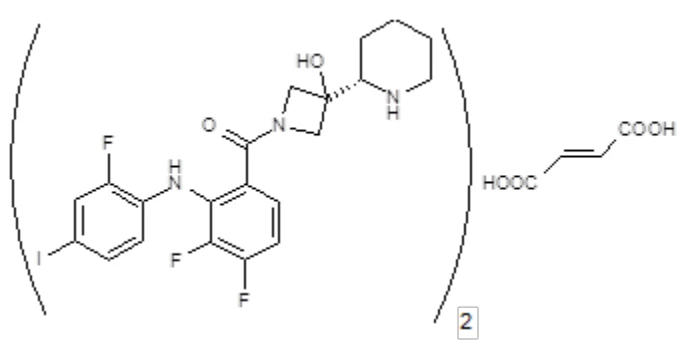 |
| Physicochemical properties: | |
| Description: | White to off white solid. |
| Solubility: | Cobimetinib is a fumarate salt that exhibits a pH dependent solubility. The solubility of cobimetinib in aqueous media increases with decreasing pH. In water (37oC), cobimetinib shows a solubility of 0.72 mg/mL. In 0.1 M HCl (37oC), its solubility is 48.21 mg/mL |
14 CLINICAL TRIALS
14.1 Clinical Trials by Indication
Unresectable or Metastatic Melanoma – COTELLIC in Combination with Vemurafenib
Table 7 Summary of patient demographics for clinical trials in patients with unresectable or metastatic melanoma
| Study # | Study design | Dosage, route of administration and duration | Study subjects (n) | Mean age (Range) | Sex |
|---|---|---|---|---|---|
| GO28141 | Phase III randomized (1:1), multicenter, double-blind, placebo-controlled | COTELLIC 60 mg OR placebo once daily on Days 1-21 of each 28-day cycle, and 960 mg vemurafenib twice daily on Days 1-28 | N=495 White: 93% | 55 (23-88) | Male: 58% Female: 42% |
Study Demographics and Trial Design
Study GO28141 is a multicenter, randomized, double-blind, placebo-controlled, Phase III study to evaluate the safety and efficacy of COTELLIC (cobimetinib) in combination with vemurafenib as compared to vemurafenib plus placebo, in patients with previously untreated BRAF V600 mutation-positive unresectable locally advanced (stage IIIc) or metastatic melanoma (stage IV).
Following confirmation of a BRAF V600 mutation using the cobas® 4800 BRAF V600 mutation test, 495 patients with unresectable locally advanced or metastatic melanoma were randomized to receive either:
- Placebo once daily on Days 1−21 of each 28-day treatment cycle and 960 mg vemurafenib twice daily on Days 1−28
- COTELLIC 60 mg once daily on Days 1−21 of each 28-day treatment cycle and 960 mg vemurafenib twice daily on Days 1−28
Overall, demographic characteristics and patient baseline disease characteristics were well balanced between treatment arms. Key baseline characteristics included: 58% of patients were male, 93% reported White race, median age was 55 years (range 23 - 88 years), 60% had metastatic melanoma stage M1c, Eastern Cooperative Oncology Group performance status was 0 in 72% and 1 in 28%, serum lactate dehydrogenase (LDH) was elevated in 45%, prior adjuvant therapy had been administered to 10%, and <1% had previously treated brain metastases.
Treatment continued until disease progression, death, unacceptable toxicity, or withdrawal of consent, whichever occurred earliest. Patients in the placebo plus vemurafenib arm were not eligible to cross over to the COTELLIC plus vemurafenib arm at disease progression.
Progression-free survival (PFS) as assessed by the investigator (Inv) using RECIST v1.1 was the primary endpoint. Secondary efficacy endpoints included overall survival (OS), objective response rate (ORR), duration of response (DoR), and PFS as assessed by an independent review facility (IRF). Global health status / health-related quality of life by patient-report, also a secondary efficacy endpoint, were measured for each treatment arm using the European Organisation for Research on the Treatment of Cancer (EORTC) Quality of Life Questionnaire (QLQ-C30).
Study Results
Overall, the median duration of follow-up for all patients was 7.3 months. 207 (41.8%) patients had experienced a PFS event at the time of the final analysis of the primary endpoint.
The combination of COTELLIC and vemurafenib showed a statistically significant increase in PFS (Inv) with a hazard ratio of 0.51 (95% CI 0.39-0.68, p < 0.0001). The median PFS (Inv) was 9.9 months in patients receiving COTELLIC and vemurafenib versus 6.2 months in patients receiving placebo and vemurafenib. The PFS benefit in the COTELLIC plus vemurafenib arm was observed across key characteristic subgroups, specifically disease stage, age, sex, ECOG performance status, baseline lactate dehydrogenase (LDH) level, and BRAF V600 mutation E and K genotypes. In the COTELLIC plus vemurafenib arm, 67.6% of patients had an objective response (complete response or partial response) versus 44.8% in the placebo plus vemurafenib arm.
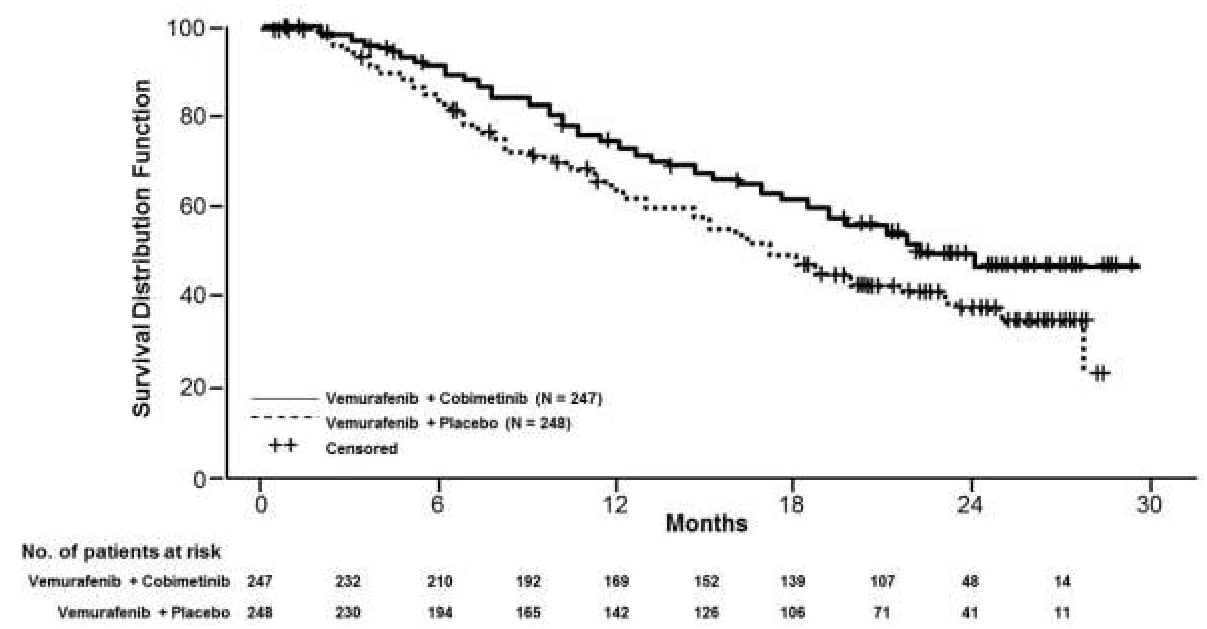
Based on the final stratified analysis of OS, the HR was 0.70 (95% CI: 0.55, 0.90; log-rank p = 0.0050) in favour of the COTELLIC plus vemurafenib arm. This OS p-value crossed the pre-specified boundary of 0.0499. The median OS was 22.3 months (95% CI: 20.3, upper bound not reached) in the COTELLIC plus vemurafenib arm and 17.4 months (95% CI: 15.0, 19.8) in the placebo plus vemurafenib arm. Complete efficacy results are summarized in the table below.
Table 8 Results of Study GO28141 in patients with unresectable or metastatic melanoma
COTELLIC + vemurafenib N=247 | Placebo + vemurafenib N=248 | ||||||||||||
|---|---|---|---|---|---|---|---|---|---|---|---|---|---|
| Primary Endpoint with data cut-off date of 9 May 2014 | |||||||||||||
| Progression Free Survival (Inv)a | |||||||||||||
| Number of Events (%) | 79 (32.0%) | 128 (51.6%) | |||||||||||
| Progression | 74 | 125 | |||||||||||
| Death | 5 | 3 | |||||||||||
Median (Kaplan-Meier estimate - months) 95% CI | 9.9 (9.0, NE) | 6.2 (5.6, 7.4) | |||||||||||
| Hazard ratio (95% CI) | 0.51 (0.39; 0.68) (p-value < 0.0001) | ||||||||||||
| Key Secondary Endpoints | |||||||||||||
| Overall Survival (final)b with data cut-off date of 28 August 2015 | |||||||||||||
| Number of Deaths (%) | 114 (46.2%) | 141 (56.9%) | |||||||||||
| Median (KM-estimate – months) (95% CI) | 22.3 (20.3, NE) | 17.4 (15.0, 19.8) | |||||||||||
| Hazard ratio (95% CI) | 0.70 (0.55, 0.90) (p-value = 0.0050b) | ||||||||||||
| Objective response rate (ORR) with data cut-off date of 9 May 2014 | |||||||||||||
| ORR | 167 (67.6%) | 111 (44.8%) | |||||||||||
| 95% CI for ORR | (61.4%, 73.4%) | (38.5%, 51.2%) | |||||||||||
Difference in ORR % (95% CI) | 22.85 (14.13, 31.58) p-value < 0.0001 | |||||||
|---|---|---|---|---|---|---|---|---|
| Best Overall Response | ||||||||
| Complete Response | 25 (10.1%) | 11 (4.4%) | ||||||
| Partial Response | 142 (57.5%) | 100 (40.3%) | ||||||
| Stable disease | 49 (19.8%) | 105 (42.3%) | ||||||
| Duration of response (DoR) | ||||||||
| Median DoR (months) | NE | 7.3 | ||||||
| 95% CI for median | 9.3, NE | 5.8, NE | ||||||
a Assessed by the investigator (Inv) using RECIST v1.1
b The OS p-value (0.0050) crossed the pre-specified boundary (p value <0.0499).NE = not evaluable
The effect on PFS was also supported by analysis of PFS based on the assessment by blinded independent review.
Retrospective next generation sequencing to evaluate BRAF mutation genotypes was performed on tumour tissue from 400 of 495 patients and demonstrated that 344 (86%) tumors carried a V600E mutation and 56 (14%) had a V600K mutation. The distribution of V600E versus V600K was balanced between treatment arms. Although limited by the low number of patients with V600K compared to patients with V600E, Inv-assessed exploratory subgroup PFS analysis by BRAF V600 mutation genotype suggests treatment benefit for V600K patients treated with COTELLIC in combination with vemurafenib.
Figure 1 Kaplan-Meier Curves of Progression-free Survival (Inv) – Intent-to-Treat Population with data cut-off date of 9 May 2014
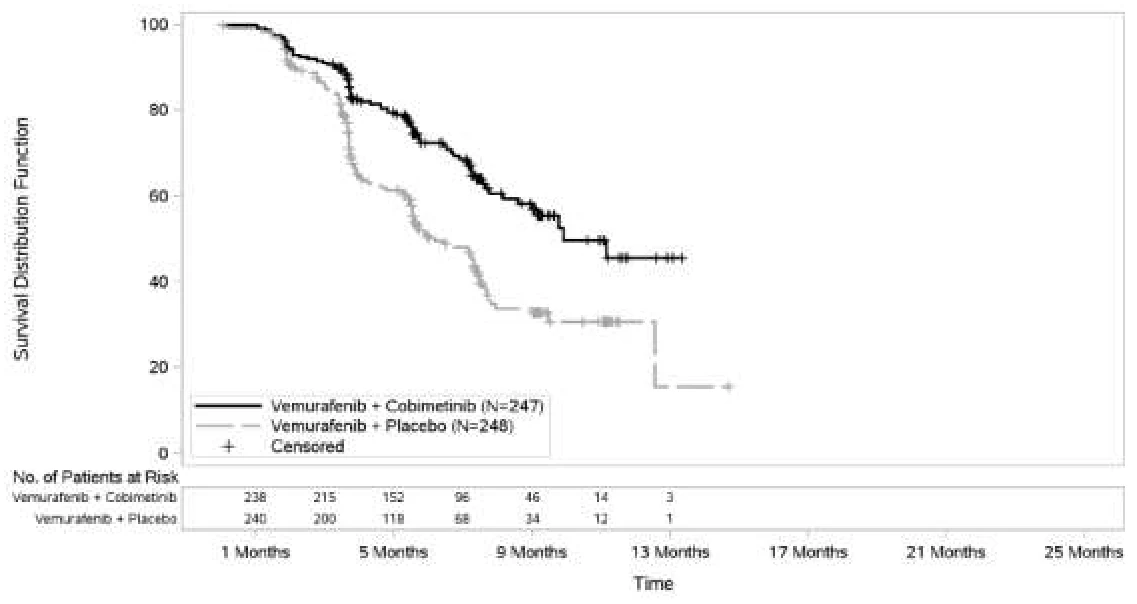
Figure 2 Kaplan-Meier Curves of Final Overall Survival – Intent-to-Treat Population with data cut-off date of 28 August 2015
Additionally, in a post hoc analysis with a data cut-off date of 16 January 2015, a median PFS of 12.3 months (95% CI 9.5, 13.4) was seen in the cobimetinib plus vemurafenib arm compared to 7.2 months (95% CI 5.6, 7.5) in the placebo plus vemurafenib arm [HR 0.58 (95% CI 0.46, 0.72)]. The median follow up of patients was 14.2 months.
Quality of Life
As measured by the EORTC QLQ-C30, all functioning domains and most symptoms (appetite loss, constipation, insomnia, nausea and vomiting, dyspnea, pain, fatigue) were similar between the two treatment arms and did not demonstrate a clinically meaningful change (≥ 10 point increase or decrease from baseline).
15 MICROBIOLOGY
No microbiological information is required for this drug product.
16 NON-CLINICAL TOXICOLOGY
General Toxicology
The nonclinical toxicology profile of cobimetinib was investigated in the rat and dog in studies of up to 13 weeks in duration. Cobimetinib administration resulted in findings attributed primarily to its pharmacologic mechanism of action (inhibition of cell proliferation in tissues with high proliferative rates including gastrointestinal, integument, and hematopoietic and lymphopoietic systems). These effects occurred in animals at total systemic cobimetinib exposures generally below those achieved at the oral therapeutic dose of 60 mg/day in cancer patients (Cmax=273 ng/mL; AUC0-24=4340 ng hr/mL).
Repeated-dose toxicity studies in rats and dogs identified degenerative changes in the bone marrow, gastrointestinal tract, skin, thymus, adrenal gland, liver, spleen, lymph node, ovary and vagina at plasma exposures below clinical efficacious levels. These changes were generally reversible following the non-dosing recovery period, with the exception of lymphocyte depletion/necrosis and plasma cell hyperplasia in mandibular lymph nodes in rats. Dose-limiting toxicities included skin ulcerations, surface exudates, and acanthosis in the rat and chronic active inflammation and degeneration of the esophagus associated with varying degrees of gastroenteropathy in dogs.
Mortality was observed in rats and dogs at exposures below that observed in humans. In the 4-week rat study, animals treated at 1 mg/kg/day and 3 mg/kg/day survived to scheduled necropsy. Mortality was observed in animals treated at 10 mg/kg (≥0.7-fold human clinical exposure based on AUC). In the 13-week study in dogs, mortality was observed within the first 2 weeks of dosing at the dose level of 3.0 mg/kg/day (≥2.0-fold human clinical exposure based on AUC). One female dog that received 1.0 mg/kg/day was euthanized on Day 58 (~0.5 human clinical exposure based on AUC).
Carcinogenicity
No carcinogenicity studies have been performed to establish the carcinogenic potential of cobimetinib.
Genotoxicity
Cobimetinib was not mutagenic nor did it induce structural or numerical chromosomal aberrations in vitro. Cobimetinib did not induce the formation of micronuclei in vivo in the bone marrow of rats that had been treated with cobimetinib.
Reproductive and Developmental Toxicology
No dedicated fertility studies in animals have been performed to evaluate the effect of cobimetinib.
In the repeat-dose toxicology studies, degenerative changes were observed in reproductive tissues including increased apoptosis/necrosis of corpora lutea and vaginal epithelial cells in female rats (~2.5-fold human clinical plasma exposure based on AUC). After a single dose at higher exposures, degenerative changes were also observed in the seminal vesicles of male rats and epididymal epithelial cells of male rats and dogs (≥8-fold human clinical plasma exposure based on AUC).
In a repeat dose toxicity study in juvenile rats, cobimetinib systemic exposures were 2 to 11 fold higher on Day 1 than on Day 28 when exposures were similar to those in the pivotal toxicity studies in adult rats. Daily oral doses of 3 mg/kg (approximately 0.13–0.5 times the adult human AUC at the recommended dose of 60 mg) administered beginning postnatal Day 10 were associated with mortality on postnatal Day 17, the cause of which was not defined. The same dose did not lead to mortality in adult animals. In juvenile rats, cobimetinib administration resulted in similar changes as seen in the pivotal toxicity studies in adults, including reversible degenerative changes in the thymus and liver, decreased spleen and thyroid/parathyroid weights, increased phosphorus, bilirubin and red cell mass, and decreased triglycerides.
When administered to pregnant rats, cobimetinib caused embryolethality and fetal malformations of the great vessels and skull at systemic exposures approximately 0.9 to 1.4-fold human clinical plasma exposure based on AUC.
Phototoxicity
Cobimetinib was shown to be potentially phototoxic after UVA/UVB irradiation in vitro using cultured murine fibroblasts. There was no evidence of cutaneous or ocular phototoxicity in Long-Evans pigmented rats exposed to a single dose of cobimetinib (~7-fold human clinical plasma exposure based on AUC) and subsequent exposure to UVA and UVB radiation from a xenon lamp (to simulate sunlight).