


Product Monograph - Mektovi
Recent Major Label Changes
| N/A |
|---|
Table of Contents
Certain sections or subsections that are not applicable at the time of the preparation of the most recent authorized product monograph are not listed.
Recent Major Label Changes ................................................................................................... 2
Table of Contents ................................................................................................................... 2
Part 1: Healthcare Professional Information ........................................................................... 4
- 1.
Indications ....................................................................................................................... 4
1.1. Pediatrics .................................................................................................................. 4
1.2. Geriatrics .................................................................................................................. 4
- 2. Contraindications ............................................................................................................ 4
- 3. Serious Warnings and Precautions Box ............................................................................ 4
- 4.
Dosage and Administration ............................................................................................. 4
4.1. Dosing Considerations .............................................................................................. 4
4.2. Recommended Dose and Dosage Adjustment ......................................................... 5
4.4 Administration .......................................................................................................... 8
4.5 Missed Dose ............................................................................................................. 8
5 Overdose ......................................................................................................................... 8
6 Dosage Forms, Strengths, Composition, and Packaging ................................................... 8
7 Warnings and Precautions ............................................................................................... 9
General ................................................................................................................................. 9
Cardiovascular ...................................................................................................................... 9
Driving and Operating Machinery ....................................................................................... 10
Hematologic ....................................................................................................................... 10
Hepatic/Biliary/Pancreatic .................................................................................................. 10
Musculoskeletal .................................................................................................................. 10
Ophthalmologic .................................................................................................................. 11
Reproductive Health ........................................................................................................... 12
Respiratory ......................................................................................................................... 12
Skin ..................................................................................................................................... 12
7.1 Special Populations ................................................................................................ 13
7.1.1 Pregnancy ...................................................................................................... 13
7.1.2 Breastfeeding ................................................................................................ 13
7.1.3 Pediatrics ....................................................................................................... 13
7.1.4 Geriatrics ....................................................................................................... 13
8 Adverse Reactions ......................................................................................................... 13
8.1 Adverse Reaction Overview .................................................................................... 13
8.2 Clinical Trial Adverse Reactions .............................................................................. 14
8.3 Less Common Clinical Trial Adverse Reactions ....................................................... 16
8.4 Abnormal Laboratory Findings: Hematologic, Clinical Chemistry, and Other Quantitative Data ............................................................................................................... 16
9 Drug Interactions ........................................................................................................... 17
9.2 Drug Interactions Overview .................................................................................... 17
9.4 Drug-Drug Interactions ........................................................................................... 17
9.5 Drug-Food Interactions........................................................................................... 18
9.6 Drug-Herb Interactions ........................................................................................... 18
9.7 Drug-Laboratory Test Interactions ......................................................................... 18
10 Clinical Pharmacology ................................................................................................... 18
10.1 Mechanism of Action .............................................................................................. 18
10.2 Pharmacodynamics ................................................................................................ 19
10.3 Pharmacokinetics ................................................................................................... 19
11 Storage, Stability, and Disposal ...................................................................................... 20
Part 2: Scientific Information ................................................................................................ 21
13 Pharmaceutical Information .......................................................................................... 21
14 Clinical Trials .................................................................................................................. 21
14.1 Clinical Trials by Indication ..................................................................................... 21
16 Non-Clinical Toxicology .................................................................................................... 25
Patient Medication Information ........................................................................................... 27
Part 1: Healthcare Professional Information
1. Indications
MEKTOVI (binimetinib) is indicated, in combination with encorafenib, for the treatment of patients with unresectable or metastatic melanoma with a BRAF V600 mutation, as detected by a validated test.
Clinical data supporting the use of MEKTOVI in the treatment of patients with BRAF V600 mutations are limited to patients with V600E or V600K mutations.
1.1. Pediatrics
Pediatrics (< 18 years of age): The safety and effectiveness of MEKTOVI have not been established in pediatric patients; therefore, Health Canada has not authorized an indication for pediatric use.
1.2. Geriatrics
Geriatrics (>65 years of age): No overall differences in the safety or effectiveness of MEKTOVI used in combination with encorafenib were observed in patients over 65 years age compared to younger patients (see ` Warnings and Precautions, Special Populations - Geriatrics).
2. Contraindications
MEKTOVI (binimetinib) is contraindicated in patients who are hypersensitive to this drug or to any ingredient in the formulation, including any non-medicinal ingredient, or component of the container. For a complete listing, see 6 Dosage Forms, Strengths, Composition and Packaging.
3. Serious Warnings and Precautions Box
The following are significant adverse drug reactions identified in clinical trials conducted with MEKTOVI in combination with encorafenib:
- Left ventricular dysfunction (see 7 Warnings and Precautions; Cardiovascular)
- Venous thromboembolism (see 7 Warnings and Precautions; Cardiovascular)
- Major hemorrhagic events (see 7 Warnings and Precautions; Hematologic)
- Retinal pigment epithelial detachment and retinal vein occlusion (see 7 Warnings and Precautions; Ophthalmologic)
- Interstitial lung disease (see 7 Warnings and Precautions; Respiratory)
- Rhabdomyolysis (see 7 Warnings and Precautions; Musculoskeletal)
4. Dosage and Administration
4.1. Dosing Considerations
Before taking MEKTOVI in combination with encorafenib, patients must have a BRAF V600 mutation confirmed by a validated test (see 7 Warnings and Precautions).
4.2. Recommended Dose and Dosage Adjustment
The recommended dosage of MEKTOVI is 45 mg (three 15 mg tablets) orally taken twice daily, approximately 12 hours apart, in combination with encorafenib until disease progression or unacceptable toxicity. MEKTOVI may be taken with or without food.
Consult the encorafenib Product Monograph for complete dosing instructions.
Dose Modifications
The management of adverse reactions may require dose reduction, temporary interruption or treatment discontinuation (see Table 1 and Table 2).
If encorafenib is temporarily interrupted, interrupt MEKTOVI. If encorafenib is permanently discontinued, discontinue MEKTOVI.
Dose reductions for adverse reactions associated with MEKTOVI are presented in Table 1.
Table 1 - Recommended dose reductions for MEKTOVI
| Action | Recommended Dose |
|---|---|
| First Dose Reduction | 30 mg orally twice daily |
| Subsequent Modifications | Permanently discontinue MEKTOVI if the patient is not able to tolerate 30 mg orally twice daily |
For information on the posology and recommended dose modifications of encorafenib, consult the encorafenib Product Monograph.
Dose modifications for adverse reactions associated with MEKTOVI are presented in Table 2
Table 2 - Recommended dosage modifications for MEKTOVI for adverse reactions
| Severity of adverse reactiona | Dose modification for MEKTOVI |
|---|---|
| Severity of adverse reactiona | Dose modification for MEKTOVI |
| Severity of adverse reactiona | Dose modification for MEKTOVI |
| Cardiomyopathy (see 7 Warnings and Precautions, Cardiovascular) | |
| Withhold MEKTOVI for up to 4 weeks, evaluate LVEF every 2 weeks. Resume MEKTOVI at a reduced dose if the following are present:
If the LVEF does not recover within 4 weeks permanently discontinue MEKTOVI. |
| Permanently discontinue MEKTOVI. |
| Venous Thromboembolism (see 7 Warnings and Precautions, Cardiovascular) | |
| Withhold MEKTOVI.
|
| Permanently discontinue MEKTOVI. |
| Serous Retinopathy (see 7 Warnings and Precautions, Ophthalmologic) | |
| Withhold MEKTOVI for up to 10 days.
|
| Retinal Vein Occlusion (RVO) (see 7 Warnings and Precautions, Ophthalmologic) | |
| Permanently discontinue MEKTOVI. |
| Uveitis (see 7 Warnings and Precautions, Ophthalmologic) | |
| If Grade 1 or 2 does not respond to specific ocular therapy, or for Grade 3 uveitis, withhold MEKTOVI for up to 6 weeks.
|
| Permanently discontinue MEKTOVI. |
| Interstitial Lung Disease (see 7 Warnings and Precautions, Respiratory) | |
| Withhold MEKTOVI for up to 4 weeks.
|
| Permanently discontinue MEKTOVI. |
| Hepatotoxicity (see 7 Warnings and Precautions, Hepatic) | |
| Maintain MEKTOVI dose.
|
| See Other Adverse Reactions. |
| Rhabdomyolysis or Creatine Phosphokinase (CPK) elevations (see 7 Warnings and Precautions, Musculoskeletal) | |
| Withhold MEKTOVI dose for up to 4 weeks.
|
|
|
| Dermatologic (see 7 Warnings and Precautions, Skin) | |
| If no improvement within 2 weeks, withhold MEKTOVI until Grade 0-1. Resume at same dose if first occurrence or reduce dose if recurrent. |
| Withhold MEKTOVI until Grade 0-1. Resume at same dose if first occurrence or reduce dose if recurrent. |
| Permanently discontinue MEKTOVI. |
| Other Adverse Reactions (including: Hemorrhage) (see 7 Warnings and Precautions, Hematologic)b | |
| Withhold MEKTOVI for up to 4 weeks.
|
| Permanently discontinue MEKTOVI, or Withhold MEKTOVI for up to 4 weeks.
|
| Consider permanently discontinuing MEKTOVI. |
| Permanently discontinue MEKTOVI. |
a National Cancer Institute Common Terminology Criteria for Adverse Events (NCI CTCAE) version 4.03.
b Dose modification of MEKTOVI when administered with encorafenib is not recommended for the following adverse reactions: palmar-plantar erythrodysesthesia syndrome (PPES), non-cutaneous RAS mutation-positive malignancies, and QTc prolongation.
Refer to the encorafenib Product Monograph for dose modifications for adverse reactions associated with encorafenib.
Special Population
Geriatrics
No dose adjustment is required for patients aged 65 years and older (see 10 Clinical Pharmacology, Pharmacokinetics).
Hepatic impairment
MEKTOVI in combination with encorafenib is not recommended in patients with moderate or severe hepatic impairment.
No dose adjustment is recommended for patients with mild hepatic impairment (see 10 Clinical Pharmacology, Pharmacokinetics).
Renal impairment
No dose adjustment is recommended for patients with renal impairment (see 10 Clinical Pharmacology, Pharmacokinetics).
Pediatric population
Health Canada has not authorized an indication for pediatric use (see 1 Indications, Pediatrics).
4.4 Administration
MEKTOVI (binimetinib) tablets should be swallowed whole with water and may be taken with or without food.
4.5 Missed Dose
If a dose of MEKTOVI is missed, it should not be taken if it is less than 6 hours of the next dose of MEKTOVI.
Do not take an additional dose if vomiting occurs after MEKTOVI administration but continue with the next scheduled dose.
5 Overdose
There is no specific treatment in the event of MEKTOVI overdose. Since binimetinib is 97% bound to plasma proteins, hemodialysis is likely to be ineffective in the treatment of overdose with MEKTOVI.
For the most recent information in the management of a suspected drug overdose, contact your regional poison control centre or Health Canada’s toll-free number, 1-844 POISON-X (1-844-764-7669).
6 Dosage Forms, Strengths, Composition, and Packaging
Table 3 – Dosage Forms, Strengths, and Composition
| Route of Administration | Dosage Form/ Strength/Composition | Non-Medicinal Ingredients |
| oral | Tablets, 15 mg of binimetinib | colloidal silicon dioxide, croscarmellose sodium, lactose monohydrate, magnesium stearate (vegetable source) and microcrystalline cellulose. Coating: ferric oxide yellow, ferrosoferric oxide, polyethylene glycol, polyvinyl alcohol, talc, and titanium dioxide |
Description
MEKTOVI tablets: Yellow/dark yellow, unscored biconvex oval film-coated tablets debossed with a stylized “A” on one side and “15” on the other side. Supplied in bottles containing 90 or 180 tablets.
7 Warnings and Precautions
See 3 Serious Warnings and Precautions Box.
General
MEKTOVI (binimetinib) is indicated for use in combination with encorafenib. For additional information on warnings and precautions associated with encorafenib treatment, consult encorafenib Product Monograph.
Confirmation of BRAF V600 mutation using a validated test is required for selection of patients appropriate for treatment with MEKTOVI.
Cardiovascular
Hypertension
Hypertension, or worsening of pre-existing hypertension, can occur with the use of binimetinib. Blood pressure should be measured at baseline and monitored during treatment, with control of hypertension by standard therapy as appropriate. In case of severe hypertension, temporary interruption of binimetinib is recommended until hypertension is controlled (see 8 Adverse Reactions).
Cardiomyopathy
Cardiomyopathy, manifesting as left ventricular dysfunction associated with symptomatic or asymptomatic decreases in ejection fraction, has been reported in patients treated with MEKTOVI in combination with encorafenib. In COLUMBUS, evidence of cardiomyopathy (decrease in left ventricular ejection fraction (LVEF) below the institutional lower limit of normal (LLN) with an absolute decrease in LVEF ≥ 10% below baseline as detected by echocardiography or multi-gated acquisition (MUGA)) occurred in 7% of patients receiving MEKTOVI plus encorafenib. Grade 3 left ventricular dysfunction occurred in 1.6% of patients. The median time to first occurrence of left ventricular dysfunction (any grade) in patients receiving MEKTOVI in combination with encorafenib was 3.6 months (range 0 to 21 months). Cardiomyopathy resolved in 87% of patients receiving MEKTOVI plus encorafenib.
Assess ejection fraction by echocardiogram or MUGA scan prior to initiating treatment, one month after initiating treatment, and then every 2 to 3 months during treatment. The safety of MEKTOVI in combination with encorafenib has not been established in patients with a baseline ejection fraction that is either below 50% or below the institutional lower limit of normal (LLN). Patients with cardiovascular risk factors should be monitored closely when treated with MEKTOVI.
Withhold, reduce dose, or permanently discontinue based on severity of adverse reaction (see 4 Dosage and Administration; Recommended Dose and Dosage Adjustment and 8 Adverse Reactions).
Venous thromboembolism (VTE)
In COLUMBUS, venous thromboembolism (VTE) occurred in 6% of patients receiving MEKTOVI in combination with encorafenib, including 3.1% of patients who developed pulmonary embolism.
Withhold, reduce dose, or permanently discontinue based on severity of adverse reaction (see 4 Dosage and Administration; Recommended Dose and Dosage Adjustment and 8 Adverse Reactions).
Driving and Operating Machinery
No studies on the effects of MEKTOVI on the ability to drive or operate machinery have been performed. MEKTOVI may have a minor influence on the ability to drive and use machines. Fatigue and vision problems have been reported, and patients taking MEKTOVI should observe caution when driving or operating a vehicle or potentially dangerous machinery.
Hematologic
Hemorrhage
Hemorrhage can occur when MEKTOVI is administered in combination with encorafenib. In COLUMBUS, hemorrhage occurred in 19% of patients receiving MEKTOVI in combination with encorafenib; Grade 3 or greater hemorrhage occurred in 3.2% of patients. The most frequent hemorrhagic events were gastrointestinal, including rectal hemorrhage (4.2%), hematochezia (3.1%), and hemorrhoidal hemorrhage (1%). Events of hematuria occurred in 2.6%. Fatal cerebral hemorrhage in the setting of new or progressive brain metastases occurred in 1.6% of patients.
Withhold, reduce dose, or permanently discontinue based on severity of adverse reaction (see 4 Dosage and Administration; Recommended Dose and Dosage Adjustment and 8 Adverse Reactions).
Hepatic/Biliary/Pancreatic
Hepatotoxicity
Hepatotoxicity can occur when MEKTOVI is administered in combination with encorafenib. In COLUMBUS, the incidence of Grade 3 or 4 increases in liver function laboratory tests in patients receiving MEKTOVI in combination with encorafenib was 6% for alanine aminotransferase (ALT), 2.6% for aspartate aminotransferase (AST), and 0.5% for alkaline phosphatase. No patient experienced Grade 3 or 4 serum bilirubin elevation.
Monitor liver laboratory tests before initiation of MEKTOVI, monthly during treatment, and as clinically indicated. Withhold, reduce dose, or permanently discontinue based on severity of adverse reaction (see 4 Dosage and Administration; Recommended Dose and Dosage Adjustment and 8 Adverse Reactions).
Musculoskeletal
Rhabdomyolysis
Rhabdomyolysis can occur when MEKTOVI is administered in combination with encorafenib. In COLUMBUS, elevation of laboratory values of serum creatine phosphokinase (CPK) occurred in 58% of patients treated with MEKTOVI in combination with encorafenib. In patients with BRAF mutation-positive melanoma receiving MEKTOVI with encorafenib (n=690), rhabdomyolysis was reported in 1 patient (0.1%).
Monitor CPK and creatinine levels prior to initiating MEKTOVI, periodically during treatment, and as clinically indicated. Withhold, reduce dose, or permanently discontinue based on severity of adverse reaction (see 4 Dosage and Administration; Recommended Dose and Dosage Adjustment and 8 Adverse Reactions).
Ophthalmologic
Serous Retinopathy
In COLUMBUS, serous retinopathy occurred in 20% of patients treated with MEKTOVI in combination with encorafenib; 8% were retinal detachment and 6% were macular edema. Symptomatic serous retinopathy occurred in 8% of patients with no cases of blindness. No patient discontinued MEKTOVI due to serous retinopathy; 6% of patients required dose interruptions or dose reductions. The median time to onset of the first event of serous retinopathy (all grades) was 1.2 months (range 0 to 17.5 months).
Patients should be assessed at each visit for symptoms of new or worsening visual disturbances. If symptoms of new or worsening visual disturbances including diminished central vision, blurred vision or loss of vision are identified, a prompt ophthalmologic examination is recommended. Withhold, reduce dose, or permanently discontinue based on severity of adverse reaction (see 4 Dosage and Administration; Recommended Dose and Dosage Adjustment and 8 Adverse Reactions).
Retinal Vein Occlusion
Retinal vein occlusion (RVO) is a known class-related adverse reaction of MEK inhibitors and may occur in patients treated with MEKTOVI in combination with encorafenib. In patients with BRAF mutation-positive melanoma receiving MEKTOVI with encorafenib (n=690), 1 patient experienced RVO (0.1%).
The safety of MEKTOVI has not been established in patients with a history of RVO or current risk factors for RVO including uncontrolled glaucoma or a history of hyperviscosity or hypercoagulability syndromes.
Perform ophthalmologic evaluation for patient-reported acute vision loss or other visual disturbance within 24 hours. Permanently discontinue MEKTOVI in patients with documented RVO (see 4 Dosage and Administration; Recommended Dose and Dosage Adjustment and 8 Adverse Reactions).).
Uveitis
Uveitis, including iritis and iridocyclitis, has been reported in patients treated with MEKTOVI in combination with encorafenib. In COLUMBUS, the incidence of uveitis among patients treated with MEKTOVI in combination with encorafenib was 4%.
Patients should be assessed at each visit for symptoms of new or worsening visual disturbances. If symptoms of new or worsening visual disturbances including diminished central vision, blurred vision or loss of vision are identified, a prompt ophthalmologic examination is recommended. Withhold, reduce dose, or permanently discontinue based on severity of adverse reaction (see 4 Dosage and Administration; Recommended Dose and Dosage Adjustment and 8 Adverse Reactions).
Reproductive Health
Fertility
There are no data on the effect of binimetinib on fertility in humans.
Pregnancy testing
Verify the pregnancy status of females of reproductive potential prior to initiating MEKTOVI.
- Contraception
MEKTOVI can cause fetal harm when administered to a pregnant woman (see 7 Warnings and Precautions, Special Population, Pregnancy). Advise females of reproductive potential to use effective contraception during treatment with MEKTOVI and for at least 1 month after the final dose.
Advise male patients with female partners who are pregnant, possibly pregnant, or who could become pregnant to use effective barrier contraception during treatment with MEKTOVI and for at least 1 week after the last dose of MEKTOVI.
Respiratory
Interstitial Lung Disease
In patients with BRAF mutation-positive melanoma receiving MEKTOVI with encorafenib (n=690), 2 patients (0.3%) developed interstitial lung disease (ILD), including pneumonitis.
Assess new or progressive unexplained pulmonary symptoms or findings for possible ILD. Withhold, reduce dose, or permanently discontinue based on severity of adverse reaction (see 4 Dosage and Administration; Recommended Dose and Dosage Adjustment and 8 Adverse Reactions).
Skin
Cutaneous malignancies
In COLUMBUS, cutaneous squamous cell carcinoma (cuSCC), including keratoacanthoma (KA), occurred in 2.6%, and basal cell carcinoma occurred in 1.6% of patients who received MEKTOVI in combination with encorafenib. The median time to first occurrence of cuSCC/KA was 5.8 months (range 1 to 9 months).
Perform dermatologic evaluations prior to initiating treatment, every 2 months during treatment, and for up to 6 months following discontinuation of treatment. Manage suspicious skin lesions with excision and dermatopathologic evaluation. Instruct patients to inform their physician immediately if new skin lesions develop. Dose modification is not recommended for new primary cutaneous malignancies.
Rash
Rash can occur when MEKTOVI is administered in combination with encorafenib. In COLUMBUS, the incidence of rash among patients treated with MEKTOVI in combination with encorafenib was 26.0%; Grade 3 or 4 rash occurred in 1.0% of patients.
Perform a dermatologic evaluation prior to initiation of MEKTOVI and monitor patients routinely while on therapy. Withhold, reduce dose, or permanently discontinue MEKTOVI based on the severity of the adverse reaction (see 4 Dosage and Administration, Recommended Dose and Dosage Adjustment and 8 ADVERSE REACTIONS).
7.1 Special Populations
7.1.1 Pregnancy
There are no data from the use of binimetinib in pregnant women. Based on its mechanism of action and animal reproduction studies, MEKTOVI can cause fetal harm when administered to a pregnant woman (see 10 Clinical Pharmacology, Mechanism of Action and 16 Non-Clinical Toxicology). MEKTOVI should not be used in pregnant women. If the patient becomes pregnant while taking MEKTOVI, the patient should be apprised of potential hazard to the fetus. Advise females of reproductive potential to use effective contraception during treatment with MEKTOVI and for at least 1 month after the final dose.
7.1.2 Breastfeeding
There are no data on the presence of binimetinib or its active metabolite in human milk, or the effects of binimetinib on the breastfed infant, or on milk production. Because of the potential for serious adverse reactions from MEKTOVI in breastfed infants, advise women not to breastfeed during treatment with MEKTOVI and for 3 days after the final dose.
7.1.3 Pediatrics
Pediatrics (<18 years): No data are available to Health Canada; therefore, Health Canada has not authorized an indication for pediatric use.
7.1.4 Geriatrics
Of the 690 patients with BRAF mutation-positive melanoma who received MEKTOVI (45 mg twice daily) in combination with encorafenib at doses between 300 mg and 600 mg once daily across multiple clinical trials, 20% were aged 65 to 74 years and 8% were aged 75 years and older. No overall differences in the safety or effectiveness of MEKTOVI plus encorafenib were observed in patients over 65 years of age compared to younger patients.
The most common AEs reported with a higher incidence in patients aged ≥ 65 years compared to patients aged < 65 years included diarrhea, pruritus, GGT and blood phosphatase alkaline elevation.
8 Adverse Reactions
8.1 Adverse Reaction Overview
The safety of MEKTOVI in combination with encorafenib is described in 192 patients with BRAF V600 mutation-positive unresectable or metastatic melanoma who received MEKTOVI (45 mg twice daily) in combination with encorafenib (450 mg once daily) in a randomized open-label, active-controlled trial (COLUMBUS).
The most common (≥ 20%) adverse events in patients receiving MEKTOVI in combination with encorafenib were fatigue, nausea, diarrhea, vomiting, constipation, abdominal pain, headache, rash, hyperkeratosis, blood creatinine kinase (CK) increased, visual impairment, arthralgia, and myopathy.
Grade 3/4 adverse events were reported in 57.8% of patients receiving MEKTOVI in combination with encorafenib, and in 63.4% of patients receiving vemurafenib. Adverse reactions leading to dose interruptions of MEKTOVI occurred in 33% of patients receiving MEKTOVI in combination with encorafenib; the most common were left ventricular dysfunction (6%) and serous retinopathy (5%). Adverse reactions leading to dose reductions of MEKTOVI occurred in 19% of patients receiving MEKTOVI in combination with encorafenib; the most common were left ventricular dysfunction (3%), serous retinopathy (3%), and colitis (2%). Five percent (5%) of patients receiving MEKTOVI in combination with encorafenib experienced an adverse reaction that resulted in permanent discontinuation of MEKTOVI. The most common adverse reactions resulting in permanent discontinuation of MEKTOVI were hemorrhage in 2% and headache in 1% of patients.
8.2 Clinical Trial Adverse Reactions
Clinical trials are conducted under very specific conditions. Therefore, the frequencies of adverse reactions observed in the clinical trials may not reflect frequencies observed in clinical practice and should not be compared to frequencies reported in clinical trials of another drug.
The COLUMBUS trial (see 14 Clinical Trials) excluded patients with a history of Gilbert’s syndrome, abnormal left ventricular ejection fraction, prolonged QTc (>480 msec), uncontrolled hypertension, and history or current evidence of retinal vein occlusion. The median duration of exposure was 11.8 months for patients treated with MEKTOVI in combination with encorafenib and 6.2 months for patients treated with vemurafenib or, for rare events, exposure of 690 patients with BRAF V600 mutation-positive melanoma to MEKTOVI (45 mg twice daily) in combination with encorafenib at doses between 300 mg and 600 mg once daily across multiple clinical trials.
Error! Reference source not found. presents adverse drug reactions, identified in COLUMBUS.
Table 4 – Adverse Reactions Occurring in ≥10% of Patients Receiving MEKTOVI in Combination with Encorafenib in COLUMBUSa
| Adverse Reaction | MEKTOVI (45 mg BID) with encorafenib (450 mg QD) N=192 | Vemurafenib (960mg BID) N=186 | ||
|---|---|---|---|---|
| Adverse Reaction | MEKTOVI (45 mg BID) with encorafenib (450 mg QD) N=192 | Vemurafenib (960mg BID) N=186 | ||
All Grades (%) | Grades 3 and 4b (%) | All Grades (%) | Grades 3 and 4b (%) | |
All Grades (%) | Grades 3 and 4b (%) | All Grades (%) | Grades 3 and 4b (%) | |
| Blood and Lymphatic System Disorders | ||||
| Anemia | 15 | 4 | 8 | 2 |
| Eye Disorders | ||||
| Visual impairmentc | 20 | 0 | 2 | 0 |
| Serous retinopathy/RPEDc | 20 | 3 | 2 | 0 |
| Gastrointestinal Disorders | ||||
| Nausea | 41 | 2 | 34 | 2 |
| Diarrhea | 37 | 3 | 34 | 2 |
| Vomitingc | 30 | 2 | 16 | 1 |
| Abdominal painc | 28 | 4 | 16 | 1 |
| Constipation | 22 | 0 | 7 | <1 |
| General Disorders and Administration Site Conditions | ||||
| Fatiguec | 43 | 3 | 46 | 7 |
| Pyrexiac | 18 | 4 | 30 | 0 |
| Peripheral edemac | 13 | 1 | 15 | 1 |
| Musculoskeletal and Connective Tissue Disorders | ||||
| Arthralgiac | 26 | <1 | 46 | 6 |
| Myopathyc | 23 | 0 | 22 | <1 |
| Pain in extremity | 11 | 1 | 13 | 1 |
| Nervous System Disorders | ||||
| Headachec | 22 | 2 | 20 | <1 |
| Dizzinessc | 15 | 3 | 4 | 0 |
| Peripheral neuropathyc | 12 | 1 | 13 | 2 |
| Skin and Subcutaneous Tissue Disorders | ||||
| Hyperkeratosisc | 23 | <1 | 50 | 1 |
| Rashc | 22 | 1 | 53 | 13 |
| Dry skinc | 16 | 0 | 26 | 0 |
| Alopeciac | 14 | 0 | 38 | 0 |
| Pruritusc | 13 | <1 | 21 | 1 |
| Vascular Disorders | ||||
| Hemorrhagec | 19 | 3 | 9 | 2 |
| Hypertensionc | 12 | 6 | 11 | 3 |
a Grades per National Cancer Institute CTCAE v4.03.
b Grade 4 adverse reactions limited to diarrhea (n=1) and hemorrhage (n=3) in the MEKTOVI with encorafenib arm and constipation (n=1) in the vemurafenib arm.
c Represents a composite of multiple, related preferred terms.
(RPED) Retinal pigment epithelial detachment
8.3 Less Common Clinical Trial Adverse Reactions
Other clinically important adverse reactions occurring in < 10% of patients who received MEKTOVI in combination with encorafenib in the COLUMBUS trial were:
Gastrointestinal disorders: Colitis (2.1%), pancreatitis (1.0%)
Immune system disorders: Drug hypersensitivity (3.6%)
Nervous system disorders: Facial paresis (1.0%)
Skin and subcutaneous tissue disorders: Panniculitis (1.6%)
8.4 Abnormal Laboratory Findings: Hematologic, Clinical Chemistry, and Other Quantitative Data
Clinical Trial Findings
Table 3 presents laboratory abnormalities identified in the COLUMBUS trial.
Table 3 - Laboratory Abnormalities Occurring in ≥10% (All grades) of Patients Receiving MEKTOVI in Combination with Encorafenib in COLUMBUSa
| Laboratory Abnormality | MEKTOVI (45mg BID) with encorafenib (450 mg QD) N=192 | Vemurafenib (960mg BID) N=186 | ||
|---|---|---|---|---|
All Grades (%) | Grades 3 and 4 (%) | All Grades (%) | Grades 3 and 4 (%) | |
| Hematology | ||||
| Decreased hemoglobin | 37 | 4 | 34 | 2 |
| Decreased leukocytes | 13 | 0 | 10 | <1 |
| Decreased lymphocyte | 13 | 2 | 30 | 7 |
| Decreased Neutrophil | 13 | 3 | 5 | <1 |
| Chemistry | ||||
| Increased Creatinine | 93 | 4 | 92 | 1 |
| Increased Creatine Phosphokinase | 58 | 5 | 4 | 0 |
| Increased Gamma Glutamyl Transferase | 45 | 12 | 34 | 5 |
| Increased ALT | 29 | 6 | 27 | 2 |
| Increased Glucose | 28 | 5 | 20 | 3 |
| Increased AST | 27 | 3 | 24 | 2 |
| Increased Alkaline Phosphatase | 21 | <1 | 36 | 2 |
| Decreased Sodium | 18 | 4 | 15 | <1 |
| Increased Magnesium | 10 | 1 | 26 | <1 |
a Grades per National Cancer Institute CTCAE v4.03.
9 Drug Interactions
9.2 Drug Interactions Overview
No clinically important drug interactions have been observed with MEKTOVI.
9.4 Drug-Drug Interactions
Clinical Studies
Effect of UGT1A1 Inducers or Inhibitors on Binimetinib: UGT1A1 genotype and smoking (UGT1A1 inducer) do not have a clinically important effect on binimetinib exposure. Based on PBPK simulations, a low potential for clinically significant drug interaction between binimetinib and atazanavir (UGT1A1 inhibitor) is expected. However, as this has not been evaluated in a formal clinical study, UGT1A1 inducers or inhibitors should be administered with caution.
No differences in binimetinib exposure have been observed when MEKTOVI is coadministered with encorafenib.
Effect of Binimetinib on CYP Substrates: Binimetinib did not alter the exposure of a sensitive CYP3A4 substrate (midazolam).
Effect of Acid Reducing Agents on Binimetinib: The extent of binimetinib exposure (AUC) was not altered in the presence of a gastric acid reducing agent (rabeprazole).
In Vitro Studies
Effect of Binimetinib on CYP Substrates: Binimetinib is not a time-dependent inhibitor of CYP1A2, CYP2C9, CYP2D6 or CYP3A.
Effect of Transporters on Binimetinib: Binimetinib is a substrate of P-glycoprotein (P-gp) and breast cancer resistance protein (BCRP). Binimetinib is not a substrate of organic anion transporting polypeptide (OATP1B1, OATP1B3, OATP2B1) or organic cation transporter 1 (OCT1).
Effect of binimetinib on transporters: Binimetinib is a weak inhibitor of OAT3. No clinically significant drug-drug interactions caused by binimetinib on other transporters is expected.
9.5 Drug-Food Interactions
MEKTOVI may be administered with or without food (see 10 Clinical Pharmacology, Pharmacokinetics)
9.6 Drug-Herb Interactions
Interactions with herbal products have not been established.
9.7 Drug-Laboratory Test Interactions
Interactions with laboratory tests have not been established.
10 Clinical Pharmacology
10.1 Mechanism of Action
Binimetinib is an ATP-uncompetitive reversible inhibitor of mitogen-activated extracellular signal regulated kinase 1 (MEK1) and MEK2 activity. MEK proteins are upstream regulators of the extracellular signal-related kinase (ERK) pathway. In cell-free assays, binimetinib inhibited extracellular signal-related kinase (ERK) phosphorylation and viability. In vitro, binimetinib inhibited MEK-dependent phosphorylation of BRAF mutant human melanoma cell lines. In vivo, binimetinib inhibited ERK phosphorylation and tumor growth in BRAF-mutant murine xenograft models.
Combination with encorafenib
Binimetinib and encorafenib (see encorafenib Product Monograph) target two different kinases in the RAS/RAF/MEK/ERK pathway. Coadministration resulted in greater anti-proliferative activity in vitro in BRAF mutation-positive cell lines and greater anti-tumor activity in BRAF V600E mutant human melanoma xenograft in vivo models. Additionally, the combination of binimetinib and encorafenib delayed the emergence of resistance in BRAF V600E mutant human melanoma xenografts in mice compared to either drug alone.
10.2 Pharmacodynamics
Cardiac Electrophysiology
Following MEKTOVI alone at 45 mg twice daily, no clinically meaningful QT prolongation was observed.
10.3 Pharmacokinetics
The pharmacokinetics of binimetinib was studied in healthy subjects and patients with solid tumors. After twice-daily dosing, the accumulation is 1.5-fold and the coefficient of variation (CV%) of the area under the concentration-time curve (AUC) is < 40% at steady state. The systemic exposure of binimetinib is approximately dose proportional.
Absorption
After oral administration, at least 50% of the binimetinib dose was absorbed with a median time to maximum concentration (Tmax) of 1.6 hours.
Effect of food
The administration of a single dose of MEKTOVI 45 mg with a high-fat, high-calorie meal (consisting of approximately 150 calories from protein, 350 calories from carbohydrate, and 500 calories from fat) in healthy subjects had no effect on binimetinib exposure.
Distribution
Binimetinib is 97% bound to human plasma proteins and the blood-to-plasma ratio is 0.72. The geometric mean (CV%) of apparent volume of distribution of binimetinib is 92 L (45%).
Metabolism
The primary metabolic pathway is glucuronidation contributing up to 61% of the binimetinib metabolism. UGT1A1 is the main implicated isoform with a contribution of up to 50.9%. Other pathways of binimetinib metabolism include N-dealkylation, amide hydrolysis, and loss of ethane-diol from the side chain. The active metabolite M3 produced by CYP1A2 and CYP2C19 represents 8.6% of the binimetinib exposure. Following a single oral dose of 45 mg radiolabeled binimetinib, approximately 60% of the circulating radioactivity AUC in plasma was attributable to binimetinib.
Elimination
The mean (CV%) terminal half-life (t1/2) of binimetinib is 3.5 hours (28.5%) and apparent clearance (CL/F) is 20.2 L/h (24%).
Following a single oral dose of 45 mg radiolabeled binimetinib in healthy subjects, 62% (32% unchanged) of the administered dose was recovered in the feces while 31% (6.5% unchanged) was recovered in the urine.
Special populations and conditions
- Age (20 to 94 years), sex, or body weight (42 to 168 kg) do not have a clinically important effect on the systemic exposure of binimetinib.
- Ethnic origin: The effect of race or ethnicity on the pharmacokinetics of binimetinib has not been studied.
Hepatic Insufficiency: No clinically meaningful changes in binimetinib exposure (AUC and
- Cmax) were observed in subjects with mild hepatic impairment (total bilirubin > 1 and ≤ 1.5 × ULN and any AST or total bilirubin ≤ ULN and AST > ULN) as compared to subjects with normal liver function (total bilirubin ≤ ULN and AST ≤ ULN). A 2-fold increase in AUC was observed in subjects with moderate (total bilirubin > 1.5 and ≤ 3 × ULN and any AST) or severe (total bilirubin levels > 3 × ULN and any AST) hepatic impairment. This increase extends to approximately three-fold in both moderate and severe hepatic impairment when considering unbound binimetinib exposure (see 4 Dosage and Administration).
- Renal Insufficiency In subjects with severe renal impairment (eGFR ≤ 29 mL/min/1.73 m2), no clinically important changes in binimetinib exposure were observed as compared to subjects with normal renal function.
11 Storage, Stability, and Disposal
Store between 15-30°C.
Any unused medicinal product or waste material should be disposed of in accordance with local requirements.
Part 2: Scientific Information
13 Pharmaceutical Information
Drug Substance
Non-proprietary name of the drug substance: binimetinib
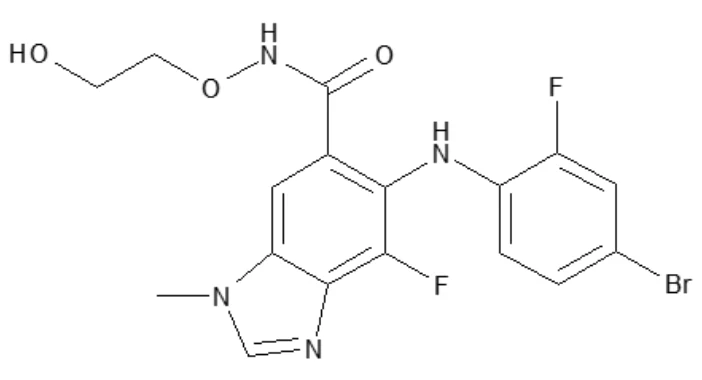
Chemical name: 5-[(4-bromo-2-fluorophenyl)amino]-4-fluoro-N-(2-hydroxyethoxy)-1-methyl-1H-benzimidazole-6-carboxamide
Molecular formula and molecular mass: C17H15BrF2N4O3 with a molecular mass of 441.2 daltons
Structural formula:
Physicochemical properties: Binimetinib is a white to slightly yellow powder. It is slightly soluble in aqueous media at pH 1, very slightly soluble at pH 2, and practically insoluble at pH 4.5 and higher.
14 Clinical Trials
14.1 Clinical Trials by Indication
Table 4 - Summary of COLUMBUS trial design in patients with unresectable or metastatic melanoma with a BRAF V600 mutation
| Study # | Study design | Dosage, route of administration and duration | Study subjects (n) | Age (range) | Sex |
COLUMBUS (CMEK162B2301) | Randomized, active-controlled Open-label, multicentre trial | MEKTOVI (45mg BID) + encorafenib (450mg QD); oral Encorafenib (300mg QD) Vemurafenib (960mg BID); oral | n=192 n=194 n=191 | 20-89 years 21-82 years | Female 40.1%, Male 59.9% Female 41.9%, Male 58.1% |
Efficacy and safety of MEKTOVI in combination with encorafenib was evaluated in a phase III randomized, active-controlled, open-label, international multicentre trial (COLUMBUS) comparing treatment with MEKTOVI in combination with encorafenib to treatment with vemurafenib. Eligible patients were required to have BRAF V600E or V600K mutation-positive unresectable or metastatic melanoma, as detected using a BRAF mutation assay. Patients were permitted to have received immunotherapy in the adjuvant setting and one prior line of immunotherapy for unresectable locally advanced or metastatic disease. Prior use of BRAF inhibitors or MEK inhibitors was prohibited. Randomization was stratified by American Joint Committee on Cancer (AJCC) Stage (IIIB, IIIC, IVM1a or IVM1b, versus IVM1c), Eastern Cooperative Oncology Group (ECOG) performance status (0 versus 1), and prior immunotherapy for unresectable or metastatic disease (yes versus no). The Intent to Treat (ITT) population included all randomized patients.
Patients were randomized (1:1:1) to receive MEKTOVI 45 mg twice daily in combination with encorafenib 450 mg once daily (MEKTOVI in combination with encorafenib), encorafenib 300 mg once daily, or vemurafenib 960 mg twice daily. Treatment continued until disease progression or unacceptable toxicity. Only the results of the approved dosing (MEKTOVI 45 mg in combination with encorafenib 450 mg) are described below.
The major efficacy outcome measure was progression-free survival (PFS), as assessed by a blinded independent central review, to compare MEKTOVI in combination with encorafenib with vemurafenib. Additional efficacy measures included overall survival (OS), as well as objective response rate (ORR) and duration of response (DoR) which were assessed by central review.
Study Results
MEKTOVI in combination with encorafenib demonstrated a statistically significant improvement in PFS compared to vemurafenib. Efficacy results are summarized in Table 7 and Figure 1.
Table 7 - Efficacy Results for COLUMBUS
MEKTOVI with encorafenib N=192 | Vemurafenib N=191 | ||||||||||||||
|---|---|---|---|---|---|---|---|---|---|---|---|---|---|---|---|
| Progression-Free Survival | |||||||||||||||
| Number of events (%) | 98 (51) | 106 (55) | |||||||||||||
| Progressive disease | 88 (46) | 104 (54) | |||||||||||||
| Death | 10 (5) | 2 (1) | |||||||||||||
| Median PFS, months (95% CI) | 14.9 (11, 18.5) | 7.3 (5.6, 8.2) | |||||||||||||
| HR (95% CI)a | 0.54 (0.41, 0.71) | ||||||||||||||
| P valueb | < 0.0001 | ||||||||||||||
| Overall Survivalc | |||||||||||||||
| Number of events (%) | 105 (55) | 127 (67) | |||||||||||||
| Median OS, months (95% CI) | 33.6 (24.4, 39.2) | 16.9 (14.0, 24.5) | |||||||||||||
| HR (95% CI)a | 0.61 (0.47, 0.79) | ||||||||||||||
| Overall Response Rate | |||||||||||||||
| Responders (ORR%) | 121 (63%) | 77 (40%) | |||||||||||||
| (95% CI) | (56%, 70%) | (33%, 48%) | |||||||||||||
| CR | 8% | 6% | |||||||||||||
| PR | 55% | 35% | |||||||||||||
| Duration of Response | |||||||||||||||
| Median DoR, months (95% CI) | 16.6 (12.2, 20.4) | 12.3 (6.9, 16.9) | |||||||||||||
CI = Confidence interval; CR = Complete response; DoR = Duration of response; HR = Hazard ratio; NE = Not estimable; ORR = Overall response rate; OS = Overall survival; PFS = Progression-free survival; PR = Partial response.
- a Estimated with Cox proportional hazard model adjusted by the following stratification factors: American Joint Committee on Cancer (AJCC) Stage (IIIB, IIIC, IVM1a or IVM1b, versus IVM1c) and Eastern Cooperative Oncology Group (ECOG) performance status (0 versus 1).
- b Log-rank test adjusted by the same stratification factors.
- c Interim analysis based on a cutoff date 17.6 months after the date of PFS analysis.
Figure 1 - Kaplan-Meier Curves for Progression-Free Survival in COLUMBUS
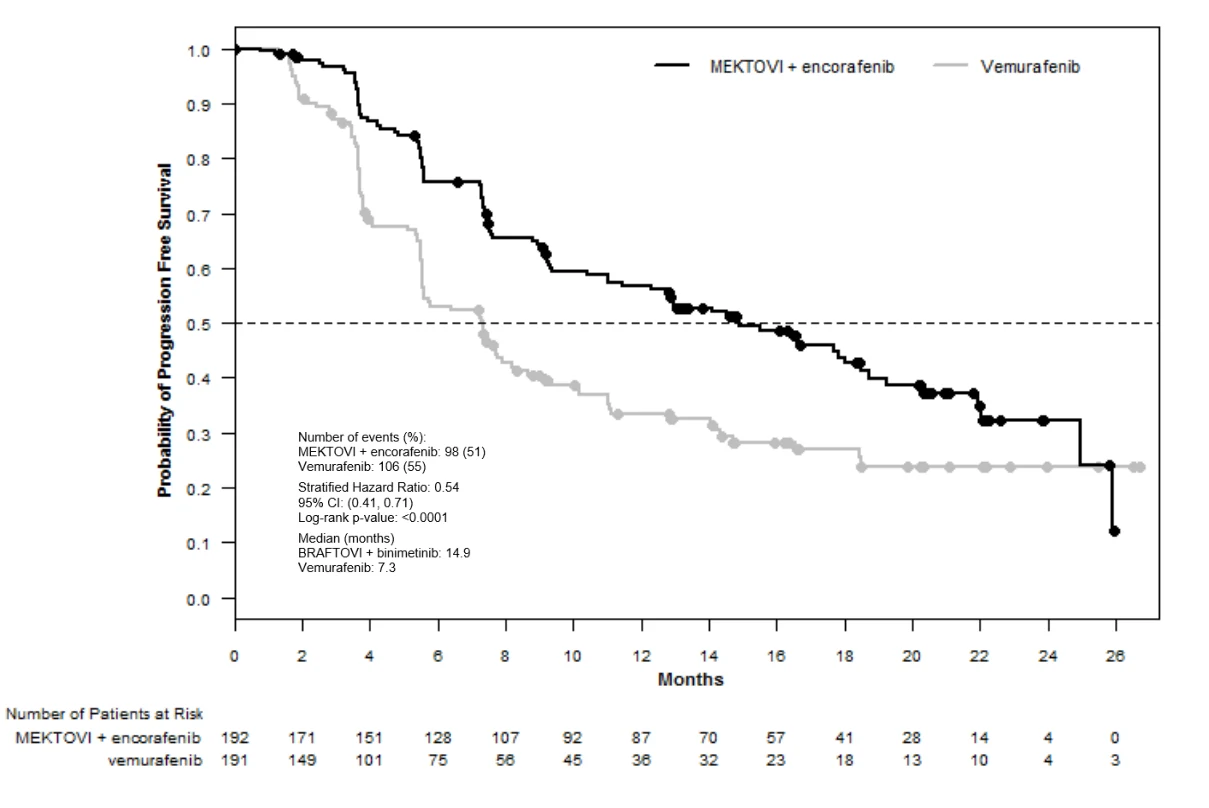
Table 8 - Patient Demographics and Baseline Characteristics for COLUMBUS
MEKTOVI (45 mg BID) + encorafenib (450 mg QD) N=192 | Vemurafenib (960 mg BID) N=191 | |
|---|---|---|
Age (years) Median (Min˗Max) Age Category, n (%) < 65 ≥ 65 | 57.0 (20-89) 132 (68.8) 60 (31.3) | 56.0 (21-82) 140 (73.3) 51 (26.7) |
Sex, n (%) Female Male | 77 (40.1) 115 (59.9) | 80 (41.9) 111 (58.1) |
Race, n (%) Caucasian Asian Native American Other / Unknown / Missing | 181 (94.3) 5 (2.6) 0 6 (3.1) | 166 (86.9) 8 (4.2) 2 (1.0) 15 (7.8) |
BRAF Mutation Status, n (%) V600E V600K V600E&K | 170 (88.5) 22 (11.5) 0 | 168 (88.0) 22 (11.5) 1 (0.5) |
ECOG PS at Baseline, n (%) ECOG PS = 0 ECOG PS = 1 | 136 (70.8) 56 (29.2) | 140 (73.3) 51 (26.7) |
Prior Antineoplastic Therapy, n (%) Medication Surgery Radiotherapy | 62 (32.3) 146 (76.0) 30 (15.6) | 59 (30.9) 157 (82.2) 25 (13.1) |
Any Prior Immunotherapya, n (%) Yes No | 57 (29.7) 43 (70.3) | 57 (29.8) 43 (70.2) |
Stage at time of study entry, n (%) Stage IIIB / IIIC Stage IV M1A / M1B Stage IV M1C with elevated LDH Stage IV M1C with normal LDH | 9 (4.7) 60 (31.2) 50 (26.0) 73 (38.0) | 11 (5.7) 55 (28.8) 36 (18.8) 89 (46.6) |
Number of organs involved at Baselineb, n (%) 1 2 3 >3 | 47 (24.5) 58 (30.2) 45 (23.4) 42 (21.9) | 45 (23.6) 59 (30.9) 42 (22.0) 45 (23.6) |
LDH at Baselinec, n (%) Low Normal | 0 137 (71.4) | 0 139 (72.8) |
| High | 55 (28.6) | 52 (27.2) |
a Treatment included use in both metastatic and adjuvant settings. Prior use of Interferons/Interleukins was most common; seven patients used Ipilimumab and one patient used Anti-PD1/PDL1 inhibitors. b For patients with Stage IIIB and IIIC at study entry, the number of organs involved at baseline is equal to one and presented as skin. c Low and high categories defined by normal ranges.
16 Non-Clinical Toxicology
General toxicology
The toxicological evaluations of binimetinib included single-dose, 28-day and 6-month repeat-dose studies in Sprague Dawley rats and 28-day and 9-month repeat-dose studies in cynomolgus monkeys.
In the acute dose toxicity study in rats, binimetinib was clinically well-tolerated at doses up to 100 mg/kg and 300 mg/kg in male and female rats, respectively. The main findings were transient and reversible decreases in body weight and food consumption, and microscopic findings of mineralization is select soft tissues which were not reversible in females after a 14-day recovery period. The AUC12 exposure margins at the no adverse effect level of 30 mg/kg (male rats only) are 37-fold the relevant human exposure.
In repeat-dose toxicity studies of up to 26 weeks duration in rats or 39 weeks duration in monkeys, binimetinib was clinically tolerated at 10 mg/kg/day and at 2 mg/kg/day, respectively. The AUC12 exposure margins versus the relevant human exposure at the no adverse effect level are 5-fold for rat and 0.7-fold for monkey. In the 6-month repeat-dosing study in rats, the primary findings were skin inflammation with erosions/ulcers/scabbing and hair loss in all groups with reversibility at the 1 and 3 mg/kg/day dose levels. Soft tissue mineralization was not a toxicologic finding associated with binimetinib administration in this study. In the 9-month repeat-dosing study in the monkey, the primary findings were gastrointestinal inflammation and intolerance with associated secondary changes in serum chemistry and hematology values. The latter findings were mild and reversible at the NOAEL of 2 mg/kg/day in monkeys. These toxicity findings in nonclinical species are consistent with the pharmacology of MEK inhibitors, in general.
Genotoxicity
Binimetinib was not genotoxic in studies evaluating reverse mutations in bacteria, chromosomal aberrations in mammalian cells, or micronuclei in bone marrow of rats.
Carcinogenicity
Carcinogenicity studies with binimetinib have not been conducted.
Reproductive and developmental toxicology
No dedicated fertility studies have been conducted with binimetinib in animals. In general toxicology studies in rats and monkeys, there were no remarkable findings in male or female reproductive organs.
In reproductive toxicity studies, administration of binimetinib to rats during the period of organogenesis resulted in maternal toxicity, decreased fetal weights and increased variations in ossification at doses ≥ 30 mg/kg/day (approximately 37 times the human exposure based on AUC at the recommended clinical dose of 45 mg twice daily). In pregnant rabbits, administration of binimetinib during the period of organogenesis resulted in maternal toxicity, decreased fetal body weights, an increase in malformations, and increased post-implantation loss, including total loss of pregnancy at doses ≥ 10 mg/kg/day (approximately 5 times the human exposure based on AUC at the recommended clinical dose of 45 mg twice daily). There was a significant increase in fetal ventricular septal defects and pulmonary trunk alterations at 20 mg/kg/day of binimetinib (less than 8 times the human exposure at the recommended clinical dose of 45 mg twice daily).