


Product Monograph - Cutaquig
RECENT MAJOR LABEL CHANGES
1 Indications, 1.1 Pediatrics 07/2021
4 Dosage and Administration, 4.1 Dosing Considerations 07/2021
4 Dosage and Administration, 4.2 Recommended Dose and Dosage Adjustment 07/2021
4 Dosage and Administration, 4.4 Administration 01/2023
7 Warnings and Precautions, 7.1.3 Pediatrics 07/2021
TABLE OF CONTENTS
Sections or subsections that are not applicable at the time of authorization are not listed.
RECENT MAJOR LABEL CHANGES ......................................................................................... 2
PART I: HEALTH PROFESSIONAL INFORMATION .................................................................. 4
1 INDICATIONS ................................................................................................................... 4
1.1 Pediatrics ................................................................................................................. 4
1.2 Geriatrics ................................................................................................................. 4
2 CONTRAINDICATIONS ................................................................................................... 4
3 SERIOUS WARNINGS AND PRECAUTIONS BOX ........................................................ 5
4 DOSAGE AND ADMINISTRATION .................................................................................. 5
4.1 Dosing Considerations ............................................................................................ 5
4.2 Recommended Dose and Dosage Adjustment ....................................................... 6
4.4 Administration .......................................................................................................... 8
4.5 Missed Dose .......................................................................................................... 12
5 OVERDOSAGE .............................................................................................................. 12
6 DOSAGE FORMS, STRENGTHS, COMPOSITION AND PACKAGING ....................... 12
6.1 Physical Characteristics ........................................................................................ 13
7 WARNINGS AND PRECAUTIONS ................................................................................ 14
7.1 Special Populations ............................................................................................... 17
7.1.1 Pregnant Women ............................................................................................... 17
7.1.2 Breast-feeding ................................................................................................... 17
7.1.3 Pediatrics ........................................................................................................... 17
7.1.4 Geriatrics ........................................................................................................... 17
8 ADVERSE REACTIONS ................................................................................................. 17
8.1 Adverse Reaction Overview .................................................................................. 17
8.2 Clinical Trial Adverse Reactions ............................................................................ 17
8.4 Abnormal Laboratory Findings: Hematologic, Clinical Chemistry and Other Quantitative Data ............................................................................................................ 19
8.5 Post-Market Adverse Reactions ............................................................................ 20
9 DRUG INTERACTIONS .................................................................................................. 20
9.2 Drug Interactions Overview ................................................................................... 20
9.4 Drug-Drug Interactions .......................................................................................... 20
9.5 Drug-Food Interactions .......................................................................................... 21
9.6 Drug-Herb Interactions .......................................................................................... 21
9.7 Drug-Laboratory Test Interactions ......................................................................... 21
10 CLINICAL PHARMACOLOGY ....................................................................................... 21
10.1 Mechanism of Action ......................................................................................... 21
10.2 Pharmacodynamics ........................................................................................... 21
10.3 Pharmacokinetics .............................................................................................. 21
11 STORAGE, STABILITY AND DISPOSAL ...................................................................... 22
12 SPECIAL HANDLING INSTRUCTIONS ......................................................................... 22
PART II: SCIENTIFIC INFORMATION ....................................................................................... 23
13 PHARMACEUTICAL INFORMATION ............................................................................ 23
14 CLINICAL TRIALS ......................................................................................................... 24
14.1 Trial Design and Study Demographics .............................................................. 24
14.2 Study Results ..................................................................................................... 27
16 NON-CLINICAL TOXICOLOGY ..................................................................................... 29
PATIENT MEDICATION INFORMATION .................................................................................. 31
PART I: HEALTH PROFESSIONAL INFORMATION
1 INDICATIONS
cutaquig® (Immunoglobulin (human) subcutaneous) is indicated for the treatment of patients with primary immune deficiency (PID) and secondary immune deficiency (SID) who require immune globulin replacement therapy.
1.1 Pediatrics
Pediatrics (2 to < 18 years of age): The safety and efficacy of cutaquig® have not been established in patients under 18 years of age. There are only limited data available on the safety and efficacy of cutaquig® administration in pediatric patients. cutaquig® was evaluated in 38 pediatric subjects with primary humoral immunodeficiency (PID).
Pediatrics (< 2 years of age): No data are available in pediatric patients less than 2 years of age.
1.2 Geriatrics
Geriatrics (> 65 years of age): Clinical studies of cutaquig® did not include sufficient numbers of subjects > 65 years to determine whether they respond differently from younger subjects.
2 CONTRAINDICATIONS
- cutaquig® is contraindicated in patients who are hypersensitive to this drug or to any ingredient in the formulation, including any non-medicinal ingredient, or component of the container. For a complete listing, see 6 DOSAGE FORMS, STRENGTHS, COMPOSITION AND PACKAGING.
- cutaquig® is contraindicated in patients who have had an anaphylactic or severe systemic reaction to the administration of human IgG or to components of cutaquig® such as maltose or polysorbate 80.
3 SERIOUS WARNINGS AND PRECAUTIONS BOX
4 DOSAGE AND ADMINISTRATION
4.1 Dosing Considerations
Cutaquig® is for subcutaneous administration only. Do not administer intravenously or intramuscularly.
Cutaquig® can be administered at regular intervals from daily up to every two weeks (biweekly). Individualize the dose based on the patient’s IgG trough concentration and clinical response. Monitor serum IgG trough levels regularly to guide subsequent dose adjustments and dosing intervals as needed (see Dose Adjustment).
Potential complications can often be avoided by:
- Initially injecting the product slowly
- Ensuring that patients are carefully monitored for any symptoms throughout the infusion period.
In particular, patients naive to human normal immunoglobulin, patients switched from an alternative immunoglobulin product or when there has been a long interval since the previous infusion should be monitored during the first infusion and for the first hour after the first infusion, in order to detect potential adverse signs.
All other patients should be observed for at least 20 minutes after administration.
Serious Warnings and Precautions
- The physician should discuss the risks and benefits of this product with the patient, before prescribing or administering to the patient (see 7 WARNINGS AND PRECAUTIONS – General).
- Rarely, human normal immunoglobulin can induce a fall in blood pressure with anaphylactic reaction, even in patients who had tolerated previous treatment with human normal immunoglobulin. Suspicion of allergic or anaphylactic type reactions requires immediate discontinuation of the injection. In case of shock, standard medical treatment should be administered.
- There is clinical evidence of an association between the administration of immunoglobulins and thromboembolic events such as myocardial infarction, stroke, pulmonary embolism and deep vein thrombosis. Therefore, caution should be exercised when prescribing and administering immunoglobulins.
- Risk factors for thromboembolic events include: advanced age, use of estrogens, in-dwelling central vascular catheters, history of vascular disease or thrombotic episodes, acquired or inherited hypercoagulable states, prolonged periods of immobilization, severe hypovolemia, diseases which increase blood viscosity and cardiovascular risk factors (including obesity, hypertension, diabetes mellitus, history of atherosclerosis and/or impaired cardiac output).
- Thrombosis may occur even in the absence of known risk factors (see 7 WARNINGS AND PRECAUTIONS – Thromboembolism).
4.2 Recommended Dose and Dosage Adjustment
The recommended weekly dose of cutaquig® is 0.1–0.2g/kg body weight (BW) administered subcutaneously.
Cutaquig® can be administered at regular intervals from daily up to every other week.
- For dosing frequencies greater than once per week (2 to 7 times per week), divide the calculated weekly dose by the desired number of administrations per week (e.g., for 3 times per week dosing, divide weekly dose by 3).
- For every other week dosing, multiply the calculated weekly cutaquig® dose by 2.
To convert a cutaquig® dose (in grams) to milliliters (mL), multiply the calculated dose (in grams) by 6.
Loading Dose
If a loading dose is required, cutaquig® may be given as a dosage of at least 0.2 to 0.5 g/kg body weight (1.2 to 3 mL/kg body weight) divided over several days.
Starting treatment with cutaquig®:
- For weekly or more frequent dosing, start treatment with cutaquig® 1 week after the patient’s last IVIG infusion or SCIG infusion.
- For every other week dosing, start treatment 1 or 2 weeks after the last IVIG infusion or 1 week after the last weekly SCIG infusion. To convert cutaquig® dose (in grams) to milliliters (mL), multiply the dose by 6 (0.17 g per 1 mL).
Dose for patients switching to cutaquig® from IVIG replacement therapy:
To calculate the initial weekly dose of cutaquig®, convert the recommended monthly IVIG dose into a equivalent weekly dose and increase it using a dose adjustment factor.
- The initial weekly dose of cutaquig® is calculated by dividing the monthly IVIG dose in grams by the number of weeks between IVIG infusions and then multiply this value with a Dose Adjustment Factor of 1.30.
Initial cutaquig® weekly dose = Previous IVIG dose (in grams) x 1.30
Number of weeks between IVIG doses To convert the dose (in grams) to milliliters (mL), multiply the calculated dose (in grams) by 6
- For dosing frequencies greater than once per week (2 to 7 times per week), divide the calculated weekly dose by the desired number of administrations per week (e.g., for 3 times per week dosing, divide weekly dose by 3).
- For every other week dosing, multiply the calculated weekly cutaquig® dose by 2.
Dose for patients switching to cutaquig® from another SCIG replacement therapy:
- For patients already on SCIG treatment the dosing recommendation is to start with an initial cutaquig® dose that is equal to the previous SCIG dose.
- The previous weekly SCIG dose should be maintained for weekly dosing.
- For dosing frequencies greater than once per week (2 to 7 times per week), divide the calculated weekly dose by the desired number of administrations per week (e.g., for 3 times per week dosing, divide weekly dose by 3).
- For every other week dosing, multiply the weekly dose by 2.
Dose Adjustment
Over time, the dose may need to be adjusted to achieve the desired clinical response and serum IgG trough level. However, the patient’s clinical response should be the primary consideration in dose adjustment.
Measure the patient’s serum IgG trough level 2-3 months after switching to cutaquig® or after the last cutaquig® dose adjustment, in order to determine if a dose adjustment is necessary.
Calculate the difference between the patient’s target serum IgG trough level (in mg/dL) and the IgG trough level obtained during subcutaneous treatment with cutaquig®. Find this difference in column 1 of Table 1 and according to frequency of administration (weekly or every other week) locate the corresponding adjustment amount of cutaquig® in mL/administration according to the body weight of the patient.
For more frequent dosing than weekly or every other week, add the weekly increment from Table 1 to the weekly equivalent dose of the patient and then divide by the desired number of administrations per week.
Use the patient’s clinical response as primary point to consider for any dose adjustment. Additional dose increments may be indicated based on the patient's clinical response (i.e., infection frequency and severity).
Table 1 Incremental adjustment (mL) of weekly or every other week cutaquig® dosing based on the calculated difference between actual IgG trough level and the target trough level for the patient*
| Difference from Target Serum IgG Trough Level | Dosing Frequency | Weight-adjusted Dose Increment (mL*) | ||||
|---|---|---|---|---|---|---|
| Body weight | ||||||
| 30 kg | 50 kg | 70 kg | 90 kg | 110 kg | ||
| 50 mg/dl | Weekly | 4 | 6 | 8 | 11 | 13 |
| Every other week | 7 | 12 | 16 | 21 | 26 | |
| 100 mg/dl | Weekly | 7 | 12 | 16 | 21 | 26 |
| Every other week | 14 | 24 | 33 | 42 | 52 | |
| 200 mg/dl | Weekly | 14 | 24 | 33 | 42 | 52 |
| Every other week | 28 | 47 | 66 | 85 | 104 | |
| 300 mg/dl | Weekly | 21 | 35 | 49 | 64 | 78 |
| Every other week | 42 | 71 | 99 | 127 | 155 |
*Derived from a linear regression model of trough levels and weekly dose per kg body weight.
For example: a patient with body weight of 70 kg is treated weekly and has a trough level of 600 mg/dL, but the target trough level is 900 mg/dL The difference between the actual trough level (600) and the desired trough level (900) is plus 300 mg/dL. Therefore, the recommended increase in the weekly dose would be app. 49 mL.
A patient with a body weight of 50 kg, on an every-other week dosing and with an actual trough level of 900 mg/dL has a target trough level of 700 mg/dL. The difference between actual trough level (900) and desired trough level (700) is minus 200 mg/dL, therefore the patient needs a decrease in his every other week dose of app. 47 mL.
Measles Exposure
Individuals already receiving weekly replacement SCIg at 200 mg/kg body weight or higher are considered protected against measles if the last dose of SCIg was received within one week prior to measles exposure.
For all other PID patients a total weekly dose of 200 mg/kg bodyweight for 2 consecutive weeks should be given as soon as possible. This dosing regimen should provide a serum level > 240 mIU/mL of measles antibodies.
4.4 Administration
For subcutaneous use. Subcutaneous infusion for home treatment should include proper patient instruction for safe and effective infusions.
The following information is guidance based on the results of clinical trials:
Injection Sites
cutaquig® can be infused in the following areas: abdomen, thigh, upper arm, and/or upper leg/hip area. cutaquig® may be infused into multiple injection sites. Injection sites should be at least 2 inches apart (5 cm).
For subcutaneous infusions using a pump
| Volume | For patients not already on SCIG therapy, the maximum initial volume per injection site should not exceed 25 mL. The volume may be gradually increased to a maximum of 100 mL/site as tolerated. |
|---|---|
| Rate | Maximum recommended flow rates per hour per infusion site are as follows: First infusions: 15-20 mL per hour per site for patients naïve to SCIG therapy. For patients already on SCIG therapy and switching to cutaquig® it is recommended to use previously used administration rates for the initial infusions. Subsequent infusions: the infusion rate can be gradually increased by approximately 10 mL/h/site every 2-4 weeks up to a maximum of 67.5 mL per hour per site as tolerated. Maximum recommended flow rates per hour for all sites: 180 mL per hour for all sites as tolerated. |
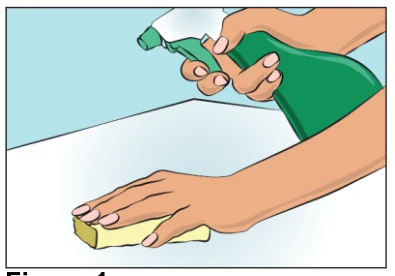
Figure 1
For subcutaneous infusions using a syringe via manual rapid push
| Volume | For patients not already on SCIG therapy, the maximum initial volume per injection site should not exceed 25 mL. The volume may be gradually increased to a maximum of 100 mL/site as tolerated. |
|---|---|
| Rate | Proposed maximum infusion rate is approximately 1-3 mL/min (60-180 mL/hour) as tolerated. |
Administration/Handling instructions
cutaquig® is for subcutaneous administration only. Do not inject into a blood vessel.
Follow the administration guidance below and use aseptic technique when administrating cutaquig®.
- 1.
Getting ready for infusion
- Choose and prepare a clean work area (Figure 1).
Gather your infusion supplies:
- Syringe(s)
- Infusion pump (optional)
- Needle (for drawing up product from the vial)
- Infusion set
- Infusion tubing and Y-connector (if required)
- Alcohol & alcohol wipes
- Gauze or transparent dressing
- Tape
- Sharps container
- Treatment diary and pen
- Wash your hands thoroughly and let them dry (Figure 2). Use disinfectant gel as per the pump manufacturer’s instructions.

Figure 2
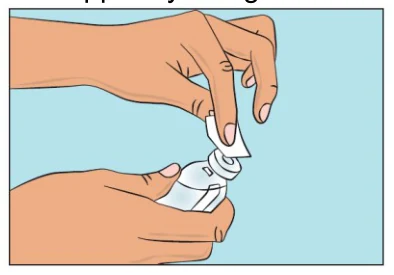
Figure 3
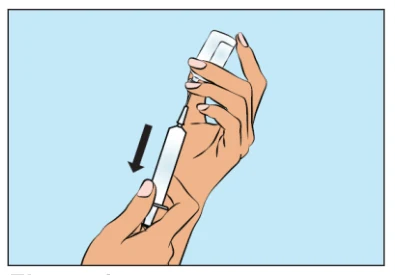
Figure 4
- 2.
Checking & opening the vials
Inspect each vial carefully for:
- Correct labelled dose based on prescription,
- Appearance of the solution (clarity and color),
- Protective cap,
- Expiry date and batch number.
- Remove the protective cap.
- Disinfect the rubber stopper by using a sterile wipe and allow it to dry (Figure 3).
- 3.
Preparing and filling the syringe
- Open sterile syringe and needle.
- Attach the needle to the syringe with a screw action.
- Draw back on the plunger to fill the syringe with air which should be roughly equal to the amount of solution needed from the vial.
- Insert the needle into the vial and turn the vial upside down. Inject air - ensuring the tip of the needle is not in the solution to avoid foaming.
- Next, making sure the needle remains always in the solution, slowly draw up the cutaquig® (Figure 4).
- Withdraw the needle from the vial.
- This procedure might be repeated if you need to use more than one vial.
- When finished remove the needle and dispose it into the sharps bin.
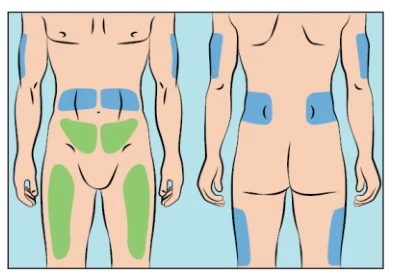
Figure 5
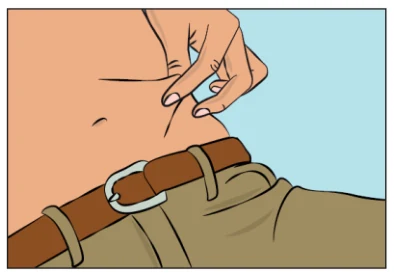
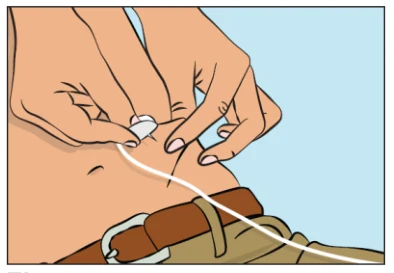
Figure 6
Figure 7
- Immediately proceed to the next step as the IgG solution should be used promptly.
- Preparing the infusion pump (optional)
- Prepare the infusion pump (if using) by following the manufacturer’s instructions.
- Prepare tubing
- Prime (fill) the infusion tubing. To prime the tubing, connect the syringe filled with cutaquig® to the infusion tubing and gently push on the syringe plunger to fill the tubing with cutaquig®.
- Stop priming before cutaquig® fluid reaches the needle.
- If using a pump, insert syringe filled with cutaquig® into the pump.
- Deciding on infusion sites and inserting the infusion needle(s)
- cutaquig® can be infused in the following areas: abdomen, thigh, upper arm, and/or upper leg/hip area (Figure 5).
- The infusion sites should be at least 5 cm apart.
- Never use the same infusions site during consecutive infusions.
- Avoid inserting the needle into scars, tattoos or injured/inflamed skin areas.
- Clean your skin at your selected infusion site(s) with an antiseptic skin wipe allow each site to dry before proceeding.
- Pinch the skin between your thumb and forefinger around the injection site (Figure 6) and insert the needle into the skin – subcutaneous tissue (Figure 7). The angle of the needle will depend on the type of infusion set being used.
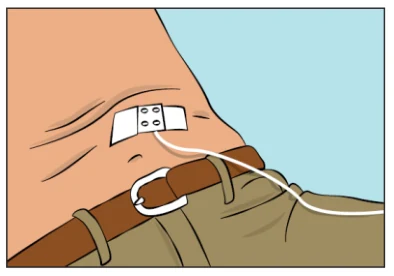
Figure 8
- 7.
Checking the infusion
- The immunoglobulin should not be infused into a blood vessel.
- Secure the needle in place by applying sterile gauze and tape or a transparent dressing (Figure 8).
- 8.
Starting the infusion
- Start the infusion.
- If an infusion pump is used for infusion, follow the manufacturer’s instructions.
- If administration is done by the manual rapid push method using a syringe, start to push the plunger gently and infuse at a rate that is comfortable for you.
- 9.
Recording the infusion
- On each vial of cutaquig® you will find a peel off label giving the batch number details. Stick this label in your patient’s treatment diary or infusion log book. Record details of the dose, date, time, infusion site location and any infections, side effects or other comments.
- 10. After the infusion is complete
Remove the needle(s) and immediately place into the sharps container.
4.5 Missed Dose
A missed dose should be administered as soon as possible to ensure an adequate IgG serum level.
5 OVERDOSAGE
Consequences of an overdose are not known with cutaquig®.
| For management of a suspected drug overdose, contact your regional poison control centre. |
|---|
6 DOSAGE FORMS, STRENGTHS, COMPOSITION AND PACKAGING
To help ensure the traceability of biologic products, including biosimilars, health professionals should recognise the importance of recording both the brand name and the non-proprietary (active ingredient) name as well as other product-specific identifiers such as the Drug Identification Number (DIN) and the batch/lot number of the product supplied.
Table – Dosage Forms, Strengths, Composition and Packaging
cutaquig® is supplied in a single-use vial containing the labeled amount of functionally active IgG. The components used in the packaging of cutaquig® are latex-free.
cutaquig® is a 165 mg/mL solution for subcutaneous injection. The following dosage forms are available:
| Grams Protein | |
|---|---|
| 6 mL | 1 |
| 10 mL | 1.65 |
| 12 mL | 2 |
| 20 mL | 3.3 |
| 24 mL | 4 |
| 48 mL | 8 |
One millilitre of solution contains 165 mg of protein of which ≥ 96% is human immunoglobulin G.
| Quantitative composition: | per mL |
| Human normal immunoglobulin G (IgG) | 165 mg |
| Maltose | 79 mg |
| Polysorbate 80 | 40 µg |
| Water for injections | ad 1 mL |
Package sizes: 1 vial, 10 vials
6.1 Physical Characteristics
cutaquig® (Immunoglobulin (human) subcutaneous, 16.5%) is a sterile liquid preparation of highly purified immunoglobulin G (IgG) with a low viscosity of 11.4 mPa*s (at 20°C).
cutaquig® is manufactured by the cold ethanol fractionation process followed by ultrafiltration and chromatography. The manufacturing process includes treatment with an organic Solvent/Detergent (S/D) mixture composed of tri-n-butyl phosphate (TNBP) and Octoxynol. Viral reduction is achieved through a combination of process steps including cold ethanol fractionation, S/D treatment and pH4 treatment. Other precautions against viral transmission include: selection of plasma donors, screening of donations and plasma pool, as well as quality control measurements of the final product.
cutaquig® is prepared from large pools of human plasma, which may contain the causative agents of hepatitis and other viral diseases (see 7 WARNINGS AND PRECAUTIONS).
| Route of Administration | Dosage Form / Strength/Composition | Non-medicinal Ingredients |
| Subcutaneous | 16.5% Solution for Injection (165 mg/mL) | Maltose Polysorbate 80 Water for Injections |
7 WARNINGS AND PRECAUTIONS
Please see 3 SERIOUS WARNINGS AND PRECAUTIONS BOX.
This product is prepared from large pools of human plasma. Thus, there is a possibility it may contain causative agents of viral or other undetermined diseases.
General
Certain adverse reactions may occur more frequently in patients who receive human normal immunoglobulin for the first time or, in rare cases, when the human normal immunoglobulin product is switched or when there has been a long interval since the previous infusion. Potential complications can often be avoided by:
- initially injecting the product slowly
- ensuring that patients are carefully monitored for any symptoms throughout the infusion period.
In particular, patients naïve to human normal immunoglobulin, patients switched from an alternative immunoglobulin product or when there has been a long interval since the previous infusion should be monitored during the first infusion and for the first hour after the first infusion, in order to detect potential adverse signs.
All other patients should be observed for at least 20 minutes after administration. In case of adverse reaction, either the rate of administration must be reduced or the infusion stopped. Suspicion of allergic or anaphylactic type reactions requires immediate discontinuation of the injection. The treatment required depends on the nature and severity of the adverse reaction. In case of shock, standard medical treatment for shock should be implemented.
Products made from human plasma may contain infectious agents, such as viruses and theoretically, the variant Creutzfeldt-Jakob disease (vCJD) agent that can cause disease. The risk that such products will transmit an infectious agent has been reduced by screening plasma donors for prior exposure to certain viruses, screening of individual donations and plasma pools for specific markers of infection and the inclusion of effective manufacturing steps for the inactivation/removal of viruses.
The viral safety of cutaquig® is ensured through a number of steps, such as the virus removal by cold-ethanol fractionation, S/D treatment and pH4 treatment (see 13 PHARMACEUTICAL INFORMATION). Despite these measures, such products can still potentially transmit disease. Individuals who receive infusions of blood or plasma products may develop signs and/or symptoms of some viral infections.
Acute Renal Dysfunction/Failure
Acute renal dysfunction/failure, acute tubular necrosis, proximal tubular nephropathy, osmotic nephrosis and death may occur with use of human immune globulin, especially those containing sucrose. cutaquig® does not contain sucrose. Ensure that patients are not volume-depleted before administration of cutaquig®. In patients at risk of developing renal dysfunction because of any degree of pre-existing renal insufficiency or predisposition to acute renal failure (such as diabetes mellitus, age greater than 65 years, volume depletion, sepsis, paraproteinemia, or patients receiving known nephrotoxic drugs) monitor renal function and consider lower, more frequent dosing. Periodic monitoring of renal function and urine output is particularly important in patients judged to have a potential increased risk of developing acute renal failure. Assess renal function, including measurements of blood urea nitrogen (BUN) and serum creatinine, before the initial infusion of cutaquig® and again at appropriate intervals thereafter. If renal function deteriorates, consider discontinuing cutaquig®.
Driving and Operating Machinery
There is no information on the influence of cutaquig® on the ability to drive and use machines. However, the ability to drive and operate machines may be impaired by some adverse reactions associated with cutaquig®. Patients who experience adverse reactions during treatment should wait for these to resolve before driving or operating machines.
Hemolysis
IgG products, including cutaquig®, can contain blood group antibodies that may act as hemolysins and induce in vivo coating of red blood cells (RBCs) with immunoglobulin, causing a positive direct antiglobulin (Coombs’) test result. Delayed hemolytic anemia can develop subsequent to immune globulin therapy due to enhanced RBC sequestration, and acute hemolysis, consistent with intravascular hemolysis, has been reported. Monitor cutaquig® recipients for clinical signs and symptoms of hemolysis, particularly patients with risk factors (such as non-O blood group, administration of high IgG doses (≥ 2g/kg BW)). Underlying inflammatory state in a patient may increase the risk of hemolysis but its role is uncertain. Consider appropriate confirmatory laboratory testing if signs and symptoms of hemolysis are present after cutaquig® infusion. No known cases of hemolysis have been reported in clinical studies or routine clinical use of cutaquig®.
Hypersensitivity
Rarely, human normal immunoglobulin can induce a fall in blood pressure with anaphylactic reaction, even in patients who had tolerated previous treatment with human normal immunoglobulin.
In case of hypersensitivity, discontinue the cutaquig® infusion immediately and institute appropriate treatment.
Severe hypersensitivity or anaphylactic reactions up to shock can particularly occur in patients with known allergies to anti-IgA antibodies. Patients with anti- IgA antibodies may have a greater risk of developing potentially severe hypersensitivity and anaphylactic reaction with the administration with cutaquig®. Close medical supervision is required.
In case of severe hypersensitivity/anaphylactic reactions the administration of cutaquig® must be stopped immediately. In case of shock, standard medical treatment should be administered.
Potential complications can often be avoided by ensuring that patients are not sensitive to human normal immunoglobulin, by initially injecting the product slowly.
Patients naive to human normal immunoglobulin or switched from an alternative product should be monitored during and after the first infusion for the first hour, in order to detect potential adverse signs.
IgA Deficient Patients
Individuals with IgA deficiency can develop anti-IgA antibodies and in very rare cases develop potentially severe hypersensitivity and anaphylactic reactions after administration of blood components containing IgA. Not all patients with anti-IgA antibodies receiving IVIG experience reactions, but those patients with high or rising titers of anti-IgA antibodies are thought to have an increased risk of adverse reactions.
Patients who have experienced adverse reactions to IVIG have been reported to better tolerate SCIG.
Patients with anti-IgA antibodies, in whom treatment with subcutaneous IgG products remains the only option, should be given cutaquig® only under close medical supervision.
Monitoring and Laboratory Tests
Patients may need to be monitored for the following reactions reported to occur with IVIG treatment, including: renal dysfunction/failure, hyperproteinaemia, thrombotic events, aseptic meningitis syndrome (AMS), and transfusion-related acute lung injury (TRALI).
This medicinal product contains maximally 90 mg of maltose per ml as an excipient. The interference of maltose in blood glucose assays may result in falsely elevated glucose readings and, consequently, in the inappropriate administration of insulin, resulting in life threatening hypoglycaemia and death. Also, cases of true hypoglycaemia may go untreated if the hypoglycaemic state is masked by falsely elevated glucose readings (see Section 9.7 Drug-Laboratory Test Interactions). Ensure the test systems do not use methods such as glucose dehydrogenase pyrroloquinolinequinone (GDH-PQQ) or glucose-dye-oxidoreductase to avoid the potential risk of false glucose readings when maltose containing products are used intravenously although these systems are no longer in use. cutaquig® should never be administered intravenously.
Neurologic
Aseptic Meningitis Syndrome (AMS) has been reported with use of IVIG or SCIG. The syndrome usually begins within several hours to 2 days following immune globulin treatment. AMS is characterized by the following signs and symptoms: severe headache, neck stiffness, drowsiness, fever, photophobia, nausea, and vomiting. Patients exhibiting signs and symptoms of AMS should receive a thorough neurological examination, including CSF studies, to rule out other causes of meningitis. Discontinuation of immunoglobulin treatment may result in remission of AMS within several days without sequelae.
Transfusion-related Acute Lung Injury (TRALI)
Non-cardiogenic pulmonary edema may occur in patients administered human immune globulin products. No known cases of TRALI have been reported in clinical studies or routine clinical use of cutaquig®. TRALI is characterized by severe respiratory distress, pulmonary edema, hypoxemia, normal left ventricular function, and fever. Typically, it occurs within 1 to 6 hours following transfusion. Monitor patients for pulmonary adverse reactions. If TRALI is suspected, perform appropriate tests for the presence of anti-neutrophil antibodies in both the product and patient’s serum. Patients with TRALI may be managed using oxygen therapy with adequate ventilatory support.
Thromboembolism
Thromboembolic events such as myocardial infarction, stroke, pulmonary embolism and deep vein thrombosis have been associated with the use of immunoglobulins.
Since thrombosis may occur in the absence of known risk factors, caution should be exercised in prescribing and administering immunoglobulins. cutaquig® should be administered at the minimum dose and at the minimum rate of infusion practicable. Patients should be adequately hydrated before administration of immunoglobulins.
Baseline assessment of blood viscosity should be considered in patients at risk for hyperviscosity, including those with cryoglobulins, fasting chylomicronemia/markedly high triacylglycerols (triglycerides), or monoclonal gammopathies. Patients at risk of hyperviscosity should be monitored for signs and symptoms of thrombosis and blood viscosity should be assessed.
Risk factors for thromboembolic events include: advanced age, use of estrogens, in-dwelling central vascular catheters, history of vascular disease or thrombotic episodes, acquired or inherited hypercoagulable states, prolonged periods of immobilization, severe hypovolemia, diseases which increase blood viscosity and cardiovascular risk factors (including obesity, hypertension, diabetes mellitus, history of atherosclerosis and/or impaired cardiac output).
7.1 Special Populations
7.1.1 Pregnant Women
Animal reproduction studies have not been conducted with cutaquig®. The safety of cutaquig® for use in human pregnancy has not been established in controlled clinical trials. cutaquig® should be given to pregnant women only if clearly needed.
Continued treatment of the pregnant woman is important to ensure that the neonate is born with appropriate passive immunity. Immunodeficient women who are pregnant may be at greater risk for infection since placental transfer of the IgG to the fetus may deplete already limited maternal stores. Therapeutic replacement therapy doses may in fact need to be increased to confer adequate humoral protection to the mother and newborn.
7.1.2 Breast-feeding
cutaquig® has not been evaluated in nursing mothers.
After administration of IVIG products, IgGs are excreted into the milk and may contribute to the transfer of protective antibodies to the neonate. As the route of administration is irrelevant for the passive transfer of antibodies once they are in the circulation, and due to the similar metabolism of IVIG and SCIG products, this transfer is also expected to apply to cutaquig®.
7.1.3 Pediatrics
The Pivotal Phase III study was conducted in 75 PID patients, of which 38 subjects were pediatric patients of < 18 years of age. There were no apparent differences in the safety and efficacy profiles of pediatric subjects as compared with adult subjects being treated with cutaquig®. No pediatric-specific dose requirements were necessary to achieve the desired serum IgG levels.
cutaquig® was not studied in neonates or infants.
7.1.4 Geriatrics
In the Pivotal Phase III study, 3 patients over 65 years of age were evaluated. The pivotal clinical study did not include sufficient number of subjects over the age of 65 years to determine whether they respond differently from younger patients. No overall differences in safety or efficacy are to be expected between these subjects and younger subjects.
8 ADVERSE REACTIONS
8.1 Adverse Reaction Overview
No related serious adverse drug reactions were observed in subjects treated with cutaquig® during the clinical studies evaluating its safety.
The most common related adverse drug reactions reported in patients treated with cutaquig® were local reactions at the site of injection and pyrexia.
8.2 Clinical Trial Adverse Reactions
Clinical trials are conducted under very specific conditions. The adverse reaction rates observed in the clinical trials, therefore, may not reflect the rates observed in practice and should not be compared to the rates in the clinical trials of another drug. Adverse reaction information from clinical trials may be useful in identifying and approximating rates of adverse drug reactions in real-world use.
Clinical safety data are based on the pivotal Phase III open-label, single-arm, prospective, multicentre study of cutaquig® in subjects with PID, previously treated with IVIG for at least 6 months, its extension study and the open-label, three-arm, multicentre phase III study. The pivotal study was conducted in Europe and North America and was followed by an extension safety study (prospective, open-label, non-controlled, single-arm, multicenter phase 3) which included 21 patients rolled over from centers in the US plus 6 de novo patients in one center in Canada. The total number of patients in both studies combined was 81.
In the pivotal study, the safety of cutaquig® was evaluated in 75 subjects. A total of 4462 cutaquig® infusions were administered. Overall, there were no safety concerns with the use of cutaquig® in the study population.
In the extension study, the 27 subjects in the Safety Analysis Set received 2777 infusions. The average dose of cutaquig® used per subject was 0.166 g/kg in adult subjects, 0.127 g/kg in young children, 0.210 g/kg in older children and 0.160 g/kg in adolescents.
The open-label, three-arm, multicentre phase III study evaluated the safety, efficacy, and patient satisfaction with cutaquig® using modified dosing regimens (n=64, Cohort 1 (n=15), Cohort 2 (n=15), Cohort 3 (n=34)). A total number of 1338 cutaquig® infusions were administered.
Local reactions were the most common AEs experienced by 98 subjects (59 %) and occurred at a rate of 0.146 per infusion. Almost all local AEs were mild or moderate in intensity.
Systemic (or non-injection site) AEs were possibly related to study drug in 31 subjects (18.7%). Systemic AEs were mostly mild or moderate in intensity.
Table 2 Causally related AEs*
| AEs | Number (%) of subjects (N=166) | Number (rate***) of AEs (N=8577) | ||||||
|---|---|---|---|---|---|---|---|---|
| Systemic reaction, any | 31 (18.7) | 99 (0.012) | ||||||
| Nervous system disorders | Headache | 14 (8.4) | 26 (0.003) | |||||
| Dizziness | 1 (0.6) | 6 (0.001 | ||||||
| Gastrointestinal disorders | Nausea | 4 (2.4) | 11 (0.001) | |||||
| Abdominal distension | 2 (1.2) | 4 (< 0.001) | ||||||
| Abdominal pain | 2 (1.2) | 2 (< 0.001) | ||||||
| Vomiting | 2 (1.2) | 2 (< 0.001)) | ||||||
| Retching | 1 (0.6) | 2 (< 0.001) | ||||||
| Hepatobiliary disorders | Hypertransaminasaemia | 1 (0.6) | 1 (< 0.001) | |||||
| Skin and subcutaneous tissue disorders | Rash | 1 (0.6) | 5 (0.001) | |||||
| Skin reaction | 1 (0.6) | 1 (< 0.001) | ||||||
| AEs | Number (%) of subjects (N=166) | Number (rate***) of AEs (N=8577) | ||||||
|---|---|---|---|---|---|---|---|---|
| Musculoskeletal and connective tissue disorders | Myalgia | 3 (1.8) | 3 (< 0.001) | |||||
| Arthralgia | 1 (0.6) | 1 (< 0.001) | ||||||
| General disorders and administration site conditions | Local reaction** | 98 (59) | 1249 (0.146) | |||||
| Pyrexia | 5 (3.0) | 5 (0.001) | ||||||
| Chills | 4 (2.4) | 7 (0.001) | ||||||
| Fatigue | 3 (1.8) | 9 (0.001) | ||||||
| Chest discomfort | 1 (0.6) | 4 (< 0.001) | ||||||
| Influenza like illness | 1 (0.6) | 2 (< 0.001) | ||||||
| Malaise | 1 (0.6) | 1 (< 0.001) | ||||||
| Pain | 1 (0.6) | 1 (< 0.001) | ||||||
| Investigations | Free haemoglobulin present | 2 (1.2) | 2 (< 0.001) | |||||
| Blood creatinine increased | 1 (0.6) | 1 (< 0.001) | ||||||
| Coombs test positive | 1 (0.6) | 1 (< 0.001) | ||||||
| Haemoglobin increased | 1 (0.6) | 1 (< 0.001) | ||||||
| Haptoglobin decreased | 1 (0.6) | 1 (< 0.001) | ||||||
* Excluding infections
** Local reaction included the following events with more than 2 occurrences that took place at the injection/infusion/puncture site: erythema, redness, swelling, pruritus, oedema, pain, mass, bruising, induration, haematoma, rash, tenderness, warmth, extravasation, nodule, paraesthesia, discomfort, dermatitis, urticaria, and scar.
*** Rate = total number of adverse reactions divided by total number of infusions
Local reactions at the site of injection can be expected with all SCIG infusions. In the pivotal study, the incidence of local reactions decreased over time; approximately 37% of subjects experienced a local reaction after the first 4 cutaquig® infusions; 16% of subjects experienced a local reaction during the last 4 infusions.
8.4 Abnormal Laboratory Findings: Hematologic, Clinical Chemistry and Other Quantitative Data
There were no unexpected safety concerns regarding clinical laboratory parameters over the course of the studies. The observed cases of abnormal values were isolated and did not indicate any trend.
There were no clinically relevant changes in vital signs, and most physical examination findings were normal at baseline and at the completion visit.
8.5 Post-Market Adverse Reactions
Post-marketing reporting of adverse reactions is voluntary and from a population of uncertain size. It is not possible to reliably estimate the frequency of these reactions or establish a causal relationship to product exposure.
The following adverse reactions have been observed during the post-marketing use of cutaquig®. This list does not include reactions already reported in the clinical trials with cutaquig®.
- Immune system disorders: Hypersensitivity (e.g., erythema, urticaria)
- Vascular disorders: Hypertension, thromboembolism, thrombosis (e.g., deep vein thrombosis, cerebrovascular accident)
- Skin and subcutaneous tissue disorders: Pruritus
- Musculoskeletal and connective tissue disorders: Back pain
SCIG Adverse Drug Reactions
The following additional adverse reactions have been reported during the post-marketing use of subcutaneous immunoglobulin products in general:
- Immune system disorders: Anaphylactic reaction, Allergic reaction, face oedema
- Nervous system disorders: Aseptic meningitis, tremor, paresthesia
- Cardiac disorders: Tachycardia
- Respiratory, thoracic and mediastinal disorders: Dyspnea, bronchospasm, cough, laryngospasm
- Gastrointestinal disorders: Diarrhoea
- Skin and subcutaneous tissue disorders: Skin discoloration, skin mass, skin reaction, skin/infusion site ulceration and skin/infusion site necrosis
- General disorders and administration site conditions: Flushing
9 DRUG INTERACTIONS
9.2 Drug Interactions Overview
The passive transfer of antibodies with immunoglobulin administration may interfere, for a period of at least 6 weeks and up to 3 months, with the response to live virus vaccines such as measles, mumps, rubella, or varicella. After administration of this medicinal product, an interval of 3 months should elapse before vaccination with live attenuated virus vaccines. In the case of measles, this impairment may persist for up to 1 year. Therefore, patients receiving measles vaccine should have their antibody status checked. The immunizing physician should be informed of recent therapy with cutaquig® so that appropriate measures may be taken.
Because vaccination in patients with PID is an evolving field, we recommend you refer to the relevant vaccination guidelines.1
9.4 Drug-Drug Interactions
Interactions with other drugs have not been established.
1 Canadian Immunization Guide 7th edition. Available at http://www.phac-aspc.gc.ca/publicat/cig-gci/p03-07-eng.php
9.5 Drug-Food Interactions
Interactions with food have not been established.
9.6 Drug-Herb Interactions
Interactions with herbal products have not been established.
9.7 Drug-Laboratory Test Interactions
cutaquig® contains maltose which can be misinterpreted as glucose by certain types of blood glucose testing systems. Due to the potential for falsely elevated glucose readings, only testing systems that are glucose-specific, should be used to test or monitor blood glucose levels in patients receiving cutaquig®.
Various passively transferred antibodies in immunoglobulin preparations may lead to misinterpretation of the results of serological testing.
Passive transmission of antibodies to erythrocyte antigens, e.g. A, B, D may interfere with some serological tests for red cell alloantibodies (Coombs test).
10 CLINICAL PHARMACOLOGY
10.1 Mechanism of Action
Immunoglobulin replacement therapy is the standard treatment for patients with primary and secondary immunodeficiency. Providing passive immunity by administering exogenous IgG controls most recurrent infections.
The mechanism of action in PID has not been fully elucidated, however adequate doses may restore abnormally low immunoglobulin G levels to the normal range and thus help in preventing infections.
10.2 Pharmacodynamics
cutaquig® supplies a broad spectrum of opsonizing and neutralizing IgG antibodies against a wide variety of bacterial and viral agents; it has a distribution of immunoglobulin subclasses closely proportional to that in native human plasma.
10.3 Pharmacokinetics
A pharmacokinetic (PK) sub-study was conducted in 37 subjects (18 adults and 19 pediatric subjects) who were enrolled in the pivotal safety and efficacy study.
Blood samples for PK study were collected prior to switching to cutaquig® (IVIG profile: PKIV), after the 11th infusion of cutaquig® (first SC profile: PKSC1) and after the 28th infusion of cutaquig® (second SC profile: PKSC2). The objective of the PK sub-study was to compare the AUCs following the IV and SC administration. At steady state, the ratio of the geometric least square means (SC2:IV) was 1.06 (90% CI: 1.03, 1.103), indicating comparable exposure between SCIG and IVIG treatment (standardized to a 7-day period).
The actual dose converting factor was 1.41 (1.21, 1.89). Using a Population PK model calculation, the DCF was determined in a statistically more advanced manner at 1.33 for a median patient.
Serum IgG and IgG subclass trough levels were nearly constant during the SCIG phase of the study, with higher mean levels after SC treatment compared with those following IVIG. At the end of the IVIG period, trough levels ranged from 5.0 g/L to 15.1 g/L. Over the entire SCIG treatment period individual trough levels of total IgG ranged between 4.4 g/L to 24 g/L. PK parameters were comparable between pediatric and adult subjects.
The population PK model estimated that the administration of cutaquig® on an every other week basis at double the weekly dose is expected to result in comparable IgG exposure [equivalent AUCs, with a slightly higher IgG peak (Cmax) and slightly lower trough (Cmin)] in adult subjects. Additionally, cutaquig® infusions given 2, 3, 5, or 7 times per week (frequent dosing) for the same total weekly dose are expected to produce IgG exposures comparable to weekly dosing in adult subjects.
Table 3 summarizes the PK parameters for cutaquig®.
Table 3 Summary of cutaquig® Pharmacokinetic Parameters in PK sub-study
| Cmax [g/L] | Cmin [g/L] | Tmax [h]1 | AUCtau [g*hr/L] | CL+ (mL/day/kg) | |
|---|---|---|---|---|---|
| IVIG2 (N=37) | 18.01 [4.5] | 10.09 [2.5] | 3.38 (1.6 – 69.5) | 2013 (570)# [1812] | 1.5 [0.5] |
| cutaquig®2 (N=37) | 13.47 [3.7] | 11.66 [2.9] | 49.62 (0.8 – 98.3) | 2233 [586] | 1.9 [0.6] |
# standardized to a 7-day ratio
1 expressed as median
2 expressed as arithmetic mean [SD]
+ apparent clearance (CL/F) for cutaquig® (F = bioavailability)
11 STORAGE, STABILITY AND DISPOSAL
cutaquig® can be stored at +2 °C to +8 °C for up to 36 months from the date of manufacture. Within its shelf-life, the product may be stored at room temperature up to +25 °C for up to 9 months without being refrigerated again during this period and must be discarded if not used after this. Do not use after expiry date.
Do not freeze. Keep the vial in the outer carton to protect it from light. Keep in a safe place out of the reach and sight of children.
12 SPECIAL HANDLING INSTRUCTIONS
Prior to administration, visually inspect each vial of cutaquig® for particulate matter, whenever the solution and container permit. Do not use if the solution is cloudy or contains particulates.
- Check the product expiration date on the vial label. Do not use beyond the expiration date.
- Do not mix cutaquig® with other products.
- Do not shake the cutaquig® vial.
- Use aseptic technique when preparing and administering cutaquig®.
- The cutaquig® vial is for single-use only. Discard any unused product after each infusion in accordance with local requirements.
Any unused product or waste material should be disposed of in accordance with local requirements for blood products.
PART II: SCIENTIFIC INFORMATION
13 PHARMACEUTICAL INFORMATION
Drug Substance
Proper name: Immunoglobulin (human) subcutaneous
Chemical name: Immunoglobulin G
Molecular formula and molecular mass: The antibody molecule consists of four polypeptide chains, two identical light polypeptide chains (L) and two identical heavy polypeptide chains (H). The four chains are covalently bonded together by disulfide bonds. The amino terminal end is characterized by sequence variability (V) in both the heavy and light chain. The rest of the molecule has a relatively constant (C) structure. The constant region of the heavy chain is further divided into three structurally discrete regions: CH1, CH2 and CH3. The globular regions, which are stabilized by intra chain disulphide bonds, are referred to as “domains”. The sites at which the antibody binds antigen are located in the variable domains. The molecular weights range from 146 to 170 kD.
Structural formula: cutaquig® consist mainly of human immunoglobulin G which is a glycoprotein. Each immunoglobulin molecule is bifunctional, one region of the molecule is engaged in specific binding to antigen while a different region mediates binding of the immunoglobulin to host tissues.
Physicochemical properties: Immunoglobulins have a common structure with four polypeptide chains. Two heavy chains and two non-glycosylated light chains. Human IgG is divided in four subclasses IgG1, IgG2, IgG3 and IgG4 due to minor differences in the amino sequence. The isoelectric point varies between 5.0 and 9.5. Cleavage of an immunoglobulin molecule with proteolytic enzymes such as papain, in the hinge region, yields two Fab fragments (fragment antigen binding) and one Fc fragment (fragment crystallisable). The Fab fragments contain the antigen binding part. The Fc fragment contains the lower parts of the heavy chains and is essential for a number of biological actions, e.g. complement fixation, binding to cell surface Fc receptors and ability to cross the placenta.
Pharmaceutical standard: ATC-Code: J06B A01
Product Characteristics
cutaquig® is a ready-to-use, sterile, 16.5% protein liquid preparation of polyvalent human immunoglobulin G (IgG) for subcutaneous administration. cutaquig® is prepared by cold-ethanol fractionation of donated human fresh frozen plasma. Each preparation is made from a pool of at least 3,500 donations of human fresh frozen plasma. Residual ethanol is removed via ultra-/diafiltration. Viral inactivation is accomplished by a S/D method and a specific pH4 treatment. Residual S/D reagents are removed by oil extraction (TNBP) and C18 chromatography (Octoxynol). A second ultra-/diafiltration step removes all ions such as sodium and increases the protein content. The whole manufacturing process is carried out at a low pH in order to maintain the nativity of the IgG molecules. After addition of maltose and polysorbate 80 the 16.5% IgG solution is sterile filtered and filled into non-siliconized depyrogenated glass vials.
In the manufacturing process of cutaquig® a heparin sepharose column is implemented to reduce the possible content of procoagulant factors. Furthermore a sensitive batch release test is implemented (Factor XIa-like activity) to detect increased thromboembolic potential. Blood group A and B antibodies (isoagglutinins A and B) are reduced by the ethanol precipitation steps.
Viral Inactivation
The plasma used for the manufacture of cutaquig® is obtained from collection centers that are inspected by Octapharma and are US FDA licensed. All operations and procedures of the plasma centers are reviewed with particular emphasis on donor selection, plasma testing, and proper documentation. All single donations are tested and must be HBsAg-, anti-HCV-, and anti-HIV-1/2-negative as well as negative for Syphilis. The test interval is complying with US regulations. Further, only donations that are tested negative for HIV, HBV, HCV and HAV and below the acceptance limit for Parvo B19 by Polymerase Chain Reaction (PCR) in minipools are accepted. Additionally, the plasma pool used for the production of cutaquig® is tested for HCV by PCR techniques and re-tested for HBsAg and anti- HIV-1/2. Only preparations, which are negative in all these tests, are used for further manufacture.
The pathogen safety of cutaquig® is ensured through three dedicated- and contributing manufacturing steps. In particular, the S/D treatment inactivates enveloped viruses such as HIV, hepatitis B (HBV) and hepatitis C (HCV) virus. The pH4 treatment is effective against both enveloped and non-enveloped viruses, such as hepatitis A virus (HAV). In addition, the manufacturing process comprises an unspecific and highly robust pathogen removal step, i.e. cold-ethanol fraction (removal of fraction I+III) reducing the burden of non-enveloped and enveloped viruses as well as potentially present transmissible spongiform encephalopathy (TSE) agents (prions).
14 CLINICAL TRIALS
Clinical data are available from one pivotal study conducted in North America and Europe, one phase 3 safety follow-up study and one phase 3 study evaluating different dosage regimens.
14.1 Trial Design and Study Demographics
Table 4 Summary of patient demographics for clinical trials in PID patients
| Study # | Study design | Dosage, route of administration and duration | Study subjects (n) | Age (Range) | Sex |
|---|---|---|---|---|---|
| SCGAM-01 | open label, non controlled single arm, multicenter PK, PD, safety and efficacy | SCIG dosage was based on previous IVIG dose multiplied by 1.5 and adjusted for weekly dosing (depending on previous IVIG administration schedule). Administration via subcutaneous route. Study duration included a 15 weeks wash-in/wash-out period followed by a 52 weeks efficacy period. | 75 (including 38 pediatric patients) | 2-75 years | 36 female 39 male |
| Study # | Study design | Dosage, route of administration and duration | Study subjects (n) | Age (Range) | Sex |
|---|---|---|---|---|---|
| SCGAM-03 | open-label, non-controlled, single-arm, multicenter, safety follow up study | SCIG replacement receiving weekly (or every other week at double the weekly dose) doses of cutaquig over a period of up to approximately 2.5 years | 27 (including 10 pediatric patients) | 6 -73 years | 17 female 10 male |
| SCGAM-06 | prospective, open-label, non-controlled, 3-arm, multicenter, phase 3 study | weekly doses of cutaquig® at increasing infusion volumes or flow rates, or who received every other week doses of cutaquig® at double the weekly dose, over a period of up to approximately 6 months | 64 Cohort 1: n=15 Cohort 2: n=15 Cohort 3: n=34 | 5 – 74 years | 48 female 16 male |
Pivotal Phase 3 study:
The study was a prospective, open-label, non-controlled, single-arm, multicentre Phase 3 study to evaluate the pharmacokinetics (PK), efficacy, tolerability and safety of subcutaneous human immunoglobulin (cutaquig®) in patients with primary immunodeficiency diseases (PID).
The study was conducted in 75 PID patients including 38 pediatric patients of < 18 years of age who received weekly SC infusions with cutaquig® during a 12-week wash-in/wash-out period followed by a 12-month efficacy period (primary observation period) during which the efficacy, pharmacokinetics, safety, tolerability and quality of life (QoL) parameters of cutaquig® were evaluated.
During the 12-month primary observation period the mean weekly dose was 174 mg/kg BW, with individual doses ranging from 60 to 390 mg/kg BW. The median duration of infusion per week was 1.5 hours.
All enrolled patients (n=75) were included in the Safety Analysis Set and the Full Analysis Set (FAS). Four patients were excluded from the Per-Protocol (PP) Set because they terminated early before the start of the primary treatment period.
Overall, 36 female patients and 39 male patients participated in this study. The youngest patient enrolled in the study was 2 years old and the oldest was 73 years old. The mean age in the adult group (16–75 yrs) was 47 years. The mean age in the pediatric groups was 4.2 years, 7.9 years and 14.1 years (young children, older children and adolescents) respectively.
The majority of patients (56 patients; 74.7%) had a history of CVID, 6 patients had X-linked agammaglobulinaemia and 13 had other primary immunodeficiencies. The most common previous IVIG schedule was a 4-weekly one (61 patients; 81.3%). The mean dose over the last 6 infusions was 441.02 mg/kg BW.
Primary and Secondary Objectives:
The first primary objective of the study was to assess the efficacy of cutaquig® in preventing serious bacterial infections (SBI) compared with historical control data. The second primary objective was to evaluate the PKs of cutaquig® and to compare the area under the curve (AUCSC) with that of IVIG (AUCIV).
Secondary objectives of the study included: the number of episodes of any other infections, along with type and severity of infection and time to resolution; number of days of use and annual rate of antibiotics; absence and number of days of absence from work/school/ kindergarten/day care; hospitalisations due to infections and number of days and annual rate of hospitalisation; number of episodes of fever; and QoL assessments.
Phase 3 safety follow-up study:
In a prospective, open-label, non-controlled, single-arm, multicenter phase 3 safety follow-up study of the pivotal study, 27 patients (17 adults, 10 patients aged <18 years) with PI were included.
Twenty-one patients were rolled over from the pivotal study and 6 patients were newly enrolled. Mean age was 39 years (range 6 to 73 years). Ten patients (37%) were male.
Patients received cutaquig® on a weekly (25 patients) or an “every other week” schedule (2 patients).
Primary and Secondary Objectives:
The primary objective of this study was to assess the medium-to-long term safety and tolerability of cutaquig®.
Secondary efficacy assessments included, but were not limited to the occurrence of SBIs, the annual rate of all infections of any kind or seriousness, hospitalizations due to infections, and antibiotic use.
Phase 3 study evaluating different dosage regimens:
To monitor the safety, tolerability and efficacy of cutaquig® a prospective, open label, three-arm multicentre phase III study enrolled 64 PID subjects aged 5 to 74 years, including 59 adult PID subjects and 5 pediatric PID subjects of < 17 years of age. After completing the 4-week stabilization period, subjects entered the treatment period of up to 24 weeks and were assigned to one of the 3 cohorts:
- Cohort 1 assessed the increased volume per site with up to a maximum of 100 mL/site. A total of 15 adult subjects were included in Cohort 1.
- Cohort 2 assessed the increased infusion flow rate per site up to a maximum of 100 mL/hr/site or the maximum flow rate achievable by the pump. A total of 15 subjects were included in Cohort 2, including 13 adult subjects and 2 pediatric subjects.
- Cohort 3 assessed cutaquig® on a every other week schedule at the equivalent of twice the patient’s body-weight dependent [mg/kg] weekly dose. A total of 34 subjects were included in Cohort 3, including 31 adult subjects and 3 pediatric subjects.
Primary Objectives:
The co-primary objectives were to compare total IgG trough levels from weekly infusions to every other week infusions and to assess safety and tolerability of increased infusion volumes and increased infusion rates at each infusion site and every other week dosing.
14.2 Study Results
Table 5 Results of clinical studies in PID patients
| Study # | Primary Endpoints | Associated value and statistical significance for Drug at specific dosages |
|---|---|---|
| SCGAM-01 | The primary efficacy endpoint is the rate of SBI per person-year on treatment. | no SBIs |
| SCGAM-03 | The primary objective is to assess safety and tolerability in medium-to-long-term administration | One SBI of the infection type bacteremia/sepsis was reported in an adult patient. The rate of SBI per person-year was 0.03 for adults, and 0.0 for all other age groups (overall rate of 0.018). |
| SCGAM-06 | The co-primary endpoint was to compare total IgG trough levels from weekly infusions to every other week infusions and to assess safety and tolerability of increased infusion volumes and increased infusion rates at each infusion site and every other week dosing | The mean (± SD) total IgG trough levels was 9.927 ± 2.0146 g/L for every two week dosing schedule and was 10.364 ± 1.9632 g/L for weekly dosing schedule. |
Pivotal Phase 3 study:
Primary objectives
The first primary objective (efficacy of cutaquig®) was clearly met, as no SBIs were reported at any time during the study.
For the second primary objective the bioavailability was calculated (AUCSC2/AUCIV) and the geometric mean was 1.0644, (90% CIs: 1.0281, 1.1020), thus confirming bioequivalence.
Secondary objectives
Secondary efficacy results are summarized in Table 6.
Table 6 Summary of efficacy results (FAS set)
| Number of subjects (efficacy period) | 75 |
|---|---|
| Total number of subject years | 70.5 |
Infections Annual rate of SBIs* Annual rate of other infections per subject-year | 0 SBI per subject-year# 3.3 (Upper one-sided 95% confidence limit: 4.3) |
| Number of subjects (efficacy period) | 75 |
|---|---|
Systemic antibiotic use Number of subjects (%) Annual rate (treatment days per subject-year) | 49 (65.3%) 47.2 (Upper one-sided 95% confidence limit: 72.4) |
Days out of work/school/kindergarten/day care due to infections Number of days Annual rate (days per subject-year) | 252 3.6 (Upper one-sided 95% confidence limit: 5.5) |
Hospitalization due to infections Number of days Annual rate (days per subject-year) | 4 29 0.4 (Upper one-sided 95% confidence limit: 1.1) |
* Defined as bacterial pneumonia, bacteremia/septicemia, osteomyelitis/septic arthritis, bacterial meningitis, and visceral abscess.
# Upper one-sided 99% confidence limit: 0.065.
QoL parameters: Overall, there were no major changes in the mean and median CHQ-PF50 scores over time. The aggregated component score of physical health showed a slight improvement and the psychosocial summary score showed a slight worsening.
Mean SF-36v2 scores ranged between 42 and 53. The summary mental health score was 52.25 at the End of Study Visit and the physical health score was 48.51. Overall, there were increases (i.e., improved QoL), albeit slight, between Week 1 and the End of Study Visit in mean scores for both summary scores (physical health and mental health) and also for all eight scales.
Phase 3 safety follow-up study:
One SBI of the infection type bacteremia/sepsis was reported in an adult patient. The rate of SBI per person-year was 0.03 for adults, and 0.0 for all other age groups (overall rate of 0.018). Secondary efficacy results are summarized in Table 7.
Table 7 Summary of efficacy results of the extension study (FAS set)
| Number of subjects | 27 |
|---|---|
| Total number of subject years | 54.1 |
Infections Annual rate of SBIs* Annual rate of other infections per subject-year | 0.02 SBI per subject-year# 2.2 (Two-sided 90% CI: 1.35, 3.58) |
Systemic antibiotic use Number of subjects (%) Annual rate (treatment days per subject-year) | 19 (70.4%) 46.0 (Two-sided 90% CI: 24.1, 87.8) |
| Number of subjects | 27 |
|---|---|
Days out of work/school/kindergarten/day care due to infections Number of days Annual rate (days per subject-year) | 130 2.4 (Two-sided 90% CI: 1.2, 4.8) |
Hospitalization due to infections Number of days Annual rate (days per subject-year) | 3 10 0.19 (Two-sided 90% CI: 0.05, 0.65) |
* Defined as bacterial pneumonia, bacteremia/septicemia, osteomyelitis/septic arthritis, bacterial meningitis, and visceral abscess.
# upper 98% CI: 0.189
Phase 3 study evaluating different dosage regimens:
Overall, subjects received a total number of 1338 infusions (386 in Cohort 1, 396 in Cohort 2, 556 in Cohort 3).
In Cohort 1 (n=15) the mean maximum realized volume per site was 69.43 mL/site with a maximum volume of 108 ml/site.
In Cohort 2 (n=15) the mean maximum realized flow rate per site was 42.1 mL/hr/site with a maximum flow rate of 67.5 mL/h/site.
In Cohort 3 (n=34), the mean (± SD) total IgG trough levels was 9.927 ± 2.0146 g/L for every two week dosing schedule and was 10.364 ± 1.9632 g/L for weekly dosing schedule.
There were no SBIs reported in Cohort 3 during the study.
16 NON-CLINICAL TOXICOLOGY
Animal Toxicity Studies
IgG is a normal constituent of human plasma. In animals, single dose toxicity testing is of no relevance since the high doses required would result in IgG overload. As proteins of human origin are immunogenic to animals, repeated dose and reproduction toxicity testing in animals would not generate useful data. Therefore, single and repeated dose as well as reproduction toxicity studies with the final product are not performed.
Since the clinical experience does not provide any evidence of tumorigenic or mutagenic effects of IgG, experimental studies, particularly in heterologous species, are not considered to be necessary.
However, a local tolerance study was performed in rabbits as follows:
The aim of this experiment was to obtain information on the local tolerance of cutaquig® in comparison with the reference item, a 20% subcutaneous human normal immunoglobulin, in rabbits after single subcutaneous injection. The test item cutaquig® was used as supplied and the reference item was diluted with sterile 0.9% NaCl solution to a final concentration of 16.5%. The volume administered was 5.0 mL/animal. Two male and 2 female animals were employed per item. The test or reference item was administered once under the dorsal skin on the left side of each animal. In addition, a 0.9% aqueous NaCl solution was administered in the same manner and same volume on the right side of each animal and served as a control. Ninety-six hours after administration all animals were sacrificed and the injection sites were examined macro- and microscopically.
No test item-related macroscopic changes were noted. The histomorphological examination of 16 skin localizations in rabbits from a local tolerance test after subcutaneous administration of cutaquig® and a comparator did not reveal any morphological changes in the skin considered to be test item-related. No signs of systemic toxicity occurred.
In conclusion, subcutaneous injection of 5.0 mL cutaquig®/animal did not reveal any test item-related histopathological changes 96 hours after administration.