


Product Monograph - Cyanokit (Serb)
SUMMARY PRODUCT INFORMATION
Route of Administration | Dosage Form / Strength | Clinically Relevant Nonmedicinal Ingredients |
| intravenous | Each vial contains: 1 × 5 g powder for infusion Final concentration after reconstitution is 25 mg/mL | For a complete listing see Dosage Forms, Composition and Packaging section. |
INDICATIONS AND CLINICAL USE
Cyanokit contains hydroxocobalamin, an antidote indicated for the treatment of known or suspected cyanide poisoning.
Cyanokit is to be administered together with appropriate decontamination and supportive measures.
Identifying patients with cyanide poisoning:
Cyanide poisoning may result from inhalation, ingestion, or dermal exposure to various cyanide-containing compounds, including smoke from closed space fires. Sources of cyanide poisoning include hydrogen cyanide and its salts, cyanogens, including cyanogenic plants, aliphatic nitriles, or prolonged exposure to sodium nitroprusside.
The presence and extent of cyanide poisoning are often initially unknown. There is no widely available, rapid, confirmatory cyanide blood test. Treatment decisions must be made on the basis of clinical history and signs and symptoms of cyanide intoxication. If clinical suspicion of cyanide poisoning is high, Cyanokit should be administered without delay.
Table 1 Common Signs and Symptoms of Cyanide Poisoning
Symptoms
- Headache
- Confusion
- Dyspnea
- Chest tightness
Nausea
Signs
- Altered Mental Status (e.g., confusion, disorientation)
- Seizures or Coma
- Mydriasis
- Tachypnea / Hyperpnea (early)
- Bradypnea / Apnea (late)
- Hypertension (early) / Hypotension (late)
- Cardiovascular collapse
- Vomiting
- Plasma lactate concentration ≥8 mmol/L
In some settings, panic symptoms, including tachypnoea and vomiting, may mimic early cyanide poisoning signs. The presence of altered mental status (confusion and disorientation) and/or mydriasis is suggestive of true cyanide poisoning, although these signs can occur with other toxic exposures as well.
Smoke inhalation:
Not all smoke inhalation victims will necessarily have cyanide poisoning, and may present with burns, trauma, and exposure to additional toxic substances making a diagnosis of cyanide poisoning particularly difficult. Prior to the administration of Cyanokit, smoke-inhalation victims should be assessed for the following:
- exposure to fire smoke in an enclosed area
- soot present around mouth, nose and/or oropharynx
- altered mental status
In this setting hypotension and/or a plasma lactate concentration ≥ 10 mmol/L (higher than the value mentioned under signs and symptoms due to the fact that carbon monoxide contributes to lactic acidaemia) are highly suggestive of cyanide poisoning. In the presence of the above signs, treatment with Cyanokit must not be delayed to obtain a plasma lactate concentration.
Use with Other Cyanide Antidotes:
The safety of administering other cyanide antidotes simultaneously with Cyanokit has not been established. If the decision is made to administer another cyanide antidote with Cyanokit, these medicinal products must not be administered concurrently in the same intravenous line (see DOSAGE AND ADMINISTRATION).
Geriatrics (≥ 65 years of age):
Approximately 50 known or suspected cyanide victims aged 65 or older received hydroxocobalamin in clinical studies. In general, the safety and effectiveness of hydroxocobalamin in these patients was similar to that of younger patients. No adjustment of dose is required in elderly patients.
Pediatrics (< 18 years of age):
Limited safety and efficacy data are available for pediatric patients. In infants to adolescents, the
dose of Cyanokit is 70 mg/kg (see DOSAGE AND ADMINISTRATION).
CONTRAINDICATIONS
None.
WARNINGS AND PRECAUTIONS
General
Emergency Patient Management - In addition to Cyanokit, treatment of cyanide poisoning must include immediate attention to airway patency, adequacy of oxygenation and hydration, cardiovascular support, and management of any seizure activity. Consideration should be given to decontamination measures based on the route of exposure.
Cyanokit does not substitute for oxygen therapy and must not delay the set up of the above measures.
Cardiovascular
Transient, generally asymptomatic, increase in blood pressure may occur in patients receiving hydroxocobalamin. The maximal increase in blood pressure has been observed toward the end of infusion.
Immune
Known hypersensitivity to hydroxocobalamin or vitamin B12 must be taken into benefit-risk consideration before administration of Cyanokit, since hypersensitivity reactions may occur in patients receiving hydroxocobalamin. Allergic reactions may include anaphylaxis, chest tightness, edema, urticaria, pruritus, dyspnea and rash.
Renal
Based on its vasopressor effect, hydroxocobalamin may cause vasoconstriction of the renal vasculature.
Calcium oxalate crystals have been observed in the urine of both healthy volunteers given hydroxocobalamin and patients treated with hydroxocobalamin following suspected cyanide poisoning. Cases of acute renal failure with acute tubular necrosis, renal impairment and urine calcium oxalate crystals present have been reported in patients treated with hydroxocobalamin following known or suspected cyanide poisoning. In some situations, hemodialysis was required to achieve recovery (see ADVERSE REACTIONS). Regular monitoring of renal function, including but not limited to blood urea nitrogen (BUN) and serum creatinine, should be performed for 7 days following Cyanokit therapy.
.
Sexual Function/Reproduction
No animal studies on male and female fertility and early embryonic development to implantation have been performed.
Developmental toxicity including teratogenicity was observed in animal studies at doses that correspond approximately to the maximum recommended human dose. See TOXICOLOGY.
Hydroxocobalamin levels were detected in urine for some patients up to 35 days following treatment with Cyanokit indicating that elimination of Cyanokit from the body may not be completed after 35 days.
Based on these data, it is recommended to practice adequate methods of contraception for 2 months following Cyanokit treatment.
Skin
Photosensitivity - Hydroxocobalamin absorbs visible light in the UV spectrum. It therefore has potential to cause photosensitivity. While it is not known if the skin redness predisposes to photosensitivity, patients should be advised to avoid direct sun while their skin remains discoloured.
Special Populations
Pregnant Women: Animal studies have shown teratogenic effects following daily exposure throughout organogenesis. (See TOXICOLOGY) There are no adequate and well-controlled studies in pregnant women. However, treatment of maternal/fetal cyanide poisoning may be lifesaving.
In the case of known pregnancy at the time of treatment with Cyanokit or in the case that pregnancy becomes known after treatment with Cyanokit, health care professionals are requested to promptly report the exposure during pregnancy to the Sponsor and to carefully follow-up on the pregnancy and its outcome.
The extent of exposure in pregnancy with Cyanokit in clinical trials is very limited. In a clinical study of the safety of Cyanokit in healthy volunteers, a pregnant subject was inadvertently enrolled and administered 5 g of hydroxocobalamin IV during her fourth week of gestation. Her pregnancy was uneventful and she reported the birth of a normal healthy baby at term.
In a retrospective study of cyanide ingestion/inhalation, a female subject, 4-months pregnant, ingested an undetermined amount of potassium cyanide. She received 10 g of hydroxocobalamin in addition to sodium thiosulfate in the first 24 hours post-ingestion. The fetus suffered intrauterine death. The mother survived without sequelae.
The effect of Cyanokit on labour and delivery is unknown.
Nursing Women: It is not known whether hydroxocobalamin is excreted in human milk. Because of the unknown potential for adverse reactions in nursing infants, discontinue nursing after Cyanokit treatment.
Pediatrics (< 18 years of age): Limited safety and efficacy data are available for pediatric patients.
Geriatrics (≥ 65 years of age): In general, the safety of hydroxocobalamin in these patients is similar to that of younger patients. No adjustment of dose is required in elderly patients.
Renal Impairment: The safety and effectiveness of Cyanokit have not been studied in patients with renal impairment.
Hydroxocobalamin and cyanocobalamin are eliminated unchanged by the kidneys. Calcium oxalate crystals have been observed in the urine of both healthy volunteers given hydroxocobalamin and patients treated with hydroxocobalamin following suspected cyanide poisoning. Cases of acute renal failure with acute tubular necrosis, renal impairment and urine calcium oxalate crystals present have been reported in patients treated with hydroxocobalamin following known or suspected cyanide poisoning. In some situations, hemodialysis was required to achieve recovery. Regular monitoring of renal function, including but not limited to blood urea nitrogen (BUN) and serum creatinine, should be performed for 7 days following Cyanokit therapy.
Hepatic Impairment: The safety and effectiveness of Cyanokit have not been studied in patients with hepatic impairment.
Monitoring and Laboratory Tests
Effects on blood cyanide assay: Hydroxocobalamin will lower blood cyanide concentrations. While determination of blood cyanide concentration is not required and must not delay treatment with hydroxocobalamin, it may be useful for documenting cyanide poisoning. If a cyanide blood level determination is planned, it is recommended to draw the blood sample before initiation of treatment with Cyanokit.
Interference with burn assessment: Because of its deep red colour, hydroxocobalamin has the potential to induce a red colouration of the skin and therefore may interfere with burn assessment. However, skin lesions, oedema, and pain are highly suggestive of burns.
Interference with laboratory tests: Because of its deep red colour, hydroxocobalamin has the potential to interfere with determination of laboratory parameters (e.g. clinical chemistry, haematology, coagulation, and urine parameters) (Table 2). In vitro tests indicate that the extent and duration of the interference is dependant on numerous factors such as the dose of hydroxocobalamin, analyte, analyte concentration, methodology, analyser, concentrations of cobalamins-(III) including cyanocobalamin and partially the time between sampling and
measurement.
Based on in vitro studies and pharmacokinetic data obtained in healthy volunteers the following table describes interference with laboratory tests that may be observed following a 5 g dose of hydroxocobalamin. Interference following a 10 g dose can be expected to last up to an additional 24 hours. The extent and duration of interference in cyanide-poisoned patients may differ according to the severity of intoxication. Results may vary considerably from one analyser to another, therefore, caution is required when reporting and interpreting laboratory results.
Table 2 Laboratory Interference Observed with in vitro Samples of
Hydroxocobalamin
Laboratory
Parameter
No Interference Observed
Artificially Increaseda
Artificially
Decreaseda
Unpredictablec Duration of
Interference
Clinical
Chemistry
Calcium
Sodium
Potassium
Chloride
Urea
Gamma glutamyl transferase (GGT)
Creatinine Total and
conjugate
bilirubinb
Triglycerides Cholesterol Total protein Glucose
Albumin
Alkaline
phosphatase
Alanine
aminotransferase
(ALT)
Amylase
Phosphate
Uric Acid
Aspartate
aminotransferase
(AST)
Creatine Kinase
(CK)
Creatine Kinase
isoenzyme MB
(CKMB)
Lactate
dehydrogenase
(LDH)
24 hours with the exception of bilirubin (up to 4 days)
Hematology Erythrocytes
Hematocrit
Mean corpuscular volume (MCV) Leukocytes
Lymphocytes
Monocytes
Eosinophils
Neutrophils
Platelets
Hemoglobin (Hb) Mean corpuscular hemoglobin (MCH)
Mean corpuscular hemoglobin concentration (MCHC)
Basophils
12 - 16 hours
Coagulation Activated partial
thromoplastin
time (aPTT)
Prothrombin time
(PT)
Quick or INR
24 – 48 hours
Urinalysis pH (with doses ≥5
g)
Glucose
Protein
Erythrocytes Leukocytes Ketones
Bilirubin
Urobilinogen Nitrite
pH (with
equivalent doses
of <5 g)
48 hours up to 8 days; color changes may persist up to 28 days a ≥10% interference observed on at least 1 analyzer
b Artificially decreased using the diazo method
c Inconsistent results
Analyzers used: ACL Futura (Instrumentation Laboratory), AxSYM®/Architect™ (Abbott), BM Coasys110 (Boehringer Mannheim), CellDyn 3700® (Abbott), Clinitek® 500 (Bayer), Cobas Integra® 700, 400 (Roche), Gen-S Coultronics, Hitachi 917, STA® Compact, Vitros® 950 (Ortho Diagnostics).
Interference with haemodialysis machines: Because of its deep red color, hydroxocobalamin may cause haemodialysis machines to shut down due to an erroneous detection of a ‘blood leak’. This should be considered before haemodialysis is initiated in patients treated with hydroxocobalamin.
ADVERSE REACTIONS
Adverse Drug Reaction Overview
Serious adverse reactions with hydroxocobalamin include allergic reactions, renal disorders and increases in blood pressure [see WARNINGS AND PRECAUTIONS].
A total of 347 subjects were exposed to hydroxocobalamin in clinical studies. Of these 347 subjects, 245 patients had suspected exposure to cyanide at the time of hydroxocobalamin administration. The remaining 102 subjects were healthy volunteers who had not been exposed to cyanide at the time of hydroxocobalamin administration.
Most patients will experience a reversible red colouration of the skin and mucous membranes that may last up to 15 days after administration of Cyanokit. All patients will show a dark red colouration of the urine that is quite marked during the three days following administration. Urine colouration may last up to 35 days after administration of Cyanokit.
Clinical Trial Adverse Drug Reactions
Because clinical trials are conducted under very specific conditions the adverse reaction rates observed in the clinical trials may not reflect the rates observed in practice and should not be compared to the rates in the clinical trials of another drug. Adverse drug reaction information from clinical trials is useful for identifying drug-related adverse events and for approximating rates.
Experience in Healthy Subjects: A double-blind, randomized, placebo-controlled, single-ascending dose (2.5, 5, 7.5, and 10 g) study was conducted to assess the safety, tolerability, and pharmacokinetics of hydroxocobalamin in 136 healthy adult subjects. Because of the dark red color of hydroxocobalamin, the two most frequently occurring adverse reactions were chromaturia (red-coloured urine) which was reported in all subjects receiving a 5 g dose or greater; and erythema (skin redness), which occurred in most subjects receiving a 5 g dose or greater. Adverse reactions reported in at least 1% of the 5 g dose group and corresponding rates in the 10 g and placebo groups are shown in Table 3.
Table 3 Incidence of Adverse Reactions Occurring in ≥ 1% of Healthy Subjects in 5 g
Dose Group and Corresponding Incidence in 10 g Dose Group and Placebo
5 g Dose Group 10 g Dose Group
Hydroxo-
cobalamin
Placebo Hydroxo-cobalamin
Placebo
N = 66 N = 22 N = 18 N = 6 Adverse Drug Reaction n (%) n (%) n (%) n (%) Eye disorders
Eye redness 2 (3) 0 1 (6) 0 Renal and Urinary Disorders Chromaturia (red colored urine)
Oxalate crystals in urine
66 (100)
40 (61)
0
1 (4)
18 (100) 10 (56)
0
0
Pollakiuria (frequent urination) 1 (2) 0 0 0 Skin and subcutaneous tissue
disorders
Erythema 62 (94) 0 18 (100) 0 Rash* 14 (21) 0 3 (17) 0 Immune Disorders Face edema 1 (2) 0 0 0 Pruritus 1 (2) 0 3 (17) 0 Urticaria 1 (2) 0 0 0 Investigations Blood amylase increased 1 (2) 0 0 0 Blood pressure increased 12 (18) 0 5 (28) 0 Lymphocyte percent decreased 5 (8) 0 3 (17) 0 Gastrointestinal disorders Abdominal discomfort 2 (3) 0 2 (11) 0 Flatulence 1 (2) 0 0 0 Loose stools 1 (2) 0 0 0 Nausea 4 (6) 1 (5) 2 (11) 0 Vomiting 2 (3) 0 0 0 Nervous System Disorders Dizziness 2 (3) 0 1 (6) 0 Headache 4 (6) 1 (5) 6 (33) 0 General disorders and
administrative site conditions
Chest discomfort 3 (5) 0 2 (11) 0 Discomfort 1 (2) 0 0 0 Feeling hot and/or cold 2 (3) 0 0 0 Infusion site reaction 4 (6) 0 7 (39) 0 Musculoskeletal and connective
tissue disorders
Joint/back pain 2 (3) 0 0 0 Psychiatric disorders
Restlessness 2(3) 0 0 0 Respiratory, thoracic and
mediastinal disorders
Dyspnea 1 (2) 0 0 0 Sore or dry throat 3 (5) 0 3 (17) 0 * Rashes were predominately acneiform
Less Common Adverse Drug Reactions Occurring at a rate of less than 1%
Eye disorders: Swelling, irritation
Gastrointestinal disorders: Dyspepsia, diarrhoea, dysphagia, hematochezia
General disorders and administration site conditions: Peripheral oedema.
Immune system disorders: Allergic reactions including angioneurotic oedema and skin eruption (see WARNINGS AND PRECAUTIONS).
Nervous system disorders: Memory impairment
Respiratory, thoracic and mediastinal disorders: Pleural effusion.
Vascular disorders: hot flush.
Experience in Known and Suspected Poison Victims
Four open-label, uncontrolled, clinical studies (one of which was prospective and three of which were retrospective) were conducted in known or suspected cyanide-poisoning victims. A total of 245 patients received hydroxocobalamin treatment in these studies. Systematic collection of adverse events was not done in all of these studies and interpretation of causality is limited due to the lack of a control group and due to circumstances of administration (e.g., use in fire victims). Adverse reactions reported in these studies listed by system organ class included:
Cardiac disorders: Ventricular extrasystoles, an increase in heart rates, electrocardiogram repolarization abnormality.
Adverse reactions common to both the studies in known or suspected cyanide poisoning victims and the study in healthy volunteers are listed in the healthy volunteer section only and are not duplicated in this list.
Abnormal Hematologic and Clinical Chemistry Findings
Cyanokit may cause red discolouration of the plasma, which may cause artificial elevation or reduction in the levels of certain laboratory parameters (see WARNINGS AND PRECAUTIONS).
White blood cell counts (WBC) showed a slight and transient increase in mean values from baseline at 2 to 12 hours after treatment in healthy subjects, and small decreases in serum sodium levels were also observed. Changed values generally remained within normal ranges. Other minor and transient changes in hematology and clinical chemistry findings were considered due to interference by hydroxocobalamin or due to individual variation.
Post-Marketing Adverse Drug Reactions
The following adverse events have been reported in post-marketing surveillance. The relationship of these events to Cyanokit use is not known. Smoke inhalation and cyanide exposure may have contributed to these events:
- Abnormal laboratory tests
- Pulmonary edema
- Cardiac arrest.
The following adverse reactions have been also reported in post marketing surveillance:
- Acute Renal failure with acute tubular necrosis, renal impairment and urine calcium oxalate crystals present.
DRUG INTERACTIONS
Overview
Due to its high molecular weight, hydroxocobalamin is unlikely to interact with or inhibit CYP450 enzymes at clinically relevant concentrations. It is therefore considered to have low potential to be involved in drug-drug interactions with drugs that are substrates of CYP450.
Physical incompatibility (particle formation) and chemical incompatibility were observed with the mixture of hydroxocobalamin in solution with selected drugs that are frequently used in resuscitation efforts. Hydroxocobalamin is also chemically incompatible with sodium thiosulfate and sodium nitrite and has been reported to be incompatible with ascorbic acid. Therefore, these and other drugs should not be administered simultaneously through the same IV line as hydroxocobalamin. (see DOSAGE AND ADMINISTRATION).
Drug-Drug Interactions
No formal drug-drug interaction studies with hydroxocobalamin have been done.
Drug-Food Interactions
No formal drug-food interaction studies with hydroxocobalamin have been done.
Drug-Herb Interactions
Interactions with herbal products have not been established.
Drug-Laboratory Interactions
Because of its deep red color, hydroxocobalamin has been found to interfere with colorimetric determination of certain laboratory parameters (e.g., clinical chemistry, hematology, coagulation, and urine parameters). In vitro tests indicated that the extent and duration of the interference are dependent on numerous factors such as the dose of hydroxocobalamin, analyte, methodology, analyzer, hydroxocobalamin concentration, and partially on the time between sampling and measurement. Based on in-vitro studies and pharmacokinetic data obtained in healthy volunteers, Table 2 describes laboratory interference that may be observed following a 5 g dose of hydroxocobalamin (see WARNINGS AND PRECAUTIONS). Interference following a 10 g dose can be expected to last up to an additional 24 hours. The extent and duration of interference in cyanide-poisoned patients may differ. Results may vary substantially from one analyzer to another; therefore, caution should be used when reporting and interpreting laboratory results.
DOSAGE AND ADMINISTRATION
Dosing Considerations
Comprehensive treatment of acute cyanide intoxication requires support of vital functions. Cyanokit should be administered in conjunction with appropriate airway, ventilatory and circulatory support.
The safety of administering other cyanide antidotes simultaneously with Cyanokit has not been established. If the decision is made to administer another cyanide antidote with Cyanokit, these medicinal products must not be administered simultaneously through the same intravenous line.
Recommended Dose and Dosage Adjustment
In adults, the initial dose of Cyanokit is 5 g administered as an IV infusion. Depending on the severity of the poisoning and the clinical response, a second dose may be administered by IV infusion. The maximum recommended total dose is 10 g.
In infants to adolescents, the initial dose of Cyanokit is 70 mg/kg body weight not exceeding 5 g. Depending on the severity of the poisoning and the clinical response, a second dose may be administered by IV infusion. The maximum recommended total dose is 140 mg/kg body weight not exceeding 10 g (Table 4).
Table 4 Initial Dosing Guidelines in Infants and Adolescents
| Body weight in kg | 5 | 10 | 20 | 30 | 40 | 50 | 60 |
| Initial dose in g | 0.35 | 0.70 | 1.40 | 2.10 | 2.80 | 3.50 | 4.20 |
| Initial dose in mL | 14 | 28 | 56 | 84 | 112 | 140 | 168 |
Use in Renal and Hepatic Impairment
Although the safety and efficacy of hydroxocobalamin has not been studied in patients with renal or hepatic impairment, Cyanokit is administered as emergency therapy in an acute, life-threatening situation only, and no dosage adjustment is required in these patients.
Administration
The initial dose of hydroxocobalamin for adults is 5 g (5 g vial) administered as an intravenous (IV) infusion over 15 minutes (approximately 15 mL/min). Depending upon the severity of the poisoning and the clinical response, a second dose of 5 g may be administered by IV infusion for a total dose of 10 g. The rate of infusion for the second dose ranges from 15 minutes (for patients who are extremely unstable) to 2 hours depending on the patient’s condition.
Reconstitution:
| Dose per vial | Volume of Diluent to be added to vial | Approximate available Volume | Nominal Concentration per mL |
| 5 g | 200 mL | Approx. 200 mL | 25 mg/mL |
5 g Vial: each 5 g vial is to be reconstituted with 200 ml of diluent using the supplied sterile transfer device. Sodium chloride 9 mg/ml (0.9%) solution for injection is the recommended diluent. Only when sodium chloride 9 mg/ml (0.9%) solution for injection is not available, Lactated Ringer solution or 5% glucose can also be used.
The Cyanokit 5 g vial is to be rocked or inverted for at 60 seconds to mix the solution. It must not be shaken as shaking the vial may cause foam and therefore may make checking reconstitution less easy.
Because the reconstituted solution is a dark red solution, some insoluble particles may not be seen. The intravenous infusion set provided in the kit must therefore be used as it includes an appropriate filter and is to be primed with the reconstituted solution. Repeat this procedure if necessary with the second vial.
Incompatibility Information: Physical incompatibility (particle formation) and chemical incompatibility were observed with the mixture of hydroxocobalamin in solution with selected drugs that are frequently used in resuscitation efforts. Hydroxocobalamin is also chemically incompatible with sodium thiosulfate and sodium nitrite and has been reported to be
incompatible with ascorbic acid. Therefore, these and other drugs must not be administered simultaneously through the same IV line as hydroxocobalamin.
Simultaneous administration of hydroxocobalamin and blood products (whole blood, packed red cells, platelet concentrate and/or fresh frozen plasma) through the same IV line is not recommended. However, blood products and hydroxocobalamin can be administered simultaneously using separate IV lines (preferably on contralateral extremities, if peripheral lines are being used).
Storage of Reconstituted Drug Product: Once reconstituted, hydroxocobalamin is stable for up to 6 hours at a temperature between 2ºC and 40°C (35.6ºF and 104°F). Do not freeze. Any reconstituted product not used by 6 hours should be discarded.
OVERDOSAGE
Limited data are available about overdose with Cyanokit. Doses as high as 15 g have been administered without reported specific dose related adverse reactions. If overdose occurs, treatment is directed to the management of symptoms. Haemodialysis may be effective in such a circumstance, but is only indicated in the event of significant hydroxocobalamin-related toxicity. Because of its deep red color, hydroxocobalamin may interfere with the performance of haemodialysis machines (see WARNINGS AND PRECAUTIONS, Monitoring and Laboratory Tests).
ACTION AND CLINICAL PHARMACOLOGY
Mechanism of Action
Cyanide is an extremely toxic poison. In the absence of rapid and adequate treatment, exposure to a high dose of cyanide can result in death within minutes due to the inhibition of cytochrome oxidase resulting in arrest of cellular respiration. Specifically, cyanide binds rapidly with cytochrome a3, a component of the cytochrome c oxidase complex in mitochondria. Inhibition of cytochrome a3 prevents the cell from using oxygen and forces anaerobic metabolism, resulting in lactate production, cellular hypoxia and metabolic acidosis. In massive acute cyanide poisoning, the mechanism of toxicity may involve other enzyme systems as well. Signs and symptoms of acute systemic cyanide poisoning may develop rapidly within minutes, depending on the route and extent of cyanide exposure.
The action of hydroxocobalamin in the treatment of cyanide poisoning is based on its ability to tightly bind cyanide ions. Each hydroxocobalamin molecule can bind one cyanide ion by substituting the hydroxo ligand linked to the trivalent cobalt to form cyanocobalamin. Cyanocobalamin is a stable, non-toxic compound that is excreted in the urine. For management of a suspected drug overdose, contact your Regional Poison Control Center
Pharmacodynamics
Administration of Cyanokit to cyanide-poisoned patients with the attendant formation of cyanocobalamin resulted in increases in blood pressure and variable changes in heart rate upon initiation of hydroxocobalamin infusions. Preclinical studies suggest that increase in blood pressure may be related to nitric oxide scavenging property of hydroxocobalamin (see DETAILED PHARMACOLOGY).
Pharmacokinetics
Table 5 Summary of Hydroxocobalamin’s Pharmacokinetic Parameters in Healthy
Subjects (i.e. total cobalamins-(III))
| Cmax (µg eq/mL) | t½ (h) | AUC0-t (µg eq/mL*h) | Clearance (L/h) | Volume of distribution (L) | |
5.0 g Single Dose Mean (SD) | 579.0 (112.6) | 31.0 (2.8) | 8453.7 (2639.8) | 0.566 (0.148) | 21.8 (5.0) |
10.0 g Single Dose Mean (SD) | 995.3 (149.1) | 29.6 (4.7) | 14271.5 (2166.5) | 0.645 (0.103) | 23.0 (2.7) |
Notes: All calculations for pharmacokinetic parameters are based on the sum of all cobalamin-(III) complexes and are for total cobalamins-(III).
Absorption and Distribution: Following IV administration of hydroxocobalamin significant binding to plasma proteins and low molecular weight physiological compounds occurs, to form various cobalamin-(III) complexes by replacing the hydroxo ligand. The low molecular weight cobalamins-(III) formed, including hydroxocobalamin, are termed “free cobalamins-(III)”; the sum of free and protein-bound cobalamins is termed “total cobalamins-(III)”. In order to reflect the exposure to the sum of all derivatives, pharmacokinetics of cobalamins-(III) were investigated instead of hydroxocobalamin alone, using the concentration unit μg eq/mL.
Dose-proportional pharmacokinetics were observed following single dose IV administration of 2.5 to 10 g of hydroxocobalamin in healthy volunteers. Mean free and total cobalamins-(III) Cmax values of 113 and 579 μg eq/mL, respectively, were determined following a dose of 5 g of Hydroxocobalamin. Similarly, mean free and total cobalamins-(III) Cmax values of 197 and 995 μg eq/mL, respectively, were determined following the dose of 10 g of hydroxocobalamin.
Metabolism: Hydroxocobalamin reacts with plasma constituents to form various cobalamin-(III) complexes. The exact structure of these metabolites of hydroxocobalamin has not been investigated. In cyanide-poisoned individuals, hydroxocobalamin binds cyanide to form cyanocobalamin.
Excretion: The predominant mean half-life of free and total cobalamins-(III) was found to be
approximately 26 to 31 hours at both the 5 g and 10 g dose level. The mean total amount of cobalamins-(III) excreted in urine during the collection period of 72 hours was about 60% of a 5 g dose and about 50% of a 10 g dose of hydroxocobalamin. Overall, the total urinary excretion was calculated to be at least 60 to 70% of the administered dose. The majority of the urinary excretion occurred during the first 24 hours, but red-coloured urine was observed for up to 35 days following the IV infusion.
In cyanide-poisoned patients, hydroxocobalamin is expected to bind cyanide to form cyanocobalamin, which is excreted in urine. The pharmacokinetics of total cobalamins-(III) in this population may be affected by the body’s cyanide load, since cyanocobalamin was reported to exhibit a 2-3 times shorter half-life than total cobalamins-(III) in healthy volunteers.
Special Populations and Conditions
Pediatrics: The pharmacokinetics of hydroxocobalamin have not been studied in pediatric patients.
Geriatrics: The pharmacokinetics of hydroxocobalamin have not been studied in geriatric patients.
Gender: When normalized for body weight, male and female subjects revealed no major differences in pharmacokinetic parameters of free and total cobalamins-(III) following the administration of 5 and 10 g of hydroxocobalamin.
Hepatic Insufficiency: The pharmacokinetics of hydroxocobalamin have not been studied in patients with hepatic impairment.
Renal Insufficiency: The pharmacokinetics of hydroxocobalamin have not been studied in patients with renal impairment. Hydroxocobalamin and cyanocobalamin are eliminated unchanged by the kidneys.
STORAGE AND STABILITY
Storage of lyophilized form: Store at 25°C (77°F); excursions permitted to 15-30°C (59 to 86°F) [see USP Controlled Room Temperature].
Cyanokit may be exposed during short periods to the temperature variations of usual transport (15 days submitted to temperatures ranging from 5 to 40°C (41 to 104°F), transport in the desert (4 days submitted to temperatures ranging from 5 to 60°C (41 to 140°F)) and freezing/defrosting cycles (15 days submitted to temperatures ranging from -20 to 40°C (-4 to104°F)). [1.3.3 USPI]
Storage of reconstituted solution: Store up to 6 hours at a temperature between 2ºC and 40ºC (35.6ºF and 104°F). Do not freeze. Discard any unused portion after 6 hours.
SPECIAL HANDLING INSTRUCTIONS
Please see DOSAGE AND ADMINISTRATION section.
DOSAGE FORMS, COMPOSITION AND PACKAGING
Availability of Dosage Forms:
Cyanokit 5 g Powder for Infusion consists of one Type I colourless 250 mL glass vial closed with a bromobutyl rubber stopper and an aluminum cap with a plastic lid.
Composition:
Each vial contains lyophilized hydroxocobalamin dark red crystalline powder for infusion. Excipients include hydrochloric acid.
Each 5 g Cyanokit carton contains one glass vial packed in a cardboard box, one sterile transfer device, one sterile intravenous infusion set and one sterile short catheter for administration to children. Diluent is not included.
PART II: SCIENTIFIC INFORMATION
PHARMACEUTICAL INFORMATION
Drug Substance
Proper name: Hydroxocobalamin
Chemical name: cobinamide, dihydroxide, dihydrogen phosphate (ester), mono
(inner salt), 3’-ester with 5,6-dimethyl-1-α-D-ribofuranosyl-1H-benzimidazole
Molecular formula and molecular mass: C62H89CoN13O15P 1346.4 atomic mass units
Structural formula:
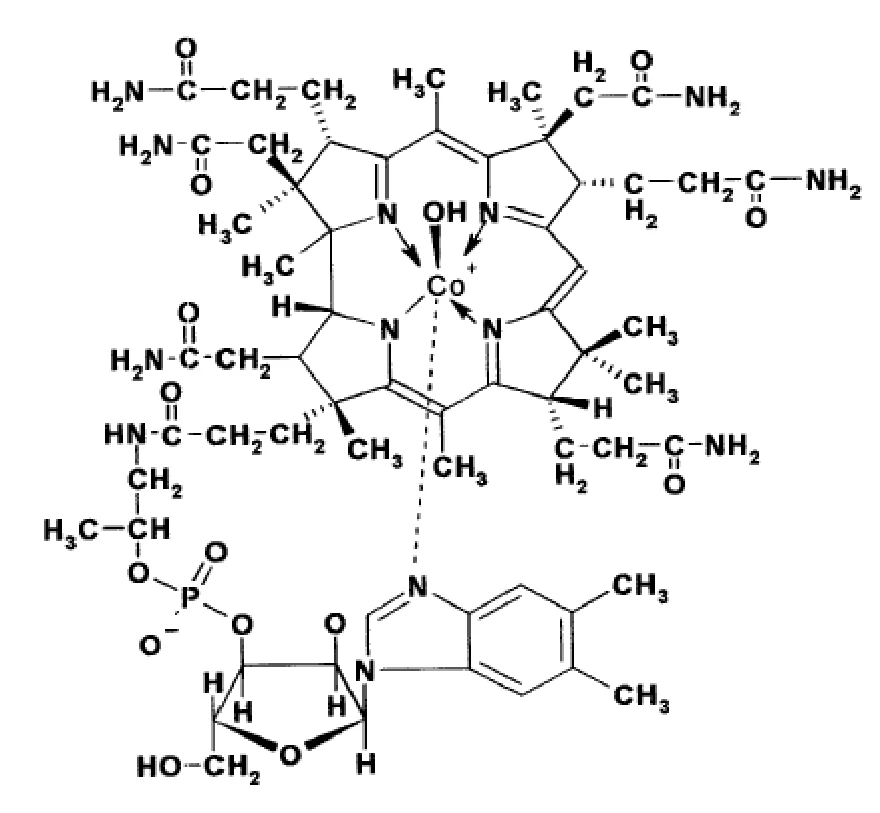
Physicochemical properties: Hydroxocobalamin is the hydroxylated form of vitamin B12 and is a large molecule in which a cobalt ion is coordinated in four positions by a tetrapyrol (or corrin) ring. It is a hygroscopic, odorless, dark red, crystalline powder that is freely soluble in water and ethanol, and practically insoluble in acetone and diethyl ether.
When reconstituted in 200 mL (5 g vial) of diluent, hydroxocobalamin gives a dark red injectable solution at 25 mg/mL with a pH that ranges from 3.0 to 6.0.
CLINICAL TRIALS
Due to ethical considerations, no controlled human efficacy studies have been performed. A controlled animal study demonstrated efficacy in cyanide-poisoned adult dogs [see DETAILED PHARMACOLOGY].
Demographics and trial design
Baud Study 1 was a prospective, uncontrolled, open-label study that was carried out in 69 subjects who had been exposed to smoke inhalation from fires. Subjects had to be over 15 years of age, present with soot in the mouth and expectoration (to indicate significant smoke exposure), and have altered neurological status. Cyanide exposure was confirmed a posteriori by assay of the blood sample taken at the fire accident scene. The median hydroxocobalamin dose was 5 g with a range from 4 to 15 g.
Table 6 Summary of Patient Demographics for Baud Study 1 in Cyanide Exposure from Smoke Inhalation
Study #
| Trial design | Dosage, route of administration and duration | Number of study subjects | Median age (Range) |
Gender
Baud
Study 1
Phase III, prospective, open label with subsequent retrospective collection of additional data | 5.0 g hydroxocobalamin IV infusion (15-30 min) Repeated dose allowed up to a max of 15.0 g | N = 69 | 44 years (20-94 years) |
Female:
n = 36
(52.5%)
Male:
n = 33
(47.8%)
Study results
Fifty of 69 subjects (73%) survived following treatment with hydroxocobalamin. Fifteen patients treated with hydroxocobalamin were in cardiac arrest initially at the scene; 13 of these subjects died and 2 survived.
Of the 42 subjects whose initial plasma cyanide levels prior to treatment were considered to be potentially toxic, (i.e. ≥39 μmol/L) a total of 28 (67%) survived. Of the 19 subjects whose pre-treatment cyanide levels were considered potentially lethal (i.e. ≥100 μmol/L), 11 (58%) survived.
Of the 50 subjects who survived, 9 subjects (18%) had neurological sequelae at hospital discharge. These included dementia, confusion, psychomotor retardation, anterograde amnesia, intellectual deterioration moderate cerebellar syndrome, aphasia, and memory impairment.
In addition to the Baud 1 Study, two retrospective, uncontrolled studies were carried out in subjects who had been exposed to cyanide from fire or smoke inhalation where subjects were treated with up to 15 g of hydroxocobalamin. Survival in these two studies (in patients for whom outcome was known) was 34 of 58 (59%) for one study, and 30 of 72 (42%) for the second. An additional retrospective, uncontrolled study was carried out in 14 subjects who had been exposed to cyanide from sources other than from fire or smoke (i.e., ingestion or inhalation) where subjects were treated with 5 to 20 g of hydroxocobalamin. Ten of 14 subjects (71%) survived following administration of hydroxocobalamin.
Combined Clinical Experience
Across all of the clinical trials, a total of 245 patients with suspected or known cyanide-poisoning were included in the clinical studies of the efficacy of hydroxocobalamin as an antidote. Of the 213 patients in whom the outcome was known the survival was 58%. Of the 89 patients who died, 63 were initially found in cardiac arrest, suggesting that many of these patients had almost certainly suffered irreparable brain injury prior to administration of hydroxocobalamin. Among 144 patients not in initial cardiac arrest whose outcomes were known, 118 (82%) survived. Furthermore, in 34 patients with known cyanide concentrations above the lethal threshold (≥ 100 μmol/l), 21 (62%) survived following treatment with hydroxocobalamin.
Administration of hydroxocobalamin was generally associated with a normalisation of blood pressure (systolic blood pressure > 90 mmHg) in 17 of 21 patients (81%) who had low blood pressure (systolic blood pressure > 0 and ≤ 90 mmHg) after exposure to cyanide. Where neurological assessment over time was possible, (96 patients of the 171 patients who presented with neurological symptoms prior to hydroxocobalamin administration), 51 (53%) patients receiving hydroxocobalamin showed improvement or a complete restoration.
Elderly: Approximately 50 known or suspected cyanide victims aged 65 or older received hydroxocobalamin in clinical studies. In general, the effectiveness of hydroxocobalamin in these patients was similar to that of younger patients.
Paediatric patients
Data are available from a database compiled in France with 56 paediatric patients. The mean age of the paediatric patients was about six years and the mean total dose of hydroxocobalamin was about 120 mg/kg body weight. The survival rate of 41% depended very much on the clinical situation. Out of the 20 paediatric patients without initial cardiac arrest, 18 (90%) survived, of whom four recovered with sequelae. In general, the effectiveness of hydroxocobalamin in paediatric patients was similar to that of adults.
DETAILED PHARMACOLOGY
Animal Pharmacology
Pharmacodynamics
Efficacy study in dogs
Evidence of the effectiveness of hydroxocobalamin for treatment of cyanide poisoning was obtained primarily from studies in animals due to the ethical considerations of performing such controlled studies in humans.
The effectiveness of hydroxocobalamin was examined in a controlled study in cyanide-poisoned adult dogs. Dogs were poisoned by intravenous administration of a lethal dose of potassium cyanide. Dogs then received vehicle (sodium chloride 9 mg/ml), 75 mg/kg or 150 mg/kg hydroxocobalamin, administered intravenously over 7.5 minutes. The 75 mg/kg and 150 mg/kg doses are approximately equivalent to 5 g and 10 g of hydroxocobalamin, respectively, in humans, not only on a body weight basis but also on Cmax basis of total cobalamins-(III).
Survival at hour 4 and at day 15 was significantly greater in the 75 mg/kg and 150 mg/kg hydroxocobalamin dose groups compared with dogs receiving vehicle alone (Table 7):
Table 7 Survival of Cyanide-Poisoned Dogs
Parameter
Treatment
Vehicle N = 17
Cyanokit 75 mg/kg N = 19
150 mg/kg N = 18
Survival at Hour 4, n (%) 7 (41) 18 (95)* 18 (100)* Survival at Day 15, n (%) 3 (18) 15 (79)* 18 (100)* *p<0.025
Histopathology revealed brain lesions that were consistent with cyanide-induced hypoxia. The incidence of brain lesions was markedly lower in dogs having received 150 mg/kg hydroxocobalamin than in dogs having received 75 mg/kg hydroxocobalamin or vehicle. The rapid and complete recovery of haemodynamics and subsequently of blood gases, pH, and lactate after cyanide poisoning likely contributed to the better outcome of the hydroxocobalamin-treated animals. Hydroxocobalamin reduced whole blood cyanide concentrations from about 120 nmol/mL to 30-40 nmol/mL by the end of the infusion compared with 70 nmol/mL in dogs receiving vehicle alone.
Hemodynamic effects of hydroxocobalamin
The possibility of NO-trapping as the cause of the hemodynamic effects of hydroxocobalamin was investigated in anesthetized rabbits. Firstly, rabbits were infused with 75 mg/kg hydroxocobalamin or vehicle in the absence or presence of L-Nω-nitro-L-arginine methyl ester (L-NAME), an inhibitor of endothelial NO-synthase. Then, since NO-synthase inhibition by L-NAME itself is known to increase blood pressure, L-NAME was replaced by equi-pressor doses of angiotensin II (ANGII) to elucidate a possible interference of the elevated blood pressure with the hemodynamic effects related to hydroxocobalamin.
Hydroxocobalamin infused at a dose of 75 mg/kg caused moderate hemodynamic effects compared to vehicle alone which had no effect. Mean arterial pressure (MAP) and total peripheral resistance (TPR) increased, whereas heart rate (HR) and cardiac ouptut (CO) decreased. L-NAME caused prominent hemodynamic effects, i.e., an increase in MAP and TPR, and a decrease of CO. HR decreased only slightly. The hemodynamic effects of L-NAME were maintained during the duration of the experiment. Infusion of hydroxocobalamin in the presence of L-NAME caused no further hemodynamic changes.
The infusion of ANGII increased MAP and TPR, while CO decreased. HR did not change. The hemodynamic effects of ANGII were maintained during the duration of the experiment. The increases in MAP caused by L-NAME and ANGII were comparable. However, in contrast to L-NAME, ANGII did not prevent the hemodynamic effects of hydroxocobalamin, i.e., MAP and TPR increased again, whereas CO decreased. HR decreased only slightly.
In summary, in anesthetized rabbits, in the presence of NO-synthase inhibition by L-NAME, the moderate hemodynamic effects of hydroxocobalamin, in particular the increase in MAP and TPR, were prevented. The hemodynamic changes produced by L-NAME itself were not of importance for the missing effect of hydroxocobalamin, because an equi-pressor dose of ANGII applied instead of L-NAME did not prevent the hemodynamic changes related to the hydroxocobalamin. Thus, it can be concluded, that in anesthetized rabbits the moderate hemodynamic effects of hydroxocobalamin are the consequence of the NO-scavenging property of the compound, which may lead to vasoconstriction of conductance and resistance vessels.
Pharmacokinetics
A dose proportional increase in AUC was demonstrated for both free cobalamins-(III) and total cobalamins-(III) in dogs and humans following IV administration. The mean predominant half-lives were 6 and 8 hours in the dogs, and 28 and 31 hours in humans for free and total cobalamins-(III), respectively. Total body clearance of free cobalamins-(III) in dogs was 0.38 to 0.50 L/h/kg and was approximately 6 to 7-fold higher compared to total cobalamins-(III).
As hydroxocobalamin is administered directly into the compartment where it primarily exerts its detoxifying action, i.e., into the blood, distribution studies were focused on plasma protein binding and organ distribution of hydroxocobalamin was not investigated.
Distribution of hydroxocobalamin is largely influenced by the coordinative binding to proteins. During the plasma protein binding, hydroxocobalamin reacts by replacing the coordinatively bound hydroxo ligand by accessible histidine- and thiol-groups of the proteins to form various cobalamin-(III) complexes. Equilibrium concentrations were reached only within 1 to 2 hours after infusion.
The protein binding of hydroxocobalamin was investigated ex vivo during toxicokinetic studies in rats and dogs and during a clinical Phase I study by quantification of free cobalamins-(III). The protein binding at equilibrium exhibited a pronounced species-dependent difference, as evaluated from the average free fraction of cobalamins-(III), with humans showing the lowest free fraction of about 5%, rats showing the highest free fraction in the range of 24% and dogs in the range of 16%. This species difference may be related to the reactivity of accessible histidine and cysteine residues that is dependent on the tertiary structure of the respective plasma proteins.
Metabolism of hydroxocobalamin is mainly characterized by exchange reactions of the hydroxo-ligand with other physiological ligands that exhibit high affinity to the cobalamin-(III). Thus, the binding of hydroxocobalamin to plasma proteins may be regarded as reversible metabolism. In addition, hydroxocobalamin forms low molecular derivatives with coordinating physiological compounds such as thiols, histidine, thiocyanate, and others. Several unidentified high pressure liquid chromatography (HPLC) peaks have been detected in in vitro incubates of plasma with hydroxocobalamin.
Hydroxocobalamin is known to react with cyanide forming cyanocobalamin in vivo, even at the very low physiological concentrations of both reactants. Due to the extremely high complex stability (Kdiss ≈ 10-12 M-1), cyanocobalamin is regarded as a physiological end product of hydroxocobalamin especially during cyanide intoxication. This reaction is known to proceed very rapidly with reaction rates of 660 M-1s-1 and 320 M-1s-1 for CN- and HCN, respectively.
Excretion of hydroxocobalamin occurs mainly via the renal route. In the literature, it is reported that hydroxocobalamin is excreted in the urine in dogs. In human volunteers, the mean renal clearance of hydroxocobalamin (2.5 g to 10.0 g) amounted to 58% to 74% of total clearance.
TOXICOLOGY
The toxicological profile of hydroxocobalamin has been investigated in rats and dogs. The studies included single dose studies in rats and dogs, repeat dose toxicity studies in dogs comprised a 3-day study and a 4-week study. Additionally, cyanocobalamin, the detoxification product of cyanide upon reaction with hydroxocobalamin, was tested in a 14-day repeat dose study in dogs. The significant toxicity studies are presented in Table-9
Table 9 Summary of Toxicology Studies
Species/ Strain Sex No. per group | Route/ Duration | Doses (mg/kg) | Key Results |
| Single-Dose Toxicity in Dogs | |||
| Dog / Marshall beagle 4M /4F | IV/ single dose | 150 300 1200 | NOAEL = 300 mg/kg Clinical symptoms: reddish urine, skin and mucous membranes. Wrinkles and/or wheals in head region and swollen ears seen transiently in 1 low dose M and most dogs in 300 or 1200 mg/kg groups. Sharp drop in platelets in some of 1200 mg/kg group. Transient increase in RBC, hematocrit and hemoglobin all groups for up to 1 h after end of dosing. Minor increase in ALT and AST in 2 low dose males and 1 mid dose M. Slight to pronounced increases in ALT and AST in individual dogs in 1200 mg/kg group. Minor increase in ALP at 300 mg/kg and higher. All hematological and clinical chemistry effects were reversible at the end of 14 day recovery period. Histopathology: liver: sinus edema, activated Kupffer cells, acute small necroses, and a slightly increased incidence of microgranulomas seen 24 h after dosing at 300 or 1200 mg/kg. Kidneys: tubular dilation, tubular cast formation, and focal interstitial and medullary hemorrhages seen in the kidneys in high dose dogs 24 hours after dosing, crystalline intracytoplasmic depositions seen in high dose M and 1 low dose F. Other organs: vasculitis in the fat tissue around the oviduct in one high dose F At the end of two week treatment free period following changes were observed: liver: deposition of an eosinophilic material in Kupffer cells in all treated groups, kidneys: tubular dilation, tubular casts in high dose dogs, bone marrow: single cell necrosis in most likely macrophages in all treated groups., liver and bone marrow changes were evaluated to be due to excessive storage |
| Repeat-Dose Toxicity in Dogs | |||
| Dog / Marshall beagle 2M/2F | IV/ 3 days | 300 600 1200 | Clinical symptoms: reddish urine, skin and mucous membranes. Wrinkles and/or wheals in head region and swollen ears seen in all treated dogs. Urticaria like signs observed for up to 6 h in high dose dogs. Slight decrease in lymphocytes in 1 low dose F, 1 mid dose F and all high dose dogs. Decreased platelet count in 3 high dose dogs, marked increased in erythrocyte sedimentation rate after 1 and 2 h in 2 high dose F. Moderate increase in ALT and AST in all groups overall but pronounced in individual dogs. Marked increase in ALP in 1 low dose and 2 high dose F. Potassium levels slightly decreased in 1 low dose F and all mid and high dose dogs. Necropsy: discoloration of tissues rich in elastic and collagen fibers. Histopathology: Hepatocellular necroses seen in all dose groups. Dose dependent deposition of eosinophilic material in Kupffer cells in all dose groups. Deposition of a brown pigment in 3/4 dogs in each dose group. Dilation |
Species/
Strain
Sex
No. per
group
Route/
Duration
Doses
(mg/kg)
Key Results
of kidney tubules with proteinaceous cast formation and necrosis of single tubular cells in 600 and 1200 mg/kg groups. Focal, segmental formation of thrombi in the glomeruli, focal plasma leakage of arteries in kidney cortex, edema of tubular cells and focal hemorrhages in the 1200 mg/kg group. A few single cell necroses seen in bone marrow in 1/4 , 3/4 and 4/4 dogs in low, mid and high dose groups respectively. Minimal to mild focal degeneration of myofibers diagnosed in the left heart ventricle in 2 high dose dogs. Early formation of thrombi in spleen in 3 high dose dogs and perivascular hemorrhages affecting vessels in the hilus region in 2 dogs in the 1200 mg/kg group. Early formation of thrombi in 1 mid dose dog unilaterally in the ciliary body of the eye and 2 high dose dogs in the gall bladder and the fat tissue around the oviduct. Minimal deposition of an eosinophilic material in sinus macrophages of lymph nodes in some low, mid, and high dose animals. Dog/
Marshall
beagle
3M/3F
(75, 150)
5M/5F
(300)
IV/ 4
weeks
75
150
300
Clinical symptoms: reddish urine, skin and mucous membranes in all dose groups throughout the treatment period but reversible by end of 8 week recovery period. Swollen ears, wrinkles and/or wheals in the head region in the mid and high dose groups. Isolated cases of vomiting and/or salivation seen in some high dose dogs. Reduced platelet count in 1 low dose F and 1 high dose M in week 4. Dose‐dependent increase in ALT in all dose groups. Increased AST in all treated M and 1 high dose F. Increased ALP in 2 high dose M. A higher incidence of oxalate crystals observed in the urine of all treated compared to control dogs in week 4. All of these changes were reversible by end of 8 week recovery period.
Necropsy: discoloration of tissues rich in elastic and collagen fibers in 3/6 low dose dogs and in all mid and high dose dogs, reversible by the end of the 8 week recovery period. Liver, spleen, and kidney weights increased in all groups at the end of the treatment period. Kidney and spleen weight changes comparable to the control group by the end of the recovery period but liver weights in high dose F remained high.
Histopathology: deposition of eosinophilic material in sinusoidal Kupffer cells and in hepatocytes in all dose groups accompanied by focal perivascular inflammatory cell infiltration. Minimal to moderate degeneration of hepatocytes, mild single cell necrosis, bile duct proliferation, and fibrosis seen in high dose groups. After 8 week recovery liver changes were not completely resolved but incidence and severity were lower. In the kidneys intracytoplasmic deposition of an eosinophilic material seen in the proximal tubules in most treated dogs. Focal basophilia of cortical tubules associated with single cell necrosis in high dose groups. Kidney findings were completely resolved by the end of the recovery period. Dose-dependent single cell necrosis in the bone marrow seen in all dose groups at the end of the treatment period and at a lower incidence and severity at the end of the 8 week recovery period. Activation of lymph follicles seen in the spleen in some high dose dogs, and deposition of an eosinophilic material seen in sinus macrophages in lymph nodes. This was not seen in the recovery group. Focal mononuclear cell infiltrates in the heart seen in 1/6, 2/6, and 4/6 dogs of the low, mid, and high dose groups, respectively and in 2/4 recovery animals. There was no difference in the severity of the alteration. Toxicological significance of the finding is not known.. Reproductive and Developmental Toxicity
Species/ Strain Sex No. per group | Route/ Duration | Doses (mg/kg) | Key Results |
| Rat / Wistar 6 F | IP / 12 days (G6-G17) | 75, 150, 300 | Maternal NOAEL < 75 mg/kg, Developmental NOEL = 75 mg/kg. Dose dependent minimal to mild maternal toxicity in all treated rats. Mortality in some mid dose animals but all high dose animals survived. Reddish urine in all groups and reddening of the skin in two high dose rats. Swelling of the skin in one mid dose rat and five high dose rats. Dose dependent decrease in body weight gain and food consumption in mid and high dose rats. No apparent treatment-related effect on number of dams pregnant on day 20 of gestation. The mean number of corpora lutea and implantations in all groups were comparable to control. The sex distribution of fetuses was not impaired. Live litter size was slightly reduced in the high dose group. There was a significant increase in the incidence of post-implantation loss. Slightly retarded fetal skeletal ossification and reduced fetal weight in the high dose group. Two high dose and two intermediate dose fetuses, each from a different dam, with treatment related shortened extremities. Both of the intermediate dose fetuses had microcephaly and one also had microphthalmia and micrognathia. |
| Rabbit / New Zealand white 20F | IV/ 14 days (G6-G19) | 75, 150, 300 | Maternal NOAEL < 75 mg/kg, Developmental NOEL = 75 mg/kg. Red/purple discoloration of the urine, periorbital membrane and/or injection site and reductions in feed consumption during the postdose period with all dose groups. Body weight gains were reduced during the postdose period at 150 and 300 mg/kg. No treatment related differences in the mean numbers of implantations and live litters size, nor in pre- or post-implantation loss or sex ratio of fetuses. Two dead fetuses in 300 mg/kg group. Increases in fetal gross external, visceral and soft tissue malformations and variations at 150 and 300 mg/kg. Multiple skeletal alterations occurred in increased number of fetuses at 150 and 300 mg/kg group. |
| Abbreviations: M= male; F = female; IP = intraperitoneal; ALAT = alanine aminotransferase; ASAT = aspartate aminotransferase; IV = intravenous; RBC = red blood cell; ALP = alkaline phosphatase;NOAEL = no observable adverse effect level; NOEL= no observable effect level | |||
Carcinogenesis
Hydroxocobalamin has not been evaluated for carcinogenic potential.
Mutagenesis
Hydroxocobalamin was negative in the following mutagenicity assays: in vitro bacterial reverse mutation assay using Salmonella typhimurium and Escherichia coli strains, an in vitro assay of the tk locus in mouse lymphoma cells, and an in vivo rat micronucleus assay.
Phototoxicity
A single intraperitoneal administration of 75, 150 or 300 mg/kg of hydroxocobalamin to pigmented Long-Evans rats followed one hour later by a single exposure to solar-simulated ultraviolet radiation, did not elicit skin responses or ocular responses indicative of cutaneous or ocular phototoxicity
REFERENCES
[numbered list]
- 1.
Baud FJ, Barriot P, Toffis V et al. Elevated Blood Cyanide Concentrations in Victims of
Smoke Inhalation, N Engl J Med 1991;325(25):1761-6.
- 2.
Forsyth JC, Mueller PD, Becker CE, et al. Hydroxocobalamin as a Cyanide Antidote:
Safety, Efficacy and Pharmacokinetics in Heavily Smoking Normal Volunteers. Clin Toxicol 1993;31(2):277-94.
- 3.
Houeto P, Hoffman JR, Imbert M, et al. Relation of Blood Cyanide to Plasma
Cyanocobalamin Concentration After a Fixed Dose of Hydroxocobalamin in Cyanide Poisoning. The Lancet 1995;346:605-8.
- 4.
Jouglard J, Fagot G, Deguigne B, et al. Acute Cyanide Poisoning and its Emergency
Treatment. Marseille Med 1971; (9):827-31.
- 5.
Sauer SW, Keim ME. Hydroxocobalamin: Improved Public Health Readiness for
Cyanide Disasters. Ann Emerg Med 2001;37(6):635-41.
- 6. Vest P, Renaudeau C, Tellal S, et al. Interference of Hydroxocobalamine with the Results of Common Biochemical Determinations. Ann Biol Clin 2002;60(1):57-64.