


Product Monograph - Duobrii
1 INDICATIONS
DUOBRII (halobetasol propionate and tazarotene lotion), is indicated for:
- Improving the signs and symptoms of plaque psoriasis in adult patients with moderate to severe plaque psoriasis.
1.1 Pediatrics
Pediatrics (under the age of 18 years)
The safety and efficacy of DUOBRII in pediatric patients have not been established; therefore, DUOBRII is not indicated for pediatric use (see WARNINGS AND PRECAUTIONS, Special Populations, Pediatrics).
1.2 Geriatrics
Geriatrics (> 65 years of age)
A limited number of subjects aged > 65 years have been treated with DUOBRII in clinical trials, therefore the safety and efficacy have not been established in this patient population (see WARNINGS AND PRECAUTIONS, Special Populations, Geriatrics).
2 CONTRAINDICATIONS
DUOBRII (halobetasol propionate and tazarotene lotion) is contraindicated in the following:
- Patients who are hypersensitive to this drug or to any ingredient in the formulation, including any non-medicinal ingredient, or component of the container. For a complete listing, see DOSAGE FORMS, STRENGTHS, COMPOSITION AND PACKAGING.
- Patients who are hypersensitive to other corticosteroids or retinoic compounds.
- Patients with viral (e.g., herpes simplex, vaccinia and varicella) lesions of the skin, bacterial or fungal skin infections, parasitic infections, skin manifestations relating to tuberculosis or syphilis, eruptions following vaccinations.
- Patients with seborrheic dermatitis.
- In women who are pregnant or may become pregnant (see WARNINGS AND PRECAUTIONS, Sexual Health, Reproduction; and Special Populations, Pregnant Women).
3 DOSAGE AND ADMINISTRATION
3.1 Dosing Considerations
Conditions which augment systemic absorption may increase the patient’s exposure to the drug (see WARNINGS AND PRECAUTIONS, Skin).
DUOBRII is not indicated for pediatric use (see INDICATIONS and WARNINGS AND PRECAUTIONS, Special Populations, Pediatrics.).
DUOBRII should be used with caution in elderly patients (see WARNINGS AND PRECAUTIONS, Special Populations, Geriatrics.).
3.2 Recommended Dose and Dosage Adjustment
DUOBRII should be applied in a thin layer to the affected area once a day.
Treatment should be discontinued when control has been achieved. Treatment may be reinitiated intermittently as necessary.
The total dosage of DUOBRII should not exceed approximately 50 g per week because of the potential for the drug to suppress the hypothalamic-pituitary-adrenal (HPA) axis. Periodic evaluation for evidence of HPA axis suppression is recommended, particularly in patients who are using DUOBRII uninterrupted for more than 8 weeks (see WARNINGS AND PRECAUTIONS).
The efficacy and safety of DUOBRII in patients with more than 12% of body surface area affected by plaque psoriasis has not been established (see CLINICAL TRIALS).
3.3 Administration
Apply a thin layer of DUOBRII once daily to cover only affected areas and rub in gently. A QR link to a video is on the carton label to show patients how to apply DUOBRII lotion. If a bath or shower is taken prior to application, the skin should be dry before applying the lotion.
DUOBRII is not for oral, ophthalmic, or intravaginal use. In the event of contact with the eye, flush with cold water.
DUOBRII is not recommended to be used on the face, scalp, axillae, or intertriginous areas. Application to normal skin should be avoided.
DUOBRII should not be used on eczematous skin, as it may cause severe irritation.
DUOBRII should not be used with occlusive dressings due to risk of increasing systemic exposure and infection.
3.4 Missed Dose
Apply the missed dose as soon as you remember. Skip the missed dose if it is almost time for your next dose. Do not use extra medicine to make up the missed dose.
4 OVERDOSAGE
DUOBRII contains halobetasol propionate and tazarotene. Topically applied halobetasol propionate can be absorbed in sufficient amounts to produce systemic effects including reversible HPA axis suppression with the potential for glucocorticosteroid insufficiency after withdrawal of treatment. If HPA axis suppression is noted, the drug should be withdrawn gradually by reducing the amount and frequency of application. Glucocorticosteroid insufficiency may require treatment with supplemental systemic corticosteroids (see WARNINGS AND PRECAUTIONS, Endocrine and Metabolism). Excessive topical exposure to tazarotene may lead to marked redness, peeling, or discomfort.
For management of a suspected drug overdose, contact your regional poison control centre.
5 DOSAGE FORMS, STRENGTHS, COMPOSITION AND PACKAGING
Table 1 – Dosage Forms, Strengths, Composition and Packaging.
DUOBRII (halobetasol propionate and tazarotene lotion) is a white to off-white lotion supplied in a 100 g white aluminum tube. Physicians’ samples are supplied in 3 g white aluminum tubes.
System and performance
The product’s target pH (5.0 – 6.0) is controlled by the amount of the polymeric emulsification system (PRISMATREXTM) and base (sodium hydroxide) present in the DUOBRII formulation.
| Route of Administration | Dosage Form / Strength/Composition | Non-medicinal Ingredients |
| Topical | Lotion / halobetasol propionate (0.01%) and tazarotene (0.045%) Each gram of DUOBRII contains 0.1 mg (0.01%) halobetasol propionate and 0.45 mg (0.045%) tazarotene. | Carbomer Copolymer Type B, Carbomer Homopolymer Type A, Diethyl Sebacate, Edetate Disodium Dihydrate, Light Mineral Oil, Methylparaben, Propylparaben, Purified Water, Sodium Hydroxide, Sorbitan Monooleate and Sorbitol Solution 70%. |
6 WARNINGS AND PRECAUTIONS
General
Patients should be advised to inform physicians of current or prior use of corticosteroids (see WARNINGS AND PRECAUTIONS, Endocrine and Metabolism).
Cardiovascular
Suitable precautions should be taken when using topical corticosteroids in patients with stasis dermatitis and other skin diseases with impaired circulation.
Use of corticosteroids around chronic leg ulcers may be associated with a higher occurrence of local hypersensitivity reactions and an increased risk of local infection.
Endocrine and Metabolism
Systemic absorption of topical corticosteroids can produce reversible HPA axis suppression, which can lead to secondary glucocorticosteroid insufficiency and adrenal hypercorticism including manifestations of Cushing’s syndrome, hyperglycemia, and glucosuria (see ADVERSE REACTIONS, Clinical Trials Adverse Reactions). Glucocorticoid insufficiency may also occur during treatment or upon withdrawal of treatment of the topical corticosteroid.
Conditions that augment systemic absorption of DUOBRII may predispose a patient using a topical corticosteroid to HPA axis suppression (see WARNINGS AND PRECAUTIONS, Skin)
If HPA axis suppression is documented, reduce the frequency of application or discontinue, as necessary. Manifestations of adrenal insufficiency may require supplemental systemic corticosteroids. Recovery of HPA axis function is generally prompt and complete upon discontinuation of topical corticosteroids.
Monitoring and Laboratory Tests
Periodic evaluation for evidence of HPA axis suppression is recommended, particularly in patients who are using DUOBRII uninterrupted for more than 8 weeks. An adrenocorticotropic hormone (ACTH) stimulation test may be helpful in evaluating patients for HPA axis suppression.
Hepatic
There are no adequate and well controlled studies of DUOBRII use in patients with hepatic impairment. As corticosteroids undergo hepatic metabolism, DUOBRII should be used with caution in patients with hepatic impairment.
Immune
Medicinal products containing corticosteroids must be used with caution in patients with impaired immune system function (T-lymphocytes) or in those being treated with immunosuppressive therapy.
Topical corticosteroids may increase the risk of infections including aggravation of cutaneous infection, masked infection and secondary infections. In particular, bacterial infection is encouraged by the warm, moist conditions within skin folds or caused by occlusive dressings. If concomitant skin infections develop, DUOBRII should be discontinued and antimicrobial therapy administered.
Renal
There are no adequate and well controlled studies of DUOBRII use in patients with renal impairment. As corticosteroids undergo renal excretion, DUOBRII should be used with caution in patients with renal impairment.
Sensitivity/Resistance
Local hypersensitivity reactions may resemble symptoms of the condition under treatment. If hypersensitivity reactions occur, DUOBRII should be discontinued and appropriate therapy initiated.
Allergic contact dermatitis with corticosteroids is usually diagnosed by observing a failure to heal rather than noticing a clinical exacerbation. Such an observation should be corroborated with appropriate diagnostic patch testing.
Ophthalmologic
Use of topical corticosteroids may increase the risk of posterior subcapsular cataracts and glaucoma. Topical corticosteroids should be used with caution in patients with glaucoma.
Sexual Health
Reproduction
DUOBRII is contraindicated in women who are pregnant or may become pregnant (see Special Populations, Pregnant Women).
Skin
DUOBRII should be used with caution as topical corticosteroid use may lead to rebound relapses, development of tolerance, risk of generalised pustular psoriasis and development of local or systemic toxicity.
Prolonged use of topical corticosteroid preparations may produce striae, telangiectasias, folliculitis, or atrophy of the skin or subcutaneous tissue. If these local adverse reactions are observed, treatment with DUOBRII should be discontinued.
Use of topical tazarotene may produce contact dermatitis. If burning/stinging, itching, and dryness become more severe, the medication should either be discontinued until the integrity of the skin is restored or the dosing should be reduced to an interval the patient can tolerate.
Discontinue and do not resume treatment if allergic contact dermatitis is identified.
Conditions which augment systemic absorption may increase the patient’s exposure to the drug. Such conditions include the formulation and potency of the topical corticosteroid, the application of topical corticosteroids over large body surface areas, application to intertriginous areas (such as the axillae and anogenital area), frequency of application, concomitant use of multiple corticosteroid-containing products, prolonged use, the addition of occlusive dressings, and/or liver failure. Other risk factors for increased systemic effects include increasing hydration of the stratum corneum, use on thin skin areas (such as the face), and use on broken skin or in conditions where the skin barrier may be impaired.
Weather extremes, such as wind or cold, may be more irritating to patients using DUOBRII.
Photosensitivity and Risk for Sunburn
Topical administration of tazarotene has been shown to be associated with increased phototoxicity (see TOXICOLOGY, Phototoxicity). DUOBRII was not shown to induce phototoxicity. However, as tazarotene is a component of DUOBRII, exposure to sunlight (including sunlamps) should be avoided during the use of DUOBRII. Patients should be instructed to use sunscreens (minimum SPF of 15) and protective clothing on areas treated with DUOBRII. Patients with sunburn should be advised not to use DUOBRII on the sunburnt areas until fully recovered.
DUOBRII should be administered with caution if the patient is also taking drugs known to be photosensitizers (e.g., thiazides, tetracyclines, fluoroquinolones, phenothiazines, sulfonamides) because of the increased possibility of augmented photosensitivity.
6.1 Special Populations
6.1.1 Pregnant Women
DUOBRII is contraindicated in women who are pregnant or may become pregnant (see CONTRAINDICATIONS) as DUOBRII may cause fetal harm when administered to a pregnant woman.
Animal reproductive and developmental toxicity studies have not been conducted with DUOBRII. Halobetasol propionate administered systemically at low doses during organogenesis to rats and rabbits resulted in teratogenic and embryotoxic effects. Some corticosteroids have been shown to be teratogenic and embryotoxic after topical application. Tazarotene produced teratogenic and developmental effects commonly associated with retinoids after topical or systemic administration in rats and rabbits (see TOXICOLOGY, Reproductive and Developmental Toxicology). It is not known what level of exposure is required for teratogenicity in humans.
Women of childbearing potential should be warned of the potential risk and use adequate birth-control measures when DUOBRII is used. The possibility that a woman of childbearing potential is pregnant at the time of institution of therapy should be considered. A negative result for pregnancy should be obtained within 2 weeks prior to DUOBRII therapy. DUOBRII therapy should begin during a menstrual period.
If DUOBRII is used during pregnancy, or if the patient becomes pregnant while taking this drug, treatment should be discontinued, and the patient should be apprised of the potential hazard to the fetus.
There are no available human data for the use of DUOBRII during pregnancy to inform any drug-associated risks.
6.1.2 Breast-feeding
The safe use of DUOBRII during lactation has not been established
Topically administered tazarotene appears in the milk of lactating rats (see TOXICOLOGY, Reproductive and Developmental Toxicology). It is not known whether tazarotene or its metabolites are excreted in human milk.
Systemically administered corticosteroids appear in human milk and could suppress growth, interfere with endogenous corticosteroid production, or cause other untoward effects in a breastfeeding infant. It is not known whether topical administration of corticosteroids could result in sufficient systemic absorption to produce detectable quantities in human milk.
Because some halobetasol propionate and tazarotene may be excreted in human milk, caution should be exercised when DUOBRII is used by a nursing woman.
Breastfeeding women should not apply DUOBRII directly to the nipple and areola to avoid direct infant exposure.
6.1.3 Pediatrics
Pediatrics (under the age of 18 years)
Safety and effectiveness of DUOBRII in pediatric patients under the age of 18 years have not been established; therefore, DUOBRII is not recommended in children.
Because of higher skin surface area to body mass ratios, pediatric patients are at a greater risk than adults of HPA axis suppression and Cushing’s syndrome when they are treated with topical corticosteroids. They are therefore also at greater risk of adrenal insufficiency during or after withdrawal of treatment. Adverse reactions including striae have been reported with use of topical corticosteroids in infants and children.
HPA axis suppression, Cushing’s syndrome, linear growth retardation, delayed weight gain, and intracranial hypertension have been reported in children receiving topical corticosteroids. Manifestations of adrenal suppression in children include low plasma cortisol levels and an absence of response to ACTH stimulation. Manifestations of intracranial hypertension include bulging fontanelles, headaches, and bilateral papilledema.
In rat and monkey toxicity studies, repeat dermal tazarotene administration was associated with non-reversible bone abnormalities. Oral administration of tazarotene to rats and monkeys was also associated with skeletal changes (see TOXICOLOGY, Reproductive and Developmental Toxicology).
6.1.4 Geriatrics
A limited number of subjects aged > 65 years have been treated with DUOBRII in clinical trials, therefore the safety and efficacy have not been established in this patient population.
DUOBRII should be used with caution in elderly patients, reflecting their increased skin fragility and greater frequency of hepatic, renal, or cardiac dysfunction, and of concomitant disease or other drug therapy.
7 ADVERSE REACTIONS
7.1 Adverse Reaction Overview
Across the 11 clinical studies that contributed to the evaluation of safety for DUOBRII, the most frequently reported events were generally associated with application site reactions and other related, topical skin events. Most events were mild or moderate in severity. Few events across studies were serious and none of the serious adverse events (SAEs) were considered by the investigator to be treatment-related.
7.2 Clinical Trial Adverse Reactions
Because clinical trials are conducted under very specific conditions, the adverse reaction rates observed in the clinical trials may not reflect the rates observed in practice and should not be compared to the rates in the clinical trials of another drug. Adverse reaction information from clinical trials is useful for identifying drug-related adverse events and for approximating rates.
The safety of DUOBRII has been evaluated by monitoring ADRs occurring in the course of 2 randomized, placebo-controlled, Phase III studies of 8 weeks in duration (see CLINICAL TRIALS). The studies in psoriasis patients involved a total of 270 patients who received DUOBRII.
Adverse events occurring in ≥ 1% of the subjects treated with DUOBRII and more frequently than in vehicle-treated subjects are presented in Table 2. Overall, the most common adverse event in the DUOBRII group was contact dermatitis (7.4%). Other local adverse reactions include atrophy, striae, telangiectasia, and folliculitis.
In human dermal safety trials, DUOBRII did not induce allergic contact sensitization. It is not expected to induce any phototoxicity or photoallergy reactions.
Table 2: Pooled Pivotal Phase III Studies (V01-118A-301 and V01-118A-302): Summary of Adverse Events by Preferred Term Occurring in ≥ 1% of the Subjects treated with DUOBRII and more frequently than in vehicle-treated subjects through Week 8
| System Organ Classa Preferred Term | DUOBRII (N=270) | Vehicle Lotion (N=140) | |||||
| Subjects Reporting Any TEAE | 97 (35.9%) | 30 (21.4%) | |||||
| Skin and subcutaneous tissue disorders | |||||||
| Dermatitis contact | 20 (7.4%) | 0 | |||||
| Skin atrophy | 5 (1.9%) | 0 | |||||
| Rash | 4 (1.5%) | 0 | |||||
| Infections and infestations | |||||||
| Upper respiratory tract infection | 5 (1.9%) | 1 (0.7%) | |||||
| Folliculitis | 5 (1.9%) | 0 | |||||
| Sinusitis | 3 (1.1%) | 0 | |||||
| Injury, poisoning and procedural complications | |||||||
| Excoriation | 5 (1.9%) | 0 | |||||
| Skin abrasion | 3 (1.1%) | 0 | |||||
| General disorders and administration site conditions | |||||||
| Application site pain | 7 (2.6%) | 1 (0.7%) | |||||
| a Counts reflect numbers of subjects reporting one or more adverse events that map to MedDRA. At each level of summarization (System Organ Class or Preferred Term) subjects are counted once. Note: MedDRA Version 18.0. Note: Treatment-emergent adverse events are those with an onset after the first application of study drug. | |||||||
During the 8 weeks of treatment in Studies V01-118A-301 and V01-118A-302 (combined data), most of the subjects experienced TEAEs that were mild or moderate in severity. Overall, 14 subjects (5.2%) in the DUOBRII group and 3 subjects (2.1%) in the vehicle group experienced severe TEAEs.
The long-term safety of DUOBRII was evaluated in a Phase III multi-center, open label study (V01-118A-303) (see CLINICAL TRIALS). The patient population included in the long-term safety study was similar to those in the placebo-controlled Phase III studies. All enrolled subjects received the treatment for 8 weeks and then as needed once daily as assessed in 4-week periods for up to 1 year. The reported TEAEs in the long-term study were similarly consistent with those reported in the other studies. Most of the TEAEs were reported as mild or moderate. Overall, 41 subjects (7.5%) using DUOBRII experienced severe TEAEs. The percentage of subjects with skin AEs peaked around Day 60 and remained relatively stable from Day 90 through Day 365.
DUOBRII has been shown to suppress the hypothalamic-pituitary-adrenal (HPA) axis.
The potential for HPA axis suppression was evaluated in a study (V01-118A-501) of 20 adult subjects with moderate to severe plaque psoriasis involving ≥20% of their body surface area. An approximate dose of 7 g DUOBRII was applied once daily (49 g/week) for 8 weeks and subjects were assessed for HPA axis suppression at Weeks 4 and 8. An abnormal HPA axis suppression test was reported for 3 (15.0%) subjects at Week 4 and for 0% of subjects at Week 8. In this study, the criteria for HPA axis suppression was a serum cortisol level of less than or equal to 18 mcg/dL 30 minutes after stimulation with cosyntropin (adrenocorticotropic hormone) (see WARNINGS AND PRECAUTIONS).
7.3 Less Common Clinical Trial Adverse Reactions (< 1% and More Frequent than the Vehicle in Pooled Pivotal Phase III Studies [V01-118A-301 and V01-118A-302])
General disorders and administration site conditions: pain, administration site pain, application site dermatitis, application site erosion.
Infections and infestations: cellulitis.
Injury, poisoning and procedural complications: wound secretion, documented hypersensitivity to administered product.
Investigations: staphylococcus test positive.
Immune system disorders: hypersensitivity.
Skin and subcutaneous tissue disorders: blister, dermatitis, dry skin, ecchymosis, pruritus generalized, scab, skin sensitization, skin exfoliation, skin lesion, telangiectasia.
7.4 Abnormal Laboratory Findings: Hematologic, Clinical Chemistry and Other Quantitative Data
There were no findings related to hematology or chemistry parameters that appeared to be treatment-related in any of the studies that included subjects with plaque psoriasis.
7.5 Clinical Trial Adverse Reactions (Pediatrics)
No clinical trials were carried out in pediatric population.
8 DRUG INTERACTIONS
8.1 Overview
No formal drug-drug interaction studies were conducted with DUOBRII.
The systemic absorption of halobetasol propionate, tazarotene and tazarotenic acid from DUOBRII with topical application in psoriasis patients is minimal as demonstrated in the results from the maximum use pharmacokinetic study (V01-118A-501) (see Pharmacokinetics).
Based on the minimal systemic absorption and rapid elimination of both halobetasol propionate and tazarotene, halobetasol propionate and tazarotene and its active metabolite are not expected to interact with the metabolism of other concomitant medications, following dermal administration of DUOBRII in psoriasis patients.
9 ACTION AND CLINICAL PHARMACOLOGY
9.1 Mechanism of Action
DUOBRII lotion provides the combined action of two unrelated compounds, halobetasol propionate, a corticosteroid, and tazarotene, a retinoid prodrug. When halobetasol propionate and tazarotene are administered together in DUOBRII, they provide complementary effects due to their different mode of action targeting different receptors and pathways to achieve anti-inflammatory control and epidermal morphologic restoration.
Halobetasol propionate belongs to the superpotent class of topical corticosteroids. Like other topical corticosteroids, halobetasol propionate has anti-inflammatory, antipruritic and vasoconstrictive actions. The mechanism of the anti-inflammatory activity of the topical corticosteroids, in general, is unclear. However, corticosteroids are thought to act by the induction of phospholipase A2 inhibitory proteins, collectively called lipocortins. It is postulated that these proteins control the biosynthesis of potent mediators of inflammation such as prostaglandins and leukotrienes by inhibiting the release of their common precursor arachidonic acid. Arachidonic acid is released from membrane phospholipids by phospholipase A2.
Tazarotene is a retinoid prodrug. Tazarotene is converted by deesterification to its active form, tazarotenic acid, which is the carboxylic acid of tazarotene. The exact mechanisms of tazarotene action in psoriasis are not completely defined. Tazarotenic acid binds to and regulates gene expression through all three members of the retinoic acid receptor (RAR) family: RARα, RARβ and RARγ, but shows relative selectivity for RARβ and RARγ In in vivo studies, topical tazarotene was shown to block the induction of epidermal ornithine decarboxylase (ODC) activity, which is associated with cell proliferation and hyperplasia; suppress expression of MRP8, an inflammatory marker present in psoriatic epidermis at high levels; and inhibit cornified envelope formation and build-up, which is an element of psoriatic scale. Improvement in psoriatic patients appears to occur in association with restoration of normal cutaneous morphology and reduction of the inflammatory markers ICAM-1 and HLA-DR. There is also a diminution of markers of epidermal hyperplasia and abnormal differentiation such as keratinocyte transglutaminase, involucrin and keratin 16.
9.2 Pharmacodynamics
Vasoconstrictor activity of DUOBRII has been confirmed in a pharmacodynamic study (V01-118A-501) with healthy volunteers. The results of the cutaneous calorimetry assessment showed that, in comparison to other topical corticosteroids, the vasoconstrictive activity of DUOBRII is in the potent to superpotent range.
9.3 Pharmacokinetics
Systemic exposure following topical application of DUOBRII was evaluated in an open-label, randomized, pharmacokinetic study (V01-118A-501). Subjects aged 18 years and older with moderate to severe plaque psoriasis applied approximately 7 g of DUOBRII to at least 20% body surface area once daily for 28 days. Following absorption, tazarotene undergoes esterase hydrolysis to tazarotenic acid. The concentrations of the levels of tazarotenic acid were also evaluated in Study V01-118A-501. Overall, plasma levels of halobetasol propionate, tazarotene, and tazarotenic acid were all low following single and repeated administration of DUOBRII. The majority of collected samples had concentrations below the limit of quantification (BLQ) for halobetasol propionate and tazarotene (50 pg/mL and 5 pg/mL, respectively). The maximum concentrations and exposures to the three analytes after administration of DUOBRII increased between Days 1 to 14 and were similar between Days 14 and 28.
Table 3 - Summary of Pharmacokinetic Parameters for DUOBRII after 28 days of treatment
| Single dose mean | Cmax | Tmax (hr) | t½ (h) | AUC(0-t) | CL | Vd |
| Halobetasol propionate | 100 pg/mL | 5.63 | N/A | 2810 pg*hr/mL | NA | NA |
| Tazarotene | 24.1 pg/mL | 5.56 | N/A | 370 pg*hr/mL | NA | NA |
| Tazarotenic Acid | 525 pg/mL | 11.1 | N/A | 9960 pg*hr/mL | NA | NA |
Absorption
Topical corticosteroids can be absorbed systemically from intact healthy skin. The absorption of corticosteroids applied to the skin is controlled by the stratum corneum, and only a small part penetrates to the dermis and reaches systemic circulation. The extent of topical corticosteroid percutaneous absorption is influenced by many factors including epidermal barrier integrity, stratum corneum hydration level, vehicle, and presence of occlusion.
Based on human and animal studies, less than 6% of a topical dose of halobetasol propionate, when formulated as a cream, is absorbed into the systemic circulation within 96 hours of dosing.
Similarly, tazarotene has limited percutaneous penetration. In humans, 5% and 0.8% of a topical radiolabeled tazarotene dose was absorbed following application to normal (occluded) and psoriatic (non-occluded) skin of volunteers, respectively.
Distribution
The concentrations of halobetasol propionate and the prodrug tazarotene were low following single and repeated DUOBRII topical administration with a majority of collected plasma samples having concentrations below the limit of quantification. Tissue distribution of orally and intravenously (IV) administered halobetasol propionate to the rat showed that peak levels in blood, tissues and organs were detected at 4 hours. Very little retention (< 0.06% of dose) of radioactivity was noted in organs and tissues 168 hours after oral and IV dosing in rats.
Following topical application in humans, tazarotene was extensively hydrolyzed to tazarotenic acid and was highly bound (>99%) to plasma proteins. The drug's rapid systemic metabolism limits the propensity for tissue distribution and body exposure to tazarotene.
Metabolism
Halobetasol propionate is extensively metabolized where, according to an inverse isotope dilution analysis in the rat, dog and guinea pig, only 0.02% to 0.3% of the radioactivity detected in the urine was determined as intact halobetasol propionate. Corticosteroids are metabolized primarily in the liver by CYP3A4. The half-life of halobetasol propionate is approximately 22.5 hours.
Tazarotene, an ethyl ester, undergoes rapid and complete metabolism to the active metabolite tazarotenic acid due to the metabolically labile nicotinate ester moiety. Tazarotenic acid is further metabolized via oxidative metabolism to form pharmacologically inactive sulfoxides, sulfones and other polar conjugated metabolites which are readily excreted. The half -life of tazarotenic acid was approximately 18 hours, following topical application of tazarotene to normal or psoriatic skin.
Elimination
Corticosteroids and their metabolites are conjugated in the liver and kidneys with sulphate or glucoronic acid and excreted in urine. In addition, some corticosteroids and their metabolites are also excreted in the bile.
Tazarotene was eliminated as sulfoxide and sulfone metabolites in urine and feces within 7 days of a single topical administration to healthy volunteers. Approximately equal amounts of radioactivity were excreted in urine and feces.
10 STORAGE, STABILITY AND DISPOSAL
Keep out of reach and sight of children.
DUOBRII should be stored at room temperature (15-30°C).
PART II: SCIENTIFIC INFORMATION
11 PHARMACEUTICAL INFORMATION
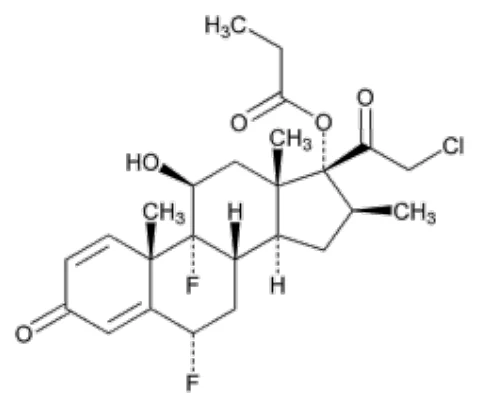
DUOBRII is a combination product with halobetasol propionate and tazarotene as the active ingredients.
Drug Substance
Proper name: Halobetasol propionate
Chemical name: 21-chloro-6α,9-difluoro-11β,17-dihydroxy-16β-methylpregna-1,4- diene-3,20-dione 17-propionate.
Molecular formula: C25H31ClF2O5
Molecular mass: 484.96 g/mol
Structural formula:
Physicochemical properties
Description: White to off-white powder.
Solubility: Practically insoluble in water, freely soluble in acetone and dichloromethane.
Drug Substance
Proper name: Tazarotene
Chemical name: 6-[2-(3,4-dihydro-4,4-dimethyl-2H-1-benzothiopyran-6-yl) ethynyl]-3-pyridinecarboxylic acid, ethyl ester.
Molecular formula: C21H21NO2S
Molecular mass: 351.46 g/mol
Structural formula:
Physicochemical properties
Description: Pale yellow to brownish powder
Melting Point: Melting point of 104ºC
Solubility: Practically insoluble in water and soluble in non-aqueous solvents.
12 CLINICAL TRIALS
12.1 Trial Design and Study Demographics (Pivotal Studies)
The safety and clinical efficacy of once daily use of DUOBRII for the treatment of moderate to severe plaque psoriasis were assessed in two prospective, multi-center, randomized, double-blind Phase III clinical trials in subjects 18 years and older with moderate to severe plaque psoriasis (Trials 301 and 302). The trials compared 8 weeks of treatment with DUOBRII to the vehicle lotion. All subjects returned for a 4-week follow-up visit (12-week visit) where safety and efficacy were evaluated. The primary efficacy endpoint was the proportion of subjects with “treatment success” at Week 8. Treatment success was defined as at least a 2-grade improvement from Baseline in the Investigators Global Assessment (IGA) score and an IGA score equating to “clear” or “almost clear”.
In these pivotal Phase III studies, efficacy was based primarily on results of the Investigator’s Global Assessment (IGA). The IGA is a scale commonly used in clinical studies that scores the overall areas affected with plaque psoriasis using integers ranging from 0 (clear) to 4 (severe) that equate to “clear,” “almost clear,” “mild,” “moderate,” and “severe,” respectively. The IGA is a composite score taking into account erythema, plaque elevation, and scaling of the treated areas.
In the Phase III clinical studies, the subjects must have had moderate to severe plaque psoriasis, which was defined as a score of 3 or 4 on the IGA. Additionally, the subjects must have had an area of plaque psoriasis appropriate for topical treatment that covered at least 3% and not more than 12% BSA excluding the face, scalp, palms, soles, axillae, and intertriginous areas. Trial 1 included 203 patients, 113 of which received DUOBRII; Trial 2 included 215 patients, 141 of which received DUOBRII.
The efficacy and safety of DUOBRII in patients with more than 12% of body surface area affected by plaque psoriasis has not been established.
Table 4 - Summary of patient demographics for clinical trials in adult subjects with moderate to severe plaque psoriasis
| Study # | Trial design | Dosage, route of administration and duration | Study subjects (n) | Mean age (Range) | Sex |
V01-118A-301 Efficacy (Pivotal) | Phase III, Multicenter, Double-Blind, Randomized, Vehicle-Controlled Clinical Study to Assess the Safety and Efficacy of IDP-118 in the Treatment of Plaque Psoriasis | Thin layer applied topically, once daily to the affected area to cover approximately 3%-12% BSA for 8 weeks | 203 subjects were randomized •135 to IDP-118 Lotion •68 to IDP-118 Vehicle Lotion | Mean age: 48.8 years | 136 Male (67.0%) 67 Female (33.0%) |
V01-118A-302 Efficacy (Pivotal) | Phase III, Multicenter, Double-Blind, Randomized, Vehicle-Controlled Clinical Study to Assess the Safety and Efficacy of IDP-118 in the Treatment of Plaque Psoriasis | Thin layer applied topically, once daily to the affected area to cover approximately 3%-12% BSA for 8 weeks | 215 subjects were randomized •141 to IDP-118 Lotion •74 to IDP-118 Vehicle Lotion | Mean age: 51.8 years | 136 Male (63.3%) 79 Female (36.7%) |
V01-118A-303 Safety (Long-Term Safety) | Phase III, Multicenter, Open Label Study to Evaluate the Long-Term Safety of IDP- 118 Lotion in the Treatment of Plaque Psoriasis | Test Product: •IDP-118 (HP 0.01%, Taz 0.045%) Lotion, applied topically, once daily for 8 weeks, and then as needed up to 1 year | 555 subjects were treated: •391 completed 6 months •138 completed 1 year 5 subjects excluded from the Safety Population | Mean age: 51.9 years | 361 Male (65.6%) 189 Female (34.4%) |
IDP-118 = Duobrii
HP = Halobetasol Propionate
Taz = Tazarotene
12.2 Study Results
In the Phase III pivotal studies, analysis of the primary efficacy endpoint demonstrated that DUOBRII was statistically significantly more effective than Vehicle Lotion in achieving treatment success in the IGA at Week 8, defined as at least a 2-grade improvement from Baseline and a score of Clear or Almost Clear in both studies (Table 5).
In Study V01-118A-301 in the ITT population, 35.76% of subjects in the DUOBRII group had treatment success at Week 8 compared with 6.98% in the Vehicle group (p<0.001). In Study V01-118A-302 in the ITT population, 45.33% of subjects in the DUOBRII group had treatment success at Week 8 compared with 12.51% in the Vehicle group (p<0.001).
Table 5 – Primary endpoints of Pivotal studies of DUOBRII in the topical Treatment of Plaque Psoriasis at Week 8
| Trial 301 | Trial 302 | |||||||||
|---|---|---|---|---|---|---|---|---|---|---|
| DUOBRII | Vehicle | DUOBRII | Vehicle | |||||||
| N=135 | N=68 | N=141 | N=74 | |||||||
| Percentage of subjects with Treatment Success (IGA score ≥ 2-grade improvement from Baseline and a score of Clear* or Almost Clear at Week 8) | 35.76% | 6.98% | 45.33% | 12.51% | ||||||
* Clear = no evidence of scaling, no evidence of erythema, no evidence of plaque elevation above normal skin level. Almost clear = some plaques with fine scales, faint pink/light red erythema on most plaques, slight or barely perceptible elevation of plaques above normal skin level.
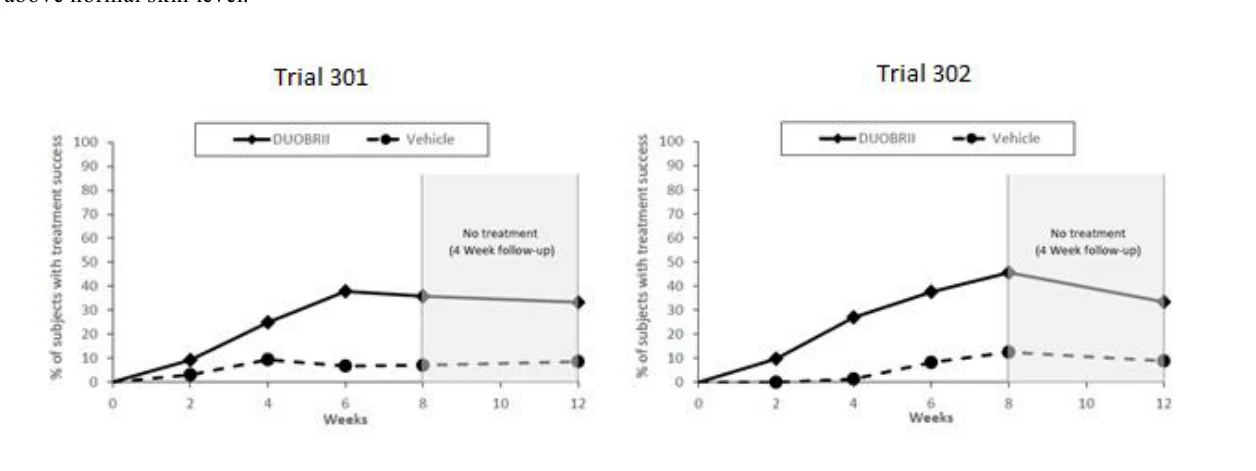
Figure 1: Efficacy Results up to week 12
Treatment success, defined as at least a 2-grade improvement from Baseline in IGA score and an IGA score equating to Clear or Almost Clear at Week 8.
In the secondary analysis, DUOBRII showed improvement in treatment success rates over the vehicle control starting at Week 2 and this was maintained through Week 12 (Figure 1).
Similarly, the individual signs of psoriasis (erythema, plaque elevation, and scaling) showed improvement over the vehicle control at each study visit with sustained efficacy up to 4 weeks after treatment (p=0.001).
13 MICROBIOLOGY
DUOBRII is not an antimicrobial drug.
14 NON-CLINICAL TOXICOLOGY
Carcinogenicity
Long-term animal studies have not been performed to evaluate the carcinogenic potential of DUOBRII.
Long-term animal studies have not been performed to evaluate the carcinogenic potential of halobetasol propionate.
A long-term study of tazarotene following oral administration of 0.025, 0.050, and 0.125 mg/kg/day to rats showed no indications of increased carcinogenic risks. Based on pharmacokinetic data from a shorter-term study in rats, the highest dose of 0.125 mg/kg/day was estimated to result in a tazarotenic acid systemic exposure in the rat equivalent to 2 times what was observed in plaque psoriasis patients treated with DUOBRII on at least 20% body surface area in a maximum use pharmacokinetic study.
A long-term topical application study of up to 0.1% of tazarotene in a gel formulation in mice terminated at 88 weeks showed that dose levels of 0.05, 0.125, 0.25, and 1 mg/kg/day (reduced to 0.5 mg/kg/day for males after 41 weeks due to severe dermal irritation) revealed no apparent carcinogenic effects when compared to vehicle control animals. Tazarotenic acid systemic exposures at the highest tazarotene dose was 59 times what was observed in psoriasis patients treated with DUOBRII on at least 20% body surface area in a maximum use pharmacokinetic study (V01-118A-501).
Mutagenesis
Halobetasol propionate was not genotoxic in the Ames assay, in the sister chromatid exchange test in Chinese hamster somatic cells, in chromosome aberration studies of germinal and somatic cells of rodents, and in a mammalian spot test. Halobetasol propionate was positive in the mouse lymphoma gene mutation assay in vitro and in a Chinese hamster micronucleus test.
Tazarotene was not mutagenic in the Ames and CHO/HGPRT mammalian cell forward gene mutation assays and did not produce structural chromosomal aberrations in human lymphocytes. Tazarotene was not clastogenic in an in vivo mouse micronucleus test.
Reproductive and Developmental Toxicology
Animal fertility studies have not been performed with DUOBRII.
Studies in rats following oral administration of halobetasol propionate at dose levels up to 0.05 mg/kg/day, approximately 0.53 times the Maximum Recommended Human Dose (MRHD) based on BSA comparisons, indicated no impairment of fertility or general reproductive performance.
Halobetasol propionate has been shown to cause malformations in rats and rabbits when given orally during organogenesis at doses of 0.04 to 0.1 mg/kg/day in rats and 0.01 mg/kg/day in rabbits. Halobetasol propionate was embryotoxic in rabbits but not in rats. Cleft palate was observed in both rats and rabbits. Omphalocele was seen in rats but not in rabbits.
In an embryofetal development study in rats, a tazarotene gel formulation, 0.5% (0.25 mg/kg/day tazarotene) was topically administered to pregnant rats during gestation days 6 through 17. Reduced fetal body weights and reduced skeletal ossification occurred at this dose (11 times the MRHD based on AUC comparison). In an embryofetal development study in rabbits, a tazarotene gel formulation, 0.5%, 0.25 mg/kg/day tazarotene) was topically administered to pregnant rabbits during gestation days 6 through 18. Single incidences of known retinoid malformations, including spina bifida, hydrocephaly, and heart anomalies were noted at this dose (116 times the MRHD based on AUC comparison).
When tazarotene was given orally to animals, developmental delays were seen in rats; malformations and post-implantation loss were observed in rats and rabbits at doses producing 9 and 228 times, respectively, the MRHD (based on AUC comparisons).
In female rats orally administered 2 mg/kg/day of tazarotene from 15 days before mating through gestation day 7, classic developmental effects of retinoids including decreased number of implantation sites, decreased litter size, decreased numbers of live fetuses, and decreased fetal body weights were observed at this dose (16 times the MRHD based on AUC comparison). A low incidence of retinoid-related malformations was observed at that dose.
After single topical doses of a 14C-tazarotene gel formulation to the skin of lactating rats, radioactivity was detected in milk.
In rat and monkey toxicity studies, repeat dermal administration of up to 0.5 mg/kg tazarotene for 3 months, and 0.25 mg/kg tazarotene for 1 year resulted in non-reversible bone abnormalities. Oral administration of 0.25 mg/kg tazarotene to rats for 13 weeks also resulted in dose-related changes in bone morphological features (e.g. a narrowing zone of proliferation in the sternum, chondrolysis, and a widening zone of maturation in the femur). Oral administration of 0.25 mg/kg tazarotene to monkeys for over 6 months resulted in some skeletal changes analogous to those observed in hypervitaminosis A.
Phototoxicity
An in vitro phototoxicity assay using the EpiDerm skin model determined that DUOBRII was associated with a 10.0% viability difference between +UVA and –UVA exposed tissues, whereas tazarotene alone was associated with a difference of 30.7%. As a difference of >30% is considered to be indicative of phototoxic potential in this model, it was concluded that tazarotene alone is associated with phototoxicity, whereas DUOBRII is not. However, as tazarotene is an integral component of DUOBRII, patients who use DUOBRII should use caution and minimize exposure to sunlight.
15 SUPPORTING PRODUCT MONOGRAPHS
- 1. ULTRAVATE (Halobetasol propionate Ointment and Cream; 0.05%) Product Monograph, Control No: 230873, Bausch Health, Canada Inc., October 15, 2019.
- 2. TAZORAC (Tazarotene Cream 0.05% and 0.1% w/w) Product Monograph, Control No.: 187510, Allergan Inc. December 8, 2015.