


Product Monograph - Nduvra
Recent Major Label Changes
| 08/2026 |
|---|---|
| 08/2026 |
| 08/2026 |
| 08/2026 |
| 08/2026 |
Table of Contents
Certain sections or subsections that are not applicable at time of the preparation of the most recent authorized product monograph are not listed.
Recent Major Label Changes ................................................................................................. 2
Table of Contents ................................................................................................................. 2
Part 1: Healthcare Professional Information.......................................................................... 4
- 1.
Indications ................................................................................................................ 4
1.1. Pediatrics ..................................................................................................................... 4
1.2. Geriatrics ..................................................................................................................... 4
- 2. Contraindications ...................................................................................................... 4
- 4.
Dosage and Administration ....................................................................................... 5
4.1. Dosing Considerations ................................................................................................ 5
4.2. Recommended Dose and Dosage Adjustment ........................................................... 5
4.4. Administration ............................................................................................................ 5
4.5. Missed Dose ................................................................................................................ 5
- 5. Overdosage ............................................................................................................... 6
- 6. Dosage Forms, Strengths, Composition and Packaging ............................................... 6
- 7.
Warnings and Precautions ......................................................................................... 6
7.1. Special Populations ..................................................................................................... 7
7.1.1. Pregnancy ........................................................................................................... 7
7.1.2. Breastfeeding ..................................................................................................... 7
7.1.3. Pediatrics ............................................................................................................ 7
7.1.4. Geriatrics ............................................................................................................ 7
- 8.
Adverse Reactions ..................................................................................................... 8
8.1. Adverse Reaction Overview ........................................................................................ 8
8.2. Clinical Trial Adverse Reactions .................................................................................. 8
8.2.1 Clinical Trial Adverse Reactions – Pediatrics........................................................... 10
8.3. Less Common Clinical Trial Adverse Reactions ......................................................... 10
- 9.
Drug Interactions .................................................................................................... 10
9.2. Drug Interactions Overview ...................................................................................... 10
9.3. Drug Behavioural Interactions .................................................................................. 10
9.4. Drug-Drug Interactions ............................................................................................. 11
9.5. Drug-Food Interactions ............................................................................................. 11
9.6. Drug-Herb Interactions ............................................................................................. 11
9.7. Drug-Laboratory Test Interactions ............................................................................ 11
- 10.
Clinical Pharmacology ............................................................................................. 11
10.1. Mechanism of Action .............................................................................................. 11
10.2. Pharmacodynamics ................................................................................................. 11
10.3. Pharmacokinetics .................................................................................................... 11
- 11. Storage, Stability and Disposal ................................................................................. 13
Part 2: Scientific Information .............................................................................................. 14
- 13. Pharmaceutical Information .................................................................................... 14
- 14.
Clinical Trials ........................................................................................................... 15
14.1. Clinical Trials by Indication...................................................................................... 15
- 16. Non-Clinical Toxicology ........................................................................................... 21
Patient Medication Information ......................................................................................... 23
Part 1: Healthcare Professional Information
1. Indications
Plaque Psoriasis
NDUVRA® (tapinarof cream) is indicated for the topical treatment of plaque psoriasis in adults.
|
|---|
1.1. Pediatrics
Plaque Psoriasis
Pediatrics (<18 years of age): No data are available to Health Canada; therefore, Health Canada has not authorized an indication for pediatric use (7.1.3. Pediatrics).
Atopic Dermatitis
Pediatrics (2 to <18 years of age): Based on the data submitted and reviewed by Health Canada, the safety and efficacy of NDUVRA in pediatric patients 2 years of age and older has been established. Therefore, Health Canada has authorized an indication for pediatric use in patients 2 years of age and older (7.1.3. Pediatrics).
Pediatrics (<2 years of age): No data for NDUVRA are available to Health Canada; therefore, Health Canada has not authorized an indication for pediatric patients below the age of 2 years.
1.2. Geriatrics
Geriatrics (≥65 years of age):
Plaque Psoriasis
No overall differences in efficacy, safety or tolerability were observed between geriatric patients and younger adult patients in clinical trials (7.1.4 Geriatrics).
Atopic Dermatitis
No overall differences in efficacy, safety, or tolerability were observed between patients 65 years of age and older and younger adult patients. Clinical trials of NDUVRA in patients with atopic dermatitis did not include sufficient numbers of subjects 65 years of age and older to determine whether they respond differently from younger patients (7.1.4 Geriatrics).
2. Contraindications
NDUVRA is contraindicated in patients who are hypersensitive to this drug or to any ingredients in the formulation, including any non-medicinal ingredients, or component of the container. For a complete listing, see 6. Dosage Forms, Strengths, Composition and Packaging.
4. Dosage and Administration
4.1. Dosing Considerations
Use of NDUVRA with other topical or systemic treatments for plaque psoriasis or atopic dermatitis has not been studied.
4.2. Recommended Dose and Dosage Adjustment
The recommended dose is a thin layer of NDUVRA applied to affected areas once daily. NDUVRA may be used on all skin surfaces, including the head, neck, and intertriginous areas.
Plaque Psoriasis
Health Canada has not authorized an indication for pediatric use in psoriasis (see 1.1. Pediatrics).
Atopic Dermatitis
Health Canada has not authorized an indication for pediatric patients below the age of 2 years It is indicated for pediatric use in pediatric patients ages 2-17 for atopic dermatitis. (see 1.1. Pediatrics).
No dosage adjustment is necessary for pediatric patients aged 2 to 17 years.
4.4. Administration
NDUVRA is for external topical use only. NDUVRA is not for oral, ophthalmic or intravaginal use (see 7. Warning and Precautions, General).
NDUVRA should be applied to dry, clean, affected areas of the skin. NDUVRA should not be applied to unaffected areas of skin.
Patients should wash hands after application unless treating lesions on the hands or fingernails. If someone else applies NDUVRA onto the patient, they should wash their hands after application.
Patients should avoid swimming, bathing, showering, or strenuous activities for at least 2 hours after application of NDUVRA.
Patients should wait 30 minutes after application of NDUVRA to apply emollients.
NDUVRA should not be used on areas of skin with active bacterial, fungal or viral infections.
4.5. Missed Dose
Advise patients if they forget to use NDUVRA as directed, to apply it as soon as possible within the same day, then go back to their regular schedule the following day. Patients should be instructed not to apply NDUVRA more than once daily to make up for a missed daily dose on the previous day. Dosing can be continued on the next day.
5. Overdosage
There are no data from clinical trials regarding signs and symptoms of overdose of NDUVRA. Overdosage with NDUVRA is not anticipated with dermal application. If surplus NDUVRA has been applied, the excess should be wiped off.
6. Dosage Forms, Strengths, Composition and Packaging
Table 1 – Dosage Forms, Strengths, Composition and Packaging
NDUVRA (tapinarof, cream) is a white to off-white cream with no visible signs of phase separation and is available in:
- 2 g (sample) Aluminum tube with a sealed membrane and membrane-piercing white high density polyethylene (HDPE) closure.
- 60 g Aluminum barrier laminate (ABL) tube with high density polyethylene (HDPE) shoulder, a peelable sealed membrane, and a white polypropylene (PP) closure.
7. Warnings and Precautions
General
NDUVRA is for external use only. NDUVRA cream is not for oral, ophthalmic, or intravaginal use.
Hypersensitivity
Rare cases of severe cutaneous hypersensitivity reactions of erythema multiforme / erythema and contact dermatitis have been reported with NDUVRA. In some cases the reactions progressed beyond the application site to non-treated regions of the skin. If signs and symptoms of hypersensitivity occur, treatment with NDUVRA should be discontinued.
| For the most recent information in the management of a suspected drug overdose, contact your regional poison control centre or Health Canada’s toll-free number, 1-844 POISON-X (1-844-764-7669). |
|---|
| Route of Administration | Dosage Form / Strength/Composition | Non-medicinal Ingredients |
| Topical | Cream/tapinarof (1% w/w) Each gram of NDUVRA cream contains 10 mg of tapinarof. | Benzoic acid, butylated hydroxytoluene, citric acid monohydrate, diethylene glycol monoethyl ether, disodium edetate, emulsifying wax, medium-chain triglycerides, polyoxyl 2 stearyl ether, polyoxyl 20 stearyl ether, polysorbate 80, propylene glycol, purified water, and sodium citrate dihydrate. |
7.1. Special Populations
7.1.1. Pregnancy
The available data on NDUVRA cream use in pregnant women are insufficient to evaluate for a drug-associated risk of major birth defects, miscarriage, or other adverse maternal or fetal outcomes. In animal reproduction studies, subcutaneous administration of tapinarof to pregnant rats and rabbits during the period of organogenesis resulted in no significant adverse effects at doses 264 and 16 times, respectively, the maximum recommended human dose (16. Non-Clinical , Reproductive and Developmental Toxicology).
7.1.2. Breastfeeding
No data are available regarding the presence of tapinarof in human milk or the effects of tapinarof on the breastfed infant, or on milk production. Tapinarof was detected in rat offspring following subcutaneous administration to pregnant female rats which suggests that tapinarof was transferred into the milk of lactating rats (see 16. Non-Clinical ). When a drug is present in animal milk, it is likely that the drug will be present in human milk. The developmental and health benefits of breastfeeding should be considered along with the mother’s clinical need for NDUVRA cream and any potential adverse effects on the breastfed infant from NDUVRA cream or from the underlying maternal condition (16. Non-Clinical , Reproductive and Developmental Toxicology).
7.1.3. Pediatrics
Plaque Psoriasis
Pediatrics (<18 years of age): No data are available to Health Canada; therefore, Health Canada has not authorized an indication for pediatric use.
Atopic Dermatitis
Pediatrics (2 to < 18 years of age): The safety and efficacy of NDUVRA for the topical treatment of atopic dermatitis have been established in pediatric patients 2 years of age and older. Use of NDUVRA cream for this indication is supported by evidence from two adequate and well-controlled trials (ADORING 1 and ADORING 2), which included 654 pediatric patients 2 years of age and older (436 of whom received NDUVRA cream) with moderate to severe atopic dermatitis (see 14. Clinical Trials). Adverse reactions occurring more frequently in pediatric patients compared to adults were upper respiratory tract infection and ear infection (see 8. Adverse Reactions).
Pediatrics (<2 years of age): No data for NDUVRA are available to Health Canada; therefore, Health Canada has not authorized an indication for pediatric patients below the age of 2 years.
7.1.4. Geriatrics
Plaque Psoriasis
Geriatrics (≥65 years of age): Of the 1090 patients exposed to NDUVRA in clinical trials, 136 (12.5%) were 65 years of age and older, including 8 (0.7%) patients who were 75 years of age and older. No overall differences in efficacy, safety, or tolerability were observed between elderly patients and younger adult patients in clinical trials.
Atopic Dermatitis
Geriatrics (≥65 years of age): Of the 541 patients exposed to NDUVRA cream in the ADORING 1 or ADORING 2 clinical trials, 20 (3.7%) were 65 years of age and older, including 4 (0.7%) patients who were 75 years of age and older. No overall differences in efficacy, safety, or tolerability were observed between patients 65 years of age and older and younger adult patients.
8. Adverse Reactions
8.1. Adverse Reaction Overview
The most frequently reported adverse reactions in clinical trials for psoriasis and atopic dermatitis were local skin reactions, including folliculitis and contact dermatitis, as well as headache.
8.2. Clinical Trial Adverse Reactions
Clinical trials are conducted under very specific conditions. Therefore, the frequencies of adverse reaction rates observed in the clinical trials may not reflect frequencies observed in clinical practice and should not be compared to frequencies in clinical trials of another drug.
Plaque Psoriasis Clinical Trials
In two randomized, double-blind, multicenter, vehicle-controlled clinical trials (DMVT-505-3001 [PSOARING 1] and DMVT-505-3002 [PSOARING 2]), 1025 adults with plaque psoriasis were treated with NDUVRA cream or vehicle cream once daily for up to 12 weeks (see 14. Clinical Trials).
Patients ranged in age from 18 to 75 years, with an overall median age of 51 years. The majority of patients were white (85%) and male (57%); and 85% were non-Hispanic or Latino (see 14. Clinical Trials).
Table 2 presents adverse reactions that occurred in at least 1% of patients treated with NDUVRA cream, and for which the rate exceeded the rate for vehicle.
Table 2 - Adverse Reactions Occurring in ≥1% of the Patients in the 12-week PSOARING 1 and PSOARING 2 Clinical Trials
| Adverse Reaction | Tapinarof cream N = 683 n (%) | Vehicle cream N = 342 n (%) |
|---|---|---|
Infections and infestations Folliculitisa Nasopharyngitisb Influenzac | 140 (20) 73 (11) 14 (2) | 3 (1) 31 (9) 2 (1) |
Nervous system disorders Headached | 26 (4) | 5 (1) |
Skin and subcutaneous tissue disorders Contact dermatitise Pruritusf | 45 (7) 20 (3) | 2 (1) 2 (1) |
a Folliculitis includes application site folliculitis and folliculitis
b Nasopharyngitis includes nasopharyngitis, nasal congestion, pharyngitis, respiratory tract infection (RTI) viral, rhinorrhea, sinus congestion, upper RTI, and viral upper RTI
c Influenza includes influenza and influenza-like illness
d Headache includes headache, migraine, and tension headache
e Contact dermatitis includes dermatitis, contact dermatitis, hand dermatitis, and rash
f Pruritus includes application site pruritus, pruritus, generalized pruritus, and genital pruritus
Adverse reactions leading to treatment discontinuation in >1% of patients who received NDUVRA cream were contact dermatitis (2.9%) and folliculitis (2.8%). The incidence of follicular events was less in females (14.2%) compared to males (24.4%).
In an open label safety trial (DMVT-505-3003 [PSOARING 3]), 763 patients were treated for up to an additional 40 weeks after completing PSOARING 1 or PSOARING 2. In addition to the adverse reactions reported in the 12-week PSOARING 1 and PSOARING 2 clinical trials, the following adverse reactions were reported: urticaria (1.0%) and drug eruption (0.8%).
Atopic Dermatitis Clinical Trials
In two randomized, double-blind, multicenter, vehicle-controlled clinical trials (DMVT-505-3101 [ADORING 1] and DMVT-505-3102 [ADORING 2]), 811 adult and pediatric patients 2 years of age and older with atopic dermatitis were treated with NDUVRA cream or vehicle cream once daily for up to 8 weeks (see 14. Clinical Trials).
Patients ranged in age from 2 to 81 years, with an overall median age of 11 years. The majority (51%) of patients were White, 31% were Black, 12% were Asian; 54% were female; and 78% of patients identified as non-Hispanic or Latino.
Table 3 presents adverse drug reactions that occurred in at least 1% of patients treated with NDUVRA cream, and for which the rate exceeded the rate for vehicle.
Table 3 - Adverse Drug Reactions Occurring in ≥1% of the Patients in the 8-week ADORING 1 and ADORING 2 Clinical Trials
| Adverse Drug Reaction | Tapinarof cream N=541 n (%) | Vehicle cream N= 270 n (%) |
|---|---|---|
| Infections and Infestations | ||
| Upper respiratory tract infectiona | 66 (12) | 15 (6) |
| Folliculitisb | 51 (9) | 3 (1) |
| Lower respiratory tract infectionc | 25 (5) | 6 (2) |
| Ear infectione | 10 (2) | 1 (0) |
| Nervous system disorders | ||
| Headache | 23 (4) | 3 (1) |
| Respiratory, thoracic and mediastinal disorders | ||
| Asthmad | 12 (2) | 1 (0) |
| Musculoskeletal and connective tissue disorders | ||
| Pain in extremityf | 9 (2) | 1 (0) |
| Gastrointestinal disorders | ||
| Vomiting | 10 (2) | 2 (1) |
| Abdominal paing | 6 (1) | 0 (0) |
a Upper respiratory tract infection includes upper respiratory tract infection, nasopharyngitis, nasal congestion, sinusitis, pharyngitis streptococcal, cough, oropharyngeal pain, pharyngitis, acute sinusitis, streptococcal infection, streptococcus test positive, viral upper respiratory tract infection, viral infection, rhinorrhea, sinus congestion b Folliculitis includes folliculitis, application site folliculitis, keratosis pilaris, follicular eczema
c Lower respiratory tract infection includes lower respiratory tract infection, COVID-19, influenza, bronchitis, pneumonia
d Asthma includes asthma, wheezing
e Ear infection includes ear infection, otitis media, otitis externa, otitis media acute
f Pain in extremity includes pain in extremity, arthralgia
g Abdominal pain includes abdominal pain and abdominal pain upper
The proportion of patients who discontinued treatment because of adverse events was 1.8% in the NDUVRA group and 4.1% in the vehicle group.
In an open label safety trial (ADORING 3), 728 patients (124 adult and 604 pediatric patients 2 years of age and older) were treated for up to 48 weeks. This included 624 patients completing either ADORING 1 or ADORING 2, 28 pediatric patients completing a maximal usage trial, and 76 pediatric patients treated only in ADORING 3. The safety profile during the 48 week long-term safety trial with continuous or intermittent use of NDUVRA was generally consistent with the safety profile observed during the 8 week vehicle-controlled period.
8.2.1 Clinical Trial Adverse Reactions – Pediatrics
Pediatrics (2 to 17 years of age):
The atopic dermatitis clinical trials, ADORING 1 AND ADORING 2, enrolled 654 patients aged 2 to 17 years of age, of whom 436 patients were treated with NDUVRA. The adverse reactions observed in pediatric patients 2 years of age and older were generally consistent with those observed in adults with atopic dermatitis. Adverse reactions occurring more frequently in pediatric patients compared to adults were upper respiratory tract infection and ear infection.
8.3. Less Common Clinical Trial Adverse Reactions
Skin disorders: Two (0.3%) patients using NDUVRA cream in the pivotal plaque psoriasis clinical trials developed urticaria. Four (0.7%) patients using NDUVRA cream in the pivotal atopic dermatitis clinical trials developed urticaria.
Administration site conditions: Five (0.9%) patients using NDUVRA cream in the pivotal atopic dermatitis clinical trials reported application site pain.
9. Drug Interactions
9.2. Drug Interactions Overview
Based on in vitro data and minimal systemic exposure, no formal drug-drug interaction studies were conducted with NDUVRA.
9.3. Drug Behavioural Interactions
None have been established.
9.4. Drug-Drug Interactions
In Vitro Studies
Cytochrome P450 (CYP) Enzymes: Tapinarof is not expected to inhibit CYP2B6, CYP2C8, CYP2C9, CYP2C19, CRP2D6 or CYP3A4/5 nor induce CYP1A2, CYP2B6 or CYP3A4 under conditions of clinical use.
Transporter Systems: Tapinarof is not expected to inhibit BCRP, BSEP, MATE1, MATE-2K, OAT1, OAT3, OATP1B1, OATP1B3, OCT1, OCT2, or P-gp under conditions of clinical use. Tapinarof is not a substrate for BCRP, OATP1B1, OATP1B3, or P-gp.
9.5. Drug-Food Interactions
Interactions with food have not been evaluated, as not applicable for topical products.
9.6. Drug-Herb Interactions
Interactions with herbal products have not been evaluated, as not applicable for topical products.
9.7. Drug-Laboratory Test Interactions
Interactions with laboratory tests have not been evaluated.
10. Clinical Pharmacology
10.1. Mechanism of Action
Tapinarof is a non-steroidal small molecule agonist of the aryl hydrocarbon receptor (AhR).
The specific mechanisms by which tapinarof exerts its therapeutic action in psoriasis patients are unknown.
Tapinarof is thought to exert its therapeutic action via activation of AhR and subsequent skin homeostasis. In preclinical studies, tapinarof was shown to decrease proinflammatory Th2 cytokines involved in atopic dermatitis and Th17 cytokines involved in psoriasis (as demonstrated in mouse models and in vitro) and increase the expression of genes that encode skin barrier proteins, such as filaggrin, and genes involved in lipid production, such as ceramides (as demonstrated in vitro). In addition, T cells treated with tapinarof exhibited reduced T-cell survival in an in vitro APC–T-cell support assay, suggesting that tapinarof may interfere with the APC–T-cell signaling required for TRM cell persistence.
10.2. Pharmacodynamics
Pharmacodynamics of NDUVRA cream are unknown.
Cardiac Electrophysiology
At the approved dosage, NDUVRA does not prolong the QTc interval.
10.3. Pharmacokinetics
The plasma concentrations of tapinarof were higher in pediatric patients 2 years of age and older with atopic dermatitis when compared to adult patients with plaque psoriasis.
Adults with Plaque Psoriasis
Table 4 - Summary of NDUVRA Pharmacokinetic Parameters in 27-73 year old patients with moderate to severe plaque psoriasis and treated body surface area (BSA) range from 21% - 46%
Cmax (ng/mL) N | Tmax (h) N | t½ (h) | AUC0-last (ng*h/mL) N | |
| Day 1 | 0.898 ± 1.448 21 | 3.10 (1.1, 23.8) 18 | NA | 4.067 ± 6.331 17 |
| Day 29 | 0.116 ± 0.148 19 | 3.17 (1.1, 12.2) 11 | NA | 0.609 ± 0.646 11 |
Data reported as mean ± SD except for Tmax reported as median (range); NA = not applicable
Note: Of 21 patients with PK samples on Day 1, 18 patients had an estimable Tmax and 4 patients had an estimable AUC0-t. Of 19 patients with PK samples on Day 29, 11 patients had an estimable Tmax and 1 patient had an estimable AUC0-t.
Pediatric Patients with Atopic Dermatitis
Table 5 - Summary of NDUVRA Pharmacokinetic Parameters by age group in pediatric patients with moderate to severe atopic dermatitis and treated BSA range from 26% - 90%
| PK Parameter (Mean ± SD) | 2-6 Years | 7-11 Years | 12-17 Years | |||||||
| Day 1 | ||||||||||
Cmax (ng/mL) N | 3.8 ± 5.87 12 | 2.2 ± 2.5 11 | 1.3 ± 1.8 12 | |||||||
AUC0-t (ng.h/mL) N | 5.5 ± 6.2 12 | 5.2 ± 5.9 11 | 3.3± 4.8 11 | |||||||
| Day 28 | ||||||||||
Cꚍ (ng/mL) N | 0.046 ± 0.107 10 | 0.089 ± 0.130 8 | 0.125 ± 0.413 11 | |||||||
Cꚍ: concentration at the end of 24 h dosing interval on Day 28.
Patients aged 2 – 11 years had ≥ 35 %BSA affected, patients 12 – 17 years had ≥ 26% BSA affected, treated once-daily with NDUVRA.
Absorption
Adults with Plaque Psoriasis
NDUVRA cream exhibits low systemic absorption following topical application with no accumulation upon repeat dosing. Systemic absorption was evaluated in 21 patients with moderate to severe plaque psoriasis affecting mean 27.2% (range 21 to 46%) body surface area. Plasma concentration of tapinarof was below the quantifiable limits (BQL) of the assay (lower limit of quantification was 50 pg/mL) in 68% of the pharmacokinetic samples. On Day 1, mean ± SD values of Cmax and AUC0-last were 0.90 ± 1.4 ng/mL and 4.1 ± 6.3 ng.h/mL, respectively. On Day 29, plasma concentrations were lower and the mean ± SD Cmax and AUC0-last were 0.12 ± 0.15 ng/mL and 0.61 ± 0.65 ng.h/mL, respectively. In Phase 3 trials in patients with mild to severe plaque psoriasis affecting 3 to 20% body surface area, ≥ 95% of PK samples were BQL.
Pediatric Patients with Atopic Dermatitis
The PK of NDUVRA cream were investigated in 36 pediatric patients 2 years of age and older with moderate to severe atopic dermatitis and a mean ± SD BSA involvement of 43% ± 15% (range 26% to 90%). In this study, patients applied approximately 3.2 g/day for 27 days.
Plasma concentrations were BQL in 25% of PK samples on Day 1 and 76% of PK samples on Day 28. On Day 1, the mean ± SD Cmax and AUC0-last were 2.4 ± 3.9 ng/mL and 4.7 ± 5.6 ng.h/mL, respectively in the overall pediatric population with atopic dermatitis. The mean ± SD Cmax and AUC0-last on Day 1 in pediatric patients with atopic dermatitis stratified by age is shown in Table 5.
Distribution:
Human plasma protein binding of tapinarof is approximately 99% in vitro.
Metabolism:
Tapinarof is metabolized in the liver by multiple pathways including oxidation, glucuronidation, and sulfation in vitro.
Elimination
The elimination half-life in humans could not be reliably determined due to the lack of detectable tapinarof plasma concentrations in the elimination phase.
Following a single dermal administration in minipigs, less than 1% of the administered material was recovered in excreta, suggesting minimal absorption.
11. Storage, Stability and Disposal
Store between 2°C and 25°C.
Do not freeze. Protect from exposure to excessive heat. Keep out of reach of children.
Part 2: Scientific Information
13. Pharmaceutical Information
Drug Substance
Proper/Common name: Tapinarof
Chemical name: 3, 5-Dihydroxy-4-isopropyl-trans-stilbene
(E)-2-isopropyl-5-styrylbenzene-1,3-diol
Molecular formula and molecular mass: C17H18O2, 254.32
Structural formula:
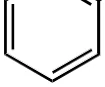
Physicochemical properties:
Description: White to pale brown powder
Solubility: Practically insoluble in water, soluble in methanol.
OH
OH
14. Clinical Trials
14.1. Clinical Trials by Indication
Treatment of plaque psoriasis in adults
Table 6 - Summary of patient demographics for clinical trials in plaque psoriasis
| Study # | Study design | Dosage, route of administration and duration | Study patients (n) | Mean age (Range) | Sex |
| PSOARING 1 (DMVT-505-3001) | A double-blind, randomized, vehicle-controlled, Phase 3, multicenter study to evaluate the efficacy and safety in adults with plaque psoriasis | Thin layer of tapinarof cream, 1% or vehicle cream, once daily applied to affected areas for 12 weeks. | Total enrolled: 510 Tapinarof cream, 1%: 340 Vehicle cream: 170 | 49.6 (18 to 75) | Tapinarof cream, 1%: Female: 127 Male: 213 Vehicle cream: Female: 84 Male: 86 |
| PSOARING 2 (DMVT-505-3002) | A double-blind, randomized, vehicle-controlled, Phase 3, multicenter study to evaluate the efficacy and safety in adults with plaque psoriasis | Thin layer of tapinarof cream, 1% or vehicle cream, once daily applied to affected areas for 12 weeks. | Total enrolled: 515 Tapinarof cream, 1%: 343 Vehicle cream: 172 | 50.0 (18 to 75) | Tapinarof cream, 1%: Female: 155 Male: 188 Vehicle cream: Female: 70 Male: 102 |
| PSOARING 3 (DMVT-505-3003) | A long-term, open-label, extension study to evaluate the safety and efficacy in adults with plaque psoriasis | Thin layer of tapinarof cream, 1%, once daily applied to affected areas for up to 40 weeks. | Total enrolled: 763 | 50.7 (18 to 75) | Female: 315 Male: 448 |
Two multicenter, randomized, double-blind, vehicle-controlled trials were conducted to evaluate the safety and efficacy of NDUVRA® cream for the treatment of adults with plaque psoriasis (PSOARING 1 and PSOARING 2). These trials were conducted in a total of 1025 patients randomized 2:1 to NDUVRA cream or vehicle cream applied once daily for 12 weeks to any lesion regardless of anatomic location.
The trials enrolled male and female patients aged 18 to 75 years old with a clinical diagnosis of chronic plaque psoriasis and stable disease for at least 6 months prior to the study. Patients had mean percent body surface area (%BSA) involvement of ≥3% and ≤20%, excluding scalp, palms, fingernails, toenails, and soles. Baseline disease severity was graded using the 5-point Physician Global Assessment (PGA). At baseline patients scored “Mild”(2), “Moderate”(3), or “Severe”(4). Patients with “Mild” and “Severe” psoriasis were limited to approximately 10% each of the total randomized population. Patients with psoriasis other than plaque variant and patients with current or chronic history of liver disease were excluded from the trials. Concurrent treatment for plaque psoriasis was not allowed.
At baseline, the majority of patients had “Moderate” disease (82%), while 10% had “Mild” disease, and 8% had “Severe” disease. The extent of disease involvement assessed by %BSA, was 7.8%. The mean baseline Psoriasis Area and Severity Index (PASI) score was 9.0 (range 2 to 25). The median age was 51 years. The majority of patients were male (57.5%), white (84.9%), and not Hispanic or Latino (84.6%).
Clinical Response at Week 12 in PSOARING 1 and PSOARING 2 in Adults with Plaque Psoriasis
The primary efficacy endpoint in both studies was the proportion of patients who achieved treatment success, defined as a PGA score of “Clear” (0) or “Almost Clear” (1) and at least a 2-grade improvement from baseline to Week 12. Secondary efficacy endpoints included PASI-75 (improvement of at least 75% in PASI score from baseline), change from baseline in %BSA, and PASI-90 (improvement of at least 90% in PASI score from baseline) at Week 12. Efficacy results from the two trials are summarized in Table 7.
Table 7 - Clinical Response at Week 12 in PSOARING 1 and PSOARING 2 in Adults with Plaque Psoriasis (Intent-to-Treat; Multiple Imputation)
| Clinical Response | PSOARING 1 | PSOARING 2 | ||
|---|---|---|---|---|
| NDUVRA Cream N=340 | Vehicle Cream N=170 | NDUVRA Cream N=343 | Vehicle Cream N=172 | |
| Primary Endpoint: | ||||
| PGA Treatment Success a | 35.4% | 6.0% | 40.2% | 6.3% |
| Difference (95% CI) | 29.4% (22.7%, 36.2%) | 33.9% (27.1%, 40.7%) | ||
| P-valueb | <0.0001 | <0.0001 | ||
| Secondary Endpoints: | ||||
| PASI-75 | 36.1% | 10.2% | 47.6% | 6.9% |
| Difference (95% CI) | 25.9% (18.7%, 33.1%) | 40.7% (33.9%, 47.5%) | ||
| P-valueb | <0.0001 | <0.0001 | ||
| Change from baseline %BSA | -3.5 | -0.2 | -4.2 | 0.1 |
| Difference (95% CI) | -3.3 (-4.4, -2.1) | -4.3 (-5.2, -3.5) | ||
| P-valuec | <0.0001 | <0.0001 | ||
| PASI-90 | 18.8% | 1.6% | 20.9% | 2.5% |
| Difference (95% CI) | 17.2% (12.5%, 22.0%) | 18.4% (13.4%, 23.5%) | ||
| P-valueb | 0.0005 | <0.0001 | ||
a Treatment success was defined as a PGA score of “Clear” or “Almost Clear” and at least a 2-grade improvement from baseline.
b P-value based on Cochran-Mantel-Haenszel Analysis Stratified by Baseline PGA Score c P-value based on Analysis of Covariance Multiple comparisons of the secondary endpoints were controlled using the fixed-sequence method. Testing of the secondary endpoints were performed sequentially following the prespecified order.
Following 12 weeks of treatment in PSOARING 1 or PSOARING 2, eligible patients could receive an additional 40 weeks of treatment in an open-label extension trial (PSOARING 3) to evaluate NDUVRA cream for long-term safety and maintenance of response.
Patients entering with a PGA = 0 had treatment discontinued and were followed for durability of treatment (remittive response).
Of the 763 patients enrolled in PSOARING 3, 74 patients entered with a PGA score of 0 (“Clear”) following treatment with NDUVRA cream for 12 weeks during PSOARING 1 or PSOARING 2, 57 patients (77%) experienced a PGA ≥2 at least one time during the study and median time off therapy before experiencing PGA ≥2 was 115 days (95% CI: 85, 162).
Treatment of atopic dermatitis
Table 8 - Summary of patient demographics for clinical trials in atopic dermatitis
| Study # | Study design | Dosage, route of administration and duration | Study patients (n) | Mean age (Range) | Sex |
| ADORING 1 (DMVT-505-3101) | A double-blind, randomized, vehicle-controlled, Phase 3, multicenter study to evaluate the efficacy and safety in pediatric and adults with atopic dermatitis | Thin layer of tapinarof cream, 1% or vehicle cream, once daily applied to affected areas for 8 weeks. | Total enrolled: 407 Tapinarof cream, 1%: 270 Vehicle cream: 137 | 15.6 (2 to 78) | Tapinarof cream, 1%: Female: 140 Male: 130 Vehicle cream: Female: 71 Male: 66 |
| ADORING 2 (DMVT-505-3102) | A double-blind, randomized, vehicle-controlled, Phase 3, multicenter study to evaluate the efficacy and safety in pediatric and adults with atopic dermatitis | Thin layer of tapinarof cream, 1% or vehicle cream, once daily applied to affected areas for 8 weeks. | Total enrolled: 406 Tapinarof cream, 1%: 271 Vehicle cream: 135 | 16.5 (1 to 81) | Tapinarof cream, 1%: Female: 154 Male: 117 Vehicle cream: Female: 77 Male: 58 |
| ADORING 3 (DMVT-505-3103) | A long-term, open-label, extension study to evaluate the safety and efficacy in pediatric and adults with atopic dermatitis | Thin layer of tapinarof cream, 1%, once daily applied to affected areas for up to 48 weeks. | Total enrolled: 728 | 15.0 (2 to 81) | Female: 389 Male: 339 |
Two multicenter, randomized, double-blind, vehicle-controlled trials were conducted to evaluate the safety and efficacy of NDUVRA cream for the treatment of adults and pediatric patients 2 years of age and older with atopic dermatitis (ADORING 1 and ADORING 2). These trials were conducted in a total of 813 patients (80% of patients [n=654] were 2 to 17 years of age) randomized 2:1 to NDUVRA cream or vehicle cream applied once daily for 8 weeks to any lesion regardless of anatomic location. Following the 8-week vehicle-controlled trials, eligible patients entered the 48-week long-term, open-label, extension trial (ADORING 3) and were treated with NDUVRA, as needed.
The trials enrolled patients with a validated Investigator’s Global Assessment for Atopic Dermatitis (vIGA-AD) score of 3 (moderate) or 4 (severe), an Eczema Area and Severity Index (EASI) score ≥ 6 and affected body surface area of 5 to ≤ 35%. Patients with AD on the scalp were included in the study and were permitted to treat the lesions on their scalp; however, these lesions were excluded from all BSA calculations and efficacy evaluations during the study.
Patients with prohibited concurrent conditions (e.g., immunocompromised, systemic or superficial infections, and dermatologic or inflammatory conditions other than atopic dermatitis) and those being treated with prohibited medications or procedures (systemic and topical products to treat atopic dermatitis, excessive sun exposure, and coal tar products) were excluded from participation in the study.
At baseline, the majority of patients had “moderate” disease (87%), while 13% had “severe” disease at baseline. The extent of disease involvement assessed by mean affected BSA, excluding the scalp, was 16.8% (range 5 to 44%). The mean baseline EASI score was 12.9 (range 4.4 to 36.0) on a scale of 0 to 72. The mean baseline Peak Pruritus Numeric Rating Scale (PP-NRS) score for patients 12 years of age and older was 6.4 on a scale of 0-10. Patients ranged in age from 2 to 81 years. Overall, 54% of the patients were female, 51% were White, 31% were Black, and 12% were Asian. Overall, 78% of patients identified as non-Hispanic or Latino.
Clinical Response at Week 8 in ADORING 1 and ADORING 2 in Patients 2 Years and Older with Atopic Dermatitis
The primary efficacy endpoint in both studies was the proportion of patients at Week 8 who achieved vIGA-AD treatment success, defined as a vIGA-AD score of “Clear” (0) or “Almost Clear” (1) and at least a 2-grade improvement from baseline. Secondary efficacy endpoints included the proportion of patients who achieved at least 75% improvement over baseline in the EASI score (EASI-75) and the proportion of patients 12 years and older with a ≥ 4-point improvement in PP-NRS score.
Efficacy results from the two trials are summarized in Table 9. NDUVRA showed significant improvement in PP-NRS response rate compared to vehicle within 2 weeks of the first dose in patients 12 years of age and older.
Table 9 - Clinical Response at Week 8 in ADORING 1 and ADORING 2 in Adult and Pediatric Patients 2 Years of Age and Older with Atopic Dermatitis (Intent-to-Treat; Multiple Imputation)
| ADORING 1 | ADORING 2 | ||||||||||||
|---|---|---|---|---|---|---|---|---|---|---|---|---|---|
| NDUVRA cream | Vehicle cream | NDUVRA cream | Vehicle cream | ||||||||||
| Number of patients randomized (≥2 years of age) | 270 | 137 | 271 | 135 | |||||||||
| Primary Endpoint: | |||||||||||||
vIGA-AD Treatment Successa,b Difference from Vehicle (95% CI) | 45% 32% (23%, 40%) | 14% | 46% 29% (19%, 38%) | 18% | |||||||||
| Secondary Endpoints: | |||||||||||||
EASI-75a,c Difference from Vehicle (95% CI) | 56% 33% (23%, 42%) | 23% | 59% 38% (29%, 47%) | 21% | |||||||||
EASI-90a Difference from Vehicle (95% CI) | 30% 24% (17%, 31%) | 6% | 30% 20% (13%, 28%) | 10% | |||||||||
| Number of patients ≥12 years of age with baseline PP-NRS score ≥4 | 103 | 54 | 126 | 64 | |||||||||
≥ 4-point improvement in PP-NRSd Difference from Vehicle (95% CI) | 56% 22% (5%, 38%) | 34% | 53% 29% (15%, 43%) | 24% | |||||||||
Abbreviations: CI = Confidence Interval
a Based on number of patients randomized.
b Treatment success was defined as a vIGA-AD score of 0 “Clear” or 1 “Almost Clear” and at least a 2-grade improvement from baseline (vIGA-AD Score of 3 or 4).
c EASI-75 was defined as achievement of at least a 75% reduction in the EASI total score.
d Based on number of patients 12 years of age and older whose baseline PP-NRS score was ≥4.
In the 48 week long-term extension trial ADORING 3, patients with a vIGA-AD ≥ 1 treated affected areas with NDUVRA once daily until they achieved a vIGA-AD of 0 (clear) and re-initiated treatment of affected areas upon worsening (vIGA-AD ≥ 2) as needed. A total of 624 patients who completed ADORING 1 and ADORING 2 were rolled over to the open label long-term extension trial ADORING 3. Of the 431 patients who had completed 8 weeks of treatment with NDUVRA in ADORING 1 and ADORING 2, 51 patients who achieved disease clearance (vIGA-AD = 0) had NDUVRA withdrawn at the start of ADORING 3. These patients had a median time to first worsening (vIGA-AD ≥ 2 [“mild”]) of 57 days (95% CI: 30, 79).
In ADORING 3, 51.9% (378/728) of patients entered with or achieved disease clearance (vIGA-AD=0) at least once during the trial and had NDUVRA withdrawn. These patients had a mean time to first worsening [vIGA-AD≥2 (”mild”)] of 79.8 days [SD 81.4].
16. Non-Clinical Toxicology
Carcinogenicity: Long-term carcinogenicity studies were conducted in mice (daily topical administration at doses of 0.5, 1.5, and 3% tapinarof cream) and in rats (subcutaneous administration at doses of 0.1, 0.3, and 1 mg/kg/day tapinarof). No drug-related neoplasms were noted in mice after 98 (females) to 102 (males) weeks of daily topical administration at doses up to 3% tapinarof cream (44 times the maximum recommended human dose [MRHD] based on AUC comparisons). An increased incidence of benign squamous cell papilloma was observed in males treated with ≥ 1.5% and females treated with 3% tapinarof, which was considered secondary to tapinarof-related skin irritation. No drug-related neoplasms were noted in female rats after 83 weeks of daily subcutaneous administration at doses up to 1 mg/kg/day tapinarof (8 times the MRHD based on AUC comparisons).
Genotoxicity: Tapinarof revealed no evidence of mutagenicity or clastogenicity in a bacterial reverse mutation assay (Ames test), an in vitro mammalian chromosomal aberration assay, an in vitro mouse lymphoma assay, and an in vivo rat bone marrow micronucleus assay.
Reproductive and Developmental Toxicology: In an embryofetal development study in rats, tapinarof was administered by subcutaneous injection to pregnant animals at doses of 1.2, 6.9 and 34 mg/kg/day during the period of organogenesis. Tapinarof was not associated with embryofetal lethality or fetal malformations. Tapinarof increased the incidence of skeletal variations (incomplete ossification of nasal bones) at the dose of 34 mg/kg/day (264 times the MRHD based on AUC comparisons).
In an embryofetal development study in rabbits, tapinarof was administered by subcutaneous injection to pregnant animals twice daily at doses of 0.3, 1, and 3 mg/kg/day during the period of organogenesis. Maternal toxicity as evidenced by decreased maternal body weight gain and associated increased post-implantation loss (embryolethality) was observed at 3 mg/kg/day. In addition, fetal skeletal variations were observed at 3 mg/kg/day. Tapinarof was not associated with embryofetal lethality or fetal malformations at doses up to 1 mg/kg/day (16 times the MRHD based on AUC comparison) or fetal malformations at doses up to 3 mg/kg/day (30 times the MRHD based on AUC comparison).
In a second embryofetal development study in rabbits, tapinarof was administered by continuous subcutaneous infusion to pregnant animals at doses of 1, 2 and 3 mg/kg/day during the period of organogenesis. Tapinarof was not associated with embryofetal lethality or fetal malformations at doses up to 3 mg/kg/day (20 times the MRHD based on AUC comparison).
In a prenatal and postnatal development study, tapinarof was administered by subcutaneous injection to pregnant rats at doses of 1, 6 and 30 mg/kg/day beginning on gestation day 6 through lactation day 20. Maternal toxicity associated with decreases in body weight gain and food consumption was noted at 30 mg/kg/day (264 times the MRHD based on AUC comparisons). Tapinarof decreased fetal survival and viability that resulted in reduced litter sizes and decreased fetal weights at doses greater than or equal to 6 mg/kg/day (45 times the MRHD based on AUC comparisons). No tapinarof-related effects on fetal survival and viability were noted at a dose of 1 mg/kg/day (6 times the MRHD based on AUC comparisons). No tapinarof-related effects on postnatal development, neurobehavioral or reproductive performance of offspring were noted at doses up to 30 mg/kg/day (264 times the MRHD based on AUC comparison).
Tapinarof was quantifiable in offspring plasma samples on postnatal day 10 at doses of 6 and 30 mg/kg/day, suggesting that tapinarof is present in animal milk.
Local Tolerance and Phototoxicity
Following single-dose dermal administration, tapinarof cream concentrations of up to 8% were not associated with irritation (in rats or rabbits) or sensitization (in guinea pigs) or phototoxicity (in hairless mice). Tapinarof cream concentrations up to 4% were not associated with sensitization in mice. Tapinarof cream at a concentration of 8% was found to be practically nonirritating upon application to the rabbit eye. These studies were conducted with earlier formulations which are not the final commercial formulation.
Juvenile Toxicity: In a juvenile animal toxicity study, tapinarof was administered by subcutaneous injection to juvenile rats at doses of 1, 10 and 20 mg/kg/day from postnatal day (PND) 7 to 21 and at doses of 1.5, 15, and 30 mg/kg/day from PND 22 to 77. The dose escalation conducted at PND 22 was implemented to maintain consistent systemic exposure across the duration of the dosing period. Renal pelvic dilatation was observed at doses greater than or equal to 15 mg/kg/day (165 times the MRHD based on AUC comparisons). No adverse effects in juvenile animals were noted at 1.5 mg/kg/day (11 times the MRHD based on AUC comparisons).
Animal:Human Exposure Ratios
At the proposed dose to treat up to 50% BSA for the clinical studies, the systemic exposure (AUC) ratios of tapinarof at the animal NOAELs were up to 64-fold in mice and up to 13-fold in minipigs (gender averaged at the highest doses tested due to the maximum feasible concentration and area tested for dermal administration) and up to 410-fold (subcutaneous administration in rats, gender averaged) above the averaged observed human AUC0-24 of 8.0 ng·h/mL. The systemic exposure Cmax ratios were up to 30-fold and 1.5-fold (gender averaged at the highest doses tested for dermal administration to mice and minipigs, respectively) and up to 278-fold (subcutaneous administration in rats, gender averaged) above the maximum observed clinical human Cmax of 5 ng/mL.