


Product Monograph - Dovobet Gel
Recent Major Label Changes
| None at time of the most recent authorization |
|---|
Table of Contents
Certain sections or subsections that are not applicable at the time of the preparation of the most recent authorized product monograph are not listed.
Recent Major Label Changes .................................................................................................. 2
Table of Contents .................................................................................................................. 2
Part 1: Healthcare Professional Information........................................................................... 4
- 1.
Indications...................................................................................................................... 4
1.1. Pediatrics ...................................................................................................................... 4
1.2. Geriatrics ....................................................................................................................... 4
- 2. Contraindications ................................................................. Error! Bookmark not defined.
- 4.
Dosage and Administration ................................................................................................ 4
4.1. Dosing Considerations ...................................................................................................... 4
4.2. Recommended Dose and Dosage Adjustment ................................................................. 4
4.4. Administration .................................................................................................................. 5
4.5. Missed Dose ..................................................................................................................... 5
- 5. Overdose ........................................................................................................................... 5
- 6. Dosage Forms, Strengths, Composition, and Packaging ....................................................... 5
- 7.
Warnings and Precautions .................................................................................................. 6
General .................................................................................................................................... 6
Carcinogenesis and Genotoxicity ............................................................................................ 6
Endocrine and Metabolism ...................................................... Error! Bookmark not defined.
Monitoring and Laboratory Tests ............................................................................................ 7
Ophthalmologic ........................................................................ Error! Bookmark not defined.
Skin ........................................................................................... Error! Bookmark not defined.
7.1. Special Populations .......................................................................................................... 8
7.1.1. Pregnancy .................................................................................................................. 8
7.1.2. Breastfeeding ............................................................................................................ 8
7.1.3. Pediatrics ................................................................................................................... 8
- 8.
Adverse Reactions ............................................................................................................. 8
8.1. Adverse Reaction Overview ............................................................................................. 8
8.2. Clinical Trial Adverse Reactions ........................................................................................ 9
8.3. Less Common Clinical Trial Adverse Reactions .............................................................. 11
8.5. Post-Market Adverse Reactions ..................................................................................... 12
- 9.
Drug Interactions ............................................................................................................. 13
9.3. Drug-Behaviour Interactions .......................................................................................... 13
9.4. Drug-Drug Interactions ................................................................................................... 13
9.5. Drug-Food Interactions .................................................................................................. 13
9.6. Drug-Herb Interactions ................................................................................................... 13
9.7. Drug-Laboratory Test Interactions ................................................................................. 13
- 10.
Clinical Pharmacology .................................................................................................... 13
10.1. Mechanism of Action ................................................................................................... 13
10.2. Pharmacodynamics ...................................................................................................... 13
10.3. Pharmacokinetics ......................................................................................................... 14
- 11. Storage, Stability, and Disposal ....................................................................................... 15
Part 2: Scientific Information ............................................................................................... 16
- 13. Pharmaceutical Information ........................................................................................... 16
- 14.
Clinical Trials .................................................................................................................. 17
14.1. Clinical Trials by Indication ........................................................................................... 17
- 16. Non-Clinical Toxicology .................................................................................................. 25
Patient Medication Information .......................................................................................... 17
Part 1: Healthcare Professional Information
1. Indications
DOVOBET calcipotriol and betamethasone dipropionate gel is indicated for the topical treatment of:
- moderate to severe scalp psoriasis vulgaris in patients 18 years and older for up to 4 weeks.
- mild to moderate plaque psoriasis vulgaris on the body in patients 18 years and older for up to 8 weeks
1.1. Pediatrics
Pediatrics (<18 years of age): Since there is no clinical trial experience with the use of DOVOBET gel in children, use is not recommended. Children may demonstrate greater susceptibility to systemic corticosteroid related adverse effects due to a larger skin surface area to body weight ratio as compared to adults.
1.2. Geriatrics
Geriatrics (≥ 65 years of age): No data are available to Health Canada; therefore, Health Canada has not authorized an indication for geriatric use.
2. Contraindications
- • DOVOBET is contraindicated in patients who are hypersensitive to this drug or to any ingredient in the formulation, including any non-medicinal ingredient, or component of the container. For a complete listing, see 6. Dosage Forms, Strengths, Composition, and Packaging.
- • Ophthalmic use
- • Patients with known disorders of calcium metabolism.
- • Viral (e.g. herpes or varicella) lesions of the skin, fungal or bacterial skin infections, parasitic infections, skin manifestations in relation to tuberculosis or syphilis
- • Perioral dermatitis, atrophic skin, striae atrophicae, fragility of skin veins, ichthyosis, acne vulgaris, acne rosacea, rosacea, ulcers ,wounds, perianal and genital pruritus.
- • Guttate, erythrodermic, exfoliative and pustular psoriasis.
- • Patients with severe renal insufficiency or severe hepatic disorders.
4. Dosage and Administration
4.1. Dosing Considerations
DOVOBET gel is available in a bottle format.
4.2. Recommended Dose and Dosage Adjustment
DOVOBET gel should be applied to affected areas of the body once daily for up to 8 weeks and to affected areas of the scalp once daily for up to 4 weeks. After satisfactory improvement has occurred, the drug can be discontinued. If recurrence takes place after discontinuation, treatment may be reinstituted.
The maximum daily dose should not exceed 15 g and the maximum weekly dose should not exceed 100 g of DOVOBET and/or other products containing calcipotriol. The total body surface area treated, including scalp and body should not exceed 30%.
DOVOBET gel is not recommended for use in children and adolescents below the age of 18 years.
Health Canada has not authorized an indication for pediatric use.
4.4. Administration
Application under occlusive dressings should be avoided since it increases systemic absorption of corticosteroids.
DOVOBET gel should not be applied directly to the face, eyes, flexures, groin or genitals (see 7. Warnings and Precautions, Ophthalmologic and 7. Warnings and Precautions, Skin).
The bottle should be shaken before each use and DOVOBET gel applied to the affected area. The hands should be washed after use.
In order to achieve optimal effect, it is not recommended to take a shower or bath, or to wash the hair in case of scalp application, immediately after application of DOVOBET gel. DOVOBET gel should remain on the skin during the night or during the day. Patients should be advised that DOVOBET gel should not be applied to the scalp 12 hours before or after colouring, perming or any chemical hair treatments.
4.5. Missed Dose
If a dose is missed, the patient should apply DOVOBET gel when he/she remembers, but only once on a given day and then continue on as usual.
5. Overdose
Use of DOVOBET gel (calcipotriol and betamethasone dipropionate gel) above the recommended dose may cause elevated serum calcium which should subside when treatment is discontinued. In such cases, it is recommended to monitor serum calcium levels once weekly until they return to normal. The symptoms of hypercalcemia include polyuria, constipation, muscle weakness, confusion and coma.
Excessive prolonged use of topical corticosteroid containing products, including DOVOBET gel, may suppress the pituitary-adrenal functions, resulting in secondary adrenal insufficiency which is usually reversible. If this occurs, symptomatic treatment is indicated. In cases of chronic toxicity, treatment with DOVOBET gel must be discontinued gradually.
| For the most recent information in the management of a suspected drug overdose, contact your regional poison control centre or Health Canada’s toll-free number, 1-844 POISON-X (1-844-764-7669). |
|---|
- 6. Dosage Forms, Strengths, Composition, and Packaging
Table 1 – Dosage Forms, Strengths, and Composition
| Route of Administration | Dosage Form/ Strength/Composition | Non-Medicinal Ingredients |
| topical | Gel; 50 mcg/g calcipotriol | α-tocopherol,butylhydroxytoluene, |
Description
Almost clear, colourless to slightly off-white lipophilic gel.
DOVOBET gel is available in a bottle format, in 60 g, 80 g and 2 x 60 g polyethylene bottles.
7. Warnings and Precautions
General
DOVOBET gel should not be used on the face, axillae, flexures, groin, or genitals. (see WARNINGS AND PREACAUTIONS/Skin).
Hypercalcemia, hypercalciuria and hypothalamic-pituitary-adrenal (HPA) axis suppression have been observed with the use of DOVOBET gel. (see WARNINGS AND PRECAUTIONS/Endocrine and Metabolism).
Carcinogenesis and Genotoxicity
Calcipotriol when used in combination with ultraviolet radiation (UVR) may enhance the known skin carcinogenic effect of UVR. This potential risk is based on the pre-clinical finding in mice of a reduced time to tumor formation from long term exposure of UVR and topically applied calcipotriol (see 16. Non-Clinical Toxicology, Carcinogenicity).
Patients who apply DOVOBET gel to exposed skin (e.g. a bald scalp) should avoid excessive exposure to both natural and artificial sunlight (e.g. phototherapy, tanning beds, sun lamps, etc.).
Endocrine and Metabolism
Systemic absorption of topical corticosteroids can produce reversible hypothalamic-pituitary-adrenal (HPA) axis suppression with the potential for clinical glucocorticoid insufficiency. This may occur during treatment or upon withdrawal of the topical corticosteroid.
Factors that predispose a patient using a topical corticosteroid to HPA axis suppression include the use of more potent steroids, use over large surface areas, use over prolonged periods, use under occlusion, use on an altered skin barrier, and use in patients with liver failure.
Application of topical corticosteroid products including DOVOBET gel on large areas of broken skin (i.e. open sores), on mucous membranes, in skin folds or under occlusive dressings should therefore be avoided. The use of occlusion may increase penetration of the drug into the stratum corneum, increasing the risk of adverse events.
Manifestations of Cushing’s syndrome, effects on the metabolic control of diabetes mellitus (e.g. hyperglycaemia, glucosuria) and unmasking of latent diabetes mellitus can also be produced in some patients by systemic absorption of topical corticosteroids.
Because of the potential for systemic absorption, use of topical corticosteroids may require that patients be periodically evaluated for HPA axis suppression. An ACTH stimulation test may be helpful in evaluating patients for HPA axis suppression (see 7. Warnings and Precautions, Monitoring and Laboratory Tests).
Hypercalcemia and hypercalciuria have been observed with the use of DOVOBET gel. If hypercalemia or hypercalciuria develop, treatment should be discontinued until parameters of calcium metabolism have
| (as monohydrate) and 0.5 mg/g betamethasone (as dipropionate) | hydrogenated castor oil, liquid paraffin and polyoxypropylene stearyl ether. |
normalized. The effects of DOVOBET gel on calcium metabolism following treatment durations of more than 8 weeks have not been evaluated (see 7. Warnings and Precautions, Monitoring and Laboratory Tests).
Monitoring and Laboratory Tests
Treatment with DOVOBET gel in the recommended amounts (See 6. Dosage Forms, Strengths, Composition, and Packaging) does not generally result in changes in laboratory values. However, in patients at risk of hypercalcaemia it is recommended that baseline serum calcium levels be obtained before starting treatment with subsequent monitoring of serum calcium levels at suitable intervals. If serum calcium becomes elevated, DOVOBET gel administration should be discontinued and serum calcium levels should be measured once weekly until they return to normal.
An ACTH stimulation test may be helpful in evaluating patients for HPA axis suppression. If HPA axis suppression is documented, an attempt should be made to gradually withdraw the drug, reduce the frequency of application, or substitute a less potent steroid. Manifestations of adrenal insufficiency may require supplemental systemic corticosteroids. Recovery of HPA Axis function is generally prompt and complete upon discontinuation of topical corticosteroids (see 7. Warnings and Precautions, Endocrine and Metabolism and 10. Clinical Pharmacology).
Ophthalmologic
DOVOBET gel is not for ophthalmic use. DOVOBET gel may cause eye irritation. Avoid contact with the eyes or conjunctiva.
Skin
DOVOBET gel contains a potent World Health Organization (WHO) group III steroid and concurrent treatment with other corticosteroids on the same treatment area must be avoided.
DOVOBET gel should not be used on the face, axillae, flexures, groin, or genitals. The patient must be instructed in the correct use of DOVOBET gel (e.g. washing their hands after each application) to avoid accidental transfer or application to these regions or to the mouth, mucous membranes or eyes (see 6. Dosage Forms, Strengths, Composition, and Packaging).
Facial skin is very sensitive to Vitamin D analogues and corticosteroids. Dermatitis has been observed with the use of DOVOBET gel. Should facial dermatitis develop, treatment with DOVOBET gel on the scalp should be discontinued.
With long-term use, there is an increased risk of local and systemic corticosteroid adverse reactions. Treatment should be discontinued in the case of corticosteroid adverse reactions related to long-term use of DOVOBET gel (see 8. Adverse reactions).
When treating psoriasis with topical corticosteroid containing products, including DOVOBET gel, it is recommended that treatment be interrupted periodically. There may be a risk of generalised pustular psoriasis or rebound psoriasis when discontinuing corticosteroids. Medical supervision should therefore continue in the post-treatment period.
Concomitant skin infections should be treated with an appropriate antimicrobial agent. If the infection worsens, DOVOBET gel should be discontinued until the infection has been adequately treated.
7.1. Special Populations
7.1.1. Pregnancy
The safety of calcipotriol and/or topical corticosteroids for use during pregnancy has not been established. Pregnant women were excluded from the clinical studies conducted with DOVOBET gel. When given systemically, calcipotriol has been shown to be fetotoxic and betamethasone dipriopionate has been shown to be teratogenic in animals (see 16. Non-Clinical Toxicology, Reproduction and Mutagenicity). The use of DOVOBET gel is not recommended in pregnant women.
7.1.2. Breastfeeding
The safety of calcipotriol and/or topical corticosteroids for use in nursing women has not been established. It is not known whether calcipotriol can be excreted in breast milk. Betamethasone passes into breast milk, but it is not known if topical application of corticosteroid containing products, including DOVOBET gel, can lead to sufficient systemic absorption to produce detectable quantities in breast milk.
Caution should be exercised when prescribing DOVOBET to women who breastfeed. The patient should be instructed not to use DOVOBET on the breast when breastfeeding.
7.1.3. Pediatrics
Pediatrics (<18 years of age): Since there is no clinical trial experience with the use of DOVOBET gel in children, use is not recommended. Children may demonstrate greater susceptibility to systemic corticosteroid related adverse effects due to a larger skin surface area to body weight ratio as compared to adults.
Geriatrics (≥ 65 years of age): Of the 824 patients treated with DOVOBET gel for psoriasis on the body in controlled Phase II and III clinical studies, 124 were at least 65 years of age, and 36 were at least 75 years of age. Blood parathyroid hormone increased was reported more frequently in subjects 65 years and older. The clinical significance of this is not known. Of the 1,953 patients treated with DOVOBET gel for scalp psoriasis in the controlled clinical studies, 334 were 65 years or older, and 84 were 75 years or older. Overall, the adverse event reporting rate for DOVOBET gel was comparable between subjects aged 65 years of age and over and those younger than 65.
8. Adverse Reactions
8.1. Adverse Reaction Overview
Studies on the Body
In a safety pool of randomized, multi-centre prospective vehicle- and/or active controlled clinical trials in subjects with plaque psoriasis on non-scalp areas, patients applied study product once daily for up to 8 weeks. A total of 824 patients were treated with DOVOBET gel (calcipotriol and betamethasone dipropionate gel) and the mean weekly dose was 29.0g (median 22.6g). Adverse drug reactions were adverse events that the investigators considered at least possibly related to study treatment. Approximately 6% of patients treated with DOVOBET gel experienced an adverse reaction. In this safety pool, the most common adverse reaction in the DOVOBET gel group was pruritus.
In the safety pool of controlled clinical trials, adverse reactions led to discontinuation of treatment with DOVOBET gel in 0.8% of patients. Patients discontinued treatment due to the following adverse reactions: application site pain, pain of skin, skin irritation, dermatitis contact, dry skin, pruritus and psoriasis.
Studies on the Scalp
The clinical trial programme for DOVOBET gel has included more than 1,900 patients with scalp psoriasis treated with DOVOBET gel. Approximately 8% of patients treated with DOVOBET gel experienced an adverse reaction. Based on data from clinical trials, the most common adverse reaction is pruritus.
Adverse reactions led to discontinuation of treatment with DOVOBET gel in 0.1-0.2% of patients. Patients discontinued treatment due to the following adverse reactions: pruritus, skin pain or irritation, dermatitis, eye irritation, rash, burning sensation, face oedema, folliculitis and dry skin.
8.2. Clinical Trial Adverse Reactions
Clinical trials are conducted under very specific conditions. Therefore, the frequencies of adverse reactions observed in the clinical trials may not reflect frequencies observed in clinical practice and should not be compared to frequencies reported in clinical trials of another drug. Adverse drug reaction information from clinical trials is useful for identifying drug-related adverse events and for approximating rates.
Clinical Studies on the Body
One randomized, double-blind, vehicle-controlled, 8-week pivotal trial (n=1152) was conducted to evaluate the efficacy and safety of DOVOBET gel compared to betamethasone 0.5 mg/g (as dipropionate) in the gel vehicle, calcipotriol 50 mcg/g in the gel vehicle and the gel vehicle-alone administered once daily in subjects with mild to moderate psoriasis vulgaris on non-scalp regions of the body (trunk and/or limbs). Mild to moderate psoriasis vulgaris was determined by the Investigator’s global assessment of disease severity (IGA).The mean baseline extent of psoriasis was similar among the four treatment groups (approximately 11-13% of body surface area). The mean amount of study medication used per week over the course of the study was similar among the DOVOBET gel, betamethasone gel and gel vehicle groups (approximately 28-32 g/week) and greatest in the calcipotriol group (approximately 37g/week).
Adverse drug reactions were adverse events that the investigators considered at least possibly related to study treatment. In the pivotal study, the incidence of withdrawal due to adverse reactions was highest in the calcipotriol gel group (5.2%) vs. 0.6% in the DOVOBET gel group, 0% in the betamethasone gel group and 0% in the vehicle group. Among patients treated with DOVOBET gel, the adverse drug reactions leading to withdrawal were application site pain, psoriasis, and dermatitis contact. Signs of skin atrophy were assessed visually by the investigator. There were no reports in any treatment group that were related to skin atrophy, striae, telangiectasia, skin hypopigmentation or hypertrichosis.
Table 1 lists adverse drug reactions reported in at least 1% of subjects in any treatment group in the pivotal trial of DOVOBET gel on the body. Overall, adverse drug reactions were reported most frequently in the calcipotriol gel group (5.3%), followed by the DOVOBET gel group (5.0%), the vehicle group (4.2%) and the betamethasone gel group (3.1%).
Table 1. Adverse Drug Reactions Occurring in ≥ 1% of Patients for the Pivotal Body Study: safety analysis set
| DOVOBET ® gel (n=482) | Betamethasone gel (n=479) | Calcipotriol gel (n=96) | Gel vehicle (n=95) | ||||||||||
| Primary System Organ Class1 Preferred Term1 | Number of Patients (%) | Number of Patients (%) | Number of Patients (%) | Number of Patients (%) | |||||||||
| Ear and labyrinth disorders | |||||||||||||
| Vertigo | 0 (0.0) | 0 (0.0) | 0 (0.0) | 1 (1.1) | |||||||||
| General disorders and administration site disorders | |||||||||||||
| Application site pain | 2 (0.4) | 1 (0.2) | 0 (0.0) | 1 (1.1) | |||||||||
| Infections and infestations | |||||||||||||
| Candidiasis | 0 (0.0) | 0 (0.0) | 1 (1.1) | 0 (0.0) | |||||||||
| Investigations | |||||||||||||
| Blood parathyroid hormone increased | 7 (1.5) | 6 (1.3) | 0 (0.0) | 1 (1.1) | |||||||||
| Skin and subcutaneous tissue disorders | |||||||||||||
| Dermatitis contact | 1 (0.2) | 0 (0.0) | 1 (1.1) | 0 (0.0) | |||||||||
| Pruritus | 3 (0.6) | 0 (0.0) | 1 (1.1) | 2 (2.1) | |||||||||
| Psoriasis | 1 (0.2) | 0 (0.0) | 1 (1.1) | 0 (0.0) | |||||||||
| Rash papular | 1 (0.2) | 0 (0.0) | 0 (0.0) | 1 (1.1) | |||||||||
| Skin irritation | 0 (0.0) | 1 (0.2) | 1 (1.1) | 0 (0.0) | |||||||||
| |||||||||||||
Clinical Studies on the Scalp
Two pivotal and 4 supporting controlled clinical studies were conducted in scalp psoriasis. For the pivotal scalp studies, adverse drug reactions reported by at least 1% of patients in any treatment group are summarized in Table 2. Overall, the incidence of patients with at least one ADR was lowest in the DOVOBET gel group.
Table 2 – Adverse Drug Reactions Occurring in ≥ 1% of Patients for the Pivotal Scalp Studies: safety analysis set
| DOVOBET® gel (n=1093) | Betamethasone gel (n=1104) | Calcipotriol gel (n=548) | Gel vehicle (n=135) | |||||||||||||
| Primary System Organ Class1 Preferred Term1 | Number of Patients (%) | Number of Patients (%) | Number of Patients (%) | Number of Patients (%) | ||||||||||||
| Nervous system disorders | ||||||||||||||||
| Headache | 6 (0.5) | 11 (1.0) | 1 (0.2) | 1 (0.7) | ||||||||||||
| Burning sensation | 2 (0.2) | 6 (0.5) | 10 (1.8) | 0 (0.0) | ||||||||||||
| Skin and subcutaneous tissue disorders | ||||||||||||||||
| Pruritus | 25 (2.3) | 18 (1.6) | 45 (8.2) | 7 (5.2) | ||||||||||||
| Skin irritation | 5 (0.5) | 5 (0.5) | 15 (2.7) | 3 (2.2) | ||||||||||||
| Alopecia | 4 (0.4) | 6 (0.5) | 3 (0.5) | 2 (1.5) | ||||||||||||
| Erythema | 4 (0.4) | 4 (0.4) | 16 (2.9) | 1 (0.7) | ||||||||||||
| Dry skin | 1 (0.1) | 3 (0.3) | 6 (1.1) | 0 (0.0) | ||||||||||||
| General disorders and administration site conditions | ||||||||||||||||
| Pain | 1 (0.1) | 0 (0.0) | 3 (0.5) | 3 (2.2) | ||||||||||||
| ||||||||||||||||
8.3. Less Common Clinical Trial Adverse Reactions
Less Common Clinical Trial Adverse Drug Reactions (<1%) for Studies on the Body
The following is a list of less common adverse reactions reported in the pivotal trial conducted in body psoriasis. Adverse reactions reported in <1% of patients treated with DOVOBET gel and not otherwise listed in Table 1 above, are included. Adverse reactions are listed by MedDRA SOC.
- General Disorders and Administration Site Conditions: Application site pain, feeling of body temperature change.
- Infections and Infestations: Cellulitis, folliculitis and sinusitis.
- Investigations: Blood phosphorus decreased.
- Nervous System Disorder: Dizziness
- Skin and Subcutaneous Tissue Disorders: Dermatitis, guttate psoriasis, rash
- Vascular Disorders: Flushing
Less Common Clinical Trial Adverse Drug Reactions (<1%) for Studies on the Scalp
From clinical trials conducted in scalp psoriasis, the uncommon adverse reactions are listed by MedDRA SOC from most to least frequent.
- Eye Disorders: eye irritation.
- Infections: otitis externa.
- Investigations: elevated blood calcium.
- Skin and Subcutaneous Tissue Disorders: burning sensation of the skin, skin pain or irritation, folliculitis, dermatitis, contact dermatitis, erythema, acne, dry skin, exacerbations of psoriasis, rash and pustular rash, and face oedema.
See also 10. Clinical Pharmacology and 14. Clinical Trials.
Other Adverse Drug Reactions
Adverse reactions observed for the individual drug substances calcipotriol and betamethasone dipropionate are described below.
Calcipotriol
Adverse reactions include application site reactions, pruritus, skin irritation, burning and stinging sensation, dry skin, erythema, rash, dermatitis, eczema, aggravated psoriasis, photosensitivity and hypersensitivity reactions. There have been very rare cases of angioedema and facial oedema. Very rare cases of hypercalcaemia or hypercalciuria have been reported (see 7. Warnings and Precautions).
Betamethasone dipropionate
Local reactions can occur after topical use especially during prolonged application including, skin atrophy, telangiectasia, striae, folliculitis, hypertrichosis, perioral dermatitis, allergic contact dermatitis, depigmentation and colloid milia. When treating psoriasis with topical corticosteroids, there may be a risk of generalised pustular psoriasis.
Systemic reactions due to topical use of corticosteroid containing products, including DOVOBET gel in adults occur infrequently but can be severe. Adrenocortical suppression, cataract, infections, impact on the metabolic control of diabetes mellitus and increase of intra-ocular pressure can occur, especially after long-term treatment. Application of DOVOBET gel under occlusion, on large areas or for prolonged treatment periods may result in an increased risk of systemic adverse events, and is therefore not recommended (see 7. Warnings and Precautions).
8.5. Post-Market Adverse Reactions
The following serious and unexpected adverse events not previously listed in the clinical trial adverse reactions section of the Product Monograph have been reported. Because these events are reported voluntarily from a population of uncertain size, it is generally not possible to reliably estimate their frequency or establish a causal relationship to drug exposure. The list below includes reactions reported in patients using the gel and/or ointment formulations of DOVOBET.
Blood and lymphatic system disorders: lymphadenopathy
Ear and labyrinth disorders: auricular swelling
Eye disorders: glaucoma
General disorders and administration site conditions: drug ineffective, oedema peripheral
Infections and infestations: gastroenteritis, respiratory tract infection, staphylococcal infection, upper respiratory tract infection
Injury, poisoning and procedural complications: overdose
Nervous system disorders: migraine, tension headache
Psychiatric disorders: suicidal ideation
Renal and urinary disorders: nephrolithiasis
Respiratory, thoracic and mediastinal disorders: dyspnoea
Skin and subcutaneous tissue disorders: erythrodermic psoriasis, skin atrophy, skin exfoliation
Surgical and medical procedures: off label use
Vascular disorders: haematoma
9. Drug Interactions
9.3. Drug-Behaviour Interactions
9.4. Drug-Drug Interactions
No drug interaction studies have been performed with DOVOBET.
9.5. Drug-Food Interactions
Interactions with food have not been established.
9.6. Drug-Herb Interactions
Interactions with herbal products have not been established.
9.7. Drug-Laboratory Test Interactions
Interactions with laboratory tests have not been established.
10. Clinical Pharmacology
10.1. Mechanism of Action
DOVOBET gel is a combination of the vitamin D analogue calcipotriol and the corticosteroid betamethasone dipropionate.
Calcipotriol is a non-steroidal antipsoriatic agent, derived from the naturally occurring vitamin D. Calcipotriol exhibits a vitamin D-like effect by competing for the 1,25(OH)2D3 receptor. Calcipotriol is as potent as 1,25(OH)2D3, the naturally occurring active form of vitamin D, in regulating cell proliferation and cell differentiation, but much less active than 1,25(OH)2D3 in its effect on calcium metabolism. Calcipotriol induces differentiation and suppresses proliferation of keratinocytes (without any evidence of a cytotoxic effect), thus reversing the abnormal keratinocyte changes in psoriasis. The therapeutic goal envisaged with calcipotriol is thus a normalization of epidermal growth.
Topical corticosteroids such as betamethasone dipropionate have anti-inflammatory, anti-pruritic, vasoconstrictive and immunosuppressive properties. In general, the mechanism of the anti-inflammatory activity of topical corticosteroids is unclear. Corticosteriods are thought to induce phospholipase A2 inhibitor proteins, preventing arachidonic acid release and the biosynthesis of potent mediators of inflammation.
10.2. Pharmacodynamics
Adrenal response to ACTH was determined by measuring serum cortisol levels in patients with both extensive scalp and body psoriasis, using up to 106 g per week combined DOVOBET gel (on the scalp) and DOVOBET ointment (on the body) (study A). A borderline decrease in cortisol response at 30 minutes post ACTH challenge was seen in 5 of 32 patients (15.6%) after 4 weeks of treatment and in 2 of 11 patients (18.2%) who continued treatment until 8 weeks. In all cases, the serum cortisol levels were normal at 60 minutes post ACTH challenge. There was no evidence of change of calcium metabolism observed in these patients.
In addition, HPA axis suppression was evaluated in adult patients (n=43) with extensive psoriasis involving 15-30% of the body surface area (including the scalp) (study B). Treatment consisted of once daily application of DOVOBET gel on the body and the scalp for up to 8 weeks. Adrenal suppression, as indicated by a 30-minute post-stimulation cortisol level ≤18 mcg/dL, was observed in 3 of 43 patients (7%) after 4 weeks of treatment and in 0 of the 36 patients who provided data after 8 weeks treatment.
A study was conducted to evaluate the atrophogenic potential of betamethasone dipropionate in DOVOBET gel compared with marketed betamethasone dipropionate ointment and gel vehicle. The study was conducted as an intra-individual comparison of once daily application for 4 weeks in 48 healthy volunteers. Skin thickness was measured by sonography performed before treatment, weekly during the 4-week treatment period and 2 weeks after the end of treatment. DOVOBET gel induced reversible skin thinning, which was similar to that induced by betamethasone dipropionate ointment.
10.3. Pharmacokinetics
Absorption: The systemic exposure to calcipotriol and betamethasone dipropionate from topically applied DOVOBET Gel is comparable to DOVOBET ointment in rats and minipigs. Clinical studies with radiolabelled ointment indicate that the systemic absorption of calcipotriol and betamethasone dipropionate from the DOVOBET ointment formulation is less than 1% of the dose (2.5 g) when applied to normal skin (625 cm2) for 12 hours. Application to psoriasis plaques and under occlusive dressings may increase the absorption of topical corticosteroids.
Calcipotriol and betamethasone dipropionate were below the lower limit of quantification in all blood samples of 34 patients with extensive psoriasis involving the scalp and body and treated for 4 or 8 weeks with DOVOBET gel on the scalp and DOVOBET ointment on the body. One metabolite of calcipotriol and one metabolite of betamethasone dipropionate were quantifiable in some of the patients. While the biological activity of the calcipotriol metabolite is less than that of calcipotriol, the activity of the betamethasone dipropionate metabolite cannot be distinguished from the activity of the parent compound.
The serum levels of calcipotriol and betamethasone dipropionate and their major metabolites were measured after 4 weeks of once daily application of DOVOBET gel to 15-30% of the body surface area (body and scalp areas). Calcipotriol and its major metabolite were below the lower limit of quantification in all serum samples and betamethasone dipropionate was quantifiable in 1 of the samples in 5 of 43 (11.6%) patients. The primary metabolite of betamethasone dipropionate was quantifiable in 16 of 43 (37.2%) patients.
Metabolism: Calcipotriol metabolism following systemic uptake is rapid and occurs in the liver. Calcipotriol is metabolized to MC1046 (the α,β-unsaturated ketone analog of calcipotriol), which is metabolized further to MC1080 (a saturated ketone analog). MC1080 is the major metabolite in plasma. MC1080 is slowly metabolized to calcitroic acid.
Betamethasone dipropionate is metabolized to betamethasone 17-propionate and betamethasone, including the 6β-hydroxy derivatives of those compounds by hydrolysis. Betamethasone 17-propionate (B17P) is the primary metabolite.
- 11. Storage, Stability, and Disposal
Store at 15°C – 30°C. Do not refrigerate. Keep out of reach of children and pets.
Protect from light, keep the bottle in the outer carton. Use within 6 months of first opening the bottle and before the expiry date.
Part 2: Scientific Information
13. Pharmaceutical Information
Drug Substance
| Non-proprietary name of the drug substance(s): | Calcipotriol monohydrate | Betamethasone dipropionate |
|---|---|---|
| Chemical name: | 9,10-Secochola-5,7,10(19),22-tetraene-1,3,24-triol, 24-cyclo-propyl-, monohydrate, (1α,3β,5Z,7E,22E,24S) | Pregna-1,4-diene-3,20-dione,9-fluoro-11-hydroxy-16-methyl-17,21-bis(1-oxopropoxy)-(11β,16β) |
| Alternative chemical | 20(R)-(3'(S)-Cyclopropyl-3'-hydroxyprop-1'(E)-enyl)-1(S),3(R)-dihydroxy-9-10-Secopregna-5(Z),7(E),10(19)-triene, hydrate | 9-fluoro-11β,17,21-trihydroxy-16β-methylpregna-1,4-diene-3,20-dione 17,21-dipropionate |
| Laboratory code name: | MC 903 monohydrate MC 903, H20 | 433 or 433/M |
| Molecular formula and molecular mass: | C27H40O3, H2O 430.6 | C28H37FO7 504.6 |
| Chirality: | The calcipotriol molecule is one single stereoisomer. The absolute configuration of the chiral centres at carbon atoms nos. 1, 3, 13, 14, 17, 20 and 24 is indicated in the structural formula below. | |
| Structural formula: | 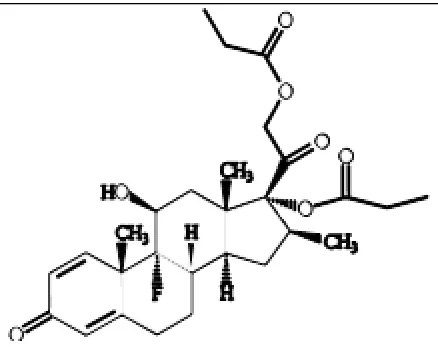 | |
| Physicochemical properties: | ||
| Physical form: | White or almost white crystalline substance. | White or almost white crystalline powder. |
| Solubility at room temperature: | Freely soluble in ethanol, soluble in chloroform and propylene glycol, practically insoluble in liquid paraffin. Solubility in water is 0.6 mcg/ml. | Freely soluble in acetone, in dioxane, in dichloromethane and in chloroform; soluble in methanol; sparingly soluble in alcohol; slightly soluble in ether; insoluble in water and in hexane. |
| Melting point: | 166-168 °C | 176-180 °C |
| Polymorphism: | So far no signs have indicated the existence of polymorphic forms. | |
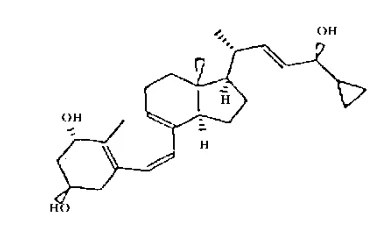
| Other characteristics: | Calcipotriol is a vitamin D derivative. It is well-known that vitamin D in solution forms a reversible temperature dependent equilibrium between vitamin D and pre-vitamin D (described in (i.e.) J Pharm Sci 1968; 57:1326). In the same way, solutions of calcipotriol establish an equilibrium with “pre-calcipotriol”. The structural formula of “pre-calcipotriol” is shown below. |
14. Clinical Trials
14.1. Clinical Trials by Indication
Clinical Studies on the Body
One randomized, double-blind, vehicle-controlled, 8-week pivotal trial (n=1152) was conducted to evaluate the efficacy and safety of DOVOBET gel (calcipotriol and betamethasone dipropionate gel) compared to betamethasone 0.5 mg/g (as dipropionate) in the gel vehicle, calcipotriol 50 mcg/g in the gel vehicle and the gel vehicle-alone administered once daily in patients with mild to moderate psoriasis
 |
vulgaris on non-scalp regions of the body (trunk and/or limbs, including neck, hands, buttocks and feet). The scalp, face, flexures and genitals were not treated and were not assessed as part of the efficacy analysis. Patients had mild to moderate psoriasis vulgaris at baseline, as determined by the Investigator’s Global Assessment of disease severity (IGA). Patients were also to have a minimum modified Psoriasis Area and Severity Index (PASI) score for extent of 2 in at least one body region (i.e. psoriasis affecting at least 10% of arms and/or 10% of trunk, and/or 10% of legs).
Seventy-eight (78%) percent of patients had disease of moderate severity at baseline. The mean baseline extend of psoriasis was similar among the four treatment groups (approximately 11-13% of body surface area). The average amount of study medication used per week over the course of the study was similar among the DOVOBET gel, betamethasone gel and gel vehicle groups (approximately 28-32 g/week) and greatest in the calcipotriol group (approximately 37g/week). The mean age was 48.6 years (range 18-88 years) and approximately 60% of patients were male. The majority of patients were White (89.1%), 6.2% were Black or African American and 2.6% were Asian.
Results for the co-primary response criterion [percentage of patients who achieved “controlled disease” according to the IGA at weeks 4 and 8] showed that DOVOBET gel was statistically significantly more effective than each of the individual components alone at Week 8. At Week 4, although statistical significance was not achieved for the comparison with betamethasone in gel vehicle, DOVOBET gel was statistically significantly more effective than calcipotriol in gel vehicle (see table below).
| % of Patients with controlled disease (clear or almost clear)* | DOVOBET gel (n = 482) | Betamethasone Dipropionate in gel vehicle (n = 479) | Calcipotriol in gel vehicle (n = 96) | Gel vehicle (n= 95) | ||||
|---|---|---|---|---|---|---|---|---|
| week 4 | 13.3% | 12.5% | 5.2%† | 2.1%† | ||||
| week 8 | 29.0% | 21.5%§ | 14.6%§ | 6.3%§ | ||||
* Patients with mild disease at baseline were required to be “Clear” to be considered controlled. Patients with moderate disease at baseline were required to be “Clear” or “Almost clear”. † DOVOBET gel statistically significantly more effective than comparator treatment gel (p<0.05) § DOVOBET gel statistically significantly more effective than comparator treatment gel (p<0.01) | ||||||||
Clinical Studies on the Scalp
The efficacy of once daily use of DOVOBET gel was investigated in two randomised, double-blind 8-week clinical studies including a total of more than 1,000 DOVOBET gel treated patients with scalp psoriasis of at least moderate severity according to the IGA. The number of patients with mild scalp psoriasis included in the studies was small making estimates of efficacy less reliable in this subgroup. Comparators were betamethasone dipropionate in the gel vehicle, calcipotriol in the gel vehicle and (in one of the studies) the gel vehicle alone, all used once daily. Results for the primary response criterion (absent or very mild disease according to the IGA at week 8) showed that DOVOBET gel was statistically significantly more effective than the comparators (see table below). The majority of patients who responded achieved satisfactory improvement before 4 weeks of treatment. Further increases in efficacy beyond 4 weeks were minimal. Results for speed of onset based on data at week 2 also showed DOVOBET gel to be statistically significantly more effective than the comparators.
| % of Patients with absent or very mild disease | DOVOBET gel (n=1,108)* | Betamethasone dipropionate (n=1,118)* | Calcipotriol (n=558)* | Gel vehicle (n=136)* |
|---|---|---|---|---|
| week 2 | 53.2% | 42.8%† | 17.2%† | 11.8%† |
| week 4 | 60.7% | 52.9%† | 24.7%† | 14.7%† |
| week 8 | 69.8% | 62.5%† | 40.1%† | 22.8%† |
† DOVOBET gel statistically significantly more effective than comparator treatment gel (p<0.001) * including patients graded as mild at baseline | ||||
Another randomised, investigator-blinded clinical study including 312 patients with scalp psoriasis of at least moderate severity according to the IGA, investigated use of DOVOBET gel once daily compared with DOVONEX® scalp solution twice daily for up to 8 weeks. Results for the primary response criterion (absent or very mild disease according to the IGA at week 8) showed that DOVOBET gel was statistically significantly more effective than DOVONEX® scalp solution (see table below).
| % of Patients with absent or very mild disease | DOVOBET gel (n=207) | DOVONEX® scalp solution (n=105) |
|---|---|---|
| week 4 | 55.1%† | 18.1% |
| week 8 | 68.6%† | 31.4% |
| † statistically significantly more effective than DOVONEX® scalp solution (p<0.001) | ||
Special Studies
A randomised, double-blind, study of 873 patients with scalp psoriasis of at least moderate severity (according to the IGA), investigated the use of DOVOBET gel compared with calcipotriol in the gel vehicle. Both treatments were applied once daily, intermittently as required, for up to 52 weeks. The average amount of study drug used was 10.6 g/week. Adverse events possibly related to prolonged use of corticosteroids on the scalp, were identified by an independent, blinded panel of dermatologists. There was no difference between the treatment groups (2.6% in the DOVOBET gel group and 3.0% in the calcipotriol group; p<0.73) in the percentages of patients experiencing such adverse events. No cases of skin atrophy (based on a dermatologist’s visual assessment) were reported.
Effects on adrenal function and calcium metabolism were investigated in an open-label study in 35 patients with extensive psoriasis on both scalp (at least 30% of scalp area) and body (15-30% of body surface area). Patients used an average of 23.7 g/week DOVOBET gel on the scalp and an average of 40.2 g/week DOVOBET ointment on the body. Adrenal response to ACTH was determined by measuring serum cortisol levels 30 and 60 minutes after ACTH challenge. A borderline decrease in cortisol response at 30 minutes post ACTH challenge was seen in 5 of the 32 evaluable patients (15.6%) after 4 weeks of treatment and in 2 of 11 patients (18.2%) who continued treatment until 8 weeks. In all cases, the serum cortisol levels were normal at 60 minutes post ACTH challenge. There was no evidence of a change in calcium metabolism observed in these patients.
Effects on adrenal function and calcium metabolism were also investigated using only DOVOBET gel in an open-label study in 43 adult patients with extensive psoriasis involving 15-30% of the body surface area (including the scalp). Treatment consisted of once daily application of DOVOBET gel on the body and the scalp for up to 8 weeks. Adrenal response to ACTH was determined by measuring serum cortisol levels 30 and 60 minutes after ACTH challenge. The mean baseline extent of psoriasis was 20.6% of body surface area. The mean amount of study drug used over the total treatment period was 52.3 g/week (range 7.6 g/week to 92.9 g/week).
Three (7.0%) subjects had a serum cortisol ≤18 mcg/dL 30 minutes after the ACTH stimulation test at week 4. None of the 36 subjects who continued to week 8 and had samples with data had a 30 minute serum cortisol ≤18 mcg/dL. The adrenal suppression was considered borderline in two of these subjects because the 30 minute value was only slightly below the defined cut off level and the 60 minute value showed adequate response. One subject showed clear signs of adrenal suppression with a cortisol level lower than the cut off level at both 30 and 60 minutes. There were no clinically relevant changes in mean serum or urinary calcium levels. Elevated urinary calcium levels outside the normal range were observed in 2 patients (1 at 4 weeks and 1 at 8 weeks).
SUMMARY OF CLINICAL TRIALS
Clinical Studies on the Body
| STUDY CODE | STUDY TYPE / DURATION | STUDY DESIGN | DOSAGE / ROUTE | TREATMENT / PATIENT NO. | RESULTS |
| LEO80185-G23 | Efficacy, safety study in patients with psoriasis vulgaris on the body 8 weeks | Multi-centre, prospective, randomised, double-blind, active- and vehicle-controlled, parallel group study Primary endpoint: % of patients with controlled disease at weeks 4 and 8 |
Once daily, topical | DOVOBET gel, n=482; Betamethasone, n=479; Calcipotriol, n=96; Gel vehicle, n=95 Total 1152 randomized | There was no significant difference between DOVOBET gel and betamethasone in gel vehicle in the percentage of patients who achieved controlled disease at week 4. DOVOBET gel (29%) was statistically significantly more effective than betamethasone in the gel vehicle (21.5%, p=0.008), calcipotriol in the gel vehicle (14.6%, p=.0.002 and the gel vehicle (6.3%, p<0.001) at achieving controlled disease at week 8. Adverse Events (AEs) were reported for 26.0% patients treated with DOVOBET gel vs. 20.0% betamethasone in gel vehicle, 23.2% calcipotriol in gel vehicle and 23.2% gel vehicle. AEs in the treatment area occurred in 2.7% of patients in the DOVOBET gel group vs. 2.3% in the betamethasone gel group, 4.2% in the calcipotriol gel group and 4.2% in the gel vehicle group. |
SUMMARY OF CLINICAL TRIALS (continued)
Clinical Studies on the Scalp
| STUDY CODE | STUDY TYPE / DURATION | STUDY DESIGN | DOSAGE / ROUTE | TREATMENT / PATIENT NO. | RESULTS |
| MBL 0405 INT | Efficacy, safety study in patients with scalp psoriasis 8 weeks | Multi-centre, randomised, double-blind, active- and vehicle-controlled, parallel group study Primary endpoint: % of patients with controlled disease at week 8 |
Once daily; topical | DOVOBET gel, n=541; Betamethasone, n=556; Calcipotriol, n=272; Gel vehicle, n=136 Total 1505 randomized | DOVOBET gel (71.2%) was statistically significantly more effective than betamethasone in the gel vehicle (64.0%, p=0.011), calcipotriol in the gel vehicle (36.8%, p<0.001 and the gel vehicle (22.8%, p<0.001) at achieving controlled disease at wk 8. AEs for DOVOBET gel and betamethasone in the gel vehicle were similar and favourable (34.5% vs. 34.9%, respectively) compared with calcipotriol in the gel vehicle (46.2%) and the gel vehicle (40%). Lesional/perilesional AEs occurred in: 4.7% DOVOBET gel, 5.3% betamethasone in the gel vehicle versus 13.2% calcipotriol in the gel vehicle and 13.3% the gel vehicle. DOVOBET gel was more effective in treating scalp psoriasis and the incidence of lesional/perilesional AEs was low. |
SUMMARY OF CLINICAL TRIALS (continued)
Clinical Studies on the Scalp (continued))
| STUDY CODE | STUDY TYPE / DURATION | STUDY DESIGN | DOSAGE / ROUTE | TREATMENT / PATIENT NO. | RESULTS |
| MBL 0406 INT | Efficacy, safety study in patients with scalp psoriasis 8 weeks | Multi-centre, randomised, double-blind, active- controlled, parallel group study Primary endpoint: % of patients with controlled disease at week 8 |
Once daily; topical | DOVOBET gel, n=568; Betamethasone, n=563; Calcipotriol, n=286 Total 1417 randomized | DOVOBET gel (68.4%) was statistically significantly more effective than betamethasone in the gel vehicle (61.0%, p=0.008) and calcipotriol in the gel vehicle (43.4%, p<0.001) at achieving controlled disease at wk 8. AEs for DOVOBET gel and betamethasone in the gel vehicle were similar and favourable (38.7% vs. 41.0%, respectively) compared with calcipotriol in the gel vehicle (46.1%). Lesional/perilesional AEs occurred in: 6.2% DOVOBET gel and 5.8% betamethasone in the gel vehicle versus 12.8% calcipotriol in the gel vehicle. DOVOBET gel was more effective in treating scalp psoriasis and the incidence of lesional/perilesional AEs was low. |
| MBL 0503 INT | Efficacy, safety, relapse and rebound study in patients with scalp psoriasis 8 weeks treatment + 8 weeks observation period (treatment–free) | Multi-centre, randomised, investigator-blinded, active- controlled, parallel group study Primary endpoint: % of patients with controlled disease at week 8 |
Once daily; topical
Twice daily; topical | DOVOBET gel, n=207; Dovonex® scalp solution, n=105 Total 312 randomized | DOVOBET gel (68.6%) was statistically significantly more effective than Dovonex® scalp solution (31.4%, p<0.001) at achieving controlled disease at wk 8. QoL measures favoured DOVOBET gel. Frequency of AEs in the DOVOBET gel group (34.5%) were significantly lower (p<0.001) than in the Dovonex® scalp solution group (56.7%). Lesional/perilesional AEs in the DOVOBET gel group (3.4%) were significantly lower (p<0.001) than in the Dovonex® scalp solution group (19.2%). DOVOBET gel was more effective than Dovonex® scalp solution in treating scalp psoriasis. |
16. Non-Clinical Toxicology
Preclinical Pharmacology
Animal Pharmacodynamic Studies with Calcipotriol: The pharmacodynamic studies performed with calcipotriol have been aimed at establishing the activity of the compound as a regulator of cell differentiation and proliferation in cells possessing the receptor for the active form of vitamin D3, 1,25(OH)2D3. These studies are relevant for the intended clinical use in patients with psoriasis, due to the characteristic findings of epidermal hyperproliferation and incomplete keratinocyte differentiation in this disease.
Other current therapeutic agents act mainly through non-specific cytostatic/cytotoxic effects on the proliferating cells or suppression of underlying inflammatory and immunological reactions. In contrast, calcipotriol was shown to induce differentiation of low-differentiated human histiocytic lymphoma cells, of skin cells from newborn mice and of human keratinocytes. At the same time, proliferation was inhibited without evidence of any cytotoxic effect. The therapeutic goal envisaged with calcipotriol is thus a normalization of epidermal growth.
Calcipotriol was also found to inhibit cell proliferation induced by interleukin-1 but not by other related cellular mediators. Interleukin-1 is produced both by keratinocytes in the epidermis and by activated macrophages in the dermis. It is thought to play a pathogenetic role in psoriasis by activating both keratinocytes and immunological cells. Inhibition of interleukin-1 mediated effects in psoriatic skin by calcipotriol may therefore provide a way of regulating epidermal/dermal interactions in affected skin areas.
The pharmacodynamic studies performed in-vitro have shown that the activity of calcipotriol is very similar, both qualitatively and quantitatively, to that of 1,25(OH)2D3. This is not surprising given the structural analogy of the two compounds and the ability of calcipotriol to bind to the cellular 1,25(OH)2D3 receptor with the same affinity as 1,25(OH)2D3 itself. In-vivo however, the effects of calcipotriol were significantly different from those of 1,25(OH)2D3. The active form of vitamin D3, 1,25(OH)2D3, had potent effects on calcium metabolism and overdosage resulted in hypercalcemia and hypercalciuria.
From studies performed in rats, it was shown that the effect of calcipotriol on calcium metabolism was at least 100 to 200 times lower than that of 1,25(OH)2D3. This low activity on calcium metabolism might be an intrinsic property of the calcipotriol molecule. However, the pharmacokinetic studies performed with calcipotriol suggested that the low activity on calcium metabolism was associated with a rapid metabolic degradation of the active compound.
Acute and Long-term Toxicity
Calcipotriol: Despite the intended topical use of calcipotriol in the treatment of psoriasis, most of the toxicological studies were performed using the oral route of administration. This was done to assure maximum exposure to the compound. From these studies it was evident that toxicity associated with the administration of pharmacologically excessive doses of calcipotriol was due to the calcitropic activity of the compound. The maximum doses were 54 mcg/kg/day in rats, 18 mcg/kg/day in minipigs and 3.6 mcg/kg/day in dogs. In the acute, subacute and chronic toxicity studies the main signs of toxicity were loss of bodyweight, increases in plasma or serum calcium, creatinine and urea, renal toxicity and soft tissue calcifications. These changes resulted from the exaggerated absorption of calcium and phosphorous from the intestine and are characteristic of vitamin D overdosage. The kidney was the main target organ of toxicity and tubular lesions and calcifications were apparent after prolonged hypercalcemia in all species investigated.
Calcipotriol and Betamethasone Dipropionate: Two dermal studies of 4-week and 9-month duration respectively were conducted in minipigs to assess local and systemic toxicity. In both studies, minipigs received daily topical administration of calcipotriol/betamethasone ointment at doses of 2/20, 10/100 and 50/500 mcg/g. The main observation was erythema of varying severity seen primarily in the high dose group. There were no systemic effects after 4 weeks, however after 9 months systemic absorption resulted in dermal atrophy of non-treated skin.
Local Tolerance
Calcipotriol: Dermal tolerability of calcipotriol was limited to a slight-to-moderate skin irritative effect. The studies performed with calcipotriol ointment showed that the incidence and severity of skin irritation was slightly less in the calcipotriol-treated group than in the placebo ointment group. The formulation of the ointment base is analogous to that employed for a number of corticosteroids available for the treatment of psoriasis. Skin thinning, as seen with corticosteroid application, was not observed with the calcipotriol ointment.
Calcipotriol and Betamethasone Dipropionate: Two dermal tolerability studies with calcipotriol and betamethasone ointment were conducted in rabbits. In the first study, no skin irritation was observed and only slight irritation attributed primarily to calcipotriol was observed in the second study. A gradual reduction in skin thickness was observed over 6 weeks which was attributed to betamethasone. However, the stratum corneum of rabbit skin is much thinner than that of humans and rabbits are very sensitive to skin irritants. Similar results were obtained for two dermal tolerability studies in rabbits using a gel formulation of calcipotriol and betamethasone. In addition, an eye irritation study was conducted in rabbits using a single ocular application (approx. 100 mg) of calcipotriol and betamethasone gel. There was a temporary pink discolouration of the orbital ring and ptosis observed which cleared within 6 hrs.
Reproduction and Mutagenicity
Animal reproduction studies have not been conducted with DOVOBET gel.
Calcipotriol: Reproduction studies have shown that calcipotriol has no effect on fertility in male and female rats nor on their F1 generation progeny. Teratogenicity studies were performed by the oral route in rats and rabbits. In rats, a few minor deviations occurred in pregnant rats given calcipotriol at doses up to 54 mcg/kg/day during days 6-15 of gestation, attributable to the pharmacological effects of calcipotriol on calcium metabolism. No teratogenic effects were observed. In rabbits, at 36 mcg/kg/day of calcipotriol from day 6-18 of gestation, maternal toxicity was observed, characterized by deaths, body weight losses, reduced food intake, increased post-implantation loss, reduced mean fetal weight and increased minor ossification changes. At 12 mcg/kg/day slight signs of maternal toxicity (body weight loss, reduced food intake, maternal death or abortion in 2/18 animals) and reduced mean fetal weight were seen. Peri- and post-natal development studies indicated that calcipotriol had no toxic effects on the F1 or F2 generation. There was also no evidence for a mutagenic or clastogenic potential with calcipotriol.
Betamethasone: Studies of corticosteroids in animals have shown reproductive toxicity (cleft palate, skeletal malformations). In reproduction studies with long-term oral administration of corticosteroids to rats, prolonged gestation and prolonged and difficult labour were detected. Moreover, reduction in offspring survival, body weight and body weight gain was observed. There was no impairment of fertility.
Carcinogenicity
Calcipotriol: A dermal carcinogenicity study in mice showed no indications of increased carcinogenic risks. Calcipotriol solution was applied topically for up to 24 months at doses of 3, 10 and 30 mcg/kg/day (corresponding to 9, 30 and 90 mcg/m2/day). The high-dose was considered to be the Maximum Tolerated Dose for dermal treatment of mice with calcipotriol. Survival was decreased at 10 and 30 mcg/kg/day; particularly in the males. The reduced survival was associated with an increased incidence of obstructive uropathy, most probably caused by treatment-related changes in the urinary composition. This is an expectable effect of treatment with high doses of calcipotriol or other vitamin D analogues. There were no dermal effects and no dermal or systemic carcinogenicity.
Betamethasone: No carcinogenicity studies have been performed.
Photo(co)carcinogenicity
Calcipotriol: In a study where albino hairless mice were repeatedly exposed to both ultraviolet radiation (UVR) and topically applied calcipotriol for 40 weeks at the same dose levels as in the dermal carcinogenicity study (see above), a reduction in the time required for UVR light to induce the formation of skin tumours was observed (statistically significant in males only), suggesting that calcipotriol may enhance the effect of UVR to induce skin tumours.
Betamethasone: No photocarcinogenicity studies have been performed with betamethasone dipropionate alone.
Calcipotriol and Betamethasone Dipropionate: Albino hairless mice were treated repeatedly with either calcipotriol solution or calcipotriol and betamethasone gel, followed by irradiation with UVR. The study showed a similar enhancing effect of calcipotriol alone on the photobiological response of the skin but indicated no effect of the calcipotriol and betamethasone combination.