


Product Monograph - Enerzair Breezhaler
RECENT MAJOR LABEL CHANGES
None at time of authorization.
TABLE OF CONTENTS
Sections or subsections that are not applicable at the time of authorization are not listed.
RECENT MAJOR LABEL CHANGES..............................................................................................2
TABLE OF CONTENTS ................................................................................................................2
PART I: HEALTH PROFESSIONAL INFORMATION .......................................................................4
1 INDICATIONS ................................................................................................................4
1.1 Pediatrics ............................................................................................................4
1.2 Geriatrics.............................................................................................................4
2 CONTRAINDICATIONS ...................................................................................................4
4 DOSAGE AND ADMINISTRATION...................................................................................4
4.1 Dosing Considerations .........................................................................................4
4.2 Recommended Dose and Dosage Adjustment.......................................................5
4.4 Administration.....................................................................................................5
4.5 Missed Dose ........................................................................................................6
5 OVERDOSAGE ...............................................................................................................6
6 DOSAGE FORMS, STRENGTHS, COMPOSITION AND PACKAGING ...................................6
7 WARNINGS AND PRECAUTIONS ....................................................................................7
7.1 Special Populations ............................................................................................ 13
7.1.1 Pregnant Women .........................................................................................13
7.1.2 Breast-feeding..............................................................................................14
7.1.3 Pediatrics .....................................................................................................14
7.1.4 Geriatrics .....................................................................................................14
8 ADVERSE REACTIONS .................................................................................................. 14
8.1 Adverse Reaction Overview................................................................................ 14
8.2 Clinical Trial Adverse Reactions .......................................................................... 14
8.3 Less Common Clinical Trial Adverse Reactions .................................................... 16
8.5 Post-Market Adverse Reactions.......................................................................... 16
9 DRUG INTERACTIONS.................................................................................................. 16
9.2 Drug Interactions Overview................................................................................ 16
9.4 Drug-Drug Interactions ...................................................................................... 17
9.5 Drug-Food Interactions ...................................................................................... 18
9.6 Drug-Herb Interactions ...................................................................................... 18
9.7 Drug-Laboratory Test Interactions ...................................................................... 18
10 CLINICAL PHARMACOLOGY ......................................................................................... 19
10.1 Mechanism of Action.................................................................................... 19
10.2 Pharmacodynamics ...................................................................................... 20
10.3 Pharmacokinetics ......................................................................................... 20
11 STORAGE, STABILITY AND DISPOSAL ........................................................................... 25
12 SPECIAL HANDLING INSTRUCTIONS............................................................................. 25
PART II: SCIENTIFIC INFORMATION ........................................................................................ 26
13 PHARMACEUTICAL INFORMATION.............................................................................. 26
14 CLINICAL TRIALS.......................................................................................................... 27
14.1 Clinical Trials by Indication............................................................................ 27
15 MICROBIOLOGY .......................................................................................................... 29
16 NON-CLINICAL TOXICOLOGY ....................................................................................... 29
17 SUPPORTING PRODUCT MONOGRAPHS...................................................................... 31
PATIENT MEDICATION INFORMATION ................................................................................... 32
PART I: HEALTH PROFESSIONAL INFORMATION
1 INDICATIONS
ENERZAIR BREEZHALER (indacaterol / glycopyrronium / mometasone furoate) is indicated as a maintenance treatment of asthma in adult patients not adequately controlled with a maintenance combination of a long-acting beta2-agonist and a medium or high dose of an inhaled corticosteroid who experienced one or more asthma exacerbations in the previous 12 months.
ENERZAIR BREEZHALER is not indicated for the relief of acute bronchospasm (see General).
1.1 Pediatrics
Pediatrics (<18 years of age): The safety and efficacy of ENERZAIR BREEZHALER in pediatric patients below 18 years of age have not been established; therefore, Health Canada has not authorized an indication for pediatric use.
1.2 Geriatrics
Geriatrics (≥ 65 years of age): No dose adjustment is required in patients 65 years of age or older (see 10.3 Pharmacokinetics).
2 CONTRAINDICATIONS
- ENERZAIR BREEZHALER is contraindicated in patients who are hypersensitive to this drug or to any ingredient in the formulation, including any non-medicinal ingredient, or component of the container. For a complete listing, see 6 DOSAGE FORMS, STRENGTHS, COMPOSITION AND PACKAGING.
4 DOSAGE AND ADMINISTRATION
4.1 Dosing Considerations
Patients should be made aware that ENERZAIR BREEZHALER should be used regularly, even when asymptomatic.
When treating patients with asthma, physicians should only prescribe ENERZAIR BREEZHALER for patients not adequately controlled on a long-term asthma control medication containing a LABA and a medium or high dose inhaled corticosteroid and who experienced one or more asthma exacerbations in the previous year.
As with other inhaled drugs containing beta2-adrenergic agents, ENERZAIR BREEZHALER should not be used more often than recommended, at higher doses than recommended, or in conjunction with other medicines containing LABA, as an overdose may result. When beginning treatment with ENERZAIR BREEZHALER patients who have been taking rapid onset, short duration, inhaled beta2-agonists on a regular basis (e.g., q.i.d) should be instructed to discontinue the regular use of these drugs and use them only for symptomatic relief if they develop acute respiratory symptoms while taking ENERZAIR BREEZHALER.
It is crucial to inform patients that ENERZAIR BREEZHALER should not be used to treat acute symptoms of asthma. Patients should be prescribed a rapid onset, short duration inhaled bronchodilator (e.g., salbutamol) to relieve acute symptoms such as shortness of breath and advised to have this available for use at all times.
4.2 Recommended Dose and Dosage Adjustment
The recommended dose of ENERZAIR BREEZHALER for patients 18 years of age and older is:
- Inhalation of the content of one capsule of ENERZAIR BREEZHALER 150/50/160 micrograms once-daily in patients not adequately controlled with a combination of a long-acting beta2-agonist and a medium or high dose of an inhaled corticosteroid.
The maximum recommended dose is ENERZAIR BREEZHALER 150/50/160 micrograms once-daily.
Dosing in special populations
Renal impairment
In patients with severe renal impairment or end-stage renal disease requiring dialysis, ENERZAIR BREEZHALER should be used only if the expected benefit outweighs the potential risk (see 7 WARNINGS AND PRECAUTIONS and 10.3 Pharmacokinetics). No dose adjustment is required in patients with mild to moderate renal impairment.
Hepatic impairment
No data are available for ENERZAIR BREEZHALER in subjects with hepatic impairment. Based on PK data available for the monocomponents, no dose adjustment is required in patients with mild or moderate hepatic impairment. However, ENERZAIR BREEZHALER should be used in patients with severe hepatic impairment only if the expected benefit outweighs the potential risk (see 10.3 Pharmacokinetics).
Geriatrics (≥65 years of age): No dose adjustment is required in patients 65 years of age or older (see 10.3 Pharmacokinetics).
Pediatrics (<18 years of age):
The safety and efficacy of ENERZAIR BREEZHALER in pediatric patients below 18 years of age have not been established.
4.4 Administration
For inhalation use only. ENERZAIR BREEZHALER capsules must not be swallowed.
Patients should be instructed on how to administer the medicinal product correctly. Patients who do not experience improvement in breathing should be asked if they are swallowing the capsule rather than inhaling it.
The capsules must be administered only using the ENERZAIR BREEZHALER inhaler. The inhaler provided with each new prescription should be used.
ENERZAIR BREEZHALER should be administered at the same time of the day each day. It can be administered irrespective of the time of the day.
The capsules must always be stored in the blister to protect from moisture and light, and only removed immediately before use (see 11 STORAGE, STABILITY AND DISPOSAL and 12 SPECIAL HANDLING INSTRUCTIONS).
After inhalation, patients should rinse their mouth with water without swallowing.
4.5 Missed Dose
If a dose is missed, it should be taken as soon as possible. Patients should be instructed not to take more than one dose in a day.
5 OVERDOSAGE
There is limited experience with overdose in clinical studies with ENERZAIR BREEZHALER. General supportive measures and symptomatic treatment should be initiated in cases of suspected overdose.
An overdose will likely produce signs, symptoms or adverse effects associated with the pharmacological actions of the individual components [e.g. tachycardia, tremor, palpitations, headache, nausea, vomiting, drowsiness, ventricular arrhythmias, metabolic acidosis, hypokalemia, hyperglycemia, increased intraocular pressure (causing pain, vision disturbances or reddening of the eye), constipation, difficulties in voiding, suppression of hypothalamic pituitary adrenal axis function]. Use of cardioselective beta blockers may be considered for treating beta2-adrenergic effects, but only under the supervision of a physician and with extreme caution since the use of beta2-adrenergic blockers may provoke bronchospasm. In serious cases, patients should be hospitalized.
| For management of a suspected drug overdose, contact your regional poison control centre. |
6 DOSAGE FORMS, STRENGTHS, COMPOSITION AND PACKAGING
Table 1 – Dosage Forms, Strengths, Composition and Packaging
Each capsule of ENERZAIR BREEZHALER 150/50/160 micrograms contains 173 micrograms of indacaterol acetate equivalent to 150 micrograms of indacaterol, 63 micrograms of glycopyrronium bromide equivalent to 50 micrograms glycopyrronium and 160 micrograms mometasone furoate
The delivered dose (the dose that leaves the mouthpiece of the inhaler) for 150/50/160 micrograms is equivalent to 114 micrograms indacaterol, 46 micrograms glycopyrronium, and 136 micrograms mometasone furoate.
The following pack types are available:
- Carton of 30 ENERZAIR BREEZHALER capsules (3 blister cards of 10 capsules) and one ENERZAIR BREEZHALER device.
| Route of Administration | Dosage Form / Strength/Composition | Non-medicinal Ingredients |
| Oral inhalation | Inhalation powder hard capsules containing 150 mcg indacaterol (as acetate), 50 mcg glycopyrronium (as bromide) and 160 mcg mometasone furoate | Carrageenan, hypromellose, lactose (as monohydrate), magnesium stearate, potassium chloride, purified water |
7 WARNINGS AND PRECAUTIONS
General
Serious Asthma-Related Events – Hospitalizations, Intubations, Death
Use of LABA as monotherapy (without ICS) for asthma is associated with an increased risk of asthma-related death (see Salmeterol Multicenter Asthma Research Trial (SMART)). Available data from controlled clinical trials also suggest that use of LABA as monotherapy increases the risk of asthma-related hospitalization in pediatric and adolescent patients. These findings are considered a class effect of LABA monotherapy.
When LABA are used in fixed-dose combination with ICS, data from large clinical trials do not show a significant increase in the risk of serious asthma-related events (hospitalizations, intubations, death) compared with ICS alone (see Serious Asthma-Related Events with Inhaled Corticosteroid/Long-acting Beta2-adrenergic Agonist Combination Products).
Serious Asthma-Related Events with Inhaled Corticosteroid/Long-acting Beta2-adrenergic Agonist Combination Products
Four (4) large, 26-week, randomized, double-blind, active-controlled clinical safety trials were conducted to evaluate the risk of serious asthma-related events when LABA were used in fixed-dose combination with ICS compared with ICS alone in subjects with asthma. Three (3) trials included adult and adolescent subjects aged 12 years and older: 1 trial compared budesonide/formoterol with budesonide, 1 trial compared fluticasone propionate/salmeterol with fluticasone propionate, and 1 trial compared mometasone furoate/formoterol with mometasone furoate. The fourth trial included pediatric subjects aged 4 to 11 years and compared fluticasone propionate/salmeterol with fluticasone propionate. No safety study was conducted with ENERZAIR BREEZHALER. The primary safety endpoint for all 4 trials was serious asthma-related events (hospitalizations, intubations, death). A single, blinded, independent, joint adjudication committee determined whether events were asthma related.
The 3 adult and adolescent trials were designed to rule out a 2.0-fold increase in relative risk for ICS/LABA compared with ICS, and the pediatric trial was designed to rule out a 2.7-fold increase in this relative risk. Each individual trial met its pre-specified objective and demonstrated non-inferiority of ICS/LABA to ICS alone. A meta-analysis of the 3 adult and adolescent trials did not show a significant increase in risk of a serious asthma-related event with ICS/LABA fixed-dose combination compared with ICS alone (Table 2). These trials were not designed to rule out all risk for serious asthma-related events with ICS/LABA compared with ICS.
Table 2 Meta-analysis of Serious Asthma-Related Events in Subjects with Asthma Aged 12 Years and Older
| ICS/LABA (n=17,537)a | ICS (n=17,552)a | ICS/LABA vs. ICS Hazard Ratio (95% CI)b | |
Serious asthma-related eventc Asthma-related death Asthma-related intubation (endotracheal) Asthma-related hospitalization | 116 2 1 115 | 105 0 2 105 | 1.10 (0.85, 1.44) |
| (≥24-hour stay) |
ICS = Inhaled Corticosteroid; LABA = Long-acting Beta2-adrenergic Agonist.
a Randomized subjects who had taken at least 1 dose of study drug. Planned treatment used for analysis.
b Estimated using a Cox proportional hazards model for time to first event with baseline hazards stratified by each of the 3 trials.
c Number of subjects with an event that occurred within 6 months after the first use of study drug or 7 days after the last date of study drug, whichever date was later. Subjects may have had one or more events, but only the first event was counted for analysis. A single, blinded, independent, joint adjudication committee determined whether events were asthma related.
The pediatric safety trial included 6,208 pediatric subjects aged 4 to 11 years who received ICS/LABA (fluticasone propionate/salmeterol inhalation powder) or ICS (fluticasone propionate inhalation powder). In this trial, 27/3,107 (0.9%) subjects randomized to ICS/LABA and 21/3,101 (0.7%) subjects randomized to ICS experienced a serious asthma-related event. There were no asthma-related deaths or intubations. ICS/LABA did not show a significant increase in risk of serious asthma-related events compared with ICS based on the pre-specified risk margin (2.7), with an estimated hazard ratio of time to first event of 1.29 (95% CI: 0.73, 2.27). ENERZAIR BREEZHALER is not indicated in children younger than 12 years of age.
Salmeterol Multicenter Asthma Research Trial (SMART)
A 28-week, placebo-controlled, U.S. trial that compared the safety of salmeterol with placebo, each added to usual asthma therapy, showed an increase in asthma-related deaths in subjects receiving salmeterol (13/13,176 in subjects treated with salmeterol versus 3/13,179 in subjects treated with placebo; relative risk: 4.37 [95% CI: 1.25, 15.34]). Use of background ICS was not required in SMART. The increased risk of asthma-related death is considered a class effect of LABA monotherapy.
Not for Acute Use
ENERZAIR BREEZHALER should not be used to treat acute asthma symptoms including acute episodes of bronchospasm. Patients should be prescribed a rapid onset, short duration inhaled bronchodilator (e.g., salbutamol) to relieve acute symptoms such as shortness of breath, and advised to have this available for use at all times. When beginning treatment with ENERZAIR BREEZHALER, patients who have been taking a rapid onset, short duration, inhaled bronchodilator on a regular basis (e.g., q.i.d.) should be instructed to discontinue the regular use of these drugs and use them only for symptomatic relief if they develop acute symptoms while taking ENERZAIR BREEZHALER.
Deterioration of Disease
ENERZAIR BREEZHALER should not be initiated in patients with acutely deteriorating asthma, which may be a life-threatening condition. The use of ENERZAIR BREEZHALER in this setting is inappropriate.
Asthma may deteriorate acutely over a period of hours or chronically over several days or longer. If the patient’s inhaled, short-acting bronchodilator becomes less effective or the patient needs more inhalations of a short-acting bronchodilator than usual, these may be markers of deterioration of disease. In this setting, a re-evaluation of the patient and the treatment regimen should be undertaken at once. Increasing the daily dosage of ENERZAIR BREEZHALER beyond the recommended dose is not appropriate in this situation.
Patients should not stop ENERZAIR BREEZHALER treatment without physician supervision since symptoms may recur after discontinuation.
Asthma-related adverse events and exacerbations may occur during treatment with ENERZAIR BREEZHALER. Patients should be asked to continue treatment but to seek medical advice if asthma symptoms remain uncontrolled or worsen after initiation of treatment with ENERZAIR BREEZHALER.
Excessive Use and Use with Other LABA Products
ENERZAIR BREEZHALER should not be used more often than recommended, at higher doses than recommended, or in conjunction with other medicines containing LABA, as an overdose may result. Clinically significant cardiovascular effects and fatalities have been reported in association with excessive use of inhaled sympathomimetic drugs. Patients using ENERZAIR BREEZHALER should not use another medicine containing a LABA (e.g., salmeterol, formoterol fumarate, vilanterol, olodaterol) for any reason.
Anticholinergic Effects
Like other anticholinergic medicinal products, ENERZAIR BREEZHALER should be used with caution in patients with narrow-angle glaucoma or urinary retention.
Worsening of Narrow-Angle Glaucoma
ENERZAIR BREEZHALER should be used with caution in patients with narrow-angle glaucoma. Patients should be cautioned to avoid getting the drug powder into their eyes. They should be advised that this may result in precipitation or worsening of narrow-angle glaucoma. Prescribers and patients should be alert for signs and symptoms of acute narrow-angle glaucoma (e.g., eye pain or discomfort, blurred vision, visual halos or colored images in association with red eyes from conjunctival congestion and corneal edema). Patients should be instructed to consult a physician immediately should any of these signs or symptoms develop. Miotic drops alone are not considered to be effective treatment.
Worsening of Urinary Retention
ENERZAIR BREEZHALER should be used with caution in patients with urinary retention. Prescribers and patients should be alert for signs and symptoms of prostatic hyperplasia or bladder-neck obstruction (e.g., difficulty passing urine, painful urination). Instruct patients to consult a physician immediately should any of these signs or symptoms develop.
Cardiovascular
Like other medicinal products containing beta2-adrenergic agonists, ENERZAIR BREEZHALER may produce a clinically significant cardiovascular effect in some patients as measured by increases in pulse rate, blood pressure, or cardiac arrhythmias such as supraventricular tachycardia and extrasystoles. If such effects occur, treatment may need to be discontinued.
Clinically significant cardiovascular effects and fatalities have been reported in association with excessive use of inhaled sympathomimetic drugs. Cardiovascular effects such as tachycardia, arrhythmia, palpitations, myocardial ischemia, angina pectoris, hypertension or hypotension have been associated with use of beta-adrenergic agonists. Like all products containing sympathomimetic agents, ENERZAIR BREEZHALER should be used with caution in patients with cardiovascular disorders (coronary artery disease, acute myocardial infarction, cardiac arrhythmias, hypertension).
While beta2-adrenergic agonists have been reported to produce electrocardiographic (ECG) changes, such as flattening of the T wave, prolongation of QT interval, and ST segment depression, the clinical significance of these findings is unknown.
Therefore, long-acting beta2-adrenergic agonists (LABA) or LABA containing combination products should be used with caution in patients with known or suspected prolongation of the QT interval or who are treated with medicinal products affecting the QT interval (see 10.2 Pharmacodynamics).
Ear/Nose/Throat
Localized infections of the mouth and pharynx with Candida albicans have been associated with the use of inhaled glucocorticosteroids.
Patients should be advised to rinse their mouth with water (without swallowing) after inhalation of ENERZAIR BREEZHALER to reduce the risk of oropharyngeal candidiasis.
Endocrine and Metabolism
Systemic effects may occur with inhaled corticosteroids, particularly at high doses prescribed for prolonged periods. These effects are much less likely to occur than with oral corticosteroids and may vary in individual patients and between different corticosteroid preparations. Possible systemic effects include: Cushing’s syndrome, Cushingoid features, hypothalamic-pituitary-adrenal (HPA) axis suppression, growth retardation in children and adolescents, decrease in bone mineral density (BMD), cataracts, glaucoma, and central serous chorioretinopathy.
ENERZAIR BREEZHALER should be administered with caution in patients with pulmonary tuberculosis or in patients with chronic or untreated infections.
Hypercorticism and Adrenal Suppression
Inhaled mometasone furoate is absorbed into the circulation and can be systemically active (see ACTION & CLINICAL PHARMACOLOGY, Pharmacodynamics). Exceeding the recommended dosage or co-administration with a strong cytochrome P450 3A4 (CYP3A4) inhibitor may result in hypothalamic-pituitary-adrenal (HPA) dysfunction (see 9.4 Drug-Drug Interactions).
It is possible that systemic corticosteroid effects such as hypercorticism and adrenal suppression (including adrenal crisis) may appear in a small number of patients who are sensitive to these effects. In light of the possibility of systemic absorption of inhaled corticosteroids, patients treated with ENERZAIR BREEZHALER should be observed carefully for any evidence of systemic corticosteroid effects. Particular care should be taken in observing patients postoperatively or during periods of stress for evidence of inadequate adrenal response. If such effects occur, ENERZAIR BREEZHALER should be reduced slowly, consistent with accepted procedures for reducing systemic corticosteroids, and other treatments for management of asthma symptoms should be considered.
Systemic Steroid Replacement by Inhaled Steroid
Particular care is needed for patients who have been transferred from systemically active corticosteroids to inhaled corticosteroids because deaths due to adrenal insufficiency have occurred in patients with asthma during and after transfer from systemic corticosteroids to less systemically available inhaled corticosteroids. After withdrawal from systemic corticosteroids, a number of months are required for recovery of HPA function.
Reduction in Bone Mineral Density
Decreases in bone mineral density (BMD) have been observed with long-term administration of products containing inhaled corticosteroids. Patients with major risk factors for decreased bone mineral content, such as prolonged immobilization, family history of osteoporosis, postmenopausal status, tobacco use, advanced age, poor nutrition, or chronic use of drugs that can reduce bone mass (e.g., anticonvulsants, oral corticosteroids) should be monitored and treated with established standards of care.
Hyperglycemia
Inhalation of high doses of beta2-adrenergic agonists and corticosteroids may produce increases in plasma glucose. Upon initiation of treatment with ENERZAIR BREEZHALER, plasma glucose should be monitored more closely in diabetic patients.
Hypokalemia
Beta2-adrenergic agonists may produce significant hypokalemia in some patients, which has the potential to produce adverse cardiovascular effects. The decrease in serum potassium is usually transient, not requiring supplementation. In patients with severe condition, hypokalemia may be potentiated by hypoxia and concomitant treatment which may increase the susceptibility to cardiac arrhythmias (see 9 DRUG INTERACTIONS).
Clinically relevant hypokalemia has not been observed in clinical studies of ENERZAIR BREEZHALER at the recommended therapeutic dose.
Co-existing Conditions
ENERZAIR BREEZHALER, like all medications containing sympathomimetic amines, should be used with caution in patients with convulsive disorders or thyrotoxicosis and in those who are unusually responsive to sympathomimetic amines. Doses of the rapid onset, short-duration, beta2-adrenoceptor agonist salbutamol, when administered intravenously, have been reported to aggravate pre-existing diabetes mellitus and ketoacidosis. ENERZAIR BREEZHALER has not been investigated in patients with Type I diabetes mellitus or uncontrolled Type II diabetes mellitus.
Hematologic
Eosinophilic Conditions
In rare cases, patients on inhaled corticosteroids may present with systemic eosinophilic conditions, with some patients presenting with clinical features of vasculitis consistent with eosinophilic granulomatosis with polyangiitis (EGPA) (formerly Churg-Strauss syndrome), a condition that is often treated with systemic corticosteroid therapy. These events usually, but not always, have been associated with the reduction and/or withdrawal of oral corticosteroid therapy following the introduction of inhaled corticosteroids. Physicians should be alerted to eosinophilia, vasculitic rash, worsening pulmonary symptoms, cardiac complications, and/or neuropathy presenting in their patients. A causal relationship between inhaled corticosteroids and these underlying conditions has not been established.
Hepatic/Biliary/Pancreatic
No data are available for ENERZAIR BREEZHALER in subjects with hepatic impairment. Based on available PK data of the mono-components, no dose adjustment is required in patients with mild or moderate hepatic impairment: however, ENERZAIR BREEZHALER should be used in patients with severe hepatic impairment only if the expected benefit outweighs the potential risk (see 10.3 Pharmacokinetics).
Immune
Hypersensitivity
Immediate hypersensitivity reactions have been observed after administration of ENERZAIR BREEZHALER. If signs suggesting allergic reactions occur, in particular angioedema (including difficulties in breathing or swallowing, swelling of the tongue, lips, and face), urticaria, or skin rash, ENERZAIR BREEZHALER should be discontinued immediately and alternative therapy instituted (see 2 CONTRAINDICATIONS).
Infections
Corticosteroids may mask some signs of infection and new infections may appear. An increased susceptibility to infections has been observed during corticosteroid therapy. This may require treatment with appropriate therapy or stopping the administration of mometasone furoate until the infection is eradicated. Patients who are using drugs that suppress the immune system are more susceptible to infections than healthy individuals. Chickenpox and measles, for example, can have a more serious or even fatal course in susceptible children or adults using corticosteroids. In such patients who have not had these diseases or been properly immunized, particular care should be taken to avoid exposure. How the dose, route and duration of corticosteroid administration affect the risk of developing a disseminated infection is not known. The contribution of the underlying disease and/or prior corticosteroid treatment to the risk is also not known. If a patient is exposed to chickenpox, prophylaxis with varicella-zoster immune globulin (VZIG) may be indicated. If a patient is exposed to measles, prophylaxis with pooled intramuscular immunoglobulin (IG) may be indicated. If chickenpox develops, treatment with antiviral agents may be considered.
Inhaled corticosteroids should be used with caution, if at all, in patients with active or quiescent tuberculosis infections of the respiratory tract; systemic fungal, bacterial, viral or parasitic infections; or ocular herpes simplex.
Monitoring and Laboratory Tests
Potentially serious hypokalemia has been observed with other beta-agonist therapies, which may increase susceptibility to cardiac arrhythmias. It is therefore, recommended that serum potassium levels be monitored in patients predisposed to low levels of serum potassium.
Due to the hyperglycemic effect observed with other beta-agonists, additional blood glucose monitoring is recommended in diabetic patients.
For patients at risk, monitoring of bone and ocular effects (cataract, glaucoma, and central serous chorioretinopathy) should also be considered in patients receiving maintenance therapy with ENERZAIR BREEZHALER.
Patients with severe hepatic impairment should be monitored for corticosteroid effects due to potentially increased systemic exposure of inhaled mometasone furoate.
Ophthalmologic
Glaucoma may be exacerbated by inhaled corticosteroid treatment for asthma. In patients with established glaucoma who require long-term inhaled corticosteroid treatment, it is prudent to measure intraocular pressure before commencing the inhaled corticosteroid and to monitor it subsequently. In patients without established glaucoma, but with a potential for developing intraocular hypertension (e.g. the elderly), intraocular pressure should be monitored at appropriate intervals.
In elderly patients treated with inhaled corticosteroids, the prevalence of posterior subcapsular and nuclear cataracts is probably low but increases in relation to the daily and cumulative lifetime dose. Cofactors such as smoking, ultraviolet B exposure, or diabetes may increase the risk. Children may be less susceptible.
Visual disturbance may be reported with systemic and topical (including, intranasal, inhaled and intraocular) corticosteroid use. If a patient presents with symptoms such as blurred vision or other visual disturbances, the patient should be considered for referral to an ophthalmologist for evaluation of possible causes of visual disturbances; this may include cataract, glaucoma or rare diseases such as central serous chorioretinopathy (CSCR) which have been reported after use of systemic and topical corticosteroids.
Renal
Patients with severe renal impairment
For patients with severe renal impairment (estimated glomerular filtration rate below 30 mL/min/1.73m2) including those with end-stage renal disease requiring dialysis, ENERZAIR BREEZHALER should be used only if the expected benefit outweighs the potential risk (see 10 CLINICAL PHARMACOLOGY). These patients should be monitored closely for potential adverse drug reactions.
Worsening of Urinary Retention (see Anticholinergic Effects).
Respiratory
Paradoxical bronchospasm
As with other inhalation therapy, administration of ENERZAIR BREEZHALER may result in paradoxical bronchospasm which can be life-threatening. If paradoxical bronchospasm occurs, ENERZAIR BREEZHALER should be discontinued immediately and alternative therapy instituted.
7.1 Special Populations
7.1.1 Pregnant Women
There are insufficient data on the use of ENERZAIR BREEZHALER or its individual components (indacaterol, glycopyrronium and mometasone furoate) in pregnant women to inform a drug-associated risk.
Indacaterol and glycopyrronium were not teratogenic in rats and rabbits following subcutaneous or inhalation administration respectively (see 16 NON-CLINICAL TOXICOLOGY). In animal reproduction studies with pregnant mice, rats and rabbits, mometasone furoate caused increased fetal malformations and decreased fetal survival and growth.
ENERZAIR BREEZHALER should only be used during pregnancy if the expected benefit to the patient justifies the potential risk to the fetus.
Disease-associated maternal and/or embryo/fetal risk
In women with poorly or moderately controlled asthma, there is an increased risk of several perinatal adverse outcomes such as preeclampsia in the mother and prematurity, low birth weight, and small for gestational age in the neonate. Pregnant women with asthma should be closely monitored and medication adjusted as necessary to maintain optimal asthma control.
Labor and Delivery
There are no adequate and well-controlled human studies that have investigated the effects of ENERZAIR BREEZHALER during labour and delivery.
Information related to indacaterol: Like other medicinal products containing beta2-adrenergic agonists, indacaterol may inhibit labor due to a relaxant effect on uterine smooth muscle. Therefore, ENERZAIR BREEZHALER should be used during labour only if the potential benefit justifies the potential risk.
Information related to glycopyrronium: In pregnant women undergoing Caesarean section, 86 minutes after a single intramuscular injection of 0.006 mg/kg glycopyrronium bromide, the concentration of glycopyrronium in the umbilical venous (0.28 (0.25) ng/ml) and in the umbilical arterial (0.18 (0.11) ng/ml) plasma were low (clinically insignificant).
7.1.2 Breast-feeding
There is no information available on the presence of indacaterol, glycopyrronium or mometasone in human milk, on the effects on a breastfed child, or on the effects on milk production. Other inhaled corticosteroids, similar to mometasone furoate, are transferred into human milk. Indacaterol, glycopyrronium and mometasone furoate have been detected in the milk of lactating rats. Glycopyrronium reached up to 10-fold higher concentrations in the milk of lactating rats than in the blood of the dam after intravenous administration.
The developmental and health benefits of breastfeeding should be considered along with the mother’s clinical need for ENERZAIR BREEZHALER and any potential adverse effects on the breast-fed child from ENERZAIR BREEZHALER or from the underlying maternal condition.
7.1.3 Pediatrics
The safety and efficacy of ENERZAIR BREEZHALER in pediatric patients below 18 years of age have not been established.
7.1.4 Geriatrics
Based on the available data, no dose adjustment is required in patients 65 years of age or older (see 10.3 Pharmacokinetics).
8 ADVERSE REACTIONS
8.1 Adverse Reaction Overview
Use of LABA monotherapy (without ICS treatment) increases the risk of serious asthma-related events (death, hospitalizations, and intubations) (see General).
8.2 Clinical Trial Adverse Reactions
Clinical trials are conducted under very specific conditions. The adverse reaction rates observed in the clinical trials; therefore, may not reflect the rates observed in practice and should not be compared to the rates in the clinical trials of another drug. Adverse reaction information from clinical trials may be useful in identifying and approximating rates of adverse drug reactions in real-world use.
The safety of ENERZAIR BREEZHALER was evaluated in a phase 3 study (B2302) with a total of 616 adult patients with asthma treated with ENERZAIR BREEZHALER 150/50/160 micrograms once-daily for up to 52 weeks.
Adverse drug reactions from the 52-week study (B2302) are listed by MedDRA system organ class (Table 3). The most common adverse drug reactions related to ENERZAIR BREEZHALER were headache, cough and dysphonia.
Table 3 - Adverse drug reactions with ≥ 1% estimated cumulative incidence (%) in study B2302 at 52 weeks
| Adverse drug reactions | ENERZAIR BREEZHALER | Indacaterol/mometasone furoate | |||||
|---|---|---|---|---|---|---|---|
150/50/160 micrograms once-daily Rate (N=616) | 150/160 micrograms once-daily Medium dose Rate (N=608) | 150/320 micrograms once-daily High dose Rate (N=613) | |||||
| Infections and infestations | |||||||
| Urinary Tract Infection*1 | 3.57 | 2.23 | 2.57 | ||||
| Immune system disorders | |||||||
| Hypersensitivity*2 | 1.17 | 0.17 | 0.69 | ||||
| Nervous system disorders | |||||||
| Headache*3 | 4.24 | 5.95 | 4.26 | ||||
| Cardiac disorders | |||||||
| Tachycardia*4 | 1.34 | 0.52 | 1.18 | ||||
| Respiratory, thoracic and mediastinal disorders | |||||||
| Oropharyngeal Pain*5 | 3.02 | 1.21 | 2.07 | ||||
| Cough | 4.12 | 2.43 | 1.86 | ||||
| Dysphonia | 3.99 | 1.53 | 1.66 | ||||
| Gastrointestinal disorders | |||||||
| Gastroenteritis*6 | 3.23 | 1.76 | 2.07 | ||||
| Musculoskeletal and connective tissue disorders | |||||||
| Musculoskeletal Pain*7 | 3.05 | 4.69 | 3.93 | ||||
| Muscle Spasms | 1.69 | 0.33 | 0.69 | ||||
| General disorders and administration site conditions | |||||||
| Pyrexia | 2.90 | 1.79 | 1.86 | ||||
* Grouping of preferred terms (PTs).
1 asymptomatic bacteriuria, bacteriuria, cystitis, urethritis, urinary tract infection, urinary tract infection viral.
2 drug eruption, drug hypersensitivity, hypersensitivity, rash, rash pruritic, urticaria.
3 headache, tension headache.
4 sinus tachycardia, supraventricular tachycardia, tachycardia.
5 odynophagia, oropharyngeal discomfort, oropharyngeal pain, throat irritation.
6 chronic gastritis, enteritis, gastritis, gastroenteritis, gastrointestinal inflammation
7 back pain, musculoskeletal chest pain, musculoskeletal pain, myalgia, neck pain.
8.3 Less Common Clinical Trial Adverse Reactions
Adverse drug reactions with <1% estimated cumulative incidence (%) in study B2302 at 52 weeks: candidiasis, dry mouth, dysuria, hyperglycaemia, pruritus, rash
8.5 Post-Market Adverse Reactions
No post marketing Adverse Drug Reactions have been identified to date for ENERZAIR BREEZHALER.
9 DRUG INTERACTIONS
9.2 Drug Interactions Overview
Interactions linked to ENERZAIR BREEZHALER
No specific interaction studies were conducted with ENERZAIR BREEZHALER. Information on the potential for interactions is based on the potential for each of the mono components as well as interactions studies for the dual combinations of indacaterol maleate and glycopyorronium and indacaterol acetate and mometasone furoate.
Medicinal products known to prolong the QTc interval
ENERZAIR BREEZHALER, like other medicinal products containing beta2-adrenergic agonists, should be administered with caution to patients being treated with monoamine oxidase inhibitors, tricyclic antidepressants or medicinal products known to prolong the QT interval, as any effect of these on the QT interval may be potentiated. Medicinal products known to prolong the QT interval may increase the risk of ventricular arrhythmia (see Cardiovascular).
Hypokalemic treatment
Concomitant treatment with methylxanthine derivatives, steroids or non-potassium-sparing diuretics may potentiate the possible hypokalemic effect of beta2-adrenergic agonists (see Endocrine and Metabolism).
Beta-adrenergic blockers
Beta-adrenergic blockers may weaken or antagonize the effect of beta2-adrenergic agonists. Therefore, ENERZAIR BREEZHALER should not be given together with beta-adrenergic blockers unless there are compelling reasons for their use. Where required, cardioselective beta-adrenergic blockers should be preferred, although they should be administered with caution.
Interaction with CYP3A4 and P-glycoprotein inhibitors
Inhibition of CYP3A4 and P-glycoprotein (P-gp) has no impact on the safety of therapeutic doses of ENERZAIR BREEZHALER.
Inhibition of the key contributors of indacaterol clearance (CYP3A4 and P-gp) or mometasone furoate clearance (CYP3A4) raises the systemic exposure of indacaterol or mometasone furoate up to two-fold.
The magnitude of exposure increases for indacaterol due to interactions does not raise any safety concerns given the safety experience of treatment with indacaterol in clinical studies of up to one year at doses of 600 micrograms.
Due to the very low plasma concentration achieved after inhaled dosing, clinically significant drug interactions with mometasone furoate are unlikely. However, there may be a potential for increased systemic exposure to mometasone furoate when strong CYP3A4 inhibitors (e.g. ketoconazole, itraconazole, nelfinavir, ritonavir, cobicistat) are co-administered.
Cimetidine or other inhibitors of organic cation transport
In a clinical study in healthy volunteers, cimetidine, an inhibitor of organic cation transport which is thought to contribute to the renal excretion of glycopyrronium, increased total exposure (AUC) to glycopyrronium (administered as monotherapy) by 22% and decreased renal clearance by 23%. Based on the magnitude of these changes, no clinically relevant drug interaction is expected when glycopyrronium is co-administered with cimetidine or other inhibitors of the organic cation transport.
In vitro, glycopyrronium was a substrate for the multidrug and toxin extrusion protein MATE1 found on renal tubule cells. Therefore the plasma levels of glycopyrronium may be increased by inhibitors of MATE1, and the plasma levels of MATE1 substrates may be increased by glycopyrronium. No clinical drug interaction studies were performed. Metabolism in which multiple enzymes are involved, plays a secondary role in the elimination of glycopyrronium (see 10 CLINICAL PHARMACOLOGY). Inhibition or induction of metabolism of glycopyrronium is unlikely to result in a relevant change of systemic exposure to the drug.
Other long acting antimuscarinics and long acting beta2-adrenergic agonists
The co-administration of ENERZAIR BREEZHALER with other medicinal products containing long-acting muscarinic antagonists or long-acting beta2-adrenergic agonists has not been studied and is not recommended as it may potentiate adverse reactions (see 8 ADVERSE REACTIONS and 5 OVERDOSAGE).
9.4 Drug-Drug Interactions
Table 4 - Established or Potential Drug-Drug Interactions
| Drug | Source of Evidence | Effect | Clinical comment |
| Beta-adrenergic blockers (including ophthalmic agents) | T | Potential pharmacodynamic interaction (antagonism of pulmonary effects resulting in severe bronchospasm | If concomitant therapy is required, cardioselective beta-blockers could be considered, although they should be administered with caution. |
Methylxanthine derivatives, Corticosteroids, Non-potassium sparing diuretics | T | Potential pharmacodynamic interaction (increased risk of hypokalemia) | Caution is recommended during concomitant use |
Drugs that prolong the QTc interval, including Monoamine Oxidase inhibitors and Tricyclic Antidepressants | T | Potential pharmacodynamic interaction (prolongation of the QTc interval and increased risk of ventricular arrhythmias) | Caution is recommended during concomitant use |
| Other long-acting beta2-adrenergic agonists | T | Potential pharmacodynamic interaction (additive pharmacologic and adverse effects) | Co-administration is not recommended |
| Other long-acting muscarinic antagonist | T | Potential pharmacodynamic interaction (additive pharmacologic and adverse effects) | Co-administration is not recommended |
| Inhibitors of CYP3A4 and P-gp efflux transporter | CT, T | Inhibition of the key contributors of indacaterol clearance (CYP3A4 and P-gp) or mometasone furoate clearance (CYP3A4) raises the systemic exposure of indacaterol or mometasone furoate up to two-fold. | The potential magnitude of exposure increase for indacaterol does not raise any safety concerns. Clinically significant drug interactions with inhaled mometasone furoate are unlikely. There may be a potential for increased systemic exposure to mometasone furoate when strong CYP3A4 inhibitors are co-administered. |
| Cimetidine or other inhibitors of organic cation transport | CT | Increased total exposure (AUC) to glycopyrronium by 22% and decreased renal clearance by 23%. | Based on the magnitude of these changes, no clinically relevant drug interaction is expected when co-administered with cimetidine or other inhibitors of the organic cation transport. |
Legend: C = Case Study; CT = Clinical Trial; T = Theoretical
9.5 Drug-Food Interactions
Interactions with food have not been established. No clinically relevant effect of food would be expected.
9.6 Drug-Herb Interactions
Interactions with herbal products have not been established.
9.7 Drug-Laboratory Test Interactions
Interactions with laboratory tests have not been established.
10 CLINICAL PHARMACOLOGY
10.1 Mechanism of Action
ENERZAIR BREEZHALER is a combination of indacaterol, a long-acting beta2-adrenergic agonist (LABA), glycopyrronium, a long-acting muscarinic receptor antagonist (LAMA) and mometasone furoate, an inhaled synthetic corticosteroid (ICS). Following oral inhalation, indacaterol and glycopyrronium act locally on airways to produce bronchodilation by separate mechanisms and mometasone furoate reduces pulmonary inflammation.
Indacaterol
Indacaterol is a long-acting beta2-adrenergic agonist for once-daily administration. The pharmacological effects of beta2-adrenoceptor agonists, including indacaterol, are at least in part attributable to stimulation of intracellular adenyl cyclase, the enzyme that catalyzes the conversion of adenosine triphosphate (ATP) to cyclic-3’, 5’-adenosine monophosphate (cyclic AMP). Increased cyclic AMP levels cause relaxation of bronchial smooth muscle. In vitro studies have shown that indacaterol is a weak partial agonist at beta1-receptors with a potency more than 24-fold greater at beta2-receptors compared to beta1-receptors and is a full agonist at beta3-receptors with a potency 20-fold greater at beta2-receptors compared to beta3-receptors.
When inhaled, indacaterol acts locally in the lung as a bronchodilator. Indacaterol is a nearly full agonist at the human beta2-adrenergic receptor with nanomolar potency. In isolated human bronchus, indacaterol has a rapid onset of action and a long duration of action.
Although beta2-adrenergic receptors are the predominant adrenergic receptors in bronchial smooth muscle and beta1-receptors are the predominant receptors in the human heart, there are also beta2-adrenergic receptors in the human heart comprising 10% to 50% of the total adrenergic receptors. The precise function of beta2-adrenergic receptors in the heart is not known, but their presence raises the possibility that even highly selective beta2-adrenergic agonists may have cardiac effects.
Glycopyrronium
Glycopyrronium is an inhaled long-acting muscarinic receptor antagonist (anti-cholinergic). Glycopyrronium works by blocking the broncho-constrictor action of acetylcholine on airway smooth muscle cells thereby dilating the airways. Of the five known muscarinic receptor subtypes (M1-5), only subtypes M1-3 have a defined physiological function in the human lung. Glycopyrronium is a high affinity muscarinic receptor antagonist of these three receptor subtypes. It demonstrated 4- to 5-fold selectivity for the human M3 and M1 receptors over the human M2 receptor in competition binding studies. It has a rapid onset of action, as evidenced by observed receptor association/dissociation kinetic parameters and by the onset of action after inhalation in clinical studies. The long duration of action can be partly attributed to sustained drug concentrations in the lungs as reflected by the prolonged terminal elimination half-life of glycopyrronium after inhalation via the inhaler in contrast to the half-life after intravenous administration.
Mometasone furoate
Mometasone furoate is a synthetic corticosteroid with high affinity for glucocorticoid receptors and local anti-inflammatory properties. Studies in asthmatic patients have demonstrated that inhaled mometasone furoate provides a favorable ratio of pulmonary to systemic activity. It is likely that much of the mechanism for the effects of mometasone furoate lies in its ability to inhibit the release of mediators of the inflammatory cascade. In vitro, mometasone furoate inhibits the release of leukotrienes (LT) from leukocytes of allergic patients. In cell culture, mometasone furoate demonstrated high potency in inhibition of synthesis and release of IL-1, IL-5, IL-6 and TNF-alpha. It is also a potent inhibitor of LT production and an extremely potent inhibitor of the production of the Th2 cytokines, IL-4 and IL-5, from human CD4+ T-cells.
10.2 Pharmacodynamics
The primary pharmacodynamics of ENERZAIR BREEZHALER in obstructive airway disease reflects the complementary mechanisms of action of the individual components.
The pharmacodynamic response profile of ENERZAIR BREEZHALER is characterized by rapid onset of action within 5 minutes after dosing and sustained effect over the whole 24-hour dosing interval.
No tachyphylaxis to the lung function benefits of ENERZAIR BREEZHALER were observed over time.
Effects on the QTc interval
The effect of ENERZAIR BREEZHALER on the QTc interval has not been evaluated in a thorough QT (TQT) study.
For mometasone furoate, no QTc prolonging properties are known. The effects of indacaterol/glycopyrronium on QTc-interval were investigated in healthy volunteers after inhalation of indacaterol/glycopyrronium 440/200 micrograms in four dose steps separated by one hour. No clinically relevant prolongation of the QT interval was observed.
10.3 Pharmacokinetics
The systemic pharmacokinetics of the components of ENERZAIR BREEZHALER were assessed in 36 healthy subjects following oral inhalation of ENERZAIR BREEZHALER 150/50/160 micrograms once-daily for 14 days (see Table 5).
Table 5 Summary of steady state systemic pharmacokinetic parameters of indacaterol, glycopyrronium and mometasone furoate in healthy subjectsa
| Enerzair Breezhaler 150/50/160 mcg | Cmax,ss [pg/mL] | AUC0-24h,ss [pg.h/mL] | Tmax,ss (h) |
| Indacaterol | 311 (72.9) | 1910 (377) | 0.25 [0.25;0.50] |
| Glycopyrronium | 220 (95.5) | 597 (148) | 0.0833 [0.0833-0.117] |
| Mometasone furoate | 215 (37.0) | 1910 (287) | 1.00 [0.25;3.00] |
aPharmacokinetic parameters derived using non-compartmental analysis. Data in healthy subjects (N=36) at steady state on Day 14 following once-daily inhalation of ENERZAIR BREEZHALER 150/50/160 mcg for 14 days. Data represent arithmetic mean (SD), except for Tmax which is presented as median (range).
Population PK analyses for ENERZAIR BREEZHALER were conducted for phase III studies in asthma patients. Steady state Cmax and AUC values of indacaterol, glycopyrronium and mometasone furoate following administration of ENERZAIR BREEZHALER 150/50/160 micrograms are presented in Table 6.
Table 6 Summary of steady state systemic pharmacokinetic parameters of indacaterol, glycopyrronium and mometasone furoate in asthma patientsa
| Enerzair Breezhaler 150/50/160 mcg | Cmax,ss [pg/mL] | AUC0-24h,ss [pg.h/mL] |
| Indacaterol | 293 (108) | 3014 (1395) |
| Glycopyrronium | 131 (65.4) | 617 (255) |
| Mometasone furoate | 184 (63.0) | 1593 (822) |
aPharmacokinetic parameters derived using population pharmacokinetic analysis. Data represent arithmetic mean (SD) simulated steady state systemic exposure parameters for an individual with a body weight of 75 kg following once-daily inhalation of ENERZAIR BREEZHALER 150/50/160 mcg.
Absorption:
Following inhalation of ENERZAIR BREEZHALER, the median time to reach peak plasma concentrations of indacaterol, glycopyrronium and mometasone furoate was approximately 15 minutes, 5 minutes and 1 hour, respectively.
Following inhalation of ENERZAIR BREEZHALER, the absolute bioavailability was estimated to be about 45% for indacaterol, 40% for glycopyrronium and less than 10% for mometasone furoate.
Indacaterol
Indacaterol concentrations increased with repeated once-daily administration. Steady state was achieved within 12 to 14 days. The mean accumulation ratio of indacaterol, i.e. AUC over the 24-hour dosing interval on Day 14 compared to Day 1, was in the range of 2.9 to 3.8 for once-daily inhaled doses between 75 and 600 micrograms. Systemic exposure results from a composite of pulmonary and gastrointestinal absorption; about 75% of systemic exposure was from pulmonary absorption and about 25% from gastrointestinal absorption.
Glycopyrronium
About 90% of systemic exposure following inhalation is due to lung absorption and 10% is due to gastrointestinal absorption. The absolute bioavailability of orally administered glycopyrronium was estimated to be about 5%.
Mometasone furoate
Mometasone furoate concentrations increased with repeated once-daily administration via the BREEZHALER device. Steady state was achieved after 12 days. The mean accumulation ratio of mometasone furoate, i.e. AUC0-24hr on Day 14 compared to AUC0-24hr on Day 1, was in the range of 1.28 to 1.40 for once-daily inhaled doses of between 80 and 160 micrograms as part of ENERZAIR BREEZHALER.
Following oral administration of mometasone furoate, the absolute oral systemic bioavailability of mometasone furoate was estimated to be very low (<2%).
Distribution:
Indacaterol
After intravenous infusion the volume of distribution (Vz) of indacaterol was 2,361 to 2,557L indicating an extensive distribution. The in vitro human serum and plasma protein binding were 94.1 to 95.3% and 95.1 to 96.2%, respectively.
Glycopyrronium
After intravenous dosing, the steady-state volume of distribution (Vss) of glycopyrronium was 83L and the volume of distribution in the terminal phase (Vz) was 376L. The apparent volume of distribution in the terminal phase following inhalation (Vz/F) was 7310L, which reflects the much slower elimination after inhalation. The in vitro human plasma protein binding of glycopyrronium was 38% to 41% at concentrations of 1 to 10 ng/mL. These concentrations were at least 6-fold higher than the steady state mean peaks levels achieved in plasma for a 50 micrograms once-daily dosing regimen.
Mometasone furoate
After intravenous bolus administration, the Vd is 332L. The in vitro protein binding for mometasone furoate is high, 98 % to 99 % in concentration range of 5 to 500 ng/ml
Metabolism:
Indacaterol
After oral administration of radiolabelled indacaterol in a human ADME (absorption, distribution, metabolism, excretion) study, unchanged indacaterol was the main component in serum, accounting for about one third of total drug-related AUC over 24 hours. A hydroxylated derivative was the most prominent metabolite in serum. Phenolic O-glucuronides of indacaterol and hydroxylated indacaterol were further prominent metabolites. A diastereomer of the hydroxylated derivative, an N-glucuronide of indacaterol, and C- and N-dealkylated products were further metabolites identified.
In vitro investigations indicated that UGT1A1 was the only UGT isoform that metabolized indacaterol to the phenolic O-glucuronide. The oxidative metabolites were found in incubations with recombinant CYP1A1, CYP2D6, and CYP3A4. CYP3A4 is concluded to be the predominant isoenzyme responsible for hydroxylation of indacaterol. In vitro investigations further indicated that indacaterol is a low affinity substrate for the efflux pump P-gp.
In vitro the UGT1A1 isoform is a major contributor to the metabolic clearance of indacaterol. However, as shown in a clinical study in populations with different UGT1A1 genotypes, systemic exposure to indacaterol is not significantly affected by the UGT1A1-genotype.
Glycopyrronium
In vitro metabolism studies showed glycopyrronium undergoes hydroxylation resulting in a variety of mono-and bis-hydroxylated metabolites and direct hydrolysis resulting in the formation of a carboxylic acid derivative (M9) were seen.
In vitro investigations showed that multiple CYP isoenzymes contribute to the oxidative biotransformation of glycopyrronium. The hydrolysis to M9 is likely to be catalyzed by members of the cholinesterase family.
After inhalation, systemic exposure to M9 was on average in the same order of magnitude as the exposure to the parent drug. Since in vitro studies did not show lung metabolism and M9 was of minor importance in the circulation (about 4% of parent drug Cmax and AUC) after intravenous administration, it is assumed that M9 is formed from the swallowed dose fraction of orally inhaled glycopyrronium bromide by pre-systemic hydrolysis and/or via first pass metabolism. After inhalation as well as intravenous administration, only minimal amounts of M9 were found in the urine (i.e. ≤ 0.5% of dose). Glucuronide and/or sulfate conjugates of glycopyrronium were found in urine of humans after repeated inhalation, accounting for about 3% of the dose.
In vitro inhibition studies demonstrated that glycopyrronium has no relevant capacity to inhibit CYP1A2, CYP2A6, CYP2C8, CYP2C9, CYP2C19, CYP2D6, CYP2E1 or CYP3A4/5, the efflux transporters MDR1, MRP2 or MXR, and the uptake transporters OATP1B1, OATP1B3, OAT1, OAT3, OCT1 or OCT2. In vitro enzyme induction studies did not indicate a clinically relevant induction by glycopyrronium for any of the cytochrome P450 isoenzymes tested as well as for UGT1A1 and the transporters MDR1 and MRP2.
Mometasone furoate
Studies have shown that mometasone furoate is primarily and extensively metabolized in the liver to multiple metabolites. In human liver microsomes, mometasone furoate is metabolized by cytochrome P-450 3A4 (CYP3A4).
Elimination:
Indacaterol
In clinical studies which included urine collection, the amount of indacaterol excreted unchanged via urine was generally lower than 2% of the dose. Renal clearance of indacaterol was, on average, between 0.46 and 1.20 L/h. When compared with the serum clearance of indacaterol of 18.8 to 23.3 L/h, it is evident that renal clearance plays a minor role (about 2 to 6% of systemic clearance) in the elimination of systemically available indacaterol.
In a human ADME study where indacaterol was given orally, the fecal route of excretion was dominant over the urinary route. Indacaterol was excreted into human feces primarily as unchanged parent substance (54% of the dose) and, to a lesser extent, hydroxylated indacaterol metabolites (23% of the dose). Mass balance was complete with ≥90% of the dose recovered in the excreta.
Indacaterol serum concentrations declined in a multi-phasic manner with an average terminal half-life ranging from 45.5 to 126 hours. The effective half-life, calculated from the accumulation of indacaterol after repeated dosing ranged from 40 to 52 hours which is consistent with the observed time to steady state of approximately 12 to 14 days.
Glycopyrronium
After intravenous administration of [3H]-labelled glycopyrronium to humans, the mean urinary excretion of radioactivity in 48 hours amounted to 85% of the dose. A further 5% of the dose was found in the bile. Thus, mass balance was almost complete.
Renal elimination of parent drug accounts for about 60 to 70% of total clearance of systemically available glycopyrronium whereas non-renal clearance processes account for about 30 to 40%. Biliary clearance contributes to the non-renal clearance, but the majority of non-renal clearance is thought to be due to metabolism.
Following inhalation of single and repeated once-daily doses between 50 and 200 microgram glycopyrronium by healthy volunteers and patients with COPD, mean renal clearance of glycopyrronium was in the range of 17.4 and 24.4 L/h. Active tubular secretion contributes to the renal elimination of glycopyrronium. Up to 20% of the dose was found in urine as parent drug.
Glycopyrronium plasma concentrations declined in a multi-phasic manner. The mean terminal elimination half-life was much longer after inhalation (33 to 57 hours) than after intravenous (6.2 hours) and oral (2.8 hours) administration. The elimination pattern suggests a sustained lung absorption and/or transfer of glycopyrronium into the systemic circulation at and beyond 24 h after inhalation.
Mometasone furoate
After intravenous bolus administration, mometasone furoate has a terminal elimination T1/2 of approximately 4.5 hours. A radiolabelled, orally inhaled dose was excreted mainly in the feces (74%) and to a lesser extent in the urine (8%)
Special Populations and Conditions
A population pharmacokinetics analysis in patients with asthma after inhalation of ENERZAIR BREEZHALER indicated no significant effect of age, gender, body weight, smoking status, baseline estimated glomerular filtration rate (eGFR) and FEV1 at baseline on the systemic exposure to indacaterol, glycopyrronium or mometasone furoate.
- Pediatrics: The safety and efficacy of ENERZAIR BREEZHALER in pediatric patients below 18 years of age have not been established.
- Genetic Polymorphism: The pharmacokinetics of indacaterol was investigated in two different UGT1A1 genotypes – the fully functional [(TA)6, (TA)6] genotype and the low activity [(TA)7, (TA)7] genotype (Gilbert’s syndrome genotype). The study demonstrated that steady-state AUC and Cmax of indacaterol were 1.2-fold higher in the [(TA)7, (TA)7] genotype, indicating that systemic exposure to indacaterol is only insignificantly affected by this UGT1A1 genotypic variation.
- Ethnic origin: A PK study showed that the geometric mean ratios (GMRs) (Japanese/Caucasian) of steady-state PK parameters (Cmax and AUC0-24h) on Day 14 were 1.31 and 1.17, respectively for indacaterol, 1.38 and 1.05 for glycopyrronium, and 1.07 and 1.15 for mometasone furoate. This study showed that there were no major differences in total systemic exposure (AUC) for indacaterol, glycopyrronium or mometasone furoate between Japanese and Caucasian subjects. Insufficient pharmacokinetic data are available for other ethnicities or races.
Hepatic Insufficiency: The effect of hepatic impairment on the pharmacokinetics of indacaterol, glycopyrronium and mometasone furoate has not been evaluated following administration of ENERZAIR BREEZHALER. However, studies have been conducted with the mono-components.
Indacaterol: Patients with mild and moderate hepatic impairment showed no relevant changes in Cmax or AUC of indacaterol, nor did protein binding differ between mild and moderate hepatic impaired subjects and their healthy controls. Studies in subjects with severe hepatic impairment were not performed.
Glycopyrronium: Clinical studies in patients with hepatic impairment have not been conducted. Glycopyrronium is cleared predominantly from the systemic circulation by renal excretion (see 10.3 Pharmacokinetics). Impairment of the hepatic metabolism of glycopyrronium is not thought to result in a clinically relevant increase in systemic exposure.
Mometasone furoate: A study evaluating the administration of a single inhaled dose of 400 micrograms mometasone furoate by dry powder inhaler to subjects with mild (n=4), moderate (n=4), and severe (n=4) hepatic impairment resulted in only 1 or 2 subjects in each group having detectable peak plasma concentrations of mometasone furoate (ranging from 50 to 105 pcg/mL). The observed peak plasma concentrations appear to increase with severity of hepatic impairment.
Renal Insufficiency: The effect of renal impairment on the pharmacokinetics of indacaterol, glycopyrronium and mometasone furoate has not been evaluated in dedicated studies with ENERZAIR BREEZHALER. In a population pharmacokinetics analysis, estimated glomerular filtration rate (eGFR) was not a statistically significant covariate for systemic exposure of indacaterol, glycopyrronium and mometasone furoate following administration of ENERZAIR BREEZHALER in patients with asthma.
The contribution of the urinary pathway to total body elimination of indacaterol, and mometasone furoate is low; the effects of renal impairment on their systemic exposure have not been investigated. Similarly, systemic exposure of indacaterol and mometasone furoate delivered via BREEZHALER has not been characterized in subjects with renal impairment.
Glycopyrronium: Renal impairment has an impact on the systemic exposure to glycopyrronium administered as a monotherapy. A moderate mean increase in total systemic exposure (AUC last) of up to 1.4-fold was seen in subjects with mild and moderate renal impairment and up to 2.2-fold in subjects with severe renal impairment and end stage renal disease. Based on a population PK analysis of glycopyrronium in chronic obstructive pulmonary disease patients with mild and moderate renal impairment (eGFR ≥30 mL/min/1.73 m2), glycopyrronium can be used at the recommended dose.
11 STORAGE, STABILITY AND DISPOSAL
Store at room temperature, 15°C to 30°C. Protect from moisture and light.
ENERZAIR BREEZHALER must be kept out of the reach and sight of children.
12 SPECIAL HANDLING INSTRUCTIONS
- ENERZAIR BREEZHALER capsules should be used with the ENERZAIR BREEZHALER inhalation device only. The ENERZAIR BREEZHALER inhalation device should not be used with any other capsules.
- Capsules should always be stored in the blister and only removed from the blister immediately before use.
- Always use the new ENERZAIR BREEZHALER inhalation device provided with each new prescription and discard the old device.
PART II: SCIENTIFIC INFORMATION
13 PHARMACEUTICAL INFORMATION
Drug Substance
| Proper name | ||
| indacaterol acetate | glycopyrronium bromide | mometasone furoate |
| Chemical name: | ||
5,6-Diethyl-N-[(2R)-2-hydroxy-2-(8-hydroxy-2-oxo-1,2-dihydroquinolin-5-yl)ethyl]- 2,3-dihydro-1H-inden-2-aminium acetate | 3-(2-Cyclopentyl-2-hydroxy-2-phenylacetoxy)-1,1-dimethylpyrrolidinium bromide | 9,21-Dichloro-1 1 ß, 1 7-dihydroxy-1 6α-methylpregna-1 ,4-diene-3,20-dione 17- (2- furoate) |
| Molecular formula and molecular mass | ||
| (C24H29N2O3)(C2H3O2) - 452.55 | C19H28NO3 Br Salt form on anhydrous basis - 398.33 | C27H30Cl2O6 - 521.44 |
| Structural formula | ||
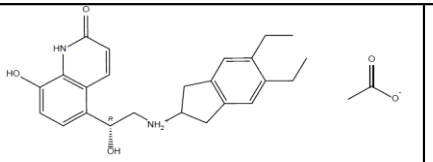 | 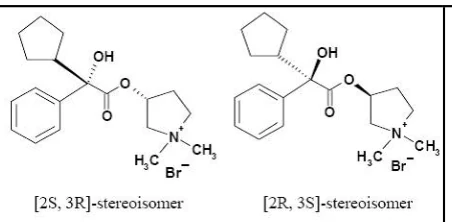 | 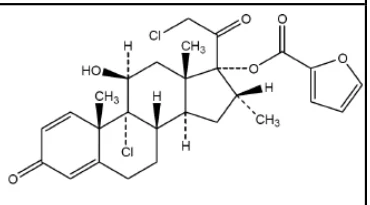 |
| Physicochemical properties | ||
Indacaterol acetate is a single isomer with R-configuration. Indacaterol maleate consists of a single polymorphic form, form A. The pH of a 0.1 % (m/V) suspension of Indacaterol acetate in water at room temperature is found to be 4.8. The melting point of Indacaterol acetate is 160°C. Indacaterol acetate is a white to yellow or beige powder. | Glycopyrronium bromide presents 2 asymmetric carbon atoms and is an optically inactive racemic mixture of 2 stereoisomers (2S, 3R and 2R, 3S), hereafter referred to as the stereoisomers (S,R) and (R,S). The pH of glycopyrronium bromide in 1.0% m/V (g/100 mL) solution in water at room temperature is 6.0. Melting range: 193 – 198 °C (but the range between beginning and end of melting does not exceed 2 °C). | White powder; at 23 °C, practically insoluble in water; slightly soluble in ethyl acetate, methanol, ethanol and isopropanol; soluble in acetone. |
| Indacaterol acetate is practically insoluble in 0.1N Hydrochloric acid and pH 6.8 buffer |
ENERZAIR BREEZHALER INHALATION DEVICE
The ENERZAIR BREEZHALER is a plastic inhalation device used for inhaling the content of ENERZAIR BREEZHALER (indacaterol, glycopyrronium and mometasone furoate) capsules. The amount of drug delivered to the lung will depend on patient factors, such as inspiratory flow rate and inspiratory time.
Peak inspiratory flow rates (PIFR) achievable through the BREEZHALER inhalation device were evaluated in 26 adult patients with COPD of varying severity. Mean PIFR was 95 L/min (range 52-133 L/min) for adult patients.
14 CLINICAL TRIALS
14.1 Clinical Trials by Indication
Asthma
The safety and efficacy of ENERZAIR BREEZHALER 150/50/160 micrograms in adult patients with asthma was evaluated in a phase III randomized, double-blind study (B2302). The study was a multi-center, 52-week study evaluating indacaterol/glycopyrronium/mometasone furoate 150/50/80 micrograms once-daily (N=620) and 150/50/160 micrograms once-daily (N=619) via BREEZHALER (inhaler) compared to indacaterol/mometasone furoate 150/160 micrograms once-daily (N=617) and 150/320 once-daily (N=618) via BREEZHALER, respectively. A third active control arm included subjects treated with salmeterol xinafoate/fluticasone propionate (SAL/FP) 50/500 micrograms twice daily (N=618). All subjects were required to be asthma symptomatic on asthma maintenance therapy of a medium or high dose ICS and LABA combination therapy for at least 3 months prior to study entry. Patients were also to have had one or more asthma exacerbations in the previous year. The mean age was 52.2 years. At screening, 99.9% of patients reported a history of exacerbation in the past year. At study entry, the most common asthma medications reported were LABA and medium dose of ICS (63%) and LABA and high dose of ICS (37%). During the study two week run-in period, patients received open-label medium dose ICS/LABA.
Mometasone furoate (MF) 80 (medium dose) and 160 (high dose) micrograms in ENERZAIR BREEZHALER once-daily are comparable to MF 160 (medium dose) and 320 (high dose) micrograms in indacaterol/mometasone furoate delivered via unit dose dry powder inhaler, respectively.
The primary objective of the study was to demonstrate superiority of ENERZAIR BREEZHALER 150/50/160 micrograms once-daily to indacaterol/mometasone furoate 150/320 micrograms once-daily in terms of trough FEV1 at week 26.
The key secondary endpoint was to demonstrate superiority of ENERZAIR BREEZHALER to indacaterol/mometasone furoate in terms of asthma control as assessed by the Asthma Control Questionnaire (ACQ-7).
Table 7 - Summary of patient demographics for the clinical trial in Asthma
| Study # | Trial design | Dosage, route of administration and duration | Study subjects (n) | Mean age (Range) | Sex |
| B2302 | 52-week Phase III randomized, double-blind study in adult patients with asthma to evaluate efficacy and safety of ENERZAIR BREEZHALER with medium and high mometasone furoate doses compared to indacaterol/mometasone furoate with medium and high mometasone furoate doses | indacaterol/ glycopyrronium/mometasone furoate 150/50/80 mcg od ENERZAIR BREEZHALER 150/50/160 mcg od indacaterol/mometasone furoate 150/160 mcg od indacaterol/mometasone furoate 150/320 mcg od salmeterol xinafoate /fluticasone propionate 50/500 mcg bid | Total: 3092 619 620 617 618 618 | 52.2 (18 – 75) | Male: 38.0% Female: 62.0% |
Lung function
ENERZAIR BREEZHALER 150/50/160 micrograms once-daily demonstrated a statistically significant improvement in trough FEV1 at week 26 when compared to indacaterol/mometasone furoate 150/320 micrograms once-daily (Table 8). Clinically meaningful improvements in morning and evening peak expiratory flow were observed when compared to indacaterol/mometasone furoate. ENERZAIR BREEZHALER 150/50/160 micrograms once-daily demonstrated an improvement in trough FEV1 at week 52 of 86 mL when compared to indacaterol/mometasone furoate 150/320 micrograms once-daily. Findings at week 52 were consistent with week 26.
Table 8 - Results of primary and key secondary endpoints
| Endpoint | ENERZAIR BREEZHALER 150/50/160 od vs IND/MF* 150/320 od | ||
| Lung Function | |||
| Trough FEV1 (Primary endpoint)** | |||
Treatment difference P value (95% CI) | 65 mL <0.001 (31, 99) | ||
| ACQ-7 (Key secondary endpoint) | |||
Treatment difference P value (95% CI) | 0.014 0.729 (-0.066, 0.094) | ||
* IND/MF: Indacaterol/mometasone furoate
** Trough FEV1: the mean of the two FEV1, values measured at 23 hour 15 min and 23 hour 45 min after the evening dose.
The results of other lung function efficacy endpoints such as mean morning PEF and mean evening PEF are generally consistent with and support of the results the primary endpoint.
ACQ-7
The mean change from baseline in ACQ-7 score at week 26 (key secondary endpoint) and week 52 were around -1 for all treatment groups. Therefore, there was no meaningful difference (defined as a decrease in score of ≥0.5) between the treatment groups for ACQ-7 score (Table 8). The ACQ-7 responder rate (defined as a change in score of ≥0.5) was 71% for ENERZAIR BREEZHALER 150/50/160 mcg and 74% for indacaterol/mometasone furoate 150/320 mcg at week 26. The findings at week 52 were consistent with week 26.
Exacerbations
ENERZAIR BREEZHALER once-daily demonstrated a numerical reduction in the annual rate of moderate or severe asthma exacerbations by 15% and in the annual rate of severe exacerbations by 22% compared to indacaterol/mometasone furoate 150/320 micrograms once-daily.
15 MICROBIOLOGY
No microbiological information is required for this drug product.
16 NON-CLINICAL TOXICOLOGY
No animal studies were performed with the combination of indacaterol, glycopyrronium and mometasone furoate.
The in vitro and in vivo studies of each monotherapy and combination products are presented below.
General Toxicity:
Indacaterol and mometasone furoate combination
The findings during the 13-week inhalation toxicity studies in rats and dogs were predominantly attributable to the mometasone furoate and were typical pharmacological effects of glucocorticoids. Increased heart rates associated with indacaterol were apparent in dogs after administration of indacaterol/mometasone furoate or indacaterol alone.
Indacaterol and glycopyrronium combination
Findings during the nonclinical safety studies of indacaterol/glycopyrronium were consistent with the known pharmacological effects of the indacaterol or glycopyrronium monotherapy components. The effect on heart rate for indacaterol/glycopyrronium was increased in magnitude and duration when compared with the changes observed for each monotherapy component alone.
Indacaterol Effects on the cardiovascular system attributable to the beta2-agonistic properties of indacaterol included tachycardia, arrhythmias and myocardial lesions in dogs. Mild irritation of the nasal cavity and larynx were seen in rodents.
Glycopyrronium
Effects attributable to the muscarinic receptor antagonist properties of glycopyrronium included mild to moderate increases in heart rate in dogs, lens opacities in rats, and reversible changes associated with reduced salivary and ocular gland secretions in rats and dogs. Mild irritancy or adaptive changes in the respiratory tract were seen in rats. All these findings occurred at exposures sufficiently in excess of those anticipated in humans.
Mometasone furoate
All observed effects are typical of the glucocorticoid class of compounds and are related to exaggerated pharmacologic effects of glucocorticoids. In studies with rats and dogs, effects included lymphoid depletion, adrenal atrophy, and an increase in bone adipose tissue.
Carcinogenicity:
Indacaterol
Carcinogenicity was assessed in a two-year inhalation rat study and a six-month oral-administration transgenic mouse study. Increased incidences of benign ovarian leiomyoma and focal hyperplasia of ovarian smooth muscle in rats were consistent with similar findings reported for other beta2-adrenergic agonists. No evidence of carcinogenicity was seen in mice.
Glycopyrronium
Carcinogenicity studies in transgenic mice using oral administration and in rats using inhalation administration revealed no evidence of carcinogenicity.
Mometasone furoate
In carcinogenicity studies in mice and rats, inhaled mometasone furoate demonstrated no statistically significant increase in the incidence of tumours that would be relevant to human therapeutic use.
Genotoxicity:
Indacaterol
Genotoxicity studies did not reveal any mutagenic or clastogenic potential.
Glycopyrronium
Genotoxicity studies did not reveal any mutagenic or clastogenic potential for glycopyrronium.
Mometasone furoate
Mometasone furoate showed no genotoxic activity in a standard battery of in vitro and in vivo tests.
Reproductive and Developmental Toxicity:
The combination of indacaterol, glycopyrronium and mometasone furoate has not been studied in pregnant animals. The effects of each when administered alone in animal studies were as follows:
Indacaterol
Following subcutaneous administration in a rabbit study, adverse effects of indacaterol with respect to pregnancy and embryonal/fetal development could only be demonstrated at doses more than 500-fold than that achieved following the daily inhalation of 150 micrograms in humans (based on AUC0-24h).
Although indacaterol did not affect general reproductive performance in a rat fertility study, F1 offspring exposed to indacaterol did show an effect on fertility in the peri- and post-natal developmental rat study. Following subcutaneous administration of 1 mg/kg/day indacaterol from post-natal day 4 to day 20, there was a decrease in the number of pregnant F1 offspring observed following mating.
Glycopyrronium
Glycopyrronium was not teratogenic in rats or rabbits following inhalation administration. Glycopyrronium and its metabolites did not significantly cross the placental barrier of pregnant mice, rabbits and dogs. Published data for glycopyrronium in animals do not indicate any reproductive toxicity issues. Fertility and pre- and post-natal development were not affected in rats.
Mometasone furoate
Like other glucocorticoids, mometasone furoate is a teratogen in rodents and rabbits. Effects noted with oral, topical, or subcutaneous administration were umbilical hernia in rats; cleft palate in mice; and gall bladder agenesis, umbilical hernia and flexed front paws in rabbits. There were also reductions in maternal body weight gains and effects on fetal growth (lower fetal body weight and/or delayed ossification) in rats, rabbits and mice; and reduced offspring survival in mice.
In studies of reproductive function, subcutaneous mometasone furoate at 15 micrograms/kg prolonged gestation and difficult labor occurred with a reduction in offspring survival and body weight. Reproduction studies and other data in animals did not indicate a concern regarding fertility in either males or females.
17 SUPPORTING PRODUCT MONOGRAPHS
- 1. ONBREZ® BREEZHALER® 75 mcg indacaterol (as maleate) inhalation powder hard capsules, submission control 178064, Product Monograph, Novartis Pharmaceuticals Canada Inc. (Jan 02, 2015)
- 2. SEEBRI® BREEZHALER® 50 mcg glycopyrronium (as bromide) inhalation powder hard capsules submission control 196095, Product Monograph, Novartis Pharmaceuticals Canada Inc. (Sep 29, 2016)
- 3. ASMANEX* Twisthaler* 100 mcg, 200 mcg and 400 mcg mometasone furoate per metered inhalation, submission control 210617, Product Monograph, Merck Canada Inc. (Jan 24, 2018)
- 4. ATECTURA® BREEZHALER® 150 mcg/80 mcg, 150 mcg/160 mcg and 150 mcg/320 mcg indacaterol (as acetate)/mometasone furoate inhalation powder hard capsules submission control 227987, Product Monograph, Novartis Pharmaceuticals Canada Inc. (May 5, 2020)