


Product Monograph - Flurbiprofen
RECENT MAJOR LABEL CHANGES
| 1 INDICATIONS | 03/2022 |
| 2 CONTRAINDICATIONS | 03/2022 |
| 3 SERIOUS WARNINGS AND PRECAUTIONS BOX, Risk in Cardiovascular Adverse Events | 03/2022 |
| 3 SERIOUS WARNINGS AND PRECAUTIONS BOX, Risk of Gastrointestinal (GI) Adverse Events | 03/2022 |
| 3 SERIOUS WARNINGS AND PRECAUTIONS BOX, Risk in Pregnancy | 03/2022 |
| 4 DOSAGE AND ADMINISTRATION, 4.1 Dosing considerations | 03/2022 |
| 4 DOSAGE AND ADMINISTRATION, 4.2 Recommended Dose and Dosage Adjustment | 03/2022 |
| 4 DOSAGE AND ADMINISTRATION, 4.4 Administration | 03/2022 |
| 7 WARNINGS AND PRECAUTIONS, General | 03/2022 |
| 7 WARNINGS AND PRECAUTIONS, Cardiovascular | 03/2022 |
| 7 WARNINGS AND PRECAUTIONS, Endocrine and Metabolism | 03/2022 |
| 7 WARNINGS AND PRECAUTIONS, Gastrointestinal | 03/2022 |
| 7 WARNINGS AND PRECAUTIONS, Genitourinary | 03/2022 |
| 7 WARNINGS AND PRECAUTIONS, Hematologic | 03/2022 |
| 7 WARNINGS AND PRECAUTIONS, Immune | 03/2022 |
| 7 WARNINGS AND PRECAUTIONS, Monitoring and Laboratory Tests | 03/2022 |
| 7 WARNINGS AND PRECAUTIONS, Peri-Operative Considerations | 03/2022 |
| 7 WARNINGS AND PRECAUTIONS, Psychiatric | 03/2022 |
| 7 WARNINGS AND PRECAUTIONS, Renal | 03/2022 |
| 7 WARNINGS AND PRECAUTIONS, Reproductive Health: Female and Male Potential | 03/2022 |
| 7 WARNINGS AND PRECAUTIONS, Sensitivity/Resistance | 03/2022 |
| 7 WARNINGS AND PRECAUTIONS, Skin, Serious skin reactions | 03/2022 |
| 7 WARNINGS AND PRECAUTIONS, 7.1 Special Population, 7.1.1 | 03/2022 |
| Pregnant Women | |
| 7 WARNINGS AND PRECAUTIONS, 7.1 Special Population, 7.1.2 Breast-feeding | 03/2022 |
| 7 WARNINGS AND PRECAUTIONS, 7.1 Special Population, 7.1.3 Pediatrics | 03/2022 |
| 7 WARNINGS AND PRECAUTIONS, 7.1 Special Population, 7.1.4 Geriatrics | 03/2022 |
TABLE OF CONTENTS
Sections or subsections that are not applicable at the time of authorization are not listed.
RECENT MAJOR LABEL CHANGES..............................................................................................2
TABLE OF CONTENTS ................................................................................................................3
PART I: HEALTH PROFESSIONAL INFORMATION .......................................................................5
1 INDICATIONS ................................................................................................................5
1.1 Pediatrics...........................................................................................................5
1.2 Geriatrics ...........................................................................................................5
2 CONTRAINDICATIONS ...................................................................................................5
3 SERIOUS WARNINGS AND PRECAUTIONS BOX ..............................................................6
4 DOSAGE AND ADMINISTRATION...................................................................................7
4.1 Dosing Considerations........................................................................................7
4.2 Recommended Dose and Dosage Adjustment .....................................................8
4.4 Administration ...................................................................................................8
4.5 Missed Dose ......................................................................................................8
5 OVERDOSAGE ...............................................................................................................9
6 DOSAGE FORMS, STRENGTHS, COMPOSITION AND PACKAGING ...................................9
7 WARNINGS AND PRECAUTIONS .................................................................................. 10
7.1 Special Populations .......................................................................................... 16
7.1.1 Pregnant Women .............................................................................................16
7.1.2 Breast-feeding .................................................................................................17
7.1.3 Pediatrics.........................................................................................................17
7.1.4 Geriatrics .........................................................................................................18
8 ADVERSE REACTIONS .................................................................................................. 18
8.1 Adverse Reaction Overview .............................................................................. 18
8.2 Clinical Trial Adverse Reactions ........................................................................ 18
8.5 Post-Market Adverse Reactions ........................................................................ 20
9 DRUG INTERACTIONS.................................................................................................. 20
9.2 Drug Interactions Overview .............................................................................. 20
9.3 Drug-Behavioural Interactions .......................................................................... 21
9.4 Drug- Drug Interactions .................................................................................... 21
9.5 Drug-Food Interactions .................................................................................... 25
9.6 Drug-Herb Interactions..................................................................................... 25
9.7 Drug-Laboratory Test Interactions .................................................................... 25
10 CLINICAL PHARMACOLOGY ......................................................................................... 25
10.1 Mechanism of Action ....................................................................................... 25
10.2 Pharmacodynamics .......................................................................................... 25
10.3 Pharmacokinetics............................................................................................. 26
11 STORAGE, STABILITY AND DISPOSAL ........................................................................... 27
12 SPECIAL HANDLING INSTRUCTIONS............................................................................. 27
PART II: SCIENTIFIC INFORMATION ........................................................................................ 28
13 PHARMACEUTICAL INFORMATION.............................................................................. 28
14 CLINICAL TRIALS.......................................................................................................... 28
14.3 Comparative Bioavailability Studies .................................................................. 28
15 MICROBIOLOGY .......................................................................................................... 29
16 NON-CLINICAL TOXICOLOGY ....................................................................................... 29
PATIENT MEDICATION INFORMATION ................................................................................... 32
PART I: HEALTH PROFESSIONAL INFORMATION
1 INDICATIONS
FLURBIPROFEN (flurbiprofen) is indicated for:
- Relief of signs and symptoms of rheumatoid arthritis, osteoarthritis and ankylosing spondylitis.
- Relief of pain associated with dysmenorrhoea.
- Relief of mild to moderate pain accompanied by inflammation (eg. bursitis, tendinitis, soft-tissue trauma).
For patients with an increased risk of developing CV and/or GI adverse events, other management strategies that do NOT include the use of NSAIDs should be considered first. See 2 CONTRAINDICATIONS and 7 WARNINGS AND PRECAUTIONS.
Use of FLURBIPROFEN should be limited to the lowest effective dose for the shortest possible duration of treatment in order to minimize the potential risk for cardiovascular or gastrointestinal adverse events. See 2 CONTRAINDICATIONS and 7 WARNINGS AND PRECAUTIONS.
- FLURBIPROFEN, as a NSAID, does NOT treat clinical disease or prevent its progression.
- FLURBIPROFEN, as a NSAID, only relieves symptoms and decreases inflammation for as long as the patient continues to take it.
1.1 Pediatrics
The safety and efficacy of FLURBIPROFEN (flurbiprofen) in pediatric patients has not been established; therefore, Health Canada has not authorized an indication for pediatric use. See 2 CONTRAINDICATIONS.
1.2 Geriatrics
Geriatrics: Evidence from post-market experience suggests that use in the geriatric population is associated with differences in safety or effectiveness. See 7.1.4 Geriatrics, and 4.2 Recommended Dose and Dosage Adjustment.
2 CONTRAINDICATIONS
Flurbiprofen is contraindicated in:
- The peri-operative setting of coronary artery bypass graft surgery (CABG). Although Flurbiprofen has NOT been studied in this patient population, a selective COX-2 inhibitor NSAID studied in such a setting has led to an increased incidence of cardiovascular/thromboembolic events, deep surgical infections and sternal wound complications.
- During the third trimester of pregnancy, because of risk of premature closure of the ductus arteriosus, and prolonged parturition.
- Women who are breastfeeding, because of the potential for serious adverse reactions in nursing infants
- Severe uncontrolled heart failure
- Patients with a known or suspected history of hypersensitivity to flurbiprofen or to any ingredient in the formulation, including any non-medicinal ingredient, or component of the container. For a complete listing, see 6 DOSAGE FORMS, STRENGTHS, COMPOSITION AND PACKAGING.
- History of asthma, urticaria, or allergic-type reactions after taking ASA or other NSAIDs (i.e. complete or partial syndrome of ASA-intolerance - rhinosinusitis, urticaria/ angioedema, nasal polyps, asthma). Fatal asthmatic and anaphylactoid reactions have occurred in such individuals. As well, individuals with the above medical problems are at risk of a severe reaction even if they have taken NSAIDs in the past without any adverse effects. The potential for cross-reactivity between different NSAIDs must be kept in mind (see 7 WARNINGS AND PRECAUTIONS - Sensitivity/Resistance - Anaphylactoid Reactions).
- Active gastric / duodenal / peptic ulcer, active GI bleeding, a history of recurrent ulceration or active inflammatory disease of the gastrointestinal system.
- Cerebrovascular bleeding or other bleeding disorders
- Inflammatory bowel disease
- Severe liver impairment or active liver disease
- Severe renal impairment (creatinine clearance <30 mL/min or 0.5 mL/sec) or deteriorating renal disease (individuals with lesser degrees of renal impairment are at risk of deterioration of their renal function when prescribed NSAIDs and must be monitored) (see 7 WARNINGS AND PRECAUTIONS - Renal)
- Known hyperkalemia (see 7 WARNINGS AND PRECAUTIONS - Renal - Fluid and Electrolyte Balance)
- Children and adolescents less than 18 years of age.
3 SERIOUS WARNINGS AND PRECAUTIONS BOX
Serious Warnings and Precautions
|
increase with duration of use. Patients with cardiovascular disease or risk factors for cardiovascular disease may be at greater risk. Caution should be exercised in prescribing Flurbiprofen to any patient with ischemic heart disease (including but NOT limited to acute myocardial infarction, history of myocardial infarction and/or angina), cerebrovascular disease (including but NOT limited to stroke, cerebrovascular accident, transient ischemic attacks and/or amaurosis fugax) and/or congestive heart failure (NYHA II-IV). Use of NSAIDs, such as Flurbiprofen, can promote sodium retention in a dose-dependent manner, through a renal mechanism, which can result in increased blood pressure and/or exacerbation of congestive heart failure. See also 7 WARNINGS AND PRECAUTIONS, Renal, Fluid and Electrolyte Balance. Randomized clinical trials with Flurbiprofen have not been designed to detect differences in cardiovascular events in a chronic setting. Therefore, caution should be exercised when prescribing Flurbiprofen. See 7 WARNINGS AND PRECAUTIONS: Cardiovascular.
|
4 DOSAGE AND ADMINISTRATION
4.1 Dosing Considerations
Use of Flurbiprofen should be limited to the lowest effective dose for the shortest possible duration of treatment. See 1 INDICATIONS.
Consideration should be given to reducing the starting dose in elderly patients. Flurbiprofen metabolism is predominantly mediated via cytochrome P450 CYP 2C9 in the liver. Patients who are known or suspected to be poor CYP2C9 metabolizers based on previous history/experience with other CYP2C9 substrates should be administered flurbiprofen with caution as they may have abnormally high plasma levels due to reduced metabolic clearance.
4.2 Recommended Dose and Dosage Adjustment
Rheumatoid Arthritis, Osteoarthritis, Ankylosing Spondylitis:
The recommended dose is 200 mg per day given in divided doses. Some patients may require up to 300 mg per day. The dose should be adjusted until the minimum effective maintenance dose is established. During the course of treatment, the maximum daily dose of 300 mg should be used only during symptom exacerbations and not for maintenance therapy.
Dysmenorrhea:
The recommended dosage is 50 mg given four times daily.
Mild to Moderately Severe Pain:
The usual recommended dose is 50 mg given every four to six hours as needed.
Pediatrics (< 18 years of age): Health Canada has not authorized an indication for pediatric use. See 2 CONTRAINDICATIONS.
Geriatrics (>65 years of age): In the elderly, frail and debilitated, the dosage should be reduced to the lowest level providing control of symptoms, and adjusted when necessary. See 7.1.4 Geriatrics
Renal impairment: Flurbiprofen and its metabolites are eliminated primarily by the kidneys, therefore the drug should be used with great caution in patients with impaired renal function. A lower dose should be considered in patients with mild and moderate renal impairment. Flurbiprofen is contraindicated in severe renal impairment (creatinine clearance <30 mL/min or 0.5 mL/sec) or deteriorating renal disease (individuals with lesser degrees of renal impairment are at risk of deterioration of their renal function when prescribed NSAIDs and must be monitored). See 2 CONTRAINDICATIONS
Hepatic impairment: A lower dose should be considered in patients with mild and moderate hepatic impairment. Flurbiprofen is contraindicated in severe liver impairment or active liver disease. See 2 CONTRAINDICATIONS
4.4 Administration
Flurbiprofen should be taken immediately after a meal, or with food or milk.
4.5 Missed Dose
If the patient misses a dose, instruct the patient to take the dose as soon as they remember. If it is almost time for the next dose, inform the patient to skip the missed dose and continue the regular dosing schedule.
5 OVERDOSAGE
Information on overdosage is available for 13 children and 12 adults. Nine of the 13 children were less than 6 years old. Drowsiness occurred after doses of 150 to 800 mg in 3 of these young children (with dilated pupils in one), and in a 2-year-old who also had semi-consciousness, pinpoint pupils, diminished tone, and elevated liver enzymes. Other children who ingested doses of 200 mg to 2.5 g showed no symptoms.
Among the adults a 70-year-old man with a history of chronic obstructive airway disease died. Toxicological analysis showed acute flurbiprofen overdose and a blood ethanol concentration of 100 mg/dL. In the other cases, symptoms were as follows: coma and respiratory depression after 3-6 g; drowsiness, nausea and epigastric pain after 2.5-5 g; epigastric pain and dizziness after 3 g; headache and nausea after ≤2 g; agitation after 1.5 g; and drowsiness after 1.0 g. One patient, who took 200-400 mg flurbiprofen and 2.4 g fenoprofen, had disorientation and diplopia. Three adults had no symptoms after 3-5 g flurbiprofen.
Treatment of overdose: the stomach should be emptied by vomiting or lavage, though little drug will likely be recovered if more than an hour as elapsed since ingestion. Supportive treatment should be instituted as necessary. Some patients have been given supplemental oral or intravenous fluids and required no other treatment.
| For management of a suspected drug overdose, contact your regional poison control centre. |
6 DOSAGE FORMS, STRENGTHS, COMPOSITION AND PACKAGING
Table – Dosage Forms, Strengths, Composition and Packaging
FLURBIPROFEN 50 mg tablets are white, oval, biconvex, film-coated tablets, engraved "AP0-50" on one side, containing 50 mg of flurbiprofen, available in bottles of 100, 500 and 1000.
FLURBIPROFEN 100 mg tablets are blue, oval, biconvex, film-coated tablets, engraved “AP0-100" on one side, containing 100 mg of flurbiprofen, available in bottles of 100, 500 and 1000.
Flurbiprofen is a Schedule F drug.
| Route of Administration | Dosage Form / Strength/Composition | Non-medicinal Ingredients |
|---|---|---|
| oral | tablet 50 mg, 100 mg of flurbiprofen | carnauba wax, colloidal silicon dioxide, croscarmellose sodium, hydroxypropyl methylcellulose, lactose, microcrystalline cellulose, polyethylene glycol, stearic acid, and titanium dioxide. Each 100 mg tablet also contains FD&C blue #2. |
7 WARNINGS AND PRECAUTIONS
Please see 3 SERIOUS WARNINGS AND PRECAUTIONS BOX.
General
Frail or debilitated patients may tolerate side effects less well and therefore special care should be taken in treating this population. To minimize the potential risk for an adverse event, the lowest effective dose should be used for the shortest possible duration. As with other NSAIDs, caution should be used in the treatment of elderly patients who are more likely to be suffering from impaired renal, hepatic or cardiac function. For high risk patients, alternate therapies that do not involve NSAIDs should be considered.
Flurbiprofen is NOT recommended for use with other NSAIDs, with the exception of low-dose ASA for cardiovascular prophylaxis, because of the absence of any evidence demonstrating synergistic benefits and the potential for additive adverse reactions. See 9.4 Drug/DRUG INTERACTIONS - Acetylsalicylic acid (ASA) or other NSAIDs.
Carcinogenesis and Mutagenesis
See 16 NON-CLINICAL TOXICOLOGY
Cardiovascular
Flurbiprofen is a non-steroidal anti-inflammatory drug (NSAID). Use of some NSAIDs is associated with an increased incidence of cardiovascular adverse events (such as myocardial infarction, stroke or thrombotic events) which can be fatal. The risk may increase with duration of use. Patients with cardiovascular disease or risk factors for cardiovascular disease may be at greater risk.
Caution should be exercised in prescribing Flurbiprofen to patients with risk factors for cardiovascular disease, cerebrovascular disease or renal disease, such as any of the following (NOT an exhaustive list):
- Hypertension
- Dyslipidemia / Hyperlipidemia
- Diabetes Mellitus
- Congestive Heart Failure (NYHA I)
- Coronary Artery Disease (Atherosclerosis)
- Peripheral Arterial Disease
- Smoking
- Creatinine Clearance < 60 mL/min or 1 mL/sec
Use of NSAIDs, such as Flurbiprofen, can lead to new hypertension or can worsen pre-existing hypertension, either of which may increase the risk of cardiovascular events as described above. Thus, blood pressure should be monitored regularly. Consideration should be given to discontinuing Flurbiprofen should hypertension either develop or worsen with its use.
Use of NSAIDs, such as Flurbiprofen, can induce fluid retention and edema, and may exacerbate congestive heart failure, through a renally mediated mechanism.
For patients with a high risk of developing an adverse CV event, other management strategies that do NOT include the use of NSAIDs should be considered first. To minimize the potential risk for an adverse CV event, the lowest effective dose should be used for the shortest possible duration.
Endocrine and Metabolism
Corticosteroids: Flurbiprofen is NOT a substitute for corticosteroids. It does NOT treat corticosteroid insufficiency. Abrupt discontinuation of corticosteroids may lead to exacerbation of corticosteroid-responsive illness. Patients on prolonged corticosteroid therapy should have their therapy tapered slowly if a decision is made to discontinue corticosteroids. See 9 DRUG INTERACTIONS
Gastrointestinal
Serious GI toxicity (sometimes fatal), such as ulceration, inflammation, gastrointestinal bleeding, perforation and obstruction of the upper and lower gastrointestinal tract, can occur at any time, with or without warning symptoms, in patients treated with NSAIDs, such as Flurbiprofen. Minor upper GI problems, such as dyspepsia, commonly occur at any time. Health care providers should remain alert for ulceration and bleeding in patients treated with Flurbiprofen, even in the absence of previous GI tract symptoms. Most spontaneous reports of fatal GI events are in elderly or debilitated patients and therefore special care should be taken in treating this population. To minimize the potential risk for an adverse GI event, the lowest effective dose should be used for the shortest possible duration. For high-risk patients, alternate therapies that do not involve NSAIDs should be considered. See 7.1.4 Geriatrics
Patients should be informed about the signs and/or symptoms of serious GI toxicity and instructed to discontinue using Flurbiprofen and seek emergency medical attention if they experience any such symptoms. The utility of periodic laboratory monitoring has NOT been demonstrated, nor has it been adequately assessed. Most patients who develop a serious upper GI adverse event on NSAID therapy have no symptoms. Upper GI ulcers, gross bleeding or perforation, caused by NSAIDs, appear to occur in approximately 1% of patients treated for 3-6 months, and in about 2-4% of patients treated for one year. These trends continue, thus increasing the likelihood of developing a serious GI event at some time during the course of therapy. Even short-term therapy has its risks.
Caution should be taken if prescribing Flurbiprofen to patients with a prior history of peptic / duodenal ulcer disease or gastrointestinal bleeding as these individuals have a greater than 10-fold higher risk for developing a GI bleed when taking a NSAID than patients with neither of these risk factors. Other risk factors for GI ulceration and bleeding include the following:
Helicobacter pylori infection, increased age, prolonged use of NSAID therapy, excess alcohol intake, smoking, poor general health status or concomitant therapy with any of the following:
- Anti-coagulants (e.g. warfarin)
- Anti-platelet agents (e.g. ASA, clopidogrel)
- Oral corticosteroids (e.g. prednisone)
- Selective Serotonin Reuptake Inhibitors (SSRIs) (e.g. citalopram, fluoxetine, paroxetine, sertraline)
Genitourinary
Some NSAIDs are associated with persistent urinary symptoms (bladder pain, dysuria, urinary frequency), hematuria or cystitis. The onset of these symptoms may occur at any time after the initiation of therapy with a NSAID. Should urinary symptoms occur, in the absence of an alternate explanation, treatment with Flurbiprofen should be stopped to ascertain if symptoms disappear. This should be done before urological investigations or treatments are carried out.
Hematologic
NSAIDs inhibiting prostaglandin biosynthesis interfere with platelet function to some degree; patients who may be adversely affected by such an action, such as those on anti-coagulants or suffering from haemophilia or platelet disorders, should be carefully observed when FLURBIPROFEN is administered.
Anti-coagulants: Numerous studies have shown that the concomitant use of NSAIDs and anticoagulants increases the risk of bleeding. Concurrent therapy of FLURBIPROFEN with warfarin requires close monitoring of the international normalized ratio (INR).
Even with therapeutic INR monitoring, increased bleeding may occur. See 9 DRUG INTERACTIONS
Anti-platelet Effects: NSAIDs inhibit platelet aggregation and have been shown to prolong bleeding time in some patients. Unlike acetylsalicylic acid (ASA), their effect on platelet function is quantitatively less, or of shorter duration, and is reversible.
FLURBIPROFEN and other NSAIDs have no proven efficacy as anti-platelet agents and should NOT be used as a substitute for ASA or other anti-platelet agents for prophylaxis of cardiovascular thromboembolic diseases. Anti-platelet therapies (e.g. ASA) should NOT be discontinued. There is some evidence that use of NSAIDs with ASA can markedly attenuate the cardioprotective effects of ASA. See 9 DRUG INTERACTIONS
Concomitant administration of FLURBIPROFEN with low dose ASA increases the risk of GI ulceration and associated complications.
Blood dyscrasias: Blood dyscrasias (such as neutropenia, leukopenia, thrombocytopenia, aplastic anemia and agranulocytosis) associated with the use of NSAIDs are rare, but could occur with severe consequences.
Anemia is sometimes seen in patients receiving NSAIDs, including FLURBIPROFEN. This may be due to fluid retention, GI blood loss, or an incompletely described effect upon erythropoiesis. Patients on long-term treatment with NSAIDs, including FLURBIPROFEN, should have their hemoglobin or hematocrit checked if they exhibit any signs or symptoms of anemia or blood loss.
Hepatic/Biliary/Pancreatic
As with other NSAIDs, borderline elevations of one or more liver enzyme tests (AST, ALT, alkaline phosphatase) may occur in up to 15% of patients. These abnormalities may progress, may remain essentially unchanged, or may be transient with continued therapy.
A patient with symptoms and/or signs suggesting liver dysfunction, or in whom an abnormal liver test has occurred, should be evaluated for evidence of the development of more severe hepatic reaction while on therapy with this drug. Severe hepatic reactions including jaundice and cases of fatal hepatitis, liver necrosis and hepatic failure, some of them with fatal outcomes, have been reported with this drug as with other NSAIDs.
Although such reactions are rare, if abnormal liver tests persist or worsen, if clinical signs and symptoms consistent with liver disease develop (e.g. jaundice), or if systemic manifestations occur (e.g. eosinophilia, associated with rash, etc.), FLURBIPROFEN should be discontinued.
During long-term therapy, liver function tests should be monitored periodically. If there is a need to prescribe this drug in the presence of impaired liver function, it must be done under strict observation.
Immune
FLURBIPROFEN, in common with other NSAIDs, may mask signs and symptoms of an underlying infectious disease.
Aseptic Meningitis: Rarely, with some NSAIDs, the symptoms of aseptic meningitis (stiff neck, severe headaches, nausea and vomiting, fever or clouding of consciousness) have been observed. Patients with autoimmune disorders (systemic lupus erythematosus, mixed connective tissue diseases, etc.) seem to be pre-disposed. Therefore, in such patients, the health care provider must be vigilant to the development of this complication.
Monitoring and Laboratory Tests
Cardiovascular: Patients on long-term treatment with Flurbiprofen should have their blood pressure monitored regularly. See 2 CONTRAINDICATIONS, 3 SERIOUS WARNINGS AND PRECAUTIONS BOX, 7 WARNINGS AND PRECAUTIONS and 9 DRUG INTERACTIONS
Hematology: Hemoglobin, hematocrit, red blood cells (RBCs), white blood cells (WBCs), and platelets should be checked in patients on long-term treatment with FLURBIPROFEN. Additionally, concurrent therapy with anticoagulants require close monitoring of the international normalized ratio (INR). See 7 WARNINGS AND PRECAUTIONS, Hematologic and 9 DRUG INTERACTIONS
Hepatic: Serum transaminase and bilirubin should be monitored regularly during FLURBIPROFEN therapy. See 7 WARNINGS AND PRECAUTIONS, Hepatic/Biliary/Pancreatic
Ophthalmologic: Ophthalmologic examinations may be required in patient receiving this drug for an extended period of time. See 7 WARNINGS AND PRECAUTIONS, Ophthalmologic
Pregnancy: If Flurbiprofen is administered in the middle (approximately 20 weeks) to the end of the second trimester, it is recommended that pregnant women on Flurbiprofen be closely monitored for amniotic fluid volume since Flurbiprofen may result in reduction of amniotic fluid volume and even oligohydramnios. See 7.1.1 Pregnant Women
Flurbiprofen is contraindicated for use in the third trimester of pregnancy.
Renal: Serum creatinine, creatine clearance and serum urea should be checked in patient during FLURBIPROFEN therapy. Electrolytes including serum potassium should be monitored periodically. See 2 CONTRAINDICATIONS, 3 SERIOUS WARNINGS AND PRECAUTIONS BOX, 4.2 Recommended Dose and Dosage Adjustment, 7 WARNINGS AND PRECAUTIONS, Renal and 9 DRUG INTERACTIONS.
Neurologic
Some patients may experience drowsiness, dizziness, blurred vision, vertigo, tinnitus, hearing loss, insomnia or depression with the use of NSAIDs, such as FLURBIPROFEN. If patients experience such adverse reaction(s), they should exercise caution in carrying out activities that require alertness.
Ophthalmologic
Blurred and/or diminished vision has been reported with the use of flurbiprofen and other NSAIDs. If such symptoms develop, Flurbiprofen should be discontinued and an ophthalmologic examination performed; ophthalmic examination should be carried out at periodic intervals in any patient receiving Flurbiprofen for an extended period of time.
Peri-Operative Considerations
See 2 CONTRAINDICATIONS
Psychiatric
Some patients may experience depression with the use of NSAIDs, such as flurbiprofen.
Renal
Long-term administration of flurbiprofen to animals has resulted in renal papillary necrosis and other abnormal renal pathology. In humans, there have been reports of acute interstitial nephritis with hematuria, proteinuria and occasionally nephrotic syndrome.
Renal insufficiency due to NSAID use is seen in patients with pre-renal conditions leading to reduction in renal blood flow or blood volume. Under these circumstances, renal prostaglandins help maintain renal perfusion and glomerular filtration rate (GFR). In these patients, administration of a NSAID may cause a reduction in prostaglandin synthesis leading to impaired renal function. Patients at greatest risk of this reaction are those with pre-existing renal insufficiency (GFR < 60 mL/min or 1 mL/s), dehydrated patients, patients on salt restricted diets, those with congestive heart failure, cirrhosis, liver dysfunction, taking angiotensin-converting enzyme inhibitors, angiotensin receptor blockers, cyclosporin, diuretics, and those who are elderly. Serious or life-threatening renal failure has been reported in patients with normal or impaired renal function after short term therapy with NSAIDs. Even patients at risk who demonstrate the ability to tolerate a NSAID under stable conditions may decompensate during periods of added stress (e.g. dehydration due to gastroenteritis). Discontinuation of NSAIDs is usually followed by recovery to the pre-treatment state.
Caution should be used when initiating treatment with NSAIDs, such as FLURBIPROFEN, in patients with considerable dehydration. Such patients should be rehydrated prior to initiation of therapy. Caution is also recommended in patients with pre-existing kidney disease.
Flurbiprofen and its metabolites are eliminated primarily by the kidneys, therefore the drug should be used with great caution in patients with impaired renal function. In these cases, lower doses of FLURBIPROFEN should be anticipated and patients carefully monitored.
During long-term therapy kidney function should be monitored periodically.
Advanced Renal Disease: See 2 CONTRAINDICATIONS
Fluid and Electrolyte Balance: Use of NSAIDs, such as FLURBIPROFEN, can promote sodium retention in a dose-dependent manner, which can lead to fluid retention and edema, and consequences of increased blood pressure and exacerbation of congestive heart failure. Thus, caution should be exercised in prescribing FLURBIPROFEN in patients with a history of congestive heart failure, compromised cardiac function, hypertension, increased age or other conditions predisposing to fluid retention.
Use of NSAIDs, such as FLURBIPROFEN, can increase the risk of hyperkalemia, especially in patients with diabetes mellitus, renal failure, increased age, or those receiving concomitant therapy with adrenergic blockers, angiotensin-converting enzyme inhibitors, angiotensin-II receptor antagonists, cyclosporin, or some diuretics.
Electrolytes should be monitored periodically. See 2 CONTRAINDICATIONS
Reproductive Health: Female and Male Potential
Fertility
The use of FLURBIPROFEN, as with any drug known to inhibit cyclooxygenase/prostaglandin synthesis, may impair fertility and is not recommended in women attempting to conceive. Therefore, in women who have difficulties conceiving, or who are undergoing investigation of infertility, withdrawal of FLURBIPROFEN should be considered. See 7.1.1 Pregnant Women
Respiratory
- Pre-existing Asthma
About 10% of patients with asthma may have ASA-sensitive asthma. The use of ASA in patients with ASA-sensitive asthma has been associated with severe bronchospasm which can be fatal. Since cross-reactivity, including bronchospasm, between ASA and other nonsteroidal anti-inflammatory drugs has been reported in such ASA-sensitive patients, Flurbiprofen should not be administered to patients with this form of ASA-sensitivity and should be used with caution in all patients with pre-existing asthma.
Sensitivity/Resistance
Anaphylactoid Reactions: As with NSAIDs in general, anaphylactoid reactions have occurred in patients without known prior exposure to FLURBIPROFEN. In post-marketing experience, rare cases of anaphylactic/ anaphylactoid reactions and angioedema have been reported in patients receiving FLURBIPROFEN. FLURBIPROFEN should NOT be given to patients with the ASA-triad. This symptom complex typically occurs in asthmatic patients who experience rhinitis with or without nasal polyps, or who exhibit severe, potentially fatal bronchospasm after taking ASA or other NSAIDs. See 2 CONTRAINDICATIONS
ASA-Intolerance: FLURBIPROFEN should NOT be given to patients with complete or partial syndrome of ASA-intolerance (rhinosinusitis, urticaria/angioedema, nasal polyps, asthma) in whom asthma, anaphylaxis, urticaria/angioedema, rhinitis or other allergic manifestations are precipitated by ASA or other NSAIDs. Fatal anaphylactoid reactions have occurred in such individuals. As well, individuals with the above medical problems are at risk of a severe reaction even if they have taken NSAIDs in the past without any adverse reaction. See 2 CONTRAINDICATIONS
Cross-sensitivity: Patients sensitive to one NSAID may be sensitive to any of the other NSAIDs as well.
Skin
Serious skin reactions: Use of some NSAIDs, such as Flurbiprofen, have been associated with rare post-market cases of serious, fatal or otherwise life-threatening skin reactions, including:
- drug reaction with eosinophilia and systemic symptoms (DRESS)
- Stevens-Johnson syndrome,
- toxic epidermal necrolysis,
- exfoliative dermatitis and
- erythema multiforme.
Patients appear to be at higher risk for these events early in the course of therapy, with the onset of cases usually occurring within the first month of treatment. These reactions may be reversible if the causative agent is discontinued and appropriate treatment instituted. Patients should be advised that they should discontinue their NSAID at the first appearance of a skin rash, mucosal lesions or any other sign of hypersensitivity, and contact their physician immediately for assessment and advice, including which therapies to discontinue.
DRESS typically, although not exclusively, presents with fever, rash, lymphadenopathy, and/or facial swelling. Other clinical manifestations may include hepatitis, nephritis, hematological abnormalities, myocarditis, or myositis. Sometimes symptoms of DRESS may resemble an acute viral infection, and eosinophilia is often present. Because this disorder is variable in its presentation, other organ systems not noted here may be involved. It is important to note that early manifestations of hypersensitivity, such as fever or lymphadenopathy, may be present even though rash is not evident.
7.1 Special Populations
7.1.1 Pregnant Women
Flurbiprofen is contraindicated for use during the third trimester of pregnancy because of risks of premature closure of the ductus arteriosus and the potential to prolong parturition. See 2 CONTRAINDICATIONS and 16 NON-CLINICAL TOXICOLOGY. Caution is recommended in prescribing Flurbiprofen during the first and second trimesters of pregnancy, particularly from the middle to end of the second trimester of pregnancy (onset at approximately 20 weeks) due to possible fetal renal dysfunction leading to oligohydramnios and, in some cases, neonatal renal impairment or failure.
Published studies and postmarketing reports describe maternal NSAID use at approximately 20 weeks gestation or later in pregnancy associated with fetal renal dysfunction leading to oligohydramnios, and in some cases, neonatal renal impairment or failure. NSAIDs were shown to cause significant reduction in fetal urine production prior to reduction of amniotic fluid volume. There have also been a limited number of case reports of maternal NSAID use and neonatal renal dysfunction and renal impairment without oligohydramnios, some of which were irreversible, even after treatment discontinuation.
These adverse outcomes are seen, on average, after days to weeks of treatment, although oligohydramnios has been infrequently reported as soon as 48 hours after NSAID initiation. Complications of prolonged oligohydramnios may for example, include limb contractures and delayed lung maturation. In some postmarketing cases of impaired neonatal renal function, invasive procedures such as exchange transfusion or dialysis were required.
If after careful consideration of the benefit-risk, NSAID treatment is considered necessary to be administered anywhere from the middle (onset at approximately 20 weeks) to the end of the second trimester of pregnancy, the use should be limited to the lowest effective dose and shortest duration possible. It is also recommended that ultrasound monitoring of amniotic fluid be considered if Flurbiprofen treatment extends beyond 48 hours and that NSAIDs treatment be discontinued if oligohydramnios occurs, followed by appropriate medical follow up.
Inhibition of prostaglandin synthesis may adversely affect pregnancy and/or embryo-fetal development. Data from epidemiological studies suggest an increased risk of miscarriage and of cardiac malformation after use of a prostaglandin synthesis inhibitor in early pregnancy.
In animals, administration of a prostaglandin synthesis inhibitor has been shown to result in increased pre- and post-implantation loss and embryo-fetal lethality. In addition, increased incidences of various malformations, including cardiovascular, have been reported in animals given a prostaglandin synthesis inhibitor during the organogenetic period.
FLURBIPROFEN is not recommended in labour and delivery because, through their prostaglandin synthesis inhibitory effect, they may adversely affect fetal circulation and inhibit uterine contractions, thus increasing the risk of uterine hemorrhage.
7.1.2 Breast-feeding
Flurbiprofen is contraindicated in breast-feeding women. Flurbiprofen has been found to cross the placental barrier, and is secreted in breast milk. See 2 CONTRAINDICATIONS
7.1.3 Pediatrics
Pediatrics (< 18 years of age): Flurbiprofen is contraindicated in pediatric patients. See 2 CONTRAINDICATIONS
7.1.4 Geriatrics
Geriatrics (> 65 years of age): Patients older than 65 years (referred to in this document as older or elderly) and frail or debilitated patients are more susceptible to a variety of adverse reactions from NSAIDs. The incidence of these adverse reactions increases with dose and duration of treatment. In addition, these patients are less tolerant to ulceration and bleeding. Most reports of fatal GI events are in this population. Older patients are also at risk of lower esophageal injury including ulceration and bleeding. For such patients, consideration should be given to a starting dose lower than the one usually recommended, with individual adjustment when necessary and under close supervision. See 4.2 Recommended Dose and Dosage Adjustment
8 ADVERSE REACTIONS
8.1 Adverse Reaction Overview
The most common adverse reactions encountered with NSAIDs are gastrointestinal, of which peptic ulcer, with or without bleeding, is the most severe. Fatalities have occurred on occasion, particularly in the elderly.
8.2 Clinical Trial Adverse Reactions
Clinical trials are conducted under very specific conditions. The adverse reaction rates observed in the clinical trials; therefore, may not reflect the rates observed in practice and should not be compared to the rates in the clinical trials of another drug. Adverse reaction information from clinical trials may be useful in identifying and approximating rates of adverse drug reactions in real-world use.
Adverse reaction information was derived from patients who received flurbiprofen in blinded-controlled and open-label clinical trials, and from world wide marketing experience and from publications. In the tables below, rates of the more common events (greater than 1%) and many of the less common events (less than 1%) represent clinical study results. Of the 4123 patients in premarketing studies, 2954 were treated for at least 1 month, 1448 for at least 3 months, 948 for at least 6 months, 356 for at least 1 year, and 100 for at least 2 years. The adverse reaction figures represent the percent of treated patients (N=4123) reporting an adverse reaction.
Reactions listed in column 2 of the following table occurred in <1% of patients in the clinical trials or were reported during post-marketing experience from other countries. Reactions listed in column 3 have been reported in patients taking flurbiprofen under circumstances that do not permit a clear attribution of the reaction to flurbiprofen.
| INCIDENCE GREATER THAN 1% | INCIDENCE LESS THAN 1% (CAUSAL RELATIONSHIP PROBABLE) | INCIDENCE LESS THAN 1% (CAUSAL RELATIONSHIP UNKNOWN) |
|---|
| INCIDENCE GREATER THAN 1% | INCIDENCE LESS THAN 1% (CAUSAL RELATIONSHIP PROBABLE) | INCIDENCE LESS THAN 1% (CAUSAL RELATIONSHIP UNKNOWN) |
|---|---|---|
| CARDIOVASCULAR | Heart failure, hypertension, vascular disease and vasodilation. | Arrhythmias, angina pectoris, and myocardial infarction. |
GASTROINTESTINAL Dyspepsia (8.7%), diarrhea (7.2%), abdominal pain (6.3%), nausea (5.8%), constipation (3.3%), GI bleeding (1.7%), elevated liver enzymes, vomiting (1.6%). | Peptic ulcer disease (see 7 WARNINGS AND PRECAUTIONS) gastritis, bloody diarrhea, stomatitis, esophageal disease, hematemesis, hepatitis. | Periodontal abscess, appetite changes, cholecystitis, and dry mouth. |
CENTRAL NERVOUS SYSTEM Headache (2.9%), nervousness and other manifestations of CNS “stimulation” (eg. Anxiety, insomnia, reflexes increased, and tremor) (2.0%), and symptoms associated with CNS “inhibition” (eg. Amnesia, asthenia, somnolence, malaise, and depression) (2.4%). | Ataxia, cerebrovascular ischemia, confusion, paresthesia, and twitching. | Convulsion, meningitis, hypertonia, cerebrovascular accident, emotional lability, and subarchnoid hemorrhage. |
DERMATOLOGICAL Rash (2.3%) | Angiodema, urticaria, eczema, pruritus. | |
SPECIAL SENSES Dizziness (2.1%), tinnitus (1.5%), and changes in vision (1.5%) | Conjunctivitis and parosmia. | Ear disease, corneal opacity, glaucoma, retrobulbar neuritis, changes in taste, transient hearing loss. |
| HEMATOLOGIC | Decrease in hemoglobin and haematocrit, iron deficiency anemia, leukopenia, eosiniphilia, ecchymosis. | Lymphadenopathy |
GENITOURINARY Sign and symptoms suggesting urinary tract infection (1.6%) | Hematuria and renal failure. | Menstrual disturbances, vaginal and uterine hemorrhage, vulvovaginitis, and prostate disease. |
| INCIDENCE GREATER THAN 1% | INCIDENCE LESS THAN 1% (CAUSAL RELATIONSHIP PROBABLE) | INCIDENCE LESS THAN 1% (CAUSAL RELATIONSHIP UNKNOWN) |
|---|---|---|
RESPIRATORY Rhinitis (1.7%). | Asthma and epistaxis | Bronchitis, laryngitis, dyspnea, pulmonary embolism, pulmonary infarct, and hyperventilation. |
OTHER Edema (2.5%). | Body weight changes, chills and fever, hyperuricemia. | Hyperkalemia, myasthenia. |
8.5 Post-Market Adverse Reactions
Additional reports of serious adverse events temporally associated with Flurbiprofen during worldwide post-marketing experience are included below. Because these events are reported voluntarily from a population of uncertain size, it is not always possible to reliably estimate their frequency or clearly establish a causal relationship to Flurbiprofen exposure.
| INCIDENCE LESS THAN 1% (CAUSAL RELATIONSHIP PROBABLE) | INCIDENCE LESS THAN 1% (CAUSAL RELATIONSHIP UNKNOWN) | |
|---|---|---|
| GATSROINTESTINAL | Cholestatic and non-cholestatic jaundice* | |
| DERMATOLOGICAL | Photosensitivity*, toxic epidermal necrolysis*, and exfoliative dermatitis* | |
| SPECIAL SENSES | Retinal hemorrhage* | |
| HEMATOLOGIC | Hemolytic anemia*, aplastic anemia*, thrombocytopenia* (see 7 WARNINGS AND PRECAUTIONS, Hematologic) | |
| GENITOURINARY | Interstitial nephritis* | |
| OTHER | Anaphylactic reaction* |
*Adverse reactions reported only in worldwide post marketing experience or the literature (which presumably indicates that they are rarer).
9 DRUG INTERACTIONS
9.2 Drug Interactions Overview
Flurbiprofen is extensively protein bound (99%) to human serum albumin. Less than 10% of the primary binding sites were estimated to be occupied at therapeutic drug concentrations. In vitro studies suggest that Flurbiprofen binds to a different primary site on albumin (Type II) than drugs such as anticoagulants, sulfonamides and phenytoin (Type I). However, patients with such combination therapy should be monitored.
Flurbiprofen metabolism is predominantly mediated via cytochrome P450 CYP 2C9 in the liver. Patients who are known or suspected to be poor CYP2C9 metabolizers based on previous history/experience with other CYP2C9 substrates should be administered flurbiprofen with caution as they may have abnormally high plasma levels due to reduced metabolic clearance.
9.3 Drug-Behavioural Interactions
There are no specific studies about effects on the ability to drive vehicles and to use machinery. Patients who experience visual disturbances or other central nervous system disturbances should refrain from these activities.
Concurrent use of alcohol with an NSAID may increase the risk of gastrointestinal side effects, including ulceration and hemorrhage.
9.4 Drug- Drug Interactions
The drugs listed in this table are based on either drug interaction case reports or studies, or potential interactions due to the expected magnitude and seriousness of the interaction (i.e., those identified as contraindicated).
Table - Established or Potential Drug-Drug Interactions
| Common name | Source of Evidence | Effect | Clinical comment |
|---|---|---|---|
| Acetylsalicylic Acid (ASA) (ASA) or other NSAIDs | CT | The concomitant use of flurbiprofen and other NSAIDs (such as ASA and ibuprofen) does not produce any greater therapeutic effect than the use of NSAIDs alone. Concurrent administration of ASA lowers serum flurbiprofen concentrations. Some NSAIDs (e.g. ibuprofen) may interfere with the anti-platelet effects of low dose ASA, possibly by competing with ASA for access to the active site of cyclooxygenase-1. | Concomitant use of flurbiprofen and analgesic doses of ASA or other NSAIDs is not recommended because of the increased risk of bleeding. See 7 WARNINGS AND PRECAUTIONS |
| Common name | Source of Evidence | Effect | Clinical comment |
|---|---|---|---|
| Albumin-Bound Drugs | T | Flurbiprofen is highly bound to plasma albumin; it thus has a theoretical potential for interaction with other albumin-bound drugs such as coumarin-type anticoagulants, warfarin, sulfonamide or sulphonylureas, hydantoins, other NSAIDs, and ASA. | Patients should be under carful observation for adjustment of dose if required. |
| Antacids | CT | The pharmacokinetics of a single oral dose of flurbiprofen are not altered by the concomitant administration of a magnesium and aluminum hydroxide antacid formulation. | |
| Anti-coagulants | CT | Flurbiprofen and anticoagulants such as warfarin have a synergistic effect on bleeding. The concomitant use of NSAIDs and anticoagulants have an increased risk of serious bleeding compared to the use of either drug alone. | Anticoagulation/INR should be monitored and warfarin dosage adjustments. See 7 WARNINGS AND PRECAUTIONS |
| Common name | Source of Evidence | Effect | Clinical comment |
|---|---|---|---|
| Anti-hypertensives | T | NSAIDs may diminish the antihypertensive effect of ACE inhibitors, ARBs, or beta-blockers. In patients who are elderly, volume-depleted (including those on diuretic therapy), or have RI, co-administration of an NSAID with ACE inhibitors or ARBs may result in deterioration of renal function, including possible acute renal failure and hyperkalemia. These effects are usually reversible. | Blood pressure and renal function (including electrolytes) should be monitored more closely in this situation, as occasionally there can be a substantial increase in blood pressure. See 7 WARNINGS AND PRECAUTIONS |
| Anti-platelets Agents (including ASA) | CT | There is an increased risk of bleeding, via inhibition of platelet function, when anti-platelet agents are combined with flurbiprofen. | Monitor patients for signs of bleeding. See 7 WARNINGS AND PRECAUTIONS |
| Cimetidine, Ranitidine | CT | A small but statistically significant increase in flurbiprofen serum concentration may result with administration of these agents. | |
| Cyclosporin and Tacrolimus | T | Inhibition of renal prostaglandin activity by NSAIDs may increase the nephrotoxic effect of cyclosporin or tacrolimus. | Patients should be monitored for necessary dosage adjustment. Monitor patients for signs of worsening renal function. |
| Common name | Source of Evidence | Effect | Clinical comment |
|---|---|---|---|
| Digoxin | T | Flurbiprofen does not change the rate of elimination of digoxin and the rate of elimination of flurbiprofen is not altered by co-administration of digoxin. However, digoxin absorption may be delayed during co-administration of flurbiprofen. | Monitor serum digoxin levels. |
| Diuretics | T | Clinical studies as well as post-marketing observations have shown that NSAIDs can reduce the effect of diuretics. Flurbiprofen antagonizes the action of intravenous or oral furosemide. | Observe patients for signs of worsening renal function, in addition to assuring diuretic efficacy including antihypertensive effects. See 7 WARNINGS AND PRECAUTIONS |
| Glucocorticoids | CT | The concomitant use of NSAIDs and oral glucocorticoids increases the risk of GI adverse events such as ulceration and bleeding, especially in older (>65 years of age) patients. | Monitor patients particularly those over 65 years of age for signs of bleeding. See 7 WARNINGS AND PRECAUTIONS |
| Lithium | CT | NSAIDs have produced elevations in plasma lithium levels and reductions in renal lithium clearance. This effect has been attributed to NSAID inhibition of renal prostaglandin synthesis. | Monitor patients for plasma lithium concentrations when stopping or starting a NSAID. |
| Methotrexate | N/A | Concomitant use of NSAIDs and methotrexate may increase the risk for methotrexate toxicity (e.g., neutropenia, thrombocytopenia, renal dysfunction). | Monitor patients for methotrexate toxicity. |
| Common name | Source of Evidence | Effect | Clinical comment |
|---|---|---|---|
| Oral Hypoglycaemic Drugs | T | Concomitant administration of flurbiprofen and hypoglycemic agents revealed a slight reduction in blood sugar concentrations but no signs or symptoms of hypoglycemia. | |
| Selective serotonin reuptake inhibitors (SSRIs) | C | Concomitant use of NSAIDs and SSRIs may increase the risk of gastrointestinal ulceration and bleeding. | Monitor patients for signs of bleeding. See 7 WARNINGS AND PRECAUTIONS, Gastrointestinal |
Legend: C = Case Study; CT = Clinical Trial; T = Theoretical
9.5 Drug-Food Interactions
Interactions with food have not been established.
9.6 Drug-Herb Interactions
Interactions with herbal products have not been established.
9.7 Drug-Laboratory Test Interactions
- Flurbiprofen and Thyroid Function Tests:
Flurbiprofen does not modify the laboratory parameters of thyroid function.
10 CLINICAL PHARMACOLOGY
10.1 Mechanism of Action
FLURBIPROFEN (flurbiprofen), a phenylalkanoic acid derivative, is a non-steroidal anti-inflammatory agent which also possesses analgesic and antipyretic activities. Its mode of action, like that of other non-steroidal anti-inflammatory agents, is not known. However, its therapeutic action is not due to pituitary adrenal stimulation. Flurbiprofen is an inhibitor of prostaglandin synthesis. The resulting decrease in prostaglandin synthesis may partially explain the drug's anti-inflammatory effect at the cellular level.
10.2 Pharmacodynamics
Flurbiprofen was evaluated in standard animal models. The calculated anti-inflammatory effect in the carrageenan-induced inflammation model for flurbiprofen, expressed as ED50, was 4 mg/kg.
Flurbiprofen suppressed adjuvant induced developing polyarthritis and established arthritis in the rat. The minimum effective dose of flurbiprofen in rats with acute inflammation and developing arthritis was less than 0.1 mg/kg given orally.
In yeast-induced fever in rats, the antipyretic activity of flurbiprofen 0.4 mg/kg given orally was equivalent to ASA 80.0 mg/kg.
The analgesic activity of flurbiprofen was assessed using a model of acetylcholine-induced writhing in the mouse. Flurbiprofen produced a significant inhibition of the writhing response at the extremely low dose of 0.04 mg/kg. Fifty percent inhibition (ID50) of writhing activity was observed with flurbiprofen at a dose less than 0.33 mg/kg.
10.3 Pharmacokinetics
Absorption
Flurbiprofen is well absorbed after oral administration, reaching peak blood levels in approximately 1.5 hours (range 0.5 to 4 hours). Administration of flurbiprofen with food does not alter total drug availability but delays absorption.
Distribution:
Flurbiprofen is extensively bound (99%) to human plasma protein such as albumin. Mean peak serum concentrations of flurbiprofen were higher in the elderly female patients.
The average maximum serum concentration of flurbiprofen following a 100 mg oral dose in normal volunteers (n=184) was 15.2 mcg/ml with 90% of the values between 10 and 22 mcg/ml.
Metabolism:
Flurbiprofen is rapidly metabolized and excreted in the urine as free and unaltered intact drug (20-25%) and hydroxylated metabolites (60-80%). In animal models of inflammation, the metabolites showed no activity.
Elimination
Excretion of flurbiprofen is virtually complete 24 hours after the last dose. The elimination half-life is 5.7 hours with 90% of the half-life values from 3-9 hours. There is no evidence of drug accumulation and flurbiprofen does not induce enzymes that alter its metabolism.
Special Populations and Conditions
- Pediatrics: The pharmacokinetics of FLURBIPROFEN has not been investigated in pediatric patients.
- Geriatrics: In geriatric subjects (n=7) between the ages of 58 and 77 years, 100 mg of flurbiprofen resulted in an average peak drug level of 18.0 mcg/ml and an average elimination half-life of 6.5 hours (range 3-10 hours). In geriatric rheumatoid arthritis patients (n=13) between the ages of 65 and 83 years receiving 100 mg flurbiprofen, the average maximum blood level was 12.7 mcg/ml and the average elimination half-life was 5.6 hours (range 4-10 hours).
- Hepatic Insufficiency: The pharmacokinetics of flurbiprofen in patients with hepatic disease have not been determined.
- Renal Insufficiency: In a study assessing flurbiprofen pharmacokinetics in end stage renal disease (ESRD), mean urinary recovery of a 100 mg dose was 73% in 48 hours for 9 normal subjects and 17% in 96 hours for 8 ESRD patients undergoing continuous ambulatory peritoneal dialysis. Plasma concentrations of flurbiprofen were about 40% lower in the ESRD patients; the elimination half-life of flurbiprofen was unchanged. Elimination of the 4’-hydroxy-flurbiprofen metabolite was markedly reduced in the ESRD patients. The pharmacokinetics of flurbiprofen in patients with decreased renal function but not ESRD have not been determined.
11 STORAGE, STABILITY AND DISPOSAL
Store at controlled room temperature (15° to 30°C).
Keep out of reach of children.
FLURBIPROFEN should never be disposed of in household trash. Disposal via a pharmacy take back program is recommended.
12 SPECIAL HANDLING INSTRUCTIONS
N/A
PART II: SCIENTIFIC INFORMATION
13 PHARMACEUTICAL INFORMATION
Drug Substance
Proper name: Flurbiprofen
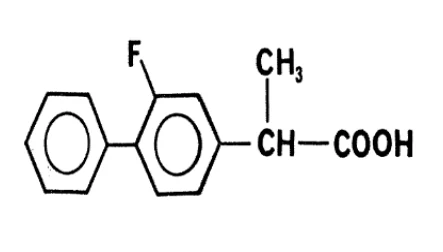
Chemical name: 2-(2-fluoro-4-biphenylyl) propionic acid.
Molecular formula and molecular mass: C15H13FO2 and 244.25 g/mol
Structural formula:
Physicochemical properties: Flurbiprofen is a white or almost white crystalline powder with a melting point of 114 to 117°C. It is practically insoluble in water; soluble in 3 parts of ethanol (96%), in 4 parts of chloroform and in 4.5 parts of ether. It dissolves in aqueous solutions of alkali hydroxides and carbonates.
14 CLINICAL TRIALS
14.3 Comparative Bioavailability Studies
A bioavailability study was performed using normal human volunteers. The rate and extent of absorption after a single oral dose of 100 mg flurbiprofen in the form of Flurbiprofen 100 mg and Ansaid 100 mg was measured and compared. The results can be summarized as follows:
| Ansaid | Flurbiprofen | Percentage of Ansaid | |
| AUCT* (mcg.hrs/ml) | 72.85 (20) | 73.90 (17) | +1.4 |
| AUCI* (mcg.hrs/ml) | 75.50 (21) | 76.62 (19) | +1.4 |
| Cmax* (mcg/ml) | 14.05 (25) | 14.95 (13) | +6.4 |
| Tmax** (hrs) | 1.49 (0.85) | 1.35 (0.89) | - |
| t1/2** (hrs) | 5.37 (0.77) | 5.48 (0.79) | - |
* Geometric means (CV)
** Arithmetic means (SD)
15 MICROBIOLOGY
No microbiological information is required for this drug product.
16 NON-CLINICAL TOXICOLOGY
General Toxicology:
- Acute Toxicity:
The LD50 values for single dose flurbiprofen administration are summarized below:
| Species | Route | LD50 (mg/kg) |
| Mouse | Oral | 750 |
| Mouse | Intraperitoneal | 200 |
| Rat | Oral | 160 |
| Rat | Intraperitoneal | 400 |
In mice, primary signs of toxicity were prostration, ataxia, loss of righting reflex, laboured respiration, twitches, convulsions, CNS depression, and splayed hind limbs.
In rats, primary signs of toxicity were tremors, convulsions, labored respiration, and prostration. Signs of toxicity were observed mostly in the intraperitoneal studies.
A series of single dose studies were conducted in mice (given 8-500 mg/kg) and rats (given 50-320 mg/kg), to study the incidence of renal papillary necrosis (RPN) produced by flurbiprofen. The overall incidence in mice was 7.9%, and in the rat 8.2%. RPN was observed at doses ranging from 12.5 to 320 mg/kg in the mouse and at 125 to 320 mg/kg in the rat.
- Subacute and Chronic Toxicity:
Flurbiprofen given orally to cats at 0.25, 1.0 and 4.0 mg/kg/day for 30 days produced gastrointestinal ulceration at all dosage levels. In dogs flurbiprofen given orally at 0.04, 0.2 and 1.0 mg/kg/day for 30 days produced evidence of gastrointestinal damage (ulceration, erosions, scars) in all animals at all doses. Severe gastrointestinal damage and enlargement of the spleen were noted at the 1.0 mg/kg/day dose.
In rodents, dose levels of 1, 5 and 25 mg/kg/day were administered orally to mice (3 months) and rats (6 months). All female mice died from intestinal ulceration and peritonitis at the high dose level between 4 and 49 doses. Two of ten males on the same dosage died after 5 and 66 doses respectively. One had hemorrhage in the lower ileum suggesting that cause of death may have been gastrointestinal hemorrhage. Hemoglobin concentration was markedly reduced in males given 25 mg/kg/day and slightly reduced in those given 5 mg/kg/day. In the rats, ulcerative gastrointestinal lesions were noted at the 25 mg/kg/day dose level in 11 out of 12 female animals. Edema of the renal papillae was seen at the 25 mg/kg/day dose level in 8 out of 12 female animals.
Monkeys were administered flurbiprofen 3, 10 and 30 mg/kg/day for 22 months, and no drug related effects were observed at all dose levels.
Other monkey studies at much higher doses (50, 75, 100 and 150 mg/kg/day) showed flurbiprofen to be poorly tolerated at these dose levels.
Gastrointestinal damage was observed at dosages greater than 75 mg/kg/day. Renal papillary necrosis was observed in one monkey dosed at 100 mg/kg/day and one monkey dosed at 50 mg/kg/day.
Flurbiprofen was administered orally to baboons at 1, 5 and 25 mg/kg/day for one month. Toxic effects in the 25 mg/kg/day group manifested as small weight loss and presence of occult blood in the feces.
In another study, flurbiprofen was given orally to baboons at 1, 5 and 25 mg/kg/day for six months. Gastric ulceration was reported in all baboons at the high and middle dose levels.
Carcinogenicity:
In a two-year oral carcinogenicity study in the rat, flurbiprofen was given 0.5, 2.0 and 4.0 mg/kg/day. Results of this study did not suggest a carcinogenic potential. However, three non-neoplastic, dose-related toxic effects were observed i.e., renal papillary necrosis, ulcerative gastritis (females only) and cholangiofibrosis. These effects occurred in the middle and high dose groups.
Other carcinogenicity studies have been conducted in mice at dose levels of 2, 5 and 12 mg/kg/day for 80 weeks, and in rats at levels of 2, 5 and 12 mg/kg/day (reduced to 5 mg/kg/day in 32nd week of study) for two years. The high dose level was reduced from 12 to 5 mg/kg/day, due to signs of gastrointestinal lesions. Results of these studies did not suggest carcinogenic potential.
Genotoxicity:
The micronucleus test was done in rats using a total dose of 0, 50, 100 and 200 mg/kg i.p. of U-27, 182 (administered in two equal dose at 24 hr intervals). Results showed no increase in chromosomal damage.
In cytogenetic experiments using sister chromatid exchange rates in human lymphocytes in vivo to determine possible damage to genetic material, therapeutic application of flurbiprofen for 2 weeks did not produce any genetic effects.
The possible mutagenic effects of flurbiprofen were investigated using the Salmonella mutagenicity (Ames) test. Results of this test do not suggest any potential for mutagenesis.
Reproductive and Developmental Toxicology:
Reproduction studies in rats at levels of 0.5, 1.0 and 3.0 mg/kg/day showed no evidence of an adverse effect on mating, fertility or gestation. However, parturition was affected as evidenced by the occurrence of prolonged labour, delivery of stillborn fetuses and presence of retained fetuses at necropsy mainly at the 1.0 and 3.0 mg/kg/day levels. Similar results were obtained when 0.2 to 25 mg/kg/day was administered to rats from day 1 of pregnancy to parturition. In perinatal and postnatal studies in rats, administration, of 0 2 mg/kg/day from day 1 of gestation and throughout lactation was well tolerated and did not impair lactation or suckling. However, when doses of 0.4 to 10 mg/kg/day were administered from day 16 of gestation to parturition, the development of parturition was affected in a dose-related fashion, producing fetal distress which bears a close relation to the increase in the time taken for parturition and for the gestation period as a whole.
Teratology studies have been conducted in mice (up to 12 mg/kg/day), rats (up to 25 mg/kg/day) and rabbits (up to 7.5 mg/kg/day) and flurbiprofen was not teratogenic in these studies.
Special Toxicology: Information is not available.
Juvenile Toxicity: Information is not available.