


Product Monograph - Fraxiparine Forte
RECENT MAJOR LABEL CHANGES
| 1 Indications | (Removed) 06/2016 |
| 1 Indications, 1.2 Geriatrics | (Removed) 06/2016 |
| 4 Dosage and Administration, 4.2 Recommended Dose and Dosage Adjustment | (Removed) 09/2017 |
| Patient Medication Information | (Removed) 09/2017 |
| 11 Storage, Stability and Disposal | (Removed) 02/2018 |
| 7 Warnings and Precautions | 09/2021 |
TABLE OF CONTENTS
RECENT MAJOR LABEL CHANGES..............................................................................................2
TABLE OF CONTENTS ................................................................................................................2
PART I: HEALTH PROFESSIONAL INFORMATION .......................................................................4
1 INDICATIONS ................................................................................................................4
1.1 Pediatrics (<18 years of age): ...............................................................................4
1.2 Geriatrics (≥ 65 years of age): ...............................................................................4
2 CONTRAINDICATIONS ...................................................................................................5
4 DOSAGE AND ADMINISTRATION...................................................................................5
4.1 Dosing Considerations .........................................................................................5
4.2 Recommended Dose and Dosage Adjustment.......................................................6
4.4 Administration................................................................................................... 10
5 OVERDOSAGE ............................................................................................................. 11
6 DOSAGE FORMS, STRENGTHS, COMPOSITION AND PACKAGING ................................. 11
7 WARNINGS AND PRECAUTIONS .................................................................................. 12
7.1 Special Populations ............................................................................................ 18
7.1.1 Pregnant Women .........................................................................................18
7.1.2 Breast-feeding..............................................................................................19
7.1.3 Pediatrics .....................................................................................................19
7.1.4 Geriatrics .....................................................................................................19
8 ADVERSE REACTIONS .................................................................................................. 19
8.1 Adverse Reaction Overview................................................................................ 19
8.2 Clinical Trial Adverse Reactions .......................................................................... 20
8.5 Post-Market Adverse Reactions.......................................................................... 22
9 DRUG INTERACTIONS.................................................................................................. 23
9.4 Drug-Drug Interactions ...................................................................................... 23
9.5 Drug-Food Interactions ...................................................................................... 23
9.6 Drug-Herb Interactions ...................................................................................... 23
9.7 Drug-Laboratory Test Interactions ...................................................................... 23
10 CLINICAL PHARMACOLOGY ......................................................................................... 23
10.1 Mechanism of Action.................................................................................... 23
10.2 Pharmacodynamics ...................................................................................... 24
10.3 Pharmacokinetics ......................................................................................... 27
11 STORAGE, STABILITY AND DISPOSAL ........................................................................... 29
12 SPECIAL HANDLING INSTRUCTIONS............................................................................. 29
PART II: SCIENTIFIC INFORMATION ........................................................................................ 30
13 PHARMACEUTICAL INFORMATION.............................................................................. 30
14 CLINICAL TRIALS.......................................................................................................... 31
14.1 Trial Design and Study Demographics ........................................................... 31
15 MICROBIOLOGY .......................................................................................................... 39
16 NON-CLINICAL TOXICOLOGY ....................................................................................... 39
PATIENT MEDICATION INFORMATION ................................................................................... 41
PART I: HEALTH PROFESSIONAL INFORMATION
1 INDICATIONS
FRAXIPARINE® (nadroparin calcium)
The prophylaxis of thromboembolic disorders, such as:
- those associated with general surgery and in orthopedic surgery (particularly deep vein thrombosis and pulmonary embolism)
- those in high-risk medical patients (respiratory failure and/or respiratory infection and/or cardiac failure), immobilised due to acute illness or hospitalised in an intensive care unit
- Treatment of deep vein thrombosis.
- Prevention of clotting during hemodialysis.
- Treatment of unstable angina and non-Q wave myocardial infarction.
FRAXIPARINE® FORTE (nadroparin calcium)
- Treatment of deep vein thrombosis.
FRAXIPARINE® CANNOT BE USED INTERCHANGEABLY (UNIT FOR UNIT) WITH UNFRACTIONATED HEPARIN OR OTHER LOW MOLECULAR WEIGHT HEPARINS (LMWHs) AS THEY DIFFER IN THEIR MANUFACTURING PROCESS, MOLECULAR WEIGHT DISTRIBUTION, ANTI-XA AND ANTI-IIA ACTIVITIES, UNITS AND DOSAGES. SPECIAL ATTENTION AND COMPLIANCE WITH INSTRUCTIONS FOR USE OF EACH SPECIFIC PRODUCT IS REQUIRED DURING ANY CHANGE IN TREATMENT.
Where information in this Product Monograph pertains to nadroparin at either strength (i.e. FRAXIPARINE® and FRAXIPARINE® Forte), FRAXIPARINE® is used generally to refer to both products. Where information differs by strength/dose, it is described specifically.
1.1 Pediatrics (<18 years of age):
Pediatrics (< 18 years of age): The safety and effectiveness of FRAXIPARINE® in children have not been established
1.2 Geriatrics (≥ 65 years of age):
Geriatrics (> 65 years of age): Elderly patients receiving low molecular weight heparins are at increased risk of bleeding. Careful attention to dosing and concomitant medications, especially antiplatelet preparations, is advised. Renal function assessment before dosing, and close monitoring of elderly patients with low body weight (i.e. < 45 kg) and those predisposed to decreased renal function is recommended.
Elderly high-risk medical patients (respiratory failure and/or respiratory infection and/or cardiac failure), immobilised due to acute illness or hospitalised in an intensive care unit, a dose reduction to 0.3 mL (2,850 Anti-Xa IU) may be appropriate (See DOSAGE AND ADMINISTRATION, Recommended Dose and Dosage Adjustment).
2 CONTRAINDICATIONS
the formulation, including any non-medicinal ingredient, or component of the container. For a complete listing, see the Dosage Forms, Strengths, Composition and Packaging.
- Hypersensitivity to FRAXIPARINE® (nadroparin calcium) injection, or any of its constituents, or to other low molecular weight heparins and/or heparin.
- History of confirmed or suspected immunologically-mediated heparin-induced thrombocytopenia (delayed-onset severe thrombocytopenia), or in patients in whom an in vitro platelet-aggregation test in the presence of nadroparin is positive.
- Acute infective endocarditis.
- Active bleeding or increased risk of hemorrhage, in relation to hemostasis disorders.
- Major blood clotting disorders.
- Generalized hemorrhagic tendency or other conditions involving increased risk of bleeding.
- Organic lesions likely to bleed (such as active gastric or duodenal ulcers).
- Hemorrhagic cerebrovascular event.
- Severe uncontrolled hypertension.
- Diabetic or hemorrhagic retinopathy.
- Injuries to and operations on the central nervous system, eyes and ears.
- Spinal/epidural anesthesia is contraindicated where repeated high doses of FRAXIPARINE® (171 IU/kg once daily or 86 IU/kg twice daily) are required, due to an increased risk of bleeding.
- Severe renal insufficiency (creatinine clearance less than 30 mL/min in patients receiving treatment for thromboembolic disorders, unstable angina and non-Q wave myocardial infarction).
4 DOSAGE AND ADMINISTRATION
4.1 Dosing Considerations
Use in Renal Insufficiency: The risk of hemorrhage increases with renal failure. The benefit and risk should be carefully assessed before the administration of FRAXIPARINE® to patients with renal insufficiency.
The administration of LMWHs to patients with renal insufficiency has been shown to result in prolongation of anti-Xa activity, especially in those with severe renal insufficiency (creatinine clearance < 30 mL/min), leading to increased risk of bleeding (See ACTION AND CLINICAL PHARMACOLOGY, Renal Insufficiency).
All patients with renal insufficiency treated with LMWHs must be continuously monitored. The dose must be individualized and adjusted (See
Table 1,
Table 2, Table 3 and Table 4 for recommended doses as a function of body weight). Circulating anti-factor Xa activity must be closely monitored to adjust the dose administered.
Prophylaxis of thromboembolic disorders: Dose reduction is not required in patients with mild renal insufficiency (creatinine clearance greater than or equal to 50 mL/min).
Moderate and severe renal impairment is associated with increased exposure to nadroparin. These patients are at increased risk of thromboembolism and hemorrhage.
If a dose reduction is considered appropriate by the prescribing physician, taking into account the individual risk factors for hemorrhage and thromboembolism in patients with moderate renal impairment (creatinine clearance greater than or equal to 30 mL/min and less than 50 mL/min) the dose should be reduced by 25 to 33% (See WARNINGS AND PRECAUTIONS and ACTION AND CLINICAL PHARMACOLOGY, Pharmacokinetics).
The dose should be reduced by 25 to 33% in patients with severe renal impairment (creatinine clearance less than 30 mL/min) (See WARNINGS AND PRECAUTIONS and ACTION AND CLINICAL PHARMACOLOGY, Pharmacokinetics).
Treatment of thromboembolic disorders, unstable angina and non-Q wave myocardial infarction:
Dose reduction is not required in patients with mild renal impairment (creatinine clearance greater than or equal to 50 mL/min).
Moderate and severe renal impairment is associated with increased exposure to nadroparin. These patients are at increased risk of thromboembolism and hemorrhage.
If a dose reduction is considered appropriate by the prescribing physician, taking into account the individual risk factors for hemorrhage and thromboembolism in patients with moderate renal impairment (creatinine clearance greater than or equal to 30 mL/min and less than 50 mL/min) the dose should be reduced by 25 to 33% (See WARNINGS AND PRECAUTIONS and ACTIONS AND CLINICAL PHARMACOLOGY, Pharmacokinetics).
FRAXIPARINE® is contraindicated in patients with severe renal insufficiency (See CONTRAINDICATIONS, WARNINGS AND PRECAUTIONS, and ACTIONS AND CLINICAL PHARMACOLOGY, Pharmacokinetics).
Hepatic Insufficiency: There have been no studies conducted in patients with hepatic insufficiency.
4.2 Recommended Dose and Dosage Adjustment
Thromboprophylaxis in general surgery
(FRAXIPARINE® (nadroparin calcium) 9,500 anti-Xa IU/mL)
Single daily s.c. injections of 2,850 anti-Xa IU (0.3 mL):
The first dose should be given 2 to 4 hours before surgery and then once daily on subsequent days. Treatment should continue for at least 7 days. In all cases, prophylaxis should continue throughout the risk period and at least until the patient is actively ambulant or is no longer at risk of deep vein thrombosis.
Thromboprophylaxis in orthopedic surgery (e.g. hip replacement surgery)
(FRAXIPARINE® (nadroparin calcium) 9,500 anti-Xa IU/mL)
Single daily s.c. doses should be adjusted according to the patient’s body weight, as follows:
- 38 anti-Xa IU/kg administered 12 hours before surgery (if in the opinion of the physician the potential benefits outweigh the potential risks),
- 38 anti-Xa IU/kg administered 12 hours after the end of surgery,
- 38 anti-Xa IU/kg re-administered on a daily basis, up to and including post-operative Day 3,
- 57 anti-Xa IU/kg administered as of post-operative Day 4.
Treatment should continue for at least 10 days and should continue in all cases throughout the risk period and at least until the patient is actively ambulant.
As an example, the following dosages as a function of patient body weight are recommended:
Table 1
| Body weight | FRAXIPARINE® (9,500 anti-Xa IU/mL) Dosing | |||||
| Volume (ml) 12 hours before and after surgery, and then once daily to post-operative Day 3. | Volume (mL) as of Day 4 | |||||
| < 50 kg | 0.2 mL | 0.3 mL | ||||
| 50-69 kg | 0.3 mL | 0.4 mL | ||||
| ≥ 70 kg | 0.4 mL | 0.6 mL | ||||
Thromboprophylaxis in high-risk medical patients (respiratory failure and/or respiratory infection and/or cardiac failure)
(FRAXIPARINE® (nadroparin calcium) 9,500 anti-Xa IU/mL)
Information on the dose and duration of use of FRAXIPARINE® in the prophylaxis of thromboembolic events in high-risk medical patients is limited. Based on data from a systematic review10, the dose should be adjusted for body weight according to the table below and treatment should be continued throughout the risk period of thromboembolism. In elderly patients, dose reduction to 0.3 mL (2,850 Anti-Xa IU) may be appropriate.
Table 2
| Body weight (kg) | Once daily | |||||
| Volume injected (mL) | Anti-Xa IU | |||||
| ≤70 | 0.4 | 3,800 | ||||
| >70 | 0.6 | 5,700 | ||||
Treatment of deep vein thrombosis (FRAXIPARINE® FORTE (nadroparin calcium) 19,000 anti-Xa IU/mL) or (FRAXIPARINE® (nadroparin calcium) 9,500 anti-Xa IU/mL)
The following dosage is recommended:
171 anti-Xa IU/kg s.c. once daily. The expected plasma anti-Xa levels during s.c. treatment would be <0.2 anti-Xa IU/mL before injection and 1.2 to 1.8 anti-Xa IU/mL 3-4 hours post-injection. Monitoring of the activity of nadroparin is performed by a functional assay for anti-Xa 3-4 hours post-injection. The maximum daily dose should not exceed 17,100 IU.
As an example, the following dosages as a function of patient body weight are recommended:
Table 3
| Body weight | FRAXIPARINE® FORTE (19,000 anti-Xa IU/mL), volume per injection, once daily for a usual duration of 10 days |
| 40-49 kg | 0.4 mL |
| 50-59 kg | 0.5 mL |
| 60-69 kg | 0.6 mL |
| 70-79 kg | 0.7 mL |
| 80-89 kg | 0.8 mL |
| ≥90 kg | 0.9 mL |
For patients at increased risk of bleeding, a dose of 86 anti-Xa IU/kg s.c. twice daily is recommended. The expected plasma anti-Xa levels during s.c. treatment would be 0.2-0.4 anti-Xa IU/mL before injection and 0.5 to 1.1 anti-Xa IU/mL 3-4 hours post-injection. Monitoring of the activity of nadroparin is performed by a functional assay for anti-Xa 3-4 hours post-injection.
As an example, the following dosages as a function of patient body weight are recommended:
Table 4
| Body weight | FRAXIPARINE® (9,500 anti-Xa IU/mL), volume per injection, twice daily for a usual duration of 10 days |
| 40-49 kg | 0.4 mL |
| 50-59 kg | 0.5 mL |
| 60-69 kg | 0.6 mL |
| 70-79 kg | 0.7 mL |
| 80-89 kg | 0.8 mL |
| ≥90 kg | 0.9 mL |
Concomitant therapy with oral anticoagulants (including vitamin K antagonists) should be started immediately unless contraindicated. FRAXIPARINE® therapy should continue until the INR ratio is within the therapeutic range, usually a duration of 10 days.
Treatment of unstable angina and non-Q wave myocardial infarction
(FRAXIPARINE® (nadroparin calcium) 9,500 anti-Xa IU/mL)
FRAXIPARINE® should be given subcutaneously twice daily (every 12 hours) in combination with ASA up to 325 mg per day. The initial dose should be given as an intravenous bolus of 86 anti-Xa IU/kg followed by subcutaneous injections of 86 anti-Xa IU/kg. The expected plasma anti-Xa levels during subcutaneous treatment would be < 0.4 anti-Xa IU/mL before injection and < 1.2 anti-Xa IU/mL 3-4 hours after injection. The usual treatment duration is 6 days with a dose adjusted to body weight as shown below:
Table 5: Treatment of unstable angina and non-Q wave myocardial infarction
Body weight (kg) | FRAXIPARINE® (9, 500 anti-Xa IU/mL), volume of | |||||
| Initial IV bolus | SC injections (every 12 hours) | |||||
< 50 50-59 60-69 70-79 80-89 90-99 ≥ 100 | 0.4 mL 0.5 mL 0.6 mL 0.7 mL 0.8 mL 0.9 mL 1.0 mL | 0.4 mL 0.5 mL 0.6 mL 0.7 mL 0.8 mL 0.9 mL 1.0 mL | ||||
Prevention of clotting during hemodialysis
(FRAXIPARINE® (nadroparin calcium) 9,500 anti-Xa IU/mL)
Only patients with chronic renal failure, without other risk factors for hemorrhage, participated in the clinical trial, and the following dosage recommendations are for that patient population:
- Optimization of dosage is required for each individual patient (different clotting stimuli are produced by different dialysis circuits and membranes, and there is inter-patient variability).
- In patients with no risk of hemorrhage: single dose of approximately 65 anti-Xa IU/kg into the arterial line at the start of each session, for a session lasting 4 hours or less. This dose normally produces plasma anti-Xa levels in the range 0.5-1.0 anti-Xa IU/mL.
- An additional dose may be given during sessions lasting longer than 4 hours.
- Doses in subsequent dialysis sessions should be adjusted as required.
As an example, the following dosages as a function of patient body weight are recommended:
Table 6
| Body weight | FRAXIPARINE® (9,500 anti-Xa IU/mL), volume injected into the arterial line at the start of dialysis |
| < 50 kg | 0.3 mL |
| 50-69 kg | 0.4 mL |
| ≥ 70 kg | 0.6 mL |
In patients at higher risk of hemorrhage: dialysis sessions may be carried out using halved doses. An additional smaller dose may be given during dialysis for sessions lasting longer than 4 hours. The dose in subsequent dialysis sessions should be adjusted as necessary to achieve plasma levels within the range of 0.2 - 0.4 anti-Xa IU/mL.
Patients should be carefully monitored throughout each dialysis session for signs of bleeding or clotting in the dialysis session.
Pediatrics (< 18 years of age): The safety and effectiveness of FRAXIPARINE® in children have not been established.
4.4 Administration
subcutaneous injection into the anterolateral abdominal wall, with subsequent doses to be administered alternately, on the right and left sides of the abdominal wall. The thigh may be used as an alternative site. To avoid loss of the solution when using pre-filled syringes, the air bubble should be not expelled from the syringe before injection. The needle should be fully inserted perpendicularly into a pinched-up fold of skin, which should be held gently but firmly until injection has been completed. The injection site should not be rubbed.
FRAXIPARINE® and FRAXIPARINE® FORTE injection should be visually inspected for any particulate matter and discoloration before use. If any visual change is noted, the solution must be discarded.
Care should be taken to ensure use of the correct formulation, either FRAXIPARINE® (9,500 anti-Xa IU/mL) or FRAXIPARINE® FORTE (19,000 anti-Xa IU/mL), when using these products.
Given the high degree of bioavailability of nadroparin calcium by the subcutaneous route (approximately 98%), the use of the intravascular route is not necessary except for hemodialysis. FRAXIPARINE® and FRAXIPARINE® FORTE must not be administered intramuscularly (See WARNINGS AND PRECAUTIONS).
Specific recommendations regarding the timing of nadroparin dosing surrounding spinal/epidural anaesthesia or spinal lumbar puncture should be followed (See WARNINGS AND PRECAUTIONS and DOSING AND ADMINISTRATION - Thromboprophylaxis in general and orthopedic surgery, and Treatment of deep vein thrombosis).
5 OVERDOSAGE
Accidental overdosage following administration of FRAXIPARINE® (nadroparin calcium) may lead to hemorrhagic complications. FRAXIPARINE® should be immediately discontinued, at least temporarily, in cases of significant excess dosage. Minor bleeding rarely requires specific therapy, and reducing or delaying subsequent doses of nadroparin is usually sufficient.
The use of protamine sulphate should be considered only in serious cases. Slow intravenous injection of protamine sulphate largely neutralises the anticoagulant effect of nadroparin but some anti-Xa activity will remain.
The amount of protamine to be injected, should take into account time elapsed from the injection of heparin, and a dose reduction of protamine may be appropriate. The dose of protamine should be equal to the dose of FRAXIPARINE® used, on a mg to mg basis. A second infusion of 0.5 mg protamine per 1 mg FRAXIPARINE® may be administered if the APTT measured 2 to 4 hours after the first infusion remains prolonged. The platelet count and other coagulation parameters should be measured.
Particular care should be taken to avoid overdosage with protamine sulphate. Administration of protamine sulphate can cause severe hypotensive and anaphylactoid reactions. Because fatal reactions, often resembling anaphylaxis, have been reported with protamine sulphate, it should be given only when resuscitation equipment and treatment of anaphylactic shock are readily available.
6 DOSAGE FORMS, STRENGTHS, COMPOSITION AND PACKAGING
Table – Dosage Forms, Strengths, Composition and Packaging
FRAXIPARINE® (nadroparin calcium, 9,500 anti-Xa IU/mL) is available in single dose, disposable prefilled glass syringes of:
| For management of a suspected drug overdose, contact your regional poison control centre. |
| Route of Administration | Dosage Form / Strength/Composition | Non-medicinal Ingredients |
| Intravenous, Subcutaneous | Solution, 1,900 anti-Xa IU, 0.2 mL (ungraduated syringe)*, Yellow | Hydrochloric acid and/or Calcium hydroxide for pH adjustment, water for |
| Solution, 2,850 anti-Xa IU, 0.3 mL (ungraduated syringe), Green | ||
*0.2 mL syringe not available in Canada
FRAXIPARINE® FORTE (nadroparin calcium, 19,000 anti-Xa IU/mL) is available in single dose, disposable prefilled glass syringes of:
| Route of Administration | Dosage Form/Strength/ Composition | Non-medicinal ingredients |
| Intravenous, Subcutaneous | Solution, 11,400 anti-Xa IU, 0.6 mL (graduated syringe), Process Blue | Hydrochloric acid and/or Calcium hydroxide for pH adjustment, water for injection |
| Solution, 15,200 anti-Xa IU, 0.8 mL (graduated syringe), Magenta | ||
| Solution, 19,000 anti-Xa IU, 1.0 mL (graduated syringe), Reflex Blue | ||
FRAXIPARINE® 0.2 mL*, 0.3 mL and 0.4 mL syringes are intended for administration of fixed dosages; FRAXIPARINE® and FRAXIPARINE® FORTE 0.6 mL, 0.8 mL and 1.0 mL syringes are graduated so that adjusted dosages can be given.
Cartons contain 10 prefilled glass syringes.
7 WARNINGS AND PRECAUTIONS
General
FRAXIPARINE® (nadroparin calcium) must NEVER be administered by the intramuscular route.
FRAXIPARINE® CANNOT BE USED INTERCHANGEABLY (UNIT FOR UNIT) WITH UNFRACTIONATED HEPARIN OR OTHER LOW MOLECULAR WEIGHT HEPARINS (LMWHs) AS THEY DIFFER IN THEIR MANUFACTURING PROCESS, MOLECULAR WEIGHT DISTRIBUTION, ANTI-XA AND ANTI-IIA ACTIVITIES, UNITS AND DOSAGES. SPECIAL ATTENTION AND COMPLIANCE WITH INSTRUCTIONS FOR USE OF EACH SPECIFIC PRODUCT IS REQUIRED DURING ANY CHANGE IN TREATMENT.
Cross-reactivity
Cross-reactivity between heparins and LMWH is well documented. Delayed hypersensitivity reactions have been reported in patients presenting cross-reactivity between unfractionated heparins and LMWH.
Before initiating therapy with LMWH, careful assessment should be made concerning previous hypersensitivity reactions to unfractionated heparin.
| injection | Solution, 3,800 anti-Xa IU, 0.4 mL (ungraduated syringe), Orange |
| Solution, 5,700 anti-Xa IU, 0.6 mL (graduated syringe), Brown | |
Determination of anti-factor Xa levels in plasma is the only method available for monitoring nadroparin activity. Routine clotting assays are unsuitable for monitoring the anticoagulant activity, because APTT prolongation is generally observed only at very high plasma anti-Xa levels.
Measurement of peak anti-Xa levels at about 4 hours post-dose should be considered in patients at higher risk of bleeding and receiving FRAXIPARINE®, such as the elderly, patients with renal insufficiency or the extremes of body weight, during pregnancy, or for children. At treatment doses, peak anti-Xa levels should generally be maintained at no more than 1.5 IU/mL in these patients (See ACTION AND CLINICAL PHARMACOLOGY, and WARNINGS AND PRECAUTIONS, Monitoring and Laboratory Tests).
Latex Allergy
The needle shield of the pre-filled syringe may contain dry natural latex rubber that has the potential to cause allergic reactions in latex sensitive individuals.
Carcinogenesis and Mutagenesis
See TOXICOLOGY.
Cardiovascular
Use in Unstable Coronary Artery Disease
When thrombolytic treatment is considered appropriate in patients with unstable angina and non-Q wave myocardial infarction, concomitant use of an anticoagulant such as FRAXIPARINE® may increase the risk of bleeding.
Use in Patients with Prosthetic Heart Valves
Cases of prosthetic valve thrombosis have been reported in patients who have received low molecular weight heparins for thromboprophylaxis. Some of these patients were pregnant women in whom thrombosis led to maternal and/or fetal deaths. Pregnant women are at higher risk of thromboembolism (See WARNINGS AND PRECAUTIONS, Pregnant Women).
Driving and Operating Machinery
Due caution should be exercised when driving or operating a vehicle or potentially dangerous machinery.
Endocrine and Metabolism
Dosing in Patients with Extreme Body Weight
Safety and efficacy of low molecular weight heparins in high weight (i.e. > 120 kg) and low weight (i.e. < 45 kg) patients has not been fully determined. Individualized clinical and laboratory monitoring is recommended in these patients.
Gastrointestinal
FRAXIPARINE® should be used with caution in patients with a history of gastrointestinal ulceration.
Hematologic
Hemorrhage
Bleeding may occur in conjunction with unfractionated heparin or low molecular weight heparin use. As with other anticoagulants, FRAXIPARINE® should be used with extreme caution in patients at increased risk of hemorrhage. Bleeding can occur at any site during therapy with FRAXIPARINE®. An unexpected drop in hematocrit or blood pressure should lead to a search for a bleeding site (See ADVERSE REACTIONS, Bleeding).
In the prophylaxis or treatment of venous thromboembolic disorders and in the prevention of clotting during hemodialysis, the concomitant use of aspirin, other salicylates, NSAIDs, and antiplatelet agents is not recommended, as they may increase the risk of bleeding. Where such combinations cannot be avoided, careful clinical and biological monitoring should be undertaken.
In clinical studies for the treatment of unstable angina and non-Q wave myocardial infarction, FRAXIPARINE® was administered in combination with up to 325 mg aspirin per day (See DOSAGE AND ADMINISTRATION).
Thrombocytopenia, Heparin-induced Thrombocytopenia (HIT) and Heparin-induced Thrombocytopenia with Thrombosis (HIT/Thrombosis)
Rare cases of thrombocytopenia, occasionally severe, have been reported, which may be associated with arterial or venous thrombosis. Such diagnosis should be considered in the following situations:
- Thrombocytopenia
- any significant reduction in platelet level (30-50% compared with baseline value)
- worsening of the initial thrombosis while on therapy
- thrombosis occurring on treatment
- disseminated intra-vascular coagulation.
In this event, FRAXIPARINE® treatment must be discontinued.
These effects are probably of an immuno-allergic nature and in the case of a first treatment are reported mainly between the 5th and the 21st day of therapy, but may occur much earlier if there is a history of heparin-induced thrombocytopenia.
Thrombocytopenia of any degree should be monitored closely. Heparin-induced thrombocytopenia can occur with the administration of FRAXIPARINE®. Its incidence is unknown at present.
When thrombocytopenia occurs with heparin (either standard or low molecular weight heparin), substitution with a different antithrombotic class should be considered. Cases of initial thrombocytopenia continuing after substitution of nadroparin with a different anti-thrombotic class have been reported.
In vitro platelet aggregation tests are only of limited value in the diagnosis of heparin-induced thrombocytopenia.
Platelets
Because of the possibility of heparin-induced thrombocytopenia, platelet counts should be determined prior to the commencement of therapy with FRAXIPARINE® and subsequently, twice weekly for the duration of therapy.
Caution is recommended when administering FRAXIPARINE® to patients with congenital or drug-induced thrombocytopenia, or platelet defects.
During FRAXIPARINE® administration, special caution is necessary in rapidly developing thrombocytopenia and severe thrombocytopenia (<100,000/μL). A positive or indeterminate result obtained from in vitro tests for antiplatelet antibody in the presence of FRAXIPARINE® or other low molecular weight heparins and/or heparin would contraindicate FRAXIPARINE®.
Hepatic/Biliary/Pancreatic
FRAXIPARINE® should be used with caution in patients with hepatic insufficiency.
There have been no studies conducted in patients with hepatic insufficiency.
Hyperkalemia
Heparin can suppress adrenal secretion of aldosterone leading to hyperkalemia, particularly in patients with raised plasma potassium, or at risk of increased plasma potassium levels, such as patients with diabetes mellitus, chronic renal failure, pre-existing metabolic acidosis or those taking drugs that may cause hyperkalemia (e.g. angiotensin-converting [ACE] inhibitors, Nonsteroidal anti-inflammatory drugs [NSAIDs]).
The risk of hyperkalemia appears to increase with duration of therapy but is usually reversible. Plasma potassium should be monitored in patients at risk.
Monitoring and Laboratory Tests
Since FRAXIPARINE® use may be associated with a rise in hepatic transaminases, this observation should be considered when liver function tests are assessed (See ADVERSE REACTIONS, Hepatic/Biliary).
Nadroparin has only a moderate prolonging effect on clotting time assays such as APTT or thrombin time. For lab monitoring of effect, anti-Xa methods are recommended. Clinically meaningful prolongation of APTT during hemodialysis or treatment of acute deep vein thrombophlebitis with FRAXIPARINE® should only be used as an indication of overdosage. Dose increases aimed at prolonging APTT to the same extent as with unfractionated heparin could cause overdose and bleeding.
FRAXIPARINE® is administered subcutaneously, and therefore, the individual patient’s anti-factor Xa activity level will not remain within the range that would be expected with unfractionated heparin by continuous intravenous infusion throughout the entire dosing interval. The peak plasma anti-factor Xa level occurs approximately 4 hours after subcutaneous administration. The peak level following a dose of 171 anti-Xa IU/kg is 1.2 to 1.8 IU/mL and following a dose of 86 anti-Xa IU/kg is 0.5 to 1.1 IU/mL. The steady state level is attained by Day 6. FRAXIPARINE® should be administered as directed (See DOSAGE AND ADMINISTRATION).
As with all antithrombotic agents, there is a risk of systemic bleeding with FRAXIPARINE® administration. Care should be taken with FRAXIPARINE® use in high dose treatment of newly operated patients.
After treatment is initiated patients should be carefully monitored for bleeding complications. This may be done by regular physical examination of the patients, close observation of the surgical drain and periodic measurements of hemoglobin, and anti-factor Xa determinations.
With normal prophylactic doses, FRAXIPARINE® does not modify global clotting tests of activated partial thromboplastin (APTT), prothrombin time (PT) and thrombin clotting time (TT). Therefore, treatment can not be monitored with these tests.
At higher doses, increases in APTT and ACT may occur. Increases in APTT and ACT are not linearly correlated with increasing nadroparin antithrombotic activity and therefore are unsuitable and unreliable for monitoring FRAXIPARINE® activity.
Peri-Operative Considerations
Spinal/Epidural Hematomas/ Spinal Lumbar Puncture and Concomitant Drugs
There have been cases of intra-spinal hematomas with the concurrent use of low molecular weight heparins and spinal/epidural anaesthesia or spinal puncture procedures resulting in long-term or permanent paralysis. The risk of these events may be higher with the use of post-operative indwelling epidural catheters or by the concomitant use of drugs affecting hemostasis: nonsteroidal anti-inflammatory drugs (NSAIDs), platelet inhibitors, or other drugs affecting coagulation including glycoprotein IIb/IIIa antagonists. The risk also appears to be increased by traumatic or repeated epidural or spinal procedures or a history of spinal deformity. FRAXIPARINE® should only be used concurrently with spinal/epidural anaesthesia when the therapeutic benefits to the patients outweigh the possible risks (also see CONTRAINDICATIONS). The concomitant prescription of a neuraxial blockade and of an anticoagulant therapy should be decided after careful individual benefit/risk assessment in the following situations:
- in patients already treated with anticoagulants, the benefits of a neuraxial blockade must be carefully balanced against the risks.
- in patients planned to undergo elective surgery with neuraxial blockade, the benefits of anticoagulant therapy must be carefully balanced against the risks.
In the case of patients with spinal lumbar puncture, spinal anaesthesia or epidural anaesthesia, a minimum of 12 hours should elapse between the FRAXIPARINE® injection at prophylactic doses or for 24 hours at treatment doses and the insertion or removal of the spinal/ epidural catheter or needle. A more specific recommendation for timing of a subsequent LMWH dose after catheter removal cannot be made. The timing of the next dose must be based on a benefit-risk assessment considering both the risk for thrombosis and the risk for bleeding in the context of the procedure and patient risk factors.
For patients with renal impairment longer intervals may be considered and additional clinical considerations are necessary, given that elimination of LMWH is more prolonged; consideration should be given to doubling the timing of removal of a catheter.
Continuous monitoring must be exercised to detect any signs and symptoms of neurological impairment such as midline back pain, sensory and motor deficits (numbness or weakness in lower limbs), bowel and/or bladder dysfunction. Patients should be instructed to inform their physician immediately if they experience any of the above signs or symptoms. If signs or symptoms of spinal hematoma are suspected, urgent diagnosis and treatment including spinal cord decompression should be initiated immediately.
Use in Knee Surgery
The risk of bleeding in knee surgery patients receiving low molecular weight heparins may be greater than in other orthopedic surgical procedures. It should be noted that hemarthrosis is a serious complication of knee surgery. The frequency of bleeding events observed with FRAXIPARINE® in orthopedic surgery patients is derived from clinical trials primarily in hip replacement surgery patients. The physician should weigh the potential risks with the potential benefits to the patient in determining whether to administer a low molecular weight heparin in this patient population.
Selection of General Surgery Patients
Risk factors associated with postoperative venous thromboembolism following general surgery include history of venous thromboembolism, varicose veins, obesity, heart failure, malignancy, previous long bone fracture of a lower limb, bed rest for more than 5 days prior to surgery, predicted duration of surgery of more than 30 minutes, age 60 years or above.
Renal
FRAXIPARINE® should be used with caution in patients with renal insufficiency.
Reduced doses should be considered in patients with moderate to severe renal insufficiency receiving FRAXIPARINE® for thromboprophylaxis, and in patients with moderate renal insufficiency receiving FRAXIPARINE® for the treatment of thromboembolic disorders, angina and non-Q wave myocardial infarction (See CONTRAINDICATIONS, ACTION AND CLINICAL PHARMACOLOGY, Renal Insufficiency, and DOSAGE AND ADMINISTRATION, Use in Patients with Renal Insufficiency).
Nadroparin is known to be mainly excreted by the kidney, which results in increased nadroparin exposure in patients with renal impairment (See ACTION AND CLINICAL PHARMACOLOGY, Pharmacokinetics – Renal Insufficiency). Patients with impaired renal function are at increased risk of bleeding and should be treated with caution.
The decision on whether a dose reduction is appropriate for patients with creatinine clearance 30 to 50 mL/min should be based on the physician’s assessment of an individual patient’s risk of bleeding versus the risk of thromboembolism (See DOSAGE AND ADMINISTRATION).
Patients with impaired renal function should be carefully monitored because half-life for anti-Xa activity after administration of low molecular weight heparin may be prolonged in this patient population (See DOSAGE AND ADMINISTRATION).
Skin (Local) Reactions at Administration Sites
Cutaneous Necrosis
Cutaneous necrosis has been reported very rarely. It is preceded by purpura or infiltrated or painful erythematous blotches, with or without general signs. In such cases, treatment should be immediately discontinued.
7.1 Special Populations
Caution should be exercised when FRAXIPARINE® is administered in the following situations as they may be associated with an increased risk of bleeding:
- hepatic failure
- renal insufficiency
- severe arterial hypertension
- history of peptic ulcer or other organic lesion likely to bleed
- vascular disorder of the chorio-retina
- during the post-operative period following surgery of the brain, spinal cord or eye
7.1.1 Pregnant Women
there is only limited clinical data concerning transplacental passage of nadroparin in pregnant women. As with other low molecular weight heparins, FRAXIPARINE® should not be used in pregnant women unless the therapeutic benefits to the patients outweigh the possible risks. There have been reports of congenital anomalies in infants born to women who received LMWHs during pregnancy, including cerebral anomalies, limb anomalies, hypospadias, peripheral vascular malformation, fibrotic dysplasia and cardiac defects. A causal relationship has not been established nor has the incidence been shown to be higher than in the general population.
Non-teratogenic Effects: There have been post-marketing reports of fetal death when pregnant women received LMWHs. Causality for these cases has not been established. Pregnant women receiving anticoagulants, including FRAXIPARINE®, are at increased risk for bleeding. Hemorrhage can occur at any site and may lead to death of mother and/or fetus. Pregnant women receiving FRAXIPARINE® should be carefully monitored.
Pregnant women and women of child-bearing potential should be informed of the potential hazard to the fetus and the mother if FRAXIPARINE® is administered during pregnancy. There are also post-marketing reports of prosthetic valve thrombosis in pregnant women with prosthetic heart valves while receiving low molecular weight heparins for thromboprophylaxis. These events led to maternal death or surgical interventions.
Pregnant women with prosthetic heart valves appear to be at exceedingly high-risk of thromboembolism. An incidence of thromboembolism approaching 30% has been reported in these patients, in some cases even with apparent adequate anticoagulation at treatment doses of low molecular weight heparins or unfractionated heparin. Any attempt to anticoagulate such patients should normally only be undertaken by medical practitioners with documented expertise and experience in this clinical area.
There are no clinical studies on the effect of nadroparin on fertility.
7.1.2 Breast-feeding
It is not known whether nadroparin is excreted in human milk. Therefore, the use of nadroparin during breast feeding is not advised.
7.1.3 Pediatrics
Pediatrics (<18 years of age): The safety and effectiveness of FRAXIPARINE® in children has not been established.
7.1.4 Geriatrics
Geriatric patients receiving low molecular weight heparins are at increased risk of bleeding. Careful attention to dosing and concomitant medications, especially antiplatelet preparations, is advised. Renal function assessment before dosing, and close monitoring of elderly patients with low body weight (i.e. < 45 kg) and those predisposed to decreased renal function is recommended (See DOSAGE AND ADMINISTRATION, Use in Renal Insufficiency).
Geriatric high-risk medical patients (respiratory failure and/or respiratory infection and/or cardiac failure), immobilised due to acute illness or hospitalised in an intensive care unit, a dose reduction to 0.3 mL (2,850 Anti-Xa IU) may be appropriate (See DOSAGE and ADMINISTRATION).
8 ADVERSE REACTIONS
8.1 Adverse Reaction Overview
Bleeding
As with any antithrombotic treatment, hemorrhagic manifestations can occur. Small injection site hematomas are a very common side effect with FRAXIPARINE® (nadroparin calcium), occurring at a frequency of less than 5% with lower (prophylaxis) doses and more than 10% with higher
(treatment) doses. In some cases, the emergence of firm nodules which do not indicate an encystment of the heparin may be noted. These nodules usually disappear after a few days. Hemorrhagic manifestations at various sites are very common, and more frequent in patients with other risk factors.
The incidence of major hemorrhagic complications during FRAXIPARINE® treatment has been low and generally did not differ from that observed with unfractionated heparin. Patients taking FRAXIPARINE® are at a risk for major bleeding complications when plasma anti-factor Xa levels approach 2.0 IU/mL. Other risk factors associated with bleeding on therapy with heparins include serious concurrent illness, chronic heavy consumption of alcohol, use of platelet inhibiting drugs, renal failure, age, and possibly, female gender. Petechiae or easy bruising may precede frank hemorrhage. Bleeding may range from minor local hematoma to major hemorrhage. The early signs of bleeding may include epistaxis, hematuria or melena. Bleeding may occur at any site and be difficult to detect, for example, retroperitoneal bleeding. Bleeding may also occur at surgical sites. Major hemorrhage, including retroperitoneal or intracranial bleeding, has been reported in association with FRAXIPARINE® use, in some cases leading to fatality.
Hepatic/Biliary
A significant but transient elevation of liver transaminases (AST and ALT) has been commonly observed with FRAXIPARINE®. This is a consistent finding with all members of the LMWHs class, as well as with unfractionated heparin. The mechanism associated with the increased levels of liver transaminases has not been elucidated. No consistent irreversible liver damage has been observed. The time for the transaminase levels to return to normal following the last dose of FRAXIPARINE® varies depending on the dose and the individual patient.
8.2 Clinical Trial Adverse Reactions
Because clinical trials are conducted under very specific conditions the adverse reaction rates observed in the clinical trials may not reflect the rates observed in practice and should not be compared to the rates in the clinical trials of another drug. Adverse drug reaction information from clinical trials is useful for identifying drug-related adverse events and for approximating rates.
The following rates of major bleeding have been reported during clinical trials with FRAXIPARINE®. Major bleeding is defined as any of the following: overt bleeding associated with a decrease in Hb of 2 g/dl or more; requiring transfusion of one or more units of packed red cells; retroperitoneal or intracranial hemorrhage; leading to permanent discontinuation; leading to hemorrhagic death.
Table 7: Prophylaxis of Thromboembolic Disorders in General Surgery
| No. of patients evaluated | No. (%) of patients with major hemorrhage | |
| FRAXIPARINE® | 1076 | 9 (0.84%) |
| Unfractionated heparin | 1006 | 9 (0.89%) |
Table 8: Prophylaxis of Thromboembolic Disorders in Orthopedic Surgery
| No. of patients evaluated | No. (%) of patients with major hemorrhage | |
| FRAXIPARINE® | 205 | 2 (0.99%) |
| Unfractionated heparin | 204 | 4 (1.96%) |
Table 9: Treatment of Deep Vein Thrombosis
| No. of patients evaluated | No. (%) of patients with major hemorrhage | |
| FRAXIPARINE® | 312 | 13 (4.17%) |
| Unfractionated heparin | 272 | 11 (4.04%) |
Table 10: Treatment of Unstable Angina & Non-Q Wave Myocardial Infarction
| No. of patients evaluated | No. (%) of patients with major hemorrhage | |
| FRAXIPARINE® | 1164 | 8 (0.7%) |
| Unfractionated heparin | 1146 | 12 (1.0%) |
Skeletal
Use of low molecular weight heparins over extended periods has been reported to be associated with development of osteopenia.
Immune System
Severe immunologically-mediated thrombocytopenia has been observed rarely with FRAXIPARINE® use, resulting in arterial and/or venous thrombosis or thromboembolism (See WARNINGS AND PRECAUTIONS, Thrombocytopenia, and Platelets).
Thrombocytopenia (including heparin-induced thrombocytopenia), thrombocytosis, skin rash, allergic reactions, and skin necrosis are rare, and occur with all LMWHs. Hypersensitivity reactions, including angioedema and anaphylactoid reactions, have been observed very rarely with unfractionated heparin and LMWHs. FRAXIPARINE® should be discontinued in patients showing local or systemic allergic responses.
Blood and Lymphatic
Very rare cases of eosinophilia have been observed, however have been reversible following treatment discontinuation.
Skin and Subcutaneous Tissue
Very commonly, a small hematoma may occur at the injection site. In some cases, the emergence of firm nodules, which do not indicate an encasement of the heparin, may be noted. These nodules usually disappear after a few days. Injection site reactions are common.
Calcinosis occurs rarely at the injection site and is more frequent in patients with abnormal calcium phosphate product, such as in some cases of chronic renal failure.
Very rarely cutaneous necrosis can occur, usually at the injection site (see WARNINGS AND PRECAUTIONS). This has been reported both with unfractionated heparin and with low molecular weight heparins. It is preceded by purpura or infiltrated or painful erythematous blotches, with or without general signs. In such cases, treatment should be immediately discontinued.
Endocrine
Reversible heparin-induced hypoaldosteronism which may be associated with hyperkalemia and/or hyponatremia, particularly in patients at risk (see WARNINGS AND PRECAUTIONS, Hyperkalemia).
Reproductive System
Very rare cases of priapism have been observed.
8.5 Post-Market Adverse Reactions
The following events have been reported during post-approval use of FRAXIPARINE®. Because these events are reported voluntarily from a population of uncertain size, it is not always possible to reliably estimate their frequency or establish a causal relationship to FRAXIPARINE®.
Skin and Subcutaneous Tissue
Rare side effects include rash, urticaria, erythema and pruritus.
Nervous System Disorders
Headache, migraine. Frequency: Not known (cannot be estimated from the available data)
9 DRUG INTERACTIONS
9.4 Drug-Drug Interactions
FRAXIPARINE® (nadroparin calcium) should be used with caution in patients receiving oral anticoagulants, systemic (gluco-) corticosteroids, dextrans, platelet inhibitors and thrombolytic agents. Aspirin, unless contraindicated, is recommended in patients treated for unstable angina and/or non-Q wave myocardial infarction as concomitant therapy (See DOSAGE AND ADMINISTRATION).
9.5 Drug-Food Interactions
Interactions with food have not been established.
9.6 Drug-Herb Interactions
Interactions with herbal products have not been established.
9.7 Drug-Laboratory Test Interactions
See WARNINGS AND PRECAUTIONS – Monitoring and Laboratory Testing.
10 CLINICAL PHARMACOLOGY
10.1 Mechanism of Action
FRAXIPARINE® (nadroparin calcium) is a low molecular weight heparin (LMWH). It is a heterogeneous mixture of sulphated polysaccharide glycosaminoglycan chains. Nadroparin calcium is obtained by the depolymerisation of porcine mucosal sodium heparin, followed by extraction/purification and conversion to the calcium salt. The mean molecular weight of nadroparin is approximately 4,300 daltons; 75-95% of the glycosaminoglycan chains have molecular weights in the 2,000 to 8,000 dalton range. Nadroparin is composed of molecules with and without a specifically characterized pentasaccharide, which is the specific site for high affinity binding to the plasma protein antithrombin III (ATIII). This binding leads to an accelerated inhibition of factor Xa, which accounts for the majority of the antithrombotic effect of nadroparin. Other properties that are not dependent upon ATIII may contribute to the antithrombotic activity as well, but the relative contribution of these actions has not been determined. These include stimulation of tissue factor pathway inhibitor TFPI, activation of fibrinolysis via direct release of tissue plasminogen activator from endothelial cells, and modification of hemorreological parameters (decreased blood viscosity and increased platelet and granulocyte membrane fluidity.)
10.2 Pharmacodynamics
The pharmacodynamic effect of nadroparin appears to be primarily related to its anti-Xa activity at approximately 90 IU/mg (range 85 to 110 IU/mg), with anti-IIa activity at approximately 27 IU/mg. The ratio of anti-Xa to anti-IIa activity for nadroparin is about 3.5:1, whereas it is 1:1 for heparin. The presence of nadroparin is not measured directly in the blood stream, but rather its effect on clotting mechanisms, i.e. level of anti-Xa activity.
| Table 11 | |||
|---|---|---|---|
| Test | Results and Conclusions | ||
| In vitro studies | |||
In vitro anticoagulant and antiprotease effects of nadroparin. Neutralization by protamine.
Plasma: human, primate, rabbit, rat | Clotting tests, amidolytic anti-Xa and anti-IIa assays: Normal human and monkey plasma had similar activity after supplementation of nadroparin as compared to rabbit and rat plasma. The activities for nadroparin increased concentration dependently, but to a lesser extent than heparin. Only anti-IIa activity was neutralized by protamine. Nadroparin did not alter the APTT significantly as compared to heparin. Protamine completely neutralized the thrombin time activity of nadroparin and heparin. Heptest: The antiprotease activity of nadroparin was similar to, but less than that of heparin. Only slight neutralization by protamine was seen for nadroparin. All in vitro activities of heparin except amidolytic Xa activity were completely neutralized at a protamine to heparin ratio of 2:1. | ||
| In vivo studies | |||
Effect of nadroparin on bleeding (IV, SC). Neutralization by protamine.
| Tail transection bleeding time (sec): Compound Dose mg/kg NaCl Protamine control --- 355 531 nadroparin 2 IV 272 341 heparin 2 IV 677* 406 nadroparin 2.5 SC 255 356 heparin 2.5 SC 324 405 * sig. p<0.05 Only heparin prolonged rat tail bleeding time which was antagonized by protamine. | ||
| Antithrombotic activity in the rabbit and effect on the bleeding time in the rat of four different batches of nadroparin (SC). | Rabbit: The antithrombotic effects of the four different batches of nadroparin at 76 and 114 anti-Xa IU/kg s.c. in the experimental model of Wessler in the rabbit were comparable. The slight differences seen were not statistically or biologically significant. Rat: The effect of the 4 different batches of nadroparin on the bleeding time in rats was comparable. The differences were not biologically or statistically significant. The antithrombotic activity of calcium heparin was comparable to that of the 4 batches of nadroparin at 57 IU/kg; it was more active at 76 and 114 IU/kg. It increased bleeding time greater than any batches of nadroparin (statistically significant). | ||
Antithrombotic effects of nadroparin in a modified stasis thrombosis model in the rabbit (IV, SC). Neutralization by protamine. (Modified Wessler thrombosis model - thrombosis induced by injection of prothrombin complex concentrate, Russell's viper venom followed by ligation of jugular veins) | IV: Dose-dependent inhibition of thrombosis, significant for higher dosage only. Anti-Xa assays (Chromogenic, Heptest) are prolonged, IIa assays to a lesser extent. Heparin (25-100 μg/kg), a stronger effect. Protamine completely antagonized the antithrombotic potential of heparin; partially antagonized that of nadroparin. SC: Nadroparin and heparin equally effective. This also was completely neutralized by protamine for heparin and not for nadroparin. Biological changes: Were assay and partially route-dependent. In general, anti-Xa activity was less neutralized than clotting assays. Poor correlation between tests and % inhibition of thrombosis, with both agents. |
|---|---|
Effect of FRAXIPARINE® on bleeding (IV, SC). Neutralization by protamine.
| Blood loss (RBCD X 109/L Compound Dose mg/kg NaCl Protamine (2 mg/kg IV) control --- .10 .04 nadroparin 1 IV .27 --- 2 IV .30 .06 3 IV .84* --- 3 SC .18 --- heparin 1 IV .41 --- 2 IV .82* .36* 3 IV .16 --- * sig. p<0.05 Nadroparin produced a dose-related increase in blood loss, sig. at 3 mg/kg IV. Poor correlations in circulating ex vivo anti-Xa and IIa activity. Equigravimetric amounts of protamine were needed to antagonize the blood loss. Heparin produced more blood loss. Neither agent altered blood loss at 3 mg/kg SC, although ex vivo activity was observed. Protamine neutralized the anti-Xa and IIa activities of heparin, but only the latter of nadroparin. |
Time-course of the ex vivo anticoagulant effect of heparin (SC, IV) or FRAXIPARINE® and the neutralization in vivo by protamine in Maccaca Mulatta. | IV: Both heparin and nadroparin exhibited strong anticoagulant and antiprotease effects (heparin effect was stronger). The degree of neutralization of these effects by protamine varied with the assay. The AUCs were generally greater for nadroparin compared to heparin; heparin was more readily neutralized than nadroparin. SC: Nadroparin exhibited a longer and stronger activity than heparin (anti-Xa and Heptest). Protamine neutralization was weaker than after IV treatment. Heparin was still more readily neutralized than nadroparin. |
10.3 Pharmacokinetics
The pharmacokinetics of nadroparin have been assessed by measuring anti-Xa activity.
Table 11 Summary of Mean (SD) Pharmacokinetics in Healthy Volunteers
| Dose | AUC (anti-Xa IU•hr/mL) | Cmax (anti-Xa IU/mL) | Tmax (hrs) | T½ (hrs) |
| 41 anti-Xa U/kg s.c. | 5.08±1.22 | 0.61±0.15 | 3.42±1.17 | 3.79±1.49 |
| 166 anti-Xa U/kg once daily x 10 days | 15.1±2.3 | 1.34±0.15 | 4.67±1.1 | 11.2±8.0 |
Absorption: A linear relationship between nadroparin dose and plasma anti-Xa activity was observed in the pharmacokinetic studies. Peak concentrations of nadroparin are reached 3-6 hours after subcutaneous injection. Steady state is attained by Day 6. Following subcutaneous injection, the bioavailability of nadroparin is about 98%.
Maximal prolongation of APTT and thrombin time occurs at approximately 4 hours.
After subcutaneous administration of prophylactic doses (2850 IU) of nadroparin in healthy volunteers, maximum APTT and thrombin time were increased by a negligible 2 seconds at 4 hours, and APTT returned to baseline by 8 hours. After administration of treatment doses, APTT was only slightly prolonged (1.2 times the control value; with unfractionated heparin, APTT values at curative dosage are aimed at obtaining 1.5-2.5 times the control value).
Distribution: The mean volume of distribution in humans is estimated to be 3.59 L.
Metabolism: The pharmacokinetics of nadroparin are linear over a wide range of doses. The mean half-life in healthy volunteers ranges between approximately 3.5 hours and 11.2 hours after subcutaneous administration.
Elimination: Although anti-Xa activity persists for at least 18 hours after injection, the elimination half-life is approximately 3.5 hours. Elimination of nadroparin is primarily by nonsaturable renal mechanisms, although recent data suggest that hepatic metabolism may occur prior to renal elimination.
Special Populations and Conditions
Pediatrics: The safety and effectiveness of FRAXIPARINE® in children has not been established.
Geriatrics: In a small study in geriatric male and female subjects with normal renal function (n=6 per sex, age range 59-69), the mean anti-Xa peak and total exposure was 22 and 45% higher, respectively, than that observed in a similar study in healthy volunteers. The mean half-life values for anti-Xa activity were similar between the two studies. Renal function generally decreases with age so elimination of nadroparin anti-Xa activity may be slower in geriatric subjects (see
Pharmacokinetics, Renal Insufficiency below). The possibility of renal insufficiency in this age group must be considered and the dosage adjusted accordingly (See WARNINGS AND PRECAUTIONS).
Geriatric patients receiving low molecular weight heparins are at increased risk of bleeding. Careful attention to dosing and concomitant medications, especially antiplatelet preparations, is advised. Close monitoring of elderly patients with low body weight (i.e. < 45 kg) and those predisposed to decreased renal function is recommended (See DOSAGE AND ADMINISTRATION).
In geriatric high-risk medical patients (respiratory failure and/or respiratory infection and/or cardiac failure), immobilised due to acute illness or hospitalised in an intensive care unit, dose reduction to 0.3 mL (2,850 Anti-Xa IU) may be appropriate (See DOSAGE AND ADMINISTRATION).
Sex: In two studies of 12 healthy young or geriatric male and female volunteers, there was no clinically significant sex difference in the pharmacokinetics of nadroparin.
Genetic polymorphism: The effect of genetic polymorphisms on the pharmacokinetics of nadroparin has not been studied.
Ethnic origin: The effect of race on the pharmacokinetics of nadroparin has not been studied.
Hepatic Insufficiency: The effects of hepatic insufficiency on the pharmacokinetics of nadroparin have not been studied. Because hepatic insufficiency is associated with an increased risk of bleeding, caution should be observed when administering nadroparin to such patients (See WARNINGS AND PRECAUTIONS).
Renal Insufficiency: In a clinical study investigating the pharmacokinetics of nadroparin administered intravenously in patients with varying degrees of renal insufficiency (creatinine clearance values < 10 mL/min, 10-20 mL/min, 30-50 mL/min and 75-200 mL/min), a correlation was found between nadroparin clearance and the creatinine clearance. In patients with moderate renal impairment (creatinine clearance 36-43 mL/min) both mean AUC and half-life were increased by 52 and 39% respectively compared with healthy volunteers. In these patients, mean plasma clearance of nadroparin was decreased to 63% of normal. Wide inter-individual variability was observed in the study. In subjects with severe renal insufficiency (creatinine clearance 10-20 mL/min) both mean AUC and half-life were increased by 95 and 112% respectively compared with healthy volunteers. Plasma clearance in patients with severe renal impairment was decreased to 50% of that observed in patients with normal renal function. In subjects with severe renal impairment (creatinine clearance 3-6 mL/min) on hemodialysis, both mean AUC and half-life were increased by 62 and 65% respectively compared with healthy volunteers.
Plasma clearance in hemodialysis patients with severe renal impairment was decreased to 67% of that observed in patients with normal renal function (See DOSAGE AND ADMINISTRATION, WARNINGS AND PRECAUTIONS).
11 STORAGE, STABILITY AND DISPOSAL
Fraxiparine: Store between 15 to 30º C; Fraxiparine Forte: Store between 15 to 25º C; do not freeze. Do not refrigerate, as cold injections may be painful. Syringes are intended for single use only - discard unused portion of each syringe. Do not mix with other preparations or re-dispense.
12 SPECIAL HANDLING INSTRUCTIONS
Keep out of reach of children.
PART II: SCIENTIFIC INFORMATION
13 PHARMACEUTICAL INFORMATION
Drug Substance
Proper name: Nadroparin calcium
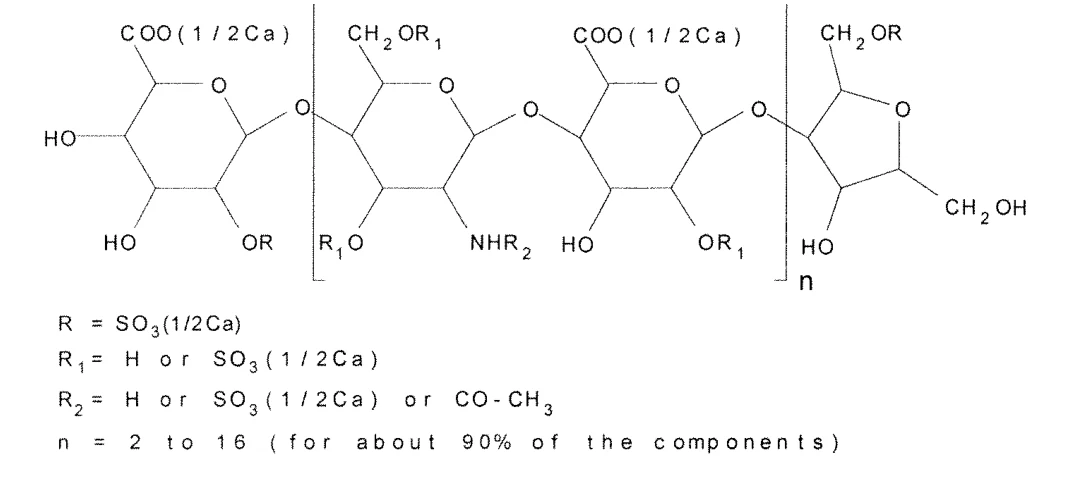
Chemical name: Fragments of the glycosaminoglycan, heparin.
WHO Definition of nadroparin calcium: Calcium salt depolymerised heparin obtained by fragmentation using nitrous acid of heparin obtained from porcine intestinal mucus. Most of the compounds have a 2-O-sulpho-α-L-idopyranosuronic acid at the non-reducing end and a 6-O-sulpho-2-5-anhydro-D-mannitol structure at the reducing end of their chains. There are approximately 2.1 sulphate groups per disaccharide unit.
Molecular formula Comprises glycosaminoglycan heparin fragments of varying
& Molecular Mass: molecular mass. Mean molecular weight of approximately 4300 daltons; 75-95% of the glycosaminoglycan chains have molecular weights in the 2,000 to 8,000 daltons range.
Structural formula:
Physicochemical properties:
Description: White or almost white hygroscopic powder
Solubility (20°C): Very soluble in water, 0.1N hydrochloric acid. Practically insoluble in methanol, methylene chloride, ethanol, dimethylformamide, acetone, ethyl acetate.
Boiling point: 146°C at 1 mm Hg
166°C at 3 mm Hg
pKa: From 5.5 to 8.0 (1.0 percent aqueous solution)
Composition: FRAXIPARINE®: Nadroparin calcium 9500 anti-Xa IU/mL, WFI qs.ad 1 L, hydrochloric acid and/or calcium hydroxide for pH adjustment (pH 5.5 to 7.5).
FRAXIPARINE® FORTE: Nadroparin calcium 19,000 anti-Xa IU/mL, WFI qs.ad 1 mL, hydrochloric acid and/or calcium hydroxide for pH adjustment (pH 4.5 to 7.5).
14 CLINICAL TRIALS
14.1 Trial Design and Study Demographics
PROPHYLAXIS
Prophylaxis of Thromboembolic Disorders in General Surgery (Deep Vein Thrombosis and Pulmonary Embolism)
Prophylaxis of thromboembolic disorders in general surgery was the subject of a single pivotal study (IVB1) which included 1909 patients. Patients ranged in age from 23 to 88 years (mean age 61 years) with 52% men and 48% women.
Table 12 - Summary of patient demographics for clinical trials in the prophylaxis of thromboembolic disorders in general surgery
| Study # | Trial design | Dosage, route of administration and duration | Study subjects (n=number) | Mean age (Range) | Gender |
| 1 | Open, prospective, randomised, stratified parallel group comparison | FRAXIPARINE® sc: 7500 ICU 2 hrs pre-surgery and 8 hrs post-surgery; once daily thereafter to 7th day post surgery Duration: 7 days post- surgery | 1896 | 61 (23-88) | 52% men 48% women |
This pivotal study showed FRAXIPARINE® prophylaxis to be associated with a statistically significant lower frequency of deep vein thrombosis (DVT) (27/960, 2.8%) than UH (42/936, 4.5%) prophylaxis (p < 0.05). The difference was particularly marked with regard to proximal thrombosis, generally considered the most important likely precursor of pulmonary embolism (PE), 4 (0.4%) of FRAXIPARINE® patients compared with 13 (1.4%) of unfractionated heparin (UH) patients, (p < 0.05). In the pivotal study, there were 2 PEs in the FRAXIPARINE® group compared with 5 in the UH group.
No differences were observed between treatment groups with respect to hemorrhagic complications. Intra- and post-operative blood loss, the number of hematomas, and the frequency of volume transfusions were similar in both groups. This trial demonstrated that a single daily subcutaneous injection of FRAXIPARINE® demonstrated a significant reduction in DVT events in patients receiving FRAXIPARINE® (0.3 mL daily) compared to UH, with comparable tolerability (See ADVERSE EVENTS).
Table 13 - Efficacy Results of study # 1 in the prophylaxis of thromboembolic events following general surgery
| Endpoint | Associated value and statistical significance for FRAXIPARINE® 7500 ICU SC once daily1 | Associated value and statistical significance for Unfractionated Calcium Heparin 5000 IU SC once daily1 |
| All Treated General Surgery Patients | N = 960 | N = 936 |
| All Evaluable General Surgery Patients | ||
| Deep Vein Thrombosis (DVT) | 27/960 2.8%2 | 42/936 4.5%2 |
| Proximal Vein Thrombosis | 4/960 0.4%3 | 13/936 1.4%3 |
Pulmonary Embolism (PE) | 2/960 0.2%4 | 5/936 0.5%4 |
1 FRAXIPARINE® was initiated 2 hours pre-surgery and 8 hours post-surgery; administered once daily for 7 days thereafter. Unfractionated calcium heparin was initiated 2 hours pre-surgery and every 8 hours post-surgery up to 7 days.
2 p value = 0.034
3 p value < 0.05
4 p value not available
Prophylaxis of Thromboembolic Disorders in Orthopedic Surgery (Deep Vein Thrombosis and Pulmonary Embolism)
Study IVB8 included patients over 40 years of age (range 33-88) with 45% men & 55% women undergoing surgery for total hip replacement (THR). THR is a very common and high-risk procedure. Patients who underwent spinal anaesthesia were excluded from this study. A total of 409 patients were treated for 10 ± 1 days.
Table 14 - Summary of patient demographics for clinical trials in the prophylaxis of thromboembolic disorders in orthopedic surgery
| Study # | Trial design | Dosage, route of administration and duration | Study subjects (n=number) | Mean age (Range) | Gender |
| 2 | Open, randomized, comparative (blind) reading of efficacy criterion | FRAXIPARINE® sc: 100 ICU/kg 12 hrs pre- surgery then daily to Day 3; 150 ICU/kg/day Day 4 to Day 10 ± 1 Duration: 10 days | 409 | 63.3 (33-88) | 45% men 55% women |
The overall incidence of DVT was similar in the FRAXIPARINE® (13%) and UH (16%) efficacy evaluable treatment groups. However, the incidence of proximal DVT (the most likely precursor of PE) was significantly lower in the FRAXIPARINE® efficacy evaluable group (3%) than in the UH group (13%) (p < 0.001). In addition, the incidence of PE was lower in the FRAXIPARINE® group (0.5%, 1/198) than in the UH group (2%, 4/199 including 1 fatal).
This study provides good evidence that FRAXIPARINE® administered once daily is more effective than unfractionated heparin given three times daily, in the prevention of proximal DVT after total hip replacement surgery and does not require the dose to be adjusted according to any coagulation test. There was a lower incidence overall of DVT and PE in the FRAXIPARINE® group, although the difference was not statistically significant. There were more PEs in the UH group including one fatality. In the populations studied, FRAXIPARINE® appears to be as well tolerated as unfractionated heparin. The number of major events did not differ significantly between the two groups although the incidence of hemorrhages and thrombocytopenias were lower in the FRAXIPARINE® group (See ADVERSE EVENTS).
Table 15 - Efficacy Results of study # 2 in the prophylaxis of thromboembolic events following orthopedic surgery
| Endpoint | Associated value and statistical significance for FRAXIPARINE® 100 or 150 ICU/kg SC once daily1 | Associated value and statistical significance for Unfractionated Heparin 4000 IU/kg/hr SC tid1 | ||
| All treated Orthopedic Surgery Patients | N = 205 | N = 204 | ||
| All Evaluable Orthopedic Surgery Patients | ||||
| Proximal Deep Vein Thrombosis (DVT) | 5/174 2.9%2 | 23/175 13.2%2 | ||
| Overall DVT | 22/174 12.6%3 | 28/175 16%3 | ||
| Pulmonary Embolism (PE) | 1/198 0.5% 5 | 4/1994 2.0% 5 | ||
1 FRAXIPARINE® was initiated at 100 ICU/kg 12 hrs pre -surgery then once daily to Day 3; 150 ICU/kg daily from Day 4 to Day 10 ±1. Unfractionated heparin was initiated 10-24 hours pre-surgery, 2nd injection 2 hours pre-surgery APTT adjusted, then APTT adjusted days 1 to 10 ± 1 t.i.d.
2 p value < 0.001
3 p value = 0.45
4 One case of fatal PE occurred in the unfractionated heparin group
5 p value < 0.37
Information to support the safety and efficacy of FRAXIPARINE® in the prophylaxis of thromboembolic events in high- risk medical patients comes from a systematic review of clinical trials providing moderate quality of evidence.
TREATMENT
Treatment of Thromboembolic Disorders (Deep Vein Thrombosis and Pulmonary Embolism)
The objective of the pivotal studies was to treat moderate/severe PE or lower limb proximal DVT of medical or surgical origin. In study IVB13 the mean ages of patients in the 4 treatment groups ranged from 55 to 65 years, and in pivotal studies IVB11 and IVB12 the mean age of patients was greater than 60 years.
Table 16 - Summary of patient demographics for clinical trials in the treatment of pulmonary embolism and deep vein thrombosis
| Study # | Trial design | Dosage, route of administration and duration | Study subjects (n=number) | Mean age (Range) | Gender |
| 3 | Open, randomised parallel group comparison | FRAXIPARINE® sc: 225 ICU/kg/day in twice daily UH iv: 20 IU/kg/hr infusion initially, then adjusted to APTT or equivalent Duration: 10 days | 166 | 62 (17-92) | 57% men 43% women |
| 4 | Open, randomized parallel group comparison | FRAXIPARINE® sc: 225 ICU/kg/day in twice daily, dose adjusted to body weight UH iv: 100 IU/kg/hr iv followed by continuous infusion; dose adjusted to APTT Duration: 10 days | 170 | 63.7 (22-87) | 61% men 39% women |
| 5 | Open, randomized parallel group comparison, dose-finding | FRAXIPARINE® sc: Group 1: 200 ICU/kg twice daily Group 2: 200 ICU/kg three times daily Group 3: 300 ICU/kg three times daily UH iv: 50 IU/kg iv loading dose, then 600 IU/kg/day, then APTT adjusted Duration: 14 ± 1 days | 101 | 60 (age range not stated) | 43% men 57% women |
In the dose finding study, IVB13, both lower FRAXIPARINE® doses (200 ICU/kg b.i.d. and 200 ICU/kg t.i.d.) and UH produced significant change in percent pulmonary obstruction and in Miller’s Index during 8 days of treatment (p < 0.0001 for each parameter). The evolution of clinical signs associated with PE was similar in these three treatment groups. This study demonstrated that FRAXIPARINE® is as effective as unfractionated heparin in the treatment of PE, and that doses of 300 ICU t.i.d. are too high in these patients. Patients in the 300 ICU t.i.d. treatment group were discontinued due to hemorrhagic complications.
In the two Phase III pivotal studies (IVB11 and IVB12) efficacy of treatment was assessed by comparison of venographic Arnesen and Marder scores obtained on D10 and D0. In both studies, scores in FRAXIPARINE® and UH treatment groups were improved and patients in the FRAXIPARINE® group had a significantly greater improvement in score than patients in the UH group (p<0.05).
In study IVB11, results were analyzed separately for medical and surgical patients; the reduction in score was significant in the medical sub-group, but did not reach significance in the surgical sub-group, probably due to the small number of patients (n = 38). When proximal locations alone were considered the improvement in scores was significant for FRAXIPARINE® (p = 0.0001) but not for UH.
In study IVB12, more patients in the UH group (12/85, 14%) suffered thromboembolic complications than in the FRAXIPARINE® group (6/85, 7%), but this did not reach statistical significance. There was a significant improvement in Marder scores in the FRAXIPARINE® group, superior to that in the UH group (p = < 0.05), and fewer patients on FRAXIPARINE® had defects on isotope lung scan (p = < 0.05).
Data from these three pivotal studies (IVB11, IVB12, IVB13) suggest that mortality is similar among patients treated with FRAXIPARINE® and patients treated with unfractionated heparin. There was a trend towards a reduction in PE with FRAXIPARINE® in all 3 studies, but the studies were too small to detect any statistically significant changes. The incidence of major hemorrhage is lower among patients treated with FRAXIPARINE® (200 ICU/kg b.i.d.) than among patients treated with unfractionated heparin (See ADVERSE EVENTS).
Treatment of Unstable Angina and Non-Q Wave Myocardial Infarction
In study P2628, 3468 patients participated in the multi-centre, parallel-group, double-blind, comparative study of subcutaneous FRAXIPARINE® therapy for 6 ± 2 days or 14 days versus intravenous unfractionated heparin. Patients ranged in age from 26-97 years and presented with unstable angina or non-Q wave myocardial infarction. The main efficacy endpoint was a combined endpoint of cardiac death, myocardial infarction and recurrent or refractory angina at Day 14.
Table 17 - Summary of patient demographics for clinical trials in the treatment of unstable angina and non-Q wave myocardial infarction
| Study # | Trial design | Dosage, route of administration and duration | Study subjects (n=number) | Mean age (Range) | Gender |
| 6 | Multi-centre, parallel-group, comparative, randomized double-blind | FRAXIPARINE®sc and iv: 86 IU/kg iv bolus, then 86 IU/kg sc every 12 hours, for either 6 ± 2 days or 14 days Duration: 3 months | n = 3,468 | 64.5 (26-97) | 59% men 41% women |
No statistically significant difference could be found in the incidence of the main combined endpoint of cardiac death, myocardial infarction, and refractory or recurrent angina at Day 14 between UH group (18.1%), FRAXIPARINE® 6 day group (17.8%), and FRAXIPARINE® 14 day group (20.0%) (p = 0.33). No additional benefit was observed when prolonging the FRAXIPARINE® treatment up to 14 days.
There was no statistically significant difference among the three groups in any of the other secondary endpoints (cardiac death, fatal and non-fatal myocardial infarction, combined outcome of death from any cause and non-fatal MI, refractory angina, recurrent angina, revascularization procedures or emergency revascularization).
The comparison of safety data at Day 14 between the FRAXIPARINE® 6 day group and UH showed a similar incidence of major hemorrhages and a slightly lower incidence of SAEs for which a relationship with the study drug was not excluded (see ADVERSE EVENTS). There were statistically significantly more major hemorrhages in the nadroparin 6 Day group at both Day 14 and Month 3. There were statistically significantly more adverse events in the Body System “Platelet, Bleeding, and Clotting disorders” in the FRAXIPARINE® 14-day group than in either of the short-term treatments (p < 0.001) in both cases.
Efficacy of FRAXIPARINE® Injection in Unstable Angina and Non-Q Wave Myocardial Infarction
Table 18 - Results of study # 6 in Combined Cardiac Events2
| Primary Endpoint | Associated value and statistical significance for FRAXIPARINE® SC 86 IU/kg twice daily1 6 ± 2 days | Associated value and statistical significance for FRAXIPARINE® SC 86 IU/kg twice daily1 14 days | Associated value and statistical significance for Unfractionated Heparin IV 1250 IU/hr infusion 6 ± 2 days |
|---|---|---|---|
| All treated Patients | N = 1,166 | N = 1,151 | N = 1,151 |
| All Evaluable Patients | |||
| Day 6 | 161/1,164 13.8% -1.1% (-4.0% - 1.8%)3 | 182/1,151 15.8% 0.9% (-2.1% - 3.8%)4 | 171/1,146 14.9% |
| Day 14 | 207/1,164 17.8% -0.3% (-3.4% - 2.8%)3 | 230/1,149 20.0% 1.9% (-1.3% - 5.1%)4 | 207/1,144 18.1% |
| Month 3 | 257/1,150 22.3% 0.1% (-3.3% - 3.5%)3 | 300/1,145 26.2% 4.0% (0.4% - 7.5%)4 | 252/1,133 22.2% |
1 FRAXIPARINE® 86 IU/kg iv bolus, then 86 IU/kg sc every 12 hours, for either 6 ± 2 days or 14 days; UH 5000 IU iv bolus, then initial iv infusion of 1250 IU/hr, then adjusted to APTT for 6 ± 2 days.
2 The primary endpoint of combined cardiac events included cardiac death, myocardial infarction, refractory angina or recurrence of unstable angina.
3 Absolute difference (between FRAXIPARINE® 6 days and UH) and 95% CI in combined cardiac events.
4 Absolute difference (between FRAXIPARINE® 14 days and UH) and 95% CI in combined cardiac events.
PREVENTION
Prevention of Clotting During Hemodialysis
Blood clotting in the extracorporeal circulation (ECC) can be prevented by the administration of standard heparin with the initial bolus dose usually has to be supplemented by additional bolus doses or continuous infusion. The longer half-life of nadroparin means that this disadvantage may be overcome. Prevention of clotting during hemodialysis was the subject of two pivotal studies including a total of 109 patients.
The nature of the patient populations in the studies IVB15 and IVB16 were similar and included patients with stable, chronic renal failure who were undergoing chronic, intermittent hemodialysis. The mean ages of the populations were similar, 55 years and 54 years in IVB15 and IVB16 respectively. In these studies the primary efficacy criteria were the absence of clots in the extracorporeal circulation and the quality of blood restitution.
Table 19 - Summary of patient demographics for clinical trials in the prevention of clotting during hemodialysis
| Study # | Trial design | Dosage, route of administration and duration | Study subjects (n=number) | Mean age (Range) | Gender |
| 7 | Open, randomized, stratified comparison | FRAXIPARINE® iv: 150 ICU/kg if hematocrit ≤ 30%; 200 ICU/kg if > 30%; dose then adjusted to individual Duration: 26 weeks | 101 | 54 (20-79) | 60% men 40% women |
Dose-ranging study IVB15 assessed the appearance of clots in the extracorporeal circulation (filter, bubble trap and line) expressing the qualitative degree of blood restitution. The lowest dose of nadroparin (5,000 ICU) resulted in poor outcome and blood restitution while the 10,000 and 15,000 anti-Xa ICU doses, like unfractionated heparin, were associated with satisfactory outcomes. The 15,000 ICU dose appeared to reduce fibrin formation. This study supports the dosage of at least 10,000 ICU given as a single bolus at the start of a 4-hour dialysis session, irrespective of the patient’s weight.
In study IVB16, similar numbers of patients in the FRAXIPARINE® and UH treatment groups completed the 26-week study without experiencing clinically relevant clotting or bleeding events. The quality of blood restitution at the session of weeks 4, 13 and 26 was similar in both treatment groups. Comparison of the treatment groups at weeks 4, 13 and 26 for visible clots in the extracorporeal circuit showed no differences for the individual centres. However, for the compiled data at week 13, more patients on FRAXIPARINE® than on unfractionated heparin had clots (p =0.04). There were no significant differences in quality of restitution between the hematocrit strata. This suggests that FRAXIPARINE®, at the doses used, is as effective as unfractionated heparin at maintaining the quality of restitution in the extracorporeal circulation.
Data from these two studies suggest that a single bolus dose of FRAXIPARINE® administered before a hemodialysis session is an effective and well tolerated antithrombotic treatment. For the major safety events of death, hemorrhage and thrombocytopenia, FRAXIPARINE® did not differ significantly from unfractionated heparin (see ADVERSE EVENTS). Doses must be adjusted to individual patient needs considering weight, hematocrit levels, type of dialysis membrane, the use of heparin to ‘prime’ the ECC, the session length, the hemorrhagic risk and former experience with UH.
15 MICROBIOLOGY
No microbiological information is required for this drug product.
16 NON-CLINICAL TOXICOLOGY
Median lethal dose (LD50) values of nadroparin after intravenous administration in the rat and rabbit are >1000 mg/kg in both males and females. The LD50 values of nadroparin after s.c. administration in the rat and rabbit are >1000 mg/kg and >200 mg/kg respectively. (Clinical dosages are less than 3 mg/kg/day.)
Chronic toxicity
Daily administration of s.c. nadroparin (2.5, 10 or 40 mg/kg/day) to rats over a 26-week period caused local hemorrhagic reaction in animals receiving >10 mg/kg/day. Changes in hematological and biochemical profiles were consistent with the pharmacological activity of nadroparin; there were no unexpected findings. There was no reduced calcium content of bones. The no effect dose was 2.5 mg/kg/day.
In dogs given repeated s.c. doses of nadroparin (2.5, 10 or 40 mg/kg/day), large hematoma occurred in those receiving 40 mg/kg/day. In dogs given IV nadroparin for 26 weeks (5, 15 or 50 mg/kg/day), no significant toxicological events occurred; findings were similar to those for unfractionated heparin administration. An increase in liver weight was observed but it was without morphological change.
Reproduction studies
Daily s.c. doses of 0, 2.5, 10 and 40 mg/kg/day nadroparin were administered to rats. No effects on fertility or mating performance were observed. No treatment-related effects on development, fertility and reproductive performance of the F1 generation, or effects in F2 offspring were observed, other than reduced weight gain and delay in some development tests in offspring of dams treated with 40 mg/kg/day (equivalent to about 4500 IU/kg).
At dose levels of nadroparin calcium producing signs of maternal toxicity (40 mg/kg/day), no teratogenic effects were found in rat or rabbit.