


Product Monograph - Innohep
RECENT MAJOR LABEL CHANGES
N/A
TABLE OF CONTENTS
Sections or subsections that are not applicable at the time of authorization are not listed.
TABLE OF CONTENTS ......................................................................................................................... 2
PART I: HEALTH PROFESSIONAL INFORMATION .................................................................................. 4
1 INDICATIONS ....................................................................................................................................... 4
1.1 Paediatrics ...................................................................................................................... 4
1.2 Geriatrics ........................................................................................................................ 4
2 CONTRAINDICATIONS......................................................................................................................... 4
4 DOSAGE AND ADMINISTRATION ....................................................................................................... 5
4.1 Dosing Considerations ..................................................................................................... 5
4.2 Recommended Dose and Dosage Adjustment ................................................................... 5
4.4 Administration ................................................................................................................ 8
4.5 Missed dose ................................................................................................................... 8
5 OVERDOSAGE ..................................................................................................................................... 8
6 DOSAGE FORMS, COMPOSITION AND PACKAGING .......................................................................... 8
7 WARNINGS AND PRECAUTIONS ....................................................................................................... 11
7.1 Special Populations ....................................................................................................... 15
7.1.1 Pregnant Women .......................................................................................................... 15
7.1.2 Breast-feeding .............................................................................................................. 16
7.1.3 Paediatrics .................................................................................................................... 16
7.1.4 Geriatrics ...................................................................................................................... 16
7.1.5 Patients with Extreme Body Weight ............................................................................... 16
8 ADVERSE REACTIONS ....................................................................................................................... 17
8.1 Adverse Reaction Overview ........................................................................................... 17
8.2 Clinical Trial Adverse Reactions ...................................................................................... 17
8.3 Less Common Clinical Trial Adverse Reactions ................................................................ 20
8.5 Post-Market Adverse Reactions ..................................................................................... 21
9 DRUG INTERACTIONS ....................................................................................................................... 21
9.2 Drug Interactions Overview ........................................................................................... 21
9.5 Drug-Food Interactions .................................................................................................. 21
9.6 Drug-Herb Interactions .................................................................................................. 22
9.7 Drug-Laboratory Test Interactions .................................................................................. 22
10 CLINICAL PHARMACOLOGY .............................................................................................................. 22
10.1 Mechanism of Action .................................................................................................... 22
10.2 Pharmacodynamics ....................................................................................................... 22
10.3 Pharmacokinetics .......................................................................................................... 23
11 STORAGE AND STABILITY AND DISPOSAL ........................................................................................ 24
PART II: SCIENTIFIC INFORMATION .................................................................................................. 25
13 PHARMACEUTICAL INFORMATION .................................................................................................. 25
15 MICROBIOLOGY ................................................................................................................................ 25
16 NON-CLINICAL TOXICOLOGY ............................................................................................................ 25
PATIENT MEDICATION INFORMATION ............................................................................................. 27
PART I: HEALTH PROFESSIONAL INFORMATION
1 INDICATIONS
INNOHEP® (tinzaparin sodium) is indicated for:
- The prevention of postoperative venous thromboembolism in patients undergoing orthopaedic surgery and in patients undergoing general surgery who are at high risk of developing postoperative venous thromboembolism (see WARNINGS AND PRECAUTIONS, Peri-operative Considerations).
- The treatment of deep vein thrombosis and/or pulmonary embolism.
- The prevention of clotting in indwelling intravenous lines for haemodialysis and extracorporeal circulation in patients without high bleeding risk.
innohep® can not be used interchangeably, unit for unit, with unfractionated heparin or other low molecular weight heparins (LMWHs) (see WARNINGS AND PRECAUTIONS, General).
1.1 Paediatrics
The safety and effectiveness of innohep® in children has not been established. No data are available to Health Canada; therefore, Health Canada has not authorized an indication for paediatric use.
1.2 Geriatrics
Close monitoring of elderly patients with low body weight (e.g., < 45 kg) and those predisposed to decreased renal function is recommended (see WARNINGS AND PRECAUTIONS, Renal and Special Populations, Geriatrics).
2 CONTRAINDICATIONS
- Hypersensitivity to innohep® (tinzaparin sodium) or to any ingredient in the formulation, including non-medicinal ingredients - benzyl alcohol (when using multi-dose vials); or sodium metabisulphite (see WARNINGS AND PRECAUTIONS); or to any component of the container; or to other LMWHs and/or heparin. For a complete listing, see 6 DOSAGE FORMS, STRENGTHS, COMPOSITION AND PACKAGING.
- The multi-dose vials of innohep® contain 10 mg/mL benzyl alcohol as preservative and must not be given to children <3 years old, premature infants and neonates, due to the risk of developing gasping syndrome.
- History of confirmed or suspected immunologically-mediated heparin-induced thrombocytopenia (delayed-onset severe thrombocytopenia), or in patients in whom an in vitro platelet-aggregation test in the presence of tinzaparin is positive.
- Acute or subacute septic endocarditis.
- Active major haemorrhage or conditions/diseases involving an increased risk of haemorrhage (e.g., severe liver insufficiency, women with abortus imminens).
- Haemophilia or major blood clotting disorders.
- Acute cerebral insults or haemorrhagic cerebrovascular accidents (except if there are systemic emboli).
- Active bleeding from a local lesion such as an acute ulcer (e.g., gastric or duodenal) or ulcerating carcinoma.
- Uncontrolled severe hypertension.
- Diabetic or haemorrhagic retinopathy.
- Injury or surgery involving the brain, spinal cord, eyes or ears.
- Spinal/epidural anaesthesia requiring treatment dosages of innohep® (175 IU/kg once daily) due to an increased risk of bleeding.
4 DOSAGE AND ADMINISTRATION
4.1 Dosing Considerations
- Use in Patients with Renal Impairment
All patients with renal impairment treated with LMWHs should be monitored carefully.
Renal function should be assessed using a formula based on serum creatinine to estimate creatinine clearance (CrCl) level.
Administration of LMWHs to patients with renal impairment has been shown to result in prolongation of anti-Xa activity, especially in those with severe renal impairment (CrCl < 30 mL/min), leading to increased risk of bleeding. Available evidence for tinzaparin demonstrates no accumulation in patients with CrCl levels down to 20 mL/min, however, caution is recommended when treating patients with severe renal impairment. There is limited data available in patients with an estimated CrCl level below 20 mL/min.
Consideration of dosage adjustment in patients with severe renal impairment should be undertaken.
- Geriatrics
innohep® should be used in the elderly in standard doses. Precaution is recommended in the treatment of elderly patients with renal impairment (see, Use in Patient with Renal Impairment).
4.2 Recommended Dose and Dosage Adjustment
- Prevention of Postoperative Venous Thromboembolism in Orthopaedic Surgery
Hip Surgery
innohep® 50 anti-Xa IU/kg given by subcutaneous injection two hours before surgery followed by 50 anti-Xa IU/kg once daily for 7-10 days.
or
innohep® 75 anti-Xa IU/kg given post-operatively by subcutaneous injection once daily for 7-10 days.
Knee Surgery
innohep® 75 anti-Xa IU/kg given post-operatively by subcutaneous injection once daily for 7-10 days.
For convenience, the following prefilled syringes are available for dosing by body weight:
| Dose per syringe | Pre-operative 50 anti-Xa IU/kg Body weight* | Post-operative 75 anti-Xa IU/kg Body weight* |
|---|---|---|
| 2,500 anti-Xa IU | — | — |
| 3,500 anti-Xa IU | 70 (60 – 80) kg | 45 (35 – 55) kg |
| 4,500 anti-Xa IU | 90 (80 – 100) kg | 60 (50 – 70) kg |
| *Value represents the average weight ±10 kg appropriate for the syringe size. Patients outside of these weight ranges should be dosed on an individual basis | ||
- Prevention of Postoperative Venous Thromboembolism in General Surgery
innohep® 3,500 anti-Xa IU (available in a prefilled syringe) given by subcutaneous injection two hours before surgery followed by 3,500 anti-Xa IU once daily for 7-10 days.
- Treatment of Deep Vein Thrombosis, with or without Pulmonary Embolism or Treatment of Pulmonary Embolism
The recommended dosage is 175 anti-Xa IU/kg body weight given subcutaneously once daily at the same time every day. Although trials for DVT treatment did not include a maximum daily dose, few patients were included who exceeded 105 kg. Therefore, the recommended maximum daily dose for innohep® is 18,000 anti-Xa IU/day. In clinical trials, plasma anti-Xa levels were typically in the range of <0.3 anti-Xa IU/mL before injection and <1.8 anti-Xa IU/mL approximately 5 hours after injection (dosed by body weight) as determined by a functional anti-Xa assay.
Concomitant treatment with oral anticoagulants (vitamin K antagonists) is usually started immediately. Treatment with innohep® should be continued until therapeutic oral anticoagulant effect has been achieved (INR 2.0 to 3.0), usually within 5 days. The average duration of innohep® administration is 7 days.
Published clinical data are available documenting extended treatment with innohep® 175 IU/kg once daily for 3-6 months in patients with cancer associated thrombosis. The use of innohep® beyond 6 months must be evaluated in the absence of clinical data.
For convenience, the following prefilled graduated syringes are available for dosing by body weight (175 anti-Xa IU/kg):
| Patient Body Weight (kg) | DVT Treatment 175 anti-Xa IU/kg SC Once Daily 20,000 IU/mL | ||||||
|---|---|---|---|---|---|---|---|
| Dose (IU) | Amount (mL) | ||||||
| 31 - 36 | 6,000 | 0.3 | |||||
| 37 - 42 | 7,000 | 0.35 | |||||
| 43 - 48 | 8,000 | 0.4 | |||||
| 49 - 53 | 9,000 | 0.45 | |||||
| 54 - 59 | 10,000 | 0.5 | |||||
| 60 - 65 | 11,000 | 0.55 | |||||
| 66 - 70 | 12,000 | 0.6 | |||||
| 71 - 76 | 13,000 | 0.65 | |||||
| 77 - 82 | 14,000 | 0.7 | |||||
| 83 - 88 | 15,000 | 0.75 | |||||
| 89 - 93 | 16,000 | 0.8 | |||||
| 94 - 99 | 17,000 | 0.85 | |||||
| 100 - 105 | 18,000 | 0.9 | |||||
- Anticoagulation of Extracorporeal Circulation and Haemodialysis
All patients participating in clinical trials were stable, chronic renal failure patients. The following dosage recommendations are for that patient population; in patients with lower risk of haemorrhage.
Optimisation of dosage is required for each individual patient (different clotting stimuli are produced by different dialysis circuits and membranes, and there is inter-patient variability).
The recommended starting dose is innohep® 4,500 anti-Xa IU administered as a bolus dose into the arterial side of the dialyser (or intravenously) at the beginning of the dialysis for a session lasting 4 hours or less in patients with no risk of haemorrhage. This dose normally produces plasma anti-Xa levels in the range of 0.5-1.0 IU anti-Xa/mL. Dosage modifications should consider the outcome of the previous dialysis and should be made by increasing or decreasing the dose in steps of 500 anti-Xa IU until a satisfactory dose is obtained.
A larger starting dose may be given for dialysis sessions lasting longer than 4 hours. Doses in subsequent dialysis sessions should be adjusted as required.
In patients with a risk of haemorrhage, dialysis sessions may be carried out using halved doses. An additional smaller dose may be given during dialysis for sessions lasting longer than 4 hours. The dose in subsequent dialysis sessions should be adjusted as necessary to achieve plasma levels within the range of 0.2-0.4 IU anti-Xa/mL.
No anticoagulant should be added to the dialyser circuit when using this regimen.
- Paediatrics
Health Canada has not authorized an indication for paediatric use.
4.4 Administration
innohep® (tinzaparin sodium) is administered by subcutaneous injection, or systemically in the setting of haemodialysis. It must NOT be administered by intramuscular injection (see WARNINGS AND PRECAUTIONS, General).
4.5 Missed dose
If you think that you have missed a dose, it is important that you talk to your doctor or pharmacist as soon as you remember and get advice on what to do.
5 OVERDOSAGE
Accidental overdosage following administration of innohep® (tinzaparin sodium) may lead to haemorrhagic complications. innohep® should be immediately discontinued, at least temporarily, in cases of significant excess dosage. Due to the relatively short half-life of innohep®, minor haemorrhages can be managed conservatively following treatment discontinuation. In more serious cases, protamine should be administered.
The anticoagulant effect of innohep® is inhibited by protamine. This effect may be largely neutralised by slow intravenous injection of protamine sulphate. Each mg of protamine sulphate neutralises approximately 100 anti-Xa IU of tinzaparin sodium. A second infusion of 0.5 mg protamine per 100 anti-Xa IU of innohep® may be administered if the activated partial thromboplastin time (APTT) measured 2 to 4 hours after the first infusion remains prolonged. However, even with higher doses of protamine, the APTT may remain prolonged to a greater extent than usually seen with unfractionated heparin. Anti-factor Xa activity is never completely neutralised (maximum about 60-65%).
Particular care should be taken to avoid overdosage with protamine sulphate. Administration of protamine sulphate can cause severe hypotensive and anaphylactoid reactions. Because fatal reactions, often resembling anaphylaxis, have been reported with protamine sulphate, it should be given only when resuscitation equipment and treatment of anaphylactic shock are readily available.
For management of a suspected drug overdose, contact your regional Poison Control Centre.
6 DOSAGE FORMS, COMPOSITION AND PACKAGING
innohep® contains tinzaparin sodium in a sterile solution for subcutaneous injection, available in unit-dose safety syringes, unit-dose graduated safety syringes and multi-dose 2 mL vials. Pre-filled syringes have a 27-gauge (10,000 anti-Xa IU/mL) or 29-gauge (20,000 anti-Xa IU/mL), ½ inch needle.
Table 1. Dosage Forms, Strengths, Composition and Packaging
| Route of Administration | Dosage Form/Strength/Composition | Non-medicinal Ingredients |
| Subcutaneous injection | Sterile solution for injection: 10,000 anti-Xa IU/mL Prefilled safety syringes* (preservative free): 2,500 anti-Xa IU/0.25 mL 3,500 anti-Xa IU/0.35mL 4,500 anti-Xa IU/0.45 mL Multi-dose vial (with preservative): 20,000 anti-Xa IU/2 mL 20,000 anti-Xa IU/mL Prefilled safety syringes* (preservative free): 8,000 anti-Xa IU/0.4 mL 10,000 anti-Xa IU/0.5 mL 12,000 anti-Xa IU/0.6 mL 14,000 anti-Xa IU/0.7 mL 16,000 anti-Xa IU/0.8 mL 18,000 anti-Xa IU/ 0.9 mL Multi-dose vial (with preservative): 40,000 anti-Xa IU/2 mL | 10,000 anti-Xa IU/mL The multi-dose vial contains benzyl alcohol (preservative). 20,000 anti-Xa IU/mL The 8,000 anti-Xa IU, 10,000 anti-Xa IU, 12,000 anti-Xa IU, 14,000 anti-Xa IU, 16,000 anti-Xa IU and 18,000 anti-Xa IU prefilled safety syringes contain sodium metabisulfite. 20,000 anti-Xa IU/mL The multi-dose vial contains sodium metabisulphite and benzyl alcohol. For a complete listing see Dosage Forms, Composition and Packaging section. |
| *Pre-filled safety syringes have a 27-gauge (10,000 anti-Xa IU/mL) or 29-gauge (20,000 anti-Xa IU/mL), ½ inch needle. | ||
Composition
Unit-dose Syringes 10,000 anti-Xa IU/mL (non-preserved):
Tinzaparin sodium (anti-Xa IU) | Sodium acetate trihydrate | Sodium hydroxide* | Water for injection (to make final volume) |
|---|---|---|---|
| 2,500 anti-Xa IU/syringe | 1.25 mg | q.s. | 0.25 mL |
| 3,500 anti-Xa IU/syringe | 1.75 mg | q.s. | 0.35 mL |
| 4,500 anti-Xa IU/syringe | 2.25 mg | q.s. | 0.45 mL |
| *quantity sufficient for pH adjustment; pH range of the final solution is 5.0-7.5 | |||
Unit-dose Graduated Syringes 20,000 anti-Xa IU/mL (non-preserved):
Tinzaparin sodium (anti-Xa IU) | Sodium metabisulphite | Sodium hydroxide* | Water for injection (to make final volume) |
|---|---|---|---|
| 8,000 anti-Xa IU/syringe | 0.73 mg | q.s. | 0.4 mL |
| 10,000 anti-Xa IU/syringe | 0.92 mg | q.s. | 0.5 mL |
| 12,000 anti-Xa IU/syringe | 1.10 mg | q.s. | 0.6 mL |
| 14,000 anti-Xa IU/syringe | 1.28 mg | q.s | 0.7 mL |
| 16,000 anti-Xa IU/syringe | 1.46 mg | q.s. | 0.8 mL |
| 18,000 anti-Xa IU/syringe | 1.65 mg | q.s | 0.9 mL |
| *quantity sufficient for pH adjustment; pH range of the final solution is 5.0-7.5 | |||
Multi-dose Vials 10,000 anti-Xa IU/mL (preserved):
| Tinzaparin sodium (anti-Xa IU) | 10,000 IU/mL† |
|---|---|
| Sodium acetate trihydrate | 5 mg |
| Benzyl alcohol | 10 mg |
| Sodium hydroxide | q.s.* |
| Water for injection (to make final volume) | up to 1.0 mL |
*quantity sufficient for pH adjustment; pH range of the final solution is 5.0-7.5 †provided in 2 mL vials as 20,000 IU/vial | |
Multi-dose Vials 20,000 anti-Xa IU/mL (preserved):
| Tinzaparin sodium (anti-Xa IU) | 20,000 IU/mL† |
|---|---|
| Sodium metabisulphite | 1.83 mg |
| Benzyl alcohol | 10 mg |
| Sodium hydroxide | q.s.* |
| Water for injection (to make final volume) | up to 1.0 mL |
*quantity sufficient for pH adjustment; pH range of the final solution is 5.0-7.5 †provided in 2 mL vials as 40,000 IU/vial | |
7 WARNINGS AND PRECAUTIONS
General
innohep® (tinzaparin sodium) must NOT be administered by intramuscular injection due to risk of haematoma.
Due to the risk of haematoma, concomitant intramuscular injections should also be avoided.
innohep® cannot be used interchangeably (unit for unit) with unfractionated heparin or other LMWHs as they differ in their manufacturing process, molecular weight distribution, anti-Xa and anti-IIa activities, units and dosages. Special attention and compliance with instructions for use of each specific product is required during any change in treatment.
Determination of peak anti-Xa activity in plasma at 4-6 hours post-dosing is the only method available for monitoring tinzaparin levels. Routine clotting assays are not suitable for monitoring tinzaparin anticoagulant activity. APTT prolongation is not a suitable test for monitoring the LMWHs (see Monitoring and Laboratory Tests).
The needle shield of the prefilled syringes may contain latex (natural rubber) which may potentially cause allergic reactions in individuals with hypersensitivity to latex.
Cardiovascular
- Use in Patients with Prosthetic Heart Valves
Cases of prosthetic valve thrombosis have been reported in patients who received LMWHs for thromboprophylaxis. Some of these patients were pregnant women in whom thrombosis led to maternal and/or fetal deaths. Pregnant women are at higher risk of thromboembolism (see Special Populations, Pregnant Women).
Endocrine and Metabolism
All unfractionated heparins/LMWHs can suppress adrenal secretion of aldosterone leading to hyperkalaemia, particularly in patients with diabetes mellitus, chronic renal failure, pre-existing metabolic acidosis, raised plasma potassium at pre-treatment, concomitant therapy with drugs that may elevate plasma potassium and long-term use of innohep® . In patients at risk, potassium levels should be measured before starting innohep® and monitored regularly thereafter. Heparin-related hyperkalaemia is usually reversible upon treatment discontinuation, though other approaches may need to be considered if innohep® treatment is considered lifesaving (e.g., decreasing potassium intake, discontinuing other drugs that may affect potassium balance).
Gastrointestinal
innohep® should be used with caution in patients with a history of gastrointestinal ulceration.
Haematologic
innohep® should not be used for the treatment of pulmonary embolism in patients with severe haemodynamic instability.
- Haemorrhage
Bleeding may occur in conjunction with unfractionated heparin or LMWH use. As with other anticoagulants, innohep® should be used with extreme caution in patients at increased risk of haemorrhage. Bleeding can occur at any site during therapy with innohep®. An unexpected drop in haematocrit or blood pressure should lead to a search for a bleeding site (see ADVERSE REACTIONS, Haemorrhage).
- Post-Surgical Bleeding
As with all antithrombotic agents, there is a risk of systemic bleeding with innohep®. Care should be taken with innohep® use in high-dose treatment of newly operated patients. In the event of excessive blood loss from the surgical wound, the first injection of innohep® should be deferred until the bleeding has stopped.
After treatment is initiated, patients should be carefully monitored for bleeding complications. This may be done by regular physical examination of the patients, close observation of the surgical drain and periodic measurements of haemoglobin and anti-Xa determinations.
In the case of minor bleeding, the drug should be postponed or withdrawn. When serious bleeding requires reversal of innohep®, protamine sulphate (1% solution) by slow infusion will largely neutralize innohep® (see OVERDOSAGE). The effect of protamine sulphate should be monitored by the APTT.
- Thrombocytopenia
Thrombocytopenia of any degree should be monitored closely. Heparin-induced thrombocytopenia can occur with the administration of innohep®.
Platelets: Platelet counts should be measured before the start of treatment and periodically thereafter. Regular monitoring of platelet counts also applies to extended treatment for cancer associated thrombosis. Platelet counts will usually normalise within 2 to 4 weeks after withdrawal.
Caution is recommended when administering innohep® to patients with congenital or drug-induced thrombocytopenia or platelet defects.
During innohep® administration, special caution is necessary in rapidly developing thrombocytopenia and severe (NCI grade 3 or 4) thrombocytopenia (<50,000/µL). A positive or indeterminate result obtained from in vitro tests for antiplatelet antibody in the presence of tinzaparin or other LMWHs and/or heparin would contraindicate innohep®.
- Thrombocytosis
As with other LMWHs, the administration of innohep® in some patients undergoing surgical procedures (especially orthopaedic) or having a concomitant inflammatory process has coincided with an asymptomatic increase in platelet count. If an increase in platelet count occurs innohep® should be stopped, the benefit of continuing therapy for that patient should be re-evaluated against the risk.
Hepatic/Biliary/Pancreatic
innohep® should be used with caution in patients with hepatic insufficiency.
Immune
Sulphite Sensitivity: The overall prevalence of sulphite sensitivity in the general population is unknown. Sulphite sensitivity is seen more frequently in asthmatics than in non-asthmatic people. Sodium metabisulphite, which may cause allergic reactions including anaphylactic symptoms and life-threatening or less severe asthmatic episodes in certain susceptible people, is present in innohep® 20,000 anti-Xa IU/mL multi-dose vials and innohep®20,000 anti-Xa IU/mL unit-dose graduated syringes (8,000 anti-Xa IU/syringe to 18,000 anti-Xa IU/syringe). However, innohep® 10,000 anti-Xa IU/mL multi-dose vials and innohep® 10,000 anti-Xa IU/mL unit-dose syringes (2,500 anti-Xa IU/syringe, 3,500 anti-Xa IU/syringe and 4,500 anti-Xa IU/syringe) do not contain sodium metabisulphite.
Monitoring and Laboratory Tests
innohep® has only a moderate prolonging effect on clotting time assays such as APTT or thrombin time. Clinically meaningful prolongation of APTT during haemodialysis or treatment of acute deep vein thrombophlebitis with innohep® should only be used as an indication of overdosage.
innohep® is administered subcutaneously and therefore the individual patient’s anti-Xa activity level will not remain within the range that would be expected with unfractionated heparin by continuous intravenous infusion throughout the entire dosing interval. In clinical studies, the median peak plasma anti-Xa levels achieved approximately 4 hours after subcutaneous administration of 3,500 IU, 75 IU/kg or 175 IU/kg were 0.15, 0.34 and 0.70 anti-Xa IU/mL, respectively. innohep® should be administered as directed (see DOSAGE AND ADMINISTRATION).
With normal prophylactic doses, innohep® does not modify global clotting tests of APTT, prothrombin time (PT) and thrombin clotting time (TT). Therefore, treatment cannot be monitored with these tests.
Periodic complete blood counts including platelet count and haematocrit or haemoglobin, and stool test for occult blood are recommended during treatment with innohep®. When administered at the recommended treatment doses, routine anticoagulation tests such as PT and APTT are relatively insensitive measures of innohep® activity, and therefore, are unsuitable for monitoring.
The measurements of anti-Xa and anti-IIa activities in plasma serve as surrogates for the concentrations of molecules which contain the high-affinity binding site for antithrombin. Monitoring patients based on anti-Xa activity is generally not advised.
Renal function should be assessed with Cockcroft-Gault formula to estimate creatinine clearance level.
Since innohep® use may be associated with a rise in hepatic transaminases, this observation should be considered when liver function tests are assessed (see ADVERSE REACTIONS, Hepatic).
Peri-Operative Considerations
- Spinal/Epidural Haematomas
Caution is advised when performing neuraxial (epidural/spinal) anaesthesia or lumbar puncture in patients receiving prophylactic doses of innohep® due to the risk of epidural/spinal haematomas resulting in prolonged or permanent paralysis.
The risk of these events may be higher with the use of post-operative indwelling epidural catheters or by the concomitant use of drugs affecting haemostasis: non-steroidal anti-inflammatory drugs (NSAIDs); platelet inhibitors; or other drugs affecting coagulation. The risk of spinal haematoma appears to be increased by traumatic or repeated epidural or spinal puncture, history of spinal surgery or spinal deformity. innohep® should be given after spinal/epidural anaesthesia only if the anaesthesiologist considers the spinal/epidural puncture as uncomplicated. Consideration should be given to delaying the next dose for 24 hours if the puncture induced trauma.
A minimum delay of 12 hours should be allowed between the last prophylactic dose and the needle or catheter placement. For continuous techniques, a similar delay should be observed before removing the catheter.
In patients receiving treatment doses (175 IU/kg), innohep® should be discontinued at least 24 hours before the neuraxial anaesthesia procedure is performed.
In patients with creatinine clearance <30 mL/min, additional clinical considerations are necessary; consideration should be given to doubling the timing after administration of innohep® to removal of a catheter.
A specific recommendation for timing of a subsequent LMWH dose after catheter removal cannot be made. The timing of the next dose must be based on a benefit-risk assessment considering both the risk for thrombosis and the risk for bleeding in the context of the procedure and patient risk factors.
Continuous monitoring must be exercised to detect any signs and symptoms of neurological impairment such as midline back pain, sensory and motor deficits (numbness or weakness in lower limbs), bowel and/or bladder dysfunction.
Patients should be instructed to inform their physician immediately if they experience any of the above signs or symptoms. If signs or symptoms of spinal haematoma are suspected, urgent diagnosis and treatment including spinal cord decompression should be initiated immediately (see ADVERSE REACTIONS, Haemorrhage).
The concomitant use of a neuraxial blockade and of an anticoagulant therapy is a clinical decision that should be made after careful assessment of the benefits and risks to the individual patient, in the following situations:
- in patients already treated with anticoagulants, the benefits of a neuraxial blockade must be carefully balanced against the risks.
- in patients planned to undergo elective surgery with neuraxial blockade, the benefits of anticoagulant therapy must be carefully balanced against the risks.
- Selection of General Surgery Patients
General surgery patients, who have one or more of the following risk factors, are at high risk of developing postoperative venous thromboembolism: previous venous thromboembolism; varicose veins; obesity; heart failure; malignancy; previous long bone fracture of lower limb; bed rest more than 5 days prior to surgery; predicted duration of surgery more than 30 minutes; and age 60 years or above.
Renal
Caution is recommended when treating patients with severe renal impairment (CrCl <30 mL/min). Although anti-Xa monitoring is the most appropriate measure of the pharmacodynamics effects of innohep®, it remains a poor predictor of haemorrhage risk, nonetheless monitoring of anti-factor Xa activity may be considered in patients with severe renal impairment (CrCl <30 mL/min).
In patients being treated with tinzaparin sodium (175 IU/kg) for deep vein thrombosis (DVT), a population pharmacokinetic (PK) analysis determined that tinzaparin sodium clearance based on anti-Xa activity was related to CrCl calculated by Cockcroft-Gault equation. In this PK analysis, a reduction in tinzaparin sodium clearance in moderate (30-50 mL/min) and severe (<30 mL/min) renal impairment was observed. Patients with severe renal impairment exhibited a reduction in tinzaparin sodium clearance relative to patients with normal renal function (>80 mL/min). However, available evidence demonstrates no accumulation in patients with CrCl levels down to 20 mL/min. There is limited data available in patients with an estimated CrCl level below 20 mL/min.
Reproductive Health: Female and Male Potential
- Fertility
Animal studies do not indicate direct or indirect harmful effects with respect to reproductive toxicity.
- Teratogenic Risk
A large amount of data on pregnant women (more than 2,200 pregnancy outcomes) indicates no malformative nor feto/neonatal toxicity of tinzaparin.
7.1 Special Populations
7.1.1 Pregnant Women
The 2 mL multi-dose vials of innohep® (10,000 anti-Xa IU/mL and 20,000 anti-Xa IU/mL) contain 20 mg of benzyl alcohol as a preservative (10 mg of benzyl alcohol per mL). Benzyl alcohol may cause toxic and anaphylactoid reactions in infants and children up to 3 years old. Cases of fatal “Gasping Syndrome” have been reported in the literature, which occurred in premature infants and neonates when large amounts (99- 404 mg/kg/day) of benzyl alcohol have been administered. Manifestations of the disease include: metabolic acidosis, respiratory distress, gasping respirations, central nervous system dysfunction, convulsions, intracranial haemorrhages, hypoactivity, hypotonia, cardiovascular collapse and death. Therefore, the multi-dose vials of innohep® preserved with benzyl alcohol must not be used in children <3 years old, newborn and preterm babies (see CONTRAINDICATIONS). As this preservative may cross the placenta, innohep® formulations without benzyl alcohol (syringes) should be used during pregnancy.
The use of innohep® in women with abortus imminens is contraindicated (see CONTRAINDICATIONS).
Specialist involvement is highly recommended for anticoagulant treatment of pregnant women.
Tinzaparin does not cross the placenta. innohep® can be used during all trimesters of pregnancy if clinically needed. In two studies tinzaparin was given SC and IV to healthy women undergoing therapeutic abortions by two different methods. Tinzaparin at a dose of 35 anti-Xa IU/kg or 40 anti-Xa IU/kg was compared with unfractionated heparin (70 anti-Xa IU/kg) and a placebo control group. The anti-Xa activity in the mother's plasma rose accordingly and no anti-Xa activity was found in the blood of the fetus. Heparin-like activity was measured in a competitive binding assay and could be demonstrated in all fetal groups including the controls. There is no evidence of any transplacental passage of tinzaparin.
Pregnant women receiving anticoagulants, including innohep®, are at increased risk for bleeding. Haemorrhage can occur at any site and may lead to death of mother and/or fetus. Pregnant women receiving innohep® should be carefully monitored. Pregnant women and women of child-bearing potential should be informed of the potential hazard to the fetus and the mother if innohep® is administered during pregnancy.
There are also post-marketing reports of prosthetic valve thrombosis in pregnant women with prosthetic heart valves while receiving LMWHs for thromboprophylaxis. These events led to maternal death or surgical interventions.
Pregnant women with prosthetic heart valves appear to be at exceedingly high risk of thromboembolism. An incidence of thromboembolism approaching 30% has been reported in these patients, in some cases even with apparent adequate anticoagulation at treatment doses of LMWHs or unfractionated heparin. Any attempt to anticoagulate such patients should normally only be undertaken by medical practitioners with documented expertise and experience in this clinical area.
7.1.2 Breast-feeding
It is not known whether innohep® (tinzaparin sodium) is excreted in human milk. Because many drugs are excreted in human milk, caution should be exercised when innohep® is administered to breastfeeding women.
7.1.3 Paediatrics
The safety and effectiveness of innohep® in children has not been established. No data are available to Health Canada; therefore, Health Canada has not authorized an indication for paediatric use.
7.1.4 Geriatrics
Elderly patients receiving LMWHs are at increased risk of bleeding. Careful attention to dosing and concomitant medications, especially anti-platelet preparations, is advised. Renal function should be assessed and patients with renal impairment and those with low body weight (e.g., <45 kg) should be monitored. Since renal function declines with age, elimination of tinzaparin sodium may be reduced in elderly patients. innohep® should be used with care in these patients.
7.1.5 Patients with Extreme Body Weight
Safety and efficacy of LMWHs in high weight (e.g., > 120 kg) and low weight (e.g., < 45 kg) patients has not been fully determined. Individualised clinical and laboratory monitoring is recommended in these patients.
8 ADVERSE REACTIONS
8.1 Adverse Reaction Overview
Based on reporting from clinical trials, haemorrhage, haematoma, and injection site reactions (such as irritation, pain and extravasation) are the most common side effects with innohep® (tinzaparin sodium).
8.2 Clinical Trial Adverse Reactions
Clinical trials are conducted under very specific conditions. The adverse reaction rates observed in the clinical trials; therefore, may not reflect the rates observed in practice and should not be compared to the rates in the clinical trials of another drug. Adverse reaction information from clinical trials may be useful in identifying and approximating rates of adverse drug reactions in real-world use.
Adverse events with innohep® or heparin reported at a frequency of ≥1% in clinical trials with patients undergoing treatment for proximal DVT and/or PE are provided in Table 2.
Table 2. Adverse Events Occurring in ≥1% of Patients During Treatment of Acute Deep Vein Thrombosis and/or PE
| Adverse Event | Treatment Group1 | |
| Adverse Event | Treatment Group1 | |
| innohep®, N=519, n (%) | Heparin, N=524, n (%) | |
| innohep®, N=519, n (%) | Heparin, N=524, n (%) | |
| Urinary Tract Infection | 19 (3.7%) | 18 (3.4%) |
| Chest Pain | 12 (2.3%) | 8 (1.5%) |
| Epistaxis | 10 (1.9%) | 7 (1.3%) |
| Headache | 9 (1.7%) | 9 (1.7%) |
| Nausea | 9 (1.7%) | 10 (1.9%) |
| Haemorrhage NOS | 8 (1.5%) | 23 (4.4%) |
| Back Pain | 8 (1.5%) | 2 (0.4%) |
| Fever | 8 (1.5%) | 11 (2.1%) |
| Pain | 8 (1.5%) | 7 (1.3%) |
| Constipation | 7 (1.3%) | 9 (1.7%) |
| Rash | 6 (1.2%) | 8 (1.5%) |
| Dyspnea | 6 (1.2%) | 9 (1.7%) |
| Vomiting | 5 (1.0%) | 8 (1.5%) |
| Hematuria | 5 (1.0%) | 6 (1.1%) |
| Abdominal Pain | 4 (0.8%) | 6 (1.1%) |
| Diarrhea | 3 (0.6%) | 7 (1.3%) |
| Anemia | 0 | 7 (1.3%) |
NOS=not otherwise specified
1 innohep®175 IU/kg once daily SC. Unfractionated heparin initial IV bolus of 5,000 IU followed by continuous IV infusion adjusted to an aPTT of 1.5 to 2.5 or initial IV bolus of 50 IU/kg followed by continuous IV infusion adjusted to an aPTT of 2.0 to 3.0. In all groups treatment continued for approximately 6 to 8 days, and all patients received oral anticoagulant treatment commencing in the first 2 to 3 days.
Serious Adverse Events in Clinical Trials
Serious adverse events reported at a frequency ≥1% in 5,000 patients who received innohep® in clinical trials are provided in Table 3.
Table 3. Serious Adverse Events Associated with innohep® in Clinical Trials
| Category | Serious Adverse Event |
| Bleeding-related | Anaemia (including haemoglobin decreased) Haemorrhage Haematoma |
Haemorrhage
As with any antithrombotic treatment, haemorrhagic manifestations can occur. Injection site haematomas are a common side effect with innohep®, occurring at a frequency of 5% or less with lower (prophylaxis) doses to 10% or more with higher (treatment) doses.
The incidence of major haemorrhagic complications during innohep® treatment has been low and generally did not differ from that observed with unfractionated heparin. In clinical trials, the definition of major bleeding included bleeding accompanied by ≥2 g/dL decrease in haemoglobin, requiring transfusion of two or more units of blood products, or bleeding which was intracranial, retroperitoneal, or into a major prosthetic joint. Results from pivotal clinical trials for each indication are provided in Table 4.
Patients using innohep® are at risk for major bleeding complications when the plasma anti-Xa levels approach 2.0 IU/mL. Other risk factors associated with bleeding on therapy with heparins include a serious concurrent illness, chronic heavy alcohol consumption, use of platelet inhibiting drugs, renal failure, age and possibly, the female gender. Petechiae or easy bruising may precede frank haemorrhage. Bleeding may range from minor local haematoma or major haemorrhage. Haemorrhage can lead to anemia. The early signs of bleeding may include epistaxis, haematuria, or melena. Bleeding may occur at any site and may be difficult to detect, such as retroperitoneal bleeding. Bleeding may also occur from surgical sites. Major haemorrhage, including retroperitoneal or intracranial bleeding, has been reported in association with innohep® use, in some cases leading to permanent disability or fatality.
There have been cases of intraspinal haematomas with the concurrent use of LMWH and spinal/epidural anaesthesia resulting in long-term or permanent paralysis (incidence 1:45,000) (see WARNINGS AND PRECAUTIONS, Peri-Operative Considerations).
Table 4. Major Bleeding Events in Clinical Trials for Treatment of Acute DVT and/or PE, DVT Prophylaxis, and Haemodialysis1
| Indication | Treatment Group (bleeding frequency %) | |
Treatment of Acute DVT (with or without PE) | innohep®, N=213 | Heparin, N=219 |
| 0.5 2 | 5.0 2 | |
| Treatment of PE | innohep®, N=304 | Heparin, N=308 |
| 1.0 3 | 1.6 3 | |
Prevention of Postoperative DVT in Orthopaedic Surgery | innohep®4, N=715 | Warfarin4, N=721 |
| 2.8 5 | 1.2 5 | |
| Haemodialysis | innohep®6, N=73 | Dalteparin6, N=76 |
| 1.4 | 1.3 | |
1 Bleeding accompanied by ≥ 2 gram/dL decline in hemoglobin, requiring transfusion of 2 or more units of blood products, or bleeding which was intracranial, retroperitoneal, or into a major prosthetic joint. 2 innohep® 175 IU/kg once daily SC. Unfractionated heparin initial IV bolus of 5,000 IU followed by continuous IV Infusion adjusted to an aPTT of 1.5 to 2.5 followed by continuous IV infusion adjusted to an aPTT of 2.0 to 3.0. In all groups treatment continued for approximately 6 to 8 days, and all patients received oral anticoagulant treatment commencing in the first 2 to 3 days (p<0.01). 3 innohep® 175 IU/kg once daily SC. Unfractionated heparin initial IV bolus of 50 IU/kg followed by continuous IV infusion adjusted to an aPTT of 2.0 to 3.0. In all groups treatment continued for approximately 6 to 8 days, and all patients received oral anticoagulant treatment commencing in the first 2 to 3 days. 4 innohep® 75 IU/kg once daily SC starting 18-24 hours post-surgery. Warfarin starting at 10 mg on the evening post-surgery and dose adjusted to maintain an INR of 2.0 to 3.0. In all groups treatment continued until 14 days post-surgery or until hospital discharge if this occurred earlier. 5 The 95% CI on the difference in major bleeding event rates (-1.6%) was -3.0%, -0.1%. 6 Bolus dose into arterial side of dialyzer immediately prior to start of dialysis. innohep® 4,500 IU for dialyses ≤4 hours or 6,700 IU for dialyses >4 hours. Dalteparin 5,000 IU for dialyses ≤4 hours or 35 IU/kg plus 12 IU/kg/hour for dialyses >4 hours. | ||
Geriatrics
In a separate study of elderly patients aged 70 years or over with renal impairment, there was a higher mortality rate observed in patients treated with innohep® (11.5%) than in those treated with UFH (6.3%). All of the deaths in the innohep® group were assessed as "not related to study drug" by the investigators.
8.3 Less Common Clinical Trial Adverse Reactions
Adverse events with innohep® or heparin reported at a frequency of <1% in clinical trials are provided below.
Blood: Thrombocytopenia (type 1) (including platelet count decreased) has been observed with innohep® use. Thrombocytosis is rare.
Hepatic: A significant but transient increase of liver transaminases (AST, ALT and GGT) has been observed with innohep®. This is a consistent finding with all members of the LMWH class, as well as with unfractionated heparin. However, no consistent irreversible liver damage has been observed. Normalization of transaminase levels can be expected within 2 to 4 weeks of the last dose of innohep®. The mechanism associated with the increased levels of liver transaminases has not been elucidated.
Transaminase increases occurred after more than three days of innohep® treatment in clinical studies. The increase is dose-dependent and has been observed at doses as low as 50 anti-Xa IU/kg once daily.
Immune: Allergic reactions of all types and severities are uncommon but have been reported. Treatment should be promptly discontinued at the slightest suspicion of severe reactions.
Skin: There have been infrequent reports of various types of skin rash (such as erythematous and maculopapular), dermatitis (including dermatitis allergic and bulbous) and pruritus. In rare instances, skin necrosis and urticaria have been observed.
Vascular: Bruising, ecchymosis and purpura have been reported with innohep®.
8.5 Post-Market Adverse Reactions
Blood: Immune-mediated heparin-induced thrombocytopenia (HIT) (type II) largely manifests within 5 to 14 days of receiving the first dose. Furthermore, a rapid-onset form has been described in patients previously exposed to heparin. In some cases, severe immunologically-mediated heparin-induced thrombocytopenia (type II) has been seen resulting in arterial and/or venous thrombosis or thromboembolism (see WARNINGS AND PRECAUTIONS, Haematologic). The incidence is rare, occurring in <0.1%. An increase in platelet count which is asymptomatic and reversible has been observed. innohep® must be discontinued in all cases of immune-mediated HIT.
Endocrine and Metabolism: Hypoaldosteronism associated with hyperkalaemia and metabolic acidosis has been reported with LMWHs. Patients at risk include those with diabetes mellitus or renal impairment.
Immune: Allergic reactions of all types and severities have been reported. Hypersensitivity reactions, including angioedema and anaphylactoid reactions, have been observed rarely with unfractionated heparin and LMWHs. innohep® should be discontinued in patients showing local or systemic allergic responses.
Musculoskeletal: Use of LMWH over extended periods has been reported to be associated with development of osteopenia/osteoporosis. The frequency of occurrence with innohep® is rare.
Reproductive: Occurrences of priapism have been reported.
Skin: There have been also rare cases of toxic epidermal necrolysis (including Stevens-Johnson syndrome).
9 DRUG INTERACTIONS
9.2 Drug Interactions Overview
innohep® (tinzaparin sodium) should be used with caution in patients receiving oral anticoagulants, NSAIDs including: ASA, platelet inhibitors, thrombolytic agents, vitamin K antagonists, activated protein C, direct factor Xa and IIa inhibitors because of increased risk of bleeding.
9.5 Drug-Food Interactions
Interactions with food have not been established.
9.6 Drug-Herb Interactions
Interactions with herbal products have not been established.
9.7 Drug-Laboratory Test Interactions
innohep® has only a moderate prolonging effect on clotting time assays such as APTT or thrombin time. With normal prophylactic doses, innohep® does not modify global clotting tests of APTT, prothrombin time (PT) and thrombin clotting time (TT). Therefore, treatment cannot be monitored with these tests.
Since innohep® use may be associated with a rise in hepatic transaminases, this observation should be considered when liver function tests are assessed (see WARNINGS AND PRECEAUTIONS, Monitoring and Laboratory Tests).
10 CLINICAL PHARMACOLOGY
10.1 Mechanism of Action
innohep® (tinzaparin sodium) is a LMWH, produced by enzymatic depolymerization of unfractionated heparin from porcine intestinal mucosa. It is a heterogeneous mixture of sulphated polysaccharide glycosaminoglycan chains. The mass-average molecular weight mass ranges between 5,500 and 7,500 daltons. The mass percentage of chains lower than 2,000 daltons is not more than 10%. The mass percentage of chains between 2,000 and 8,000 daltons ranges between 60 and 72%. The mass percentage of chains above 8,000 daltons ranges between 22 and 36%. Tinzaparin sodium is composed of molecules with and without a specially characterized pentasaccharide, which is the specific site for high affinity binding to the plasma protein antithrombin III (AT III). This binding to AT III leads to an accelerated inhibition of factor Xa. This results in the antithrombotic effect of tinzaparin, although other mechanisms may also be involved since it potentiates the inhibition of several activated coagulation factors.
innohep® is an antithrombotic agent with higher anti-Xa activity (70-120 IU/mg) than anti-IIa activity (approximately 55 IU/mg). The ratio of anti-Xa to anti-IIa activity for Innohep is 2.0 ± 0.5, whereas it is 1 for unfractionated heparin.
10.2 Pharmacodynamics
Neither innohep® nor heparin doses can be measured directly in the bloodstream. Their effects on clotting are a function of the dose. Unfractionated heparin is usually measured by prolongation of APTT, although plasma anti-Xa can also be determined. innohep® only causes APTT prolongation at higher doses. In the therapeutic range, the effects of innohep® on the plasma anti-Xa activity can be measured as an indication of serum tinzaparin levels. However, clinical trials have not demonstrated a linear correlation between anti-Xa activity and antithrombotic effect. Prophylactic doses of 75 IU/kg of innohep® by subcutaneous administration resulted in peak anti-Xa activity of 0.31 to 0.42 IU/mL in patients whereas the mean ratio of peak APTT (as compared to baseline) was 1.13 to 1.35. Treatment doses of 175 anti-Xa IU/kg resulted in peak anti-Xa activity of approximately 0.4 to 1.8 IU/mL and a mean peak APTT ratio of 1.71 to 2.63. APTT values associated with either the prophylaxis or treatment dose of innohep® returned to baseline within 20-28 hours after administration. APTT values associated with LMWHs are variable and are not predictive of clinical efficacy or safety.
Special Populations and Conditions
Pregnancy: In two studies tinzaparin was given SC and IV to healthy women undergoing therapeutic abortions by two different methods. Tinzaparin at a dose of 35 anti-Xa IU/kg or 40 anti-Xa IU/kg was compared with unfractionated heparin (70 anti-Xa IU/kg) and a placebo
- control group. The anti-Xa activity in the mother's plasma rose accordingly and no anti-Xa activity was found in the blood of the fetus. Heparin-like activity was measured in a competitive binding assay and could be demonstrated in all fetal groups including the controls. There is no evidence of any transplacental passage of tinzaparin.
- Renal Insufficiency: In an international, multicentre, prospective, open, centrally randomised, parallel group study (IRIS) comparing treatment doses of innohep® (175 anti-Xa IU/kg once daily; N=269) and unfractionated heparin (UFH) (N=268) in the treatment of deep vein thrombosis (DVT) and/or pulmonary embolism (PE) in elderly patients. All patients were aged 70 years or older (innohep® mean age 82.9 years, range 73-101; UFH mean age 82.6 years, range 70-99) and had renal impairment (patients aged ≥75 years with a CrCl ≤60 mL/min; and patients aged ≥70 years with a CrCl ≤30 mL/min). Oral anticoagulants were co-administered with study drug on Days 1 to 3 and treatment continued for at least five days and until the international normalized ratio (INR) was between 2 to 3, on two consecutive days. Patients then continued on oral anticoagulants alone and were followed until day 90 ± 5. Anti-Xa activity was assessed in a sub-set of IRIS patients under a prospective sub-study protocol. During a planned interim safety analysis, a difference in mortality was observed between the treatment groups and the study was stopped. The all cause mortality rates for patients at Day 90 ± 5 were 6.3% (17/268) in the UFH group and 11.5% (31/269) in the innohep® group. There was no clear explanation for this difference; however, mortality was not due to recurrent VTE or bleeding. Since the study was stopped prematurely, no definitive conclusions could be drawn from this study.
- Patients with Cancer: Information for innohep® in support of extended treatment for patients with cancer comes from the published clinical trials of Hull (LITE)1 and Romera2. In these clinical trials, innohep® has been studied in patients with cancer associated thrombosis at 175 IU/kg daily for 3 and 6 months respectively.
10.3 Pharmacokinetics
The pharmacokinetic properties of tinzaparin are determined indirectly by plasma anti-Xa and anti-IIa activities. Following subcutaneous administration, dose-related increases in peak activities have been observed 4 to 6 hours following subcutaneous administration. Anti-Xa activity is always greater than anti-IIa activity (see Table below). Both anti-Xa and anti-IIa plasma levels show correlation with body weight as well as with the administered dose.
Dose (anti-Xa IU) | Peak Plasma Anti-Xa Activity (Units/mL) | Peak Plasma Anti-IIa Activity (Units/mL) |
|---|---|---|
| 2,500 | 0.12 | 0.02 |
| 5,000 | 0.28 | 0.03 |
1 Hull RD, Pineo GF, Brant RF, Mah AF, Burke N, Dear R, et al.; LITE Trial Investigators. Long-term low-molecular weight heparin versus usual care in proximal-vein thrombosis patients with cancer. Am J Med 2006; 119:1062–72 https://doi.org/10.1016/j.amjmed.2006.02.022
2 Romera A, Cairols MA, Vila-Coll R, Martí X, Colomé E, Bonell A, et al. A randomised open-label trial comparing longterm sub-cutaneous low-molecular-weight heparin compared with oral-anticoagulant therapy in the treatment of deep venous thrombosis. Eur J Vasc Endovasc Surg 2009; 37:349–56 http://dx.doi.org/10.1016/j.ejvs.2008
| 10,000 | 0.54 | 0.08 |
|---|
Plasma levels of anti-thrombin III, platelet counts and the APTT remain essentially unaltered following subcutaneous tinzaparin administration.
Anti-Xa levels have been reported to be undetectable in plasma 24 hours following low doses of 50 anti-Xa IU/kg in both single and repeat dose studies. At higher doses, 150 anti-Xa IU/kg once daily, plasma anti-Xa activity of 0.15 units/mL have been reported. However, no clinically relevant accumulation effect was found after repeated once daily subcutaneous administration of up to 175 anti-Xa IU/kg.
A correlation between the antithrombotic effect and anti-Xa activity was seen in animal experiments where the effect of different doses was determined shortly after administration of the drug. However, this does not correspond to the increasing/decreasing plasma concentrations during 24 hours after subcutaneous administration in patients. Peak serum anti-Xa levels are recommended for monitoring serum tinzaparin levels.
Absorption
The bioavailability of innohep® following subcutaneous injection is about 90% in healthy subjects when measured as anti-Xa activity versus 67% for anti-IIa activity. The absorption half-life of anti-Xa activity is 200 minutes and that of anti-IIa activity is 257 minutes. The long duration of action of tinzaparin is a result of its prolonged absorption.
Distribution
Peak plasma anti-Xa activity occurs at approximately 4-6 hours. Detectable anti-Xa activity persists for 24 hours after injection, despite elimination half lives of anti-Xa activity of 82 minutes and anti-IIa of 71 minutes. No evidence of accumulation was found when innohep® was administered once daily for five days at a dose of 175 anti-Xa IU/kg. The volume of distribution of anti-Xa activity is 4 L and that of anti-IIa activity is 10.9 L. Possibly this higher value may occur because of higher protein binding of anti-IIa fractions, particularly to platelet factor 4.
The effect of tinzaparin on APTT values is inconsistent and generally only shows a dose-dependent effect at doses above 5,000 anti-Xa IU.
Metabolism and Elimination
The primary route of tinzaparin elimination is by the kidney; hepatic elimination is not involved. Unlike unfractionated heparin, tinzaparin does not undergo metabolism to smaller molecules as a result of binding to endothelial cells.
Special Populations and Conditions
- Renal Insufficiency: The half-life for anti-Xa activity for LMWHs is prolonged in patients with impaired renal function relative to people with normal function. The effect of renal impairment on tinzaparin anti-Xa activity has not been fully studied (see WARNINGS, PRECAUTIONS, Renal, and DOSAGE AND ADMINISTRATION, Use in Patients with Renal Impairment).
11 STORAGE AND STABILITY AND DISPOSAL
innohep® (tinzaparin sodium) should be stored not above 30°C.
Any unused medicinal product or waste material should be disposed of in accordance with local requirements.
PART II: SCIENTIFIC INFORMATION
13 PHARMACEUTICAL INFORMATION
Drug Substance
| Proper name: | Tinzaparin Sodium |
|---|---|
| Chemical name: | Polymers of alternating derivatives of D-glycosamine (N-sulphated or N-acetylated) and uronic acid (L-iduronic acid or D-glucuronic acid) joined by glycosidic linkages, the components being liberated in varying proportions on complete hydrolysis. |
| Molecular formula and molecular mass: | n = 1 to 25, R = H or SO3Na, R1 = H, SO3Na or COCH3, R2 = H and R3 = COONa or R2 = COONa and R3 = H 4,500 + 1,500 daltons (Peak Maximum Molecular Mass) |
| Structural formula: | 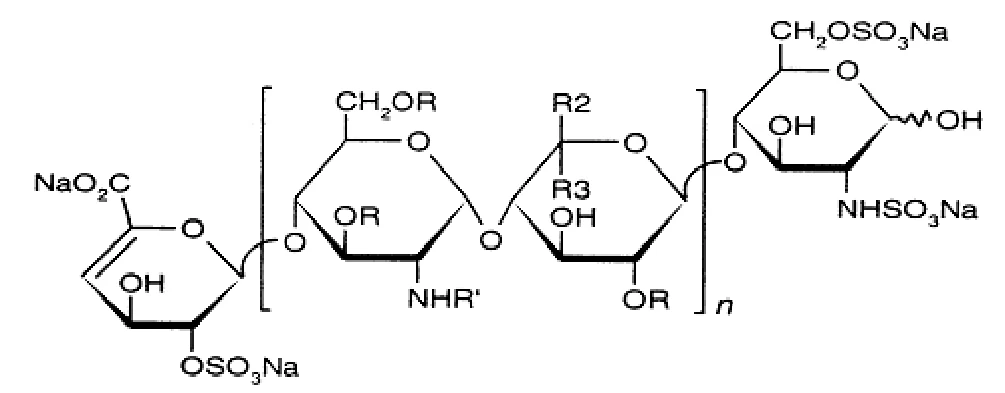 |
| Physicochemical properties: | A white or yellowish powder, freely soluble in water, insoluble in organic solvents. pH of a 1% aqueous solution is between 5.5 and 8.0. |
| Pharmaceutical standard: | Porcine intestinal mucosa |
Product Characteristics:
The manufacturing process for INNOHEP® solution for injection (regardless of composition differences) is conventional as all ingredients are soluble in water at ambient temperature in the concentrations used in the drug product. The preparation at room temperature avoids the use of heat. pH of the solution is adjusted, if necessary.
The sterility of the solution for injection is ensured by a sterile double filtration.
15 MICROBIOLOGY
No microbiological information is required for this drug product.
16 NON-CLINICAL TOXICOLOGY
From the toxicological studies performed, it has been shown that the major risk of treatment with tinzaparin is loss of blood, either internal or external, due to bleeding. The antithrombotic activity and anticoagulant activity of tinzaparin have been demonstrated in rats and rabbits in three different in vivo models and in rats and dogs in ex vivo model systems. These studies have shown that, as with unfractionated heparin, bleeding complications are the major side effect of tinzaparin. Tinzaparin is essentially devoid of significant secondary pharmacological effect. Tinzaparin had no effect on platelet aggregation in vitro. Although osteopenic effects of long-term treatment were not specifically determined, bone ash weights were lower in rats treated for 52 weeks with subcutaneous tinzaparin (25 mg/kg/day) or unfractionated heparin (12.5 mg/kg/day) compared to the vehicle control group.
Acute Toxicology: NMRI mice and Wistar rats were used in single-dose toxicity studies involving tinzaparin and USP Heparin by intravenous and subcutaneous administration. The deaths seen in these studies, together with a few other signs seen in all the single-dose studies, were caused by the exaggerated pharmacological effect of tinzaparin, namely massive loss of blood from the circulatory system caused by the effect of tinzaparin on the coagulation system. No other toxic effects of tinzaparin were seen even at extremely high dosages given once. The LD50 has not been established after either subcutaneous or intravenous administration.
Long-Term Toxicology: Repeated dose studies were performed in rats and dogs. Two 4-week studies were performed by intravenous administration, and two 52-week studies were performed by subcutaneous administration.
No signs of thrombocytopenia were seen in the repeated dose studies. In the one-year dog study, only females showed increased plasma content of triglycerides, phospholipids and total cholesterol. Heparin and LMWH activate lipoprotein lipase and hepatic lipase, enhance plasma lipolytic activity and elevate plasma levels of free fatty acid in humans. It is believed the effect seen in the female dogs may reflect these characteristics.
From the repeated dose studies, an increased spleen weight was found in connection with extra-medullar haematopoiesis. Further, increased liver and kidney weights were observed but no histopathological changes were found in these organs. It has been postulated that increased liver weight may be due to this organ containing the first binding sites of tinzaparin to the reticuloendothelial system. The kidneys are the main excreting organ for heparin and heparin-like substances and the increased kidney weight is thought to be an adaptive reaction to treatment.
From the repeated dose studies carried out in rats and dogs, it can be concluded that tinzaparin was well tolerated.
Mutagenicity: In four mutagenicity tests tinzaparin showed no evidence of chromosomal damage or mutagenic potential.
Carcinogenicity: An investigation into former use of heparin in humans or into research data from animal studies did not indicate any oncogenic or carcinogenic potential nor did the production of tinzaparin introduce any elements which should be taken into consideration. Furthermore, none of the above mentioned toxicological studies on tinzaparin indicate any carcinogenic risks. As a result, no animal carcinogenicity studies have been performed.
Reproductive and Developmental Toxicology: The reproduction studies showed that tinzaparin had no effect on fertility in male and female rats or on their F1 generation progeny. Fetal development and teratogenicity studies produced no evidence of embryotoxic or teratogenic effects in rats and rabbits. Peri- and post-natal development studies indicated that tinzaparin had no toxic effects on the F1 or F2 generation.