


Product Monograph - Gemcitabine Injection (Apotex)
RECENT MAJOR LABEL CHANGES
| 7 WARNINGS and PRECAUTIONS, Vascular | 06/2025 |
|---|---|
| 7 WARNINGS and PRECAUTIONS, Reproductive Health: Female and Male Potential | 06/2025 |
| 7 WARNINGS and PRECAUTIONS, Skin | 06/2025 |
TABLE OF CONTENTS
Certain sections or subsections that are not applicable at the time of the preparation of the most recent authorized product monograph are not listed.
RECENT MAJOR LABEL CHANGES .......................................................................................... 2
TABLE OF CONTENTS ............................................................................................................ 2
PART I: HEALTH PROFESSIONAL INFORMATION .................................................................... 4
1 INDICATIONS ............................................................................................................... 4
1.1 Pediatrics .................................................................................................................. 4
1.2 Geriatrics .................................................................................................................. 4
2 CONTRAINDICATIONS .................................................................................................. 4
3 SERIOUS WARNINGS AND PRECAUTIONS BOX .............................................................. 4
4 DOSAGE AND ADMINISTRATION .................................................................................. 5
4.1 Dosing Considerations .............................................................................................. 5
4.2 Recommended Dose and Dosage Adjustment ......................................................... 6
4.4 Administration .......................................................................................................... 8
5 OVERDOSAGE .............................................................................................................. 8
6 DOSAGE FORMS, STRENGTHS, COMPOSITION AND PACKAGING ................................... 9
7 WARNINGS AND PRECAUTIONS ................................................................................... 9
7.1 Special Populations ................................................................................................. 12
7.1.1 Pregnant Women ................................................................................................... 12
7.1.2 Breast-feeding ........................................................................................................ 12
7.1.3 Pediatrics ................................................................................................................ 12
7.1.4 Geriatrics ................................................................................................................ 12
8 ADVERSE REACTIONS ................................................................................................. 13
8.2 Clinical Trial Adverse Reactions .............................................................................. 13
8.5 Post-Market Adverse Reactions ............................................................................. 27
9 DRUG INTERACTIONS ................................................................................................. 28
9.2 Drug Interactions Overview .................................................................................... 28
9.4 Drug-Drug Interactions ........................................................................................... 28
9.5 Drug-Food Interactions .......................................................................................... 28
9.6 Drug-Herb Interactions ........................................................................................... 28
9.7 Drug-Laboratory Test Interactions ......................................................................... 28
9.8 Drug-Radiation Interactions ................................................................................... 28
10 CLINICAL PHARMACOLOGY ........................................................................................ 28
10.1 Mechanism of Action .............................................................................................. 28
10.2 Pharmacodynamics ................................................................................................ 29
10.3 Pharmacokinetics ................................................................................................... 30
11 STORAGE, STABILITY AND DISPOSAL .......................................................................... 31
12 SPECIAL HANDLING INSTRUCTIONS ............................................................................ 32
PART II: SCIENTIFIC INFORMATION ..................................................................................... 33
13 PHARMACEUTICAL INFORMATION ............................................................................. 33
14 CLINICAL TRIALS ......................................................................................................... 33
14.1 Clinical Trials by Indication ..................................................................................... 33
15 MICROBIOLOGY ......................................................................................................... 46
16 NON-CLINICAL TOXICOLOGY ...................................................................................... 46
17 SUPPORTING PRODUCT MONOGRAPHS ..................................................................... 53
PATIENT MEDICATION INFORMATION ................................................................................ 54
PART I: HEALTH PROFESSIONAL INFORMATION
1 INDICATIONS
Gemcitabine Injection (gemcitabine hydrochloride) is indicated for the:
- Treatment of patients with locally advanced (non-resectable Stage II or Stage III) or metastatic (Stage IV) adenocarcinoma of the pancreas to achieve a Clinical Benefit Response (a composite measure of clinical improvement).
- Treatment of patients with locally advanced or metastatic non-small cell lung cancer (NSCLC) as either a single agent or in combination with cisplatin.
- Treatment of patients with Stage IV (locally advanced or metastatic) transitional cell carcinoma (TCC) of the bladder in combination with cisplatin.
- Treatment, in combination with paclitaxel, of patients with unresectable, locally recurrent or metastatic breast cancer, who have good performance status and have relapsed following adjuvant anthracycline-based chemotherapy.
Gemcitabine Injection should be used only under the supervision of a qualified healthcare professional who is experienced in the use of chemotherapeutic agents and in the management of patients with cancer. Appropriate management of therapy and complications is only possible when adequate diagnostic and treatment facilities are readily available.
1.1 Pediatrics
Pediatrics (<17 years of age): Safety and effectiveness in children have not been established. No data are available to Health Canada; therefore, Health Canada has not authorized an indication for pediatric use.
1.2 Geriatrics
Geriatrics (> 65 years of age): Gemcitabine has been well tolerated in patients over the age of 65. Although clearance is affected by age (see 10 CLINICAL PHARMACOLOGY), there is no evidence that further dose adjustments, (i.e. other than those already recommended in section 4 DOSAGE AND ADMINISTRATION) are necessary in patients over the age of 65.
2 CONTRAINDICATIONS
- Gemcitabine Injection is contraindicated in patients who are hypersensitive to this drug or to any ingredient in the formulation, including any non-medicinal ingredient, or component of the container. For a complete listing, see 6 DOSAGE FORMS, STRENGTHS, COMPOSITION AND PACKAGING.
3 SERIOUS WARNINGS AND PRECAUTIONS BOX
Serious Warnings and Precautions
|
|---|
4 DOSAGE AND ADMINISTRATION
4.1 Dosing Considerations
- This preparation is for intravenous use only.
- Gemcitabine Injection should be administered by healthcare professionals experienced in the administration of chemotherapeutic drugs.
- Patients should be monitored prior to each dose for granulocyte and platelet counts.
- Periodic physical examination and checks of renal and hepatic function should be made to detect non-hematologic toxicity.
- Dosage escalation or reduction should be based upon the degree of toxicities experienced by the patient.
4.2 Recommended Dose and Dosage Adjustment
Dosage - Pancreatic Cancer
Gemcitabine Injection should be used by intravenous infusion at a dose of 1000 mg/m2 over 30 minutes once weekly for up to 7 weeks (or until toxicity necessitates reducing or holding a dose), followed by one week of rest from treatment. Subsequent cycles should consist of infusions once weekly for 3 consecutive weeks out of every 4 weeks.
For dose adjustment guidelines, see Dose Adjustment: Dose Modifications for Pancreatic Cancer, Non-Small Cell Lung Cancer, and TCC of the Bladder section below.
Dosage - Non-Small Cell Lung Cancer
Single-agent Gemcitabine Injection should be administered by intravenous infusion at a dose of 1000 mg/m2 over 30 minutes once weekly for three consecutive weeks, followed by a one week rest period. This 4-week cycle is repeated.
Gemcitabine hydrochloride has been given in combination with cisplatin on either a 4-week or a 3-week schedule. With the 4-week schedule, Gemcitabine Injection should be administered intravenously at 1000 mg/m2 over 30 minutes on Days 1, 8, and 15 of each 28-day cycle. Cisplatin should be administered intravenously at 100 mg/m2 on Day 1 after the infusion of Gemcitabine Injection. With the 3-week schedule, Gemcitabine Injection should be administered intravenously at 1250 mg/m2 over 30 minutes on Days 1 and 8 of each 21-day cycle. Cisplatin at a dose of 100 mg/m2 should be administered intravenously after the infusion of Gemcitabine Injection on Day 1. See cisplatin prescribing information for administration and hydration guidelines.
For dose adjustment guidelines, see Dose Adjustment: Dose Modifications for Pancreatic Cancer, Non-Small Cell Lung Cancer, and TCC of the Bladder section below.
Dosage - TCC of the Bladder
Gemcitabine Injection should be administered by intravenous infusion at a dose of 1000 mg/m2 over 30 minutes on Days 1, 8 and 15 of each 28-day cycle. Cisplatin should be administered intravenously at 70 mg/m2 on Day 1 of each 28-day cycle. This 4-week schedule is then repeated. See cisplatin prescribing information for administration and hydration guidelines. A clinical trial showed more myelosuppression when cisplatin was used in doses of 100 mg/m2.
For dose adjustment guidelines, see Dose Adjustment: Dose Modifications for Pancreatic Cancer, Non-Small Cell Lung Cancer, and TCC of the Bladder section below.
Dosage - Breast Cancer
Gemcitabine Injection has been given in combination with paclitaxel. It is recommended to administer paclitaxel (175 mg/m2) on Day 1 over approximately 3 hours as an intravenous infusion, followed by Gemcitabine Injection (1250 mg/m2) as a 30-minute intravenous infusion on Days 1 and 8 of each 21-day cycle. Patients should have an absolute granulocyte count ≥ 1500 x 106/L and a platelet count ≥ 100,000 x 106/L prior to each cycle. See paclitaxel prescribing information for administration guidelines.
For dose adjustment guidelines, see Dose Adjustment: Dose Modifications for Breast Cancer section below.
Dosage Adjustment for Pancreatic Cancer, Non-Small Cell Lung Cancer, and TCC of the Bladder
Patients receiving Gemcitabine Injection should be monitored prior to each dose for granulocyte and platelet counts and, if necessary, the dose of Gemcitabine Injection may be either reduced or withheld in the presence of hematological toxicity according to the guidelines in Table 1.
Table 1: Dose Adjustments Based on Granulocyte and Platelet Counts
Absolute granulocyte count (x 106/L) | Platelet count (x 106/L) | % of full dose | |
| > 1000 | and | > 100,000 | 100 |
| 500 - 1000 | or | 50,000 - 100,000 | 75 |
| < 500 | or | < 50,000 | hold |
Periodic physical examination and checks of renal and hepatic function should be made to detect non-hematologic toxicity. Doses may be reduced or withheld based upon the level of toxicity.
Doses should be reduced or withheld until toxicity has resolved in the opinion of the physician.
Dosage Adjustment for Breast Cancer
Patients should be monitored prior to each dose with a complete blood count, including differential counts.
Gemcitabine Injection dosage adjustments for hematological toxicity are based on the granulocyte and platelet counts taken on Day 8 of therapy. If marrow suppression is detected, Gemcitabine Injection dosage should be modified according to the guidelines in Table 2.
Table 2: Day 8 Dosage Reduction Guidelines for Gemcitabine Injection in Combination with Paclitaxel
| Absolute granulocyte count (x 106/L) | Platelet count (x 106/L) | % of full dose | |
| ≥ 1200 | and | > 75,000 | 100 |
| 1000 - 1199 | or | 50,000 - 75,000 | 75 |
| 700 - 999 | and | ≥ 50,000 | 50 |
| < 700 | or | < 50,000 | hold |
Periodic physical examination and checks of renal and hepatic function should be made to detect non-hematologic toxicity. Doses may be reduced or withheld based upon the level of toxicity.
Doses should be reduced or withheld until toxicity has resolved in the opinion of the physician.
For severe (Grade 3 or 4) non-hematological toxicity, therapy should be held or decreased by 50% depending on the judgment of the treating physician.
Treatment Discontinuation
Acute shortness of breath in association with Gemcitabine Injection administration may occur. Bronchodilators, corticosteroids and/or oxygen produce symptomatic relief. Some reports of parenchymal lung toxicity were consistent with drug-induced pneumonitis in association with the use of gemcitabine hydrochloride (see 8 ADVERSE REACTIONS). The mechanism of this toxicity is not known. Patients suspected of experiencing drug-induced pneumonitis should be discontinued and not be re-challenged with the drug.
Pediatric use
Health Canada has not authorized an indication for pediatric use.
4.4 Administration
Ready-to-use Gemcitabine Injection (38 mg / mL) is available in clear glass vials as 200 mg / 5.26 mL, 1 g / 26.3 mL, and 2 g / 52.6 mL. Gemcitabine Injection is a sterile ready-to-use aqueous solution, which is intended for intravenous use. The pH range is 2.0 to 3.0. This product contains no antimicrobial preservatives. The appropriate amount of drug may be administered without dilution or further diluted with 0.9% sodium chloride injection or 5% dextrose injection to concentrations as low as 0.1 mg/mL.
Gemcitabine hydrochloride is well tolerated during the infusion, with only a few cases of injection site reaction reported. There have been no reports of injection site necrosis. Gemcitabine hydrochloride also does not appear to act as a vesicant in a case of extravasation. Gemcitabine hydrochloride may be administered on an outpatient basis.
As with other toxic compounds, caution should be exercised in handling and preparing solutions with Gemcitabine Injection. The use of gloves is recommended. If the solution of gemcitabine hydrochloride contacts the skin or mucosa, immediately wash the skin or mucosa thoroughly with soap and water or rinse the mucosa with copious amounts of water.
Parenteral drugs should be inspected visually for particulate matter and discolouration, prior to administration, whenever solution and container permit.
See 11 STORAGE, STABILITY AND DISPOSAL for more details.
5 OVERDOSAGE
There is no known antidote for overdoses of Gemcitabine Injection. Myelosuppression and paresthesia were the principal toxicities seen when a single dose as high as 5700 mg/m2 was administered by intravenous infusion over 30 minutes every 2 weeks to several patients in a phase I study. In the event of a suspected overdose, the patient should be monitored with appropriate blood counts and should receive supportive therapy, as necessary.
| For the most recent information in the management of a suspected drug overdose, contact your regional poison control centre or Health Canada’s toll-free number, 1-844 POISON-X (1-844-764-7669). |
|---|
6 DOSAGE FORMS, STRENGTHS, COMPOSITION AND PACKAGING
Gemcitabine Injection is available in clear glass vials as 200 mg / 5.26 mL, 1 g / 26.3 mL, and 2 g / 52.6 mL. Gemcitabine Injection is a sterile ready-to-use aqueous solution, which is intended for intravenous use. The pH range is 2.0 – 3.0. This product contains no antimicrobial preservatives. Each mL of Gemcitabine Injection contains 38 mg gemcitabine (gemcitabine hydrochloride), sodium hydroxide and/or hydrochloric acid (as pH adjusters) and water for injection.
Table 3: Dosage Forms, Strengths, Composition and Packaging
| Route of Administration | Dosage Form/ Strength/Composition | Non-medicinal Ingredients |
| Intravenous | Ready to use solution, 38 mg / mL | Hydrochloric acid, sodium hydroxide and water for Injection |
7 WARNINGS AND PRECAUTIONS
Please see 3 SERIOUS WARNINGS AND PRECAUTIONS BOX.
General
In all instances where the use of Gemcitabine Injection is considered for chemotherapy, the physician must evaluate the need and usefulness of the drug against the risk of adverse events. If severe adverse events occur, the drug should be reduced in dosage, omitted, or discontinued and appropriate corrective measures should be taken based on the clinical judgment of the physician (see 4 DOSAGE AND ADMINISTRATION).
Most drug-related adverse reactions observed with gemcitabine hydrochloride therapy are reversible (see 8 ADVERSE REACTIONS).
Fever and Flu-Like Symptoms
Gemcitabine Injection may cause fever, with or without flu-like symptoms, in the absence of clinical infection (see 8 ADVERSE REACTIONS). The administration of acetaminophen may provide symptomatic relief.
Radiosensitizing Effect
In a single trial where gemcitabine hydrochloride at a dose of 1000 mg/m2 was administered once weekly for up to six (6) consecutive weeks concurrently with therapeutic thoracic radiation to patients with NSCLC, significant toxicity was observed in the form of severe, and potentially life-threatening mucositis, especially esophagitis and pneumonitis, particularly in patients receiving large volumes of radiotherapy [median treatment volumes 4795 cm3] (see 9
DRUG INTERACTIONS for more information). The optimum regimen for safe administration of gemcitabine hydrochloride with therapeutic doses of radiation has not yet been determined.
Carcinogenesis and Mutagenesis
Information available is based upon preclinical studies (see 16 NON-CLINICAL TOXICOLOGY).
Cardiovascular
Heart failure has been reported very rarely (<0.01%). Arrhythmias, predominantly supraventricular in nature, have been reported signaling awareness of the possibility of cardiovascular events (see 8 ADVERSE REACTIONS: Clinical Trial Adverse Reactions and Post-Market Adverse Reactions).
Vascular
Clinical signs of peripheral vasculitis and gangrene and capillary leak syndrome have been reported very rarely (<0.01%) in association with gemcitabine hydrochloride therapy.
Reports of capillary leak syndrome (CLS), some fatal, have been reported in patients receiving gemcitabine hydrochloride as single agent or in combination with other chemotherapeutic agents. Some have recurred upon subsequent gemcitabine injection. Gemcitabine Injection should be permanently discontinued and supportive measures implemented if CLS develops during therapy (see 8 ADVERSE DRUG REACTIONS: Post-Market Adverse Reactions: Vascular).
Reports of hemolytic uremic syndrome (HUS), thrombotic microangiopathy (TMA), capillary leak syndrome (CLS), adult respiratory distress syndrome (ARDS), and posterior reversible encephalopathy syndrome (PRES) with potentially severe consequences have been reported in patients receiving gemcitabine as single agent or in combination with other chemotherapeutic agents. These events can be related to vascular endothelial injury possibly induced by gemcitabine. Gemcitabine should be discontinued and supportive measures implemented if any of these develop during therapy (see Neurologic, Renal, Respiratory warnings and 8 ADVERSE REACTIONS).
Hematologic
Gemcitabine Injection can suppress bone marrow function as manifested by leukopenia, thrombocytopenia and anemia. Blood counts should be taken prior to each dose (see 4 DOSAGE AND ADMINISTRATION for dose reduction guidelines).
Blood counts may continue to deteriorate even after gemcitabine administration has been stopped. Patients should be monitored with appropriate blood counts and should receive supportive therapy if necessary.
Hepatic/Biliary/Pancreatic
Cases of serious hepatotoxicity including liver failure and death have been very rarely reported in patients receiving gemcitabine hydrochloride alone or in combination with other potentially hepatotoxic drugs. A causal relationship between gemcitabine hydrochloride and severe hepatotoxicity including liver failure and death has not been established (see 7 WARNINGS
AND PRECAUTIONS: Special Populations; 8 ADVERSE REACTIONS: Clinical Trial Adverse Reactions and Post-Market Adverse Reactions).
Neurologic
Reports of posterior reversible encephalopathy syndrome (PRES) with potentially severe consequences have been reported very rarely (<0.01%) in patients receiving gemcitabine as single agent or in combination with other chemotherapeutic agents, including platinum-containing agents. Acute hypertension and seizure activity were reported in most patients. The onset of PRES signs and symptoms was reported to occur from a few days to six months after initiation of gemcitabine. PRES was typically reversible in these patients. PRES can present with headache, hypertension, seizure, lethargy, confusion, blindness, and other visual and neurologic disturbances. Diagnosis is optimally confirmed by magnetic resonance imaging. Gemcitabine should be permanently discontinued, and supportive measures, including blood pressure control and anti-seizure therapy, should be implemented if PRES develops during therapy (see 7 WARNINGS AND PRECAUTIONS: Cardiovascular; 8 ADVERSE REACTIONS: Post-Market Adverse Reactions).
Renal
There have been cases of histologically confirmed Hemolytic Uremic Syndrome (HUS) reported uncommonly (0.25% in clinical trials) in patients treated with gemcitabine hydrochloride. Renal failure leading to death or requiring dialysis despite discontinuation of therapy has been reported rarely. The majority of cases of renal failure leading to death were due to HUS (see 7 WARNINGS AND PRECAUTIONS: Special Populations; 8 ADVERSE REACTIONS: Clinical Trial Adverse Reactions and Post-Market Adverse Reactions).
Gemcitabine Injection should be discontinued at the first signs of any evidence of microangiopathic hemolytic anemia such as rapidly falling hemoglobin with concomitant thrombocytopenia, elevation of serum bilirubin, serum creatinine, blood urea nitrogen, or lactate dehydrogenase (LDH). Renal failure may not be reversible even with discontinuation of therapy, and dialysis may be required.
Reproductive Health: Female and Male Potential
Fertility
Based on animal data, gemcitabine can impair male fertility (see 16 NON-CLINICAL TOXICOLOGY).
Teratogenic Risk
Based on animal data and its mechanism of action, gemcitabine can cause fetal harm when administered to a pregnant woman. Gemcitabine was teratogenic and embryotoxic in mice and rabbits. Advise women of child-bearing potential to use effective contraception during treatment and for 6 months after the final dose. Advise men to use effective contraception during treatment and for at least 3 months following the final dose.
Respiratory
In clinical trials, acute shortness of breath in association with Gemcitabine Injection administration occurred in 2.5% of patients at Grade 3 and <1.5% at grade 4 (See 8 ADVERSE REACTIONS: Pulmonary). Bronchodilators, corticosteroids, and/or oxygen produce symptomatic relief.
Pulmonary effects, sometimes severe (such as pulmonary edema, interstitial lung disease or adult respiratory distress syndrome (ARDS)) have been reported in association with gemcitabine hydrochloride therapy, some of which may be attributed to capillary leak syndrome (see Vascular warning). If such effects develop, patients should discontinue therapy with Gemcitabine Injection and not be re-challenged with the drug. See 7 WARNINGS AND PRECAUTIONS: Cardiovascular; and 4 DOSAGE AND ADMINISTRATION.
Skin
Gemcitabine hydrochloride administration has been associated with rash (see 8 ADVERSE REACTIONS). Topical corticosteroids may provide symptomatic relief. Severe cutaneous adverse reactions (SCARs), including Stevens Johnson syndrome (SJS), toxic epidermal necrolysis (TEN), drug eruption with eosinophilia and systemic symptoms (DRESS), and acute generalized exanthematous pustulosis (AGEP), which can be life-threatening or fatal, have been reported in association with gemcitabine treatment. Patients should be advised of the signs and symptoms and monitored closely for skin reactions. If signs and symptoms suggestive of these reactions appear, gemcitabine should be withdrawn immediately.
7.1 Special Populations
7.1.1 Pregnant Women
The use of Gemcitabine Injection should be avoided in pregnant women because of the potential hazard to the fetus. Evaluation of experimental animal studies has shown reproductive toxicity, e.g. birth defects or other effects on the development of the embryo or fetus, the course of gestation or peri-and postnatal development.
7.1.2 Breast-feeding
The use of Gemcitabine Injection should be avoided in nursing women because of the potential hazard to the infant.
7.1.3 Pediatrics
Pediatrics (< 17 years of age): Safety and effectiveness in children have not been established. No data are available to Health Canada; therefore, Health Canada has not authorized an indication for pediatric use.
7.1.4 Geriatrics
Geriatrics (> 65 years of age): Gemcitabine hydrochloride has been well tolerated in patients over the age of 65. Although clearance is affected by age (see 10.3 Pharmacokinetics), there is no evidence that further dose adjustments, (i.e. other than those recommended under 4 DOSAGE AND ADMINISTRATION) are necessary in patients over the age of 65.
8 ADVERSE REACTIONS
8.2 Clinical Trial Adverse Reactions
Clinical trials are conducted under very specific conditions. The adverse reaction rates observed in the clinical trials; therefore, may not reflect the rates observed in practice and should not be compared to the rates in the clinical trials of another drug. Adverse reaction information from clinical trials may be useful in identifying and approximating rates of adverse drug reactions in real-world use.
Gemcitabine hydrochloride has been used both as a single agent and in combination with other cytotoxic drugs.
Single-Agent Use: Data in Table 4 are based on 22 clinical studies (N=979) of gemcitabine hydrochloride administered as a single agent, using starting doses in the range of 800 to 1250 mg/m2 administered weekly as a 30-minute infusion for the treatment of a wide variety of malignancies. Of the 979 patients only 10.4% (102) were discontinued due to an adverse event regardless of causality. WHO grade 3 or 4 toxicity of non-laboratory events was less than 1% for all parameters except nausea and vomiting, pulmonary toxicity, infection and pain.
All WHO-graded laboratory toxicities for a total of 979 patients are listed in Table 4, regardless of causality. Non-laboratory WHO-toxicities were available for 565 patients. They are listed in Table 4 (for parameters that occurred in ≥ 5% of patients), or discussed below. Edema, extravasation and flu-like symptoms were reported regardless of causality as treatment emergent signs and symptoms (TESS1; N=979).
Data are also shown (Table 4) for the subset of patients (N=360) with non-small cell lung cancer treated in 4 clinical studies (2 studies WHO laboratory toxicities; 2 studies non-laboratory WHO toxicities) and the subset of patients (N=159) with pancreatic cancer treated in 5 clinical studies (WHO laboratory and non-laboratory toxicities). The frequency of all grades was generally similar for the overall safety database and the subsets of patients with non-small cell lung cancer and pancreatic cancer.
1 TESS: An event was considered treatment-emergent, if it occurred for the first time or worsened while receiving therapy following baseline evaluation. It is important to emphasize that although the events were reported during therapy, they were not necessarily caused by the therapy.
Table 4: WHO-Graded Toxicities Occurring with a ≥ 5% Frequency in Patients Receiving Gemcitabine Hydrochloride
| WHO Grades (in % frequency) are rounded to the closest integer | ||||||||||
| WHO Grades (in % frequency) are rounded to the closest integer | ||||||||||
| All Patients | Non-Small Cell Lung Cancer Patients | Pancreatic Cancer Patients | Disconti- nuations (%) | |||||||
| All Patients | Non-Small Cell Lung Cancer Patients | Pancreatic Cancer Patients | Disconti- nuations (%) | |||||||
All Grades | Grade 3 | Grade 4 | All Grades | Grade 3 | Grade 4 | All Grades | Grade 3 | Grade 4 | All Patients | |
All Grades | Grade 3 | Grade 4 | All Grades | Grade 3 | Grade 4 | All Grades | Grade 3 | Grade 4 | All Patients | |
| LABORATORY | (N=979) | (N=360) | (N=244) | (N=979) | ||||||
| Hematologic | ||||||||||
| Anemia | 68 | 7 | 1 | 65 | 5 | <1 | 73 | 8 | 3 | <1 |
| Neutropenia | 63 | 19 | 6 | 61 | 20 | 5 | 61 | 17 | 7 | |
| Leucopenia | 62 | 9 | <1 | 55 | 7 | <1 | 63 | 8 | 1 | <1 |
| Thrombocyto-penia | 24 | 4 | 1 | 16 | 1 | 1 | 36 | 7 | <1 | <1 |
| Hepatic | ||||||||||
| ALT | 68 | 8 | 2 | 70 | 9 | 3 | 72 | 10 | 1 | <1 |
| AST | 67 | 7 | 2 | 67 | 5 | 1 | 78 | 12 | 5 | |
Alkaline Phosphatase | 55 | 7 | 2 | 48 | 2 | 0 | 77 | 16 | 4 | |
| Bilirubin | 13 | 2 | <1 | 8 | <1 | <1 | 26 | 6 | 3 | |
| Renal | ||||||||||
| Proteinuria | 36 | <1 | 0 | 52 | <1 | 0 | 15 | <1 | 0 | |
| Hematuria | 31 | <1 | 0 | 43 | 2 | 0 | 14 | 0 | 0 | |
| BUN | 16 | 0 | 0 | 16 | 0 | 0 | 15 | 0 | 0 | <1 |
| Creatinine | 7 | <1 | 0 | 6 | <1 | 0 | 6 | 0 | 0 | |
| NON-LABORATORY | (N=565) | (N=243) | (N=159) | (N=979) | ||||||
| Gastrointestinal Disorders | ||||||||||
Nausea and Vomiting | 64 | 17 | 1 | 69 | 19 | <1 | 62 | 12 | 2 | <1 |
| Diarrhea | 12 | <1 | 0 | 6 | <1 | 0 | 24 | 2 | 0 | 0 |
| Constipation | 8 | <1 | 0 | 7 | <1 | 0 | 13 | 2 | 0 | 0 |
| Stomatitis | 8 | <1 | 0 | 7 | <1 | 0 | 10 | 0 | 0 | <1 |
| General Disorders and Administration Site Conditions | ||||||||||
| Fever | 37 | <1 | 0 | 46 | <1 | 0 | 28 | <1 | 0 | <1 |
| Pain | 16 | 1 | 0 | 16 | 1 | 0 | 12 | 2 | 0 | <1 |
| Infections | ||||||||||
| Infection | 9 | 1 | <1 | 10 | 0 | 0 | 8 | 1 | 0 | <1 |
| Nervous System Disorders | ||||||||||
State of Consciousness / Somnolence | 9 | <1 | 0 | 6 | 0 | 0 | 10 | 3 | 0 | <1 |
| Respiratory Disorders | ||||||||||
| Dyspnea | 8 | 1 | <1 | 8 | 2 | 0 | 6 | 0 | 0 | <1 |
| Skin and Subcutaneous Tissue Disorders | ||||||||||
| Skin Rash | 25 | <1 | 0 | 30 | 0 | 0 | 22 | 0 | 0 | <1 |
| Alopecia | 14 | <1 | 0 | 14 | <1 | 0 | 14 | 0 | 0 | 0 |
Grade based on criteria from the World Health Organization (WHO)
Alopecia
Hair loss (alopecia), usually minimal, was reported for any WHO grade in only 13.7% of patients. No grade 4 toxicity (non-reversible alopecia) was reported, and only 0.4% of patients reported grade 3 toxicity (complete but reversible alopecia).
Cardiac Toxicity
Less than two percent of patients discontinued therapy with gemcitabine hydrochloride due to cardiovascular events such as myocardial infarction, arrhythmia, chest pain, heart failure, pulmonary edema and hypertension. Many of these patients had a prior history of cardiovascular disease.
Cutaneous Toxicity
A rash was seen in 24.8% of patients, was usually mild, not dose-limiting and responded to local therapy (see 7 WARNINGS AND PRECAUTIONS). The rash was typically a macular or finely granular maculopapular pruritic eruption of mild to moderate severity involving the trunk and extremities.
Edema
The occurrence of edema is reported regardless of causality as a treatment-emergent event (TESS). Edema (13%), peripheral edema (20%) and facial edema (<1%) were reported. Overall, edema was usually mild to moderate and reversible. Less than 1% of patients (N=979) discontinued due to edema.
Extravasation
Gemcitabine hydrochloride is well tolerated during the infusion with only a few cases (4%) of injection site reaction reported. Gemcitabine hydrochloride does not appear to be a vesicant (see 4 DOSAGE AND ADMINISTRATION). There have been no reports of injection site necrosis.
Fever and Infection
Fever of any severity was reported in 37.3% of patients. Fever was frequently associated with other flu-like symptoms and was usually mild and clinically manageable. Less than 1% of patients were discontinued for fever. The incidence of fever contrasts with the incidence of infection (8.7%) and indicates that gemcitabine hydrochloride may cause fever in the absence of clinical infection (see 7 WARNINGS AND PRECAUTIONS).
Flu-Like Symptoms
"Flu-syndrome" was reported regardless of causality (TESS) for 18.9% of patients (N=979). Individual symptoms of headache, anorexia, fever, chills, myalgia and asthenia were the most commonly reported symptoms. Cough, rhinitis, malaise, sweating and insomnia were also commonly reported. Less than 1% of patients discontinued due to flu-like symptoms.
Gastrointestinal
Mild or moderate nausea and vomiting (WHO toxicity grade 1 and 2) was reported in 64% of all patients. WHO grade 3 toxicity, defined as vomiting requiring therapy, was reported in 17.1% of patients. Any patient who received prophylactic antiemetics was automatically graded ≥ WHO grade 3, even if they only developed mild nausea. Diarrhea and stomatitis were usually mild and occurred in less than 13% of patients. WHO toxicity for constipation was mild (WHO grade 1) in the majority of cases and was reported in 7.8% of patients.
Hematologic
Myelosuppression is the major dose-limiting toxicity with gemcitabine hydrochloride; it was usually of short duration, reversible and not cumulative over time. Less than 1% of patients discontinued therapy for either anemia, leucopenia, or thrombocytopenia. Red blood cell transfusions were received by 19% of patients and less than 1% of patients received platelet transfusions. The incidence of major infection (WHO grade toxicity of 3) was only 1.1% and only one grade 4 toxicity for infection occurred.
Hepatic
Gemcitabine hydrochloride was associated with transient elevations of serum transaminases (predominantly WHO grades 1 and 2) in approximately two-thirds of patients, but there was no evidence of increasing hepatic toxicity with either longer duration of treatment with gemcitabine hydrochloride or with greater total cumulative dose.
Neurotoxicity
WHO grade 1 or 2 peripheral neurotoxicity2 was reported for 3.3% of patients. No patient reported WHO grade 3 or 4 toxicity.
2 WHO grade 1 peripheral neurotoxicity is defined as paresthesia and/or decreased tendon reflexes and WHO grade 2 toxicity is defined as severe paresthesia and/or mild weakness.
State of consciousness toxicity was usually mild to moderate (WHO grades 1 and 2); somnolence was reported for 4.6% of patients.
Pulmonary and Allergic
Gemcitabine Injection should not be administered to patients with a known hypersensitivity to this drug. One case of anaphylactoid reaction has been reported.
The administration of gemcitabine hydrochloride has been infrequently associated with shortness of breath (Dyspnea; see 7 WARNINGS AND PRECAUTIONS). Dyspnea, when graded by WHO-toxicity criteria (Table 4) was reported in 8%, and severe dyspnea (WHO grades 3 and 4) was reported in 1.4% of patients.
Dyspnea, regardless of causality (TESS) was reported in 23% of patients and serious dyspnea was reported in 3% of patients. It should be noted that in both of these analyses, the occurrence of dyspnea may have been due to underlying disease such as lung cancer (40% of study population) or pulmonary manifestations of other malignancies. Dyspnea was occasionally accompanied by bronchospasm (<1% of patients).
Renal
Mild proteinuria and hematuria were commonly reported. Clinical findings consistent with the hemolytic uremic syndrome (HUS) were reported in 6 out of 2429 patients (0.25%) receiving gemcitabine hydrochloride in clinical trials (see 7 WARNINGS AND PRECAUTIONS). Renal failure associated with HUS may not be reversible even with discontinuation of therapy, and dialysis may be required.
Combination Use with Cisplatin in Non-Small Cell Lung Cancer: This section focuses on adverse events that were increased in frequency and/or severity with the addition of cisplatin to gemcitabine hydrochloride. Gemcitabine hydrochloride plus cisplatin was compared to single-agent cisplatin in a randomized trial, and safety data were collected using NCI Common Toxicity Criteria (CTC). In a second randomized trial, gemcitabine hydrochloride plus cisplatin was compared to the combination of cisplatin plus etoposide, and World Health Organization (WHO) criteria were used to grade adverse reactions. All CTC- and WHO-graded adverse events that occurred in ≥ 10% of patients are listed in Table 5. Toxicity grades for laboratory parameters are reported regardless of causality.
Table 5: CTC- and WHO-Graded Toxicities Occurring with a ≥ 10% Frequency in NSCLC Patients Receiving Gemcitabine Hydrochloride plus Cisplatin
| CTC and WHO Grades (in % frequency) are rounded to the closest integer | |||||||
|---|---|---|---|---|---|---|---|
| CTC and WHO Grades (in % frequency) are rounded to the closest integer | |||||||
NCI COMMON TOXICITY CRITERIA | Gemcitabine Hydrochloride plus Cisplatin (n=260)a vs. Cisplatin (n=262) (% incidence) | World Health Organization (WHO) Criteria | Gemcitabine Hydrochloride plus Cisplatin (n=69)b vs. Cisplatin plus Etoposide (n=66) (% incidence) | ||||
NCI COMMON TOXICITY CRITERIA | Gemcitabine Hydrochloride plus Cisplatin (n=260)a vs. Cisplatin (n=262) (% incidence) | World Health Organization (WHO) Criteria | Gemcitabine Hydrochloride plus Cisplatin (n=69)b vs. Cisplatin plus Etoposide (n=66) (% incidence) | ||||
All Grades | Grade 3 | Grade 4 | All Grades | Grade 3 | Grade 4 | ||
All Grades | Grade 3 | Grade 4 | All Grades | Grade 3 | Grade 4 | ||
| LABORATORYc | |||||||
| Hematologic | |||||||
| Anemia | 89 | 22 | 3 | Anemia | 88 | 22 | 0 |
| Thrombocytopenia | 85 | 25 | 25 | Thrombocytopenia | 81 | 39 | 16 |
| Leucopenia | 82 | 35 | 11 | Leucopenia | 86 | 26 | 3 |
| Neutropenia | 79 | 22 | 35 | Neutropenia | 88 | 36 | 28 |
| Lymphocytes | 75 | 25 | 18 | ||||
| Hepatic | |||||||
| Transaminase | 22 | 2 | 1 | ||||
Alkaline Phosphatase | 19 | 1 | 0 | Alkaline Phosphatase | 16 | 0 | 0 |
| Renal | |||||||
| Creatinine | 38 | 4 | <1 | ||||
| Proteinuria | 23 | 0 | 0 | Proteinuria | 12 | 0 | 0 |
| Hematuria | 15 | 0 | 0 | Hematuria | 22 | 0 | 0 |
| Other Laboratory | |||||||
| Hypomagnesemia | 30 | 4 | 3 | ||||
| Hyperglycemia | 30 | 4 | 0 | ||||
| Hypocalcemia | 18 | 2 | 0 | ||||
| NON-LABORATORYd | |||||||
| Blood | |||||||
| Hemorrhage | 14 | 1 | 0 | ||||
| Gastrointestinal Disorders | |||||||
| Nausea | 93 | 25 | 2 | Nausea and Vomiting | 96 | 35 | 4 |
| Vomiting | 78 | 11 | 12 | ||||
| Constipation | 28 | 3 | 0 | Constipation | 17 | 0 | 0 |
| Diarrhea | 24 | 2 | 2 | Diarrhea | 14 | 1 | 1 |
| Stomatitis | 14 | 1 | 0 | Stomatitis | 20 | 4 | 0 |
| General Disorders and Administration Site Conditions | |||||||
| Fever | 16 | 0 | 0 | ||||
| Local | 15 | 0 | 0 | ||||
| Infections | |||||||
| Infections | 18 | 3 | 2 | Infection | 28 | 3 | 1 |
| Nervous System Disorders | |||||||
| Neuro-Motor | 35 | 12 | 0 | Paresthesias | 38 | 0 | 0 |
| Neuro-Hearing | 25 | 6 | 0 | ||||
| Neuro-Sensory | 23 | 1 | 0 | ||||
| Neuro-Cortical | 16 | 3 | 1 | ||||
| Neuro-Mood | 16 | 1 | 0 | ||||
| Neuro-Headache | 14 | 0 | 0 | ||||
| Respiratory Disorders | |||||||
| Dyspnea | 12 | 4 | 3 | ||||
| Skin and Subcutaneous Tissue Disorders | |||||||
| Alopecia | 53 | 1 | 0 | Alopecia | 77 | 13 | 0 |
| Rash | 11 | 0 | 0 | Rash | 10 | 0 | 0 |
| Vascular Disorders | |||||||
| Hypotension | 12 | 1 | 0 | ||||
a Gemcitabine hydrochloride plus cisplatin patients with laboratory or non-laboratory data, N=217-253. Gemcitabine hydrochloride at 1000 mg/m2 on Days 1, 8 and 15, and cisplatin at 100 mg/m2 on Day 1 every 28 days.
b Gemcitabine hydrochloride plus cisplatin patients with laboratory or non-laboratory data, N=67-69. Gemcitabine hydrochloride at 1250 mg/m2 on Days 1 and 8, and cisplatin at 100 mg/m2 on Day 1 every 21 days.
c Regardless of causality.
d Non-laboratory events were graded only if assessed to be possibly drug-related.
Alopecia
In comparison with single-agent gemcitabine hydrochloride therapy, the incidence of alopecia with gemcitabine hydrochloride plus cisplatin combination therapy was increased; 14% with gemcitabine hydrochloride alone versus 53% and 77% with gemcitabine hydrochloride plus cisplatin. Hair loss was usually minimal (CTC/WHO Grade 1 or 2). However, 0.8% of patients that received gemcitabine hydrochloride plus cisplatin on the 4-week schedule experienced CTC Grade 3 alopecia, and 13% of patients who were on the 3-week schedule experienced WHO Grade 3 alopecia. No irreversible (i.e. Grade 4) hair loss was reported.
Fever and Infection
The majority of patients that received gemcitabine hydrochloride plus cisplatin did not develop fever and only one patient (4-week cycle) experienced CTC Grade 3 fever. On the 4-week gemcitabine hydrochloride plus cisplatin schedule, CTC Grade 3 and 4 infections were seen in 2.8% and 1.6% of patients, respectively. On the 3-week schedule, WHO Grade 3 and 4 infections were seen in 2.9% and 1.4% of patients, respectively.
Gastrointestinal
The incidence of nausea and vomiting was higher for combination therapy with gemcitabine hydrochloride plus cisplatin (~90%) than it was for single agent gemcitabine hydrochloride (50 to 70%). On the 4 week cycle, 23% of patients in the gemcitabine hydrochloride plus cisplatin arm experienced CTC Grade 3 or Grade 4 nausea and vomiting, and on the 3 week cycle, the incidence of WHO Grade 3 or 4 nausea and vomiting was 39.1% in the gemcitabine plus cisplatin arm, despite the use of antiemetics. Although nausea and vomiting were frequent, they were rarely dose-limiting and were seldom reasons for discontinuation from the study. Diarrhea, stomatitis and constipation were usually mild and occurred in 14 to 28% of patients who received gemcitabine hydrochloride plus cisplatin.
Hematologic
As expected, myelosuppression occurred more frequently with gemcitabine hydrochloride plus cisplatin treatment (~90%) than with gemcitabine hydrochloride monotherapy (~60%), and gemcitabine hydrochloride dosage adjustments for hematologic toxicity were required more often with combination therapy. Although myelosuppression was common, early study discontinuation due to bone marrow suppression occurred in only 3.1% and 4.3% of patients receiving gemcitabine hydrochloride plus cisplatin in the two randomized trials. Platelet transfusions were required by 3% and 21% of patients who received gemcitabine hydrochloride plus cisplatin on a 3-week or 4-week cycle, respectively, and red blood cell transfusions were required by approximately 30 to 40% of patients. Less than 8% of patients treated with gemcitabine hydrochloride plus cisplatin were hospitalized for febrile neutropenia. Sepsis and severe hemorrhagic events were rare.
Neurotoxicity
CTC Grade 3 neuro-hearing toxicity (hearing loss interfering with function but correctable with hearing aid) was experienced by 5.6% and 2.9% of gemcitabine hydrochloride plus cisplatin patients on 4-week and 3-week schedules, respectively. CTC Grade 3 neuromotor toxicity was experienced by 11.5% of gemcitabine hydrochloride plus cisplatin patients on the 4-week schedule, and 38% of patients on the 3-week schedule experienced peripheral neurotoxicity (WHO Grade 1 or 2 only).
Renal
On the 4-week gemcitabine hydrochloride plus cisplatin schedule, CTC Grade 3 creatinine toxicity was observed in 4.4% of patients, and one patient experienced Grade 4 creatinine toxicity. On the 3-week schedule, no WHO Grade 2, 3 or 4 BUN or creatinine toxicity was observed.
Combination Use with Cisplatin in Bladder Cancer [Transitional Cell Carcinoma (TCC) of the Urothelium]: The following information presents adverse events seen with gemcitabine hydrochloride in combination with cisplatin for treatment of bladder cancer. Gemcitabine hydrochloride plus cisplatin (GC) was compared to MVAC in a pivotal, randomized trial.
Safety data were collected using the WHO toxicity criteria with the exception of the Neuro-Hearing event which was graded using the NCI Common Toxicity Criteria. All WHO- and CTC-graded adverse events that occurred in ≥ 10% of patients are listed in Table 6.
Alopecia
Grade 3 and 4 alopecia occurred significantly less often in gemcitabine hydrochloride plus cisplatin patients than in MVAC patients (GC 10.5% vs. 55.2%).
Cardiac
Grade 3 and 4 cardiovascular events such as myocardial function, arrhythmia, chest pain, heart failure, pulmonary edema and hypertension were rare; Grade 3 events occurred in 4.1% of patients on gemcitabine hydrochloride plus cisplatin. There were no Grade 4 events. In the MVAC arm 2.2% of patients experienced Grade 3 events and 0.5% of patients experienced Grade 4 events.
Gastrointestinal
The incidence of diarrhea was higher in the MVAC treatment arm than it was for the gemcitabine hydrochloride plus cisplatin. In the MVAC arm, 8% of patients experienced Grade 3 or 4 diarrhea compared to 3% of patients in the gemcitabine hydrochloride plus cisplatin arm. Nausea and vomiting occurred in similar frequencies among the gemcitabine hydrochloride plus cisplatin (22%) and the MVAC arms (21%).
Hematologic
Hematologic toxicity was the most frequent laboratory toxicity seen on both treatment arms in this pivotal trial. Grade 3 and 4 neutropenia occurred less often in gemcitabine hydrochloride plus cisplatin patients than in MVAC patients (GC 71% vs. MVAC 82%). Grade 3 and 4 anemia was more common on the gemcitabine hydrochloride plus cisplatin arm versus MVAC arm (27% vs. 18%). Grade 3 and 4 thrombocytopenia was more common on the gemcitabine hydrochloride plus cisplatin arm versus MVAC arm (GC 57% vs. MVAC 21%). In patients with Grade 3 or 4 thrombocytopenia there was no Grade 4 bleeding and only infrequent Grade 3 bleeding (< 2%) on either arm. On the gemcitabine hydrochloride plus cisplatin arm, for every 100 cycles of chemotherapy, 13 patients received whole blood or red blood cell transfusion. On the MVAC arm, for every 100 cycles of chemotherapy, 13 patients received whole blood or red blood cell transfusion. On the gemcitabine hydrochloride plus cisplatin arm, for every 100 cycles of chemotherapy, 4 patients received platelet transfusion. On the MVAC arm, for every 100 cycles of chemotherapy, 2 patients received platelet transfusion.
Neurotoxicity
Of the 191 patients assessed in the gemcitabine hydrochloride plus cisplatin arm, CTC Grade 3 neuro-hearing toxicity occurred in 3 patients (2%). No patient experienced Grade 4 neuro-hearing toxicity. By comparison, out of 173 patients assessed in the MVAC arm, CTC Grade 3 neuro-hearing toxicity occurred in 3 patients. Grade 4 neuro-hearing toxicity occurred in 1 patient.
Pulmonary
Grade 3 and 4 dyspnea occurred in 2.5% and 0.5% of patients on the gemcitabine hydrochloride plus cisplatin respectively, while compared to 2.6% Grade 3 and 3.1% Grade 4 dyspnea in the MVAC arm.
Renal
No patients on the gemcitabine hydrochloride plus cisplatin arm experienced Grade 3 or 4 renal toxicity, while Grade 3 renal toxicity was observed in 0.5% of patients in the MVAC arm. Renal toxicity was measured by serum creatinine levels.
Table 6: Selected WHO-Graded Adverse Events from Comparative Trial of Gemcitabine Hydrochloride plus Cisplatin versus MVAC in TCC of the Bladder
| WHO Grades (% incidence) | ||||||
|---|---|---|---|---|---|---|
| WHO Grades (% incidence) | ||||||
| Gemcitabine Hydrochloride plus Cisplatina | MVACb | |||||
| Gemcitabine Hydrochloride plus Cisplatina | MVACb | |||||
| All Grades | Grade 3 | Grade 4 | All Grades | Grade 3 | Grade 4 | |
| All Grades | Grade 3 | Grade 4 | All Grades | Grade 3 | Grade 4 | |
| LABORATORY c | ||||||
| Hematologic | ||||||
| Anemia | 94 | 24 | 4 | 86 | 16 | 2 |
| Leucopenia | 92 | 44 | 7 | 93 | 46 | 18 |
| Neutropenia | 91 | 41 | 30 | 89 | 17 | 65 |
| Thrombocytopenia | 86 | 29 | 29 | 46 | 8 | 13 |
| Platelet Transfusionsd | 18 | 8 | ||||
| Hepatic | ||||||
| AST | 30 | 1 | 0 | 28 | 2 | 0 |
| ALT | 29 | 1 | 0 | 28 | 2 | 0 |
| Alkaline Phosphatase | 17 | 2 | 1 | 19 | 1 | 0 |
| Renal | ||||||
| BUN | 36 | 1 | 0 | 37 | 0 | 0 |
| Creatinine | 24 | 0 | 0 | 23 | 1 | 0 |
| Hematuria | 18 | 5 | 0 | 21 | 2 | 0 |
| Proteinuria | 9 | 0 | 0 | 14 | 1 | 0 |
| NON-LABORATORYe | ||||||
| Blood | ||||||
| Hemorrhage | 23 | 2 | 0 | 15 | 2 | 0 |
| Gastrointestinal Disorders | ||||||
| Nausea and Vomiting | 78 | 22 | 0 | 86 | 19 | 2 |
| Constipation | 38 | 2 | 0 | 39 | 3 | 1 |
| Diarrhea | 24 | 3 | 0 | 34 | 8 | 1 |
| Stomatitis | 20 | 1 | 0 | 66 | 18 | 4 |
| General Disorders and Administration Site Conditions | ||||||
| Fever | 21 | 0 | 0 | 30 | 3 | 0 |
| Infections | ||||||
| Infection | 24 | 2 | 1 | 47 | 10 | 5 |
| Nervous System Disorders | ||||||
| Paresthesias | 26 | 1 | 0 | 25 | 1 | 0 |
| Neuro Hearingf | 19 | 2 | 0 | 14 | 2 | 1 |
| Somnolence | 17 | 1 | 0 | 30 | 3 | 1 |
| Respiratory Disorders | ||||||
| Dyspnea | 28 | 3 | 1 | 21 | 3 | 3 |
| Skin | ||||||
| Alopecia | 61 | 11 | 0 | 89 | 54 | 1 |
| Rash | 23 | 0 | 0 | 16 | 0 | 1 |
Grade based on criteria from the World Health Organization (WHO)
aN=191-200; all patients on gemcitabine hydrochloride plus cisplatin with laboratory or non-laboratory data; gemcitabine hydrochloride 1000 mg/m2 on Days 1, 8, and 15, and cisplatin 70 mg/m2 on Day 2 of each 28-day cycle
bN=186-194: all patients on MVAC with laboratory or non-laboratory data: methotrexate 30 mg/m2 on Days 1,
15, and 22, vinblastine 3 mg/m2 on Days 2, 15, and 22, doxorubicin 30 mg/m2 on Day 2, and cisplatin 70 mg/m2 on Day 2 of each 28-day cycle
cRegardless of causality
dPercent of patients requiring transfusion
eNon-laboratory events were graded only if assessed to be possibly treatment-related.
fGrade based on NCI Common Toxicity Criteria
Combination Use with Paclitaxel in Breast Cancer: The following information presents adverse events seen with gemcitabine hydrochloride in combination with paclitaxel for the treatment of patients with unresectable, locally recurrent or metastatic breast cancer who have relapsed following anthracycline-based chemotherapy.
Gemcitabine hydrochloride plus paclitaxel was compared to paclitaxel in Study JHQG, an unblinded, multicentre, randomized phase III study.
In the gemcitabine hydrochloride plus paclitaxel arm, 7% of patients discontinued treatment because of an adverse event compared to 5% on the paclitaxel arm. In the gemcitabine hydrochloride plus paclitaxel arm, 7% of gemcitabine hydrochloride doses were omitted and 8% were reduced, and 0.9% of paclitaxel doses were omitted and 5% were reduced. In the paclitaxel alone arm, 0.1% of paclitaxel doses were omitted and 2% were reduced. There were 12 deaths in the gemcitabine hydrochloride plus paclitaxel arm, and 8 in the paclitaxel alone arm on study or within 30 days after study drug discontinuation. One death on each arm of the study was possibly drug-related, while the rest of the deaths were attributed to progressive disease and a single death attributed to a traffic accident.
The hospitalization of patients in the gemcitabine hydrochloride plus paclitaxel arm and in the paclitaxel alone arm were similar and not statistically significant (8.8% and 7.3%, respectively). Median number of cycles given in the gemcitabine hydrochloride plus paclitaxel arm was 6, compared with 5 cycles given in the paclitaxel alone arm.
Table 7 presents a summary of Grade 3 and 4 toxicities reported in the pivotal clinical study JHQG.
Table 7: Percentages of Patients with Grade 3 and 4 Toxicities Reported in the Clinical Study of Gemcitabine Hydrochloride in Combination with Paclitaxel in Patients with Metastatic Breast Cancer
| CTC Grades (% incidence, rounded to the closest integer)a | ||||||||||||||||||
| CTC Grades (% incidence, rounded to the closest integer)a | ||||||||||||||||||
| CTC Grades (% incidence, rounded to the closest integer)a | ||||||||||||||||||
Gemcitabine Hydrochloride plus Paclitaxel (N=262) | Paclitaxel alone (N=259) | |||||||||||||||||
Gemcitabine Hydrochloride plus Paclitaxel (N=262) | Paclitaxel alone (N=259) | |||||||||||||||||
Gemcitabine Hydrochloride plus Paclitaxel (N=262) | Paclitaxel alone (N=259) | |||||||||||||||||
| All Grades | Grade 3 | Grade 4 | All Grades | Grade 3 | Grade 4 | |||||||||||||
| All Grades | Grade 3 | Grade 4 | All Grades | Grade 3 | Grade 4 | |||||||||||||
| All Grades | Grade 3 | Grade 4 | All Grades | Grade 3 | Grade 4 | |||||||||||||
| LABORATORYb | ||||||||||||||||||
| Hematologic Events | ||||||||||||||||||
| Neutropenia | 69 | 31 | 17 | 31 | 4 | 7 | ||||||||||||
| Anemia | 69 | 6 | 1 | 51 | 3 | <1 | ||||||||||||
| Thrombocytopenia | 26 | 5 | <1 | 7 | <1 | <1 | ||||||||||||
| Leucopenia | 21 | 10 | 1 | 12 | 2 | 0 | ||||||||||||
| Liver Abnormalities | ||||||||||||||||||
| ALT | 18 | 5 | <1 | 6 | <1 | 0 | ||||||||||||
| AST | 16 | 2 | 0 | 5 | <1 | 0 | ||||||||||||
| Metabolic | ||||||||||||||||||
| Hyperglycemia | 6 | 3 | 0 | 5 | 3 | 0 | ||||||||||||
| NON-LABORATORYc | ||||||||||||||||||
| Cardiac Disorders | ||||||||||||||||||
| Arrhythmia | <1 | <1 | 0 | 0 | 0 | 0 | ||||||||||||
| Gastrointestinal Disorders | ||||||||||||||||||
| Nausea | 50 | 1 | 0 | 31 | 2 | 0 | ||||||||||||
| Vomiting | 29 | 2 | 0 | 15 | 2 | 0 | ||||||||||||
| Diarrhea | 20 | 3 | 0 | 13 | 2 | 0 | ||||||||||||
| Stomatitis /Pharyngitis | 13 | 1 | <1 | 8 | <1 | 0 | ||||||||||||
| General Disorders | ||||||||||||||||||
| Fatigue | 40 | 6 | <1 | 28 | 1 | <1 | ||||||||||||
Febrile neutropenia (drug-related) | 6 | 5 | <1 | 2 | 1 | 0 | ||||||||||||
| Immune System Disorder | ||||||||||||||||||
Allergic reaction / Hypersensitivity | 5 | 0 | 0 | 3 | <1 | 0 | ||||||||||||
| Musculoskeletal and Connective Tissue Disorders | ||||||||||||||||||
| Myalgia | 33 | 4 | 0 | 33 | 3 | <1 | ||||||||||||
| Arthralgia | 24 | 3 | 0 | 22 | 2 | <1 | ||||||||||||
| Peripheral Nervous System Disorders | ||||||||||||||||||
| Neuropathy - sensory | 64 | 5 | <1 | 58 | 3 | 0 | ||||||||||||
| Neuropathy - motor | 15 | 2 | <1 | 10 | <1 | 0 | ||||||||||||
| Respiratory Disorders | ||||||||||||||||||
| Dyspnea | 9 | 2 | <1 | 3 | 0 | 0 | ||||||||||||
| Hypoxia | <1 | 0 | 0 | <1 | <1 | 0 | ||||||||||||
| Skin | ||||||||||||||||||
| Alopecia | 90 | 14 | 4 | 92 | 19 | 3 | ||||||||||||
- a The toxicities above are as measured by the CTC scale, Version 2.0 (Study JHQG).
- b Regardless of causality.
- c Non-laboratory events were graded only if assessed to be possibly drug-related.
Abbreviations: N= number of patients; ALT= alanine aminotransferase; AST= aspartate aminotransferase
Hematologic
In Study JHQG, more Grade 3 and 4 hematologic toxicities were reported with gemcitabine hydrochloride plus paclitaxel than paclitaxel alone. There was an increased incidence of red blood cells and/or whole blood transfusions (10% versus 4%), erythropoietin use (8% versus 3.5%), and granulocyte colony-stimulating factor use (7.6% versus 1.2%) in the gemcitabine hydrochloride plus paclitaxel arm than in the paclitaxel alone arm, respectively. There was a higher incidence of febrile neutropenia in the gemcitabine hydrochloride plus paclitaxel arm than in the paclitaxel alone arm (5% versus 1%; p <0.05); however, there was not an increased incidence of Grade 3 and 4 infections (<1%) or hemorrhagic events (0%). Of the patients experiencing febrile neutropenia (5%) in the gemcitabine hydrochloride plus paclitaxel arm, the majority of patients required hospitalization and dose adjustments.
Hepatic
Grade 3 and 4 liver enzyme elevation (ALT/AST) occurred in 8% of the patients treated with gemcitabine hydrochloride plus paclitaxel, and in 2% of the patients treated with paclitaxel alone.
Neurotoxicity
Eleven patients in the gemcitabine hydrochloride plus paclitaxel arm and 4 patients in the paclitaxel alone arm discontinued study due to neuropathy. In the gemcitabine hydrochloride plus paclitaxel arm, the majority of patients with neuropathy reported the onset after Cycle 2, while in the paclitaxel alone arm, most patients with neuropathy reported the onset after Cycle
- 4. Nearly half of the patients on each treatment arm reported Grade 3 or 4 neuropathy that lasted for more than one cycle.
Pulmonary
Grade 3 and 4 pulmonary toxicity characterized as dyspnea or hypoxia (2% versus <1%) were more common in the gemcitabine hydrochloride plus paclitaxel arm compared with the paclitaxel alone arm. Dyspnea was reported as worsening at the time of disease progression in patients who had this symptom reported at the time of study entry. All patients who reported dyspnea as Grade 3 or 4 toxicity and most who reported it as a serious adverse event had metastatic disease in the lungs and/or pleural effusion. No patients discontinued from the study because of Grade 3 or 4 dyspnea.
Other Grade 3 and 4 Toxicities
Grade 3 and 4 non-laboratory toxicities were more common in the gemcitabine hydrochloride plus paclitaxel arm.
The incidence of Grade 3 and 4 fatigue was 6% in the gemcitabine hydrochloride plus paclitaxel arm and 2% in the paclitaxel alone arm (p<0.05); however, there were no discontinuations due to Grade 3 or 4 fatigue. Grade 3 and 4 fatigue was reported for only one cycle in most patients on both treatment arms and was not associated with anemia.
Alopecia was common and was noted in both treatment arms (18% Grade 3 /4 alopecia in the gemcitabine hydrochloride plus paclitaxel arm, and 22% Grade 3/4 alopecia in the paclitaxel alone arm).
8.5 Post-Market Adverse Reactions
Blood and Lymphatic System Disorders: Thrombotic microangiopathy
Cardiac Disorders: Heart failure, arrhythmias (predominantly supraventricular)
Renal and Urinary Disorders: Hemolytic uremic syndrome (HUS)
Hepatobiliary Disorders: Increased liver function tests, including elevations in aspartate aminotransferase (AST), alanine aminotransferase (ALT), gamma-glutamyl transferase (GGT), alkaline phosphatase, and bilirubin levels
Injury, Poisoning, and Procedural Complications: Radiation toxicity and radiation recall reactions
Nervous System Disorders: Posterior reversible encephalopathy syndrome
Respiratory, Thoracic and Mediastinal Disorders: Pulmonary edema, interstitial pneumonitis, pulmonary eosinophilia, adult respiratory distress syndrome (ARDS)
Skin and Subcutaneous Tissue Disorders: Severe skin reactions, including Stevens-Johnson syndrome (SJS), toxic epidermal necrolysis (TEN), acute generalized exanthematous pustulosis (AGEP), and drug reaction with eosinophilia and systemic symptoms (DRESS); desquamation, bullous skin eruptions, pseudocellulitis
Vascular Disorders: Peripheral vasculitis, gangrene, capillary leak syndrome
9 DRUG INTERACTIONS
9.2 Drug Interactions Overview
The radiosensitizing effects of gemcitabine hydrochloride are reviewed below.
9.4 Drug-Drug Interactions
Interactions with other drugs have not been established.
9.5 Drug-Food Interactions
Interactions with food have not been established.
9.6 Drug-Herb Interactions
Interactions with herbal products have not been established.
9.7 Drug-Laboratory Test Interactions
Interactions with laboratory tests have not been established.
9.8 Drug-Radiation Interactions
Concurrent radiotherapy (given together or ≤ 7 days apart): Toxicity associated with this multimodality therapy is dependent on many different factors, including dose of gemcitabine hydrochloride, frequency of gemcitabine administration, dose of radiation, radiotherapy planning technique, the target tissue, and target volume. Pre-clinical and clinical studies have shown that gemcitabine has radiosensitizing activity. In a single trial, where gemcitabine hydrochloride at a dose of 1000 mg/m2 was administered once weekly for up to six (6) consecutive weeks concurrently with therapeutic thoracic radiation to patients with NSCLC, significant toxicity was observed in the form of severe, and potentially life-threatening mucositis, especially esophagitis and pneumonitis, particularly in patients receiving large volumes of radiotherapy [median treatment volumes 4795 cm3]. The optimum regimen for safe administration of gemcitabine hydrochloride with therapeutic doses of radiation has not yet been determined.
Radiation injury has been reported on targeted tissues (e.g. esophagitis, colitis, and pneumonitis) in association with both concurrent and non-concurrent use of gemcitabine hydrochloride. In addition, radiation recall has been seen with non-concurrent use.
10 CLINICAL PHARMACOLOGY
10.1 Mechanism of Action
Gemcitabine hydrochloride is a cell-cycle dependent oncolytic agent of the "antimetabolite" class. It is a deoxycytidine analog (difluoro-deoxycytidine; dFdC) that is metabolized intracellularly to the active diphosphate (dFdCDP) and triphosphate (dFdCTP) nucleosides. The cytotoxic effects of gemcitabine are exerted through dFdCDP-assisted incorporation of dFdCTP into DNA, resulting in inhibition of DNA synthesis and induction of apoptosis.
First, dFdCDP inhibits ribonucleotide reductase which is uniquely responsible for catalyzing the reactions that generate the deoxynucleotide triphosphates for DNA synthesis. Inhibition of this enzyme by dFdCDP causes a reduction in the concentrations of deoxynucleotides in general, and especially in that of dCTP. Second, dFdCTP competes with dCTP for incorporation into DNA. Likewise, a small amount of gemcitabine may also be incorporated into RNA. Thus, the reduction in the intracellular concentration of dCTP potentiates the incorporation of dFdCTP into DNA. DNA polymerase epsilon is essentially unable to remove gemcitabine and repair the growing DNA strands. After gemcitabine is incorporated into DNA, one additional nucleotide is added to the growing DNA strands. After this addition there is essentially a complete inhibition in further DNA synthesis (masked chain termination).
10.2 Pharmacodynamics
Gemcitabine exhibits cell phase specificity, primarily killing cells undergoing DNA synthesis (S-phase) and, under certain conditions, blocking the progression of cells through the G1/S-phase boundary. In vitro the cytotoxic action of gemcitabine is both concentration-dependent and time-dependent.
Anti-Tumour Activity
In vivo:
In animal tumour models, the anti-tumour activity of gemcitabine is schedule-dependent. When administered daily, gemcitabine causes significant animal lethality with very little anti-tumour activity. However, when an every third or fourth day dosing schedule is used, gemcitabine can be given at non-lethal doses that have an excellent anti-tumour activity against a broad range of murine tumours. For example, at non-toxic doses gemcitabine inhibits by 95 to 100% the growth of the following subcutaneously growing murine tumours: X5563 plasma cell myeloma, 6C3HED lymphosarcoma, CA-755 mammary adenocarcinoma and M5 ovarian carcinoma. Gemcitabine inhibits the growth of subcutaneously growing B16 melanoma in the range of 60 to 80%. Gemcitabine produces significant increases in the life span of mice bearing the leukaemia models P388 and L1210 in the range of 50 to 200%. Gemcitabine also inhibits the growth of P1534J and Friend Leukaemia in the order of 90%.
Gemcitabine has anti-tumour activity against a broad spectrum of human tumours grown as xenografts in immunologically deficient mice. As with murine tumours, optimum anti-tumour activity is seen when gemcitabine is given on a staggered dosing schedule. Several studies have shown that gemcitabine, at non-toxic doses, inhibits by 90 to 100% the growth of the following human carcinoma xenografts: non-small cell lung, mammary, colon, gastric, pancreatic, ovarian and head and neck.
Gemcitabine demonstrated dose-dependent synergistic activity with cisplatin in vitro, and no effect of cisplatin on gemcitabine triphosphate accumulation or DNA double-strand breaks was observed. In vivo, gemcitabine showed activity in combination with cisplatin against the LX-1 and CALU-6 human lung xenografts, but minimal activity was seen with the NCI-H460 or
NCI-H520 xenografts. When tested against the CALU-6 human lung adenocarcinoma xenograft, gemcitabine plus cisplatin produced 80% tumour regression and 98% tumour growth inhibition, without toxicity, and was more effective than gemcitabine alone at preventing regrowth of this tumour. Gemcitabine was synergistic with cisplatin in the Lewis lung murine xenograft. Sequential exposure to gemcitabine 4 hours before cisplatin produced the greatest interaction.
10.3 Pharmacokinetics
Gemcitabine disposition was studied in five patients who received a single 1000 mg/m2/30 minute infusion of radio-labeled drug. Within one (1) week, 92% to 98% of the dose was recovered, almost entirely in the urine. Gemcitabine (< 10%) and the inactive uracil metabolite, 2'-deoxy-2',2'-difluorouridine (dFdU), accounted for 99% of the excreted dose. The metabolite dFdU is also found in plasma. Gemcitabine plasma protein-binding is negligible.
The pharmacokinetics of gemcitabine were examined in 353 patients, about 2/3 men, with various solid tumours. Pharmacokinetic parameters were derived using data from patients treated for varying durations of therapy given weekly with periodic rest weeks and using both short infusions (< 70 minutes) and long infusions (70 to 285 minutes). The total gemcitabine dose varied from 500 to 3600 mg/m2.
Gemcitabine pharmacokinetics are linear and are described by a 2-compartment model. Population pharmacokinetic analyses of combined single and multiple dose studies showed that the volume of distribution of gemcitabine was significantly influenced by duration of infusion and gender. Clearance was affected by age and gender. Differences in either clearance or volume of distribution based on patient characteristics or the duration of infusion result in changes in half-life and plasma concentrations. Table 8 shows plasma clearance and half-life of gemcitabine following short infusions for typical patients by age and gender.
Table 8: Gemcitabine Clearance and Half-Life for the “Typical” Patient
| Age | Clearance Men (L/hr/m2) | Clearance Women (L/hr/m2) | Half-Lifea Men (min) | Half-Lifea Women (min) |
| 29 | 92.2 | 69.4 | 42 | 49 |
| 45 | 75.7 | 57.0 | 48 | 57 |
| 65 | 55.1 | 41.5 | 61 | 73 |
| 79 | 40.7 | 30.7 | 79 | 94 |
aHalf-life for patients receiving a short infusion (<70 min)
Gemcitabine half-life for short infusions ranged from 32 to 94 minutes, and the value for long infusions varied from 245 to 638 minutes, depending on age and gender, reflecting a greatly increased volume of distribution with longer infusions. The lower clearance in women and the elderly results in higher concentrations of gemcitabine for any given dose.
The volume of distribution was increased with infusion length. Volume of distribution of gemcitabine was 50 L/m2 following infusions lasting < 70 minutes, indicating that gemcitabine, after short infusions, is not extensively distributed into tissues. For long infusions, the volume of distribution rose to 370 L/m2, reflecting slow equilibration of gemcitabine within the tissue compartment.
The maximum plasma concentrations of dFdU (inactive metabolite) were achieved up to 30 minutes after discontinuation of the infusions. The metabolite was excreted in urine without undergoing further biotransformation and did not accumulate with weekly dosing. Its elimination is dependent on renal excretion and the metabolite could accumulate with decreased renal function.
In patients with NSCLC or bladder cancer receiving combination therapy with gemcitabine plus cisplatin, the plasma concentrations of gemcitabine and its major metabolite, dFdU, did not differ significantly from those observed in patients receiving single-agent gemcitabine.
The effects of significant renal or hepatic insufficiency on the disposition of gemcitabine have not been assessed.
The active metabolite, gemcitabine triphosphate, can be extracted from peripheral blood mononuclear cells. The half-life of the terminal phase for gemcitabine triphosphate from mononuclear cells ranges from 1.7 to 19.4 hours.
Special Populations and Conditions
- Sex: Gemcitabine clearance is affected by gender (see 10 CLINICAL PHARMACOLOGY). There is no evidence, however, that further dose adjustments (i.e. other than those already recommended in section 4 DOSAGE AND ADMINISTRATION) are necessary in women.
- Hepatic Insufficiency: Gemcitabine Injection should be used with caution in patients with pre-existing hepatic insufficiency, as there is insufficient information from clinical studies to allow clear dose recommendations for this patient population. Administration of Gemcitabine Injection in patients with compromised liver function due to liver metastasis or a pre-existing medical history of hepatitis, alcoholism, or liver cirrhosis may lead to exacerbation of the underlying hepatic insufficiency (see 4 DOSAGE AND ADMINISTRATION).
- Renal Insufficiency: Gemcitabine Injection should be used with caution in patients with pre-existing renal insufficiency, as there is insufficient information from clinical studies to allow clear dose recommendations for this patient population. All combination studies involving gemcitabine hydrochloride and cisplatin have been performed in patients with creatinine clearance of ≥60 mL/minute.
11 STORAGE, STABILITY AND DISPOSAL
Gemcitabine Injection should be stored at 2°C to 8°C. Protect from freezing.
Parenteral drugs should be inspected visually for particulate matter and discolouration prior to administration, whenever solution and container permit. Gemcitabine Injection is stable for 24 hours when added to an empty PVC bag at 15°C to 30°C. Gemcitabine Injection is stable for 24 hours at 15°C to 30°C when admixed with 0.9% Sodium Chloride Injection or 5% Dextrose Injection at a concentration as low as 0.1 mg/mL. Any unused solution should be discarded.
Gemcitabine Injection is available in a clear glass vial. It is recommended that the vial remains in the carton until time of use. Gemcitabine Injection vial should be inspected for damage and visible signs of leaks. If there are signs of breakage or leakage from the vial, do not use. Incinerate the unopened package.
12 SPECIAL HANDLING INSTRUCTIONS
Procedures for proper handling and disposal of anti-cancer drugs should be considered. Several guidelines on this subject have been published.
PART II: SCIENTIFIC INFORMATION
13 PHARMACEUTICAL INFORMATION
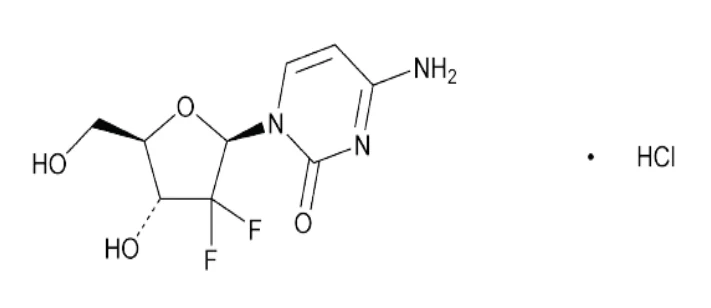
Drug Substance
Proper name: Gemcitabine hydrochloride
Chemical name: 2' -Deoxy-2’,2’ -difluorocytidine monohydrochloride (β-isomer)
(or) Cytidine 2’-deoxy- 2’, 2’ -difluoro-Monohydrochloride
Molecular formula and molecular mass: C9H11F2N3O4.HCl; 299.66 g/mol
Structural formula:
Physicochemical properties:
- white to off-white solid
- soluble in water
- slightly soluble in methanol
- practically insoluble in alcohol and polar organic solvents
- pH between 2.0 and 3.0 (10 mg/mL in aqueous solution), and the pKa is 3.58
14 CLINICAL TRIALS
14.1 Clinical Trials by Indication
Pancreatic Cancer:
Data from two clinical trials evaluated the use of gemcitabine hydrochloride in patients with locally advanced or metastatic pancreatic cancer. The first trial compared gemcitabine hydrochloride to 5-Fluorouracil (5-FU) in patients who had received no prior chemotherapy. A second trial studied the use of gemcitabine hydrochloride in pancreatic cancer patients previously treated with 5-FU or a 5-FU-containing regimen. In both studies, the first cycle of gemcitabine hydrochloride was administered intravenously at a dose of 1000 mg/m2 over 30 minutes once weekly for up to 7 weeks (or until toxicity necessitated holding a dose) followed by a week of rest from treatment with gemcitabine hydrochloride. Subsequent cycles consisted of injections once weekly for 3 consecutive weeks out of every 4 weeks.
The primary efficacy parameter in these studies was "clinical benefit response", which is a measure of clinical improvement based on analgesic consumption, pain intensity, performance status and weight change. Definitions for improvement in these variables were formulated prospectively during the design of the two trials. A patient was considered a clinical benefit responder if either:
i. the patient showed a ≥ 50% reduction in pain intensity (Memorial Pain Assessment Card) or analgesic consumption, or a twenty-point or greater improvement in performance status (Karnofsky Performance Scale) for a period of at least four consecutive weeks, without showing any sustained worsening in any of the other parameters. Sustained worsening was defined as four consecutive weeks with either any increase in pain intensity or analgesic consumption or a 20-point decrease in performance status occurring during the first 12 weeks of therapy.
OR:
ii. the patient was stable on all of the aforementioned parameters, and showed a marked, sustained weight gain (≥ 7% increase maintained for ≥ 4 weeks) not due to fluid accumulation.
The first study was a multicenter (17 sites in US and Canada), prospective, single-blinded, two-arm, randomized, comparison of gemcitabine hydrochloride and 5-FU in patients with locally advanced or metastatic pancreatic cancer who had received no prior treatment with chemotherapy. 5-FU was administered intravenously at a weekly dose of 600 mg/m2 for 30 minutes. The results from this randomized trial are shown in Table 9. Patients treated with gemcitabine hydrochloride had statistically significant increases in clinical benefit response, survival, and time to progressive disease compared to 5-FU. The Kaplan-Meier curve for survival is shown in Figure 1.
Table 9: Gemcitabine Hydrochloride versus 5-FU in Pancreatic Cancer
| Gemcitabine Hydrochloride | 5-FU | ||||||||||||||||
| Gemcitabine Hydrochloride | 5-FU | ||||||||||||||||
| Number of patients | 63 | 63 | |||||||||||||||
| Male | 34 | 34 | |||||||||||||||
| Female | 29 | 29 | |||||||||||||||
| Median age | 62 years | 61 years | |||||||||||||||
| Range | 37 to 79 years | 36 to 77 years | |||||||||||||||
| Stage IV disease | 71.4% | 76.2% | |||||||||||||||
| Baseline KPSa ≤ 70 | 69.8% | 68.3% | |||||||||||||||
| Clinical benefit response | 23.8% (Nc=15) | 4.8% (N=3) | p =0.0022 | ||||||||||||||
| Survival | |||||||||||||||||
| Median | 5.7 months | 4.2 months | p = 0.0009 | ||||||||||||||
| 6-month probabilityb | (N=30) 46% | (N=19) 29% | |||||||||||||||
| 9-month probabilityb | (N=14) 24% | (N=4) 5% | |||||||||||||||
| 1-year probabilityb | (N=9) 18% | (N=2) 2% | |||||||||||||||
| Range | 0.2 to 18.6 months | 0.4 to 15.1+ months | |||||||||||||||
| 95% C.I. of the median | 4.7 to 6.9 months | 3.1 to 5.1 months | |||||||||||||||
| Time to progressive disease | |||||||||||||||||
| Median | 2.3 months | 0.9 months | p = 0.0002 | ||||||||||||||
| Range | 0.1 + to 9.4 months | 0.1 to 12.0+ months | |||||||||||||||
| 95% C.I. of the median | 1.9 to 3.4 months | 0.9 to 1.1 months | |||||||||||||||
a Karnofsky Performance Status
bKaplan-Meier estimates
cN = number of patients
+ No progression at last visit; remained alive.
The p-value for clinical benefit response was calculated using the 2-sided test for difference in binomial proportions. All other p-values were calculated using the Log-Rank test for difference in overall time to an event.
Figure 1: Kaplan-Meier Survival Curve - Gemcitabine Hydrochloride versus 5-FU in Pancreatic Cancer
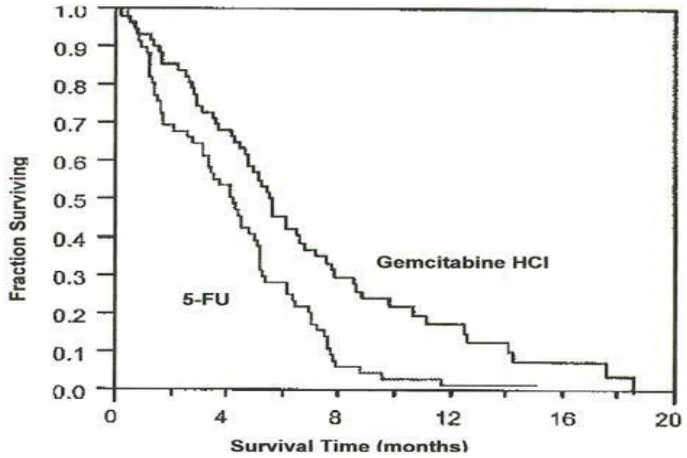
Clinical benefit response was achieved by 15 patients treated with gemcitabine hydrochloride and 3 patients treated with 5-FU. One patient on the gemcitabine hydrochloride arm showed improvement in all three primary parameters (pain intensity, analgesic consumption, and performance status). Twelve patients on the gemcitabine hydrochloride arm and two patients on the 5-FU arm showed improvement in analgesic consumption and/or pain intensity with stable performance status. Two patients on the gemcitabine hydrochloride arm showed improvement in analgesic consumption or pain intensity with improvement in performance status. One patient on the 5-FU arm was stable with regard to pain intensity and analgesic consumption with improvement in performance status. No patient on either arm achieved a clinical benefit response based on weight gain.
The second trial was a multicenter (17 US and Canadian centers), open-label study of gemcitabine hydrochloride in 63 patients with advanced pancreatic cancer previously treated with 5-FU or a 5-FU-containing regimen. The study showed a clinical benefit response rate of 27% and median survival of 3.9 months.
Non-Small Cell Lung Cancer:
Data from three randomized clinical studies (806 patients) support the use of gemcitabine hydrochloride, as a single agent or in combination with cisplatin, for the treatment of patients with locally advanced or metastatic NSCLC.
Gemcitabine hydrochloride versus cisplatin plus etoposide: Single-agent gemcitabine hydrochloride was compared to the combination regimen of cisplatin plus etoposide in previously untreated patients with Stage IIIA, IIIB or IV NSCLC. Patients randomized to gemcitabine hydrochloride (n=72) received 1000 mg/m2 on Days 1, 8, and 15 of a 28-day cycle. Patients randomized to cisplatin plus etoposide (n=75) received 100 mg/m2 of cisplatin on day 1 and 100 mg/m2 of etoposide intravenously on Days 1, 2 and 3 of each 28-day cycle. The primary end point was objective tumour response rate. Single-agent gemcitabine hydrochloride was as effective as the standard combination regimen of cisplatin plus etoposide in the treatment of chemo naive NSCLC. The objective tumour response rate for gemcitabine hydrochloride was 17.9%, as compared to 15.3% for cisplatin plus etoposide, and there were no complete responses with either treatment. Median survival was estimated to be 6.6 months for gemcitabine hydrochloride patients and 7.6 months for cisplatin plus etoposide patients. The median time to progressive disease was 4.1 months in both treatment groups. Adverse events were less frequent with single-agent gemcitabine hydrochloride as compared to the combination regimen.
Gemcitabine hydrochloride plus cisplatin versus cisplatin: This multicenter study enrolled 522 patients with inoperable Stage IIIA, IIIB, or IV NSCLC who had not received prior chemotherapy. Gemcitabine hydrochloride 1000 mg/m2 was administered on Days 1, 8, and 15 of a 28-day cycle with cisplatin 100 mg/m2 administered on day 1 of each cycle. Single-agent cisplatin 100 mg/m2 was administered on Day 1 of each 28-day cycle. The primary end point was survival.
Efficacy data are summarized in Table 10, and the Kaplan-Meier survival curve is shown in Figure 2. Median survival time on the gemcitabine hydrochloride plus cisplatin arm was 9.1 months compared to 7.6 months on the single-agent cisplatin arm (Log-Rank p = 0.0040, two- sided). Median time to disease progression was 5.6 months on the gemcitabine hydrochloride plus cisplatin arm compared to 3.7 months on the cisplatin arm (Log-Rank p = 0.0013, two-sided). The objective response rate on the gemcitabine hydrochloride plus cisplatin arm was 30.4% compared to 11.1% with cisplatin (Fisher's Exact p< 0.0001, two-sided). No differences between treatment arms with regard to median time to tumour response and duration of response were observed.
Figure 2 Kaplan-Meier Survival Curves - Gemcitabine Hydrochloride plus Cisplatin versus Cisplatin in Non-Small Cell Lung Cancer
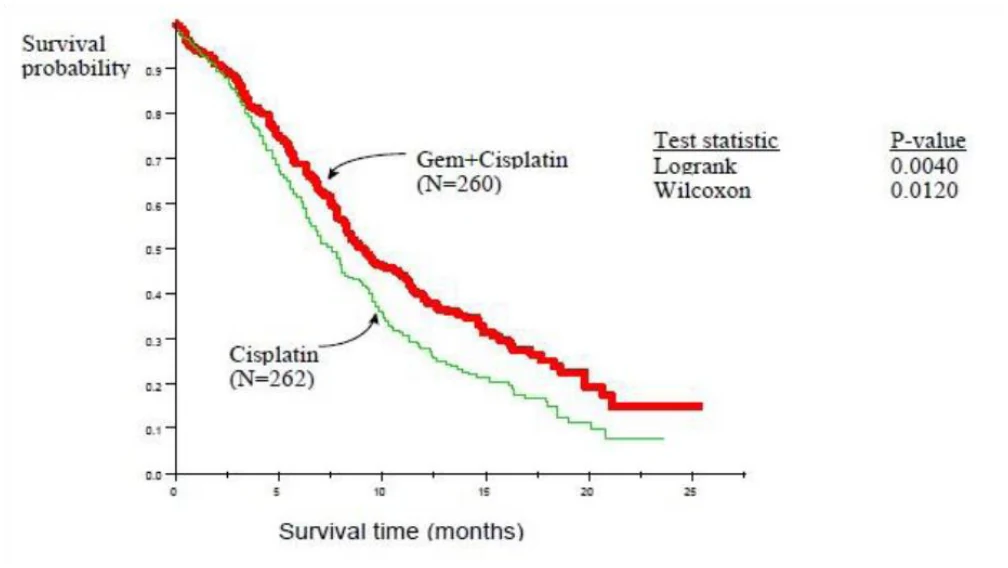
Table 10: Gemcitabine Hydrochloride plus Cisplatin in Non-Small Cell Lung Cancer
| Study JHEX | Study JHBR | ||||||||||||||||
|---|---|---|---|---|---|---|---|---|---|---|---|---|---|---|---|---|---|
| Study JHEX | Study JHBR | ||||||||||||||||
| Efficacy Measure | Gemcitabine Hydrochloride plus Cisplatin (N=260) | Cisplatin (N=262) | Significance | Gemcitabine Hydrochloride plus Cisplatin (N=69) | Cisplatin plus Etoposide (N=64) | Significance | |||||||||||
| Efficacy Measure | Gemcitabine Hydrochloride plus Cisplatin (N=260) | Cisplatin (N=262) | Significance | Gemcitabine Hydrochloride plus Cisplatin (N=69) | Cisplatin plus Etoposide (N=64) | Significance | |||||||||||
| Tumour Response | 30.4% | 11.1% | Fisher's Exact Testa | 40.6% | 21.9% | Fisher's Exact Test | |||||||||||
| CRb | 3 (1.2%) | 1 (0.4%) | p<0.0001 | none | none | P = 0.0253 | |||||||||||
| PR | 76 (29.2%) | 28(10.7%) | 28 (40.6%) | 14 (21.9%) | |||||||||||||
| PRNM | 1 (0.4%) | 1 (0.4%) | none | none | |||||||||||||
| SD | 97 (37.3%) | 111(42.4%) | 30 (43.5%) | 28 (43.8%) | |||||||||||||
| PD | 38 (14.6%) | 86 (32.8%) | 6 (8.7%) | 14 (21.9%) | |||||||||||||
| Not Evaluable | 20 (7.7%) | 17 (6.5%) | 1 (1.4%) | none | |||||||||||||
| Unknown | 25 (9.6%) | 18 (6.9%) | 4 (5.8%) | 8 (12.5%) | |||||||||||||
| Median Survival | 9.1 months | 7.6 months | Log-Rank p=0.0040 | 8.7 months | 7.2 months | ||||||||||||
| 6-month probability | 69% | 61% | Wilcoxon p=0.0120 | 72% | 63% | ||||||||||||
| 9-month probability | 50 % | 42 % | 46 % | 42 % | |||||||||||||
| 1-year probability | 39 % | 28% | 30% | 24% | |||||||||||||
Median Time to Progressive Diseasec | 5.6 months | 3.7 months | Log-Rank p = 0.0013 Wilcoxon p = 0.0003 | 6.9 months | 4.3 months | Log-Rank p = 0.0503 Wilcoxon p = 0.0110 | |||||||||||
Median Time to Treatment Failured | 3.6 months | 2.6 months | Log-Rank p = 0.0026 Wilcoxon p = 0.0040 | 4.1 months | 3.1 months | Log-Rank p = 0.2818 Wilcoxon p = 0.0419 | |||||||||||
Median Time to Tumour Responsee | 1.9 months | 1.8 months | 1.4 months | 1.5 months | |||||||||||||
Duration of Tumour Responsef | 6.1 months | 6.7 months | 8.7 months | 6.5 months | |||||||||||||
aWhere a statistically significant difference was observed between treatment arms, the statistical test and p-value have been noted.
bAbbreviations: CR, complete response; PR, partial response; PRNM, partial response non-measurable disease; SD, stable disease; PD, progressive disease.
cThe time from randomization until the time that the patient was classified as having progressive disease.
dThe time from randomization until the time that the patient discontinued from the study.
eThe number of months from randomization until tumour response was observed.
fJHEX: the time from first objective status assessment of CR or PR to the first time of progression or death due to any cause. JHBR: for PRs, the time from randomization to the first time of progression or death due to any cause.
Gemcitabine hydrochloride plus cisplatin versus etoposide plus cisplatin: A second, multicenter, study in Stage IIIB or IV NSCLC randomized 135 patients to gemcitabine hydrochloride 1250 mg/m2 on Days 1 and 8, and cisplatin 100 mg/m2 on Day 1 of a 21-day cycle or to etoposide 100 mg/m2 intravenously on Days 1, 2, and 3 and cisplatin 100 mg/m2 on Day 1 on a 21-day cycle (Table 10). The primary end point was objective tumour response rate.
The objective tumour response rate for gemcitabine hydrochloride plus cisplatin was significantly higher than that for cisplatin plus etoposide, 40.6% versus 21.9% (Fisher's Exact p = 0.0253, two-sided). Median time to disease progression for the gemcitabine hydrochloride plus cisplatin arm was 6.9 months compared to 4.3 months on the etoposide plus cisplatin arm (Log-
Rank p = 0.0338, two-sided). There was no significant difference in survival between the two treatment arms (Log-Rank p = 0.18, two-sided). The median survival was 8.7 months for the gemcitabine hydrochloride plus cisplatin arm versus 7.2 months for the etoposide plus cisplatin arm.
Bladder Cancer [Transitional Cell Carcinoma (TCC) of the Urothelium]:
Data from a randomized, multicenter, phase III clinical trial (405 patients with Stage IV TCC of the bladder) and two phase II trials support the use of gemcitabine hydrochloride in combination with cisplatin for the first-line treatment of patients with Stage IV (locally advanced or metastatic) TCC of the bladder.
The primary objective of the randomized, phase III trial was to compare survival of patients with Stage IV (locally advanced or metastatic) TCC of the bladder treated with either gemcitabine hydrochloride plus cisplatin or methotrexate, vinblastine, doxorubicin, and cisplatin (MVAC). Patients had not received any prior systemic chemotherapy. Patients were randomized to one of the following intravenous treatments:
- i) Gemcitabine hydrochloride 1000 mg/m2 on Days 1, 8, and 15, and cisplatin 70 mg/m2 on Day 2 of each 28-day cycle,
OR:
- ii) Methotrexate 30 mg/m2 on Days 1, 15, and 22, vinblastine 3 mg/m2 on Days 2, 15, and 22, doxorubicin 30 mg/m2 on Day 2, and cisplatin 70 mg/m2 on Day 2 of each 28-day cycle.
The secondary endpoints of this study were one-year survival probability, time to disease progression, response rates, duration of response, toxicity profile, and changes in quality of life. Patient demographics are shown in Table 11.
The Kaplan-Meier survival curve is shown in Figure 3 and efficacy data are summarized in Table 12. Median survival time on the gemcitabine hydrochloride plus cisplatin arm was 12.8 months compared to 14.8 months on the MVAC arm (Log-Rank p=0.55). Median time to disease progression was 7.4 months on the gemcitabine hydrochloride plus cisplatin arm compared to 7.6 months on the MVAC arm (Log-Rank p=0.84). The overall response rate on the gemcitabine hydrochloride plus cisplatin arm was 49.4% compared to 45.7% on the MVAC arm (Chi-Square p=0.51). Median duration of response was 9.6 months on the gemcitabine hydrochloride plus cisplatin arm compared to 10.7 months on the MVAC arm. Time to treatment failure on the gemcitabine hydrochloride plus cisplatin arm was 5.8 months vs. 4.6 months on the MVAC arm (Log-Rank p=0.139). Significantly more patients on gemcitabine hydrochloride plus cisplatin had an increase in weight over baseline compared to MVAC patients (27% vs. 12%, p=0.001).
Gemcitabine hydrochloride plus cisplatin was better tolerated than MVAC based on the indicators of tolerability discussed below and shown in Table 13. Gemcitabine hydrochloride plus cisplatin patients received a median of 6 cycles of treatment vs. a median of 4 cycles for MVAC patients. Gemcitabine hydrochloride plus cisplatin patients experienced significantly fewer episodes of neutropenic sepsis than MVAC patients (1% vs. 11.9%, p < 0.001). Patients on gemcitabine hydrochloride plus cisplatin experienced fewer episodes of febrile neutropenia resulting in hospitalization than did those on MVAC [9 hospital admissions (33 days) vs. 49 hospital admissions (272 days)]. Fewer gemcitabine hydrochloride plus cisplatin patients required colony-stimulating factors than did MVAC patients (6% vs. 20%). Gemcitabine hydrochloride plus cisplatin patients experienced less Grade 3 and 4 alopecia than did MVAC patients (11% vs. 55%). Grade 3 and 4 nausea and vomiting occurred in approximately 20% of the patients in both treatment arms. Grade 3 and 4 mucositis occurred in 1% of gemcitabine hydrochloride plus cisplatin patients vs. 22% of MVAC patients (p = 0.001).
Table 11: Randomized Trial of Combination Therapy with Gemcitabine Hydrochloride plus Cisplatin vs. MVAC in TCC of the Bladder
| Treatment Arm | Gemcitabine Hydrochloride plus Cisplatin | MVAC |
Number of patients (%) Male Female | N=203 160 (79) 43 (21) | N=202 160 (79) 42 (21) |
Median age, years Range | 63 34 - 83 | 63 38 - 83 |
Baseline Disease (%) Stage IV T4b only Metastatic (M1) Visceral | 203 (100) 16 (8) 141 (69) 99 (49) | 202 (100) 19 (9) 127 (63) 93 (46) |
Baseline KPSa (%) 60 to 80 90 to 100 | 90 (45) 109 (55) | 92 (48) 101 (52) |
a Karnofsky Performance Scale
Figure 3: Kaplan-Meier Survival Curve in Gemcitabine Hydrochloride plus Cisplatin versus MVAC Bladder Cancer Study (N=405)
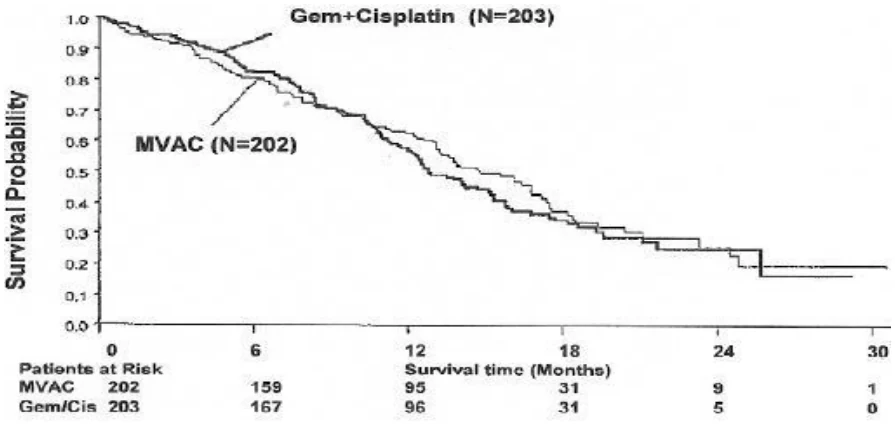
Table 12: Efficacy Data from Pivotal Randomized Trial of Combination Therapy with Gemcitabine Hydrochloride plus Cisplatin vs. MVAC in TCC of the Bladder
| Treatment Arm | Gemcitabine Hydrochloride plus Cisplatin | MVAC | |
| Survival | N=203 | N=202 | p = 0.55 |
| Median, months | 12.8 | 14.8 | |
| (95% C.I.) months | 12.0-15.3 | 13.2-17.2 | |
| 1 year survival probability (%) | 56.9 | 62.4 | |
| Time to Disease Progression | |||
| Median, months | 7.4 | 7.6 | p = 0.84 |
| (95% C.I.) months | 6.0-8.1 | 6.7-9.1 | |
| Tumour Response (%) | N=164 | N=151 | p = 0.51a |
| Overall | 49.4 | 45.7 | |
Duration of Response Median, months | 9.6 | 10.7 | p = 0.48 |
Time to Treatment Failure Median, months | 5.8 | 4.6 | p = 0.14 |
a p-value for tumour response was calculated using the 2- sided Pearson Chi-Square test for difference in binomial proportions. All other p-values were calculated using the Log-Rank test for difference in overall time to an event.
Table 13: Indicators of Tolerability from the Randomized Trial of Gemcitabine Hydrochloride plus Cisplatin versus MVAC
| Treatment Arm (N) | Gemcitabine Hydrochloride plus Cisplatin (203) | MVAC (202) | |
| Median cycles of therapy | 6 | 4 | |
| Total cycles of therapy | 943 | 792 | |
| Neutropenia (%) | |||
| Grade 3 | 41 | 17 | |
| Grade 4 | 30 | 65 | |
| Neutropenic sepsis (%) | 1 | 11.9 | p <0.001 |
| Febrile neutropenia | |||
| Hospitalizationsa | 9 | 49 | |
| Duration of stayb | 33 | 272 | |
| Colony-stimulating factors (%) | 6 | 20 | |
| Alopecia (%) | |||
| Grades 3 and 4 | 11 | 55 | |
| Mucositis (%) | |||
| Grades 3 and 4 | 1 | 22 | p = 0.001 |
| Nausea/Vomiting | |||
| Grades 3 and 4 | 22 | 21 | |
aPatient admissions due to febrile neutropenia.
bDays of hospitalization due to febrile neutropenia.
Quality of Life (QOL): QOL was measured using the EORTC QLQ-C30, which assessed physical and psychological functioning and symptoms related to cancer and its treatment. Both arms noted improvement in pain and emotional functioning. Fatigue worsened in the MVAC arm but did not change in the gemcitabine hydrochloride plus cisplatin arm. In all other scales, QOL was maintained in both treatment arms.
Additional Supporting Studies:
A phase II nonrandomized trial using gemcitabine hydrochloride in combination with cisplatin in 46 patients with Stage IV (metastatic) TCC of the bladder who had not received treatment for metastatic disease supports the use of gemcitabine hydrochloride plus cisplatin as treatment for this disease. The regimen in this study was gemcitabine hydrochloride 1000 mg/m2 on Days 1, 8 and 15 and cisplatin 75 mg/m2 on Day 1 of each 28-day cycle. The first 11 patients received cisplatin 100 mg/m2 on Day 1; however, Grade 3/4 neutropenia (100%) and thrombocytopenia (73%) in the 11 patients resulted in a dose reduction to 75 mg/m2. In this study, the response rate was 41% and the median survival was 14.3 months. A second phase II [31 patients with Stage IV (locally advanced or metastatic) TCC of the bladder] trial used the same regimen as in the randomized trial. In this study the response rate was 57% and the median survival was 12.6 months. In both these trials, overall toxicities were similar to those seen in the randomized phase III trial.
Breast Cancer:
Data from the pivotal study, JHQG (N=529), support the use of gemcitabine hydrochloride in combination with paclitaxel for the treatment of patients with unresectable, locally recurrent or metastatic breast cancer who have relapsed following adjuvant anthracycline-based chemotherapy. In this multicentre, open-label, randomized phase III study of metastatic breast cancer patients who have received prior adjuvant / neoadjuvant chemotherapy, 267 patients were randomly assigned to the gemcitabine hydrochloride plus paclitaxel arm and 262 patients were randomly assigned to the paclitaxel alone arm.
The study objectives were to compare overall survival, time to documented disease progression (TtDPD), progression-free survival (PFS), response rates, duration of response, and toxicities between patients treated with gemcitabine hydrochloride plus paclitaxel combination therapy and those treated with paclitaxel monotherapy.
The Kaplan-Meier plot of overall survival for randomized patients is shown in Figure 4, while the overall efficacy results of Study JHQG are summarized below and in Table 14:
- Survival analysis showed improvement in the gemcitabine hydrochloride plus paclitaxel arm compared with the paclitaxel alone arm, as demonstrated by a longer median survival (18.6 versus 15.8 months, with a hazard ratio of 0.817 (95% confidence interval [CI], 0.667 to 1.000, Log-Rank p=0.0489).
- Median time to documented progression of disease (TtDPD) was 5.4 months (95% CI 4.6 to 6.1 months) for patients on the gemcitabine hydrochloride plus paclitaxel arm and 3.5 months (95% CI 2.9 to 4.0 months) for patients on the paclitaxel alone arm.
- The gemcitabine hydrochloride plus paclitaxel arm demonstrated statistically significant improved PFS (5.3 months versus 3.5 months, p=0.0021) and response rate (39% versus 26%, p=0.0007) over the paclitaxel alone arm. There was no statistical significant difference in duration of response between treatment arms.
Figure 4: Kaplan-Meier Plot of Overall Survival in Randomized Patients, Study JHQG
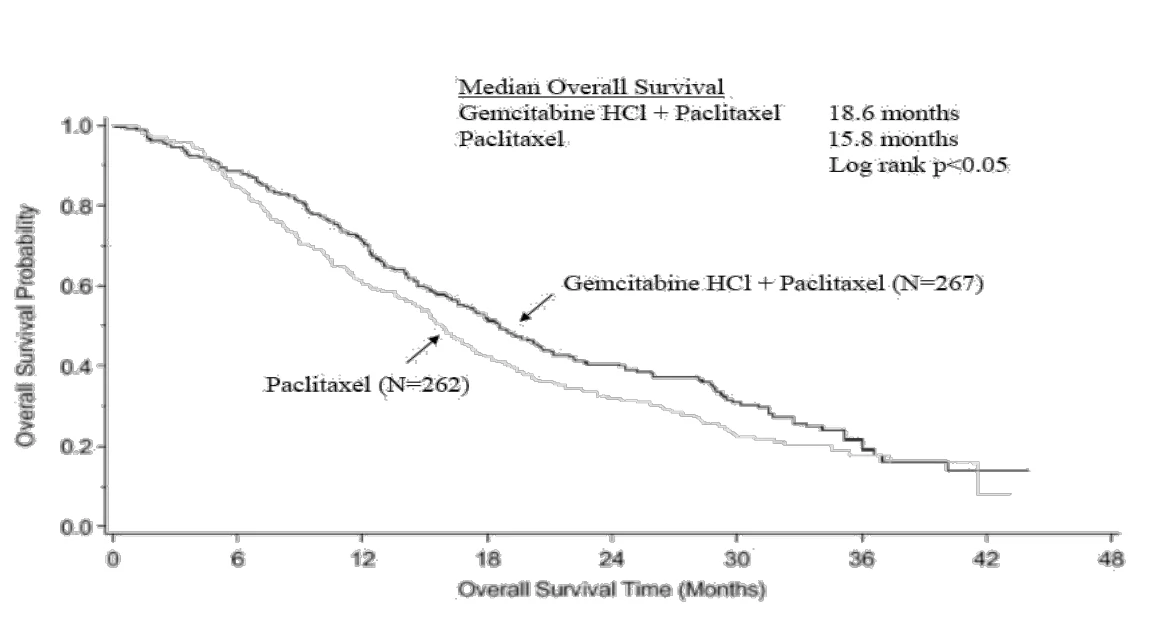
Table 14: Efficacy Results of Pivotal Trial Study JHQG Supporting Combination Therapy of Gemcitabine Hydrochloride plus Paclitaxel with Metastatic Breast Cancer.
| Study JHQG | |||||||||||||||
| Study JHQG | |||||||||||||||
| Efficacy Endpoint | Gemcitabine Hydrochloride plus Paclitaxel (N=267) | Paclitaxel alone (N=262) | |||||||||||||
| Efficacy Endpoint | Gemcitabine Hydrochloride plus Paclitaxel (N=267) | Paclitaxel alone (N=262) | |||||||||||||
| Median overall survivala | 18.6 months | 15.8 months | |||||||||||||
| 95% CI | 16.6 to 20.7 months | 14.4 to 17.4 months | |||||||||||||
| Log-rank test | p=0.0489 | ||||||||||||||
| HR (95% CI); Wald Test | HR: 0.817 (0.667 to 1.000); p=0.495 | ||||||||||||||
| Median TtDPDb | 5.4 months | 3.5 months | |||||||||||||
| 95% CI | 4.6 to 6.1 months | 2.9 to 4.0 months | |||||||||||||
| Log-Rank test | p=0.0013 | ||||||||||||||
| HR (95% CI); Wald test | HR: 0.734 (0.607 to 0.889); p=0.0015 | ||||||||||||||
| Median TtPD/PFSc | 5.3 months PFS | 3.5 months PFS | |||||||||||||
| 95% CI | 4.4 to 5.9 months | 2.8 to 4.0 months | |||||||||||||
| Log-Rank test | p=0.0021 | ||||||||||||||
| HR (95% CI); Wald test | HR: 0.749 (0.621 to 0.903); p=0.0024 | ||||||||||||||
| Response rate – investigator-assessed | 39% (105/267) | 26% (67/262) | |||||||||||||
| 95% CI | 34% to 45% | 20% to 31% | |||||||||||||
| number of patients with CR/PR/SD | 18 CR/87 PR/90 SD | 11 CR/56 PR/94 SD | |||||||||||||
| z-test for normal approximation | p=0.0007 | ||||||||||||||
| Response rate – independently reviewedd | 46% (90/198) | 26% (47/184) | |||||||||||||
| 95% CI | 39% to 52% | 19% to 32% | |||||||||||||
| Number of patients with CR/PR/SD | 9 CR/81 PR/71 SD | 2 CR/45 PR/78 SD | |||||||||||||
| z-test for normal approximation | p=0.00005 | ||||||||||||||
- a The censoring rate for median overall survival was 31.6% for the Gemcitabine hydrochloride plus paclitaxel arm and 25.9% for the paclitaxel alone arm.
- b The censoring rate for TtDPD was 23% for gemcitabine hydrochloride plus paclitaxel arm and 17% for the paclitaxel alone arm.
- c The censoring rate for PFS was 18% for gemcitabine hydrochloride plus paclitaxel arm and 14% for the paclitaxel alone arm.
- d Overall best study response was determined by independent review for 382 patients (198 gemcitabine hydrochloride plus paclitaxel arm, 184 paclitaxel alone arm).
Abbreviations: N=number of patients; TtDPD = time to documented progression of disease; CI = confidence interval; HR = hazard ratio; PFS = progression-free survival; CR = complete response; PR = partial response; SD = stable disease.
Other Clinical Studies:
Dose-Range Studies:
When gemcitabine hydrochloride was administered more frequently than once weekly or with infusions longer than 60 minutes, increased toxicity was observed. Results of a phase I study of gemcitabine hydrochloride to assess the maximum tolerated dose (MTD) on a daily x 5 schedule showed that patients developed significant hypotension and severe flu-like symptoms that were intolerable at doses above 10 mg/m2. The incidence and severity of these events were dose-related. Other Phase I studies using a twice-weekly schedule reached MTDs of only 65 mg/m2 (30-minute infusion) and 150 mg/m2 (5-minute bolus). The dose-limiting toxicities were thrombocytopenia and flu-like symptoms, particularly asthenia. In a phase I study to assess the maximum tolerated infusion time, clinically significant toxicity, defined as myelosuppression, was seen with weekly doses of 300 mg/m2 at or above a 270-minute infusion time. The half-life of gemcitabine hydrochloride is influenced by the length of the infusion (see 10 CLINICAL PHARMACOLOGY) and the toxicity appears to be increased if gemcitabine hydrochloride is administered more frequently than once weekly or with infusions longer than 60 minutes (see 7 WARNINGS AND PRECAUTIONS).
15 MICROBIOLOGY
No microbiological information is required for this drug product.
16 NON-CLINICAL TOXICOLOGY
General Toxicology:
In repeat dose studies of up to 6 months in duration in mice and dogs, the principal finding was haematopoietic suppression. These effects were related to the cytotoxic properties of the drug and were reversible when treatment was withdrawn. The degree of the effect was schedule and dose-dependent.
Carcinogenicity:
Long-term animal studies have not been conducted to evaluate the carcinogenic potential of gemcitabine.
Genotoxicity:
Chromosomal damage, including chromatid breaks, has been produced by gemcitabine in in vitro studies. Gemcitabine induced forward mutations in vitro in a mouse lymphoma (L5178Y) assay and was clastogenic in an in vivo mouse micronucleus assay. Gemcitabine was negative when tested using the Ames, in vivo sister chromatid exchange, and in vitro chromosomal aberration assays, and did not cause unscheduled DNA synthesis in vitro.
Reproductive and Developmental Toxicology:
Gemcitabine caused a reversible, dose and schedule-dependent hypospermatogenesis in male mice. Although animal studies have shown an effect of gemcitabine on male fertility, no effect has been seen on female fertility. Gemcitabine I.P. doses of 0.5 mg/kg/day (about 1/700 the human dose on a mg/m2 basis) in male mice had an effect on fertility with moderate to severe hypospermatogenesis, decreased fertility, and decreased implantations. In female mice, fertility was not affected, but maternal toxicities were observed at 1.5 mg/kg/day I.V. (about 1/200 the human dose on a mg/m2 basis) and fetotoxicity or embryolethality was observed at 0.25 mg/kg/day I.V. (about 1/1300 the human dose on a mg/m2 basis).
The results of the toxicology studies involving gemcitabine are presented in Tables 15 to 18.
Table 15: Results of Acute Toxicity Studies with Gemcitabine Hydrochloride
Species, Strain | No/Sex/ Group; Age | Doses (mg/kg/ day) | Route of Administration | Duration of Observation | Parameters Evaluated | Observations |
Mouse, ICR | 5/sex; 4-5 wk | 0, 500 | IVa | 2 wk | Mortality, clin obs., body wt., gross pathology. | Poor grooming; ↓body wt. gain; leg weakness & clonic convulsion in control & treated mice;bMLD >500 mg/kg. |
Rat, Fischer 344 | 5F; 8-9wk | 0, 16, 33, 70, 160 | IVa | 2 wk | Mortality, clin obs., body wt., gross pathology. | Poor grooming, leg weakness; hypoactivity, diarrhea, ataxia, chromorhinorrhea, swollen face, chromadacryorrhea, emaciation, tremors, clonic convulsions, dark urine, pale eyes; bMLD= 64 mg/kg. |
Mouse, ICR | 5/sex; 4-5wk | 0, 500 | IVc | 2 wk | Mortality, clin obs., body wt., gross pathology. | Leg weakness, hair loss; bMLD> 500 mg/kg. |
Rat, Fischer | 5F; 8-9wk | 0, 16, 33, 45, 70, 90, 160 | IVc | 2 wk | Mortality, clin obs., body wt., gross pathology. | Poor grooming, leg weakness, hypoactivity, soft stool, diarrhea, excessive hair loss, emaciation, chromodacryorrhea, ptosis, pale eyes; bMLD = 236 mg/kg |
Dog, Beagle | 1/sex; 8-10mo | 3, 12, 18, 24 | IVc | 2 wk | Mortality, clin. obs., body wt., food consumption, | Soft or mucoid stools, reversible neutropenia; bMLD > 24 mg/kg. |
am-cresol/phenol diluent
bMLD=Median Lethal Dose
c Saline Diluent
Table 16: Results of Subchronic and Chronic Toxicity Studies with Gemcitabine Hydrochloride
| Species, Strain | No./Sex / Group; Age | Doses (mg/kg) | Route of Administration | Duration of Treatment | Parameters Evaluated | Observations |
| Subchronic Studies | ||||||
Dog, Beagle | 4/sex; 7-9 mo. | 0, 0.1 (daily) 1.5 (twice wkly) | IV | 3 mo | Survival; clin. obs.;physical & ophthalmic exams; body wt.; food consumption; hematol.; clinical chem.; urinalysis; organ wt.; pathology. | Abnormal stools; reversible mild to moderate ↓leukocytes & platelets in 1.5 mg/kg reversible minimal ↓erythrocyte count in 0.1 mg/kg group; hypoplasia of thymus & testes & ↓postmitomyeloid pool in bone marrow in 1.5 mg/kg group. |
Mouse, B6C3F1 | 15/sex; 5-6 wk | 0, 1 (daily); 5, 20 (2 X wkly) 40 (once weekly) | IP | 3 mo | Survival, clin. obs.; body wt.; hematology; clinical chem.; organ wt.; pathology. | ↓hemoglobin, PCV, erythrocyte & leukocyte counts in 1 mg/kg group; ↑spleen & ↓testes wt.;splenic erythropoiesis & spermatogenesis. |
| Chronic Studies | ||||||
Species, Strain | No/Sex/ Group; Age | Doses (mg/kg/ day) | Route of Administration | Duration of Observation | Parameters Evaluated | Observations | |
| hematology, clinical chem. | |||||||
| Species, Strain | No./Sex / Group; Age | Doses (mg/kg) | Route of Administration | Duration of Treatment | Parameters Evaluated | Observations |
Mouse, CD-1 | 30/sex; 5·6wk | 0, 0.5 (daily); 5 (twice weekly); 40 (once weekly) | IP | 6 mo; 2 mo recovery | Survival; clin. obs.;body wt.; hematol.;clin. chem.; organ wt.; pathology. | Mortality (3), ↓body wt. & wt.gain; reversible ↓ erythrocyte & lymphocyte counts, reversible ↑BUN & ↓total protein, ↓testes wt., ↑spleen wt., splenic erythropoiesis, & lymphoid hypoplasia in 0.5 mg/kg group; hypospermatogenesis in all treated males partially reversible. |
Mouse, CD-1 | 15/sex; 5-6wk | 0, 0.006, 0.06 0.3 (daily) | IP | 6 mo; 6-wk recovery | Survival; clin. obs.;body wt.; food consumption; hematol.; clin. Chem.; urinalysis; organ wt.; pathology. | Slight ↓body wt.; reversible ↓erythrocyte count, ↓testes wt.; ↑spleen wt.; hypospermatogenesis in 0.3 mg/kg group; spleen & testes changes partially reversible. |
Dog Beagle | 3-4/sex; 7-9 months | 0, 0.004, 0.04, 0.2 (daily); 0.3 (once weekly) | IV | 6 mo; 6-wk recovery | Survival; clin. obs.;body wt.; food consumption; ophthalmic & physical exams; ECG; hematol.; clin. chem.; urinalysis; organ wt.; pathology. | Reversible slight ↓erythrocyte count in 0.2 mg/kg group; slight ↓lymphocyte & neutrophil counts in 0.2 & 0.3 mg/kg groups. |
Table 17: Results of Reproduction Studies with Gemcitabine Hydrochloride
| Species, Strain | No/Sex/ Group; Age | Doses (mg/kg) | Route of Administration | Duration of Treatment | Parameters Evaluated | Observations | ||||||
|---|---|---|---|---|---|---|---|---|---|---|---|---|
| Species, Strain | No/Sex/ Group; Age | Doses (mg/kg) | Route of Administration | Duration of Treatment | Parameters Evaluated | Observations | ||||||
| Species, Strain | No/Sex/ Group; Age | Doses (mg/kg) | Route of Administration | Duration of Treatment | Parameters Evaluated | Observations | ||||||
Mouse, B6C3F1 | 20 M; 5 wk | 0, 0.05, 0.5 (daily); 3.5, 10 (weekly) | IP | 10 wk prior to mating, throughout mating | Survival; clin. obs.; body wt.; food cons.; mating performance; fertility; resorptions; fetal parameters; testes wt. & histopath. | ↓fertility, implantations (0.5 mg/kg daily); ↓testicular wt., hypospermat-ogenesis (0.5 mg/kg/da y & 3.5 & 10 mg/kg/wee k). | ||||||
Mouse, CD-1 | 25 F; 9 wk | 0, 0.5, 0.25, 1.5 (daily) | IV | 2 wk prior to mating, through Gestation Day 6 | Survival; clin. obs; body wt.; food cons; mating performance; fertility; resorptions; fetal parameters; hematology; organ wt. | ↓fetal viability;↓fetal wt.;↑%fetal runts; slight ↑PCV; hemoglobin, MCV, MCH;↑spleen wt. (1.5 mg/kg/da y). | ||||||
Mouse, CD-1 | 25 F (Teratology) 20 F (Postnatal) adult, virgin | 0, 0.05, 0.25, 1.5 (daily) | IV | Gestation Days 6-15 | Survival; clin. obs.;body wt.; food cons.; reproduction (F0 & F1); fetal parameters; progeny measuremen ts (F0 & F1); F0 preweaning & F1 postweaning | ↑vaginal discharge & abortions; ↓body wt., food cons.; (1.5 mg/kg/ day).↑spleen wt.; (0.05, 0.25 &1.5mg/kg/da y). ↓liver wt.; ↑thymus wts.; ↓fetal wt.; ↓fetal malformations | ||||||
behavior; hematology F0 pathology (F0 & F1 generations). | (1.5mg/kg). ↓liveborn progeny; ↓progeny survival; ↓progeny wt. (1.5 mg/kg/ day). ↓reIative ovary wt. in all F1 groups; ↓startle reactivity in F1 males (0.05 & 1.5 mg/kg/day groups). ↑MCV, MCH (0.25 & 1.5 mg/kg/ day). | |||||||||||
Mouse, CD-1 | 25 F; adult, virgin | 0, 0.05, 0.1, 0.25, 1.5 (daily) | IV | Gestation Day 15- Postpartum Day 20 | Survival clin. obs body wt.; food cons.; organ wts. (F0 & F1); reproduction & progeny measuremen ts (F0 & F1); preweaning & postweaning behavior; hematology (F0); pathology (F0 & F1)· | ↓fetal viability, ↓fetal wt.; ↑malformations & deviations (0.1 mg/kg/day); ↓erythrocytes, hemoglobin, PCV (0.1 mg/kg/day). | ||||||
Rabbit, New Zealand, White | 20 F; mated adult | 0, 0.0015, 0.005, 0.1 (daily) | IV | Gestation Days 6-18 | Survival; clin. obs.;body wt.; food cons; hematology; fetal viability, fetal wt., morphology. | ↓fetal viability, ↓fetal wt., ↑malformatio ns & deviations (0.1 mg/kg/day); ↓erythrocytes, hemoglobin, PCV (0.1 mg/kg/day). | ||||||
Table 18: Results of Mutagenicity Studies with Gemcitabine Hydrochloride
| Type of Study | Species, Cells | Route of Administration | Doses/ Concentrations | Results |
| Ames | Salmonella typhimurium, Escherichia coli | Not applicable | 125 to 5000 mcg/plate | Negative nonactivated & activated |
| Unscheduled DNA | Adult rat hepatocytes | Not applicable | 0.5 to 1000 mcg/mL | Negative |
Forward mutation at thymidine kinase locus | L5178Y TK+/- mouse lymphoma | Not applicable | 0.001 to 0.06 mcg/mL | Positive nonactivated & with metabolic activation |
Sister chromatid exchange in bone marrow | Chinese hamster | Intraperitoneal | 3.125 to 50 mcg/kg | Negative |
Chromosome aberration | Chinese hamster ovary | Not applicable | 0.005 to 0.03 mcg/mL, 0.04 to 0.1 mcg/mL | Negative nonactivated; with metabolic activation |
| Micronucleus | Mouse, bone marrow | Intravenous | 0, 0.1875, 0.375, 0.75 mg/kg | Positive |
17 SUPPORTING PRODUCT MONOGRAPHS
- 1. GEMZAR (Powder for solution, 200 mg and 1 g per vial), submission control 171741, Product Monograph, Eli Lilly Canada Inc. (APR 28, 2014)
- 2. GEMCITABINE INJECTION (Solution, 38 mg / mL), submission control 287075, Product Monograph, Pfizer Canada ULC (JAN 03, 2025)