


Product Monograph - Demylocan
1 INDICATIONS
DemylocanTM is indicated for the treatment of adult patients with:
- Myelodysplastic Syndromes (MDS) including previously treated and untreated, de novo and secondary MDS of all French-American-British subtypes (refractory anemia, refractory anemia with ringed sideroblasts, refractory anemia with excess blasts, refractory anemia with excess blasts in transformation, and chronic myelomonocytic leukemia) and intermediate-1, intermediate-2, and high-risk International Prognostic Scoring System (IPSS) groups.
1.1 Pediatrics
Pediatrics (< 18 years of age): No clinical efficacy and safety data are available to Health Canada; therefore, Health Canada has not authorized an indication for pediatric use (see WARNINGS AND PRECAUTIONS, Special Populations).
1.2 Geriatrics
Geriatrics (≥ 65 years of age): The majority of patients with MDS in the clinical trials were ≥ 65 years of age. No overall differences in safety and efficacy have been identified between younger patients and those ≥ 65 years of age although greater sensitivity of some older individuals cannot be ruled out (see WARNINGS AND PRECAUTIONS, Special Populations).
2 CONTRAINDICATIONS
- Patients who are hypersensitive to DemylocanTM or to any ingredient in the formulation, including any non-medicinal ingredient, or component of the container. For a complete listing, see DOSAGE FORMS, STRENGTHS, COMPOSITION AND PACKAGING.
- Breastfeeding women (see WARNINGS AND PRECAUTIONS, Special Populations).
3 SERIOUS WARNINGS AND PRECAUTIONS BOX
Serious Warnings and Precautions
DemylocanTM should only be administered under the supervision of a healthcare professional experienced in the use of antineoplastic agents.
|
|
4 DOSAGE AND ADMINISTRATION
4.1 Dosing Considerations
- Patients may be premedicated with standard anti-emetic therapy.
- See WARNINGS AND PRECAUTIONS, Monitoring and Laboratory Tests.
4.2 Recommended Dose and Dosage Adjustment
There are two regimens for DemylocanTM administration. For either regimen, it is recommended that patients be treated for a minimum of 4 cycles unless unacceptable toxicities occur after dose delays/adjustments or standard supportive care. A complete or partial response may take longer than 4 cycles. Treatment should be continued as long as the patient continues to benefit or until disease progression.
Treatment Regimen – Option 1
DemylocanTM is administered at a dose of 15 mg/m2 by continuous intravenous infusion over 3 hours repeated every 8 hours for 3 days. This cycle should be repeated every 6 weeks.
If hematologic recovery (ANC ≥ 1,000/mcL and platelets ≥ 50,000/mcL) from a previous DemylocanTM treatment cycle requires more than 6 weeks, then the next cycle of therapy should be delayed and dosing temporarily reduced by following this algorithm:
- Recovery requiring more than 6, but less than 8 weeks − DemylocanTM dosing to be delayed for up to 2 weeks and the dose temporarily reduced to 11 mg/m2 every 8 hours (33 mg/m2/day, 99 mg/m2/cycle) upon restarting therapy.
- Recovery requiring more than 8, but less than 10 weeks − Patient should be assessed for disease progression (by bone marrow aspirates); in the absence of progression, the DemylocanTM dose should be delayed up to 2 more weeks and the dose reduced to 11 mg/m2 every 8 hours (33 mg/m2/day, 99 mg/m2/cycle) upon restarting therapy, then maintained or increased in subsequent cycles as clinically indicated.
Treatment Regimen – Option 2
DemylocanTM is administered at a dose of 20 mg/m2 by continuous intravenous infusion over 1 hour repeated daily for 5 days. This cycle should be repeated every 4 weeks.
If myelosuppression is present, subsequent treatment cycles of DemylocanTM should be delayed until there is hematologic recovery (ANC ≥ 1,000/mcL platelets ≥ 50,000/mcL).
Dose Adjustment
Non-hematologic Toxicity (Both Treatment Regimens)
Following the first cycle of DemylocanTM treatment, if any of the following non-hematologic toxicities are present, treatment should not be restarted until the toxicity is resolved: 1) serum creatinine ≥ 2 mg/dL; 2) SGPT, total bilirubin ≥ 2 times ULN; 3) and active or uncontrolled infection.
Renal Impairment
Decitabine has not been studied in patients with renal impairment and the need for dose adjustment in those patients is unknown. Patients with renal impairment should be closely monitored for toxicity including worsening renal function since decitabine and its metabolites are primarily excreted through the kidney (see WARNINGS AND PRECAUTIONS).
Hepatic Impairment
Decitabine has not been studied in patients with hepatic impairment and the need for dose adjustment in those patients is unknown. Patients with hepatic impairment should be closely monitored for toxicities including worsening liver functions (see WARNINGS AND PRECAUTIONS).
4.3 Administration
Treatment Regimen – Option 1
Administer DemylocanTM intravenously as a 3-hour infusion and repeat every 8 hours for 3 days. Repeat this cycle every 6 weeks.
Treatment Regimen – Option 2
Administer DemylocanTM intravenously at a dose of 20 mg/m2 over 1 hour repeated daily for 5 days. Repeat this cycle every 4 weeks.
4.4 Reconstitution
DemylocanTM is a cytotoxic drug and caution should be exercised when handling and preparing. See SPECIAL HANDLING.
Table 1: Reconstitution
| Vial Size | Volume of Diluent to be Added to Vial | Approximate Available Volume | Nominal Concentration per mL |
| 50 mg | 10 mL Sterile Water for Injection, USP | 10 mL | 5 mg/mL |
Reconstitution procedure
Aseptically reconstitute with 10 mL of Sterile Water for Injection (USP); upon reconstitution, each mL contains approximately 5 mg of decitabine at pH 6.7-7.3. Immediately after reconstitution, the solution should be further diluted with 0.9% Sodium Chloride Injection or 5% Dextrose Injection to a final drug concentration of 0.1 -1 mg/mL. Unless used within 15 minutes of reconstitution, the diluted solution must be prepared using cold (2 to 8°C) infusion fluids and stored at 2 to 8°C for up to a maximum of 4 hours until administration (see STORAGE, STABILITY and DISPOSAL).
Parenteral drug products should be inspected visually for particulate matter and discoloration prior to administration, whenever solution and container permit. Do not use if there is evidence of particulate matter or discoloration.
5 OVERDOSAGE
There is no known antidote for overdosage with DemylocanTM. Higher doses are associated with increased myelosuppression including prolonged neutropenia and thrombocytopenia. Standard supportive measures should be taken in the event of an overdose.
| For management of a suspected drug overdose, contact your regional poison control centre. |
6 DOSAGE FORMS, STRENGTHS, COMPOSITION AND PACKAGING
Table 2: Dosage Forms, Strengths, Composition and Packaging
DemylocanTM is supplied as a sterile, white to almost white lyophilized powder, in a single-dose 20 mL colourless glass vial, packaged in cartons of 1 vial. Each vial contains 50 mg of decitabine, 68 mg monobasic potassium phosphate (potassium dihydrogen phosphate) and 11.6 mg sodium hydroxide.
7 WARNINGS AND PRECAUTIONS
Please see the Serious Warnings and Precautions Box at the beginning of Part 1: Health Professional Information.
Carcinogenesis and Mutagenesis
Based on non-clinical findings, decitabine has carcinogenic and mutagenic potential (see NON-CLINICAL TOXICOLOGY).
Cardiovascular
Patients with a history of severe congestive heart failure or clinically unstable cardiac disease were excluded from clinical studies and therefore the safety and efficacy of DemylocanTM in these patients has not been established.
Driving and Operating Machinery
DemylocanTM may have a moderate influence on the ability to drive and use machines. Patients may experience fatigue, dizziness, confusional state, and blurred vision during treatment. Due caution should be exercised when driving or operating a vehicle or potentially dangerous machinery.
Hematologic
Treatment with decitabine is associated with neutropenia and thrombocytopenia, including an increase in frequency and severity of these events compared to baseline (see ADVERSE
| Route of Administration | Dosage Form / Strength/Composition | Non-medicinal Ingredients |
| Intravenous | Lyophilized powder / 50 mg decitabine | Potassium Dihydrogen Phosphate; Sodium Hydroxide |
REACTIONS). In clinical trials, myelosuppression was the most frequent cause of dose adjustment and study drug discontinuation. Complete blood and platelet counts should be performed as needed to monitor response and toxicity, but at a minimum, prior to each dosing cycle (see Monitoring and Laboratory Tests). After administration of the recommended dosage for the first cycle, treatment for subsequent cycles may require dose adjustment (see DOSAGE AND ADMINISTRATION).
Complications of myelosuppression include infections and bleeding. Serious infection-related adverse events, such as pneumonia and sepsis, and serious bleeding-related adverse events, such as intracranial hemorrhage, some with fatal outcomes, have been reported in patients receiving decitabine in clinical trials (see ADVERSE REACTIONS). Careful clinical surveillance for myelosuppression-related complications is recommended. Healthcare professionals should consider the need for early institution of growth factors and/or antimicrobial agents for the prevention or treatment of infections. Blood product support, per institutional guidelines, may be required for thrombocytopenia and anemia. Patients should be advised to monitor and report any symptoms of neutropenia, thrombocytopenia, or fever to their healthcare professional as soon as possible.
Myelosuppression and worsening neutropenia may occur more frequently in the first or second treatment cycles, and may not necessarily indicate progression of underlying MDS.
Monitoring and Laboratory Tests
Complete blood and platelet counts should be performed as needed to monitor response and toxicity, but at a minimum prior to each cycle. Liver chemistries and serum creatinine should be obtained prior to initiation of treatment (see Special Populations).
Sexual Health
Reproduction
Women of childbearing potential should be advised to avoid becoming pregnant while receiving DemylocanTM. The time period following treatment with DemylocanTM where it is safe to become pregnant is unknown. Women of childbearing potential should be counseled to use effective contraception during this time (see SPECIAL POPULATIONS).
Men should be advised not to father a child while receiving treatment with DemylocanTM, and for 3 months following completion of treatment (see NON-CLINICAL TOXICOLOGY). Men with female partners of childbearing potential should use effective contraception during this time.
The use of decitabine with hormonal contraceptives has not been studied.
Fertility
No human data on the effect of decitabine on fertility are available. In non-clinical animal studies, decitabine alters male fertility and is mutagenic. Because of the possibility of infertility as a consequence of DemylocanTM therapy, men should seek advice on conservation of sperm and female patients of childbearing potential should seek consultation regarding oocyte cryopreservation prior to initiation of treatment (see NON-CLINICAL TOXICOLOGY).
7.1 Special Populations
7.1.1 Pregnant Women
There are no adequate data on the use of decitabine in pregnant women. Decitabine has been shown to cause teratogenicity and embryo-fetal toxicity when administered to pregnant rodents, in the absence of maternal toxicity (see NON-CLINICAL TOXICOLOGY). Decitabine is expected to result in adverse reproductive effects when administered to a pregnant woman. DemylocanTM should not be used during pregnancy and in women of childbearing potential not using effective contraception. If DemylocanTM is used during pregnancy, or if a patient becomes pregnant while receiving DemylocanTM, the patient should be apprised of the potential hazard to the fetus.
7.1.2 Breastfeeding
It is unknown if decitabine or its metabolites are excreted in human milk. Because many drugs are excreted in human milk, and because of the potential for serious adverse reactions in nursing infants who are exposed to decitabine, DemylocanTM is contraindicated during breastfeeding (see NON-CLINICAL TOXICOLOGY). If treatment with DemylocanTM is required, breastfeeding must be discontinued.
7.1.3 Pediatrics
Pediatrics (< 18 years of age): The safety of DemylocanTM in pediatric patients has not been established. Animal data in juvenile rodents have shown toxicity (see NON-CLINICAL TOXICOLOGY).
7.1.4 Geriatrics
Geriatrics (≥ 65 years of age): Of the total number of patients exposed to decitabine in the controlled clinical trial under the inpatient dosing regimen, 61 of 83 patients were age 65 and over, while 21 of 83 patients were age 75 and over. Of the total number of patients exposed to decitabine in the single-arm trial under the outpatient dosing regimen, 84 of 99 patients were age 65 and over. No overall differences in safety or efficacy were observed between these subjects and younger subjects, and other reported clinical experience has not identified differences in responses between the elderly and younger patients, but greater sensitivity of some older individuals cannot be ruled out (see CLINICAL TRIALS).
7.1.5 Hepatic Impairment
There are no data on the use of decitabine in patients with hepatic impairment. Patients with hepatic impairment should be closely monitored for toxicities including worsening liver functions since decitabine is metabolized by cytidine deaminase found principally in the liver (see ACTION AND CLINICAL PHARMACOLOGY, Pharmacokinetics).
7.1.6 Renal Impairment
There are no data on the use of decitabine in patients with renal impairment. Patients with renal impairment should be closely monitored for toxicities since decitabine and its metabolites are primarily excreted through the kidney (see ACTION AND CLINICAL PHARMACOLOGY, Pharmacokinetics).
8 ADVERSE REACTIONS
8.1 Adverse Reaction Overview
The decitabine safety database is comprised of available data from nine primary studies in 704 patients with MDS who received at least one dose of decitabine.
In Study D-0007, the controlled study under the inpatient dosing regimen, AEs were reported by almost all patients (98%-100%). The most common AEs (> 30%) were neutropenia, thrombocytopenia, anemia, fatigue, pyrexia, nausea, cough, petechiae, constipation, diarrhea, and hyperglycemia. In general, the incidence of most AEs decreased after the first 3 cycles. Neutropenia, thrombocytopenia and anemia, however, continued to be common during the first 6 cycles. At least one SAE was reported in 69% and 56% of patients in the decitabine arm and supportive care (SC) arm, respectively. The highest incidence of Grade 3 or 4 adverse events in the decitabine arm were neutropenia (87%), thrombocytopenia (85%), febrile neutropenia (23%) and leukopenia (22%). The SAE with the greatest difference between treatment arms was febrile neutropenia, 25% versus 5%, decitabine versus SC, respectively. More patients in the decitabine arm versus the SC arm (34% versus 21%) reported infections associated with SAEs; these ranged from pneumonia (17% versus 12%, decitabine versus SC, respectively) and catheter related infections (5% versus 0%), to a wide variety of bacterial and fungal infections reported in 1 or 2 patients each.
Bone marrow suppression was the most frequent cause of dose reduction, delay, and discontinuation. Six patients had fatal events associated with their underlying disease and myelosuppression that were considered at least possibly related to drug treatment. Eight decitabine-treated patients permanently discontinued therapy for AEs, compared to 1 patient in the SC arm. Decitabine dose was temporarily decreased or delayed in 35%. Adverse events most frequently (≥ 1%) resulting in clinical intervention in the decitabine arm were as follows:
- Discontinuation: thrombocytopenia, neutropenia, pneumonia, Mycobacterium avium complex infection, cardio-respiratory arrest, increased blood bilirubin, intracranial hemorrhage, abnormal liver function tests.
- Dose Delayed: neutropenia, pulmonary edema, atrial fibrillation, central line infection, febrile neutropenia.
- Dose Reduced: neutropenia, thrombocytopenia, anemia, lethargy, edema, tachycardia, depression, pharyngitis.
In the Alternative Dosing for Outpatient Treatment (ADOPT) Trial, the single arm study conducted in North America under the outpatient dosing regimen, the most common AEs (> 30%) were fatigue, nausea, neutropenia, pyrexia, and anemia. The highest incidence of Grade 3 or 4 AEs were neutropenia (37%), thrombocytopenia (24%), and anemia (22%). The most common infections associated with SAEs were pneumonia, sepsis, and septic shock. Seventy-eight percent of patients had dose delays, the median duration of this delay was 7 days and the largest percentage of delays was due to hematologic toxicities. Hematologic toxicities and infections were the most frequent causes of dose delays and discontinuation. Eight patients had fatal events due to infection and/or bleeding (seven of which occurred in the clinical setting of myelosuppression) that were considered at least possibly related to drug treatment. Nineteen of 99 patients permanently discontinued therapy for adverse events.
8.2 Clinical Trial Adverse Reactions
Because clinical trials are conducted under very specific conditions, the adverse reaction rates observed in the clinical trials may not reflect the rates observed in practice and should not be compared to the rates in the clinical trials of another drug. Adverse reaction information from clinical trials is useful for identifying drug-related adverse events and for approximating rates.
Study D-0007: Controlled Clinical Trial in Patients with MDS - Inpatient Dosing Regimen
The data described below reflect exposure to decitabine in 83 patients in Study D-0007 under the inpatient dosing regimen. Patients received 15 mg/m2 intravenously over 3 hours every 8 hours for 3 consecutive days every 6 weeks (1 cycle). The median number of decitabine cycles was 3 (range 0 to 9). Patients with a history of severe congestive heart failure or clinically unstable cardiac disease, renal dysfunction, or hepatic dysfunction were excluded.
Table 3: Adverse Events Reported in ≥ 5% of Patients in the Decitabine Group and at a Rate Greater than Supportive Care in Study D-0007
Decitabine N = 83 (%) | Supportive Care N = 81 (%) | |||||
|---|---|---|---|---|---|---|
| Blood and lymphatic system disorders | ||||||
| Neutropenia | 75 (90) | 58 (72) | ||||
| Thrombocytopenia | 74 (89) | 64 (79) | ||||
| Anemia NOS | 68 (82) | 60 (74) | ||||
| Febrile neutropenia | 24 (29) | 5 (6) | ||||
| Leukopenia NOS | 23 (28) | 11 (14) | ||||
| Lymphadenopathy | 10 (12) | 6 (7) | ||||
| Thrombocythemia | 4 (5) | 1 (1) | ||||
| Cardiac disorders | ||||||
| Pulmonary edema NOS | 5 (6) | 0 (0) | ||||
| Eye disorders | ||||||
| Vision blurred | 5 (6) | 0 (0) | ||||
| Gastrointestinal disorders | ||||||
| Nausea | 35 (42) | 13 (16) | ||||
| Constipation | 29 (35) | 11 (14) | ||||
| Diarrhea NOS | 28 (34) | 13 (16) | ||||
| Vomiting NOS | 21 (25) | 7 (9) | ||||
| Abdominal pain NOS | 12 (14) | 5 (6) | ||||
| Oral mucosal petechiae | 11 (13) | 4 (5) | ||||
| Stomatitis | 10 (12) | 5 (6) | ||||
| Dyspepsia | 10 (12) | 1 (1) | ||||
| Ascites | 8 (10) | 2 (2) | ||||
| Gingival bleeding | 7 (8) | 5 (6) | ||||
| Hemorrhoids | 7 (8) | 3 (4) | ||||
| Loose stools | 6 (7) | 3 (4) | ||||
| Tongue ulceration | 6 (7) | 2 (2) | ||||
| Dysphagia | 5 (6) | 2 (2) | ||||
| Oral soft tissue disorder NOS | 5 (6) | 1 (1) | ||||
| Lip ulceration | 4 (5) | 3 (4) | ||||
| Abdominal distension | 4 (5) | 1 (1) | ||||
| Abdominal pain upper | 4 (5) | 1 (1) | ||||
| Gastro-esophageal reflux disease | 4 (5) | 0 (0) | ||||
| Glossodynia | 4 (5) | 0 (0) | ||||
| General disorders and administrative site disorders | ||||||
| Pyrexia | 44 (53) | 23 (28) | ||||
| Edema peripheral | 21 (25) | 13 (16) | ||||
| Rigors | 18 (22) | 14 (17) | ||||
| Edema NOS | 15 (18) | 5 (6) | ||||
| Pain NOS | 11 (13) | 5 (6) | ||||
| Lethargy | 10 (12) | 3 (4) | ||||
| Tenderness NOS | 9 (11) | 0 (0) | ||||
| Fall | 7 (8) | 3 (4) | ||||
| Chest discomfort | 6 (7) | 3 (4) | ||||
Decitabine N = 83 (%) | Supportive Care N = 81 (%) | |||||
|---|---|---|---|---|---|---|
| Intermittent pyrexia | 5 (6) | 3 (4) | ||||
| Malaise | 4 (5) | 1 (1) | ||||
| Crepitations NOS | 4 (5) | 1 (1) | ||||
| Catheter site erythema | 4 (5) | 1 (1) | ||||
| Catheter site pain | 4 (5) | 0 (0) | ||||
| Injection site swelling | 4 (5) | 0 (0) | ||||
| Hepatobiliary disorders | ||||||
| Hyperbilirubinemia | 12 (14) | 4 (5) | ||||
| Infections and infestations | ||||||
| Pneumonia NOS | 18 (22) | 11 (14) | ||||
| Cellulitis | 10 (12) | 6 (7) | ||||
| Candidal infection NOS | 8 (10) | 1 (1) | ||||
| Catheter related infection | 7 (8) | 0 (0) | ||||
| Urinary tract infection NOS | 6 (7) | 1 (1) | ||||
| Staphylococcal infection | 6 (7) | 0 (0) | ||||
| Oral candidiasis | 5 (6) | 2 (2) | ||||
| Sinusitis NOS | 4 (5) | 2 (2) | ||||
| Bacteremia | 4 (5) | 0 (0) | ||||
| Injury, poisoning and procedural complications | ||||||
| Transfusion reaction | 6 (7) | 3 (4) | ||||
| Abrasion NOS | 4 (5) | 1 (1) | ||||
| Investigations | ||||||
| Cardiac murmur NOS | 13 (16) | 9 (11) | ||||
| Blood alkaline phosphatase NOS increased | 9 (11) | 7 (9) | ||||
| Aspartate aminotransferase increased | 8 (10) | 7 (9) | ||||
| Blood urea increased | 8 (10) | 1 (1) | ||||
| Blood lactate dehydrogenase increased | 7 (8) | 5 (6) | ||||
| Blood albumin decreased | 6 (7) | 0 (0) | ||||
| Blood bicarbonate increased | 5 (6) | 1 (1) | ||||
| Blood chloride decreased | 5 (6) | 1 (1) | ||||
| Protein total decreased | 4 (5) | 3 (4) | ||||
| Blood bicarbonate decreased | 4 (5) | 1 (1) | ||||
| Blood bilirubin decreased | 4 (5) | 1 (1) | ||||
| Metabolism and nutrition disorders | ||||||
| Hyperglycemia NOS | 27 (33) | 16 (20) | ||||
| Hypoalbuminemia | 20 (24) | 14 (17) | ||||
| Hypomagnesemia | 20 (24) | 6 (7) | ||||
| Hypokalemia | 18 (22) | 10 (12) | ||||
| Hyponatremia | 16 (19) | 13 (16) | ||||
| Appetite decreased NOS | 13 (16) | 12 (15) | ||||
| Anorexia | 13 (16) | 8 (10) | ||||
| Hyperkalemia | 11 (13) | 3 (4) | ||||
| Dehydration | 5 (6) | 4 (5) | ||||
| Musculoskeletal and connective tissue disorders | ||||||
| Arthralgia | 17 (20) | 8 (10) | ||||
| Pain in limb | 16 (19) | 8 (10) | ||||
| Back pain | 14 (17) | 5 (6) | ||||
Decitabine N = 83 (%) | Supportive Care N = 81 (%) | |||||
|---|---|---|---|---|---|---|
| Chest wall pain | 6 (7) | 1 (1) | ||||
| Musculoskeletal discomfort | 5 (6) | 0 (0) | ||||
| Myalgia | 4 (5) | 1 (1) | ||||
| Nervous system disorders | ||||||
| Headache | 23 (28) | 11 (14) | ||||
| Dizziness | 15 (18) | 10 (12) | ||||
| Hypoesthesia | 9 (11) | 1 (1) | ||||
| Psychiatric disorders | ||||||
| Insomnia | 23 (28) | 11 (14) | ||||
| Confusional state | 10 (12) | 3 (4) | ||||
| Anxiety | 9 (11) | 8 (10) | ||||
| Renal and urinary disorders | ||||||
| Dysuria | 5 (6) | 3 (4) | ||||
| Urinary frequency | 4 (5) | 1 (1) | ||||
| Respiratory, thoracic and Mediastinal disorders | ||||||
| Cough | 33 (40) | 25 (31) | ||||
| Pharyngitis | 13 (16) | 6 (7) | ||||
| Crackles lung | 12 (14) | 1 (1) | ||||
| Breath sounds decreased | 8 (10) | 7 (9) | ||||
| Hypoxia | 8 (10) | 4 (5) | ||||
| Rales | 7 (8) | 2 (2) | ||||
| Postnasal drip | 4 (5) | 2 (2) | ||||
| Skin and subcutaneous tissue disorders | ||||||
| Ecchymosis | 18 (22) | 12 (15) | ||||
| Rash NOS | 16 (19) | 7 (9) | ||||
| Erythema | 12 (14) | 5 (6) | ||||
| Skin lesion NOS | 9 (11) | 3 (4) | ||||
| Pruritis | 9 (11) | 2 (2) | ||||
| Alopecia | 7 (8) | 1 (1) | ||||
| Urticaria NOS | 5 (6) | 1 (1) | ||||
| Swelling face | 5 (6) | 0 (0) | ||||
| Vascular disorders | ||||||
| Petechiae | 32 (39) | 13 (16) | ||||
| Pallor | 19 (23) | 10 (12) | ||||
| Hypotension NOS | 5 (6) | 4 (5) | ||||
| Hematoma NOS | 4 (5) | 3 (4) | ||||
- NOS, No other specifications
- Adverse events assessed with National Cancer Institute (NCI) Common Toxicity Criteria (CTC) version 2 (CTC v2.0)
Alternative Dosing for Outpatient Treatment (ADOPT) Trial: Single-Arm Trial in Patients with MDS – Outpatient Dosing Regimen
Table 4 presents all adverse events regardless of causality occurring in at least 5% of patients with MDS in a single-arm study (N=99) where decitabine 20 mg/m2 was infused intravenously over one hour daily on days 1-5 of week 1, every 4 weeks (1 cycle). The median number of decitabine cycles was 5 (range 1-17).
Table 4: Adverse Events Reported in ≥ 5% of Patients in the ADOPT Trial*
Decitabine N = 99 (%) | |||
|---|---|---|---|
| Blood and lymphatic system disorders | |||
| Anemia | 31 (31%) | ||
| Febrile neutropenia | 20 (20%) | ||
| Leukopenia | 6 (6%) | ||
| Neutropenia | 38 (38%) | ||
| Pancytopenia | 5 (5%) | ||
| Thrombocythemia | 5 (5%) | ||
| Thrombocytopenia | 27 (27%) | ||
| Cardiac disorders | |||
| Cardiac failure congestive | 5 (5%) | ||
| Tachycardia | 8 (8%) | ||
| Ear and labyrinth disorders | |||
| Ear pain | 6 (6%) | ||
| Gastrointestinal disorders | |||
| Abdominal pain | 14 (14%) | ||
| Abdominal pain upper | 6 (6%) | ||
| Constipation | 30 (30%) | ||
| Diarrhea | 28 (28%) | ||
| Dyspepsia | 10 (10%) | ||
| Dysphagia | 5 (5%) | ||
| Gastro-esophageal reflux disease | 5 (5%) | ||
| Nausea | 40 (40%) | ||
| Oral pain | 5 (5%) | ||
| Stomatitis | 11 (11%) | ||
| Toothache | 6 (6%) | ||
| Vomiting | 16 (16%) | ||
| General disorders and administration site conditions | |||
| Asthenia | 15 (15%) | ||
| Chest pain | 6 (6%) | ||
| Chills | 16 (16%) | ||
| Fatigue | 46 (46%) | ||
| Mucosal inflammation | 9 (9%) | ||
| Edema | 5 (5%) | ||
| Edema peripheral | 27 (27%) | ||
| Pain | 5 (5%) | ||
| Pyrexia | 36 (36%) | ||
| Infections and infestations | |||
| Cellulitis | 9 (9%) | ||
| Oral candidiasis | 6 (6%) | ||
| Pneumonia | 20 (20%) | ||
| Sinusitis | 6 (6%) | ||
| Staphylococcal bacteremia | 8 (8%) | ||
| Tooth abscess | 5 (5%) | ||
| Upper respiratory tract infection | 10 (10%) | ||
Decitabine N = 99 (%) | |||
|---|---|---|---|
| Urinary tract infection | 7 (7%) | ||
| Injury, poisoning and procedural complications | |||
| Contusion | 9 (9%) | ||
| Investigations | |||
| Blood bilirubin increased | 6 (6%) | ||
| Breath sounds abnormal | 5 (5%) | ||
| Weight decreased | 9 (9%) | ||
| Metabolism and nutrition disorders | |||
| Anorexia | 23 (23%) | ||
| Decreased appetite | 8 (8%) | ||
| Dehydration | 8 (8%) | ||
| Hyperglycemia | 6 (6%) | ||
| Hypokalemia | 12 (12%) | ||
| Hypomagnesemia | 5 (5%) | ||
| Musculoskeletal and connective tissue disorders | |||
| Arthralgia | 17 (17%) | ||
| Back pain | 18 (18%) | ||
| Bone pain | 6 (6%) | ||
| Muscle spasms | 7 (7%) | ||
| Muscular weakness | 5 (5%) | ||
| Musculoskeletal pain | 5 (5%) | ||
| Myalgia | 9 (9%) | ||
| Pain in extremity | 18 (18%) | ||
| Nervous system disorders | |||
| Dizziness | 21 (21%) | ||
| Headache | 23 (23%) | ||
| Psychiatric disorders | |||
| Anxiety | 9 (9%) | ||
| Confusional state | 8 (8%) | ||
| Depression | 9 (9%) | ||
| Insomnia | 14 (14%) | ||
| Respiratory, thoracic and mediastinal disorders | |||
| Cough | 27 (27%) | ||
| Dyspnea | 29 (29%) | ||
| Epistaxis | 13 (13%) | ||
| Pharyngolaryngeal pain | 8 (8%) | ||
| Pleural effusion | 5 (5%) | ||
| Sinus congestion | 5 (5%) | ||
| Skin and subcutaneous tissue disorders | |||
| Dry skin | 8 (8%) | ||
| Ecchymosis | 9 (9%) | ||
| Erythema | 5 (5%) | ||
| Night sweats | 5 (5%) | ||
| Petechiae | 12 (12%) | ||
| Pruritus | 9 (9%) | ||
| Rash | 11 (11%) | ||
| Skin lesion | 5 (5%) | ||
Decitabine N = 99 (%) | |||
|---|---|---|---|
| Vascular disorders | |||
| Hypertension | 6 (6%) | ||
| Hypotension | 11 (11%) | ||
* In this single arm study, investigators reported adverse events based on clinical signs and symptoms rather than predefined laboratory abnormalities. Thus not all laboratory abnormalities were recorded as adverse events. Adverse events were assessed with NCI Common Terminology Criteria for Adverse Events version 3.0 (CTCAE v3.0).
Serious Adverse Events that occurred in patients receiving decitabine regardless of causality, not previously reported in Tables 3 and 4 include:
- Blood and Lymphatic System Disorders: myelosuppression, splenomegaly.
- Cardiac Disorders: myocardial infarction, cardio-respiratory arrest, cardiomyopathy, atrial fibrillation, supraventricular tachycardia.
- Gastrointestinal Disorders: gingival pain, upper gastrointestinal hemorrhage.
- General Disorders and Administrative Site Conditions: catheter site hemorrhage.
- Hepatobiliary Disorders: cholecystitis.
- Infections and Infestations: fungal infection, sepsis, bronchopulmonary aspergillosis, peridiverticular abscess, respiratory tract infection, pseudomonal lung infection, Mycobacterium avium complex infection, Clostridial infection.
- Injury, Poisoning and Procedural Complications: post procedural pain, post procedural hemorrhage.
- Nervous System Disorders: intracranial hemorrhage.
- Psychiatric Disorders: mental status changes.
- Renal and Urinary Disorders: renal failure, urethral hemorrhage.
- Respiratory, Thoracic and Mediastinal Disorders: hemoptysis, lung infiltration, pulmonary embolism, respiratory arrest, pulmonary mass.
- Allergic Reaction: Hypersensitivity (anaphylactic reaction) to decitabine has been reported in a Phase 2 trial.
8.3 Post-Market Adverse Reactions
The following adverse reactions have been identified during post-approval use of decitabine. Because these reactions are reported voluntarily from a population of uncertain size, it is not always possible to reliably estimate their frequency or establish a causal relationship to drug exposure.
Cases of interstitial lung disease (including pulmonary infiltrates, organising pneumonia and pulmonary fibrosis) and Sweet’s Syndrome (acute febrile neutrophilic dermatosis) have been reported. Cases of enterocolitis, hepatic failure, and tumor lysis syndrome have been reported, including events with a fatal outcome.
9 DRUG INTERACTIONS
9.1 Overview
Drug interaction studies with decitabine have not been conducted in humans. Decitabine is a prodrug that requires metabolic activation by deoxycytidine kinase, and is deactivated by cytidine deaminase found principally in the liver. In vitro metabolism studies have suggested that decitabine is not a substrate for human liver cytochrome P450 enzymes (CYP). As plasma protein binding of decitabine is negligible (<1%), interactions due to displacement of more highly protein bound drugs from plasma proteins are not expected.
In vitro studies using human liver microsomes suggest that decitabine is unlikely to inhibit CYP1A2, CYP2C9, CYP2C19, CYP2D6 and CYP3A4. An in vitro study on inhibition of CYP2C8 by decitabine has not been conducted. An in vitro study using primary cultures of human hepatocytes from donors suggests that decitabine does not have any induction potential for CYP3A4/5, CYP1A2, CYP2C9 and CYP2B6. However, a positive induction effect with decitabine on CYP2E1 was observed in the same study (see Drug-Drug Interactions below).
9.2 Drug-Drug Interactions
Interactions of decitabine with other drugs have not been established in humans.
9.2.1 Impact of Decitabine on Other Drugs
An in vitro study using hepatocyte primary cultures from a human donor showed that decitabine induced CYP2E1 at concentrations of 1 µM (the lowest concentration tested) and higher, and the induction was stronger than the positive control (100 µM isoniazid). General anesthetic drugs such as halothane, sevoflurane, methoxyflurane, isoflurane and enflurane are CYP2E1 substrates and therefore, efficacy of those drugs may be reduced in patients treated with decitabine who require general anesthesia.
9.2.2 Impact of Other Drugs on Decitabine
There is a potential for drug-drug interactions with other agents that are also activated by deoxycytidine kinase and/or deactivated by cytidine deaminase. Caution should be exercised if these agents are concomitantly used with decitabine as patients may experience reduced efficacy or increased toxicities.
9.3 Drug-Food Interactions
Interactions with food have not been established.
9.4 Drug-Herb Interactions
Interactions with herbal products have not been established.
9.5 Drug-Laboratory Test Interactions
Interactions with laboratory tests have not been established.
9.6 Drug-Lifestyle Interactions
No studies of the effects on the ability to drive and use machines have been performed. Patients should be advised that they may experience undesirable effects such as fatigue, dizziness, confusional state, and blurred vision during treatment with decitabine. Therefore, caution should be exercised when driving a car or operating machines.
10 ACTION AND CLINICAL PHARMACOLOGY
10.1 Mechanism of Action
Decitabine is believed to exert its antineoplastic effects after phosphorylation and direct incorporation into DNA and inhibition of DNA methyltransferase, causing hypomethylation of DNA and cellular differentiation or apoptosis. Decitabine inhibits DNA methylation in vitro, at concentrations that do not cause major suppression of DNA synthesis. Decitabine-induced hypomethylation in neoplastic cells may restore normal function to genes that are critical for the control of cellular differentiation and proliferation. In rapidly dividing cells, the cytotoxicity of decitabine may also be attributed to the formation of covalent adducts between DNA methyltransferase and decitabine incorporated into DNA. Cells that are not proliferating are relatively insensitive to decitabine.
Decitabine has been shown to induce hypomethylation both in vitro and in vivo. There have been no studies of decitabine-induced hypomethylation and pharmacokinetic parameters.
10.2 Pharmacodynamics
A dedicated QTc study has not been performed in humans.
In vitro, decitabine had no significant effect on the hERG potassium channel in a HEK293-hERG cell line assay up to a concentration of 30 μM (6.8 μg/mL). In cynomolgus monkeys, decitabine had no effects on diastolic or systolic arterial blood pressure, lead II electrocardiogram (ECG) variables (PR, RR, QT, QTcB and QTcF intervals, and QRS complex), ECG gross morphology (rhythm and waveform) or (electromyography-derived) respiratory parameters after a single dose of 628.8 mg/m2 (52.4 mg/kg) of decitabine.
10.3 Pharmacokinetics
Pharmacokinetic parameters of decitabine are presented in Table 5 below. Eleven patients received 20 mg/m2 infused over 1 hour and fourteen patients received 15 mg/m2 infused over 3 hours in two separate studies. Upon repeat doses of 15 mg/m2, there was no systemic accumulation of decitabine or any significant changes in pharmacokinetic parameters due to a short half-life (see Elimination below). The AUC0-∞ ratio (to day 1) was 0.94 and 0.96 on Day 2 and Day 3, respectively, following the first dose of 15 mg/m2 on these days. Population pharmacokinetic analysis (N=35) showed the AUCCumulative per cycle (week) was 2.3-fold lower with the 20 mg/m2 regimen (see Table 5).
In a study in Chinese patients with MDS, exposures per dose on Day 5 with 20 mg/m2 were higher than those on Day 3 with 15 mg/m2. The Cmax was 4-fold higher (222 ng/mL versus 54 ng/mL) and the AUC0-∞ was 1.5-fold higher (180 ng•h/mL versus 119 ng•h/mL) in patients treated with 20 mg/m2 (n = 18) when compared to those treated with 15 mg/m2 (n = 6). Plasma decitabine concentrations were measurable up to 6 h post-dose in patients treated with 15 mg/m2 and up to 4 h (the last sample time) in those treated with 20 mg/m2.
Table 5: Decitabine Pharmacokinetic Parameters in Patients: Mean (CV% or 95% CI)
| Dose | Cmax (ng/mL) | AUC0-∞ (ng•h/mL) | T1/2(h) | CL (L/h/m2) | Vdss (L/m2) | AUCCumulative ** (ng•h/mL) |
| 15 mg/m2 3-hr infusion every 8 hours for 3 days (n = 14)* | 73.8 (66) | 163 (62) | 0.62 (49) | 125 (53) | 71.8 (87) | 1332 (1010-1730) |
| 20 mg/m2 1-hr infusion daily for 5 days (n = 11) | 147 (49) | 115 (43) | 0.54 (43) | 210 (47) | NP | 570 (470-700) |
* PK results following the first dose on Day 1
** N=35 Cumulative AUC per cycle
NP: Not reported
Distribution: After intravenous decitabine administration, plasma protein binding is negligible (<1%). Decitabine is widely distributed with large volume of distribution. Due to the nucleoside transport system there is rapid equilibration of decitabine between extracellular and intracellular compartments.
Metabolism: Decitabine is a prodrug that requires metabolic activation by deoxycytidine kinase and other nucleotide kinases to the corresponding triphosphate. The exact route of elimination and metabolic fate of decitabine are not known. Decitabine can be inactivated through its major elimination pathway involving deamination by cytidine deaminase found principally in the liver, but also in granulocytes, intestinal epithelium, and plasma.
Elimination: In humans, decitabine plasma-concentration profiles showed a bi-exponential decline after discontinuation of IV infusion with a half-life of approximately 35 minutes. The total body clearance was higher following the 20 mg/m2 than the 15 mg/m2 dosing regimen (see Table 5). The clearance exceeds hepatic blood flow, which may be explained by extensive hepatic and extrahepatic deamination. The urinary excretion of unchanged decitabine is low, typically <1% of the total dose given to the patients.
Special Populations and Conditions
Geriatrics: The majority of patients with MDS in the clinical trials were ≥ 65 years of age. Population pharmacokinetic analysis of decitabine in adult patients has shown no evidence of parameter dependencies on age.
Pediatrics: Limited pharmacokinetic data are available in 8 pediatric patients administered the
20 mg/m2 dose. High variability in decitabine pharmacokinetic parameters was observed among younger patients (2-11 years) whereas variability was relatively low among older pediatric patients (12-16 years). There did not appear to be an age-related trend among pediatric patients. Based on a cross-study comparison, decitabine exposures were 73% higher in pediatric patients than in adult patients administered a 20 mg/m2 dose (Table 5). There are no PK data in children aged < 2 years.
Sex: In a population pharmacokinetic analysis of decitabine, clearance for females was found to be lower than for males but the effect was small relative to the interindividual variability and is thus considered not clinically relevant.
Race: Based on a cross-study comparison between Chinese patients and Caucasian patients, the exposure (AUC0-∞) of decitabine was 57% higher in Chinese patients following a 20 mg/m2 dose and 27% lower following a 15 mg/m2 dose (see Pharmacokinetics above).
Renal Impairment: A pharmacokinetic study has not been conducted in patients with renal impairment.
Hepatic Impairment: A pharmacokinetic study has not been conducted in patients with hepatic impairment.
11 STORAGE, STABILITY AND DISPOSAL
Storage
Store at 20oC to 25°C.
Stability
After reconstitution: Unless used within 15 minutes of reconstitution, the diluted solution must be prepared using cold (2 to 8˚C) infusion fluids and can be stored at 2 to 8˚C for up to a maximum of 4 hours until administration.
Disposal
Any unused product or waste material should be disposed of in accordance with procedures for proper handling and disposal of cytotoxic medicinal products.
12 SPECIAL HANDLING INSTRUCTIONS
DemylocanTM is a cytotoxic drug and caution should be exercised when handling and reconstituting. Procedures for proper handling of antineoplastic drugs should be applied. Skin contact should be avoided and protective gloves should be worn.
If reconstituted DemylocanTM comes into contact with the skin, immediately and thoroughly wash with soap and water.
PART II: SCIENTIFIC INFORMATION
13 PHARMACEUTICAL INFORMATION
Drug Substance
Proper/Common Name: Decitabine
Chemical Name: 5-aza-2’-deoxycitidine, 4-amino-1-(2-deoxy-β-D erythro-pentofuranosyl)-1, 3, 5-triazin-2(1H)-one
Molecular Formula and Molecular Mass: C8H12N4O4 228.21 g/mol
Structural Formula: 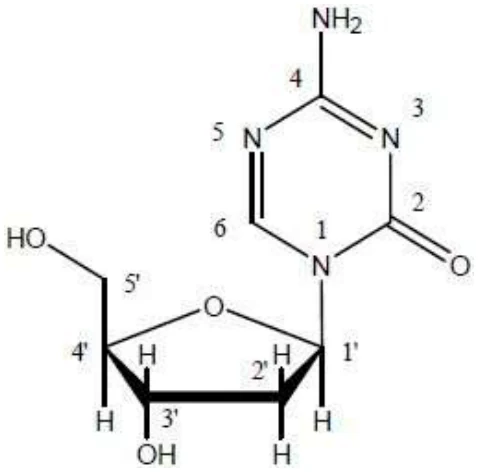
Physicochemical Properties
Decitabine is a fine, white to almost white powder. Decitabine is slightly soluble in ethanol/water (50/50), methanol/water (50/50) and methanol; sparingly soluble in water and soluble in dimethylsulfoxide (DMSO).
Decitabine is known to be unstable in aqueous solution. The pH value of a 5 mg/mL solution of decitabine in water was determined to be stable at 6.7 (25 °C ± 2°C) covering a period of 80 minutes.
14 CLINICAL TRIALS
14.1 Study D-0007: Controlled Trial in Patients with Myelodysplastic Syndromes (MDS) - Inpatient Dosing Regimen
Trial Design and Study Demographics
Study D-0007 was an open-label, randomized, multicenter, controlled phase 3 trial conducted in 170 adult patients with myelodysplastic syndromes meeting French-American-British (FAB) classification criteria and International Prognostic Scoring System (IPSS) High-Risk, Intermediate-2 and Intermediate-1 scores. Eighty-nine patients were randomized to the decitabine plus supportive care (SC) arm of which 83 received decitabine. Eighty-one patients were randomized to supportive care alone. Decitabine was administered intravenously at a dose of 15 mg/m2 over a 3-hour period, every 8 hours, for 3 consecutive days. This cycle was repeated every 6 weeks, depending on the patient’s clinical response and toxicity. Supportive care consisted of blood and blood product transfusions, prophylactic antibiotics and hematopoietic growth factors. Patients were removed from therapy after 2 cycles of a maintained complete response (CR). Although patients with acute myeloid leukemia (AML) were not intended to be included, an independent adjudicated review identified 12 patients with AML at baseline (9 in the decitabine arm and 3 in the SC arm).
Overall, baseline patient demographics and other characteristics were well balanced between the two study arms, as summarized in 6.
Table 6: Study D-0007 - Baseline Demographics and Patient Characteristics [Intent-to-Treat (ITT) Population]
Demographic or Other Patient Characteristic | Decitabine N = 89 | Supportive Care N = 81 |
| Age (years) | ||
| Mean (±SD) | 69±10 | 67±10 |
| Median (IQR) | 70 (65-76) | 70 (62-74) |
| (Range: min-max) | (31-85) | (30-82) |
| Gender n (%) | ||
| Male | 59 (66) | 57 (70) |
| Female | 30 (34) | 24 (30) |
| Race n (%) | ||
| White | 83 (93) | 76 (94) |
| 4 (4) | 2 (2) | |
| Other | 2 (2) | 3 (4) |
| Time Since MDS Diagnosis | ||
| Mean weeks (±SD) | 86±131 | 77±119 |
| Median weeks (IQR) | 29 (10-87) | 35 (7-98) |
| (Range weeks: min-max) | (2-667) | (2-865) |
| Prior MDS Therapy n (%) | ||
| Yes | 27 (30) | 19 (23) |
| No | 62 (70) | 62 (77) |
| RBC Transfusion Status n (%) | ||
| Independent | 23 (26) | 27 (33) |
| Dependent | 66 (74) | 54 (67) |
| Platelet Transfusion Status n (%) | ||
| Independent | 69 (78) | 62 (77) |
| Dependent | 20 (22) | 19 (23) |
| IPSS Classification n (%) | ||
| Intermediate-1 | 28 (31) | 24 (30) |
| Intermediate-2 | 38 (43) | 36 (44) |
| High Risk | 23 (26) | 21 (26) |
| FAB Classification n (%) | ||
| RA | 12 (13) | 12 (15) |
| RARS | 7 (8) | 4 (5) |
| RAEB | 47 (53) | 43 (53) |
| RAEB-t | 17 (19) | 14 (17) |
| CMML | 6 (7) | 8 (10) |
IQR: Interquartile range; RA: Refractory anemia; RAEB: Refractory anemia with excess blasts; RAEB-t: Refractory anemia with excess blasts in transformation; RARS: Refractory anemia with ringed siderophores; CMML: Chronic myelomonocytic leukemia
Study Results
The co-primary endpoints for Study D-0007 were overall response rate [(complete response (CR) + partial response (PR)] and time to AML or death. Responses were classified using the MDS International Working Group (IWG) criteria; patients were required to be red blood cell (RBC) and platelet transfusion independent during the time of response. Response criteria for MDS are given in Table 7:
Table 7: Response Criteria for MDS*
Complete Response ≥ 8 weeks | Bone Marrow | On repeat aspirates:
|
| Peripheral Blood | In all samples during response:
| |
Partial Response ≥ 8 weeks | Bone Marrow | On repeat aspirates:
OR
|
| Peripheral Blood | Same as for CR |
*Cheson BD, Bennett JM, et al. Report of an International Working Group to Standardize Response Criteria for MDS. Blood. 2000; 96:3671-3674.
The overall response rate (CR+PR) in the ITT population was 17% in decitabine-treated patients and 0% in the SC arm (p<0.001) (see Table 8). Overall response rate was 21% (12/56) in decitabine-treated patients considered evaluable for response (patients with pathologically confirmed MDS at baseline who received at least 2 treatment cycles). The median duration of response (range) for patients who responded to decitabine was 288 days (116-388 days) and median time to response (range) was 93 days (55-272). All but one of the decitabine-treated patients who responded did so by the fourth cycle. Benefit was seen in an additional 13% of decitabine-treated patients who had hematologic improvement, defined as a response less than PR lasting at least 8 weeks, compared to 7% of SC patients. Decitabine treatment did not significantly delay the median time to AML or death versus supportive care.
Table 8: Study D-0007 Analysis of Response (ITT Population)
| Parameter | Decitabine | Supportive Care |
| N=89 | N=81 | |
Overall Response Rate (CR+PR)+ Complete Response Partial Response | 15 (17%) ** 8 (9%) 7 (8%) | 0 (0%) 0 (0%) 0 (0%) |
| Duration of Response | ||
| Median time to (CR+PR) response - Days (range) | 93 (55-272) | NA |
| Median Duration of (CR+PR) response - | 288 (116-388) | NA |
| Days (range) |
**p-value <0.001 from two-sided Fisher's Exact Test comparing Decitabine vs. Supportive Care.
+In the statistical analysis plan, a p-value of ≤ 0.024 was required to achieve statistical significance.
All patients with a CR or PR were RBC and platelet transfusion independent in the absence of growth factors. Responses (CR or PR) occurred in 5 of the 9 decitabine-treated patients with an adjudicated baseline diagnosis of AML compared with no responses in the 3 patients in the SC arm.
14.2 Alternative Dosing for Outpatient Treatment (ADOPT) Trial: Single-Arm Trial in Patients with MDS - Outpatient Dosing Regimen
The ADOPT trial was an open-label, single-arm, multicenter study in MDS conducted in North America, in 99 patients with any FAB subtype and IPSS Intermediate-1, Intermediate-2, or High-Risk prognostic scores. Patients received decitabine at a dose of 20 mg/m2 by intravenous infusion over 1-hour daily, on days 1-5 of week 1 every 4 weeks (1 cycle). Supportive care, including antimicrobial usage, was permitted at the investigator’s discretion. Baseline characteristics are summarized in Table 9.
Table 9: ADOPT Trial - Baseline Demographics and Other Patient Characteristics (ITT Population)
| Demographic or Other Patient Characteristic | Decitabine N = 99 |
| Age (years) | |
| Mean (±SD) | 71±9 |
| Median (Range: min-max) | 72 (34-87) |
| Gender n (%) | |
| Male | 71 (72) |
| Female | 28 (28) |
| Race n (%) | |
| White | 86 (87) |
| 6 (6) | |
| Asian | 4 (4) |
| Other | 3 (3) |
| Days From MDS Diagnosis to First Dose | |
| Mean (±SD) | 444±626 |
| Median (Range: min-max) | 154 (7-3079) |
| Previous MDS Therapy n (%) | |
| Yes | 27 (27) |
| No | 72 (73) |
| RBC Transfusion Status n (%) | |
| Independent | 33 (33) |
| Dependent | 66 (67) |
| Platelet Transfusion Status n (%) | |
| Independent | 84 (85) |
| Dependent | 15 (15) |
| IPSS Classification n (%) | |
| Low Risk | 1 (1) |
| Intermediate-1 | 52 (53) |
| Intermediate-2 | 23 (23) |
| High Risk | 23 (23) |
| FAB Classification n (%) | |
| RA | 20 (20) |
| RARS | 17 (17) |
| RAEB | 45 (45) |
| RAEB-t | 6 (6) |
| CMML | 11 (11) |
Study Results
The primary endpoint was overall response rate (CR+PR). Response results, summarized in Table 10, were consistent with the results of Study D-0007. Response criteria were presented in Table 7.
Table 10: ADOPT Trial - Analysis of Response (ITT Population)*
| Parameter | Decitabine N=99 |
| Overall Response Rate (CR+PR) | 16 (16%) |
| Complete Response | 15 (15%) |
| Partial Response | 1 (1%) |
| Duration of Response | |
| Median time to (CR+PR) response - Days (range) | 162 (50-267) |
| Median Duration of (CR+PR) response - Days (range) | 443 (72-722+) |
+ indicates censored observation
*Cheson BD, Bennett JM, et al. Report of an International Working Group to Standardize Response Criteria for MDS. Blood. 2000; 96:3671-3674.
15 NON-CLINICAL TOXICOLOGY
General Toxicology
Single-dose studies: Single dose toxicity studies were conducted in mice, dogs and monkeys. In mice, mortality was observed at lower doses after IV infusion (around 60 mg/m2) compared to IV bolus (225 mg/m2). Deaths occurred at 100 mg/m2 in dogs whereas no mortality was observed in monkeys up to 628.8 mg/m2. The main effects were observed on the hematopoietic system (bone marrow hypoplasia and thymus atrophy in mice, leukopenia, granulocytopenia, thrombocytopenia and erythropenia, atrophy of lymphoid tissue and hypocellularity of bone marrow in dogs, decreased leucocytes count in monkeys). Effects on testis was evident in mice (testicular atrophy at 87.6 mg/m2) and in dogs (seminiferous tubule atrophy at 60 mg/m2). The intestine was affected by the treatment (necrosis in mice, epithelial damage in dogs).
Repeat-dose studies: Repeat-dose toxicity studies with decitabine were conducted in mice up to 4 weeks (IV bolus, once daily for 5 days every week), in rats for 3 cycles (IV infusion, three times daily for three days every 4 weeks), in rabbits for 4 cycles (IV infusion, three times daily for three days every 6 weeks) and in dogs for 3 days (IV infusion 3-times daily). In most of studies, mortality occurred at the lowest doses. The maximum tolerated doses (MTDs) based on mortality were 7.2 mg/m2/day (the lowest dose tested) in rats, < 24 mg/m2/day in dogs, < 9 mg/m2/day in rabbits, and < 0.75 mg/m2/day in mice. Deaths in dogs and rabbits were attributed to infection secondary to immunosuppression.
In all tested species, the main toxicity was hematological with pronounced anemia, leucopenia and thrombocytopenia related to bone marrow alteration (bone marrow depletion or hypocellularity), which was often reversible on cessation of treatment. The testes were a target organ in mice, rats, dogs and rabbits. Decitabine induced irreversible testicular toxicity with testicular atrophy, decreased germ cells and spermatozoa numbers, starting at a dose of 0.75 mg/m2/day in the 4-week study in mice. A dose-dependent significantly decreased epididymal weights and reduced spermatozoa within epididymal tubular lumens were also observed in rats at doses of ≥ 7.2 mg/m2/day. The intestine was damaged in dogs (congestion and necrosis) at 24 mg/m2/day and in rabbits (enteropathy) at 36 mg/m2/day.
Carcinogenicity
Carcinogenicity studies with decitabine have not been conducted. In a rat study using a protocol close to the conventional carcinogenicity 2-year study, decitabine showed a clear carcinogenic potential.
Genotoxicity
The genotoxic potential of decitabine was tested in several in vitro and in vivo systems. Decitabine increased mutation frequency in L5178Y mouse lymphoma cells, and mutations were produced in an Escherichia coli lac-I transgene in colonic DNA of decitabine-treated mice. Decitabine caused chromosomal rearrangements in larvae of fruit flies and in human pro-B cells.
Reproductive and Developmental Toxicity
The effect of decitabine on postnatal development and reproductive capacity was evaluated in mice administered a single 3 mg/m2 IP injection (approximately 7% the recommended daily clinical dose) on day 10 of gestation. Body weights of males and females exposed in utero to decitabine were significantly reduced relative to controls at all postnatal time points. No consistent effect on fertility was seen when female mice exposed in utero were mated to untreated males. Untreated females mated to males exposed in utero showed decreased fertility at 3 and 5 months of age (36% and 0% pregnancy rate, respectively).
In a fertility study, male mice were given IP injections of 0.15, 0.3 or 0.45 mg/m2 decitabine (approximately 0.3% to 1% the recommended clinical dose) 3 times a week for 7 weeks. Decitabine did not affect survival, body weight gain or hematological measures (hemoglobin and WBC counts). Testes weights were reduced, abnormal histology was observed and significant decreases in sperm number and motility were found at doses ≥ 0.3 mg/m2. In untreated females mated to males dosed with ≥ 0.3 mg/m2 decitabine, pregnancy rate was reduced and preimplantation loss was significantly increased.
Decitabine was teratogenic and embryo-fetal toxic in mice and rats, in the absence of maternal toxicity. Pregnant mice were administered single IP (intraperitoneal) injections of decitabine at doses of 0.9 and 3.0 mg/m2 (approximately 2% and 7% of the recommended daily clinical dose, respectively) over gestation days 8, 9, 10 or 11. No maternal toxicity was observed but reduced fetal survival was observed after treatment at 3 mg/m2 and decreased fetal weight was observed at both dose levels. The 3 mg/m2 dose elicited characteristic fetal defects for each treatment day, including supernumerary ribs (both dose levels), fused vertebrae and ribs, cleft palate, vertebral defects, hind-limb defects and digital defects of fore- and hind-limbs. In rats given a single IP injection of 2.4, 3.6 or 6 mg/m2 decitabine (approximately 5, 8, or 13% the daily recommended clinical dose, respectively) on gestation days 9 to 12, no maternal toxicity was observed. No live fetuses were seen at any dose when decitabine was injected on gestation day 9. A significant decrease in fetal survival and reduced fetal weight at doses of ≥ 3.6 mg/m2 was seen when decitabine was given after gestation day 9. Fetal defects included vertebral and rib anomalies at all dose levels, foredigit defects at doses of ≥ 3.6 mg/m2, and cranial defects (exophthalmia, exencephaly, and cleft palate), reduced size and ossification of long bones of the fore- and hind-limbs, and digital defects of hind limbs at 6.0 mg/m2.
Juvenile Toxicity
Decitabine administration to neonatal/juvenile rats by subcutaneous and IP injection during postnatal days 7 to 35 showed a similar general toxicity profile as in adult rats, including myelosuppression at doses of ≥1.2/0.6 mg/m2/day and testicular toxicity (seminiferous tubular atrophy/degeneration, decreased sperm counts, and increased sperm abnormalities) at doses of ≥ 1.8/0.6 mg/m2/day. The testicular toxicity did not reverse over the scheduled recovery periods.