


Product Monograph - Actikerall
SUMMARY PRODUCT INFORMATION
| Route of Administration | Dosage Form / Strength | Nonmedicinal Ingredients |
| Topical | Solution/0.5% fluorouracil and 10% salicylic acid | Dimethyl sulfoxide, ethanol, ethyl acetate, pyroxyline, poly(butyl methacrylate, methyl methacrylate) |
INDICATIONS AND CLINICAL USE
ACTIKERALL (fluorouracil and salicylic acid) is indicated for the topical treatment of slightly palpable and/or moderately thick hyperkeratotic actinic keratosis (Grade I/II) of the face, forehead, and balding scalp in immunocompetent adult patients.
Grade I/II intensity is based on the 4-point scale of Olsen et al (see CLINICAL TRIALS).
Geriatrics (≥ 65 years of age):
The clinical trials were mainly performed in patients 65 years and older. Due to the small number of patients <65 years in the clinical trials subgroup analysis of efficacy and safety by age (>65 vs <65 years) has not been conducted (see WARNINGS AND PRECAUTIONS).
Pediatrics (< 18 years of age):
The safety and efficacy of ACTIKERALL has not been established in the pediatric population.
CONTRAINDICATIONS
- Patients who are hypersensitive to: fluorouracil or capecitabine; salicylic acid or other salicylates; or any ingredient in the formulation or component of the container. For a complete listing, see DOSAGE FORMS, COMPOSITION AND PACKAGING
- ACTIKERALL must not be allowed to come into contact with the eyes or mucous membranes.
- ACTIKERALL must not be used during the lactation period, an existing pregnancy or by women for whom pregnancy cannot be excluded with certainty.
- ACTIKERALL must not be used in patients with renal insufficiency.
- ACTIKERALL must not be used in conjunction with brivudine*, sorivudine* and analogues. Brivudine, sorivudine and analogues are potent inhibitors of the fluorouracil-degrading enzyme dihydropyrimidine dehydrogenase (DPD) (see WARNINGS AND PRECAUTIONS and DRUG INTERACTIONS).
- ACTIKERALL is contraindicated in patients with known DPD deficiency.
*Not authorized for sale in Canada
WARNINGS AND PRECAUTIONS
General
- ACTIKERALL contains the cytostatic/cytotoxic agent fluorouracil.
- The safety and efficacy of ACTIKERALL has not been evaluated on body areas apart from the face, forehead and bald scalp.
- The safety and efficacy of treating recurrent lesions with ACTIKERALL has not been evaluated in clinical trials.
- The safety and efficacy of ACTIKERALL has not been evaluated for the treatment of basal cell carcinoma and Bowen’s disease.
- In patients with sensory disturbances (e.g. those with diabetes mellitus) close medical monitoring of the treatment area is required.
- The enzyme dihydropyrimidine dehydrogenase (DPD) plays an important role in the breakdown of fluorouracil. Inhibition, deficiency or decreased activity of this enzyme can result in accumulation of fluorouracil (see DRUG INTERACTIONS and ACTION and CLINICAL PHARMACOLOGY). Signs of fluorouracil toxicity may include nausea, vomiting, diarrhea, stomatitis, esophagopharyngitis, gastrointestinal ulceration and bleeding, hemorrhage from any site and bone marrow depression (thrombocytopenia and agranulocytosis). If toxicity is observed or suspected, immediately stop treatment, wash treated area with warm water and seek medical attention immediately.
- ACTIKERALL should not be used on bleeding lesions.
- ACTIKERALL contains dimethylsulfoxide which may be an irritant to the skin.
Carcinogenesis and Mutagenesis
Formal carcinogenicity studies have not been conducted with ACTIKERALL. Fluorouracil (5-FU) has demonstrated inconsistent positive mutagenic and clastogenic potential in vitro. The carcinogenic potential of fluorouracil has not been adequately evaluated in long-term animal studies (see TOXICOLOGY).
Salicylic acid (SA) is not known to have mutagenic, clastogenic or carcinogenic effects, but has been noted to adversely influence the outcome of pregnancy in rodents (see TOXICOLOGY).
Due to the small amount of SA and fluorouracil potentially absorbed from ACTIKERALL, clinically relevant systemic effects are unlikely.
Cardiovascular
The safety of patients with New York Heart Association (NYHA) class III and IV heart failure in patients with AK has not been established because these patients were excluded from the pivotal trial.
Sexual Function/Reproduction
Fluorouracil (5-FU) is a known teratogen and embryotoxic agent. Fertility studies with systemic fluorouracil resulted in transient male infertility and in reduction of pregnancy rates and chromosomal anomalies in embryos in female rodents. However, this is unlikely to be of relevance for patients, due to the very limited absorption of active compounds after cutaneous administration of ACTIKERALL (see ACTION AND CLINICAL PHARMACOLOGY and TOXICOLOGY).
Skin
Local skin responses (LSRs) such as erythema, inflammation, irritation (including burning), pain, pruritus, bleeding and erosion can occur after topical application of ACTIKERALL. LSRs are common and the majority are mild to moderate. However, LSRs of severe intensity have been experienced by patients (see Adverse Reactions). A treatment effect may not be adequately assessed until resolution of LSR.
Application of the product on areas of skin with a thin epidermis may potentially result in an increased risk of systemic absorption of topical drugs. An increase in the incidence and frequency of adverse reactions associated with the administration of the active components (fluorouracil and salicylic acid) may also be noted when applied to thin epidermis.
Actinic keratosis is due to chronic UV damage and any local irritation where ACTIKERALL has been applied may be made worse by sun exposure. Patients should be counseled to protect the skin against further excessive or cumulative exposure, especially in the area being actively treated.
There is no experience in treating actinic keratosis in an area that is also affected by another skin disease and the clinician should take into account that the outcome of treatment may differ.
Concurrent use of ACTIKERALL with dermatological products with drying, peeling, desquamating, or abrasive effects may cause a cumulative irritant or drying effect, resulting in excessive irritation of the skin. Such agents can include: abrasive or medicated cleansers; benzoyl peroxide; resorcinol; sulfur; tretinoin; topical alcohol-containing preparations; isotretinoin; or other cosmetics (medicated or non-medicated) with a strong drying effect.
Special Populations
Pregnant Women: No controlled clinical trials have been conducted for the use of topical fluorouracil in pregnant women.
A teratogenic effect of systemically administered fluorouracil has been observed in humans and animals (see TOXICOLOGY). Multiple birth defects have been reported in a fetus of a patient treated with intravenous fluorouracil. One birth defect (cleft lip and palate) has been reported in the newborn of l patient using topical 5% fluorouracil at unknown total dose. One birth defect (ventricular septal defect) and cases of miscarriage have been reported when 5% fluorouracil was applied to mucous membrane areas. The clinical relevance of this to topically applied
ACTIKERALL, which has not demonstrated systemic fluorouracil levels, is not known. No birth defects have been noted to date with the use of ACTIKERALL (see CONTRAINDICATIONS).
Systemic salicylic acid can adversely influence the outcome of pregnancy in rodents. (see TOXICOLOGY).
ACTIKERALL is contraindicated in pregnancy and lactation (see CONTRAINDICATIONS).
Nursing Women: There are no adequate and well controlled studies in nursing women using ACTIKERALL. Therefore, the potential for serious adverse reactions in nursing infants cannot be excluded (see CONTRAINDICATIONS).
Pediatrics (< 18 years): The safety and efficacy of ACTIKERALL has not been established in the pediatric population.
Geriatrics (> 65 years of age): Of the 177 patients in the clinical study ACTIKERALL treatment group, 158 patients (89%) were 65 years and older (mean age 71.8 years ± 6.8 years). Due to the small number of patients <65 years in the clinical trials, subgroup analysis of efficacy and safety by age (> 65 vs < 65 years) has not been conducted (see INDICATIONS).
Patients with DPD Deficiency: ACTIKERALL should not be used in patients with known DPD deficiency (see CONTRAINDICATIONS). Patients should discontinue therapy with ACTIKERALL if symptoms of fluorouracil toxicity (due to DPD deficiency) develop. It is not known whether patients with profound DPD deficiency would develop systemic toxicity with the concentration of topically applied fluorouracil in ACTIKERALL.
ADVERSE REACTIONS
Adverse Drug Reaction Overview
The most frequently reported adverse drug reactions reported with ACTIKERALL were within the system organ classes of general disorder and administration site conditions (93%), and skin and subcutaneous tissue disorders (12.8%).
Under the system organ class of administration site conditions, the most frequent adverse drug reactions were application site irritation (including burning) (86.1%), application site inflammation (73.3%), application site pruritus (44.9%), application site pain (25.1%) and application site erythema (11.2%).
Although local Treatment Emergent Adverse Events (TEAEs), administration site conditions, were mainly mild to moderate in intensity, patients receiving ACTIKERALL also experienced local TEAEs of severe intensity. These included irritation (21.4%), inflammation (15.5%), pruritus (4.8%), pain (4.3%), erythema (1.6%), erosion (1.1%) and ulcer (1.1%).
No serious drug-related adverse events were reported in patients who received ACTIKERALL.
The majority of ACTIKERALL subjects experienced inflammation (70.3%) and burning (81.3%) within the first 6 weeks of treatment and diminished in frequency by end of treatment.
Dose Interruption or Dose Modification
In the pivotal clinical trial, ACTIKERALL application could be reduced from daily to 3 times per week, if severe side-effects occurred. In the ACTIKERALL treatment group 13.2% of patients had treatment frequency reduced until the end of the study; another 20.9% had a temporary reduction in frequency. Dose reductions occurred throughout the study. Dose interruptions of a day or several days occurred in several patients, mostly due to burning, inflammation and/or itching.
Withdrawals occurred in 7.5% of ACTIKERALL patients, 8.6% of diclofenac gel patients, and 5.1% of placebo patients. The majority of these withdrawals were due to adverse events (3.7% of ACTIKERALL patients, 5.4% of diclofenac gel patients, and 3.1% of placebo patients). The most common adverse event (AE) leading to withdrawal was application site disorders, which occurred in 7 (3.7%) patients in the ACTIKERALL group, 9 (4.9%) in the diclofenac gel group and 1(1.0%) in the placebo group. The most frequently reported application site disorders leading to discontinuation were application site inflammation, application site irritation and application site pain. One other non-serious AE, of severe gastroenteritis, led to discontinuation of ACTIKERALL. This patient recovered without sequelae.
Clinical Trial Adverse Drug Reactions
Because clinical trials are conducted under very specific conditions the adverse reaction rates observed in the clinical trials may not reflect the rates observed in practice and should not be compared to the rates in the clinical trials of another drug. Adverse drug reaction information from clinical trials is useful for identifying drug-related adverse events and for approximating rates.
The data described below reflect exposure to ACTIKERALL compared to placebo, and to 3% diclofenac gel in 470 patients in a randomized, placebo-controlled, double-blind, three-armed, parallel group, multi-centre trial. Patients were instructed to apply ACTIKERALL, placebo or 3% diclofenac gel to the face, forehead or bald scalp on a total skin area of 25 cm2 daily for up to 12 weeks. Patients were not tested for DPD deficiency and patients with known DPD deficiency were excluded from the trial.
Drug-related treatment-emergent adverse events occurring at a frequency ≥ 1% were mainly comprised of application site disorders and skin disorders (see Table 1).
Table 1: Adverse Drug Reactions; All Drug-related Adverse Events > 1% of ACTIKERALL Patients
SOC/Preferred term ACTIKERALL 3 % Diclofenac gel Placebo
N = 187 (%) N=185 (%) N = 98 (%)
General disorders and administration
site conditions
Application site irritation 161 (86.1) 71 (38.4) 60 (61.2) Application site inflammation 137 (73.3) 71 (38.4) 35 (35.7) Application site pruritus 84 (44.9) 72 (38.9) 40 (40.8) Application site pain 47 (25.1) 15 (8.1) 8 (8.2) Application site erythema 21 (11.2) 15 (8.1) 3 (3.1) Application site erosion 13 (7.0) 5 (2.7) 1 (1.0) Application site scab 2 (1.1) 0 1 (1.0) Application site bleeding 2 (1.1) 1 (0.5) 3 (3.1) Nervous system disorders
Headache 3 (1.6) 3 (1.6) 2 (2.0) Skin and subcutaneous tissue
Disorders
Scab 6 (3.2%) 4 (2.2%) 2 (2.0%) Skin exfoliation 3 (1.6%) 4 (2.2%) 0
Less Common Clinical Trial Adverse Drug Reactions (< 1%)
General disorders and administration site conditions: application site exfoliation, application site dermatitis, application site ulcer, application site eczema, application site edema
Skin and subcutaneous tissue disorders: skin erosion, skin plaque, pruritus
Infections: gastroenteritis, influenza
Eye Disorders: dry eye, eye pruritus, lacrimation increased
Post-Market Adverse Drug Reactions
Isolated cases of allergic reaction, contact dermatitis, application site scar and rash have been reported. The frequency cannot be determined due to spontaneous reporting of cases.
DRUG INTERACTIONS
Interactions between ACTIKERALL and other drugs have not been established.
Concurrent use of ACTIKERALL with dermatological products with drying, peeling, desquamating, or abrasive effects is not recommended, as it may cause a cumulative irritant or drying effect, resulting in excessive irritation of the skin. Such agents can include: abrasive or medicated cleansers; benzoyl peroxide; resorcinol; sulfur; or tretinoin; topical alcohol-containing preparations; isotretinoin; or other cosmetics (medicated or non-medicated) with a strong drying effect.
Concomitantly administration of nucleoside analogues such as capecitabine, brivudine* and sorivudine* with ACTIKERALL is contraindicated (see CONTRAINDICATIONS), as concomitantly administered nucleoside analogues may result in an inhibition of dihydropyrimidine dehydrogenase (DPD) and lead to a drastic increase in plasma concentrations of fluorouracil or other fluoropyrimidines and thus an associated increase in toxicity (see WARNINGS AND PRECAUTIONS, ACTIONS AND CLINICAL PHARMACOLOGY). When used sequentially an interval of at least 4 weeks should be observed between the discontinuation of nucleoside analogues and ACTIKERALL. In case of an accidental administration of nucleoside analogues to patients who are being treated with fluorouracil, effective measures for reducing fluorouracil toxicity should be taken. Effective measures may include admission to a hospital. All necessary measures for protection from systemic infections and dehydration should be introduced.
Systemically absorbed fluorouracil appears to be low following topical ACTIKERALL treatment and is unlikely to significantly affect the pharmacokinetics of concomitantly administered drugs (see ACTION AND CLINICAL PHARMACOLOGY). However, patients with DPD deficiency may be at risk of increased fluorouracil systemic exposure (see ACTIONS AND CLINIAL PHARMACOLOGY) following ACTIKERALL treatment due to reduced fluorouracil clearance. ACTIKERALL should not be used in patients with known DPD deficiency (see CONTRAINDICATIONS and WARNINGS AND PRECAUTIONS). When DPD deficiency is suspected, the risk of drug interactions between systemically absorbed fluorouracil and concomitantly administered medicines should be considered.
Elevated plasma levels of phenytoin leading to symptoms of phenytoin intoxication have been reported with the concomitant administration of systemic fluorouracil and phenytoin. When systemic fluorouracil has been initiated in patients stabilized on warfarin therapy, marked elevations of prothrombin time and INR have been reported in a few patients.
Systemic salicylic acid may interact with methotrexate and sulphonylureas.
* Not authorized for sale in Canada
DOSAGE AND ADMINISTRATION
Dosing Considerations
For topical use only.
ACTIKERALL is NOT for oral, ophthalmic, intranasal, intravaginal, intra-auditory canal or intra-anal use.
The safety and efficacy of ACTIKERALL treatment has not been evaluated in clinical trials on body areas apart from the face, forehead and bald scalp.
If areas of skin with thin epidermis are treated (e.g. around eyes and temples), the solution should be applied less frequently and the course of therapy monitored more often.
Recommended Dose and Dosage Adjustment
ACTIKERALL should be applied to actinic keratosis in an area of up to 25 cm2 once daily until the lesions have completely cleared or for up to a maximum of 12 weeks.
Response can be seen as early as in six weeks. Response increases over time and data are available for treatment up to 12 weeks. Complete healing of the lesion(s) or optimal therapeutic effect may not be evident for up to eight weeks after treatment cessation.
If severe side effects occur, reduce the frequency of drug application to three times per week until the side effects improve.
Hepatic Impairment
No clinically meaningful systemic blood levels are expected after topical application of ACTIKERALL. No dose adjustment is required in patients with hepatic impairment.
Missed Dose
Do not use a double dose if a scheduled application has been missed. Continue the treatment as according to your regular dosing schedule.
Administration
Method of administration
Multiple actinic keratosis can be treated simultaneously. There is experience in treating up to ten lesions at the same time. The total area of skin being treated with ACTIKERALL at any one time should not exceed 25 cm2 (5 cm x 5 cm). If the required treatment area exceeds 25 cm2, treat the clinically most relevant area first, for the prescribed period. After this, another area can be treated.
ACTIKERALL is applied to actinic keratosis by use of the brush applicator connected to the closure cap. To avoid overloading the brush with solution, the brush should be wiped off on the neck of the bottle before application. The treated area should not be covered after application and the solution should be left to dry to form a film over the applied area. The film appears white after the solvent has evaporated. This produces an occlusive effect which promotes penetration of the active substances into the epidermis, where actinic keratoses are located. Each time ACTIKERALL is reapplied any existing film coating should be removed just beforehand by simply peeling it off. Warm water may help to remove the film. ACTIKERALL should only come into contact with the actinic keratosis and a rim of maximum 0.5 cm of the healthy skin surrounding the lesion.
OVERDOSAGE
When applied to the skin as recommended, systemic intoxication with ACTIKERALL is unlikely. Significantly more applications than recommended result in increased frequency and severity of application site reactions . In case of accidental ingestion, signs of fluorouracil toxicity may include nausea, vomiting, diarrhea, stomatitis, esophagopharyngitis, gastrointestinal ulceration and bleeding, or hemorrhage from any site. Clinical signs and symptoms of salicylate poisoning include tinnitus, hyperventilation, tachycardia, and metabolic acidosis.
For management of a suspected drug overdose, contact your regional Poison Control Centre.
ACTION AND CLINICAL PHARMACOLOGY
Mechanism of Action
The mechanism of action (MOA) of the combined product fluorouracil-salicylic acid in actinic keratosis is not characterized. However, the MOA of the individual components fluorouracil or salicylic acid is better understood.
Fluorouracil
Fluorouracil acts by inhibiting an enzyme called thymidylate synthase thereby blocking the synthesis of a key nucleic acid called thymidine. This results in the disruption of DNA and RNA synthesis, which has deleterious effects on cell division and growth. Cells at a stage of accelerated growth, as seen in actinic keratosis, absorb fluorouracil in increased quantities, which results in growth inhibition. The growth of viruses, which can be involved in actinic keratosis development, is also inhibited.
Salicylic acid
Topical salicylic acid has a keratolytic effect and reduces the hyperkeratosis associated with actinic keratosis. Salicylic acid is a phenolic aromatic acid and is lipid soluble. Its mechanism of action as a keratolytic agent is thought to be related to its interference with corneocyte adhesion, a solubilising effect on intercellular cement, and a loosening and detachment of corneocytes. By acting as an organic solvent, salicylic acid may remove intercellular lipids covalently linked to the cornified envelope surrounding cornified cells.
Salicylic acid has been added due to its keratolytic properties in order to improve penetration of fluorouracil, which is particularly difficult in the case of hyperkeratotic actinic keratosis.
Pharmacodynamics
Pharmacodynamic studies have not been conducted with the combination of fluorouracil and salicylic acid.
Pharmacokinetics
Fluorouracil
The extent of percutaneous absorption following topical treatment with fluorouracil depends upon formulation, concentration, application duration, size of the application area and whether the skin is intact or diseased (see DETAILED PHARMACOLOGY).
Once absorbed into the systemic circulation, fluorouracil is distributed throughout body tissues, including the brain, entering cells by passive diffusion. Fluorouracil is metabolized primarily in the liver via the same biochemical pathways as uracil. It is converted into several active metabolites: 5-fluorodeoxyuridine monophosphate, fluorodeoxyuridine triphosphate; and fluorouridine triphosphate. A key enzyme in the metabolic pathway is dehydropyrimidine dehydrogenase which converts fluorouracil to dehydrofluorouracil. Fluorouracil is partly excreted as CO2. The elimination half-life from plasma is approximately 10 minutes following intravenous administration.
Salicylic acid
Topical salicylic acid is readily absorbed through the skin. The amount that is available systemically depends upon the quantity applied, the skin area that is treated, formulation characteristics, whether the treated area is covered with an impermeable dressing, and the skin condition (see DETAILED PHARMACOLOGY).
After absorption salicylate is distributed throughout most body tissues and transcellular fluids. In humans 80-90% is bound to plasma proteins, especially albumin. Biotransformation of salicylates occurs mainly in the endoplasmic reticulum and mitochondria of the liver cells. The main metabolites are salicyluric acid, the phenolic glucuronide and the acyl glucuronide. Excretion of salicylates occurs mainly via the kidney through a combination of glomerular filtration and tubular excretion, in the form of free salicylate, salicyluric acid, salicylic phenolic acid, acyl glucuronides and gentisic acid. Salicylic acid appears in the urine 15-30 minutes following topical application.
Fluorouracil and salicylic acid solution
Within the scope of the pivotal phase III study (see CLINICAL TRIALS), 12 patients with actinic lesions from one treatment centre received ACTIKERALL (fluorouracil and salicylic acid solution) once daily for up to 12 weeks. Patients were elderly (mean 74 years, range 55-81), mostly male (92%), Caucasians (100%), with Grade I (65% of lesions) and/or Grade II (35% of lesions) AK lesions. Patients each had a mean of 7.25 lesions treated, corresponding to a mean treated lesion area of 3.34 cm2 (range 2.16 – 5.05 cm2). The overall mean treated area was 20.22 cm2 (range 14.37
- 25.35 cm2). DPD status of these patients is unknown. Blood samples were taken at screening, 14 days after start of treatment, and at the end of treatment, in general after 12 weeks of treatment.
No concentration of 5-FU above the lower limit of quantification (i.e., 0.05 µg/mL) could be detected in any plasma sample.
Salicylic acid was detected in 3 of 12 patients at levels up to 5.1 µg/mL. The probable source of the observed systemic salicylic acid is unclear, as 2 of the 3 patients had concurrent administration of oral acetylsalicylic acid (ASA) and the third patient had comorbidities for which ASA is indicated.
Special Populations and Conditions
Pediatrics (< 18 years): The pharmacokinetics of ACTIKERALL has not been established in a pediatric population.
Geriatrics (≥ 65 years of age): Of the 177 patients in the clinical study ACTIKERALL treatment group, 158 patients (89%) were 65 years and older (mean age 71.8 years ± 6.8 years. The pharmacokinetics of ACTIKERALL has not been established in patient subgroups by age.
Patients with DPD deficiency: DPD plays an important role in the metabolism of fluorouracil. DPD deficiency can lead to a drastic increase in fluorouracil systemic exposure. Complete DPD deficiency due to a homozygote genotype is rare. Partial DPD deficiency, which can clinically impact metabolism of systemic fluorouracil, has been reported to range from 0.2- 0.7% in Japanese, 3-5% in Caucasians, and up to 8% in Blacks. Rare cases of fluorouracil toxicity in DPD-deficient patients have been reported with topical fluorouracil applied, at concentrations 10 times higher than with ACTIKERALL.
Patients with hepatic insufficiency: ACTIKERALL pharmacokinetics with respect to baseline hepatic function has not been investigated.
Patients with renal insufficiency: ACTIKERALL pharmacokinetics with respect to renal function has not been investigated.
STORAGE AND STABILITY
Store between 15 to 25°C. Do not refrigerate or freeze.
The bottle should be closed tightly after use or the solution will dry up quickly and can no longer be used correctly. The solution should not be used if crystals occur.
Use within 3 months of opening.
Keep out of the reach of children.
SPECIAL HANDLING INSTRUCTIONS
Flammable. Keep away from fire or flames.
Any unused product or waste material should be disposed of in accordance with local requirements.
DOSAGE FORMS, COMPOSITION AND PACKAGING
ACTIKERALL (fluorouracil and salicylic acid) is a clear, colorless to slightly orange-white solution containing 0.5% fluorouracil and 10% salicylic acid. Non-medicinal ingredients: dimethyl sulfoxide, ethanol, ethyl acetate, pyroxyline, poly(butyl methacrylate, methyl methacrylate)
ACTIKERALL is available in a 25 mL brown glass bottle with a white polypropylene, child resistant closure packed in a cardboard carton. The closure of the bottle is connected to a polyethylene brush applicator with a nylon brush secured in a stainless steel shaft.
PART II: SCIENTIFIC INFORMATION
PHARMACEUTICAL INFORMATION
Drug Substance
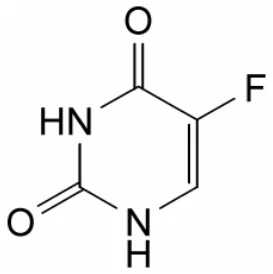
Proper name: fluorouracil
Chemical name: 5-Fluoro-2,4(1H,3H)-pyrimidinedione
Molecular formula and molecular mass: C4H3FN2O2 130.08
Structural formula:
Physicochemical properties: White to almost white, almost odourless, crystalline powder, sparingly soluble in water, slightly soluble in alcohol, practically insoluble in chloroform, benzene and ether.
Drug Substance
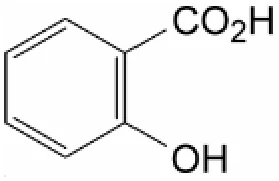
Proper name: salicylic acid
Chemical name: 2-Hydroxybenzenecarboxylic acid
Molecular formula and molecular mass: C7H6O3 138.10
Structural formula:
Physicochemical properties: white to colourless crystals or white crystalline powder, freely soluble in alcohol and in ether, sparingly soluble in chloroform, slightly soluble in water and in benzene
CLINICAL TRIALS
Pivotal Study
In a randomized, placebo-controlled, double-blind, three-armed, parallel group, multi-center Phase III trial, aiming to show superiority versus placebo and at least non-inferiority against active comparator, 470 patients with actinic keratosis (AK) Grade I to II were randomized in a 2:2:1 ratio to be treated topically with either ACTIKERALL (fluorouracil and salicylic acid) once daily, diclofenac gel (3%) twice daily, or placebo once daily. Patients had 4 -10 clinically confirmed actinic keratosis lesions on face, forehead, and/or bald scalp. Histological confirmation of actinic keratosis was conducted on one representative lesion. The total treatment area measured ≤ 25 cm2. Mean number of lesions per patient at baseline was 5.8, with a mean total lesion size of 349 mm2 . Testing for DPD deficiency was not performed in the clinical trial. Patients with previously established DPD deficiency were excluded from the clinical trial.
All patients were Caucasian ranging in age from 45 to 94 years (mean age 71.8 years), and the majority were male (84.7%). There was no pre-treatment of the lesions, and crusts or hyperkeratoses were not removed before treatment start. Patients were treated for a maximum of 12 weeks or until the lesions had completely cleared or ulceration of the lesions had occurred.
Actinic keratosis lesion intensity was graded according to the 4-point scale based on Olsen et al1:
Grade Clinical description of intensity grading
0 None no AK lesion present, neither visible nor palpable
I Mild flat, pink maculae without signs of hyperkeratosis and erythema, slight palpability, with AK felt better than seen
II Moderate pink to reddish papules and erythematous plaques with hyperkeratotic surface, moderately thick AK that are easily seen and felt III Severe very thick and / or obvious AK
AK: Actinic Keratosis
Demographics
Table 2: Summary of Demographic and Baseline characteristics (FAS)
Treatment Group
ACTIKERALL
(N =177)
Diclofenac Gel
(N = 183)
Placebo (N=98)
Age (years) Mean (SD) 71.8 (6.8) 71.6 (6.6) 72.3 (6.0) Range 45-94 46-86 59-85 < 65 years 19 (10.7%) 24 (13.1%) 8 (8.3%) ≥ 65 years 158 (89.3%) 159 (86.9%) 88 (91.7%) Height (cm) Mean (SD) 173.3 (7.5) 172.8 (7.6) 172.2 (8.1) Range 152-197 149-189 150-192 Weight (kg) Mean (SD) 81.5 (12.3) 80.4 (12.1) 80.9 (13.4) Range 53-129 44-120 55-130 Male N (%) 152 (85.9%) 155 (84.7%) 81 (84.4%) Female N (%) 25 (14.1%) 28 (15.3%) 15 (25.6%) Previous AK Therapy
Non-surgical 70.4% 68.4% 64.3% Surgical 15.3% 16% 20.5% Duration of AK Mean (SD) 5.5 4.9 5.8
Treatment Group ACTIKERALL
(N =177)
Diclofenac Gel
(N = 183)
Placebo (N=98)
(years) Range (0-28) (0-25) (0-44)
Clinical
assessments
Number of subjects with lesion
On the bald scalp 65 (34.8%) 66 (35.7%) 33 (33.7%) On the face (forehead) 92 (49.2%) 86 (46.5%) 47 (48.0%) On the bald scalp and face 30 (16.0%) 33 (17.8%) 18 (18.4%)
Number of Lesions
Total 1091 1095 551 Mean per subject Mean (SD) 5.8 (1.6) 5.9 (1.7) 5.6 (1.5) Face and Forehead AK I* 266 (24.4%) 237 (21.6) 127 (23.0%) AK II* 315 (28.9%) 326 (29.8%)1 164 (29.8%) Bald Scalp AK I* 185 (17.0%) 166 (15.2%) 102 (18.5%) AK II* 325 (29.8%) 365 (33.3%) 158 (28.7%) Total lesion area (mm2)
per subject
Mean (SD) 355.9 (128.9) 345.7 (118.7) 341.4 (132.9)
Histological assessments
Biopsy diagnosis
AK I 60 (32.1%) 54 (29.2%) 29 (29.6%) AK II 112 (59.9%) 118 (63.8%) 64 (65.3%) AK III 15 (8.0%) 13 (7.0%) 5 (5.1%) *Grading according to Olsen
1 one lesion rated as AK III according to Olsen
Study Results
Table 3: Biopsy Results at 8-Week Post-Treatment Visit
ACTIKERALL Diclofenac Gel Placebo
Full Analysis Set (N) 177 183 96
No AK, n (%) 124 (70.1) 99 (54.1) 41 (42.7)a
AK still present, n (%) 50 (28.2) 75 (41.0) 51 (53.1) Missing result, n (%) 3 (1.7) 9 (4.9) 4 (4.2) Per-Protocol Set (N) 168 164 87
No AK, n (%) 121 (72.0) 97 (59.1) b 39 (44.8) AK still present, n (%) 47 (28.0) 67 (40.9) 48 (55.2%) a p = 0.000019, ACTIKERALL vs placebo
b p = 0.000006 ACTIKERALL vs. diclofenac gel
The primary efficacy outcome was histological clearance of a pre-defined representative target actinic keratosis lesion 8 weeks post-treatment, as seen by biopsy. At the post-treatment assessment actinic keratosis could no longer be detected in the biopsy in more patients in the ACTIKERALL group (70.1%), than in the placebo group (42.7%) (p=0.000019, 97.5% CI for the difference placebo vs ACTIKERALL: 0.12- 0.40).
Actinic keratosis was detected in the biopsy in fewer patients in the ACTIKERALL group (28.0%), than in the diclofenac gel group (40.9%). In a per-protocol analysis, actinic keratosis was no longer detected in the biopsy in more patients in the ACTIKERALL group (72%), than in the diclofenac gel group (59.1%) and analysis of ACTIKERALL versus diclofenac gel demonstrated that
ACTIKERALL was not inferior to diclofenac gel (p=0.000006, 97.5% CI for the difference ACTIKERALL vs diclofenac gel: -0.24, -0.01) in the biopsy results 8 weeks post-treatment.
The number of subjects with complete response (all lesions clinically cleared) was also highest in the ACTIKERALL group 55.4 % compared to 32.0 % in the diclofenac gel group and 15.1 % in the placebo group (secondary end point, p<0.001 for the comparison of ACTIKERALL to either diclofenac gel or placebo).
Long term follow up
Following the pivotal Phase III trial, patients with remaining lesions were treated with conventional therapy (primarily cryotherapy, laser therapy and/or diclofenac gel). Follow-up visits were conducted to assess recurring and new lesions at 6 and 12 months after end of treatment. Maintenance of cleared lesions was higher in the ACTIKERALL group than in either the placebo or diclofenac gel groups at both 6 months and 12 months after the end of treatment (Table 4)
Table 4: Maintenance of Clearance of Target Lesions, in the Follow-up Period after
Treatment (6 month, 12 months) (Full Analysis Set)
Follow-up time point ACTIKERALL Diclofenac gel 3% Placebo
N Number (%) of
lesions
remaining cleared
N Number (%) of
lesions remaining cleared
N Number (%) of lesions remaining cleared
6 months 742 680 (91.6)a, b 534 442 (82.8) 189 163 (86.2)
12 months 725 622 (85.8)c, d 494 400 (81.0) 183 146 (79.8) N = total number of lesions.
a p < 0.0001, ACTIKERALL versus diclofenac gel
b p =0.02, ACTIKERALL versus placebo
c p =0.02, ACTIKERALL versus diclofenac gel
d p=0.04, ACTIKERALL versus placebo
The proportion of ACTIKERALL patients assessed as having complete clearance continued to be higher in ACTIKERALL patients than in diclofenac gel or placebo patients at 6 months after the end of treatment (Table 5). By 12 months after the end of treatment, the proportion of patients with a complete clearance of target lesions was similar in the ACTIKERALL and the diclofenac gel groups.
Table 5: Complete clearance in the follow-up period of the pivotal (6 months, 12 months)
(Full Analysis Set)
Follow-up time point ACTIKERALL Diclofenac gel 3% Placebo
N Number (%) of
patients cleared
N Number (%) of
patients cleared
N Number (%) of patients cleared
6 months 169 71 (42.0)a,b 160 46 (28.8) 90 17 (18.9)
12 months 165 60 (36.4) 144 53 (36.8) 88 22 (25.0) N = total number of patients.
a p = 0.012, ACTIKERALL versus diclofenac gel
b p <0.001, ACTIKERALL versus placebo
DETAILED PHARMACOLOGY
Pharmacokinetics
Animal
In a percutaneous absorption study in female pigs (n=6) 20 mL of fluorouracil-salicylic acid solution was applied to dorsal skin (94.5 mg fluorouracil or 4.5 mg/kg body weight) and fluorouracil concentration was determined in blood and urine collected over 24 hours post-treatment. The concentration of fluorouracil was below the LOD of 20 ng/mL in all serum and blood samples. Absorption was ≤0.457% of the fluorouracil dose (94.5 mg).
Clinical
In a human pharmacokinetic study analysing the absorption rate of fluorouracil after application of up to 1g of fluorouracil-salicylic acid solution (the same formulation as ACTIKERALL) in the treatment of warts there was a median percutaneous absorption of fluorouracil of 0.0085% after a single application. With repeated (three times daily) doses median percutaneous absorption was 0.035%.
Measurements of the amount of fluorouracil excreted in the urine of patients after application of 5% fluorouracil showed that <3% of the amount applied is absorbed through intact skin, while substantially more may be absorbed from diseased skin (up to 61% in one case of treatment of a large area of squamous cell carcinoma).
The systemic exposure (AUC) of a 30% salicylic acid solution, applied for 5 minutes to the full face, was 50 times lower than that from an oral dose of 650 mg ASA, and in the range of that observed with a 2% concentration salicylic acid applied as a leave-on product to the same body surface area, where systemic exposures (AUC) to SA were ~15% of those of those obtained following oral administration of 81 mg of ASA.
TOXICOLOGY
Acute and Repeat-dose Toxicology
No experimental data on the acute and sub-chronic toxicity of fluorouracil after topical application are available.
In a 13-week rat study a dose-dependent systemic bioavailability of fluorouracil occurred following local administration of fluorouracil ointment (5%) at doses 5, 15 and 50 mg fluorouracil per kg body weight per day. Severe local reactions and fatal systemic effects due to the antimetabolite actions of fluorouracil were observed when daily dermal doses were applied (doses up to 10,000 fold above human doses). Histological findings revealed, that only the upper layers of the epidermis were affected.
Salicylic acid has a low acute toxicity but may induce skin reactions after topical application at higher concentrations.
A single-dose study of fluorouracil-salicylic acid solution was conducted in male and female Sprague-Dawley rats. The oral LD50 was 5.2 g/kg without gender difference. The animals showed sedation and respiratory symptoms with cyanosis and death caused by dyspnea. The preparation changed consistency forming a firm white mass in the stomach and induced gastric irritation.
In a 13-week dermal toxicity study in pigs, male and female animals were administered fluorouracil-salicylic acid solution or control daily on the dorsal skin at doses up to 3 x 0.6 mL/150 cm2/10 kg body weight. The solution induced skin irritation in a dose-related manner at doses of 3 x 0.1 mL/25 cm2/10 kg body weight and above with severe erythema being observed in the high dose group (22.5-fold the maximum human dose). Pharmacological effects of edema, infiltration of lymphocytes and leucocytes, and the beginning of fibrosis of treated skin were observed.
Genotoxicity
Salicylic acid is not known to have any mutagenic or genotoxic effects.
Fluorouracil was mutagenic in vitro (AMES test) in some test strains. One positive result was obtained in the in vitro micronucleus test at concentrations 0.3 - 1.5 μg/mL. However, a review of published mutagenicity tests with fluorouracil concluded that mutagenicity test results were inconsistent and contradictory, and mutagenicity or clastogenicity could not be clearly estimated. Due to the small amount potentially absorbed from the externally applied fluorouracil-salicylic acid solution, mutagenicity of fluorouracil after systemic distribution is not likely.
Carcinogenicity
Carcinogenicity studies have not been carried out on the fluorouracil-salicylic acid solution. The constituent salicylic acid has not been associated with a carcinogenic effect. And, although fluorouracil is a cytotoxic agent, it has not been associated with a carcinogenic effect in rats or mice in studies of up to 2 years in duration, despite positive results in a single study in mice following i.p. administration (30 mg/kg once weekly for 50 weeks) and one positive in vitro study (100 μg/mL in CHO cells). The concomitant administration of the compounds is not likely to be carcinogenic.
Reproductive and Developmental Toxicity
No reproductive toxicity studies of fluorouracil-salicylic acid solution have been conducted.
Several studies following systemic administration of fluorouracil indicate potential high dose (20 mg/kg) teratogenic or embryotoxic effects in rats (including growth retardation, encephalocele or exencephaly, cleft palate and malformations of the skeleton (12-37 mg/kg), but less or no effect on fertility or general reproductive performance in rats (125-250 mg/kg), mice (80 mg/kg), rhesus monkeys (20 mg/kg) or rabbits (20 mg/kg). Fertility studies with systemic fluorouracil resulted in transient male infertility and in reduction of pregnancy rates in female rodents (25 mg/kg single dose or 5 mg/kg/5 days). Female rodents experienced a reduced number of fertile mating, delayed pre and post-implantation embryos, and increased pre implantation lethality as well as chromosomal anomalies in embryos. However, because of the very limited absorption after cutaneous administration, any such effect is very unlikely to be of clinical relevance.
For salicylic acid, based on non-clinical studies conducted in rats, mice, rabbits and monkeys, the non-teratogenic level has been established after an oral dosage of approximately 100 mg/kg and a maternal serum level of 100 μg/mL.
Local Tolerance
Local tolerance of the fluorouracil-salicylic acid solution was tested in New Zealand white rabbits after single and repeated applications.
In the single application study both the fluorouracil-salicylic acid solution and vehicle control (0.1mL onto 1cm² dorsal skin) induced slight swelling after an exposure time of 24 hours with skin discoloration seen in 2 of 5 rabbits. These skin reactions disappeared after 2-3 days. No skin reactions were seen with shorter exposure times of 1, 3 and 5 hours in either fluorouracil-salicylic acid solution or vehicle control.
In the repeat dose study, fluorouracil-salicylic acid solution or vehicle control was applied once daily for 10 days onto 4 cm² dorsal skin. A brownish discoloration (likely due to the salicylic acid) was seen after the first application of fluorouracil-salicylic acid solution and this increased in intensity with repeated application leading to an induration of epidermis. The hardened skin layer detached after 6-8 applications, under which a new layer of epidermis formed. This newly formed epidermis layer showed a tendency for erythema under pressure. Within 8-12 days after the last application, all brown hardened skin detached releasing an intact but initially sensitive epidermis, which subsequently became normal. Hair growth was normal within a few days of treatment termination.
Phototoxicity and Irritation Potential
Phototoxicity was assessed in vitro in 2 studies with Swiss albino mouse fibroblasts (3T3 cells, with and without UVA irradiation). In the NRU phototoxicity test system, the potential phototoxicity of 0.5% fluorouracil, 10% salicylic acid, 8% DMSO, 16% ethanol (all aqueous solutions) and a fixed combination of 0.125% fluorouracil, 2.5% salicylic acid, 2% DMSO, 4% ethanol was investigated. For all tested single substances and the combination no measurable effect on cell growth behavior and no phototoxic effect after UVA-radiation could be detected indicating that a significant phototoxic potential of the single substances and the fixed combination in vivo is unlikely. In an in vitro Swiss albino mouse fibroblast 3T3 assay with up to 1000 µg/mL of fluorouracil in Earl’s balanced salt solution no cytotoxic effects were seen either in the absence or presence of UVA light indicating no phototoxic potential of fluorouracil.
In the Hens Egg Test on the Chorioallantoic Membrane (HET-CAM)- an in vitro assay that measures irritation potential of test substances to mucous membranes- an undiluted fluorouracil-salicylic acid solution was assessed as “severely irritant” after incubation times of 3 minutes and 30 seconds. In an additional experiment a film patch of the dried solution was assessed as “moderately irritant” on the chorioallantoic membrane after 3 minutes and 30 seconds.
REFERENCES
- 1.
Davis DA, Kraus A, Thompson G, Olerich M, Odio M. Percutaneous Absorption of Salicylic
Acid after Repeated (14-day) In Vivo Administration to Normal, Acnegenic or Aged Human Skin. J Pharm Sci. 1997; Aug;86(8):896-9.
- 2.
Dodds A, Chia A, Shumack S. Actinic Keratosis: Rationale and Management. Dermatol Ther
(Heidelb) 2014; 4:11–31.
- 3. Erlanger M., Martz G., Ott F. et al. “Cutaneous absorption and urinary excretion of 6-14C-5-fluorouracil ointment applicated in an ointment to healthy and diseased human skin.” Dermatologica 1970;140 (Suppl 1): 7-14.
- 4.
Fung W, Orak D, Re TA, Haughey DB. Relative Bioavailability of Salicylic Acid Following
Dermal Application of a 30% Salicylic Acid Skin Peel Preparation. J Pharm Sci. 2008;97(3):1325-8.
- 5. Koehler MJ, Vogel T, Elsner P, König K, Bückle R, Kaatz M. In vivo measurement of the human epidermal thickness in different localizations by multiphoton laser tomography. Skin Res Technol 2010; 16: 259-264
- 6.
Lober BA, Lober CW. Actinic keratosis is squamous cell carcinoma. South Med J 2000; 93:
650-655
- 7.
Mattison LK, Fourie J, Desmond RA et al. Increased Prevalence of Dihydropyrimidine
Dehydrogenase Deficiency in African-Americans Compared with Caucasians. Clin Cancer Res 2006;12:5491-5.
- 8. Olsen EA, Abernethy ML, Kulp-Shorten C, A double-blind, vehicle-controlled study evaluating masoprocol cream in the treatment of actinic keratoses on the head and neck. J Am Acad Dermatol. 1991; 24: 738-743
- 9.
Sandby-Møller J, Poulsen T, Wulf HC. Epidermal thickness at different body sites:
relationship to age, gender, pigmentation, blood content, skin type and smoking habits. Acta Derm Venereol 2003; 83: 410-413
- 10.
Saif MW, Syrigos K, Mehra R, Mattison LK, Diasio RB. Dihydropyrimidine Dehydrogenase
Deficiency (DPD) In GI Malignancies: Experience of 4-Years. Pak J Med Sci Q. 2007;23(6):832–9
- 11. Senff H, Reinel D, Matthies C, Witts D. Topical 5-fluorouracil solution in the treatment of warts –clinical experience and percutaneous absorption. Br J Dermatol 1988:118: 409-414.
- 12. Stockfleth E, Nindl I, Sterry W, Ulrich C, Schmook T, Meyer T. Human papillomaviruses in transplant-associated skin cancers. Dermatol Surg 2004; 3:604-609
- 13. Stockfleth E, Kerl H, Zwingers T, Willers C. Low-dose 5-fluorouracil in combination with salicylic acid as a new lesion-directed option to treat topically actinic keratoses: histological and clinical study results. Br J Dermatol 2011;165(5):1101-8
- 14.
Stockfleth E, Zwingers T, Willers C. Recurrence rates and patient assessed outcomes of
0.5% 5-fluorouracil in combination with salicylic acid treating actinic keratoses. Eur J Dermatol. 2012 May-Jun;22(3):370-4.
- 15.
Stockfleth E. The paradigm shift in treating actinic keratosis: a comprehensive strategy. J
Drugs Dermatol. 2012 Dec 1;11(12):1462-7.
- 16. Whitton JT, Everall JD. The thickness of the epidermis. Br J Dermatol 1973; 89: 467-476
- 17. van Staveren MC, Guchelaar HJ, van Kuilenburg ABP, Gelderblom H, Maring JG. Evaluation of predictive tests for screening for dihydropyrimidine dehydrogenase deficiency. Pharmacogenomics J. 2013;13:389–95.