


Patient Medication Information: uses, side effects, how to take - Heparin Sodium Injection USP (Sterinova)
ABOUT THIS MEDICATION
What the medication is used for
Heparin Sodium Injection is indicated for subcutaneous use only in:
- preventing the spread of blood clots in your veins
- preventing the spread of blood clots to your lungs
- preventing blood clots complications associated to your heart
- prevention of blood clots in your arteries
What it does
Heparin stops reactions that lead to the clotting of blood and the formation of clots. Once an active blood clot has developed, larger amounts of heparin can inhibit further clotting.
Peak levels of heparin are achieved 2-4 hours following intravenous administration, although there are considerable individual variations.
When it should not be used
BEFORE you use Heparin Sodium Injection, talk to your doctor if you have:
- severe reduction of blood platelets
- an uncontrollable active bleeding state (see WARNINGS AND PRECAUTIONS), except when this is due to disseminated intravascular coagulation
- a hypersensitivity or allergy to this drug or to any ingredient in the formulation or component of the container. For a complete listing, see What the important nonmedicinal ingredients are.
What the medicinal ingredient is
Heparin sodium
What the important nonmedicinal ingredients are
Sodium hydroxide and hydrochloric acid (to adjust pH) and water for injection.
What dosage form it comes in
Heparin Sodium Injection is available as 5 000 USP units per 0.5 mL, single dose, supplied in prefilled glass syringes fitted with a 27G - ½ inch needle suitable for subcutaneous injection and a needle safety device.
WARNINGS AND PRECAUTIONS
Bleeding can occur at virtually any site in patients receiving heparin.
Increased resistance to heparin is frequently encountered in fever, blood clot, vein inflammation associated with a blood clot, infection with blood clotting tendencies, heart attack, cancer and in patients after surgery.
Heparin sodium should be used with extreme caution in disease states in which there is increased danger of bleeding. Some of the conditions in which increased danger bleeding exists are:
- Infections of the heart and heart valves. Severe high blood pressure.
- During and immediately following (a) spinal tap or spinal anesthesia or (b) major surgery, especially involving the brain, spinal cord, or eye.
- Conditions associated with increased bleeding tendencies, such as hemophilia, thrombocytopenia (low platelets) and some vascular purpuras.
- Ulcers of the stomach and continuous tube drainage of the stomach or small intestine.
- Menstruation, liver disease with impaired blood clotting.
Heparin sodium should be used with caution in patients at risk of increased potassium levels.
Excessive administration of potassium-free solutions may result in significant low concentrations of potassium in the blood.
Heparin is not intended for Intramuscular Use.
Allergic reaction to this drug might happen, stop the medication and consult your doctor.
Serious Warnings and Precautions
Fatal bleeding has occurred in infants and children due to medication errors in which 1 mL Heparin Sodium Injection vials were confused with 1 mL “catheter lock flush’ vials.
Heparin Sodium Injection USP, 5000 USP units / 0.5 mL, prefilled syringe should not be administered to infants and children since it does not allow a dose adjustment and the provided dose is much higher than the dose recommended based on clinical experience.
Platelet count should be tested and monitored.
INTERACTIONS WITH THIS MEDICATION
Certain medications may intensify the anticoagulant effect (e.g., blood thinning effect) of Heparin Sodium Injection. Therefore, it is important for you to advise your doctor if you are taking any medications such as the following:
- other drugs used to reduce blood clotting including warfarin, dextran, alteplase or streptokinase
- acetylsalicylic acid (Aspirin)
- non-steroidal anti-inflammatory drugs (NSAIDs); drugs used to treat painful and/or inflammatory conditions of muscles or joints including ibuprofen, celecoxib or indomethacin
- hydroxychloroquine; drug used to treat malaria
PROPER USE OF THIS MEDICATION
Usual dose
The product should be administered under the supervision of a qualified health professional who is experienced in the use of anticoagulant agents and in the management of patients with venous thrombosis, pulmonary embolism, acute and chronic consumptive coagulopathies and peripheral arterial embolism. Appropriate management of therapy and complications is only possible when adequate diagnostic and treatment facilities are readily available.
Caregiver instructions for use of needle safety device:
Important: Do not remove the protective needle cap before pulling the safety device away from the protective needle cap.
In case of drug overdose, contact a health care practitioner, hospital emergency department or regional Poison Control Centre immediately, even if there are no symptoms.
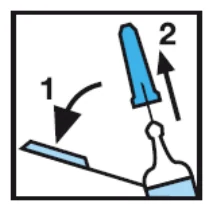
- 1) First, bend the safety device away from the protective needle cap until it is approximately at 90 degrees form the protective needle cap.
- 2) Remove the protective needle cap.
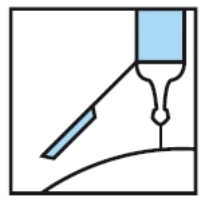
Perform the subcutaneous injection as prescribed.
Important: Do not use your fingers to secure the needle in the safety device.

SIDE EFFECTS AND WHAT TO DO ABOUT THEM
Side effects may include:
- irritation at the injection site
- mild pain at the injection site
- bruising at the injection site
- chills
- fever
- skin rash
- asthma
- runny nose
- tearing from eyes
- headache
- nausea
- vomiting
If the above symptoms become bothersome consult your doctor.
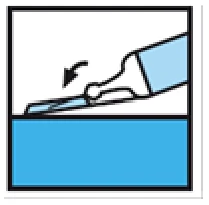
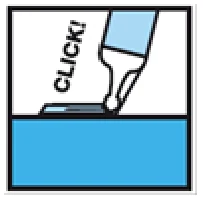
Secure the needle by placing the safety device against a hard, stable surface, holding the syringe in one hand to allow the needle to enter the safety device. Then, press down on the syringe.
Bend the needle into the safety device by approximately 90 degrees until the needle audibly clicks into the safety device.
Discard the syringe in the nearest sharps container.
Serious side effects and what to do about them
| Symptom / effect | Talk to your healthcare professional | Stop taking drug and get immediate medical help | |
| Only if severe | In all cases | ||
COMMON Hemorrhage; bleeding | √ | ||
Thrombocytopenia; low levels of platelets in the blood | √ | ||
Osteoporosis after prolonged treatment | √ | ||
RARE Allergic reactions | √ | ||
This is not a complete list of side effects. For any unexpected effects while taking Heparin Sodium Injection, contact your doctor or pharmacist immediately.
STORAGE
It is recommended that the product be stored in the blister pack at room temperature
(15ºC to 25ºC) and protected from freezing. Keep out of reach and sight of children.
MORE INFORMATION
This document plus the full product monograph, prepared for health professionals can be obtained by contacting the manufacturer, Sterinova Inc., at: 1-844-329-2939 or by email at:
REPORTING SUSPECTED SIDE EFFECTS
You can report any suspected adverse reactions associated with the use of health products to the Canada Vigilance Program by one of the following 3 ways:
--------------------------------------------------------------------------
Report online at www.healthcanada.gc.ca/medeffect Call toll-free at 1-866-234-2345
Complete a Canada Vigilance Reporting Form and:
- Fax toll-free to 1-866-678-6789, or
Mail to: Canada Vigilance Program Health Canada
Postal Locator 0701E Ottawa, Ontario K1A 0K9
Postage paid labels, Canada Vigilance Reporting Form and the adverse reaction reporting guidelines are available on the MedEffect™ Canada Web site at www.healthcanada.gc.ca/medeffect.
NOTE: Should you require information related to the management of side effects, contact your health professional. The Canada Vigilance Program does not provide medical advice.
medinfo@sterinova.com
Sterinova Inc., St-Hyacinthe, Qc, J2S 0J9