


Patient Medication Information: uses, side effects, how to take - Hyperrho
What is HyperRHO® used for?
The Rh factor is one of many blood group antigens found on the surface of red blood cells. If you have this antigen you are considered Rh positive. If you don’t, then you are considered Rh negative. Everyone is either Rh positive or Rh negative. One type is neither better nor worse than the other, only different. Your Rh factor is important if you are an Rh negative woman and you become pregnant, or if you receive a blood transfusion.
If you have Rh negative blood, there are two situations that can affect you:
- 1.
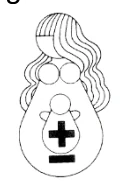
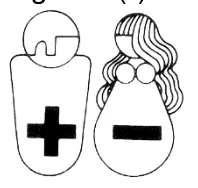
If the father of your baby is Rh positive, the baby will probably be Rh positive too (see Diagram 1: A, B). An Rh negative woman carrying an Rh positive baby may have an immune reaction if some of the baby’s Rh positive blood cells enter her bloodstream.
This immune reaction, called isoimmunization, means your body’s defence system recognizes Rh positive blood as foreign from your own and produces “antibodies” to destroy the invading Rh positive blood cells.
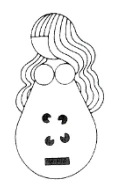
The passage of blood from the baby to the mother’s bloodstream happens most often at delivery, but can also occur during miscarriage, the termination of pregnancy, amniocentesis (test performed to determine fetal health), or due to an injury or trauma. It is important to note that a small number of women develop antibodies to Rh positive blood cells during pregnancy for no apparent reason (see Diagram 1: C).
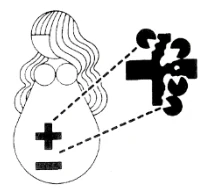
Antibodies to Rh positive blood may not be a problem in first pregnancies; however, the antibodies stay in your bloodstream, ready to attack invading Rh positive blood cells, for many years to come (see Diagram 1: D).
Serious Warnings and Precautions
- HyperRHO® must be injected into muscles only. It should not be injected directly into blood vessels.
- HyperRHO® like other products made from human plasma, part of our blood, may contain viruses or other agents that can cause infection and illness. However, the processes used to make HyperRHO® are specifically designed with the ability to destroy or remove these agents if they are present. You should discuss the risks and benefits of this product with your healthcare provider.
HyperRHO® should not be given to infants within the first four weeks of life.
The mother’s Rh positive antibodies could cause problems in future pregnancies if they enter the baby’s bloodstream and attack the baby’s red blood cells. This may lead to miscarriage or a disease known as hemolytic disease of the newborn (see Diagram 1: E). At birth, the infant suffering from hemolytic disease may be jaundiced and anemic or suffer permanent damage of the brain and central nervous system which may result in mental retardation, hearing loss, or cerebral palsy. Extensive medical care can be required, including an exchange transfusion, in which all of the baby’s blood is replaced. This usually stops the destruction of the baby’s red blood cells and gives the infant a chance to survive.
The risk of hemolytic disease of the newborn is slight with the first baby, but increases with each successive pregnancy.
Babies born to Rh positive mothers, regardless of the father’s blood type, will usually be free of the dangers of hemolytic disease.
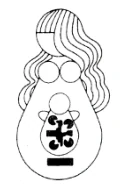
Diagram 1 – Development of Hemolytic Disease
A
Rh positive (+) father. Rh negative (-) mother.
B
Pregnancy: Rh- mother is carrying Rh+ baby
C
Rh+ blood from the baby passes into the mother’s bloodstream
D
Rh+ antibodies stay in mother’s bloodstream, ready to attack.
E
Next pregnancy, mother’s Rh+ antibodies enter baby’s Rh+ bloodstream, attacking baby’s blood cells and causing haemolytic disease of the newborn.
- 2. Someday it may become necessary for you to receive a blood transfusion. If Rh positive antibodies already reside in your bloodstream due to isoimmunization and the blood you receive is Rh positive due to error or lifesaving reasons, your Rh positive antibodies will become mobilized and destroy the donor Rh positive cells. As a result, the transfusion could be unsuccessful and possibly harmful to you.
How does HyperRHO® work?
HyperRHO® can prevent hemolytic disease of the newborn, provided Rh positive antibodies do not already reside in your bloodstream.
HyperRHO® is a specially prepared immunoglobulin with a high level of preformed antibodies against Rh positive blood cells. The injection of HyperRHO® destroys any Rh positive blood cells that may have entered the mother’s bloodstream and prevents the mother’s immune system from producing Rh positive antibodies; thus protecting the baby from developing hemolytic disease (see Diagram 2).
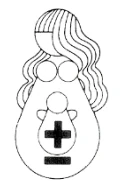
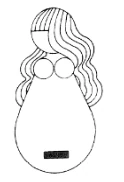
Diagram 2 – How HyperRHO® Can Prevent Hemolytic Disease
A
You will probably be given two injections of HyperRHO® , one at the 28th week of your pregnancy and another within 72 hours of delivery, miscarriage, or other termination of pregnancy.
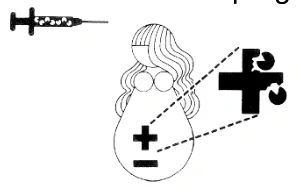
B
HyperRHO® immunization prevents formation of mother’s own Rh+ antibodies. Mother’s bloodstream remains free of Rh+ antibodies.
C
Next pregnancy, baby develops normally. HyperRHO® should be administered following delivery, miscarriage, or other termination of pregnancy or continue protection if baby is Rh+.
HyperRHO® provides protection only if you have not already produced Rh positive antibodies. Women who have developed antibodies through previous pregnancy, miscarriage, other termination of pregnancy, or blood transfusion cannot be protected by HyperRHO®. This is why with each pregnancy it is important to have HyperRHO® injections within the prescribed time period.
HyperRHO® may be used to prevent isoimmunization in Rh negative individuals who have been transfused with Rh positive red blood cells or blood components containing red blood cells.
What are the ingredients in HyperRHO® ?
Medicinal ingredients: human Rho(D) Immunoglobulin
Non-medicinal ingredients: glycine
HyperRHO® comes in the following dosage forms:
single use pre-filled syringes (250 IU or 1500 IU)
Do not use HyperRHO® if:
- You should not use HyperRHO® if you are allergic to this drug or to any ingredient in the formulation or component of the container.
To help avoid side effects and ensure proper use, talk to your healthcare professional before you take HyperRHO®. Talk about any health conditions or problems you may have, including if you:
- are pregnant or breastfeeding (for patients given HyperRHO® following transfusion with Rh positive blood)
- have had an allergic reaction to any other immunoglobulin preparation or any of the other ingredients in the medicine
Tell your healthcare professional about all the medicines you take, including any drugs, vitamins, minerals, natural supplements or alternative medicines.
The following may interact with HyperRHO®:
- Certain vaccines. Talk with your healthcare professional if you will receive any type of vaccine within 3 months of HyperRHO® treatment
How to take HyperRHO®:
- HyperRHO® will be given to you by a healthcare professional in a healthcare setting.
Usual dose:
Your doctor will determine the amount of HyperRHO® that is right for you and when your shots should be given. An intramuscular or IM injection is a shot given into a muscle. A doctor, nurse or other caregiver trained to give injections will give you your treatment.
Overdose:
Although there is no information on the effects of HyperRHO® overdose, experience with similar medicines suggests that the only effect would be pain and tenderness at the needle injection site.
Missed Dose:
It is important that you receive HyperRHO® as instructed by your healthcare professional. You should consult him/her if a treatment appointment is missed.
What are possible side effects from using HyperRHO®?
These are not all the possible side effects you may have when taking HyperRHO®. If you experience any side effects not listed here, tell your healthcare professional.
Side effects following HyperRHO® treatment are infrequent in individuals who are Rh negative. The side effects that may occur consist primarily of slight soreness where the injection is given and slight temperature elevation. Talk with your doctor if the pain is severe.
Allergic reactions, although rare, have been reported following repeated injections of human immunoglobulin preparations. Talk with your doctor immediately if you experience any of these side effects:
- wheezing or trouble breathing
- chest tightness
- severe abdominal cramps
- severe vomiting
- severe diarrhea
- rash or hives (swelling, redness, intense itching, and burning)
- swelling of the lips, other parts of the mouth and throat, eyelids, genitals, hands or feet
If you have a troublesome symptom or side effect that is not listed here or becomes bad enough to interfere with your daily activities, tell your healthcare professional.
Reporting Side Effects
You can report any suspected side effects associated with the use of health products to Health Canada by:
- Visiting the Web page on Adverse Reaction Reporting (https://www.canada.ca/en/health-canada/services/drugs-health-products/medeffect-canada.html) for information on how to report online, by mail or by fax; or
- Calling toll-free at 1-866-234-2345.
NOTE: Contact your health professional if you need information about how to manage your side effects. The Canada Vigilance Program does not provide medical advice.
Storage:
HyperRHO® should be stored at 2-8°C. It should not be frozen or used past the expiration date.
Keep out of reach and sight of children.
If you want more information about HyperRHO®:
- Talk to your healthcare professional
- Find the full product monograph that is prepared for healthcare professionals and includes this Patient Medication Information by visiting the Health Canada website: (https://www.canada.ca/en/health-canada/services/drugs-health-products/drug-products/drug-product-database.html; or by calling the manufacturer at 1-866-482-5226.