


Product Monograph - Ivozfo
RECENT MAJOR LABEL CHANGES
| INDICATIONS (1) | 10/2022 |
|---|---|
| SERIOUS WARNINGS AND PRECAUTIONS BOX | 10/2022 |
| DOSAGE AND ADMINISTRATION (4) | 10/2022 |
| WARNINGS AND PRECAUTIONS | 10/2022 |
TABLE OF CONTENTS
Sections or subsections that are not applicable at the time of authorization are not listed.
RECENT MAJOR LABEL CHANGES ............................................................................................ 2
TABLE OF CONTENTS .............................................................................................................. 2
PART I: HEALTH PROFESSIONAL INFORMATION ...................................................................... 4
1 INDICATIONS ............................................................................................................... 4
1.1 Pediatrics ................................................................................................................ 4
1.2 Geriatrics ................................................................................................................ 5
2 CONTRAINDICATIONS ................................................................................................. 5
3 SERIOUS WARNINGS AND PRECAUTIONS BOX ............................................................ 5
4 DOSAGE AND ADMINISTRATION ................................................................................. 5
4.1 Dosing Considerations ............................................................................................ 5
4.2 Recommended Dose and Dosage Adjustment ....................................................... 6
4.3 Reconstitution ........................................................................................................ 8
4.4 Administration ........................................................................................................ 9
4.5 Missed Dose ........................................................................................................... 9
5 OVERDOSAGE .............................................................................................................. 9
6 DOSAGE FORMS, STRENGTHS, COMPOSITION AND PACKAGING ............................... 10
7 WARNINGS AND PRECAUTIONS ................................................................................ 10
7.1 Special Populations............................................................................................... 13
7.1.1 Pregnant Women ........................................................................................... 13
7.1.2 Breast-feeding ................................................................................................ 13
7.1.3 Pediatrics ........................................................................................................ 13
7.1.4 Geriatrics ........................................................................................................ 13
8 ADVERSE REACTIONS ................................................................................................ 13
8.1 Adverse Reaction Overview .................................................................................. 13
8.2 Clinical Trial Adverse Reactions ............................................................................ 13
8.2.1 Clinical Trial Adverse Reactions – Pediatrics ................................................... 14
8.5 Post-Market Adverse Reactions ........................................................................... 14
9 DRUG INTERACTIONS ................................................................................................ 15
9.2 Drug Interactions Overview .................................................................................. 15
10 CLINICAL PHARMACOLOGY ....................................................................................... 15
10.1 Mechanism of Action ...................................................................................... 15
10.2 Pharmacodynamics ........................................................................................ 16
10.3 Pharmacokinetics ........................................................................................... 16
11 STORAGE, STABILITY AND DISPOSAL ......................................................................... 18
12 SPECIAL HANDLING INSTRUCTIONS ........................................................................... 18
PART II: SCIENTIFIC INFORMATION ....................................................................................... 18
13 PHARMACEUTICAL INFORMATION ............................................................................ 18
14 CLINICAL TRIALS ........................................................................................................ 19
15 MICROBIOLOGY ........................................................................................................ 19
16 NON-CLINICAL TOXICOLOGY ..................................................................................... 21
PATIENT MEDICATION INFORMATION .................................................................................. 23
PART I: HEALTH PROFESSIONAL INFORMATION
1 INDICATIONS
IVOZFO™ (fosfomycin for injection) is indicated for the treatment of the following infections in adults and children including neonates:
- Bacterial meningitis
- Bone and joint infections
- Complicated intra-abdominal infections
- Complicated skin and soft tissue infections
- Complicated urinary tract infections
- Hospital-acquired pneumonia, including ventilator-associated pneumonia
- Infective endocarditis
- Bacteremia that occurs in association with, or is suspected to be associated with, any of the infections listed above
IVOZFO™ should be used only when it is considered inappropriate to use antibacterial agents that are commonly recommended for the initial treatment of the infections listed above, or when these alternative antibacterial agents have failed to demonstrate efficacy (see 7 WARNINGS AND PRECAUTIONS, General, Limitations of the Clinical Data).
Fosfomycin should usually be used as part of a combination antibacterial regimen (see 7 WARNINGS AND PRECAUTIONS, Sensitivity/Resistance and 9 DRUG INTERACTIONS, Combination with other antibiotics). Relevant clinical treatment guidelines can be referred to for identifying the most appropriate combination partner to use with fosfomycin.
To reduce the development of drug-resistant bacteria and maintain the effectiveness of IVOZFOTM and other antibacterial drugs, IVOZFOTM should be used only to treat infections that are proven or strongly suspected to be caused by susceptible bacteria. When culture and susceptibility information are available, they should be considered in selecting or modifying antibacterial therapy. In the absence of such data, local epidemiology and susceptibility patterns may contribute to the empiric selection of therapy.
1.1 Pediatrics
Pediatrics (<18 years): Based on the data submitted and reviewed by Health Canada, the safety and efficacy of IVOZFO™ (fosfomycin for injection) in pediatric patients has been established; therefore, Health Canada has authorized an indication for pediatric use (see 1 INDICATIONS).
Pediatrics <12 years of age (<40 kg): Consult specific dosing guidelines in 4.2 Recommended dose and dosage adjustment. Safety and efficacy of fosfomycin in neonates and children with renal impairment have not been evaluated in clinical trials (see 4 DOSAGE AND ADMINISTRATION).
Adolescents (12–17 years of age and >40 kg body weight): The recommended doses for adults should be used in adolescent patients (12–17 years of age) (see 4.2 Recommended Dose and Dosage Adjustment).
1.2 Geriatrics
Geriatrics (> 65 years of age): There was no difference in drug efficacy or tolerance for patients older than 65 years compared with patients younger than 65 years. Caution is advised when considering the use of doses at the higher end of the recommended range (see 7 WARNINGS AND PRECAUTIONS, Cardiovascular; Renal).
2 CONTRAINDICATIONS
IVOZFO™ (fosfomycin for injection) is contraindicated in patients who are hypersensitive to this drug or to any ingredient in the formulation, including any non-medicinal ingredient, or component of the container. For a complete listing, see 6 DOSAGE FORMS, STRENGTHS, COMPOSITION AND PACKAGING.
3 SERIOUS WARNINGS AND PRECAUTIONS BOX
Serious Warnings and Precautions
|
|---|
4 DOSAGE AND ADMINISTRATION
4.1 Dosing Considerations
The daily dose of IVOZFO™ (fosfomycin for injection) is determined based on the indication, severity and site of the infection, susceptibility of the pathogen(s) to IVOZFO™ and the renal function. In children, it is also determined by age and body weight.
A low-sodium diet is recommended during treatment. Due to the risk of hypokalemia, as a result of high sodium load, potassium supplementation may be required (See 7 WARNINGS AND PRECAUTIONS, Cardiovascular).
4.2 Recommended Dose and Dosage Adjustment
Adults and adolescents ≥ 12 years of age (> 40 kg)
Fosfomycin is primarily excreted unchanged via the kidneys. The general dosage guidelines for adults and adolescents with estimated creatinine clearance > 80 mL/min are provided in Table 1.
| Table 1: General dosage guidelines for adults and adolescents by indication | |
| Indication | Daily dose |
| Bacterial meningitis | 16–24 g* in 3–4 divided doses |
| Bone and joint infections | 12–24 g* in 2–3 divided doses |
| Complicated intra-abdominal infections | |
| Complicated skin and soft tissue infections | |
| Complicated urinary tract infection | |
| Hospital-acquired pneumonia, including ventilator-associated pneumonia | |
| Infective endocarditis | |
| Bacteremia that occurs in association with, or is suspected to be associated with, any of the infections listed above | |
*The high-dose regimen (> 16 g/day in 3 divided doses) should be used in severe infections expected or known to be caused by less susceptible bacteria (see 14 MICROBIOLOGY).
Individual doses must not exceed 8 g.
There are limited safety data in particular for doses in excess of 16 g/day. Special caution is advised when such doses are prescribed.
Renal Impairment
Dosage in renal insufficiency: The dose recommendations for adults and adolescent patients with renal impairment are based on pharmacokinetic modelling and limited clinical data; safety and efficacy have not yet been evaluated in clinical trials.
No dose adjustment is recommended in patients with an estimated creatinine clearance between 40– 80 mL/min. However, caution should be exercised in these cases, particularly if doses at the higher end of the recommended range are considered.
In patients with a greater degree of impaired renal function, the dose of IVOZFO™ (fosfomycin for injection) must be adjusted to the degree of renal impairment.
Dose titration should be based on creatinine clearance values.
| Table 2: Dosage for adult and adolescent patients with impaired renal function | ||
|---|---|---|
| CLCR patient | CLCR patient/ CLCR normal (120 mL/min) | Daily dosage recommended* |
| 40 mL/min | 0.333 | 70% (in 2–3 divided doses) |
| 30 mL/min | 0.250 | 60% (in 2–3 divided doses) |
| 20 mL/min | 0.167 | 40% (in 2–3 divided doses) |
|---|---|---|
| 10 mL/min | 0.083 | 20% (in 1–2 divided doses) |
*The dose is expressed as a proportion of the dose that would have been considered appropriate if the patient's renal function were normal as calculated according to Cockgroft-Gault formula.
The first dose should be increased by 100% (loading dose), but must not exceed 8 g.
Dosage in patients undergoing renal replacement therapy: Patients undergoing chronic intermittent dialysis (every 48 hours) should receive 2 g of IVOZFO™ at the end of each dialysis session.
During continuous veno-venous hemofiltration (post-dilution CVVHF), IVOZFO™ is effectively eliminated. Patients undergoing post-dilution CVVHF will not require any dose adjustment (see 10.3 PHARMACOKINETICS, Renal Insufficiency).
Hepatic impairment
There are no data indicating that dose adjustment is necessary in patients with hepatic impairment.
Geriatric patients (> 65 years of age)
The recommended doses for adults should be used in geriatric patients. Caution is advised when considering the use of doses at the higher end of the recommended range (see Dosage in renal insufficiency above).
Neonates, infants and children < 12 years of age (< 40 kg)
Dose recommendations are based on very limited data. Fosfomycin is primarily excreted unchanged by the kidneys.
The dosage of IVOZFO™ in children should be based on age and body weight (BW):
| Table 3: general dosage guidelines for pediatrics < 12 years of age (< 40 kg) | |
| Age/weight | Daily dose |
| Premature neonates (agea < 40 weeks) | 100 mg/kg BW in 2 divided doses |
| Neonates (agea 40–44 weeks) | 200 mg/kg BW in 3 divided doses |
| Infants 1–12 months (up to 10 kg BW) | 200–300b mg/kg BW in 3 divided doses |
| Infants and children aged 1–12 years (10–40 kg BW) | 200–400b mg/kg BW in 3–4 divided doses |
aSum of gestational and postnatal age.
bThe high-dose regimen (>300 mg/kg/day) may be considered for severe infections and or serious infections (such as meningitis), in particular when known or suspected to be caused by organisms with moderate susceptibility (see 14 MICROBIOLOGY).
Renal Impairment
No dose recommendations can be made for children with renal impairment due to a lack of human pharmacokinetic data.
Hepatic Impairment
There are no data indicating that dose adjustment is necessary in patients with hepatic impairment.
Obesity:
In patients with a BMI > 38 kg/m2 an increased dosing regimen (16-24 g/day) may be required depending on the site and severity of infection.
4.3 Reconstitution
Preparation of the solution for infusion
IVOZFO™ (fosfomycin for injection) must be reconstituted and diluted prior to administration. Use Dextrose 5% in Water (D5W) for reconstitution of the powder. It is not recommended to use Sodium Chloride containing solutions for reconstitution of IVOZFO™ due to their additional sodium load (See 3 SERIOUS WARNINGS AND PRECAUTIONS BOX; 7 WARNINGS AND PRECAUTIONS).
Reconstitution
Shake the vial prior to reconstitution to loosen up the powder. Reconstitute the 2 gram vial with 10 mL of diluent. Reconstitute the 4 gram vial with 20 mL of the diluent. Reconstitute the 8 gram vial with 40 mL of diluent. Shake well to dissolve. A slight degree of warming occurs when the powder is dissolved. Visually ensure that the powder is completely dissolved.
Caution: This intermediate solution is not for direct infusion. Withdraw the solution completely from the original vial. Upon reconstitution with D5W, further dilute the product immediately (see below). If not used immediately, the reconstituted product should be protected from light and stored at 2-8°C in the vial for no longer than 48 hours.
Dilution
For a 2 gram dose, transfer the reconstituted contents of the 2 gram vial into a D5W PVC bag with 50 mL D5W (Dextrose 5% in Water) to reach a total volume of 60 mL.
For a 4 gram dose, transfer the reconstituted contents of the 4 gram vial into a D5W PVC bag with 100 mL D5W (Dextrose 5% in Water) to reach a total volume of 120 mL.
For an 8 gram dose, transfer the reconstituted contents of the 8 gram vial into a D5W PVC bag with 250 mL D5W (Dextrose 5% in Water) to reach a total volume of 290 mL.
The diluted product should be used immediately. If not used immediately, the diluted product should be protected from light and stored at 2-8°C or 25°C in the PVC bags for no longer than 24 hours at 25°C in PVC bags and 48 hours at 2-8°C in the vial and in PVC bags.
The reconstituted product should be protected from light.
Table 4- Reconstitution
| Vial Size | Volume of Diluent to be Added to Vial | Volume of final solution | Infusion Time (minutes) |
| 2 g | 10 mL | 60 mL D5W | 15 |
| 4 g | 20 mL | 120 mL D5W | 30 |
| 8 g | 40 mL | 290 mL D5W | 60 |
The concentration of the final solution should not exceed 40 mg/mL.
The resulting solution for infusion is clear and colourless to slightly yellowish.
Inspect the product visually for particulate matter and discoloration prior to administration. DO NOT use if solution appears hazy, contains particles. Discard unused portion.
Check the container for minute leaks prior to use by squeezing the bag firmly; ensure that the seal is intact. If leaks are found, discard solution as sterility may be impaired.
Incompatibilities
Although no chemical/pharmaceutical incompatibilities have been found, fosfomycin solutions should not be mixed together with other parenteral preparations.
4.4 Administration
Method of administration
IVOZFO™ (fosfomycin for injection) is intended for intravenous administration. The duration of infusion should be at least 15 minutes for a 2 gram dose, 30 minutes for a 4 gram dose and 60 minutes for an 8 gram dose. Isolated reports from the literature indicate that extending the infusion time to up to 4 hours might reduce the risk of hypokalemia. In patients with high risk of hypokalemia, an extended infusion time (up to 4 hours for the 4g and 8g strengths) or a reduction to the individual dose (with more frequent administration) might be considered.
Use only clear solutions.
As damaging effects can result from inadvertent intra-arterial administration of IVOZFO, it is essential to ensure that IVOZFO™ is only administered into veins.
Duration of treatment
Treatment duration should take into account the type of infection, the severity of the infection as well as the patient’s clinical response. Relevant therapeutic guidelines should be adhered to when deciding treatment duration.
4.5 Missed Dose
If a dose is missed, it should be given as soon as possible. However, if it is less than two hours before the time for the next dose, no additional dose should be given and the regular dosing schedule should be resumed.
5 OVERDOSAGE
Experience regarding overdose with IVOZFO™ (fosfomycin for injection) is limited. Cases of hypotonia, somnolence, electrolytes disturbances (including hypernatremia, hypokalemia, hypophosphatemia), thrombocytopenia and hypoprothrombinemia have been reported with parenteral use of fosfomycin. In the event of overdose, the patient must be monitored (particularly for plasma/serum electrolyte levels), and treatment should be symptomatic and supportive. Rehydration is recommended to promote urinary elimination of the drug. Fosfomycin is effectively cleared from the body by hemodialysis with a mean elimination half-life of approximately 4 hours.
| For management of a suspected drug overdose, contact your regional poison control centre. |
|---|
6 DOSAGE FORMS, STRENGTHS, COMPOSITION AND PACKAGING
Table 5– Dosage Forms, Strengths, Composition and Packaging.
Each vial with 2.69 g of powder contains 2.64 g fosfomycin sodium, corresponding to 2 g fosfomycin and 0.64 g sodium.
Each vial with 5.38 g of powder contains 5.28 g fosfomycin sodium, corresponding to 4 g fosfomycin and 1.28 g sodium.
Each vial with 10.76 g of powder contains 10.56 g fosfomycin sodium, corresponding to 8 g fosfomycin and 2.56 g sodium.
IVOZFO™ (fosfomycin for injection) is supplied in clear type-I glass vials with a rubber stopper (bromobutyl rubber) and pull-off cap containing 2 g (in 30 mL vial), 4 g (in 30 mL vial) or 8 g (in 50 mL vial) of fosfomycin, respectively, in packs of 10 vials each.
7 WARNINGS AND PRECAUTIONS
Please see 3 SERIOUS WARNINGS AND PRECAUTIONS BOX
General
Limitations of the clinical data
It is recommended that fosfomycin is selected to treat the listed indications only when it is considered inappropriate to use antibacterial agents that are commonly recommended for their initial treatment.
The clinical data to support the use of intravenous fosfomycin for treatment of some of the listed indications is limited by a lack of adequate randomised controlled trials. Furthermore, various dose regimens have been used and no single intravenous dose regimen has been strongly supported by clinical trial data.
Cardiovascular
Risk of sodium overload
1 g IVOZFO™ (fosfomycin for injection) (equivalent to 1.32 g fosfomycin sodium) contains 14 mmol (320 mg) sodium, equivalent to 16% of the WHO recommended maximum daily dietary intake of 2 g sodium for an adult.
Due to the additional sodium load, the risk of hypernatremia and fluid overload should be assessed
| Route of Administration | Dosage Form / Strength/Composition | Non-medicinal Ingredients |
| intravenous | Powder for solution 2 g, 4 g and 8 g | Succinic acid |
before starting treatment. Caution is advised when IVOZFO™ is used in patients with a history of congestive heart failure or underlying comorbidities such as nephrotic syndrome, liver cirrhosis, hypertension, hyperaldosteronism, hypernatremia, pulmonary edema or hypoalbuminemia as well as in neonates under sodium restriction. A low-sodium diet is recommended during treatment.
A high sodium load may also result in decreased levels of potassium in serum or plasma (i.e., hypokalemia), which may require supplementation. Hypokalemia may result in varied symptoms such as weakness, tiredness or edema and/or muscle twitching. Severe forms may cause hyporeflexia and cardiac arrhythmia. Hypernatremia may be associated with hypertension and signs of fluid overload such as edema (see 8 ADVERSE REACTIONS).
The action of cardiac glycosides can be potentiated by potassium deficiency.
Gastrointestinal
Clostridium difficile-associated disease
Clostridium difficile-associated disease (CDAD) has been reported with the use of many antibacterial agents, including IVOZFO™ (see 8 ADVERSE REACTIONS). CDAD may range in severity from mild diarrhea to fatal colitis. It is important to consider this diagnosis in patients who present with diarrhea, symptoms of colitis, pseudomembranous colitis, toxic megacolon, or perforation of the colon subsequent to the administration of any antibacterial agent. CDAD has been reported to occur over 2 months after the administration of antibacterial agents.
Treatment with antibacterial agents may alter the normal flora of the colon and may permit overgrowth of Clostridium difficile. C. difficile produces toxins A and B, which contribute to the development of CDAD. CDAD may cause significant morbidity and mortality. CDAD can be refractory to antimicrobial therapy.
If the diagnosis of CDAD is suspected or confirmed, appropriate therapeutic measures should be initiated. Mild cases of CDAD usually respond to discontinuation of antibacterial agents not directed against C. difficile. In moderate to severe cases, consideration should be given to management with fluids and electrolytes, protein supplementation, and treatment with an antibacterial agent clinically effective against C. difficile. Surgical evaluation should be instituted as clinically indicated as surgical intervention may be required in certain severe cases.
Haematological reactions (including agranulocytosis)
In patients receiving fosfomycin intravenously haematological reactions including neutropenia or agranulocytosis have occurred (see 8.5 Post market adverse reactions). Therefore, the leukocyte count should be monitored at regular intervals and if such reactions occur, an adequate medical treatment should be initiated.
Hepatic/Biliary/Pancreatic
Liver injury, usually reversible upon discontinuation of therapy, has been seen with use of fosfomycin, including hepatitis. There is no requirement for dosage adjustments in patients with hepatic insufficiency since the pharmacokinetics of fosfomycin remains unaffected in this patient group.
Patients with hepatic cirrhosis should be closely monitored for sodium overload.
Immune
Acute, potentially life-threatening hypersensitivity reactions (anaphylactic shock) may occur in very rare cases. At the first signs (including sweating, nausea, cyanosis), the infusion of IVOZFO™
(fosfomycin for injection) must be immediately discontinued. The intravenous line should be left in place. Depending upon the clinical situation, appropriate emergency measures may need to be initiated.
Monitoring and Laboratory Tests
One vial with 2 g of IVOZFO™ contains 28 mmol (640 mg) sodium, one vial with 4 g IVOZFO™ contains 56 mmol (1,280 mg) sodium and one vial with 8 g of IVOZFO™ contains 111 mmol (2,560 mg) sodium.
A high sodium load associated with the use of IVOZFO™ may result in decreased levels of potassium in serum or plasma. Serum electrolytes (particularly sodium, potassium, and phosphate) and water balance must be monitored regularly during therapy, in particular when using the high-dose regimens (>16 g/day in adults; > 300 mg/kg/day in children), and for all doses in neonates and premature infants due to variable renal sodium excretion (see 7 WARNINGS AND PRECAUTIONS, Cardiovascular; and 8 ADVERSE REACTIONS).
Renal
In patients with impaired renal function, the dosage should be adjusted according to the grade of renal insufficiency (see 4.2 Recommended dose and dosage adjustment, Renal Impairment).
Fosfomycin is primarily excreted unchanged by the kidneys. In patients with severe renal insufficiency (creatinine clearance ≤ 40mL/min), the elimination of IVOZFO™ (fosfomycin for injection) is substantially slowed. (See Dosage in renal insufficiency).
Data on fosfomycin clearance by continuous veno-venous hemofiltration is very limited and fosfomycin clearance may be extensive. Patients undergoing renal replacement therapy should be closely monitored for clinical efficacy and for adverse events.
Reproductive Health
Fertility
To date, in humans no reduction in fertility after therapy with fosfomycin has been reported. In male and female rats, reduced fertility was observed after the oral administration of fosfomycin at supra-therapeutic doses (see 16 NON-CLINICAL TOXICOLOGY).
Sensitivity/Resistance
Development of Drug-Resistant Bacteria and Need for Combination Therapy
Prescribing IVOZFO in the absence of a proven or strongly suspected bacterial infection is unlikely to provide benefit to the patient and risks the development of drug-resistant bacteria.
In vitro, fosfomycin has been found to rapidly select for resistant mutants. Also, the use of intravenous fosfomycin alone has been associated with selection of resistance in clinical studies. Whenever possible, it is recommended that fosfomycin is administered as part of a combination antibacterial drug regimen to reduce the risk of selecting for resistance.
7.1 Special Populations
7.1.1 Pregnant Women
No clinical studies of fosfomycin use in pregnant women are available. Fosfomycin crosses the placental barrier. IVOZFO™ should therefore not be prescribed to pregnant women unless the benefit to the mother outweighs the risk to the fetus.
Animal studies do not indicate direct or indirect harmful effects with respect to reproductive toxicity (see 16 NON-CLINICAL TOXICOLOGY).
7.1.2 Breast-feeding
After the administration of fosfomycin, low quantities were found in human milk. Only scarce information about fosfomycin use during breastfeeding is available, therefore this treatment is not recommended as first choice for a breastfeeding woman, especially if she is breastfeeding a premature or new-born baby. No specific risk for a breastfed child was demonstrated, however, as with any other antibiotics a potential risk of changes in infant bowel flora should be taken into consideration. The developmental and health benefits of breastfeeding should be considered along with the mother’s clinical need for IVOZFO™ and any potential adverse effects on the breastfed child from IVOZFO™ or from the underlying maternal condition.
7.1.3 Pediatrics
Limited safety information is available from the pediatric population. Frequency, type and severity of adverse reactions may be expected to be similar to the adult population.
7.1.4 Geriatrics
No dose adjustment is necessary based on age alone. However, renal function should be assessed and the dose should be reduced if there is evidence of renal impairment (see 4.2 Recommended Dose and Dosage Adjustment, Dosage in renal impairment).
8 ADVERSE REACTIONS
8.1 Adverse Reaction Overview
The most commonly reported adverse reactions during treatment are erythematous skin eruption, ion imbalances, gastrointestinal disturbances, dysgeusia and injection site reactions. Other important adverse reactions include anaphylactic shock (see 7 WARNINGS AND PRECAUTIONS, Immune), antibiotic associated colitis and decreases in white blood cell counts.
8.2 Clinical Trial Adverse Reactions
Clinical trials are conducted under very specific conditions. The adverse reaction rates observed in the clinical trials; therefore, may not reflect the rates observed in practice and should not be compared to the rates in the clinical trials of another drug. Adverse reaction information from clinical trials may be useful in identifying and approximating rates of adverse drug reactions in real-world use.
8.2.1 Clinical Trial Adverse Reactions – Pediatrics
Limited safety information is available from the pediatric population. Frequency, type and severity of adverse reactions may be expected to be similar to the adult population.
8.5 Post-Market Adverse Reactions
Adverse drug reactions are listed by body system and frequency in accordance with the following classification:
Very common: ≥ 1/10
Common: ≥ 1/100 to < 1/10
Uncommon: ≥ 1/1,000 to < 1/100
Rare: ≥ 1/10,000 to < 1/1,000
Very rare: < 1/10,000
Not known: cannot be estimated from the available data
Within each frequency grouping, undesirable effects are presented in order of decreasing seriousness.
| Table 6: Adverse Drug Reactions reported by System Organ Class | ||
|---|---|---|
| System Organ Class | Frequency Category | Adverse Drug Reactions |
| Blood and lymphatic system disorders | Frequency not known | Agranulocytosis (transient), leucopenia, pancytopenia, thrombocytopenia, neutropenia |
| Immune system disorders | Very rare | Anaphylactic reactions including anaphylactic shock and hypersensitivity |
| Metabolic Disorders | Common | Hypernatremia and/or hypokalemia |
| Frequency not known | Hypophosphatemia | |
| Nervous system disorders | Common | Dysgeusia |
| Uncommon | Headache | |
| Cardiac disorders | Frequency not known | Congestive cardiac failure |
| Gastrointestinal disorders | Uncommon | Nausea, vomiting, diarrhea |
| Frequency not known | Antibiotic-associated colitis | |
| Hepatobiliary disorders | Uncommon | Blood alkaline phosphatase increased (transient), aspartate aminotransferase and alanine aminotransferase increased, gamma-GT increased |
| Table 6: Adverse Drug Reactions reported by System Organ Class | ||
|---|---|---|
| System Organ Class | Frequency Category | Adverse Drug Reactions |
| Frequency not known | Hepatitis | |
| Skin and subcutaneous tissue disorders | Common | Erythematous eruption |
| Uncommon | Rash | |
| Frequency not known | Angioedema, pruritus, urticaria | |
| General disorders and administration site conditions | Common | Injection site phlebitis |
| Uncommon | Asthenia | |
9 DRUG INTERACTIONS
9.2 Drug Interactions Overview
No drug-drug interaction studies have been performed with fosfomycin. To date, no clinically relevant pharmacological interactions between fosfomycin and other agents (drugs, stimulants or foodstuffs) have been reported. The action of cardiac glycosides can be potentiated by hypokalemia, which may be seen with use of intravenous fosfomycin (see 7 WARNINGS AND PRECAUTIONS, Cardiovascular).
Combination with other antibiotics
In vitro tests and clinical studies have shown that the combination of fosfomycin with a β-lactam antibiotic such as penicillin, ampicillin, cefazolin or the class of carbapenems, usually shows an additive to synergistic effect. The same applies to the combination of fosfomycin with most anti-staphylococcal (linezolid, quinupristin/dalfopristin, moxifloxacin) agents in the treatment of staphylococcal infections. The combination of fosfomycin with aminoglycosides has predominantly indifferent to additive effects.
10 CLINICAL PHARMACOLOGY
10.1 Mechanism of Action
Fosfomycin exerts a bactericidal effect on proliferating pathogens by preventing the enzymatic synthesis of the bacterial cell wall. Fosfomycin inhibits the first stage of intracellular bacterial cell wall synthesis by blocking peptidoglycan synthesis.
Through covalent bonding, fosfomycin inhibits the enzyme uridine diphosphate-N-acetylglucosamine enolpyruvyl transferase (Mur A) which catalyses the formation of acetyl-muramic acid, one of the major constituents of the peptidoglycan layer. Fosfomycin competes with phosphoenolpyruvate at its binding site. Its mechanism of action intervenes at an earlier step of the cell wall synthesis than beta-lactam or glycopeptide antibiotics which are inhibitors of cross-linking of the polysaccharide framework. Notably, fosfomycin acts explicitly on bacterial cell walls and does not interfere with the cell membrane of human cells Fosfomycin is actively transported into the bacterial cell via two different transport systems (the sn-glycerol-3-phosphate and hexose-6 transport systems). As with other cell wall synthesis inhibitors, fosfomycin exerts a bactericidal effect. Fosfomycin, a hydrophilic molecule, requires an active transport mechanism for its uptake into the bacterium. Fosfomycin utilises either the L-α-glycerolphosphate transport system (glpT) which is inducible by the glycolysis intermediate, glyceraldehyde-3-phosphate, or the hexose-monophosphate transport system (uhpT) which depends on the presence of glucose-6-phosphate as an inductor. These glycolysis intermediates are released from dying cells and are thus abundant at the site of infection.
10.2 Pharmacodynamics
Limited data indicate that fosfomycin most likely acts in a time-dependent manner.
10.3 Pharmacokinetics
Table 7 - Summary of IVOZFO™ Pharmacokinetic Parameters in single dose, critically ill, septic ICU patients
| Cmax (mg/l) | Tmax (h) | t½ (h) | AUC0-∞ (mg∙h/L) | CL (L/h) | Vd (L) | |
Single dose mean (8 g) septic patients | 357 ± 28 | 0.4 ± 0.1 | 3.9 ± 0.9 | 721 ± 66* | 7.2 ± 1.3 | 31.5 ± 4.5 |
Single dose mean (1 g) healthy volunteers | 44.3 ± 7.6 | 1.1 ± 0.05 | 2.4 ± 0.4 | 120 ± 28.5 | 6.6 ± 1.9 | 29.7 ± 5.7 |
Single dose mean (8 g) healthy volunteers | 370 ± 61.9 | 1.08 ± 0.01 | 2.8 ± 0.6 | 1060 ± 192 | 6.3±1.6 | 31.5 ± 10.4 |
Steady state (8 g q8h) healthy volunteers | 551.5 ± 67.8 | na | 2.6 ± 0.2 | 3679 ± 602 | 6.7 ± 1.2 | 21 ± 2.8 (L) |
na: not available; * AUC0-4 (mg·h/l)
Absorption
A single intravenous infusion of 1 g and 8 g of fosfomycin in young healthy adults (n=27) resulted in maximum serum concentrations (Cmax) of approximately 44 and 370 mg/L, respectively. The serum half-life was approximately 2 hours. In another pharmacokinetic study in healthy volunteers, the maximum serum concentration at steady state after intermittent infusion of 8 g fosfomycin three times daily was 552 mg/L. In elderly and/or critically ill male and female subjects, single intravenous doses of 8 g of fosfomycin resulted in mean Cmax and half-lives in plasma of approximately 350–380 µg/mL and 3.6–3.8 h, respectively.
Fosfomycin shows linear pharmacokinetic behaviour after intravenous infusion of therapeutically used doses.
Distribution
The apparent volume of distribution of fosfomycin is approximately 0.30 L/kg body weight. Fosfomycin is distributed well to tissues. High concentrations are reached in eyes, bones, wound secretions, musculature, cutis, subcutis, lungs and bile. In patients with inflamed meninges, cerebrospinal fluid concentrations reach approximately 20–50% of the corresponding serum levels. Fosfomycin passes the placental barrier. Low quantities were found in human milk (about 8 % of the serum concentrations). The plasma protein binding is negligible.
In cases where the standard therapy may be inappropriate due to pharmacokinetic limitations (such as insufficient tissue penetration, high metabolism, potential for troubling drug–drug interactions) or clinical circumstances (e.g. deep-seated foci such as abscesses, infection with biofilm involvement, allergy to standard therapy, the patient’s severe clinical condition, or a previous therapeutic failure), treatment with I.V. fosfomycin represents a favourable therapeutic alternative. Assisted by its advantageous pharmacokinetic properties, fosfomycin penetrates tissues rapidly and to high levels, making it particularly useful for complicated deep-seated infections such as lung and brain abscesses as well as bone infections including spondylodiscitis and diabetic foot infections. Since fosfomycin crosses the (both inflamed and non-inflamed) blood–brain barrier, it is also an effective treatment option for CNS infections such as bacterial meningitis or iatrogenic, drain-associated ventriculitis.
Metabolism
Fosfomycin is not metabolised by the liver and does not undergo enterohepatic circulation. No accumulation is therefore to be expected in patients with hepatic impairment.
Elimination
80–90% of the quantity of IVOZFO™ (fosfomycin for injection) administered to healthy adults is eliminated renally within 12 hours after a single intravenous administration. A small amount of the antibiotic is found in faeces (0.075%) Fosfomycin is not metabolised, i.e. the biologically active compound is eliminated. In patients with normal or mildly to moderately impaired renal function (creatinine clearance ≥ 40 mL/min), approximately 50–60% of the overall dose is excreted within the first 3-4 hours.
Special Populations and Conditions
Very limited data are available in special populations.
- Pediatrics: The pharmacokinetics of fosfomycin in children and adolescents aged 3–15 years as well as in term newborns with normal renal function are generally similar to those of healthy adult subjects. However, in renally healthy neonates and infants up to 12 months, the glomerular filtration rate is physiologically decreased compared to older children and adults. This is associated with a prolongation of the elimination half-life of fosfomycin, depending on the stage of renal maturation.
- Geriatrics: No dose adjustment is necessary based on age alone. However, renal function should be assessed and the dose should be reduced if there is evidence of renal impairment (see 4.2 Recommended Dose and Dosage Adjustment, Dosage in renal insufficiency).
- Sex: No differences known
- Pregnancy and Breast-feeding: Fosfomycin passes the placental barrier. Low quantities were found in human milk (about 8 % of the serum concentrations).
- Genetic Polymorphism: Fosfomycin is not metabolized by the liver, thus not applicable
- Ethnic Origin: No differences known
- Hepatic Insufficiency: Since fosfomycin is not metabolized by the liver, the pharmacokinetics remain unaffected in this patient group and no dose adjustment is required.
Renal Insufficiency: In patients with impaired renal function, the elimination half-life is increased proportionally to the degree of renal insufficiency. Patients with creatinine clearance values of 40 mL/min or less require dose adjustments (see also 4.2 Recommended Dose and Dosage Adjustment, Dosage in renal insufficiency).
In a study investigating 12 patients under CVVHF customary polyethylene sulfone hemofilters with a membrane surface of 1.2 m2 and a mean ultrafiltration rate of 25 mL/min were employed. In this clinical setting, the mean values of plasma clearance and elimination half-life in plasma were 100 mL/min, and 12 h, respectively.
- Obesity: The drug exposure in subcutaneous tissue may be lower in patients with a BMI >38 kg/m2. Thus, depending on the site and severity of infection, an increased dosing regimen (16-24 g/day) may be required (see also 4.2 Recommended Dose and Dosage Adjustment, obesity).
11 STORAGE, STABILITY AND DISPOSAL
Shelf life of IVOZFO™: 4 years
Store IVOZFO™ at 15-30°C.
Following dilution into D5W (Dextrose 5% in Water), the product should be used immediately. If not used immediately, the product should be stored protected from light for no longer than 24 hours at 25°C in PVC bags and 48 hours at 2-8°C in the vial and in PVC bags.
For single use only.
Any unused product or waste material should be disposed as biohazardous waste.
12 SPECIAL HANDLING INSTRUCTIONS
Keep out of sight and reach of children.
PART II: SCIENTIFIC INFORMATION
13 PHARMACEUTICAL INFORMATION
Drug Substance
Proper name: fosfomycin sodium
Chemical name: Disodium (2R, 3S)-(3-methyloxiran-2-yl) phosphonate
Molecular formula and molecular mass: C3-H5-Na2-O4-P and 182.02
Structural formula:
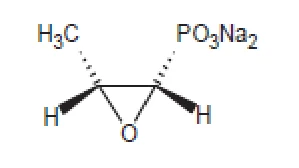
Physicochemical properties: Fosfomycin sodium is a white or almost white, very hygroscopic powder. It is very soluble in water, sparingly soluble in methanol, practically insoluble in ethanol and in methylene chloride.
Product Characteristics:
Powder for solution for infusion.
White to cream-coloured powder.
14 CLINICAL TRIALS
This information is not available.
15 MICROBIOLOGY
Resistance mechanism
Main mechanism of resistance is a chromosomal mutation causing an alteration of the bacterial fosfomycin transport systems. Further resistance mechanisms, which are plasmid- or transposon-borne, cause enzymatic inactivation of fosfomycin by binding the molecule to glutathione or by cleavage of the carbon-phosphorus-bond in the fosfomycin molecule, respectively.
Cross-resistance
Cross-resistance between fosfomycin and other antibiotic classes is not known.
Susceptibility Testing
The minimum inhibitory concentration (MIC) assessment method approved for fosfomycin by the US Clinical & Laboratory Standards Institute (CLSI) is the agar dilution method with the agar supplemented with 25 μg/ml of glucose-6-phosphate. The gradient diffusion test (commercialized as, e.g. E-test) is also available for MIC determination for fosfomycin.
Antimicrobial spectrum of fosfomycin (in vitro)
For intravenous fosfomycin, the minimum inhibitory concentration (MIC) susceptibility breakpoints established by the European Committee on Antimicrobial Susceptibility Testing (EUCAST breakpoint table version 12.0 Jan 2022) are provided in Table 8.
| Table 8: Susceptibility* breakpoints established by EUCAST for fosfomycin | ||
| Species | susceptible | resistant |
| Enterobacterales | ≤ 32 mg/L | > 32 mg/L |
| Staphylococcus spp. | ≤ 32 mg/L | > 32 mg/L |
*Agar dilution is the reference method for fosfomycin. MICs must be determined in the presence of glucose- 6-phosphate (25 mg/L in the medium). Follow the manufacturers' instructions for commercial systems.
In-vitro activity spectrum of fosfomycin and resistance
The prevalence of acquired resistance of individual species may vary geographically and over time. Local information about the resistance situation is therefore necessary, particularly in order to ensure appropriate treatment of severe infections.
The information below gives only approximate guidance on the probability as to whether the micro-organism will be susceptible to fosfomycin or not.
| Table 9: Organisms relevant for the approved indications |
| Commonly susceptible species |
| Aerobic Gram-positive microorganisms |
| Staphylococcus aureus |
| Aerobic Gram-negative microorganisms |
| Citrobacter freundii |
| Citrobacter koseri |
| Escherichia coli |
| Haemophilus influenzae |
| Neisseria meningitidis |
| Salmonella enterica |
| Anaerobic microorganisms |
| Fusobacterium spp. |
| Peptococcus spp. |
| Peptostreptococcus spp. |
| Species in which acquired resistance may be a problem |
| Aerobic Gram-positive microorganisms |
| Enterococcus spp |
| Staphylococcus epidermidis |
| Streptococcus pneumoniae |
| Aerobic Gram-negative microorganisms |
| Enterobacter cloacae |
| Klebsiella aerogenes |
| Klebsiella oxytoca |
| Klebsiella pneumonia |
| Proteus mirabilis |
| Pseudomonas aeruginosa |
| Serratia marcescens |
| Anaerobic Gram-positive microorganisms |
| Clostridium spp. |
| Inherently resistant species |
| Aerobic Gram-positive microorganisms |
| Staphylococcus saprophyticus |
| Streptococcus pyogenes |
| Aerobic Gram-negative microorganisms |
| Legionella pneumophila |
| Morganella morganii |
| Stenotrophomonas maltophilia |
| Anaerobic Gram-negative microorganisms |
| Bacteroides spp. |
| Other microorganisms |
| Chlamydia spp |
| Chlamydophila spp. |
| Mycoplasma spp. |
16 NON-CLINICAL TOXICOLOGY
Non-clinical data reveal no special hazard for humans based on conventional studies of safety pharmacology, repeated dose toxicity, genotoxicity or toxicity to reproduction.
No carcinogenicity data are available for Fosfomycin.
Subacute and chronic toxicity
The toxicity of fosfomycin following repeated administration for up to 6 months was evaluated in rats, dogs, rabbits and monkeys. At high intra-peritoneal doses of fosfomycin (> 500 mg/kg /day), rats developed respiratory arrest, tetanic cramps, anemia, a reduction of blood protein levels, increased serum cholesterol and reduced blood glucose. Furthermore, dogs and monkeys experienced diarrhea due to antibiotic-related changes in the intestinal flora following intravenous administration of doses of higher than 250 mg/kg /day and 500 mg/kg /day, respectively. In the rabbit, no toxicity was observed following intravenous administration of 400 mg/kg /day for a period of 1 month.
Reproductive toxicity
Fertility
In male and female rats, following repeated administration (via a pharyngeal tube) of up to 1400 mg/kg
/day reduced fertility was observed at the maximum dose tested.
Teratogenicity
Fosfomycin was administered to mice, rats and rabbits via pharyngeal tube at maximum doses of 2 x 120 mg/kg /day, 1400 mg/kg /day and 420 mg/kg /day, respectively or intravenously to mice and rabbits at 55.3 mg/kg /day, and up to 250 mg/kg /day, respectively. There was no evidence of embryotoxicity or teratogenicity.
Perinatal and postnatal toxicity
In rats, a maximum dose of 2800 mg/kg /day was administered via a pharyngeal tube. There was no evidence of fetal or peri- and postnatal toxicity.
Mutagenicity
In vitro tests were performed to test the alkylating capacity and the mutagenic effect of fosfomycin. Fosfomycin showed no alkylating effect. In the Ames test, no mutagenic effect was seen in test strains of Salmonella typhimurium (TA 98, TA 100, TA 1535, TA 1537 and TA 1538, with and without addition of rat-liver homogenate) after exposure to fosfomycin at up to 1600 µg/mL.