


Product Monograph - Kaletra (Abbvie, 400 mg / 100 mg, 200 mg / 50 mg, 100 mg / 25 mg)
Recent Major Label Changes
| 4.2 Recommended Dose and Dosage Adjustment | 2026-02 |
|---|
Table of Contents
Certain sections or subsections that are not applicable at the time of the preparation of the most recent authorized product monograph are not listed.
Recent Major Label Changes ................................................................................................... 2
Table of Contents ................................................................................................................... 2
Part 1: Healthcare Professional Information ........................................................................... 5
- 1.
Indications .................................................................................................................. 5
1.1. Pediatrics .......................................................................................................... 5
1.2. Geriatrics .......................................................................................................... 5
- 2. Contraindications ........................................................................................................ 5
- 3. Serious Warnings and Precautions Box ....................................................................... 8
- 4.
Dosage And Administration ........................................................................................ 8
4.1. Dosing Considerations ...................................................................................... 8
4.2. Recommended Dose and Dosage Adjustment .................................................. 8
4.3. Reconstitution ................................................................................................ 13
4.4. Administration ................................................................................................ 13
4.5. Missed Dose ................................................................................................... 13
- 5. Overdose................................................................................................................... 13
- 6. Dosage Forms, Strengths, Composition, and Packaging ............................................. 14
- 7.
Warnings and Precautions ......................................................................................... 15
General ........................................................................................................................... 15
Carcinogenesis and Genotoxicity ................................................................................... 16
Cardiovascular ................................................................................................................ 16
Endocrine and Metabolism ............................................................................................ 16
Hematologic ................................................................................................................... 17
Hepatic/Biliary/Pancreatic ............................................................................................. 17
Immune .......................................................................................................................... 18
Monitoring and Laboratory Tests ................................................................................... 18
Sensitivity/Resistance ..................................................................................................... 18
7.1. Special Populations ......................................................................................... 19
7.1.1. Pregnancy ....................................................................................................... 19
7.1.2. Breastfeeding ................................................................................................. 20
7.1.3. Pediatrics ........................................................................................................ 20
7.1.4. Geriatrics ........................................................................................................ 21
- 8.
Adverse Reactions ..................................................................................................... 21
8.1. Adverse Reaction Overview ............................................................................ 21
8.2. Clinical Trial Adverse Reactions ...................................................................... 21
8.2.1. Clinical Trial Adverse Reactions – Pediatrics ................................................... 28
8.3. Less Common Clinical Trial Adverse Reactions ............................................... 28
8.4. Abnormal Laboratory Findings: Hematologic, Clinical Chemistry and Other Quantitative Data ........................................................................................................... 30
8.5. Post-Market Adverse Reactions ...................................................................... 35
- 9.
Drug Interactions ...................................................................................................... 35
9.2. Drug Interactions Overview ............................................................................ 35
9.4. Drug-Drug Interactions ................................................................................... 35
9.5. Drug-Food Interactions ................................................................................... 61
9.6. Drug-Herb Interactions ................................................................................... 61
9.7. Drug-Laboratory Test Interactions .................................................................. 61
- 10.
Clinical Pharmacology ............................................................................................... 61
10.1. Mechanism of Action ...................................................................................... 61
10.2. Pharmacodynamics ........................................................................................ 62
10.3. Pharmacokinetics ........................................................................................... 63
- 11. Storage, Stability and Disposal .................................................................................. 67
- 12. Special Handling Instructions .................................................................................... 67
Part 2: Scientific Information ................................................................................................ 68
- 13. Pharmaceutical Information ...................................................................................... 68
- 14.
Clinical Trials ............................................................................................................. 70
14.1. Clinical Trials by Indication ............................................................................. 70
14.2. Study Results .................................................................................................. 73
- 15. Microbiology ............................................................................................................. 81
- 16. Non-Clinical Toxicology ............................................................................................. 85
Patient Medication Information ........................................................................................... 88
Patient Medication Information ........................................................................................... 97
Part 1: Healthcare Professional Information
1. Indications
KALETRA (lopinavir/ritonavir) is indicated in combination with other antiretroviral agents when therapy is warranted for the treatment of HIV-1 infection.
The following points should be considered when initiating therapy with KALETRA:
- The use of other active agents with KALETRA is associated with a greater likelihood of treatment response (see 14. Clinical Trials and 15. Microbiology)
- Genotypic or phenotypic testing and/or treatment history should guide the use of KALETRA. The number of baseline lopinavir-associated substitutions affects the virologic response of KALETRA (see 15. Microbiology).
1.1. Pediatrics
Pediatrics (6 months to 18 years of age): Based on a pediatric study, at week 24, the efficacy and safety with twice daily dosing in the pediatric population given KALETRA 100/25 mg tablets was consistent with the efficacy and safety findings in previous adult and pediatric studies using KALETRA twice daily (see 14.2. Study Results).
The safety and pharmacokinetic profiles of KALETRA in pediatric patients below the age of 6 months have not been established.
1.2. Geriatrics
Geriatrics (≥ 65 years of age): Clinical studies of KALETRA did not include sufficient numbers of subjects aged 65 and over to determine whether they respond differently from younger subjects. In general, appropriate caution should be exercised in the administration and monitoring of KALETRA in elderly patients reflecting the greater frequency of decreased hepatic, renal, or cardiac function, and of concomitant disease or other drug therapy.
2. Contraindications
- KALETRA is contraindicated in patients with known hypersensitivity to any of its ingredients, including ritonavir. For a complete listing see the 6. Dosage Forms, Strengths, Composition, and Packaging section of the Product Monograph.
- Co-administration of KALETRA is contraindicated with drugs that are highly dependent on CYP3A (cytochrome P450 3A) for clearance and for which elevated plasma levels may result in serious and/or life-threatening events. These drugs are listed in Table 1.
- Co-administration of KALETRA is contraindicated with potent CYP3A inducers where significantly reduced lopinavir plasma concentrations may be associated with the potential for loss of virologic response and possible resistance and cross-resistance. These drugs are listed in Table 1.
- KALETRA oral solution is contraindicated in pregnant women, patients with hepatic or renal failure and patients treated with disulfiram or metronidazole due to the potential risk of toxicity from the excipient propylene glycol (see 7. Warnings and Precautions and 9. Drug Interactions).
Table 1 - Drugs that are Contraindicated with KALETRA
| Drug Class | Drugs Within Class That Are Contraindicated with KALETRA | Clinical Comment |
| Drug Class | Drugs Within Class That Are Contraindicated with KALETRA | Clinical Comment |
| Alpha 1-adrenoreceptor antagonist | alfuzosin | Potential for serious reactions, such as hypotension. |
| Antianginal | ranolazine | Potential for serious and/or life-threatening reactions. |
| Antiarrhythmic | dronedarone | Potential for cardiac arrhythmias. |
| Antibiotic | fusidic acid | Potential of increased fusidic acid-associated adverse events, such as hepatitis or bone marrow suppression. |
| Anticancer | apalutamide | Apalutamide is a moderate to strong CYP3A4 inducer and this may lead to a decreased exposure of KALETRA and potential loss of virologic response. In addition, exposure of apalutamide may increase with co-administration of KALETRA that may lead to increased adverse events including seizure and fracture. |
| neratinib | Potential for serious and/or life-threatening reactions including hepatotoxicity. | |
| venetoclaxd | Concomitant use of strong CYP3A inhibitors, such as KALETRA, and venetoclax may increase the risk of tumor lysis syndrome at the dose initiation and during the ramp-up phase. | |
| Antigout | colchicine, in patients with renal and/or hepatic impairment | Potential for serious and/or life-threatening reactions. |
| Antihistamines | astemizolea, terfenadinea | Potential for serious and/or life-threatening reactions, such as cardiac arrhythmias. |
| Antimycobacterial | rifampin | Potential loss of virologic response and possible resistance to KALETRA or to the class of protease inhibitors or other co-administered antiretroviral agents. See (9.4. Drug-Drug Interactions) for further details. |
| Antipsychotics | lurasidone | Potential for serious and/or life-threatening reactions. |
| pimozide | Potential for serious and/or life threatening reactions, such as cardiac arrhythmias. | |
| Ergot Derivatives | dihydroergotamine, ergonovine, ergotaminea, methylergonovinea | Potential for serious and/or life-threatening reactions, such as acute ergot toxicity characterized by peripheral vasospasm and ischemia of the extremities and other tissues. |
| Gastrointestinal (GI) Motility Agent | cisapridea | Potential for serious and/or life-threatening reactions, such as cardiac arrhythmias. |
| Herbal Products | St. John’s Wort (Hypericum perforatum) | Potential loss of virologic response and possible resistance to KALETRA or to the class of protease inhibitors (see also 9.6. Drug-Herb Interactions). |
| Hepatitis C Virus (HCV) Direct Acting Antiviral | elbasvir/grazoprevir | Potential for the increased risk of alanine transaminase (ALT) elevations. |
Lipid-modifying agents HMG-CoA Reductase Inhibitors Microsomal triglyceride transfer protein (MTTP) Inhibitor | lovastatin, simvastatin | Potential for serious reactions, such as risk of myopathy including rhabdomyolysis (see also 7. Warnings and Precautions and Table 15). |
| lomitapide | Potential for serious reactions, such as hepatotoxicity. | |
| Long Acting Beta-Adrenoceptor Agonist | salmeterol | Potential for increased risk of cardiovascular adverse events associated with salmeterol. |
| PDE5 Inhibitors | sildenafilb, only when used for the treatment of pulmonary arterial hypertension [PAH] | Potential increase in PDE5 inhibitor associated adverse reactions including hypotension, syncope, visual changes and prolonged erection. |
| Vardenafil, when used for the treatment of erectile dysfunction or PAH | Potential increase in PDE5 inhibitor associated adverse reactions including hypotension, syncope, visual changes and prolonged erection. | |
| Sedatives/Hypnotics | orally administered midazolamc, triazolam | Potential for serious and/or life-threatening reactions, such as prolonged or increased sedation or respiratory depression. |
| ||
3. Serious Warnings and Precautions Box
| Pancreatitis should be considered if clinical symptoms (nausea, vomiting, abdominal pain) or abnormalities in laboratory values (such as increased serum lipase or amylase values) suggestive of pancreatitis should occur. Patients who exhibit these signs or symptoms should be evaluated and KALETRA and/or other antiretroviral therapy should be suspended as clinically appropriate (see 7. Warnings and Precautions). |
|---|
4. Dosage And Administration
4.1. Dosing Considerations
KALETRA must not be administered once daily in combination with efavirenz, nevirapine or nelfinavir (see 9. Drug Interactions).
KALETRA should not be administered once daily in combination with carbamazepine, phenobarbital, or phenytoin. Use with caution. KALETRA may be less effective due to decreased lopinavir plasma concentrations in patients taking these agents concomitantly. Co-administration of phenytoin and KALETRA resulted in moderate deceases in steady-state phenytoin concentrations. Phenytoin levels should be monitored when co-administering with KALETRA (see 9. Drug Interactions).
KALETRA must not be administered once daily in pediatric patients.
KALETRA once daily is not recommended in pregnant women (see 4.2. Recommended Dose and Dosage Adjustment).
The once daily administration of KALETRA is not recommended for adult patients with 3 or more of the following lopinavir resistance-associated substitutions: L10F/I/R/V, K20M/N/R, L24I, L33F, M36I, I47V, G48V, I54L/T/V, V82A/C/F/S/T, and I84V (see 15. Microbiology).
Concomitant therapy of efavirenz, nevirapine or nelfinavir may affect the dose of KALETRA (see 4.2. Recommended Dose and Dosage Adjustment, Adult Patients, Concomitant Therapy and 4.2. Recommended Dose and Dosage Adjustment, Pediatric Patients, Concomitant Therapy: Efavirenz, Nevirapine or Nelfinavir).
KALETRA tablets may be taken with or without food.
KALETRA oral solution must be taken with food.
KALETRA tablets should be swallowed whole and not chewed, broken, or crushed.
4.2. Recommended Dose and Dosage Adjustment
The recommended oral dose of KALETRA is as follows (please also refer to 1. Indications):
Adult Patients
Twice Daily Administration
- KALETRA tablets 400/100 mg (given as two 200/50 mg tablets) twice daily.
- KALETRA oral solution 400/100 mg (given as 5.0 mL of 80/20 mg/mL oral solution) twice daily.
- KALETRA should be given as twice-daily dosing regimen in patients with 3 or more resistance-associated substitutions.
Once Daily Administration
- KALETRA tablets 800/200 mg (given as four 200/50 mg tablets) once daily in patients with less than 3 protease-inhibitor associated mutations.
- KALETRA oral solution 800/200 mg (given as 10.0 mL) once daily in patients with less than 3 protease-inhibitor associated mutations.
KALETRA once-daily is not recommended in patients with 3 or more lopinavir resistance-associated mutations, in patients taking efavirenz, nevirapine or nelfinavir, and in pregnant women (see 4.1. Dosing Considerations).
Concomitant Therapy
Efavirenz, Nevirapine, or Nelfinavir:
A dose increase of KALETRA oral solution to 533/133 mg (given as 6.5 mL oral solution) twice daily should be considered when used in combination with efavirenz, nevirapine, or nelfinavir in treatment experienced patients where reduced susceptibility to lopinavir is clinically suspected (by treatment history or laboratory evidence) (see 9. Drug Interactions). The KALETRA oral solution should be used where the daily dose of ritonavir from tablets would exceed 200 mg. Refer to the KALETRA oral solution for dosage recommendation or consider using alternative therapies.
Pediatrics (6 months to 18 years)
KALETRA tablets and oral solution should not be administered once daily in pediatric patients less than 18 years of age.
Total amounts of alcohol and propylene glycol from all medicines, including KALETRA oral solution, that are to be given to infants should be taken into account in order to avoid toxicity from these excipients. KALETRA oral solution should not be used in preterm neonates in the immediate postnatal period because of possible toxicities (see 7. Warnings and Precautions and 7.1.3 Pediatrics and 5. Overdose).
In children 6 months to 18 years of age, the recommended dosage of KALETRA should be calculated based on body weight (kg) or body surface area (BSA – m2) and should not exceed the recommended adult dose.
Body surface area (BSA) can be calculated with the following equation:
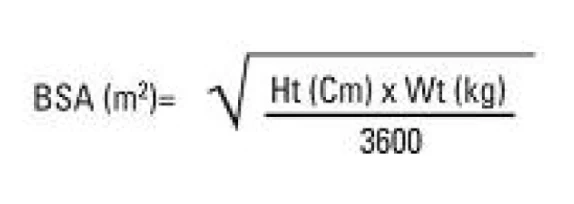
The KALETRA dose can be calculated based on weight or BSA as follows:
Based on Weight
Patient’s weight (kg) x Prescribed lopinavir dose (mg/kg) = administered lopinavir dose (mg)
Based on BSA
Patient’s BSA (m2) x Prescribed lopinavir dose (mg/m2) = administered lopinavir dose (mg)
If KALETRA oral solution is used, the volume (mL) of KALETRA oral solution can be determined as follows:
Volume of KALETRA oral solution (mL) = administered lopinavir dose (mg) ÷ 80 (mg/mL).
The dose of the oral solution should be administered using a calibrated oral dosing syringe.
Before prescribing KALETRA 100/25 mg tablets, children should be assessed for the ability to swallow intact tablets. If a child is unable to reliably swallow a KALETRA tablet, the KALETRA oral solution formulation should be prescribed.
Health care professionals should pay special attention to the accurate calculation of the dose of KALETRA, transcription of the medication orders, dispensing information and dosing instructions to minimize the risk for medication errors, overdose (see 5. Overdose) and underdose. Prescribers should calculate the appropriate dose based on body weight or body surface area (BSA) recommendations outlined in Table 2, Table 3, Table 4, Table 5, Table 6, and Table 7 for each individual child and depending on concomitant therapy.
Without Concomitant Efavirenz, Nevirapine or Nelfinavir
Dosing Recommendations Using Tablets
Table 2 provides the dosing recommendations for pediatric patients 6 months to 18 years of age based on weight or BSA for KALETRA 100/25 mg tablets.
Table 2 - Pediatric Dosing Guidelines Based on Weight or BSA for KALETRA 100/25 mg Tablets – Without Concomitant Efavirenz, Nevirapine or Nelfinavir
Dosing Recommendations Using Oral Solution
Table 3 provides the dosing recommendations for pediatric patients 6 months to 18 years of age based on weight for KALETRA oral solution.
Table 3 - Pediatric Dosing Guidelines Based on Weight for KALETRA Oral Solution – Without Concomitant Efavirenz, Nevirapine or Nelfinavir
| Weight (kg) | Body Surface Area (m2)a | Number of 100/25 mg Tablets Twice Dailyb |
| 7 to < 15 kg | 0.4 to < 0.6 | Tablets are not recommended. Use oral solution. |
| 15 to 25 kg | ≥ 0.6 to < 0.9 | 2 tablets (200/50 mg) |
| > 25 to 35 kg | ≥ 0.9 to < 1.4 | 3 tablets (300/75 mg) |
| > 35 kg | ≥ 1.4 | 4 tablets (400/100 mg) (or two 200/50 mg tablets) |
| ||
Weight (kg) | Twice Daily Dose (mg/kg)a | Volume of Oral Solution Twice Daily (80 mg lopinavir/20 mg ritonavir per mL)b |
7 to < 15 kg 7 to 10 kg > 10 to < 15 kg | 12 mg/kg | 1.25 mL 1.75 mL |
Table 4 provides the dosing recommendations for pediatric patients 6 months to 18 years of age based on body surface area for KALETRA oral solution.
Table 4 - Pediatric Dosing Guidelines Based on BSA for KALETRA Oral Solution – Without Concomitant Efavirenz, Nevirapine or Nelfinavir
Concomitant Therapy: Efavirenz, Nevirapine or Nelfinavir
A dose increase of KALETRA, should be considered when used in combination with efavirenz, nevirapine, or nelfinavir in the treatment of experienced children 6 months to 18 years of age in which reduced susceptibility to lopinavir is clinically suspected (by treatment history or laboratory evidence) (see 9. Drug Interactions). Refer to Table 5, Table 6 and Table 7.
Dosing Recommendations Using Tablets
Table 5 provides the dosing recommendations for pediatric patients 6 months to 18 years of age based on weight or body surface area for KALETRA 100/25 mg tablets or the volume of KALETRA oral solution (80/20 mg per mL).
15 to 40 kg 15 to 20 kg > 20 to 25 kg > 25 to 30 kg > 30 to 35 kg > 35 to 40 kg | 10 mg/kg | 2.25 mL 2.75 mL 3.50 mL 4.00 mL 4.75 mL | |
| > 40 kg | See adult dosage recommendation | ||
| |||
| Body Surface Area (m2)a | Volume of Oral Solution Twice Daily (80 mg lopinavir/20 mg ritonavir per mL)b (230/57.5 mg/m2) |
| 0.25 | 0.7 mL (57.5/14.4 mg) |
| 0.5 | 1.4 mL (115/28.8 mg) |
| 0.75 | 2.2 mL (172.5/43.1 mg) |
| 1.0 | 2.9 mL (230/57.5 mg) |
| 1.25 | 3.6 mL (287.5/71.9 mg) |
| 1.5 | 4.3 mL (345/86.3 mg) |
| 1.75 | 5 mL (400/100 mg) |
| |
Table 5 - Pediatric Dosing Guidelines Based on Weight or BSA for KALETRA 100/25 mg Tablets – With Concomitant Efavirenz, Nevirapine or Nelfinavir
Dosing Recommendations Using Oral Solution
Table 6 provides the dosing recommendations for pediatric patients 6 months to 18 years of age based on weight for KALETRA oral solution.
Table 6 - Pediatric Dosing Guidelines Based on Weight for KALETRA Oral Solution – with Concomitant Efavirenz, Nevirapine or Nelfinavir
Table 7 provides the dosing recommendations for pediatric patients 6 months to 18 years of age based on body surface area for KALETRA oral solution.
| Body Weight (kg) | Body Surface Area (m2)a | Recommended Number of 100/25 mg Tablets or Volume of Oral Solution Twice Dailyb |
| 7 to < 15 | 0.4 to < 0.6 | Tablets are not recommended. Use oral solution. |
| 15 to 20 | ≥ 0.6 to < 0.8 | 2 tablets (200/50 mg) |
| > 20 to 30 | ≥ 0.8 to < 1.2 | 3 tablets (300/75 mg) |
| > 30 to 45 | ≥ 1.2 to < 1.4 | 4 tablets (400/100 mg) (or two 200/50 mg tablets) |
| > 45 | ≥ 1.4 | 6.5 mL of oral solution twice daily (533/133 mg) |
| ||
Weight (kg) | Twice Daily Dose (mg/kg)a | Volume of Oral Solution Twice Daily (80 mg lopinavir/20 mg ritonavir per mL)b |
7 to < 15 kg 7 to 10 kg > 10 to < 15 kg | 13 mg/kg | 1.50 mL 2.00 mL |
15 to 45 kg 15 to 20 kg > 20 to 25 kg > 25 to 30 kg > 30 to 35 kg > 35 to 45 kg | 11 mg/kg | 2.50 mL 3.25 mL 4.00 mL 4.50 mL 5.00 mL |
| > 45 kg | 6.50 mL | |
| ||
Table 7 - Pediatric Dosing Guidelines Based on BSA for KALETRA Oral Solution – With Concomitant Efavirenz, Nevirapine or Nelfinavir
Pregnant Women
Administer 400 mg/100 mg of KALETRA twice daily in pregnant patients with no documented lopinavir-associated resistance-substitutions. There are insufficient data to recommend KALETRA dosing for pregnant patients with any documented lopinavir associated substitutions.
Once daily KALETRA dosing is not recommended in pregnancy.
No dosage adjustment of KALETRA is required for patients during postpartum period.
Avoid use of KALETRA oral solution during pregnancy due to the alcohol content. KALETRA oral solution contains the excipients alcohol (42.4% v/v) and propylene glycol (15.3% w/v).
4.3. Reconstitution
Not applicable.
4.4. Administration
Not applicable.
4.5. Missed Dose
If a dose of this medication has been missed, it should be taken as soon as possible. However, if it is almost time for the next dose, skip the missed dose and go back to the regular dosing schedule. Do not double doses.
5. Overdose
Overdoses with KALETRA oral solution have been reported. One of these reports described fatal cardiogenic shock in a 2.1 kg infant who received a single dose of 6.5 mL of KALETRA oral solution 9 days prior. However, a causal relationship between the overdose and the outcome could not be established. The following events have been reported in association with unintended overdoses in preterm neonates: complete AV block, cardiomyopathy, lactic acidosis, and acute renal failure.
| Body Surface Area (m2)a | Twice Daily Dose (300/75 mg/m2)b |
| 0.25 | 0.9 mL (75/18.8 mg) |
| 0.5 | 1.9 mL (150/37.5 mg) |
| 0.75 | 2.8 mL (225/56.3 mg) |
| 1.0 | 3.8 mL (300/75 mg) |
| 1.25 | 4.7 mL (375/93.8 mg) |
| 1.5 | 5.6 mL (450/112.5 mg) |
| 1.75 | 6.5 mL (525/131.3 mg) |
| |
Healthcare professionals should be aware that KALETRA oral solution is highly concentrated and contains 42.4% alcohol (v/v) and 15.3% propylene glycol (w/v), and therefore, should pay special attention to accurate calculation of the dose of KALETRA, transcription of the medication order, dispensing information and dosing instructions to minimize the risk for medication errors and overdose. This is especially important for infants and young children (see 1. Indications, 4. Dosage and Administration and 7.1.3. Pediatrics).
Accidental ingestion of KALETRA oral solution by a young child could result in significant alcohol-related toxicity and could approach the potential lethal dose of alcohol (see see 7.1.3. Pediatrics and 4.2. Recommended Dose and Dosage Adjustment).
- There is no specific antidote for overdose with KALETRA.
- Treatment of overdose with KALETRA should consist of general supportive measures including monitoring of vital signs and observation of the clinical status of the patient.
- Administration of activated charcoal should be used to aid in removal of unabsorbed drug.
- Human experience of acute overdosage with KALETRA is limited.
- Since KALETRA is highly protein bound, dialysis is unlikely to be beneficial. However, dialysis can remove both alcohol and propylene glycol in the case of overdose with KALETRA oral solution.
| For the most recent information in the management of a suspected drug overdose, contact your regional poison control centre or Health Canada’s toll-free number, 1-844 POISON-X (1-844-764-7669). |
|---|
- 6. Dosage Forms, Strengths, Composition, and Packaging
Table 8 – Dosage Forms, Strengths, Composition, and Packaging
| Route of Administration | Dosage Form / Strength/Composition | Non-medicinal Ingredients |
| oral | film-coated tablets (lopinavir/ritonavir)/ 100/25 mg, 200/50 mg | Each 100/25 mg pale-pink tablet contains 100 mg of lopinavir and 25 mg of ritonavir with the following non-medicinal ingredients: copovidone, colloidal silicon dioxide, sodium stearyl fumarate and sorbitan monolaurate. The film-coating ingredients include: polyethylene glycol 3350, polyvinyl alcohol, red ferric oxide E172, talc, and titanium dioxide. Each 200/50 mg red tablet contains 200 mg of lopinavir and 50 mg of ritonavir with the following non-medicinal ingredients: copovidone, colloidal silicon dioxide, sodium stearyl fumarate and sorbitan monolaurate. The film-coating ingredients include: colloidal silicon dioxide, hydroxypropyl cellulose, hypromellose, polyethylene glycol 400, polyethylene glycol 3350, polysorbate 80, red ferric oxide E172, |
KALETRA Film-Coated Tablets
KALETRA tablets are available in 2 strengths: 100 mg lopinavir/25 mg ritonavir and 200 mg lopinavir/50 mg ritonavir.
KALETRA 100 mg lopinavir/25 mg ritonavir tablets are supplied as follows:
- pale pink film-coated tablets debossed with the code AC on one side. Each bottle contains 60 tablets.
KALETRA 200 mg lopinavir/50 mg ritonavir tablets are supplied as follows:
- red, film-coated tablets debossed with the code AL on one side. Each bottle contains 120 tablets.
KALETRA Oral Solution
KALETRA oral solution is a light yellow to orange-coloured liquid supplied in amber-coloured multiple-dose bottles. Each multi-dose bottle contains 400 mg lopinavir/100 mg ritonavir per 5 mL (80 mg lopinavir/20 mg ritonavir per mL) packaged with a marked dosing cup in the following size: 160 mL bottle.
7. Warnings and Precautions
Please see 3. Serious Warnings and Precautions Box.
General
Drug-Drug Interactions
Lopinavir/ritonavir is an inhibitor of CYP3A and may increase plasma concentrations of agents that are primarily metabolized by CYP3A. Agents that are extensively metabolized by CYP3A and have high first pass metabolism appear to be the most susceptible to large increases in the area under the plasma concentration-time curve (AUC) (> 3-fold) when co-administered with KALETRA. Additionally, KALETRA
| talc, and titanium dioxide. | |
| oral solution (lopinavir/ritonavir)/ 80/20 mg/mL | Each mL of oral solution contains 80 mg of lopinavir and 20 mg of ritonavir with the following non-medicinal ingredients: acesulfame potassium, alcohol, artificial cotton candy flavour, citric acid, glycerine, high fructose corn syrup, Magnasweet 110 flavour, menthol, natural and artificial vanilla flavour, peppermint oil, polyoxyl 40 hydrogenated castor oil, povidone, propylene glycol, saccharin sodium, sodium chloride, sodium citrate, and water. The oral solution contains about 42.4% alcohol (v/v) and 15.3% propylene glycol (w/v). |
induces glucuronidation which may affect the exposure of certain drugs.
Initiation of KALETRA, a CYP3A inhibitor, in patients receiving medications metabolized by CYP3A or initiation of medications metabolized by CYP3A in patients already receiving KALETRA, may increase plasma concentrations of medications metabolized by CYP3A. Initiation of medications that inhibit or induce CYP3A may increase or decrease concentrations of KALETRA, respectively. These interactions may lead to:
- Clinically significant adverse reactions, potentially leading to severe, life-threatening, or fatal events from greater exposures of concomitant medications.
- Clinically significant adverse reactions from greater exposures of KALETRA.
- Loss of therapeutic effect of KALETRA and possible development of resistance.
KALETRA should not be used in combination with quetiapine. Monitoring and dose reduction may be required if necessary (see Table 15).
Steps describing the prevention or management of these possible and known drug interactions, including dosing recommendations, are provided in Table 15. Consider the potential for drug interaction prior to and during KALETRA therapy, review concomitant medications during KALETRA therapy, and monitor for the adverse reactions associated with the concomitant medications (see 2. Contraindications and 9. Drug Interactions).
Carcinogenesis and Genotoxicity
For a brief discussion of pre-clinical animal data, see 16. Non-Clinical Toxicology.
Cardiovascular
PR Interval Prolongation
In a Phase 1 study in healthy volunteers, mean change from baseline in PR interval of 11.6 to 31.2 msec was noted in subjects receiving KALETRA on Study Day 3 when exposures were up to 3-fold higher than observed with recommended once daily or twice daily KALETRA doses at steady state. Maximum PR interval was 286 msec and no second- or third-degree heart block was observed.
There have been post-marketing reports of asymptomatic prolongation of the PR interval in some patients receiving combination antiretroviral therapy containing lopinavir/ritonavir. Reports of second- or third-degree atrioventricular block in patients with underlying structural heart disease and pre-existing conduction system abnormalities or in patients receiving drugs known to prolong the PR interval (such as verapamil, calcium blockers, beta-adrenergic blockers, digoxin and atazanavir) have been reported in patients receiving KALETRA. KALETRA should be used with caution in such patients, particularly with those drugs metabolized by CYP3A (see 10.2. Pharmacodynamics).
QT Interval Prolongation
Postmarketing cases of QT interval prolongation and torsade de pointes have been reported although causality of KALETRA could not be established. Avoid use in patients with congenital long QT syndrome, those with hypokalemia, and with other drugs that prolong QT interval (see 10. Clinical Pharmacology).
Endocrine and Metabolism
Diabetes Mellitus/Hyperglycemia
Levels of blood glucose may increase during antiretroviral therapy. Such changes may in part be linked to the treatment per se [e.g., protease inhibitors (PIs)], and in part to disease control and lifestyle. New onset diabetes mellitus, exacerbation of pre-existing diabetes mellitus, and hyperglycemia have been reported during post-marketing surveillance in HIV-1 infected patients receiving PI therapy. Some patients required either initiation or dose adjustments of insulin or oral hypoglycemic agents for treatment of these events. In some cases, diabetic ketoacidosis has occurred. In those patients who discontinued PI therapy, hyperglycemia persisted in some cases. Because these events have been reported voluntarily during clinical practice, estimates of frequency cannot be made and a causal relationship between PI therapy and these events has not been established. For monitoring of blood glucose, reference is made to established HIV treatment guidelines. Glucose elevations should be managed as clinically appropriate (see 7. Warnings and Precautions).
Lipid Elevations
Levels of blood lipids may increase during antiretroviral therapy. Such changes may in part be linked to the treatment per se (e.g., protease inhibitors), and in part to disease control and lifestyle (see Table 13 and Table 14).
Triglyceride and cholesterol testing should be performed prior to initiating KALETRA therapy and at periodic intervals during therapy (see 7. Warnings and Precautions). For monitoring of blood lipids, reference is made to established HIV treatment guidelines. Lipid disorders should be managed as clinically appropriate, taking into consideration any potential drug-drug interactions with KALETRA and HMG-CoA reductase inhibitors (see 2. Contraindications and 9. Drug Interactions).
Hematologic
There have been reports of increased bleeding, including spontaneous skin hematomas and hemarthrosis, in patients with hemophilia type A and B treated with protease inhibitors (PIs). In some patients, additional factor VIII was given. In more than half of the reported cases, treatment with PIs was continued or reintroduced. A causal relationship between PI therapy and these events has not been established; however, the frequency of bleeding episodes should be closely monitored in patients on KALETRA.
Hepatic/Biliary/Pancreatic
Hepatic
KALETRA is principally metabolized by the liver; therefore, caution should be exercised when administering this drug to patients with hepatic impairment. KALETRA has not been studied in patients with severe hepatic impairment. Pharmacokinetic data suggests increases in lopinavir plasma concentrations of approximately 30% as well as decreases in plasma protein binding in HIV and hepatitis C virus (HCV) co-infected patients with mild to moderate hepatic impairment (see 10.3. Pharmacokinetics). Patients with underlying hepatitis B or C or marked elevations in transaminases prior to treatment may be at increased risk for developing or worsening of transaminases elevations or hepatic decompensation with use of KALETRA.
There have been post-marketing reports of hepatic dysfunction, including some fatalities. These have generally occurred in patients with advanced HIV disease taking multiple concomitant medications in the setting of underlying chronic hepatitis or cirrhosis. A causal relationship with KALETRA therapy has not been established.
Elevated transaminases with or without elevated bilirubin levels have been reported in HIV-1 mono-infected and uninfected patients as early as 7 days after the initiation of KALETRA in conjunction with other antiretroviral agents. In some cases, the hepatic dysfunction was serious; however, a definitive causal relationship with KALETRA therapy has not been established.
Increased aspartate transaminase (AST) and alanine transaminase (ALT) monitoring should be considered in these patients, especially during the first several months of KALETRA treatment (see 7. Warnings and Precautions).
Pancreatic
Pancreatitis has been observed in patients receiving KALETRA therapy, including those who developed marked triglyceride elevations. In some cases, fatalities have been observed. Although a causal relationship to KALETRA has not been established, marked triglyceride elevation is a risk factor for development of pancreatitis (see 7. Warnings and Precautions). Patients with advanced HIV disease may be at increased risk of elevated triglycerides and pancreatitis, and patients with a history of pancreatitis may be at increased risk for recurrence during KALETRA therapy.
Immune
Immune Reconstitution Inflammatory Syndrome
Immune reconstitution inflammatory syndrome has been reported in patients treated with combination antiretroviral therapy, including KALETRA. During the initial phase of treatment, patients responding to antiretroviral therapy may develop an inflammatory response to indolent or residual opportunistic infections [such as Mycobacterium avium-complex (MAC), cytomegalovirus (CMV), Pneumocystis jirovecii pneumonia (PCP), and tuberculosis (TB)], which may necessitate further evaluation and treatment.
Autoimmune disorders (such as Graves’ disease, polymyositis, Guillain-Barré syndrome, and autoimmune hepatitis) have also been reported to occur in the setting of immune reconstitution, however, the time to onset is more variable, and can occur many months after initiation of treatment.
Monitoring and Laboratory Tests
Appropriate laboratory testing of liver enzymes should be conducted prior to initiating therapy with KALETRA and close monitoring should be performed during treatment. Triglyceride and cholesterol testing should be performed prior to initiating KALETRA therapy and at periodic intervals during therapy. For monitoring of liver enzymes, blood lipids, and glucose refer to established HIV treatment guidelines.
Sensitivity/Resistance
Resistance/Cross-resistance
Various degrees of cross-resistance among protease inhibitors have been observed. The effect of KALETRA therapy on the efficacy of subsequently-administered PIs is under investigation. HIV-1 isolates with reduced susceptibility to lopinavir have been selected in vitro. The presence of ritonavir does not appear to influence the selection of lopinavir-resistant viruses in vitro. The selection of resistance to KALETRA therapy in antiretroviral treatment-naïve patients has not yet been characterized in vivo (see 15. Microbiology).
Sensitivity
The presence of high level alcohol in KALETRA oral solution is potentially harmful for those suffering from liver disease, alcoholism, epilepsy, brain injury or disease, as well as for pregnant women and children. It may modify or increase the effects of the other medicines (see 6. Dosage Forms, Strengths, Composition, and Packaging).
Patients taking KALETRA oral solution, particularly those with renal impairment or with decreased ability to metabolize propylene glycol (e.g., those of Asian origin), should be monitored for adverse reactions potentially related to propylene glycol toxicity (i.e., seizures, stupor, tachycardia, hyperosmolarity, lactic acidosis, renal toxicity, haemolysis).
KALETRA oral solution contains up to 0.8 g of fructose per dose when taken according to the dosage recommendations. This may be unsuitable in hereditary fructose intolerance.
KALETRA oral solution contains up to 0.3 g of glycerol per dose. Only at high inadvertent doses, it can cause headache and gastrointestinal upset. Furthermore, polyoxol 40 hydrogenated castor oil and potassium present in KALETRA oral solution may cause only at high inadvertent doses gastrointestinal upset. Patients on a low potassium diet should be cautioned.
7.1. Special Populations
7.1.1. Pregnancy
There are no adequate and well-controlled studies in pregnant women.
Based on limited pharmacokinetics data from a published literature, 12 HIV-infected pregnant women received KALETRA 400 mg/100 mg (two 200/50 mg tablets) twice daily as part of an antiretroviral regimen. Plasma concentrations of lopinavir were measured over 12-hour periods during the second trimester (20 to 24 weeks gestation), the third trimester (30 weeks gestation) and at 8 weeks post-partum. The C12h values of lopinavir were lower during the second and third trimester by approximately 40% as compared to post-partum.
No treatment-related malformations were observed when lopinavir in combination with ritonavir was administered to pregnant rats or rabbits. Embryonic and fetal developmental toxicities occurred in rats at a maternally toxic dose (see 16. Non-Clinical Toxicology).
Embryonic and fetal developmental toxicities (early resorption, decreased fetal viability, decreased fetal body weight, increased incidence of skeletal variations and skeletal ossification delays) occurred in rats at a maternally toxic dosage. Based on AUC measurements, the drug exposures in rats at the toxic doses were approximately 0.7-fold for lopinavir and 1.8-fold for ritonavir for males and females that of the exposures in humans at the recommended therapeutic dose (400/100 mg twice daily). In a peri- and postnatal study in rats, a developmental toxicity (a decrease in survival in pups between birth and postnatal Day 21) occurred.
No embryonic and fetal developmental toxicities were observed in rabbits at a maternally toxic dosage. Based on AUC measurements, the drug exposures in rabbits at the toxic doses were approximately 0.6-fold for lopinavir and 1.0-fold for ritonavir that of the exposures in humans at the recommended therapeutic dose (400/100 mg twice daily).
Antiretroviral Pregnancy Registry
To monitor maternal-fetal outcomes of pregnant women exposed to KALETRA, an Antiretroviral Pregnancy Registry has been established. Physicians are encouraged to register patients by calling 1-800-258-4263.
In post-marketing surveillance through the Antiretroviral Pregnancy Registry, established since January 1989, based on prospective reports of over 3000 exposures to lopinavir containing regimens (including over 1000 exposed in the first trimester), there was no difference between lopinavir and overall birth defects compared with the background birth defect rate of 2.7% in the U.S. reference population of the Metropolitan Atlanta Congenital Defects Program (MACDP). Based on prospective reports from the APR of over 5000 exposures to ritonavir containing regimens (including over 2000 exposures in the first trimester) there was no difference between ritonavir and overall birth defects compared with the U.S. background rate (MACDP). For both lopinavir and ritonavir, sufficient numbers of first trimester exposures have been monitored to detect at least a 1.5-fold increase in risk of overall birth defects and a 2-fold increase in risk of birth defects in the cardiovascular and genitourinary systems. The prevalence of birth defects after any trimester exposure to KALETRA is comparable to the prevalence observed in the general population. The population exposed and monitored to date is only sufficient to detect major teratogenicity, and cannot detect an increase in the risk of relatively rare defects, however no pattern of birth defects suggestive of a common etiology was seen.
7.1.2. Breastfeeding
HIV-infected mothers should not breast-feed their infants to avoid risking postnatal transmission of HIV. Studies in rats have demonstrated that lopinavir is secreted in milk. It is not known whether lopinavir is secreted in human milk. Because of both the potential for HIV transmission and the potential for serious adverse reactions in nursing infants, mothers should be instructed not to breast-feed if they are receiving KALETRA.
7.1.3. Pediatrics
Pediatrics (6 months to 18 years of age): KALETRA should not be administered once daily to pediatric patients less than 18 years of age (see 4. Dosage and Administration and 10. Clinical Pharmacology).
Toxicity in Preterm Neonates
A safe and effective dose of KALETRA oral solution in the preterm neonate population has not been established. KALETRA oral solution contains the excipients alcohol (42.4% v/v) and propylene glycol (15.3% w/v). KALETRA oral solution should not be used in preterm neonates in the immediate postnatal period because of possible toxicities (see 5. Overdose). When administered concomitantly with propylene glycol, ethanol competitively inhibits the metabolism of propylene glycol, which may lead to elevated concentrations.
Preterm neonates may be at an increased risk of propylene glycol associated adverse events due to diminished ability to metabolize propylene glycol, thereby leading to accumulation and potential adverse events. Total amounts of alcohol and propylene glycol from all medicines that are to be given to infants should be taken into account in order to avoid toxicity from these excipients. Infants should be monitored closely for increases in serum osmolality and serum creatinine, and for toxicity related to lopinavir/ritonavir oral solution including: hyperosmolality, with or without lactic acidosis, renal toxicity, CNS depression (including stupor, coma, and apnea), seizures, hypotonia, cardiac arrhythmias and ECG changes, and hemolysis.
Postmarketing life-threatening cases of cardiac toxicity (including complete AV block, bradycardia, and cardiomyopathy), lactic acidosis, acute renal failure, CNS depression and respiratory complications leading to death have been reported, predominantly in preterm neonates receiving KALETRA oral solution.
7.1.4. Geriatrics
Geriatrics (≥ 65 years of age): For a brief discussion, see 1. Indications.
8. Adverse Reactions
8.1. Adverse Reaction Overview
Adult Patients
The safety of KALETRA has been investigated in 2,612 patients in Phase 2 to 4 clinical trials, of which more than 700 have received a dose of 800/200 mg (6 capsules or 4 tablets) once daily. Along with nucleoside reverse transcriptase inhibitors (NRTIs), in some studies, KALETRA was used in combination with efavirenz or nevirapine.
Commonly reported adverse reactions to KALETRA during clinical trials included diarrhea, nausea, vomiting, hypertriglyceridemia and hypercholesterolemia. Diarrhea, nausea and vomiting may occur at the beginning of the treatment while hypertriglyceridemia and hypercholesterolemia may occur later.
Cumulative treatment-emergent adverse reactions of moderate or severe intensity are identified in Table 11.
Pediatric Patients
KALETRA has been studied in 273 pediatric patients 6 months to 18 years of age. The adverse event profile seen during clinical trials was similar to that for adult patients (see 14.2 Study Results).
Dysgeusia (22%), vomiting (21%), and diarrhea (12%) were the most common adverse reactions of any severity and of probable, possible or unknown relationship to KALETRA oral solution in pediatric patients treated with combination therapy for up to 48 weeks in Study M98-940. A total of 8 subjects experienced adverse events of moderate to severe intensity and of possible, probable, or unknown relationship to KALETRA, which include: allergic reaction (characterized by fever, rash, and jaundice), fever, viral infection, constipation, hepatomegaly, pancreatitis, vomiting, serum glutamic pyruvic transaminase (SGPT) increased, dry skin, rash, and dysgeusia. Rash was the only event of those listed that occurred in 2 or more subjects (n = 3).
8.2. Clinical Trial Adverse Reactions
Clinical trials are conducted under very specific conditions. The adverse reaction rates observed in the clinical trials; therefore, may not reflect the rates observed in practice and should not be compared to the rates in the clinical trials of another drug. Adverse reaction information from clinical trials may be useful in identifying and approximating rates of adverse drug reactions in real-world use.
Adult Patients
Drug-related clinical adverse events of moderate or severe intensity in ≥ 2% of patients treated with combination therapy including KALETRA for up to 48 weeks (Phase 3) and for up to 360 weeks (Phase 1/2) are presented in Table 9. For other information regarding observed or potentially serious adverse events, see 7. Warnings and Precautions.
Percentages of patients with selected treatment-emergent adverse events of moderate or severe intensity reported in ≥ 2% of adult PI-experienced patients are listed in Table 10. The incidence of diarrhea during 48 weeks of therapy was similar for KALETRA tablets dosed once daily compared to KALETRA tablets dosed twice daily in Study M05-730.
Table 9 - Percentage of Patients with Selected Treatment-Emergenta Adverse Events of Moderate or Severe Intensity Reported in ≥ 2% of Adult Antiretroviral-Naïve Patients
Study M98-863 (48 Weeks) | Study M02-418 (48 Weeks) | Study M97-720 (360 Weeks) | Study M05-730 (48 Weeks) | ||||||||||||||
Study M98-863 (48 Weeks) | Study M02-418 (48 Weeks) | Study M97-720 (360 Weeks) | Study M05-730 (48 Weeks) | ||||||||||||||
Study M98-863 (48 Weeks) | Study M02-418 (48 Weeks) | Study M97-720 (360 Weeks) | Study M05-730 (48 Weeks) | ||||||||||||||
| KALETRA capsules 400/100 mg b.i.d. + d4T + 3TC | nelfinavir 750 mg t.i.d. + d4T + 3TC | KALETRA capsules 800/200 mg daily + TDF + FTC | KALETRA capsules 400/100 mg b.i.d. + TDF + FTC | KALETRA capsules b.i.d.b + d4T + 3TC | KALETRA tabletsc 800/200 mg daily + TDF + FTC | KALETRA tabletsc 400/100 mg b.i.d. + TDF + FTC | |||||||||||
| KALETRA capsules 400/100 mg b.i.d. + d4T + 3TC | nelfinavir 750 mg t.i.d. + d4T + 3TC | KALETRA capsules 800/200 mg daily + TDF + FTC | KALETRA capsules 400/100 mg b.i.d. + TDF + FTC | KALETRA capsules b.i.d.b + d4T + 3TC | KALETRA tabletsc 800/200 mg daily + TDF + FTC | KALETRA tabletsc 400/100 mg b.i.d. + TDF + FTC | |||||||||||
| KALETRA capsules 400/100 mg b.i.d. + d4T + 3TC | nelfinavir 750 mg t.i.d. + d4T + 3TC | KALETRA capsules 800/200 mg daily + TDF + FTC | KALETRA capsules 400/100 mg b.i.d. + TDF + FTC | KALETRA capsules b.i.d.b + d4T + 3TC | KALETRA tabletsc 800/200 mg daily + TDF + FTC | KALETRA tabletsc 400/100 mg b.i.d. + TDF + FTC | |||||||||||
| (N = 326) | (N = 327) | (N = 115) | (N = 75) | (N = 100) | (N = 333) | (N = 331) | |||||||||||
| (N = 326) | (N = 327) | (N = 115) | (N = 75) | (N = 100) | (N = 333) | (N = 331) | |||||||||||
| (N = 326) | (N = 327) | (N = 115) | (N = 75) | (N = 100) | (N = 333) | (N = 331) | |||||||||||
| Endocrine Disorders | |||||||||||||||||
| Hypogonadism Male | 0% | 0% | 0% | 0% | 2% | 0% | 0% | ||||||||||
| Gastrointestinal Disorders | |||||||||||||||||
| Diarrhea | 16% | 17% | 16% | 5% | 28% | 17% | 15% | ||||||||||
| Nausea | 7% | 5% | 9% | 8% | 16% | 7% | 5% | ||||||||||
| Vomiting | 2% | 2% | 3% | 4% | 6% | 3% | 4% | ||||||||||
| Abdominal Pain | 4% | 3% | 3% | 3% | 11% | 1% | 1% | ||||||||||
| Dyspepsia | 2% | < 1% | 0% | 1% | 6% | 0% | 0% | ||||||||||
| Flatulence | 2% | 1% | 2% | 1% | 4% | 1% | 1% | ||||||||||
| Abdominal Distension | < 1% | 1% | 1% | 0% | 4% | < 1% | < 1% | ||||||||||
| Abnormal Feces | 0% | < 1% | 0% | 0% | 8% | 0% | 0% | ||||||||||
| General Disorders and Administration Site Conditions | |||||||||||||||||
| Asthenia | 4% | 3% | 0% | 0% | 9% | < 1% | < 1% | ||||||||||
| Pain | 1% | 0% | 0% | 0% | 3% | 0% | 0% | ||||||||||
| Infections and Infestations | |||||||||||||||||
| Bronchitis | 0% | 0% | 0% | 0% | 2% | 0% | < 1% | ||||||||||
| Investigations | |||||||||||||||||
| Weight decreased | 1% | < 1% | 0% | 0% | 2% | 0% | < 1% | ||||||||||
| Metabolism and Nutrition Disorders | |||||||||||||||||
| Anorexia | 1% | < 1% | 1% | 1% | 2% | < 1% | 1% | ||||||||||
| Musculoskeletal and Connective Tissue Disorders | |||||||||||||||||
| Myalgia | 1% | 1% | 0% | 0% | 2% | 0% | 0% | ||||||||||
| Nervous System Disorders | |||||||||||||||||
| Headache | 2% | 2% | 3% | 3% | 6% | 2% | 1% | ||||||||||
| Paresthesia | 1% | 1% | 0% | 0% | 2% | 0% | 0% | ||||||||||
| Psychiatric Disorders | |||||||||||||||||
| Insomnia | 2% | 1% | 0% | 0% | 3% | 1% | 0% | ||||||||||
| Depression | 1% | 2% | 1% | 0% | 0% | 0% | 0% | ||||||||||
| Libido decreased | < 1% | < 1% | 0% | 1% | 2% | 0% | < 1% | ||||||||||
| Reproductive System and Breast Disorders | |||||||||||||||||
| Amenorrhea | 0% | 0% | 5% | 0% | 0% | 0% | 0% | ||||||||||
| Skin and Subcutaneous Tissue Disorders | |||||||||||||||||
| Lipodystrophy Acquired | 1% | 1% | 0% | 0% | 12% | 0% | 0% | ||||||||||
| Rash | 1% | 2% | 1% | 0% | 5% | < 1% | 1% | ||||||||||
| Vascular Disorders | |||||||||||||||||
| Vasodilatation | 0% | 0% | 0% | 0% | 3% | 0% | 0% | ||||||||||
Definitions: b.i.d. = twice daily; t.i.d. = three times daily; d4T = stavudine; 3TC = lamivudine; FTC = emtricitabine; TDF = tenofovir DF | |||||||||||||||||
Table 10 - Percentage of Patients with Selected Treatment-Emergenta Adverse Events of Moderate or Severe Intensity Reported in ≥ 2% of Adult Protease Inhibitor-Experienced Patients
Study M98-888 (48 Weeks) | Study M98-957b and Study M97-765c (84 to 144 Weeks) | Study M06-802 (48 Weeks) | ||||||||||||||
Study M98-888 (48 Weeks) | Study M98-957b and Study M97-765c (84 to 144 Weeks) | Study M06-802 (48 Weeks) | ||||||||||||||
Study M98-888 (48 Weeks) | Study M98-957b and Study M97-765c (84 to 144 Weeks) | Study M06-802 (48 Weeks) | ||||||||||||||
| KALETRA capsules 400/100 mg b.i.d. + NVP + NRTIs | Investigator-selected PI(s) + NVP + NRTIs | KALETRA capsules b.i.d. + NNRTI + NRTIs | KALETRA tablets 800/200 mg daily + NRTIs | KALETRA tablets 400/100 mg b.i.d. + NRTIs | ||||||||||||
| KALETRA capsules 400/100 mg b.i.d. + NVP + NRTIs | Investigator-selected PI(s) + NVP + NRTIs | KALETRA capsules b.i.d. + NNRTI + NRTIs | KALETRA tablets 800/200 mg daily + NRTIs | KALETRA tablets 400/100 mg b.i.d. + NRTIs | ||||||||||||
| KALETRA capsules 400/100 mg b.i.d. + NVP + NRTIs | Investigator-selected PI(s) + NVP + NRTIs | KALETRA capsules b.i.d. + NNRTI + NRTIs | KALETRA tablets 800/200 mg daily + NRTIs | KALETRA tablets 400/100 mg b.i.d. + NRTIs | ||||||||||||
| (N = 148) | (N = 140) | (N = 127) | (N = 300) | (N = 299) | ||||||||||||
| (N = 148) | (N = 140) | (N = 127) | (N = 300) | (N = 299) | ||||||||||||
| (N = 148) | (N = 140) | (N = 127) | (N = 300) | (N = 299) | ||||||||||||
| Gastrointestinal Disorders | ||||||||||||||||
| Diarrhea | 7% | 9% | 23% | 14% | 11% | |||||||||||
| Nausea | 7% | 16% | 5% | 3% | 7% | |||||||||||
| Vomiting | 4% | 12% | 2% | 2% | 3% | |||||||||||
| Abdominal Pain | 2% | 2% | 4% | 2% | < 1% | |||||||||||
| Abdominal Pain Upper | N/A | N/A | N/A | 1% | 2% | |||||||||||
| Flatulence | 1% | 2% | 2% | 1% | 1% | |||||||||||
| Dysphagia | 2% | 1% | 0% | 0% | 0% | |||||||||||
| Abnormal Feces | 0% | 0% | 2% | 0% | 0% | |||||||||||
| General Disorders and Administration Site Conditions | ||||||||||||||||
| Asthenia | 3% | 6% | 9% | < 1% | < 1% | |||||||||||
| Pyrexia | 2% | 1% | 2% | 0% | < 1% | |||||||||||
| Pain | 0% | 0% | 4% | 0% | 0% | |||||||||||
| Chills | 2% | 0% | 0% | 0% | 0% | |||||||||||
| Investigations | ||||||||||||||||
| Weight decreased | 0% | 1% | 3% | < 1% | < 1% | |||||||||||
| Metabolism and Nutrition Disorders | ||||||||||||||||
| Anorexia | 1% | 3% | 0% | 0% | 1% | |||||||||||
| Nervous System Disorders | ||||||||||||||||
| Headache | 2% | 3% | 2% | < 1% | 0% | |||||||||||
| Paresthesia | 0% | 1% | 2% | 0% | 0% | |||||||||||
| Psychiatric Disorders | ||||||||||||||||
| Depression | 1% | 2% | 3% | < 1% | 0% | |||||||||||
| Insomnia | 0% | 2% | 2% | 0% | < 1% | |||||||||||
| Skin and Subcutaneous Tissue Disorders | ||||||||||||||||
| Lipodystrophy Acquired | 1% | 1% | 6% | 1% | 1% | |||||||||||
| Rash | 2% | 1% | 2% | 0% | 0% | |||||||||||
| Vascular Disorders | ||||||||||||||||
| Hypertension | 0% | 0% | 2% | 0% | 0% | |||||||||||
b, c: Average of Studies M98-957 and M97-765; both studies have subjects dosed with KALETRA + NNRTI + NRTIs. Definitions: b.i.d. = twice daily; NNRTI = non-nucleoside reverse transcriptase inhibitor; NRTI = nucleoside reverse transcriptase inhibitor; NVP = nevirapine; PI = protease inhibitor; N/A = not applicable. | ||||||||||||||||
Cumulative Common Clinical Trial Adverse Reactions
The following have been identified as cumulative treatment-emergent adverse reactions of moderate to severe intensity (Table 11).
Table 11 - Treatment-Emergent Adverse Reactions of Moderate or Severe Intensity Occurring in ≥ 2% of Adult Patients Receiving KALETRA in Combined Phase 2 to 4 Studies (N = 2,612)
| System Organ Class / Adverse Drug Reactions1 | n | % |
| System Organ Class / Adverse Drug Reactions1 | n | % |
| Blood and Lymphatic System Disorders | ||
| Anemia1 | 54 | 2.1 |
| Gastrointestinal Disorders | ||
| Abdominal pain (upper and lower)1 | 160 | 6.1 |
| Diarrhea1 | 510 | 19.5 |
| Dyspepsia | 53 | 2.0 |
| Gastroenteritis and colitis1 | 66 | 2.5 |
| Nausea | 269 | 10.3 |
| Vomiting1 | 177 | 6.8 |
| General Disorders and Administration Site Conditions | ||
| Fatigue including asthenia1 | 198 | 7.6 |
| Hepatobiliary Disorders | ||
| Hepatitis including AST, ALT, and GGT increases1 | 91 | 3.5 |
| Immune System Disorders | ||
| Hypersensitivity including urticaria and angioedema | 70 | 2.7 |
| Infections and Infestations | ||
| Lower respiratory tract infection1 | 202 | 7.7 |
| Skin infections including cellulitis, folliculitis, and furuncle1 | 86 | 3.3 |
| Upper respiratory tract infection1 | 363 | 13.9 |
| Metabolism and Nutrition Disorders | ||
| Decreased appetite | 52 | 2.0 |
| Hypercholesterolemia1 | 192 | 7.4 |
| Hypertriglyceridemia1 | 161 | 6.2 |
| Weight decreased1 | 61 | 2.3 |
| Musculoskeletal and Connective Tissue Disorders | ||
| Musculoskeletal pain including arthralgia and back pain1 | 166 | 6.4 |
| Nervous System Disorders | ||
| Headache including migraine1 | 165 | 6.3 |
| Insomnia1 | 99 | 3.8 |
| Neuropathy and peripheral neuropathy1 | 51 | 2.0 |
| Psychiatric Disorders | ||
| Anxiety1 | 101 | 3.9 |
| Skin and Subcutaneous Tissue Disorders | ||
| Rash including maculopapular rash1 | 99 | 3.8 |
| ||
8.2.1. Clinical Trial Adverse Reactions – Pediatrics
The percentages of pediatric patients treated with combination therapy including KALETRA with Grade 3 to 4 laboratory abnormalities are presented in Table 12.
Table 12 - Grade 3 to 4 Laboratory Abnormalities Reported in ≥ 2% Pediatric Patients
| Variable | Limit | KALETRA oral solution b.i.d.a + NRTIs (N = 100) |
| Chemistry | High | |
| Sodium | > 149 mmol/L | 3% |
| Total Bilirubin | > 2.9 x ULN | 4% |
| SGOT/AST | > 180 U/L | 8% |
| SGPT/ALT | > 215 U/L | 7% |
| Total Cholesterol | > 7.77 mmol/L | 4% |
| Amylase | > 2.5 x ULN | 6% |
| Chemistry | Low | |
| Sodium | < 130 mmol/L | 3% |
| Calcium | < 1.75 mmol/dL | 2% |
| Hematology | Low | |
| Hemoglobin | < 70 g/L | 2% |
| Platelet Count | < 50 x 109/L | 4% |
| Neutrophils | < 0.40 x 10⁹/L | 2% |
Definitions: b.i.d. = twice daily; NRTI = nucleoside reverse transcriptase inhibitor; ULN = upper limit of the normal range; SGPT/ALT = serum glutamic-pyruvic transaminase/alanine aminotransferase; SGOT/AST = serum glutamic-oxaloacetic transaminase/aspartate aminotransferase. | ||
8.3. Less Common Clinical Trial Adverse Reactions
Treatment-emergent adverse events occurring in less than 2% of adult patients receiving KALETRA in all Phase 2 to 4 clinical trials and considered at least possibly related or of unknown relationship to treatment with KALETRA and of at least moderate intensity are listed below by system organ class.
| Blood and Lymphatic System Disorders: | leukopenia and neutropenia1, lymphadenopathy1, splenomegaly |
| Cardiac Disorders: | angina pectoris, atherosclerosis, such as myocardial infarction1, atrial fibrillation, atrioventricular block1, palpitations, tricuspid valve incompetence1 |
| Ear and Labyrinth Disorders: | hyperacusis, tinnitus, vertigo1 |
| Endocrine Disorders: | Cushing’s syndrome, hypogonadism1, hypothyroidism |
| Eye Disorders: | eye disorder, visual disturbance, visual impairment1 |
| Gastrointestinal Disorders: | abdominal discomfort, abdominal distension, constipation1, dry mouth, duodenitis and gastritis1, enteritis, enterocolitis, enterocolitis hemorrhagic, eructation, esophagitis, fecal incontinence, flatulence, gastroesophageal reflux disease (GERD)1, gastric disorder, gastric ulcer, gastrointestinal hemorrhage including rectal hemorrhage1, hemorrhoids, gastrointestinal ulcer1, pancreatitis1, periodontitis, rectal hemorrhage, stomach discomfort, stomatitis and oral ulcers1 |
| General Disorders and Administration Site Conditions: | chest pain, cyst, drug interaction, edema, edema peripheral, face edema, hypertrophy, malaise |
| Hepatobiliary Disorders: | cholangitis, cholecystitis, cytolytic hepatitis, hepatic steatosis, hepatomegaly, jaundice, liver tenderness |
| Immune System Disorders: | drug hypersensitivity, immune reconstitution inflammatory syndrome. |
| Infection and Infestations: | bacterial infection, bronchopneumonia, influenza, otitis media, perineal abscess, pharyngitis, rhinitis, sialoadenitis, sinusitis, viral infections |
| Investigations: | drug level increased, glucose tolerance decreased |
| Metabolism and Nutrition Disorders: | blood glucose disorders including diabetes mellitus1, dehydration, dyslipidaemia, hypovitaminosis, increased appetite, lactic acidosis1, lipomatosis, obesity, weight increased1 |
| Musculoskeletal and Connective Tissue Disorders: | arthropathy, muscle disorders, such as weakness and spasms1, myalgia1, osteoarthritis, osteonecrosis, pain in extremity, rhabdomyolysis1 |
| Neoplasms Benign, Malignant and Unspecified (incl. Cysts and Polyps): | benign neoplasm of skin, lipoma, neoplasm |
| Nervous System Disorders: | ageusia1, amnesia, ataxia, balance disorder, cerebral infarction, cerebral vascular event1, convulsion1, dizziness1, dysgeusia, dyskinesia, encephalopathy, extrapyramidal disorder, facial palsy, hypertonia, somnolence, tremor1 |
| Psychiatric Disorders: | abnormal dreams1, affect lability, agitation, apathy, confusional state, disorientation, libido decreased, mood swings, nervousness, thinking abnormal |
| Renal and Urinary Disorders: | hematuria1, nephritis1, nephrolithiasis, renal disorder, renal failure1, urine abnormality, and urine odor abnormal |
| Reproductive System and Breast Disorders: | breast enlargement, menstrual disorders including amenorrhea, menorrhagia1, ejaculation disorder, erectile dysfunction1, gynecomastia |
| Respiratory, Thoracic and Mediastinal Disorders: | asthma, cough, dyspnea, pulmonary edema |
| Skin and Subcutaneous Tissue Disorders: | acne, alopecia, capillaritis and vasculitis1, dermatitis acneiform, dermatitis allergic, dermatitis exfoliative, dermatitis/rash including eczema and seborrheic dermatitis1, dry skin, hyperhidrosis, idiopathic capillaritis, nail disorder, night sweats1, pruritus1, rash generalized, seborrhea, skin discoloration, skin hypertrophy, skin striae, skin ulcer, swelling face |
| Vascular Disorders: | deep vein thrombophlebitis, deep vein thrombosis1, orthostatic hypertension1, hypotension, thrombophlebitis, varicose vein, vasculitis |
| |
8.4. Abnormal Laboratory Findings: Hematologic, Clinical Chemistry and Other Quantitative Data
Clinical Trial Findings
The percentages of adult antiretroviral-naïve and PI-experienced patients treated with combination therapy including KALETRA with Grade 3 to 4 laboratory abnormalities are presented in Table 13 and Table 14.
Table 13 - Grade 3 to 4 Laboratory Abnormalities Reported in ≥ 2% of Adult Antiretroviral-Naïve Patients
| Variable | Limit | Study M98-888 (48 Weeks) | Study M02-418 (48 Weeks) | Study M97-720 (360 Weeks) | Study M05-730 (48 Weeks) | |||
| Variable | Limit | Study M98-888 (48 Weeks) | Study M02-418 (48 Weeks) | Study M97-720 (360 Weeks) | Study M05-730 (48 Weeks) | |||
| Variable | Limit | Study M98-888 (48 Weeks) | Study M02-418 (48 Weeks) | Study M97-720 (360 Weeks) | Study M05-730 (48 Weeks) | |||
| KALETRA capsules 400/100 mg b.i.d. + d4T + 3TC | Nelfinavir 750 mg t.i.d. + d4T + 3TC | KALETRA capsules 800/200 mg daily + TDF + FTC | KALETRA capsules 400/100 mg b.i.d. + TDF + FTC | KALETRA capsules b.i.d.a + d4T + 3TC | KALETRA tabletsb 800/200 mg daily + TDF + FTC | KALETRA tabletsb 400/100 mg b.i.d. + TDF + FTC | ||
| KALETRA capsules 400/100 mg b.i.d. + d4T + 3TC | Nelfinavir 750 mg t.i.d. + d4T + 3TC | KALETRA capsules 800/200 mg daily + TDF + FTC | KALETRA capsules 400/100 mg b.i.d. + TDF + FTC | KALETRA capsules b.i.d.a + d4T + 3TC | KALETRA tabletsb 800/200 mg daily + TDF + FTC | KALETRA tabletsb 400/100 mg b.i.d. + TDF + FTC | ||
| KALETRA capsules 400/100 mg b.i.d. + d4T + 3TC | Nelfinavir 750 mg t.i.d. + d4T + 3TC | KALETRA capsules 800/200 mg daily + TDF + FTC | KALETRA capsules 400/100 mg b.i.d. + TDF + FTC | KALETRA capsules b.i.d.a + d4T + 3TC | KALETRA tabletsb 800/200 mg daily + TDF + FTC | KALETRA tabletsb 400/100 mg b.i.d. + TDF + FTC | ||
| (N = 326) | (N = 327) | (N = 115) | (N = 75) | (N = 100) | (N = 333) | (N = 331) | ||
| (N = 326) | (N = 327) | (N = 115) | (N = 75) | (N = 100) | (N = 333) | (N = 331) | ||
| (N = 326) | (N = 327) | (N = 115) | (N = 75) | (N = 100) | (N = 333) | (N = 331) | ||
| Chemistry | High | |||||||
| Glucose | > 13.8 mmol/L | 2% | 2% | 3% | 1% | 4% | 0% | < 1% |
| Uric Acid | > 0.71 mmol/L | 2% | 2% | 0% | 3% | 5% | < 1% | 1% |
| SGOT/ASTc | > 5 x ULN | 2% | 4% | 5% | 3% | 10% | 1% | 2% |
| SGPT/ALTc | > 5 x ULN | 4% | 4% | 4% | 3% | 11% | 1% | 1% |
| GGT | > 5 x ULN | N/A | N/A | N/A | N/A | 10% | N/A | N/A |
| Total Cholesterol | > 7.77 mmol/L | 9% | 5% | 3% | 3% | 27% | 4% | 3% |
| Triglycerides | > 8.25 mmol/L | 9% | 1% | 5% | 4% | 29% | 3% | 6% |
| Amylase | > 2 x ULN | 3% | 2% | 7% | 5% | 4% | N/A | N/A |
| Lipase | > 2 x ULN | N/A | N/A | N/A | N/A | N/A | 3% | 5% |
| Chemistry | Low | |||||||
| Calculated Creatinine Clearanced | < 50 mL/min | N/A | N/A | N/A | N/A | N/A | 2% | 2% |
| Hematology | Low | |||||||
| Neutrophils | 0.75 x 10⁹/L | 1% | 3% | 5% | 1% | 5% | 2% | 1% |
Definitions: b.i.d. = twice daily; t.i.d. = three times daily; d4T = stavudine; 3TC = lamivudine; FTC = emtricitabine; TDF = tenofovir DF; ULN = upper limit of the normal range; N/A = Not Applicable; SGPT/ALT = serum glutamic-pyruvic transaminase/alanine aminotransferase; SGOT/AST = serum glutamic-oxaloacetic transaminase/aspartate aminotransferase; GGT = gamma-glutamyl transpeptidase. | ||||||||
Table 14 - Grade 3 to 4 Laboratory Abnormalities Reported in ≥ 2% of Adult Protease Inhibitor-Experienced Patients
| Variable | Limit | Study M98-888 (48 Weeks) | Studies M98-957a and M97-765b (84 to 144 Weeks) | Study M06-802 (48 Weeks) | ||
| Variable | Limit | Study M98-888 (48 Weeks) | Studies M98-957a and M97-765b (84 to 144 Weeks) | Study M06-802 (48 Weeks) | ||
| Variable | Limit | Study M98-888 (48 Weeks) | Studies M98-957a and M97-765b (84 to 144 Weeks) | Study M06-802 (48 Weeks) | ||
| KALETRA capsules 400/100 mg b.i.d. + NVP + NRTIs | Investigator-selected PI(s) + NVP + NRTIs | KALETRA capsules b.i.d. + NNRTI + NRTIs | KALETRA tablets 800/200 mg daily + NRTIs | KALETRA tablets 400/100 mg b.i.d. + NRTIs | ||
| KALETRA capsules 400/100 mg b.i.d. + NVP + NRTIs | Investigator-selected PI(s) + NVP + NRTIs | KALETRA capsules b.i.d. + NNRTI + NRTIs | KALETRA tablets 800/200 mg daily + NRTIs | KALETRA tablets 400/100 mg b.i.d. + NRTIs | ||
| KALETRA capsules 400/100 mg b.i.d. + NVP + NRTIs | Investigator-selected PI(s) + NVP + NRTIs | KALETRA capsules b.i.d. + NNRTI + NRTIs | KALETRA tablets 800/200 mg daily + NRTIs | KALETRA tablets 400/100 mg b.i.d. + NRTIs | ||
| (N = 148) | (N = 140) | (N = 127) | (N = 300) | (N = 299) | ||
| (N = 148) | (N = 140) | (N = 127) | (N = 300) | (N = 299) | ||
| (N = 148) | (N = 140) | (N = 127) | (N = 300) | (N = 299) | ||
| Chemistry | High | |||||
| Glucose | > 13.8 mmol/L | 1% | 2% | 5% | 2% | 2% |
| Total Bilirubin | > 59.5 mmol/L | 1% | 3% | 1% | 1% | 1% |
| SGOT/ASTc | > 5 x ULN | 5% | 11% | 8% | 3% | 2% |
| SGPT/ALTc | > 5 x ULN | 6% | 13% | 10% | 2% | 2% |
| GGT | > 5 x ULN | N/A | N/A | 29% | N/A | N/A |
| Total Cholesterol | > 7.77 mmol/L | 20% | 21% | 39% | 6% | 7% |
| Triglycerides | > 8.25 mmol/L | 25% | 21% | 36% | 5% | 6% |
| Amylase | > 2 x ULN | 4% | 8% | 8% | 4% | 4% |
| Lipase | > 2 x ULN | N/A | N/A | N/A | 4% | 1% |
| Creatine Phosphokinase | > 4 x ULN | N/A | N/A | N/A | 4% | 5% |
| Chemistry | Low | |||||
| Calculated Creatinine Clearanced | < 50 mL/min | N/A | N/A | N/A | 3% | 3% |
| Inorganic Phosphorous | < 0.48 mmol/L | 1% | 0% | 2% | 1% | <1% |
| Hematology | Low | |||||
| Neutrophils | 0.75 x 10⁹/L | 1% | 2% | 4% | 3% | 4% |
| Hemoglobin | < 80 g/L | 1% | 1% | 1% | 1% | 2% |
Definitions: b.i.d. = twice daily; NRTI = nucleoside reverse transcriptase inhibitor; NNRTI = non-nucleoside reverse transcriptase inhibitor; NVP = nevirapine; PI = protease inhibitor; ULN = upper limit of the normal range; N/A = Not Applicable; SGPT/ALT = serum glutamic-pyruvic transaminase/alanine aminotransferase; SGOT/AST = serum glutamic-oxaloacetic transaminase/aspartate aminotransferase; GGT = gamma-glutamyl transpeptidase. | ||||||
8.5. Post-Market Adverse Reactions
Hepatobiliary Disorders:
hepatitis
Metabolism and Nutrition Disorders:
new onset diabetes mellitus, exacerbation of pre-existing diabetes mellitus, and hyperglycemia
Some patients required either initiation or dose adjustments of insulin or oral hypoglycemic agents for treatment of these events
Skin and Subcutaneous Tissue Disorders:
toxic epidermal necrolysis, Stevens Johnson Syndrome and erythema multiforme
Vascular Disorders:
bradyarrhythmia
9. Drug Interactions
9.2. Drug Interactions Overview
No drug interaction studies were performed with the once daily regimen of KALETRA .
KALETRA is an inhibitor of CYP3A (cytochrome P450 3A) both in vitro and in vivo. Co-administration of KALETRA and drugs primarily metabolized by CYP3A (e.g., dihydropyridine calcium channel blockers, HMG-CoA reductase inhibitors, immunosuppressants and PDE5 inhibitors) may result in increased plasma concentrations of the other drugs that could increase or prolong their therapeutic and adverse effects (see Table 15). Agents that are extensively metabolized by CYP3A and have high first pass metabolism appear to be the most susceptible to large increases in AUC (> 3-fold) when co-administered with KALETRA.
KALETRA does not inhibit CYP2D6, CYP2C9, CYP2C19, CYP2E1, CYP2B6 or CYP1A2 at clinically relevant concentrations.
KALETRA has been shown in vivo to induce its own metabolism and to increase the biotransformation of some drugs metabolized by cytochrome P450 enzymes and by glucuronidation.
KALETRA is metabolized by CYP3A. Co-administration of KALETRA and drugs that induce CYP3A may decrease lopinavir plasma concentrations and reduce its therapeutic effect (see Table 15). Co-administration of KALETRA and other drugs that inhibit CYP3A may increase lopinavir plasma concentrations. These examples are a guide and not considered a comprehensive list of all possible drugs that may interact with KALETRA. The healthcare provider should consult appropriate references for comprehensive information.
Published data suggest that KALETRA is an inhibitor of OATP1B1.
9.4. Drug-Drug Interactions
Possible Dose Adjustments Based on Drug-Drug Interactions
Table 15 provides a listing of established or potentially clinically significant drug interactions. Alteration in dose or regimen may be recommended based on drug interaction studies or predicted interaction. The effects of other drugs on ritonavir are not shown since they generally correlate with those observed with lopinavir. See (Table 16 and Table 17) for magnitude of interaction.
The drugs listed in this table are based on either drug interaction case reports or studies, or potential interactions due to the expected magnitude and seriousness of the interaction (i.e., those identified as contraindicated).
Table 15 - Established and Other Potentially Significant Drug Interactions with Lopinavir: Alteration in Dose or Regimen May Be Recommended Based on Drug Interaction Studies or Predicted Interaction.
| Concomitant Drug Class: Drug Name | Effect on Concentration of Lopinavir or Concomitant Druga | Clinical Comments |
| Concomitant Drug Class: Drug Name | Effect on Concentration of Lopinavir or Concomitant Druga | Clinical Comments |
| Concomitant Drug Class: Drug Name | Effect on Concentration of Lopinavir or Concomitant Druga | Clinical Comments |
| Concomitant Drug Class: Drug Name | Effect on Concentration of Lopinavir or Concomitant Druga | Clinical Comments |
| Concomitant Drug Class: Drug Name | Effect on Concentration of Lopinavir or Concomitant Druga | Clinical Comments |
| Concomitant Drug Class: Drug Name | Effect on Concentration of Lopinavir or Concomitant Druga | Clinical Comments |
| Concomitant Drug Class: Drug Name | Effect on Concentration of Lopinavir or Concomitant Druga | Clinical Comments |
| Concomitant Drug Class: Drug Name | Effect on Concentration of Lopinavir or Concomitant Druga | Clinical Comments |
| Concomitant Drug Class: Drug Name | Effect on Concentration of Lopinavir or Concomitant Druga | Clinical Comments |
| Concomitant Drug Class: Drug Name | Effect on Concentration of Lopinavir or Concomitant Druga | Clinical Comments |
| Concomitant Drug Class: Drug Name | Effect on Concentration of Lopinavir or Concomitant Druga | Clinical Comments |
| Concomitant Drug Class: Drug Name | Effect on Concentration of Lopinavir or Concomitant Druga | Clinical Comments |
| Concomitant Drug Class: Drug Name | Effect on Concentration of Lopinavir or Concomitant Druga | Clinical Comments |
| Concomitant Drug Class: Drug Name | Effect on Concentration of Lopinavir or Concomitant Druga | Clinical Comments |
| Concomitant Drug Class: Drug Name | Effect on Concentration of Lopinavir or Concomitant Druga | Clinical Comments |
| Concomitant Drug Class: Drug Name | Effect on Concentration of Lopinavir or Concomitant Druga | Clinical Comments |
| Concomitant Drug Class: Drug Name | Effect on Concentration of Lopinavir or Concomitant Druga | Clinical Comments |
| Concomitant Drug Class: Drug Name | Effect on Concentration of Lopinavir or Concomitant Druga | Clinical Comments |
| HCV-Antiviral Agents | ||
HCV Protease Inhibitors: boceprevirc | ↓ boceprevir ↓ lopinavir | Concomitant administration of boceprevir and KALETRA resulted in reduced boceprevir and lopinavir steady-state exposure. It is not recommended to co-administer KALETRA and boceprevir. |
HCV Protease Inhibitors: glecaprevir/pibrentasvir | ↑ glecaprevir | Concomitant administration of glecaprevir/pibrentasvir and lopinavir/ritonavir is not recommended due to an increased risk of ALT elevations associated with increased glecaprevir exposure. |
HCV Combination Drug: ombitasvir/paritaprevir/ ritonavir with or without dasabuvirc | ↑ ombitasvir/ paritaprevir/ritonavir | Concentrations of ombitasvir, paritaprevir, and ritonavir may be increased when co-administered with KALETRA, therefore, co-administration is not recommended. |
HCV Protease Inhibitors: simeprevirc | ↑ simeprevir | Concomitant use of KALETRA and simeprevir may result in significantly increased plasma concentrations of simeprevir. It is not recommended to co-administer KALETRA and simeprevir. |
HCV Combination Drug: sofosbuvir/velpatasvir/ voxilaprevir | ↑ voxilaprevir | Concomitant administration of sofosbuvir/velpatasvir/voxilaprevir and lopinavir/ritonavir is not recommended due to the potential for increased toxicity, which may negatively affect compliance. |
HCV Protease Inhibitors: telaprevir | ↓ telaprevir ↔ lopinavirb | Concomitant administration of telaprevir and KALETRA resulted in reduced telaprevir steady-state exposure, while the lopinavir steady state exposure was not affected. |
| HIV-Antiretroviral Agents | ||
HIV CCR5 – Antagonist maraviroc | ↑ maraviroc lopinavir (not studied) | Concurrent administration of maraviroc with KALETRA will increase plasma levels of maraviroc. The dose of maraviroc should be decreased during co-administration with KALETRA 400/100 mg twice daily. For further details, see complete prescribing information for maraviroc. |
Non-nucleoside Reverse Transcriptase Inhibitors: efavirenz, nevirapine | ↓ lopinavir ↔ efavirenzb ↔ nevirapineb | Efavirenz and nevirapine induce the activity of CYP3A and thus have the potential to decrease plasma concentrations of other protease inhibitors when used in combination with KALETRA. KALETRA dose increase is recommended in all patients. A dose increase of KALETRA oral solution to 533/133 mg (6.5 mL) twice daily taken with food should be considered when used in combination with efavirenz or nevirapine in patients where reduced susceptibility to lopinavir is clinically suspected (by treatment history or laboratory evidence). KALETRA should not be administered once daily in combination with efavirenz or nevirapine (see 4. Dosage and Administration). |
Non-nucleoside Reverse Transcriptase Inhibitor: delavirdinec | ↑ lopinavir | Appropriate doses of the combination with respect to safety and efficacy have not been established. |
Non-nucleoside Reverse Transcriptase Inhibitor: etravirine | ↓ etravirine | Concomitant use of KALETRA with etravirine causes a decrease in the plasma concentrations of etravirine, but no dose adjustment is required. Refer to the etravirine Product Monograph for more information. |
Non-nucleoside Reverse Transcriptase Inhibitor: rilpivirine | ↑ rilpivirine | Concomitant use of KALETRA with rilpivirine causes an increase in the plasma concentrations of rilpivirine, but no dose adjustment is required. Refer to the rilpivirine Product Monograph for more information. |
Nucleoside Reverse Transcriptase Inhibitor: didanosine | ↔ didanosine | Dosage adjustment is not required. KALETRA tablets can be administered simultaneously with didanosine without food. For KALETRA oral solution, it is recommended that didanosine be administered on an empty stomach; therefore, didanosine should be given 1 hour before or 2 hours after KALETRA oral solution (given with food). |
Nucleoside Reverse Transcriptase Inhibitor: tenofovir | ↑ tenofovir ↔ lopinavirb | KALETRA increases tenofovir concentrations. The mechanism of this interaction is unknown. Patients receiving KALETRA and tenofovir should be monitored for tenofovir-associated adverse events. |
Nucleoside Reverse Transcriptase Inhibitor: abacavir, zidovudine | ↓ abacavir ↓ zidovudine | KALETRA induces glucuronidation; therefore, KALETRA has the potential to reduce zidovudine and abacavir plasma concentrations. The clinical significance of this potential interaction is unknown. |
HIV Protease Inhibitor: fosamprenavir | ↓ amprenavir ↓ lopinavir | An increased rate of adverse events has been observed with the co-administration of KALETRA twice daily and fosamprenavir. The safety and efficacy of this combination have not been established. |
| fosamprenavir/ritonavir | ↓ amprenavir ↑ lopinavir | The concomitant use of fosamprenavir/ritonavir and KALETRA is not recommended because of significant pharmacokinetic interactions (see 9.2. Drug Interactions Overview). |
HIV Protease Inhibitors: indinavirc | ↑ indinavir ↔ lopinavirb | Decrease indinavir dose to 600 mg twice daily when co-administered with KALETRA 400/100 mg twice daily. KALETRA tablets once daily has not been studied in combination with indinavir. |
HIV Protease Inhibitors: nelfinavir | ↑ nelfinavir ↑ M8 metabolite of nelfinavir ↓ lopinavir | Nelfinavir induces the activity of CYP3A and thus has the potential to decrease plasma concentrations of other protease inhibitors when used in combination with KALETRA (see 4. Dosage and Administration). A dose increase of KALETRA to 533/133 mg (6.5 mL of oral solution) should be considered in patients where reduced susceptibility to lopinavir is clinically suspected (by treatment history or laboratory evidence). The safety and efficacy of this combination have not been established. KALETRA should not be administered once daily in combination with nelfinavir. |
HIV Protease Inhibitors: ritonavir | ↑ lopinavir | The safety and efficacy of this combination have not been established. |
HIV Protease Inhibitors: saquinavir | ↑ saquinavir ↔ lopinavirb | Saquinavir 1000 mg twice daily may be considered when co-administered with KALETRA 400/100 mg twice daily. KALETRA tablets once daily has not been studied in combination with saquinavir. |
HIV Protease Inhibitors: tipranavir/ritonavir | ↓ lopinavir | The concomitant administration of KALETRA and tipranavir co-administered with low-dose ritonavir is not recommended. Tipranavir (500 mg twice daily) with ritonavir (200 mg twice daily), co-administered with lopinavir/ritonavir (400/100 mg twice daily), resulted in a 55 and 70% reduction in lopinavir AUC and Cmin, respectively. |
| Other Agents | ||
Analgesic: fentanyl | ↑ fentanyl | The CYP3A inhibitor activity of KALETRA is expected to increase the plasma concentrations of fentanyl. Careful monitoring of therapeutic and adverse effects (including respiratory depression) is recommended when KALETRA is co-administered with fentanyl, including extended-release, transdermal or transmucosal preparations. |
Antialcoholics: disulfiramc/ metronidazole | KALETRA oral solution contains alcohol which can produce disulfiram-like reactions when co-administered with disulfiram or other drugs that produce this reaction (e.g., metronidazole). KALETRA oral solution is contraindicated in patients treated with disulfiram or metronidazole due to the potential risk of toxicity from the excipient propylene glycol (see 2. Contraindications). | |
Anticancer Agents: abemaciclib, apalutamide, dasatinib, encorafenib, ibrutinib, ivosidenib, neratinib, nilotinib, vinblastine, vincristine | ↑ anticancer agents | Potentially life-threatening adverse events associated with these anticancer agents have occurred as a result of having their serum concentrations increased when co-administered with KALETRA. Coadministration of apalutamide is contraindicated with KALETRA since apalutamide may decrease exposure of KALETRA with potential loss of virologic response. In addition, co-administration of apalutamide and KALETRA may lead to increased exposure of apalutamide resulting in increased potential for adverse events including seizure and fracture. |
Co-administration of KALETRA with ibrutinib is not recommended due to expected increase in ibrutinib exposure that could potentially result in a serious risk of tumor lysis syndrome. Coadministration of KALETRA with dasatinib should be avoided due to expected increase in dasatinib exposure. If the co-administration is unavoidable, close monitoring for toxicity and a dasatinib dose reduction should be considered (see SPRYCEL Product Monograph). Coadministration of encorafenib with KALETRA should be avoided due to potential increase in encorafenib exposure potentially increasing the risk of serious adverse events such as QT interval prolongation. If coadministration cannot be avoided, modify encorafenib dose as recommended in the encorafenib Product Monograph. Coadministration of KALETRA with nilotinib should be avoided due to expected increase in nilotinib exposure. If the co-administration is unavoidable, close monitoring for the QT interval prolongation is recommended (see TASIGNA Product Monograph). Coadministration of KALETRA with abemaciclib should be avoided due to expected increase in abemaciclib exposure. If the co-administration is unavoidable, close monitoring for toxicity and an abemaciclib dose reduction should be considered (see VERZENIO Product Monograph). Coadministration of KALETRA with neratinib is contraindicated due to expected increase in neratinib exposure (see 2. Contraindications). | ||
Coadministration of ivosidenib with Kaletra could increase ivosidenib exposure potentially increasing the risk of serious adverse events such as QT interval prolongation. If the coadministration is unavoidable, close monitoring for QTc interval prolongation and ivosidenib dose reduction should be considered (see TIBSOVO Product Monograph). | ||
| venetoclax | ↑ venetoclax | Concomitant use of strong CYP3A inhibitors, such as KALETRA, and venetoclax may increase the risk of tumor lysis syndrome at the dose initiation and during the ramp-up phase (see 2. Contraindications). For patients who have completed the ramp-up phase and are on a steady daily dose of venetoclax, reduce the venetoclax dose by at least 75% when used with strong CYP3A inhibitors (see VENCLEXTA Product Monograph). |
Anticoagulant: rivaroxaban | ↑ rivaroxaban | Co-administration of rivaroxaban and KALETRA may result in significant changes in rivaroxaban exposures and may increase the risk of bleeding; therefore the combination should be avoided. For more detailed information please refer to the rivaroxaban Product Monograph. |
| warfarin | ↓ warfarin | Concentrations of warfarin may be affected. It is recommended that INR (International Normalized Ratio) be monitored. |
Anticonvulsants: carbamazepine, phenobarbital, phenytoin | ↓ lopinavir ↓ phenytoin | Use with caution. KALETRA may be less effective due to decreased lopinavir plasma concentrations in patients taking these agents concomitantly. KALETRA should not be administered once daily in combination with carbamazepine, phenobarbital, or phenytoin. In addition, co-administration of phenytoin and KALETRA resulted in moderate decreases in steady-state phenytoin concentrations. Phenytoin levels should be monitored when co-administering with KALETRA. |
| lamotrigine, valproate | ↓ lamotrigine ↓ valproate | Co-administration of KALETRA and either lamotrigine or valproate was associated with reduction in exposure of the anticonvulsant; 50% reduction in lamotrigine exposure has been reported. Use with caution. A dose increase of the anticonvulsant may be needed when coadministered with KALETRA and therapeutic concentration monitoring for the anticonvulsant may be indicated, particularly during dosage adjustments. |
Antidepressants: bupropion | ↓ bupropion ↓ hydroxybupropion ↔ lopinavirb | Concurrent administration of bupropion with KALETRA will decrease plasma levels of both bupropion and its active metabolite (hydroxybupropion). |
| trazodone | ↑ trazodone | Adverse events of nausea, dizziness, hypotension and syncope have been observed. If trazodone is used with a CYP3A4 inhibitor, such as KALETRA, the combination should be used with caution and a lower dose of trazodone should be considered. |
Antigout Agents: colchicine | ↑ colchicine | Concentrations of colchicine are expected to increase when co-administered with KALETRA. For patients with renal and/or hepatic impairment: Life-threatening and fatal drug interactions have been reported in patients treated with colchicine and strong inhibitors of CYP3A like ritonavir. For patients with renal and/or hepatic impairment co-administration of colchicine with KALETRA is contraindicated (see 2. Contraindications). For patients with normal renal or hepatic function: Treatment of gout flares Co-administration of colchicine in patients on KALETRA: 0.6 mg (1 tablet) x 1 dose, followed by 0.3 mg (half tablet) 1 hour later. Dose to be repeated no earlier than 3 days. Prophylaxis of gout flares Co-administration of colchicine in patients on KALETRA: If the original colchicine regimen was 0.6 mg twice a day, the regimen should be adjusted to 0.3 mg once a day. If the original colchicine regimen was 0.6 mg once a day, the regimen should be adjusted to 0.3 mg once every other day. Treatment of familial Mediterranean fever (FMF) Co-administration of colchicine in patients on KALETRA: Maximum daily dose of 0.6 mg (may be given as 0.3 mg twice daily). |
Anti-infective: clarithromycin | ↑ clarithromycin | For patients with renal impairment, the following dosage adjustments should be considered:
No dose adjustment for patients with normal renal function is necessary. |
Antifungals: itraconazole, ketoconazole | ↑ itraconazole ↑ ketoconazole ↔ lopinavirb | High doses of ketoconazole or itraconazole (> 200 mg/day) are not recommended. Careful monitoring for adverse events and cautious use of ketoconazole or itraconazole is warranted at doses > 200 mg/day when administered with KALETRA. Administration of a single 200 mg dose of ketoconazole did not increase the Cmax, AUC or Cmin of lopinavir during KALETRA 400/100 mg twice daily administration. However, it is possible that with multiple administration or higher doses of ketoconazole, lopinavir concentrations could be moderately increased. |
| voriconazole | ↓ voriconazole | A study has shown that co-administration of ritonavir 100 mg every 12 hours decreased voriconazole steady-state AUC by an average of 39%; therefore, co-administration of lopinavir/ritonavir and voriconazole should be avoided, unless an assessment of the benefit/risk to the patient justifies the use of voriconazole. |
Antimycobacterial: rifabutin | ↑ rifabutin and rifabutin metabolite ↔ lopinavirb | Co-administration of KALETRA with rifabutin substantially increases concentration of rifabutin and its active metabolite by > 5-fold which may result in an increase in rifabutin-associated adverse events, including fever, neutropenia and uveitis. Dosage reduction of rifabutin by at least 75% of the usual dose of 300 mg/day is recommended (i.e., a maximum dose of 150 mg every other day or three times per week). Increased monitoring for adverse events is warranted in patients receiving the combination. Further dosage reduction of rifabutin may be necessary. |
| rifampin | ↓ lopinavir | Large reductions in lopinavir plasma concentrations were observed in a study evaluating the combination of rifampin 600 mg once daily with KALETRA 400/100 mg twice daily. KALETRA should not be co-administered with rifampin as it may significantly decrease lopinavir's therapeutic effect. Results from studies using higher doses of KALETRA co-administered with rifampin indicated higher incidences of liver and gastrointestinal toxicity (see 2. Contraindications). |
| bedaquiline | ↑ bedaquiline | Co-administration of bedaquiline with strong CYP3A4 inhibitors may increase the systemic exposure of bedaquiline, which could potentially increase the risk of bedaquiline-related adverse reactions. Bedaquiline must be used cautiously with lopinavir/ritonavir, only if the benefit of co-administration outweighs the risk. |
| delamanid | ↑ delamanid metabolite | Co-administration of delamanid with a strong inhibitor of CYP3A (lopinavir/ritonavir) may slightly increase exposure to delamanid metabolite, which has been associated with QTc prolongation. Therefore, if co-administration of delamanid with lopinavir/ritonavir is considered necessary, frequent ECG monitoring throughout the full delamanid treatment period is recommended. |
Antiparasitic: atovaquone | ↓ atovaquone | Clinical significance is unknown; however an increase in atovaquone doses may be needed. |
Antipsychotics/Neuroleptics: lurasidone | ↑ lurasidone | Due to CYP3A inhibition by KALETRA, concentrations of lurasidone are expected to increase. Co-administration of lurasidone with KALETRA is contraindicated (see 2. Contraindications). |
| pimozide | ↑ pimozide | Co-administration of KALETRA with pimozide is contraindicated as it may lead to serious and/or life-threatening reactions, such as cardiac arrhythmias (see 2. Contraindications). |
| quetiapine | ↑ quetiapine | Due to inhibition of CYP3A by KALETRA, co-administration of KALETRA with quetiapine may result in increased quetiapine concentrations. Serious and life-threatening quetiapine-related adverse reactions have been reported with CYP3A inhibitors. KALETRA should not be used in combination with quetiapine. Monitoring and dose reduction may be required if necessary. |
| Sedatives/Hypnotics: midazolamc, oral | ↑ midazolam | Midazolam is extensively metabolized by CYP3A4. Increases in the concentration of midazolam are expected to be significantly higher with oral than parenteral administration. Therefore, KALETRA should not be given with orally administered midazolam (see 2. Contraindications). |
| midazolam, parental | If KALETRA is co-administered with parenteral midazolam, close clinical monitoring for respiratory depression and/or prolonged sedation should be exercised and dosage adjustment should be considered. | |
Calcium Channel Blockers, Dihydropyridine: e.g., felodipine, nicardipinec, nifedipine | ↑ dihydropyridine calcium channel blockers | Caution is warranted and clinical monitoring of patients is recommended. |
Cardiotonic Glycoside: digoxin | ↑ digoxin | Co-administration of ritonavir (300 mg every 12 hours) and digoxin resulted in significantly increased digoxin levels. Caution should be exercised when co-administering KALETRA with digoxin, with appropriate monitoring of serum digoxin levels. |
Corticosteroid: Systemic: dexamethasone | ↓ lopinavir | Use with caution. KALETRA may be less effective due to decreased lopinavir plasma concentrations in patients taking these agents concomitantly. |
Corticosteroid: Inhaled/Injectable/ Nasal: budesonide, fluticasone propionate, triamcinolone | ↑ budesonide ↑ fluticasone ↑ triamcinolone | The concomitant use of KALETRA and inhaled, injectable, or intranasal fluticasone, budesonide, triamcinolone, or other glucocorticoids that are metabolized by CYP3A4 significantly increases the plasma concentration of fluticasone, budesonide, or triamcinolone, leading to significant decreases in the plasma concentration of cortisol. Systemic corticosteroid effects, including Cushing’s syndrome and adrenal suppression, have been reported during post-marketing administration of KALETRA with inhaled, injectable or intranasal fluticasone, budesonide, or triamcinolone. Co-administration of KALETRA and fluticasone, budesonide, or triamcinolone, therefore, is not recommended unless the potential benefit of treatment outweighs the risk of systemic corticosteroid effects. A dose reduction of glucocorticoid should be considered with close monitoring of local and systemic effects or consider alternatives (e.g. beclomethasone) to glucocorticoids which are not substrates of CYP3A4, particularly for long term use. |
Endothelin Receptor Antagonist: bosentan | ↑ bosentan | Co-administration of bosentan and KALETRA increased steady state bosentan maximum concentrations (Cmax) and AUC by 6-fold and 5-fold, respectively. Co-administration of bosentan in patients on KALETRA: In patients who have been receiving KALETRA for at least 10 days, start bosentan at 62.5 mg once daily or every other day based upon individual tolerability. Co-administration of KALETRA in patients on bosentan: Discontinue use of bosentan at least 36 hours prior to initiation of KALETRA. After at least 10 days following the initiation of KALETRA, resume bosentan at 62.5 mg once daily or every other day based upon individual tolerability. |
GnRH Receptor Antagonists: elagolix | ↑ elagolix | Coadministration of elagolix with KALETRA could increase elagolix exposure through inhibition of OATP, CYP3A, and P-gp. Known serious adverse events for elagolix include suicidal ideation and hepatic transaminase elevations. In addition, elagolix is a weak/moderate inducer of CYP3A, which may decrease exposure of KALETRA. Refer to the elagolix label for dosing information with strong CYP3A4 inhibitors. |
HMG-CoA Reductase Inhibitors: atorvastatin, rosuvastatin, pravastatin | ↑ atorvastatin ↔ lopinavirb ↑ rosuvastatin ↔ lopinavirb ↑ pravastatin ↔ lopinavirb | HMG-CoA reductase inhibitors (statins) may interact with protease inhibitors and increase the risk of myopathy including rhabdomyolysis. The long-term safety when co-administering HMG-CoA reductase inhibitors with KALETRA has not been established. Concomitant use of protease inhibitors with lovastatin or simvastatin is contraindicated (see 2. Contraindications). Other HMG-CoA reductase inhibitors (statins) may also interact with protease inhibitors. This warning is based on clinical reports and on indirect evidence from studies on the cytochrome P450 CYP3A4 metabolism pathway. Use the lowest possible dose of atorvastatin or rosuvastatin with careful monitoring. Consider other HMG-CoA reductase inhibitors, such as pravastatin or fluvastatin in combination with KALETRA. Note that an approximate 30% increase in pravastatin concentrations was observed and careful monitoring is warranted (see 9.2. Drug Interactions Overview). |
Microsomal triglyceride transfer protein (MTTP) Inhibitor: lomitapide | ↑ lomitapide | Lomitapide is a sensitive substrate for CYP3A4 metabolism. CYP3A4 inhibitors increase the exposure of lomitapide, with strong inhibitors increasing exposure approximately 27-fold. Concomitant use of moderate or strong CYP3A4 inhibitors with lomitapide is contraindicated. |
Immunosuppressants: cyclosporine, rapamycinc, tacrolimus | ↑ immunosuppressants | Therapeutic concentration monitoring is recommended for immunosuppressant agents when co-administered with KALETRA. |
Kinase Inhibitors (also see Anticancer agents above): fostamatinib | ↑ fostamatinib | Coadministration of fostamatinib with KALETRA could increase fostamatinib metabolite R406 exposure resulting in dose-related adverse events such as hepatotoxicity and neutropenia. Monitor for toxicities of fostamatinib that may require fostamatinib dose modification (see fostamatinib Product Monograph). |
Narcotic Analgesic: methadone | ↓ methadone | Dosage of methadone may need to be increased when co-administered with KALETRA. |
Oral or Patch Contraceptive: ethinyl estradiol, norethindrone | ↓ ethinyl estradiol ↓ norethindrone | Alternative or additional contraceptive measures should be used when estrogen-progesterone-based oral or patch contraceptives and KALETRA are co-administered. |
PDE5 inhibitors: avanafilc, sildenafil, tadalafil, vardenafil | ↑ avanafil ↑ sildenafil ↑ tadalafil ↑ vardenafil lopinavir (not studied) | Particular caution should be used when prescribing PDE5 inhibitors for the treatment of erectile dysfunction in patients receiving KALETRA. Co-administration of KALETRA with these drugs is expected to substantially increase their concentrations and may result in increase in associated adverse events, such as hypotension, syncope, visual changes, and prolonged erection. Use of PDE-5 Inhibitors for Erectile Dysfunction Sildenafil may be used with caution at reduced doses of 25 mg every 48 hours with increased monitoring for adverse events. Tadalafil may be used with caution at reduced doses of 10 mg every 72 hours with increased monitoring for adverse events. Vardenafil should not be used with KALETRA (see 2. Contraindications). Avanafil should not be used with KALETRA because a safe and effective avanafil dosage |
regimen has not been established. Use of PDE-5 Inhibitors for Pulmonary Arterial Hypertension Tadalafil may be used with caution at reduced doses of 10 mg every 72 hours with increased monitoring for adverse events. When tadalafil is administered for the treatment of pulmonary arterial hypertension (PAH) to patients who are receiving KALETRA, refer to the tadalafil label for prescribing information. The use of sildenafil or vardenafil is contraindicated with KALETRA (see 2. Contraindications). | ||
| ||
Drugs with No Observed or Predicted Interactions with KALETRA
Drug interaction studies reveal no clinically significant interaction between KALETRA and desipramine (CYP2D6 probe), pravastatin, stavudine, lamivudine, raltegravir, omeprazole or ranitidine.
Based on results of a desipramine interaction study, KALETRA does not inhibit CYP2D6-mediated metabolism at clinically relevant concentrations. However, caution should be used when co-administering either flecainide or propafenone with KALETRA.
Based on known metabolic profiles, clinically significant drug interactions are not expected between KALETRA and fluvastatin, dapsone, trimethoprim/sulfamethoxazole, azithromycin, erythromycin or fluconazole.
Drug Interaction Studies
The effects of co-administration of KALETRA on the AUC, Cmax and Cmin are summarized in Table 16 (effect of other drugs on lopinavir) and Table 17 (effect of KALETRA on other drugs).
Effect of Co-administered Drugs on Lopinavir
Table 16 - Drug Interactions: Pharmacokinetic Parameters for Lopinavir in the Presence of the Co-administered Drug (See Table 15 for Recommended Alterations in Dose or Regimen)
| Co-administered Drug | Dose of Co-administered Drug (mg), Duration | Dose of KALETRA (mg), Duration | n | Ratio (with/without co-administered drug) of Lopinavir Pharmacokinetic Parameters (90% CI); No Effect = 1.00 | ||
| Co-administered Drug | Dose of Co-administered Drug (mg), Duration | Dose of KALETRA (mg), Duration | n | Ratio (with/without co-administered drug) of Lopinavir Pharmacokinetic Parameters (90% CI); No Effect = 1.00 | ||
| Co-administered Drug | Dose of Co-administered Drug (mg), Duration | Dose of KALETRA (mg), Duration | n | Ratio (with/without co-administered drug) of Lopinavir Pharmacokinetic Parameters (90% CI); No Effect = 1.00 | ||
| Co-administered Drug | Dose of Co-administered Drug (mg), Duration | Dose of KALETRA (mg), Duration | n | Ratio (with/without co-administered drug) of Lopinavir Pharmacokinetic Parameters (90% CI); No Effect = 1.00 | ||
| Cmax | AUC | Cmin | ||||
| Cmax | AUC | Cmin | ||||
| Cmax | AUC | Cmin | ||||
| Cmax | AUC | Cmin | ||||
| Acid Reducing Agents | ||||||
| Omeprazole | 40 daily, 5 d | 400/100 tablet b.i.d., 10 d | 11 | 1.08 (0.99, 1.17) | 1.07 (0.99, 1.15) | 1.03 (0.90, 1.18) |
| 800/200 tablet once daily, 10 d | 12 | 0.94 (0.88, 1.00) | 0.92 (0.86, 0.99) | 0.71 (0.57, 0.89) | ||
| Ranitidine | 150 single dose | 400/100 tablet b.i.d., 10 d | 12 | 0.98 (0.95, 1.02) | 0.98 (0.94, 1.01) | 0.93 (0.89, 0.98) |
| 800/200 tablet once daily, 10 d | 11 | 0.98 (0.95, 1.01) | 0.96 (0.90, 1.02) | 0.85 (0.67, 1.08) | ||
| Antifungal | ||||||
| Ketoconazole | 200 single dose | 400/100 capsule b.i.d., 16 d | 12 | 0.89 (0.80, 0.99) | 0.87 (0.75, 1.00) | 0.75 (0.55, 1.00) |
| Antimycobacterial | ||||||
| Rifabutin | 150 daily, 10 d | 400/100 capsule b.i.d., 20 d | 14 | 1.08 (0.97, 1.19) | 1.17 (1.04, 1.31) | 1.20 (0.96, 1.65) |
| Rifampin | 600 daily, 10 d | 400/100 capsule b.i.d., 20 d | 22 | 0.45 (0.40, 0.51) | 0.25 (0.21, 0.29) | 0.01 (0.01, 0.02) |
| 600 daily, 14 da | 800/200 capsule b.i.d., 9 db | 10 | 1.02 (0.85, 1.23) | 0.84 (0.64, 1.10) | 0.43 (0.19, 0.96) | |
400/400 capsule b.i.d., 9 dc | 9 | 0.93 (0.81, 1.07) | 0.98 (0.81, 1.17) | 1.03 (0.68, 1.56) | ||
| Co-administration of KALETRA and rifampin is contraindicated (see 2. Contraindications and 9. Drug Interactions). | ||||||
| HCV-Antiviral Agents | ||||||
| Boceprevir | 800 mg q8h, 6 d | 400/100 tablet b.i.d., 22 d | 39 | 0.70 (0.65, 0.77) | 0.66 (0.60, 0.72) | 0.57 (0.49, 0.65) |
| Telaprevir | 750 mg, q8h, 10 d | 400/100 b.i.d., 20 d | 12 | 0.96 (0.87, 1.05) | 1.06 (0.96, 1.17) | 1.14 (0.96, 1.36) |
| HIV-Antiretroviral Agents | ||||||
| Efavirenzd | 600 qHS, 9 d | 400/100 capsule b.i.d., 9 d | 11, 7 k | 0.97 (0.78, 1.22) | 0.81 (0.64, 1.03) | 0.61 (0.38, 0.97) |
| 600 qHS, 9 d | 500/125 tablet b.i.d., 10 d | 19 | 1.12 (1.02, 1.23) | 1.06 (0.96, 1.17) | 0.90 (0.78, 1.04) | |
| 600 qHS, 9 d | 600/150 tablet b.i.d., 10 d | 23 | 1.36 (1.28, 1.44) | 1.36 (1.28, 1.44) | 1.32 (1.21, 1.44) | |
| Fosamprenavire | 700 b.i.d. + ritonavir 100 b.i.d., 14 d | 400/100 capsule b.i.d., 14 d | 18 | 1.30 (0.85, 1.47) | 1.37 (0.80, 1.55) | 1.52 (0.72, 1.82) |
| Nelfinavir | 1000 b.i.d., 10 d | 400/100 capsule b.i.d., 21 d | 13 | 0.79 (0.70, 0.89) | 0.73 (0.63, 0.85) | 0.62 (0.49, 0.78) |
| Nevirapine | 200 b.i.d., steady-state (> 1 yr)f | 400/100 capsule b.i.d., steady-state (> 1 yr) | 22, 19 k | 0.81 (0.62, 1.05) | 0.73 (0.53, 0.98) | 0.49 (0.28, 0.74) |
7 mg/kg or 4 mg/kg daily, 2 wk, b.i.d. 1 wkg | 300/75 mg/m2 oral solution b.i.d., 3 wk | 12, 15 k | 0.86 (0.64, 1.16) | 0.78 (0.56, 1.09) | 0.45 (0.25, 0.81) | |
| Ritonavird | 100 b.i.d., 3 to 4 wkf | 400/100 capsule b.i.d., 3 to 4 wk | 8, 21k | 1.28 (0.94, 1.76) | 1.46 (1.04, 2.06) | 2.16 (1.29, 3.62) |
| Tenofovirh | 300 mg daily, 14 d | 400/100 capsule b.i.d., 14 d | 24 | NC | NC | NC |
| Tipranavir/ ritonavirf | 500/200 mg b.i.d., (28 doses) | 400/100 capsule b.i.d., (27 doses) | 21 69 | 0.53 (0.40, 0.69)i | 0.45 (0.32, 0.63)i | 0.30 (0.17, 0.51)i 0.48 (0.40, 0.58)j |
| HMG-CoA Reductase Inhibitors | ||||||
| Atorvastatin | 20 daily, 4 d | 400/100 capsule b.i.d., 14 d | 12 | 0.90 (0.78, 1.06) | 0.90 (0.79, 1.02) | 0.92 (0.78, 1.10) |
| Pravastatin | 20 daily, 4 d | 400/100 capsule b.i.d., 14 d | 12 | 0.98 (0.89, 1.08) | 0.95 (0.85, 1.05) | 0.88 (0.77, 1.02) |
All interaction studies conducted in healthy, HIV-negative subjects unless otherwise indicated. Drug interaction studies were not performed with the once daily regimen of KALETRA, except for omeprazole and ranitidine.
k. Parallel group design; n for KALETRA + co-administered drug, n for KALETRA alone. Definitions: b.i.d. = twice daily; d = day; wk = week; yr = year; qHS = every night; NC = No Change. | ||||||
Effect of KALETRA on Co-administered Drugs
Table 17 - Drug Interactions: Pharmacokinetic Parameters for Co-administered Drug in the Presence of KALETRA (See Table 15 for Recommended Alterations in Dose or Regiment)
| Co-administered Drug | Dose of Co-administered Drug (mg), Duration | Dose of KALETRA (mg), Duration | n | Ratio (with/without KALETRA) of Co-administered Drug Pharmacokinetic Parameters (90% CI); No Effect = 1.00 | ||
| Co-administered Drug | Dose of Co-administered Drug (mg), Duration | Dose of KALETRA (mg), Duration | n | Ratio (with/without KALETRA) of Co-administered Drug Pharmacokinetic Parameters (90% CI); No Effect = 1.00 | ||
| Co-administered Drug | Dose of Co-administered Drug (mg), Duration | Dose of KALETRA (mg), Duration | n | Ratio (with/without KALETRA) of Co-administered Drug Pharmacokinetic Parameters (90% CI); No Effect = 1.00 | ||
| Co-administered Drug | Dose of Co-administered Drug (mg), Duration | Dose of KALETRA (mg), Duration | n | Ratio (with/without KALETRA) of Co-administered Drug Pharmacokinetic Parameters (90% CI); No Effect = 1.00 | ||
| Cmax | AUC | Cmin | ||||
| Cmax | AUC | Cmin | ||||
| Cmax | AUC | Cmin | ||||
| Cmax | AUC | Cmin | ||||
| Antiepileptic | ||||||
| Lamotrigine | 100 b.i.d., 12 d vs. 100 b.i.d., 8 d alone | 400/100 capsule b.i.d., 12 d | 18 | 0.54 (0.49, 0.58) | 0.5 (0.47, 0.54) | 0.44 (0.40, 0.47) |
| 200 b.i.d., 9 d vs. 100 b.i.d., 8 d alone | 400/100 capsule b.i.d., 9 d | 15 | 1.03 (0.90, 1.17) | 0.91 (0.82, 1.02) | 0.79 (0.69, 0.90) | |
| Antifungal | ||||||
| Ketoconazole | 200 single dose | 400/100 capsule b.i.d., 16 d | 12 | 1.13 (0.91, 1.40) | 3.04 (2.44, 3.79) | N/A |
| Antimycobacterial | ||||||
Rifabutin 25-O-desacetyl rifabutin Rifabutin + 25-O-desacetyl rifabutina | 300 daily, 10 d alone vs. 150 daily, 10 d combo | 400/100 capsule b.i.d., 10 d | 12 | 2.12 (1.89, 2.38) 23.6 (13.7, 25.3) 3.46 (3.07, 3.91) | 3.03 (2.79, 3.30) 47.5 (29.3, 51.8) 5.73 (5.08, 6.46) | 4.90 (3.18, 5.76) 94.9 (74.0, 122) 9.53 (7.56, 12.01) |
| HCV-Antiviral Agents | ||||||
| Boceprevir | 800 mg q8h, 6 d | 400/100 tablet b.i.d., 22 d | 39 | 0.50 (0.45, 0.55) | 0.55 (0.49, 0.61) | 0.43 (0.36, 0.53) |
| Telaprevir | 750 mg q8h, 10 d | 400/100 b.i.d., 20 d | 12 | 0.47 (0.41, 0.52) | 0.46 (0.41, 0.52) | 0.48 (0.40, 0.56) |
| HIV-Antiviral Agents | ||||||
| Efavirenz | 600 qHS, 9 d | 400/100 capsule b.i.d., 9 d | 11, 12h | 0.91 (0.72, 1.15) | 0.84 (0.62, 1.15) | 0.84 (0.58, 1.20) |
| Fosamprenavirb | 700 b.i.d. + ritonavir 100 b.i.d., 14 d | 400/100 capsule b.i.d., 14 d | 18 | 0.42 (0.30, 0.58) | 0.37 (0.28, 0.49) | 0.35 (0.27, 0.46) |
| Indinavirc | 800 t.i.d., 5 d alone fasting vs. 600 b.i.d., 10 d with KALETRA non-fasting | 400/100 capsule b.i.d., 15 d | 13 | 0.71 (0.63, 0.81) | 0.91 (0.75, 1.10) | 3.47 (2.60, 4.64) |
| Maraviroc | 300 mg b.i.d | 400/100 capsule b.i.d. | 11 | 1.97 (1.66, 2.34) | 3.95 (3.43, 4.56) | 9.24 (7.98, 10.7) |
Nelfinavirc M8 metabolite | 1250 b.i.d., 14 d alone vs. 1000 b.i.d., 10 d combo | 400/100 capsule b.i.d., 21 d | 13 | 0.93 (0.82, 1.05) 2.36 (1.91, 2.91) | 1.07 (0.95, 1.19) 3.46 (2.78, 4.31) | 1.86 (1.57, 2.22) 7.49 (5.85, 9.58) |
| Nevirapine | 200 daily, 14 d, b.i.d., 6 d | 400/100 capsule b.i.d., 20 d | 5, 6h | 1.05 (0.72, 1.52) | 1.08 (0.72, 1.64) | 1.15 (0.71, 1.86) |
| See Table 15 for discussion of interaction. | ||||||
| Saquinavirc | 1200 t.i.d., 5 d alone vs. 800 b.i.d., 10 d with KALETRA | 400/100 capsule b.i.d., 15 d | 14 | 6.34 (5.32, 7.55) | 9.62 (8.05, 11.49) | 16.74 (13.73, 20.42) |
| 800 b.i.d., 10 d with KALETRA vs. 1200 b.i.d., 5 d with KALETRA | 0.984 (0.74, 1.30) | 0.974 (0.73, 1.28) | 0.95d (0.70, 1.29) | |||
| Tenofovire | 300 mg daily, 14 d | 400/100 capsule b.i.d., 14 d | 24 | NC | 1.32 (1.26, 1.38) | 1.51 (1.32, 1.66) |
| HMG-CoA Reductase Inhibitors | ||||||
| Atorvastatin | 20 daily, 4 d | 400/100 capsule b.i.d., 14 d | 12 | 4.67 (3.35, 6.51) | 5.88 (4.69, 7.37) | 2.28 (1.91, 2.71) |
| Pravastatin | 20 daily, 4 d | 400/100 capsule b.i.d., 14 d | 12 | 1.26 (0.87, 1.83) | 1.33 (0.91, 1.94) | N/A |
| Rosuvastatinf | 20 mg daily, 7 d | 400/100 tablet b.i.d., 7 d | 15 | 4.66 (3.4, 6.4) | 2.08 (1.66, 2.6) | 1.04 (0.9, 1.2) |
| Opioid Agonist | ||||||
| Methadone | 5 single dose | 400/100 capsule b.i.d., 10 d | 11 | 0.55 (0.48, 0.64) | 0.47 (0.42, 0.53) | NA |
| Oral or Patch Contraceptive | ||||||
| Ethinyl Estradiol | 35 mcg daily, 21 d (norethindrone-mestranol) | 400/100 capsule b.i.d., 14 d | 12 | 0.59 (0.52, 0.66) | 0.58 (0.54, 0.62) | 0.42 (0.36, 0.49) |
| Norethindrone | 1 daily, 21 d (norethindrone-mestranol) | 400/100 capsule b.i.d., 14 d | 12 | 0.84 (0.75, 0.94) | 0.83 (0.73, 0.94) | 0.68 (0.54, 0.85) |
| Tricyclic antidepressants | ||||||
| Desipramineg | 100 single dose | 400/100 capsule b.i.d., 10 d | 15 | 0.91 (0.84, 0.97) | 1.05 (0.96, 1.16) | N/A |
All interaction studies conducted in healthy, HIV-negative subjects unless otherwise indicated. Drug interaction studies were not performed with the once daily regimen of KALETRA.
h. Parallel group design; n for KALETRA + co-administered drug, n for co-administered drug alone. Definitions: b.i.d. = twice daily; d = day; wk = week; yr = year; qHS = every night; N/A = Not Available; NC = No Change. | ||||||
9.5. Drug-Food Interactions
The bioavailability of KALETRA tablets is not significantly affected when administered with a high or moderate fat meal (see 10.3. Pharmacokinetics). KALETRA tablets can be taken with or without food.
The bioavailability of KALETRA oral solution is affected when administered with a high or moderate fat meal (see 10.3. Pharmacokinetics). KALETRA oral solution must be taken with food.
9.6. Drug-Herb Interactions
Concomitant use of KALETRA and St. John’s Wort (Hypericum perforatum), or products containing St. John’s Wort, is contraindicated (see 2. Contraindications). Co-administration of protease inhibitors, including KALETRA, with St. John’s Wort is expected to substantially decrease protease inhibitor concentrations and may result in sub-optimal levels of lopinavir and lead to loss of virologic response and possible resistance to lopinavir or to the class of protease inhibitors.
9.7. Drug-Laboratory Test Interactions
The interactions of KALETRA with laboratory tests have not been established.
10. Clinical Pharmacology
10.1. Mechanism of Action
Lopinavir, an inhibitor of the HIV protease, prevents cleavage of the Gag-Pol polyprotein, resulting in the production of immature, non-infectious viral particles. Ritonavir inhibits the metabolism of lopinavir, thereby increasing the plasma levels of lopinavir. The antiviral activity of KALETRA is due to lopinavir.
10.2. Pharmacodynamics
Viral Effects
Lopinavir is virologically 10-fold more active than ritonavir, with an EC50 of 0.07 mcg/mL against HIV-1IIIB activity in MT4 cells in a medium containing 50% human serum and 10% calf serum. The protein binding corrected EC50 against wild-type HIV for ritonavir under the same conditions is 0.9 mcg/mL. Against ritonavir-resistant HIV, lopinavir displays potency similar to that observed by ritonavir against wild-type HIV. In the Phase 2 and Phase 3 trials, lopinavir has been tested in HIV PI-naïve subjects, as well as HIV-infected subjects with single PI experience who have developed various degrees of genotypic and phenotypic resistance to PIs and to NRTIs. Pharmacokinetic/pharmacodynamic modelling of the antiviral effect of lopinavir in these studies has shown little relationship between exposure and virologic outcome. In a study that evaluated subjects who were multiple PI-experienced, the Ctrough to EC50 (of the pre-treatment HIV viral isolate) ratio was determined to be an important factor for durable virologic suppression with lopinavir/ritonavir.
The incidence of diarrhea showed increased rates with increased dose within individual studies; however, no statistically significant dose group differences were observed. Also, no apparent difference was observed in the incidence of diarrhea between the antiretroviral-naïve and experienced groups. The incidence of nausea was higher for treatment-naïve subjects who received the KALETRA capsule 400/200 mg dose than subjects who received the 400/100 mg dose. In addition, across-study comparisons suggested that naïve subjects receiving a KALETRA capsule 400/200 mg dose tended to have higher incidence rates of nausea compared to experienced subjects receiving the same dose.
Effects on the Electrocardiogram
A Phase 1, multiple-dose, open-label, placebo and active controlled (moxifloxacin 400 mg once daily), randomized study was conducted according to a four-way crossover design in healthy volunteers. Two dosage regimens of lopinavir/ritonavir were examined, a therapeutic dose of 400/100 mg twice daily and a supratherapeutic dose of 800/200 mg twice daily. Digital electrocardiograms (EKGs/ECGs) were performed in triplicate on study Day 3 and compared to time-matched baseline EKGs. On Day 3, lopinavir concentrations were approximately 1.5- to 3-fold higher than those observed at steady state with the 400/100 mg twice daily or the 800/200 mg once daily dose. At these increased concentrations, the maximum increase in QTcF was 3.6 msec with an upper 95% CI of 6.3 msec for 400/100 mg twice daily, and 13.1 msec with an upper bound 95% CI of 15.8 msec for supratherapeutic dose of 800/200 mg twice daily. Exposure-response analysis were conducted with both lopinavir and ritonavir concentrations as they contributed equally to the QTc effect, the model predicted no effect (the 95% upper CI of QTcF interval less than 10 msec) up to combined lopinavir and ritonavir concentrations approximately 35 to 70% higher than maximum concentrations observed with 400/100 mg twice daily or 800/200 mg once daily dosing. Therefore, lopinavir/ritonavir at approved doses is unlikely to result in clinically significant QTcF prolongation.
The absolute PR interval on Day 3 and change from baseline were also evaluated. Mean change from baseline in PR interval of 11.6 to 31.2 msec was noted in subjects receiving KALETRA up to a supratherapeutic dose of 800/200 mg twice daily on study Day 3. The maximum PR interval was 286 msec and no second or third degree heart block was observed. Exposure-response analysis predicted that the PR effect of lopinavir/ritonavir plateaus around 20 msec, thus lopinavir/ritonavir 400/100 mg twice daily is unlikely to result in clinically significant PR prolongation.
10.3. Pharmacokinetics
The pharmacokinetic properties of lopinavir co-administered with ritonavir have been evaluated in healthy adult volunteers and in HIV-infected patients; no substantial differences were observed between the 2 groups. Lopinavir is essentially completely metabolized by CYP3A. Ritonavir inhibits the metabolism of lopinavir, thereby increasing the plasma levels of lopinavir. Across studies, administration of KALETRA capsules 400/100 mg twice daily yields mean steady-state lopinavir plasma concentrations 15- to 20-fold higher than those of ritonavir in HIV-infected patients. The plasma levels of ritonavir are less than 7% of those obtained after the ritonavir dose of 600 mg twice daily. The in vitro antiviral EC50 of lopinavir is approximately 10-fold lower than that of ritonavir. Therefore, the antiviral activity of KALETRA is due to lopinavir.
At steady state, KALETRA capsules 400/100 mg twice daily taken without meal restrictions produced a mean ± SD (standard deviation) lopinavir Cmax of 9.6 ± 4.4 mcg/mL, occurring approximately 4 hours after administration. The mean steady-state trough concentration prior to the morning dose was 5.5 ± 4.0 mcg/mL. Lopinavir AUC over a 12-hour dosing interval averaged 82.8 ± 44.5 mcg•h/mL. Administration of a single 400/100 mg dose of KALETRA capsules with a moderate-fat meal (500 to 682 Kcal, 23 to 25% calories from fat) was associated with a mean increase of 48 and 23% in lopinavir AUC and Cmax, respectively, relative to fasting. To enhance bioavailability and minimize pharmacokinetic variability, KALETRA capsules should be taken with food. The half-life (t½) of lopinavir over a 12-hour dosing interval averaged 5 to 6 hours, and the apparent oral clearance (CL/F) of lopinavir is 6 to 7 L/h.
Absorption
In a pharmacokinetic study in HIV-positive subjects (n = 19), multiple dosing with 400/100 mg KALETRA capsules twice daily with food for 3 weeks produced a mean ± SD lopinavir Cmax of 9.8 ± 3.7 mcg/mL (95% CI: 8.0 to 11.6 mcg/mL), occurring approximately 4 hours after administration. The mean steady-state trough concentration prior to the morning dose was 7.1 ± 2.9 mcg/mL (95% CI: 5.7 to 8.5 mcg/mL) and minimum concentration within a dosing interval was 5.5 ± 2.7 mcg/mL (95% CI: 4.2 to 6.8 mcg/mL). Lopinavir AUC over a 12-hour dosing interval averaged 92.6 ± 36.7 mcg•h/mL (95% CI: 74.9 to 110.3 mcg•h/mL). The absolute bioavailability of lopinavir co-formulated with ritonavir in humans has not been established. Under non-fasting conditions (500 Kcal, 25% from fat), lopinavir concentrations were similar following administration of KALETRA co-formulated capsules and oral solution. When administered under fasting conditions, both the mean AUC and Cmax of lopinavir were 22% lower for the KALETRA oral solution relative to the capsule formulation.
The relative bioavailability of KALETRA 200/50 mg tablets compared to KALETRA capsules was assessed in two Phase 1, single-center, open-label, randomized, cross-over studies (Studies M03-616 and M04-703) in 111 healthy adults under fed conditions (moderate-fat meal, 490 to 560 Kcal, 20 to 30% of calories from fat) as a single 400/100 mg dose. Plasma concentrations of lopinavir and ritonavir after administration of two 200/50 mg KALETRA tablets are similar to three 133.3/33.3 mg KALETRA capsules under fed conditions with less pharmacokinetic variability. Following a moderate-fat meal, relative to the KALETRA capsule, administration of KALETRA 200/50 mg tablets increased lopinavir AUCt and Cmax by 18 and 24%, respectively, and increased ritonavir AUCt and Cmax by 20 and 35%, respectively.
In a Phase 1, single-center, open-label, randomized, cross-over study (Study M03-616) in 63 healthy adults (46 males, 17 females), no clinically significant changes in Cmax and AUC were observed following the administration of a single 400/100 mg dose of KALETRA 200/50 mg tablets under fasting conditions or following a moderate-fat meal (558 Kcal, 24.1% from fat) or a high-fat meal (998 Kcal, 51.3% from fat) relative to the KALETRA capsule dose following a moderate-fat meal. Relative to the KALETRA capsule dose following a moderate-fat meal, administration of KALETRA 200/50 mg tablets under fasting conditions increased lopinavir Cmax by 10% with no change in AUCt, and increased ritonavir AUCt and Cmax by 10 and 33%, respectively. Relative to the KALETRA capsule dose following a moderate-fat meal, administration of KALETRA 200/50 mg tablets following a moderate-fat meal increased lopinavir AUCt and Cmax by 27 and 30%, respectively, and increased ritonavir AUCt and Cmax by 27 and 40%, respectively. Relative to the KALETRA capsule dose following a moderate-fat meal, administration of KALETRA 200/50 mg tablets following a high-fat meal showed no change in lopinavir AUCt and Cmax, and increased ritonavir AUCt and Cmax each by 15%.
In a Phase 1, single-center, open-label, randomized, cross-over study (Study M04-703) in 48 healthy adults (34 males, 14 females) following a moderate-fat meal (492 Kcal, 22.9% from fat) and a single 400/100 mg dose, the relative bioavailability of KALETRA 200/50 mg tablets from 2 production lots compared to KALETRA capsules was increased for lopinavir AUCt and Cmax by 10 to 13% and 17 to 23%, respectively and increased for ritonavir AUCt and Cmax by 15 and 29 to 38%, respectively.
In a Phase 3, multicenter, open-label, randomized study (Study M05-730) in 664 HIV-1 infected adult subjects (502 males, 144 females), following multiple-dose administration of KALETRA in a parallel group comparison of Week 2 data (n = 18 for twice daily and n = 17 for once daily), lopinavir concentrations are approximately 14 to 25% higher following twice daily administration of the tablet compared to the capsule and 19 to 38% higher following once daily administration of the tablet compared to the capsule. Ritonavir plasma levels were similarly increased 25 to 54% following twice daily and once daily dosing of the KALETRA tablet compared to the capsule. In a within-subject analysis comparing the tablet at Week 10 to the capsule at Week 2 (n = 18 for twice daily and n = 16 for once daily), lopinavir and ritonavir plasma levels did not appear to be clinically significantly increased. The maximum average changes following twice daily and once daily dosing were 4 and 16%, respectively, for lopinavir and 10 and 18%, respectively, for ritonavir.
The relative bioavailability of KALETRA 100/25 mg tablets compared to KALETRA 200/50 mg tablets was assessed in a Phase 1, single-center, open-label, randomized, cross-over study (Study M06-858) in 44 healthy adults (35 males, 9 females) under fasting conditions as a single 400/100 mg dose. Plasma concentrations of lopinavir and ritonavir after administration of four 100/25 mg KALETRA tablets are similar to two 200/50 mg KALETRA tablets under fasting conditions.
Effects of Food on Oral Absorption
KALETRA Tablets
The relative bioavailability of KALETRA 200/50 mg tablets under fasting conditions was compared to KALETRA 200/50 mg tablets following meals in a Phase 1, single-center, open-label, randomized, cross-over study (Study M03-616) in 63 healthy adults as a 400/100 mg dose. No clinically significant changes in Cmax and AUC were observed following administration of KALETRA 200/50 mg tablets under fed conditions compared to fasted conditions. Relative to fasting, administration of KALETRA 200/50 mg tablets with a moderate-fat meal (558 Kcal, 24.1% calories from fat) increased lopinavir AUCt and Cmax by 26.9 and 17.6%, respectively, and ritonavir AUCt and Cmax by 15.6 and 4.9%, respectively. Relative to fasting, administration of KALETRA 200/50 mg tablets with a high-fat meal (998 Kcal, 51.3% from fat) increased lopinavir AUCt by 18.7% but not Cmax, and ritonavir AUCt and Cmax were increased 24.7 and 10.3%, respectively. The average lopinavir Tmax for the 200/50 mg tablet under fasting conditions, following a moderate-fat meal and following a high-fat meal were 3.6, 4.0 and 5.4 hours, respectively. The average ritonavir Tmax for the 200/50 mg tablet under fasting conditions, following a moderate-fat meal and following a high-fat meal were 3.4, 4.0 and 5.4 hours, respectively. The lopinavir terminal phase half-lives were similar for all regimens and ranged, on average, from 2.6 to 2.7 hours. The ritonavir terminal phase half-lives were similar for all regimens and ranged, on average, from 4.2 to
4.7 hours. Additional details regarding the pharmacokinetics of the KALETRA capsule and 200/50 mg tablet formulations under various meal conditions may be found in 10.3. Pharmacokinetics. KALETRA tablets may therefore be taken with or without food.
KALETRA Oral Solution
Relative to fasting, KALETRA oral solution dosed with a moderate-fat meal (500 to 683 Kcal, 23 to 25% calories from fat) in healthy adults was associated with increases in lopinavir AUC and Cmax of 80 and 54%, respectively. Relative to fasting, administration of KALETRA oral solution with a high-fat meal (872 Kcal, 56% from fat) increased lopinavir AUC and Cmax by 130 and 56%, respectively. To enhance bioavailability and minimize pharmacokinetic variability, KALETRA oral solution should be taken with food.
Distribution
At steady-state, lopinavir is approximately 98 to 99% bound to plasma proteins. Lopinavir binds to both alpha-1-acid glycoprotein (AAG) and albumin; however, it has a higher affinity for AAG. At steady state, lopinavir protein binding remains constant over the range of observed concentrations after 400/100 mg KALETRA twice daily, and is similar between healthy volunteers and HIV-positive patients.
After a single dose of [14C]lopinavir/ritonavir (10/5 mg/kg) in rats, the radioactivity was distributed well throughout the body. With the exception of the adrenal gland, thyroid gland, liver and gastrointestinal tract, at 4 hours the tissue to plasma ratios of the remaining tissues were less than one. The highest concentrations were found in the liver and the lowest concentrations in the brain. The brain concentrations were approximately equal to the free concentrations in the plasma (approximately 2%). Concentrations in the lymphatic system were 6 to 61% of those in the plasma.
Metabolism
In vitro experiments with human hepatic microsomes indicate that lopinavir primarily undergoes oxidative metabolism. Lopinavir is extensively metabolized by the hepatic cytochrome P450 system, almost exclusively by the CYP3A isozyme. Ritonavir is a potent CYP3A inhibitor, which inhibits the metabolism of lopinavir, and therefore increases plasma levels of lopinavir. A [14C]-lopinavir study in humans showed that 89% of the plasma radioactivity after a single 400/100 mg KALETRA dose was due to parent drug. At least 13 lopinavir oxidative metabolites have been identified in man. Ritonavir has been shown to induce metabolic enzymes, resulting in the induction of its own metabolism. Pre-dose lopinavir concentrations decline with time during multiple dosing, stabilizing after approximately 10 to 16 days.
Elimination
Following a 400/100 mg [14C]-lopinavir/ritonavir dose, approximately 10.4 ± 2.3% and 82.6 ± 2.5% of an administered dose of [14C]-lopinavir can be accounted for in urine and feces, respectively, after 8 days. Unchanged lopinavir accounted for approximately 2.2 and 19.8% of the administered dose in urine and feces, respectively. After multiple dosing, less than 3% of the lopinavir dose is excreted unchanged in the urine. The apparent oral clearance (CL/F) of lopinavir is 5.98 ± 5.75 L/hr (mean ± SD, n = 19).
Once Daily Dosing
The pharmacokinetics of once daily KALETRA have been evaluated in HIV-infected subjects naïve to antiretroviral treatment. KALETRA capsules 800/200 mg was administered in combination with emtricitabine 200 mg and tenofovir DF 300 mg as part of a once daily regimen. Multiple dosing of 800/200 mg KALETRA capsules once daily for 4 weeks with food (n = 24) produced a mean ± SD lopinavir Cmax of 11.8 ± 3.7 mcg/mL, occurring approximately 6 hours after administration. The mean steady-state lopinavir trough concentration prior to the morning dose was 3.2 ± 2.1 mcg/mL and minimum concentration within a dosing interval was 1.7 ± 1.6 mcg/mL. Lopinavir AUC over a 24-hour dosing interval averaged 154.1 ± 61.4 mcg•h/mL.
Special Populations and Conditions
Pediatrics
KALETRA Oral Solution
The pharmacokinetics of KALETRA oral solution 300/75 mg/m2 twice daily and 230/57.5 mg/m2 twice daily have been studied in a total of 53 pediatric patients, ranging in age from 6 months to 12 years. The 230/57.5 mg/m2 twice daily regimen without nevirapine and the 300/75 mg/m2 twice daily regimen with nevirapine provided lopinavir plasma concentrations similar to those obtained in adult patients receiving the 400/100 mg twice daily regimen (without nevirapine) (see 14.2. Study Results).
The following describes the KALETRA - nevirapine interaction. The nevirapine regimen was 7 mg/kg twice daily (6 months to 8 years) or 4 mg/kg twice daily (> 8 years). The lopinavir mean steady-state AUC, Cmax, and Cmin were 72.6 ± 31.1, 8.2 ± 2.9 and 3.4 ± 2.1 mcg/mL respectively, after KALETRA 230/57.5 mg/m2 twice daily without nevirapine (n = 12), and were 85.8 ± 36.9, 10.0 ± 3.3 and 3.6 ± 3.5 mcg/mL respectively, after 300/75 mg/m2 twice daily with nevirapine (n = 12).
KALETRA Tablets
The KONCERT/PENTA 18 study assessed pharmacokinetics, safety and efficacy of twice daily versus once daily KALETRA tablets dosed as part of combination therapy in HIV-1 infected children. The pharmacokinetic substudy of KONCERT/PENTA18 explored lopinavir exposure in patients randomized to KALETRA tablets dosed either twice daily or once daily for 4 weeks stratified by body weight band (≥ 15 to ≤ 25 kg, > 25 to ≤ 35 kg, > 35kg). At enrollment, participating children were on combination antiretroviral regimen that included KALETRA and had viral suppression (HIV-1 RNA < 50 copies/mL) for at least the prior 24 weeks. The lopinavir mean steady-state AUC24, Cmax, and Clast were 237.3 ± 86.4, 13.0 ± 4.1 and 6.5 ± 3.3 mcg/mL respectively, after KALETRA tablets dosed twice daily (n = 26), and were 171.5 ± 60.2, 14.5 ± 3.5 and 1.9 ± 1.9 mcg/mL respectively, after KALETRA tablets dosed once daily (n = 26) (see 14.2. Study Results).
Geriatrics
Lopinavir pharmacokinetics has not been studied in elderly patients.
Sex
No gender-related pharmacokinetic differences have been observed in adult patients. Population pharmacokinetic analysis of lopinavir in HIV-infected subjects indicated that gender had no apparent effect on the exposure to lopinavir.
Ethnic Origin
No clinically important pharmacokinetic differences due to race have been identified. Population pharmacokinetic analysis of lopinavir in HIV-infected subjects indicated that race had no apparent effect on the exposure to lopinavir.
Hepatic Insufficiency
Lopinavir is principally metabolized and eliminated by the liver. Multiple dosing of KALETRA capsules 400/100 mg twice daily to HIV and HCV co-infected patients with mild to moderate hepatic impairment (n = 12) resulted in a 30% increase in lopinavir AUC and 20% increase in Cmax compared to HIV-infected subjects with normal hepatic function (n = 12). Additionally, the plasma protein binding of lopinavir was lower in both mild and moderate hepatic impairment compared to controls (99.09 vs. 99.31% respectively). Caution should be exercised when administering KALETRA to subjects with hepatic impairment. KALETRA has not been studied in patients with severe hepatic impairment (see 7. Warnings and Precautions).
Renal Insufficiency
Lopinavir pharmacokinetics have not been studied in patients with renal insufficiency; however, since less than 3% of the dose of lopinavir is eliminated unchanged in the urine, a decrease in total body clearance is not expected in patients with renal insufficiency. Population pharmacokinetic analysis of lopinavir in HIV-infected subjects indicated that subjects with mild renal impairment (CLCR between 50 to 80 mL/min, n = 79) had no apparent effect on the exposure to lopinavir.
11. Storage, Stability and Disposal
Temperature:
KALETRA Film-Coated Tablets
Store KALETRA film-coated tablets between 15 and 25°C. It is recommended that the product be stored and dispensed in the original container.
KALETRA Oral Solution
Store KALETRA oral solution between 2 and 8°C until dispensed. Avoid exposure to excessive heat. Keep cap tightly closed. Product must be stored and dispensed in the original container. Refrigeration of KALETRA oral solution by the patient is not required if used within 42 days and stored below 25°C.
Others:
Keep out of reach and sight of children.
12. Special Handling Instructions
There are no special handling instructions.
Part 2: Scientific Information
13. Pharmaceutical Information
Drug Substance
Proper name: lopinavir
Chemical name: [1S-[1R*,(R*), 3R*, 4R*]]-N-[4-[[2,6-dimethylphenoxy) acetyl] amino]-3-hydroxy-5-phenyl-1-(phenylmethyl)pentyl]tetrahydro-alpha-(1-methylethyl)-2-oxo-1(2H)-pyrimidineacetamide
Molecular formula and molecular mass: C37H48N4O5 and 628.80 g/mol
Structural formula:
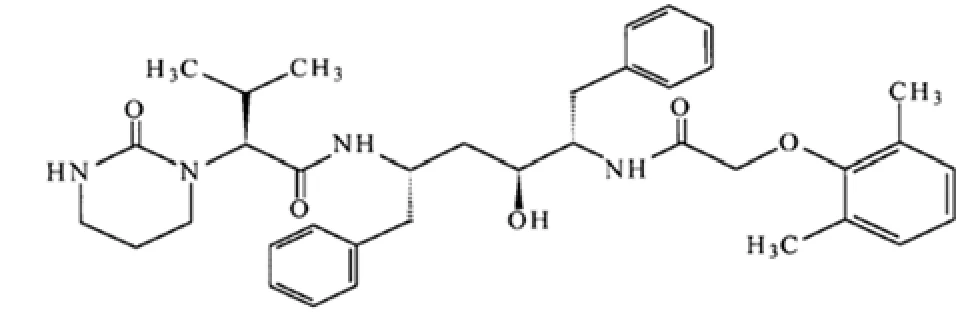
Physicochemical properties: Lopinavir is a white to light tan powder. Lopinavir is freely soluble in methanol and ethanol, soluble in isopropanol and practically insoluble in water.
Pharmaceutical standard: House
Drug Substance
Proper name: ritonavir
Chemical name: 10-Hydroxy-2-methyl-5-(1-methylethyl)-1-[2-(1-methylethyl)-4-thiazolyl]- 3,6-dioxo-8,11-bis(phenylmethyl)-2,4,7, 12-tetraazatridecan-13-oic acid, 5-thiazolylmethyl ester, [5S-(5R*,8R*,10R*,11R*)]
Molecular formula and molecular mass: C37H48N6O5S2 and 720.95 g/mol
Structural formula:
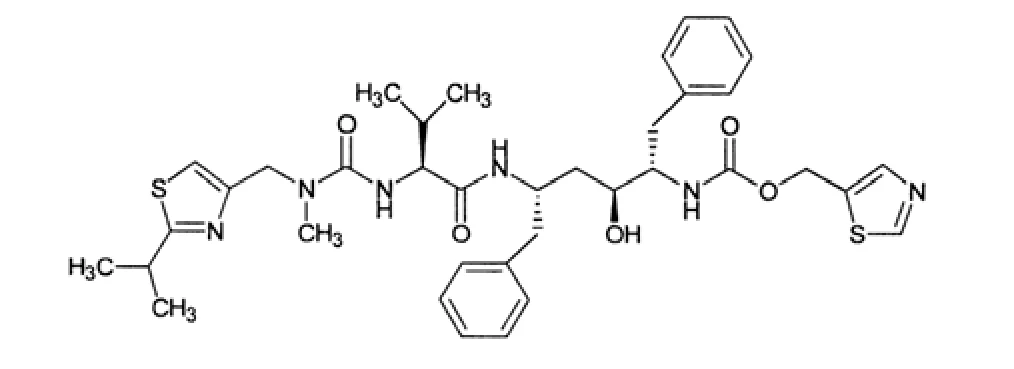
Physicochemical properties: Ritonavir is a white to light tan powder. Ritonavir has a bitter metallic taste. It is freely soluble in methanol and ethanol, soluble in isopropanol and practically insoluble in water.
Pharmaceutical standard: USP/EP
14. Clinical Trials
14.1. Clinical Trials by Indication
Table 18 - Summary of Patient Demographics for Clinical Trials in Specific Indications
| Study # | Trial Design | Dosage, Route of Administration and Duration | Study Subjects | Mean Age (Range)a | Gender Race (%M/F) (%C/O)b | Mean Baseline CD4 Cell Count (Range)c | Mean Baseline Plasma HIV-1 RNA (Range)d | ||||||||||||||
| Study # | Trial Design | Dosage, Route of Administration and Duration | Study Subjects | Mean Age (Range)a | Gender Race (%M/F) (%C/O)b | Mean Baseline CD4 Cell Count (Range)c | Mean Baseline Plasma HIV-1 RNA (Range)d | ||||||||||||||
| Study # | Trial Design | Dosage, Route of Administration and Duration | Study Subjects | Mean Age (Range)a | Gender Race (%M/F) (%C/O)b | Mean Baseline CD4 Cell Count (Range)c | Mean Baseline Plasma HIV-1 RNA (Range)d | ||||||||||||||
| Pa tients Wi th o ut Prio r Anti retrov iral The rapy | M98-863 | Randomized, Double-blinded, Multicenter | KALETRA capsules (400/100 mg b.i.d.) + stavudine + lamivudine vs. nelfinavir (750 mg t.i.d.) + stavudine + lamivudine Oral 48 weeks | 653 | 38 (19-84) | 80/20 57/43 | 259 (2-949) | 4.9 (2.6-6.8) | |||||||||||||
| M97-720 (Evaluation KALETRA at 3 dose levels) | Randomized, Blinded, Multicenter | GRP I - KALETRA capsules (200/100 mg b.i.d.) + stavudine + lamivudine GRP II - KALETRA capsules (400/100 mg b.i.d. & 400/200 mg b.i.d.) + stavudine + lamivudine Oral 360 weeks | 100 | 35 (21-59) | 96/4 70/30 | 338 (3-918) | 4.9 (3.3-6.3) | ||||||||||||||
| M02-418 | Randomized, Open-label, Multicenter | KALETRA capsules daily + tenofovir DF + emitricitabine vs. KALETRA capsules b.i.d. + tenofovir DF + emitricitabine Oral 48 weeks | 190 | 39 (19-75) | 78/22 54/46 | 260 (3-1006) | 4.8 (2.6-6.4) | ||||||||||||||
| Pa tients Wi th Prio r Antire t ro vira l Therapy | M98-888 | Randomized, Open-label, Multicenter | KALETRA capsules (400/100 mg b.i.d.) + nevirapine & NRTIs vs. investigator-selected PI(s) + nevirapine + NRTIs Oral 48 weeks | 288 | 40 (18-73) | 86/14 68/32 | 322 (10-1059) | 4.1 (2.6-6.0) | |||||||||||||
| M97-765 (Evaluation lopinavir/ ritonavir at 2 dose levels) | Randomized, Blinded, Multicenter | KALETRA capsules (400/100 mg b.i.d. & 400/200 mg b.i.d.) + nevirapine & 2 NRTIs Oral 144 weeks | 70 | 40 (22-66) | 90/10 73/27 | 372 (72-807) | 4.0 (2.9-5.8) | ||||||||||||||
| Pediatric Use | M98-940 | Open-label, Multicenter | Randomi zed Oral 72 weeks | KALETRA oral solution (230/57.5 mg per m2) | 100 (40% anti-retroviral naïve & 56% experienced) | 5 (6 months to 12 yrs) (14% < 2 yrs) | 43/57 14/86 | 838 | 4.7 | ||||||||||||
| KALETRA oral solution (300/75 mg per m2) | |||||||||||||||||||||
KONCERT/ PENTA 18 | Randomized, Open-label, Multicenter | Stratified by body weig ht band Oral 48 weeks | KALETRA tablets ≥ 15 to ≤ 25 kg 400/100 mg once daily vs. divided b.i.d | 173 | 11 (4-18) | 46/54 25/74 | 937 (267-2368) | 2.0 (1.7-4.9)e | |||||||||||||
| > 25 to ≤ 35 kg 600/150 mg once daily vs. divided b.i.d | |||||||||||||||||||||
| > 35 kg 800/200 mg once daily vs. divided b.i.d | |||||||||||||||||||||
Definitions: b.i.d. = twice daily; t.i.d. = three times a day; NRTI = nucleoside reverse transcriptase inhibitor; PI = protease inhibitor; GRP = Group. | |||||||||||||||||||||
14.2. Study Results
Adult Use
Patients Without Prior Antiretroviral Therapy
Study M98-863: KALETRA capsules twice daily + stavudine + lamivudine compared to nelfinavir three times a day + stavudine + lamivudine
Study M98-863 was a randomized, double-blind, multicentre trial comparing treatment with KALETRA (lopinavir/ritonavir) capsules (400/100 mg twice daily) + stavudine and lamivudine versus nelfinavir (750 mg three times a day) + stavudine and lamivudine in 653 antiretroviral treatment-naïve patients. Patients had a mean age of 38 years (range: 19 to 84 years), 57% were Caucasian, and 80% were male. Mean baseline CD4 cell count was 259 cells/mm3 (range: 2 to 949 cells/mm3) and mean baseline plasma HIV-1 RNA was 4.9 log10 copies/mL (range: 2.6 to 6.8 log10 copies/mL).
The percent of patients with HIV RNA < 400 copies/mL and outcomes of patients through 48 weeks are summarized in Table 19.
Table 19 - Outcomes of Randomized Treatment Through Week 48 (Study M98-863)
| Outcome | KALETRA capsules 400/100 mg b.i.d. + d4T + 3TC (N = 326) | Nelfinavir 750 mg t.i.d. + d4T + 3TC (N = 327) |
| Respondera | 75% | 62% |
Virologic Failureb Rebound Never suppressed through Week 48 | 9% 7% 2% | 25% 15% 9% |
| Death | 2% | 1% |
| Discontinued due to adverse event | 4% | 4% |
| Discontinued for other reasonsc | 10% | 8% |
Definitions: b.i.d. = twice daily; t.i.d. = three times daily; d4T = stavudine; 3TC = lamivudine. | ||
Through 48 weeks of therapy there was a statistically significant higher proportion of patients in the KALETRA arm compared to the nelfinavir arm with HIV RNA less than 400 copies/mL (75 vs. 62%, respectively) and HIV RNA less than 50 copies/mL (67 vs. 52%, respectively). Treatment response by baseline HIV RNA level subgroups is presented in Table 20.
Table 20 - Proportion of Responders Through Week 48 by Baseline Viral Load (Study M98-863)
Baseline Viral Load (HIV-1 RNA copies/mL) | KALETRA capsules 400/100 mg b.i.d. + d4T + 3TC | Nelfinavir t.i.d. + d4T + 3TC | |||||||||
| < 400 copies/mLa | < 50 copies/mLb | n | < 400 copies/mLa | < 50 copies/mLb | n | ||||||
| < 30,000 | 74% | 71% | 82 | 79% | 72% | 87 | |||||
| ≥ 30,000 to < 100,000 | 81% | 73% | 79 | 67% | 54% | 79 | |||||
| ≥ 100,000 to < 250,000 | 75% | 64% | 83 | 60% | 47% | 72 | |||||
| ≥ 250,000 | 72% | 60% | 82 | 44% | 33% | 89 | |||||
Definitions: b.i.d. = twice daily; t.i.d. = three times daily; D4T = stavudine; 3TC = lamivudine. | |||||||||||
Through 48 weeks of therapy, the mean increase from baseline in CD4 cell count was 207 cells/mm3 for the KALETRA arm and 195 cells/mm3 for the nelfinavir arm.
Study M97-720: KALETRA capsules twice daily + stavudine + lamivudine
Study M97-720 was a randomized, blinded, multicentre trial evaluating treatment with KALETRA capsules at 3 dose levels (Group I: 200/100 mg twice daily and 400/100 mg twice daily; Group II: 400/100 mg twice daily and 400/200 mg twice daily) + lamivudine (150 mg twice daily) and stavudine (40 mg twice daily) in 100 antiretroviral-naïve patients. All patients were converted to open-label KALETRA capsules at the 400/100 mg twice daily dose between Weeks 48 and 72 of the study. Patients had a mean age of 35 years (range: 21 to 59 years), 70% were Caucasian, and 96% were male. Mean baseline CD4 cell count was 338 cells/mm3 (range: 3 to 918 cells/mm3) and mean baseline plasma HIV-1 RNA was 4.9 log10 copies/mL (range: 3.3 to 6.3 log10 copies/mL).
Through 360 weeks of treatment, the proportion of patients with HIV RNA < 400 (< 50) copies/mL was 61% (59%) [N = 100] (see Table 21), and the corresponding mean increase in CD4 cell count was 501 cells/mm3 (see Table 22). Thirty-nine patients (39%) discontinued the study, including 15 (15%) discontinuations due to adverse events and 1 (1%) death. Eighteen (18%) patients demonstrated loss of virologic response (2 consecutive rebound HIV-1 RNA values above 400 copies/mL, 1 rebound HIV-1 RNA value followed by discontinuation, or failure to achieve HIV-1 RNA < 400 copies/mL). Genotypic analysis of viral isolates was conducted on these patients and an additional 10 patients with isolated HIV-1 RNA values > 400 copies/mL after Week 24. Results from 19 patients confirmed no primary or active site mutations in protease (amino acids at positions 8, 30, 32, 36, 47, 48, 50, 82, 84 and 90) or protease inhibitor (PI) phenotypic resistance.
Table 21 - Summary of HIV-1 RNA Results (Study M97-720)
| Proportion of Subjects with HIV-1 RNA Levels < 400 Copies/mL | Proportion of Subjects with HIV-1 RNA Levels < 50 Copies/mL | |||||||||
| Week | On-Treatment | ITT (NC = F) | On-Treatment | ITT (NC = F) | ||||||
| 24 | 87/92 (95%) | 90/100 (90%) | 71/90 (79%) | 74/100 (74%) | ||||||
| 48 | 85/94 (90%) | 85/100 (85%) | 76/94 (81%) | 76/100 (76%) | ||||||
| 72 | 82/84 (98%) | 87/100 (87%) | 76/84 (91%) | 79/100 (79%) | ||||||
| 204 | 71/72 (99%) | 71/100 (71%) | 70/72 (97%) | 70/100 (70%) | ||||||
| 360 | 61/62 (98%) | 61/100 (61%) | 59/62 (95%) | 59/100 (59%) | ||||||
| Definitions: ITT (NC = F): Intent-to-treat (Non-completer = Failure). | ||||||||||
Table 22 - Mean Change from Baseline to Week 360 in CD4 Cell Count by Baseline Value (Study M97-720)
| Baseline CD4 Cell Count Value | Na | Baseline Mean (cells/microliter) | Week 360 Mean (cells/microliter) | Mean (SE) Change from Baseline to Week 360 | |||||
| < 50 | 15 | 22.8 | 555.6 | 532.8 (111.61) | |||||
| 50-199 | 12 | 121.8 | 597.8 | 476.1 (65.56) | |||||
| 200-349 | 11 | 272.0 | 745.5 | 473.5 (72.66) | |||||
| 350-499 | 11 | 408.7 | 1010.7 | 602.0 (84.13) | |||||
| ≥ 500 | 11 | 656.2 | 1065.9 | 409.7 (75.65) | |||||
Definitions: SE = standard error | |||||||||
Study M02-418: KALETRA capsules daily + tenofovir DF + emtricitabine compared to lopinavir/ritonavir twice daily + tenofovir DF + emtricitabine
Study M02-418 was a randomized, open-label, multicentre trial comparing treatment with KALETRA capsules 800/200 mg once daily + tenofovir DF and emtricitabine versus KALETRA capsules 400/100 mg twice daily + tenofovir DF and emtricitabine in 190 antiretroviral-naïve patients. Patients had a mean age of 39 years (range: 19 to 75 years), 54% were Caucasian, and 78% were male. Mean baseline CD4 cell count was 260 cells/mm3 (range: 3 to 1006 cells/mm3) and mean baseline plasma HIV-1 RNA was 4.8 log10 copies/mL (range: 2.6 to 6.4 log10 copies/mL).
Treatment responses and outcomes of randomized treatment are presented in Table 23 and Table 24, respectively. Through 48 weeks of treatment, the proportion of patients with HIV-1 RNA < 50 copies/mL was 71% (KALETRA once daily [N = 115]) and 65% (KALETRA twice daily [N = 75]).
Table 23 - Virologic response Through Week 48 (Study M02-418)a,b
| Week | Proportion of Subjects Responding < 50 copies/mL ITT (FDA TLOVR) | |
| KALETRA capsules 800/200 mg daily + TDF + FTC | KALETRA capsules 400/100 mg b.i.d. + TDF + FTC | |
| (N = 115) | (N = 75) | |
| 4 | 6% | 0% |
| 8 | 18% | 17% |
| 16 | 40% | 45% |
| 24 | 58% | 57% |
| 32 | 68% | 62% |
| 40 | 72% | 65% |
| 48 | 71% | 65% |
Definitions: b.i.d. = twice daily; TDF = tenofovir DF; FTC = emtricitabine; ITT (FDA TLOVR) = Intent-to-treat (FDA Time to Loss of Virologic Response) | ||
Table 24 - Outcomes of Randomized Treatment Through Week 48 (Study M02-418)
| Outcome | KALETRA capsules 800/200 mg daily + TDF + FTC | KALETRA capsules 400/100 mg b.i.d. + TDF + FTC |
| (N = 115) | (N = 75) | |
| Responder1a | 71% | 65% |
Virologic failureb Rebound Never suppressed though 48 Weeks | 10% 6% 3% | 9% 5% 4% |
| Death | 0% | 1% |
| Discontinued due to adverse event | 12% | 7% |
| Discontinued for other reasonsc | 7% | 17% |
Definitions: b.i.d. = twice daily; TDF = tenofovir DF; FTC = emtricitabine. | ||
Through 48 weeks of therapy, 71% of the patients in the KALETRA capsules daily arm and 65% of the patients in the KALETRA twice daily arm achieved and maintained HIV RNA < 50 copies/mL (95% confidence interval for the difference, -7.6 to 19.5%). Mean CD4 cell count increases at Week 48 were 185 cells/mm3 for the KALETRA daily arm and 196 cells/mm3 for the KALETRA twice daily arm.
Study M05-730: KALETRA tablets once daily + tenofovir DF + emtricitabine compared to KALETRA tablets twice daily + tenofovir DF + emtricitabine
Study M05-730 was a randomized, open-label, multicenter trial comparing treatment with KALETRA 800/200 mg once daily + tenofovir DF and emtricitabine versus KALETRA 400/100 mg twice daily + tenofovir DF and emtricitabine in 664 antiretroviral treatment-naïve patients. Patients were randomized in a 1:1 ratio to receive either KALETRA 800/200 mg once daily (n = 333) or KALETRA 400/100 mg twice daily (n = 331). Further stratification within each group was 1:1 (tablet vs. capsule). Patients administered the capsule were switched to the tablet formulation at Week 8 and maintained on their randomized dosing schedule. Patients were administered emtricitabine 200 mg once daily and tenofovir DF 300 mg once daily. Mean age of patients enrolled was 39 years (range: 19 to 71); 75% were Caucasian, and 78% were male. Mean baseline CD4+ cell count was 216 cells/mm3 (range: 20 to 775 cells/mm3) and mean baseline plasma HIV-1 RNA was 5.0 log10 copies/mL (range: 1.7 to 7.0 log10 copies/mL).
Treatment response and outcomes of randomized treatment through Week 48 are presented in Table 25.
Table 25 - Outcomes of Randomized Treatment Through Week 48 (Study M05-730)
| Outcomea | KALETRA tablets 800/200 mg daily + TDF + FTC | KALETRA tablets 400/100 mg b.i.d. + TDF + FTC |
| (N = 333) | (N = 331) | |
| Responderb | 78% | 77% |
Virologic failurec Rebound Never suppressed and on study at 48 Weeks Discontinued due to insufficient viral response | 10% 5% 5% 1% | 9% 5% 2% 2% |
| Death | 1% | 0% |
| Discontinued due to adverse event | 4% | 3% |
| Discontinued for other reasonsd | 8% | 12% |
Definitions: b.i.d. = twice daily; TDF = tenofovir DF; FTC = emtricitabine | ||
Through 48 weeks of therapy, 78% in the KALETRA once daily arm and 77% in the KALETRA twice daily arm achieved and maintained HIV-1 RNA < 50 copies/mL per the FDA Time to Loss of Virologic Response algorithm. The difference in response rates between groups was 0.4% (95% confidence interval for the difference, -5.9 to 6.8%); this difference was not statistically significant (p = 0.926). Mean CD4+ cell count increases at Week 48 were 186 cells/mm3 for the KALETRA once daily arm and 198 cells/mm3 for the KALETRA twice daily arm.
Patients with Prior Antiretroviral Therapy
Study M98-888: KALETRA capsules twice daily + nevirapine + NRTIs compared to investigator-selected PI(s) + nevirapine + NRTIs
Study M98-888 was a randomized, open-label, multicentre trial comparing treatment with KALETRA capsules (400/100 mg twice daily) + nevirapine and NRTIs versus investigator-selected PI(s) + nevirapine and NRTIs in 288 single PI-experienced non-nucleoside reverse transcriptase inhibitor (NNRTI)-naïve patients. Patients had a mean age of 40 years (range: 18 to 73 years), 68% were Caucasian, and 86% were male. Mean baseline CD4 cell count was 322 cells/mm3 (range: 10 to 1059 cells/mm3) and mean baseline plasma HIV-1 RNA was 4.1 log10 copies/mL (range: 2.6 to 6.0 log10 copies/mL). Treatment response and outcomes of randomized treatment through Week 48 are presented in Table 26.
Through 48 weeks of therapy, there was a statistically significant higher proportion of patients in the KALETRA capsules arm compared to the investigator-selected PI(s) arm with HIV RNA < 400 copies/mL (57 vs. 33%, respectively).
Through 48 weeks of therapy, the mean increase from baseline in CD4 cell count was 111 cells/mm3 for the KALETRA capsules arm and 112 cells/mm3 for the investigator-selected PI(s) arm.
Table 26 - Outcomes of Randomized Treatment Through Week 48 (Study M98-888)
| Outcome | KALETRA capsules 400/100 mg b.i.d. + nevirapine + NRTIs | Investigator-selected PI(s) + nevirapine + NRTIs |
| Outcome | KALETRA capsules 400/100 mg b.i.d. + nevirapine + NRTIs | Investigator-selected PI(s) + nevirapine + NRTIs |
| (N = 148) | (N = 140) | |
| (N = 148) | (N = 140) | |
| Responder1a | 57% | 33% |
Virologic failureb Rebound Never suppressed though Week 48 | 24% 11% 13% | 41% 19% 23% |
| Death | 1% | 2% |
| Discontinued due to adverse event | 5% | 11% |
| Discontinued for other reasonsc | 14% | 13% |
Definition: b.i.d. = twice daily; NRTIs= nucleoside reverse transcriptase inhibitors; PI = protease inhibitor. | ||
Study M97-765: KALETRA capsules twice daily + nevirapine + NRTIs
Study M97-765 was a randomized, blinded, multicentre trial evaluating treatment with KALETRA capsules at 2 dose levels (400/100 mg twice daily and 400/200 mg twice daily) + nevirapine (200 mg twice daily) and 2 NRTIs in 70 single PI-experienced, NNRTI-naïve patients. Patients had a mean age of 40 years (range: 22 to 66 years), were 73% Caucasian, and were 90% male. Mean baseline CD4 cell count was 372 cells/mm3 (range: 72 to 807 cells/mm3) and mean baseline plasma HIV-1 RNA was 4.0 log10 copies/mL (range: 2.9 to 5.8 log10 copies/mL).
Through 144 weeks of treatment in Study M97-765, the proportion of patients with RNA < 400 (< 50) copies/mL was 54% (50%) [n = 70], and the corresponding mean increase in CD4 cell count was 212 cells/mm3. Twenty-seven patients (39%) discontinued the study, including 9 (13%) discontinuations secondary to adverse events and 2 (3%) deaths.
Study M06-802: KALETRA tablets 800/200 mg once daily versus 400/100 mg twice daily when co-administered with NRTIs in antiretroviral-experienced, HIV-1 infected subjects
Study M06-802 was a randomized open-label study comparing the safety, tolerability, and antiviral activity of once daily and twice daily dosing of KALETRA tablets in 599 subjects with detectable viral loads while receiving their current antiviral therapy. Patients were randomized in a 1:1 ratio to receive either KALETRA 800/200 mg once daily (n = 300) or KALETRA 400/100 mg twice daily (n = 299). Patients were administered at least 2 NRTIs selected by the investigator. Mean age of patients enrolled was 41 years (range: 21 to 73); 51% were Caucasian, and 66% were male. Mean baseline CD4 cell count was 254 cells/mm3 (range: 4 to 952 cells/mm3) and mean baseline plasma HIV-1 RNA was 4.3 log10 copies/mL (range: 1.7 to 6.6 log10 copies/mL).
Treatment response and outcomes of randomized treatment through Week 48 are presented in Table 27.
Table 27 - Outcomes of Randomized Treatment Through Week 48 (Study M06-802)
| Outcome | KALETRA Once Daily + NRTIs | KALETRA Twice Daily + NRTIs |
| (n = 300) | (n = 299) | |
| Respondera | 55% | 52% |
Virologic failureb Rebound Never suppressed though Week 48 | 25% 12% 13% | 28% 14% 15% |
| Death | 1% | 1% |
| Discontinued due to adverse event | 4% | 6% |
| Discontinued for other reasonsc | 15% | 14% |
Definitions: NRTI = Nucleoside/Nucleotide reverse transcriptase inhibitor. | ||
Pediatric Use
Study M98-940: KALETRA oral solution twice daily in antiretroviral-naïve and experienced pediatric patients
Study M98-940 was an open-label, multicentre trial evaluating the pharmacokinetic profile, tolerability, safety, and efficacy of KALETRA oral solution containing lopinavir 80 mg/mL and ritonavir 20 mg/mL in 100 antiretroviral-naïve (44%) and experienced (56%) pediatric patients. All patients were NNRTI-naïve. Patients were randomized to either 230 mg lopinavir/57.5 mg ritonavir per m2 or 300 mg lopinavir/75 mg ritonavir per m2. Naïve patients also received lamivudine and stavudine. Experienced patients received nevirapine + up to 2 NRTIs.
Safety, efficacy and pharmacokinetic profiles of the 2 dose regimens were assessed after 3 weeks of therapy in each patient. After analysis of these data, all patients were continued on the 300 mg lopinavir/75 mg ritonavir per m2 dose. Patients had a mean age of 5 years (range: 6 months to 12 years) with 14% less than 2 years. Mean baseline CD4 cell count was 838 cells/mm3 and mean baseline plasma HIV-1 RNA was 4.7 log10 copies/mL.
Through 72 weeks of therapy, the proportion of patients who achieved and maintained HIV RNA < 400 copies/mL was 75% (33/44) for antiretroviral-naïve patients, 72% (23/32) for NRTI only experienced patients and 50% (12/24) for PI- and NRTI-experienced patients. The mean increase from baseline in CD4 cell count was 387 cells/mm3 for antiretroviral-naïve and 435 cells/mm3 for antiretroviral-experienced patients treated through 72 weeks. Two patients (2%) prematurely discontinued the study due to an adverse event or HIV-related event. One antiretroviral-naïve patient prematurely discontinued secondary to an adverse event attributed to KALETRA. One antiretroviral-experienced patient prematurely discontinued secondary to an HIV-related event.
Dose selection for patients 6 months to 12 years of age was based on the following results. The 230/57.5 mg/m2 twice daily regimen without nevirapine and the 300/75 mg/m2 twice daily regimen with nevirapine provided lopinavir plasma concentrations similar to those obtained in adult patients receiving the 400/100 mg twice daily regimen (without nevirapine).
Study KONCERT/PENTA 18: KALETRA tablets 100/25 mg twice daily versus once daily dosed by weight as part of combination antiretroviral therapy (cART) in virologically suppressed HIV-1 infected children
Study KONCERT/PENTA 18 was a prospective multicenter, randomized, open-label study that evaluated the pharmacokinetic profile, efficacy, and safety of twice daily versus once daily dosing of KALETRA 100/25 mg tablets dosed by weight as part of combination antiretroviral therapy (cART) in virologically suppressed HIV-1 infected children (n = 173). Children were eligible when they were aged < 18 years, ≥ 15 kg in weight, receiving cART that included KALETRA, HIV-1 ribonucleic acid (RNA) < 50 copies/mL for at least 24 weeks and able to swallow tablets. At week 24, the efficacy and safety with twice daily dosing (n = 87) in the pediatric population given KALETRA 100/25 mg tablets was consistent with the efficacy and safety findings in previous adult and pediatric studies using KALETRA twice daily (see 10. Clinical Pharmacology).
15. Microbiology
Antiviral activity in vitro
The in vitro antiviral activity of lopinavir against laboratory HIV strains and clinical HIV isolates was evaluated in acutely infected lymphoblastic cell lines and peripheral blood lymphocytes, respectively. In the absence of human serum, the mean 50% effective concentration (EC50) of lopinavir against 5 different HIV-1 laboratory strains ranged from 10 to 27 nM (0.006 to 0.017 mcg/mL, 1 mcg/mL = 1.6 microM) and ranged from 4 to 11 nM (0.003 to 0.007 mcg/mL) against several HIV-1 subtype B clinical isolates (n = 6). In the presence of 50% human serum, the mean EC50 of lopinavir against these 5 laboratory strains ranged from 65 to 289 nM (0.04 to 0.18 mcg/mL), representing a 7-to 11-fold attenuation.
Resistance
The selection of resistance to KALETRA therapy in antiretroviral treatment-naïve patients has not yet been characterized. In a Phase 3 study of 653 antiretroviral treatment naïve patients (Study M98-863), plasma viral isolates from each patient on treatment with plasma HIV > 400 copies/mL at Week 24, 32, 40 and/or 48 were analysed. No evidence of resistance to KALETRA was observed in 37 evaluable KALETRA-treated patients (0%). Evidence of genotypic resistance to nelfinavir, defined as the presence of D30N and/or L90M mutation in HIV protease, was observed in 25/76 (33%) of evaluable nelfinavir-treated patients. The selection of resistance to KALETRA in antiretroviral-naïve pediatric patients (Study M98-940) appears to be consistent with that seen in adult patients (Study M98-863).
There are insufficient data at this time to identify lopinavir-associated mutational patterns in isolates from patients on KALETRA therapy. However, in Phase 2 studies of 227 antiretroviral treatment-naïve and PI-experienced patients, isolates from 4 of 23 patients with quantifiable (> 400 copies/mL) viral RNA following treatment with KALETRA for 12 to 100 weeks displayed significantly reduced susceptibility to lopinavir compared to the corresponding baseline viral isolates. Three of these patients had previously received treatment with a single protease inhibitor (nelfinavir, indinavir, or saquinavir)
and 1 patient had received treatment with multiple protease inhibitors (indinavir, saquinavir and ritonavir). All 4 of these patients had at least 4 mutations associated with PI resistance immediately prior to KALETRA therapy. Following viral rebound, isolates from these patients all contained additional mutations, some of which were recognized to be associated with PI resistance.
Cross-resistance
Preclinical Studies
Varying degrees of cross-resistance have been observed among HIV protease inhibitors. Little information is available on the cross-resistance of viruses that developed decreased susceptibility to lopinavir during KALETRA therapy.
The in vitro activity of lopinavir against clinical isolates from patients previously treated with a single PI was determined. Isolates that displayed > 4-fold reduced susceptibility to nelfinavir (n = 13) and saquinavir (n = 4), displayed < 4-fold reduced susceptibility to lopinavir. Isolates with > 4-fold reduced susceptibility to indinavir (n = 16) and ritonavir (n = 3) displayed a mean of 5.7 to 8.3-fold reduced susceptibility to lopinavir, respectively. Isolates from patients previously treated with 2 or more PIs showed greater reductions in susceptibility to lopinavir, as described in the Clinical Studies section that follows.
Clinical Studies - Antiviral activity of KALETRA in patients with previous protease inhibitor (PI) therapy.
The clinical relevance of reduced in vitro susceptibility to lopinavir has been examined by assessing the virologic response to KALETRA therapy, with respect to baseline viral genotype and phenotype, in 56 NNRTI-naïve patients with HIV RNA > 1000 copies/mL despite previous therapy with at least 2 PIs selected from nelfinavir, indinavir, saquinavir and ritonavir (Study M98-957). In this study, patients were initially randomized to receive 1 of 2 doses of KALETRA in combination with efavirenz and nucleoside reverse transcriptase inhibitors (NRTIs). The EC50 of lopinavir against the 56 baseline viral isolates ranged from 0.5- to 96-fold higher than the EC50 against wild type HIV. Fifty-five percent (31/56) of these baseline isolates displayed a > 4-fold reduced susceptibility to lopinavir with a mean reduction in lopinavir susceptibility of 27.9-fold.
Table 28 shows the 48-week virologic response (HIV RNA < 400 and < 50 copies/mL) according to susceptibility and number of genotypic mutations at baseline in 50 evaluable patients enrolled in the Study M98-957 described above. Because this was a select patient population and the sample size was small, the data depicted in Table 28 do not constitute definitive clinical susceptibility breakpoints. Additional data are needed to determine clinically significant breakpoints for KALETRA.
Table 28 - HIV RNA Response at Week 48 by Baseline KALETRA Susceptibility and by Number of Protease Inhibitor-Associated Mutationsa – Study M98-957
| Lopinavir Susceptibilityb at Baseline | HIV RNA < 400 copies/mL (%) | HIV RNA < 50 copies/mL (%) | ||||
| < 10 fold | 25/27 (93) | 22/27 (81) | ||||
| > 10 and < 40 fold | 11/15 (73) | 9/15 (60) | ||||
| ≥ 40 fold | 2/8 (25) | 2/8 (25) | ||||
| Number of Protease Inhibitor Mutations at Baseline | ||||||
| Up to 5 | 21/23 (91)c | 19/23 (83) | ||||
| > 5 | 17/27 (63) | 14/27 (52) | ||||
| ||||||
After 48 weeks of treatment with KALETRA, efavirenz and NRTIs, plasma HIV RNA ≤ 400 copies/mL was observed in 93% (25/27), 73% (11/15), and 25% (2/8) of patients with < 10-fold, 10- to 40-fold, and ≥ 40-fold reduced susceptibility to lopinavir at baseline, respectively.
There are insufficient data at this time to identify lopinavir-associated mutational patterns in isolates from patients on KALETRA therapy. Further studies are needed to assess the association between specific mutational patterns and virologic response rates.
Genotypic correlates of reduced virologic response in antiretroviral-experienced patients initiating a KALETRA-based combination regimen
Virologic response to KALETRA has been shown to be affected by the presence of 3 or more of the following amino acid substitutions in protease at baseline: L10F/I/R/V, K20M/N/R, L24I, L33F, M36I, I47V, G48V, I54L/T/V, V82A/C/F/S/T, and I84V. Table 29 shows the 48-week virologic response (HIV RNA < 400 copies/mL) according to the number of the above PI resistance mutations at baseline in Studies M98-888, M97-765 and M98-957.
Table 29 - Virologic Response (HIV RNA < 400 copies/mL) at Week 48 by Baseline KALETRA Susceptibility and by Number of Protease Substitutions Associated with Reduced Response to KALETRA1
| Number of PI mutations at baselinea | Study M98-888 | Study M97-765 | Study M98-957 |
| Single PI-experiencedb, NNRTI-naïve | Single PI-experiencedc, NNRTI-naïve | Multiple PI-experiencedd, NNRTI-naïve | |
| (n = 130) | (n = 56) | (n = 50) | |
| 0 to 2 | 76/103 (74%) | 34/45 (76%) | 19/20 (95%) |
| 3 to 5 | 13/26 (50%) | 8/11 (73%) | 18/26 (69%) |
| 6 or more | 0/1 (0%) | N/A | 1/4 (25%) |
Definitions: NNRTI = Non-nucleoside reverse transcriptase inhibitor; PI = protease inhibitor; N/A=not applicable. | |||
Table 30 shows the 48-week virologic response (HIV-1 RNA < 50 copies/mL) in Study M06-802 according to the number of protease-inhibitor resistance associated mutations listed in Table 29 present at baseline (see 14. Clinical Trials). Based on data derived from a limited number of patients (see Table 30), once daily administration of KALETRA is not recommended for adult patients with 3 or more lopinavir resistance-associated substitutions.
Table 30 - Virologic Response (HIV RNA < 50 copies/mL) at Week 48 by Baseline Number of Protease Substitutions Associated with Reduced Response to KALETRA1
| Number of PI mutations at baselinea | Study M06-802 (Treatment-Experiencedb) KALETRA Once Daily + NRTIs | Study M06-802 (Treatment-Experiencedc) KALETRA Twice Daily + NRTIs | ||||||||||
| (n = 268) | (n = 264) | |||||||||||
| 0 to 2 | 167/255 (65%) | 154/250 (62%) | ||||||||||
| 3 to 5 | 4/13 (31%) | 8/14 (57%) | ||||||||||
| 6 or more | N/A | N/A | ||||||||||
Definitions: NRTI = Nucleoside/Nucleotide reverse transcriptase inhibitor; PI = protease inhibitor; N/A = not applicable. | ||||||||||||
16. Non-Clinical Toxicology
The toxicology of lopinavir has been assessed in mice, rats, dogs and rabbits in studies ranging in duration from a single dose to 9 months of oral administration. The most significant target organ for toxicity in the preclinical toxicity studies has been the liver.
General toxicology (single and repeat-dose studies)
Acute Toxicity
Lopinavir alone or in combination with ritonavir at a 2:1 ratio has a low order of acute toxicity in rodents by the oral route but is more toxic when administered as an intravenous injection. The acute oral approximate lethal dose (ALD) of lopinavir when given alone was > 2500 mg/kg for rats. Toxic signs were limited to rales and labored/noisy respiration in those rats that received 500 mg/kg or higher. The oral ALD of the lopinavir/ritonavir combination was > 1250/625 mg/kg for both mice and rats. Toxic signs for both species included decreased activity, ataxia, dyspnea, and squinting. In addition, increased salivation was observed in rats.
When administered intravenously, the ALD was > 62.5/31.3 mg/kg for mice and 31.3/15.6 mg/kg for rats. Signs of toxicity for mice included squinting and red or greenish urine. Signs of toxicity for rats included red urine and ataxia. In addition, death was observed in those rats given a dose of 31.3/15.6.mg/kg or higher.
Long-Term Toxicity
Repeated dose toxicity studies in rodent and dogs have identified liver, thyroid, blood, spleen, and kidney as the target organs.
Due to hepatic toxicity (rats) and gastrointestinal toxicity (dogs), the 6-month rat study and the 6- and 9-month dog studies were carried out at systemic exposures lower than exposures of humans at the recommended dose of treatment. Based on the exposures achieved in the long-term toxicity studies in rats and dogs, the clinical relevance of the animal data is unknown. The typical human exposure to lopinavir/ritonavir is approximately 160/10 mcg·h/mL.
Across multiple species (mouse, rat, dog) effects in the liver were fairly similar and most evident following prolonged treatment (3 months or longer). Primary findings were increases in serum liver enzymes (alanine transaminase (ALT) and aspartate transaminase (AST) and sometimes gamma-glutamyl transpeptidase (GGT) or alkaline phosphatase (ALP), cholesterol and histopathological findings of hepatomegaly, single cell necrosis and vacuolar changes primarily in hepatocytes. Less severe toxicity was seen when treatment was initiated in young rats (neonatal at 3 to 4 days old and juvenile at 16 days old) versus adults.
Mild but dose-related hypertrophy of follicular cells in the thyroid gland along with decreased serum thyroxine (T4) levels and elevated serum thyroid stimulating hormone (TSH) were observed in adult rats that received lopinavir/ritonavir combination for 2 to 26 weeks. Neonatal and juvenile rats appeared to be less sensitive to the thyroid change produced by lopinavir/ritonavir than adult rats. All changes were reversible. No effects on the thyroid gland were observed in any of the mouse (up to 3 months of treatment) or dog studies (up to 9 months of treatment).
Changes in erythrocytic variables included decreases in erythrocyte count, hematocrit, hemoglobin along with an increased incidence and/or severity of anisocytosis (erythrocytes of variable size) and poikilocytosis (erythrocytes with abnormal shapes) observed in rats treated for 3 months or longer.
Changes in kidney were limited to findings in mice and included the presence of microvesicular cytoplasmic vacuolation. Similar vacuolar changes were observed in spleen of treated rats.
Testicular degeneration, generally classified as minimal or mild, was observed in dogs treated for 6 months. Features of the degeneration included loss of germ cells, germ cell degeneration and tubular vacuolization.
Gastrointestinal distress observed shortly after dosing (1 to 2 hours) and consisting of emesis and diarrhea and/or loose stool was dose limiting in dogs.
Carcinogenicity and Genotoxicity
Long-term carcinogenicity studies of up to 2 years duration in mice and rats were conducted for lopinavir/ritonavir at a ratio of 2/1 at maximum tolerated dosages. In mice, dosages of lopinavir/ritonavir of 0/0, 20/10, 60/30, and 120/60 mg/kg/day achieved plasma exposures of up to 2 times (lopinavir) and 5 times (ritonavir) the human therapeutic concentrations. The findings revealed a non-genotoxic, mutagenic induction of hepatocellular adenomas and carcinomas. The relevance to human risk is unknown. In rats, dosages of lopinavir/ritonavir were 0/0, 10/5, 20/10, and 50/25 mg/kg/day and resulted in maximum plasma exposures that were slightly subtherapeutic (0.6 and 0.8 times the therapeutic plasma concentrations for lopinavir and ritonavir, respectively). There was no evidence of carcinogenicity in rats. However, neither lopinavir nor ritonavir, nor lopinavir/ritonavir was found to be mutagenic or clastogenic in a battery of in vitro and in vivo assays including the Ames bacterial reverse mutation assay using S. typhimurium and E. coli, the mouse lymphoma assay, the mouse micronucleus test and chromosomal aberration assays in human lymphocytes.
Reproductive and developmental toxicology
Fertility
Lopinavir in combination with ritonavir at a 2:1 ratio produced no effects on fertility in male and female rats at levels of 10/5, 30/15 or 100/50 mg/kg/day. Based on AUC measurements, the exposures in rats at the high doses were approximately 0.7-fold for lopinavir and 1.8-fold for ritonavir of the exposures in humans at the recommended therapeutic dose (400/100 mg twice daily).
Reproduction
No treatment-related malformations were observed when lopinavir in combination with ritonavir was administered to pregnant rats or rabbits. Embryonic and fetal developmental toxicities (early resorption, decreased fetal viability, decreased fetal body weight, increased incidence of skeletal variations and skeletal ossification delays) occurred in rats at a maternally toxic dosage (100/50 mg/kg/day). Based on AUC measurements, the drug exposures in rats at 100/50 mg/kg/day were approximately 0.7-fold for lopinavir and 1.8-fold for ritonavir for males and females that of the exposures in humans at the recommended therapeutic dose (400/100 mg twice daily). In a peri- and post-natal study in rats, a developmental toxicity (a decrease in survival in pups between birth and postnatal day 21) occurred at 40/20 mg/kg/day and greater.
No embryonic and fetal developmental toxicities were observed in rabbits at a maternally toxic dosage (80/40 mg/kg/day). Based on AUC measurements, the drug exposures in rabbits at 80/40 mg/kg/day were approximately 0.6-fold for lopinavir and 1.0-fold for ritonavir that of the exposures in humans at the recommended therapeutic dose (400/100 mg twice daily).
Maternal and Fetal Tissue Distribution
Single oral administration of [14C]-lopinavir in combination with ritonavir to pregnant rats showed that [14C]-lopinavir-derived radioactivity was widely distributed throughout the tissues analyzed, traversed the placental barrier, and was detected in the fetuses of pregnant rats. Maternal and fetal liver had the highest concentration of radioactivity; penetration into the brain was minimal.
Lacteal Excretion
Substantial amounts of radioactivity were observed in the milk following administration of a single oral dose of [14C]-lopinavir (10 mg/kg) given in combination with ritonavir (5 mg/kg). The milk to plasma ratio of radioactivity ranged from 0.084 to 1.53 during 24 hours after dosing. Radioactivity derived from [14C]-lopinavir was detectable in the milk at the first sampling time point, 0.5 hour post-dose. The maximum mean concentration of radioactivity in the milk was 1.93 mcg equivalents [14C]-lopinavir/g at 5 hours post dose. The concentrations declined with time after 5 hours post-dose to a mean value of 0.026 mcg equivalents [14C]-lopinavir/g at 24 hours post-dose.