


Product Monograph - Kalydeco
RECENT MAJOR LABEL CHANGES
| 1 Indications | 11/2023 |
|---|---|
| 1 Indications, 1.1 Pediatrics | 11/2023 |
| 4 Dosage and Administration | 11/2023 |
| 7 Warnings and Precautions | 11/2023 |
| 7 Warnings and Precautions, 7.1.3 Pediatrics | 11/2023 |
TABLE OF CONTENTS
Sections or subsections that are not applicable at the time of authorization are not listed.
RECENT MAJOR LABEL CHANGES ........................................................................... 2
TABLE OF CONTENTS ................................................................................................. 2
PART I: HEALTH PROFESSIONAL INFORMATION ................................................... 4
1 INDICATIONS ..................................................................................................... 4
1.1 Pediatrics .................................................................................................... 4
1.2 Geriatrics .................................................................................................... 4
2 CONTRAINDICATIONS ...................................................................................... 4
4 DOSAGE AND ADMINISTRATION .................................................................... 4
4.1 Dosing Considerations................................................................................ 4
4.2 Recommended Dose and Dosage Adjustment ........................................... 5
4.4 Administration ............................................................................................. 8
4.5 Missed Dose ............................................................................................... 8
5 OVERDOSAGE ................................................................................................... 8
6 DOSAGE FORMS, STRENGTHS, COMPOSITION AND PACKAGING .......... 10
7 WARNINGS AND PRECAUTIONS ................................................................... 11
7.1 Special Populations .................................................................................. 12
7.1.1 Pregnant Women .................................................................................. 12
7.1.2 Breast-feeding ....................................................................................... 12
7.1.3 Pediatrics .............................................................................................. 13
7.1.4 Geriatrics ............................................................................................... 13
8 ADVERSE REACTIONS ................................................................................... 13
8.1 Adverse Reaction Overview ..................................................................... 13
8.2 Clinical Trial Adverse Reactions ............................................................... 14
8.2.1 Clinical Trial Adverse Reactions (Pediatrics) ......................................... 15
8.4 Abnormal Laboratory Findings: Hematologic, Clinical Chemistry and Other
Quantitative Data ............................................................................................... 15
9 DRUG INTERACTIONS .................................................................................... 16
9.2 Drug Interactions Overview ...................................................................... 16
9.4 Drug-Drug Interactions ............................................................................. 16
9.5 Drug-Food Interactions ............................................................................. 19
9.6 Drug-Herb Interactions ............................................................................. 19
10 CLINICAL PHARMACOLOGY .......................................................................... 20
10.1 Mechanism of Action ............................................................................. 20
10.2 Pharmacodynamics ............................................................................... 20
10.3 Pharmacokinetics .................................................................................. 21
11 STORAGE, STABILITY AND DISPOSAL ........................................................ 25
12 SPECIAL HANDLING INSTRUCTIONS ........................................................... 25
PART II: SCIENTIFIC INFORMATION ........................................................................ 26
13 PHARMACEUTICAL INFORMATION .............................................................. 26
14 CLINICAL TRIALS ............................................................................................ 27
14.1 Clinical Trials by Indication .................................................................... 27
15 MICROBIOLOGY .................................................................................................... 35
16 NON-CLINICAL TOXICOLOGY .............................................................................. 35
PATIENT MEDICATION INFORMATION .................................................................... 38
PART I: HEALTH PROFESSIONAL INFORMATION
1 INDICATIONS
KALYDECO (ivacaftor) tablets (150 mg) are indicated for the treatment of patients with cystic fibrosis (CF) aged 6 years and older and weighing 25 kg or more who have one of the following mutations in the cystic fibrosis transmembrane conductance regulator (CFTR) gene: G551D, G1244E, G1349D, G178R, G551S, S1251N, S1255P, S549N, S549R, or R117H.
KALYDECO (ivacaftor) granules (13.4 mg, 25 mg, 50 mg and 75 mg) are indicated for the treatment of children with cystic fibrosis (CF) aged 2 months and older and weighing 3 kg to less than 25 kg who have one of the following mutations in the cystic fibrosis transmembrane conductance regulator (CFTR) gene: G551D, G1244E, G1349D, G178R, G551S, S1251N, S1255P, S549N, S549R, or R117H.
Limitation of use: KALYDECO is not effective in patients with CF who are homozygous for the F508del mutation in the CFTR gene.
1.1 Pediatrics
Pediatrics (<2 months of age): Based on the data submitted and reviewed, Health Canada has authorized the use of KALYDECO in patients 2 months of age and older and weighing 3 kg or more.
1.2 Geriatrics
Geriatrics (≥ 65 years of age): The efficacy and safety of KALYDECO in patients aged 65 years or older have not been established.
2 CONTRAINDICATIONS
KALYDECO is contraindicated in patients who are hypersensitive to this drug or to any ingredient in the formulation, including any non-medicinal ingredient, or component of the container. For a complete listing, see 6 DOSAGE FORMS, STRENGTHS, COMPOSITION AND PACKAGING.
4 DOSAGE AND ADMINISTRATION
4.1 Dosing Considerations
KALYDECO should only be administered to patients who have a mutation in the CFTR gene listed in INDICATIONS. KALYDECO should only be prescribed by physicians with experience in the treatment of cystic fibrosis. If the patient's genotype is unknown, an accurate and validated genotyping method should be performed to confirm the presence of an indicated mutation in at least one allele of the CFTR gene [see 10 CLINICAL PHARMACOLOGY and 14 CLINICAL TRIALS].
KALYDECO dosing is impacted in the following groups:
- Hepatic Impairment – Moderate or severe hepatic impairment
- Renal Impairment – Severe renal impairment or end-stage renal disease
Interactions with Medicinal Products
- Concomitant use of moderate and strong CYP3A inhibitors
- Concomitant use of strong CYP3A inducers
- Elevated transaminase (AST/ALT) levels - patients with ALT or AST >5 x upper limit of normal (ULN)
4.2 Recommended Dose and Dosage Adjustment
Adults, adolescents, and children aged 2 months and older
Adults, adolescents, and children aged 2 months and older should be dosed according to Table 1.
| Table 1: Dosage by Age and Body Weight in Patients Aged 2 Months and Older | |||
|---|---|---|---|
| Age | Body Weight (kg) | KALYDECO Dose* | |
| Morning | Evening | ||
| 2 months to less than 4 months†‡ | ≥3 kg | 1 packet (13.4 mg) | 1 packet (13.4 mg) |
| 4 months to less than 6 months‡ | ≥5 kg | 1 packet (25 mg) | 1 packet (25 mg) |
| 6 months and older | ≥5 kg to <7 kg | 1 packet (25 mg) | 1 packet (25 mg) |
| ≥7 kg to <14 kg | 1 packet (50 mg) | 1 packet (50 mg) | |
| ≥14 kg to <25 kg | 1 packet (75 mg) | 1 packet (75 mg) | |
| ≥25 kg | 1 tablet (150 mg) | 1 tablet (150 mg) | |
* Dose should be taken orally approximately 12 hours apart with fat-containing food. † KALYDECO is not authorized for use in patients less than 2 months of age. ‡ Use of ivacaftor in patients less than 6 months of age born at a gestational age <37 weeks has not been evaluated. | |||
Hepatic Impairment
Patients aged 2 months to less than 6 months
Due to variability in maturation of cytochrome (CYP) enzymes involved in ivacaftor metabolism, treatment with KALYDECO is not recommended in patients less than 6 months of age with any level of hepatic impairment.
Patients aged 6 months and older
No dose adjustment is necessary for patients aged 6 months and older with mild hepatic impairment (Child-Pugh Class A).
The dose of KALYDECO should be one tablet or one packet of granules once daily for patients aged 6 months and older with moderate hepatic impairment (Child-Pugh Class B) based on dosing recommended for the age and weight in Table 2.
There is no experience in the use of KALYDECO in patients aged 6 months and older with severe hepatic impairment (Child-Pugh Class C) and therefore its use is not recommended unless the benefits outweigh the risks. In such cases, KALYDECO should be administered at a starting dose of one tablet or one packet of granules every other day and modified according to tolerability and clinical response. For dose adjustment for patients with hepatic impairment, refer to Table 2.
| Table 2: Dosing Recommendations by Body Weight in Patients Aged 6 Months and Older for Patients with Hepatic Impairment† | |||
|---|---|---|---|
| Hepatic Impairment | Weight | Dosing | |
| Mild (Child-Pugh Class A) | ≥5 kg to <7 kg | No Dosage adjustment | |
| ≥7 kg to <14 kg | |||
| ≥14 kg to <25 kg | |||
| ≥25 kg | |||
| Moderate (Child-Pugh Class B) | ≥5 kg to <7 kg | 1 packet (25 mg) once daily | |
| ≥7 kg to <14 kg | 1 packet (50 mg) once daily | ||
| ≥14 kg to <25 kg | 1 packet (75 mg) once daily | ||
| ≥25 kg | 1 tablet (150 mg) once daily | ||
| Severe (Child-Pugh Class C) | ≥5 kg to <7 kg | Not recommended unless the benefit outweighs the risk. Dose as follows in such cases: 1 packet (25 mg) every other day* | |
| ≥7 kg to <14 kg | Not recommended unless the benefit outweighs the risk. Dose as follows in such cases: 1 packet (50 mg) every other day* | ||
| ≥14 kg to <25 kg | Not recommended unless the benefit outweighs the risk. Dose as follows in such cases: 1 packet (75 mg) every other day* | ||
| ≥25 kg | Not recommended unless the benefit outweighs the risk. Dose as follows in such cases: 1 tablet (150 mg) every other day* | ||
* Dosing intervals should be modified according to clinical response and tolerability. † Treatment with ivacaftor is not recommended in patients less than 6 months of age with any level of hepatic impairment. |
Renal Impairment
No dosage adjustment is necessary for mild to moderate renal impairment. Caution is recommended while using KALYDECO in patients with severe renal impairment (creatinine clearance less than or equal to 30 mL/min) or end stage renal disease [see 7 WARNINGS AND
PRECAUTIONS and 10.3 Pharmacokinetics].
Concomitant use of CYP3A inhibitors
Patients aged 2 months to less than 6 months
Due to variability in maturation of cytochrome (CYP) enzymes involved in ivacaftor metabolism, treatment with ivacaftor is not recommended when co-administered with moderate or strong inhibitors of CYP3A in patients less than 6 months of age [see 7 WARNINGS AND PRECAUTIONS and 9.4 Drug-Drug Interactions].
Patients aged 6 months and older
The dose of KALYDECO should be adjusted when co-administered with moderate and strong CYP3A inhibitors [see 7 WARNINGS AND PRECAUTIONS and 9.4 Drug-Drug Interactions].
See Table 3 for recommended dosing adjustments when co-administered with strong CYP3A inhibitors (e.g., ketoconazole).
| Table 3: Dosing Schedule for Concomitant Use of KALYDECO with Strong CYP3A Inhibitors by Body Weight in Patients Aged 6 Months and Older† | ||
|---|---|---|
| Body Weight (kg) | KALYDECO Dose* | |
| ≥5 kg to <7 kg | 1 packet (25 mg) twice a week, approximately 3 to 4 days apart. | |
| ≥7 kg to <14 kg | 1 packet (50 mg) twice a week, approximately 3 to 4 days apart. | |
| ≥14 kg to <25 kg | 1 packet (75 mg) twice a week, approximately 3 to 4 days apart. | |
| >25 kg | 1 tablet (150 mg) twice a week, approximately 3 to 4 days apart. | |
* Dosing intervals should be modified according to clinical response and tolerability. † Treatment with ivacaftor is not recommended in patients less than 6 months of age who are taking concomitant strong or moderate CYP3A inhibitors. |
See Table 4 for recommended dosing adjustments when co-administered with moderate CYP3A inhibitors (e.g., fluconazole).
| Table 4: Dosing Schedule for Concomitant Use of KALYDECO with Moderate CYP3A Inhibitors by Body Weight in Patients Aged 6 Months and Older† | ||
|---|---|---|
| Body Weight (kg) | KALYDECO Dose* | |
| ≥5 kg to <7 kg | 1 packet (25 mg) once daily | |
| ≥7 kg to <14 kg | 1 packet (50 mg) once daily | |
| ≥14 kg to <25 kg | 1 packet (75 mg) once daily | |
| >25 kg | 1 tablet (150 mg) once daily | |
* Dosing intervals should be modified according to clinical response and tolerability. † Treatment with ivacaftor is not recommended in patients less than 6 months of age who are taking concomitant strong or moderate CYP3A inhibitors. |
Concomitant use of strong CYP3A inducers
Co-administration with strong CYP3A inducers (e.g. rifampin, rifabutin, phenobarbital, carbamazepine, phenytoin, and St. John’s wort (Hypericum perforatum) is not recommended [see 7 WARNINGS AND PRECAUTIONS and 9.4 Drug-Drug Interactions].
Elevated transaminase (AST/ALT) levels
Elevated transaminases have been reported in patients with CF treated with KALYDECO. Dosing should be interrupted in patients with ALT or AST of > 5 x upper limit of normal (ULN). Following resolution of transaminase elevations, consider the benefits and risks of resuming KALYDECO [see 4.2 Recommended Dose and Dosage Adjustment and 8.4 Abnormal Laboratory Findings: Hematologic, Clinical Chemistry and Other Quantitative Data].
4.4 Administration
KALYDECO tablets and granules should be taken with fat-containing food. Meals and snacks recommended in CF guidelines or meals recommended in standard nutritional guidelines contain adequate amounts of fat. A serving size of foods appropriate for age from a typical CF diet should be given. Examples of meals that contain fat are those prepared with butter or oils or those containing eggs, cheeses, nuts, whole milk, breast milk, infant formula, or meats. Food containing grapefruit should be avoided. [see 9.5 Drug-Food Interactions and 10.3 Pharmacokinetics].
Granules
- For oral use.
- The entire contents of each packet of granules should be mixed with 1 teaspoon (5 mL) of age-appropriate soft food or liquid and completely consumed.
- Food or liquid should be at or below room temperature.
- Each packet is for single use only. Once mixed, the product has been shown to be stable for 1 hour, and therefore should be consumed during this period.
- Some examples of soft foods or liquids may include puréed fruits or vegetables, yogurt, applesauce, water, breast milk, infant formula, milk, or juice (except for grapefruit juice).
- Each dose should be administered just before or just after fat-containing food. If mixed with food, KALYDECO granules must not be stored for future use.
Tablets
For oral use. Patients should be instructed to swallow the tablets whole (e.g., patients should not chew, break, or dissolve the tablet).
4.5 Missed Dose
If a dose is missed within 6 hours of the scheduled time, the missed dose should be taken as soon as possible with fat-containing food.
If more than 6 hours have passed since the dose should have been taken, this dose should be skipped, and the usual dosing schedule resumed.
5 OVERDOSAGE
There have been no reports of overdose with KALYDECO.
Ivacaftor doses as high as 500 mg/kg in rats and 2000 mg/kg in mice were administered. These doses are 13- and 27-fold higher, respectively, than the intended daily therapeutic dose of 300 mg for ivacaftor for patients aged 6 years and older.
The highest single dose used in a clinical trial was 800 mg in a solution formulation without any treatment-related adverse events.
The highest repeated dose was 450 mg (in a tablet formulation) every 12 hours for 4.5 days (9 doses) in a trial evaluating the effect of KALYDECO on electrocardiograms (ECGs) in healthy adult patients. Adverse events reported at a higher incidence compared to placebo included dizziness and diarrhea.
No specific antidote is available for overdose with KALYDECO. Treatment of overdose with KALYDECO consists of general supportive measures including monitoring of vital signs and observation of the clinical status of the patient.
| For management of a suspected drug overdose, contact your regional poison control centre. |
|---|
6 DOSAGE FORMS, STRENGTHS, COMPOSITION AND PACKAGING
Table 5 – Dosage Forms, Strengths, Composition and Packaging.
KALYDECO 13.4 mg, 25 mg, 50 mg, or 75 mg granules
White to off-white granules (sweetened but unflavored) and enclosed in a unit dose packet containing 13.4 mg of ivacaftor, 25 mg of ivacaftor, 50 mg of ivacaftor or 75 mg of ivacaftor.
KALYDECO 150 mg tablets
Light blue, capsule-shaped film-coated tablets printed with “V 150” in black ink on one side and plain on the other. Each tablet contains 150 mg of ivacaftor.
Nature and contents of container
KALYDECO tablets are packaged in a thermoform (polychlorotrifluoroethylene (PCTFE)/foil) blister or a high-density polyethylene (HDPE) bottle with a polypropylene, foil-lined induction seal closure and molecular sieve desiccant.
Pack Sizes
| KALYDECO Tablets (150 mg): | Blister pack containing 56 film coated tablets. |
|---|---|
| Bottle containing 60 film coated tablets. | |
| KALYDECO Granules (13.4 mg): | 56-count carton (contains 56-unit dose packets of 13.4 mg ivacaftor per packet) |
| KALYDECO Granules (25 mg): | 56-count carton (contains 56-unit dose packets of 25 mg ivacaftor per packet) |
| KALYDECO Granules (50 mg): | 56-count carton (contains 56-unit dose packets of 50 mg ivacaftor per packet) |
| KALYDECO Granules (75 mg): | 56-count carton (contains 56-unit dose packets of 75 mg |
| Route of Administration | Dosage Form / Strength/Composition | Non-medicinal Ingredients | ||
| Oral | Granules 13.4 mg, 25 mg, 50 mg and 75 mg | Colloidal silicon dioxide, croscarmellose sodium, hypromellose acetate succinate, lactose monohydrate, magnesium stearate, mannitol, sodium lauryl sulfate and sucralose. | ||
| Oral | Tablets 150 mg | Tablet Core Colloidal silicon dioxide, croscarmellose sodium, hypromellose acetate succinate, lactose monohydrate, magnesium stearate, microcrystalline cellulose, and sodium lauryl sulfate. | ||
Tablet Film-Coat Carnauba wax, indigo carmine aluminum lake, PEG 3350, polyvinyl alcohol, talc, and titanium dioxide. | ||||
Printing Ink: Ammonium hydroxide, iron oxide black, propylene glycol, and shellac. | ||||
| ivacaftor per packet) |
7 WARNINGS AND PRECAUTIONS
Driving and Operating Machinery
Dizziness has been reported in patients receiving KALYDECO, which could influence the ability to drive or operate machines [see 8.2 Clinical Trial Adverse Reactions]. Patients experiencing dizziness should be advised not to drive or operate machines until symptoms abate.
In the case of children, KALYDECO should be taken under parental or caregiver supervision. Children should be cautioned against riding bicycles or doing other activities that require them to be alert until it is known how KALYDECO will affect them.
Hepatic/Biliary/Pancreatic
Effect on Liver Function Tests
Elevated transaminases (alanine transaminase [ALT] or aspartate transaminase [AST]) have been reported in patients with CF receiving KALYDECO [see 4.2 Recommended Dose and Dosage Adjustment and 8.4 Abnormal Laboratory Findings: Hematologic, Clinical Chemistry and Other Quantitative Data].
Hepatic Impairment
Use of KALYDECO is not recommended in patients with severe hepatic impairment unless the benefits are expected to outweigh the risks of overexposure. In such cases of severe hepatic impairment or for patients with moderate hepatic impairment aged 6 months and older a reduced dose of KALYDECO is recommended [see 4.2 Recommended Dose and Dosage Adjustment and 10.3 Pharmacokinetics].
Use of KALYDECO is not recommended in patients less than 6 months of age with mild, moderate or severe hepatic impairment [see 4.2 Recommended Dose and Dosage Adjustment, Hepatic Impairment].
Concomitant Use with CYP3A Inhibitors or Inducers
Ivacaftor is a substrate of CYP3A. Medicinal products that inhibit or induce CYP3A activity may impact the pharmacokinetics of ivacaftor.
For patients aged 6 months and older the dose of KALYDECO must be adjusted when concomitantly used with strong or moderate CYP3A inhibitors [see 4.2 Recommended Dose and Dosage Adjustment and 9.4 Drug-Drug Interactions].
Use of KALYDECO is not recommended in patients less than 6 months of age when co-administered with moderate or strong CYP3A inhibitors [see 4.2 Recommended Dose and Dosage Adjustment, Concomitant use of CYP3A inhibitors].
Exposure to ivacaftor may be reduced by the concomitant use of CYP3A inducers, potentially resulting in loss of KALYDECO efficacy [see 4.2 Recommended Dose and Dosage Adjustment and 9.4 Drug-Drug Interactions].
Monitoring and Laboratory Tests
Effect on Liver Function Tests
Elevated transaminases have been reported in patients with CF treated with KALYDECO. It is recommended that ALT and AST be assessed prior to initiating KALYDECO, every 3 months during the first year of treatment, and annually thereafter. For patients with a history of transaminase elevations, more frequent monitoring of liver function tests should be considered. Patients who develop increased transaminase levels should be closely monitored until the abnormalities resolve. Dosing should be interrupted in patients with ALT or AST of greater than 5 x upper limit of normal (ULN). Following resolution of transaminase elevations, consider the benefits and risks of resuming KALYDECO dosing [see 4.2 Recommended Dose and Dosage Adjustment and 8.4 Abnormal Laboratory Findings: Hematologic, Clinical Chemistry and Other Quantitative Data].
Patients should be advised to contact their doctor immediately if they develop symptoms suggestive of increased transaminases (e.g., abdominal pain, anorexia, jaundice, dark urine, pale stools, pruritus).
Ophthalmologic
Cataracts
Cases of non-congenital lens opacities, without impact on vision, have been reported in pediatric patients treated with KALYDECO. Although other risk factors were present in some cases, such as corticosteroid use and exposure to radiation, a possible risk attributable to KALYDECO cannot be excluded. Baseline and follow up ophthalmological examinations are recommended in pediatric patients initiating KALYDECO treatment [see 16 NON-CLINICAL TOXICOLOGY].
Renal
Caution is recommended while using KALYDECO in patients with severe renal impairment (creatinine clearance less than or equal to 30 mL/min) or end stage renal disease [see 4.2 Recommended Dose and Dosage Adjustment and 10.3 Pharmacokinetics].
Reproductive Health: Female and Male Potential
Fertility
There are no data available on the effect of KALYDECO on fertility in humans. KALYDECO had an effect on fertility in rats [see 16 NON-CLINICAL TOXICOLOGY].
7.1 Special Populations
7.1.1 Pregnant Women
No adequate and well-controlled studies of KALYDECO have been conducted in pregnant women. Because animal reproduction studies are not always predictive of human response, KALYDECO should be used during pregnancy only if the expected benefit to the patient clearly outweighs the potential risk to the fetus.
Ivacaftor was not teratogenic in rats at approximately 5 times the maximum recommended human dose (MRHD) (based on summed AUCs for ivacaftor and its major metabolites at a maternal dose of 200 mg/kg/day). Ivacaftor was not teratogenic in rabbits at approximately 11 times the MRHD (based on the AUC for ivacaftor at a maternal dose of 100 mg/kg/day). Ivacaftor decreased the fertility index in female rats and the number of corpora lutea, implantations and viable embryos at 200 mg/kg/day when dams were dosed prior to and during early pregnancy [see 16 NON-CLINICAL TOXICOLOGY]. Placental transfer of ivacaftor was observed in pregnant rats and rabbits.
7.1.2 Breast-feeding
Ivacaftor is excreted into the milk of lactating female rats. Excretion of ivacaftor into human milk is probable. There are no human trials that have investigated the effects of ivacaftor on breastfed infants. The use of KALYDECO by nursing women should only be considered if the expected benefit to the patient outweighs the potential risk to the breastfed infant.
7.1.3 Pediatrics
Pediatrics (<2 months of age): Based on the data submitted and reviewed, Health Canada has authorized the use of KALYDECO in patients 2 months of age and older and weighing 3 kg or more.
7.1.4 Geriatrics
The efficacy and safety of KALYDECO in patients aged 65 years or older have not been established.
8. ADVERSE REACTIONS
8.1 Adverse Reaction Overview
The overall safety profile of KALYDECO is based on pooled data from Trials 1, 2, and 3, which included 353 patients 6 years of age and older with CF. Of these 353 patients, 221 received KALYDECO and 132 received placebo for 16 to 48 weeks. The proportion of patients who prematurely discontinued study drug due to adverse events was 2% for KALYDECO-treated patients and 5% for placebo-treated patients. The most common adverse reactions in the 221 patients treated with KALYDECO were headache (17%), upper respiratory tract infection (16%), nasal congestion (16%), nausea (10%), rash (10%), rhinitis (6%), dizziness (5%), arthralgia (5%), and bacteria in sputum (5%). The most common serious adverse reactions, occurring in more than one KALYDECO-treated patient, were abdominal pain, increased hepatic enzymes, and hypoglycemia, all of which occurred in less than 1% of patients.
The safety profile of KALYDECO is based on seven clinical trials:
| Trials 1 and 2: | Two 48-week, placebo-controlled clinical trials in 213 patients with CF aged 6 to 53 years (109 received ivacaftor and 104 received placebo) who had a G551D mutation in the CFTR gene and who were treated with KALYDECO 150 mg orally or placebo twice daily. |
|---|---|
| Trial 3: | A 16-week, placebo-controlled trial in 140 patients with CF aged 12 to 52 years who were homozygous for the F508del mutation. |
| Trial 4: | An 8-week crossover design study involving 39 patients with CF between the ages of 6 and 57 years with a G1244E, G1349D, G178R, G551S, G970R, S1251N, S1255P, S549N, or S549R mutation in the CFTR gene. |
| Trial 5: | A 24-week, placebo-controlled trial involving 69 patients with CF between the ages of 6 and 68 years with an R117H mutation in the CFTR gene. |
| Trial 6: | A 24-week, open-label trial in 34 patients with CF, 2 to less than 6 years of age with a G551D, G1244E, G1349D, G178R, G551S, G970R, S1251N, S1255P, S549N, or S549R mutation in the CFTR gene. Of 34 patients enrolled, 32 had the G551D mutation and 2 had the S549N mutation. |
| Trial 7: | A 24-week, open-label trial involving a cohort of 19 patients with CF aged 12 months to less than 24 months, a cohort of 11 patients aged 6 months to less than 12 months, a cohort of 6 patients aged 4 months to less than 6 months, and a cohort of 7 patients aged 1 month to less than 4 months. Patients with a G551D, G1244E, G1349D, G178R, G551S, S1251N, |
| S1255P, S549N, S549R, or R117H mutation were eligible for the first three cohorts of this study. Patients with other CFTR mutations for which KALYDECO is authorized in some countries were eligible for the cohort aged 1 month to less than 4 months. |
8.2 Clinical Trial Adverse Reactions
Because clinical trials are conducted under very specific conditions, the adverse reaction rates observed in the clinical trials may not reflect the rates observed in practice and should not be compared to the rates in the clinical trials of another drug. Adverse reaction information from clinical trials is useful for identifying drug-related adverse events and for approximating rates.
Patients with CF Over 6 Years of Age with a G551D Gating Mutation (Trials 1 and 2)
The incidence of adverse reactions below is based upon the pooled analyses of Trials 1 and 2. Table 6 shows adverse reactions occurring in at least 5% of KALYDECO-treated patients that also occurred with an incidence of at least 3% more than placebo.
| Table 6: Incidence of Adverse Drug Reactions in at Least 5% of KALYDECO-Treated Patients Aged 6 Years and Older with the G551D Mutation in the CFTR Gene in Two Phase 3 Trials (Trials 1 and 2) with an Incidence of at Least 3% More Than Placebo | |||||||
| System Organ Class (SOC) | Adverse Reactions (Preferred Term) | KALYDECO N = 109 (%) | Placebo N = 104 (%) | ||||
| Infections and infestations | Upper respiratory tract infection (URTI) | 24 (22) | 14 (14) | ||||
| Nasopharyngitis | 16 (15) | 12 (12) | |||||
| Rhinitis | 8 (7) | 4 (4) | |||||
| Nervous system disorders | Headache | 26 (24) | 17 (16) | ||||
| Dizziness | 10 (9) | 1 (1) | |||||
| Respiratory, thoracic and mediastinal disorders | Nasal congestion | 22 (20) | 16 (15) | ||||
| Oropharyngeal pain | 24 (22) | 19 (18) | |||||
| Sinus congestion | 8 (7) | 4 (4) | |||||
| Pharyngeal erythema | 5 (5) | 0 (0) | |||||
| Gastrointestinal disorders | Abdominal pain | 17 (16) | 13 (13) | ||||
| Diarrhea | 14 (13) | 10 (10) | |||||
| Skin and subcutaneous tissue disorders | Rash | 14 (13) | 7 (7) | ||||
| Investigations | Bacteria in sputum | 8 (7) | 4 (4) | ||||
The safety profile for the CF patients enrolled in the other clinical trials (Trials 3 and 7) was similar to that observed in the 48-week, placebo-controlled trials (Trials 1 and 2).
Upper Respiratory Tract Events
During Trials 1 and 2, the incidence of several upper respiratory tract events was higher in KALYDECO-treated patients than placebo. URTI was reported in 22% of KALYDECO-treated patients compared to 14% in the placebo group. Other respiratory tract events occurring in KALYDECO-treated patients with an incidence of at least 3% more than placebo included oropharyngeal pain (22%), nasal congestion (20%), nasopharyngitis (15%), rhinitis (7%), and sinus congestion (7%). None of those events were serious and no patients in the KALYDECO-treated group discontinued treatment because of upper respiratory tract events.
8.2.1 Clinical Trial Adverse Reactions (Pediatrics)
The safety profile is generally consistent among pediatric and adult patients. The safety profile of pediatric patients under the age of 2 months, weighing less than 3 kg has not been established.
8.4 Abnormal Laboratory Findings: Hematologic, Clinical Chemistry and Other Quantitative Data
Laboratory Abnormalities
Transaminase Elevations
The incidence of maximum transaminase (ALT or AST) in patients aged 6 years and older (Trials 1, 2, and 3) are presented in Table 7. Two patients (2%) on placebo and 1 patient (0.5%) on KALYDECO permanently discontinued treatment for elevated transaminases, all >8 x ULN. Two patients treated with KALYDECO were reported to have serious adverse reactions of elevated liver transaminases compared to none on placebo.
| Table 7: Threshold Analysis of Transaminase Elevations in Patients Aged 6 Years and Older Treated with KALYDECO | ||||
|---|---|---|---|---|
| Threshold Analysis Criteria ALT or AST | Kalydeco N = 221 | Placebo N = 132 | ||
| >3 × ULN | 6% | 8% | ||
| >5 × ULN | 2% | 2% | ||
| >8 × ULN | 2% | 2% | ||
| ALT: alanine aminotransferase; AST: aspartate aminotransferase | ||||
The incidence of patients experiencing transaminase elevations (ALT or AST) in patients 1 month to less than 6 years of age (Trials 6 and 7) are presented in Table 8.
In Trial 6, transaminase elevations were more common in patients who had abnormal transaminases at baseline. KALYDECO was permanently discontinued in 1 patient in this study.
In Trial 7, there were two patients (11%) with elevations of ALT or AST >8 x ULN and both had treatment with ivacaftor interrupted. In the cohort of patients aged 1 month to less than 4 months, 1 patient (14%) had maximum ALT or AST >3 x ULN (ALT >8 x ULN and AST of >3 to ≤5 x ULN); the subject discontinued KALYDECO treatment. KALYDECO is not authorized for use in patients less than 2 months of age [see 4.2 Recommended Dose and Dosage Adjustment and 7 WARNINGS AND PRECAUTIONS].
| Table 8: Threshold Analysis of Transaminase Elevations in Patients 1 Month to Less Than 6 Years of Age Treated with KALYDECO* | ||||||||||
|---|---|---|---|---|---|---|---|---|---|---|
| Threshold Analysis Criteria ALT or AST | 2 years to <6 years N = 34 | 12 months to <24 months N = 18 | 6 months to <12 months N = 11 | 4 months to <6 months N = 6 | 1 month to <4 months N = 7 | |||||
| >3 × ULN | 15% | 28% | 9% | 0% | 14% | |||||
| >5 × ULN | 15% | 11% | 0% | 0% | 14% | |||||
| >8 × ULN | 15% | 11% | 0% | 0% | 14% | |||||
ALT: alanine aminotransferase; AST: aspartate aminotransferase *KALYDECO is not authorized for use in patients less than 2 months of age | ||||||||||
Patients should be advised to contact their doctor immediately if they develop symptoms suggestive of increased transaminases (e.g., abdominal pain, anorexia, jaundice, dark urine, pale stools, pruritus).
9 DRUG INTERACTIONS
9.2 Drug Interactions Overview
Ivacaftor is a sensitive CYP3A substrate. Any medicinal products that modify CYP3A activity may impact the pharmacokinetics of ivacaftor. Ivacaftor is also a weak inhibitor of CYP3A and P-gp. Administration of KALYDECO may increase systemic exposure to medicinal products that are substrates of CYP3A or P-gp, which could increase or prolong their therapeutic effect and adverse reactions. Concomitant use of KALYDECO may increase the concentrations of medicinal products that are substrates of CYP2C9. Caution is warranted when co-administration is required.
9.4 Drug-Drug Interactions
The drugs listed in Table 9 are based on either drug interaction case reports or studies, or potential interactions due to the expected magnitude and seriousness of the interaction (i.e., those identified as contraindicated).
| Table 9 - Established or Potential Drug-Drug Interactions Between Ivacaftor and CYP3A Inducers or Inhibitors | |||||||||||||
| Drug | Source of Evidence | Effect | Clinical comment | ||||||||||
| Strong CYP3A Inducers | |||||||||||||
| Rifampin | CT | ↓ AUC0-∞ 9-fold in IVA | Co-administration is not recommended. | ||||||||||
| Phenobarbital | |||||||||||||
| Carbamazepine | T | ↓ IVA exposure potential | |||||||||||
| Phenytoin | |||||||||||||
| Strong CYP3A Inhibitors | |||||||||||||
| Ketoconazole | CT | ↑ 8.5 × AUC0-∞, Substantially increased exposure | Reduction of ivacaftor dose to 1 tablet or 1 packet twice a week.* | ||||||||||
| Itraconazole | T | ↑ IVA exposure potential | Reduction of ivacaftor dose to 1 tablet or 1 packet twice a week.* | ||||||||||
| Posaconazole | |||||||||||||
| Voriconazole | |||||||||||||
| Clarithromycin | |||||||||||||
| Moderate CYP3A Inhibitors | |||||||||||||
| Fluconazole | CT | ↑ 3 × AUC0-12h, Increased exposure | Reduction of ivacaftor dose to 1 tablet or 1 packet once daily.* | ||||||||||
| Erythromycin | T | ↑ IVA exposure potential | Reduction of ivacaftor dose to 1 tablet or 1 packet once daily.* | ||||||||||
| * Co-administration of ivacaftor with strong or moderate CYP3A inhibitors is not recommended for patients less than 6 months of age. See 4.2 Recommended Dose and Dosage Adjustment. | |||||||||||||
| ↑ = increase, ↓ = decrease | |||||||||||||
| Legend: C = Case Study; CT = Clinical Trial; T = Theoretical; AUC = Area Under the Curve | |||||||||||||
Effect of Other Drugs on KALYDECO
CYP3A Inducers
Co-administration of KALYDECO with rifampin, a strong CYP3A inducer, decreased ivacaftor exposure (AUC) by approximately 9-fold. Therefore, co-administration with strong CYP3A inducers, such as rifampin, rifabutin, phenobarbital, carbamazepine, phenytoin, and St John’s wort (Hypericum perforatum), is not recommended. Concomitant use of a moderate CYP3A inducer may decrease the exposure of ivacaftor and thus may reduce KALYDECO efficacy. No dose adjustment is recommended when KALYDECO is used with weak CYP3A inducers [see
4.2 Recommended Dose and Dosage Adjustment and 7 WARNINGS AND PRECAUTIONS].
CYP3A Inhibitors
Co-administration of KALYDECO with ketoconazole, a strong CYP3A inhibitor, increased ivacaftor exposure (AUC) by 8.5-fold in healthy adults. Therefore, the dose of KALYDECO should be reduced when co-administered with strong CYP3A inhibitors for patients aged 6 months and older. Co-administration of ivacaftor with fluconazole, a moderate inhibitor of CYP3A, increased ivacaftor exposure by 3-fold in healthy adults. The dose of KALYDECO should be reduced when co-administered with moderate CYP3A inhibitors for patients aged 6 months and older [see Table 3 and 4 in 4.2 Recommended Dose and Dosage Adjustment and 7 WARNINGS AND PRECAUTIONS]. Co-administration of KALYDECO with moderate or strong CYP3A inhibitors is not recommended for patients less than 6 months of age.
Ciprofloxacin
Co-administration with ciprofloxacin had no effect on the exposure of ivacaftor. No dose adjustment is necessary during concomitant administration of KALYDECO with ciprofloxacin.
The effects of ivacaftor on the exposures of co-administered drugs are shown in Table 10.
| Table 10: Established or Potential Drug-Drug Interactions - Effect of Ivacaftor on Other Drugs | ||||||||||||||
| Drug | Source of Evidence | Effect | Clinical comment | |||||||||||
| CYP3A Substrates | ||||||||||||||
| Midazolam | CT | ↑ 1.5-fold midazolam AUC0-∞ | Use with caution and monitor for benzodiazepine-related side effects | |||||||||||
| CYP2C9 Substrates | ||||||||||||||
| Warfarin | T | ↑ Warfarin exposure potential | Monitoring the international normalized ratio (INR) during co-administration with warfarin is recommended | |||||||||||
| P-Glycoprotein Substrates | ||||||||||||||
| Digoxin | CT | ↑ 1.3-fold Digoxin | Caution is warranted and therapeutic concentration monitoring of sensitive P-gp substrate is recommended | |||||||||||
| Cyclosporine | ||||||||||||||
| Everolimus | T | ↑ Cyclosporine, everolimus, sirolimus, and tacrolimus exposure potential | ||||||||||||
| Sirolimus | ||||||||||||||
| Tacrolimus | ||||||||||||||
| CYP2D6 Substrates | ||||||||||||||
| Desipramine | CT | ↔ | No dose adjustment for desipramine or CYP2D6 substrates is recommended | |||||||||||
| CYP2C8 Substrates | ||||||||||||||
| Rosiglitazone | CT | ↔ | No dose adjustment for rosiglitazone or CYP2C8 substrates is recommended | |||||||||||
| Hormonal Contraceptives | |||
| Oral Contraceptive | CT | ↔ | No dose adjustment of the hormonal contraceptives is recommended |
↑ = increase, ↔ = no change Legend: CT = Clinical Trial; T = Theoretical | |||
Effect of KALYDECO on Other Drugs
CYP3A, P-gp, or CYP2C9 Substrates
Based on pre-clinical studies, ivacaftor and its M1 metabolite have the potential to inhibit CYP3A and P-gp. In humans, co-administration with oral midazolam, a sensitive CYP3A substrate, increased midazolam exposure 1.5-fold, consistent with weak inhibition of CYP3A by ivacaftor. Co-administration with digoxin, a sensitive P-gp substrate, increased digoxin exposure by 1.3-fold, consistent with the weak inhibition of P-gp. Administration of KALYDECO may increase systemic exposure of drugs that are substrates of CYP3A and/or P-gp, which may increase or prolong their therapeutic effect and adverse events. Use with caution and monitor for benzodiazepine related side effects when using oral midazolam, alprazolam, diazepam, or triazolam. Use with caution and appropriate monitoring when co-administering KALYDECO with sensitive CYP3A and/or P-gp substrates such as digoxin, cyclosporine, or tacrolimus.
Ivacaftor may inhibit CYP2C9. Therefore, monitoring the international normalized ratio (INR) during co-administration with warfarin is recommended.
CYP2C8 Substrates
KALYDECO has been studied with rosiglitazone a CYP2C8 substrate and was found to have no significant effect on the exposures of rosiglitazone. No dose adjustment of rosiglitazone or other CYP2C8 substrates is recommended.
CYP2D6 Substrates
KALYDECO has been studied with desipramine a CYP2D6 substrate and was found to have no significant effect on the exposures of desipramine. No dose adjustment of desipramine or other CYP2D6 substrates is recommended.
Hormonal Contraceptives
Ivacaftor has been studied with an estrogen/progesterone oral contraceptive and was found to have no significant effect on the exposures of the oral contraceptive. Ivacaftor is not expected to modify the efficacy of oral contraceptives. Therefore, no dose adjustment of oral contraceptives is necessary.
9.5 Drug-Food Interactions
Grapefruit juice contains one or more components that moderately inhibit CYP3A, and its co-administration may increase plasma concentrations of ivacaftor. Food containing grapefruit should be avoided during treatment with KALYDECO [see 4.4 Administration].
9.6 Drug-Herb Interactions
Co-administration of KALYDECO with herbal products that strongly induce CYP3A (e.g., St. John’s wort) may decrease efficacy and is not recommended.
10 CLINICAL PHARMACOLOGY
10.1 Mechanism of Action
Ivacaftor is a selective potentiator of the CFTR protein. The CFTR protein is a chloride channel present at the surface of epithelial cells in multiple organs. Ivacaftor increases chloride transport by potentiating the channel-open probability (or gating) of the CFTR protein.
The G970R mutation has been identified as causing a splicing defect resulting in little-to-no CFTR protein at the cell surface able to be potentiated by ivacaftor.
10.2 Pharmacodynamics
Ivacaftor potentiated chloride transport of G551D-CFTR protein in vitro, in both recombinant rodent cells carrying this mutation and in human bronchial epithelial (HBE) cells isolated from the bronchi of a patient with CF carrying both the G551D and F508del mutations. In the G551D-CFTR recombinant rodent cells, ivacaftor treatment resulted in a 55-fold increase over baseline chloride transport.
The pharmacological activity of the major circulating metabolites of ivacaftor in humans, M1 (hydroxymethyl-ivacaftor) and M6 (ivacaftor carboxylate), was tested in cultured G551D/F508del-HBE (Ussing chamber studies). The M1 metabolite potentiated CFTR-mediated chloride transport with approximately 1/6th the potency of ivacaftor and is considered pharmacologically active. The M6 metabolite showed <1/50th the potency of ivacaftor in vitro and is not considered to be pharmacologically active.
Safety Pharmacology
Ivacaftor was evaluated in vitro for off-target effects on a wide variety of receptors and enzymes in radioligand binding assays, as well as for interactions with a variety of ion channels. Ivacaftor did not potently bind to or alter the function of these targets, indicating a low potential for off-target effects. In electrophysiological studies, ivacaftor inhibited only CaV1.2 (IC50=1.3 µM) and KV1.5 (IC50=3.4 µM) with moderate potency and had little or no measurable activity (IC50 >10 µM) on the other sodium, calcium, and potassium channels tested.
Ivacaftor produced concentration-dependent inhibition of hERG (human ether à-go-go related gene) tail currents, with an IC15 of 5.5 µM. However, no ivacaftor-related QT prolongation was observed in a dog telemetry study at single doses up to 60 mg/kg or in ECG measurements from repeat-dose studies in dogs up to 1 year at 60 mg/kg/day. Ivacaftor produced a dose-related but transient increase in the blood pressure parameters in dogs at single oral doses up to 60 mg/kg.
Oral administration of ivacaftor did not cause adverse effects on the CNS or respiratory system in rats at single oral doses of up to 1000 mg/kg. Ivacaftor did not cause adverse effects on the cardiovascular system in telemetry studies at single oral doses up to 100 mg/kg in rats and 60 mg/kg in dogs. Ivacaftor produced an inhibition of gastric emptying and gastrointestinal transit in rats at single oral doses of 500 and 1000 mg/kg.
Sweat Chloride Evaluation
In clinical trials in patients with the G551D mutation in the CFTR gene, KALYDECO led to statistically significant reductions in sweat chloride concentration. In two randomized, double-blind, placebo-controlled clinical trials (Trial 1 in patients aged 12 years and older and Trial 2 in patients 6 years to 11 years of age), the treatment difference (between KALYDECO and placebo) in the mean change in sweat chloride from baseline through Week 24 was -48 mmol/L (95% CI - 51, -45) and -54 mmol/L (95% CI -62, -47), respectively. These changes persisted through 48-weeks.
In a clinical trial in patients with a G1244E, G1349D, G178R, G551S, S1251N, S1255P, S549N, S549R, or G970R mutation, KALYDECO led to a statistically significant reduction in sweat chloride concentration. The treatment difference in the mean change from baseline in sweat chloride was -49 mmol/L (95% CI -57, -41) through 8 weeks of treatment. In this trial, mean changes in sweat chloride for the mutations for which KALYDECO is indicated ranged from -51 to -8 mmol/L, whereas the range for individual patients with the G970R mutation was -1 to-11 mmol/L.
In an open-label, Phase 3 clinical trial in 34 patients aged 2 to less than 6 years with the above mutations, administered either 50 mg or 75 mg of ivacaftor twice daily (Trial 6), the mean absolute change from baseline in sweat chloride was -47 mmol/L (95% CI -58, -36) at Week 24.
In a randomized, double-blind, placebo-controlled clinical trial in 69 patients aged 6 years and older with CF who have an R117H mutation in the CFTR gene (Trial 5), the treatment difference in mean change in sweat chloride from baseline through 24 weeks of treatment was -24 mmol/L (95% CI -28, -20). In subgroup analysis by age, the treatment difference was -22 mmol/L (95% CI -26, -17) for patients aged 18 years and older, and -28 mmol/L (95% CI -37, -18) for patients 6 to 11 years of age.
In a 24 week, open-label, Phase 3 clinical trial (Trial 7) in patients with CF less than 24 months of age, the mean absolute change from baseline in sweat chloride for patients aged 12 months to less than 24 months (n=10) was -73.5 mmol/L (SD: 17.5) at week 24, the mean absolute change from baseline in sweat chloride for patients aged 6 months to less than 12 months (n=6) was -58.6 mmol/L (SD: 16.5) at week 24, and the mean absolute change from baseline in sweat chloride for patients aged 4 months to less than 6 months (n=3) was -50.0 mmol/L (SD: 17.3) at week 24. The mean absolute change from baseline in sweat chloride through 24 weeks for patients aged 1 month to less than 4 months (n=5) was -40.3 mmol/L (SD: 29.2). KALYDECO is not authorized for use in pediatric patients less than 2 months of age.
Cardiac Electrophysiology
The effect of multiple doses of ivacaftor 150 mg and 450 mg twice daily on QTc interval was evaluated in a randomized, placebo- and active-controlled (moxifloxacin 400 mg), four-period crossover, thorough QT study in 72 healthy adults. In a study with demonstrated ability to detect small effects, the upper bound of the one sided 95% confidence interval (CI) for the largest placebo-adjusted, baseline-corrected QTc based on Fridericia’s correction method (QTcF) was below 10 ms, the threshold for regulatory concern.
10.3 Pharmacokinetics
The findings from in vivo absorption, distribution, metabolism, and elimination studies in the mouse, rat, rabbit, and dog showed that ivacaftor was rapidly absorbed following oral administration of aqueous suspensions with the extent of absorption ranging from 30% to 100%. Apparent permeability of ivacaftor in vitro, using a Caco-2-cell based assay, was high, which suggests that human intestinal absorption will be high following oral administration. Bi-directional transport studies conducted in Madin-Darby canine kidney (MDCK) cells with stably transfected human multi-drug resistance protein 1 (MDR1, also known as p-glycoprotein or P-gp) demonstrated that ivacaftor is not a P-gp efflux substrate. In vitro studies with recombinant Caco-2 and MDCK-MDR-1 cells also showed that ivacaftor and its metabolite M6 are not substrates of P-gp, while its metabolite M1 is a P-gp substrate. However, ivacaftor and
M1 were shown to inhibit digoxin transport in vitro, indicating inhibition of P-gp in vitro.
Systemic exposure to ivacaftor tended to increase during repeat oral dosing at toxicological dose levels to mice, rats, rabbits, and dogs, possibly due to accumulation in plasma, and time to peak plasma concentrations (tmax) increased with increasing dose levels. In addition, systemic exposure to ivacaftor’s major metabolites (data not shown) was higher for M1 than for M6 for all 3 species measured (mice, rats, and dogs); however, M1 and M6 exposures were less than ivacaftor in these species.
In vitro protein binding of ivacaftor and metabolites M1 and M6 was high (>98%) in vitro in mouse, rat, dog, and human plasma and to isolated human plasma protein components. In vivo, ivacaftor did not bind to melanin containing tissues. Placental transfer of C-labelled ivacaftor after a single oral dose to pregnant rats and rabbits occurred, but the exposures to ivacaftor in fetuses were low and variable. C-labelled ivacaftor accumulated in the milk of lactating rats.
Ivacaftor was excreted predominately in the feces of all species evaluated.
In vitro inhibition studies suggested that ivacaftor and M1 may have a drug-drug interaction potential through inhibition of CYP2C8, CYP2C9, CYP3A, and P-gp.
The pharmacokinetics of ivacaftor is similar between healthy adult volunteers and patients with CF. Table 11 shows the pharmacokinetic parameters of ivacaftor in healthy subjects following a single 150 mg oral dose in the fed and fasted conditions.
| Table 11 - Mean (SD) Pharmacokinetic Parameters of Ivacaftor Following a Single 150 mg Dose in Healthy Adult Subjects (N=18) | |||||||||||
| Cmax (ng/mL) | tmax * (hr) | t½ (hr) | AUC0-∞ (ng∙hr/mL) | Apparent Clearance (L/hr) | Apparent Volume of Distribution (L) | ||||||
| Fasted | 218 (110) | 4.0 (3.0, 12.0) | 16.7 (4.9) | 3620 (1840) | 50.6 (21.8) | 1230 (707) | |||||
| Fed | 768 (233) | 4.0 (3.0, 6.0) | 12 (2.7) | 10600 (5260) | 17.3 (8.4) | 286 (149) | |||||
| ⁎ tmax is presented as median (range) | |||||||||||
Absorption: After oral administration of a single 150 mg dose to healthy volunteers in the fasted state, peak plasma concentrations occurred at approximately 4 hours (tmax), and the mean (SD) for AUC0-∞ and Cmax were 3620 (1840) ng∙hr/mL and 218 (110) ng/mL, respectively. In the same study, oral administration of a single 150 mg dose in the fed state led to a substantial increase in exposure: AUC0-∞ was 10600 (5260) ng∙hr/mL and Cmax was 768 (233) ng/mL; tmax was unchanged.
After every 12-hour dosing, steady-state plasma concentrations of ivacaftor were reached by Days 3 to 5, with an accumulation ratio ranging from 2.2 to 2.9.
The exposure of ivacaftor increased approximately 2.5- to 4-fold when given with food containing fat. Therefore, KALYDECO should be administered with fat-containing food. The median (range) tmax is approximately 4.0 (3.0; 6.0) hours in the fed state.
The effect of food on ivacaftor absorption is similar for KALYDECO granules and the 150 mg tablet formulation.
Distribution: Ivacaftor is approximately 99% bound to plasma proteins, primarily to alpha 1-acid glycoprotein and albumin. Ivacaftor does not bind to human red blood cells.
The apparent volume of distribution of ivacaftor is similar in healthy subjects and patients with CF. After oral administration of 150 mg every 12 hours for 7 days to healthy volunteers in a fed state, the mean (SD) for apparent volume of distribution was 353 (122) L.
Metabolism: Ivacaftor is extensively metabolized in humans. In vitro and clinical studies indicate that ivacaftor is primarily metabolized by CYP3A. M1 and M6 are the two major metabolites of ivacaftor in humans. M1 has approximately 1/6th the potency of ivacaftor and is considered pharmacologically active. M6 has less than 1/50th the potency of ivacaftor and is not considered pharmacologically active.
Elimination: Following oral administration, the majority of ivacaftor (88%) is eliminated in the feces after metabolic conversion. The major metabolites M1 and M6 accounted for approximately 65% of the total dose eliminated with 22% as M1 and 43% as M6. There was negligible urinary excretion of ivacaftor as unchanged parent. The apparent terminal half-life was approximately 12 hours following a single dose in the fed state. The apparent clearance (CL/F) of ivacaftor was similar for healthy subjects and patients with CF. The mean (SD) of CL/F for a single 150 mg dose was 17.3 (8.4) L/hr in healthy adult subjects.
Special Populations and Conditions
Pediatrics: Ivacaftor exposure in pediatric patients 12 months to less than 6 years of age administered KALYDECO granules, 50 mg every 12 hours (weight 7 kg to <14 kg) or 75 mg every 12 hours (weight 14 kg to <25 kg), was similar to that observed in adults administered KALYDECO tablets, 150 mg every 12 hours. Ivacaftor exposure observed in Phase 2 and 3 studies as determined using population pharmacokinetic (PK) analysis is presented by age group (and body weight for patients less than 12 years of age) in Table 12. Exposures in 6- to 11-year-olds and in 2 months to less than 4 months of age (weight ≥3 kg) are predictions based on simulations from the population PK model using data obtained for these age groups.
| Table 12: Mean (SD) Ivacaftor Exposure by Age Group | |||||||||||
|---|---|---|---|---|---|---|---|---|---|---|---|
| Age Group | Dose | Cmin, ss (ng/mL) | AUCss (ng∙h/mL) | ||||||||
| 2 months to less than 4 months (≥3 kg) ⁎ | 13.4 mg q12h | 426 (327)† | 6730 (3650)† | ||||||||
| 4 months to less than 6 months (≥5 kg) ⁎ | 25 mg q12h | 371 (183) | 6480 (2520) | ||||||||
| 6 months to less than 12 months (5 kg to <7 kg) | 25 mg q12h | 336‡ | 5410‡ | ||||||||
| 6 months to less than 12 months (7 kg to <14 kg) | 50 mg q12h | 508 (252) | 9140 (4200) | ||||||||
| 12 months to less than 24 months (7 kg to <14 kg) | 50 mg q12h | 440 (212) | 9050 (3050) | ||||||||
| 12 months to less than 24 months (14 kg to <25 kg) | 75 mg q12h | 451 (125) | 9600 (1800) | ||||||||
| 2- to 5-year-olds (<14 kg) | 50 mg q12h | 577 (317) | 10500 (4260) | ||||||||
| 2- to 5-year-olds (14 kg to <25 kg) | 75 mg q12h | 629 (296) | 11300 (3820) | ||||||||
| 6- to 11-year-olds (14 kg to <25 kg) | 75 mg q12h | 641 (329)† | 10760 (4470)† | ||||||||
| 6- to 11-year-olds (≥25 kg) | 150 mg q12h | 958 (546) | 15300 (7340) |
|---|---|---|---|
| 12- to 17-year-olds | 150 mg q12h | 564 (242) | 9240 (3420) |
| Adults (≥18 years old) | 150 mg q12h | 701 (317) | 10700 (4100) |
⁎ Patients 2 months to less than 6 months of age were of ≥37 weeks gestational age. † Exposures for 2 months to less than 4 months of age and 6- to 11-year-olds are predictions based on simulations from the population PK model incorporating data from these age groups. ‡ Value based on data from a single patient; standard deviation not reported | |||
Geriatrics: The efficacy and safety of KALYDECO in patients aged 65 years or older have not been established.
Sex: Population pharmacokinetic analysis of data from clinical trials of KALYDECO indicated that there was no clinically relevant effect of gender on the clearance of ivacaftor.
Pregnancy and Breast-feeding:
No adequate and well-controlled studies of KALYDECO in pregnant women have been conducted. Because animal reproduction studies are not always predictive of human response, KALYDECO should be used during pregnancy only if the potential benefits outweigh the potential risks [see 7.1 Special Populations].
Ivacaftor is excreted into the milk of lactating female rats. Excretion of ivacaftor into human milk is probable. There are no human trials that have investigated the effects of ivacaftor on breastfed infants. The use of KALYDECO by nursing women should only be considered if the expected benefit to the patient outweighs the potential risk to the breastfed infant.
Hepatic Insufficiency: Adult subjects with moderately impaired hepatic function (Child-Pugh Class B, score 7 to 9) had similar ivacaftor Cmax but an approximately 2-fold increase in ivacaftor AUC0-∞ compared with healthy subjects matched for demographics. Based on these results, a reduced KALYDECO dose of one tablet or packet of granules once daily is recommended for patients 6 months of age and older with moderate hepatic impairment. The impact of mild hepatic impairment (Child-Pugh Class A, score 5 to 6) on the pharmacokinetics of ivacaftor has not been studied, but the increase in ivacaftor AUC0-∞ is expected to be less than 2-fold. Therefore, no dose adjustment is necessary for patients 6 months of age and older with mild hepatic impairment. The impact of severe hepatic impairment (Child-Pugh Class C, score 10 to 15) on the pharmacokinetics of ivacaftor has not been studied. The magnitude of increase in exposure in these patients is unknown but is expected to be substantially higher than that observed in patients with moderate hepatic impairment. When benefits are expected to outweigh the risks, KALYDECO should be used with caution in patients with severe hepatic impairment at a starting dose of one tablet or packet of granules every other day and modified according to tolerability and clinical response [see Table 2 in 4.2 Recommended Dose and Dosage Adjustment]. The use of KALYDECO in patients less than 6 months of age with hepatic impairment is not recommended.
Renal Insufficiency: Pharmacokinetic studies have not been performed with KALYDECO in patients with renal impairment. No dose adjustments are recommended for patients with mild or moderate renal impairment because of minimal urinary excretion of ivacaftor as unchanged parent (<0.01%) and minimal elimination of ivacaftor and its metabolites in urine (only 6.6% of total radioactivity was recovered in the urine in a human PK study); however, caution is recommended when administering KALYDECO to patients with severe renal impairment (creatinine clearance less than or equal to 30 mL/min) or end stage renal disease.
11 STORAGE, STABILITY AND DISPOSAL
Tablets: Store at 20-25°C; excursions permitted to 15-30°C.
Granules: Store at or below 30°C.
Keep out of the sight and reach of children.
12 SPECIAL HANDLING INSTRUCTIONS
The release of pharmaceuticals in the environment should be minimized. Medicines should not be disposed of via wastewater and disposal through household waste should be avoided.
Use established “collection systems” if available.
PART II: SCIENTIFIC INFORMATION
13 PHARMACEUTICAL INFORMATION
Drug Substance
| Proper name: | ivacaftor (INN) |
|---|---|
| Chemical name: | N-(2,4-di-tert-butyl-5-hydroxyphenyl)-1,4-dihydro-4-oxoquinoline-3-carboxamide or N-(2,4-di-tert-butyl-5-hydroxyphenyl)-4-oxo-1,4-dihydroquinoline-3-carboxamide |
| Molecular formula and molecular mass: | C24H28N2O3 and 392.49 |
| Structural formula: | 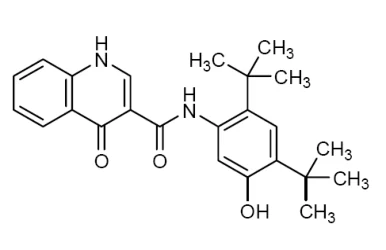 |
| Physicochemical properties: | KALYDECO is a white to off white powder that is practically insoluble in water (<0.05 microgram/mL). |
14 CLINICAL TRIALS
14.1 Clinical Trials by Indication
The efficacy of KALYDECO in patients with CF was demonstrated in five Phase 3, randomized double-blind, placebo-controlled trials (Trial 1, 2, 3, 4, and 5).
Patients with CF with a G551D Mutation in the CFTR Gene
| Table 13: Summary of Patient Demographics for Clinical Trials in CF Patients with a G551D CFTR Mutation | ||||||||||
| Study # | Trial design | Dosage, route of administration and duration | Study subjects (n) | Mean age (Range) | Sex | |||||
| Trial 1 (subjects with a G551D-CFTR mutation) | Randomized, placebo-controlled, double-blind, parallel-group, multiple-dose, multi-centered | 150 mg of KALYDECO or placebo; oral; every 12 hours with food for 48 weeks | 161 | 26 years (12 to 53 years) | Male: 48% Female: 52% | |||||
| Trial 2 (subjects with a G551D-CFTR mutation) | Randomized, placebo-controlled, double-blind, parallel-group, multiple-dose, multi-centered | 150 mg of KALYDECO or placebo; oral; every 12 hours with food for 48 weeks | 52 | 9 years (6 to 12 years) | Male: 48% Female: 52% | |||||
Dose Ranging
Dose ranging for the clinical program consisted primarily of one double-blind, placebo-controlled, crossover trial in 39 adult (mean age 31 years) Caucasian patients with CF who had FEV1 ≥40% predicted. Twenty patients with median predicted FEV1 at baseline of 56% (range: 42% to 109%) received KALYDECO 25 mg, 75 mg, 150 mg or placebo every 12 hours for 14 days and 19 patients with median predicted FEV1 at baseline of 69% (range: 40% to 122%) received KALYDECO 150 mg, 250 mg, or placebo every 12 hours for 28 days. The selection of the 150 mg every 12 hours dose was primarily based on nominal improvements in lung function (pre dose FEV1) and changes in pharmacodynamic parameters (sweat chloride and nasal potential difference). The twice daily dosing regimen was primarily based on an apparent terminal plasma half life of approximately 12 hours. Selection of the 150 mg dose of KALYDECO for children 6 to 11 years of age was based on achievement of comparable pharmacokinetics for the key pharmacokinetic parameter as those observed for adult patients.
Efficacy
The efficacy of KALYDECO in patients with CF who have a G551D mutation in the CFTR gene was evaluated in two randomized, double-blind, placebo-controlled Phase 3 clinical trials (Trial 1 and Trial 2) in 213 clinically stable patients with CF (109 receiving KALYDECO 150 mg twice daily). All eligible patients from these trials were rolled over into an open-label extension study.
Patients who had persistent Burkholderia cenocepacia, Burkholderia dolosa, or Mycobacterium abscessus isolated from sputum at screening and those with abnormal liver function defined as 3 or more liver function tests (ALT, AST, AP, GGT, total bilirubin) ≥3 x ULN were excluded.
Patients in both trials were randomized in a 1:1 ratio to receive either 150 mg of KALYDECO or placebo every 12 hours with food containing fat for 48 weeks in addition to their prescribed CF therapies (e.g., tobramycin, dornase alfa). The use of inhaled hypertonic saline was not permitted.
Trial 1 evaluated 161 patients with CF and a G551D–CFTR mutation who were 12 years of age or older (mean age 26 years) with FEV1 at screening between 40-90% predicted (mean FEV1 64% predicted at baseline [range: 32% to 98%]).
Trial 2 evaluated 52 patients with CF and a G551D–CFTR mutation who were 6 to 11 years of age (mean age 9 years) with FEV1 at screening between 40-105% predicted (mean FEV1 84% predicted at baseline [range: 44% to 134%]).
The primary efficacy endpoint in both trials was improvement in lung function as determined by the mean absolute change from baseline in percent predicted pre-dose FEV1 through 24 weeks of treatment.
In both trials, treatment with KALYDECO resulted in a significant improvement in FEV1. The treatment difference between KALYDECO and placebo for the mean absolute change in percent predicted FEV1 from baseline through Week 24 was 10.6 percentage points (P<0.0001) in Trial 1 and 12.5 percentage points (P<0.0001) in Trial 2 (Figure 1). These changes persisted through 48 weeks. Improvements in percent predicted FEV1 were observed regardless of age, disease severity, sex, and geographic region.
Figure 1. Mean absolute change from baseline in percent predicted FEV1*
8 16 24 32 40 48 -6 -4 -2 0 2 4 6 8 10 12 14 16 18 Placebo Kalydeco Week Absol ut e change in per cent pr edi ct ed FEV 1 ( mean ± SEM) 8 16 24 32 40 48 -6 -4 -2 0 2 4 6 8 10 12 14 16 18 Placebo Kalydeco Week Trial 1 Trial 2
* Primary endpoint was assessed at the 24-week time point.
Other Clinical Endpoints
Other efficacy variables included absolute change in sweat chloride from baseline to Week 24, absolute change in weight from baseline to Week 48, and absolute change in pooled (adult and child versions) Cystic Fibrosis Questionnaire Revised (CFQ-R) respiratory domain score from baseline to Week 24 (the CFQ-R is a disease specific, patient reported, health related, quality of life measure for cystic fibrosis consisting of generic and CF specific scales). The respiratory domain was used as an assessment tool for clinically relevant respiratory symptoms such as cough, wheezing, congestion, sputum production, and difficulty breathing. Time to first pulmonary exacerbation through Week 48 was also assessed in Trial 1. For the purpose of the trial, a pulmonary exacerbation was defined as a change in antibiotic therapy (IV, inhaled, or oral) as a result of 4 or more of 12 pre-specified sinopulmonary signs/symptoms. Patients treated with KALYDECO demonstrated statistically significant improvements in risk of pulmonary exacerbations, CF symptoms (in Trial 1 only), and gain in body weight (see Table 14). Weight data, when expressed as body mass index normalized for age and sex in patients <20 years of age, was consistent with absolute change from baseline in weight.
| Table 14: Effect of KALYDECO on Other Efficacy Endpoints in Trials 1 and 2 | ||||||||||||||||
|---|---|---|---|---|---|---|---|---|---|---|---|---|---|---|---|---|
| Trial 1 | Trial 2 | |||||||||||||||
| Endpoint | Treatment differencea (95% CI) | P value | Treatment differencea (95% CI) | P value | ||||||||||||
| Mean absolute change from baseline in CF symptom score (points)b | ||||||||||||||||
| Through Week 24 | 8.1 (4.7, 11.4) | <0.0001 | 6.1 (-1.4, 13.5) | 0.1092 | ||||||||||||
| Through Week 48 | 8.6 (5.3, 11.9) | <0.0001 | 5.1 (-1.6, 11.8) | 0.1354 | ||||||||||||
| Mean absolute change from baseline in sweat chloride (mmol/L) | ||||||||||||||||
| Through Week 24 | -47.9 (-51.3, -44.5) | <0.0001 | -54.3 (-61.8, -46.8) | <0.0001 | ||||||||||||
| Through Week 48 | -48.1 (-51.5, -44.7) | <0.0001 | -53.5 (-60.9, -46.0) | <0.0001 | ||||||||||||
| Relative risk of pulmonary exacerbation | ||||||||||||||||
| Through Week 24 | 0.40c | 0.0016 | NA | NA | ||||||||||||
| Through Week 48 | 0.46c | 0.0012 | NA | NA | ||||||||||||
| Mean absolute change from baseline in body weight (kg) | ||||||||||||||||
| At Week 24 | 2.8 (1.8, 3.7) | <0.0001 | 1.9 (0.9, 2.9) | 0.0004 | ||||||||||||
| At Week 48 | 2.7 (1.3, 4.1) | 0.0001 | 2.8 (1.3, 4.2) | 0.0002 | ||||||||||||
CI: Confidence Interval; NA: not analyzed due to low incidence of events a Treatment difference = effect of KALYDECO – effect of Placebo b Evaluated using the Cystic Fibrosis Questionnaire-Revised (CFQ-R) c Hazard ratio for time to first pulmonary exacerbation | ||||||||||||||||
Patients with CF with a G1244E, G1349D, G178R, G551S, S1251N, S1255P, S549N, S549R or G970R Mutation in the CFTR Gene
| Table 15: Summary of Patient Demographics for Clinical Trials in Patients with CF with a G1244E, G1349D, G178R, G551S, S1251N, S1255P, S549N, S549R or G970R Mutation in the CFTR Gene | ||||||||||
| Study # | Trial design | Dosage, route of administration and duration | Study subjects (n) | Mean age (Range) | Sex | |||||
| Trial 4 (subjects with at least one of the following non-G551D gating mutations: G1244E, G1349D, G178R, G551S, S1251N, S1255P, S549N, S549R, or G970R) | Randomized, placebo-controlled, double-blind, crossover, multiple-dose, multi-centered | 150 mg of KALYDECO or placebo; oral; every 12 hours with food for 8 weeks | 39 | 23 years (6 to 57 years) | Male: 56% Female: 44% | |||||
| The G970R mutation causes a splicing defect resulting in little-to-no CFTR protein at the cell surface; the resulting low level of protein can be potentiated by ivacaftor. | ||||||||||
Trial 4 was a Phase 3, two part, randomized, double blind, placebo-controlled, crossover trial (Part 1) with an open-label extension period (Part 2) to evaluate the efficacy and safety of ivacaftor in patients with CF who have a non-G551D gating mutation in the CFTR gene (G1244E, G1349D, G178R, G551S, S1251N, S1255P, S549N, S549R, or G970R). Patients who completed Part 1 continued into the 16-week open-label Part 2 of the trial.
Trial 4 evaluated 39 patients with CF and a G1244E, G1349D, G178R, G551S, S1251N, S1255P, S549N, S549R, or G970R CFTR mutation who were 6 years of age or older (mean age 23 years) with FEV1 ≥40% predicted at screening (mean FEV1 78% predicted at baseline [range: 43% to 119%]).
In Part 1, patients were randomized 1:1 to receive either 150 mg of ivacaftor or placebo every 12 hours with food containing fat for 8 weeks in addition to their prescribed CF therapies during the first treatment period and crossed over to the other treatment for the second 8 weeks. treatment periods were separated by a 4- to 8-week washout period. The use of inhaled hypertonic saline was not permitted.
The primary efficacy endpoint was improvement in lung function as determined by the mean absolute change from baseline in percent predicted FEV1 through 8 weeks of treatment. The treatment difference between ivacaftor and placebo was 10.7 percentage points (P<0.0001). Improvements in percent predicted FEV1 were observed regardless of age, disease severity, sex, geographic region, and Pseudomonas aeruginosa infection status at baseline. In this study, statistically significant improvement in FEV1 was seen at Day 15 and durable through 8 weeks.
Treatment with ivacaftor resulted in consistent and statistically significant treatment effects across the secondary endpoints of absolute change from baseline in BMI and BMI for age-z score (0.7 kg/m2; P<0.0001 and 0.3 points; P=0.0010, respectively), and CFQ-R respiratory domain score (9.6 points; P=0.0004) when compared to placebo. Together, these results demonstrate the positive effects of ivacaftor treatment on pulmonary and extrapulmonary measures.
Based on clinical (percent predicted FEV1) and pharmacodynamic (sweat chloride) [see 10.2 Pharmacodynamics] responses to ivacaftor, efficacy in patients with the G970R mutation could not be established. The G970R mutation has been identified as causing a splicing defect resulting in little-to-no CFTR protein at the cell surface able to be potentiated by ivacaftor.
Patients with CF with an R117H Mutation in the CFTR Gene
| Table 16: Summary of Patient Demographics for Clinical Trials in CF Patients with an R117H Mutation in the CFTR Gene | ||||||||||
| Study # | Trial design | Dosage, route of administration and duration | Study subjects (n) | Mean age (Range) | Sex | |||||
| Trial 5 (subjects with an R117H-CFTR mutation) | Randomized, placebo-controlled, double-blind, parallel-group | 150 mg of KALYDECO or placebo; oral; every 12 hours with food for 24 weeks | 69 | 31 years (6 to 68 years) | Male: 44% Female: 56% | |||||
Trial 5 was a Phase 3, randomized, double blind, placebo-controlled, parallel group clinical trial to evaluate the efficacy and safety of ivacaftor in 69 patients 6 years of age and older with an R117H mutation in the CFTR gene. Patients who were 12 years and older had FEV1 at screening between 40% and 90% predicted and patients who were 6-11 years of age had FEV1 at screening between 40% and 105% predicted. The overall mean FEV1 was 73% predicted at baseline (range: 33% to 106%). The mean FEV1 was 65% predicted at baseline (range: 33% to 93%) for patients aged 18 years and older and 96% predicted at baseline (range 80% to 106%) for patients 6 to 11 years of age. There were only 2 patients 12 to 17 years of age randomized in the study.
The patients had well preserved body mass index (BMIs) (mean overall: 23.8 kg/m2) and a high proportion were pancreatic sufficient as assessed by a low rate of pancreatic enzyme replacement therapy use (pancreatin: 11.6%; pancrelipase: 5.8%). Patients who had persistent Burkholderia cenocepacia, Burkholderia dolosa, or Mycobacterium abscessus isolated from sputum at screening and those with abnormal liver function defined as 3 or more liver function tests (ALT, AST, AP, GGT, total bilirubin) ≥3 x ULN were excluded.
Patients were randomized 1:1 to receive either 150 mg of KALYDECO (n=34) or placebo (n=35) every 12 hours with food containing fat for 24 weeks in addition to their prescribed CF therapies.
The primary efficacy endpoint was improvement in lung function as determined by the mean absolute change from baseline in percent predicted FEV1 through 24 weeks of treatment. The treatment difference for absolute change in percent predicted FEV1 through Week 24 was 2.1 percentage points (95% CI -1.1, 5.4), which did not reach statistical significance (P=0.1979).
Subgroup analysis according to age group was pre specified in this study protocol. Treatment with ivacaftor (n=24) in patients aged 18 years of age and older resulted in an improvement in absolute change in percent predicted FEV1 through Week 24 compared to placebo (n=26), with a treatment difference of 5.0 percentage points (95% CI 1.1, 8.8). In patients 6 to 11 years of age, the treatment difference in percent predicted FEV1 through Week 24 for ivacaftor (n=9) compared to placebo (n=8) was -6.3 percentage points (95% CI -12.0, -0.7). No statistical analysis was conducted for patients 12 to 17 years of age because only 2 patients were enrolled in this age group.
In a subgroup analysis by poly-T status, in patients with a confirmed R117H-5T variant, the difference in the mean absolute change from baseline through Week 24 in percent predicted FEV1 between ivacaftor and placebo was 5.3 percentage points (95% CI 1.3, 9.3). In patients with a confirmed R117H-7T genetic variant, the treatment difference between ivacaftor and placebo was 0.2% percentage points (95% CI -8.1, 8.5).
Other efficacy variables analyzed included absolute change in sweat chloride from baseline through Week 24, absolute change in BMI at Week 24, and improvement in cystic fibrosis symptoms through Week 24 as assessed by the CFQ-R respiratory domain score. No treatment difference was observed for absolute change from baseline in BMI at Week 24. The treatment difference in CFQ-R respiratory domain score through Week 24 was 8.4 points (95% CI 2.2, 14.6). In subgroup analysis in patients 18 years and older, the treatment difference in CFQ-R respiratory domain score through Week 24 for ivacaftor (n=24) compared to placebo (n=26) was 12.6 points. In patients 6 to 11 years of age, the treatment difference in CFQ-R respiratory domain score through Week 24 for ivacaftor (n=9) compared to placebo (n=8) was -6.1 points.
Pediatric Patients with CF aged 2 Months to Less Than 6 Years with G551D or Another Gating Mutation
| Table 17: Summary of Patient Demographics for Clinical Trials in CF Patients Aged 1 Month to Less Than 6 Years with G551D or Another Gating Mutation | |||||||||
| Study # | Trial design | Dosage, route of administration and duration | Study subjects (n) | Mean age (Range) | Sex | ||||
| Trial 6 (subjects eligible for the trial had CF with a G551D, G1244E, G1349D, G178R, G551S, G970R, S1251N, S1255P, S549N, or S549R mutation in the CFTR gene) | Non-randomized, open-label, multiple-dose | 50 mg KALYDECO granules or 75 mg KALYDECO granules according to weight; oral; every 12 hours for 24 weeks | 34 | 2 to <6 years of age (mean age 3 years) | Male: 82% Female: 18% | ||||
| Trial 7 (subjects with CF with at least one of the following gating mutations: G551D, G1244E, G1349D, G178R, G551S, S1251N, S1255P, S549N, or S549R) ⁎ | Non-randomized, open-label | 50 mg KALYDECO granules or 75 mg KALYDECO granules according to weight; oral; every 12 hours for 24 weeks | 19 | 12 months to <24 months (mean age 15.2 months) | Male: 58% Female: 42% |
| Non-randomized, open-label | 50 mg KALYDECO granules according to weight; oral; every 12 hours for 24 weeks | 11 | 6 months to <12 months (mean age 9.0 months) | Male: 18 % Female: 82 % | |
| Non-randomized, open-label, multiple-dose | 25 mg and 50 mg KALYDECO granules according to weight; oral; every 12 hours for 24 weeks | 6 | 4 months to <6 months (mean age 4.5 months) | Male: 83% Female: 17% | |
| Non-randomized, open-label, multiple-dose | 5.7 mg, 11.4 mg, 17.1 mg, 22.8 mg, or 25 mg KALYDECO granules according to Day 4 pharmacokinetics oral; every 12 hours for 24 weeks† | 7 | 1 month to <4 months (mean age 1.9 months) | Male: 43% Female: 57% | |
* Patients aged 1 month to <4 months: patients with other CFTR mutations for which KALYDECO is authorized in some countries were eligible for the study. KALYDECO is not authorized for use in patients less than 2 months of age. † Patients remained on their Day 15 dose until they reached 4 months of age and at least 5 kg, after which the recommended age- and weight-appropriate dose(s) was administered. | |||||
The efficacy of KALYDECO in children 2 months to less than 24 months of age and 2 years to less than 6 years of age is extrapolated from efficacy in patients 6 years of age and older with support from population pharmacokinetic analyses showing similar drug exposure levels in adults and children 2 months to less than 6 years of age.
Trial 7 was a two-part (Part A and Part B) non-randomized, open-label trial that evaluated patients with CF and a gating mutation aged less than 24 months. Part A of the study evaluated the safety and pharmacokinetics of multiple-dose administration of ivacaftor in patients aged 3 months to less than 24 months over 4 days of dosing to confirm or adjust the appropriate doses for Part B of the study. Patients were enrolled in cohorts based on age. Part B of the trial enrolled a cohort of 19 pediatric patients aged 12 months to less than 24 months (mean age 15.2 months at baseline) with 18 patients completing the 24-week treatment period. A cohort of 11 patients were aged 6 months to less than 12 months (mean age 9.0 months at baseline) with all 11 patients completing the 24-week treatment period. A cohort of 6 patients were aged 4 months to less than 6 months (mean age 4.5 months at baseline) with all 6 patients completing the 24-week treatment period. Part A/B of the trial enrolled a cohort of 7 patients aged 1 month to less than 4 months (mean age 1.9 months at baseline) with 6 patients completing the 24-week treatment period. KALYDECO is not authorized for patients less than 2 months of age.
Patients received ivacaftor 25 mg, 50 mg or 75 mg granules according to their age and weight at each study visit (patients weighing 5 to less than 7 kg received ivacaftor 25 mg, 7 kg to less than 14 kg received ivacaftor 50 mg, and patients weighing more than 14 kg received ivacaftor 75 mg). Ivacaftor was administered orally every 12 hours with fat-containing food in addition to standard-of-care CF therapies. All 19 patients aged 12 months to less than 24 months weighed <14 kg at baseline and were administered the 50 mg ivacaftor dose. Patients in Part A/B received an initial low dose of ivacaftor (5.7 mg or 11.4 mg) based on their age and weight on Day 1. Dosing was maintained or adjusted on Day 15 to either 5.7 mg, 11.4 mg, 17.1 mg, 22.8 mg, or 25 mg based on their Day 4 pharmacokinetics. Patients remained on their Day 15 dose until they reached 4 months of age and at least 5 kg, after which the recommended age- and weight-appropriate dose(s) was administered.
In Part B and Part A/B of Trial 7, the primary endpoint of safety was evaluated through 24 weeks [see 8.4 Abnormal Laboratory Findings: Hematologic, Clinical Chemistry and Other Quantitative Data]. Secondary endpoints were evaluation of pharmacokinetics and the absolute change from baseline in sweat chloride through 24 weeks of treatment [see 10.2 Pharmacodynamics]. Tertiary endpoints included growth parameters and measures of pancreatic function. Mean growth parameters were normal at baseline and generally maintained through 24 weeks of treatment. Improvements in fecal elastase-1 (a measure of exocrine pancreatic function) were observed by Week 2 and sustained through 24 weeks of treatment.
Patients with CF Homozygous for the F508del Mutation in the CFTR Gene
| Table 18: Summary of Patient Demographics for Clinical Trials in CF Patients Homozygous for the F508del Mutation in the CFTR Gene | ||||||||||
| Study # | Trial design | Dosage, route of administration and duration | Study subjects (n) | Mean age (Range) | Sex | |||||
| Trial 3 (subjects homozygous for the F508del-CFTR mutation) | Randomized, placebo-controlled, double-blind, parallel-group, multiple-dose, multi-centered | 150 mg of KALYDECO or placebo; oral; every 12 hours with food for 16 weeks | 140 | 23 years (12 to 52 years) | Male: 53% Female: 47% | |||||
Trial 3 was a 16-week, randomized, double blind, placebo-controlled, parallel-group trial in 140 patients with CF aged 12 years and older who were homozygous for the F508del mutation in the CFTR gene and who had FEV1 ≥40% predicted. The primary endpoint was improvement in lung function as determined by the mean absolute change from baseline through Week 16 in percent predicted FEV1. Treatment with KALYDECO resulted in no improvement in FEV1 relative to placebo. There were also no meaningful differences between patients treated with KALYDECO compared to placebo for secondary endpoints (change in CF symptoms, change in weight, or change in sweat chloride concentration).
15 MICROBIOLOGY
No microbiological information is required for this drug product.
16 NON-CLINICAL TOXICOLOGY
The toxicity of ivacaftor was evaluated in acute, repeat-dose, genetic, carcinogenicity, developmental and reproductive, local tolerance, and other toxicity studies.
General Toxicology
Acute Toxicity
Ivacaftor demonstrated a low potential for acute toxicity from high single doses in both mice, (maximum tolerated dose [MTD] = 2000 mg/kg) and rats (MTD = 500 mg/kg). No ivacaftor-related adverse effects were seen at levels that represent 13 to 27 times the maximum recommended human dose (MRHD) on a mg/kg basis (assuming a 50 kg human).
Repeat-dose Toxicity
Ivacaftor was tested in repeat-dose studies of up to 3 months’ duration in mice, 6 months’ duration in rats, and 12 months’ duration in dogs. The only target organ of toxicity identified for ivacaftor was the liver of mice and rats. Clinical chemistry and/or morphological evidence of hepatotoxicity was observed at high dosages in mice (≥600 mg/kg/day in a 3-month study) and rats (≥200 mg/kg/day in the 3-month study and ≥100 mg/kg/day in the 6-month study). In mice, the main clinical pathology changes at the end of 3 months of dosing were elevated alanine aminotransferase (ALT), alkaline phosphatase (ALP), and serum electrolytes relative to the control group, and lower cholesterol and glucose, which was accompanied by minimal foci of hepatocellular necrosis in only a few of the animals. The main ivacaftor-related clinical pathology changes in rats (relative to the control group) included prolongation of prothrombin time (PT) and activated partial thromboplastin time (APTT); increases in ALT, gamma-glutamyltransferase (GGT), total protein, and blood urea nitrogen (BUN); serum electrolyte changes; and lower bicarbonate. Dose-related elevations in liver weights were accompanied by histopathological findings of centrilobular hepatocellular necrosis with acute/subacute inflammation in a few rats and mixed inflammatory cells occasionally seen in the liver. The hepatic enzyme elevations were typically less than 3-fold greater than normal.
Occasional instances of atrioventricular (AV) block occurred in dogs in repeat-dose studies. AV block is a well-documented background finding in this species. In addition, a slight increase in the incidence of supraventricular premature complex (SVPC) runs was observed in the chronic (12-month) study. The SVPC runs, which occurred in only 3 out of 40 dogs in this study, consisted of multiple events within a single electrocardiogram (ECG) recording at dosages ≥30 mg/kg/day and were reversible following a 28-day recovery period. All other ECG parameters were normal in all groups and the SVPC runs were not accompanied by morphological changes in the heart or changes in the health status of these dogs.
In the chronic toxicity studies, summed exposures to ivacaftor and its major metabolites at the no observed adverse effect level (NOAEL) in rats (50 mg/kg/day) and dogs (60 mg/kg/day)
were at least 4.4- to 5.2- and 2.5- to 3.4-fold higher than the estimated steady-state summed AUC0-24hr (117.8 µg hr/mL) at the recommended human therapeutic dosage, respectively (exposures were obtained by non-compartmental analysis (NCA) from sparse PK samples collected in Trial 4).
Carcinogenicity
Two-year studies in mice and rats to assess the carcinogenic potential of ivacaftor demonstrated that ivacaftor was not carcinogenic in either species. Plasma exposures to ivacaftor in mice at the non-carcinogenic dosage (200 mg/kg/day, the highest dosage tested) were approximately 4- to 7-fold higher than the plasma levels measured in humans following ivacaftor therapy and at least 1.2- to 2.4-fold higher with respect to the summed AUCs for ivacaftor and its major metabolites. Plasma exposures to ivacaftor in rats at the non-carcinogenic dosage (50 mg/kg/day, the highest dosage tested) were approximately 16- to 29-fold higher than the plasma levels measured in humans following ivacaftor therapy, and 6- to 9-fold higher with respect to the summed AUCs for ivacaftor and its major metabolites (exposures were obtained by non-compartmental analysis (NCA) from sparse PK samples collected in Trial 4).
Genotoxicity
Ivacaftor was shown to be non-mutagenic and non-clastogenic in the following standard in vitro and in vivo genotoxicity tests: Ames test for bacterial gene mutation, in vitro chromosomal aberration assay in Chinese hamster ovary cells, and in vivo mouse micronucleus test.
Reproductive and Developmental Toxicity
Ivacaftor impaired fertility and reproductive performance indices in male and female rats at 200 mg/kg/day (yielding exposures approximately 8 and 5 times, respectively, the maximum recommended human dose (MRHD) based on the summed AUC of ivacaftor and its major metabolites; exposures were obtained by non-compartmental analysis (NCA) from sparse PK samples collected in Trial 4). Decreased weight of seminal vesicles in males and increases in prolonged diestrus in females were observed at 200 mg/kg/day. Ivacaftor decreased the fertility index in female rats and the number of corpora lutea, implantations, and viable embryos at 200 mg/kg/day when dams were dosed prior to and during early pregnancy. No effects on male or female fertility and reproductive performance indices were observed at ≤100 mg/kg/day (yielding exposures approximately 6 and 3 times respectively, the MRHD based on the summed AUCs of ivacaftor and its major metabolites). Ivacaftor was not teratogenic when dosed orally up to 200 mg/kg/day to pregnant rats and up to 100 mg/kg/day to pregnant rabbits during the organogenesis stage of fetal development, and did not cause developmental defects (learning and memory, reproductive capacity) in the offspring of pregnant rats dosed orally from pregnancy through parturition and weaning. M1 and M6 were not directly quantitated in the developmental and reproductive toxicity studies.
Juvenile Toxicity
Cataracts were seen in juvenile rats dosed with ivacaftor from postnatal Day 7 to 35 at dose levels of 10 mg/kg/day and higher (approximately 0.17 and 0.27 times the MRHD based on summed AUCs of ivacaftor and its metabolites in males and females, respectively); exposures were obtained by non-compartmental analysis (NCA) from sparse PK samples collected in
Trial 4). This finding was not observed in older animals. The significance of these findings for humans is unknown.
Special Toxicology
Ivacaftor was not irritating to skin after topical administration to rabbits. Ivacaftor was classified as a non-irritant to eyes when tested in vitro on isolated bovine corneas (bovine corneal opacity and permeability assay). In a murine local lymph node assay, ivacaftor had no effects on the proliferative response of lymph node cells from the draining auricular lymph nodes, demonstrating that ivacaftor does not show the potential to induce skin sensitization.